Amsterdam packs an extraordinary amount into a small, walkable space: a UNESCO ring of 17th-century canals, some of the world's great museums, and a famously relaxed, bike-powered way of life. It is a city built for wandering, where a wrong turn down a canal lane is usually a better plan than the right one.
This guide is built around how the city actually works. The historic centre fans out in a horseshoe of concentric canals, the Grachtengordel, from Centraal Station and Dam Square. West of the ring is the Jordaan, a former working-class district now full of galleries, brown cafes, and the prettiest canal houses. South lies the Museum Quarter (Oud-Zuid), home to the Rijksmuseum, Van Gogh Museum, and Stedelijk, plus the green expanse of Vondelpark. De Pijp, with the Albert Cuyp Market, is the buzzy, multicultural south, and across the IJ a free ferry reaches the creative, fast-changing Amsterdam-Noord.
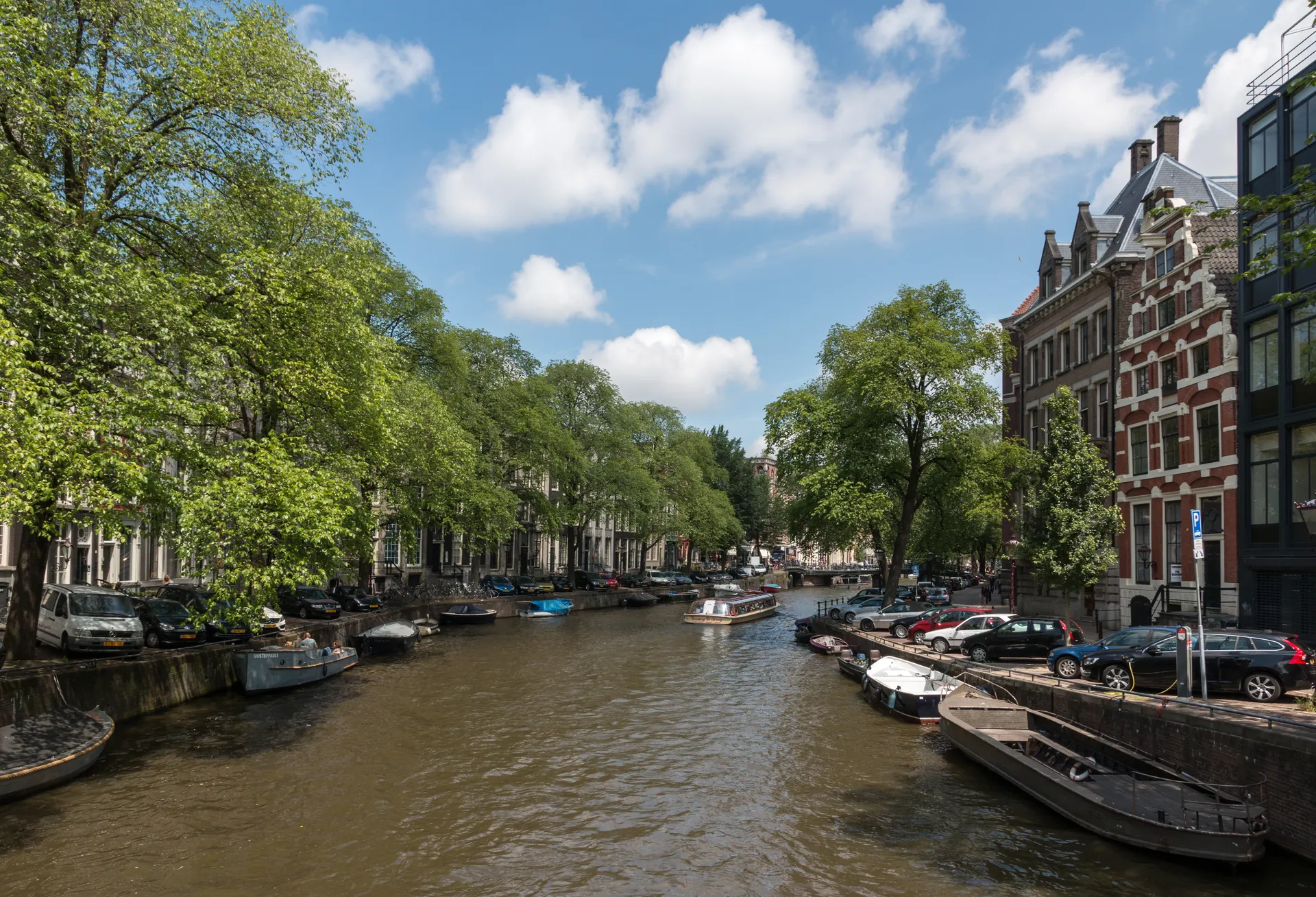
Two things define an Amsterdam trip. The first is the museums: the Dutch Golden Age at the Rijksmuseum, Van Gogh's life in one building, and the deeply moving Anne Frank House (book weeks ahead). The second is the canals themselves, best seen from a boat, from a bridge at golden hour, or simply from a bench with a coffee. Slow down and the city rewards you.
Best time to visit
April and May bring tulip season, King's Day, and mild weather; September is warm with thinner crowds. Summer is liveliest but busiest and priciest, and winter is cold and grey but cosy, with a canal light festival in December.
Budget
Amsterdam is mid-to-upper range for Western Europe. Museums run 15-25 euros, a casual meal 12-18, a sit-down dinner 25-40, and a transit day pass under 10. Cheap, excellent eats abound at markets and food halls.~$90-170 USD / day
Getting around is effortless. Trams, metro, buses, and ferries run on one tap-in, tap-out system, the centre is small enough to cross on foot, and the whole city is laced with bike lanes. Just remember the cardinal rule: never stand in the red-paved bike lanes, and look both ways twice. Amsterdam is moderately priced for Western Europe, with world-class museums for the price of a couple of cocktails and brilliant cheap eats from markets and food halls.
Use this guide as a starting point: skim the day-by-day plan, open the things-to-do list, then save the places that fit your trip. Everything you save drops straight into a TripBox itinerary with dates, a map, and your travel companions.
The best of Amsterdam
Curated places worth your time — tap a card for details or to save it.
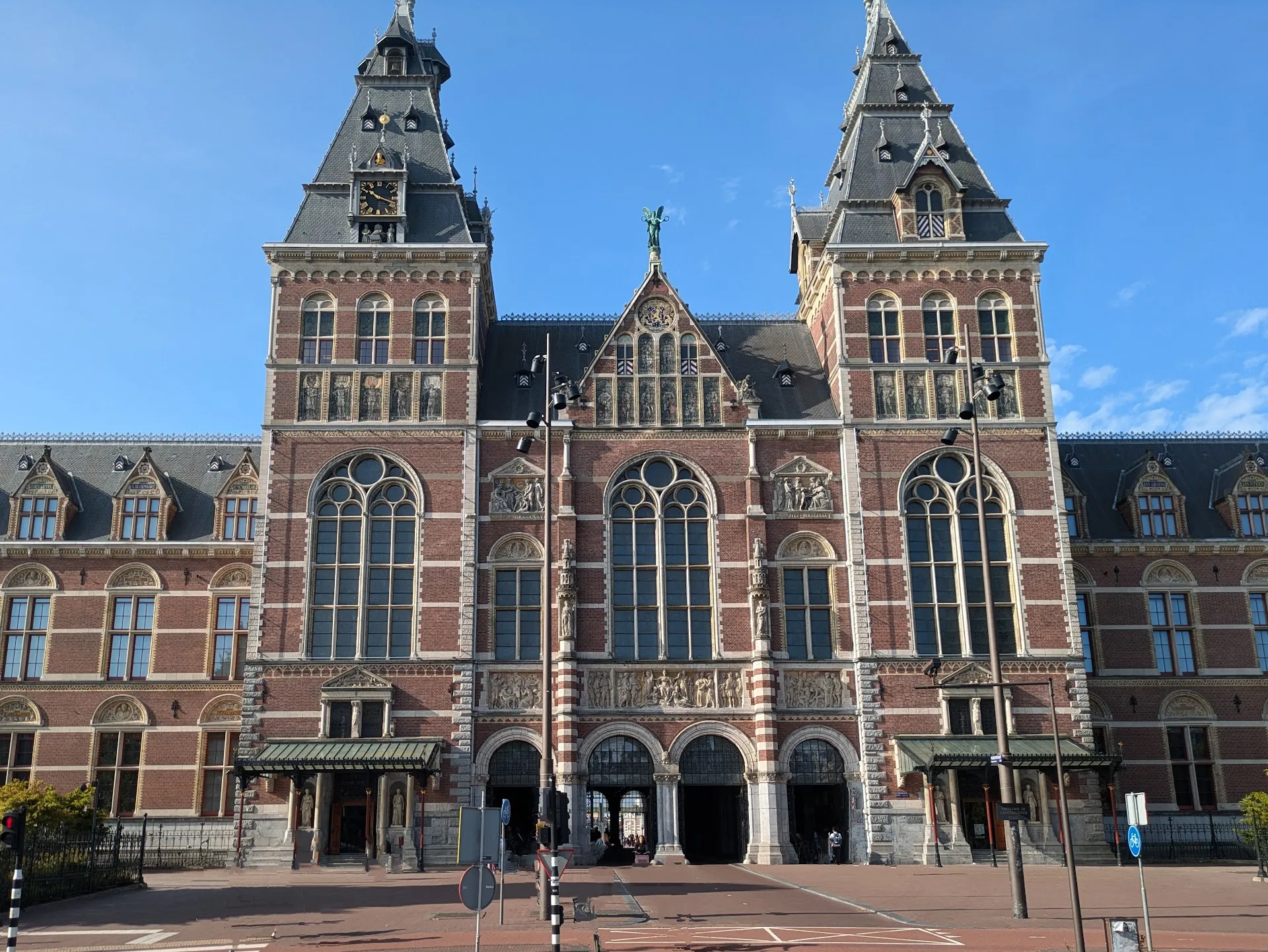
The Netherlands' national museum of art and history housing over 8,000 objects spanning 800 years of Dutch creativity. Home to Rembrandt's Night Watch and Vermeer's Milkmaid in a magnificent Pierre Cuypers building.
Museumplein
Must visit
Museum5.0
Van Gogh Museum
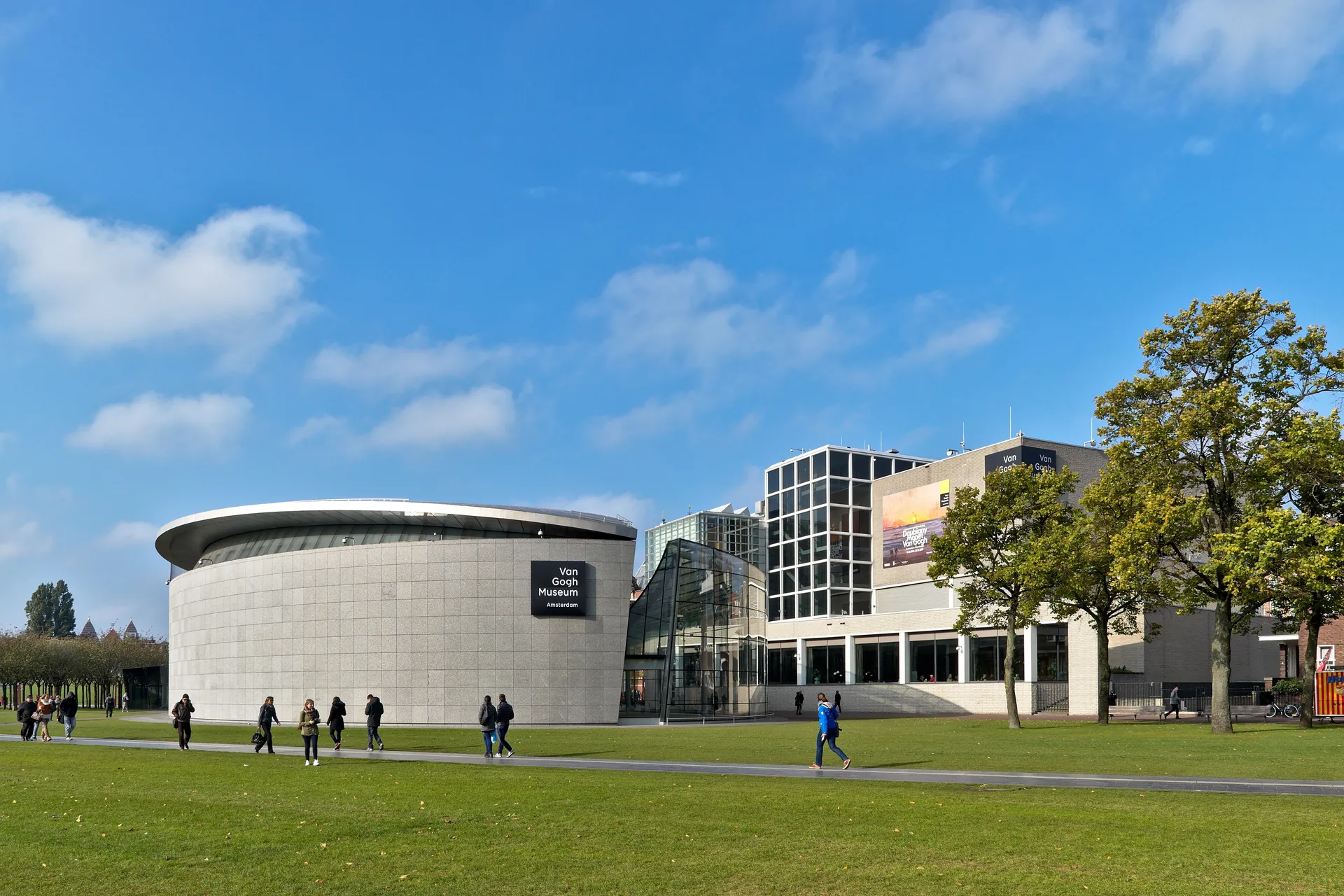
The world's largest collection of works by Vincent van Gogh, tracing his artistic evolution from dark Dutch peasant scenes through his vivid Parisian and Provencal periods. Over 200 paintings and 500 drawings housed across two connected buildings.
Museumplein
Must visit
Museum5.0
Anne Frank House
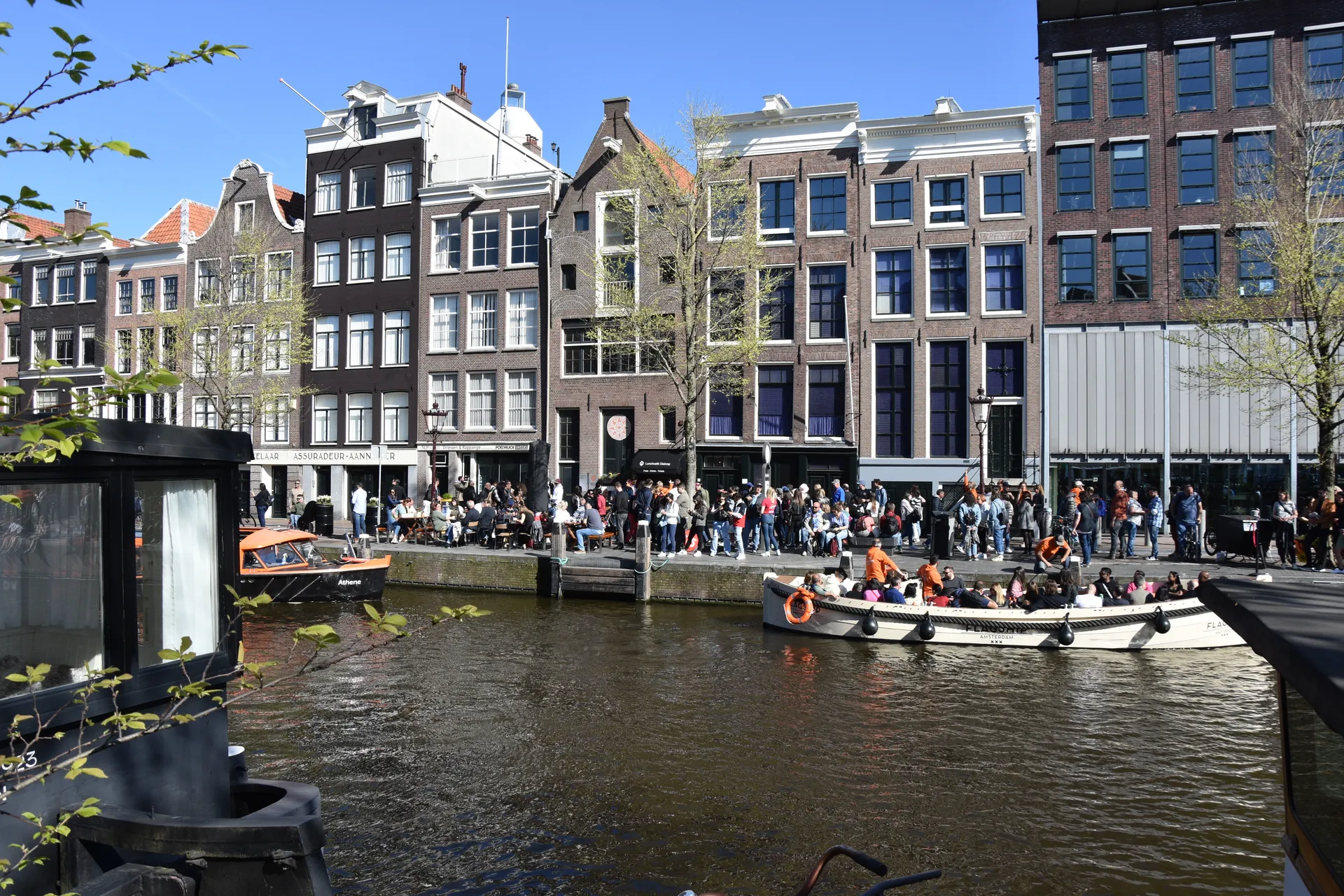
The preserved wartime hiding place where Anne Frank wrote her diary between 1942 and 1944. A deeply moving museum that takes visitors through the secret annex behind the bookcase, offering an intimate encounter with one of history's most powerful personal testimonies.
Jordaan
Architecture
Jordaan Canal Houses
The narrow residential canals of the Jordaan neighbourhood showcase Amsterdam's most charming and photogenic canal house facades. Bloemgracht and Egelantiersgracht feature tilting 17th-century gabled houses with flowering window boxes, house boats moored alongside, and arched stone bridges. The intimate scale feels distinctly different from the grand main canals, offering a quieter and more residential beauty.
Jordaan neighbourhood, along Bloemgracht and Egelantiersgracht
Park4.0
Vondelpark
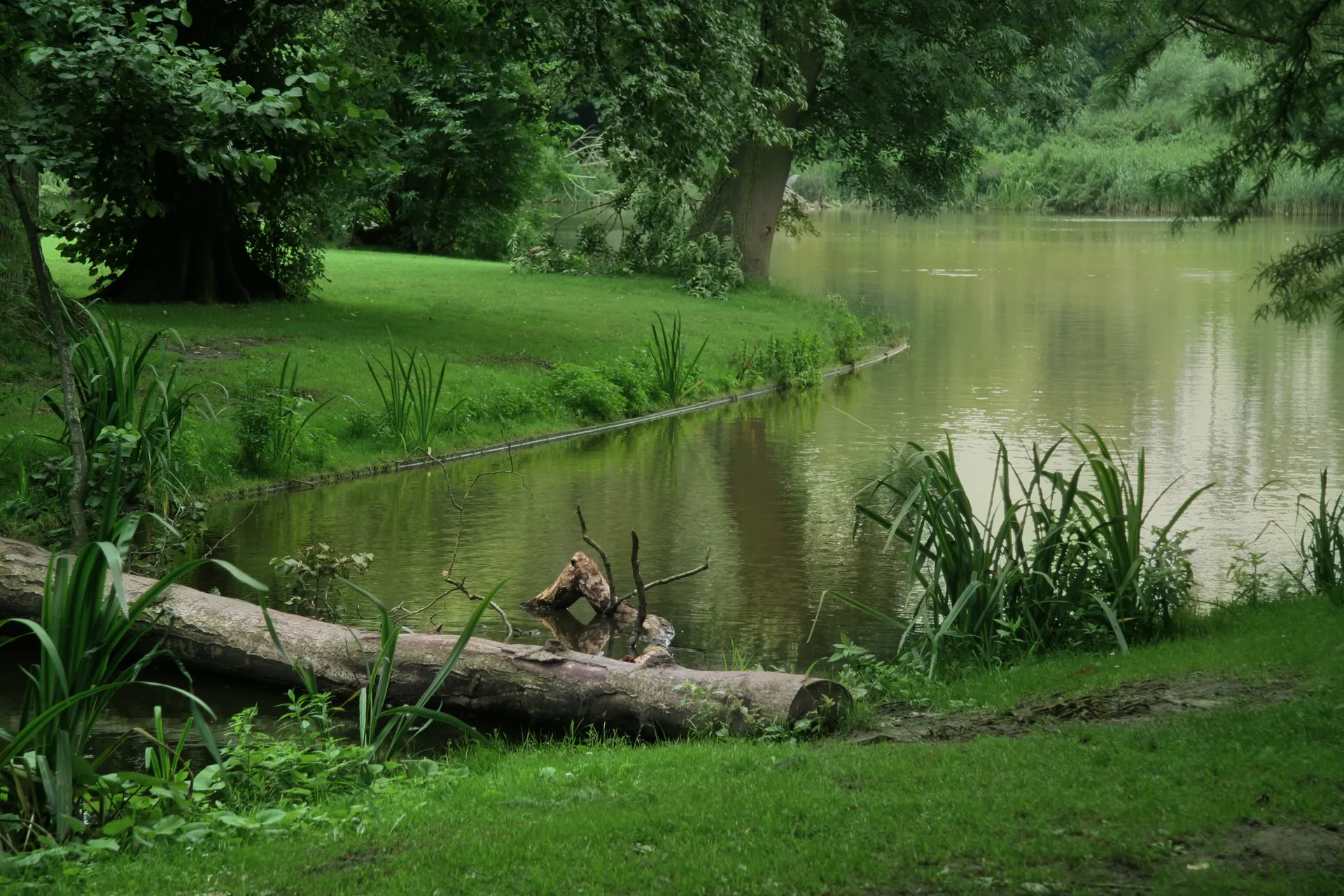
Amsterdam's beloved green lung spanning 47 hectares of winding paths, ponds, open lawns, and hidden gardens. On sunny days the park fills with picnicking locals, buskers, and joggers beneath towering plane trees.
Oud-Zuid
Must visit
Market4.0
Albert Cuyp Market
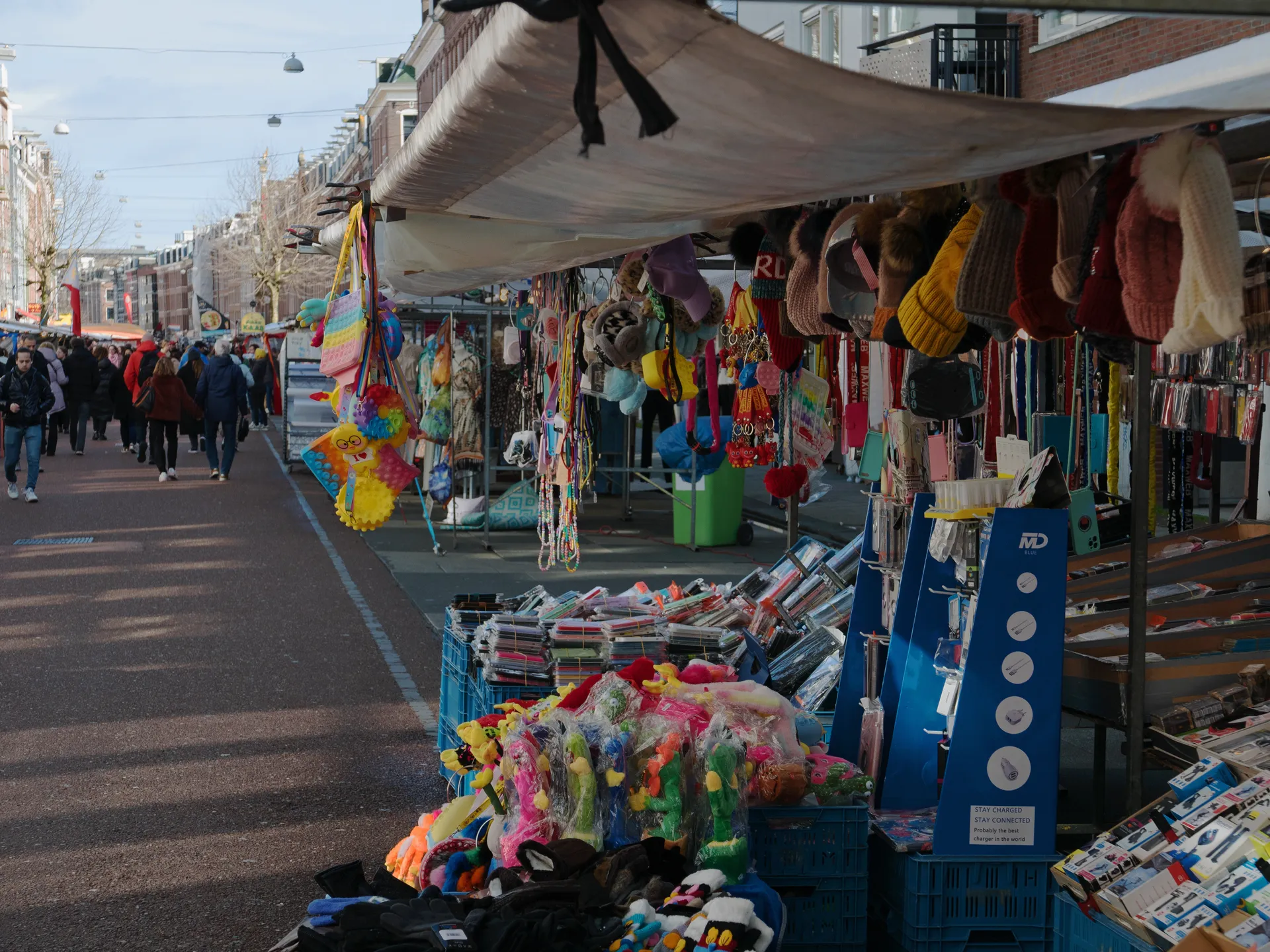
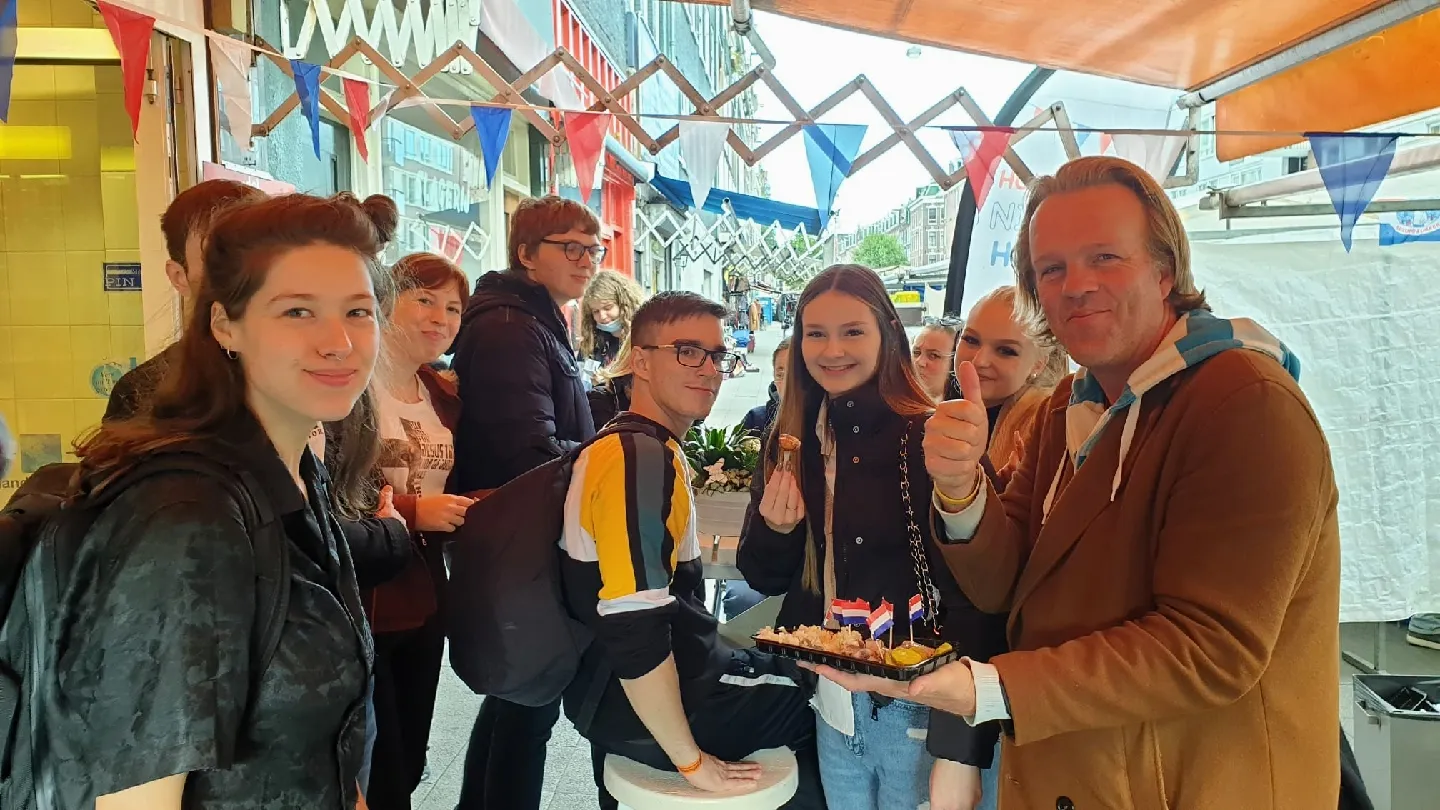
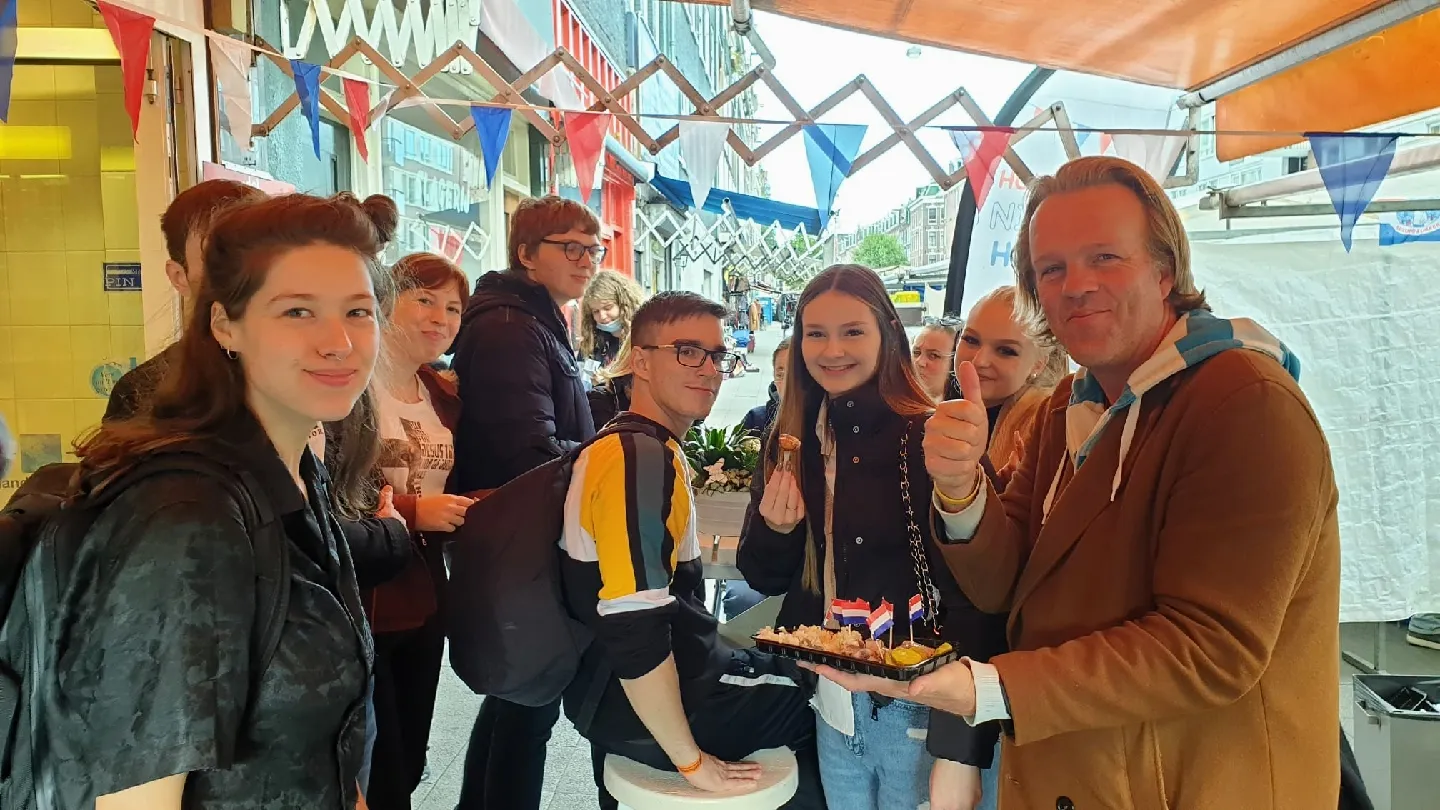
Amsterdam's largest and most famous outdoor street market stretching over 250 stalls across three blocks. Fresh stroopwafels made before your eyes, Dutch cheese, flowers, fabrics, and street food from Surinamese to Turkish vendors.
De Pijp
Other4.0
Begijnhof
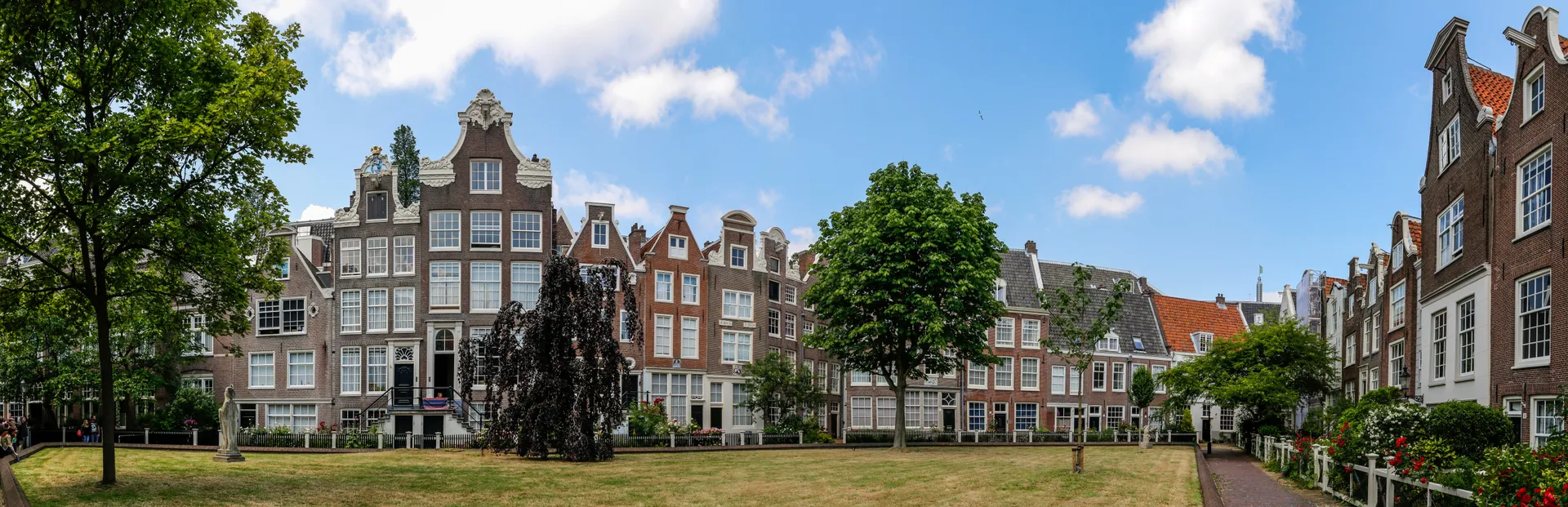
A hidden 14th-century courtyard of almshouses founded by a Catholic sisterhood, accessed through an unmarked doorway off the Spui. The tranquil garden is ringed by the oldest surviving wooden house in Amsterdam (c. 1528) and the English Reformed Church. A serene pocket of medieval calm behind the bustle of the shopping streets.
Centrum
Landmark
Dam Square
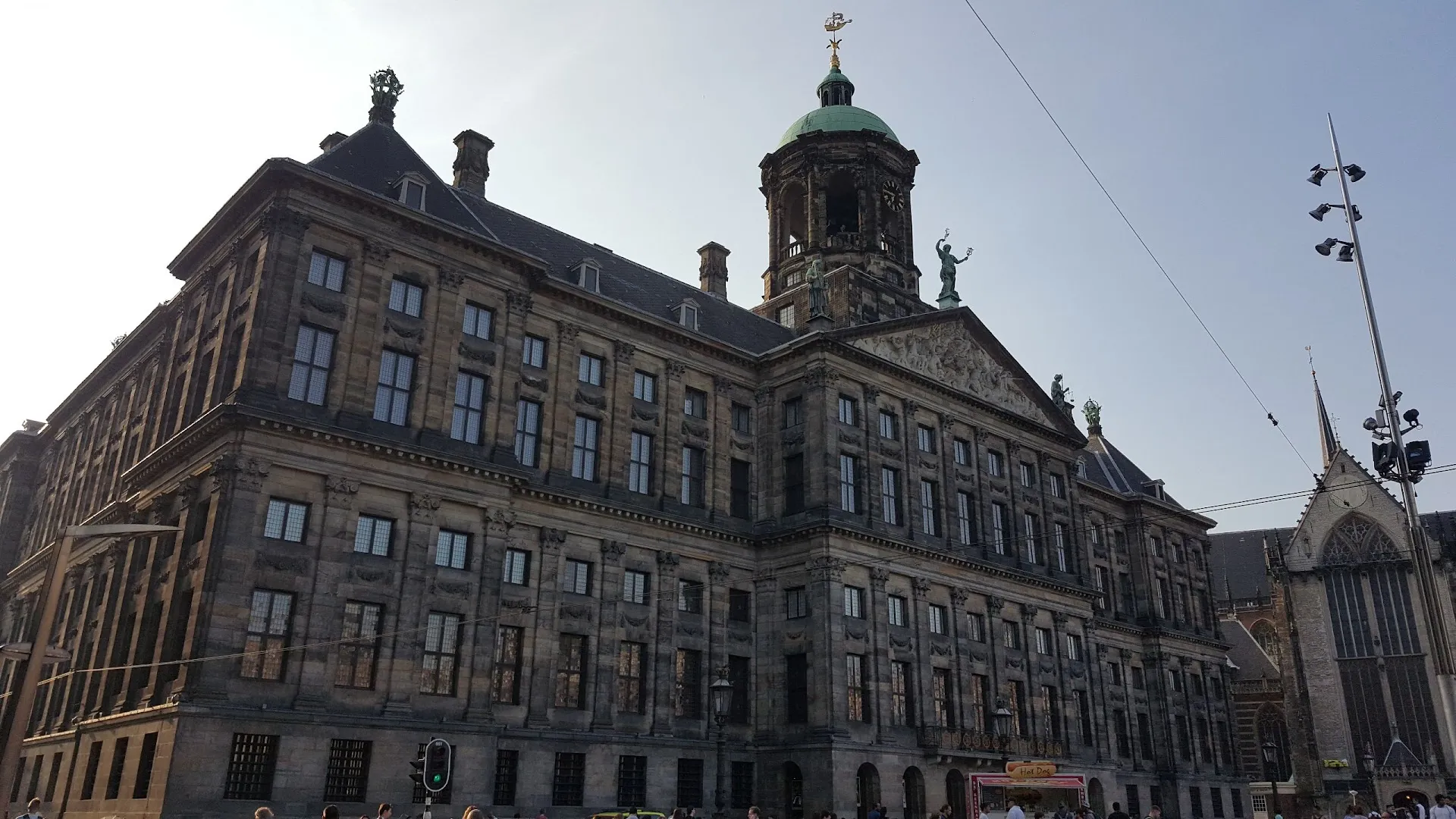
Amsterdam's main public square and historic heart, built on the original dam across the Amstel river that gave the city its name. Flanked by the Royal Palace, the Nieuwe Kerk, and the National Monument war memorial, Dam Square has been the site of markets, executions, protests, and celebrations since the 13th century. The open plaza connects the canal ring to the medieval core.
Dam Square, Centrum
Museum4.0
Stedelijk Museum
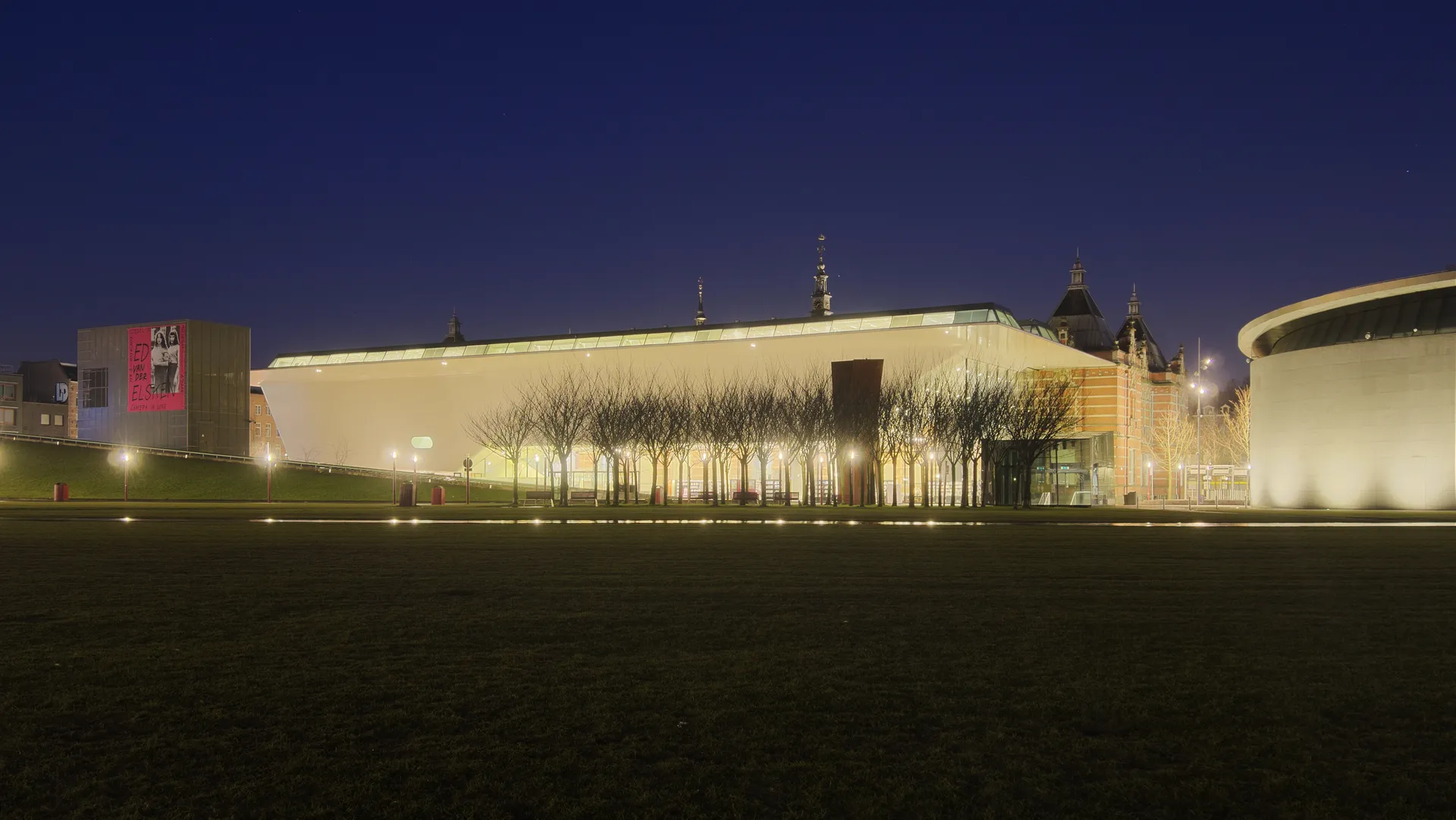
Amsterdam's premier modern and contemporary art museum with a collection spanning works by Mondrian, Malevich, De Kooning, and Warhol. The striking bathtub-shaped extension contrasts beautifully with the original 1895 neo-Renaissance building.
Museumplein
Tours & experiences
Free walking tours and curated paid experiences — save or book in a tap.
A tip-based, local-guided introduction to Amsterdam's old centre: Dam Square and the Royal Palace, the canal ring, the Begijnhof, the Jordaan edge, and the Red Light District, with the stories of the Golden Age, tolerance, and the city's trading past woven through. The best possible first-day orientation.
A respectful guided walk through Amsterdam's oldest neighbourhood exploring its 800-year history from medieval trading port to its current complex identity. Learn about the pragmatic Dutch approach to regulation, visit hidden courtyards, and hear stories of the Oude Kerk, secret Catholic churches, and the area's maritime past.
De Wallen (Red Light District), starting near Oude Kerk1.5-2 hours
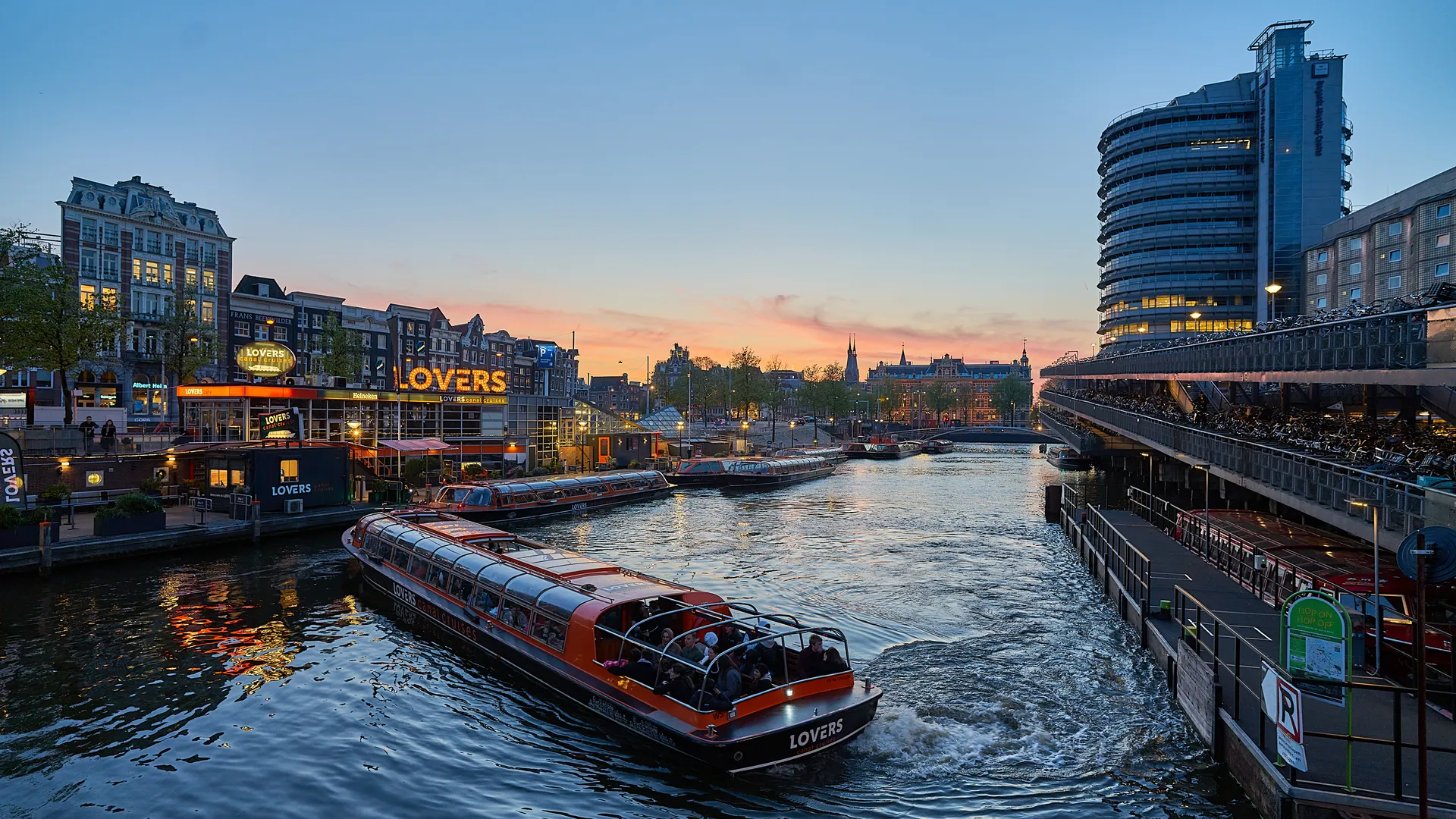
Glide through Amsterdam's UNESCO-listed canal ring as the city lights reflect off the water and illuminate the gabled merchant houses. Evening cruises offer the most atmospheric experience with bridge lights and candlelit houseboats creating a magical backdrop.
Various departure points along Damrak and Prins Hendrikkade1-1.5 hours
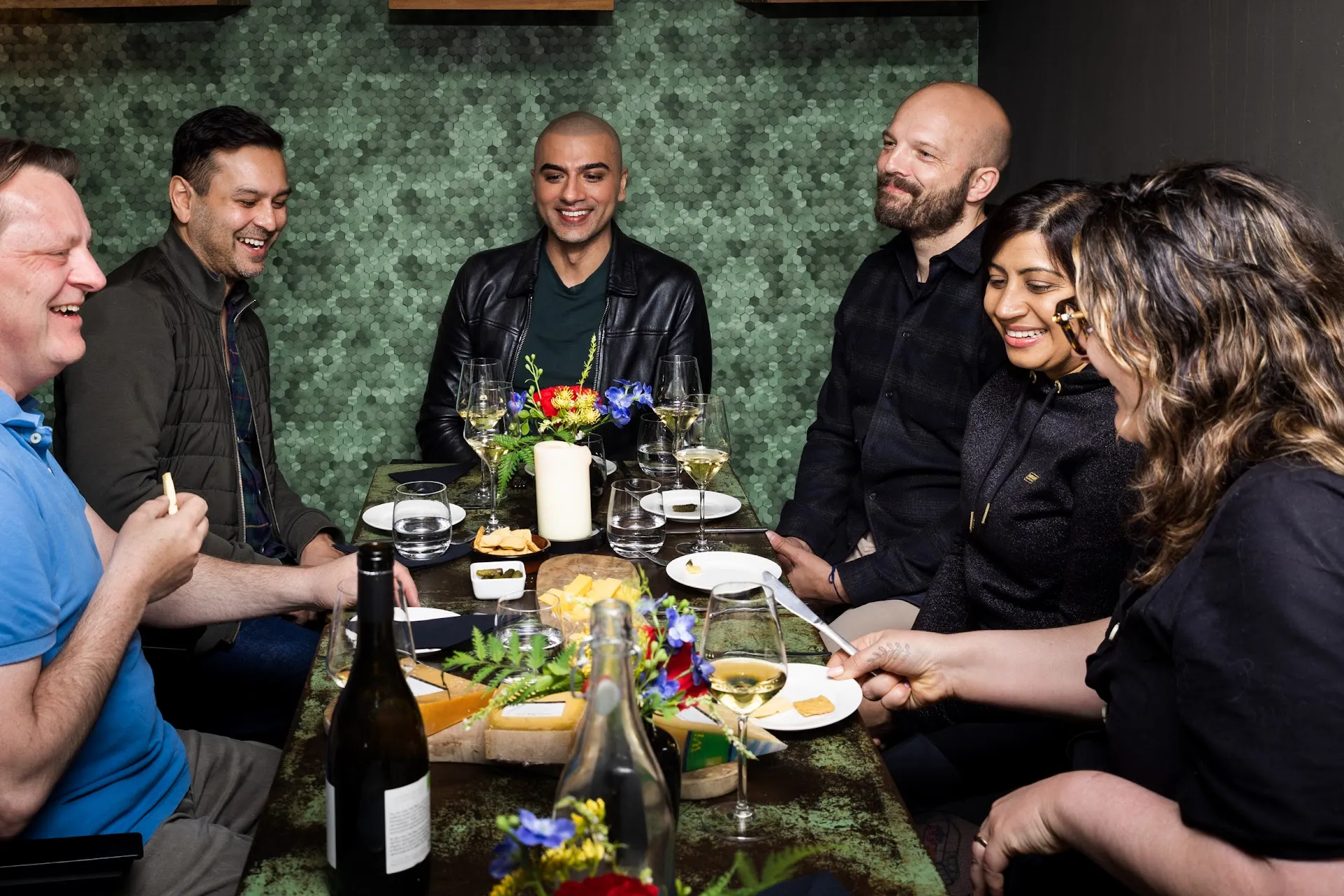
Walk through the charming Jordaan quarter sampling Dutch and international specialties at local favourites. Expect stops for aged Gouda, fresh stroopwafels, herring from a street cart, Indonesian bites, and artisan genever at a traditional proeflokaal.
Jordaan neighbourhood, starting near Noordermarkt3-3.5 hours
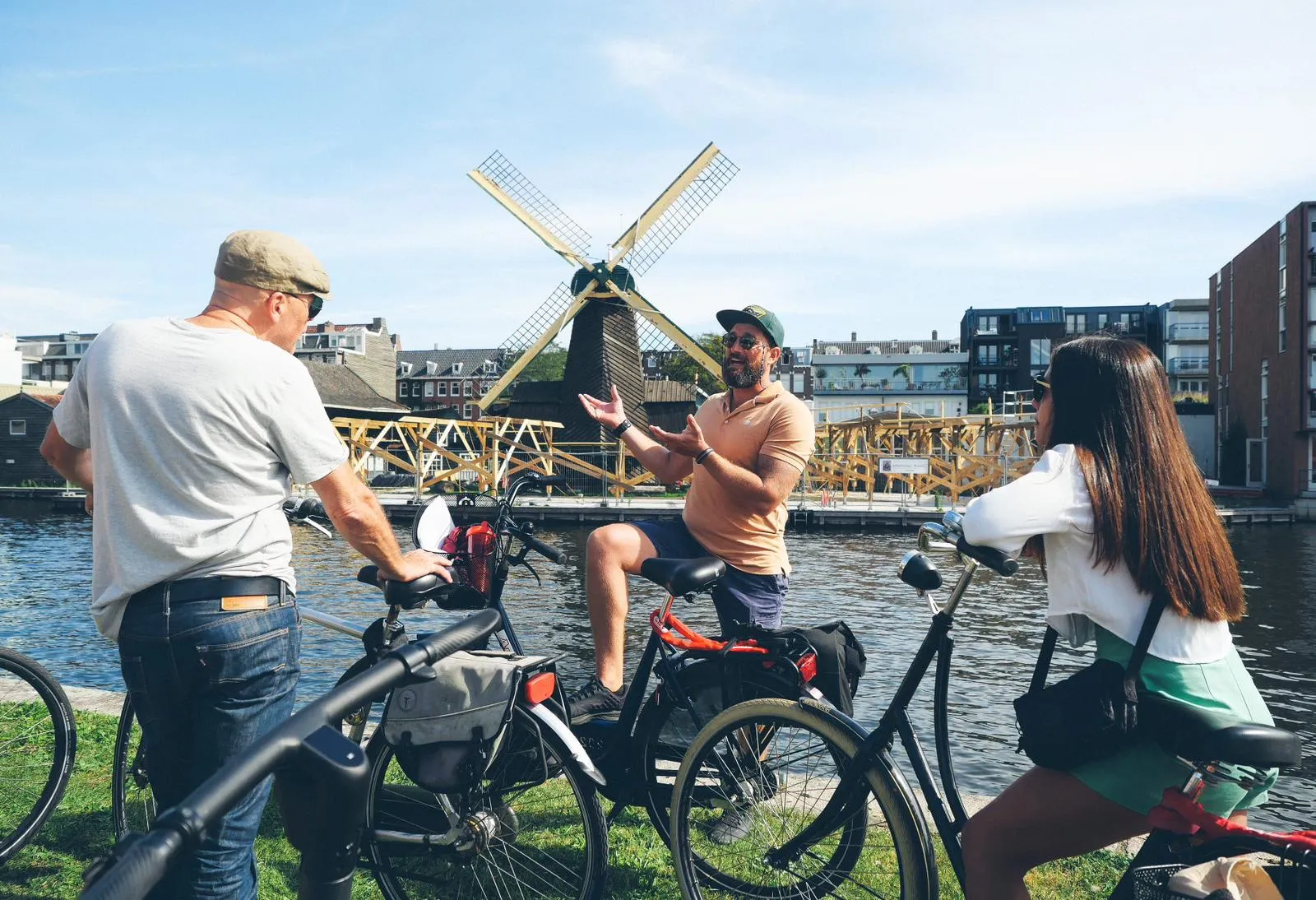
Experience Amsterdam the way locals do - on two wheels. A guided cycling tour covers more ground than walking, weaving through the canal belt, across bridges, through Vondelpark, past houseboats, and into residential neighbourhoods tourists rarely see.
Central Amsterdam, various starting points near Centraal Station2.5-3 hours
A boat tour focused specifically on the architectural heritage of the UNESCO-listed 17th-century canal ring. An expert guide explains the engineering behind the concentric canal system, the evolution of gable styles from step to bell to neck gables, and the ingenious merchant house designs with their hoisting beams, narrow staircases, and tilting facades.
Various departure points along central canals1.5-2 hours
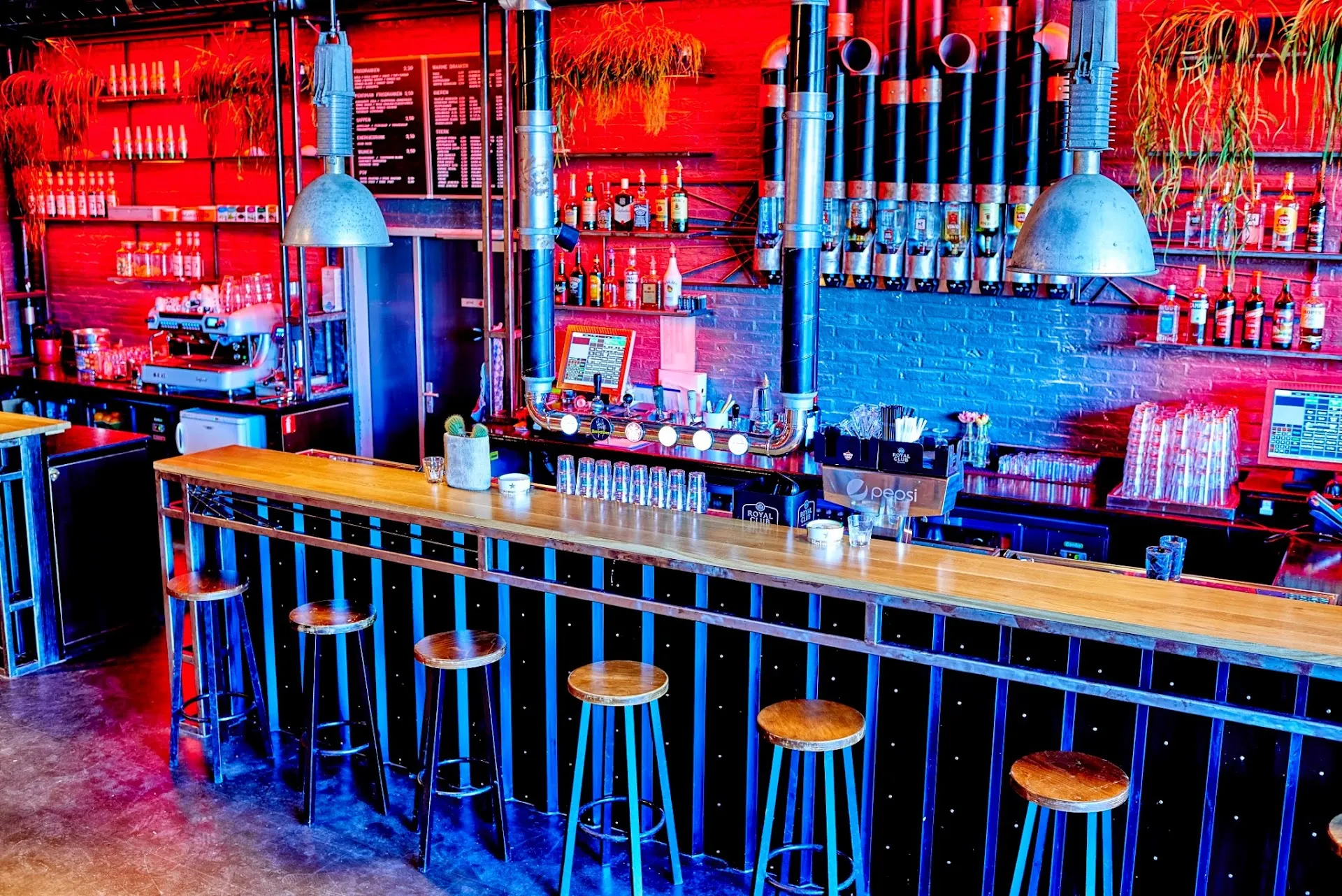
Underground techno bunker beneath the A'DAM Tower on the north bank of the IJ river. Raw concrete walls, a pitch-black room, and a Funktion-One sound system that attracts serious electronic music devotees for marathon weekend sessions.
Amsterdam-Noord
Club4.0
Radion
Multi-disciplinary venue in a former dental school combining a nightclub, restaurant, and gallery space. Known for adventurous programming spanning techno, experimental, and live electronic acts with an emphasis on local talent.
Nieuw-West
Must visit
Bar5.0
Paradiso
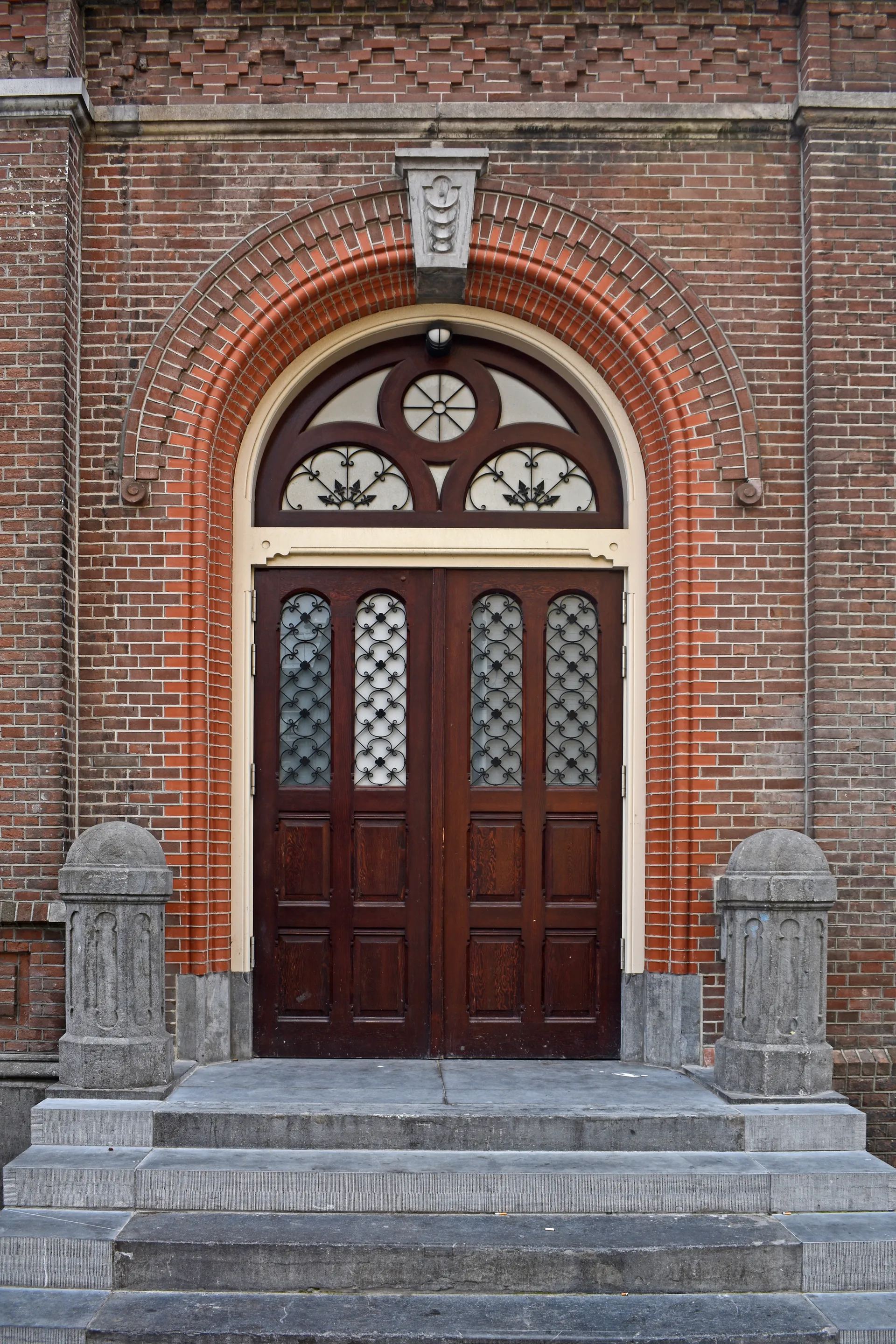
Iconic music venue in a converted 19th-century church with soaring stained-glass windows. Since 1968 it has hosted everyone from The Rolling Stones to underground techno nights. The main hall acoustics and intimate atmosphere remain legendary.
Leidseplein
Bar5.0
Bar Oldenhof
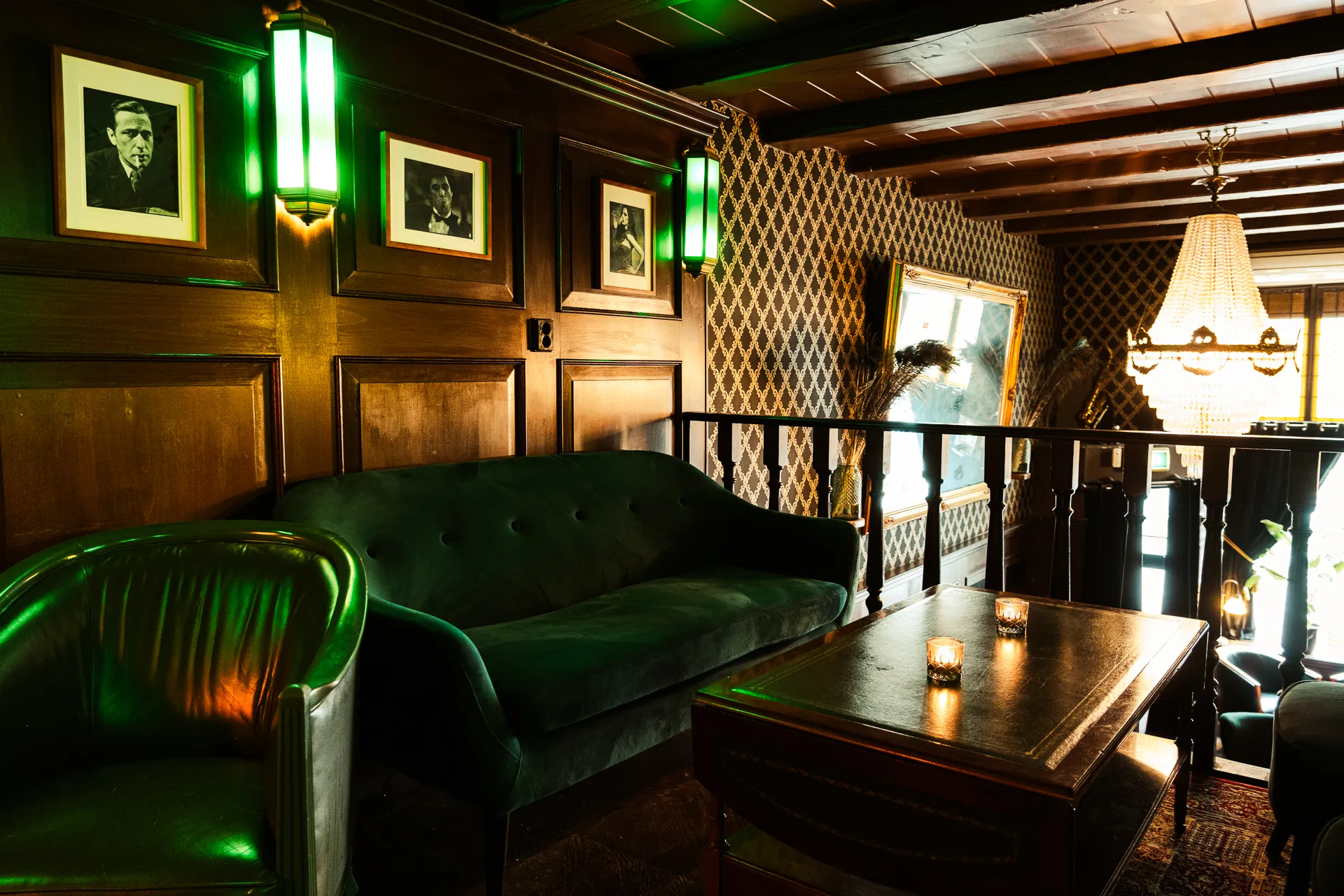
Speakeasy-style cocktail bar designed to feel like the living room of a wealthy 19th-century Amsterdam merchant. Velvet armchairs, antique bookshelves, and impeccably crafted classic cocktails served by knowledgeable bartenders.
Grachtengordel
What it costs
Daily budgets and typical prices to plan your spend.
Backpacker
€75/ day
Mid-range
€160/ day
Luxury
€360/ day
Cheap meal
€14
Restaurant meal
€32
Coffee
€3.5
Local beer
€5.5
Transit ticket
€3.4
Taxi (1km)
€2.5
Cost index 78 (New York = 100).
When to go
Best time to visit
April to May brings tulip season, King's Day, and mild weather, while September offers warmth with thinner crowds. Summer is liveliest but busiest and pricey; winter is cold and grey but cosy, with the canals occasionally freezing and a light festival in December.
Crowds
Very High
PeakApril (tulips & King's Day), July, August
ShoulderMay, June, September
QuietJanuary, February, November
Major events
Tulip Season (Keukenhof)April
King's Day (Koningsdag)April
Amsterdam Pride (Canal Parade)August
Amsterdam Dance Event (ADE)October
Amsterdam Light FestivalDecember
Weather by month
Average temperature and rainfall, to time your visit.
4°J
4°F
6°M
10°A
14°M
17°J
18°J
18°A
15°S
12°O
8°N
5°D
Good to know
Practical info before you go.
Tipping
Appreciated — Service is included by law, so tipping is modest. Round up or leave 5-10% for good service in restaurants and cafes; tell the staff the total as you pay by card.
Tap water
Safe to drink
Power
Type C/F · 230V
Safety
High — Amsterdam is very safe. The biggest hazards are practical: watch for fast-moving bikes and scooters (never walk in red bike lanes), and mind pickpockets in crowded spots like Centraal Station, Damrak, and the Red Light District at night.
Emergency
112
Visa-free for
United States, Canada, United Kingdom, European Union, Australia, New Zealand
Local culture
Language
Dutch
English
Very High
Dress code
Casual
Useful phrases
Hallo
Hello
Dank je wel
Thank you
Alsjeblieft
Please / here you go
Sorry / Pardon
Excuse me
Spreekt u Engels?
Do you speak English?
Proost
Cheers
Local customs
Never walk or stand in the red-paved bike lanes, cyclists have right of way and move fast
No photos of workers in the Red Light District, it is taken very seriously
Coffeeshops sell cannabis; cafes sell coffee, know the difference
The Dutch are famously direct, blunt answers are honesty, not rudeness
Card and contactless are king, many places (including some supermarkets) are card-only
Watch out for
Fake or overpriced 'skip-the-line' tickets sold on the street near major museums, buy from official sites
Pickpockets working crowds around Centraal Station, Damrak, and the Red Light District
Aggressive or unlicensed drug dealers in the Red Light District, ignore street offers
Useful links
Official resources and quick searches for Amsterdam.
Three days is the sweet spot: one for the old centre and canals, one for the Museum Quarter, and one for the Jordaan, markets, and a neighbourhood or two. A fourth day lets you add Amsterdam-Noord or a day trip to the windmills or tulip fields.
What is the best way to get around Amsterdam?
The centre is small enough to walk, and trams, metro, buses, and free IJ ferries cover the rest on one tap-in/tap-out card (or contactless). Cycling is the local way to travel, but only if you are comfortable in busy traffic.
Do I need to book museums in advance?
Yes for the big ones. The Anne Frank House sells timed tickets online only and often weeks ahead, and the Van Gogh Museum and Rijksmuseum strongly recommend booking a time slot to skip long queues.
Is Amsterdam expensive?
It is moderately expensive for Western Europe. Museums and hotels are the main costs, but transit is cheap, many canals and parks are free, and you can eat very well from markets, food halls, and casual cafes for little.
When is the best time to visit Amsterdam?
Late spring (April-May) for tulips, King's Day, and mild weather, or September for warmth with fewer crowds. Summer is the busiest and most expensive; winter is quiet and atmospheric with a canal light festival.
Ready to plan Amsterdam?
Turn this guide into a real trip — itinerary, map, budget and friends, all in one place.