
Berlin wears its 20th-century history in the open, and five days is enough to read it properly. This itinerary is built for history travellers, moving theme by theme rather than crisscrossing the map. Day one traces the divided city from the Brandenburg Gate to the Berlin Wall Memorial on Bernauer Strasse. Day two crosses into the former East — the East Side Gallery, the GDR's Fernsehturm and Karl-Marx-Allee, and the immense Treptower Park Soviet Memorial. Day three steps back to Prussian grandeur on Museum Island; day four weighs memory and democracy from the Jewish Museum to the Reichstag dome; and day five heads west to the Cold War spy station on Teufelsberg and the Tempelhof airlift field. Almost everything links up by U- and S-Bahn.
Berlin in 5 Days: The Wall, the GDR and Cold War History
5 days1 stopsHistory buffs focused on WWII, the Berlin Wall, the GDR and the Cold War
The route
- Berlin4n
Everywhere you'll go
Every stop on this itinerary — tap a card for details or to save it.
Must visit
Memorial5.0
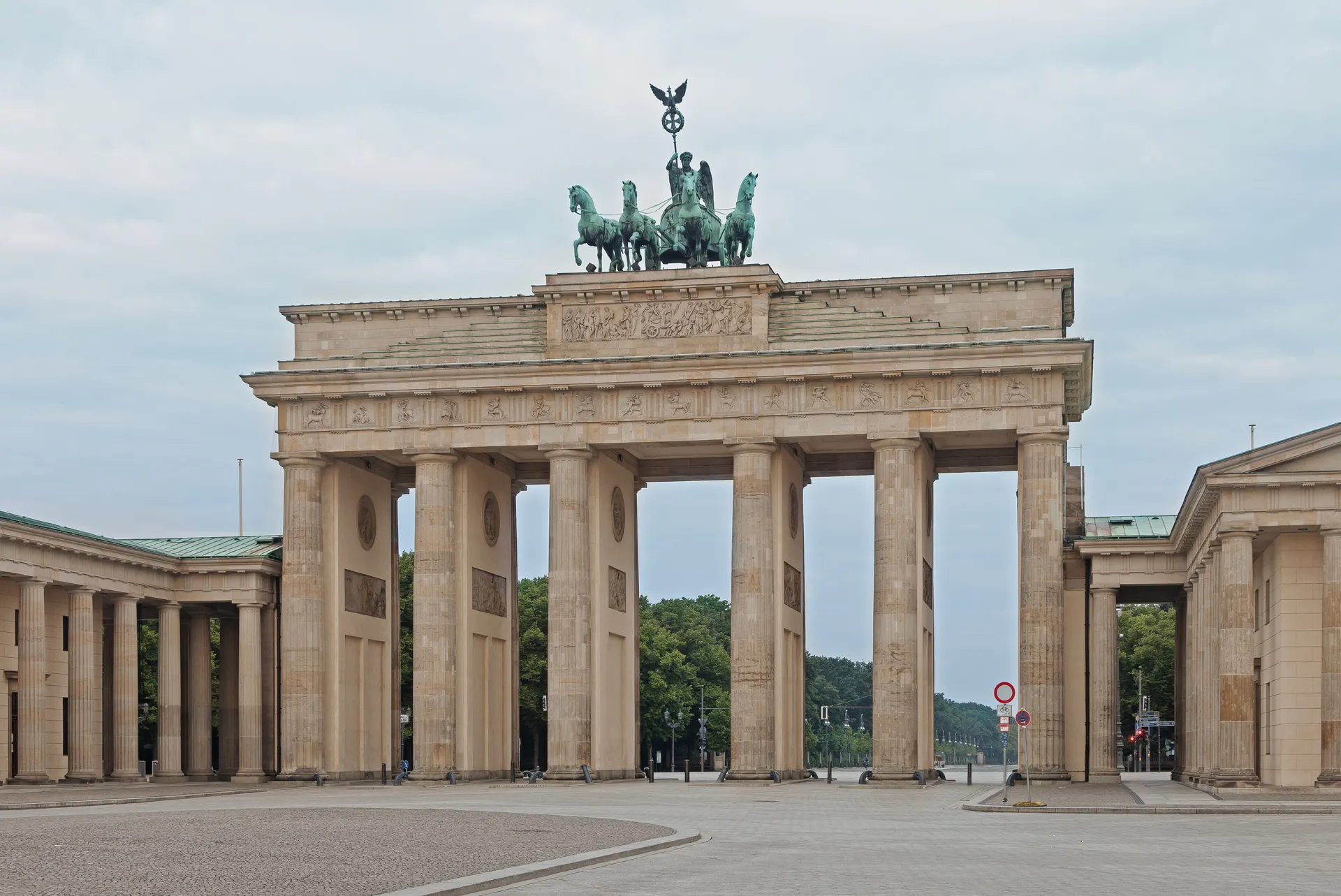
Brandenburg Gate
Berlin's defining neoclassical landmark, completed in 1791 by Carl Gotthard Langhans as a triumphal arch modelled on the Propylaea of the Athenian Acropolis. Topped by the Quadriga chariot sculpture, it stood trapped in the death strip during the Cold War and became the symbol of German reunification in 1989.
Mitte
Must visit
Memorial5.0
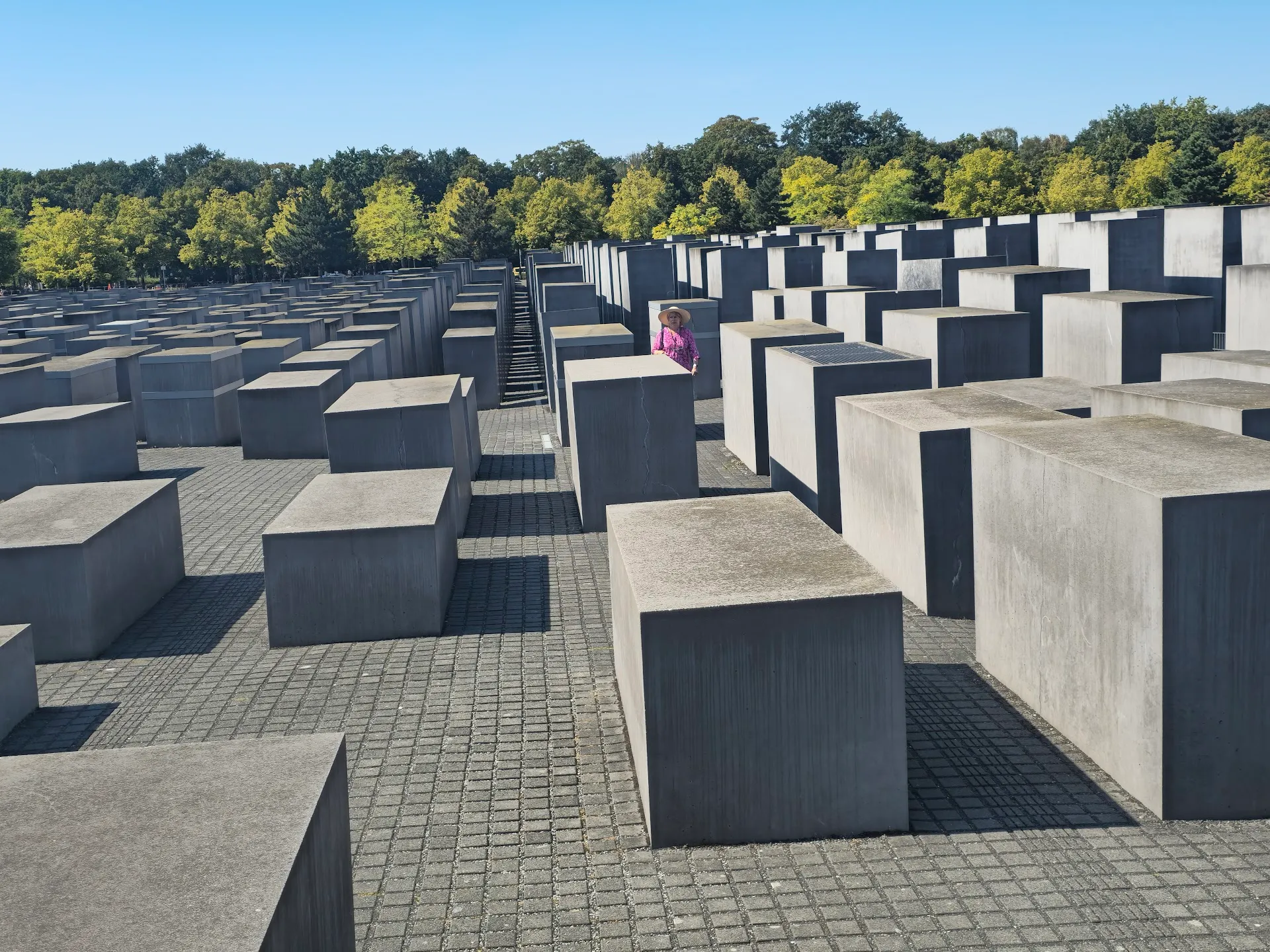
Memorial to the Murdered Jews of Europe
Peter Eisenman's haunting field of 2,711 concrete stelae of varying heights creates a disorienting, wave-like landscape. The underground information center documents individual victims' stories.
Mitte
Street
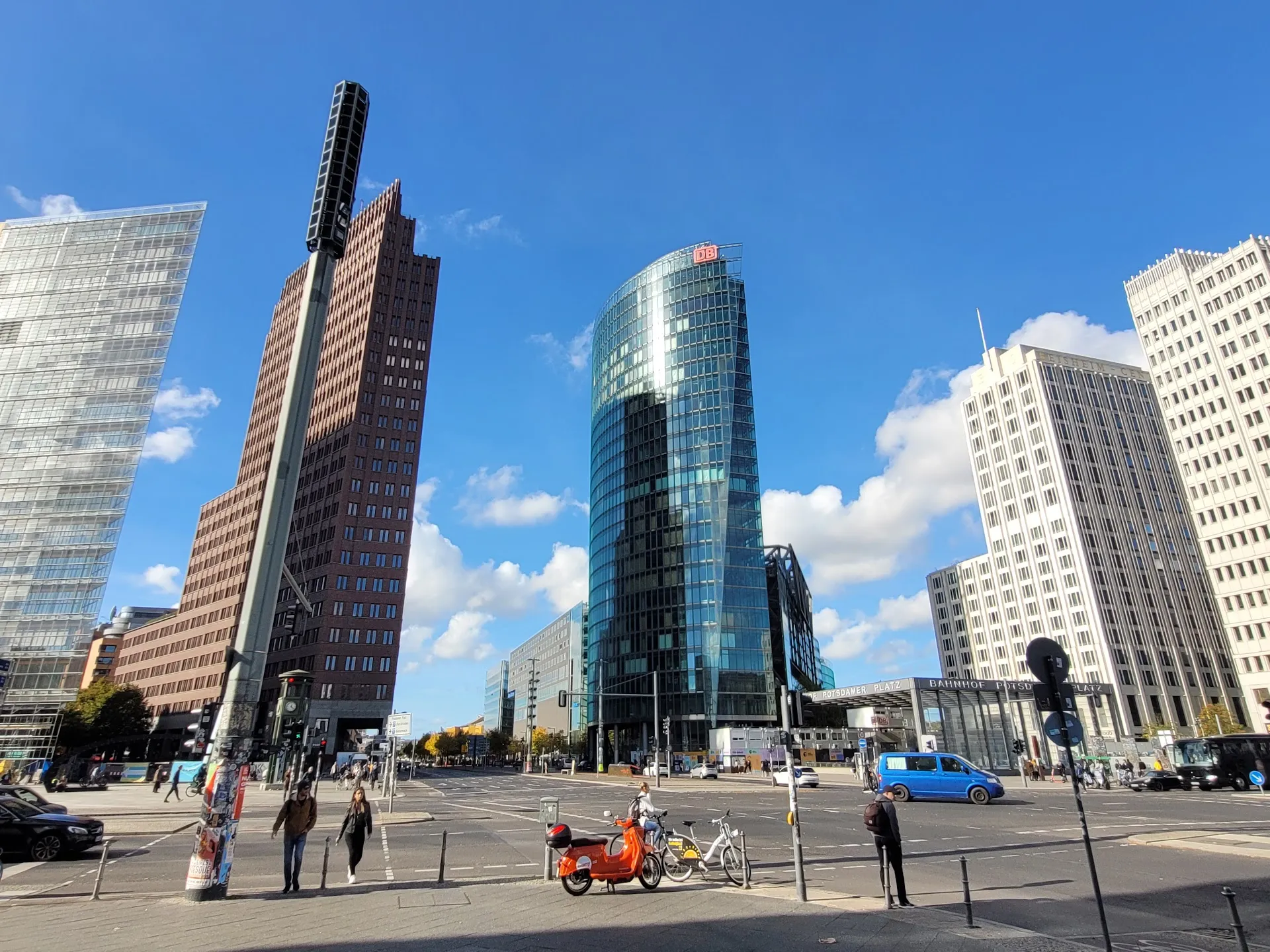
Potsdamer Platz
Once Europe's busiest intersection before being obliterated in WWII and left as wasteland in the Wall's death strip, Potsdamer Platz was rebuilt in the 1990s as a showcase of contemporary architecture. The Sony Center's tent-like glass atrium, designed by Helmut Jahn, creates a dramatic covered public space illuminated by colour-changing lights after dark. A handful of original Wall segments stand alongside as silent witnesses to the square's divided past.
Potsdamer Platz, Mitte / Tiergarten border
TourFree
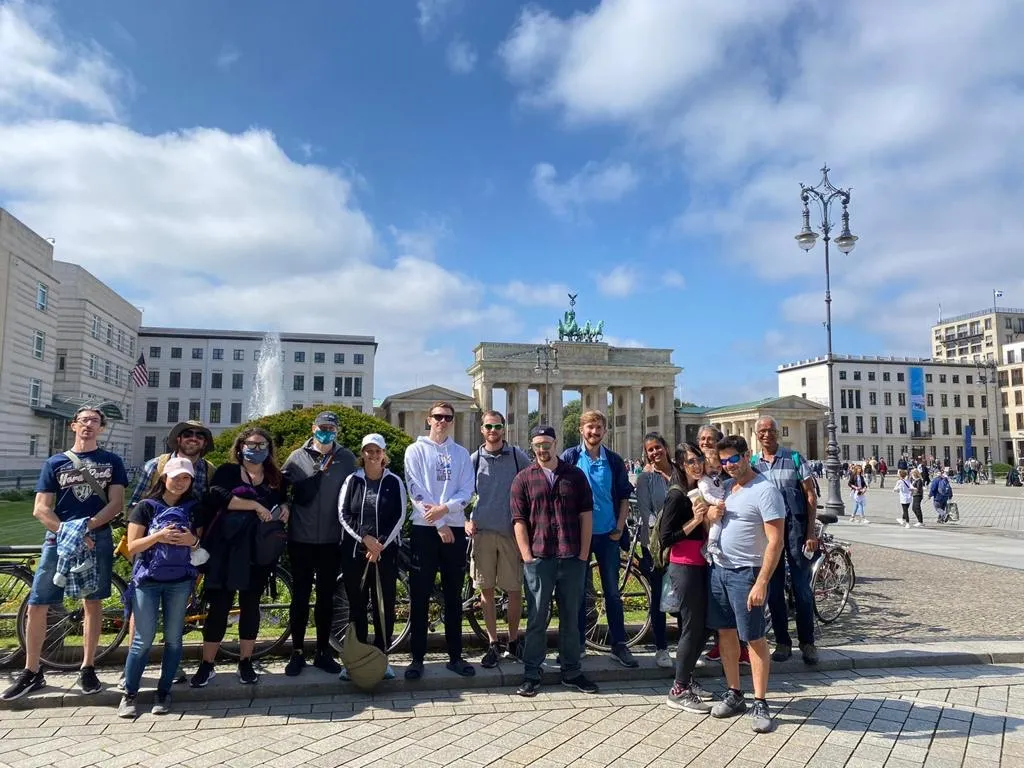
Berlin Wall & Cold War History Tour
Walk the route of the former Wall from Checkpoint Charlie through the death strip to the East Side Gallery. Covers escape tunnels, ghost stations, and the geopolitics that divided a city for 28 years.
Mitte / Friedrichshain3-4 hours
Book this tour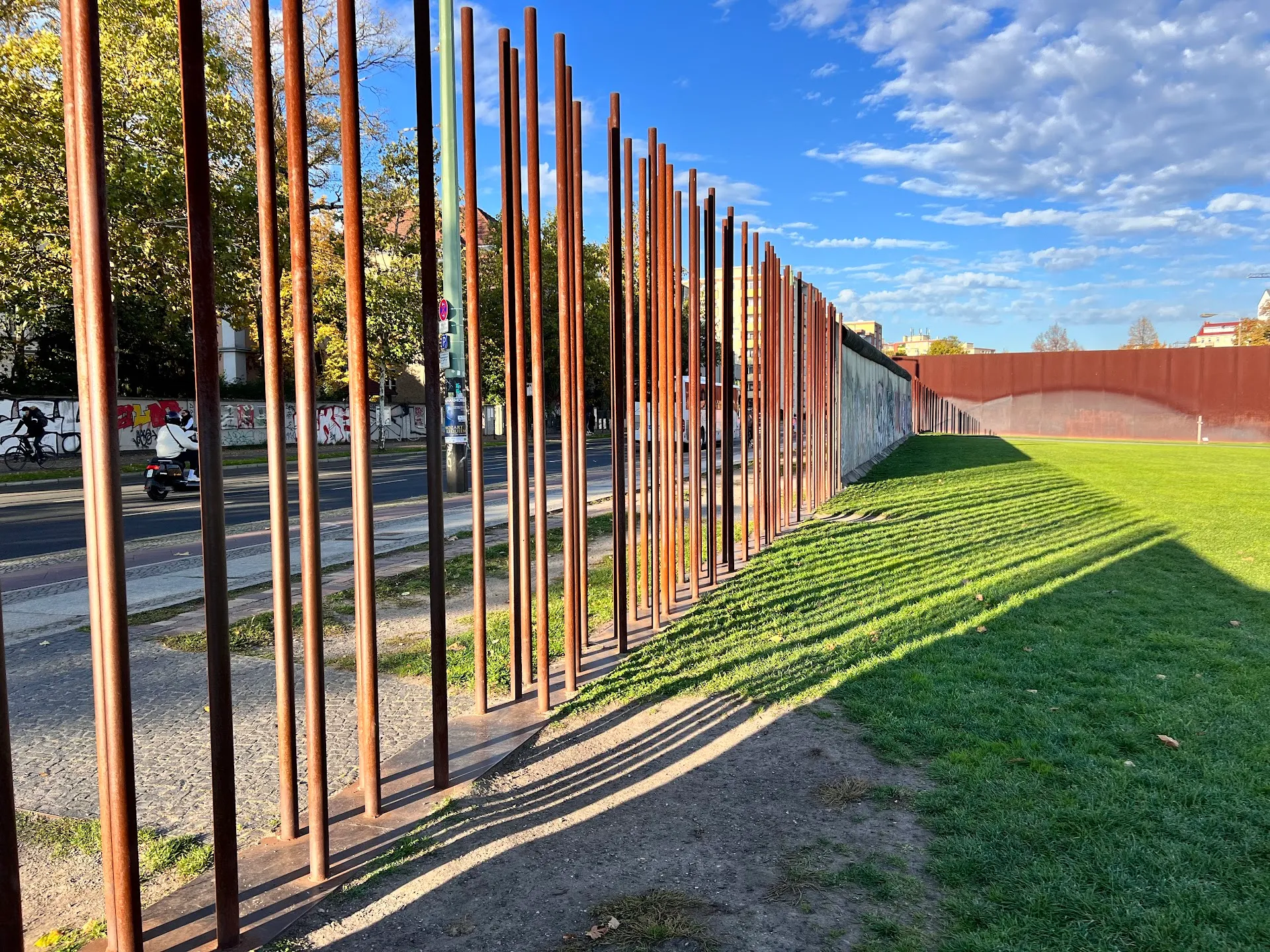
Memorial5.0
Berlin Wall Memorial
The primary memorial site of German division, preserving an original section of the Wall with watchtower, death strip, and documentation center. More historically informative than the East Side Gallery.
Mitte
Street
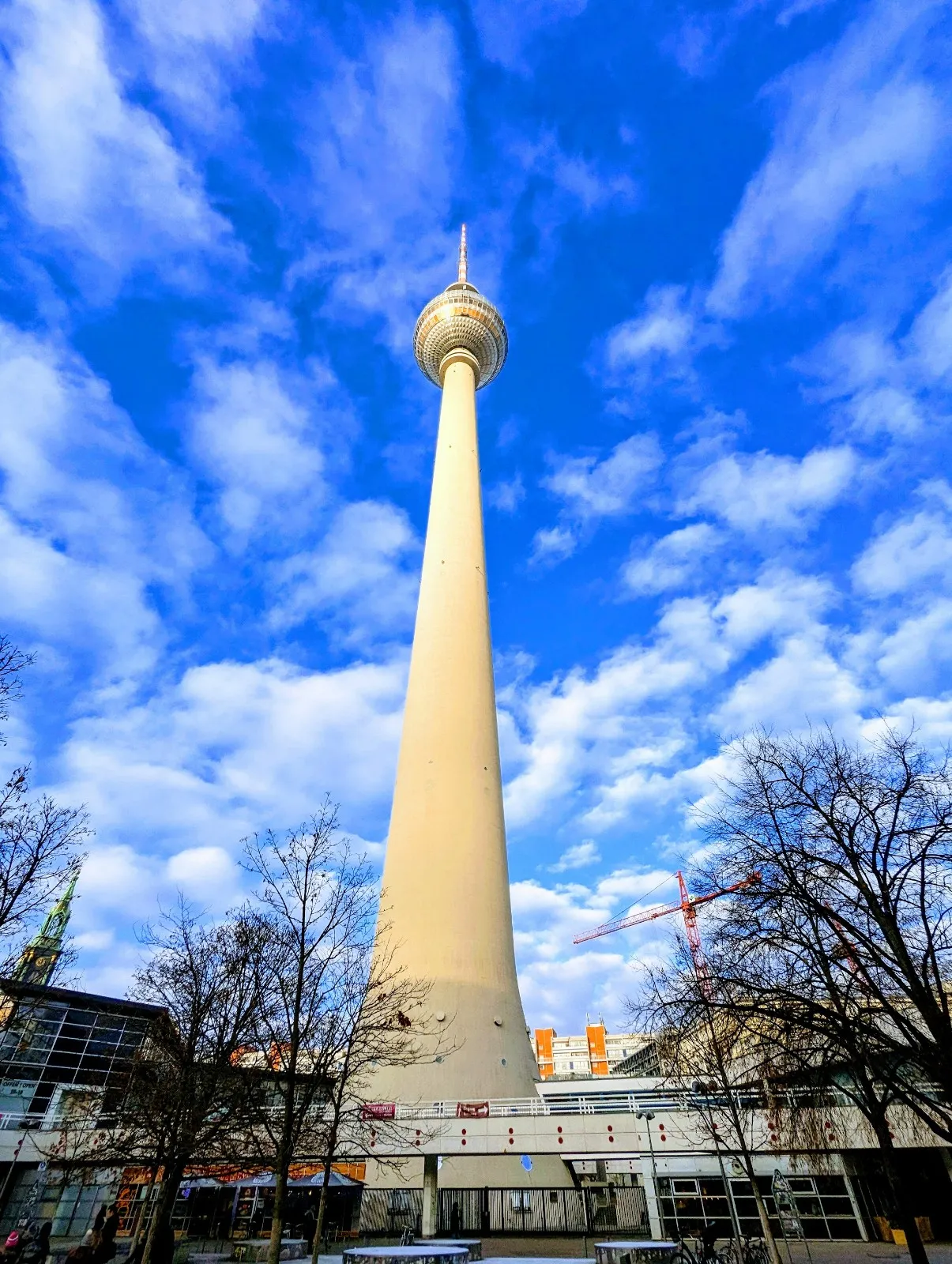
TV Tower from Karl-Marx-Allee
The Fernsehturm framed by the monumental Stalinist architecture of Karl-Marx-Allee creates a quintessentially Berlin composition. The wide boulevard's socialist-realist buildings lead the eye straight to the tower.
Friedrichshain / Mitte
Must visit
Memorial5.0
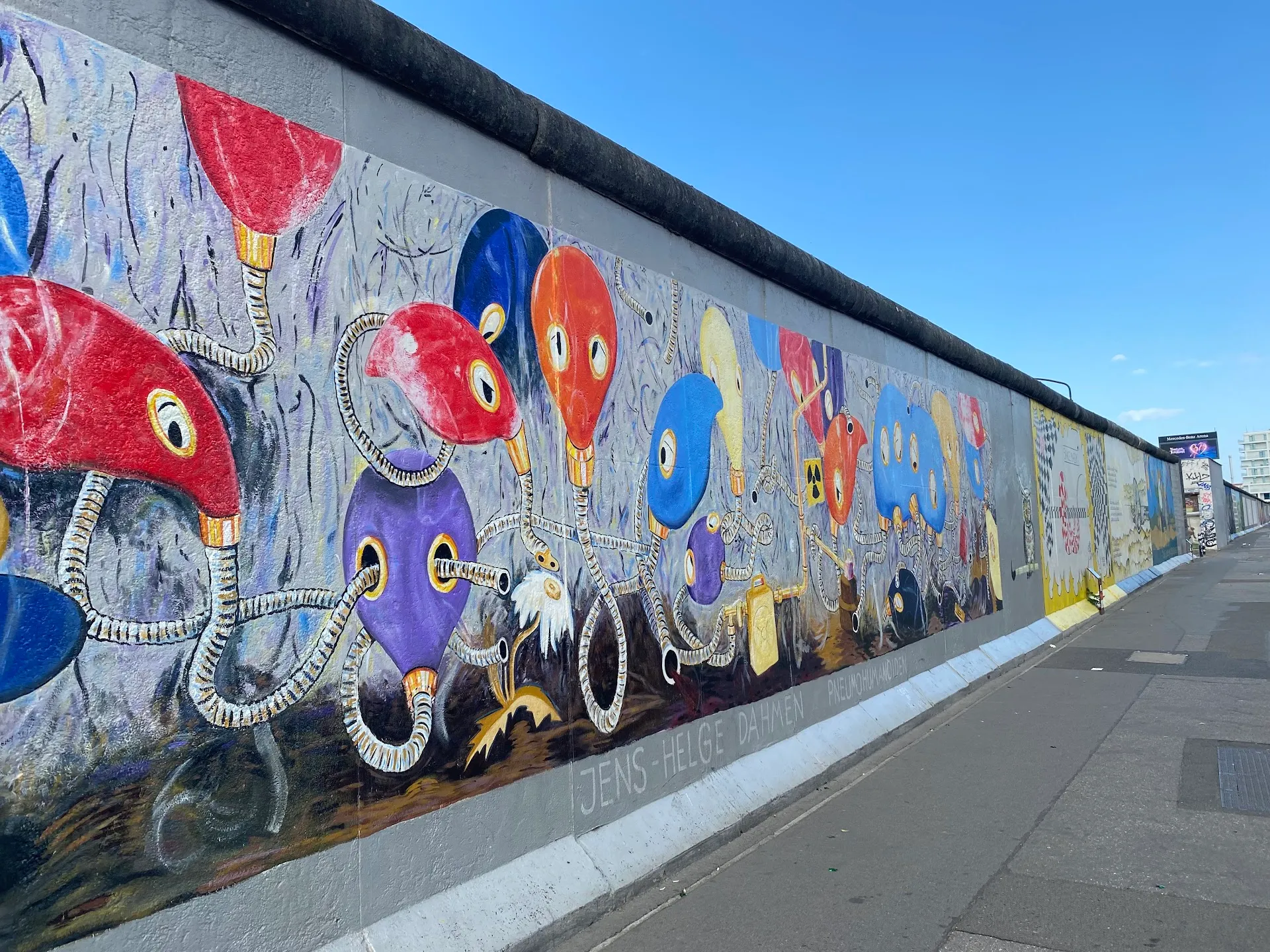
East Side Gallery
The longest remaining stretch of the Berlin Wall at 1.3km, transformed into an open-air gallery with over 100 murals by international artists. Includes the iconic Fraternal Kiss painting.
Friedrichshain
Architecture
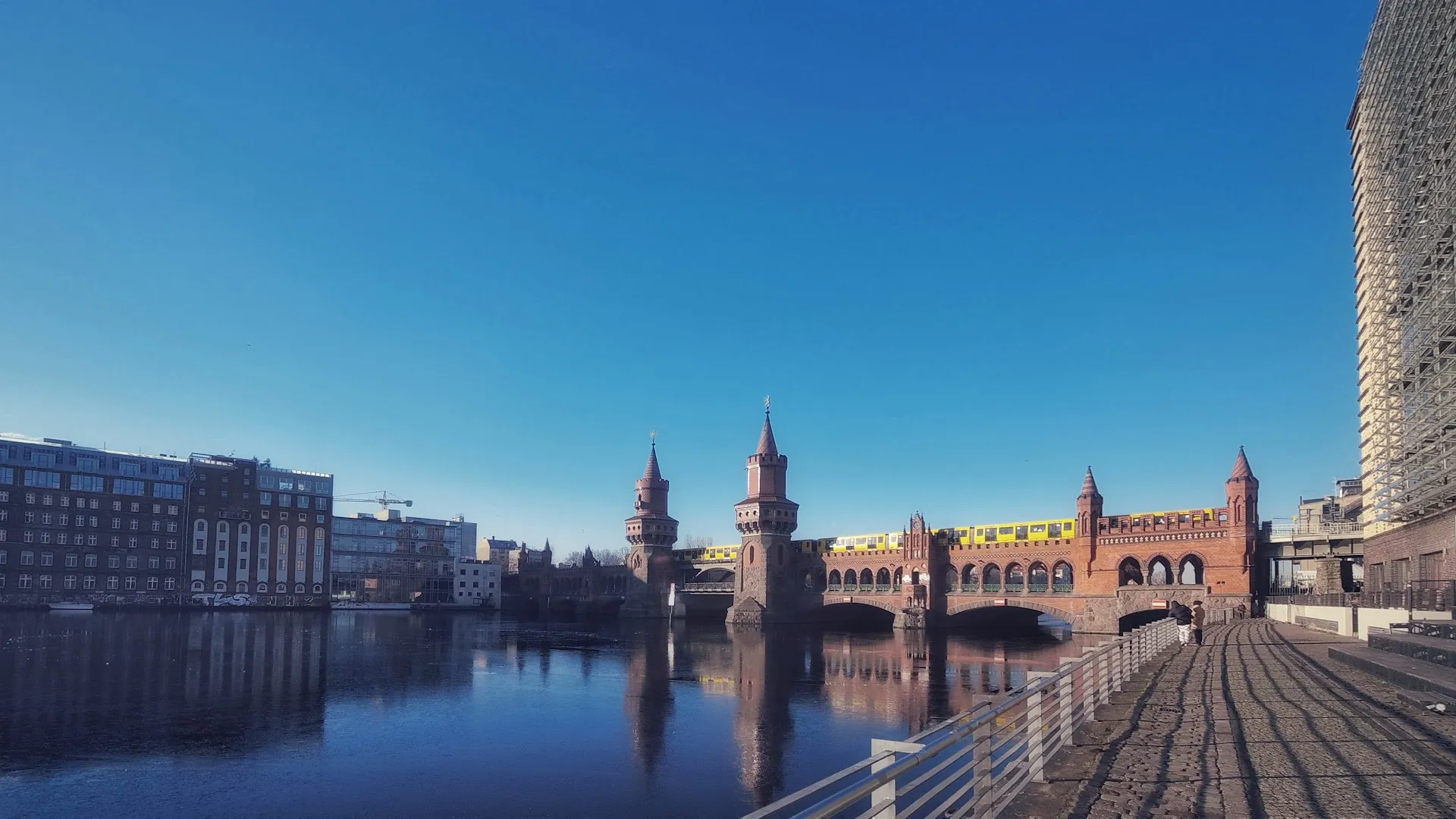
Oberbaumbruecke
Berlin's most beautiful bridge connecting Friedrichshain and Kreuzberg over the Spree. The red brick Gothic towers and yellow U-Bahn crossing create a striking composition, especially at blue hour with reflections.
Friedrichshain / Kreuzberg
Viewpoint
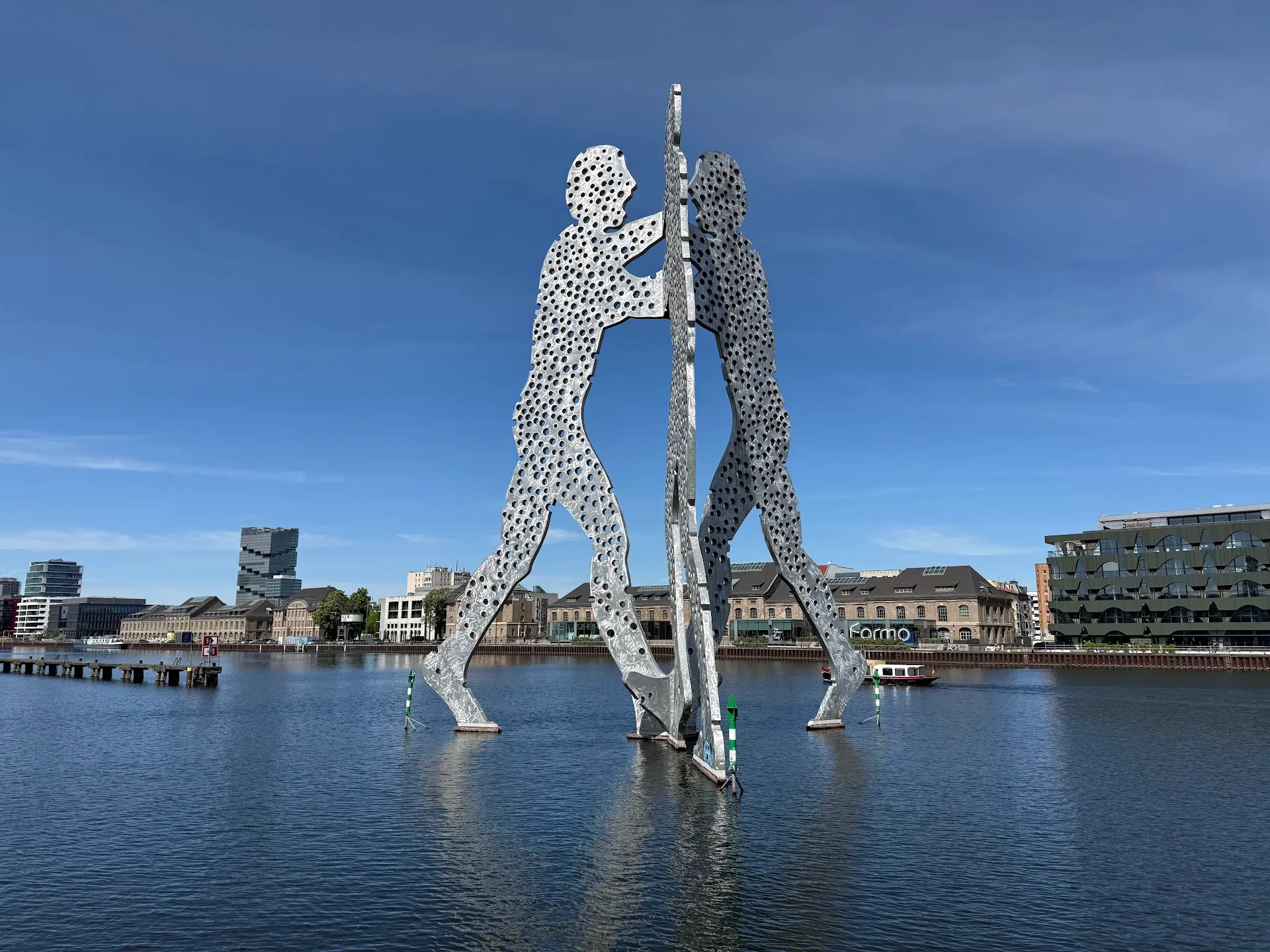
Molecule Man from Elsenbruecke
Jonathan Borofsky's 30-meter aluminum sculpture of three figures merging stands where three boroughs meet in the Spree river. Best viewed from Elsenbruecke bridge at sunset when the figures glow against the sky.
Treptow / Friedrichshain
Memorial5.0
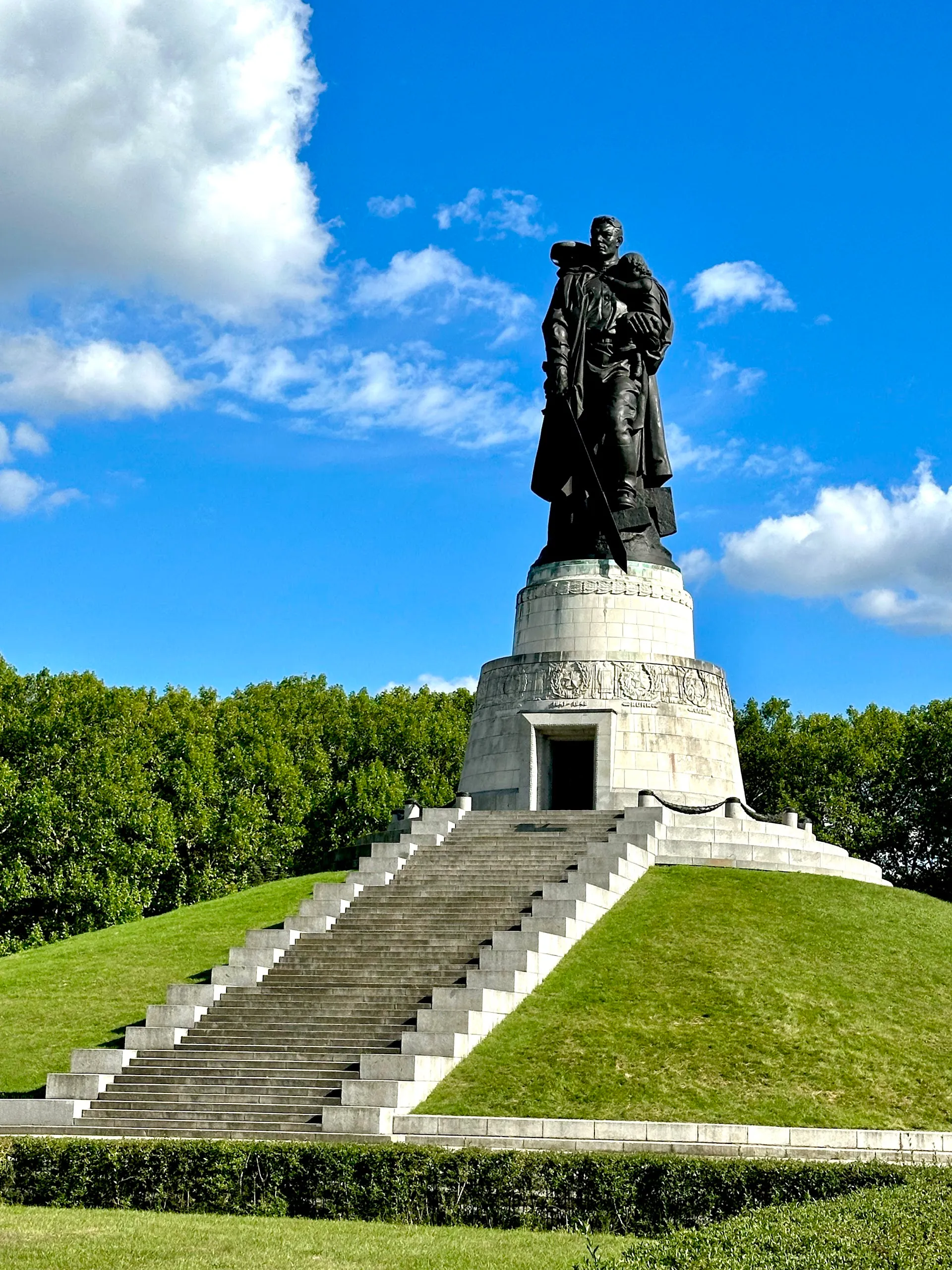
Treptower Park Soviet War Memorial
A monumental WWII memorial and military cemetery in Treptower Park, the largest Soviet war memorial outside the former USSR. The vast symmetrical complex is anchored by a 12-metre bronze statue of a Soviet soldier carrying a child and crushing a swastika underfoot. Over 7,000 Soviet soldiers are buried beneath the landscaped grounds flanked by carved marble sarcophagi depicting the war's progression.
Treptow
Bar4.0
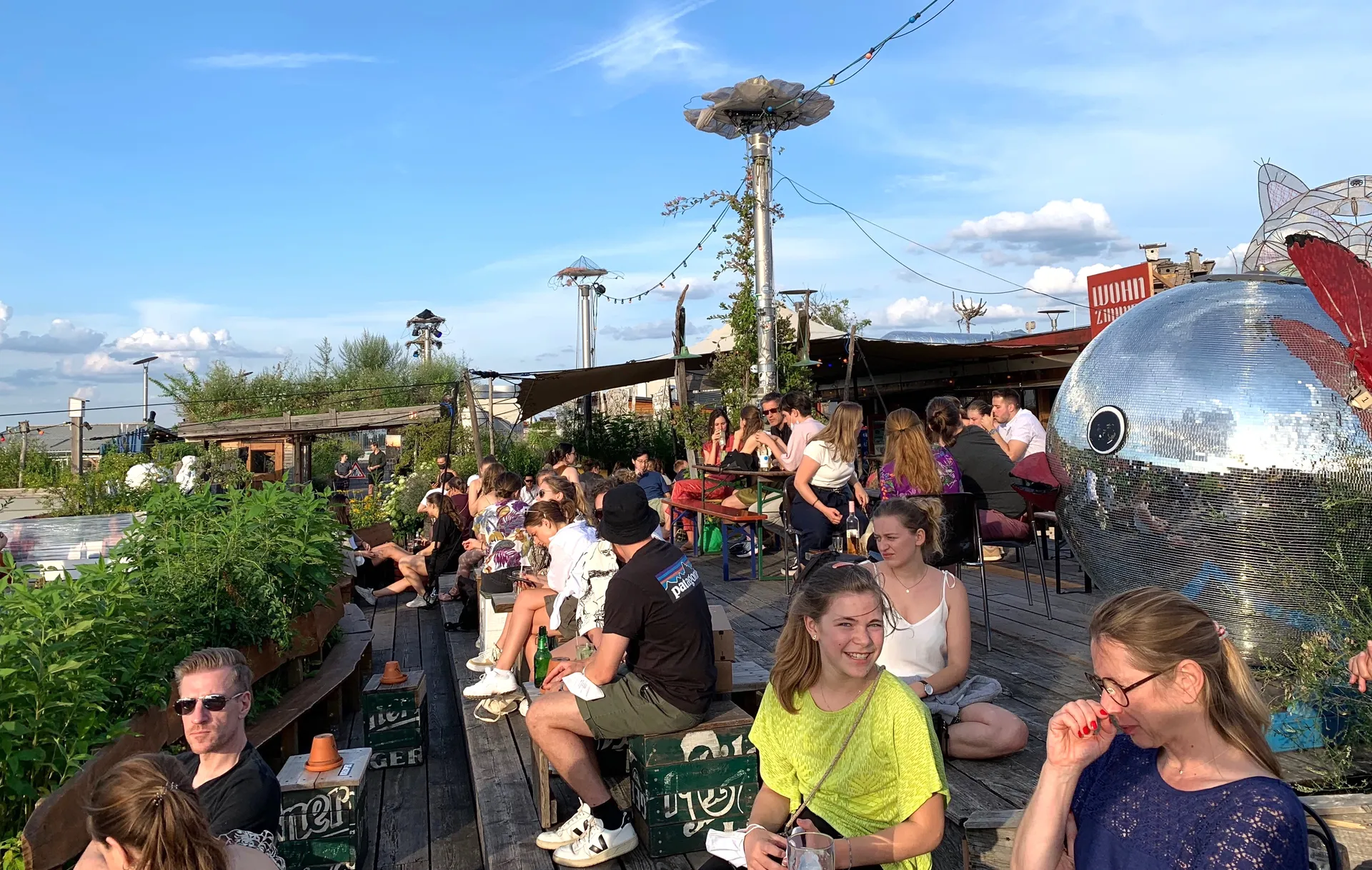
Klunkerkranich
Hidden rooftop bar on top of a parking garage with panoramic sunset views over Berlin. Regular DJ sets, live music, and a community garden vibe. Take the elevator to the top floor and walk up.
Neukoelln
Must visit
Museum5.0
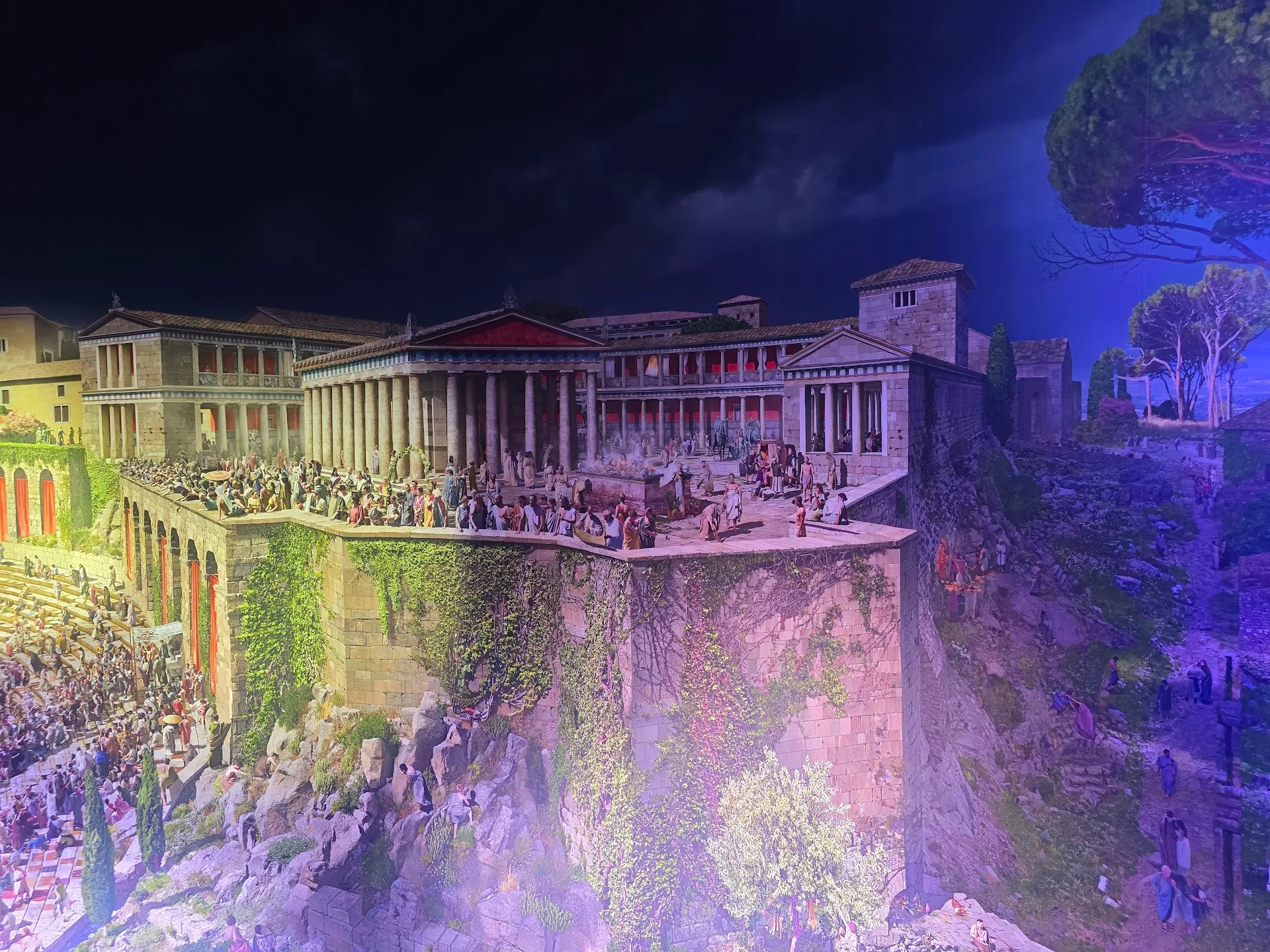
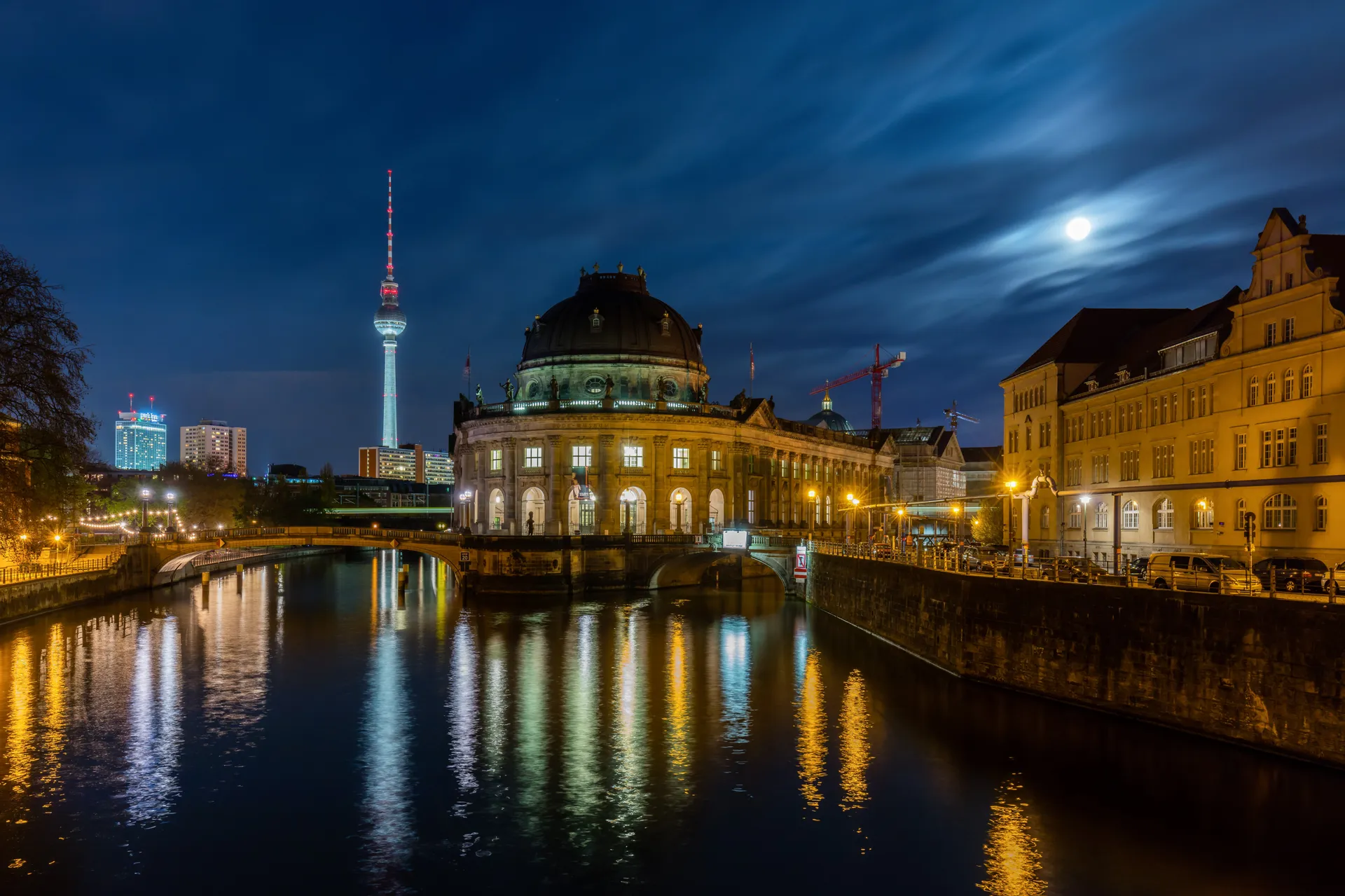
Pergamon Museum
Home to monumental archaeological reconstructions including the Ishtar Gate of Babylon and the Market Gate of Miletus. One of the most visited museums in Germany, located on UNESCO-listed Museum Island.
Mitte
Cultural€19 (day pass)
Museum Island Day
UNESCO World Heritage ensemble of five world-class museums on a Spree river island. From Babylonian gates to Egyptian busts to 19th-century painting, it covers 6,000 years of human civilization.
Mitte (Museum Island)5-7 hours
Book this tour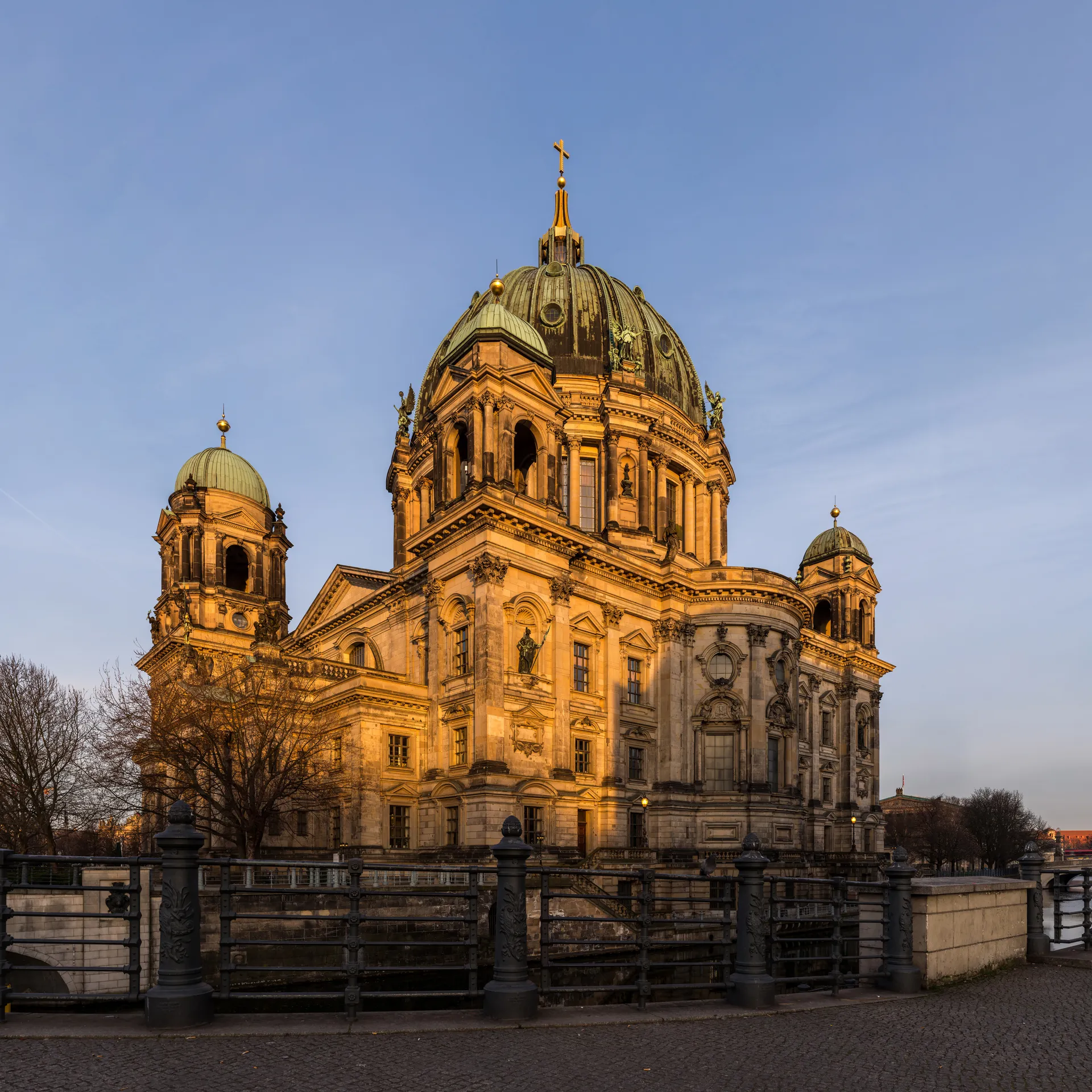
Temple4.0
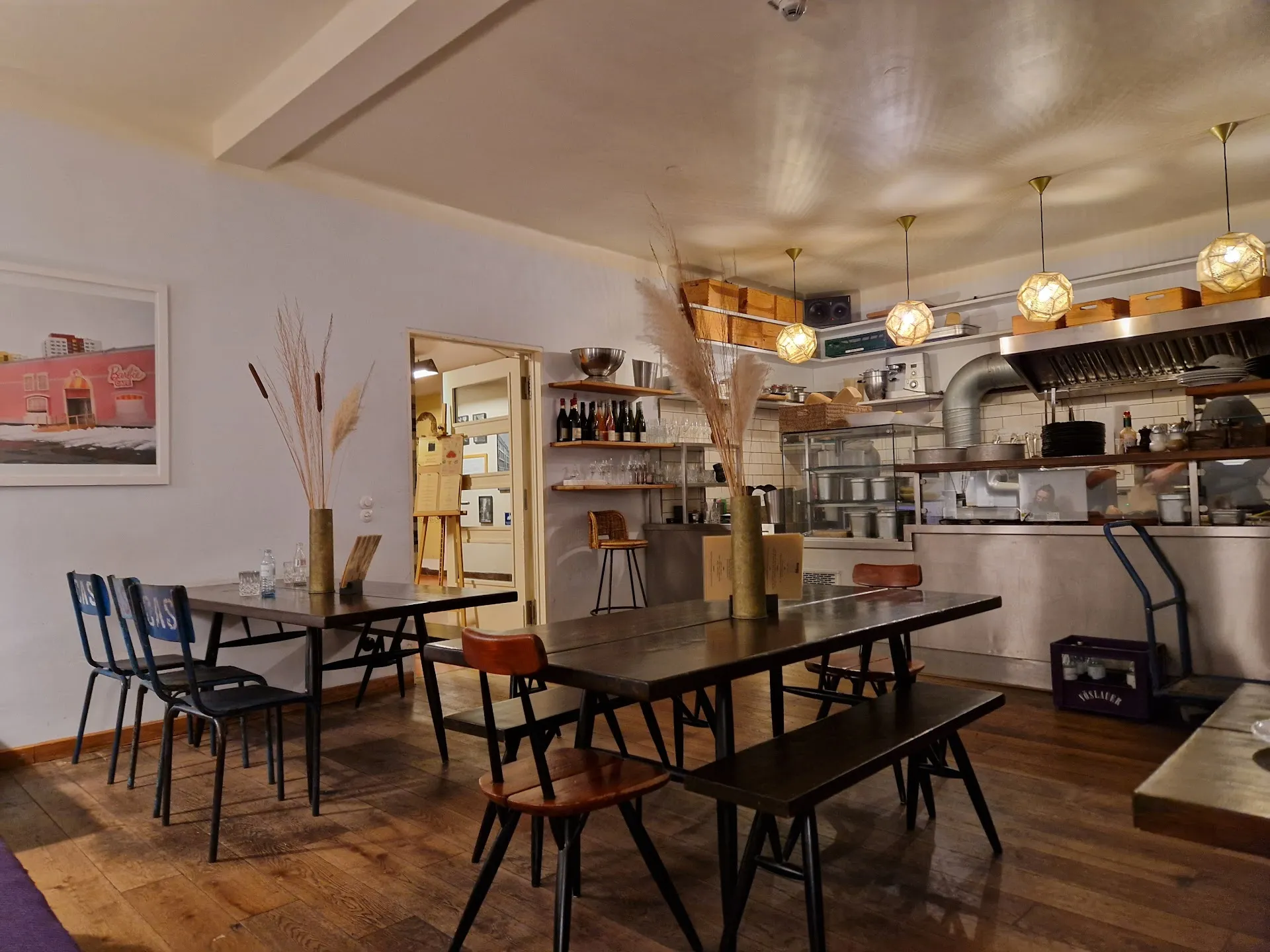
Berlin Cathedral (Berliner Dom)
A monumental neo-Renaissance Protestant cathedral completed in 1905 on Museum Island, crowned by a 98-metre copper dome. The lavish interior features mosaics, the Hohenzollern crypt with over 90 royal sarcophagi, and a Sauer organ with 7,269 pipes. The dome gallery offers sweeping city views.
Mitte
Must visit
Restaurant5.0
Mogg
New York-style deli serving towering pastrami sandwiches inside a beautifully restored former Jewish girls' school. The 12-hour smoked pastrami is the star of the menu.
Mitte
Architecture
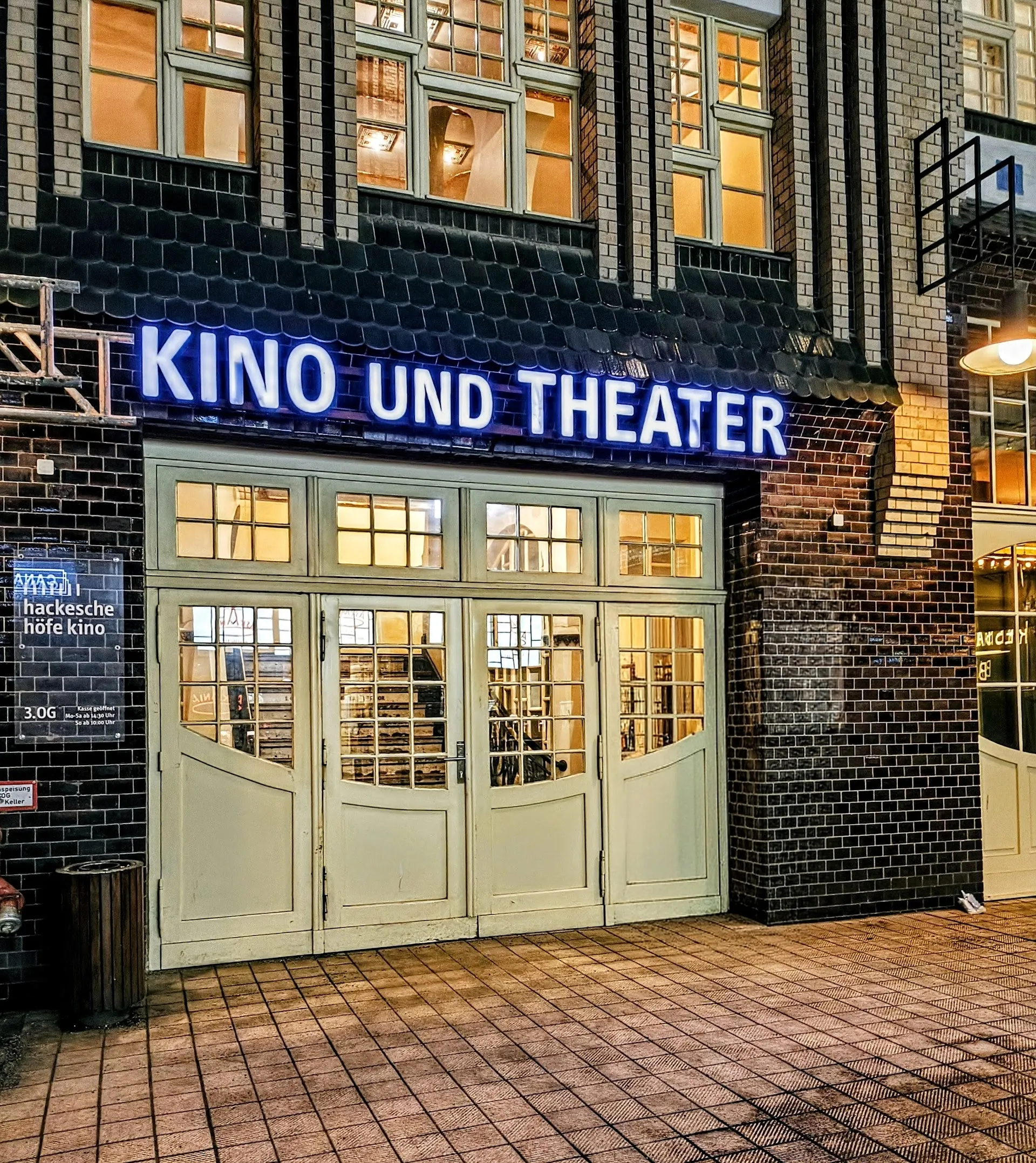
Hackesche Hoefe
Eight interconnected Art Nouveau courtyards from 1906 with ornate Jugendstil tile facades. The first courtyard's geometric blue-and-white tiles are especially striking. Cafes, boutiques, and a cinema fill the spaces.
Mitte
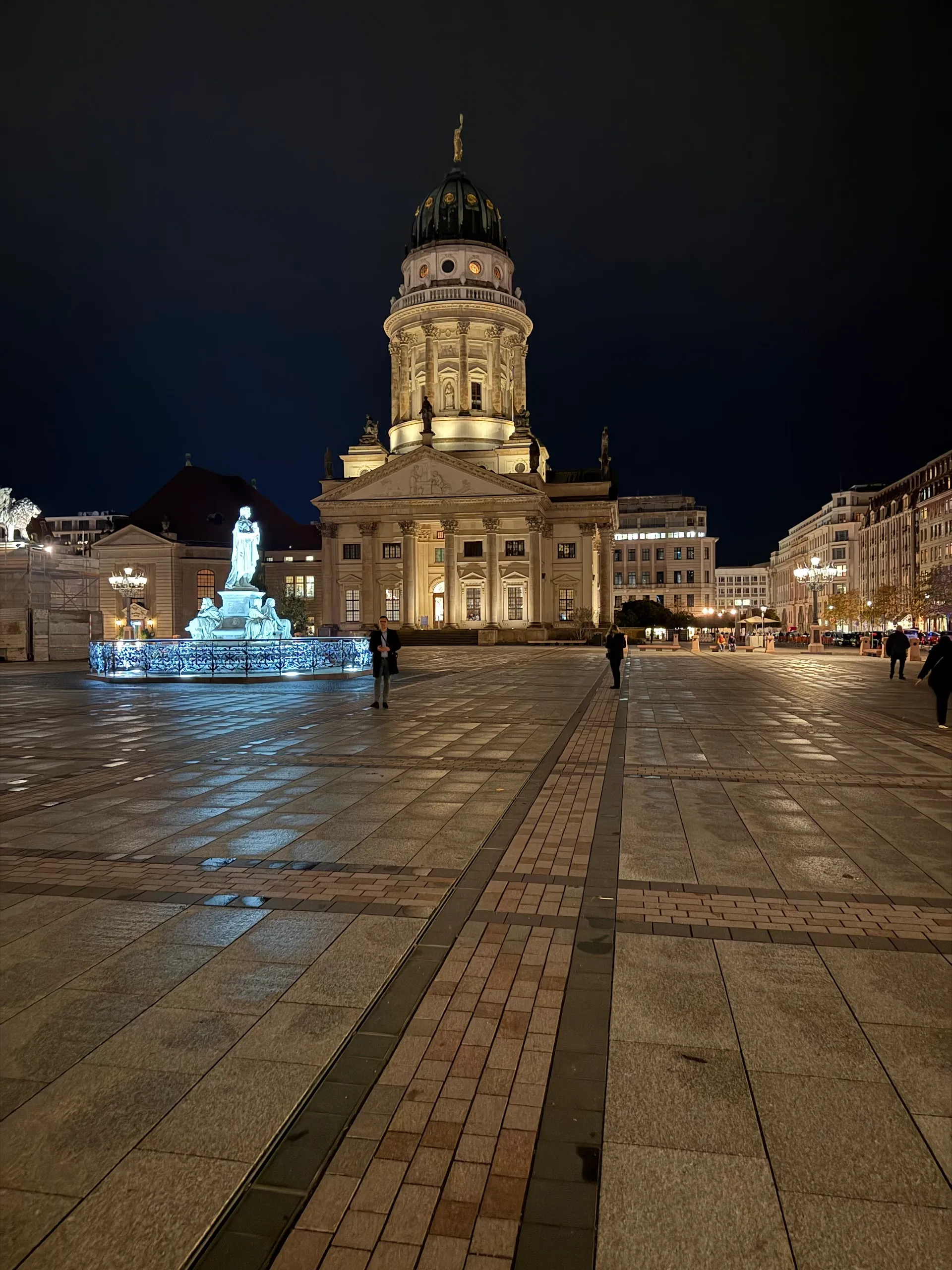
Scenic Spot5.0
Gendarmenmarkt
Widely regarded as Berlin's most beautiful square, flanked by the matching French and German cathedrals and anchored by Schinkel's neoclassical Konzerthaus. The harmonious ensemble of 18th-century architecture creates a rare sense of grandeur in a city otherwise defined by its contrasts and gaps.
Mitte
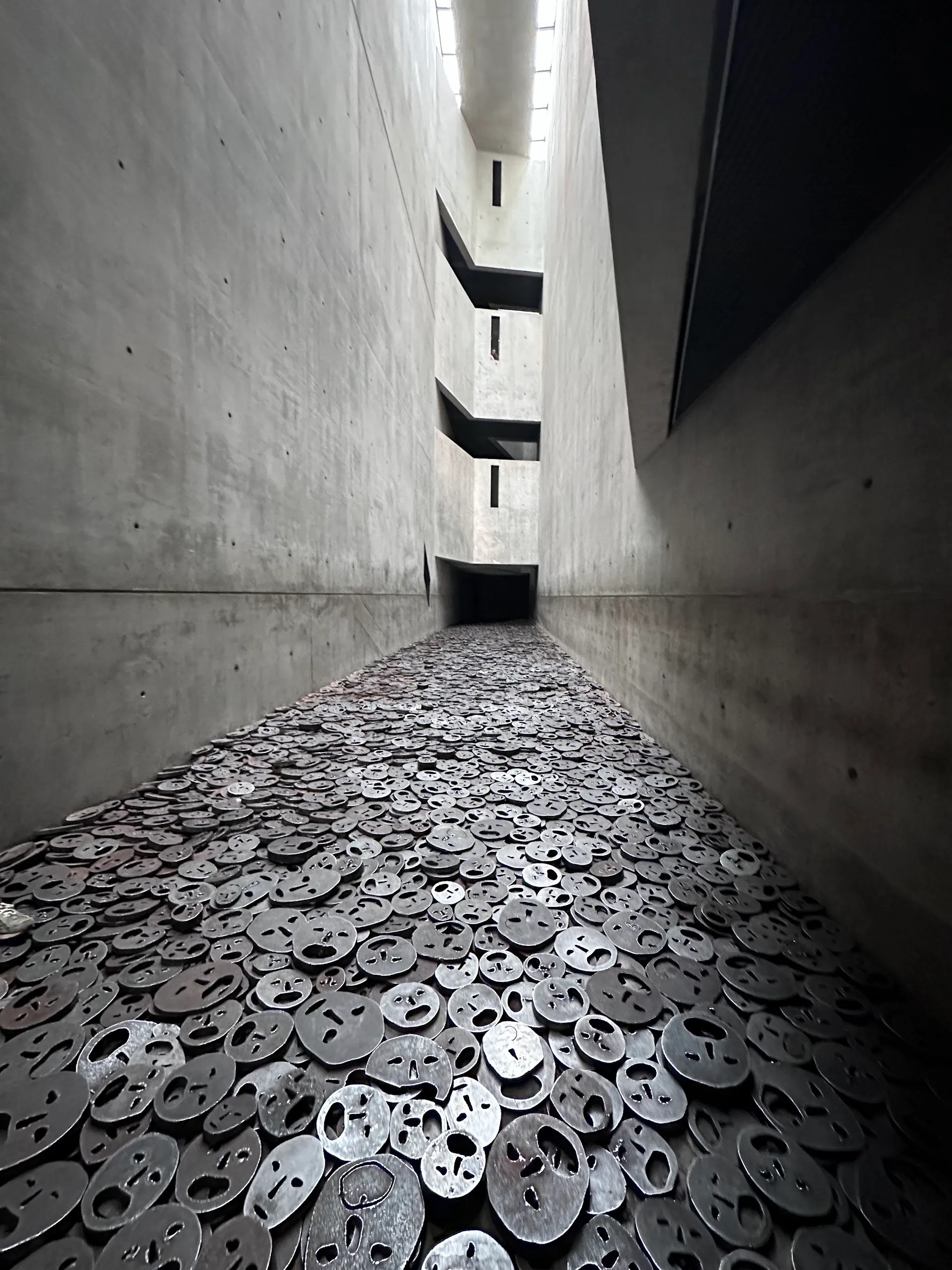
Museum5.0
Jewish Museum Berlin
Daniel Libeskind's stunning zinc-clad building is an architectural experience in itself. The voids, axes, and Garden of Exile create a visceral journey through Jewish-German history.
Kreuzberg
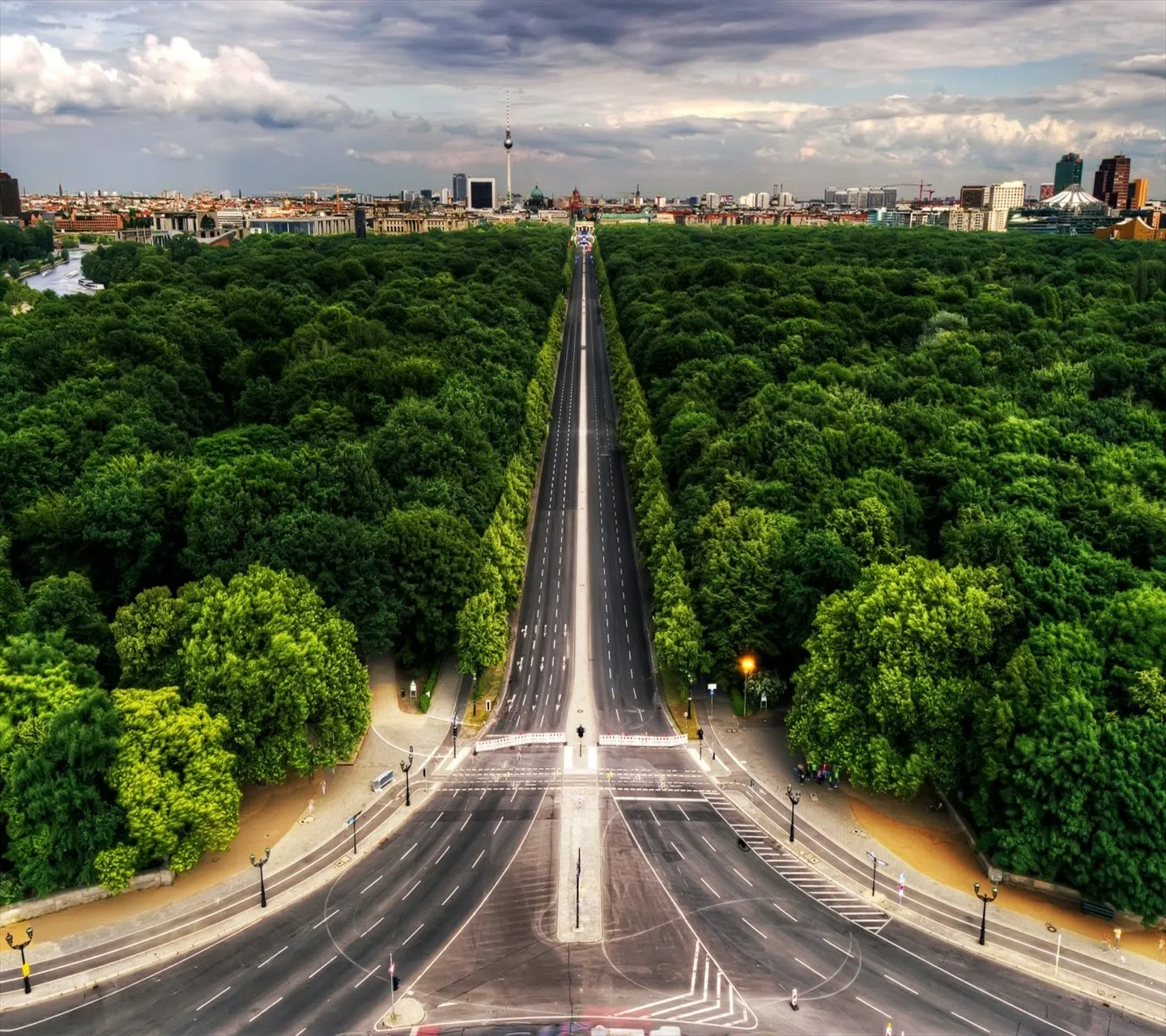
OutdoorFree
Tiergarten & Government Quarter Walk
A loop walk connecting Berlin's political heart with its green lung. Start at the Brandenburg Gate, walk through the Tiergarten's shaded paths past the Bismarck Memorial to the Victory Column for panoramic views, then return along the Spree past the Federal Chancellery and the Band des Bundes government complex to the Reichstag dome.
Tiergarten, starting at Brandenburg Gate2.5-3 hours
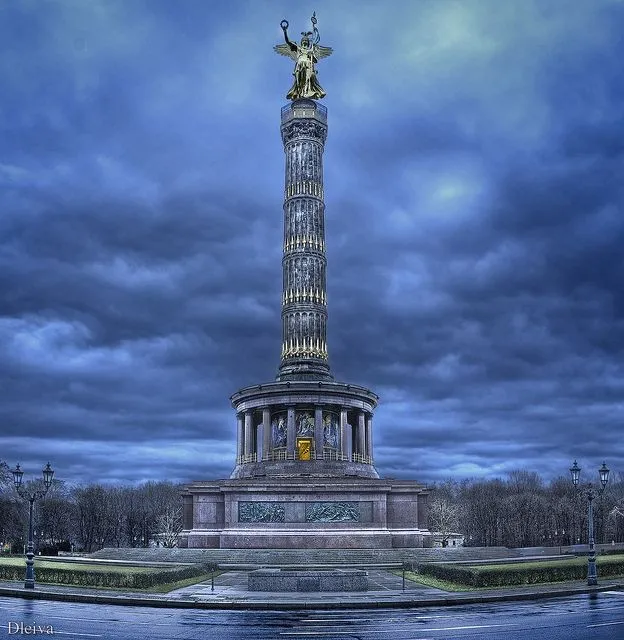
Landmark
Victory Column (Siegessaeule)
A 67-metre column crowned by a gilded bronze statue of Victoria, originally erected in 1873 to celebrate Prussian military victories. Relocated to its current position at the Tiergarten's central roundabout by the Nazi regime in 1939, the column now offers one of Berlin's finest panoramic viewpoints. The 285-step spiral climb rewards with sweeping views of the Brandenburg Gate, Reichstag, and the park stretching in every direction.
Grosser Stern, Tiergarten
CulturalFree
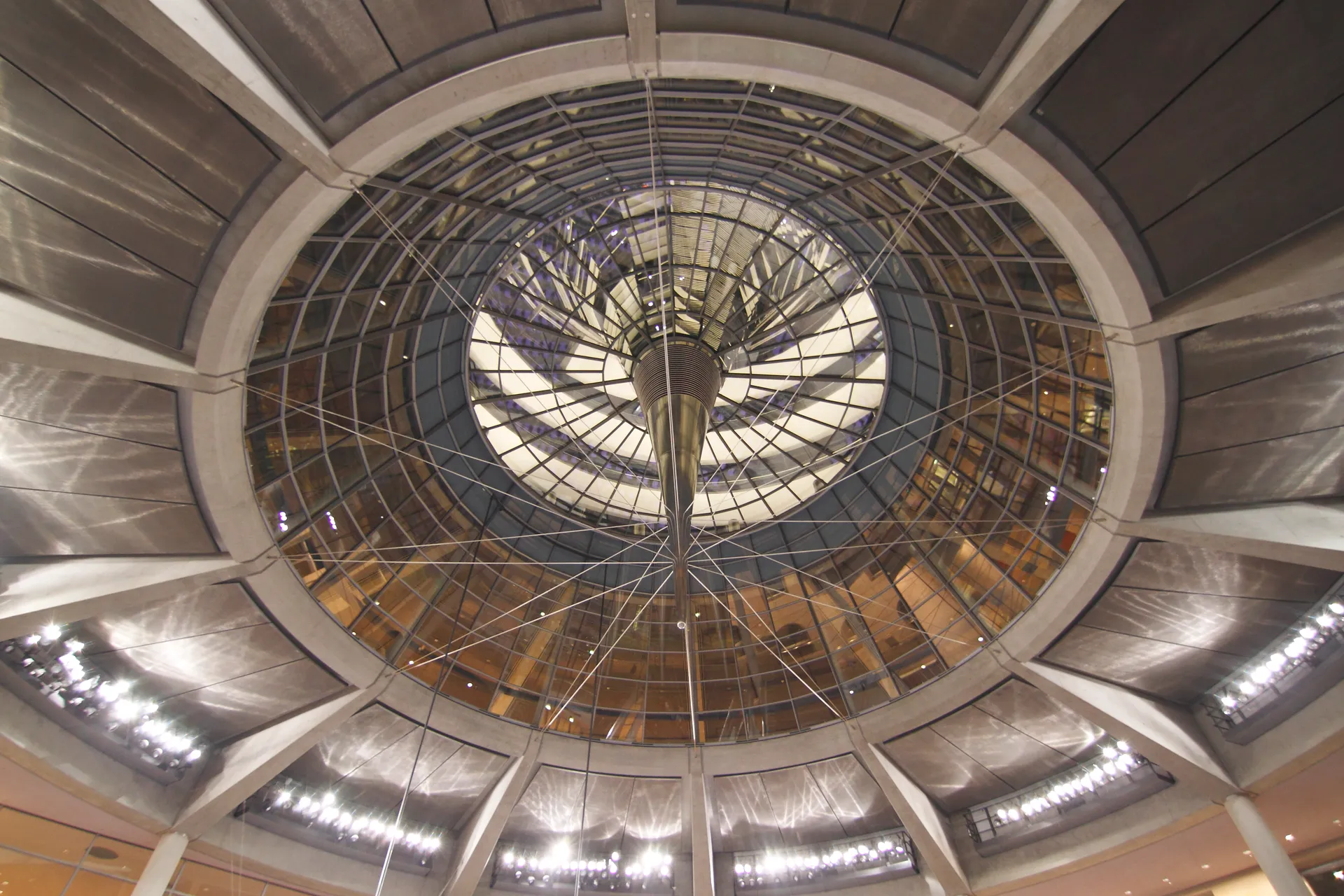
Reichstag Dome Visit
Walk the spiraling ramp inside Norman Foster's glass dome atop the German parliament for 360-degree city views. Free entry but advance booking is mandatory. The audio guide explains Berlin's political history.
Mitte (Tiergarten)1-2 hours
Book this tour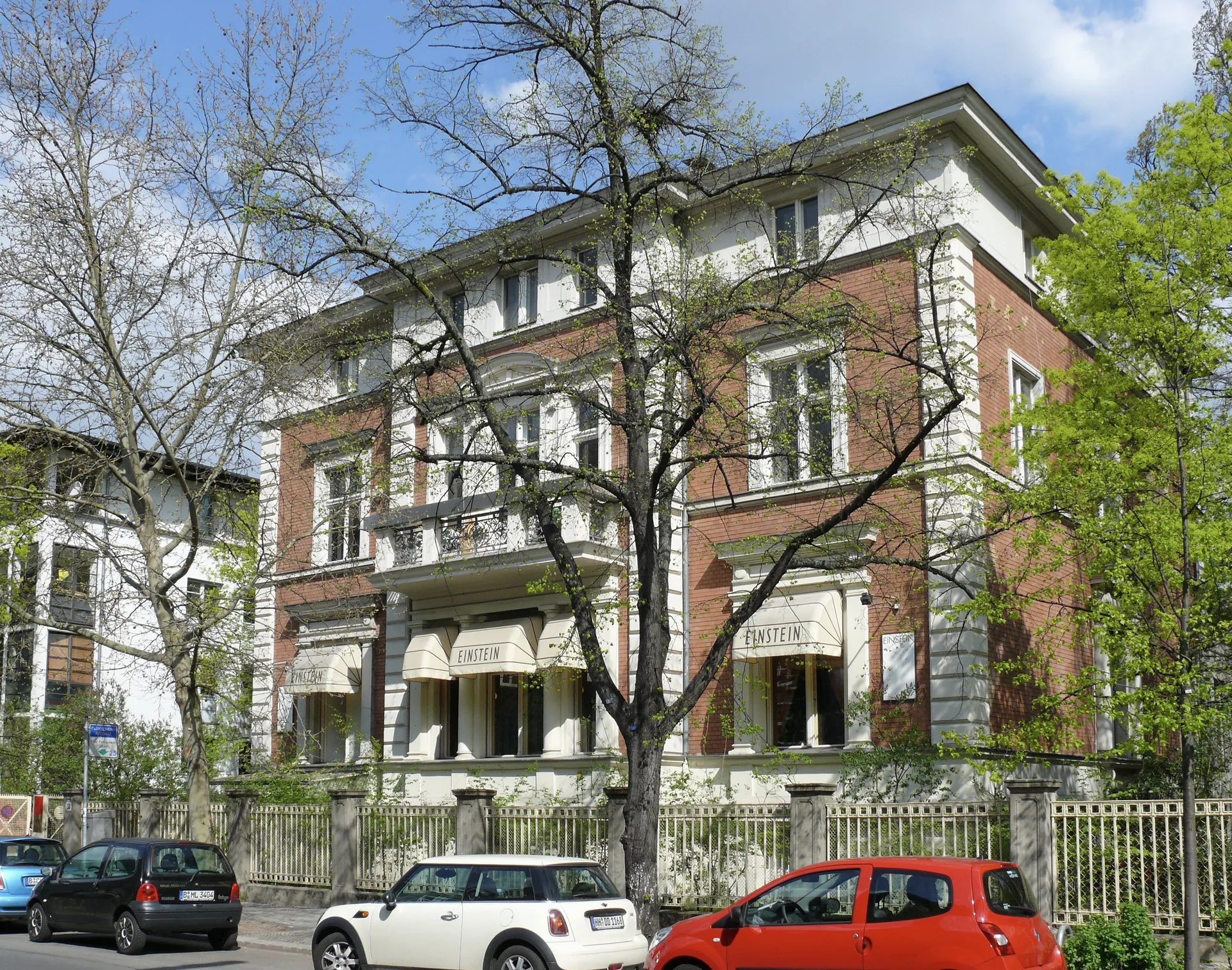
Cafe4.0
Cafe Einstein Stammhaus
Grand Viennese-style coffeehouse in a restored 1878 villa. White-jacketed waiters serve Sachertorte and melange in a wood-paneled interior that feels transported from another era.
Schoeneberg
Viewpoint
Teufelsberg
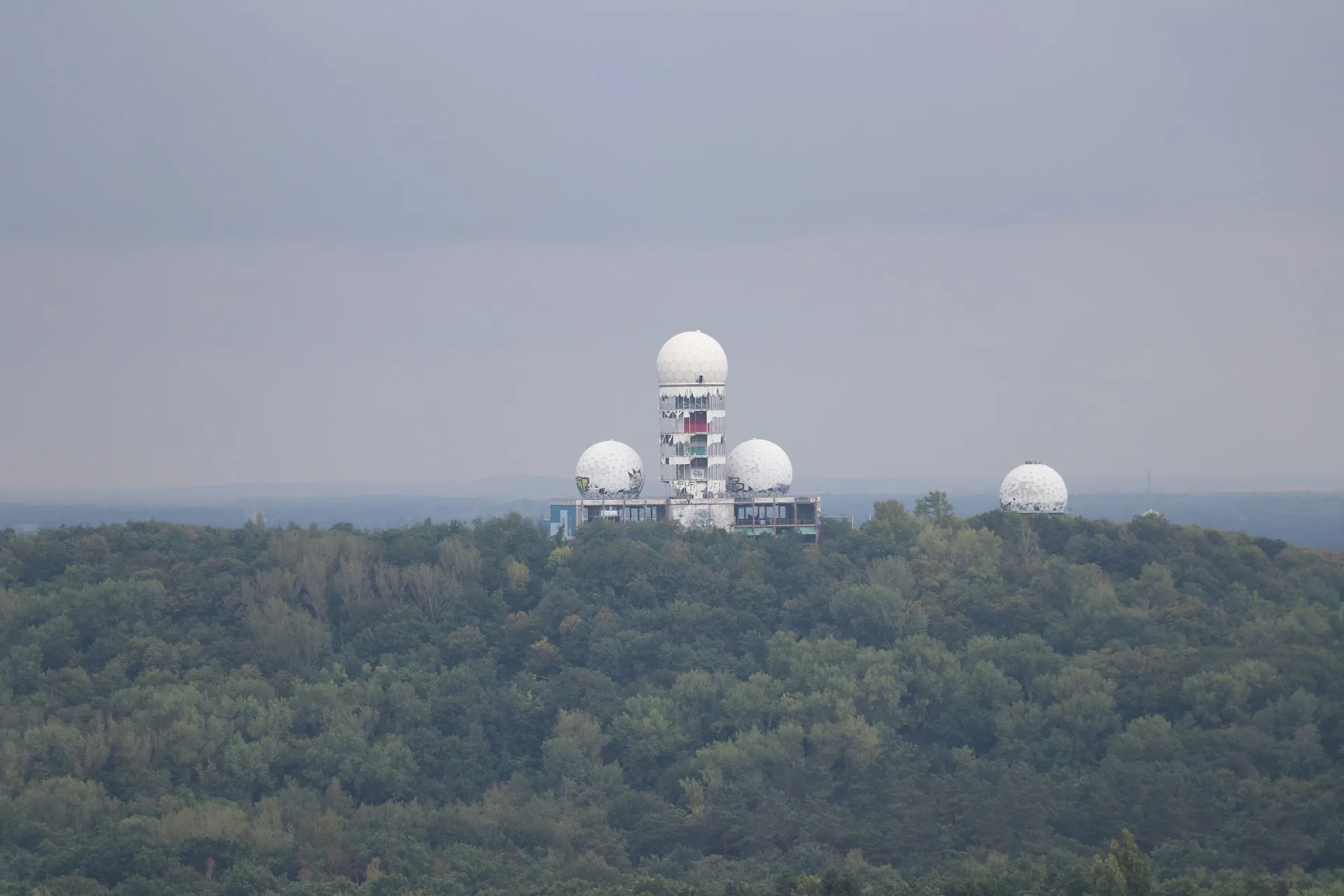
Abandoned Cold War NSA listening station atop a man-made hill built from WWII rubble. The geodesic radar domes are now covered in street art and offer panoramic views over the Grunewald forest and Berlin skyline.
Grunewald Forest
Must visit
Park5.0
Botanischer Garten Berlin
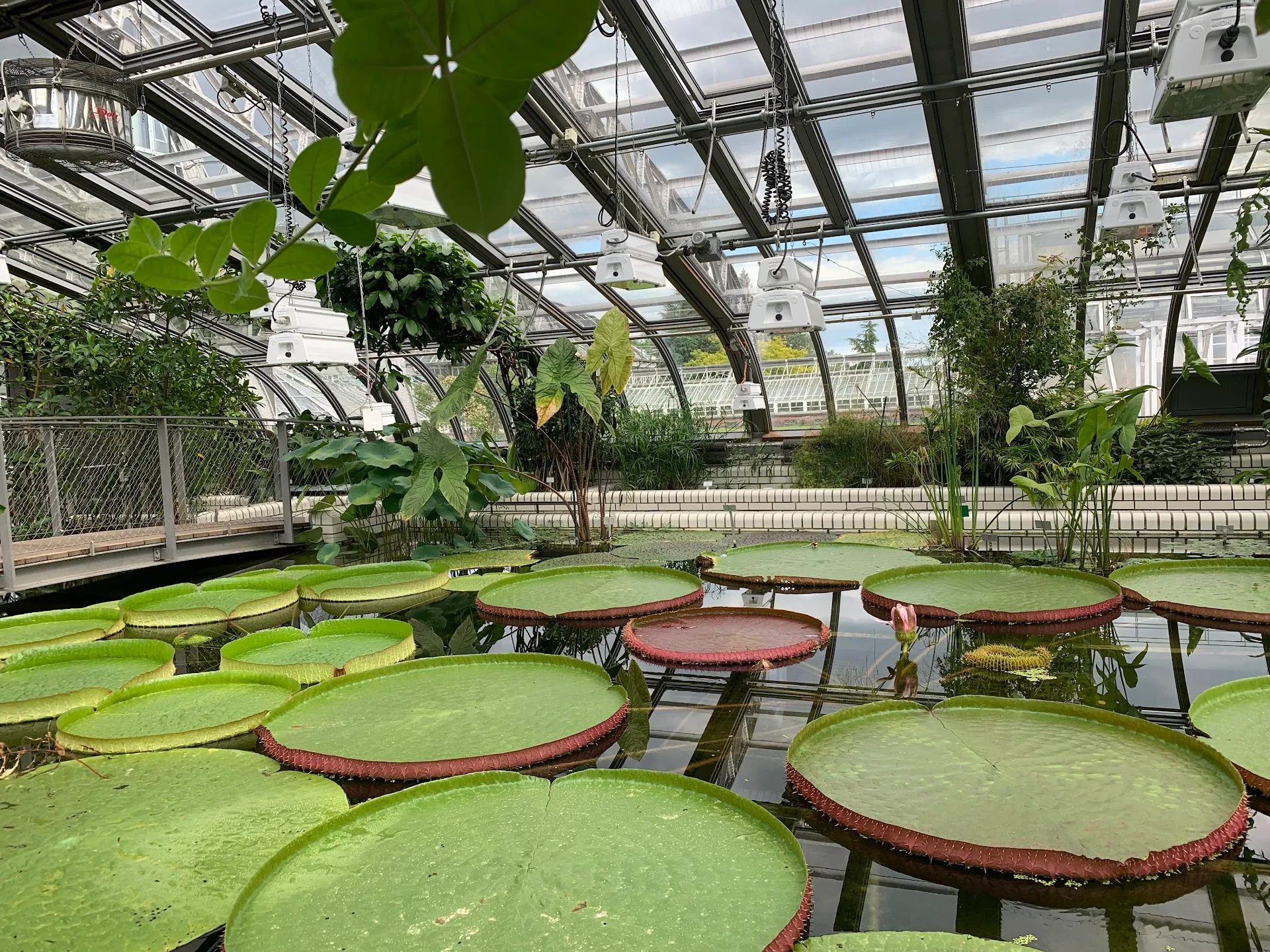
One of the world's largest and most important botanical gardens, spanning 43 hectares with over 20,000 plant species. The Great Tropical House, a soaring steel-and-glass cathedral completed in 1907, is the largest freestanding greenhouse in the world. The landscaped grounds move through geographic zones from Alpine meadows to bamboo groves.
Dahlem
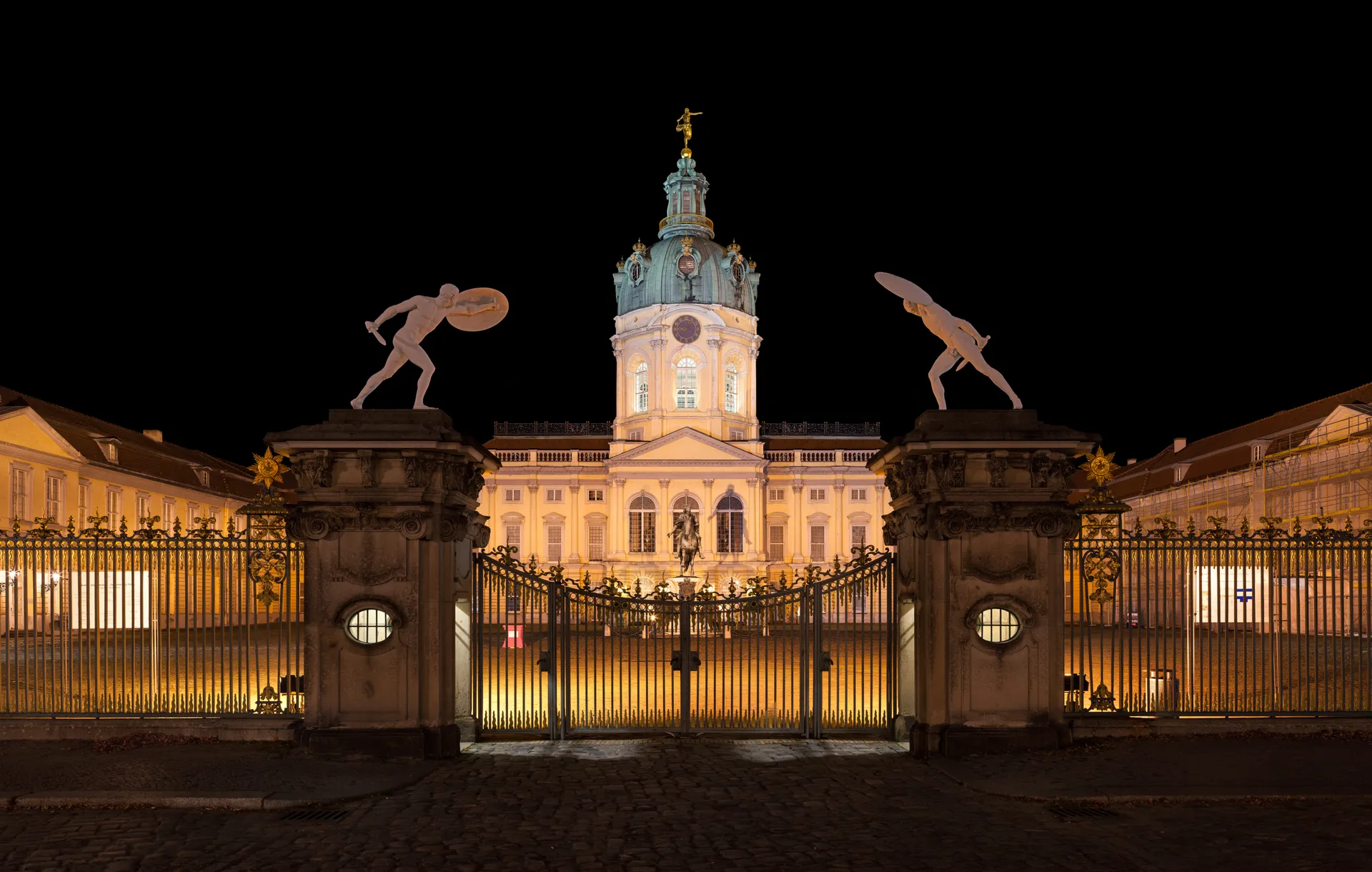
Castle4.0
Charlottenburg Palace
Berlin's largest and most opulent palace, built in 1699 for Sophie Charlotte, the first Queen of Prussia. The baroque and rococo state rooms, the Golden Gallery, and the extensive landscaped gardens offer a rare window into Prussian royal grandeur that survived wartime bombing.
Charlottenburg
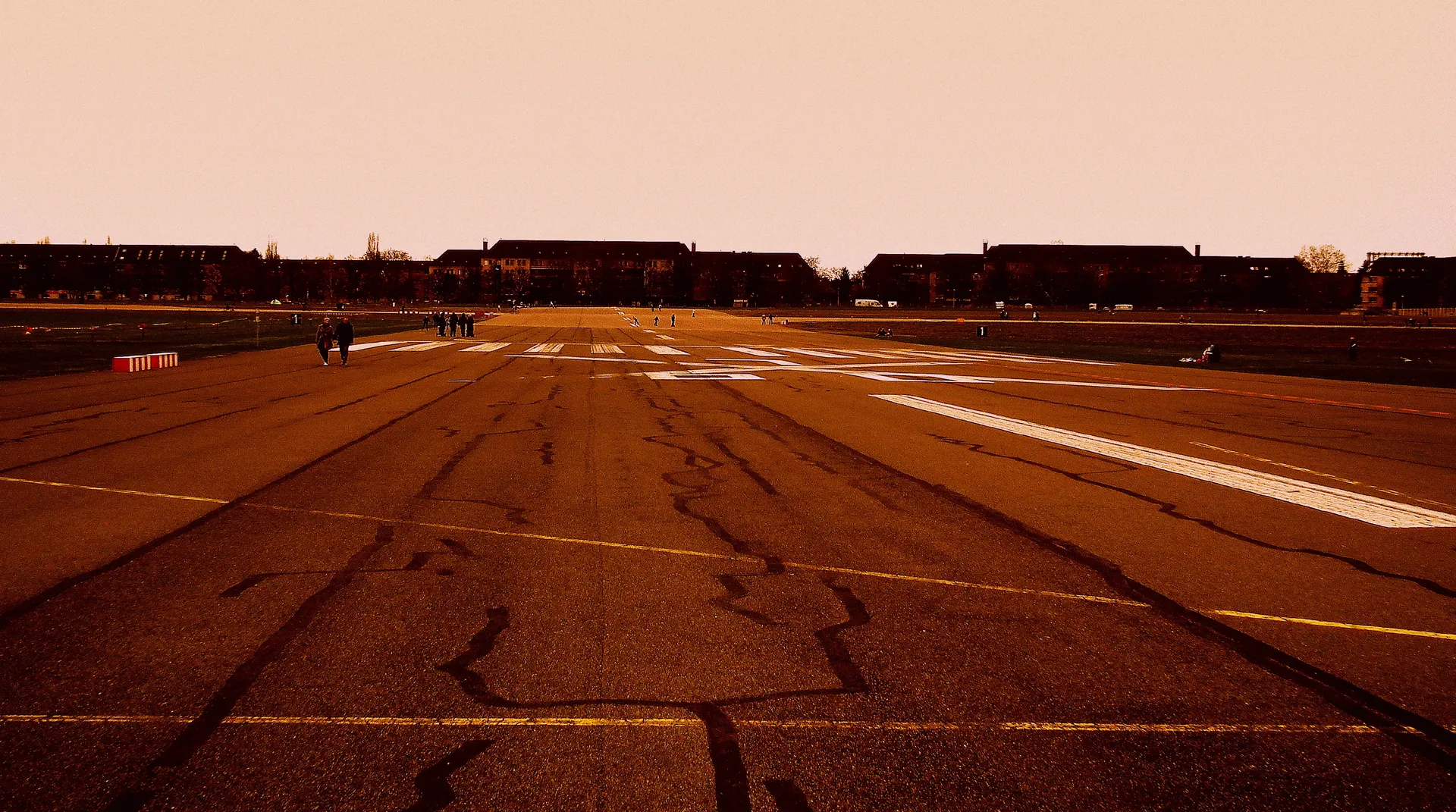
OutdoorFree
Tempelhof Airport Park Cycling
Cycle the former runways of this decommissioned 1920s airport, now one of the world's largest urban parks. The vast open tarmac is surreal - kite surfers, urban gardeners, and BBQ gatherings share the space.
Tempelhof2-3 hours
Day by day
Day 1Berlin
A divided city
Must visit
09:00Memorial5.0
Brandenburg Gate
Start at the 18th-century triumphal gate that became the Cold War's defining backdrop: stranded in the death strip behind the Wall, it was off-limits to both sides until the border opened in 1989. Standing on Pariser Platz today, it reads as the hinge between a divided and a reunited city.
Mitte
Tip: Come early for clear photos before the square fills; the U-Bahn stop Brandenburger Tor lets you out right beside it.
Must visit
10:00Memorial5.0
Memorial to the Murdered Jews of Europe
A short walk south brings you to Peter Eisenman's field of 2,711 concrete stelae, a deliberately disorienting grid that honours the murdered Jews of Europe. Descend to the underground Place of Information for the names and family stories that ground the abstraction above.
Mitte
Tip: The information centre is free but has airport-style security and can have a queue; allow extra time and keep your visit quiet and respectful.
11:00Street
Potsdamer Platz
Once Europe's busiest square, Potsdamer Platz was bombed flat in the war and then sliced into a barren no-man's-land by the Wall. The glass towers that rose here in the 1990s now stand beside a few preserved Wall slabs, a stark before-and-after of the divided city.
Potsdamer Platz, Mitte / Tiergarten border
Tip: Look for the line of cobblestones marking the Wall's former path and the graffiti-covered segments standing outside the S-/U-Bahn station.
13:30TourFree
Berlin Wall & Cold War History Tour
Spend the afternoon with a guide connecting sites that are easy to misread on your own — Checkpoint Charlie, traces of the death strip, and the escape attempts that defined the divided city. Context turns scattered fragments into a single, gripping story.
Mitte / Friedrichshain3-4 hours
Tip: Wear comfortable shoes and confirm the meeting point and start time when you book; tours run rain or shine, so dress for the weather.
Book this tour16:30Memorial5.0
Berlin Wall Memorial
End at Bernauer Strasse, the one place that preserves the full border strip — the Wall, the raked death strip and a surviving watchtower — alongside a documentation centre and the moving Window of Remembrance. This is where residents leapt from windows in 1961 and where tunnels were later dug to the West.
Mitte
Tip: Climb the documentation centre's viewing tower for the clearest sense of the strip's deadly width; the open-air memorial is free and accessible even after the indoor exhibits close.
Day 2Berlin
East Berlin & the GDR
09:30Street
TV Tower from Karl-Marx-Allee
Begin under the GDR's proudest landmark, the 368-metre Fernsehturm at Alexanderplatz, then walk the monumental, wedding-cake socialist boulevard of Karl-Marx-Allee, the former Stalinallee. Built to showcase the workers' state, the avenue was also where the 1953 uprising flared.
Friedrichshain / Mitte
Tip: Book Fernsehturm tickets online to skip the queue, or simply admire it from below; the cross of light that flares on its sphere was nicknamed 'the Pope's revenge.'
Must visit
12:30Memorial5.0
East Side Gallery
Walk the longest surviving stretch of the Wall, 1.3 kilometres along the Spree, repainted by artists from around the world in 1990 into an open-air gallery of the fall of communism. The Trabant bursting through the concrete and the fraternal kiss of Brezhnev and Honecker are the images everyone comes for.
Friedrichshain
Tip: It runs beside a busy road with little shade, so go before the afternoon crowds build — and remember this is the East-facing side that East Berliners could never reach.
14:00Architecture
Oberbaumbruecke
Cross the photogenic double-decker brick bridge that links Friedrichshain and Kreuzberg over the Spree. During the division it was a guarded pedestrian crossing between East and West; today the U-Bahn rumbles across its upper deck and it stands as a quiet emblem of reunification.
Friedrichshain / Kreuzberg
Tip: The best view of its twin towers is from the riverbank by the East Side Gallery, a five-minute walk from the murals.
14:45Viewpoint
Molecule Man from Elsenbruecke
Pause where three aluminium giants rise some 30 metres out of the Spree. The sculpture marks the meeting point of Treptow, Friedrichshain and Kreuzberg — boroughs the Wall once split between East and West — and reads as a monument to the city knitting itself back together.
Treptow / Friedrichshain
Tip: It's a quick photo stop on the way south to Treptower Park; the riverside path gives the cleanest angle.
16:00Memorial5.0
Treptower Park Soviet War Memorial
This vast socialist-realist memorial is the burial ground of some 7,000 Red Army soldiers who fell taking Berlin in 1945. The long axis builds to a colossal bronze of a Soviet soldier cradling a child and crushing a swastika with his lowered sword — overwhelming in scale and unmistakable in message.
Treptow
Tip: Give yourself time to walk the full axis from the kneeling-soldier entrance to the mound; it's free, open and far quieter than the central sites.
19:00Bar4.0
Klunkerkranich
Close the GDR day with a drink on a rooftop garden perched above a Neukölln shopping centre, looking out over the rooftops as the sun goes down. It's a relaxed, local end to a heavy day of history.
Neukoelln
Tip: Entry is via the car-park lifts to the top floor; head up before sunset to claim a spot, and bring a layer as it gets breezy.
Day 3Berlin
Prussian Berlin & Museum Island
Must visit
09:00Museum5.0
Pergamon Museum
Open the day among the monumental antiquities of the Pergamon, from the blue-tiled Ishtar Gate of Babylon to the towering Roman Market Gate of Miletus. It is the headline museum of the island, assembled by Prussian archaeologists at the height of empire.
Mitte
Tip: The Pergamon has been undergoing major staged renovation, so check the official site for which wings and highlights are currently open before you go, and book a timed slot.
11:15Cultural€19 (day pass)
Museum Island Day
Spend the late morning exploring the rest of the UNESCO-listed island, five grand museums raised between 1830 and 1930 as a Prussian temple-quarter of culture. The bust of Nefertiti in the Neues Museum and the Romantics in the Alte Nationalgalerie are the standouts.
Mitte (Museum Island)5-7 hours
Tip: A single Museum Island day ticket covers all the houses; the Neues Museum and its Egyptian collection reward booking a timed entry.
Book this tour13:00Temple4.0
Berlin Cathedral (Berliner Dom)
Step into the Hohenzollern dynasty's grand court church, a Baroque-revival pile completed in 1905 and rebuilt over decades after wartime damage. The crypt below holds some ninety royal sarcophagi, and the dome gallery opens onto a sweeping view over the island.
Mitte
Tip: Buy the ticket that includes the dome climb for the best rooftop panorama; it is a working Protestant church, so dress and behave accordingly.
Must visit
14:15Restaurant5.0
Mogg
Cross into the Scheunenviertel, Berlin's historic Jewish quarter, for a late lunch of house-cured pastrami at a deli set inside a beautifully restored 1920s Jewish girls' school. The building itself is part of the story you came to read.
Mitte
Tip: The pastrami on rye is the signature; the same building houses small galleries worth a quick look on your way out.
15:15Architecture
Hackesche Hoefe
A few steps away, wander the eight interlocking courtyards of the Hackesche Höfe, all restored Art Nouveau tilework and cafes. The grittier Haus Schwarzenberg alley next door keeps its raw, pre-gentrification feel and hides small museums to wartime resistance.
Mitte
Tip: Duck into Haus Schwarzenberg for the Otto Weidt Workshop for the Blind and the Anne Frank Zentrum, sober counterpoints to the polished courtyards.
17:30Scenic Spot5.0
Gendarmenmarkt
Finish on what many call Berlin's most beautiful square, framed by the matching German and French cathedrals and Schinkel's neoclassical concert hall. The French church recalls the Huguenot refugees who reshaped Prussian Berlin in the 17th century.
Mitte
Tip: Late-afternoon light on the twin domes is the photographer's hour; the square hosts a much-loved Christmas market if you visit in December.
Day 4Berlin
Memory & democracy
09:30Museum5.0
Jewish Museum Berlin
Start at Daniel Libeskind's lightning-bolt of zinc, a building whose voids, slanting floors and chilling Holocaust Tower tell the story before a single exhibit does. Inside, two millennia of German-Jewish life unfold from the Middle Ages to today.
Kreuzberg
Tip: The architecture rewards a slow start in the basement axes and the Garden of Exile; allow at least two hours and book online in busy months.
12:30OutdoorFree
Tiergarten & Government Quarter Walk
Walk the Spreebogen, the riverside government quarter rebuilt after reunification, where the Chancellery and parliamentary buildings deliberately bridge the Spree to stitch the former East and West banks together. From there, stroll into the Tiergarten, the city's green lung and former royal hunting ground.
Tiergarten, starting at Brandenburg Gate2.5-3 hours
Tip: The 'Band of the Federation' buildings frame great photos across the river; pick up a takeaway lunch to eat in the park.
14:30Landmark
Victory Column (Siegessaeule)
Climb the gilded Victory Column at the heart of the Tiergarten for a 360-degree view down the great axis to the Brandenburg Gate. Raised to mark Prussian military victories, it was relocated here by the Nazis in the late 1930s as part of their plans for a monumental capital.
Grosser Stern, Tiergarten
Tip: It is 285 narrow steps to the platform and cash is often needed at the kiosk; the view back toward the Reichstag is the one to frame.
17:00CulturalFree
Reichstag Dome Visit
Time your visit for the late-afternoon light in Norman Foster's glass dome, spiralling up over the chamber of the Bundestag as a literal symbol of transparent democracy. Below sits a parliament restored to a building scarred by the 1933 fire and the battle for Berlin in 1945.
Mitte (Tiergarten)1-2 hours
Tip: Visits are free but require advance online registration with photo ID; book days ahead and aim for a slot around sunset for the best light over the city.
Book this tour19:30Cafe4.0
Cafe Einstein Stammhaus
End the day in a grand Viennese-style coffee house set in an 1870s Schöneberg villa, all parquet, marble and waiters in waistcoats. It is an old-Berlin institution for schnitzel, apple strudel and a strong coffee after a reflective day.
Schoeneberg
Tip: Reserve for dinner, especially at weekends; the garden is lovely in warm weather.
Day 5Berlin
Espionage & the West
09:00Viewpoint
Teufelsberg
Head out to the Devil's Mountain, an artificial hill heaped from the rubble of bombed Berlin over a buried, unfinished Nazi military college. On top, the ghostly radar domes of the Cold War American and British listening station still stand, now wrapped in some of Europe's boldest street art.
Grunewald Forest
Tip: Access is ticketed and the site sits open-air on an exposed hilltop reached through the Grunewald forest — wear sturdy shoes, check opening days, and allow time for the walk up.
Must visit
11:30Park5.0
Botanischer Garten Berlin
Drop down into leafy Dahlem, the genteel district that anchored West Berlin's American sector and its free university, for a breather in one of the world's great botanical gardens. Its soaring early-1900s tropical glasshouse and 20,000-plus species are a calm change of pace.
Dahlem
Tip: The Great Pavilion glasshouse is the highlight if the weather turns; the garden is large, so grab a map at the entrance.
13:30Castle4.0
Charlottenburg Palace
Cross to the largest of Prussia's Berlin palaces, a Baroque summer residence begun in 1695 for Queen Sophie Charlotte. Gutted in the war and meticulously rebuilt, its gilded gallery, porcelain cabinet and formal gardens made it a cultural anchor for West Berlin during the division.
Charlottenburg
Tip: The Old Palace and the New Wing need separate or combined tickets; the Baroque garden behind the palace is free and worth a stroll.
16:30OutdoorFree
Tempelhof Airport Park Cycling
Finish where the West held its ground: the giant former Tempelhof airfield, lifeline of the 1948–49 Berlin Airlift when Allied 'raisin bomber' flights kept blockaded West Berlin alive. Closed to planes since 2008, its runways are now a vast open park made for cycling into the sunset.
Tempelhof2-3 hours
Tip: Rent a bike or bring skates to ride the old runways; the field is wide open and windy, and sunset here is a fitting close to the trip.
What it costs
A mid-range five days runs roughly 90-150 EUR per person per day excluding accommodation. Many of Berlin's most important history sites are free — the Holocaust Memorial, the Berlin Wall Memorial at Bernauer Strasse, the Treptower Park Soviet Memorial and the Reichstag dome (with advance registration) — so your money goes mainly on a handful of paid tickets (Museum Island, the Fernsehturm, Charlottenburg Palace, Teufelsberg), one guided Cold War tour, and meals. A BVG AB day ticket covers most of the U-/S-Bahn hops you'll make, with a 7-day pass worth it if you ride a lot; only the outlying sites (Teufelsberg, Tempelhof) need real transit planning.~EUR 90-150 / day mid-range (excl. hotel) / day
Frequently asked questions
- Is five days enough for Berlin's Wall and Cold War history?
- Yes. Five days lets you cover the essentials without rushing: the divided city and the Berlin Wall Memorial on day one, the former East and the GDR's monuments on day two, Prussian Museum Island on day three, memory and democracy from the Jewish Museum to the Reichstag on day four, and the Cold War's western edge — the Teufelsberg spy station and the Tempelhof airlift field — on day five. Because the plan moves theme by theme, you spend little time backtracking.
- Which sites should I book in advance, and which are free?
- Book the Reichstag dome (free, but registration with photo ID is required and slots fill days ahead), a timed Museum Island / Pergamon entry, your Teufelsberg ticket, and the guided Cold War walking tour. Charlottenburg Palace and the Fernsehturm are also best pre-booked. Many of the headline history sites cost nothing: the Holocaust Memorial, the Berlin Wall Memorial at Bernauer Strasse, the Treptower Park Soviet Memorial and the Reichstag dome are all free to visit.
- Is the Pergamon Museum open right now?
- The Pergamon has been closed in stages for a long-running renovation, so the famous Pergamon Altar hall and some wings may be inaccessible depending on when you visit. Always check the official Staatliche Museen zu Berlin site before you go. Even if parts of the Pergamon are shut, the rest of Museum Island — the Neues Museum with Nefertiti, the Alte Nationalgalerie, the Bode-Museum and the Altes Museum — stays open and easily fills a day.
- How do I get around Berlin for this itinerary?
- Berlin's U-Bahn, S-Bahn, trams and buses (run by BVG and S-Bahn Berlin) cover everything on this plan. The central Mitte sites cluster within walking distance, so a BVG AB-zone day ticket handles most days; a 7-day pass can be cheaper if you ride a lot. Only the outlying day-five stops — Teufelsberg in the Grunewald and Tempelhof — need a little route planning, and Teufelsberg involves a walk up through the forest.
- Where should I base myself in Berlin?
- For this history-focused trip, stay central in Mitte, near the Brandenburg Gate, Museum Island or Hackescher Markt — you will be within walking distance of much of days one, three and four, and on direct transit lines to everything else. Friedrichshain or Kreuzberg are lively, well-connected alternatives that put the East Side Gallery and the former East on your doorstep.
Make this trip yours
Save this itinerary and customize it — dates, stops, budget and friends, all in one place.