
This nine-day route traces Austria at its best, travelling west by train from the imperial capital to the high Alps. You'll spend three days in Vienna's palaces, museums and coffee houses, two in baroque Salzburg beneath its clifftop fortress, an unforgettable night in the lake village of Hallstatt, and two in Innsbruck, where cable cars climb straight from the old town into the mountains. It's built around Austria's fast, scenic rail network, so you never need a car — just book your ÖBB tickets ahead and let the scenery roll past the window.
The Grand Tour of Austria: 9 Days from Vienna to the Alps
9 days4 stopsFirst-time visitors who want cities, a lake village and the Alps without a car
The route
- Vienna3n
- Salzburg2n
- Hallstatt1n
- Innsbruck2n
Everywhere you'll go
Every stop on this itinerary — tap a card for details or to save it.
Must visit
Museum5.0
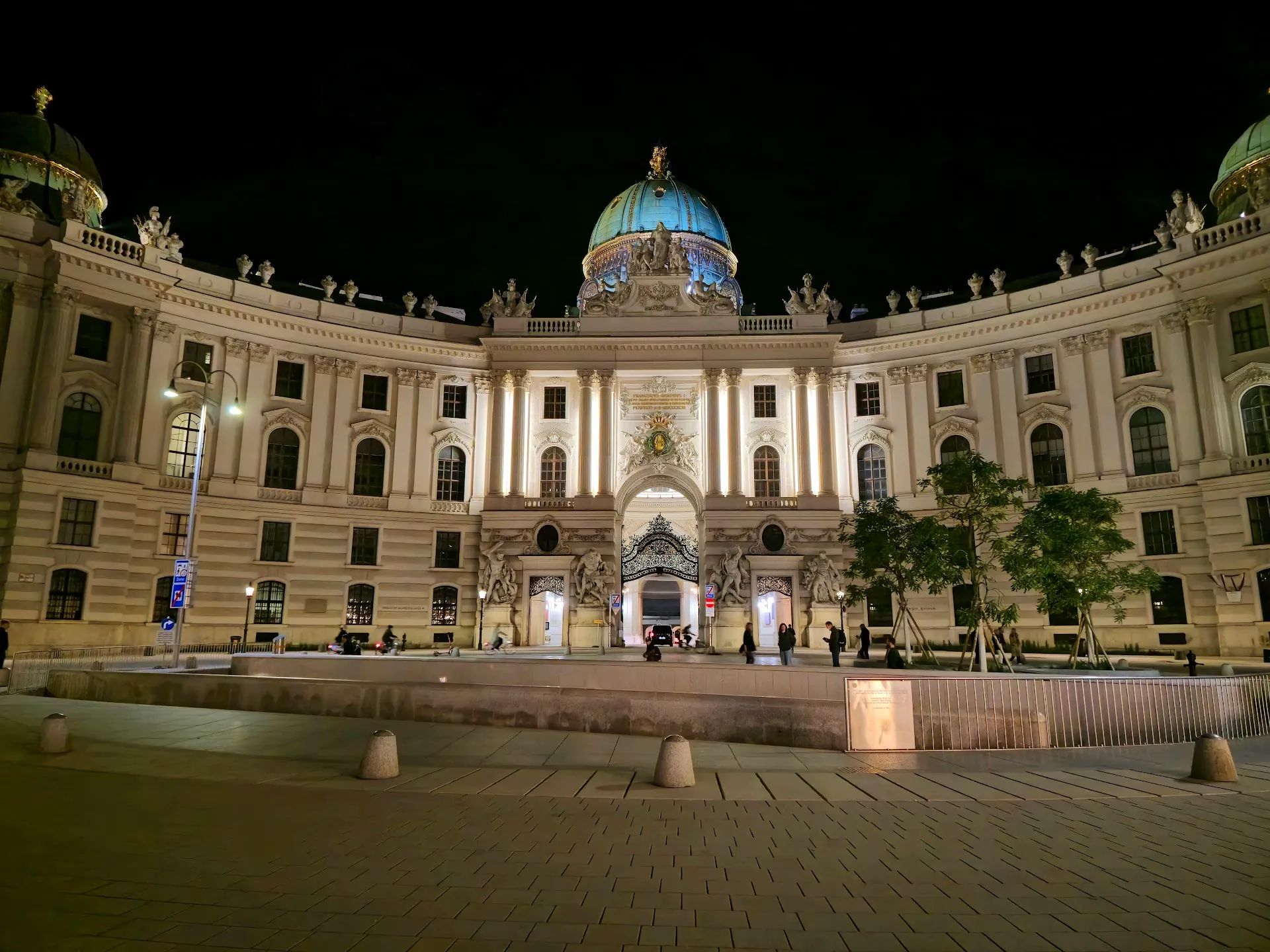
Hofburg Imperial Palace
The sprawling winter residence of the Habsburgs for over six centuries, now housing the Imperial Apartments, the Sisi Museum, the Silver Collection, and the Austrian National Library's baroque State Hall. The complex spans architectural eras from Gothic through Renaissance to baroque and historicist, forming a city within the city.
Innere Stadt
Viewpoint
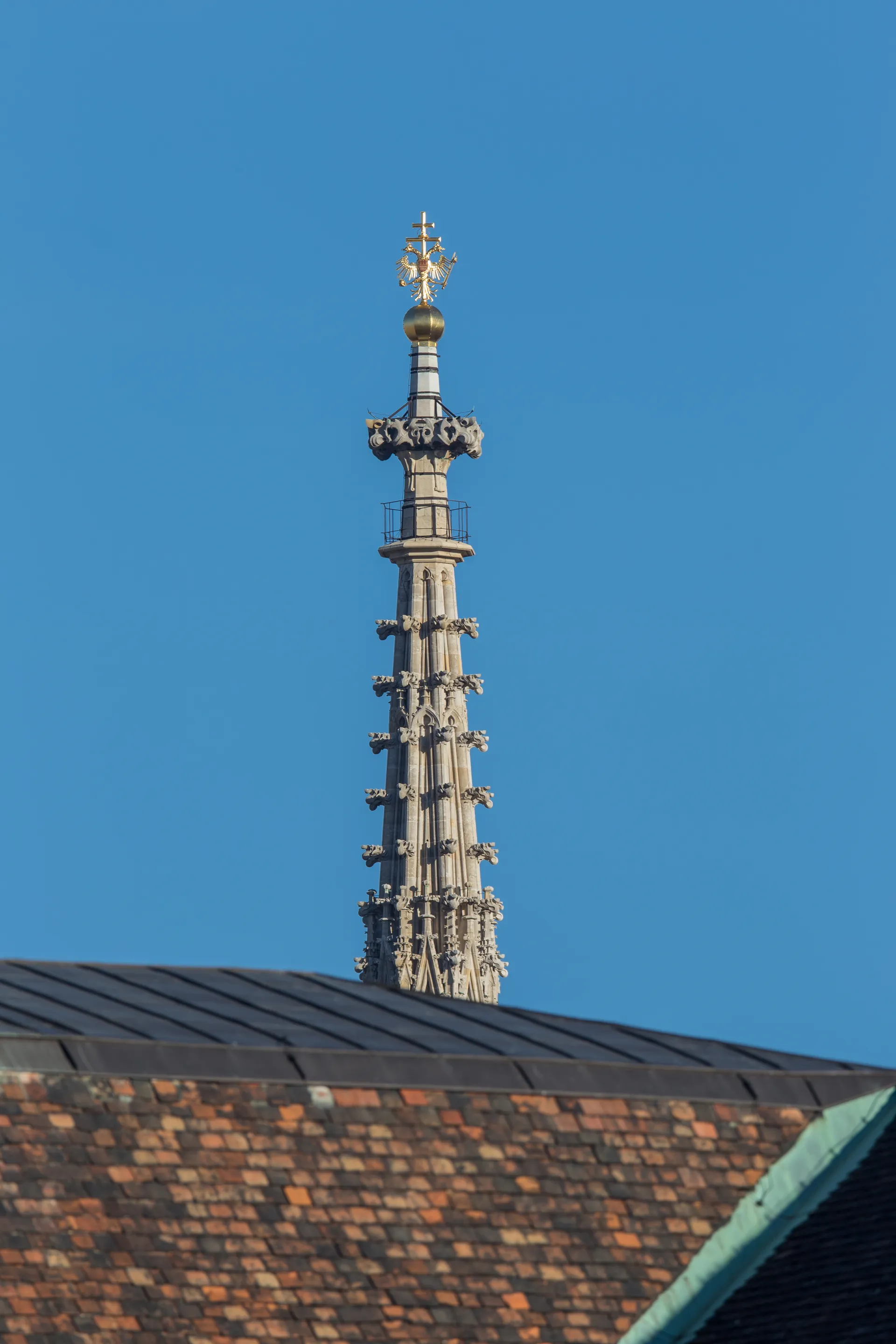
St. Stephen's Cathedral South Tower
Climb 343 narrow spiral steps inside the 136-meter south tower of the Stephansdom for a bird's-eye view across Vienna's rooftop landscape. The cathedral's own chevron-patterned tile roof spreads out below, while the Ringstrasse, Prater ferris wheel, and on clear days the distant Alps define the horizon in every direction.
Stephansplatz, Innere Stadt
Must visit
Restaurant5.0
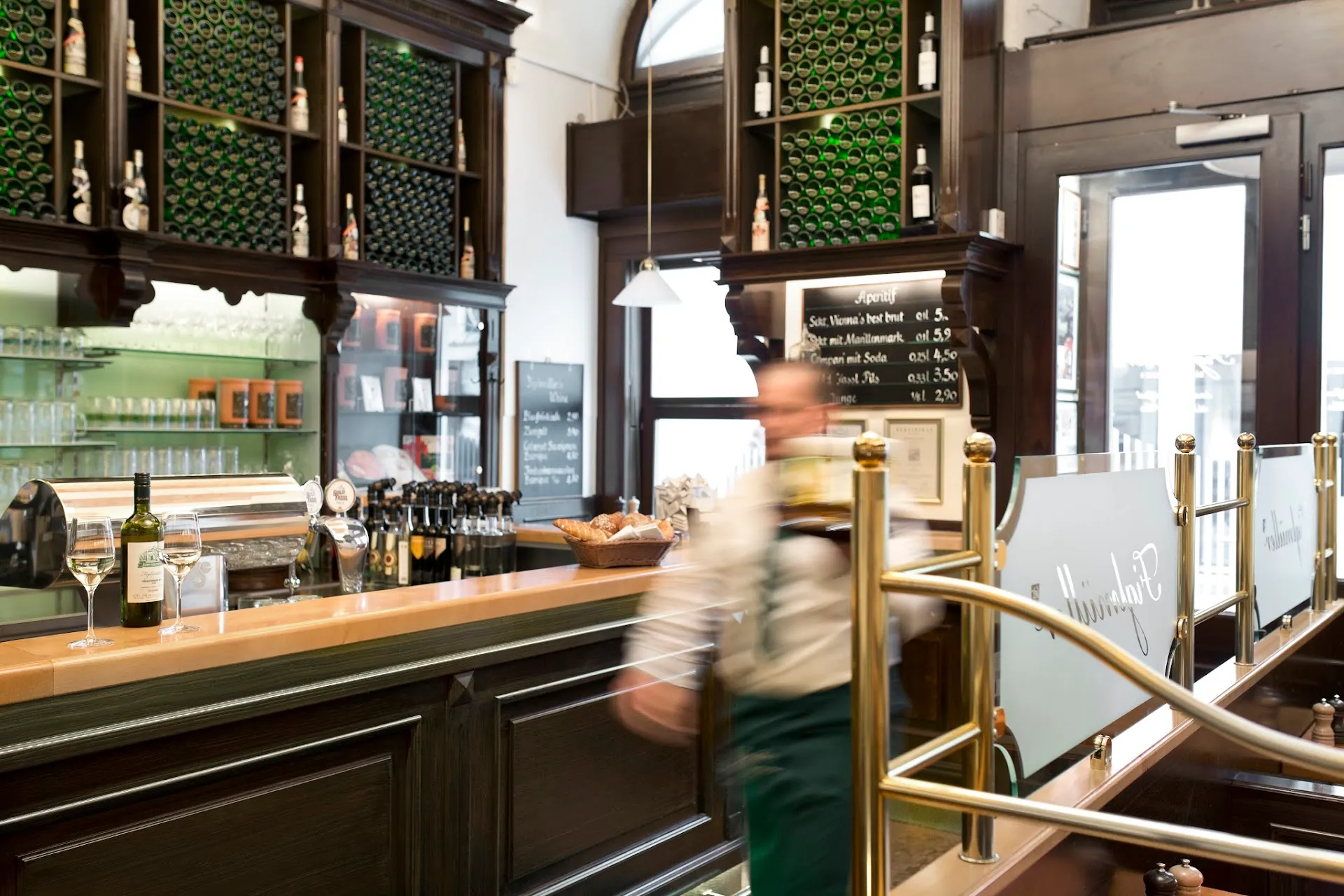
Figlmuller
The undisputed temple of Wiener Schnitzel since 1905. Their signature veal schnitzel overflows the plate, pounded paper-thin and fried golden in clarified butter. A must for anyone who wants to taste Vienna's most defining dish at its absolute best.
Innere Stadt
Must visit
Museum5.0
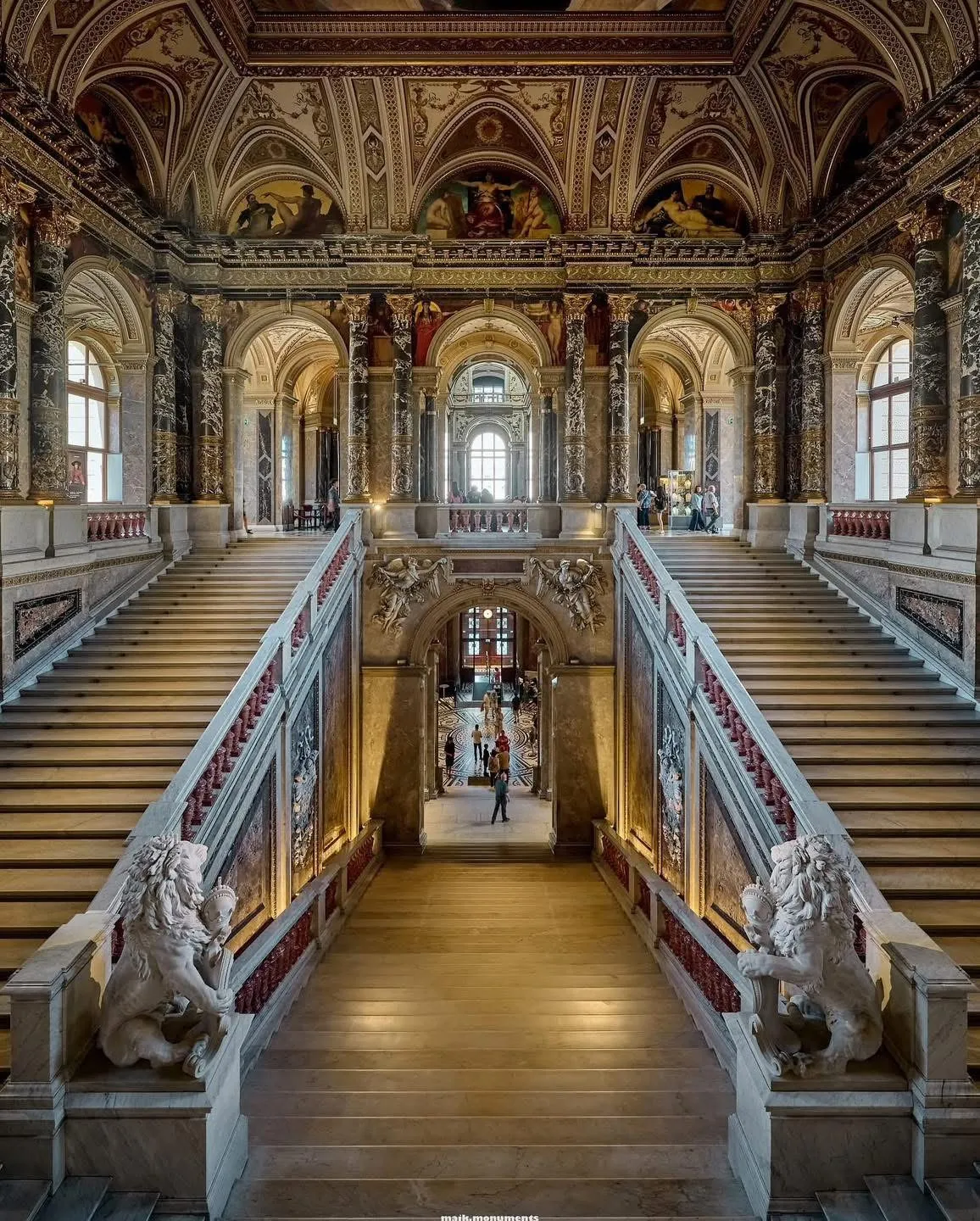
Kunsthistorisches Museum
The Habsburg art collection spans Vermeer, Caravaggio, Raphael, and Bruegel within an opulent building that rivals any palace. The grand staircase alone, with its Klimt and Canova decorations, justifies the visit. One of Europe's finest encyclopedic art museums.
Innere Stadt
Cultural
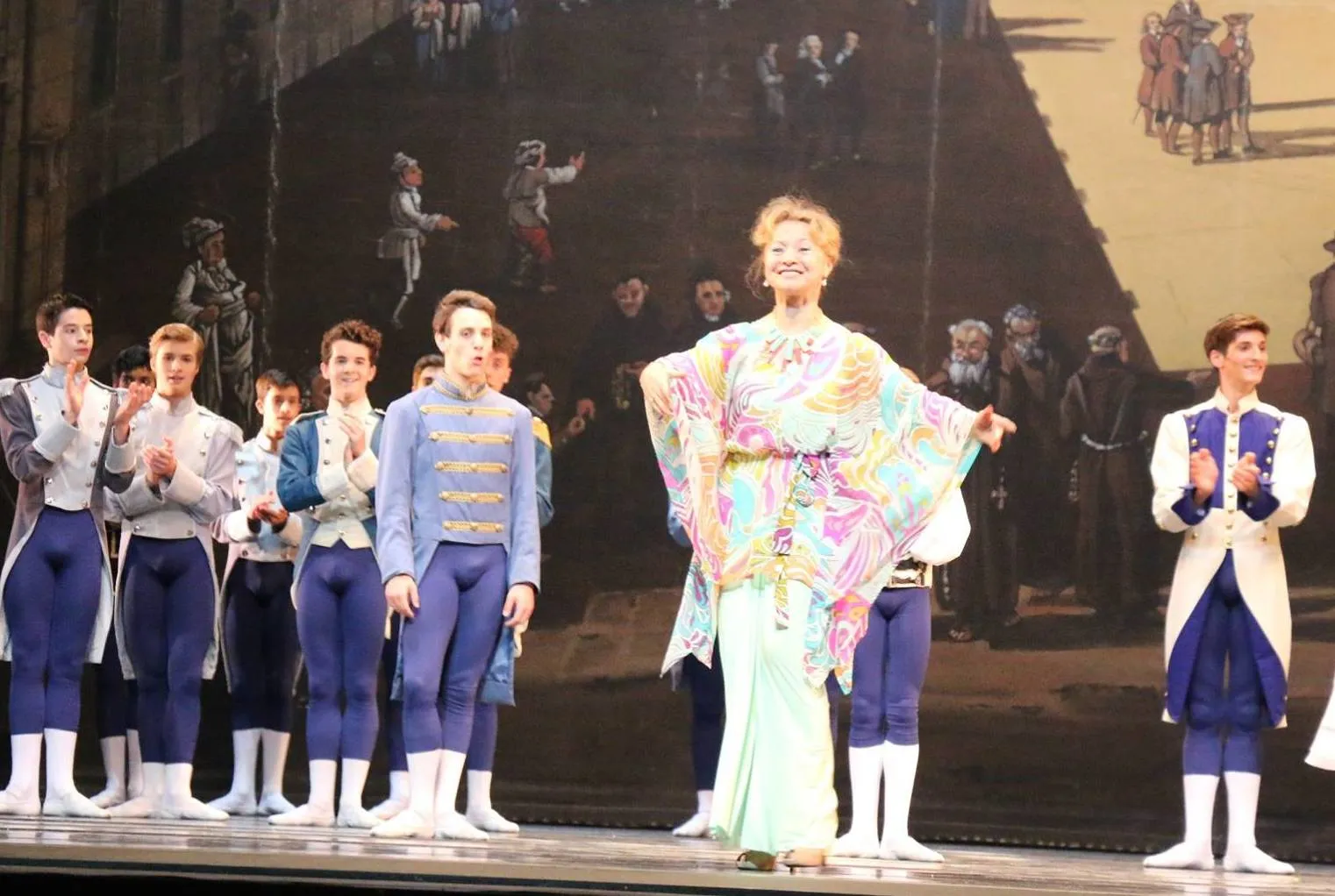
Vienna State Opera Performance
Experience world-class opera in one of the planet's most prestigious houses. The Wiener Staatsoper stages a different production nearly every night, with a repertoire spanning Mozart to Strauss performed by top international casts and the Vienna Philharmonic in the pit.
Wiener Staatsoper, Opernring 2, Innere Stadt3-4 hours
Must visit
Museum5.0
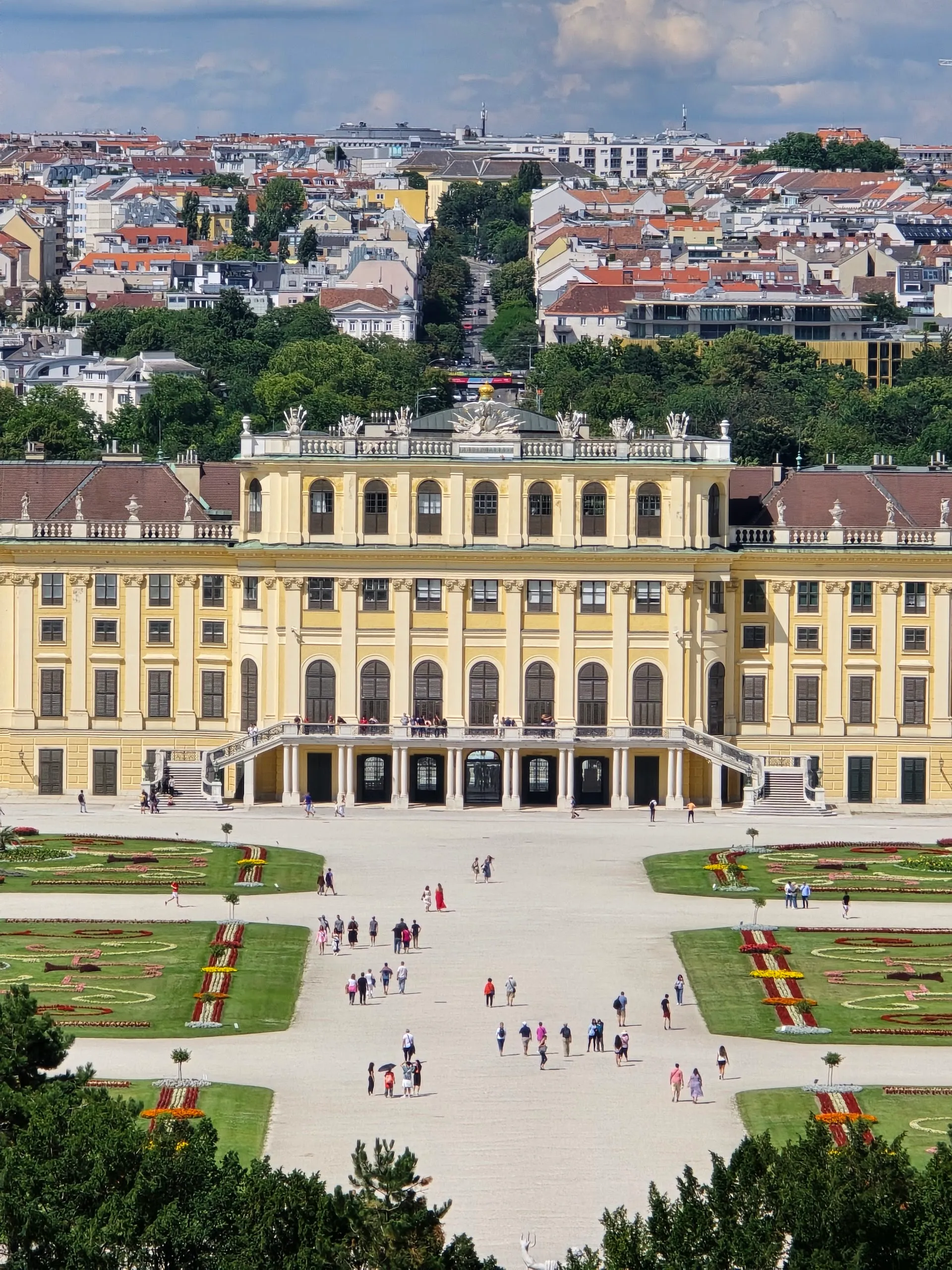
Schonbrunn Palace
The 1,441-room summer residence of the Habsburgs rivals Versailles in grandeur. The palace tour reveals rococo interiors, Maria Theresa's private apartments, and the Great Gallery where Mozart once played. The immense formal gardens stretch toward the Gloriette hilltop.
Hietzing
Viewpoint
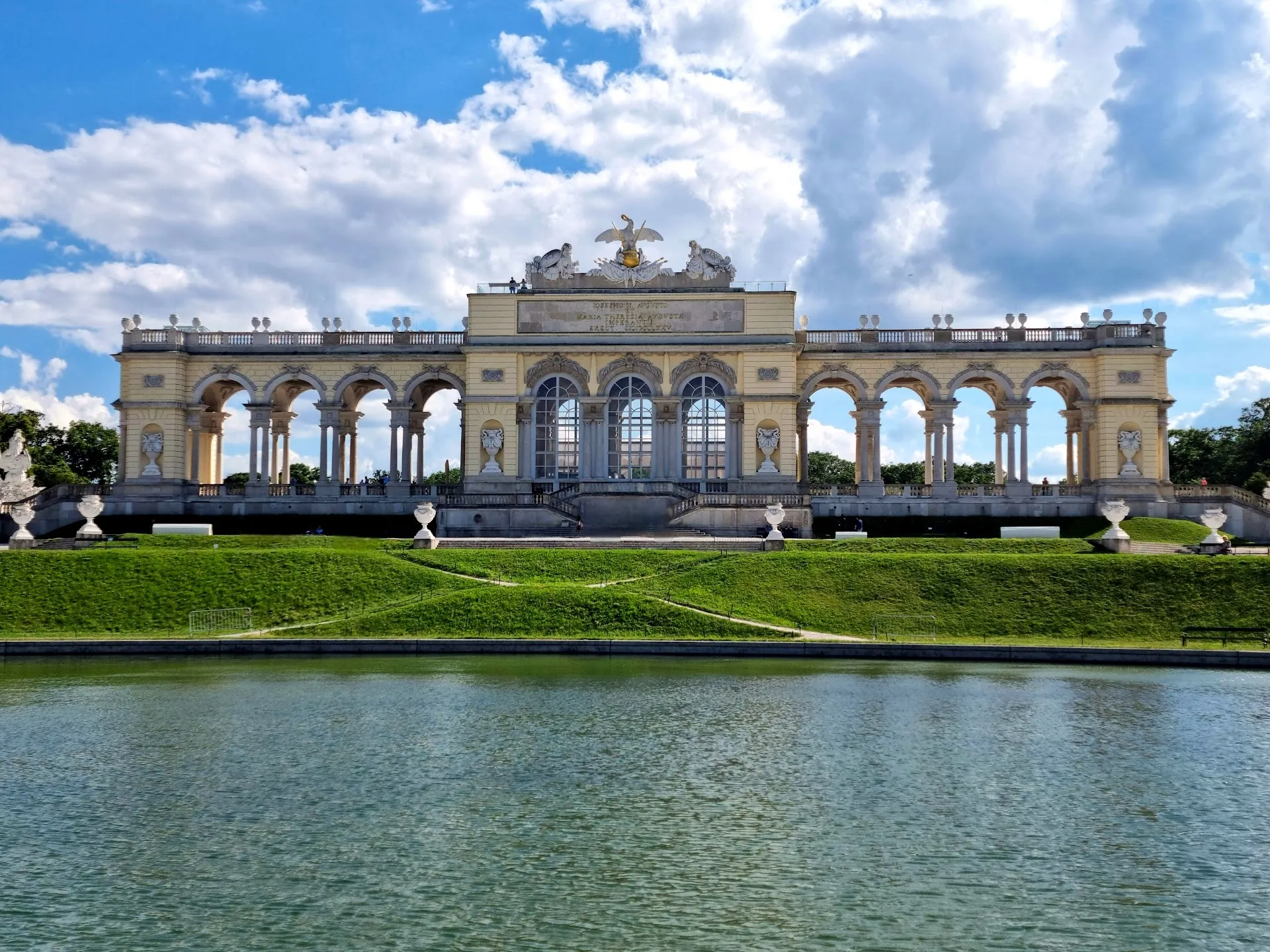
Gloriette Viewpoint at Schonbrunn
A colonnaded neoclassical arcade perched atop the hill behind Schonbrunn Palace, built in 1775 to commemorate a Habsburg military victory. The elevated terrace delivers Vienna's most complete panorama: the palace's yellow facade stretches below, formal gardens draw geometric lines toward it, and the city's skyline — St. Stephen's spire, the Danube, the Vienna Woods — fills the horizon beyond.
Schonbrunn Palace Gardens, Hietzing
Must visit
Market5.0
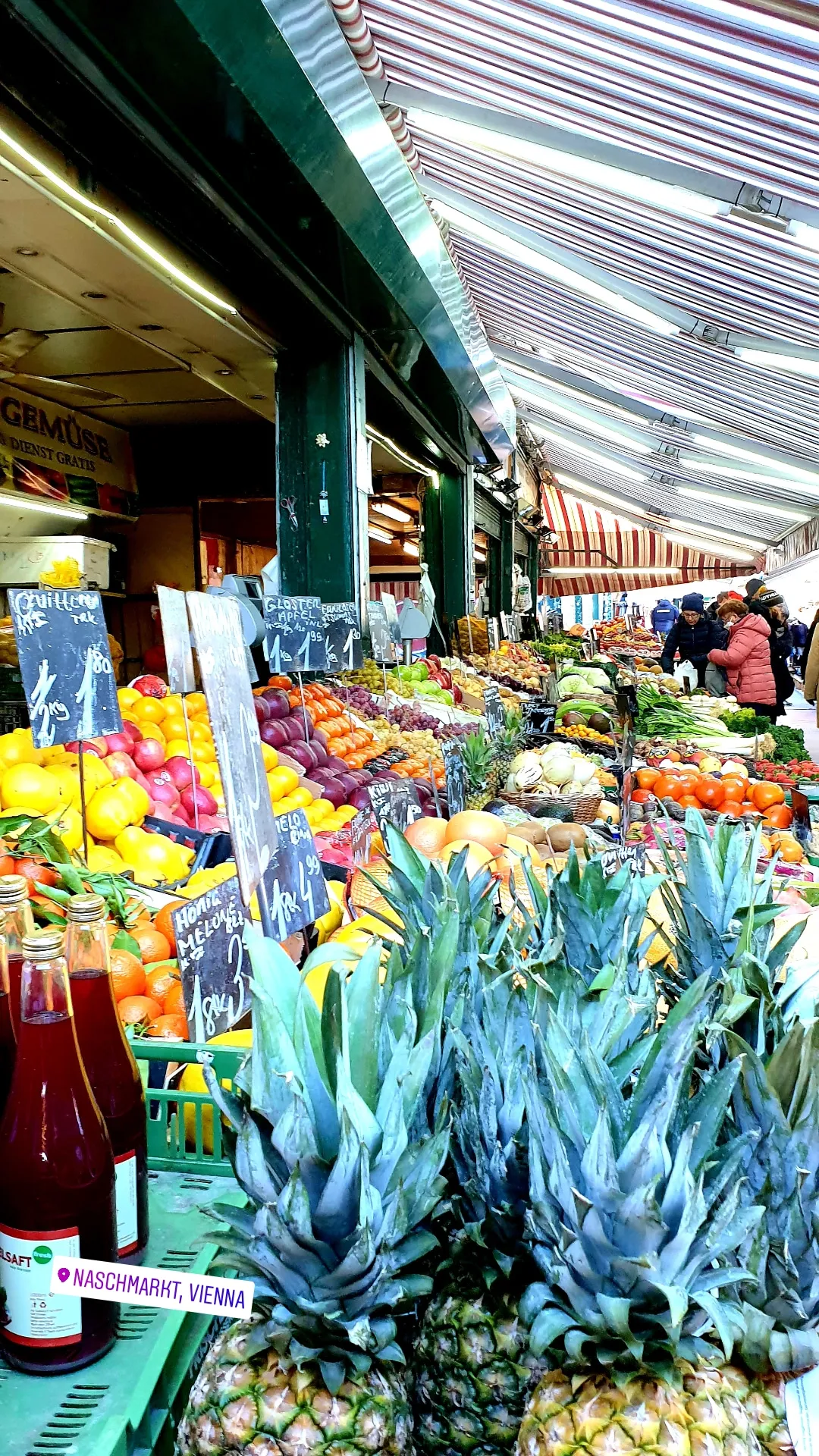
Naschmarkt
Vienna's most famous market stretches half a kilometer along the Wienzeile boulevard. Over 120 stalls sell everything from Persian dried fruits and fresh oysters to Viennese cheese and Turkish spices. Saturday mornings bring a bustling flea market at the far end.
Wieden
Must visit
Museum5.0
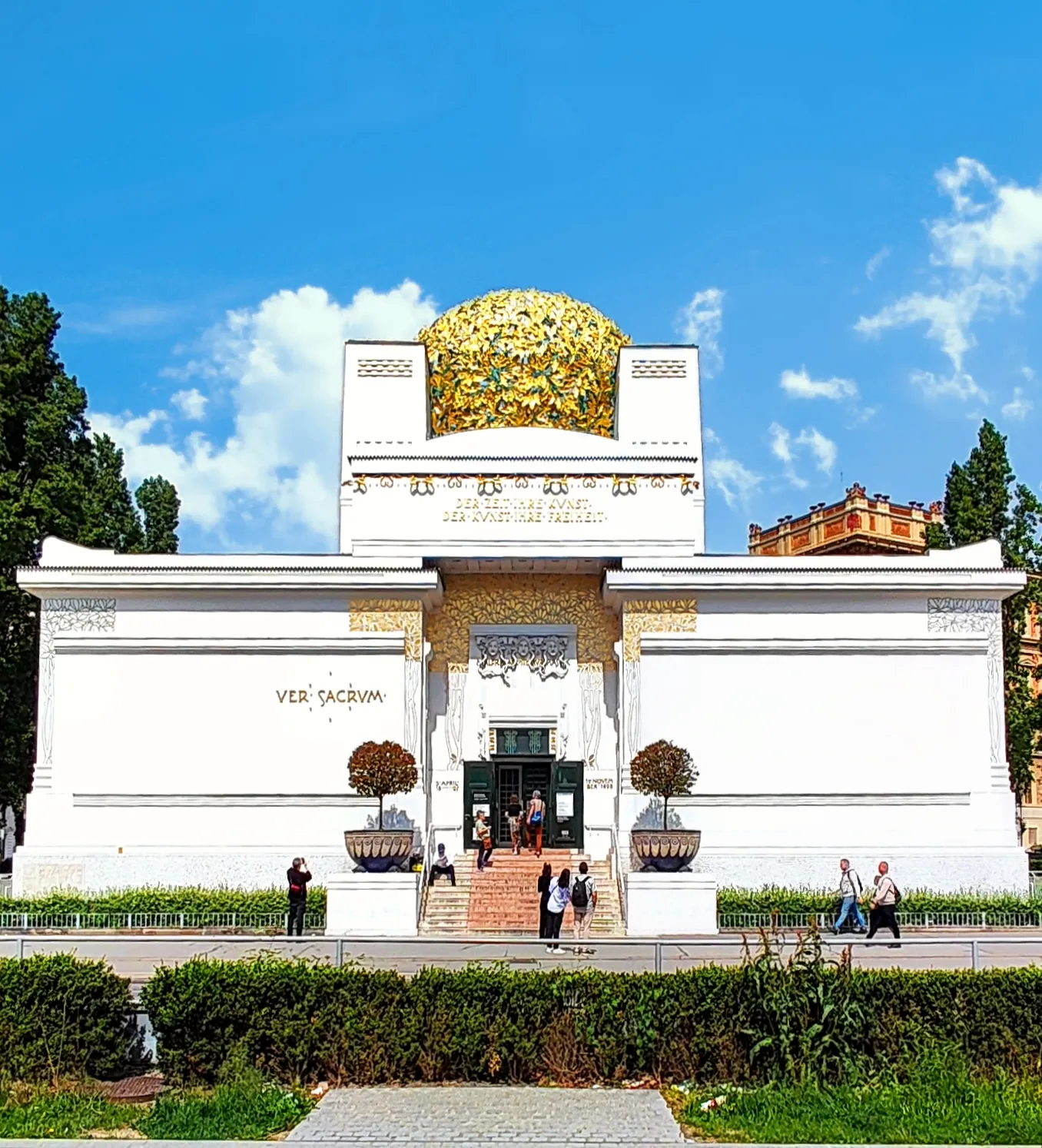
Secession Building
The exhibition hall of the Vienna Secession movement, designed by Joseph Maria Olbrich in 1898 and crowned by its iconic golden laurel-leaf dome (affectionately called the 'golden cabbage'). The basement houses Gustav Klimt's Beethoven Frieze, a monumental 34-metre cycle that is among the most important Art Nouveau works in existence.
Innere Stadt
Must visit
Cafe5.0
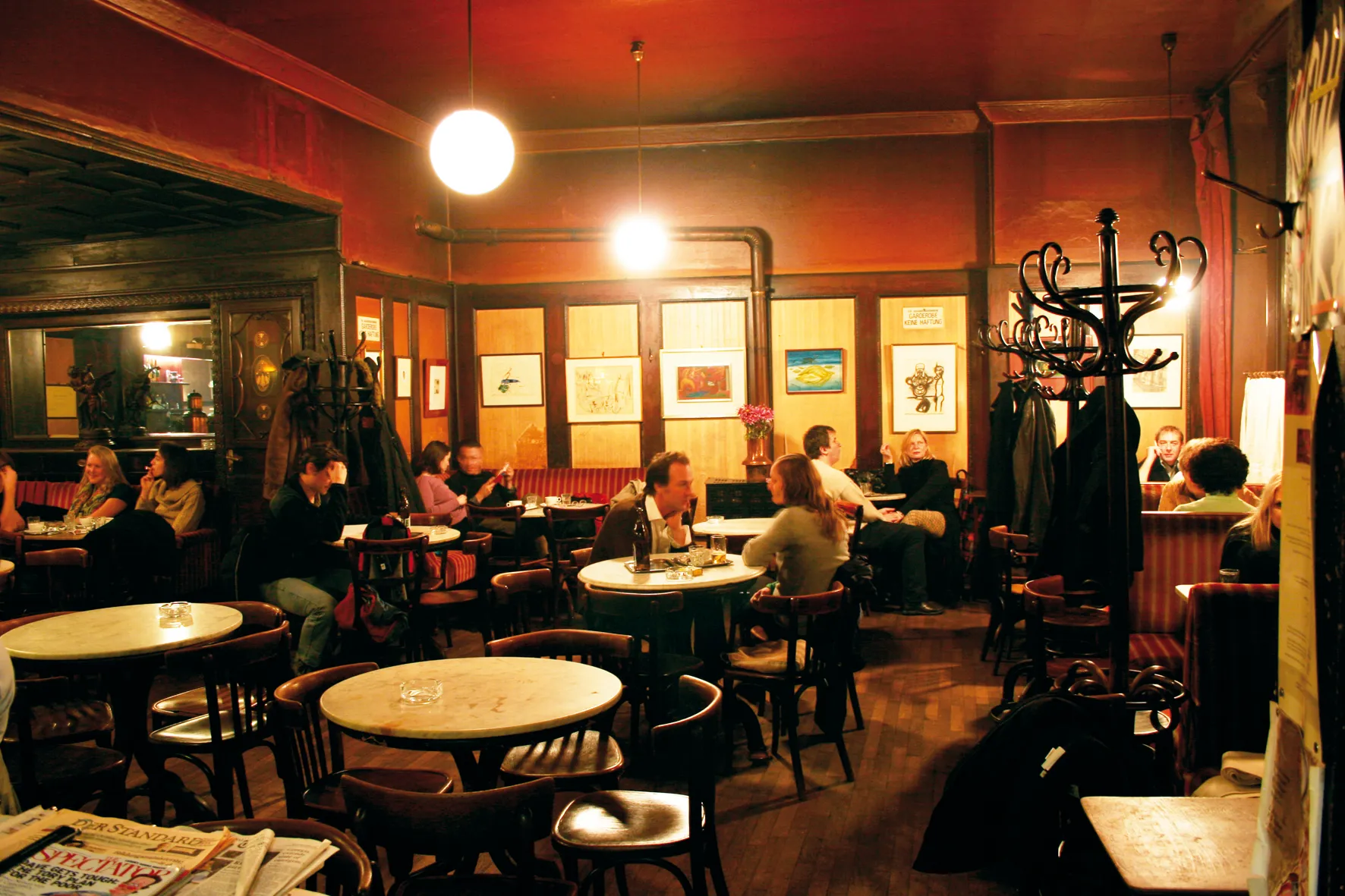
Cafe Hawelka
A bohemian institution since 1939, Hawelka served as the living room of Vienna's postwar artistic scene. The worn velvet benches, yellowed walls, and legendary Buchteln pastries (served warm after 10pm) make this coffeehouse feel frozen in a more romantic time.
Innere Stadt
Must visit
Museum5.0
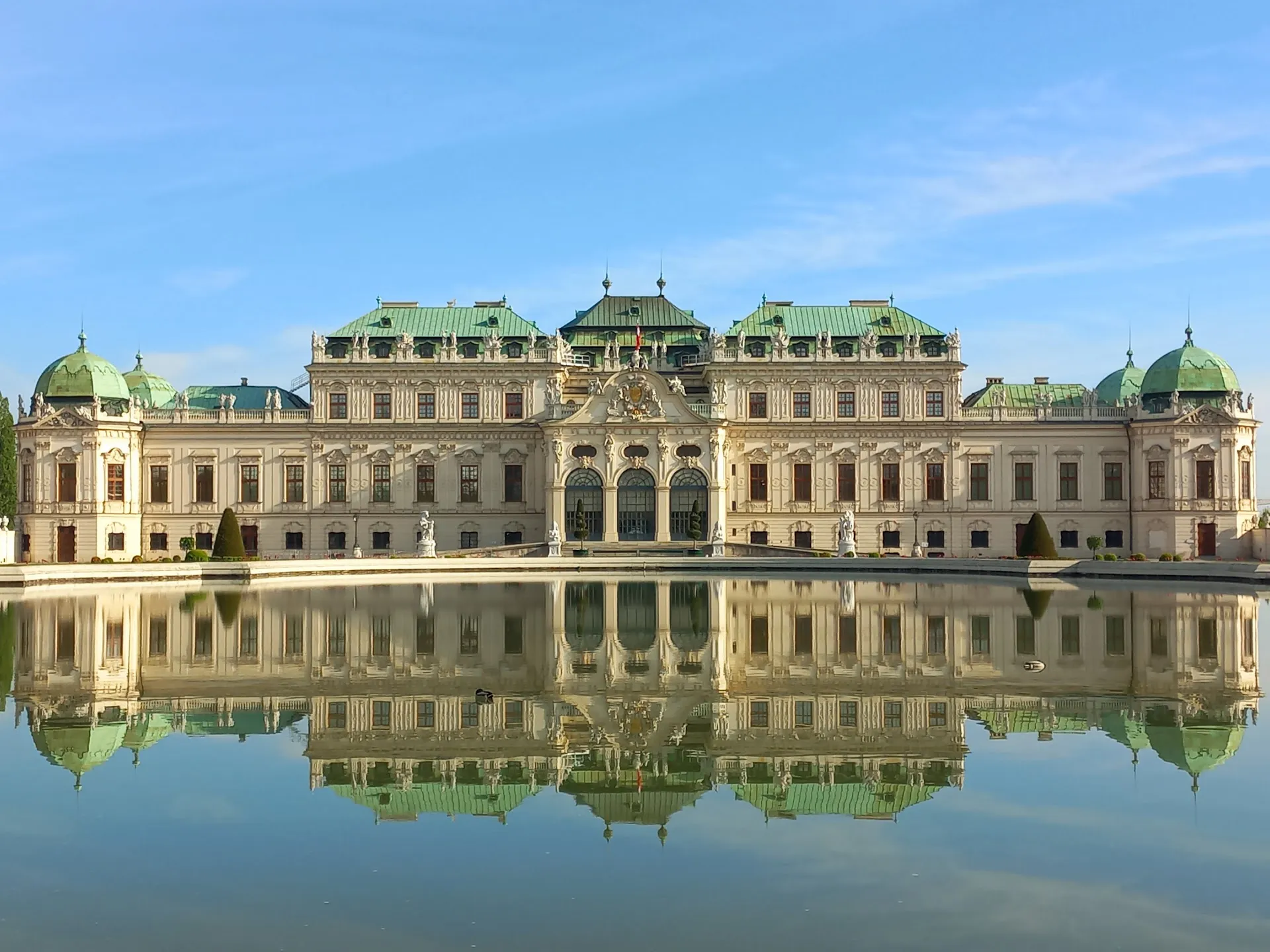
Belvedere Palace
This baroque palace complex houses the world's largest collection of Gustav Klimt paintings, including The Kiss. The Upper Belvedere's ornate marble halls and the sweeping formal gardens connecting the two palaces make this one of Vienna's most complete cultural experiences.
Landstrasse
Tour
Ringstrasse Architecture Tram Tour
Ride tram lines 1 and 2 around Vienna's grand Ringstrasse boulevard, hopping on and off to explore the monumental buildings that replaced the medieval city walls in the 1860s. The route passes the Opera, Parliament (Greek Revival), Rathaus (Gothic Revival), Burgtheater (Renaissance Revival), University, and the twin museums, each in a different historicist style that tells the story of Habsburg ambition.
Ringstrasse, starting at Oper (Vienna State Opera)2-3 hours
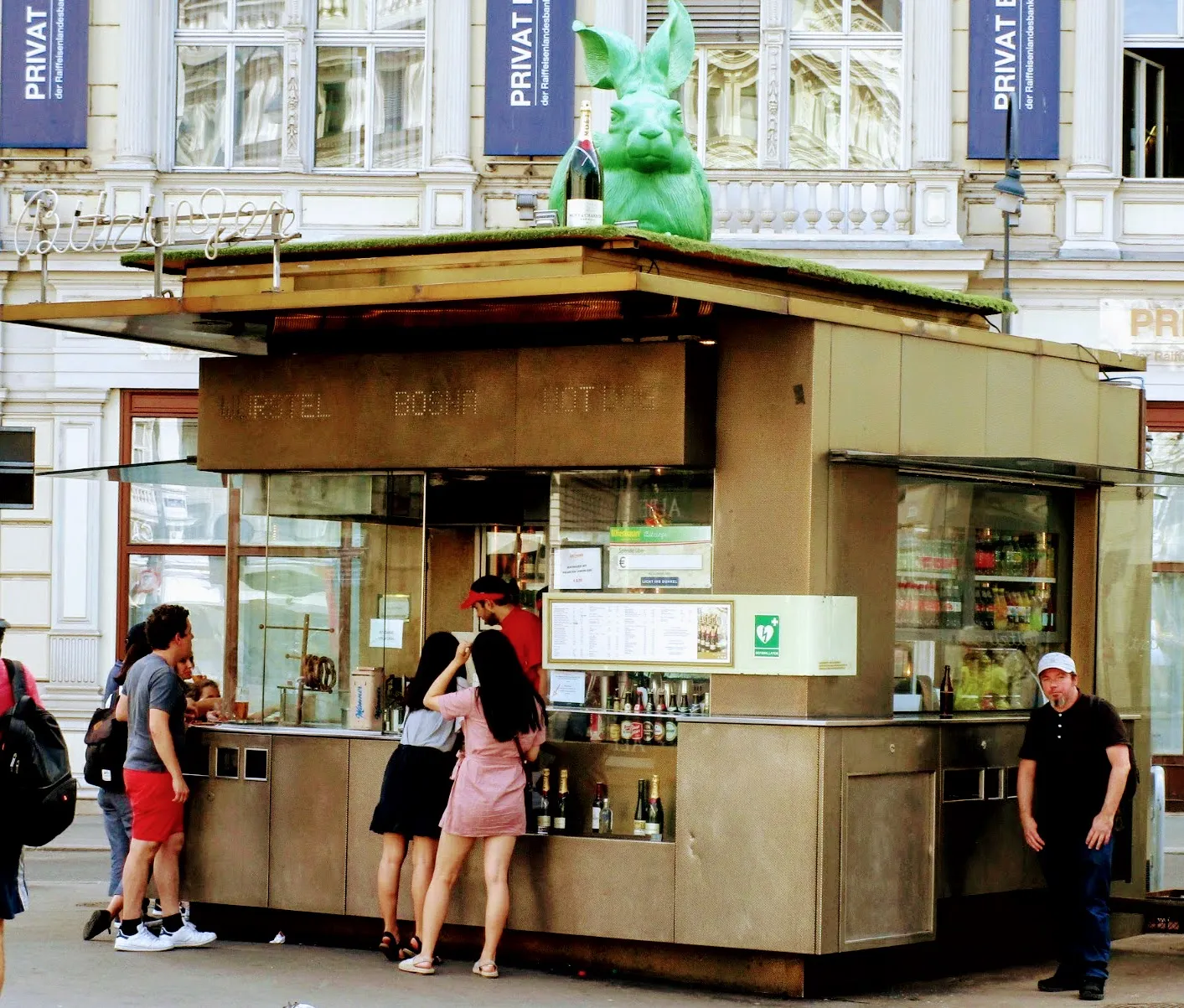
Restaurant4.0
Bitzinger Wurstelstand
Vienna's most famous sausage stand sits behind the Albertina museum, where opera-goers in evening wear queue alongside locals for Kasekrainer and Bosna with a glass of champagne. A perfect late-night ritual that captures Vienna's mix of elegance and earthiness.
Innere Stadt
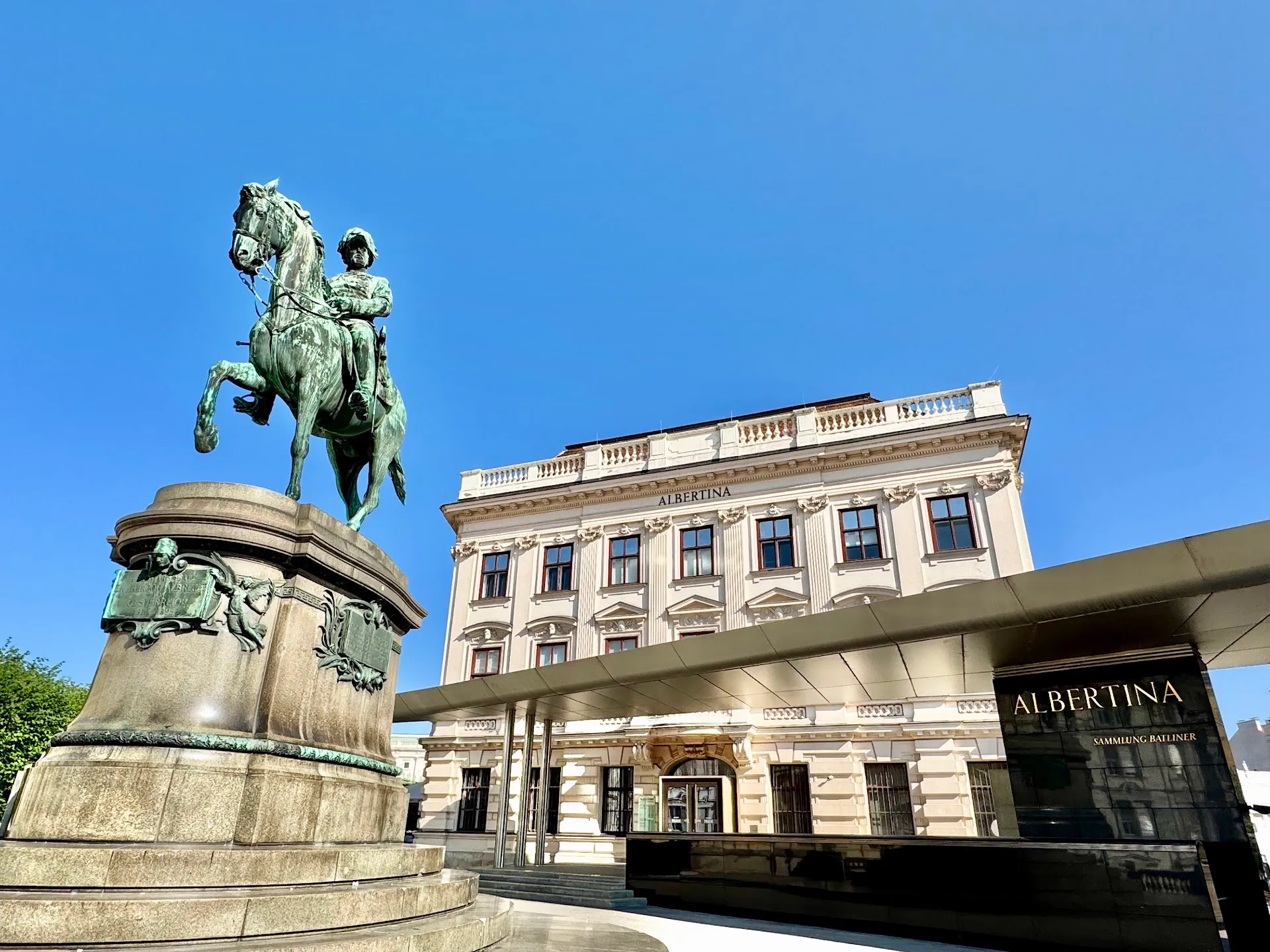
Museum5.0
Albertina
Housed in a former Habsburg residential palace, the Albertina holds one of the world's greatest graphic art collections, from Durer to Picasso. The permanent Batliner Collection spans Monet through Bacon, and the restored state rooms offer a glimpse into imperial life.
Innere Stadt
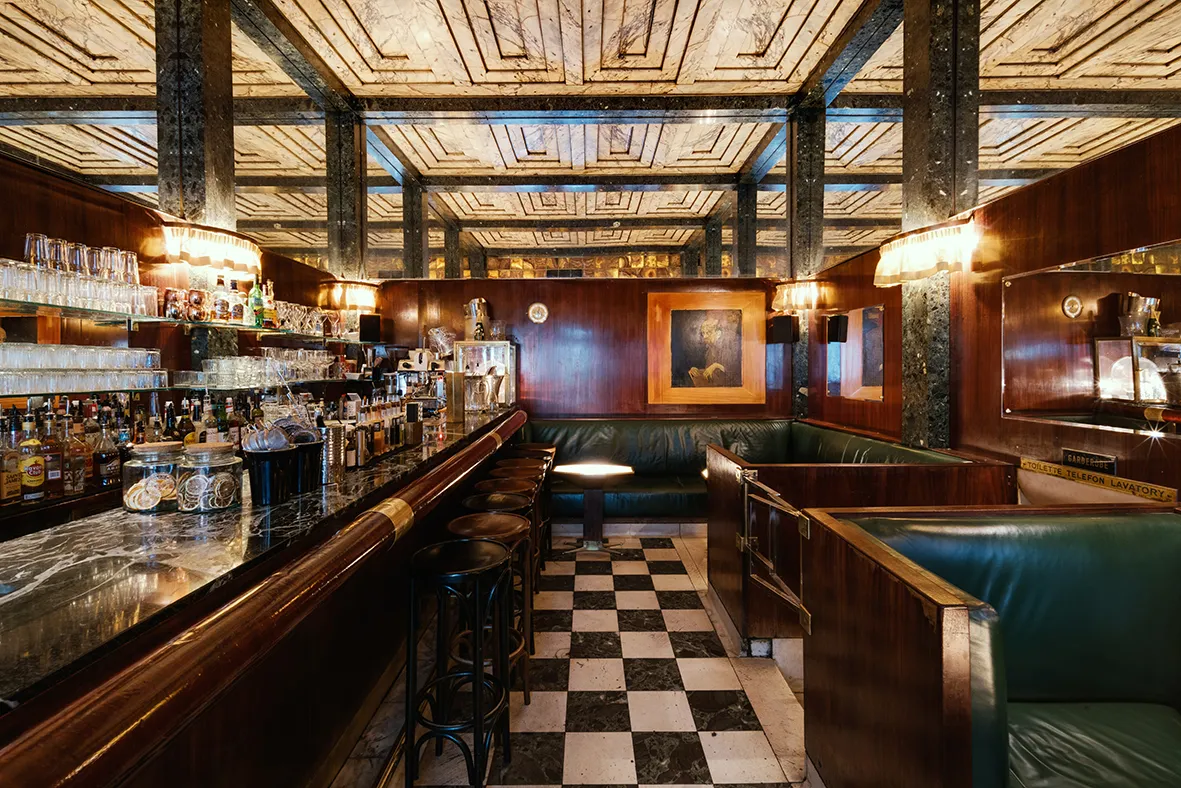
Must visit
Bar5.0
Loos American Bar
Designed by Adolf Loos in 1908, this tiny cocktail bar seats barely 20 people in an interior of onyx, mahogany, brass, and mirrored ceilings that multiply the intimate space into infinity. Impeccable classic cocktails in a masterpiece of modernist architecture.
Innere Stadt
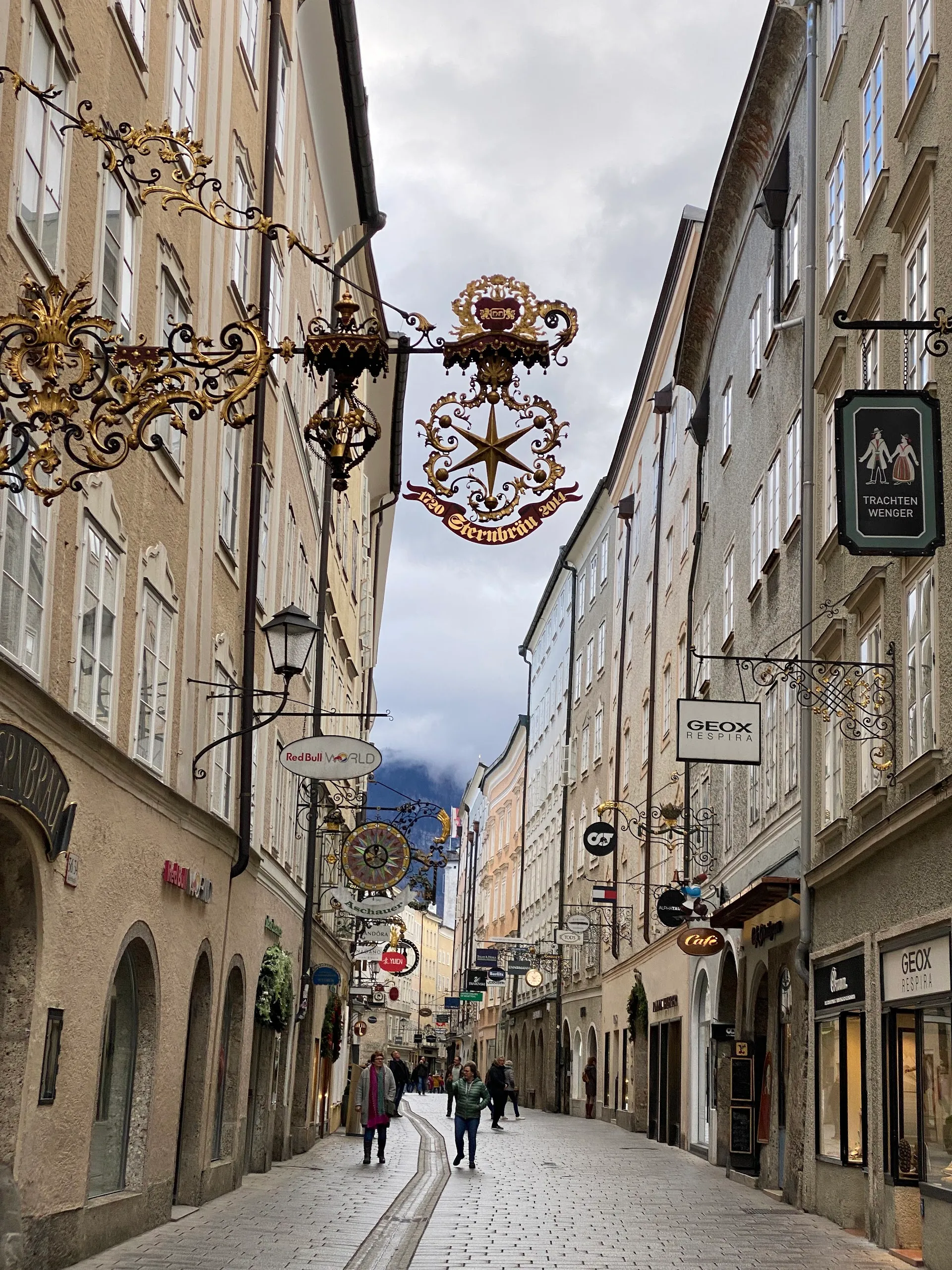
Must visit
Shopping Area4.5
Getreidegasse
Salzburg's most famous shopping street, a narrow medieval lane of tall townhouses hung with ornate wrought-iron guild signs, even over the chain stores. It runs through the heart of the Old Town past Mozart's Birthplace, with hidden passages (Durchhauser) linking it to neighbouring squares.
Altstadt
Must visit
Cafe4.5
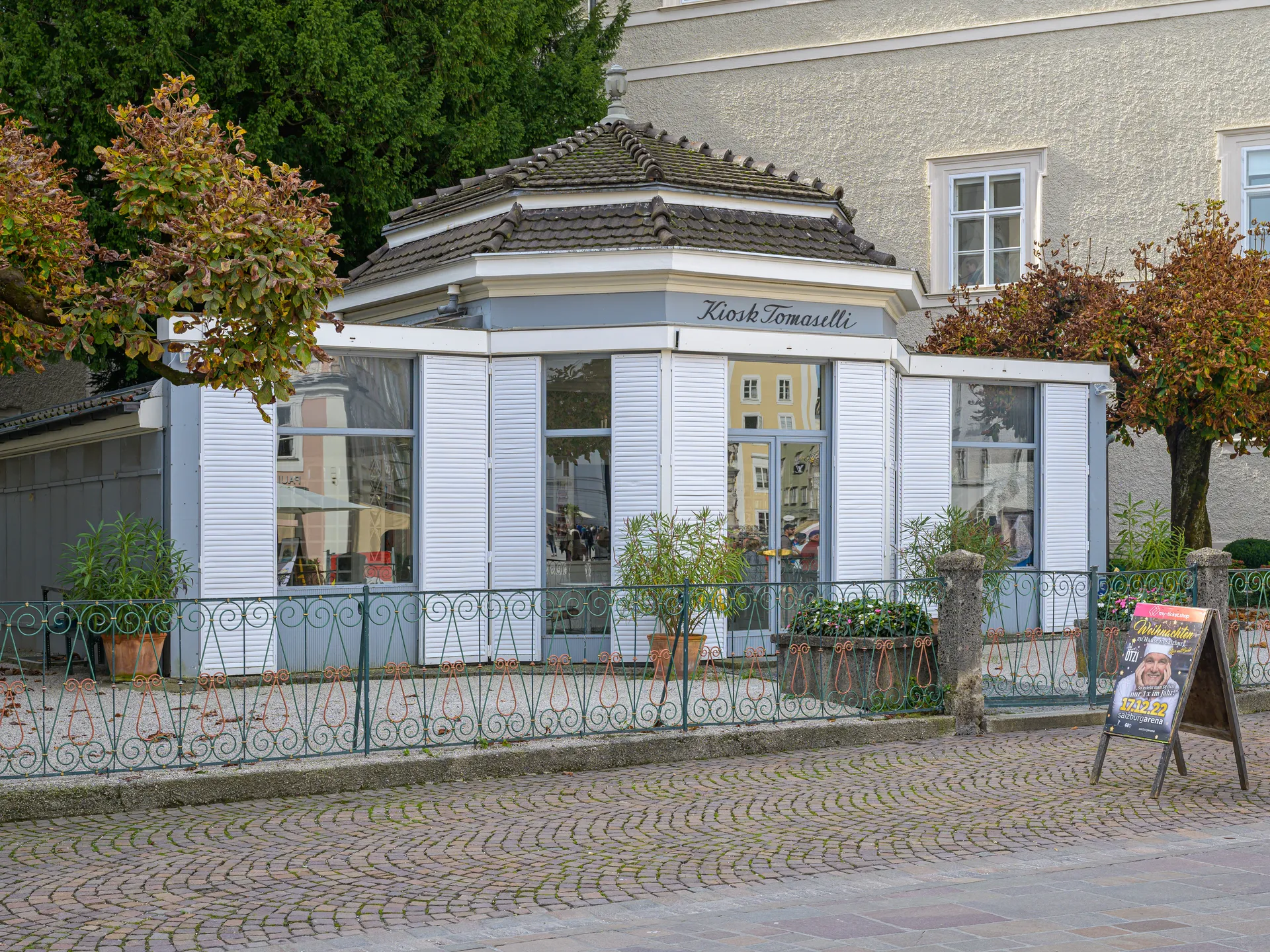
Cafe Tomaselli
Austria's oldest coffeehouse, tracing its history on the Alter Markt back to the 1700s and run by the Tomaselli family since 1852. Mozart was a regular, and the wood-panelled rooms still serve cakes from a tray carried table to table and a Melange beneath the chandeliers.
Altstadt
Must visit
Museum4.3
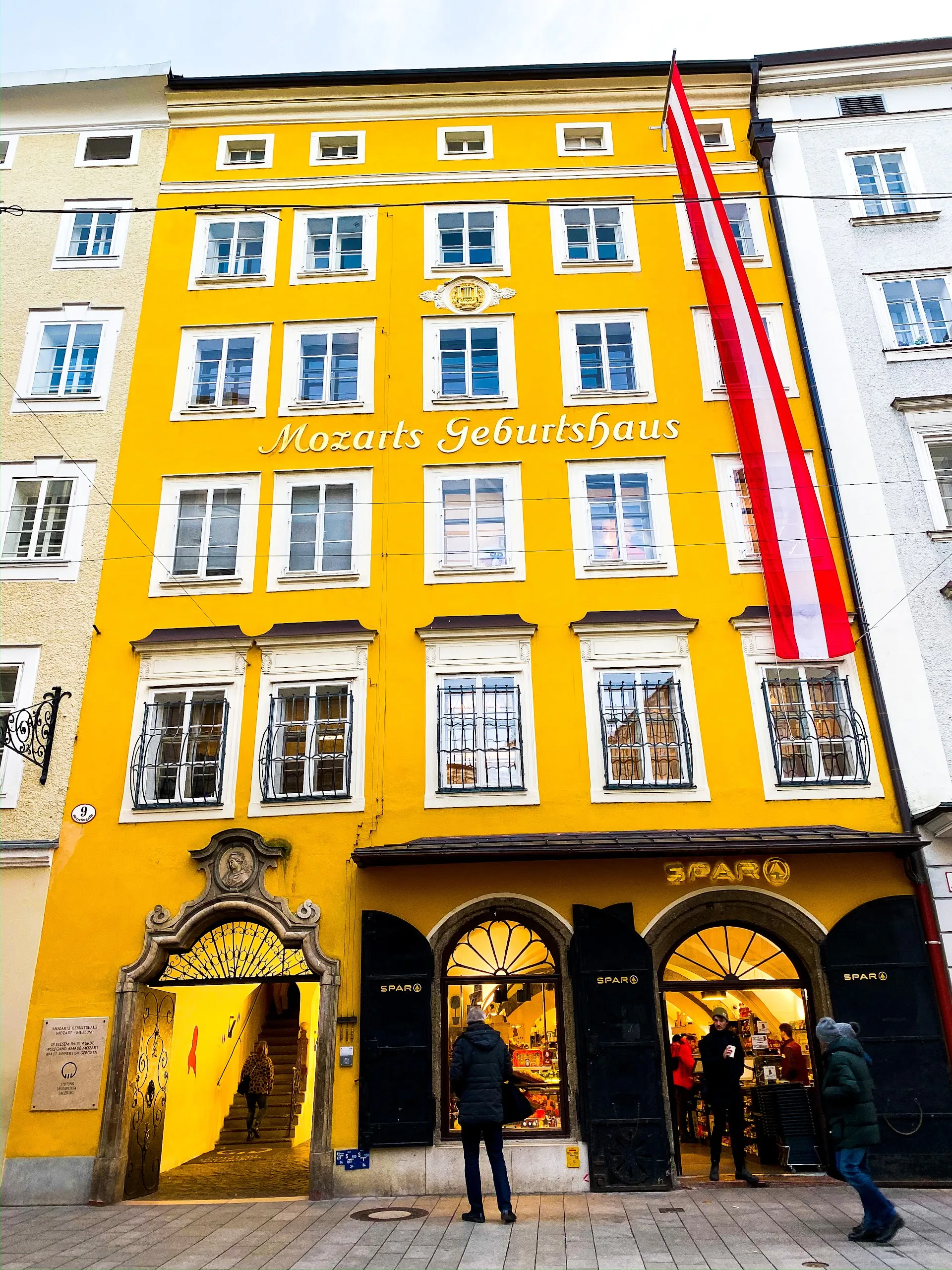
Mozart's Birthplace
The yellow house on the Getreidegasse where Wolfgang Amadeus Mozart was born in 1756 and lived until age 17. Now a museum of the International Mozarteum Foundation, it displays the composer's childhood violin, portraits, letters, and original instruments across the family's former apartment.
Altstadt
Must visit
Temple4.6
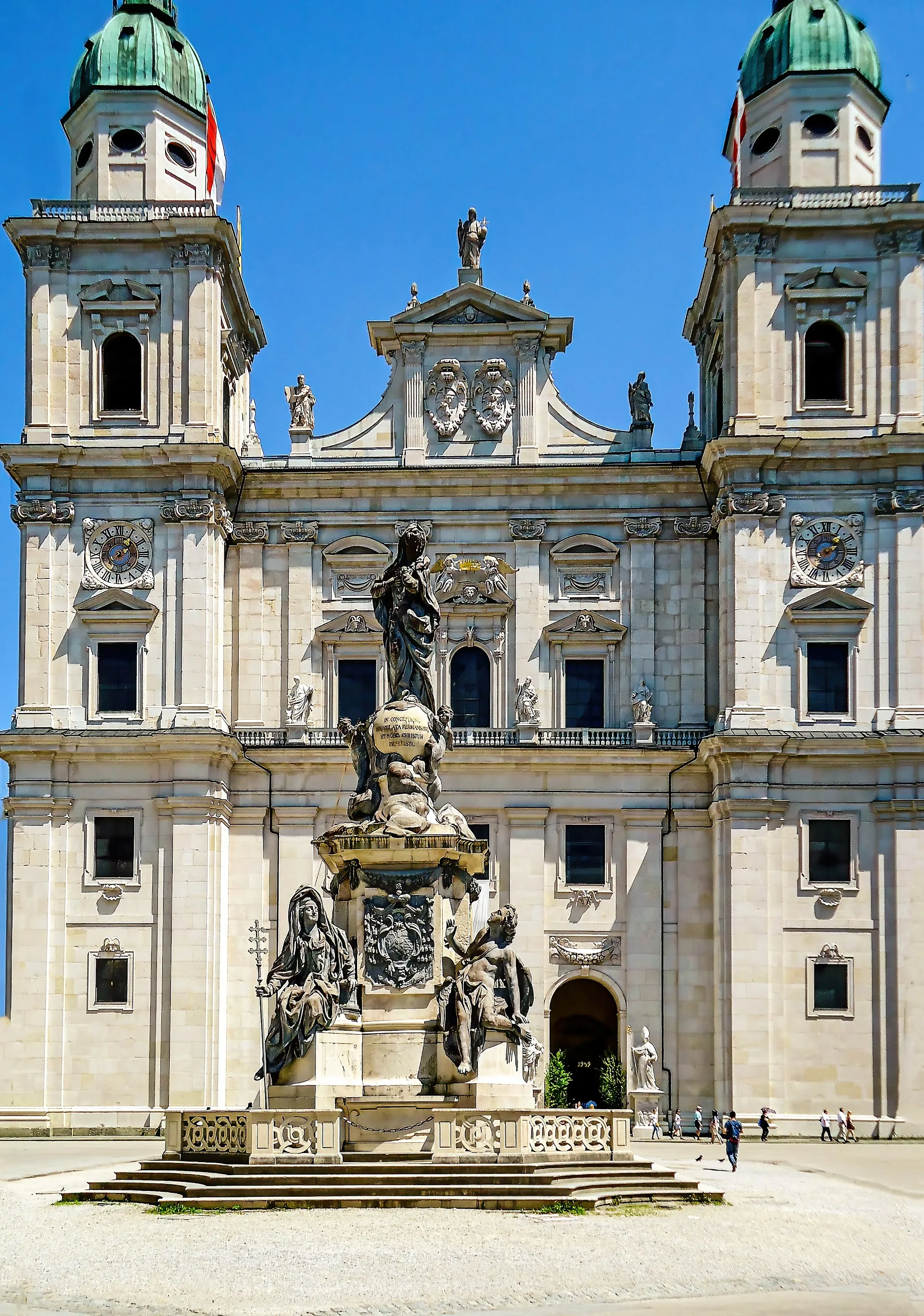
Salzburg Cathedral
Salzburg's vast early-Baroque cathedral, completed in 1628 and dedicated to Saints Rupert and Vergilius, with twin towers and a great copper dome. Mozart was baptised at its Romanesque font and later worked here as organist; the dome was rebuilt after wartime damage.
Altstadt
Must visit
Restaurant4.4
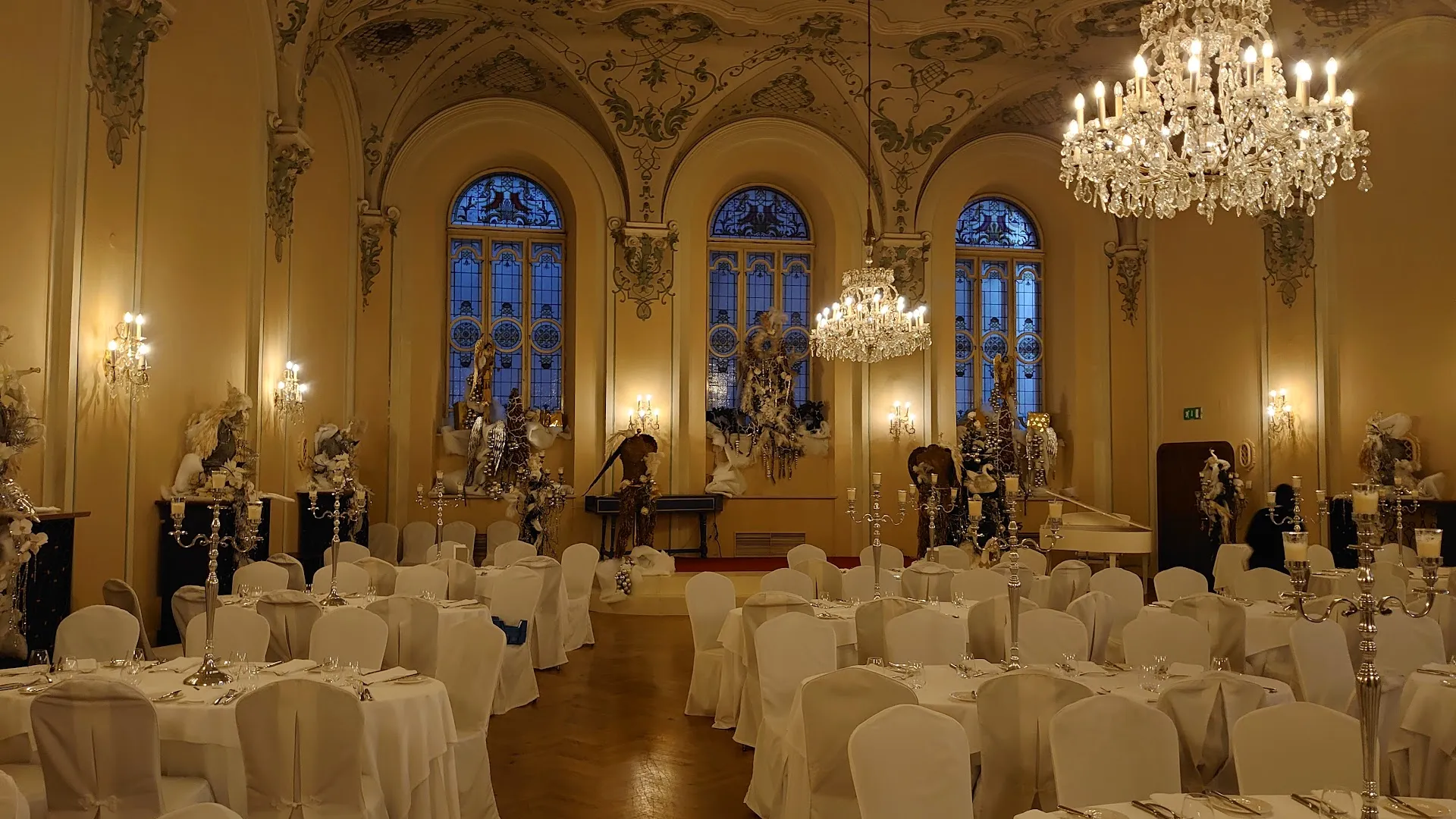
St. Peter Stiftskulinarium
Tucked into the walls of St. Peter's Abbey, this is documented as far back as AD 803, making it one of the oldest restaurants in Europe. The vaulted Baroque rooms and rock-cut cellars serve refined Austrian cooking and host the nightly Mozart Dinner Concert.
Altstadt
Must visit
Castle4.6
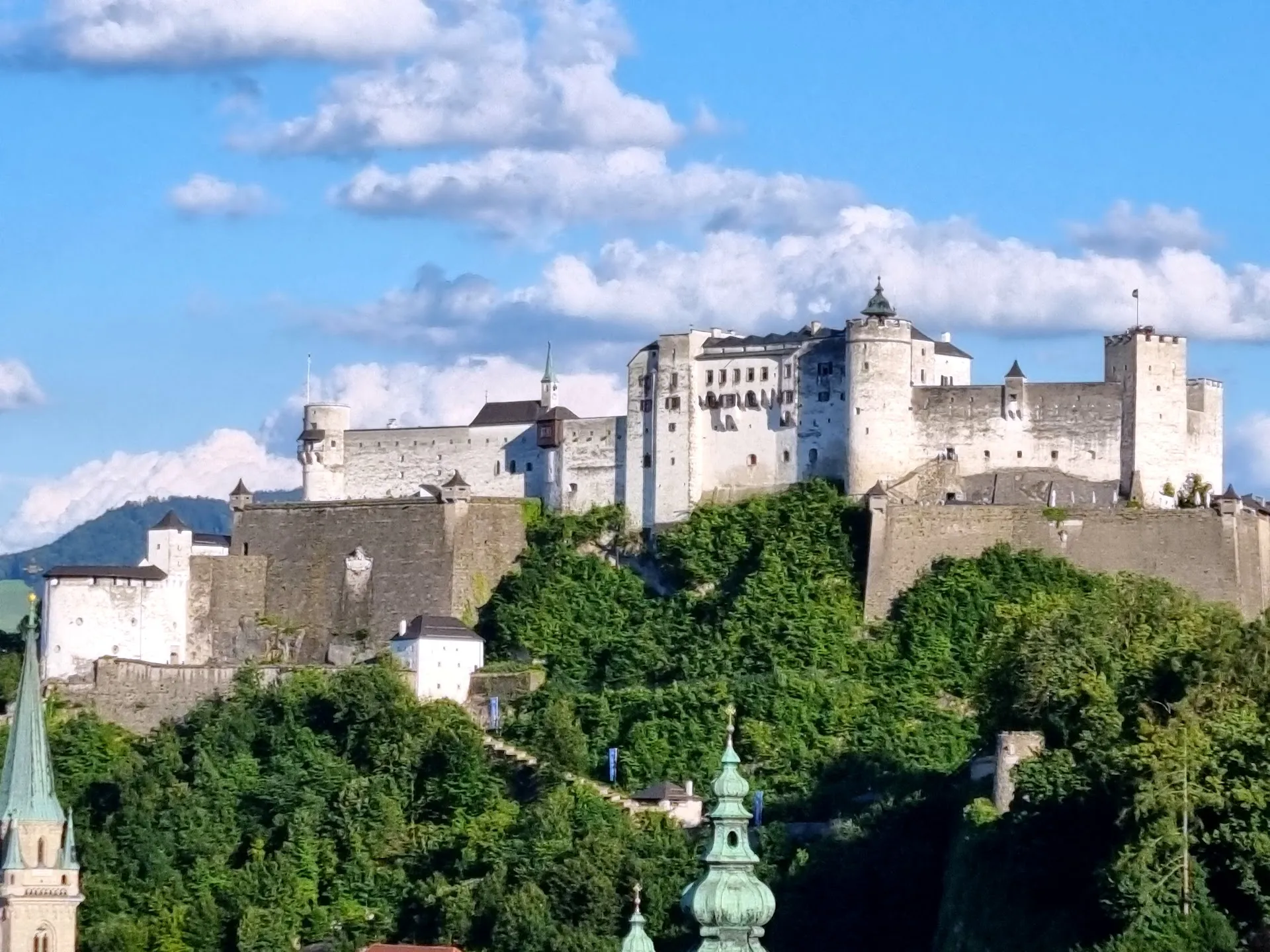
Hohensalzburg Fortress
One of the largest and best-preserved medieval fortresses in Europe, begun in 1077 and crowning the Festungsberg above the city. Inside are the lavish Golden Hall and Princes' Chambers, museums, and ramparts with commanding views; a funicular runs up from the Old Town.
Altstadt
Must visit
Park4.6
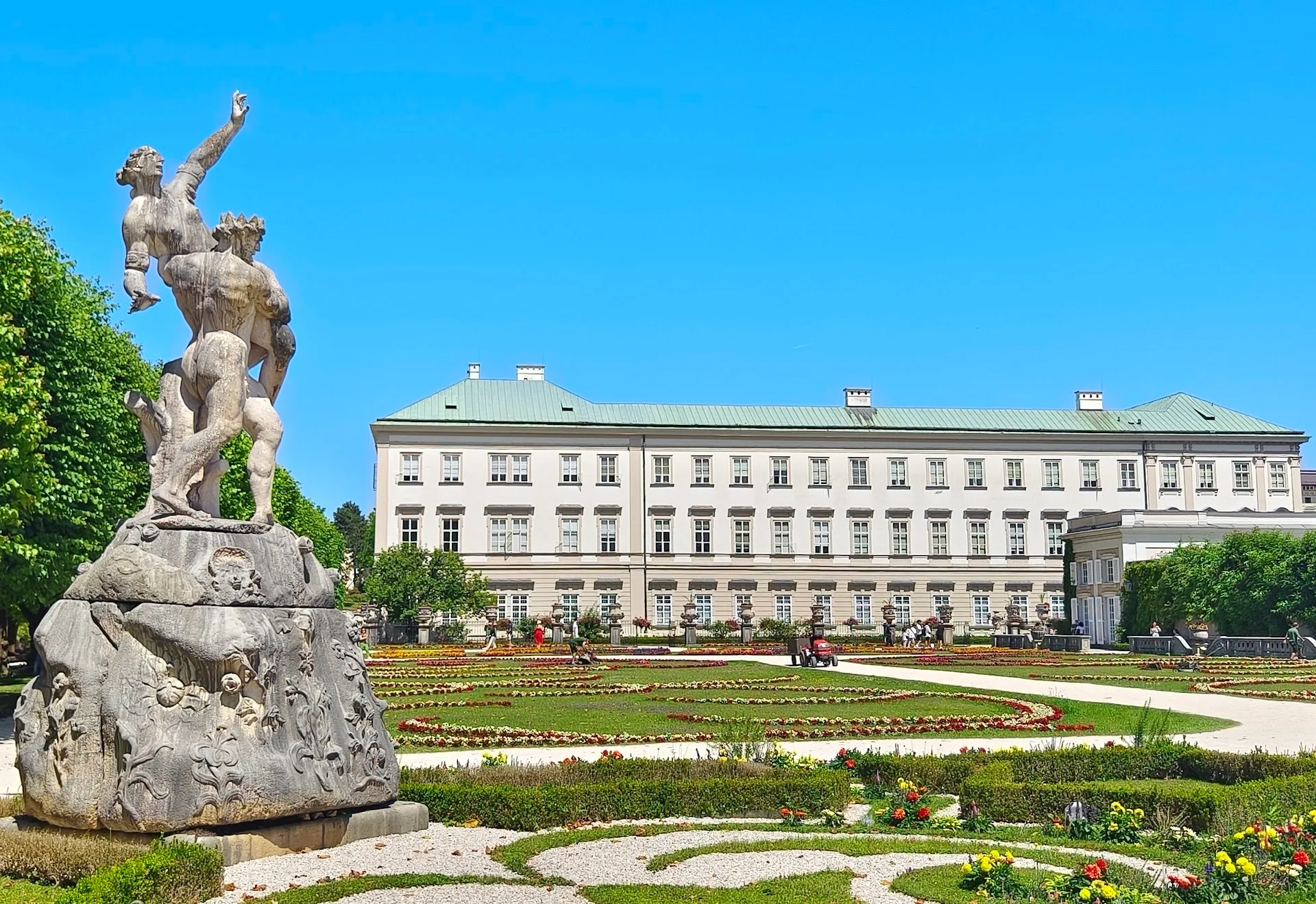
Mirabell Palace & Gardens
A Baroque palace built in 1606 with formal gardens laid out in geometric beds, mythological statues, and the Pegasus fountain, all framing a postcard view of Hohensalzburg Fortress. The gardens starred in 'The Sound of Music', while the palace's Marble Hall hosts concerts and weddings.
Neustadt
Must visit
Bar4.6
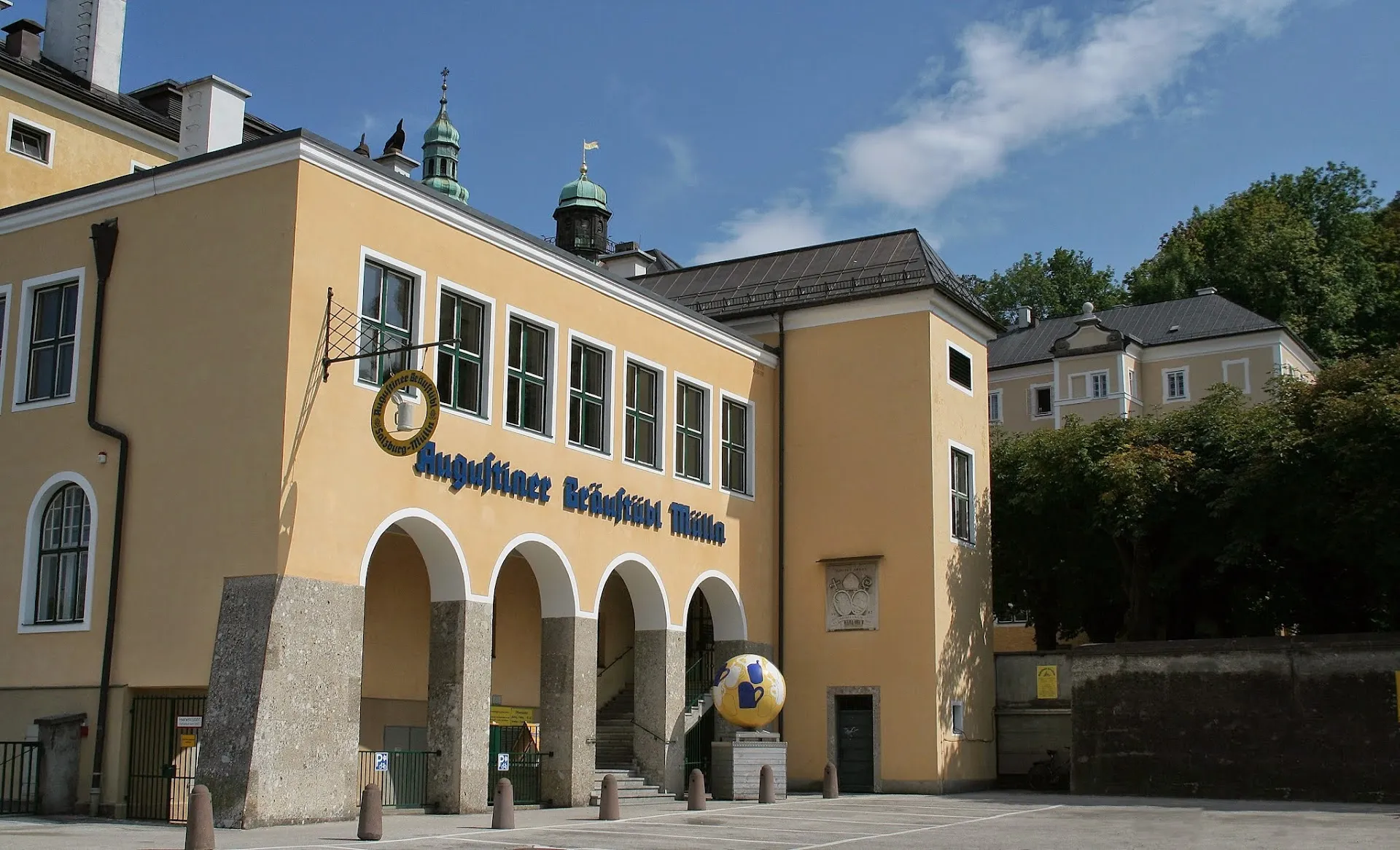
Augustiner Braustubl
Austria's largest beer hall, run by monks of the Mulln monastery since 1621 and pouring unfiltered Augustiner Marzen from wooden barrels into stone steins you rinse yourself. The vast halls and chestnut-shaded garden seat thousands, with a corridor of Schmankerl stalls selling pretzels, roast pork, and sausages.
Mulln
Must visit
Castle4.5
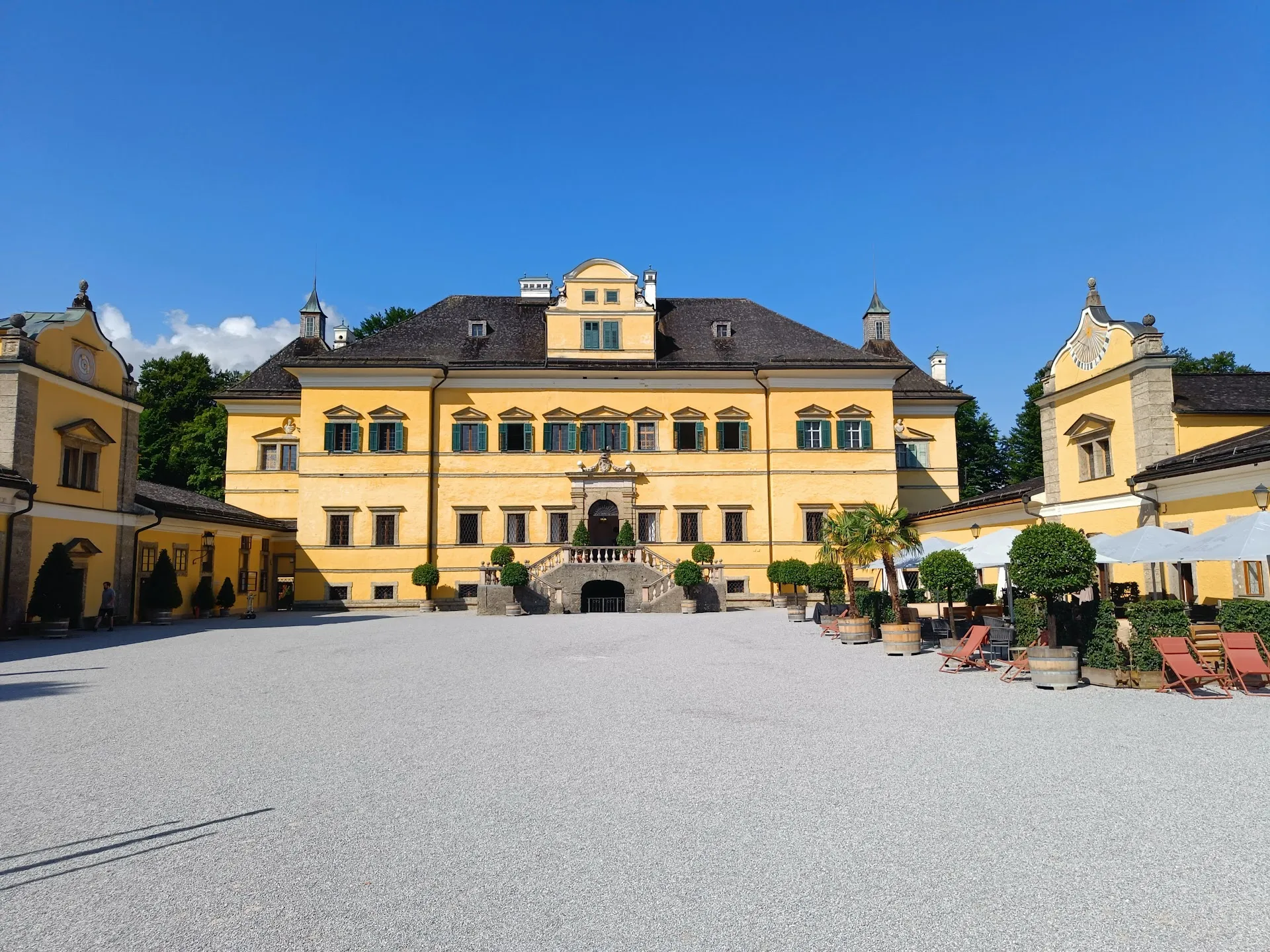
Hellbrunn Palace & Trick Fountains
A 1615 Mannerist pleasure palace south of the city, famous for its trick fountains: hidden water jets, automata, and grottoes built by Prince-Archbishop Markus Sittikus to surprise his guests. The grounds also hold the glass gazebo from 'The Sound of Music' and a large landscaped park.
Hellbrunn
CulturalEUR 85-115
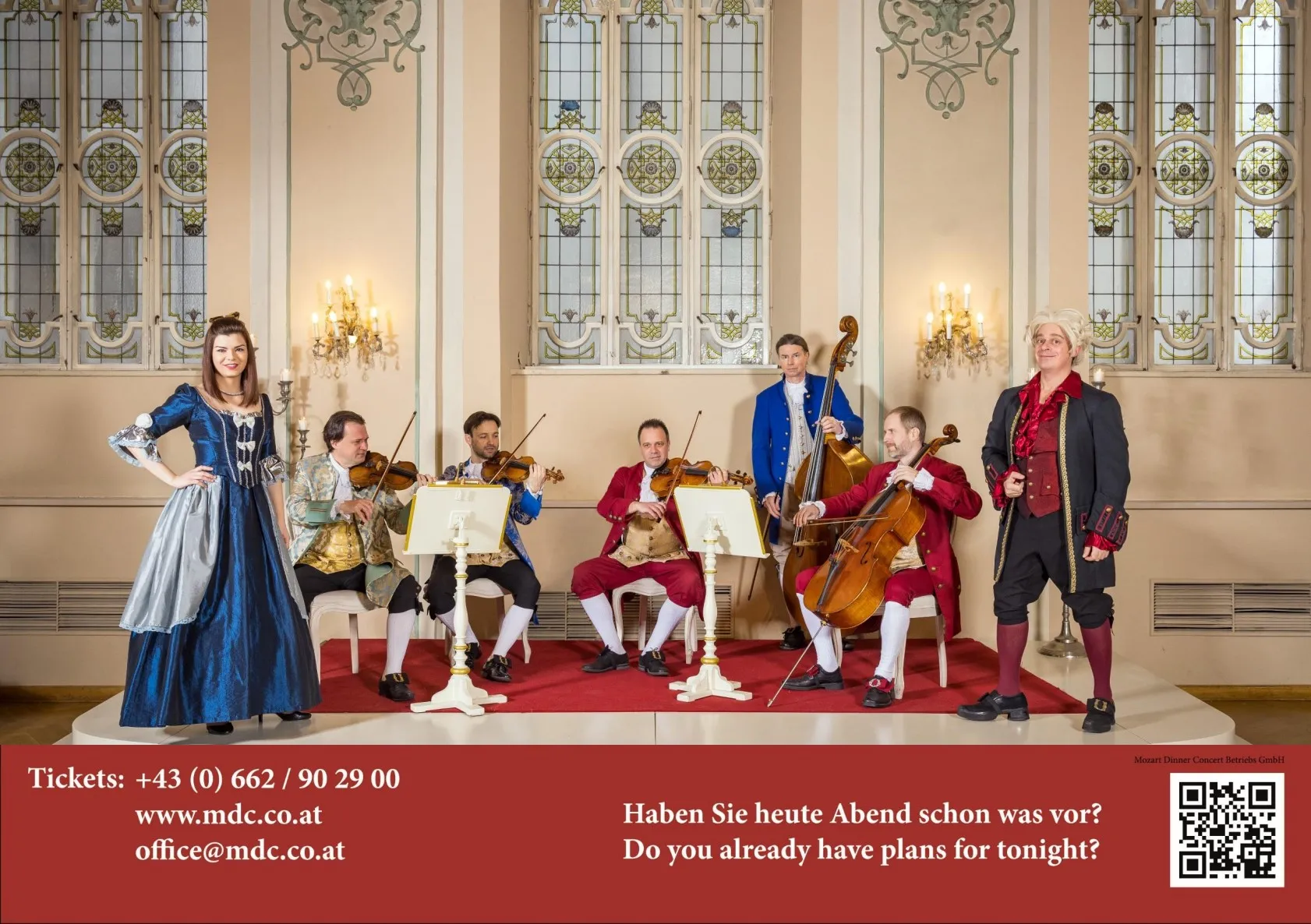
Mozart Dinner Concert at St. Peter
An evening of music and food in the Baroque hall of St. Peter's, one of Europe's oldest restaurants. The Amadeus Consort Salzburg perform Mozart arias and ensemble pieces in period costume between courses of a three-course dinner based on historical 18th-century recipes.
Baroque Hall, St. Peter StiftskulinariumAbout 3 hours
Book this tour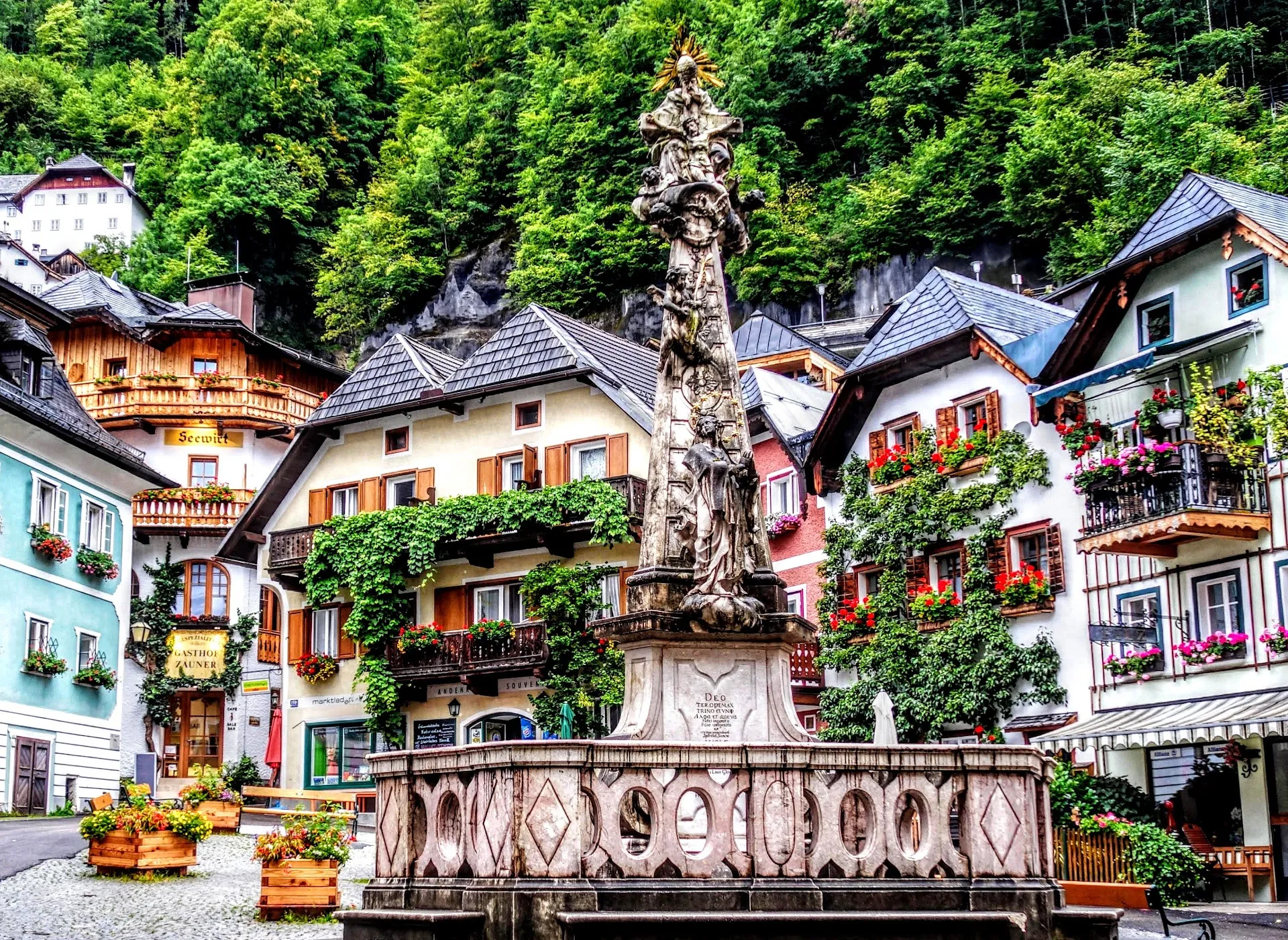
Landmark
Marktplatz (Market Square)
Hallstatt's small, pastel-painted market square has been the social heart of the village since the 14th century, rebuilt after a devastating fire in 1750. At its centre stands the Holy Trinity column, raised by a salt-manufacturing family in the mid-18th century. Ringed by some of the most colourful and photographed houses in Austria, it is the natural starting point for exploring the village on foot.
Heart of the village, set back from the lakefront
Must visit
Temple5.0
Evangelical Parish Church (Lutheran Church)
The slim neo-Gothic spire of Hallstatt's Lutheran parish church is the silhouette in nearly every postcard of the village, rising from the lakeshore beside the market square. Completed in 1863, it reflects a long Protestant history among the local salt miners, who worshipped quietly for generations until Emperor Joseph II's 1781 Edict of Toleration let them build openly. The pale, light-filled interior is a calm contrast to the ornate Catholic church on the rock above.
Markt
Viewpoint
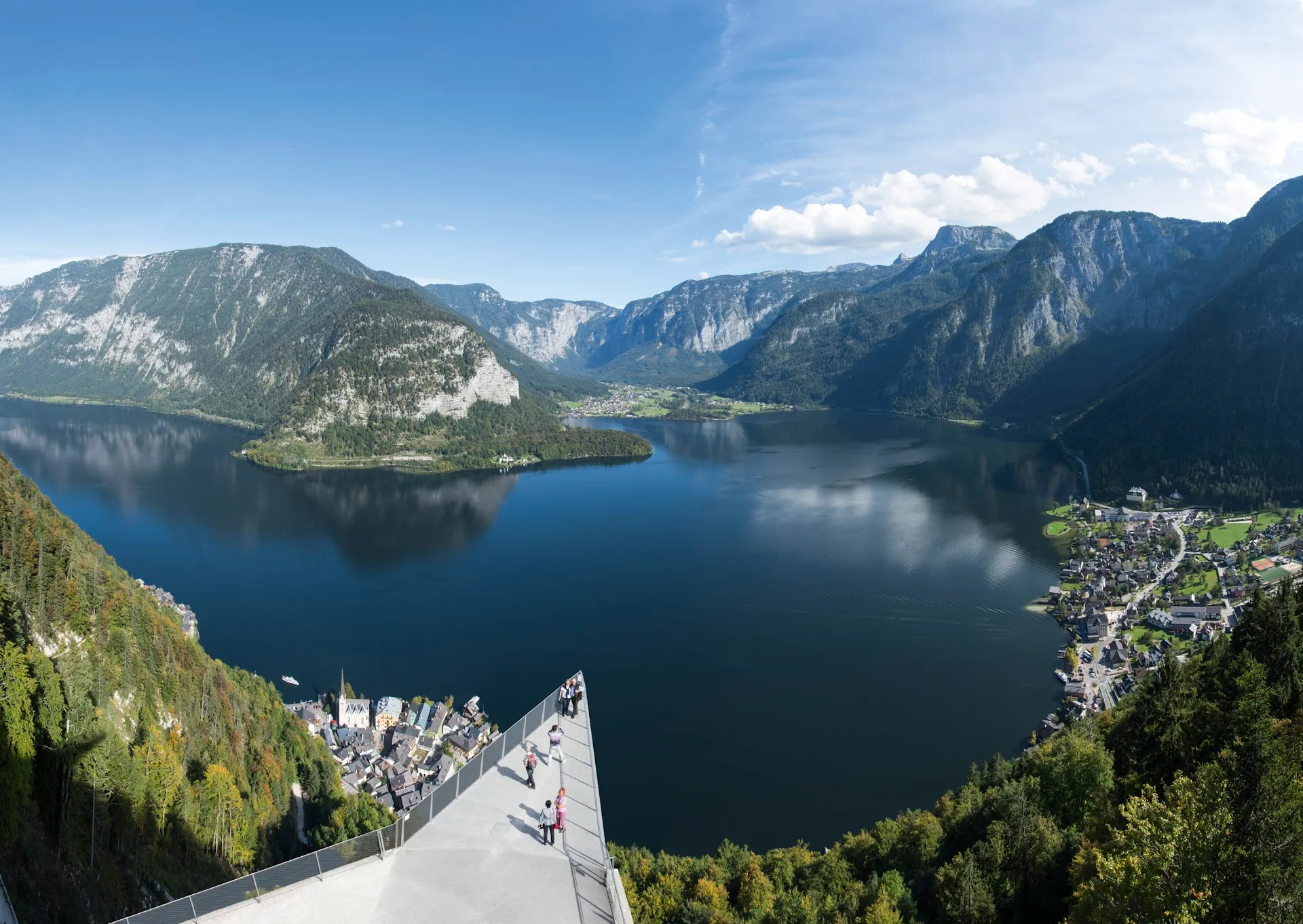
Hallstatt Skywalk 'Welterbeblick'
A pointed steel viewing platform perched beside the medieval Rudolfsturm, jutting twelve metres into thin air some 360 metres above the rooftops of Hallstatt. The 'World Heritage View' takes in the whole village, the length of the Hallstattersee and the surrounding peaks in one sweep. It sits at the top of the salt-mine funicular, so a visit pairs naturally with the salt mine itself.
Salzberg, below the Rudolfsturm above the village
Viewpoint
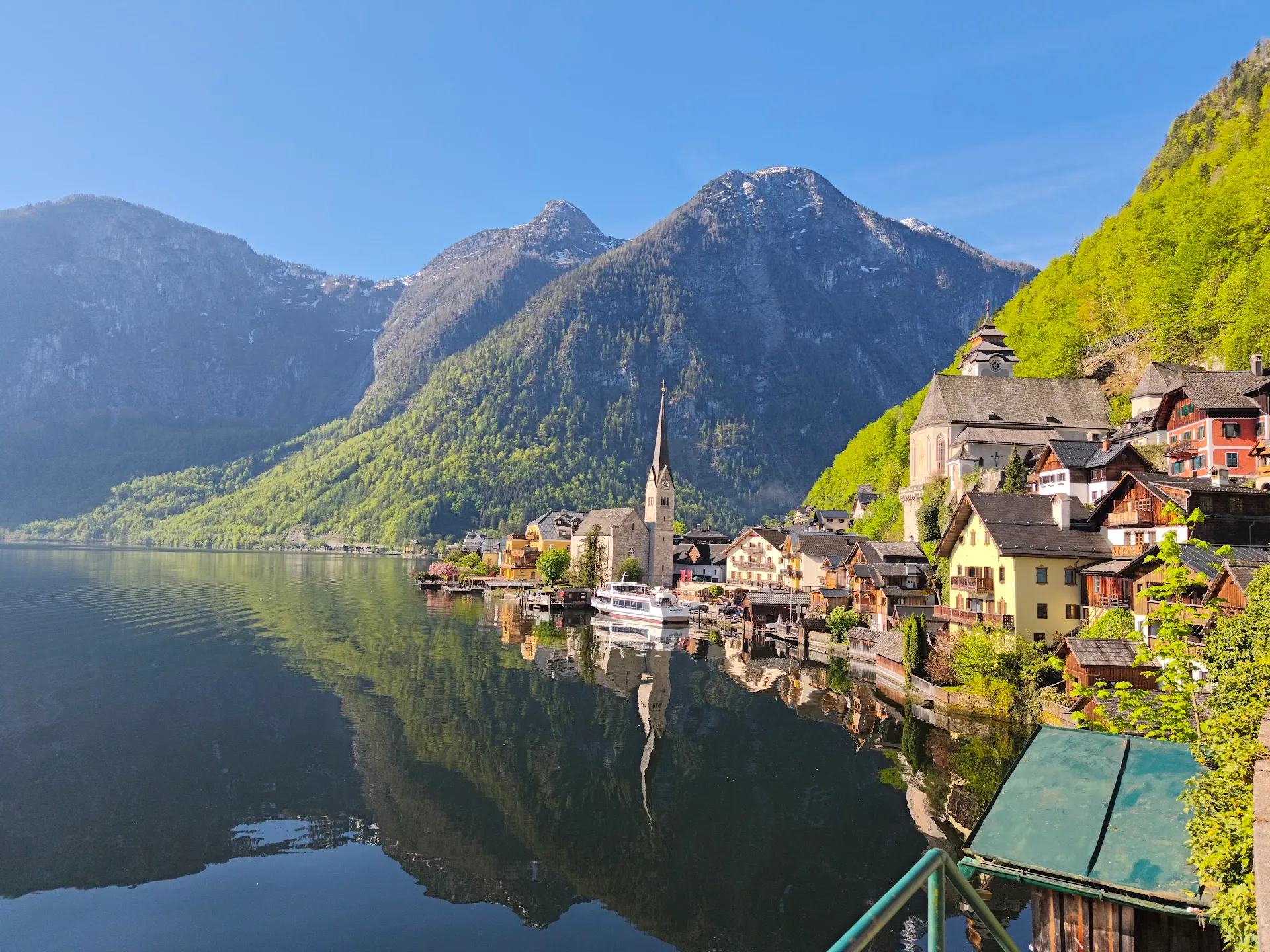
Classic Hallstatt Viewpoint
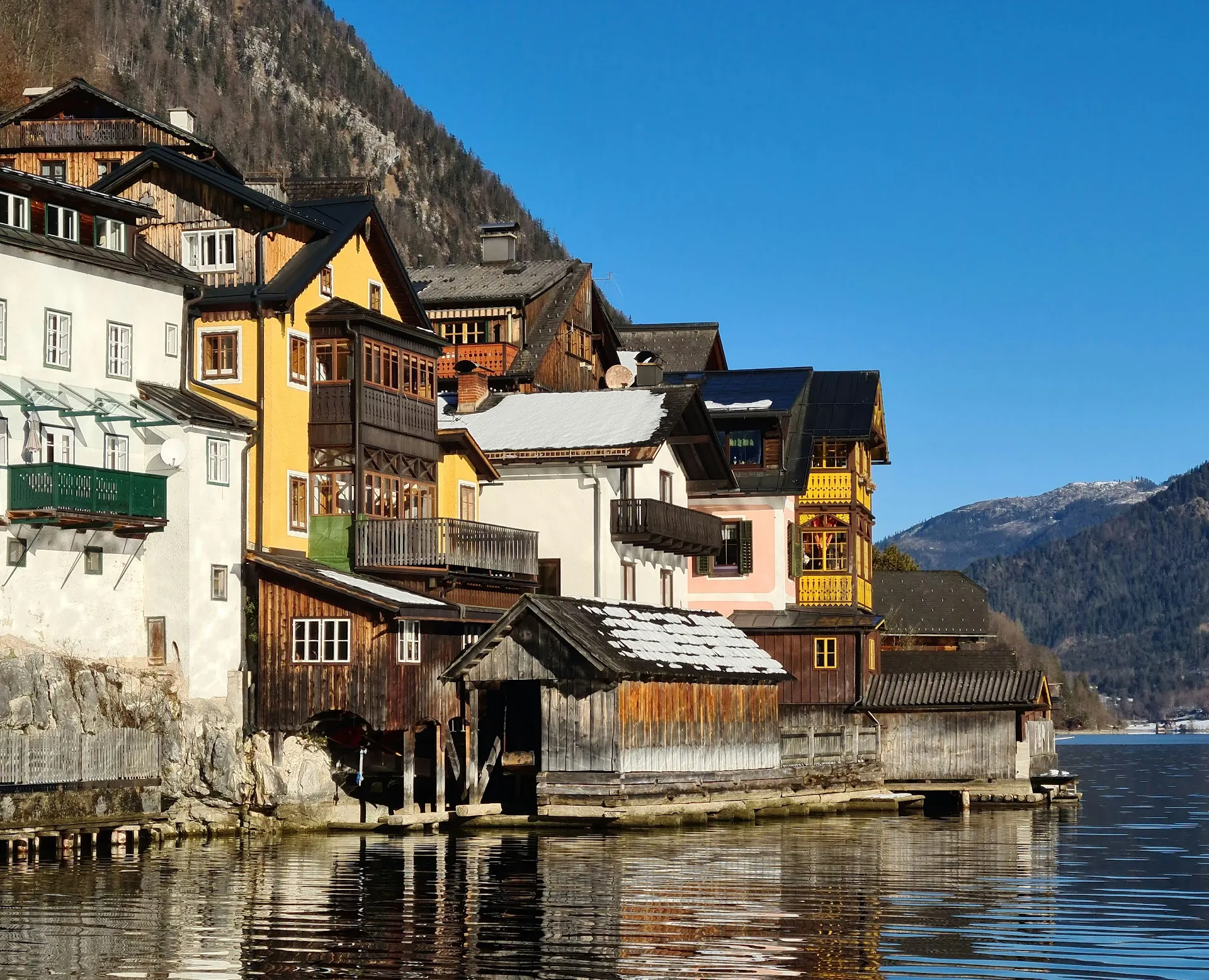
This unassuming stretch of lakeshore path at the northern edge of the village frames the single most reproduced view in Austria: the lantern-lit houses stacked above the water, the Lutheran church spire and the mountains beyond, all mirrored in the Hallstattersee. It is the angle behind countless postcards, calendars and the much-photographed replica town built in China. Arrive at first light to have it almost to yourself.
Northern end of the village, near Gosaumuhlstrasse
Nature
Lake Hallstatt Shoreline & Promenade
The narrow promenade along the Hallstattersee threads past the market square, the boat landings and the waterside terraces, with the wooded slopes of the Echern valley and the Dachstein massif rising across the water. Swans glide between the jetties and the clear, cold lake mirrors the village on calm days. It is the simplest and most rewarding walk in Hallstatt, and free at any hour.
Seestrasse lakefront promenade through the village centre
Restaurant4.0
Restaurant zum Salzbaron (Seehotel Gruner Baum)
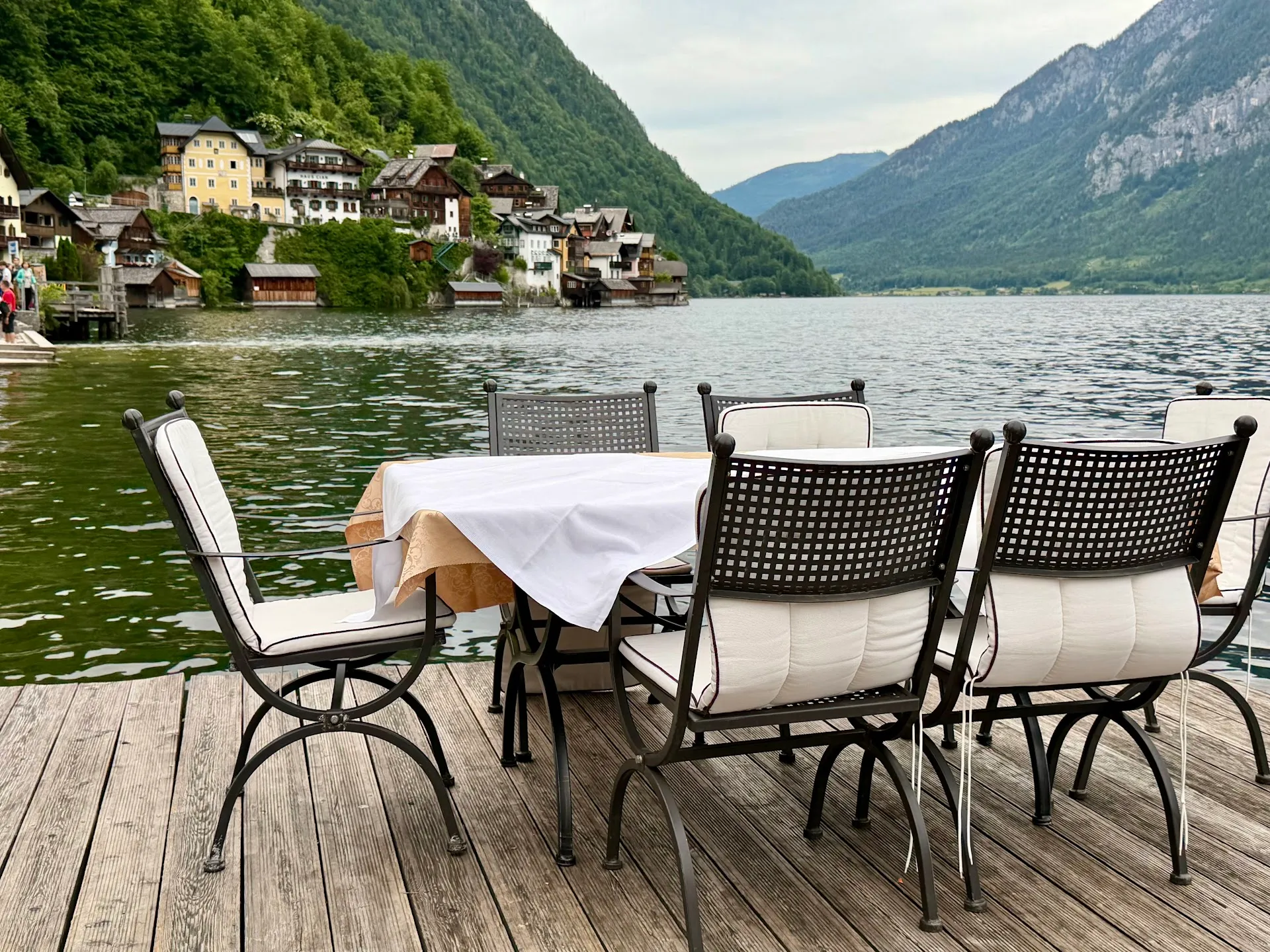
The most refined dining room in the village occupies the lakeside Seehotel Gruner Baum, a grand house on the market square first recorded around 1700. The kitchen leans on the lake itself, with the day's catch of trout, char and whitefish from the Hallstattersee alongside seasonal Austrian dishes. Tables on the waterside terrace look straight across the water to the mountains.
Markt
Landmark
Golden Roof (Goldenes Dachl)
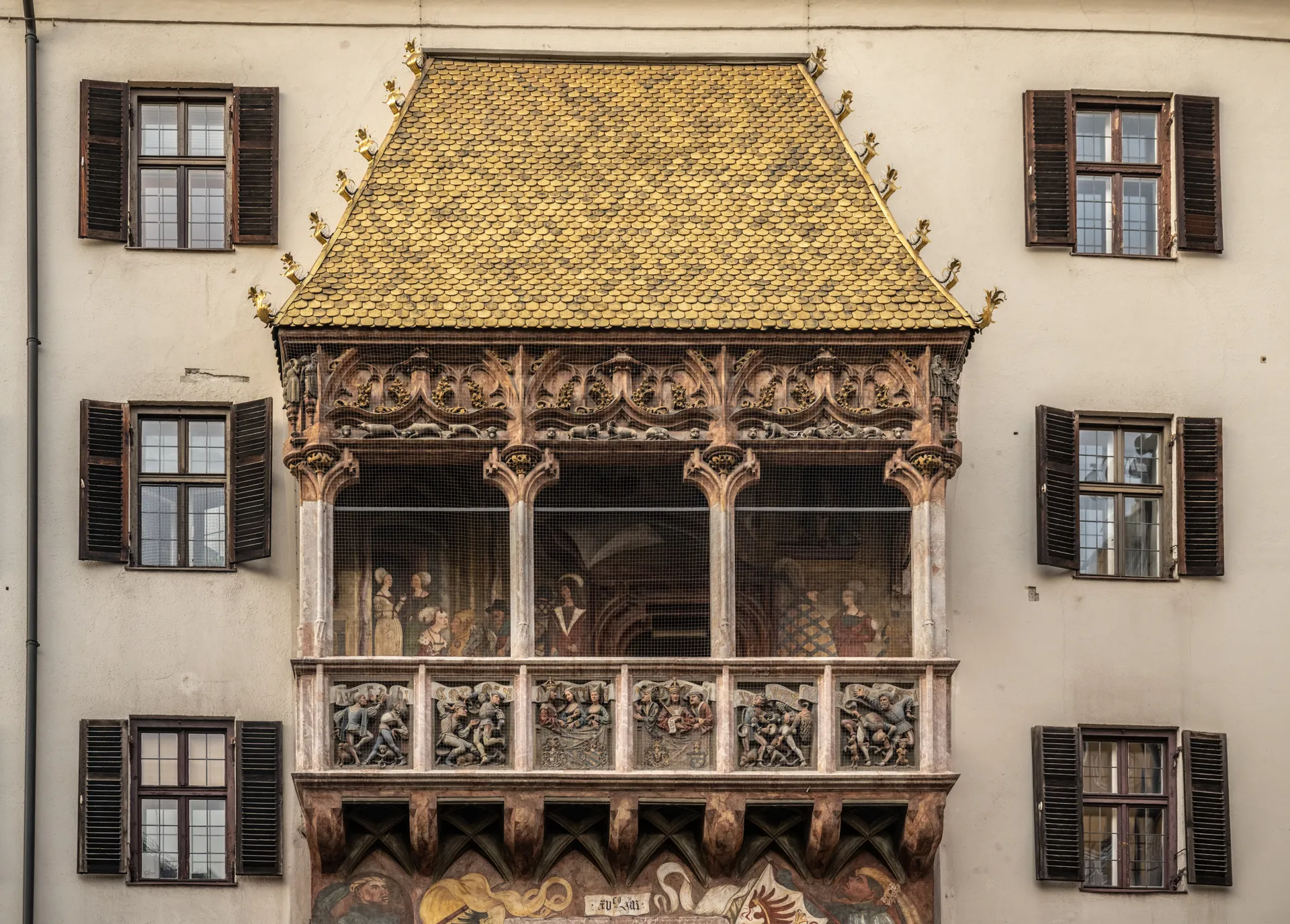
Innsbruck's emblem: an oriel balcony roofed with 2,657 fire-gilded copper tiles, built around 1500 for Emperor Maximilian I to watch the square below. The painted reliefs beneath it are the most photographed sight in the city.
Herzog-Friedrich-Straße, Altstadt
Architecture
Cathedral of St. James (Dom zu St. Jakob)
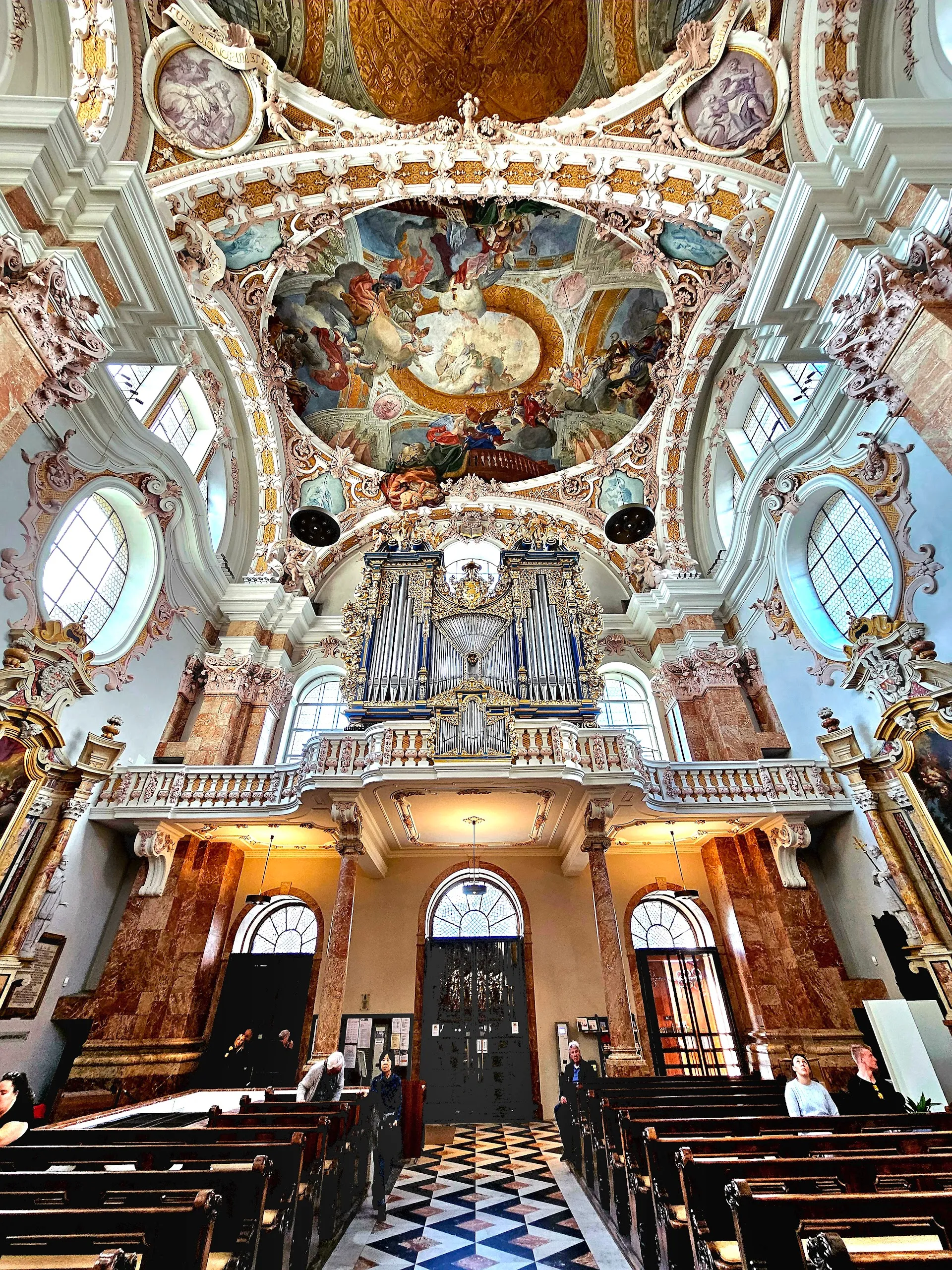
Innsbruck's baroque cathedral, a few steps behind the Golden Roof, with an exuberant frescoed and stucco interior and a venerated Cranach 'Madonna' over the high altar. The twin towers and dome punctuate the Old Town skyline.
Domplatz, Altstadt
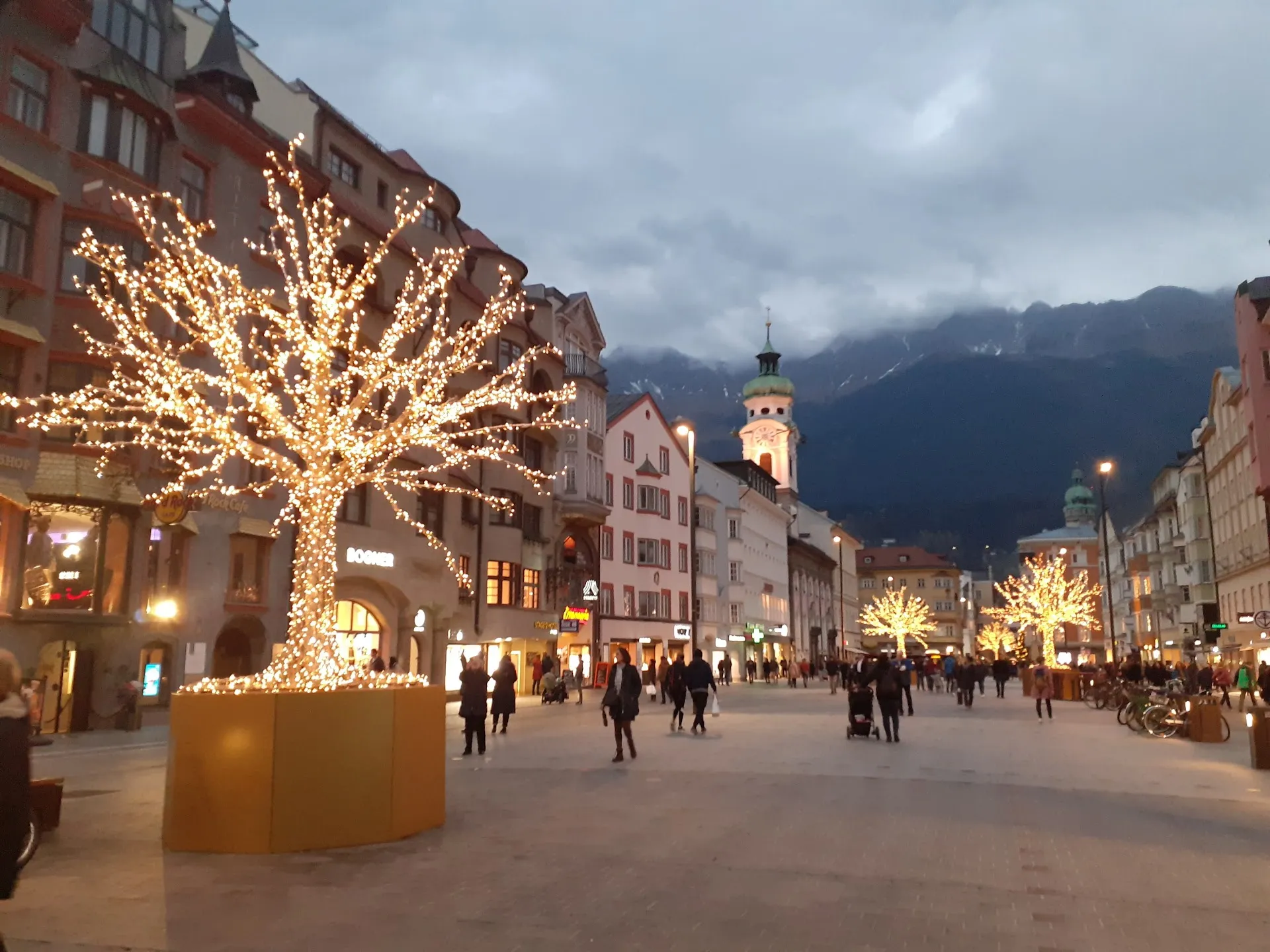
Street
Maria-Theresien-Straße
Innsbruck's grand baroque boulevard, lined with pastel facades and framed by the snowy Nordkette at its northern end. The St. Anne's Column rises at its centre and the Triumphal Arch closes it to the south.
City centre
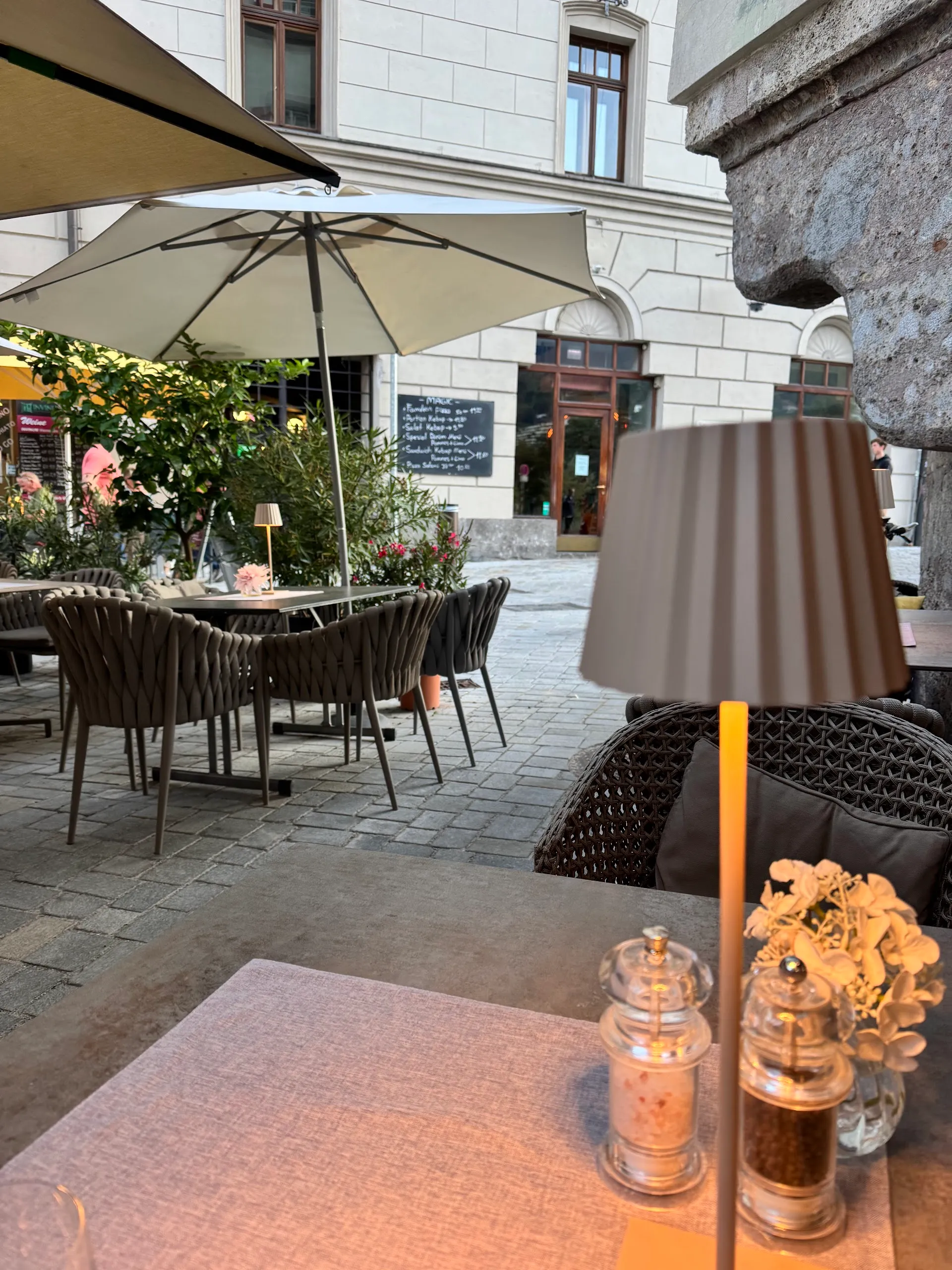
Restaurant
Restaurant Ottoburg
One of Innsbruck's oldest buildings, a turreted 15th-century house by the Inn bridge with cosy wood-panelled Stuben serving refined classic Austrian cooking. A romantic, old-world spot for Tafelspitz or game.
Altstadt
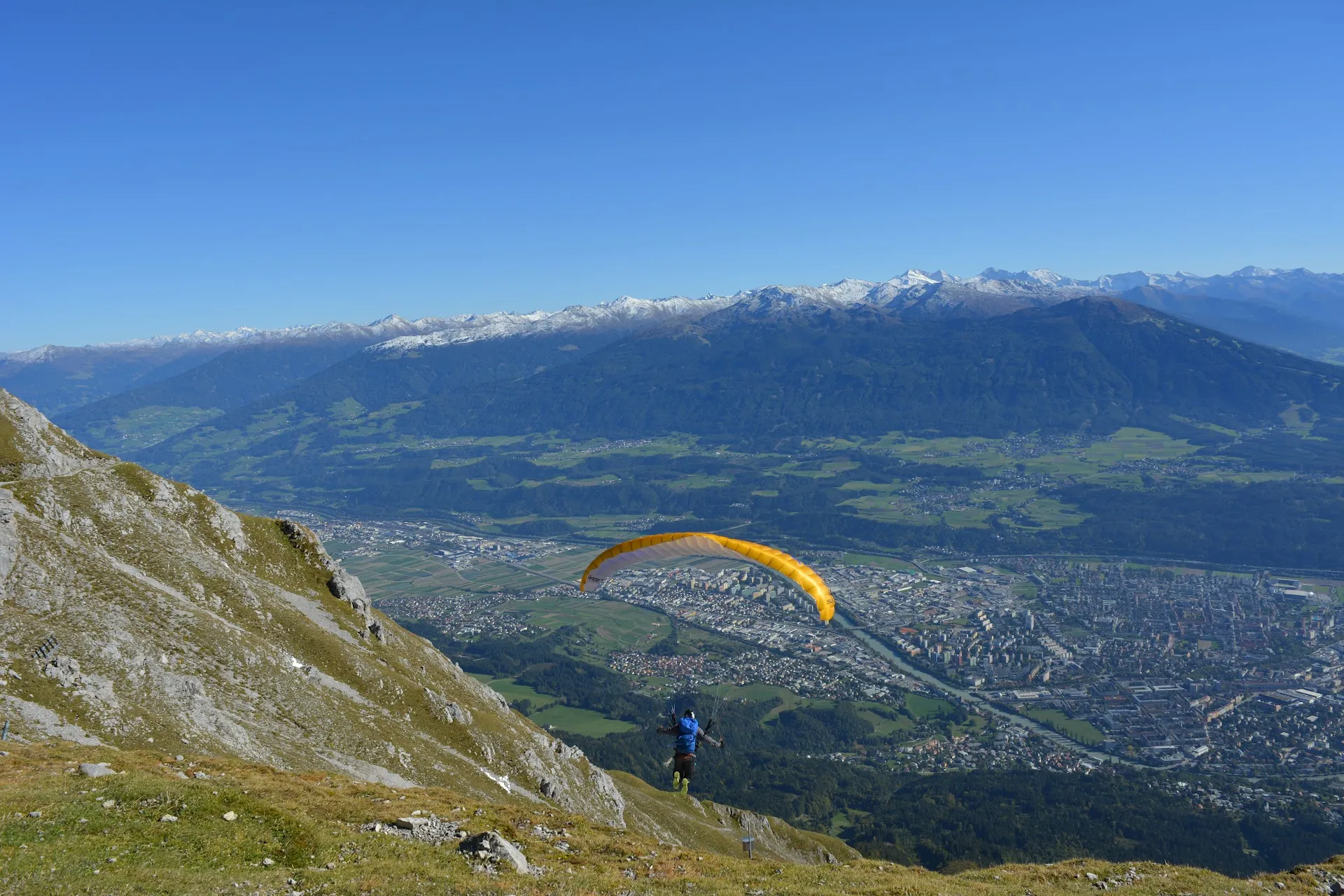
Experience€44 return
Nordkette Cable Car to the Top of Innsbruck
Ride from the heart of the city to 2,256 m in about 20 minutes on the Hungerburg funicular and two Zaha Hadid-designed cable cars, stepping out onto alpine ridges with a 360° panorama over Innsbruck and the Karwendel.
Hungerburgbahn Congress station, city centreHalf day
Book this tour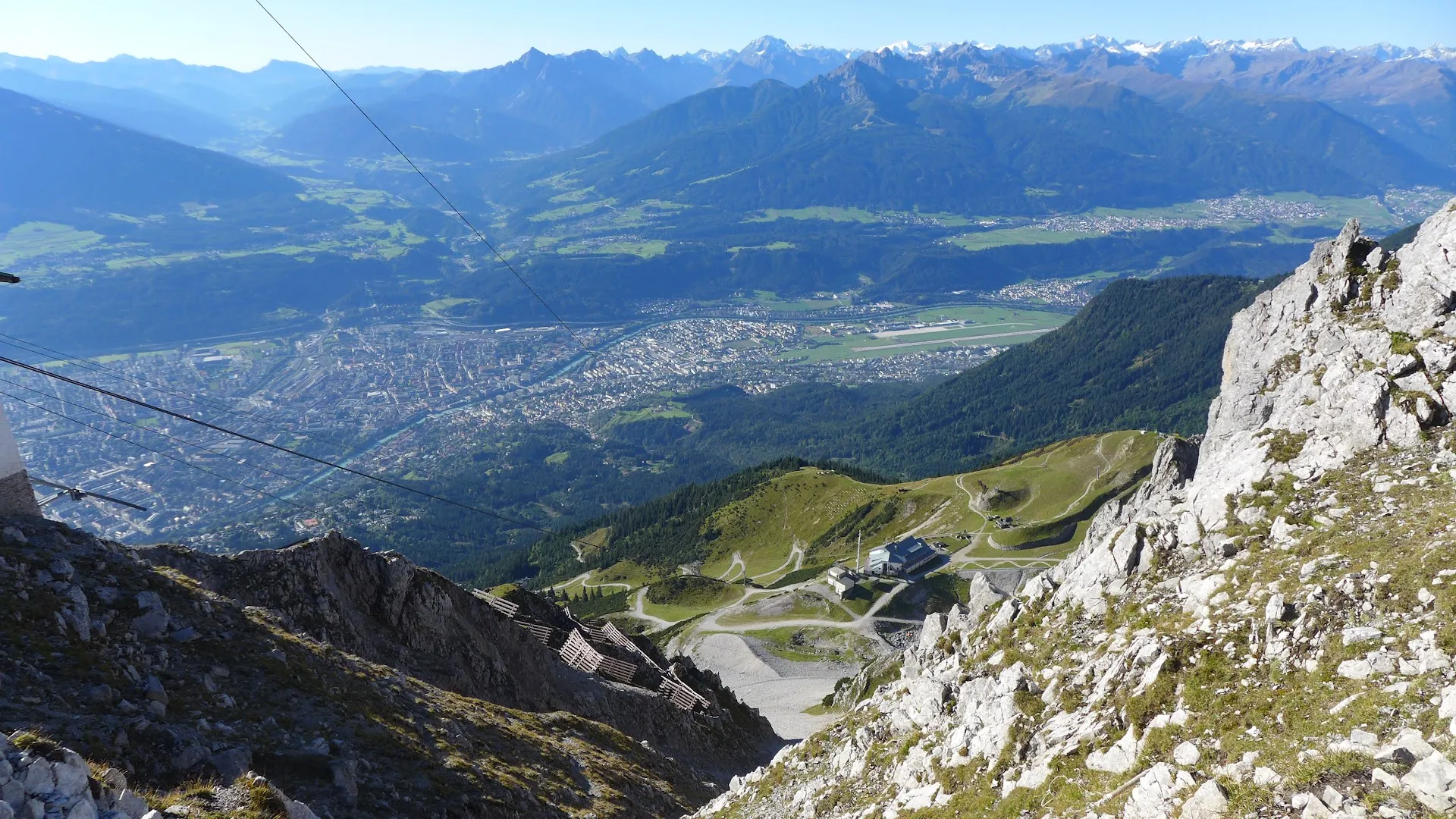
Viewpoint
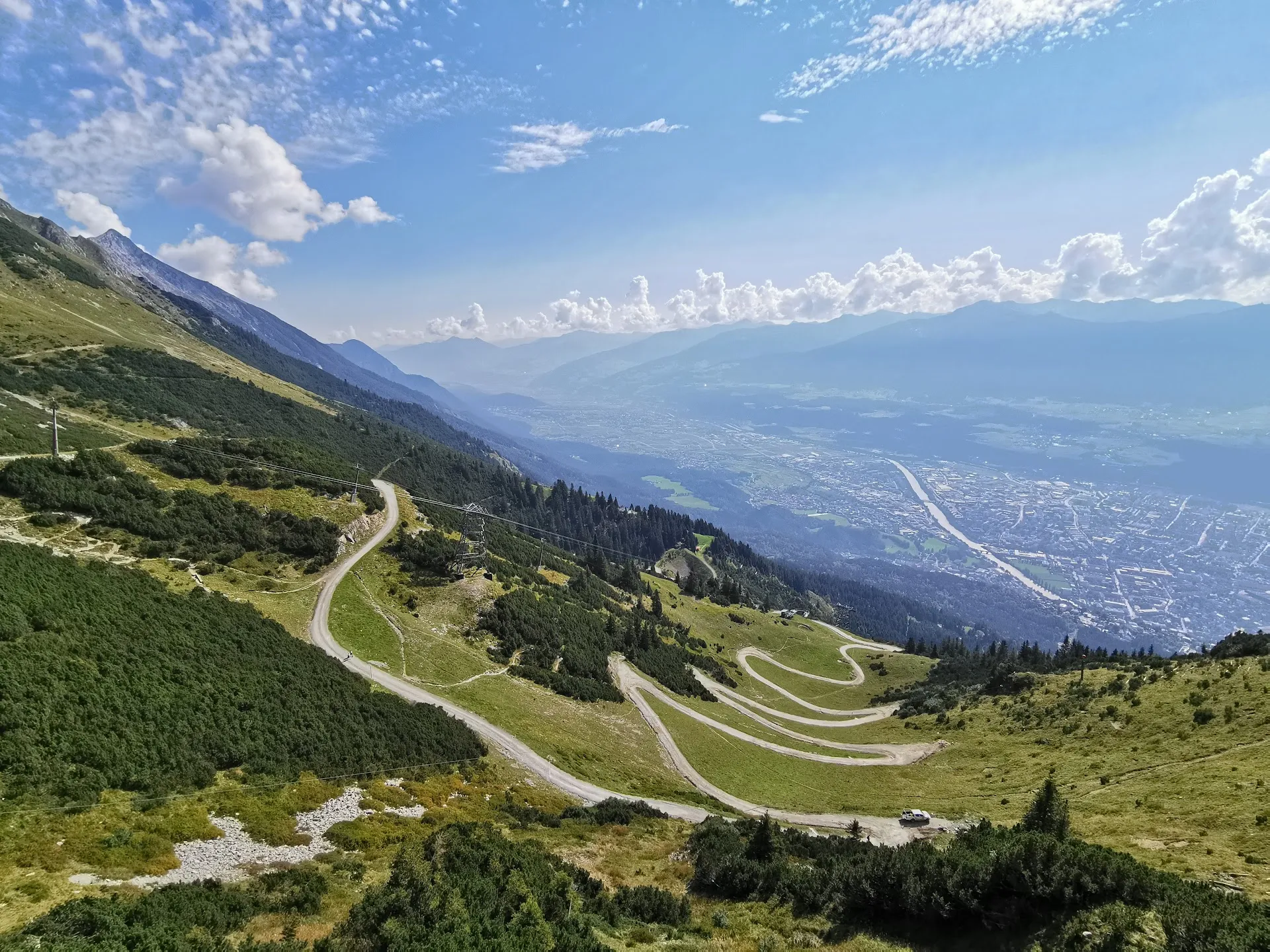
Hafelekar Viewpoint (Nordkette)
At 2,256 m, the top station of the Nordkette cable car delivers a 360° panorama with the city far below on one side and the wild Karwendel range on the other. A short steep path climbs to the 2,334 m Hafelekarspitze for an even bigger view.
Nordkette / Karwendel, above Innsbruck
Viewpoint
Seegrube Terrace
The 1,905 m middle station of the Nordkette has a wide sun terrace and restaurant looking straight down onto Innsbruck — the best balance of altitude, comfort and view, and the launch point for ridge hikes and paragliders.
Nordkette, mid-station above Innsbruck
Market
Markthalle Innsbruck
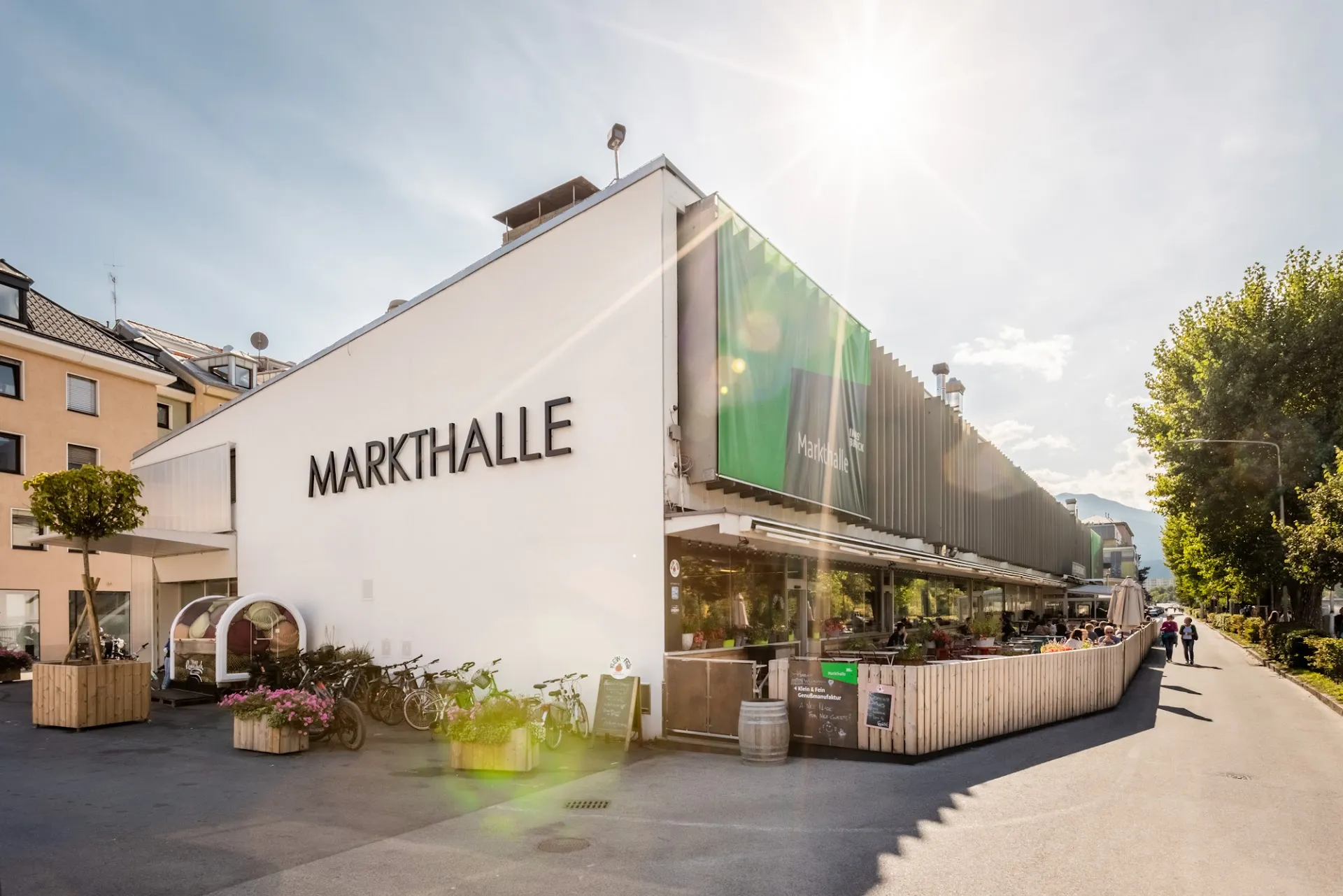
Innsbruck's covered market on the river, packed with stalls of Tyrolean cheese, speck, bread, produce and flowers plus small counters for a quick bite. A great spot to assemble a picnic for the mountains.
Innenstadt
Experience€11
Bergisel Ski Jump Visit
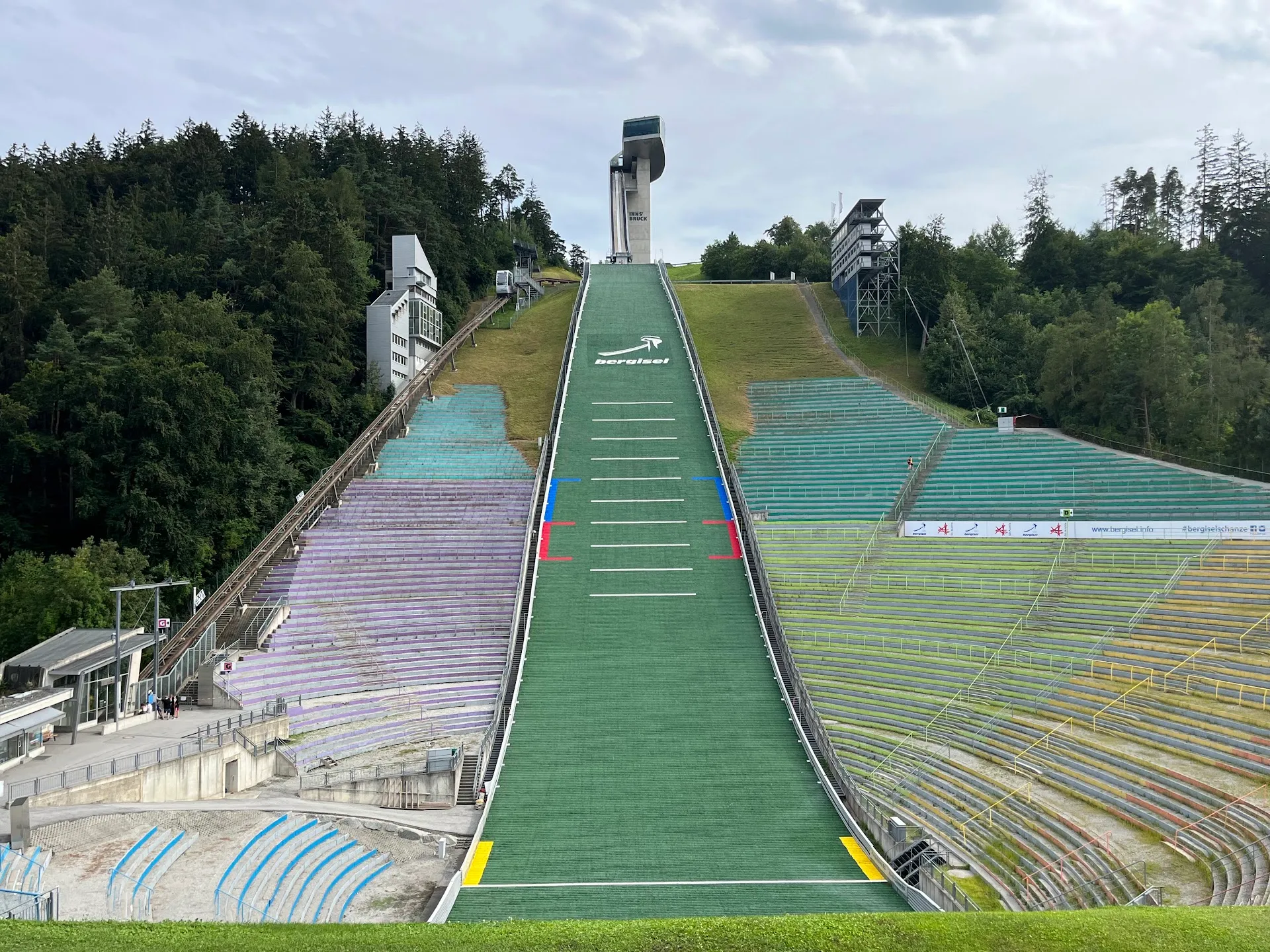
Take the funicular and lift up the inside of Zaha Hadid's iconic ski-jump tower to the panorama platform and café at the top of the inrun, with views down the landing slope and across the city. Jumpers often train below in summer.
Bergisel, south of the centre1-1.5 hours
Book this tour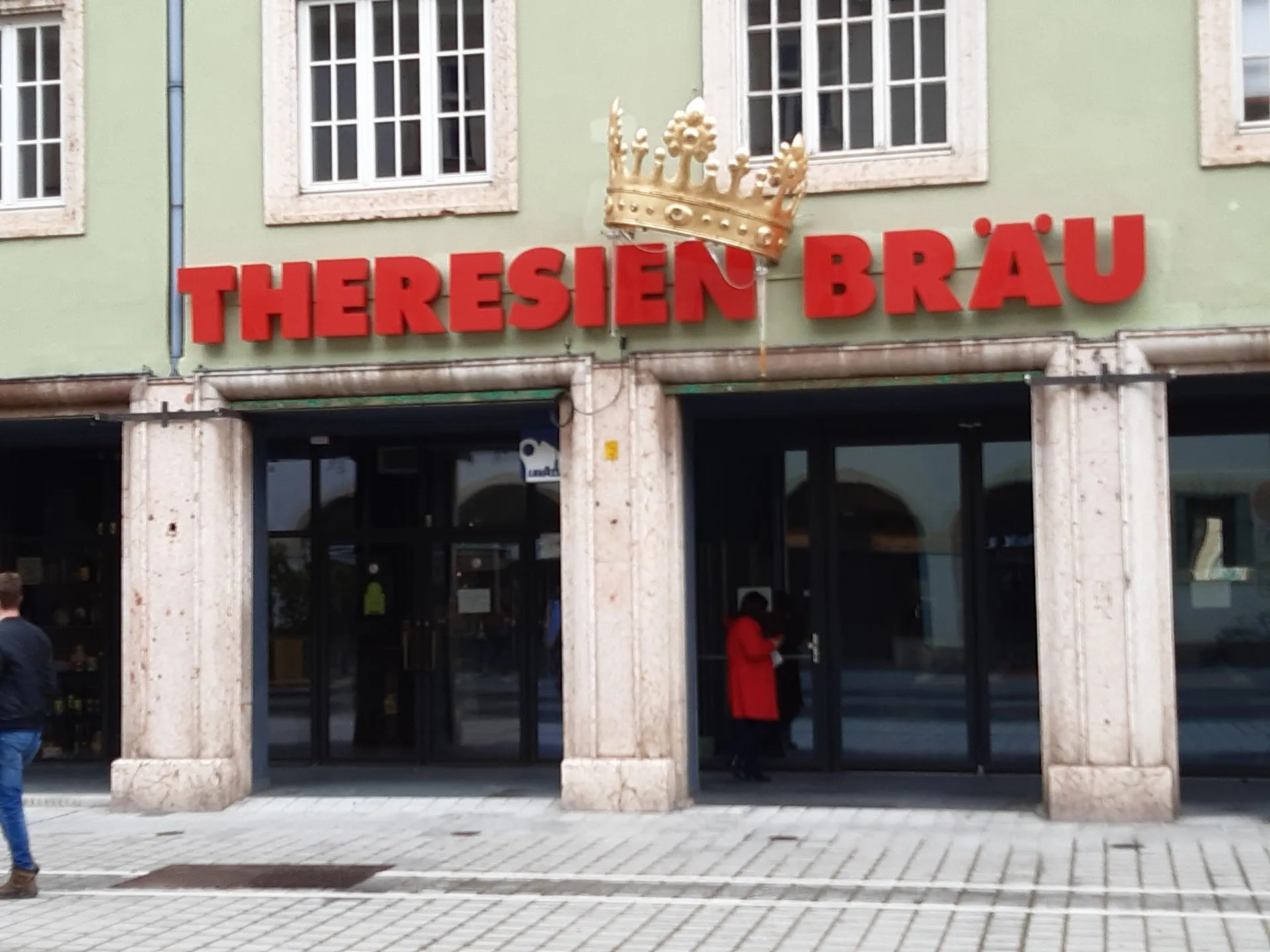
Bar
Theresienbräu
A big, rustic in-house brewery on the city's grand boulevard pouring unfiltered lagers and seasonal brews alongside hearty Austrian pub food. Lively in the evenings with a daily happy hour.
Maria-Theresien-Straße
Must visit
Castle
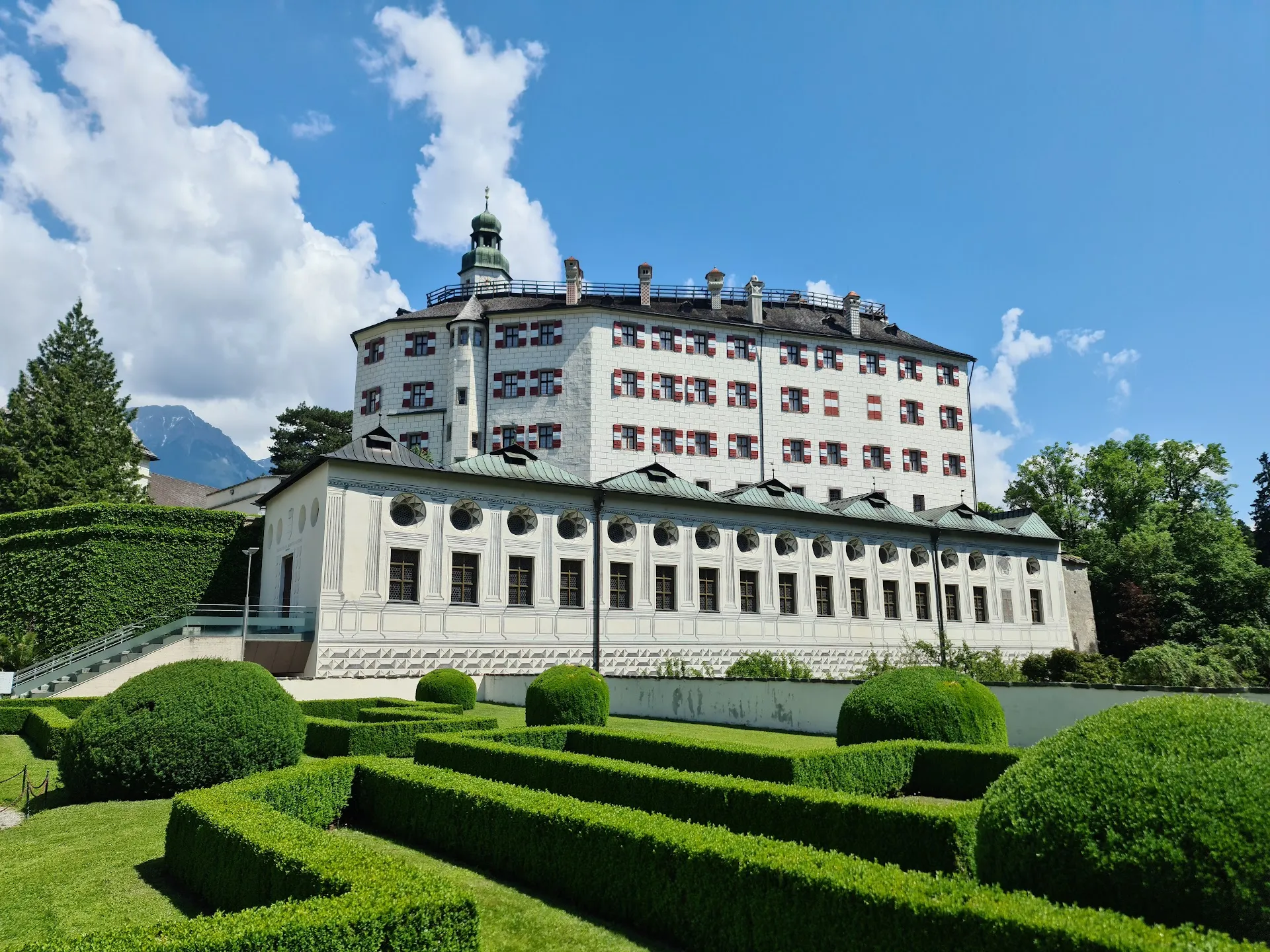
Ambras Castle (Schloss Ambras)
A Renaissance hilltop castle built by Archduke Ferdinand II to house his pioneering collections, often called the world's oldest museum. The chamber of art and curiosities and the frescoed Spanish Hall are the stars, set in formal gardens above the city.
Amras
Must visit
Museum
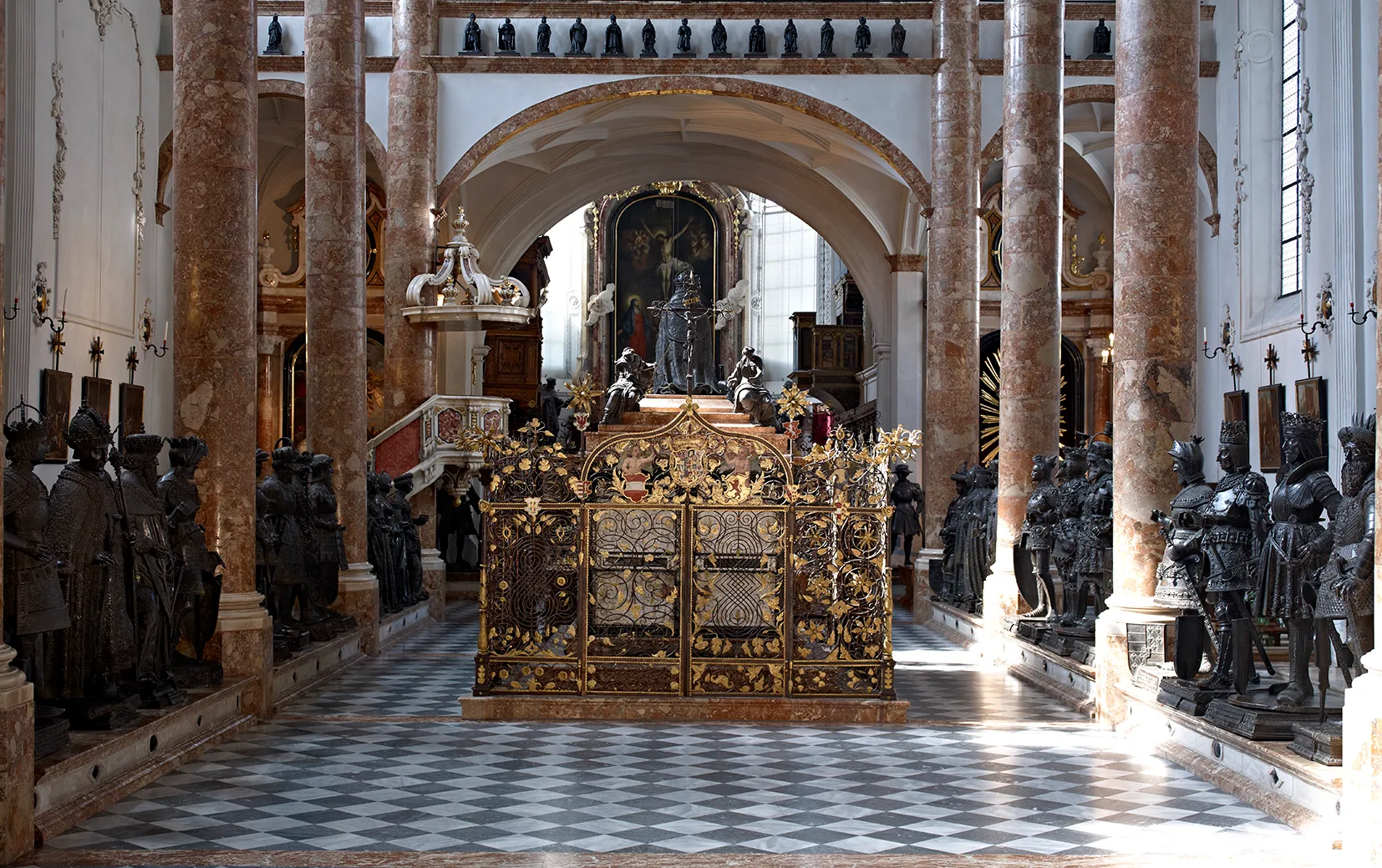
Court Church (Hofkirche)
A Gothic church built to hold the monumental empty tomb of Emperor Maximilian I, guarded by 28 larger-than-life bronze figures known as the Schwarze Mander ('black men'). One of Europe's most striking imperial monuments.
Altstadt
Must visit
Cafe
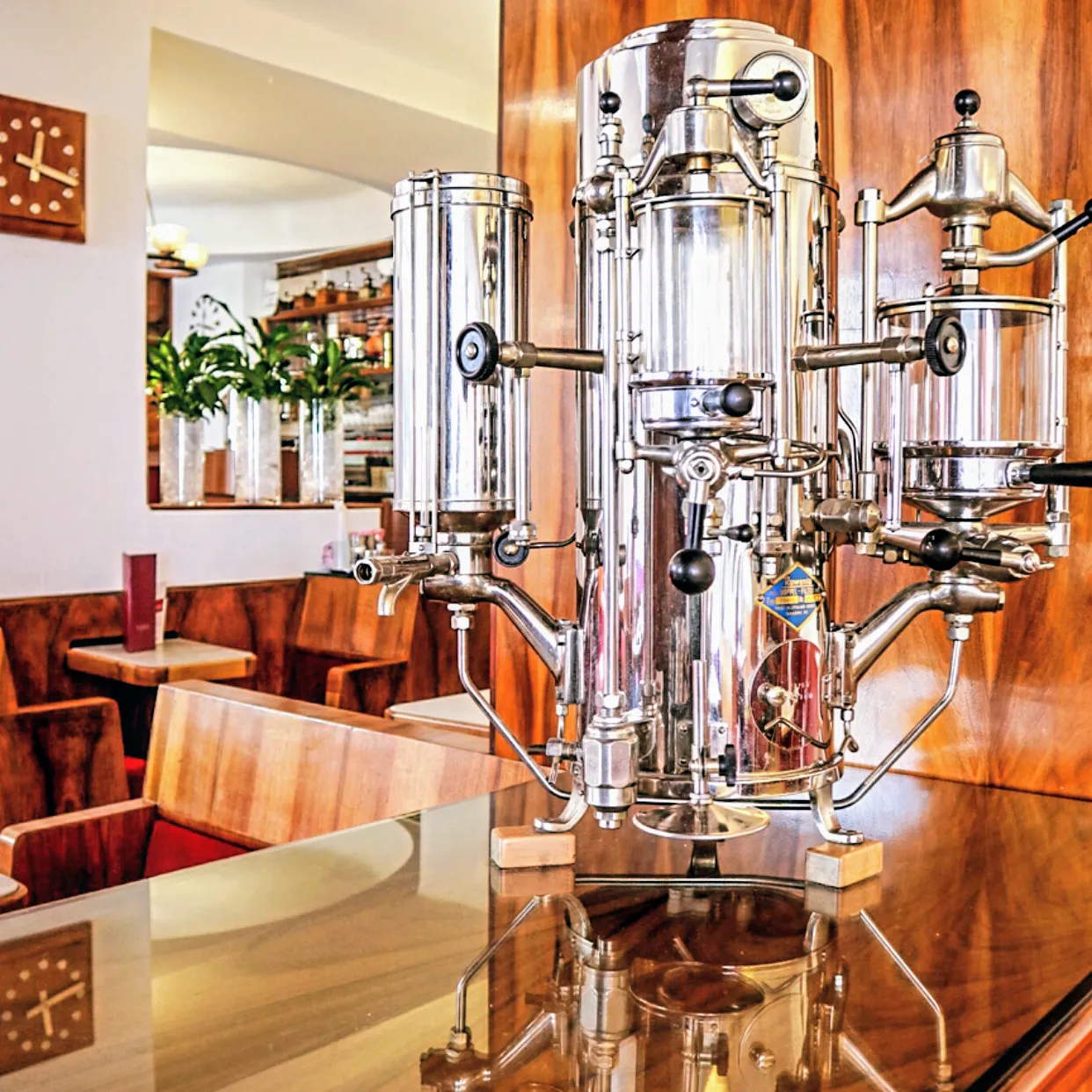
Café Munding
Tyrol's oldest confectionery, run by the same family since 1803, a stone's throw from the Golden Roof. Famous for handmade pralines, marzipan and cakes served in a snug traditional café.
Altstadt
Day by day
Day 1Vienna
Imperial heart of Vienna
Must visit
09:00Museum5.0
Hofburg Imperial Palace
Begin at the sprawling Habsburg winter palace — the Imperial Apartments, Sisi Museum and Silver Collection.
Innere Stadt
Tip: Arrive at opening to beat the tour groups.
11:30Viewpoint
St. Stephen's Cathedral South Tower
Climb (or lift) up Vienna's Gothic landmark for rooftop views over the old centre.
Stephansplatz, Innere Stadt
Tip: The 343-step south tower is the climb; the north tower has a lift.
Must visit
13:00Restaurant5.0
Figlmuller
Lunch on a plate-sized Wiener schnitzel at the city's most famous schnitzel house.
Innere Stadt
Tip: Reserve, or go just before noon to avoid the queue.
Must visit
15:00Museum5.0
Kunsthistorisches Museum
Spend the afternoon among Bruegels, Vermeers and Klimts in one of the world's great art museums.
Innere Stadt
Tip: The café under the cupola is worth a coffee break.
19:30Cultural
Vienna State Opera Performance
Cap the day with a performance — or grab cheap standing-room tickets for a taste.
Wiener Staatsoper, Opernring 2, Innere Stadt3-4 hours
Tip: Standing-room tickets go on sale shortly before curtain for a few euros.
Day 2Vienna
Schönbrunn & the Naschmarkt
Must visit
09:00Museum5.0
Schonbrunn Palace
Tour the Habsburgs' golden summer palace and its vast formal gardens.
Hietzing
Tip: Book a timed-entry ticket online; the Grand Tour covers the best rooms.
11:30Viewpoint
Gloriette Viewpoint at Schonbrunn
Walk up to the Gloriette for the classic view back over the palace and city.
Schonbrunn Palace Gardens, Hietzing
Tip: There's a café inside the Gloriette for a well-earned rest.
Must visit
13:30Market5.0
Naschmarkt
Graze the city's biggest market — meze, cheese, falafel and global street food.
Wieden
Tip: Saturdays add a sprawling flea market at the far end.
Must visit
15:30Museum5.0
Secession Building
See Klimt's Beethoven Frieze beneath the golden-domed temple of Viennese Art Nouveau.
Innere Stadt
Tip: Small and quick — pair it with the nearby Karlsplatz.
Must visit
17:30Cafe5.0
Cafe Hawelka
Sink into a classic, dim, bohemian coffee house for a melange and a Buchteln.
Innere Stadt
Tip: Cash is king here, and tables are shared at busy times.
Day 3Vienna
Klimt, the Ring & farewell
Must visit
09:30Museum5.0
Belvedere Palace
Stand before Klimt's 'The Kiss' in a baroque palace with terraced gardens.
Landstrasse
Tip: The Upper Belvedere holds the Klimt collection; book ahead in summer.
12:00Tour
Ringstrasse Architecture Tram Tour
Loop the grand Ringstrasse by tram past the Opera, Parliament and City Hall.
Ringstrasse, starting at Oper (Vienna State Opera)2-3 hours
Tip: Lines 1 and 71 cover much of the Ring for the price of a normal ticket.
13:30Restaurant4.0
Bitzinger Wurstelstand
Do as the Viennese do and lunch at a sausage stand by the Albertina.
Innere Stadt
Tip: Order a Käsekrainer with sweet mustard and a roll.
15:00Museum5.0
Albertina
Finish with Monet-to-Picasso modern masters and Dürer prints in a former palace.
Innere Stadt
Tip: The state rooms upstairs are included and often overlooked.
Must visit
19:00Bar5.0
Loos American Bar
Toast Vienna in Adolf Loos's tiny 1908 marble-and-mirror cocktail jewel.
Innere Stadt
Tip: It's tiny — go early or expect to wait for a seat.
Day 4Salzburg
Train west to baroque Salzburg
Must visit
12:30Shopping Area4.5
Getreidegasse
Arrive and dive into the old town's most famous lane, with its wrought-iron guild signs.
Altstadt
Tip: Mozart's Birthplace is partway along at No. 9.
Must visit
13:30Cafe4.5
Cafe Tomaselli
Lunch and cake at Austria's oldest coffee house, going since 1700.
Altstadt
Tip: Try the Tomaselli-Torte; the upstairs room is quieter.
Must visit
15:00Museum4.3
Mozart's Birthplace
Visit the bright-yellow house where Mozart was born, now a museum of his early life.
Altstadt
Tip: The Salzburg Card covers this and most sights.
Must visit
16:30Temple4.6
Salzburg Cathedral
Step into the vast early-baroque cathedral where Mozart was baptised.
Altstadt
Tip: Climb to the DomQuartier terraces for old-town views.
Must visit
19:30Restaurant4.4
St. Peter Stiftskulinarium
Dine at what claims to be Europe's oldest restaurant, in the abbey of St. Peter.
Altstadt
Tip: Reserve ahead, especially for the candlelit Mozart dinner nights.
Day 5Salzburg
Fortress, gardens & The Sound of Music
Must visit
09:00Castle4.6
Hohensalzburg Fortress
Ride the funicular up to the great clifftop fortress for the city's defining view.
Altstadt
Tip: Go early; the panorama and the state rooms are worth the climb.
Must visit
11:30Park4.6
Mirabell Palace & Gardens
Wander the manicured Mirabell Gardens, a Sound of Music backdrop with fortress views.
Neustadt
Tip: Find the Pegasus fountain and the 'Do-Re-Mi' steps.
Must visit
13:00Bar4.6
Augustiner Braustubl
Lunch on beer poured from the wood and self-served snacks at a vast monastery brewery.
Mulln
Tip: Rinse your own stein at the fountain before they fill it.
Must visit
15:00Castle4.5
Hellbrunn Palace & Trick Fountains
Laugh through the prince-archbishop's mischievous trick-fountain gardens.
Hellbrunn
Tip: You will get a little wet — that's the whole point.
19:30CulturalEUR 85-115
Mozart Dinner Concert at St. Peter
End with a candlelit Mozart dinner concert in the baroque hall of St. Peter.
Baroque Hall, St. Peter StiftskulinariumAbout 3 hours
Tip: Book ahead; it's one of Salzburg's signature evenings.
Book this tourDay 6Hallstatt
To the lake village of Hallstatt
12:00Landmark
Marktplatz (Market Square)
Arrive by ferry and settle into the tiny market square at the village's heart.
Heart of the village, set back from the lakefront
Tip: Drop your bags early; the village is car-light and walkable.
Must visit
12:45Temple5.0
Evangelical Parish Church (Lutheran Church)
See the slender lakeside Lutheran church whose spire defines every postcard.
Markt
Tip: The little waterfront beside it is the classic photo angle.
14:00Viewpoint
Hallstatt Skywalk 'Welterbeblick'
Ride the funicular up to the Skywalk platform for a soaring view over lake and village.
Salzberg, below the Rudolfsturm above the village
Tip: Combine it with the Salt Mine above if you want a half-day up top.
16:00Viewpoint
Classic Hallstatt Viewpoint
Walk to the northern viewpoint for the iconic shot once the day-trippers thin out.
Northern end of the village, near Gosaumuhlstrasse
Tip: Late afternoon and early morning are quietest and most golden.
17:30Nature
Lake Hallstatt Shoreline & Promenade
Stroll the lakeside promenade as the light softens on the water.
Seestrasse lakefront promenade through the village centre
Tip: Bring a swimsuit in summer — the lake is clear and swimmable.
19:30Restaurant4.0
Restaurant zum Salzbaron (Seehotel Gruner Baum)
Dine on fresh local lake fish at a waterfront table.
Markt
Tip: Reserve a lakeside seat at sunset.
Day 7Innsbruck
Across the mountains to Innsbruck
15:00Landmark
Golden Roof (Goldenes Dachl)
Arrive in the Tyrolean capital and start under its gilded Golden Roof.
Herzog-Friedrich-Straße, Altstadt
Tip: It's a long train morning — take it easy and just wander the old town this afternoon.
15:45Architecture
Cathedral of St. James (Dom zu St. Jakob)
Step into the exuberant baroque cathedral a few paces behind the Golden Roof.
Domplatz, Altstadt
Tip: Entry is free; listen for the carillon.
16:30Street
Maria-Theresien-Straße
Stroll the grand boulevard with the snowy Nordkette framed at its end.
City centre
Tip: Golden hour here is the classic Innsbruck photo.
19:30Restaurant
Restaurant Ottoburg
Dinner of classic Tyrolean cooking in one of the city's oldest houses.
Altstadt
Tip: Ask for a table in an upstairs wood-panelled Stube.
Day 8Innsbruck
Into the Alps on the Nordkette
08:30Experience€44 return
Nordkette Cable Car to the Top of Innsbruck
Ride the Hadid-designed funicular and cable cars from the centre toward the ridge.
Hungerburgbahn Congress station, city centreHalf day
Tip: Go early for the clearest air and emptiest cabins.
Book this tour09:30Viewpoint
Hafelekar Viewpoint (Nordkette)
Step out at 2,256 m for a 360° panorama over the city and the Karwendel.
Nordkette / Karwendel, above Innsbruck
Tip: Bring a warm layer — it's far colder than in town.
11:00Viewpoint
Seegrube Terrace
Drop to the mid-station terrace for a drink and an easy panorama walk.
Nordkette, mid-station above Innsbruck
Tip: A good turnaround if the very top is clouded in.
13:30Market
Markthalle Innsbruck
Back in town, graze the covered market for Tyrolean cheese and speck.
Innenstadt
Tip: A cheap, local lunch right by the river.
15:00Experience€11
Bergisel Ski Jump Visit
Ride up Hadid's ski-jump tower for views down the landing slope and across the city.
Bergisel, south of the centre1-1.5 hours
Tip: Pair it with Das Tirol Panorama museum at the base.
Book this tour19:30Bar
Theresienbräu
Wind down over house-brewed lager and hearty pub food on the boulevard.
Maria-Theresien-Straße
Tip: Catch the daily happy hour if you arrive early.
Day 9Innsbruck
Castle, coffee & farewell
Must visit
09:00Castle
Ambras Castle (Schloss Ambras)
Explore the Renaissance castle and its chamber of curiosities above the city.
Amras
Tip: The Sightseer bus drops you at the gate; great if you have a late flight.
Must visit
11:30Museum
Court Church (Hofkirche)
See Maximilian's monumental tomb guarded by 28 giant bronze figures.
Altstadt
Tip: The Tyrolean Folk Art Museum shares the entrance if time allows.
Must visit
12:30Cafe
Café Munding
Say goodbye with pralines and cake at Tyrol's oldest confectioner.
Altstadt
Tip: Take a box of handmade chocolates home for the road.
Getting between stops
What it costs
A comfortable mid-range trip — three- and four-star hotels, restaurant meals, the cable cars and the main museums — runs roughly €130-200 per person per day, plus about €110 total for the three inter-city train legs if you book advance ÖBB Sparschiene fares. City cards (Vienna, Salzburg, Innsbruck) and self-catering from the markets keep costs down.~EUR 130-200 / day mid-range / day
Frequently asked questions
- Do I need a car for this Austria itinerary?
- No. The whole route runs on Austria's excellent train network, including the train-and-ferry hop to Hallstatt. Book advance ÖBB Sparschiene fares for the best prices and enjoy the scenery.
- Is one night enough in Hallstatt?
- One night is the sweet spot. Staying over lets you experience the village in the early morning and evening, once the day-trip crowds have left and it's at its most magical.
- Can I do this trip in reverse, ending in Vienna?
- Yes, though most travellers start in Vienna (the main international gateway) and end in Innsbruck, which has its own airport and easy onward links to Munich. Reverse it if your flights favour arriving in the west.
- How long is the Hallstatt to Innsbruck train?
- About four hours with one or two changes, via Attnang-Puchheim and Salzburg. It's the longest leg of the trip but scenic throughout — reserve a window seat and settle in.
Make this trip yours
Save this itinerary and customize it — dates, stops, budget and friends, all in one place.