Jujuy is Argentina's far-northwest, where the country climbs out of the lowlands and onto the Andean altiplano. Most travelers come for one thing above all: the Quebrada de Humahuaca, a 155-kilometre gorge carved by the Rio Grande and protected as a UNESCO World Heritage Cultural Landscape. For more than 10,000 years this valley has been a trade and migration corridor, an Inca road, and a meeting place of cultures, and you can read that history in its layered, multi-coloured mountains and its small adobe towns.
The region works as a line you travel along. National Route 9 runs north up the gorge from the provincial capital, San Salvador de Jujuy, through Purmamarca, Maimara, Tilcara, and on to Humahuaca. Each town sits a little higher and a little further into the mountains. Purmamarca, at 2,192m, hides beneath the famous Cerro de los Siete Colores (the Hill of Seven Colours). Tilcara, at 2,461m, is the cultural hub, with the best restaurants, museums, and the pre-Columbian fortress of the Pucara. Humahuaca, at 2,939m, is the highest and most traditional, and the gateway to the staggering 14-coloured Serranias del Hornocal.
The single most useful habit here is to think about altitude and light. The gorge floor is already high, and side trips climb much higher: the Cuesta de Lipan pass tops out at 4,170m on the way to the Salinas Grandes salt flats, and the Hornocal viewpoint sits at 4,350m. Acclimatise in Purmamarca or Tilcara for a night or two before going higher, move slowly, and drink plenty of water. Time your photography for the morning, when low sun lights the eastern faces of the coloured mountains, and the colours are at their most vivid; clouds and afternoon shadow flatten them.
Best time to visit
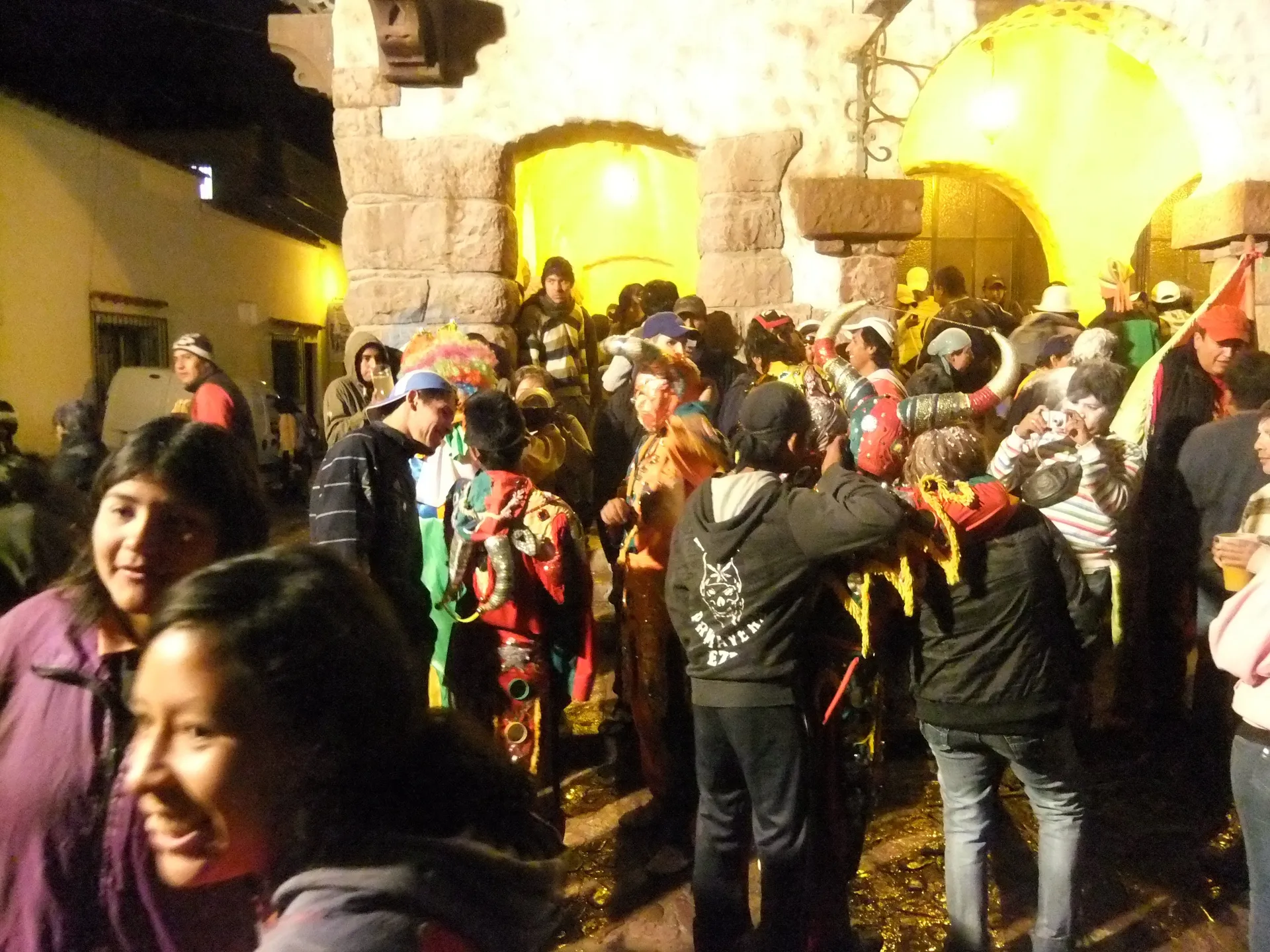
April to November is the dry season and the best window overall: clear skies, vivid mountain colours, and roads (including the dirt track to the Hornocal) at their most reliable. Days are warm and nights cold, especially at altitude, so pack layers year-round. December to March is the green, rainy summer, when afternoon storms can wash out colours and occasionally close mountain tracks, but the valley is lush and prices soften. For culture, time a visit to February-March for Tilcara's Carnival, the most vibrant in Argentina, or August for the Pachamama offerings, though book accommodation months ahead for Carnival.
Budget
Jujuy is one of Argentina's more affordable regions. Most headline sights, the coloured mountains, the gorge towns, and the artisan markets, are free; the main paid attractions are the Pucara de Tilcara and the Salinas Grandes community fee. A hearty plate of empanadas jujeñas, locro, or humitas costs little, and regional cuisine is excellent value. Your biggest variable costs are accommodation and transport to outlying sights like the Hornocal and the salt flats, where shared taxis or a rental car add up.~$45-90 USD / day
Getting around without a car is genuinely easy along the spine of the gorge. Frequent buses run RN 9 between San Salvador de Jujuy, Tilcara, and Humahuaca, with departures roughly every 45 minutes, and less frequent local services that detour the 3km off the highway into Purmamarca. Shared taxis (remises) fill the gaps and reach places buses do not, like the Hornocal and the salt flats. Many travelers base themselves in Tilcara and make day trips out in both directions. Renting a car gives you the most freedom, especially for the Salinas Grandes and the rough dirt road up to the Hornocal.
Beyond the gorge, Jujuy rewards a longer stay. To the west, the surreal white expanse of the Salinas Grandes stretches to the horizon at 3,450m. To the east, the dry mountains give way abruptly to the lush, dripping yungas cloud forest of Calilegua. And throughout the year the calendar is alive with Andean culture, from the riotous February Carnival in Tilcara to the August offerings to Pachamama, the earth mother who still anchors daily life in the north.
Use this guide as a starting point: skim the day-by-day plan, open the things-to-do list, then save the places that fit your trip. Everything you save can be dropped straight into a TripBox itinerary with dates, a map, and your travel companions.
The best of San Salvador de Jujuy
Curated places worth your time — tap a card for details or to save it.
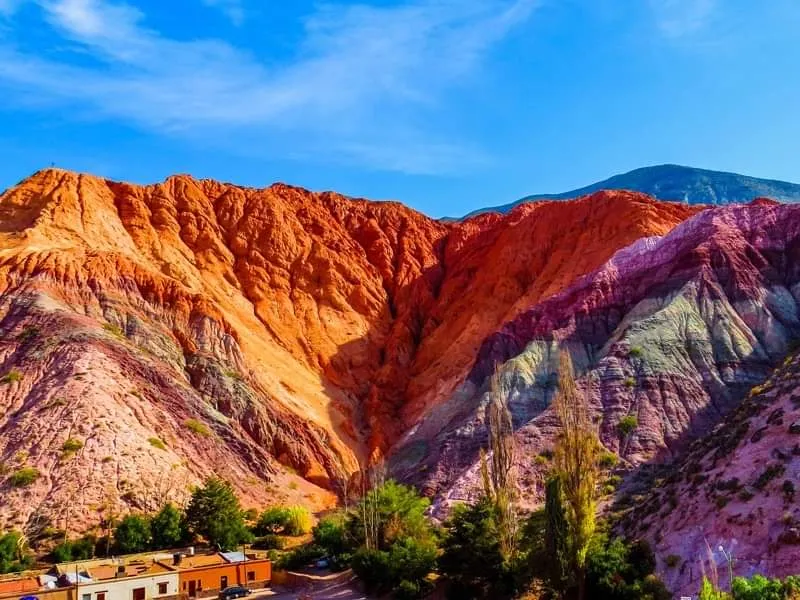
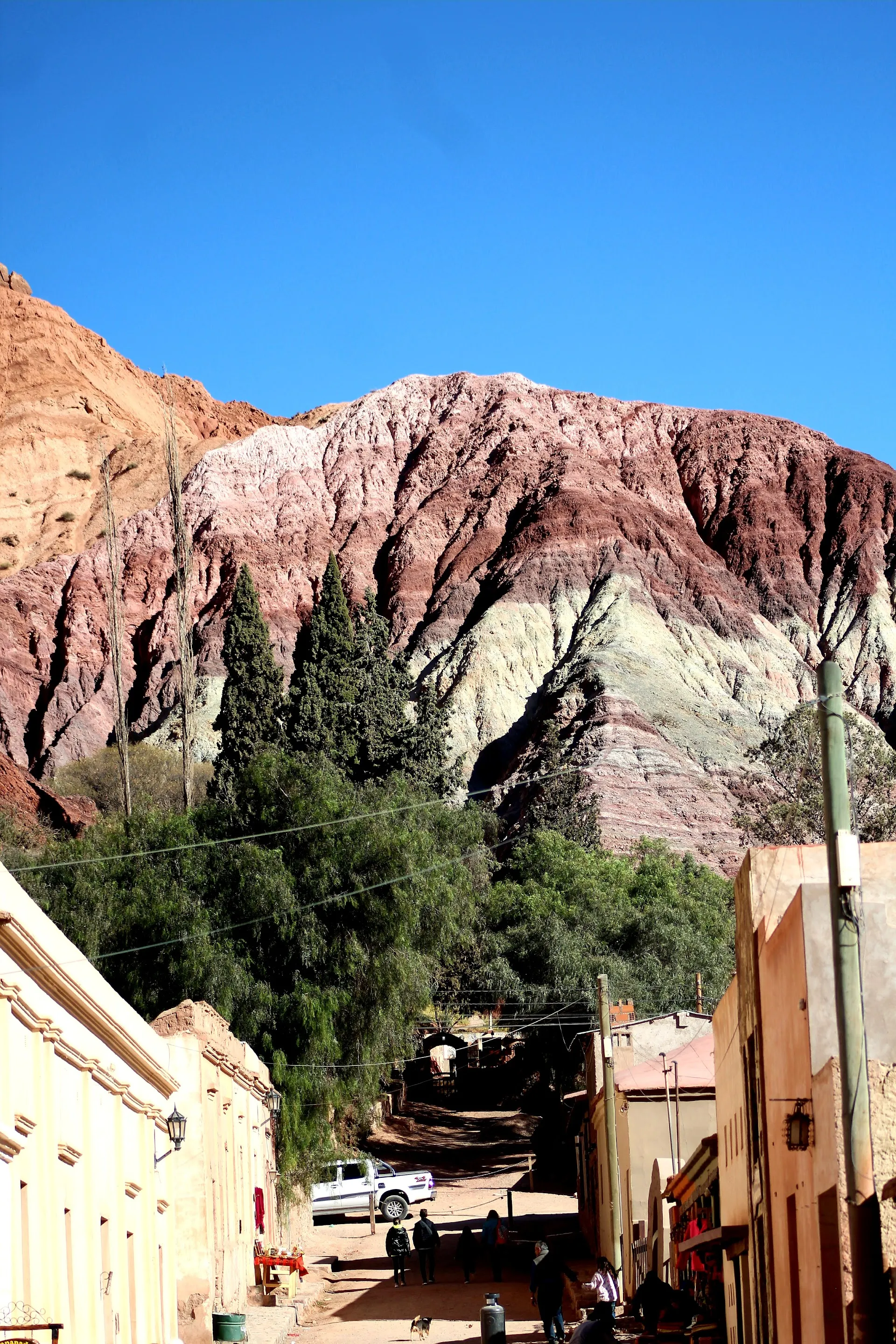
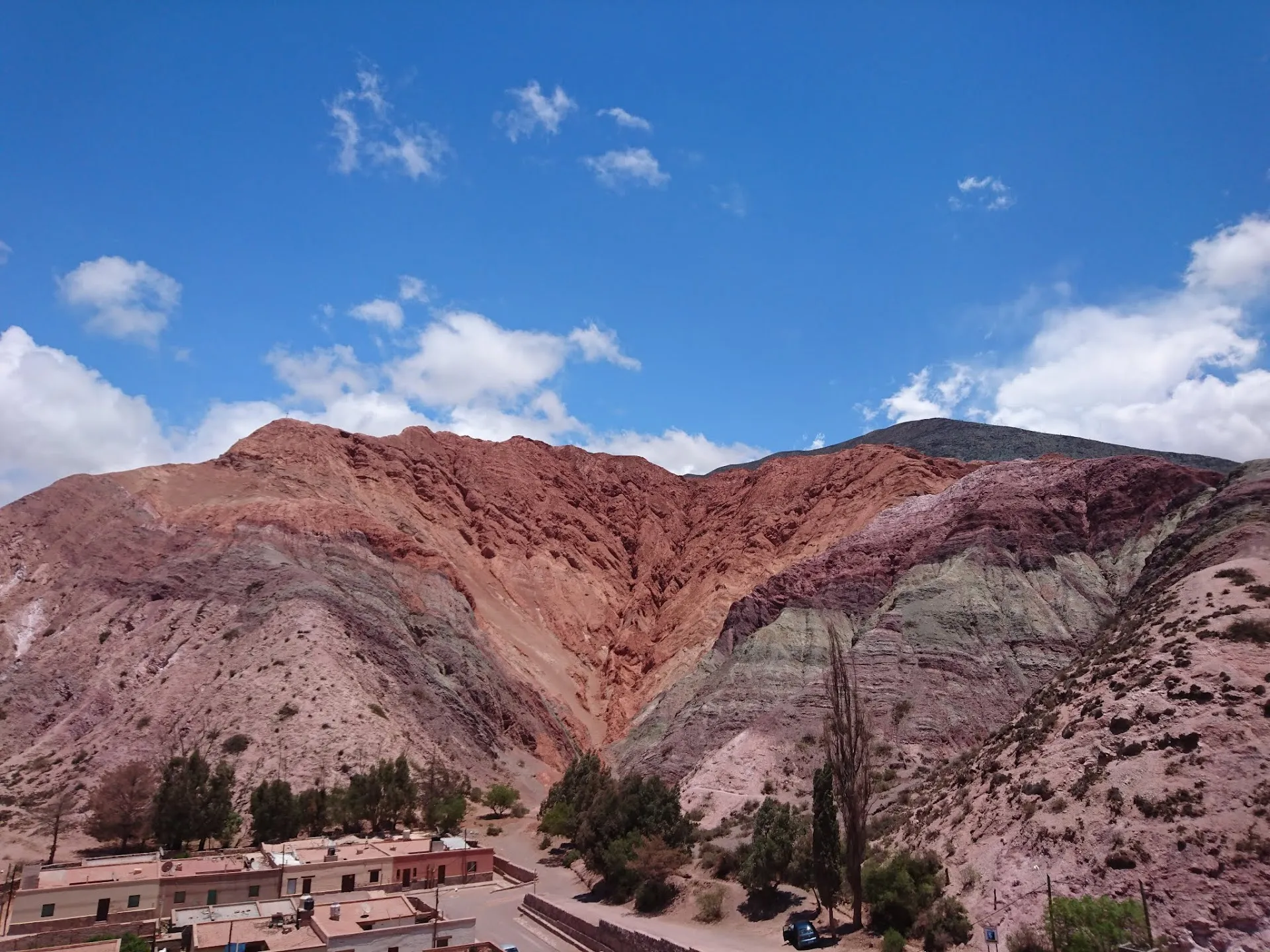
Purmamarca's iconic seven-colored mountain — layers of rose, cream, green, brown, red, violet, and ochre sediment visible in a single hillside. The colors come from 75 million years of mineral and geological deposits. Best viewed in morning light.
Purmamarca
Must visit
Viewpoint4.9
Serranias del Hornocal
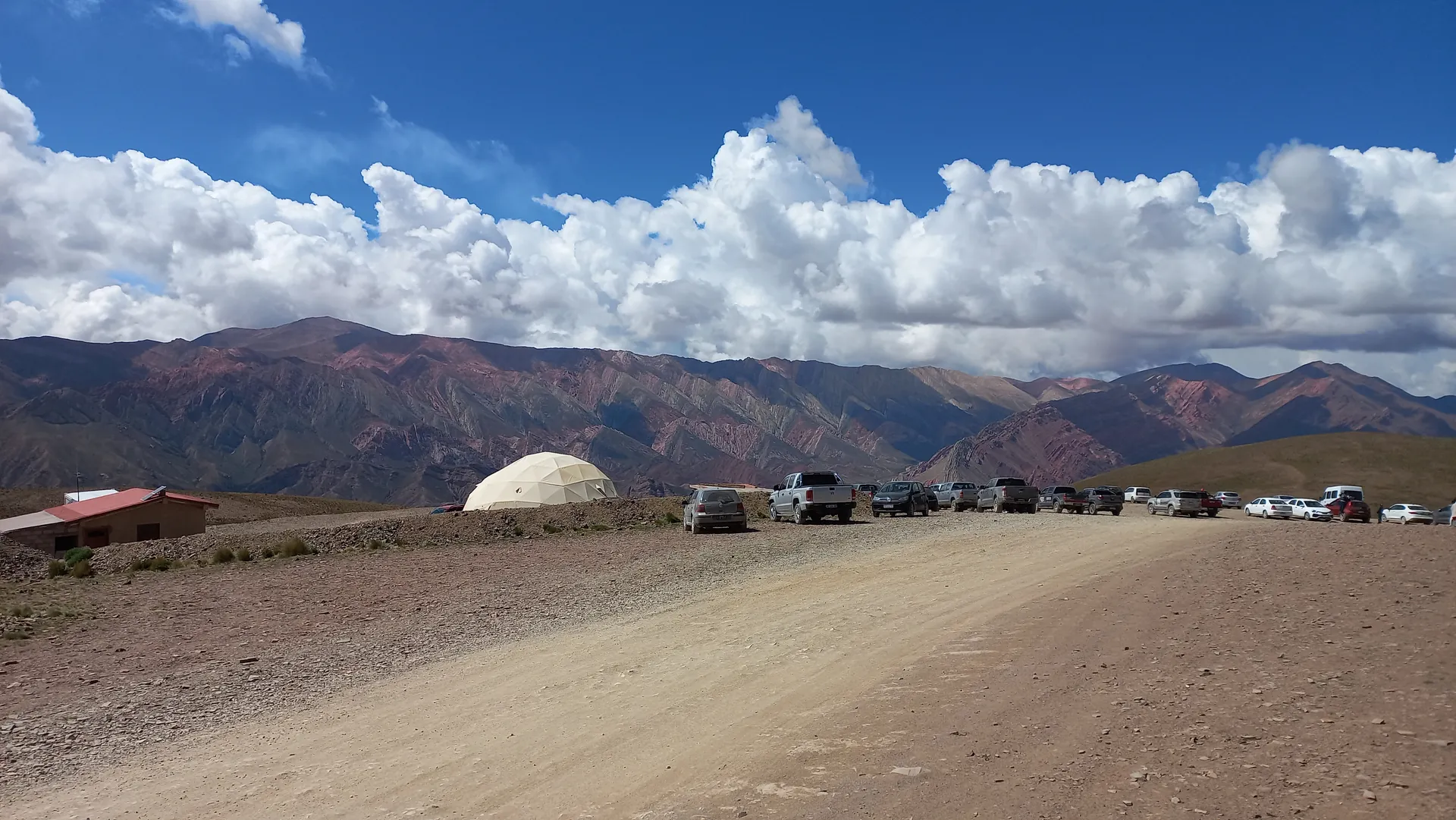
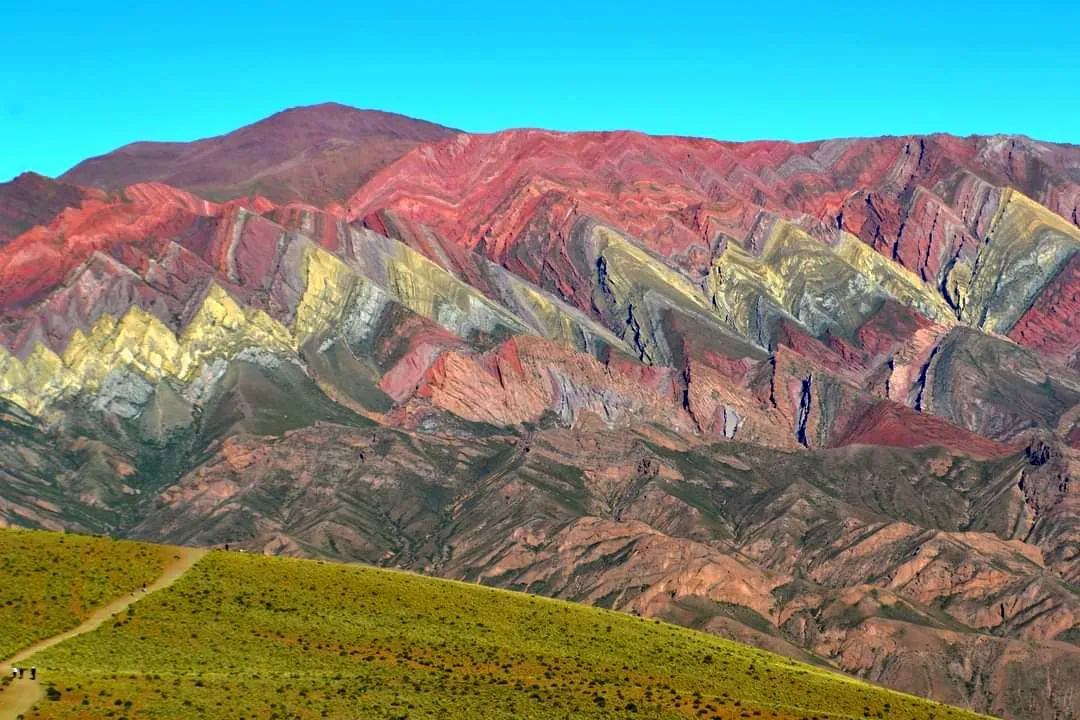
The 14-colored mountain — a jagged rainbow ridge at 4,350m with alternating bands of red, orange, yellow, green, blue, violet, and white sediment. More dramatic and lesser-known than Purmamarca's Cerro de los Siete Colores. A 25km dirt road from Humahuaca.
Humahuaca
Nature
Salinas Grandes
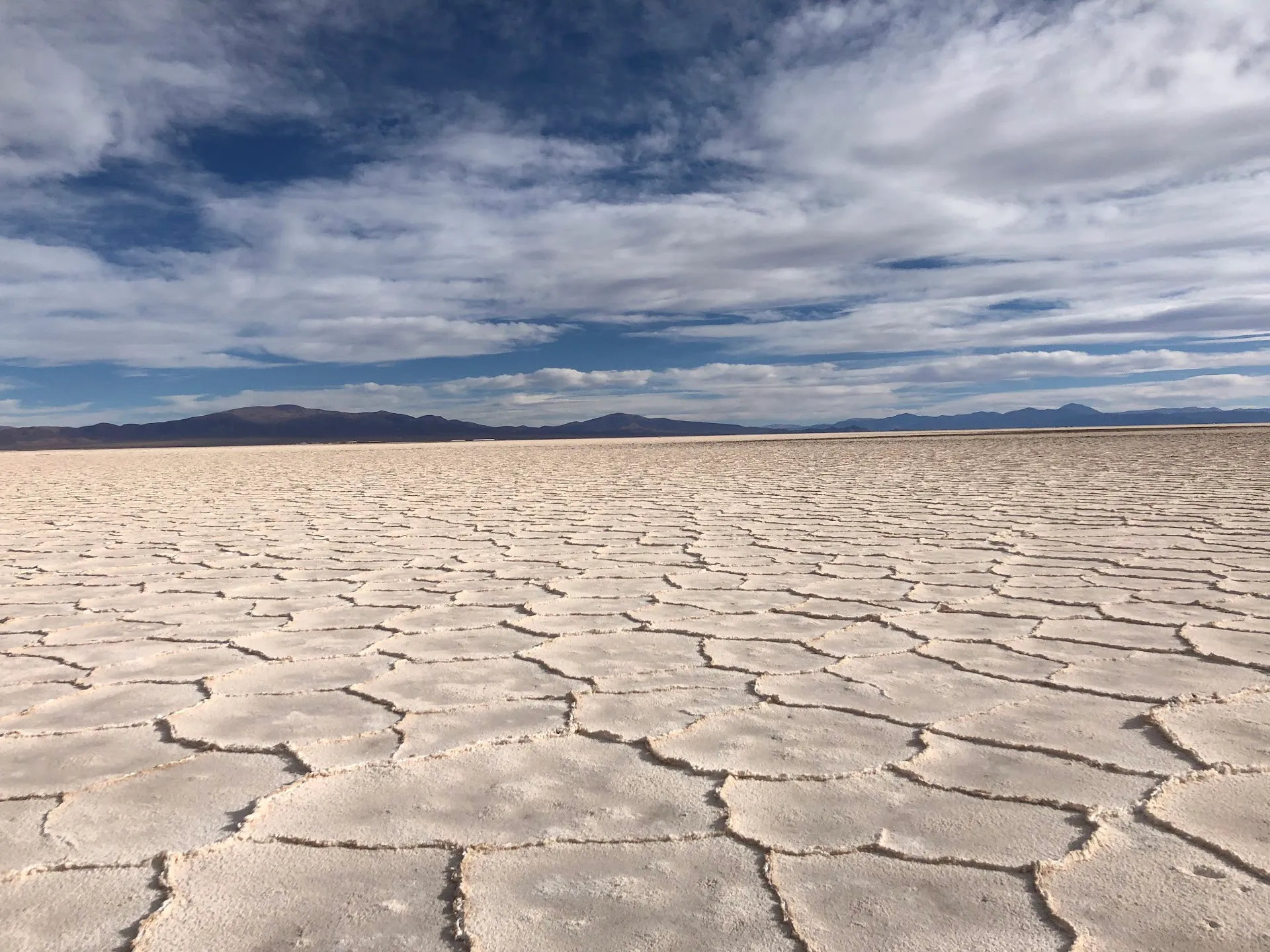
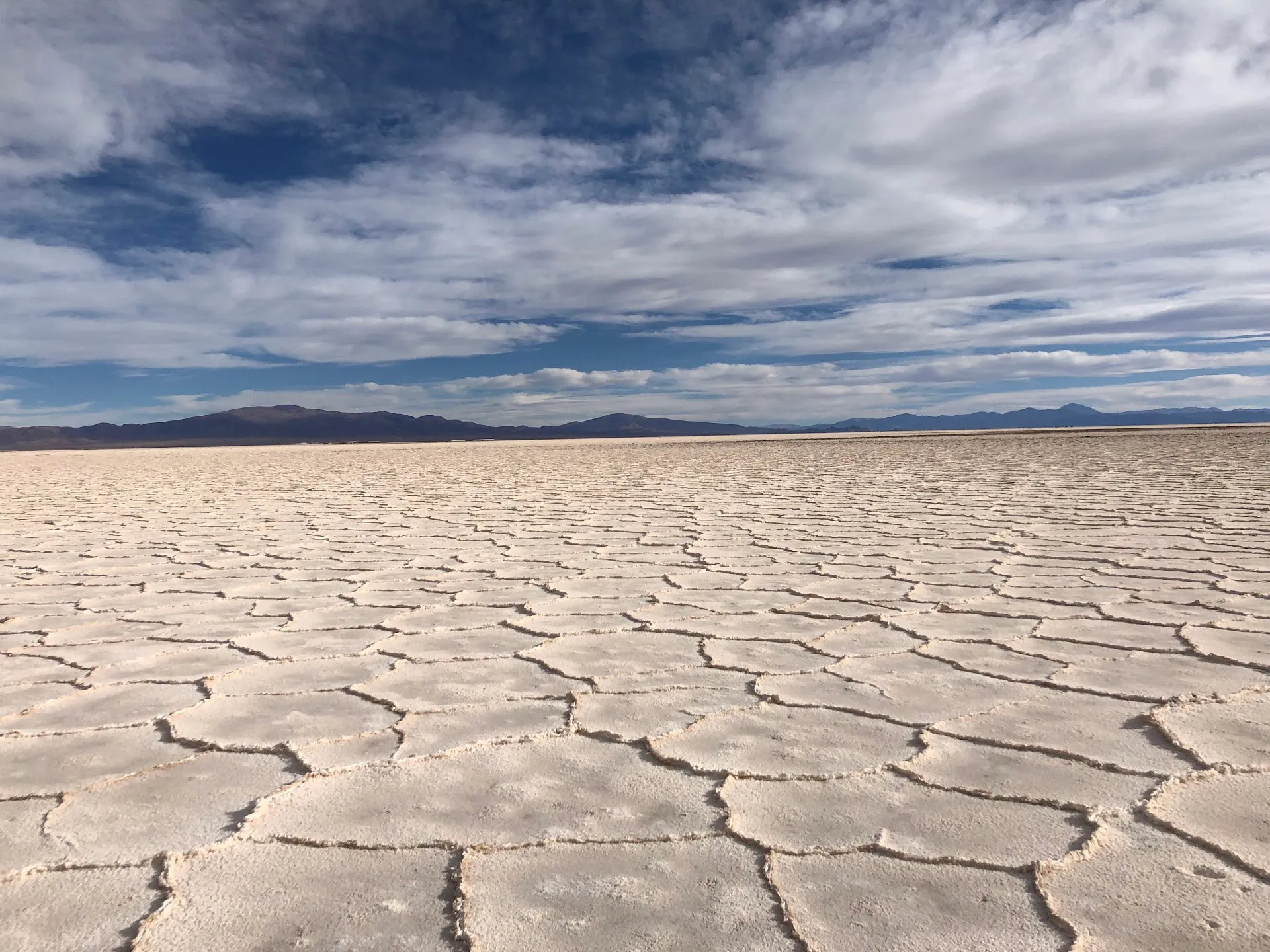
A 212 sq km salt flat at 3,450m on the Jujuy-Salta border. The geometric hexagonal salt crust patterns are mesmerizing up close, while the vast white expanse stretching to the horizon creates surreal minimalist landscapes. Artisanal salt pools carved by local Atacameno communities display turquoise brine.
Altiplano, 3,450m altitude
Must visit
Memorial4.5
Pucara de Tilcara
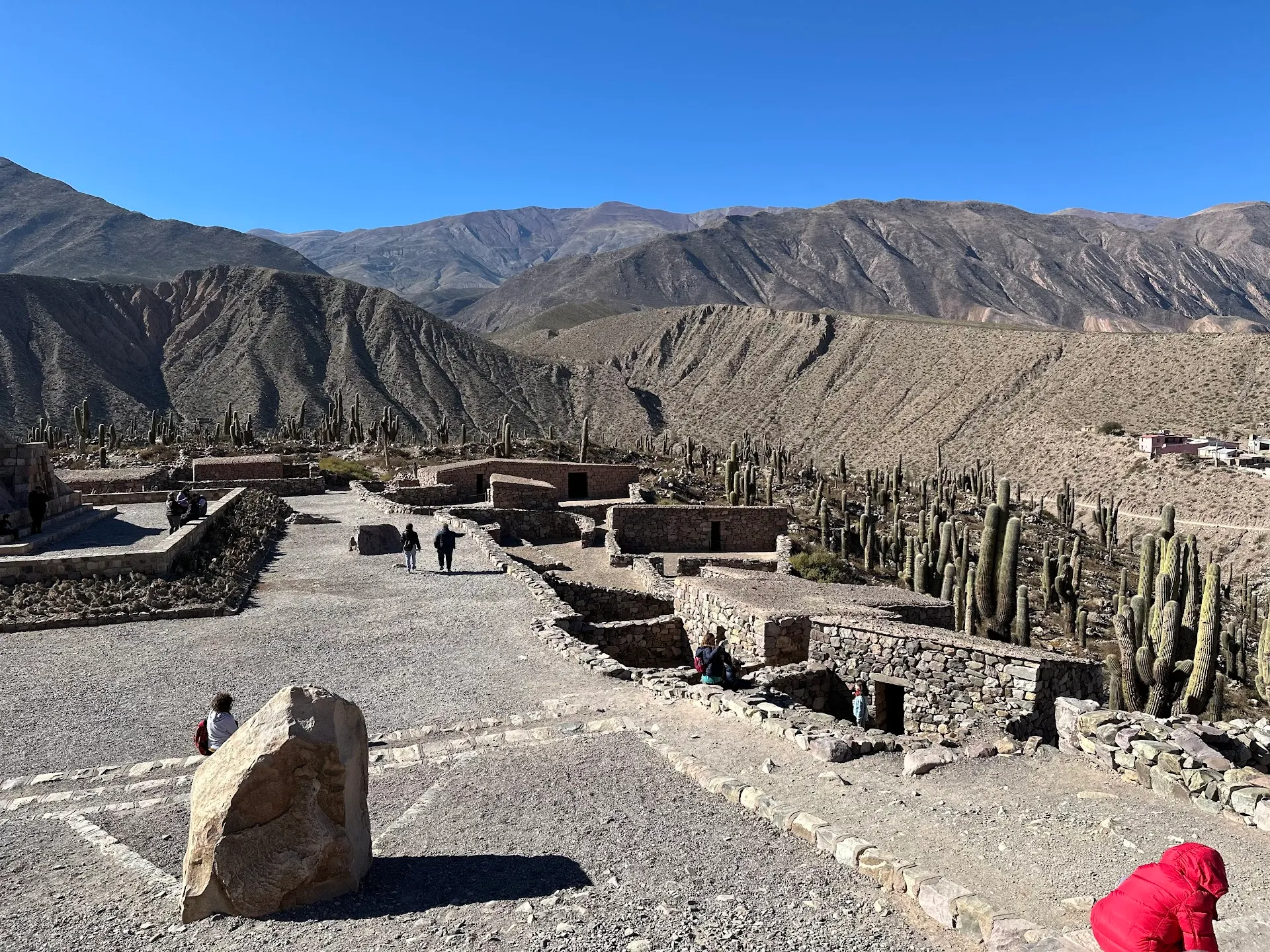
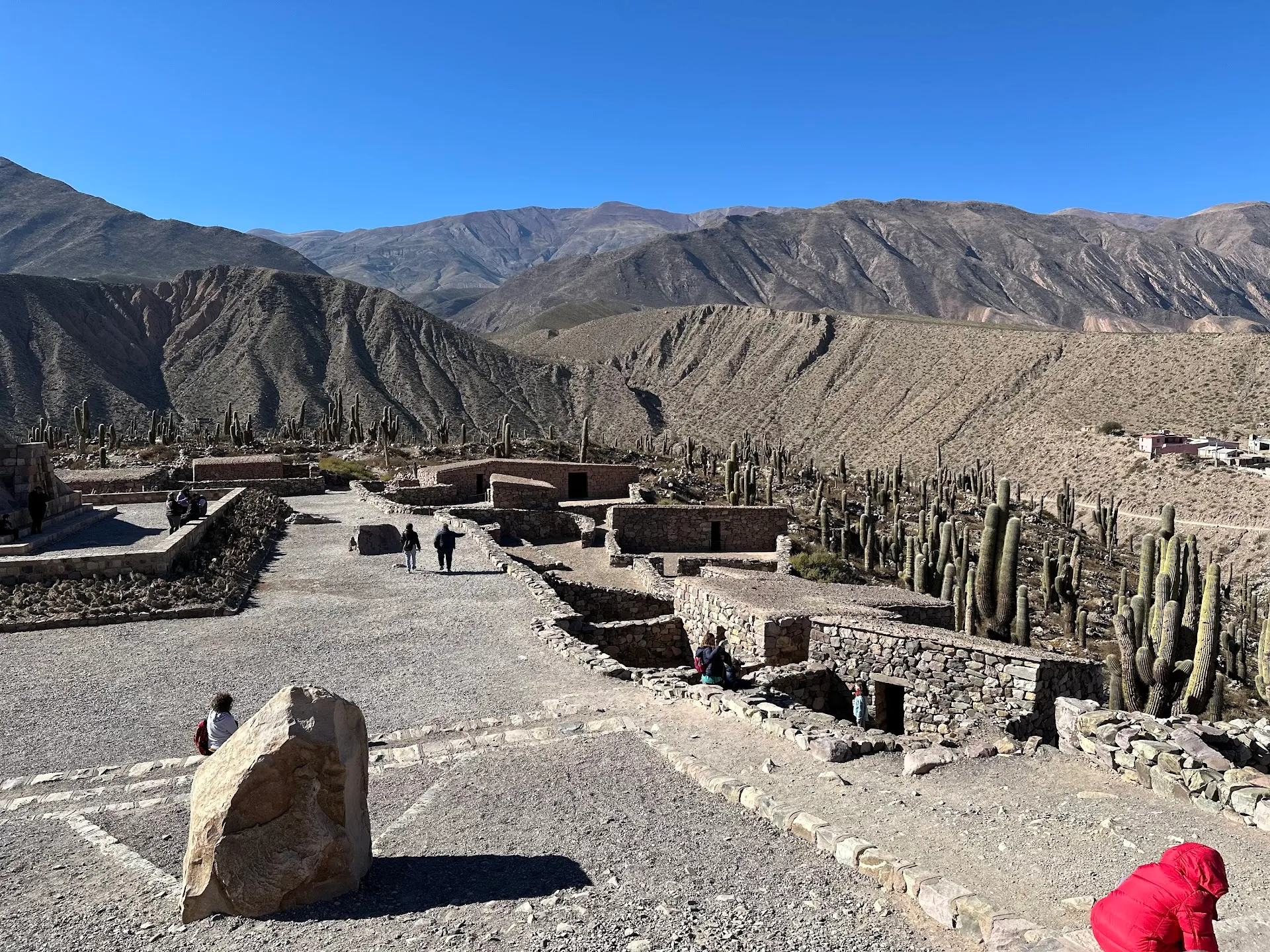
Pre-Columbian fortress and archaeological site on a strategic hilltop above Tilcara. Partially reconstructed ruins of the Omaguaca people dating to the 11th century. Panoramic views of the Quebrada from the summit. National monument and museum.
Tilcara
Must visit
Scenic Spot4.6
Purmamarca Village
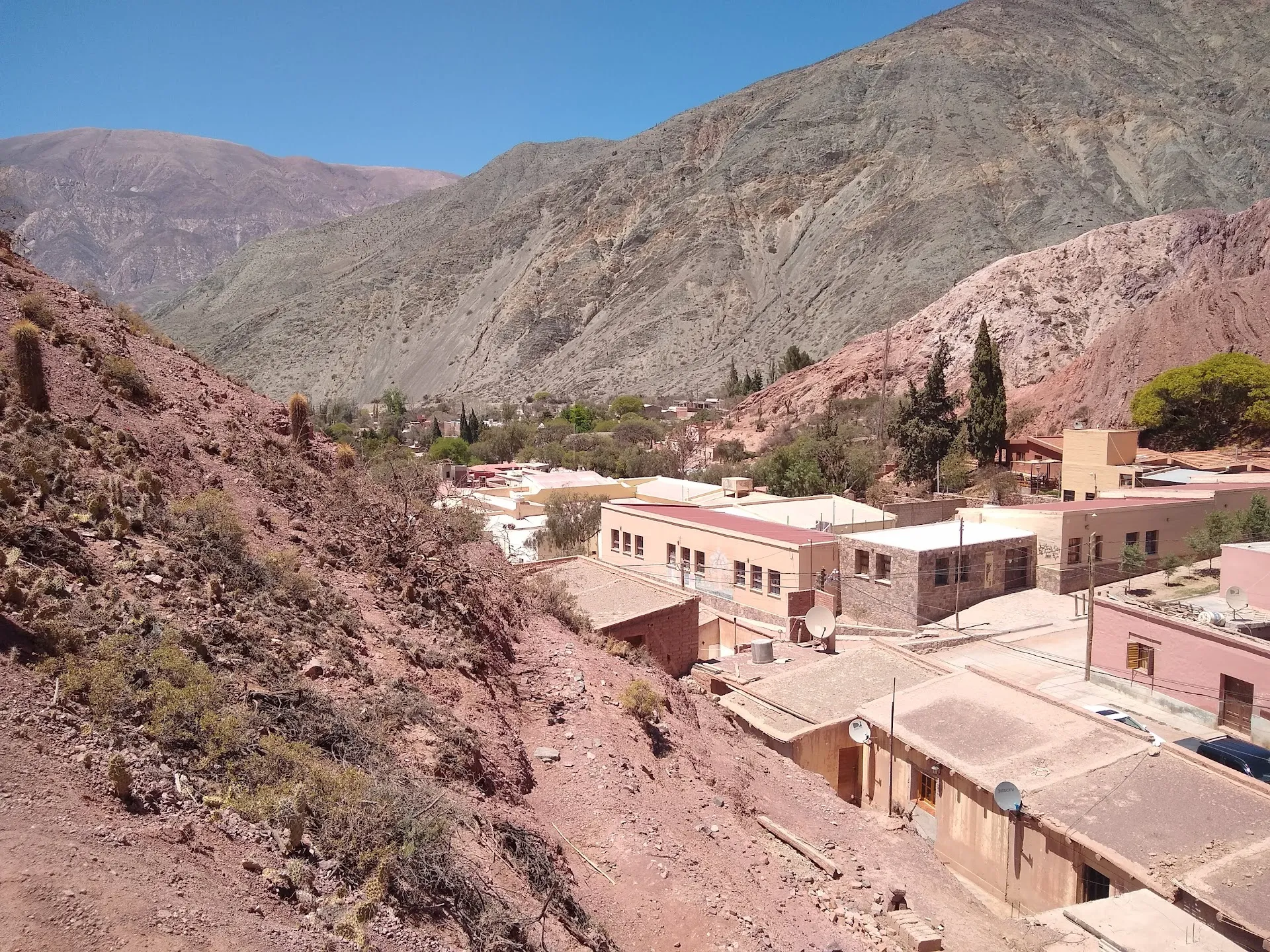
Tiny adobe village at 2,192m nestled at the base of the Cerro de los Siete Colores. Ancient carob trees shade the main plaza, a 17th-century church anchors one side, and a daily artisan market fills the square with textiles, crafts, and spices.
Purmamarca
Scenic Spot4.4
Tilcara Village
Lively village at 2,461m that is the cultural hub of the Quebrada. Colonial adobe architecture, excellent museums, artisan workshops, and Jujuy's best restaurant scene outside San Salvador. The annual Carnival is one of Argentina's most vibrant.
Tilcara
Memorial4.3
Humahuaca
Historic town at 2,939m at the northern end of the Quebrada de Humahuaca. The Cabildo's clock tower features a mechanical figure of San Francisco Solano that blesses the town at noon daily. Narrow colonial streets, a monumental stairway, and indigenous Kolla culture.
Humahuaca
Viewpoint
Cuesta de Lipan
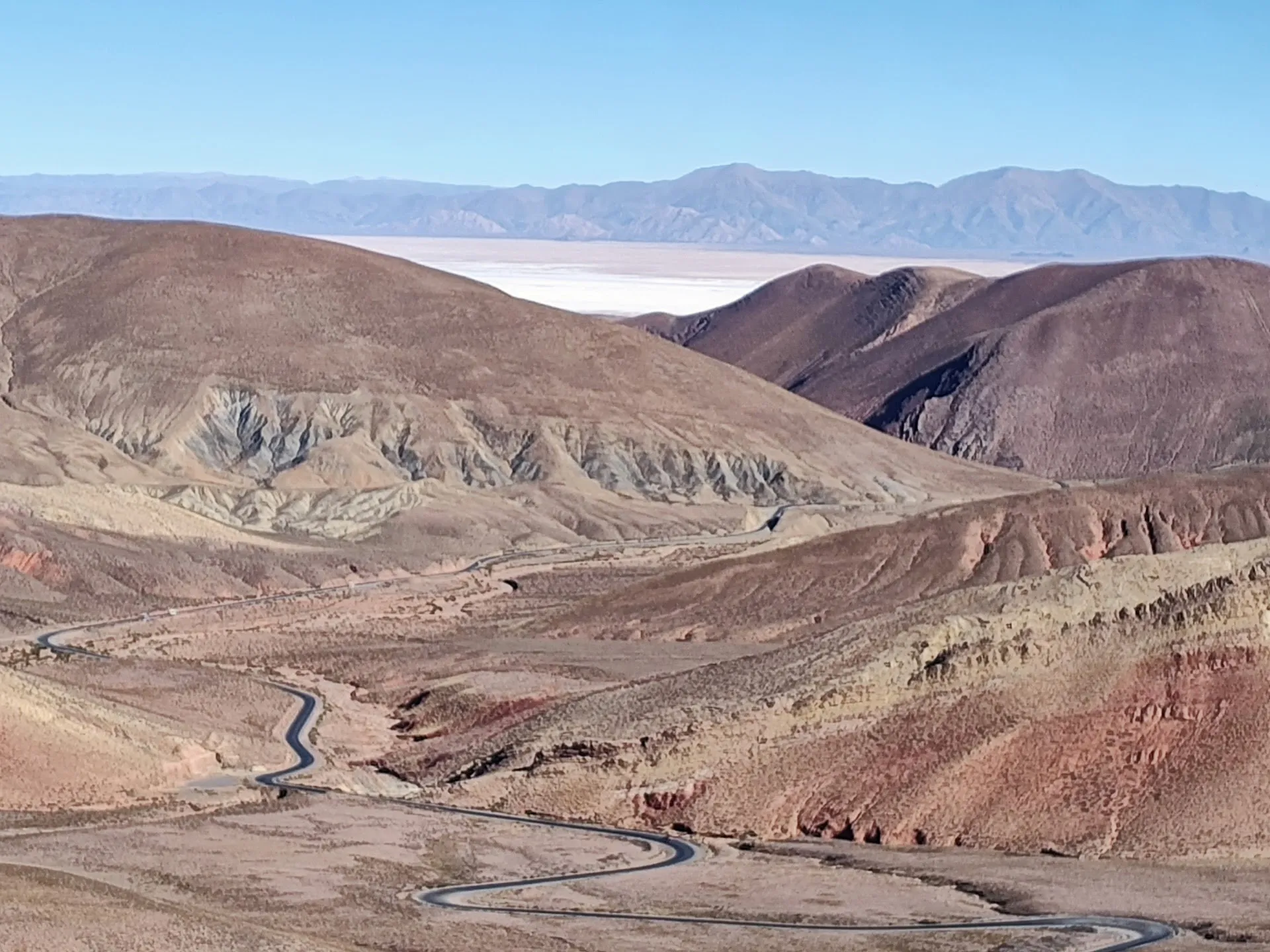
A dramatic mountain pass with 52 switchbacks climbing from 2,200m at Purmamarca to 4,170m at the Abra de Potrerillos. The road zigzags up a barren moonscape of ochre and gray mountains. At the top, the landscape opens to a vast altiplano with grazing vicunas.
RN 52 between Purmamarca and Salinas Grandes
Nature
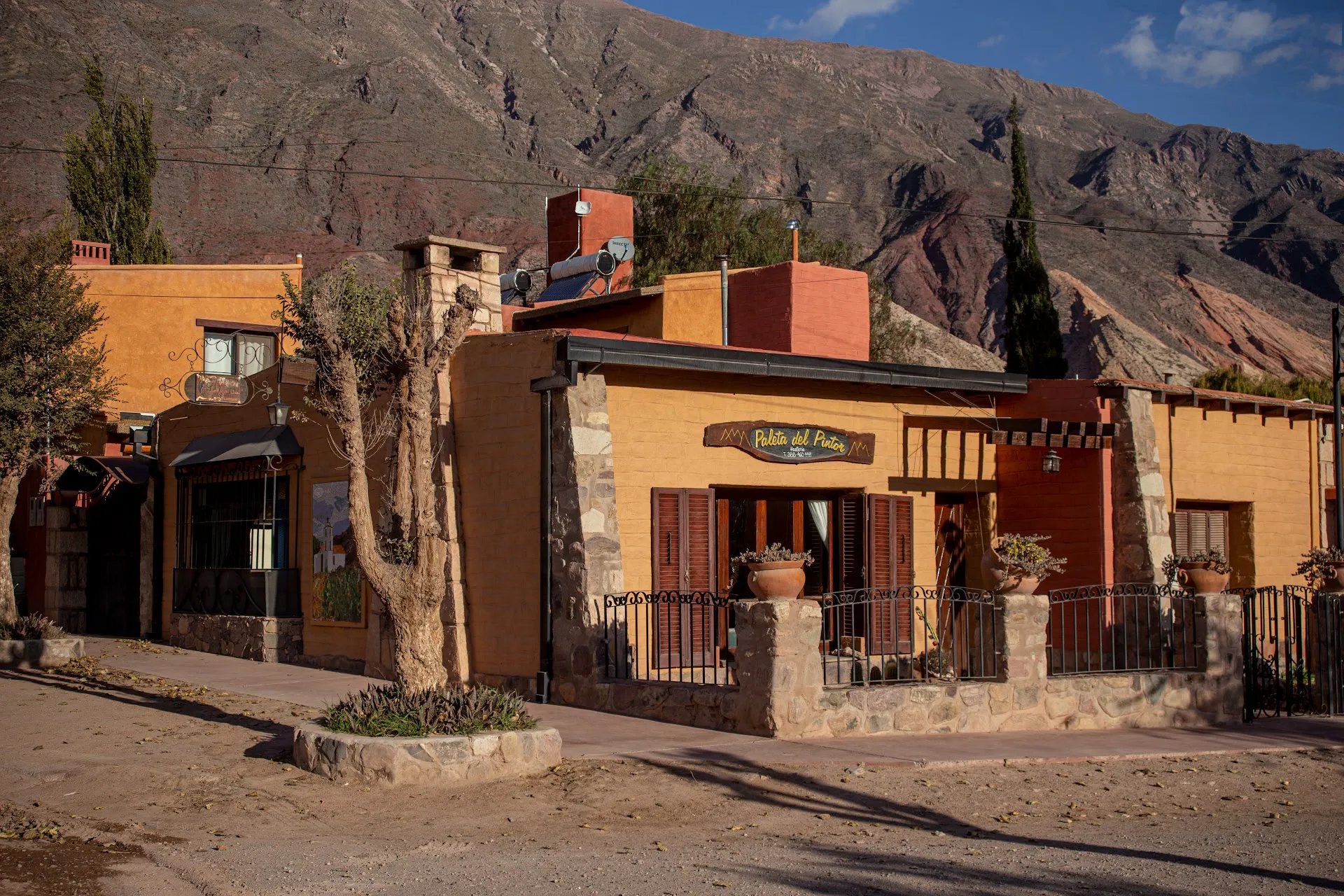
Paleta del Pintor - Maimara
The Paleta del Pintor (Painter's Palette) is a mountainside in Maimara where eroded sedimentary layers create horizontal bands of rust, cream, lavender, and green. Less famous than the Siete Colores but equally photogenic. The cemetery in the foreground with its white crosses adds a poignant human element.
Maimara, Quebrada de Humahuaca
Scenic Spot4.2
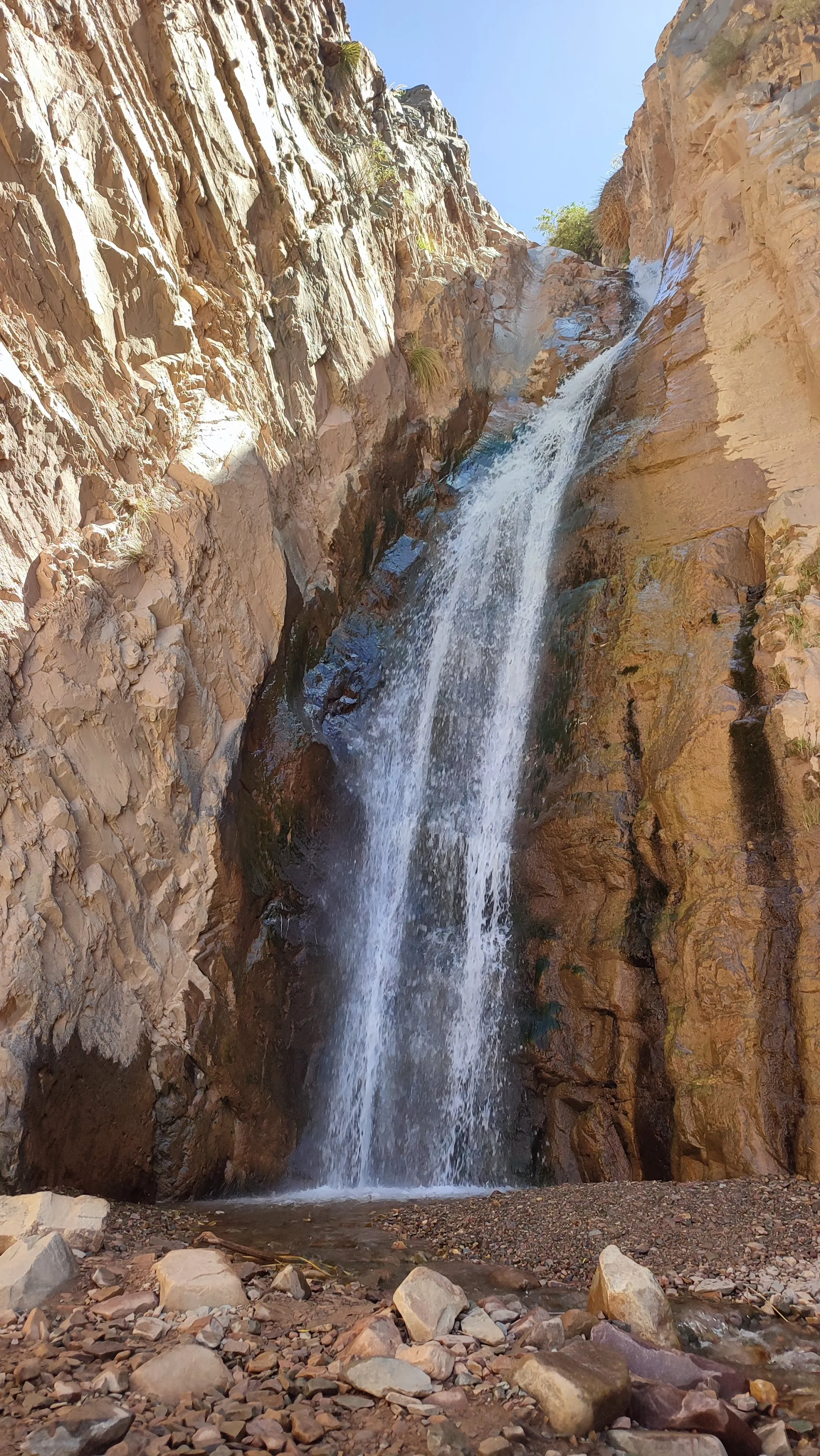
Garganta del Diablo - Tilcara
A deep gorge with a waterfall, accessible via a 45-minute hike from Tilcara. The narrow canyon opens to a waterfall pool surrounded by red rock walls. A popular local swimming spot in summer.
Tilcara
Other
Museo del Cabildo de Jujuy
The colonial cabildo (town hall), founded in 1593 and rebuilt after the 1863 earthquake, is where Manuel Belgrano presented the national flag to the people and army on May 25, 1812. Reopened in August 2024 as an immersive cultural center, it now spans eight galleries tracing the region's ethnic origins, colonial life, and the independence movement through scenic and audiovisual installations.
Centro
Other
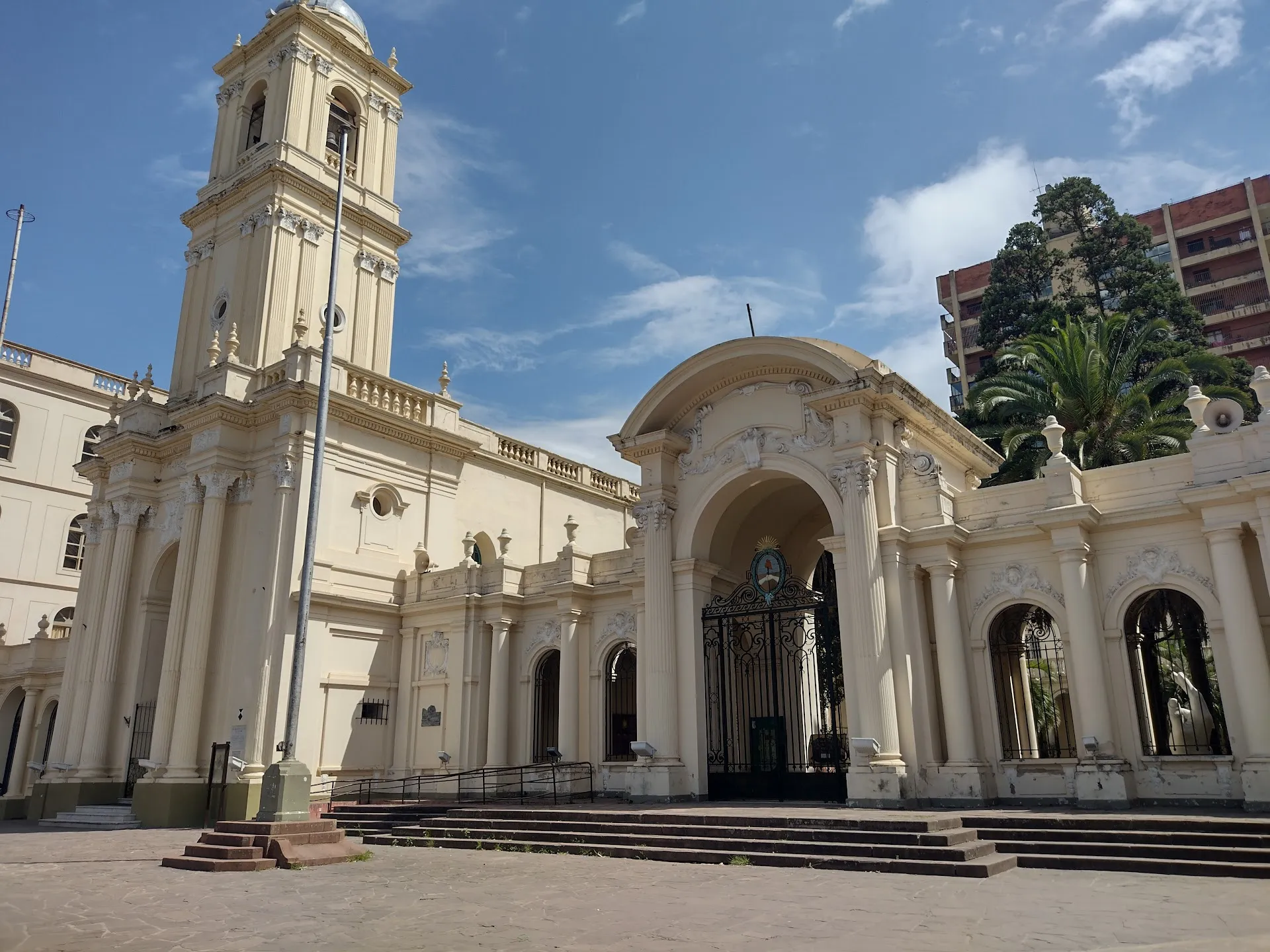
Catedral Basílica de San Salvador
Jujuy's colonial cathedral, built between 1736 and 1765 on the site of the city's 1593 foundation, is where Canon Juan Ignacio Gorriti blessed the national flag before General Belgrano in May 1812. Its interior holds an extraordinary gilded 17th-century Baroque pulpit carved in the Cusco-Potosí tradition, regarded as one of Argentina's finest works of viceregal religious art. Declared a National Historic Monument in 1931.
Centro
Restaurant
Viracocha
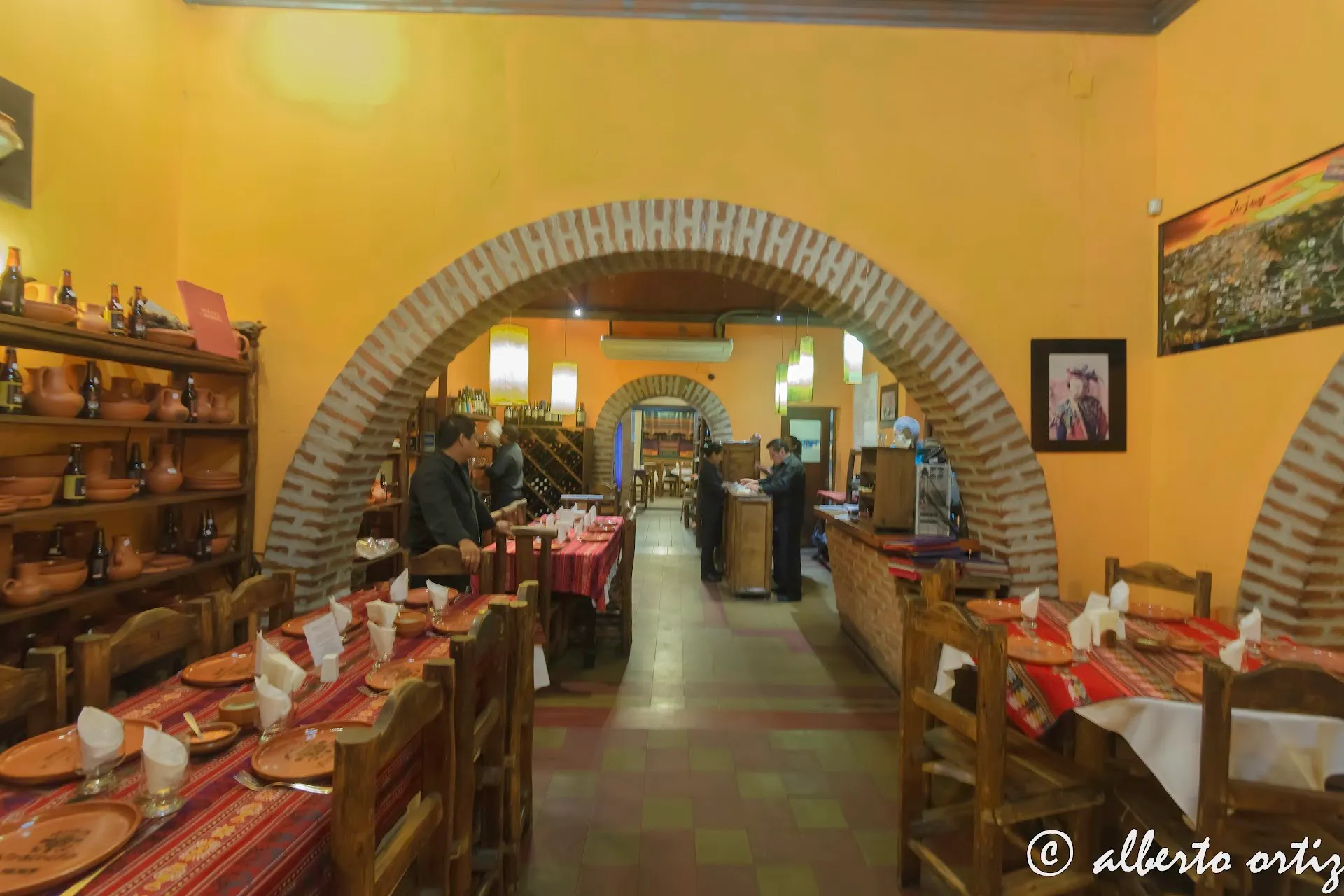
One of the city's most highly rated dining rooms, on Calle Independencia, serving Argentine and regional Andean dishes such as tamales, locro, lamb and llama alongside a full wine list. Wheelchair-accessible, with vegetarian options on the menu.
Centro
Tours & experiences
Free walking tours and curated paid experiences — save or book in a tap.
Outdoor
Drive the Quebrada de Humahuaca
Drive through the UNESCO World Heritage Quebrada de Humahuaca, a 155km valley following an ancient Inca trade route. Multi-colored mountains, pre-Columbian villages, and Andean culture unfold continuously. Stop at Purmamarca, Tilcara, and Humahuaca.
RN 9 from San Salvador de Jujuy to Humahuaca (130km)Full day (or 2-3 days with overnight stays)
Outdoor
Serranias del Hornocal Excursion
Drive 25km on a dirt road from Humahuaca to the Mirador del Hornocal at 4,350m to see the staggering 14-colored mountain. The jagged serrated ridge displays more colors and is more dramatic than Purmamarca's seven-colored mountain. A geological spectacle that few visitors make it to.
25km east of Humahuaca, 4,350m altitudeHalf day from Humahuaca
Outdoor
Salinas Grandes from Purmamarca
Drive from Purmamarca over the Cuesta de Lipan pass at 4,170m to the vast Salinas Grandes salt flats. The drive itself is spectacular — switchbacks through desert mountains, vicuna sightings, and surreal high-altitude landscapes before arriving at the blinding white salt pan.
60km west of Purmamarca via Cuesta de Lipan (4,170m)Half day
Cultural
Explore the Pucara de Tilcara
Explore the reconstructed pre-Columbian fortress of the Omaguaca people, dating to the 11th century. The hilltop site commands strategic views of the Rio Grande valley. The small on-site museum displays ceramics, tools, and burial artifacts from the archaeological excavations.
Tilcara1.5-2 hours
Outdoor
Llama Trekking in the Quebrada
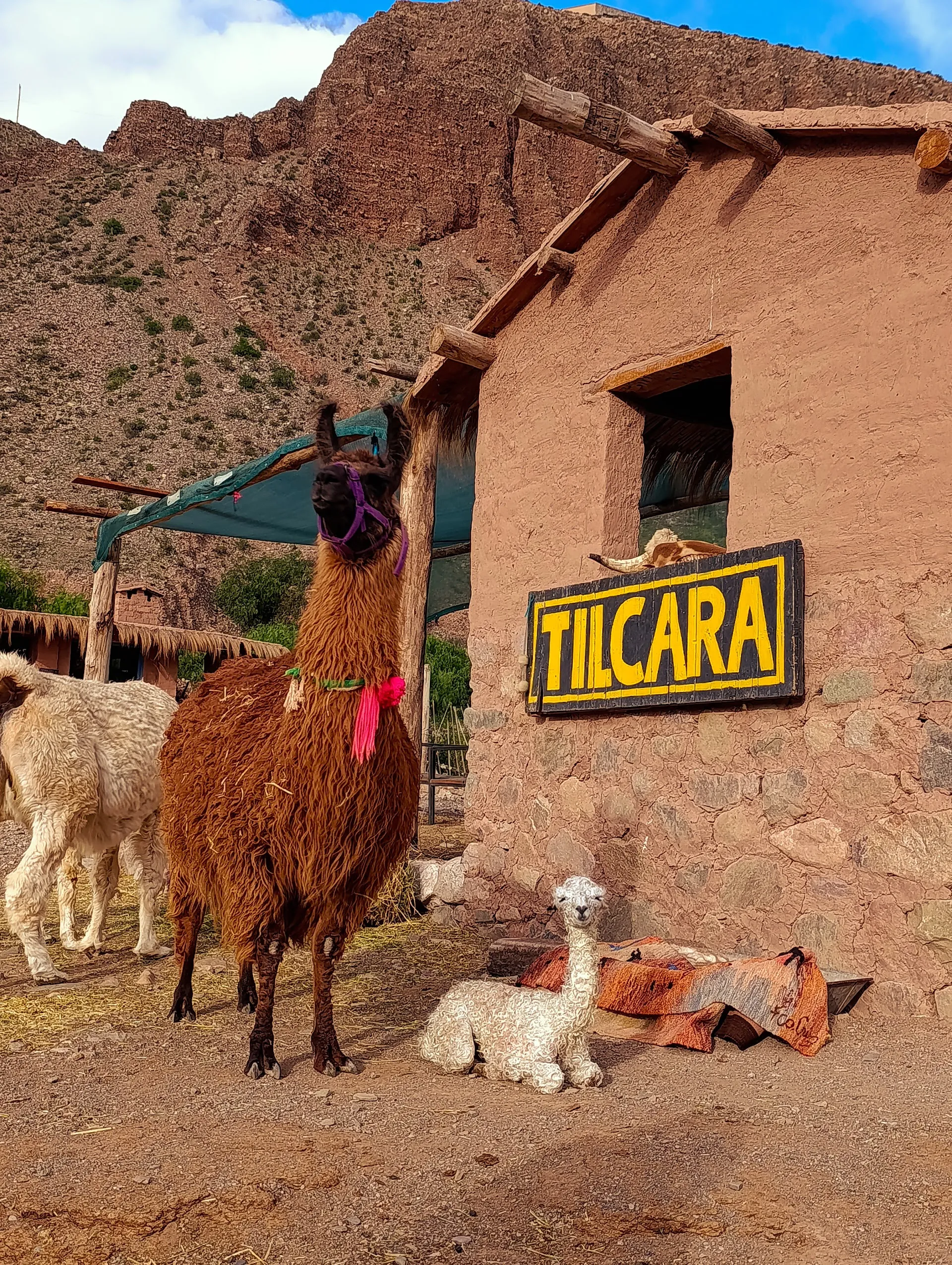
Walk through the quebrada landscape accompanied by llamas carrying your gear. Several local operators lead treks through colored canyons, past cacti forests, and up to viewpoints overlooking the valley. A gentle, unique way to experience the terrain.
Near Tilcara2-4 hours
Food
Andean Cooking Class in Tilcara
Learn to cook traditional Andean dishes — empanadas jujeñas (smaller and spicier than saltenas), humitas in chala (corn tamales), locro (white corn and bean stew), and quinoa-based dishes. Use ingredients from the local market including Andean potatoes, quinoa, and aji pepper.
Tilcara2-3 hours
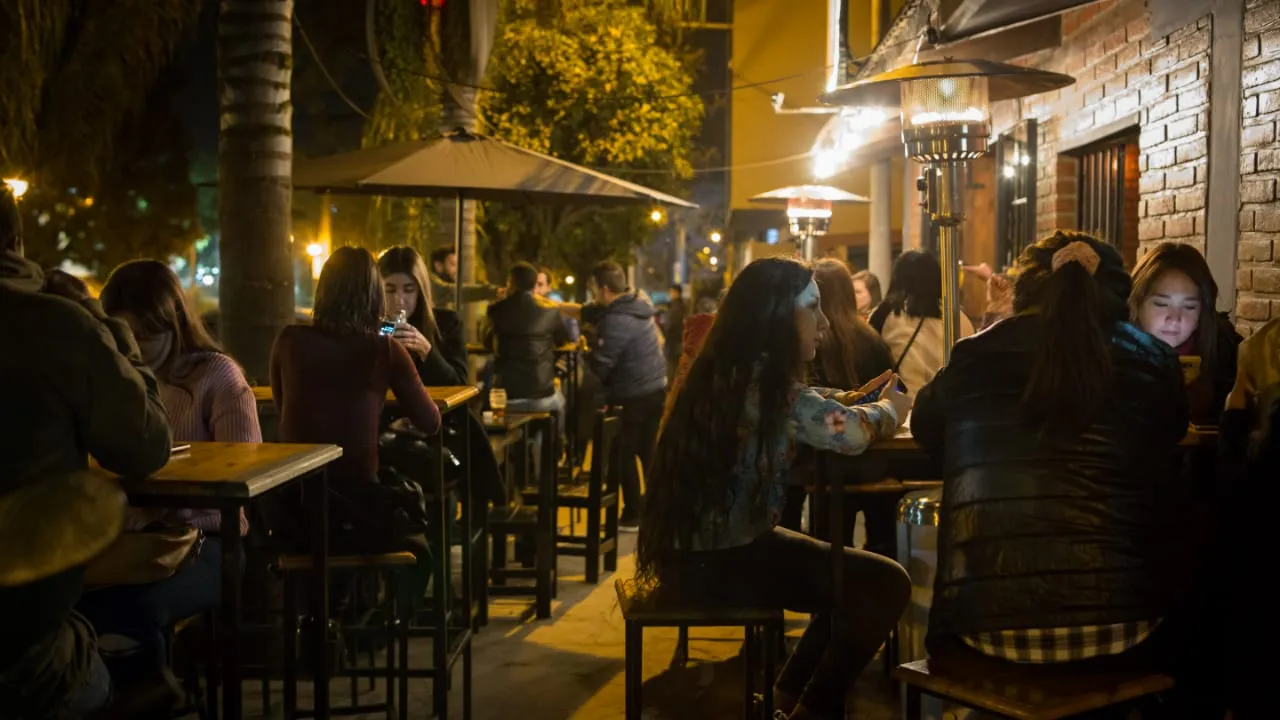
Nightlife & live music in San Salvador de Jujuy
Clubs, jazz dens, listening bars and late-night spots worth staying out for.
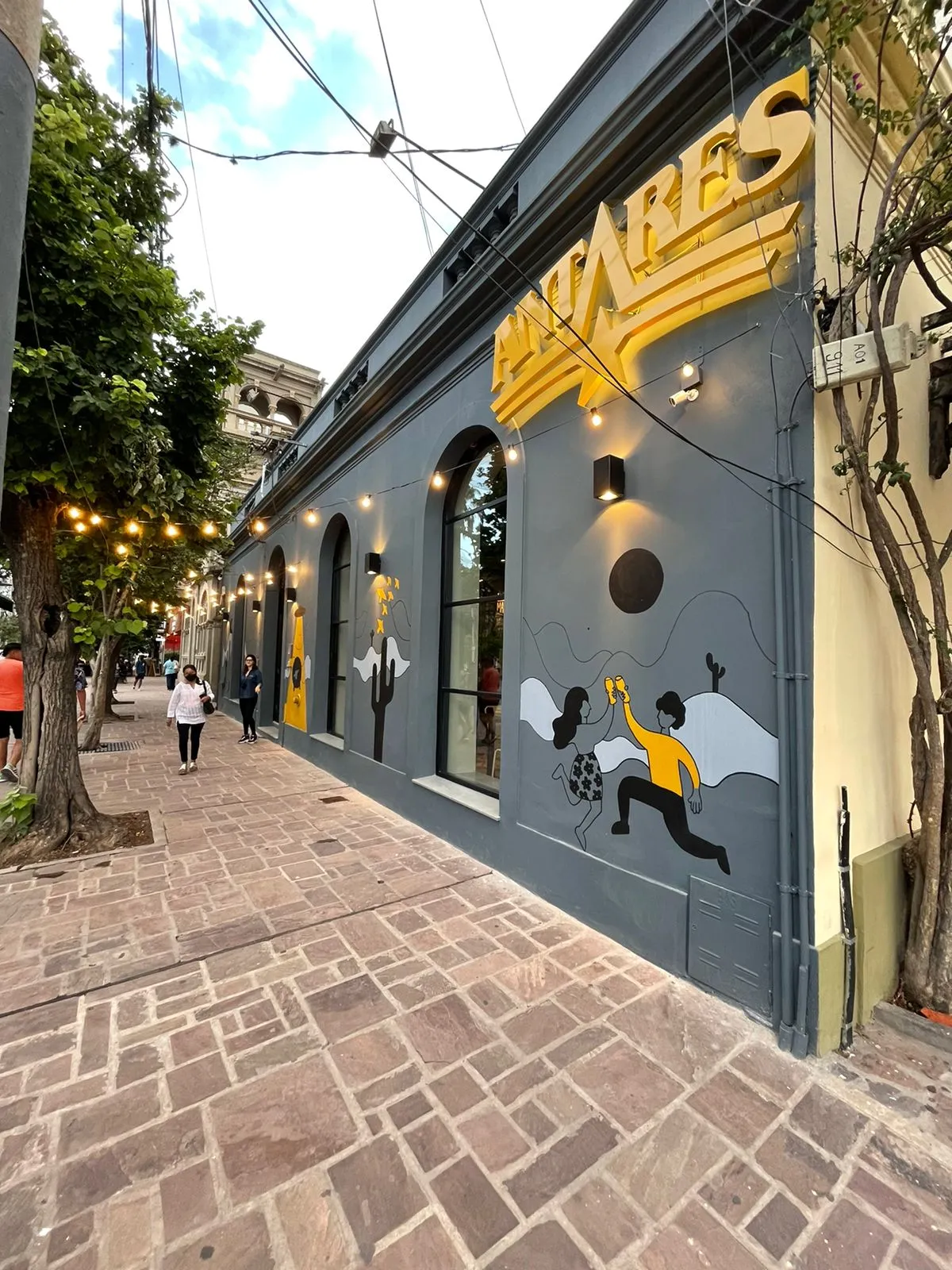
Sucursal jujeña de Antares, la cadena pionera de la cerveza artesanal argentina, con sus variedades de barril servidas en un salón de estilo industrial sobre la calle Sarmiento. Es un clásico punto de encuentro para el after-office y el happy hour en pleno centro.
Centro
Bar
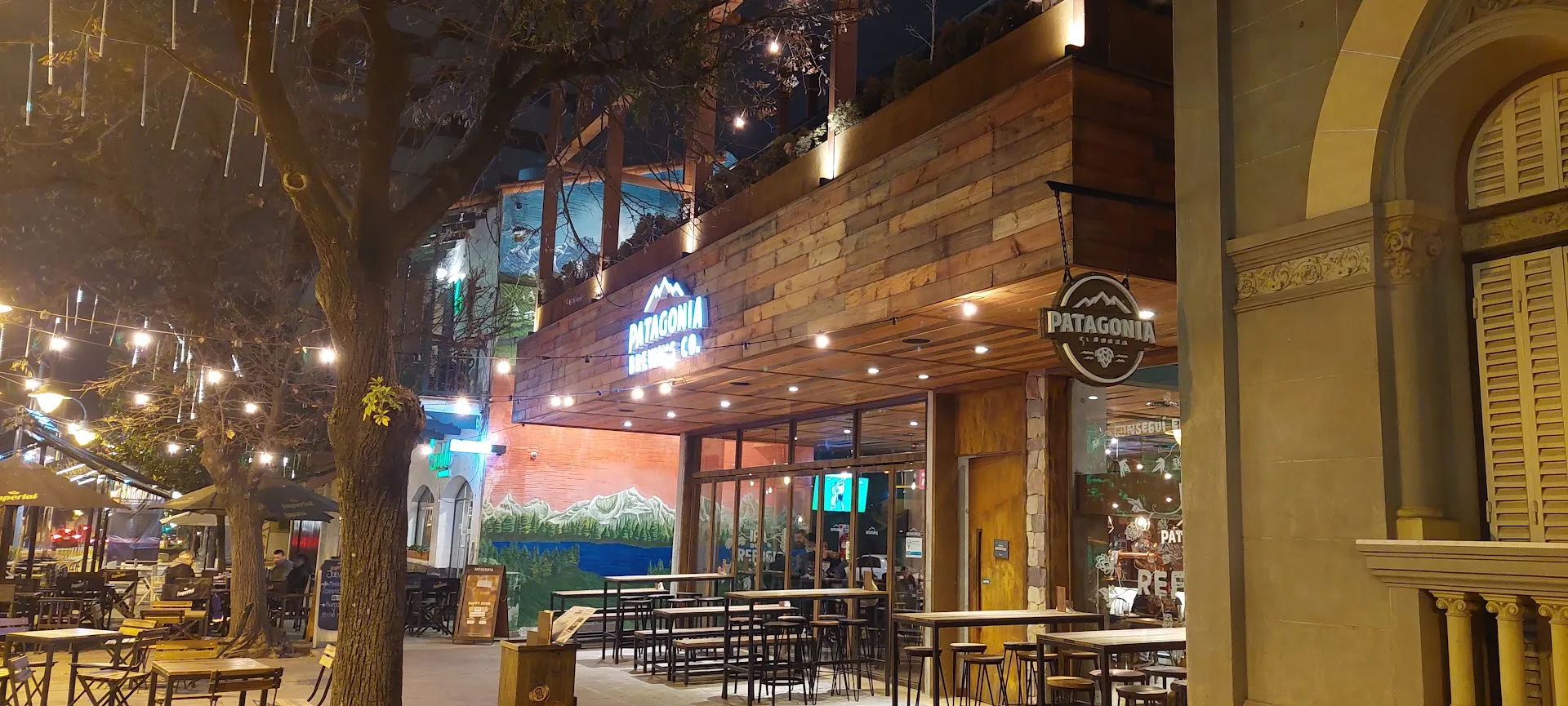
Cerveza Patagonia - Refugio Jujuy
"Refugio" jujeño de la reconocida cervecera argentina Patagonia, a metros de Antares sobre la misma cuadra de Sarmiento. Sirve su línea de rubias, IPA y stout de barril junto a hamburguesas y picadas en un ambiente de aire montañés.
Centro
Bar
Rey Lúpulo
Cervecería jujeña fundada en 2018, pionera de la escena de cerveza artesanal local: produce su propia línea Kuntur Beer y suma etiquetas invitadas de todo el país. Sus hamburguesas de autor -como la "Pacha", con pulled pork y doble cheddar- son tan celebradas por los locales como sus tiradas.
Bajo Gorriti
Bar
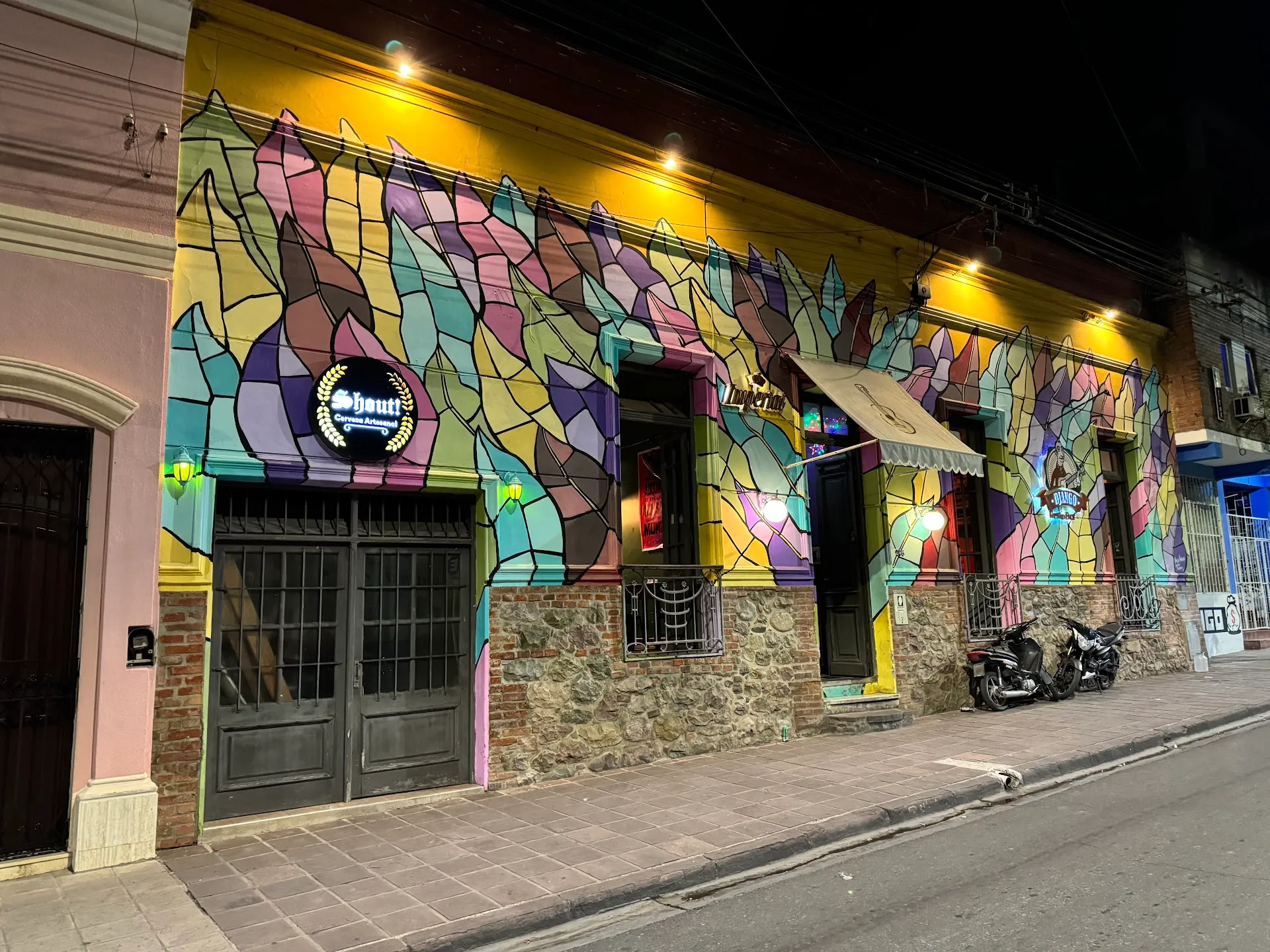
Django Resto-Bar
Resto-bar de ambiente joven donde la cena deriva en fiesta: su patio se transforma en pista de baile con DJs y bandas en vivo los fines de semana. Es una de las referencias de la noche jujeña para grupos de amigos.
Centro
Bar
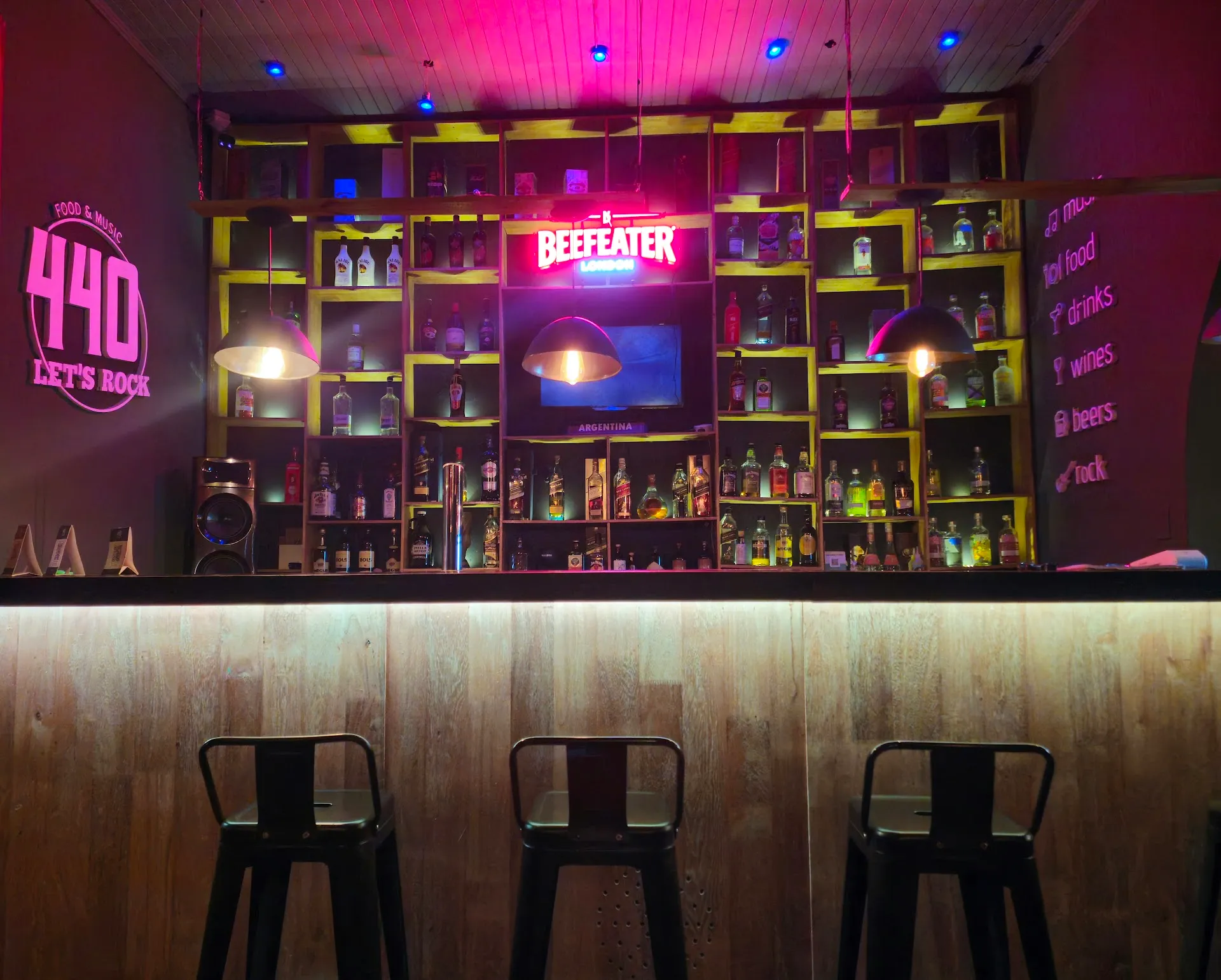
440 Rock & Bar
Bar temático de rock en la esquina de Lamadrid y Salta, con tragos de autor, cerveza tirada y bandas en vivo en un salón decorado con memorabilia musical. Cerca del Museo Casa de Macedonio Graz, combina público turista con la movida under local.
Centro
Bar
Salamanka Bar
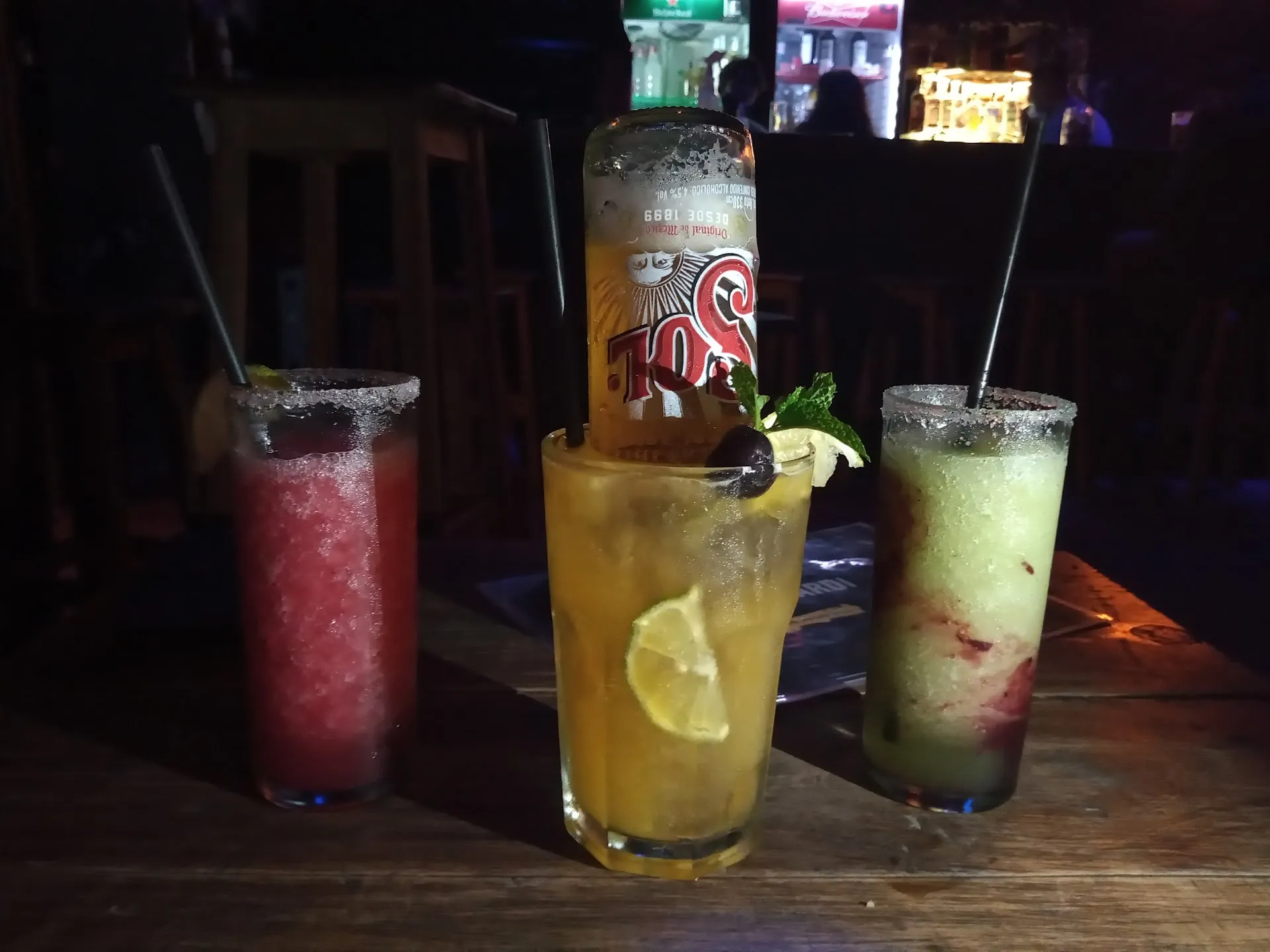
Se autodefine como "el mejor karaoke bar de Jujuy": un clásico under de las noches de viernes y sábado donde animarse a cantar es el plan central, con happy hour y festejos de cumpleaños. Un pick menos turístico, favorito de grupos de amigos locales.
Centro
Cafés worth the walk in San Salvador de Jujuy
Specialty coffee and neighborhood cafés worth crossing town for.
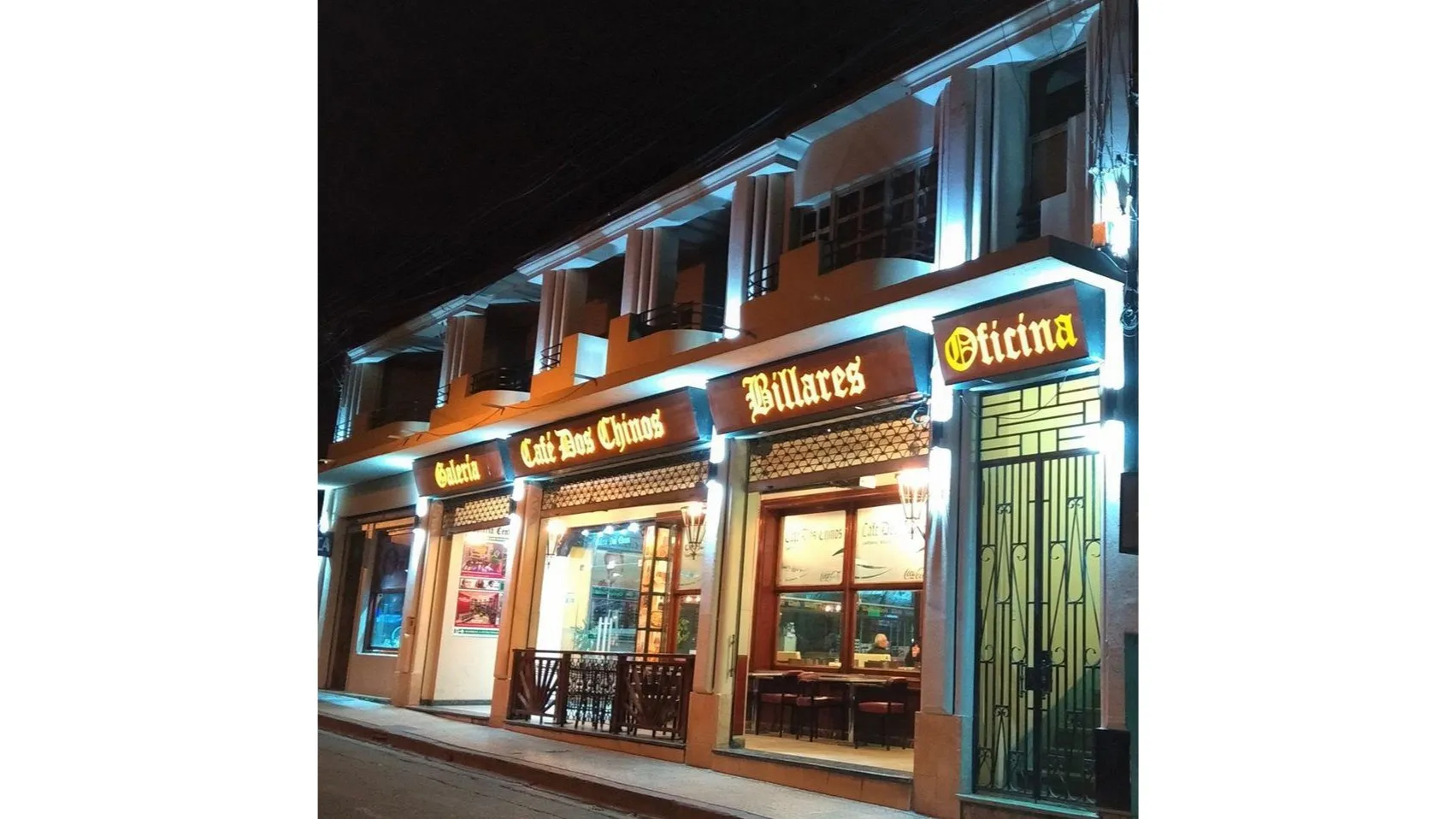
Confitería in continuous operation since 1926, declared a municipal heritage site of San Salvador de Jujuy in 2001. Known for its billiards hall, 24-hour service, and a coffee blend sourced from Kenya, Colombia and Brazil roasted in Salta that the Boglione family has kept unchanged for over 50 years.
Centro
Cafe
Café Baritú
Specialty café opened in 2019 that roasts and serves Baritú coffee, one of the only domestically grown coffees in Argentina, cultivated on owner Graciela Ortiz's family finca in Salta. Beans are roasted and hand-ground on-site in an artisanal roaster in view of customers, alongside a small in-house coffee museum display.
Centro
Cafe
Logros Café Teatro Mitre
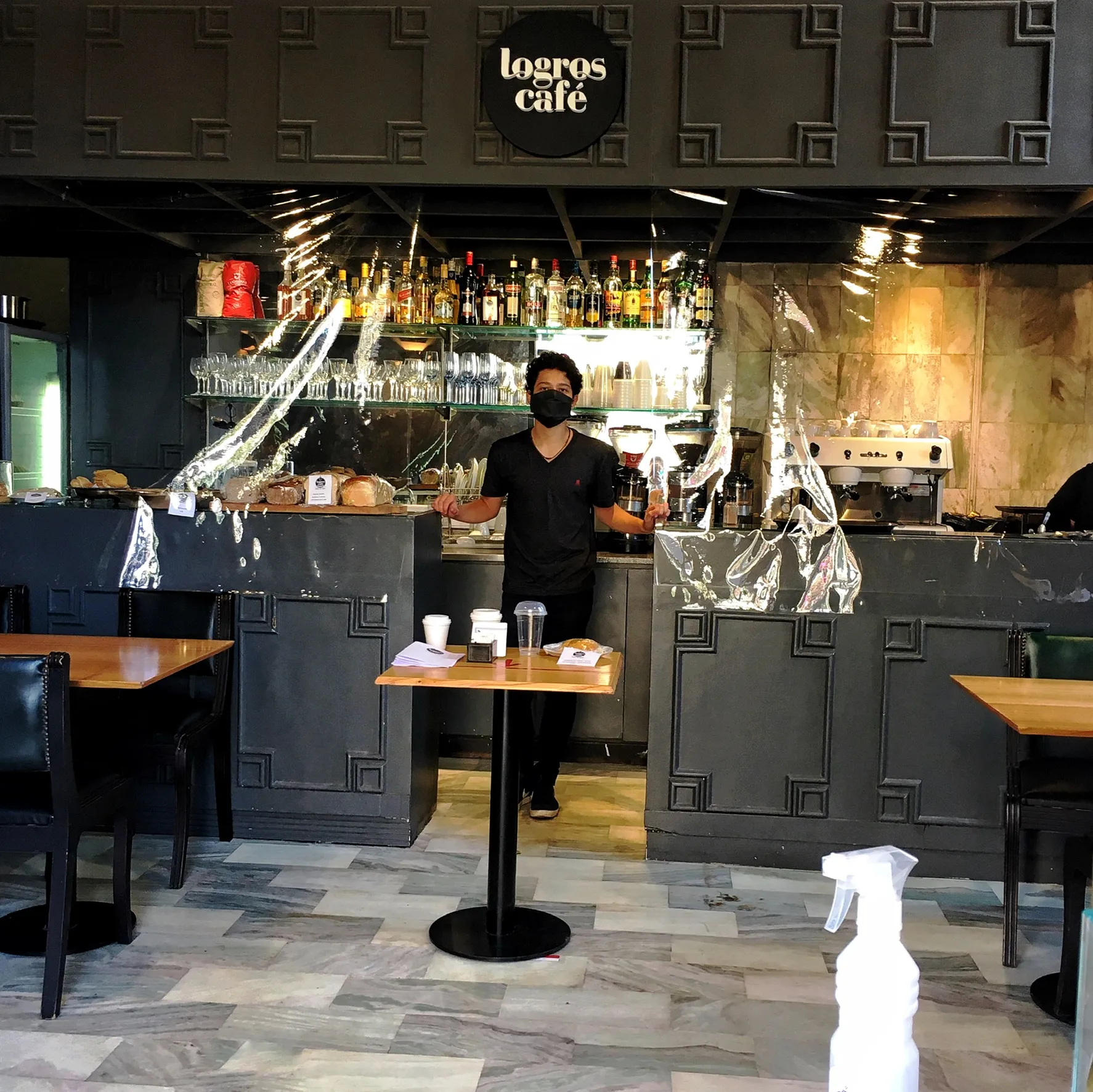
Boutique café attached to the historic Teatro Mitre, tucked behind the provincial Casa de Gobierno. Known for latte art, specialty coffee and loose-leaf tea, and artisanal pastries served in a book-lined, relaxed setting.
Centro, behind Casa de Gobierno
Cafe
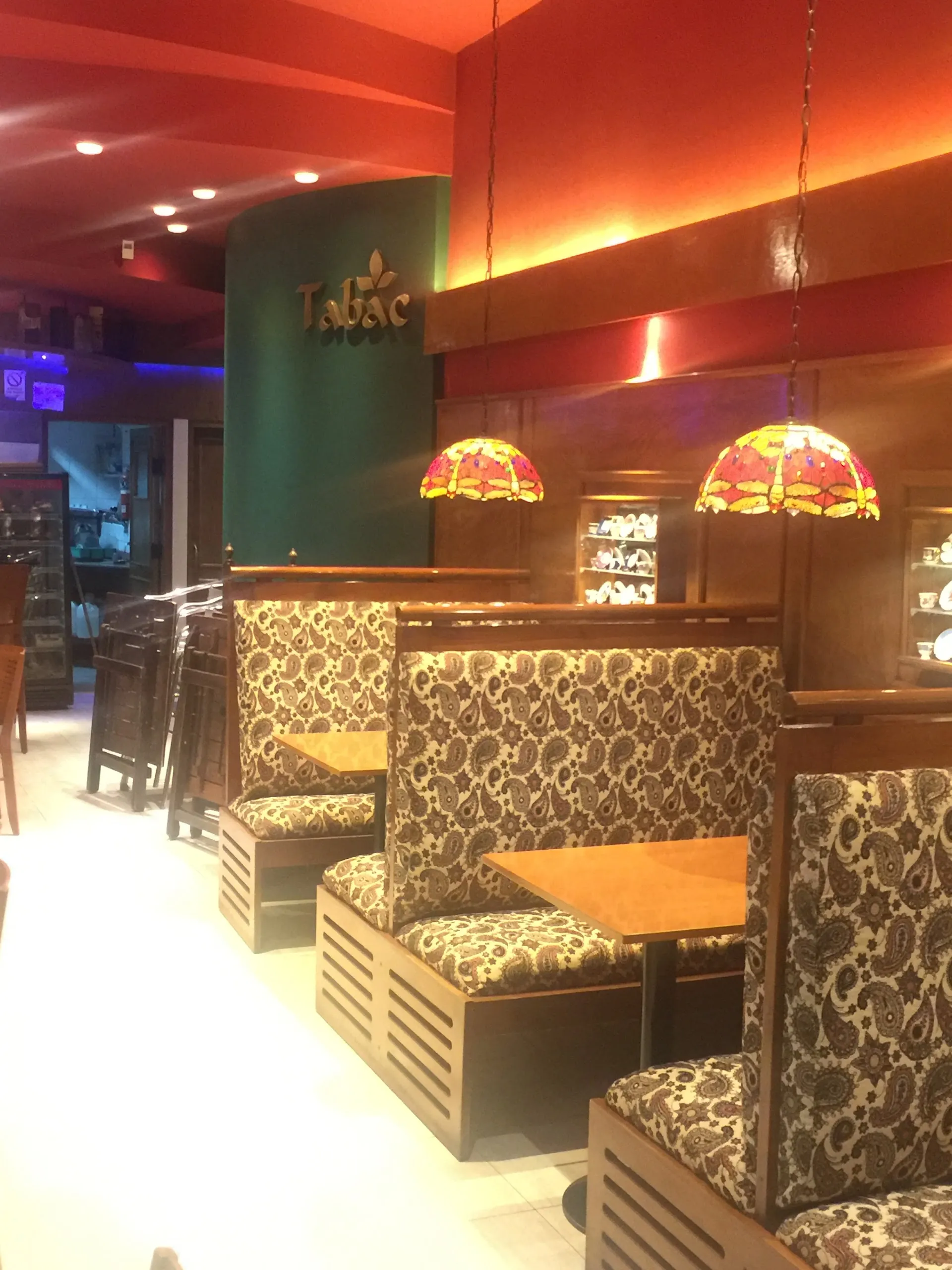
Café Tabac
Specialty-coffee café in the city center offering quality espresso drinks alongside picadas and sandwiches in a stylish, welcoming space, popular for its swift service and consistent coffee quality.
Centro
Cafe
Balcarce Café
Long-running confitería in downtown San Salvador de Jujuy serving coffee, desserts, and breakfast/brunch fare in a homey atmosphere; a regular stop for locals for its alfajores, cordial and white coffee.
Centro
Viewpoints & photo spots in San Salvador de Jujuy
The skyline views and photogenic corners worth the detour.
Purmamarca's iconic seven-colored mountain — layers of rose, cream, green, brown, red, violet, and ochre sediment visible in a single hillside. The colors come from 75 million years of mineral and geological deposits. Best viewed in morning light.
Purmamarca
Must visit
Scenic Spot4.6
Purmamarca Village
Tiny adobe village at 2,192m nestled at the base of the Cerro de los Siete Colores. Ancient carob trees shade the main plaza, a 17th-century church anchors one side, and a daily artisan market fills the square with textiles, crafts, and spices.
Purmamarca
Scenic Spot4.4
Tilcara Village
Lively village at 2,461m that is the cultural hub of the Quebrada. Colonial adobe architecture, excellent museums, artisan workshops, and Jujuy's best restaurant scene outside San Salvador. The annual Carnival is one of Argentina's most vibrant.
Tilcara
Viewpoint4.2
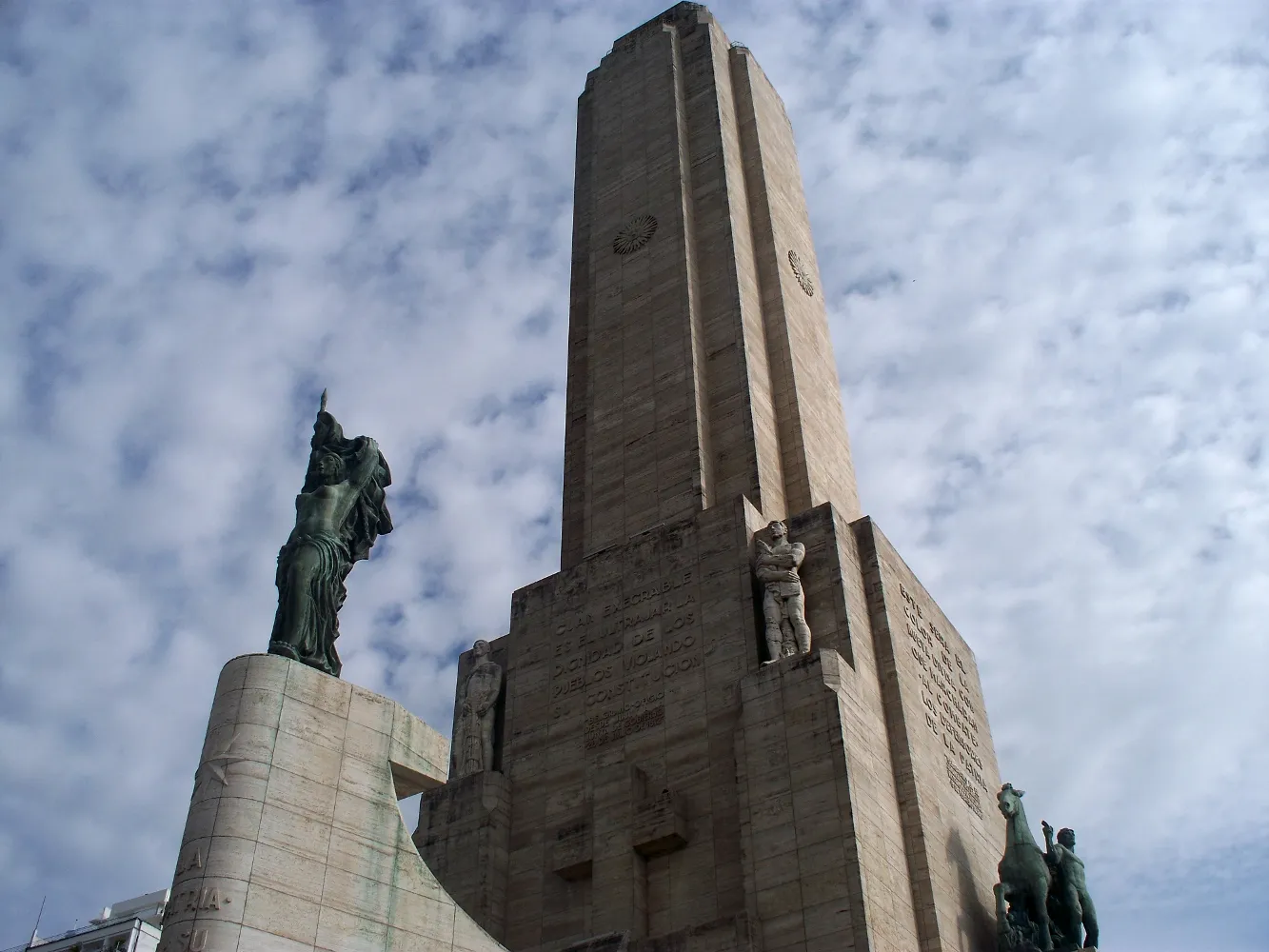
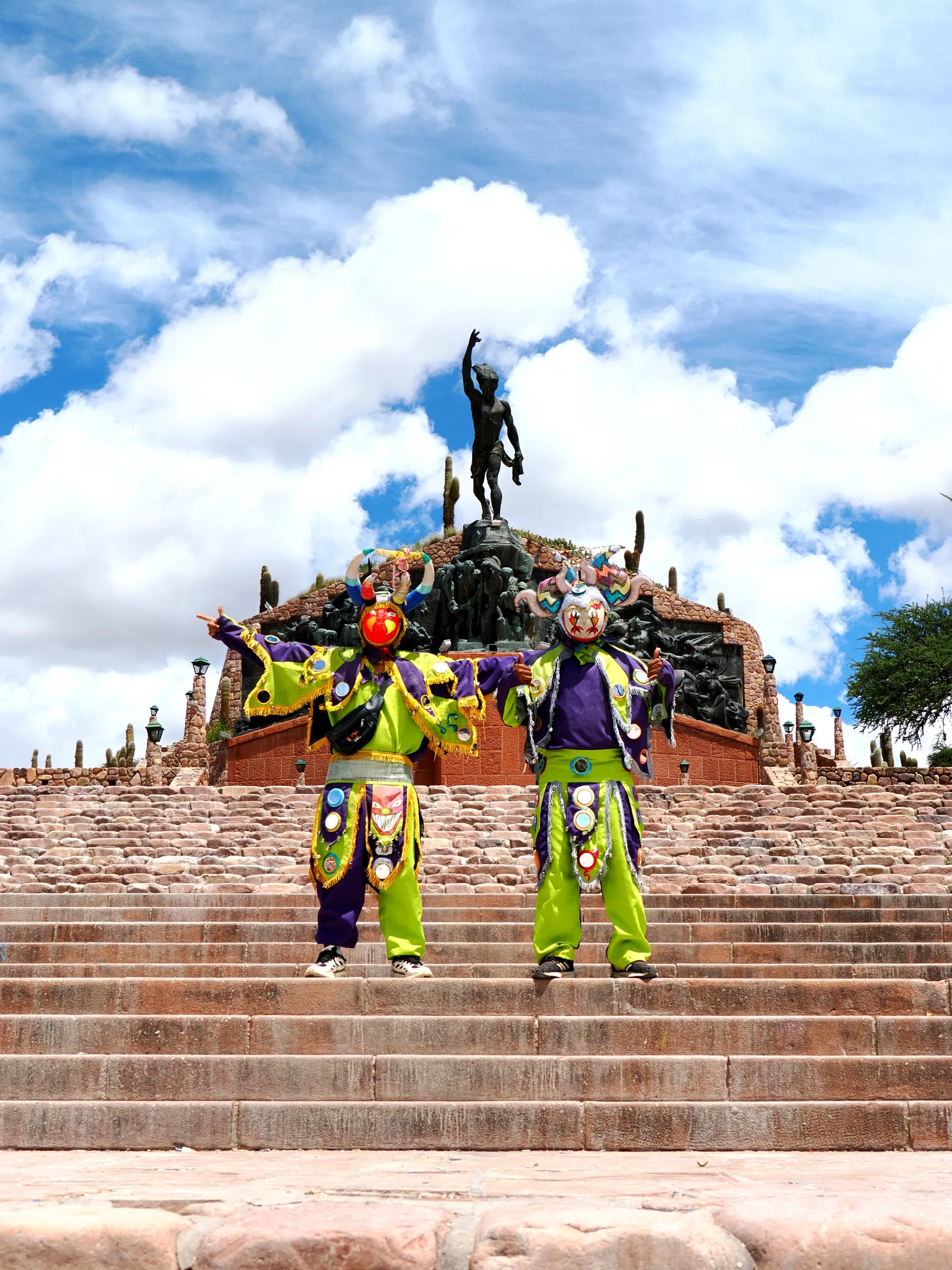
Monumento a los Heroes de la Independencia
Monumental stairway climbing to a hilltop monument honoring the heroes of Argentine independence. The towering bronze and stone sculpture by Ernesto Soto Avendano commands panoramic views of Humahuaca and the surrounding quebrada.
Humahuaca
Must visit
Viewpoint4.9
Serranias del Hornocal
The 14-colored mountain — a jagged rainbow ridge at 4,350m with alternating bands of red, orange, yellow, green, blue, violet, and white sediment. More dramatic and lesser-known than Purmamarca's Cerro de los Siete Colores. A 25km dirt road from Humahuaca.
Humahuaca
Scenic Spot4.2
Garganta del Diablo - Tilcara
A deep gorge with a waterfall, accessible via a 45-minute hike from Tilcara. The narrow canyon opens to a waterfall pool surrounded by red rock walls. A popular local swimming spot in summer.
Tilcara
Walking routes in San Salvador de Jujuy
Ready-made routes, ordered stop by stop with a map — open in Google Maps or add the whole thing to a trip in one tap.
Three days lets you drive the Quebrada de Humahuaca, see Purmamarca's seven-coloured hill, Tilcara's Pucara, and Humahuaca, and add one big day trip to either the Salinas Grandes or the Serranias del Hornocal. With four or five days you can do both, plus the yungas cloud forest or the Termas de Reyes hot springs.
What is Jujuy known for?
Jujuy is famous for the UNESCO-listed Quebrada de Humahuaca and its rainbow-coloured mountains, the Cerro de los Siete Colores at Purmamarca and the 14-coloured Serranias del Hornocal near Humahuaca. It is also the gateway to the vast Salinas Grandes salt flats and home to a living Andean culture, pre-Columbian ruins, and one of Argentina's most vibrant carnivals.
How do you get around Jujuy and the Quebrada?
Frequent buses run National Route 9 between San Salvador de Jujuy, Tilcara, and Humahuaca roughly every 45 minutes; local services detour into Purmamarca every couple of hours. Shared taxis (remises) reach places buses do not, like the Hornocal and the Salinas Grandes. Renting a car gives the most freedom for outlying sights and high mountain passes.
When is the best time to visit Jujuy?
April to November (the dry season) is best for clear skies, vivid mountain colours, and reliable roads. December to March is warmer and greener but rainy, with afternoon storms. Visit in February-March for Tilcara's famous Carnival, but book accommodation months in advance.
Do I need to worry about altitude in Jujuy?
Yes, plan for it. The gorge floor sits between 2,200m and 2,900m, and day trips climb much higher, the Cuesta de Lipan reaches 4,170m and the Hornocal viewpoint 4,350m. Spend a night or two acclimatising in Purmamarca or Tilcara, move slowly, stay hydrated, and avoid heavy meals and alcohol before going high.
Ready to plan San Salvador de Jujuy?
Turn this guide into a real trip — itinerary, map, budget and friends, all in one place.