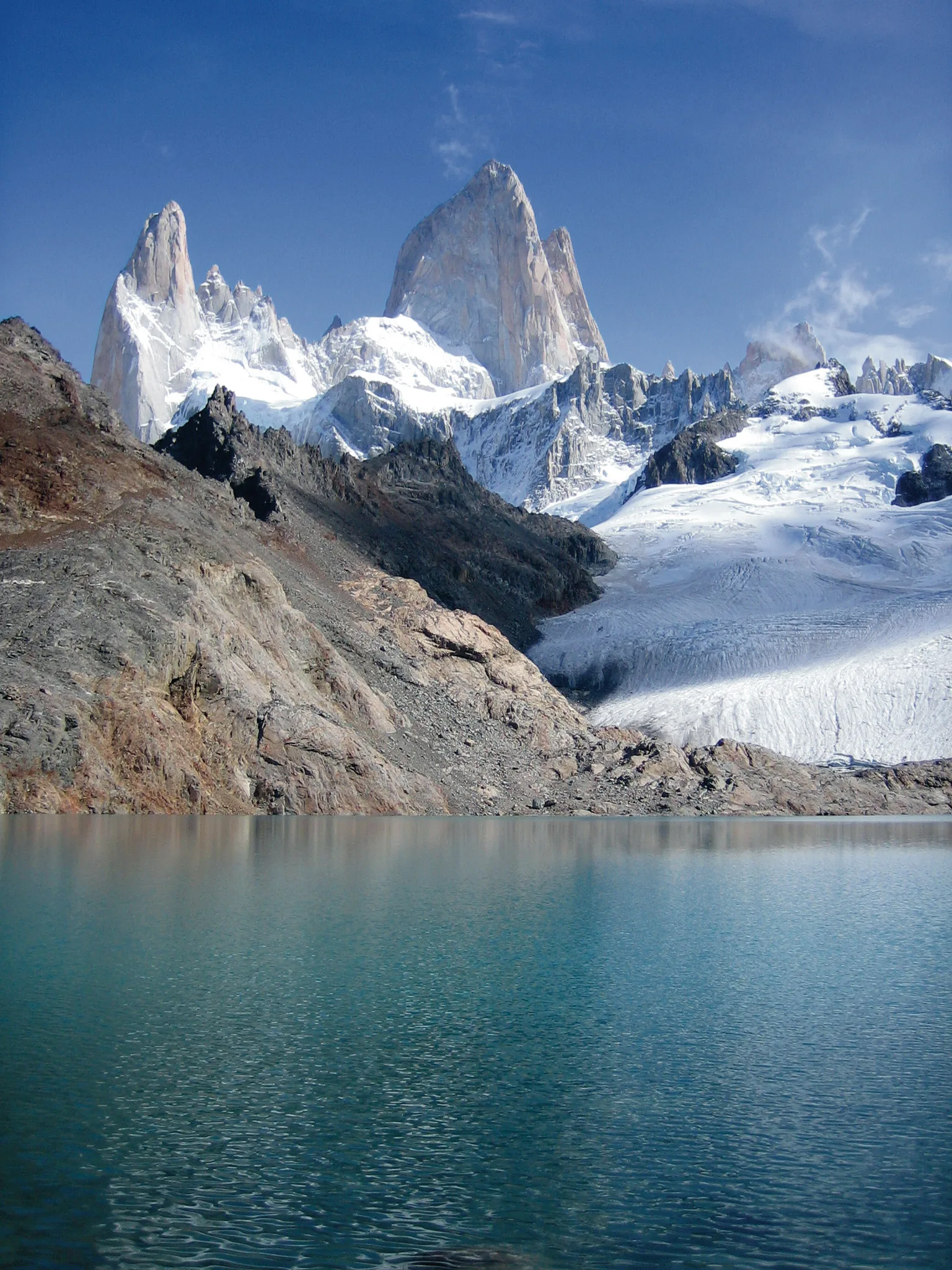
Argentina is the eighth-largest country on earth, and that scale is the whole point: a single trip can take you from the European cafe culture of Buenos Aires to the high red deserts of the Andean Northwest, the snow-streaked granite of Patagonia, and the vineyards lined up against 6,000-metre peaks outside Mendoza. The country stretches some 3,700 kilometres from the subtropical north to the sub-Antarctic south, so seasons and landscapes flip dramatically as you move, and the smartest itineraries pick two or three regions rather than trying to see everything. Distances are continental, which means domestic flights, not trains, are how most travellers cross the map, while overnight buses with fully reclining seats cover shorter hops in real comfort.
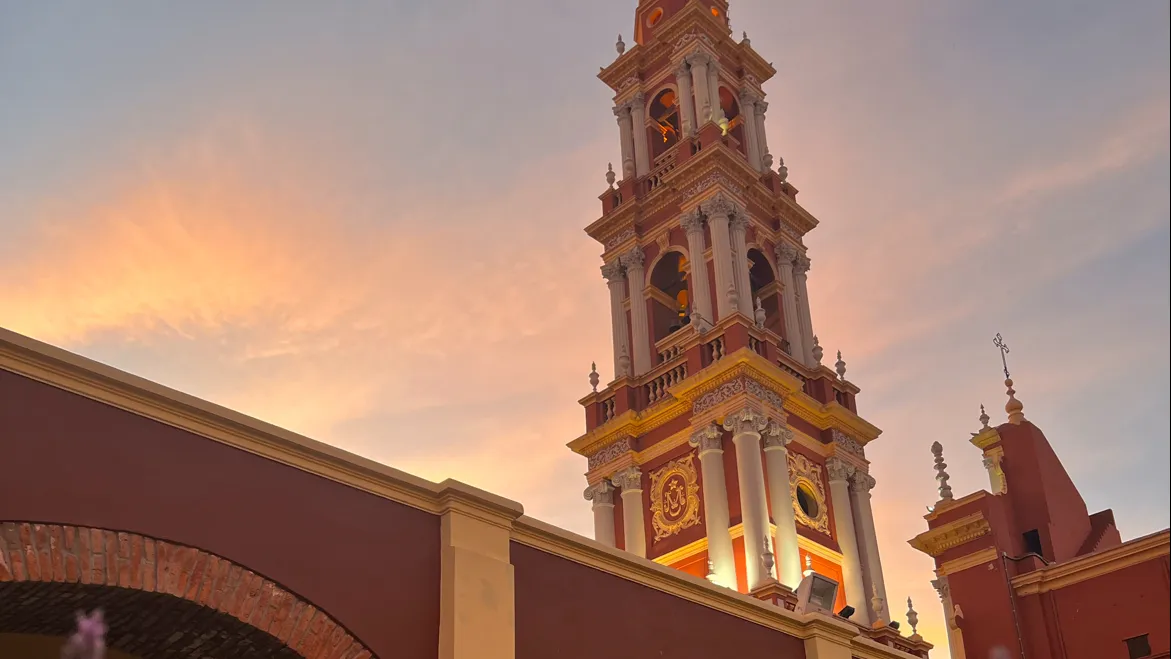
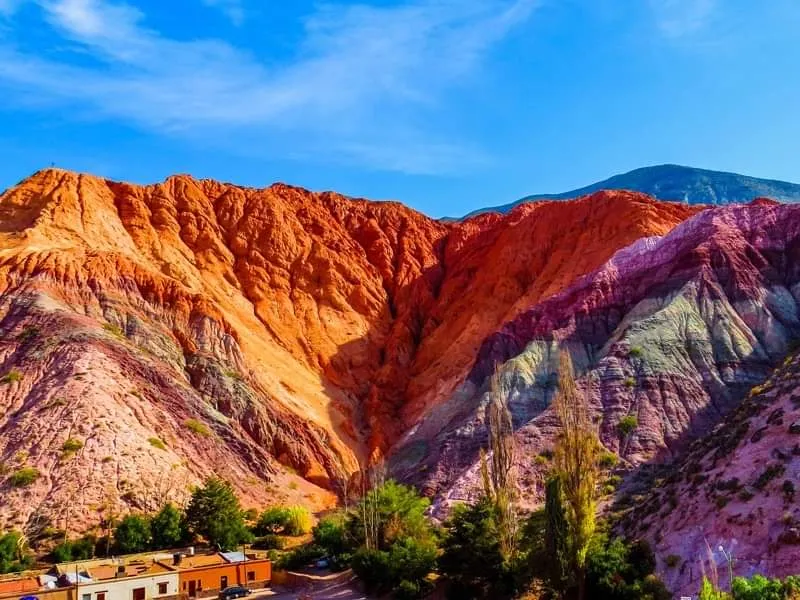
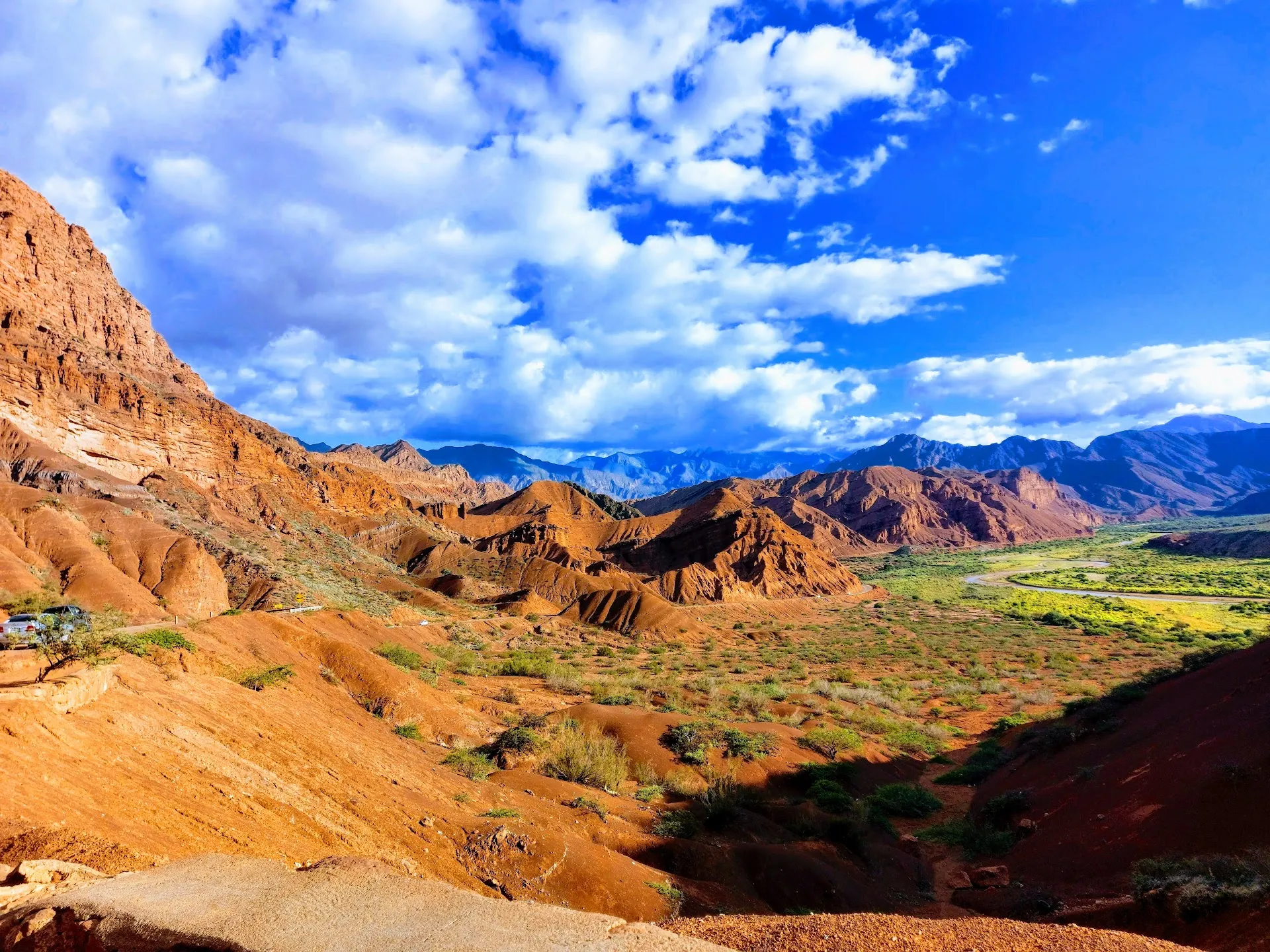
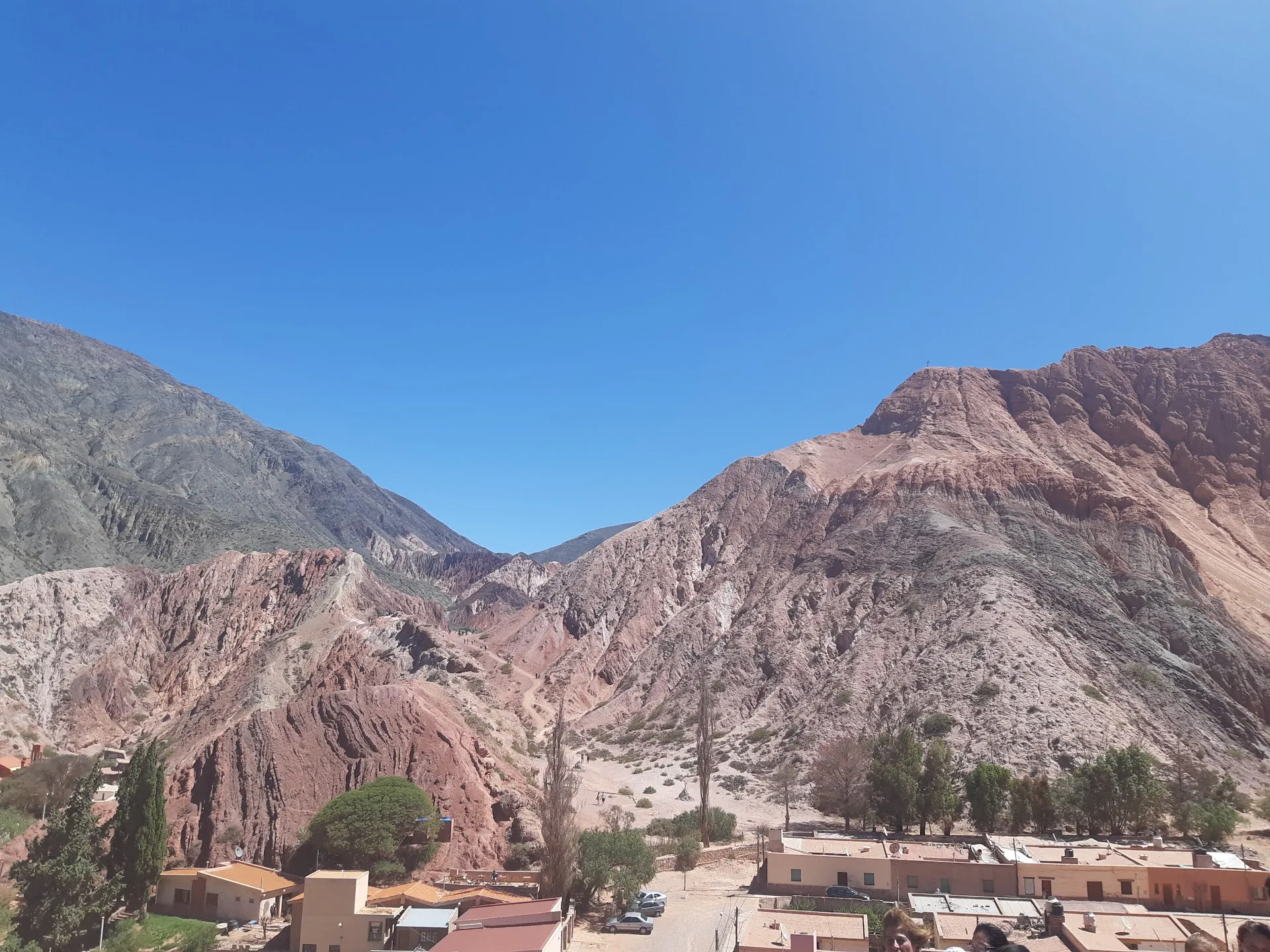
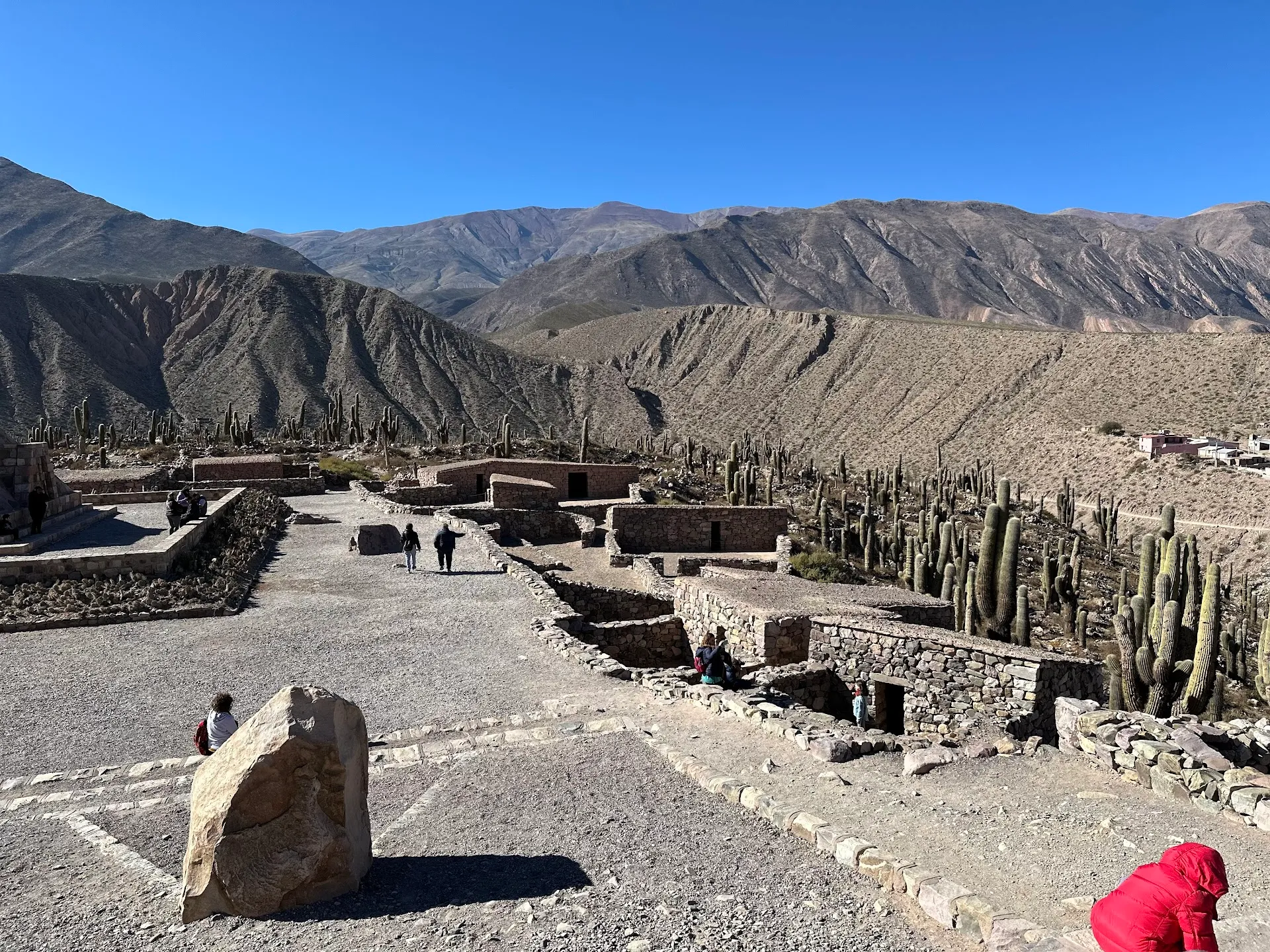
Most trips begin in Buenos Aires, the cosmopolitan capital and the country's main international gateway. It is a city built for wandering: the pastel houses and tango of La Boca's Caminito, the grand boulevards and bookshops of the centre, the leafy boutiques and nightlife of Palermo, and the ornate tombs of Recoleta Cemetery where Eva Peron is buried. Argentines eat late, drink Malbec, and turn an evening of steak and live tango into an art form, and a few days here set the tone for the rest of the trip. From the capital, the country fans out into distinct regions. West, in the Cuyo wine country, Mendoza sits at the foot of Aconcagua, the highest peak in the Americas, surrounded by hundreds of bodegas pouring the Malbec that made Argentina famous. North, the Andean Northwest around Salta and Jujuy trades green for ochre and rust: colonial plazas, the dizzying multicoloured rock of the Quebrada de Humahuaca (a UNESCO World Heritage Site), salt flats, and cactus-studded high desert at altitudes that take your breath away in both senses. South, in the Lake District at the edge of Patagonia, San Carlos de Bariloche brings alpine forests, glacial lakes, chocolate shops, and a Swiss-chalet town that is a hub for hiking in summer and skiing in winter.
What makes Argentina unusually rewarding is how different each region feels and how the practical pieces have recently gotten simpler. The currency situation, long a source of confusion, eased in 2025 when most exchange controls were lifted; the once-huge gap between the official, blue, and MEP rates has narrowed, and foreign Visa and Mastercard payments now settle at a favourable tourist (MEP) rate, so cards are genuinely useful. You will still want some US dollars or pesos in cash for taxis, tips, small purchases, and rural areas, and paying in cash sometimes earns a discount, but the cash-only gymnastics of past years have largely gone. English is less widespread than in many destinations, so a little Spanish (or a translation app) helps, and a relaxed attitude to timing is essential, since dinner before 9pm marks you out as a tourist.
Timing is the single biggest decision, because the seasons are reversed from the Northern Hemisphere and pull in opposite directions across the country. Patagonia and the south are best in the southern summer (roughly December to February, plus the shoulder months of November and March), when trails and mountain refuges are open and days are long. The Andean Northwest is at its most pleasant in the cooler, drier winter (May to September), when Salta and Jujuy enjoy mild days and clear skies. Buenos Aires and Mendoza are most comfortable in spring (October to November) and autumn (March to May), with Mendoza's grape harvest peaking around late February to April. For a multi-region trip, the shoulder seasons of spring and autumn are the safest all-round bet.
Use this hub as your map of the country. Start with the guides on the best time to visit and getting around, weigh up the contrasting wine country of Mendoza against the desert north of Salta, then open the individual city pages to build your route. Anything that catches your eye can be dropped straight into a TripBox itinerary with dates, a live map, and your travel companions, so the rough plan in your head turns into a real, shareable trip in minutes.
When to visit
Argentina's seasons are reversed from the Northern Hemisphere and pull in different directions across the country, so the best month depends on where you are going. Patagonia and Bariloche shine in the southern summer (December to February, with November and March as quieter shoulder months) when trails are open and days are long; winter (June to September) is for skiing. The Andean Northwest around Salta and Jujuy is at its best in the cooler, drier winter (May to September), with mild days and clear desert skies, while the summer rains can disrupt mountain roads. Buenos Aires and Mendoza are most comfortable in spring (October to November) and autumn (March to May), avoiding the humid southern summer; Mendoza's grape harvest peaks roughly late February to April. For a trip spanning several regions, spring and autumn are the safest all-round choices.
Budget
Argentina swings between excellent value and big-city prices depending on the exchange rate and the region. Budget travellers using hostels, set-menu lunches, buses, and the favourable tourist (MEP) card rate can keep daily costs low; mid-range travellers get comfortable hotels, great steak-and-Malbec dinners, and the odd domestic flight; Patagonia and peak-season Bariloche are the priciest. Pay with a foreign Visa or Mastercard to get the MEP rate automatically, but carry some US dollars or pesos in cash for taxis, tips, markets, and rural areas, where paying cash can earn a small discount. Domestic flights and Patagonia excursions are the biggest budget variables.
Getting around
Argentina is vast, so for long distances the answer is almost always to fly. Aerolineas Argentinas, JetSmart, and Flybondi link Buenos Aires to Mendoza, Salta, Bariloche, and beyond, usually in 1.5 to 2.5 hours; note that most domestic routes hub through Buenos Aires (Aeroparque/AEP for domestic, Ezeiza/EZE for international), so a Mendoza-to-Bariloche trip often connects via the capital. For shorter or scenic hops, Argentina's long-distance buses are excellent and cover the whole country, with comfort classes from semi-cama (reclining) up to cama suite (near-flat beds) on overnight services; Salta to Jujuy, for example, is an easy 2 to 2.5 hour bus ride and a fraction of the cost of flying. Long-distance passenger trains are limited and slow, so they are rarely the practical choice between regions. Within cities, Buenos Aires has a metro (Subte), extensive buses (colectivos), and the rechargeable SUBE card; elsewhere, taxis, ride-hailing apps, and walking cover most needs, and renting a car makes sense for wine country around Mendoza and the lakes and mountains around Bariloche.
Visa & entry
Citizens of most Western countries, including the US, UK, Canada, Australia, the EU, and most of Latin America, can enter Argentina visa-free as tourists for stays of up to 90 days. You will need a passport valid for the length of your stay (six months' validity is the safe standard), and officials may ask for proof of onward or return travel and sufficient funds (commonly cited as roughly 50 USD per day). There is no longer a reciprocity entry fee for major nationalities. Overstays incur a fine payable on departure, and a 90-day extension is possible at the immigration office (Direccion Nacional de Migraciones). Always confirm the current rules for your nationality with an official Argentine government source before booking.
Argentina's cosmopolitan capital on the Rio de la Plata and the country's main gateway. Buenos Aires is a city of distinct barrios, from the tango and pastel houses of La Boca to leafy, nightlife-filled Palermo and the grand cemeteries of Recoleta, all wrapped in cafe culture, steak houses, and late, late nights.
Cuyo (Wine Country)
The sun-baked Andean foothills of west-central Argentina, where vineyards run up to the highest peaks in the Americas. Mendoza is the heart of it: hundreds of bodegas pouring world-class Malbec, with Aconcagua and high-altitude adventure on the doorstep.
The Andean Northwest (NOA)
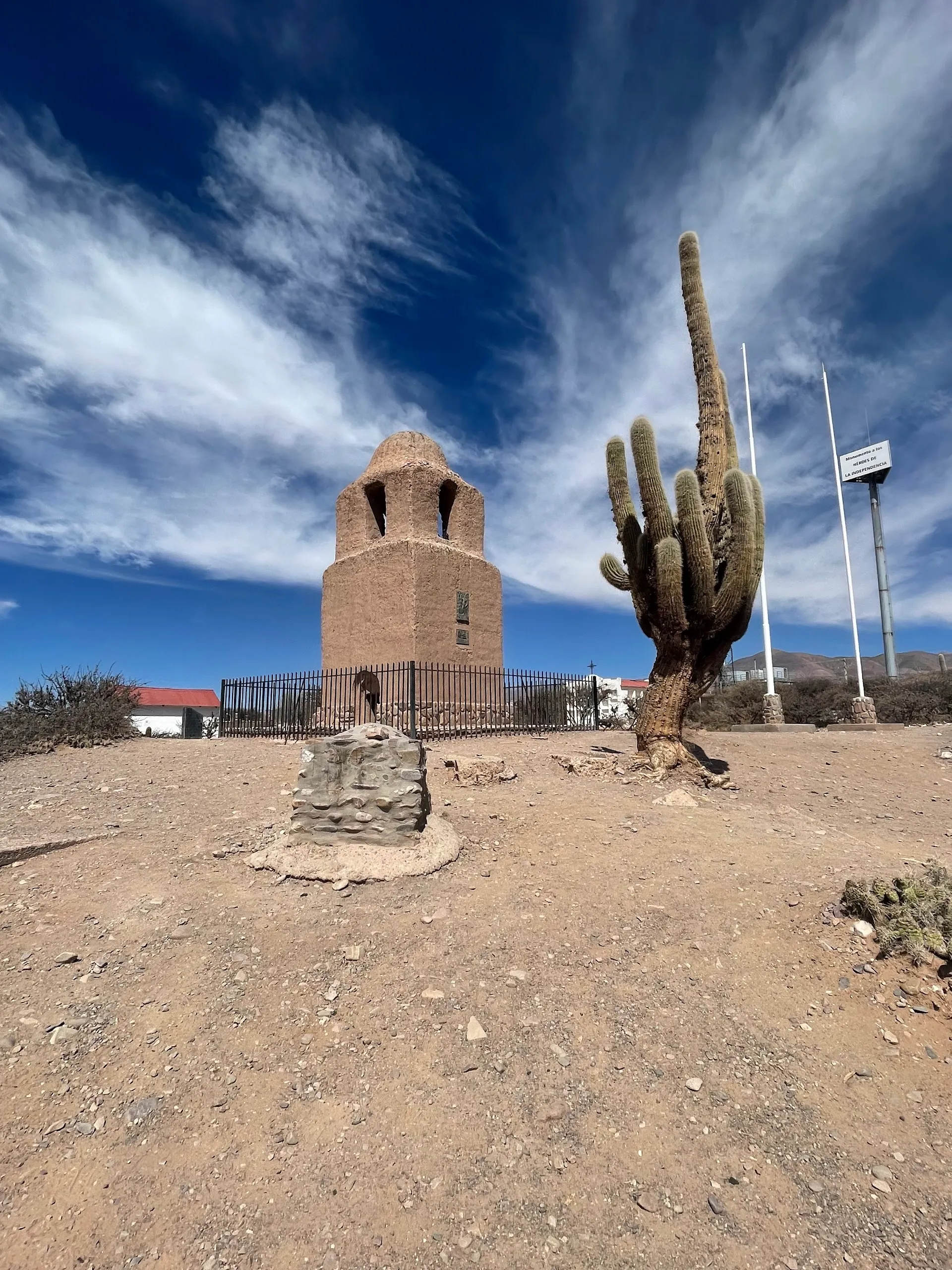
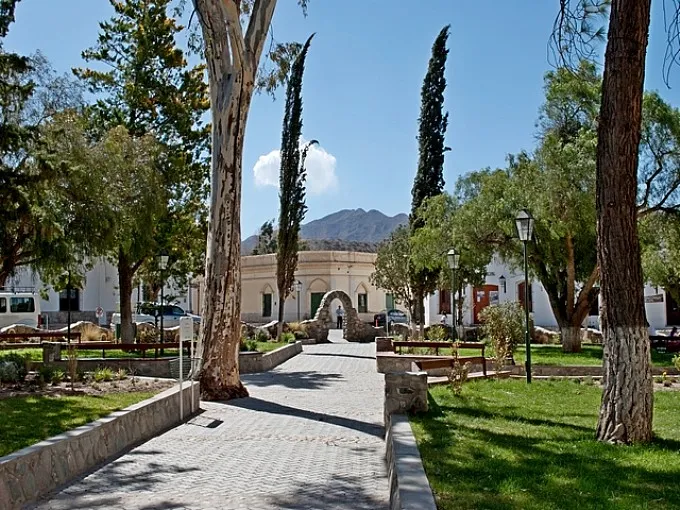
The high desert provinces near the Bolivian border, all ochre canyons, colonial plazas, and cactus-studded altiplano. Salta is the elegant base for the region, with the high-altitude wine village of Cafayate and the whitewashed colonial outpost of Cachi a scenic drive south. Jujuy opens onto the UNESCO-listed Quebrada de Humahuaca, a string of adobe villages including rainbow-hilled Purmamarca, artisan Tilcara, and Humahuaca at the canyon's northern end, plus the vast Salinas Grandes salt flats beyond.
Patagonia & the Lake District
The northern gateway to Patagonia, where the Andes meet a chain of deep glacial lakes. San Carlos de Bariloche is the alpine hub: Swiss-style chalets, chocolate shops, forest hiking trails in summer, and ski slopes in winter.
Plan at least 10 to 14 days to see a meaningful slice. A classic two-week trip pairs Buenos Aires with a couple of contrasting regions, such as Mendoza wine country and either the Andean Northwest (Salta and Jujuy) or Patagonia and Bariloche. With only 4 to 5 days, focus on Buenos Aires plus one nearby region, since the country's distances are continental and crossing them eats into your time.
Do I need a visa to visit Argentina?
Most Western nationalities, including citizens of the US, UK, EU, Canada, and Australia, can enter Argentina visa-free as tourists for up to 90 days. You will need a passport valid for your stay and may be asked for proof of onward travel and funds. There is no longer a reciprocity entry fee for major nationalities, but always confirm the current rules for your passport with an official Argentine government source before you travel.
When is the best time to visit Argentina?
It depends on the region, because seasons are reversed from the Northern Hemisphere. Visit Patagonia and Bariloche in the southern summer (December to February); the Andean Northwest around Salta and Jujuy in the dry winter (May to September); and Buenos Aires and Mendoza in spring (October to November) or autumn (March to May). For a multi-region trip, the shoulder seasons of spring and autumn are the best all-round choice.
How do you get around Argentina?
Fly for long distances. Aerolineas Argentinas, JetSmart, and Flybondi connect Buenos Aires to Mendoza, Salta, and Bariloche in a couple of hours, though most routes hub through the capital. For shorter hops, Argentina's long-distance buses are comfortable and cheap, with near-flat 'cama suite' seats on overnight services. Trains between regions are slow and limited, so they are rarely worth it; within cities, use the metro, buses, taxis, and ride-hailing apps.
How much money do I need for a trip to Argentina, and how should I pay?
Budget travellers can manage on roughly 50 to 60 USD a day, while mid-range travellers should plan for around 100 to 150 USD, with Patagonia and peak-season Bariloche costing more. Pay with a foreign Visa or Mastercard to get the favourable tourist (MEP) exchange rate automatically, but carry some US dollars or pesos in cash for taxis, tips, markets, and rural areas, where cash can earn a small discount.
Is Argentina safe for tourists?
Argentina is generally safe for travellers, and millions visit each year without incident. The main risk in big cities like Buenos Aires is petty theft, so watch your belongings on public transport and in crowded areas, use registered taxis or ride-hailing apps at night, and keep valuables out of sight. Rural and Patagonian areas are very safe. As always, check your government's current travel advice before you go.
Ready to plan Argentina?
Build your route across Argentina — itinerary, map, budget and friends, all in one place.