Skip to content
Salta

The Complete Guide to Salta

Explore the guide

Salta sits in Argentina's far northwest, a colonial city of pink-stone churches and shaded plazas that travelers nickname Salta la Linda (Salta the Beautiful). It is the gateway to the Andean north, a region of red-rock canyons, high-altitude vineyards, surreal salt flats, and some of the most dramatic mountain roads in South America. The city itself is compact and walkable, but its real magic lies in using it as a base for the landscapes that radiate out in every direction.

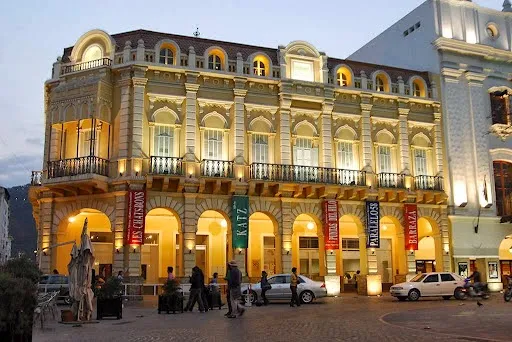
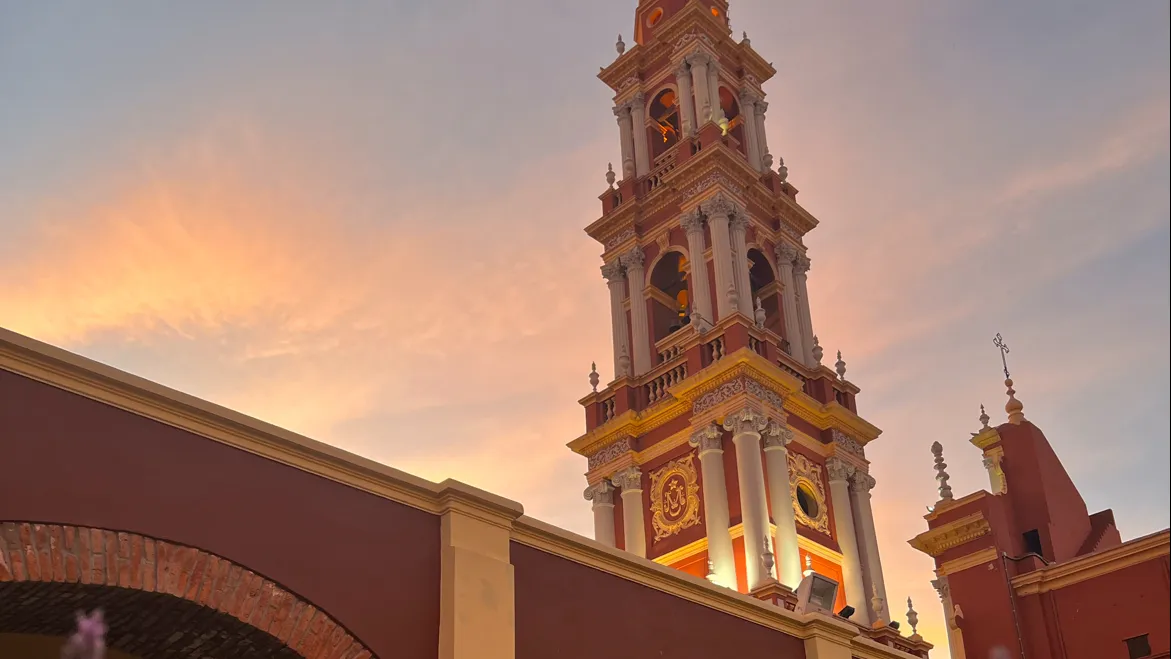
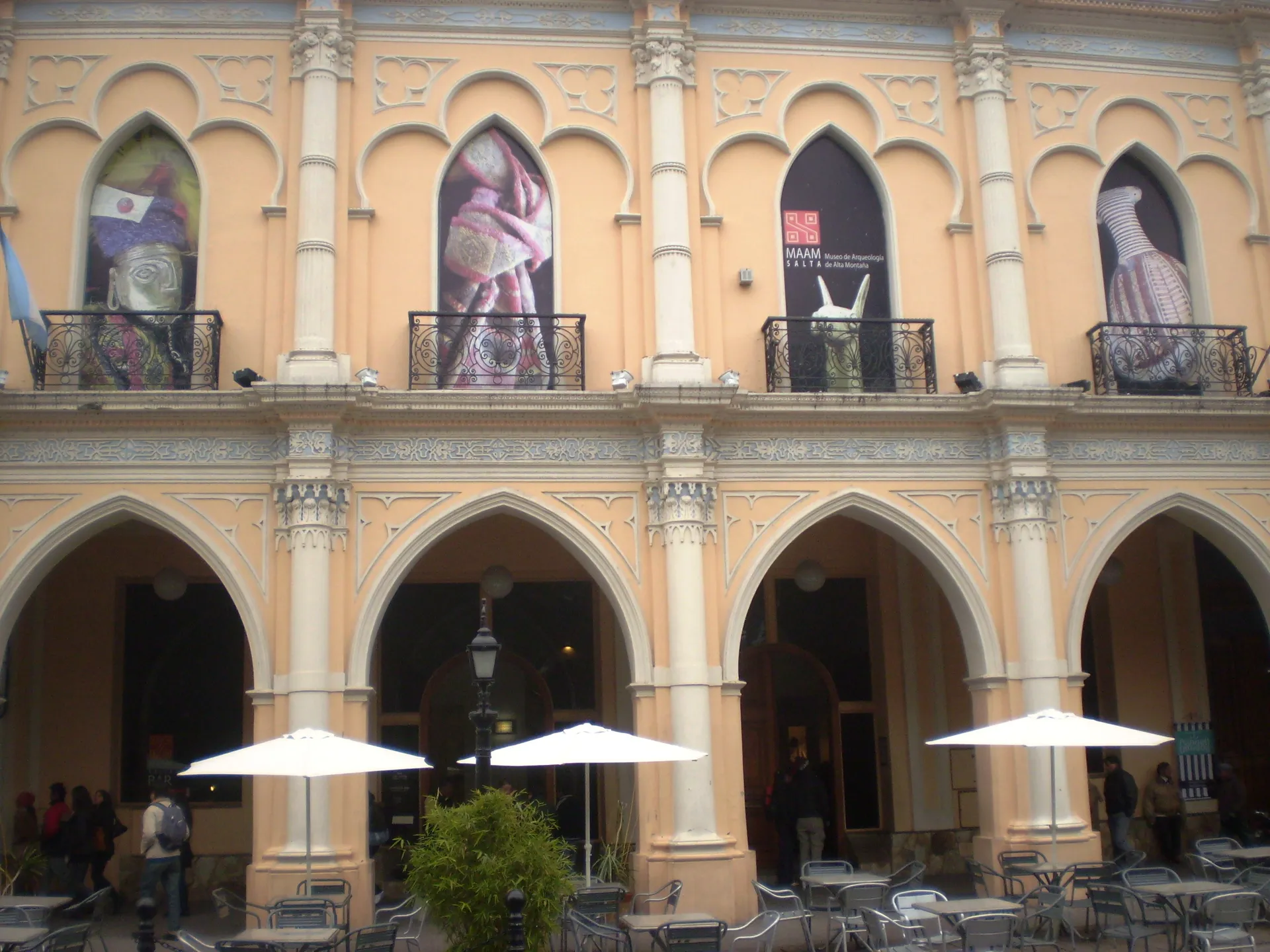
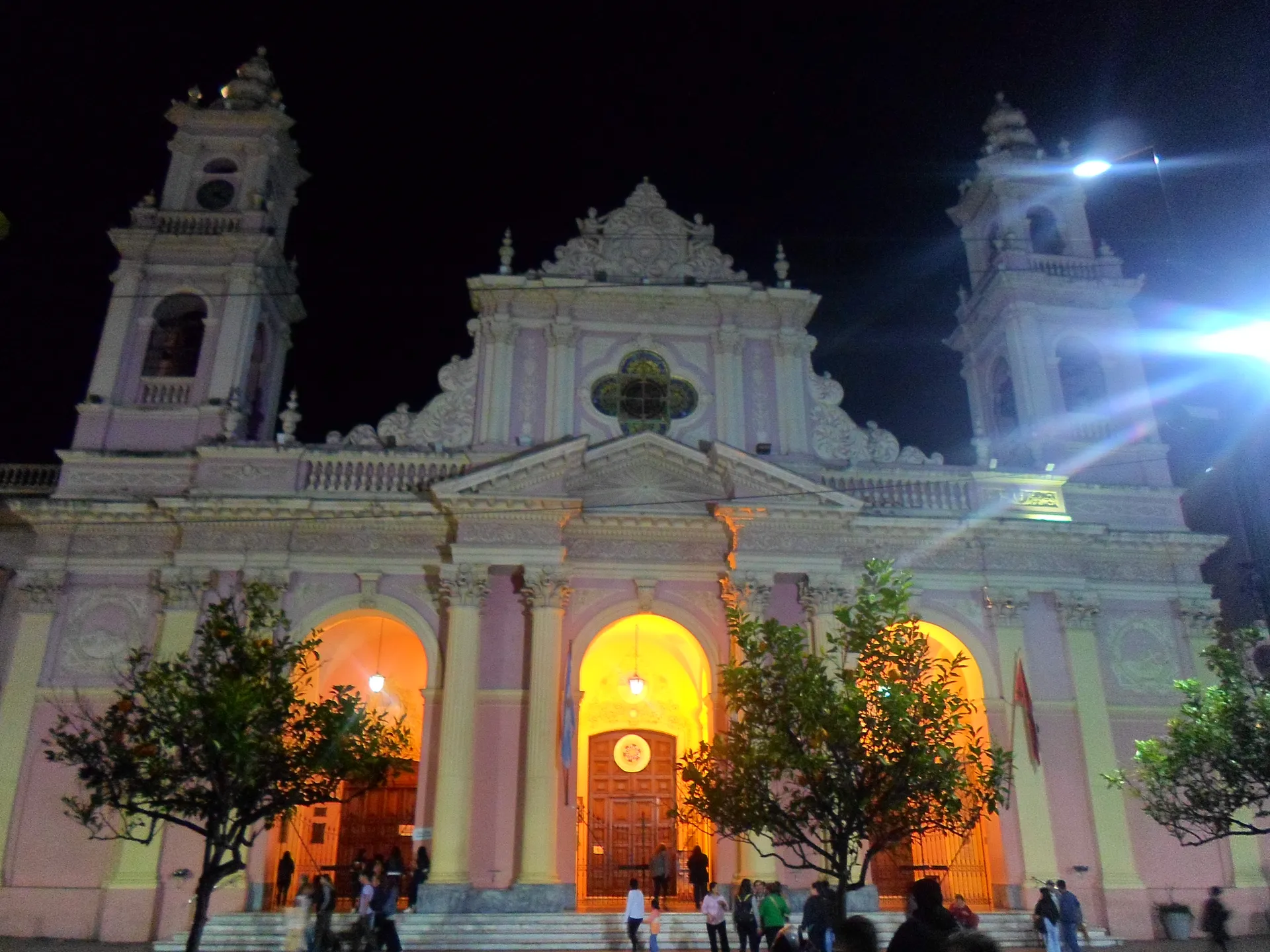
The historic center is where you start. Almost everything worth seeing in the city clusters within a few blocks of Plaza 9 de Julio, one of Argentina's most beautiful main squares: the salmon-pink Catedral Basilica, the whitewashed colonial Cabildo, and the world-class MAAM, the Museo de Arqueologia de Alta Montana, home to three astonishingly preserved 500-year-old Inca mummies recovered from a 6,739m volcano. A short walk away, the terracotta Iglesia San Francisco is Salta's most photographed building, and the teleferico up Cerro San Bernardo lays the whole valley out beneath you.

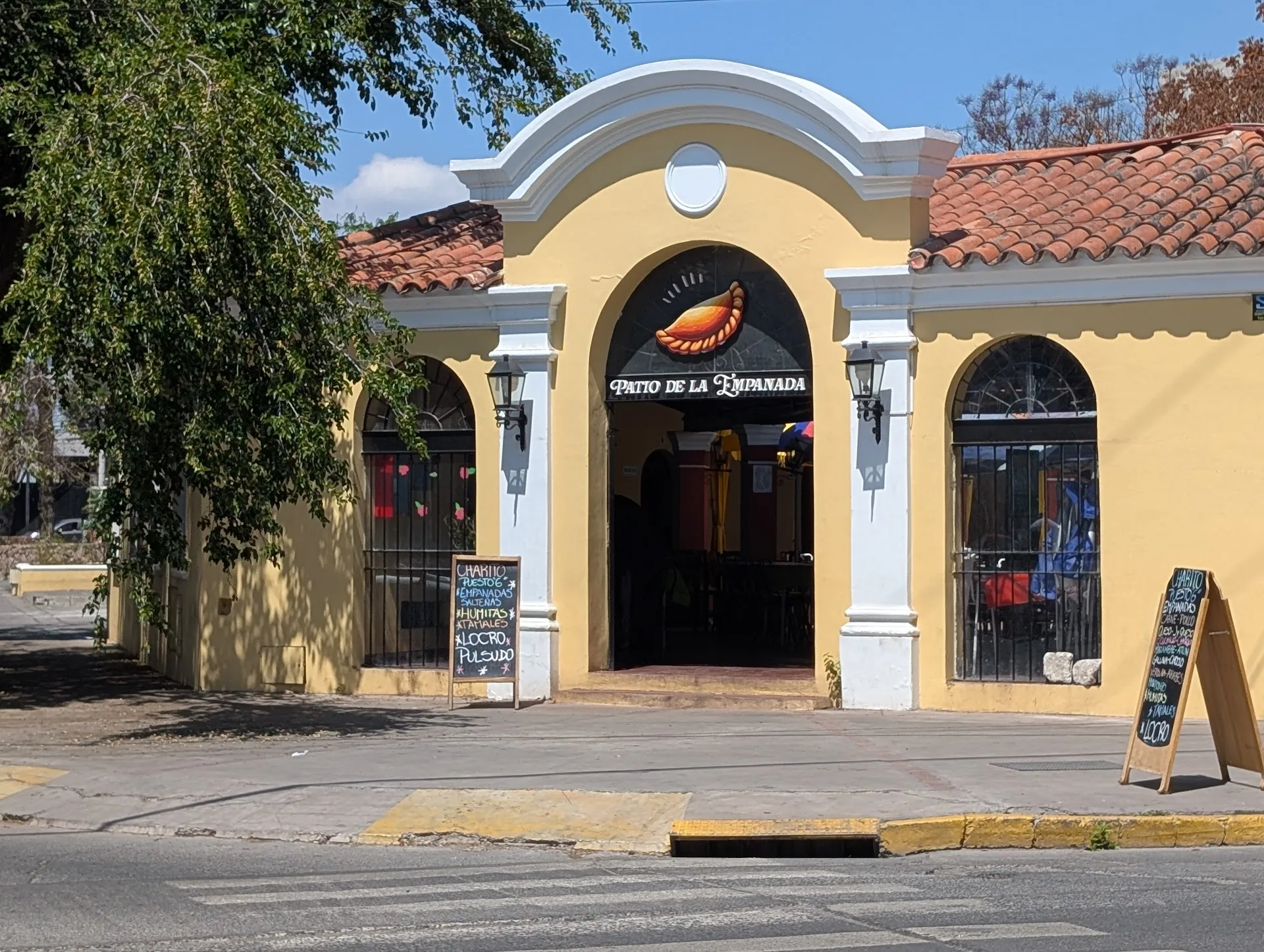
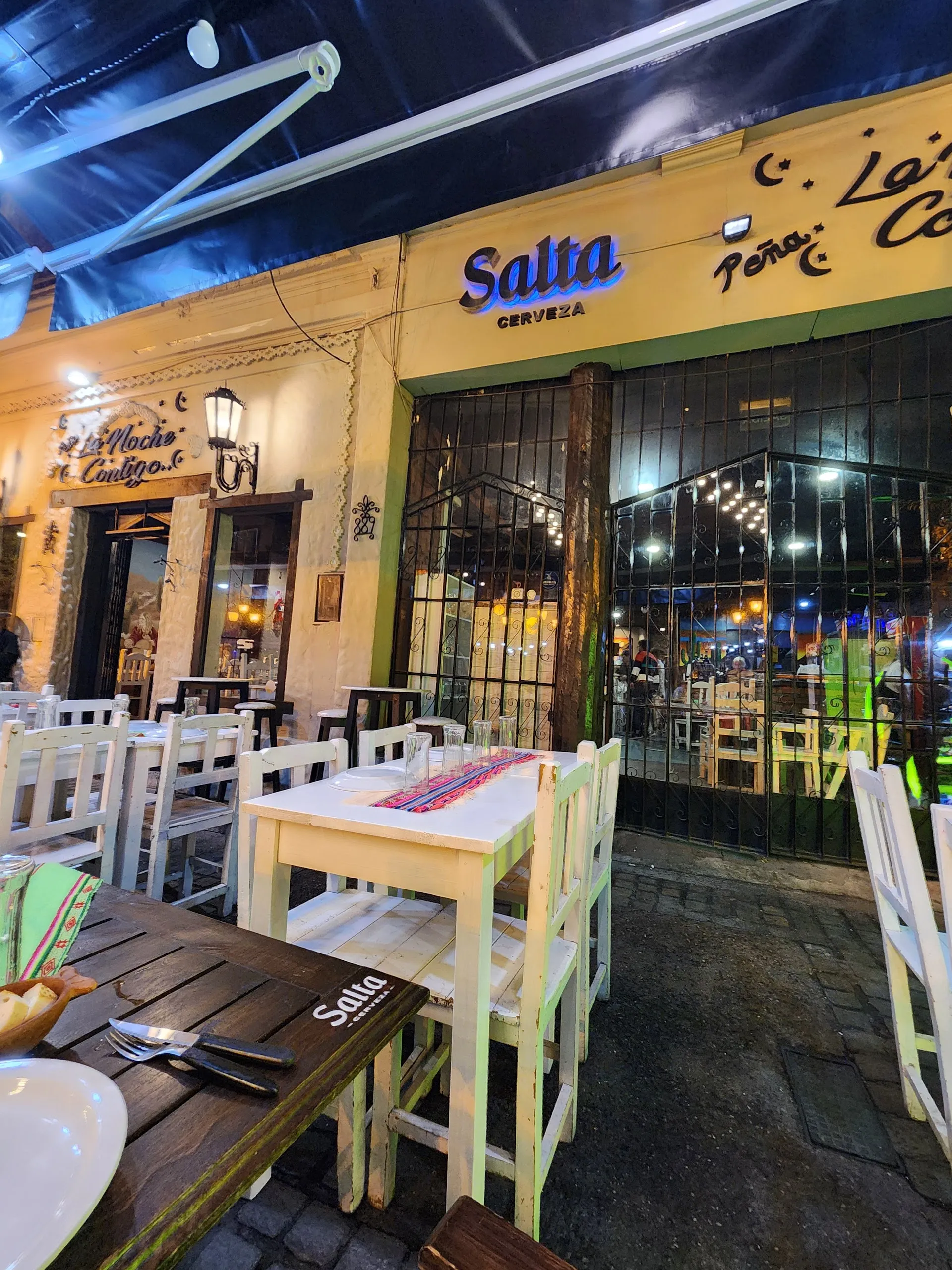
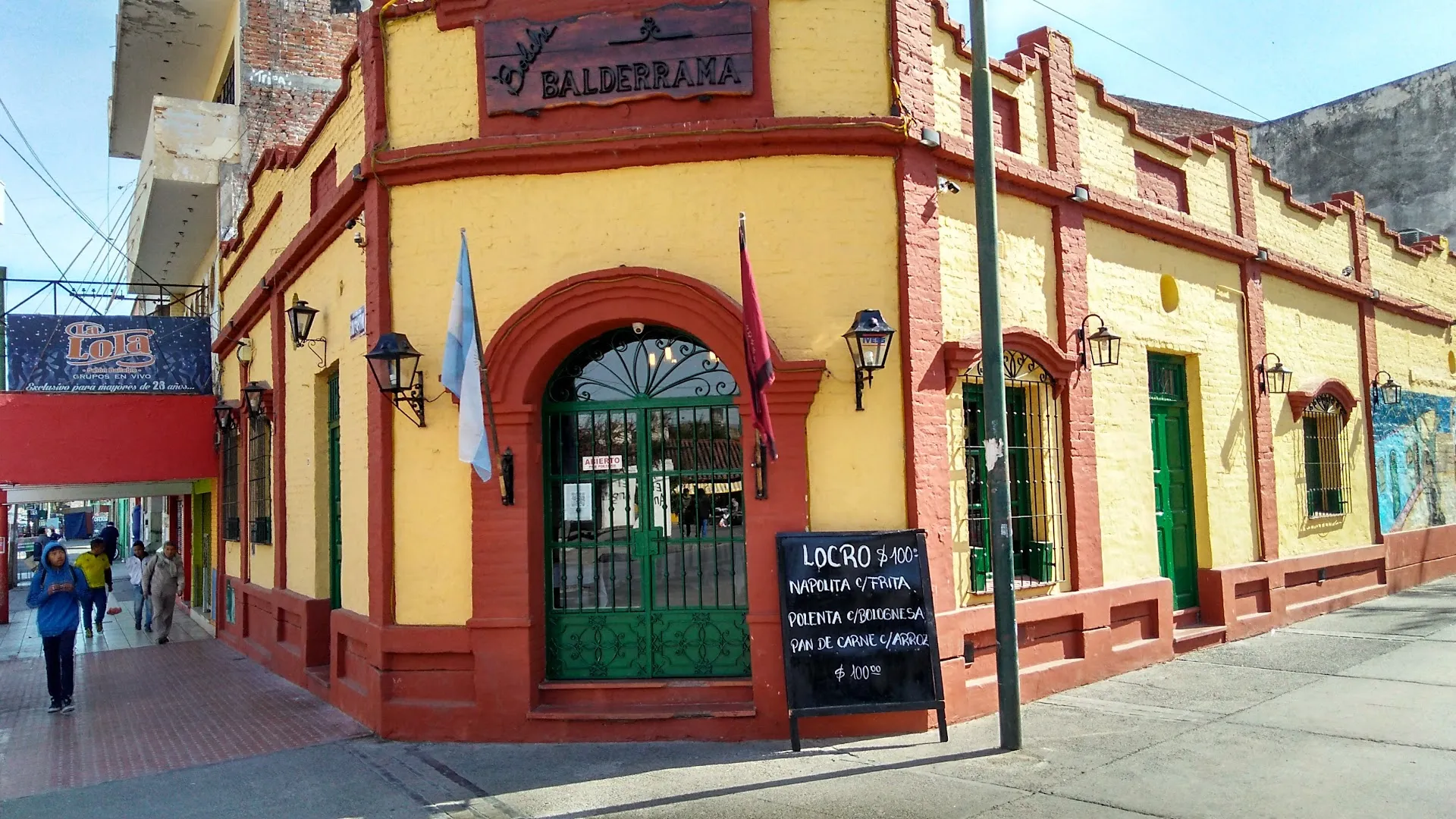
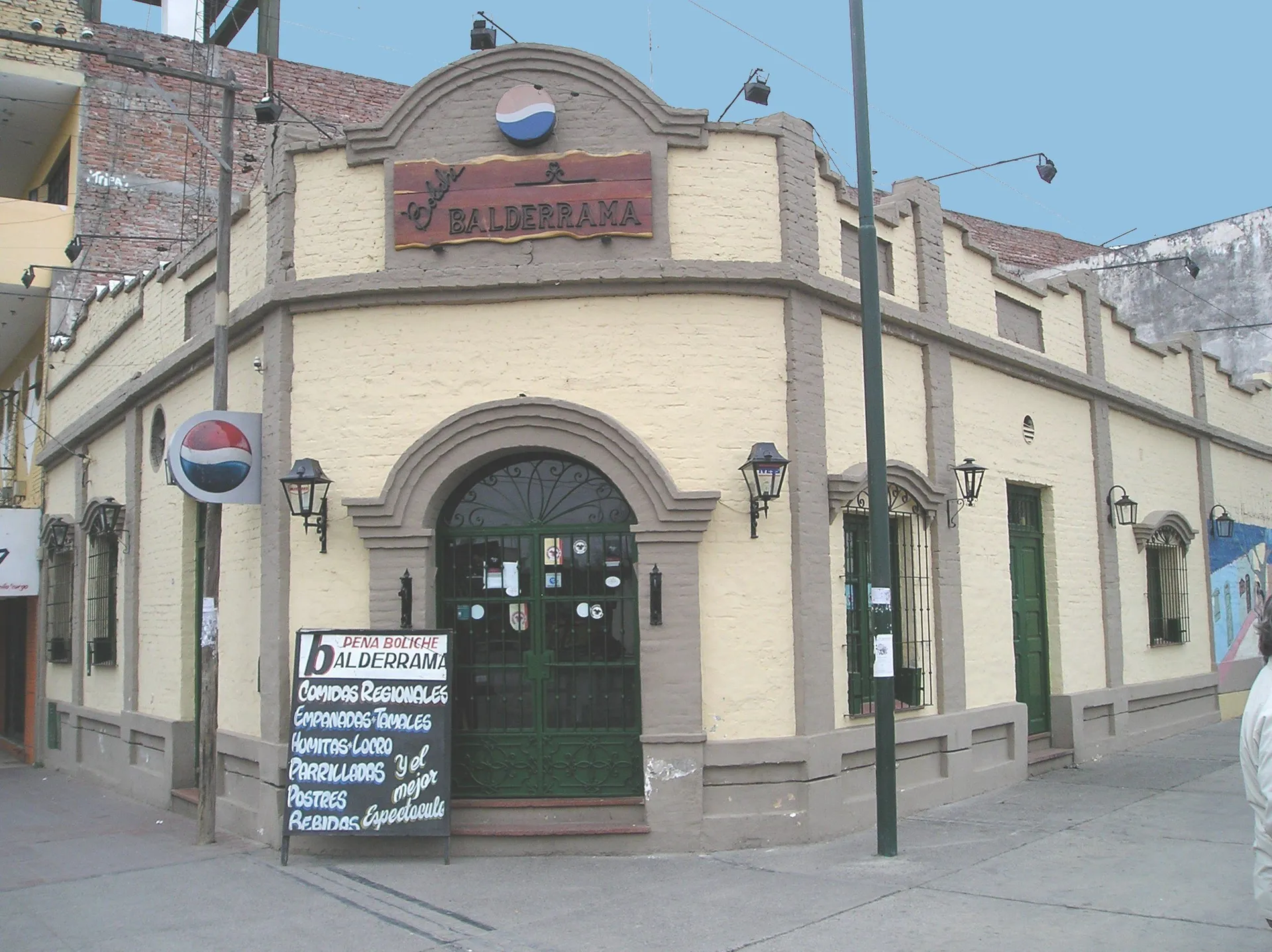
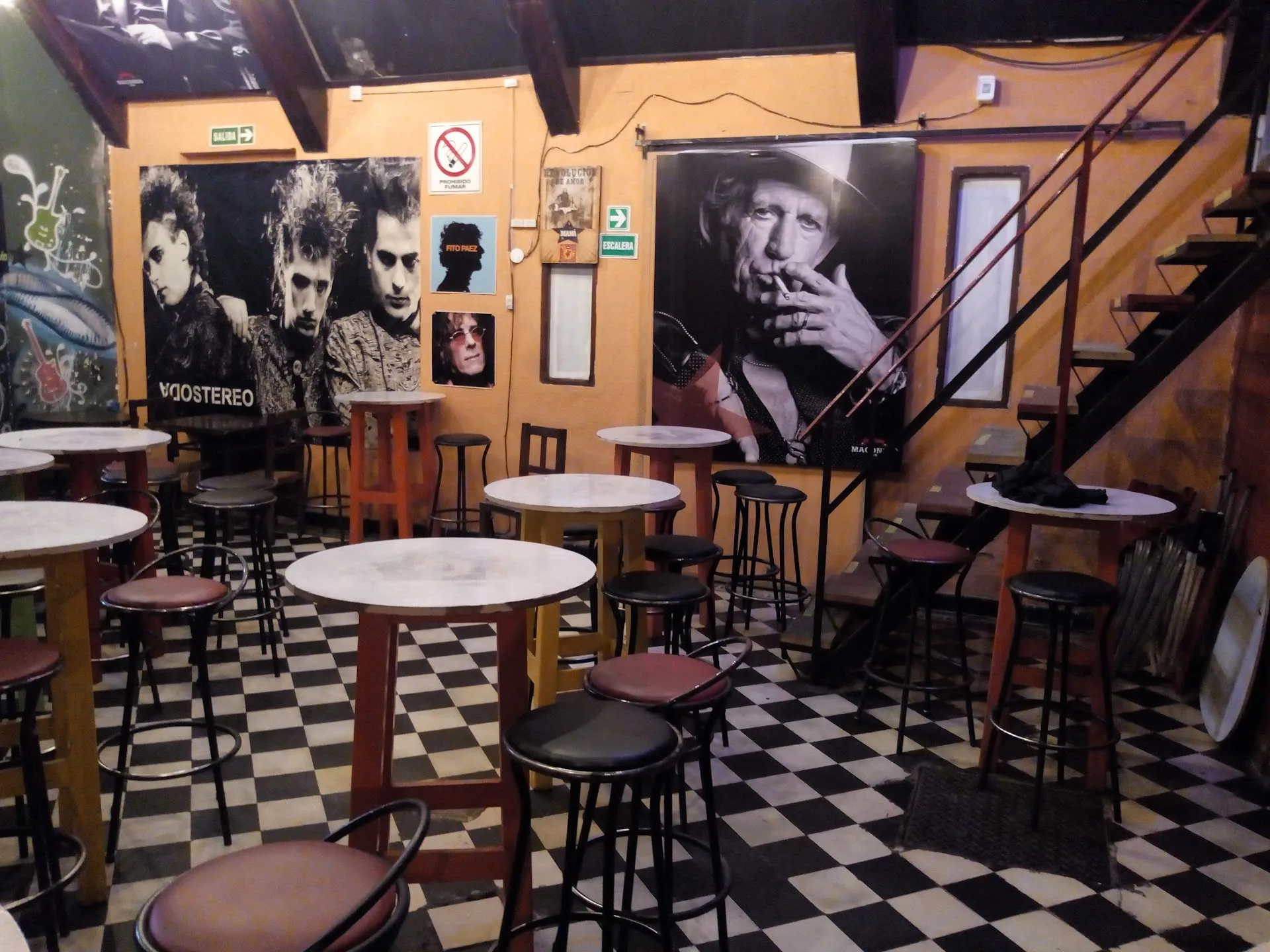
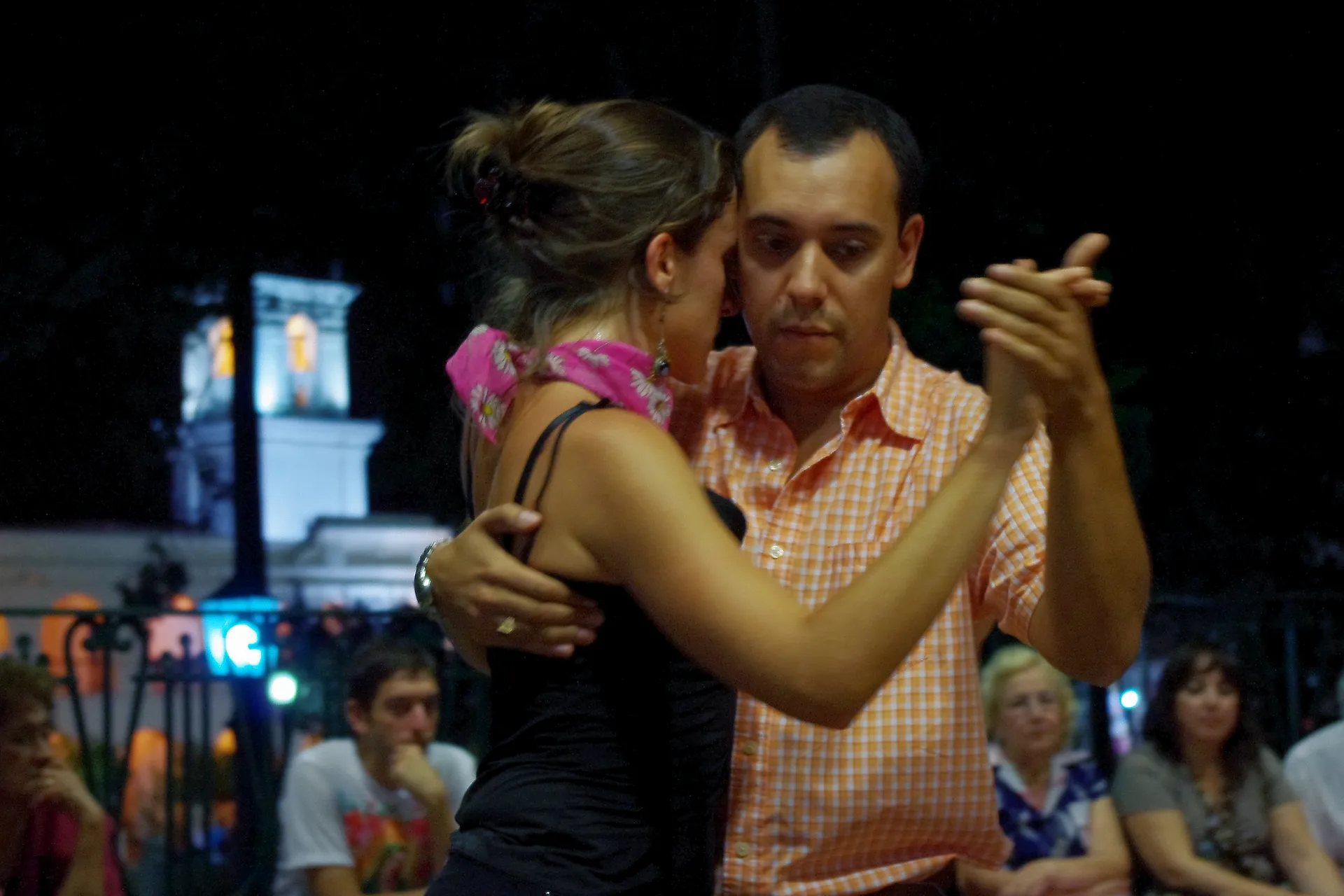
Salta is also a food city. Argentines widely credit the northwest with inventing the empanada, and the empanada saltena is its own art form: diced (never ground) beef, potato, hard-boiled egg, and a hand-crimped repulgue. Pair them with a glass of crisp, floral Torrontes, the white wine that thrives in the high desert to the south, and you have the region on a plate. After dark, the penas folkloricas along Calle Balcarce fill with live zamba and chacarera music, dancing, and regional wine; Salta is the cultural capital of Argentine folklore.
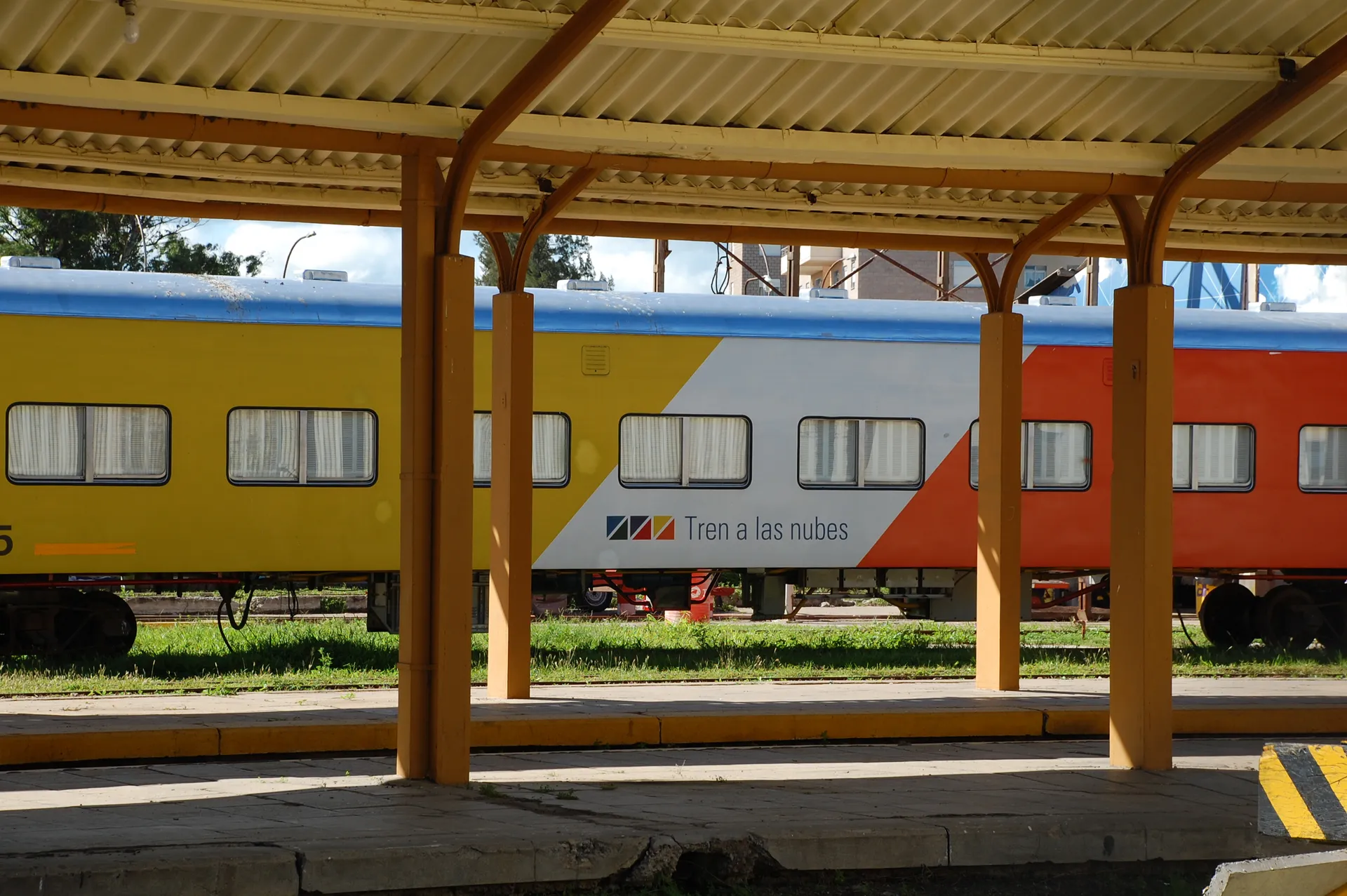
Most visitors spend two or three days seeing the city, then strike out on the legendary drives. South lies the Calchaqui Valley, reached by the red-rock Quebrada de las Conchas on RN 68 or the epic Ruta 40 over the Cuesta del Obispo and through the cactus forests of Los Cardones National Park, ending in the wine town of Cafayate. North runs the UNESCO-listed Quebrada de Humahuaca toward the rainbow hills of Purmamarca and the blinding-white Salinas Grandes salt flats. And the seasonal Tren a las Nubes, the Train to the Clouds, climbs to 4,220m, one of the highest railways on earth.

Use this guide as a starting point: skim the day-by-day plan, open the things-to-do list, and read up on the day trips that define a Salta trip. Save the places that fit your travels, and drop them straight into a TripBox itinerary with dates, a map, and your travel companions.

Best time to visit

Autumn (March to May) is the sweet spot: clear skies, warm days, golden vineyards in Cafayate, and thinner crowds. Winter (June to August) is dry, sunny, and cool, ideal when Patagonia is buried in snow, and the best season for the Tren a las Nubes. Spring (September to November) is pleasant but watch for mid-September, when the Milagro pilgrimage fills every bed in the city. Summer (December to February) is hot and is the rainy season, when some unpaved mountain roads can flood.

Budget

Salta is one of Argentina's better-value destinations. Empanadas cost a dollar or two, a hearty regional lunch runs well under USD 15, and the teleferico and most museums are cheap. The biggest expenses are the long day-trip excursions (organized tours or a rental car for Cafayate, the salt flats, and the Quebrada) and the seasonal Tren a las Nubes.~$40-80 USD / day

The best of Salta

Curated places worth your time — tap a card for details or to save it.

See all
Plaza 9 de Julio
Park4.4

Plaza 9 de Julio

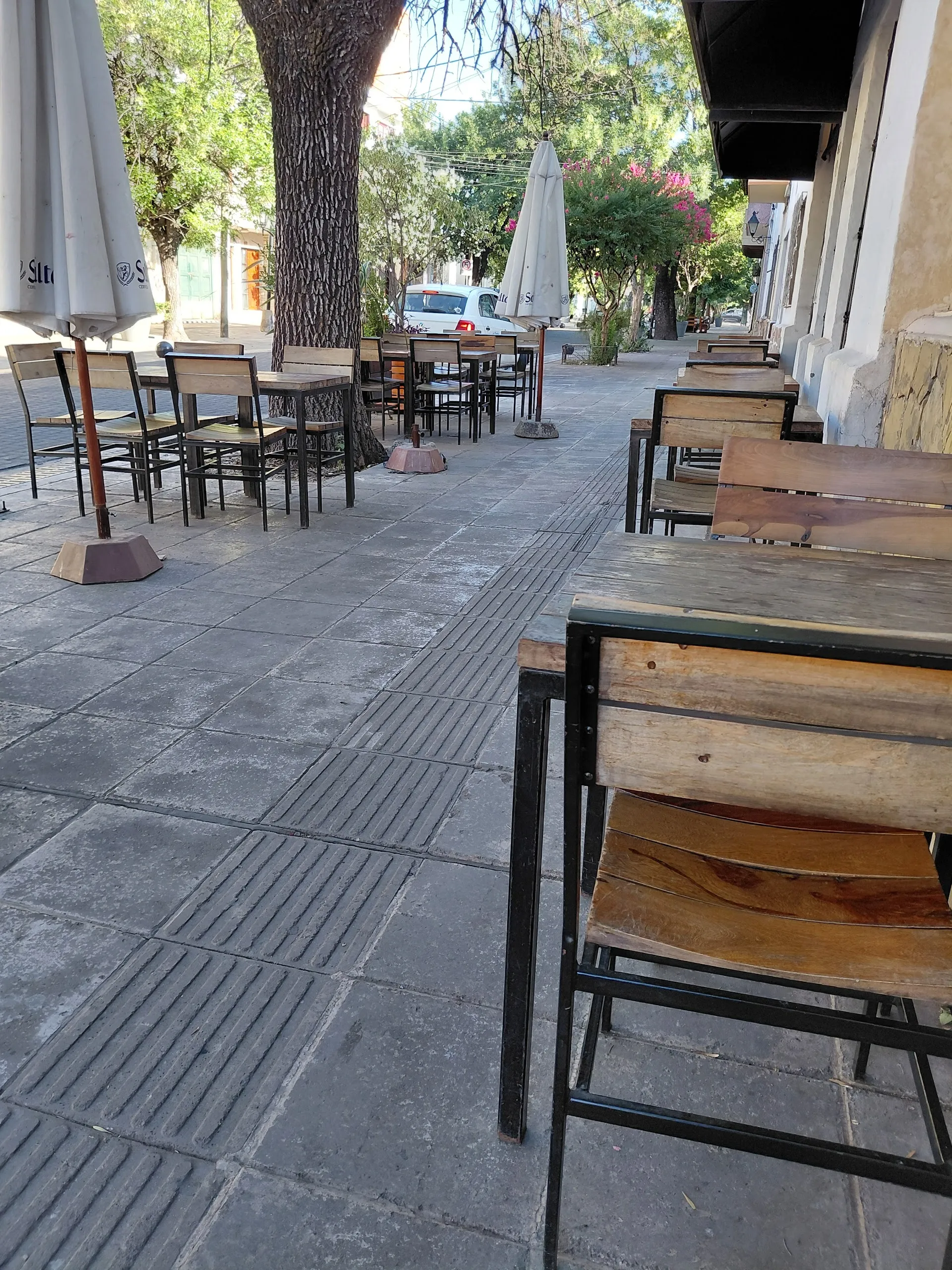
The heart of Salta and one of Argentina's most beautiful main squares. Surrounded by colonial buildings, the cathedral, the Cabildo, and shaded by mature trees. Outdoor cafes line the perimeter.

Centro
MAAM - Museo de Arqueologia de Alta Montana
Must visit
Museum4.8

MAAM - Museo de Arqueologia de Alta Montana

World-renowned museum housing the Children of Llullaillaco — three remarkably preserved 500-year-old Inca mummies found at 6,739m on Volcan Llullaillaco. One of the most extraordinary archaeological displays in South America.

Centro
Iglesia San Francisco
Memorial4.5

Iglesia San Francisco

Salta's most photographed building — a striking terracotta and cream Italianate church with the tallest bell tower in South America (54m). The ornate facade and interior are a masterpiece of Argentine colonial architecture.

Centro
Catedral Basilica de Salta
Memorial4.5

Catedral Basilica de Salta

Stunning 19th-century cathedral with an ornate salmon-pink facade facing Plaza 9 de Julio. Houses the images of the Senor y la Virgen del Milagro, Salta's patron saints. The interior is richly decorated with gold leaf and frescoes.

Centro
Cerro San Bernardo
Must visit
Viewpoint4.5

Cerro San Bernardo

Hilltop viewpoint offering panoramic views of the entire city of Salta and the surrounding valley. Accessible by teleferico (cable car) from Parque San Martin or by a 1,000-step stairway. Gardens, waterfalls, and a cafe at the summit.

Centro
Cabildo Historico de Salta
Museum4.3

Cabildo Historico de Salta

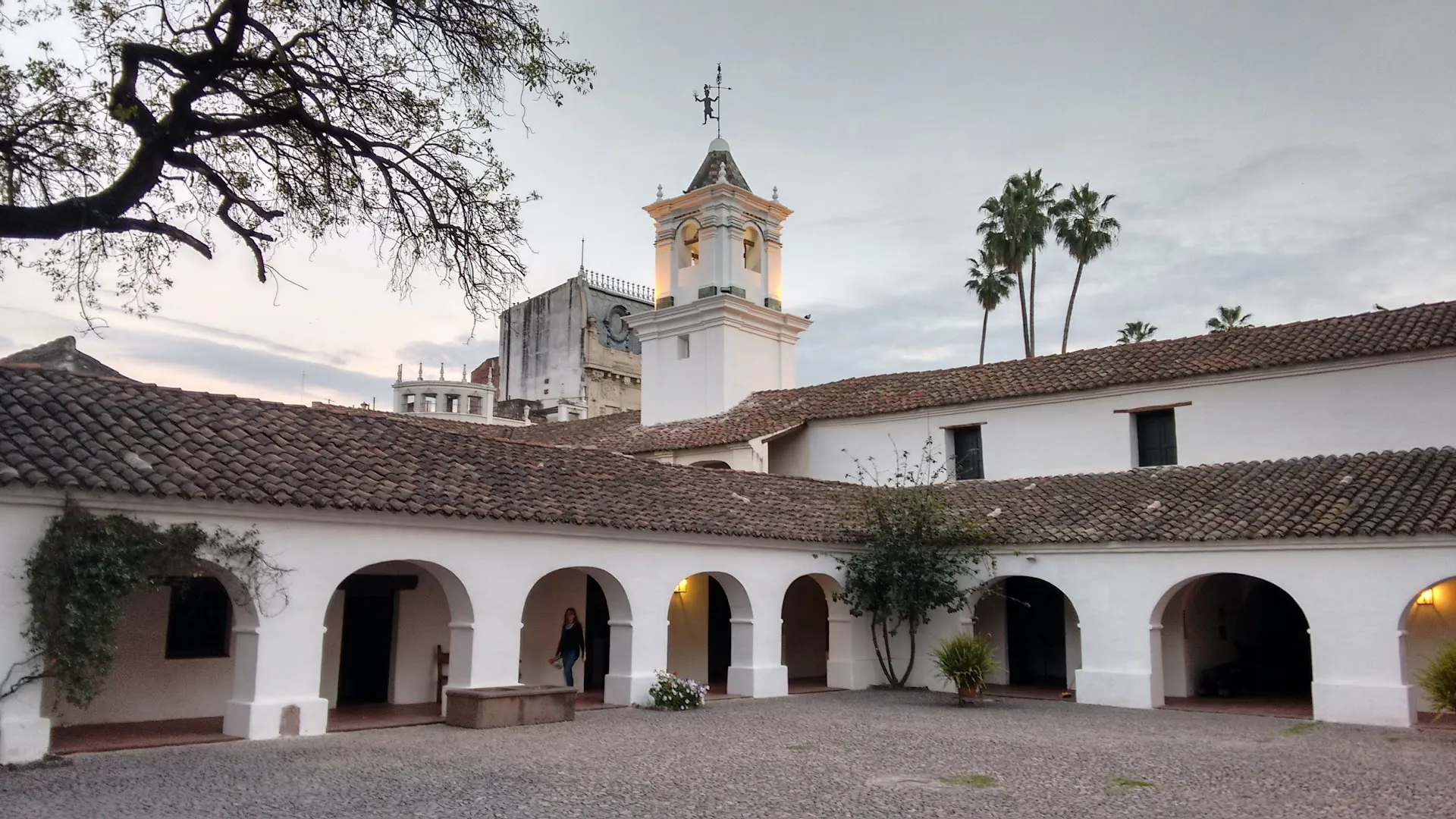
Best-preserved colonial cabildo in Argentina, now housing the Museo Historico del Norte. Beautiful whitewashed arched facade with a wooden balcony. Exhibits cover pre-Columbian artifacts through independence-era history.

Centro
Cafayate
Must visit
Scenic Spot4.6

Cafayate

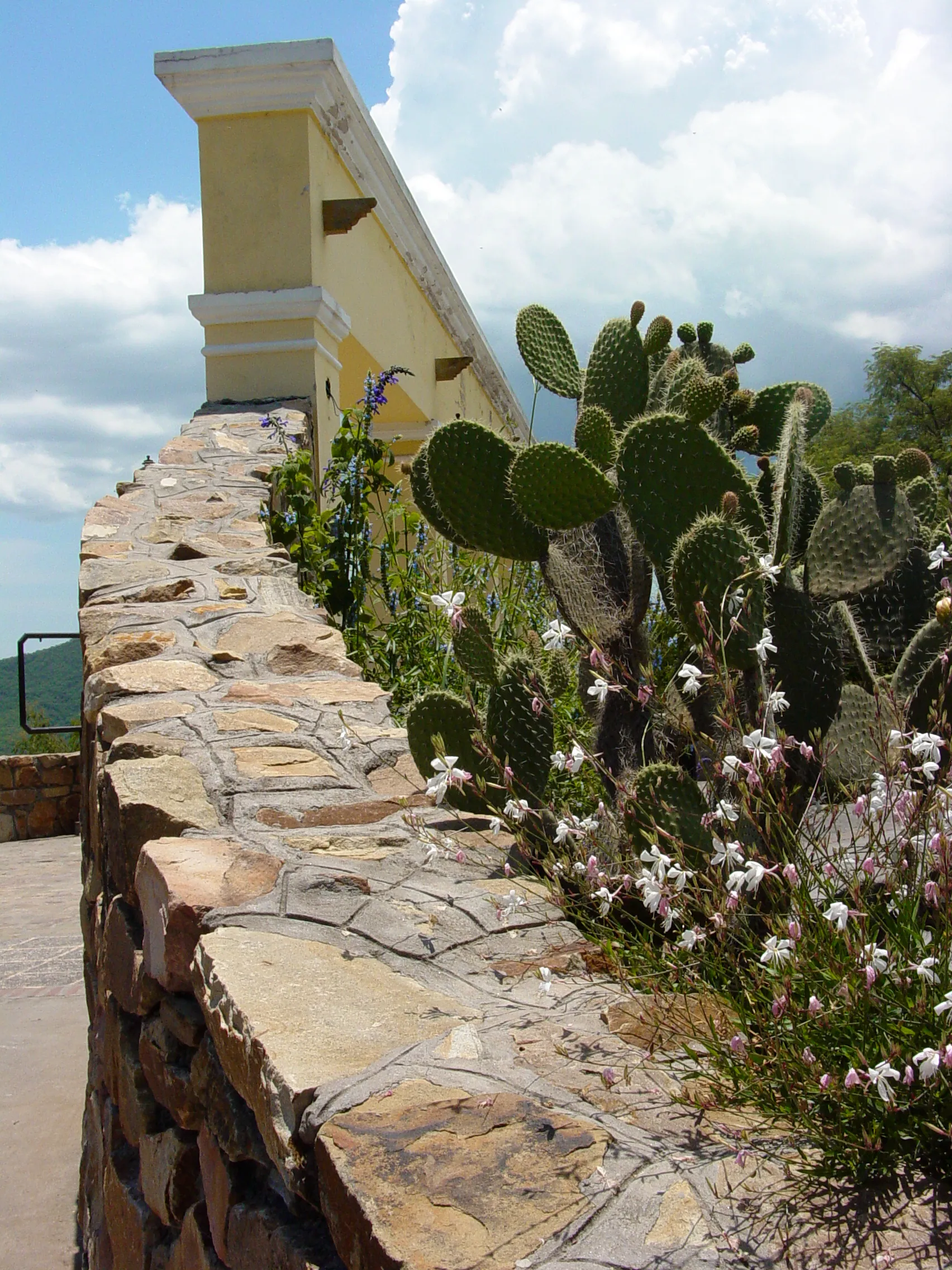
Charming wine town in the Calchaqui Valley, 190km south of Salta city. Argentina's premier Torrontes white wine region. Surrounded by red rock formations, cactus-dotted valleys, and vineyards at 1,660m altitude.

Cafayate
Salinas Grandes Salt Flats
Outdoor

Salinas Grandes Salt Flats

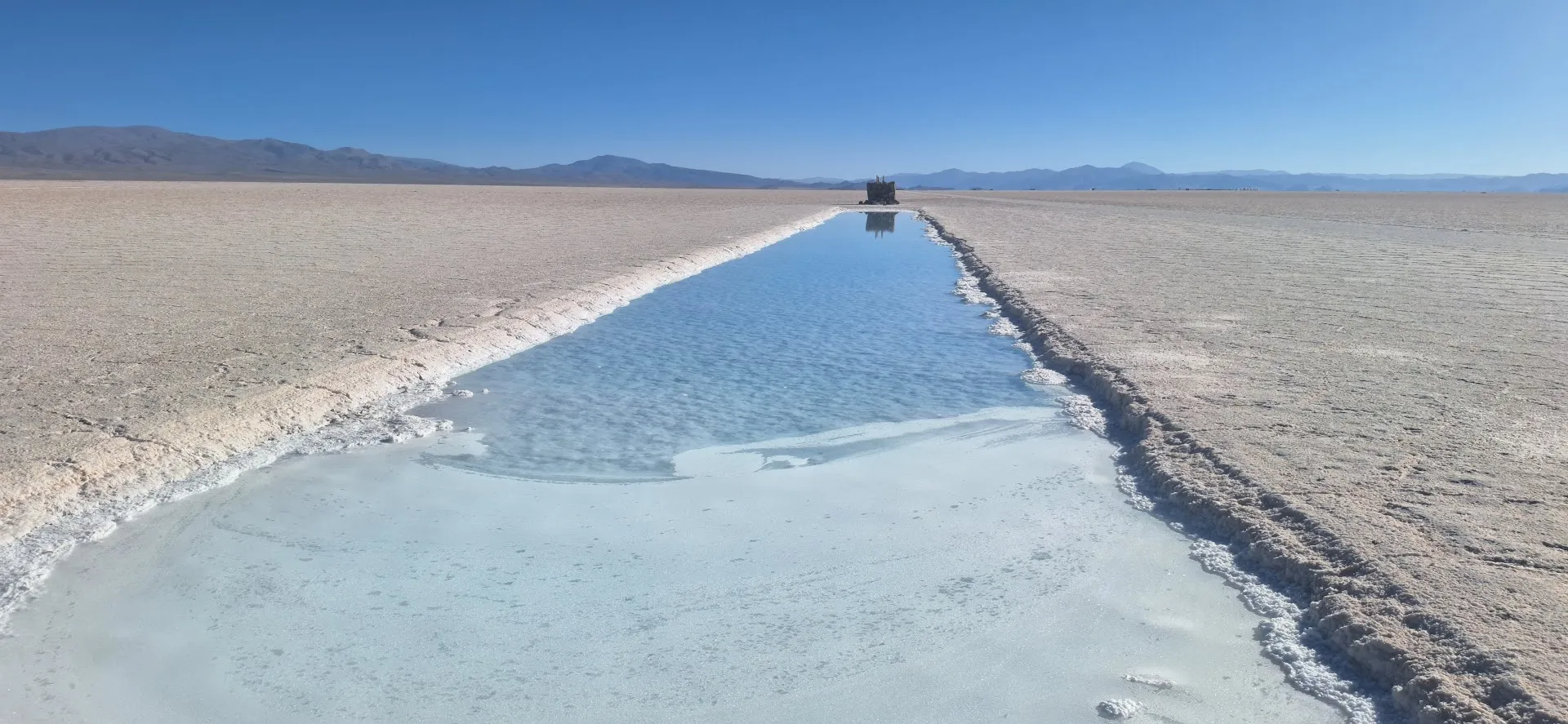
Visit the vast white salt flats stretching across 212 sq km at 3,450m elevation. The blinding white expanse against deep blue Andean skies creates surreal, Uyuni-like photo opportunities. Local Atacameno communities offer guided walks and salt crafts.

Salinas Grandes, Jujuy/Salta border (3,450m altitude)Full day from Salta
Tren a las Nubes (Train to the Clouds)
Experience

Tren a las Nubes (Train to the Clouds)

One of the world's highest railways, climbing from 1,187m in Salta to 4,220m at the Polvorilla Viaduct. The engineering marvel crosses 29 bridges, 21 tunnels, and 13 viaducts through the Quebrada del Toro's dramatic desert landscape. Runs seasonally.

Salta to Viaducto La Polvorilla (4,220m altitude)Full day (15 hours)
Patio de Empanadas
Must visit
Restaurant4.4

Patio de Empanadas

Covered patio market where several empanada stands compete for the title of best empanada saltena. Order from multiple vendors, pair with a cold Torrontes, and compare. Salta is the empanada capital of Argentina.

Centro
Pena Folklorica Night on Balcarce Street
Cultural

Pena Folklorica Night on Balcarce Street

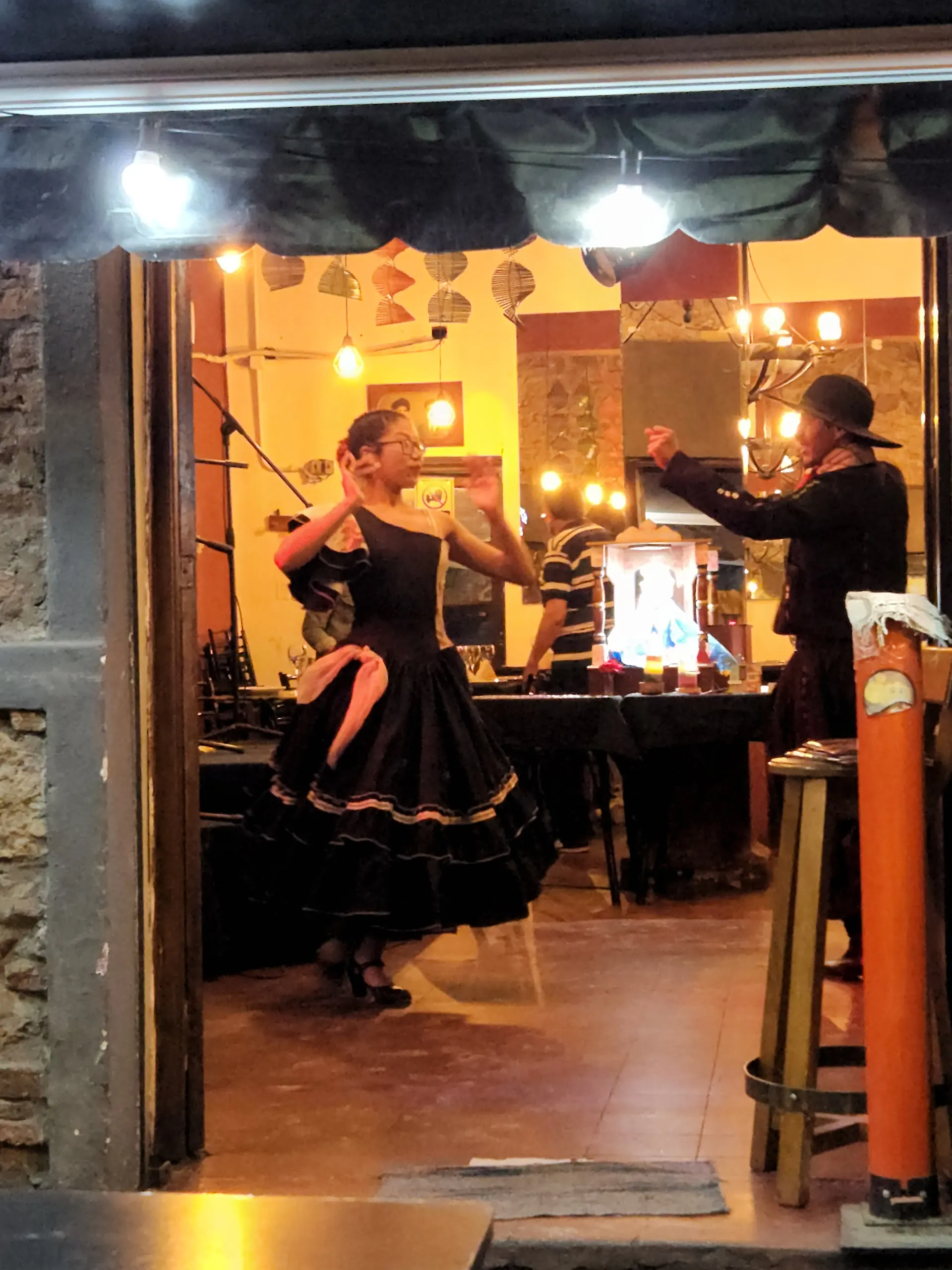
Experience the northwest Argentine folklore tradition at a pena on Balcarce street. Live performances of zamba, chacarera, and baguala music with audience participation, dancing, and regional food and wine. Salta is the cultural capital of Argentine folklore.
Calle Balcarce, Salta city3-4 hours (evening)
Quebrada de las Conchas Drive
Outdoor

Quebrada de las Conchas Drive

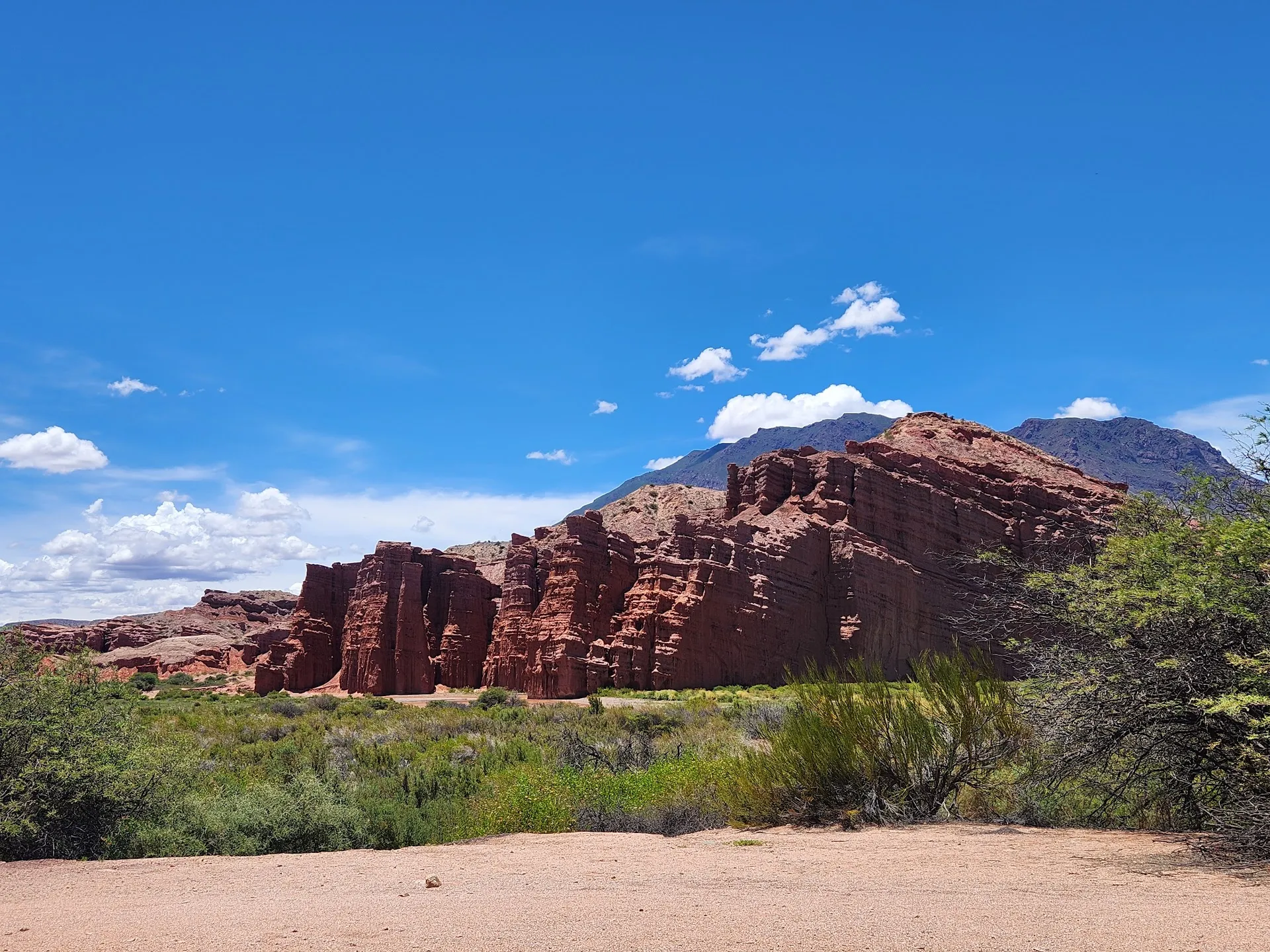
Drive through a spectacular red rock canyon with surreal wind-eroded formations — the Garganta del Diablo, El Anfiteatro, El Sapo, and El Obelisco. The 180km route from Salta to Cafayate is one of Argentina's most dramatic drives.

Between Salta and Cafayate on RN 68Half day (3-4 hours with stops)

Weather by month

Average temperature and rainfall, to time your visit.

22°J
21°F
20°M
17°A
14°M
12°J
11°J
14°A
16°S
20°O
21°N
22°D

Useful links

Official resources and quick searches for Salta.

Plan your Salta trip

Explore more of Argentina

Frequently asked questions

How many days do you need in Salta?
Plan at least three to four days. Two days cover the city and the teleferico, but the region's headline experiences are full-day drives: Cafayate and the Quebrada de las Conchas, the Salinas Grandes salt flats, and the Quebrada de Humahuaca. Five to seven days lets you do the Calchaqui Valley loop and the northern quebrada without rushing.
What is the best way to explore Salta and the surrounding region?
The city center is easily walkable. For the surrounding landscapes you have two options: organized day tours (the simplest, with hotel pickups) or a rental car, which gives you freedom on the scenic Ruta 40 and RN 68 drives. A high-clearance vehicle helps on the gravel stretches between Cachi and Cafayate.
When is the best time to visit Salta?
Autumn (March to May) and winter (June to August) are ideal: dry, sunny, and clear, with autumn adding golden vineyard colors in Cafayate. Avoid mid-September, when the Milagro pilgrimage fills the city, and the December to February rainy season, when unpaved mountain roads can wash out.
What food is Salta famous for?
Salta is the empanada capital of Argentina, famous for the empanada saltena (diced beef, potato, egg, and a hand-crimped edge). Also try locro stew, humitas, and tamales, and pair everything with a glass of the region's floral white Torrontes wine from Cafayate.
Is Salta a good base for day trips?
Yes, it is one of the best bases in Argentina for scenic excursions. From the city you can reach the red-rock Quebrada de las Conchas and wine country at Cafayate, the Salinas Grandes salt flats, the rainbow mountains of the Quebrada de Humahuaca, and the colonial village of Cachi over the Cuesta del Obispo.

Ready to plan Salta?

Turn this guide into a real trip — itinerary, map, budget and friends, all in one place.