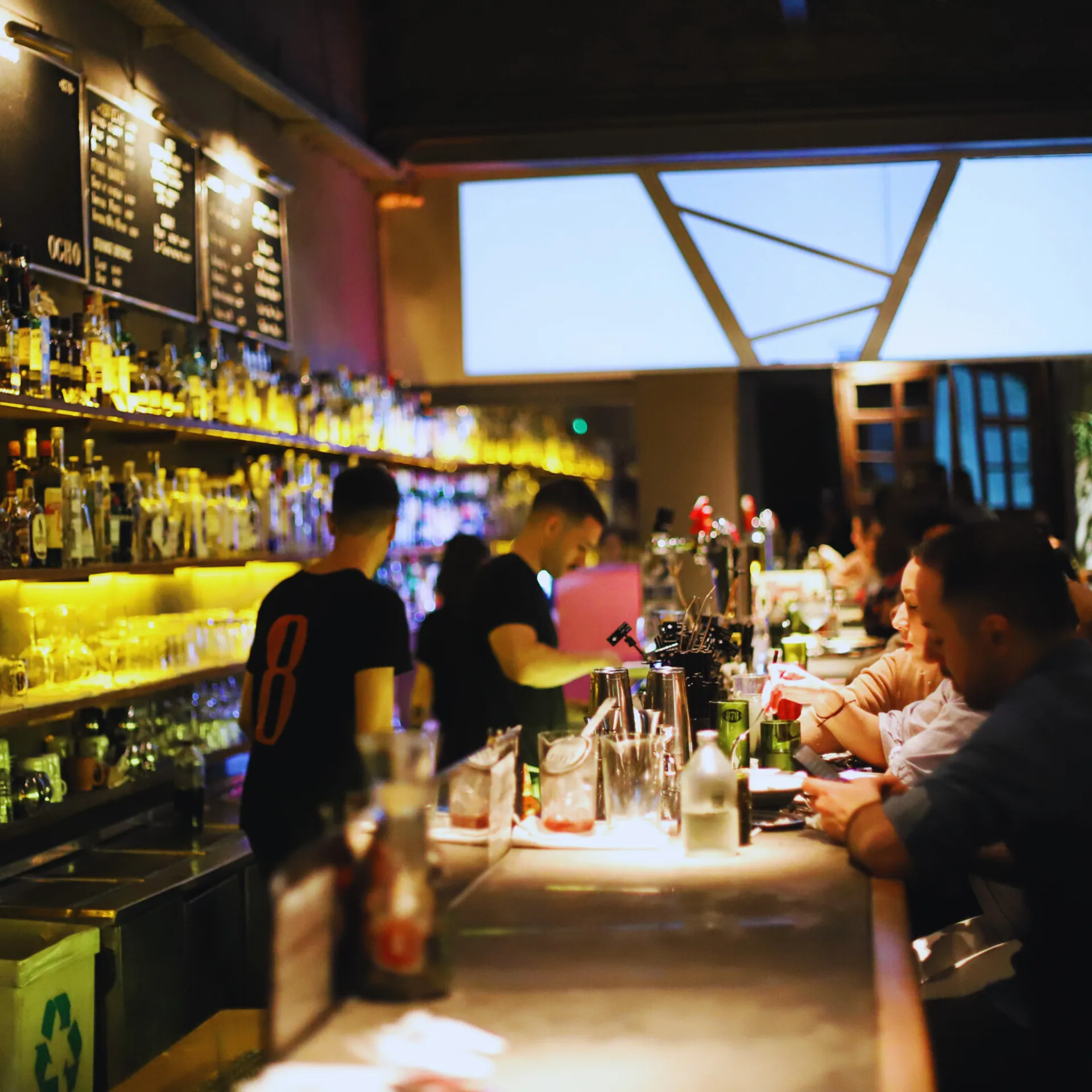
Buenos Aires is the most European of South American capitals and the most Latin of European-feeling cities, a sprawling, soulful metropolis where French-style mansions sit beside corrugated-iron tenements, and where dinner rarely starts before 9pm. Argentines call themselves portenos (people of the port), and the city's character was forged by waves of Italian and Spanish immigrants who brought their food, their architecture, and the melancholic music that became tango. The result is a place that feels familiar and exotic at once, endlessly walkable, fiercely proud, and built for night owls.
This guide is organized around how the city actually works. Buenos Aires divides into a handful of distinct barrios (neighborhoods), and grouping your days by area is the key to enjoying it. San Telmo is the cobblestoned old quarter, best on a Sunday when the antique fair takes over Defensa street. Recoleta is the grand, Parisian district built around its extraordinary cemetery. Palermo is the green, modern heart of the city's food, nightlife, and street art. La Boca holds the painted houses of Caminito and the cathedral of Argentine football. Puerto Madero is the gleaming, redeveloped docklands along the river, and Monserrat and San Nicolas make up the historic, monumental center around Plaza de Mayo.
The single most useful thing to understand is the rhythm. Portenos eat late, stay out later, and treat the cafe as a second living room. Lunch runs until 3pm or 4pm, dinner starts at 9pm or 10pm, and the milongas and clubs do not get going until well after midnight. Lean into it: take a long lunch, rest in the afternoon, and let your evenings stretch.
Best time to visit
Spring (September to November) and autumn (March to May) are the sweet spots: mild temperatures, thinner crowds, and lower hotel rates, with the jacaranda trees flowering purple in spring. Summer (December to February) is hot, humid, and quiet as locals leave for the coast. Winter (June to August) is cool and damp but cheap, and home to the August tango festival.
Budget
Buenos Aires is excellent value for international visitors. A great steak dinner with wine runs far less than in Europe or the US, a coffee and medialunas costs a few dollars, and public transport is almost free. Accommodation and tipped restaurants are the main expenses. Carry pesos and check the favorable 'blue' exchange dynamics, though cards are now widely accepted.~$50-100 USD / day
Food is a national obsession, and beef is the headline. The asado (barbecue) is a social ritual as much as a meal, and the city's parrillas (grill restaurants) range from world-ranked institutions to no-frills neighborhood joints, all washed down with Argentine Malbec at a fraction of what it costs abroad. Beyond beef there are empanadas, milanesas, river-fresh pizza, an obsessive cafe culture, and dulce de leche in everything.
Getting around is cheap and easy with a rechargeable SUBE card that works on the Subte (metro), the city buses (colectivos), and the trains. Taxis and ride apps are inexpensive and the smart choice late at night. Distances between the headline barrios are short, and much of the pleasure is simply walking the leafy streets, ducking into bookshops and cafes, and watching the city go about its dramatic, theatrical business.
Use this guide as a starting point: skim the day-by-day plan, open the things-to-do and where-to-eat lists, then save the places that fit your trip. Everything you save can be dropped straight into a TripBox itinerary with dates, a map, and your travel companions.
The best of Buenos Aires
Curated places worth your time — tap a card for details or to save it.
Extraordinary necropolis of ornate mausoleums housing Argentina's most illustrious figures, including Eva Peron. Labyrinthine alleys of marble, angels, and history.
Recoleta
Must visit
Other4.8
El Ateneo Grand Splendid
Stunning bookstore housed in a 1919 theatre, with original frescoed ceilings, ornate balconies, and a stage converted into a reading cafe. Named one of the world's most beautiful bookstores.
Recoleta
Scenic Spot4.0
Caminito
Colorful open-air museum street in La Boca with painted conventillos, tango performers, and local art stalls. Iconic Buenos Aires photo opportunity.
La Boca
Other4.9
Teatro Colon
World-class opera house inaugurated in 1908, renowned for its exceptional acoustics and Italian Renaissance architecture. Guided tours available daily.
San Nicolas
Flea Market4.5
Feria de San Telmo
Sprawling Sunday street fair stretching along Defensa street with antiques, crafts, tango dancers, and street performers. The heartbeat of San Telmo since 1970.
San Telmo
Restaurant4.8
Don Julio
Legendary parrilla ranked among the World's 50 Best Restaurants. Dry-aged beef, outstanding Argentine wine list, and warm service in a corner bodegon setting.
Palermo
Must visit
Museum4.6
MALBA
Museum of Latin American Art featuring works by Frida Kahlo, Diego Rivera, and Tarsila do Amaral. Striking modern architecture and a renowned cinema program.
Palermo
Must visit
Cafe4.0
Cafe Tortoni
Buenos Aires' most iconic cafe, open since 1858. Art Nouveau interiors, live tango shows in the basement, and a literary history featuring Borges and Gardel.
Monserrat
Architecture
Puente de la Mujer
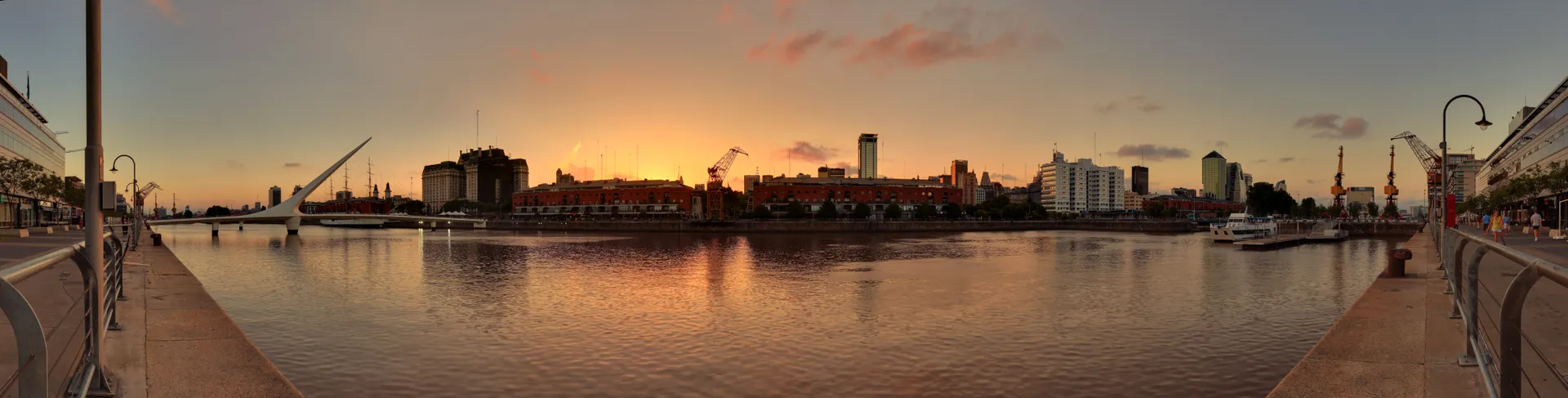
Santiago Calatrava-designed rotating footbridge inspired by a couple dancing tango. The 170m asymmetric cable-stayed structure pivots to allow ship passage. Clean modern lines contrast beautifully with the old brick warehouses of Puerto Madero. Reflections on the dock water double the visual impact.
Puerto Madero, Buenos Aires
Landmark
Plaza de Mayo
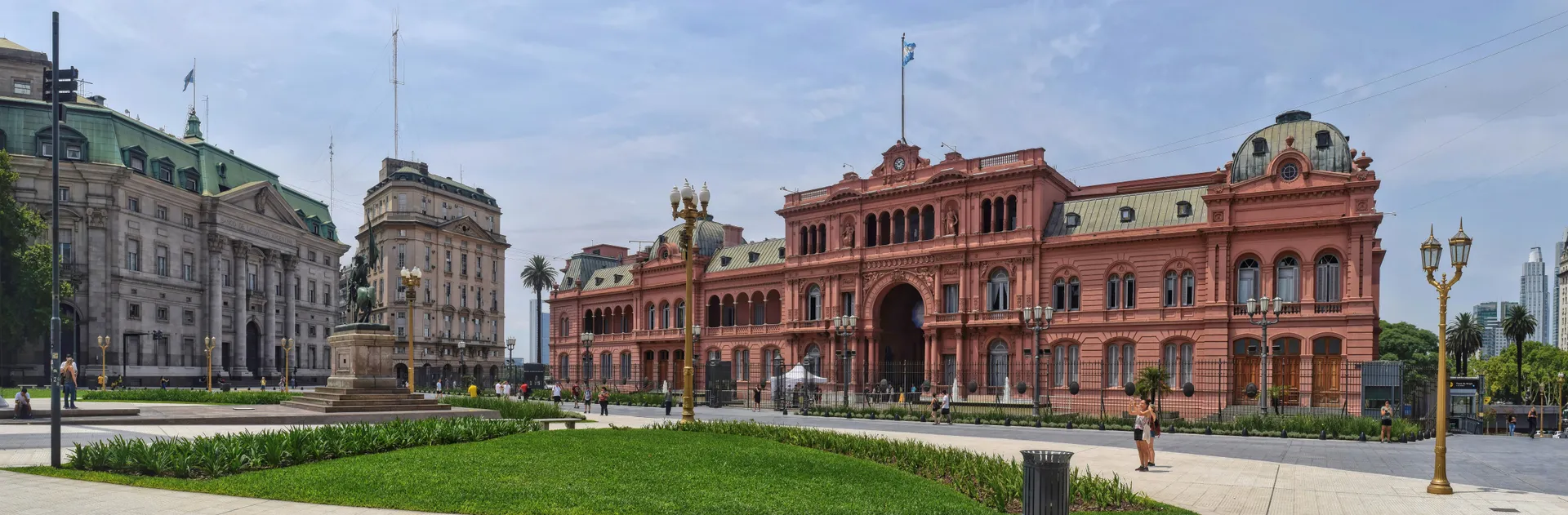
The political heart of Argentina since 1580. The pale pink Casa Rosada (presidential palace) dominates the east side, flanked by the Cabildo and the Metropolitan Cathedral. The Piramide de Mayo obelisk marks the center. Deeply tied to Argentine history from independence to the Mothers of Plaza de Mayo marches.
Monserrat, Buenos Aires
Must visit
Club4.5
La Catedral
Underground milonga in a raw warehouse space with crumbling walls and a bohemian atmosphere. Tango classes and dancing nightly, attracting locals and travelers alike.
Almagro
Market4.4
Mercado de San Telmo
Covered iron-frame market from 1897 packed with butchers, produce stalls, wine shops, and gourmet food counters. A must for sampling local flavors.
San Telmo
Tours & experiences
Free walking tours and curated paid experiences — save or book in a tap.
Tour
La Boca & Caminito Walking Tour
Walk through the colorful corrugated-iron houses of Caminito and learn about the immigrant history of La Boca. Tango dancers perform in the streets and local artists display their work.
La Boca, Caminito2-3 hours
Tour
Recoleta Cemetery Guided Tour
Explore the ornate mausoleums and crypts of Argentina's most famous cemetery. A guided tour reveals the stories of Eva Perón, presidents, and the elite families buried here.
Recoleta Cemetery, Recoleta1.5-2 hours
Tour
Guided Street Art Tour in Palermo
Explore Palermo's vibrant murals and graffiti scene with a local guide who explains the political and cultural stories behind the art. Buenos Aires is one of the world's top street art capitals.
Palermo Soho & Hollywood2-3 hours
Class
Asado Cooking Class
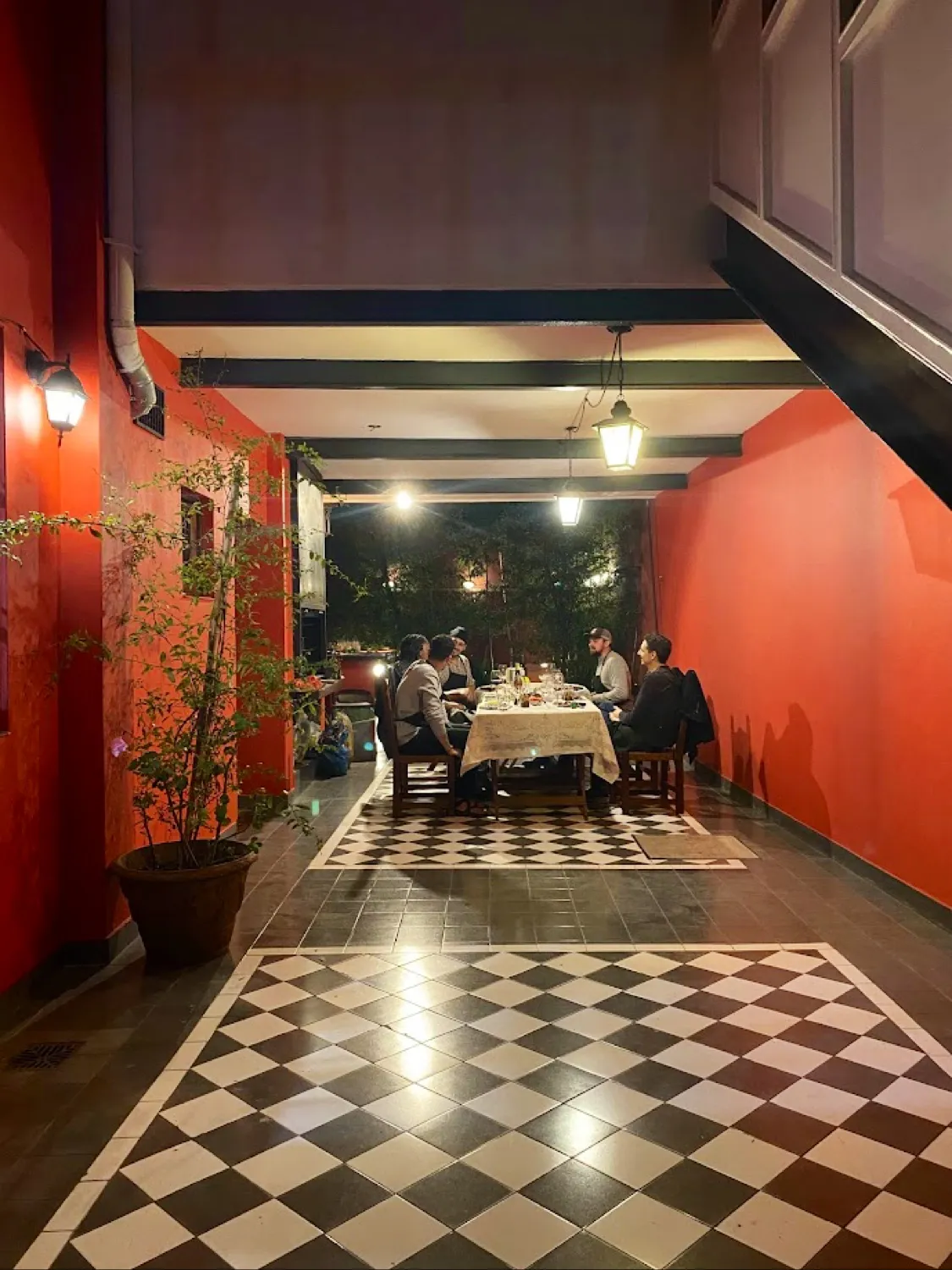
Master the art of Argentine asado (barbecue) from a local parrillero. Learn fire management, meat cuts, chimichurri preparation, and the social ritual that defines Argentine culture.
Palermo, Buenos Aires3-4 hours
Experience
Tigre Delta Boat Tour
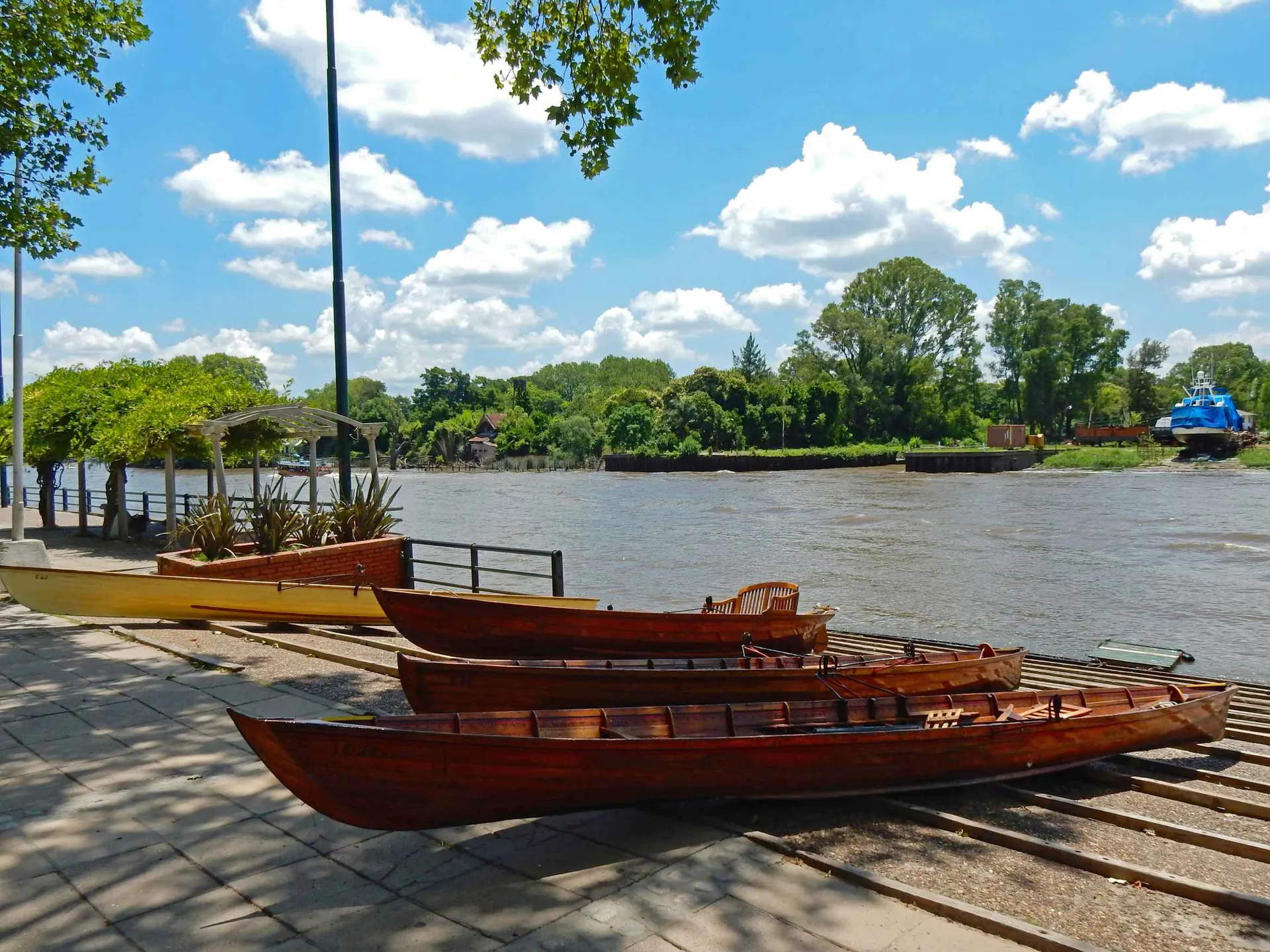
Escape the city for a boat ride through the lush Paraná Delta. Glide past stilt houses, riverside restaurants, and subtropical islands just an hour from downtown Buenos Aires.
Tigre Delta (1hr north of Buenos Aires)Half day
Nightlife
Milonga Night Experience
Immerse yourself in authentic Buenos Aires nightlife at a traditional milonga. Watch expert dancers navigate the floor and learn the codes of the ronda, cabeceo, and tanda.
Various milongas across Buenos Aires3-5 hours
Nightlife & live music in Buenos Aires
Clubs, jazz dens, listening bars and late-night spots worth staying out for.
Underground milonga in a raw warehouse space with crumbling walls and a bohemian atmosphere. Tango classes and dancing nightly, attracting locals and travelers alike.
Almagro
Must visit
Club4.5
Salon Canning
One of Buenos Aires' most traditional milongas, hosting tango events since the 1950s. Classic ballroom setting with excellent dancers and live orchestras on select nights.
Palermo
Bar4.7
Floreria Atlantico
Award-winning speakeasy hidden behind a flower shop. Inventive cocktails celebrating Argentina's immigrant heritage. Regularly ranked among the World's 50 Best Bars.
Retiro
Bar4.4
Frank's Bar
Hidden speakeasy behind an unmarked door — ring the bell and give the password. Prohibition-era decor and expertly crafted classic cocktails.
Palermo
Bar4.3
878 Bar
Intimate cocktail bar in a restored Villa Crespo house. Seasonal menus, dim lighting, and a laid-back neighborhood feel that rewards repeat visits.
Villa Crespo
Bar4.4
Gran Bar Danzon
Upscale wine bar and cocktail lounge with an encyclopedic Argentine wine list. Sleek modern interior, raw bar, and a sophisticated late-night crowd.
Retiro
Bar4.2
Victoria Brown
Glamorous Palermo bar inspired by Victorian-era London. Ornate decor, craft cocktails, and a lively weekend crowd.
Palermo
Club4.0
Crobar
Large-capacity electronic music club in Palermo's nightlife corridor. International DJs, multiple rooms, and marathon parties that run until sunrise.
Palermo
Club4.3
Niceto Club
Palermo's beloved multi-purpose venue hosting live bands, DJ nights, and the legendary Club 69 drag party. Eclectic programming from cumbia to indie rock.
Palermo
Walking routes in Buenos Aires
Ready-made routes, ordered stop by stop with a map — open in Google Maps or add the whole thing to a trip in one tap.
Daily budgets and typical prices to plan your spend.
Backpacker
ARS 35/ day
Mid-range
ARS 80/ day
Luxury
ARS 200/ day
Cheap meal
ARS 6.0
Restaurant meal
ARS 15
Coffee
ARS 2.5
Local beer
ARS 3.0
Transit ticket
ARS 0.5
Taxi (1km)
ARS 0.8
Cost index 45 (New York = 100).
When to go
Best time to visit
September to November (spring) or March to May (fall) - pleasant weather and fewer crowds
Crowds
High
PeakDec, Jan, Feb, Jul, Aug
ShoulderMar, Apr, May, Sep, Oct, Nov
QuietJun
Major events
Buenos Aires International Film FestivalApr
Tango FestivalAug
Buenos Aires Book FairMay
Argentine Open Tennis TournamentFeb
Weather by month
Average temperature and rainfall, to time your visit.
25°J
23°F
22°M
18°A
15°M
12°J
11°J
13°A
15°S
18°O
21°N
23°D
Good to know
Practical info before you go.
Tipping
Round Up — Tipping is not mandatory but rounding up the bill or leaving 5-10% for good service is appreciated in restaurants and for guides
Tap water
Safe to drink
Power
Type I · 220V
Safety
Medium — Buenos Aires is generally safe for tourists in well-traveled areas. Avoid displaying expensive items, be cautious in La Boca and San Telmo at night, and use registered taxis or ride-sharing apps
Emergency
911
Local culture
Language
Spanish
English
Moderate
Dress code
Smart Casual
Useful phrases
Hola, ¿cómo estás?
Hi, how are you?
Gracias
Thank you
¿Cuánto cuesta?
How much does it cost?
Un café, por favor
A coffee, please
Disculpe, ¿dónde está...?
Excuse me, where is...?
Habla muy rápido
You speak very fast
Local customs
Porteños (Buenos Aires residents) are passionate about football (soccer) - avoid negative comments about local teams
Tango is deeply cultural - show respect when experiencing tango performances and understand it's a serious art form
Dinner is typically late (9-10 PM) and Argentines spend considerable time socializing at meals
Personal space and greetings involve cheek kissing (one or two kisses) among friends and acquaintances
Watch out for
Fake police stopping you for 'document check' and stealing money - carry only copies of documents
Taxi overcharging - use registered radio taxis or Uber instead of hailing cabs on the street
Drugged drinks in nightclubs - never leave beverages unattended and go out with trusted companions
Useful links
Official resources and quick searches for Buenos Aires.
Three to four days is ideal to cover the essential neighborhoods (San Telmo, Recoleta, Palermo, La Boca, and the historic center), see a tango show or milonga, and eat well. With five or more days you can add a day trip to the Tigre Delta, catch a polo match in season, and slow down for the cafe and shopping culture.
Is Buenos Aires safe for tourists?
Buenos Aires is generally safe in the main tourist areas like Recoleta, Palermo, and Puerto Madero, but petty theft and pickpocketing happen, especially in crowded markets and on public transport. Stay alert, avoid flashing valuables, keep to the marked tourist streets in La Boca, and use a taxi or ride app at night.
When is the best time to visit Buenos Aires?
Spring (September to November) and autumn (March to May) offer the best balance of mild weather, manageable crowds, and lower prices. Spring brings the city's famous jacaranda blooms. Summer is hot and humid, while winter is cool, damp, and quiet but the cheapest time to visit.
What is the best way to get around Buenos Aires?
Buy a rechargeable SUBE card on arrival; it works on the Subte (metro), city buses, and trains, and fares are extremely cheap. The Subte is fast for crossing the center, buses cover everywhere, and taxis or ride apps like Uber and Cabify are affordable and the smart choice late at night.
Is Buenos Aires expensive?
For international visitors it is excellent value. Steak dinners with wine, coffee, and public transport are all inexpensive compared with Europe or North America. Carry Argentine pesos and pay attention to exchange rates; cards are widely accepted, but cash can stretch further.
Ready to plan Buenos Aires?
Turn this guide into a real trip — itinerary, map, budget and friends, all in one place.