Skip to content
Tilcara

The Complete Guide to Tilcara

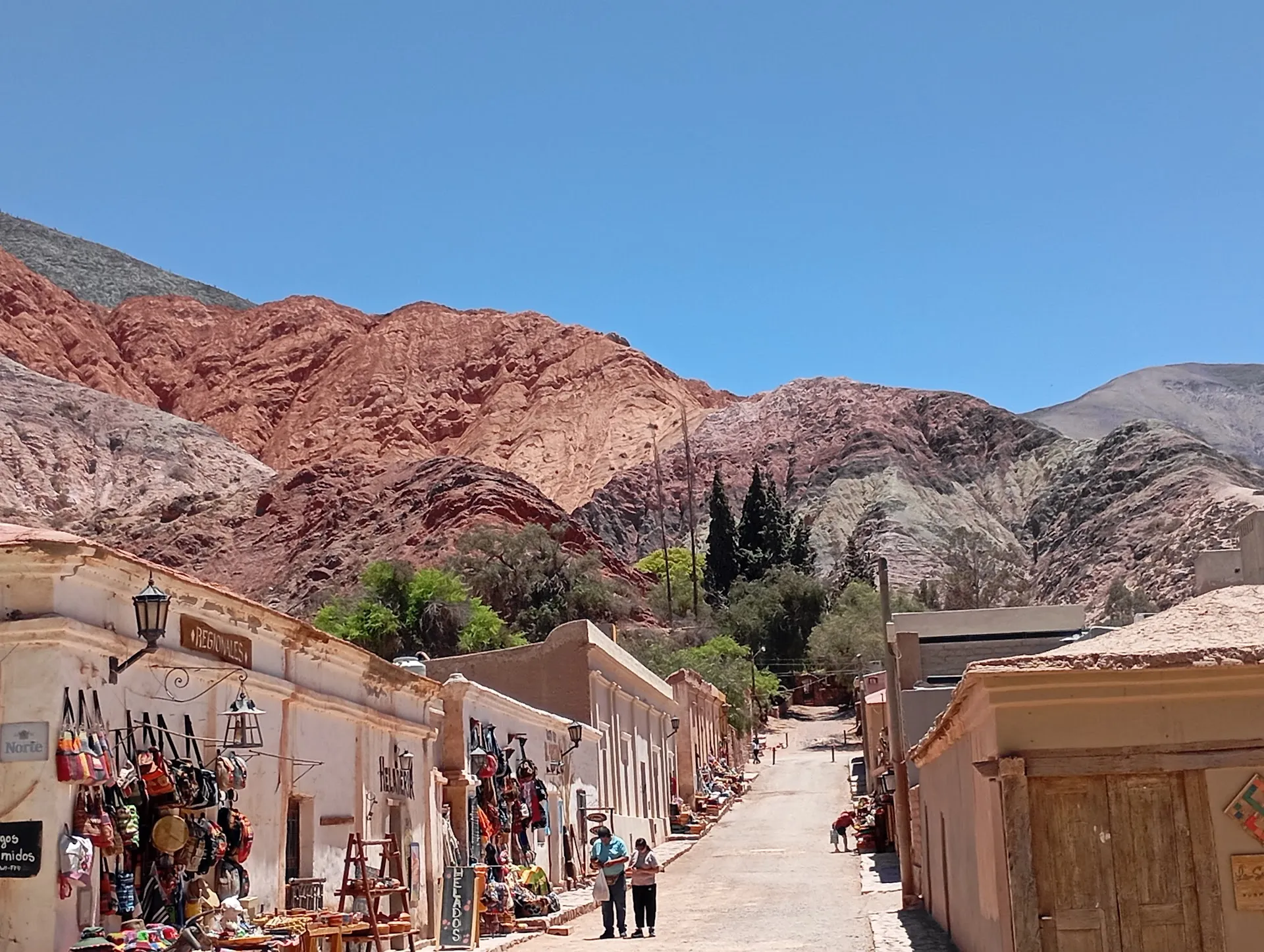
Tilcara sits at 2,465 meters in the Quebrada de Humahuaca, a narrow, striped-red gorge that UNESCO listed as a World Heritage cultural landscape in 2003 for the roughly 10,000 years of human use etched into its walls. The town itself is small - around 6,000 people, adobe walls, unpaved side streets - but it carries outsized weight in Argentine archaeology and living Andean culture: it is built directly around the Pucará de Tilcara, a pre-Inca hilltop fortress that archaeologists Juan Bautista Ambrosetti and Salvador Debenedetti began excavating in 1908, and it still supports a working craft economy of weavers, silversmiths and potters rather than a curated 'artisan district' built for tourists.

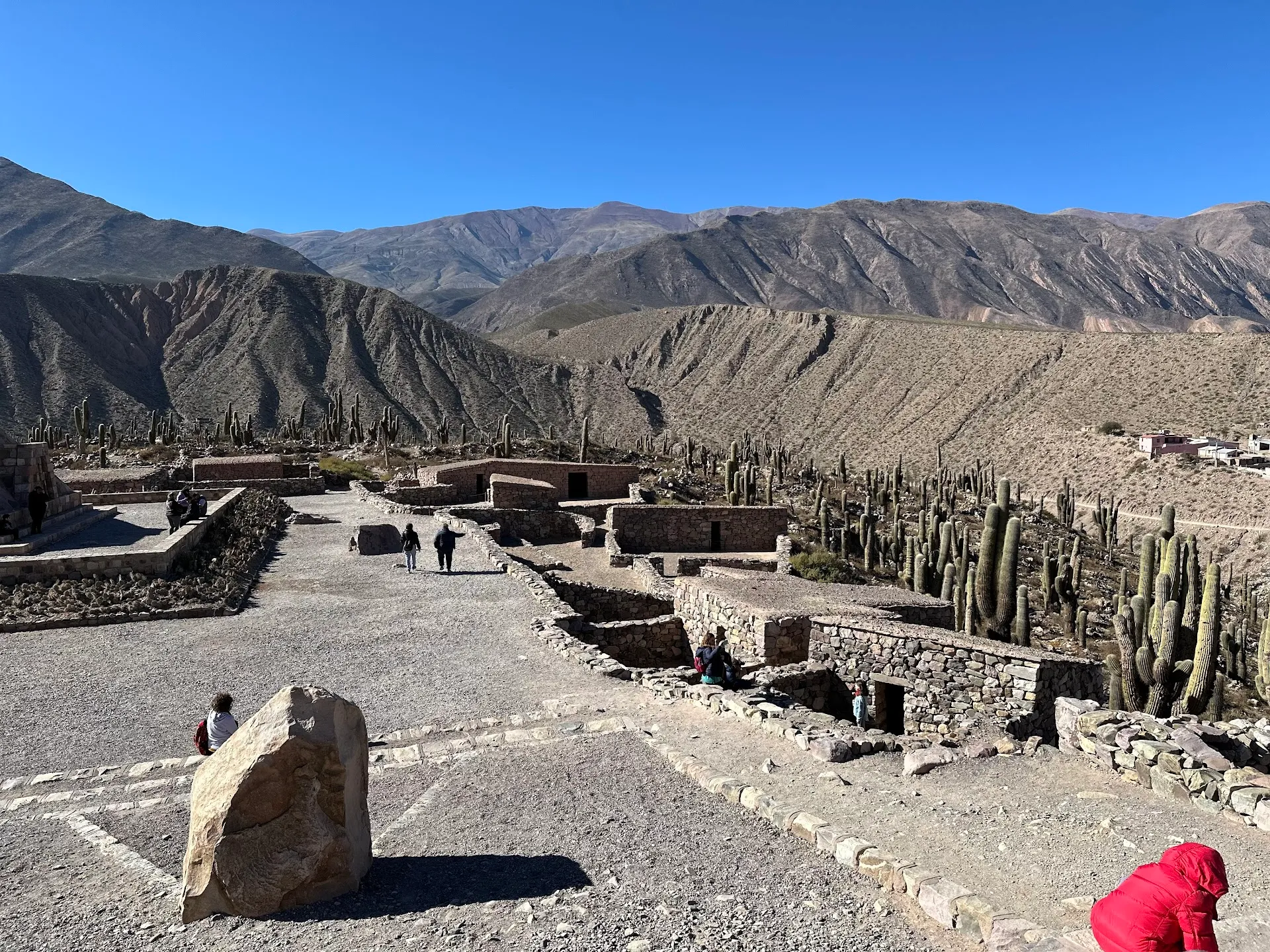
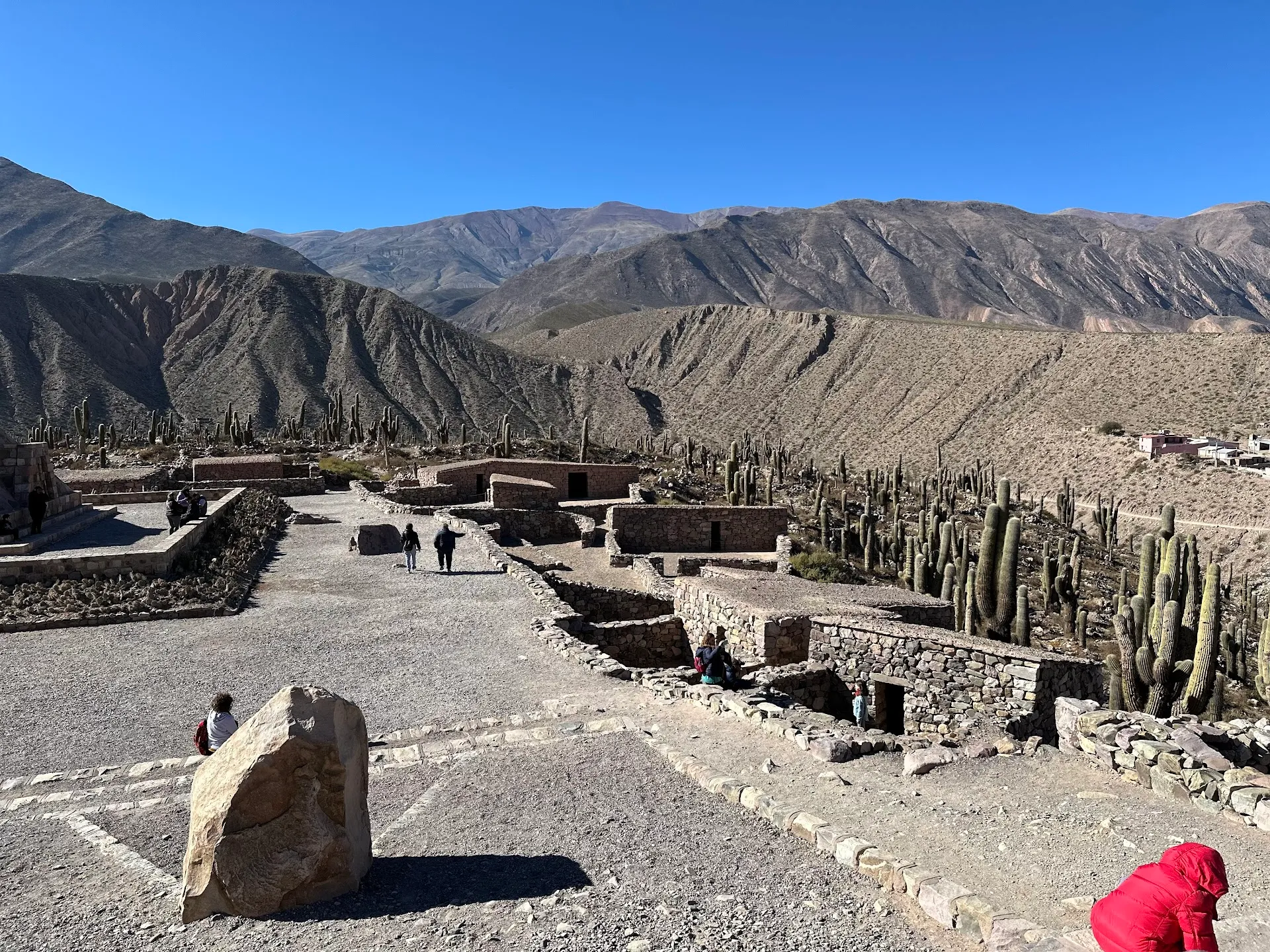
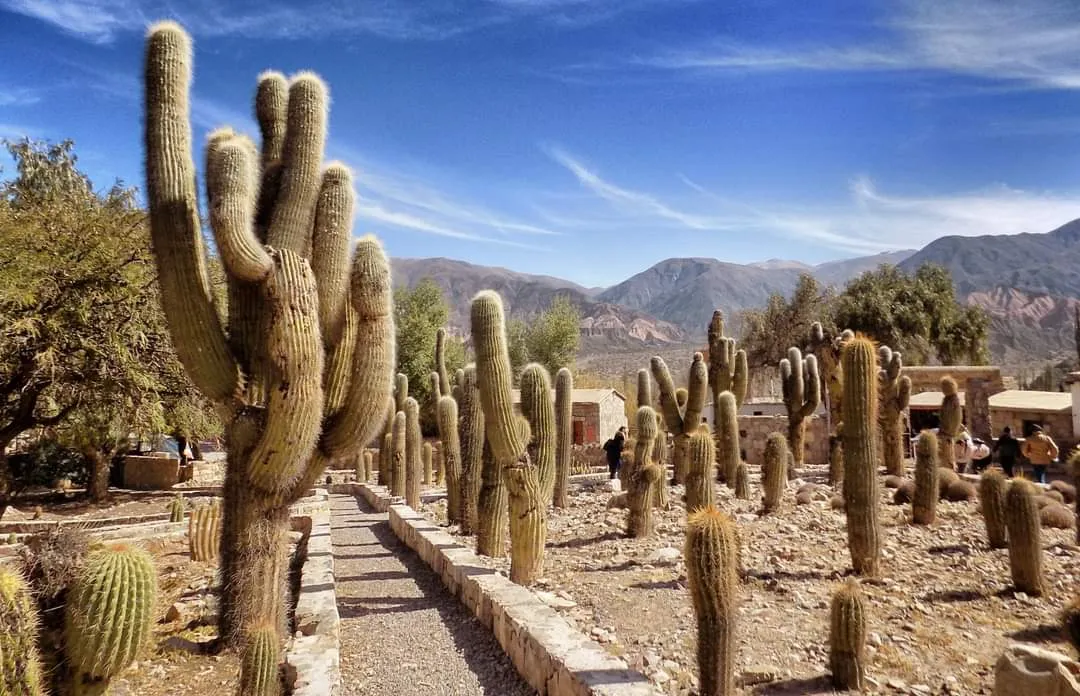
Everything in Tilcara radiates from Plaza Coronel Álvarez Prado, shaded by pepper trees and ringed most days by the feria artesanal - stalls of llama and vicuña-wool textiles, black-and-red ceramics and hand-worked silver filigree, run by the same families you will see weaving on backstrap looms between customers. A short walk south, the more workaday Mercado Municipal serves market-stall breakfasts and regional dishes to locals and visitors alike. Ten to fifteen minutes on foot from the plaza, a signed path climbs past the Jardín Botánico de Altura - a research garden of Puna cacti and native flora tended since 1970 by the University of Buenos Aires - into the Pucará itself: reconstructed stone terraces, a ceremonial precinct where excavators found trophy-skull burials, and, at the summit, the 1935 pyramid monument that has become the site's most photographed image (it is a memorial to the excavators, not a pre-Hispanic structure - a common point of confusion worth knowing before you go).

Beyond the Pucará and the market, Tilcara's other identity is as a stage for living tradition. Its Carnaval - opened each February by the Desentierro del Diablo, when comparsas 'dig up' a devil figure said to embody a year's worth of pent-up desire and mischief - is one of the most intense and least commercialized in Argentina's northwest, and the town's peñas keep copla and baguala singing alive year-round, not just during festival weeks. In the week before Easter, thousands walk an overnight, 25-kilometer pilgrimage route from Tilcara up to the Abra de Punta Corral shrine at nearly 3,700 meters - a genuinely demanding trek, not a tourist reenactment, and one recognized as national intangible cultural heritage.
Best time to visit

Tilcara's dry season, roughly May through September, is the classic window: cloudless days in the low-to-high 20s°C, cold (sometimes near-freezing) nights, and the clearest views over the Quebrada's striped rock - this is also when trekking routes like Cerro Negro and the Pucará de Juella are most reliable underfoot. July is the single busiest month, coinciding with Argentina's winter school holidays, so book ahead if you are traveling then. Summer (December-March) is Tilcara's rainy season - warm, humid afternoons that often cloud over or bring short storms, with a damp cold at night that can feel harsher than the dry winter cold. It is also, not coincidentally, when the town is at its cultural peak: Carnaval (the Desentierro del Diablo falls on 14 February 2026, with the Carnaval Grande running over the following days) fills the streets with comparsas, and January's Enero Tilcareño festival works as a month-long warm-up act. If living tradition matters more to you than clear hiking weather, plan around these dates deliberately. The Holy Week pilgrimage to Punta Corral falls in the shoulder between seasons (the date moves with Easter) and is worth checking against your calendar too.

Budget

Tilcara is inexpensive by regional standards, especially compared to Buenos Aires or Salta city. A dorm bed runs roughly USD 8-15, a simple double room in a family-run posada USD 25-45, and a market-stall lunch or empanadas from the Mercado Municipal only a few dollars. The Pucará and its attached botanical garden charge a modest, separately ticketed entrance fee (a few dollars; Jujuy residents and children up to 12 enter free), and the town's small museums charge similarly little. Craft purchases at the feria artesanal vary widely - a hand-loomed poncho from a workshop like Puisca costs far more than a small ceramic souvenir - and prices are generally set by the maker rather than bargained down. Rates rise sharply during July's winter holidays and February's Carnaval, when it is worth booking accommodation well ahead.~USD 30-60 / day mid-range / day

Tilcara rewards two full days more than a rushed stopover: one for the Pucará complex, plaza and market at a walking pace; a second for the town's small house-museums (devoted to painter José Antonio Terry, sculptor Ernesto Soto Avendaño and regional fine art), a craft-workshop visit, and a half-day hike into the hills that ring the town. Most visitors arrive by bus from San Salvador de Jujuy, about 70 kilometers and roughly 1 hour 45 minutes south along Ruta Nacional 9 - Tilcara makes an easy, walkable base for the wider Quebrada, closer to Purmamarca's Fourteen Colors Hill and to Humahuaca than staying in the provincial capital.

Altitude is worth taking seriously even though Tilcara is far lower than the high Puna further north: at 2,465 meters, most people feel some effect for a day - mild headache, shortness of breath on the Pucará's stairs - so plan an easy first day, drink more water than usual, and save the harder hikes for day two or three. Budget-wise, Tilcara is one of the most affordable bases in the Quebrada, especially outside the July winter-holiday peak and February's Carnaval, when rooms fill fast and prices climb. Below, the top experiences to build a Tilcara visit around - save the ones that fit your trip and drop them straight into a TripBox itinerary.

The best of Tilcara

Curated places worth your time — tap a card for details or to save it.

El Monumento (Pirámide del Pucará de Tilcara)
Landmark

El Monumento (Pirámide del Pucará de Tilcara)

A truncated stone pyramid built in 1935 atop the Pucará's hill, designed by architect Martín Noel to honor pioneer archaeologists Juan Bautista Ambrosetti and Salvador Debenedetti, who first excavated the site from 1908. It is not a pre-Hispanic structure itself but has become the site's most photographed landmark, doubling as a panoramic viewpoint over the Quebrada de Humahuaca.

Tilcara (summit of the Pucará hill)
La Iglesia (Barrio Ceremonial del Pucará)
Landmark

La Iglesia (Barrio Ceremonial del Pucará)

The central ceremonial precinct inside the Pucará, named after old Tilcara residents' accounts that 'the church of the Indians' once stood there — a claim later borne out by excavation. Archaeologists uncovered courtyards, altars and trophy-skull burials here, in what is believed to have been a center for Inca-period sun and moon worship adjoining an artisans' quarter.

Tilcara (central sector of the Pucará hill)
Jardín Botánico de Altura de Tilcara
Landmark

Jardín Botánico de Altura de Tilcara

A 3-hectare high-altitude botanical garden created in 1970 through an agreement between the UBA Faculty of Philosophy and Letters and the Jujuy provincial government, sitting at 2,580 m right beside the Pucará entrance. Its collection is organized into sections of cacti, medicinal plants, food crops and Puna/Quebrada de Humahuaca alpine flora, and it includes the 'Piedra Campana,' a 2.5-ton volcanic rock that rings when struck.

Tilcara (foot of the Pucará hill)
Feria Artesanal de Tilcara (Plaza Álvarez Prado)
Shopping Area

Feria Artesanal de Tilcara (Plaza Álvarez Prado)

A permanent open-air artisan fair beneath the shade trees of Tilcara's central plaza, where stalls run by local and visiting artisans sell llama and vicuña-wool textiles, black and red ceramics, silver filigree jewelry, mates, woodwork, leatherwork, basketry and handmade Andean instruments. It's the town's most concentrated single stop for regional handicrafts and a daily gathering point for both vendors and visitors.

Centro
Puisca Tejidos Artesanales
Shopping Area

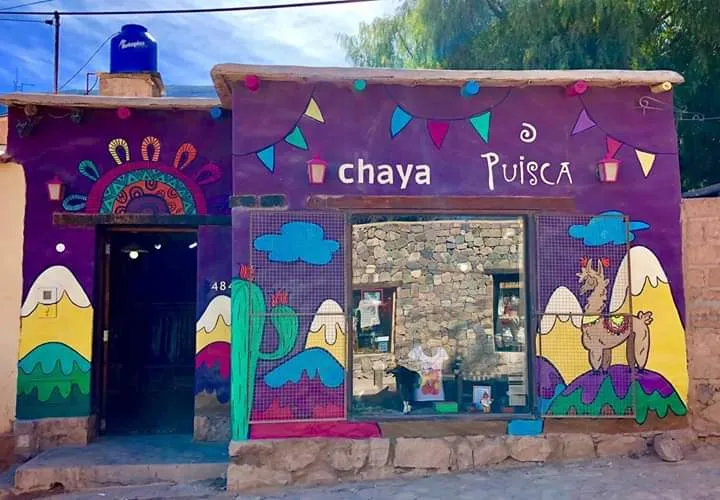
Puisca Tejidos Artesanales

A small Tilcara workshop-shop specializing in handwoven garments made from pure and naturally-dyed llama, sheep and cotton fiber, combining loom weaving, knitting, crochet and embroidery to produce ruanas, ponchos and sweaters entirely by hand on manual looms. It's a good pick for visitors wanting to see and buy genuinely locally made textile work rather than mass-produced souvenirs.

Centro
Peregrinación al Abra de Punta Corral
Experience

Peregrinación al Abra de Punta Corral

An annual high-altitude pilgrimage in which thousands of the faithful, accompanied by sikuri pan-pipe bands, walk overnight from Tilcara's church up a steep 25 km route gaining roughly 1,200 m of elevation to the Abra de Punta Corral shrine (about 3,660 m), one of two sanctuaries devoted to the Virgen de Copacabana. Recognized as national intangible cultural heritage, the tradition dates back more than 150 years and remains one of the most demanding devotional treks in the Quebrada de Humahuaca.

Tilcara
La Peña de Chuspita
Experience

La Peña de Chuspita

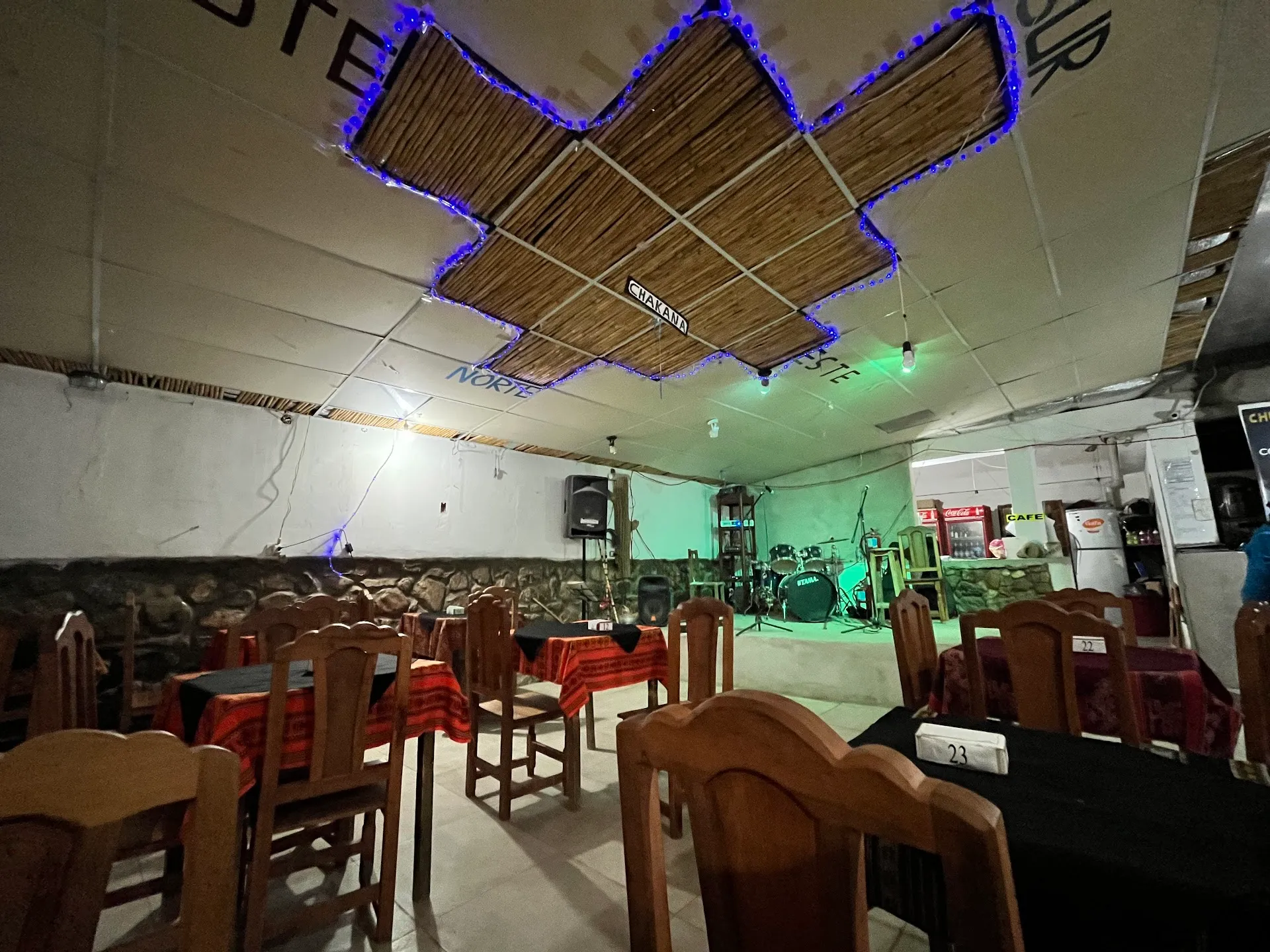
Founded by Tilcara-born musician Rosendo "Chuspita" Martínez, who took Andean sounds around the world for over 25 years, this intimate peña puts visitors face-to-face with the carnavalitos, huaynos and coplas that define Quebrada folk music, with Martínez or fellow Tilcareño musicians often performing live on a stage barely bigger than the crowd around it. Regional dishes such as quinoa-and-cheese empanadas and quesillo con cayote round out the nightly sets.

Centro
Sendero al Pucará de Juella
Experience

Sendero al Pucará de Juella

A short but scenic climb from the Andean village of Juella up a river-carved quebrada lined with towering cardón cacti to the Pucará de Juella, a pre-Hispanic Omaguaca hilltop settlement perched on a cliff-edged plateau. The final ascent from the base of the plateau takes about 15 minutes, making the round trip a manageable 45-minute walk through ceramic fragments and dwelling ruins with sweeping views of the surrounding peaks.

Tilcara (Juella)
Museo Nacional Terry
Museum

Museo Nacional Terry

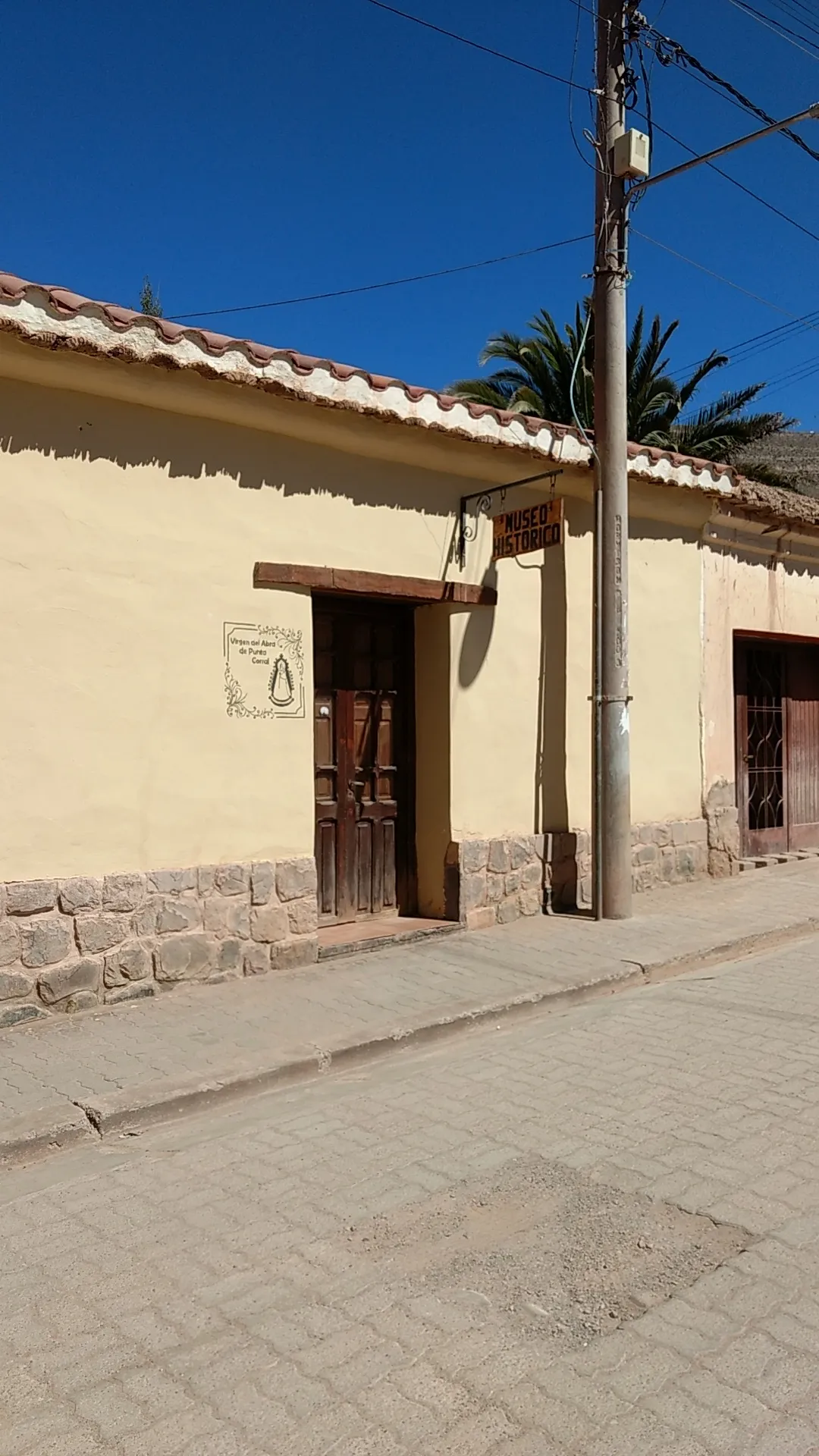
Housed in the colonial-style former home and studio of painter José Antonio Terry, who settled in Tilcara in 1911 and portrayed Andean life and landscapes in his work. It is the only national museum in Jujuy Province and, at 2,470 meters above sea level, the highest-altitude national museum in Argentina.

Centro
Festival Enero Tilcareño
Experience

Festival Enero Tilcareño

Running every January since 1957 - when neighbors first celebrated the rising Guasamayo river, whose waters carried minerals used to build the town, with coplas and dance - Enero Tilcareño has grown into one of Jujuy's biggest folk calendars, filling the month with copleadas, chayadas, folkloric peñas and gaucho pialada contests as a warm-up act for Carnaval. The 2026 edition marked its 69th consecutive year.

Centro

Useful links

Official resources and quick searches for Tilcara.

Plan your Tilcara trip

Explore more of Argentina

Frequently asked questions

How many days do you need in Tilcara?
One full day covers the Pucará complex, botanical garden, plaza and market at a walking pace. A second day lets you add a house-museum or two, a craft-workshop visit, and a half-day hike like Cerro Negro or the Pucará de Juella. Most people combine Tilcara with day trips to Purmamarca and Humahuaca, so 2-3 nights based here works well for the wider Quebrada.
How do you get to Tilcara?
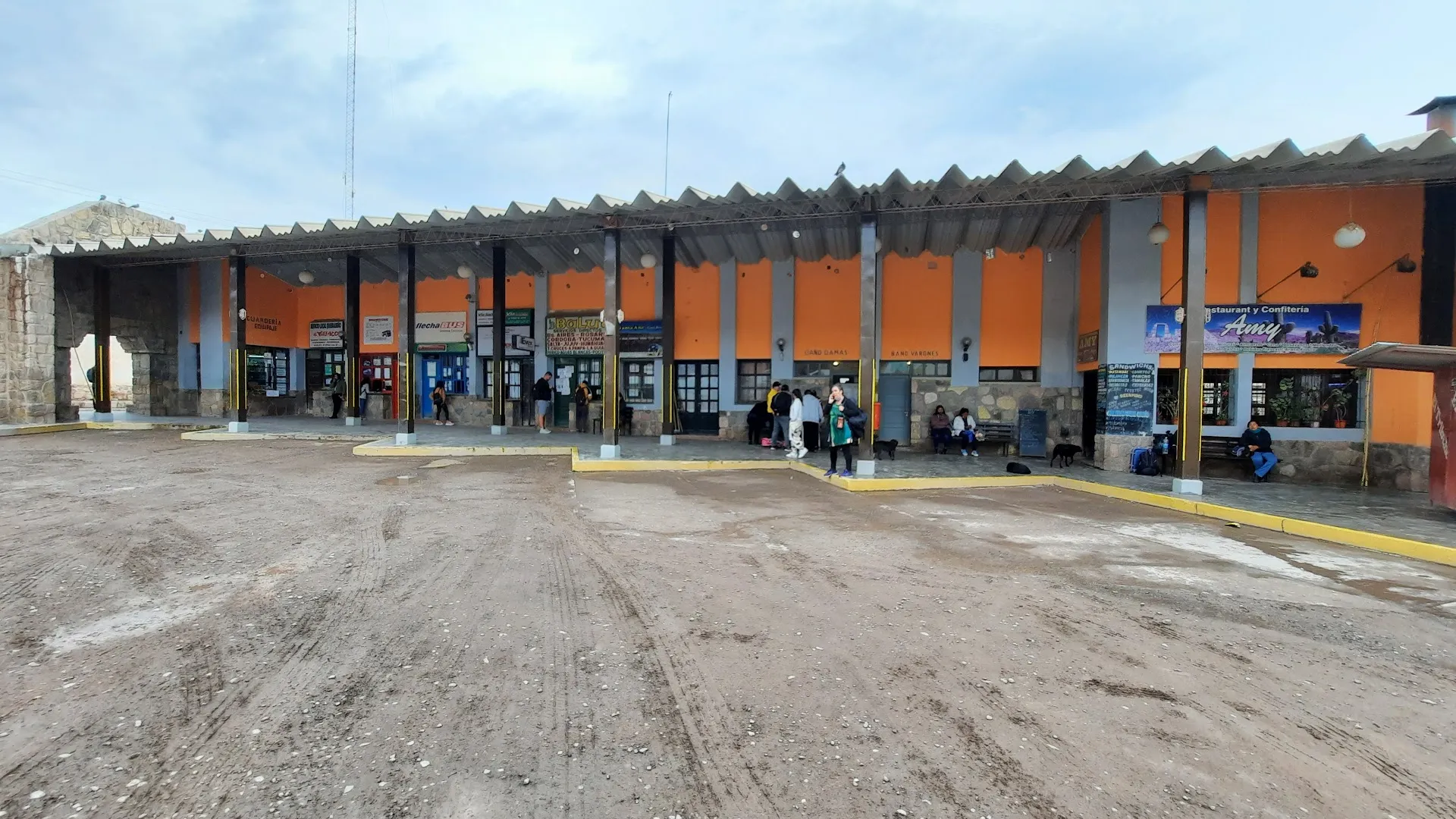
Direct buses run from the Terminal de Ómnibus in San Salvador de Jujuy roughly every few hours, taking about 1 hour 45 minutes along Ruta Nacional 9. From Jujuy's airport, a remis (private taxi) or a connecting bus via the capital's terminal are the usual options - there is no airport in Tilcara itself.
Will I feel the altitude in Tilcara?
Tilcara sits at 2,465 meters, high enough that many visitors feel mild effects - headache, breathlessness on stairs - for a day or so, even though it is far lower than the Puna further north. Keep your first day easy, drink extra water, and save demanding hikes like Cerro Zucho or the Punta Corral pilgrimage for once you have adjusted.
When is Carnaval in Tilcara?
Tilcara's Desentierro del Diablo, which opens Carnaval, falls on 14 February 2026, with the Carnaval Grande continuing through the following days. It is one of the most traditional, least commercialized Carnaval celebrations in Argentina's northwest - expect closed streets, comparsas in costume, and water and flour thrown in the spirit of the festival.
Is the Pucará de Tilcara worth the entrance fee?
Yes - it is a genuinely excavated pre-Inca fortress, not a reconstruction dressed up for visitors, and the ticket also covers the attached high-altitude botanical garden. Note that the Pucará and the separate Museo Arqueológico Dr. Eduardo Casanova on the plaza now sell individual tickets rather than one combined pass, so budget for both if you want the full picture.
Is Tilcara safe for travelers?
Yes - it is a small, tourism-oriented town with low crime by Argentine standards. The usual precautions apply (watch belongings in market crowds, use marked taxis or remises at night), and the bigger practical risks are sun exposure and altitude rather than personal safety.

Ready to plan Tilcara?

Turn this guide into a real trip — itinerary, map, budget and friends, all in one place.