
Tilcara sits at the edge of genuinely high country, and the trails leading out of town range from an easy hour among cardón cacti to multi-day expeditions above 4,000 meters. The single most distinctive route is not a hike at all in the recreational sense: it is the overnight pilgrimage to the Abra de Punta Corral shrine, a devotional tradition recognized as national intangible cultural heritage. Below, the routes are ranked roughly by accessibility, from a short afternoon walk to serious mountaineering that needs mules, a guide and several days. Altitude is the constant factor here - Tilcara itself sits at 2,465 meters, and every route on this list climbs from there, so build in time to acclimatize before attempting anything beyond the easiest options, and always check conditions and guiding options locally before a multi-day departure.
Trekking and Pilgrimage Routes from Tilcara
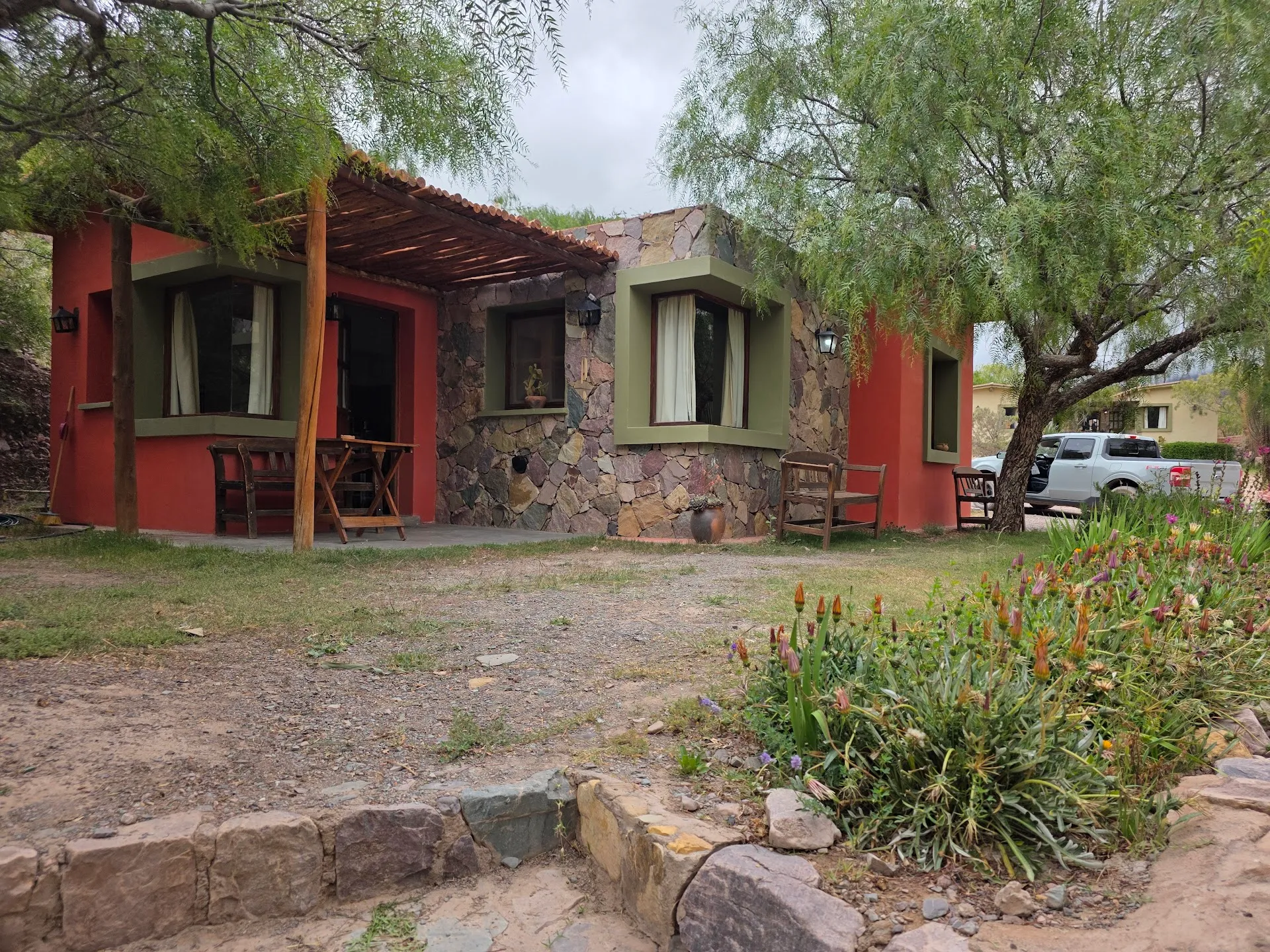
Sendero al Pucará de Juella
An easy 45-minute round trip from the village of Juella up a cardón-lined quebrada to a smaller pre-Hispanic hilltop ruin - the gentlest introduction to Tilcara's archaeological trekking.
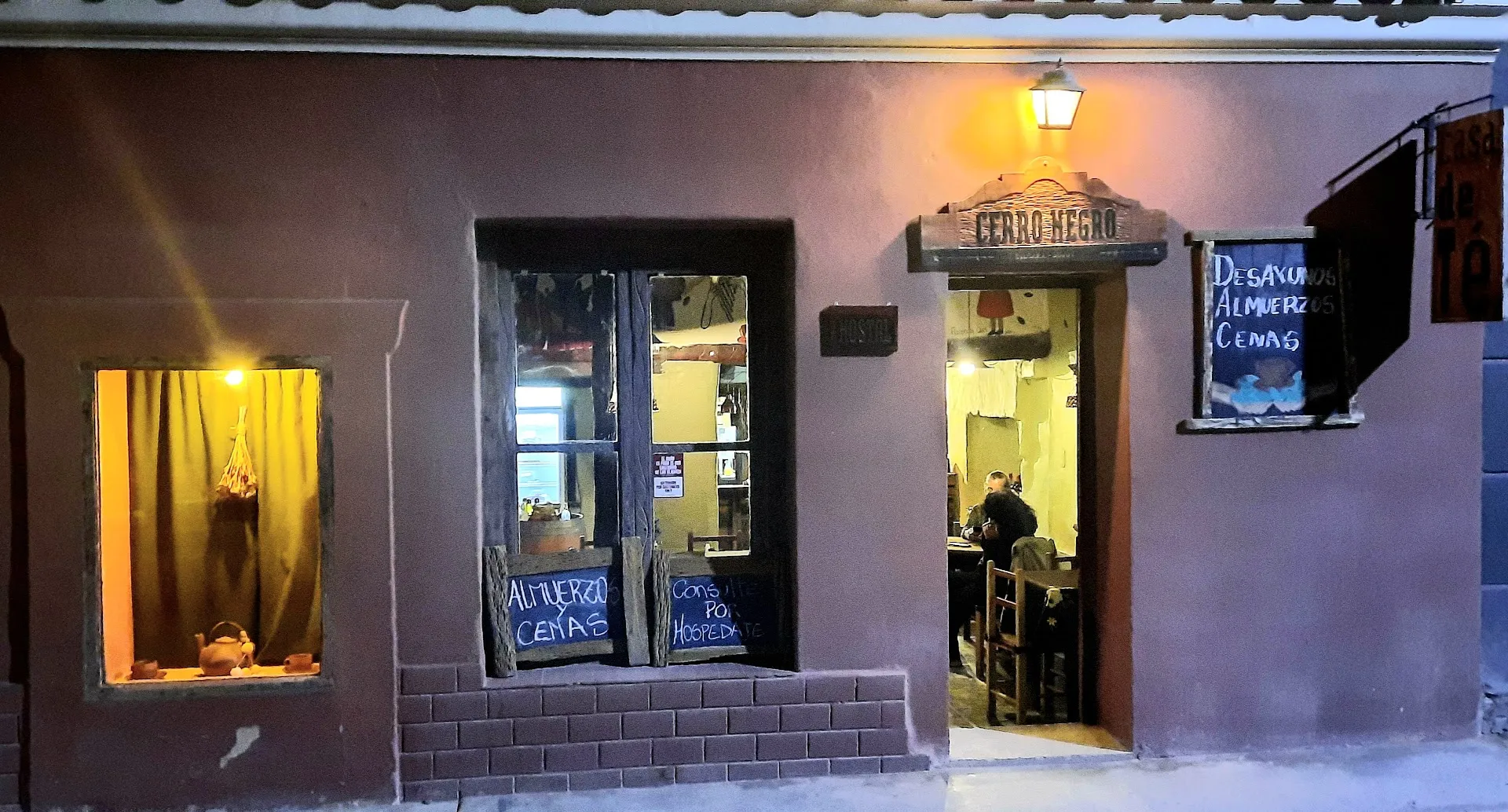
Sendero al Cerro Negro de Tilcara
A half-day, medium-to-high-difficulty climb to about 2,900 meters right above town, for a panoramic sweep of the whole Quebrada corridor.
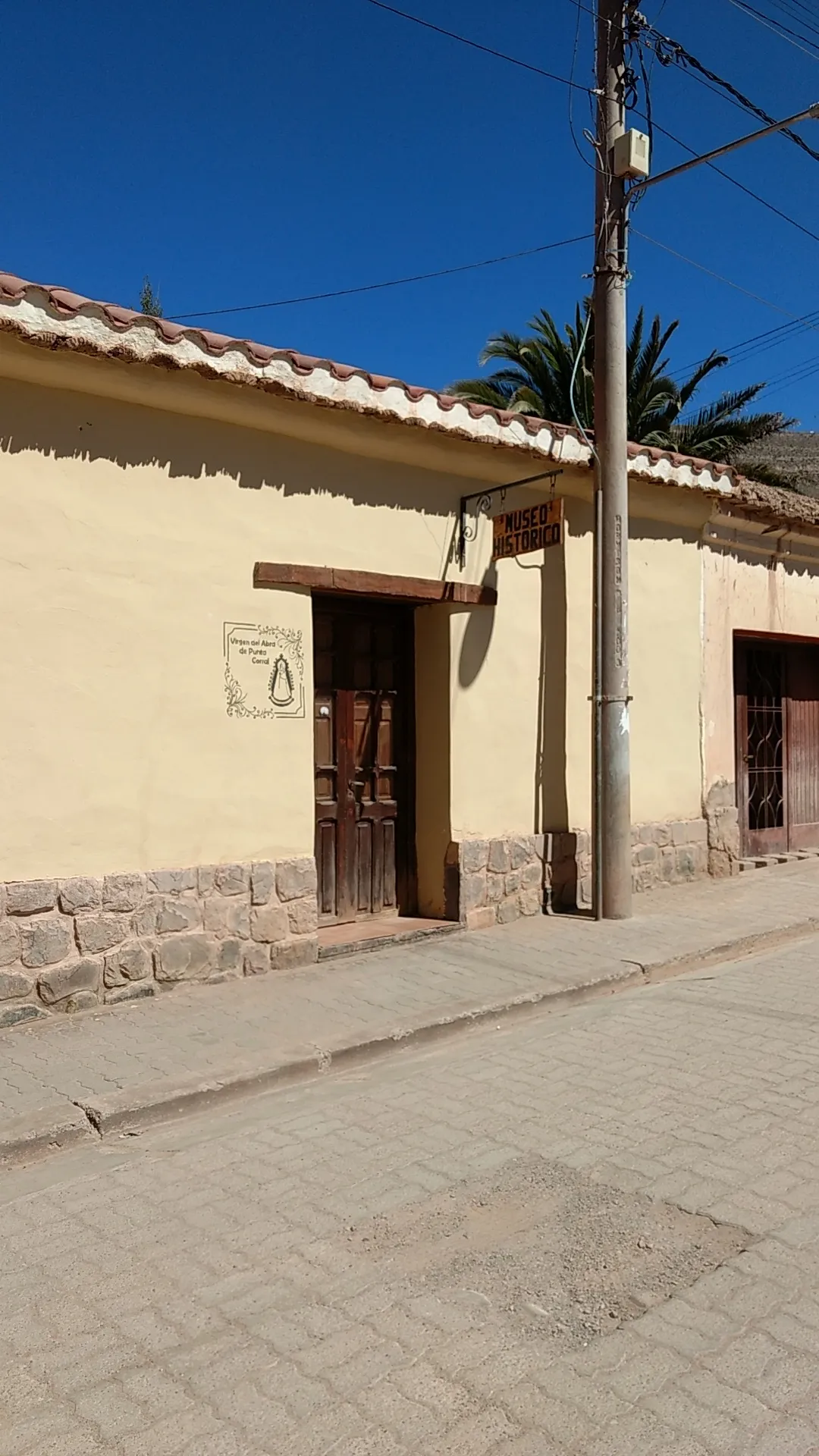
Peregrinación al Abra de Punta Corral
An overnight, 25-kilometer devotional pilgrimage to a shrine at 3,660 meters, held the week before Easter and walked by thousands - demanding, and unlike anything else on this list.
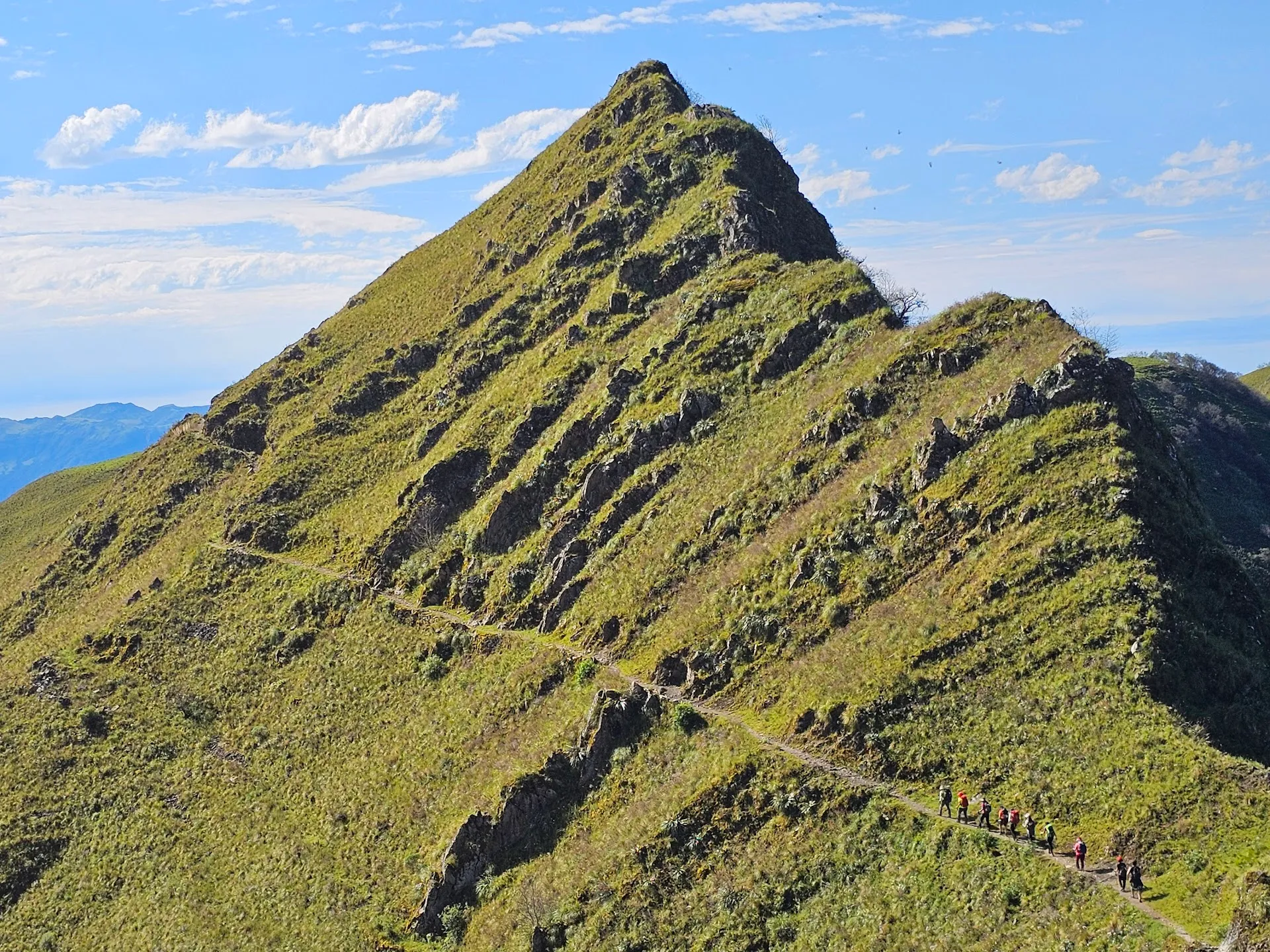
Travesía Tilcara–Calilegua (de la Puna a las Yungas)
A 4-6 day, roughly 70-kilometer traverse from Tilcara's high desert Puna, over a 4,150-meter pass, down into the cloud forest of Parque Nacional Calilegua - mule-supported and guided.
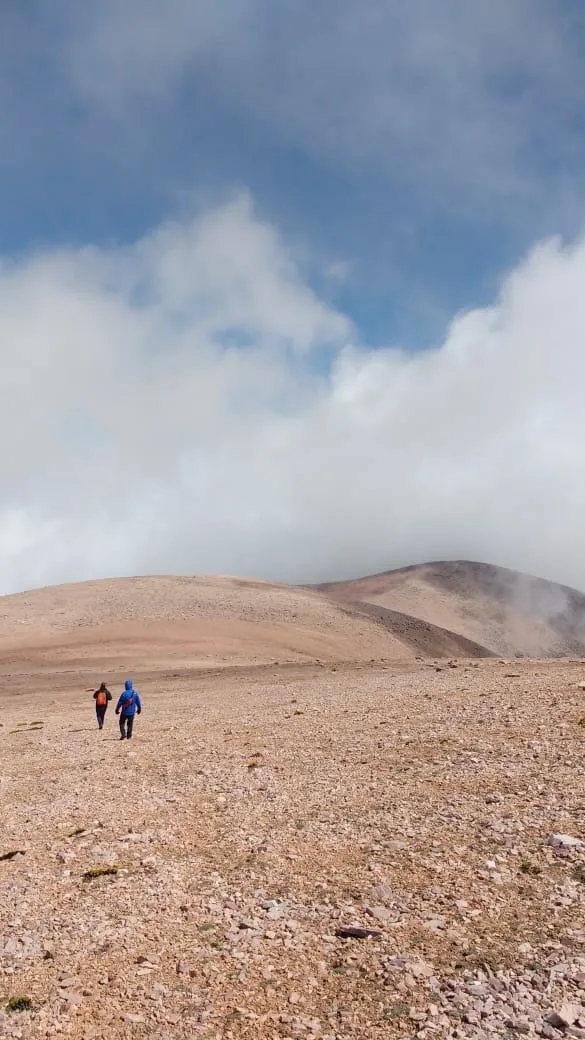
Ascenso al Cerro Zucho vía Laguna Colorada
A remote multi-day mountaineering expedition to the highest summit of the southern Serranía de Tilcara, close to 5,000 meters, past the brackish Laguna Colorada.
FAQ
- Do I need a guide for these treks?
- For the Pucará de Juella walk and Cerro Negro, no - both are manageable independently with a map and good sense. The Punta Corral pilgrimage, the Tilcara-Calilegua traverse and the Cerro Zucho ascent are multi-day, remote or logistically demanding enough that a local guide and, often, pack mules are the norm, not an option.
- What is the best season for trekking around Tilcara?
- The dry season, roughly April through October, gives the most reliable underfoot conditions and clearest views for day hikes and the longer treks. The Punta Corral pilgrimage is a fixed date tied to Holy Week regardless of season.
- How serious is the altitude on these routes?
- Tilcara itself is at 2,465 meters, and every route here climbs from there - Cerro Negro reaches about 2,900 meters, Punta Corral almost 3,700, and Cerro Zucho close to 5,000. Acclimatize in town for a day or two before attempting anything beyond the shortest walks, and take the multi-day routes seriously.
- Is the Punta Corral pilgrimage open to non-religious hikers?
- It is fundamentally a devotional tradition, so the respectful approach is to treat it as such rather than as a recreational trek, even if you are not walking for religious reasons. Expect a genuinely demanding overnight ascent alongside thousands of pilgrims and sikuri pan-pipe bands.
- What should I pack for the multi-day treks?
- Warm layers for near-freezing nights even in the dry season, sun protection for exposed high-altitude days, and enough water capacity for long stretches between sources - local operators running the Calilegua traverse and Cerro Zucho ascent typically handle food and mule support, but confirm exactly what is included before you book.
Make it your trip
Save these places and build your own Tilcara itinerary in TripBox.