
Tilcara is compact enough to see at an easy walking pace, and this plan spreads it across two days so you are not rushing the Pucará in the midday heat or cramming three house-museums into one afternoon. Day one stays close to the plaza and the hill immediately south of town: the Pucará de Tilcara's ceremonial precinct and summit monument, its attached botanical garden and heritage crop fields, then the craft market and a market-stall lunch, finishing with a folk-music peña after dark. Day two moves outward and inward at once - an early hike up Cerro Negro for panoramic views over the Quebrada while the morning is still cool, then an afternoon among Tilcara's small art and craft venues once the sun is high. Both days assume you are staying in or near the plaza and keeping mornings free for the altitude-friendly outdoor stops. If you only have one day, Day 1 alone makes a complete visit; add the second and you gain the town's quieter, craft-and-culture side without losing anything from the first.
The Perfect 2 Days in Tilcara
The Pucará, the plaza and the craft market
 08:30
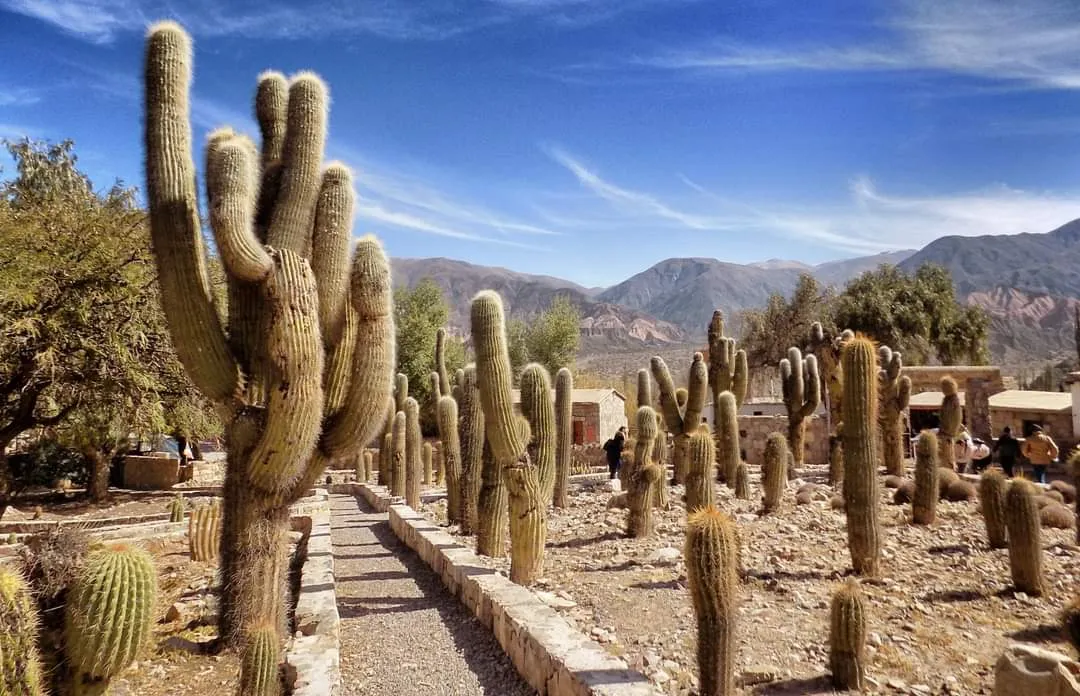
08:30Jardín Botánico de Altura de Tilcara
Start at the Pucará's entrance, where a research garden tended by the University of Buenos Aires since 1970 spreads Puna cacti, medicinal plants and native food crops across three hectares at 2,580 meters - including the Piedra Campana, a 2.5-ton volcanic boulder that rings when struck. Give it 20-30 minutes before you climb.
Tip: Go before 9am - the path up to the fortress gets hot and crowded with tour groups by mid-morning.
 09:15
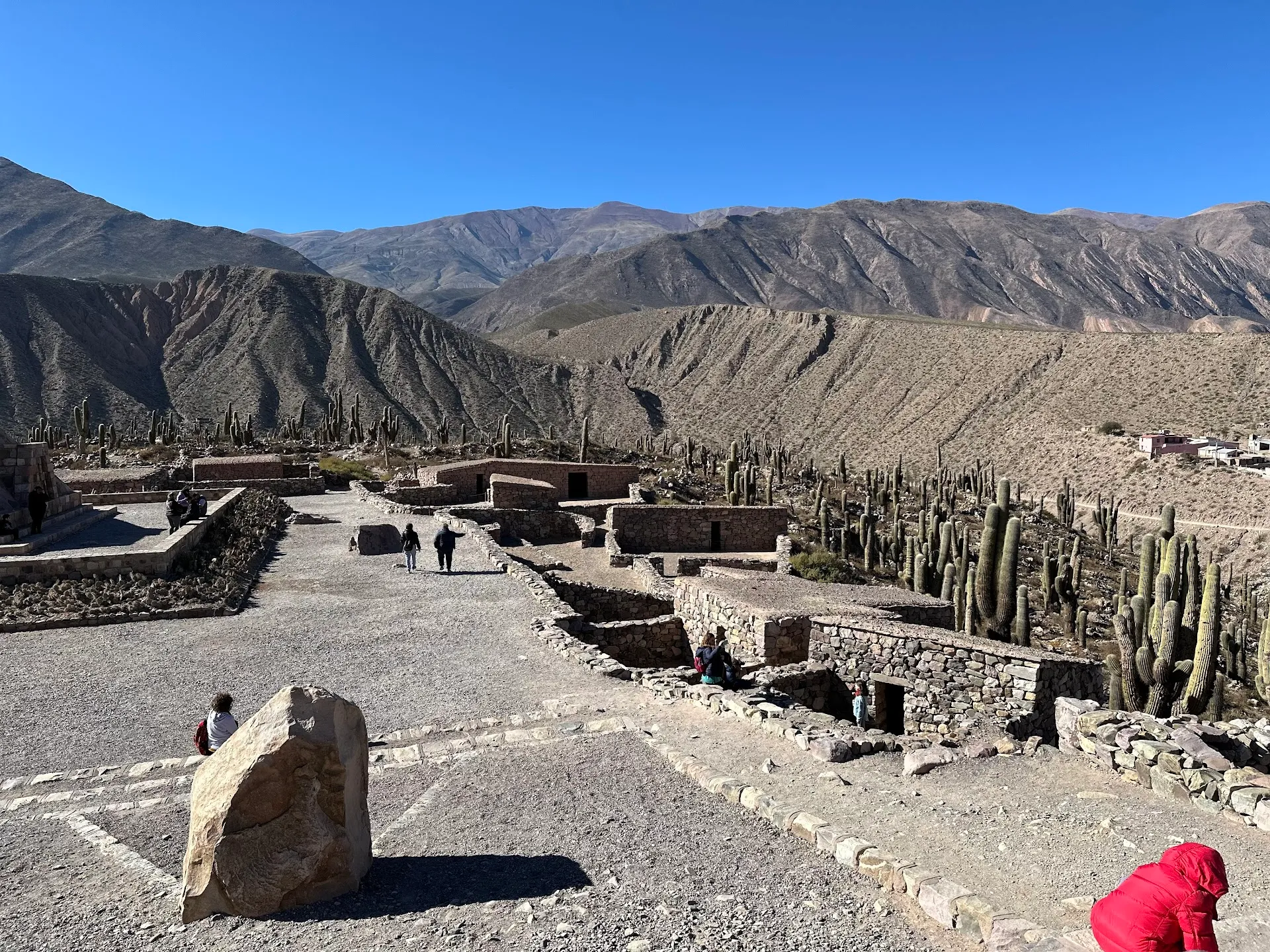
09:15La Iglesia (Barrio Ceremonial del Pucará)
Continue into the Pucará itself to the central sector locals long called 'La Iglesia' - a claim later confirmed by excavation, which uncovered courtyards, altars and trophy-skull burials from what is thought to have been an Inca-period sun-and-moon worship site next to an artisans' quarter.
Tip: This is the most archaeologically dense part of the site - slow down here rather than rushing straight to the summit.
 10:00
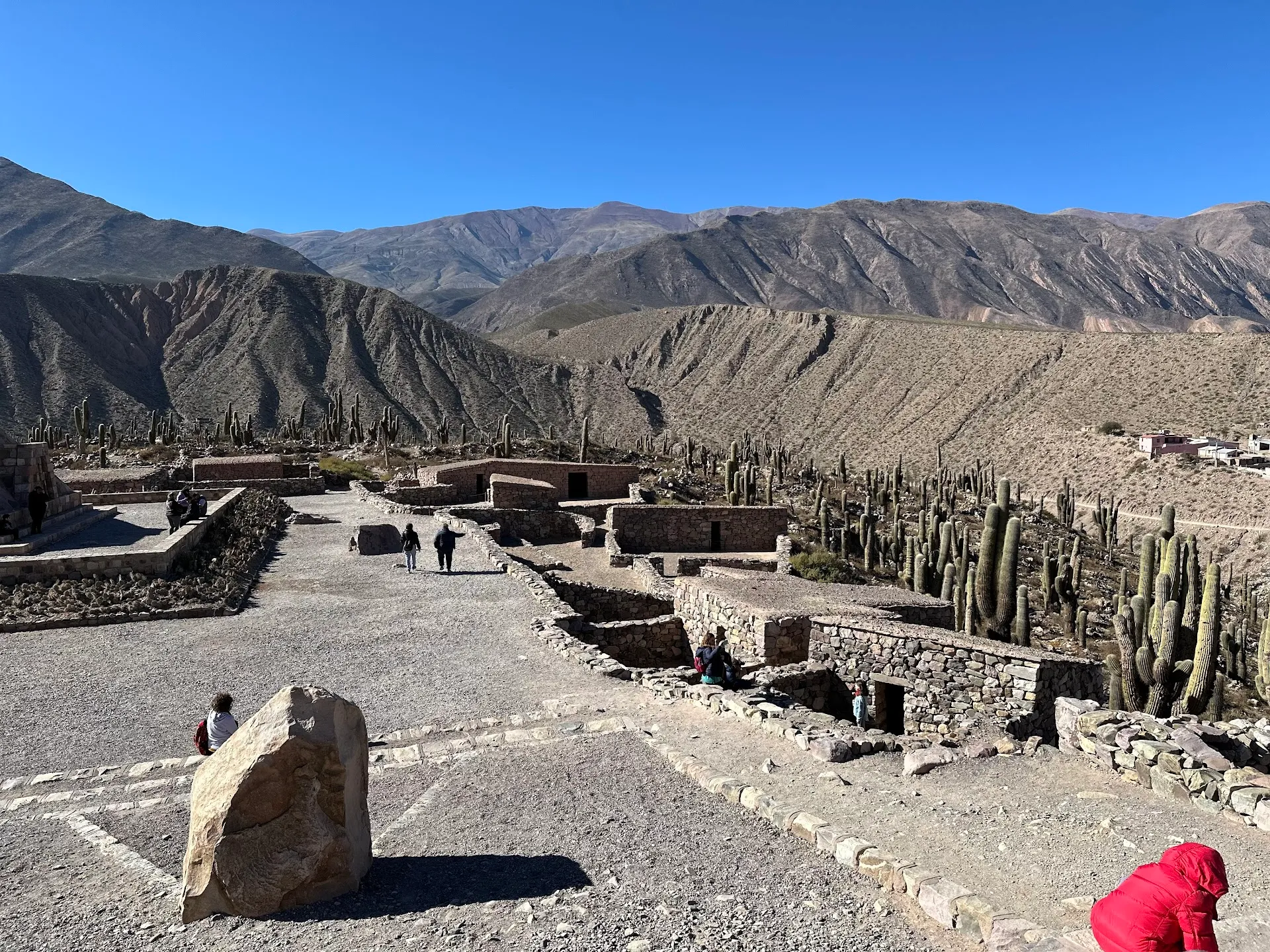
10:00El Monumento (Pirámide del Pucará de Tilcara)
Climb to the truncated stone pyramid at the hill's summit, built in 1935 to honor the archaeologists who first excavated the Pucará. It is not pre-Hispanic itself, but it is the site's most photographed structure, and its panoramic viewpoint over the striped Quebrada de Humahuaca is the real payoff.
Tip: The summit gets full sun with little shade - bring water and a hat even on a cool morning.
 11:15
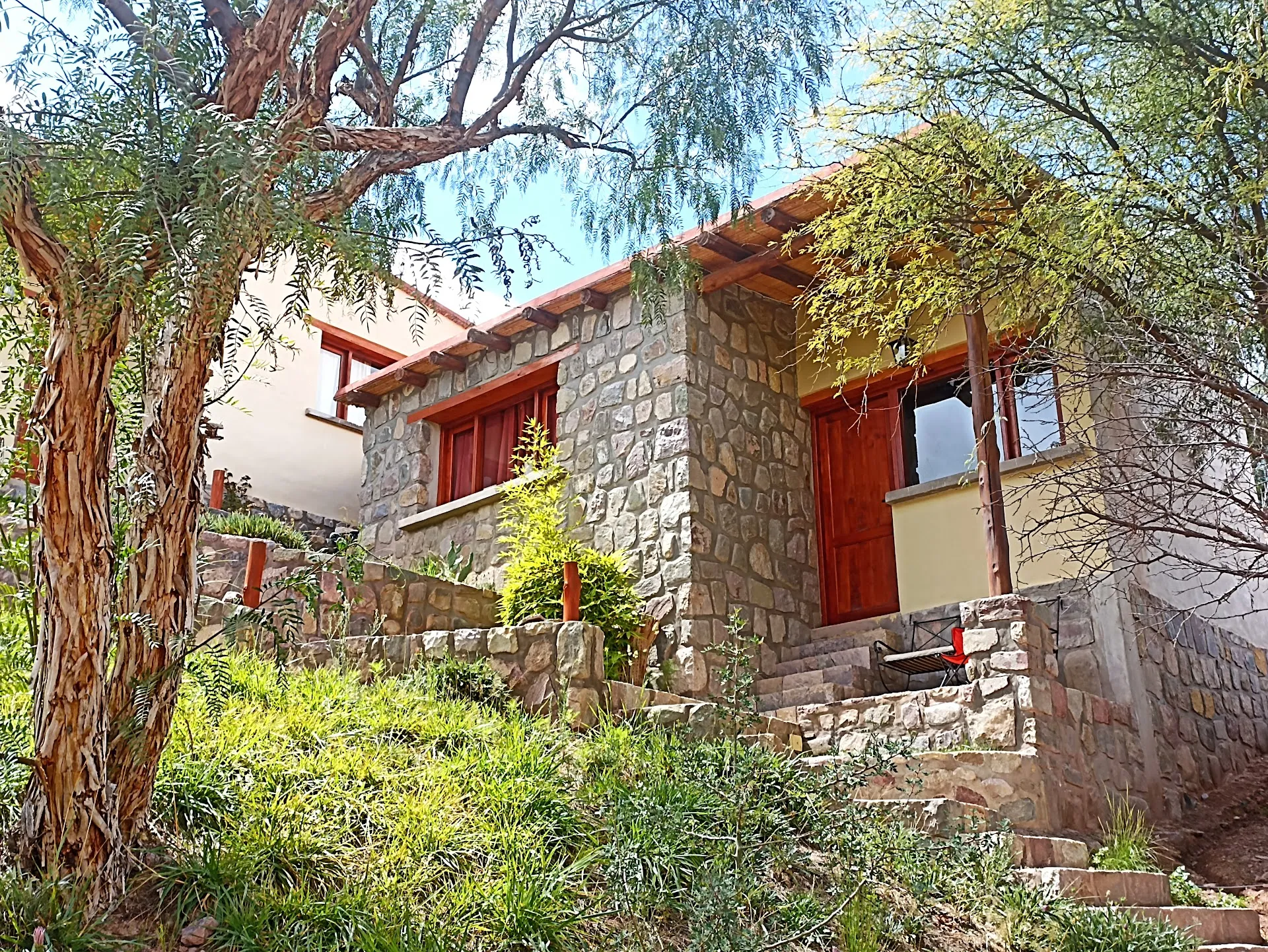
11:15Quintas Agronómicas de Tilcara
Wind back down through the working heritage-crop plots at the Pucará's foot, where growers have farmed native maize, wheat and fruit trees with organic, animal-traction methods since 1950. Since 2018, the site's MAICES program has recovered 22 native Andean maize varieties once thought lost.
Tip: Ask at the entrance whether anyone is working the fields that day - it is a low-key stop, but a rare look at agricultural heritage most visitors miss entirely.
 12:30
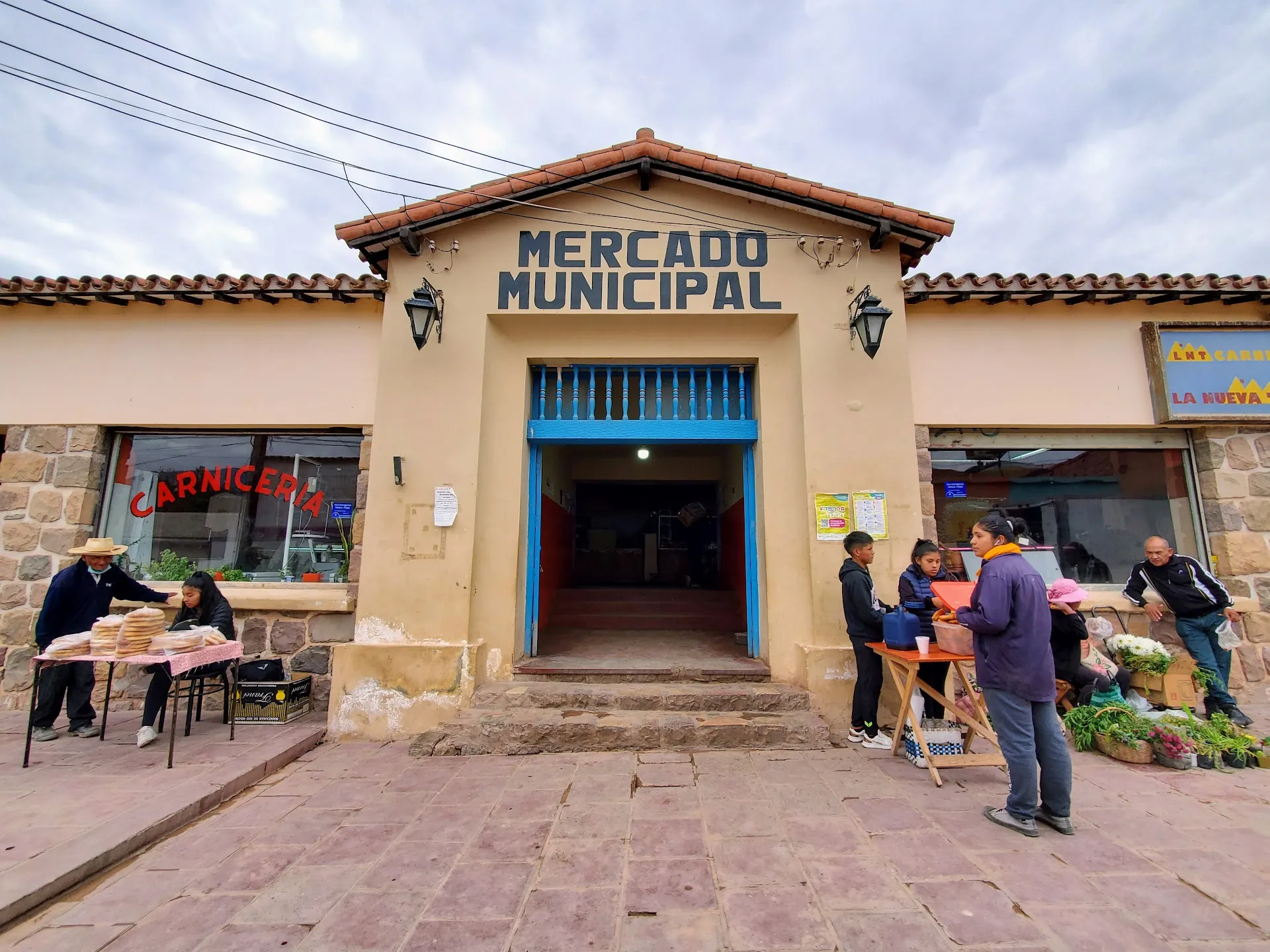
12:30Mercado Municipal de Tilcara
Break for lunch at the covered municipal market a few blocks from the plaza, where food stalls serve simple, inexpensive regional dishes alongside the everyday textiles and small goods locals actually shop for.
Tip: It is less geared to tourists than the plaza fair, so prices and portions are closer to what residents pay.
 14:00
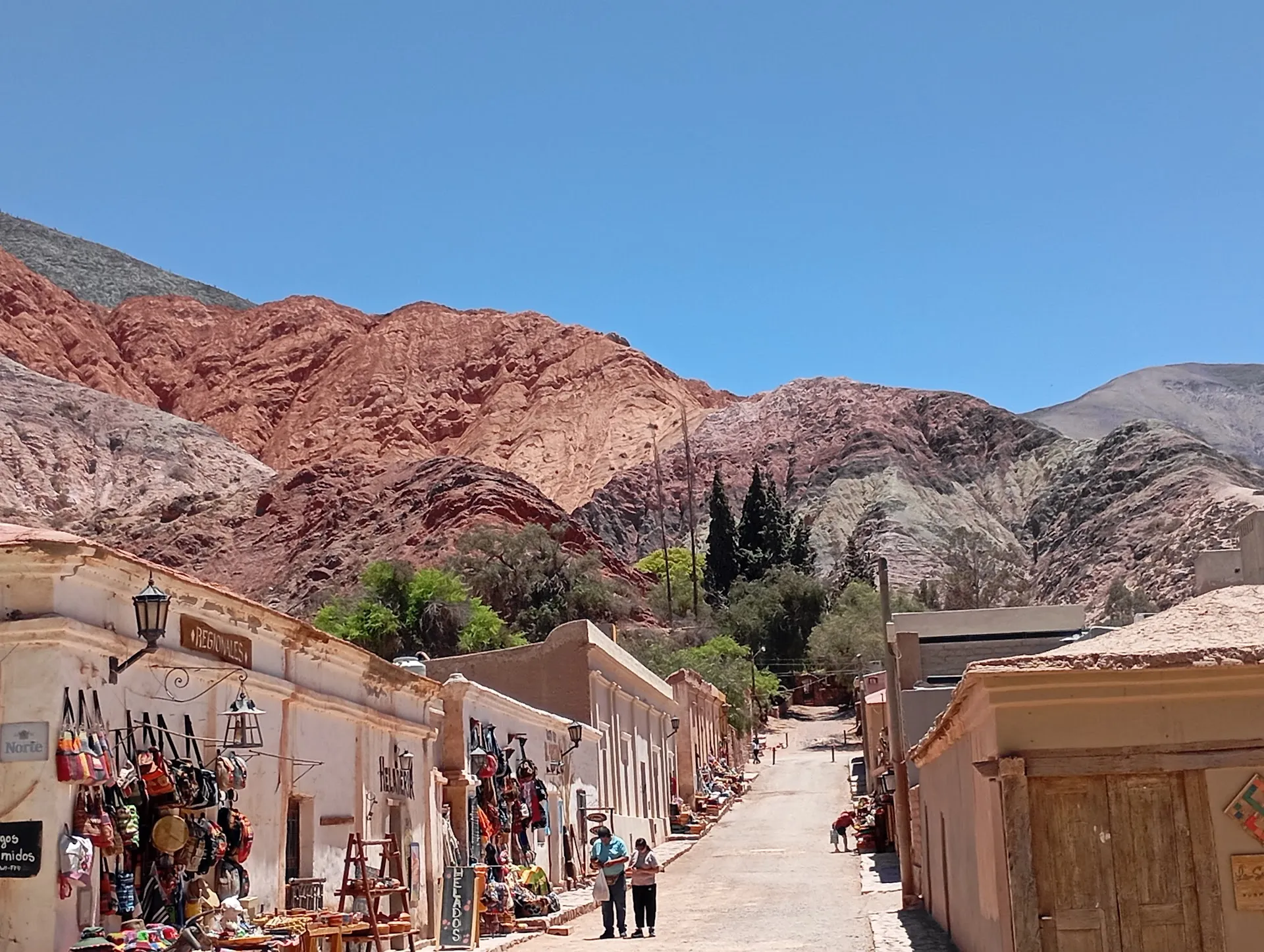
14:00Feria Artesanal de Tilcara (Plaza Álvarez Prado)
Spend the afternoon at the permanent artisan fair under the shade trees of Plaza Álvarez Prado - llama and vicuña-wool weaving, black-and-red ceramics, silver filigree and handmade instruments, sold by the same families who make them.
Tip: The plaza empties out during the midday siesta - late afternoon is when both the stalls and the shade are at their best.
 20:30
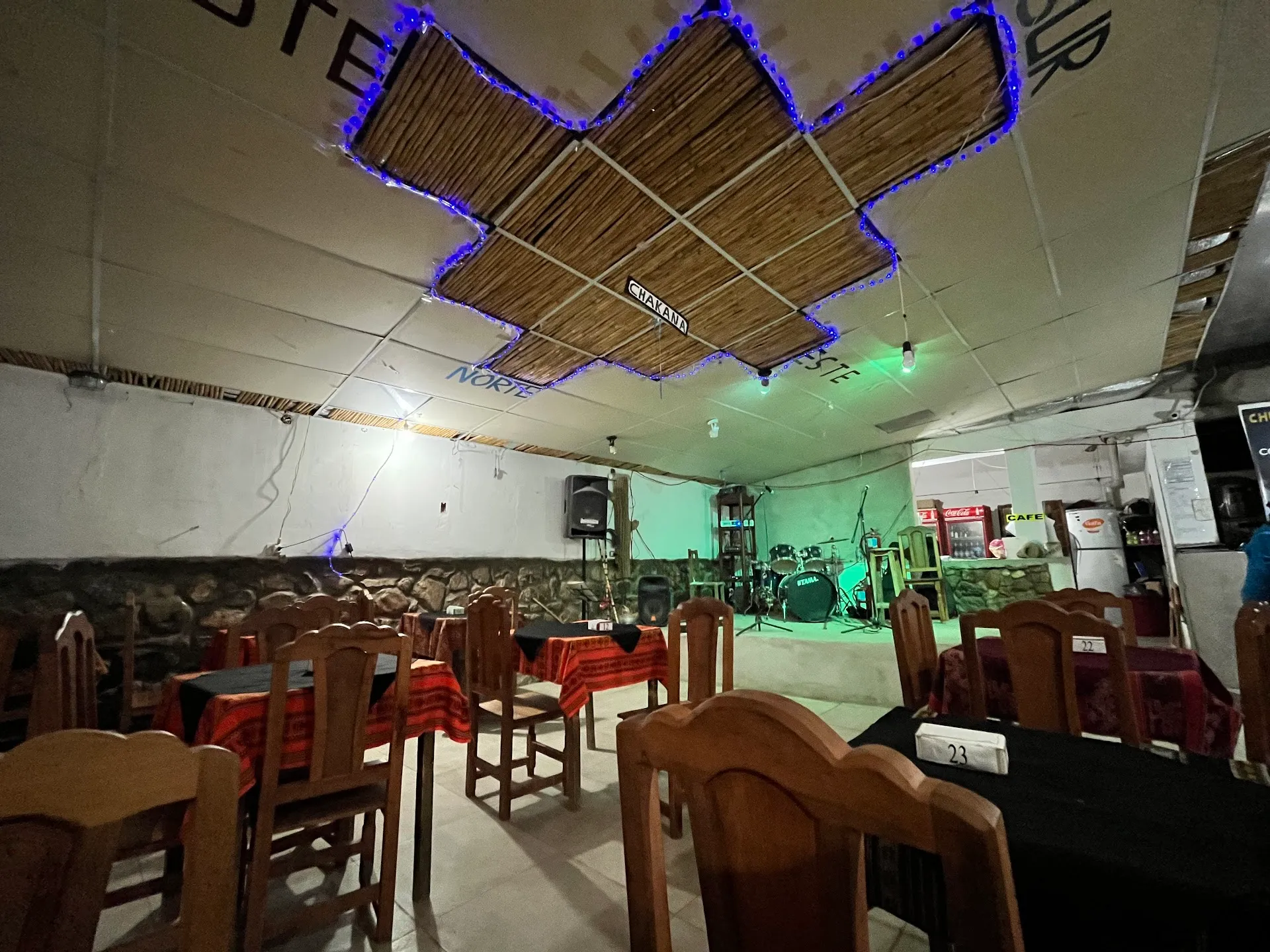
20:30La Peña de Chuspita
End the day at this intimate peña founded by Tilcara-born musician Rosendo 'Chuspita' Martínez, with carnavalitos, huaynos and coplas performed live most nights alongside regional plates like quinoa-and-cheese empanadas and quesillo con cayote.
Tip: Reserve or arrive early on weekends - the room is small and fills up fast once the music starts.
Craft workshops, house-museums and a morning hike
 08:00
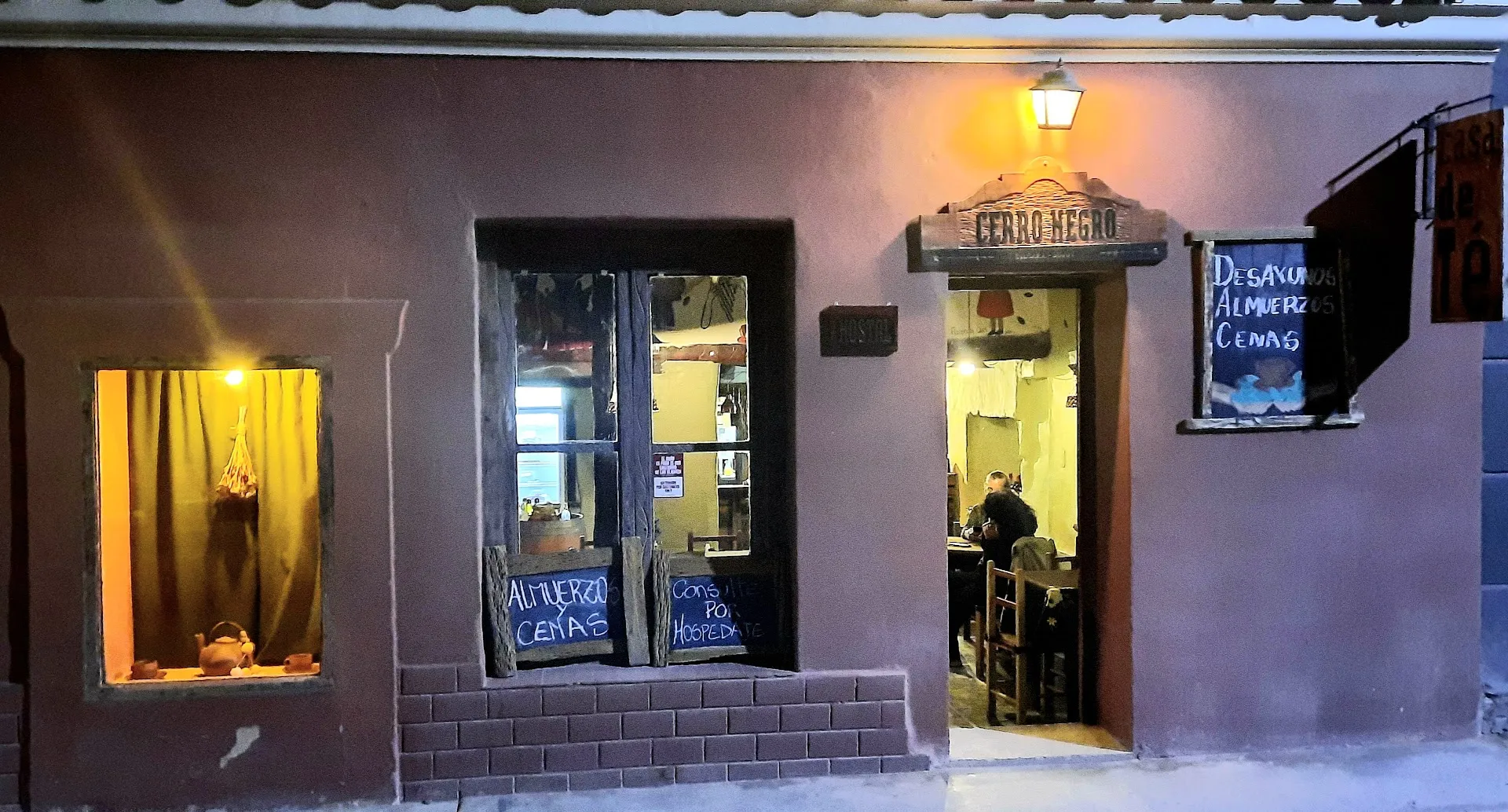
08:00Sendero al Cerro Negro de Tilcara
Hike the locals' route up Cerro Negro, the hill sheltering Tilcara from the west, reaching roughly 2,900 meters after about two hours of medium-to-high-difficulty walking. From the top, the whole Quebrada corridor spreads out below, and on a clear day you can pick out the distant Abra de Punta Corral sanctuary with binoculars.
Tip: Start early to beat both the heat and the midday cloud that can roll in - allow 3.5-4 hours round trip.
 13:00
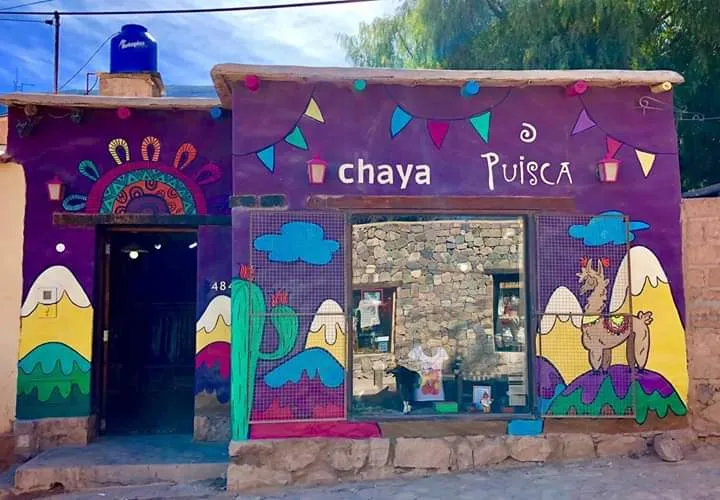
13:00Puisca Tejidos Artesanales
After lunch back in town, visit this small family workshop-shop, where llama, sheep and cotton fiber is hand-spun, naturally dyed and woven into ruanas, ponchos and sweaters entirely on manual looms.
Tip: It is a better place than the plaza stalls to see the actual weaving process, not just the finished pieces.
 14:30
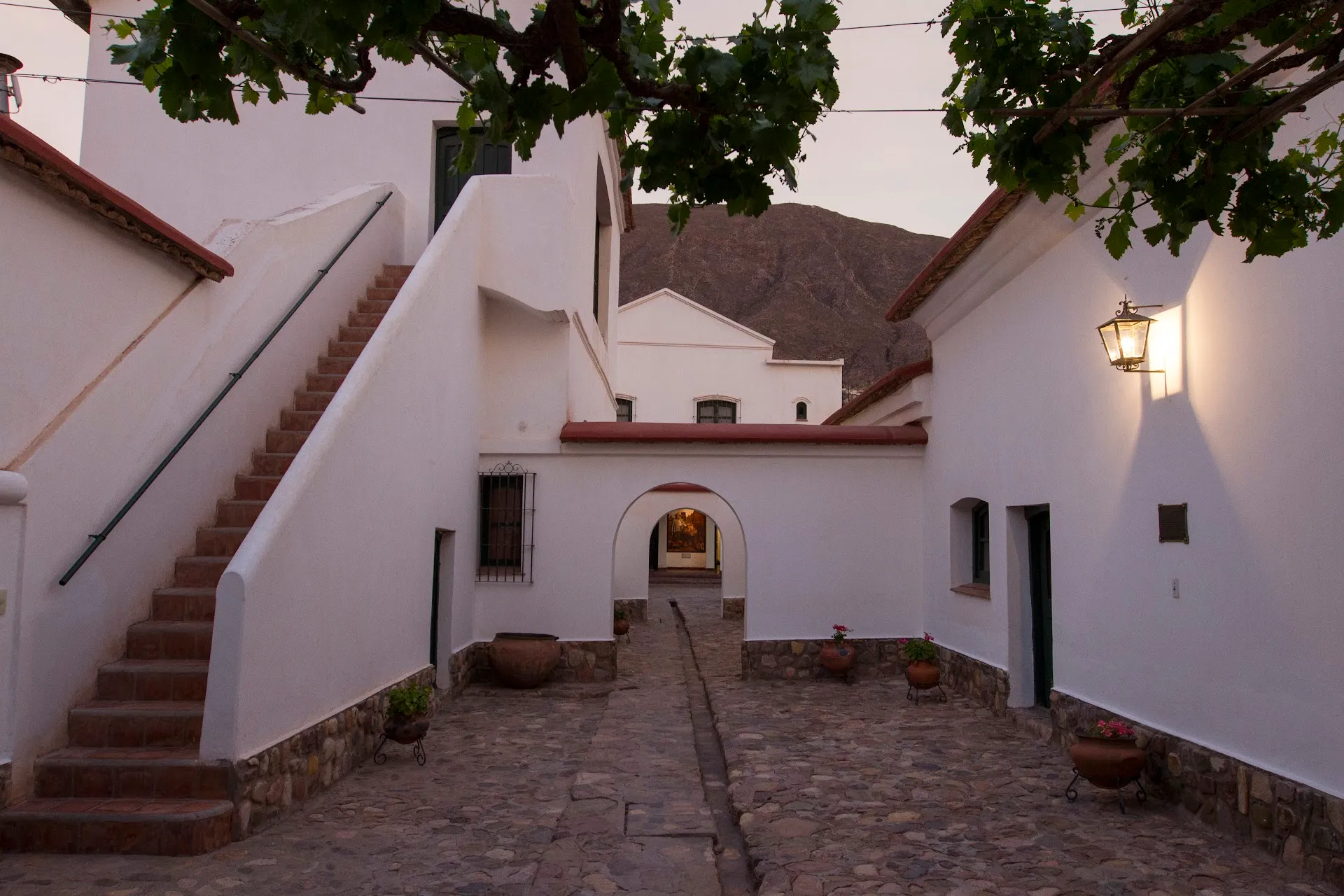
14:30Museo Nacional Terry
Visit the colonial-style former home and studio of painter José Antonio Terry, who settled in Tilcara in 1911 and painted Andean life and landscapes here. At 2,470 meters, it is the highest-altitude national museum in the country and the only one in Jujuy Province.
Tip: Sunday and holiday hours are shortened (9-12 and 14-18) - check before you go if you are visiting on a weekend.
 16:00
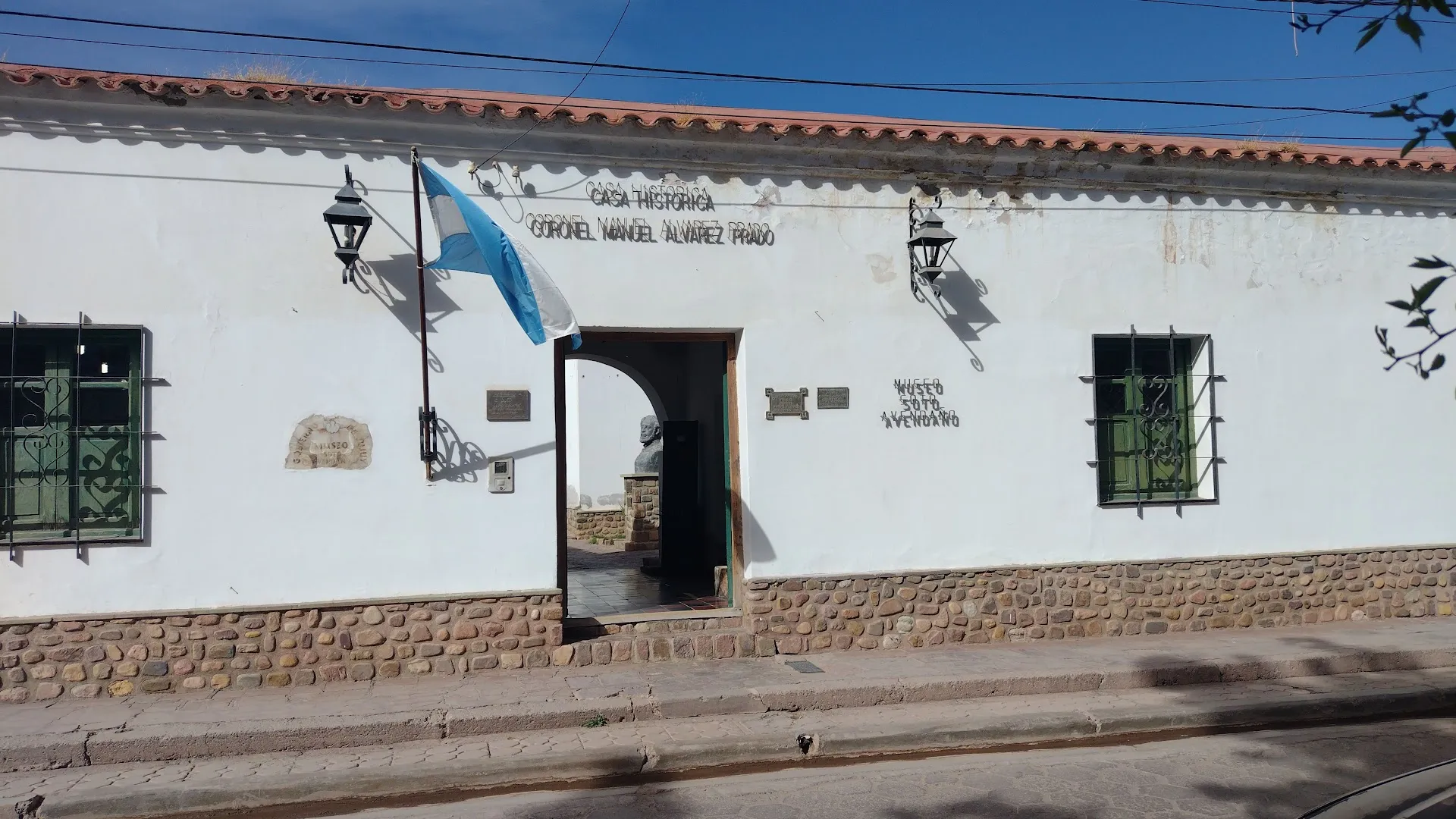
16:00Museo Ernesto Soto Avendaño
A short walk from the Terry museum, this former home of independence hero Colonel Manuel Álvarez Prado displays 42 plaster and bronze sculptures donated by local sculptor Ernesto Soto Avendaño in 1965, including a model of his Monument to the Heroes of Independence in nearby Humahuaca.
Tip: It faces the Plaza Central directly, so it is an easy add-on if you are already museum-hopping.
 17:00
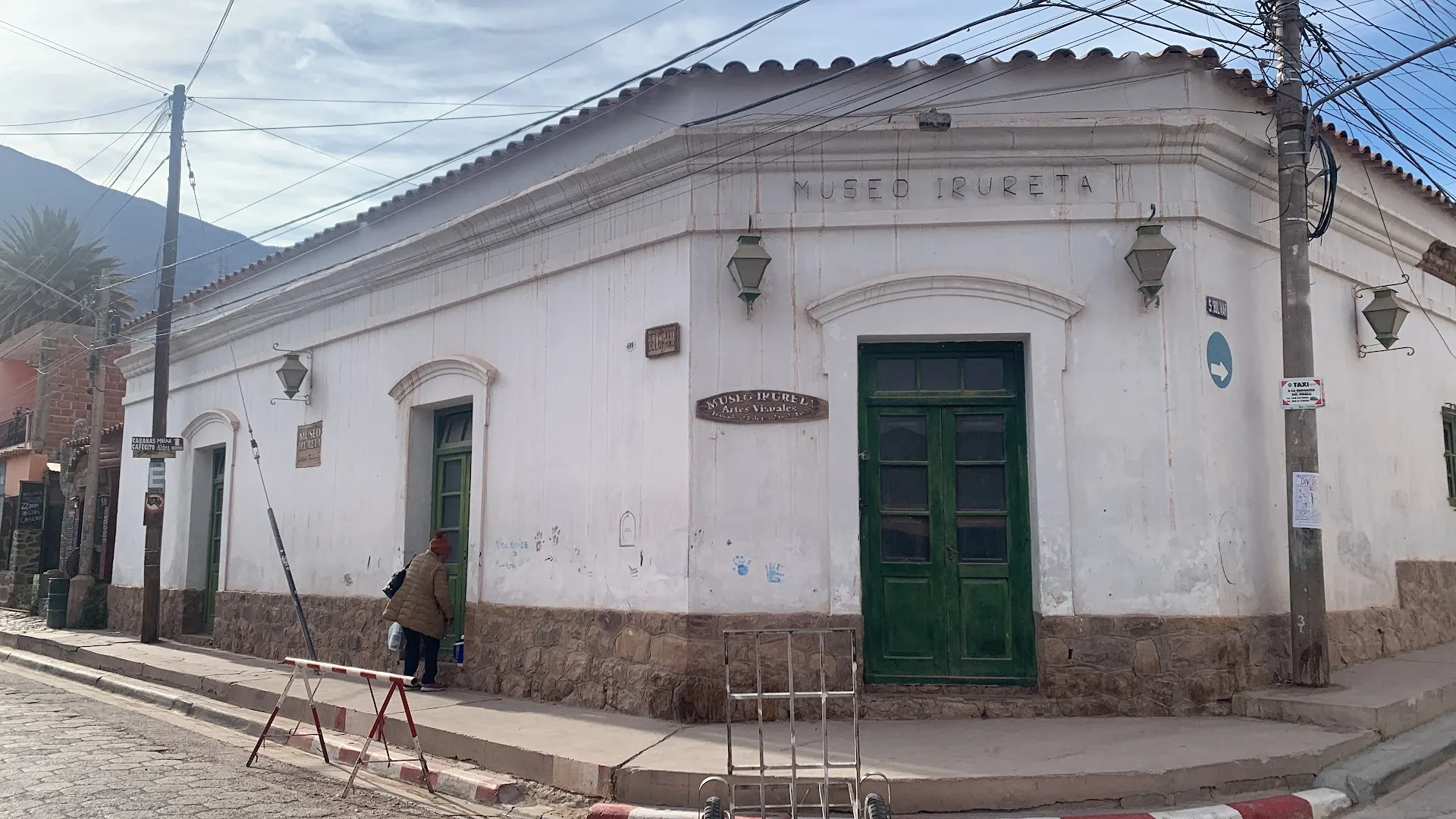
17:00Museo de Bellas Artes Fundación Hugo Irureta
Finish at this fine-art museum in a traditional colonial building, opening with a room devoted to local painter Hugo Irureta before moving into more than 250 works by other northwestern Argentine artists.
Tip: It keeps the latest hours of Tilcara's museums (daily to around 7pm), so it is the natural way to close out an afternoon.
FAQ
- Is one day enough in Tilcara?
- One day covers the Pucará complex, botanical garden, market and plaza comfortably. A second day is for the town's quieter side - house-museums, a craft workshop and a hike - so add it if you have the time, but a single well-planned day is a complete visit on its own.
- Can I do this itinerary in reverse or as a day trip?
- Yes - the order is built for pacing (cool morning outdoors, hot midday indoors or in the market), not a fixed sequence. If you are day-tripping from Purmamarca or Humahuaca, Day 1 alone fits comfortably into a single visit.
- What if it rains?
- Swap the outdoor blocks - the Pucará, the hike - for the museums and craft workshops, which cluster within a few blocks of the plaza and work well as a rainy-day loop on their own.
- Is the Cerro Negro hike safe for beginners?
- It is rated medium-to-high difficulty and gains real elevation in a short distance, so go in the morning, bring water, and skip it if you have not yet adjusted to Tilcara's 2,465-meter altitude. Less confident hikers can substitute the shorter, easier walk to the Pucará de Juella instead.
Make it your trip
Save these places and build your own Tilcara itinerary in TripBox.