
This four-day route threads together Salta province's two most dramatic mountain drives and its most celebrated wine country, built for travelers who want high-altitude Torrontés and Malbec as much as switchback scenery. After a first evening getting your bearings in colonial Salta, you climb the Cuesta del Obispo — 21 hairpin turns rising from the green Lerma Valley through the cardón-cactus forests of Parque Nacional Los Cardones to the 3,348-metre Piedra del Molino — into the whitewashed adobe village of Cachi, where a 17th-century church built almost entirely from cardón cactus wood anchors a plaza that has barely changed in two centuries. From there Ruta 40 drops south through the Valles Calchaquíes to Cafayate, Argentina's highest-altitude wine region, where two full nights leave time to work through several of its bodegas — from the historic 1857 cellars of Antigua Bodega Vasija Secreta to the boutique, old-vine Malbec of San Pedro de Yacochuya — before the wind-carved red-rock canyon of the Quebrada de las Conchas supplies one last scenic drive on the way back toward Salta. Every day is time-blocked around real wineries, villages, and viewpoints, with practical notes on the gravel stretches of Ruta 40 and the altitude you gain and lose along the way.
4 Days on the Valles Calchaquíes Wine Route: Salta, Cachi & Cafayate
The route
- Salta1n
- Cachi1n
- Cafayate2n
Everywhere you'll go
Every stop on this itinerary — tap a card for details or to save it.
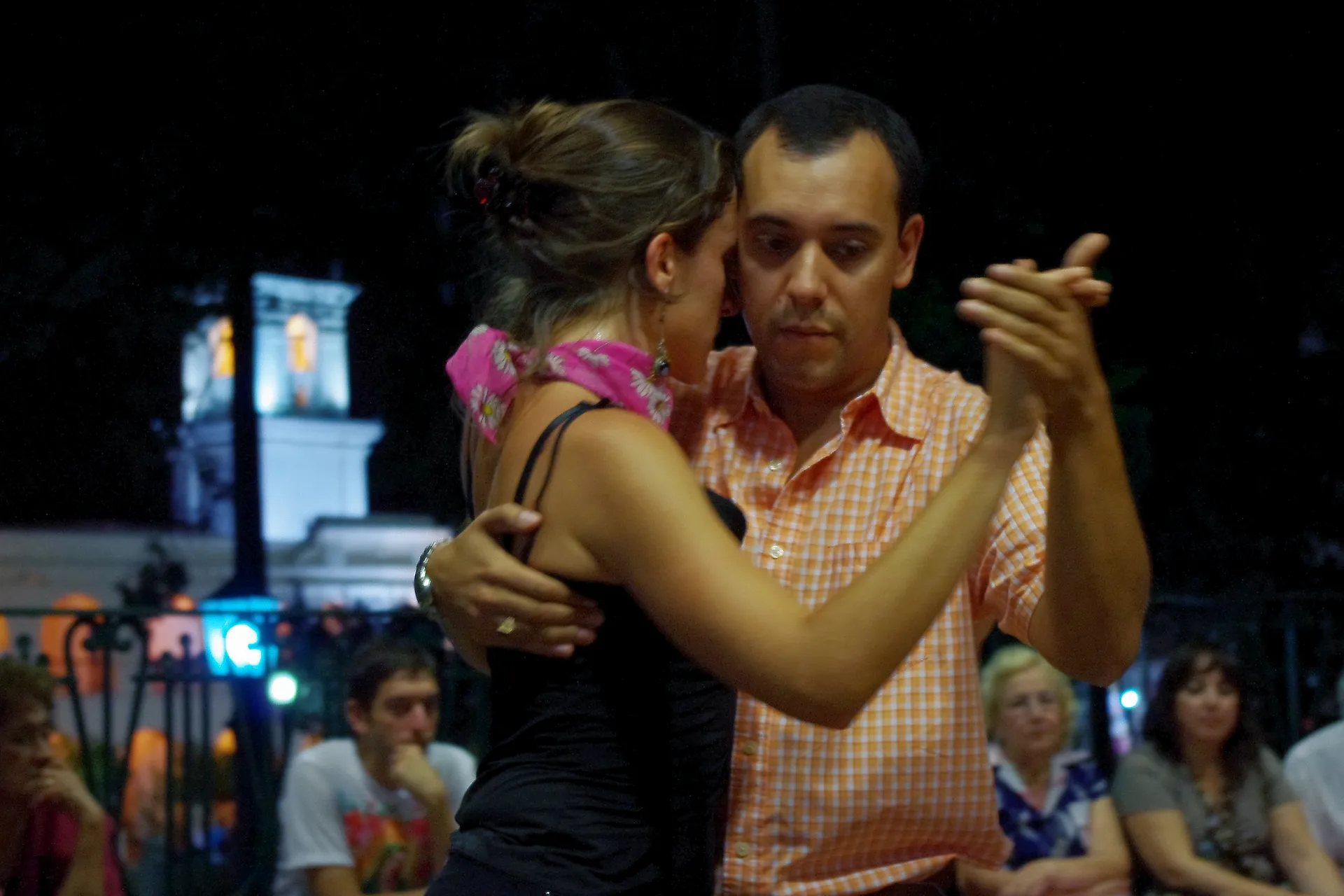
Plaza 9 de Julio
The heart of Salta and one of Argentina's most beautiful main squares. Surrounded by colonial buildings, the cathedral, the Cabildo, and shaded by mature trees. Outdoor cafes line the perimeter.
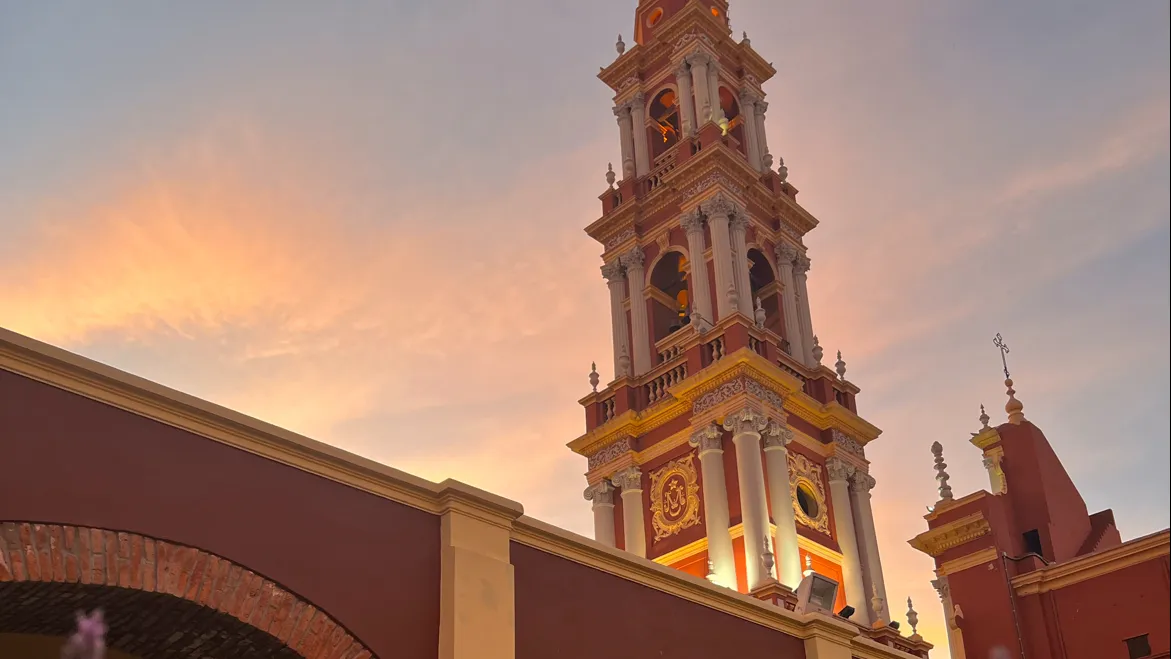
Iglesia San Francisco
Salta's most photographed building — a striking terracotta and cream Italianate church with the tallest bell tower in South America (54m). The ornate facade and interior are a masterpiece of Argentine colonial architecture.
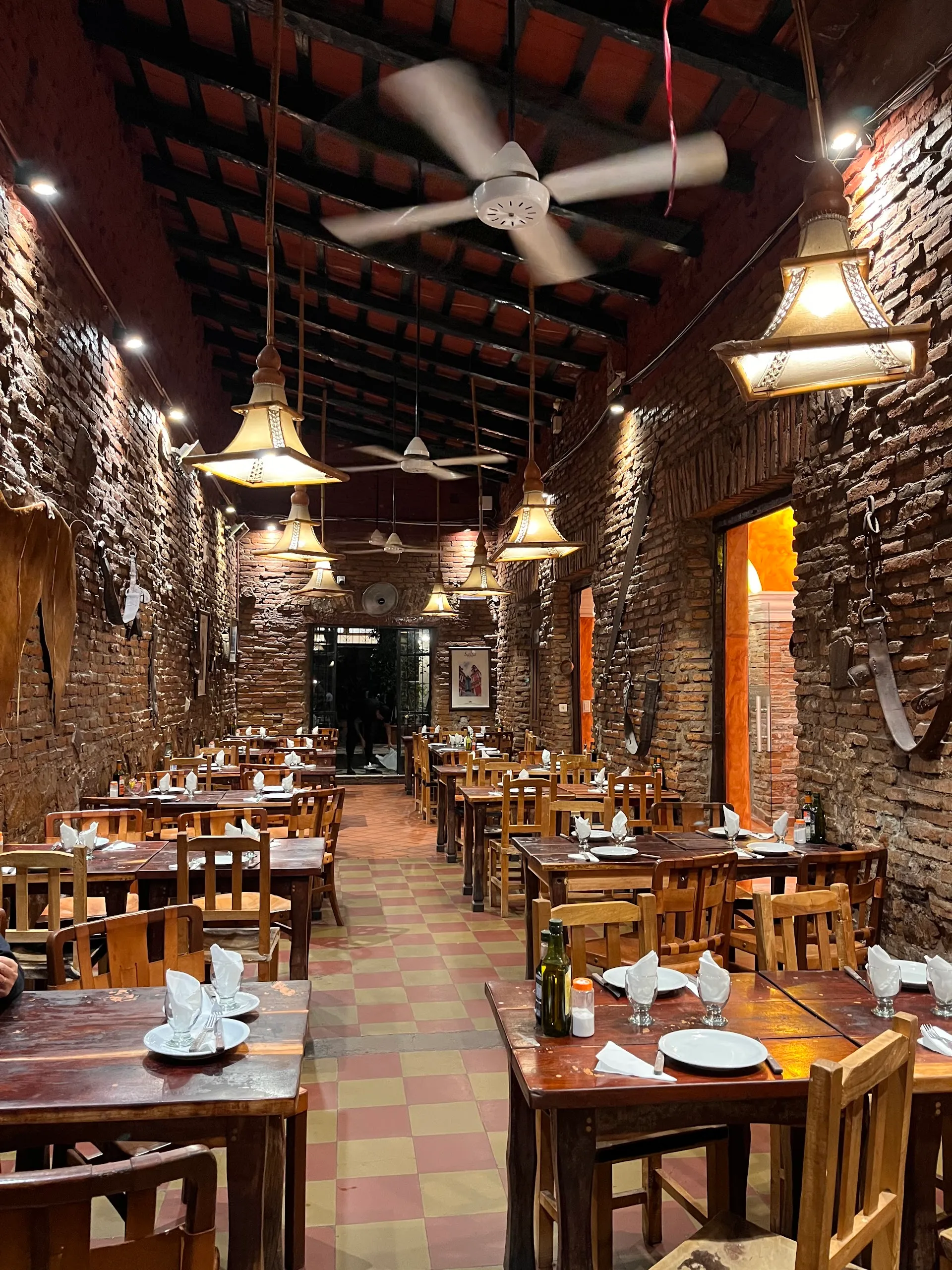
Dona Salta
Iconic restaurant specializing in regional cuisine. Famous for empanadas saltenas, locro stew, humitas, and tamales. The go-to spot for authentic northwest Argentine comfort food.
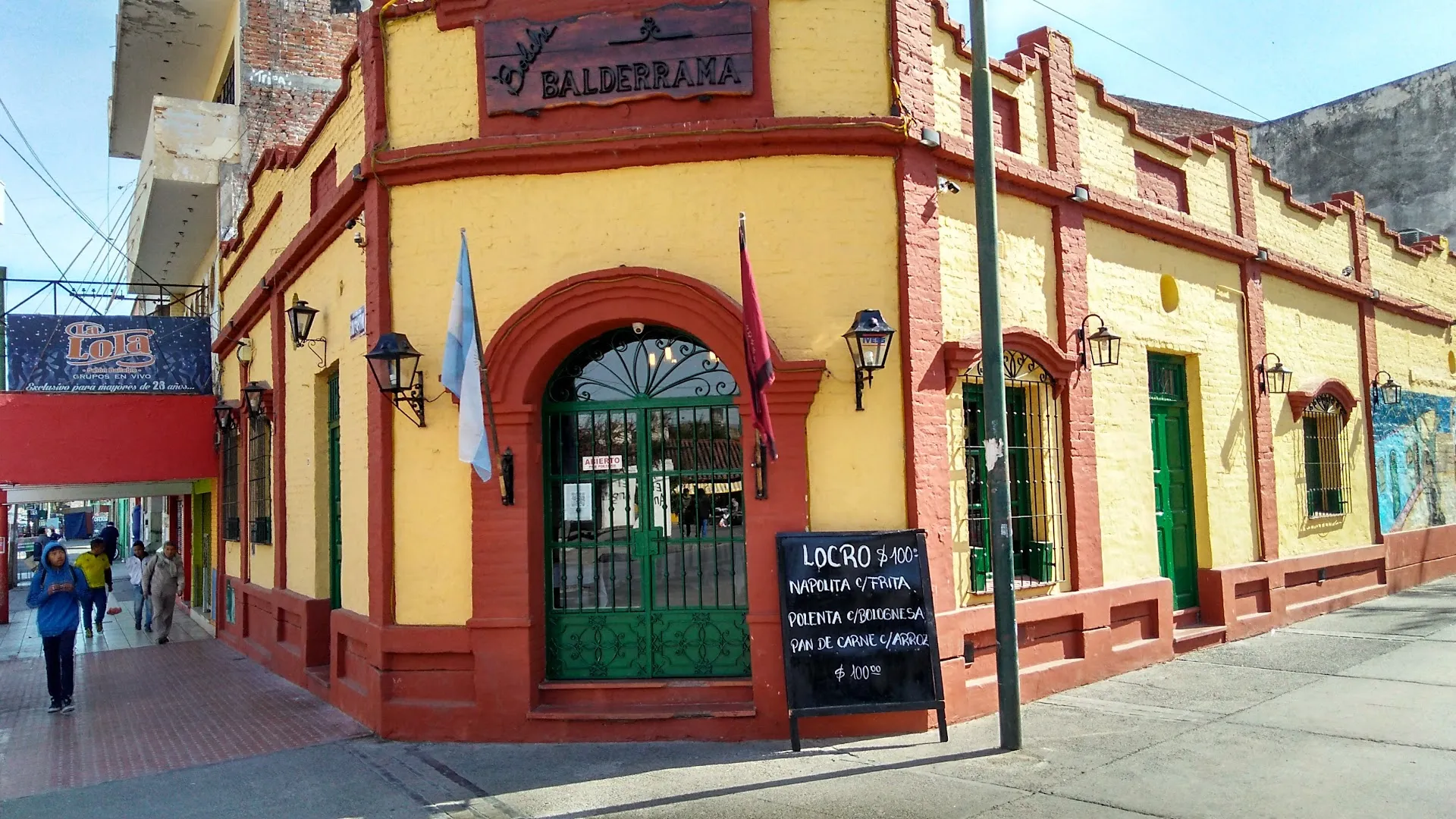
Peña Boliche Balderrama
Founded in 1954 by the Balderrama family as a picantería, this is Salta's most legendary folklore venue, immortalized in the classic zamba 'Balderrama' by Manuel J. Castilla and Cuchi Leguizamón and made world-famous by Mercedes Sosa. It has hosted generations of folk musicians and poets and is officially recognized as a site of tourist, architectural and cultural interest, still opening nightly for live shows and regional food.
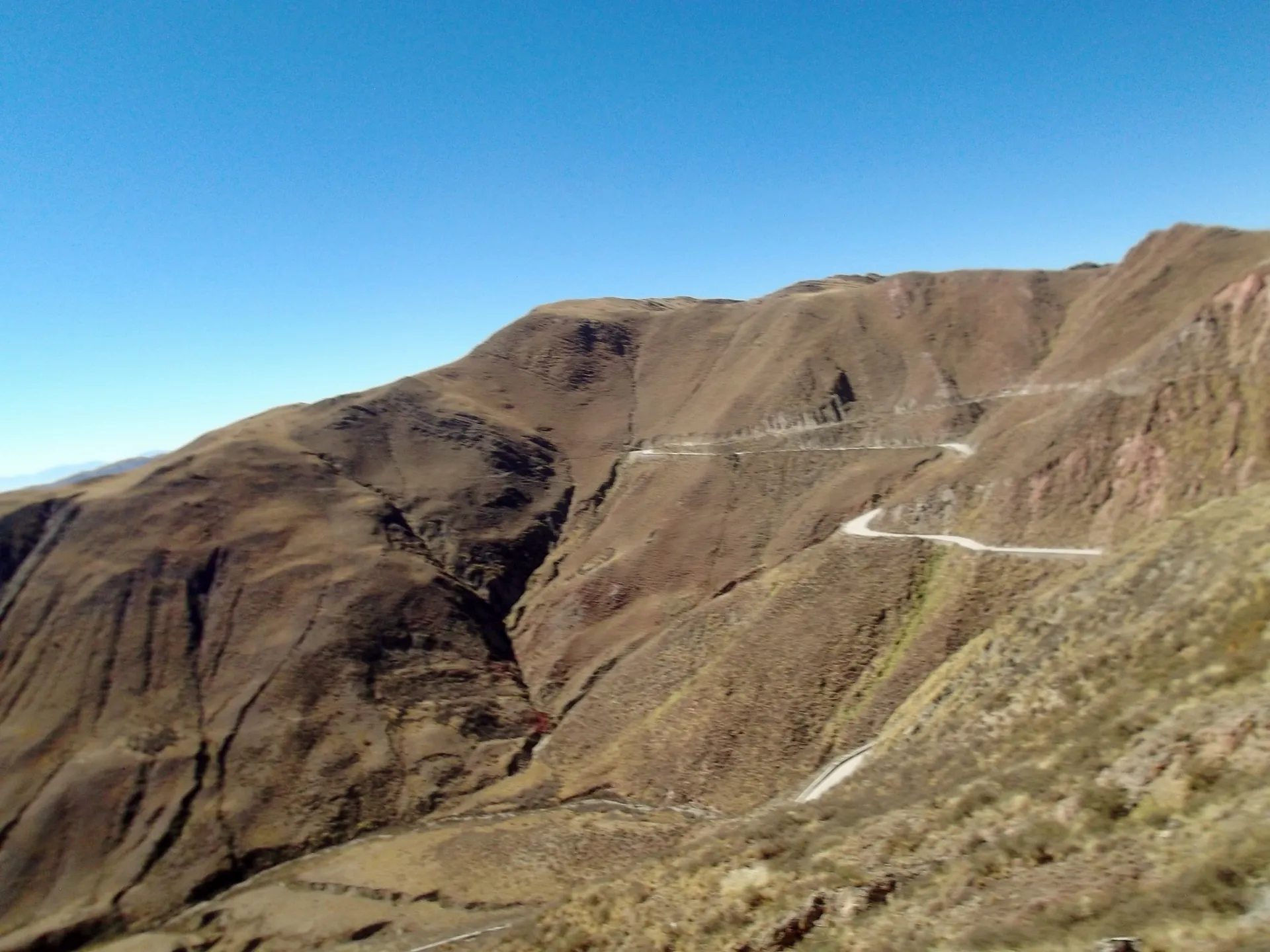
Piedra del Molino
At 3,348 m, this is the literal high point of the road up from Salta, where a huge granite millstone abandoned by an 18th-century ox-cart driver gives the place its name. The tiny Capilla San Rafael sits beside it, and the pullout offers a sweeping view back down the switchbacks of the Quebrada de Escoipe.
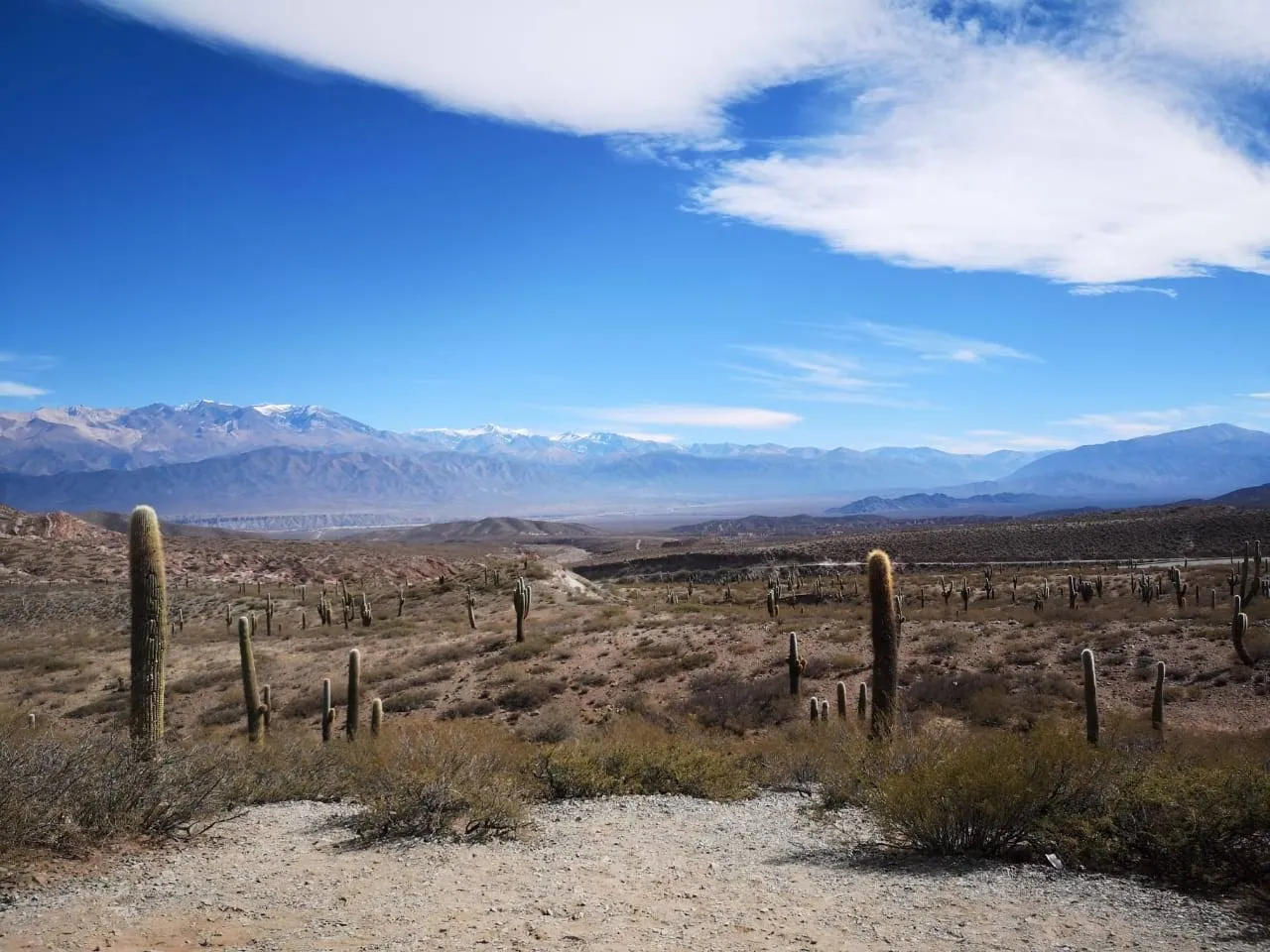
Parque Nacional Los Cardones
A 64,000-hectare national park straddling Provincial Route 33 as it climbs out of the Calchaquí Valley, dominated by forests of giant cardón cacti against the Cordillera Oriental. The park contains several of the short interpretive miradors along the road (Ojo del Cóndor, Secretos del Cardonal, Valle Encantado) as well as 70-million-year-old dinosaur tracks.
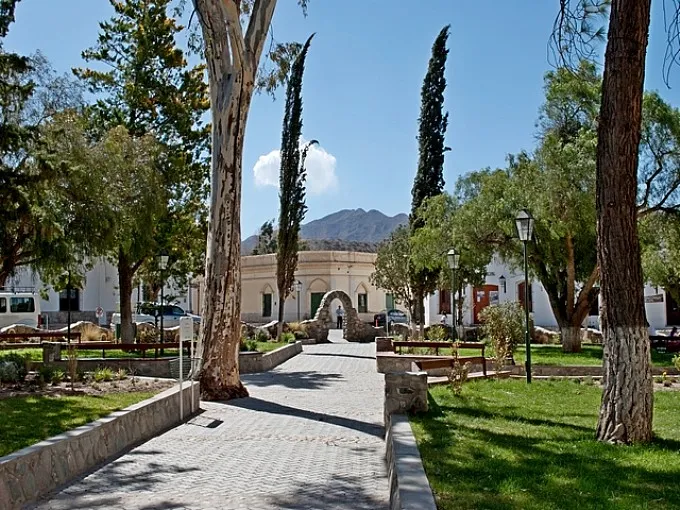
Plaza 9 de Julio de Cachi
The town's leafy central square, framed on all sides by whitewashed adobe buildings with wrought-iron window grilles and cardón-wood roof beams, including the Iglesia San José and the archaeological museum. A stone cairn on the square recalls the ancestral meeting ground of the Chicoana people that predates the colonial layout.
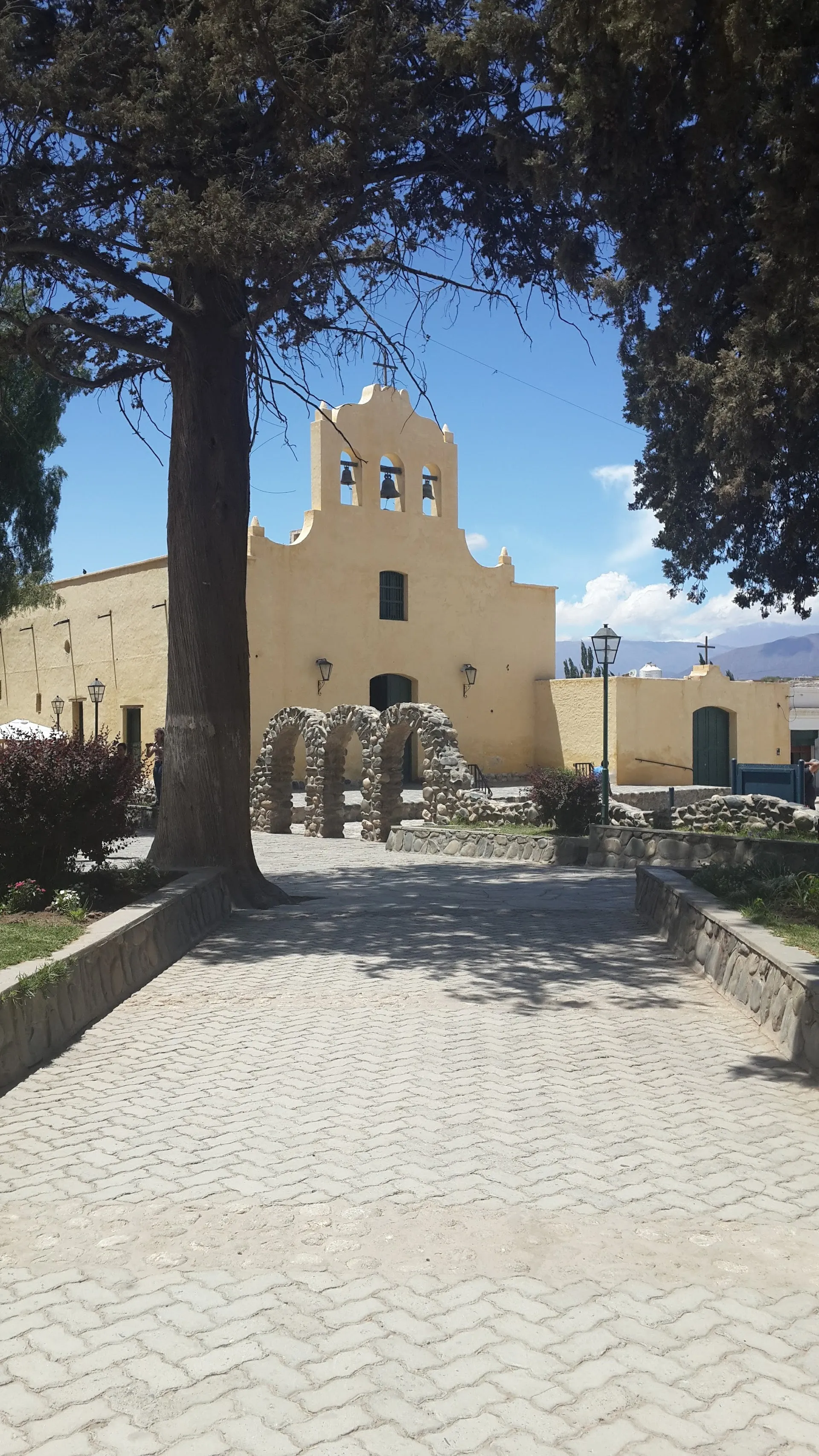
Iglesia San José de Cachi
A colonial parish church begun in the second half of the 17th century as a private oratory for the Aramburu family, with thick whitewashed adobe walls set on a river-stone foundation. Its barrel-vault ceiling, altar, confessional and baptismal font are all carved from cardón cactus wood, and the building was declared a National Historic Monument in 1945 after repeated earthquake repairs.
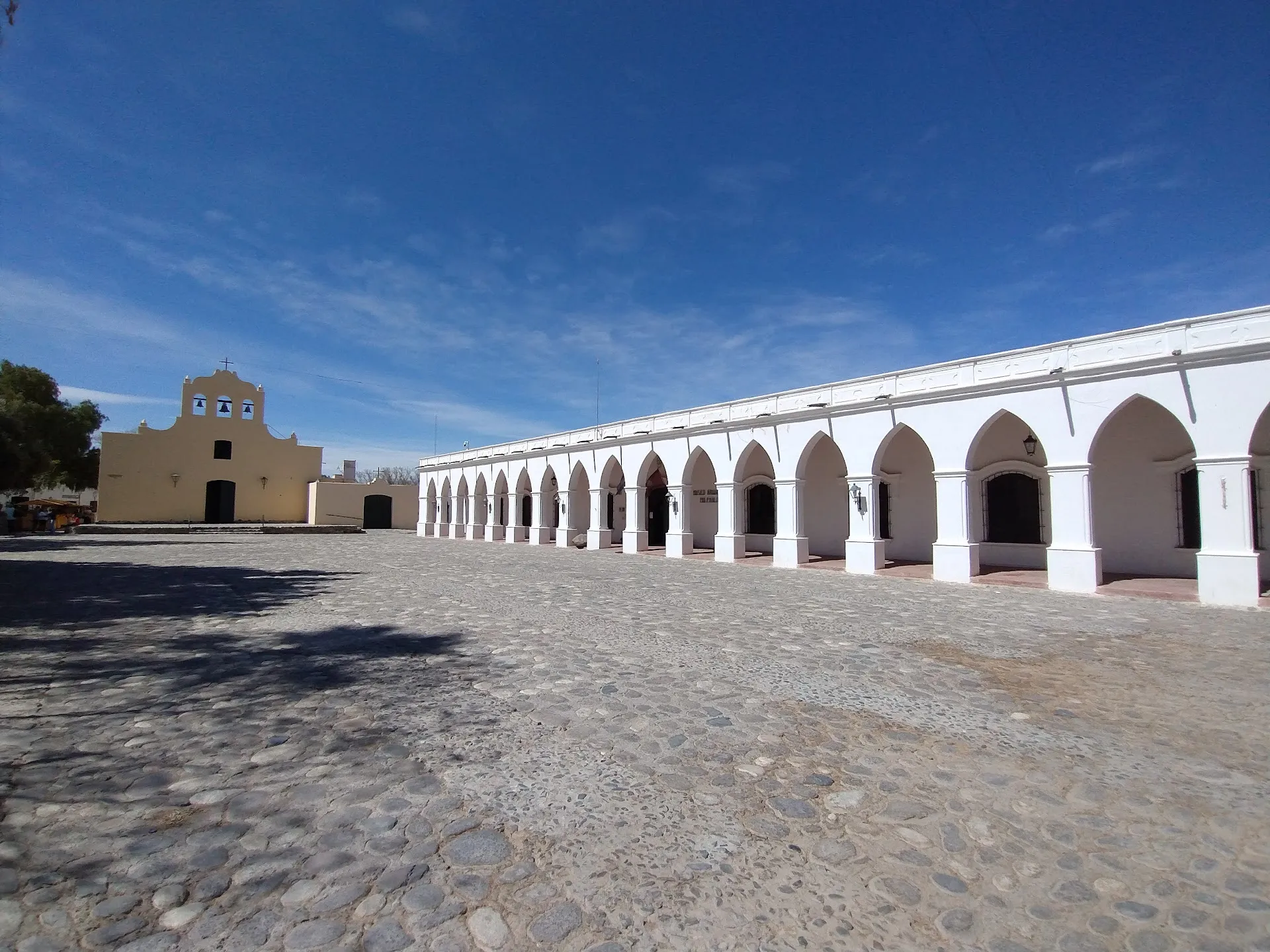
Museo Arqueológico Pío Pablo Díaz
Housed in a colonial-style adobe mansion beside the main plaza, its arched recova (covered gallery) opens onto four rooms holding more than 5,000 archaeological pieces spanning roughly 10,000 years of Calchaquí Valley history. Founded in 1969 and named for local archaeologist Pío Pablo Díaz, it remains free to enter.
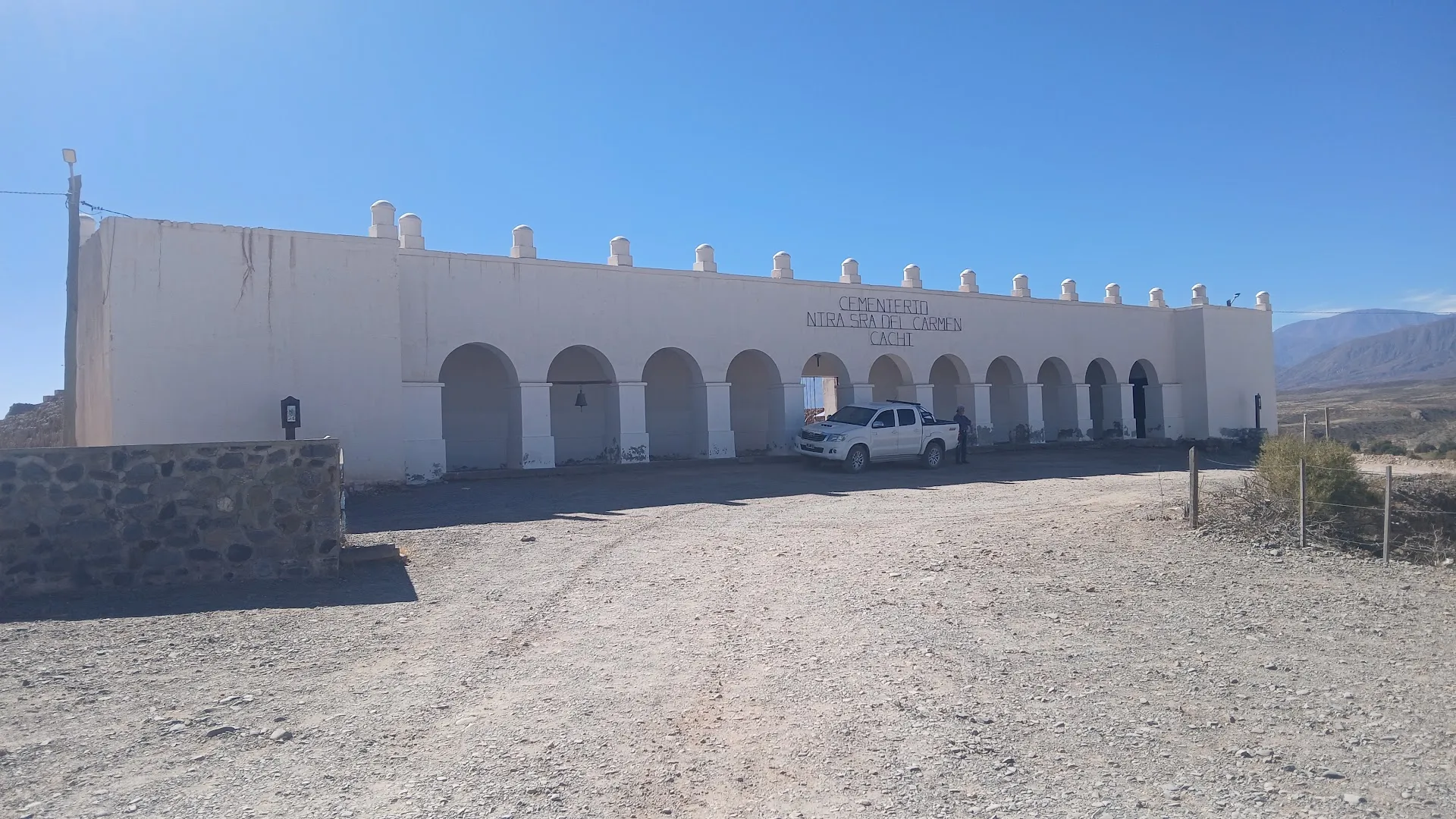
Mirador Calchaquí (Cementerio de Cachi)
A 20-minute walk (or short drive) north from Cachi's main square leads up to the town's 1850s cemetery, whose arched adobe facade sits on a plateau overlooking the orange-tiled roofs of Cachi, the Río Calchaquí and the surrounding valley. It is considered the best panoramic sunset view of the town, and fills with flowers each November 2 for the Day of the Dead.
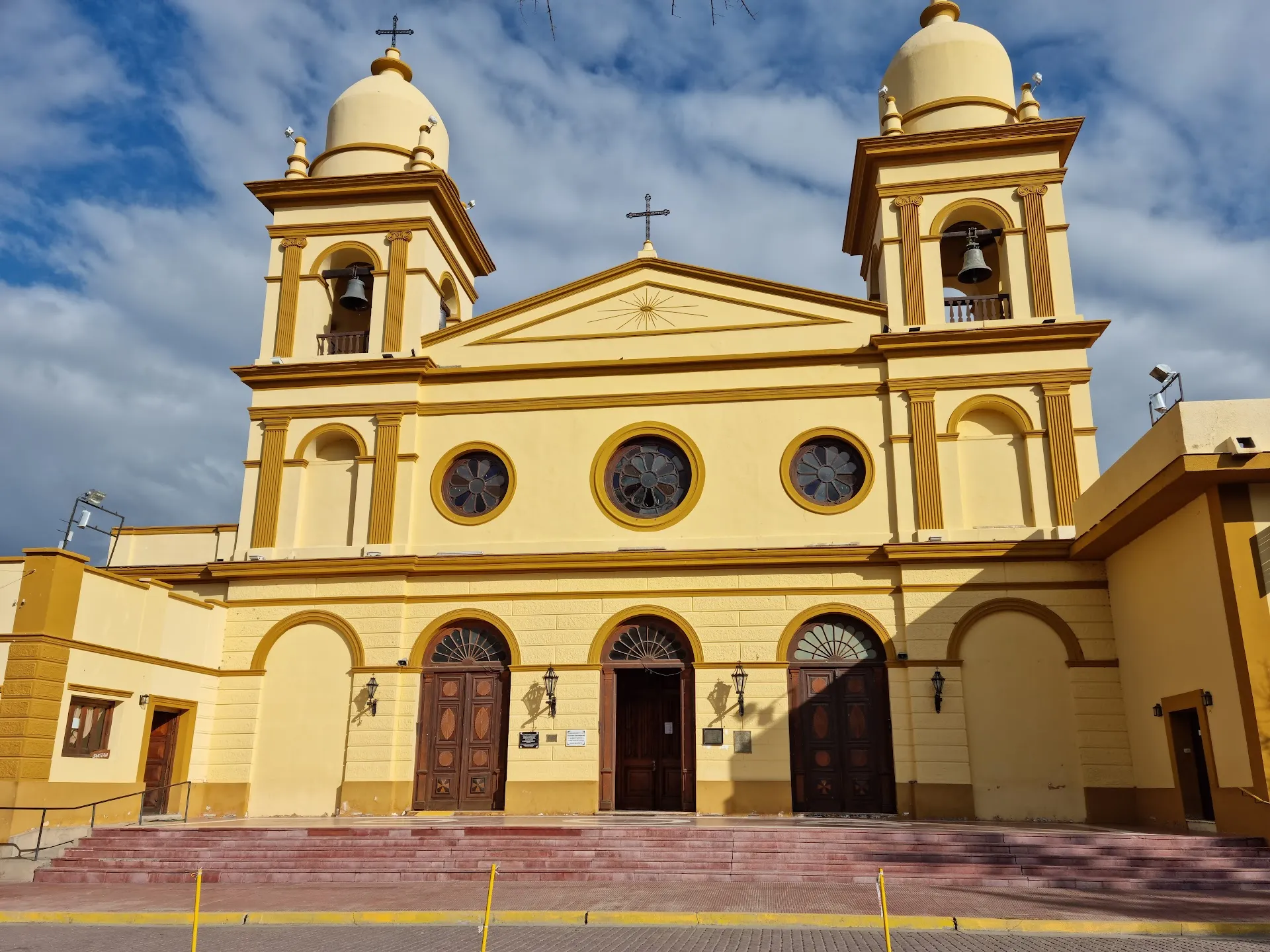
Catedral Nuestra Señora del Rosario de Cafayate
Five-nave cathedral built between 1890 and 1895 by Catalan architect Pedro Coll, one of only three surviving five-naved church structures in South America. It faces Cafayate's main plaza and houses a much-loved seated image of the Virgin, affectionately nicknamed 'La Sentadita' by locals.
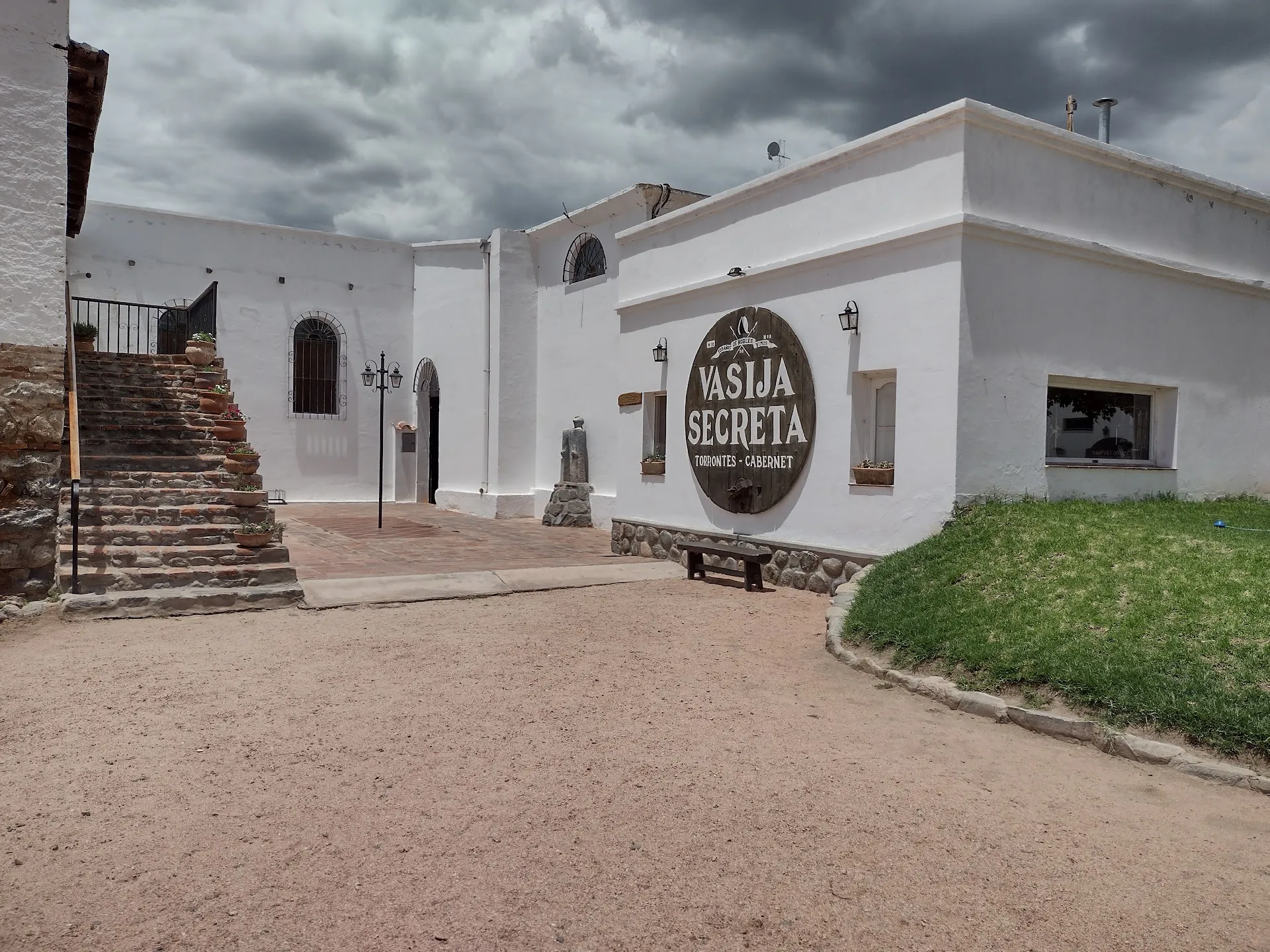
Antigua Bodega Vasija Secreta
The oldest working winery in the Cafayate valley, tracing its roots to 1857 at the Casa Córdova y Murga estate right at the town's entrance on RN40. Beyond wine production it houses the Nelly Córdova de Murga museum, with over 300 artisanal winemaking artifacts, plus a shop and restaurant.
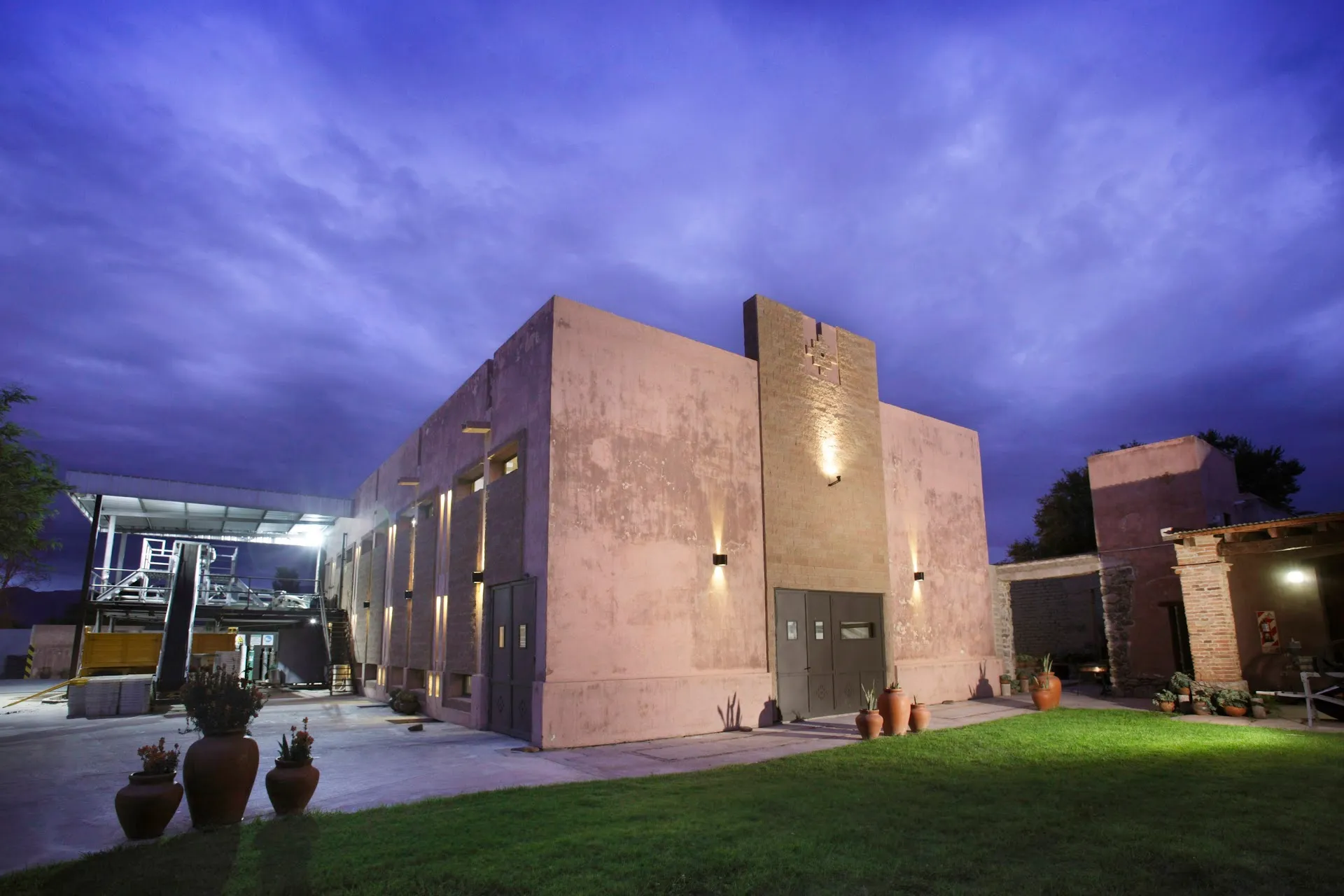
El Porvenir de Cafayate
Family-run bodega right in the heart of Cafayate, known for single-vineyard Malbec and Tannat labels like Laboradum. The free guided tour walks through fermentation tanks, concrete eggs and the historic barrel cellar, ending with a self-serve tasting from wine dispensers.
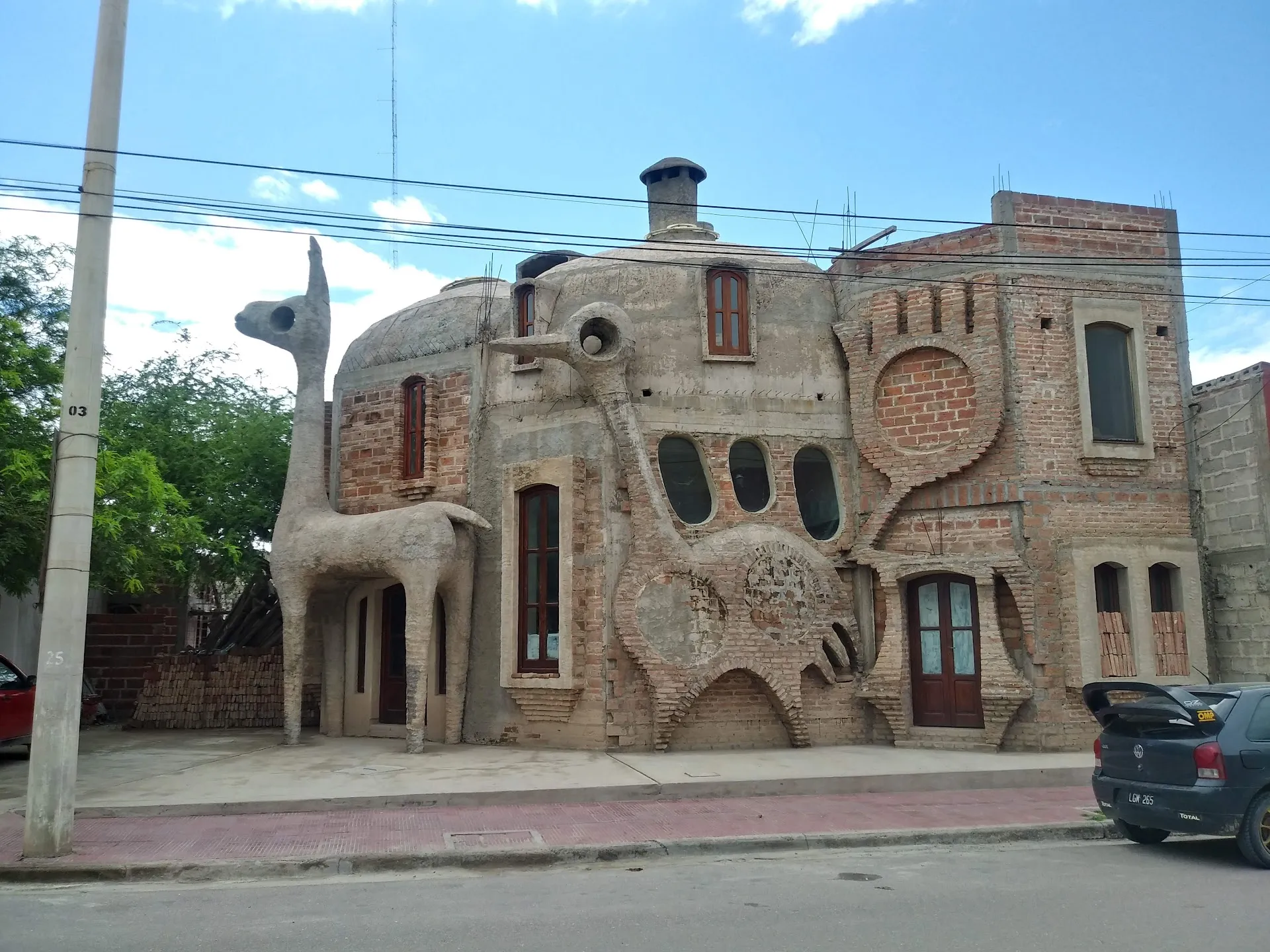
Museo de la Vid y el Vino
Cafayate's dedicated wine museum, opened in 2011 on the grounds of a former winery known as La Bodega Encantada, walks visitors through two connected halls — 'Memoria de la Vid' and 'Memoria del Vino' — using audiovisual displays to trace Calchaquí Valley viticulture from Jesuit-era vine plantings to today's high-altitude Torrontés. A wine bar built into the old fermentation vats caps the self-guided visit with a tasting of local wines.
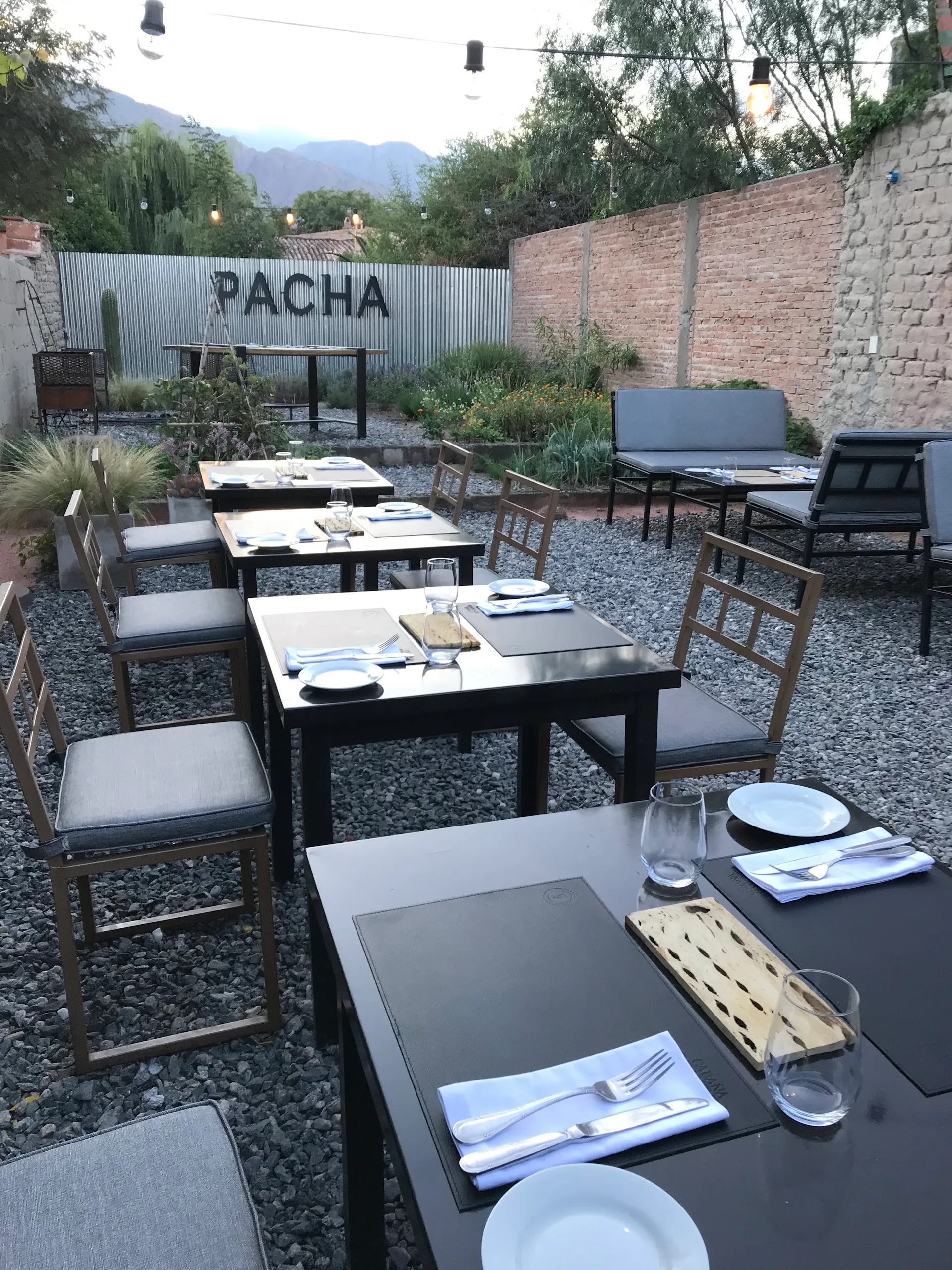
Pacha Cocina de Autor
Intimate fine-dining spot run by chef Tomás Casado, opened in 2015, serving contemporary 'cocina de autor' built on regional Calchaquí Valley ingredients with techniques like sous-vide. The seasonal tasting menu and open kitchen make it one of Cafayate's top reservations-only dinners.
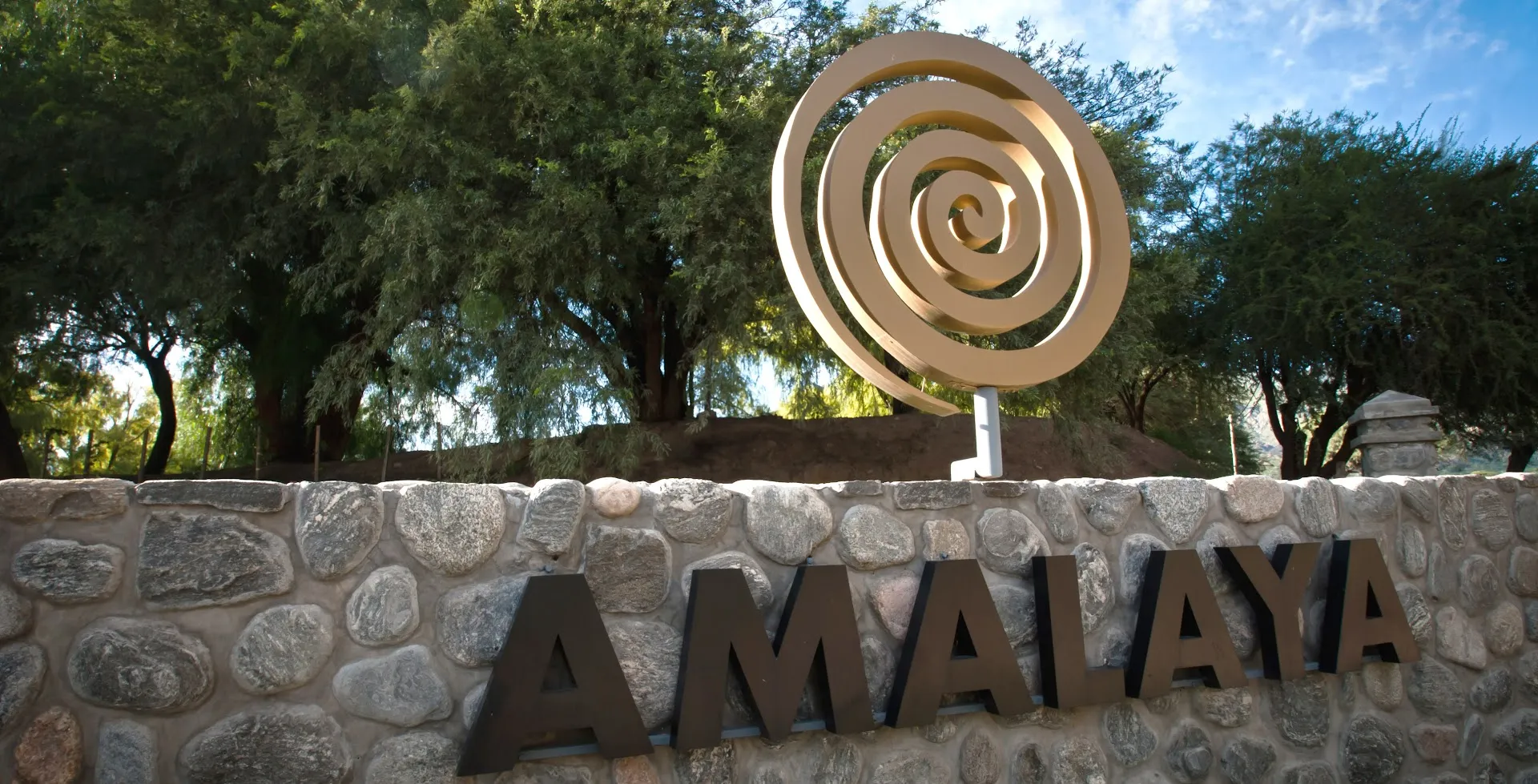
Bodega Amalaya
Contemporary winery founded in 2010 by California's Hess Family Estates, best known for approachable Torrontés and red field-blend wines under the Amalaya label. Its in-town wine bar pairs flights with regional small plates, making it a popular casual stop distinct from the bigger estate tours.
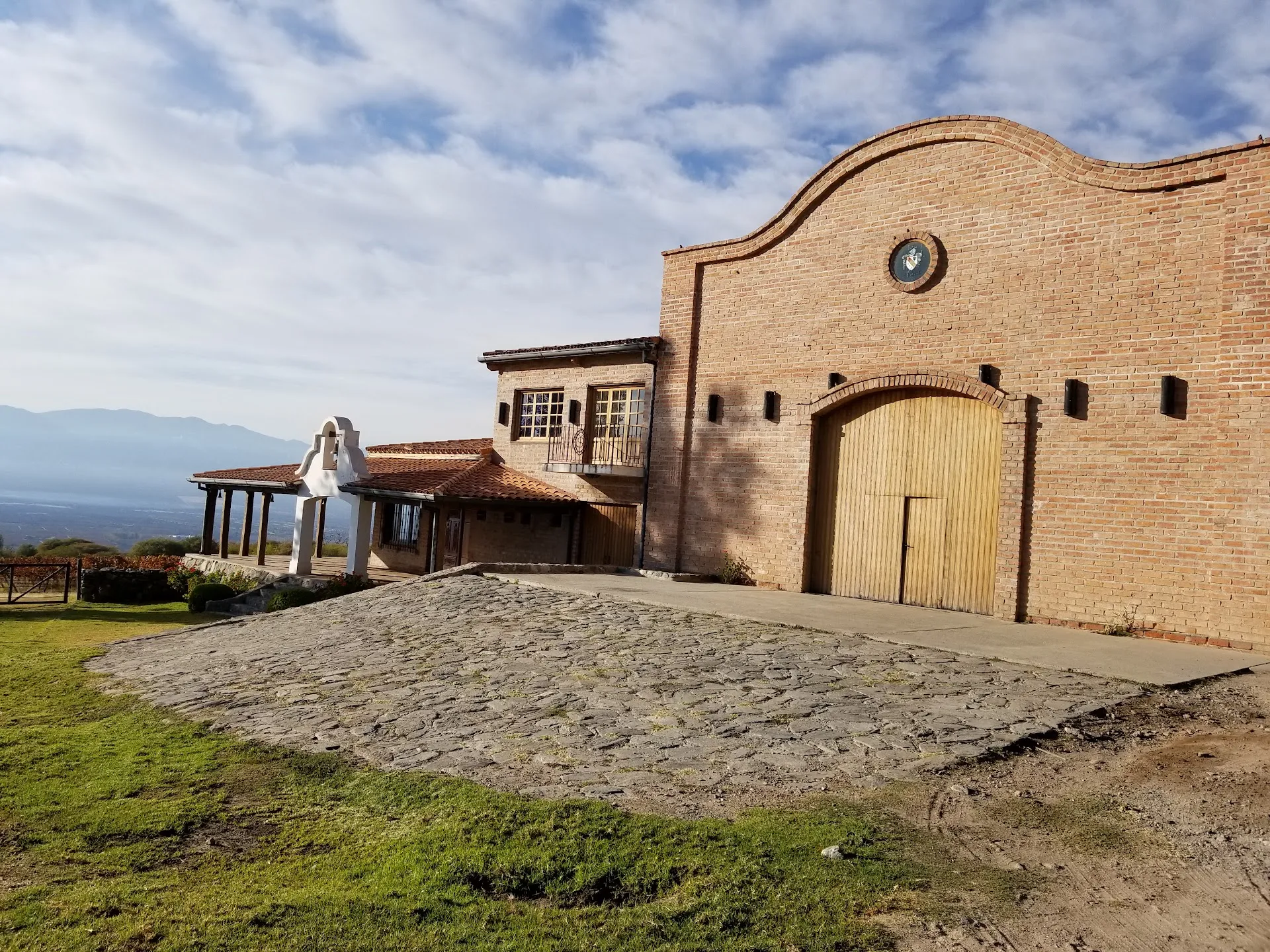
San Pedro de Yacochuya
High-altitude boutique estate (over 2,000m) tied to the Etchart winemaking family, celebrated among specialists for its old-vine Malbec blends, including the premium Yacochuya label made with consulting from Michel Rolland. Sits a short drive west of town in the Yacochuya sub-district.
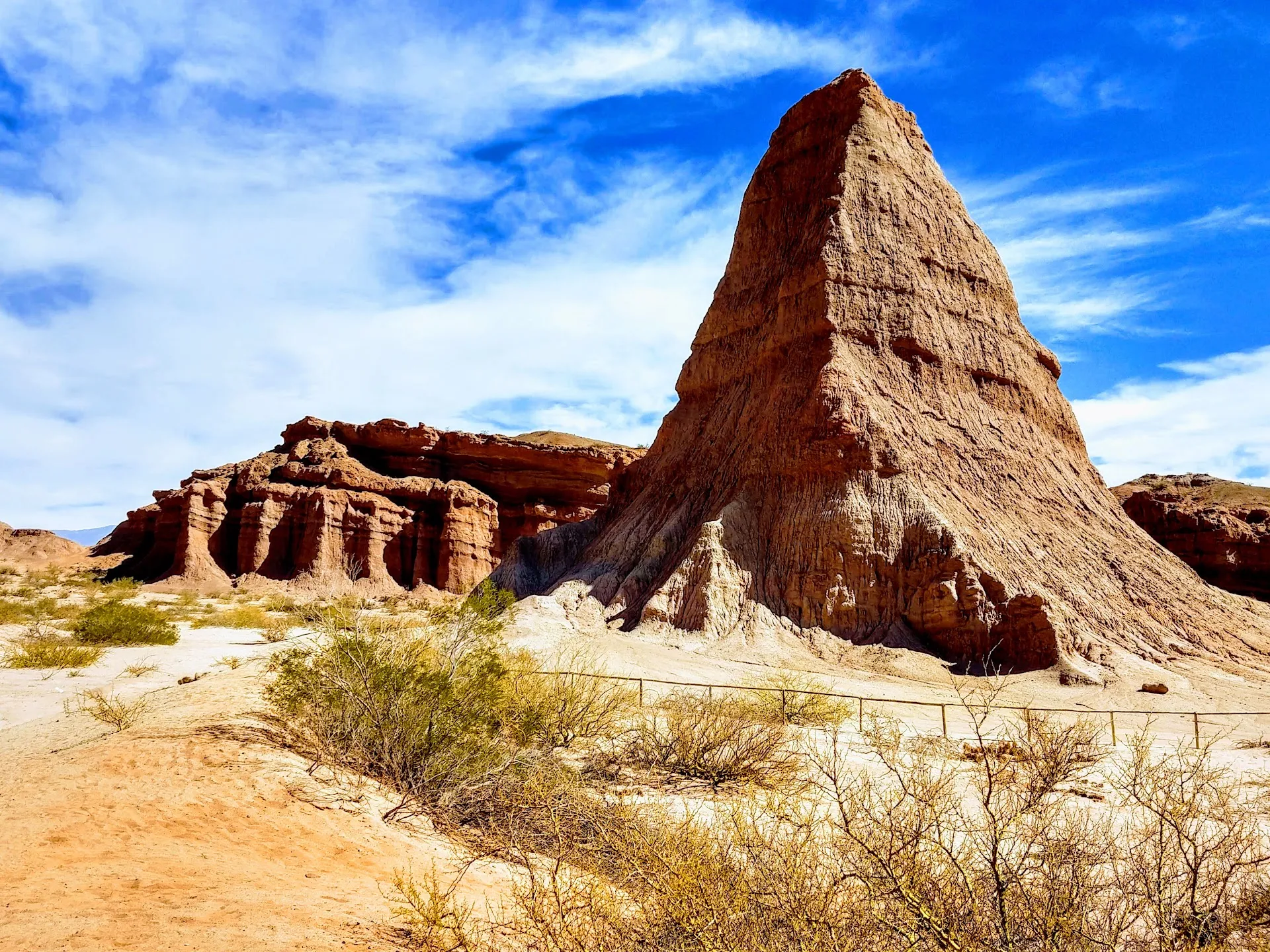
El Obelisco
A slender, roughly 26-meter rock spire estimated at around 20 million years old stands right beside the highway, shaped over eons by wind, rain and temperature swings. It's a near-mandatory quick photo stop for anyone driving the gorge.
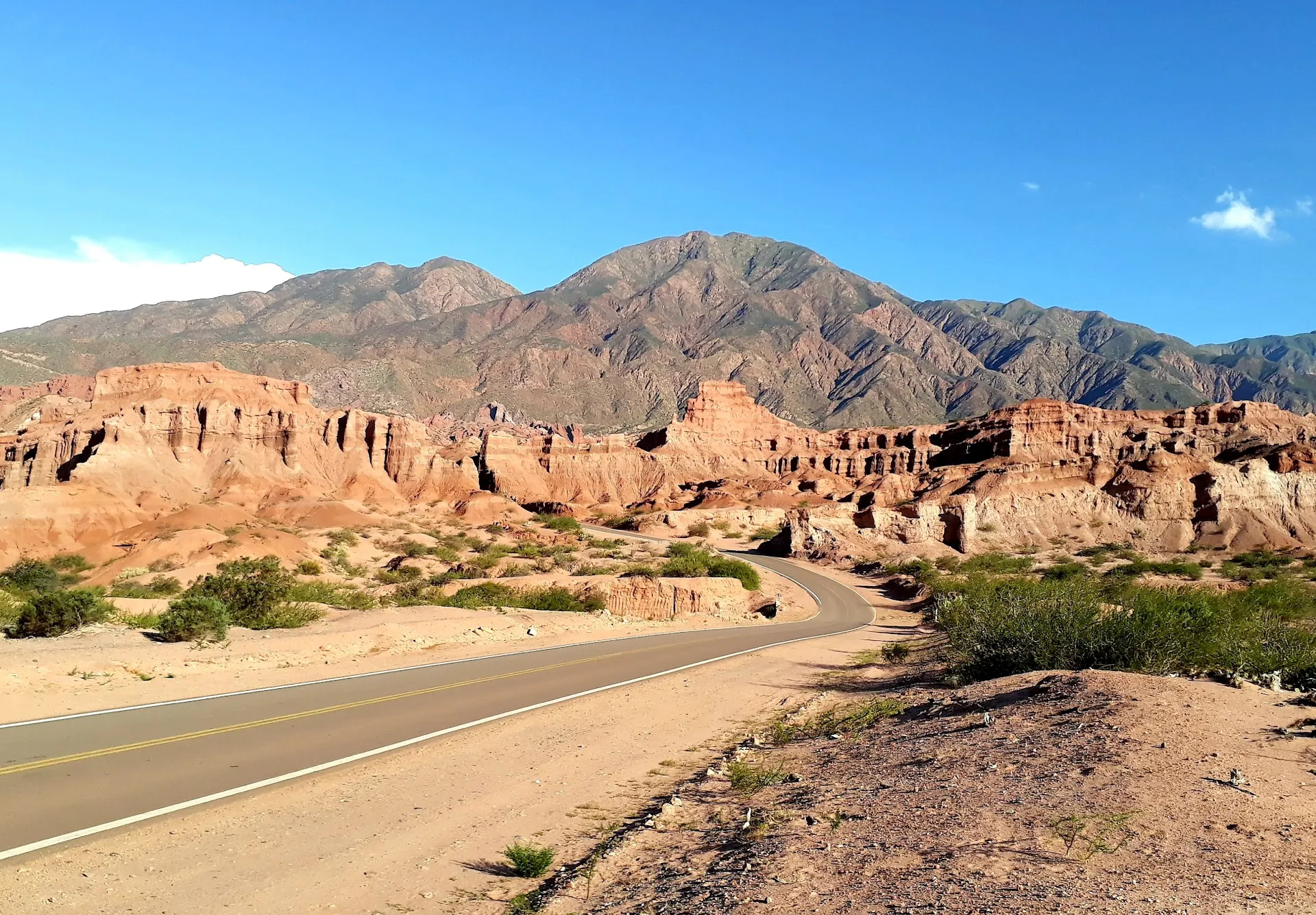
Las Ventanas
Wind erosion has bored a row of window-like openings straight through this cliff face overlooking the Río Calchaquí, making it one of the most-photographed stops between Cafayate and Salta. The gorge here was once an ancient seabed, and marine fossils have been found in the surrounding rock.
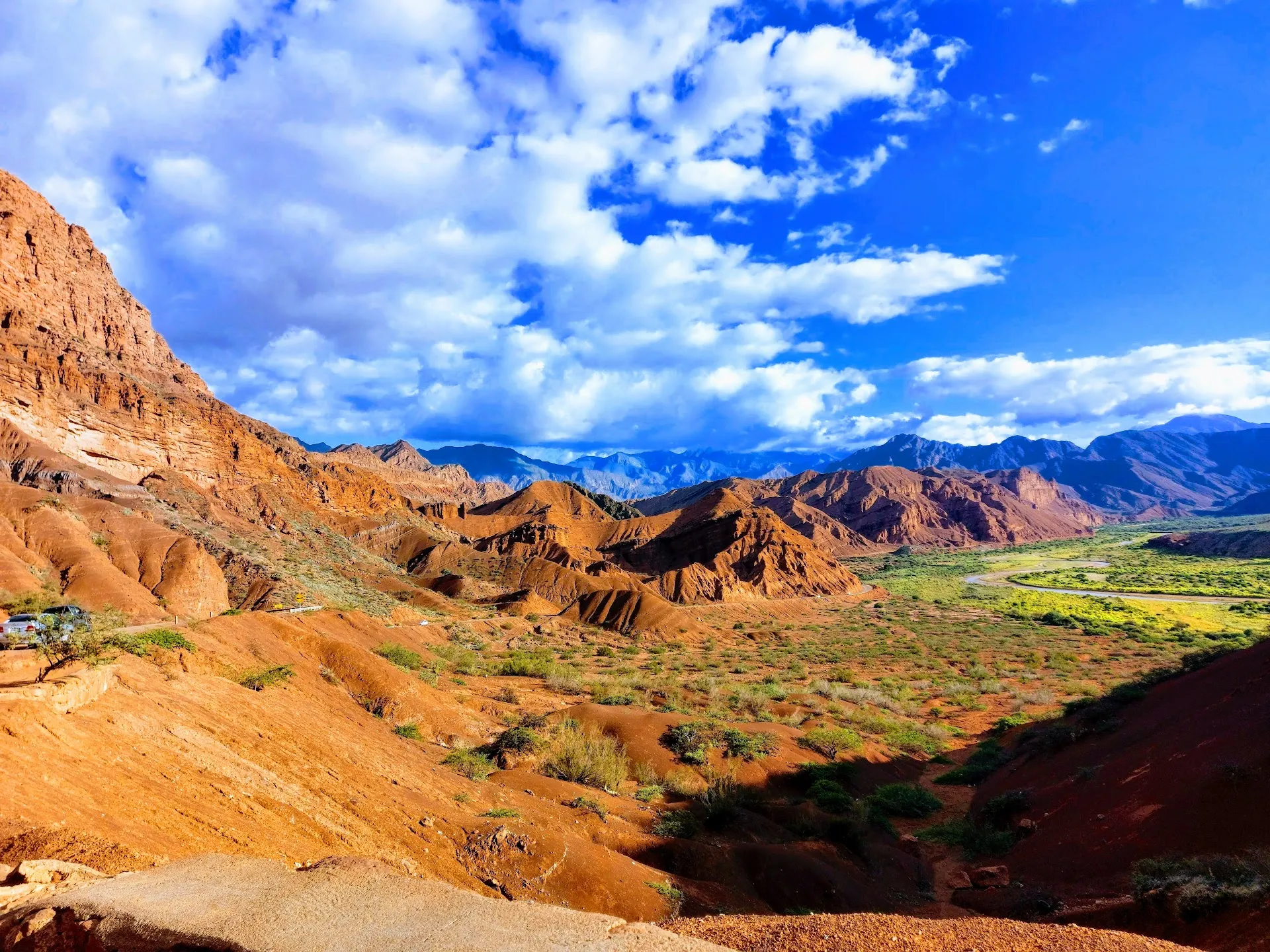
Mirador Tres Cruces
A short natural stone stairway just off RN68 climbs to what locals and guides alike call the single best 180-degree panorama of the Quebrada de las Conchas, with the ochre-red canyon walls and the Río de las Conchas spread out below. It's widely rated the top sunset stop on the Cafayate-to-Salta drive.
Day by day
Arrival evening in colonial Salta
16:30Plaza 9 de Julio
Land, settle in, and take your first walk around Salta's palm-fringed main square, ringed by colonial arcades, the cathedral, and the Cabildo. It is the easiest way to get your bearings before four days on the road.
Tip: Grab a seat at one of the arcade cafes and order a glass of Torrontes — a preview of the wine country waiting at the end of the trip.
17:15Iglesia San Francisco
A short block away stands Salta's most photographed building, a terracotta and cream Italianate church with the tallest bell tower in South America. Even a quick look at the facade in the low afternoon light is worth the detour.
Tip: The interior is open until 8:30pm most days if you want to step inside as well.
Dona Salta
Sit down for the north's signature comfort food at this iconic address for empanadas saltenas, locro stew, humitas, and tamales — the culinary primer for a trip built around the region's other great export, its wine.
Tip: Open nightly, so it is a reliable choice whatever day you land; order a jug of Torrontes to go with the empanadas.
21:30Peña Boliche Balderrama
Close the evening at Salta's most legendary folklore venue, founded in 1954 and immortalized in the classic zamba "Balderrama." Live folk music and regional food run late into the night.
Tip: Closed Mondays — if your arrival lands on one, La Vieja Estacion on the same Balcarce strip runs a folklore show nightly instead.
The Cuesta del Obispo to colonial Cachi
09:00Piedra del Molino
Climb out of Salta on the Cuesta del Obispo, a switchback road that gains nearly 2,000m to this pass at 3,348m — the literal high point of the drive, marked by a huge granite millstone abandoned mid-transport in 1927 and a tiny roadside chapel.
Tip: Low clouds often drift below the pullout here, giving a striking 'floating landscape' effect for photos — go slowly on the switchbacks below, they are tighter than they look.
10:30Parque Nacional Los Cardones
Continue through Parque Nacional Los Cardones, a 64,000-hectare reserve of towering cardon cacti — some centuries old — set against the Cordillera Oriental, with 70-million-year-old dinosaur tracks tucked into the park as well.
Tip: Stop at one of the short interpretive miradors along the road; the giant cacti make for one of the most striking roadside landscapes in Argentina.
13:00Plaza 9 de Julio de Cachi
Arrive in Cachi and have lunch around this leafy central square, framed by whitewashed adobe buildings with wrought-iron window grilles and cardon-wood roof beams — the architectural signature of the whole Calchaqui Valley.
Tip: A stone cairn on the square marks the ancestral meeting ground of the Chicoana people, who lived here well before the colonial layout was built.
14:30Iglesia San José de Cachi
Step inside the parish church begun in the 17th century, whose barrel-vault ceiling, altar, confessional, and baptismal font are all carved from cardon cactus wood — one of the most distinctive interiors in the Argentine northwest.
Tip: Declared a National Historic Monument in 1945 after repeated earthquake repairs; try to visit around Mass times, when it is reliably open.
15:30Museo Arqueológico Pío Pablo Díaz
Cross the plaza to this free museum in a colonial-style adobe mansion, holding more than 5,000 archaeological pieces spanning roughly 10,000 years of Calchaqui Valley history.
Tip: Closed Mondays; the arched recova (covered gallery) out front is worth a look even if you are pressed for time.
17:30Mirador Calchaquí (Cementerio de Cachi)
Walk up to Cachi's 1850s hilltop cemetery, whose whitewashed arched facade sits on a plateau overlooking the town's orange-tiled roofs, the Rio Calchaqui, and the surrounding valley — widely considered the best sunset view in Cachi.
Tip: It is about a 20-minute walk (or short drive) from the plaza; go up in time to watch the light turn the valley gold before dinner.
Ruta 40 to Cafayate and the first wineries
09:30Catedral Nuestra Señora del Rosario de Cafayate
After the morning's drive down Ruta 40 through the Valles Calchaquíes, arrive in Cafayate and orient yourself at this five-nave cathedral facing the main plaza — one of only three surviving five-naved church buildings in South America.
Tip: Locals affectionately call the church's much-loved seated Virgin 'La Sentadita'; the plaza around it is the natural base for the next two nights.
11:00Antigua Bodega Vasija Secreta
Visit the oldest working winery in the Cafayate valley, tracing its roots to 1857 at the town's entrance on RN40. Beyond the cellars, it houses a museum of more than 300 artisanal winemaking artifacts.
Tip: Pair the tasting with a walk through the on-site museum — it is one of the few places on the route where the history of Calchaqui winemaking is laid out in one stop.
13:30El Porvenir de Cafayate
Head into the heart of town for a free guided tour at this family-run bodega, known for single-vineyard Malbec and Tannat. The tour walks through fermentation tanks, concrete eggs, and the historic barrel cellar before a self-serve tasting.
Tip: Open daily including Sundays and holidays; booking ahead is recommended even though the tour itself is free.
16:00Museo de la Vid y el Vino
Round out the afternoon at Cafayate's dedicated wine museum, which traces Calchaqui Valley viticulture from Jesuit-era plantings to today's high-altitude Torrontes across two halls, ending at a wine bar built into old fermentation vats.
Tip: Closed Mondays; a good rainy-afternoon or over-tasted alternative to a fourth bodega visit.
20:00Pacha Cocina de Autor
Close the day with a seasonal tasting menu at this intimate fine-dining spot built around regional Calchaqui Valley ingredients — one of Cafayate's best reservations-only dinners and a natural way to cap a day of tastings.
Tip: Book ahead; dinner seatings run at 7:00pm, 8:00pm, and 9:30pm and the small room fills up.
More Cafayate wineries and the Quebrada de las Conchas
09:30Bodega Amalaya
Start the day at this contemporary winery founded in 2010 by California's Hess Family Estates, known for approachable Torrontes and red field-blend wines, with an in-town wine bar that pairs flights with regional small plates.
Tip: A good easygoing counterpoint to the historic bodegas from the day before — casual, and an easy stop before a longer drive out to the boutique estates.
11:30San Pedro de Yacochuya
Drive a short way out of town to this high-altitude boutique estate tied to the Etchart winemaking family, celebrated for old-vine Malbec blends including the premium Yacochuya label, made with consulting from Michel Rolland.
Tip: Weekday hours only (Mon-Fri 10:00-18:00, Sat until 13:00) — check ahead if your visit falls on a Sunday.
14:00El Obelisco
Leave Cafayate toward Salta on RN68 and make the first stop of the Quebrada de las Conchas drive: a slender, roughly 26-metre rock spire estimated at around 20 million years old, shaped by wind, rain, and temperature swings.
Tip: A quick roadside photo stop — the canyon only gets more dramatic from here.
15:30Las Ventanas
Continue to Las Ventanas, where wind erosion has bored a row of window-like openings straight through a cliff face above the Rio Calchaqui — one of the most photographed stops on the whole gorge.
Tip: The gorge here was once an ancient seabed, and marine fossils have turned up in the surrounding rock.
17:00Mirador Tres Cruces
Finish the drive — and the trip — at what locals and guides call the single best 180-degree panorama of the Quebrada de las Conchas, a short stone stairway up from RN68 overlooking the ochre-red canyon walls and the Rio de las Conchas below.
Tip: Widely rated the best sunset stop on the Cafayate-to-Salta drive; time your departure from the last winery so you arrive here with the light still golden before continuing on to Salta.
Getting between stops
What it costs
Budget roughly $650-1,100 per person for four days, excluding international flights. This route skews higher than a typical Northwest Argentina itinerary because of two cost centers: wine tastings and tours across four-plus bodegas (many now charge for guided visits and premium flights, on top of any bottles you take home), and a rental car or private driver for the Cuesta del Obispo and Ruta 40 legs, since no reliable public transport links the three towns. Lodging and food are otherwise excellent value — a full dinner with wine in Cafayate or Cachi is a fraction of the cost of comparable wine-country meals elsewhere.~$160-280 USD / day
Frequently asked questions
- Is four days enough for the Valles Calchaquíes wine route?
- Yes, four days covers the essentials well. One evening in Salta, one night in Cachi to take in the Cuesta del Obispo drive and the village, and two full nights in Cafayate give you real time in four-plus wineries plus the Quebrada de las Conchas on the way back, without feeling rushed. Travelers with more time can add a second night in Cachi or a detour to the Quilmes ruins from Cafayate.
- How do you get from Salta to Cachi and on to Cafayate?
- Both legs are driven, not bussed. Salta to Cachi is about 157km on RN68/RP33/RN40 via the Cuesta del Obispo, roughly 3-3.5 hours, mostly paved with about 15km of gravel on the pass itself. Cachi to Cafayate is a similar distance on Ruta 40 through Seclantas, Molinos, and San Carlos, but the road is mostly unpaved and takes closer to 4 hours with stops. Neither leg has a reliable direct bus, so most travelers self-drive a rental car or book a private driver for the day.
- Is the Ruta 40 drive between Cachi and Cafayate safe in a standard rental car?
- Generally yes. The road is gravel (ripio) for most of its length, but it is well used and manageable in a regular car at a careful, slower pace — a high-clearance vehicle helps but is not strictly required. The main risk is weather: during the summer rainy season (December-March) the road can flood or close, so check conditions locally before setting out, and avoid driving after dark.
- Which Cafayate wineries should I prioritize with two nights?
- With two nights you can comfortably fit four bodegas across different styles: Antigua Bodega Vasija Secreta for the valley's oldest cellars (1857) and its winemaking museum, El Porvenir de Cafayate for a free guided tour close to the plaza, Bodega Amalaya for a casual modern wine bar, and San Pedro de Yacochuya for boutique, old-vine Malbec out toward the Yacochuya sub-district. Domingo Molina is a good quieter swap if you prefer a smaller, family-run alternative.
- When is the best time to visit for the wine harvest?
- Cafayate's grape harvest (vendimia) runs roughly February to April, when some bodegas add harvest-related activities and events. That window overlaps the tail end of the rainy season, though, so weigh the harvest atmosphere against the higher chance of a wet, potentially closed Ruta 40 gravel section between Cachi and Cafayate. The dry months from April through November are the safer bet for road conditions.
Make this trip yours
Save this itinerary and customize it — dates, stops, budget and friends, all in one place.