Skip to content
Purmamarca

The Complete Guide to Purmamarca

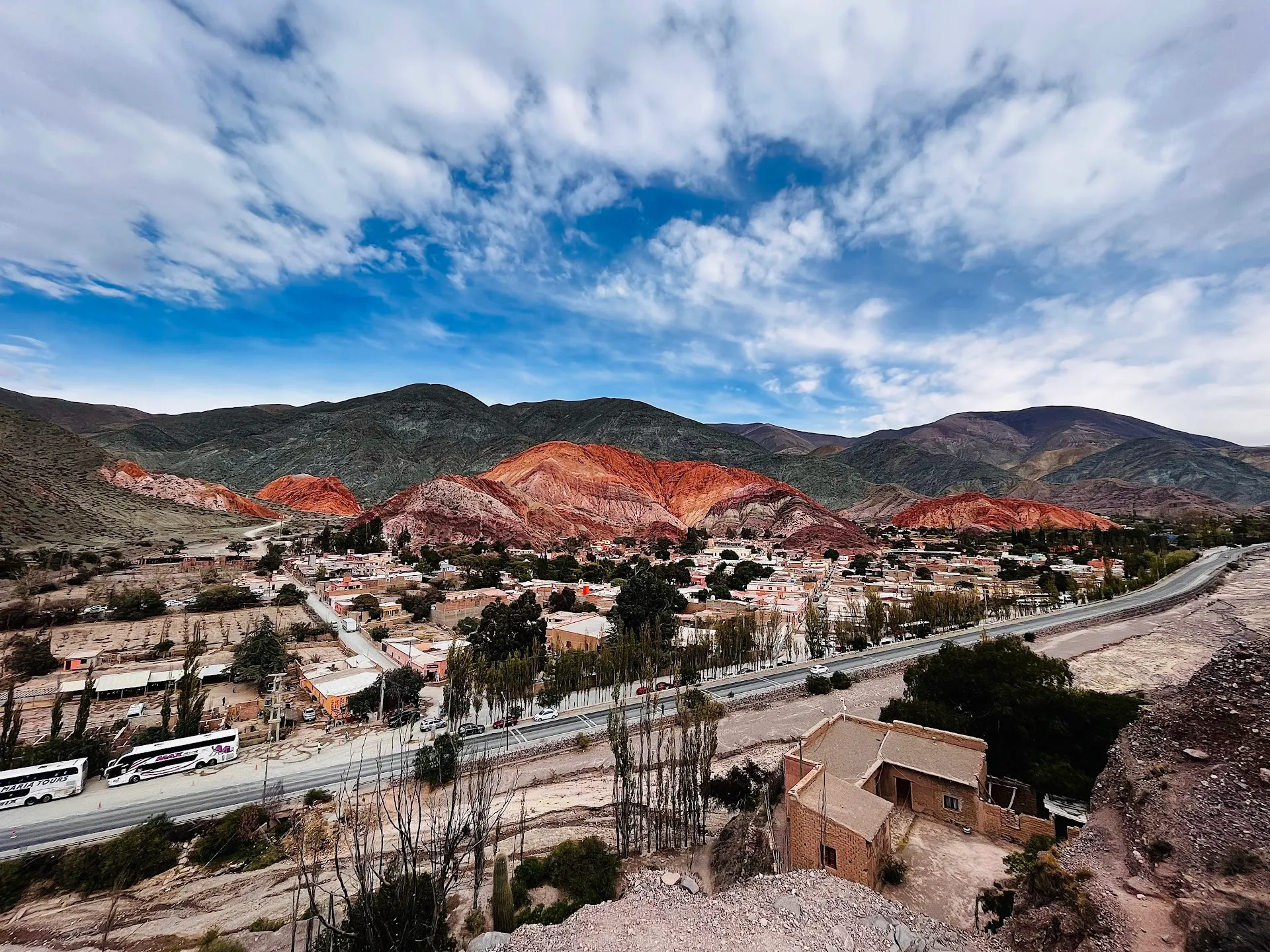
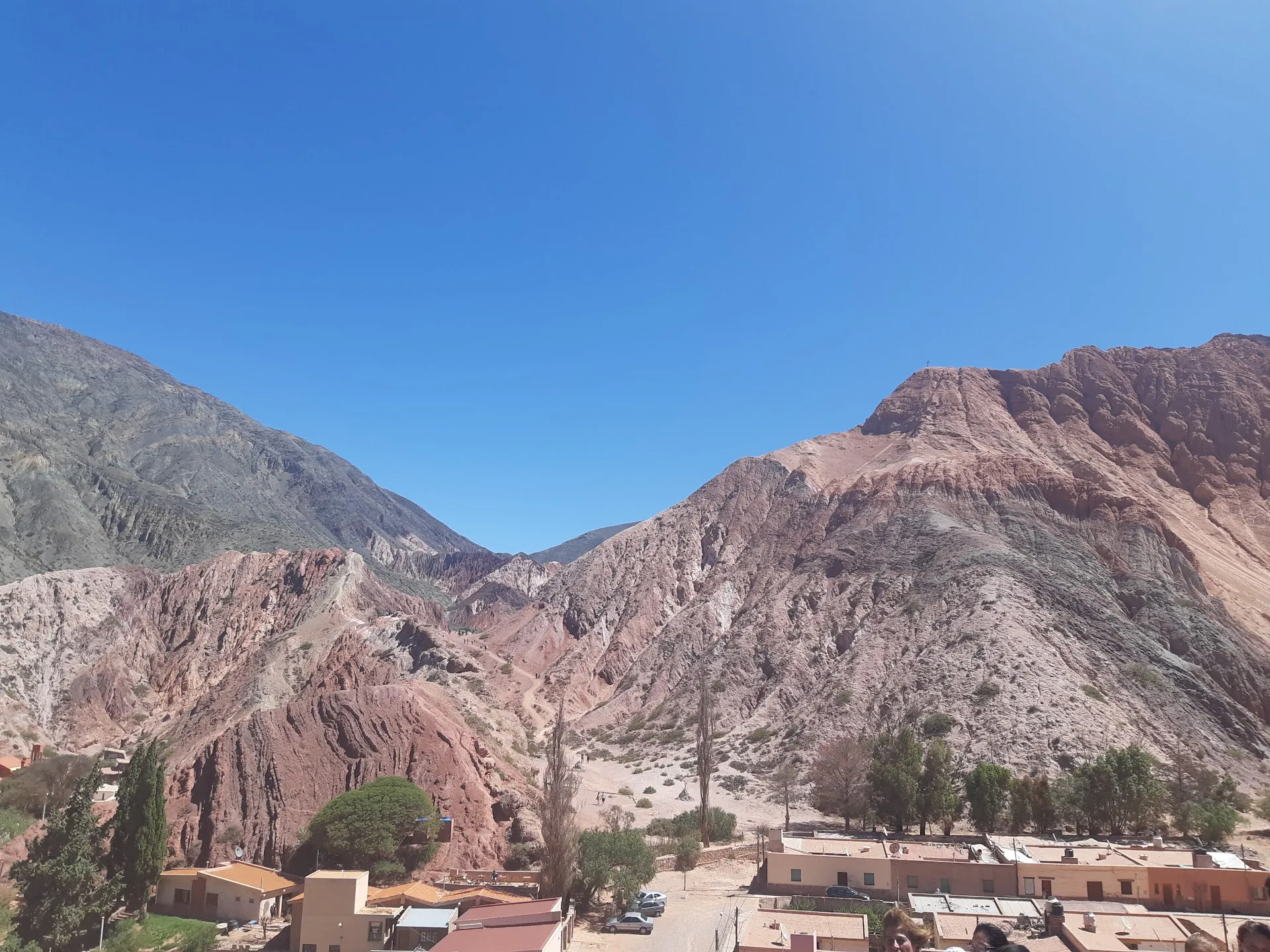
Purmamarca is barely a few square blocks of adobe houses arranged around a single plaza, pressed against the base of a mountain that seems to have been painted rather than eroded into shape. The Cerro de los Siete Colores - pink, white, green, ochre and rust-red bands stacked one on top of the other - rises directly behind the village, close enough that its shadow reaches the church steps by late afternoon. At 2,323 meters above sea level in the Quebrada de Humahuaca, a UNESCO World Heritage cultural landscape, Purmamarca is small enough to see on foot in an afternoon and rich enough, between the hill, the market and the surrounding Puna, to fill two unhurried days.

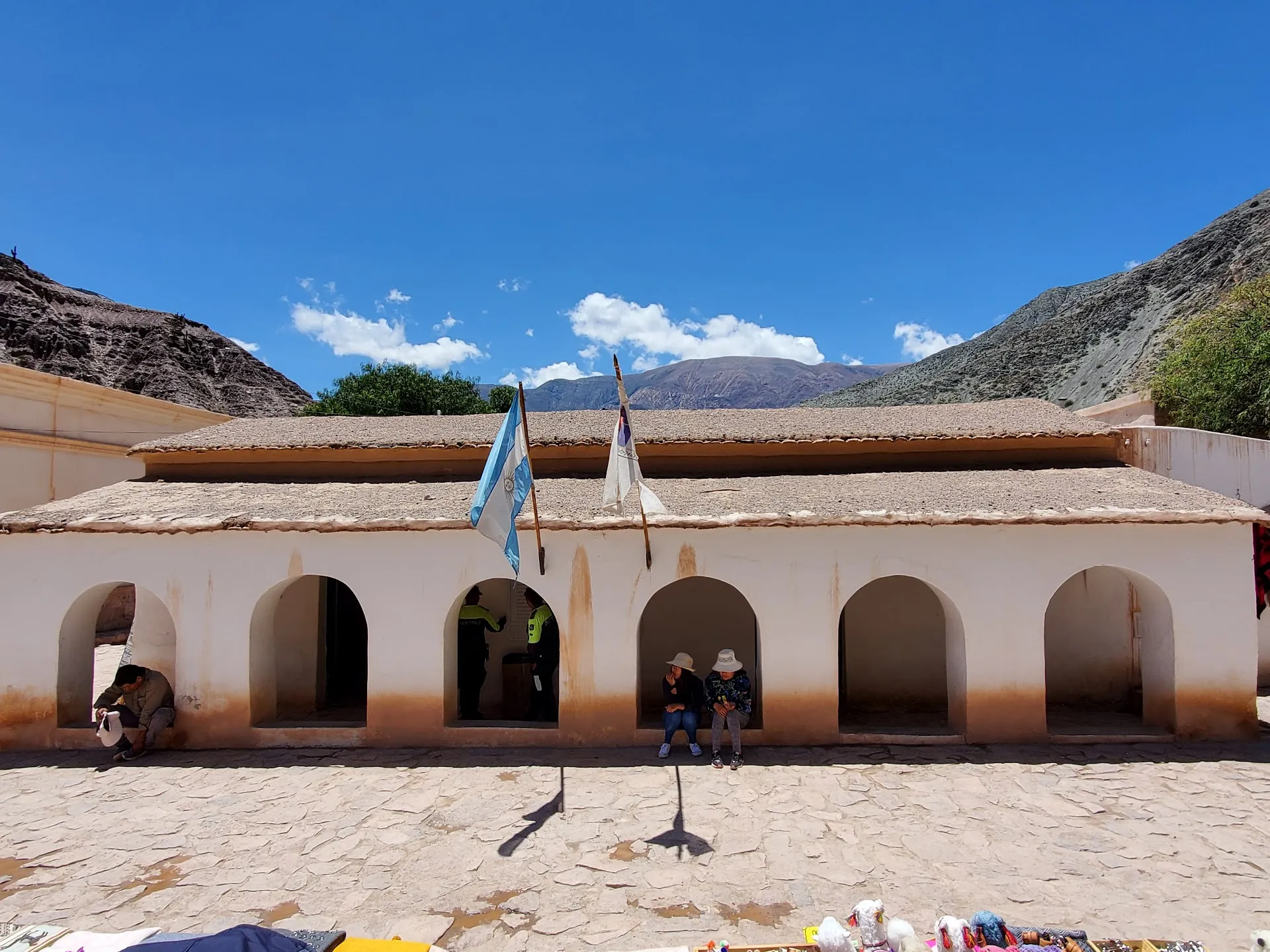
The village itself is compact and easy to read: everything sits within a five-minute walk of Plaza 9 de Julio, where the 1648 adobe chapel of Santa Rosa de Lima, a centuries-old algarrobo tree tied to the region's independence-war history, and what locals call the smallest cabildo in Argentina stand within sight of each other. Around the plaza and along Calle Rivadavia, the daily feria artesanal spills across the sidewalks - ponchos, blankets and sweaters hand-spun from llama and sheep wool, the valley's signature craft, sold by the same weaving families who make them. A short walk from the plaza, the Paseo de los Colorados loops behind the village and along a dry riverbed directly beneath the hillside, ending at the built viewpoint of Mirador Cerro El Porito - the classic head-on shot of the Seven Colors Hill, and the single most-searched reason people come here.

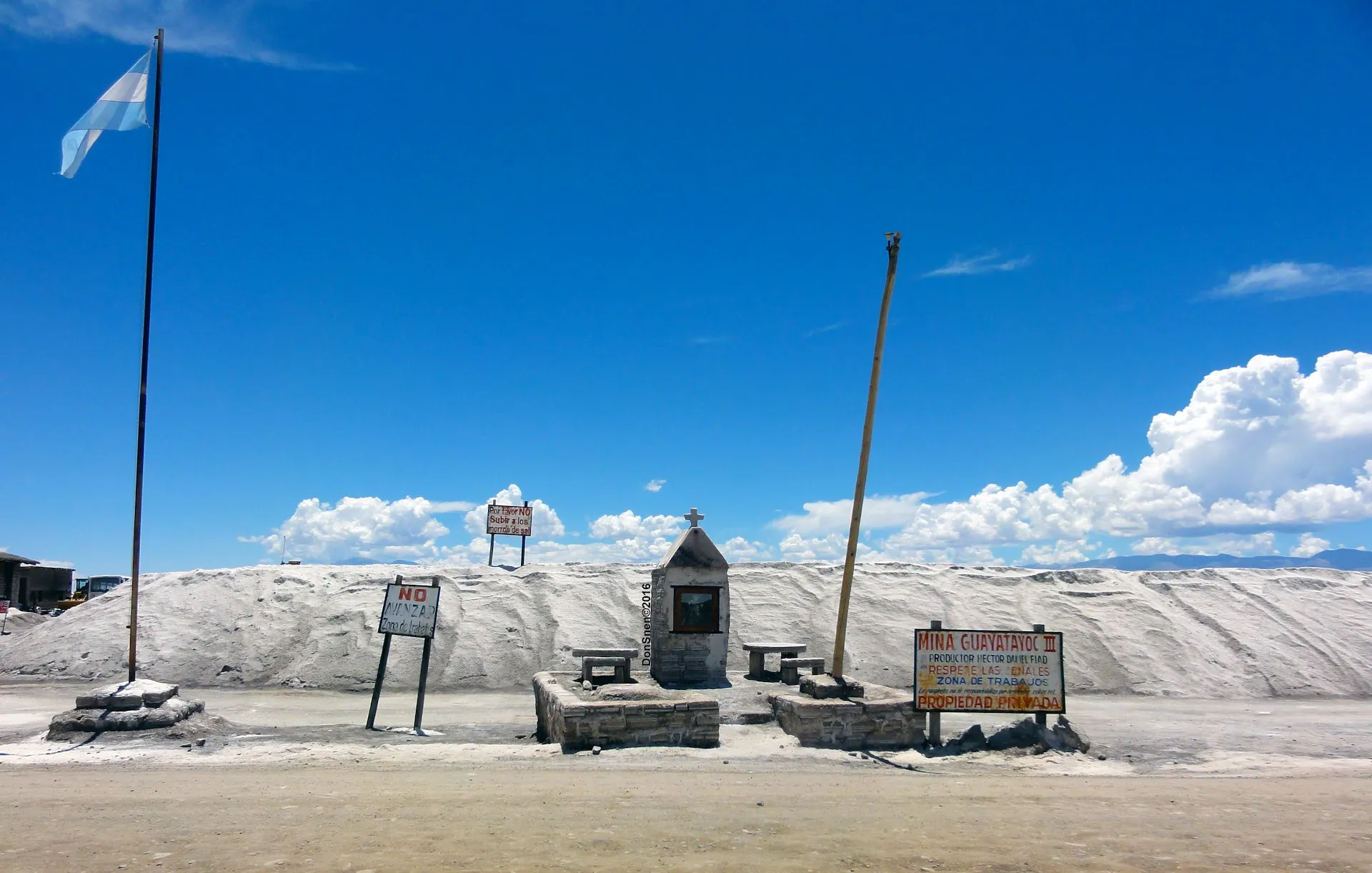
How long to stay depends on what else you want to see. A half-day covers the plaza, church and market; a full day adds the Paseo de los Colorados walk and a proper regional lunch; two days lets you add the long day trip over the Cuesta de Lipán to the vast white Salinas Grandes salt flat, or a slower excursion - llama trekking along old trade-caravan routes, or a guided half-day out to 9,000-year-old rock art at Huachichocana. Most visitors passing through on a bus tour from Salta or Jujuy see Purmamarca at its busiest, around midday; staying the night flips that, putting the Cerro in soft early light before the tour buses arrive and leaving the plaza to locals once they've gone.
Best time to visit

The dry season - roughly April to November, with the sweet spots in autumn (April-May) and spring (September-November) - is the most reliable window: clear high-altitude light that makes the Cerro de los Siete Colores glow, mild days, and every mountain road, including the Cuesta de Lipán to Salinas Grandes, open and driveable. Winter (June-August) is colder at night, especially above 3,500 m on the Salinas Grandes excursion, but days are usually sunny and crowds are thinner. Avoid the summer rains if you can - December through March brings the year's heat and humidity to the Quebrada, and afternoon storms occasionally trigger mudslides or temporary road closures on the mountain routes out of town. Whatever month you choose, mornings and early evenings are calmer at the main viewpoints and the market than the midday window when tour buses from Salta and Jujuy pass through.

Budget

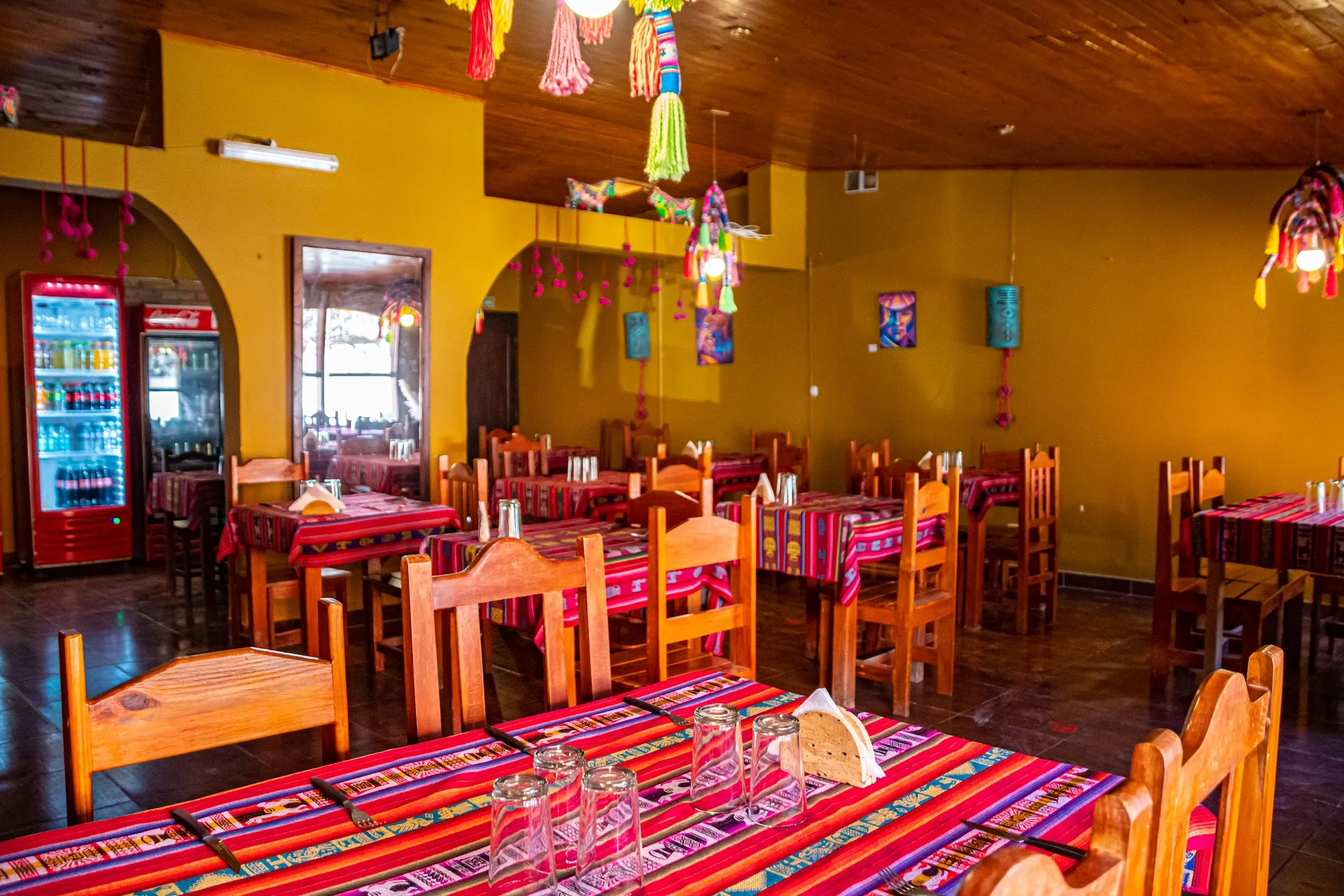
Purmamarca is one of the more affordable stops in the Quebrada de Humahuaca. A hearty regional lunch - llama stew, locro or empanadas at a spot like Los Morteros or the budget-friendly Comedor El Algarrobo - runs modestly by international standards; reservation-only tables like Comidas Gabriel or the tasting menu at El Mesón cost more. The Paseo de los Colorados walk, the plaza and the market are free. The single biggest line item is the Salinas Grandes excursion: a guided entry to the salt flat's water pools costs roughly ARS 8,000 or more per person (November 2025 pricing - Argentina's inflation means it's worth confirming the current price locally), on top of transport over the Cuesta de Lipán. Woven textiles from the market or workshops like La Pushka and Hilandería Warmi vary widely by size and quality; expect to pay a fair premium for genuinely hand-spun pieces over mass-produced souvenirs.~USD 35-70 / day mid-range (excluding the Salinas Grandes excursion and accommodation) / day

Getting here is straightforward from either provincial capital. San Salvador de Jujuy is the closer and easier base, about 54 km and an hour away with several daily bus services running north through the Quebrada; Salta city is about 116 km and closer to two hours, with no direct bus into the village itself, so most visitors either drive, take an organized day tour, or connect through Jujuy. The whole historic center is walkable - you won't need transport once you've arrived.

When to go matters more here than almost anywhere else in the region: the dry season, roughly April through November, keeps mountain roads like the Cuesta de Lipán reliably open and the skies clear, while the summer rains of December through March can trigger the kind of landslide and road-closure risk that puts the Salinas Grandes excursion on hold. Whatever the season, Purmamarca runs on sun during the day and cold at night, so pack layers regardless of month.

Budget-wise, Purmamarca is inexpensive by Quebrada standards - a regional lunch, a woven souvenir and a shared excursion to the salt flats add up to a modest daily spend, detailed below. Save the places that appeal and drop them straight into a TripBox itinerary with dates and a route through the rest of the Quebrada.

The best of Purmamarca

Curated places worth your time — tap a card for details or to save it.

See all
Mirador Cerro El Porito
Landmark

Mirador Cerro El Porito

A staircase-and-railing viewpoint built into a small hill at the western edge of Purmamarca, marking the end of the Paseo de los Colorados walking circuit. From the top, visitors get a head-on panorama of the Cerro de los Siete Colores and the town below; the municipality rebuilt its access stairs and safety railings under Argentina's Plan 50 Destinos program, reopening the site in January 2025.

Purmamarca (western edge)
Cerro Morado (Mirador Natural del Cerro El Morado)
Landmark

Cerro Morado (Mirador Natural del Cerro El Morado)

A free, unstaffed ridge-line lookout on the far side of the dry Purmamarca riverbed, opposite the town entrance. Locals regard it as offering the widest, most complete view of Purmamarca together with the Cerro de los Siete Colores, though the exposed, crumbling trail along the ridge is steeper and less trafficked than the paid Porito viewpoint.

Purmamarca (east side, across the río)
Iglesia de Santa Rosa de Lima
Landmark

Iglesia de Santa Rosa de Lima

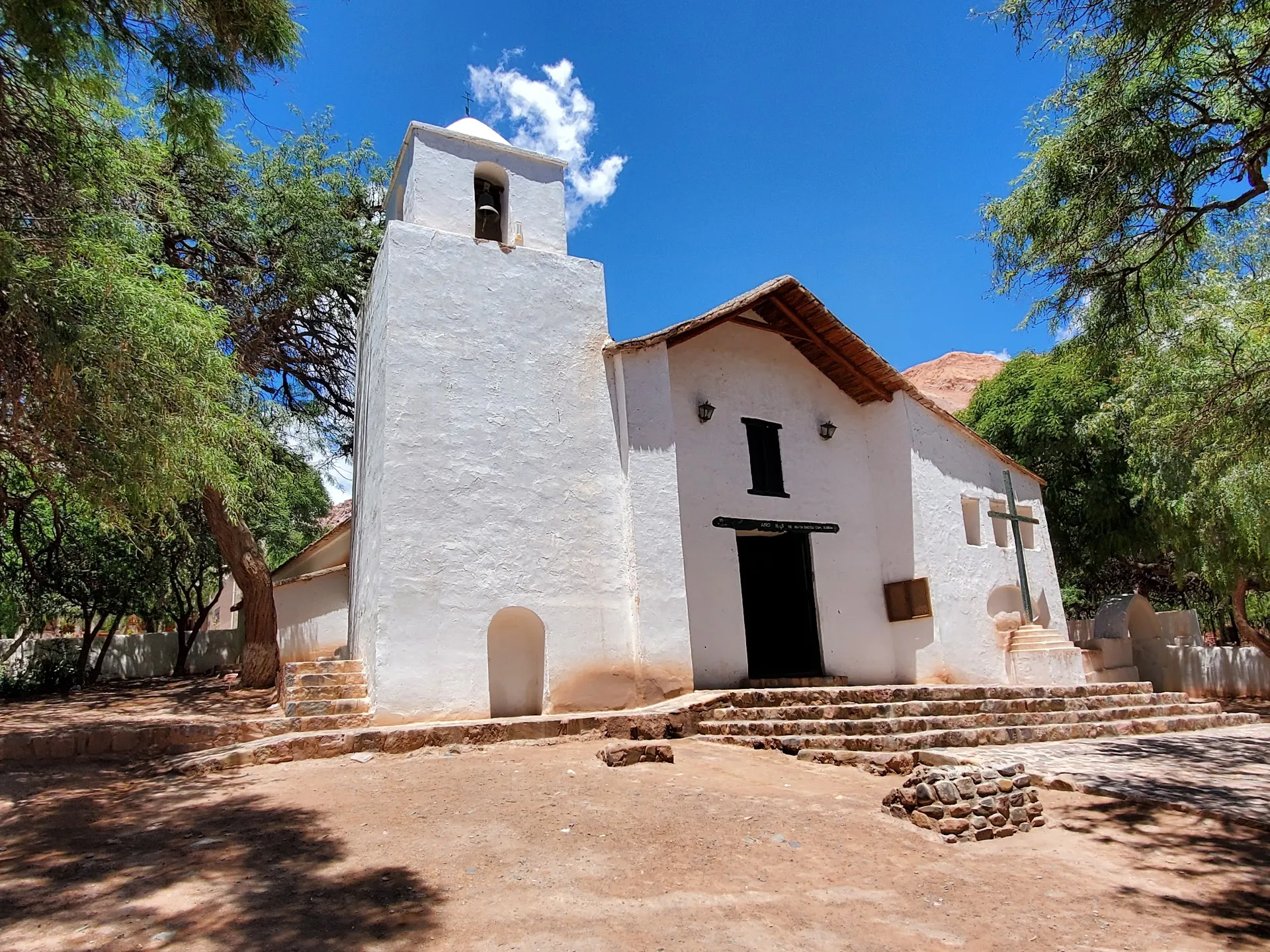
Adobe-walled colonial chapel facing Purmamarca's main plaza, roofed with cardón-cactus wood in the Hispano-American Mudéjar tradition typical of the Quebrada de Humahuaca; a carved lintel dated 1648 places it among the valley's oldest standing churches. Declared a National Historic Monument in 1941, its narrow single nave holds 18th-century oil paintings attributed to the Cusco School.

Centro / Plaza 9 de Julio
Cabildo de Purmamarca
Landmark

Cabildo de Purmamarca

A single-story 19th-century town hall facing the main plaza, built with thick adobe walls and a cardón-wood ceiling behind a four-arch gallery in the regional Jujuy-Humahuaca style; it is often cited as the smallest cabildo in Argentina. Formerly home to a police post and the municipal commission, it now serves as a cultural hall and exhibition space.

Centro / Plaza 9 de Julio
La Pushka (taller de tejido)
Shopping Area

La Pushka (taller de tejido)

A working weaving workshop run out of artisan Marta Valdiviezo's family inn, where she continues the spinning technique on the pushka spindle passed down from her great-grandmother. She and other local women teach the craft on antique looms using naturally dyed llama and sheep wool, producing scarves, shawls and blankets.

Calle Santa Rosa, near Cerro de los Siete Colores
Hilandería Warmi – Tienda Purmamarca
Shopping Area

Hilandería Warmi – Tienda Purmamarca

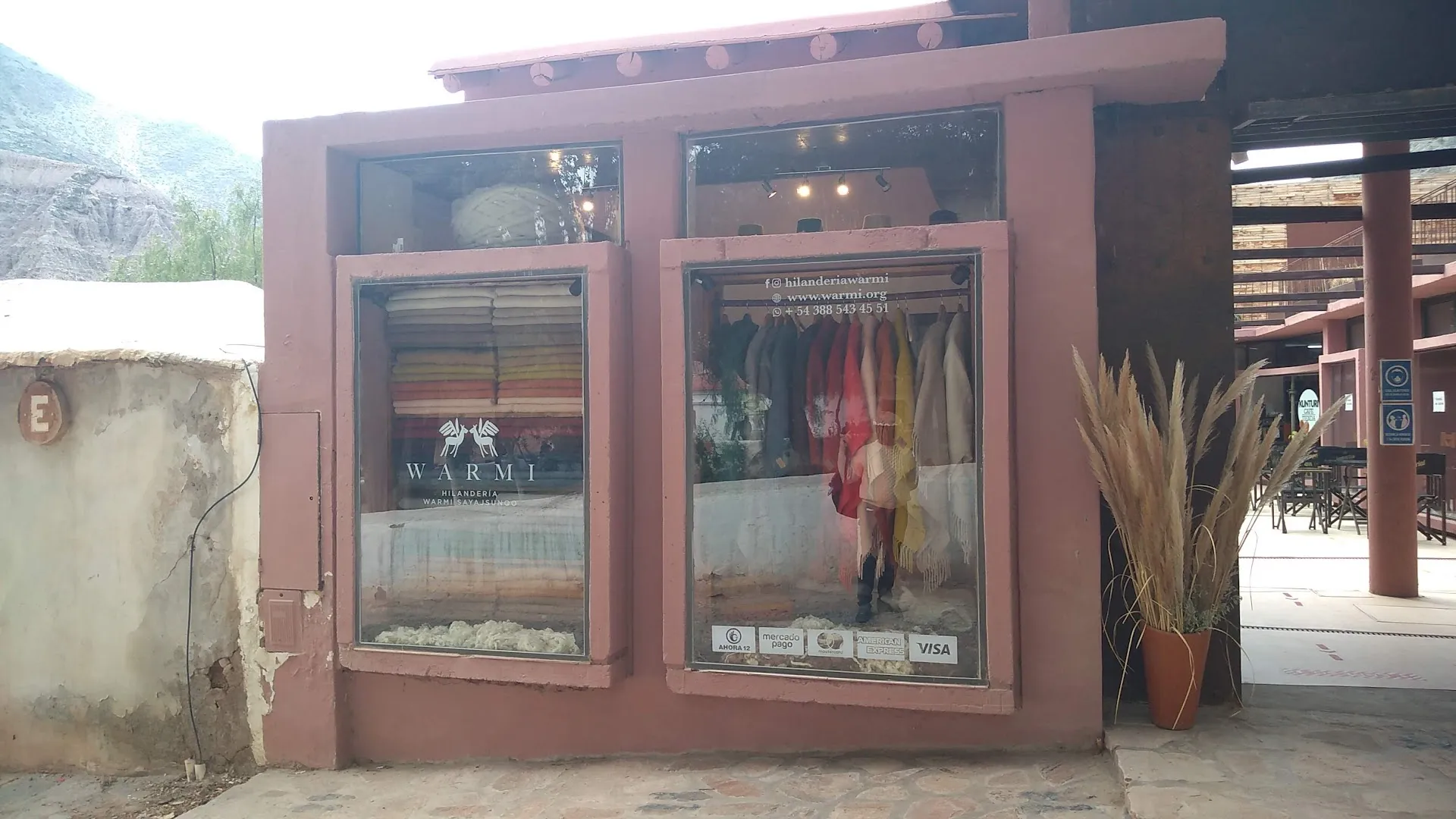
A certified B-Corp textile store selling ponchos, blankets and sweaters made from llama and sheep wool, hand-finished by the Warmi Sayajsunqo association — nearly 3,000 Puna families organized around a century-old spinning mill in Abra Pampa. One of only two brick-and-mortar Warmi shops in the country.

Centro (frente a la Iglesia de Purmamarca)
Los Morteros
Restaurant

Los Morteros

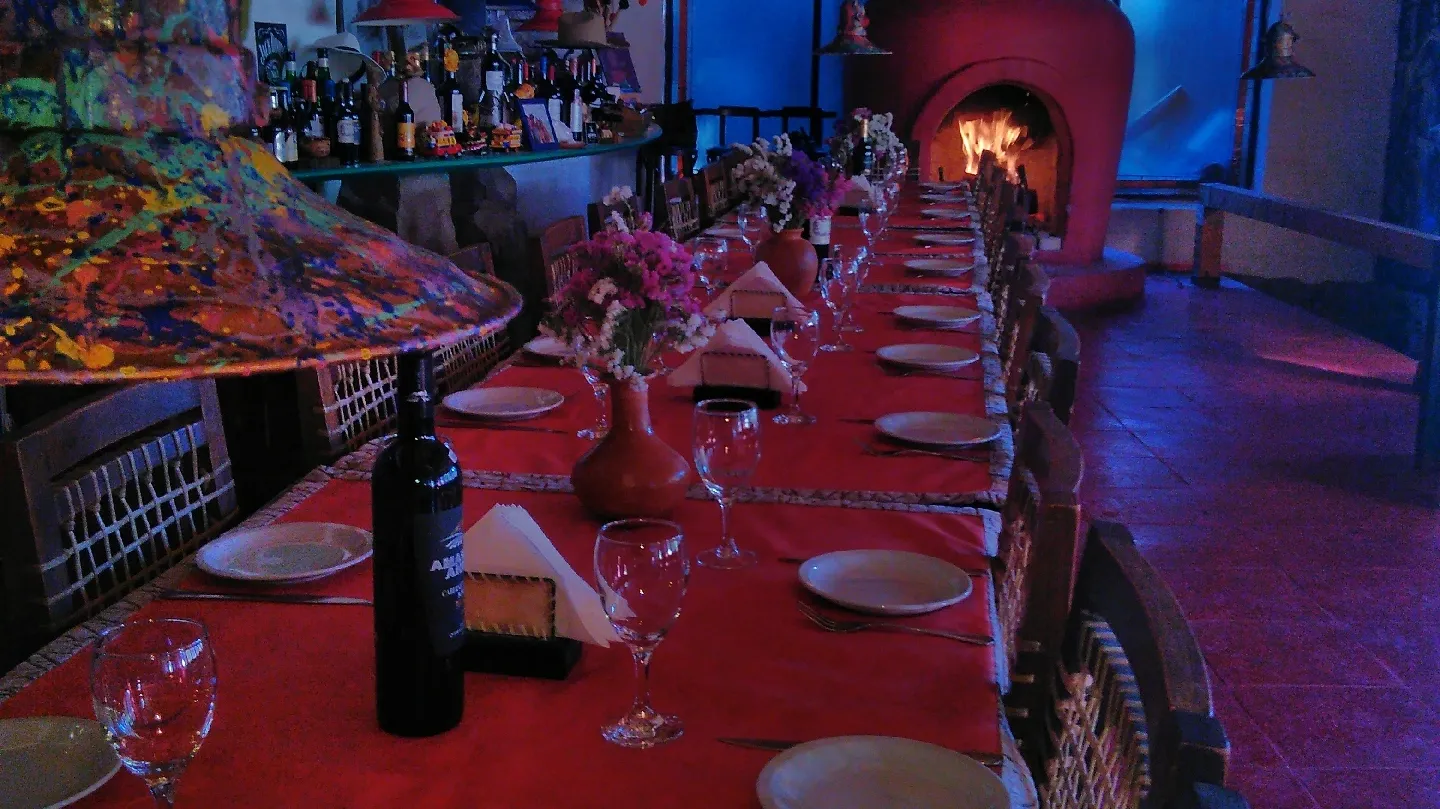
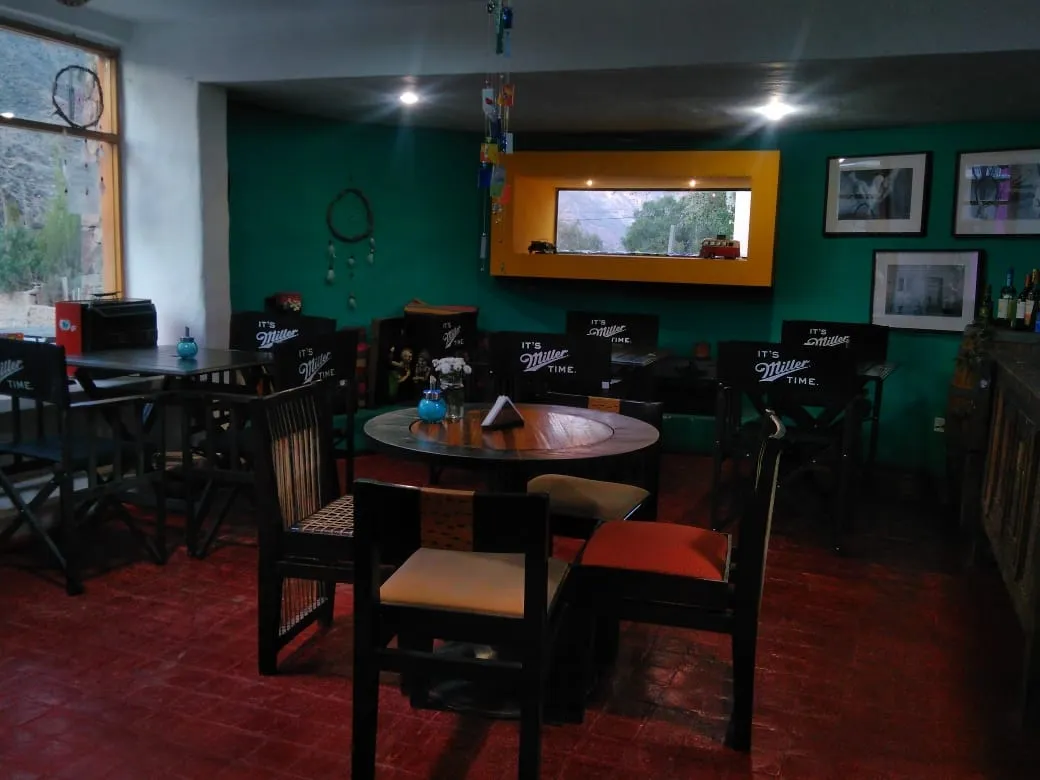
Long-running restaurant on Calle Salta in central Purmamarca, widely considered one of the village's most representative spots for Quebrada cuisine. Serves hearty Andean/NOA classics — llama dishes, locro, regional stews — in generous, home-style portions.

Centro
La Casa del Sol
Restaurant

La Casa del Sol

A cozy restaurant on Calle Libertad specializing in Jujuy regional cuisine — llama-based dishes and empanadas — served alongside live folk music performances. Well regarded by travelers for its traditional presentation and warm atmosphere.

Centro, Calle Libertad
Senderismo con Llamas por Purmamarca
ExperienceFrom approximately ARS 196,000 per person (2026 online booking price); minimum 2 participants

Senderismo con Llamas por Purmamarca

A guided 3-hour walk along low-altitude paths around Purmamarca accompanied by traditional Andean pack llamas, retracing the old caravan routes locals once used to trade Puna salt for valley corn. A local guide points out native plants such as molle, churqui and airampo and their traditional uses along the way, and visitors get to feed and water the llamas.

Purmamarca
Huachichocana
Experience

Huachichocana

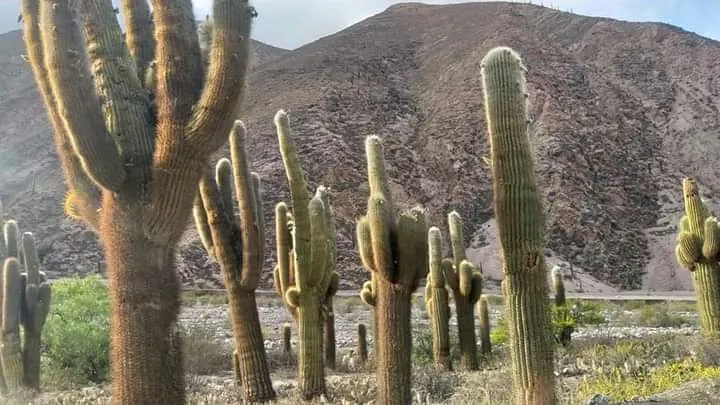
A guided half-day excursion through a forest of centuries-old cardón cacti along the upper Purmamarca river valley leads to a rock shelter holding cave paintings estimated at roughly 9,000-10,000 years old, left by early Omahuaca-culture hunter-gatherers who used the site to barter goods between highland and lowland peoples. The rough, narrow access track makes a local guide essential.

Purmamarca
Laguna de Guayatayoc
Experience

Laguna de Guayatayoc

El segundo espejo de agua más grande de Jujuy, un lago salado altoandino casi unido a Salinas Grandes que llega a cubrir hasta 240 km² tras la temporada de lluvias (marzo-abril). Es hábitat de tres especies de flamencos altoandinos (parina chica, parina grande y flamenco austral), por lo que resulta una excursión de avistaje de aves poco conocida frente al circuito clásico de las salinas.

Departamento Cochinoca, límite con la cuenca de Salinas Grandes
La Comarca Hotel
Accommodation

La Comarca Hotel

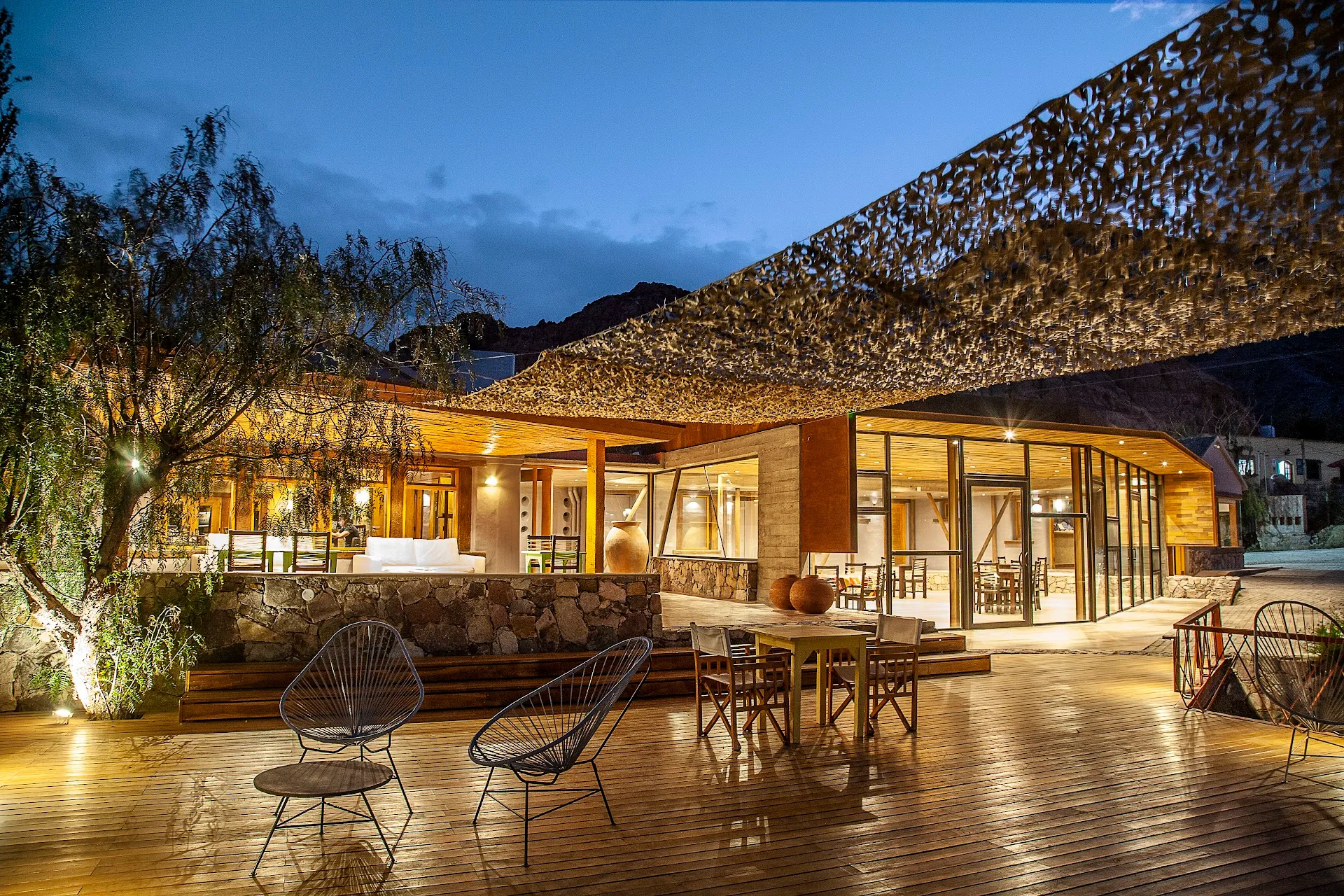
A 21-room hotel at the foot of Cerro de los Siete Colores designed to evoke an Andean hamlet, with earth-toned terraced volumes, a heated pool and jacuzzi, and a wine cellar stocked with northern Argentine labels. Rooms have adjoining terraces and mountain views, and the restaurant serves traditional northern Argentine cuisine.

Purmamarca (Route 52, foot of Cerro de los Siete Colores)

Tours & experiences

Free walking tours and curated paid experiences — save or book in a tap.

Senderismo con Llamas por Purmamarca
ExperienceFrom approximately ARS 196,000 per person (2026 online booking price); minimum 2 participants

Senderismo con Llamas por Purmamarca

A guided 3-hour walk along low-altitude paths around Purmamarca accompanied by traditional Andean pack llamas, retracing the old caravan routes locals once used to trade Puna salt for valley corn. A local guide points out native plants such as molle, churqui and airampo and their traditional uses along the way, and visitors get to feed and water the llamas.

Purmamarca
Huachichocana
Experience

Huachichocana

A guided half-day excursion through a forest of centuries-old cardón cacti along the upper Purmamarca river valley leads to a rock shelter holding cave paintings estimated at roughly 9,000-10,000 years old, left by early Omahuaca-culture hunter-gatherers who used the site to barter goods between highland and lowland peoples. The rough, narrow access track makes a local guide essential.

Purmamarca

Useful links

Official resources and quick searches for Purmamarca.

Plan your Purmamarca trip

Explore more of Argentina

Frequently asked questions

How many days do you need in Purmamarca?
A half-day is enough for the plaza, church and market; a full day lets you add the Paseo de los Colorados walk to Mirador Cerro El Porito and a proper regional lunch without rushing. Stay two days if you want to add the Salinas Grandes day trip or a slower excursion like llama trekking or the Huachichocana rock-art hike.
What is the Cerro de los Siete Colores and where's the best place to see it?
It's the striped mountain that rises directly behind the village, its seven color bands the product of roughly 300 million years of uplifted marine sediment. The classic head-on view is from Mirador Cerro El Porito at the end of the Paseo de los Colorados walk; for a wider panorama that takes in the whole village too, cross the dry riverbed to the free Cerro Morado viewpoint.
Is Purmamarca better as a day trip or an overnight stay?
Most bus tours from Salta and Jujuy pass through around midday, which is when the plaza and market are busiest. Staying overnight means you get the Cerro in quiet early light before the buses arrive and the village to yourself once they leave - the same trade-off as everywhere else in the Quebrada, and worth it if you have the extra day.
Can you visit Salinas Grandes from Purmamarca?
Yes - it's the classic day trip, about 70 km and 1 hour 15 minutes each way over the Cuesta de Lipán, which climbs to 4,170 m before dropping to the salt flat at 3,450 m. Go by rental car, shared remise, or an organized tour, and budget a guided-visit fee to access the water pools.
What is the best time of year to visit Purmamarca?
The dry season, April to November, is the reliable window - clear skies, mild days and every mountain road open. Avoid the December-March rains if you can, since summer storms occasionally close the Cuesta de Lipán and other routes out of town.
Is Purmamarca expensive?
No - it's one of the more affordable stops in the Quebrada. The market, the walk and the plaza cost nothing; a regional meal is modest by international standards. The main expense is the guided Salinas Grandes excursion, and quality hand-woven textiles if you're buying rather than browsing.

Ready to plan Purmamarca?

Turn this guide into a real trip — itinerary, map, budget and friends, all in one place.