
The daily feria artesanal along Calle Rivadavia and around Plaza 9 de Julio is Purmamarca's other main draw after the Cerro de los Siete Colores - stalls selling ponchos, blankets, sweaters, ceramics and dyed-earth bottles from roughly 8am to early evening, no entry fee, busiest in the afternoon. What's harder to tell from the stalls alone is which pieces are genuinely hand-spun by valley weavers and which are resold. This list points to specific shops and a working workshop worth seeking out beyond the anonymous market tables: a family loom where the spinning technique is still taught the old way, a certified B-Corp cooperative representing thousands of Puna families, and two smaller stores worth a slower browse. Expect to pay more for real hand-spun wool than for mass-produced souvenirs - that price difference is usually the clearest signal of authenticity.
Purmamarca's Artisan Market & Weaving Workshops
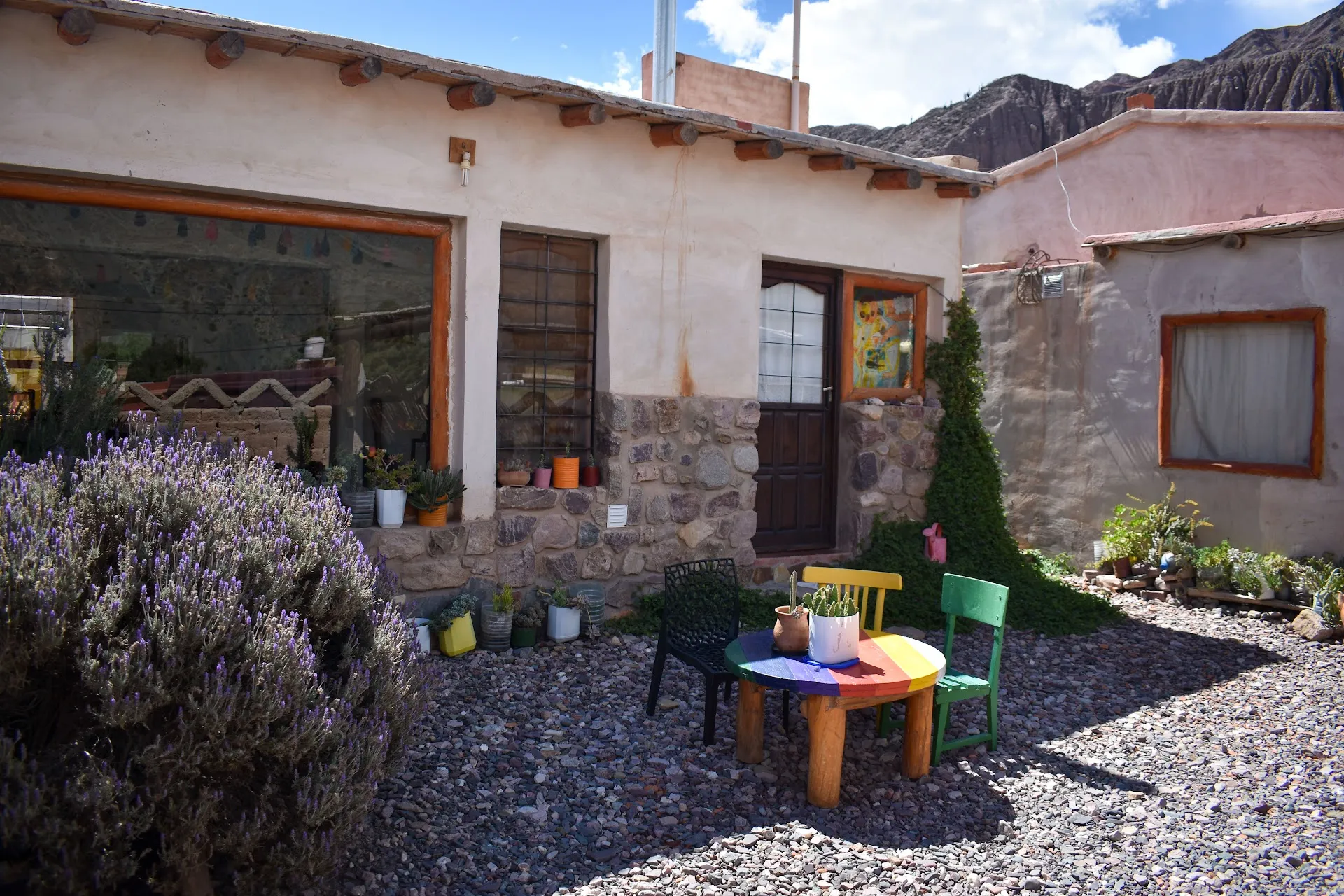
La Pushka (taller de tejido)
A working family workshop where Marta Valdiviezo spins llama and sheep wool on the pushka spindle passed down from her great-grandmother, teaching the craft on antique looms with naturally dyed thread.
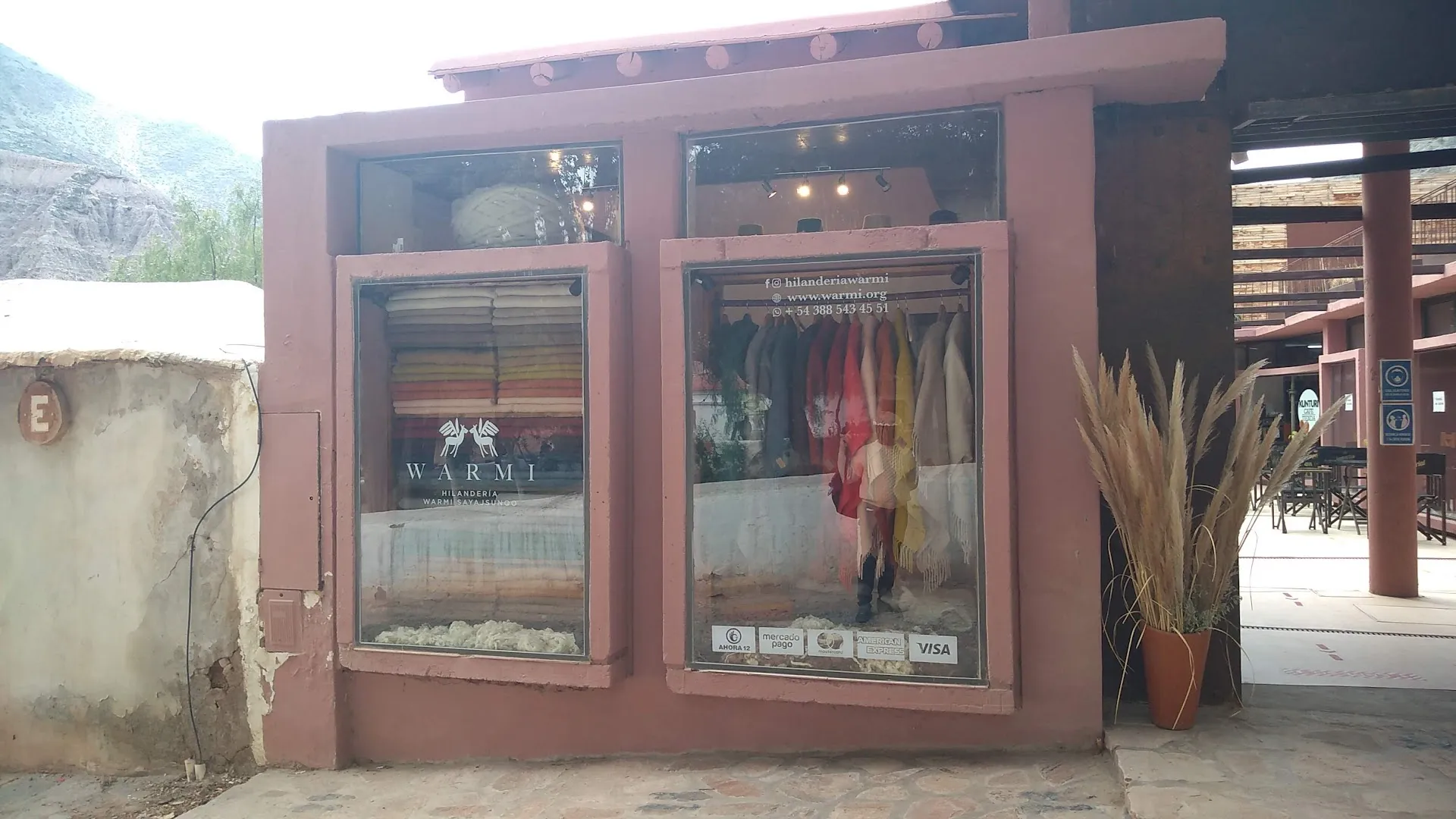
Hilandería Warmi – Tienda Purmamarca
A certified B-Corp store selling ponchos, blankets and sweaters spun by nearly 3,000 Puna families around a century-old mill in Abra Pampa - one of only two Warmi shops in the country.
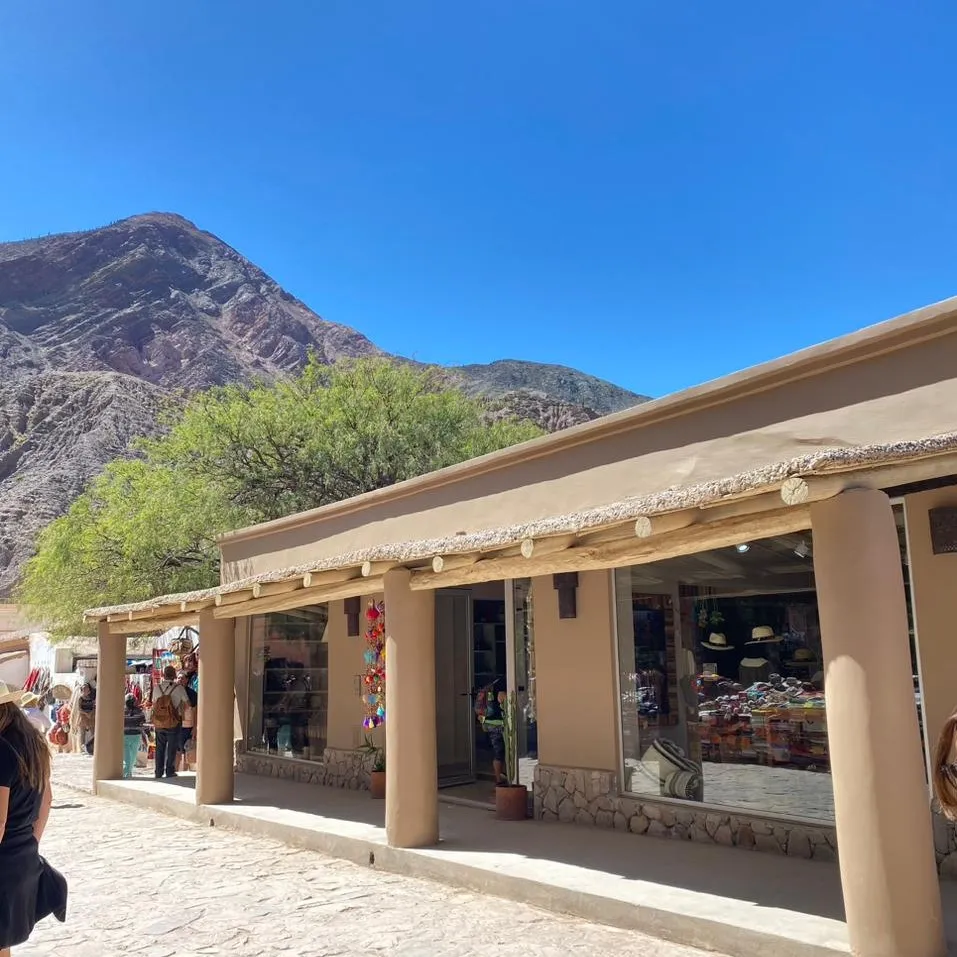
Airampo Artesanías y Decoración
An artisan-décor storefront mixing handwoven textiles, ceramics, recycled-wood pieces and embroidery, with a following well beyond its foot traffic in the village.
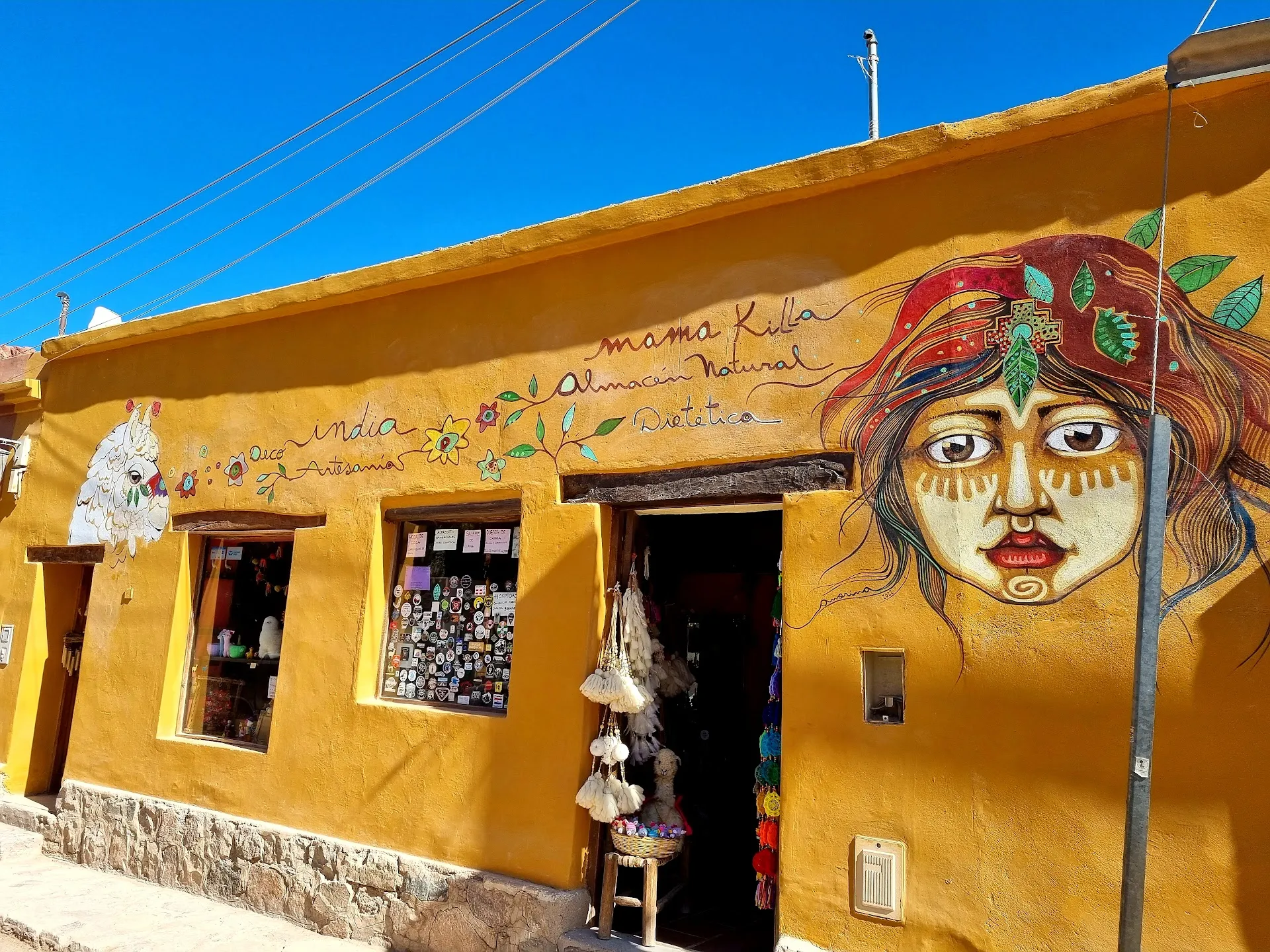
India Artesanías
A small gift shop steps from the plaza with textiles, hand-painted ceramics and jewelry - a slower-paced alternative to the busier market stalls, where staff often explain the story behind each piece.
FAQ
- Is the Purmamarca market open every day?
- Yes - the feria artesanal runs daily, roughly from morning until early evening, busiest in the afternoon and calmer earlier in the day.
- Can you bargain at the market?
- Light negotiation is common and generally welcomed at the anonymous stalls, less so at named workshops and shops like La Pushka or Hilandería Warmi, where prices reflect the time genuine hand-spinning takes.
- What should I look for to make sure a textile is really hand-woven?
- Ask directly - workshops like La Pushka and cooperative shops like Hilandería Warmi are upfront about where and by whom a piece was made. Irregular weave, natural (not uniformly bright) dye colors, and a noticeably higher price than mass-produced souvenirs are good signs.
Make it your trip
Save these places and build your own Purmamarca itinerary in TripBox.