
This is the definitive long-form loop through Argentina's Andean Northwest — the NOA — stringing together the region's headline stops into one continuous Ruta 40 circuit. You start with two nights in colonial Salta, a city of pink-stone churches, Inca-mummy archaeology and nightly peñas, before climbing the switchbacks of the Cuesta del Obispo through a forest of giant cardón cacti to whitewashed Cachi, a village so architecturally intact it still builds altars and roof beams from cactus wood. From there, Ruta 40's roughest and most rewarding stretch — the tilted rock slabs of the Quebrada de las Flechas — carries you south to Cafayate, Argentina's second wine region, for two nights of high-altitude Torrontés tastings and a full day inside the red-rock Quebrada de las Conchas. The route then reverses north, tracing Ruta 9 back through Salta and up into Jujuy's UNESCO-listed Quebrada de Humahuaca: two nights below the painted Cerro de los Siete Colores in Purmamarca, a night among the excavated ruins of the Pucará de Tilcara, and a final night in Humahuaca, the Quebrada's northernmost and most Andean town, with the pre-Inca farming terraces of Coctaca within easy reach. Ten days, five real driving legs, six overnight bases, and a full arc from colonial city to high-altitude wine country to painted desert canyon — paced with real transport times, altitude notes, and a practical return to Salta or Jujuy for departure.
The Grand Tour: 10 Days Through Argentina's Andean Northwest
The route
- Salta2n
- Cachi1n
- Cafayate2n
- Purmamarca2n
- Tilcara1n
- Humahuaca1n
Everywhere you'll go
Every stop on this itinerary — tap a card for details or to save it.
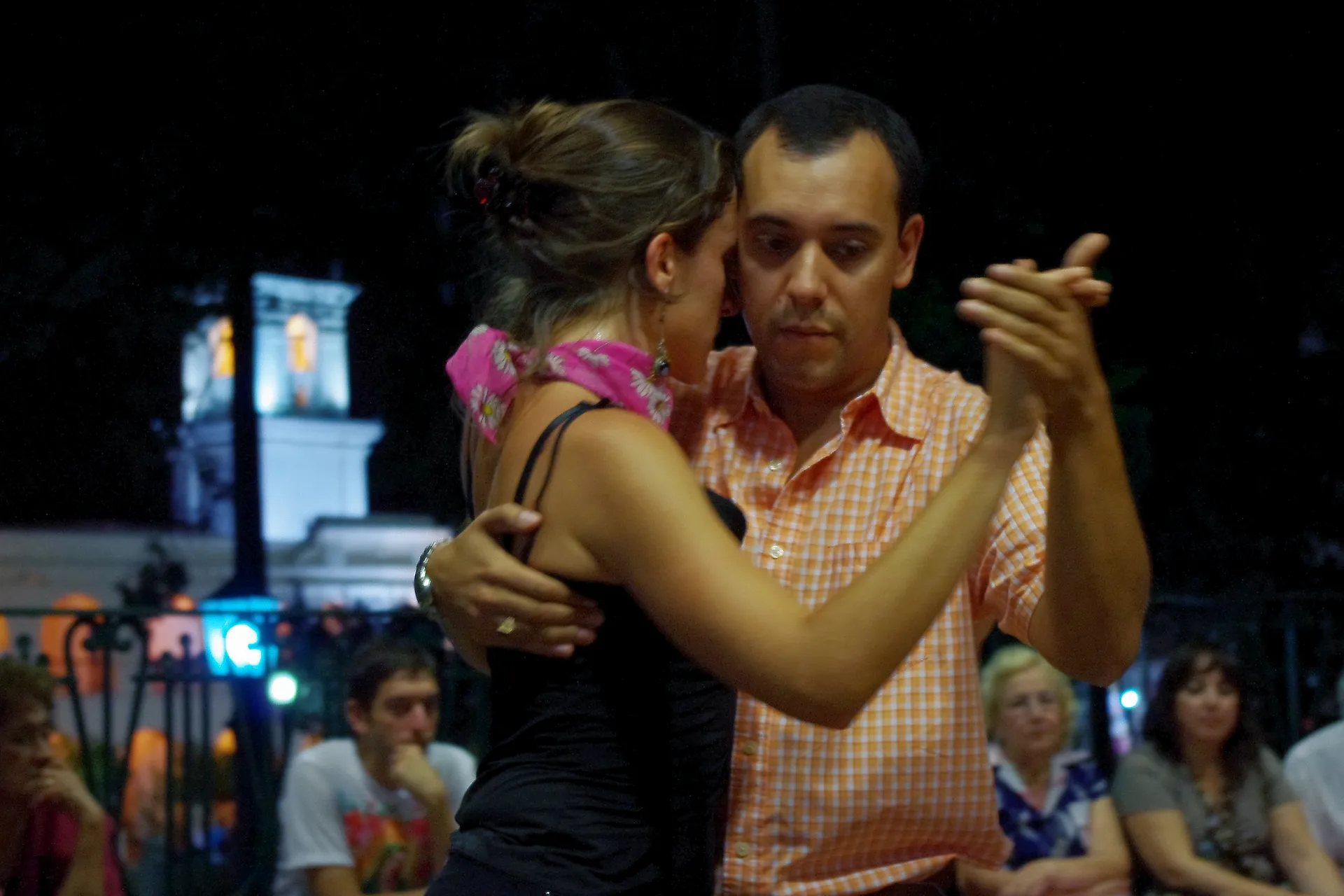
Plaza 9 de Julio
The heart of Salta and one of Argentina's most beautiful main squares. Surrounded by colonial buildings, the cathedral, the Cabildo, and shaded by mature trees. Outdoor cafes line the perimeter.
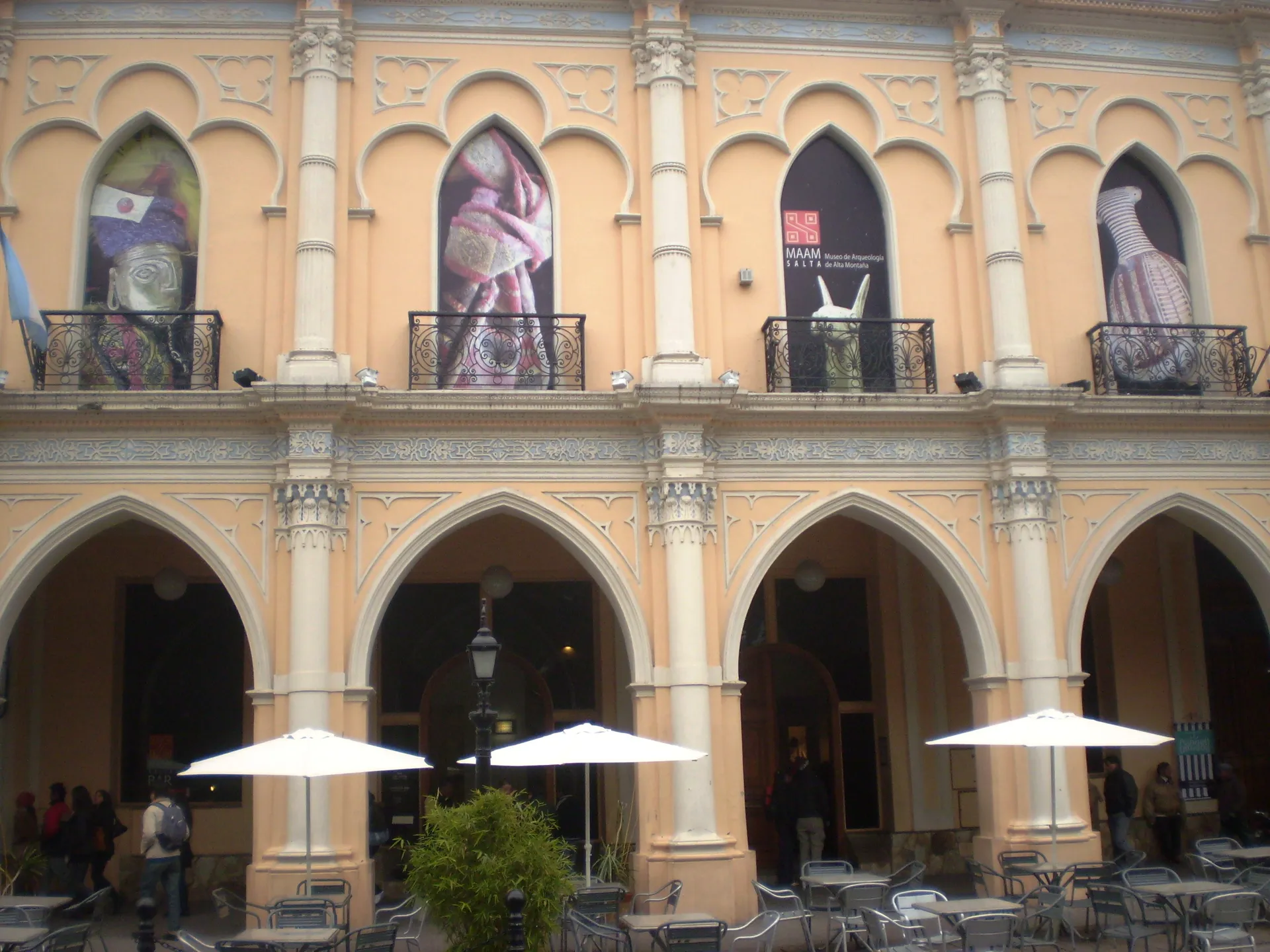
MAAM - Museo de Arqueologia de Alta Montana
World-renowned museum housing the Children of Llullaillaco — three remarkably preserved 500-year-old Inca mummies found at 6,739m on Volcan Llullaillaco. One of the most extraordinary archaeological displays in South America.
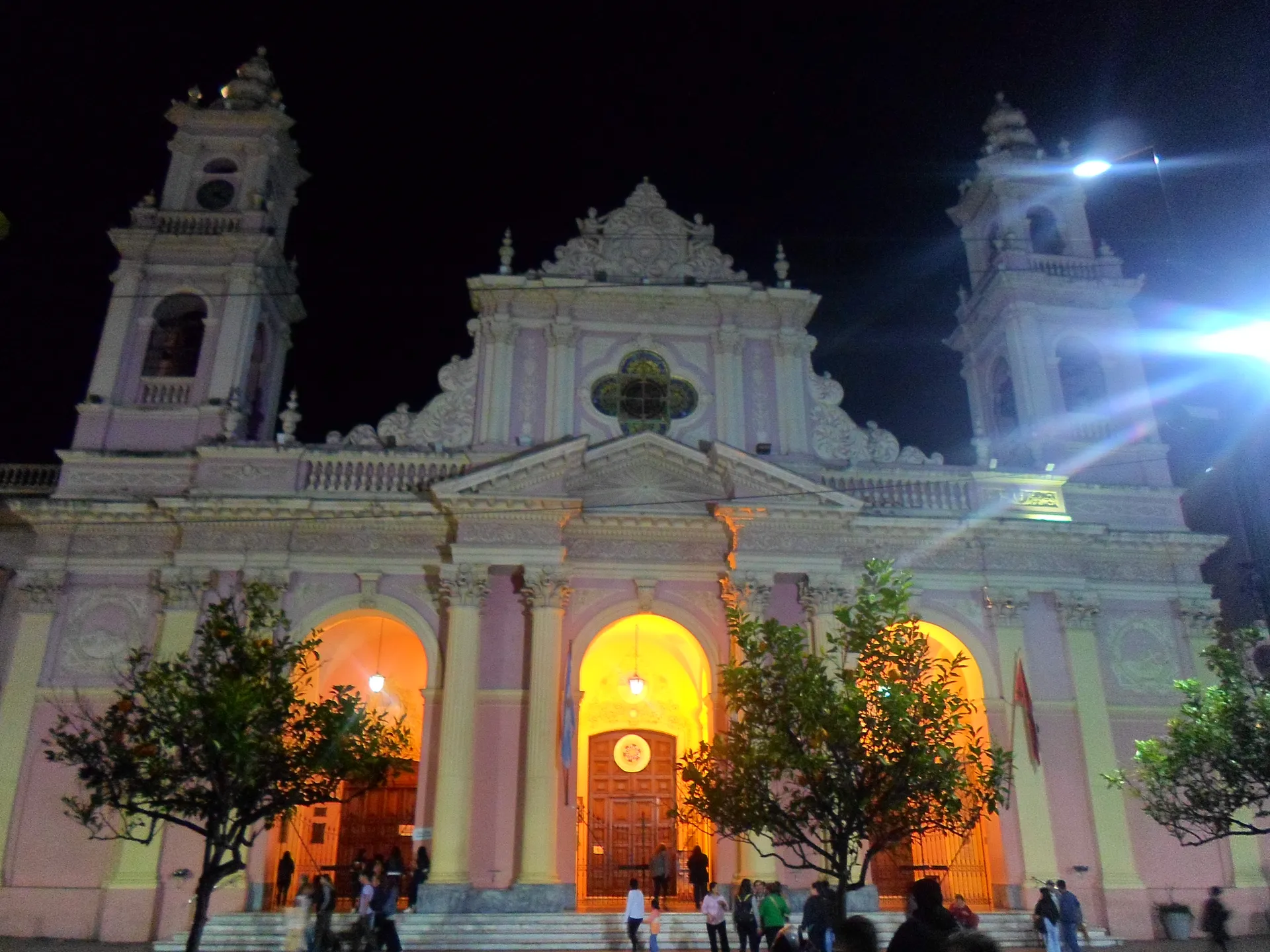
Catedral Basilica de Salta
Stunning 19th-century cathedral with an ornate salmon-pink facade facing Plaza 9 de Julio. Houses the images of the Senor y la Virgen del Milagro, Salta's patron saints. The interior is richly decorated with gold leaf and frescoes.
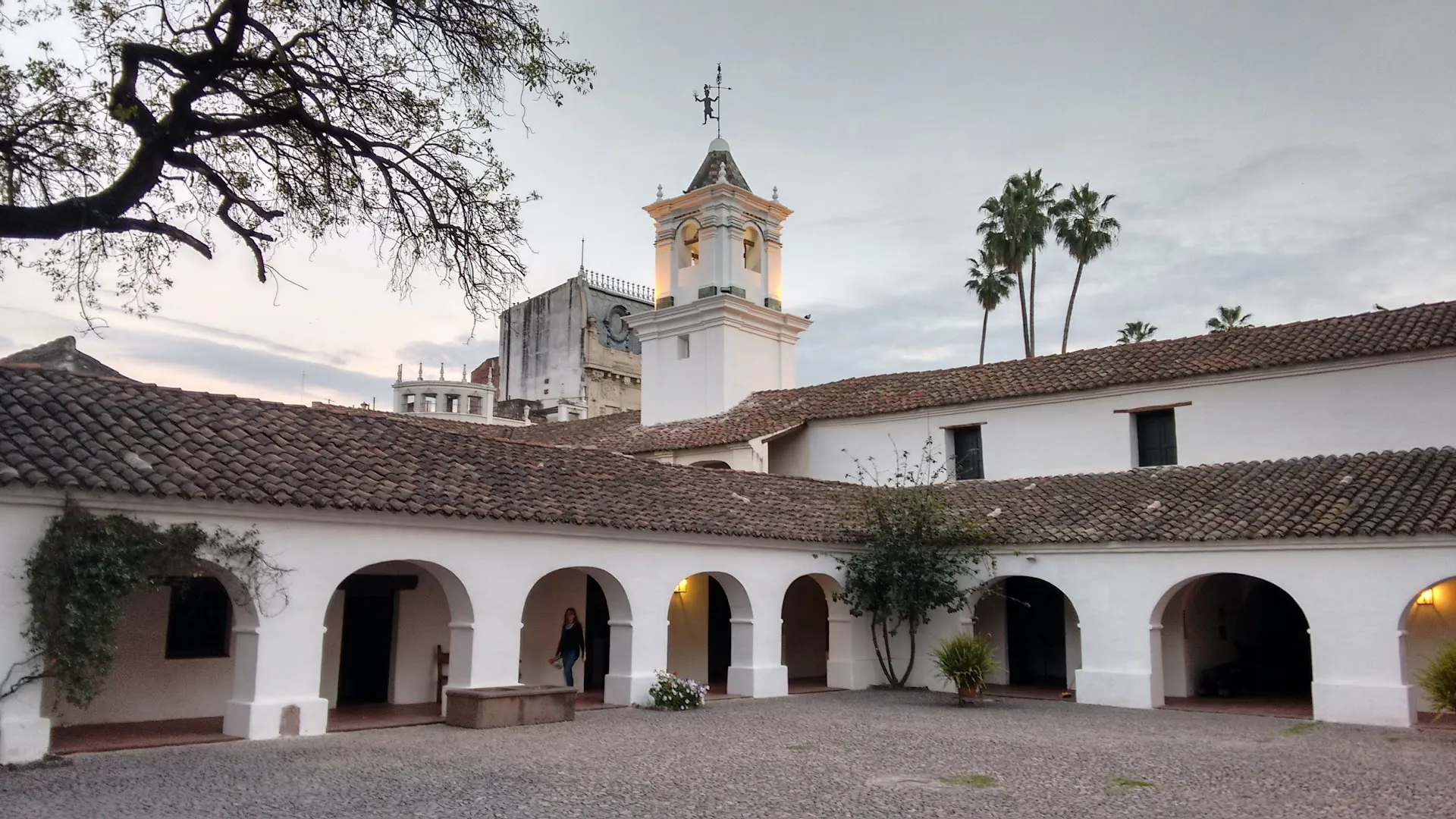
Cabildo Historico de Salta
Best-preserved colonial cabildo in Argentina, now housing the Museo Historico del Norte. Beautiful whitewashed arched facade with a wooden balcony. Exhibits cover pre-Columbian artifacts through independence-era history.
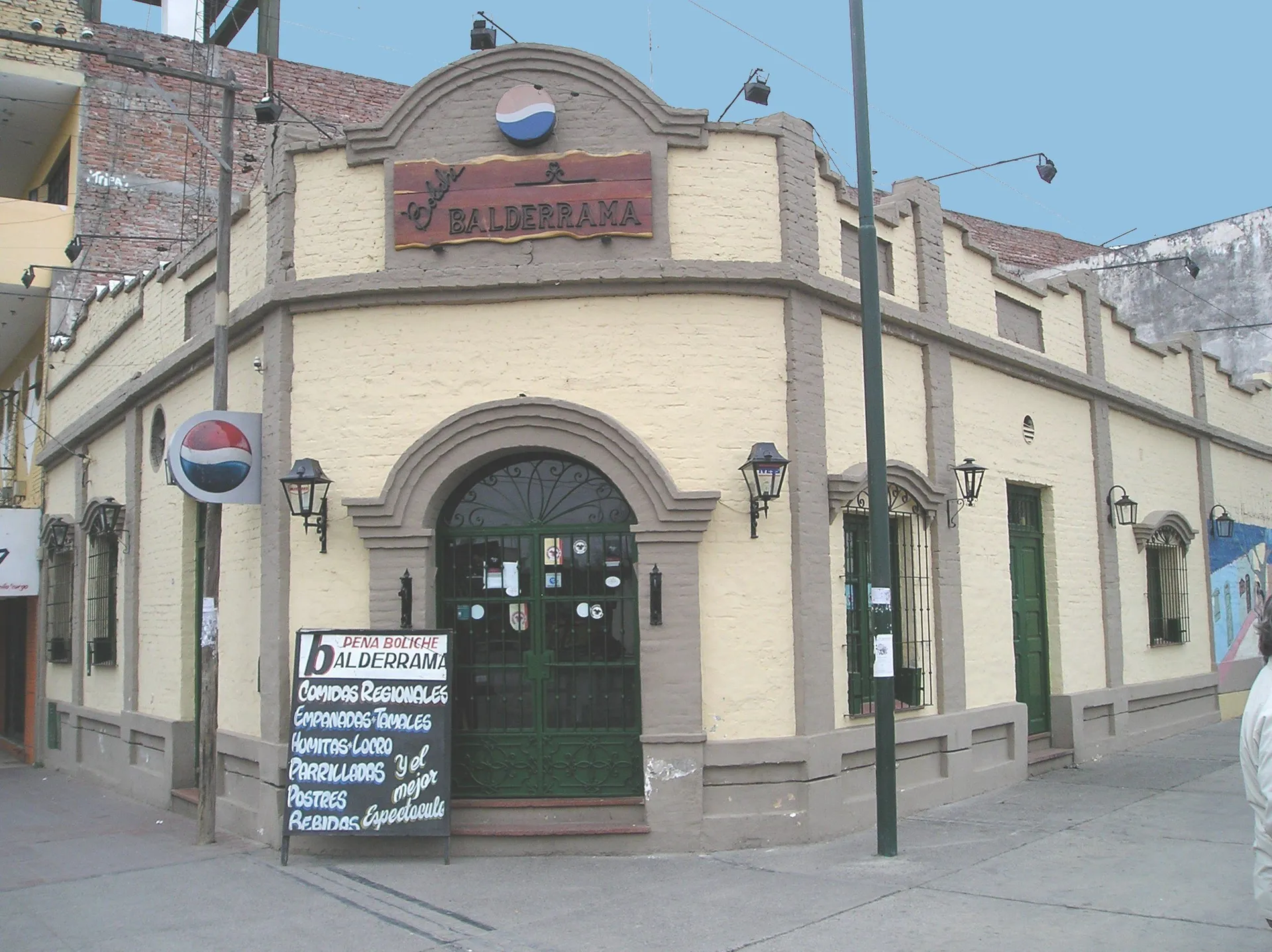
Boliche de Balderrama (Peña Boliche Balderrama)
Founded in 1954 by the children of a family picantería, this is the peña immortalized in the zamba "Balderrama" (Manuel J. Castilla/Cuchi Leguizamón, made famous by Mercedes Sosa) — still running nightly folklore music and dance shows alongside a menu of regional dishes, pastas and grilled meats.
Mercado Central de Salta
Bustling city market selling regional produce, spices, dried herbs, handmade cheeses, and prepared food. Great for cheap empanadas and a window into local daily life.
Iglesia San Francisco
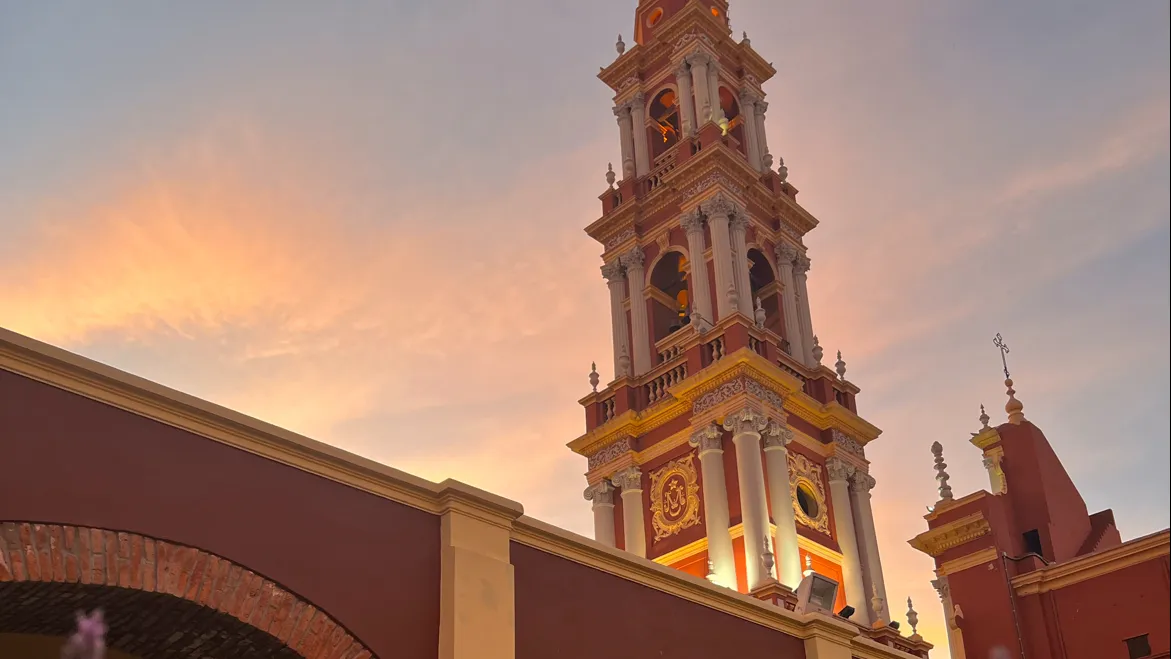
Salta's most photographed building — a striking terracotta and cream Italianate church with the tallest bell tower in South America (54m). The ornate facade and interior are a masterpiece of Argentine colonial architecture.
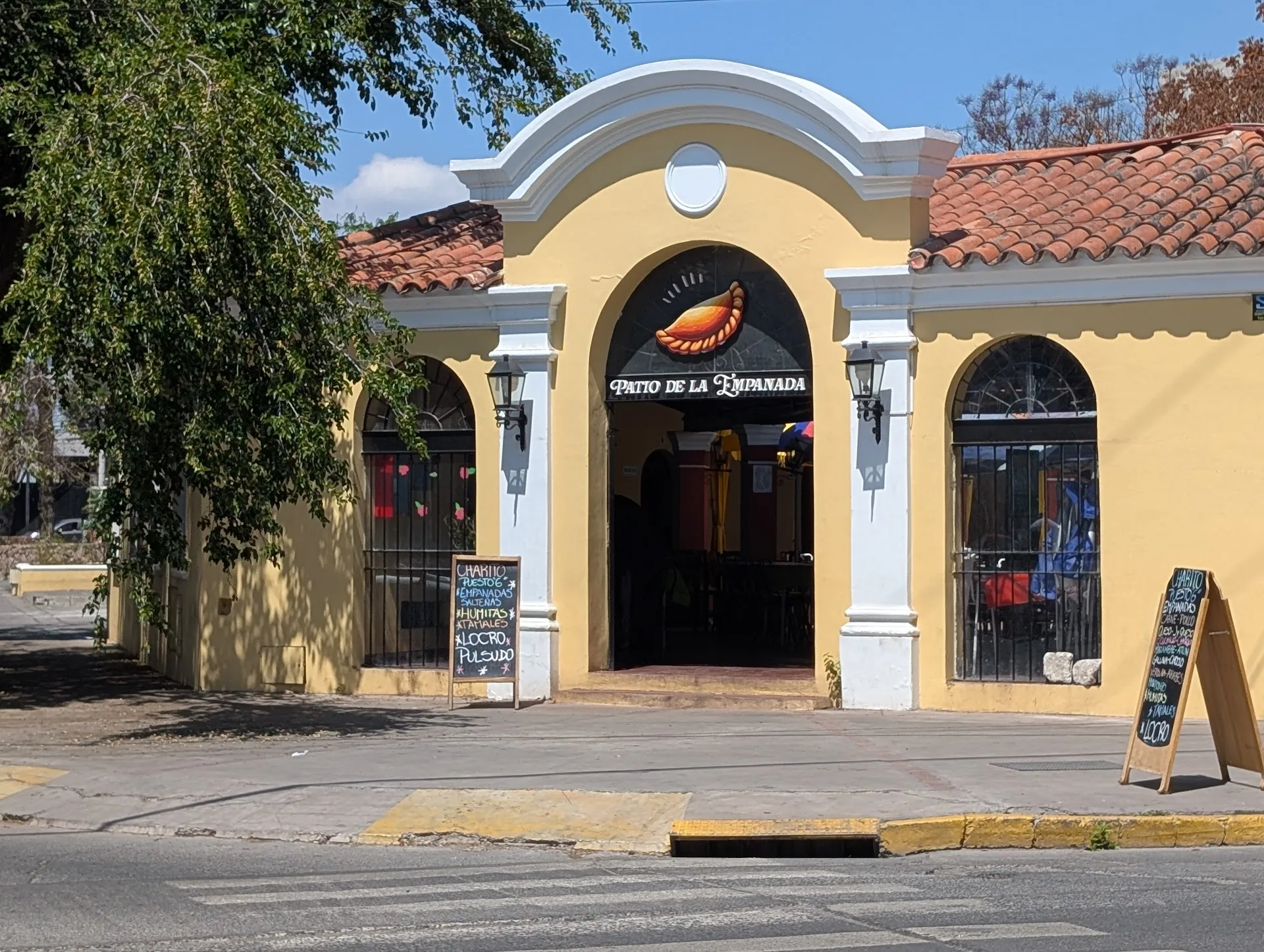
Patio de Empanadas
Covered patio market where several empanada stands compete for the title of best empanada saltena. Order from multiple vendors, pair with a cold Torrontes, and compare. Salta is the empanada capital of Argentina.
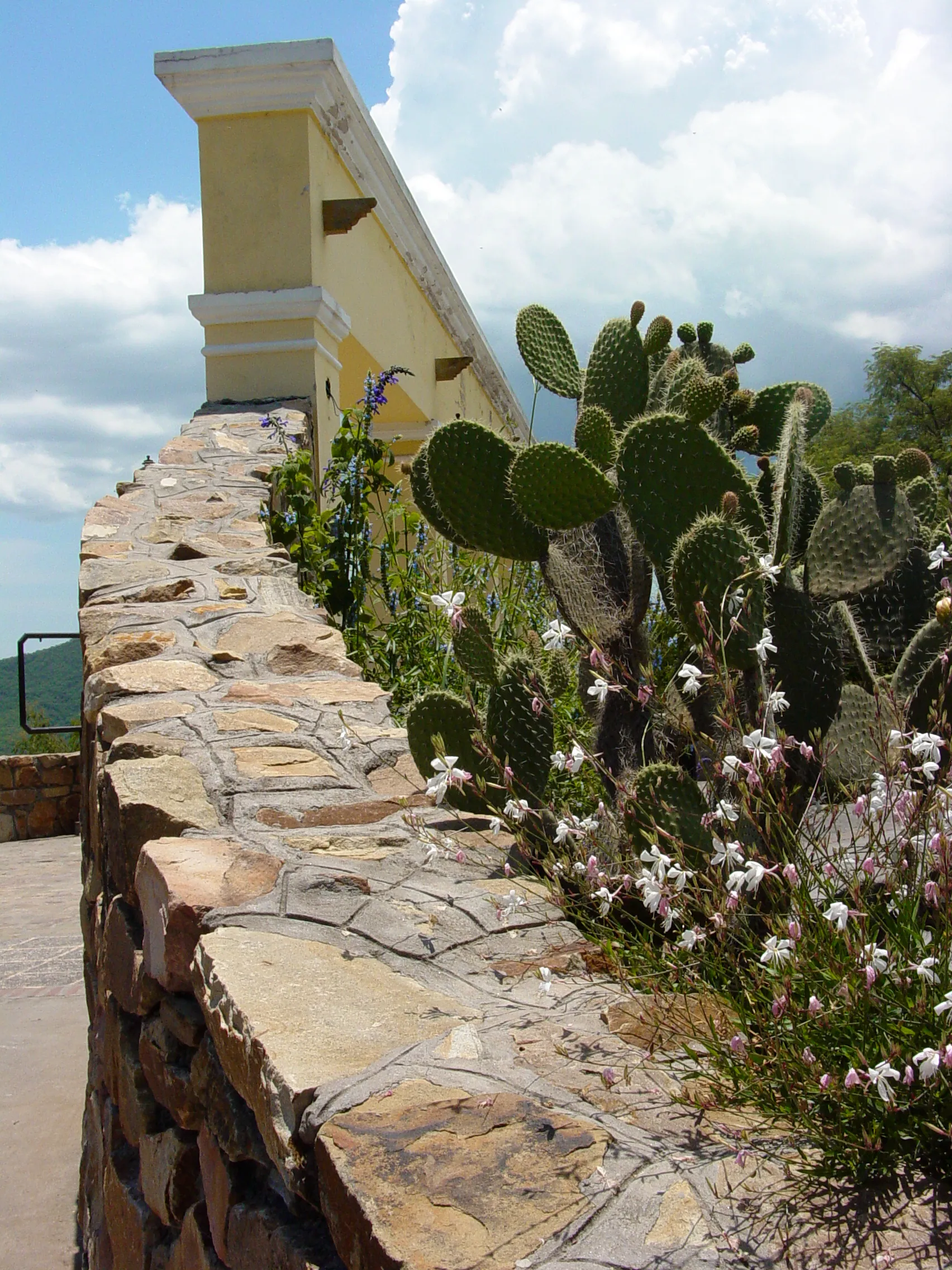
Cerro San Bernardo
Hilltop viewpoint offering panoramic views of the entire city of Salta and the surrounding valley. Accessible by teleferico (cable car) from Parque San Martin or by a 1,000-step stairway. Gardens, waterfalls, and a cafe at the summit.
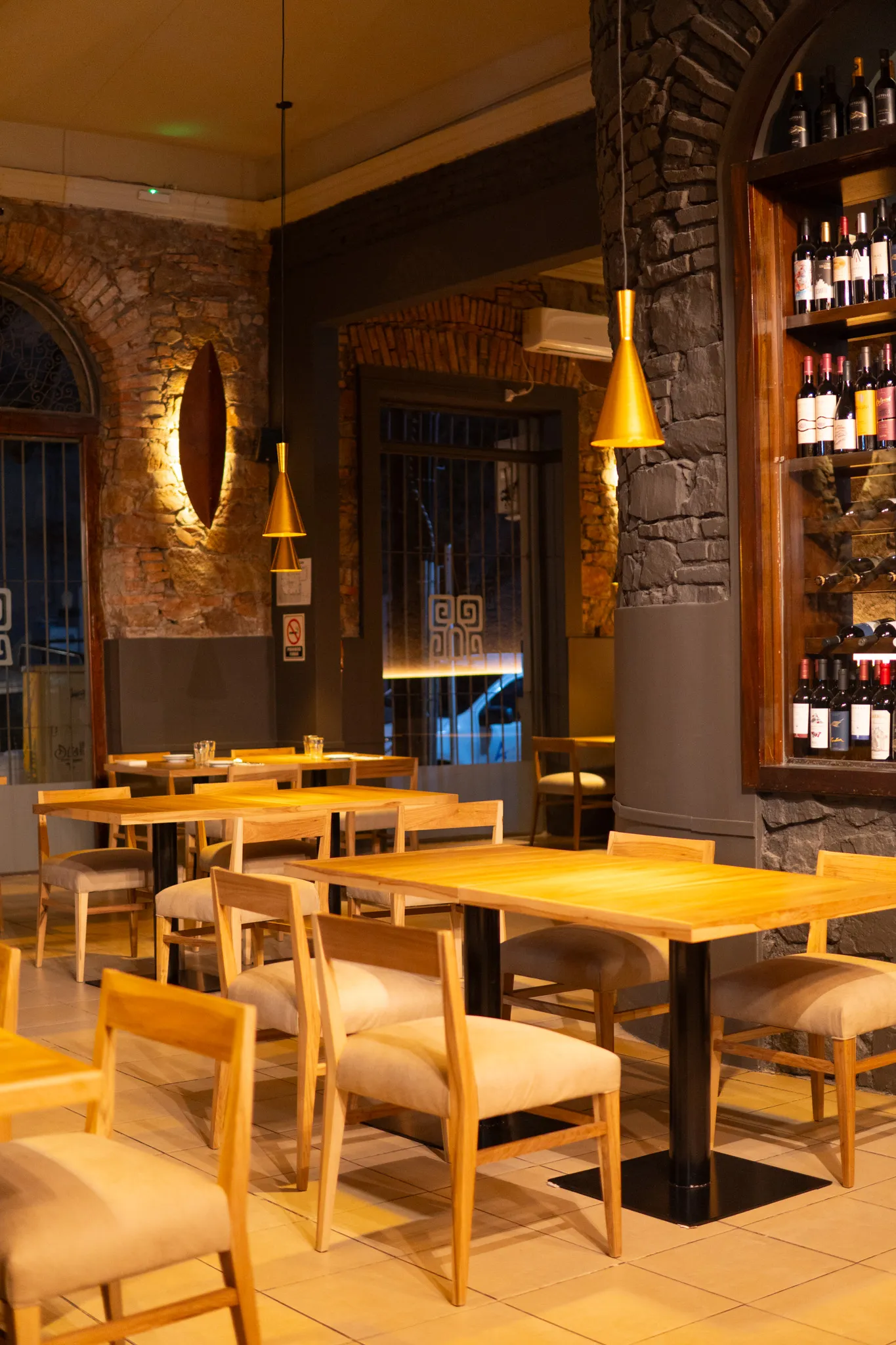
José Balcarce Bistró
Contemporary bistro built around chef José Balcarce's 'cocina de altura' concept, reworking high-altitude Andean ingredients — llama, highland lamb, mountain trout — sourced directly from family farmers into a seasonally rotating tasting menu.
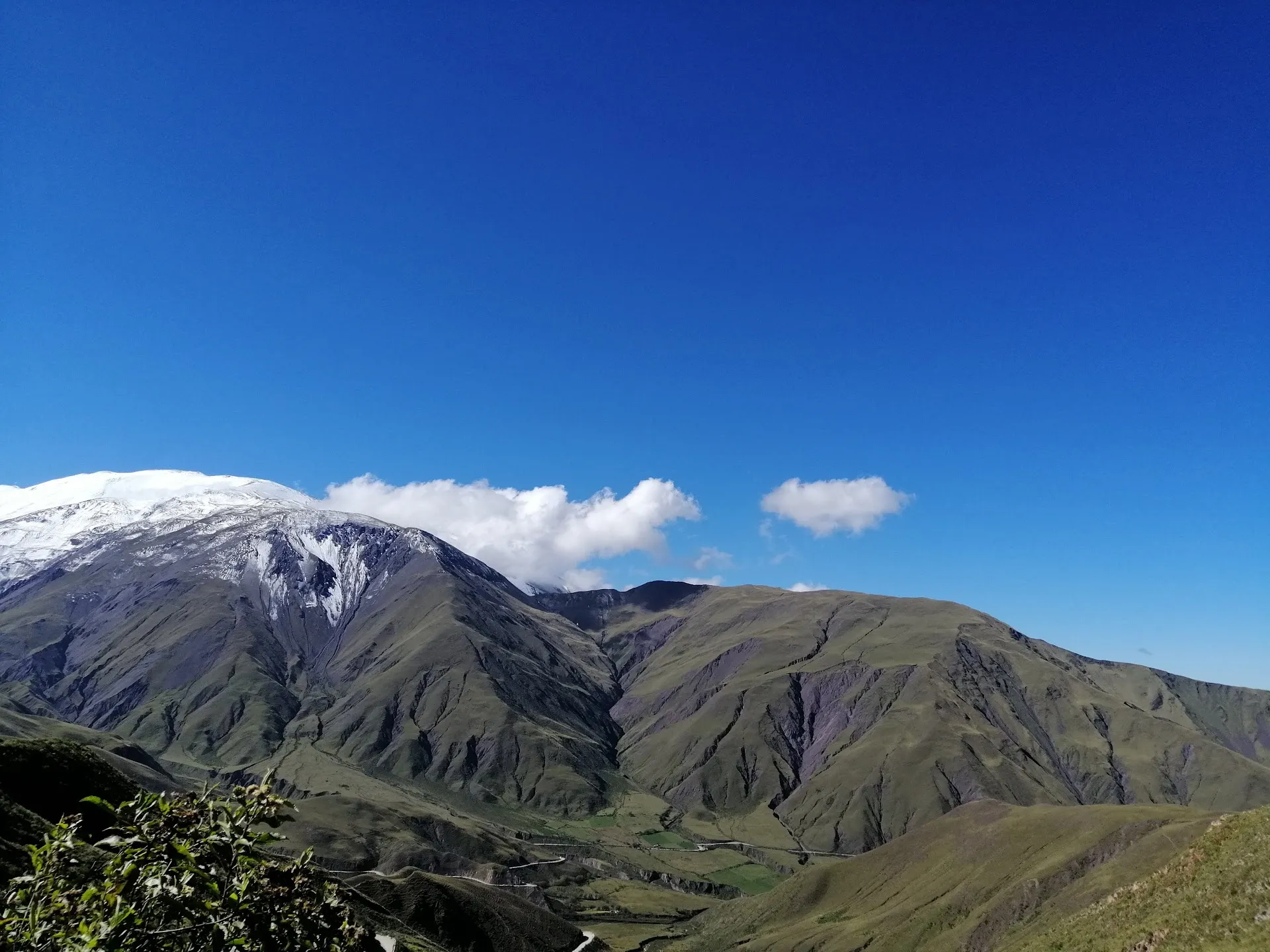
Valle Encantado
A mirador and picnic area at the foot of the Cuesta del Obispo where authorized guides lead moderate treks (roughly 2 hours, 4 km) into a narrow canyon with walls over 100 m high, passing rock art and frequent condor sightings before reaching El Maray in the Quebrada de Escoipe.
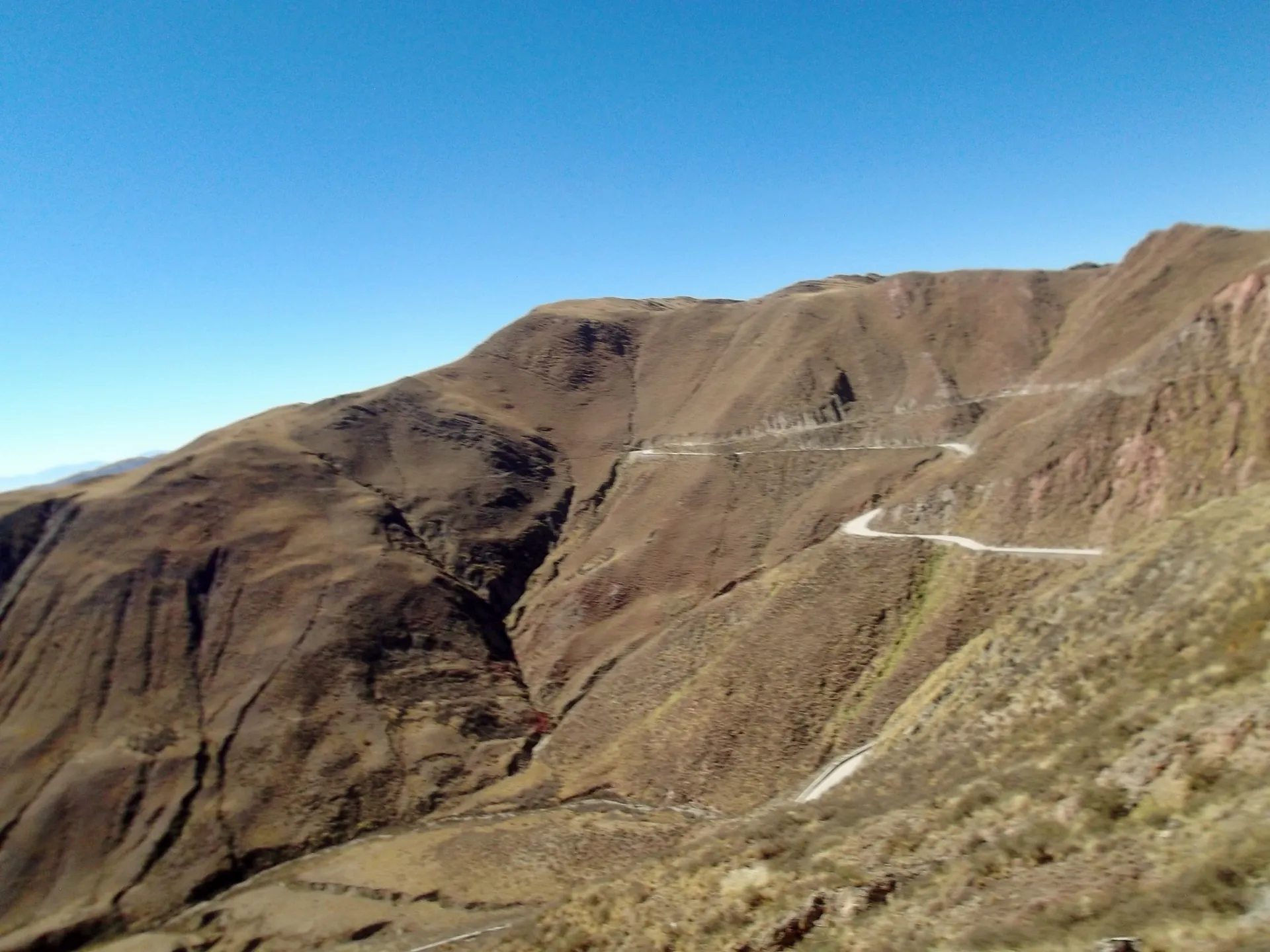
Piedra del Molino
At 3,348 m, this is the literal high point of the road up from Salta, where a huge granite millstone abandoned by an 18th-century ox-cart driver gives the place its name. The tiny Capilla San Rafael sits beside it, and the pullout offers a sweeping view back down the switchbacks of the Quebrada de Escoipe.
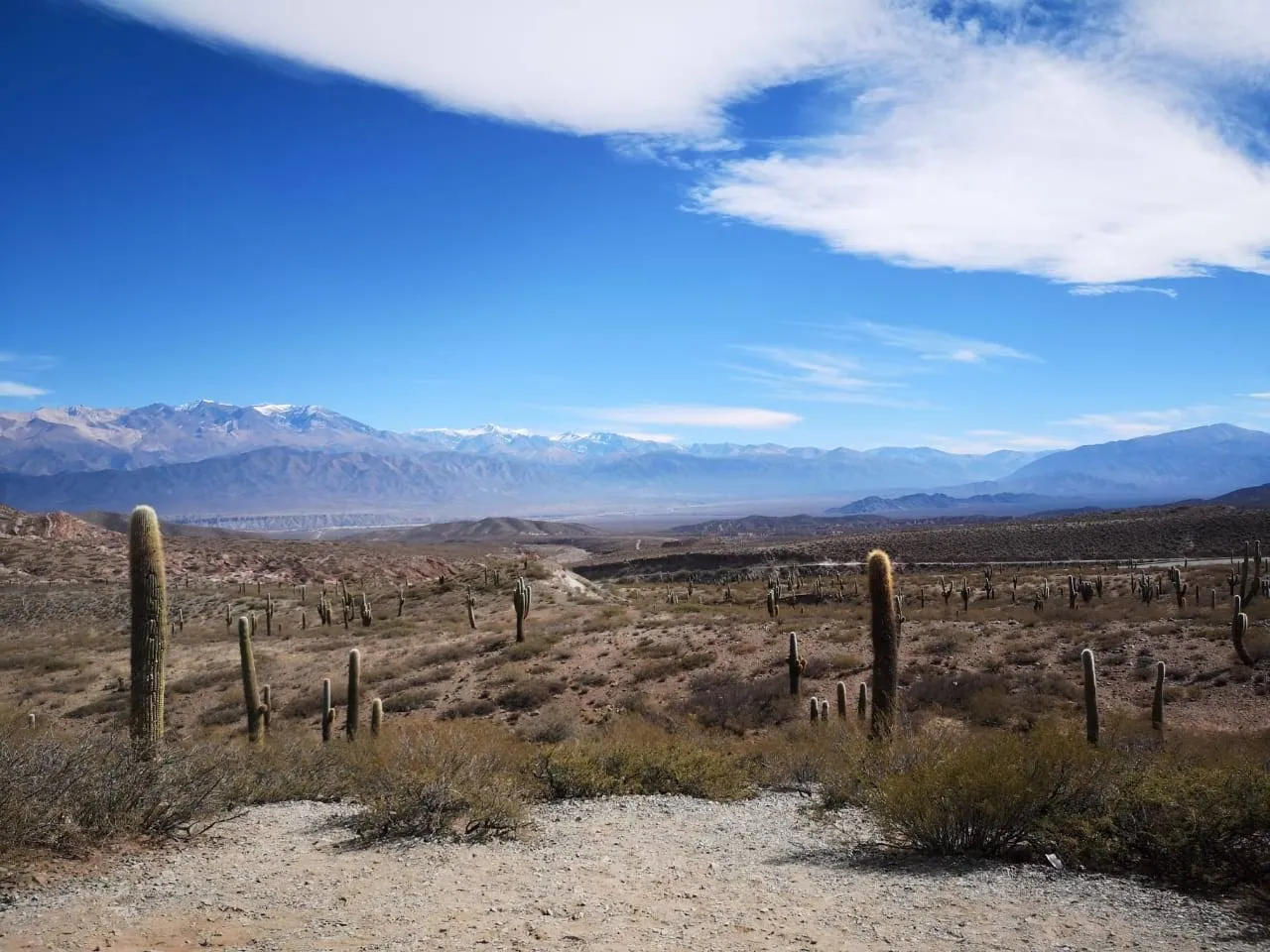
Parque Nacional Los Cardones
A 64,000-hectare national park straddling Provincial Route 33 as it climbs out of the Calchaquí Valley, dominated by forests of giant cardón cacti against the Cordillera Oriental. The park contains several of the short interpretive miradors along the road (Ojo del Cóndor, Secretos del Cardonal, Valle Encantado) as well as 70-million-year-old dinosaur tracks.
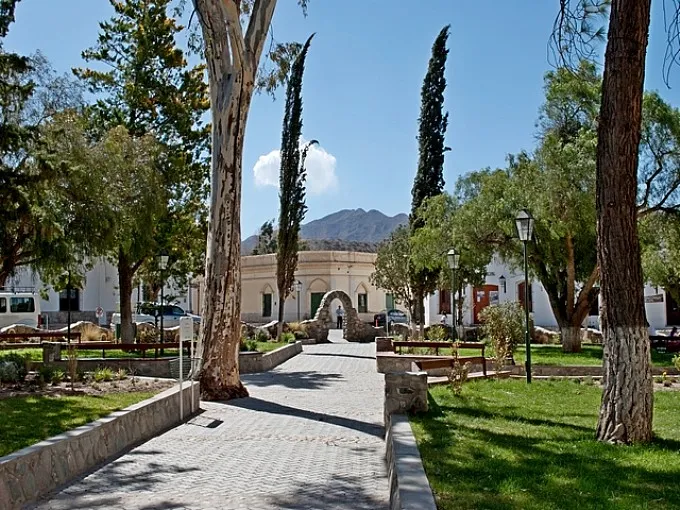
Plaza 9 de Julio de Cachi
The town's leafy central square, framed on all sides by whitewashed adobe buildings with wrought-iron window grilles and cardón-wood roof beams, including the Iglesia San José and the archaeological museum. A stone cairn on the square recalls the ancestral meeting ground of the Chicoana people that predates the colonial layout.
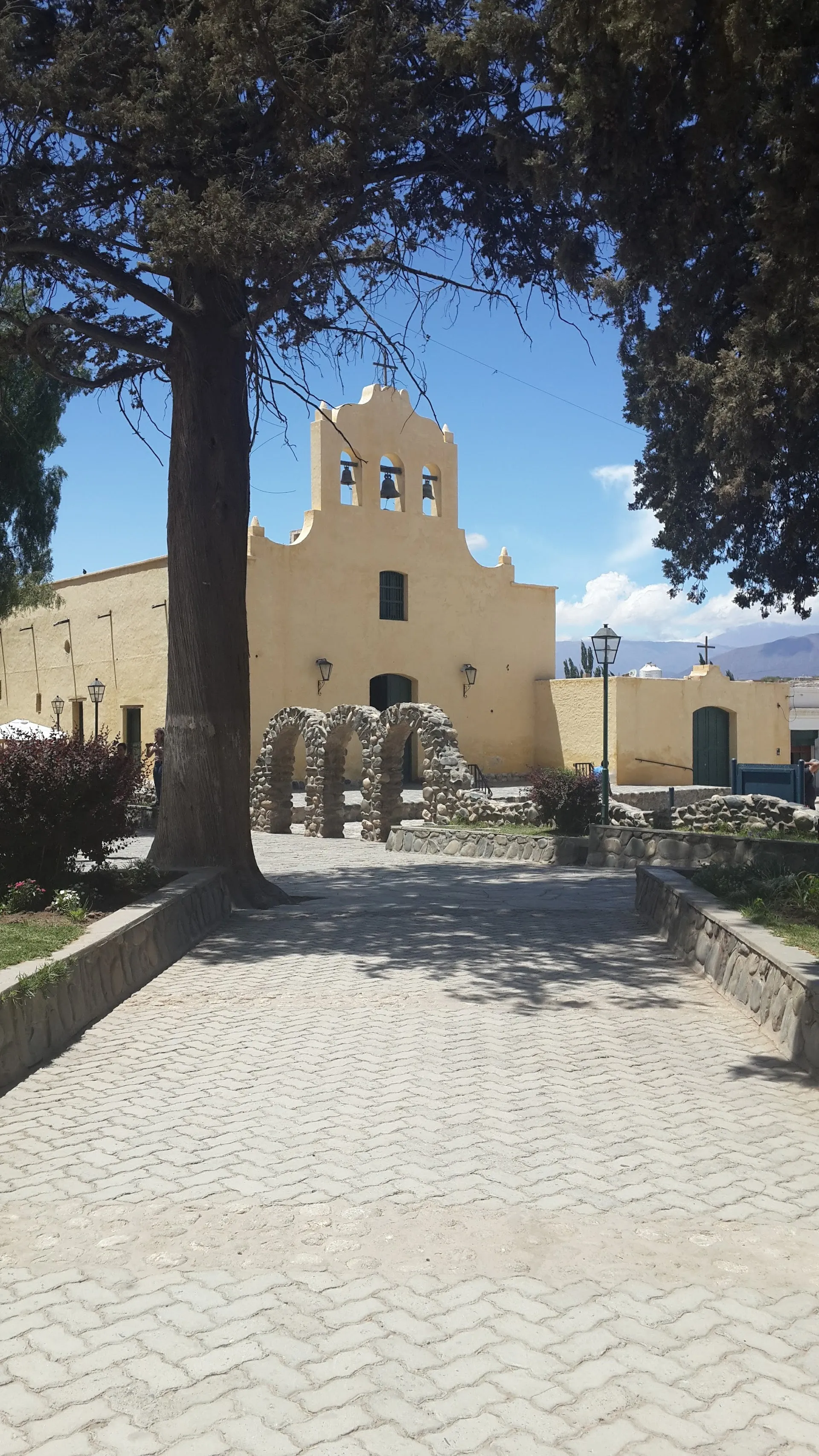
Iglesia San José de Cachi
A colonial parish church begun in the second half of the 17th century as a private oratory for the Aramburu family, with thick whitewashed adobe walls set on a river-stone foundation. Its barrel-vault ceiling, altar, confessional and baptismal font are all carved from cardón cactus wood, and the building was declared a National Historic Monument in 1945 after repeated earthquake repairs.
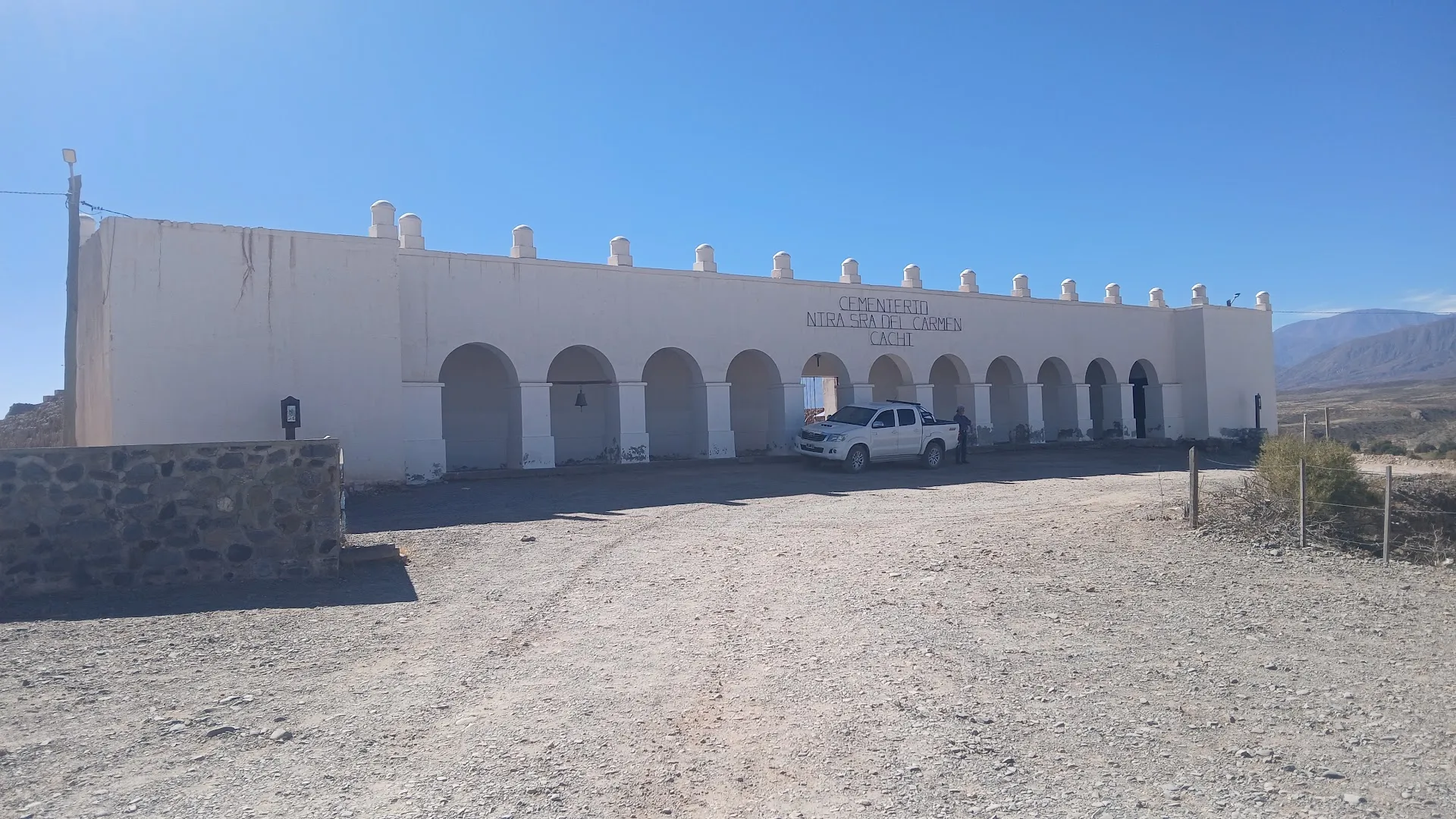
Cementerio de Cachi
Reputed to be Argentina's highest-altitude cemetery, it sits atop a hillside terrace reached by a short walk or drive north of the plaza. A whitewashed arched gallery (built around 1850) forms its facade, and the site doubles as a viewpoint over Cachi's rooftops and the Calchaquí valley below.
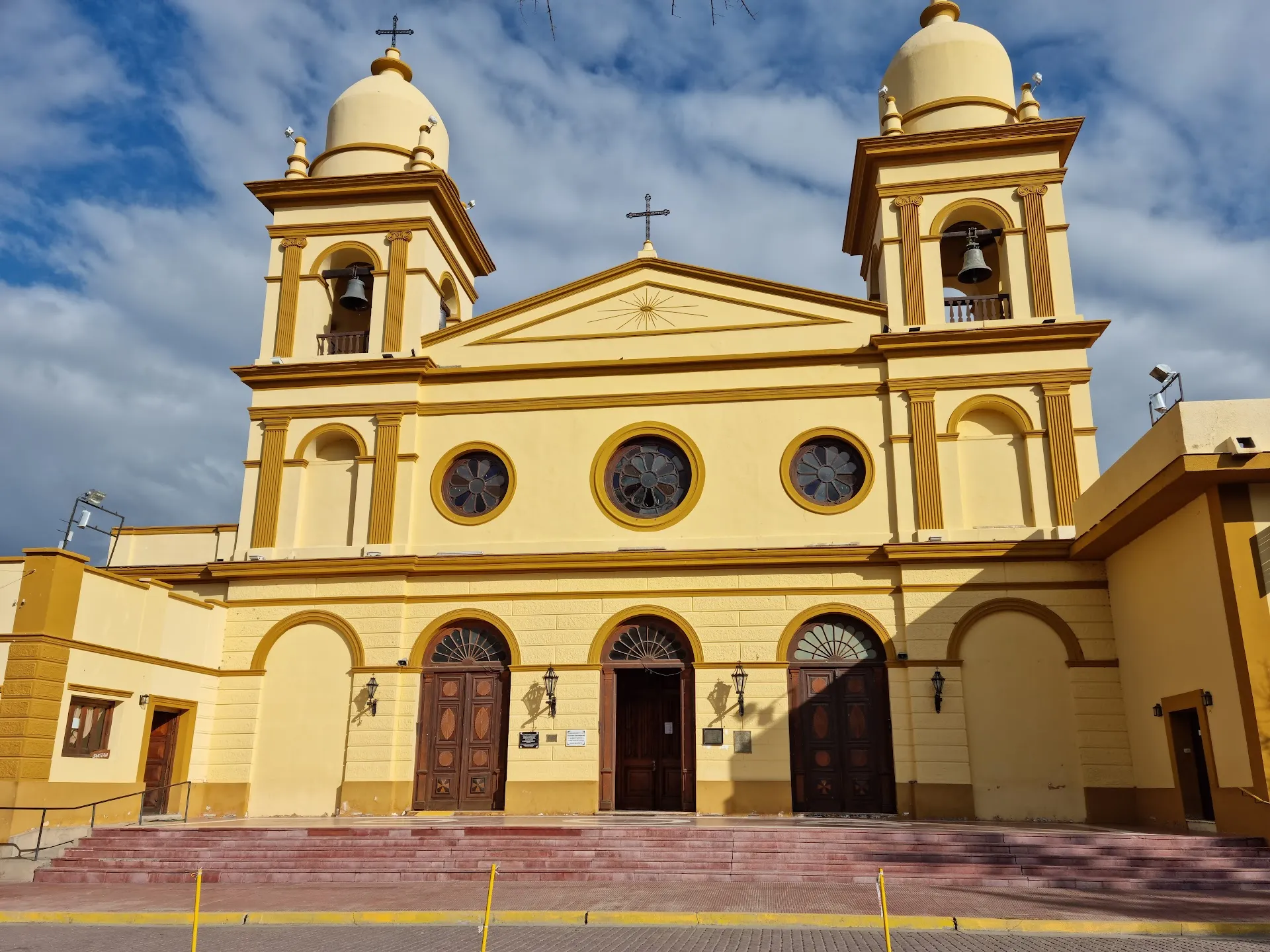
Catedral Nuestra Señora del Rosario de Cafayate
Five-nave cathedral built between 1890 and 1895 by Catalan architect Pedro Coll, one of only three surviving five-naved church structures in South America. It faces Cafayate's main plaza and houses a much-loved seated image of the Virgin, affectionately nicknamed 'La Sentadita' by locals.
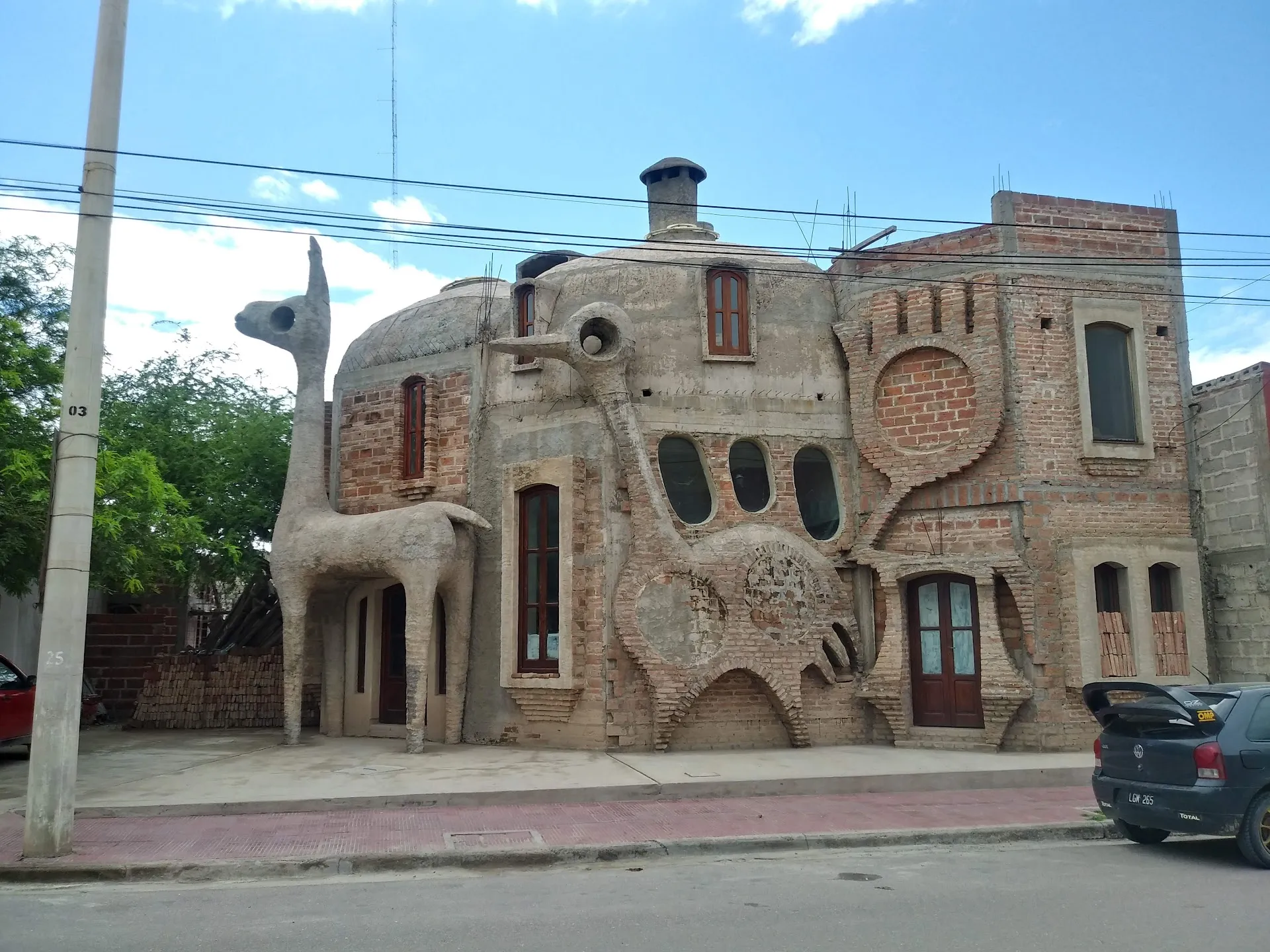
Museo de la Vid y el Vino
Cafayate's dedicated wine museum, opened in 2011 on the grounds of a former winery known as La Bodega Encantada, walks visitors through two connected halls — 'Memoria de la Vid' and 'Memoria del Vino' — using audiovisual displays to trace Calchaquí Valley viticulture from Jesuit-era vine plantings to today's high-altitude Torrontés. A wine bar built into the old fermentation vats caps the self-guided visit with a tasting of local wines.
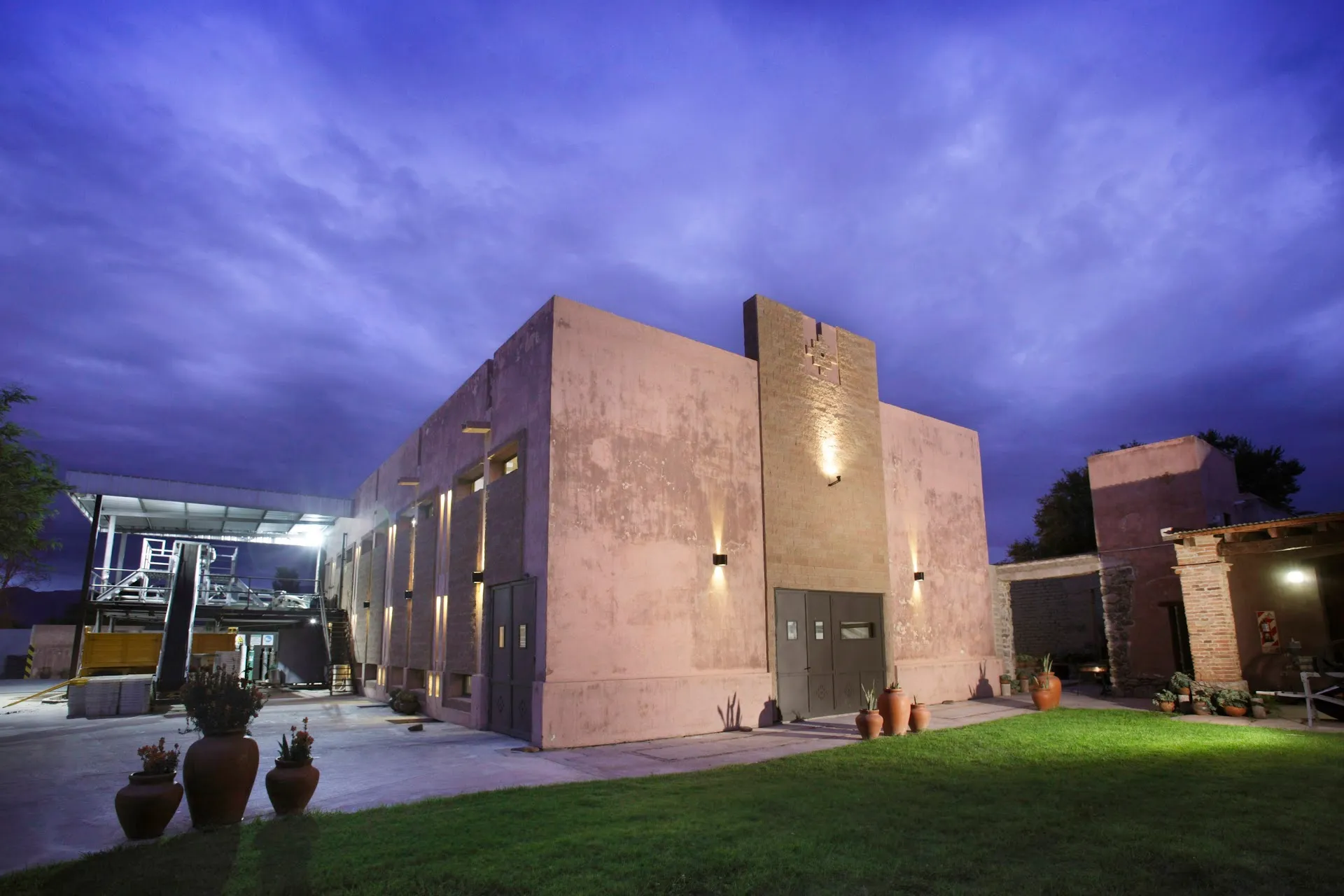
El Porvenir de Cafayate
Family-run bodega right in the heart of Cafayate, known for single-vineyard Malbec and Tannat labels like Laboradum. The free guided tour walks through fermentation tanks, concrete eggs and the historic barrel cellar, ending with a self-serve tasting from wine dispensers.
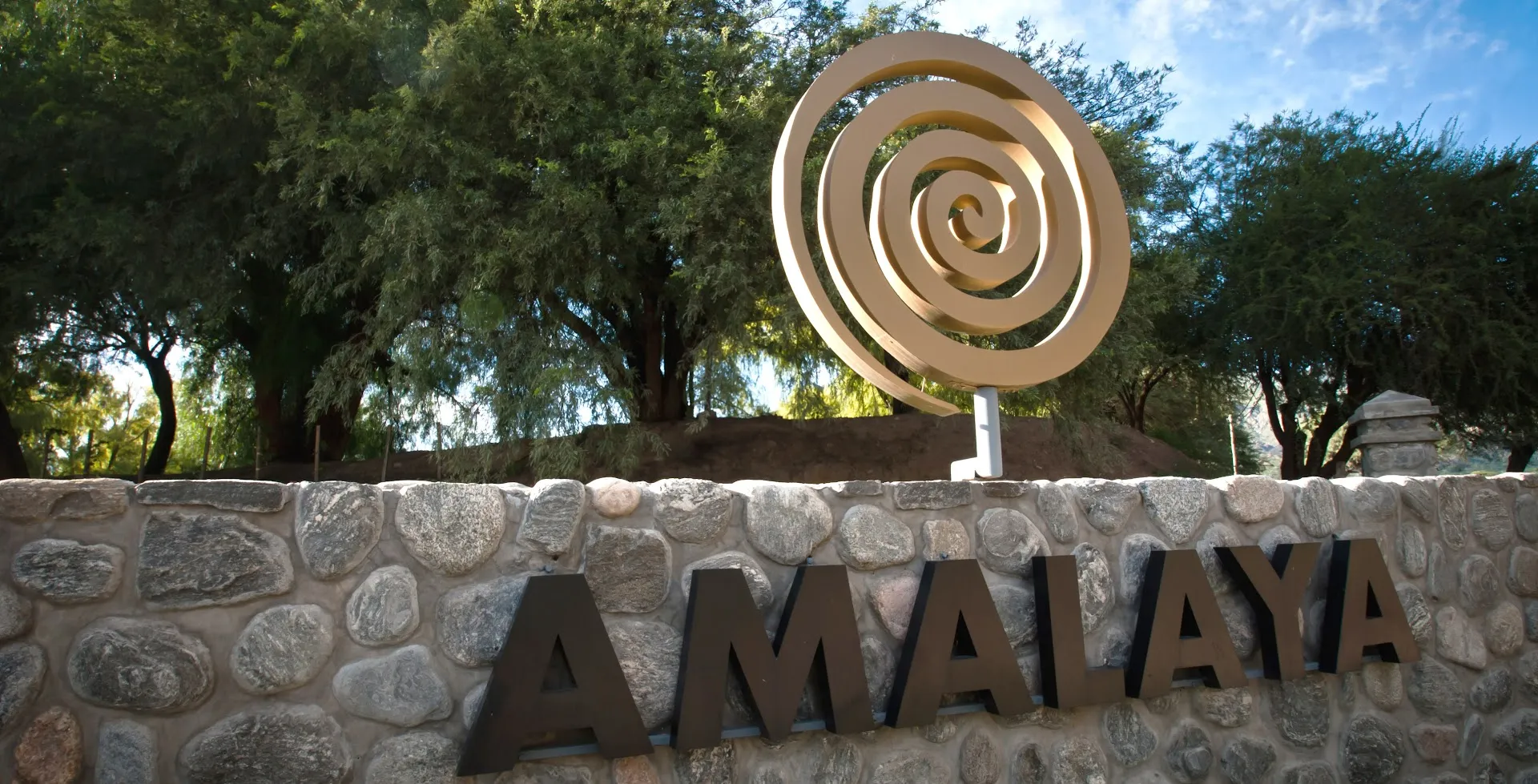
Bodega Amalaya
Contemporary winery founded in 2010 by California's Hess Family Estates, best known for approachable Torrontés and red field-blend wines under the Amalaya label. Its in-town wine bar pairs flights with regional small plates, making it a popular casual stop distinct from the bigger estate tours.
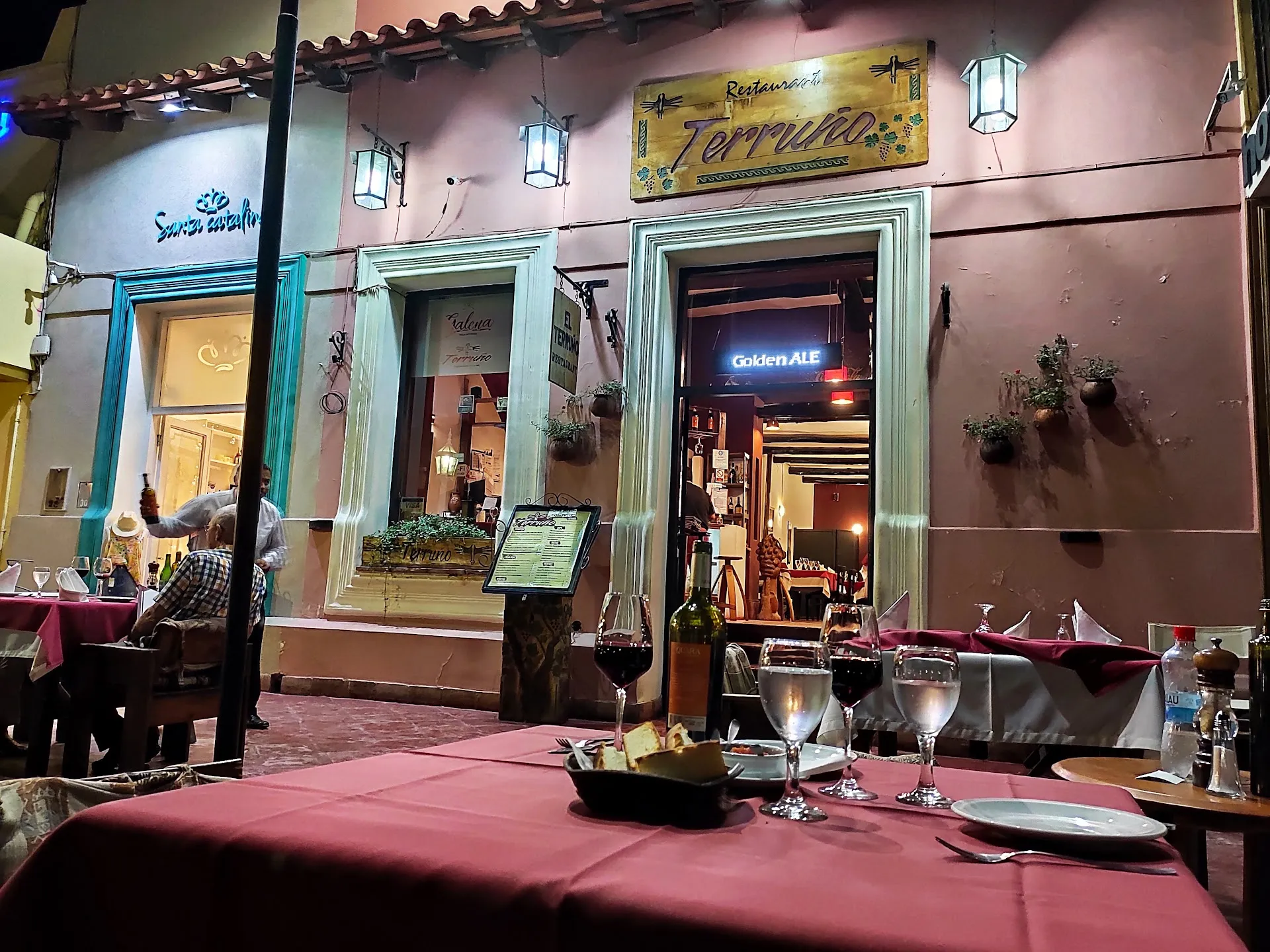
Terruño Cocina Gourmet
Long-running restaurant directly on Cafayate's main plaza serving regional and international dishes such as rabbit, lamb, trout and house-made pastas, paired with wines from its own small boutique winery. Indoor salon and outdoor plaza-facing seating make it a reliable lunch-or-dinner pick.
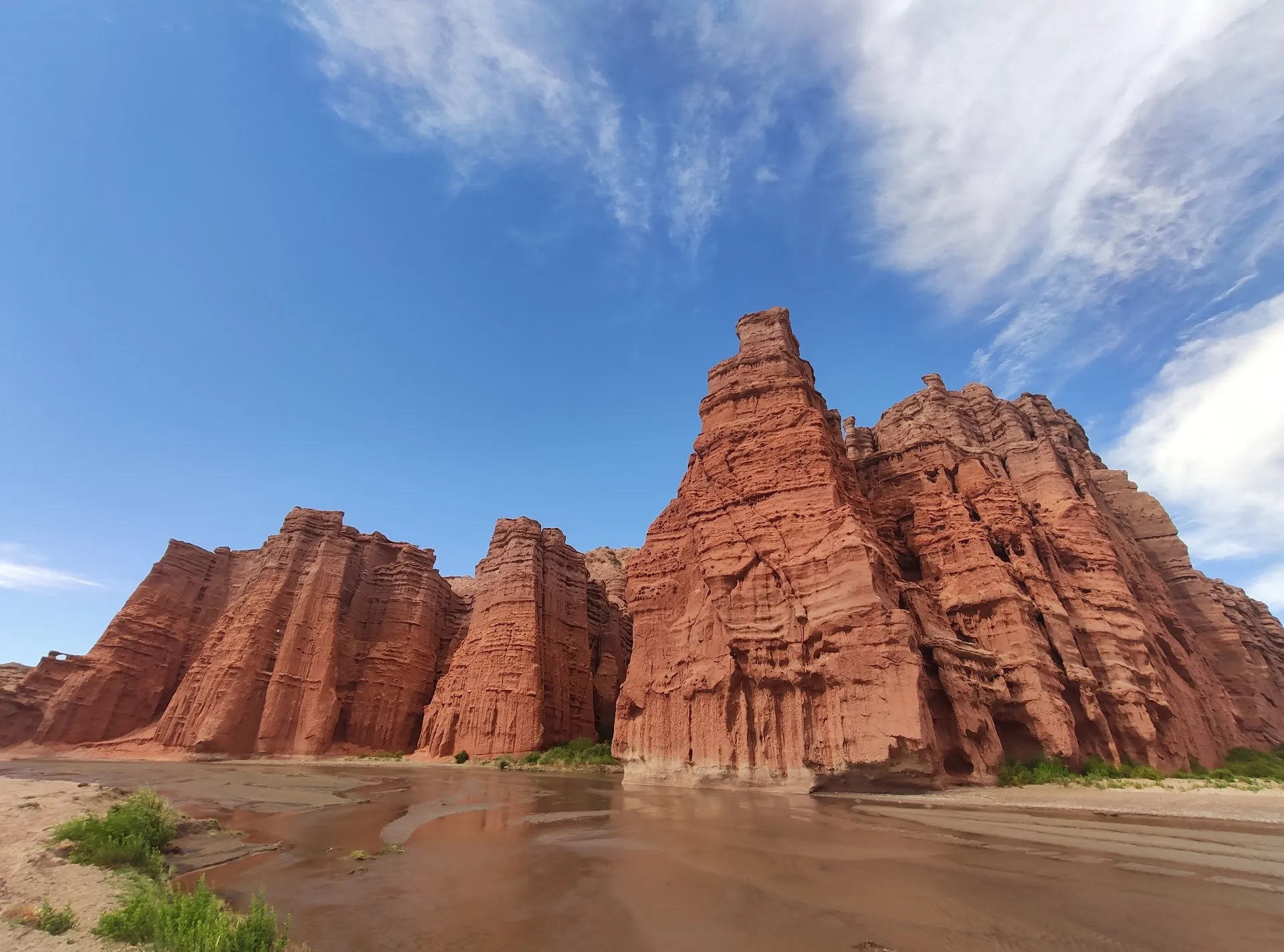
Los Castillos
Towering red sandstone towers, eroded by wind and the Río de las Conchas into castle-like turrets, rise right beside the highway about 18.5 km from Cafayate. A brief path down to the riverbank brings visitors closer to the striated, multicolored rock walls.
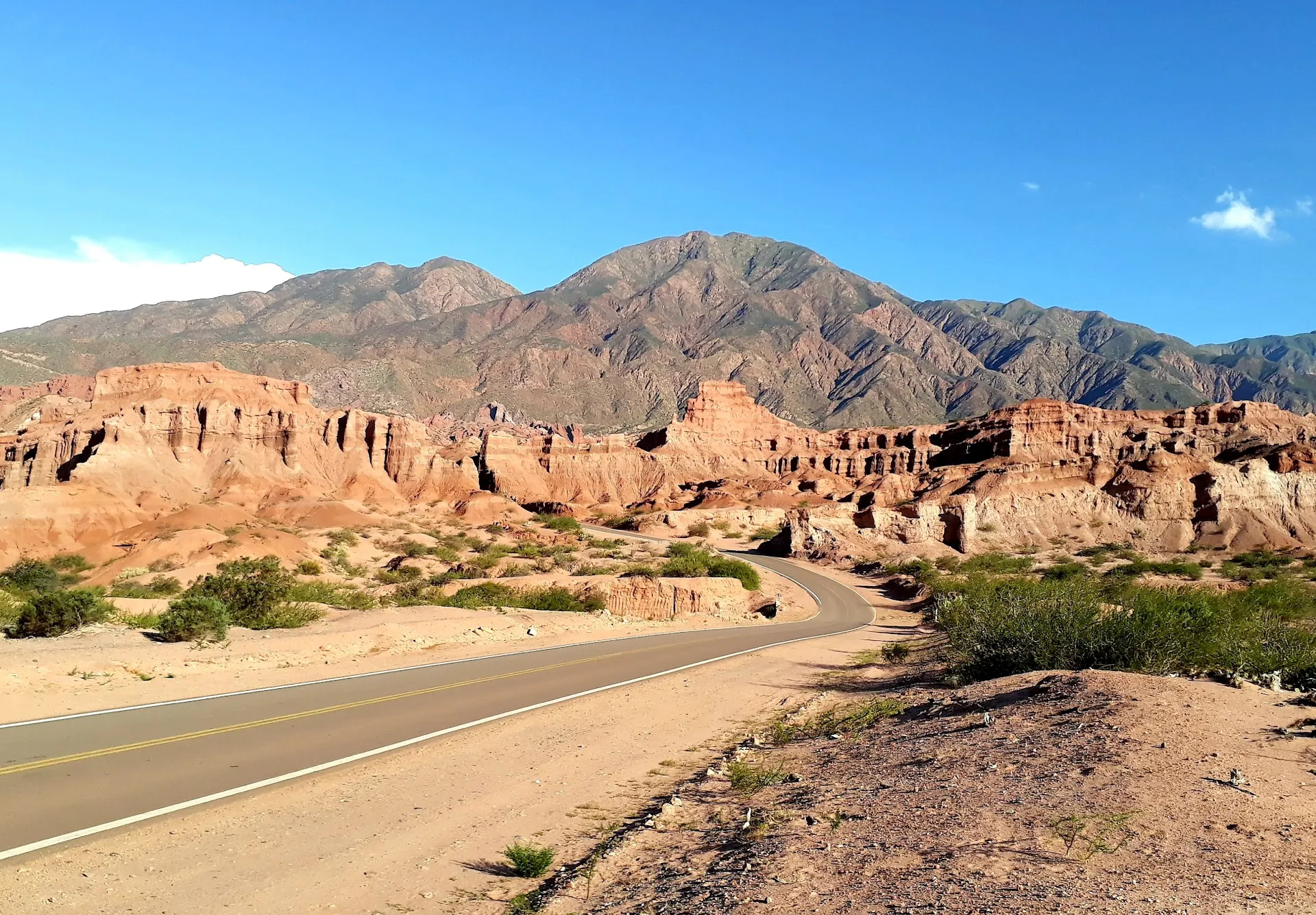
Las Ventanas
Wind erosion has bored a row of window-like openings straight through this cliff face overlooking the Río Calchaquí, making it one of the most-photographed stops between Cafayate and Salta. The gorge here was once an ancient seabed, and marine fossils have been found in the surrounding rock.
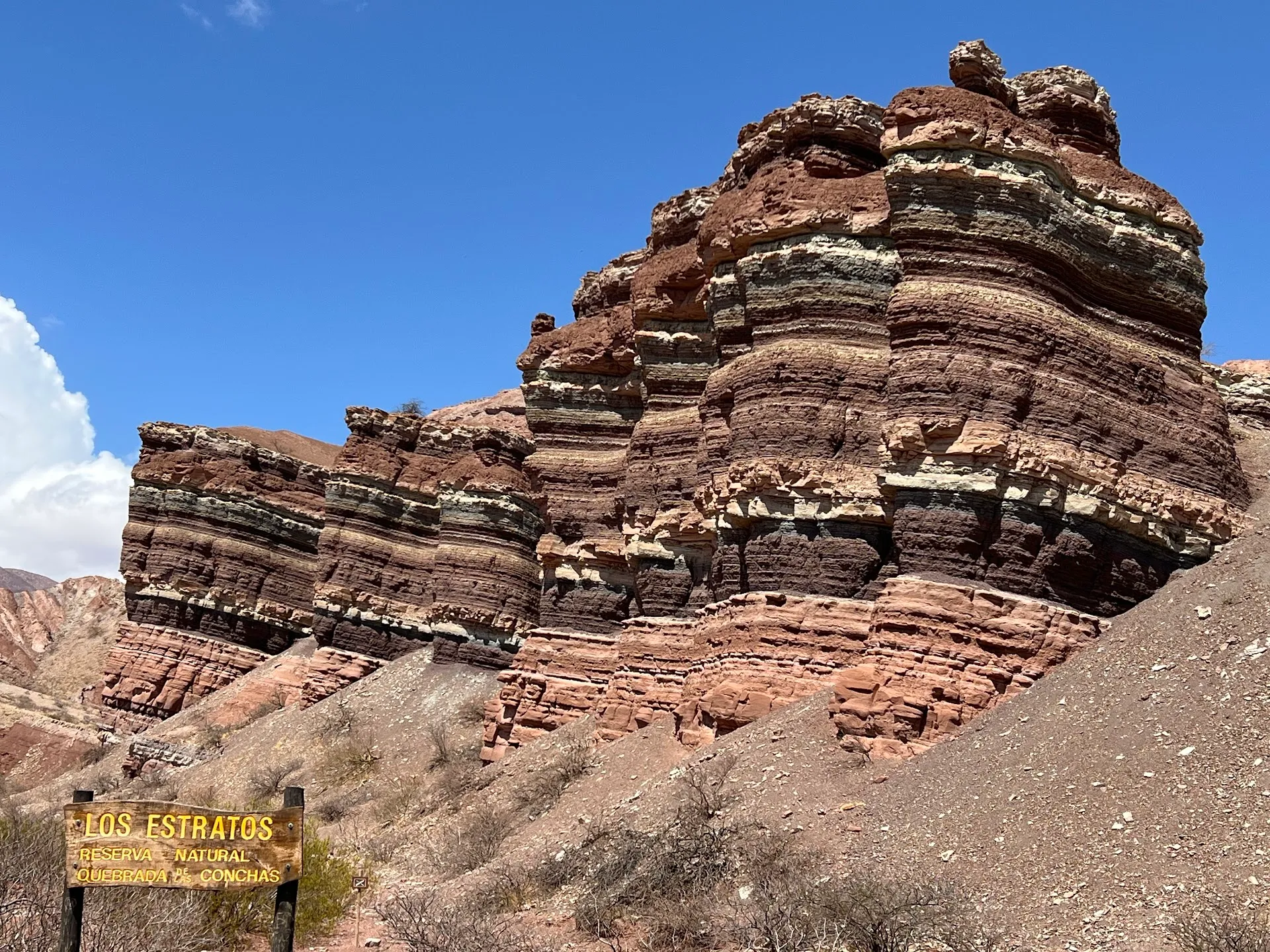
La Yesera
A former gypsum quarry turned into one of the gorge's most colorful lookouts, with hillsides banded in reds, whites and ochres from tertiary-era sedimentation. A free, unmarked path known as the Sendero de los Estratos lets visitors walk out among the striated hills for a closer, quieter view than most roadside stops.
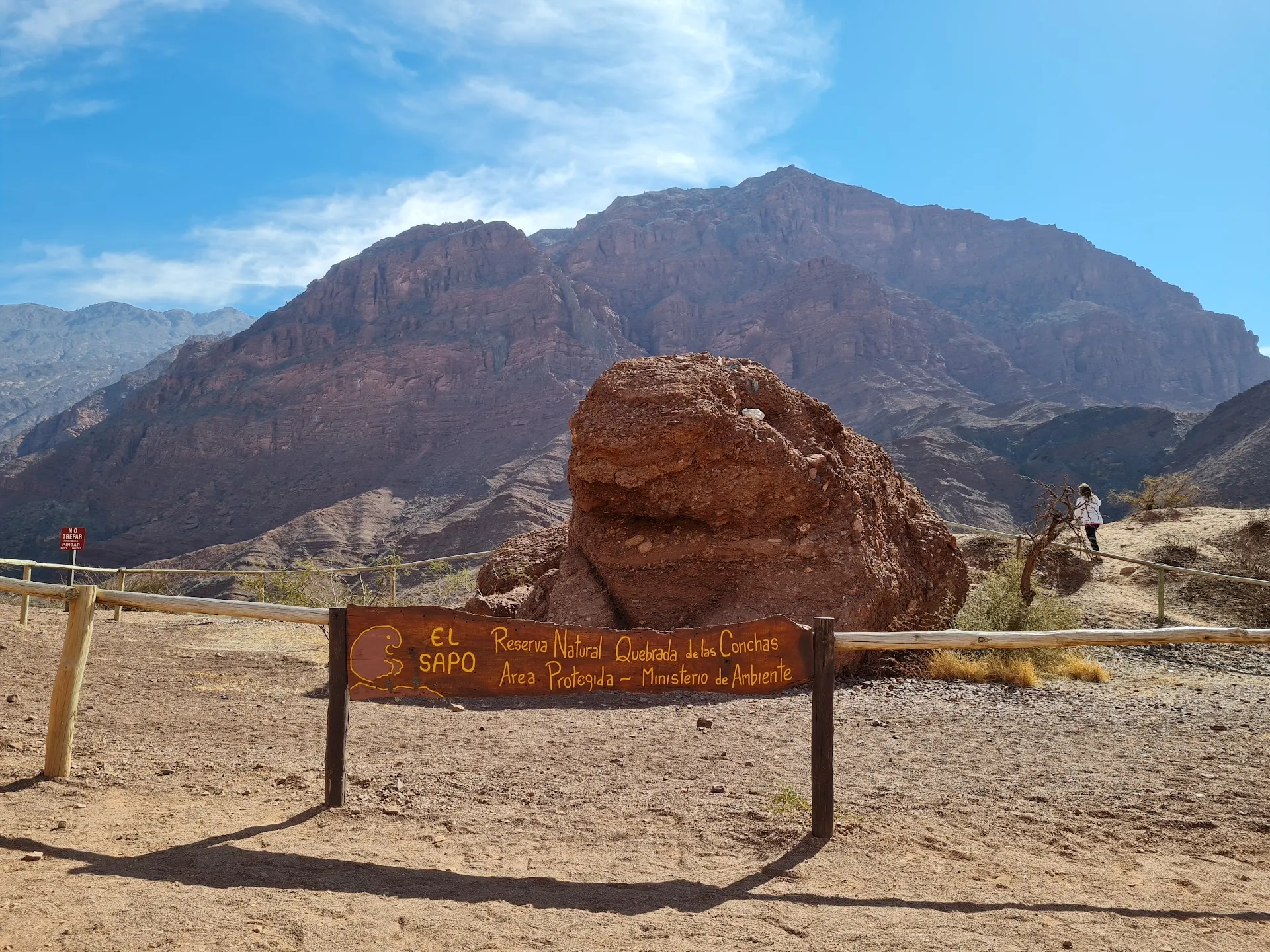
El Sapo
Wind erosion has carved this sandstone boulder into the unmistakable silhouette of a giant toad resting on its paws with its gaze tilted skyward. Right at the roadside, it's one of the easiest and most family-friendly photo stops on the drive into the gorge.
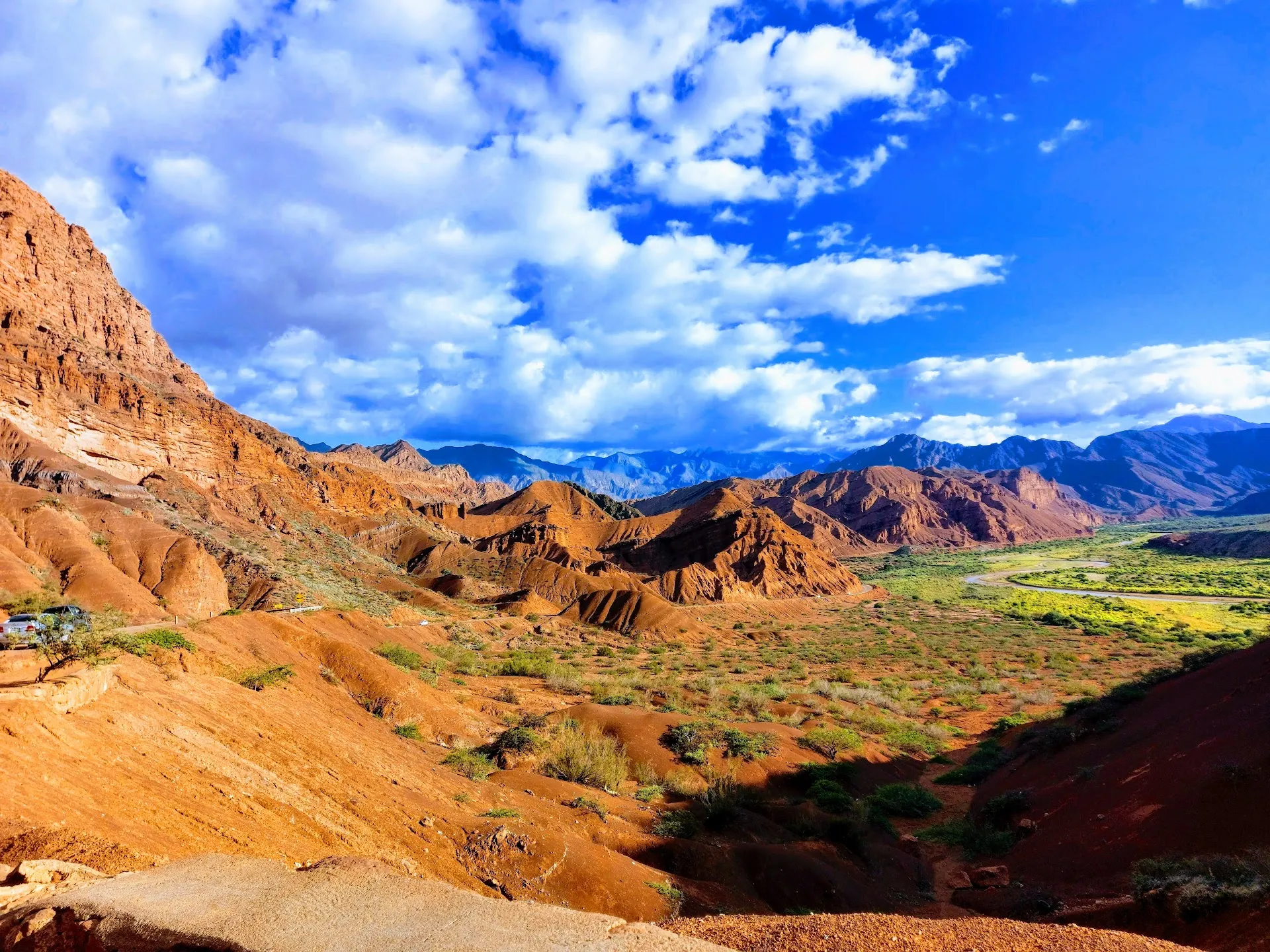
Mirador Tres Cruces
A short natural stone stairway just off RN68 climbs to what locals and guides alike call the single best 180-degree panorama of the Quebrada de las Conchas, with the ochre-red canyon walls and the Río de las Conchas spread out below. It's widely rated the top sunset stop on the Cafayate-to-Salta drive.
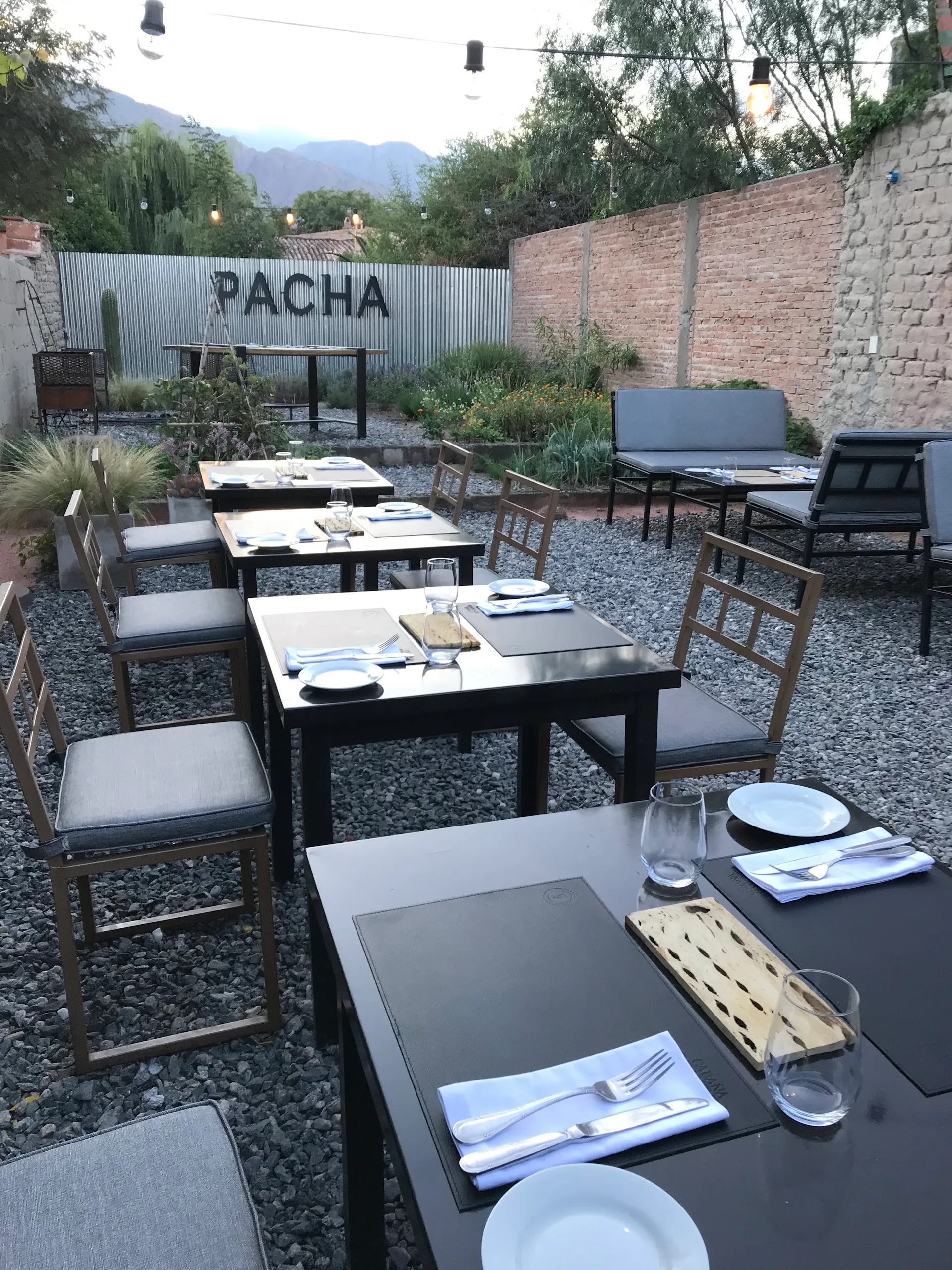
Pacha Cocina de Autor
Intimate fine-dining spot run by chef Tomás Casado, opened in 2015, serving contemporary 'cocina de autor' built on regional Calchaquí Valley ingredients with techniques like sous-vide. The seasonal tasting menu and open kitchen make it one of Cafayate's top reservations-only dinners.
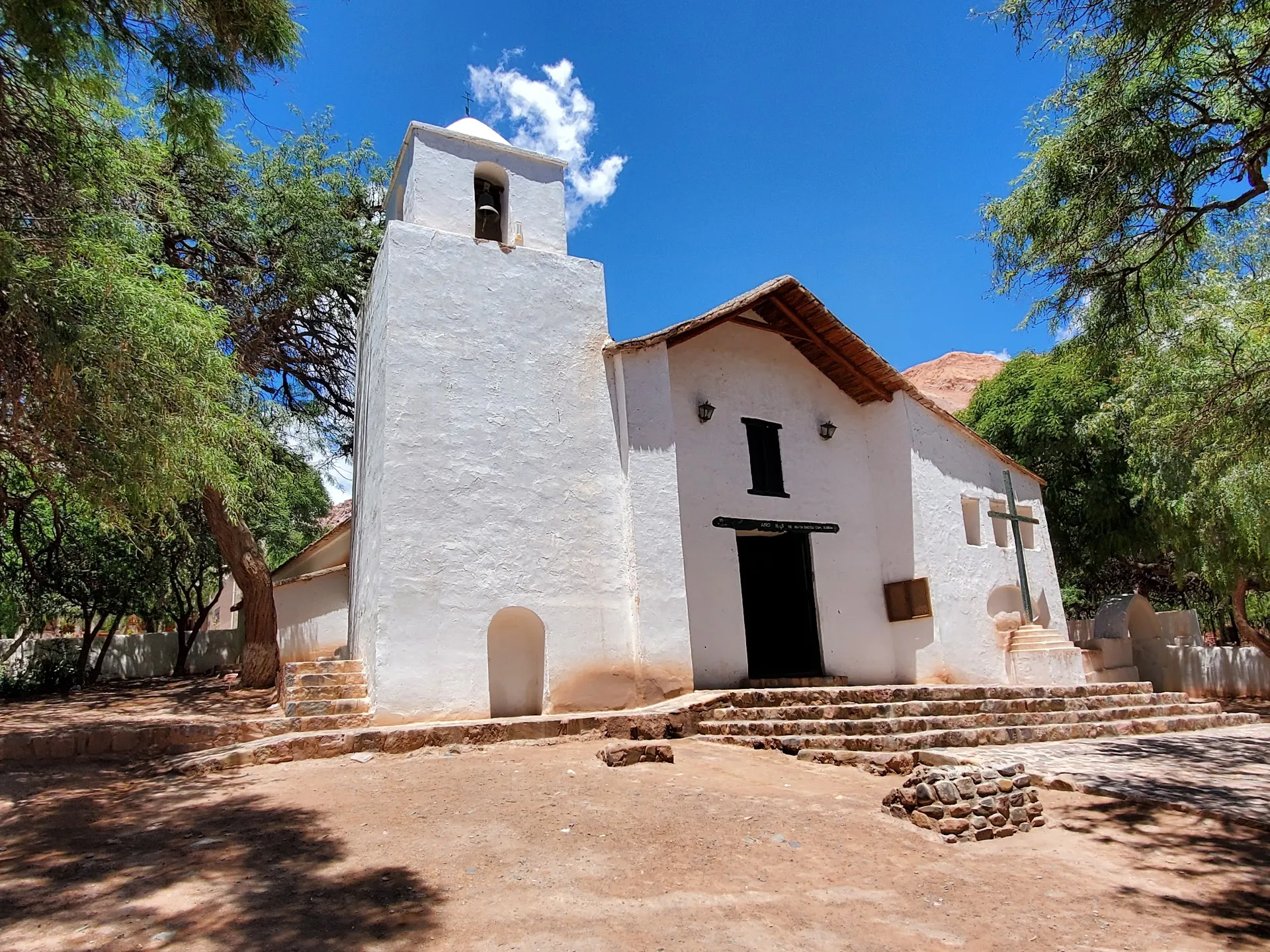
Iglesia de Santa Rosa de Lima
Adobe-walled colonial chapel facing Purmamarca's main plaza, roofed with cardón-cactus wood in the Hispano-American Mudéjar tradition typical of the Quebrada de Humahuaca; a carved lintel dated 1648 places it among the valley's oldest standing churches. Declared a National Historic Monument in 1941, its narrow single nave holds 18th-century oil paintings attributed to the Cusco School.
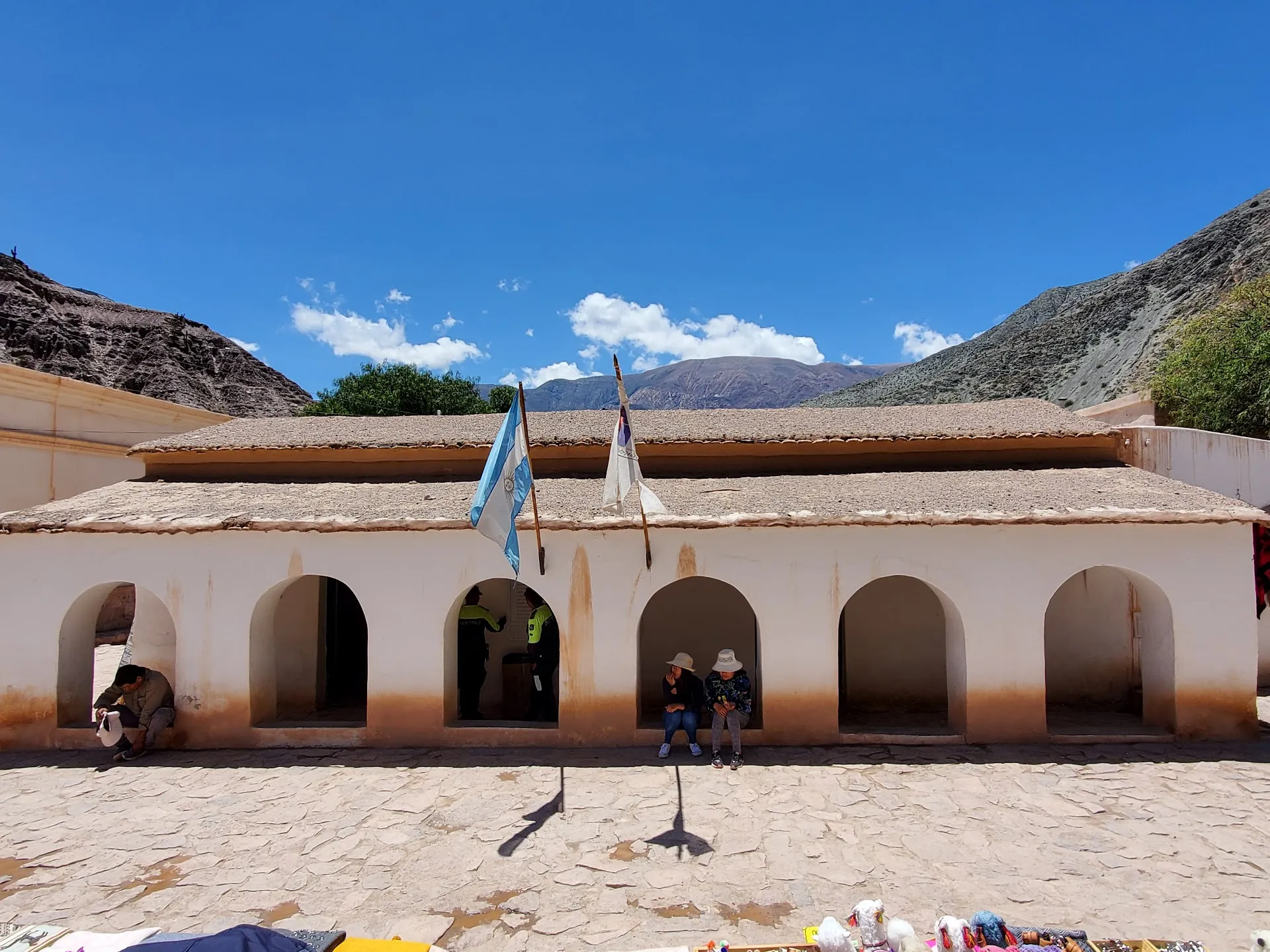
Cabildo de Purmamarca
A single-story 19th-century town hall facing the main plaza, built with thick adobe walls and a cardón-wood ceiling behind a four-arch gallery in the regional Jujuy-Humahuaca style; it is often cited as the smallest cabildo in Argentina. Formerly home to a police post and the municipal commission, it now serves as a cultural hall and exhibition space.
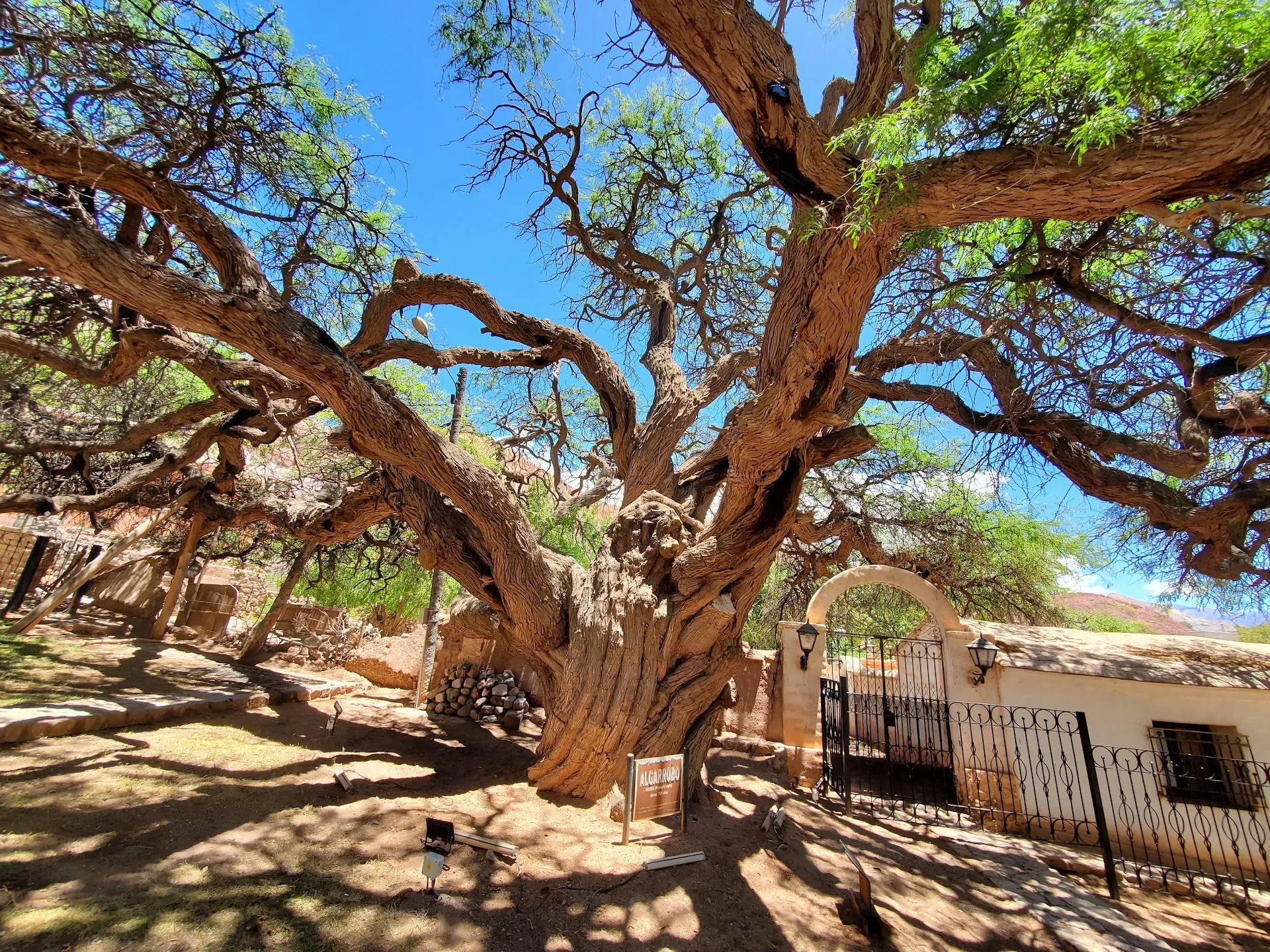
Algarrobo Histórico de Purmamarca
A centuries-old carob (algarrobo) tree growing beside the Santa Rosa de Lima church, remembered locally as the site where the rebel cacique Viltipoco was captured in 1594 and later said to have sheltered General Belgrano's troops during the wars of independence. It remains one of Purmamarca's most storied living landmarks, predating the town's colonial buildings.
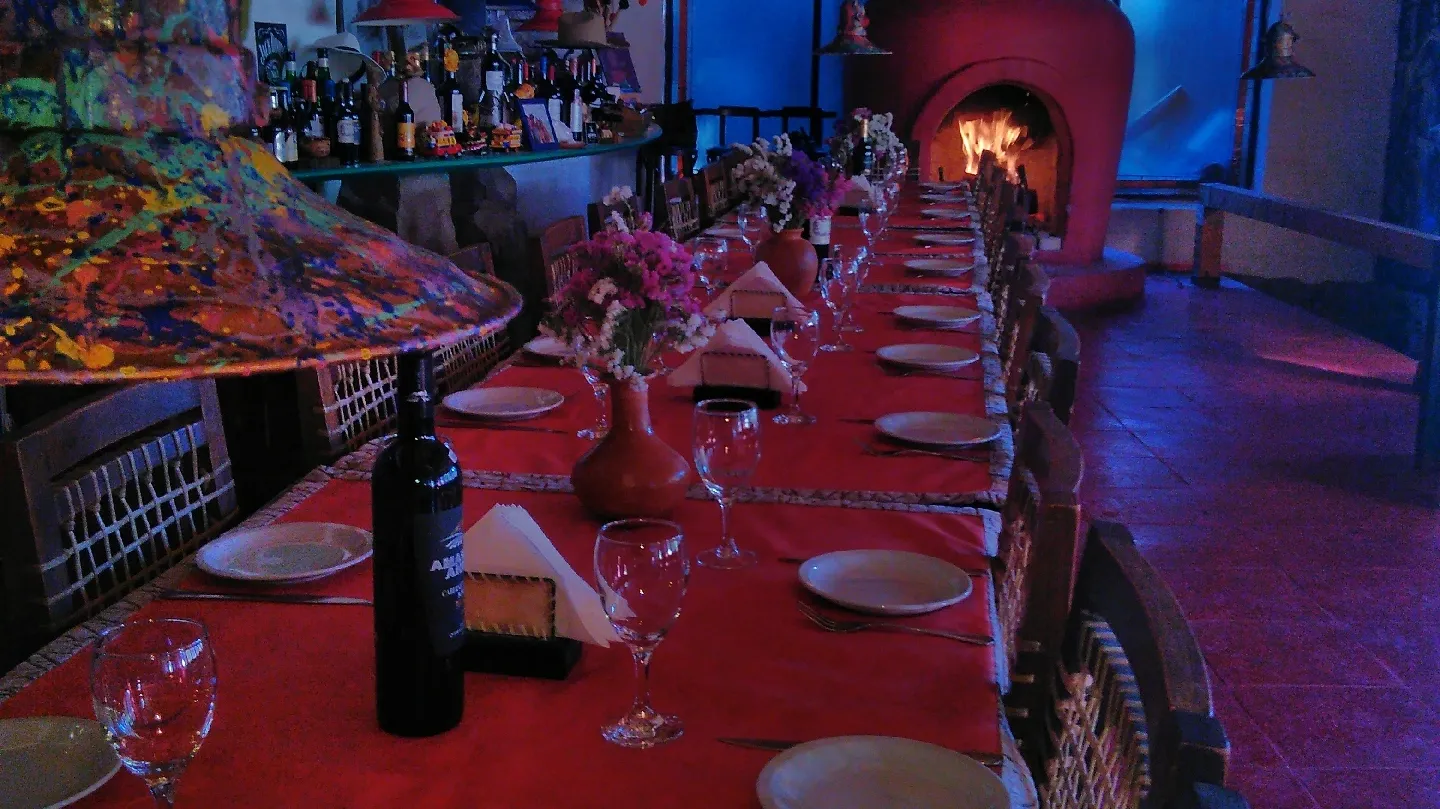
Los Morteros
Long-running restaurant on Calle Salta in central Purmamarca, widely considered one of the village's most representative spots for Quebrada cuisine. Serves hearty Andean/NOA classics — llama dishes, locro, regional stews — in generous, home-style portions.
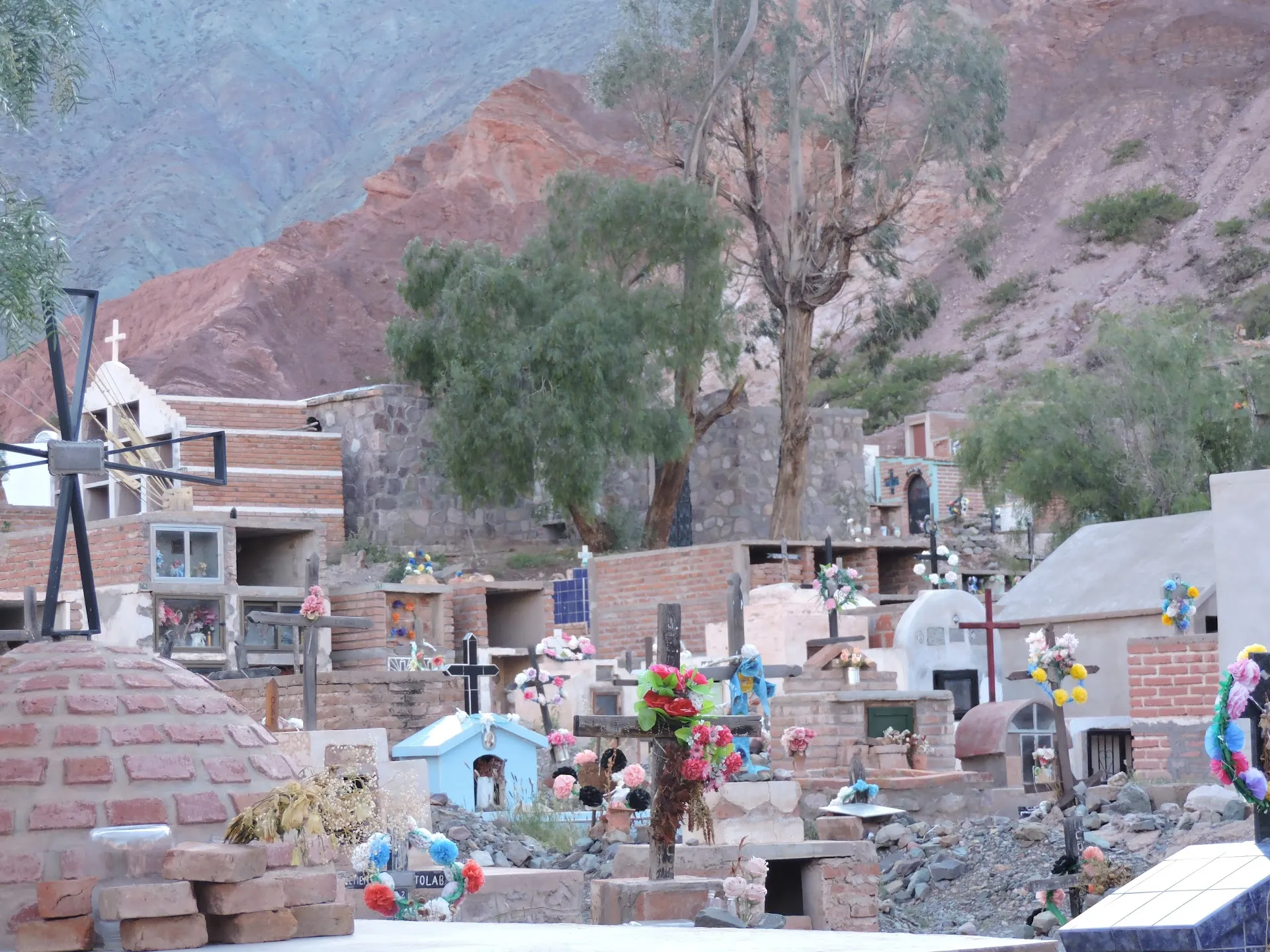
Cementerio de Purmamarca
A small hillside cemetery on the edge of town, passed near the start of the Paseo de los Colorados walk, where simple wooden crosses and personal offerings sit in direct view of the Cerro de los Siete Colores. It is a quietly photographed stop that reflects the valley's blend of Catholic ritual and Andean Pachamama tradition, especially visible around the Día de los Muertos in early November.
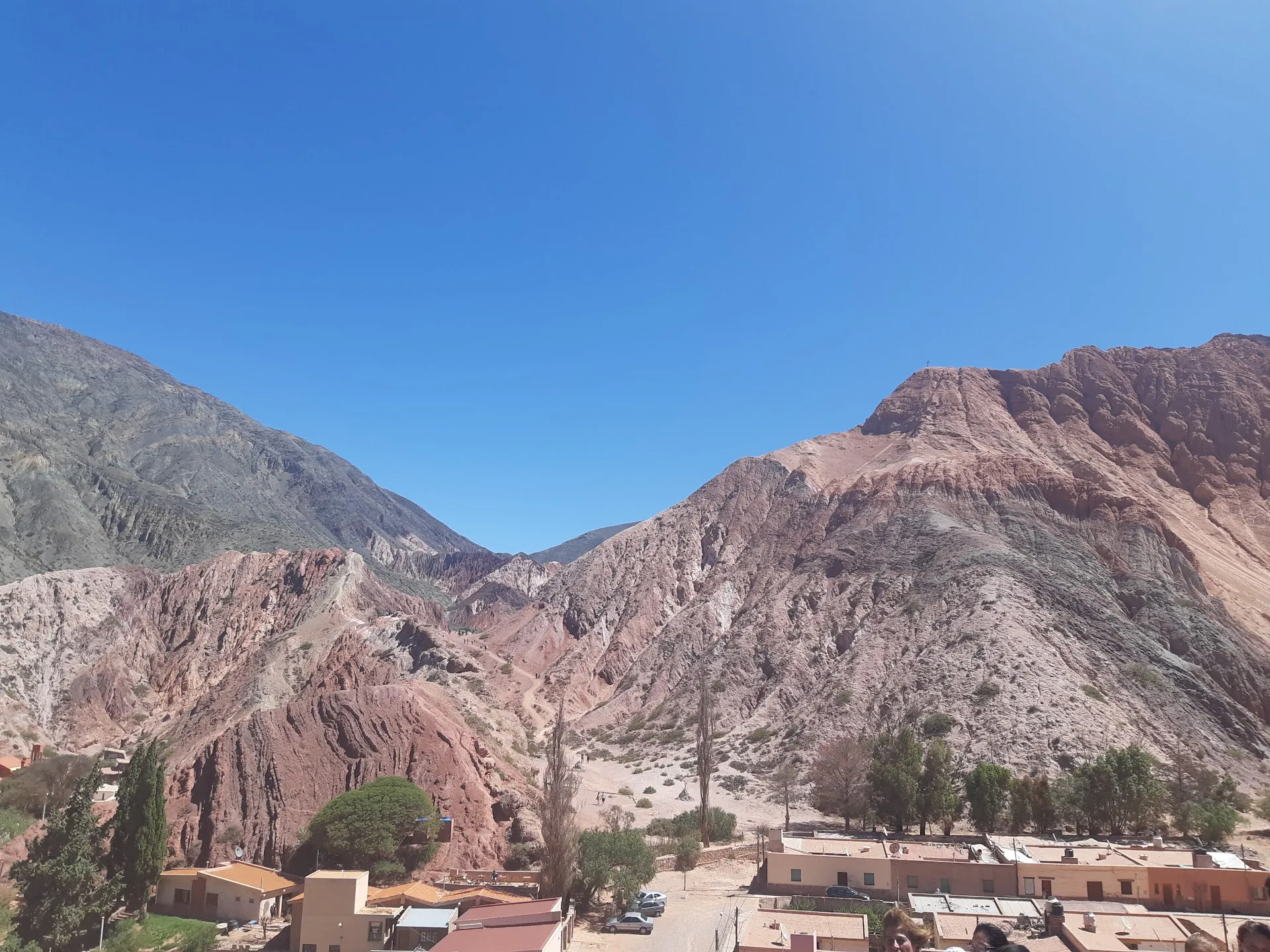
Mirador Cerro El Porito
A staircase-and-railing viewpoint built into a small hill at the western edge of Purmamarca, marking the end of the Paseo de los Colorados walking circuit. From the top, visitors get a head-on panorama of the Cerro de los Siete Colores and the town below; the municipality rebuilt its access stairs and safety railings under Argentina's Plan 50 Destinos program, reopening the site in January 2025.
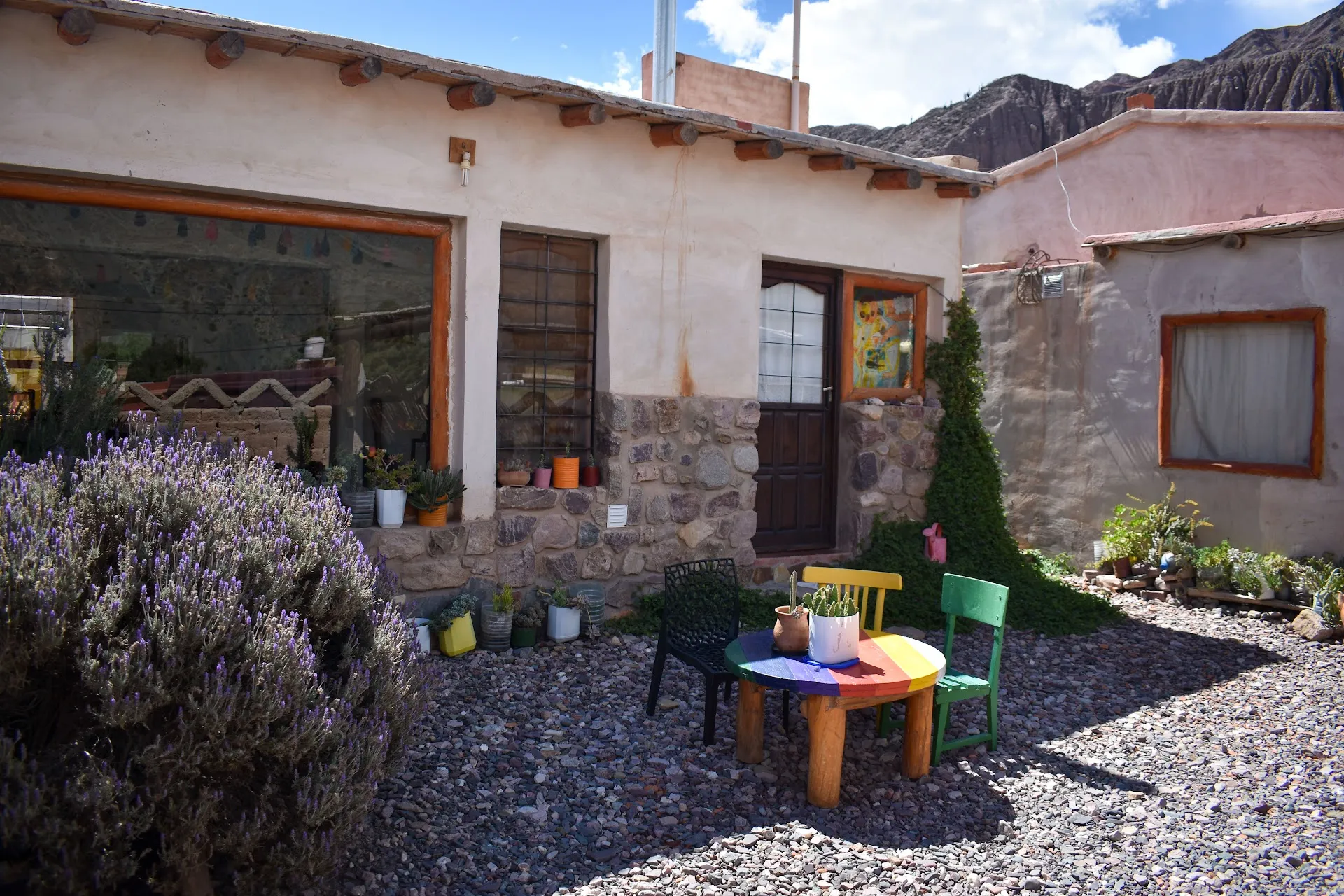
La Pushka (taller de tejido)
A working weaving workshop run out of artisan Marta Valdiviezo's family inn, where she continues the spinning technique on the pushka spindle passed down from her great-grandmother. She and other local women teach the craft on antique looms using naturally dyed llama and sheep wool, producing scarves, shawls and blankets.
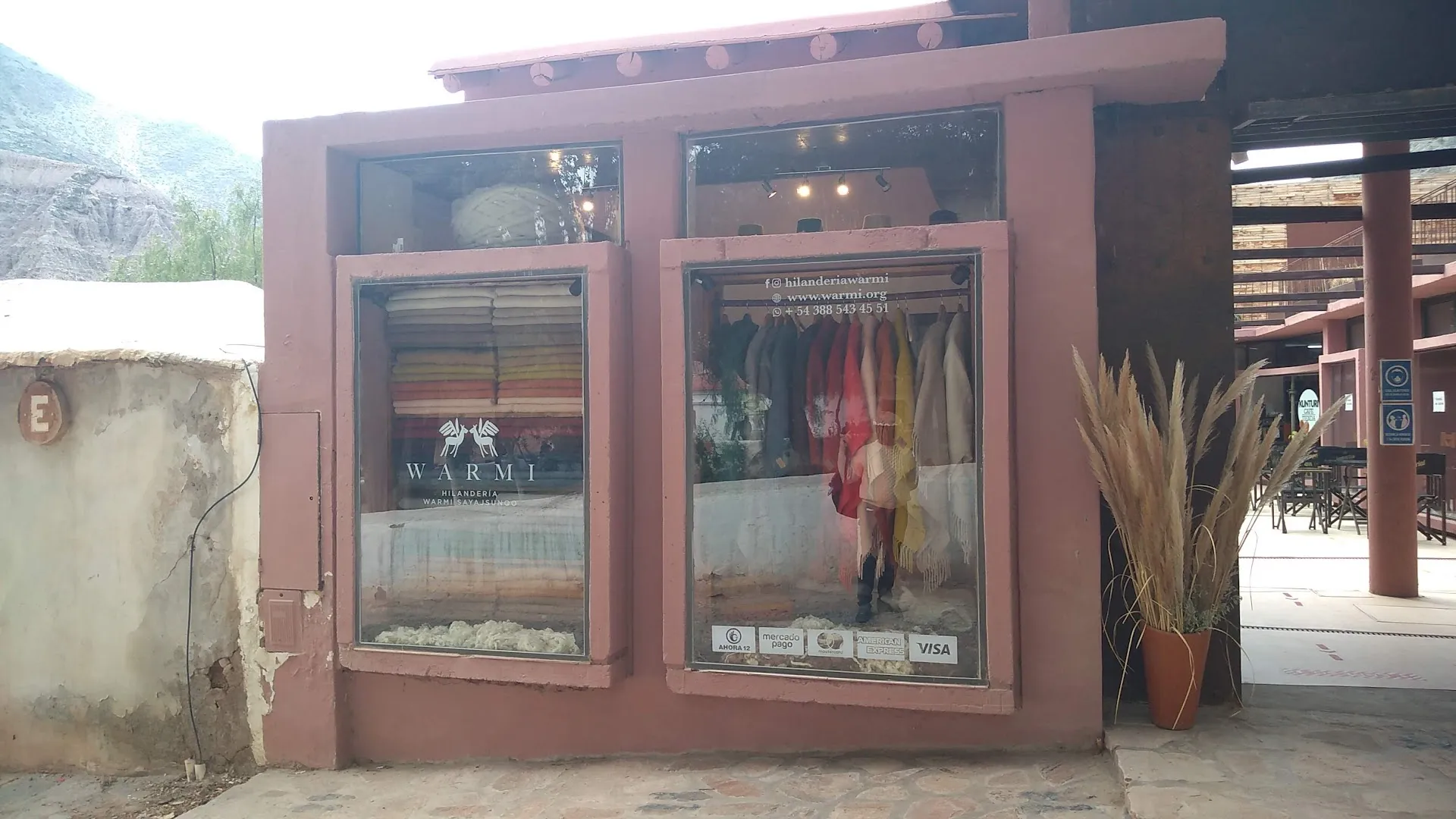
Hilandería Warmi – Tienda Purmamarca
A certified B-Corp textile store selling ponchos, blankets and sweaters made from llama and sheep wool, hand-finished by the Warmi Sayajsunqo association — nearly 3,000 Puna families organized around a century-old spinning mill in Abra Pampa. One of only two brick-and-mortar Warmi shops in the country.
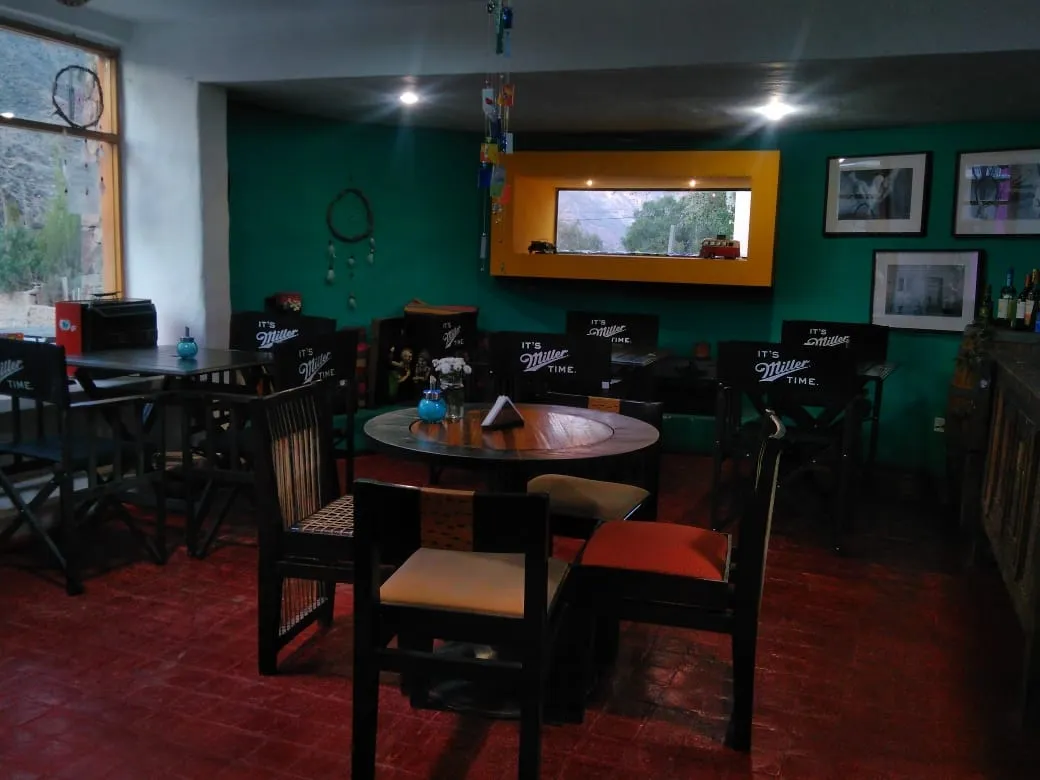
Cerro Morado (Mirador Natural del Cerro El Morado)
A free, unstaffed ridge-line lookout on the far side of the dry Purmamarca riverbed, opposite the town entrance. Locals regard it as offering the widest, most complete view of Purmamarca together with the Cerro de los Siete Colores, though the exposed, crumbling trail along the ridge is steeper and less trafficked than the paid Porito viewpoint.
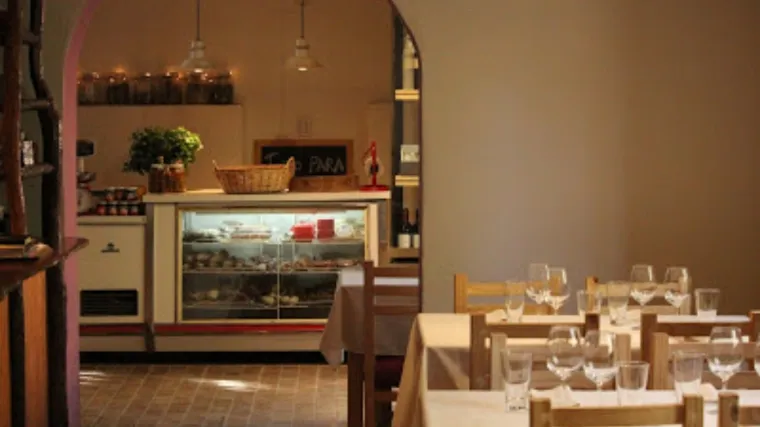
El Mesón
Chef-driven restaurant on Calle Belgrano run by chef Juan Manuel Chañi in a former bed-and-breakfast house, known for meat slow-cooked in clay/earth ovens for up to 12 hours. Serves a fixed three-course menu built around Andean staples like charqui, cabrito (goat) and papines (native potatoes) across just eight tables.
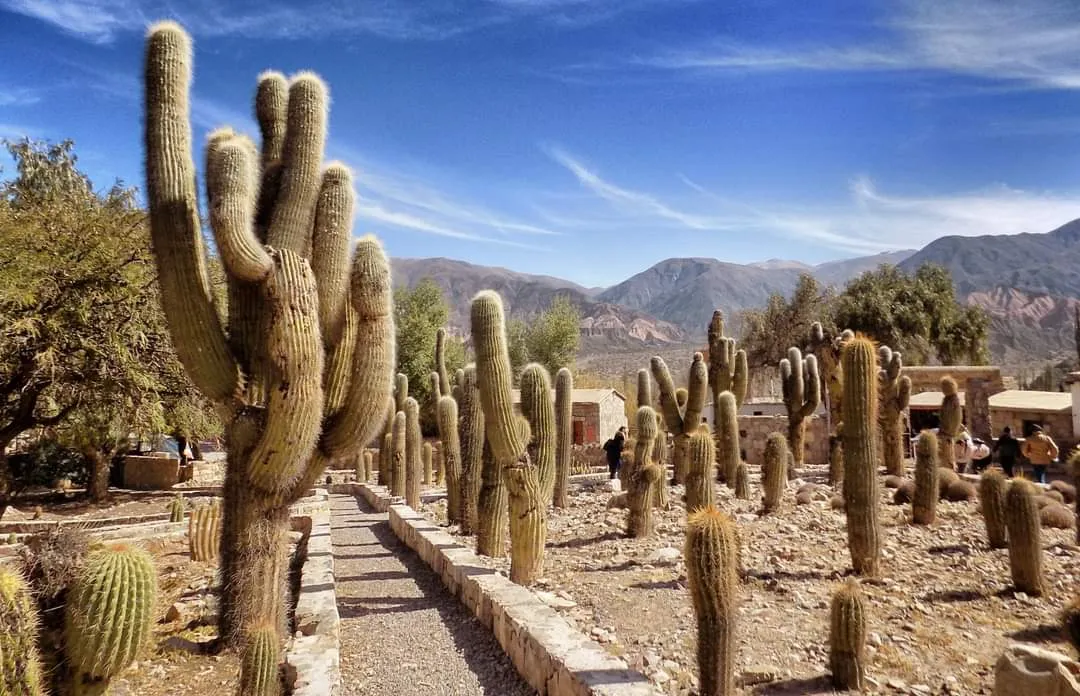
Jardín Botánico de Altura de Tilcara
A 3-hectare high-altitude botanical garden created in 1970 through an agreement between the UBA Faculty of Philosophy and Letters and the Jujuy provincial government, sitting at 2,580 m right beside the Pucará entrance. Its collection is organized into sections of cacti, medicinal plants, food crops and Puna/Quebrada de Humahuaca alpine flora, and it includes the 'Piedra Campana,' a 2.5-ton volcanic rock that rings when struck.
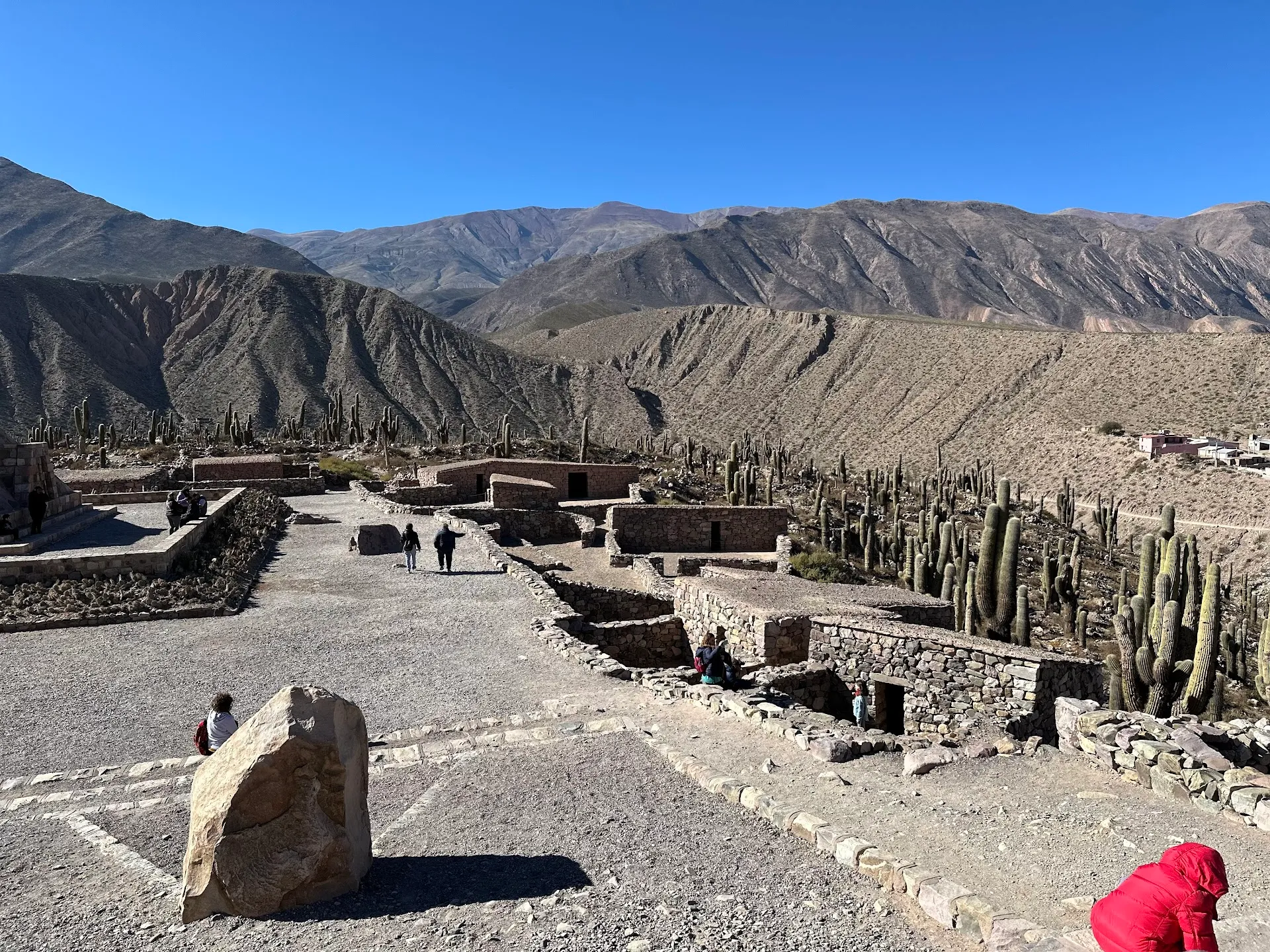
La Iglesia (Barrio Ceremonial del Pucará)
The central ceremonial precinct inside the Pucará, named after old Tilcara residents' accounts that 'the church of the Indians' once stood there — a claim later borne out by excavation. Archaeologists uncovered courtyards, altars and trophy-skull burials here, in what is believed to have been a center for Inca-period sun and moon worship adjoining an artisans' quarter.
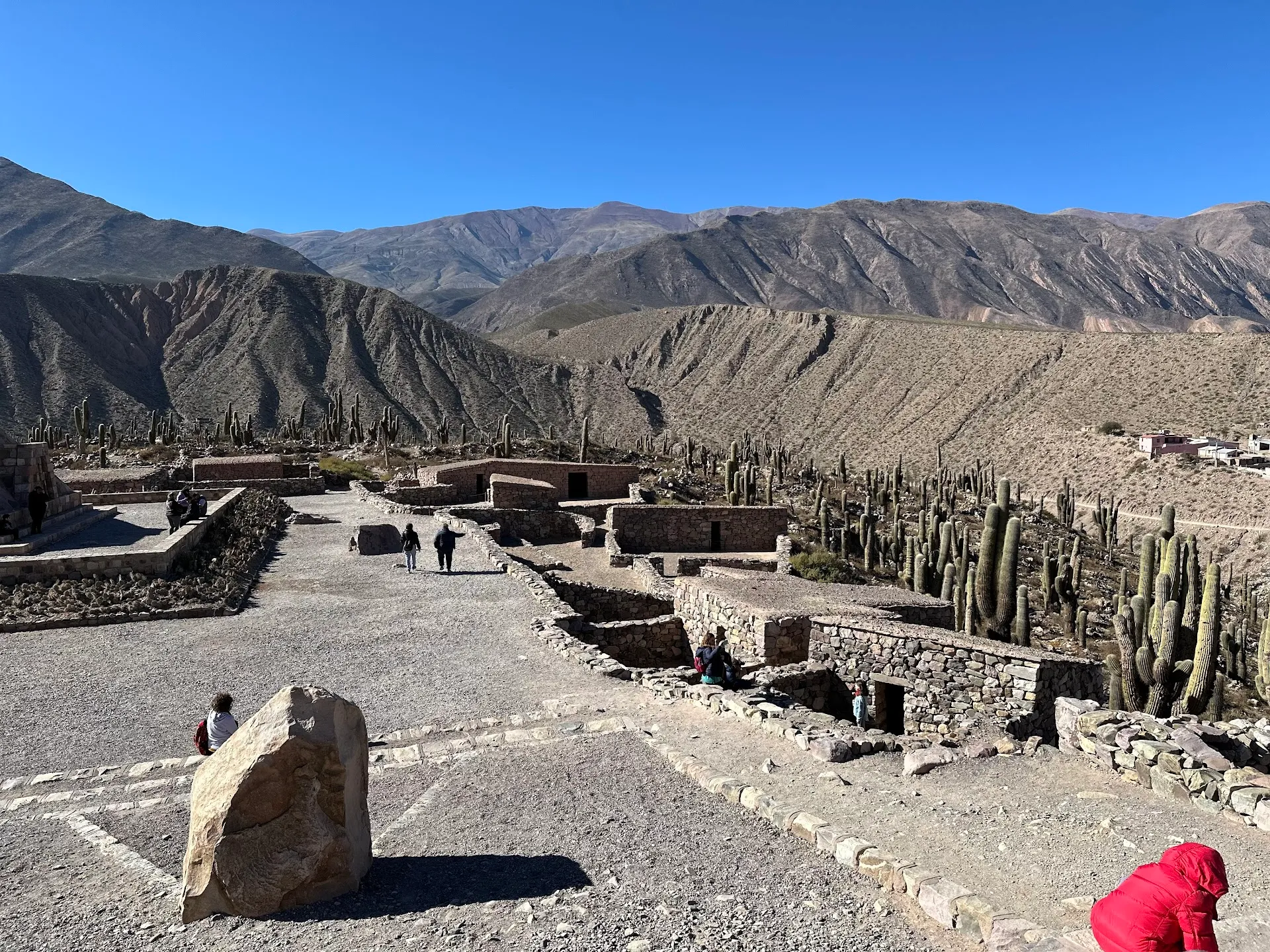
El Monumento (Pirámide del Pucará de Tilcara)
A truncated stone pyramid built in 1935 atop the Pucará's hill, designed by architect Martín Noel to honor pioneer archaeologists Juan Bautista Ambrosetti and Salvador Debenedetti, who first excavated the site from 1908. It is not a pre-Hispanic structure itself but has become the site's most photographed landmark, doubling as a panoramic viewpoint over the Quebrada de Humahuaca.
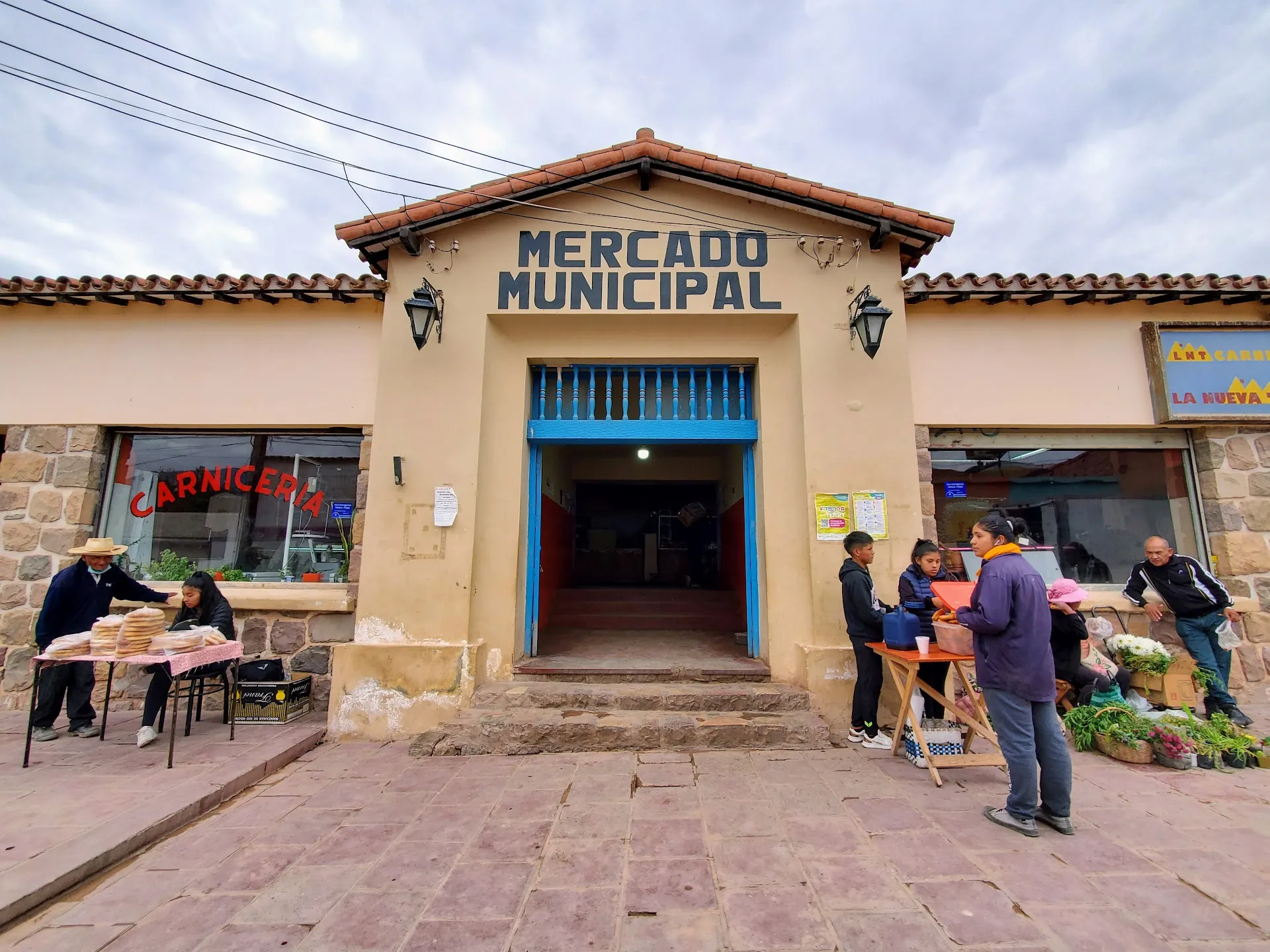
Mercado Municipal de Tilcara
The town's covered municipal market mixes everyday commerce with a craft and souvenir section, offering local textiles, clothing and small handmade goods alongside food stalls serving breakfast and simple regional dishes. It's a more workaday, less touristy counterpart to the plaza fair, popular with residents as well as visitors.
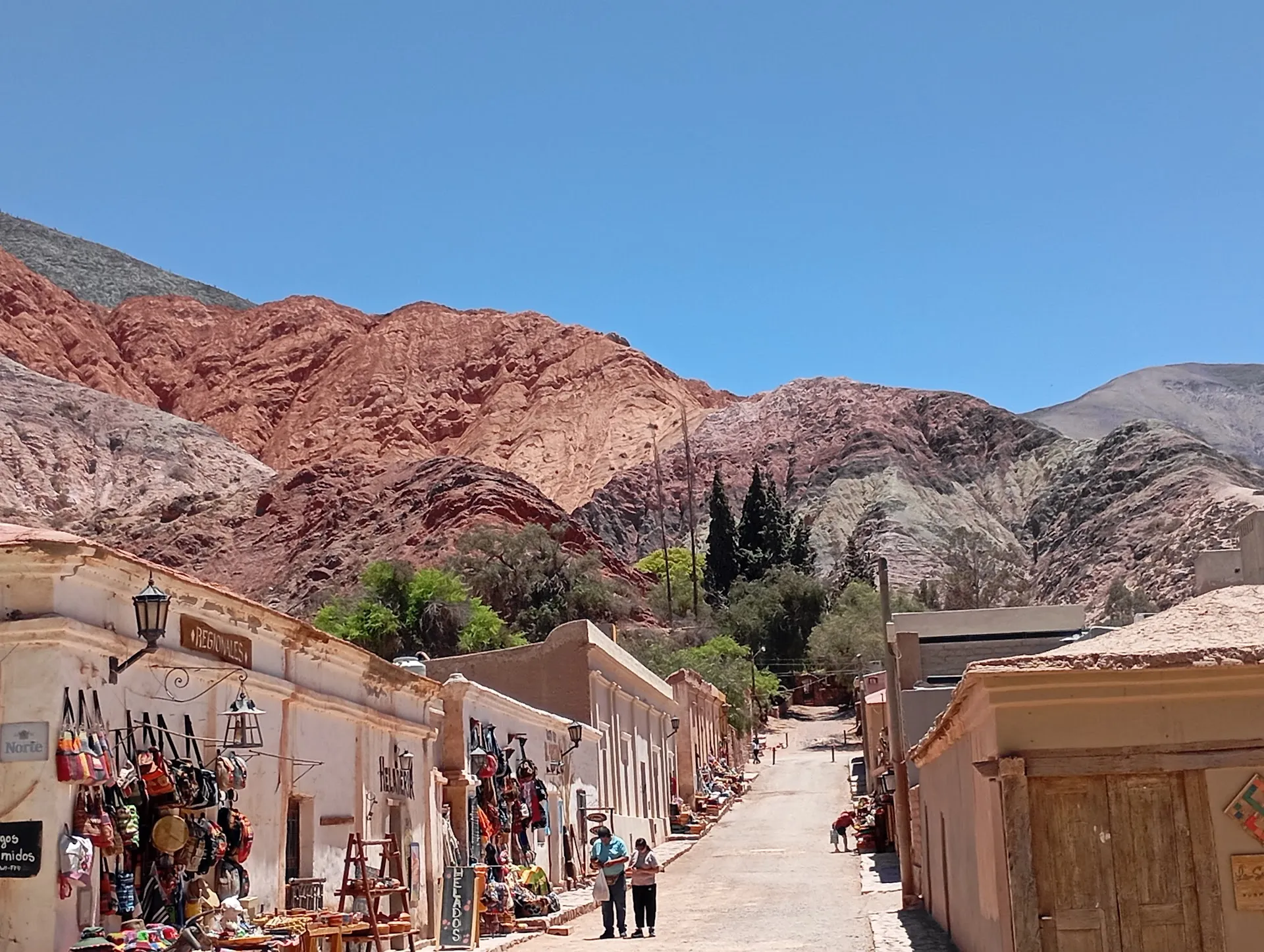
Feria Artesanal de Tilcara (Plaza Álvarez Prado)
A permanent open-air artisan fair beneath the shade trees of Tilcara's central plaza, where stalls run by local and visiting artisans sell llama and vicuña-wool textiles, black and red ceramics, silver filigree jewelry, mates, woodwork, leatherwork, basketry and handmade Andean instruments. It's the town's most concentrated single stop for regional handicrafts and a daily gathering point for both vendors and visitors.
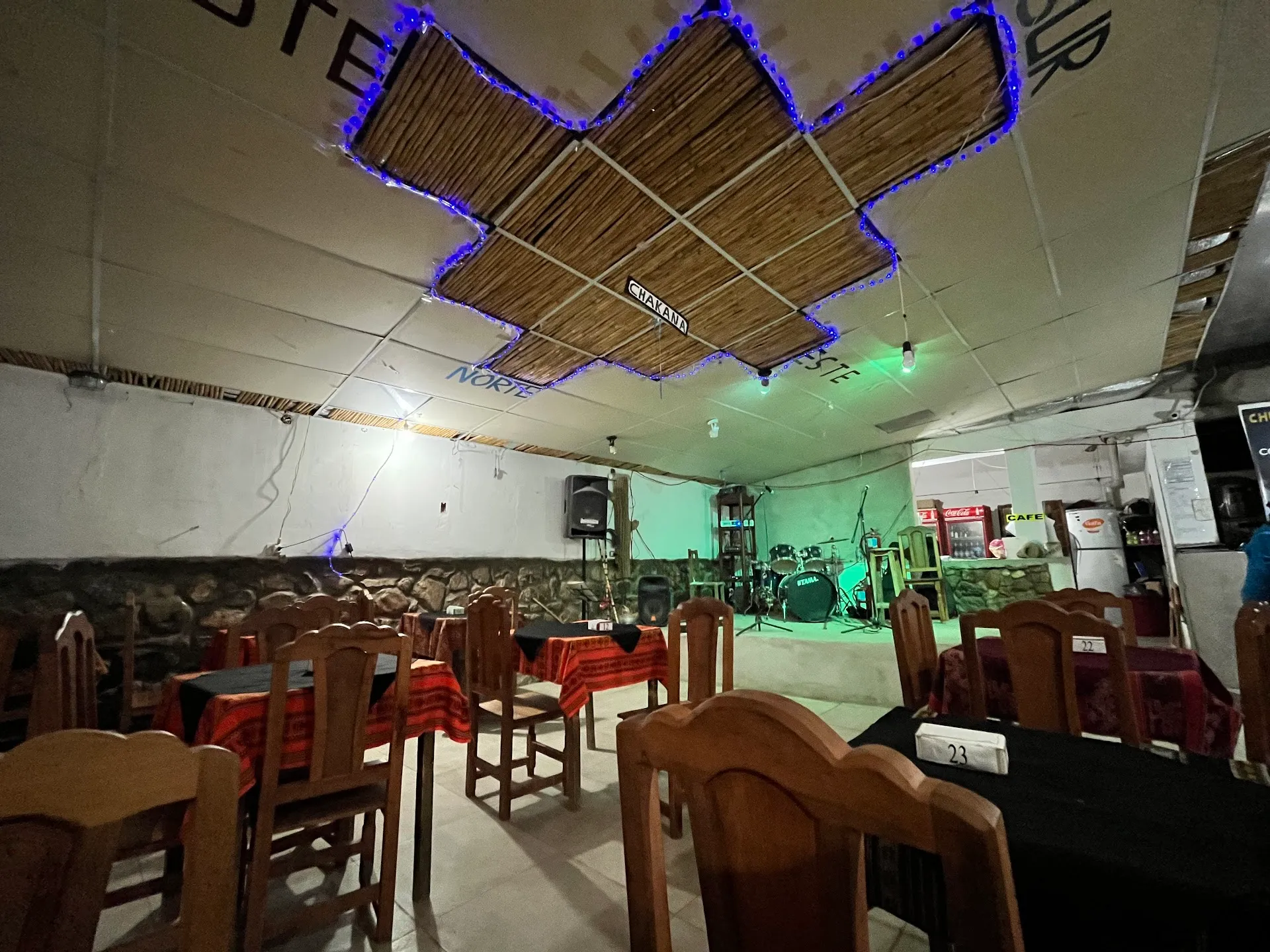
La Peña de Chuspita
Founded by Tilcara-born musician Rosendo "Chuspita" Martínez, who took Andean sounds around the world for over 25 years, this intimate peña puts visitors face-to-face with the carnavalitos, huaynos and coplas that define Quebrada folk music, with Martínez or fellow Tilcareño musicians often performing live on a stage barely bigger than the crowd around it. Regional dishes such as quinoa-and-cheese empanadas and quesillo con cayote round out the nightly sets.
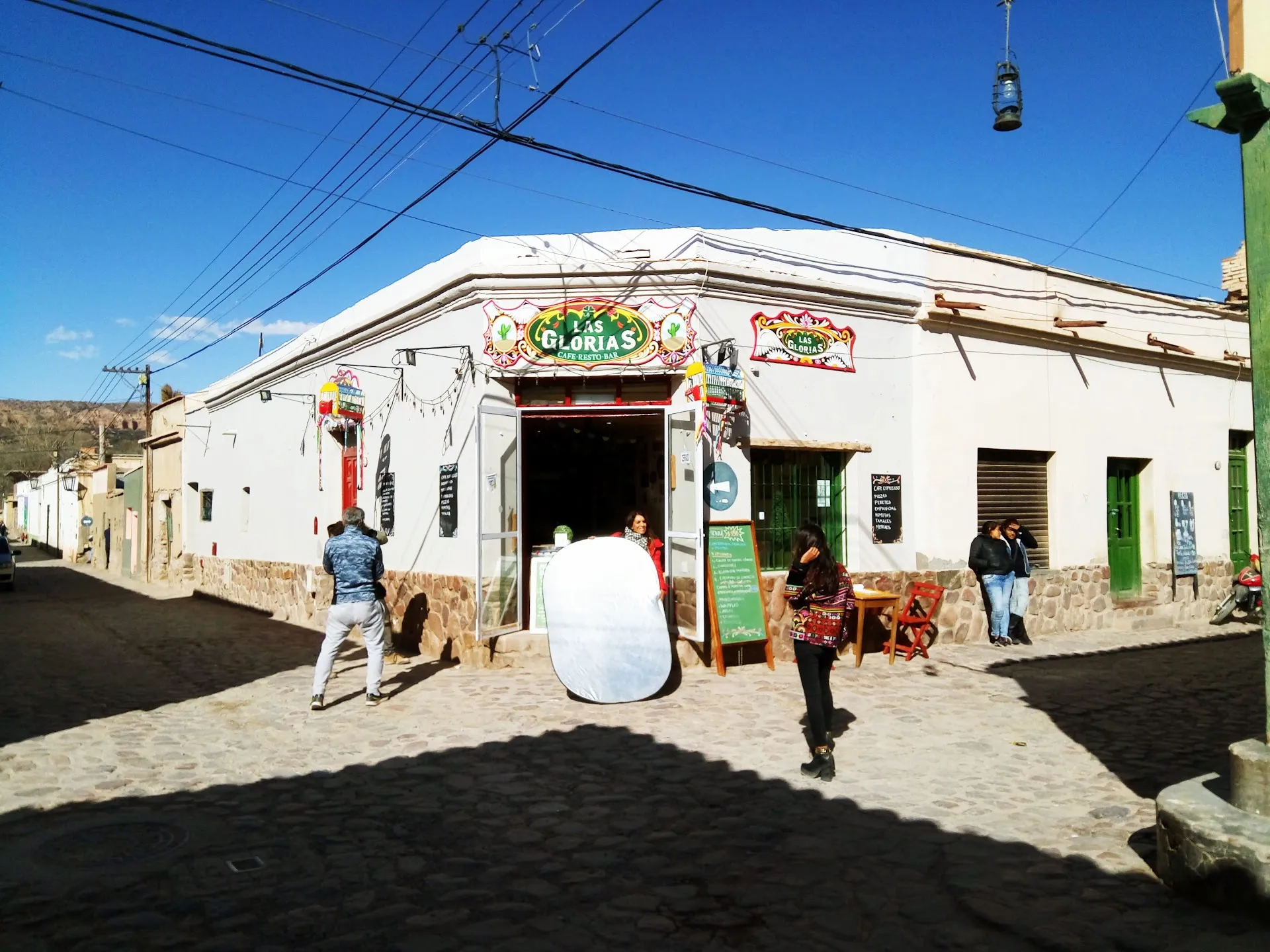
Paseo de los Artesanos (Feria Artesanal de Humahuaca)
Daily open-air crafts market spread along the staircases and esplanade at the foot of the Monument to the Heroes of Independence, right next to Humahuaca's main plaza. Stalls sell llama- and sheep-wool textiles, ponchos, hats, ceramics, silver jewelry, carved cardón wood and musical instruments, and locals describe it as the most affordable handicraft fair in the whole Quebrada.
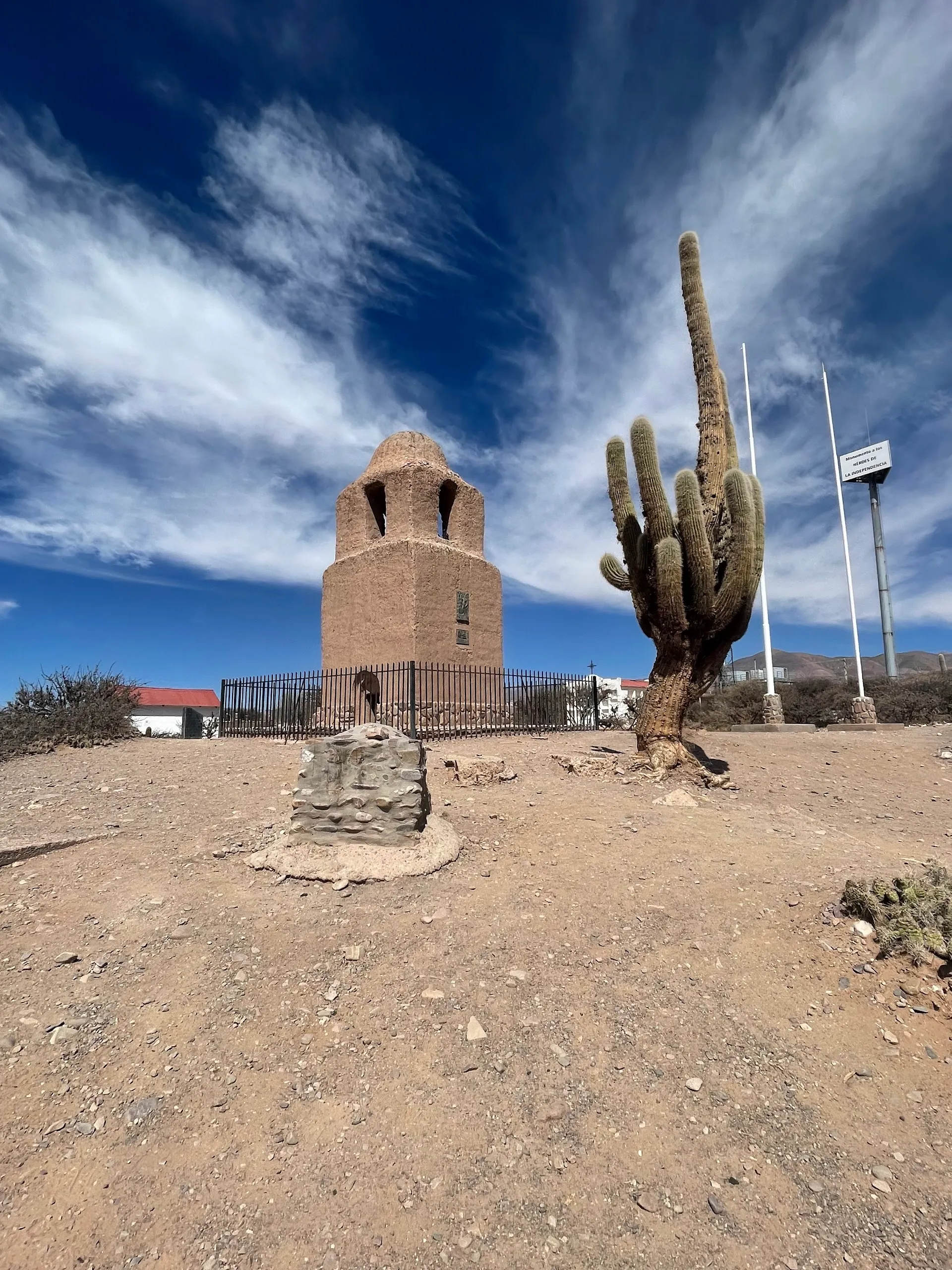
Torre de Santa Bárbara
The sole surviving remnant of a Jesuit-era church built in 1695, this stone bell tower was later fortified and used as a lookout and ammunition store by General Manuel Belgrano's army during the wars of independence. When the Monument to the Heroes of Independence was raised on the same hilltop in the 1930s, the tower was carefully relocated about 50 meters to its current spot, where it doubles today as a viewpoint over the town and the Quebrada.
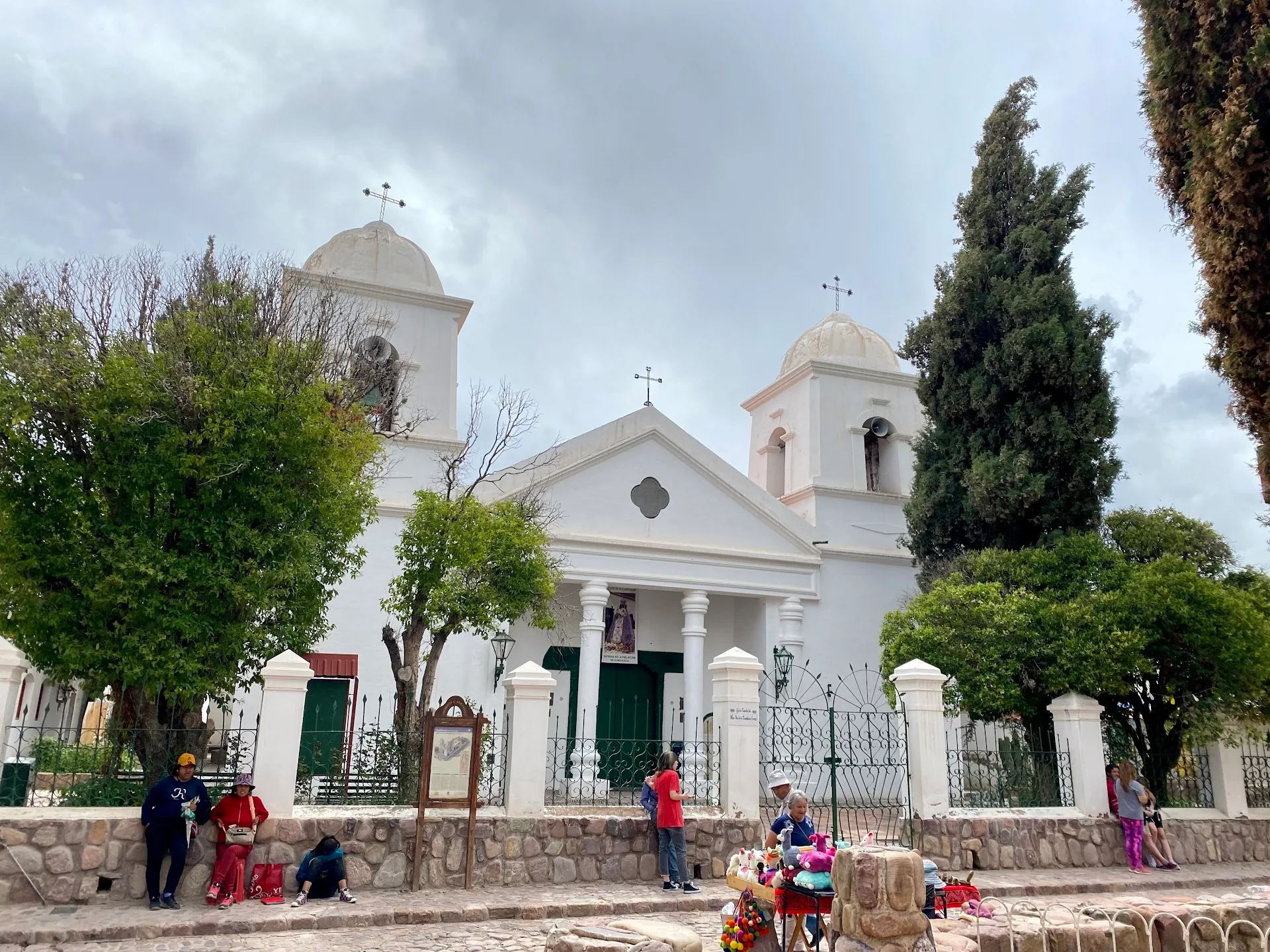
Catedral de Nuestra Señora de la Candelaria y San Antonio
Seat of the Territorial Prelature of Humahuaca, this cathedral church stands on the site of a 1631 parish church raised with the participation of the local Omaguaca community and was declared a National Historic Monument in 1941. Inside, it preserves an ornate 1680 polychrome high altarpiece and a Cuzco-school series of prophet paintings by Marcos Sapaca, alongside the venerated 1640 image of the Virgin of Candelaria brought from Copacabana.
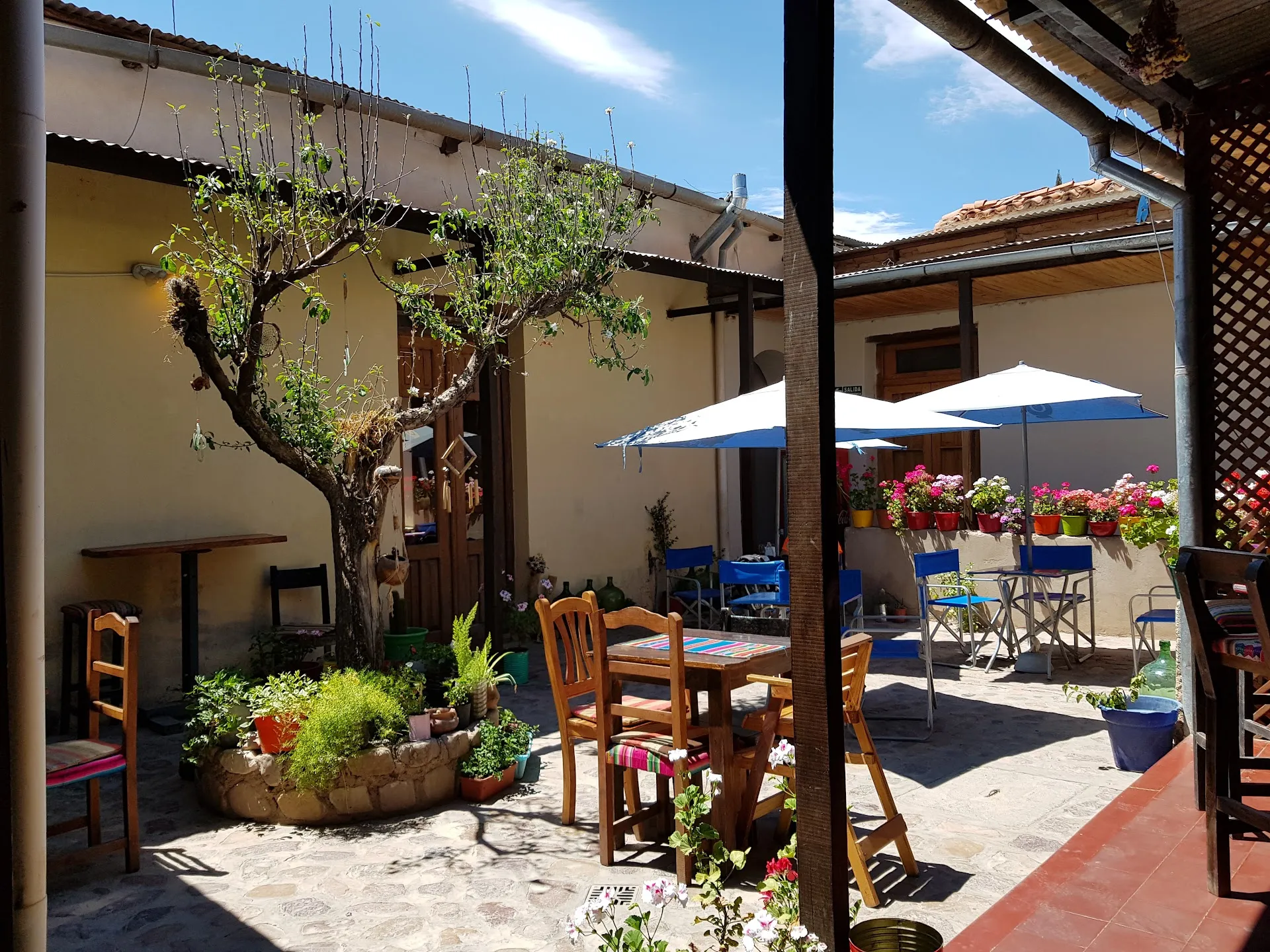
Pachamanka Café & Resto
A colorful two-story cafe-restaurant a block and a half from the main plaza, serving Quebradeña specialties such as quinoa- and cheese-stuffed peppers, llama rolls, and lamb ravioli alongside api and coca-leaf infusions. Consistently rated the top restaurant in Humahuaca, it draws both travelers and locals for its long hours and decor filled with regional art.
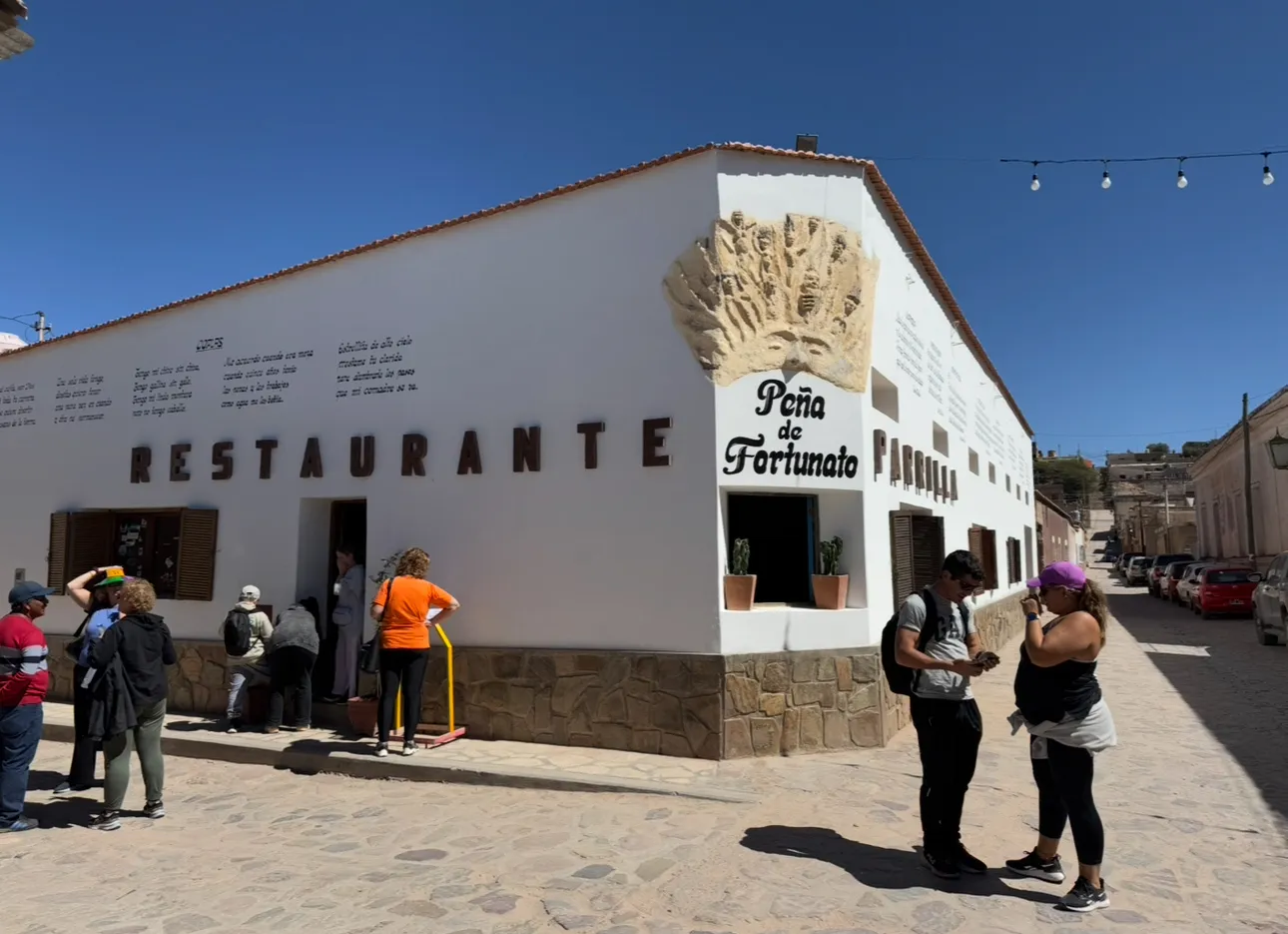
Peña de Fortunato Ramos
The most visited peña in Humahuaca, run for over five decades by rural teacher, accordionist, and erke player Fortunato Ramos in his own house near the historic center. A lunch-show draws over a hundred visitors on a typical day, moving from zambas to carnavalitos and closing with a solo on the erke horn, while Ramos narrates stories from local rural life between songs.
Andenes de Coctaca
El mayor sistema de terrazas de cultivo prehispánicas de Argentina y uno de los más extensos de la región andina, construido por la cultura Omaguaca sobre las laderas de la sierra de Aparzo. Sus andenes de piedra, canales de riego y recintos de siembra se extienden por más de 4.000 hectáreas y permanecen visibles hasta hoy, con ocupación que va del período Formativo hasta la intensificación incaica.
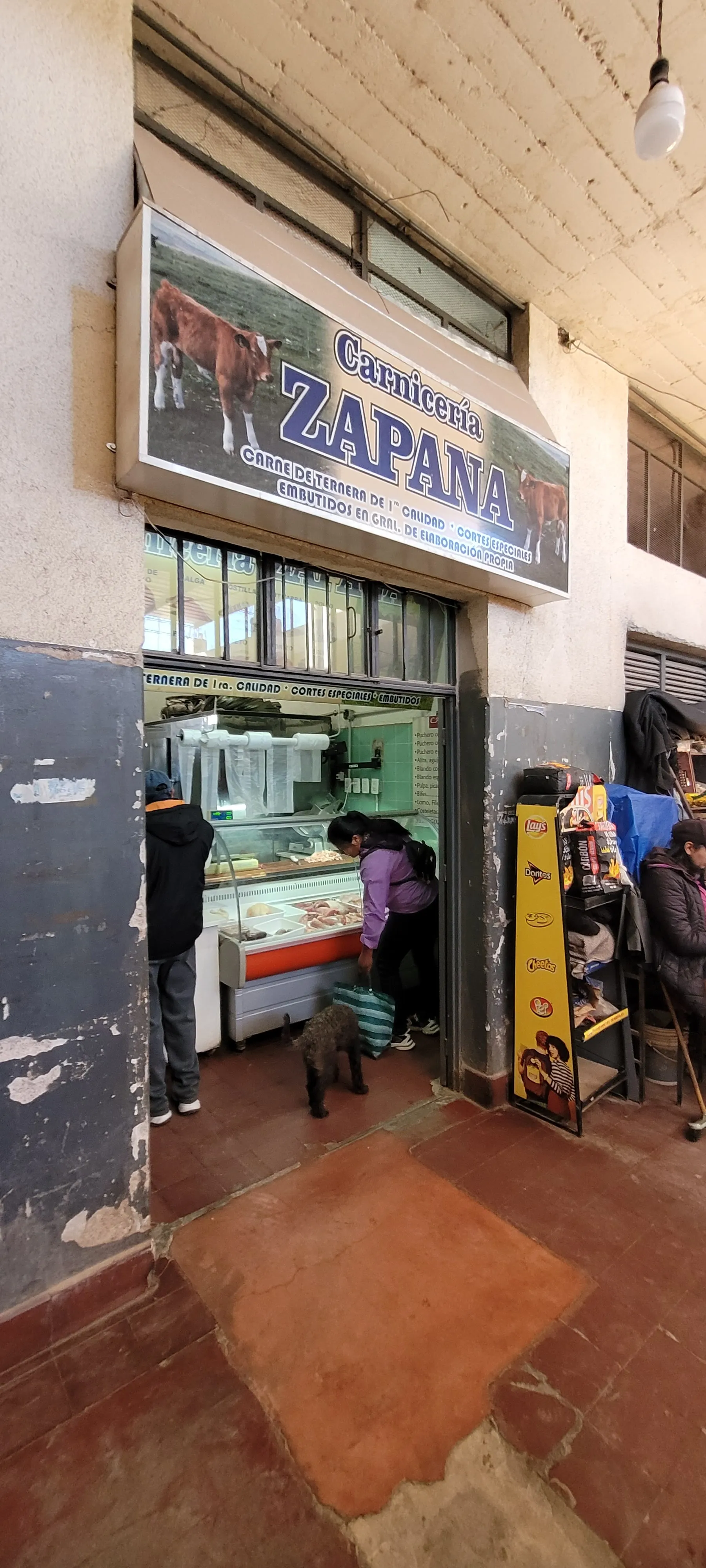
Mercado Municipal de Humahuaca
The town's lively municipal market, with stalls run mostly by women, mixes fresh Andean produce with llama- and vicuña-wool textiles, coca leaves and other regional handicrafts. Visitors often single it out for having the best handicraft prices anywhere in the Quebrada.
Day by day
Colonial Salta: plazas, museums and a Balcarce peña
09:30Plaza 9 de Julio
Start the whole ten-day loop at the palm-fringed heart of Salta, ringed by colonnaded colonial buildings and pavement cafes. This is the natural anchor for the two days you'll spend orienting yourself before the road trip begins.
Tip: Grab a coffee under the arcades and get your bearings — everything on Day 1 is within a few blocks of here.
MAAM - Museo de Arqueologia de Alta Montana
Step into the MAAM, home to the extraordinary Inca child mummies found on the 6,700-metre summit of Volcán Llullaillaco. It's one of South America's most significant and moving museums, and a serious primer on the same Andean world you'll be driving through for the next nine days.
Tip: Only one of the three children is displayed at a time, rotated for preservation — allow a quiet hour and expect a somber exhibition.
12:00Catedral Basilica de Salta
Cross the plaza to Salta's ornate salmon-pink cathedral, home to the venerated images at the centre of the city's biggest annual festival and among the finest gilded colonial interiors in the country.
Tip: A quick, free visit just off the square — pair it with the Cabildo on the same corner.
12:45Cabildo Historico de Salta
Duck into Argentina's best-preserved colonial cabildo, now the Museo Histórico del Norte, with a whitewashed arched facade and exhibits running from pre-Columbian artifacts through Argentina's independence era.
Tip: Free entry and an easy 30-45 minute stop before you break for lunch and settle into your hotel.
21:00Boliche de Balderrama (Peña Boliche Balderrama)
Close the first night at the peña immortalized in the zamba "Balderrama" — running nightly folklore music and dance since 1954, alongside regional dishes, hand-cut-meat empanadas and locro. It is Salta's most legendary folk-music institution, not a tourist reenactment.
Tip: Shows run late and the room fills up; order a jug of Torrontés and a mixed dozen of empanadas saltenas to start.
Cerro San Bernardo and modern Salta flavors
09:00Mercado Central de Salta
Start the second day at Salta's bustling city market — regional produce, dried herbs, handmade cheeses and cheap, excellent empanadas — for a window into local daily life before the tour-bus crowds arrive downtown.
Tip: Go for breakfast empanadas and a fresh juice; it's at its liveliest before 10am.
10:15Iglesia San Francisco
Walk to Salta's most photographed building — a striking terracotta-and-cream Italianate church with the tallest bell tower in South America (54m) and an ornate colonial-era facade and interior.
Tip: Morning light is best on the terracotta facade; the tower is visible from blocks away as a landmark to navigate by.
Patio de Empanadas
Lunch at the covered patio market where several empanada stands compete for the title of best empanada salteña — order from two or three vendors and compare. Salta is the empanada capital of Argentina, and this is the place to prove it.
Tip: Pair the empanadas with a cold Torrontés and order in small rounds rather than committing to one stall.
Cerro San Bernardo
Ride the cable car (or climb the thousand-step stairway) up the hill overlooking the city for a sweeping panorama across Salta to the surrounding mountains and the wide Lerma valley — the best orientation view of the whole trip's starting point.
Tip: Late afternoon gives the warmest light; there are landscaped gardens and a cafe at the summit to linger over the view before dinner.
20:30José Balcarce Bistró
Send off the Salta leg with a tasting menu built around chef José Balcarce's "cocina de altura" concept — llama, highland lamb and mountain trout, sourced directly from family farmers, reworked into a seasonally rotating menu.
Tip: Book ahead; it's Salta's most in-demand dinner and a fitting last meal before three nights on the road.
Over the Cuesta del Obispo: a mountain pass and a cactus-wood village
09:30Valle Encantado
Depart Salta on Ruta 68 and 33 through the Quebrada de Escoipe, and make your first stop at the foot of the Cuesta del Obispo — a mirador and picnic area below the pass, with condor sightings common and a guided canyon trek on offer if you have extra time.
Tip: This is the last easy pull-off before the switchbacks begin in earnest — use the bathroom and stretch your legs here.
11:00Piedra del Molino
Climb to the literal high point of the pass at 3,348m, marked by a massive granite millstone abandoned mid-transport in 1927 and a tiny roadside chapel. Low clouds often drift below eye level here, giving the landscape a floating quality.
Tip: This is your first real taste of altitude on the trip — go slowly, drink water, and chew coca leaves as locals do.
12:30Parque Nacional Los Cardones
Drive on through the 64,000-hectare cardón-cactus wilderness the road runs straight through, with giant centuries-old cacti standing like sentinels against the Cordillera Oriental — the defining landscape of the whole Cachi approach.
Tip: Short interpretive trails branch off the road if you want to stretch your legs among the cacti before continuing down into the valley.
15:00Plaza 9 de Julio de Cachi
Arrive in Cachi and settle onto its shaded central square, ringed by whitewashed adobe buildings with wrought-iron grilles and cardón-wood roof beams — a startlingly intact colonial core after three hours on the mountain road.
Tip: Check into your guesthouse and grab a late lunch of llama stew or tamales at one of the small comedores around the square.
15:30Iglesia San José de Cachi
Step into the 17th-century parish church on the plaza's edge, whose barrel-vault ceiling, altar, confessional and baptismal font are all carved from cardón cactus wood rather than timber — the single most distinctive architectural detail in town.
Tip: Look closely at the ceiling beams for the unmistakable cactus-wood grain, then compare it to the church's whitewashed adobe exterior on the square.
18:00Cementerio de Cachi
Finish the day at the hillside cemetery above town, reputed to be Argentina's highest, whose whitewashed 1850s arched gallery frames a panoramic view over Cachi's rooftops and the Calchaquí valley in the day's last light.
Tip: It's a short drive or a steep 15-20 minute walk north from the plaza — arrive in the final hour before sunset for the best colors.
Ruta 40 to wine country: arrival in Cafayate
13:30Catedral Nuestra Señora del Rosario de Cafayate
Arrive after the four-hour Ruta 40 drive through the Recta del Tin Tin and the tilted rock slabs of the Quebrada de las Flechas, and start at Cafayate's unusual five-nave cathedral facing the main plaza — one of only three surviving structures of its kind in South America.
Tip: Locals call the cathedral's seated Virgin statue 'La Sentadita' — a small detail worth asking about.
14:15Museo de la Vid y el Vino
Walk to the wine museum for context before you start tasting: two connected halls trace Calchaquí Valley viticulture from Jesuit-era vine plantings to today's high-altitude Torrontés, ending at a wine bar built into the old fermentation vats.
Tip: Give it 45-60 minutes — it makes the winery visits that follow noticeably more interesting.
15:30El Porvenir de Cafayate
Cafayate's most convenient winery visit: a free guided tour through fermentation tanks, concrete eggs and the historic barrel cellar right in the town centre, ending with a self-serve tasting of single-vineyard Malbec and Tannat.
Tip: It's free and open daily, but reservations are smart in high season to avoid a wait after a long driving day.
17:00Bodega Amalaya
Ease into the evening at Amalaya's in-town wine bar — approachable Torrontés and red field blends paired with regional small plates, a relaxed counterpoint to the formal cellar tour earlier.
Tip: This is a good stop to just sit and let the drive settle rather than rushing a tasting flight.
20:00Terruño Cocina Gourmet
Close the day with dinner facing the plaza — regional dishes like lamb, trout and house-made pasta, paired with wine from the restaurant's own small boutique winery.
Tip: Ask for a table on the plaza-facing terrace if the evening is warm.
The Quebrada de las Conchas: a full day of red rock
08:30Los Castillos
Head out on Ruta 68 toward Salta for a day trip into the Quebrada de las Conchas, and make your first stop at Los Castillos — red sandstone towers eroded by wind and the Río de las Conchas into castle-like turrets, about 18.5km from town.
Tip: A short path drops to the riverbank for a closer look at the striated rock walls — worth the extra ten minutes.
09:30Las Ventanas
A little further on, Las Ventanas is one of the most photographed stops on the whole drive: wind has bored a row of window-like openings straight through a cliff face above the Río Calchaquí, once an ancient seabed.
Tip: Look for marine fossils in the surrounding rock — a reminder this gorge was once underwater.
10:30La Yesera
La Yesera, a former gypsum quarry, is the most colorful stop of the morning — hillsides banded in red, white and ochre, with a free unmarked path letting you walk out among the striated hills.
Tip: Bring water; this is the one stop that rewards a proper 20-30 minute walk rather than a quick photo.
11:30El Sapo
El Sapo, a sandstone boulder wind-carved into the unmistakable shape of a giant toad, is an easy, family-friendly roadside stop — pack a picnic lunch, since there are no restaurants along this stretch of the gorge.
Tip: El Fraile, a solitary pillar resembling a hooded friar, sits just before it and is easy to miss without the interpretive sign.
16:00Mirador Tres Cruces
Push on to Mirador Tres Cruces, widely rated the single best 180-degree panorama of the canyon and the top sunset stop on the whole Cafayate-to-Salta drive. Climb the short stone stairway off the highway and take your time before heading back.
Tip: This is the natural turnaround point for a Cafayate-based day — budget the return drive so you're not on unlit roads after dark.
20:00Pacha Cocina de Autor
Celebrate the wine and canyon day with a reservations-only tasting menu at Cafayate's top table — contemporary cocina de autor built on regional Calchaquí Valley ingredients, served from an open kitchen.
Tip: Book ahead; seatings run at 7:00, 8:00 and 9:30pm and this is the town's most in-demand dinner.
The long transfer north: Cafayate to Purmamarca
15:30Iglesia de Santa Rosa de Lima
After the longest transfer of the loop — back to Salta on Ruta 68, then north on Ruta 9 into Jujuy — arrive in Purmamarca and settle at its 1648 adobe chapel on the plaza, roofed in cardón-cactus wood and among the Quebrada's oldest standing churches.
Tip: Dress modestly and check for evening Mass before wandering in; it's a five-minute stop that sets the tone for the village.
16:00Cabildo de Purmamarca
Duck into the tiny 19th-century cabildo across the plaza — often called the smallest in Argentina — now a quiet cultural hall behind its four-arch adobe gallery.
Tip: It's a five-minute stop; check whether a temporary exhibition is on.
16:30Algarrobo Histórico de Purmamarca
Stand beside the centuries-old carob tree next to the church, remembered locally as the site where rebel cacique Viltipoco was captured in 1594 and later said to have sheltered General Belgrano's independence-war troops.
Tip: It predates the colonial town itself — a quiet, easy-to-miss landmark worth a minute's pause.
20:00Los Morteros
End the long travel day with a hearty Quebrada dinner — llama dishes, locro, regional stews — at one of the village's most representative kitchens.
Tip: Save the Cerro de los Siete Colores walk for tomorrow's fresh early start; tonight is for settling in after five hours on the road.
The Cerro de los Siete Colores and the artisan market
07:30Cementerio de Purmamarca
Start the Paseo de los Colorados walk at the small hillside cemetery on the village's western edge, its simple wooden crosses set right against the striped hillside in the first light of day.
Tip: Go now and you'll have the trail to yourself before the tour buses arrive from Salta and Jujuy around mid-morning.
08:15Mirador Cerro El Porito
Finish the roughly 3km loop at the built viewpoint for the classic head-on shot of the Cerro de los Siete Colores — the single image everyone comes for, and calmest before 9am.
Tip: There's a small entry fee at the viewpoint; the stairs and railings were rebuilt in 2025 and are easy underfoot.
10:00La Pushka (taller de tejido)
Watch a real weaving demonstration at this family workshop, where naturally dyed llama and sheep wool is still spun on the pushka spindle and antique looms — a living craft, not a performance for tourists.
Tip: Buying directly here supports the weavers themselves rather than resellers.
11:00Hilandería Warmi – Tienda Purmamarca
Browse the daily feria along Calle Rivadavia on the way to this certified B-Corp shop, whose ponchos and blankets are spun by nearly 3,000 Puna families organized around a century-old mill.
Tip: Prices reflect genuine hand-spun wool — expect to pay more here than for market souvenirs, and that's the point.
16:00Cerro Morado (Mirador Natural del Cerro El Morado)
Cross the dry riverbed for the free, wider panorama of the whole village against the hillside — quieter than Porito and, according to locals, the most complete view of the town and the Cerro together.
Tip: The ridge trail is exposed and a little rough underfoot; sturdy shoes help.
20:00El Mesón
Close out Purmamarca with a fixed multi-course menu built around meat slow-cooked in a clay oven for up to 12 hours, alongside Andean staples like charqui, cabrito and native potatoes — just eight tables, run by chef Juan Manuel Chañi.
Tip: Cash only, and book ahead — it's one of the most talked-about dinners in the whole Quebrada.
The Pucará de Tilcara and the plaza craft market
10:00Jardín Botánico de Altura de Tilcara
After the short hop north from Purmamarca, start at the Pucará's entrance, where a research garden tended by the University of Buenos Aires since 1970 spreads Puna cacti, medicinal plants and native food crops across three hectares — including the Piedra Campana, a 2.5-ton volcanic boulder that rings when struck.
Tip: Go before the path up to the fortress gets hot and crowded with tour groups by mid-morning.
10:30La Iglesia (Barrio Ceremonial del Pucará)
Continue into the Pucará itself to the central sector locals long called 'La Iglesia' — a claim confirmed by excavation, which uncovered courtyards, altars and trophy-skull burials from what is thought to have been an Inca-period sun-and-moon worship site.
Tip: This is the most archaeologically dense part of the site — slow down here rather than rushing straight to the summit.
11:15El Monumento (Pirámide del Pucará de Tilcara)
Climb to the truncated stone pyramid at the hill's summit, built in 1935 to honor the archaeologists who first excavated the Pucará. It's the site's most photographed structure, and its panoramic viewpoint over the striped Quebrada de Humahuaca is the real payoff.
Tip: The summit gets full sun with little shade — bring water and a hat even on a cool morning.
13:00Mercado Municipal de Tilcara
Break for lunch at the covered municipal market a few blocks from the plaza, where food stalls serve simple, inexpensive regional dishes alongside the everyday textiles and small goods locals actually shop for.
Tip: It's less geared to tourists than the plaza fair, so prices and portions are closer to what residents pay.
15:00Feria Artesanal de Tilcara (Plaza Álvarez Prado)
Spend the afternoon at the permanent artisan fair under the shade trees of Plaza Álvarez Prado — llama and vicuña-wool weaving, black-and-red ceramics, silver filigree and handmade instruments, sold by the same families who make them.
Tip: The plaza empties out during the midday siesta — late afternoon is when both the stalls and the shade are at their best.
20:30La Peña de Chuspita
End the night at this intimate peña founded by Tilcara-born musician Rosendo 'Chuspita' Martínez, with carnavalitos, huaynos and coplas performed live alongside regional plates like quinoa-and-cheese empanadas and quesillo con cayote.
Tip: Reserve or arrive early — the room is small and fills up fast once the music starts.
Humahuaca: market, monument and a Quebradeña peña
11:00Paseo de los Artesanos (Feria Artesanal de Humahuaca)
After the short drive north from Tilcara, arrive at the daily crafts fair spread along the steps below the Monumento a los Héroes — widely regarded as the most affordable handicraft market in the whole Quebrada.
Tip: Bring small bills; most vendors here are cash-only.
12:00Torre de Santa Bárbara
Climb to the relocated bell tower of a 1695 Jesuit church for a viewpoint over the rooftops and the Quebrada — and to catch the small mechanical figure that emerges from the adjacent monument's clock tower right at noon, one of the odder small rituals a visitor can time a coffee around.
Tip: Give yourself ten minutes before noon to find a spot; it's a quick, easy-to-miss ritual, not a staged show.
12:30Catedral de Nuestra Señora de la Candelaria y San Antonio
The cathedral's interior is generally open to visitors only around midday, so time your visit here to see the ornate 1680 altarpiece and the Cuzco-school prophet paintings by Marcos Sapaca — this is Humahuaca's northernmost, farthest-flung landmark on the whole loop.
Tip: Confirm opening hours locally — they shift with the season and around Mass times.
13:30Pachamanka Café & Resto
Sit down for lunch at Humahuaca's most consistently top-rated restaurant: quinoa- and cheese-stuffed peppers, llama rolls, lamb ravioli, and a coca-leaf infusion to help with the altitude.
Tip: It's only a block and a half from the plaza and keeps long hours, so it also works well as a late lunch.
20:00Peña de Fortunato Ramos
Close the last full night of the loop at the most visited peña in Humahuaca, run for over five decades by accordionist and erke player Fortunato Ramos, who narrates stories from rural life between zambas and carnavalitos.
Tip: It draws over a hundred visitors on a typical day — arrive a little early for a good table.
Coctaca's pre-Inca terraces, then the return south
Andenes de Coctaca
Spend the morning at the largest pre-Hispanic agricultural terrace system in Argentina — more than 4,000 hectares of stone andenes, irrigation channels and planting enclosures built by the Omaguaca culture on the slopes of the Sierra de Aparzo, usually visited on a quiet half-day excursion.
Tip: If you have an extra day to spend in Humahuaca rather than departing today, the Serranía del Hornocal (Cerro de los Catorce Colores) is the other signature excursion — a 24km unpaved detour best driven in the afternoon light, and it doesn't comfortably fit into a single-night stay on top of Coctaca.
12:00Mercado Municipal de Humahuaca
Make a last stop at Humahuaca's lively municipal market for a final round of llama- and vicuña-wool textiles and a farewell lunch before the drive south — visitors consistently rate it the best handicraft prices in the Quebrada.
Tip: This is the natural place to spend leftover pesos before leaving the region — cards are far less reliable here than in Salta.
Getting between stops
What it costs
Budget roughly $1,100-1,800 per person for the full ten days, excluding international flights. The single biggest cost is ground transport for the Salta-Cachi-Cafayate leg of the loop — a rental car or private tour/remise, since public buses are sparse to nonexistent on that stretch — plus the long Cafayate-to-Purmamarca transfer. Beyond that, Argentina's north remains excellent value: empanadas, locro, peña nights with live folk music, Torrontés tastings in Cafayate, and market-bought weaving all cost a fraction of their equivalents elsewhere. Carry pesos for villages and market stalls, where cards are often not accepted, and check the current ARS exchange rate before you go — it moves fast.~$110-180 USD / day
Frequently asked questions
- Do I need a car for this route?
- For the Salta-Cachi-Cafayate leg, effectively yes — public transport on the Cuesta del Obispo and the unpaved Ruta 40 stretch south of Cachi is sparse to nonexistent, so most travelers self-drive or book a private tour/remise for those two transfers. Once you reach the Quebrada de Humahuaca (Purmamarca, Tilcara, Humahuaca), frequent regional buses on RN9 make those legs easy without a car, and each town centre is fully walkable on its own.
- Is 10 days enough for the full NOA loop?
- Yes, ten days covers all seven headline stops at a genuinely unhurried pace — two nights each in Salta, Cafayate and Purmamarca, one night each in Cachi, Tilcara and Humahuaca. If you want to add the Serranía del Hornocal or a full Iruya day trip from Humahuaca, or a second day in Cachi for its wineries and Cachi Adentro ruins, plan on 12-13 days instead.
- How difficult is the altitude on this route?
- It's a real factor, not just a footnote. Salta sits at a comfortable 1,200m, but the route climbs to 3,348m at Piedra del Molino on the Cuesta del Obispo, and Humahuaca itself sits at nearly 2,940m. Ascend gradually, drink more water than usual, and use coca tea or leaves as locals do. Anyone with heart or respiratory conditions should check with a doctor before the highest points.
- What's the best direction to drive this loop?
- This itinerary runs it counter-clockwise — Salta, Cachi, Cafayate, then back north through Salta into the Quebrada de Humahuaca — which front-loads the roughest driving (the unpaved Cachi-Cafayate stretch) while you're freshest, and saves the frequent, easy RN9 bus corridor (Purmamarca-Tilcara-Humahuaca) for the second half of the trip. It works equally well reversed if your flights favor starting or ending in Jujuy rather than Salta.
- Can I skip Cachi and go straight to Cafayate?
- You can, via the faster, fully paved Quebrada de las Conchas route on Ruta 68 (about 3-3.5 hours), but you'd miss the Cuesta del Obispo pass, the cardón-cactus forest of Parque Nacional Los Cardones, and Cachi's cactus-wood colonial architecture entirely. Most travelers who make time for the loop consider Cachi one of its most distinctive stops, not a detour.
- How do I get back to the airport at the end?
- This itinerary ends in Humahuaca. From there, most travelers drive back south on RN9 through Tilcara, Purmamarca and San Salvador de Jujuy to Jujuy's Gobernador Horacio Guzmán Airport (about 2-2.5 hours) or continue on to Salta's Martín Miguel de Güemes International Airport (a further 1.5-2 hours, so roughly 3.5-4.5 hours combined). Day 10 above is built around this return drive, with the Coctaca terraces as a morning stop before you head south.
Make this trip yours
Save this itinerary and customize it — dates, stops, budget and friends, all in one place.