Skip to content
Cafayate

The Complete Guide to Cafayate

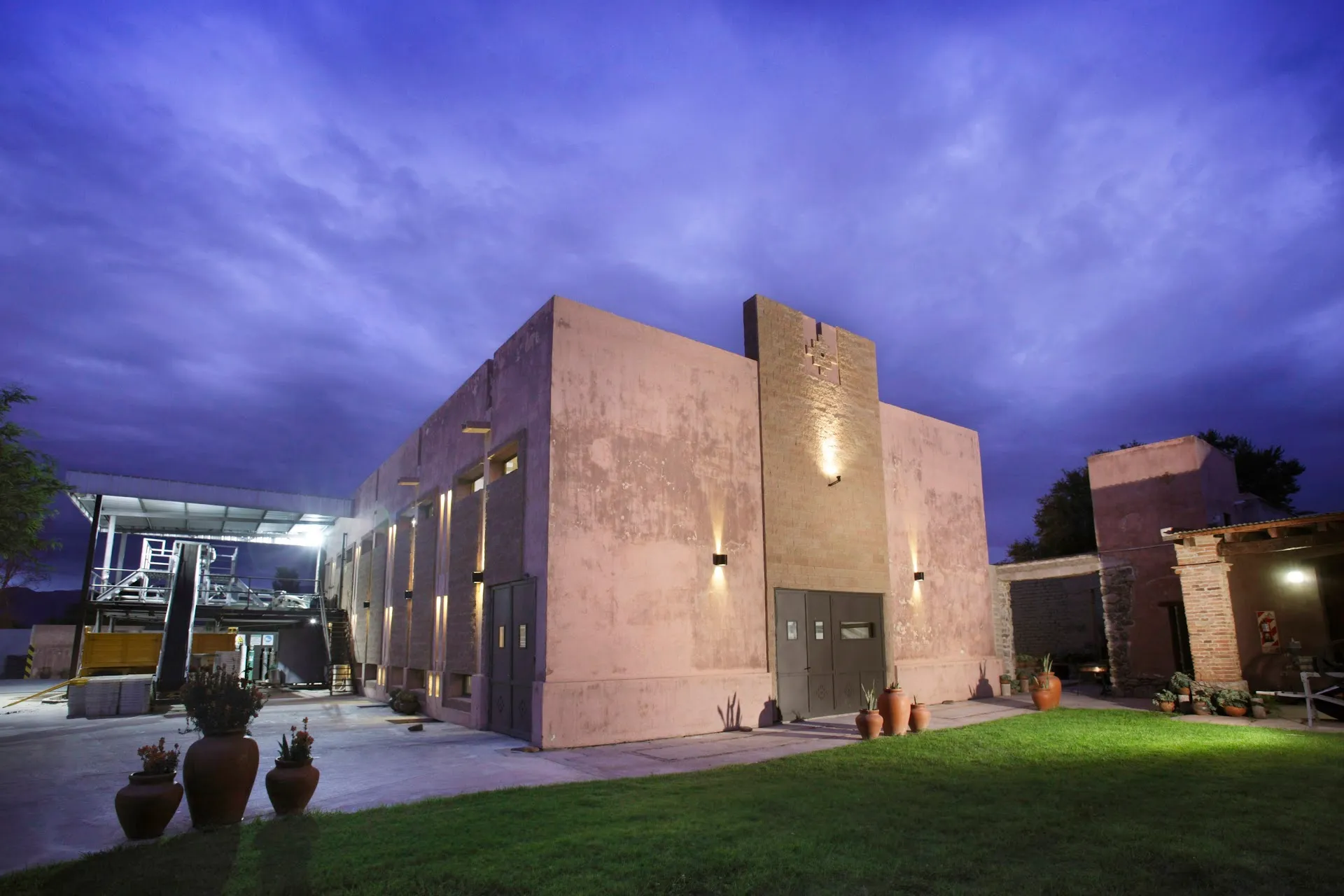
Cafayate sits at 1,680 metres in the Valles Calchaquíes of Salta province, ringed by the Andes and reached from the rest of northern Argentina by one of the country's most dramatic drives. This is high-altitude wine country: intense sun, cool nights and thin, mineral-poor desert soil push the region's signature grape, Torrontés, into something aromatic and bone-dry that tastes like nowhere else, alongside increasingly serious old-vine Malbec from vineyards planted above 2,000 metres. The town itself is small and unhurried - a low, adobe grid built around a plaza and an unusually striking five-nave cathedral, one of only three surviving structures of its kind in South America - but it sits at the centre of one of Argentina's most respected wine appellations outside Mendoza, and that pairing of sleepy colonial town and serious wine region is what makes Cafayate worth the detour.

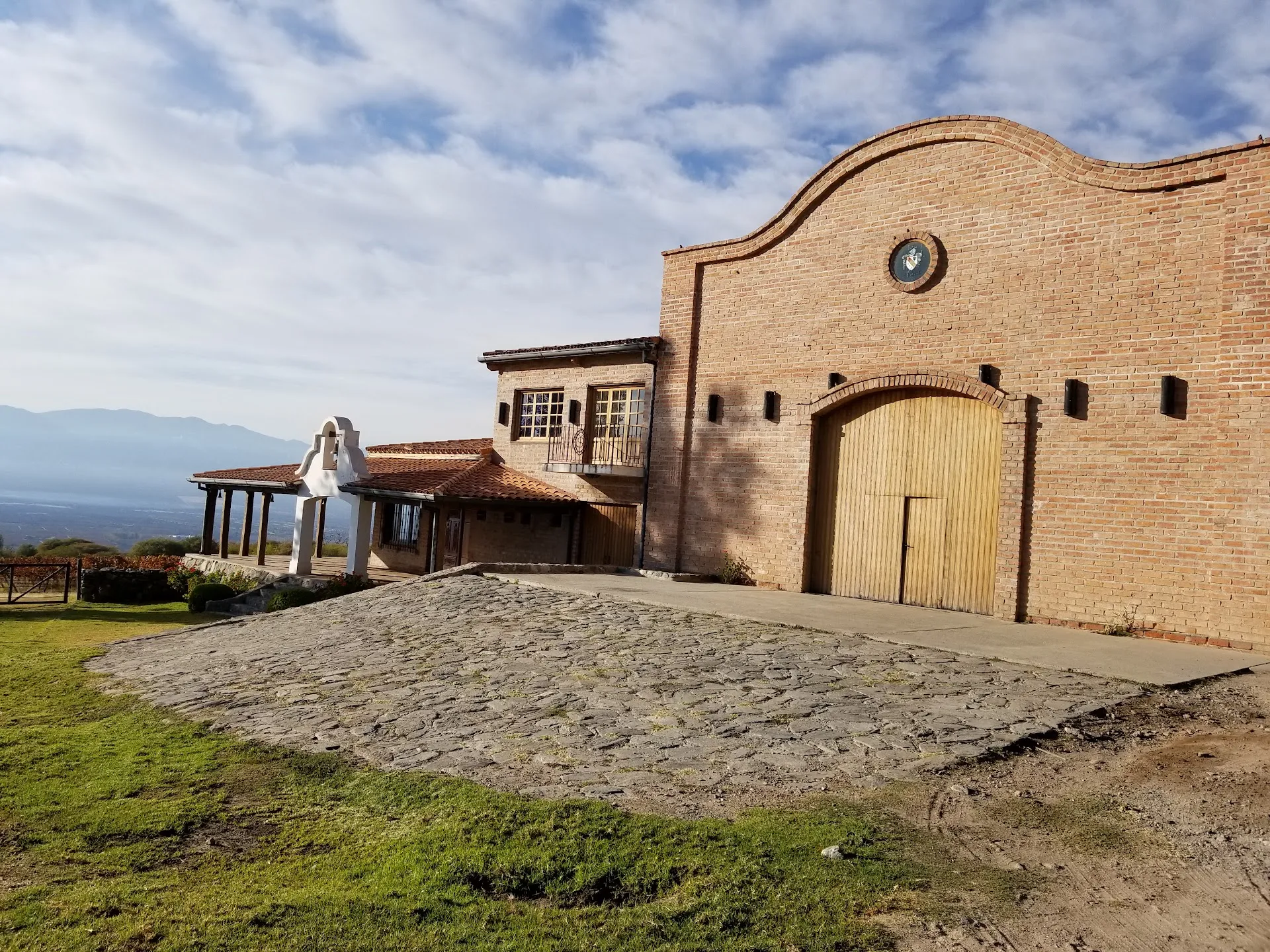
The town divides loosely into a few wine-growing pockets, and knowing them helps you plan. The historic centre, around the plaza, holds the cathedral, the wine museum, cafes and a couple of walkable wineries including the oldest in the valley. A short drive east on Ruta Nacional 40 brings you to more in-town bodegas at the edge of the grid. West of town, climbing toward La Banda de Arriba and the Yacochuya district, sit the valley's highest and most acclaimed boutique estates, planted above 2,000 metres and generally requiring a car or a booked tour. South, in Tolombón, a newer reservation-only estancia-winery works the eastern slope of the Calchaquíes range in relative solitude. None of this is far - Cafayate is a small town - but the wineries worth seeking out are spread across all four directions, so a rental car, remise, or a half-day wine tour makes the difference between seeing two bodegas and seeing five.

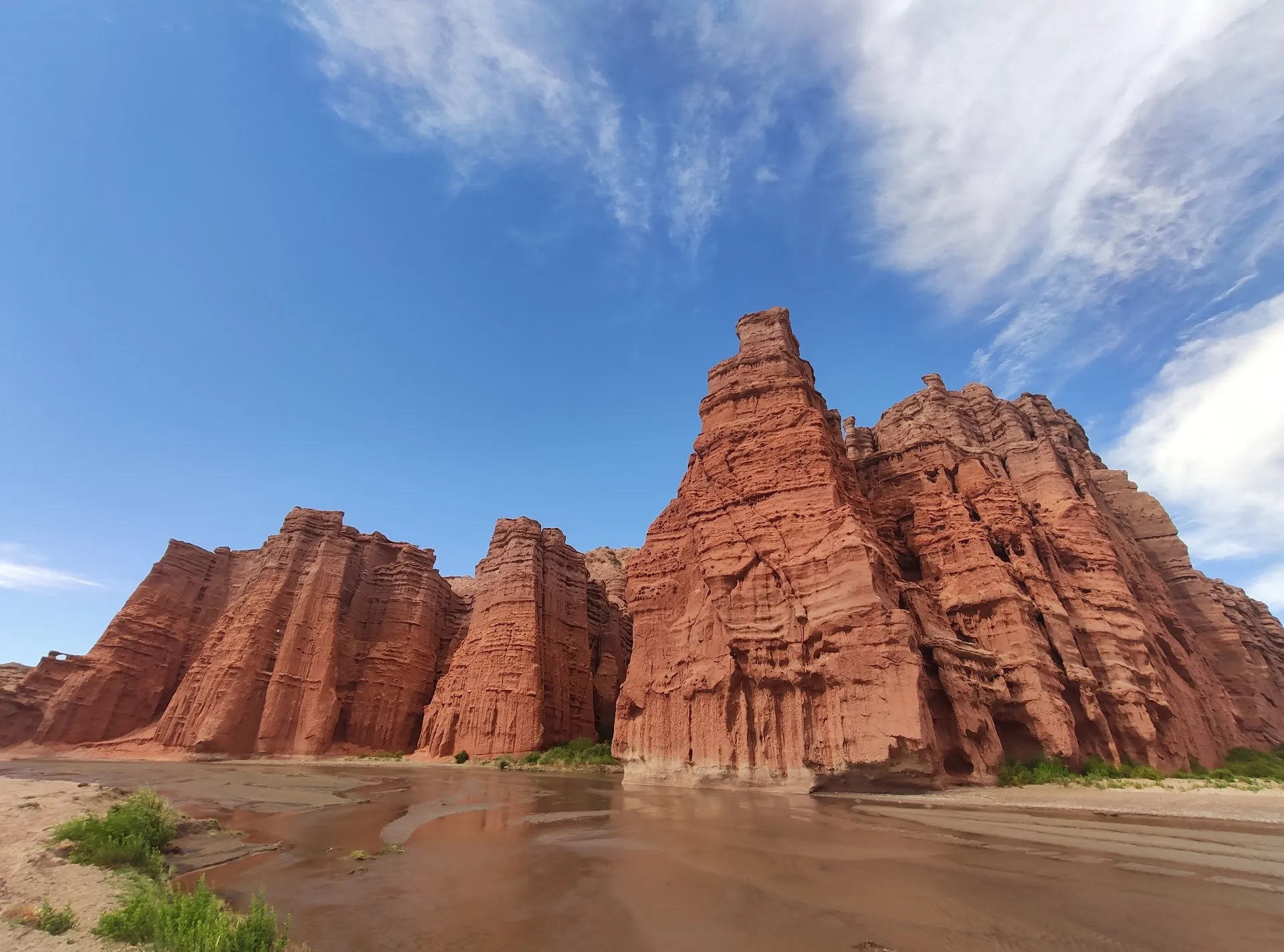
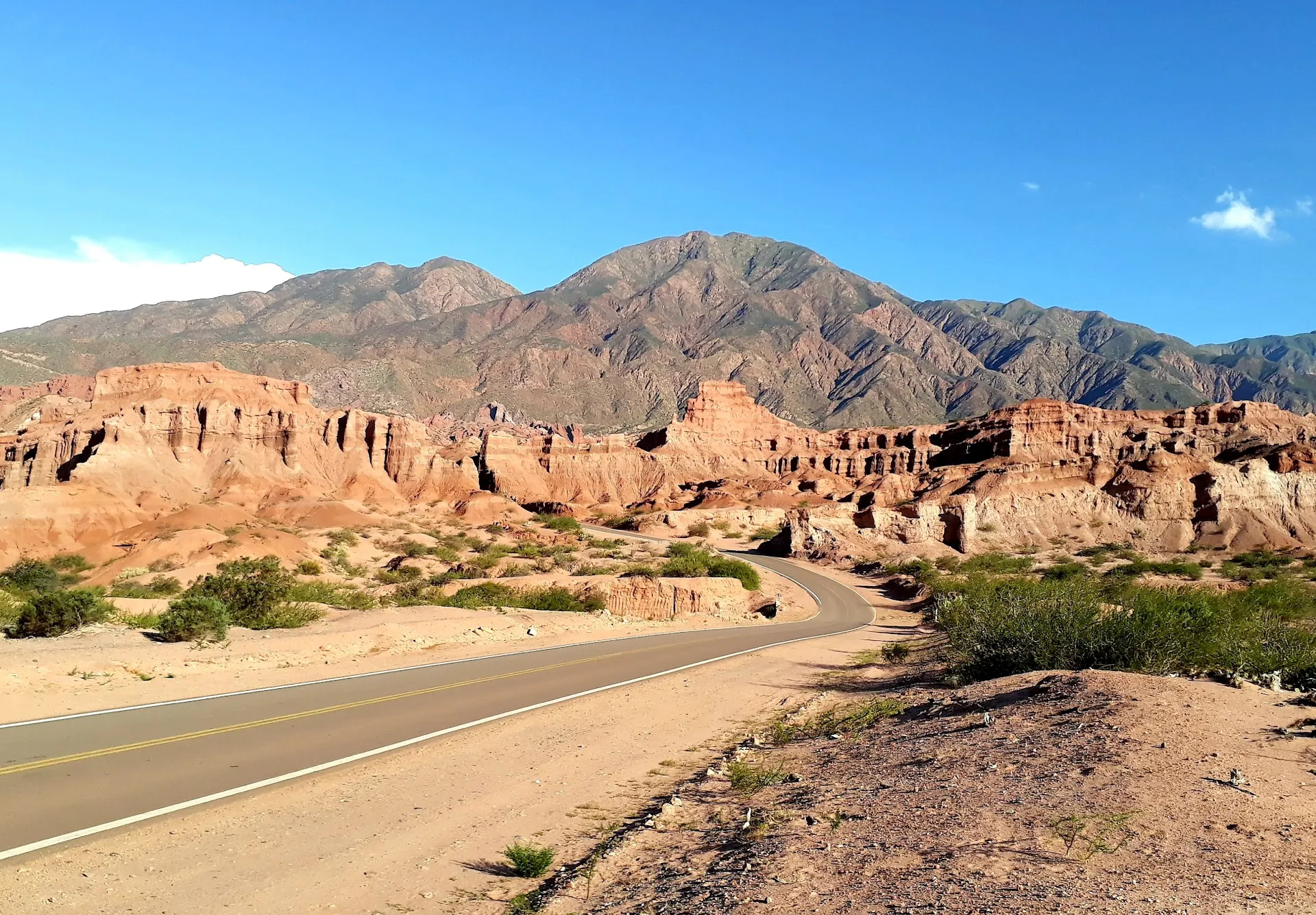
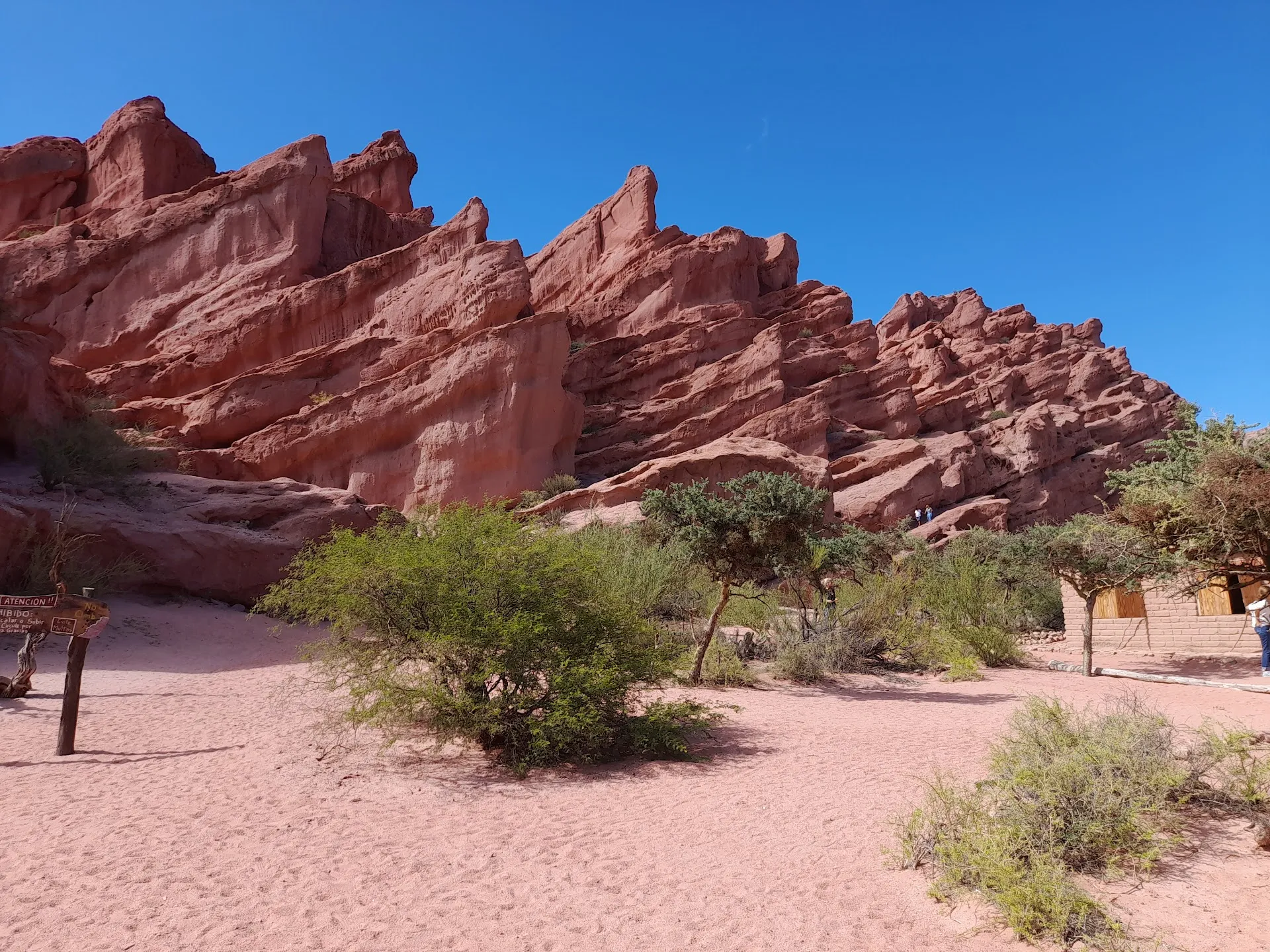
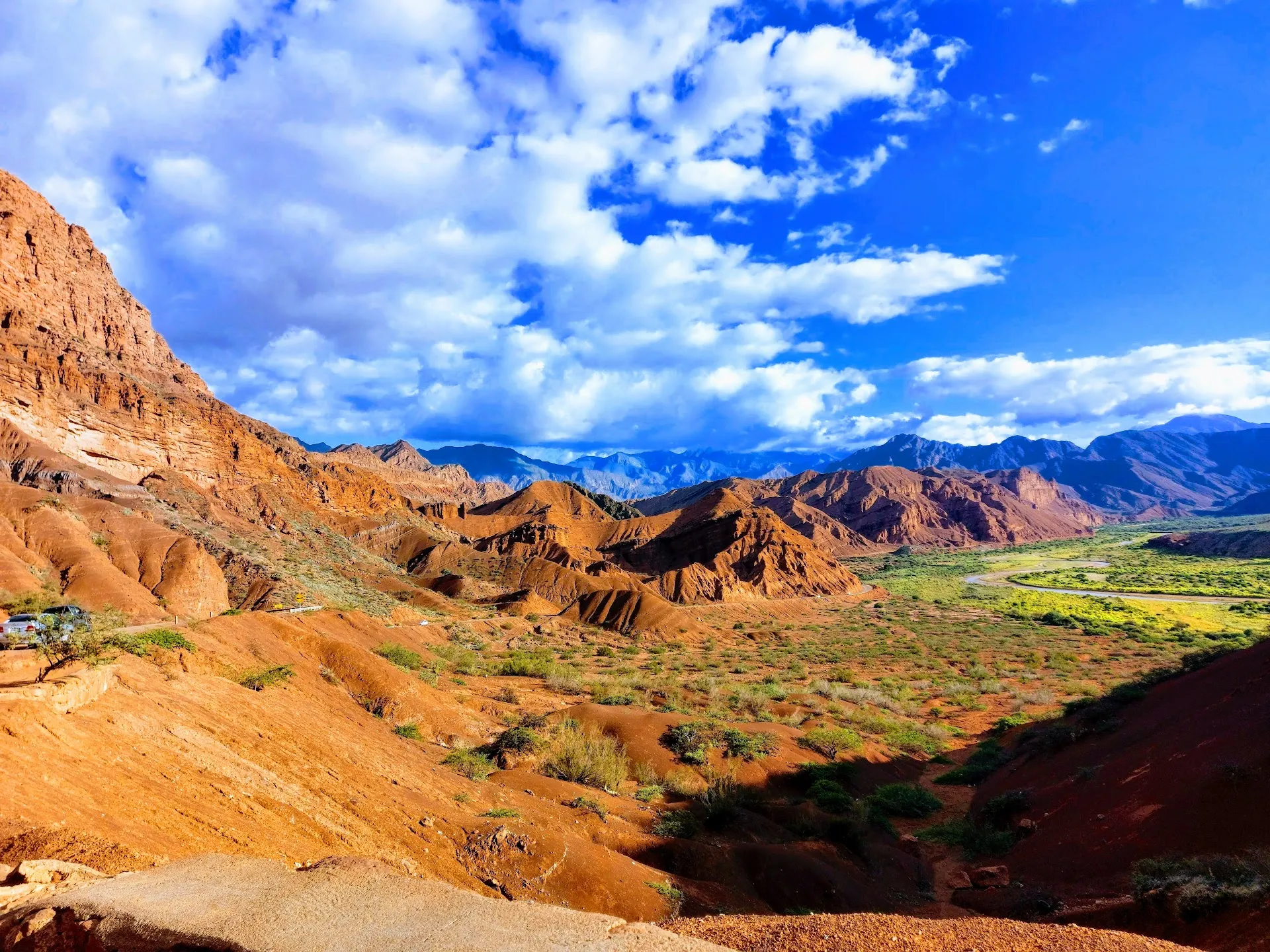
The other half of the reason to come is the drive in. If you arrive from Salta, the last stretch of Ruta Nacional 68 runs through the Quebrada de las Conchas, a canyon where wind and the Río de las Conchas have carved red sandstone into towers, windows and amphitheatres over tens of millions of years. It is one of Argentina's great road-trip landscapes, and most visitors treat it as a full day out from Cafayate in its own right, not just a way to get here.
Best time to visit

April to June and September to November are Cafayate's sweet spot: warm, dry days, cold clear nights, and none of the summer rain that can occasionally affect the unpaved fringes of local roads. Winter (June-August) is drier and sunnier still, with the clearest skies of the year, but nights regularly dip near or below freezing at this altitude, so pack accordingly. Late February through April is harvest season (vendimia) in Cafayate - later than Mendoza's March harvest - and it is the most atmospheric time to see the wineries in action, with vines heavy with fruit and small-producer energy in the air. Late February also brings the Serenata a Cafayate, a long-running folk-music festival now in its sixth decade (the 2026 edition ran February 26-28 at the Bodega Encantada grounds), which fills the town's accommodation fast. The trade-off is that this window overlaps with the tail of Cafayate's brief summer rainy season (December-February), when afternoon storms are more likely and can occasionally affect the gravel edges of roads in the wider valley.

Budget

Cafayate is one of Argentina's better-value wine destinations for USD or EUR travelers, largely because of the peso's continued weakness (roughly ARS 1,490 to the US dollar as of July 2026 - check current rates, as this moves fast). Wine tastings are the standout bargain: several wineries, including El Porvenir right in town, offer a guided tour and tasting free of charge, and paid tours elsewhere typically run well under USD 15 per person. Empanadas and simple lunches cost only a few dollars; a chef-driven tasting-menu dinner at Cafayate's top table is still modest by international standards. The main added cost is transport: reaching the higher-altitude wineries and driving the Quebrada de las Conchas both require a rental car, remise/taxi, or a booked half- or full-day tour, since there is no local public transit network to speak of.~USD 45-90 / day mid-range / day

Two to three days is the right amount of time: one day for the town, the plaza and a handful of wineries within walking or short driving distance; a second for the Quebrada de las Conchas formations toward Salta; a third if you want to add a boutique estate further out, the Quilmes ruins, or one of the guided treks around El Divisadero. Go in the shoulder months - April to June or September to November - for the mildest, driest weather, or aim for late February if you want to catch the grape harvest and the long-running Serenata a Cafayate folk-music festival. Days are warm and dry almost year-round at this altitude, but nights turn cold fast, so pack layers whatever the season.

Budget-wise, Cafayate is inexpensive relative to Mendoza or Europe, especially for wine: many tastings are free or a few dollars, and even a tasting-menu dinner runs a fraction of what it would cost abroad, though the peso's ongoing volatility means it is worth checking current exchange rates before you go. What follows below - the highlighted wineries and sights, a two-day itinerary, a stop-by-stop guide to the Quebrada de las Conchas, and practical notes on timing and getting here - is built entirely around what actually makes Cafayate distinctive: high-altitude wine, red-rock desert, and a plaza worth lingering in. Save what appeals and drop it straight into a TripBox itinerary with dates and a map.

The best of Cafayate

Curated places worth your time — tap a card for details or to save it.

El Porvenir de Cafayate
Other

El Porvenir de Cafayate

Family-run bodega right in the heart of Cafayate, known for single-vineyard Malbec and Tannat labels like Laboradum. The free guided tour walks through fermentation tanks, concrete eggs and the historic barrel cellar, ending with a self-serve tasting from wine dispensers.

La Banda de Abajo, Cafayate
Antigua Bodega Vasija Secreta
Other

Antigua Bodega Vasija Secreta

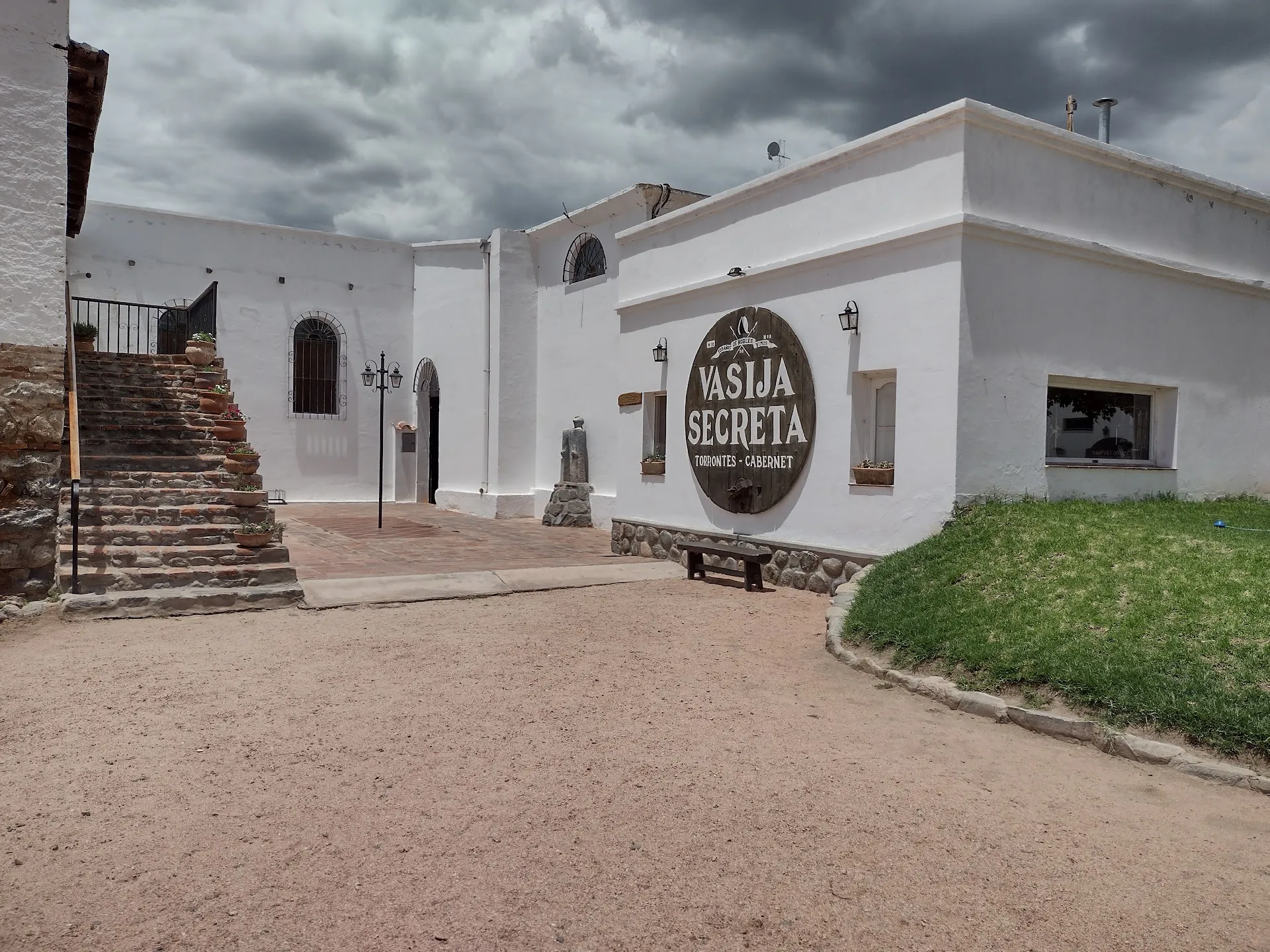
The oldest working winery in the Cafayate valley, tracing its roots to 1857 at the Casa Córdova y Murga estate right at the town's entrance on RN40. Beyond wine production it houses the Nelly Córdova de Murga museum, with over 300 artisanal winemaking artifacts, plus a shop and restaurant.

La Banda de Abajo, Cafayate
Bodega Amalaya
Other

Bodega Amalaya

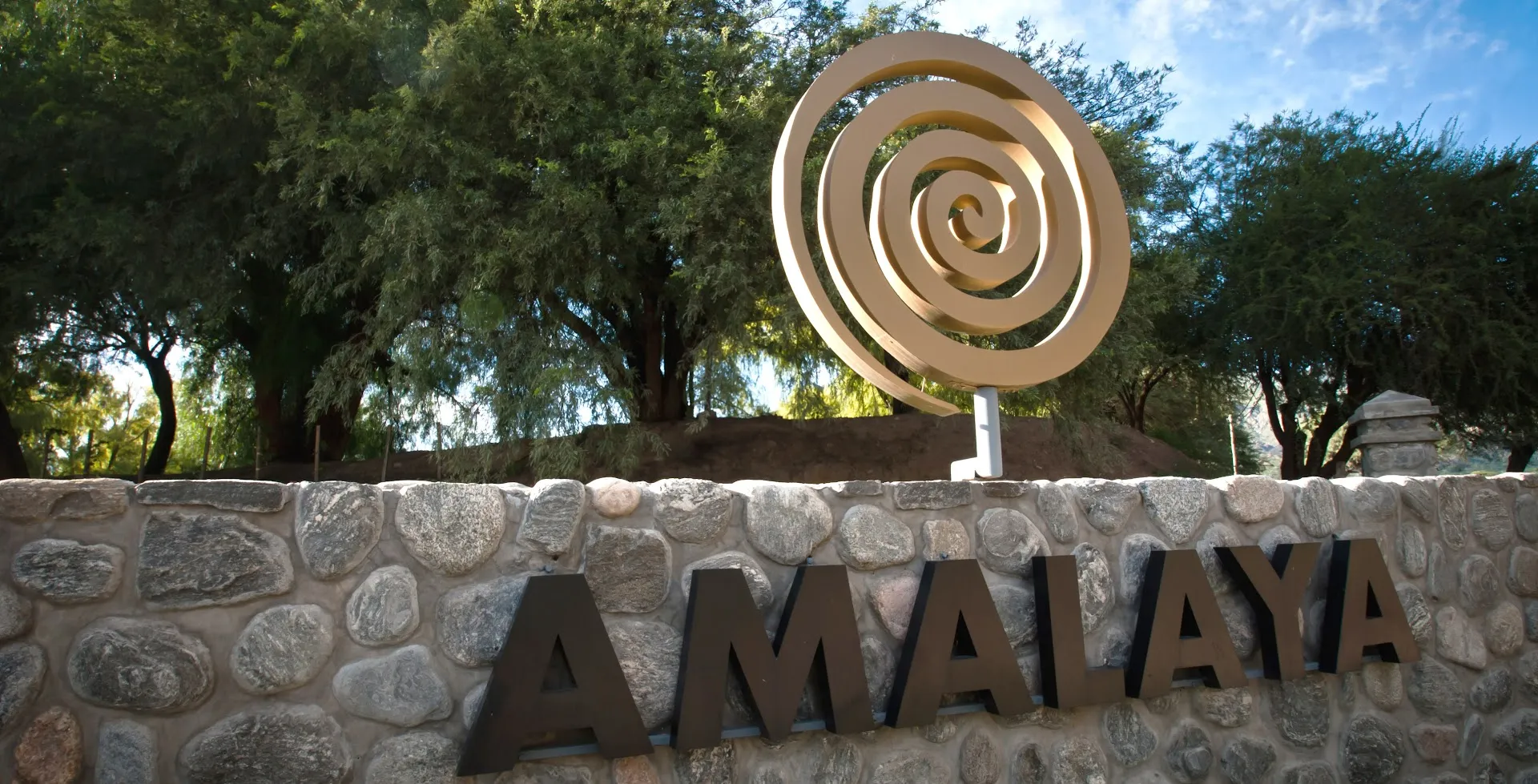
Contemporary winery founded in 2010 by California's Hess Family Estates, best known for approachable Torrontés and red field-blend wines under the Amalaya label. Its in-town wine bar pairs flights with regional small plates, making it a popular casual stop distinct from the bigger estate tours.

La Banda de Arriba, Cafayate
San Pedro de Yacochuya
Other

San Pedro de Yacochuya

High-altitude boutique estate (over 2,000m) tied to the Etchart winemaking family, celebrated among specialists for its old-vine Malbec blends, including the premium Yacochuya label made with consulting from Michel Rolland. Sits a short drive west of town in the Yacochuya sub-district.

Yacochuya, La Banda de Arriba, Cafayate
Museo de la Vid y el Vino
Museum

Museo de la Vid y el Vino

Cafayate's dedicated wine museum, opened in 2011 on the grounds of a former winery known as La Bodega Encantada, walks visitors through two connected halls — 'Memoria de la Vid' and 'Memoria del Vino' — using audiovisual displays to trace Calchaquí Valley viticulture from Jesuit-era vine plantings to today's high-altitude Torrontés. A wine bar built into the old fermentation vats caps the self-guided visit with a tasting of local wines.

Casco Céntrico
Catedral Nuestra Señora del Rosario de Cafayate
Landmark

Catedral Nuestra Señora del Rosario de Cafayate

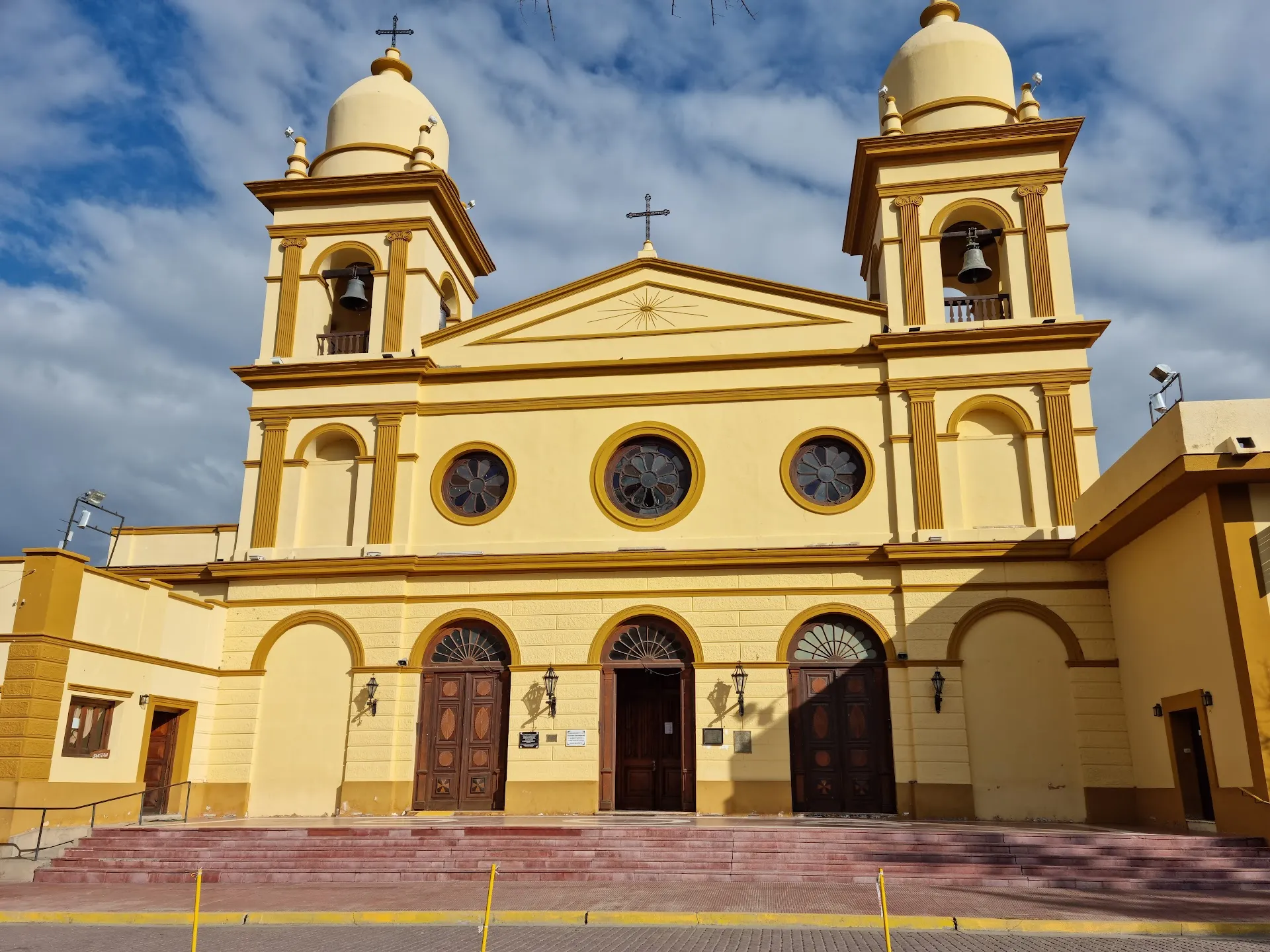
Five-nave cathedral built between 1890 and 1895 by Catalan architect Pedro Coll, one of only three surviving five-naved church structures in South America. It faces Cafayate's main plaza and houses a much-loved seated image of the Virgin, affectionately nicknamed 'La Sentadita' by locals.

Centro (facing Plaza San Martín)
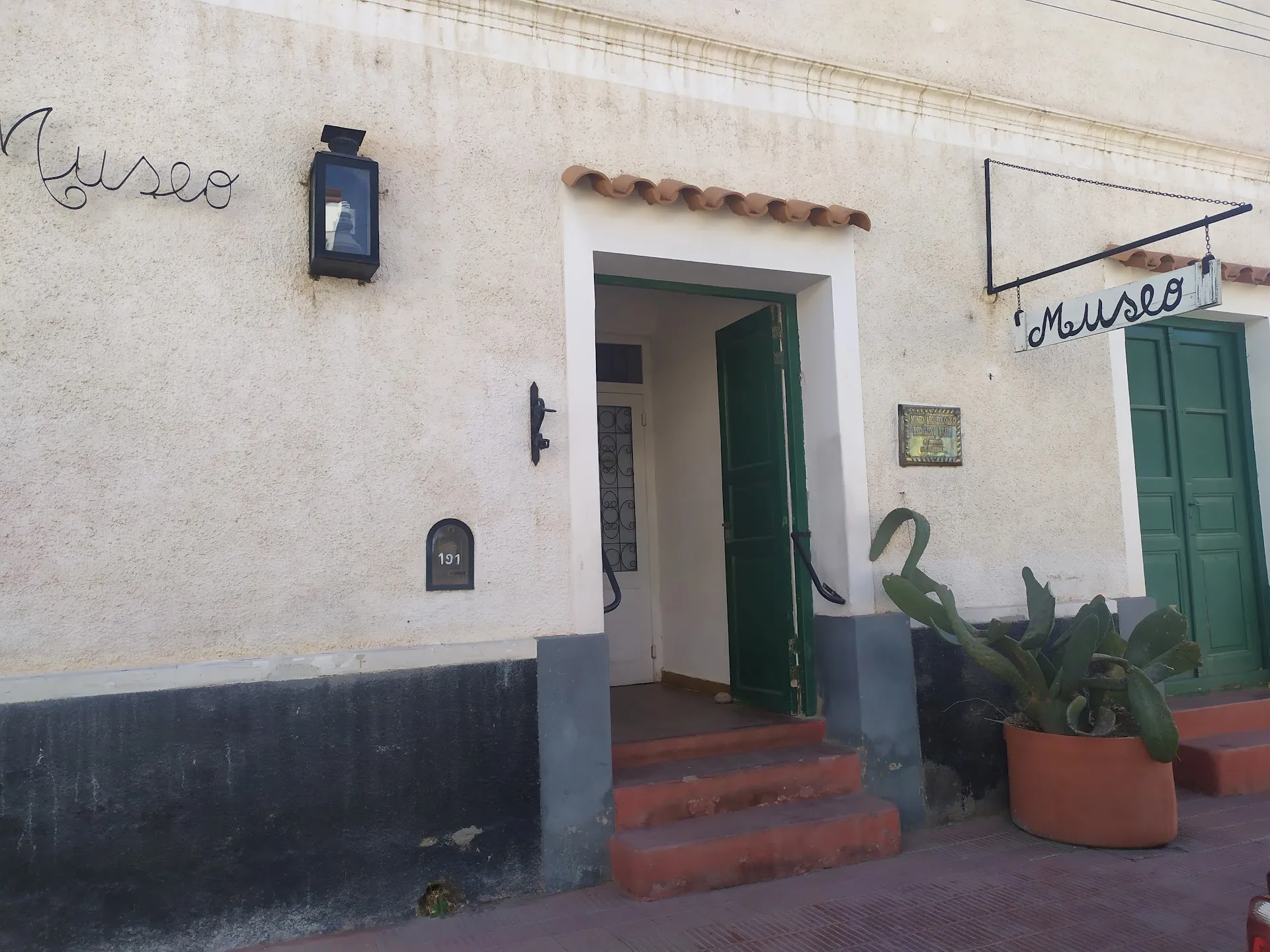
Museo Regional y Arqueológico "Rodolfo Bravo"
Museum

Museo Regional y Arqueológico "Rodolfo Bravo"

A small, family-run archaeological museum built around more than 2,000 pre-Columbian pieces — ceramics, textiles and metalwork — gathered within a 30 km radius of Cafayate over six decades by local researcher Rodolfo I. Bravo. Founded in Animaná in 1935 and relocated to Cafayate in 1943, it's still maintained by Bravo's family and holds one of northern Argentina's largest collections of funerary and ceremonial objects from the Diaguita-Calchaquí culture.

La Banda de Abajo
Mirador Tres Cruces
Viewpoint

Mirador Tres Cruces

A short natural stone stairway just off RN68 climbs to what locals and guides alike call the single best 180-degree panorama of the Quebrada de las Conchas, with the ochre-red canyon walls and the Río de las Conchas spread out below. It's widely rated the top sunset stop on the Cafayate-to-Salta drive.

Quebrada de las Conchas
Los Castillos
Viewpoint

Los Castillos

Towering red sandstone towers, eroded by wind and the Río de las Conchas into castle-like turrets, rise right beside the highway about 18.5 km from Cafayate. A brief path down to the riverbank brings visitors closer to the striated, multicolored rock walls.

Quebrada de las Conchas
Las Ventanas
Viewpoint

Las Ventanas

Wind erosion has bored a row of window-like openings straight through this cliff face overlooking the Río Calchaquí, making it one of the most-photographed stops between Cafayate and Salta. The gorge here was once an ancient seabed, and marine fossils have been found in the surrounding rock.

Quebrada de las Conchas
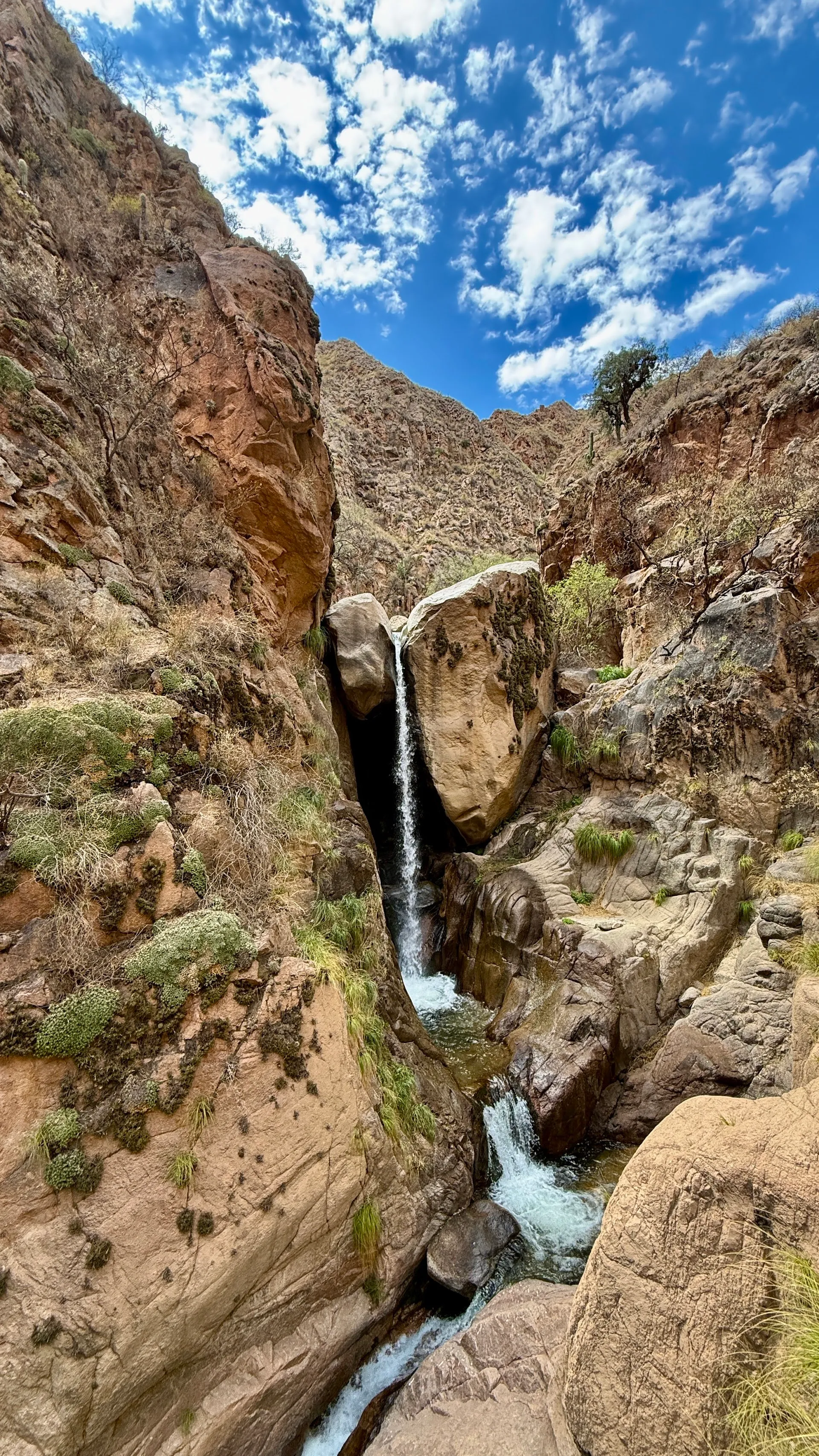
Cascadas del Río Colorado (Siete Cascadas)
OutdoorGuide fee approx. AR$5,000 (lower/3-falls circuit) to AR$10,000 (upper/7-falls circuit) per person; varies by season and group size (single-source figure, not cross-confirmed)

Cascadas del Río Colorado (Siete Cascadas)

A guided trek up the Río Colorado canyon that fords the river repeatedly and threads between cardón-studded rock walls and caves to reach a chain of pools and cascades — a shorter 3-waterfall lower circuit or a longer, harder 7-waterfall upper circuit. Since 2021 the hike can only be done with a local Diaguita-Calchaquí guide hired at the trailhead.

El Divisadero
Cerro San Isidro (Cerro de la Cruz)
OutdoorFree independent hike; guided excursions also offered by local operators (single-source claim, no Tier A/B source)

Cerro San Isidro (Cerro de la Cruz)

A demanding 2-3 hour climb from roughly 1,683 m to the 2,700 m summit known locally as both Cerro San Isidro and Cerro de la Cruz, crossing the Río Chuscha on a hanging footbridge and passing through the Banda de Arriba vineyard community before the final steep ascent. The peak holds a cross, small altar and grotto, and rewards hikers with a sweeping panorama of the Calchaquí Valley and the town of Cafayate below.

El Divisadero / Banda de Arriba

Tours & experiences

Free walking tours and curated paid experiences — save or book in a tap.

Cafayate Free Walking Tour
TourFree / tip-based (reservation required)

Cafayate Free Walking Tour

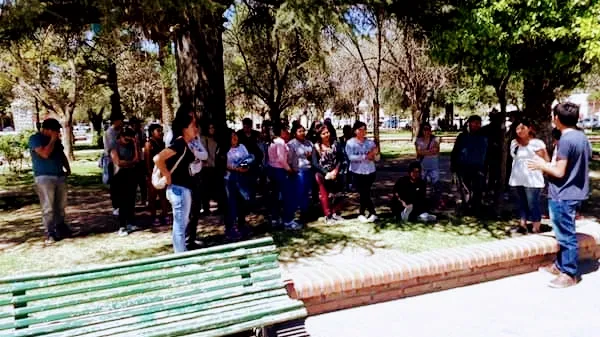
A tip-based, roughly two-hour guided walk through Cafayate's historic center, run by local guides departing from Plaza 20 de Febrero. The route covers the Cathedral of Nuestra Señora del Rosario, the artisan market, the colonial-era Última Pulpería and the exterior of the Museo de la Vid y el Vino.

Casco Céntrico, Cafayate
Bodega El Porvenir de Cafayate
TourGuided visit ~ARS 12,000 per person (2026); children under 12 free

Bodega El Porvenir de Cafayate

A family-owned winery founded in 2000, set above 1,700m in the heart of the Cafayate Valley. Guided 30-40 minute tours walk through the fermentation, bottling and barrel rooms before finishing with a tasting flight of up to 16 estate wines.

Casco Céntrico, Cafayate
Cabalgatas Patios (horseback riding tour)
TourRides from roughly 40 minutes up to 4 hours, priced by duration; wine/cheese platter typically included on longer rides

Cabalgatas Patios (horseback riding tour)

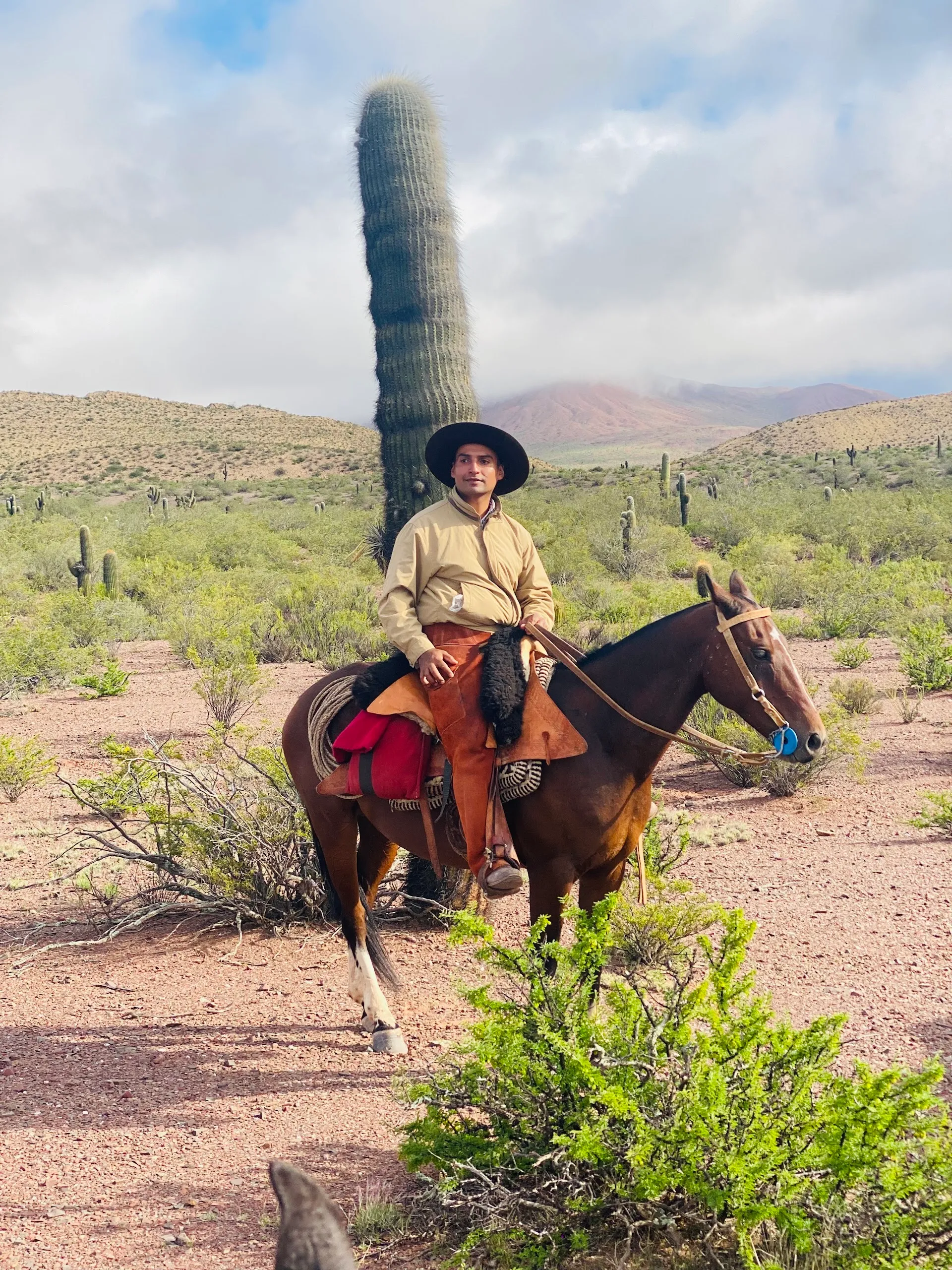
Gaucho-guided horseback rides departing from Patios de Cafayate through nearby vineyards, sand dunes and the Río Chuscha riverbed. Options range from a short taster ride to full-day excursions that finish with a criollo cheese board and local wine.

RN 40 y RN 68 junction, Cafayate
Ruinas de Quilmes (day excursion from Cafayate)
TourEntry ~ARS 7,000 nationals / ARS 12,000 foreign visitors (2026); free under 12 and for visitors with disabilities; day tours from Cafayate booked separately

Ruinas de Quilmes (day excursion from Cafayate)

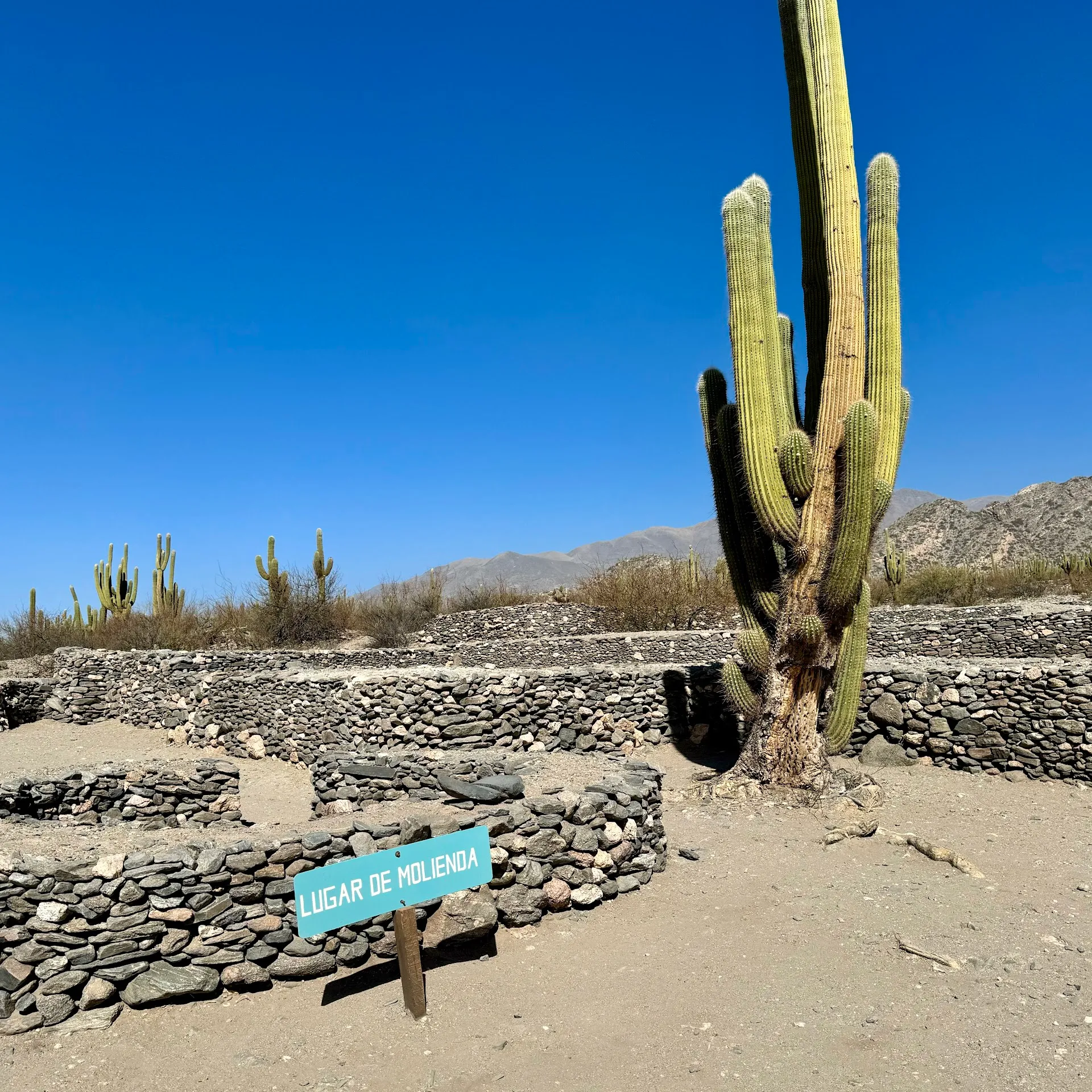
A full-day excursion from Cafayate to the ruins of Quilmes, the largest pre-Columbian settlement in Argentina, home to the Diaguita-Calchaquí people from roughly 850 AD until the Spanish conquest in 1667. Tours typically combine the reconstructed stone dwellings and terraced hillside city with the on-site interpretation museum.

Colalao del Valle, Tucumán (day trip from Cafayate, ~85 km / 1 hr away)
Los Colorados
Tour

Los Colorados

An easy, roughly two-hour round-trip walk through a canyon of vivid red sandstone cliffs and wind-carved rock galleries just off Ruta 40's Quebrada de las Conchas corridor. It's a quieter, locals' alternative to the bigger-name formations along the same road.

Quebrada de las Conchas, Ruta Nacional 68

Useful links

Official resources and quick searches for Cafayate.

Plan your Cafayate trip

Explore more of Argentina

Frequently asked questions

How many days do you need in Cafayate?
Two to three days works well: one for the town, the plaza and a couple of walkable wineries, a second for the Quebrada de las Conchas drive toward Salta, and a third if you want to add a boutique high-altitude estate, the Quilmes ruins, or a guided trek around El Divisadero. It's also a common one-night stop on a longer Salta-Cachi-Cafayate loop.
Do you need a car to visit Cafayate's wineries?
Not for the wineries right in and around town, which are walkable or a short remise ride away. But the highest-rated boutique estates sit 6-8 km west in the Yacochuya district, or further south in Tolombón, and reaching those - plus the Quebrada de las Conchas - is much easier with a rental car, a hired driver, or a booked wine tour.
Can Cafayate be visited as a day trip from Salta?
Yes, but it's a long day: the drive alone is roughly 3 to 3.5 hours each way along Ruta 68 through the Quebrada de las Conchas, so a day trip leaves only a few hours in town. Staying at least one night lets you actually taste wine (rather than just drive past bodegas) and see the canyon at a relaxed pace in both directions.
What's the best time to visit Cafayate?
April to June and September to November give the most reliable mix of warm days, cold clear nights and dry roads. Late February to April is harvest season, the most atmospheric time at the wineries, and coincides with the Serenata a Cafayate folk festival in late February, though it overlaps with the tail of the brief summer rains.
Is Cafayate expensive?
Relative to Mendoza or a European wine region, no. Many wineries offer free tastings, empanadas and simple meals cost only a few dollars, and even a top tasting-menu dinner is inexpensive by international standards. The main cost to budget for is a rental car or driver, since the best wineries and the Quebrada de las Conchas both require transport.
What wine is Cafayate known for?
Torrontés, Argentina's signature white grape, reaches its best-known expression here - aromatic, dry and shaped by the altitude and desert sun. Cafayate is increasingly known for high-altitude Malbec too, from old vines planted above 2,000 metres at estates like San Pedro de Yacochuya and Domingo Molina.

Ready to plan Cafayate?

Turn this guide into a real trip — itinerary, map, budget and friends, all in one place.