
Cafayate is Argentina's second wine region after Mendoza, and a very different one: smaller, mostly family-run, and planted at altitudes - 1,700 to over 2,000 metres - that produce a distinct style of wine. The white grape Torrontés is the region's calling card, aromatic and bone-dry in a way that doesn't quite happen anywhere else; increasingly, old-vine Malbec from the highest vineyards is earning just as much attention from specialists. Wineries here split into two groups: a handful you can walk to right in town, and the more acclaimed boutique estates 6-8 km west in the Yacochuya district or further south in Tolombón, which need a car, driver or booked tour. Most don't require reservations except the smaller boutique properties - call or book ahead for those. This list runs roughly from the easiest, most central visits to the more remote, quieter estates worth the extra drive.
Cafayate Wineries: A High-Altitude Wine Tasting Guide
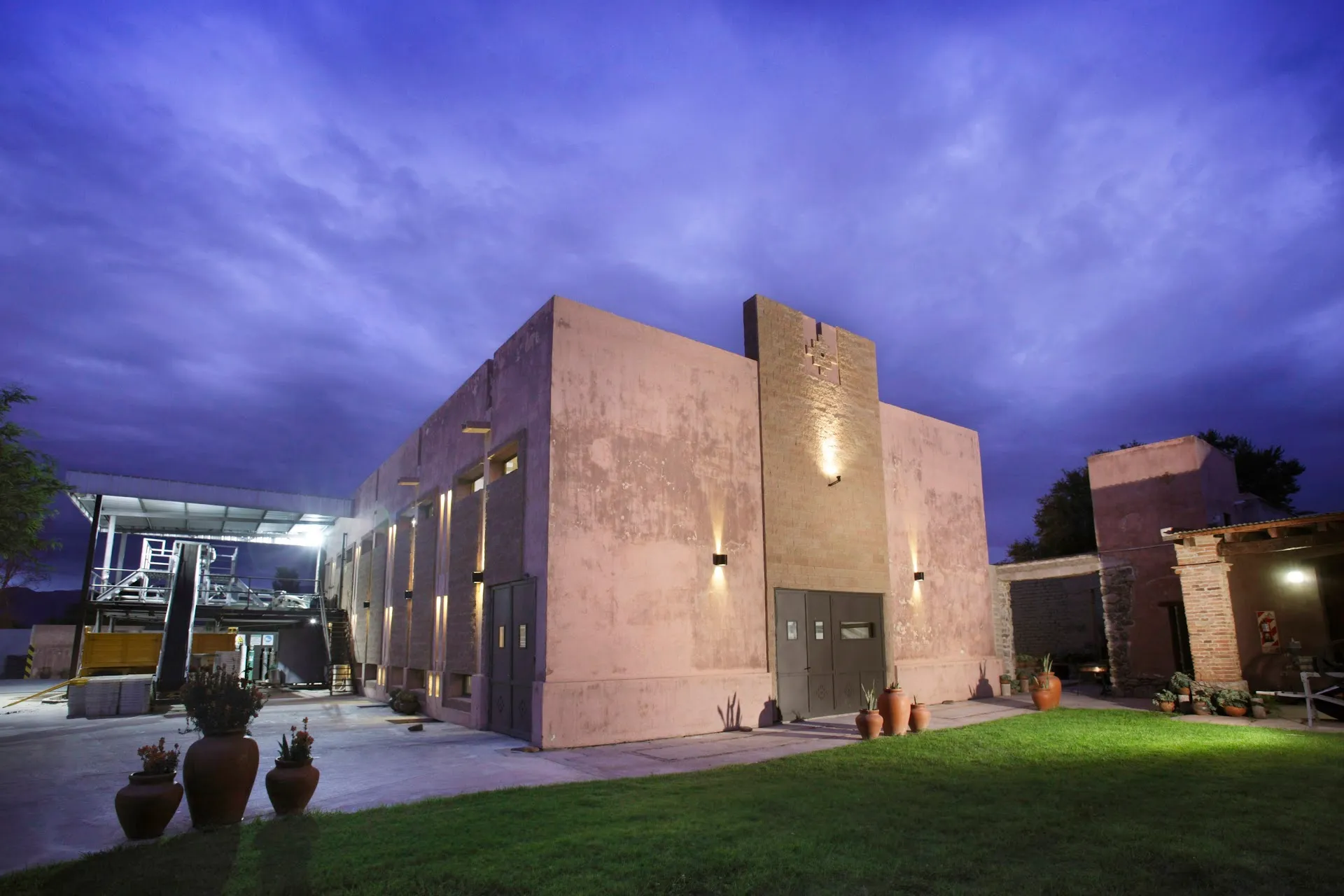
El Porvenir de Cafayate
The easiest first stop: a free guided tour through fermentation tanks and the historic barrel cellar right in the town centre, known for single-vineyard Malbec and Tannat under the Laboradum label.
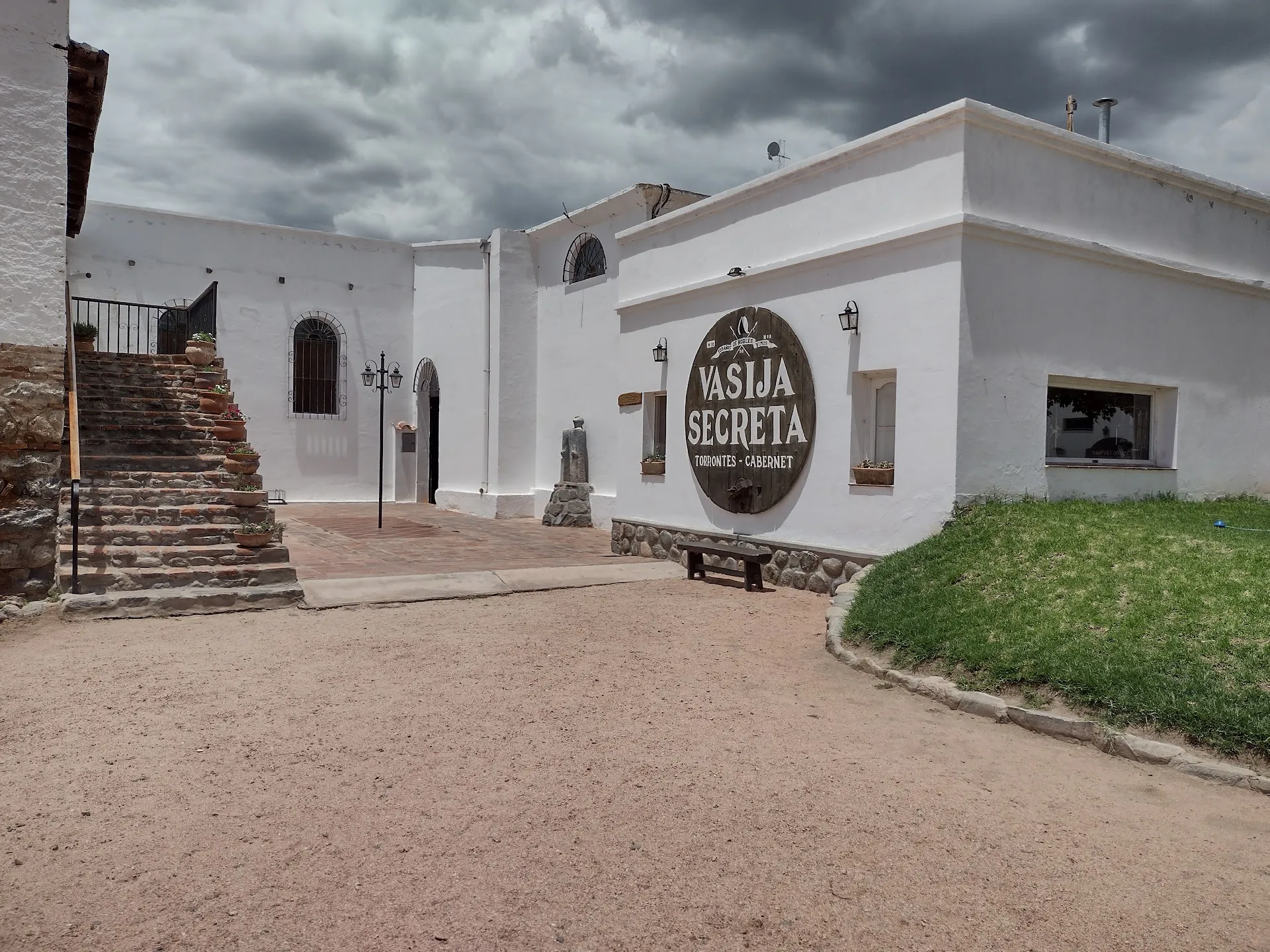
Antigua Bodega Vasija Secreta
The oldest working winery in the valley, tracing back to 1857 at the town's RN40 entrance, with a museum of over 300 artisanal winemaking artifacts alongside the tasting room.
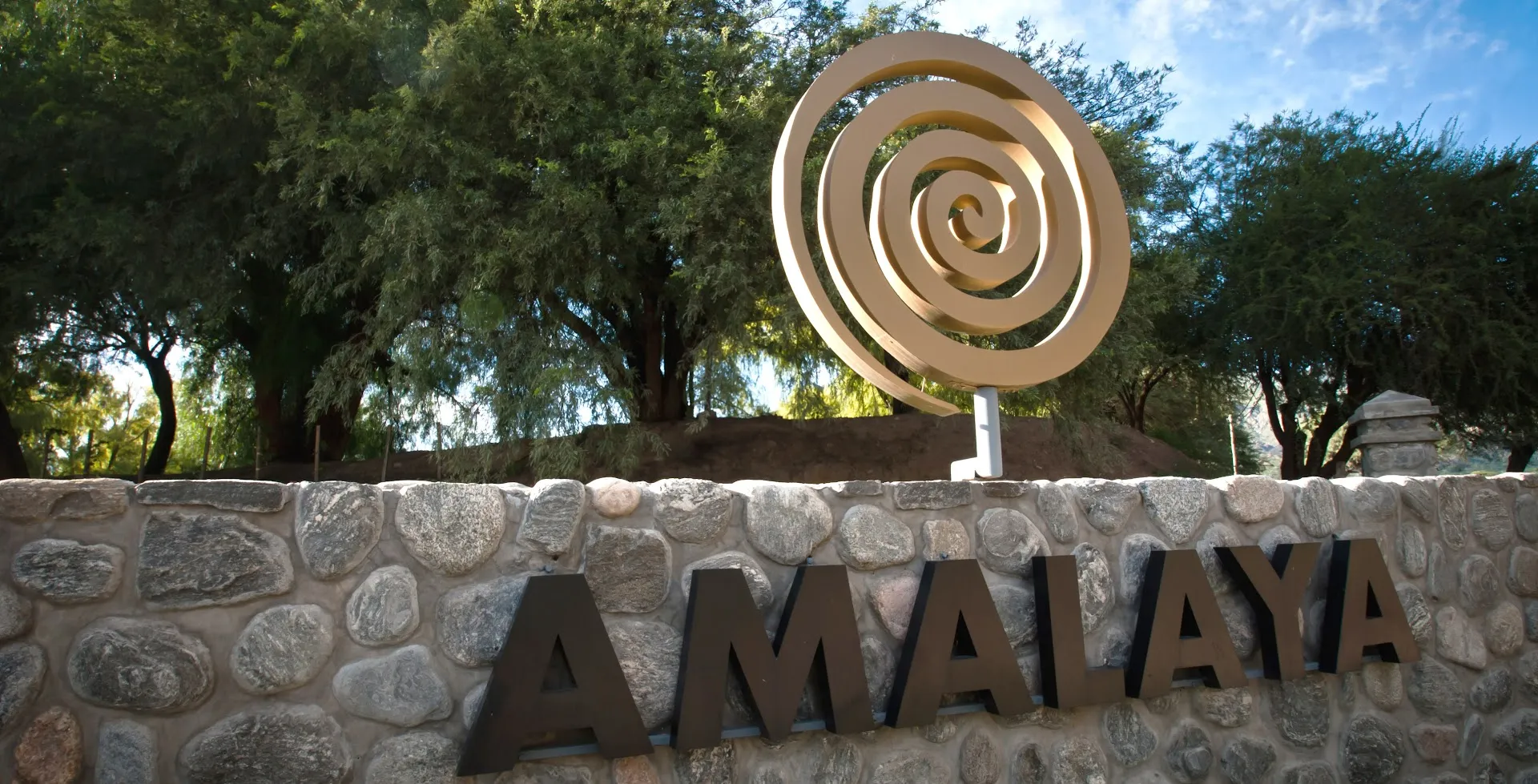
Bodega Amalaya
A modern, casual counterpoint to the historic bodegas: California's Hess Family Estates makes approachable Torrontés and red blends here, with an in-town wine bar that pairs flights with regional small plates.
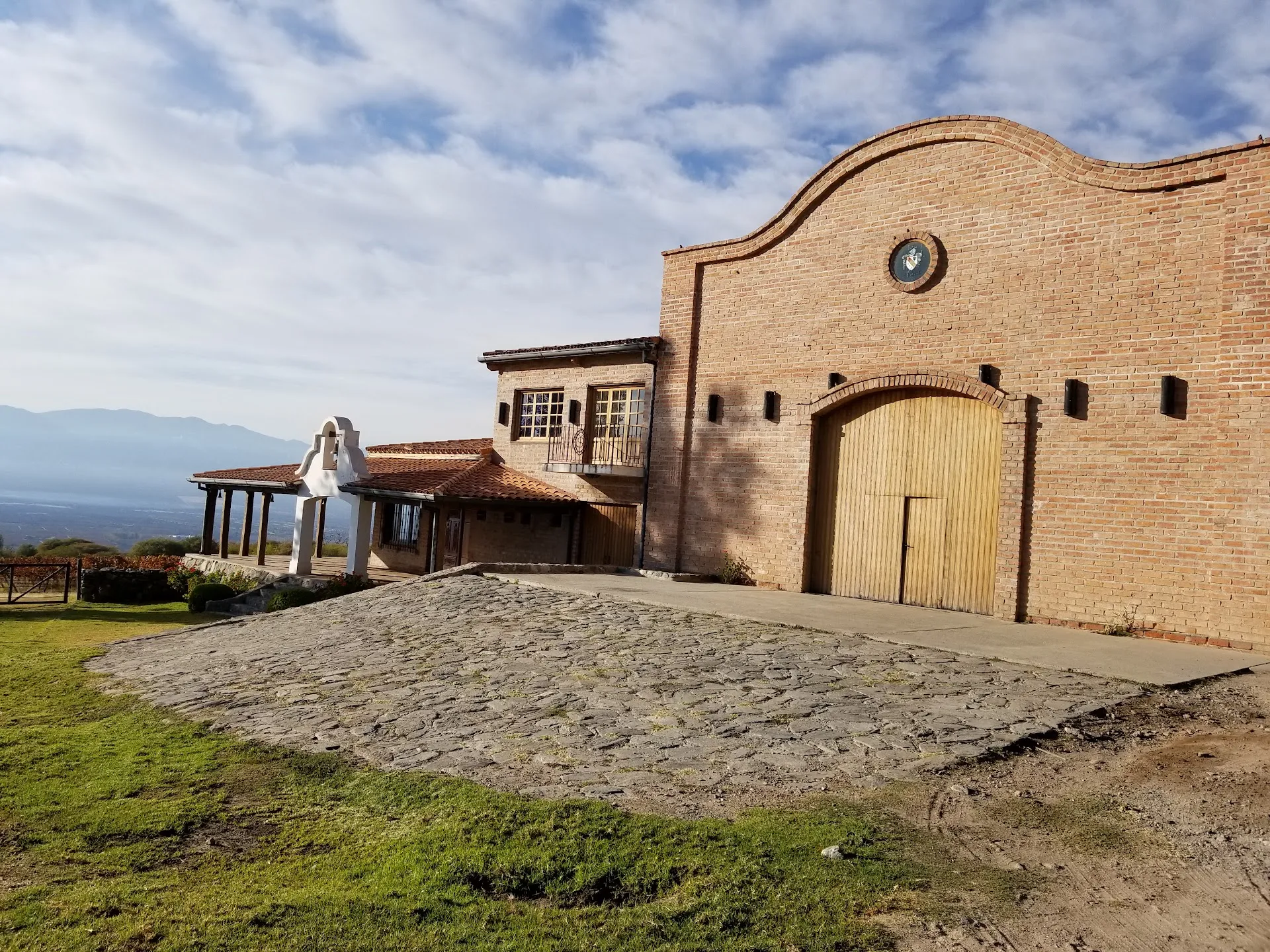
San Pedro de Yacochuya
A short drive west into the Yacochuya district, this boutique estate above 2,000 metres is where specialists go for old-vine Malbec, including the premium Yacochuya label made with input from consultant Michel Rolland.
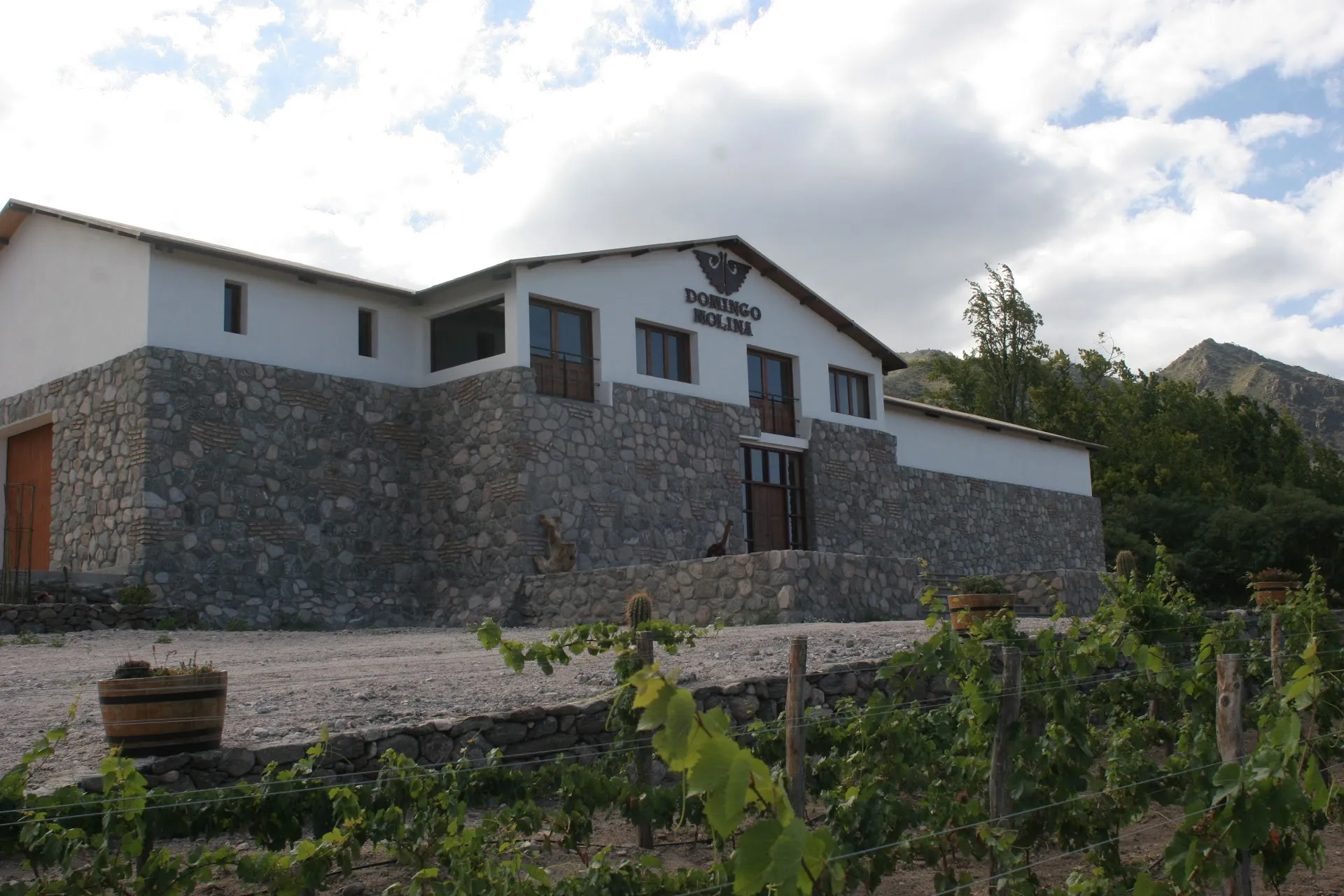
Bodega Domingo Molina
A quieter, locals'-pick alternative in the same high-altitude Yacochuya district: individually guided visits end in the garden with a self-chosen tasting of five wines paired with local cheese.
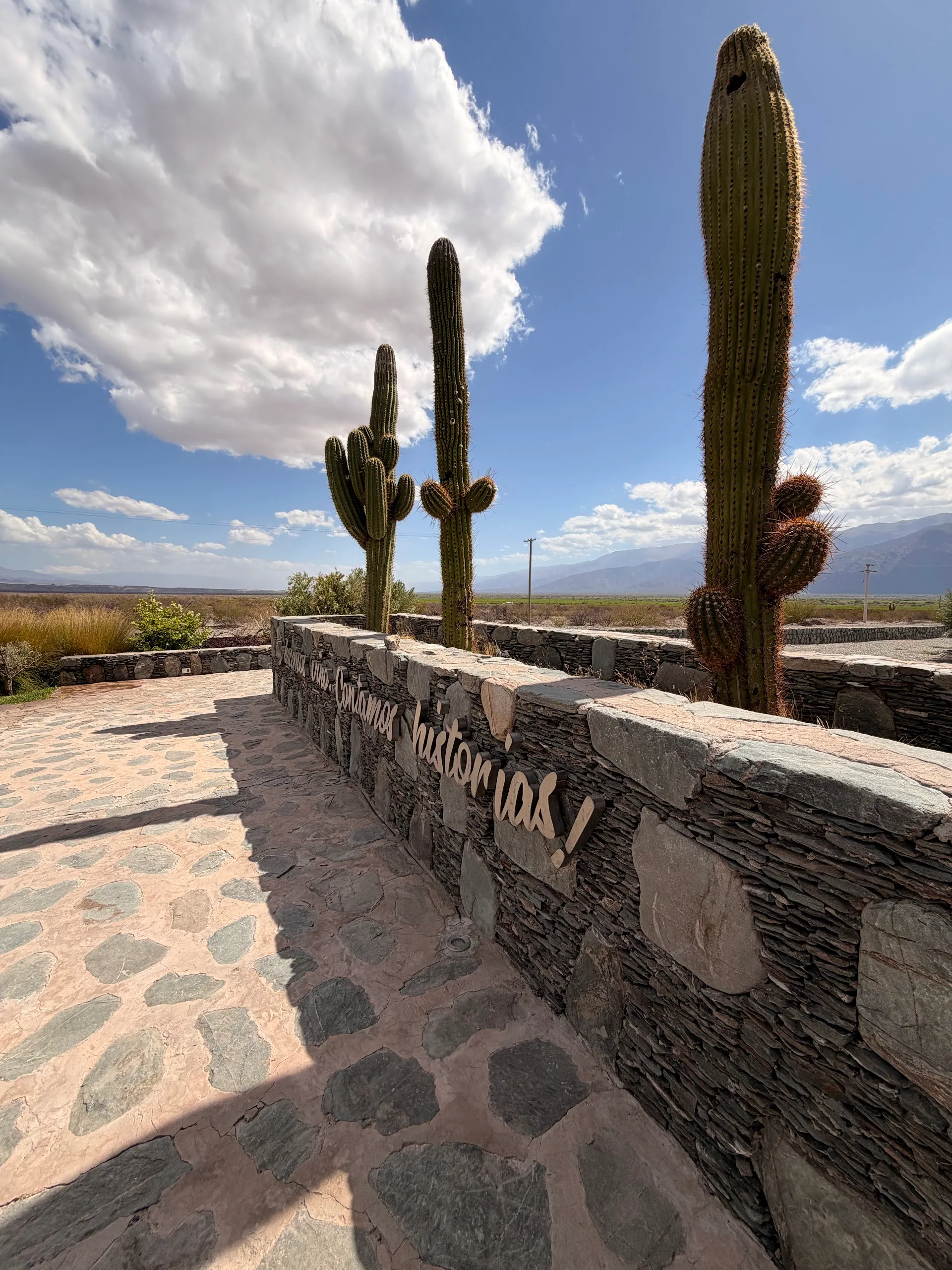
Estancia Los Cardones
The furthest out and the most exclusive - a reservation-only boutique estancia-winery in Tolombón, south of town, growing Malbec, Garnacha and more at roughly 1,700 metres away from the main wine circuit.
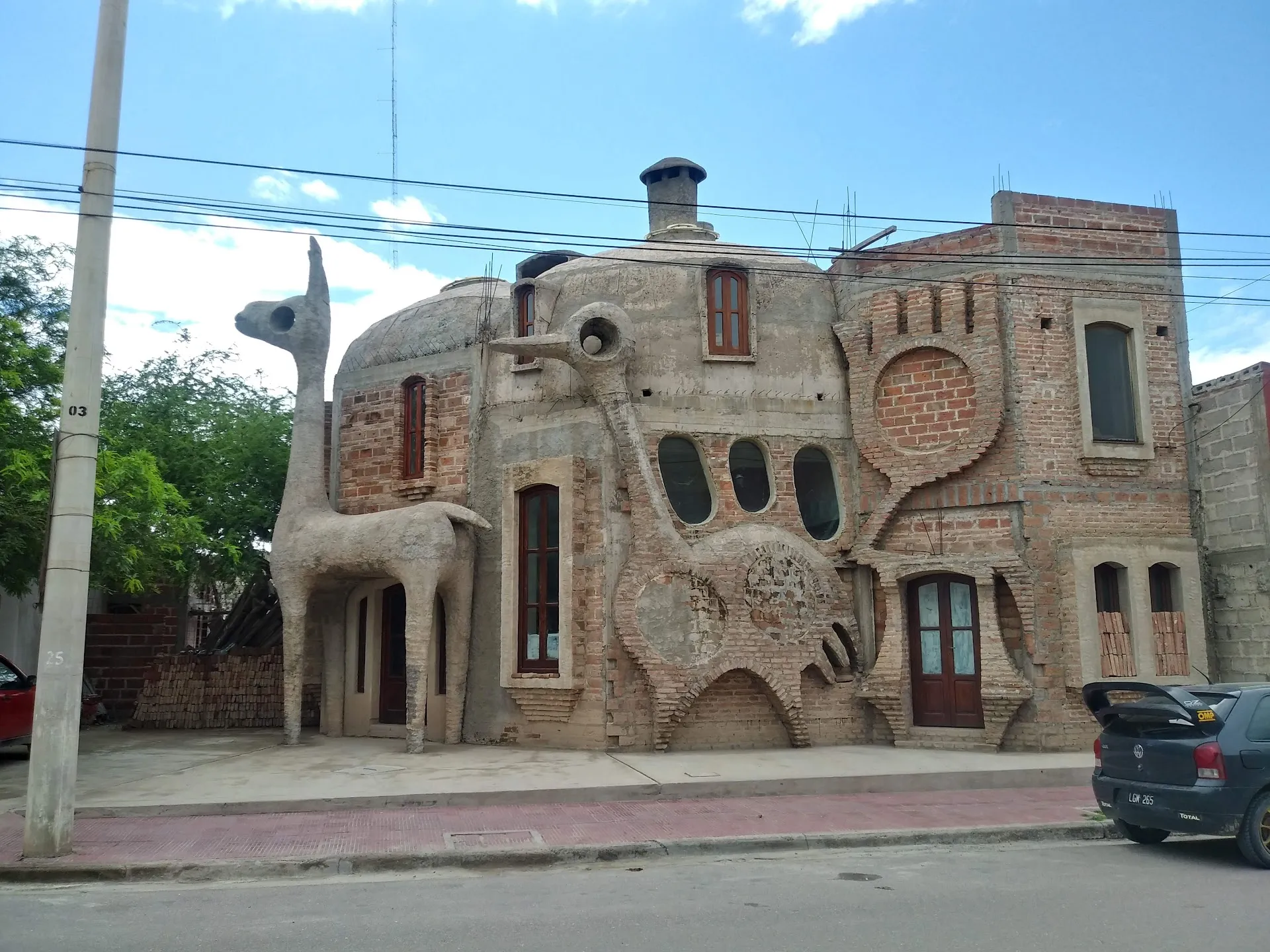
Museo de la Vid y el Vino
Not a working winery, but a worthwhile stop before or between tastings: the town's wine museum walks through the region's viticultural history and ends at a wine bar built into old fermentation vats.
FAQ
- Do Cafayate wineries require reservations?
- The in-town bodegas like El Porvenir and Amalaya generally welcome walk-ins, though booking ahead is smart in high season. The boutique estates further out - San Pedro de Yacochuya, Domingo Molina, and especially Estancia Los Cardones - are better booked in advance, and Los Cardones is reservation-only.
- Is Torrontés really Cafayate's specialty?
- Yes - it's Argentina's signature white grape and reaches its most distinctive expression at this altitude, aromatic and very dry. That said, Cafayate's high-altitude old-vine Malbec, from estates like Yacochuya and Domingo Molina, is increasingly what serious wine drinkers come here for.
- Can I visit Cafayate's wineries without a car?
- You can walk between the in-town wineries (El Porvenir, Amalaya, Antigua Bodega Vasija Secreta) and the wine museum. Reaching the higher-altitude Yacochuya estates or Estancia Los Cardones in Tolombón requires a car, a remise, or a booked wine tour.
- Are wine tastings free in Cafayate?
- Several are - El Porvenir's guided tour and tasting is free of charge - but most others charge a modest tasting fee, generally well under USD 15-20 per person. Confirm current pricing when booking, as it changes with the exchange rate.
Make it your trip
Save these places and build your own Cafayate itinerary in TripBox.