Barcelona is a city of two great obsessions: art and the good life. It gave the world Gaudí's dreamlike architecture and Picasso's early genius, and it wraps them in a Mediterranean rhythm of late dinners, beach afternoons, and nights that run until dawn. Few cities pack so much beauty, history, and pleasure into such a walkable space.
This guide is built around how the city actually works. The dense medieval Ciutat Vella (Old City), split into the Barri Gòtic, El Born, and El Raval, holds the cathedral, the Picasso Museum, the Boqueria market, and the famous La Rambla. Above it, the grid of the Eixample is an open-air museum of Catalan Modernisme, with the Sagrada Família, Casa Batlló, and Casa Milà. Gràcia is the bohemian village to the north, Montjuïc the green museum-and-castle hill to the south, and the Barceloneta beachfront runs along the sea.
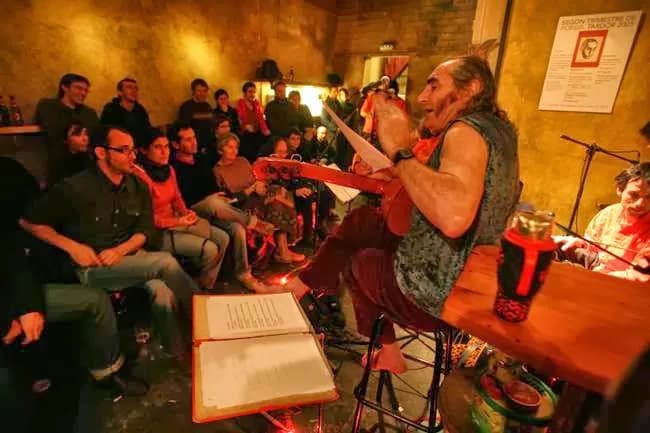
Two things define a Barcelona trip. The first is Gaudí and Modernisme: the Sagrada Família is unmissable (book ahead), but Park Güell, Casa Batlló, and the lesser-known Hospital de Sant Pau are just as extraordinary. The second is the nights: Barcelona has one of Europe's deepest music scenes, from world-famous clubs like Razzmatazz to a unique cluster of audiophile 'listening bars' and intimate jazz cellars in the old town.
Getting around is easy and cheap. The TMB metro reaches everything, the old city is made for walking, and the airport is a quick train or bus away. Barcelona is also one of the better-value major cities in Western Europe, though it has one serious downside to plan for: it is a pickpocketing capital, so keep your bag zipped and your wits about you on La Rambla and the metro.
Use this guide as a starting point: skim the day-by-day plan, open the things-to-do list, then save the places that fit your trip. Everything you save drops straight into a TripBox itinerary with dates, a map, and your travel companions.
Best time to visit
May, June, and September are ideal: warm weather, long days, and the beach in play without August's heat and crowds. Spring and autumn are mild and pleasant, and winter is cool but rarely cold, and far quieter.
Budget
Barcelona is good value for a major Western European city. Tapas and menús del día are cheap (10-15 euros), the metro is inexpensive, and many sights are free, though the big Gaudí tickets (Sagrada Família, Casa Batlló) add up.~$75-150 USD / day
The best of Barcelona
Curated places worth your time — tap a card for details or to save it.
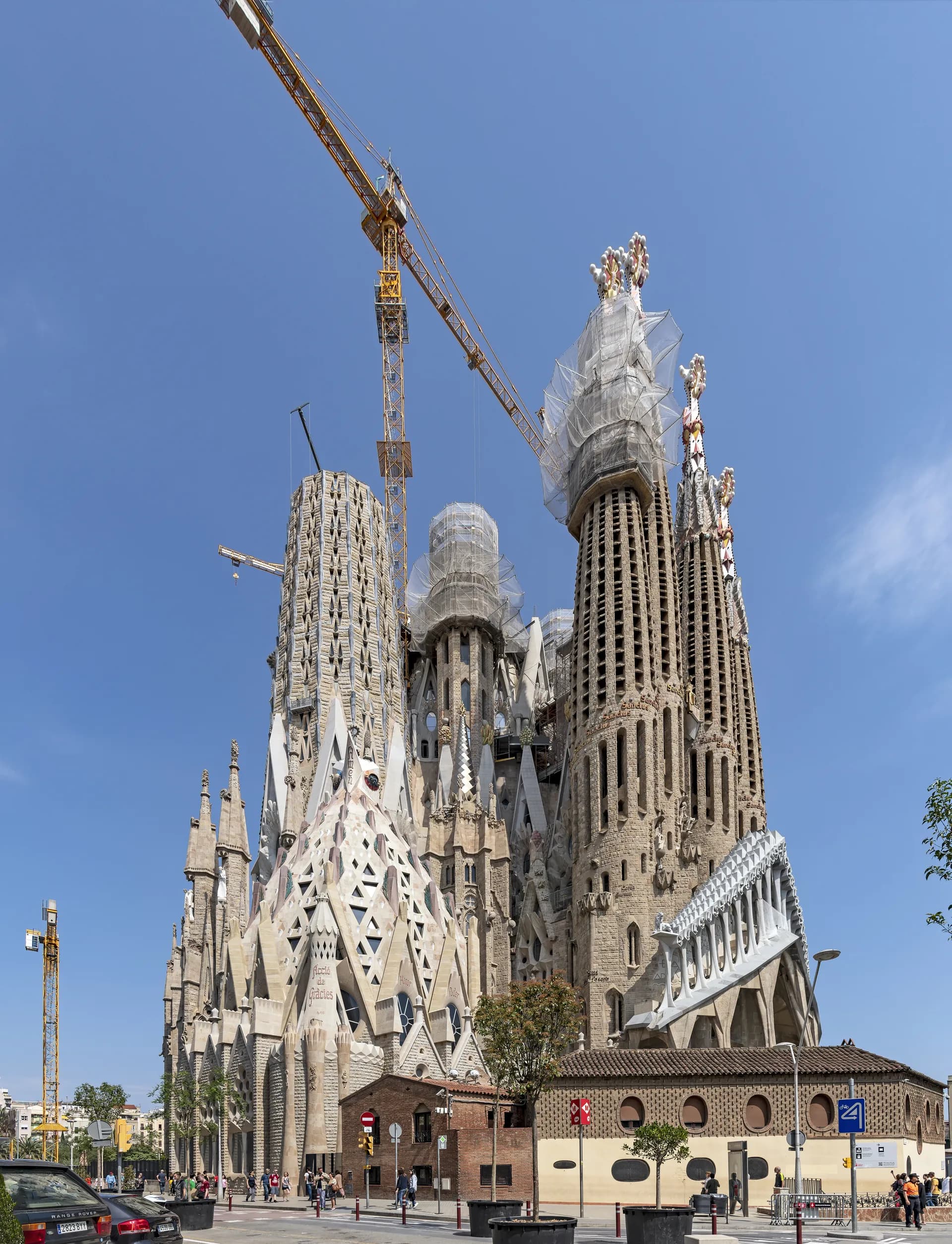
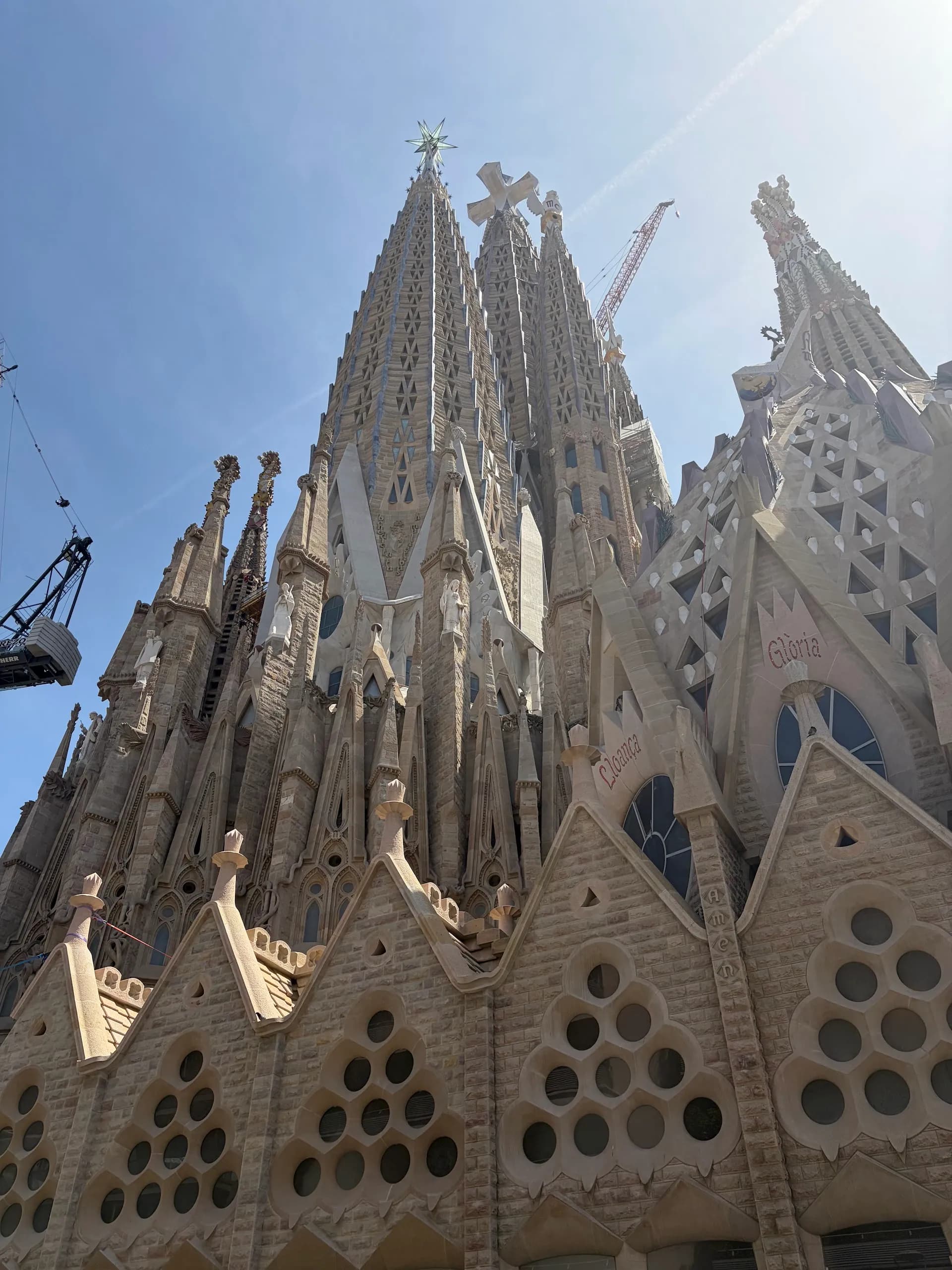
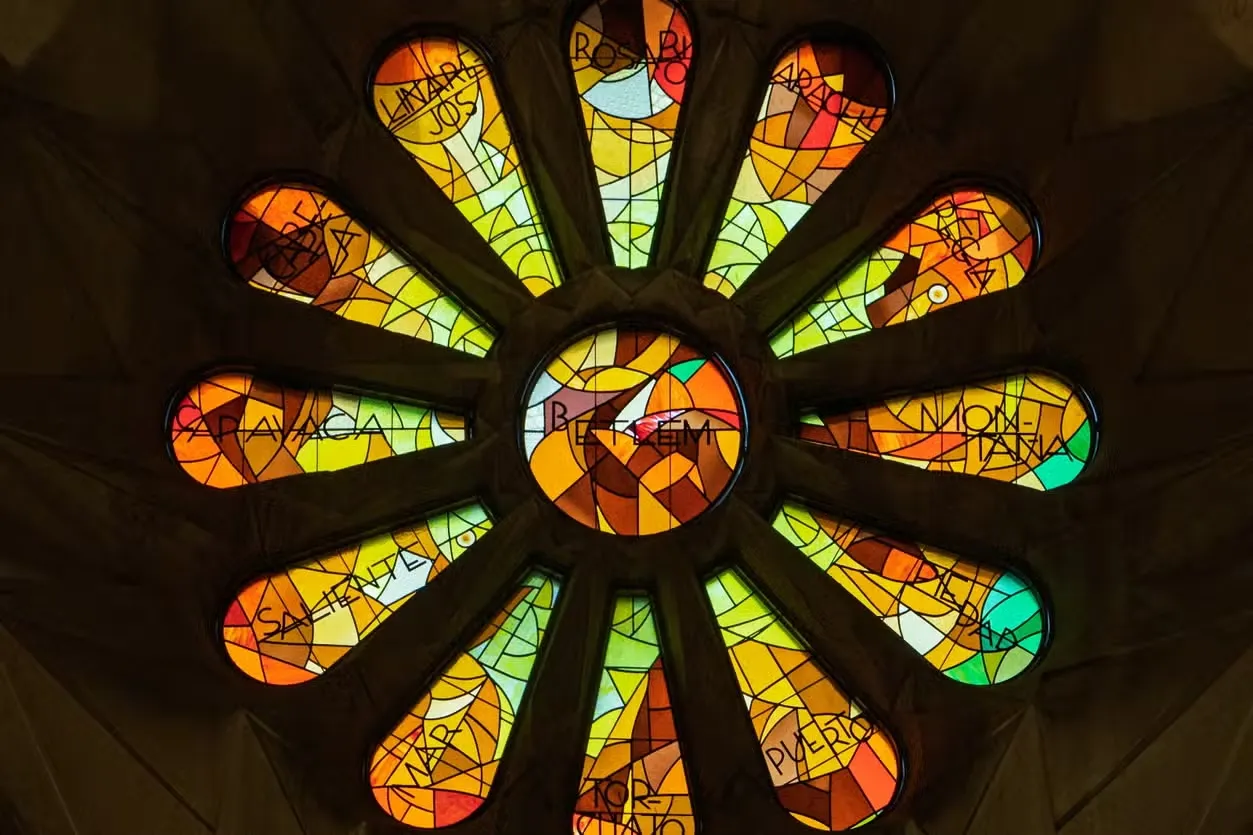
Gaudí's unfinished masterpiece and Barcelona's defining symbol: a soaring basilica of organic stone forms and kaleidoscopic stained glass, under construction since 1882. The interior, where light floods through coloured glass onto tree-like columns, is one of the most breathtaking spaces in Europe.
Eixample
Must visit
Park5.0
Park Güell
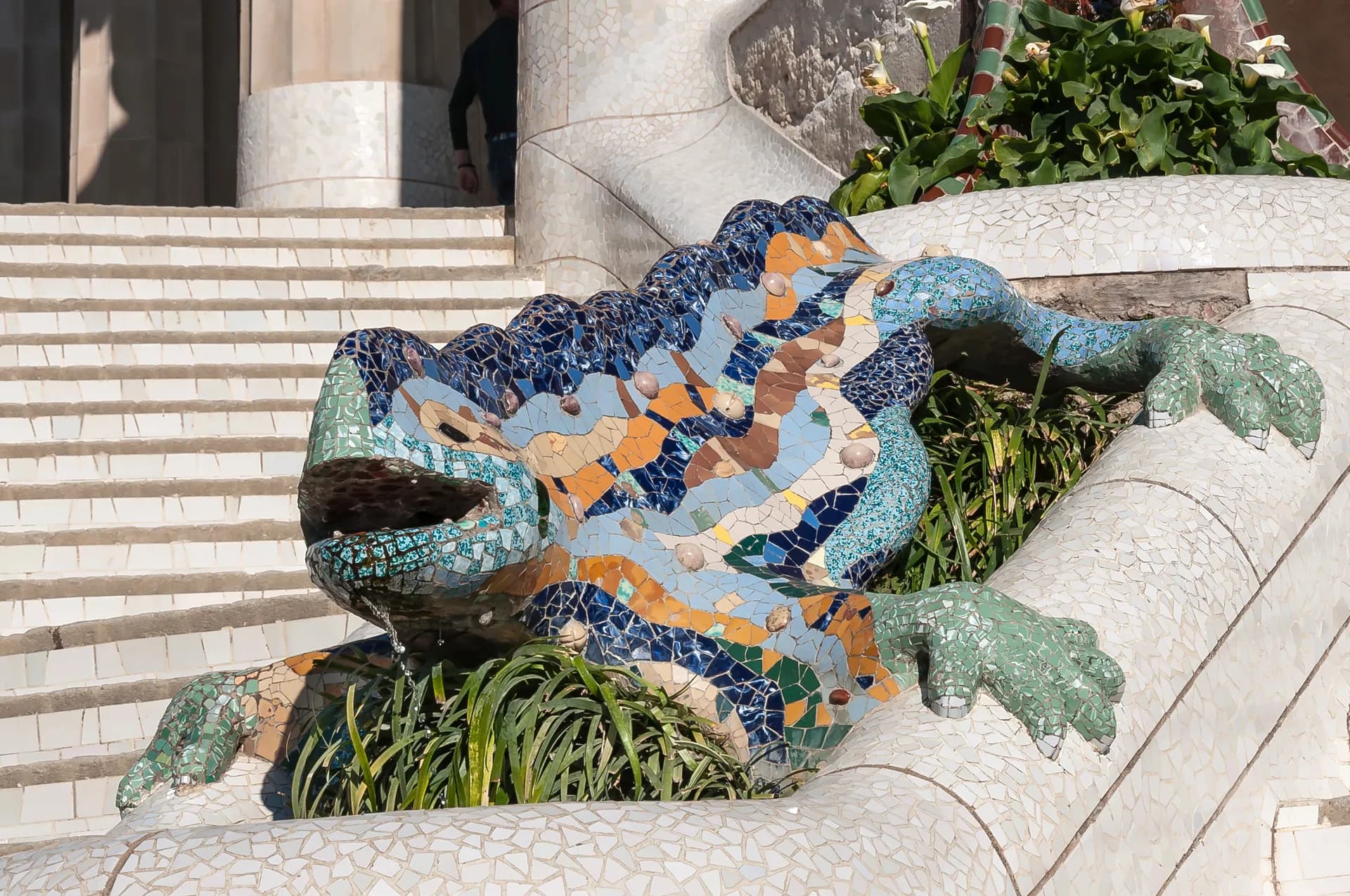
Gaudí's whimsical hillside park of mosaic-tiled terraces, serpentine benches, and fairy-tale pavilions, with sweeping views over the city to the sea. The Monumental Zone with the famous tiled salamander requires a timed ticket; the surrounding park is free.
Gràcia
Must visit
Museum5.0
Casa Batlló
Gaudí's most dazzling townhouse on the Passeig de Gràcia, with a bone-like facade, scaled roof, and an interior that flows like the sea. A masterclass in Catalan Modernisme, now an immersive museum.
Eixample
Must visit
Market5.0
Mercat de la Boqueria
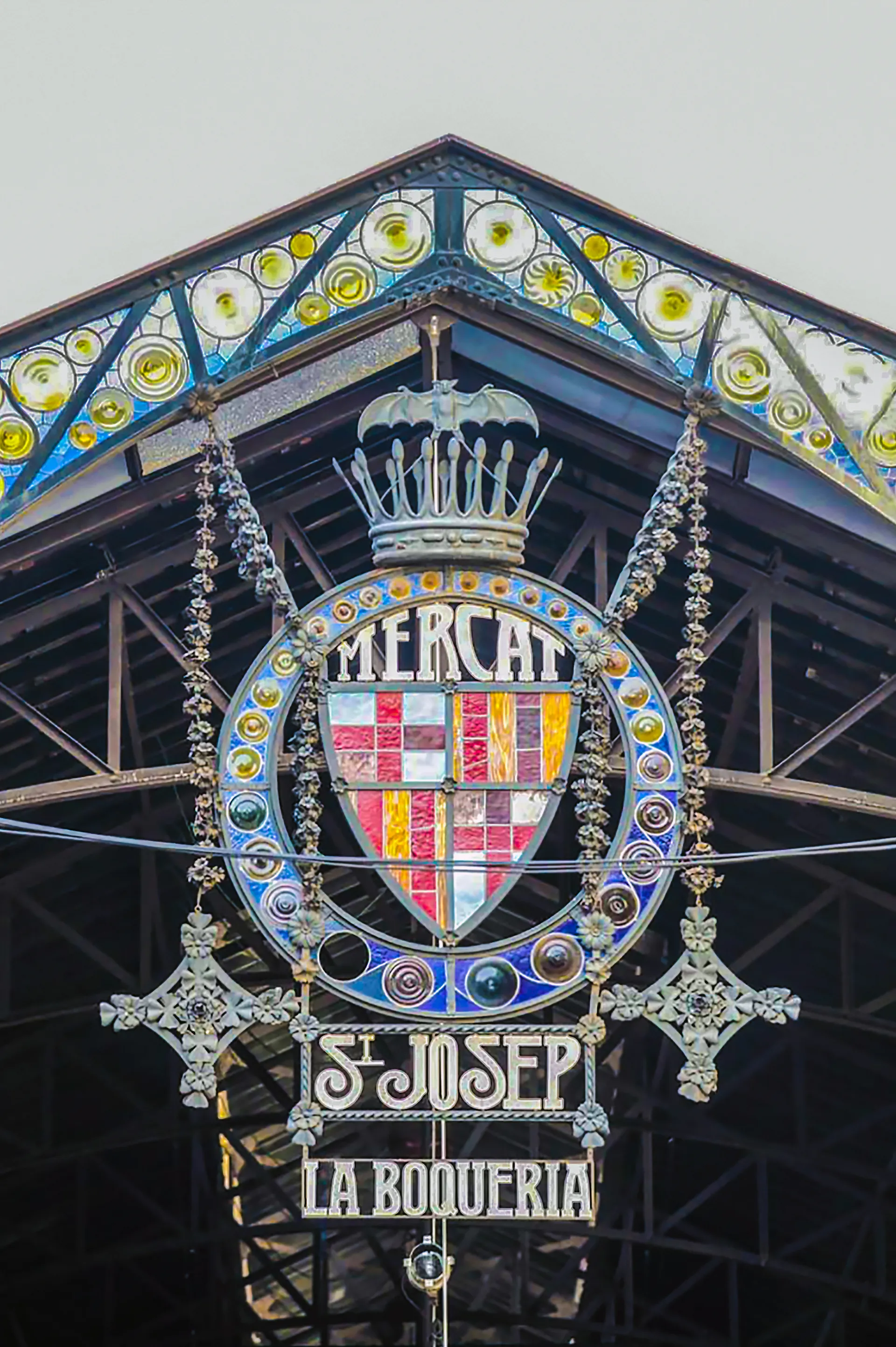
Barcelona's legendary food market just off La Rambla: a riot of jamón, seafood, fruit, and tapas counters under a Modernista iron roof. Come hungry, eat at a stool bar, and go early before the crush.
El Raval
Street
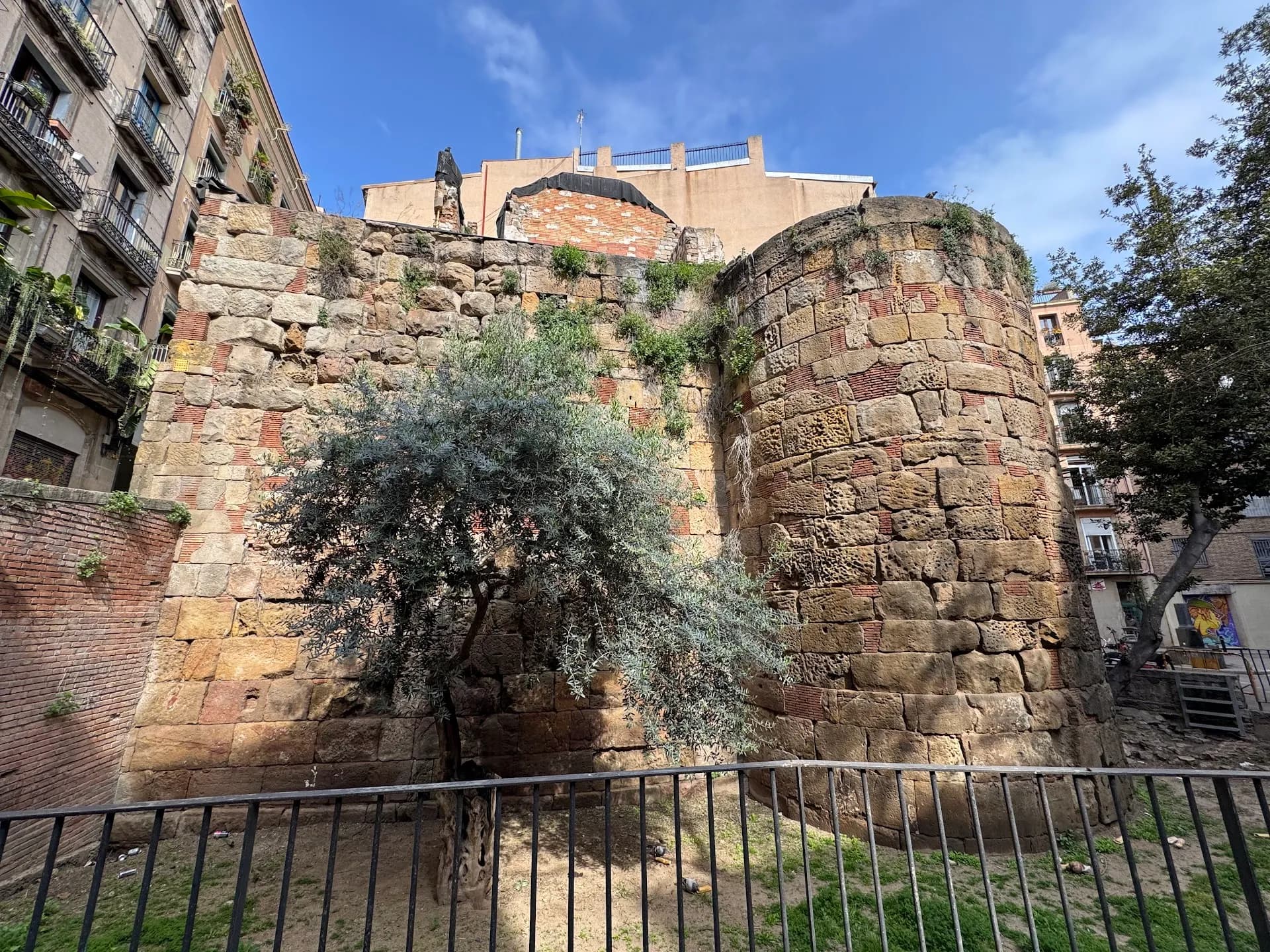
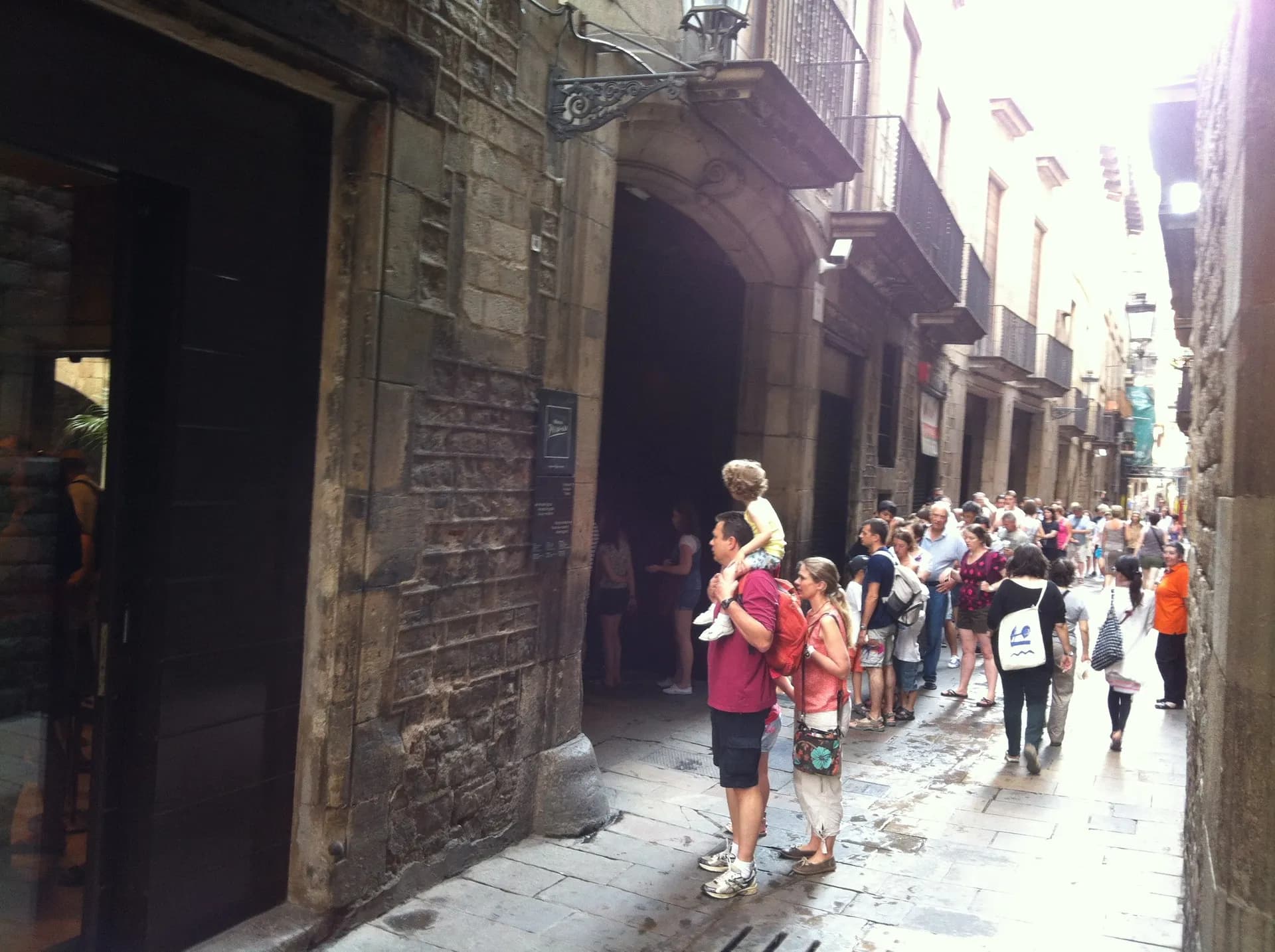
Barri Gòtic Medieval Streets
The labyrinth of narrow medieval lanes, hidden squares, and Roman remains at the heart of the old city. Atmospheric, photogenic, and endlessly wanderable.
Barri Gòtic
Scenic Spot4.0
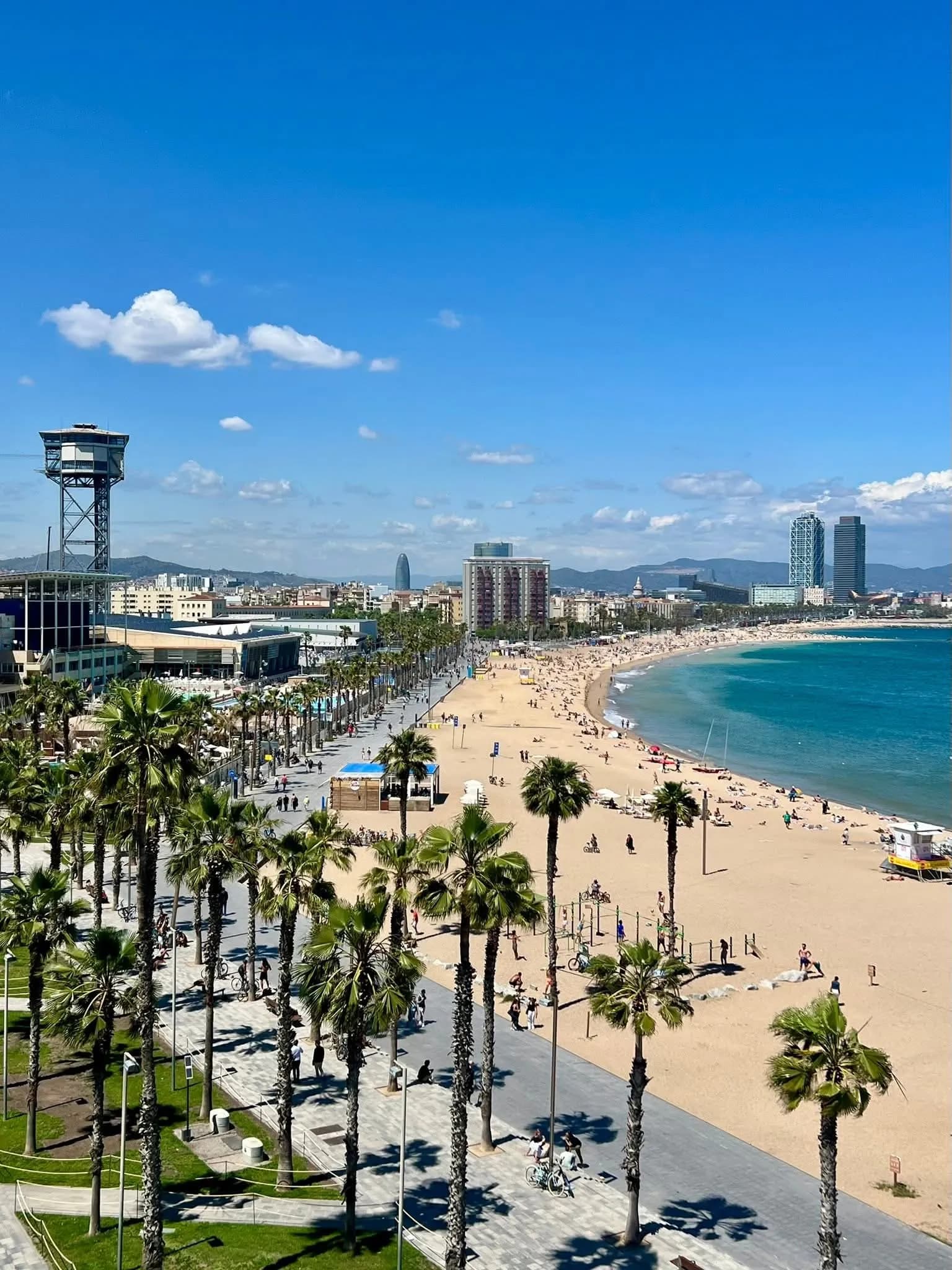
Barceloneta Beach
The city's most famous and central beach, a wide arc of golden sand backed by seafood restaurants (chiringuitos) and a buzzing boardwalk. Great for a swim, a paella, or a sunset stroll.
Barceloneta
Museum5.0
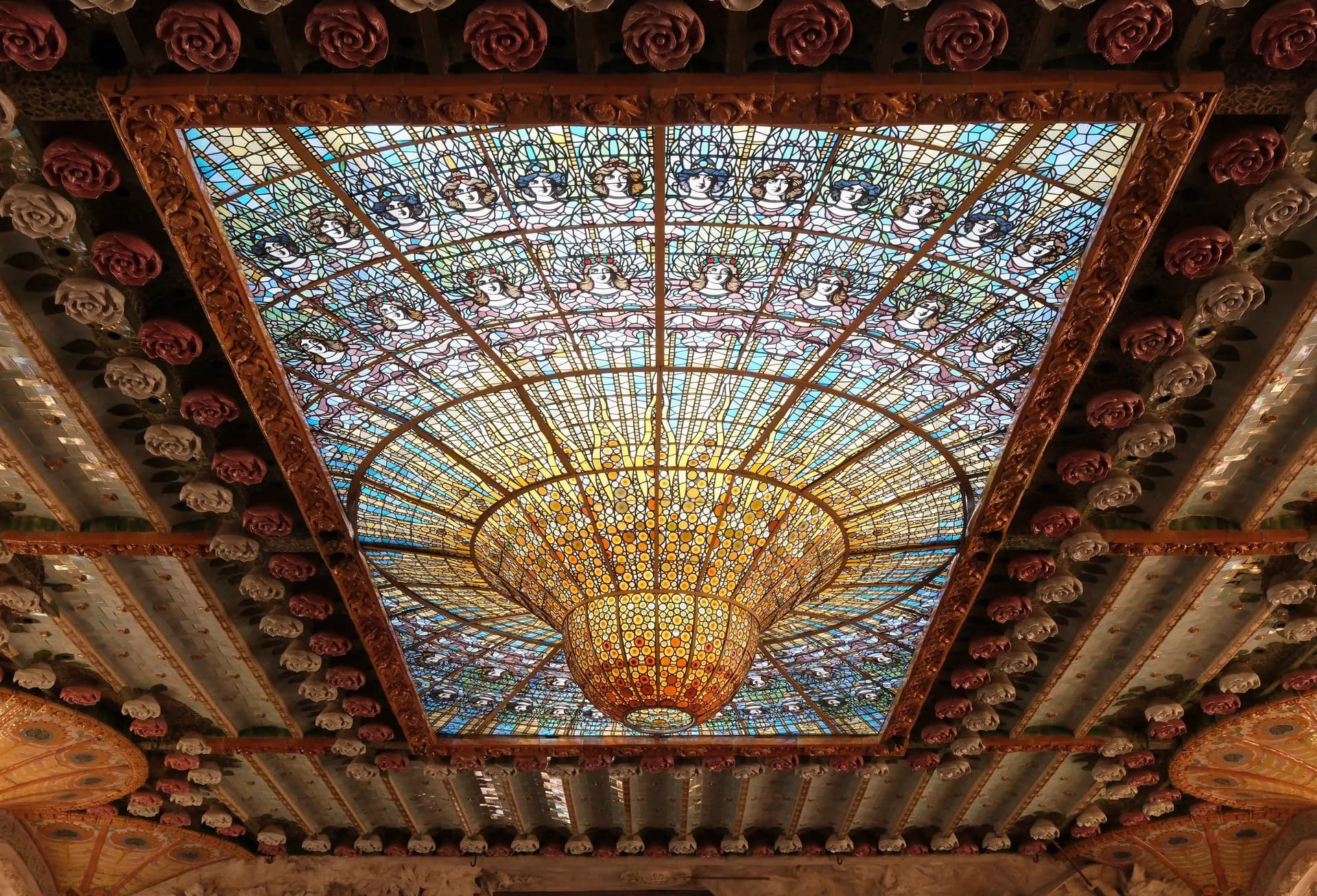
Palau de la Música Catalana
A jaw-dropping Modernista concert hall by Domènech i Montaner, drenched in stained glass, mosaic, and sculpture, crowned by an inverted glass-and-light dome. A UNESCO World Heritage Site; tour it by day or hear a concert by night.
Sant Pere
Museum5.0
Museu Picasso
Five medieval palaces in El Born hold the world's most complete collection of Picasso's early work, charting his formative Barcelona years and his radical reinventions. Essential for understanding the artist's roots.
El Born
Museum5.0
Casa Milà (La Pedrera)
Gaudí's undulating stone apartment block, nicknamed 'the quarry', famous for its wave-like facade and surreal rooftop of warrior-like chimneys. A UNESCO site with a restored Modernista apartment and attic exhibition.
Eixample
Tours & experiences
Free walking tours and curated paid experiences — save or book in a tap.
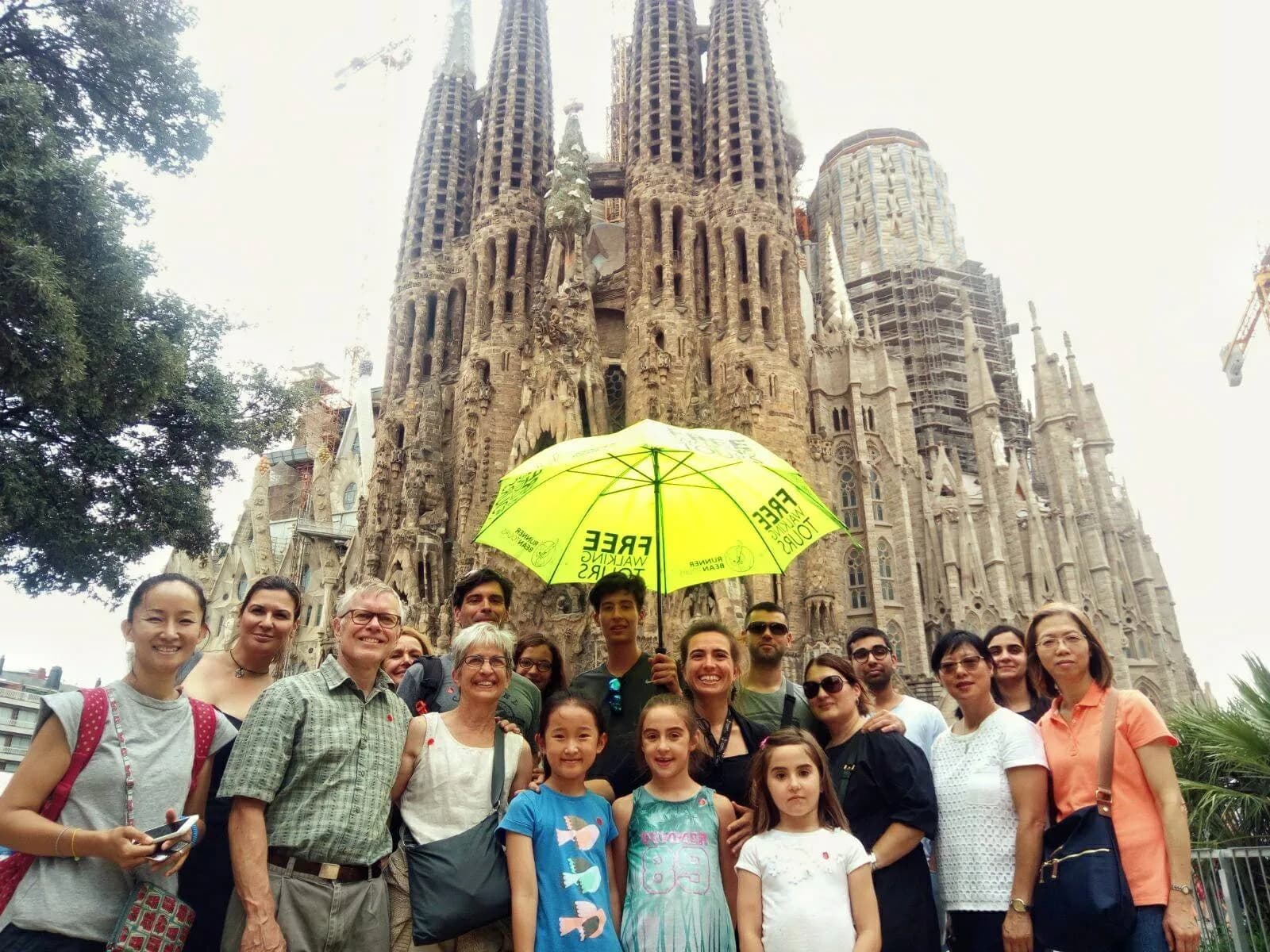
A tip-based, local-guided walk through the Roman and medieval old city: the cathedral, hidden squares, the Jewish quarter (El Call), and the legends of Barcelona's 2,000-year history. The best first-day orientation.
Barri Gòtic, starting at Plaça Catalunya2.5-3 hours
A guided walk through the Eixample's Modernista treasures, Casa Batlló, Casa Milà, and the Block of Discord, decoding Gaudí's organic genius and the Catalan Art Nouveau movement that reshaped the city.
Eixample, starting at Passeig de Gràcia2.5-3 hours
A guided tour of Gaudí's basilica with skip-the-line entry, explaining the symbolism of the Nativity and Passion facades and the forest-like interior. The single most important visit in the city.
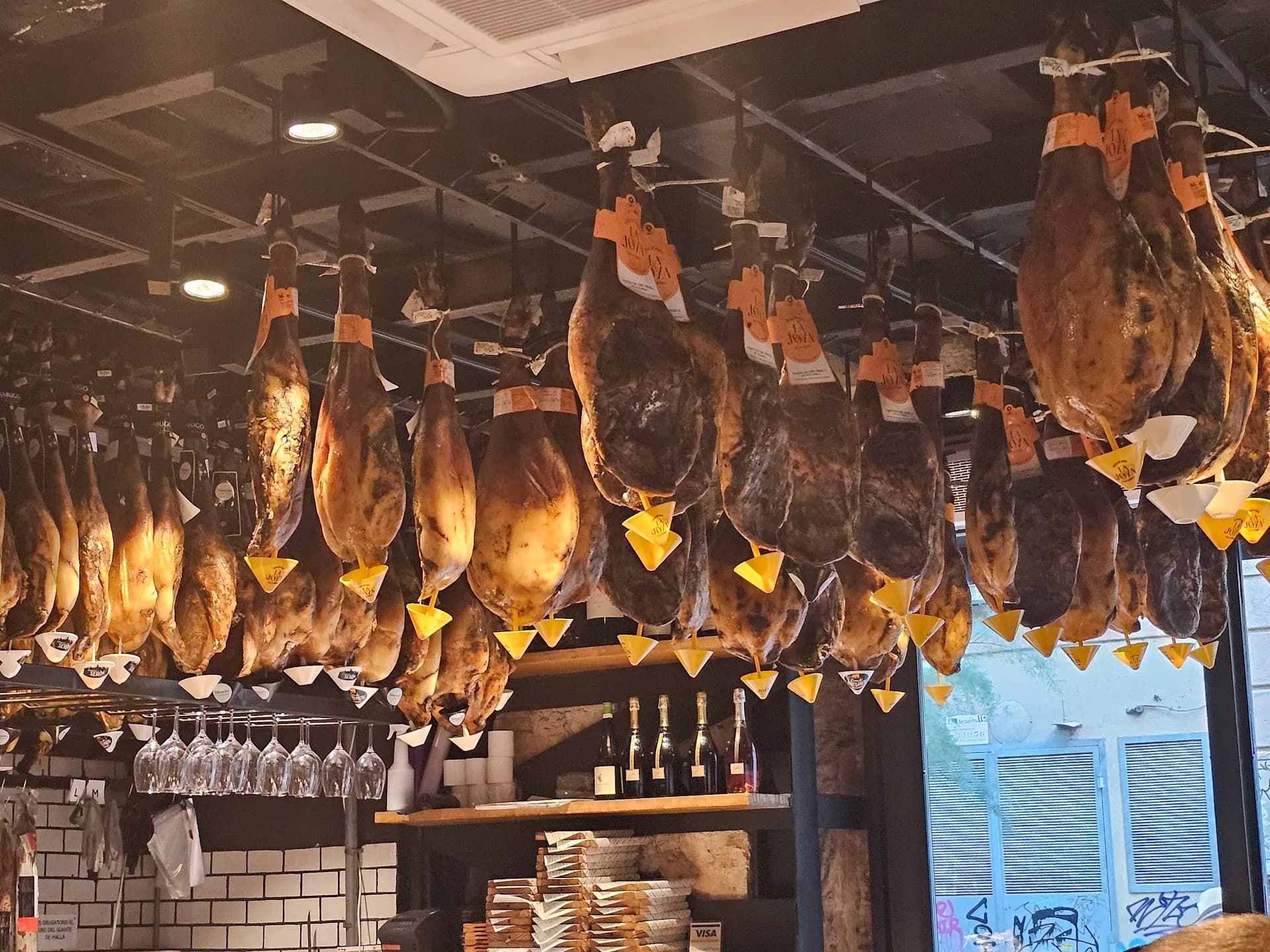
A small-group crawl through the old city's best tapas bars and bodegas, sampling jamón, pan con tomate, seafood, and Catalan wines and cava, with the stories behind each dish.
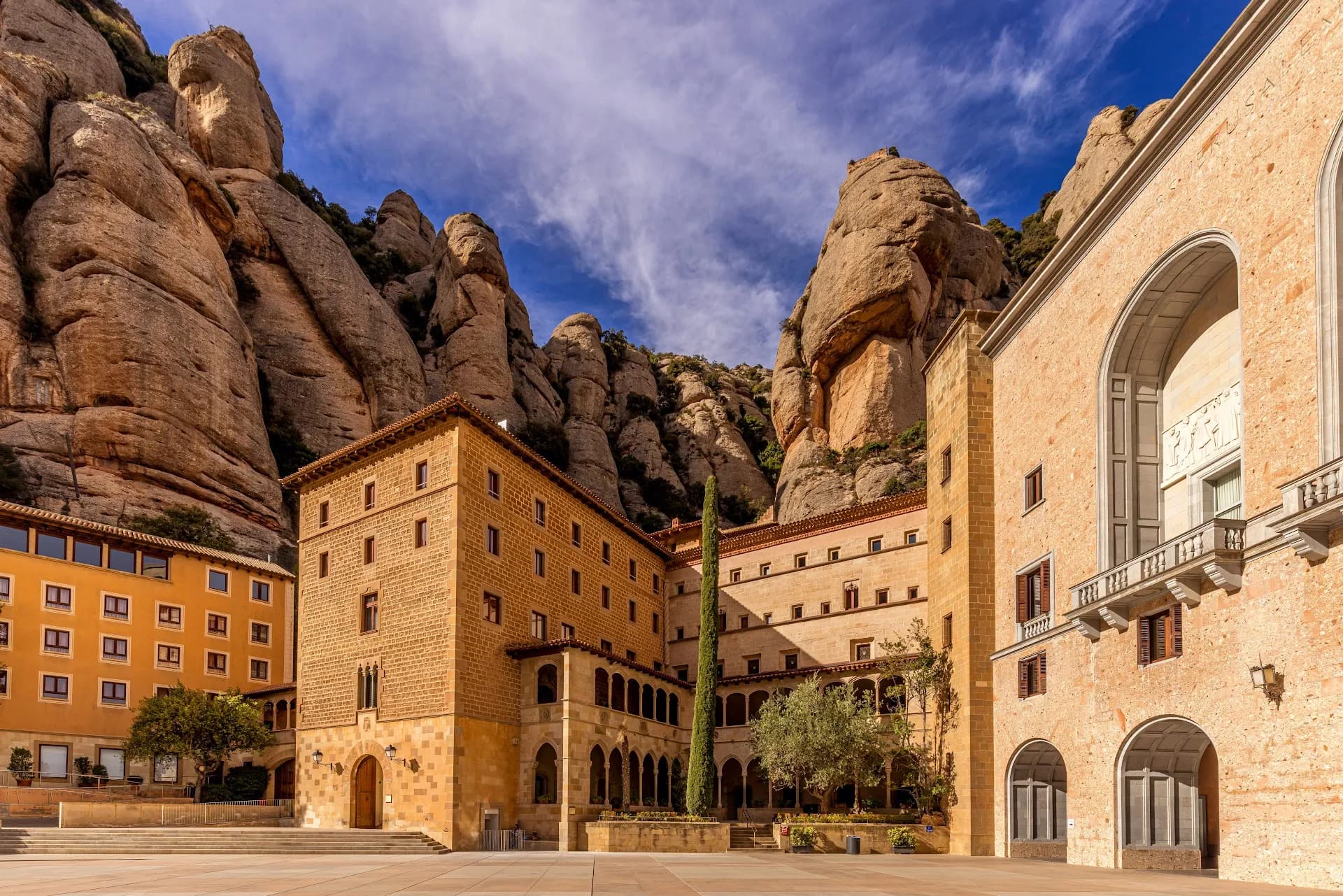
A guided day trip to the dramatic serrated mountain of Montserrat and its Benedictine monastery, home to the Black Madonna and a famed boys' choir, with cable-car or rack-railway ascents and hiking trails.
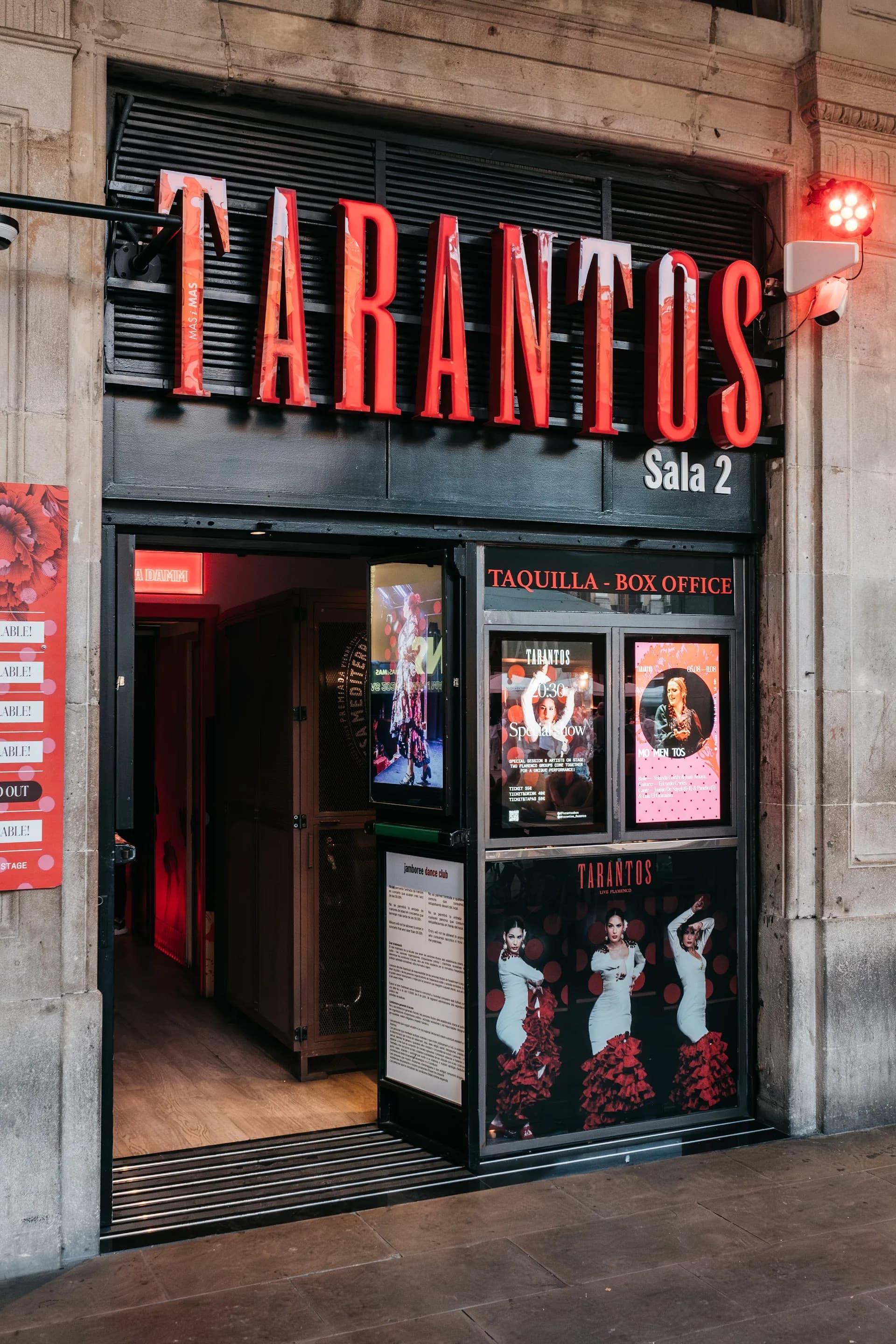
An intimate tablao performance of guitar, song, and fiery dance. While flamenco is Andalusian in origin, Barcelona's tablaos host top touring artists in atmospheric old-city settings.
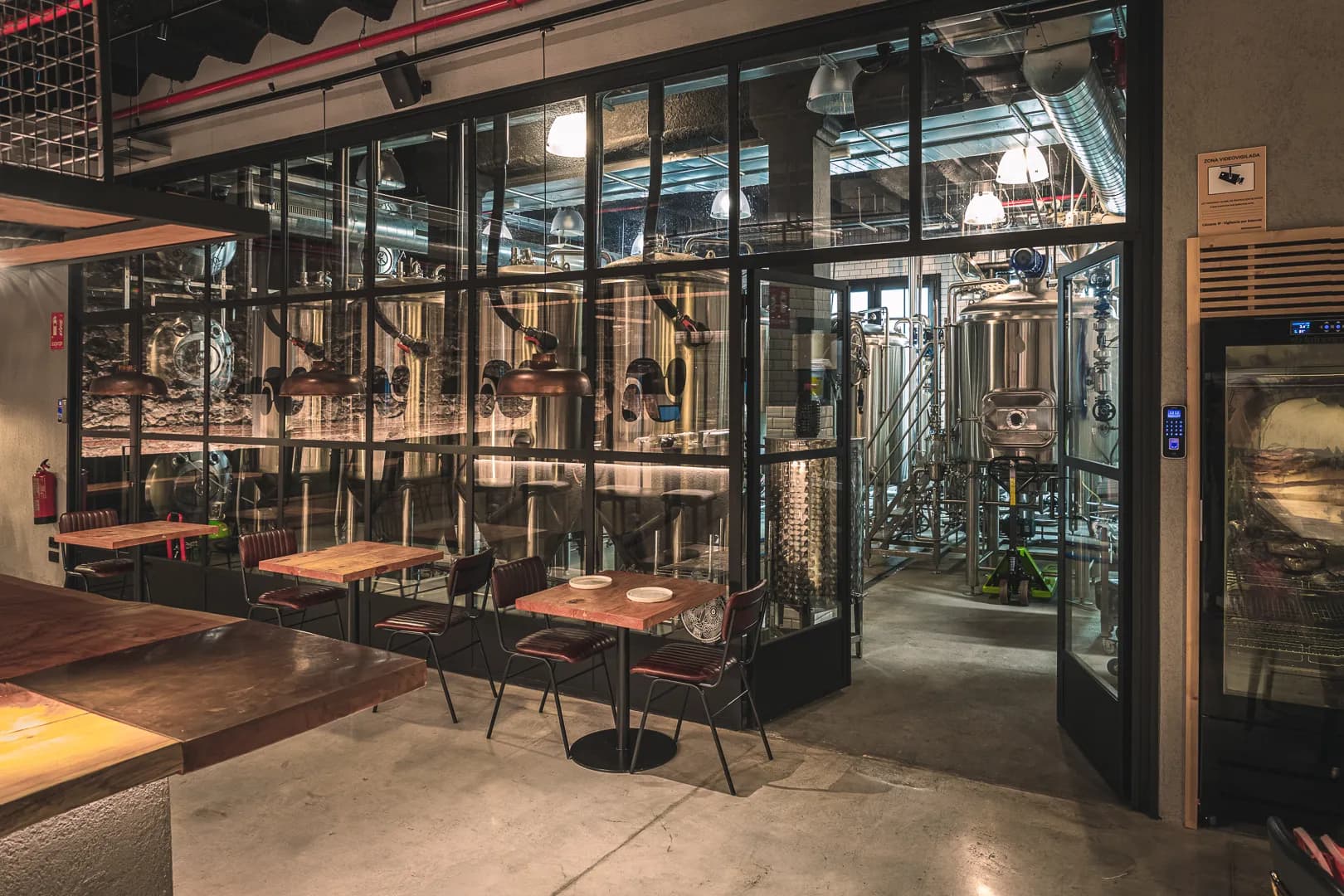
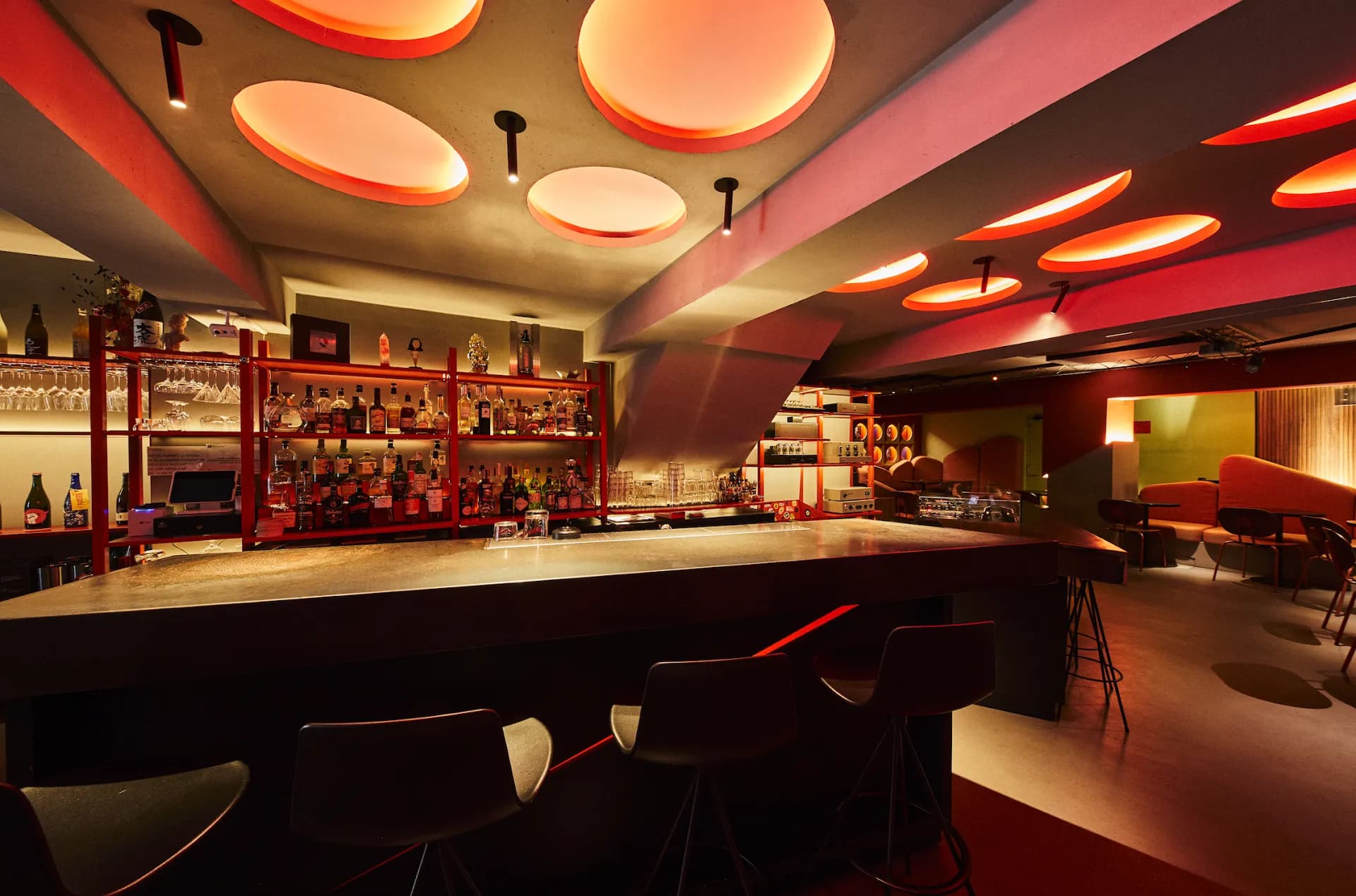
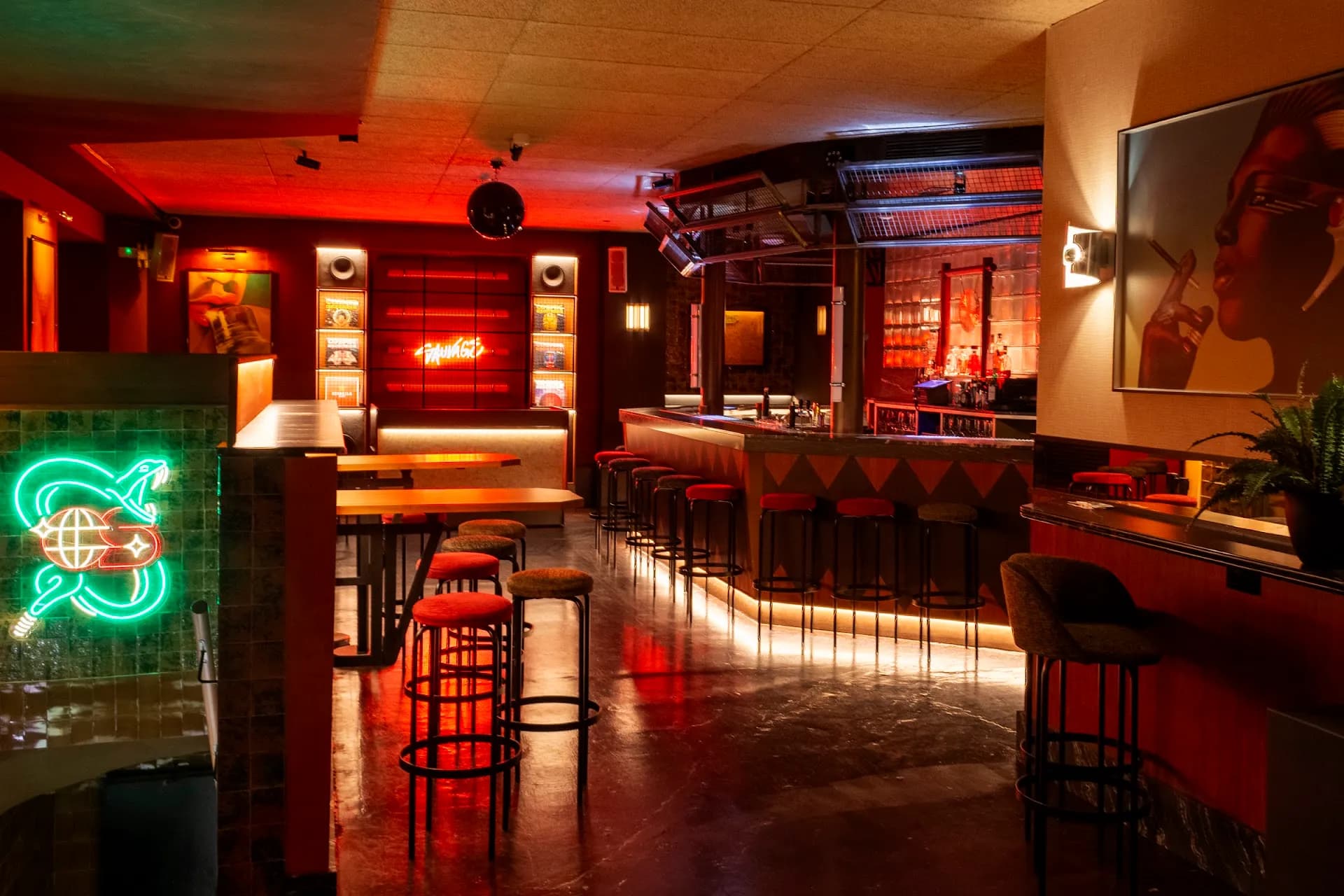
Underground hi-fi refuge beneath La Textil Collective brewery. Intimate 150-capacity venue with one of Barcelona's best sound systems, dedicated to high-fidelity listening and underground club culture.
Eixample
Must visit
Listening Bar5.0
Oblicuo Hi-Fi Bar
Japanese Jazz Kissa-inspired listening bar featuring Giorgio Di Salvo's exquisite sound system. Gràcia's first hi-fi bar offering craft cocktails, natural wines, and curated DJ programming.
Gràcia
Listening Bar4.0
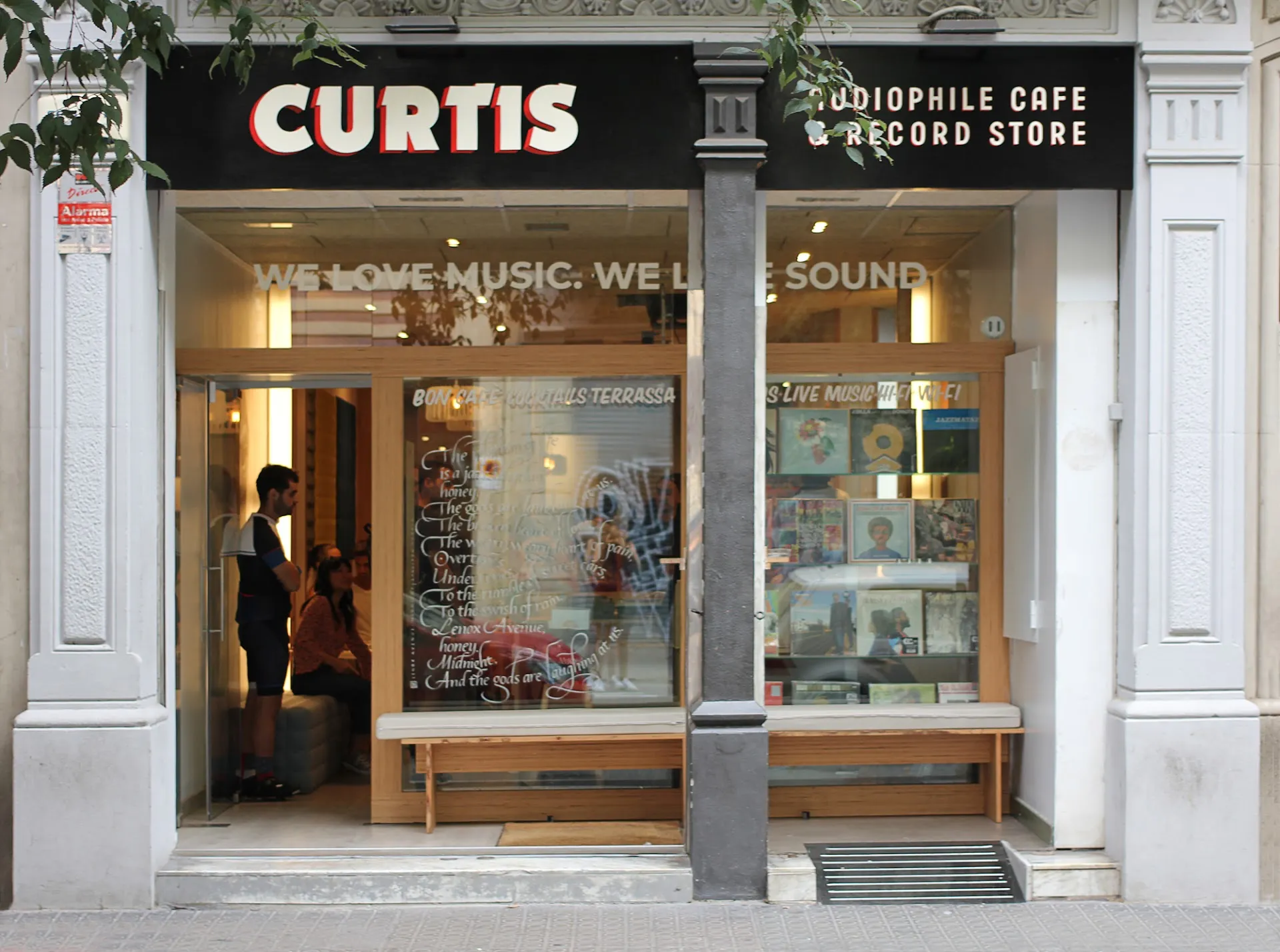
Curtis Audiophile Café
Audiophile café delighting music lovers since November 2018. Six-hour DJ sets spanning ambient, jazz, electronica, funk, soul and world music from across the globe.
Eixample
Must visit
Listening Bar5.0
Studio Stereo
Audiophile social club housed in a 19th-century Catalonian estate. Features two distinct spaces: listening room for immersive sound and dancing room with Pequod Acoustics/Suave Lab x Audiodise sound system.
Near Plaça Catalunya
Bar4.0
33/45 Bar & Gallery
Named for vinyl speeds, this listening bar blends cocktails, vinyl, and design-led intimacy. Vast collection spanning house, techno, and electro with two-room layout.
El Raval
Bar5.0
Les Gens Que J'aime
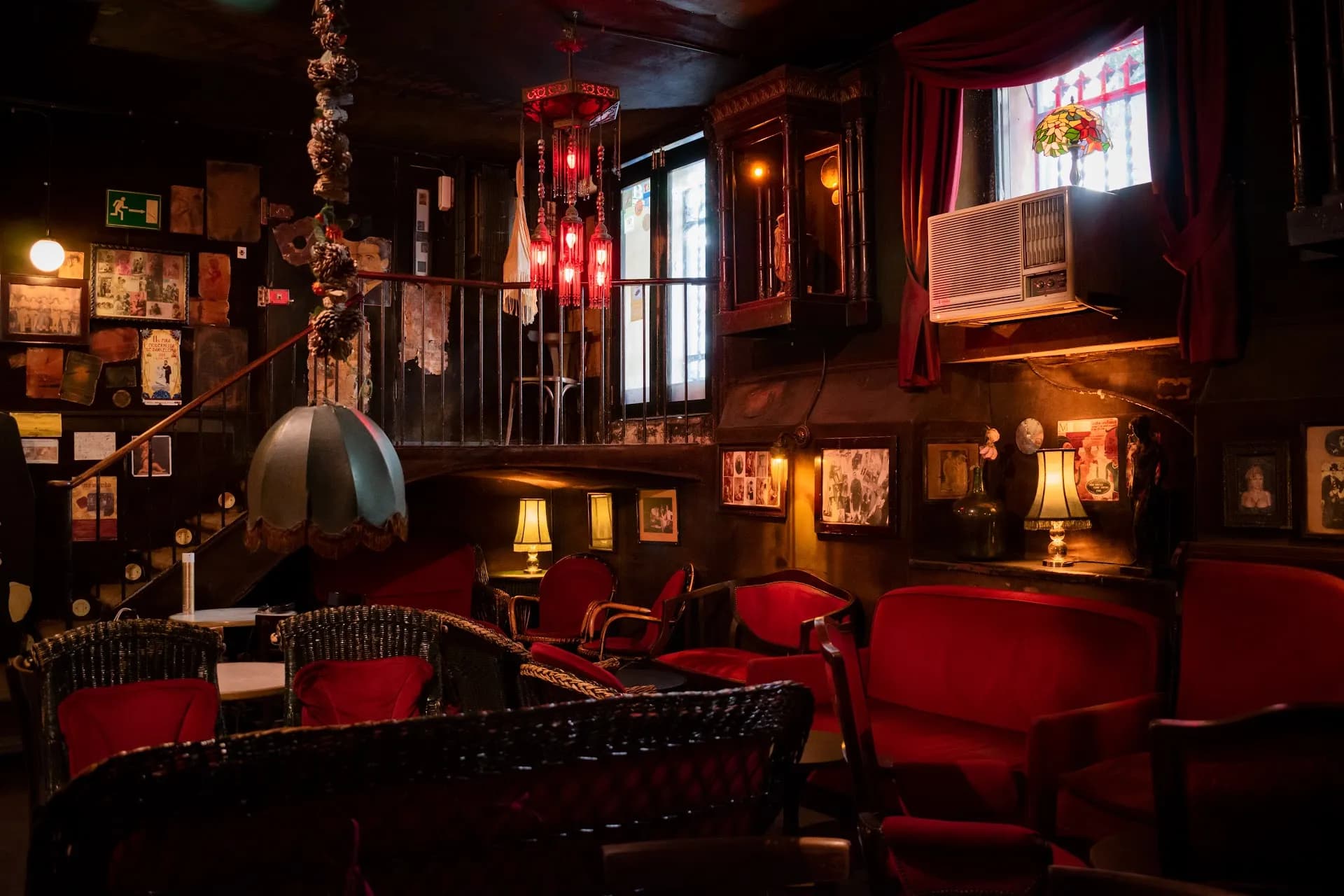
Vintage cocktail bar unchanged since 1967 with period decor. Soothed by calm jazz tunes, plush red couches, and dim yellow lighting create perfect ambient atmosphere.
Eixample
Bar4.0
Slow Barcelona
Intimate cocktail bar and boîte combining lounge area with nightclub. Features live music and DJs with electro, indie, and nu-disco sessions in vintage decor setting.
Eixample
Club4.0
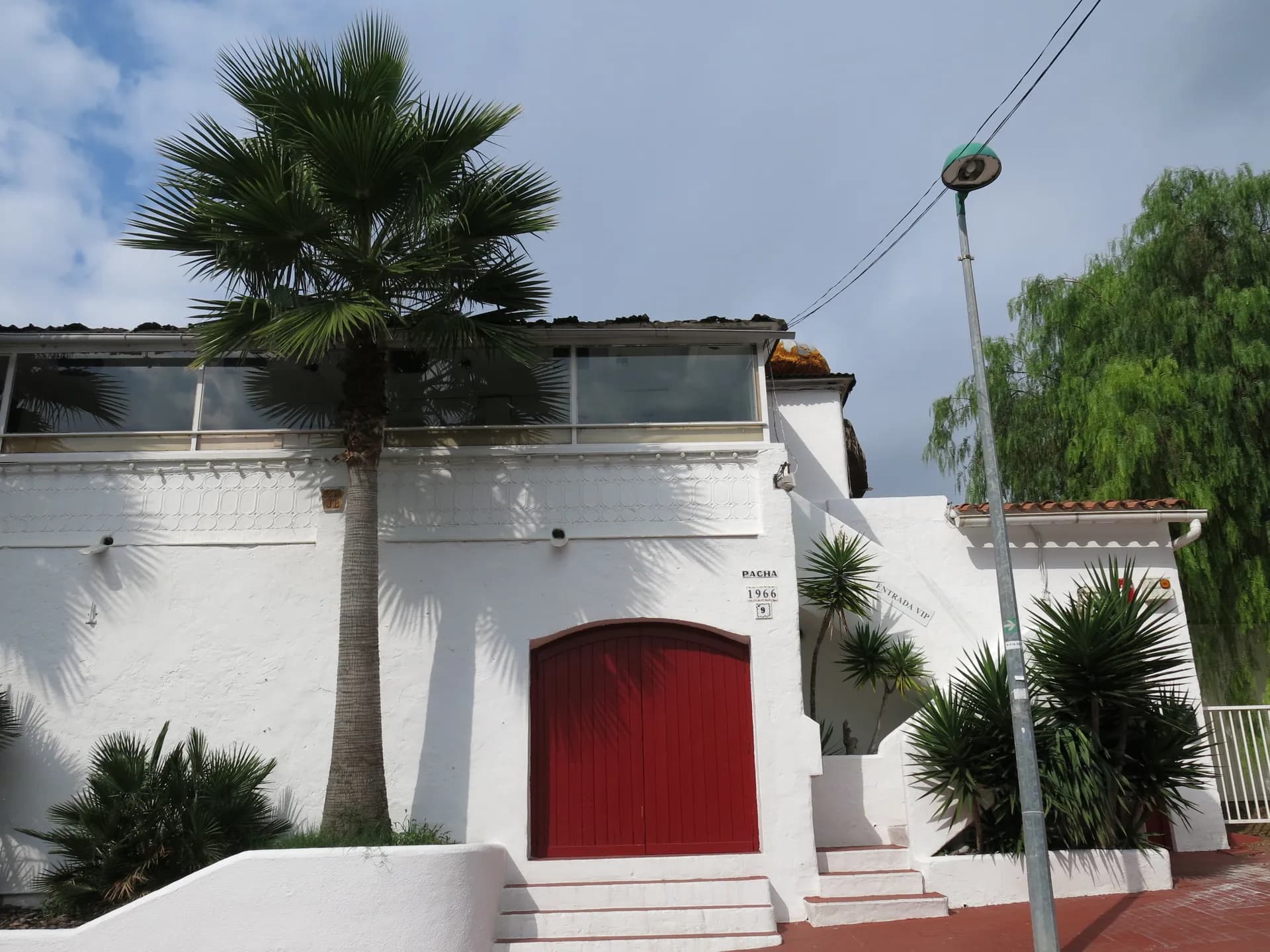
Pacha Barcelona
Beachfront club with stunning sea-view terrace featuring chill-out sessions during the day and diverse electronic music at night. Part of Olympic Village.
Barceloneta
Must visit
Club5.0
Razzmatazz
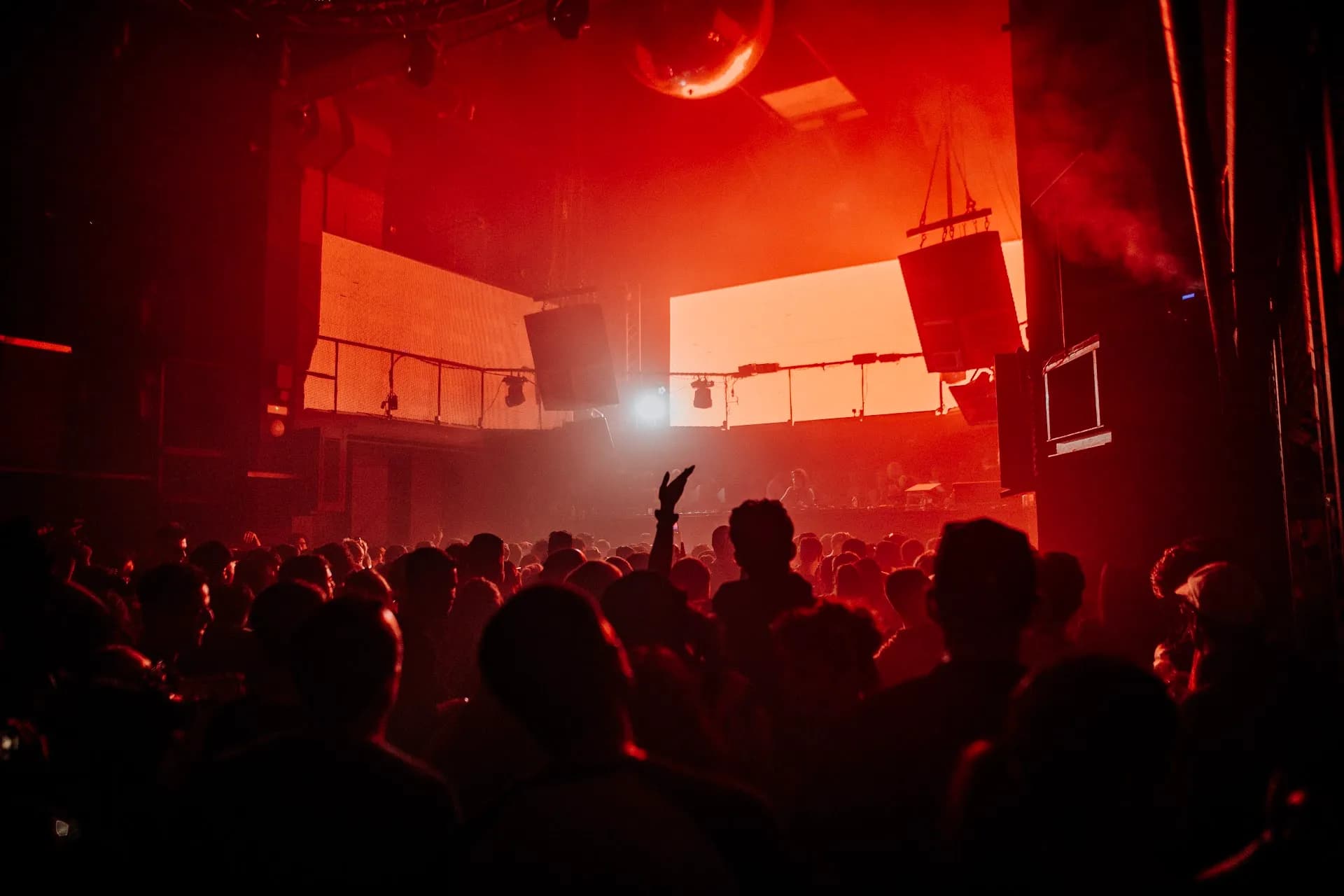
Iconic 5-room mega-club in former factory with 60-foot ceilings. The Loft on top floor is pinnacle of raw industrial techno. Each room dedicated to distinct music genre.
Poblenou
Must visit
Club5.0
Moog
Underground techno institution since 1990s, open 365 days. Small, dark, atmospheric club with two rooms: main room for techno/electro, second room for club classics and disco hits.
El Raval
Must visit
Club5.0
Input High Fidelity Dance Club
State-of-the-art Funktion-One sound system with 360-degree LED visuals. Audiophile techno temple inside Poble Espanyol with commitment to sound quality rivaling best in Europe.
Sants-Montjuïc
Must visit
Club5.0
Sala Apolo / Nitsa Club
Historic venue in former theatre hosting Nitsa Club on weekends. Deep electronic and techno with best underground international DJs. Multiple music genres throughout the week.
El Raval
Club4.0
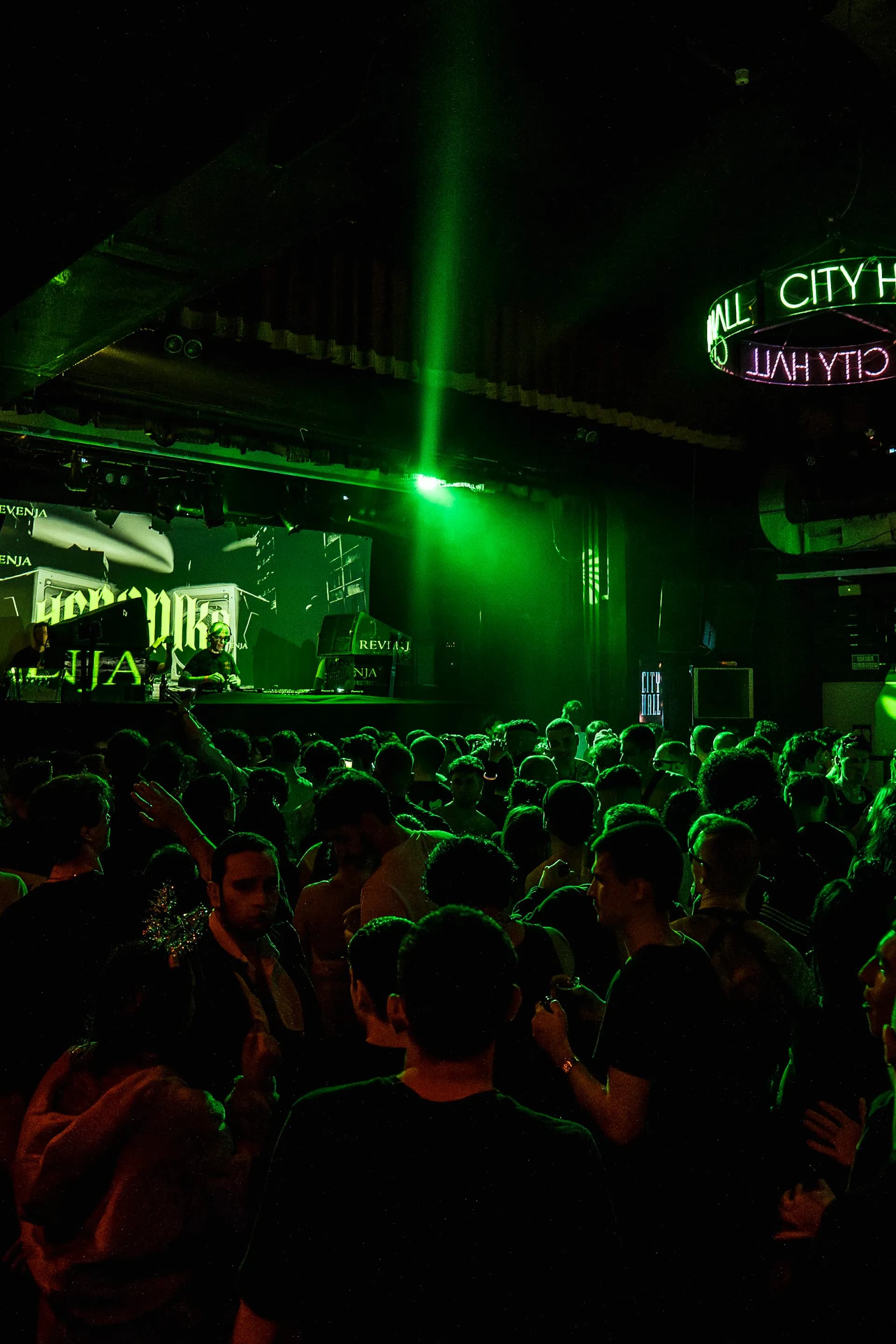
City Hall
Former theatre near Plaça Catalunya, the most important venue for house, techno, hard techno+ and melodic in heart of city. Weekly international DJ sets.
Eixample
Club4.0
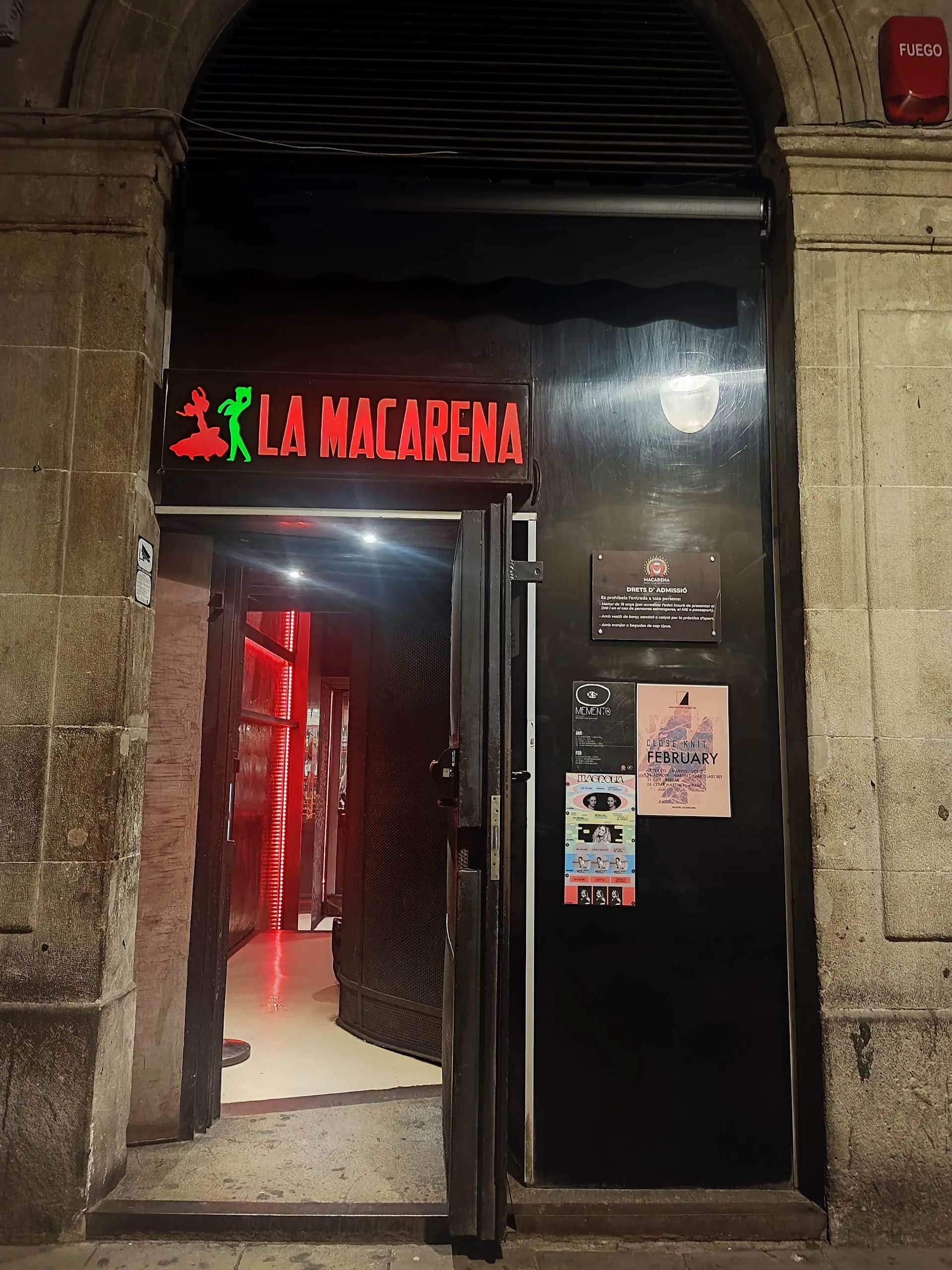
Macarena Club
Underground electronic music icon next to Las Ramblas. Pounding minimal, house and techno in intimate setting. Encapsulates essence of underground electronic music.
Ciutat Vella
Must visit
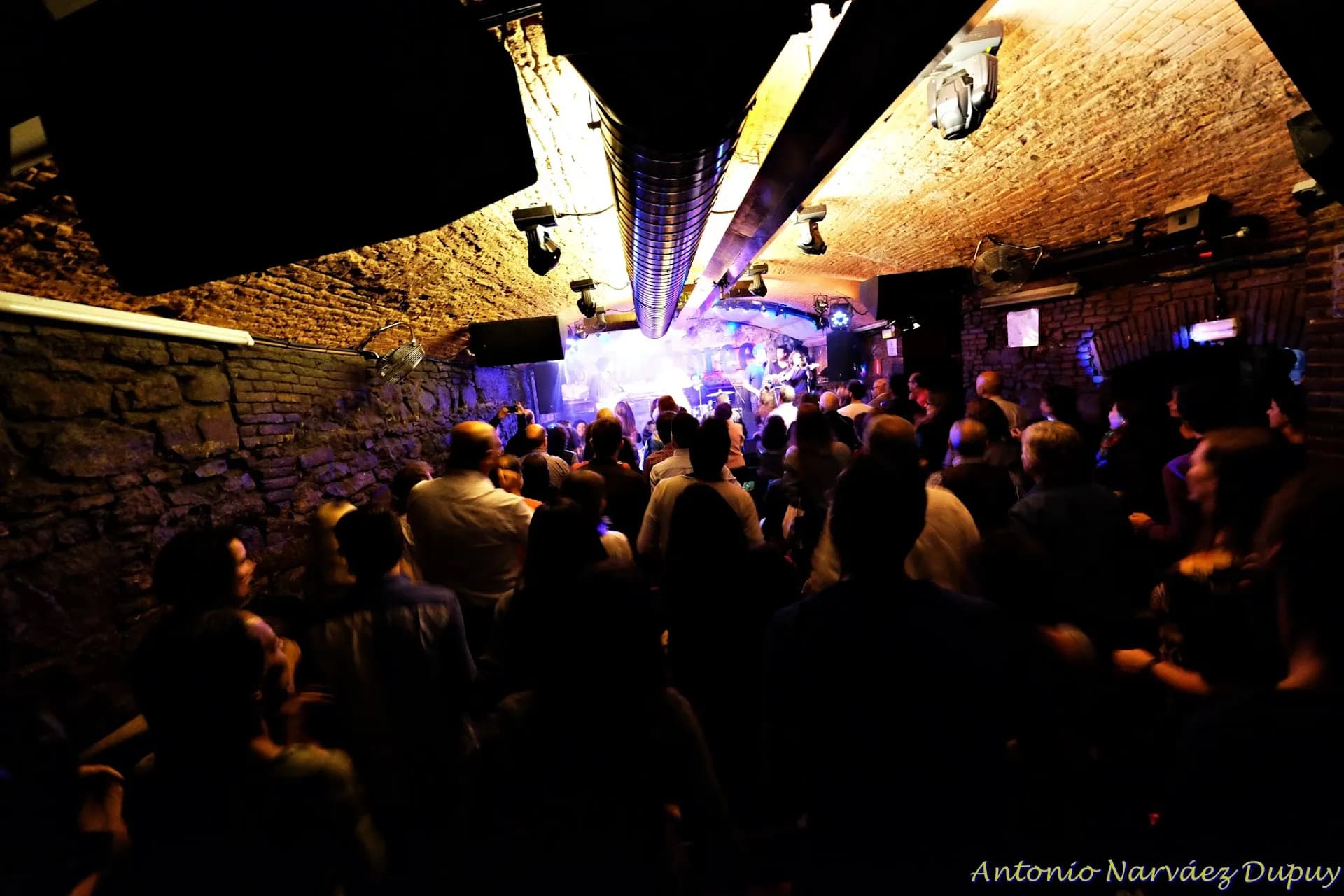
Jazz5.0
Jamboree Jazz Club
Oldest jazz venue in Spain, opened 1960. Two concerts daily all year round in intimate setting. Rooms 1 and 2 open until 5-6am after concerts.
Gothic Quarter
Jazz5.0
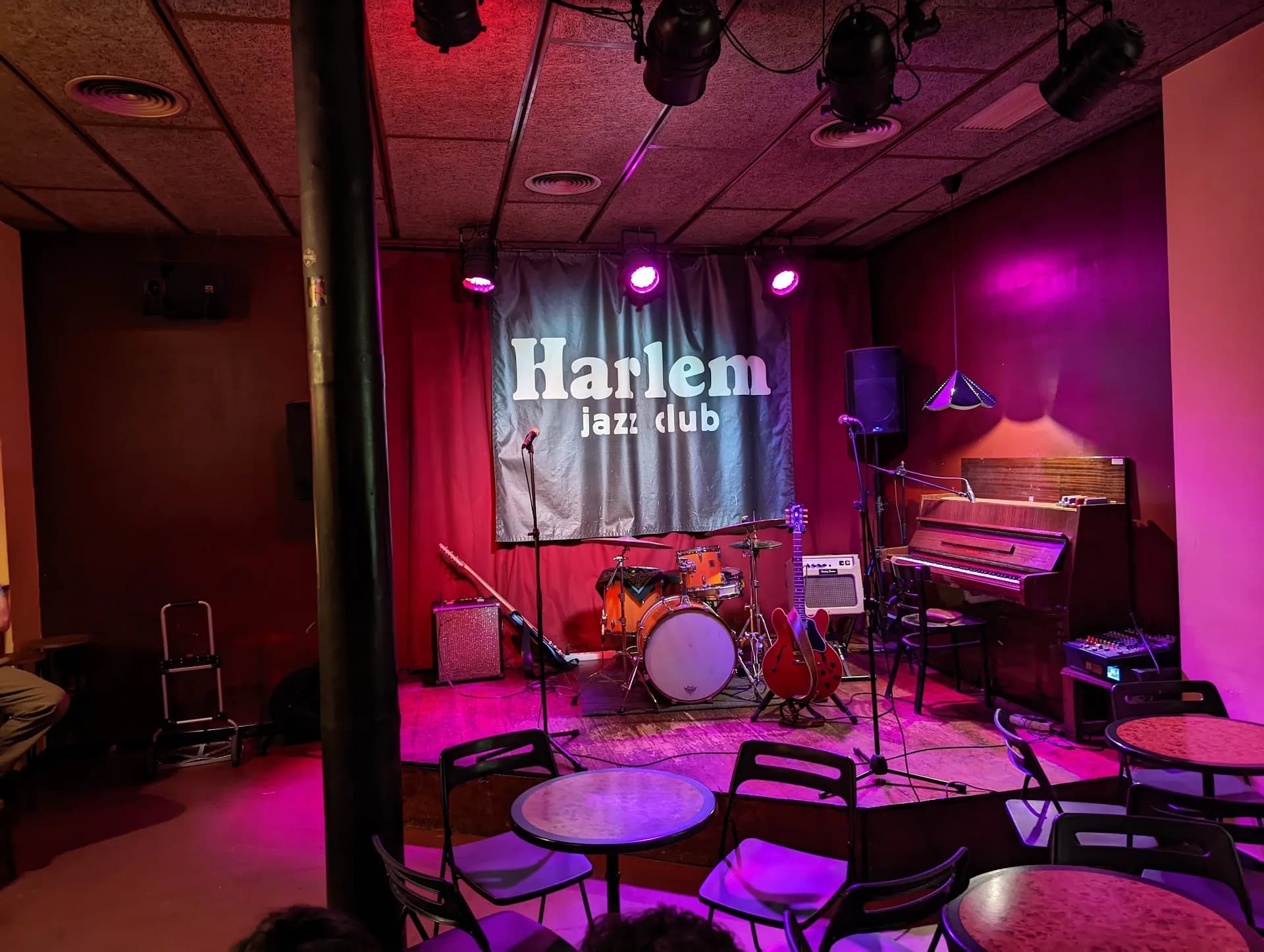
Harlem Jazz Club
Oldest live music club in Gothic Quarter offering high-level blues, jazz and folk concerts. Two sessions nightly starting 22:30 and midnight.
Gothic Quarter
Club4.0
La Nau
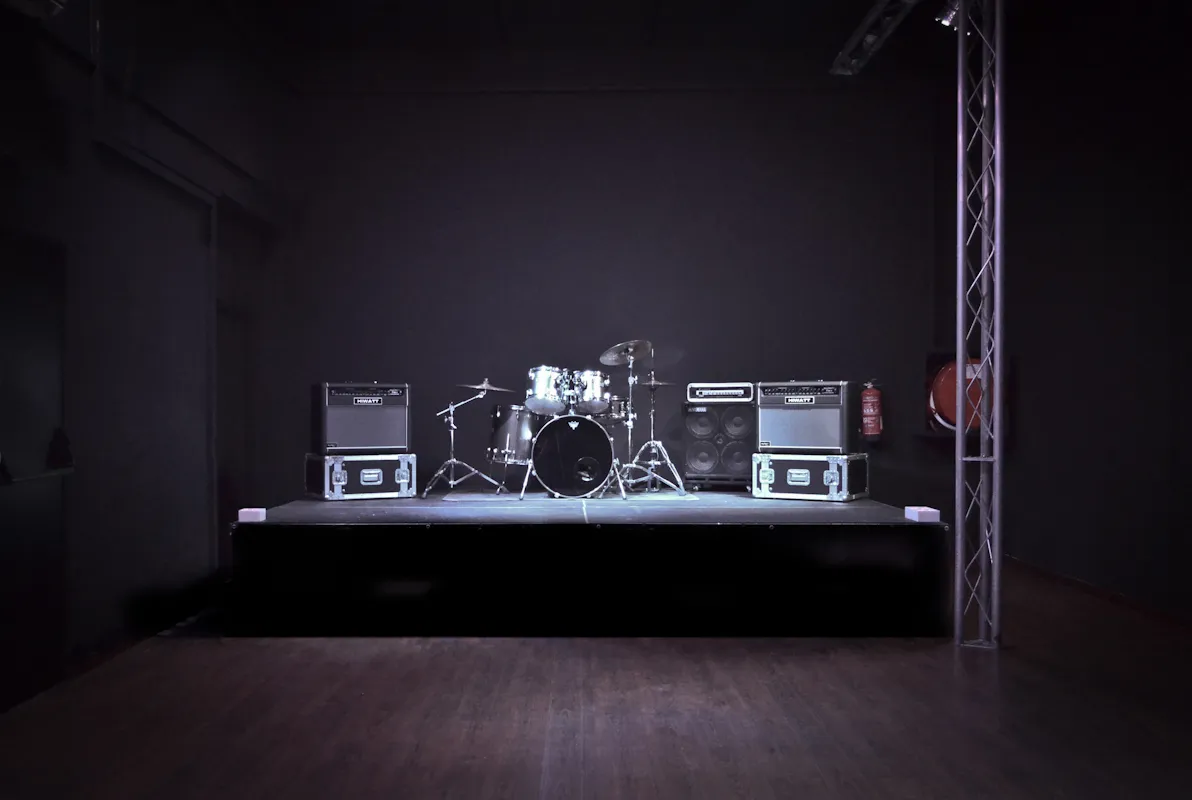
750m² multidisciplinary music creation space combining 6 rehearsal rooms with fully equipped concert venue. Hosts experimental electronic and various genres.
Poblenou
Club4.0
Sidecar Factory Club / Club Sauvage
Underground music scene driver for 30+ years. Recently became Club Sauvage with improved sound quality and facilities. Rock, punk, indie, experimental, alternative, and techno.
Gothic Quarter
Bar4.0
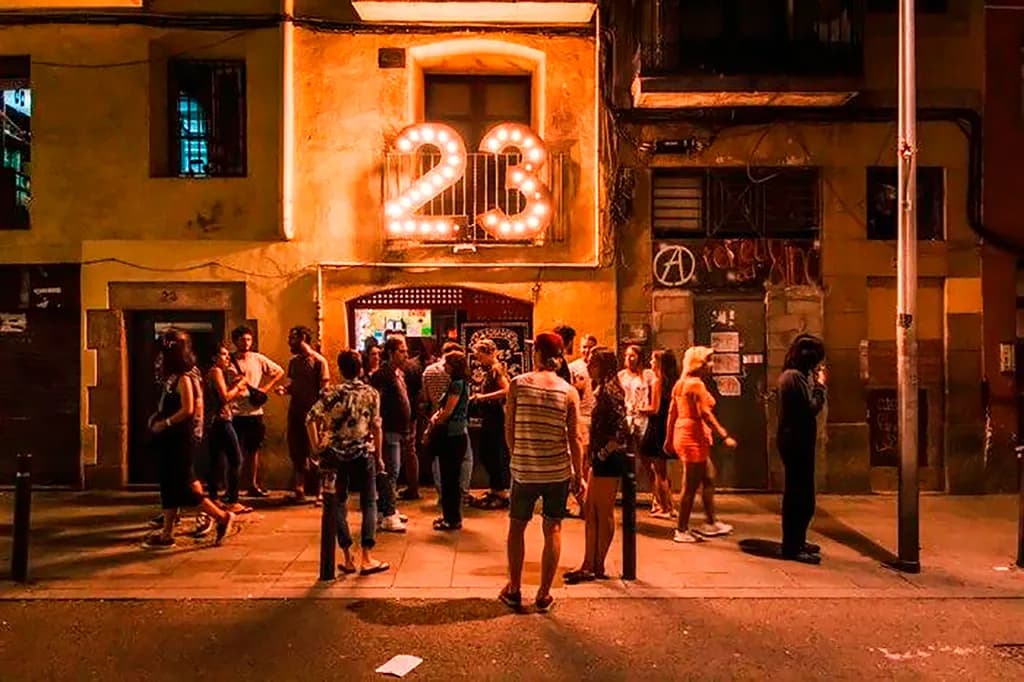
Robadors 23
Rustic bar/lounge offering free live music every night since 2004. From purest flamenco to most experimental musical expressions. Jazz Wednesdays, Flamenco Sundays.
El Raval
Bar3.0
Club Cronopios
Cultural club and lounge sharing culture since 2013. Hosts concerts, poetry readings, philosophical talks, and open mic nights on Mondays.
El Raval
Club3.0
Heliogàbal
Cultural hub for indie and experimental music in trendy Gràcia neighborhood. Promoting art and culture since 1995 with live concerts, art exhibitions, and poetry.
Gràcia
What it costs
Daily budgets and typical prices to plan your spend.
Backpacker
€60/ day
Mid-range
€130/ day
Luxury
€300/ day
Cheap meal
€13
Restaurant meal
€28
Coffee
€2.5
Local beer
€3.5
Transit ticket
€2.7
Taxi (1km)
€1.5
Cost index 62 (New York = 100).
When to go
Best time to visit
May, June, and September are ideal: warm Mediterranean weather, long days, and the beach in play, without the peak-August heat and crush. Spring and autumn are mild and pleasant; winters are cool but rarely cold, and far quieter.
Crowds
Very High
PeakJune, July, August
ShoulderApril, May, September, October
QuietNovember, January, February
Major events
Sant Jordi (Books & Roses)April
Primavera SoundJune
Sónar FestivalJune
Festa Major de GràciaAugust
La Mercè (city festival)September
Weather by month
Average temperature and rainfall, to time your visit.
10°J
10°F
12°M
14°A
18°M
22°J
25°J
25°A
22°S
18°O
13°N
10°D
Good to know
Practical info before you go.
Tipping
Appreciated — Tipping is not obligatory and service is included. Locals round up or leave 5-10% for good restaurant service; for a coffee or casual meal, leaving the small change is plenty.
Tap water
Safe to drink
Power
Type C/F · 230V
Safety
High — Barcelona is safe for violent crime but is one of Europe's worst cities for PICKPOCKETING. Be vigilant on La Rambla, the metro (especially L3), around Sagrada Família, and on the beach; keep bags zipped and in front, and never leave belongings unattended on the sand.
Emergency
112
Visa-free for
United States, Canada, United Kingdom, European Union, Australia, New Zealand
Local culture
Language
Catalan & Spanish
English
High
Dress code
Smart Casual
Useful phrases
Hola
Hello (Catalan & Spanish)
Gràcies / Gracias
Thank you (Catalan / Spanish)
Si us plau / Por favor
Please (Catalan / Spanish)
Perdoni / Perdón
Excuse me (Catalan / Spanish)
Parla anglès? / ¿Habla inglés?
Do you speak English?
La cuenta, por favor
The bill, please
Local customs
Catalonia has a strong distinct identity, Catalan is the local language and a point of pride; a few Catalan words are warmly received
Meals run late: lunch around 2pm, dinner from 9pm; many kitchens close mid-afternoon
Many shops close for a midday break and on Sundays
Greet with two cheek kisses (right cheek first) among friends
Cards are widely accepted, but carry some cash for small bars and markets
Watch out for
Pickpocket teams on La Rambla, the metro, and around Sagrada Família, often working in distraction pairs
The 'friendship bracelet', fake-petition, and 'spilled drink' distraction scams in tourist zones
Beach theft, never leave phones or bags unwatched on the sand while swimming
Useful links
Official resources and quick searches for Barcelona.
Three to four days is ideal: one for the Gothic Quarter and old city, one for Gaudí and the Eixample, and one for Montjuïc and the beach. A fourth day lets you slow down or take a day trip to Montserrat or the Costa Brava.
What is the best way to get around Barcelona?
The TMB metro is fast, cheap, and reaches everything; a T-casual multi-ride ticket is the best value. The old city is very walkable, and from El Prat airport the Aerobús or train reaches the centre in about 35 minutes.
Do I need to book Gaudí sights in advance?
Yes. The Sagrada Família, Park Güell's Monumental Zone, Casa Batlló, and Casa Milà all use timed tickets that regularly sell out days ahead in peak season. Book online before you travel.
Is Barcelona safe?
It is safe for violent crime but is one of Europe's worst cities for pickpocketing. Keep bags zipped and in front of you on La Rambla, the metro, and around the Sagrada Família, and never leave belongings unattended on the beach.
When is the best time to visit Barcelona?
May, June, and September offer the best mix of warm weather and manageable crowds. July and August are hot and packed (though great for the beach and festivals); winter is mild, quiet, and cheaper.
Ready to plan Barcelona?
Turn this guide into a real trip — itinerary, map, budget and friends, all in one place.