Spain is Europe's great all-rounder — a country that hands you world cities, golden beaches, snow-capped mountains, Moorish palaces and some of the planet's best food, all bound together by the largest, fastest high-speed rail network on the continent. You can stand before a Velazquez in Madrid at noon, walk under Gaudi's spires in Barcelona that evening, and be eating fried fish by an Andalusian river the next day — Spain travels far bigger than the map suggests, yet its distances melt away on the AVE.
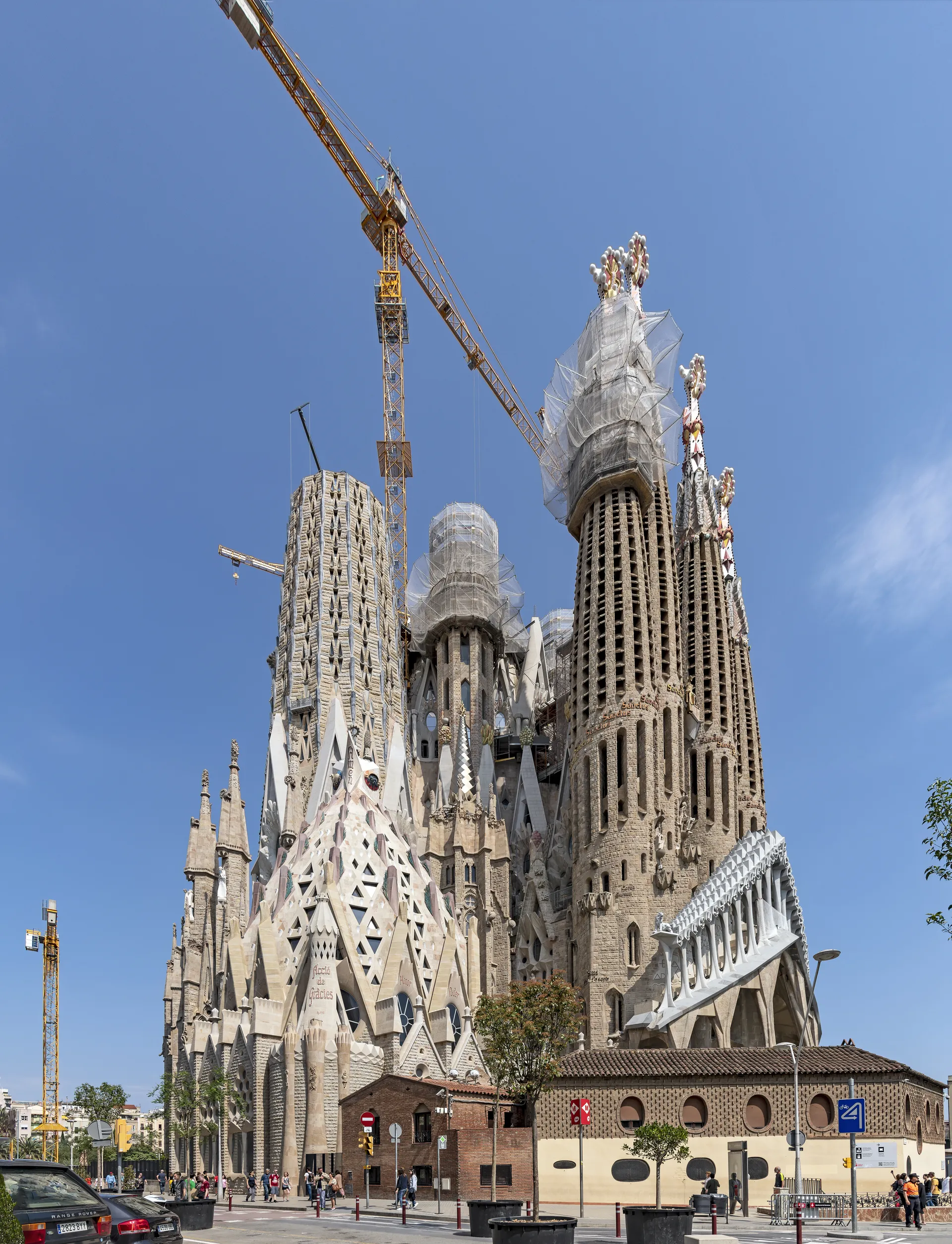
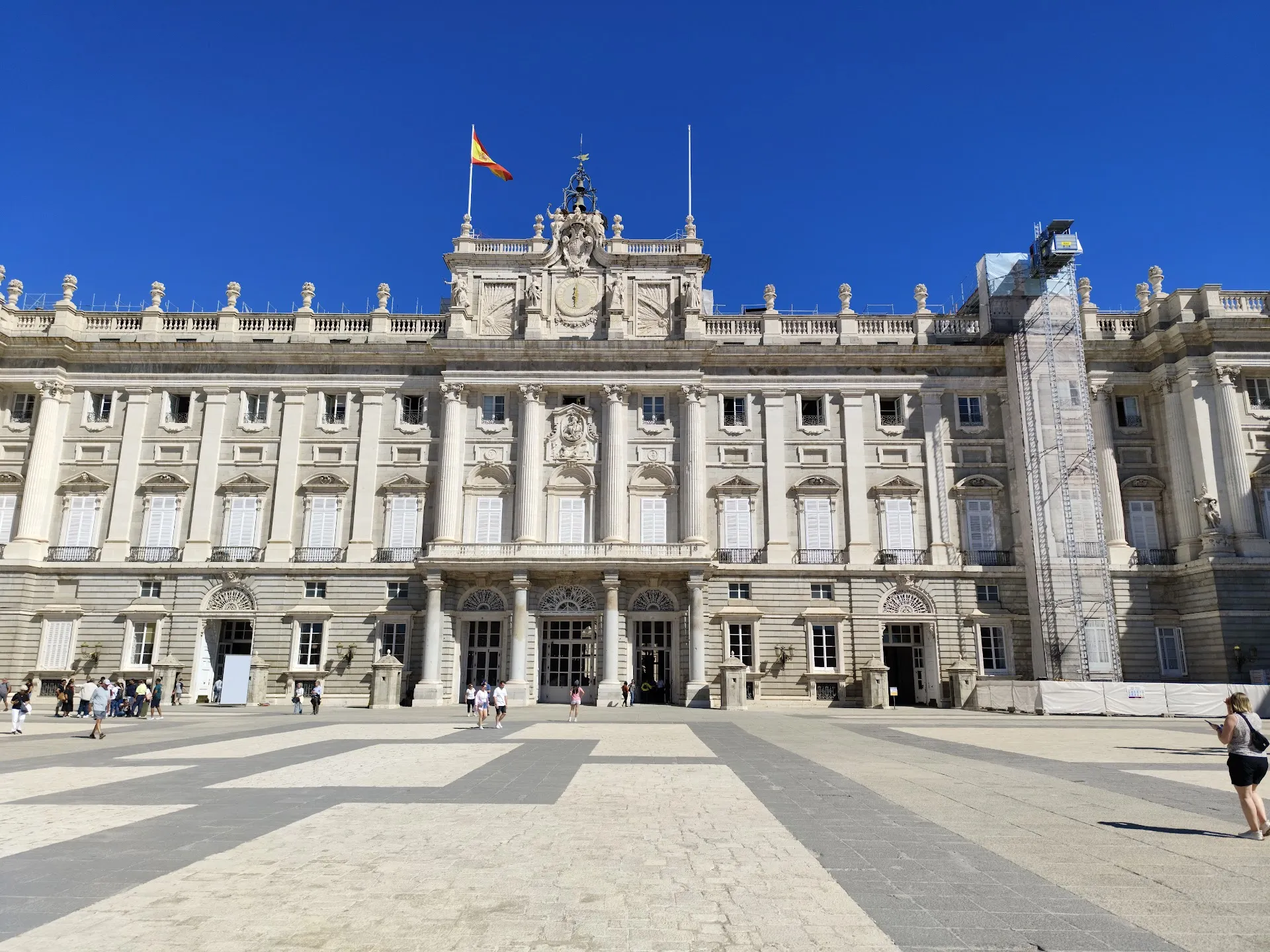
The two heavyweight cities anchor most trips. Madrid, the high, sunlit capital, lives outdoors and stays up late: the Prado, Reina Sofia and Thyssen form one of the world's great art triangles, while marble-topped bars pour cana after cana and dinner rarely starts before ten. Barcelona, on the Mediterranean, is its creative counterweight — Gaudi's Sagrada Familia and Park Guell, the medieval lanes of the Gothic Quarter, the grid of the Modernista Eixample, and a city beach to round off the day. Between them runs the country's busiest high-speed line, covered in about two and a half hours.
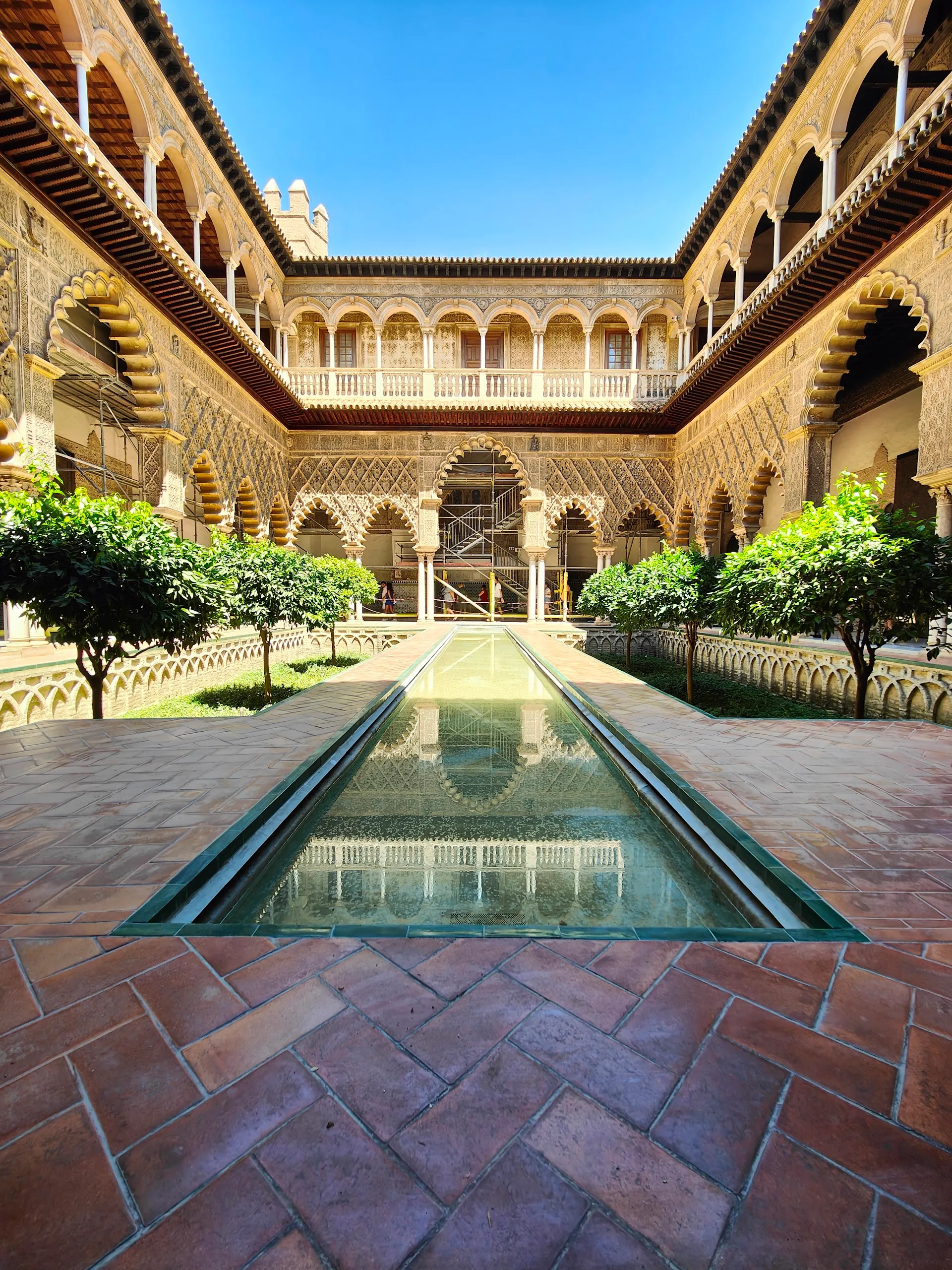
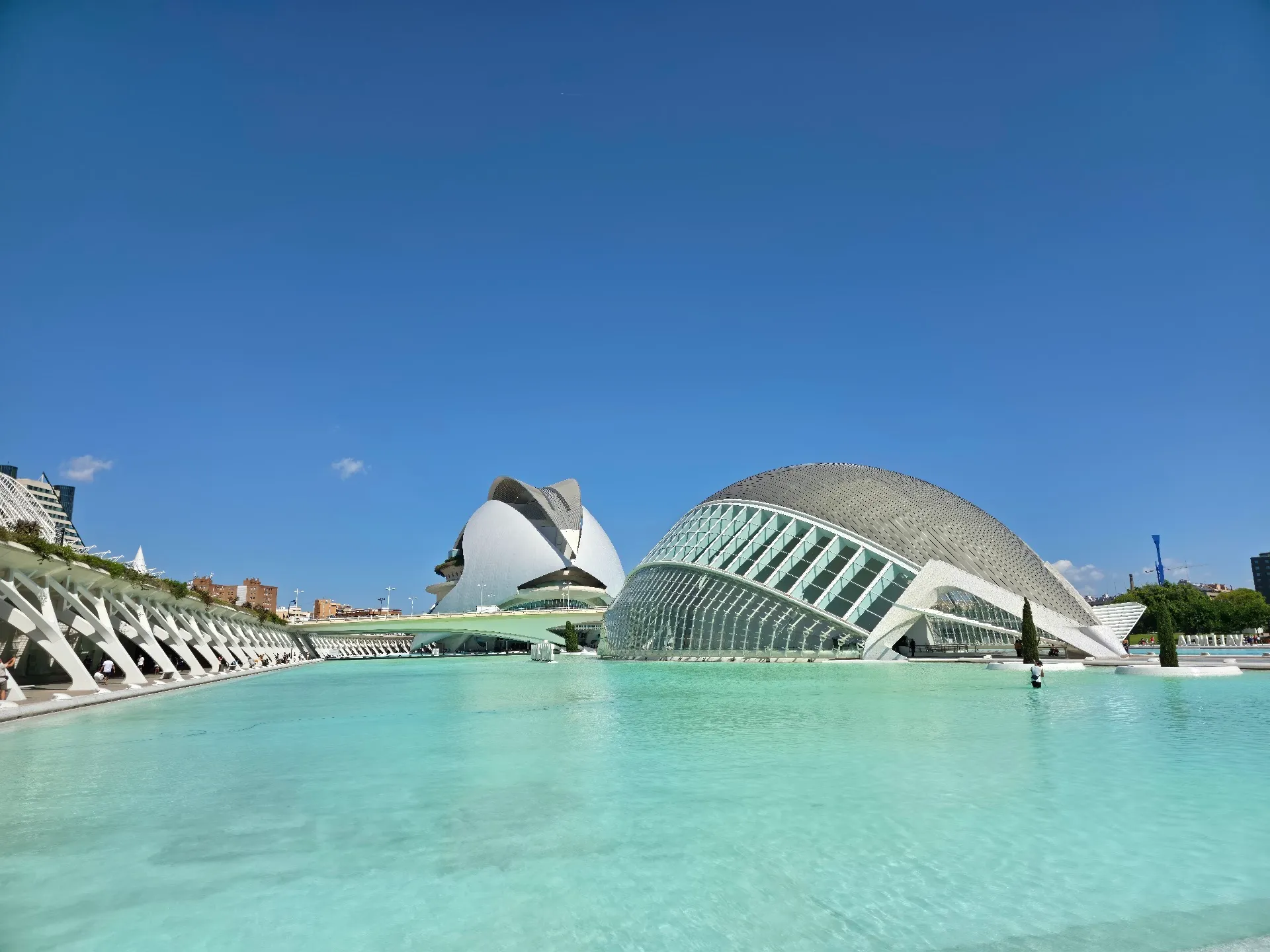
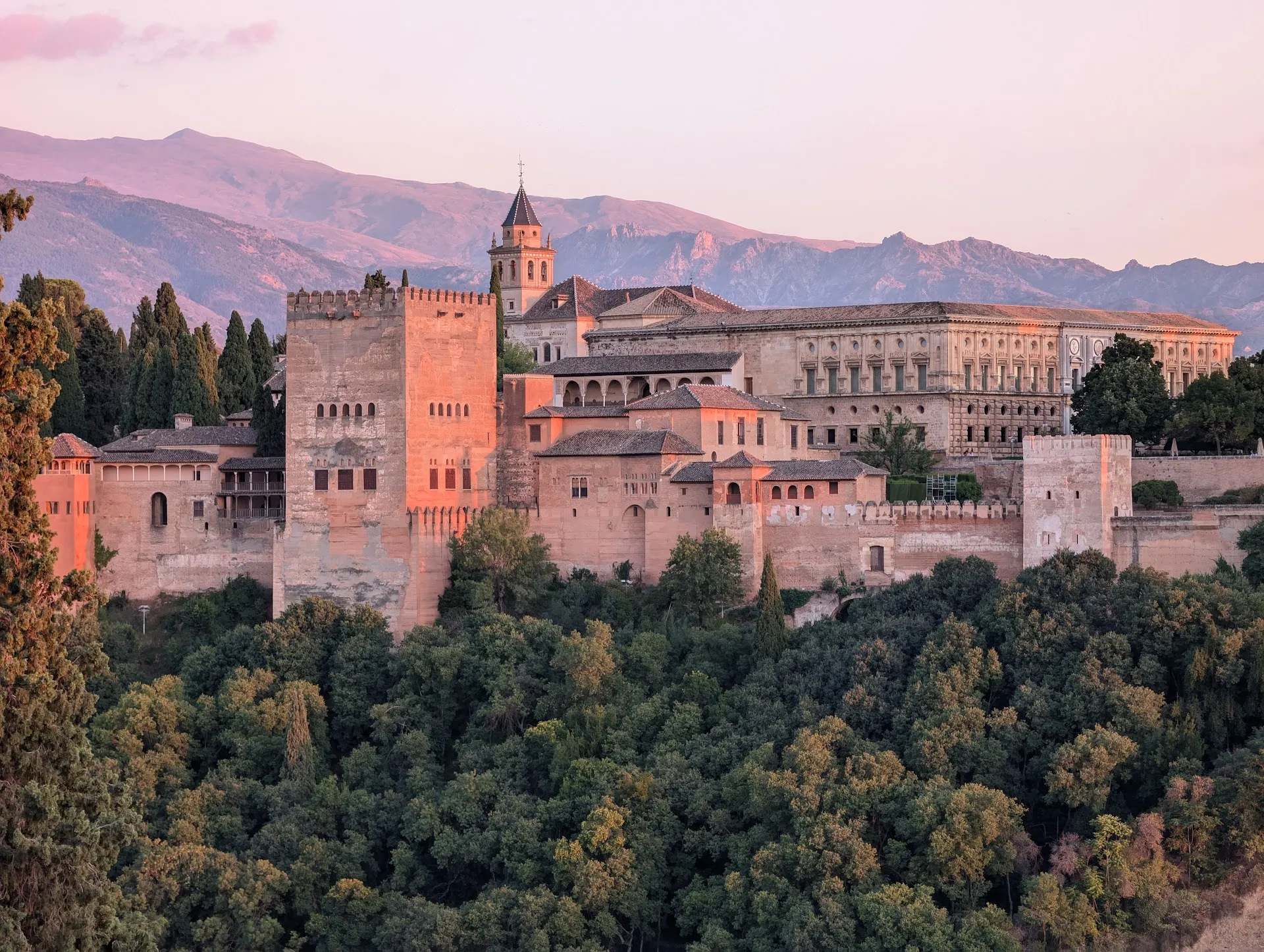
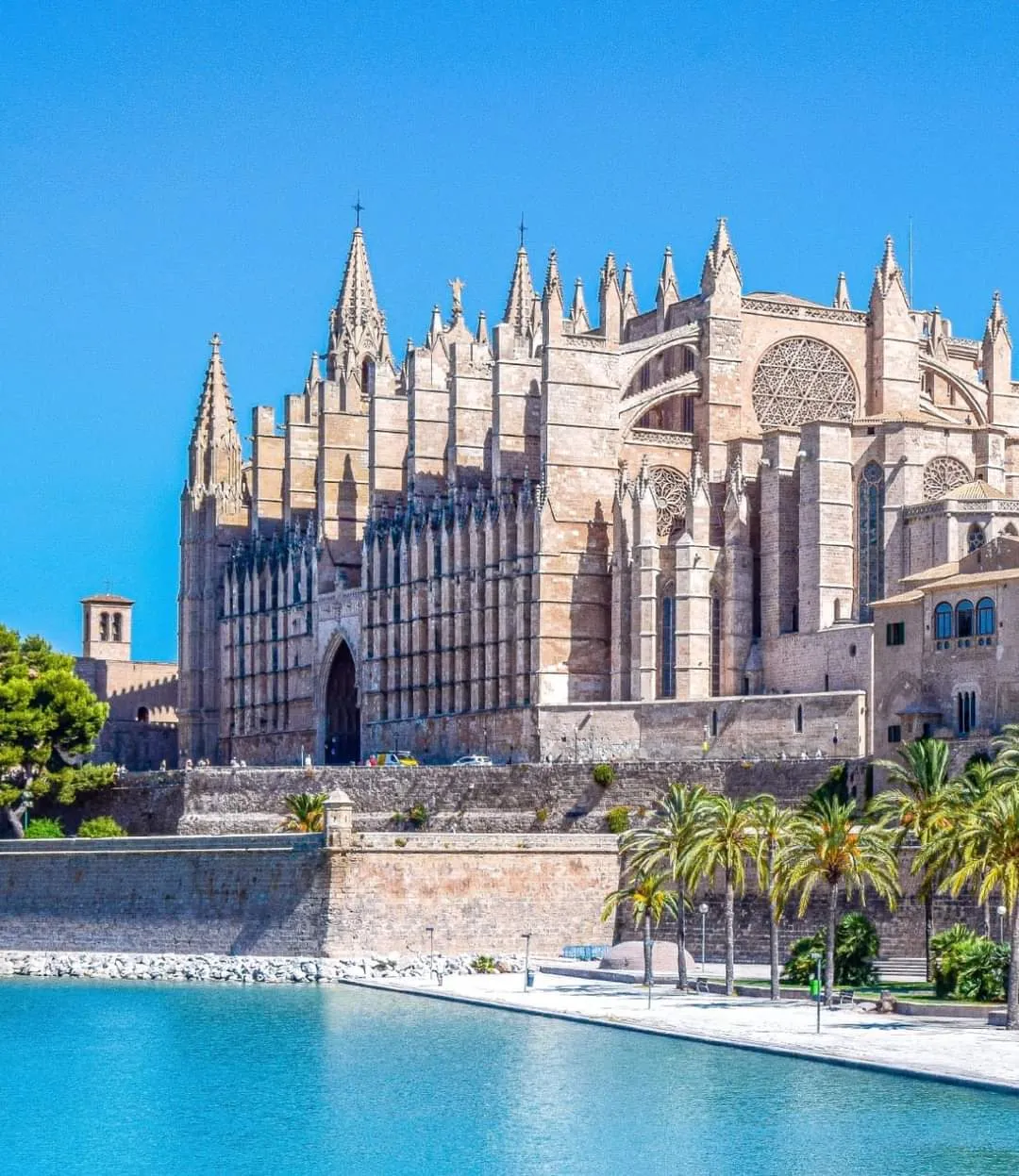
The south is a different Spain again. Andalusia is the romantic heart of the country, where eight centuries of Moorish rule left the Alhambra crowning Granada, the Mezquita in Cordoba, and the orange-scented Real Alcazar and giant Gothic cathedral of Seville. This is the land of flamenco, whitewashed hill villages, blistering summers and the great Holy Week and spring-fair festivals. On the east coast, Valencia — the birthplace of paella — pairs a handsome old town and Europe's most futuristic museum complex with a long, easygoing beach, while offshore in the Balearic Islands, Palma de Mallorca turns out to be a honey-coloured Mediterranean capital beneath a colossal seafront cathedral, not just a gateway to the coves.
Spain's variety is its defining feature. The green, rainy north — Galicia, Asturias and the Basque Country — feels almost Celtic, with its own languages, cider houses and the pintxo bars of San Sebastian and Bilbao. The interior is high, dry meseta studded with historic towns like Toledo, Segovia and Salamanca. The Pyrenees and the Sierra Nevada offer real skiing; the Canary Islands, far out in the Atlantic, deliver year-round warmth and volcanic landscapes. Few countries pack so many different holidays inside one set of borders.
And then there is the food, which alone justifies the trip. Spain runs on the social ritual of tapas — small plates grazed over drinks, free with every round in Granada and much of Andalusia — alongside paella and rice dishes, cured jamon iberico, the cold soups of the south, Basque pintxos, and the great wines of Rioja, Ribera del Duero, Catalan cava and Andalusian sherry. The legendary late timetable (lunch at two, dinner at ten) is part of the pleasure once you surrender to it.
Practically, Spain is one of Europe's easiest and best-value destinations. It is safe, sunny for much of the year, and superbly connected: Renfe's AVE high-speed trains link the major cities at up to 310 km/h, low-cost rivals have pushed fares down, budget flights and ferries reach the islands, and ALSA coaches fill in the gaps. It uses the euro, sits inside the Schengen area, and offers more sights per euro than almost anywhere in western Europe. Most first trips pair Madrid and Barcelona, or focus on Andalusia, over a week to ten days; two weeks lets you string the whole country together. This guide covers when to go, how to get around, the best cities, the food and the south, so you can build the trip that fits you.
When to visit
Spring (April-June) and autumn (September-October) are the sweet spots almost everywhere — warm, sunny days, long light and manageable crowds, with the fierce interior heat of high summer either yet to arrive or already easing. Summer (July-August) is peak beach season on the coasts and islands but punishingly hot inland: Madrid, Seville and the rest of Andalusia regularly top 35-40C, and many city businesses slow down in August as locals head for the sea. Winter is mild on the southern coast and in the Canary Islands, cold and crisp in Madrid and the interior, and snowy in the Pyrenees and Sierra Nevada, where the ski season runs roughly December to March. Time a visit around Spain's headline festivals if you can — Valencia's fiery Las Fallas in March, Seville's solemn Semana Santa and exuberant Feria de Abril in spring, or Pamplona's San Fermin in July — but book well ahead, as they fill the cities.
Budget
Spain is one of western Europe's best-value countries — generally cheaper than France, Italy or the UK, especially for eating and drinking. Budget travellers using hostels, transit and the set-price menu del dia can manage on roughly EUR 60-100 a day; a comfortable mid-range trip with private rooms, paid sights and restaurant dinners runs about EUR 120-220 per person per day. The famously cheap menu del dia (a multi-course set lunch with wine) and free tapas in Andalusia keep food costs low, while booking AVE train fares early — or riding low-cost AVLO, Ouigo and Iryo services — keeps intercity transport affordable.
Getting around
Spain has the largest high-speed rail network in Europe, and the train is the natural way to move between the big cities. The national operator **Renfe** runs AVE high-speed services at up to 310 km/h from a radial hub in Madrid: Madrid-Barcelona and Madrid-Seville take about 2.5 hours each, Madrid-Valencia under 2 hours, and Madrid-Malaga and Madrid-Granada around 2.5 to 3.5 hours. Low-cost operators have transformed fares on the busiest lines — Renfe's own AVLO plus the rivals Ouigo and Iryo compete on Madrid-Barcelona and Madrid-Valencia — so book early online for the cheapest seats. For towns the fast trains miss, and for cross-country links like Seville-Granada, the intercity coach network led by ALSA is cheap, comfortable and far-reaching. The Balearic Islands (Palma de Mallorca) are reached by a short flight or an overnight ferry from Barcelona or Valencia, and budget airlines such as Vueling and Ryanair connect the mainland cities when you're short on time. Within cities, Madrid, Barcelona, Valencia and Seville all have clean, cheap metros, trams and buses; a rental car is only really worth it for touring Andalusia's white villages or rural regions, not for the city-to-city core.
Visa & entry
Spain is part of the EU and the Schengen Area, so visa-free visitors — including US, UK, Canadian, Australian and New Zealand passport holders — can stay up to 90 days within any 180-day period; EU/EEA citizens have full freedom of movement with no limit. From 2026, visa-exempt travellers will need an ETIAS travel authorisation (around EUR 7, valid three years for most applicants) — apply online before you go. Spain uses the euro. Always check the latest requirements for your nationality before booking, as entry rules can change.
Spain's proud northeastern corner, with its own language and identity — anchored by Mediterranean Barcelona, Gaudi's Modernisme, the Costa Brava and the wine country of the Penedes.
Community of Madrid
The high central region around the capital — Madrid's art museums, royal palaces and tapas bars, with day trips to Toledo, Segovia and El Escorial.
Andalusia
The sun-baked south and the heart of Moorish Spain — Seville's Alcazar and cathedral, Granada's Alhambra, flamenco, white hill villages and the great spring festivals.
Valencian Community
The easygoing east coast — Valencia, the birthplace of paella, with its futuristic City of Arts and Sciences, a long Mediterranean beach and the Costa Blanca to the south.
Balearic Islands
The Mediterranean archipelago off the east coast — Mallorca's honey-coloured capital Palma and its Tramuntana mountains, plus Menorca, Ibiza and Formentera.
Three to four days suit a single city like Madrid, Barcelona or Seville. A week lets you pair the two big cities (linked in about 2.5 hours by AVE) or focus on Andalusia, and ten days to two weeks let you string Madrid, Barcelona, Valencia and the south together at a relaxed pace using the high-speed trains.
Is Spain expensive?
No — it's one of the best-value countries in western Europe, cheaper than France, Italy or the UK, especially for food and wine. Budget travellers manage on about EUR 60-100 a day; a comfortable mid-range trip runs roughly EUR 120-220 per person per day, helped by the cheap set-lunch menu del dia and, in Andalusia, free tapas with every drink.
What is the best way to travel around Spain?
By train. Renfe's AVE high-speed network links the major cities at up to 310 km/h — Madrid to Barcelona or Seville in about 2.5 hours — and low-cost rivals Ouigo and Iryo have driven fares down. ALSA coaches cover routes the fast trains miss, like Seville to Granada, while short flights and ferries reach the Balearic Islands.
When is the best time to visit Spain?
Spring (April-June) and autumn (September-October) are ideal almost everywhere, with warm, sunny weather and smaller crowds. July and August are peak beach season but very hot inland — Madrid and Andalusia often top 35-40C. Winter is mild in the south and on the islands, and brings skiing to the Sierra Nevada and Pyrenees.
Do I need a visa to visit Spain?
Spain is in the EU and the Schengen Area, so many nationalities (US, UK, Canada, Australia, New Zealand) can visit visa-free for up to 90 days in any 180. From 2026, visa-exempt travellers will need an inexpensive ETIAS authorisation, applied for online before travel. EU/EEA citizens have no time limit, and Spain uses the euro.
Ready to plan Spain?
Build your route across Spain — itinerary, map, budget and friends, all in one place.