Seville is the heart of Andalucía and one of Spain's most intoxicating cities: a place of orange-scented courtyards, Mudéjar palaces, and a flamenco tradition that runs in its blood. The old capital of Moorish al-Andalus and later the gateway to the New World, it wears its layered history lightly, wrapping it in late dinners, river sunsets, and the easy warmth of the south. Few cities reward slow wandering as richly.
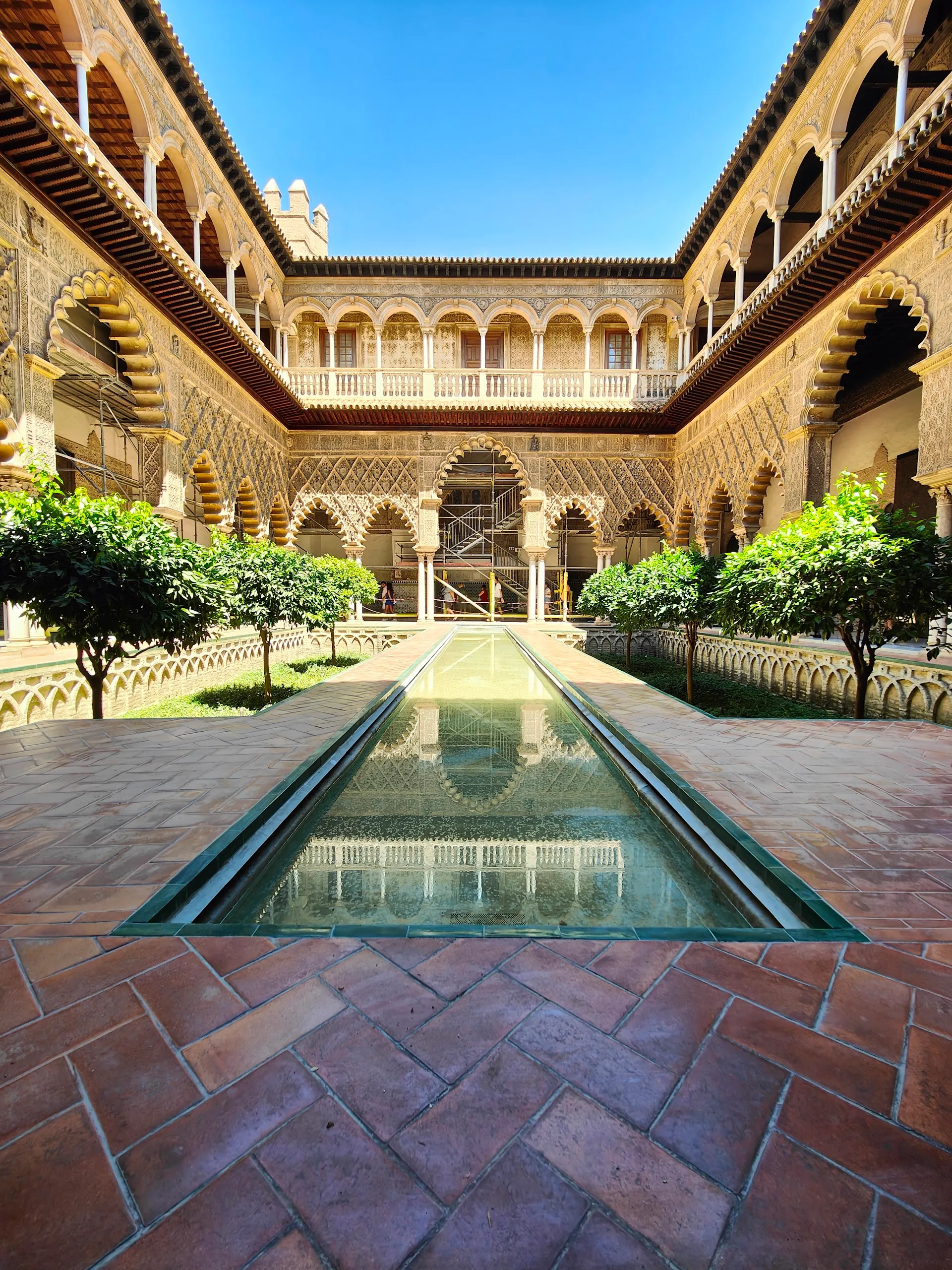
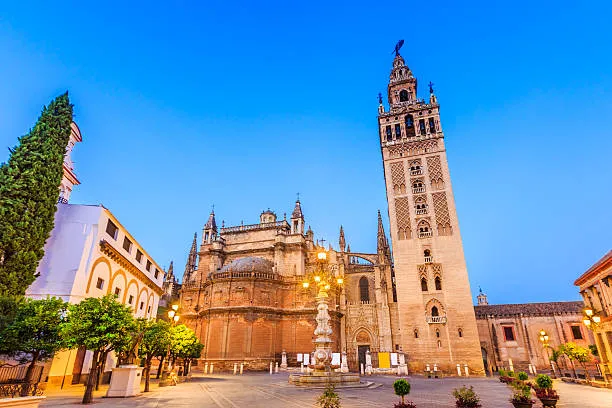
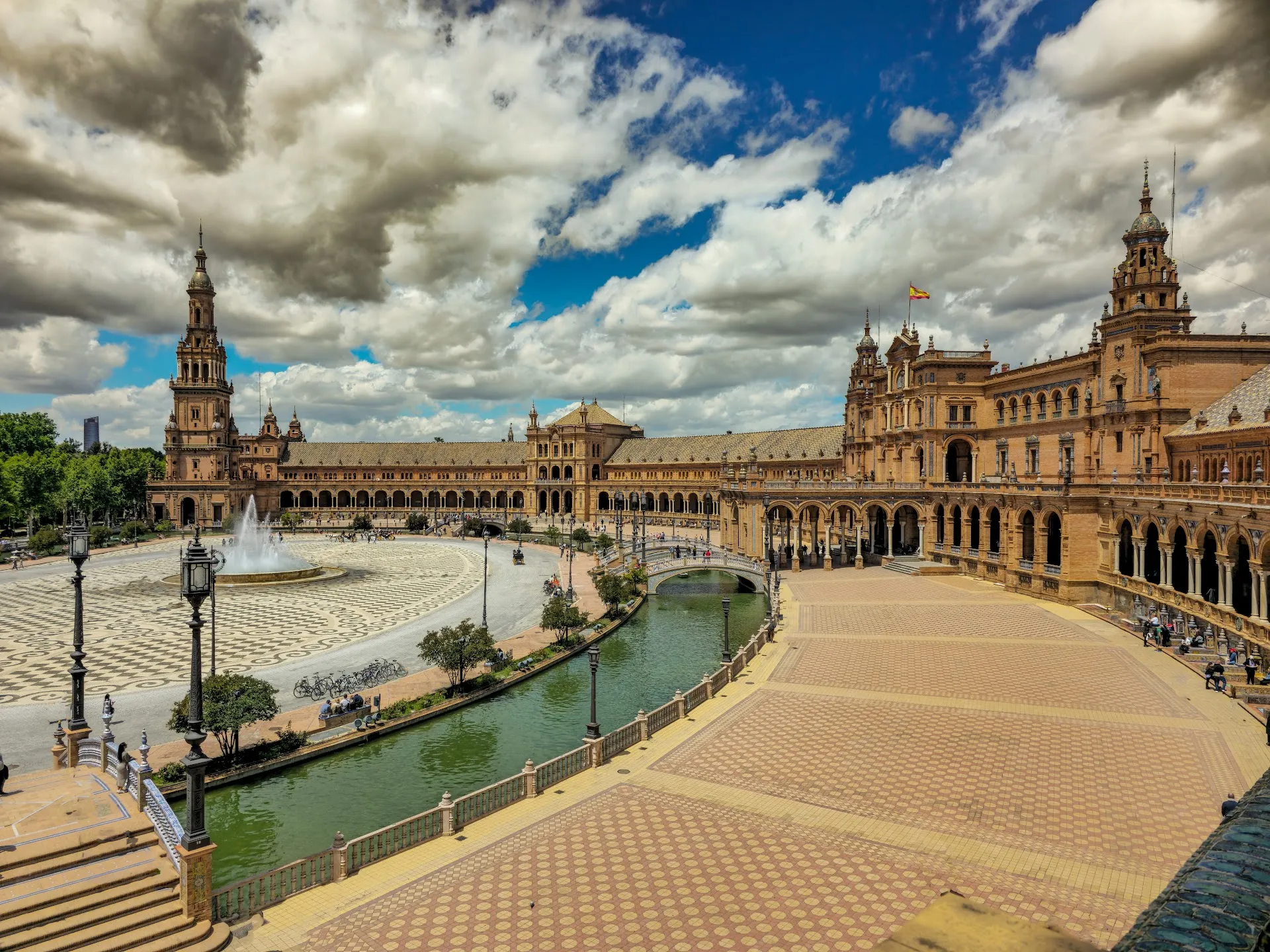
The compact historic core sits on the east bank of the Guadalquivir and is made for walking. At its centre, around the Plaza del Triunfo, rise the three UNESCO monuments: the Real Alcázar, a still-used royal palace of tiled courtyards and gardens; the world's largest Gothic Cathedral, crowned by the Giralda bell tower; and the Archivo de Indias. East of them spreads the Barrio de Santa Cruz, the former Jewish quarter and a labyrinth of whitewashed lanes and flower-filled squares. To the south lie the grand Plaza de España and the green Parque de María Luisa.
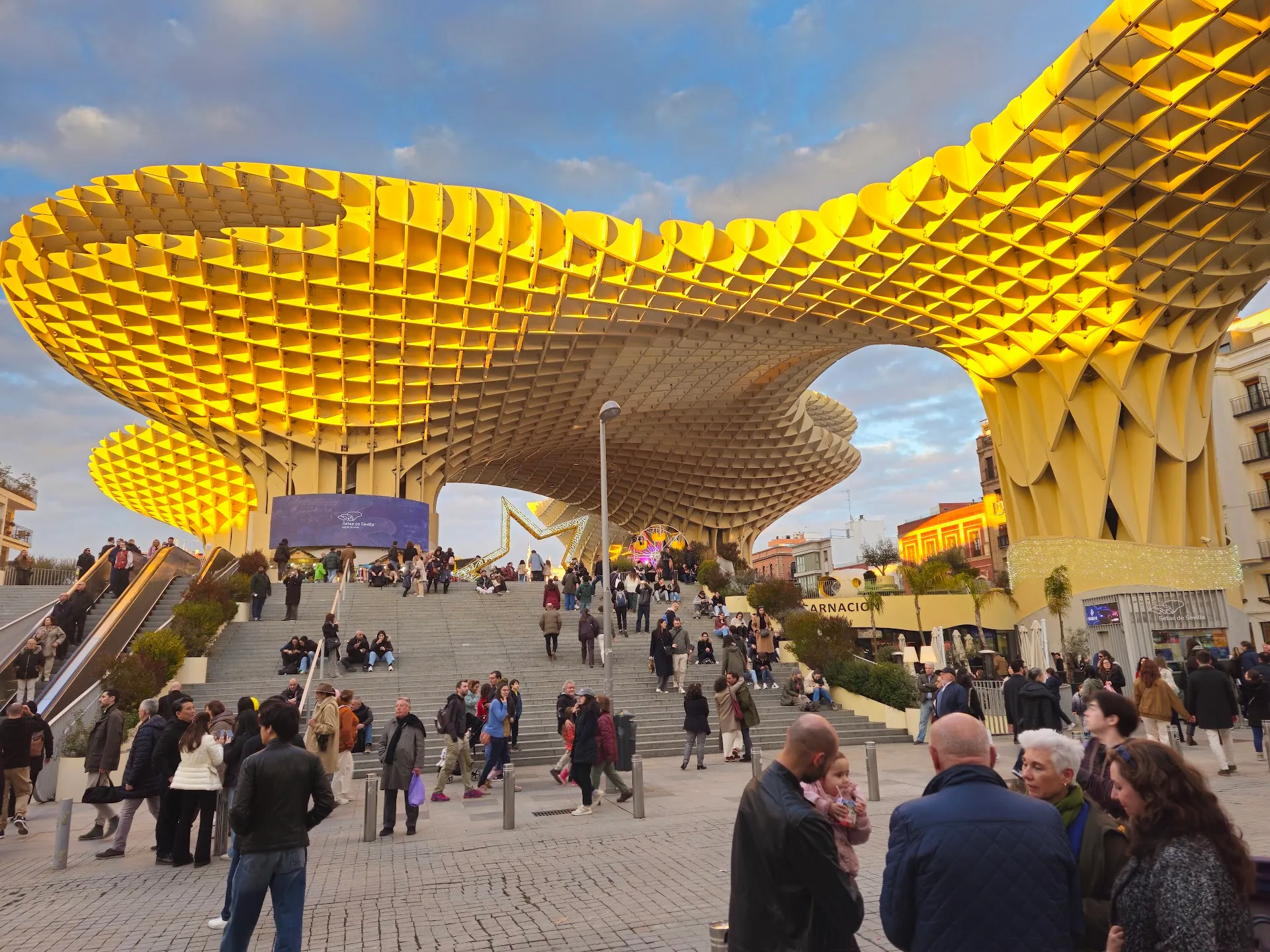
Each quarter has its own flavour. El Arenal, by the river and the Maestranza bullring, is old Seville with classic bodegas. El Centro, around the undulating Metropol Parasol (Las Setas) and the shopping street of Calle Sierpes, is the busy commercial heart. North of it, the Alameda de Hércules is the bohemian nightlife hub. And across the river, Triana, historically home to sailors, ceramicists, and flamenco families, is a proud, characterful barrio with its own market, tile workshops, and riverside bars along Calle Betis.
Two things define a Seville trip. The first is its monuments and Mudéjar art: the Alcázar and Cathedral are unmissable (book ahead), but the quieter Casa de Pilatos and Palacio de las Dueñas, and the spectacular Plaza de España, are just as memorable. The second is flamenco. This is one of the art form's true homelands, heard in everything from intimate ticketed venues like the Casa de la Memoria to free, spontaneous nights in Triana's bars.
Best time to visit
Spring (March to May) and autumn (September to November) are the best times to visit: warm, sunny days, clear skies, and the city perfumed by orange blossom and, in late spring, purple jacaranda. Spring also holds the two great festivals, the solemn Semana Santa and the festive Feria de Abril two weeks later, both worth planning around.
High summer (July and August) is for the heat-tolerant, with temperatures regularly topping 40°C, though hotels are cheaper and the evenings along the river are magical. Winters are mild and quiet, ideal for unhurried sightseeing with short queues.
Budget
Seville is good value by Western European standards. Tapas run a few euros a plate, a menú del día is around 12-15 euros, the bus or tram is cheap, and several headline experiences, the Archivo de Indias, the Parque de María Luisa, the riverside and its sunsets, cost nothing. The Alcázar and Cathedral tickets are the main fixed costs.~$70-130 USD / day
Getting around is simple. The historic centre is walkable end to end, a single tram line and the TUSSAM city buses cover the longer hops, and the Sevici bike-share suits the flat, famously cycle-friendly streets. From the airport, the EA bus reaches the centre in about 35 minutes.
Most visitors find three days ideal: one for the monuments and Santa Cruz, one for the river and Triana, and one for the southern plazas, the markets, and a flamenco night, with a fourth day freeing up a trip to Córdoba. Skim the day-by-day plan in the three-day itinerary, then dig into the things-to-do list and save what appeals.
On when to go: spring and autumn are glorious, and the city's two great festivals, Semana Santa and the Feria de Abril, both fall in spring; high summer is beautiful but punishingly hot, regularly over 40°C. The best-time-to-visit guide has the details.
Seville is also one of the better-value cities in Western Europe: tapas are cheap, many of the finest sights are free or nearly so, and a comfortable day costs less than in Madrid or Barcelona. Use this guide as a starting point, then save the places that fit your trip, everything you save drops straight into a TripBox itinerary with dates, a map, and your travel companions.
The best of Seville
Curated places worth your time — tap a card for details or to save it.
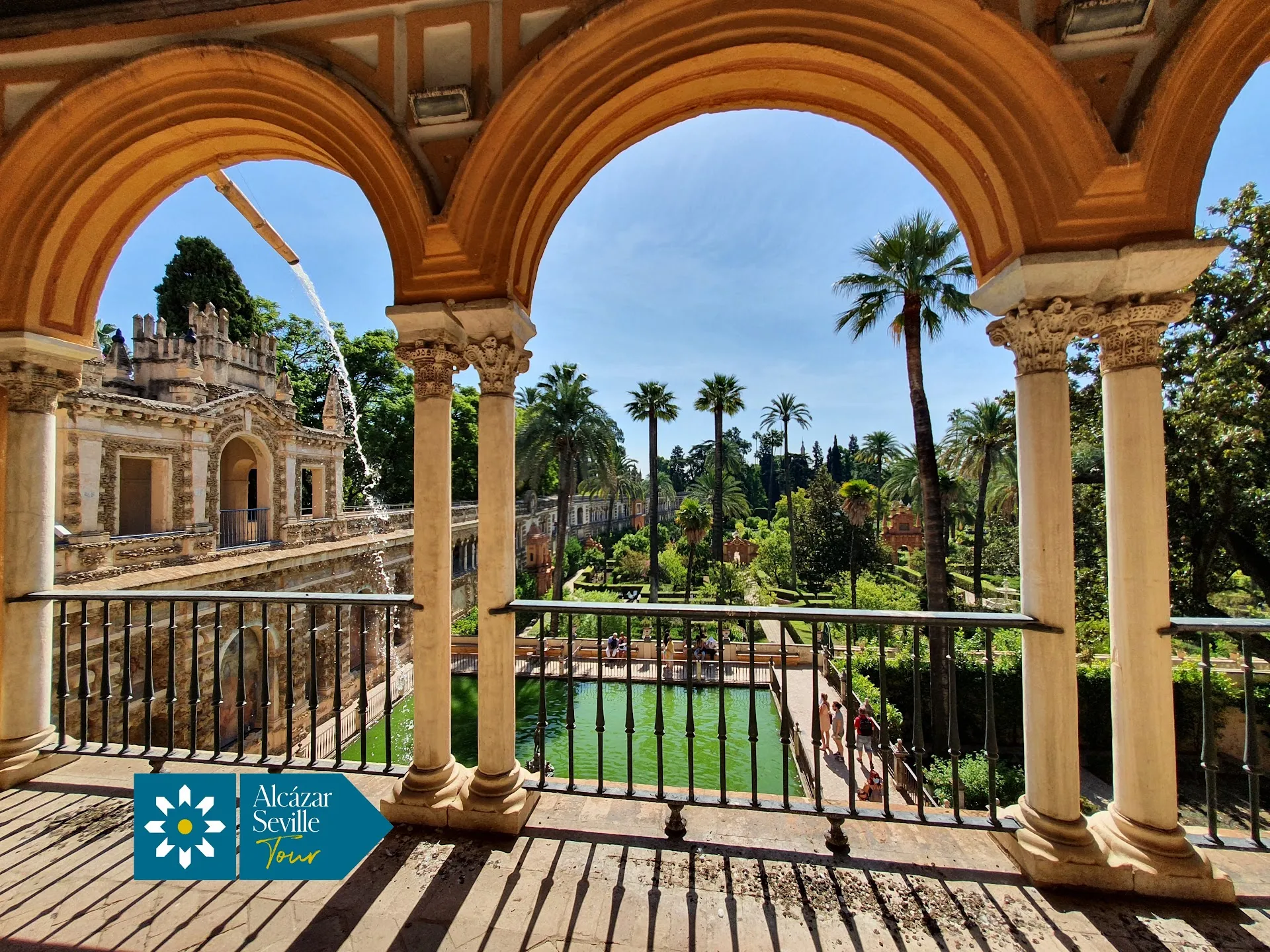
A breathtaking royal palace complex begun by Moorish rulers and expanded by Christian kings, the finest example of Mudéjar architecture in Spain. Its tiled courtyards, carved stucco, and lush gardens are unforgettable, and it doubled as Dorne in Game of Thrones.
Barrio de Santa Cruz
Must visit
Temple5.0
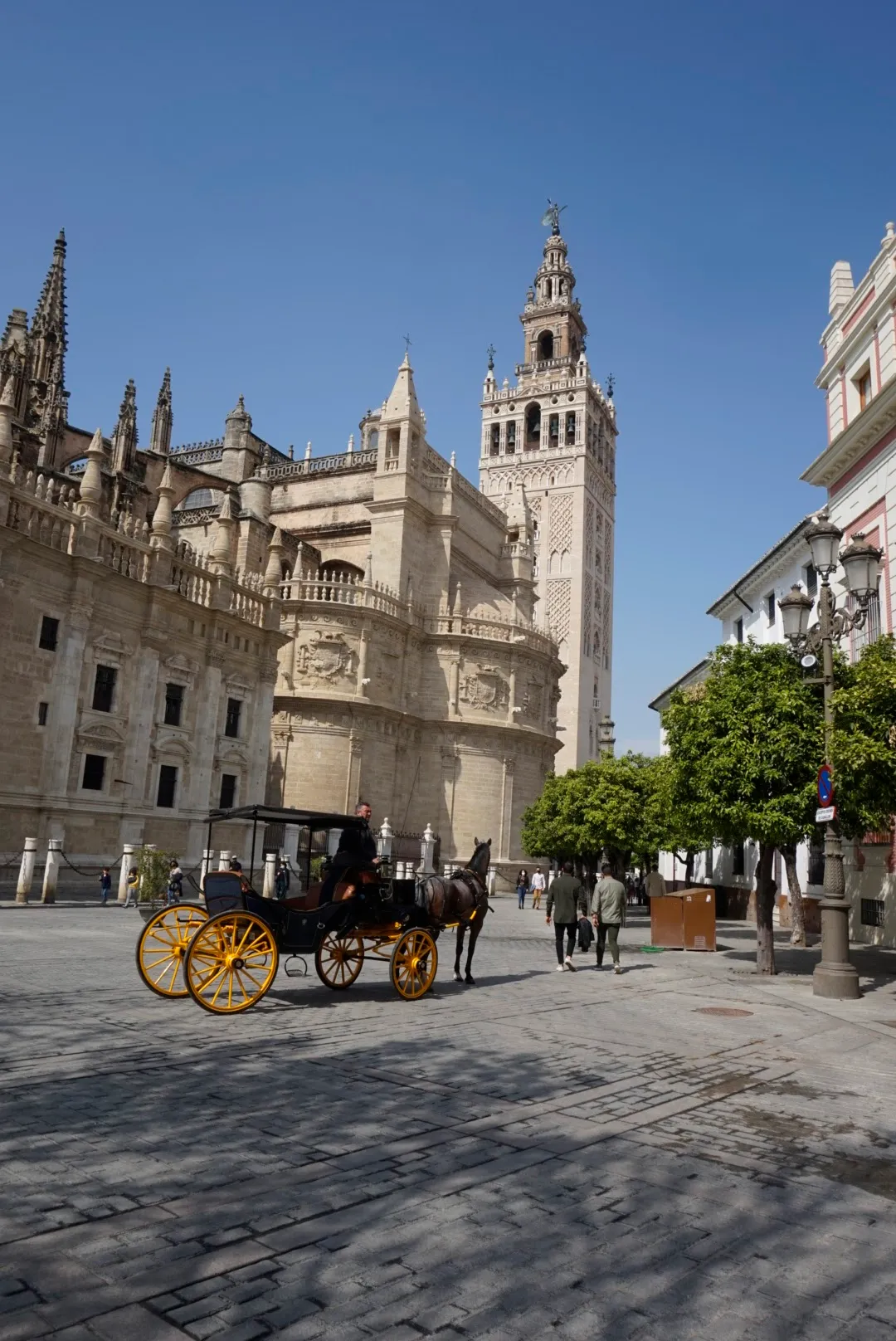
Seville Cathedral & La Giralda
The largest Gothic cathedral in the world, built over a former mosque and holding the tomb of Christopher Columbus. Its bell tower, La Giralda, is the converted Almohad minaret, climbed by a ramp for sweeping views over the old town.
Barrio de Santa Cruz
Landmark
Plaza de España
A monumental semicircular plaza built for the 1929 Ibero-American Exposition, ringed by a tiled canal and bridges, with a glazed-ceramic alcove for each Spanish province. One of the most spectacular squares in Spain, and a Star Wars and Lawrence of Arabia filming location.
Parque de María Luisa
Viewpoint
Metropol Parasol (Las Setas)
A vast undulating timber canopy nicknamed 'Las Setas' (the mushrooms), billed as the world's largest wooden structure. A lift carries you to a rooftop walkway with a 360-degree panorama over the old town's rooftops, the Giralda, and the hills beyond.
Plaza de la Encarnación, El Centro
Street
Barrio de Santa Cruz
The former medieval Jewish quarter, a labyrinth of whitewashed lanes, flower-filled patios, and tiny orange-tree squares pressed up against the Cathedral and Alcázar. The most atmospheric place in Seville simply to get lost.
Old town, east of the Cathedral
Museum4.0
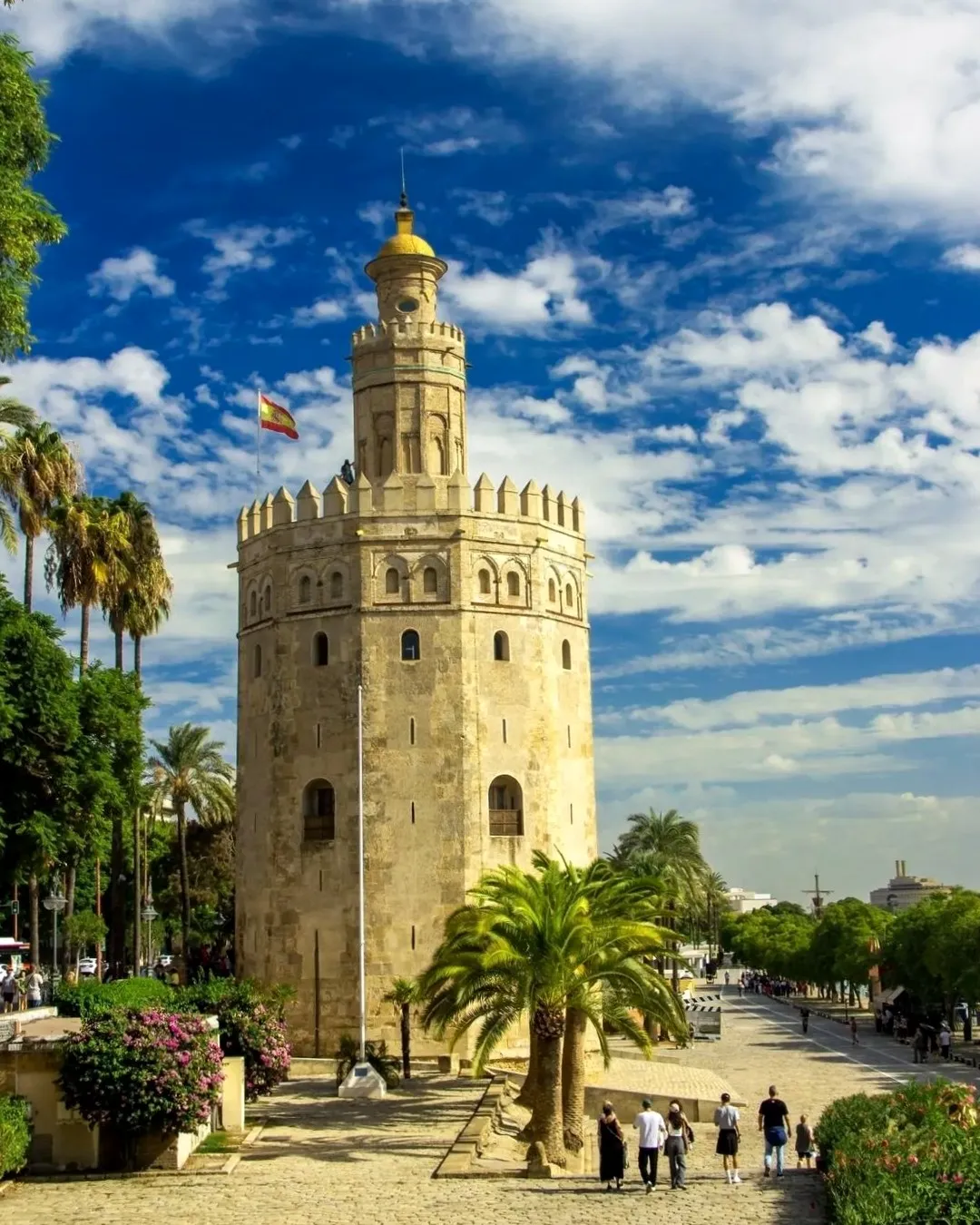
Torre del Oro
A twelve-sided Almohad watchtower from around 1220 guarding the riverbank, now a small naval museum. Climb to the terrace for one of the best free-feeling views along the Guadalquivir toward Triana.
El Arenal
Museum4.0
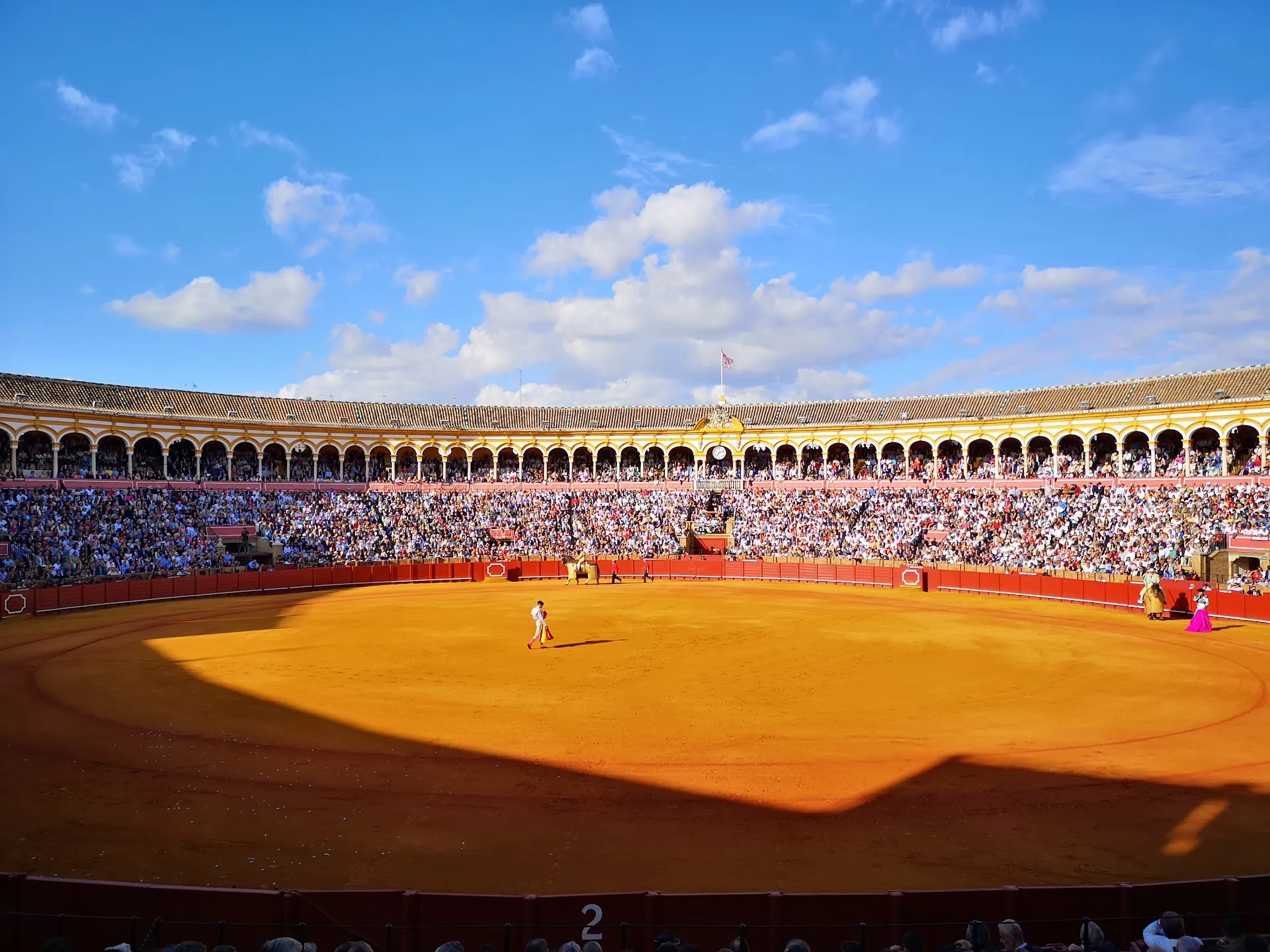
Plaza de Toros de la Maestranza
Spain's oldest and most beautiful bullring, a white-and-ochre Baroque arena begun in 1749. Guided tours take in the ring, the royal box, and the Museo Taurino, telling the story of a tradition central to Seville's identity.
El Arenal
Must visit
Market4.0
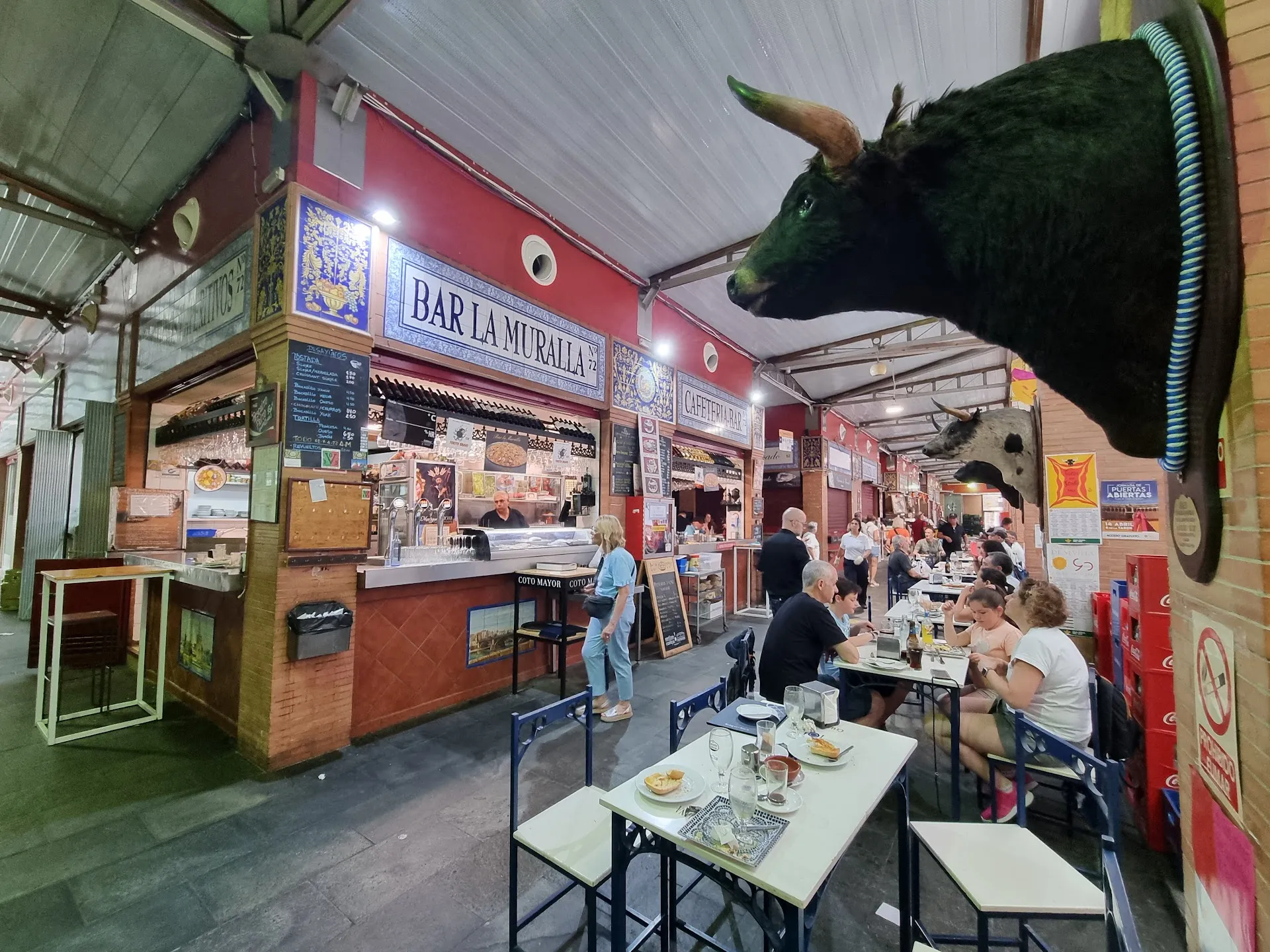
Mercado de Triana
Triana's historic covered market, built over the ruins of the Castillo de San Jorge at the foot of the Isabel II bridge. Produce and fish stalls share the hall with tapas counters, ceramics, and a cooking school.
Triana
Must visit
Jazz5.0
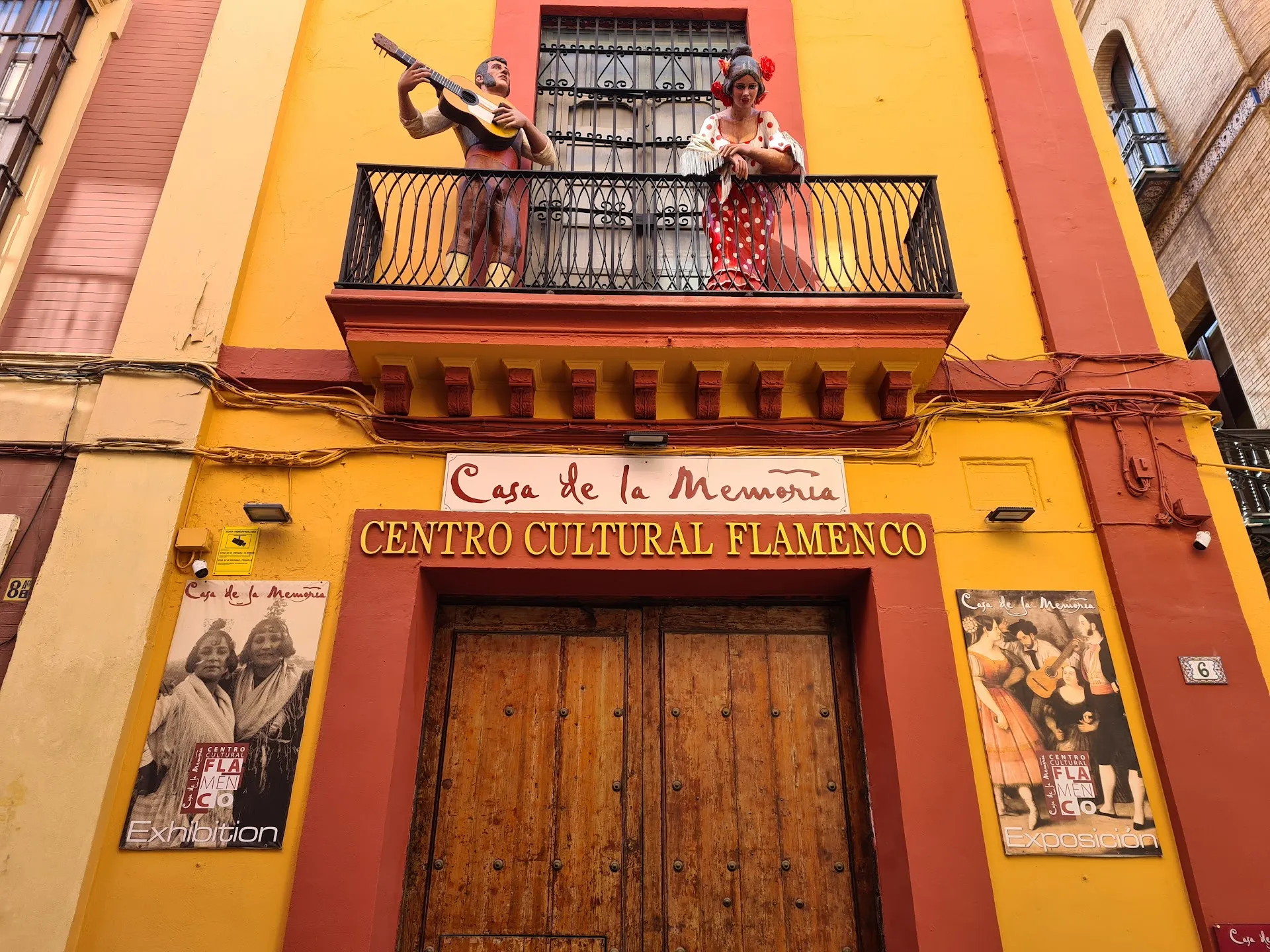
Casa de la Memoria
An intimate, ticketed flamenco venue set in the old stables of a Renaissance palace, seating around 85 for hour-long shows of serious cante, guitar, and dance. Widely rated the best place in Seville to hear pure flamenco.
El Centro
Must visit
Museum5.0
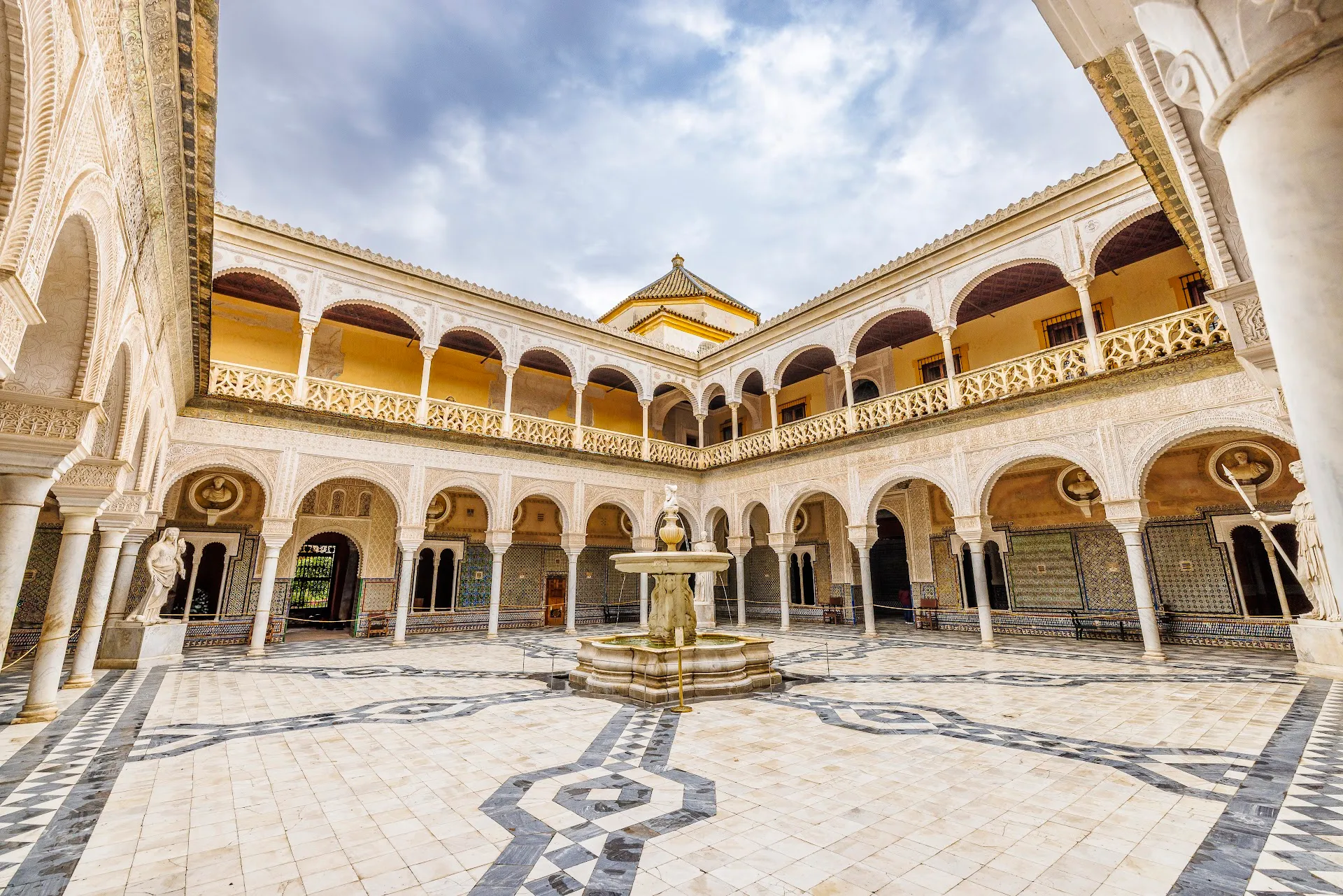
Casa de Pilatos
A sumptuous 16th-century Andalusian palace blending Mudéjar, Gothic, and Italian Renaissance styles, with a tiled central patio, classical sculpture, and serene gardens. Still owned by the Dukes of Medinaceli and far quieter than the Alcázar.
San Bartolomé (Casco Antiguo)
Park4.0
Parque de María Luisa
Seville's great green retreat along the river, redesigned in 1911 in a Moorish-paradise style of tiled fountains, shaded paths, and resident parakeets. It wraps around the Plaza de España and Plaza de América.
El Porvenir
Sunset Spot
Calle Betis & the Triana Riverside
The row of colourful house-fronts and terrace bars lining the Triana bank of the river, looking straight across at the old town. The classic Seville sunset, with the Torre del Oro and Giralda glowing gold over the water.
Triana, west bank of the Guadalquivir
Tours & experiences
Free walking tours and curated paid experiences — save or book in a tap.
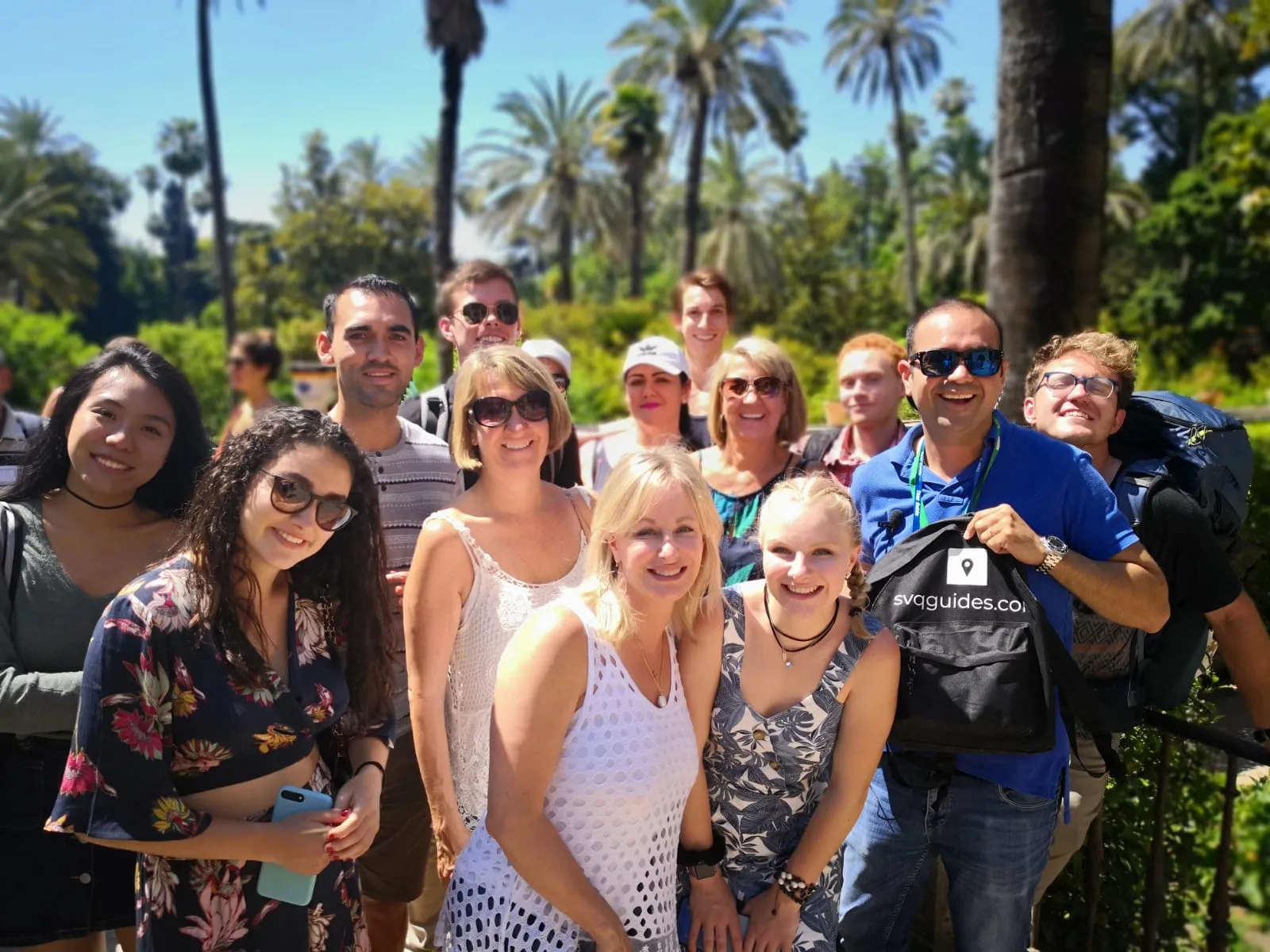
A tip-based walking tour that threads the old town with a local guide, covering the Cathedral and Giralda, the Alcázar walls, the Santa Cruz lanes, and the city's story from 1492 onward. The classic, low-commitment way to orient yourself on a first day in Seville.
Meets at Puerta de Jerez, by the Fuente de Híspalis2.5 hours
Real Alcázar & Cathedral Skip-the-Line Guided Tour
A guided visit to Seville's two greatest monuments with skip-the-line entry: the Mudéjar palace and gardens of the Real Alcázar and the vast Gothic Cathedral with its Giralda bell tower. An expert guide unpacks the city's Moorish and Christian history across both UNESCO sites in one efficient morning.
Meets near Plaza del Triunfo, Barrio de Santa CruzAbout 3 hours
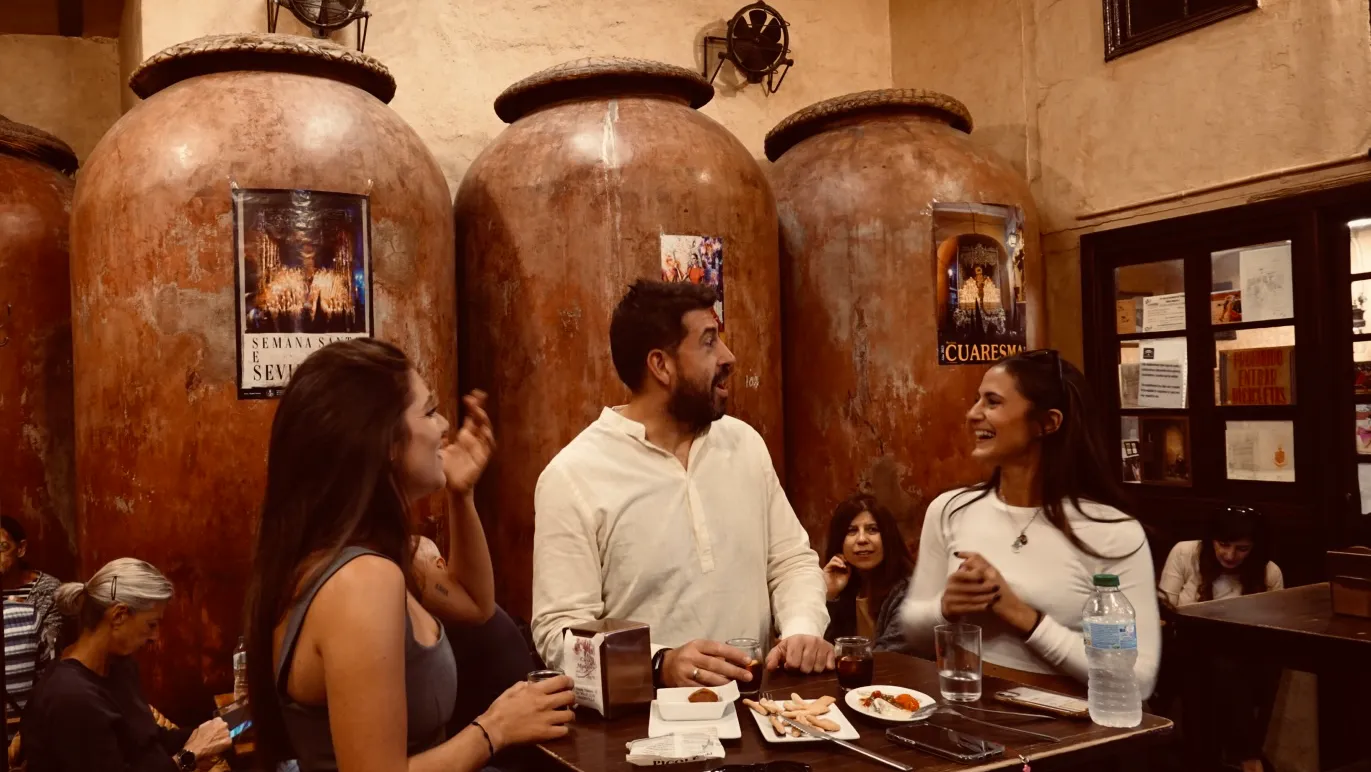
A small-group walking food tour through the historic centre with a local guide, eating and drinking your way around family-run bars, some more than a century old. Expect a spread of classic Sevillano tapas, sherry and vermut, and the stories of the city behind each stop.
Meets in central Seville (Santa Cruz / El Arenal)3-3.5 hours
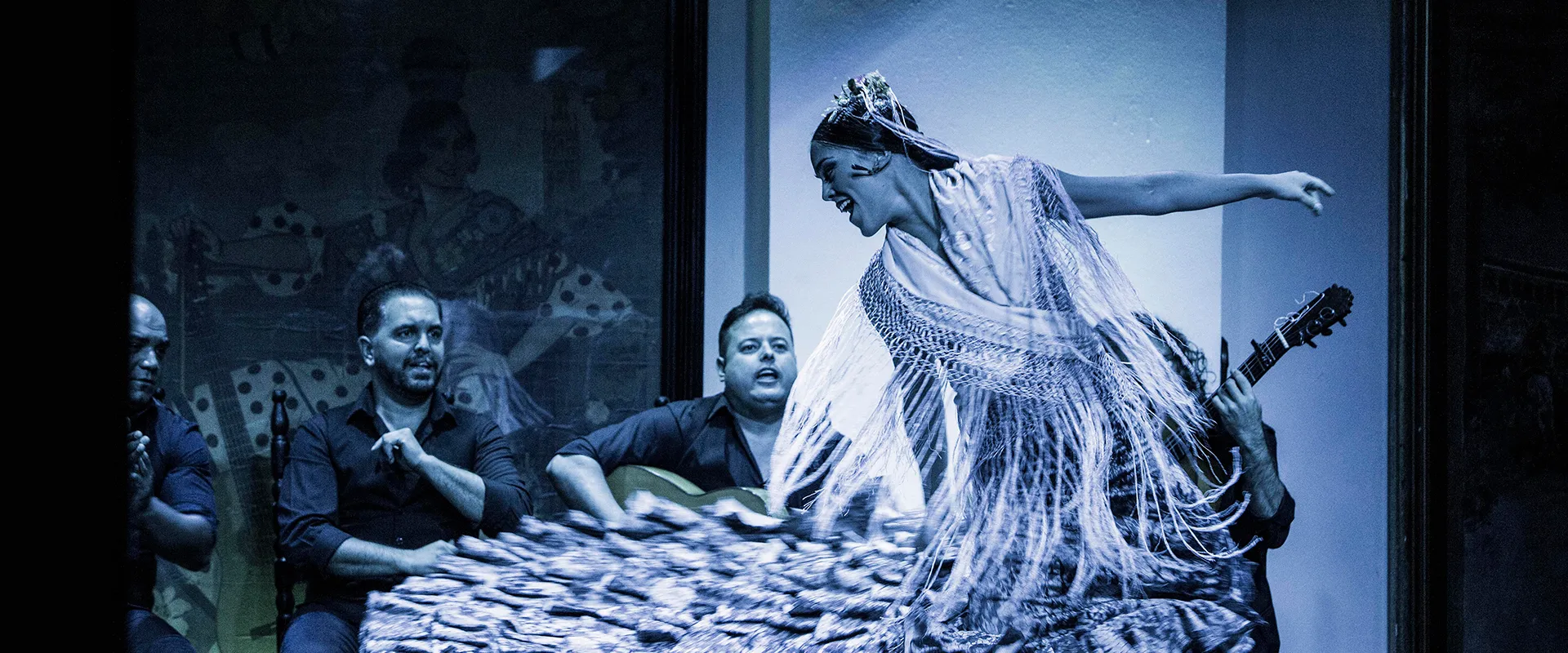
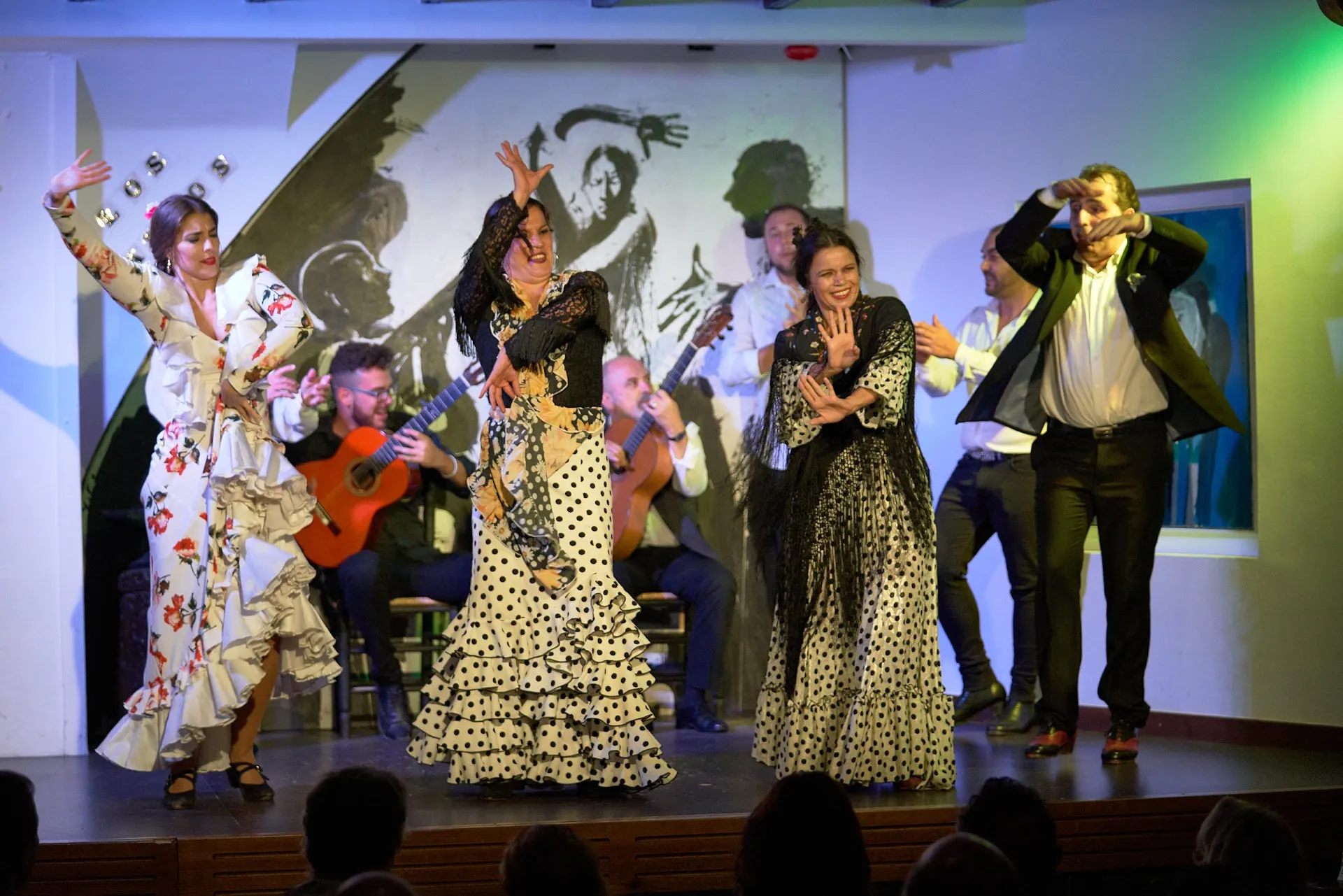
An evening of live flamenco at one of Seville's most storied tablaos, founded in 1975 between the Cathedral and the Maestranza bullring. A rotating cast of dancers, singers, and guitarists performs intimate, high-energy sets, with optional tapas or an Andalusian dinner served at your table beforehand.
Calle Rodo, 7, El Arenal, 41001 SevillaAbout 1 hour (show); arrive earlier for the dining option
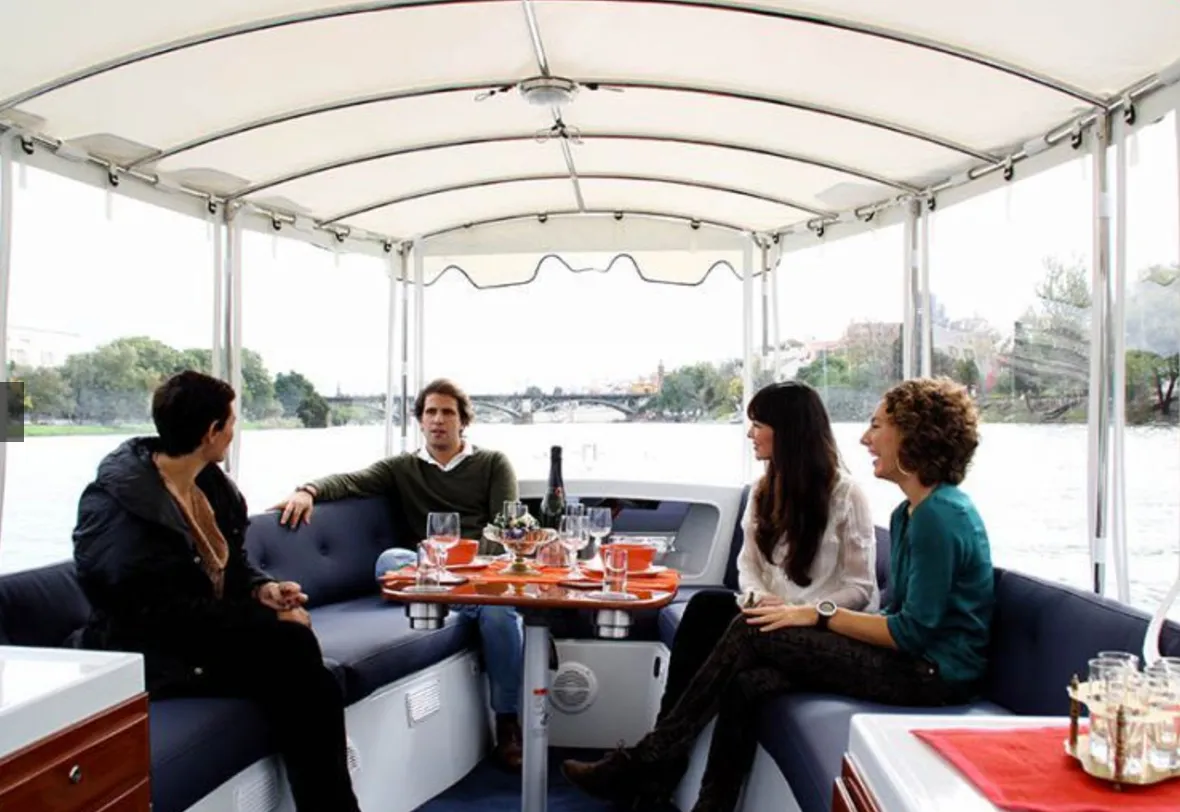
A relaxed one-hour boat trip along the Guadalquivir, the river that once carried Seville's New World riches. Glide past the Torre del Oro, the Triana waterfront, the Isabel II bridge, and the Expo pavilions, with recorded commentary in several languages.
Departs from the pier beside the Torre del Oro, El Arenal1 hour
A full-day escape to Córdoba, an hour away, built around its extraordinary Mezquita-Catedral, the great mosque-cathedral of forest-like arches. Time also allows for the flower-filled lanes of the Judería and the Roman bridge over the Guadalquivir before returning to Seville.
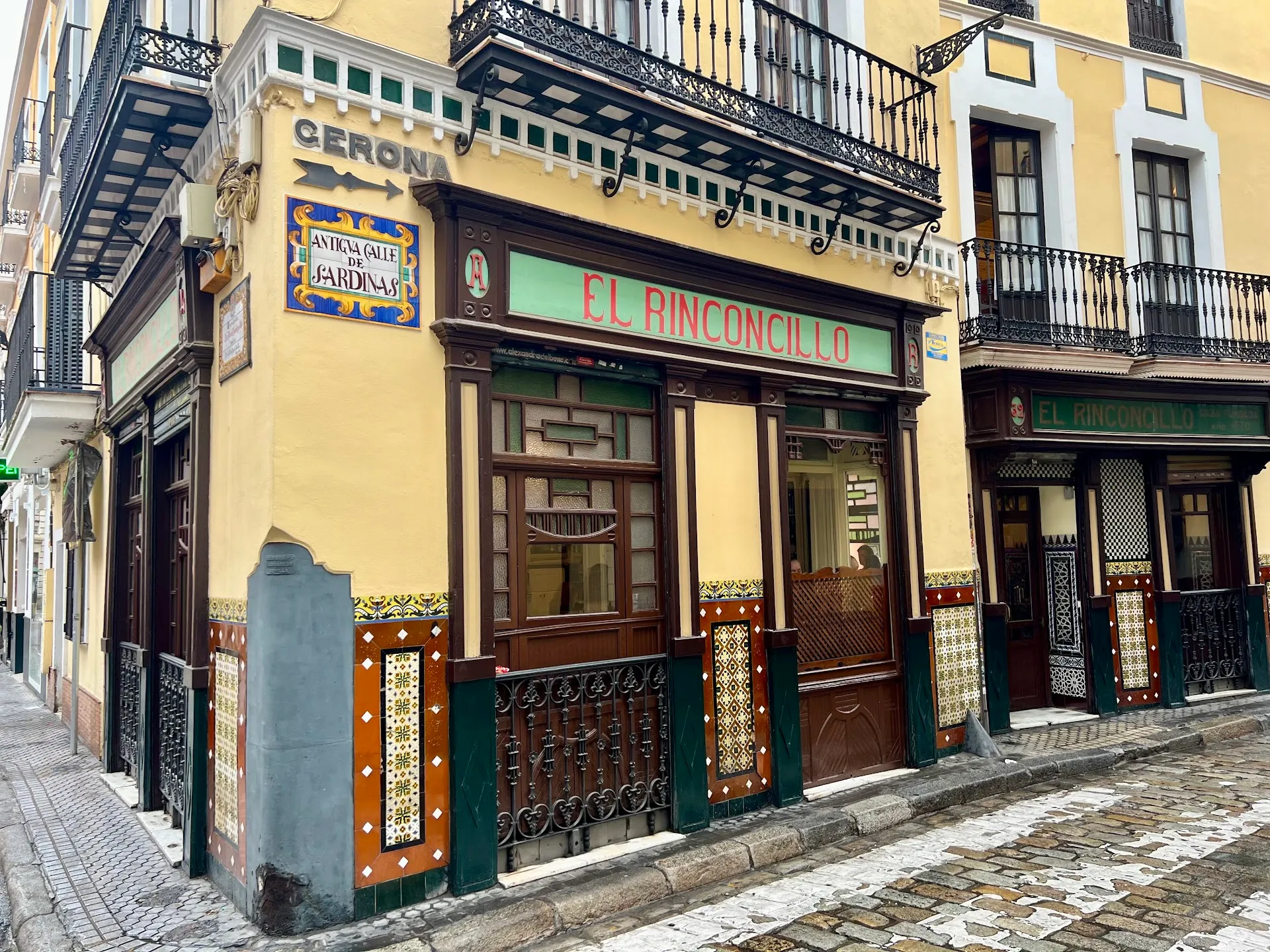
Said to be the oldest tapas bar in Spain, serving since 1670 beneath hanging hams and hand-painted tiles. The waiters still chalk your tab on the wooden bar; order the spinach with chickpeas, croquetas, and a fino sherry.
Alfalfa / Santa Catalina
Must visit
Bar5.0
Espacio Eslava
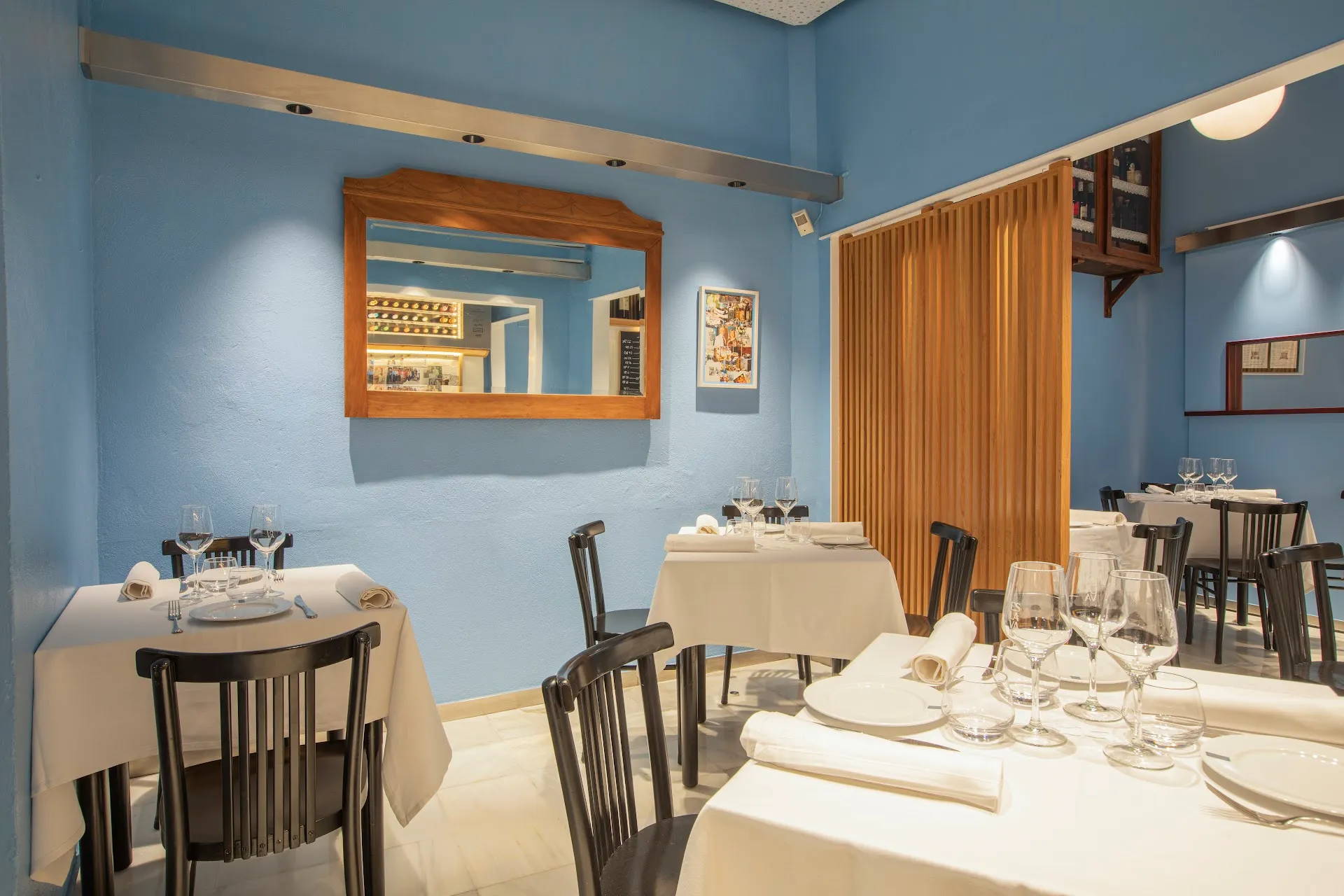
The benchmark for modern Sevillano tapas, just off the Alameda. Famous for its slow-cooked pork rib glazed with honey and rosemary and its award-winning egg-on-mushroom-cake, both well worth the inevitable wait for a spot at the bar.
San Lorenzo / Alameda
Bar4.0
Las Teresas
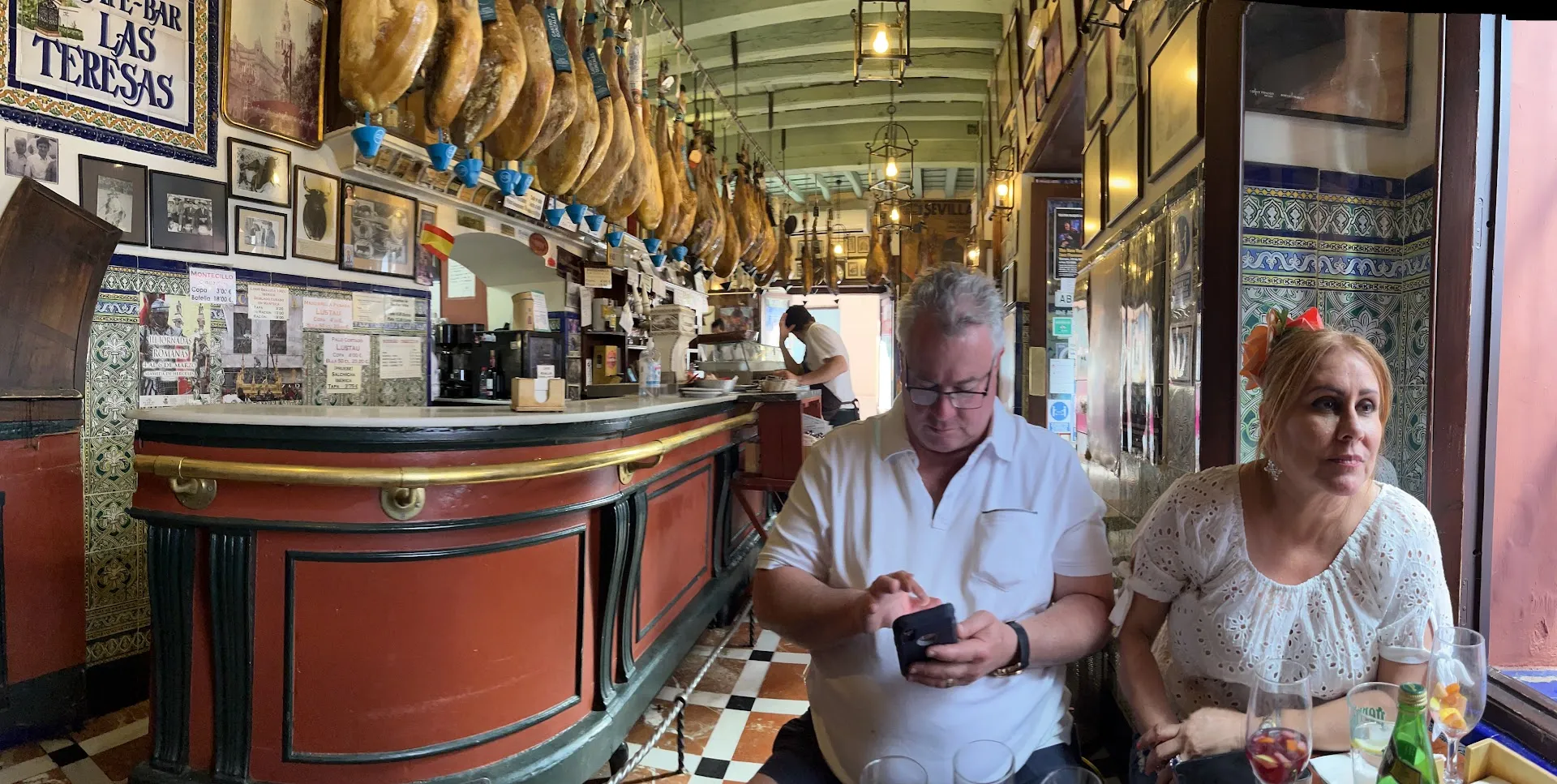
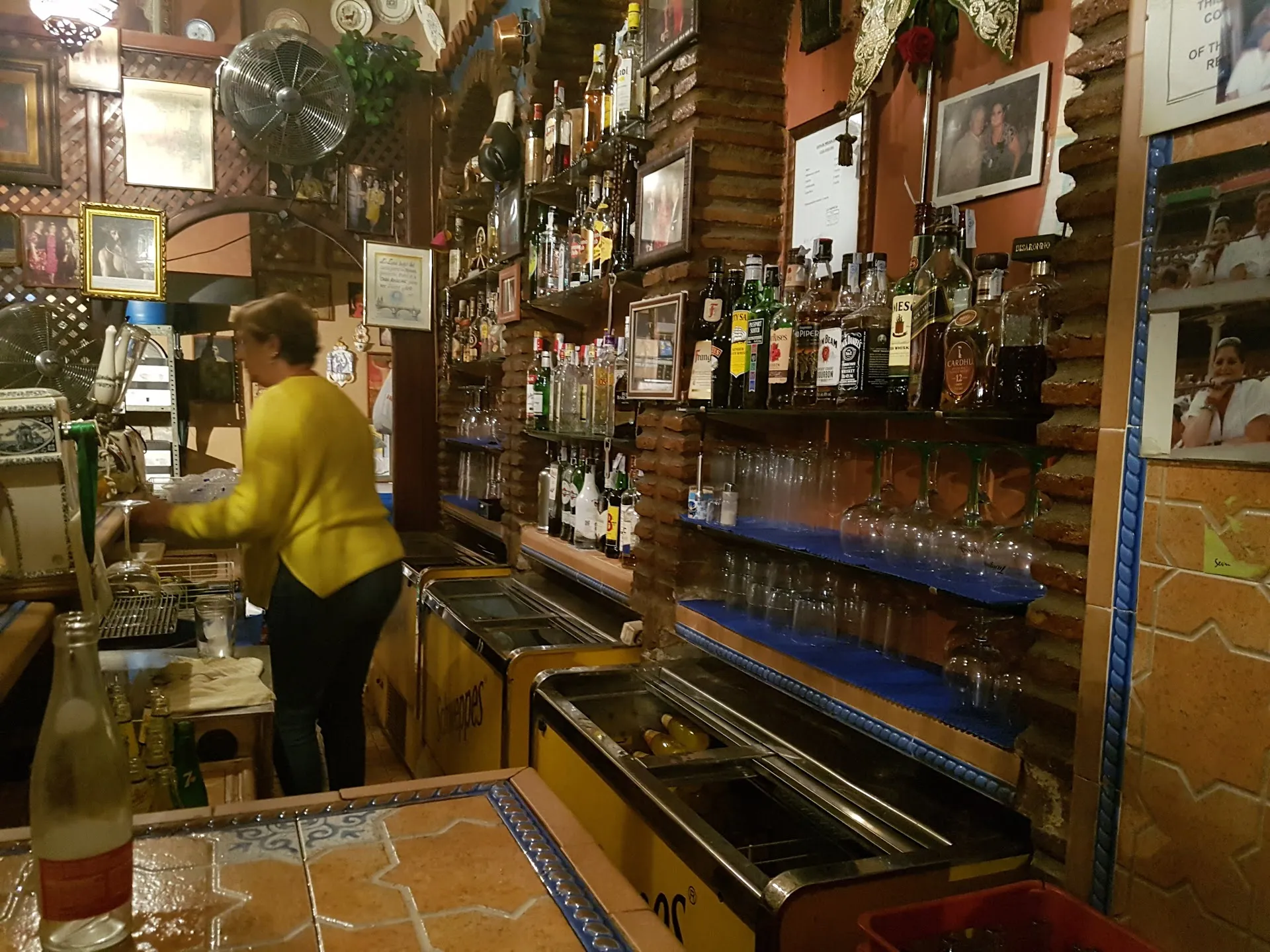
A narrow 1870 tavern in the heart of Santa Cruz, its ceiling thick with Iberian hams and its walls covered in old bullfighting and Holy Week photos. A classic for a plate of jamón ibérico and a glass of manzanilla.
Barrio de Santa Cruz
Must visit
Bar4.0
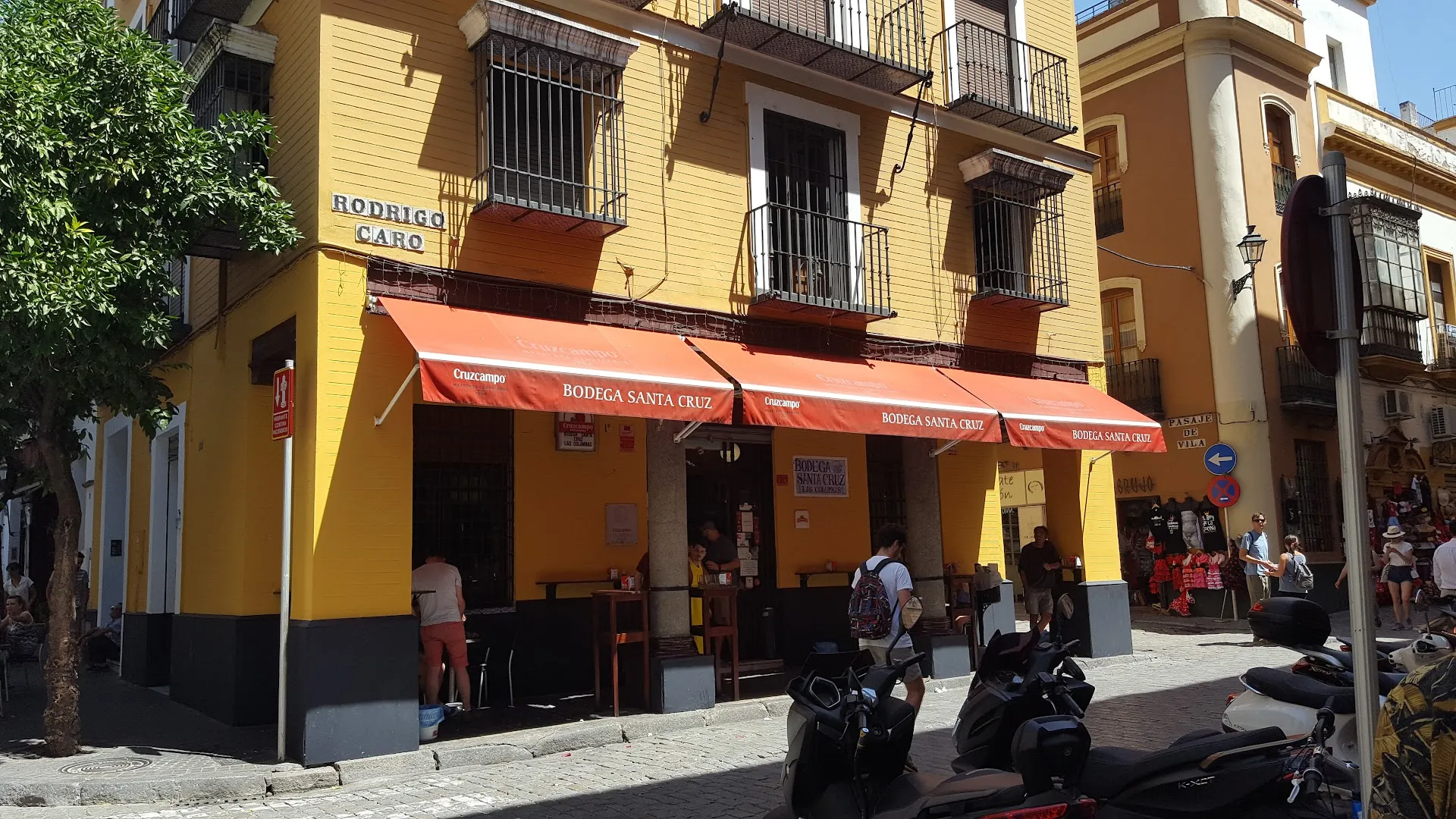
Bodega Santa Cruz (Las Columnas)
A loud, packed, cash-cheap institution at the foot of Calle Mateos Gago, where the crowd spills into the street with montaditos and beers. The pringá sandwich and cazón en adobo (marinated fried dogfish) are the orders to make.
Barrio de Santa Cruz
Bar4.0
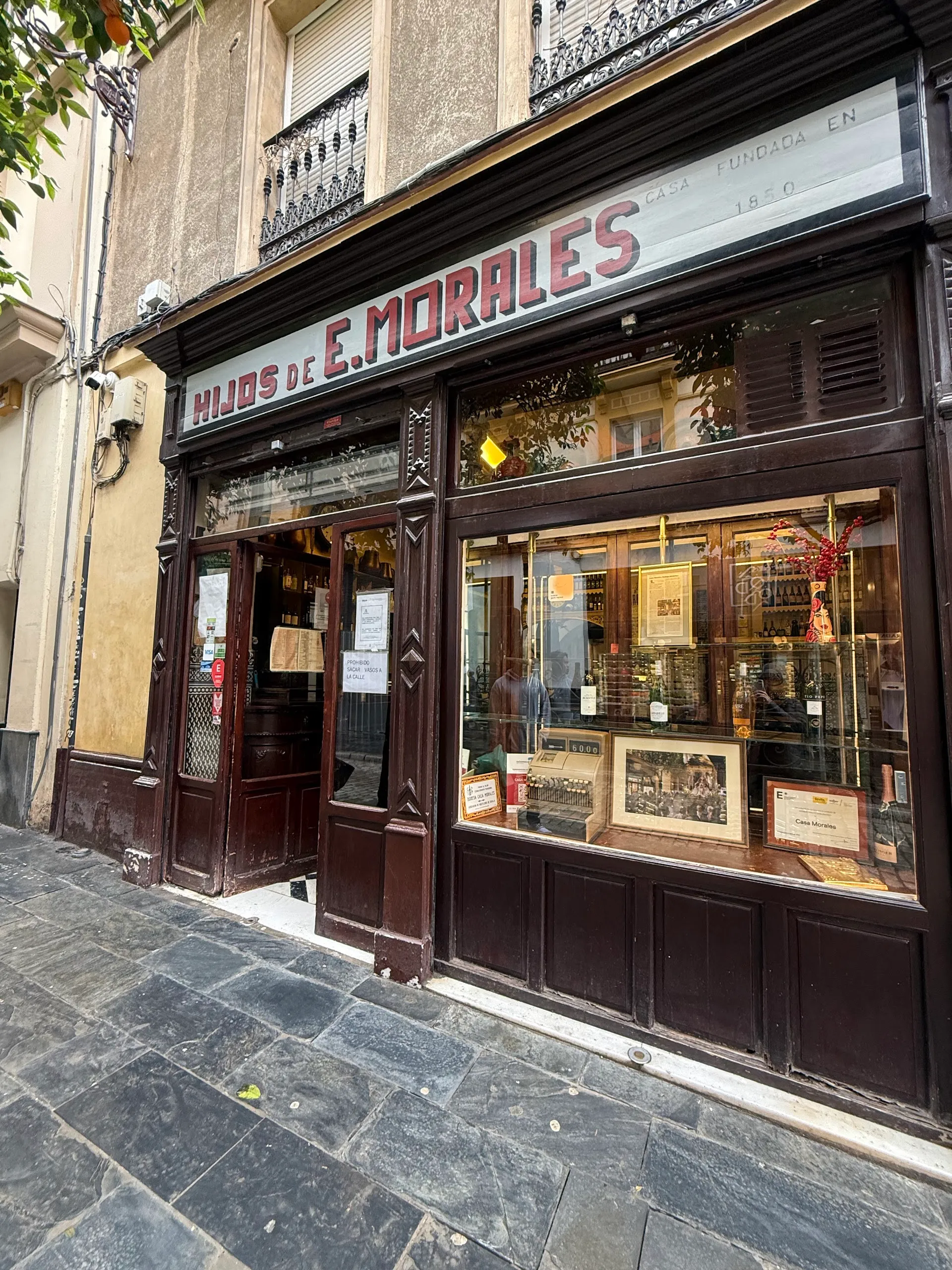
Casa Morales
A barely-changed bodega founded in 1850, a block from the Cathedral, where wine and vermut are still poured from giant clay tinajas. Simple montaditos and a deeply atmospheric back room make it a time capsule of old Seville.
El Arenal
Must visit
Bar5.0
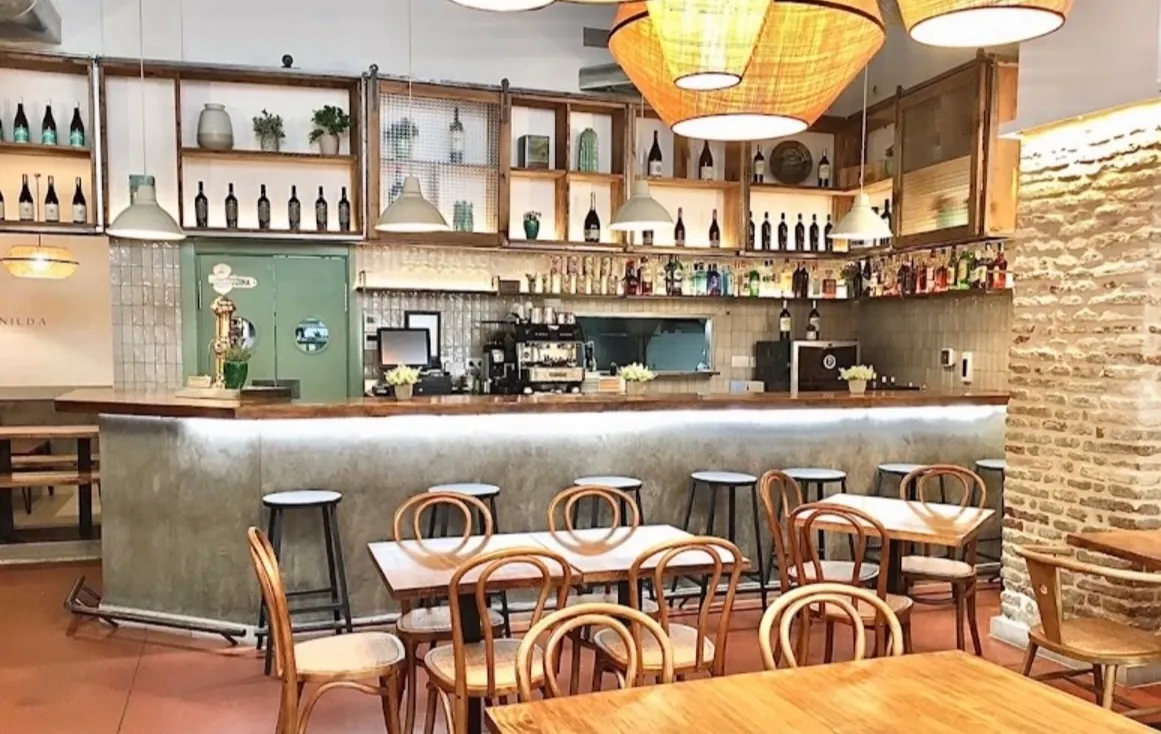
La Brunilda
A small, bright, hugely popular modern-tapas bar in El Arenal, turning out inventive Mediterranean plates like slow-cooked octopus and risotto. Arrive when it opens or be ready to queue.
El Arenal
Bar4.0
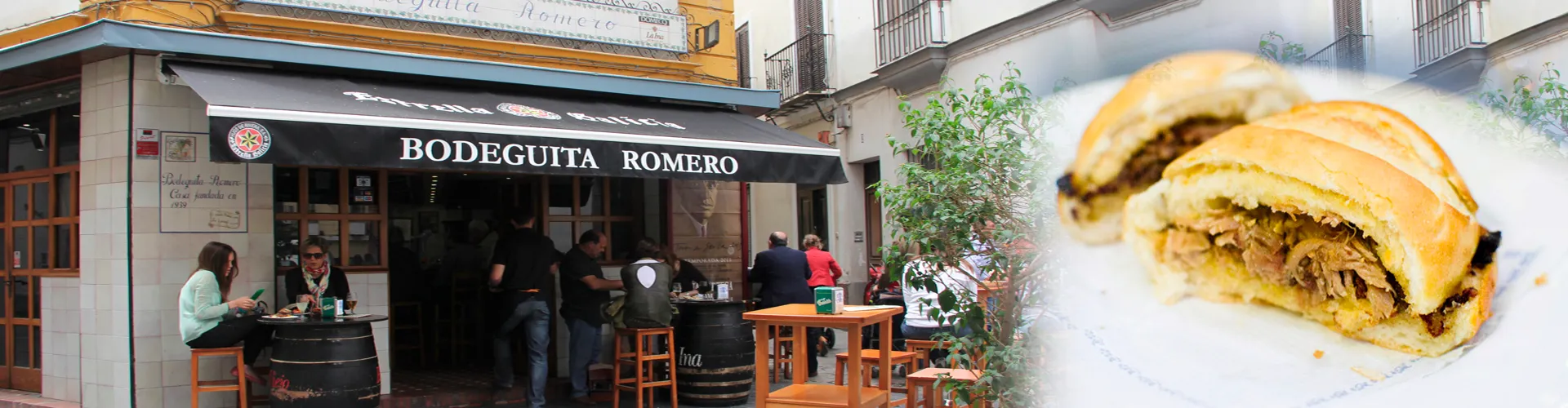
Bodeguita Romero
A cramped, much-loved family bar near the Cathedral, beloved for its pringá (slow-cooked meat roll) and papas aliñás (cool potato salad). Cheap, classic, and full of locals at lunchtime.
El Arenal
Bar4.0
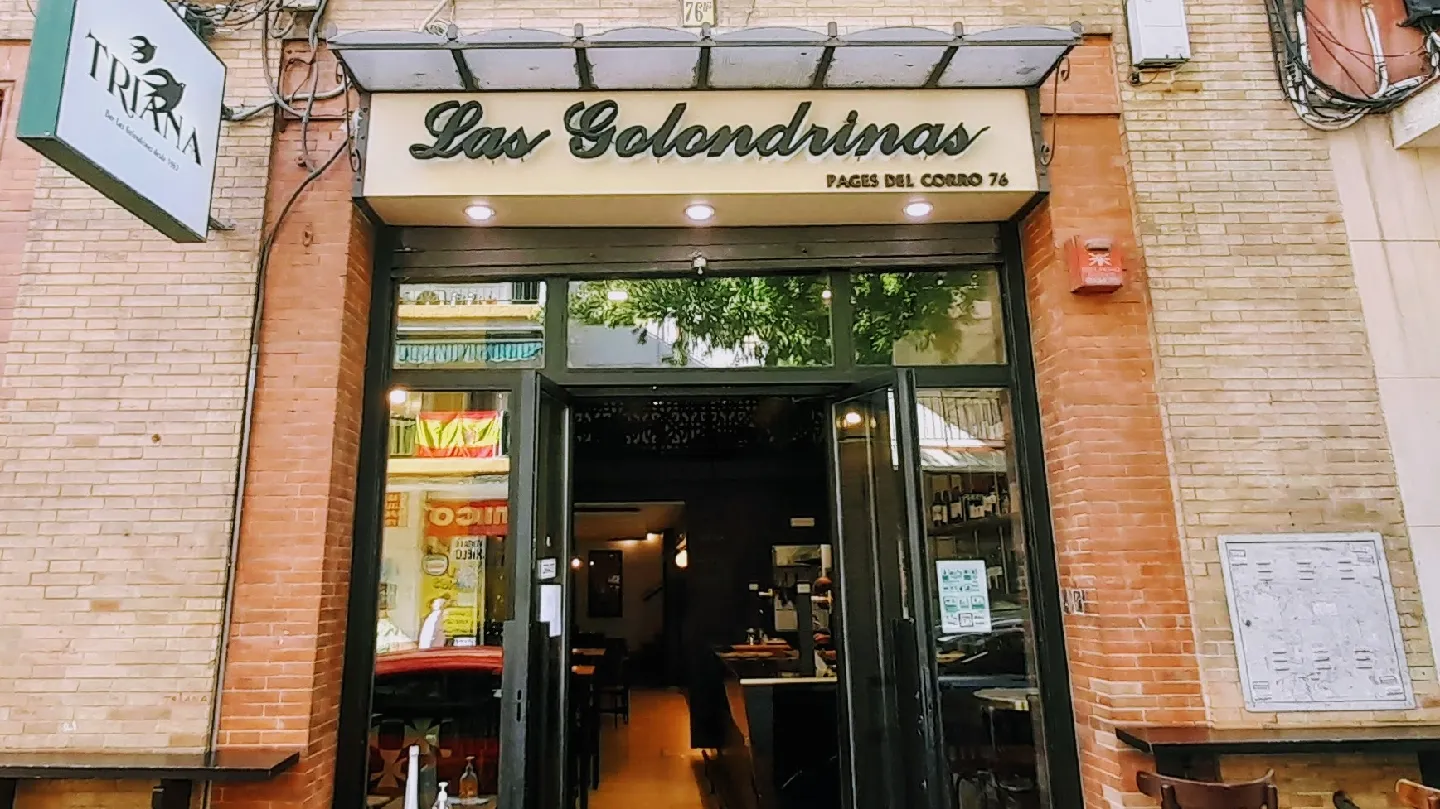
Bar Las Golondrinas
A 1962 Triana institution covered in hand-painted tiles, run by the same family for generations. The griddle never stops: order the punta de solomillo (pork tenderloin tips) and grilled chipirones with a cold beer.
Triana
Bar4.0
Ovejas Negras
A lively, design-led tapas bar near the Cathedral serving creative fusion plates, truffled risotto, tuna tartare tacos, gyoza, to a young crowd. A good modern counterpoint to the old bodegas.
Centro / Santa Cruz
Must visit
Bar4.0
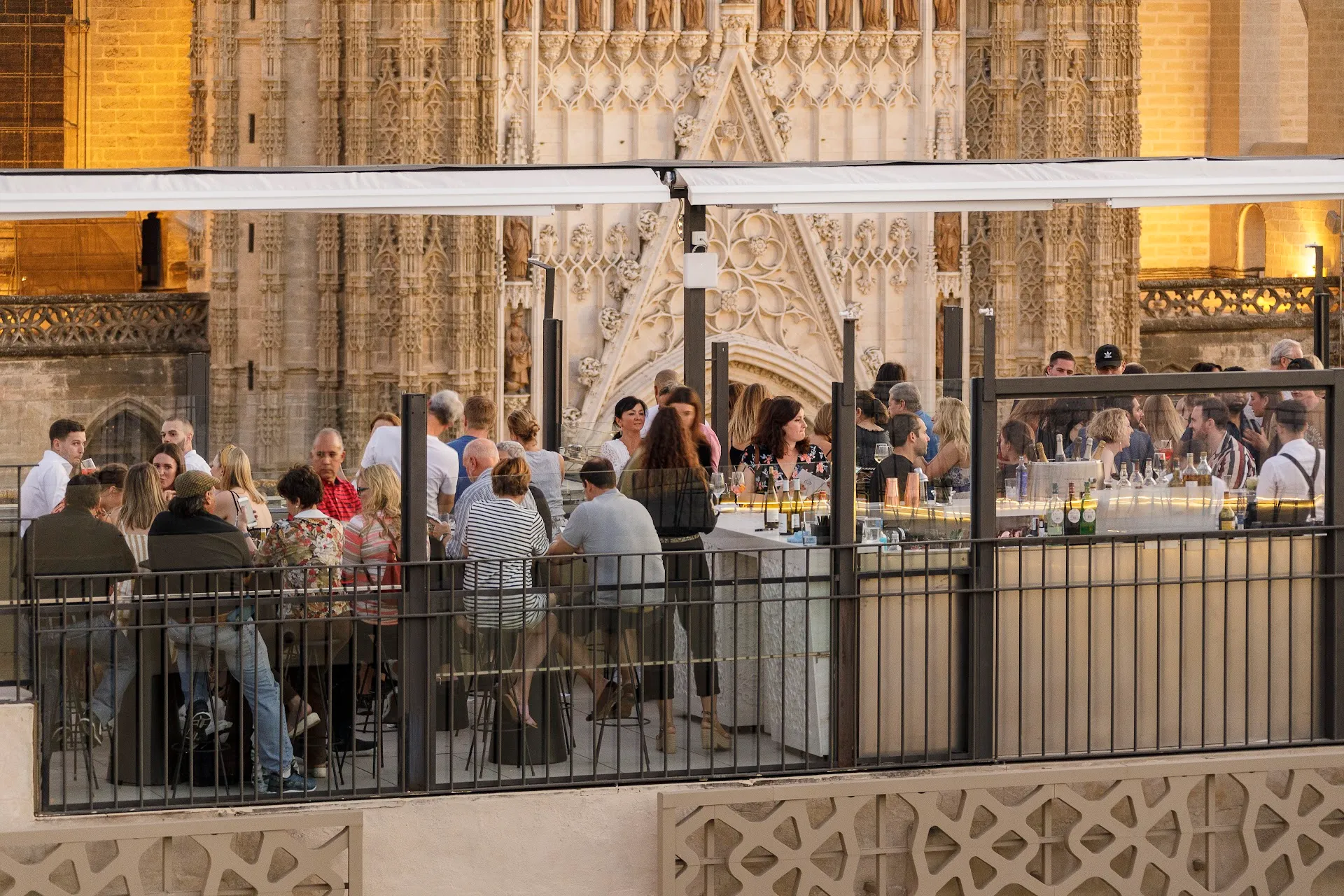
La Terraza del EME
A two-level designer rooftop atop the EME Catedral hotel, staring almost straight at the Giralda barely 60 metres away. Come for a sunset cocktail with the best face-to-face cathedral view in the city.
Barrio de Santa Cruz
Bar4.0
Terraza Doña María
An old-school hotel rooftop tucked right behind the Cathedral, with arguably the closest view of the Giralda of any terrace bar. Rustic and unflashy, with a small pool reserved for guests.
Barrio de Santa Cruz
Bar4.0
La Carbonería
A rambling former coal warehouse turned bohemian taberna, where free, informal flamenco breaks out most nights and the sangria flows. No cover, no fuss, just buy a drink and find a bench.
San Bartolomé (Santa Cruz)
Bar4.0
Casa Anselma
A legendary, sign-less Triana bar where the formidable ex-dancer Anselma presides over spontaneous, unrehearsed flamenco and sevillanas late into the night. No stage, no tourists' set list, just locals singing and clapping.
Triana
Must visit
Jazz5.0
Casa de la Memoria
An intimate, ticketed flamenco venue set in the old stables of a Renaissance palace, seating around 85 for hour-long shows of serious cante, guitar, and dance. Widely rated the best place in Seville to hear pure flamenco.
El Centro
Jazz4.0
Tablao Los Gallos
The oldest flamenco tablao in Seville, running since 1966 on the pretty Plaza de Santa Cruz. A classic dinner-free, show-with-a-drink format with a rotating cast of singers, guitarists, and dancers.
Barrio de Santa Cruz
Club4.0
Fun Club
A small, much-loved live-music and concert club on the Alameda since 1987, the spine of Seville's alternative and indie scene. Bands play early, DJs take over late, and the crowd is local and unpretentious.
Alameda de Hércules
Walking routes in Seville
Ready-made routes, ordered stop by stop with a map — open in Google Maps or add the whole thing to a trip in one tap.
Daily budgets and typical prices to plan your spend.
Backpacker
€50/ day
Mid-range
€110/ day
Luxury
€260/ day
Cheap meal
€12
Restaurant meal
€22
Coffee
€1.6
Local beer
€2.2
Transit ticket
€1.4
Taxi (1km)
€1.1
Cost index 48 (New York = 100).
When to go
Best time to visit
Spring (March to May) and autumn (September to October) are ideal: warm, sunny days, clear skies, and the city perfumed by orange blossom and jacaranda. Spring also holds the great festivals of Semana Santa and the Feria de Abril. July and August are punishingly hot, regularly over 40 degrees Celsius; winters are mild, quiet, and cheaper.
Crowds
High
PeakApril, May, October
ShoulderFebruary, March, June, September, November
QuietJuly, August, December, January
Major events
Semana Santa (Holy Week)March
Feria de Abril (April Fair)April
Corpus ChristiJune
Velá de Santa Ana (Triana)July
Bienal de Flamenco (even years)September
Weather by month
Average temperature and rainfall, to time your visit.
11°J
13°F
16°M
18°A
22°M
26°J
28°J
29°A
25°S
21°O
15°N
12°D
Good to know
Practical info before you go.
Tipping
Appreciated — Tipping is not expected and service is included. Locals round up the bill or leave small change; for a good restaurant meal, 5-10% is generous. For tapas and drinks at the bar, simply leaving the coins is plenty.
Tap water
Safe to drink
Power
Type C/F · 230V
Safety
High — Seville is one of Spain's safer large cities, with little violent crime. The main risk is petty pickpocketing in crowded tourist spots, on packed buses, and especially during Semana Santa and the Feria de Abril; keep bags zipped and valuables out of back pockets. In summer, take the extreme heat seriously: hydrate, seek shade, and avoid the midday sun.
Emergency
112
Visa-free for
United States, Canada, United Kingdom, European Union, Australia, New Zealand
Local culture
Language
Spanish
English
Moderate
Dress code
Smart Casual
Useful phrases
Hola
Hello
Gracias
Thank you
Por favor
Please
Perdón
Excuse me / Sorry
¿Habla inglés?
Do you speak English?
La cuenta, por favor
The bill, please
Local customs
Meals run late: lunch around 14:00-16:00, dinner from 21:00; tapas bridge the gaps
Tapas is social, order a few small plates to share and move between bars
Many shops close for a long midday break (roughly 14:00-17:00) and on Sundays; much of the city slows in August
Semana Santa and the Feria de Abril transform the city, with processions and flamenco dress, expect closures and crowds
A relaxed greeting of two cheek kisses (right cheek first) is normal among friends
Watch out for
Rosemary sprigs: women near the Cathedral and Plaza del Triunfo press a sprig into your hand then demand money for a 'reading', do not accept it
Overpriced horse-and-carriage rides, agree the fare before boarding
'Free' flamenco with very expensive compulsory drinks in tourist-trap bars, check prices first
Useful links
Official resources and quick searches for Seville.
Three days is ideal: one for the Real Alcázar, Cathedral, and Santa Cruz, one for the river and Triana, and one for the Plaza de España, the markets, and a flamenco night. A fourth day lets you slow down or take a day trip to Córdoba.
What is the best way to get around Seville?
Mostly on foot, the historic centre is small and walkable. A single tram line and the TUSSAM city buses cover longer hops (a single ticket is about 1.40 euros), and the flat, bike-friendly streets are perfect for the Sevici share bikes. The EA bus from the airport reaches the centre in about 35 minutes.
Do I need to book the Alcázar and Cathedral in advance?
Yes. The Real Alcázar and Seville Cathedral both use timed tickets that regularly sell out days ahead in spring and autumn. Book online before you travel, or take a guided tour with skip-the-line entry.
Is Seville safe?
Seville is one of Spain's safer large cities, with little violent crime. The main risk is petty pickpocketing in crowded tourist areas and on packed buses, especially during Semana Santa and the Feria, so keep bags zipped and valuables secure.
When is the best time to visit Seville?
Spring (March to May) and autumn (September to October) offer the best mix of warm weather and beautiful light. Spring brings Semana Santa and the Feria de Abril; July and August are very hot (often over 40°C); winter is mild, quiet, and cheaper.
Ready to plan Seville?
Turn this guide into a real trip — itinerary, map, budget and friends, all in one place.