
Three days is the perfect first taste of Barcelona, a city built around two great pleasures: art and the good life. This itinerary splits the city by geography so you spend your time exploring, not commuting. Day one roams the medieval Old City — La Rambla and the Boqueria market, the Gothic cathedral, the lanes of the Barri Gòtic and El Born, the Picasso Museum and the Modernista Palau de la Música — and ends with jazz on Plaça Reial. Day two is a Gaudí day across the Eixample: the Sagrada Família, the Art Nouveau Hospital de Sant Pau, Casa Milà and Casa Batlló, then sunset at Park Güell and a Gràcia listening bar. Day three climbs Montjuïc for Miró and the castle, drops down to Barceloneta beach and the old harbour, and ends at the Magic Fountain. Almost everything links on foot and by the fast, cheap metro.
Barcelona: The Perfect 3 Days for First-Timers
The route
- Barcelona3n
Everywhere you'll go
Every stop on this itinerary — tap a card for details or to save it.
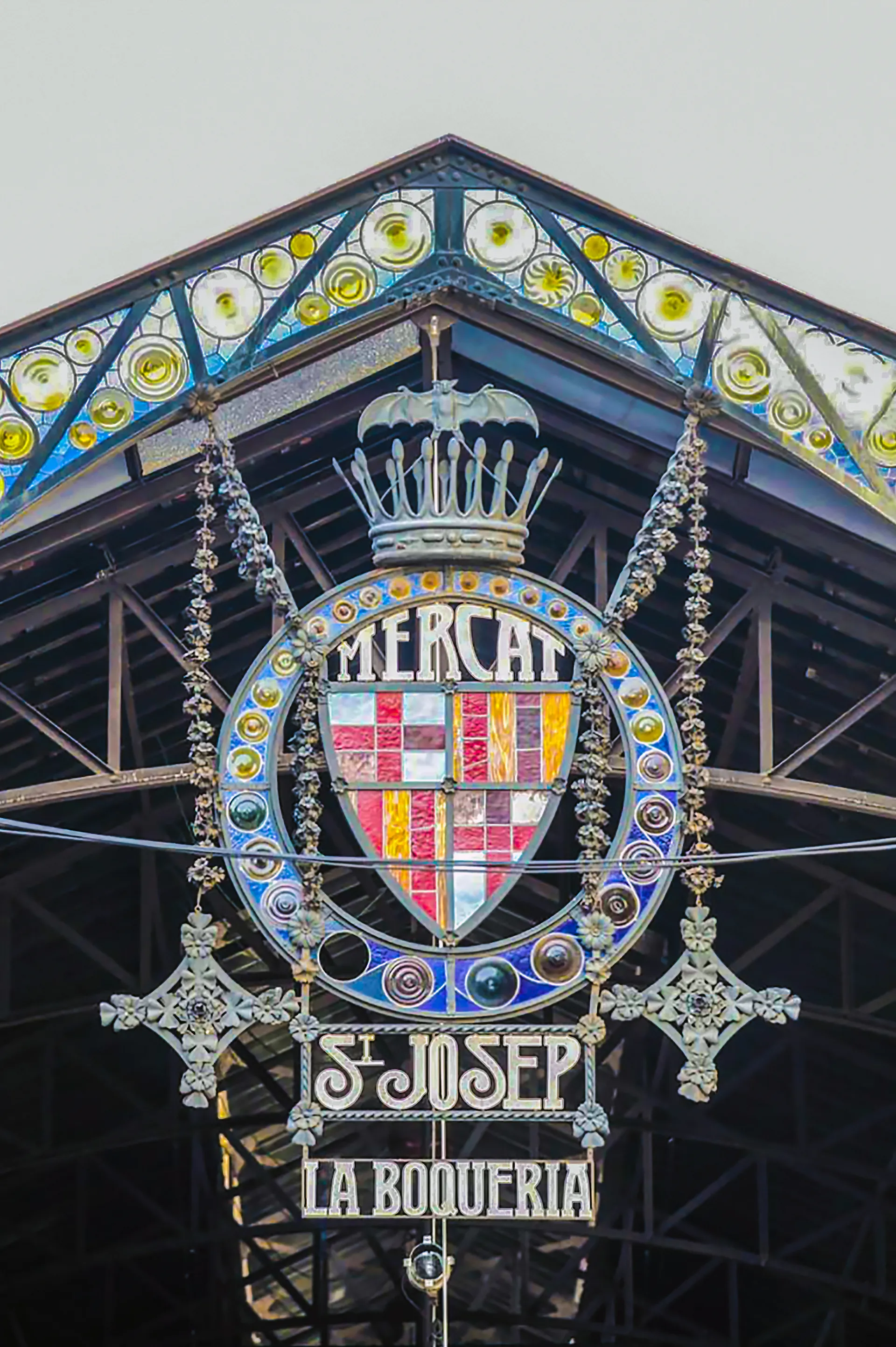
Mercat de la Boqueria
Barcelona's legendary food market just off La Rambla: a riot of jamón, seafood, fruit, and tapas counters under a Modernista iron roof. Come hungry, eat at a stool bar, and go early before the crush.
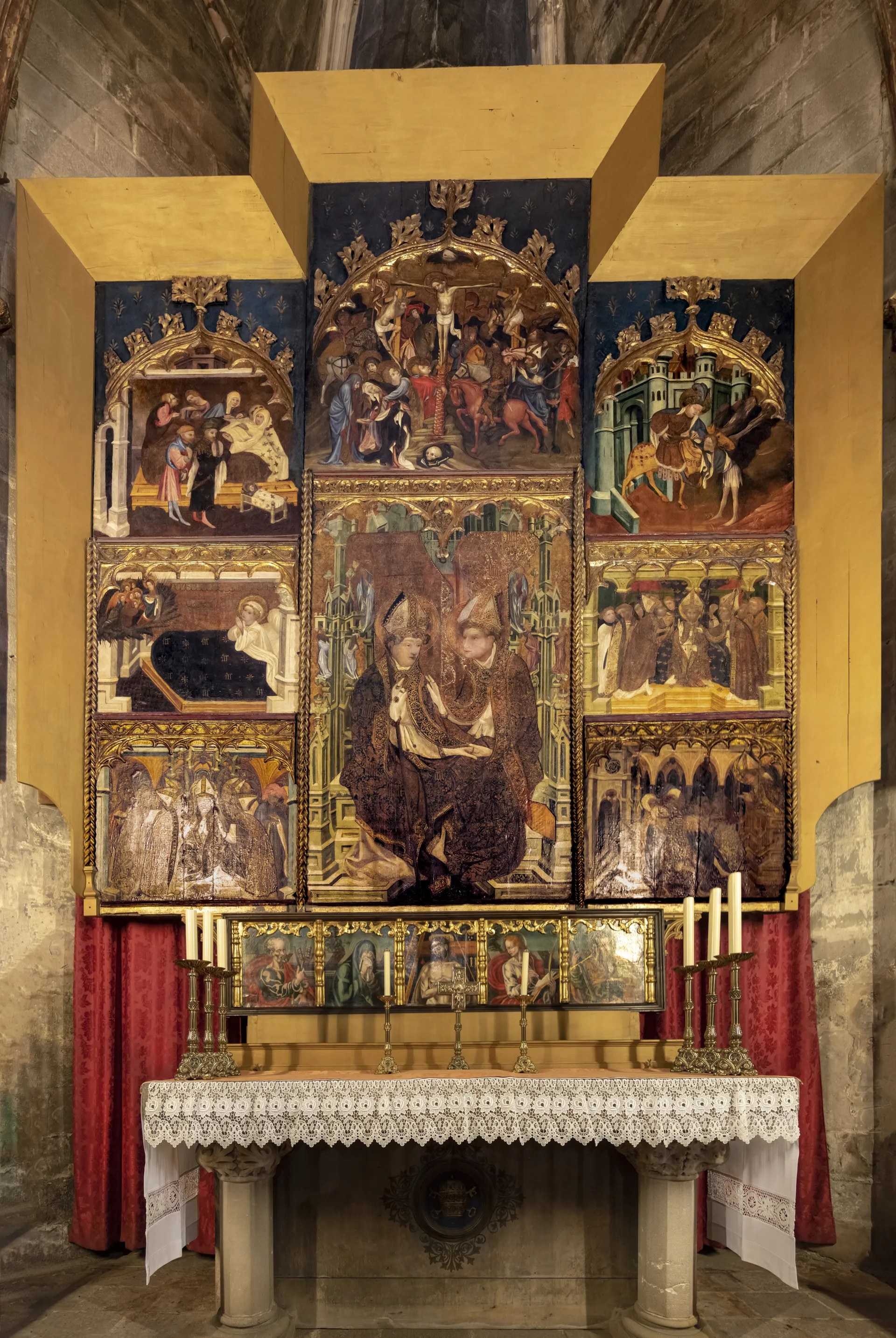
Barcelona Cathedral
The soaring Gothic cathedral at the heart of the old city, with a cloister home to thirteen white geese, a serene rooftop, and an atmospheric, gargoyle-studded exterior in the medieval Barri Gòtic.
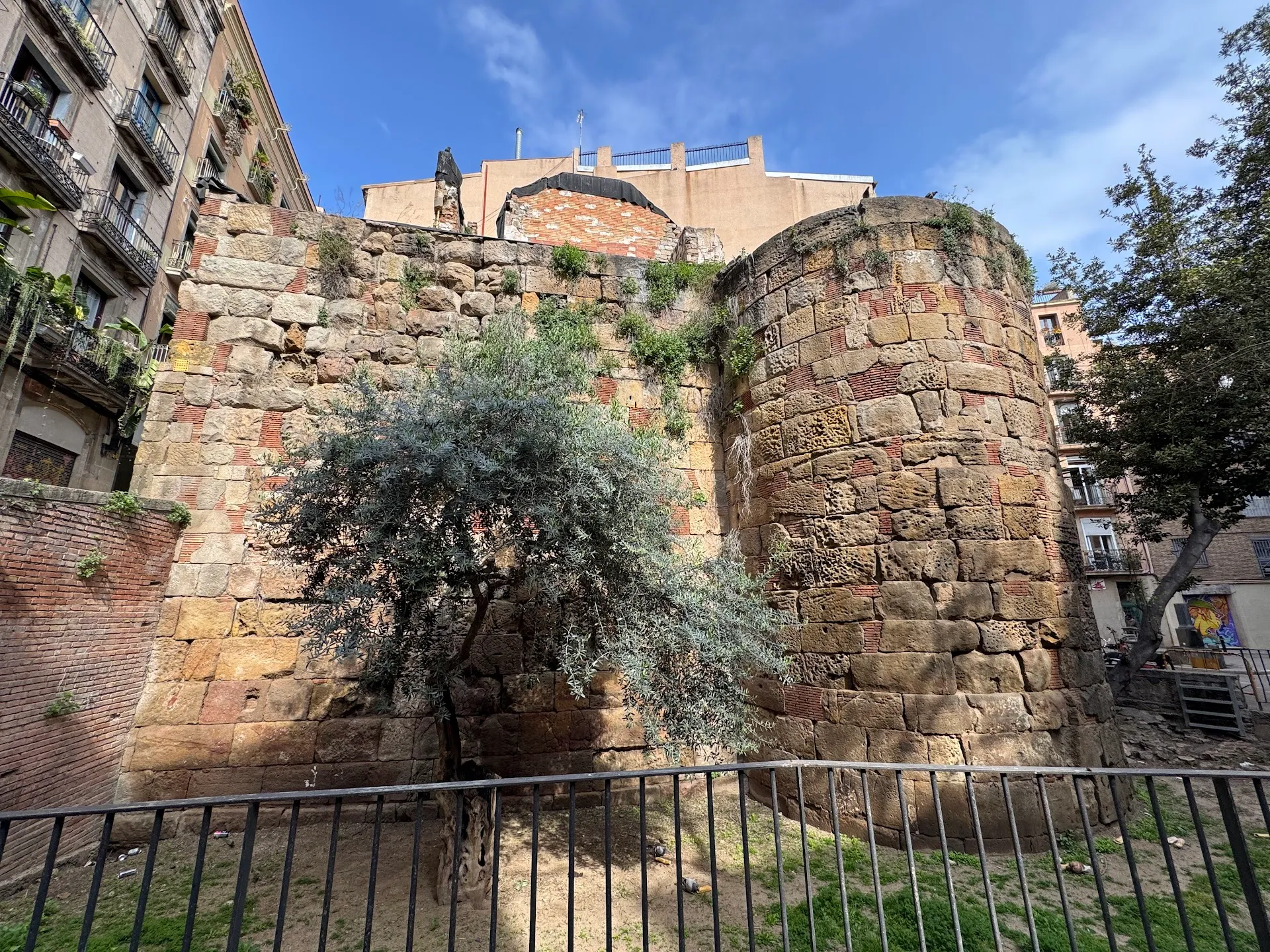
Barri Gòtic Medieval Streets
The labyrinth of narrow medieval lanes, hidden squares, and Roman remains at the heart of the old city. Atmospheric, photogenic, and endlessly wanderable.
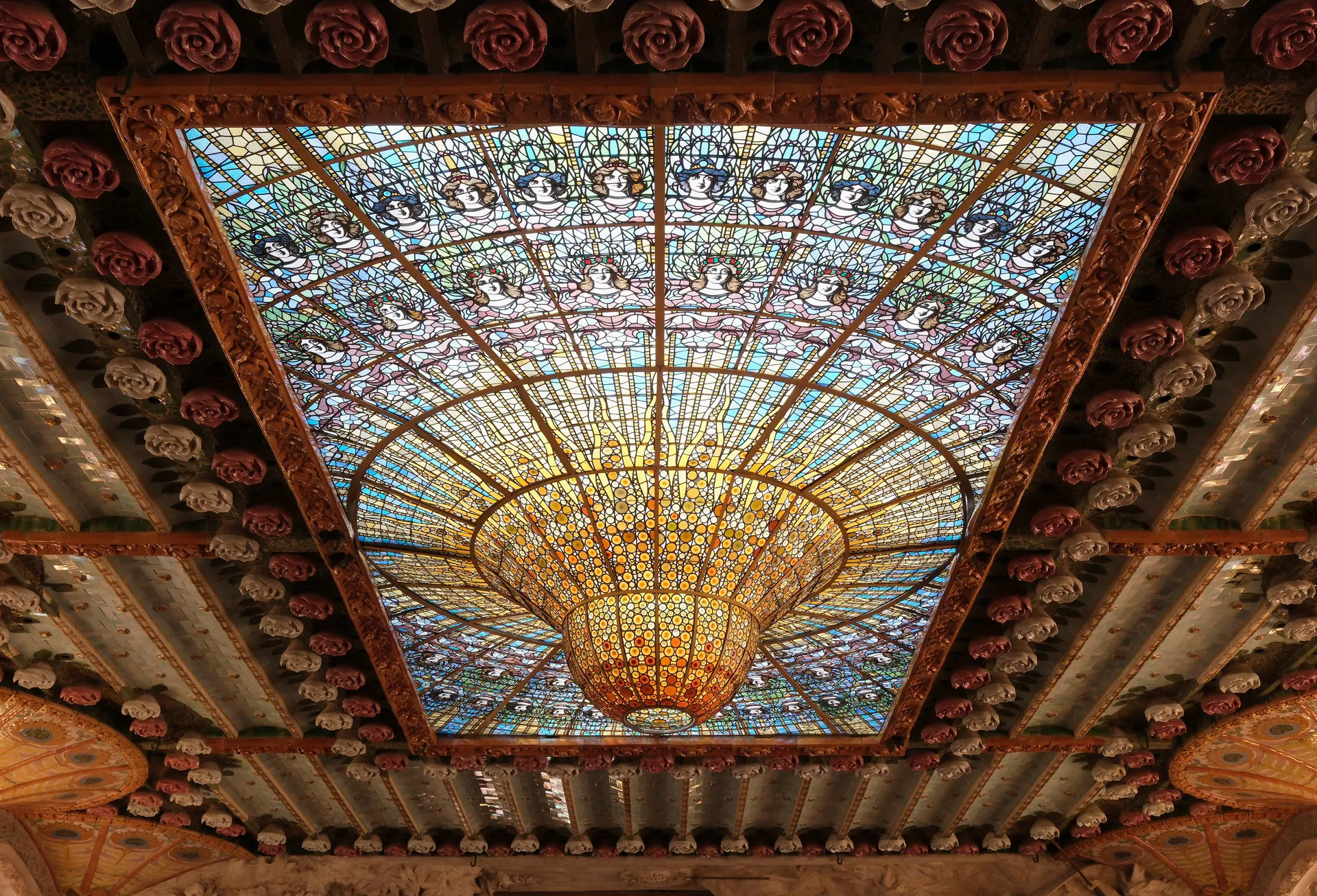
Palau de la Música Catalana
A jaw-dropping Modernista concert hall by Domènech i Montaner, drenched in stained glass, mosaic, and sculpture, crowned by an inverted glass-and-light dome. A UNESCO World Heritage Site; tour it by day or hear a concert by night.
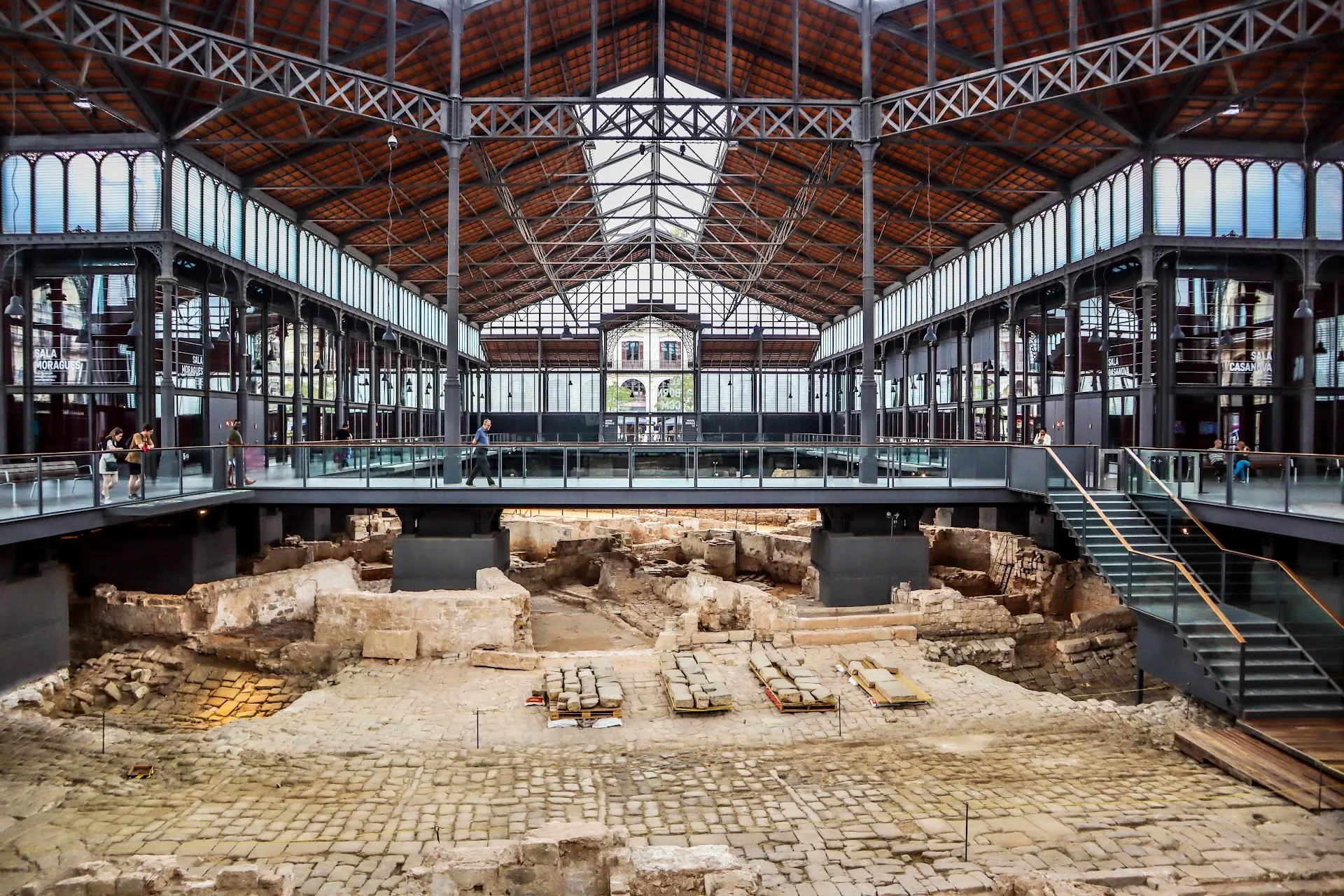
El Born Quarter
A chic medieval quarter of boutiques, tapas bars, and the Santa Maria del Mar basilica, livelier and trendier than the Gothic Quarter next door.
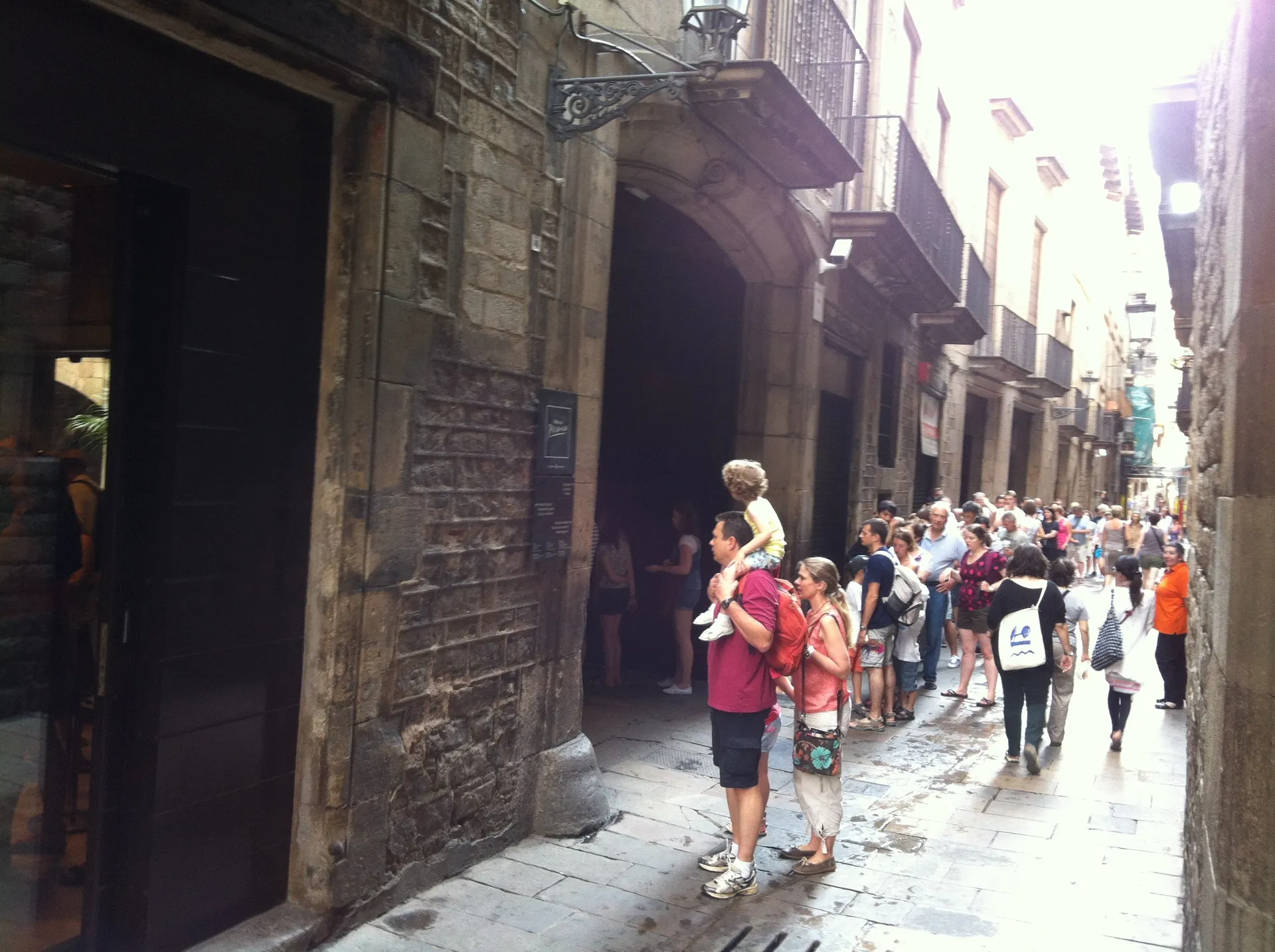
Museu Picasso
Five medieval palaces in El Born hold the world's most complete collection of Picasso's early work, charting his formative Barcelona years and his radical reinventions. Essential for understanding the artist's roots.
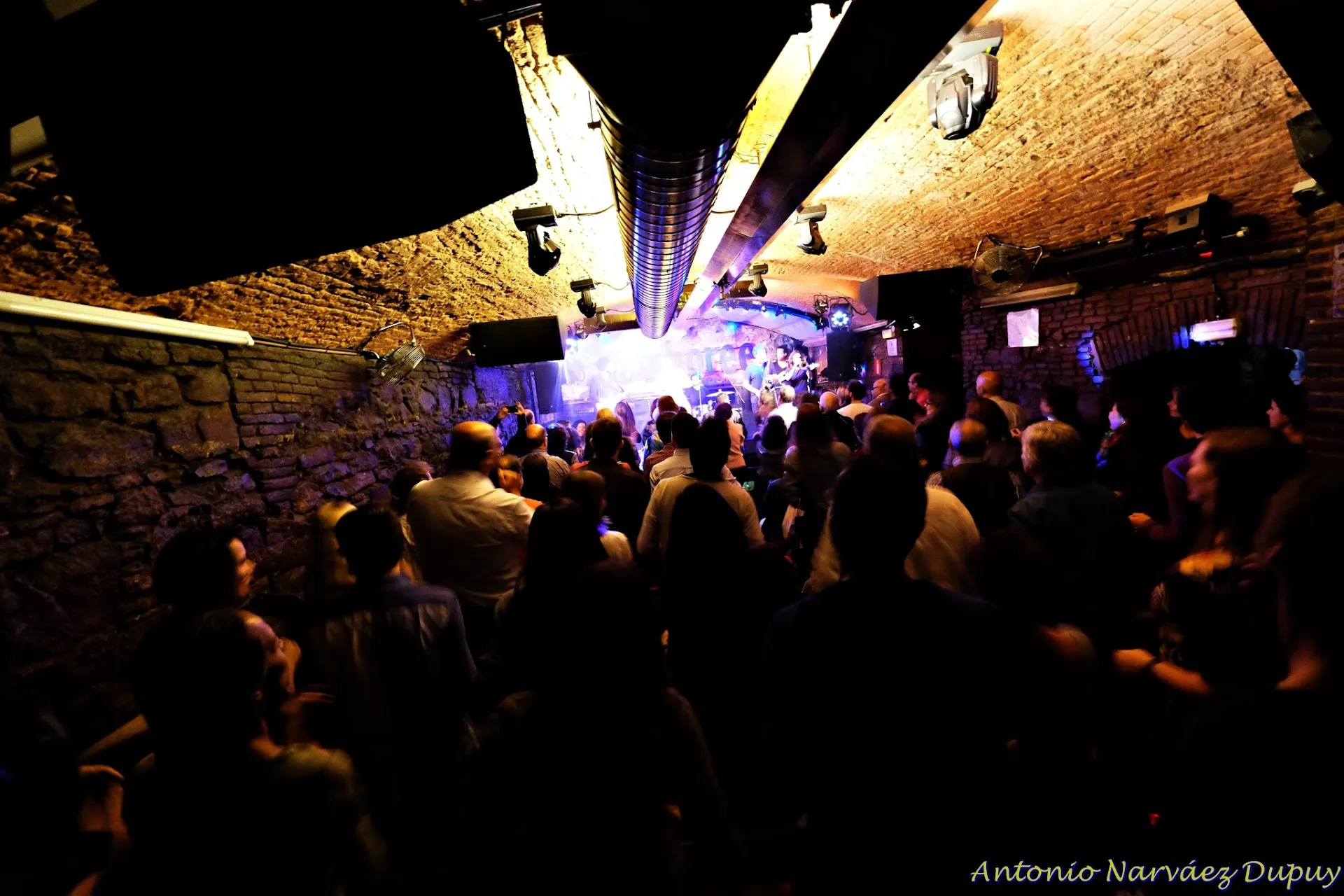
Jamboree Jazz Club
Oldest jazz venue in Spain, opened 1960. Two concerts daily all year round in intimate setting. Rooms 1 and 2 open until 5-6am after concerts.
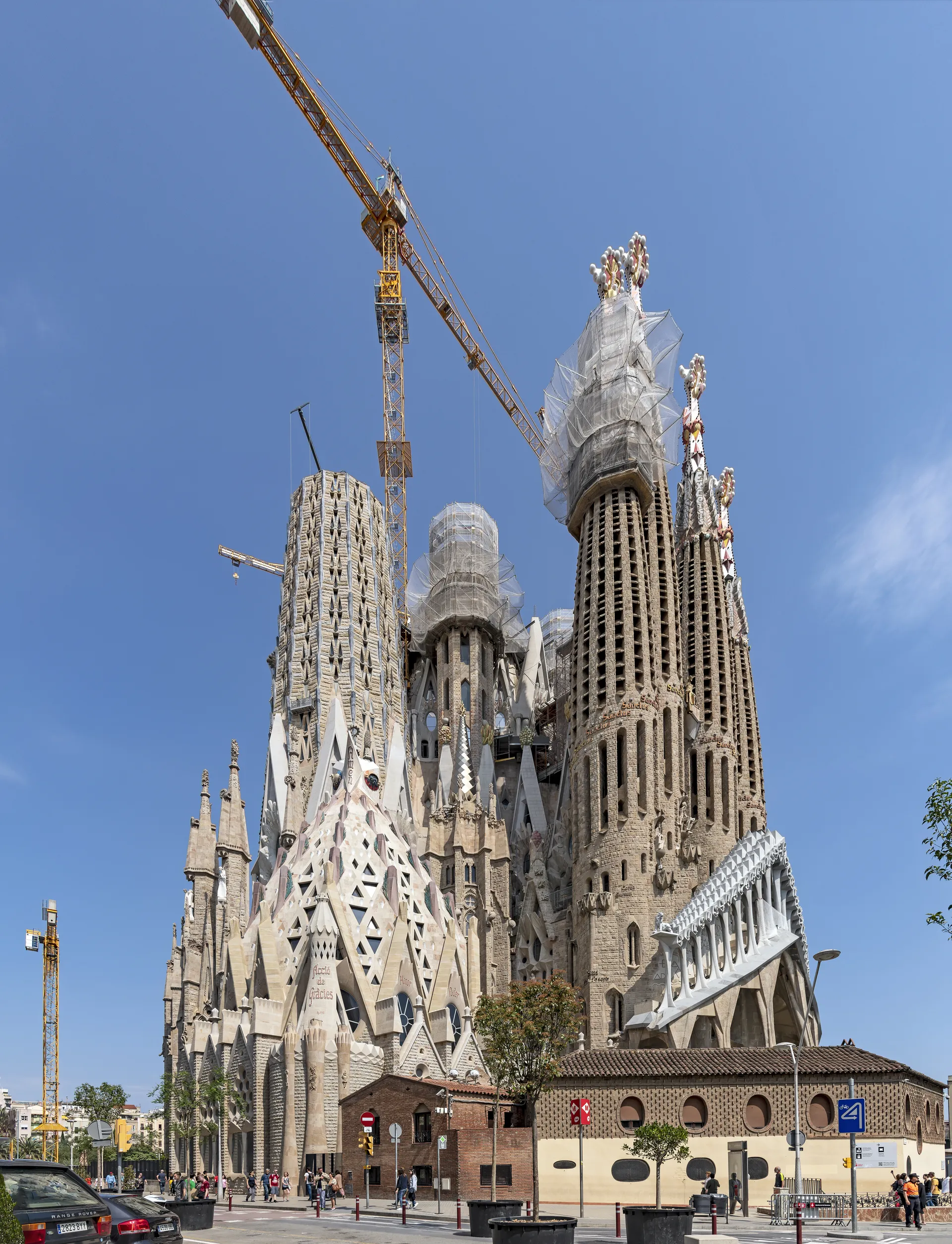
Sagrada Família
Gaudí's unfinished masterpiece and Barcelona's defining symbol: a soaring basilica of organic stone forms and kaleidoscopic stained glass, under construction since 1882. The interior, where light floods through coloured glass onto tree-like columns, is one of the most breathtaking spaces in Europe.
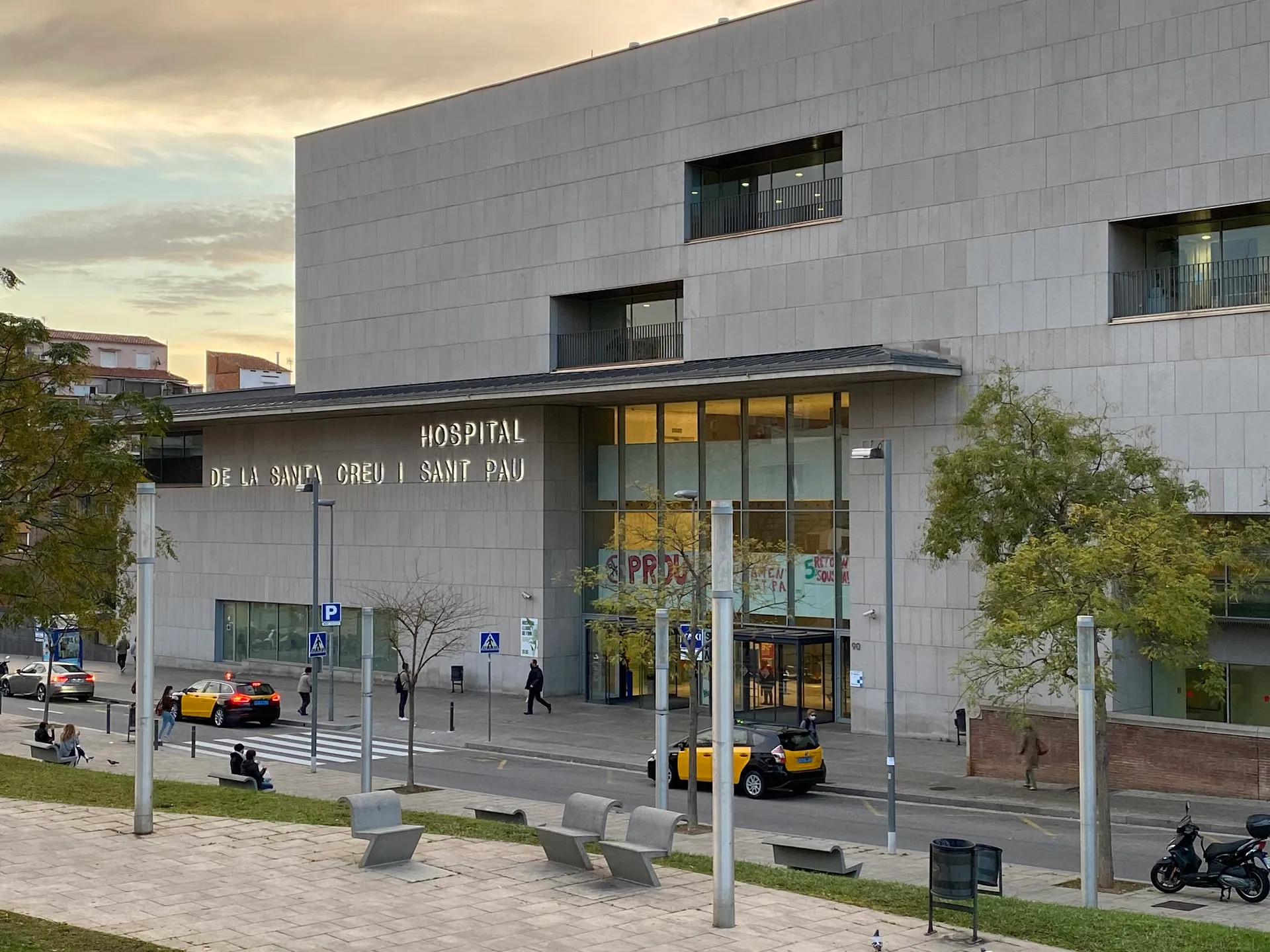
Hospital de Sant Pau
The world's largest Art Nouveau site: a dazzling former hospital complex by Domènech i Montaner, with mosaic-clad pavilions in a garden setting. A UNESCO gem a short walk from the Sagrada Família.
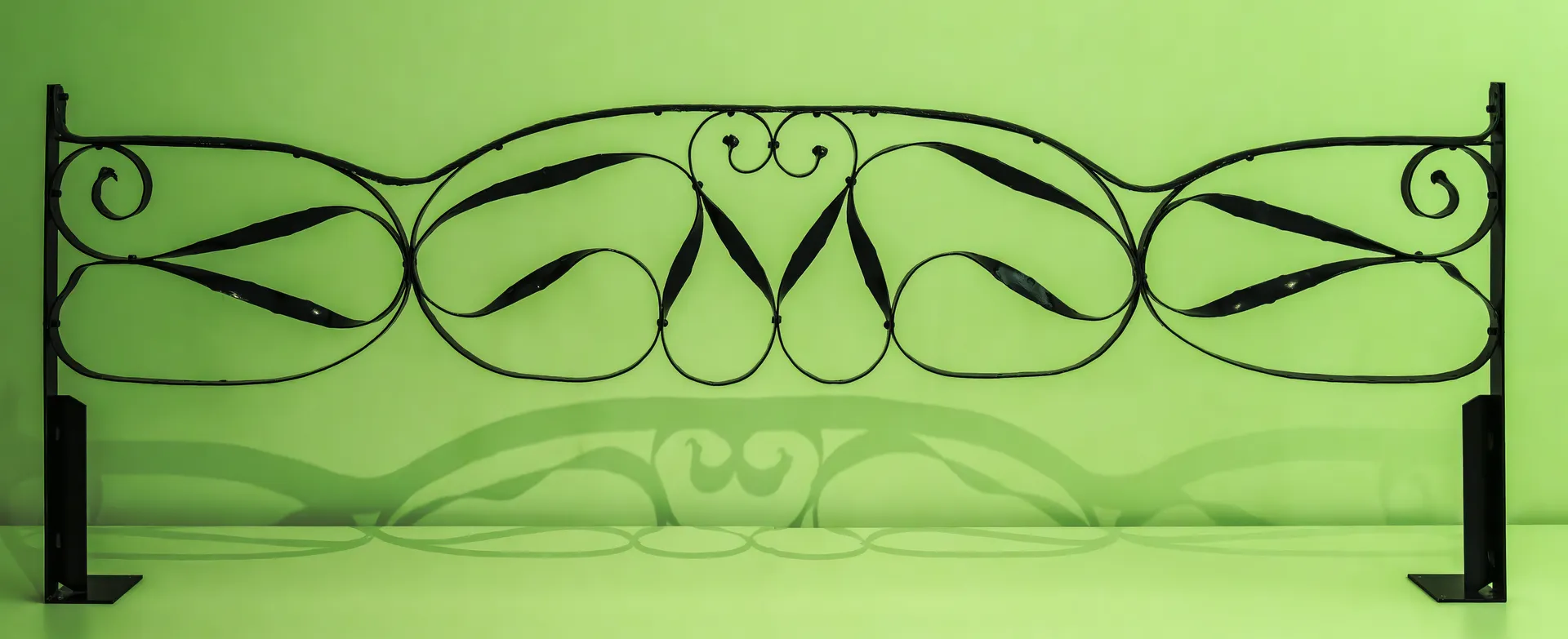
Casa Milà (La Pedrera)
Gaudí's undulating stone apartment block, nicknamed 'the quarry', famous for its wave-like facade and surreal rooftop of warrior-like chimneys. A UNESCO site with a restored Modernista apartment and attic exhibition.
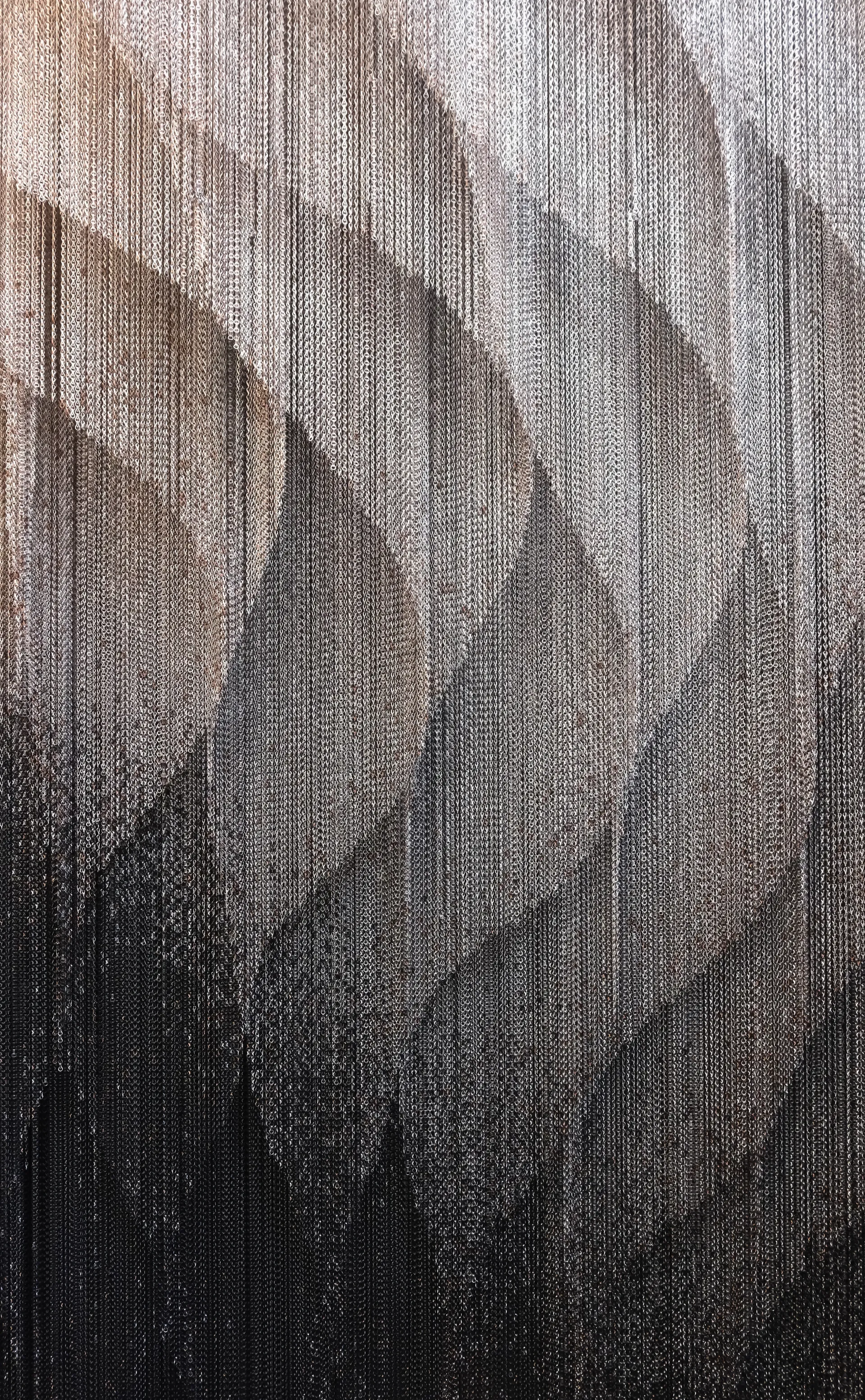
Casa Batlló
Gaudí's most dazzling townhouse on the Passeig de Gràcia, with a bone-like facade, scaled roof, and an interior that flows like the sea. A masterclass in Catalan Modernisme, now an immersive museum.
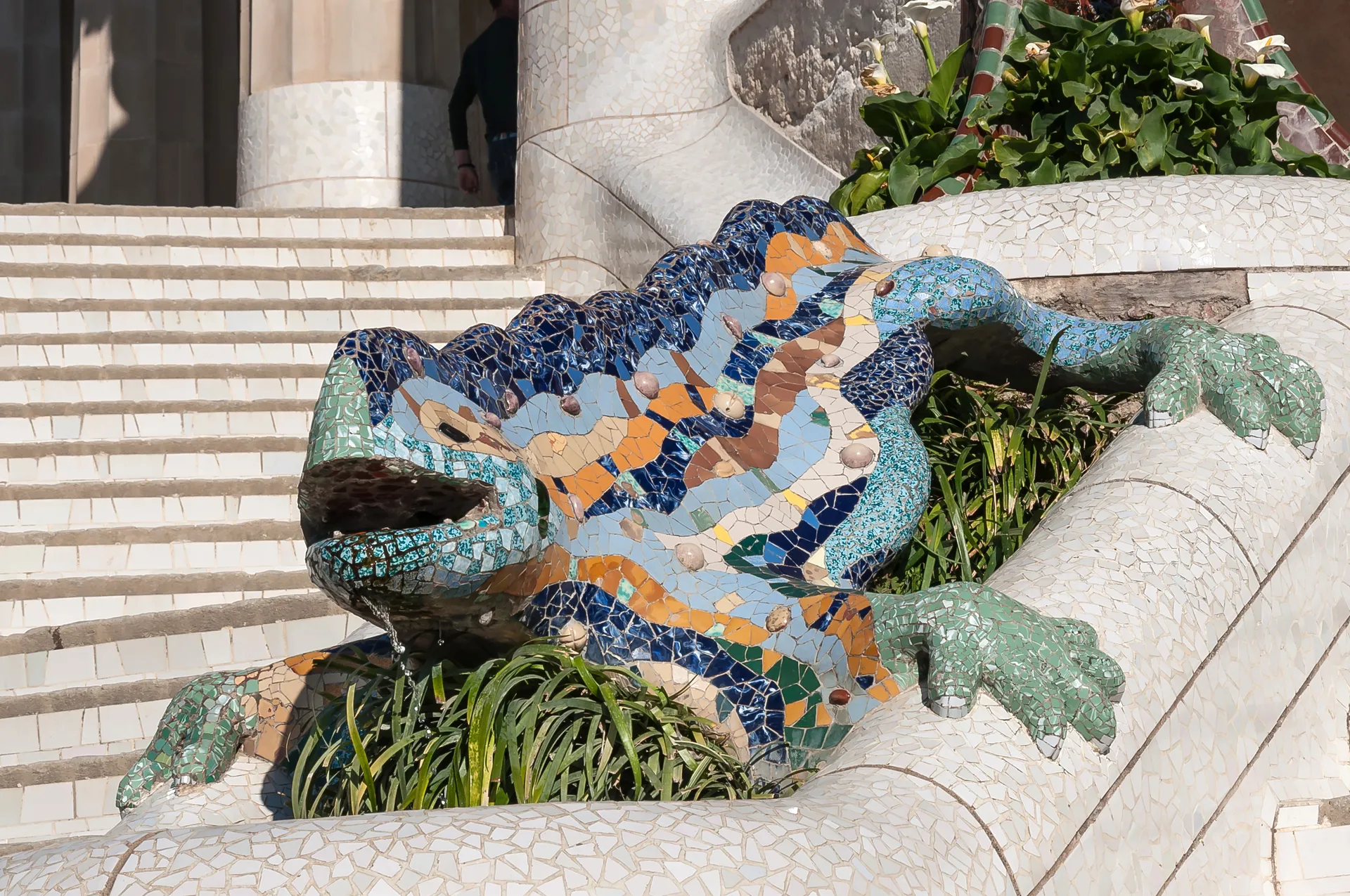
Park Güell
Gaudí's whimsical hillside park of mosaic-tiled terraces, serpentine benches, and fairy-tale pavilions, with sweeping views over the city to the sea. The Monumental Zone with the famous tiled salamander requires a timed ticket; the surrounding park is free.
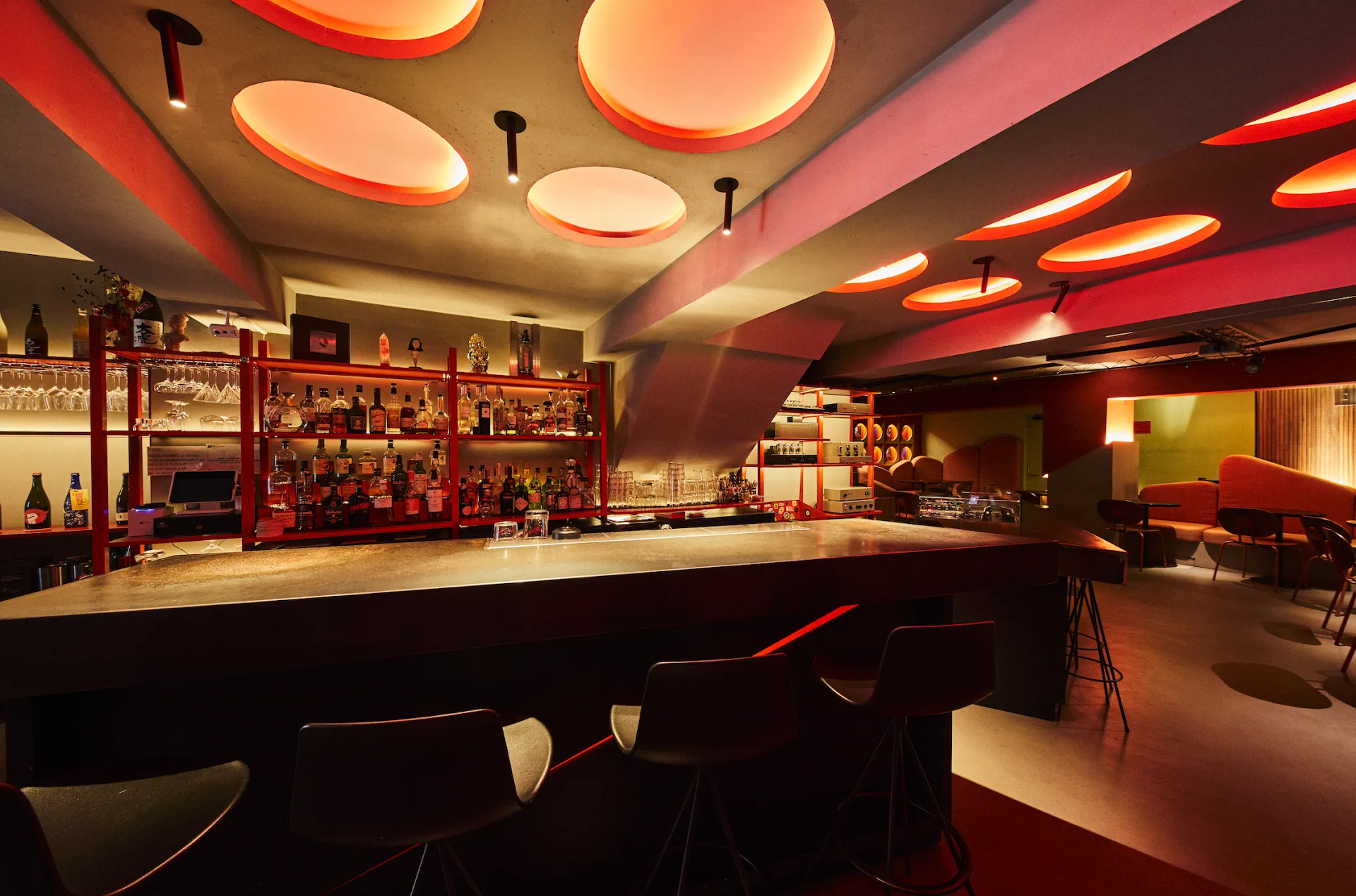
Oblicuo Hi-Fi Bar
Japanese Jazz Kissa-inspired listening bar featuring Giorgio Di Salvo's exquisite sound system. Gràcia's first hi-fi bar offering craft cocktails, natural wines, and curated DJ programming.
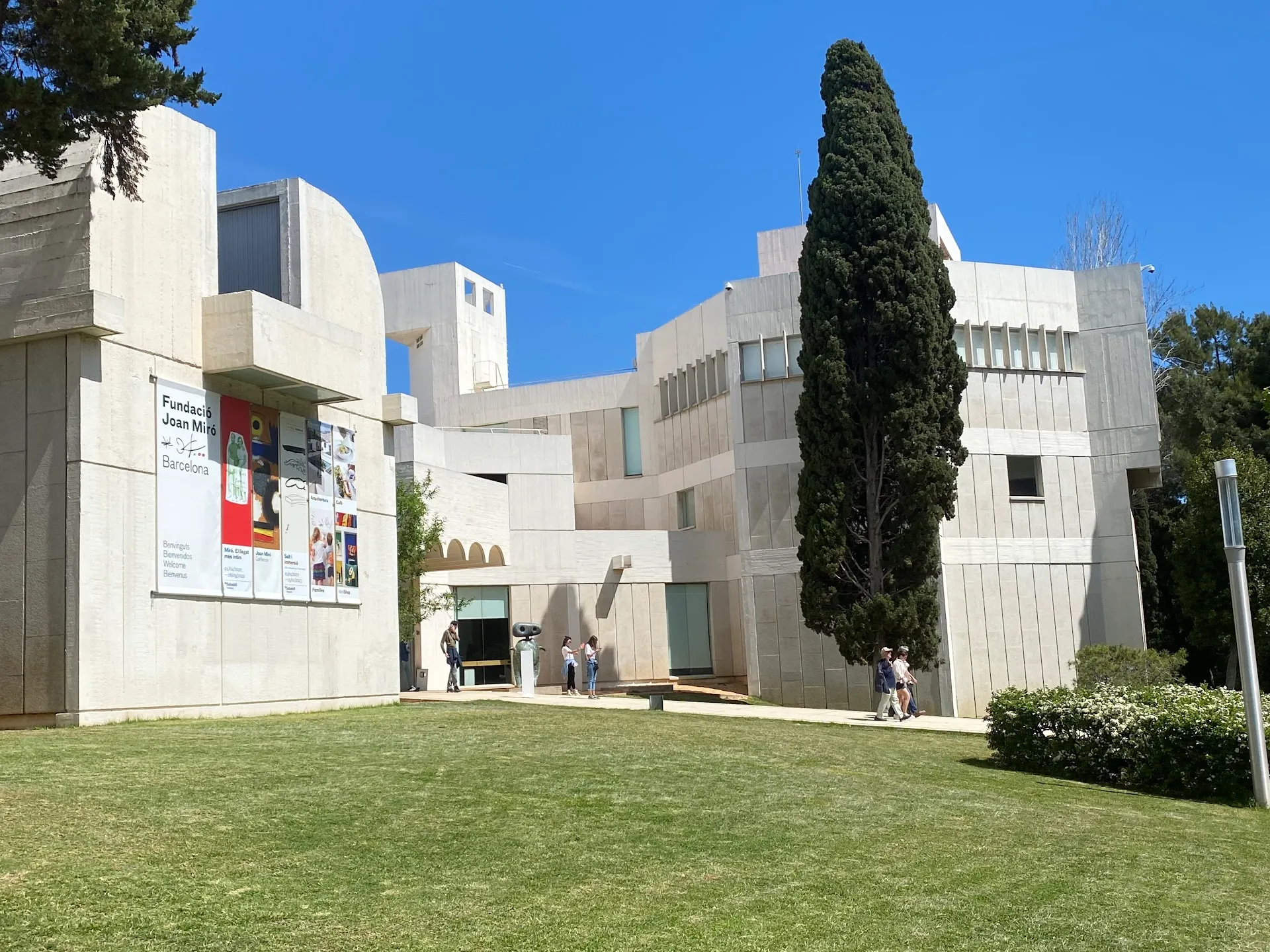
Fundació Joan Miró
A light-filled modernist building on Montjuïc housing the world's foremost collection of Joan Miró's playful, primary-coloured paintings, sculptures, and tapestries, with a sculpture roof terrace.
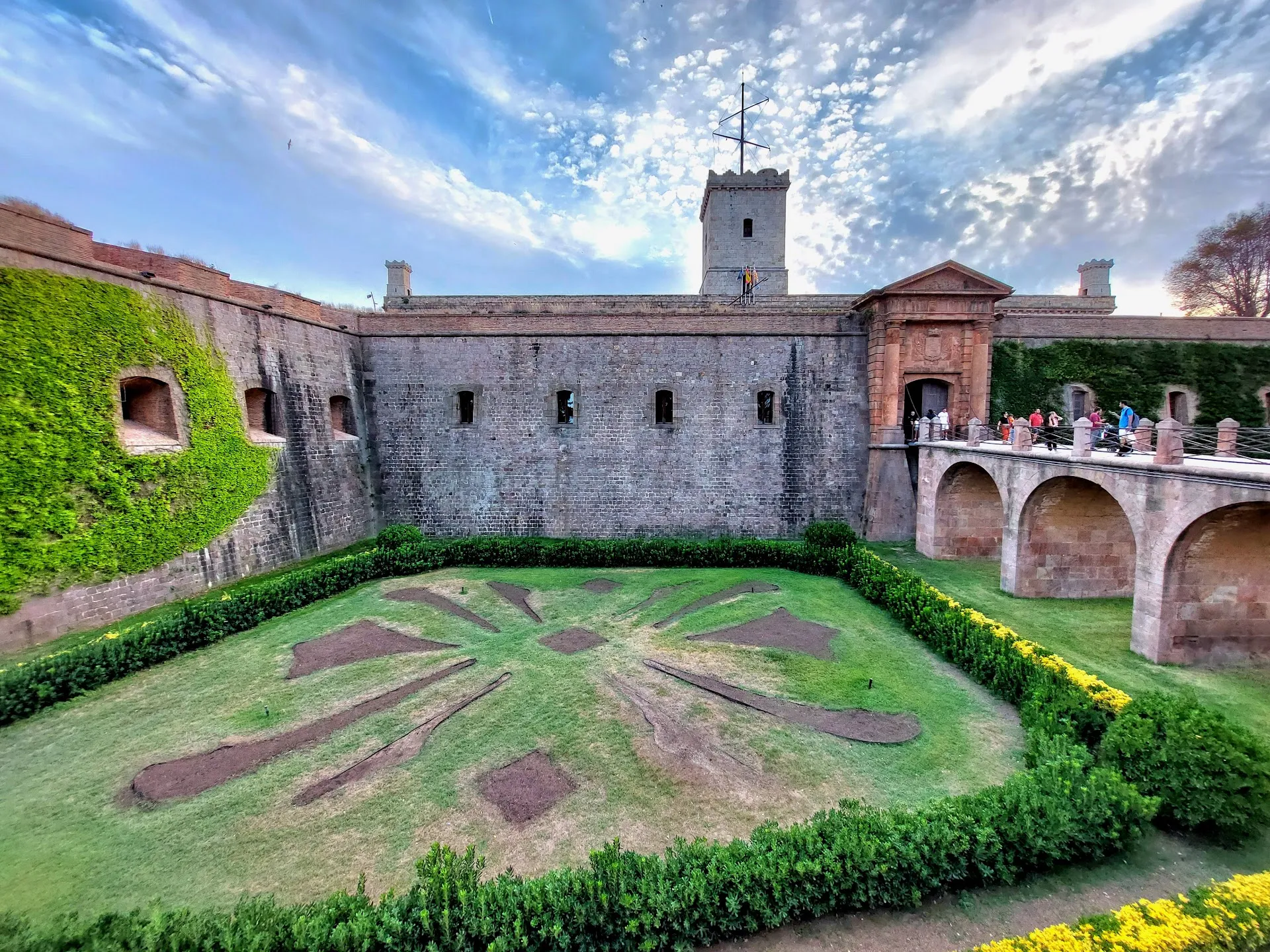
Montjuïc Castle
A 17th-century fortress crowning Montjuïc hill, with cannon-lined ramparts and panoramic views over the port and city. Reach it by the scenic cable car for the best arrival.
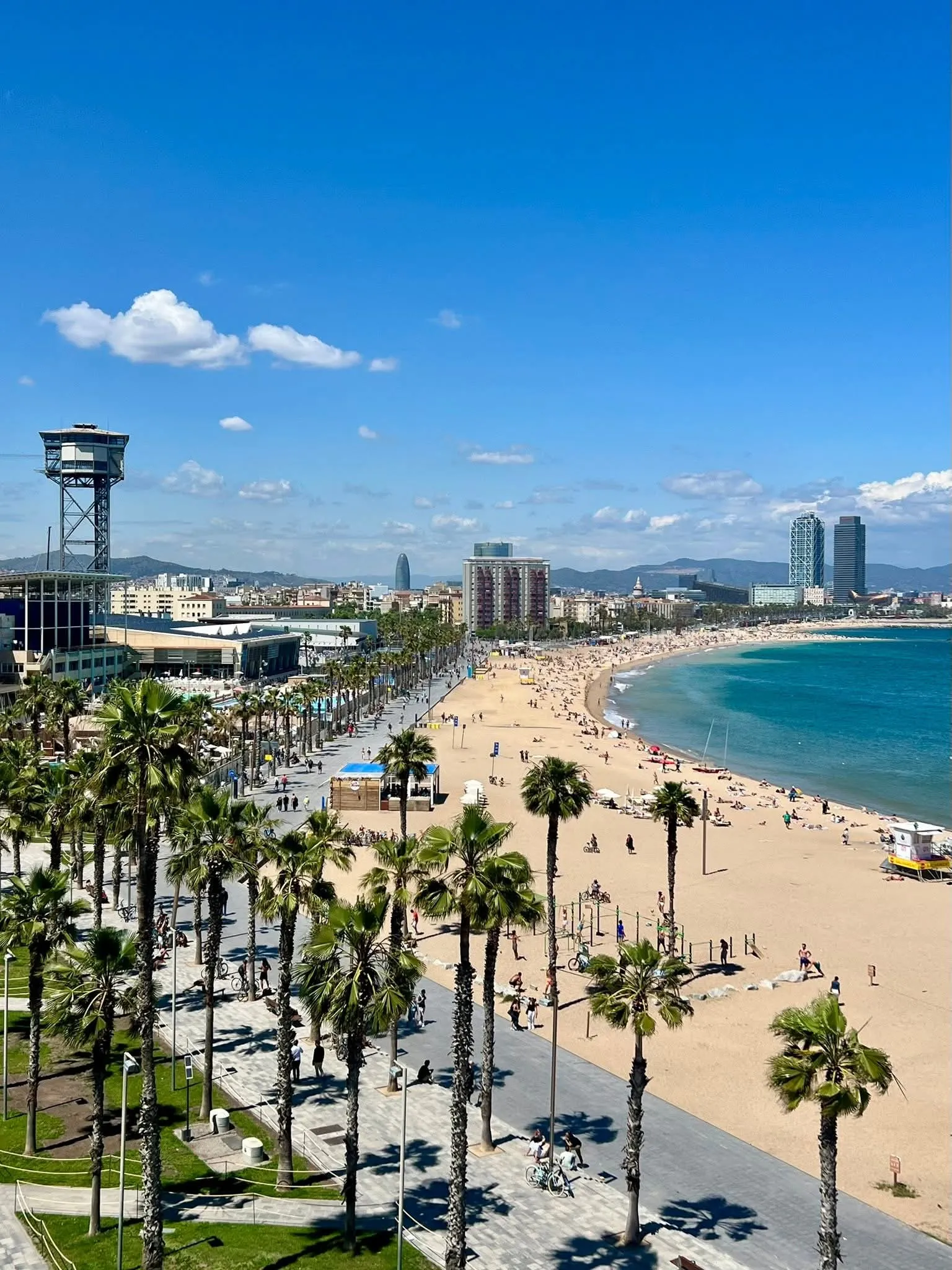
Barceloneta Beach
The city's most famous and central beach, a wide arc of golden sand backed by seafood restaurants (chiringuitos) and a buzzing boardwalk. Great for a swim, a paella, or a sunset stroll.
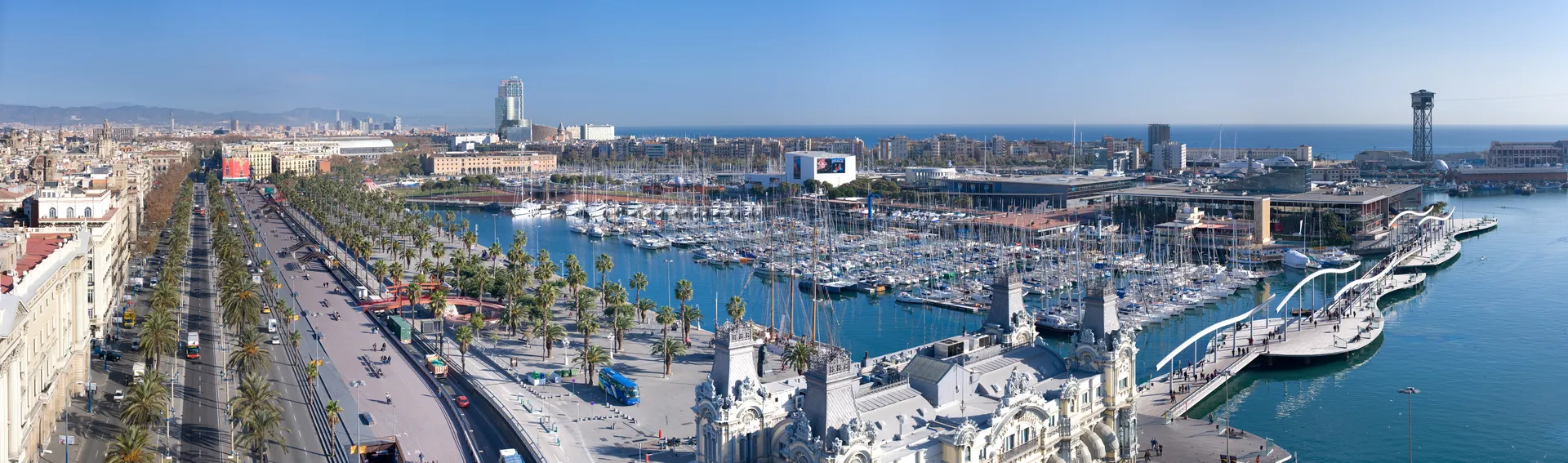
Port Vell & Rambla de Mar
The revitalised old harbour with a wave-shaped wooden footbridge, marina, and waterfront promenade linking the old city to the sea. Pleasant for a seaside stroll.
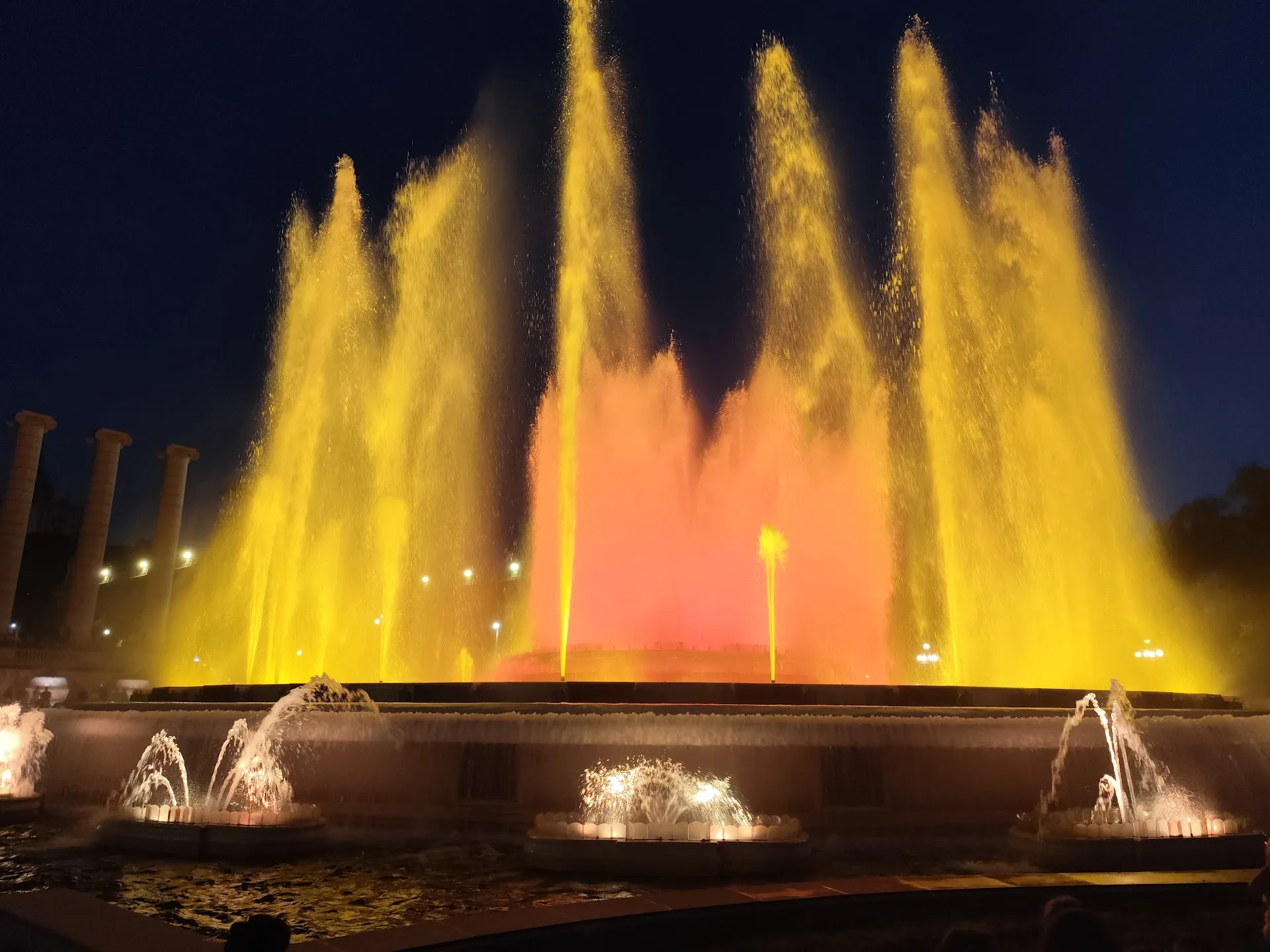
Magic Fountain of Montjuïc
A monumental fountain below the Palau Nacional that performs choreographed shows of water, light, and music on select evenings. A free, crowd-pleasing Barcelona classic after dark.
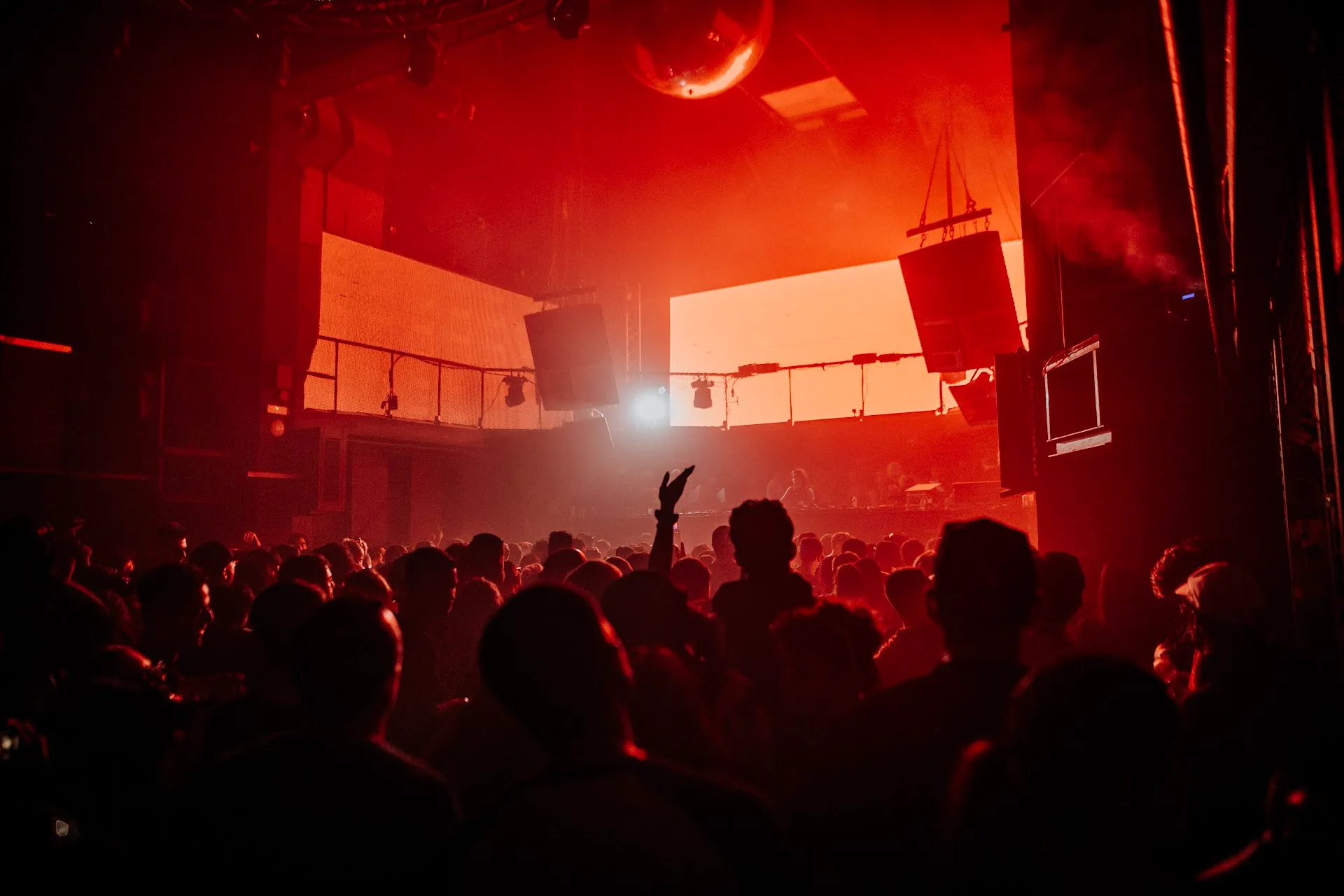
Input High Fidelity Dance Club
State-of-the-art Funktion-One sound system with 360-degree LED visuals. Audiophile techno temple inside Poble Espanyol with commitment to sound quality rivaling best in Europe.
Day by day
The Old City: Gothic Quarter, El Born & La Rambla
Mercat de la Boqueria
Begin on La Rambla and dive into the Boqueria, Barcelona's cathedral of food under a Modernista iron roof — a riot of hanging jamón, glistening seafood and dripping fruit stalls. Come early, before the tour groups, and graze your breakfast at a counter.
Tip: Closed Sundays. Eat at a stool bar at the back rather than the photogenic front stalls, and keep your bag zipped on La Rambla.
10:30Barcelona Cathedral
Walk east into the Barri Gòtic to the Cathedral of the Holy Cross, a soaring Gothic pile whose cloister is home to thirteen white geese and whose rooftop terrace opens out over the old town.
Tip: Mornings are the quietest and cheapest time; dress modestly with shoulders and knees covered for the nave.
11:30Barri Gòtic Medieval Streets
Lose yourself in the medieval maze around the cathedral: Roman walls, the hidden Jewish quarter of El Call, lantern-lit alleys and the squares where the city's two thousand years are stacked one on top of another.
Tip: This is prime pickpocket territory — keep phone and wallet in a front pocket. A tip-based free walking tour is the best way to decode it all.
13:00Palau de la Música Catalana
Cross to Sant Pere for the Palau de la Música Catalana, Domènech i Montaner's delirious Modernista concert hall, drenched in stained glass and mosaic beneath an inverted dome of coloured light. A UNESCO World Heritage gem.
Tip: Guided tours run from morning to mid-afternoon and sell out — book ahead, or return for an evening concert to hear the hall in full voice.
14:30El Born Quarter
Lunch in El Born, the chic medieval quarter of boutiques and tapas bars wrapped around the great basilica of Santa Maria del Mar. Pull up at a bar for pa amb tomàquet and a few small plates.
Tip: Spanish lunch runs until 16:00; the best-value option is the fixed-price menú del día.
16:00Museu Picasso
Spend the late afternoon at the Museu Picasso, five linked medieval palaces holding the world's richest collection of the artist's formative Barcelona years — the foundation of everything he would later tear up.
Tip: Closed Mondays; book a timed ticket. Entry is free on Thursday evenings (from 16:00) and the first Sunday of each month.
Jamboree Jazz Club
After a late dinner, drop into Jamboree on arcaded Plaça Reial — Spain's oldest jazz club, going since 1960 — for an intimate set in the vaulted cellar that turns into a dancefloor once the music stops.
Tip: Book the jazz set in advance, especially at weekends; the Gaudí-designed lamp-posts out in the square are worth a look on the way in.
Gaudí, Modernisme & Gràcia
Sagrada Família
Start at the Sagrada Família, Gaudí's unfinished basilica and the symbol of the city, where morning light floods through the eastern stained glass and turns the forest of stone columns to colour. Nothing prepares you for the interior.
Tip: Book the earliest slot for the east-window light, and add tower access for the views. Tickets sell out days ahead in peak season.
11:00Hospital de Sant Pau
Walk ten minutes up Avinguda Gaudí to the Hospital de Sant Pau, the world's largest Art Nouveau site — a fantasy of mosaic-clad pavilions in gardens by Domènech i Montaner, and far quieter than the Gaudí houses.
Tip: One of the city's most underrated sights and gloriously photogenic; the audioguide explains how it actually worked as a hospital.
13:30Casa Milà (La Pedrera)
Down on Passeig de Gràcia — lunch on the avenue first — comes Casa Milà, the wave-like 'quarry' whose undulating stone facade is crowned by a surreal rooftop of helmeted warrior chimneys.
Tip: The rooftop is the highlight, so aim for clear weather; the evening light-and-projection show is a different experience if you would rather return.
Casa Batlló
A few blocks down the same boulevard, Casa Batlló is the most dazzling of Gaudí's townhouses — a shimmering, bone-and-scale dreamscape inspired by the sea and the legend of Sant Jordi, now an immersive museum.
Tip: Book a timed ticket ahead; without one the queue on Passeig de Gràcia can swallow an hour in high season.
Park Güell
Head up to the Gràcia hillside for Park Güell, Gaudí's mosaic fairy-tale of serpentine benches, gingerbread pavilions and the famous tiled salamander, with the whole city falling away to the sea below.
Tip: The Monumental Zone needs a timed ticket that sells out — book a late-afternoon slot for golden light. The surrounding park is free.
Oblicuo Hi-Fi Bar
Wind down in the village streets of Gràcia at Oblicuo, a Japanese-inspired hi-fi listening bar where natural wine and cocktails meet a beautifully tuned sound system — Barcelona's most distinctive after-dark scene.
Tip: Closed Sunday and Monday. Go for the sound and the selection rather than conversation; the surrounding Gràcia squares are full of dinner options first.
Montjuïc & the Sea
10:00Fundació Joan Miró
Ride the funicular up Montjuïc to the Fundació Joan Miró, a luminous modernist building holding the world's great collection of the Catalan painter's playful, primary-coloured work, with a sculpture roof terrace over the city.
Tip: Closed Mondays. The roof terrace and gardens are a highlight; combine the visit with a stroll through the Montjuïc parkland.
12:00Montjuïc Castle
Take the cable car across the hilltop to Montjuïc Castle, a 17th-century fortress whose cannon-lined ramparts give the widest panorama over the working port and the city spread out below.
Tip: The cable-car arrival is half the fun; walk back down through the gardens toward the city afterwards.
14:30Barceloneta Beach
Drop down to the sea at Barceloneta for a late seafood lunch at a beachfront chiringuito and an afternoon on the city's most famous arc of golden sand.
Tip: Never leave bags unattended on the sand — beach theft is common. Quieter, cleaner beaches stretch northeast if Barceloneta is packed.
17:30Port Vell & Rambla de Mar
Stroll the revitalised old harbour of Port Vell and the wave-shaped Rambla de Mar footbridge back toward the old city, with yachts, the Mediterranean and the late sun on the water.
Tip: Golden hour over the marina is the prettiest time; it is an easy walk from here back to the bottom of La Rambla.
21:00Magic Fountain of Montjuïc
End the trip below the floodlit Palau Nacional at the Magic Fountain, where jets of water dance to light and music in a free, gloriously old-fashioned spectacle that has run since 1929.
Tip: Shows run only on select evenings and the schedule shrinks in winter (and can pause in drought) — check before you go, and arrive early for a spot on the steps.
Input High Fidelity Dance Club
For a final night out, Poble Espanyol on the same hillside hides Input, an audiophile dance club built around a pristine Funktion-One system and a strict, music-first, no-photos policy.
Tip: Open Fridays and Saturdays; book via Xceed or Resident Advisor. Any other night, the city's great clubs are Razzmatazz and Sala Apolo.
What it costs
Barcelona is good value for a major Western European city, with one big exception: the headline Gaudí tickets add up fast. Expect a Sagrada Família ticket around €26–40, Casa Batlló about €35, Casa Milà around €28, Park Güell about €10 and the Picasso Museum about €14, so booking only the ones you most want keeps costs down. Tapas, a market lunch or a fixed menú del día run €12–20, while a sit-down dinner is €25–40. A T-casual metro ticket is roughly €12 for ten rides, and many of the best things — wandering the Gothic Quarter, the beach, viewpoints and the Magic Fountain — are free.~€80–150 / day mid-range (about $85–160), excluding accommodation / day
Frequently asked questions
- Is three days enough for Barcelona?
- Three days comfortably covers Barcelona's essentials, especially split by geography as this plan is: the medieval old city and the Picasso Museum on day one, a full Gaudí and Modernisme day from the Sagrada Família to Park Güell on day two, and Montjuïc and the sea on day three. The old city is walkable and the metro is fast and cheap for the longer hops. With a fourth day, slow down in Gràcia or take a day trip to Montserrat or the Costa Brava.
- Do I need to book the Gaudí sights in advance?
- Yes. The Sagrada Família, Park Güell's Monumental Zone, Casa Batlló and Casa Milà (La Pedrera) all use timed-entry tickets that regularly sell out days ahead in peak season. Book them online before you travel — the Sagrada Família is always ticketed separately — and reserve the earliest Sagrada slot for the best light. The Picasso Museum and the Palau de la Música tour are also worth booking ahead.
- How do I get around Barcelona?
- On foot for the old city and the Eixample, and with the fast, cheap TMB metro for everything else. A T-casual ticket (ten shareable journeys) is the best value, or a Hola Barcelona travel card for unlimited days. From El Prat airport, the Aerobús reaches Plaça Catalunya in about 35 minutes, with the R2 Nord train and the L9 Sud metro as cheaper options. The Montjuïc cable car and funicular are attractions in their own right.
- Is Barcelona safe?
- Barcelona is very safe for violent crime but is one of Europe's worst cities for pickpocketing. Keep bags zipped and in front of you on La Rambla, on the metro (especially the green Line 3) and around the Sagrada Família, never leave belongings unattended on the beach, and be wary of staged distractions. Take normal city precautions and you will be fine.
- What's the best day trip if I have an extra day?
- Montserrat — the dramatic serrated mountain and Benedictine monastery about an hour from the city, with its Black Madonna, a famous boys' choir and ridge-top hikes reached by cable car or rack railway. The beaches and medieval towns of the Costa Brava and the cava country of the Penedès are also easy day trips, and Barcelona is the natural starting point for our Grand Tour of Spain itinerary.
Make this trip yours
Save this itinerary and customize it — dates, stops, budget and friends, all in one place.