Skip to content
Madrid

The Complete Guide to Madrid

Madrid is Spain's high, sunlit capital, a city that lives outdoors and stays up late. It does not seduce you with a single skyline-defining monument the way some capitals do; instead it wins you over with a thousand small pleasures, a Velazquez at the Prado before lunch, a cana and a free tapa at a marble-topped bar, a sunset behind a real Egyptian temple, and a dinner that rarely starts before ten. A frontier town for centuries and a capital only since 1561, Madrid carries the museums and palaces of an imperial city with the warmth of an overgrown village, and it knows how to enjoy itself better than almost anywhere in Europe.

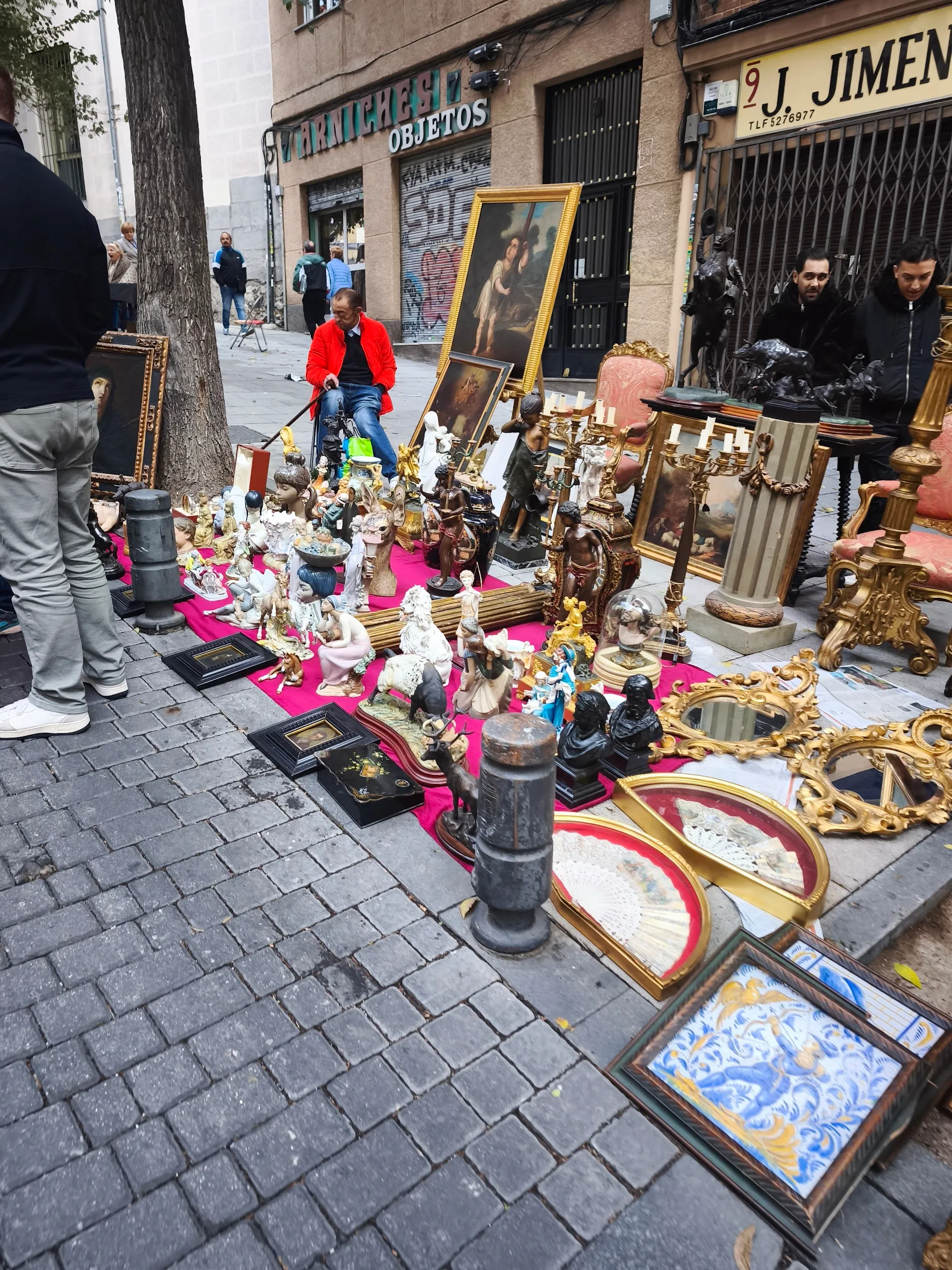
This guide is built around how the city actually fits together. The monumental core, Madrid de los Austrias, is the Habsburg old town around the arcaded Plaza Mayor, the vast Royal Palace, and the gourmet Mercado de San Miguel. South and west, La Latina is the land of historic tabernas and the Sunday El Rastro flea market, while multicultural Lavapies next door is street-art-covered and full of life. North of Gran Via, bohemian Malasana and rainbow-flagged Chueca hold the best bars, vintage shops, and late nights. To the east run the Paseo del Prado and the green lung of El Retiro, together a UNESCO World Heritage 'Landscape of Light'; beyond them stretches the grand, moneyed grid of Salamanca.

Two things define a Madrid trip. The first is art: the Golden Triangle of the Prado, the Reina Sofia (home to Picasso's Guernica), and the Thyssen-Bornemisza forms one of the densest concentrations of masterpieces on earth, and much of it is free in the early evening. The second is the street: Madrid's real life happens in its plazas, on its terraces, and at its bar counters, over vermouth at noon, churros at dawn, and the slow ritual of drifting from one tapas counter to the next.
Best time to visit

Spring (May to June) and early autumn (September to October) are the sweet spots: warm, sunny days, deep-blue skies, and the city's parks and terraces at their best, without July and August's fierce heat. Winters are cold but bright and quiet, with short museum queues and lower prices. August is hot and many local businesses shut as Madrilenos head to the coast, which thins the energy of the city even as the big sights stay open. If you can, aim for the shoulder months and keep evenings free, because Madrid only really comes alive after the sun drops.
Budget

Madrid is good value for a major Western European capital. The lunchtime menu del dia is a bargain at around 12-15 euros, the Metro is cheap, tap water is excellent and free, and the three great museums are all free in the early evening. Splurges, the Bernabeu tour, a Michelin tasting menu, a flamenco show, are where costs climb.~EUR 65-130 / day mid-range / day

Getting around could not be easier. The Metro is fast, cheap, and reaches everything, the centre is flat and very walkable, and Adolfo Suarez Madrid-Barajas airport is a quick Metro or train ride from the centre, or a fixed thirty-three-euro taxi. Madrid is also one of the better-value major capitals in Western Europe: a three-course menu del dia still runs around twelve euros, the tap water (piped straight from the Sierra) is famously delicious, and the city is markedly safer than its reputation, though Puerta del Sol, the Rastro, and the Metro all reward keeping your bag zipped.

How long to stay? Three days covers the headline museums, the Habsburg core, Retiro, and a proper night out, with time for a sunset at the Temple of Debod; a fourth day buys an easy excursion to Toledo or Segovia. Come in spring or early autumn for blue skies and terrace weather, sidestepping the fierce July-August heat. Use this guide as a starting point: skim the day-by-day plan, open the things-to-do list, then save the places that fit your trip. Everything you save drops straight into a TripBox itinerary with dates, a map, and the people you are travelling with.

The best of Madrid

Curated places worth your time — tap a card for details or to save it.

See all
Museo Nacional del Prado
Must visit
Museum

Museo Nacional del Prado

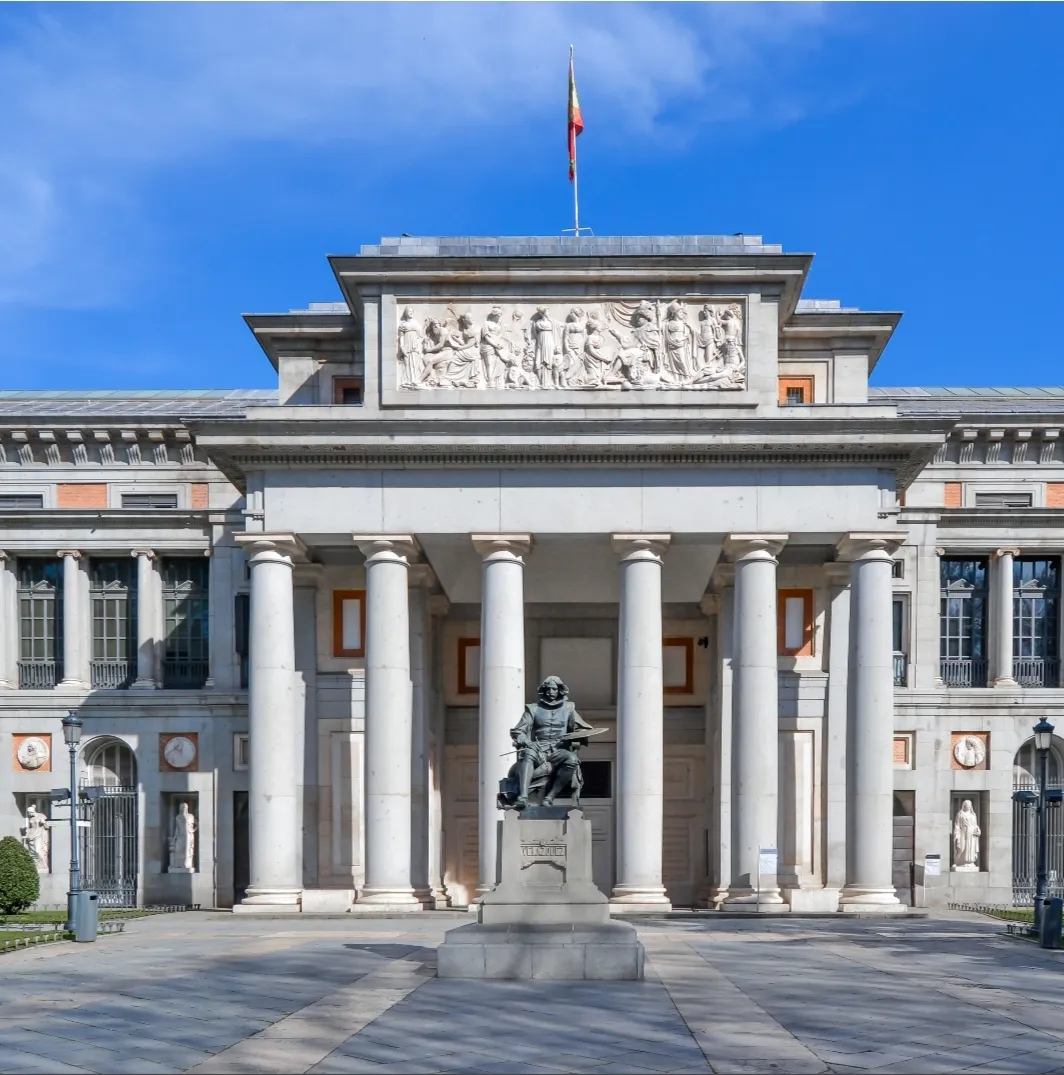
Spain's flagship national gallery and the southern anchor of the city's 'Golden Triangle of Art,' built around the former Spanish royal collection. It holds the world's deepest concentration of Velázquez, Goya and El Greco, shown alongside Bosch, Titian and Rubens.

Jerónimos (Retiro)
Royal Palace of Madrid (Palacio Real)
Landmark

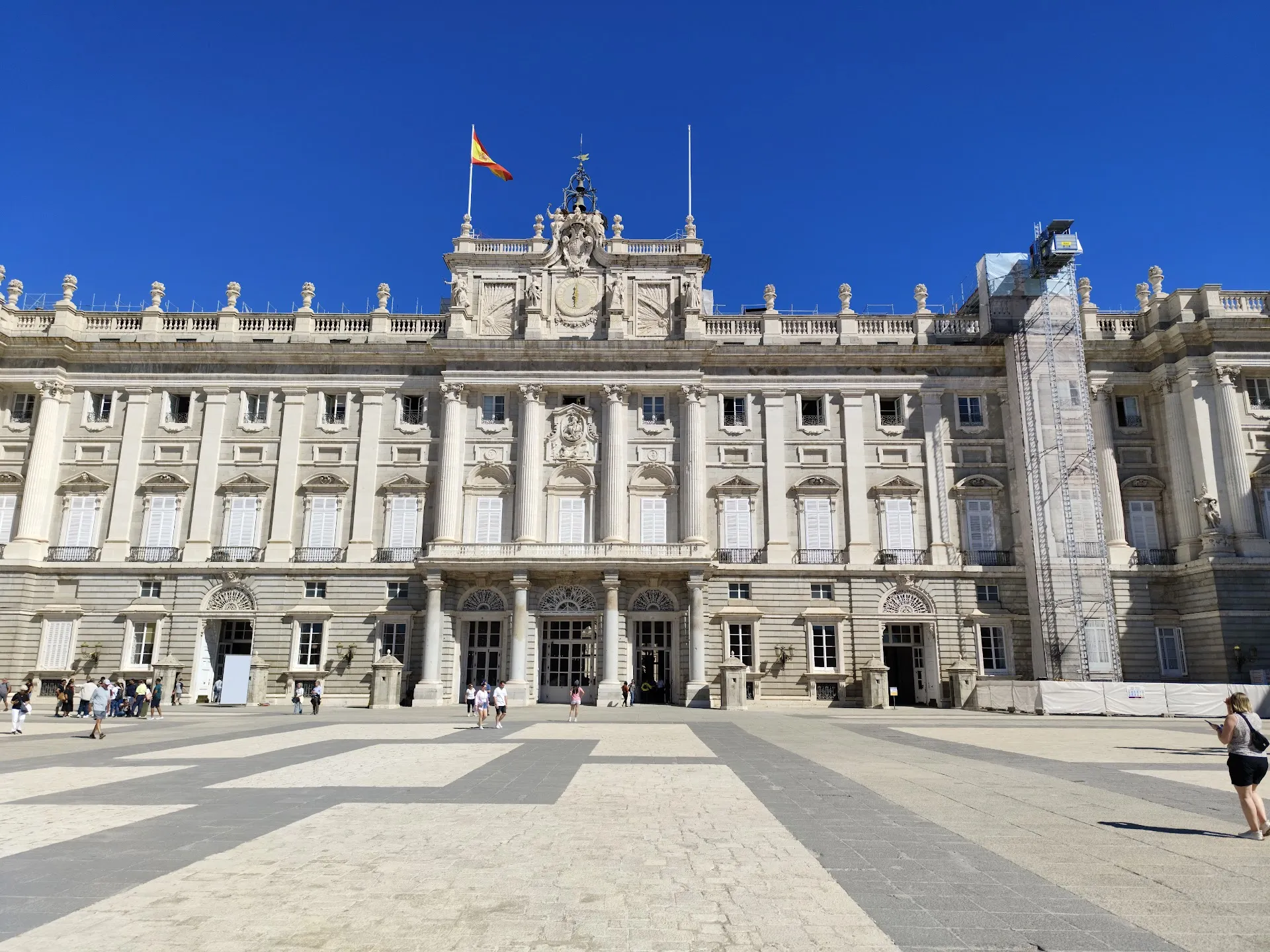
Royal Palace of Madrid (Palacio Real)

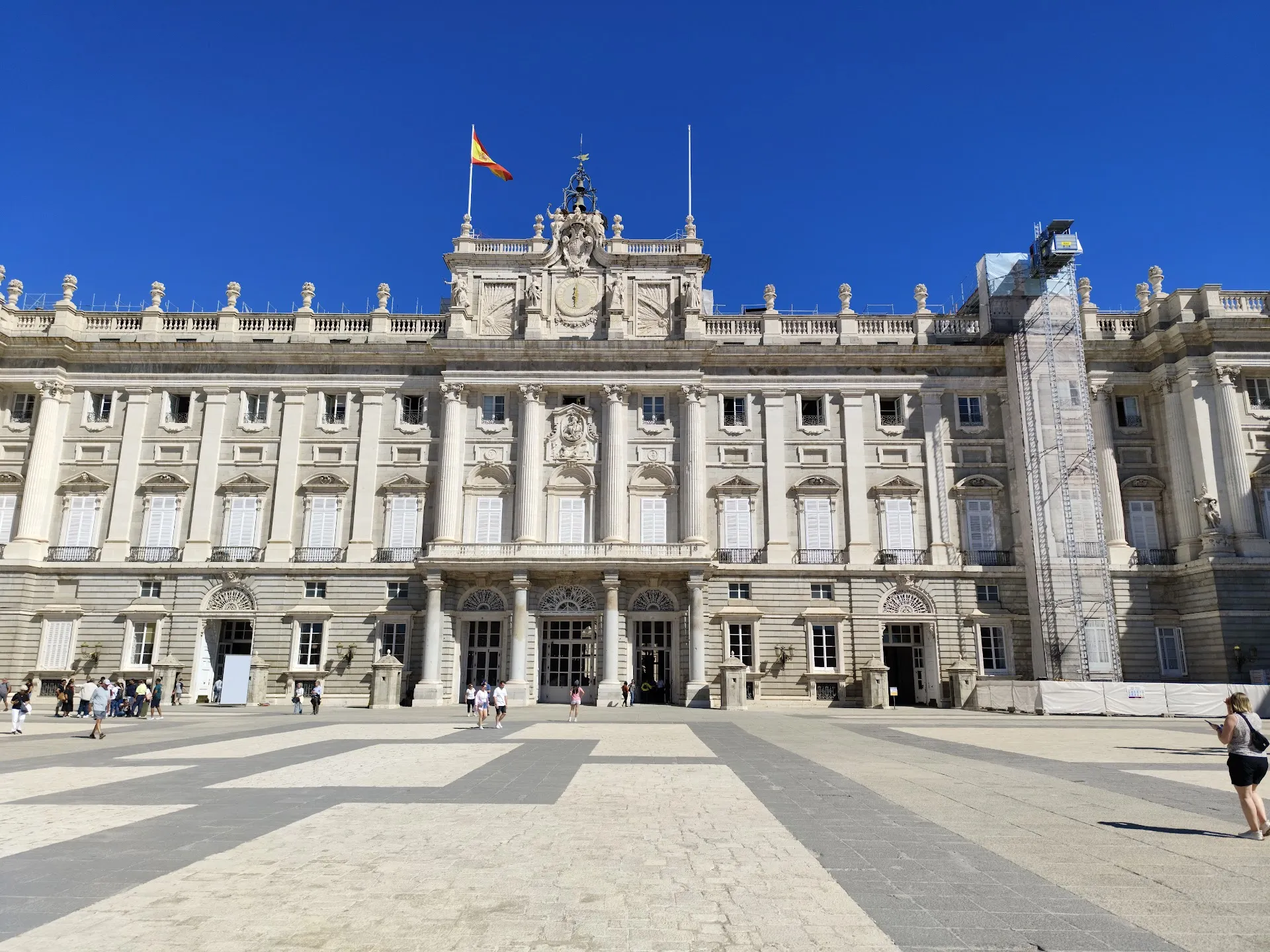
The largest functioning royal palace in Western Europe, completed in 1755 on the ruins of the old Habsburg Alcázar that burned in 1734. Although it remains the Spanish Crown's official residence, the royal family lives elsewhere, so its more than 3,000 rooms of Baroque and Neoclassical splendour are used for state ceremonies and opened to visitors.

Palacio, Centro
Parque del Retiro
Must visit
Park

Parque del Retiro

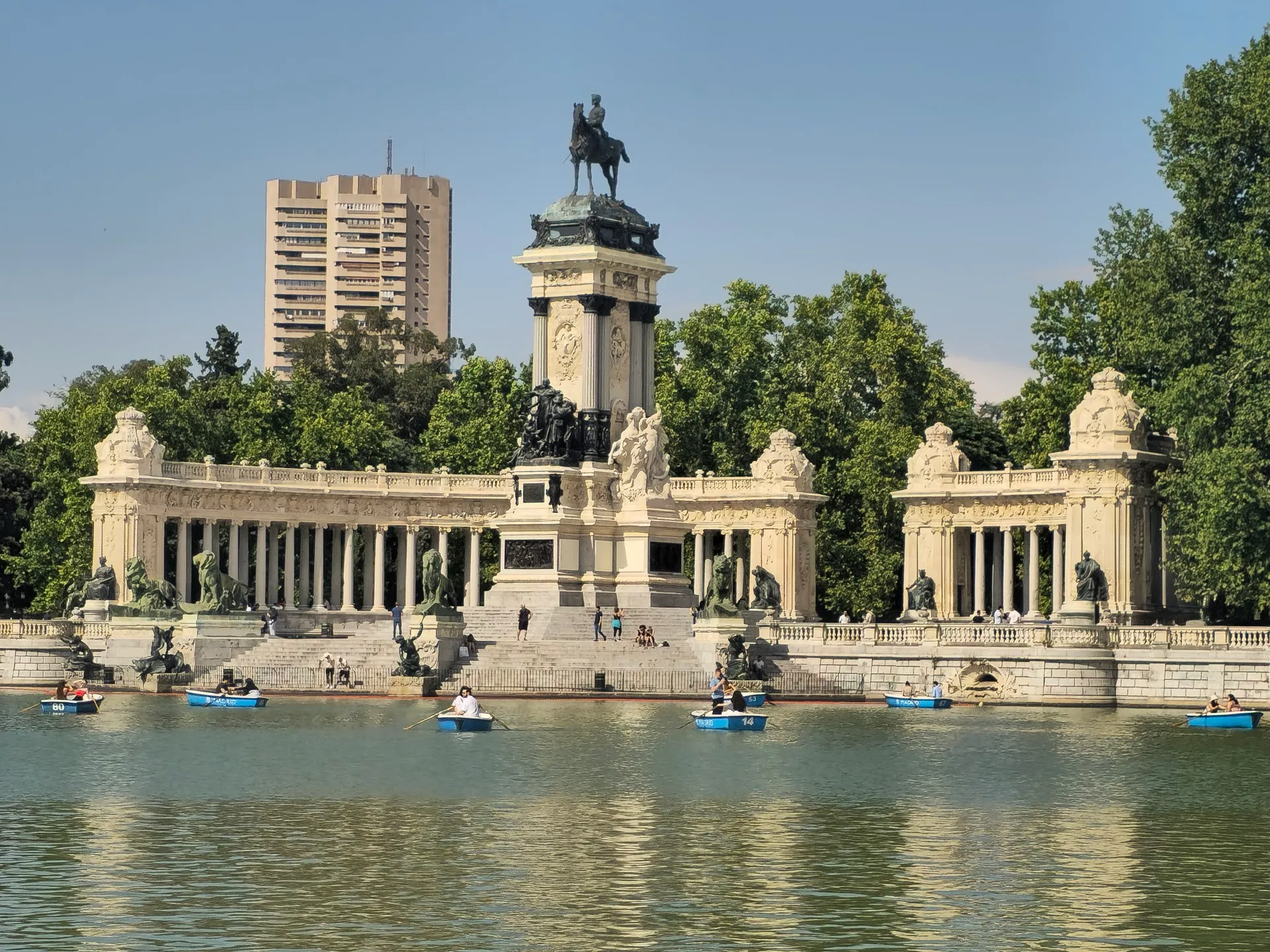
Once a royal retreat, this 125-hectare park became the green heart of central Madrid when it opened to the public in the 19th century and now forms part of the UNESCO-listed 'Landscape of Light.' Its rowing lake beneath the colonnaded monument to Alfonso XII, the glass-and-iron Crystal Palace, and the Rosaleda rose garden are perennial favourites.

Retiro
Plaza Mayor
Landmark

Plaza Mayor

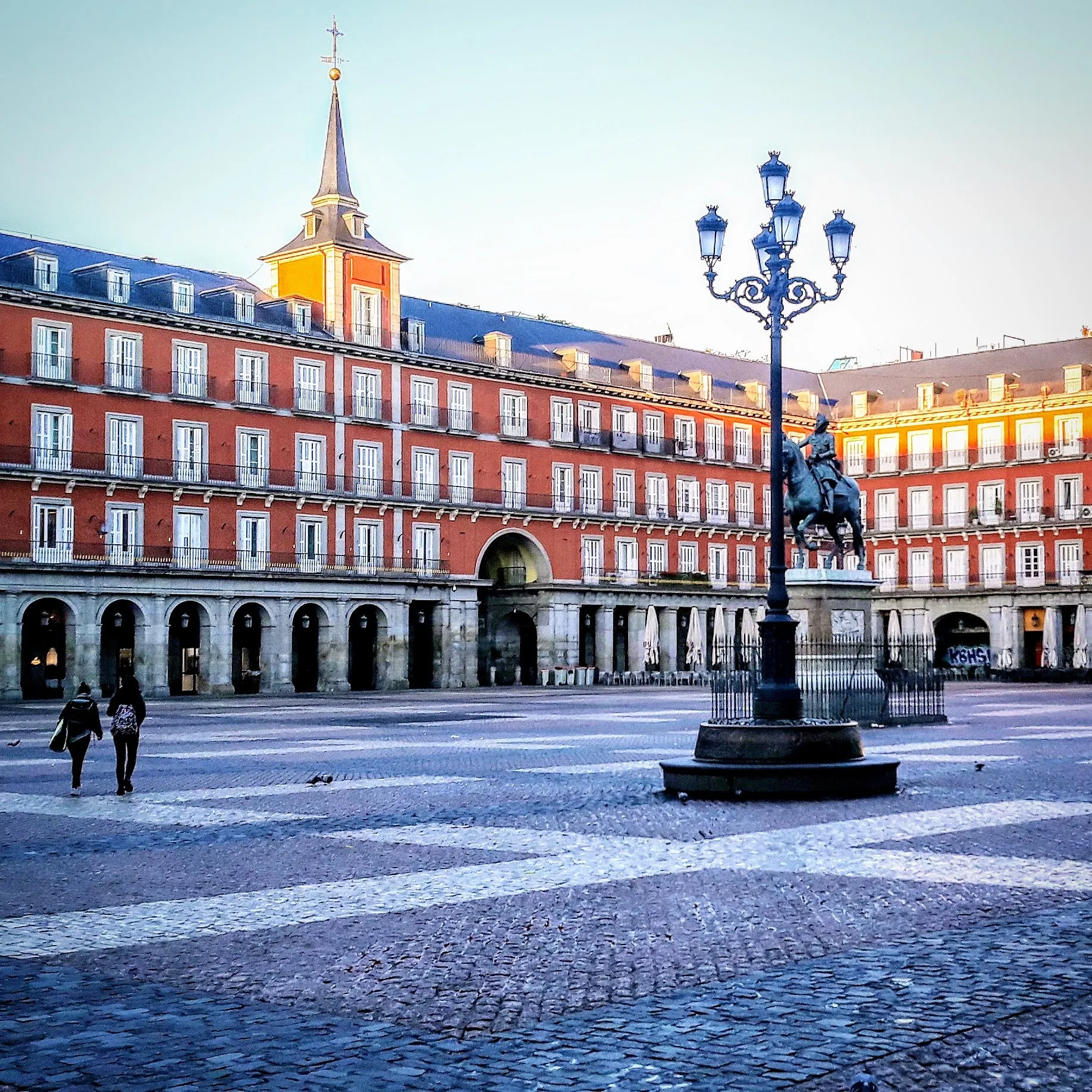
The grand arcaded square that forms the monumental heart of Habsburg Madrid, completed in 1619 under Philip III and rebuilt by Juan de Villanueva after an 18th-century fire. Enclosed by uniform residential blocks with 237 balconies, it centres on a bronze equestrian statue of Philip III and the fresco-covered Casa de la Panadería.

Sol, Centro
Museo Nacional Centro de Arte Reina Sofía
Must visit
Museum

Museo Nacional Centro de Arte Reina Sofía

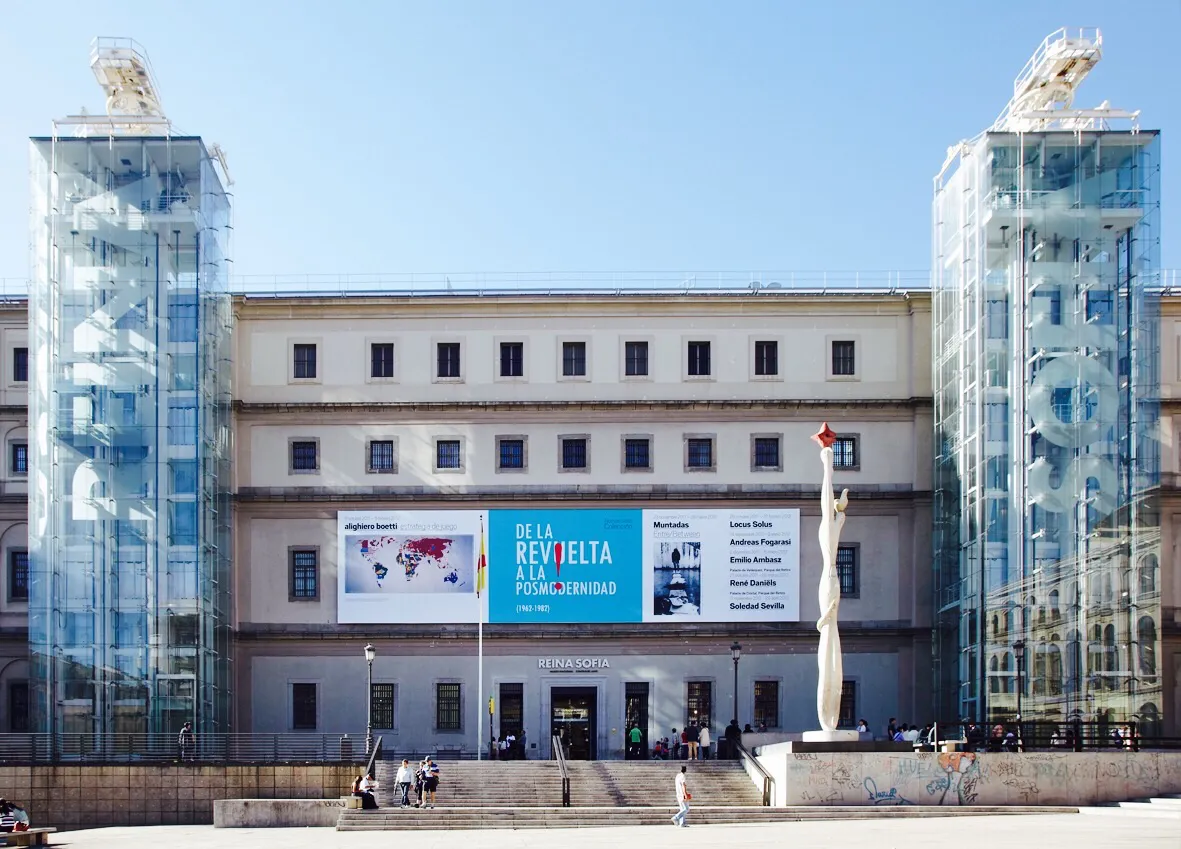
Spain's national museum of modern and contemporary art, set in a converted 18th-century hospital expanded by Jean Nouvel's red-glass wing. Its centrepiece is Picasso's monumental anti-war canvas 'Guernica,' surrounded by landmark works from Dalí, Miró and the European avant-garde.

Atocha (Centro)
Temple of Debod (Templo de Debod)
Landmark

Temple of Debod (Templo de Debod)

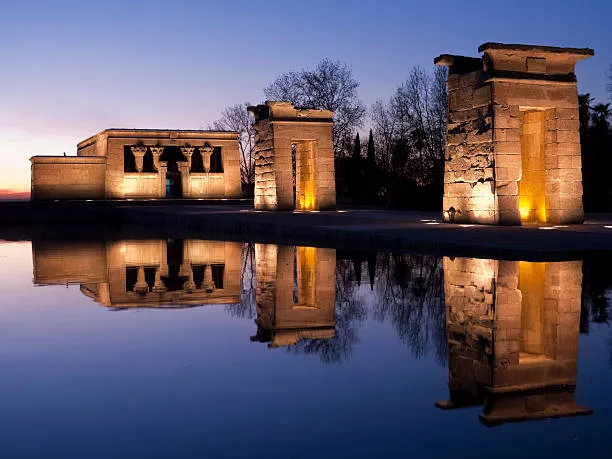
A genuine 2nd-century-BC Egyptian temple dedicated to Amun and Isis that Egypt gifted to Spain in 1968 and that was rebuilt block by block on a hill in Madrid's Parque del Oeste. Surrounded by reflecting pools, it is one of the city's most beloved free attractions and a classic local spot for watching the sunset.

Parque del Oeste (Princesa)
Mercado de San Miguel
Must visit
Market

Mercado de San Miguel

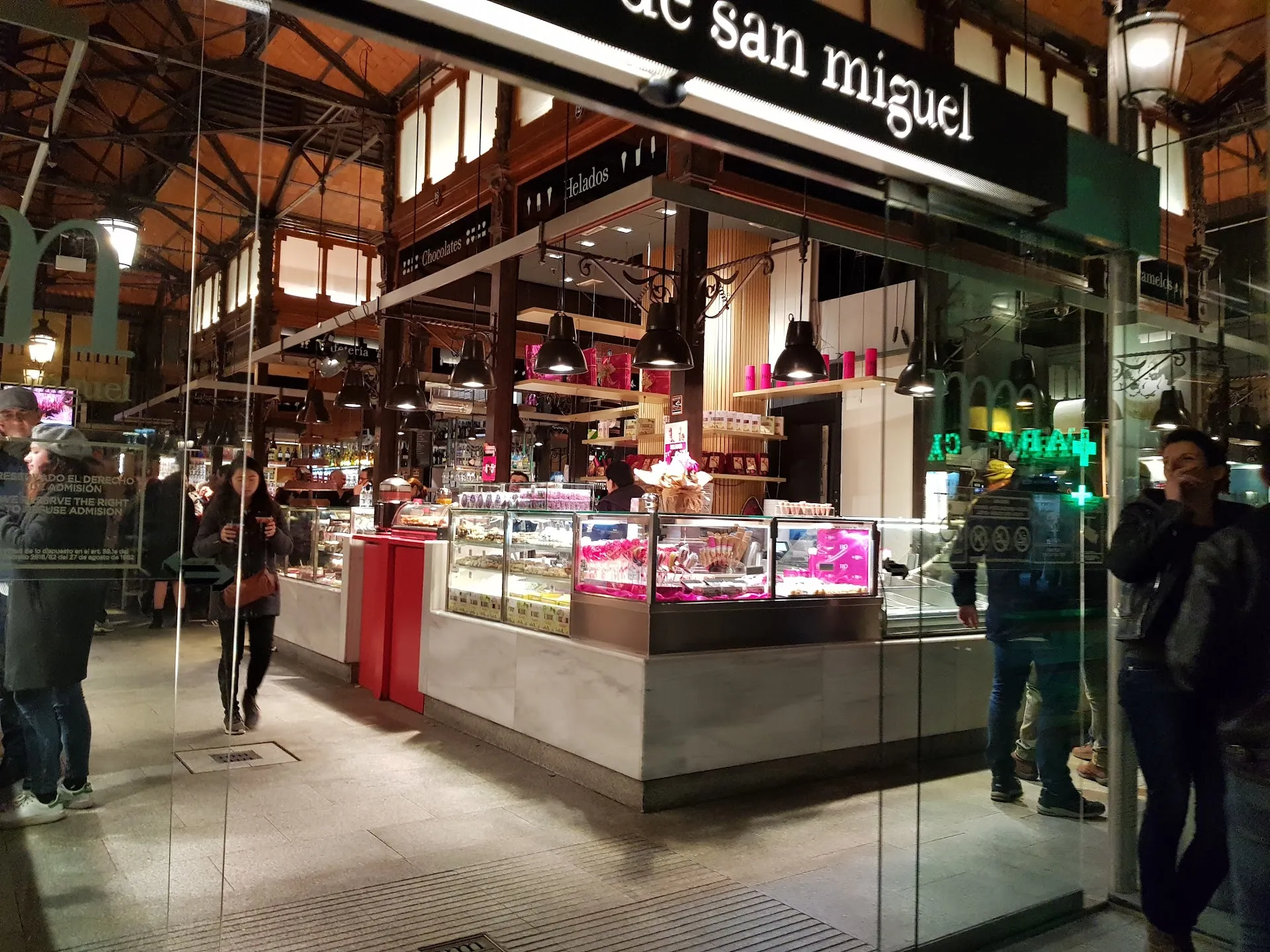
A 1916 cast-iron-and-glass market beside Plaza Mayor that reopened in 2009 as Madrid's first gourmet food hall. Around 30 stands serve Spanish specialties from Galician seafood to Iberian ham, artisan cheeses, vermouth and oysters, eaten standing at shared counters. It is the city's most-visited market, unabashedly touristy but architecturally and gastronomically iconic.

Centro (Madrid de los Austrias)
Puerta del Sol
Landmark

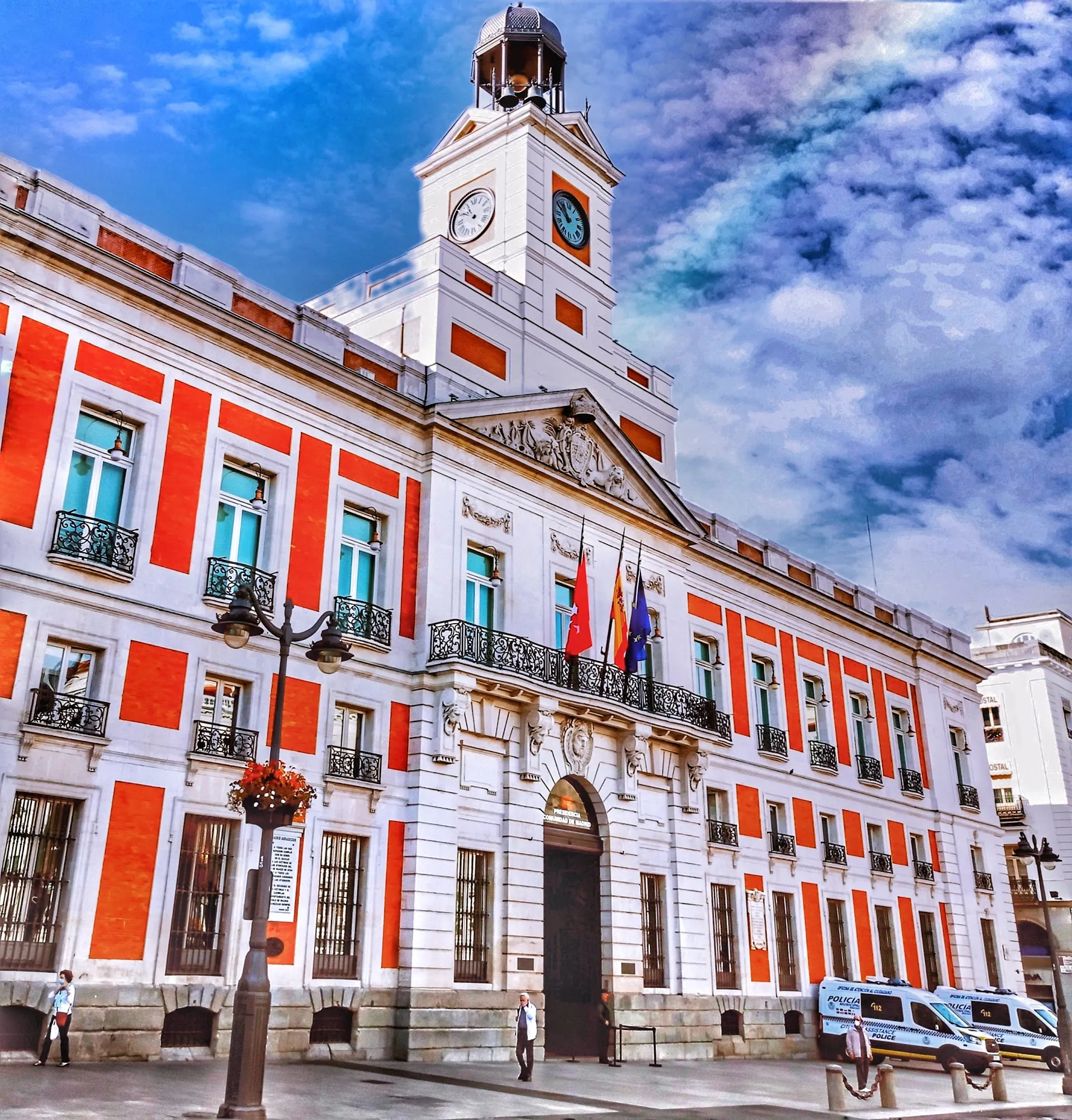
Puerta del Sol

Madrid's bustling central plaza and the symbolic centre of Spain, home to Kilometre Zero—the origin point of the country's six radial highways—and the bronze bear-and-strawberry-tree statue (El Oso y el Madroño) that is the city's emblem. Its clock chimes in the Spanish New Year before millions on television, and the historic Tío Pepe neon sign has presided over the square since 1936.

Sol, Centro
Museo Nacional Thyssen-Bornemisza
Must visit
Museum

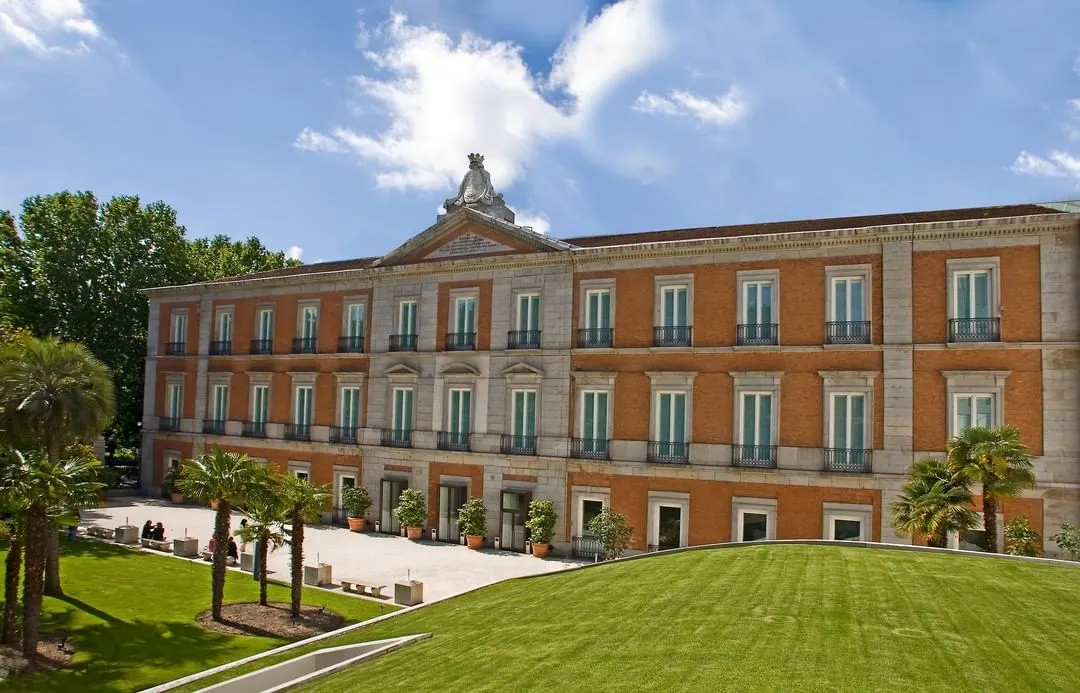
Museo Nacional Thyssen-Bornemisza

The third vertex of the Golden Triangle, formed from one of the greatest private collections ever assembled and acquired by the Spanish state in 1993. Its chronological run, from Italian and Flemish primitives to Impressionism, Expressionism and Pop Art, deliberately fills the gaps left by the Prado and Reina Sofía.

Cortes (Centro)

Tours & experiences

Free walking tours and curated paid experiences — save or book in a tap.

See all
Royal Palace of Madrid Guided Tour
TourGeneral admission €12 (adult), €6 reduced (65+, students under 25, children 5-16); optional guided visit +€8 per person; free for EU citizen

Royal Palace of Madrid Guided Tour

Guided visit to Western Europe's largest royal palace, the Spanish Crown's official residence for state ceremonies — opulent state rooms, the throne room, the grand staircase and the Royal Armoury, with an optional expert-guide supplement on Bourbon and Habsburg history.

Centro (Palacio)
La Latina & Cava Baja Tapas Tour
TourVaries by operator; small-group guided tapas-and-wine walks (several taverns, multiple tapas + drinks). No single fixed price verified — thi

La Latina & Cava Baja Tapas Tour

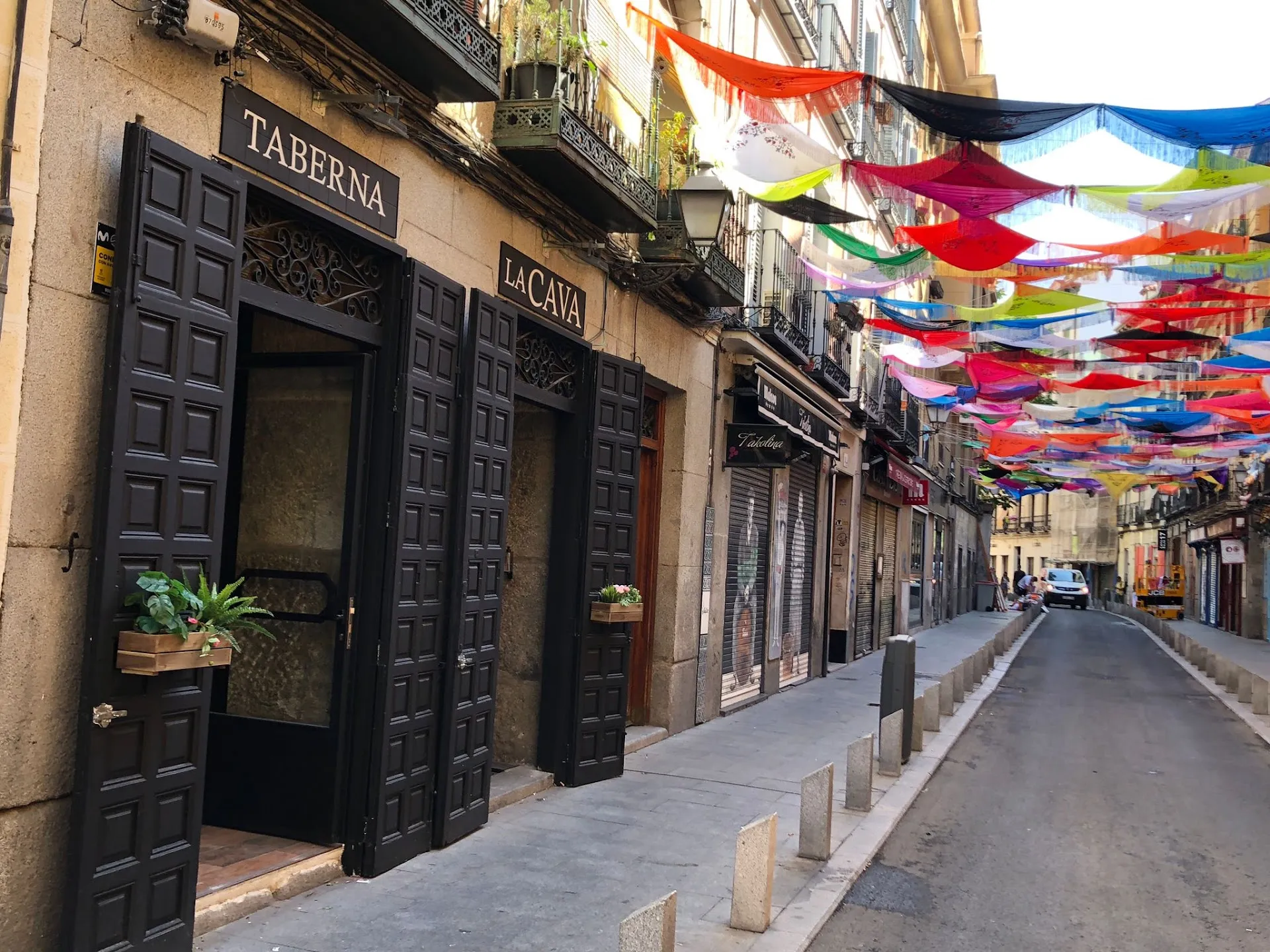
Small-group walking food tour through La Latina's medieval lanes and its legendary tapas street, Calle Cava Baja, where a local guide leads between historic taverns to sample tortilla, croquetas, jamón ibérico and vermouth. ~2.5-3h, often passing San Miguel Market and Plaza Mayor.

Centro (La Latina)
Flamenco Show at Corral de la Morería
TourReservation required; show-only from ~€95.90 (dinner not included) per the official tickets page; dinner-and-show packages also offered. ~70

Flamenco Show at Corral de la Morería

Live flamenco at the renowned tablao founded in 1956 near the Royal Palace, where award-winning dancers and musicians perform shows of ~70 minutes. The only restaurant-with-show to hold a Michelin star, with optional dinner packages.

Centro (Palacio / La Latina)
Santiago Bernabéu Stadium Tour
TourClassic Tour from €37 online (€40 box office); Classic Flexible from €44; Guided Tour from €56; Madridista members get discounts.

Santiago Bernabéu Stadium Tour

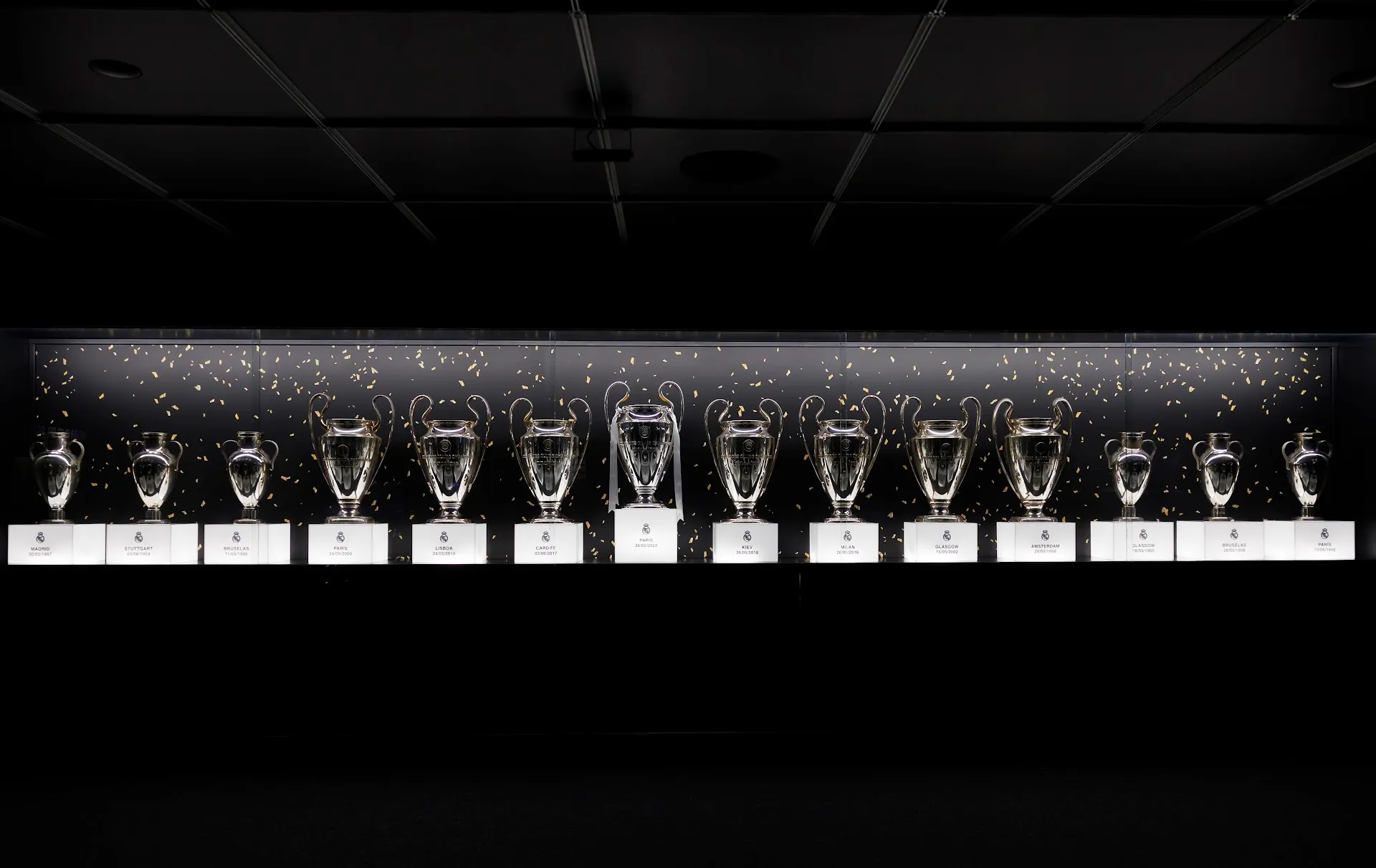
Self-guided walk through Real Madrid's renovated Santiago Bernabéu — trophy room, panoramic pitch views from the stands, the players' tunnel and dressing rooms (non-match days) and an interactive club museum. One of Madrid's most-visited paid attractions.

Chamartín (Castellana)
Lavapiés Street Art Walking Tour
TourFree

Lavapiés Street Art Walking Tour

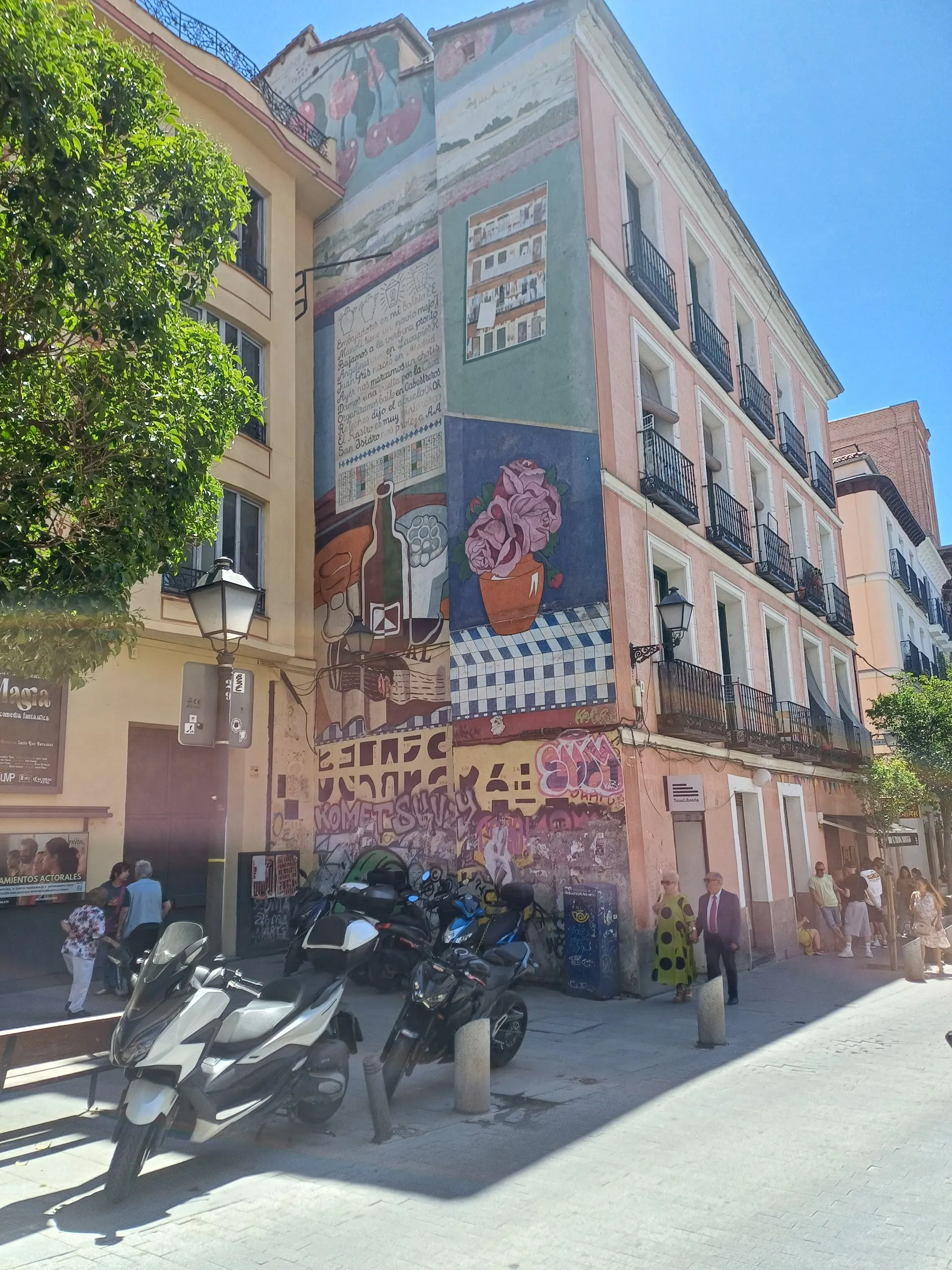
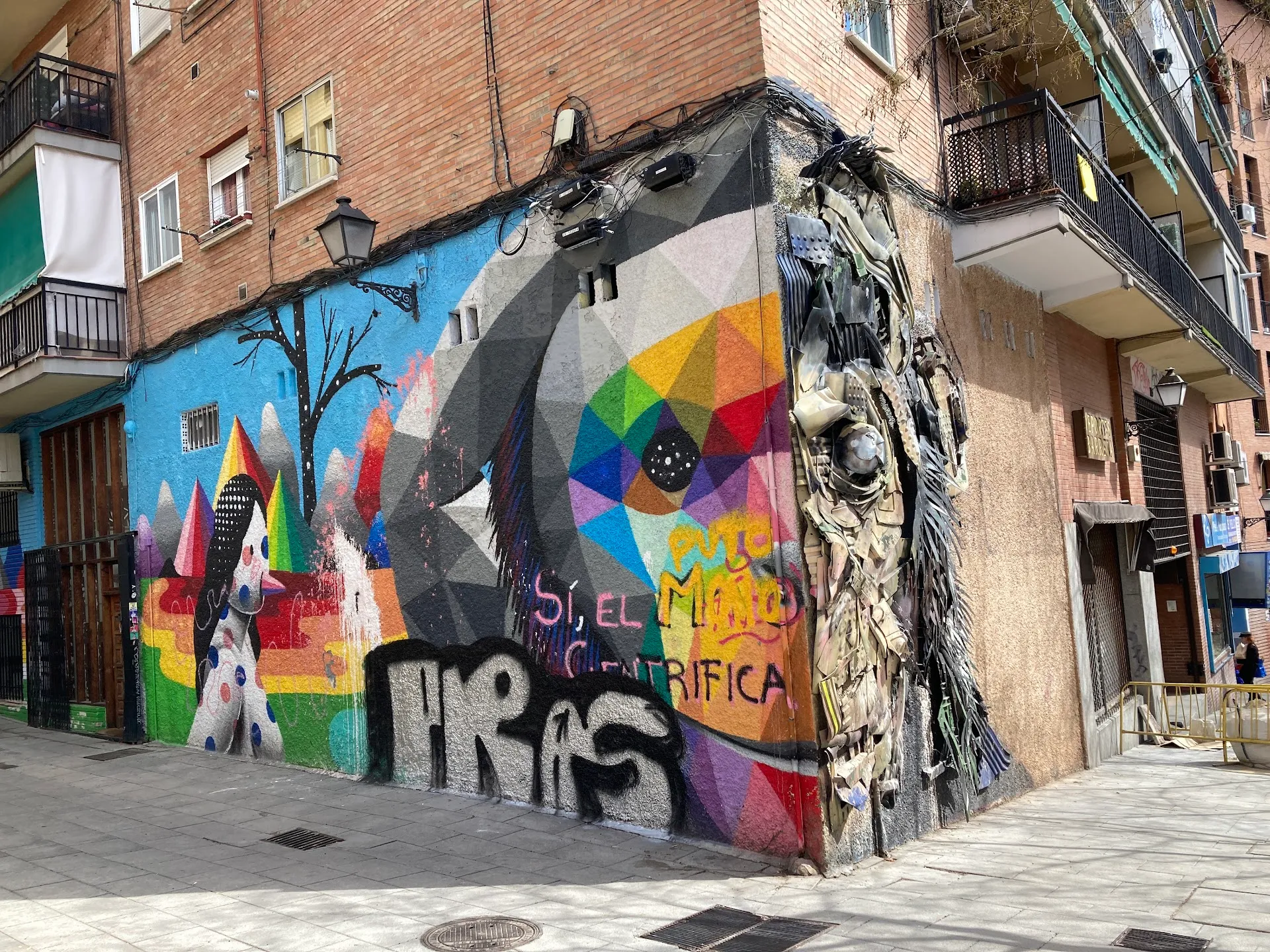
Walking tour led by a local graffiti specialist through the murals, stencils and paste-ups of multicultural Lavapiés and Embajadores, decoding the urban-art scene and festivals such as CALLE Lavapiés and Muros Tabacalera. Some operators add a hands-on stencil-spray session. ~2h.

Centro (Lavapiés / Embajadores)
Toledo Full-Day Trip from Madrid
TourVaries by operator; full-day coach tours often include cathedral entry, with an optional lunch/tapas add-on. No single fixed price verified.

Toledo Full-Day Trip from Madrid

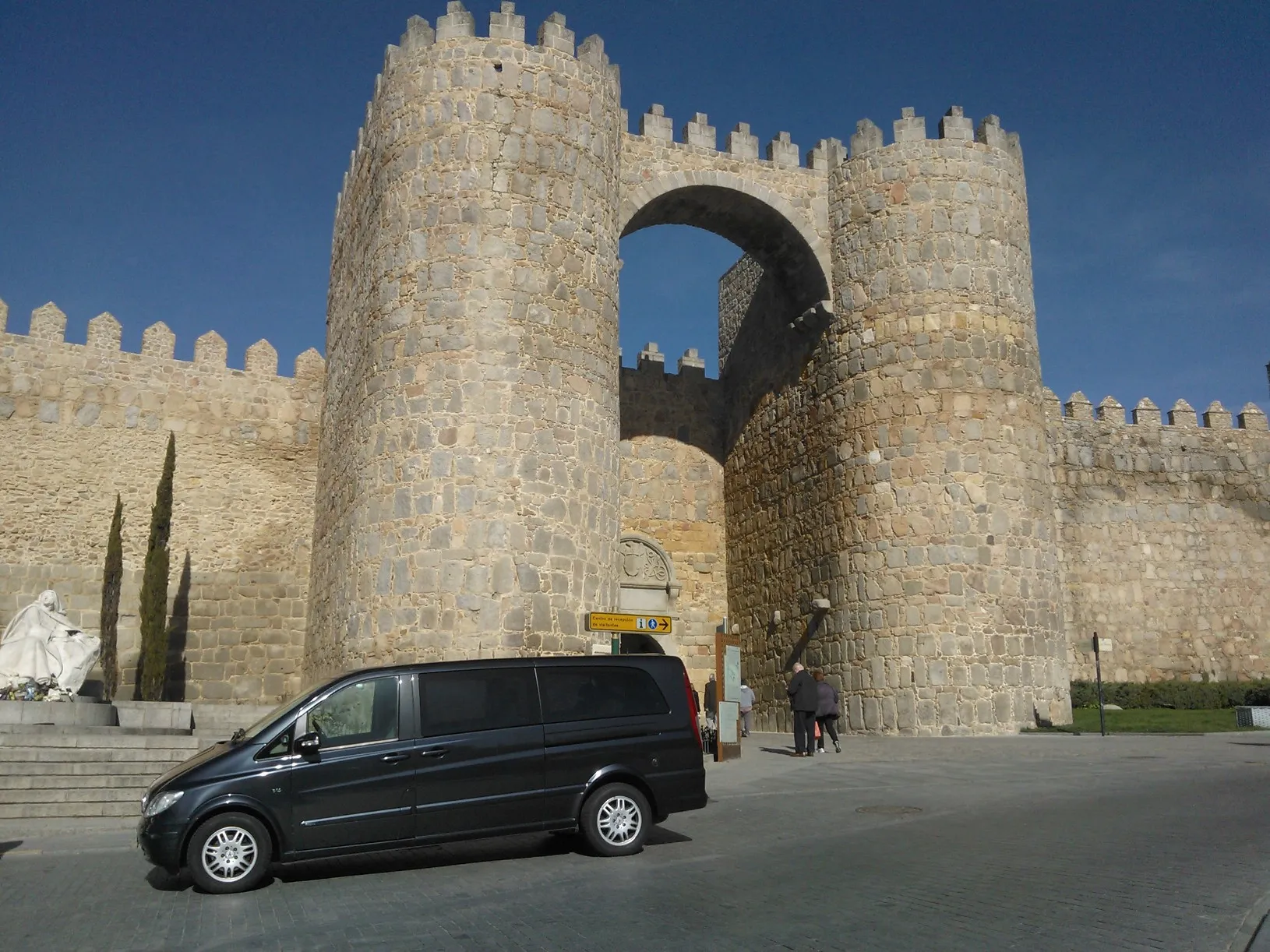
Full-day guided coach excursion to the UNESCO-listed 'City of Three Cultures' — the walled old town, the Gothic cathedral, Plaza de Zocodover and El Greco's works amid intertwined Christian, Jewish and Muslim monuments. ~8-9h, often including cathedral entry and an optional lunch.

Departs central Madrid; visits Toledo old town (Castilla-La Mancha)

Nightlife & live music in Madrid

Clubs, jazz dens, listening bars and late-night spots worth staying out for.

See all
Museo Chicote
Bar

Museo Chicote

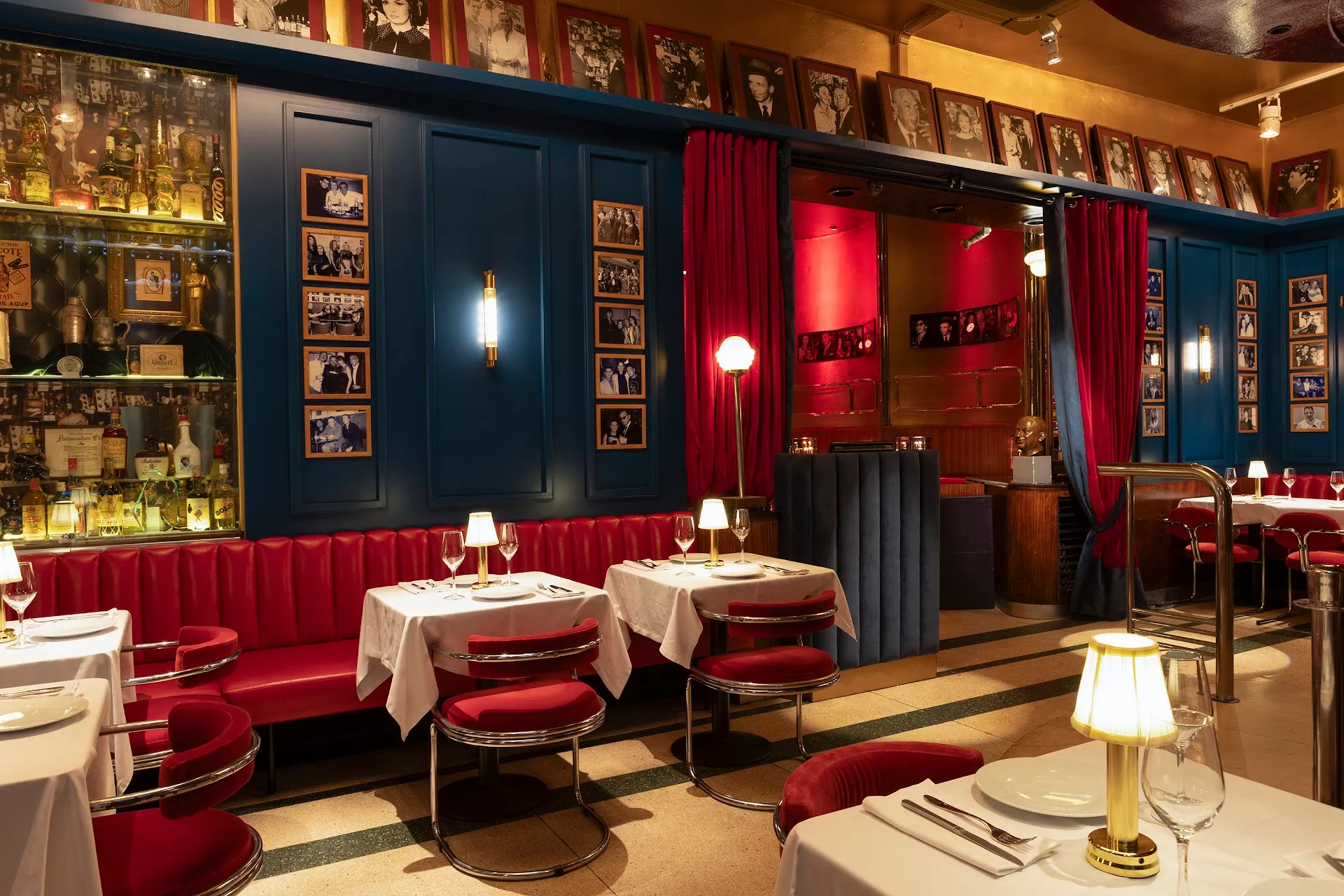
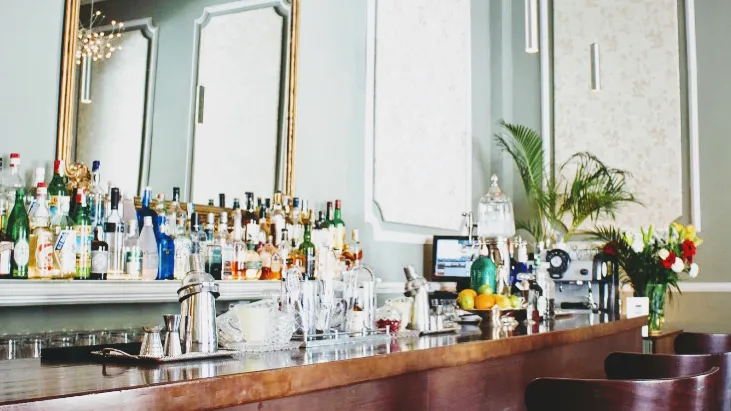
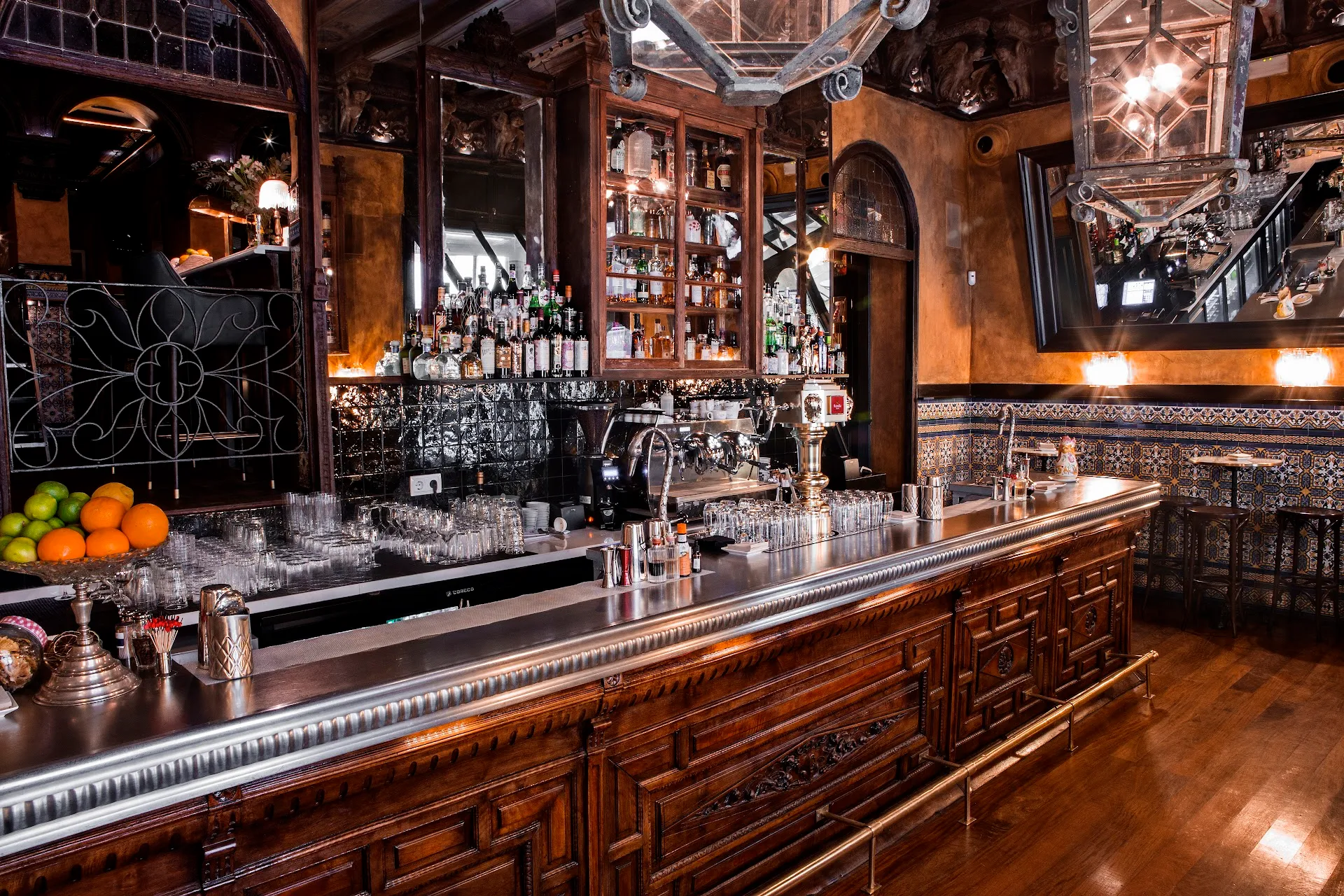
Opened in 1931 by celebrity barman Perico Chicote, this Art Deco landmark on Gran Vía is widely regarded as Spain's first true cocktail bar and once drew Hollywood royalty like Ava Gardner and Frank Sinatra. The Luis Gutiérrez Soto-designed room still mixes classic and contemporary cocktails beneath its sweeping curved bar and period lighting.

Gran Vía (Centro)
La Venencia
Bar

La Venencia

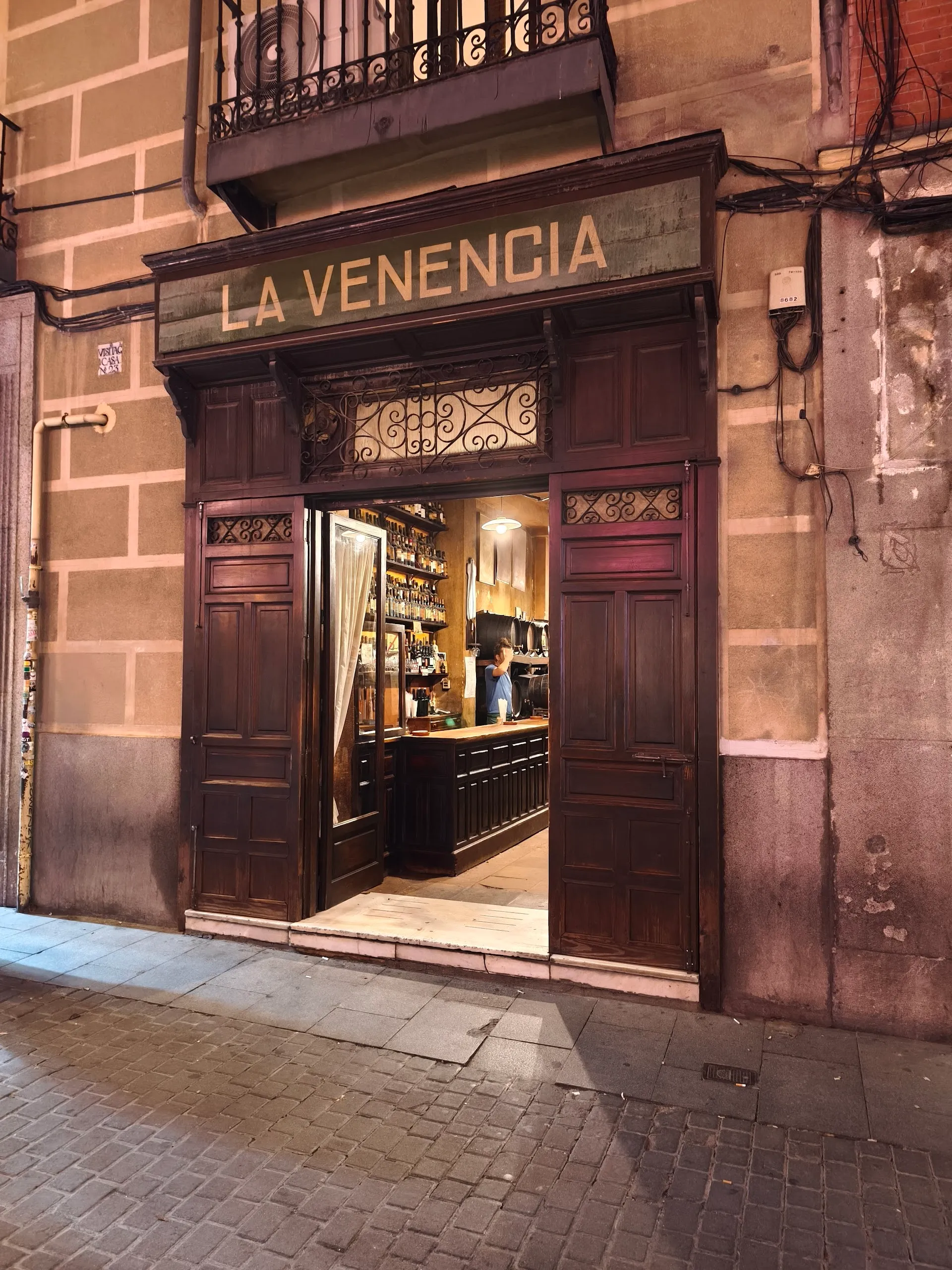
A gloriously time-frozen sherry bar in the Barrio de las Letras, pouring only Andalusian sherries straight from the barrel since 1922, with tabs still chalked on the worn wooden counter. Its house rules are part of the charm: no photos and no tipping, traditions said to date to its years as a Republican haunt during the Civil War.

Barrio de las Letras (Centro)
Salmon Guru
Bar

Salmon Guru

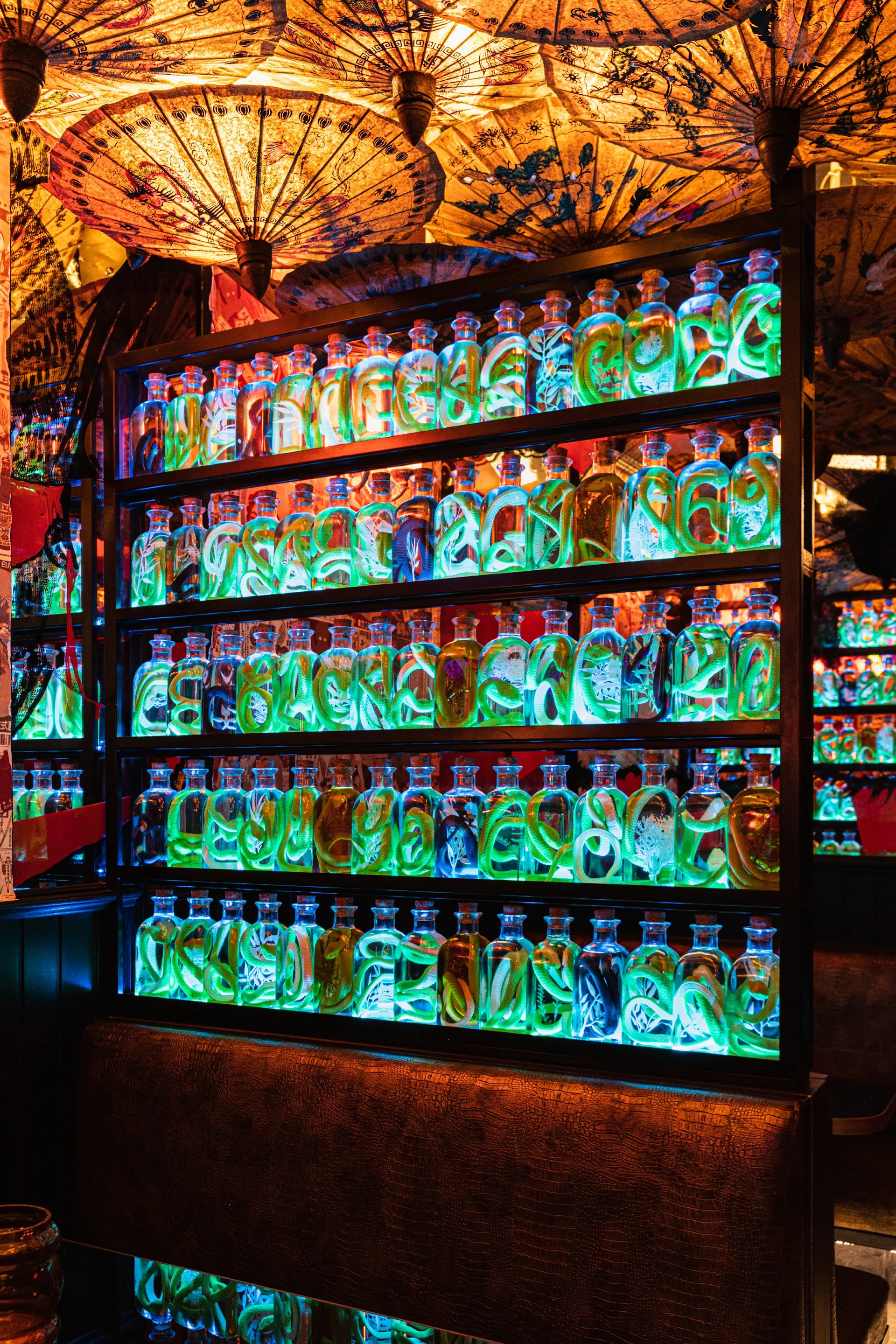
Argentine bartender Diego Cabrera's playful, comic-book-styled cocktail bar is a perennial on The World's 50 Best Bars list, celebrated for theatrical, boldly flavored signature drinks. Behind an unassuming Echegaray facade, the multi-room space ranges from a neon-lit main bar to a hidden back room.

Barrio de las Letras (Centro)
Cervecería Alemana
Bar

Cervecería Alemana

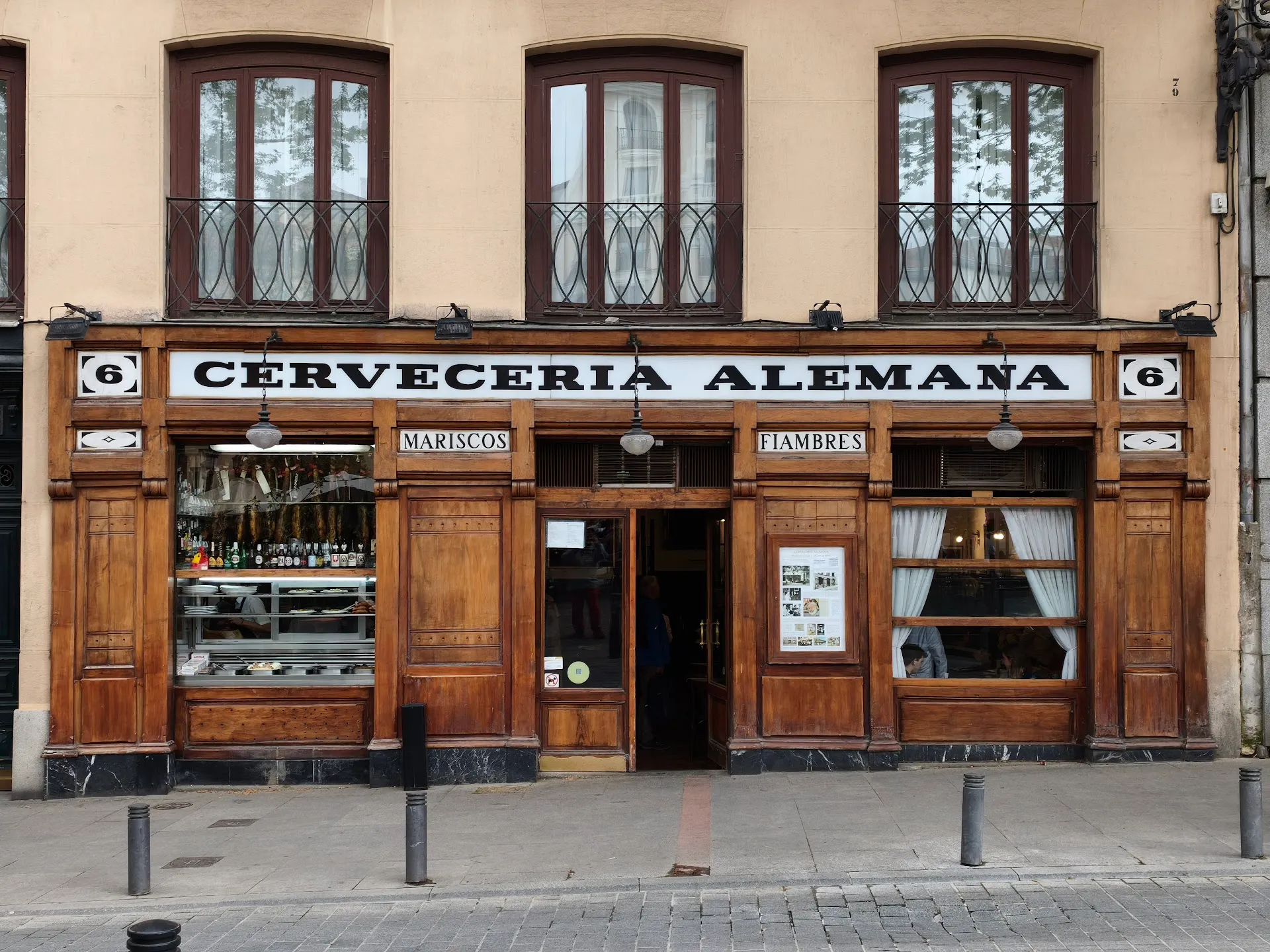
Founded in 1904 by German brewers on the Plaza de Santa Ana, this marble-topped, dark-wood beer hall is an officially recognized Traditional Madrid Establishment. Ernest Hemingway was a regular and a window table is still kept in his memory; today it remains a classic stop for cañas and tapas.

Barrio de las Letras / Plaza de Santa Ana (Centro)
Casa Camacho
Bar

Casa Camacho

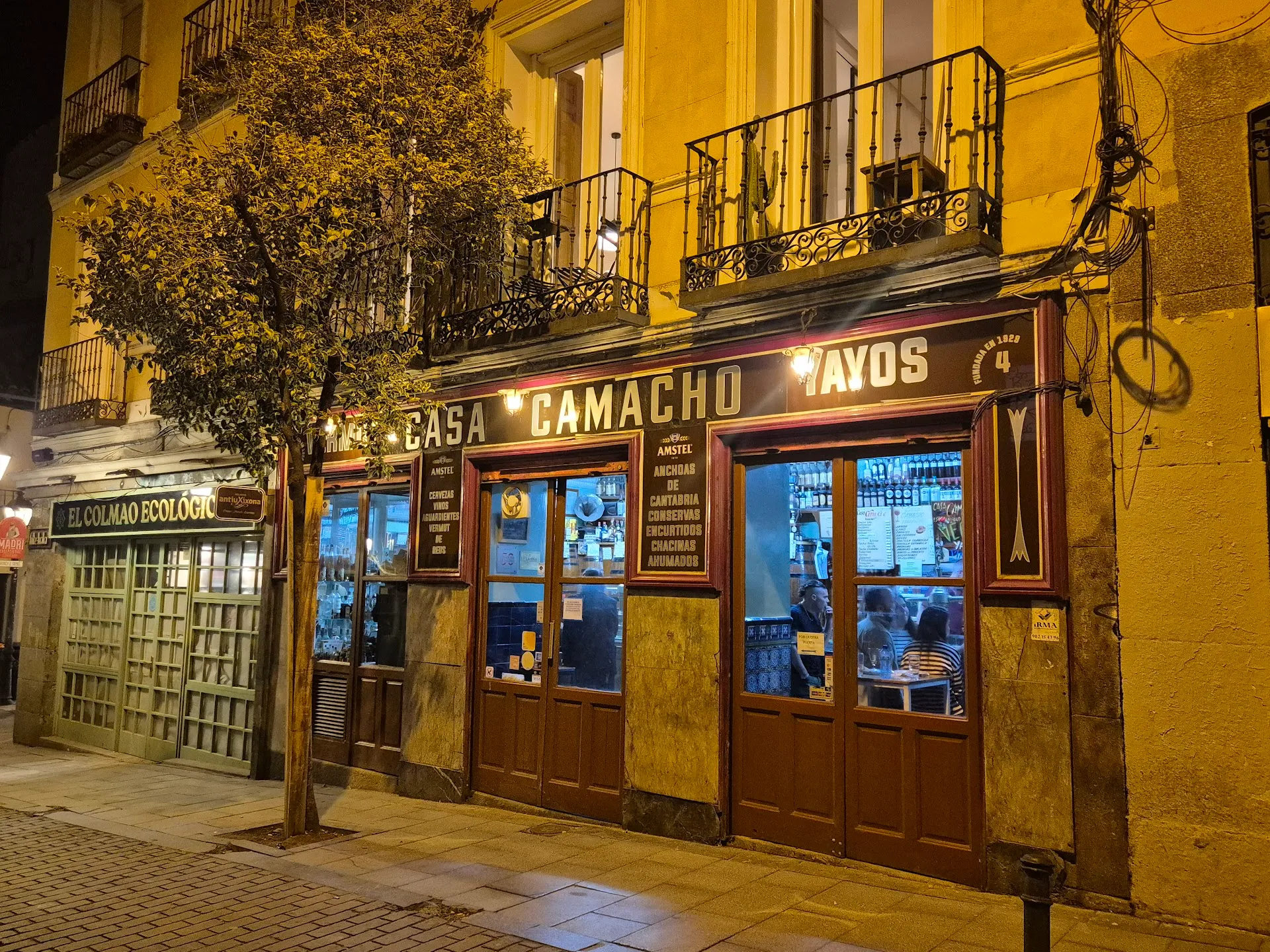
A defiantly unpolished Malasaña institution open since 1928, famous for the Yayo, a cheap and punchy mix of vermouth, gin and soda taken standing at the zinc bar. With barrels of house vermouth, plastic flowers and a toothpick-strewn floor, it is a beloved survivor of old working-class Madrid.

Malasaña (Centro)
Bodega de la Ardosa
Bar

Bodega de la Ardosa

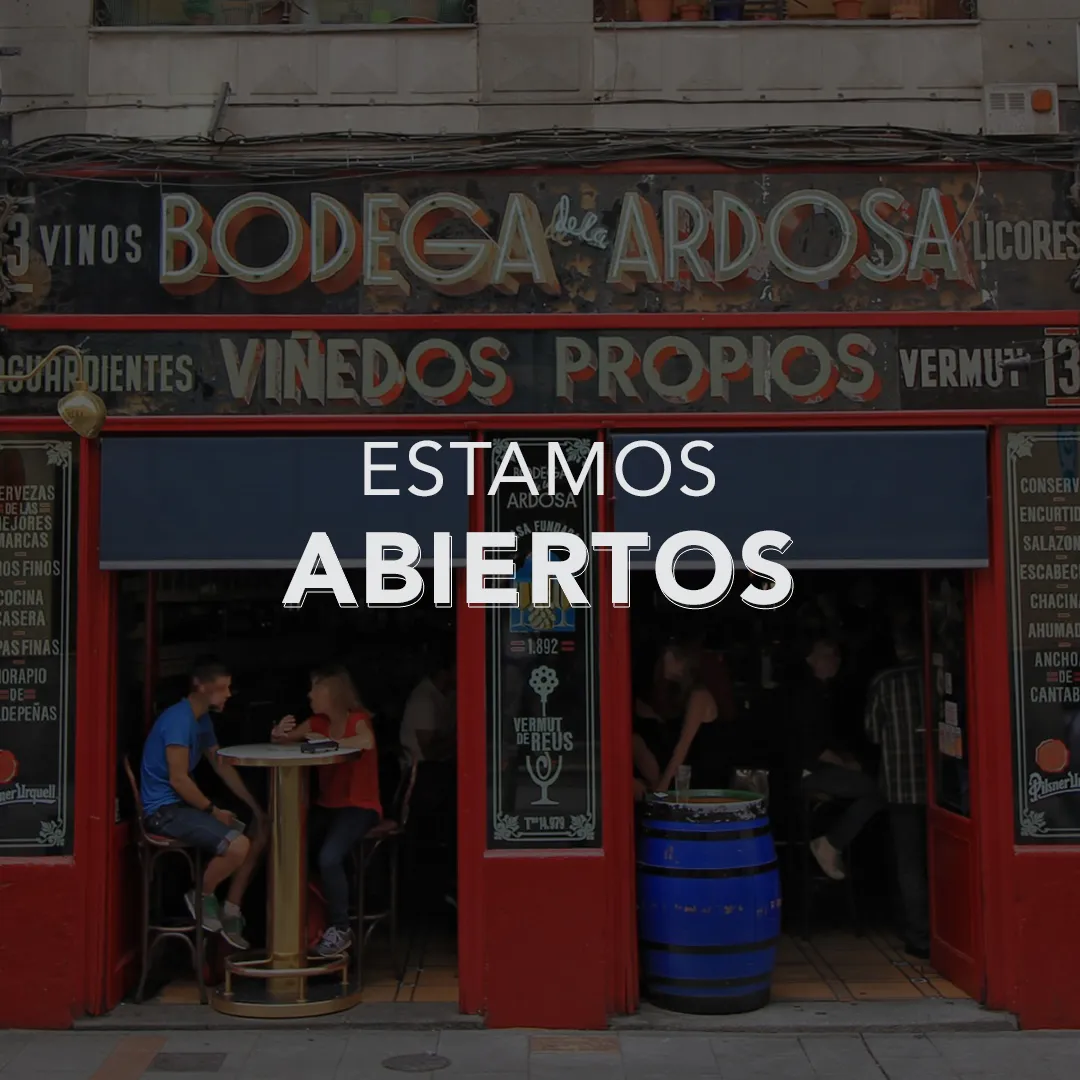
Dating to 1892, this narrow Malasaña bodega pours house vermouth from an old clay amphora alongside a deep beer list, and was an early Madrid champion of Guinness and Czech Pilsner. Its award-winning Spanish tortilla and tiled, time-worn interior draw a mix of locals and visitors.

Malasaña (Centro)
1862 Dry Bar
Bar

1862 Dry Bar

Named for the year of Jerry Thomas's first cocktail manual, this elegant Calle del Pez bar has a quiet speakeasy feel and a serious, spirits-forward approach to classic and signature drinks. An intimate candle-lit cellar downstairs makes it a favorite for long, unhurried evenings.

Malasaña (Centro)
Macera Taller Bar
Bar

Macera Taller Bar

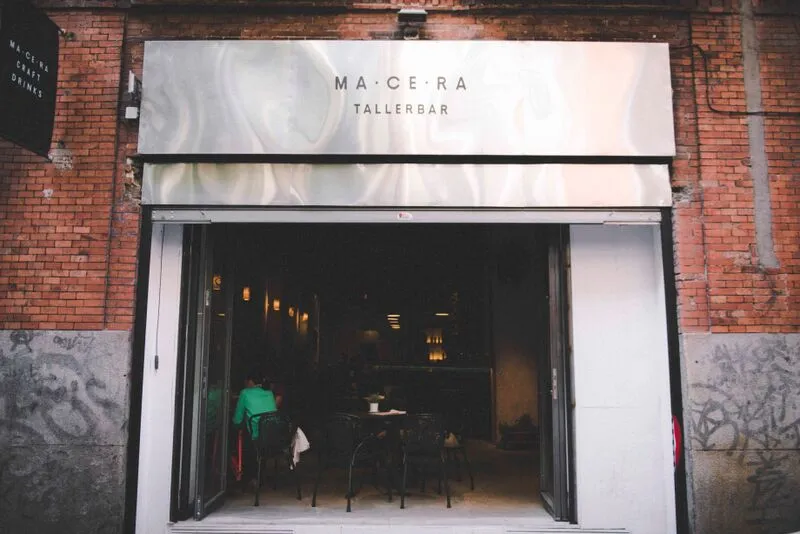
An industrial-styled 'workshop bar' on the Malasaña–Chueca border where the spirits are macerated in-house with fresh fruits, spices and herbs, then poured into inventive, affordable cocktails. The rotating lineup of homemade gins, rums and infusions, plus maceration workshops, sets it apart from the city's classic bars.

Chueca / Justicia (Centro)
Viva Madrid
Bar

Viva Madrid

Behind one of Madrid's most photographed tiled facades, this 1856 tavern in the Barrio de las Letras pairs a carved-timber ceiling and pewter bar with a revived aperitivo and cocktail program. Reopened in 2018 under bartender Diego Cabrera, it bridges its lavish historic decor with modern drinks and tapas.

Barrio de las Letras (Centro)
Teatro Kapital
Club

Teatro Kapital

Madrid's definitive megaclub stacks seven independent floors above Calle Atocha, each with its own sound, from commercial hits and reggaeton to hip-hop, kizomba and a rooftop terrace. Its sheer scale, laser shows and bottle-service VIP culture make it the city's best-known mainstream night out.

Centro (Atocha / Barrio de las Letras)
Teatro Eslava (Joy Eslava)
Club

Teatro Eslava (Joy Eslava)

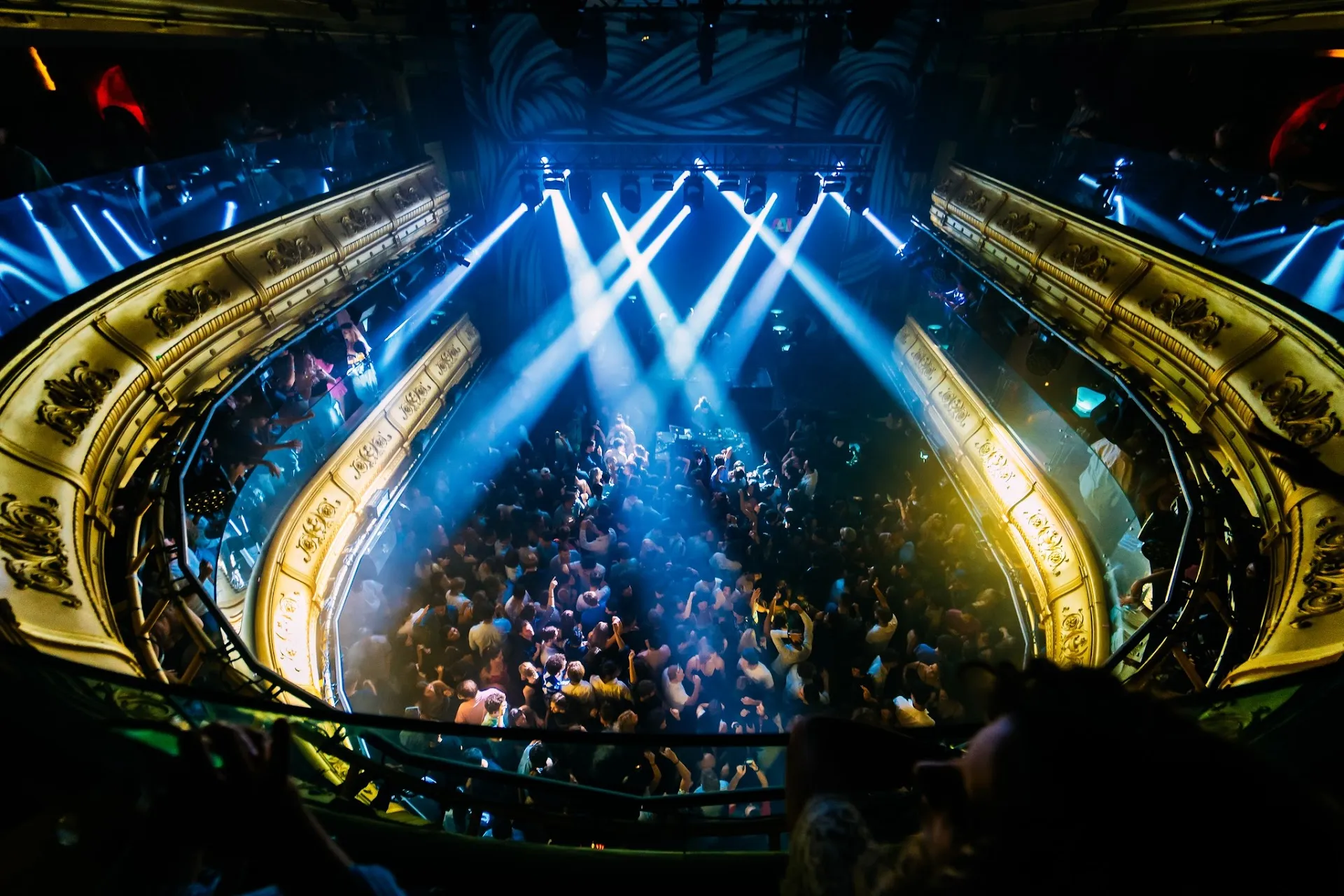
Set inside a 19th-century theatre just off Puerta del Sol, this gilded macro-discoteca has been a fixture of Madrid nightlife since 1981 and a symbol of the Movida madrilena era. A Philippe Starck-led refit reopened it as Teatro Eslava, pairing ornate balconies with a different themed party almost every night of the week.

Centro (Sol - Opera)
Fabrik
Club

Fabrik

Spain's flagship electronic temple sits in an industrial estate in Humanes, just outside the city, built around a 5,000-capacity main room plus satellite stages, a crystal dome and a vast open-air terrace. Home to mega-brands like Goa and Supermartxe, it has hosted Carl Cox, Sven Vath and Marco Carola and ranks among the world's best-known techno clubs.

Humanes de Madrid (Greater Madrid)
Club

Marula Cafe

A small, sweaty room near the La Latina viaduct devoted to Black dance music: funk, soul, disco, Afrobeat and hip-hop spun by resident DJs and live bands. Its midweek jam sessions and unpretentious crowd make it a long-running locals' favorite rather than a tourist stop. Also listed as 'Marula Club' on some event platforms.

La Latina (Centro)
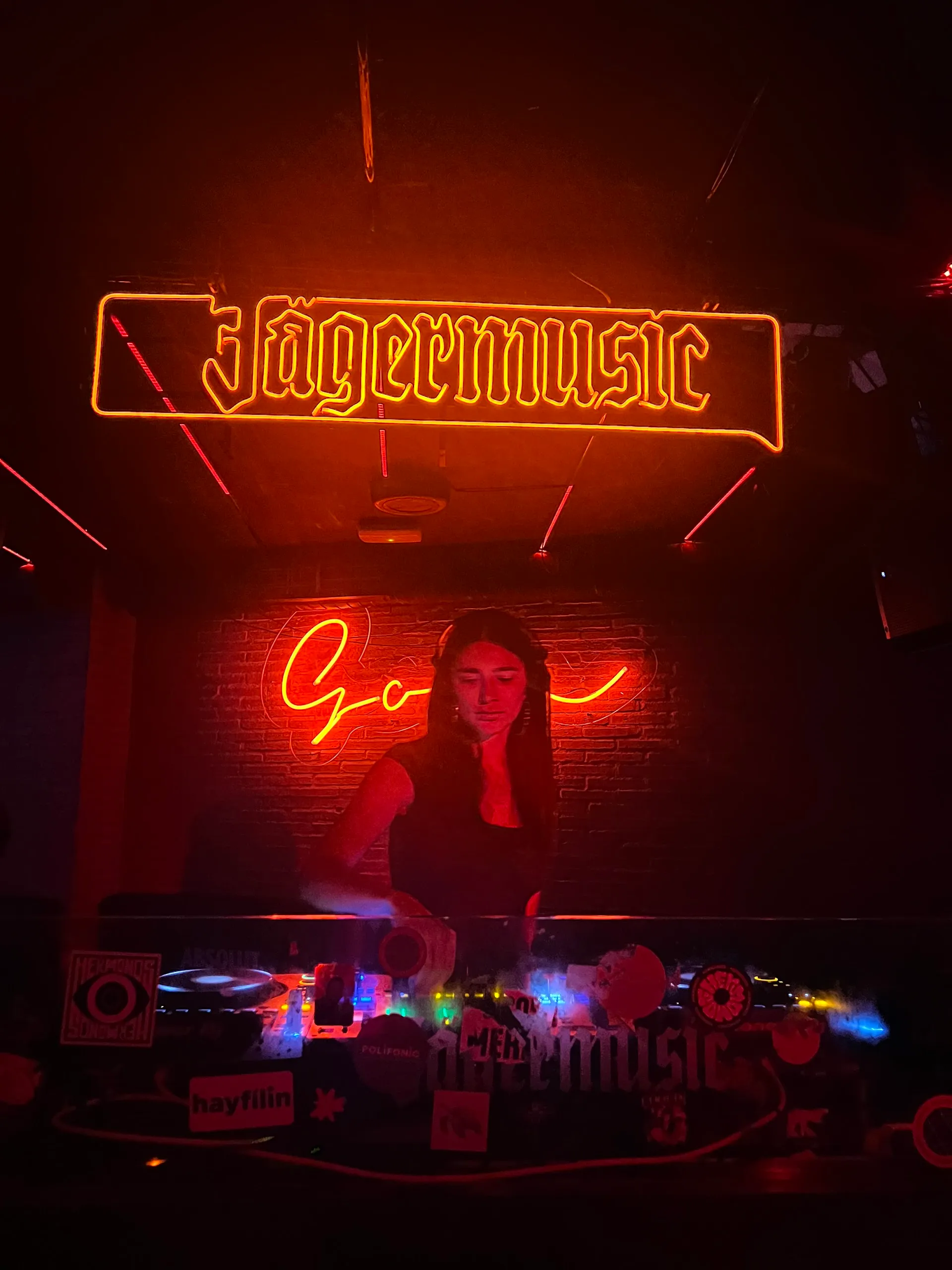
Goya Social Club
Club

Goya Social Club

An intimate, design-led club in the upmarket Salamanca district, styled after the house-and-techno rooms of Paris, London and Berlin. With roughly 200 capacity, sharp sound and a slightly clandestine industrial look, it draws a stylish crowd for international DJ sets at weekends.

Salamanca (Recoletos)
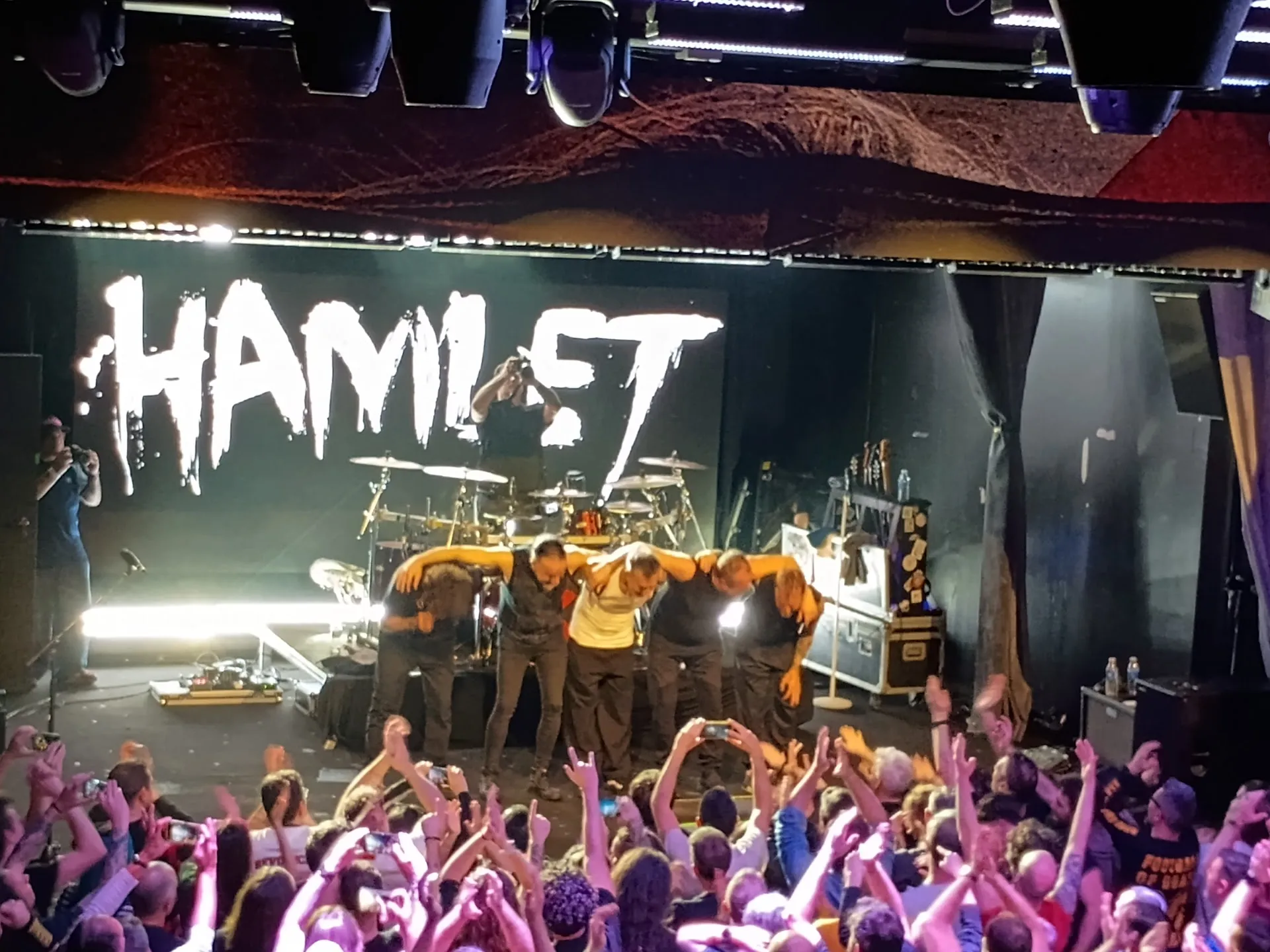
Sala But
Club

Sala But

A 3,000 m2 two-floor venue near Tribunal that doubles as a concert hall and a weekend club, hosting indie, pop and rock gigs on weeknights and house and electronic sessions when it flips into a discoteca. Renovated in 2015, it is a versatile fixture of central Madrid's live-music and clubbing calendar.

Tribunal - Malasana (Centro)
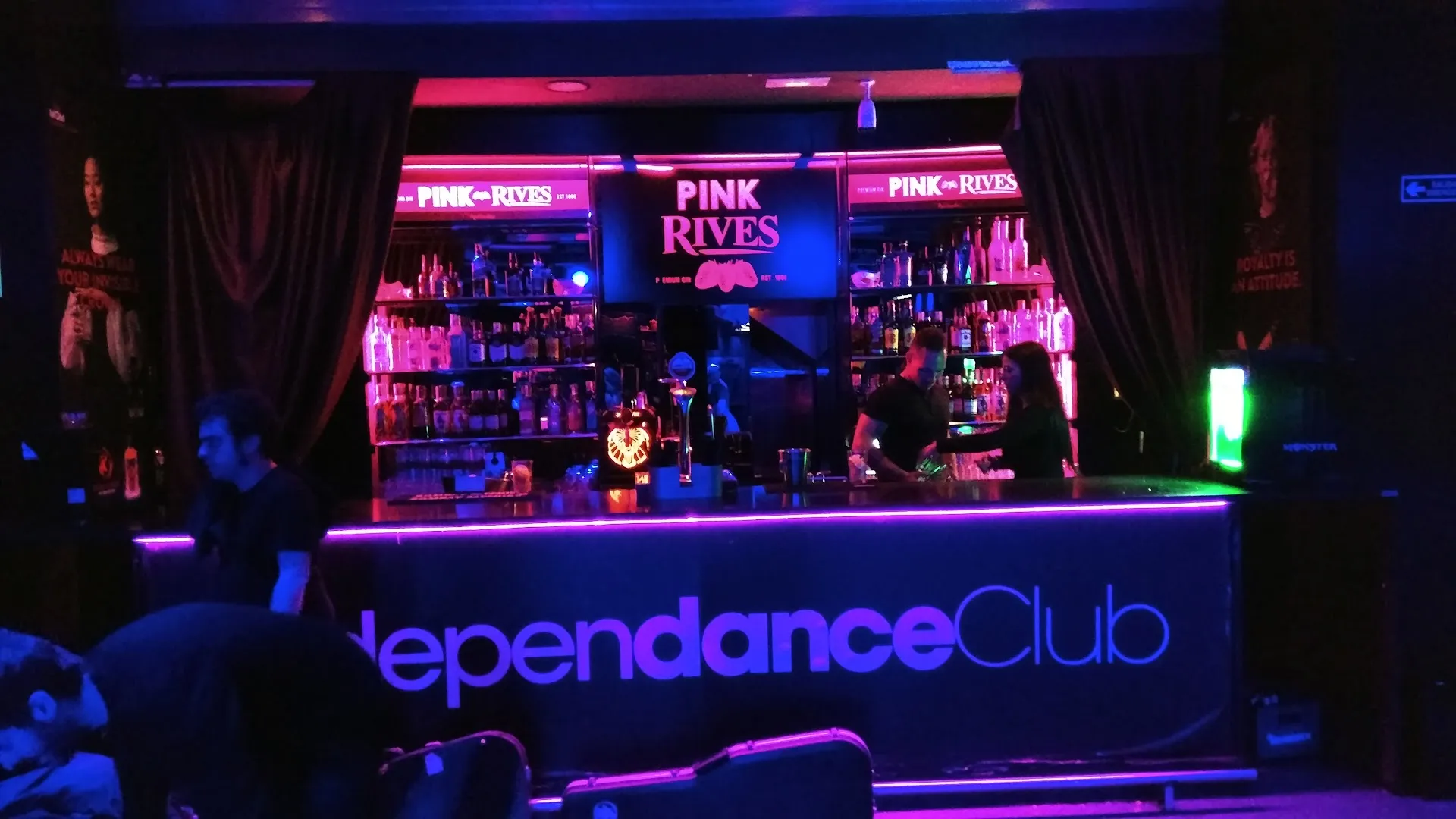
Independance Club
Club

Independance Club

A sleek, sound-focused club on Calle Atocha built around live gigs and DJ sets that swing from indie and rock to techno and house. Affordable advance tickets and themed nights dedicated to landmark bands give it a younger, music-led crowd.

Barrio de las Letras (Centro)

What it costs

Daily budgets and typical prices to plan your spend.

Backpacker
€55/ day
Mid-range
€120/ day
Luxury
€290/ day
Cheap meal
€13
Restaurant meal
€25
Coffee
€2.0
Local beer
€3.0
Transit ticket
€1.5
Taxi (1km)
€1.2

Cost index 60 (New York = 100).

When to go

Best time to visit
Spring (May-June) and early autumn (September-October) are ideal: warm, dry, sunny days, deep-blue skies, and the city's parks and terraces at their best, without July and August's fierce heat. Winters are cold but bright and quiet, with the shortest museum queues; August is hot and many local businesses close as Madrilenos head to the coast.
Crowds
High
PeakMay, June, September
ShoulderMarch, April, October, November
QuietJuly, August, January, February
Major events
  • San Isidro (city patron festival)May
  • PHotoESPANA (photography festival)June
  • Madrid Pride / MADOJuly
  • Veranos de la Villa (summer culture festival)August
  • New Year's Eve grapes at Puerta del SolDecember

Good to know

Practical info before you go.

Tipping
Appreciated — Tipping is not obligatory and service is included. Locals leave small change or round up; for good restaurant service 5-10% is generous. For a caña of beer or a coffee, leaving the loose coins is plenty.
Tap water
Safe to drink
Power
Type C/F · 230V
Safety
High — Madrid is one of Europe's safer large cities, including late at night. The main risk is petty theft and pickpocketing in crowds: be vigilant around Puerta del Sol, Gran Via, the Prado area, the Sunday Rastro market, and on the Metro. Keep bags zipped and phones secure, and watch for distraction teams.
Emergency
112
Visa-free for
United States, Canada, United Kingdom, European Union, Australia, New Zealand

Local culture

Language
Spanish (Castilian)
English
Moderate
Dress code
Smart Casual
Useful phrases
Hola
Hello
Gracias
Thank you
Por favor
Please
Perdone
Excuse me
¿Habla ingles?
Do you speak English?
Una caña, por favor
A small draft beer, please
Local customs
  • Meals run late: lunch around 14:00-16:00, dinner from 21:00; tapas and a caña fill the long gap
  • The pre-lunch vermut (vermouth) on weekends is a cherished Madrid institution
  • Locals stay out very late; nightlife peaks after 2am and the Metro reopens at 6am
  • Greet friends with two cheek kisses (right cheek first)
  • Cards are widely accepted, but carry some cash for old tabernas, El Rastro stalls, and convent sweets
Watch out for
  • Pickpocket teams around Puerta del Sol, Gran Via, the Metro, and El Rastro, often working in distraction pairs
  • The 'rosemary sprig' (romero) scam near tourist sites, where someone presses herbs on you, then demands payment or to read your palm
  • Overpriced terrace bars on Plaza Mayor and around Sol, check the price list before you sit down
  • Fake-petition clipboards and the 'find the ball' (trile) street game near tourist hotspots

Useful links

Official resources and quick searches for Madrid.

Plan your Madrid trip

Explore more of Spain

Frequently asked questions

How many days do you need in Madrid?
Three days is the sweet spot: one for the Habsburg old town and Royal Palace, one for the Golden Triangle of art museums and Retiro park, and one for the markets, tabernas, and a Temple of Debod sunset. A fourth day lets you slow down or take a day trip to Toledo or Segovia.
What is the best way to get around Madrid?
The Metro is fast, cheap, and reaches every sight in this guide; buy a reloadable Tarjeta Multi and load a 10-trip Metrobus ticket for the best value. The centre is flat and very walkable, and from Barajas airport the Metro, the Cercanias train, or the Expres Aeropuerto bus all reach the centre cheaply.
Is Madrid expensive?
It is one of the better-value big capitals in Western Europe. A lunchtime menu del dia runs about 12-15 euros, a cana of beer often comes with a free tapa, the Metro is inexpensive, and the Prado, Reina Sofia, and Thyssen are all free in the early evening. Fine dining and football tours are where prices climb.
Is Madrid safe?
Madrid is one of Europe's safer large cities, including late at night. The main risk is petty theft: keep bags zipped and phones secure around Puerta del Sol, Gran Via, the Prado, the Sunday Rastro market, and on the Metro, where pickpockets work the crowds.
When is the best time to visit Madrid?
May to June and September to October offer the best mix of warm, sunny weather and comfortable terrace evenings. July and August are very hot (and August empties out as locals leave); winter is cold but bright, quiet, and cheaper, with the shortest museum queues.
Is Madrid worth a day trip from elsewhere in Spain?
Madrid rewards far more than a day, but it is also the country's transport hub, with high-speed AVE trains reaching it from Barcelona, Seville, and Valencia in around 2.5-3 hours. From Madrid itself, Toledo and Segovia are each well under an hour away by fast train, making superb day trips.

Ready to plan Madrid?

Turn this guide into a real trip — itinerary, map, budget and friends, all in one place.