
Madrid eats late, generously, and across every budget, from centuries-old asadores to three-Michelin-star theatre. As an inland capital that draws the whole country to its table, the city is famous for hauling the freshest seafood up from the coasts overnight as well as for its own hearty Castilian classics: cochinillo (suckling pig), cocido madrileno (a chickpea-and-meat stew served in courses), callos a la madrilena (tripe), huevos rotos, and a properly runny tortilla de patatas. Sweet endings mean churros with thick hot chocolate. This guide deliberately spans the registers, the historic institutions where the recipes have not changed in a century, the bustling market halls, the modern gastrobars, and a couple of high-end splurges, so you can eat brilliantly whatever your budget and mood. We have ordered the picks roughly from the timeless classics to the contemporary, then the markets and the sweet finish. Save the ones that fit your trip and add them straight to your itinerary, complete with addresses and opening hours.
Where to Eat in Madrid
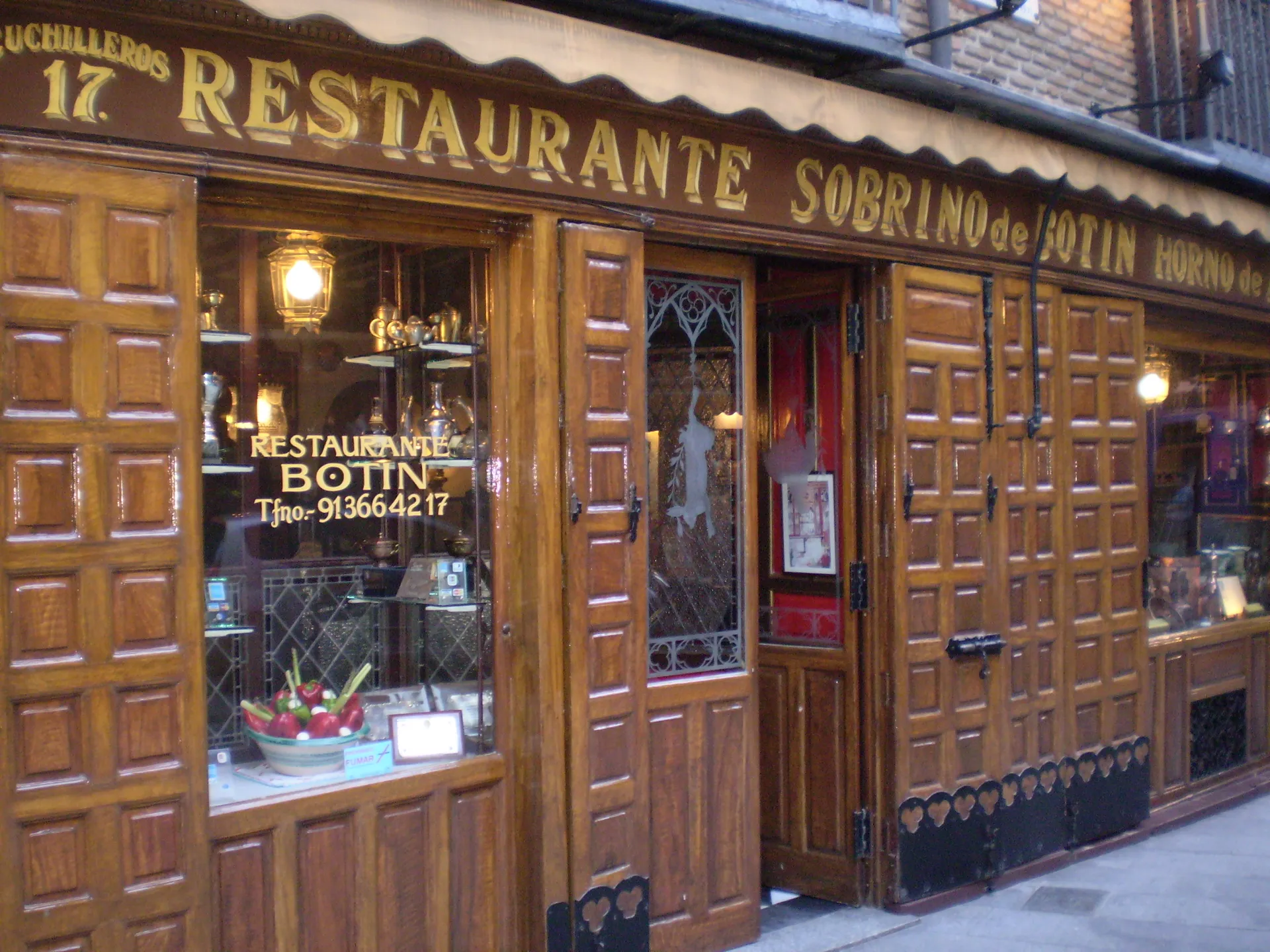
Sobrino de Botín
The Guinness-certified oldest restaurant on earth (1725), roasting cochinillo and lamb in its original wood-fired oven. Touristy, iconic, and genuinely delicious; book ahead.
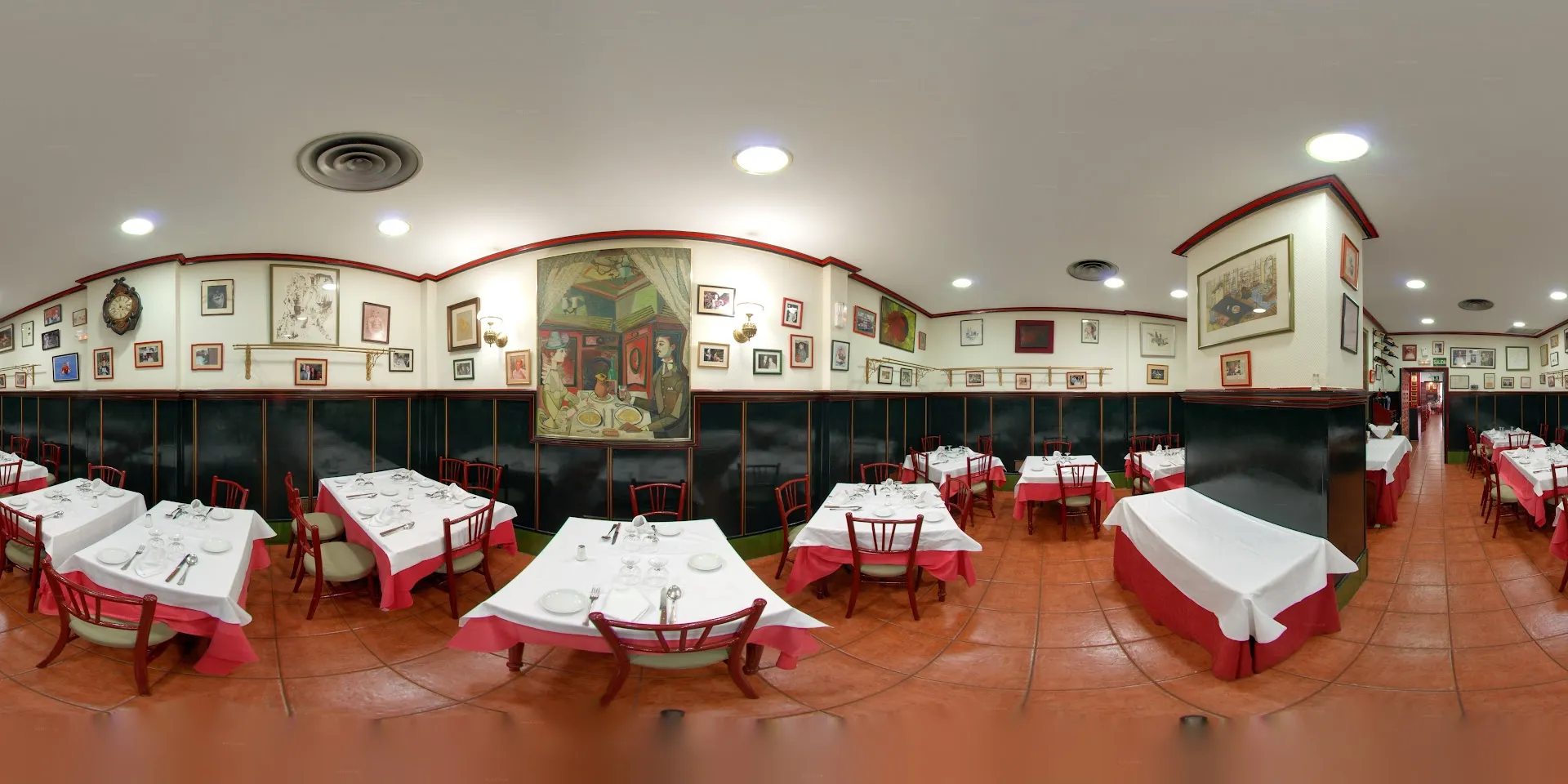
Taberna La Bola
The benchmark for cocido madrileno, simmered in individual clay pots over charcoal and served in courses, in a red-fronted family taberna since 1870. A midday institution.
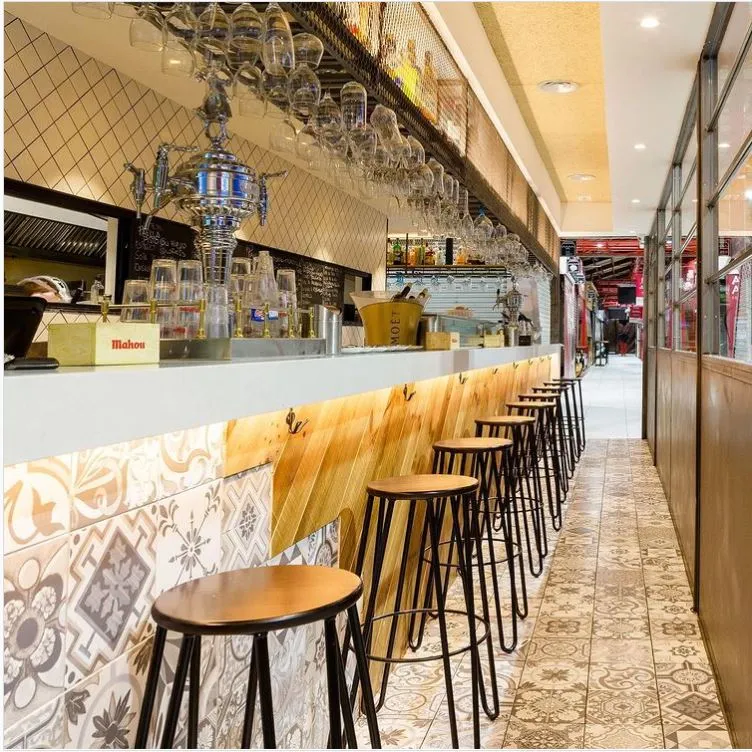
Casa Dani
A market counter in Salamanca serving one of Spain's best tortillas de patatas, a national-title winner. Home-style, budget-friendly, and beloved by locals.
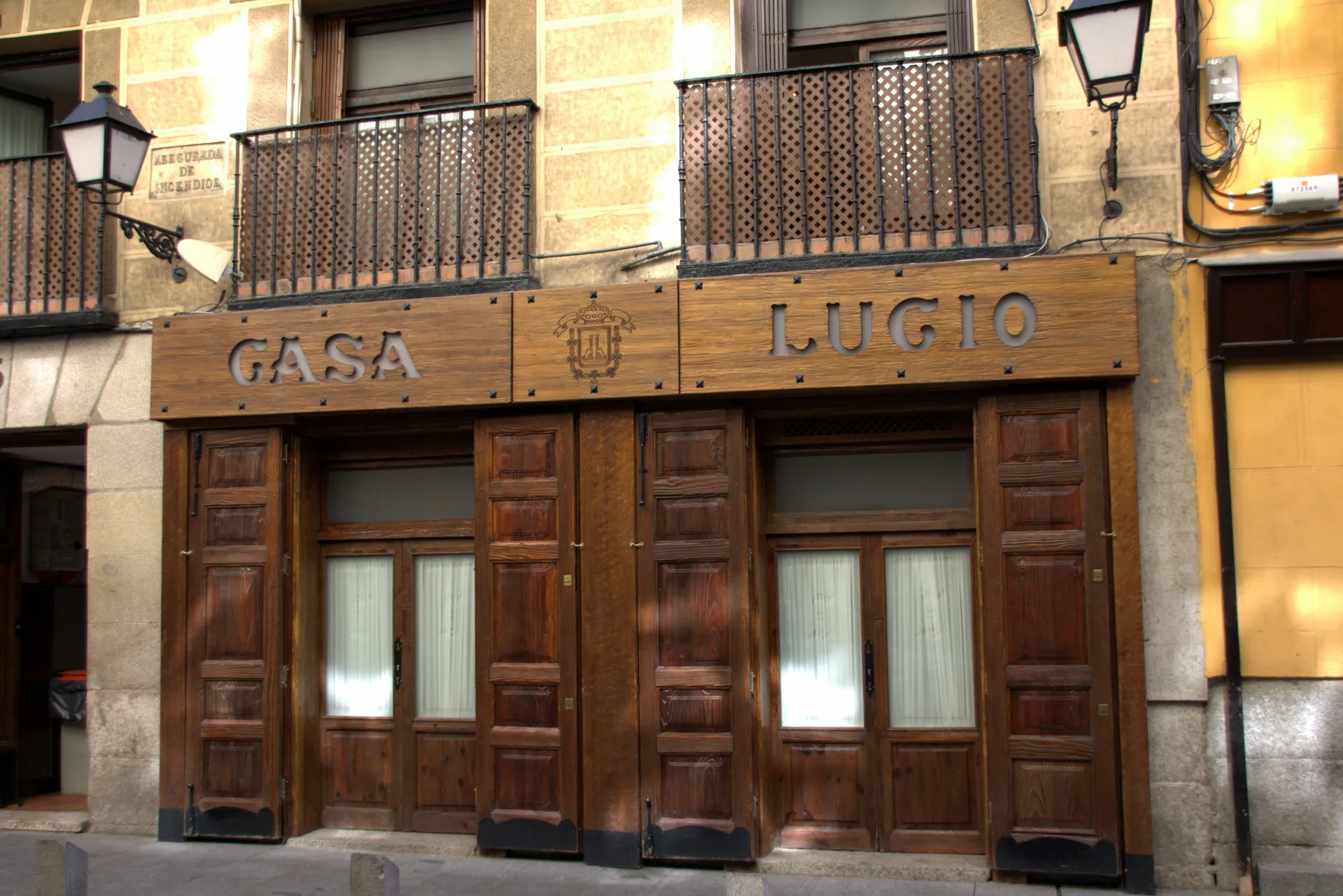
Casa Lucio
The Cava Baja temple of huevos rotos, fried eggs broken over crisp potatoes, drawing royalty and celebrities since 1974. A classic La Latina splurge.
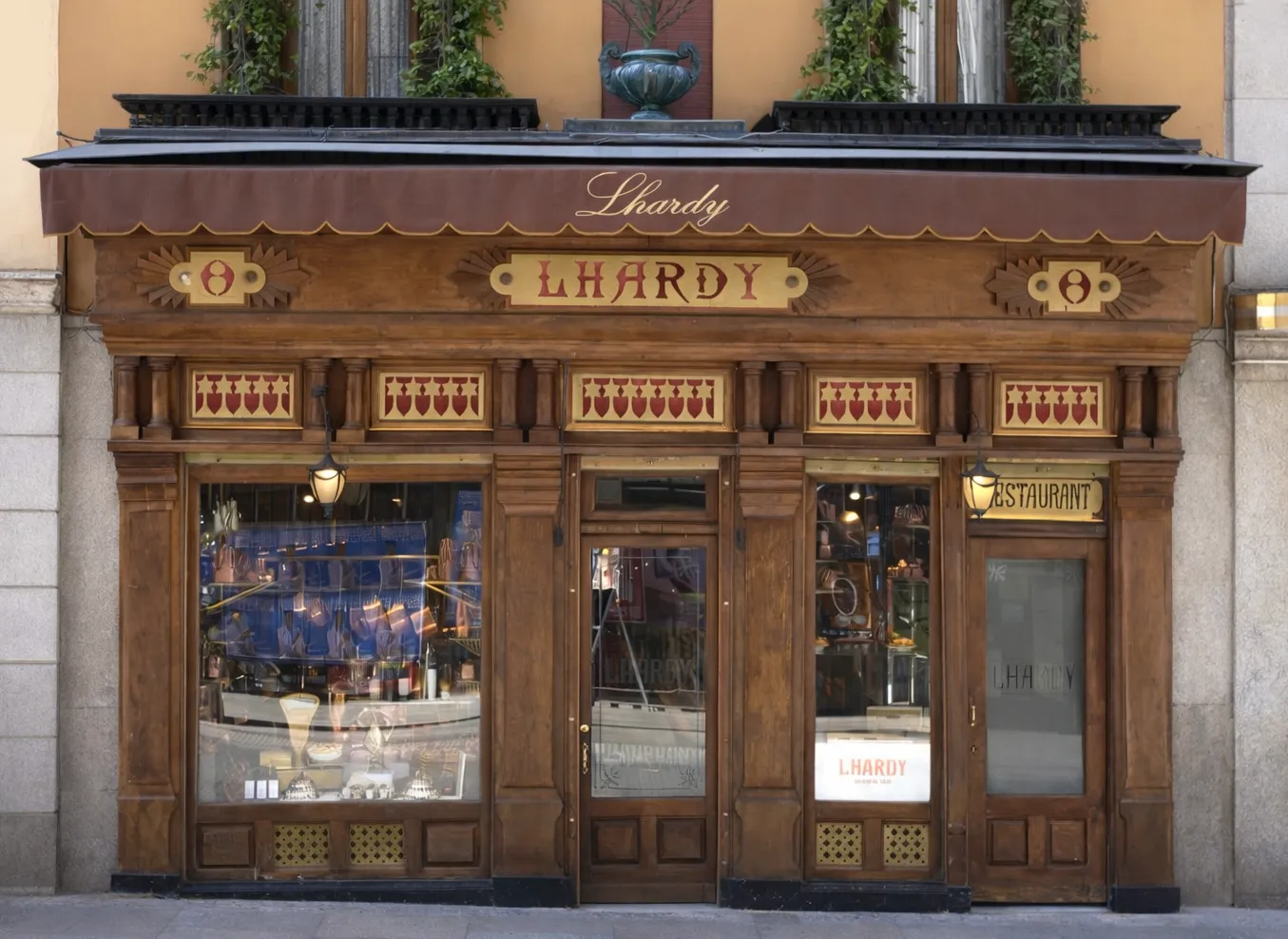
Lhardy
A gilded Belle Epoque landmark from 1839: self-serve consomme from silver samovars downstairs, formal cocido and game classics upstairs. Old-Madrid elegance.
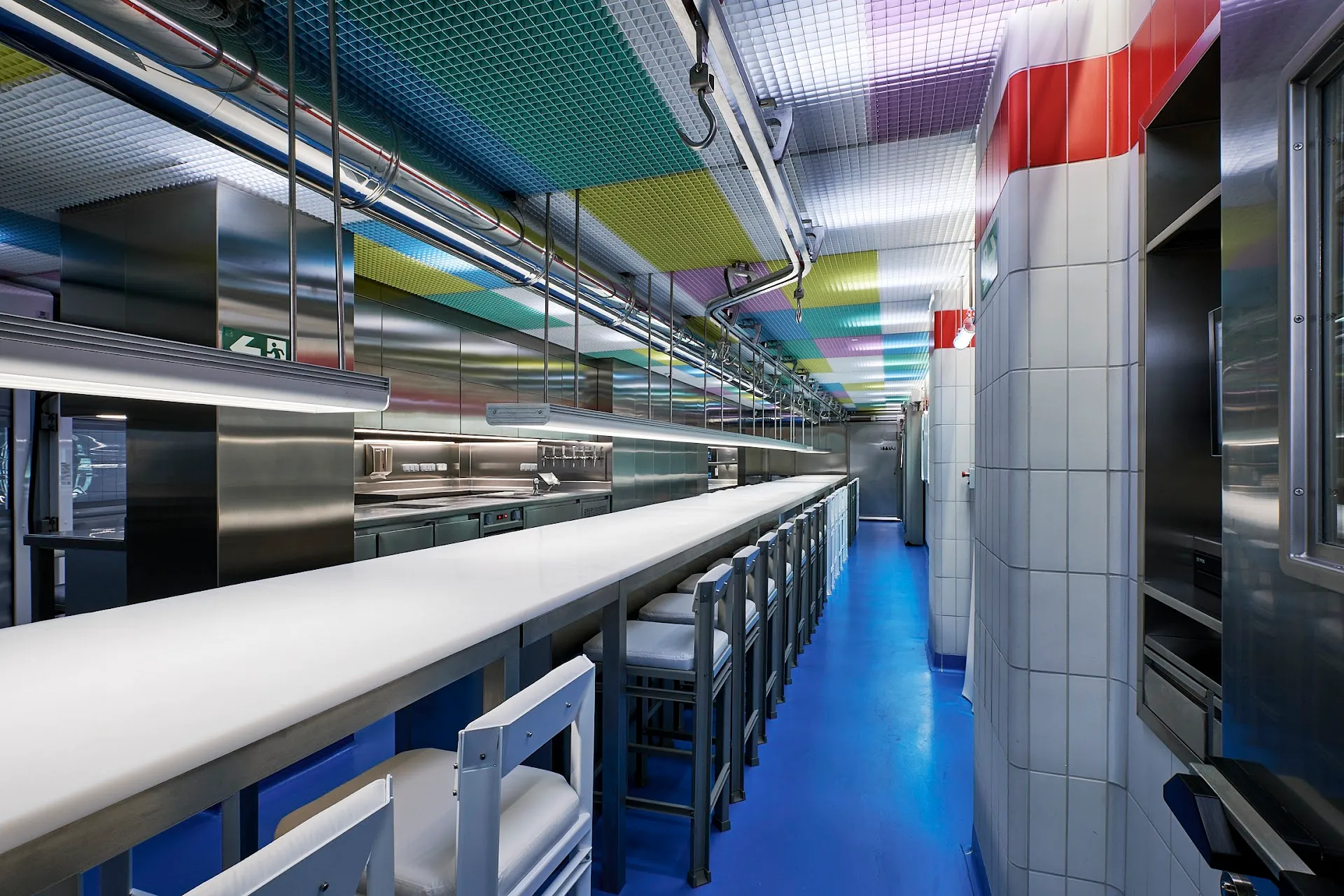
Sala de Despiece
Javier Bonet's cult gastrobar plates inventive, butcher-shop-themed tapas, egg-yolk cigars, tartare, along a stainless-steel bar. The modern face of Madrid eating.
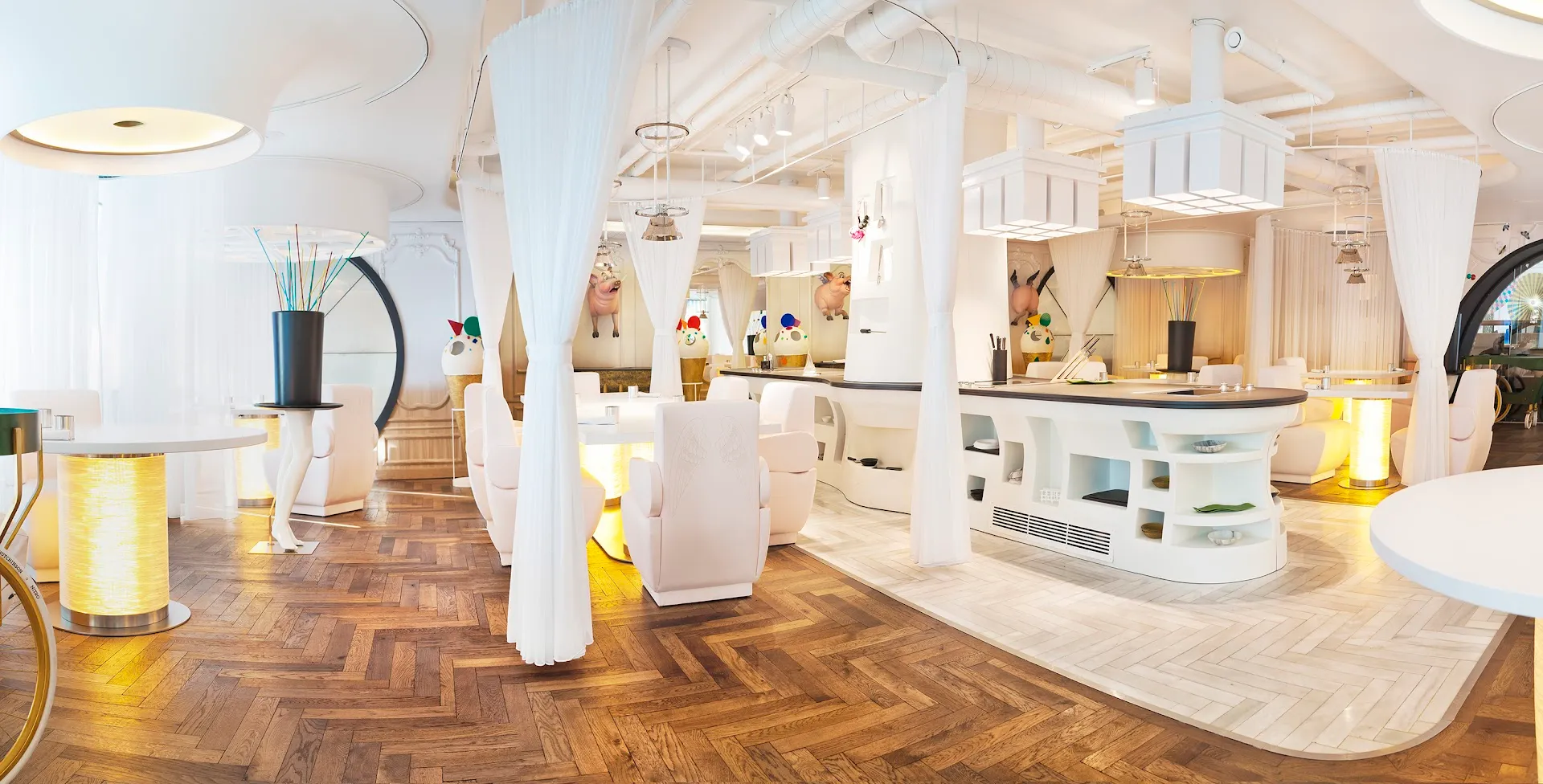
DiverXO
Dabiz Munoz's three-Michelin-star flagship and Madrid's most coveted reservation: a theatrical Flying Pigs tasting menu fusing Asian technique with Spanish produce.
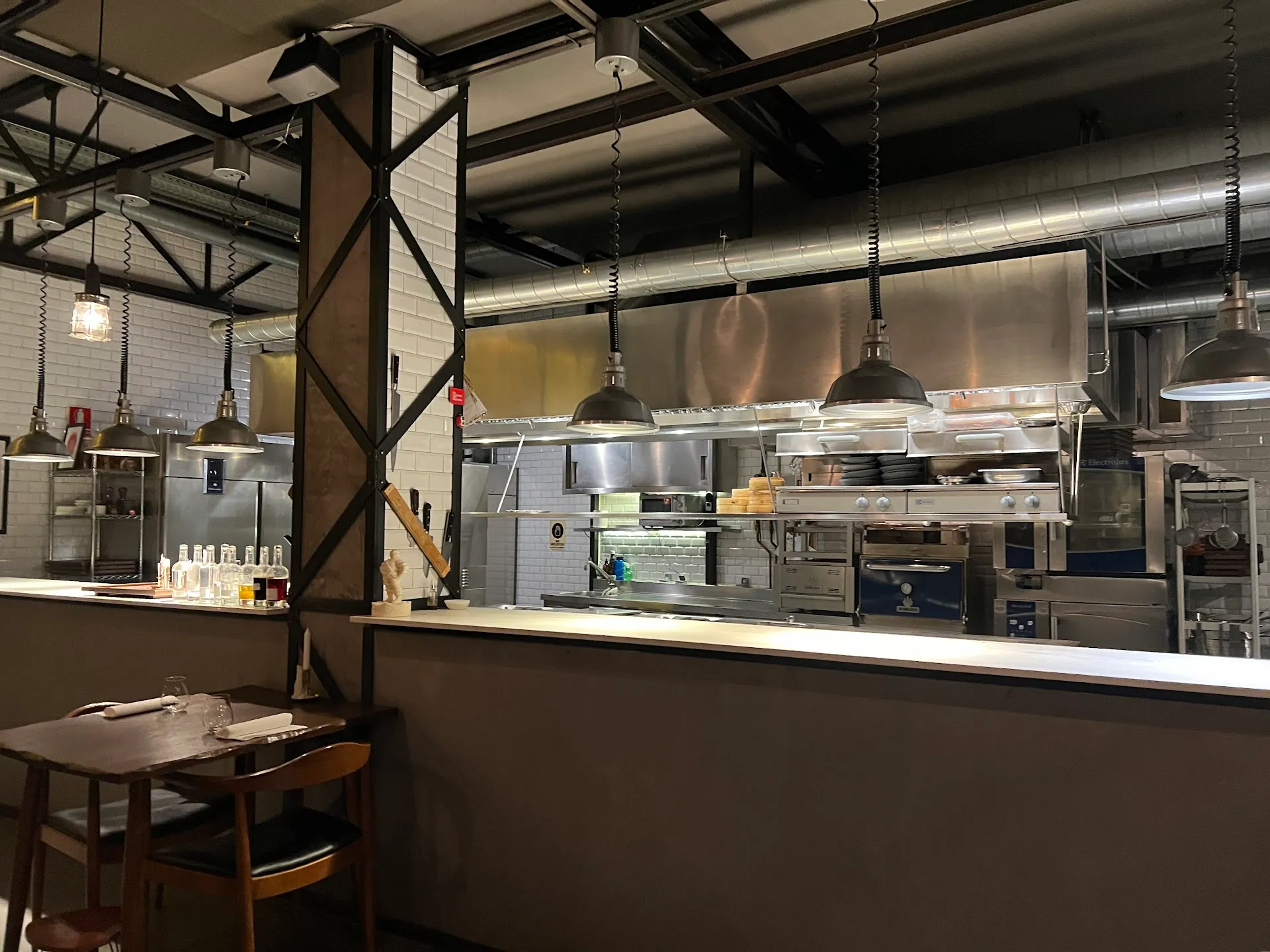
DSTAgE
Diego Guerrero's two-Michelin-star loft near Chueca delivers boundary-pushing tasting menus in a deliberately relaxed, brick-walled room. A more accessible fine-dining splurge.
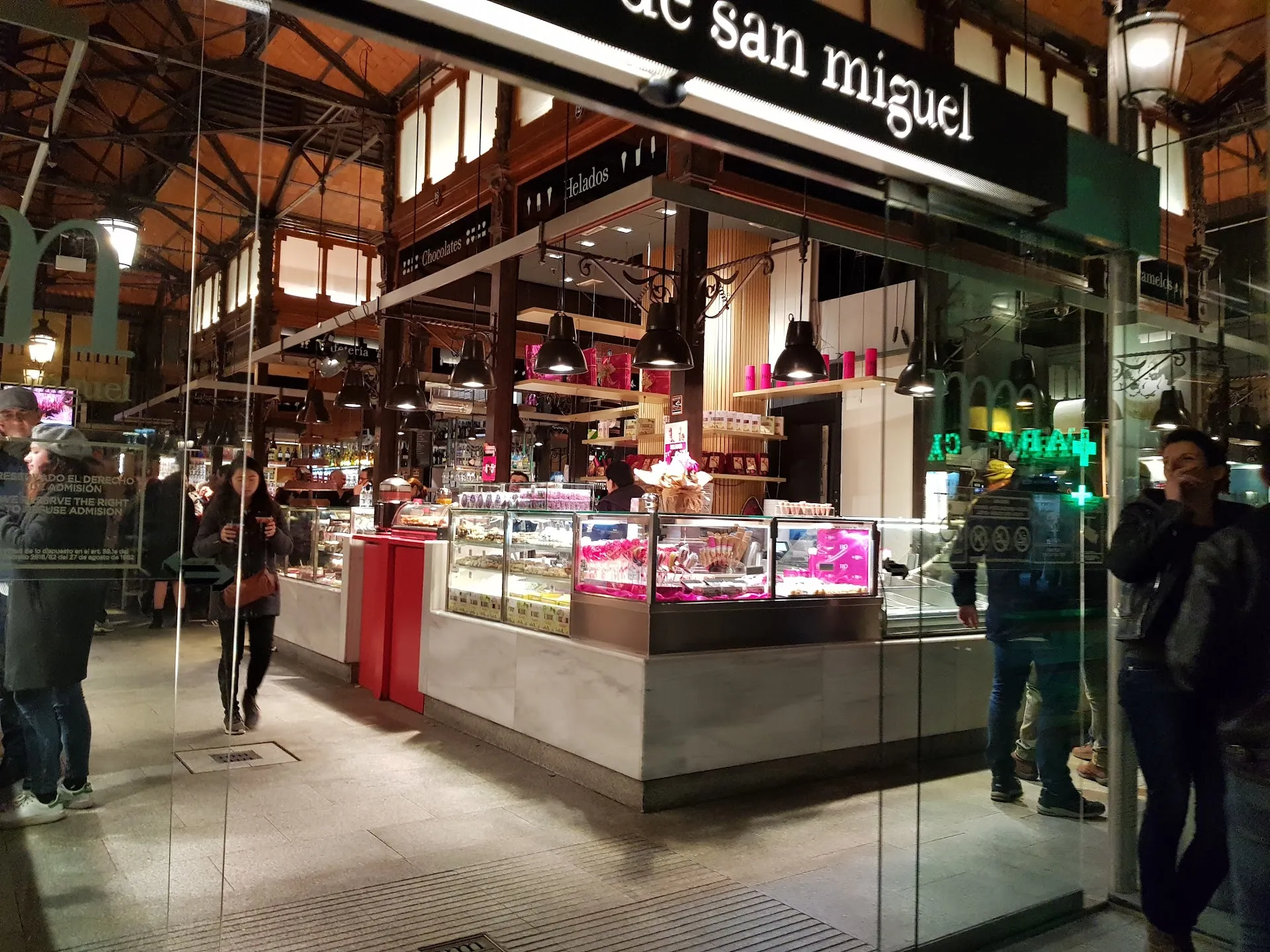
Mercado de San Miguel
The beautiful cast-iron gourmet hall by Plaza Mayor: a tasting crawl of ham, seafood, and vermouth. Pricey per bite but a feast for the senses.
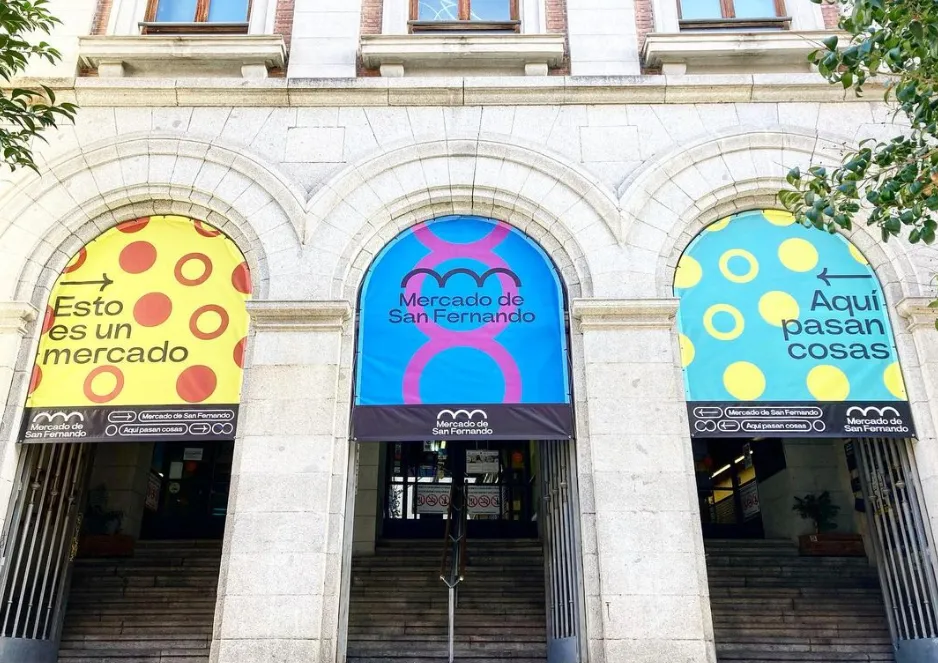
Mercado de San Fernando
A 1944 market in Lavapies where butchers share the hall with craft-beer bars and international stalls, a local, communal alternative to the tourist halls.
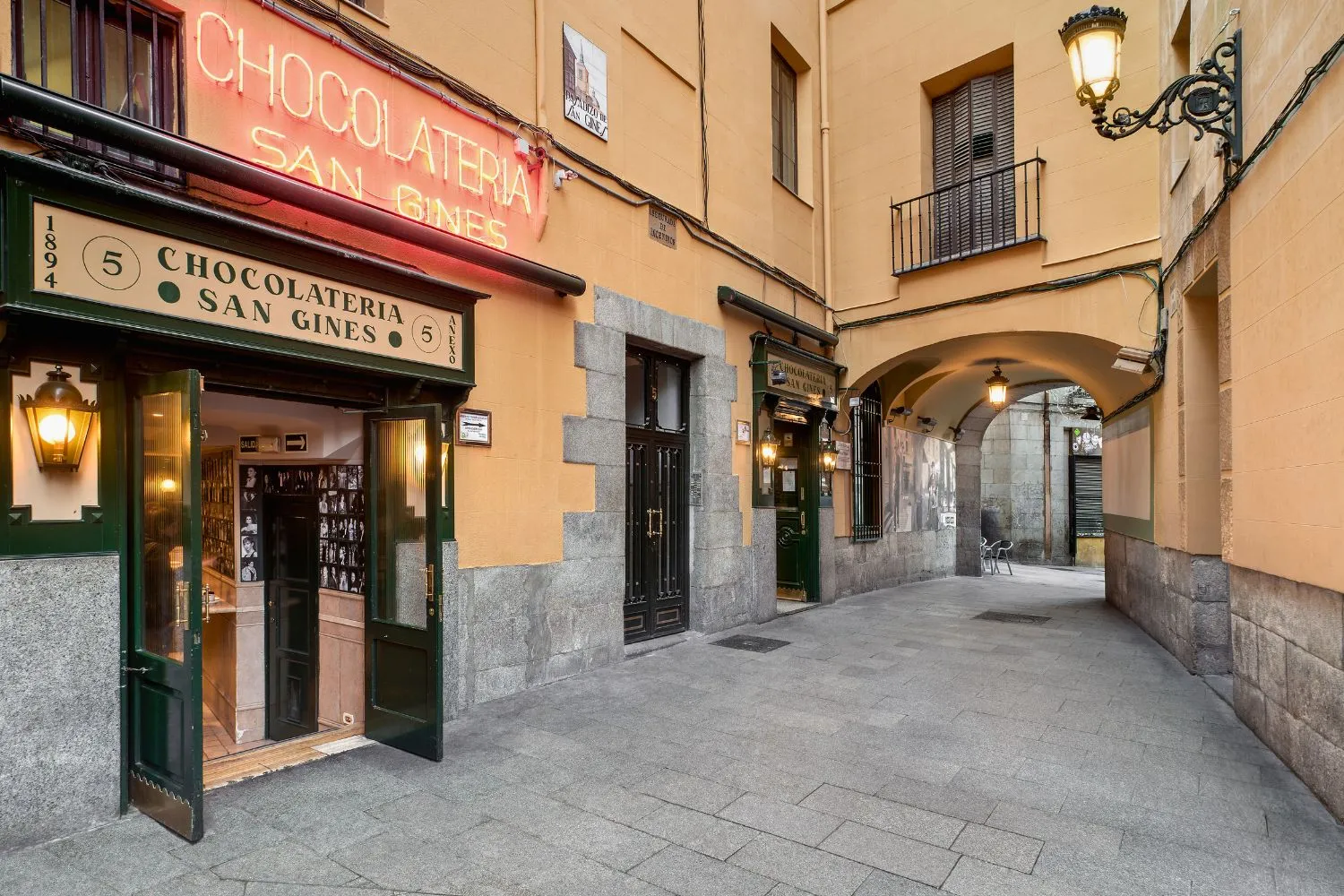
Chocolatería San Ginés
Open since 1894 and around the clock: thick hot chocolate for dunking crisp churros and porras. A ritual stop after a night out or an afternoon merienda.
FAQ
- What food is Madrid famous for?
- Hearty Castilian classics: cochinillo (suckling pig), cocido madrileno (a chickpea-and-meat stew served in courses), callos a la madrilena (tripe), huevos rotos, bocadillo de calamares (fried-squid rolls), and a properly runny tortilla de patatas. Finish with churros and thick hot chocolate.
- What time do people eat in Madrid?
- Late. Lunch, the bigger meal and best value via the menu del dia, runs roughly 14:00-16:00, and dinner rarely starts before 21:00, with many kitchens not opening until 20:30. Tapas and a cana bridge the long afternoon gap.
- Where can I eat cheaply in Madrid?
- Look for the weekday menu del dia (a three-course lunch with a drink for around 12-15 euros), graze tapas at market halls like San Fernando, and try the classic bocadillo de calamares near Plaza Mayor. A cana of beer often comes with a free tapa.
- Do I need reservations for restaurants in Madrid?
- For the famous institutions, yes: book Botin, Casa Lucio, and Taberna La Bola ahead, and the Michelin tables like DiverXO and DSTAgE weeks in advance. Casual tabernas, market halls, and tapas bars are walk-in, though they fill fast at weekends.
Make it your trip
Save these places and build your own Madrid itinerary in TripBox.