Skip to content
Palma de Mallorca

The Complete Guide to Palma de Mallorca

Palma de Mallorca is the kind of city that ambushes you with how much it has. Most people arrive thinking of beaches and budget flights, then find a honey-coloured Mediterranean capital built around one of Europe's great Gothic cathedrals, a labyrinth of medieval lanes hiding aristocratic courtyards, a buzzing market-and-tapas culture, and a yacht-lined bay framed by the Serra de Tramuntana. It is the rare resort-island capital that rewards a city break in its own right, not just a transit stop on the way to a cove.

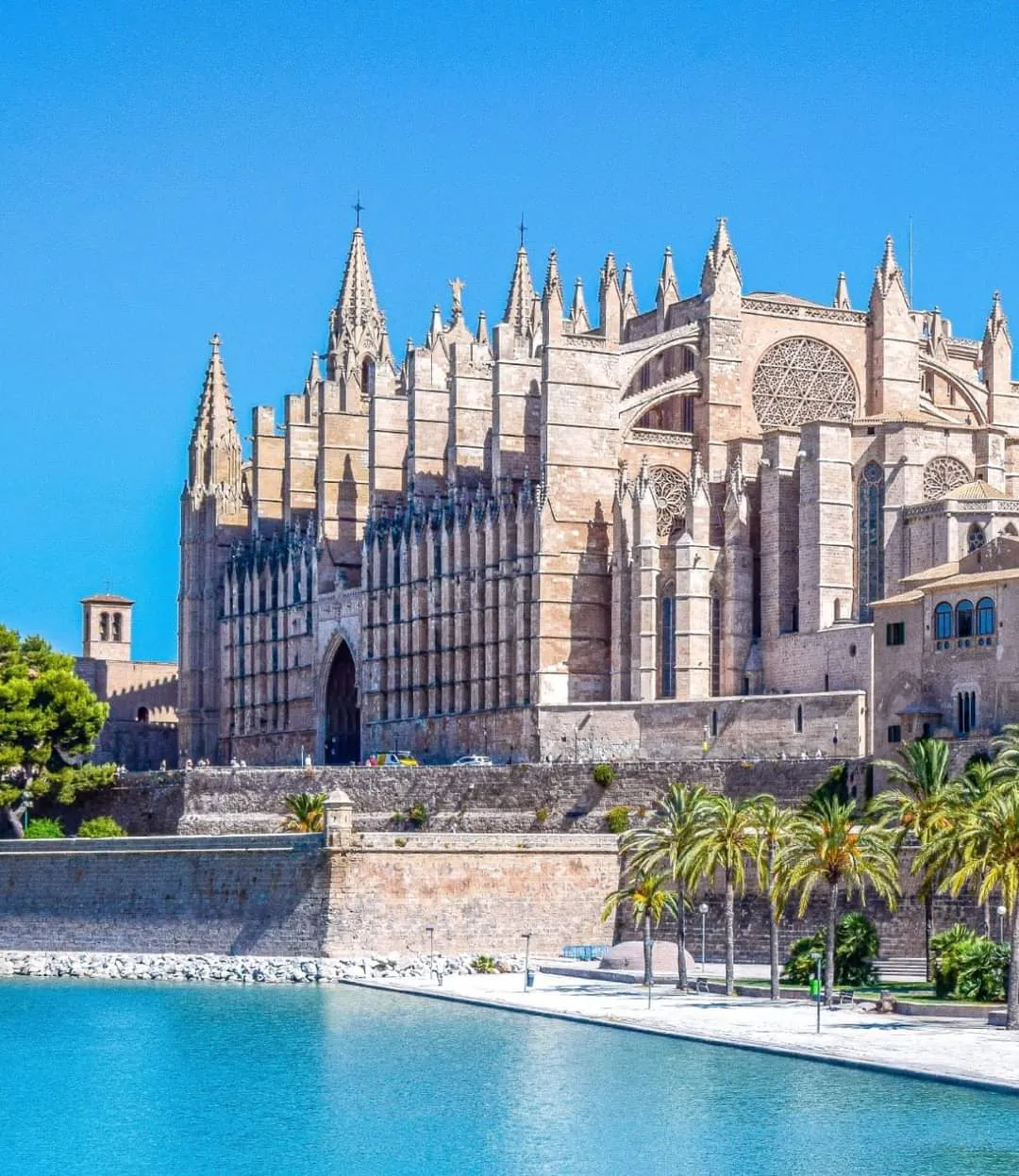
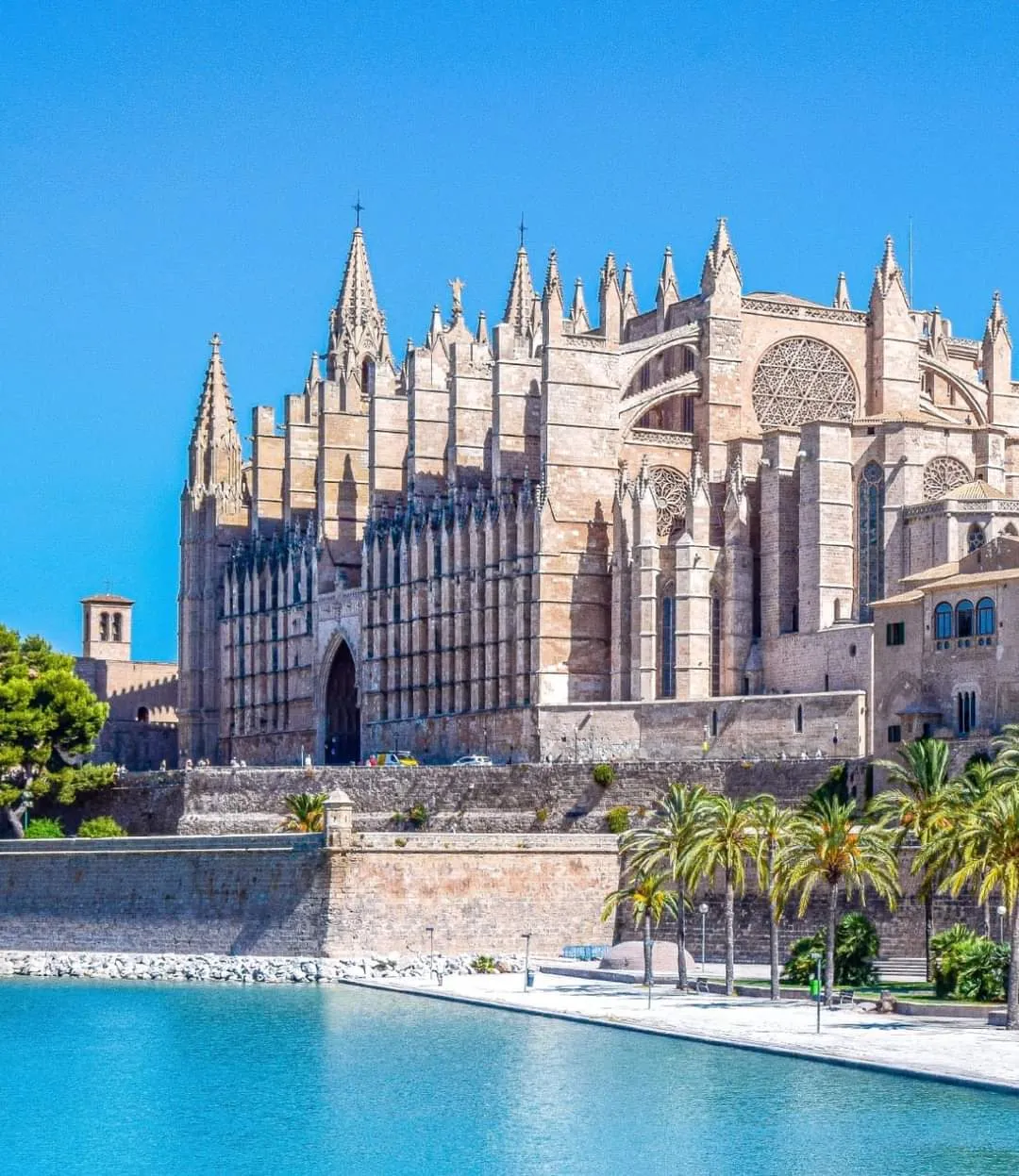
The city organises itself around the waterfront and La Seu, the vast sandstone cathedral that rises straight out of the bay and mirrors in the lake of Parc de la Mar below it. Behind it spreads the Casco Antiguo (old town), a dense medieval quarter of narrow stone streets, hidden patios, Gothic churches, and the only surviving Moorish building on the island, the Arab Baths. West across the old port is Santa Catalina, a former fishermen's quarter turned the city's most fashionable neighbourhood, full of pastel facades, a beloved food market, and the best concentration of restaurants and bars. Along the coast, Portixol and El Molinar offer a laid-back seaside-village feel, El Terreno climbs to the circular Castell de Bellver in its pine forest, and to the southeast the long sweep of Playa de Palma runs for nearly five kilometres of sand.

Two things define a Palma trip. The first is the old town on foot: there are no must-see queues to rival Barcelona's Gaudi circus, just the slow pleasure of getting lost between the cathedral, the Llotja (a breathtaking Gothic trade hall), Placa Major, and the courtyards you glimpse through open portals. The second is the island beyond the city: Palma is the gateway to Mallorca, and some of the best days are spent out of town, hiking or driving the UNESCO-listed Serra de Tramuntana, swimming at the wild Es Trenc, or sailing the bay.
Best time to visit

May, June, and September are the sweet spot in Palma: warm, sunny days, a sea warm enough to swim, long light, and the beaches and terraces in full swing without the peak-August heat and crowds. Spring (April-May) brings almond blossom and wildflowers to the countryside and ideal hiking weather in the Tramuntana; autumn (September-October) keeps the summer warmth with thinner crowds and lower prices. July and August are hot, busy, and expensive, but unbeatable for beach life. Winter is mild and very quiet, with many resort businesses closed, but the city stays alive, and January's Sant Sebastia festival fills the squares with bonfires, correfoc fire-runs, and free open-air concerts.

Budget

Palma is moderately priced for a Mediterranean capital, cheaper than Barcelona for eating and drinking but with island mark-ups in peak summer. A set-lunch menu del dia runs 14-18 euros, a cana of beer 2.50-3.50, and most old-town sights cost just 3-9 euros. The big costs are summer accommodation and any island day trips by rental car or boat.~$80-160 USD / day

Getting around is easy. The historic centre is small and walkable, the EMT city buses cover everything else, and from the airport the A1 bus reaches the centre in under 20 minutes for a few euros. You will rarely need a taxi inside the city, though a rental car transforms the island day trips. Palma is also famously relaxed and safe, with the usual big-tourism caveats: keep an eye on your bag around the cathedral and markets, and know that the Playa de Palma strip turns into a rowdy party zone in high summer.

How long to stay? Two to three days is the sweet spot for the city itself, enough for the old town, the museums, a long lunch in Santa Catalina, and a sunset on the bay, with a day or two more to fold in island excursions. When to go? May, June, and September are ideal: warm and swimmable without August's heat and crowds. Use this guide as a starting point: skim the day-by-day plan, open the things-to-do list, then save the places that fit your trip. Everything you save drops straight into a TripBox itinerary with dates, a map, and your travel companions.

The best of Palma de Mallorca

Curated places worth your time — tap a card for details or to save it.

See all
La Seu Cathedral
Must visit
Museum5.0

La Seu Cathedral

Palma's monumental Gothic cathedral, begun in 1229 and completed in 1601, dominates the waterfront skyline. Its vast interior holds one of the world's largest rose windows, Gaudi's unfinished liturgical reforms, and Miquel Barcelo's contemporary ceramic chapel.

Casco Antiguo
Castell de Bellver
Museum5.0

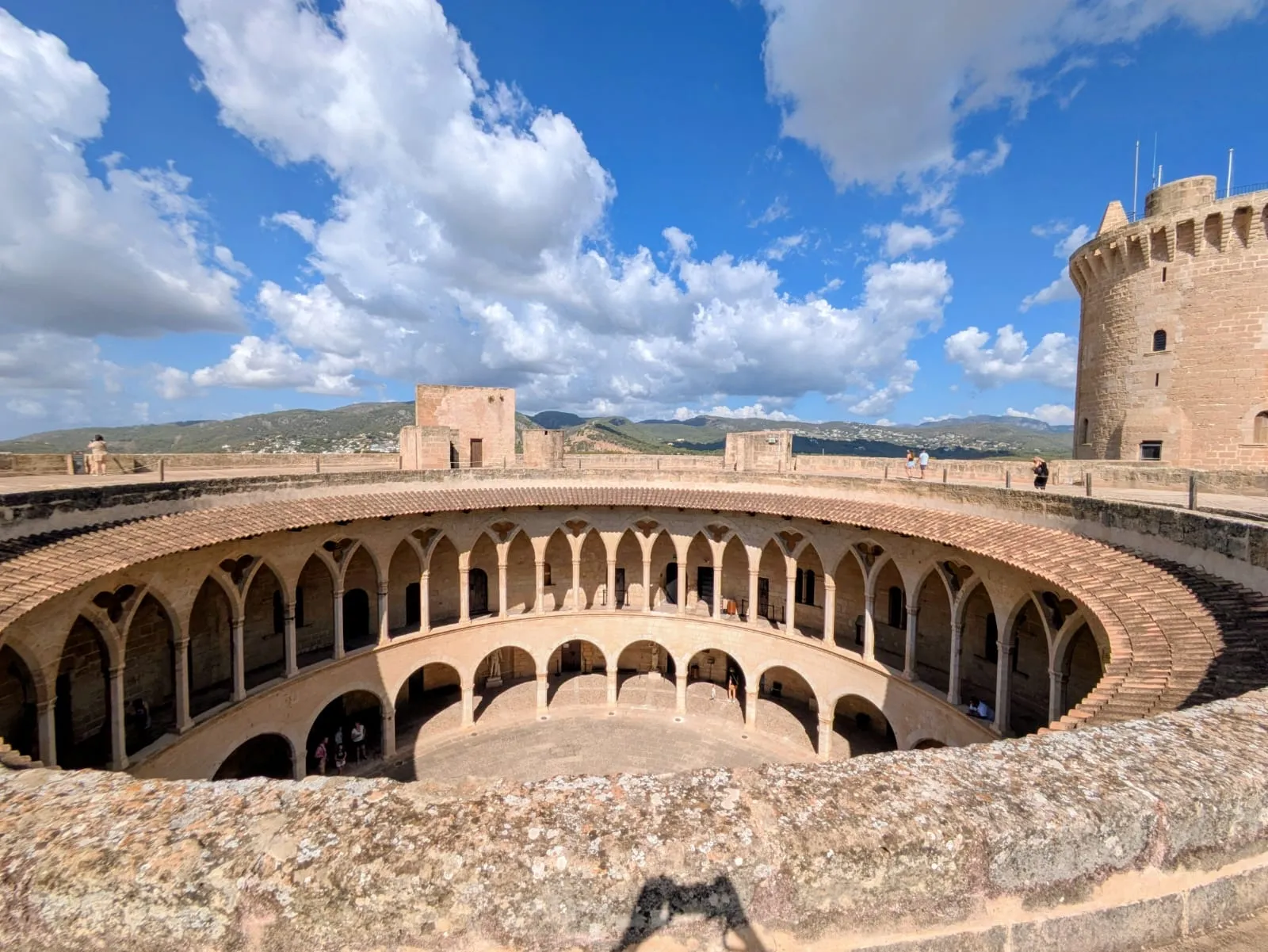
Castell de Bellver

A striking 14th-century circular Gothic castle perched on a wooded hilltop overlooking Palma and its bay. One of only three circular castles in Europe, it houses a city history museum and is surrounded by pine forest trails perfect for a morning walk.

El Terreno
Llotja de Palma
Must visit
Other5.0

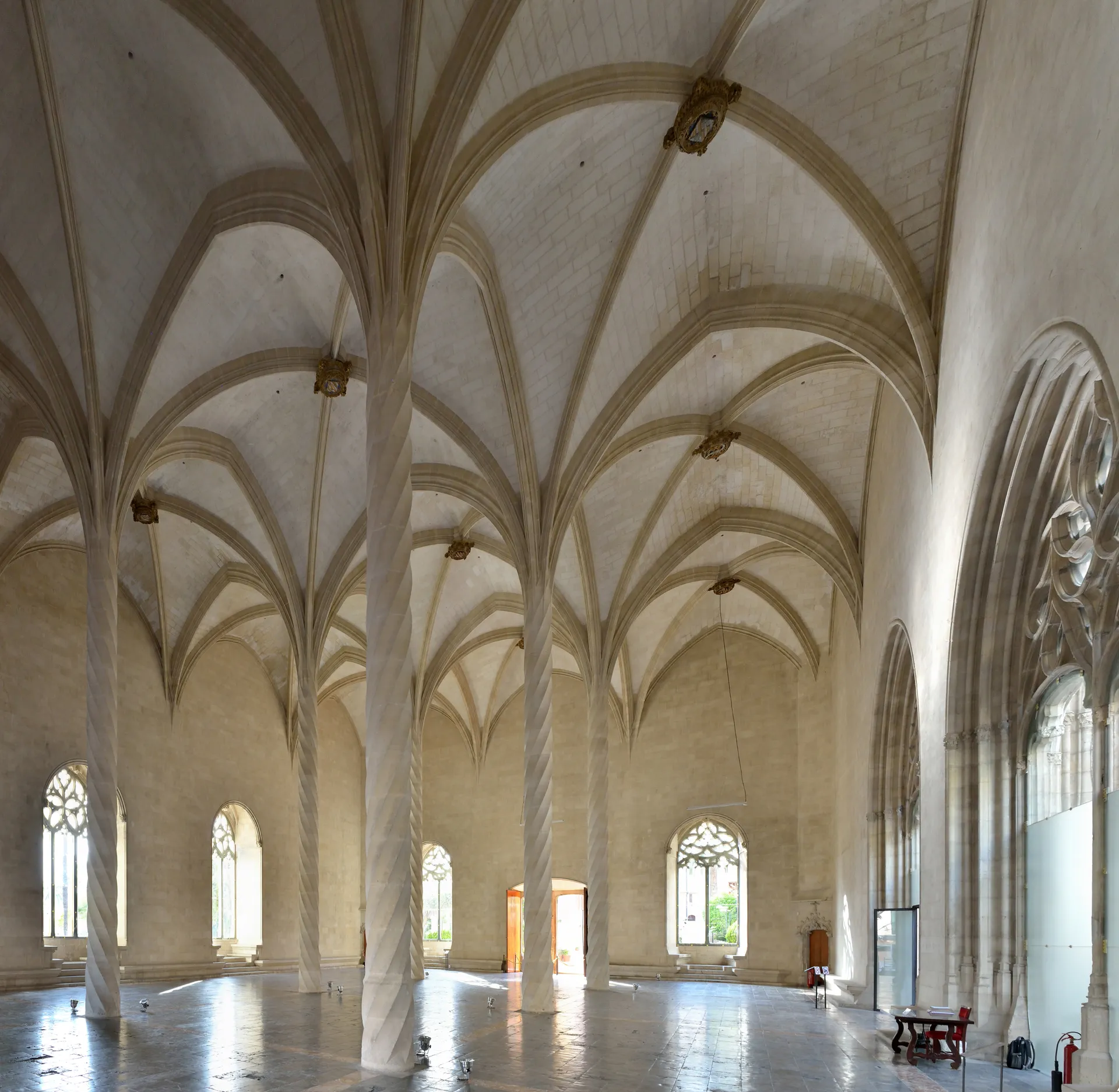
Llotja de Palma

A masterpiece of Gothic civil architecture, built between 1420 and 1452 by Guillem Sagrera as Palma's maritime trade exchange. The soaring interior is a forest of six spiralling columns that branch into ribbed vaults like stone palm trees, creating one of the most breathtaking secular Gothic spaces in Europe. Now used for temporary exhibitions.

Casco Antiguo
Palau de l'Almudaina
Museum4.0

Palau de l'Almudaina

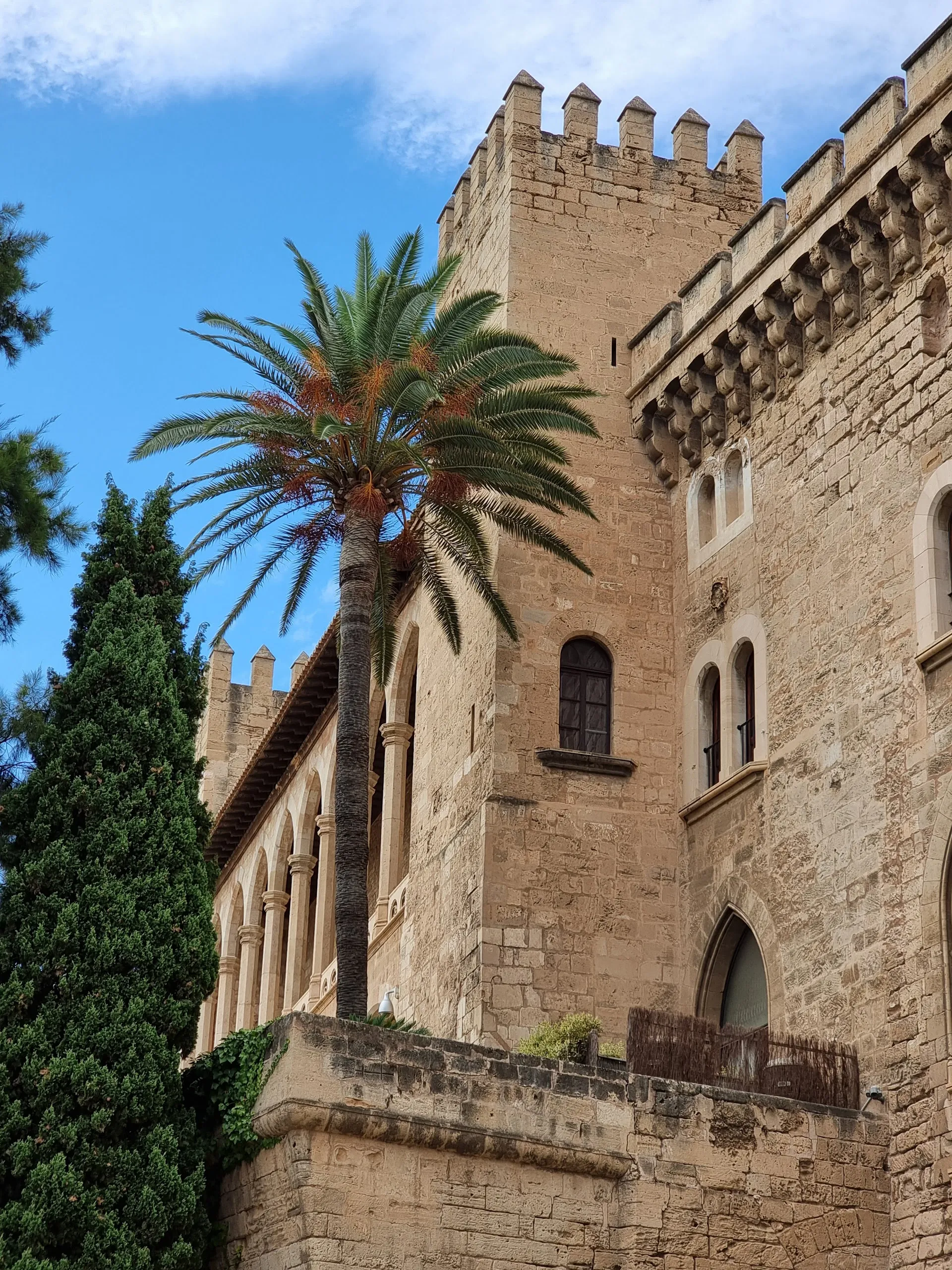
The Royal Palace of La Almudaina, originally a Moorish alcazar converted into a Gothic royal residence in the 14th century. Still an official residence of the Spanish Royal Family, with state rooms, tapestries, and the serene Chapel of Santa Ana open to visitors.

Casco Antiguo
Banys Arabs (Arab Baths)
Museum4.0

Banys Arabs (Arab Baths)

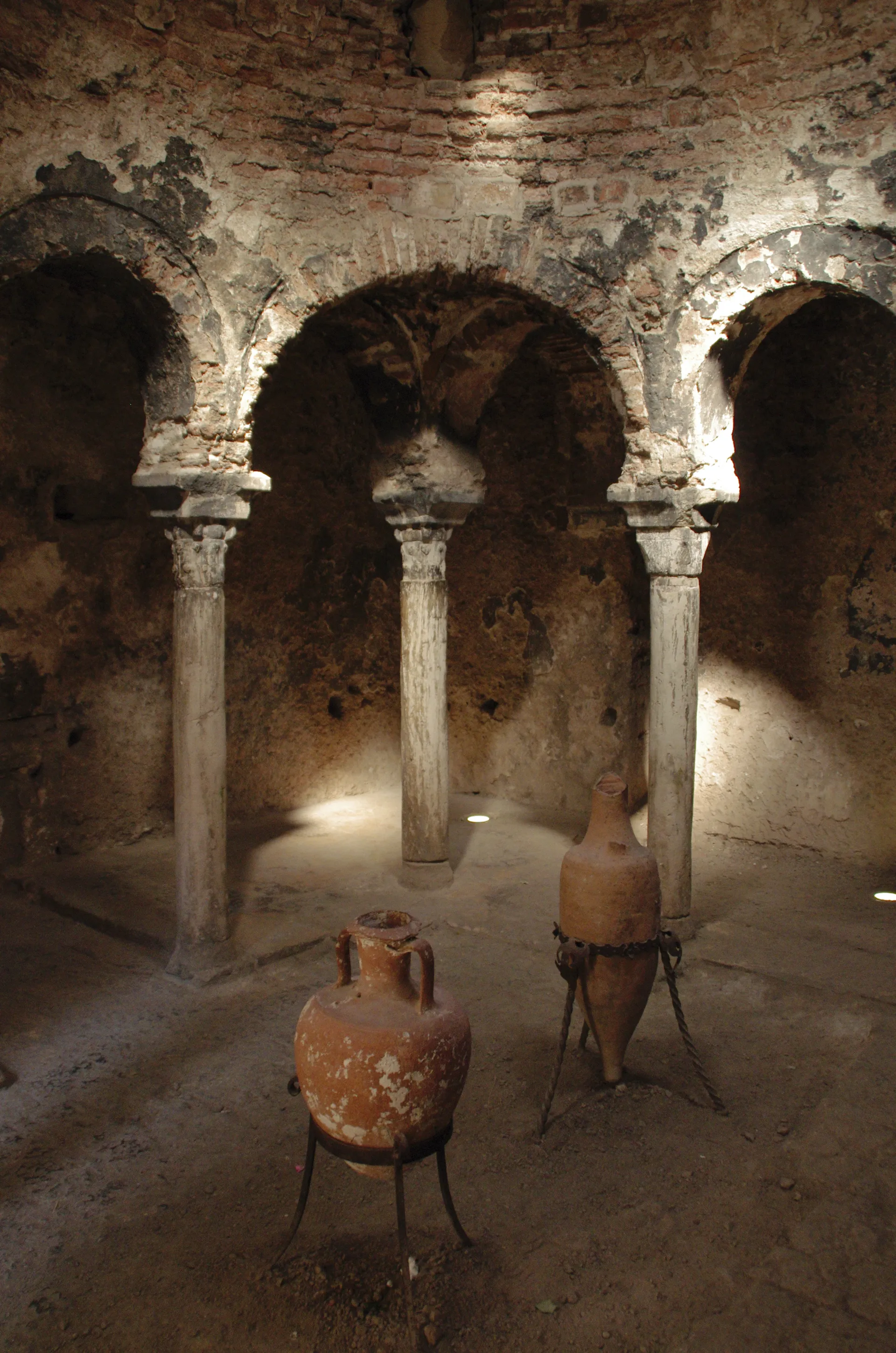
Palma's only surviving Moorish-era structure, a 10th-century bathhouse with a horseshoe-arched chamber supported by mismatched columns salvaged from Roman and earlier sites. The intimate caldarium (hot room) retains its original dome with round skylights. The serene walled garden behind with palm and citrus trees completes the experience.

Casco Antiguo
Mercat de l'Olivar
Must visit
Market5.0

Mercat de l'Olivar

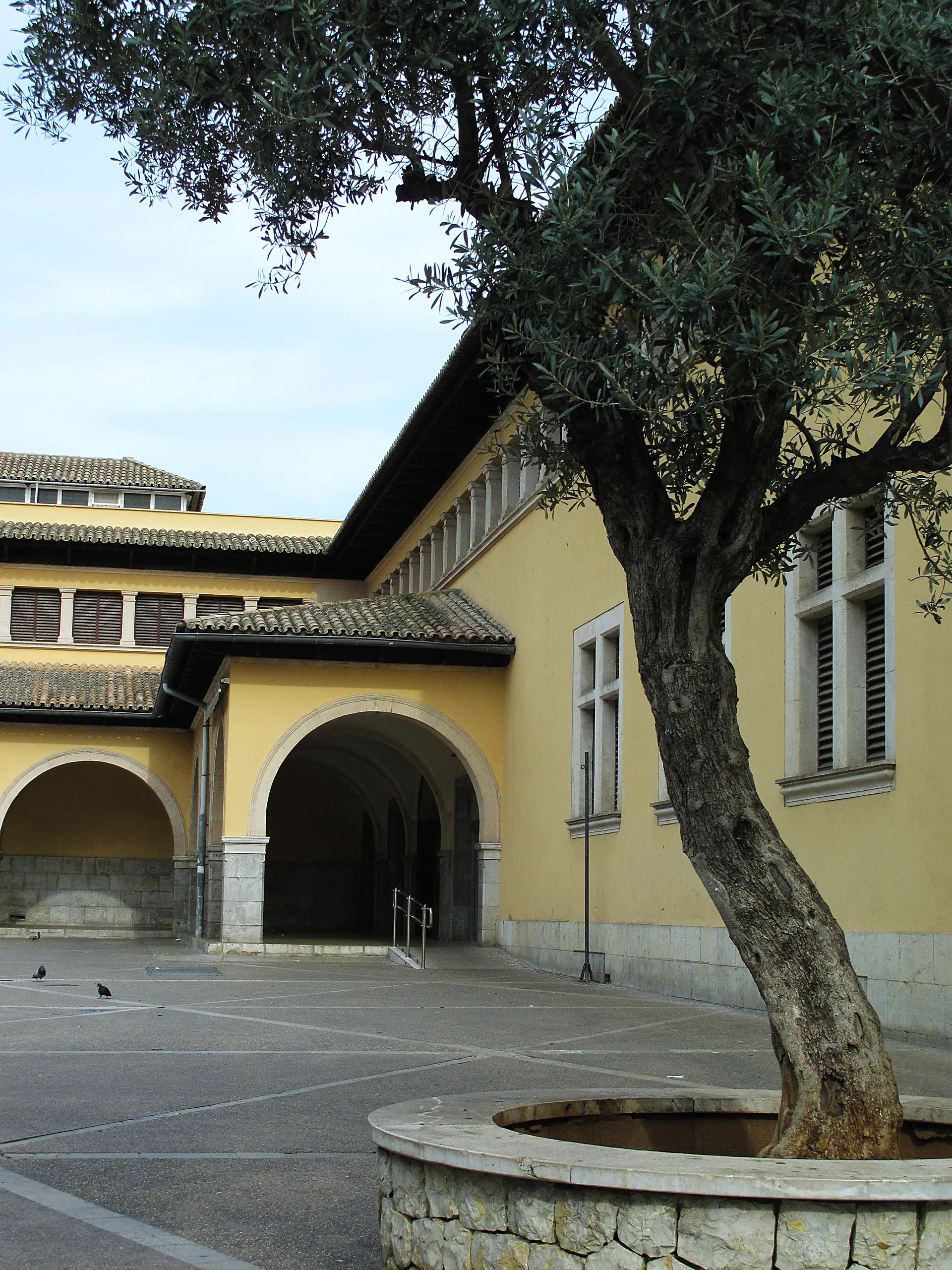
Palma's largest and most vibrant covered market, operating since 1951. Over 100 stalls sell fresh fish, cured meats, local cheeses, olives, and seasonal fruits. Several tapas bars inside serve market-fresh bites at counter seats.

Centre
Es Baluard Museu d'Art Contemporani
Museum4.0

Es Baluard Museu d'Art Contemporani

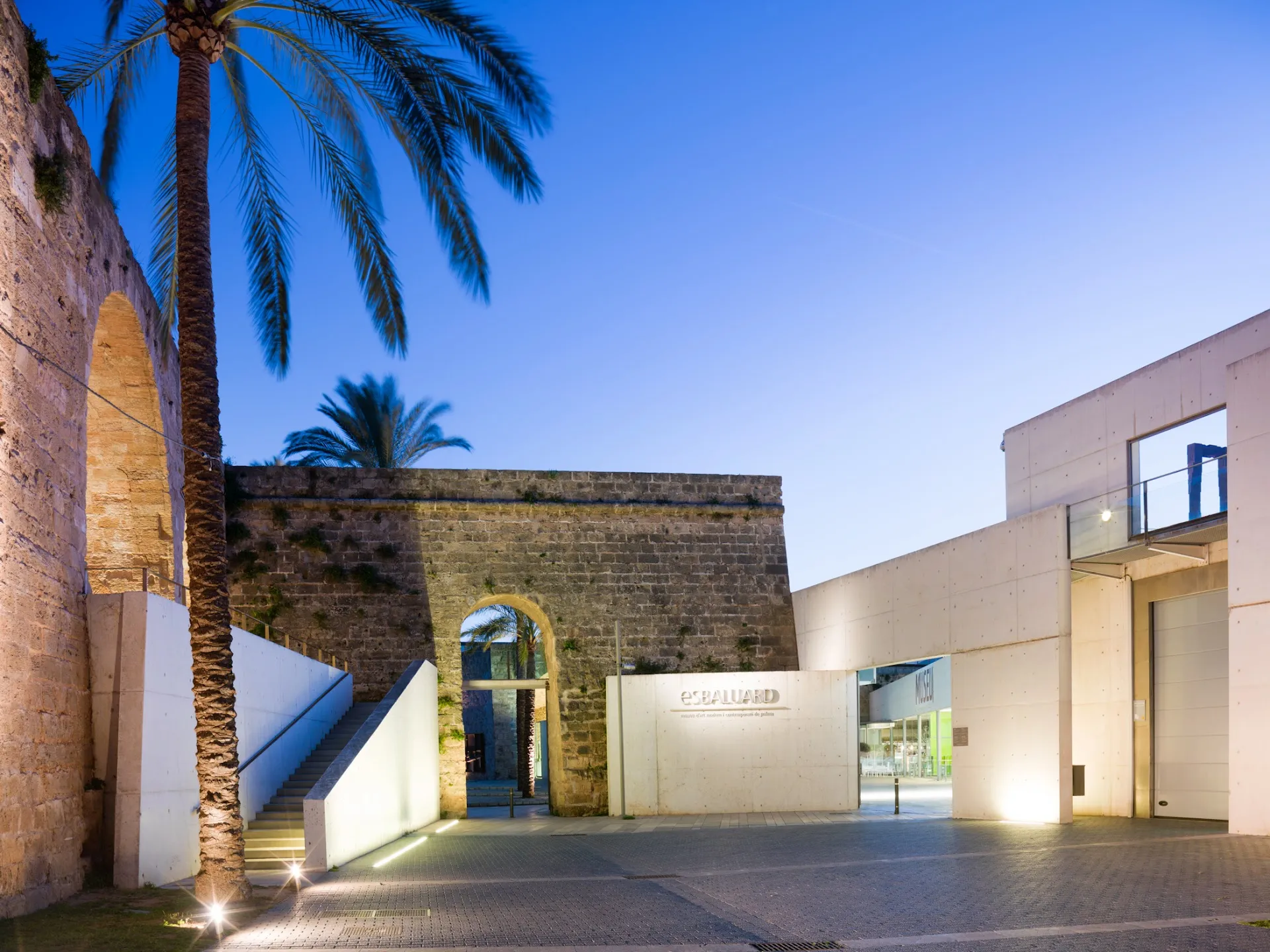
Palma's premier contemporary art museum housed in a striking building integrated into the Renaissance-era city walls. The collection spans from the late 19th century to the present, with works by Picasso, Miro, Barcelo, and leading Balearic artists.

Santa Catalina
Fundacio Pilar i Joan Miro
Must visit
Museum5.0

Fundacio Pilar i Joan Miro

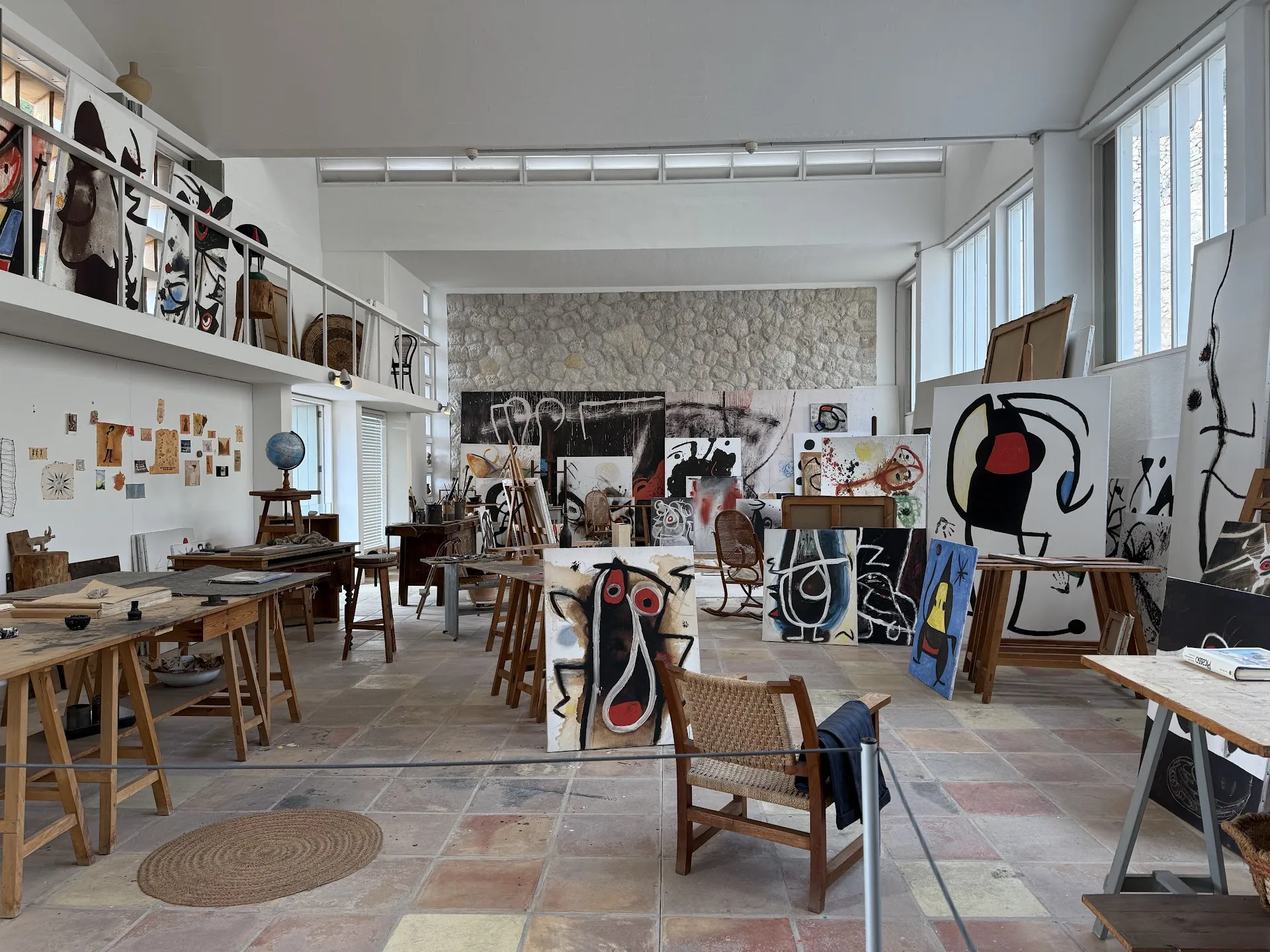
Joan Miro's Mallorcan studio and home, now a museum and foundation. The Moneo-designed building houses rotating exhibitions from Miro's vast body of work, while the preserved studio reveals the creative chaos where the master worked until his death in 1983.

Cala Major
Passeig des Born Boulevard
Landmark

Passeig des Born Boulevard

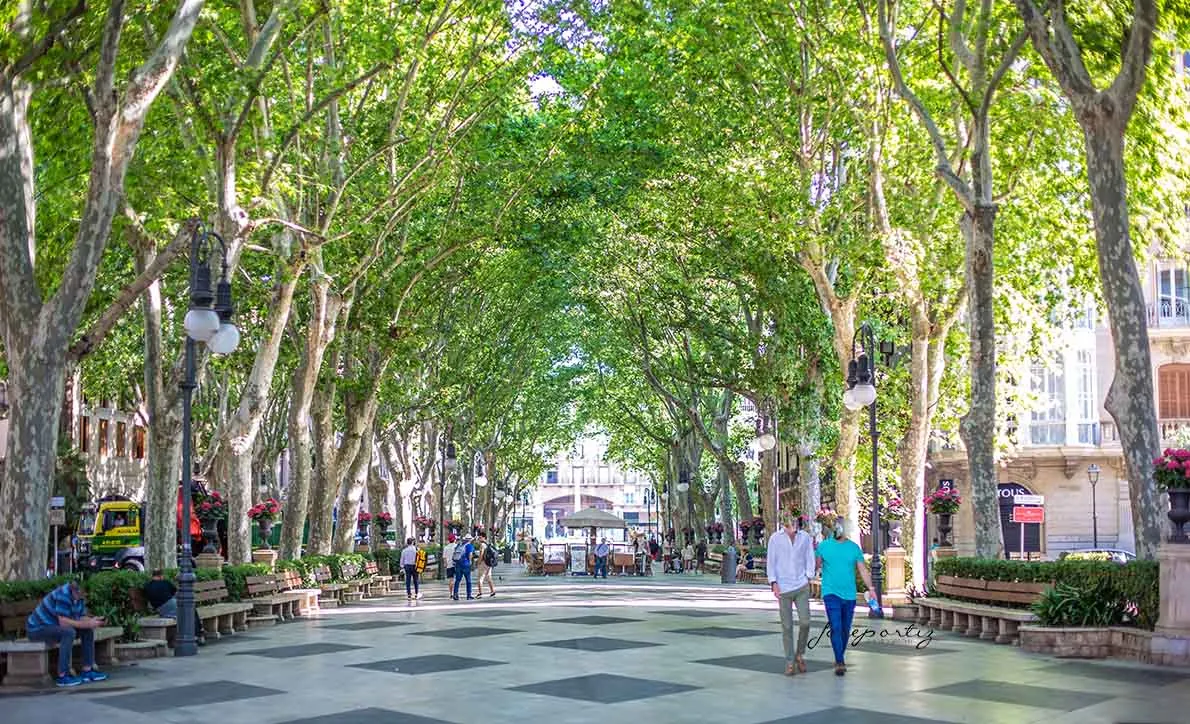
Palma's most elegant boulevard and the traditional heart of city life. The tree-lined promenade is flanked by grand 18th and 19th-century facades housing upscale boutiques, historic cafes, and mansion courtyards. Originally a dried riverbed, the Born has been the stage for the evening paseo for centuries. Stone benches beneath plane trees offer a front-row seat to the city's rhythm.

Passeig des Born, Palma centre
Convent de Sant Francesc
Temple4.0

Convent de Sant Francesc

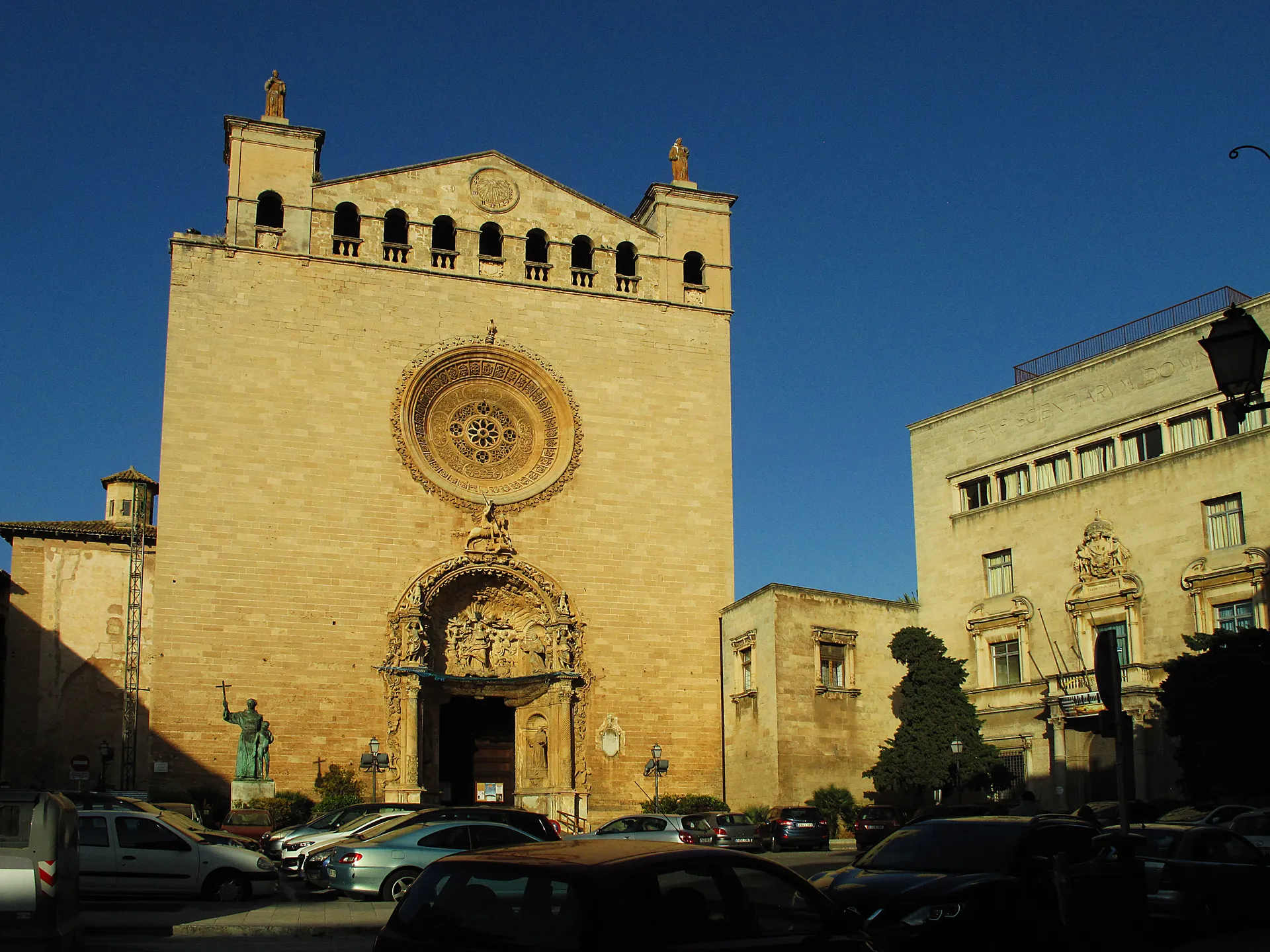
A 13th-century Franciscan church with a baroque facade added after a lightning strike in 1580, housing the tomb of Ramon Llull, Mallorca's most celebrated medieval philosopher. The real treasure is the Gothic cloister: an exquisite two-storey arcade of slender pointed arches surrounding a garden of orange trees and a central well.

Casco Antiguo
Playa de Palma
Other4.0

Playa de Palma

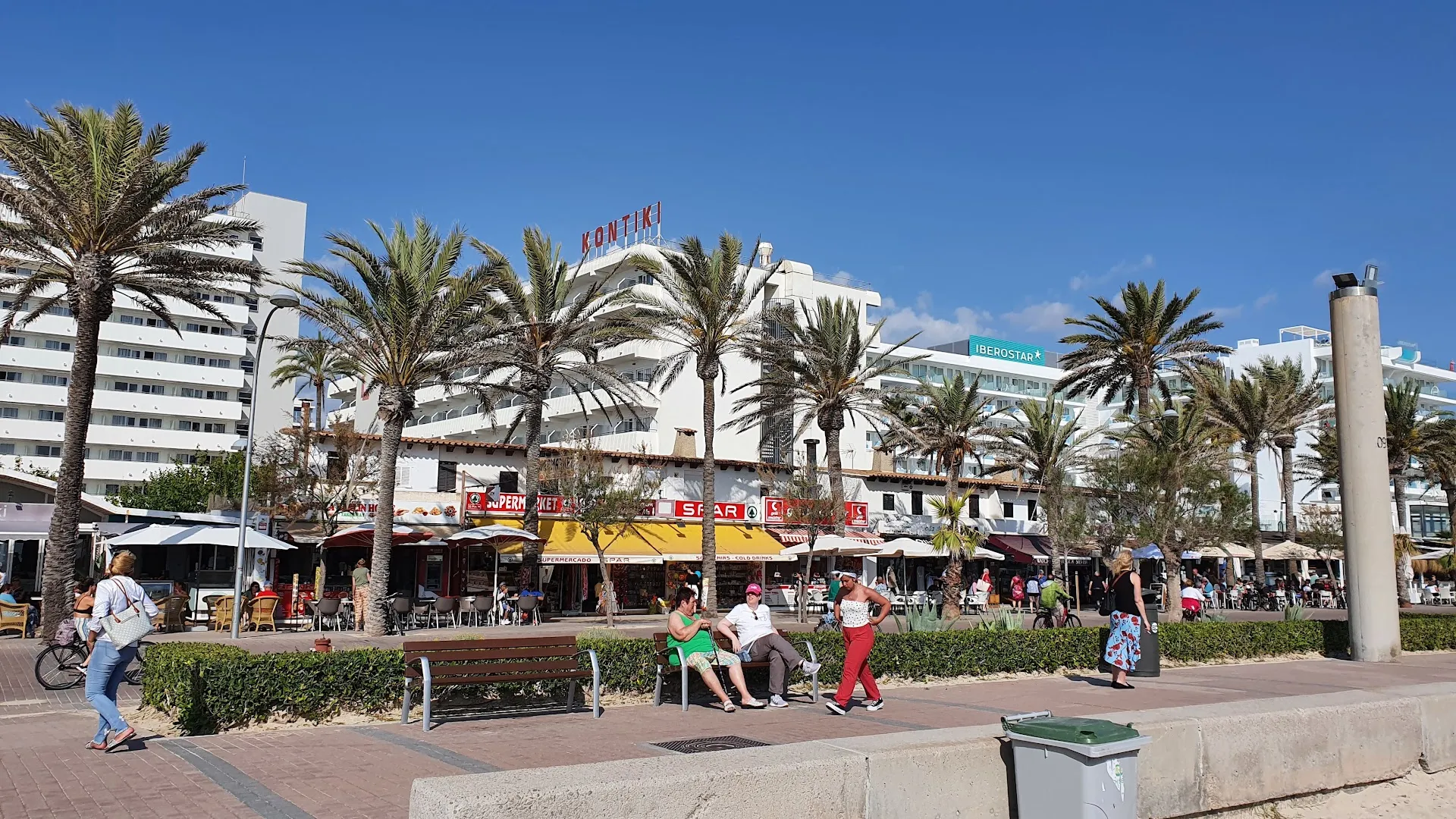
A sweeping 4.6-kilometer stretch of fine white sand running from Can Pastilla to S'Arenal along Palma's southeastern coast. Shallow turquoise water, a long promenade with cycling path, beach bars (balnearios), and easy bus access from the city center.

Platja de Palma

Tours & experiences

Free walking tours and curated paid experiences — save or book in a tap.

See all
Old Town Walking Tour
Tour

Old Town Walking Tour

Wander Palma's labyrinthine old town through centuries of layered history. Pass through the 10th-century Arab Baths, peek into grand aristocratic courtyards with their signature Mallorcan arches, and trace the streets of the Call (Jewish quarter) before emerging at the cathedral and Parc de la Mar.

Casco Antiguo, Palma2.5-3 hours
Old Town Gothic Quarter Walking Tour
Tour

Old Town Gothic Quarter Walking Tour

Explore Palma's medieval heart through narrow stone streets that reveal layers of Moorish, Gothic, Renaissance, and baroque architecture. The route passes the Llotja (Gothic trade hall), aristocratic courtyards with their distinctive Mallorcan arches, the Convent de Sant Francesc's cloister, the Arab Baths, and the Call (Jewish quarter), all connected by atmospheric alleyways barely wide enough for two people.

Casco Antiguo, Palma2.5-3 hours
La Seu Cathedral Rooftop Tour
Tour

La Seu Cathedral Rooftop Tour

Climb to the rooftop terraces of Palma's Gothic cathedral for a perspective few visitors experience. Walk along flying buttresses, peer down through the great rose window from above, and take in sweeping views over the bay, the old town rooftops, and the Tramuntana mountains on the horizon.

La Seu Cathedral, Casco Antiguo1.5 hours
Santa Catalina Neighborhood Food Tour
Food

Santa Catalina Neighborhood Food Tour

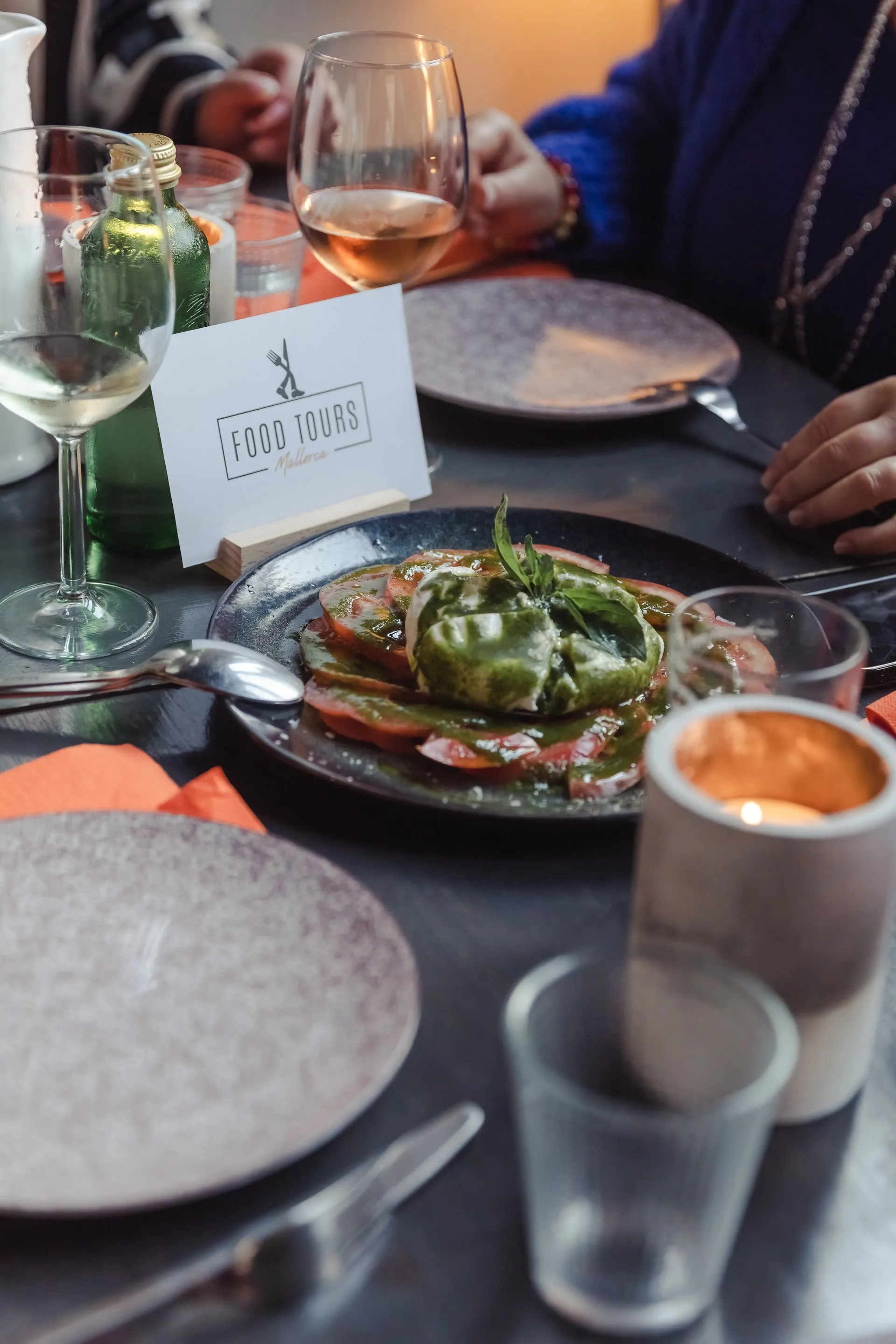
Eat and drink your way through Palma's trendiest neighborhood. Starting at the local Mercat de Santa Catalina, sample Mallorcan cheeses, sobrassada, craft vermouth, and freshly fried tapas before hitting the surrounding streets packed with some of the city's best restaurants and wine bars.

Santa Catalina, Palma3 hours
Day Trip to Serra de Tramuntana
Outdoor

Day Trip to Serra de Tramuntana

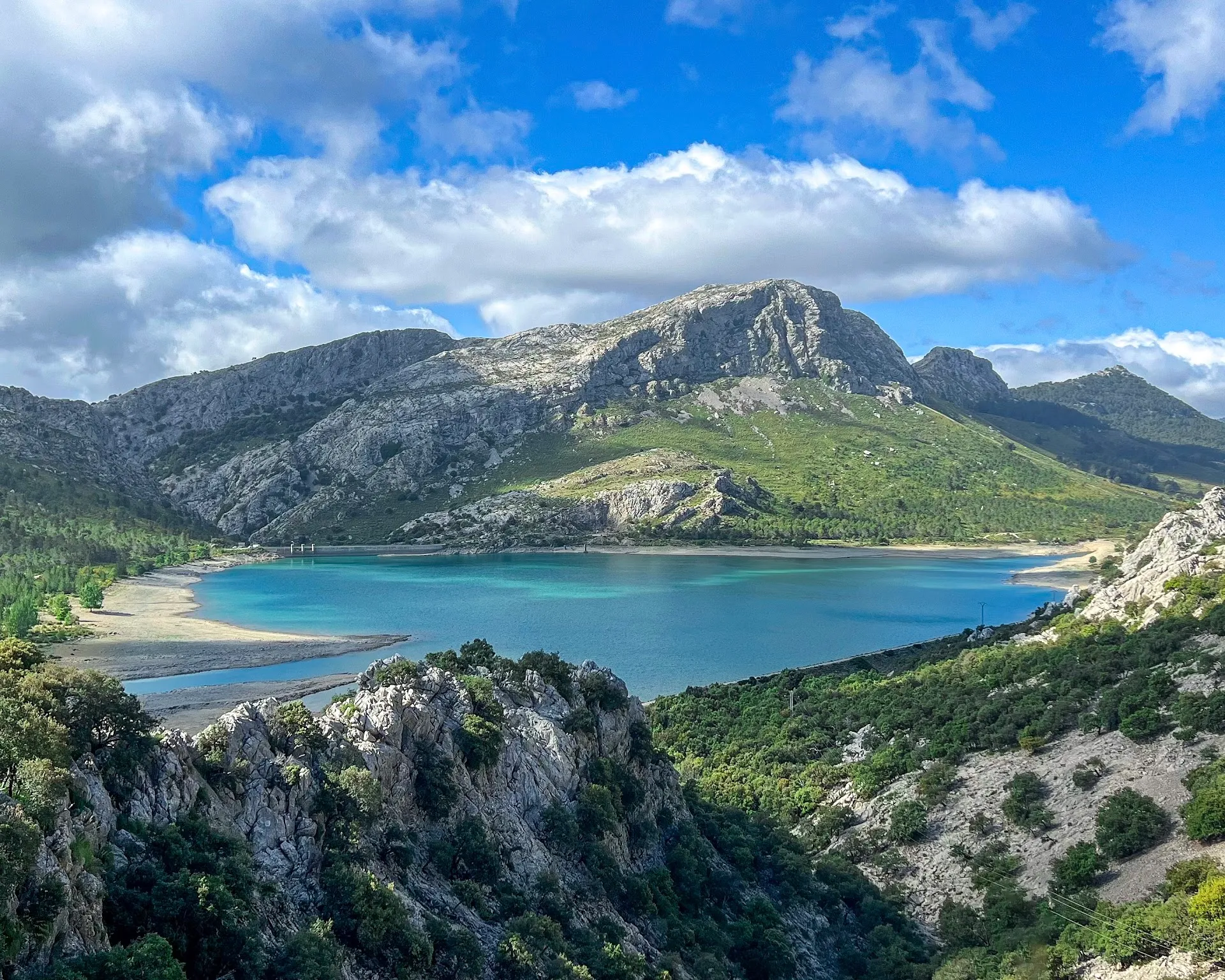
Escape to the UNESCO-listed Tramuntana mountain range for dramatic limestone peaks, ancient olive terraces, and trails through pine and oak forests. Popular routes include the Cami de s'Arxiduc loop above Valldemossa and the coastal path from Deia to Cala Deia.

Serra de Tramuntana, northwest MallorcaFull day (6-8 hours)
Boat Trip Along the Coast
Outdoor

Boat Trip Along the Coast

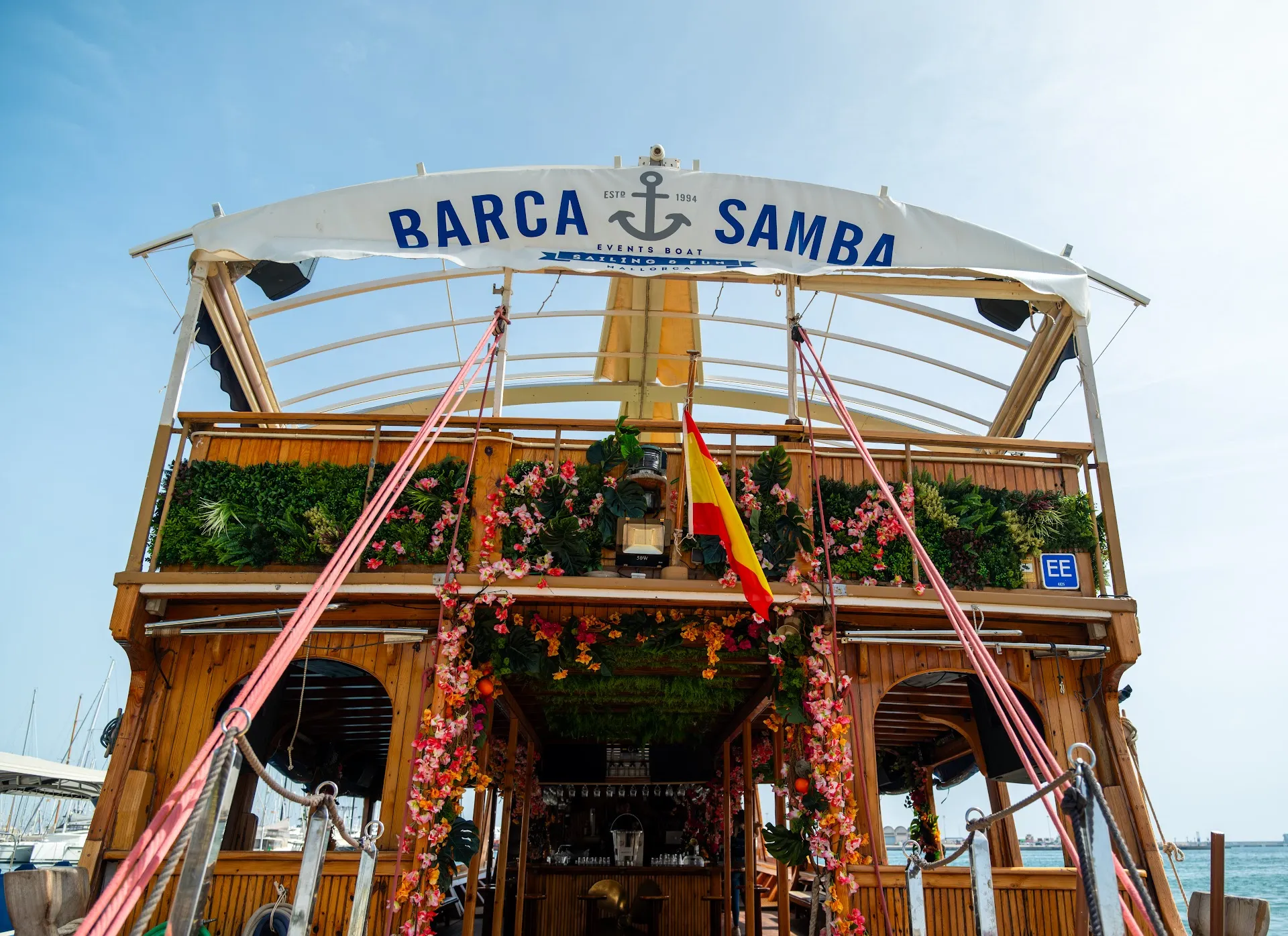
Set sail from Palma's port to explore the coves and cliffs of the southwestern coast. Most trips pass Cap de Cala Figuera, stop in secluded calas for swimming, and offer views of Bellver Castle and the cathedral skyline from the water. Catamaran, sailboat, and private charter options available.

Port de Palma, Passeig Maritim3-5 hours

Nightlife & live music in Palma de Mallorca

Clubs, jazz dens, listening bars and late-night spots worth staying out for.

Anima Beach Club
Club4.0

Anima Beach Club

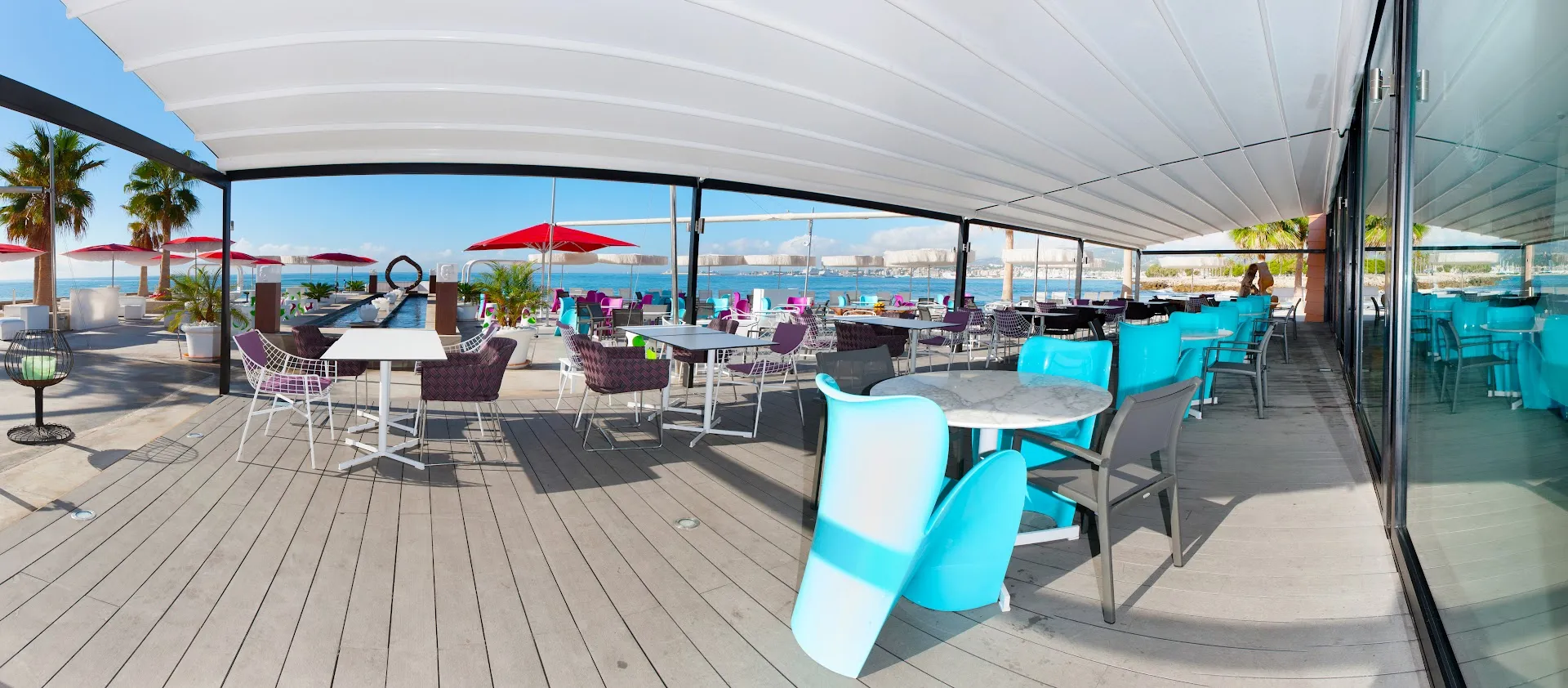
Laid-back beach club on Palma's waterfront with direct access to a small sandy beach. By day it serves Mediterranean food and cocktails on sun loungers; by night it transforms with DJ sets and a festive open-air atmosphere.

Portixol
Ginbo Cocktail Bar
Bar4.0

Ginbo Cocktail Bar

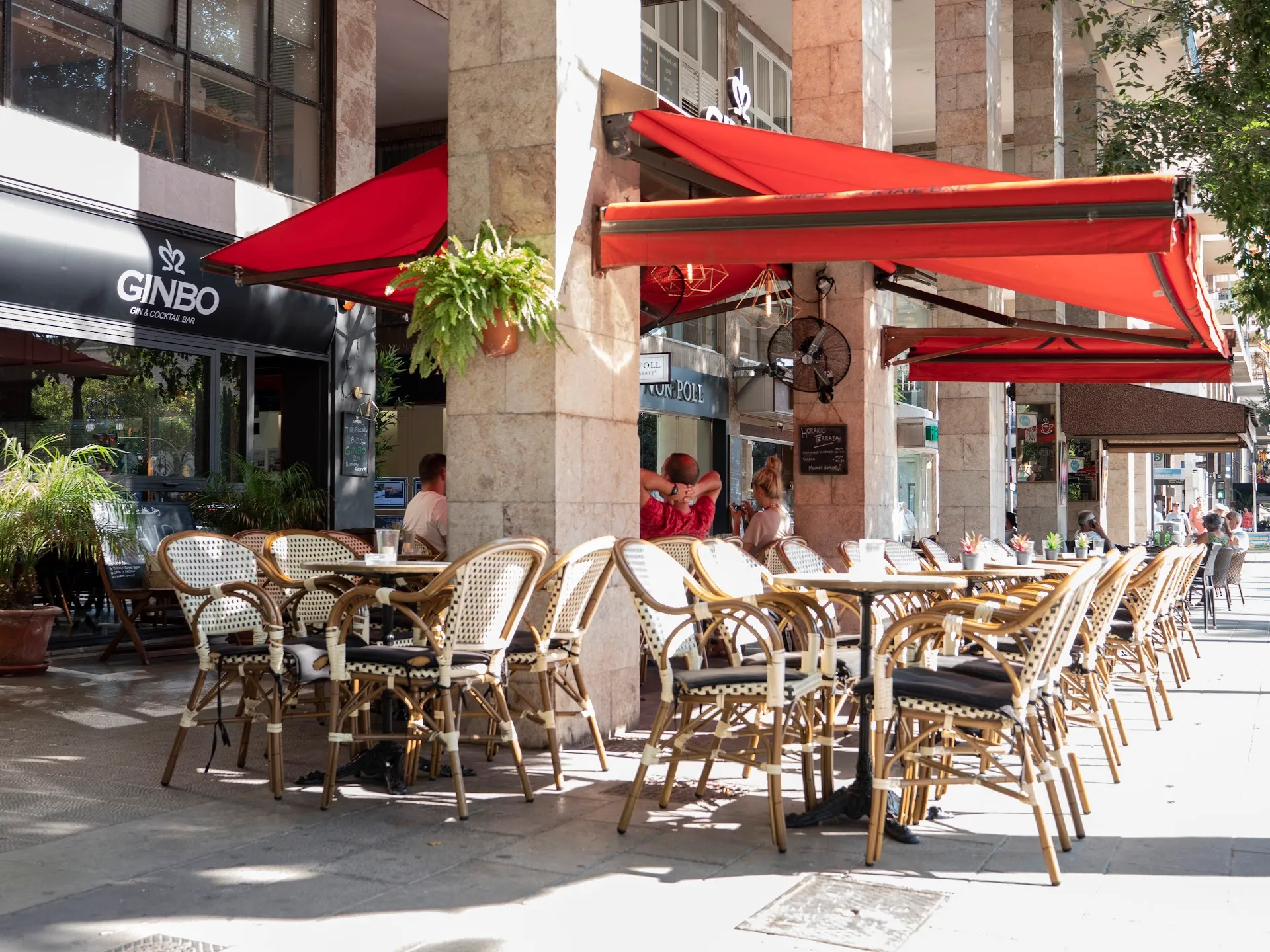
Intimate cocktail bar specializing in gin with over 50 varieties from around the world. The bartenders craft bespoke cocktails tailored to your taste preferences in a stylish, dimly lit setting.

Santa Catalina
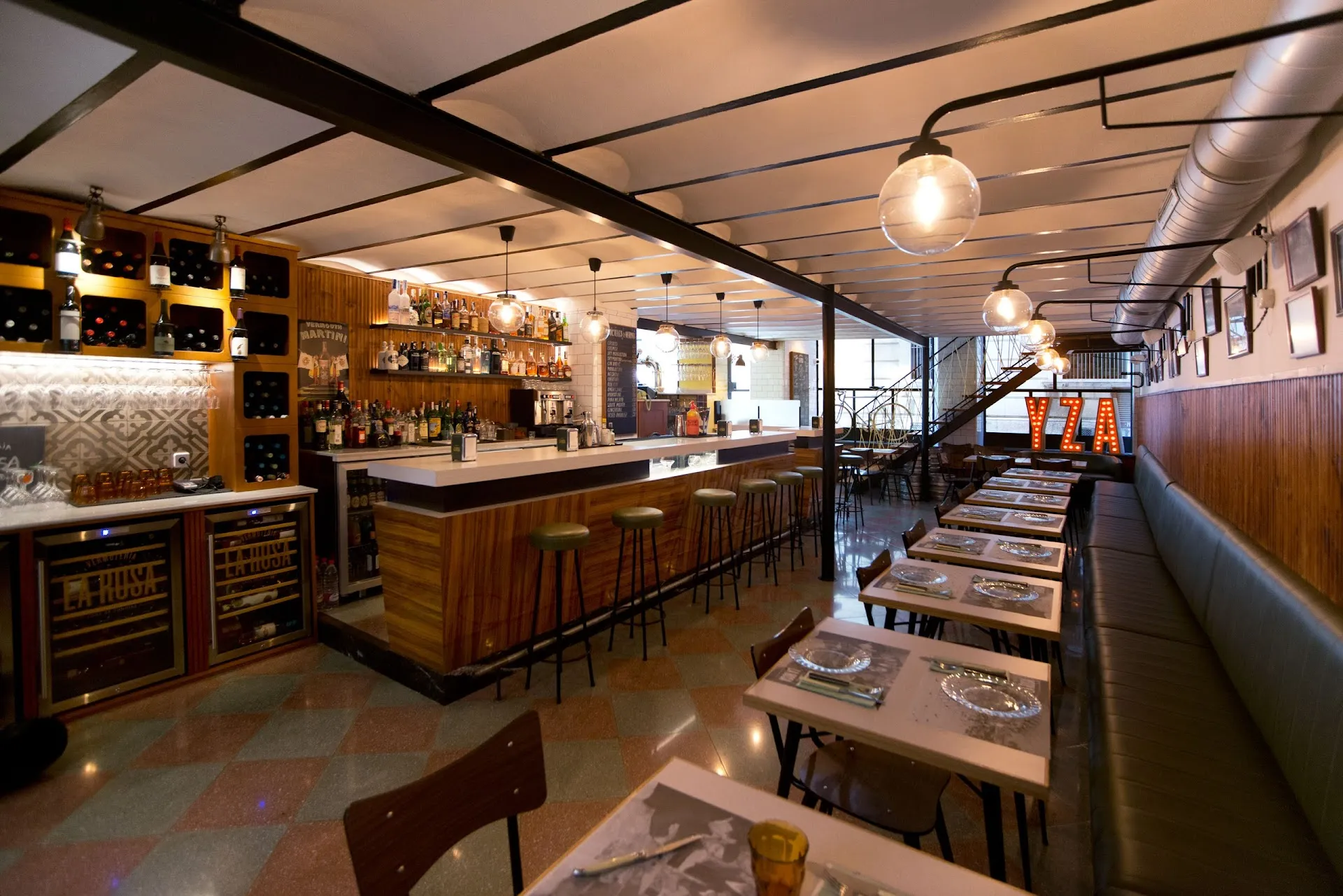
La Rosa Vermuteria
Bar4.0

La Rosa Vermuteria

A cozy vermuteria tucked into a narrow old town street, specializing in vermouth on tap and small bites. The casual, unpretentious vibe draws a mixed crowd of locals and visitors for pre-dinner drinks.

Casco Antiguo

What it costs

Daily budgets and typical prices to plan your spend.

Backpacker
€70/ day
Mid-range
€140/ day
Luxury
€350/ day
Cheap meal
€15
Restaurant meal
€30
Coffee
€2.0
Local beer
€3.0
Transit ticket
€1.8
Taxi (1km)
€1.3

Cost index 60 (New York = 100).

When to go

Best time to visit
May, June, and September are ideal: warm, sunny days, a sea warm enough to swim, and the beaches and terraces in full swing, without the peak-August heat and crowds. Spring and autumn are mild and great for hiking the Tramuntana; winter is quiet and cheap, though many resort businesses close.
Crowds
High
PeakJune, July, August
ShoulderApril, May, September, October
QuietNovember, December, January, February, March
Major events
  • Sant Sebastia (Palma's patron saint, bonfires & correfoc)January
  • Semana Santa (Holy Week processions)April
  • Sant Joan (Midsummer bonfires)June
  • Nit de l'Art (galleries & museums open late)September

Good to know

Practical info before you go.

Tipping
Appreciated — Tipping is not obligatory and service is included. Locals round up or leave around 5-10% for good restaurant service; for a coffee, a drink, or a casual meal, leaving the small change is plenty.
Tap water
Safe to drink
Power
Type C/F · 230V
Safety
High — Palma is a very safe city with little violent crime. The main risk is pickpocketing in crowded tourist spots, the cathedral, the markets, and the A1 airport bus, so keep bags zipped and in front. The tap water is safe but hard and unpleasant-tasting (most drink bottled), and the Playa de Palma / S'Arenal strip becomes a rowdy party zone in high summer.
Emergency
112
Visa-free for
United States, Canada, United Kingdom, European Union, Australia, New Zealand

Local culture

Language
Catalan (Mallorqui) & Spanish
English
High
Dress code
Smart Casual
Useful phrases
Hola / Bon dia
Hello / Good morning (Catalan)
Gracies / Gracias
Thank you (Catalan / Spanish)
Per favor / Por favor
Please (Catalan / Spanish)
Perdoni / Perdon
Excuse me (Catalan / Spanish)
Parla angles? / Habla ingles?
Do you speak English?
El compte, si us plau
The bill, please (Catalan)
Local customs
  • Mallorca speaks its own Catalan dialect (Mallorqui) alongside Spanish; a few words in either are warmly received
  • Meals run late: lunch around 2pm, dinner from 8.30-9pm; many kitchens close mid-afternoon
  • Many shops close for a midday break and on Sundays, and some resort businesses shut entirely from November to February
  • Greet with two cheek kisses (right cheek first) among friends
  • Cards are widely accepted, but carry some cash for small bars, markets, and the historic cafes
Watch out for
  • Pickpocket teams around the cathedral, the markets, and on the crowded A1 airport bus
  • Overpriced tourist-menu restaurants in the most touristy lanes near the cathedral, walk a couple of streets away for better, cheaper food
  • Unofficial or unmetered taxis, use the marked white taxi ranks or an app and check the meter is running

Useful links

Official resources and quick searches for Palma de Mallorca.

Plan your Palma de Mallorca trip

Explore more of Spain

Frequently asked questions

How many days do you need in Palma de Mallorca?
Two to three days is ideal for the city itself: one for the old town and La Seu cathedral, one for Santa Catalina, Bellver Castle, and the bay, and a third to relax on the beach or wander the quieter quarters. Add a day or two more if you want island day trips to the Tramuntana mountains or the wild southern beaches.
What is the best way to get around Palma?
The historic centre is small and best explored on foot. For everything else the EMT city buses are cheap and reach the whole city, and from the airport the A1 bus gets you to the centre in under 20 minutes. You only really need a rental car for island day trips, not for the city.
Is Palma de Mallorca worth visiting, or just the beaches?
Very much worth it in its own right. Palma has one of Europe's most beautiful Gothic cathedrals, an atmospheric medieval old town, excellent food markets, world-class art (Miro, Es Baluard), and a lively waterfront, all in a compact, walkable centre. Many people are surprised it outshines the resorts.
Is Palma safe?
Palma is a very safe city with little violent crime. The main thing to watch is pickpocketing in crowded tourist spots such as the cathedral, the markets, and the airport bus, so keep bags zipped and in front. In high summer the Playa de Palma and S'Arenal strip becomes a rowdy party zone best avoided if you want a quiet night.
When is the best time to visit Palma de Mallorca?
May, June, and September offer the best balance of warm weather, a swimmable sea, and manageable crowds. July and August are hot and packed; spring and autumn are mild and great for hiking; winter is quiet and cheap, with January's Sant Sebastia festival a highlight.
Is Palma expensive?
It is moderately priced and cheaper than Barcelona for food and drink, with set lunches around 14-18 euros and most sights under 10 euros. The big variable is the season: summer accommodation and day-trip excursions push costs up sharply, while spring, autumn, and winter are far better value.

Ready to plan Palma de Mallorca?

Turn this guide into a real trip — itinerary, map, budget and friends, all in one place.