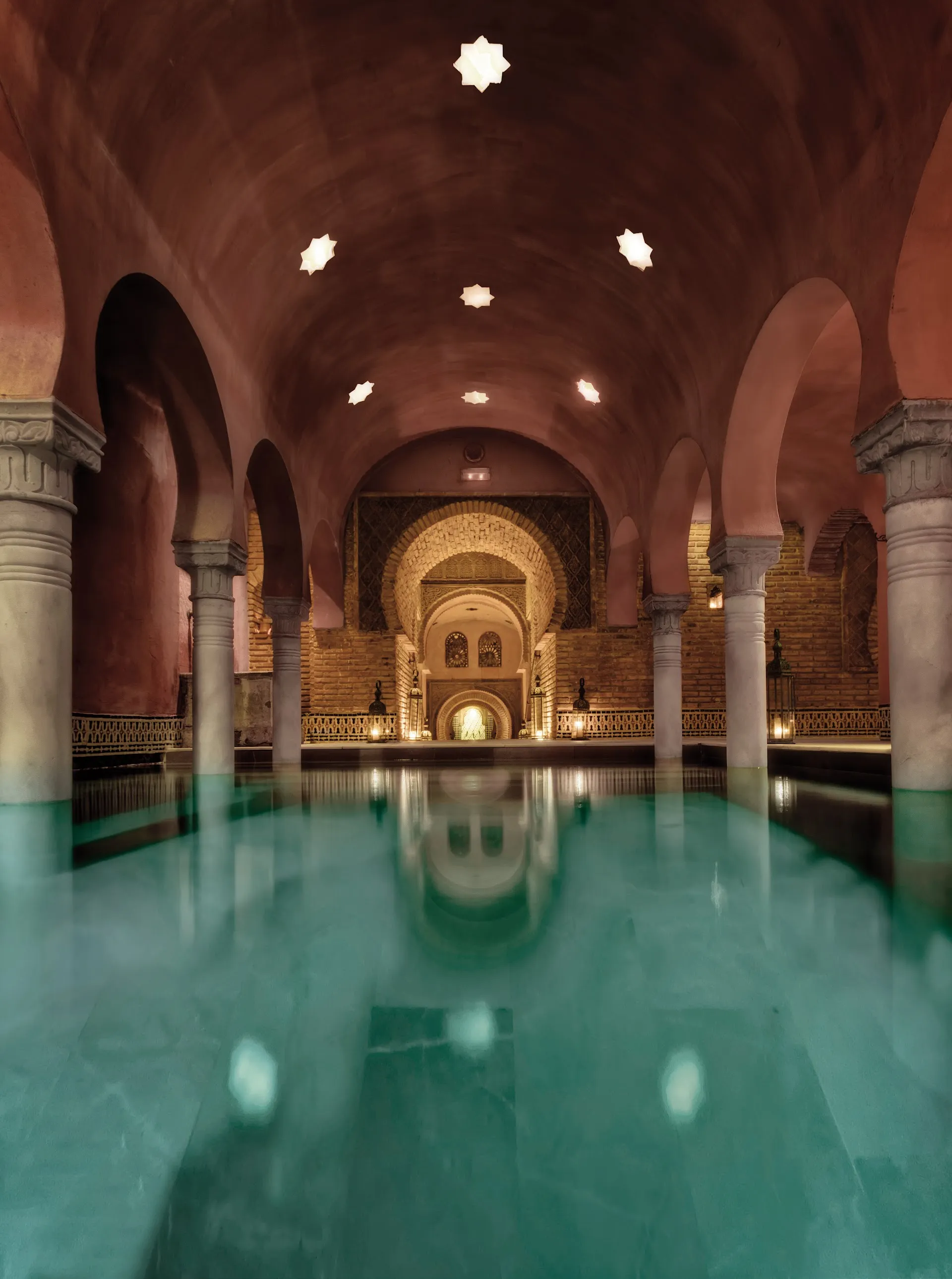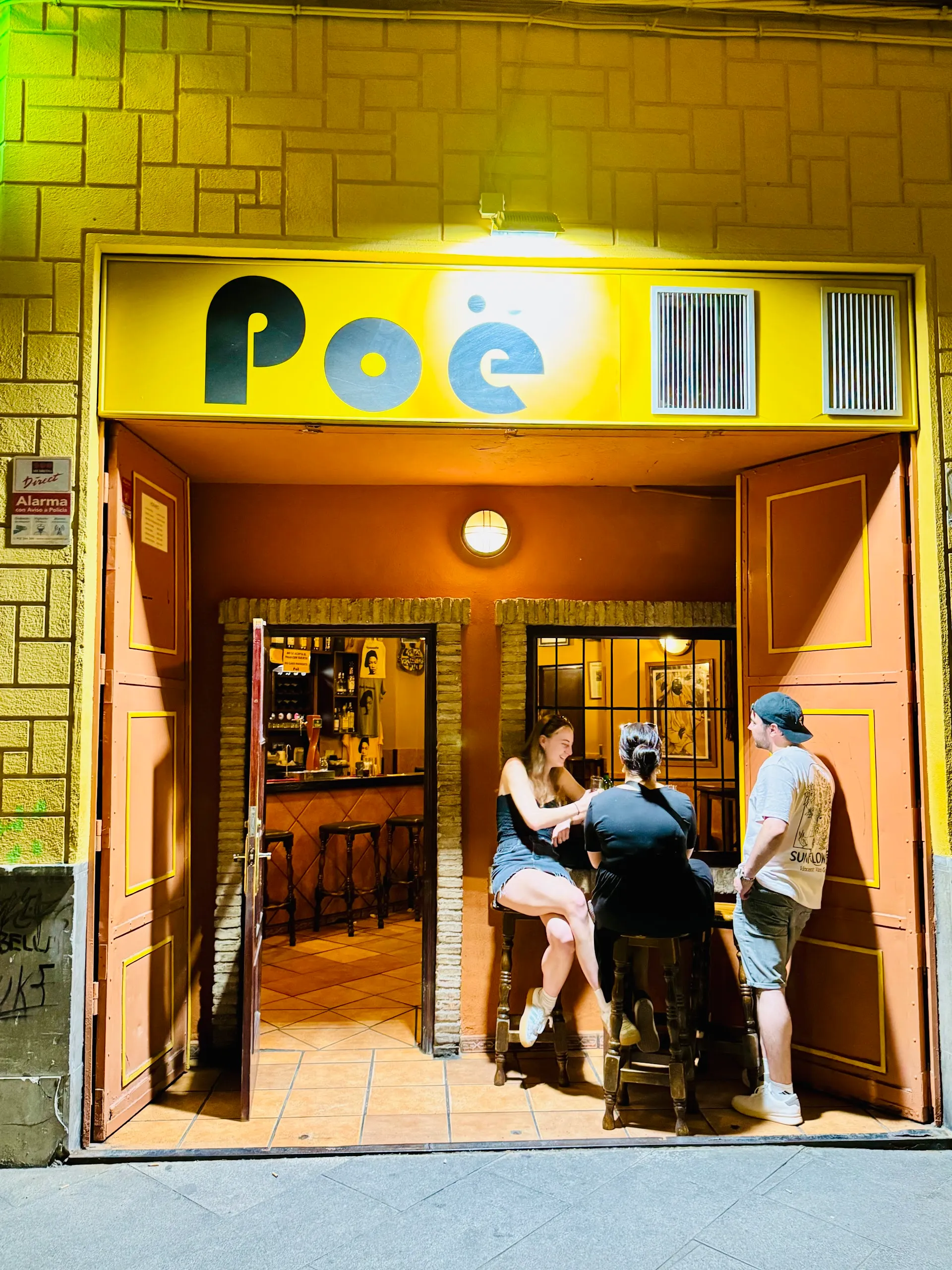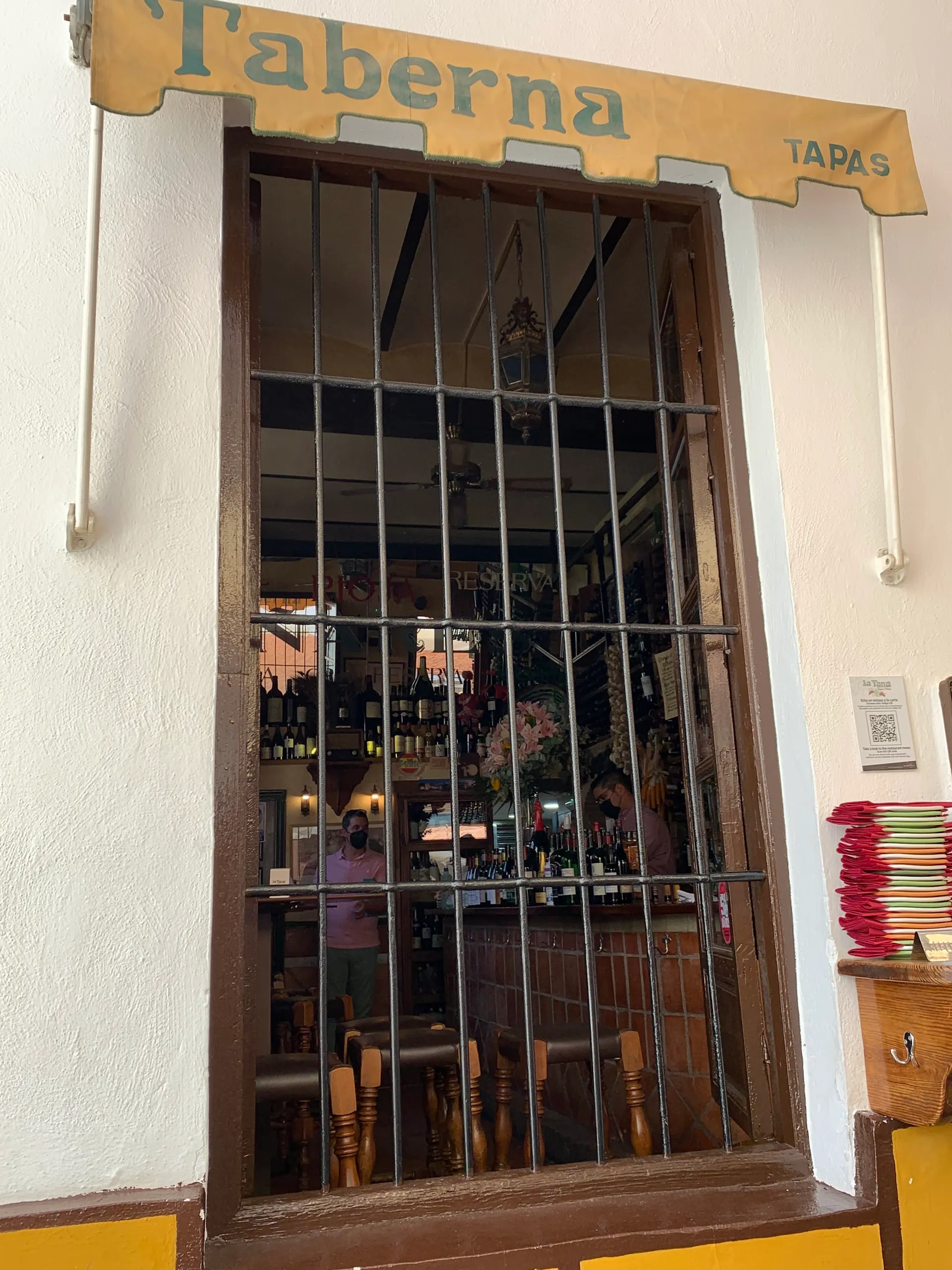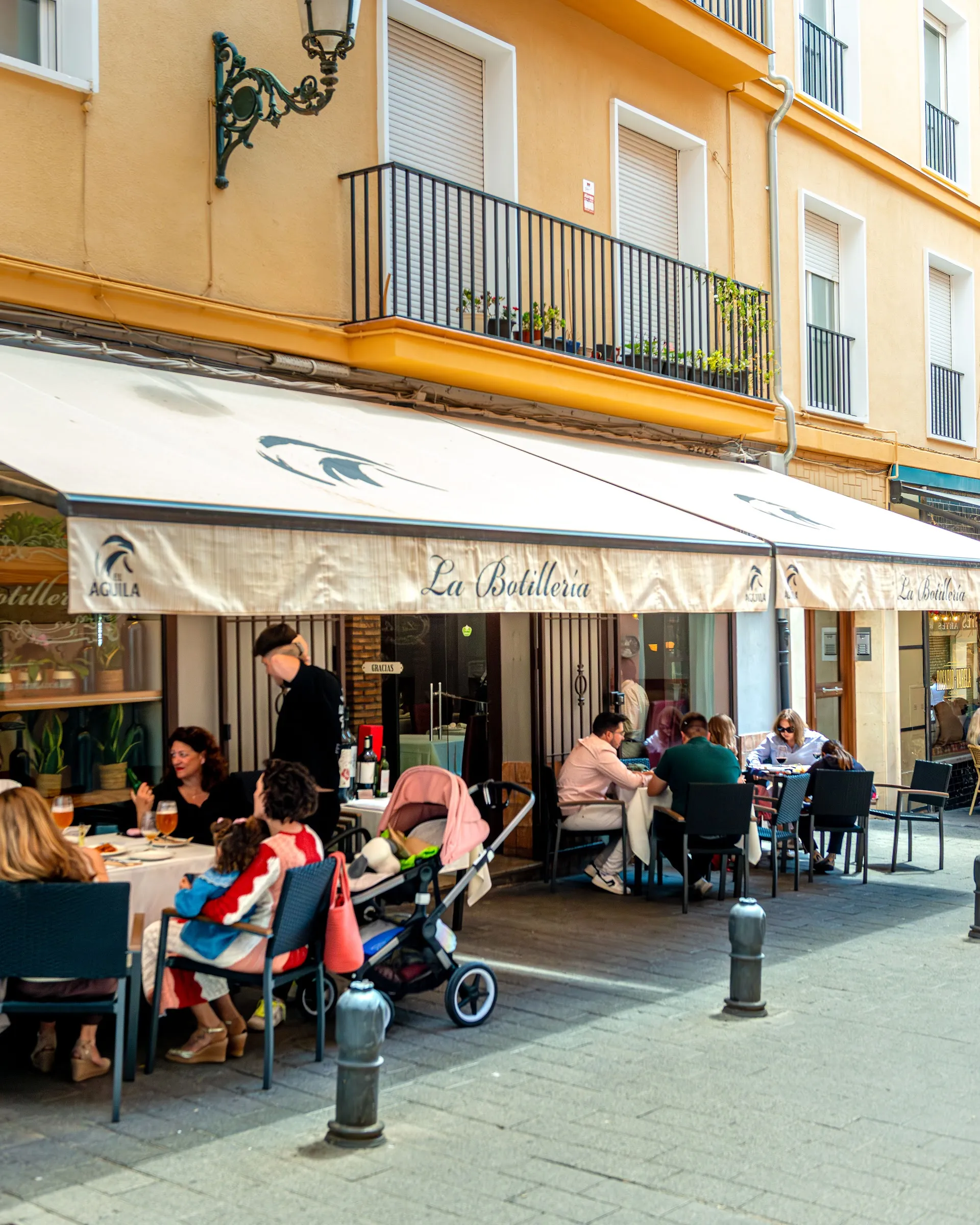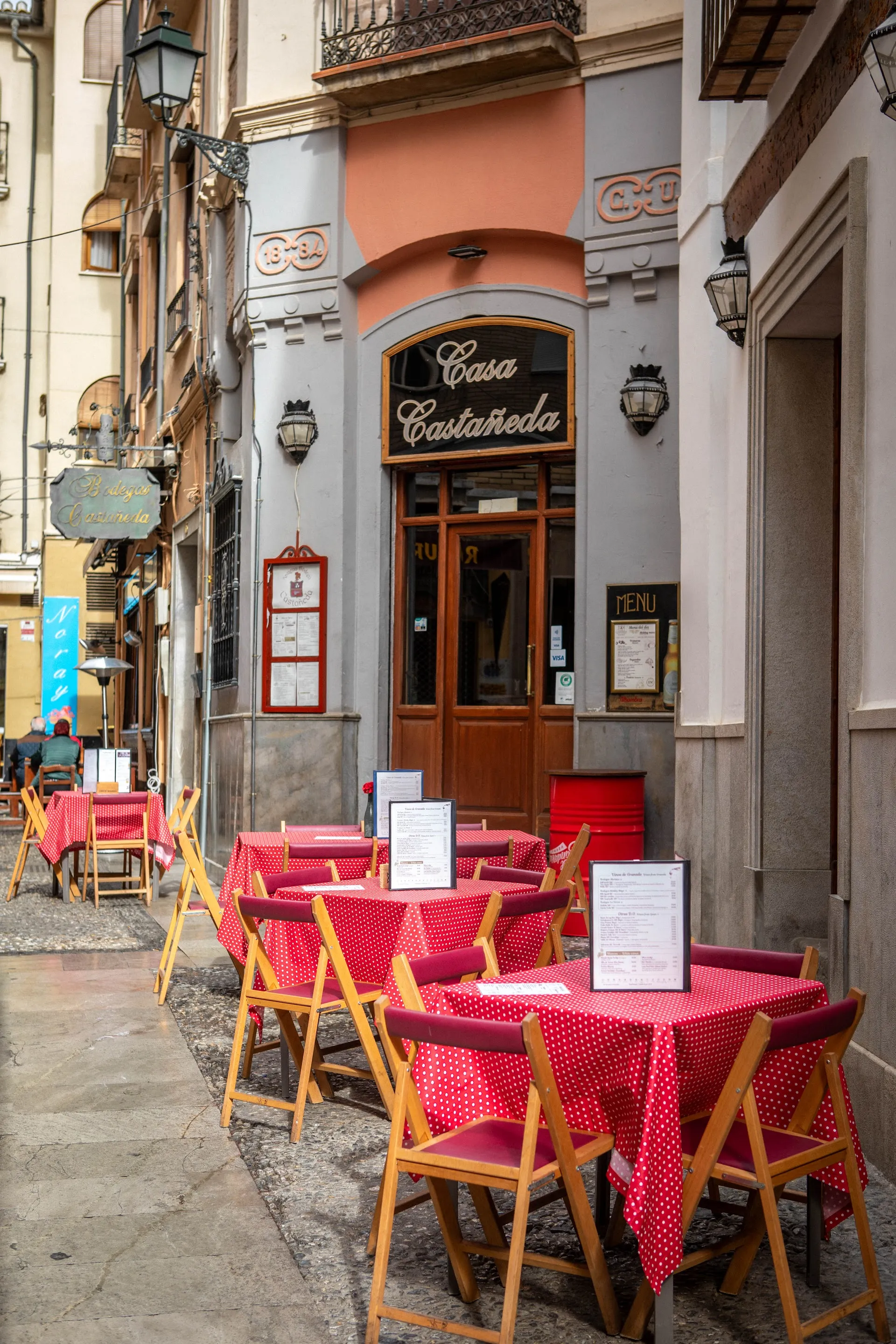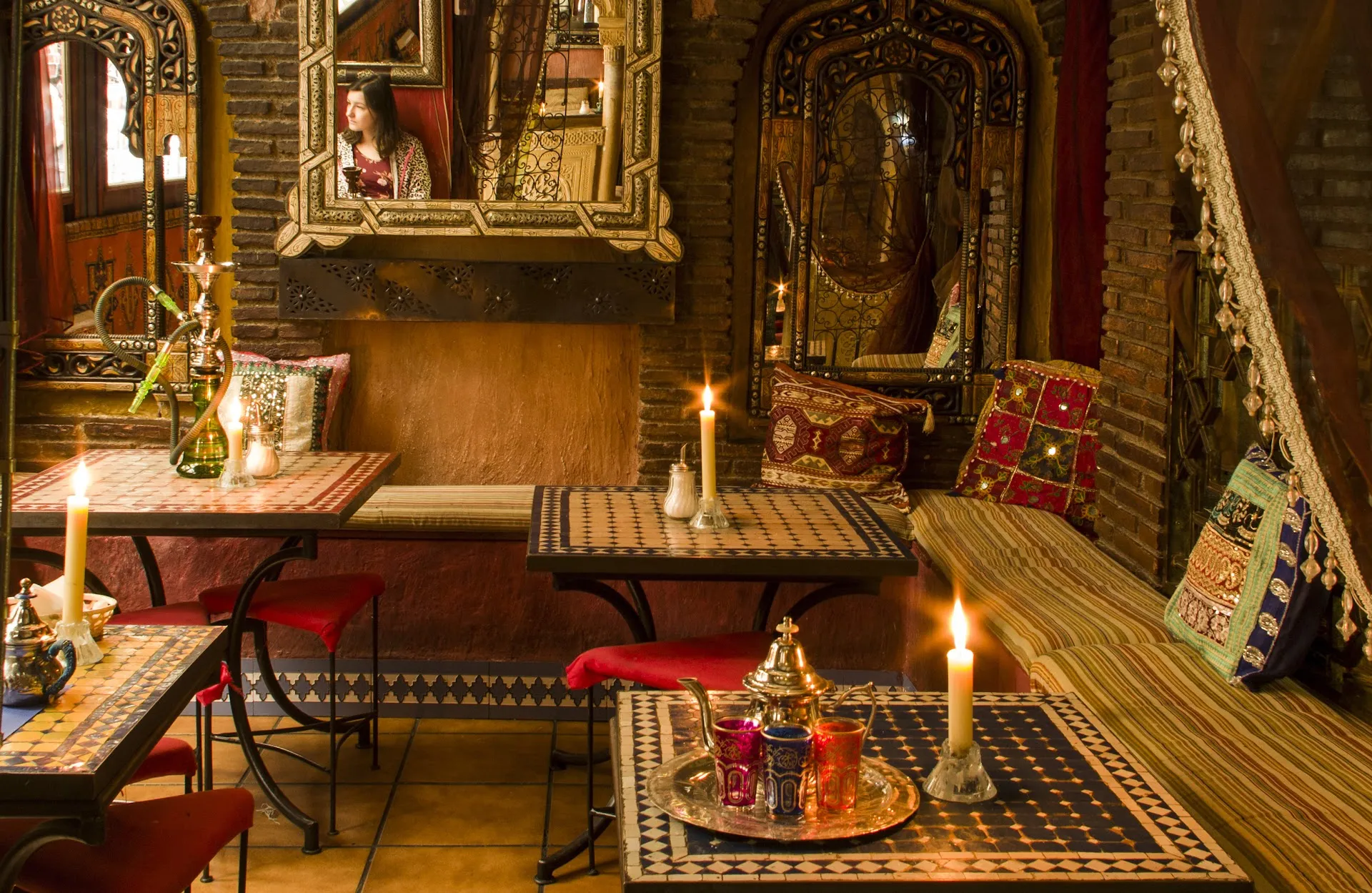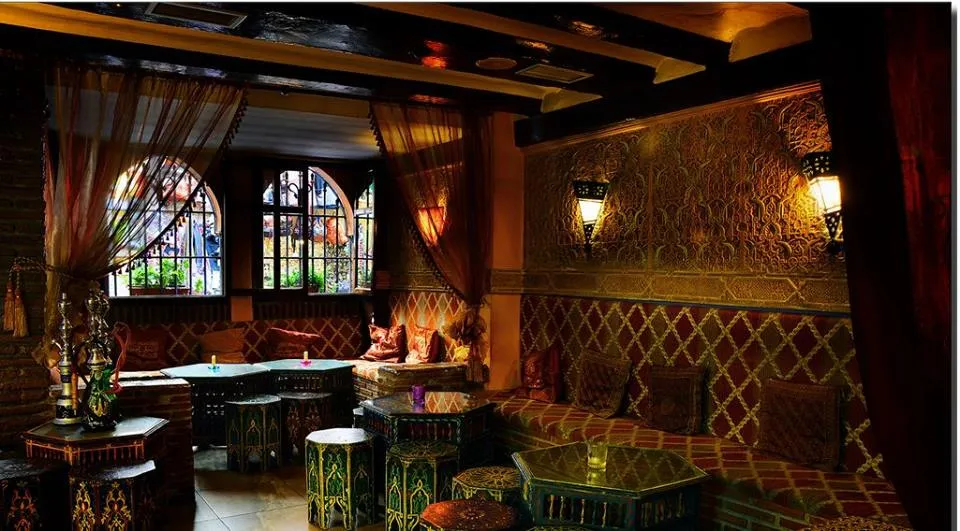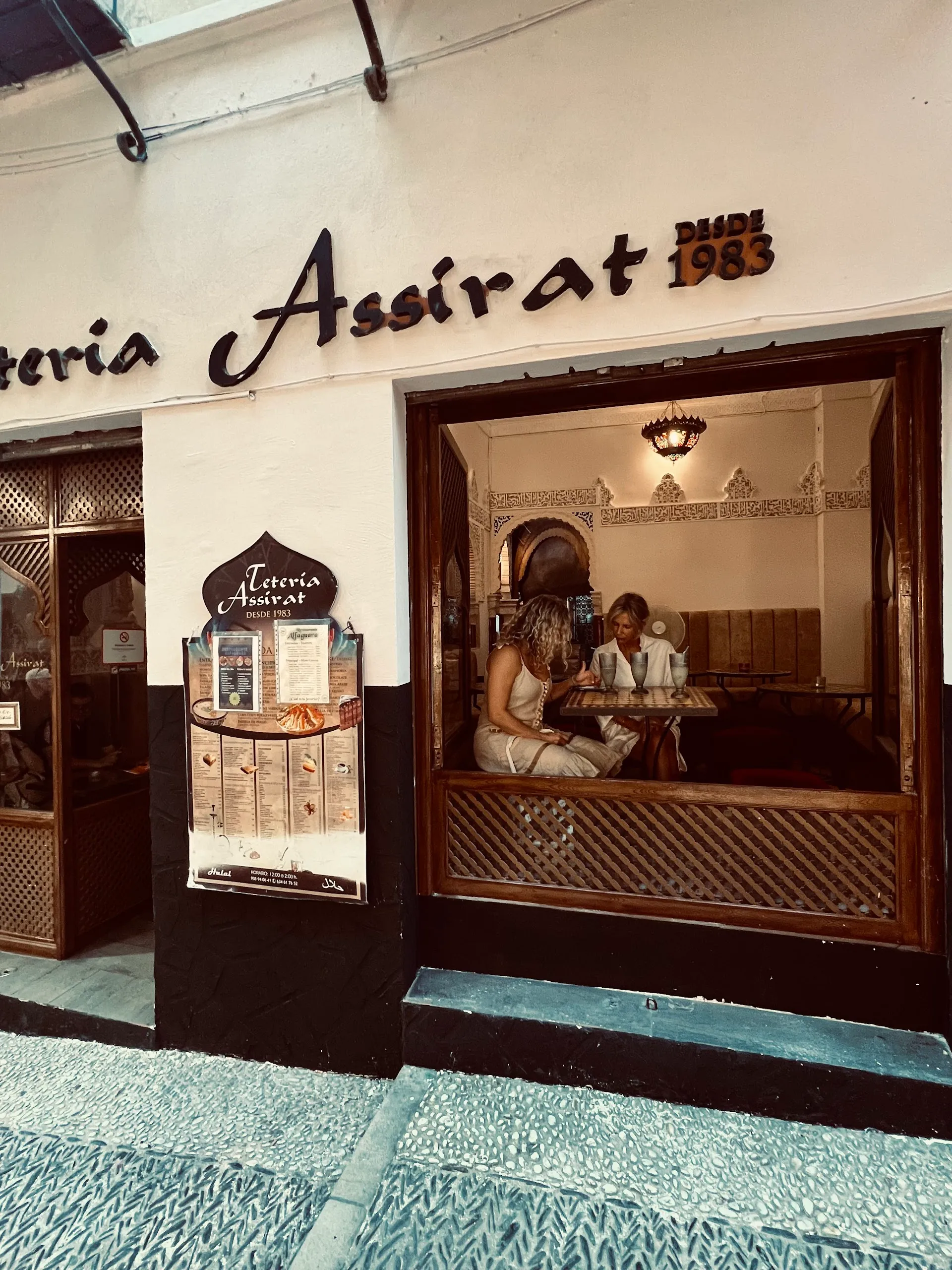
Granada is the last and most romantic chapter of Moorish Spain, a small city pressed against the snow-capped Sierra Nevada where a Nasrid palace, a labyrinth of whitewashed lanes, and the country's most generous free-tapas tradition all sit within an easy walk of each other. It was the final stronghold of Al-Andalus, surrendered to the Catholic Monarchs in 1492, and that hinge of history is written into its streets: Renaissance cathedrals raised over mosques, a hillside of caves where flamenco was born, and tea houses that still smell of mint and cardamom. Few cities of this size reward a visitor so richly.
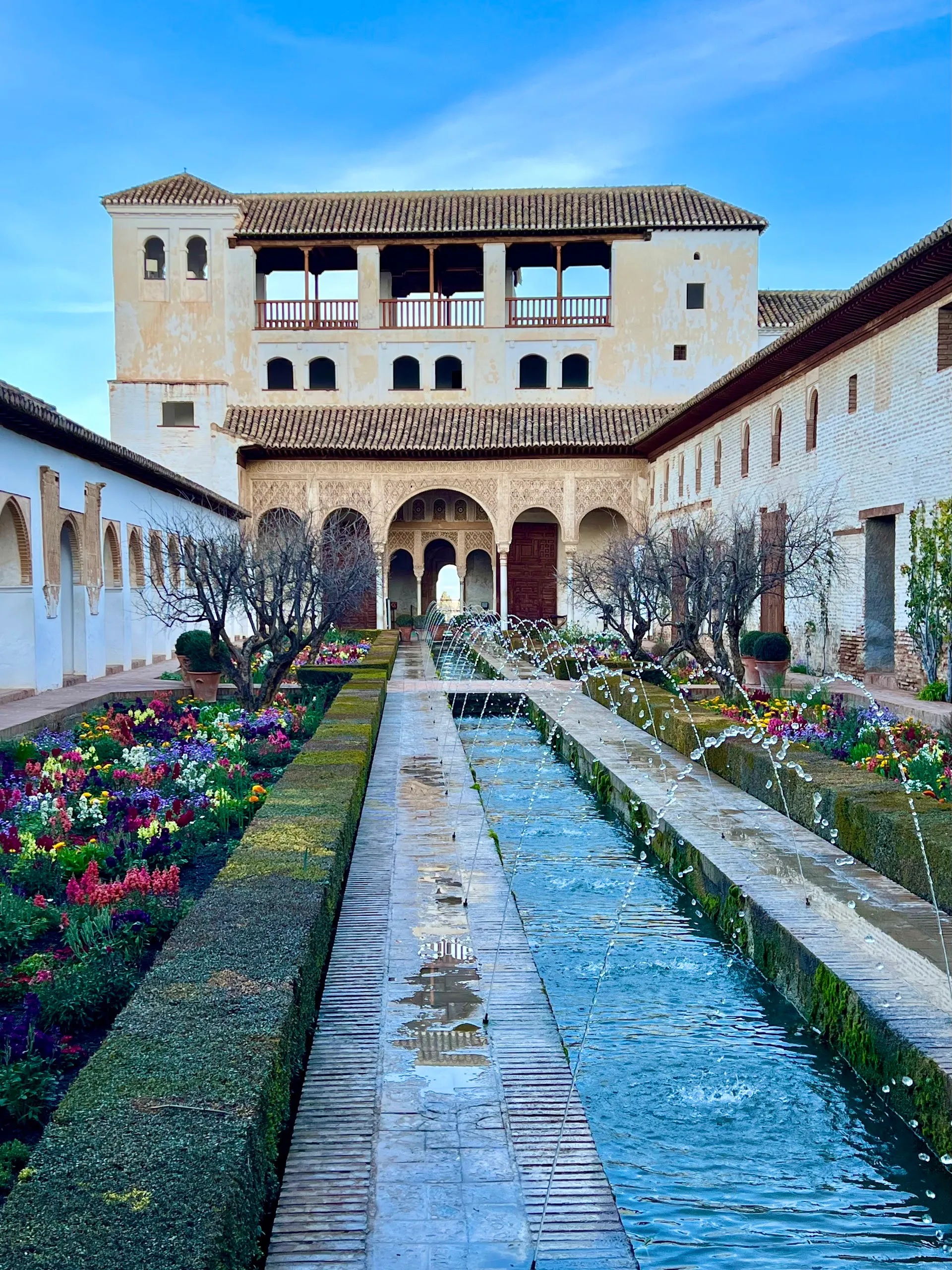
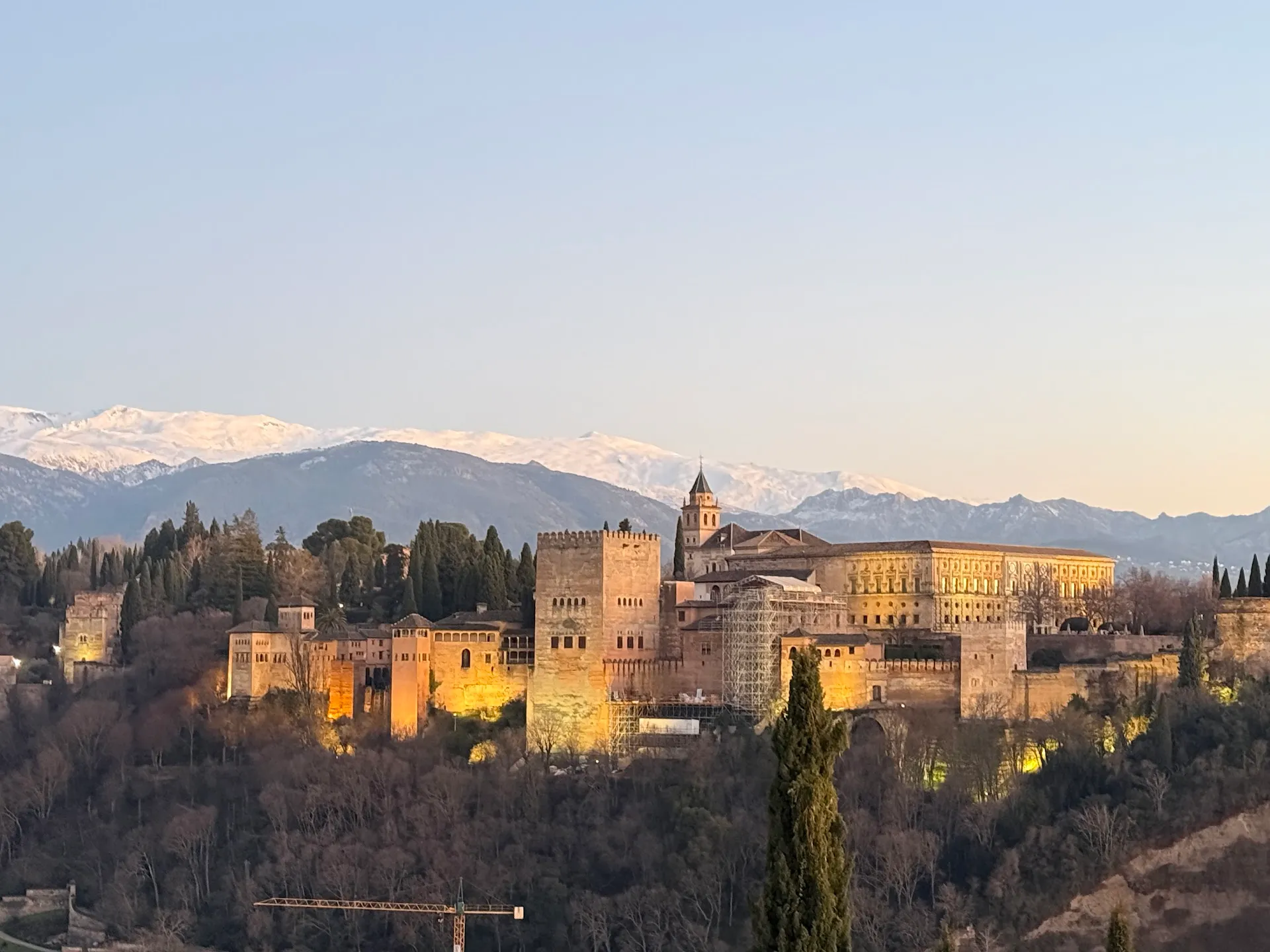
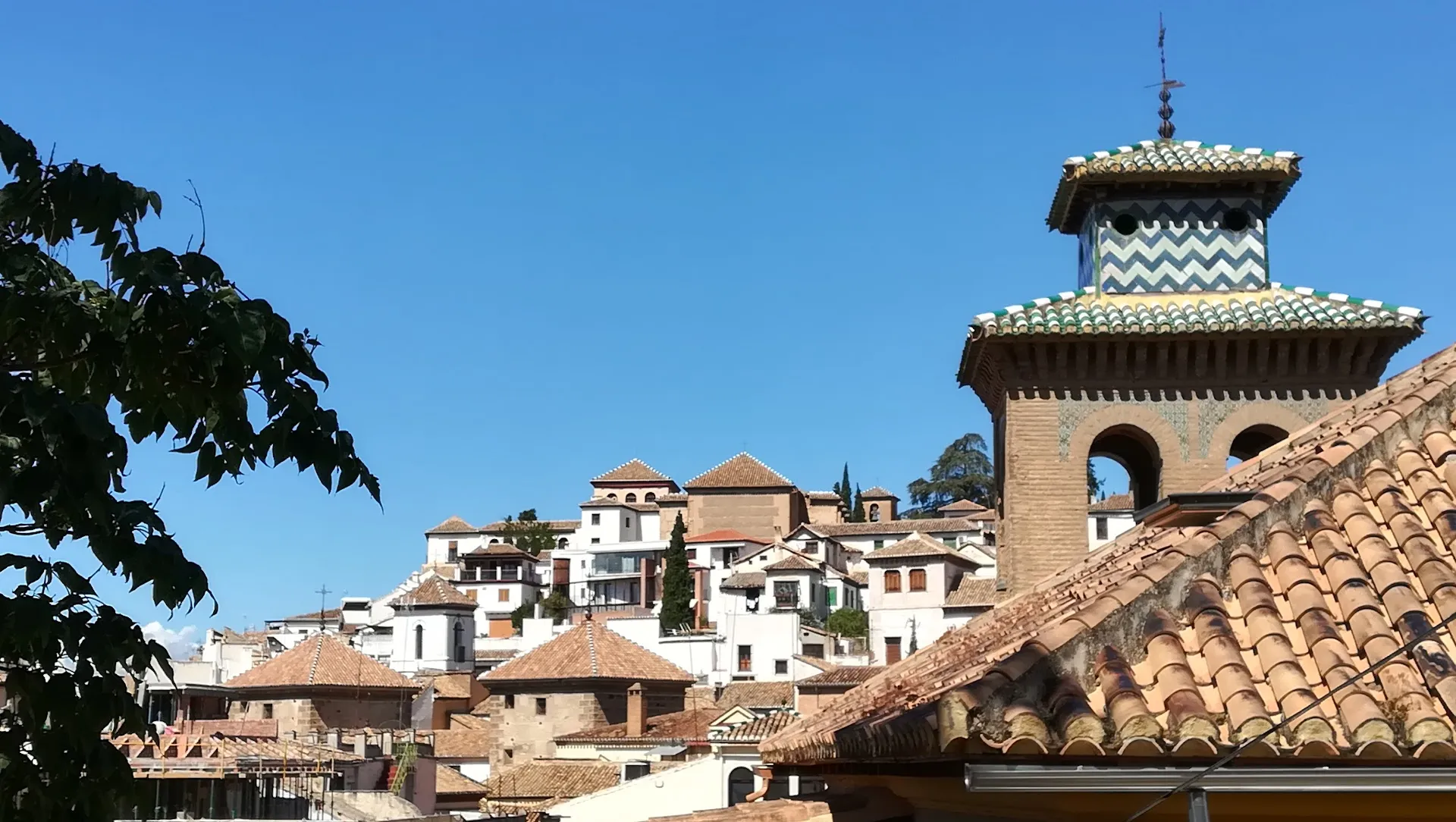
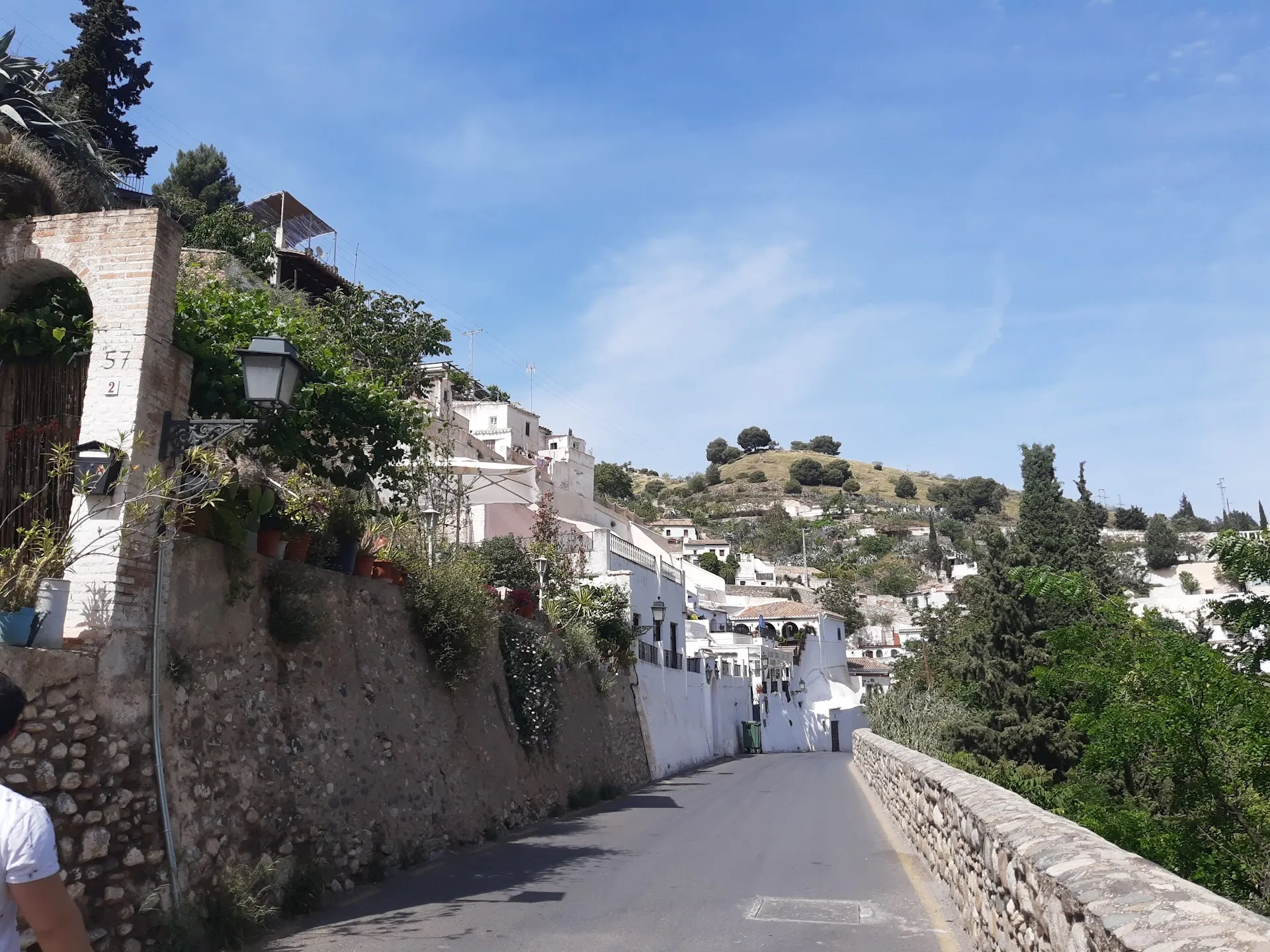
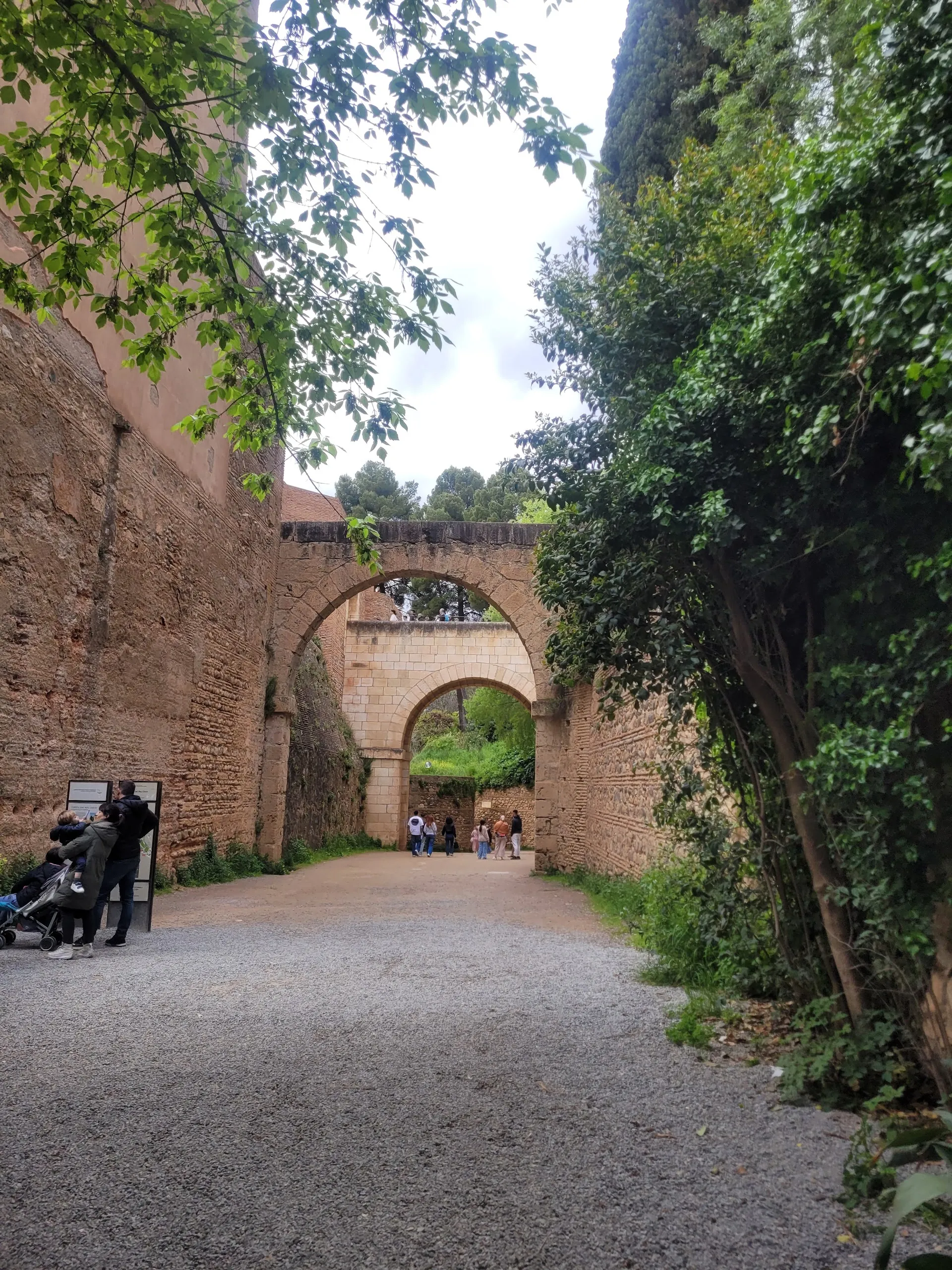
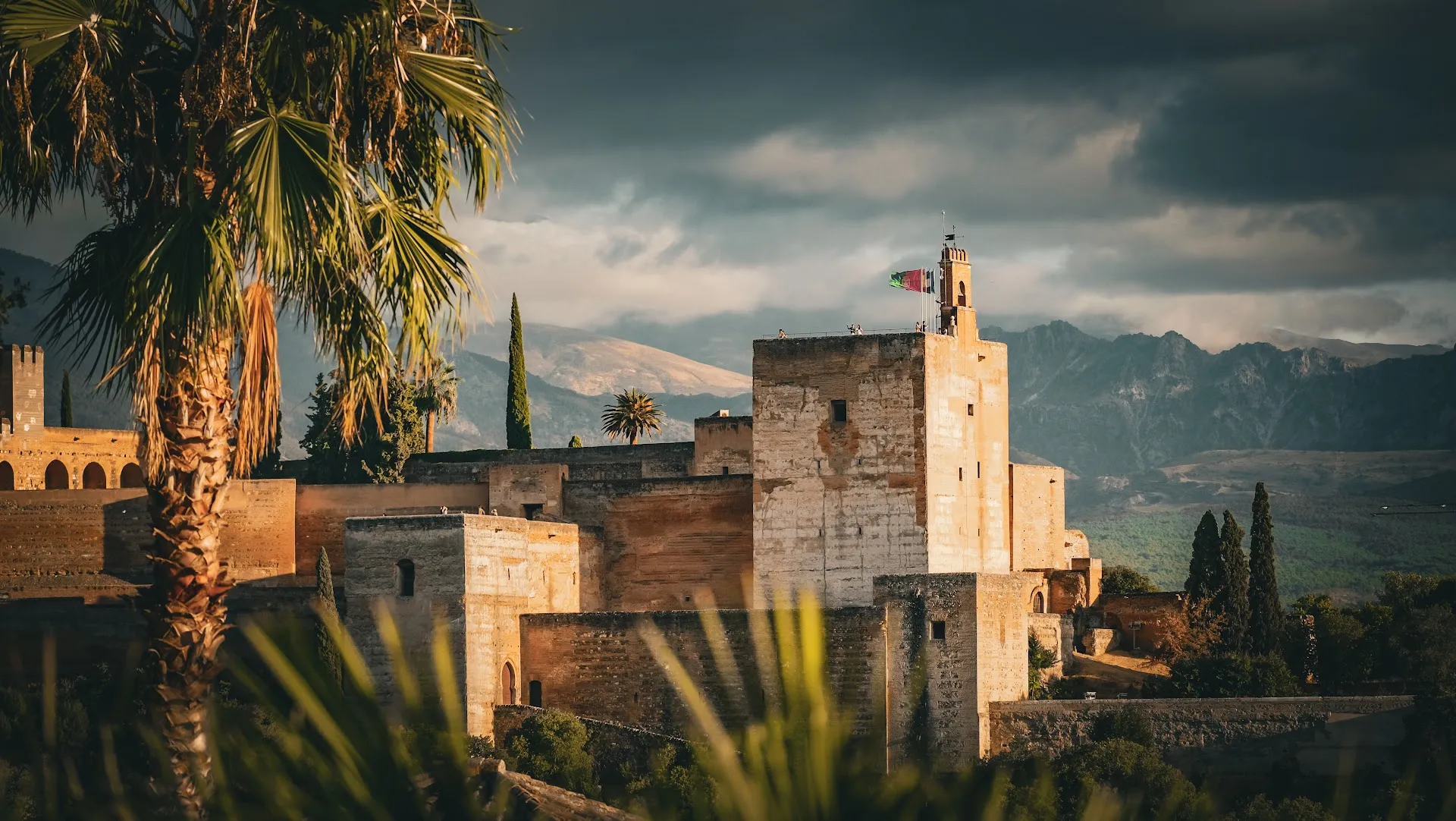
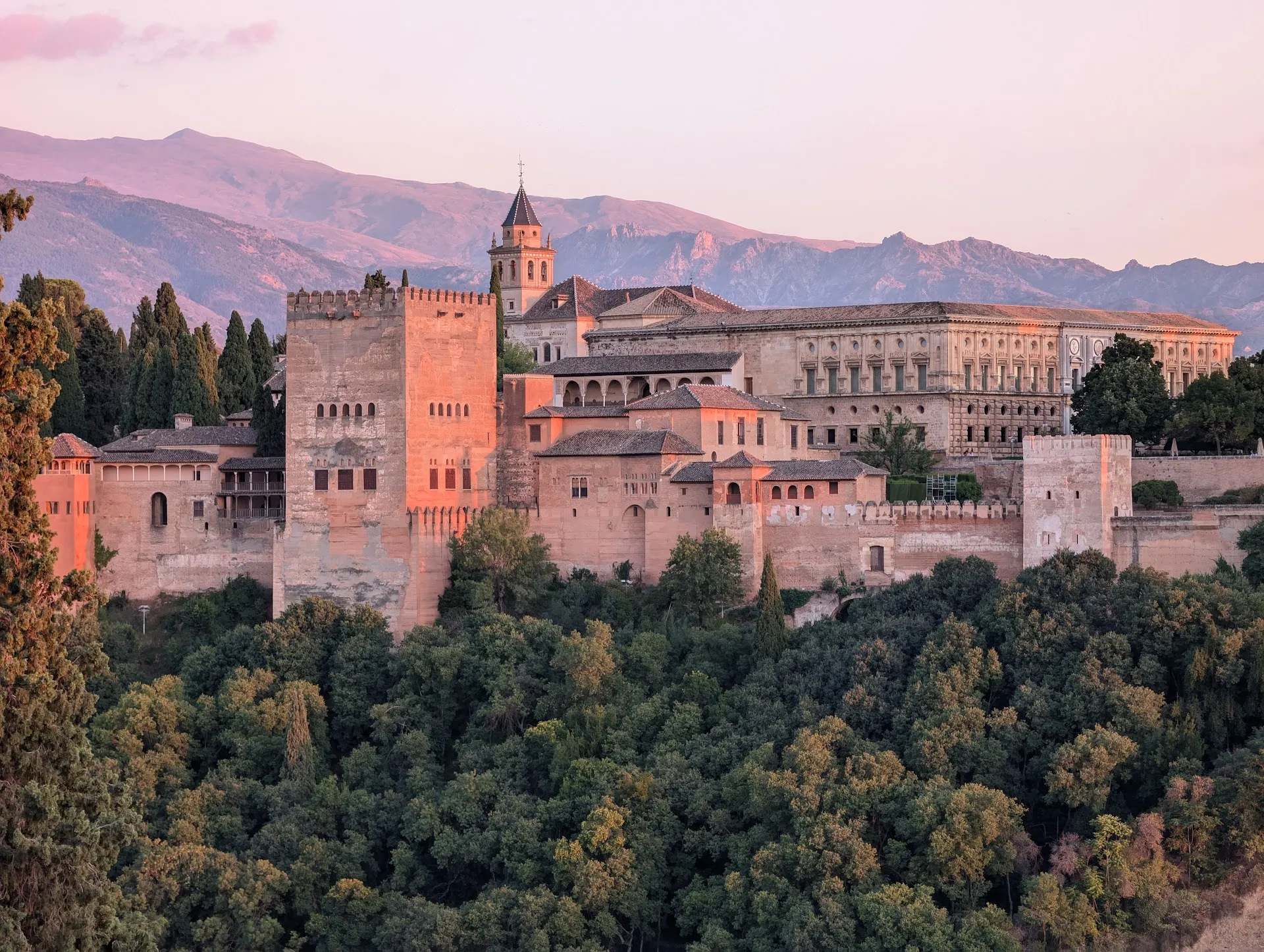
Everything orbits the Alhambra, the Nasrid palatine city crowning the Sabika hill, its red towers, honeycombed ceilings, and garden courtyards among the most beautiful interiors on earth. It is Spain's most-visited monument and its timed tickets sell out, so the single most important thing to do before you travel is book them. Across the ravine rises the Albaicin, the old Moorish quarter of steep cobbled streets and carmenes (walled garden-villas), inscribed by UNESCO alongside the Alhambra. From its Mirador de San Nicolas, the whole fortress floats against the mountains at sunset, a view buskers and travellers gather for every evening.
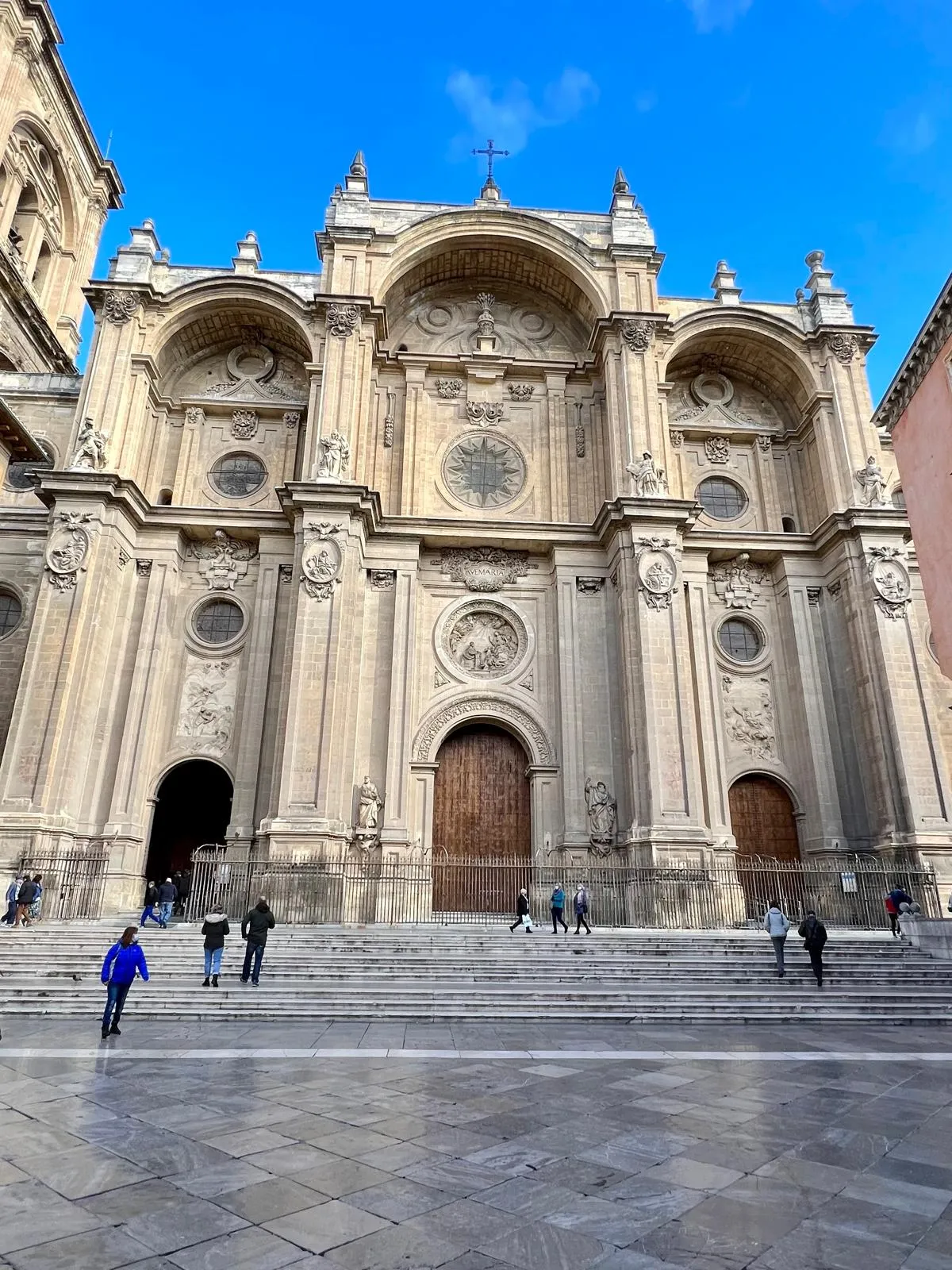
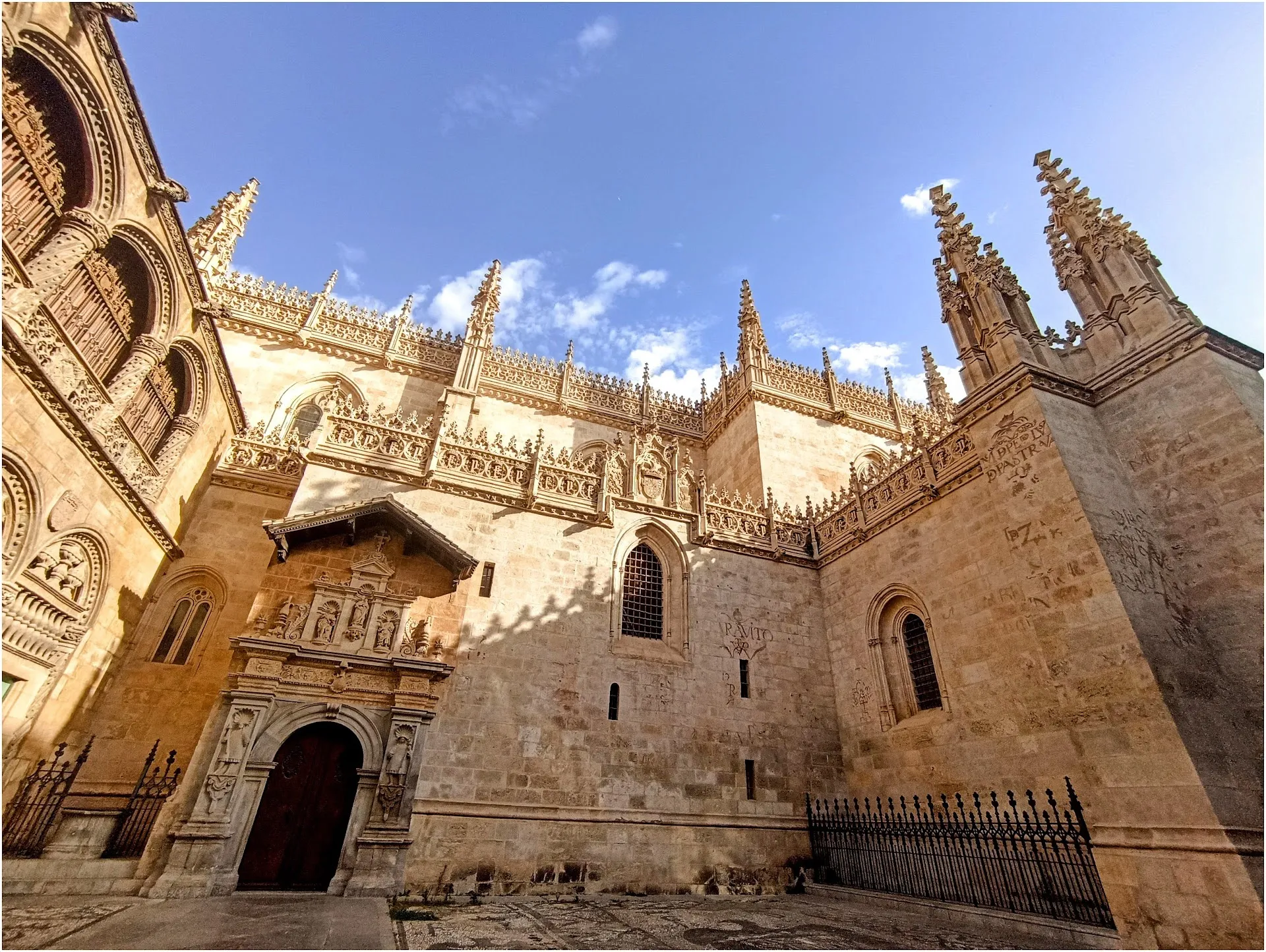
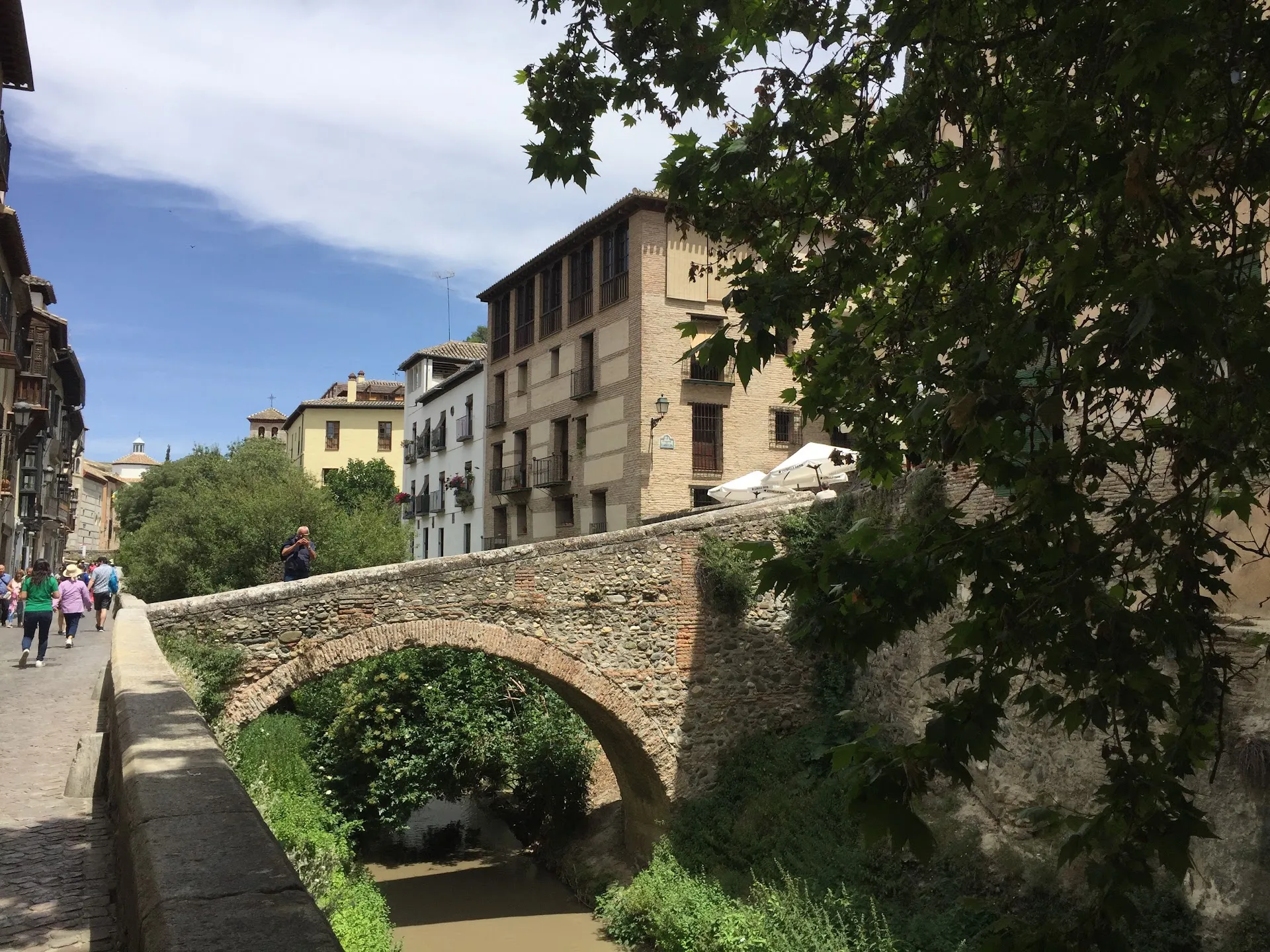
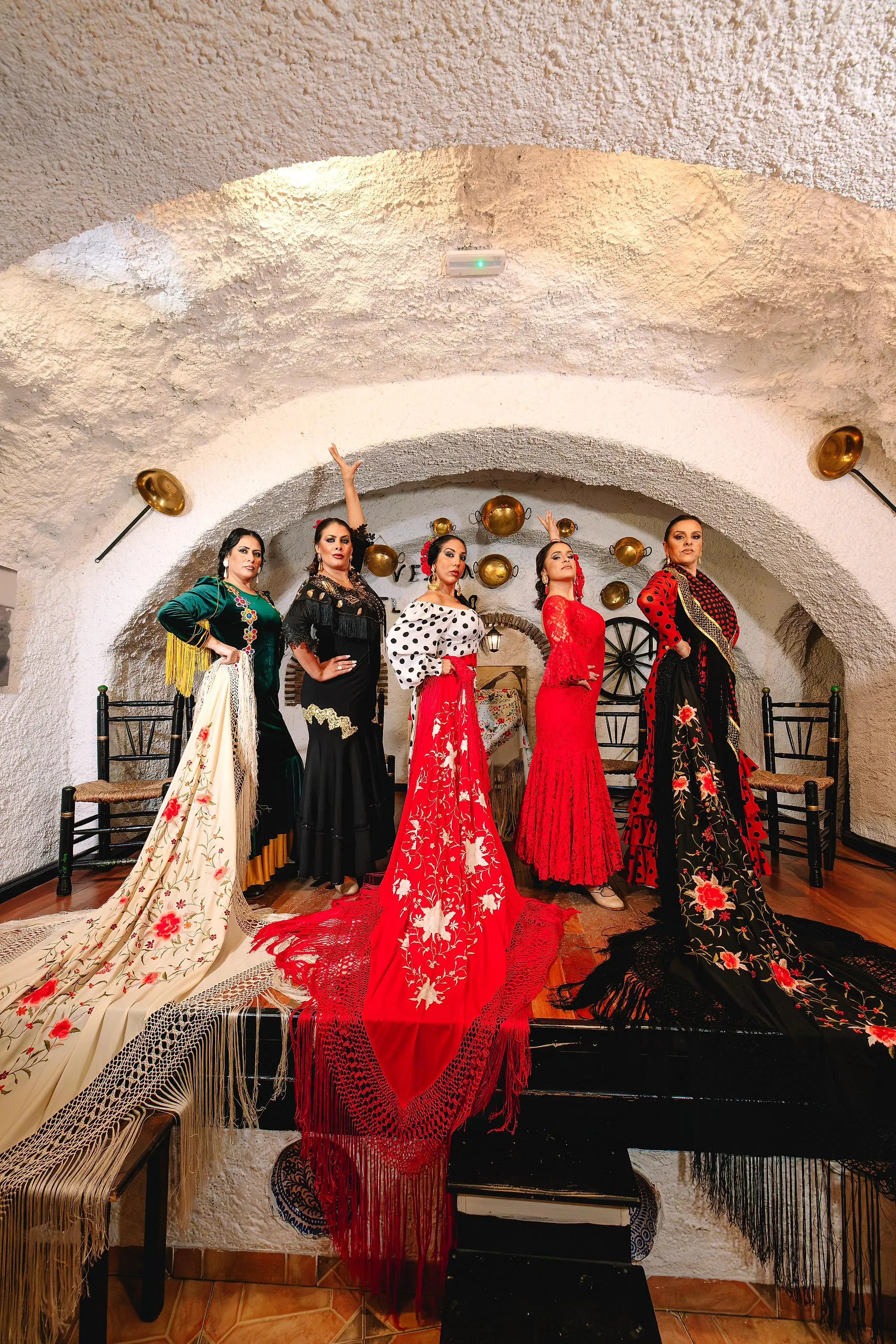
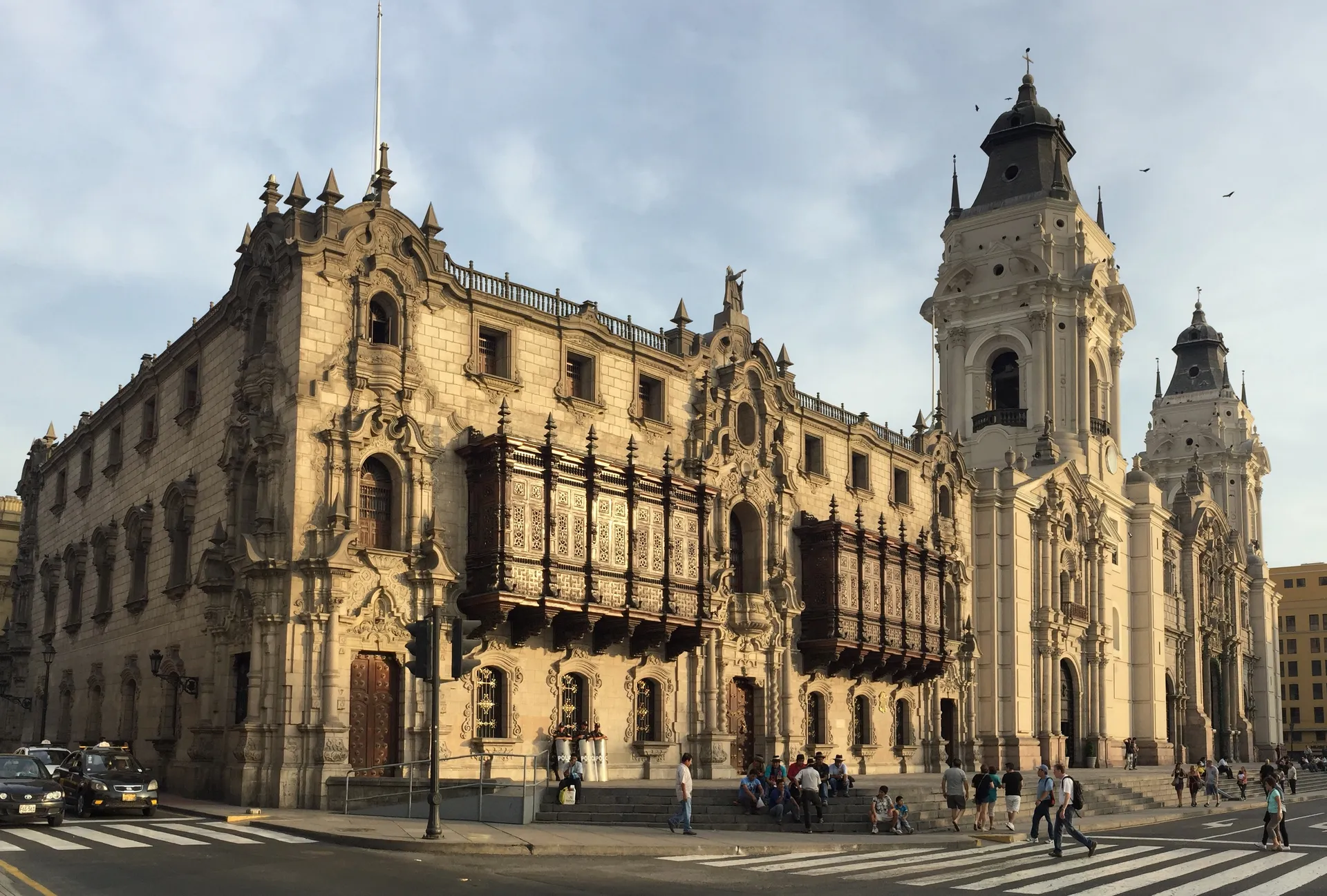
The city divides into a handful of walkable districts. The flat Centro holds the Cathedral, the Royal Chapel where Isabella and Ferdinand are entombed, the Alcaiceria silk-market lanes, and the San Agustin food market. The Albaicin climbs north of the Darro river, with the tea houses of Calle Calderia Nueva at its foot. Sacromonte, the next hillside east, is the historic Roma cave quarter and the cradle of the zambra style of flamenco. South of the centre, the Realejo is the old Jewish quarter, now a relaxed tangle of wine bars and street art.