Skip to content
Berlin

The Complete Guide to Berlin

Explore the guide

Berlin is a city that wears its history on the surface. In a single afternoon you can stand under the Brandenburg Gate, trace the line of the Wall through the pavement, walk the field of the Holocaust Memorial, and end up dancing in a former power station until Monday. No European capital has been so thoroughly remade by the twentieth century, and none turns that history into such a restless, creative present.

This guide is built around how the city actually works. Berlin is vast and low-slung, spread across distinct districts rather than a single old town. Mitte holds the headline sights, Museum Island, and the government quarter; Kreuzberg and Neukoelln are the multicultural, street-art, and food heartland; Friedrichshain is the East Side Gallery and the club epicentre; Prenzlauer Berg is leafy and cafe-lined; and Charlottenburg in the west keeps the old grandeur. Group your days by district and you spend your time exploring rather than crossing the city on the U-Bahn.

Two things define a Berlin trip. The first is history you can walk: the Wall, the Cold War, the Third Reich, and reunification are all legible on the ground, and a free walking tour or the Berlin Wall Memorial is the best possible orientation. The second is nightlife unlike anywhere else: clubs like Berghain, Tresor, and Sisyphos run from Friday night to Monday morning, with strict doors, no photos, and world-class sound. You do not have to go clubbing to feel it, the city's whole rhythm is shaped by it.
Getting around is easy and cheap. The BVG network of U-Bahn, S-Bahn, trams, and buses covers everything on one ticket, the city is famously flat and bike-friendly, and most neighbourhoods reward walking. Berlin is also one of Europe's better-value capitals: you can eat brilliantly for under 10 euros and a transit day pass costs less than a cocktail.

Use this guide as a starting point: skim the day-by-day plan, open the things-to-do list, then save the places that fit your trip. Everything you save drops straight into a TripBox itinerary with dates, a map, and your travel companions.

Best time to visit

May, June, and September offer the best balance of warm, long days and manageable crowds. July and August are warmest and liveliest but busiest; December brings Christmas markets and a cold, atmospheric charm. Winters are grey with short daylight, but the museums and clubs never stop.

Budget

Berlin is one of Europe's better-value capitals. A great doner or street-food meal runs 5-10 euros, a sit-down dinner 15-30, and a transit day pass under 10. Museums are 10-19 euros, and many memorials and the Reichstag dome are free.~$70-150 USD / day

The best of Berlin

Curated places worth your time — tap a card for details or to save it.
See all
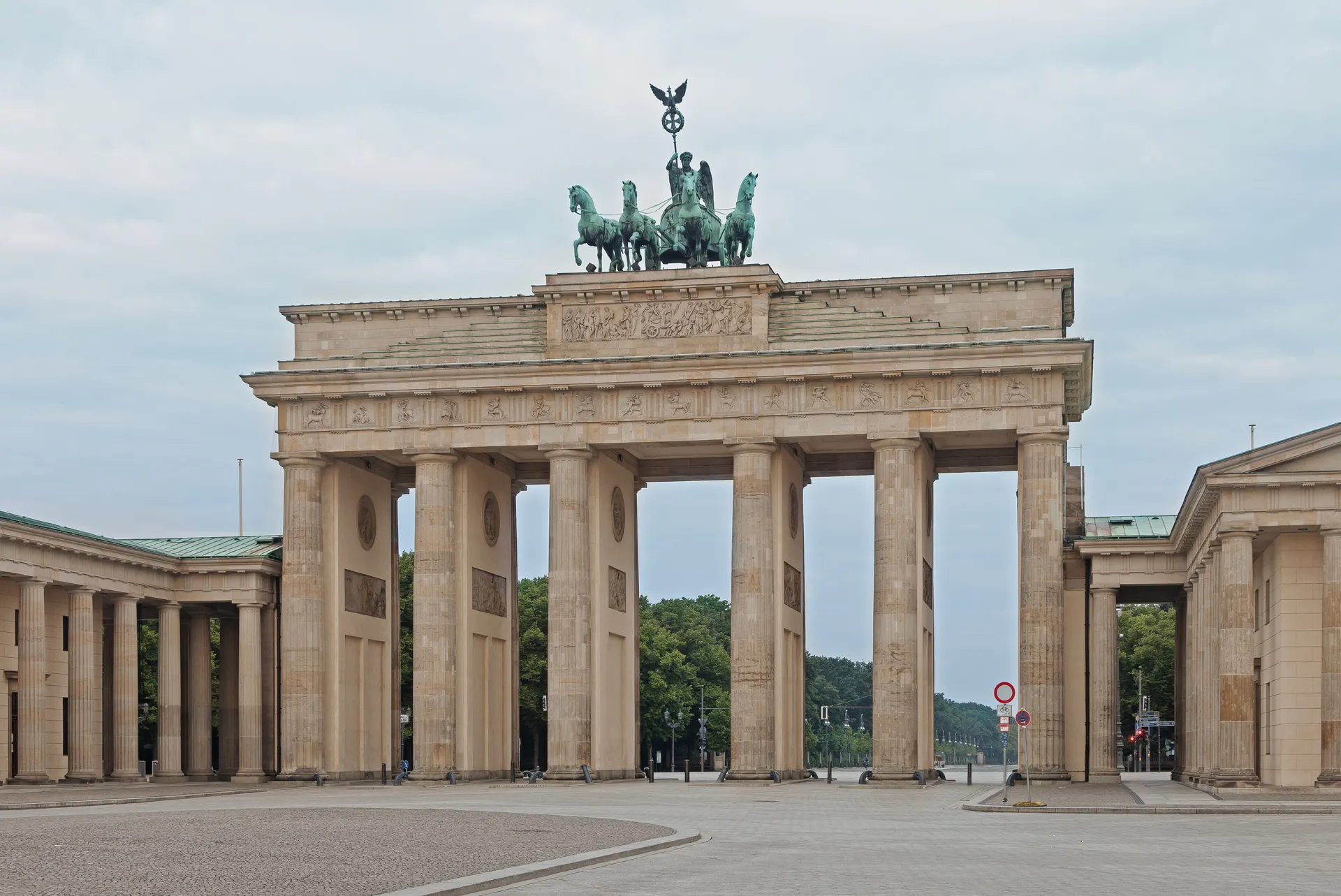
Brandenburg Gate
Must visit
Memorial5.0

Brandenburg Gate

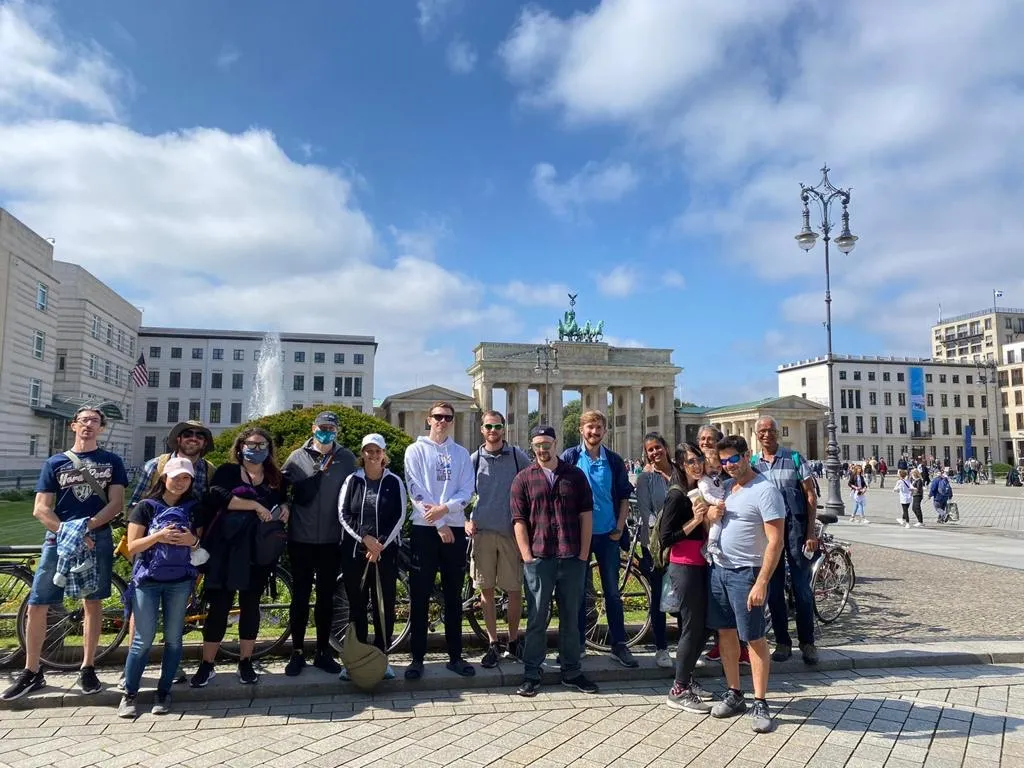
Berlin's defining neoclassical landmark, completed in 1791 by Carl Gotthard Langhans as a triumphal arch modelled on the Propylaea of the Athenian Acropolis. Topped by the Quadriga chariot sculpture, it stood trapped in the death strip during the Cold War and became the symbol of German reunification in 1989.

Mitte
East Side Gallery
Must visit
Memorial5.0

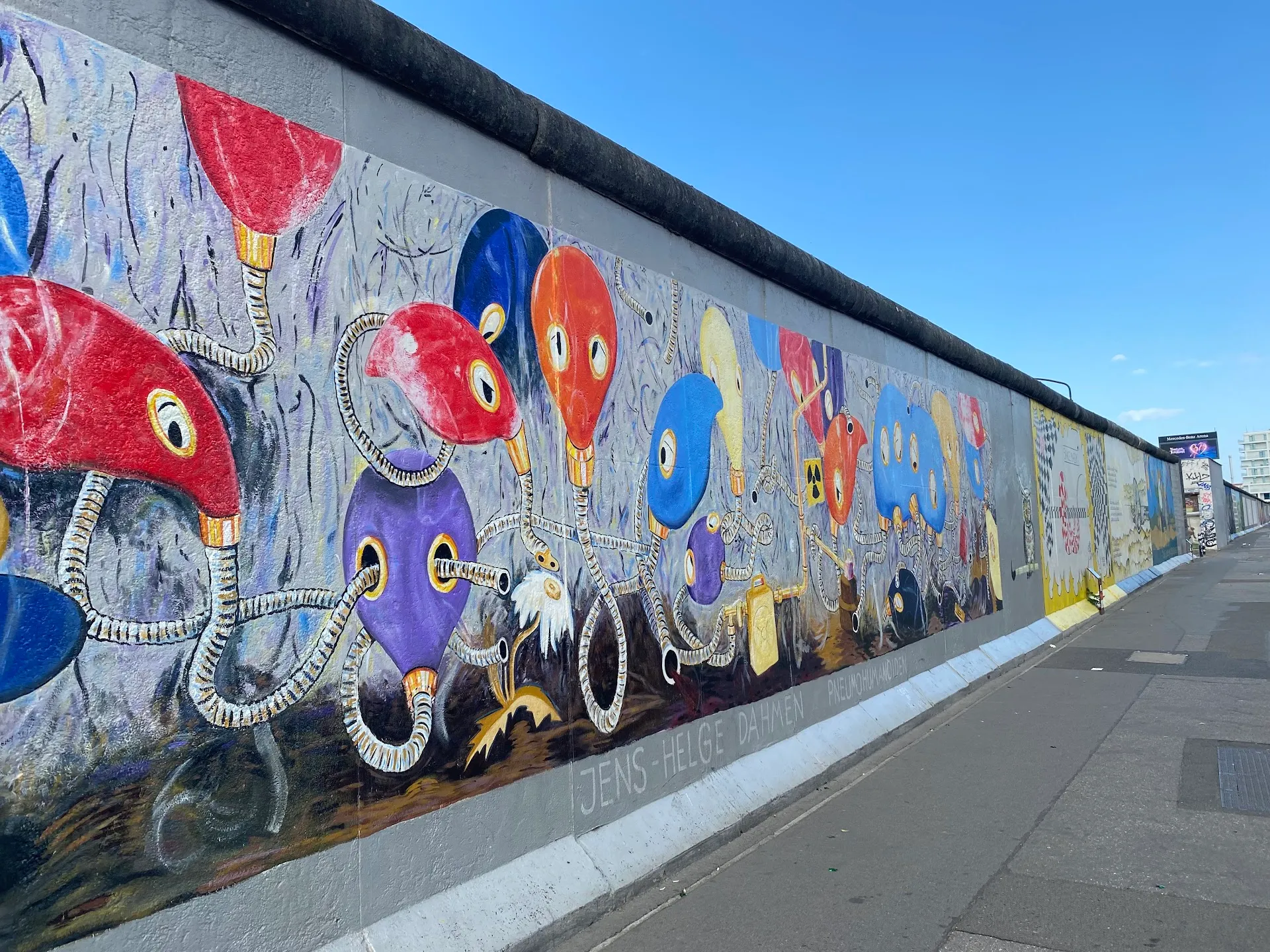
East Side Gallery

The longest remaining stretch of the Berlin Wall at 1.3km, transformed into an open-air gallery with over 100 murals by international artists. Includes the iconic Fraternal Kiss painting.

Friedrichshain
Reichstag Building
Must visit
Other5.0

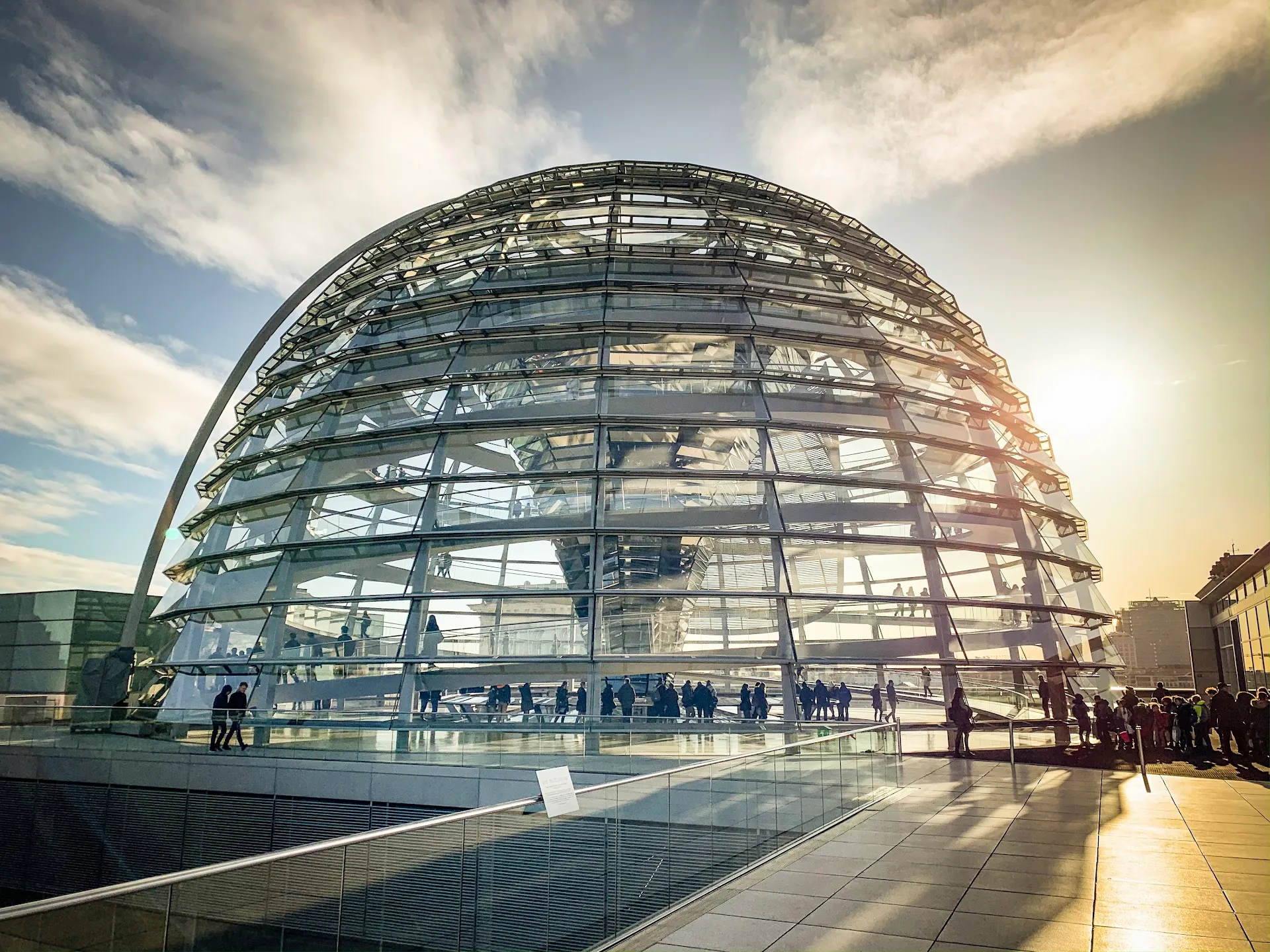
Reichstag Building

The seat of the German parliament, originally completed in 1894 and dramatically crowned by Norman Foster's transparent glass dome after reunification. The dome's spiralling ramp offers panoramic city views and symbolizes democratic transparency — visitors literally look down on their elected representatives at work. The building's scarred facade still bears bullet holes and Cyrillic graffiti from 1945.

Tiergarten
Pergamon Museum
Must visit
Museum5.0

Pergamon Museum

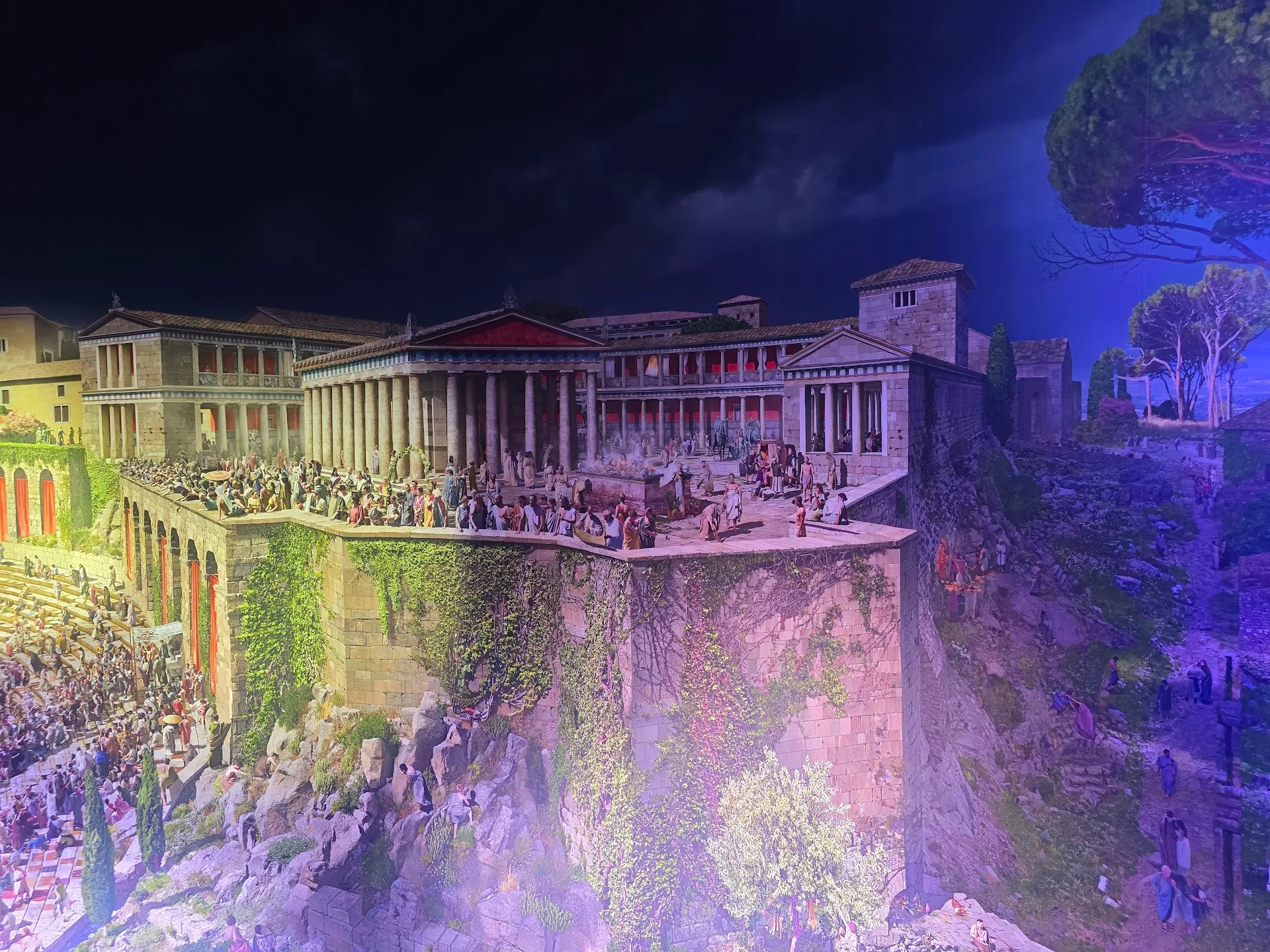
Home to monumental archaeological reconstructions including the Ishtar Gate of Babylon and the Market Gate of Miletus. One of the most visited museums in Germany, located on UNESCO-listed Museum Island.

Mitte
Memorial to the Murdered Jews of Europe
Must visit
Memorial5.0

Memorial to the Murdered Jews of Europe

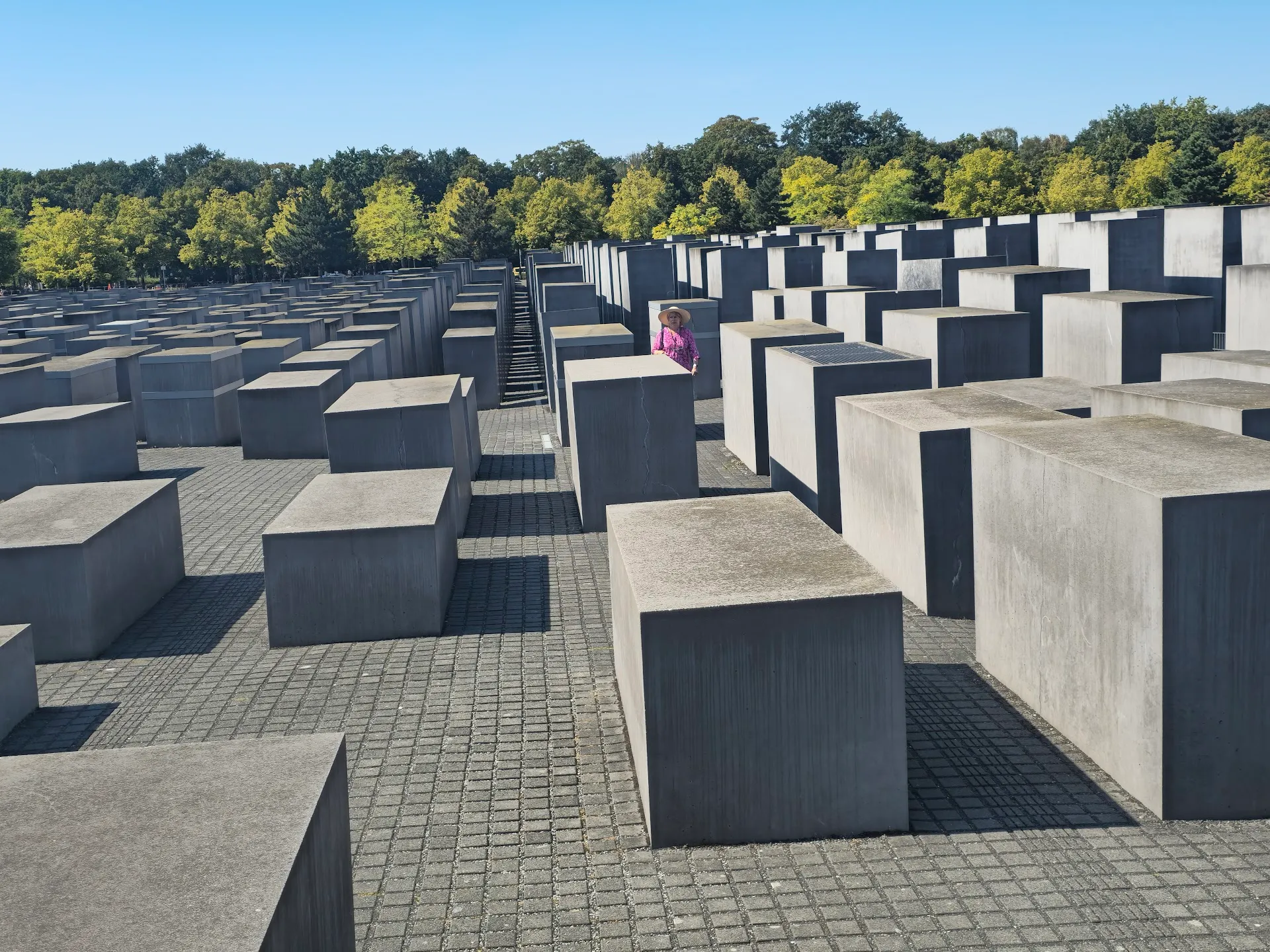
Peter Eisenman's haunting field of 2,711 concrete stelae of varying heights creates a disorienting, wave-like landscape. The underground information center documents individual victims' stories.

Mitte
Berlin Wall Memorial
Memorial5.0

Berlin Wall Memorial

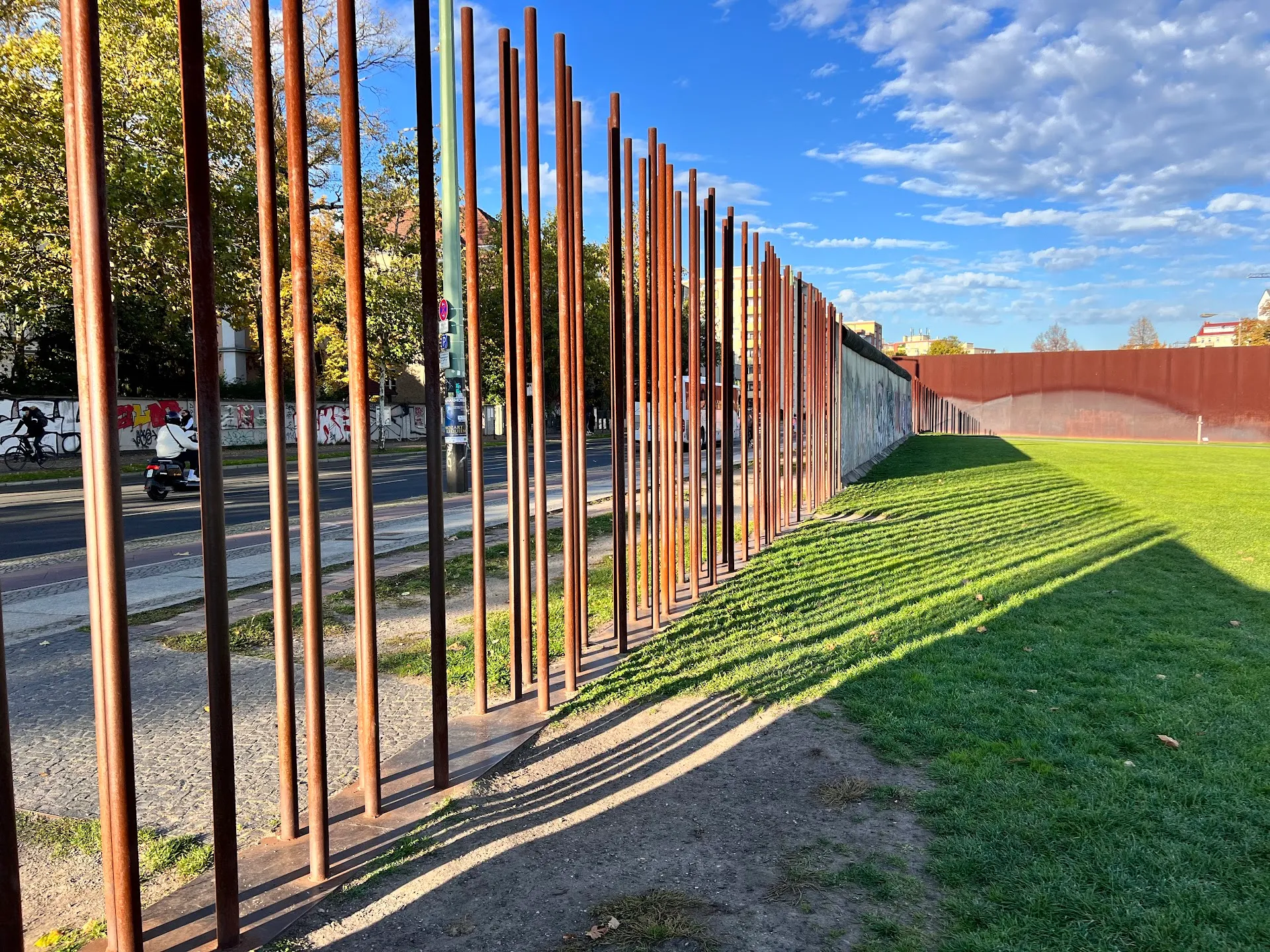
The primary memorial site of German division, preserving an original section of the Wall with watchtower, death strip, and documentation center. More historically informative than the East Side Gallery.

Mitte
Berghain / Panorama Bar
Must visit
Club5.0

Berghain / Panorama Bar

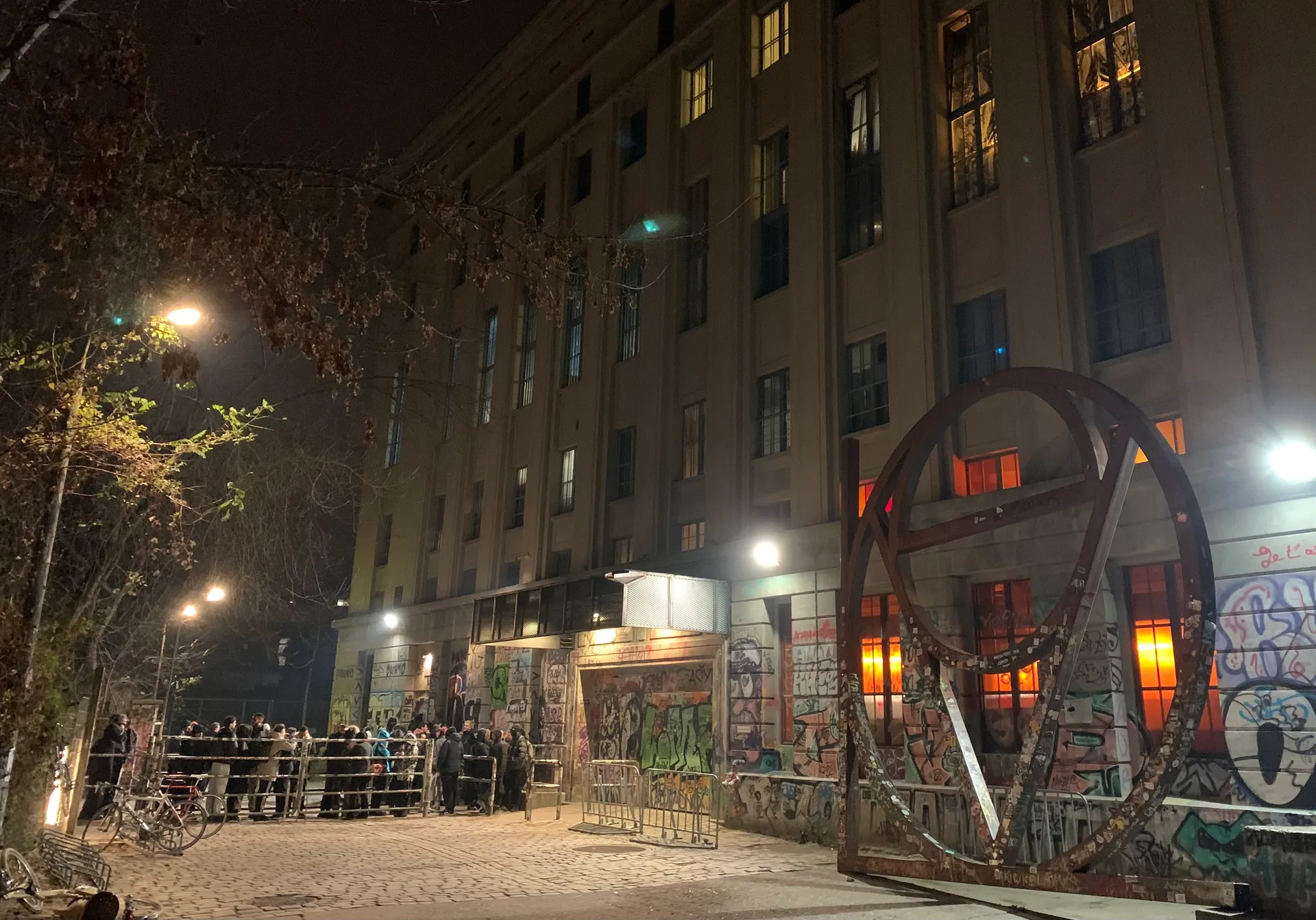
The world's most famous techno club housed in a brutalist former power plant. Panorama Bar upstairs plays house, the main floor is relentless techno. No photos allowed inside.

Friedrichshain
Tiergarten
Park4.0

Tiergarten

Berlin's sprawling 520-acre central park, once a royal hunting ground, now a green sanctuary crisscrossed by tree-lined paths, ponds, and meadows. The Victory Column rises at its centre, the English Garden offers a secluded lakeside cafe, and shaded beer gardens along the waterways draw locals on warm afternoons. A vital green artery connecting the Brandenburg Gate to the Zoo.

Tiergarten
Charlottenburg Palace
Castle4.0

Charlottenburg Palace

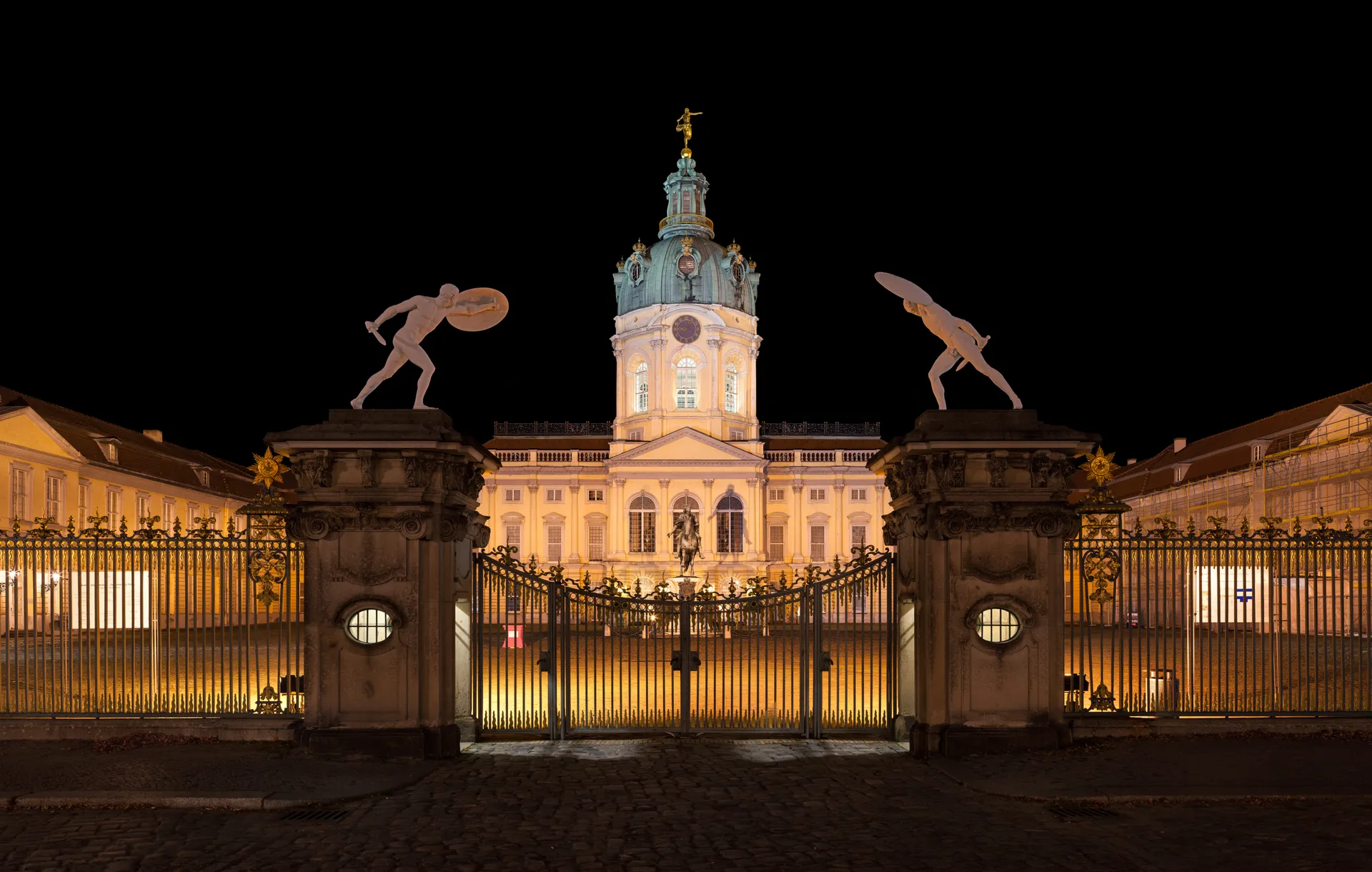
Berlin's largest and most opulent palace, built in 1699 for Sophie Charlotte, the first Queen of Prussia. The baroque and rococo state rooms, the Golden Gallery, and the extensive landscaped gardens offer a rare window into Prussian royal grandeur that survived wartime bombing.

Charlottenburg

Tours & experiences

Free walking tours and curated paid experiences — save or book in a tap.

See all
Berlin Free Walking Tour (Historic Center)
TourFree

Berlin Free Walking Tour (Historic Center)

The classic orientation walk through Berlin's historic core: the Brandenburg Gate, the Reichstag, the Holocaust Memorial, the site of Hitler's bunker, Checkpoint Charlie, Gendarmenmarkt, and Bebelplatz. A tip-based, local-guided introduction that ties 300 years of Prussian, Nazi, Cold War, and reunified history into a single loop.

Mitte, starting at Brandenburg Gate / Pariser Platz2.5-3 hours
Book this tour
Berlin Wall & Cold War History Tour
TourFree

Berlin Wall & Cold War History Tour

Walk the route of the former Wall from Checkpoint Charlie through the death strip to the East Side Gallery. Covers escape tunnels, ghost stations, and the geopolitics that divided a city for 28 years.

Mitte / Friedrichshain3-4 hours
Book this tour
Alternative Berlin Free Tour (Street Art & Subculture)
TourFree

Alternative Berlin Free Tour (Street Art & Subculture)

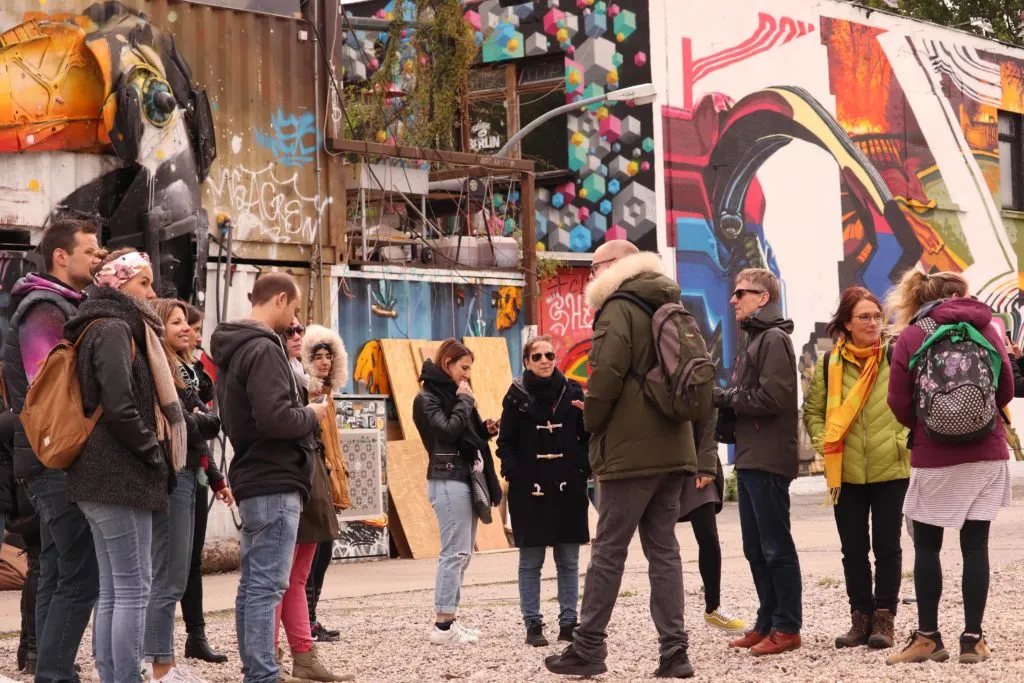
Berlin beyond the monuments: squats and collectives, anti-gentrification politics, the city's legendary street-art scene, and the alternative culture that grew in the gap left by the Wall. A tip-based walk led by guides plugged into the underground, ending in the murals and RAW grounds of Friedrichshain.

Kreuzberg / Friedrichshain, starting at Alexanderplatz3 hours
Book this tour
Kreuzberg Food Crawl
Food€55-69

Kreuzberg Food Crawl

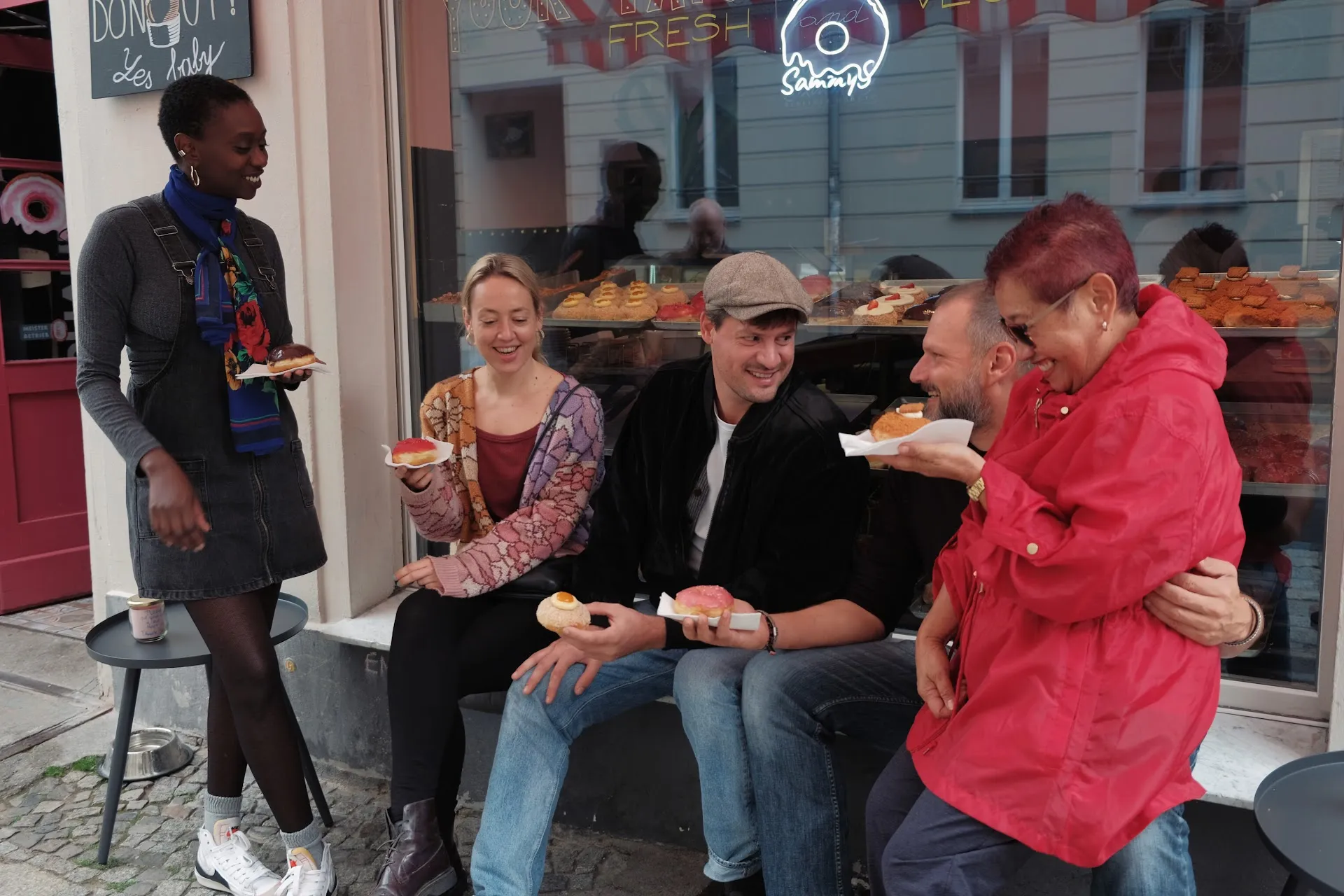
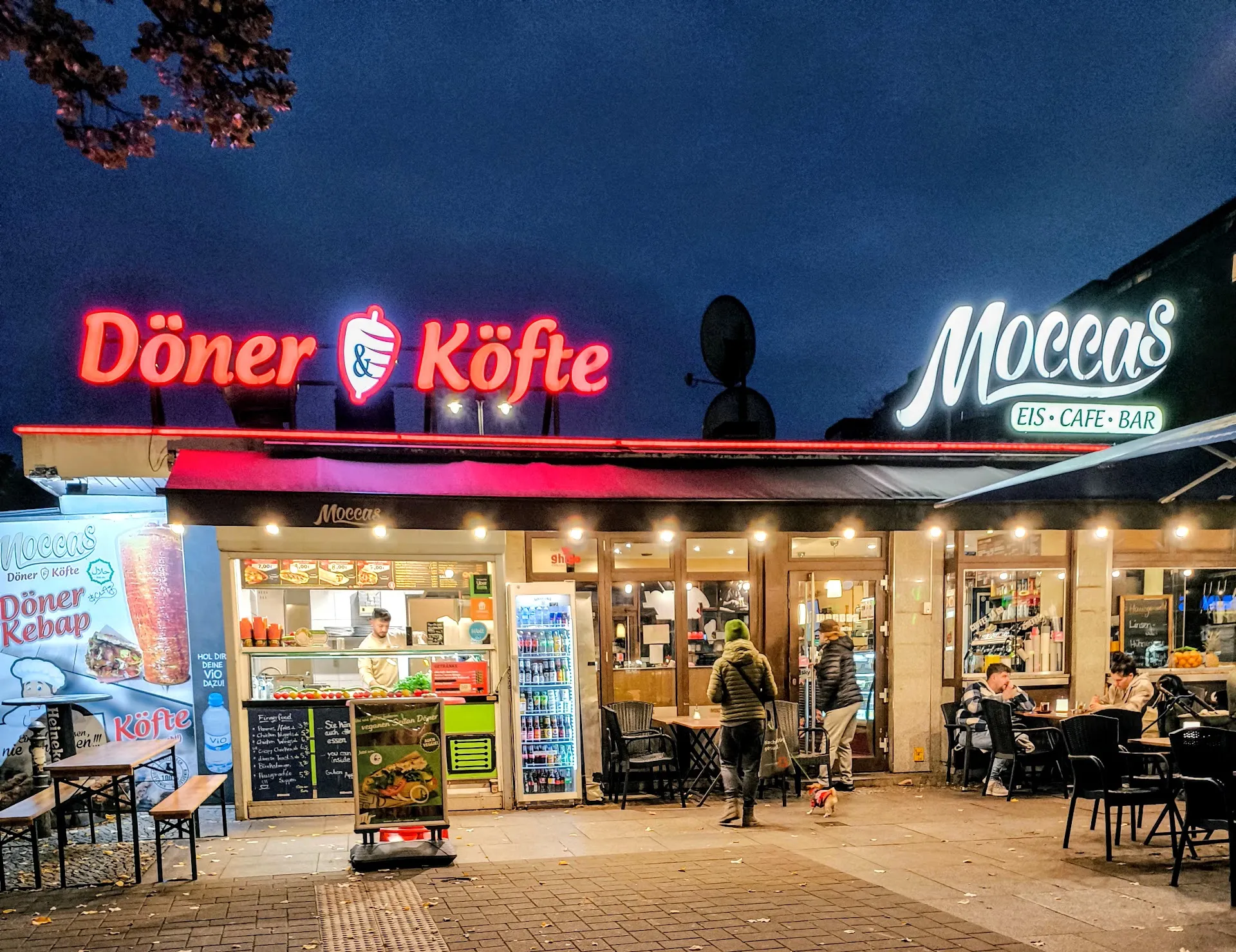
Eat your way through Berlin's most diverse neighborhood. Turkish doner and lahmacun on Adalbertstrasse, Vietnamese pho on Kottbusser Damm, Middle Eastern mezze, German classics, and craft beer, with a guide who tells the migration story behind each bite.

Kreuzberg3-4 hours
Book this tour
Street Art Tour in Kreuzberg & Friedrichshain
Tour€18-25

Street Art Tour in Kreuzberg & Friedrichshain

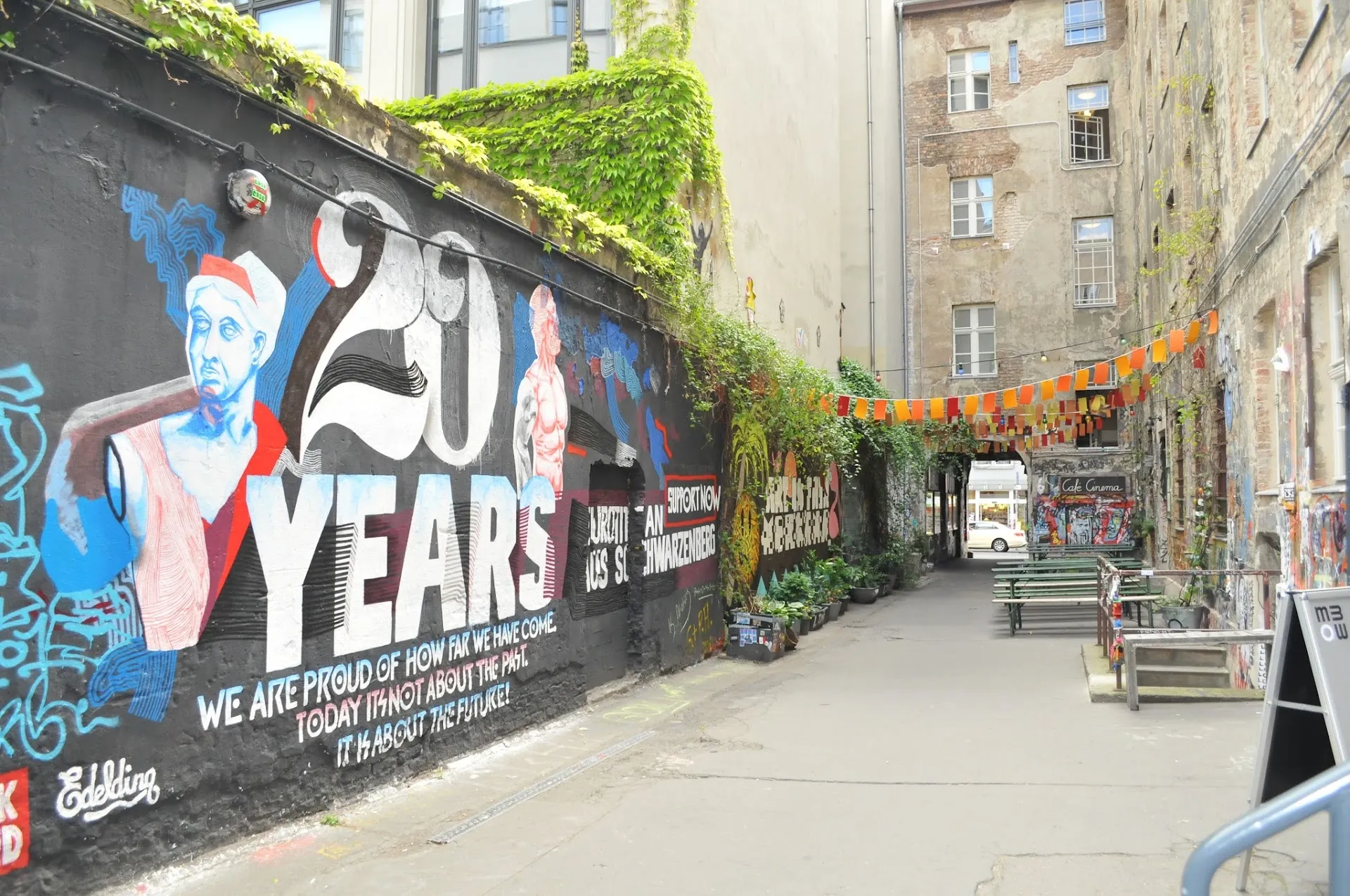
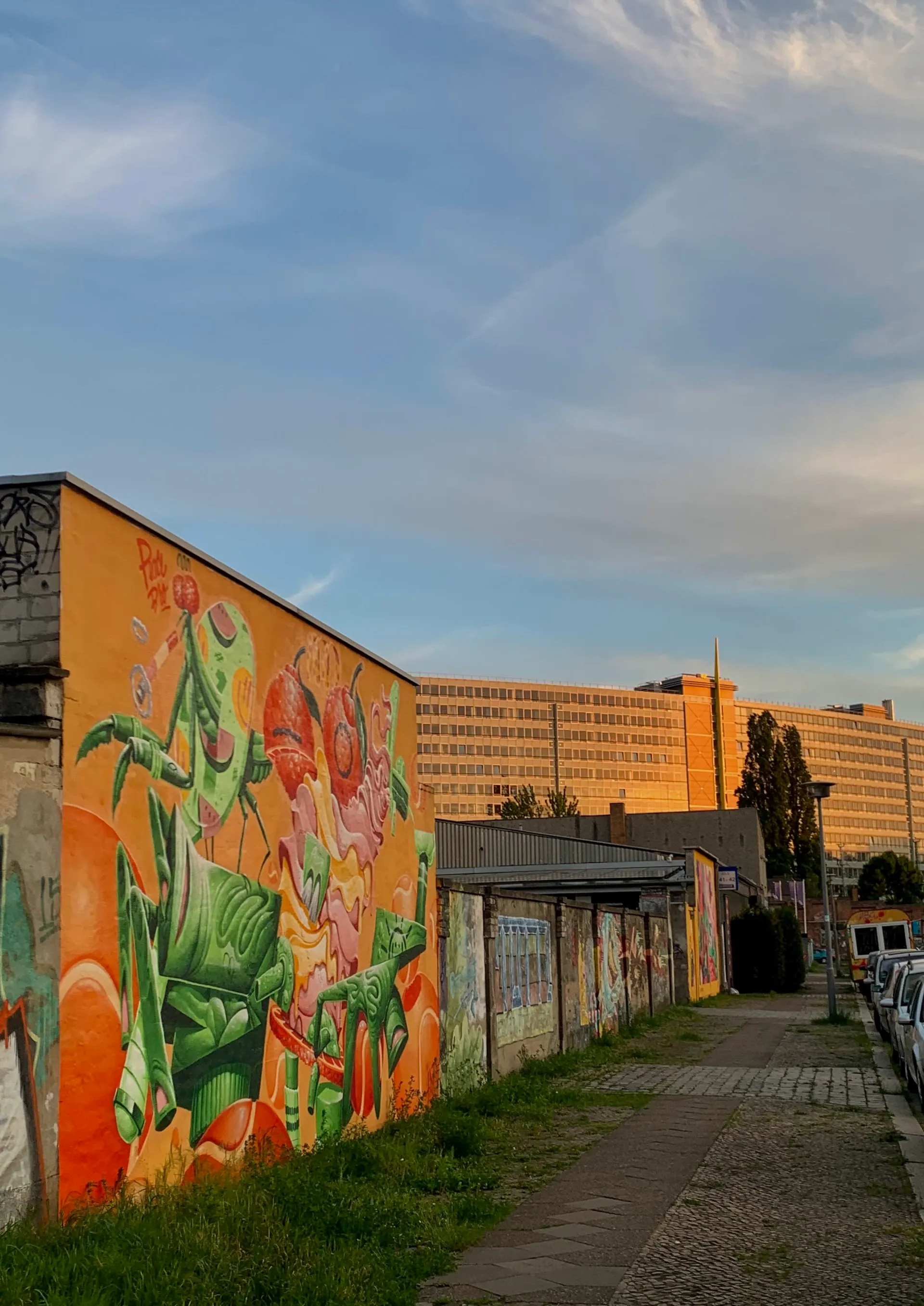
Berlin is one of Europe's street art capitals. Explore massive murals, political stencils, and paste-ups across Kreuzberg and Friedrichshain, where entire building facades serve as canvases.

Kreuzberg / Friedrichshain2-3 hours
Book this tour
Bauhaus & Modernist Architecture Tour
Tour€25-35

Bauhaus & Modernist Architecture Tour

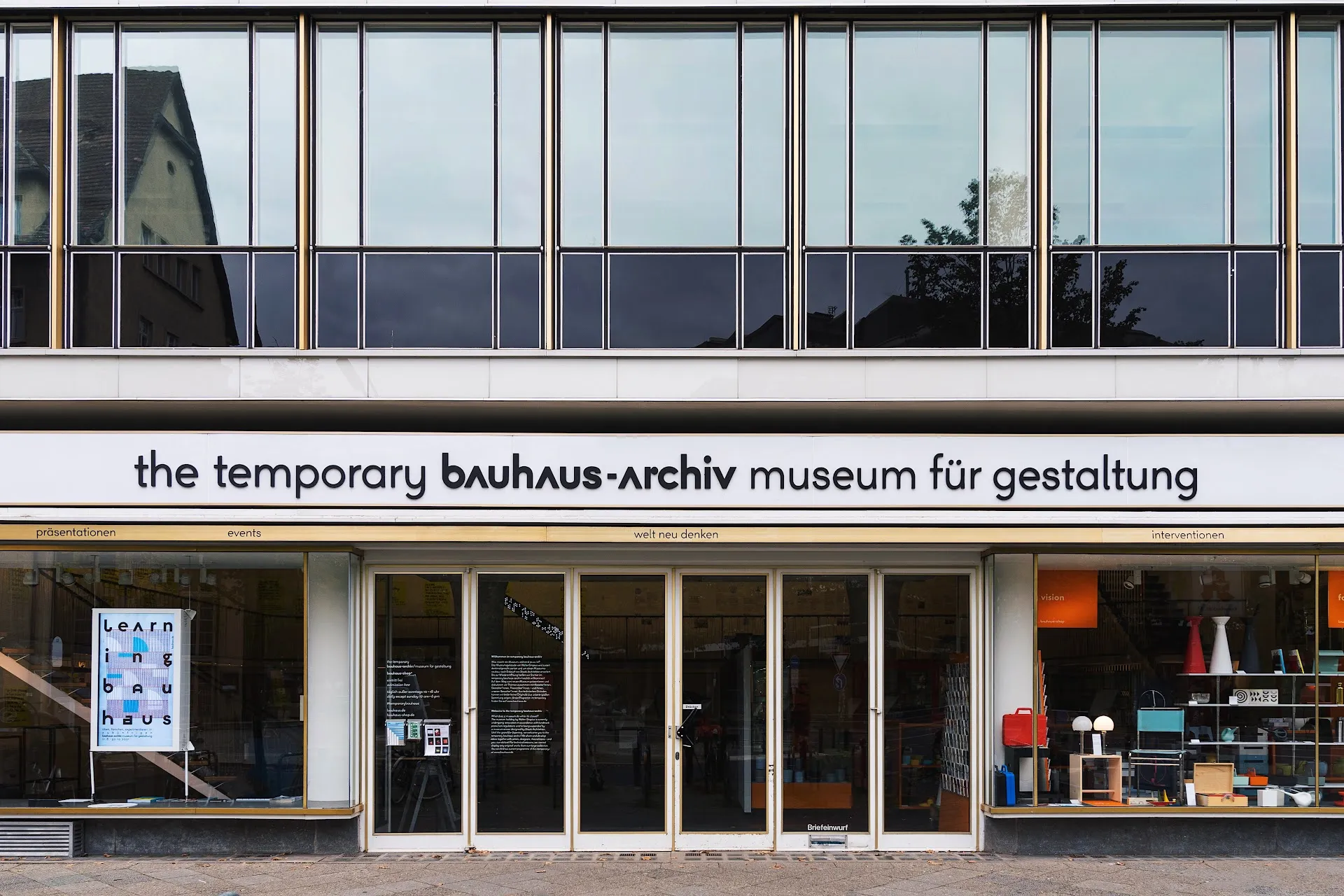
Trace the origins and legacy of the Bauhaus movement across Berlin, from the Bauhaus Archive's collection of original designs to Mies van der Rohe's Neue Nationalgalerie and the modernist housing estates that UNESCO recognized as World Heritage. The tour reveals how the school's radical ideas about form, function, and social housing reshaped 20th-century architecture worldwide.

Tiergarten / Mitte, starting at Bauhaus Archive3-4 hours
Book this tour

Nightlife & live music in Berlin

Clubs, jazz dens, listening bars and late-night spots worth staying out for.

See all
Berghain / Panorama Bar
Must visit
Club5.0

Berghain / Panorama Bar

The world's most famous techno club housed in a brutalist former power plant. Panorama Bar upstairs plays house, the main floor is relentless techno. No photos allowed inside.

Friedrichshain
Tresor
Must visit
Club5.0

Tresor

Operating since 1991, Tresor is a pillar of Berlin techno culture. The basement vault has an industrial raw sound while Globus upstairs offers a more spacious dancefloor.

Mitte
Kater
Club4.0

Kater

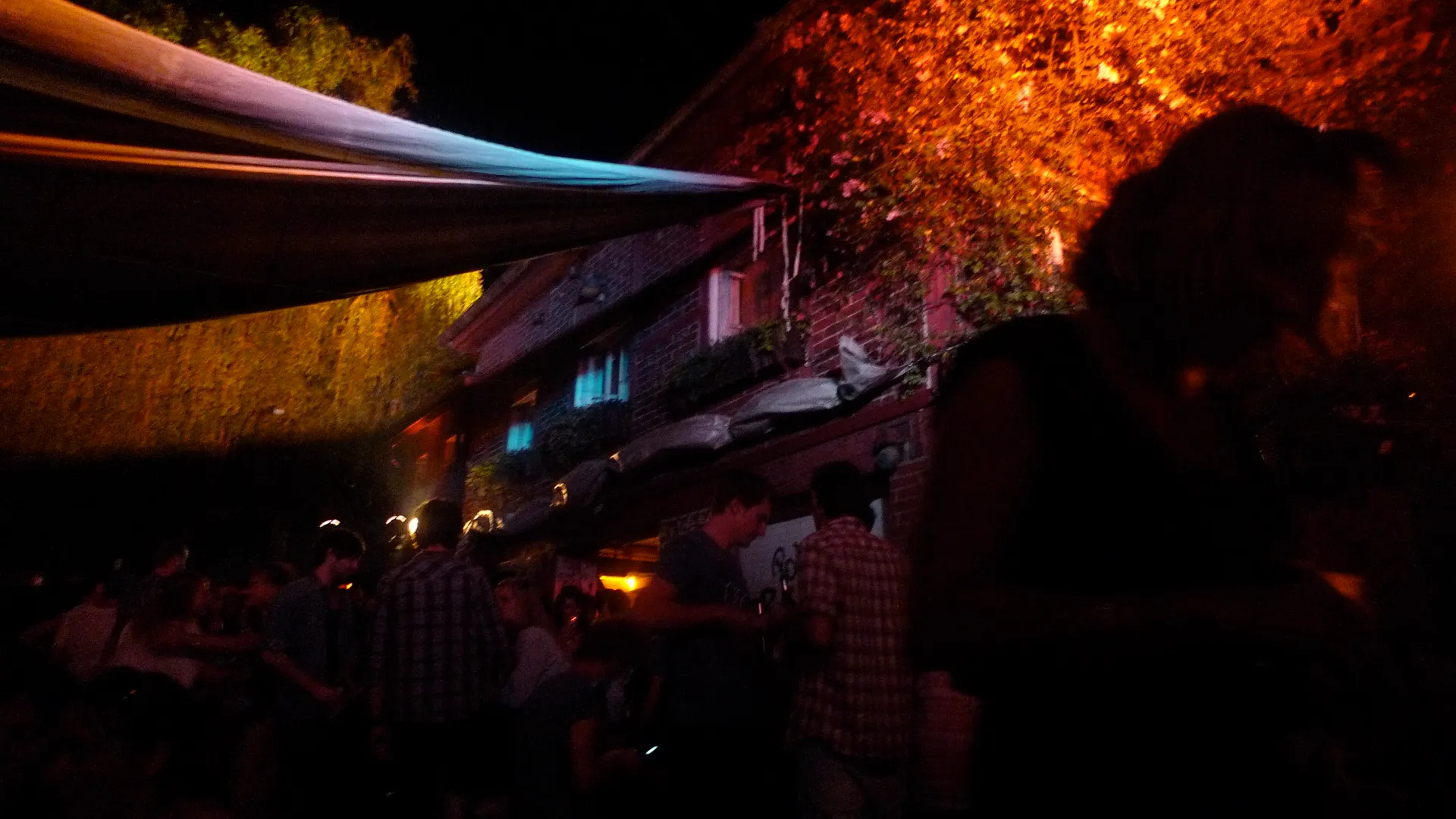
Formerly Kater Blau, now reborn simply as Kater — a waterside club on the Spree river with multiple floors and an outdoor garden perched over the water. The whimsical treehouse-like setting remains, with eclectic bookings spanning house, techno, disco, and live acts across intimate rooms connected by winding staircases.

Friedrichshain
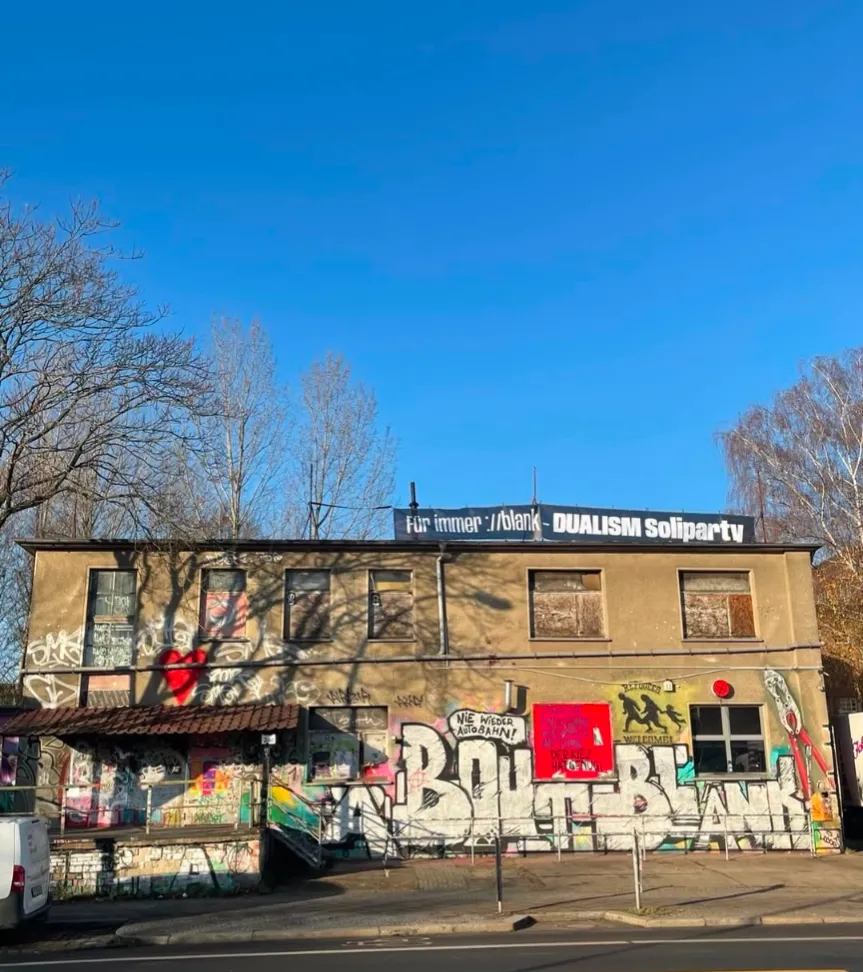
://about blank
Club4.0

://about blank

Collectively-run queer-friendly club with a massive garden and multiple dancefloors. Programming ranges from hard techno to experimental and leftfield electronics.

Friedrichshain
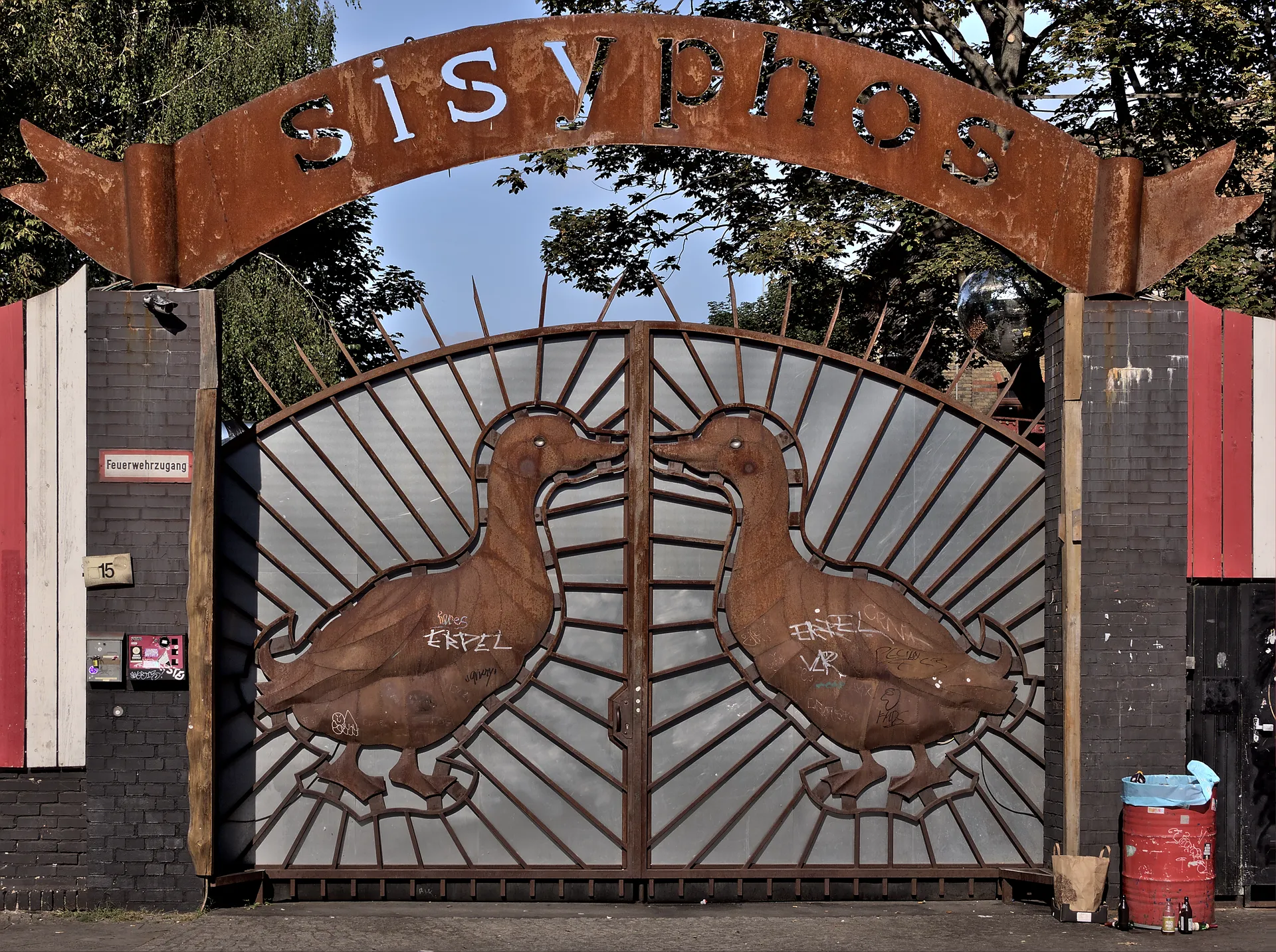
Sisyphos
Must visit
Club5.0

Sisyphos

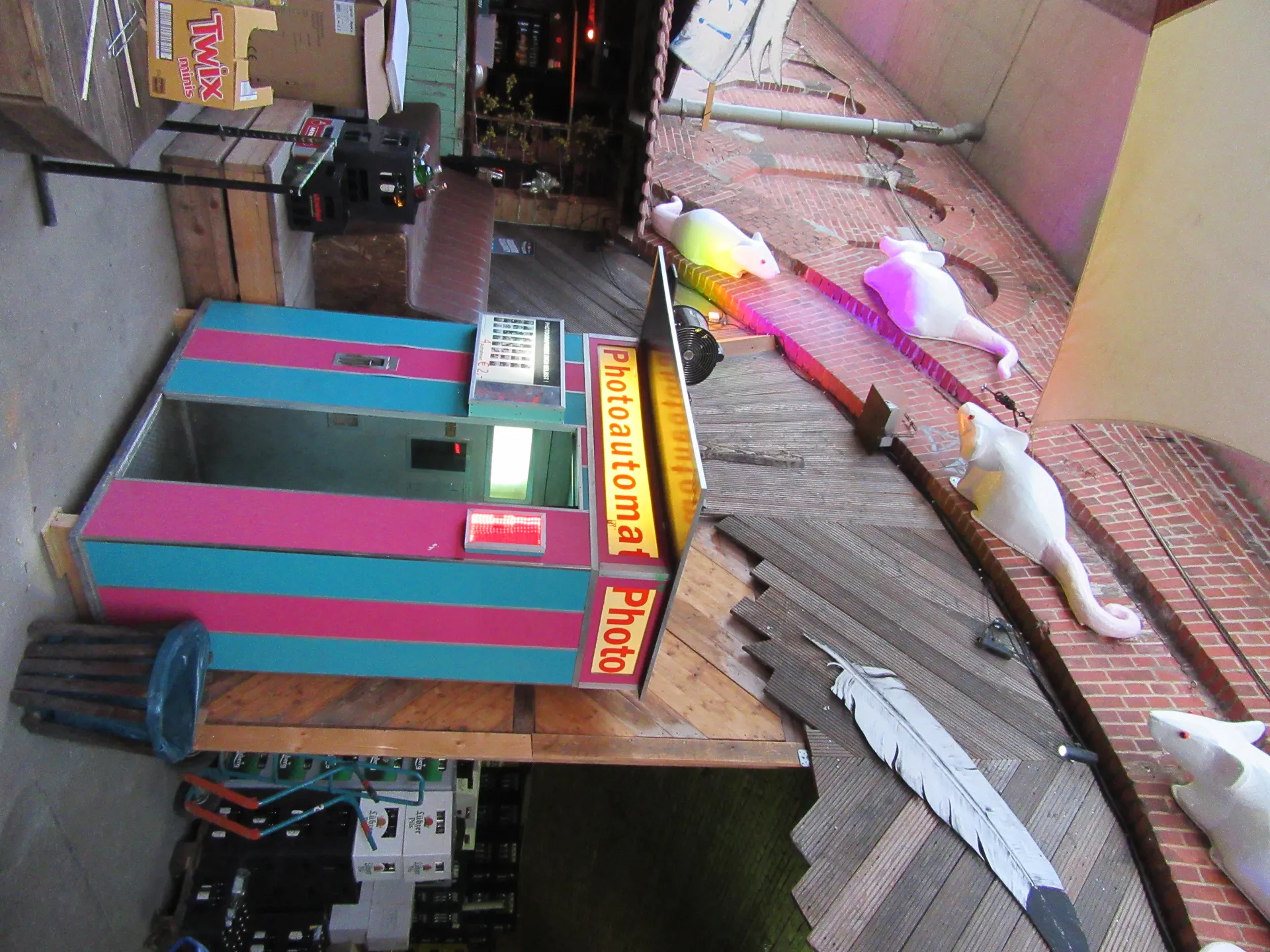
A festival disguised as a club, built inside a former dog biscuit factory. Multiple indoor and outdoor dancefloors, a garden with hammocks, a fire truck bar, and food vendors create a self-contained world where parties stretch from Friday night to Monday morning. Music spans techno, house, minimal, and live acts across stages that feel like different festival zones.

Lichtenberg
Club der Visionaere
Club4.0

Club der Visionaere

One of the smallest and most beloved clubs in Berlin, with a canal-side wooden deck shaded by a legendary weeping willow. The indoor dancefloor holds fewer than 50 people, but the magic happens outside on the terrace where DJs play stripped-back minimal techno and deep house as boats drift past on the Landwehr Canal. Entry is cheap or free, and the atmosphere is effortlessly cool.

Alt-Treptow
RSO.Berlin (Revier Suedost)
Club4.0

RSO.Berlin (Revier Suedost)

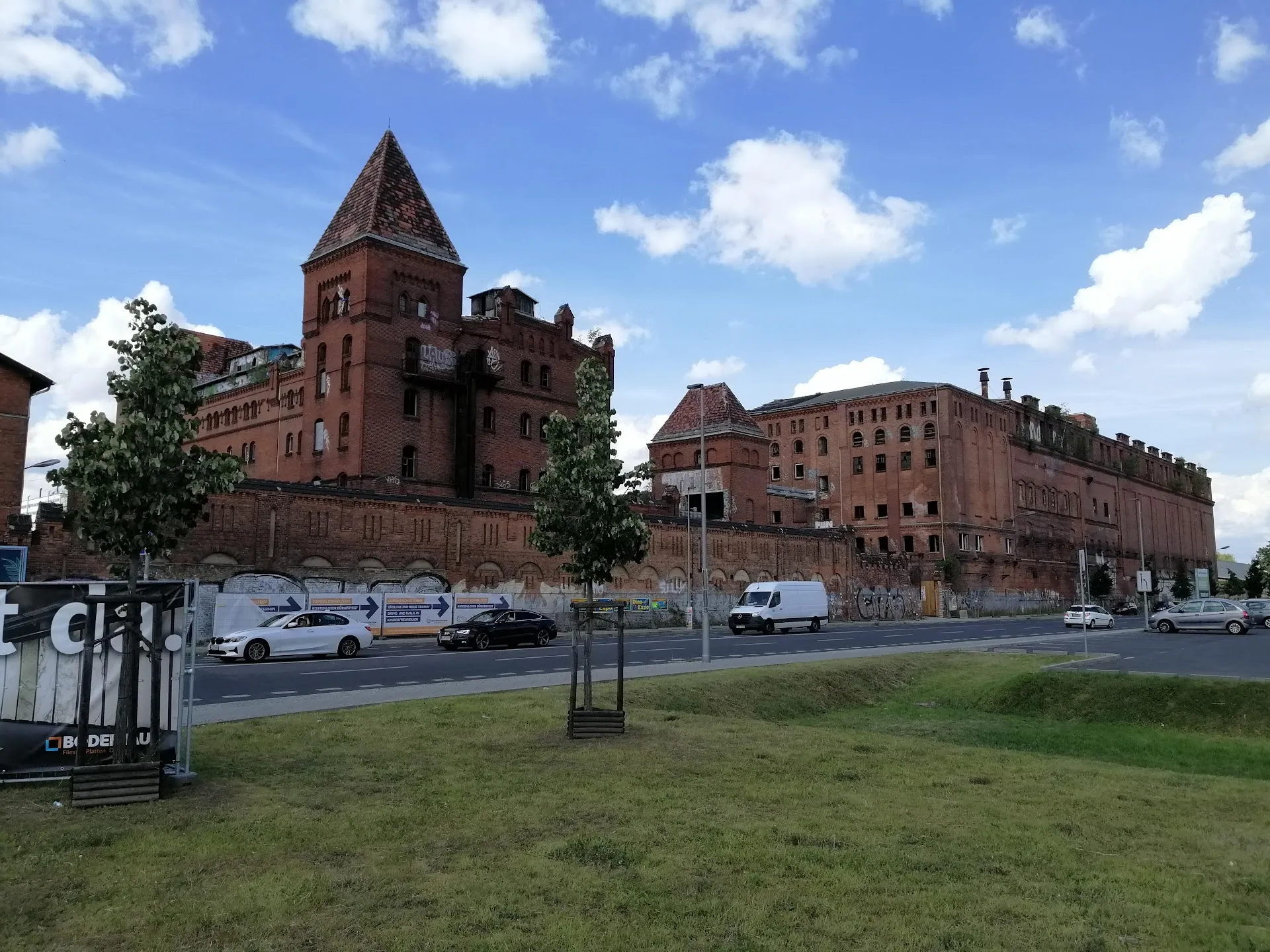
The spiritual successor to the legendary Griessmuehle (closed 2020), reborn on the site of a 19th-century brewery in Schoeneweide. Multiple rooms — ROBUS, SUMME, and the seasonal open-air OPAN — feature custom Kirsch Audio sound systems. Programming spans techno, trance, and breakbeat with marathon parties that rival Berghain in endurance.

Niederschoeneweide
OHM
Club4.0

OHM

An intimate 200-capacity venue housed in the former battery room of the power plant that also contains Tresor. OHM programs the experimental and ambient end of Berlin's electronic spectrum — expect deep listening sets, live modular synth performances, and leftfield electronics alongside techno. No door policy, cheap entry, and a local Berlin crowd make it the antithesis of the velvet-rope experience.

Mitte
KitKat Club
Club4.0

KitKat Club

Berlin's most famous libertine nightclub, running since 1994 in the same building complex as Tresor. The dress code is "less is more" — costumes, fetish wear, or minimal clothing are expected, and regular clothes may get you turned away. Inside, multiple dancefloors play electro, techno, and trance around a swimming pool. The club embodies Berlin's radical freedom and body-positive culture in a way no other venue does.

Mitte
Ritter Butzke
Club4.0

Ritter Butzke

Born as an illegal warehouse party in 2007 before going legit two years later, Ritter Butzke occupies a former factory in Kreuzberg with three dancefloors and a summer courtyard. The programming leans toward melodic house and techno with a warm, welcoming crowd that skews less tourist-heavy than the big-name clubs. The intimate factory rooms and excellent sound make it a consistent favourite among locals.

Kreuzberg
Else
Club4.0

Else

A summer-only open-air club on the banks of the Spree near Treptower Park, where trees grow through the dancefloor and colourful shipping containers double as sound barriers. Major international artists play techno and house to a crowd dancing under open sky and riverside breezes. The festival-like atmosphere and natural setting make Else one of the best warm-weather clubbing experiences in Europe.

Alt-Treptow
OXI
Club4.0

OXI

Formerly Polygon, OXI has quickly established itself as one of Friedrichshain's most progressive clubs. Two indoor dancefloors and a spacious open-air garden are equipped with Lambda Labs sound systems delivering pristine audio. The programming is deliberately eclectic — techno, trance, house, and disco all share the schedule — and the club champions queer, body-positive, and sex-positive parties with a genuinely inclusive atmosphere.

Friedrichshain
Zenner
Club4.0

Zenner

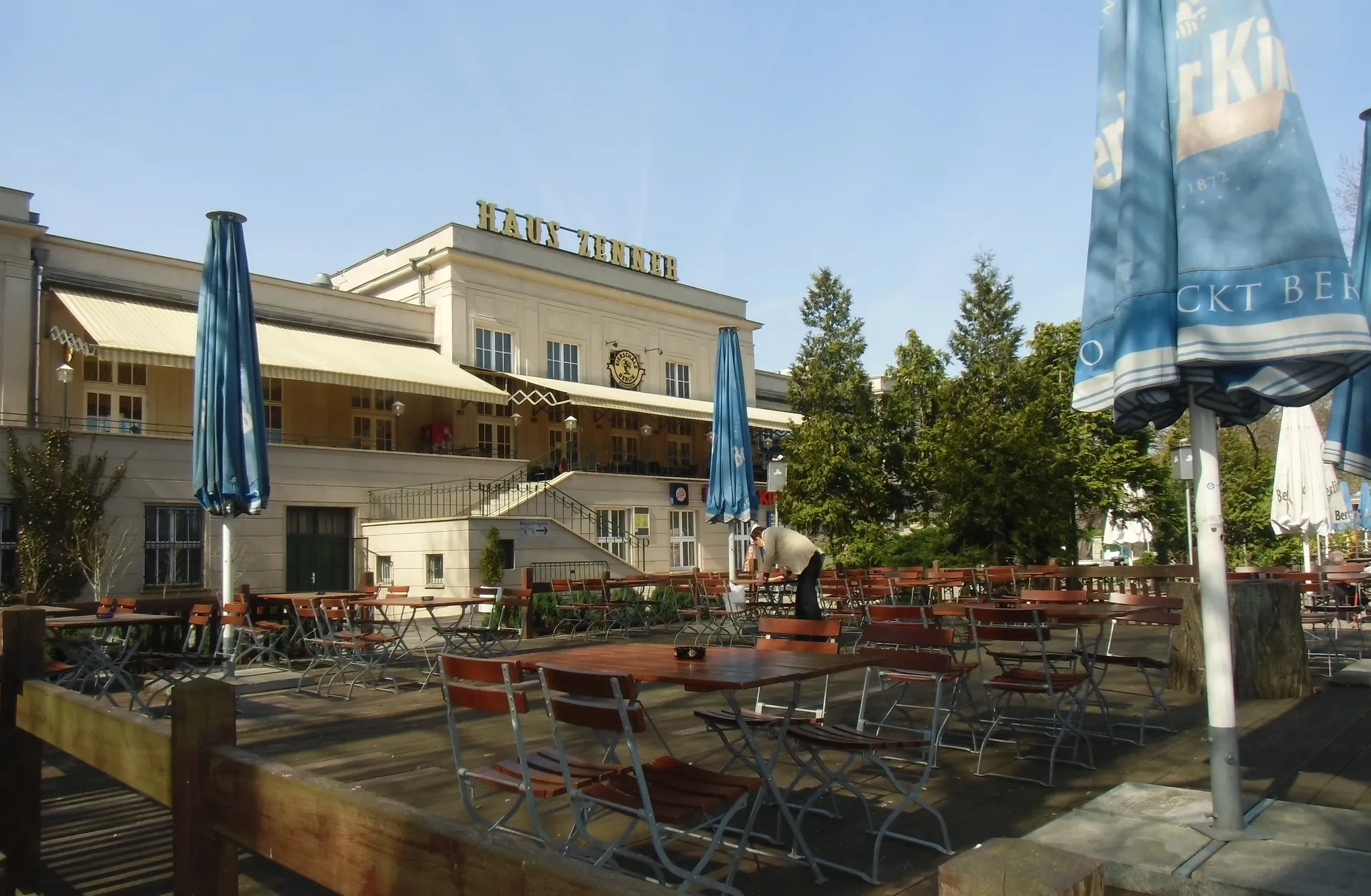
A GDR-era ballroom and beer garden in the heart of Treptower Park, reinvented as one of Berlin's most forward-thinking music venues. The historic riverside hall hosts label takeovers, live performances, and club nights spanning downtempo, house, and techno, while the beer garden and wine terrace offer a scenic daytime retreat. The combination of heritage architecture, Spree views, and adventurous programming makes Zenner unique in the city.

Alt-Treptow
Lokschuppen
Club4.0

Lokschuppen

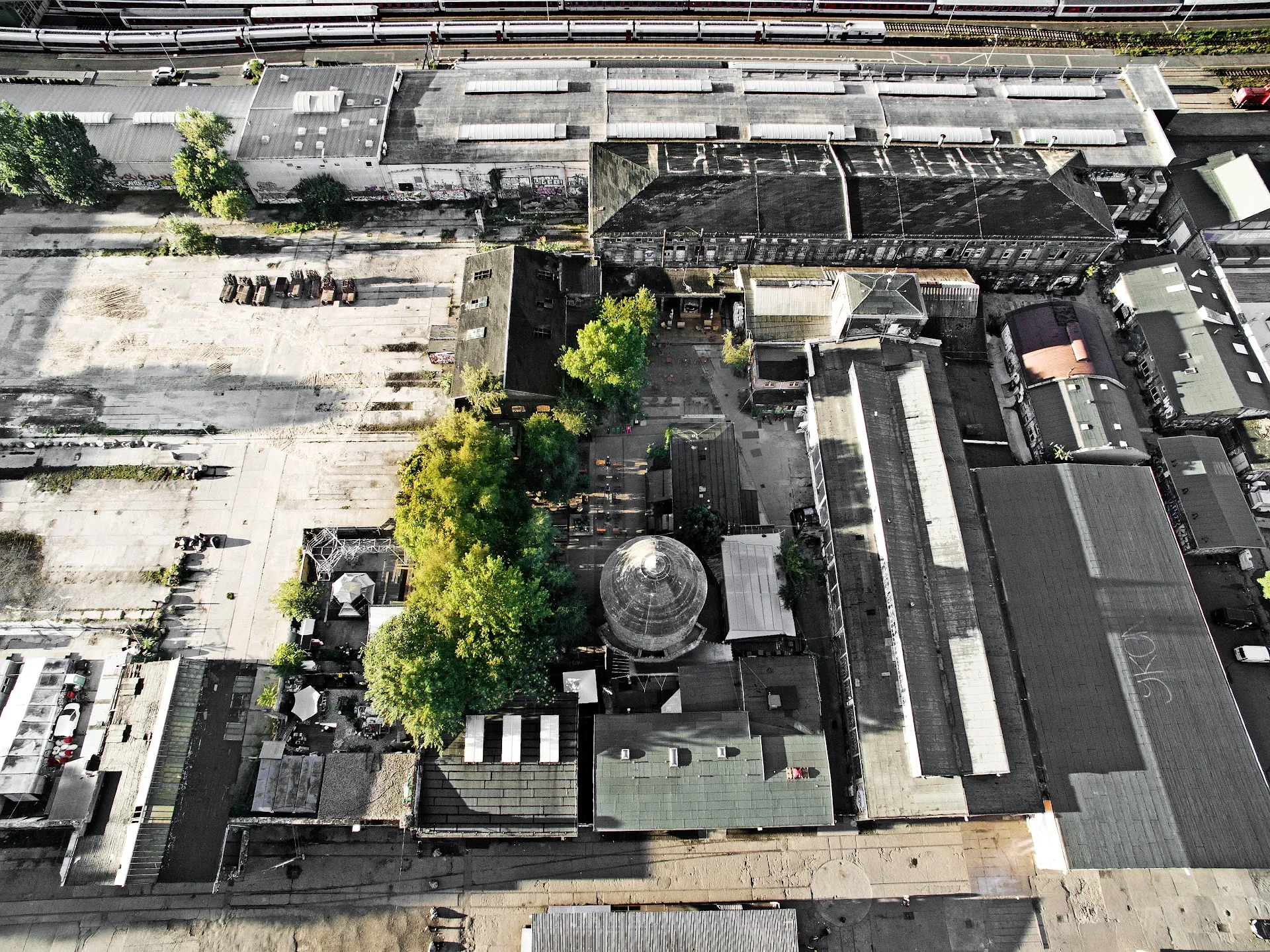
Rising from the legacy of Suicide Club and Suicide Circus on the RAW Gelaende, Lokschuppen occupies a repurposed warehouse on one of Friedrichshain's most storied nightlife strips. The industrial decor, graffiti-covered courtyard, and raw concrete interiors host a programme that leans into trance and harder-edged techno — a niche that few Berlin clubs serve. The location on the RAW grounds puts it at the centre of the Revaler Strasse party corridor.

Friedrichshain
Klunkerkranich
Bar4.0

Klunkerkranich

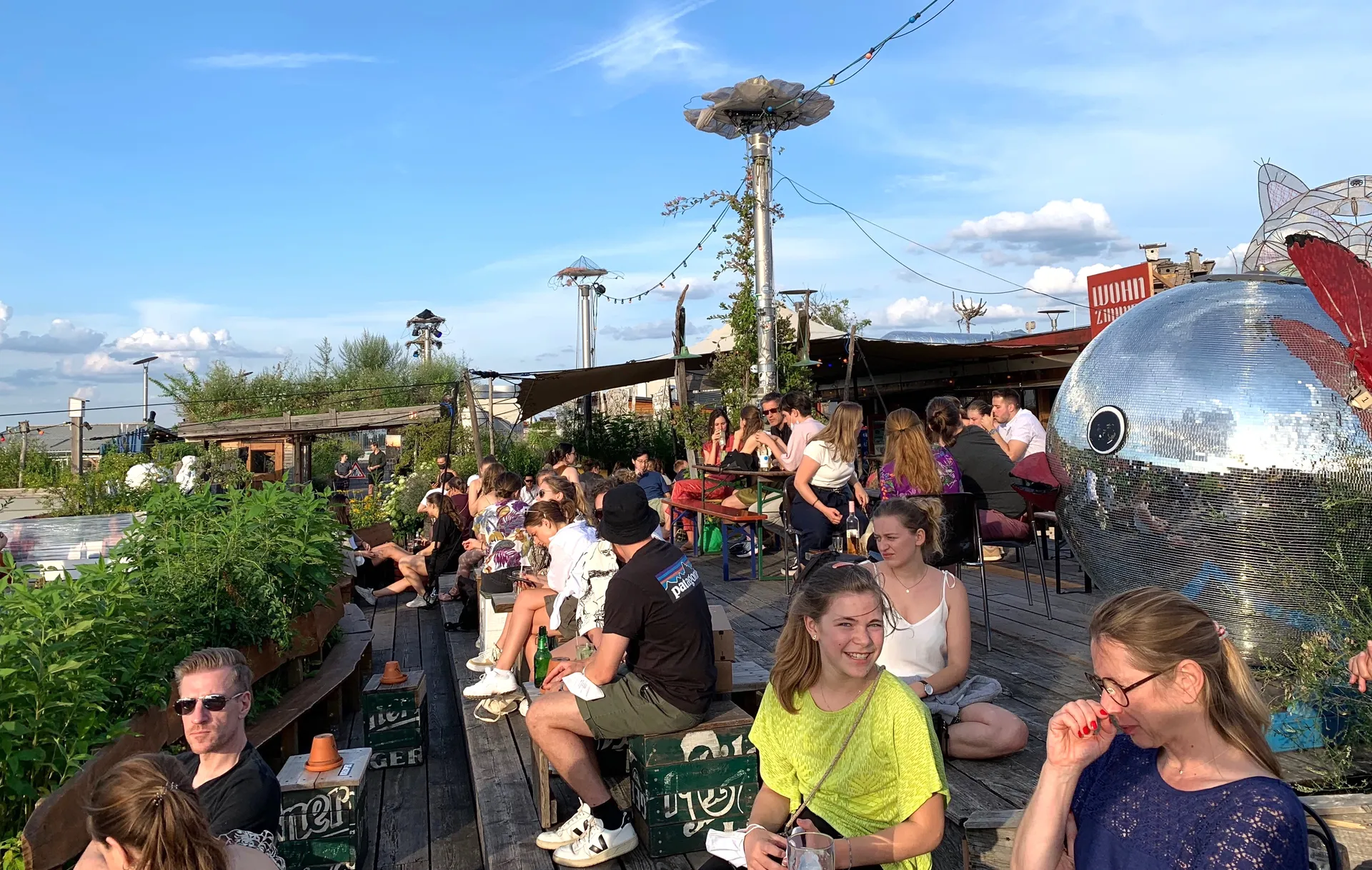
Hidden rooftop bar on top of a parking garage with panoramic sunset views over Berlin. Regular DJ sets, live music, and a community garden vibe. Take the elevator to the top floor and walk up.

Neukoelln

Record shops & vinyl in Berlin

Crate-digging heaven — the best vinyl, records and music gear.

See all
HHV Records
Must visit
Vinyl Shop5.0

HHV Records

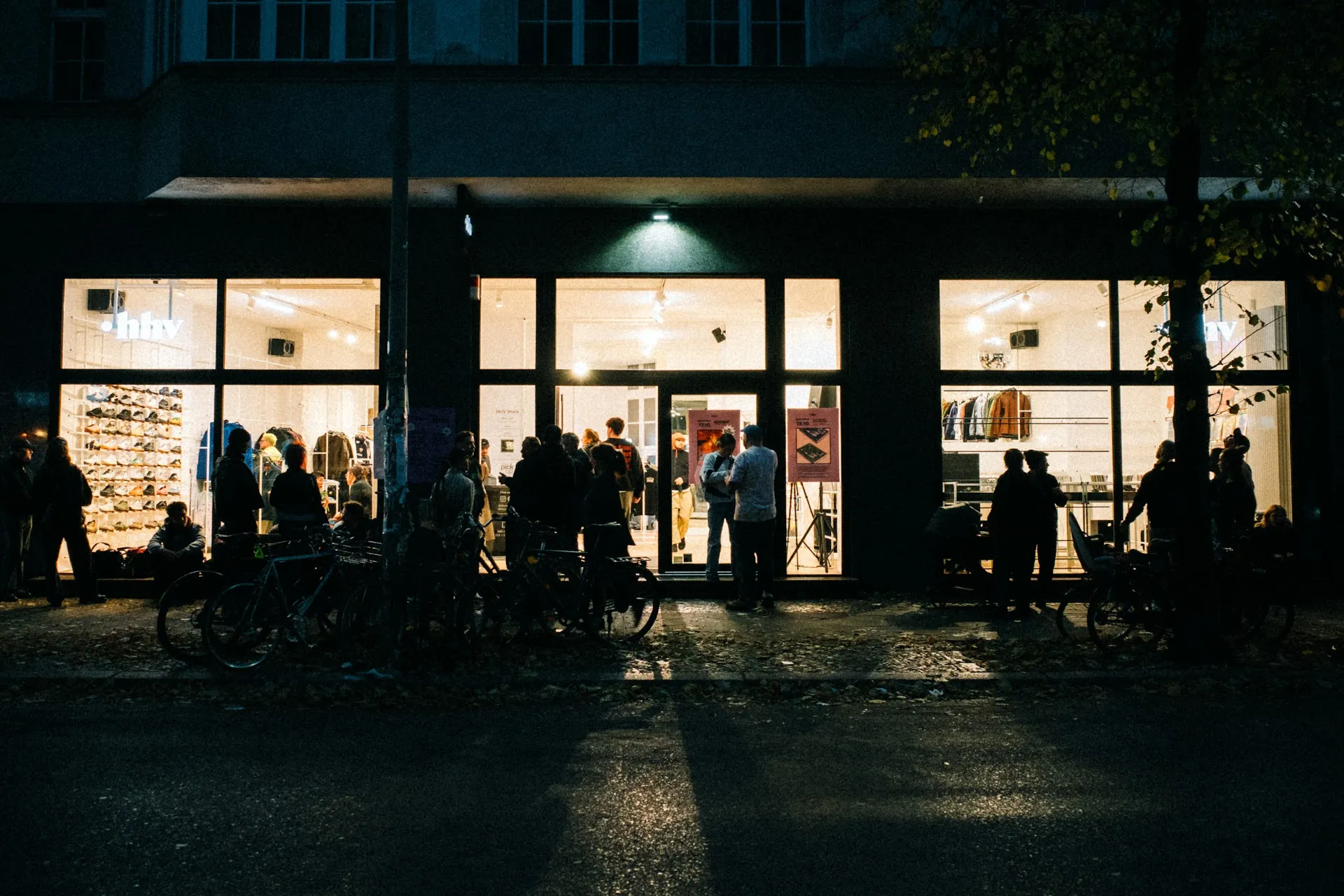
Originally focused on hip-hop vinyl (the name stands for Hip Hop Vinyl), now expanded to cover electronic, soul, jazz, and more. Also a major online retailer with an excellent in-store selection.

Schoeneberg
Space Hall
Vinyl Shop5.0

Space Hall

Legendary Berlin record shop specializing in electronic music since 1995. Deep selection of techno, house, ambient, and experimental vinyl. Staff are knowledgeable and will let you listen before buying.

Kreuzberg
Hard Wax
Must visit
Vinyl Shop5.0

Hard Wax

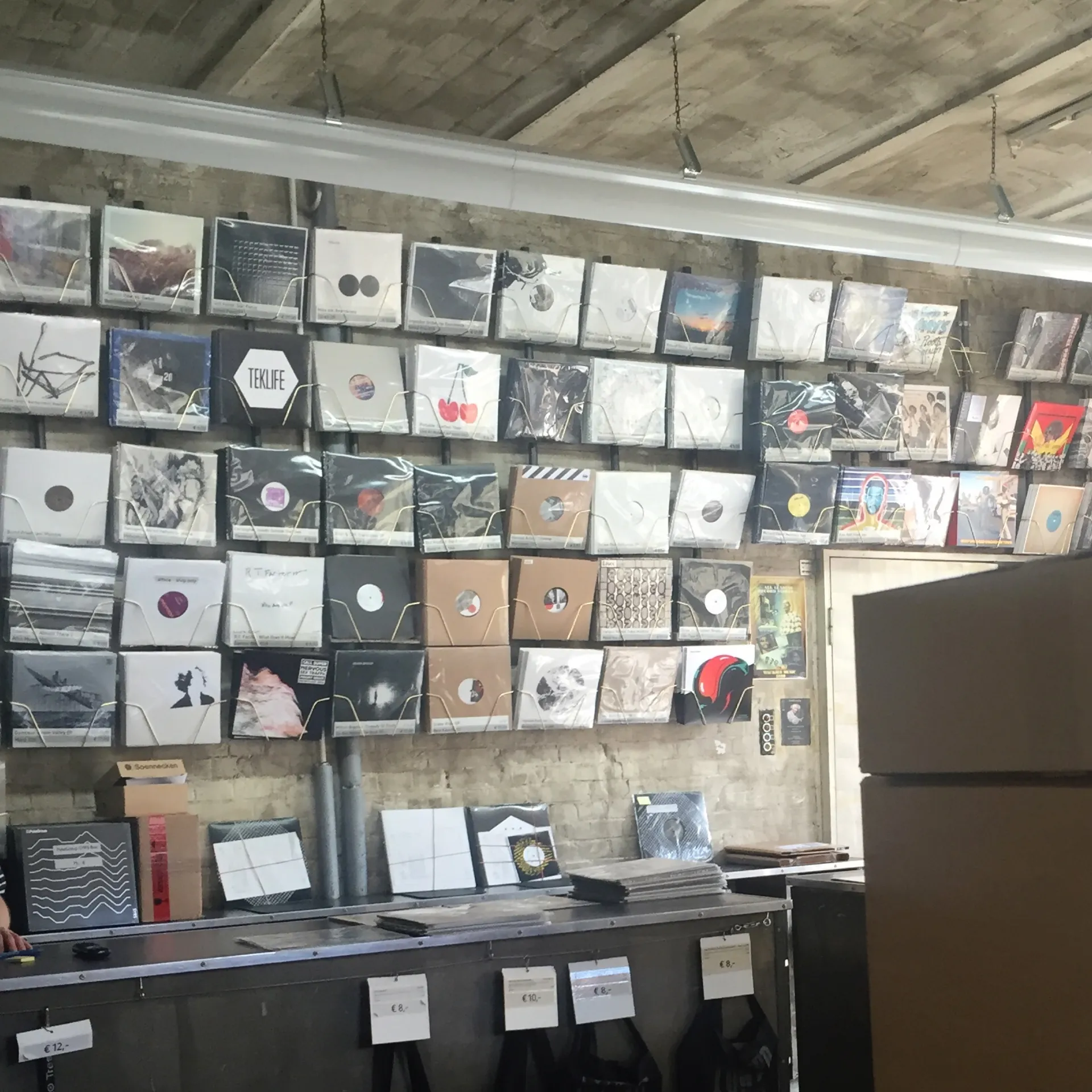
The most influential techno and dub record shop in the world, run by Basic Channel's Mark Ernestus since 1989. Hidden up a stairwell in a Kreuzberg courtyard, its tightly curated walls of techno, dub, house, and reggae have shaped the Berlin sound. A pilgrimage for serious diggers.

Kreuzberg
OYE Records
Vinyl Shop5.0

OYE Records

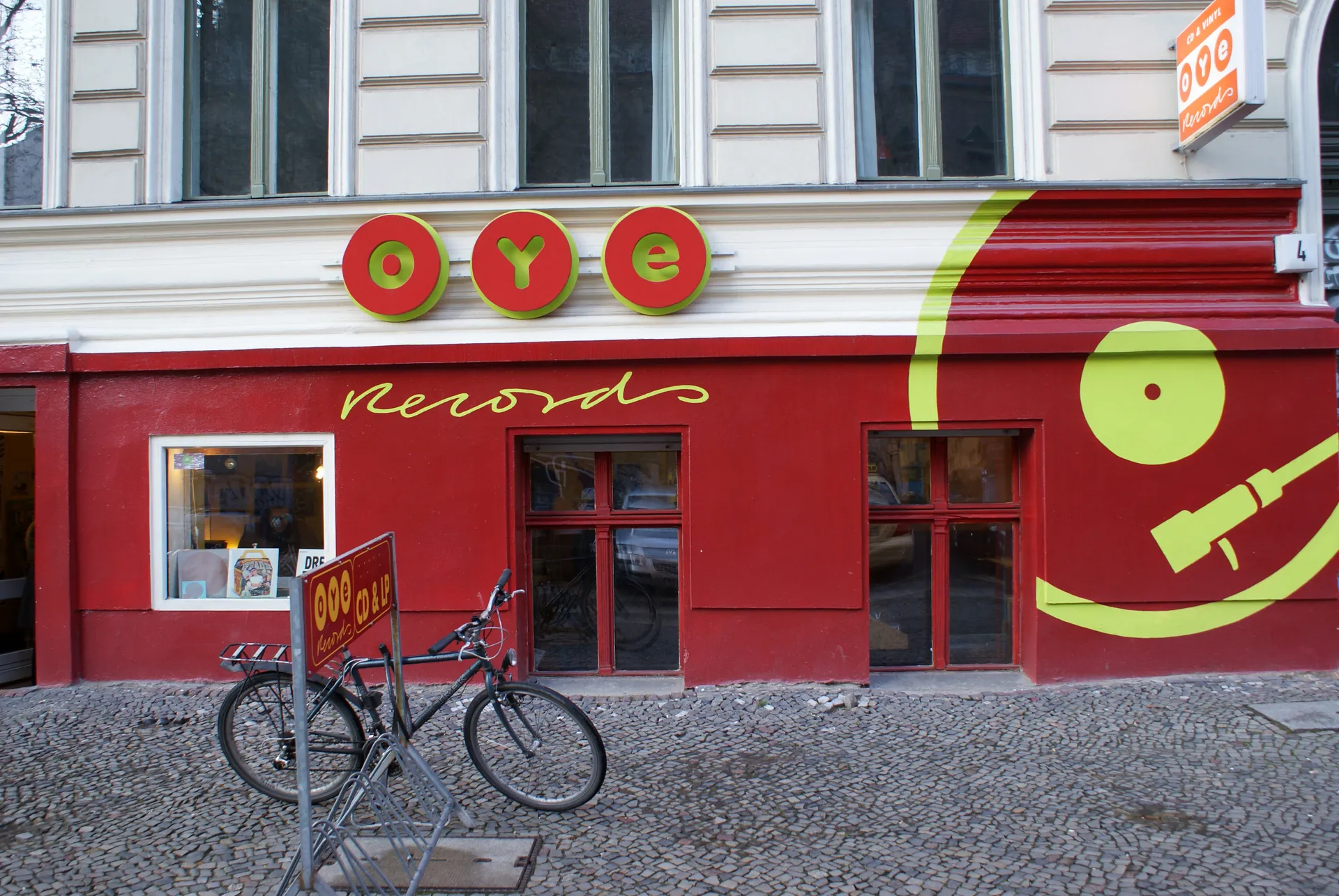
A beloved Prenzlauer Berg institution covering house, disco, soul, jazz, and electronic across new and used vinyl. Friendly, knowledgeable staff and listening stations make it a perfect spot to dig without pressure. A second branch sits in Friedrichshain.

Prenzlauer Berg
Sound Metaphors
Vinyl Shop5.0

Sound Metaphors

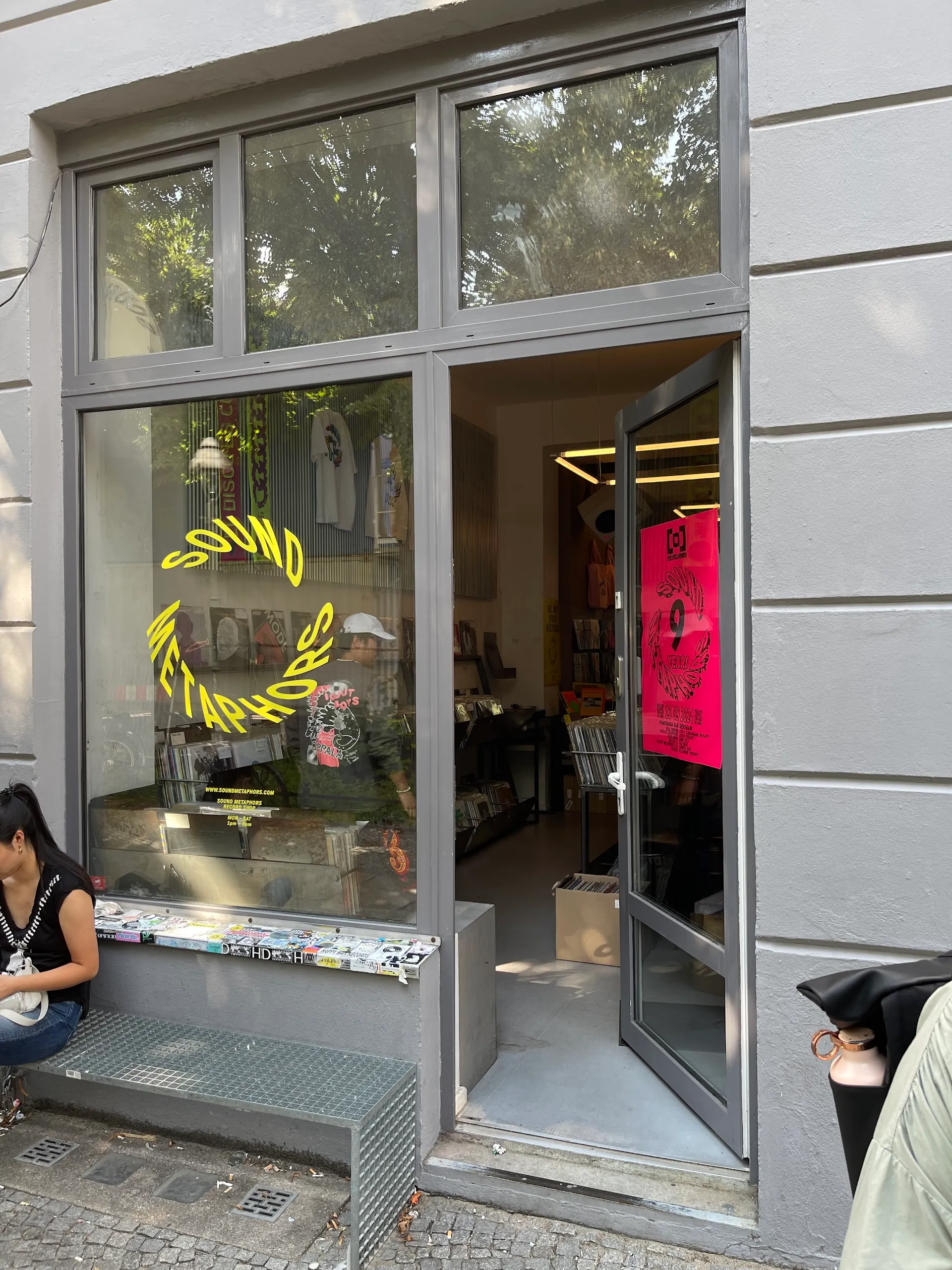
A specialist shop and reissue label for rare disco, boogie, house, and Italo, with an immaculately curated selection prized by DJs. The in-house pressing and distribution operation gives it access to repress and rare stock other shops cannot match.

Kreuzberg

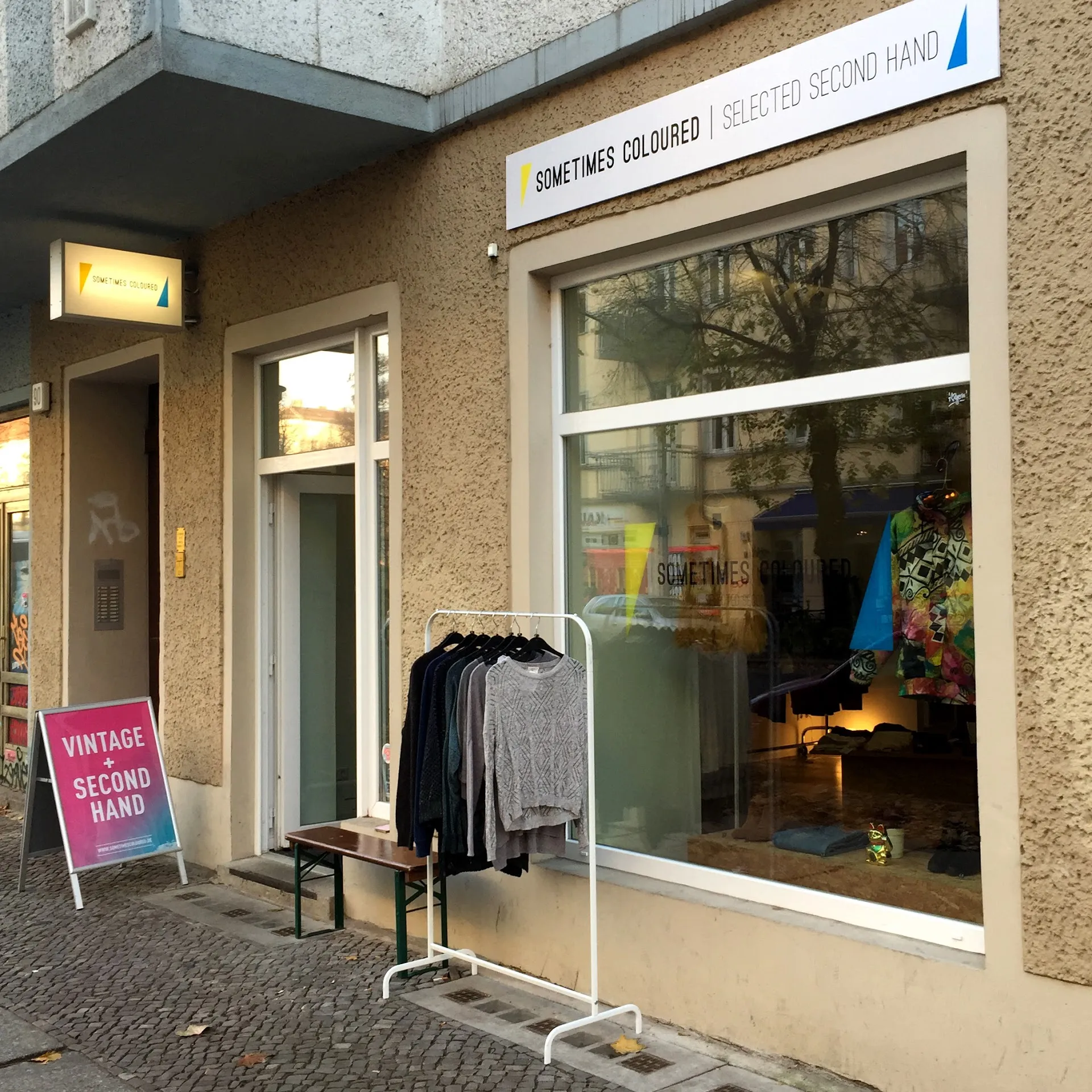
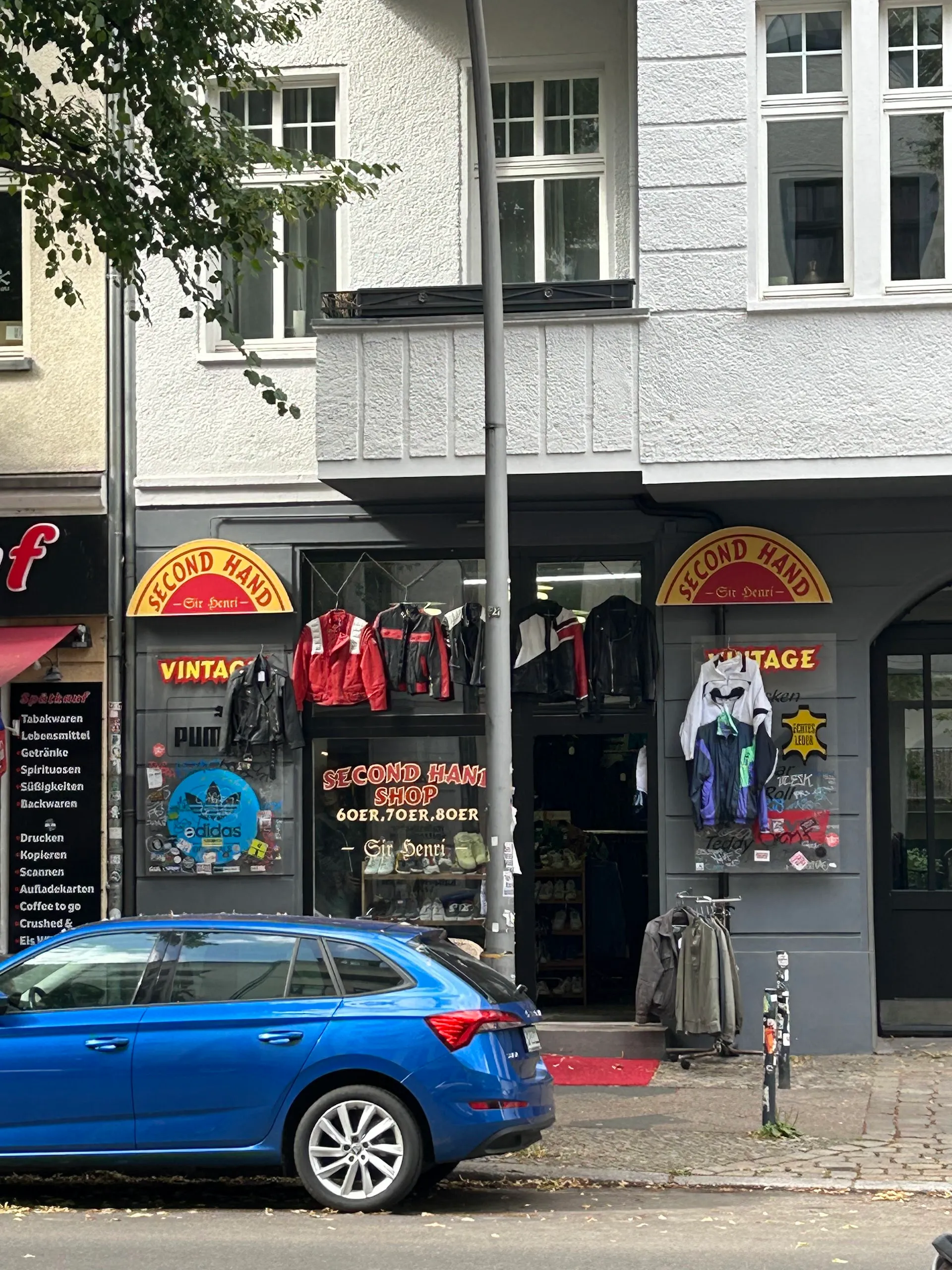
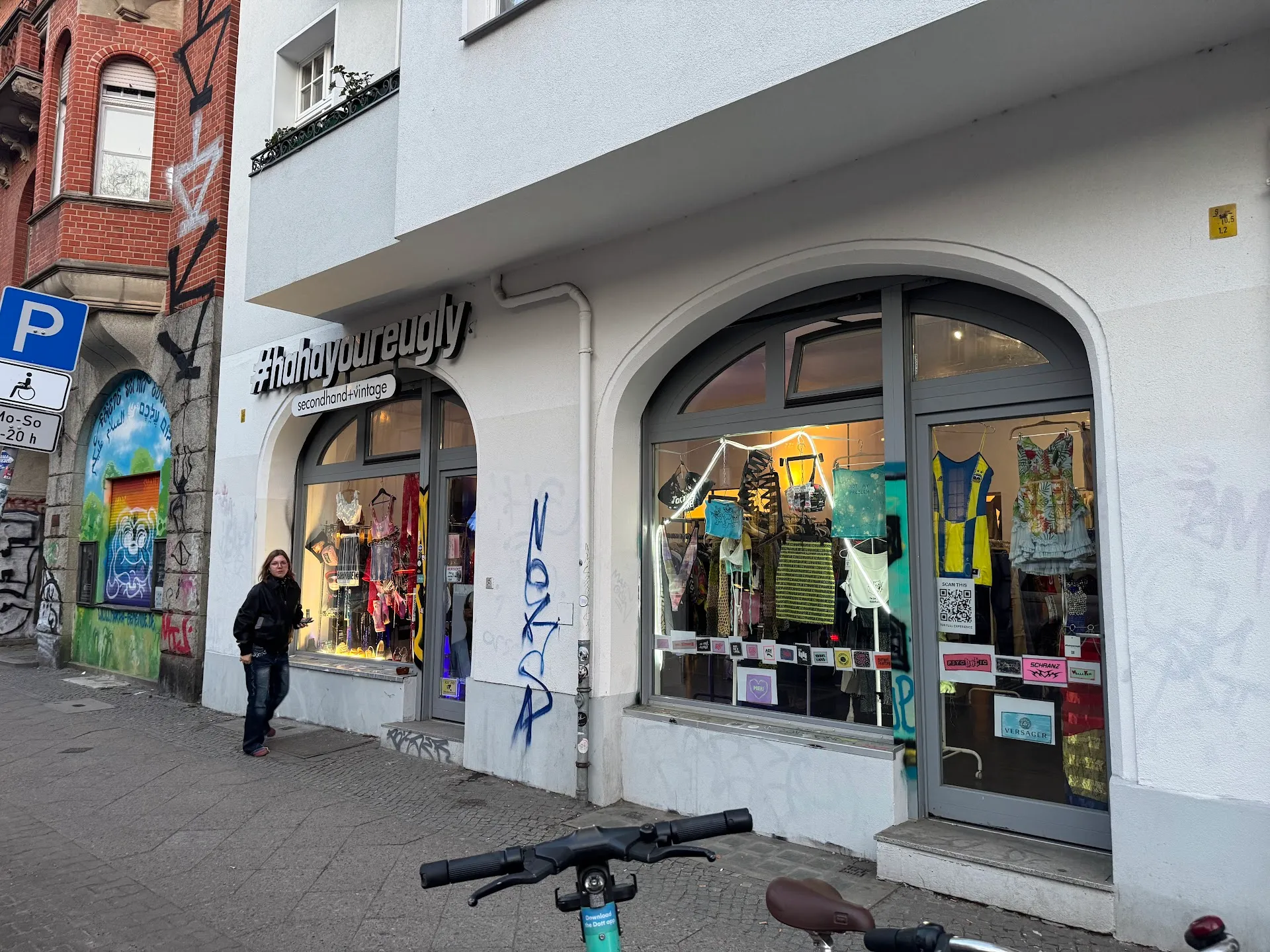
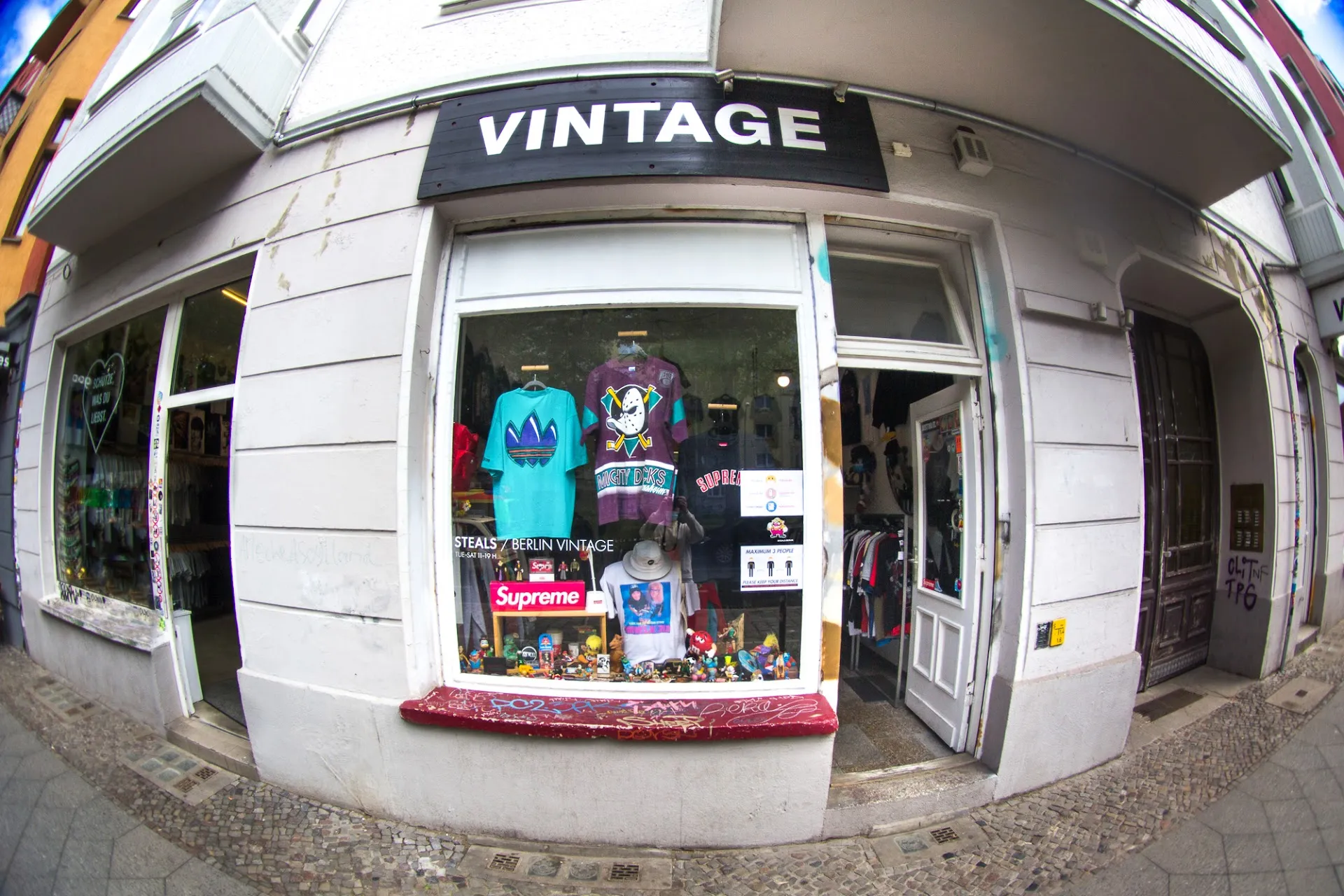
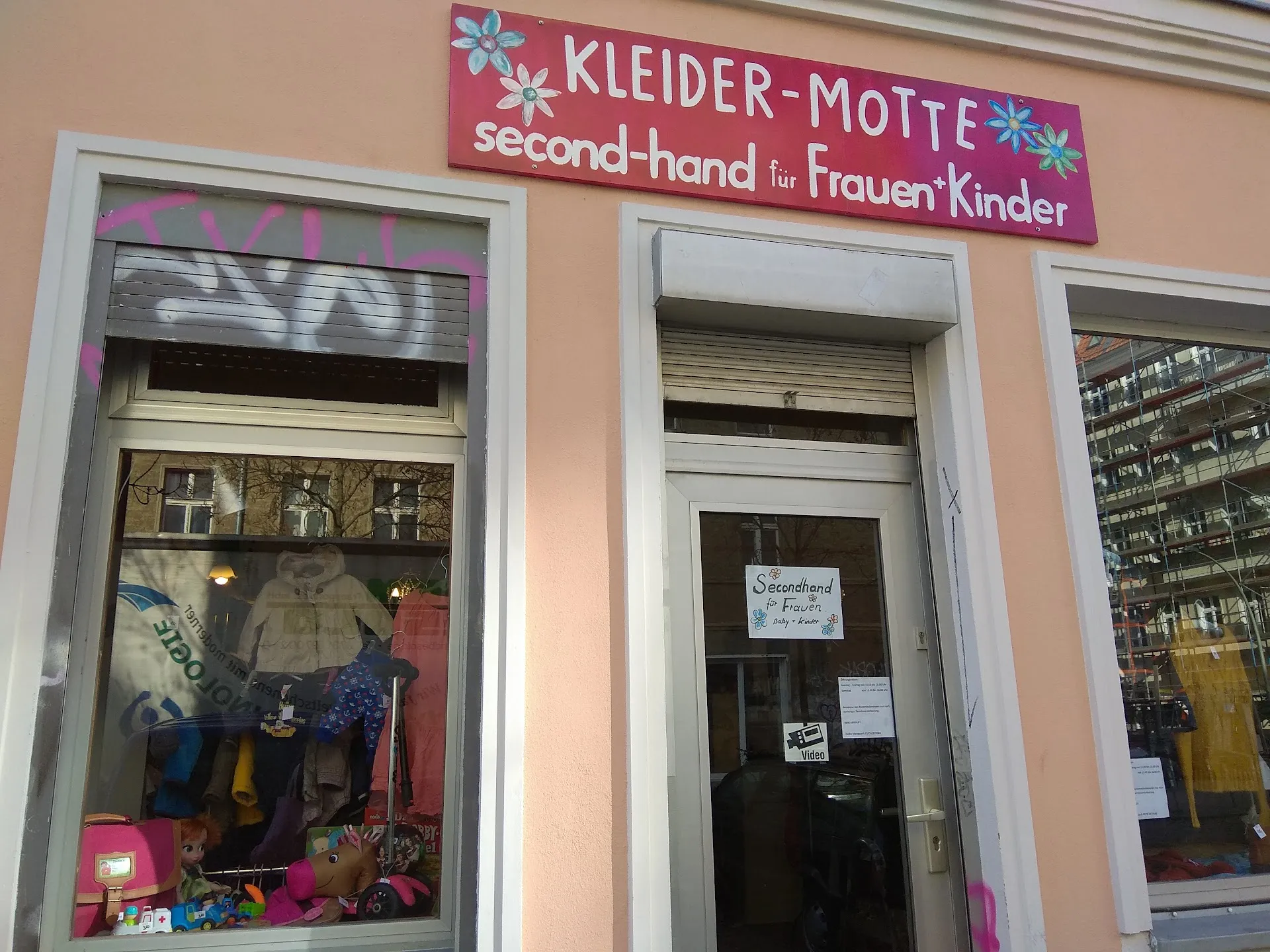
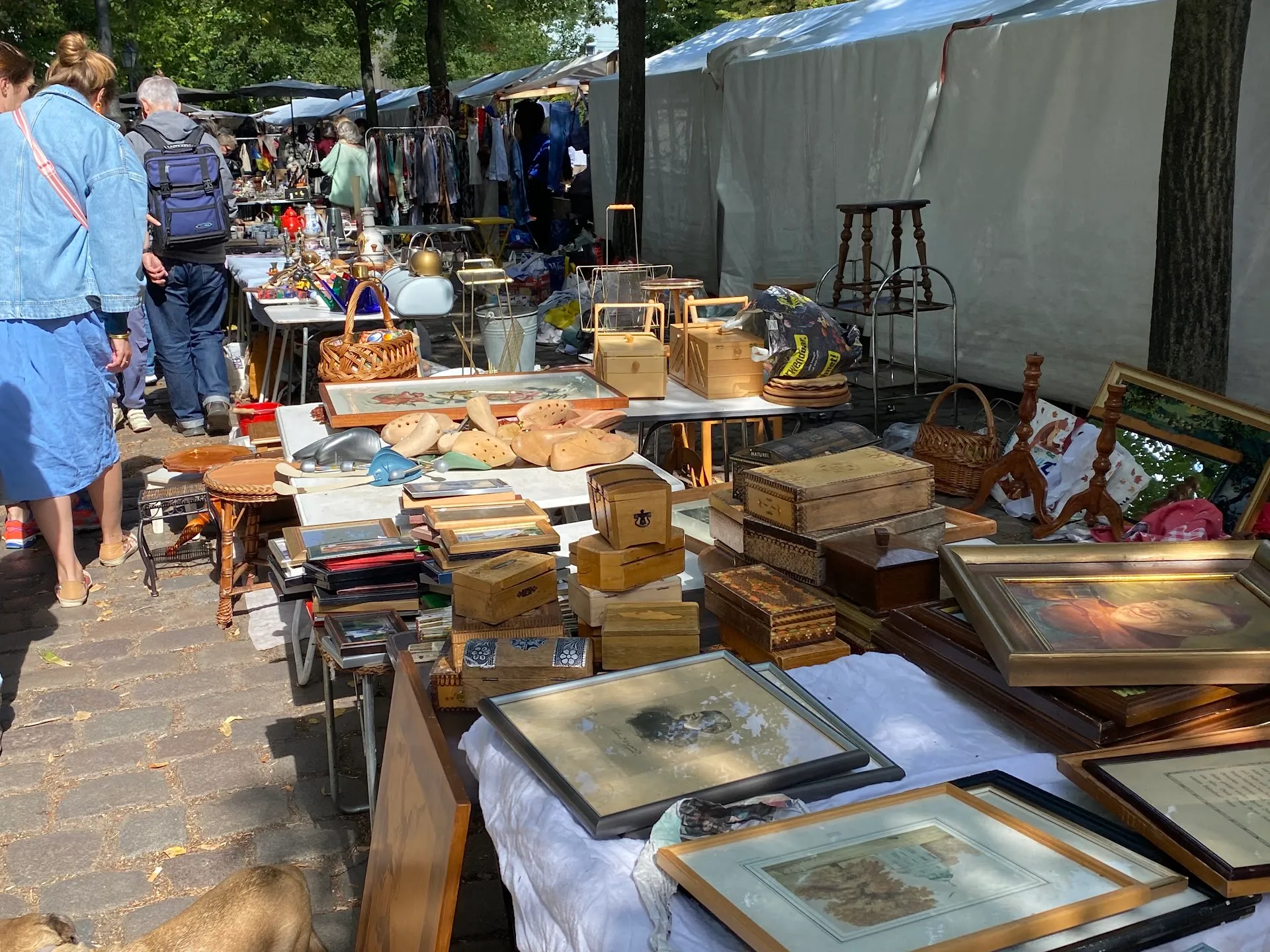
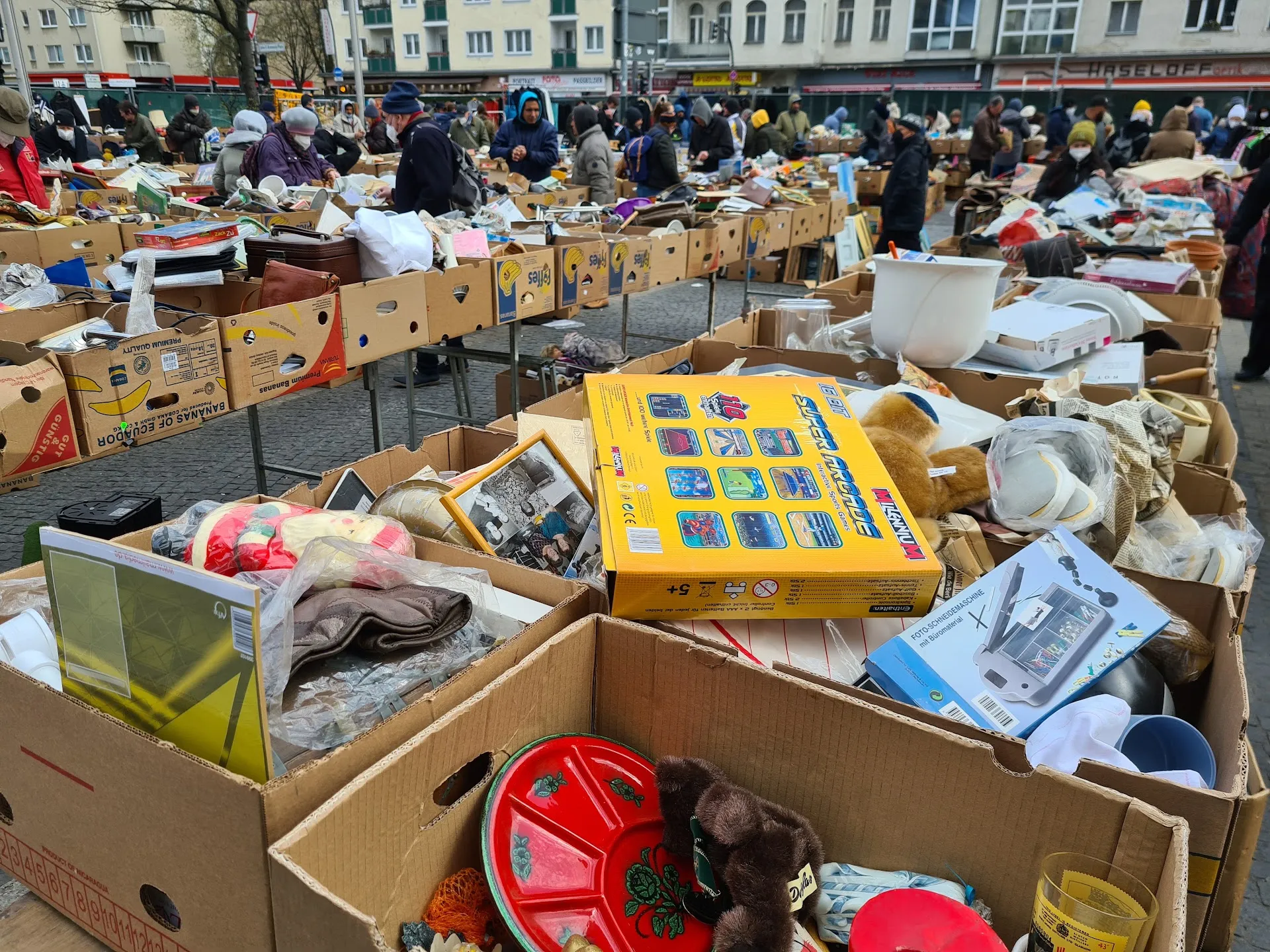
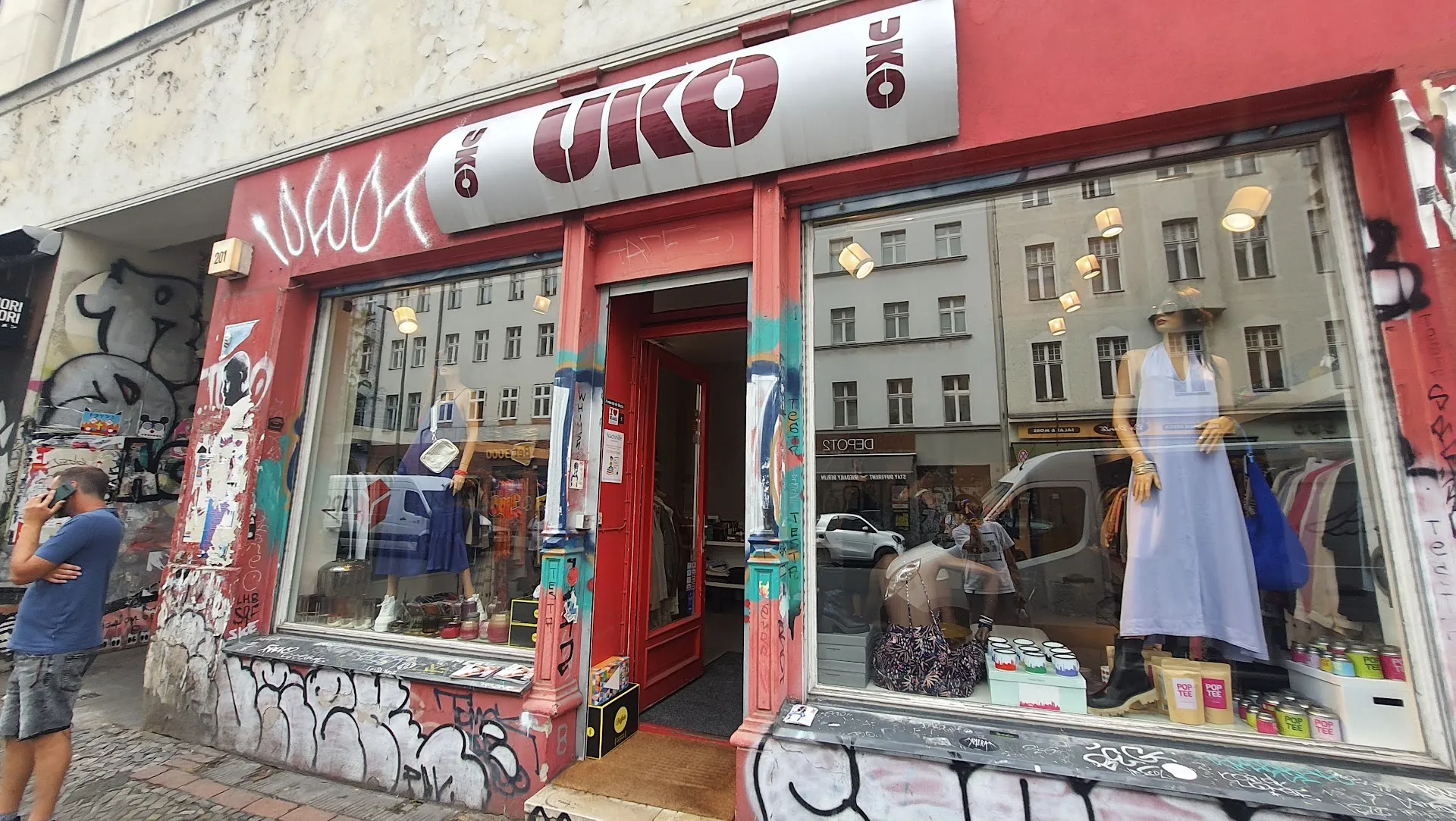
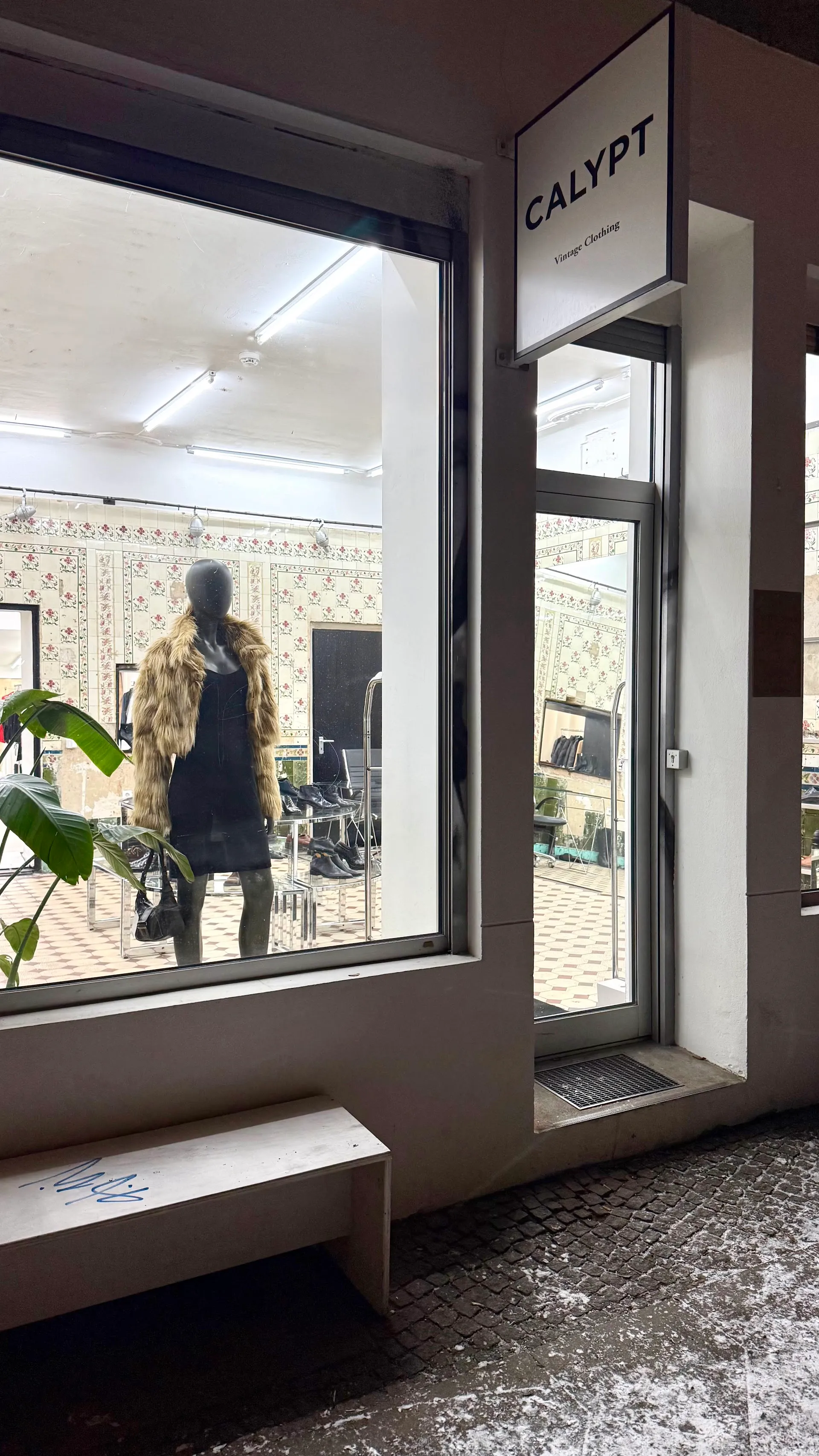
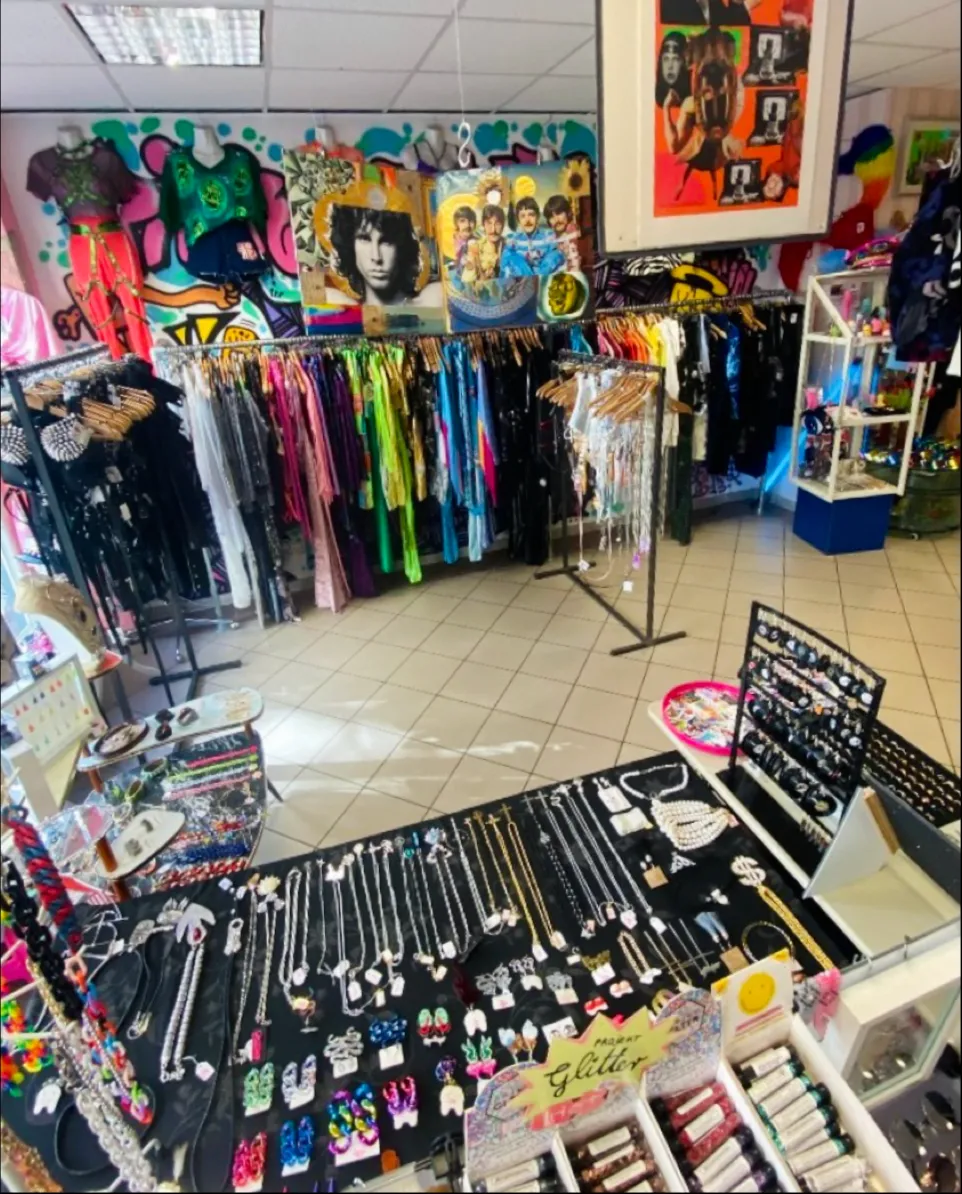
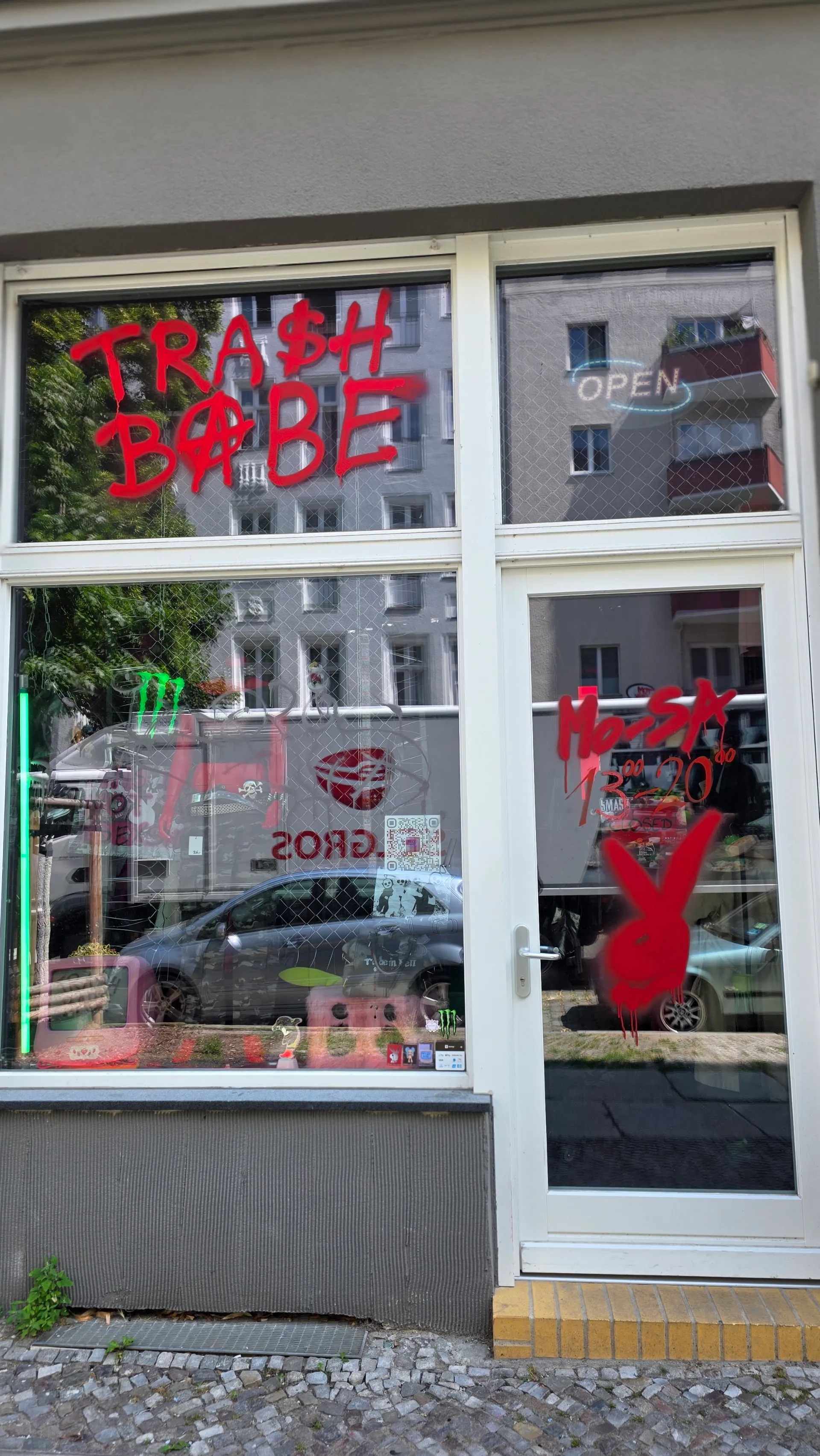
Vintage & thrift treasures in Berlin

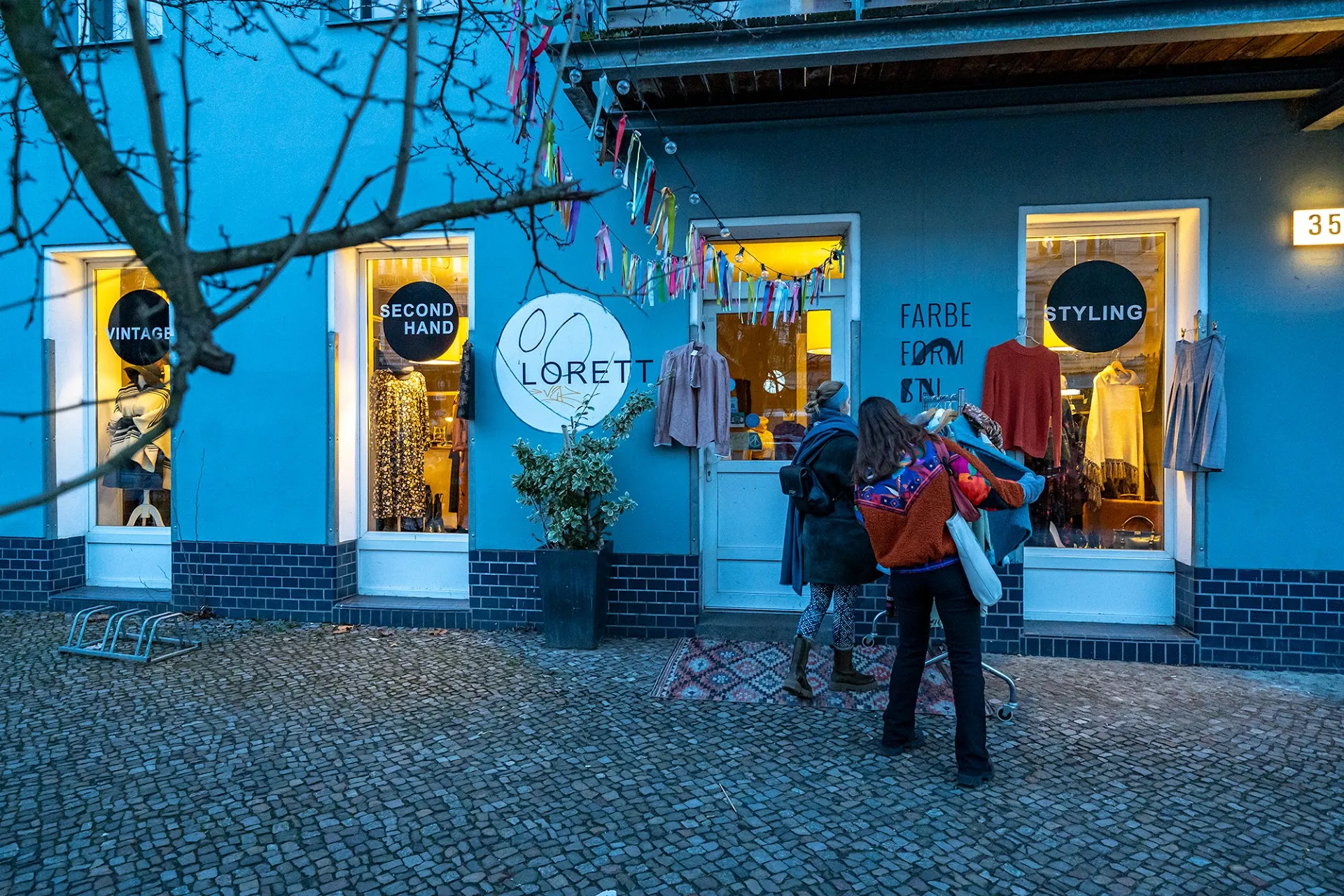
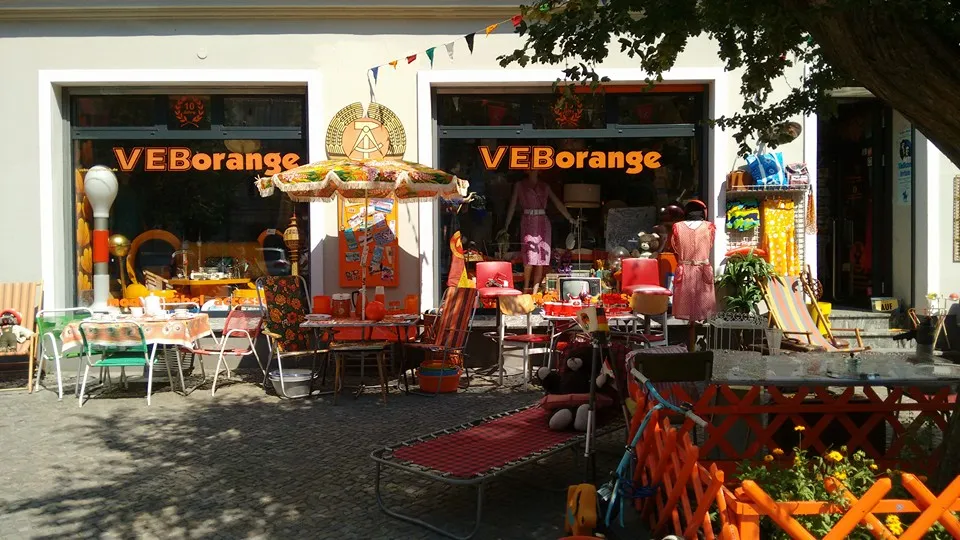
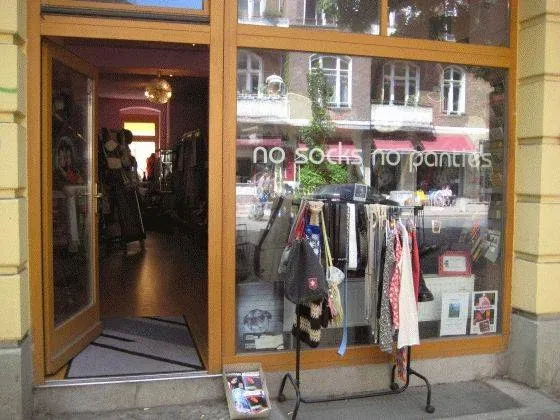
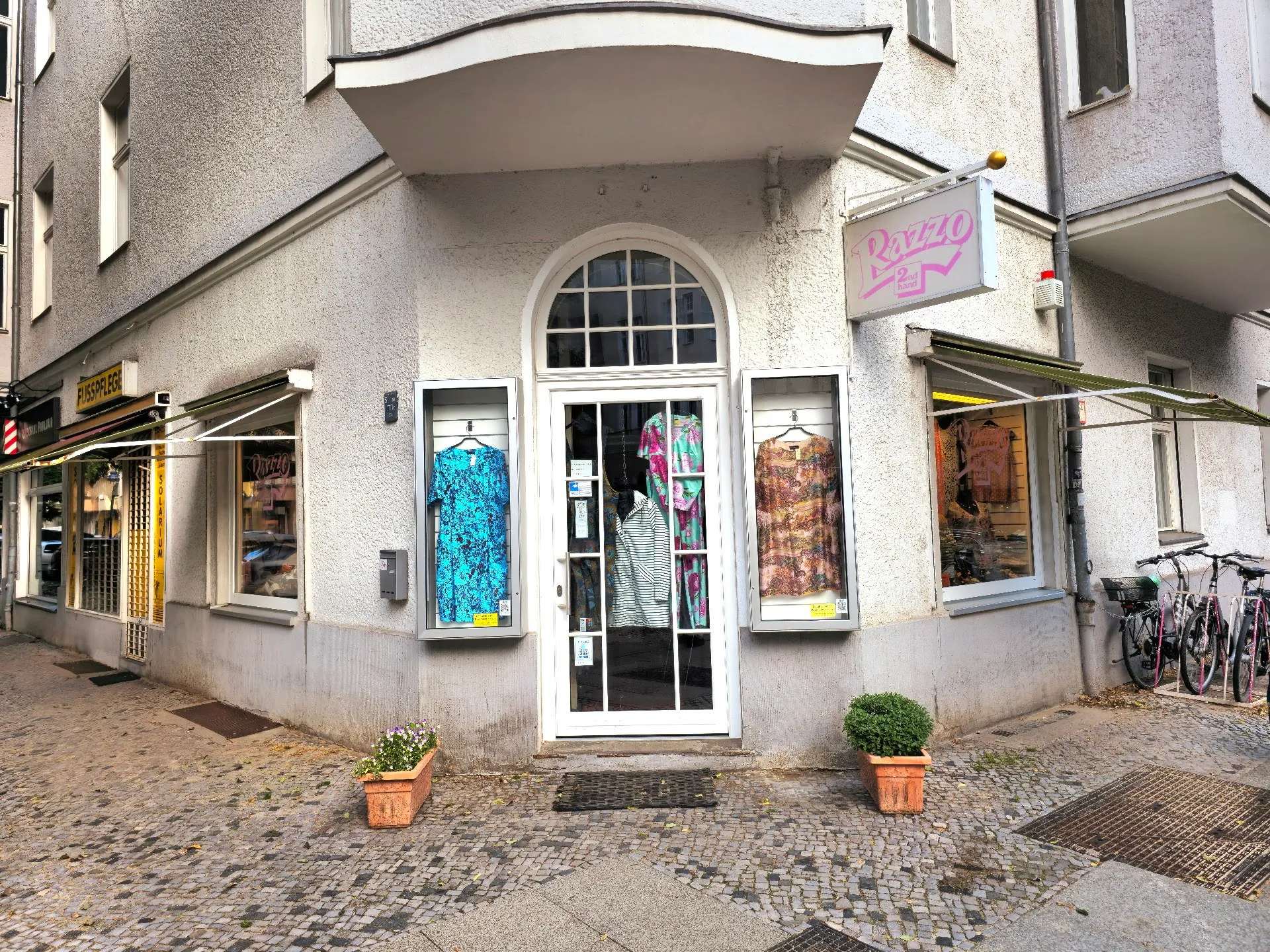
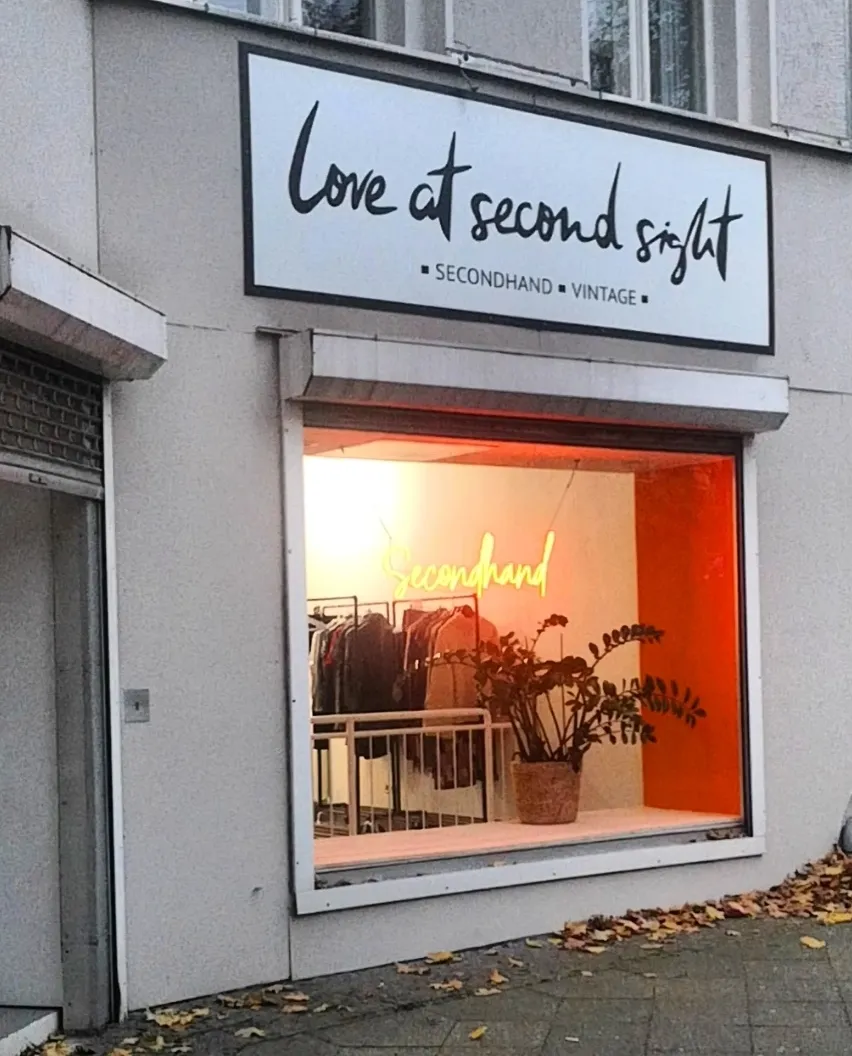
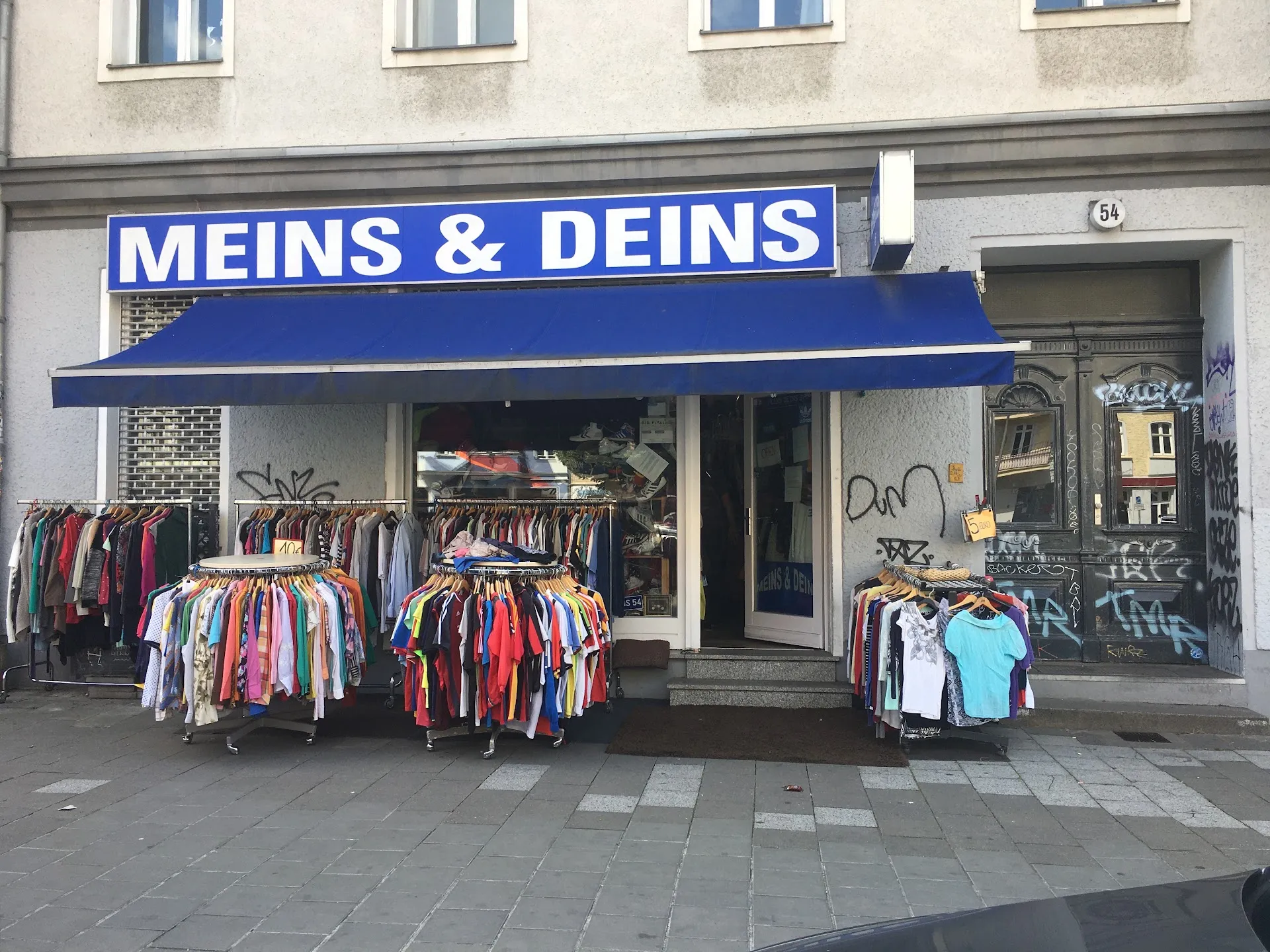
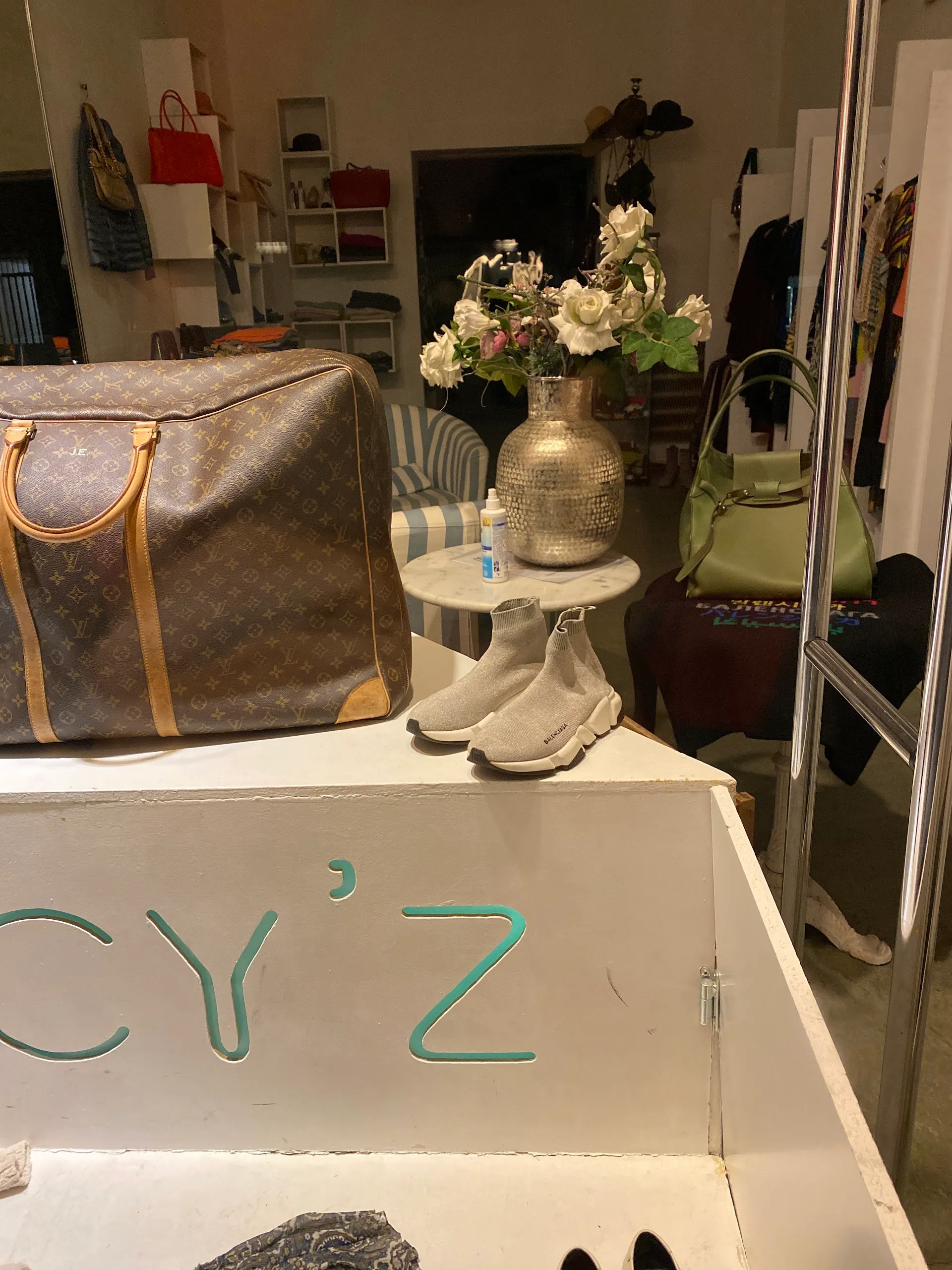
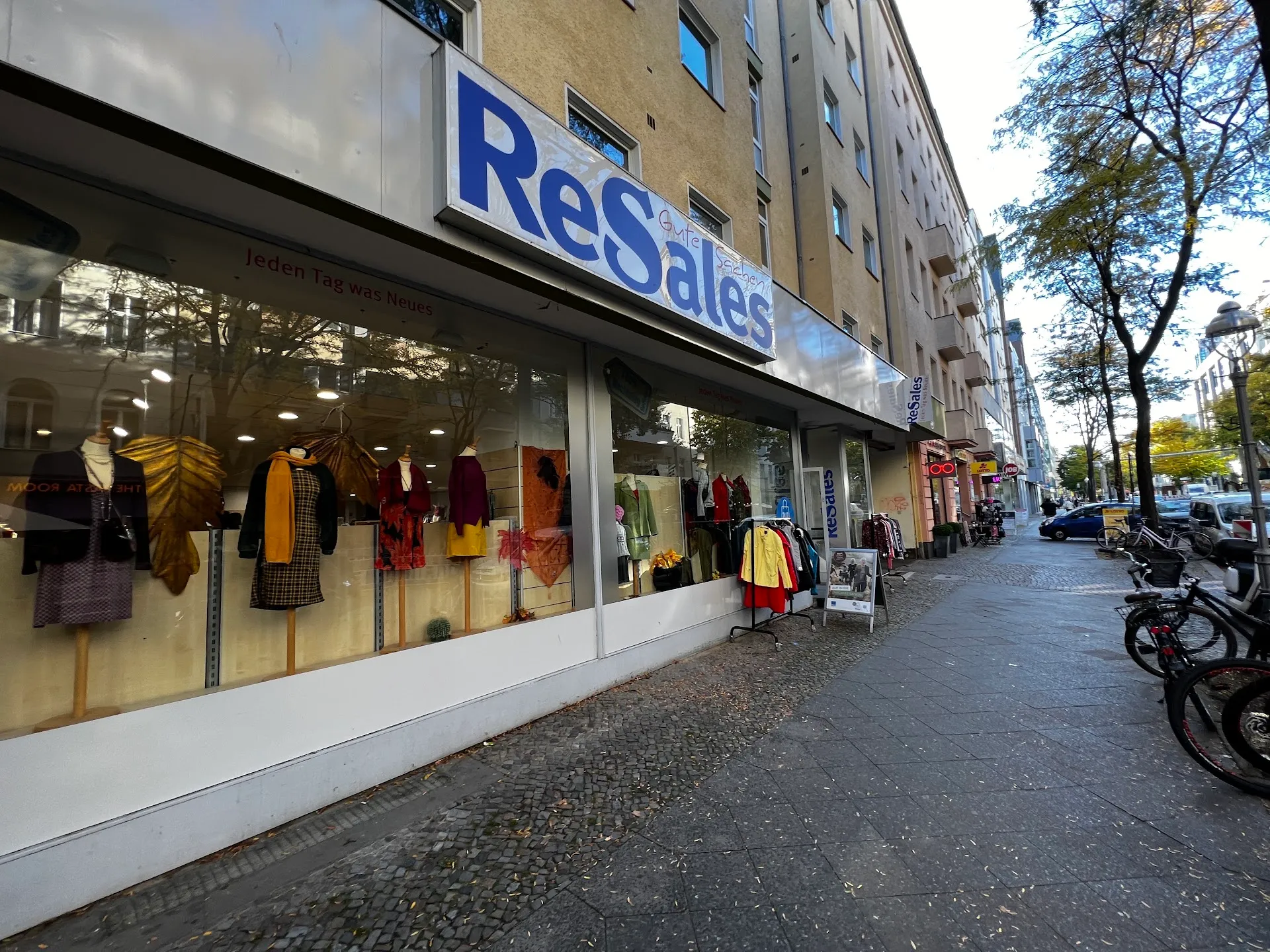
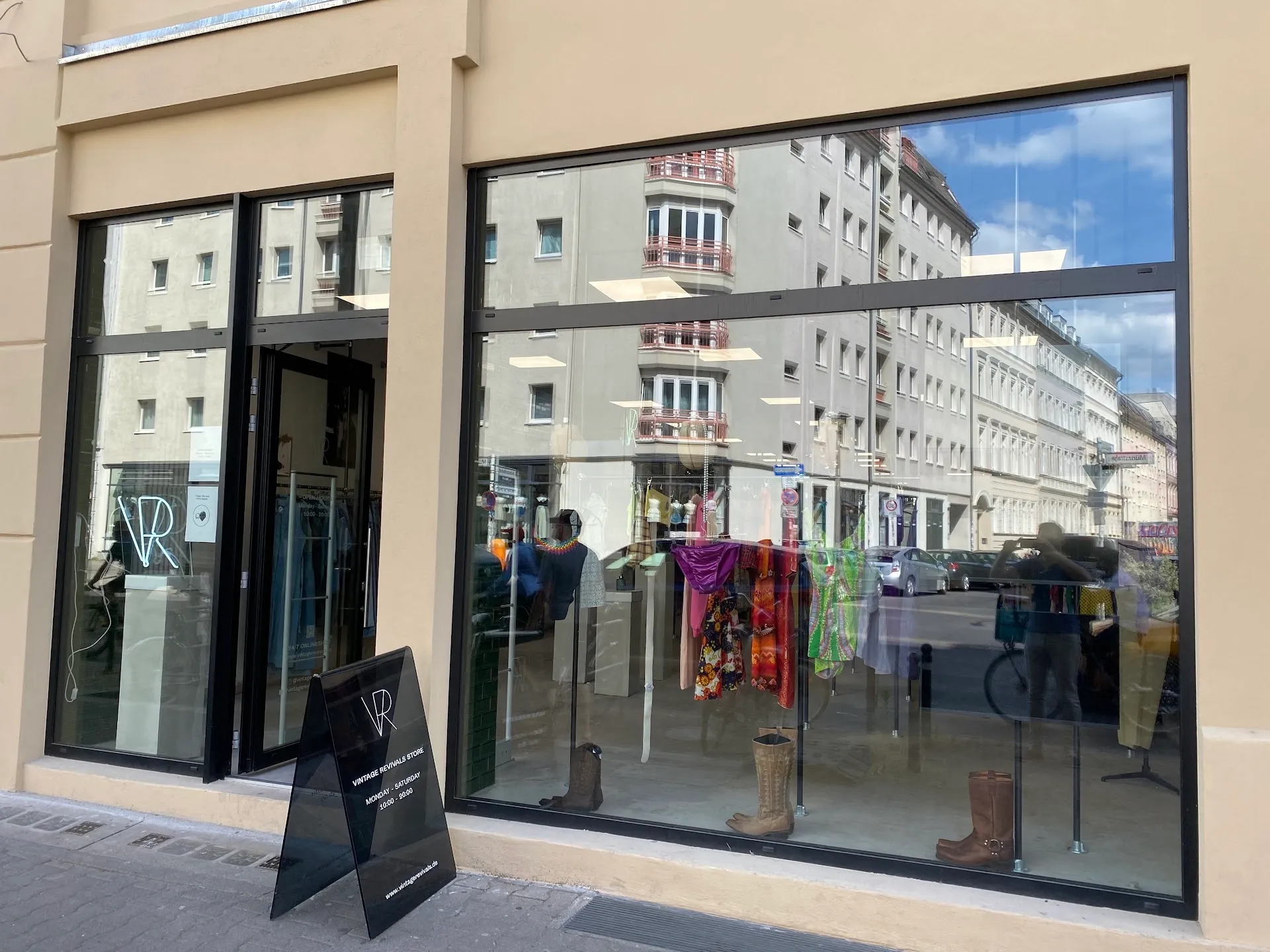
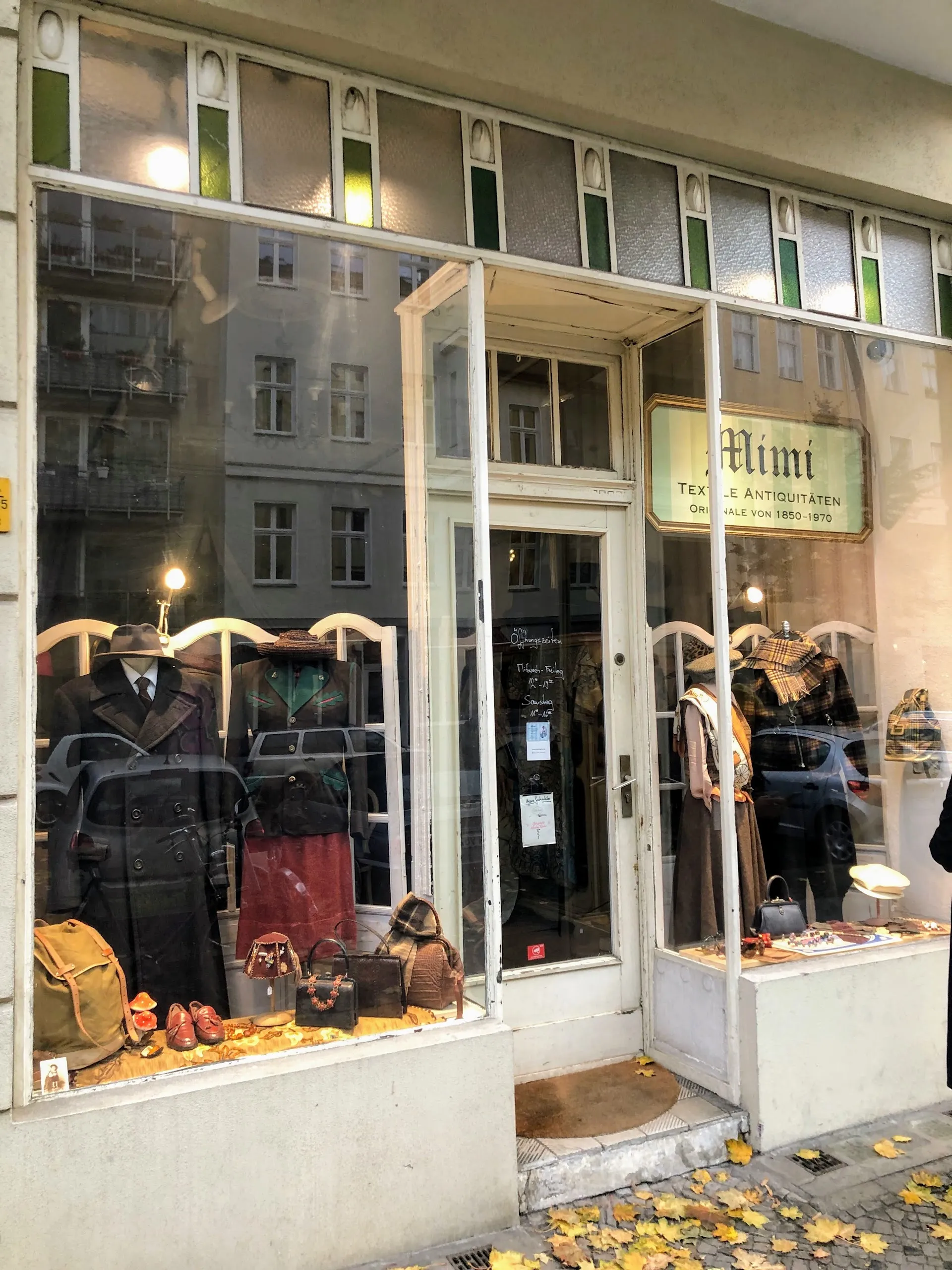
Secondhand gems, vintage clothing and flea-market finds.

See all
Mauerpark Flea Market
Must visit
Flea Market5.0

Mauerpark Flea Market

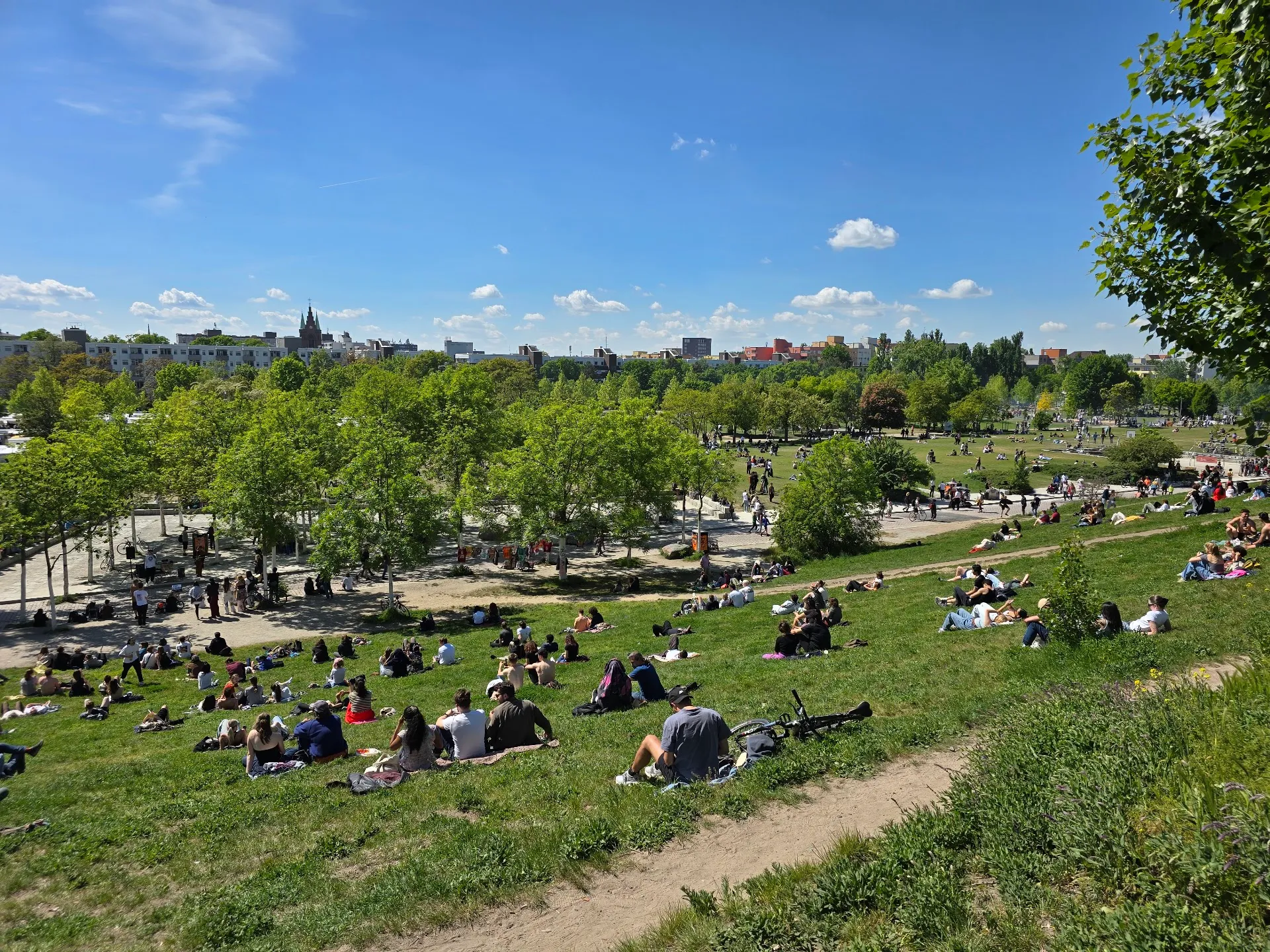
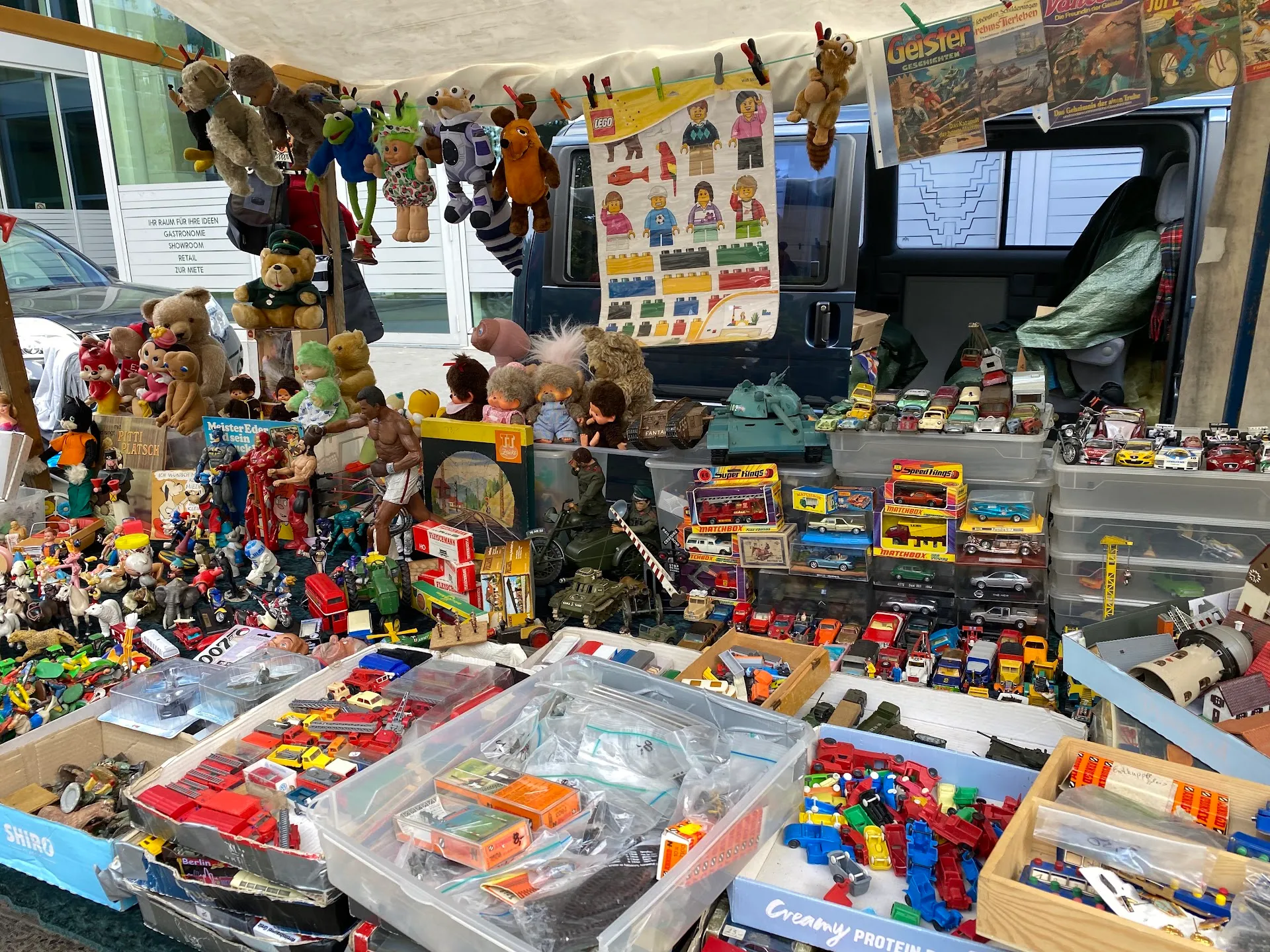
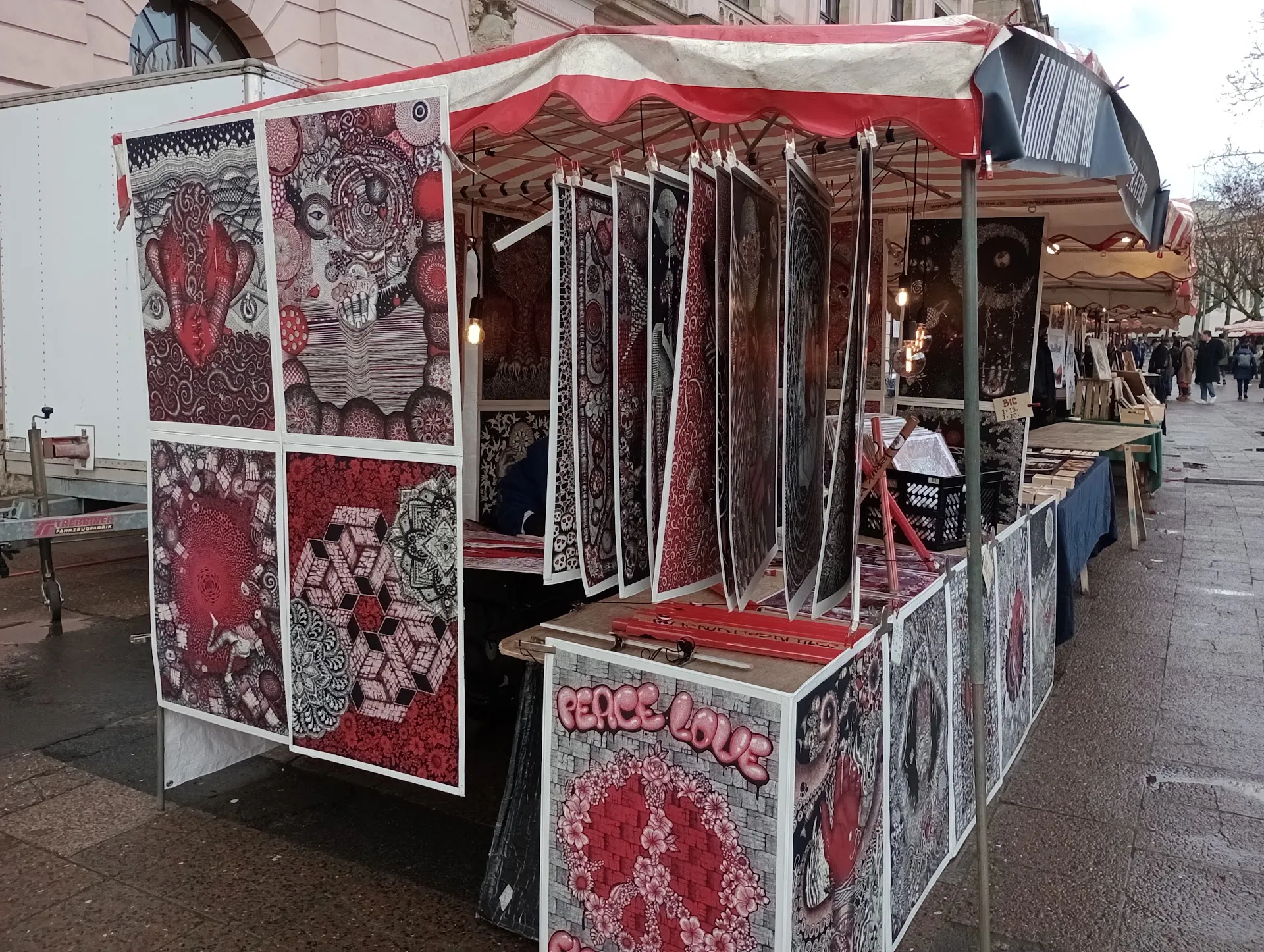
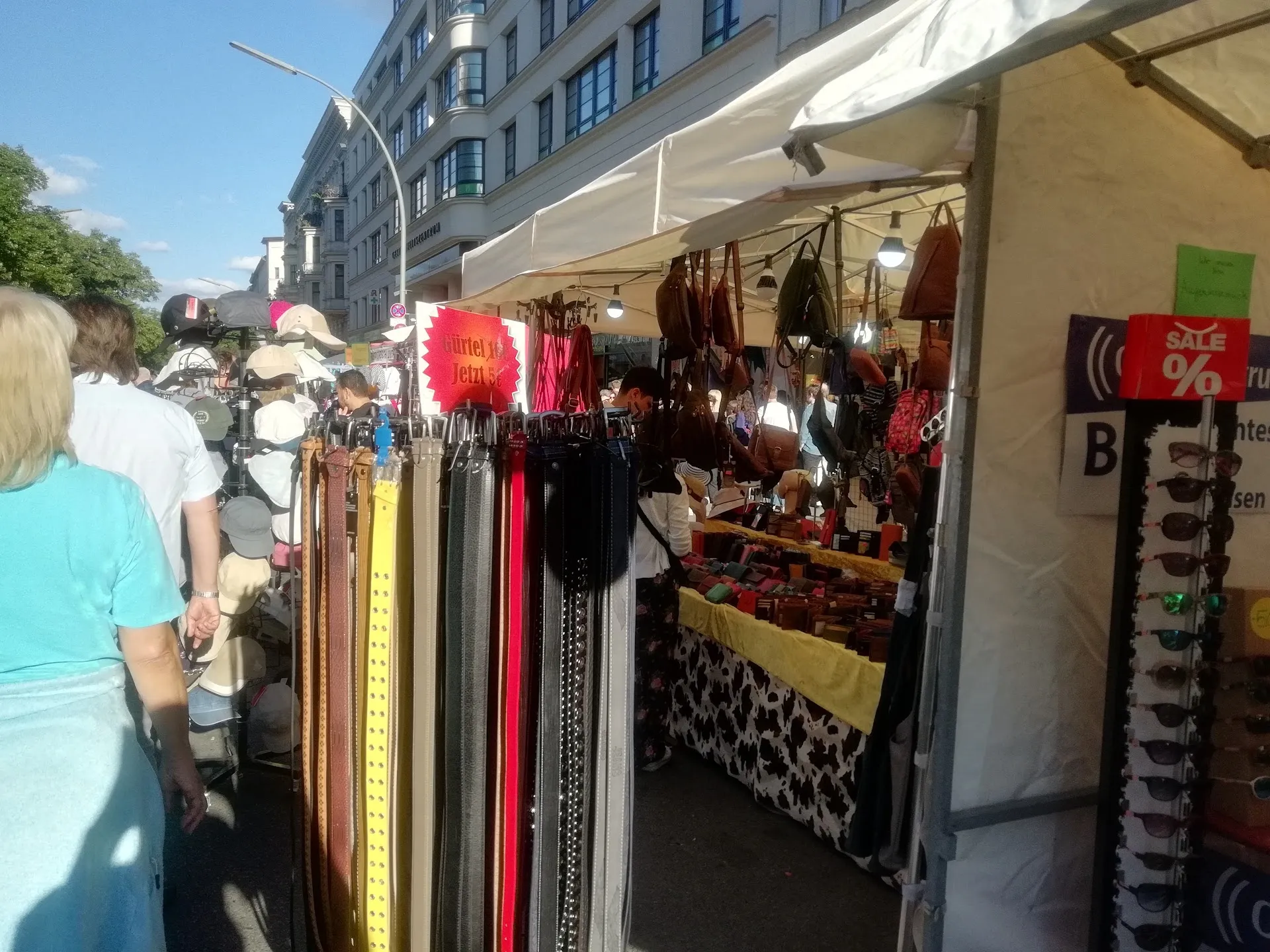
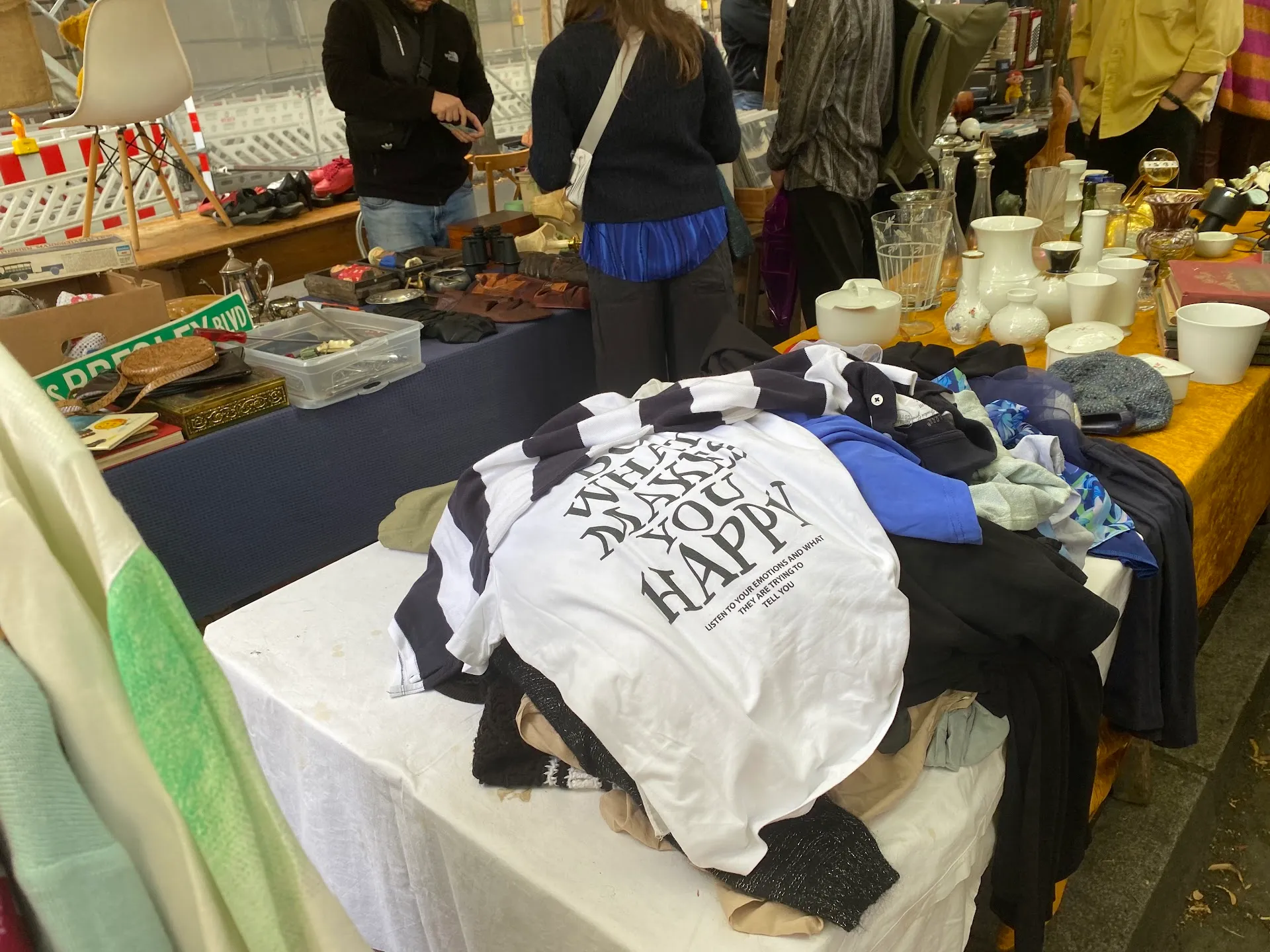
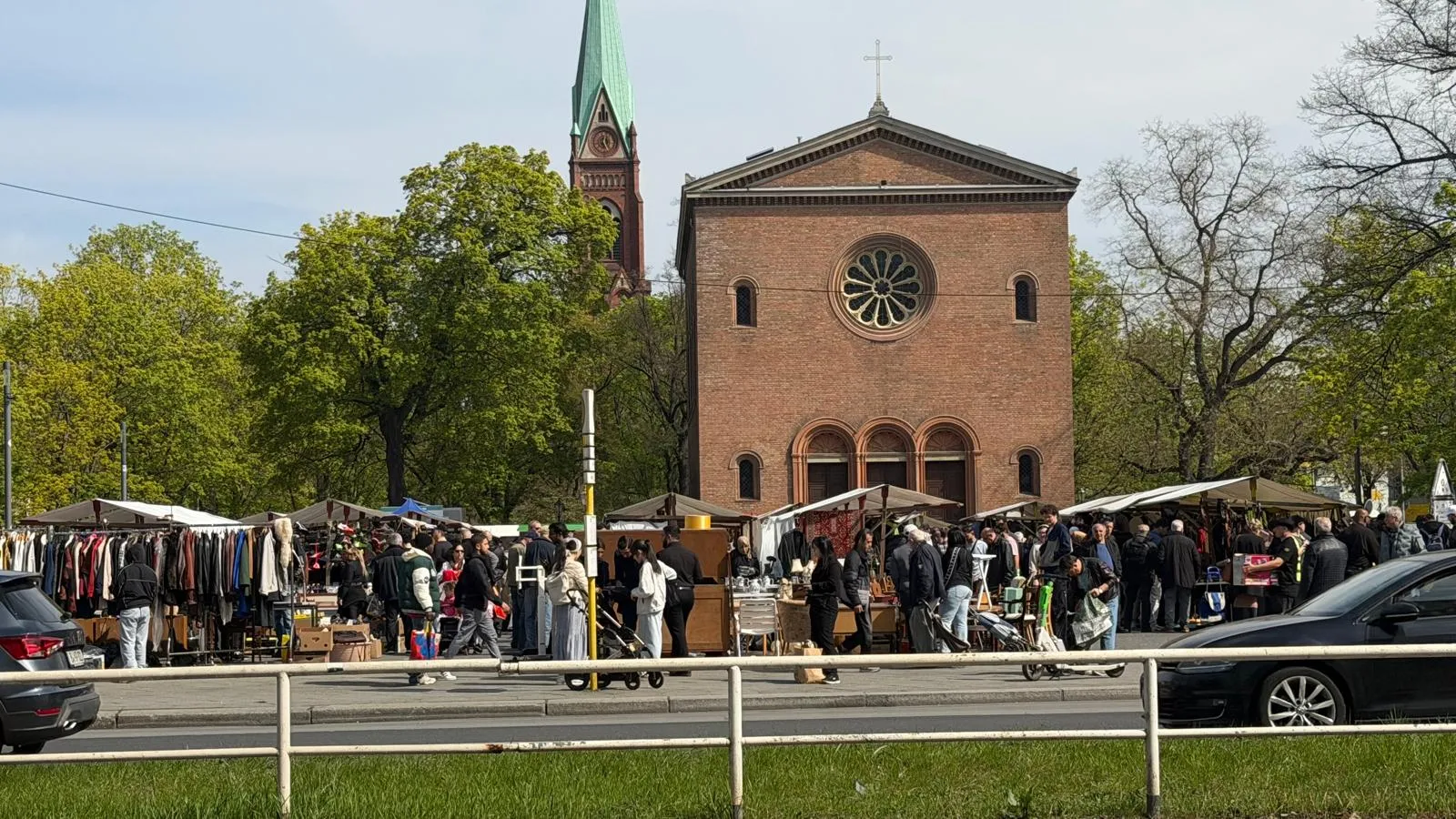
Berlin's most beloved Sunday ritual combining a massive flea market with the famous bearpit karaoke amphitheater. Vintage clothing, records, handmade goods, and street food in a former death strip.

Prenzlauer Berg
Flohmarkt am Boxhagener Platz
Flea Market4.0

Flohmarkt am Boxhagener Platz

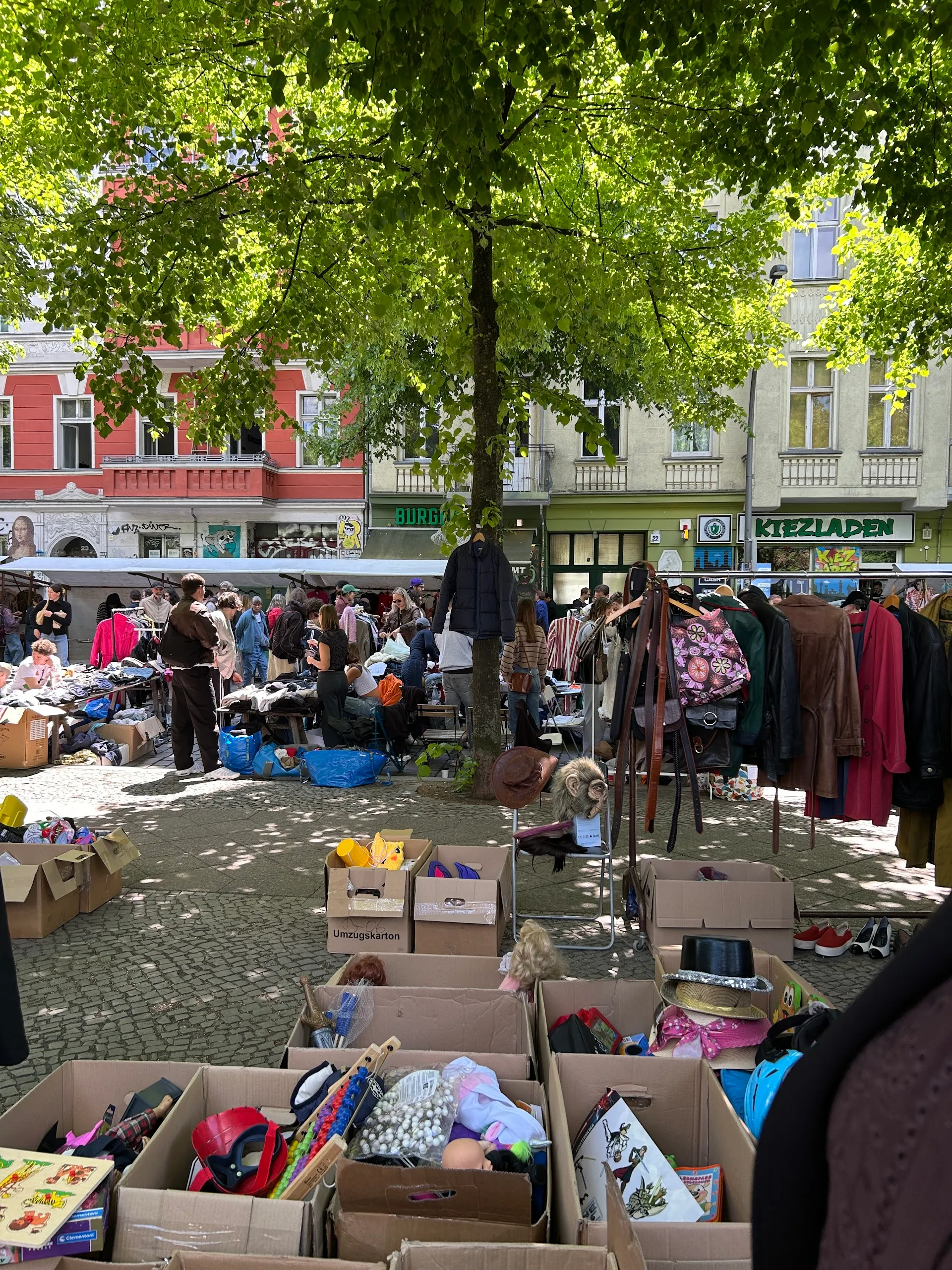
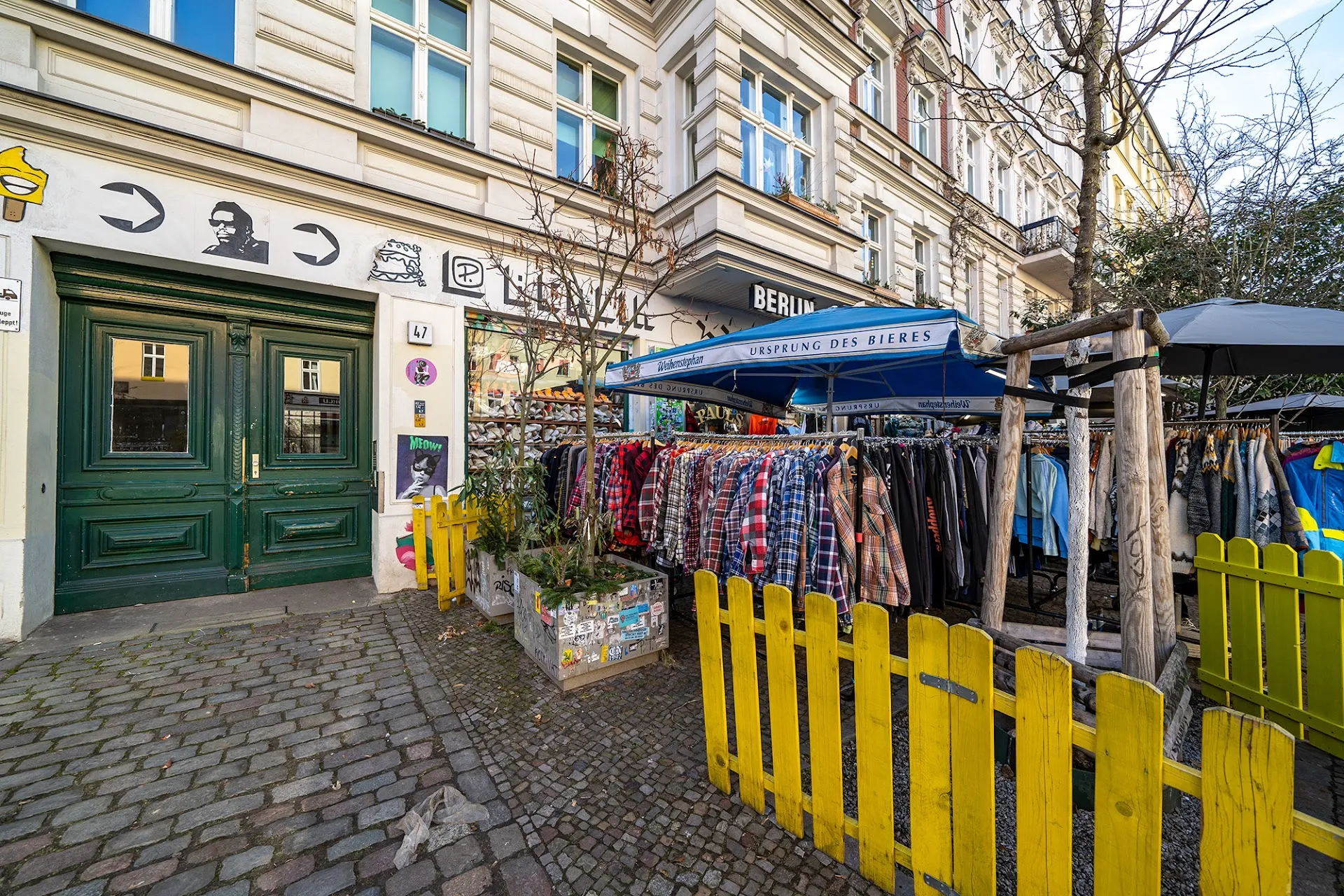
Charming neighborhood Sunday flea market popular with locals. More intimate than Mauerpark with good vintage clothing, books, and bric-a-brac. Saturday hosts a farmers market on the same square.

Friedrichshain
Humana Vintage
Vintage Shop4.0

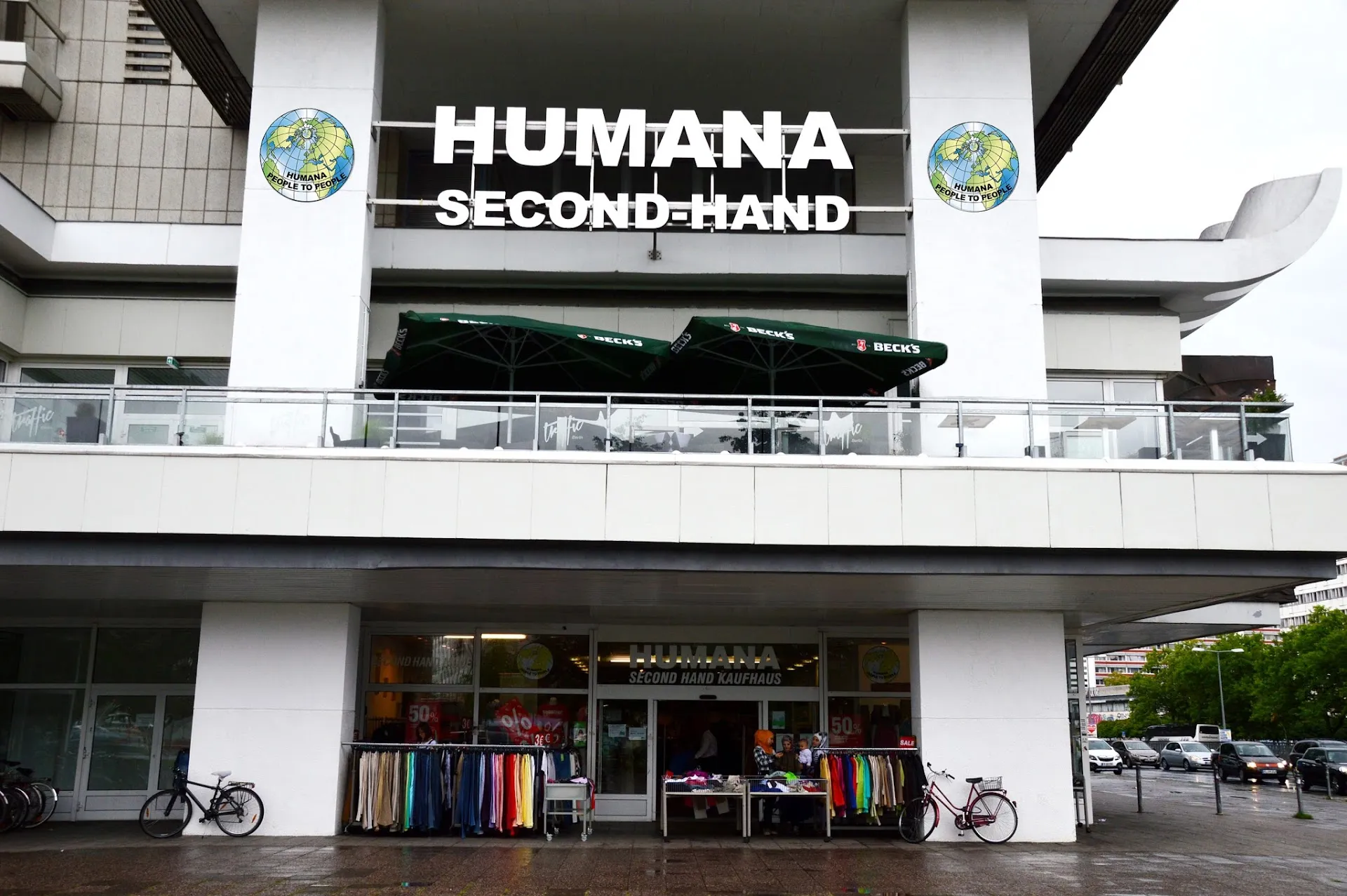
Humana Vintage

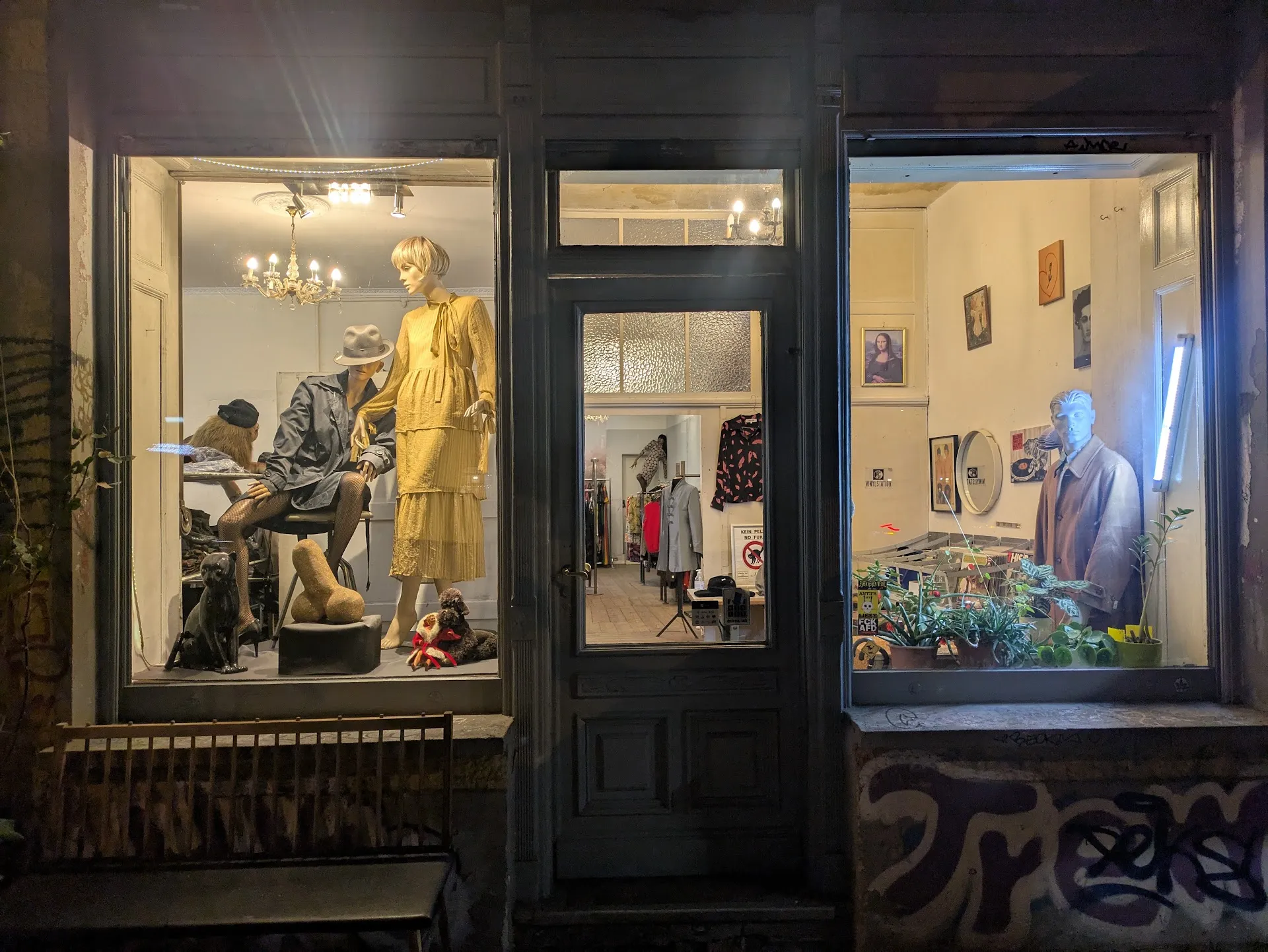
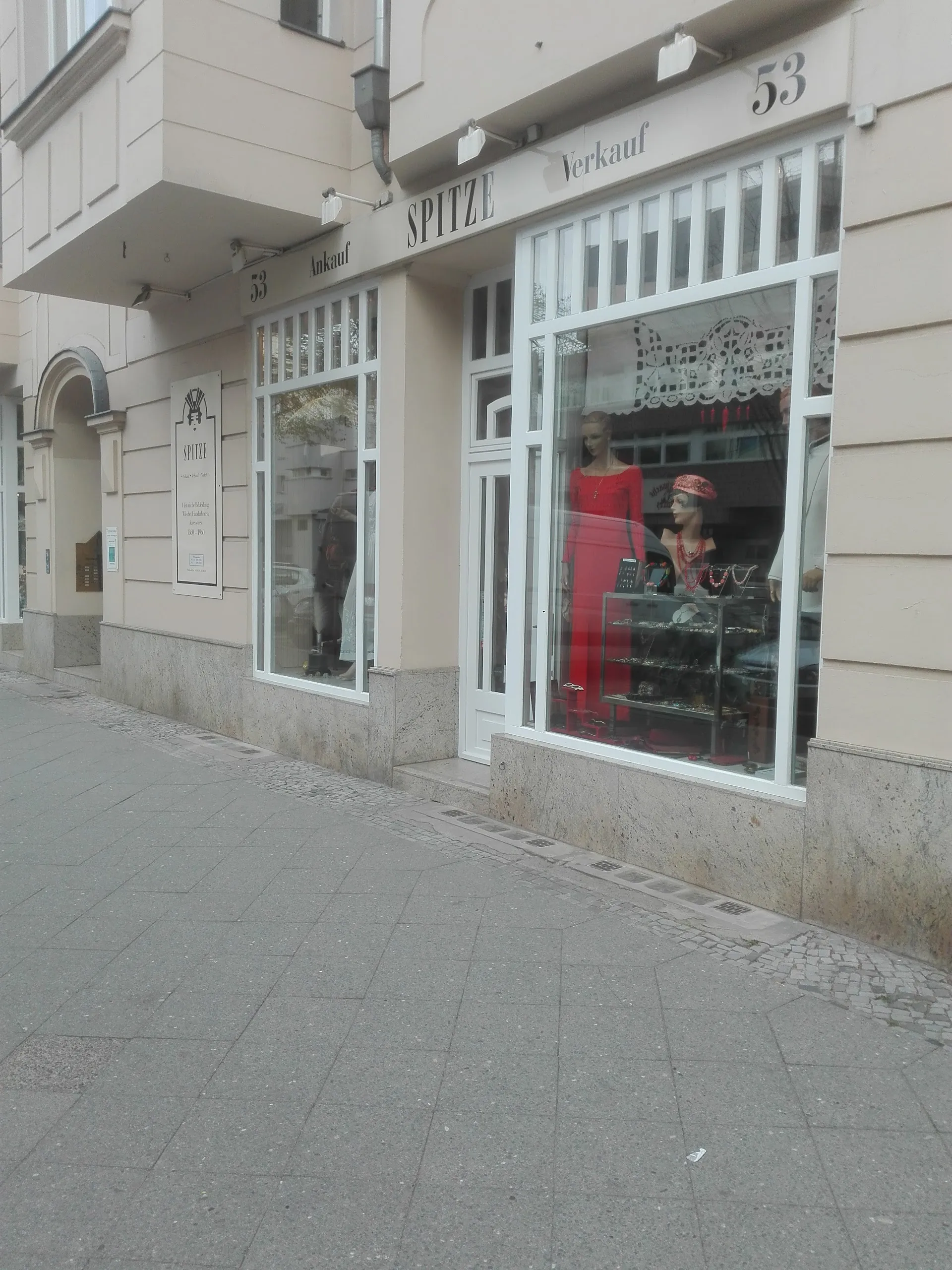
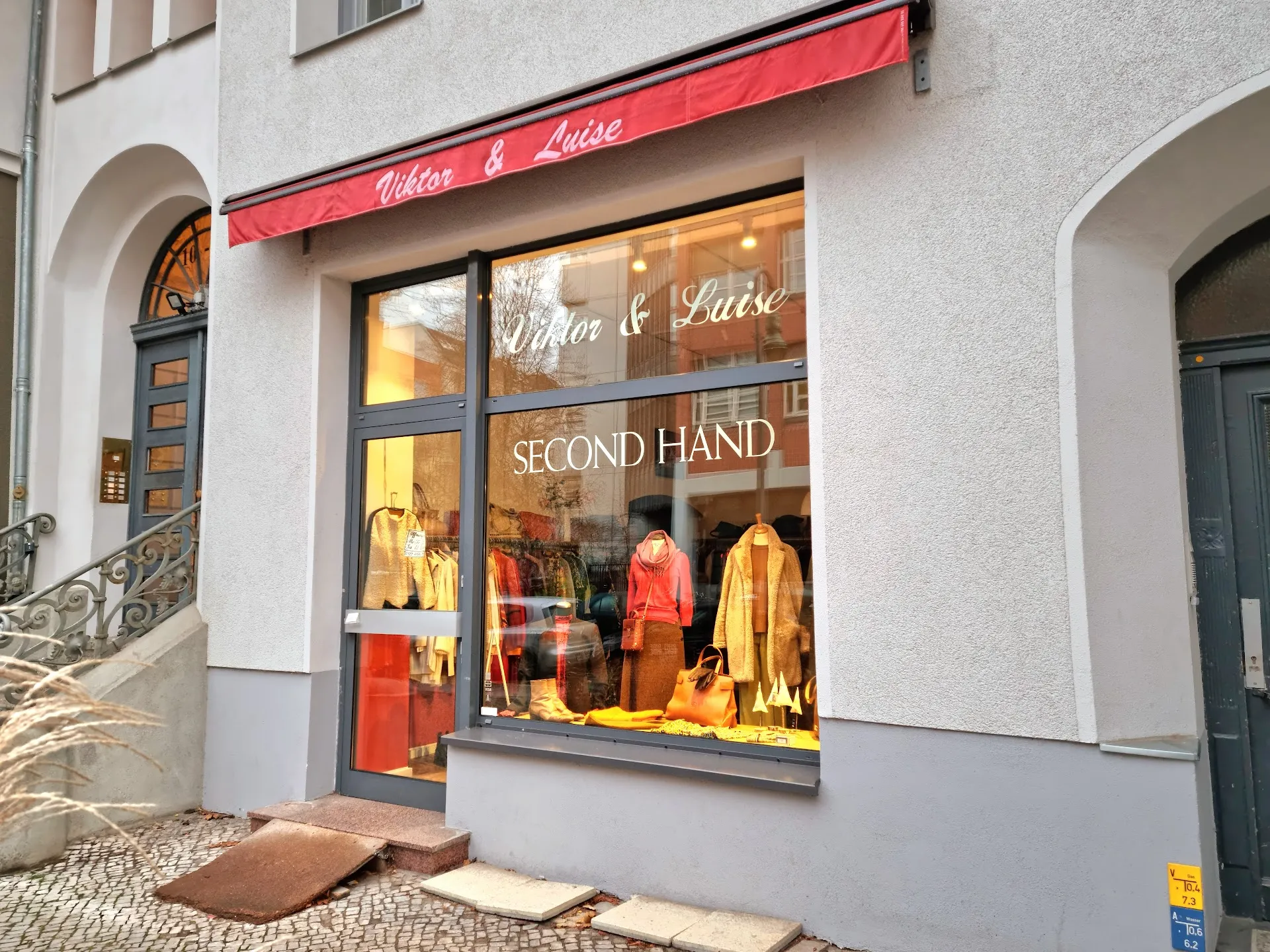
Five floors of secondhand and vintage clothing in a massive department-store format. Extremely affordable with regular sales. Multiple locations across Berlin but this flagship is the largest.

Prenzlauer Berg
Pick'n'Weight Vintage Kilo Store
Vintage Shop4.0

Pick'n'Weight Vintage Kilo Store

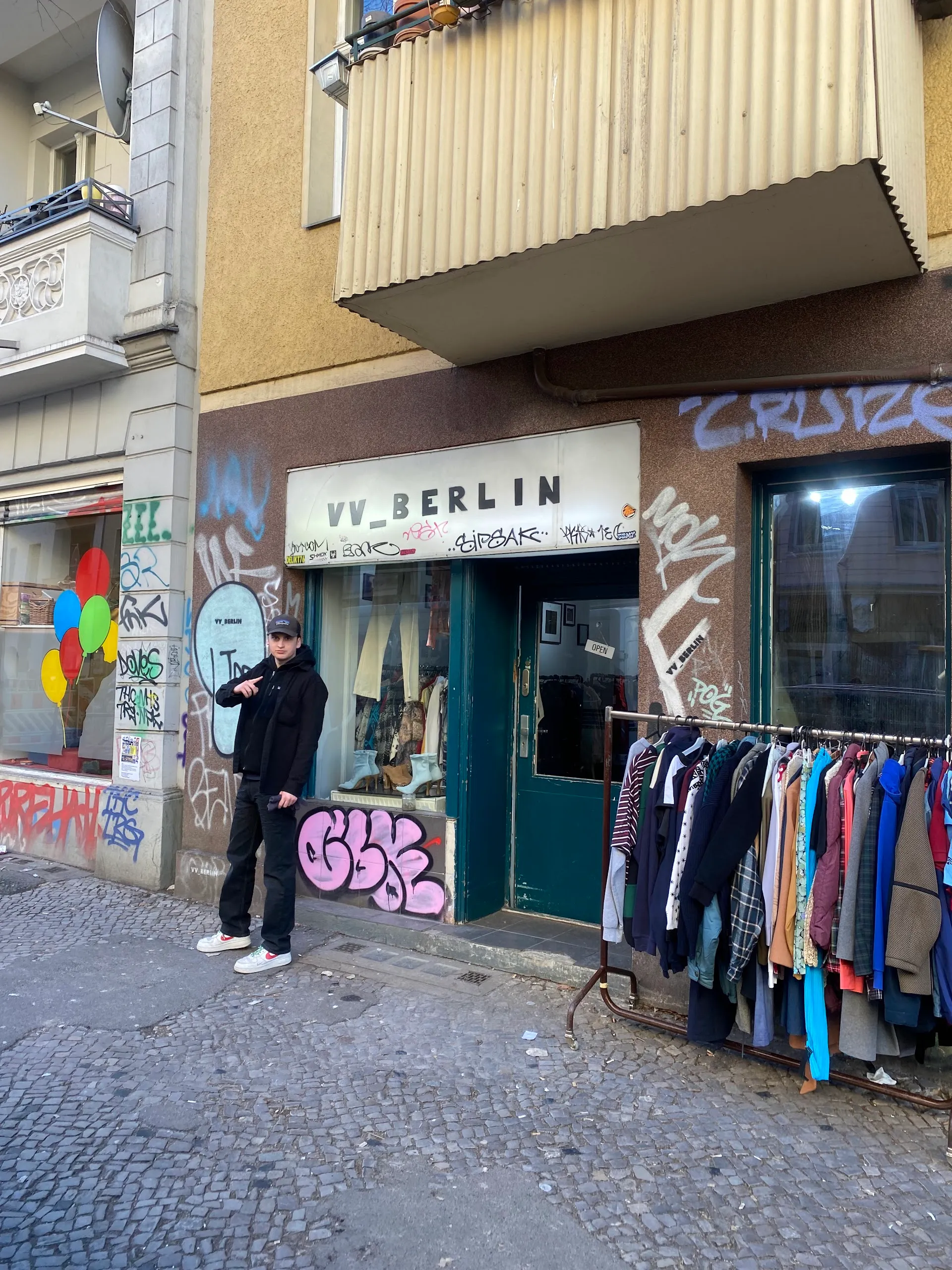
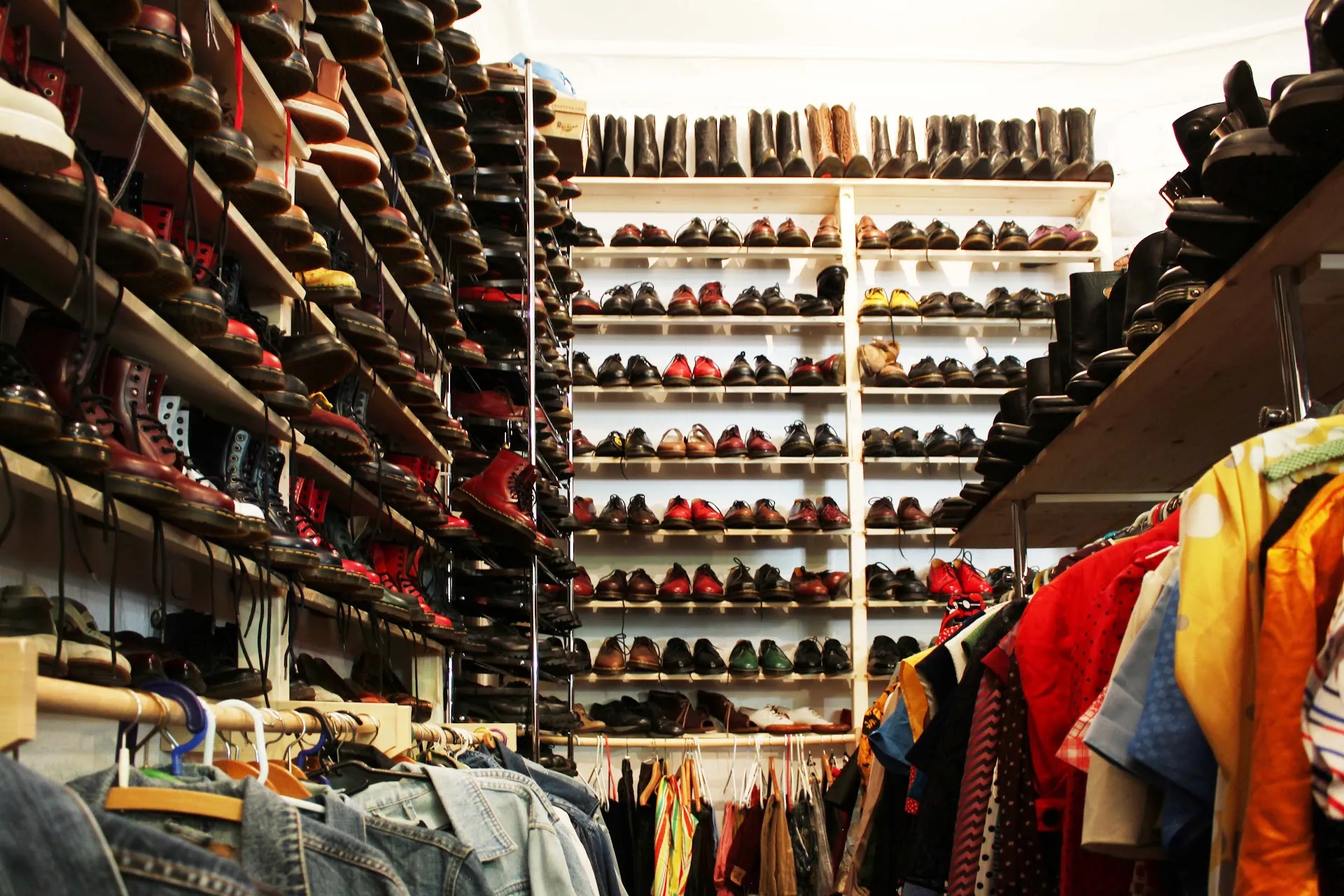
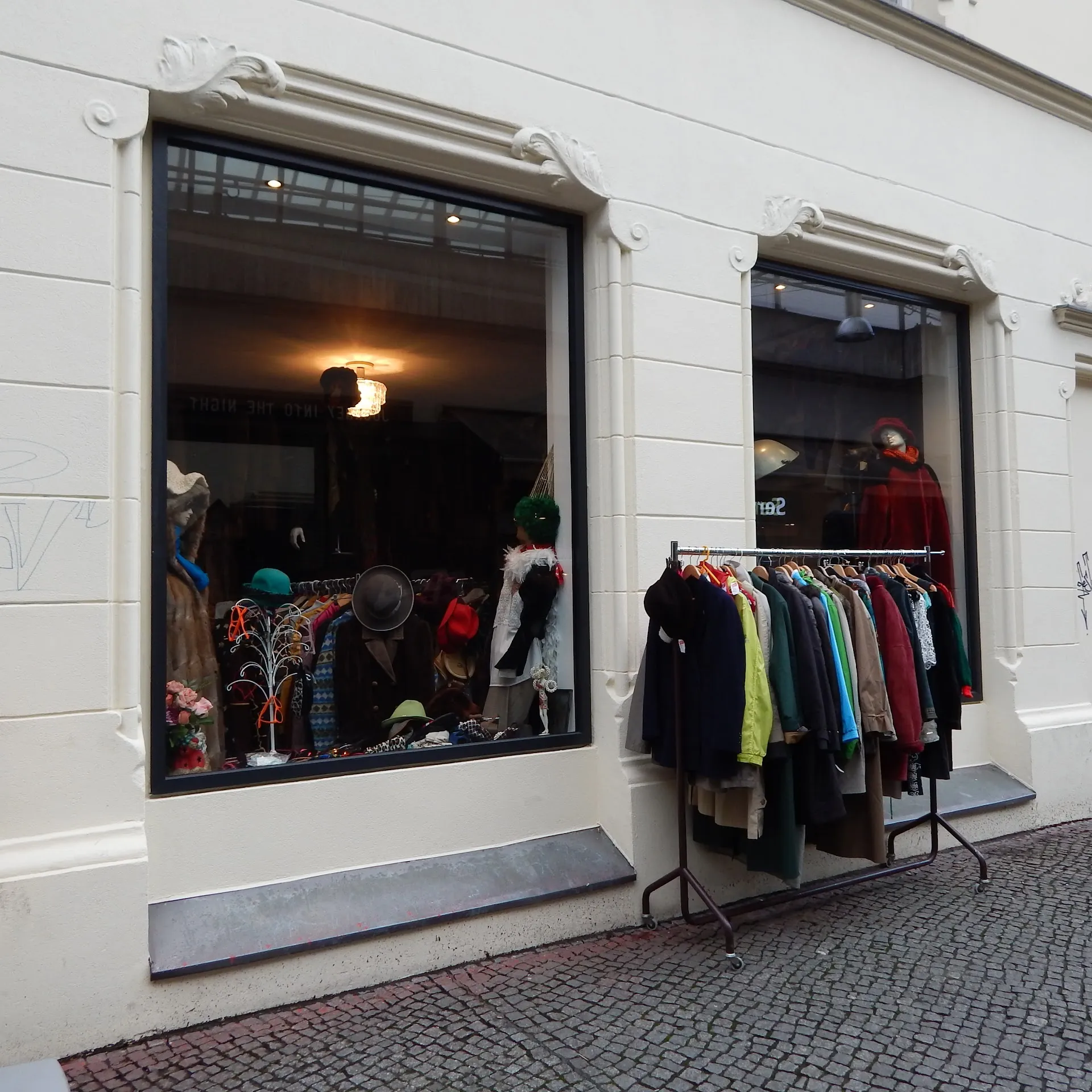
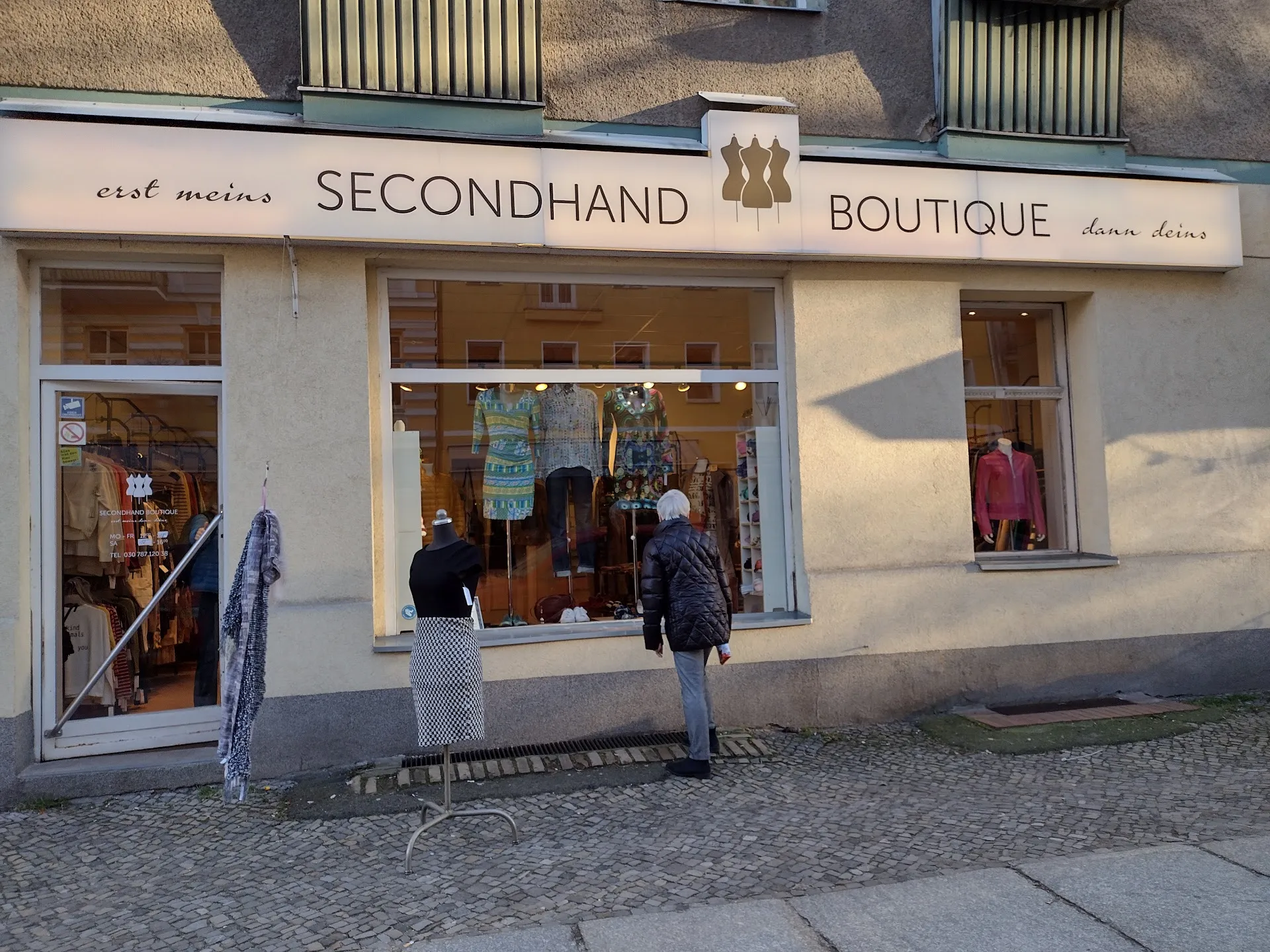
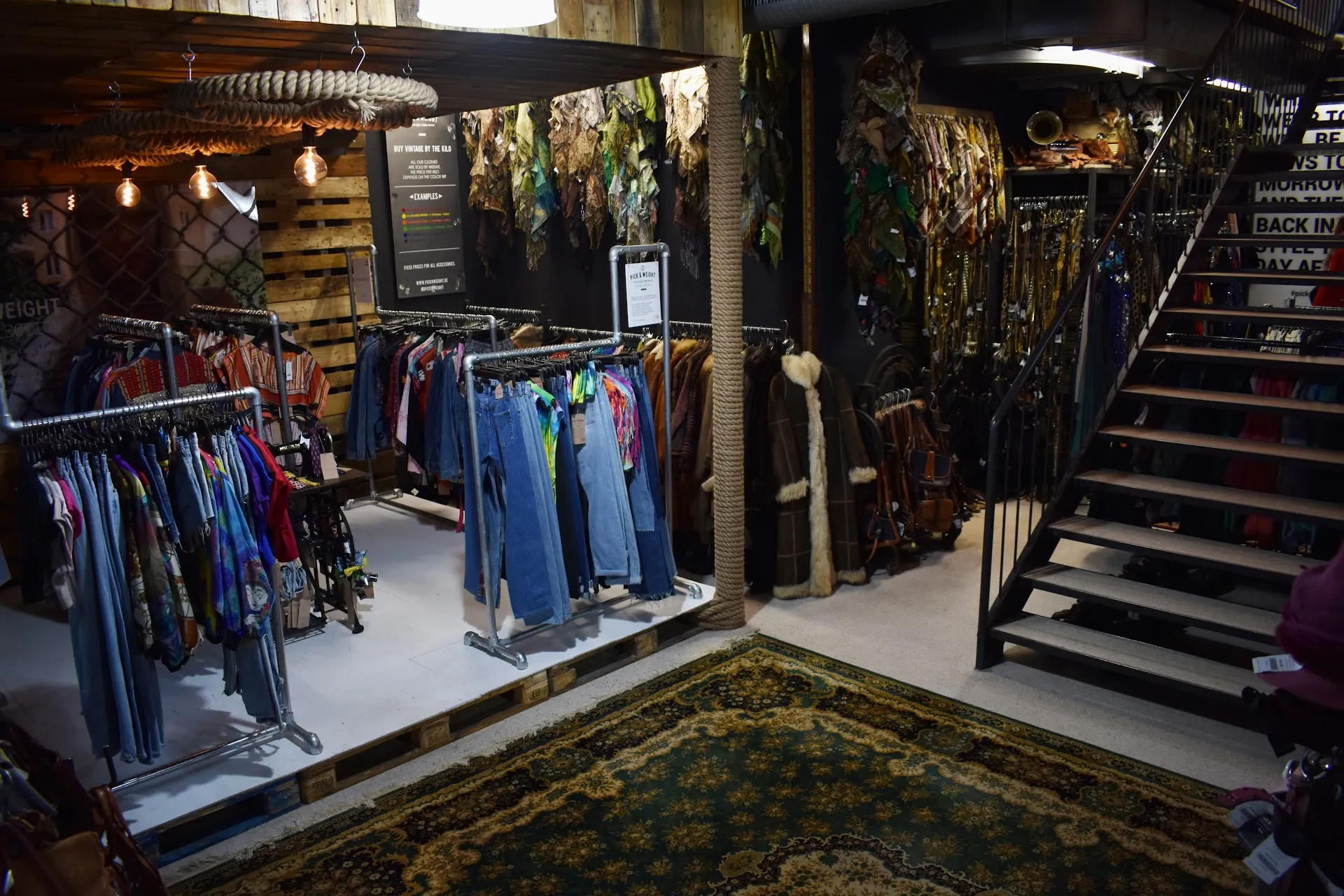
Vintage clothing sold by weight rather than by item, a fun and affordable way to dig. Colour-coded racks of denim, leather, jackets, and dresses fill the floor, with prices set per kilo. Several branches across the city, including Mitte and Charlottenburg.

Kreuzberg
Garage Berlin
Vintage Shop4.0

Garage Berlin

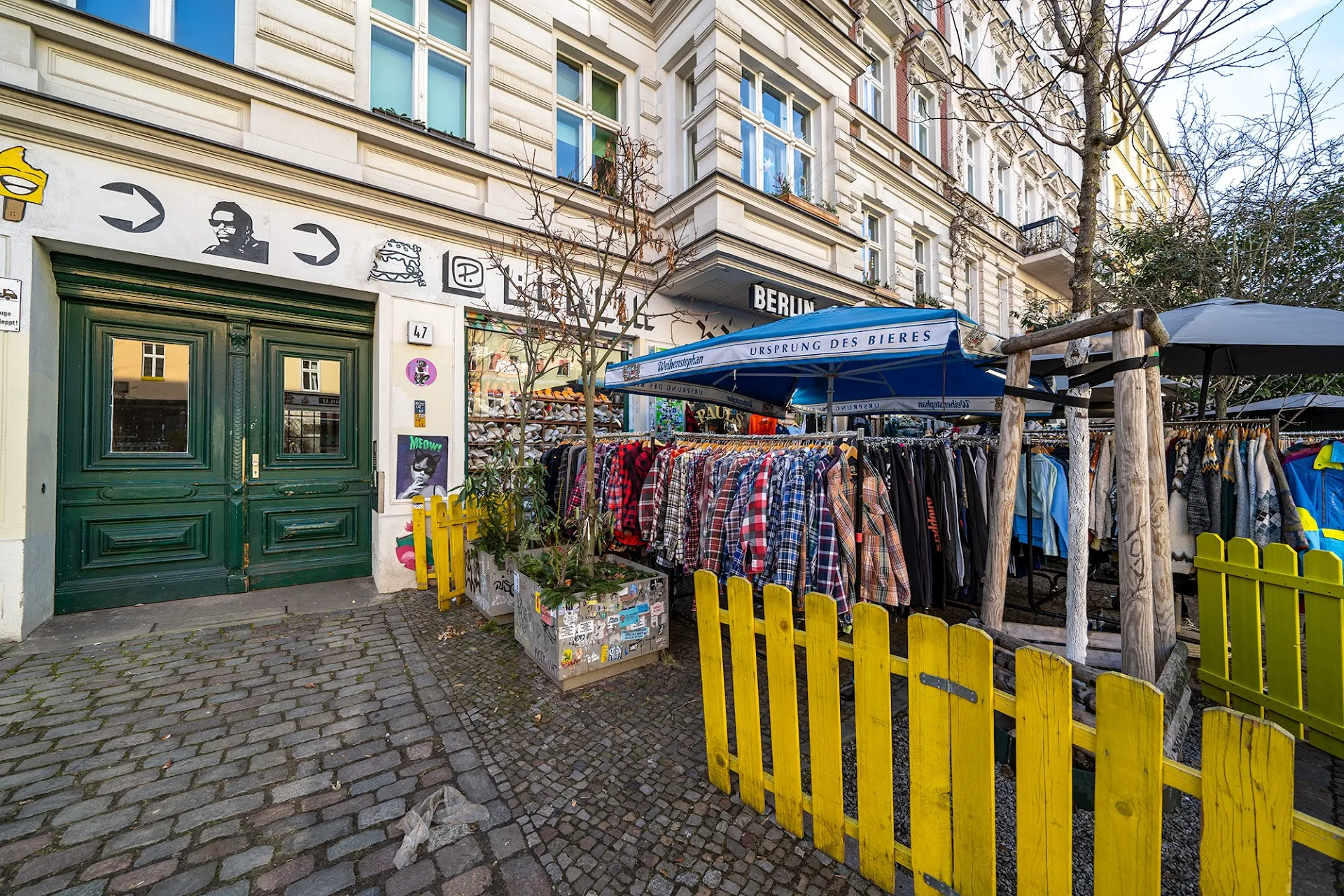
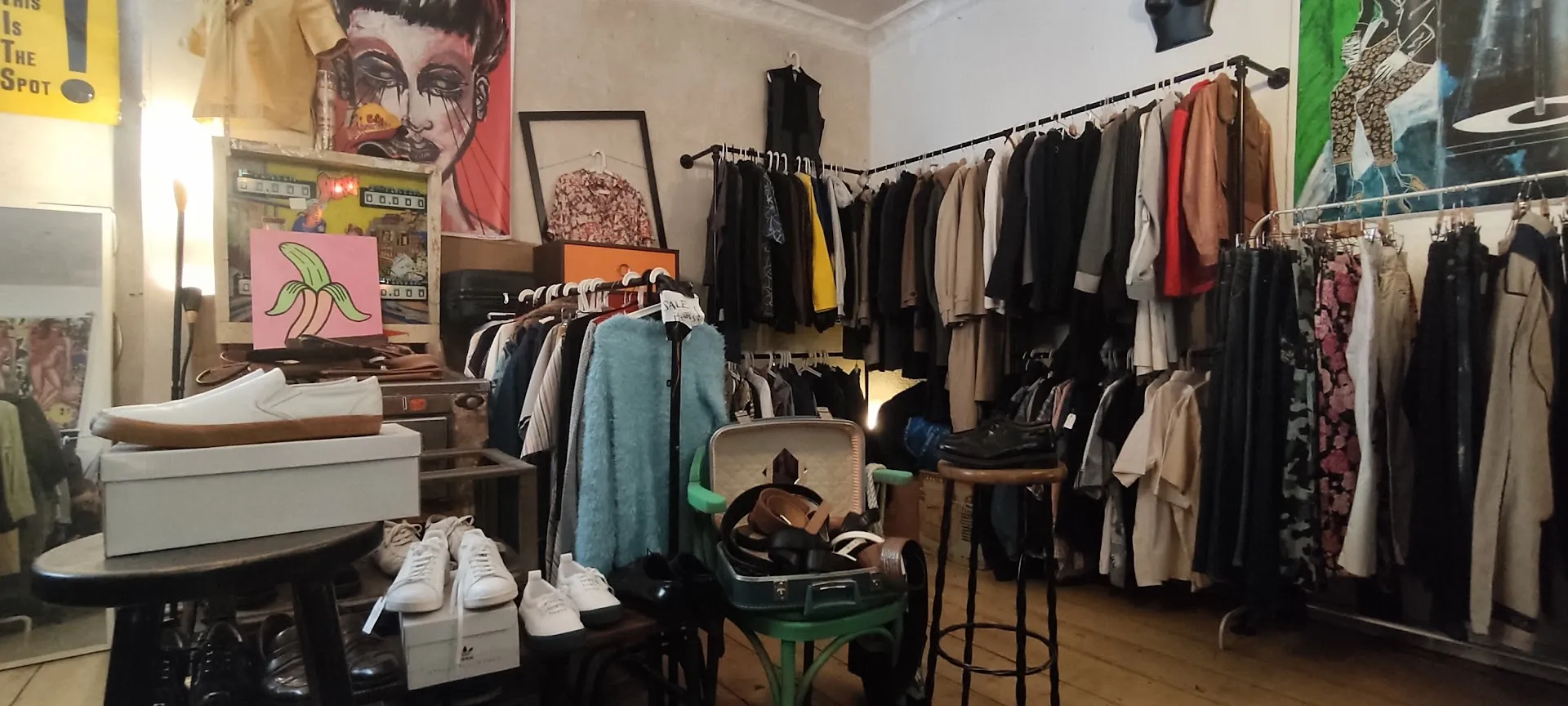
A long-running basement vintage store selling secondhand clothing by the kilo since the 1990s. Cavernous and unglamorous, it rewards patient diggers with cheap denim, flannel, and 80s-90s finds. A Berlin institution for thrifters on a budget.

Schoeneberg

What it costs

Daily budgets and typical prices to plan your spend.

Backpacker
€60/ day
Mid-range
€130/ day
Luxury
€300/ day
Cheap meal
€9.0
Restaurant meal
€25
Coffee
€3.5
Local beer
€4.0
Transit ticket
€3.8
Taxi (1km)
€2.0

Cost index 68 (New York = 100).

When to go

Best time to visit
May, June, and September offer the best balance of warm, long days and manageable crowds. July and August are warmest and liveliest but busiest; December brings Christmas markets and a magical, if cold, atmosphere. Winters are grey and short on daylight.
Crowds
High
PeakJune, July, August
ShoulderMay, September, October
QuietJanuary, February, November
Major events
  • Berlinale (International Film Festival)February
  • Gallery Weekend BerlinApril
  • Karneval der KulturenMay
  • Christopher Street Day (Pride)July
  • Festival of LightsOctober
  • Christmas MarketsDecember

Weather by month

Average temperature and rainfall, to time your visit.
1°J
2°F
5°M
10°A
14°M
18°J
20°J
20°A
15°S
10°O
5°N
2°D

Good to know

Practical info before you go.

Tipping
Appreciated — Tipping is appreciated but modest. Round up or add 5-10% for good service in restaurants and taxis; tell the server the total amount as you pay rather than leaving coins on the table.
Tap water
Safe to drink
Power
Type C/F · 230V
Safety
High — Berlin is a safe major city. Watch for pickpockets around Alexanderplatz, Warschauer Strasse, and on busy U-Bahn/S-Bahn lines; the area around Kottbusser Tor and Goerlitzer Park has open drug dealing but little violent crime.
Emergency
112
Visa-free for
United States, Canada, United Kingdom, European Union, Australia, New Zealand

Local culture

Language
German
English
Very High
Dress code
Casual
Useful phrases
Hallo
Hello
Danke
Thank you
Bitte
Please / you're welcome
Entschuldigung
Excuse me / sorry
Sprechen Sie Englisch?
Do you speak English?
Ein Bier, bitte
A beer, please
Local customs
  • Validate your transport ticket before boarding, the system runs on trust with random checks
  • Sundays are quiet, most shops close (stock up Saturday); Spaetkauf corner shops are the exception
  • Return bottles and cans for the Pfand deposit at supermarket machines
  • Wait for the green Ampelmann before crossing, jaywalking is frowned upon, especially near children
  • Carry cash, many bars, clubs, and small restaurants are cash-only
  • Do not take photos inside techno clubs, phone cameras are often taped over at the door
Watch out for
  • The 'gold ring' and friendship-bracelet scams around tourist sights
  • Fake petitions used as a distraction for pickpocketing near Brandenburg Gate
  • Always buy U-Bahn/S-Bahn tickets from official BVG machines, plain-clothes inspectors fine fare dodgers 60 EUR on the spot

Useful links

Official resources and quick searches for Berlin.

Plan your Berlin trip

Explore more of Germany

Frequently asked questions

How many days do you need in Berlin?
Three full days cover the headline history, Museum Island, and a night out without rushing. Four or five days let you slow down for Charlottenburg, Tempelhof, day-tripping to Potsdam, and recovering from a late one.
What is the best way to get around Berlin?
A single BVG ticket works across the U-Bahn, S-Bahn, trams, and buses. Buy a day pass (Tageskarte) for unlimited rides, validate it before boarding, and lean on the city's excellent bike lanes for short hops.
Is Berlin expensive?
Berlin is among the cheaper Western European capitals. Street food and transit are very affordable, museums are moderate, and many of the best things, memorials, parks, the Reichstag dome, and walking the Wall, are free.
Is Berlin good for nightlife?
It is arguably the world capital of club culture. Berghain, Tresor, Sisyphos, and dozens of others run all weekend with serious sound systems and strict, no-photos door policies. Even non-clubbers feel the city's late rhythm.
When is the best time to visit Berlin?
Late spring to early autumn (May, June, September) gives the best weather and long days. July and August are warmest and busiest; December is cold but magical with Christmas markets. Winter is grey but the indoor culture never stops.

Ready to plan Berlin?

Turn this guide into a real trip — itinerary, map, budget and friends, all in one place.