Germany is Europe's powerhouse and one of its most rewarding countries to travel — a federal patchwork of distinct regions where world cities, half-timbered villages, vineyard-lined rivers and high Alps sit within a few hours of one another, all knitted together by fast, frequent trains. In a single trip you can trace Cold War history in the capital, raise a stein in a Bavarian beer hall and watch container ships glide through a northern harbour.
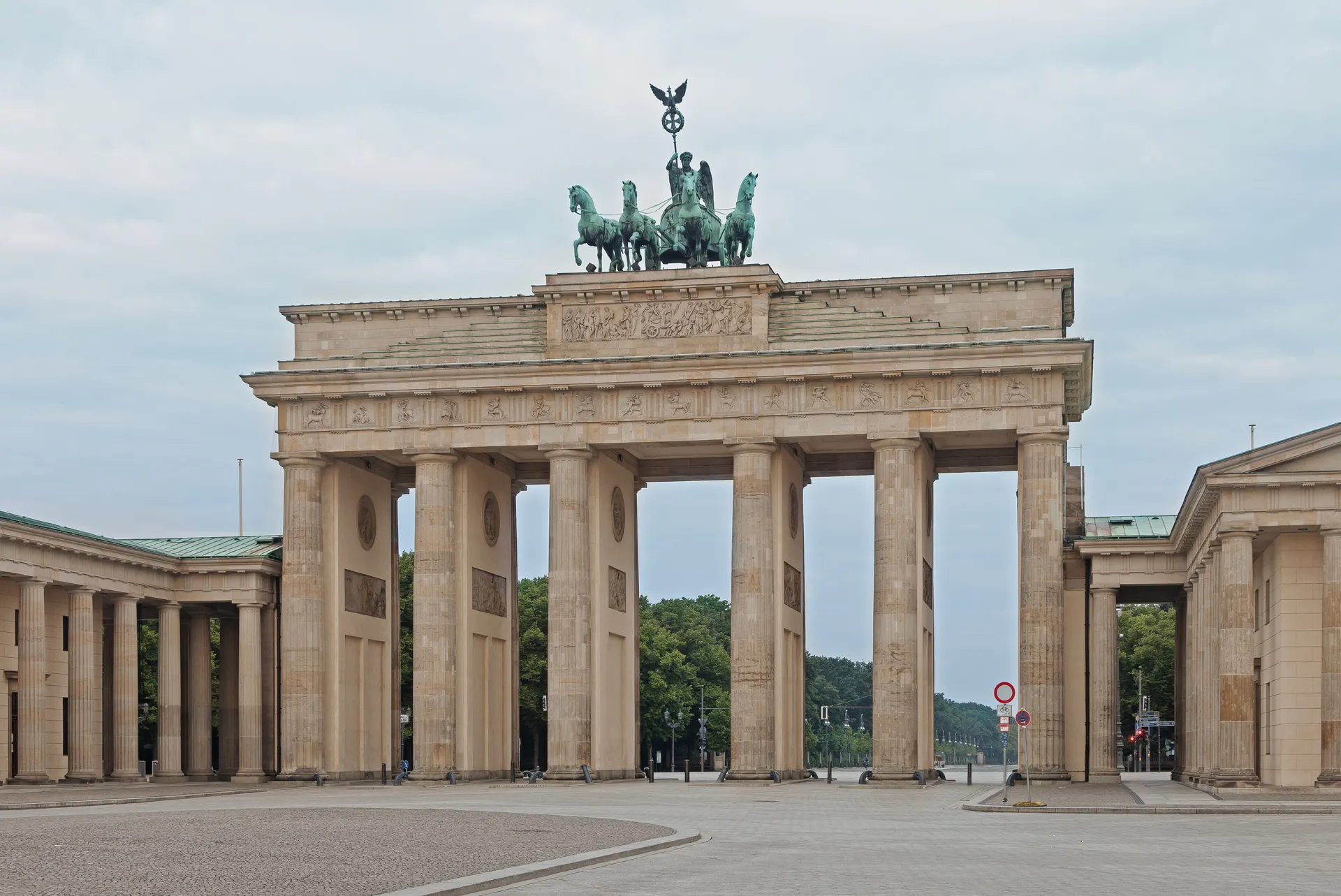
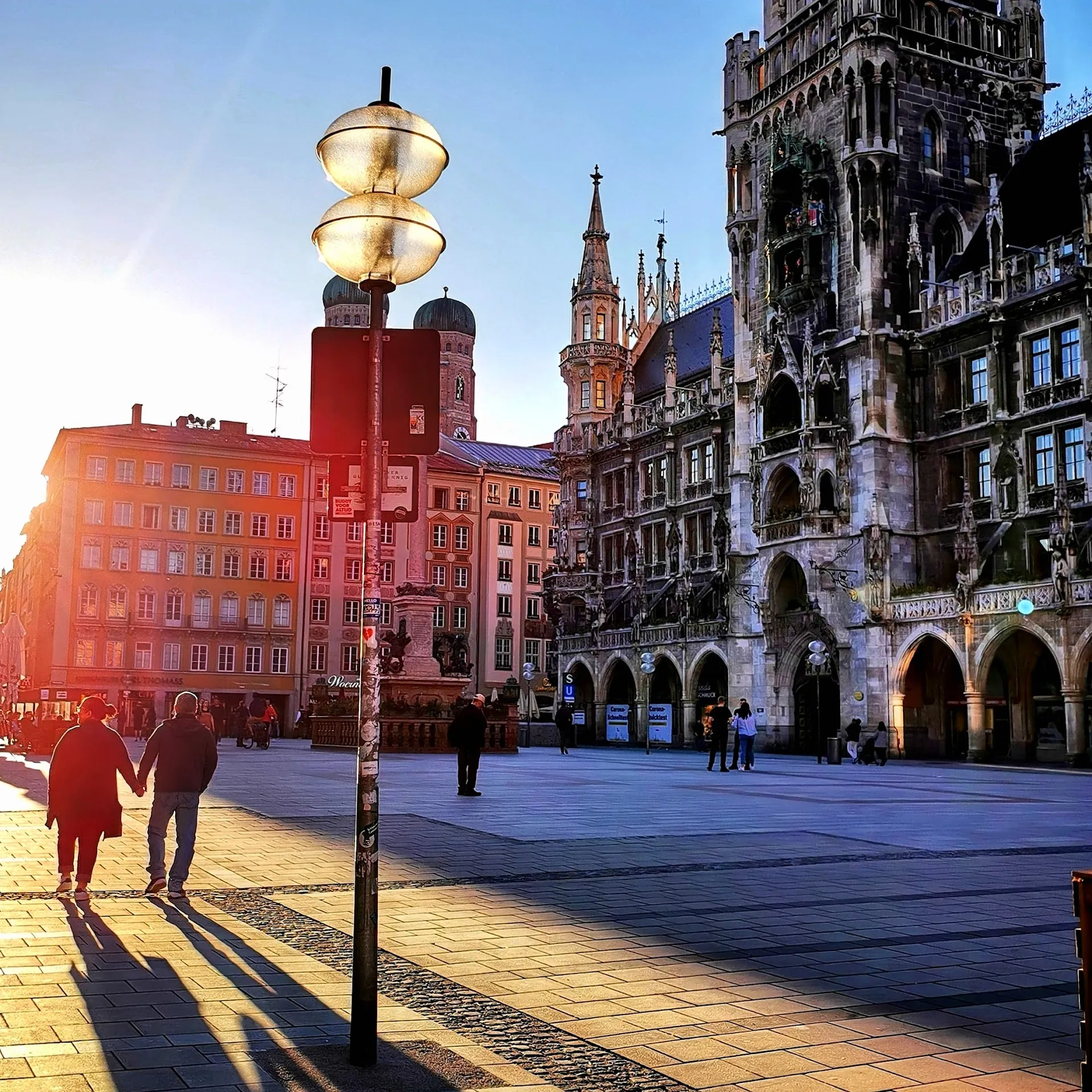
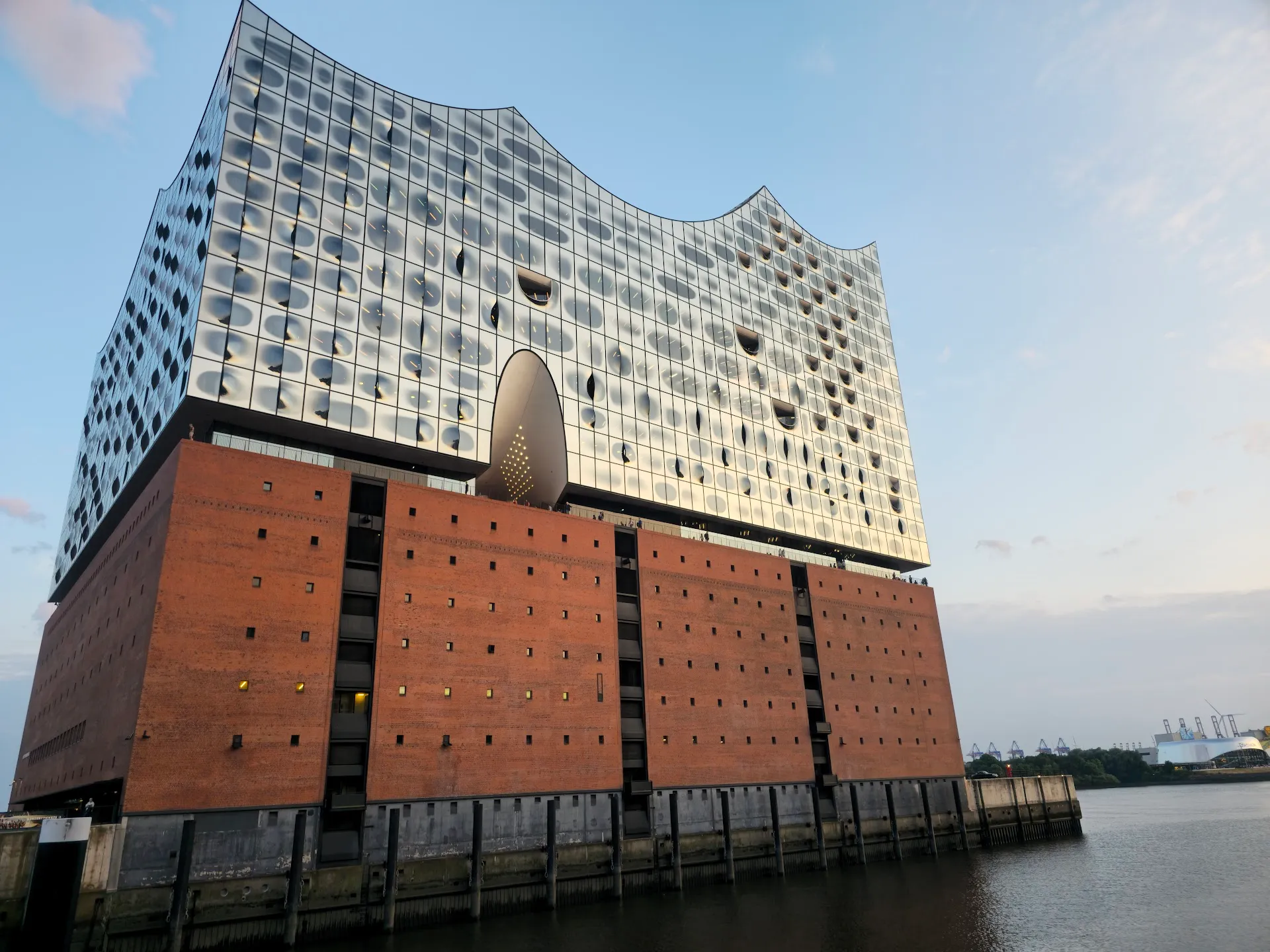
The natural anchor is Berlin, the reunified capital — a sprawling, affordable, endlessly creative city where the weight of history is everywhere. The Brandenburg Gate, the Reichstag, Museum Island, surviving stretches of the Berlin Wall and the Holocaust Memorial tell the twentieth-century story, while a legendary nightlife scene of techno clubs, bars and galleries in Kreuzberg and Friedrichshain runs until dawn. Three days barely scratch the surface. To the south, Munich is the proud capital of Bavaria: grand squares, beer gardens and the Hofbräuhaus, the world-famous Oktoberfest each autumn, and the easiest big-city gateway to the Alps, the fairy-tale castle of Neuschwanstein and the Romantic Road. In the north, Hamburg is Germany's great maritime city, built around one of Europe's busiest ports — the red-brick Speicherstadt warehouses and HafenCity, the soaring Elbphilharmonie concert hall, the Alster lakes, and the Reeperbahn nightlife district in St. Pauli where the Beatles cut their teeth.
Beyond the big three lies the Germany of postcards. The Rhine carves a castle-crowned gorge between Rüdesheim and Koblenz, best seen from a river cruise gliding past terraced vineyards. The Black Forest in the southwest offers deep-green hiking, cuckoo clocks and gâteau, with handsome Freiburg at its edge. The medieval Romantic Road threads walled towns like Rothenburg ob der Tauber down to the Bavarian Alps. Cologne raises its twin-spired Gothic cathedral above the Rhine, and from late November the whole country glows with Christmas markets — Nuremberg, Dresden and Cologne among the most famous. And yes, the autobahn really does let you drive without a fixed speed limit on many stretches, though the trains are usually the smarter choice.
Germany is also an easy, comfortable place to travel. It is safe, efficient and clean; the tap water is excellent; and while German is the language, English is widely spoken in cities and tourist areas. The food rewards an appetite — sausages and schnitzel, pretzels and pork knuckle, regional breads and some of the world's best beer — and it varies sharply from north to south. The country uses the euro, sits inside the Schengen Area, and runs on a rail network of fast ICE trains that makes city-hopping genuinely effortless.
Most first-time visitors pair Berlin and Munich, the contrasting hearts of the modern and traditional country, and add Hamburg or a Rhine-and-castles detour with more time. A week comfortably covers two cities; ten to fourteen days lets you string together all three plus the Rhine or the Alps at a relaxed pace. This guide breaks down when to go, how to get around, the best cities and a classic route so you can build the trip that fits you.
When to visit
May to September is the prime window, with warm days (often 20-28°C), long daylight and every beer garden, river cruise and mountain lift running. Late September brings Munich's Oktoberfest, and from late November the cities fill with Christmas markets while the Bavarian Alps open for skiing into March. The shoulder weeks of spring (April-May) and autumn (late September-October) bring mild weather, thinner crowds and lower prices — often the best balance for a city-focused trip.
Budget
Germany is a mid-priced western European destination — comfortably cheaper than Switzerland or Scandinavia, with prices that vary by city. Budget travellers using hostels and self-catering can manage on roughly €60-100 a day; a comfortable mid-range trip with private rooms and restaurant meals runs about €100-180 per person per day. Munich and Frankfurt sit at the top end, while Berlin and the eastern cities run noticeably cheaper. Trains booked early, city tourist cards and self-catering from supermarkets and markets are the easiest ways to control costs.
Getting around
Trains are the best way to see Germany. National operator Deutsche Bahn runs fast, frequent ICE high-speed services linking Berlin, Munich and Hamburg with Wi-Fi, dining cars and big scenic windows — Berlin to Munich takes about 4 hours, Berlin to Hamburg under 2. Walk-up fares are pricey, so book advance 'Sparpreis' (saver) tickets in the DB Navigator app or on bahn.de, where long-distance fares start around €18-30 and limited Super Sparpreis tickets can dip to €6.99. For regional trains, buses, trams and city transport, the flat-rate Deutschland-Ticket (€63 a month in 2026) gives unlimited nationwide travel, though it isn't valid on ICE/IC long-distance trains. FlixBus offers cheap long-distance coaches, the autobahn makes self-driving easy (a car only really helps for the Romantic Road, the Black Forest and the Alps), and domestic flights are rarely worth it given how fast the trains are.
Visa & entry
Germany is part of the Schengen Area, so visa-free visitors (including US, UK, Canadian, Australian and New Zealand passport holders) can stay up to 90 days within any 180-day period; EU/EEA citizens have no limit. From late 2026 visa-exempt travellers will need an ETIAS authorisation (€20, valid three years or until the passport expires) — apply online before you travel. Always check the latest requirements for your nationality before booking.
The reunified capital and the formerly eastern states — history, museums and world-class nightlife, plus baroque Dresden, Leipzig and the palaces of Potsdam.
Bavaria & the South
Munich, beer culture and Oktoberfest, with the Bavarian Alps, the fairy-tale castle of Neuschwanstein and the Romantic Road's medieval towns within easy reach.
The North & Hanseatic Cities
Hamburg's great port and the Hanseatic north — maritime heritage, the Elbphilharmonie and the Reeperbahn, plus Bremen, Lübeck and the Baltic and North Sea coasts.
The Rhine & West
The castle-lined Rhine and Mosel valleys, Cologne's Gothic cathedral, the Black Forest and the finance hub of Frankfurt — Germany's river-and-vineyard heartland.
A week covers two cities such as Berlin and Munich with a day trip. Ten to fourteen days let you add Hamburg or a Rhine-and-castles detour at a relaxed pace, and two weeks is ideal for a grand tour taking in the cities, the river and the Alps.
Is Germany expensive?
It's mid-priced for western Europe — cheaper than Switzerland or Scandinavia. Budget travellers can manage on €60-100 a day; a comfortable mid-range trip runs about €100-180 per person per day, with Munich dearer than Berlin and the eastern cities.
What is the best way to travel around Germany?
By train. Deutsche Bahn's ICE network links the major cities quickly and scenically, with cheap advance 'Sparpreis' fares. The flat-rate Deutschland-Ticket covers regional and city transport, while FlixBus and the autobahn are budget and rural alternatives.
Do I need a visa to visit Germany?
Germany is in the Schengen Area, so many nationalities (US, UK, Canada, Australia, NZ) can visit visa-free for up to 90 days in 180. From late 2026, visa-exempt travellers will need an inexpensive ETIAS authorisation, applied for online before travel.
When is the best time to visit Germany?
May to September for warm weather, beer gardens and festivals; late November to December for Christmas markets; and winter for Alpine skiing. Spring and autumn are quieter and cheaper, with pleasant weather for the cities.
Ready to plan Germany?
Build your route across Germany — itinerary, map, budget and friends, all in one place.