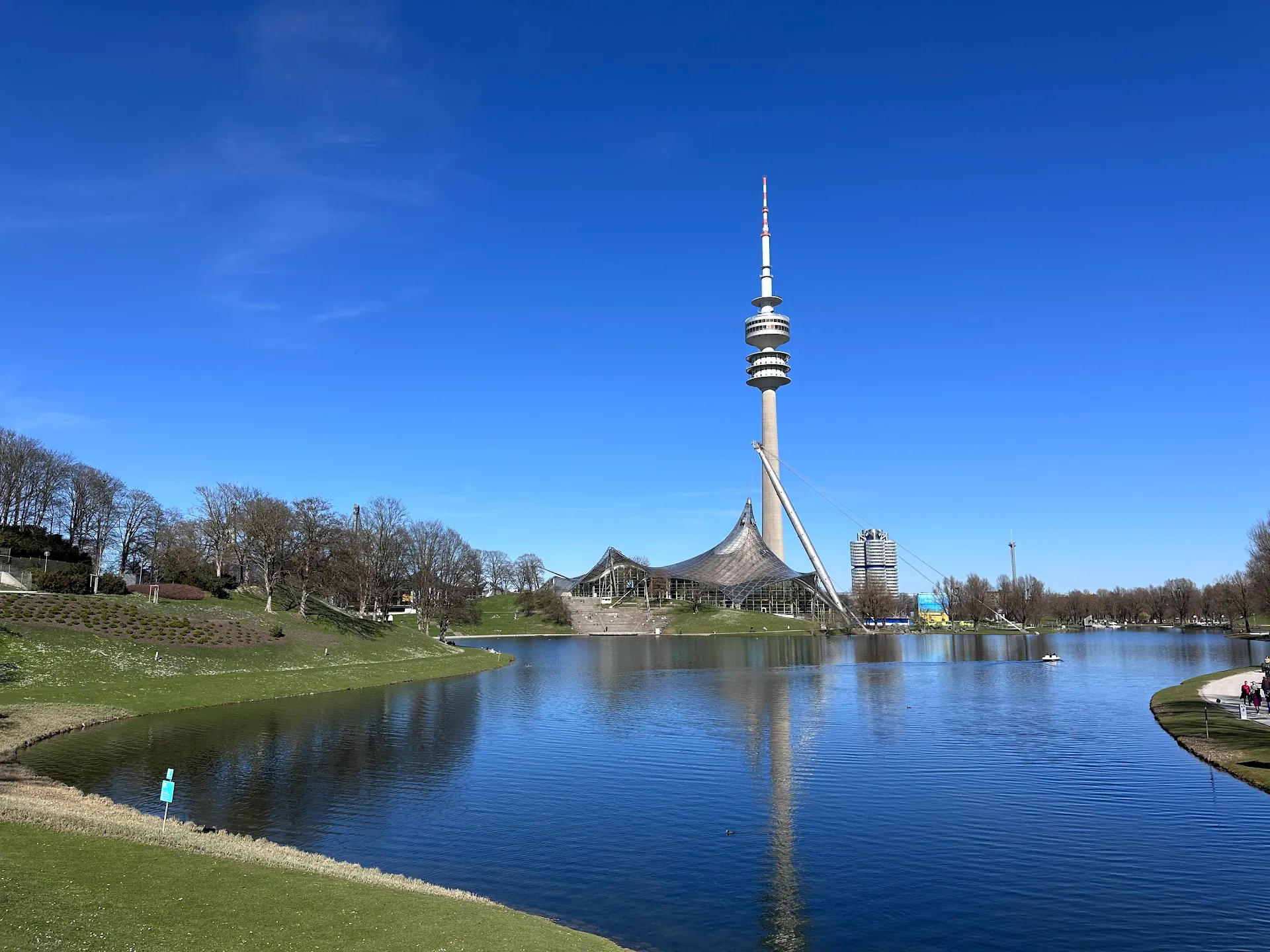
Munich is Bavaria's capital and Germany's most self-assured city: prosperous, traditional, and ringed by mountains, it wears its Gemuetlichkeit (cosy contentment) as a point of pride. In a single day you can watch the Glockenspiel dance over Marienplatz, browse the stalls of a 200-year-old food market, stand before the Old Masters in a world-class gallery, and end the evening under chestnut trees with a litre of beer and a giant pretzel. Few cities blend big-museum culture and beer-garden ease so naturally.
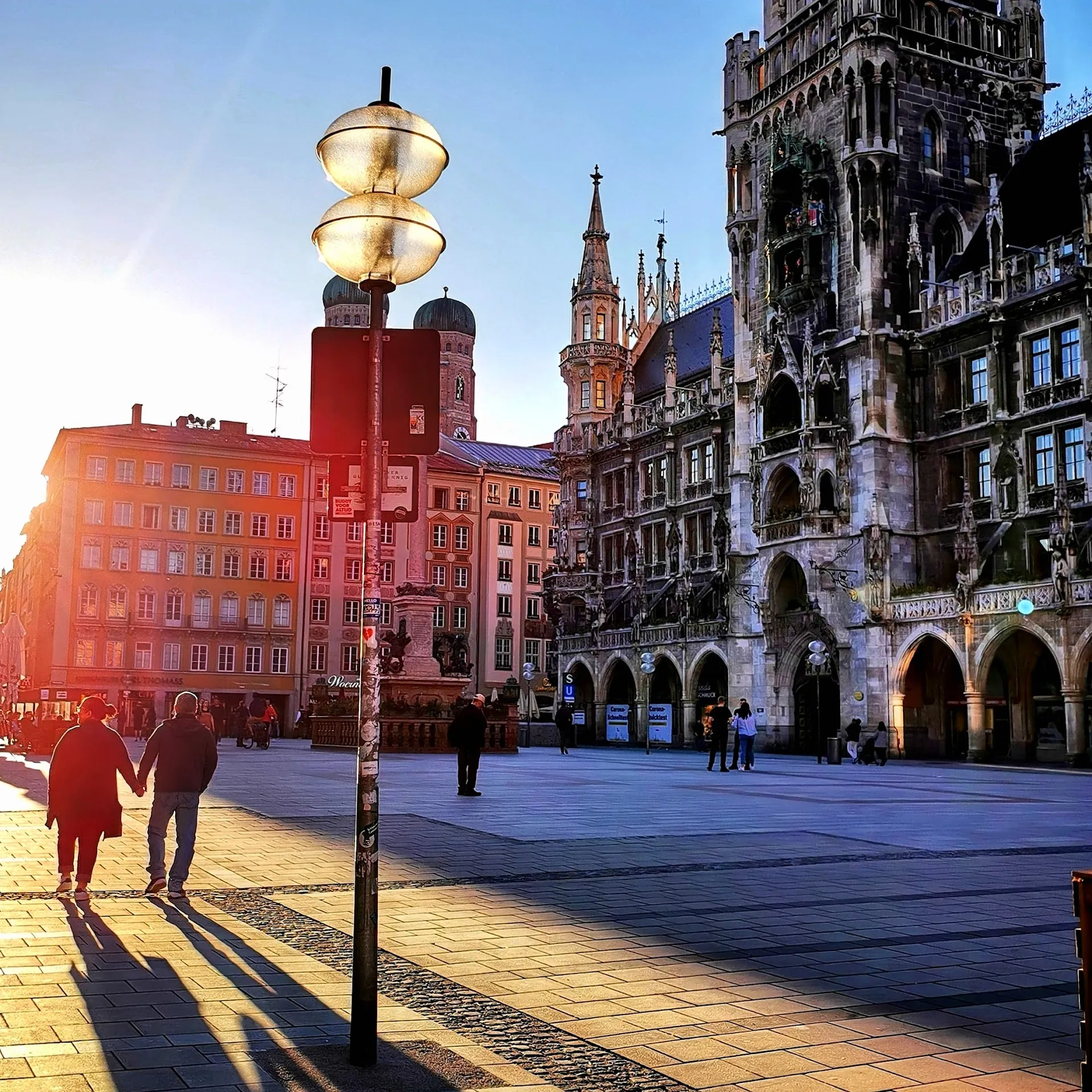
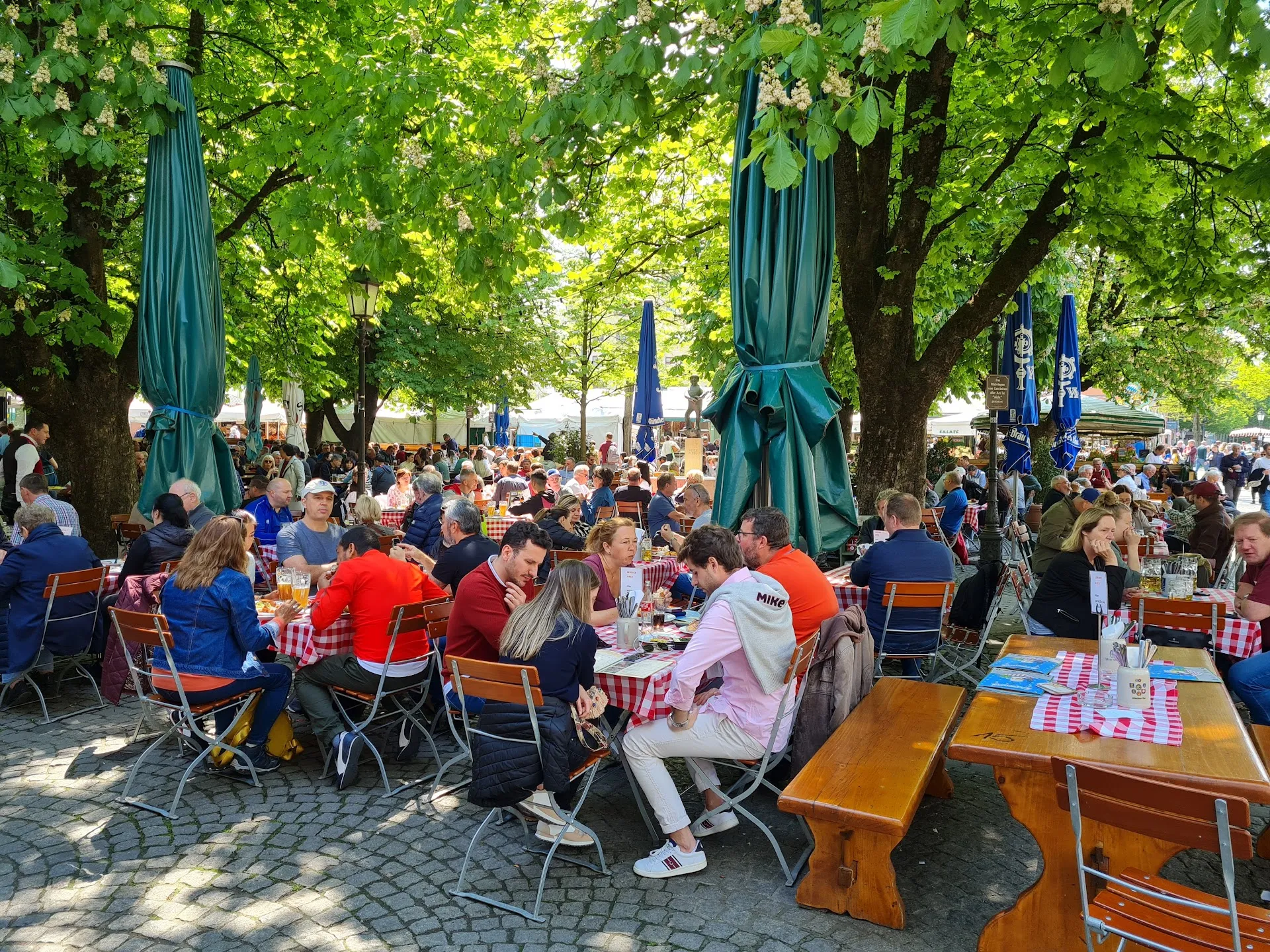
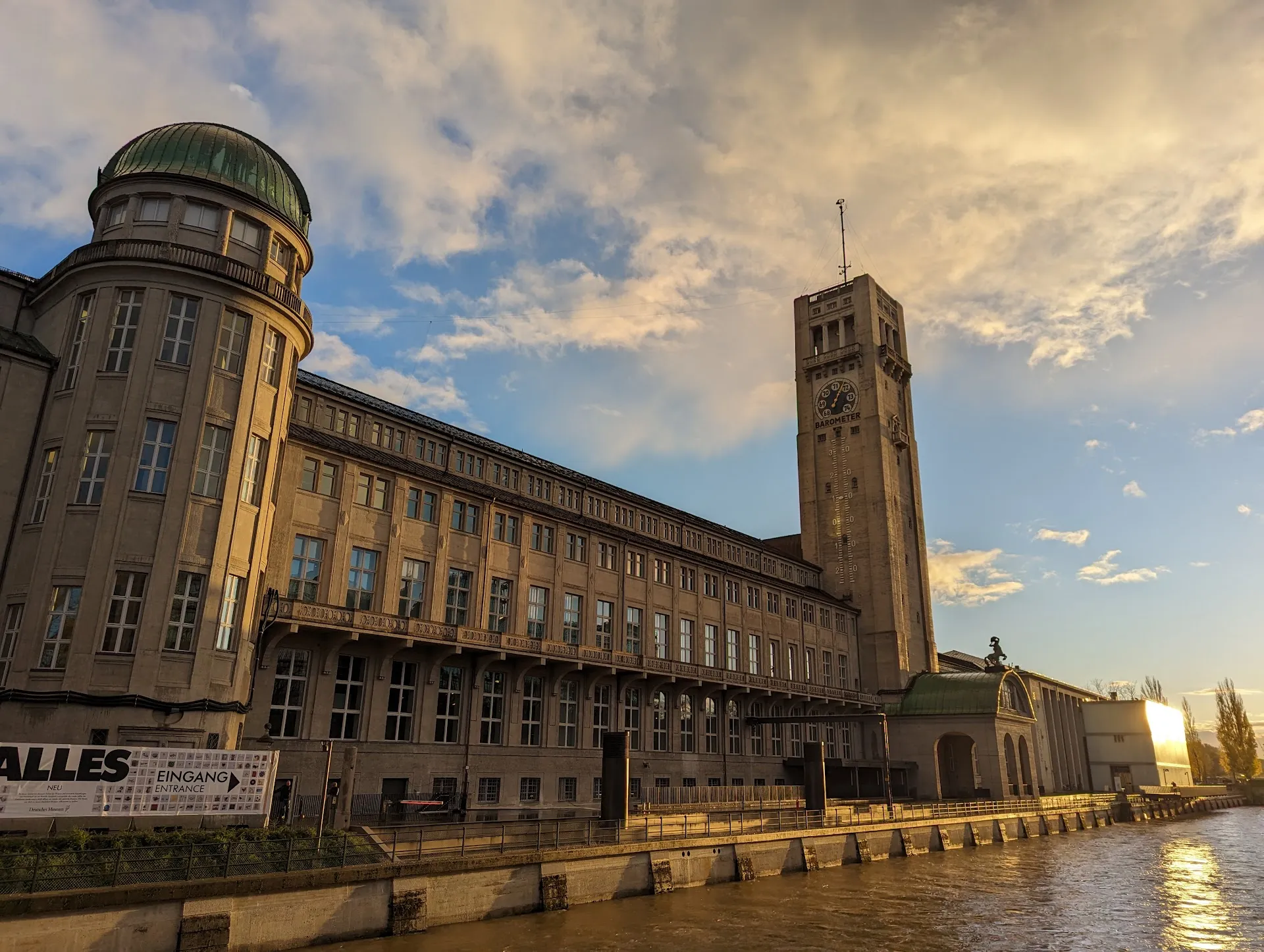
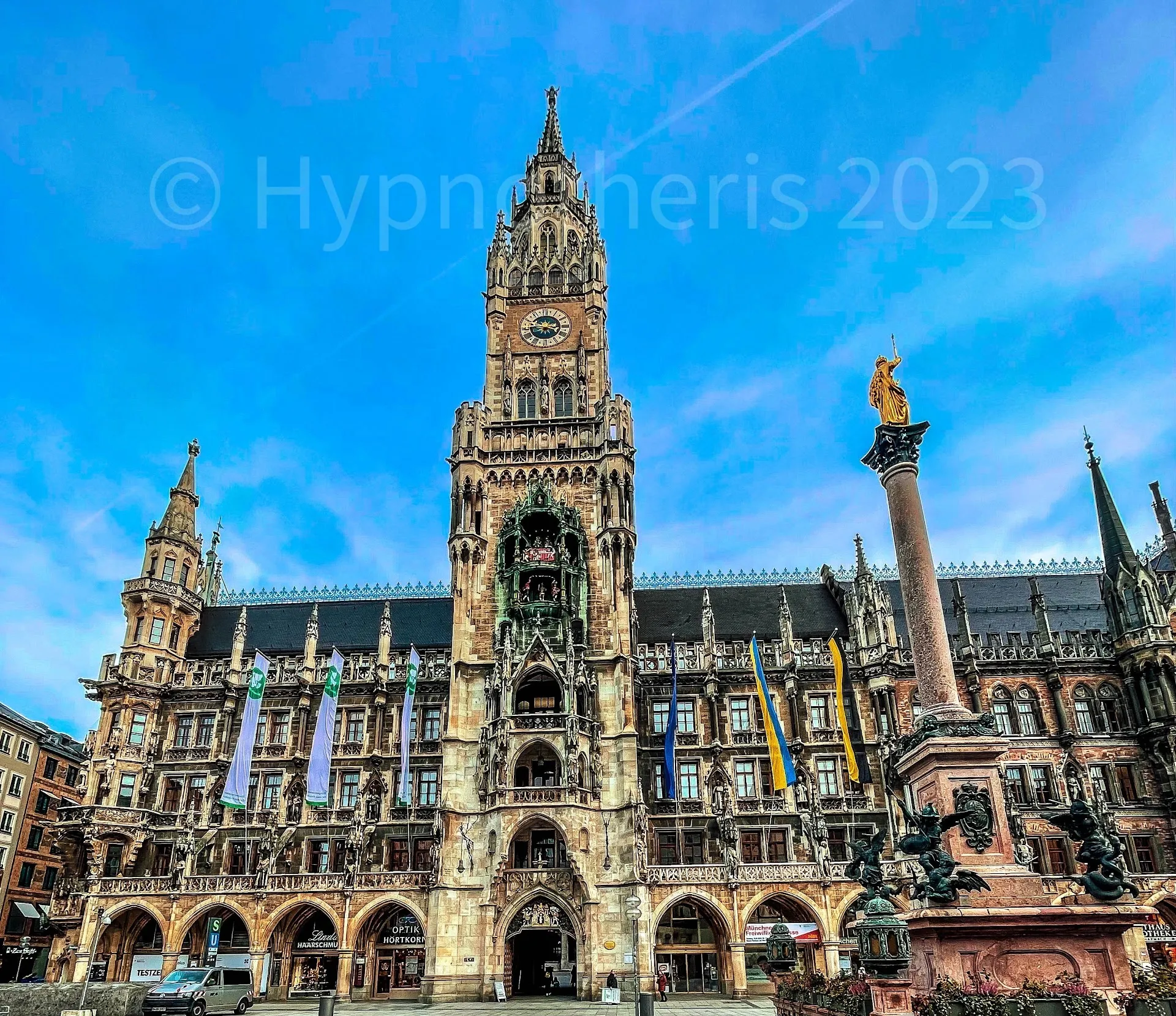
The heart of it is the Altstadt (Old Town), a compact, walkable core built around Marienplatz. The neo-Gothic New Town Hall and its carillon set the stage; the twin copper domes of the Frauenkirche define the skyline; and a few minutes away the Viktualienmarkt has sold produce, game, cheese and flowers since 1807, its central beer garden rotating between the city's big breweries. Cross the Isar and you reach the Deutsches Museum, the largest science-and-technology museum in the world, on its own island.
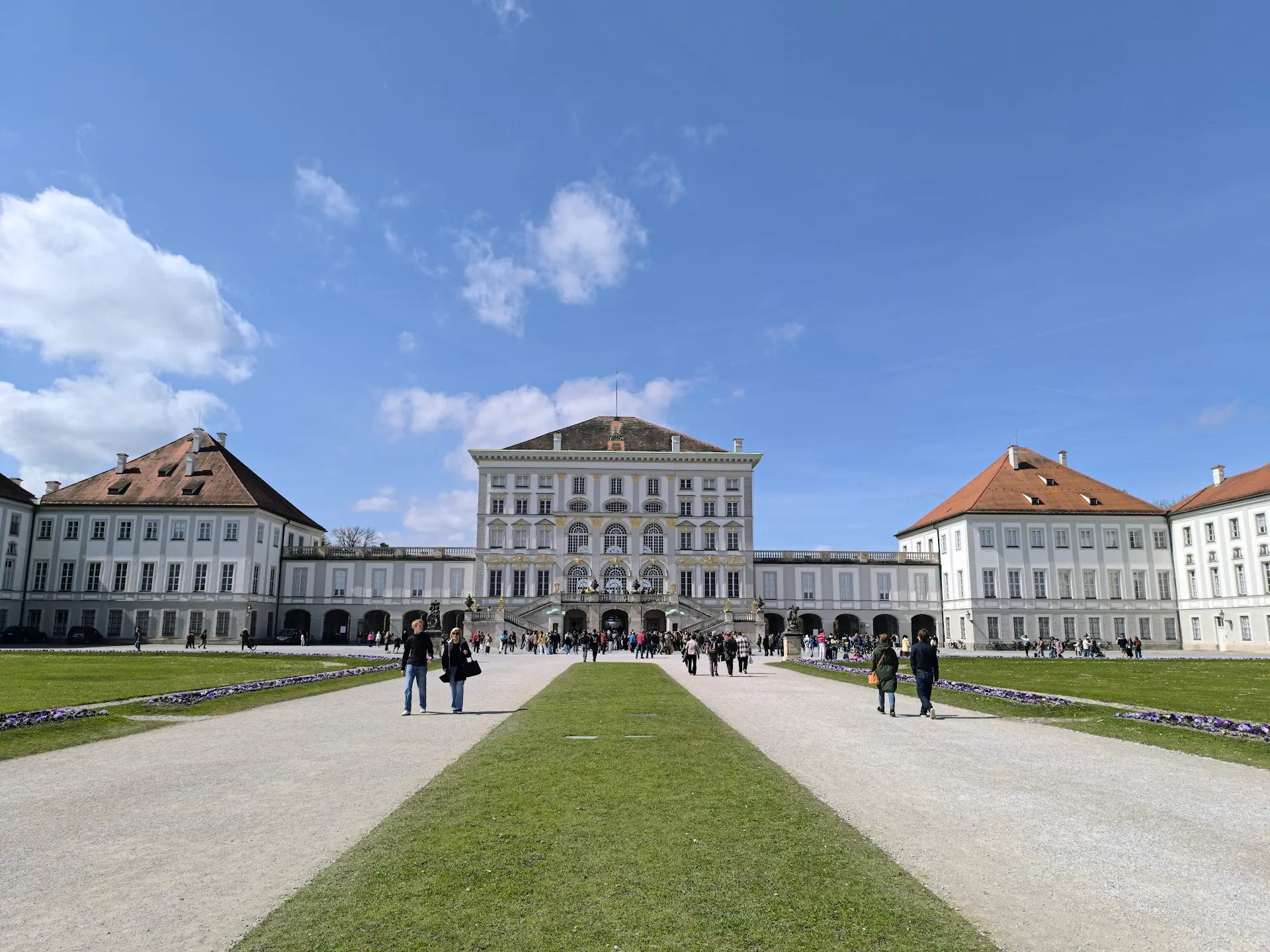
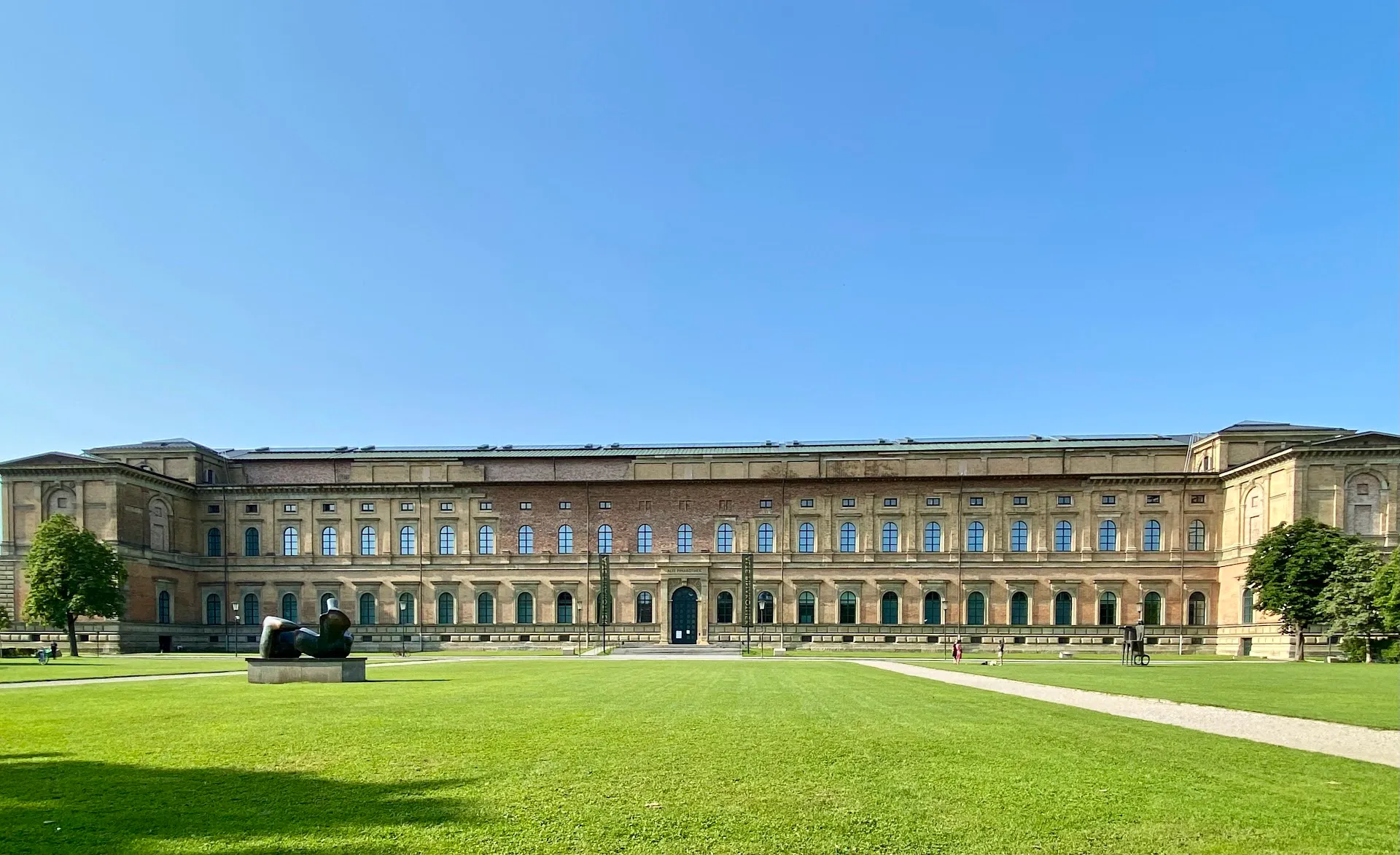
Munich takes its art as seriously as its beer. The Kunstareal museum quarter in Maxvorstadt packs the Alte Pinakothek (Duerer, Rubens, Rembrandt, Leonardo), the Pinakothek der Moderne (modern art, design and architecture under one rotunda), and the Lenbachhaus (home to the world's greatest Blue Rider collection — Kandinsky, Muenter, Marc, Klee) within a few blocks. West of the centre, the baroque Nymphenburg Palace spreads its canals and pavilions across a free landscaped park, a reminder that this was the seat of the Wittelsbach dynasty for over 700 years.
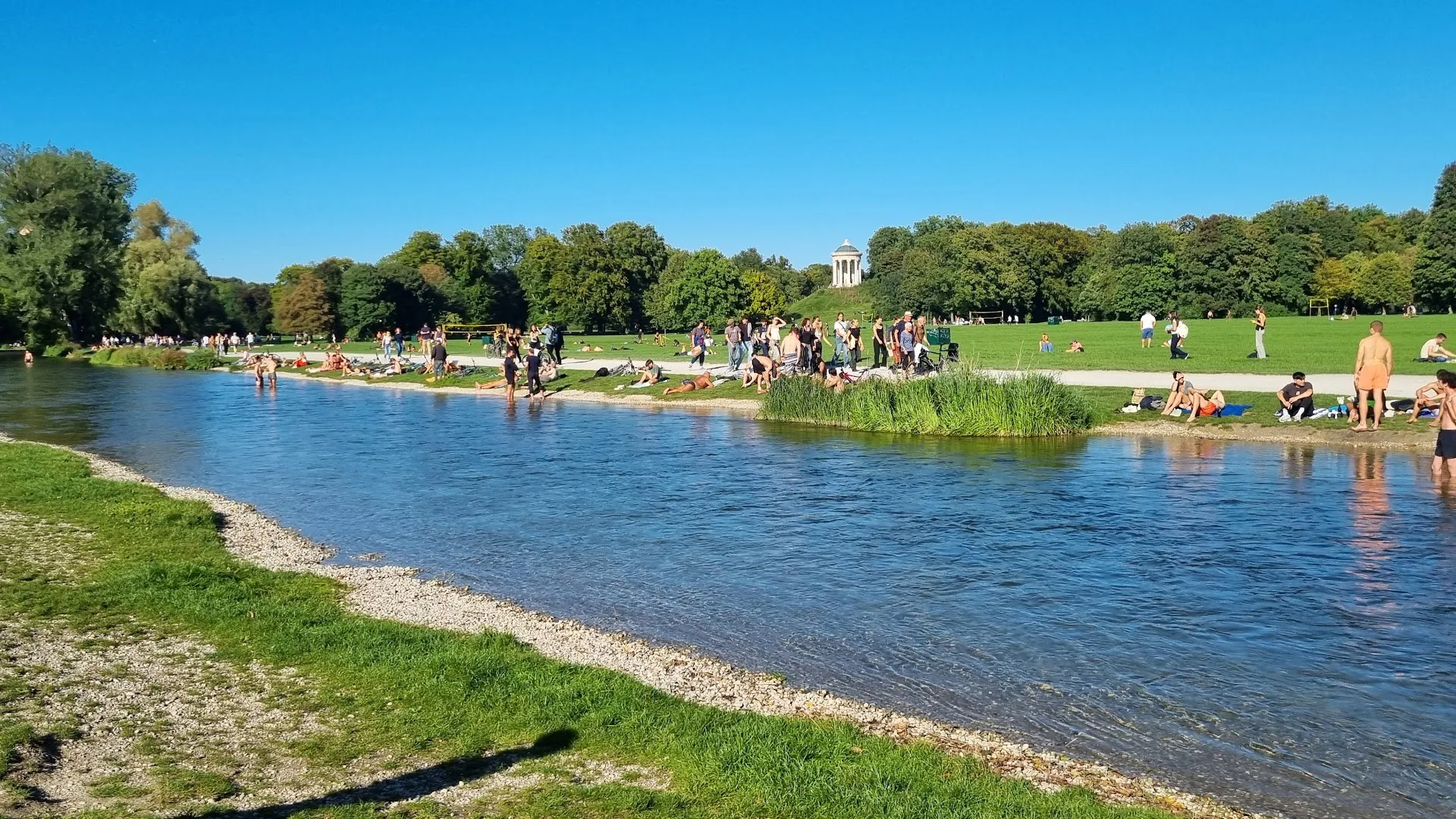
Then there is the green. The Englischer Garten is one of the largest city parks on earth, bigger than New York's Central Park, with the Chinese Tower beer garden, open meadows, and the surreal sight of surfers riding the standing Eisbach wave year-round. Add the Olympic Park, Nymphenburg's gardens and the rose-filled Westpark and you have a city that lives outdoors whenever the sun allows. Beer-garden custom is wonderfully democratic: buy your Mass (a one-litre stein) and you are welcome to spread out your own bread, cheese and radishes at the long shared tables.
Best time to visit
Late spring and early autumn are the sweet spots. May, June and September bring warm, long days, blossoming parks and beer gardens in full swing without the deepest crowds. July and August are the warmest (often 25-30C) and liveliest, though June is the rainiest month, so pack a layer.
The calendar bends around two events. Oktoberfest (mid-September to the first Sunday of October) is unmissable but pushes hotel prices to their yearly peak and books out early; the smaller spring Fruehlingsfest in April is a gentler taste of the same. December is cold but magical, with Christmas markets across the city and the Tollwood winter festival, while January and February are the quietest and cheapest, ideal for the museums and a day on the nearby ski slopes.
Budget
Munich is Germany's most expensive city, but it rewards careful spending. A bakery breakfast runs 5-8 euros, a market or street-food lunch 8-12, and a hearty beer-hall dinner 15-25; a one-litre Mass of beer is about 9 euros and a biergarten half-litre 5-7. A Zone M day ticket is 9.70 euros, and the best of the city — the English Garden, the parks, the Frauenkirche nave, 1-euro Sunday museum entry — is free or close to it.~$90-200 USD / day
For two weeks each autumn the city throws the world's biggest party. Oktoberfest (19 September to 4 October in 2026) has filled the Theresienwiese since 1810, drawing roughly six million visitors to its tents; entry to the grounds is free, but rooms book out months ahead. Come at almost any other time and Munich is calmer and far better value, with spring blossom, long summer evenings and a string of Christmas markets in December.
Above all, Munich is the gateway to the Alps. Alpine lakes such as Starnberg and Ammersee are 30 to 40 minutes away on the S-Bahn; the fairytale Neuschwanstein castle, Garmisch-Partenkirchen and Germany's highest summit, the Zugspitze, are all easy day trips by train, and even Salzburg is under two hours. Base yourself in the city, lean on the excellent MVV transport network, and the whole of southern Bavaria opens up.
Use this guide to skim the day-by-day plan, open the things-to-do list, and save the places that fit your trip. Everything you save drops straight into a TripBox itinerary with dates, a map and your travel companions.
The best of Munich
Curated places worth your time — tap a card for details or to save it.
Munich's central square and civic heart since 1158, dominated by the neo-Gothic New Town Hall (Neues Rathaus) whose tower carries the famous Rathaus-Glockenspiel. The animated carillon re-enacts a 16th-century royal wedding (Duke Wilhelm V and Renata of Lorraine, 1568) and knights' tournament for crowds gathered below the spires.
Landmark
Frauenkirche
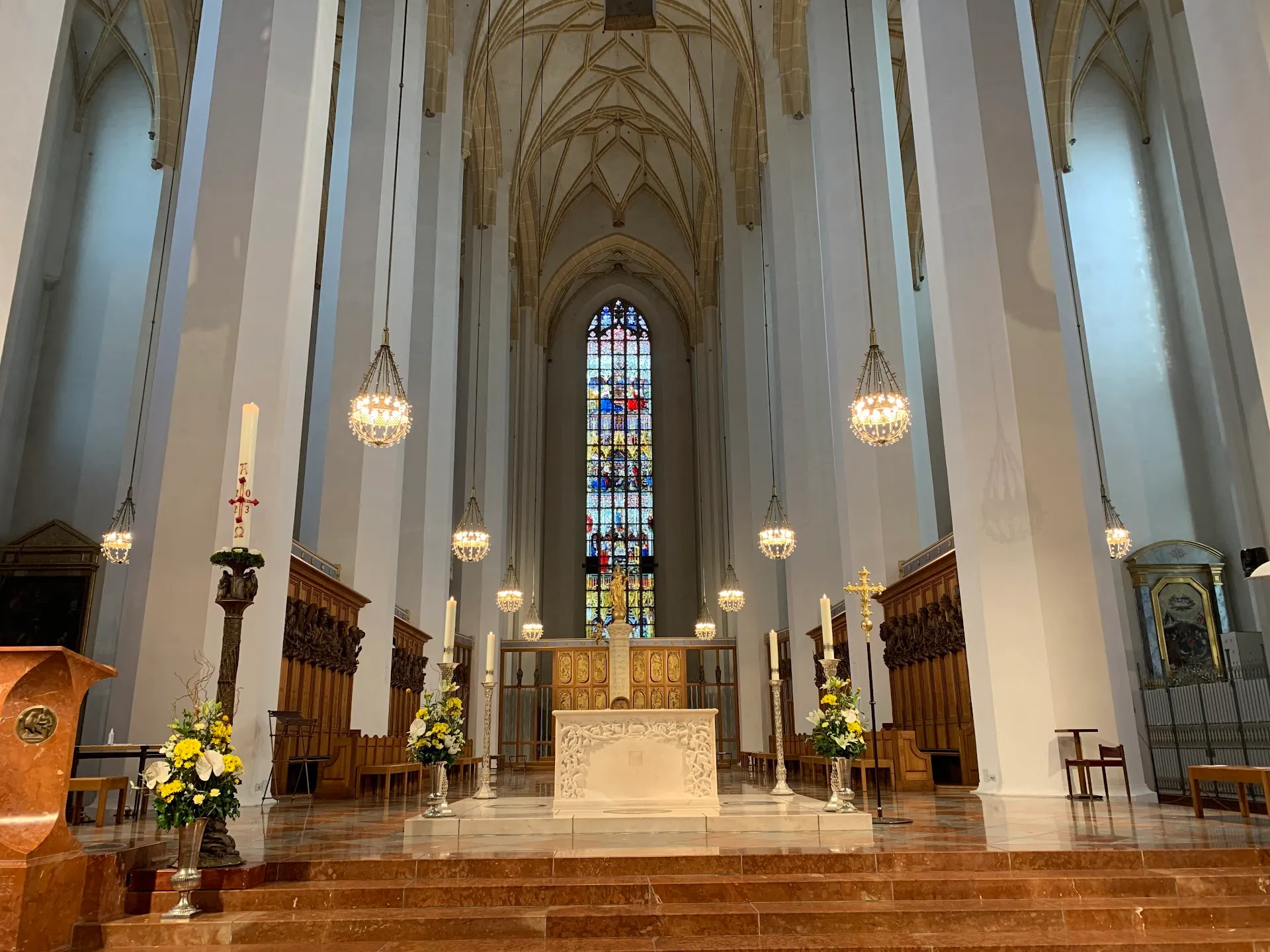
The brick-Gothic Cathedral of Our Dear Lady is Munich's defining skyline silhouette, its twin copper-domed towers rising to nearly 99 metres (north 98.57 m, south 98.45 m) — a height the city protects by capping nearby high-rises. Entry to the vast hall-church nave is free; the south tower can be climbed for views toward the Alps.
Park
Englischer Garten
One of the world's largest inner-city parks (~3.7 km² / about 375 hectares), the Englischer Garten stretches along the Isar through central Munich. Laid out from 1789 in the naturalistic English landscape style (commissioned by Elector Karl Theodor, designed under Benjamin Thompson/Count Rumford and Friedrich Ludwig von Sckell), it is famous for the Chinese Tower (Chinesischer Turm) beer garden, the Eisbach standing wave where surfers ride year-round, and vast open meadows. It is free and freely accessible at all hours.
Market
Viktualienmarkt
Munich's most famous food market: a permanent open-air market of more than 100 stalls just southeast of Marienplatz in the old town. Established at its current site by royal decree in 1807, it sells fresh produce, game, poultry, fish, cheese, spices, flowers, juices and Bavarian specialties, and centers on a popular beer garden.
Museum
Deutsches Museum
Set on an island in the Isar (the Museumsinsel), the Deutsches Museum is the world's largest museum of science and technology, with tens of thousands of objects spanning mining, aerospace, robotics, energy and dozens of other fields. A major multi-year modernization expanded its hands-on demonstrations, making it a long-standing favorite with families.
Landmark
Nymphenburg Palace
A sprawling Baroque summer residence of the ruling Wittelsbach dynasty, Nymphenburg pairs lavish state rooms like the frescoed Great Hall (Steinerner Saal) with a vast landscaped park and garden pavilions. It remains one of Germany's grandest royal palace ensembles.
Museum
Alte Pinakothek
One of the oldest and most important picture galleries in the world, the Alte Pinakothek holds an outstanding collection of European Old Master paintings from the 14th to 18th centuries, with works by Duerer, Rubens, Rembrandt and Leonardo. It anchors Munich's Kunstareal museum quarter.
Viewpoint
New Town Hall Tower
Two elevators inside Munich's neo-Gothic New Town Hall (Neues Rathaus) carry visitors up the Rathausturm to an observation platform roughly 85 metres above Marienplatz, a step-free alternative to the city's church-tower stair climbs (e.g. Alter Peter). The 360-degree platform looks out over the Old Town rooftops and landmarks such as the Frauenkirche, Alter Peter and Theatinerkirche and, on clear days, south to the Alps.
Viewpoint
Olympiaberg
A roughly 60-metre grass-covered hill raised from WWII rubble (heaped up 1947–1958 from war debris) in Munich's Olympic Park. The Olympiaberg is a free, freely-accessible viewpoint with a gently ascending paved path to a summit platform offering panoramic views over the park, the city and — on clear days — the Alps. It is one of Munich's favourite sunset and picnic spots.
What it costs
Daily budgets and typical prices to plan your spend.
Backpacker
€75/ day
Mid-range
€175/ day
Luxury
€400/ day
Cheap meal
€14
Restaurant meal
€32
Coffee
€4.0
Local beer
€5.0
Transit ticket
€3.9
Taxi (1km)
€2.0
Cost index 80 (New York = 100).
When to go
Best time to visit
Late spring and summer (May to August) bring warm, long days and beer-garden season at its best. The famous Oktoberfest runs from mid-September to the first weekend of October, packing the city and sending hotel prices soaring, while late November and December glow with Christmas markets. Winters are cold but often clear, and the Alps are within easy reach for day trips.
Crowds
High
PeakJune, July, August, September (Oktoberfest), December (Christmas markets)
ShoulderMay, October
QuietJanuary, February, November
Major events
Starkbierzeit (Strong Beer Season)March
Fruehlingsfest (Spring Festival)April
Tollwood Summer FestivalJune
OktoberfestSeptember
Tollwood Winter FestivalNovember
Christmas Markets (Christkindlmarkt)December
Weather by month
Average temperature and rainfall, to time your visit.
1°J
2°F
6°M
10°A
14°M
18°J
20°J
20°A
15°S
11°O
5°N
2°D
Good to know
Practical info before you go.
Tipping
Appreciated — Tipping is customary but modest. Round up or add about 5-10% for good service in restaurants, cafes, and taxis; tell the server the total amount you want to pay as you hand over the money rather than leaving coins on the table.
Tap water
Safe to drink
Power
Type C/F · 230V
Safety
Very High — Munich is one of Europe's safest big cities, with low violent crime. The main risk is pickpocketing in crowds at Marienplatz, the Viktualienmarkt, the Hauptbahnhof, on busy U-Bahn lines, and especially during Oktoberfest. The streets immediately around the Hauptbahnhof can feel rough late at night.
Emergency
112
Visa-free for
United States, Canada, United Kingdom, European Union, Australia, New Zealand
Local culture
Language
German
English
Very High
Dress code
Smart Casual
Useful phrases
Servus / Gruess Gott
Hello (Bavarian greeting)
Danke
Thank you
Bitte
Please / you're welcome
Entschuldigung
Excuse me / sorry
Sprechen Sie Englisch?
Do you speak English?
Ein Mass, bitte
A litre of beer, please
Local customs
Buy and validate your ticket before boarding the U-Bahn, S-Bahn, tram, or bus - the honour system has plain-clothes inspectors who fine fare dodgers 60 EUR on the spot
Greet people with 'Servus' or 'Gruess Gott' rather than a plain 'Hallo' - Bavaria is warmer and more traditional than Berlin
In beer gardens you may bring your own food (Brotzeit) to the bare-wood tables without a tablecloth, but you must buy your drinks there
Sundays are quiet and almost all shops close (stock up Saturday); bakeries and the shops at the Hauptbahnhof and airport are the exceptions
Return bottles and cans for the Pfand deposit at supermarket machines
Carry some cash; many beer gardens, bakeries, and small spots are cash-first, though cards are increasingly accepted
Watch out for
The 'petition' and fake-charity donation tricks used as a distraction for pickpockets around Marienplatz and the Hauptbahnhof
Touts selling 'pre-validated' or discounted transport tickets near stations - they are not valid; buy from MVV/MVG machines or the official app
Unlicensed taxi touts at the Hauptbahnhof and airport overcharging - use the meter, the S-Bahn, or a ride app
During Oktoberfest, overpriced or fake tent reservations sold online - book only through official Wiesn channels
Three full days cover the Old Town, royal Nymphenburg, the Kunstareal museums and a beer garden without rushing. A fourth or fifth day lets you add Alpine day trips — Neuschwanstein, the Zugspitze via Garmisch, or the lakes — at a relaxed pace.
Is Munich expensive?
It is Germany's priciest city, but it need not break the bank. Budget travellers manage on 70-90 euros a day and mid-range visitors 120-180; free parks, 1-euro Sunday museum entry, and beer-garden picnics where you bring your own food keep costs down.
What is the best way to get around Munich?
The MVV network of U-Bahn, S-Bahn, trams and buses runs on one ticket. A Zone M day pass (9.70 euros in 2026) covers the whole city, the centre is very walkable, and the same network reaches the airport and the Alpine foothills.
When is Oktoberfest 2026?
Oktoberfest runs from 19 September to 4 October 2026 on the Theresienwiese. Entry to the grounds and tents is free, but it draws around six million people, so accommodation books out and prices peak months in advance.
What day trips can you do from Munich?
Munich is the gateway to the Bavarian Alps. Lakes Starnberg and Ammersee are 30-40 minutes out by S-Bahn; Neuschwanstein, Garmisch-Partenkirchen and the Zugspitze are easy train trips, and Salzburg is under two hours. A Bayern-Ticket is great value for groups.
Ready to plan Munich?
Turn this guide into a real trip — itinerary, map, budget and friends, all in one place.