
This week-long route gives first-time visitors the two faces of Germany. You'll spend three days in Berlin, where the Wall, the Reichstag dome and Museum Island tell the story of a reinvented capital, then take a fast ICE train south to Munich for three days of Bavarian squares, world-class museums, beer gardens in the Englischer Garten and the baroque palace of Nymphenburg. It's built around Germany's excellent rail network, so you never need a car — just book your Deutsche Bahn Sparpreis ticket ahead and watch the country roll past the window.
Germany in 7 Days: Berlin & Munich
7 days2 stopsFirst-time visitors who want Germany's two headline cities — historic capital and Bavarian heart — without a car
The route
- Berlin3n
- Munich3n
Everywhere you'll go
Every stop on this itinerary — tap a card for details or to save it.
CulturalFree
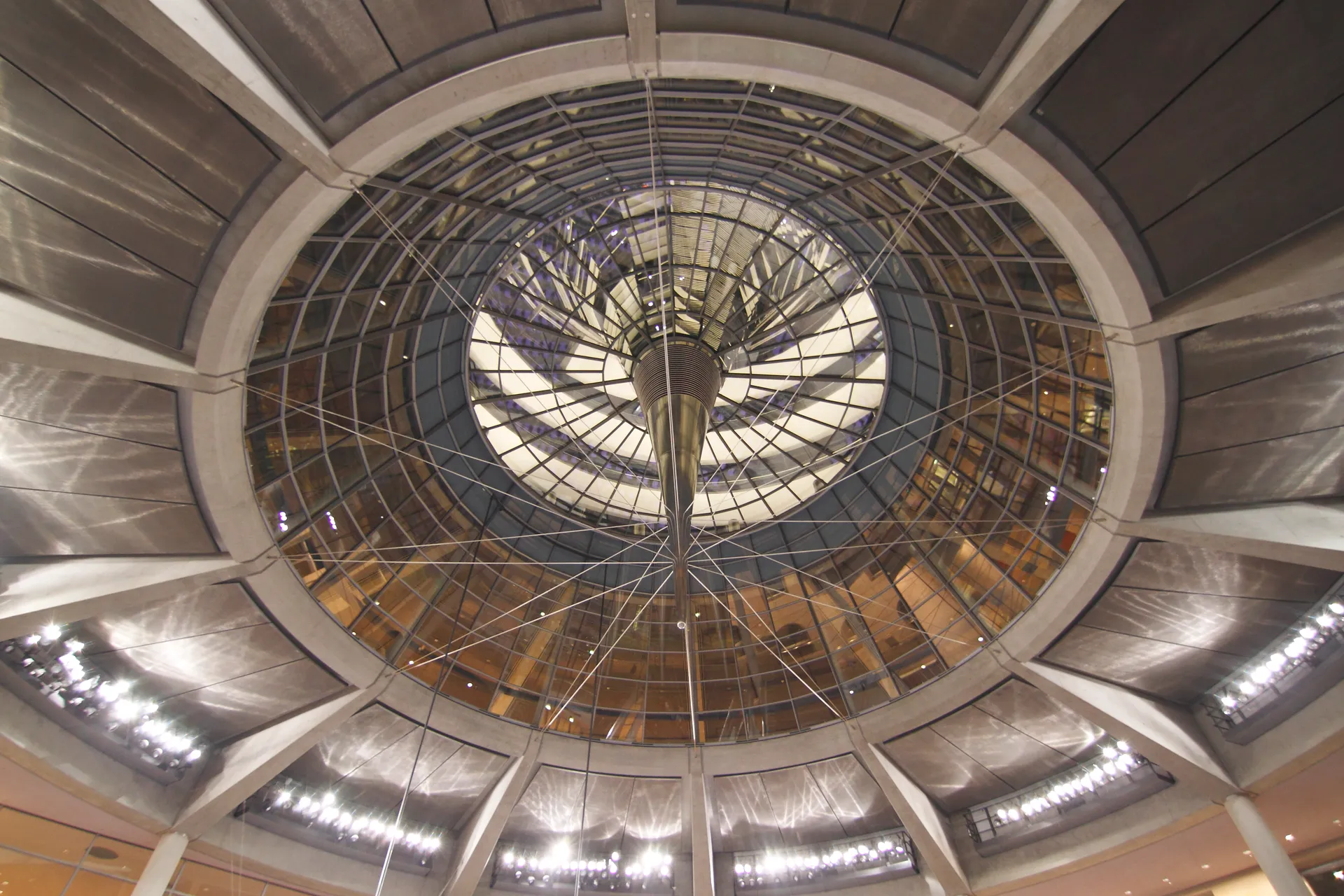
Reichstag Dome Visit
Walk the spiraling ramp inside Norman Foster's glass dome atop the German parliament for 360-degree city views. Free entry but advance booking is mandatory. The audio guide explains Berlin's political history.
Mitte (Tiergarten)1-2 hours
Book this tourMust visit
Memorial5.0
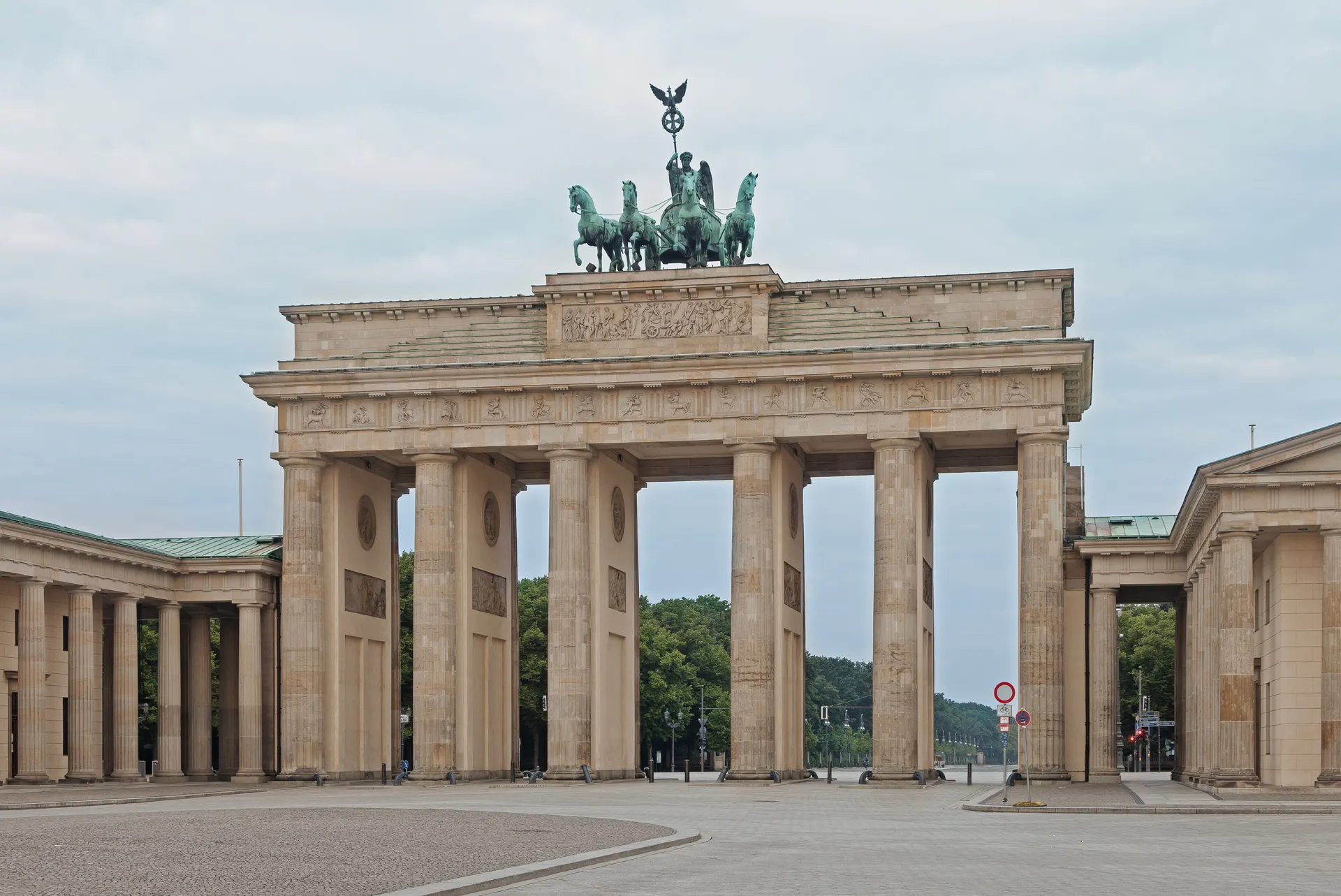
Brandenburg Gate
Berlin's defining neoclassical landmark, completed in 1791 by Carl Gotthard Langhans as a triumphal arch modelled on the Propylaea of the Athenian Acropolis. Topped by the Quadriga chariot sculpture, it stood trapped in the death strip during the Cold War and became the symbol of German reunification in 1989.
Mitte
Must visit
Memorial5.0
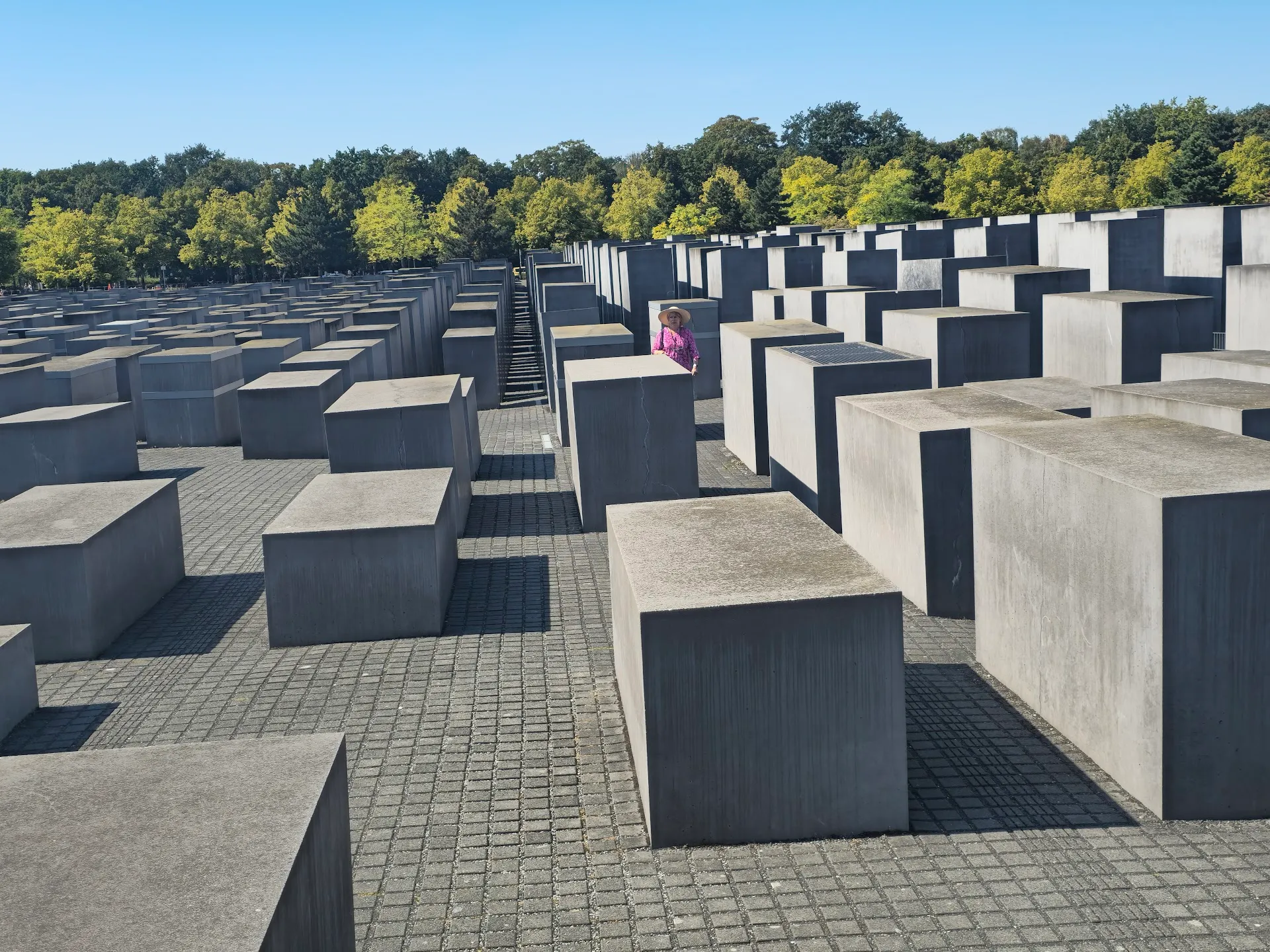
Memorial to the Murdered Jews of Europe
Peter Eisenman's haunting field of 2,711 concrete stelae of varying heights creates a disorienting, wave-like landscape. The underground information center documents individual victims' stories.
Mitte
Scenic Spot5.0
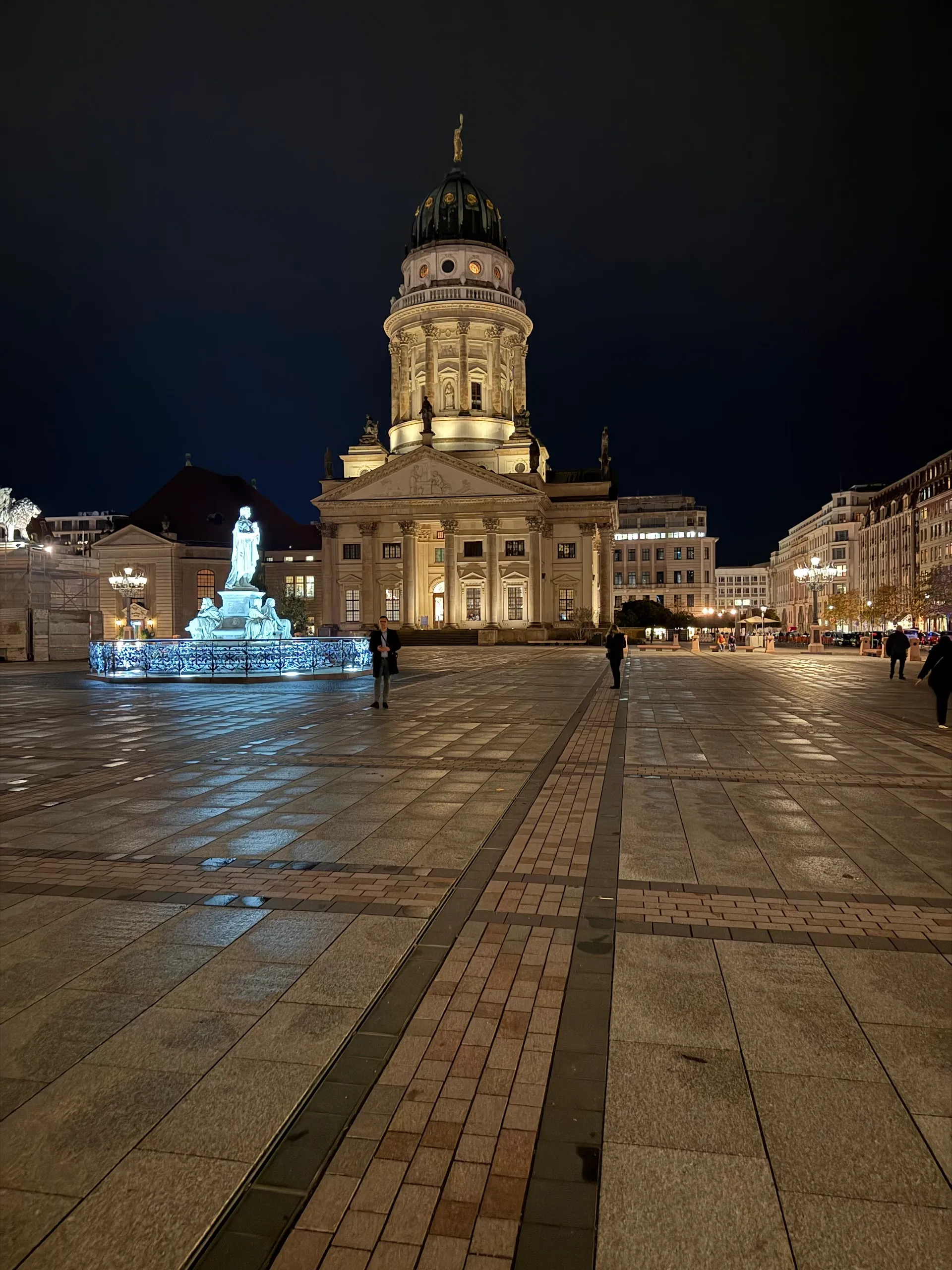
Gendarmenmarkt
Widely regarded as Berlin's most beautiful square, flanked by the matching French and German cathedrals and anchored by Schinkel's neoclassical Konzerthaus. The harmonious ensemble of 18th-century architecture creates a rare sense of grandeur in a city otherwise defined by its contrasts and gaps.
Mitte
Cultural€19 (day pass)
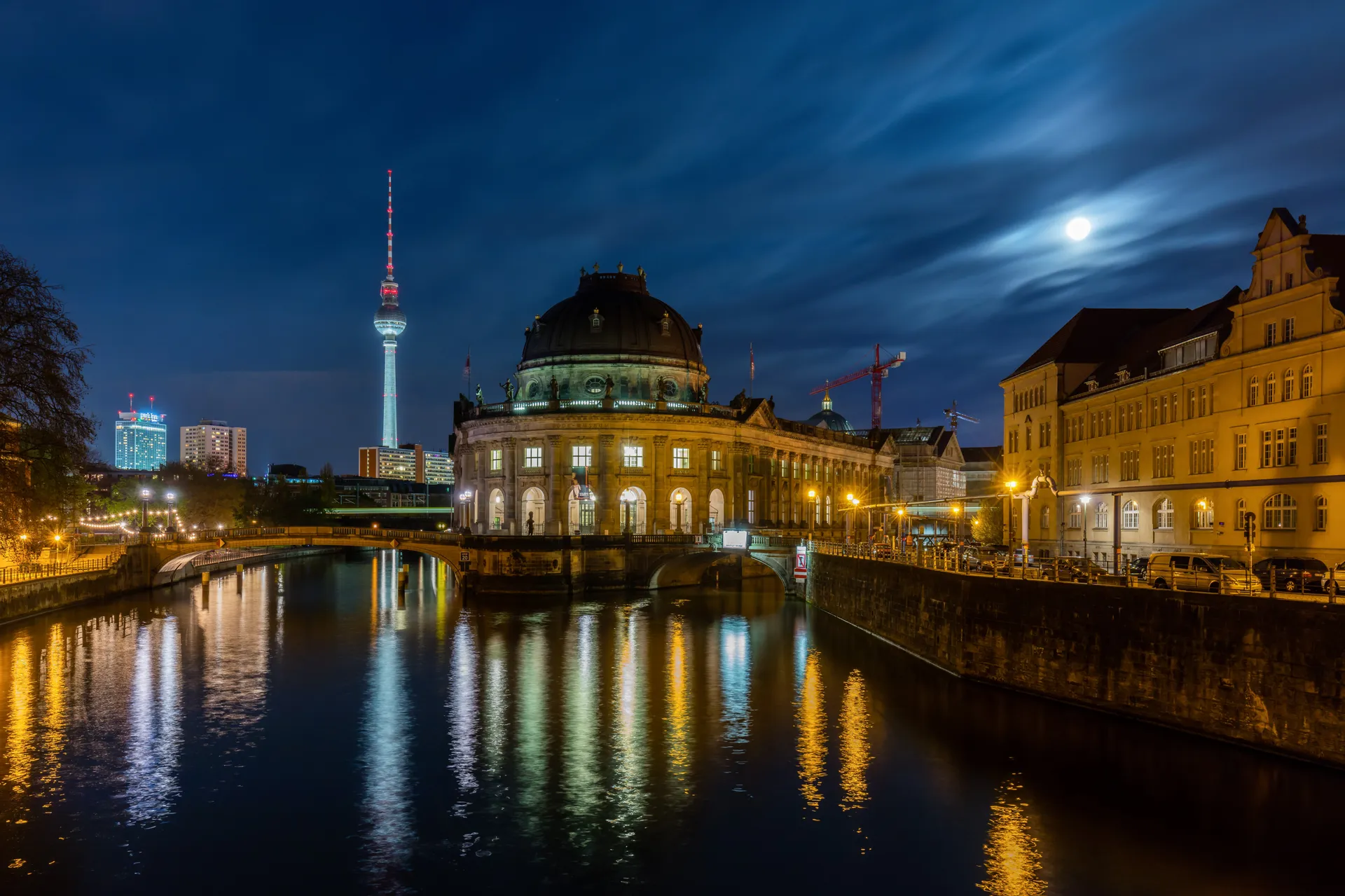
Museum Island Day
UNESCO World Heritage ensemble of five world-class museums on a Spree river island. From Babylonian gates to Egyptian busts to 19th-century painting, it covers 6,000 years of human civilization.
Mitte (Museum Island)5-7 hours
Book this tour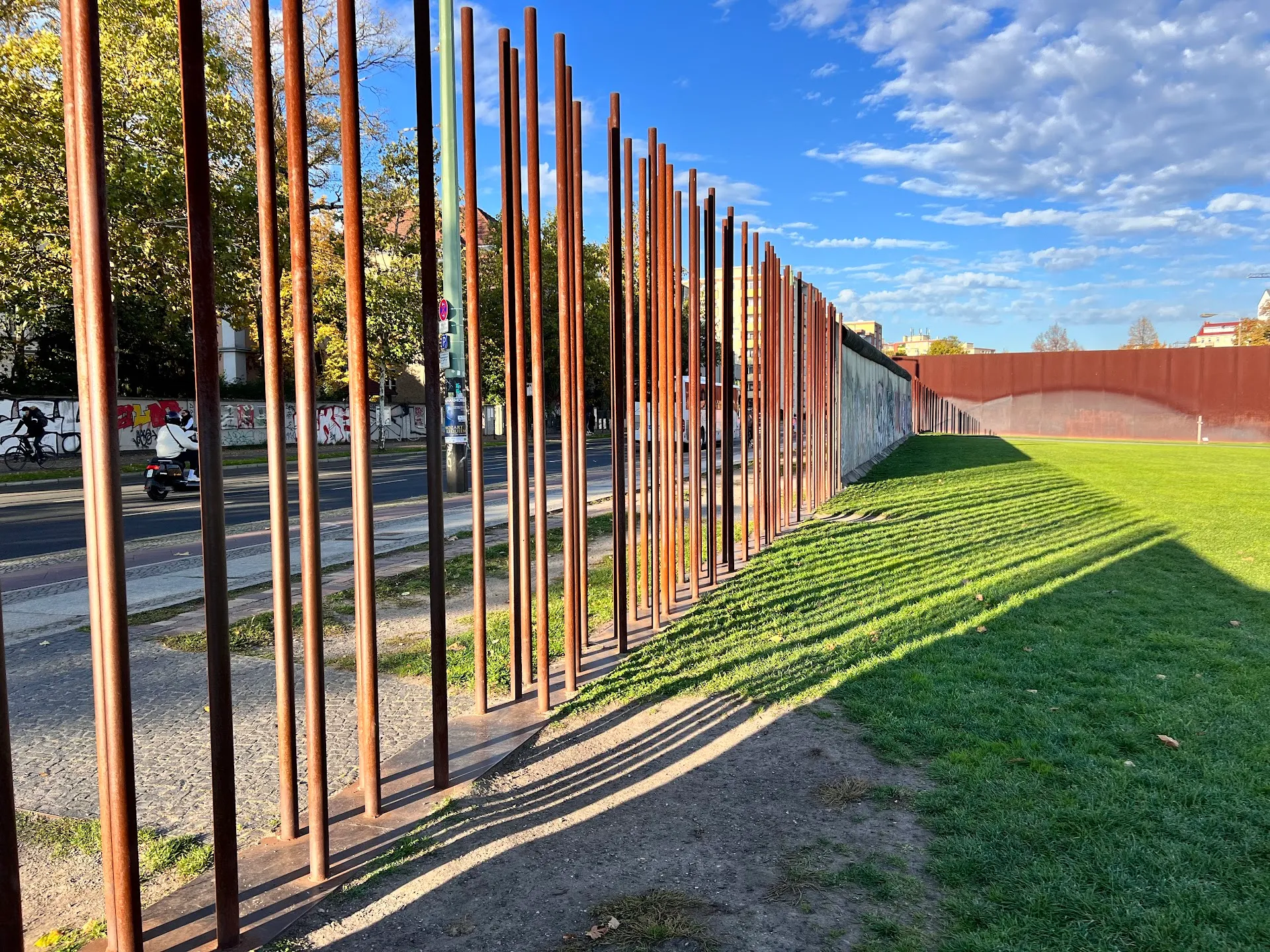
Memorial5.0
Berlin Wall Memorial
The primary memorial site of German division, preserving an original section of the Wall with watchtower, death strip, and documentation center. More historically informative than the East Side Gallery.
Mitte
Must visit
Memorial5.0
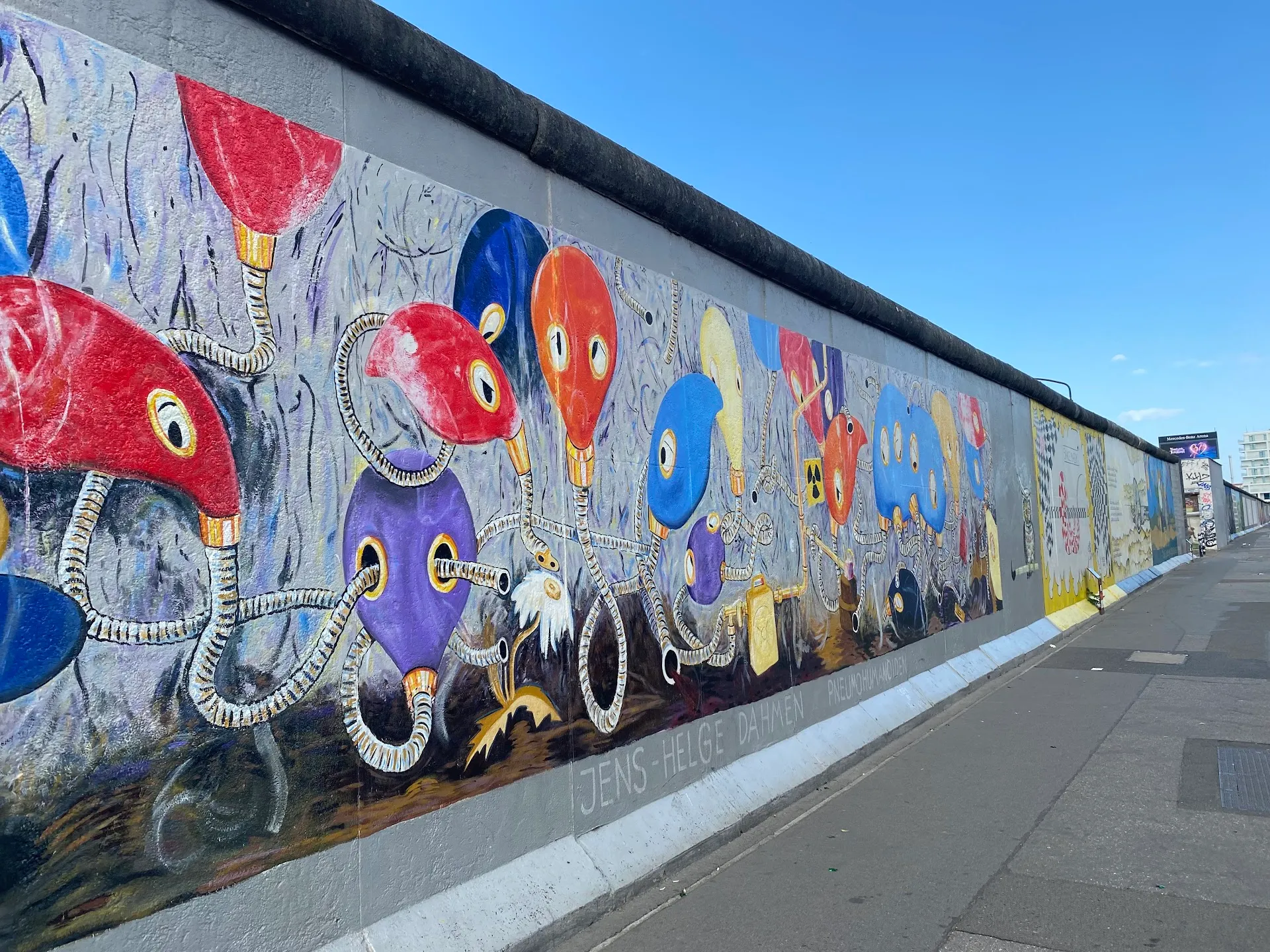
East Side Gallery
The longest remaining stretch of the Berlin Wall at 1.3km, transformed into an open-air gallery with over 100 murals by international artists. Includes the iconic Fraternal Kiss painting.
Friedrichshain
Restaurant4.0
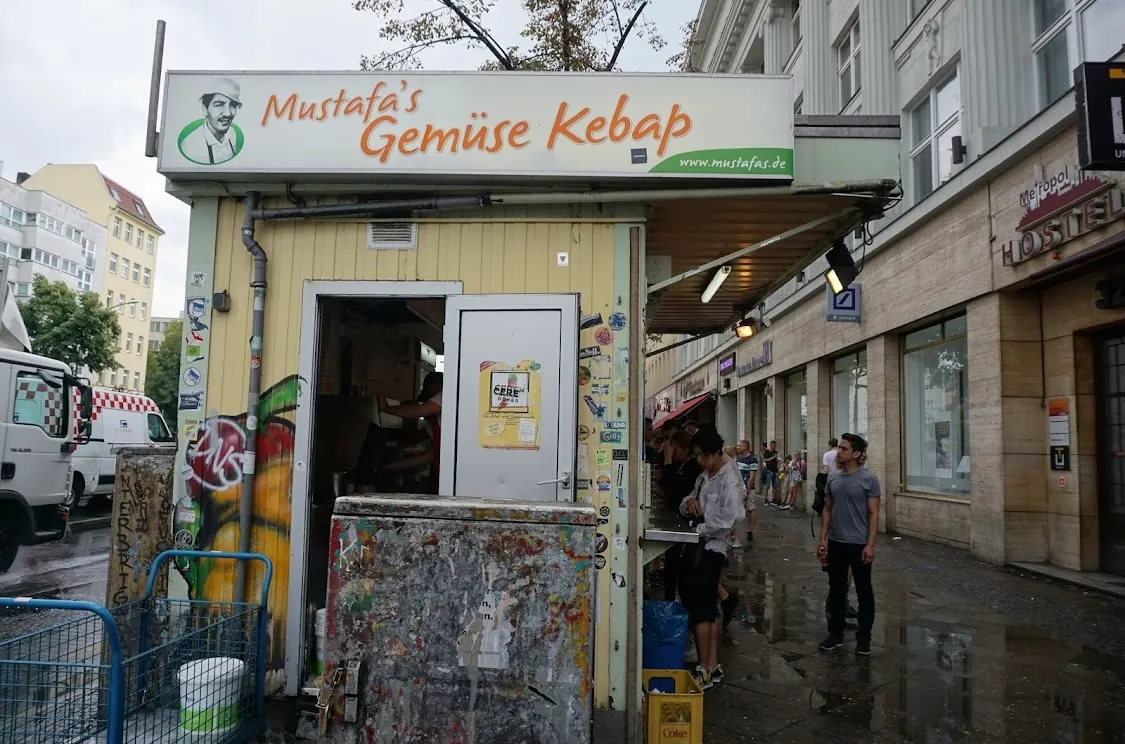
Mustafas Gemuese Kebab
Legendary street food stand famous for its roasted vegetable doner kebab. The queue can stretch for 30+ minutes but locals insist it is worth every second of waiting.
Kreuzberg
Architecture
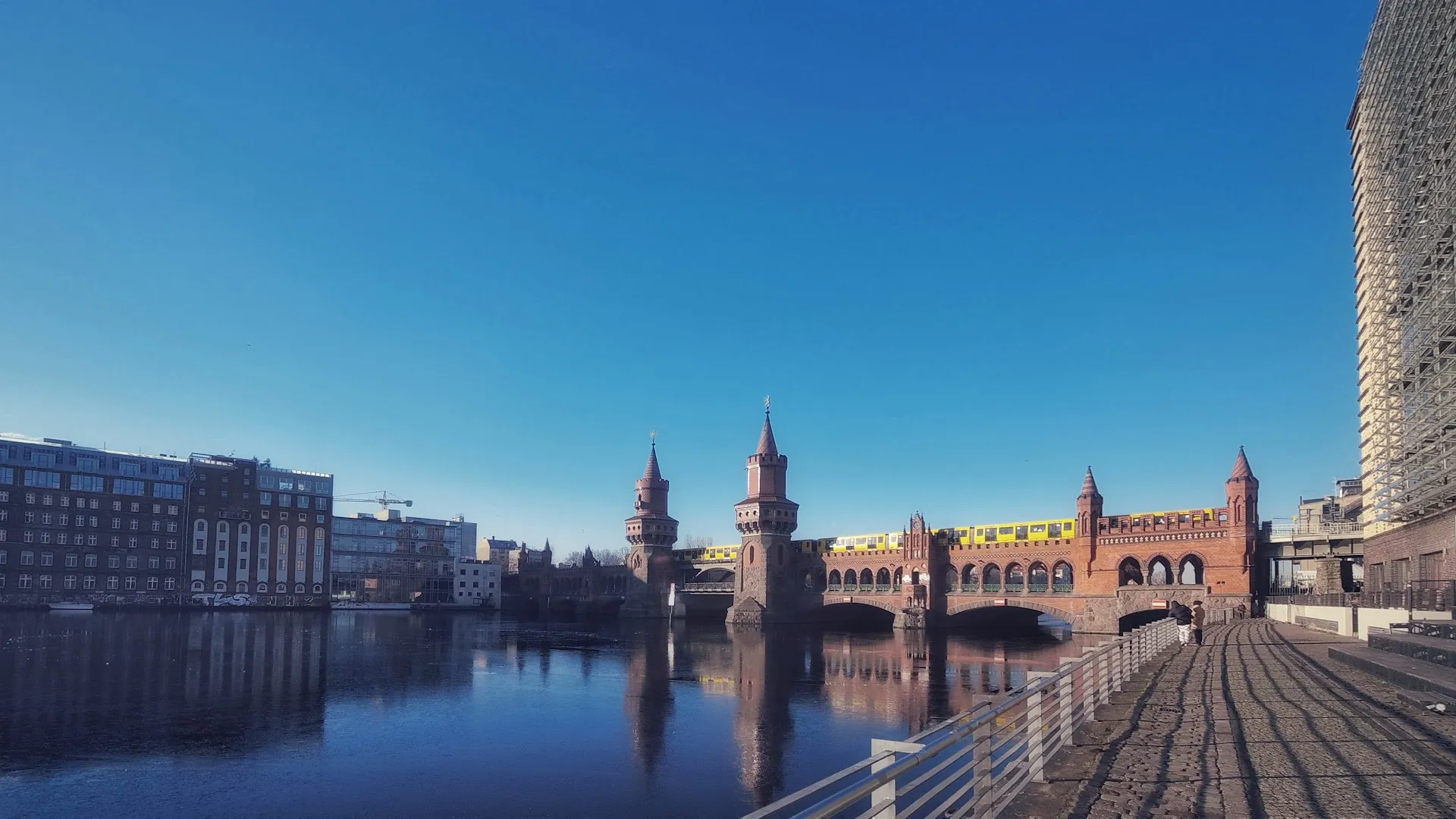
Oberbaumbruecke
Berlin's most beautiful bridge connecting Friedrichshain and Kreuzberg over the Spree. The red brick Gothic towers and yellow U-Bahn crossing create a striking composition, especially at blue hour with reflections.
Friedrichshain / Kreuzberg
Street
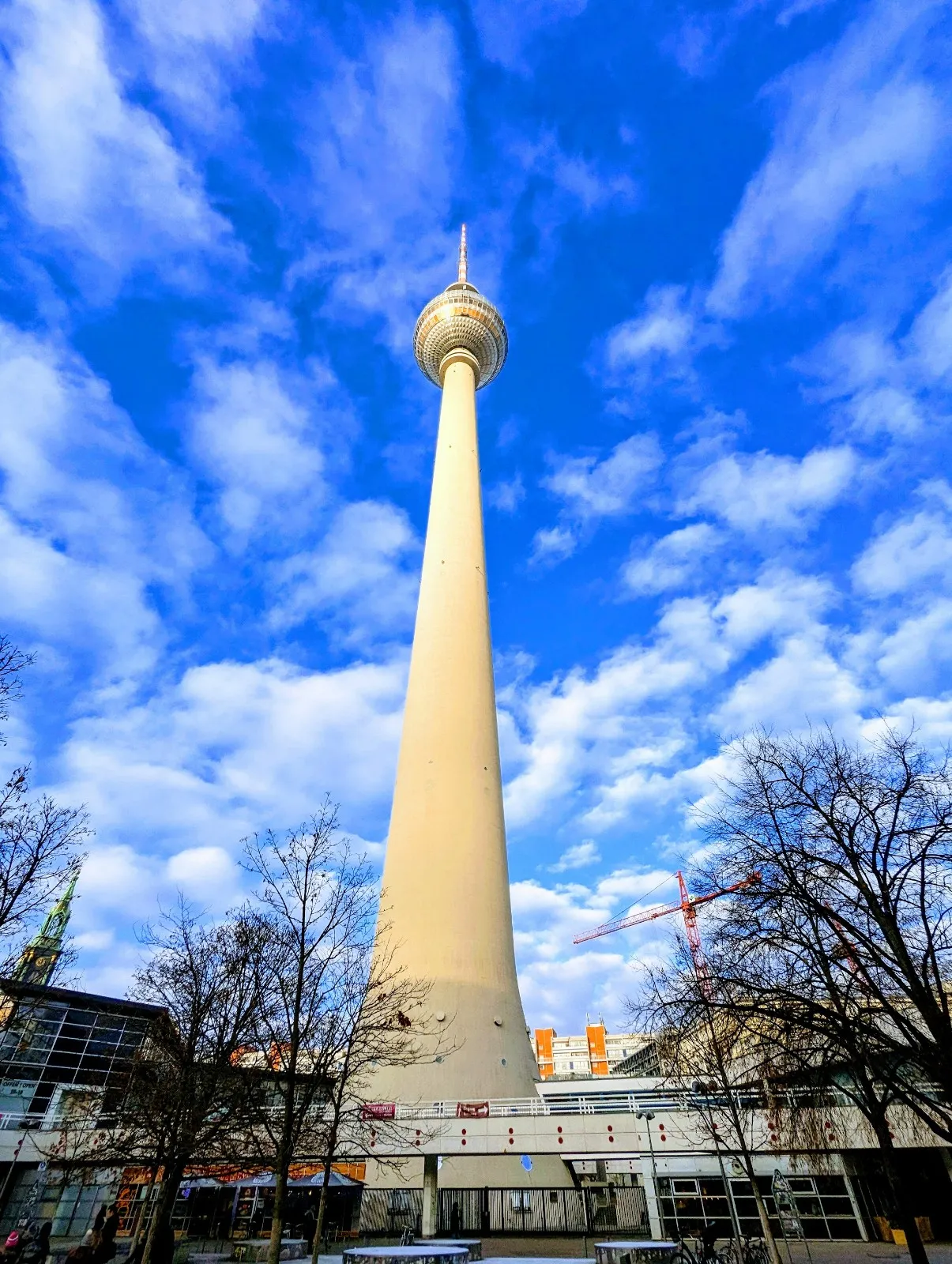
TV Tower from Karl-Marx-Allee
The Fernsehturm framed by the monumental Stalinist architecture of Karl-Marx-Allee creates a quintessentially Berlin composition. The wide boulevard's socialist-realist buildings lead the eye straight to the tower.
Friedrichshain / Mitte
Bar4.0
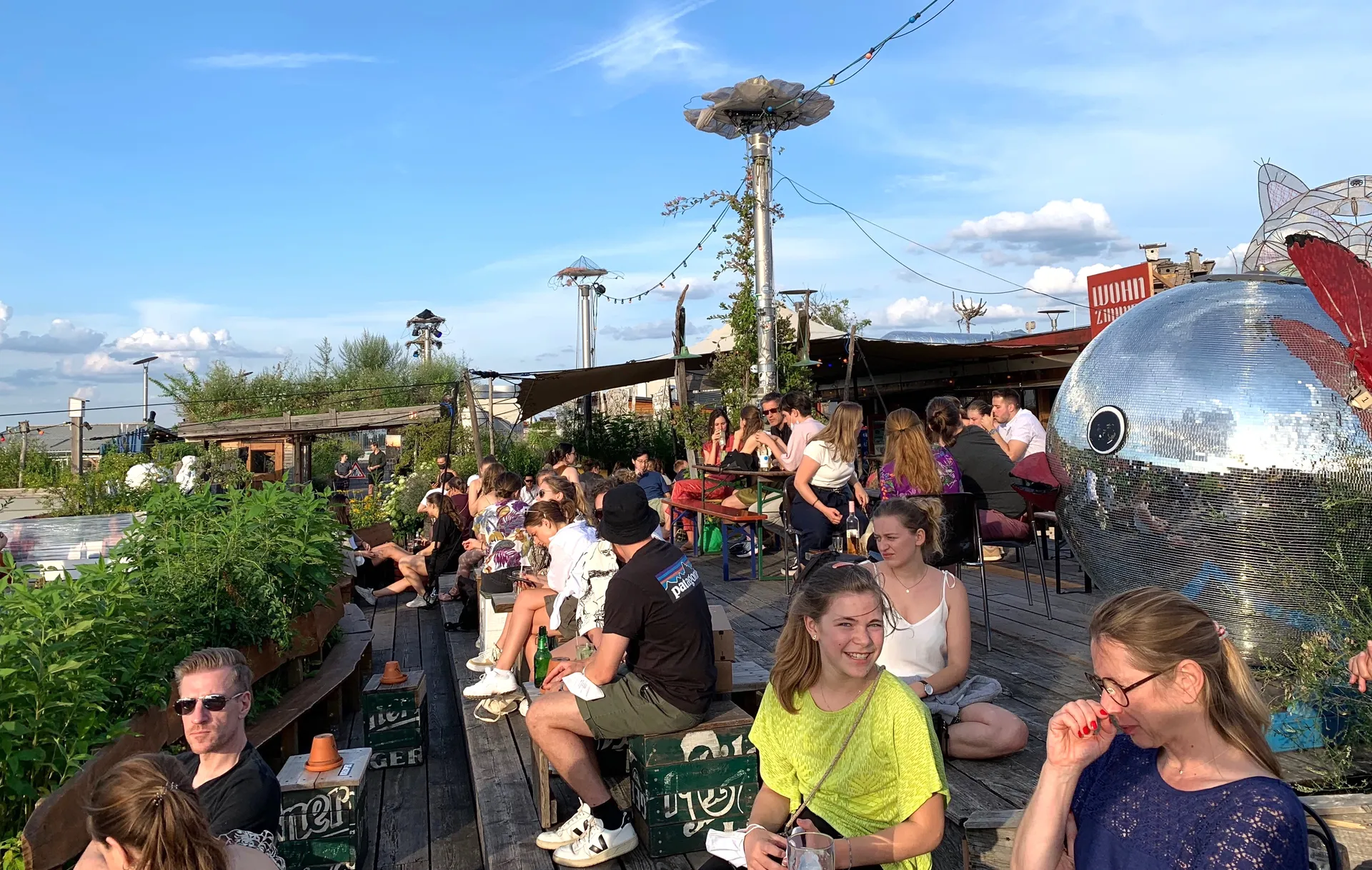
Klunkerkranich
Hidden rooftop bar on top of a parking garage with panoramic sunset views over Berlin. Regular DJ sets, live music, and a community garden vibe. Take the elevator to the top floor and walk up.
Neukoelln
Castle4.0
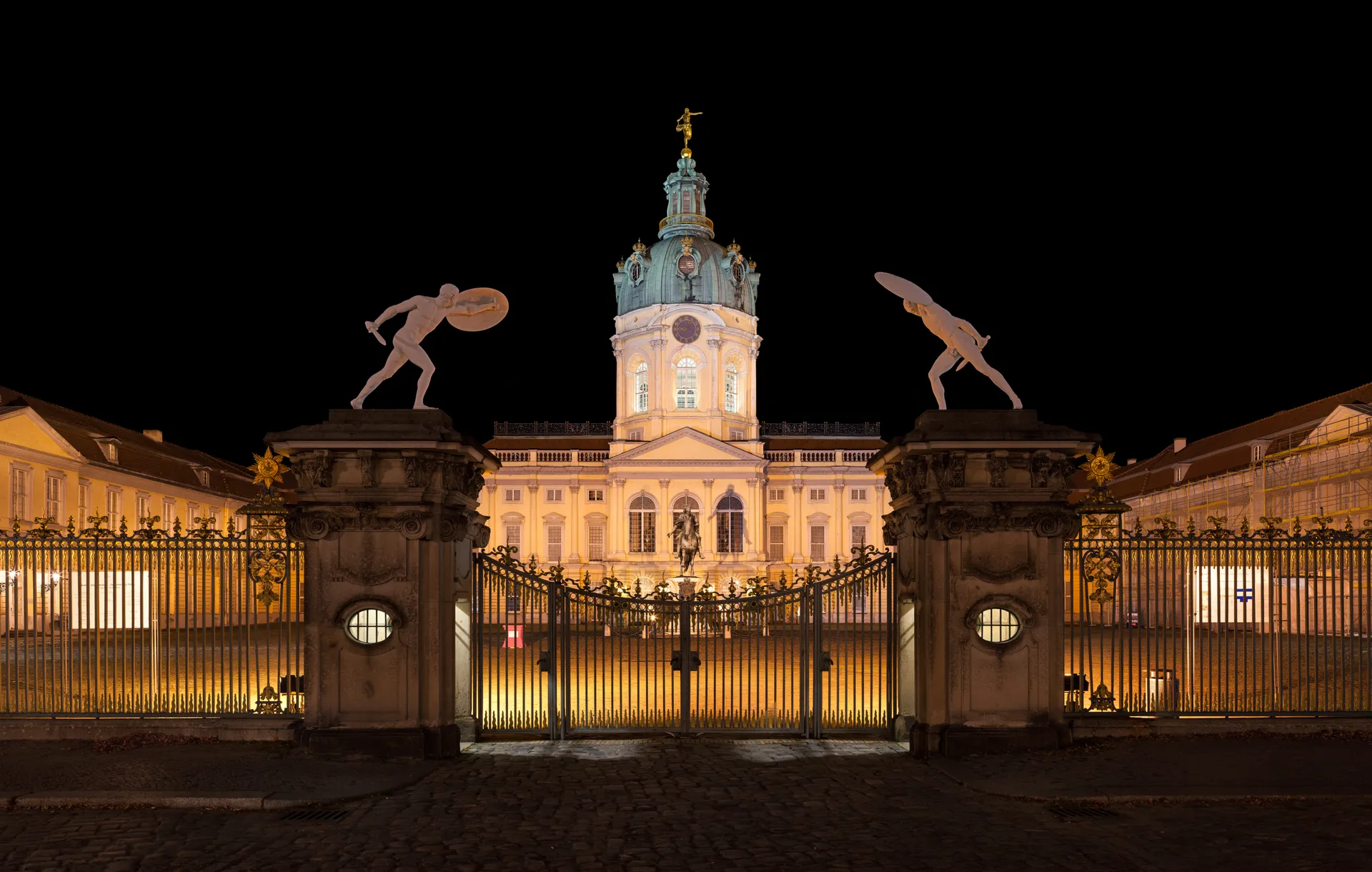
Charlottenburg Palace
Berlin's largest and most opulent palace, built in 1699 for Sophie Charlotte, the first Queen of Prussia. The baroque and rococo state rooms, the Golden Gallery, and the extensive landscaped gardens offer a rare window into Prussian royal grandeur that survived wartime bombing.
Charlottenburg
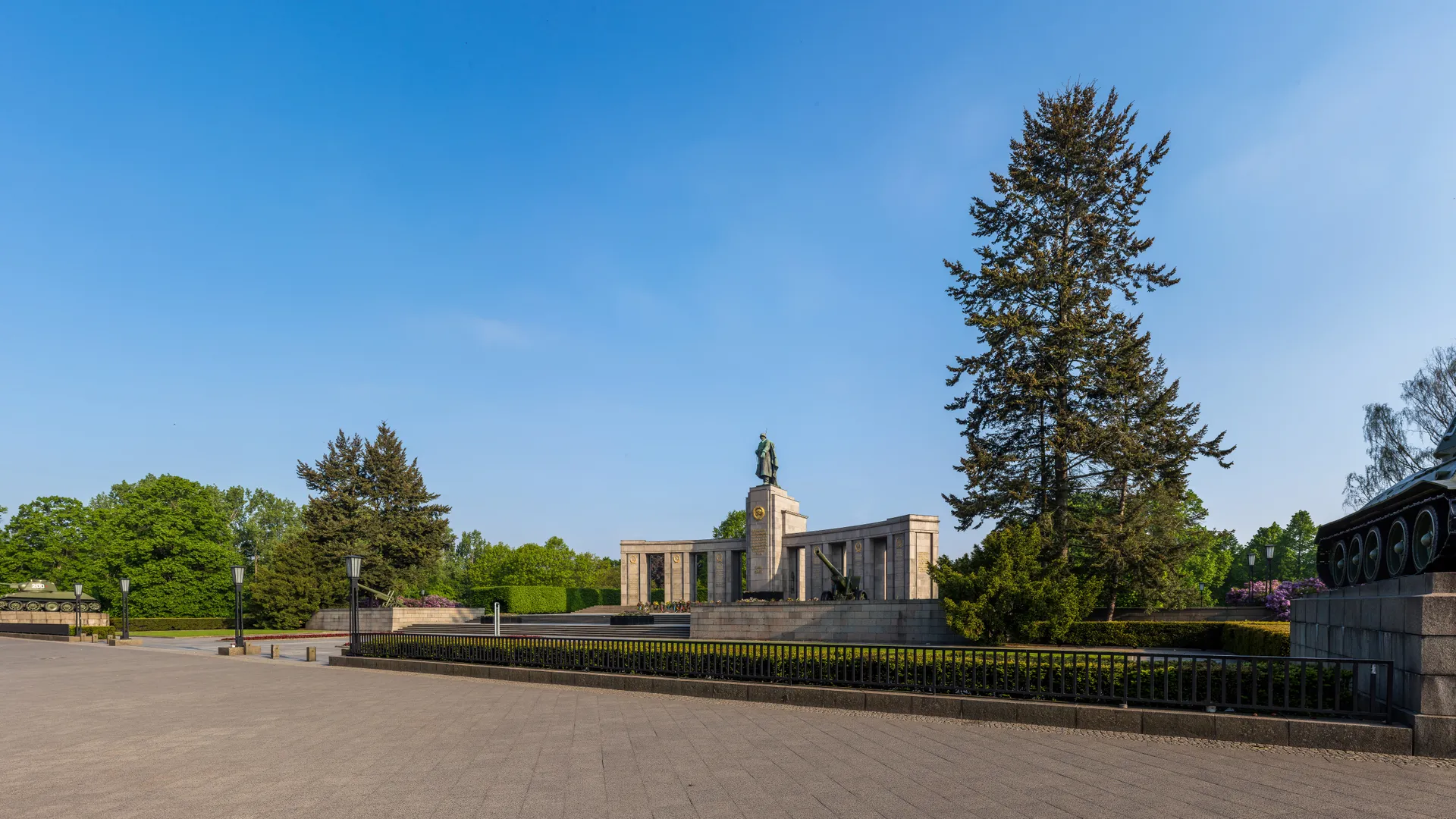
Park4.0
Tiergarten
Berlin's sprawling 520-acre central park, once a royal hunting ground, now a green sanctuary crisscrossed by tree-lined paths, ponds, and meadows. The Victory Column rises at its centre, the English Garden offers a secluded lakeside cafe, and shaded beer gardens along the waterways draw locals on warm afternoons. A vital green artery connecting the Brandenburg Gate to the Zoo.
Tiergarten
Landmark
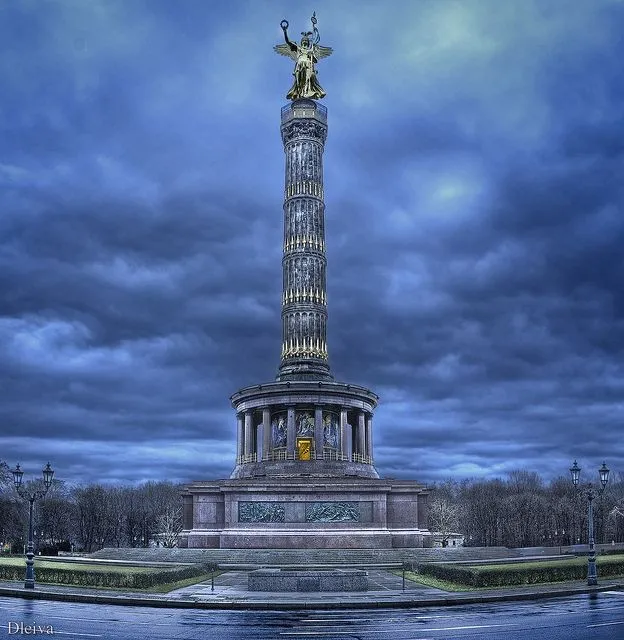
Victory Column (Siegessaeule)
A 67-metre column crowned by a gilded bronze statue of Victoria, originally erected in 1873 to celebrate Prussian military victories. Relocated to its current position at the Tiergarten's central roundabout by the Nazi regime in 1939, the column now offers one of Berlin's finest panoramic viewpoints. The 285-step spiral climb rewards with sweeping views of the Brandenburg Gate, Reichstag, and the park stretching in every direction.
Grosser Stern, Tiergarten
Street
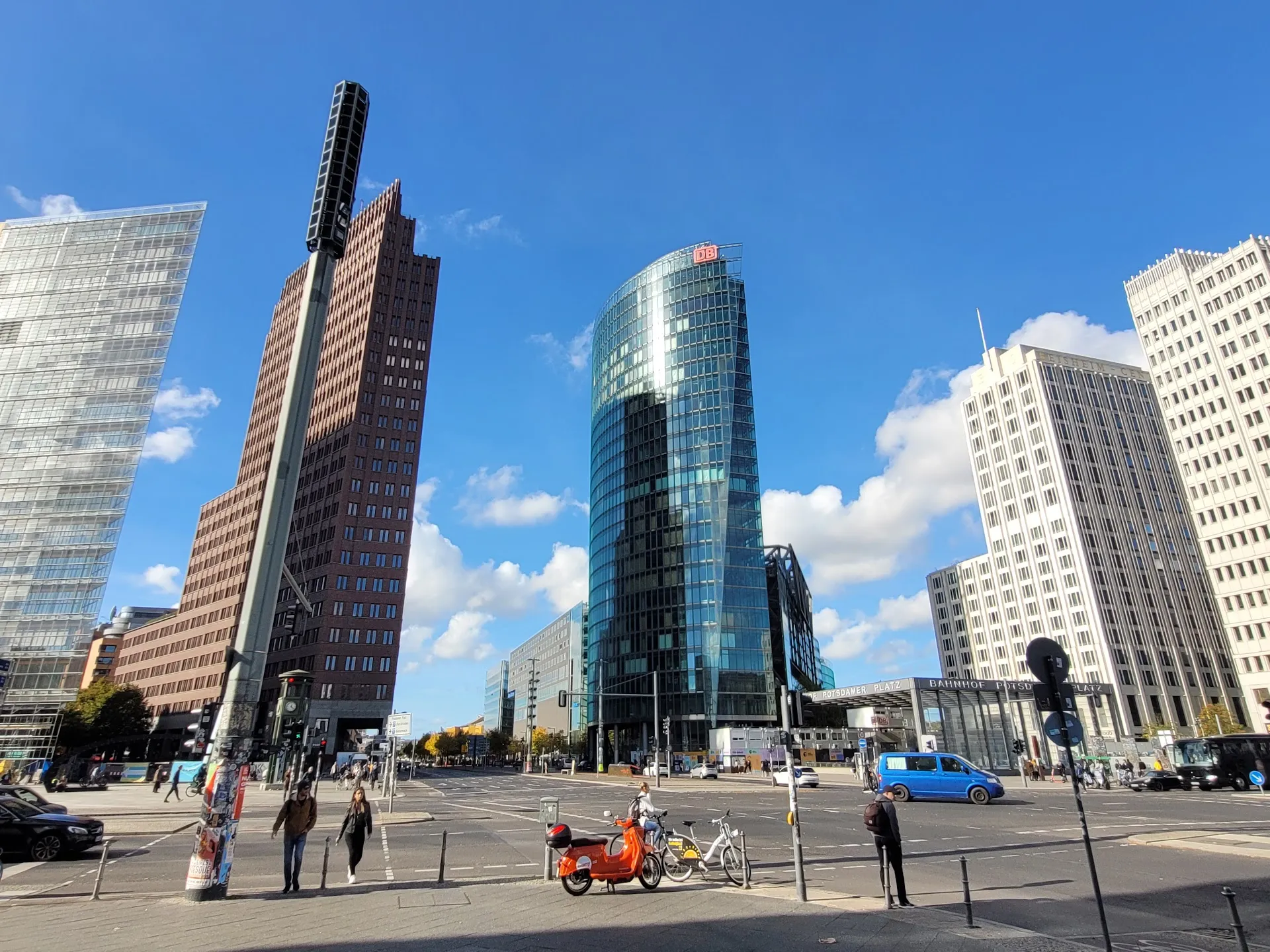
Potsdamer Platz
Once Europe's busiest intersection before being obliterated in WWII and left as wasteland in the Wall's death strip, Potsdamer Platz was rebuilt in the 1990s as a showcase of contemporary architecture. The Sony Center's tent-like glass atrium, designed by Helmut Jahn, creates a dramatic covered public space illuminated by colour-changing lights after dark. A handful of original Wall segments stand alongside as silent witnesses to the square's divided past.
Potsdamer Platz, Mitte / Tiergarten border
Landmark
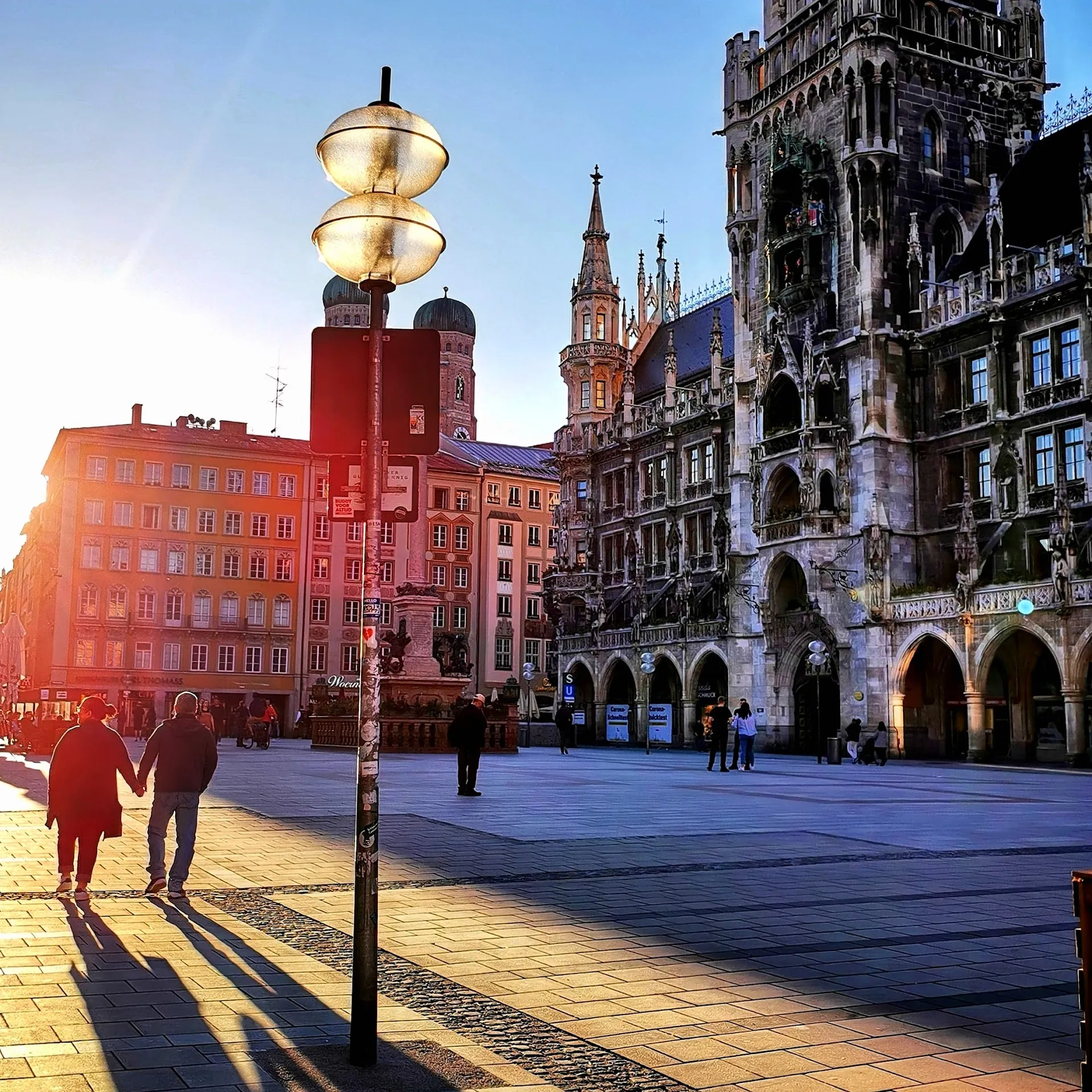
Marienplatz
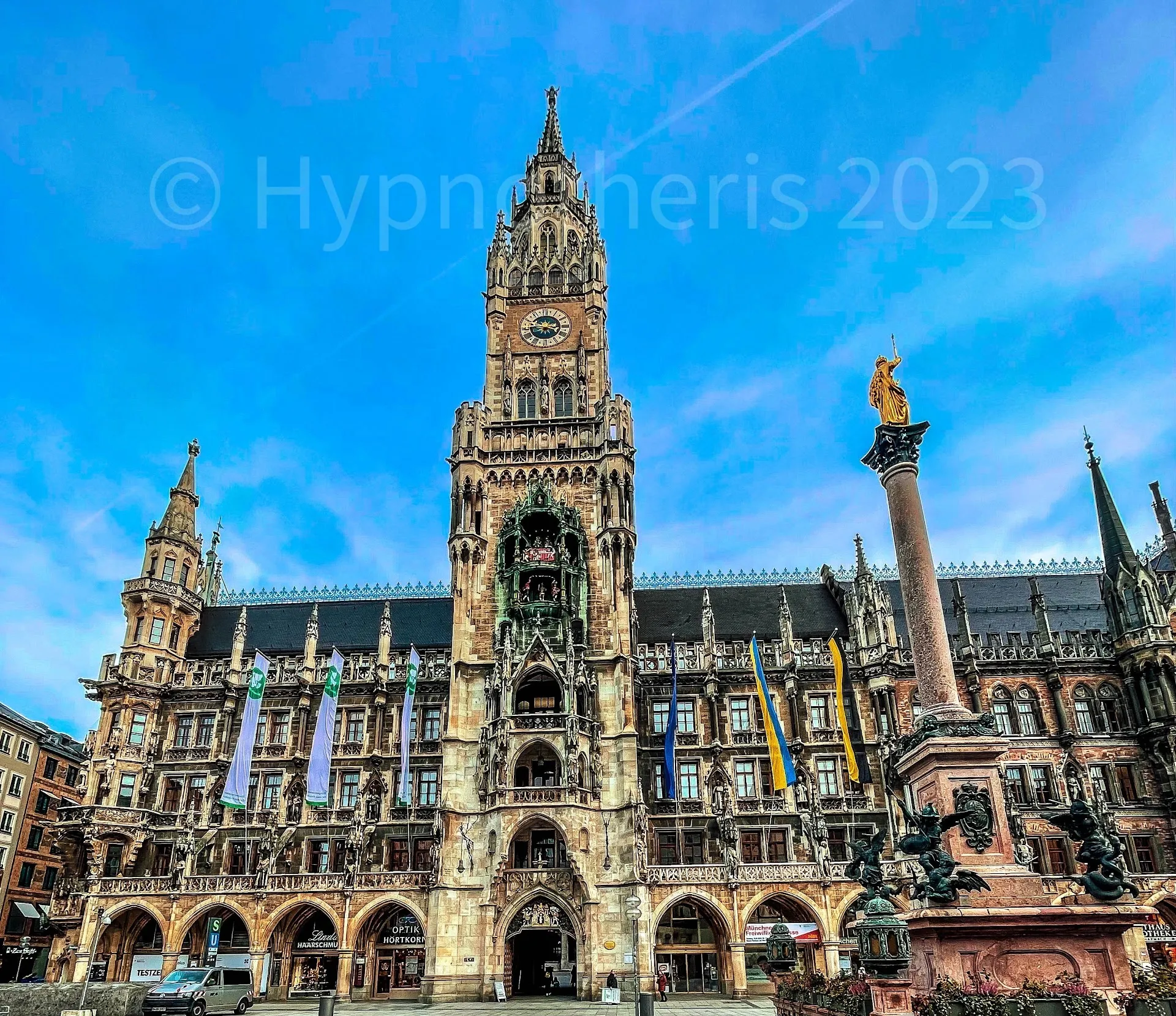
Munich's central square and civic heart since 1158, dominated by the neo-Gothic New Town Hall (Neues Rathaus) whose tower carries the famous Rathaus-Glockenspiel. The animated carillon re-enacts a 16th-century royal wedding (Duke Wilhelm V and Renata of Lorraine, 1568) and knights' tournament for crowds gathered below the spires.
Viewpoint
New Town Hall Tower
Two elevators inside Munich's neo-Gothic New Town Hall (Neues Rathaus) carry visitors up the Rathausturm to an observation platform roughly 85 metres above Marienplatz, a step-free alternative to the city's church-tower stair climbs (e.g. Alter Peter). The 360-degree platform looks out over the Old Town rooftops and landmarks such as the Frauenkirche, Alter Peter and Theatinerkirche and, on clear days, south to the Alps.
Market
Viktualienmarkt
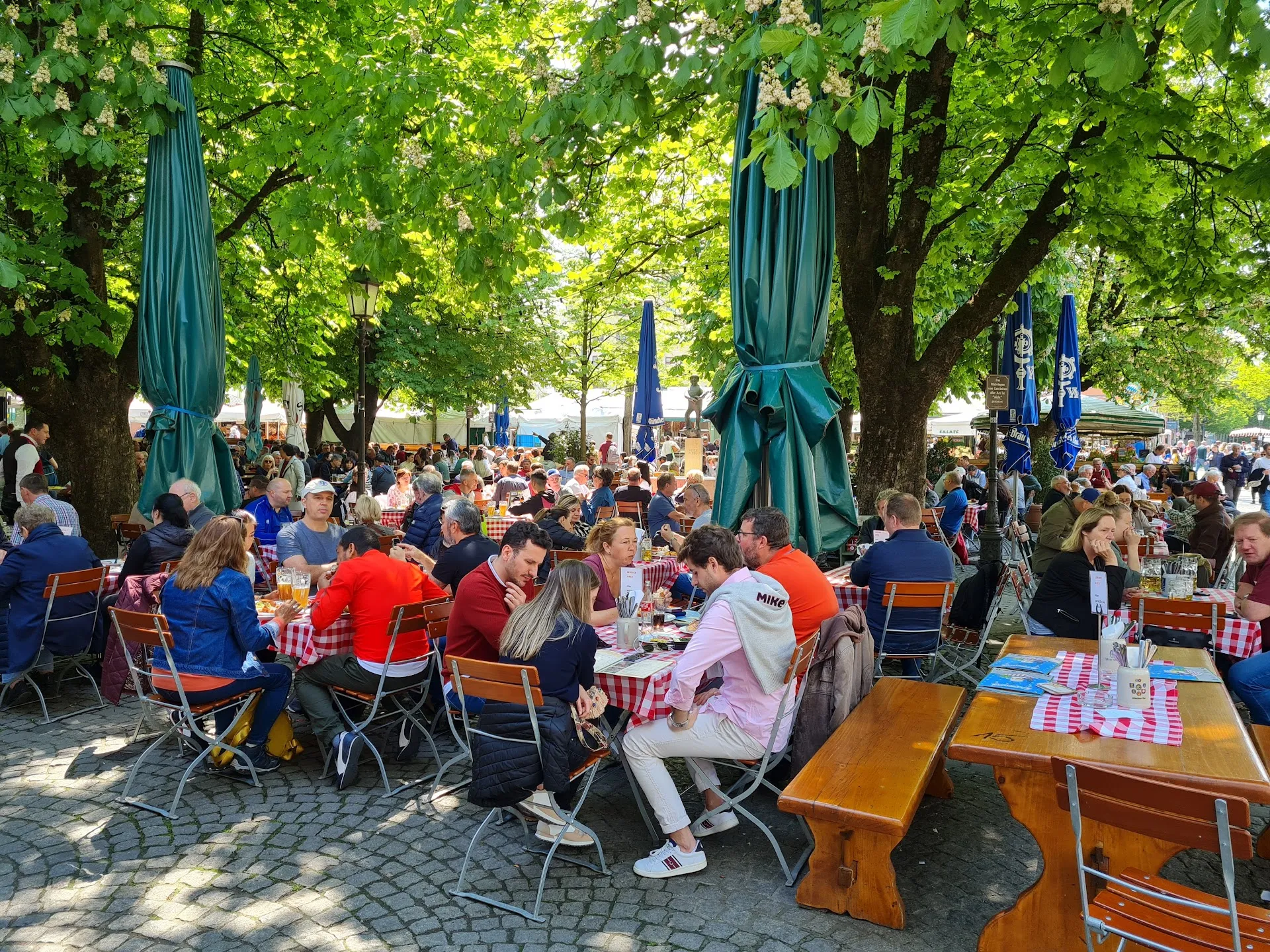
Munich's most famous food market: a permanent open-air market of more than 100 stalls just southeast of Marienplatz in the old town. Established at its current site by royal decree in 1807, it sells fresh produce, game, poultry, fish, cheese, spices, flowers, juices and Bavarian specialties, and centers on a popular beer garden.
Landmark
Frauenkirche
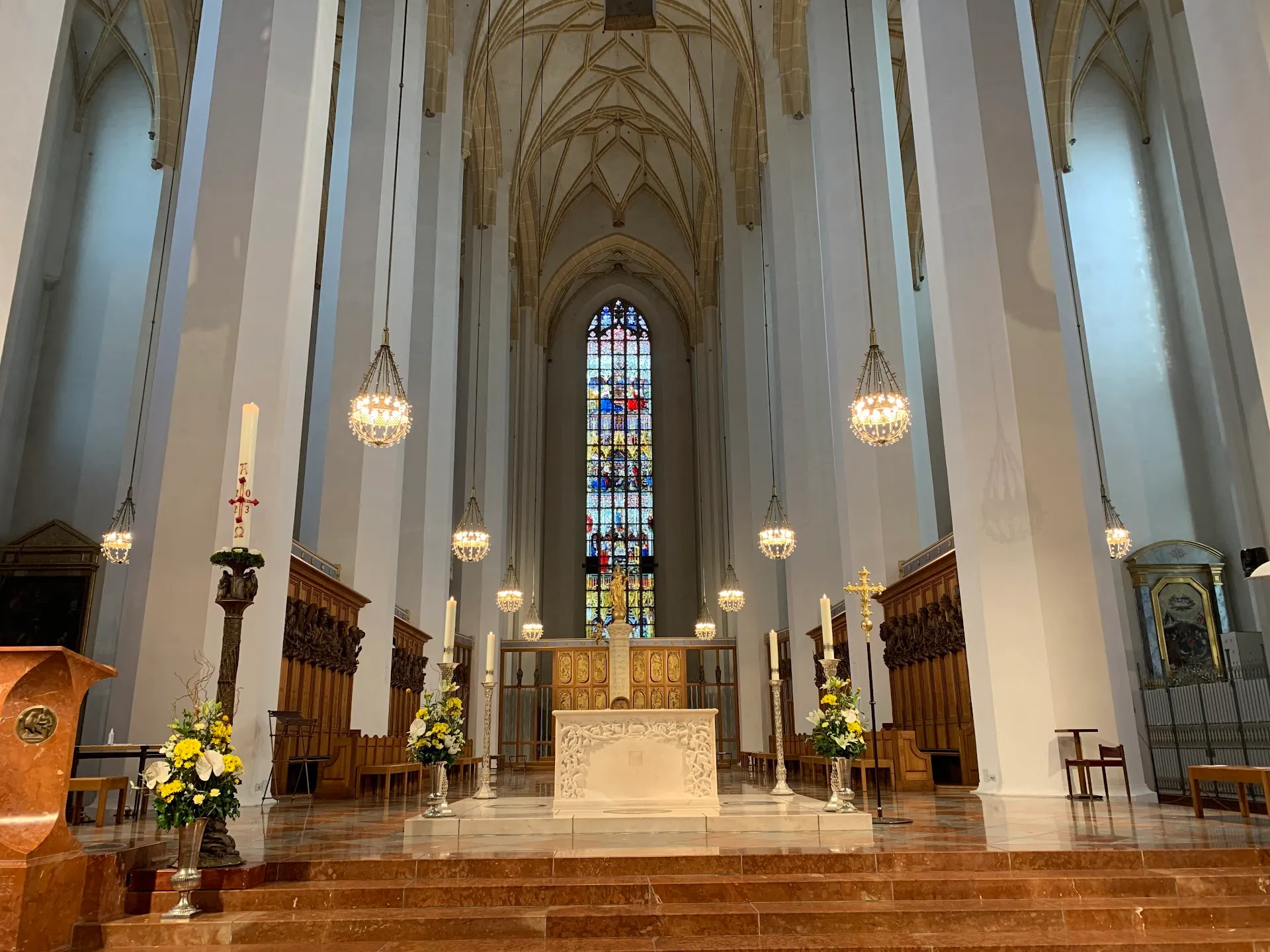
The brick-Gothic Cathedral of Our Dear Lady is Munich's defining skyline silhouette, its twin copper-domed towers rising to nearly 99 metres (north 98.57 m, south 98.45 m) — a height the city protects by capping nearby high-rises. Entry to the vast hall-church nave is free; the south tower can be climbed for views toward the Alps.
Museum
Deutsches Museum
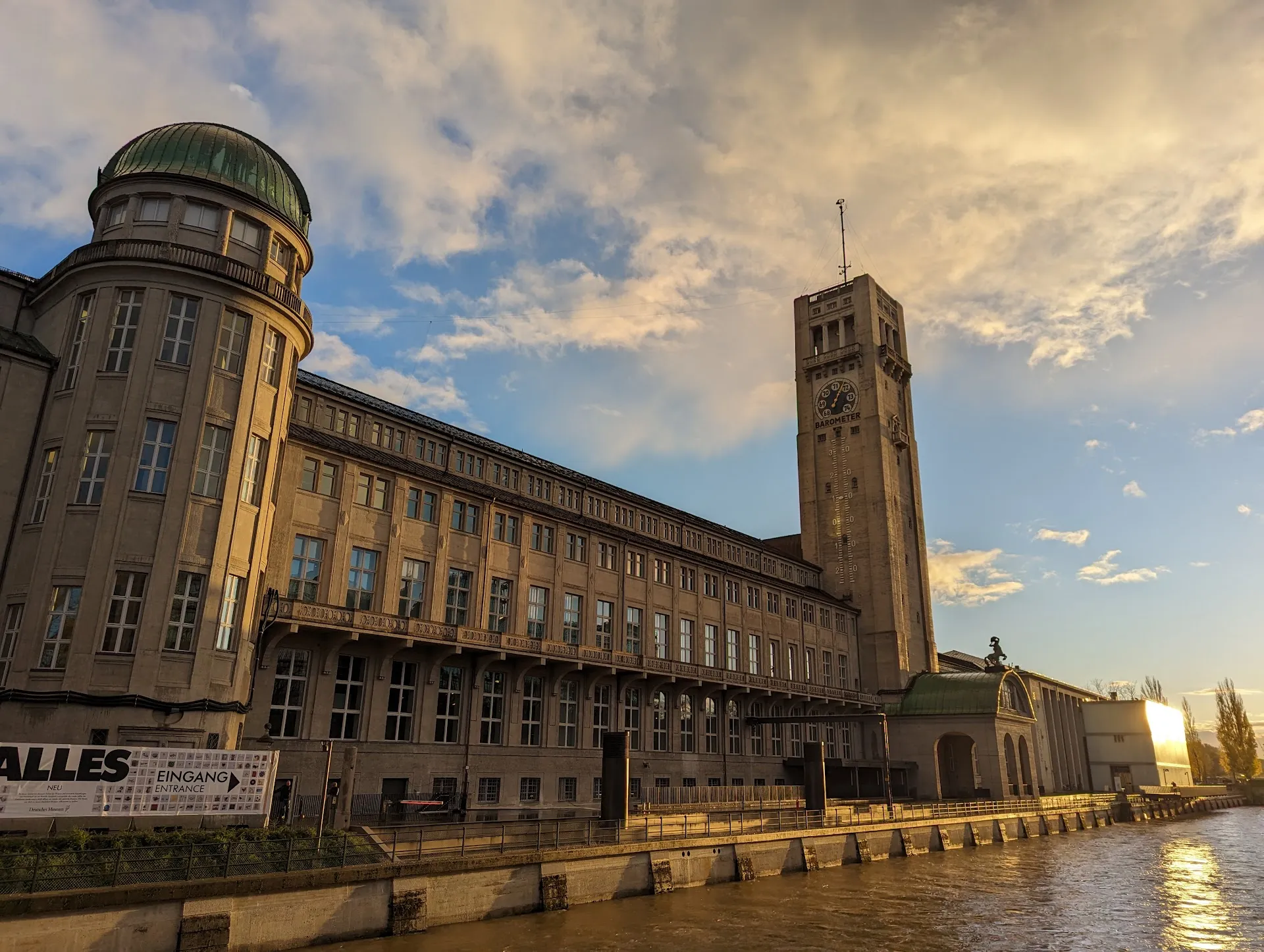
Set on an island in the Isar (the Museumsinsel), the Deutsches Museum is the world's largest museum of science and technology, with tens of thousands of objects spanning mining, aerospace, robotics, energy and dozens of other fields. A major multi-year modernization expanded its hands-on demonstrations, making it a long-standing favorite with families.
Museum
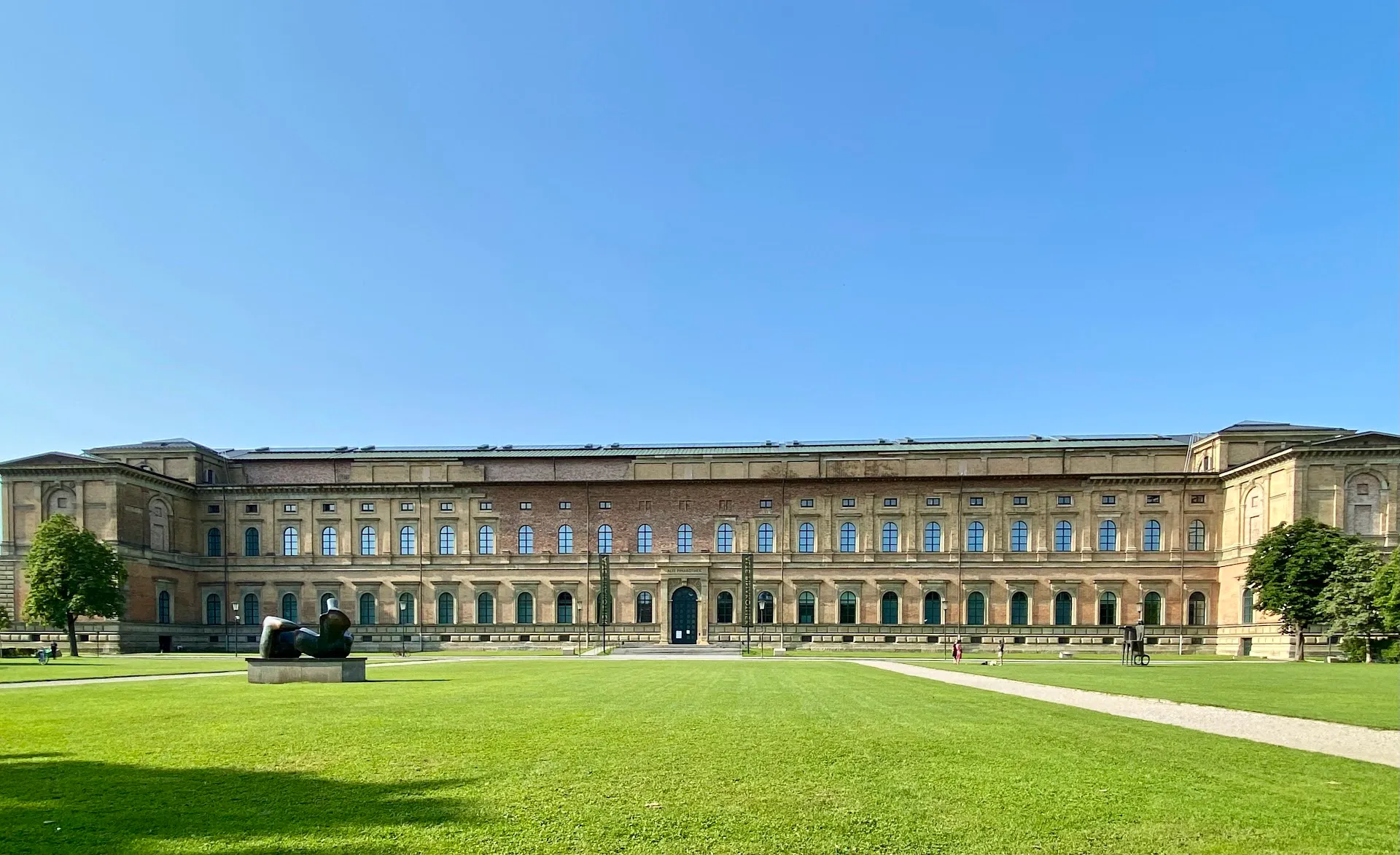
Alte Pinakothek
One of the oldest and most important picture galleries in the world, the Alte Pinakothek holds an outstanding collection of European Old Master paintings from the 14th to 18th centuries, with works by Duerer, Rubens, Rembrandt and Leonardo. It anchors Munich's Kunstareal museum quarter.
Museum
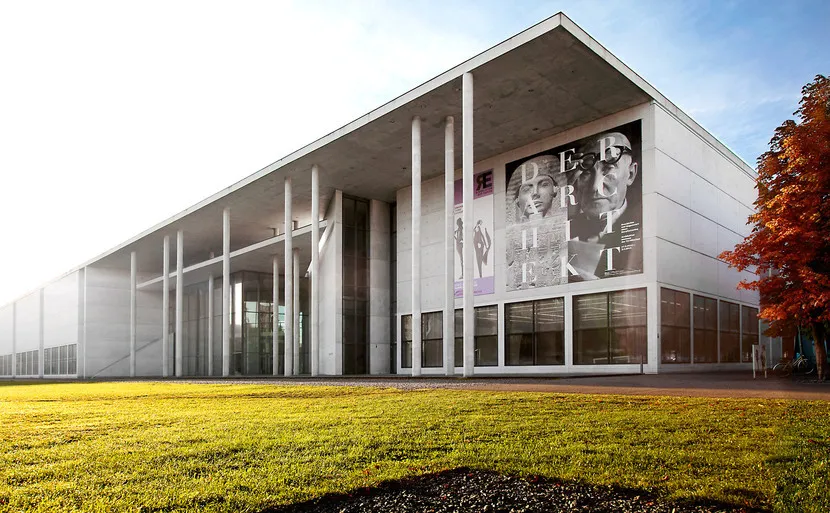
Pinakothek der Moderne
Munich's largest modern art museum unites four collections under one rotunda-lit roof: modern and contemporary art (Sammlung Moderne Kunst), the State Graphic Collection (Staatliche Graphische Sammlung), Die Neue Sammlung design museum, and the Architecture Museum of the Technical University of Munich (Architekturmuseum der TUM). Designed by Stephan Braunfels and opened in 2002, it sits at the heart of the Kunstareal.
Park
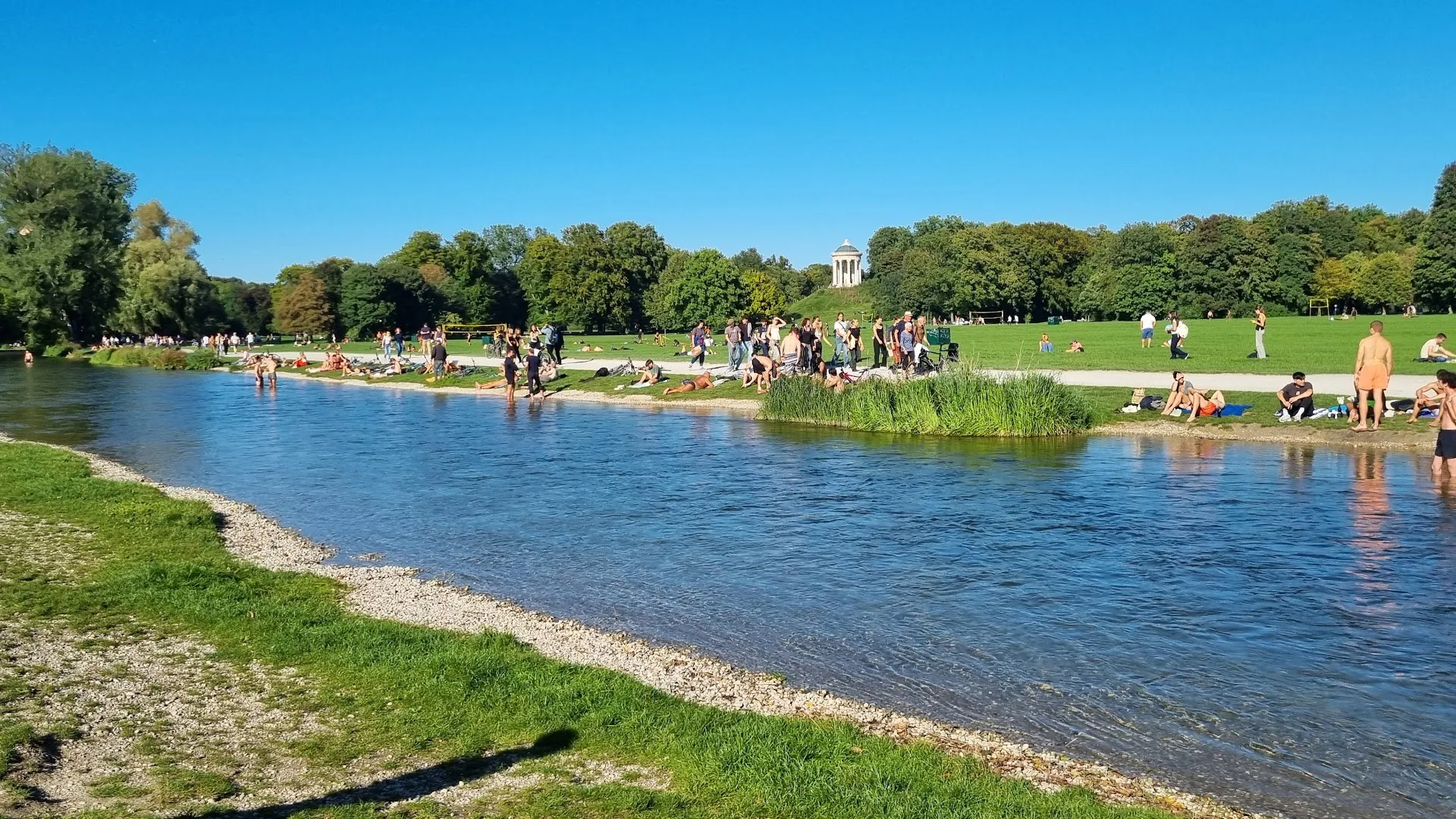
Englischer Garten
One of the world's largest inner-city parks (~3.7 km² / about 375 hectares), the Englischer Garten stretches along the Isar through central Munich. Laid out from 1789 in the naturalistic English landscape style (commissioned by Elector Karl Theodor, designed under Benjamin Thompson/Count Rumford and Friedrich Ludwig von Sckell), it is famous for the Chinese Tower (Chinesischer Turm) beer garden, the Eisbach standing wave where surfers ride year-round, and vast open meadows. It is free and freely accessible at all hours.
Park
Schlosspark Nymphenburg
The expansive landscape park behind Nymphenburg Palace blends formal baroque parterres, tree-lined canals, and naturalistic English-style woodland (redesigned from 1799 by Friedrich Ludwig von Sckell) across roughly 180 hectares within the garden wall (about 229 ha for the whole complex). Dotted with fountains and ornamental pavilions (Amalienburg, Badenburg, Pagodenburg, Magdalenenklause), it is a free, gated park with seasonal hours and a favorite for strolls and birdwatching.
Landmark
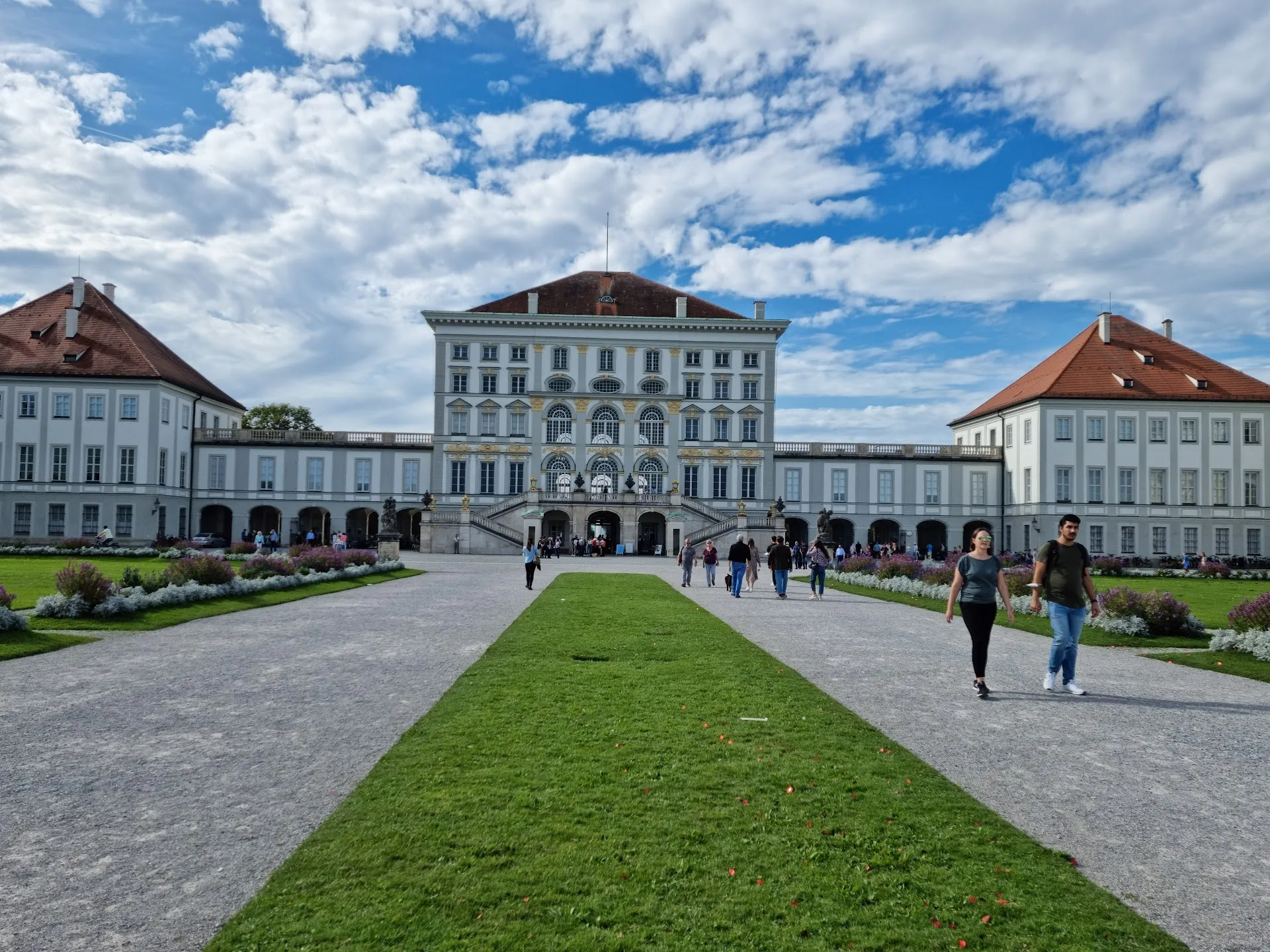
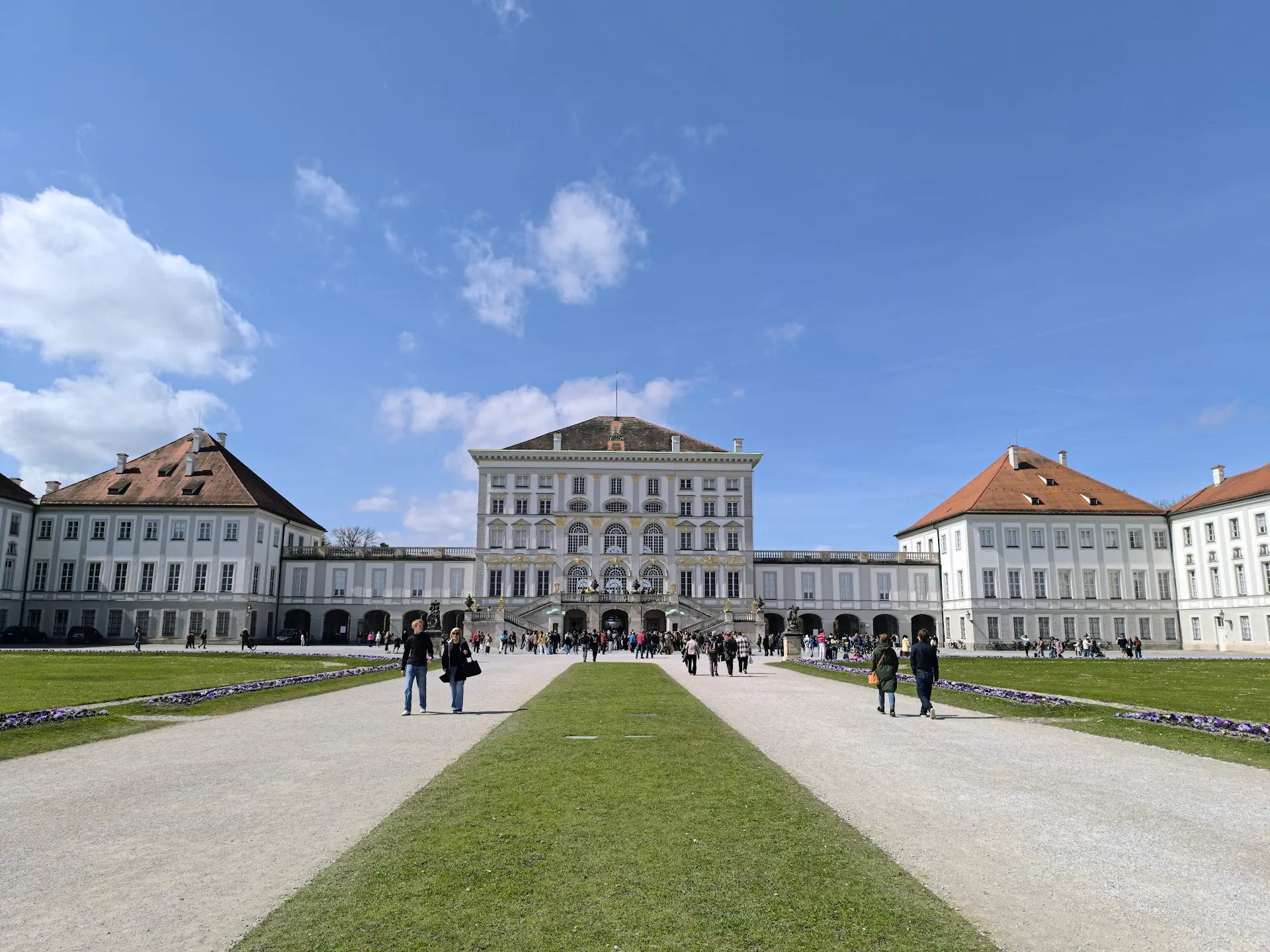
Nymphenburg Palace
A sprawling Baroque summer residence of the ruling Wittelsbach dynasty, Nymphenburg pairs lavish state rooms like the frescoed Great Hall (Steinerner Saal) with a vast landscaped park and garden pavilions. It remains one of Germany's grandest royal palace ensembles.
Museum
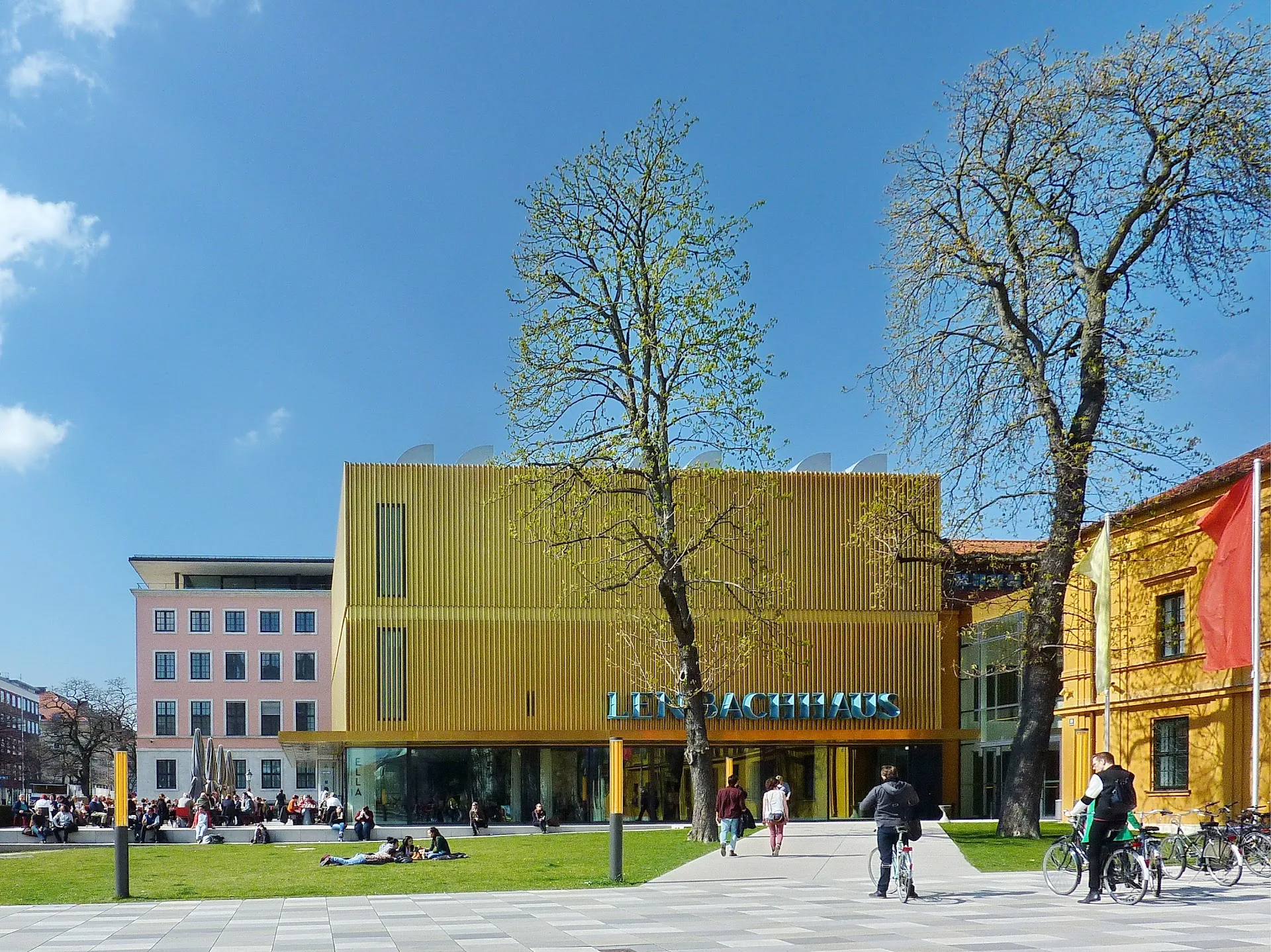
Lenbachhaus
Housed in the Florentine-style villa of painter Franz von Lenbach with a bold golden modern extension, the Lenbachhaus holds the world's largest collection of art by the Blue Rider (Der Blaue Reiter) group, including Kandinsky, Münter, Marc and Klee. It also shows 19th-century Munich painting and contemporary art.
Market
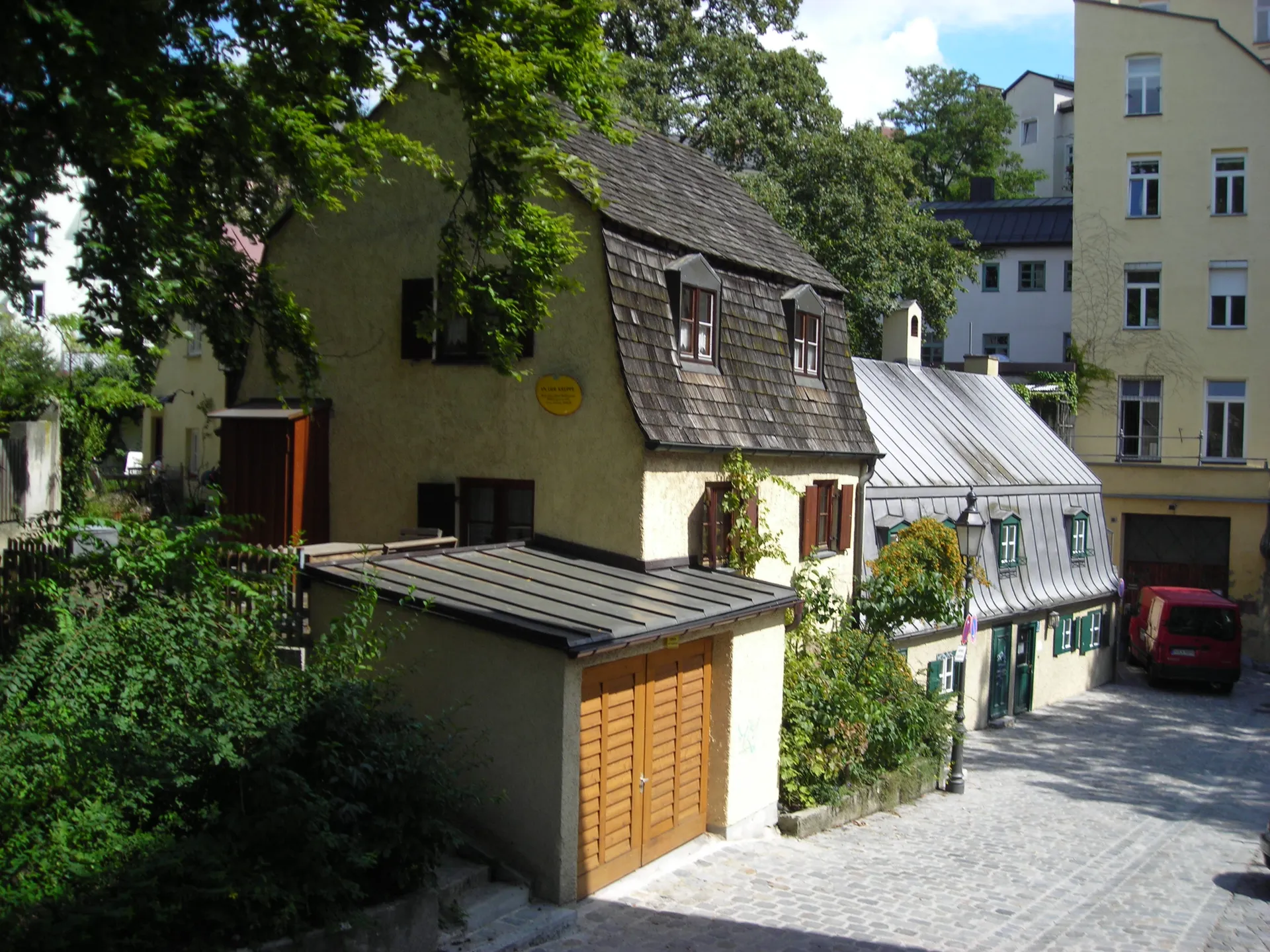
Markt am Wiener Platz
The smallest of Munich's four permanent grocery markets, set on the village-like Wiener Platz in Haidhausen, where the market has stood since 1 November 1889 (the square itself was named Wiener Platz in 1891). Its wooden stalls sell everyday fresh food — fruit and vegetables, meat, fish, bread and flowers — alongside small snack and drink stands. Note: the historic market is under structural renovation (Bestandssanierung) expected to finish in 2027, with an interim market operating on the square around the Fischerbuberl fountain (official opening 25 April 2026).
Haidhausen
Viewpoint
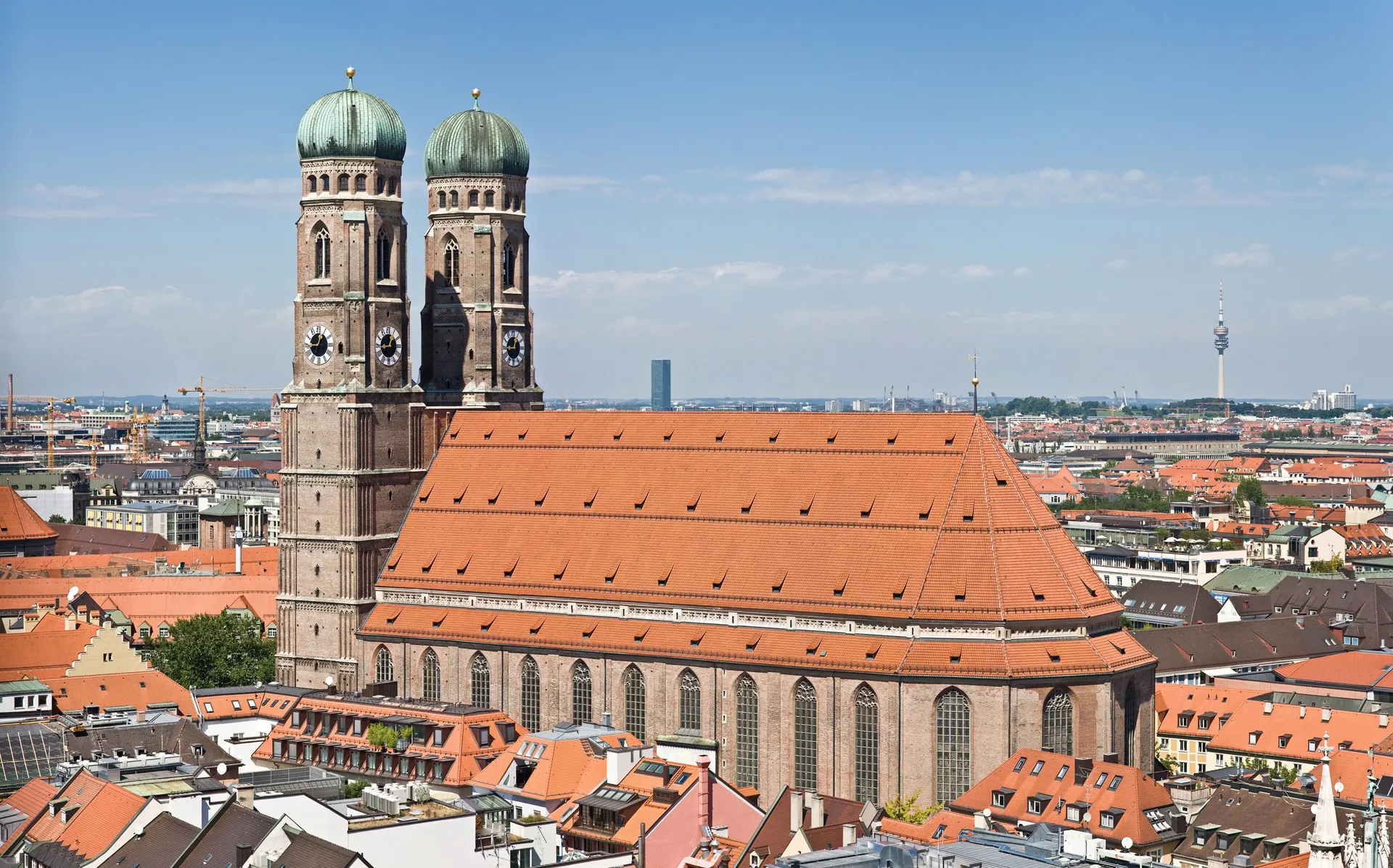
Frauenkirche South Tower
The south tower of Munich's twin-domed Frauenkirche (Cathedral of Our Lady) is one of the highest viewpoints accessible in the old town. Visitors climb a short, narrow spiral staircase (about 86 steps) to an intermediate level and then take a lift up to the enclosed tower room, whose viewing platform sits at roughly 80 metres with windows opening onto a sweeping panorama over the historic centre and, on clear days, the Alps. The tower reopened to the public in March 2022 after an approximately ten-year restoration.
Cafe
Man Versus Machine Coffee Roasters
Independent third-wave specialty-coffee roastery in Munich's Glockenbachviertel (Müllerstraße 23). Founded in 2014, Man Versus Machine roasts its own specialty-grade beans and keeps a tight menu of espresso, flat white and rotating filter brews (V60, AeroPress, syphon) in a minimalist, dark-walled space. It is widely regarded as a cornerstone of Munich's specialty-coffee scene; the brand also operates additional cafes elsewhere in the city (e.g. Maxvorstadt/Schwabing).
Glockenbach / Isarvorstadt
Viewpoint
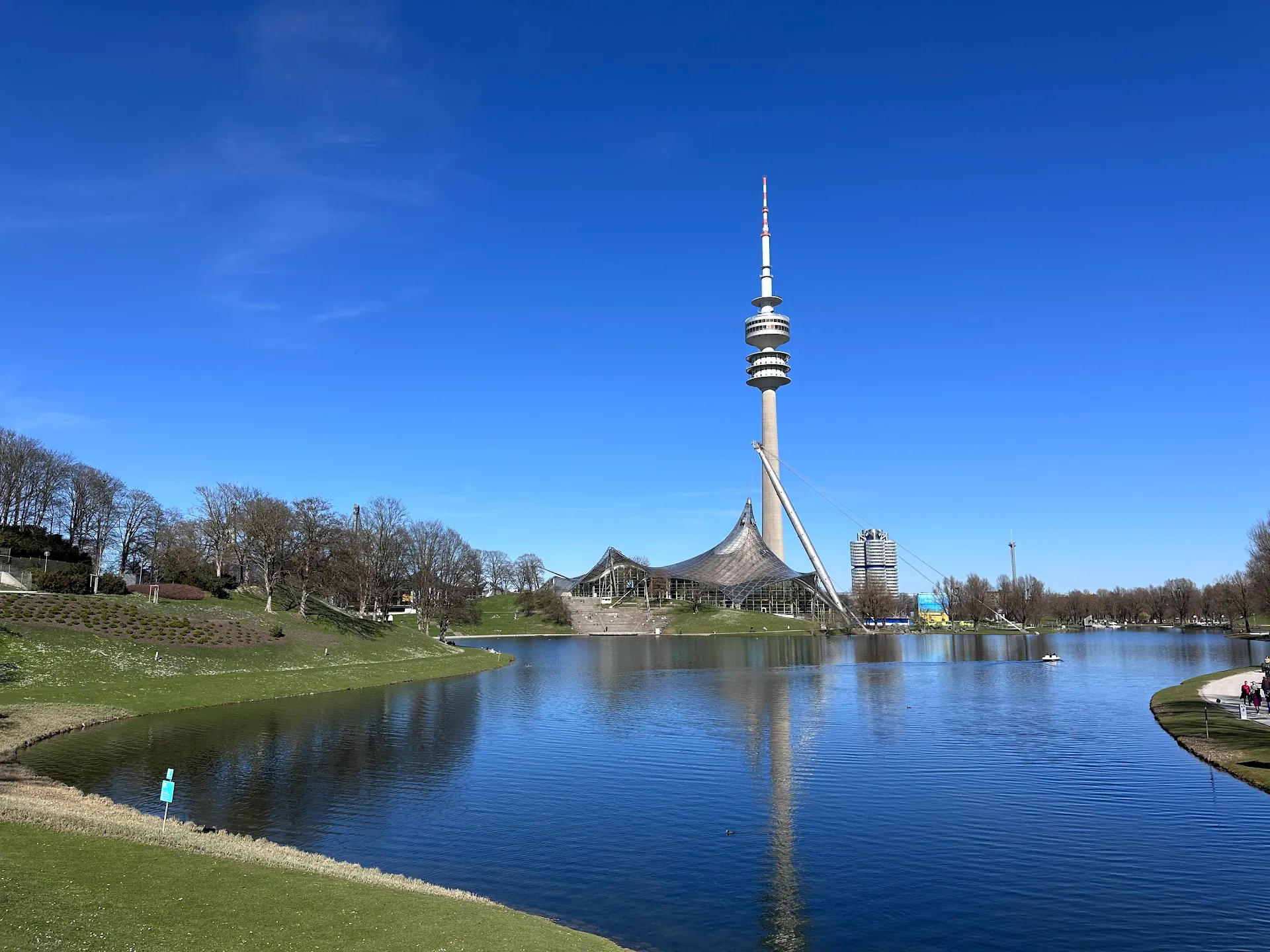
Olympiaberg
A roughly 60-metre grass-covered hill raised from WWII rubble (heaped up 1947–1958 from war debris) in Munich's Olympic Park. The Olympiaberg is a free, freely-accessible viewpoint with a gently ascending paved path to a summit platform offering panoramic views over the park, the city and — on clear days — the Alps. It is one of Munich's favourite sunset and picnic spots.
Day by day
Day 1Berlin
Historic Mitte
09:00CulturalFree
Reichstag Dome Visit
Start at the glass Reichstag dome for a free spiral walk over the government quarter and the city skyline.
Mitte (Tiergarten)1-2 hours
Tip: Free, but you must register online in advance — book the earliest slot you can.
Book this tourMust visit
10:30Memorial5.0
Brandenburg Gate
Walk to the Brandenburg Gate, the neoclassical arch that became the symbol of a divided — then reunited — Germany.
Mitte
Tip: Pariser Platz is busiest midday; early light is best for photos.
Must visit
11:30Memorial5.0
Memorial to the Murdered Jews of Europe
Cross to the Memorial to the Murdered Jews of Europe, 2,711 concrete stelae you walk among in silence.
Mitte
Tip: The free underground Information Centre is sobering and worth the time.
13:00Scenic Spot5.0
Gendarmenmarkt
Lunch around Gendarmenmarkt, Berlin's handsomest square, framed by twin cathedrals and the concert hall.
Mitte
Tip: A good area for a quick, central bite between sights.
15:00Cultural€19 (day pass)
Museum Island Day
Spend the afternoon on UNESCO-listed Museum Island — start with the Neues Museum and its bust of Nefertiti.
Mitte (Museum Island)5-7 hours
Tip: Buy a timed ticket online; the area-wide pass pays off if you'll see two museums.
Book this tourDay 2Berlin
The Wall & the East
09:30Memorial5.0
Berlin Wall Memorial
Begin at the Bernauer Strasse memorial, the most complete surviving stretch of the Wall with its death strip and watchtower.
Mitte
Tip: The outdoor site is free; climb the viewing platform for the full layout.
Must visit
11:30Memorial5.0
East Side Gallery
Walk the East Side Gallery, a 1.3 km surviving section painted with murals like the famous fraternal kiss.
Friedrichshain
Tip: Go earlier to beat the crowds at the best-known panels.
13:00Restaurant4.0
Mustafas Gemuese Kebab
Join the line for Berlin's most famous vegetable döner — a cheap, legendary lunch.
Kreuzberg
Tip: Queues can be long; an off-peak hour moves faster.
14:30Architecture
Oberbaumbruecke
Cross the double-decker Oberbaum Bridge between Kreuzberg and Friedrichshain, a brick landmark over the Spree.
Friedrichshain / Kreuzberg
Tip: A great photo spot, especially with the TV Tower in the distance.
16:00Street
TV Tower from Karl-Marx-Allee
Head up Karl-Marx-Allee, the GDR's monumental boulevard, toward the soaring Fernsehturm.
Friedrichshain / Mitte
Tip: Book the TV Tower observation deck ahead if you want to go up at sunset.
19:00Bar4.0
Klunkerkranich
End on the Klunkerkranich rooftop bar above a Neukölln car park for sundowners over the city.
Neukoelln
Tip: Cash-friendly and casual; arrive before sunset for a seat.
Day 3Berlin
Palaces & green Berlin
09:30Castle4.0
Charlottenburg Palace
Tour Charlottenburg, Berlin's largest baroque palace, and its formal gardens.
Charlottenburg
Tip: The garden is free to wander if you'd rather skip the interior.
12:30Park4.0
Tiergarten
Picnic or stroll in the Tiergarten, the huge central park that was once a royal hunting ground.
Tiergarten
Tip: Rent a bike to cover more of it, or hire a boat at Café am Neuen See.
14:30Landmark
Victory Column (Siegessaeule)
Climb the Victory Column at the park's heart for a 360° view down the great avenues.
Grosser Stern, Tiergarten
Tip: It's a narrow spiral stair — worth it on a clear day.
16:30Street
Potsdamer Platz
Finish at Potsdamer Platz, rebuilt from no-man's-land into a square of modern towers, with a preserved chunk of Wall.
Potsdamer Platz, Mitte / Tiergarten border
Tip: A fitting bookend to the Wall sites you saw on Day 2.
Day 4Munich
South to Bavaria
12:30Landmark
Marienplatz
Arrive by ICE and head straight to Marienplatz, Munich's central square, to catch the Glockenspiel chime on the New Town Hall.
Tip: The Glockenspiel plays at 11:00 and 12:00 (and 17:00 in summer) — time your arrival.
14:00Viewpoint
New Town Hall Tower
Ride the lift up the New Town Hall tower for a first overview of the old town and, on clear days, the Alps.
Tip: Quicker and step-free compared with the church towers nearby.
15:30Market
Viktualienmarkt
Graze the Viktualienmarkt, Munich's beloved open-air food market, and its central beer garden.
Tip: Grab a Brotzeit plate and a beer under the maypole.
17:30Landmark
Frauenkirche
Step into the Frauenkirche, the brick Gothic cathedral whose twin onion domes define the skyline.
Tip: Entry is free; look for the legendary 'Devil's Footprint' by the door.
Day 5Munich
Museums & beer gardens
09:30Museum
Deutsches Museum
Spend the morning at the Deutsches Museum, the world's largest science and technology museum, on its own island in the Isar.
Tip: It's vast — pick two or three halls (aviation, mining, energy) rather than trying to see it all.
13:00Museum
Alte Pinakothek
Cross to the Kunstareal museum quarter for Old Masters — Dürer, Rubens and Rembrandt — at the Alte Pinakothek.
Tip: Sunday admission is just €1 at the state museums, though special exhibitions cost extra.
15:00Museum
Pinakothek der Moderne
Continue to the Pinakothek der Moderne next door for 20th-century art, design and architecture under its great rotunda.
Tip: A combined Kunstareal day ticket covers several museums if you're on a roll.
17:00Park
Englischer Garten
Unwind in the Englischer Garten — bigger than Central Park — and watch surfers ride the Eisbach standing wave.
Tip: End at the Chinese Tower beer garden for a stein under the trees.
Day 6Munich
Royal Munich
09:30Park
Schlosspark Nymphenburg
Take the tram out to the Nymphenburg palace park, a baroque expanse of canals, lawns and garden pavilions.
Tip: The park is free and lovely for a morning walk before the palace opens.
11:00Landmark
Nymphenburg Palace
Tour Nymphenburg Palace, the Wittelsbachs' sprawling summer residence, including the Gallery of Beauties.
Tip: A combined ticket adds the carriage museum and the Amalienburg hunting lodge.
15:00Museum
Lenbachhaus
Back in town, see the Lenbachhaus, home to the world's greatest collection of Blue Rider (Blauer Reiter) Expressionism.
Tip: Kandinsky and Münter's vivid canvases are the highlight; the building itself is a gem.
18:00Market
Markt am Wiener Platz
Drift over to Haidhausen's Markt am Wiener Platz, a tiny year-round market with a leafy beer garden.
Haidhausen
Tip: A relaxed, local-feeling spot for an early-evening drink.
Day 7Munich
Views & farewell
09:30Viewpoint
Frauenkirche South Tower
Climb (or lift) the Frauenkirche's south tower for the classic rooftop view across the old town to the Alps.
Tip: Check opening times — the tower reopened after restoration and keeps shorter hours.
11:30Cafe
Man Versus Machine Coffee Roasters
Take a proper specialty coffee break at Man Versus Machine, a cornerstone of Munich's third-wave scene.
Glockenbach / Isarvorstadt
Tip: A good spot to regroup and plan the rest of the day around your train.
13:30Viewpoint
Olympiaberg
If time allows, ride out to the Olympiapark and walk up the Olympiaberg for a final panorama over city and mountains.
Tip: Free and uncrowded — a quiet, scenic way to end the trip before heading to the airport or station.
Getting between stops
What it costs
A comfortable mid-range week — three- and four-star hotels, restaurant meals, the main museums and city transport — runs roughly €130-200 per person per day, with Munich a touch pricier than Berlin. Add about €40-90 for the one-way Berlin-Munich ICE if you book a Sparpreis fare ahead. Sunday €1 museum entry in Munich, market lunches and a Deutschland-Ticket for local transport all keep costs down.~EUR 130-200 / day mid-range / day
Frequently asked questions
- How do I get from Berlin to Munich?
- Direct Deutsche Bahn ICE high-speed trains run about hourly and take roughly four hours city-centre to city-centre. Book a Sparpreis advance fare for the best price and reserve a seat — it's far more comfortable and often cheaper than flying once you count airport time.
- Is 7 days enough for Berlin and Munich?
- Yes — three full days in each city covers the headline sights at a steady pace, with the travel day in between. If you have more time, add a Munich day trip to Neuschwanstein or the Alps, or a night in Dresden or Nuremberg en route.
- Which city should I start with?
- Most people start in Berlin, the main international gateway, and travel south to Munich, which has its own airport with easy onward links to the Alps and Austria. Reverse it if your flights favour arriving in the south.
- Do I need a car for this trip?
- No. Both cities are best explored on foot and by their excellent U-Bahn/S-Bahn networks, and the ICE links them fast. A car only helps if you add rural day trips like the Bavarian castles or the Alps.
Make this trip yours
Save this itinerary and customize it — dates, stops, budget and friends, all in one place.