Rome is a city where nearly 3,000 years of history sit on top of one another in plain sight. A 2,000-year-old amphitheatre anchors one end of the centre, a perfectly preserved Roman temple stands in a busy square at the other, and between them runs a dense, walkable tangle of Baroque piazzas, fountains, churches, and trattorias. The Eternal City rewards both the first-time visitor ticking off the icons and the returning traveller chasing quiet corners and a perfect plate of cacio e pepe.
This guide is built around how Rome actually works on the ground. The classic sights cluster into a handful of zones you can cross on foot. Ancient Rome in the south-east holds the Colosseum and the Roman Forum. The Centro Storico (historic centre) packs the Pantheon, Piazza Navona, Campo de' Fiori, and the Trevi Fountain into a few hundred photogenic metres. Across the Tiber lie Vatican City with the Vatican Museums and St. Peter's, and Trastevere, the ivy-draped neighbourhood that comes alive at dinner. Group your days by zone and you spend your time exploring rather than commuting.
The single most useful habit in Rome is going early. Headline sights such as the Trevi Fountain and the Spanish Steps are transformed by a 7am arrival, before the tour groups, and the light on the travertine is at its best. Free, open-air landmarks like the Pantheon, Piazza Navona, and the fountains are ideal first thing; save ticketed interiors for timed mid-morning slots, and reserve afternoons and warm evenings for Trastevere, the markets, and a rooftop aperitivo as the sun drops behind the domes.
Best time to visit
Spring (April to early June) and autumn (late September to October) are the sweet spot, with mild temperatures in the low-to-mid 20s C, blooming gardens or soft autumn light, and crowds that are busy but manageable. May is often singled out as the best month. July and August are hot (regularly above 30 C), crowded, and many Romans leave the city. Winter (November to February, excluding Christmas week) is quiet and cheap, with cool but walkable days and far shorter lines at the major sights.
Budget
Rome spans every budget. A pizza al taglio lunch or a plate of pasta in a neighbourhood trattoria runs 8-15 EUR, a cappuccino at the counter about 1.50 EUR, and a single transit ticket 1.50 EUR. The big costs are timed-entry tickets (Colosseum from 16 EUR, Vatican Museums 17 EUR, Borghese 15 EUR) and accommodation, which is the main variable.~$90-170 USD / day
Getting around is straightforward. Three metro lines (A, B, and C) link the major hubs, a single ticket covers metro, bus, and tram for 100 minutes, and a 24-hour pass is good value on busy days. But Rome is fundamentally a walking city: the centro storico is best on foot, distances between the big sights are short, and half the pleasure is stumbling on a fountain or a church you did not plan to see. Tickets sell out for the Colosseum, the Vatican Museums, and the Borghese Gallery, so book those in advance and keep the rest of your day loose.
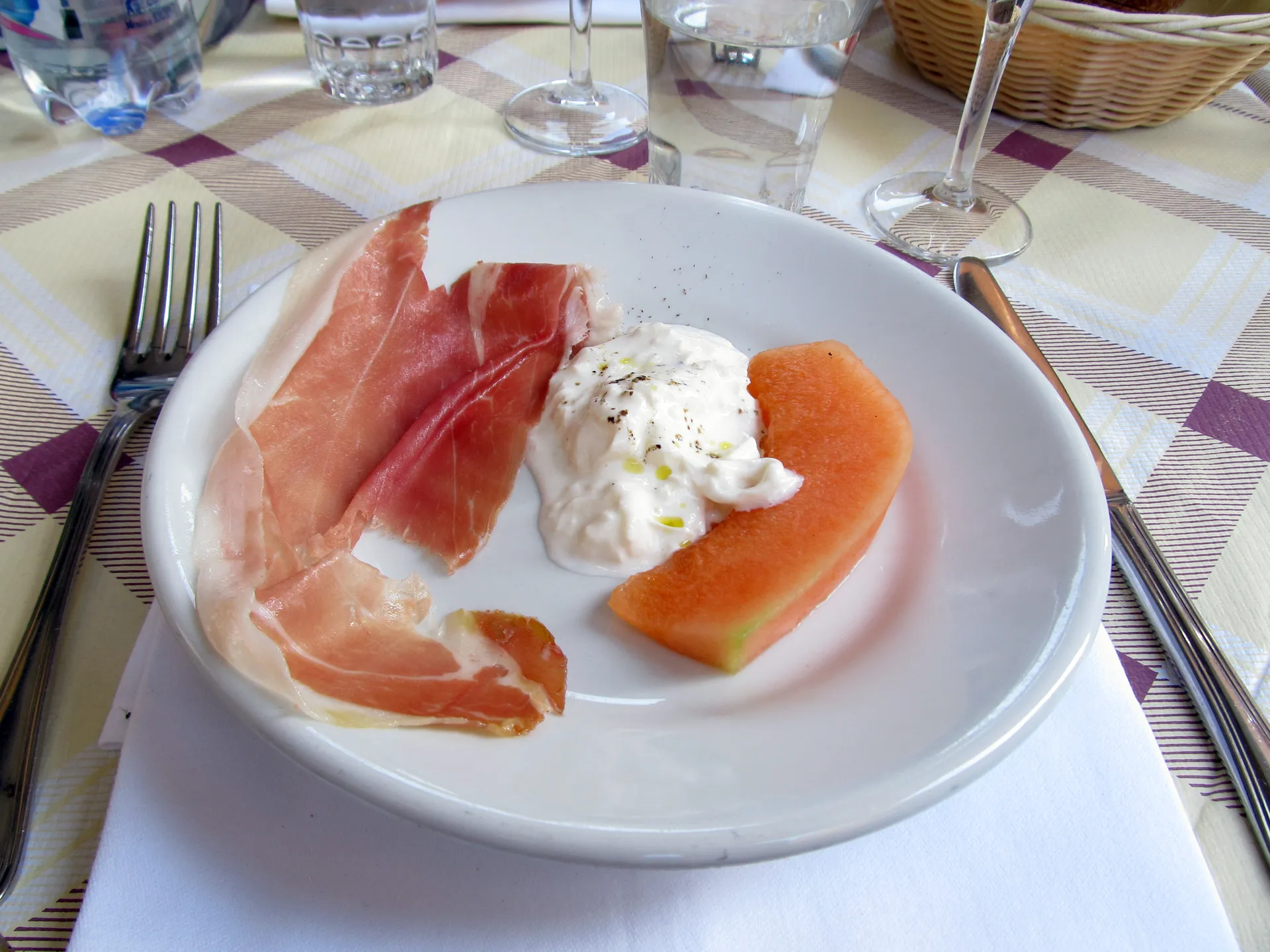
Eating is not a sideshow in Rome, it is the main event. The city has its own canon of pasta, carbonara, cacio e pepe, amatriciana, and gricia, plus pizza al taglio, supplì, and Jewish-Roman fried artichokes. Eat where Romans eat, in Trastevere, Testaccio, and the Jewish Ghetto, and you will understand the city far better than any monument can teach you.
Use this guide as a starting point: skim the day-by-day plan, open the things-to-do and where-to-eat lists, then save the places that fit your trip. Everything you save drops straight into a TripBox itinerary with dates, a map, and your travel companions.
The best of Rome
Curated places worth your time — tap a card for details or to save it.
The iconic 2,000-year-old amphitheatre that once hosted gladiatorial combat. Book timed entry tickets well in advance for underground and upper tier access.
Centro Storico
Memorial4.9
Pantheon
Perfectly preserved 2,000-year-old Roman temple with the world's largest unreinforced concrete dome. The oculus floods the interior with light.
Centro Storico
Museum4.7
Vatican Museums
One of the world's greatest art collections culminating in Michelangelo's Sistine Chapel ceiling. Book skip-the-line tickets.
Vatican City
Scenic Spot4.6
Trevi Fountain
Baroque masterpiece and Rome's most famous fountain. Toss a coin over your shoulder to ensure a return to the Eternal City. Visit at dawn to avoid crowds.
Trevi
Memorial4.7
Roman Forum
Sprawling ruins of ancient Rome's political and social center. Triumphal arches, temples, and basilicas spanning 1,000 years of history.
Centro Storico
Museum4.8
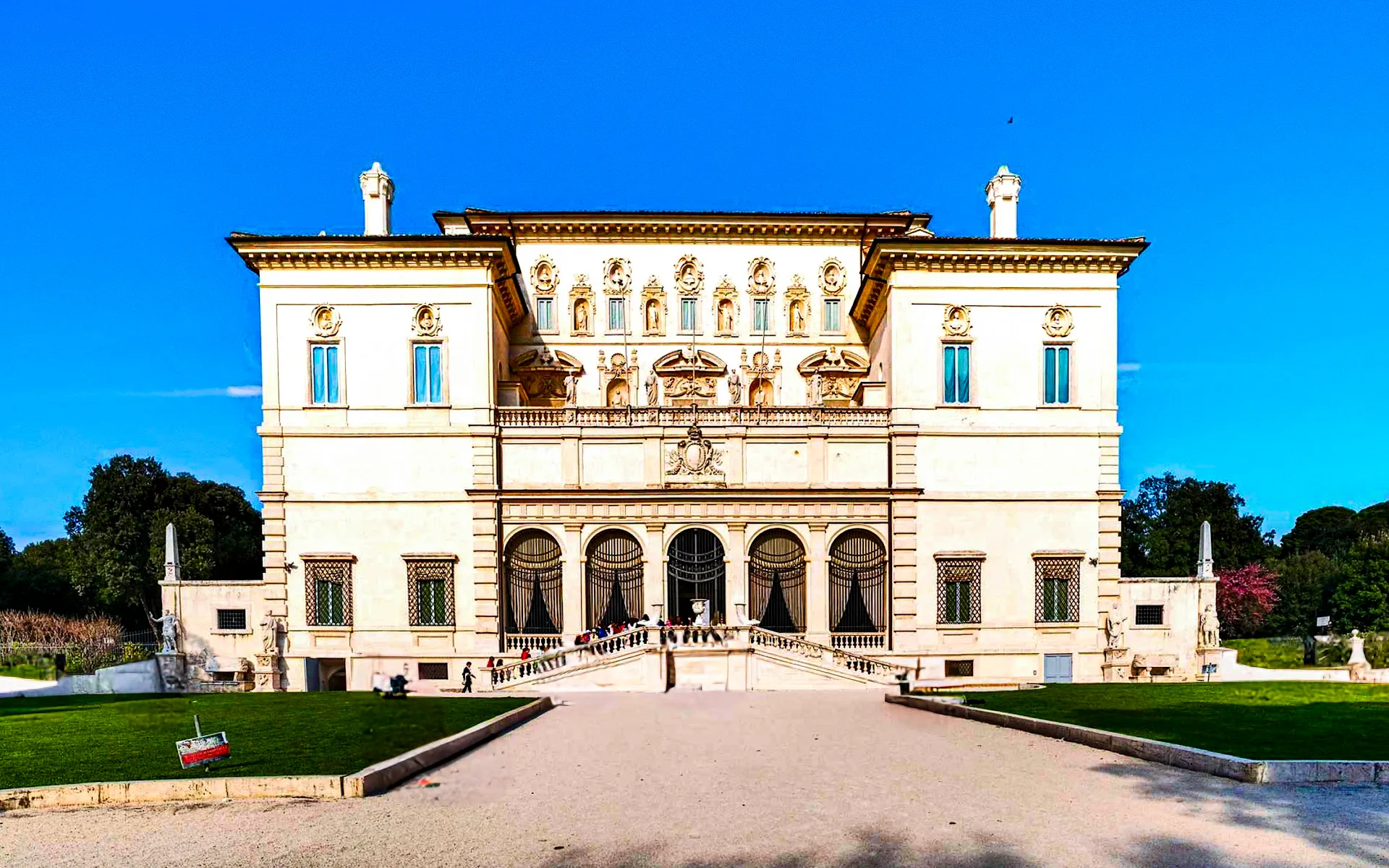
Borghese Gallery
Intimate museum housing Bernini sculptures, Caravaggio paintings, and Raphael works. Timed 2-hour slots; book weeks ahead.
Villa Borghese
Scenic Spot4.5
Piazza Navona
Baroque masterpiece of a piazza built on the footprint of a Roman stadium. Bernini's Fountain of the Four Rivers anchors the center.
Centro Storico
Scenic Spot4.6
Trastevere
Rome's most atmospheric neighborhood with ivy-covered ochre buildings, cobblestone lanes, and an unbeatable concentration of trattorias and bars.
Trastevere
Market4.5
Testaccio Market
Rome's best food market — a covered hall with stalls selling supplì, trapizzino, fresh pasta, and local produce. A foodie pilgrimage.
Testaccio
Market4.3
Campo de' Fiori
Lively morning market selling fresh produce, flowers, and spices by day; vibrant bar scene by night. Giordano Bruno statue presides over it all.
Centro Storico
Tours & experiences
Free walking tours and curated paid experiences — save or book in a tap.
Tour
Colosseum & Roman Forum Guided Tour
Explore the mighty Colosseum with underground access and arena floor, then walk through the ruins of the Roman Forum and Palatine Hill. A guided tour brings 2,000 years of history vividly to life.
Colosseum & Roman Forum, Centro Storico3-4 hours
Tour
Vatican Museums & Sistine Chapel Tour
Journey through the Vatican Museums' vast galleries of Renaissance masterpieces, culminating in the breathtaking Sistine Chapel ceiling by Michelangelo. A guided tour unlocks the stories behind every fresco.
Vatican City3-4 hours
Food
Trastevere Food & Wine Tour
Eat and drink your way through Rome's most charming neighborhood. Sample supplì, cacio e pepe, porchetta, local wines, and artisan gelato at family-run trattorias and hidden enotecas in Trastevere's cobblestone lanes.
Trastevere3-4 hours
Cultural
Borghese Gallery Reservation Visit
Marvel at Bernini's Apollo and Daphne, Caravaggio's paintings, and Canova's sculpture of Pauline Bonaparte in one of the world's most exquisite art collections. Visits are limited to 2-hour timed slots.
Galleria Borghese, Villa Borghese2 hours
Tour
Rome Underground Catacombs Tour
Descend into the ancient catacombs beneath Rome to explore miles of underground burial tunnels adorned with early Christian frescoes. Guided tours reveal the hidden history beneath the Eternal City.
Via Appia Antica area2-3 hours
Tour
Jewish Ghetto Walking Tour
Walk through Rome's historic Jewish quarter, one of the oldest Jewish communities in Europe. Visit the Great Synagogue, learn about 2,000 years of Roman Jewish history, and try the legendary fried artichoke.
Jewish Ghetto, Rome2 hours
Nightlife & live music in Rome
Clubs, jazz dens, listening bars and late-night spots worth staying out for.
Rome's premier electronic music club with international DJ bookings and a massive industrial space. Techno, house, and experimental nights.
Testaccio
Club4.0
Rashomon Club
Underground club in the creative Pigneto neighborhood. Experimental electronic, techno, and avant-garde performances in a raw warehouse setting.
Pigneto
Bar4.3
Salotto 42
Chic lounge bar facing the Temple of Hadrian. Design books, craft cocktails, and a fashionable crowd. Excellent aperitivo hour.
Centro Storico
Bar4.5
Jerry Thomas Project
Rome's original speakeasy — ring the bell and give the password (check their social media). Masterful classic cocktails in a candlelit, intimate space.
Centro Storico
Bar4.1
Il Barretto
Intimate wine and cocktail bar on Rome's most fashionable street. Small plates, excellent Italian wines, and a well-dressed clientele.
Centro Storico
Viewpoints & photo spots in Rome
The skyline views and photogenic corners worth the detour.
Rome's most atmospheric neighborhood with ivy-covered ochre buildings, cobblestone lanes, and an unbeatable concentration of trattorias and bars.
Trastevere
Scenic Spot4.5
Piazza Navona
Baroque masterpiece of a piazza built on the footprint of a Roman stadium. Bernini's Fountain of the Four Rivers anchors the center.
Centro Storico
Scenic Spot4.6
Trevi Fountain
Baroque masterpiece and Rome's most famous fountain. Toss a coin over your shoulder to ensure a return to the Eternal City. Visit at dawn to avoid crowds.
Trevi
Walking routes in Rome
Ready-made routes, ordered stop by stop with a map — open in Google Maps or add the whole thing to a trip in one tap.
Three full days is the sweet spot to see Ancient Rome, the historic centre, the Vatican, and Trastevere without rushing. With four or five days you can add the Borghese Gallery, the catacombs and Appian Way, a day trip, and slower meals.
What is the best way to get around Rome?
Walk wherever you can: the historic centre is compact and the big sights are close together. For longer hops, the three metro lines and the bus and tram network share one ticket (1.50 EUR for 100 minutes), with a 24-hour pass at 7 EUR for busy days.
When is the best time to visit Rome?
Spring (April to early June) and autumn (late September to October) offer the best balance of mild weather and manageable crowds, with May often the standout month. Summer is hot and crowded; winter is quiet and cheap outside the Christmas week.
Do I need to book tickets in advance in Rome?
Yes for the Colosseum, the Vatican Museums and Sistine Chapel, and the Borghese Gallery, which all use timed entry and sell out, especially in high season. The Pantheon, fountains, and piazzas are walk-in (the Pantheon now charges a small fee).
Is Rome expensive?
It is moderate. You can eat very well for 10-20 EUR, transit and coffee are cheap, and many of the best things (the Pantheon, fountains, churches, neighbourhood walks) are nearly free. Accommodation and major attraction tickets are the main costs.
Ready to plan Rome?
Turn this guide into a real trip — itinerary, map, budget and friends, all in one place.