Venice is unlike any other city on earth: a thousand-year-old republic built across 118 small islands in a shallow lagoon, stitched together by some 400 bridges and laced with canals instead of roads. There are no cars and no scooters here. You move on foot or on water, and that single fact changes everything about how you plan, how you eat, and how the day unfolds.
The city is divided into six historic districts called sestieri: San Marco, the monumental core around Piazza San Marco and the Doge's Palace; San Polo, the smallest and oldest, built around the Rialto Market; Dorsoduro, the artistic soul, home to the Gallerie dell'Accademia and the Peggy Guggenheim Collection; Cannaregio, the most lived-in quarter and site of the world's first Jewish Ghetto; Castello, the largest and most working-class, where the Biennale and the old Arsenale sit; and Santa Croce, where most visitors first arrive. Beyond the main island, the lagoon holds the glassmaking island of Murano, the rainbow-colored fishing village of Burano, and the Palladian church of San Giorgio Maggiore.
The single most useful habit in Venice is starting early. The headline sights, St. Mark's Basilica, the Ponte di Rialto, and Piazza San Marco itself, are transformed by an 8am arrival, before the day-trippers and cruise crowds pour in. Photographers know this best: the Rialto Bridge at sunrise and the empty piazza at dawn are among the great sights in Europe, and both are free. Save the late afternoon for the Venetian ritual of the cicchetti crawl, hopping between tiny wine bars called bacari for small plates and an ombra, a small glass of wine.
Best time to visit
Spring (April to May) and autumn (September to October) are the sweet spot: mild weather around 18-25C, manageable crowds, and reasonable hotel rates. July and August are hot, humid, and packed, with peak prices. Winter is quiet, atmospheric, and far cheaper, but acqua alta (high water) is most likely from late September through December, peaking in November; the MOSE flood barriers have greatly reduced flooding in recent years. February's Carnival is spectacular but books out months ahead.
Budget
Venice runs expensive by Italian standards, mostly because of accommodation. Cicchetti cost 1.50-3.50 EUR each and a glass of wine 2-4 EUR, so lunch can be cheap; a sit-down seafood dinner runs 35-60 EUR. Major attractions like the Doge's Palace and the Accademia are 12-25 EUR, while the basilica is free. Vaporetto single rides are pricey, so a multi-day ACTV pass usually pays off.~$120-220 USD / day
Getting around is part of the pleasure. The vaporetto (water bus), run by ACTV, is the city's public transport: Line 1 is the slow, scenic crawl down the Grand Canal, while Line 2 is faster and lines 4.1, 4.2, 12, and others reach the lagoon islands. A multi-day travel pass is far cheaper than single rides if you plan to use the boats often, but much of central Venice is genuinely walkable, with the next bridge and the next campo always a few minutes away. Gondolas are a splurge rather than transport; a sunset ride past the palazzi is genuinely magical if you accept the fixed rate.
Eating well in Venice is easier than its reputation suggests, as long as you step a few streets back from San Marco. The lagoon delivers exceptional seafood: sarde in saor (sweet-and-sour sardines), baccalà mantecato (whipped salt cod), risotto de go from Burano, and spaghetti with clams. Eat where the menu is short and in Italian, and you will eat memorably.
Use this guide as a starting point. Skim the 3-day plan, open the things-to-do and where-to-eat lists, then save the places that fit your trip. Everything you save drops straight into a TripBox itinerary with dates, a map, and your travel companions.
The best of Venice
Curated places worth your time — tap a card for details or to save it.
Breathtaking Byzantine cathedral with golden mosaics covering 8,000 square meters. The jewel of Venice for over 1,000 years.
San Marco
Museum4.7
Doge's Palace
Gothic masterpiece that was the seat of Venetian power for centuries. Tintoretto's Paradise, golden staircases, and the Bridge of Sighs.
San Marco
Scenic Spot4.5
Ponte di Rialto
Iconic stone arch bridge spanning the Grand Canal, built in 1591. Lined with shops and offering classic Venice views. Best photographed from the water.
San Polo
Market4.4
Rialto Market
Venice's historic food market operating since 1097. Fish market (Pescaria) and produce stalls on the Grand Canal. Best in early morning.
San Polo
Museum4.6
Gallerie dell'Accademia
Venice's premier fine art museum with masterworks by Bellini, Titian, Tintoretto, and Veronese. The definitive Venetian painting collection.
Dorsoduro
Must visit
Museum4.6
Peggy Guggenheim Collection
World-class modern art collection in Peggy Guggenheim's Grand Canal palazzo. Pollock, Picasso, Dali, and Magritte in an intimate setting.
Dorsoduro
Scenic Spot4.7
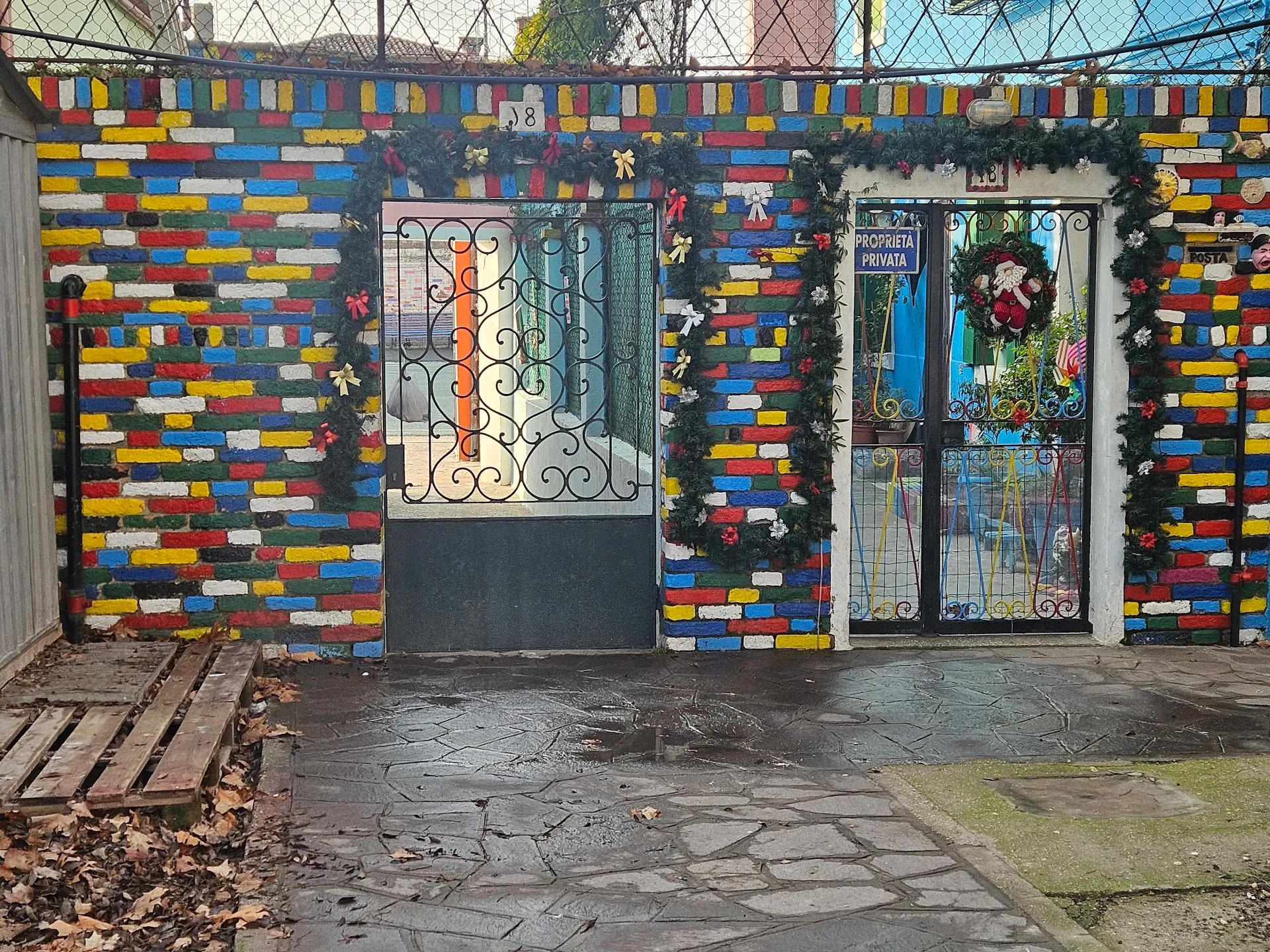
Burano Island
Rainbow-colored fishing village in the Venetian lagoon. Brightly painted houses, lace-making tradition, and excellent seafood. A photographer's paradise.
Burano
Viewpoint
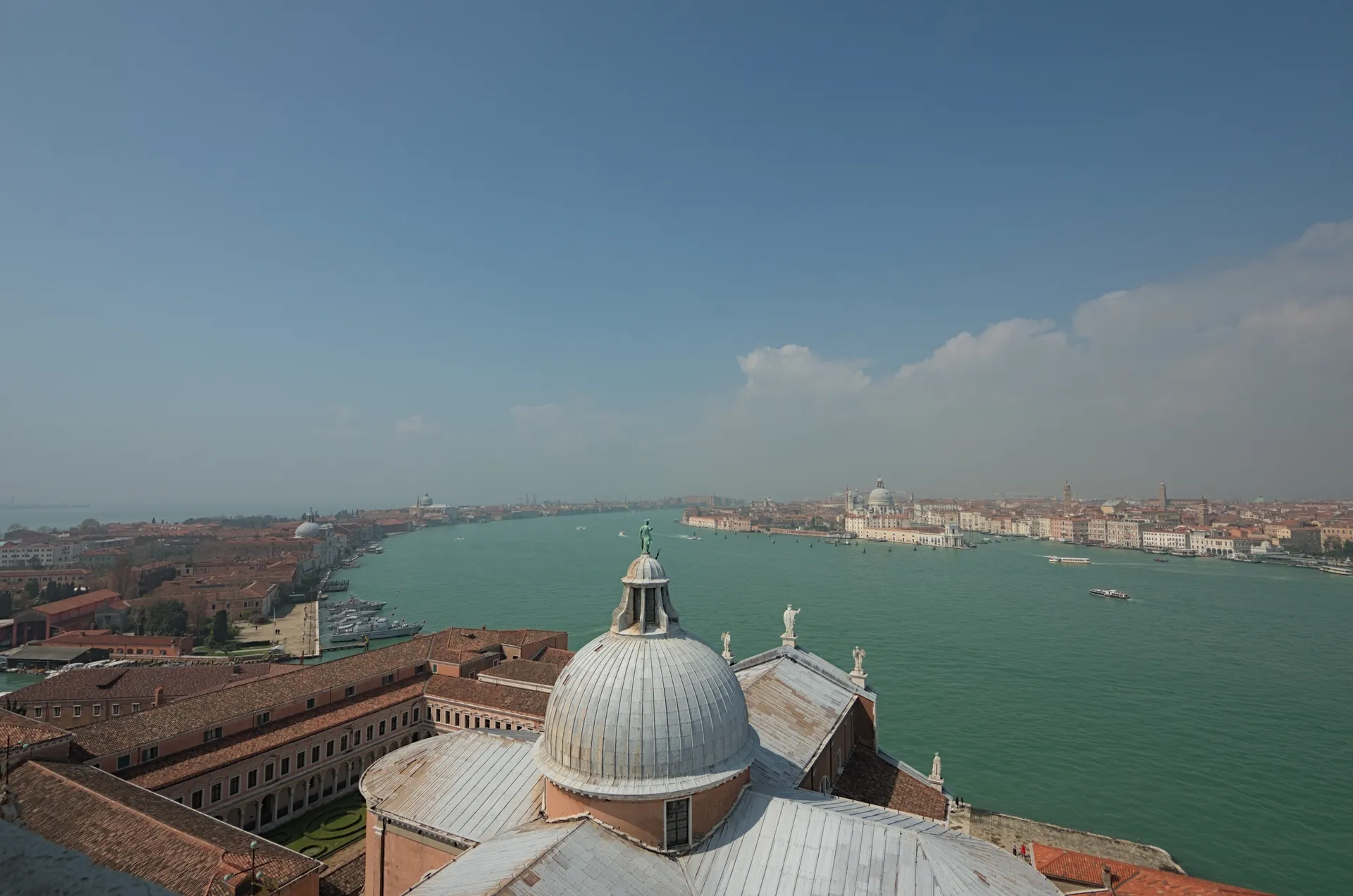
San Giorgio Maggiore Bell Tower
The campanile of San Giorgio Maggiore offers arguably the best panorama in Venice. From 60 meters up you see the entire lagoon, San Marco basin, the Doge's Palace, the full sweep of the Riva degli Schiavoni, and the rooftops of Venice stretching to the mainland. Far less crowded than the San Marco campanile with a broader view.
San Giorgio Maggiore island, Venice
Other4.4
Libreria Acqua Alta
Whimsical bookshop where books are stored in gondolas and bathtubs to survive flooding. Cats roam freely and a book staircase leads to canal views.
Castello
Museum4.2
Murano Glass Museum
Museum tracing 700 years of Murano glassmaking art. Roman-era pieces to contemporary installations in a 17th-century palazzo.
Murano
Tours & experiences
Free walking tours and curated paid experiences — save or book in a tap.
Experience
Gondola Ride Through Grand Canal
Glide through Venice's iconic canals on a traditional gondola. While touristy, the experience of floating past centuries-old palazzos in a hand-crafted wooden boat is genuinely magical, especially at sunset.
Grand Canal, Venice30-40 minutes
Tour
St. Mark's Basilica Skip-the-Line Tour
Skip the infamous queue and enter the golden mosaics of St. Mark's Basilica with a guide who explains the Byzantine masterpiece's 1,000-year history. Includes Pala d'Oro and terrace access for piazza views.
Piazza San Marco1.5-2 hours
Food
Cicchetti Bar Hop in San Polo
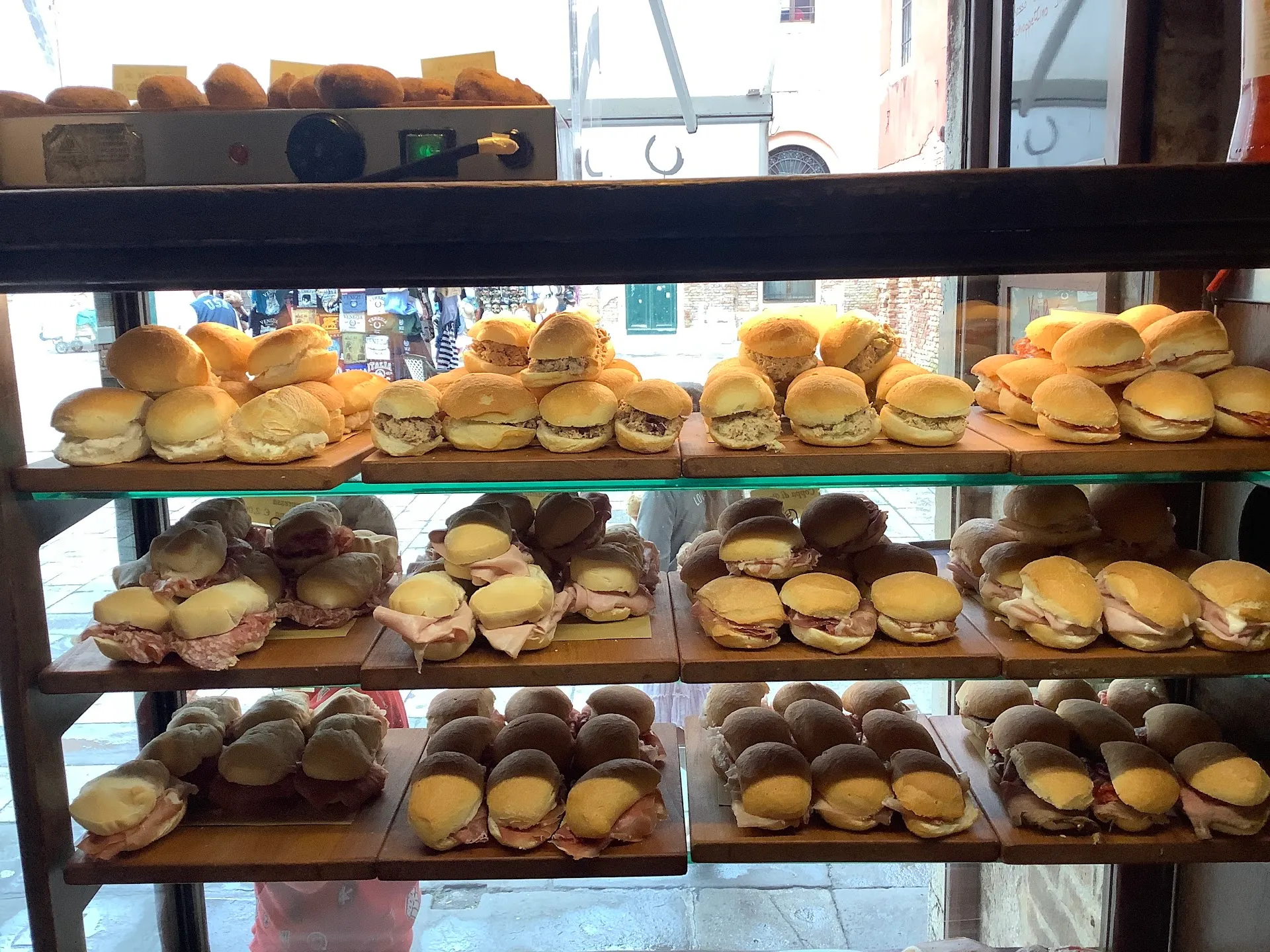
Experience Venice's version of tapas — cicchetti. Hop between tiny bacari (wine bars) near the Rialto Bridge, sampling baccalà mantecato, sarde in saor, and fried mozzarella with an ombra (small glass of wine).
San Polo & Rialto area2-3 hours
Food
Rialto Market Morning Food Tour
Tour Venice's centuries-old Rialto fish and produce market alongside locals doing their daily shopping. Sample fresh seafood, seasonal produce, and artisan cheeses while learning about Venetian culinary traditions.
Rialto Market, San Polo2-3 hours
Cultural
Murano Glass Blowing Demonstration
Take the vaporetto to Murano island and watch master glassblowers transform molten glass into intricate sculptures, jewelry, and chandeliers using techniques unchanged for 700 years.
Murano Island2-3 hours
Tour
Burano Island Colorful Houses Tour
Visit the rainbow-colored fishing island of Burano, famous for its candy-colored houses, traditional lace making, and excellent seafood restaurants. Every building is a different vivid color — a photographer's paradise.
Burano Island3-4 hours
Workshop
Venetian Mask Making Workshop
Create your own Venetian carnival mask with guidance from a master mask maker (mascheraio). Learn the traditional papier-mâché technique, paint your design, and take home a one-of-a-kind souvenir.
San Polo / Dorsoduro area2-3 hours
Experience
Sunset Cruise to San Giorgio Maggiore
Take a vaporetto to San Giorgio Maggiore island and climb the bell tower for the best panoramic view of Venice. The sunset light over San Marco, the lagoon, and the Dolomites in the distance is extraordinary.
San Giorgio Maggiore Island1.5-2 hours
Nightlife & live music in Venice
Clubs, jazz dens, listening bars and late-night spots worth staying out for.
Legendary bar and restaurant since 1931, birthplace of the Bellini cocktail and carpaccio. Hemingway's favorite Venetian haunt. UNESCO cultural heritage site.
San Marco
Must visit
Bar4.4
Al Merca
Tiny standing-room-only wine bar next to the Rialto Market. Excellent panini, prosecco, and spritz at honest prices. The Venetian aperitivo experience.
San Polo
Bar4.3
Cantina Do Spade
One of Venice's oldest bacari (wine bars), dating to 1488. Excellent cicchetti (small plates), wine by the glass, and genuine local atmosphere.
San Polo
Walking routes in Venice
Ready-made routes, ordered stop by stop with a map — open in Google Maps or add the whole thing to a trip in one tap.
Daily budgets and typical prices to plan your spend.
Backpacker
$60/ day
Mid-range
$150/ day
Luxury
$300/ day
Cheap meal
$12
Restaurant meal
$25
Coffee
$2.5
Local beer
$5.0
Transit ticket
$10
Taxi (1km)
$3.5
Cost index 85 (New York = 100).
When to go
Best time to visit
April-May and September-October for pleasant weather and fewer crowds
Crowds
Very High
PeakJun, Jul, Aug
ShoulderApr, May, Sep, Oct
QuietNov, Dec, Jan, Feb, Mar
Major events
Carnevale di VeneziaFeb
Venice BiennaleJun
Redentore FestivalJul
Venice Film FestivalSep
Weather by month
Average temperature and rainfall, to time your visit.
4°J
5°F
9°M
13°A
19°M
23°J
24°J
25°A
19°S
15°O
9°N
5°D
Good to know
Practical info before you go.
Tipping
Round Up — Tipping is not mandatory in Italy. Rounding up to the nearest euro or leaving 5-10% for exceptional service is appreciated but not expected.
Tap water
Safe to drink
Power
Type Type C/Type F · 230V
Safety
High — Venice is generally very safe for tourists. Petty theft and pickpocketing are the main concerns in crowded areas and on public transport. Avoid leaving valuables unattended.
Emergency
112
Local culture
Language
Italian
English
High
Dress code
Smart Casual
Useful phrases
Ciao
Hello/Goodbye
Grazie mille
Thank you very much
Per favore
Please
Mi scusi
Excuse me
Quanto costa?
How much does it cost?
Non parlo italiano
I don't speak Italian
Local customs
Greet shopkeepers and waitstaff with 'Buongiorno' (good morning) or 'Buonasera' (good evening) - it is considered polite.
Remove your shoes when entering someone's home, and always ask permission before taking photographs in people's homes or businesses.
Venice has unique traditions like the gondola ride etiquette - tip the gondolier 5-10% if satisfied, and do not stand up in the gondola.
Venetians dress elegantly and appreciate visitors who make an effort with their appearance. Avoid loud behavior and respect the canal-side tranquility.
Watch out for
Overcharging for drinks or food in tourist areas, especially near St. Mark's Square. Always ask prices before ordering.
Fake ticket sellers offering counterfeit vaporetto (water bus) tickets. Purchase tickets only from official booths.
Street vendors selling overpriced items or fake goods near major attractions. Be cautious with unsolicited offers.
Two to three days is ideal. Two days covers St. Mark's, the Rialto, a museum or two, and an evening cicchetti crawl. A third day frees you to take the vaporetto out to Murano and Burano in the lagoon, or to slow down and get lost in the quieter sestieri like Cannaregio and Castello.
What is the best way to get around Venice?
On foot and by vaporetto (water bus). There are no cars in Venice. Central distances are short and walking is often fastest, but the ACTV vaporetto runs the Grand Canal and reaches the lagoon islands. If you plan to use boats more than two or three times a day, a multi-day ACTV travel pass is far cheaper than single tickets.
When is the best time to visit Venice?
April-May and September-October offer the best balance of mild weather, manageable crowds, and fair prices. Summer is hot and overcrowded; winter is quiet and cheap but prone to acqua alta flooding, which peaks in November. February's Carnival is a highlight but requires booking months ahead.
Is a gondola ride worth it?
If you accept it as an experience rather than transport, yes. The official rate is around 80 EUR for roughly 30 minutes for up to five or six passengers, more in the evening. Splitting the cost across a group and going at sunset, ideally through the quieter back canals rather than the crowded Grand Canal, makes it far more rewarding.
What is acqua alta and should I worry about it?
Acqua alta is the periodic high-water flooding of low-lying areas like Piazza San Marco, most common from late September to December. The MOSE barrier system has greatly reduced major floods in recent years. If you visit in autumn or winter, pack waterproof shoes and check the city's tide forecast; raised walkways are set out during high tides.
Ready to plan Venice?
Turn this guide into a real trip — itinerary, map, budget and friends, all in one place.