Hiroshima is one of Japan's most moving and most underrated cities. Rebuilt from the devastation of August 6, 1945, it has become a global symbol of peace and resilience, and a place that leaves almost everyone who visits changed. But Hiroshima is far more than its history. It is a relaxed, leafy riverside city on the Seto Inland Sea, famous for its own style of okonomiyaki, its oysters, and the sacred island of Miyajima just offshore. Most travelers come for a day and wish they had stayed longer.
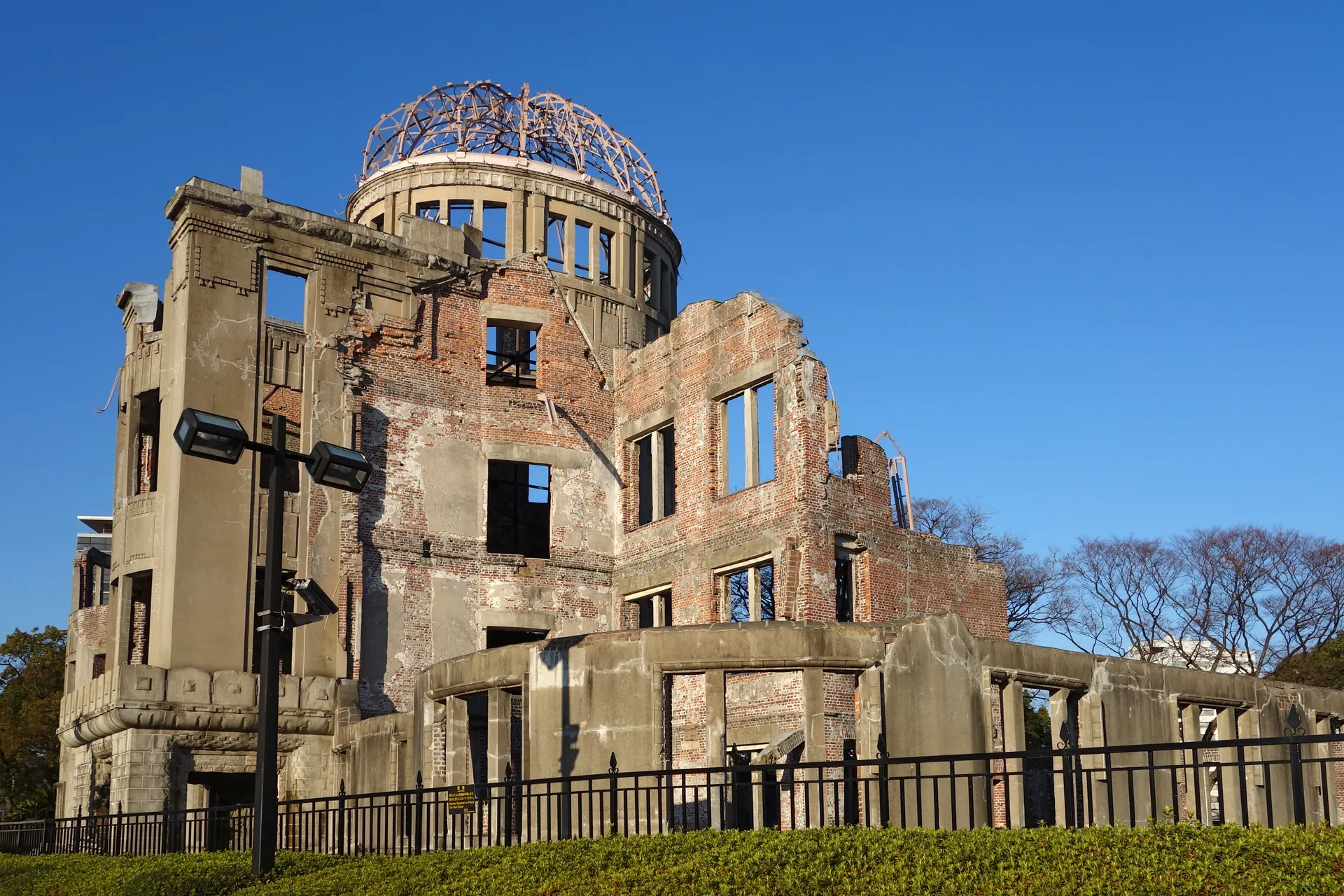
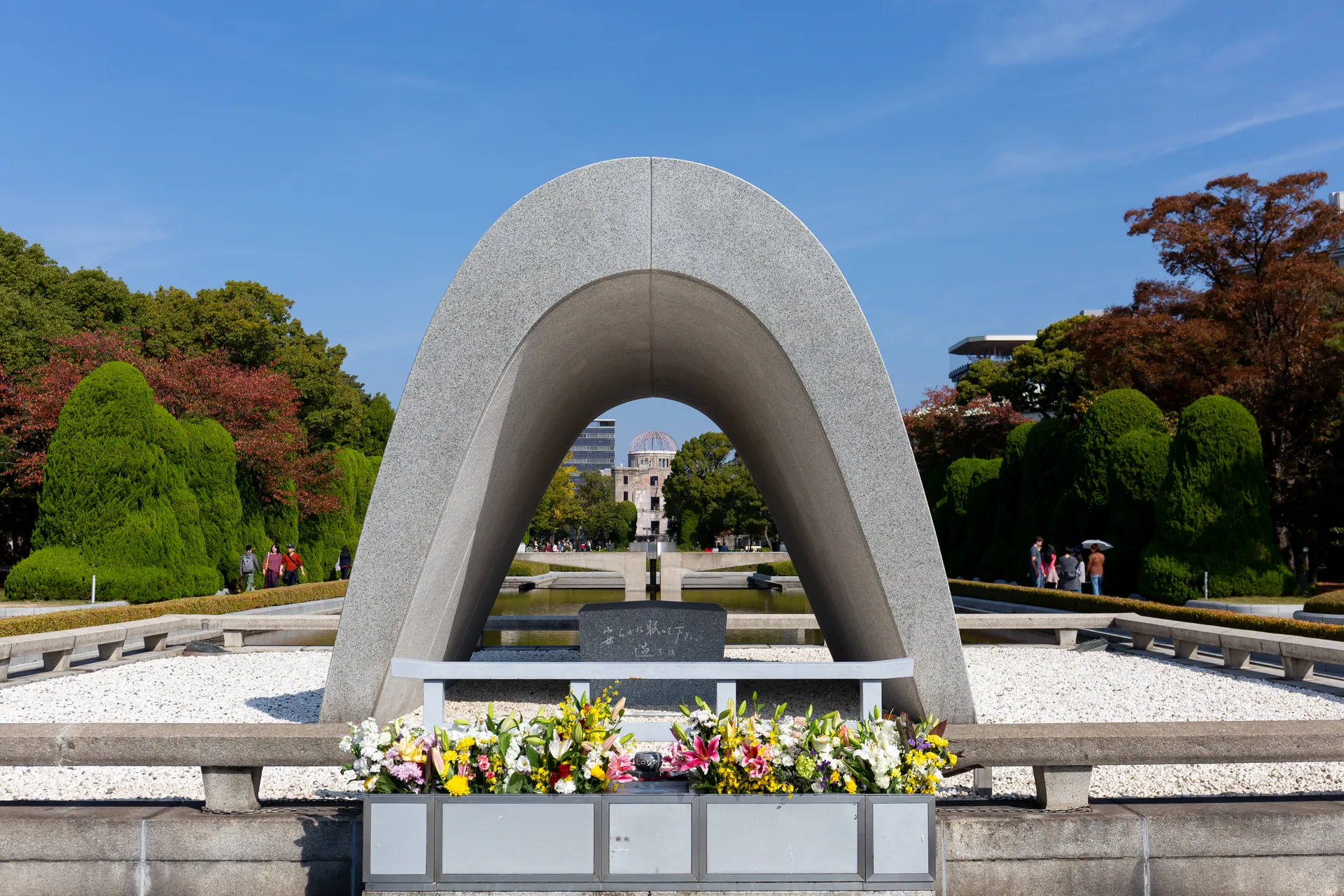
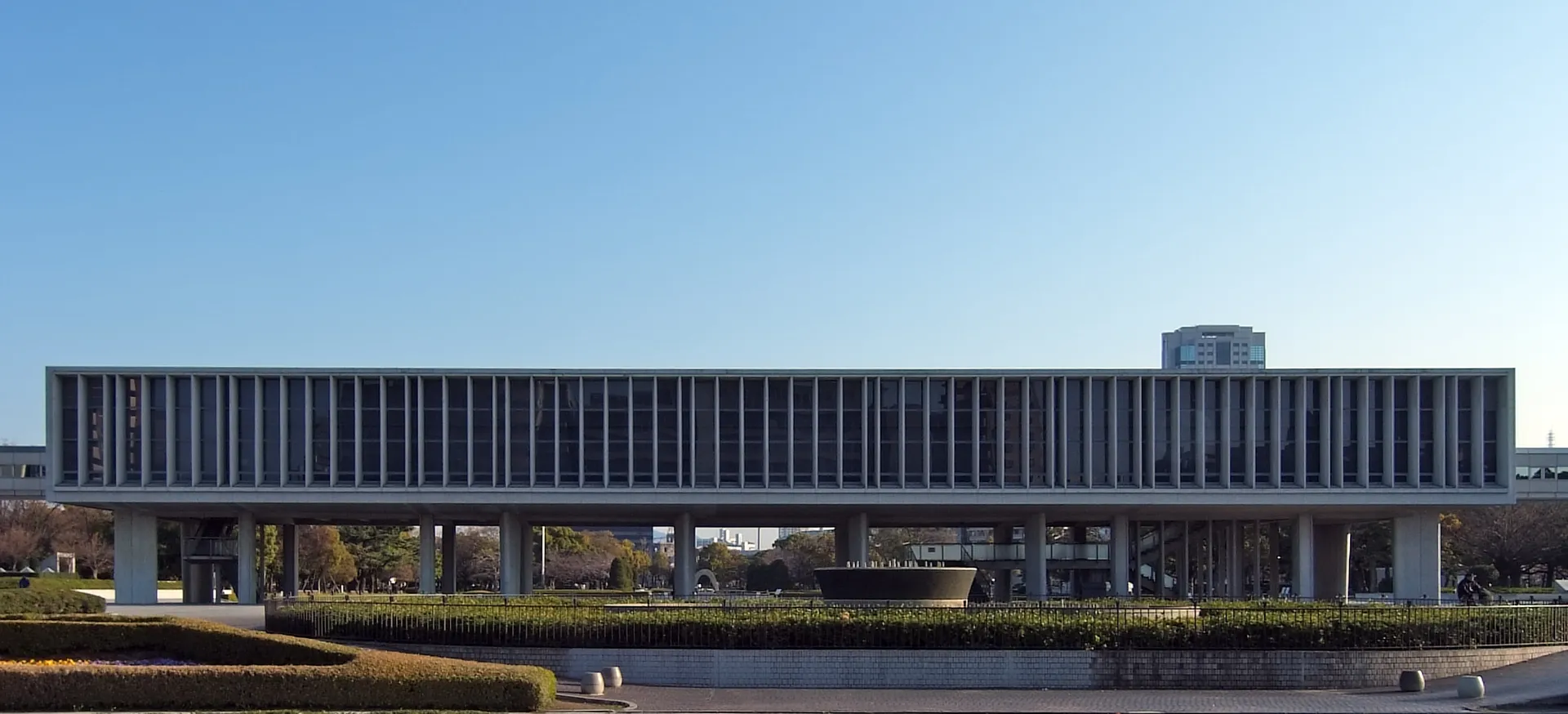
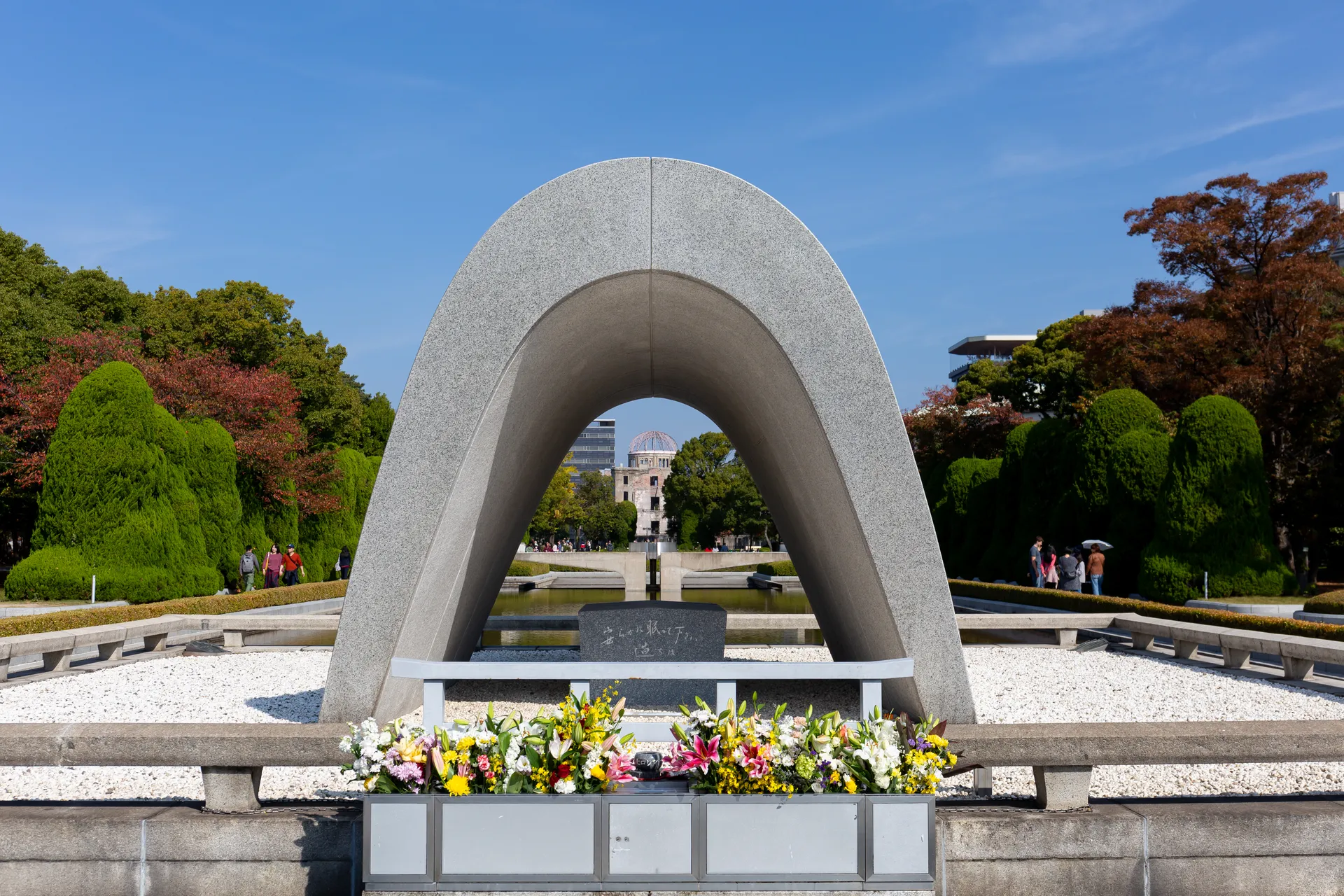
The city is built across the delta of the Ota River, with six channels splitting the center into a series of green, walkable islands. Almost everything a first-time visitor wants to see sits in or near the Peace Memorial Park in the Naka-ku central district: the skeletal Atomic Bomb Dome, the Peace Memorial Museum, the Cenotaph, the Children's Peace Monument, and the Peace Flame. Allow at least half a day here. The museum is profound and emotionally heavy; the park itself is calm, contemplative, and beautiful, especially in cherry-blossom season.
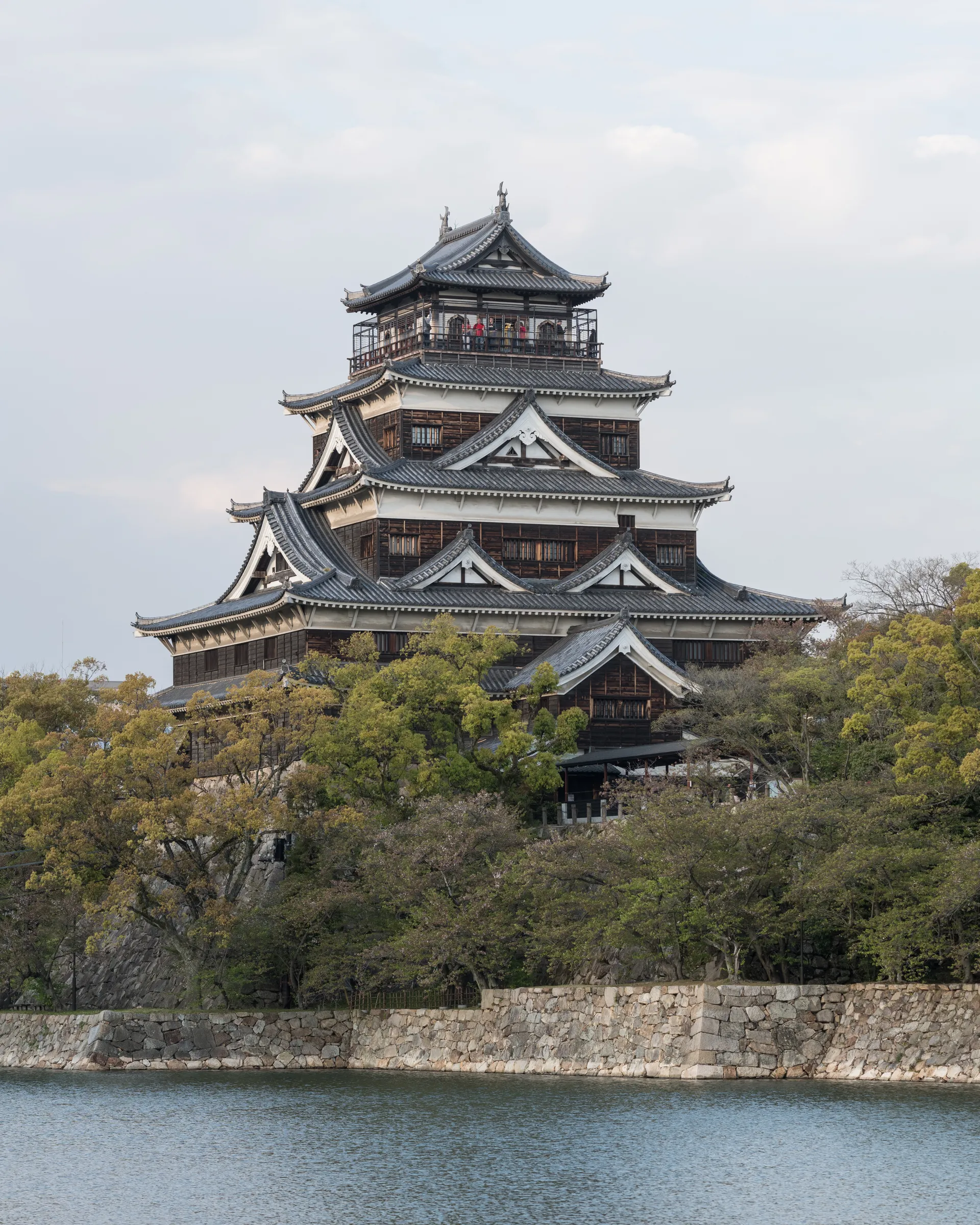
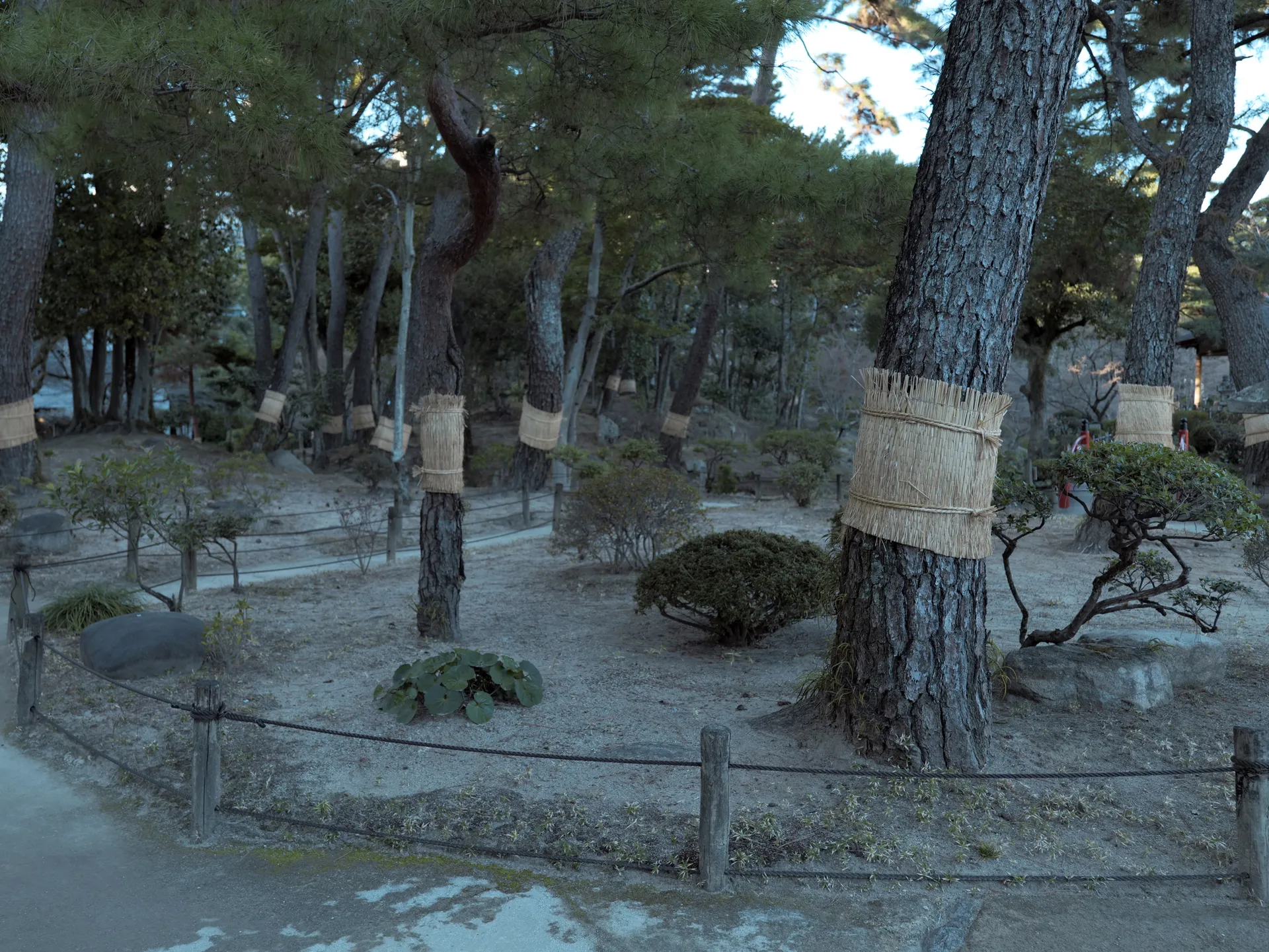
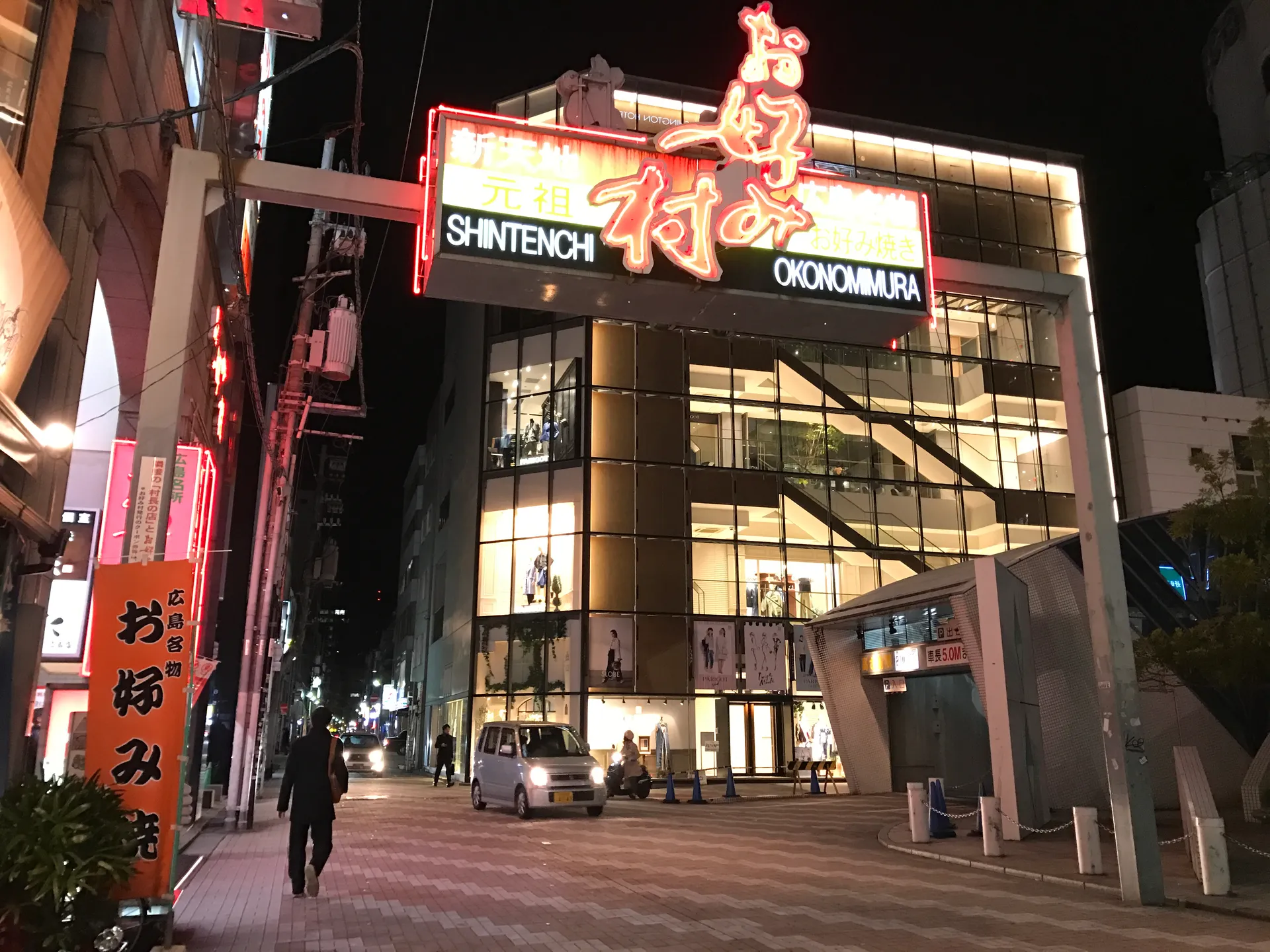
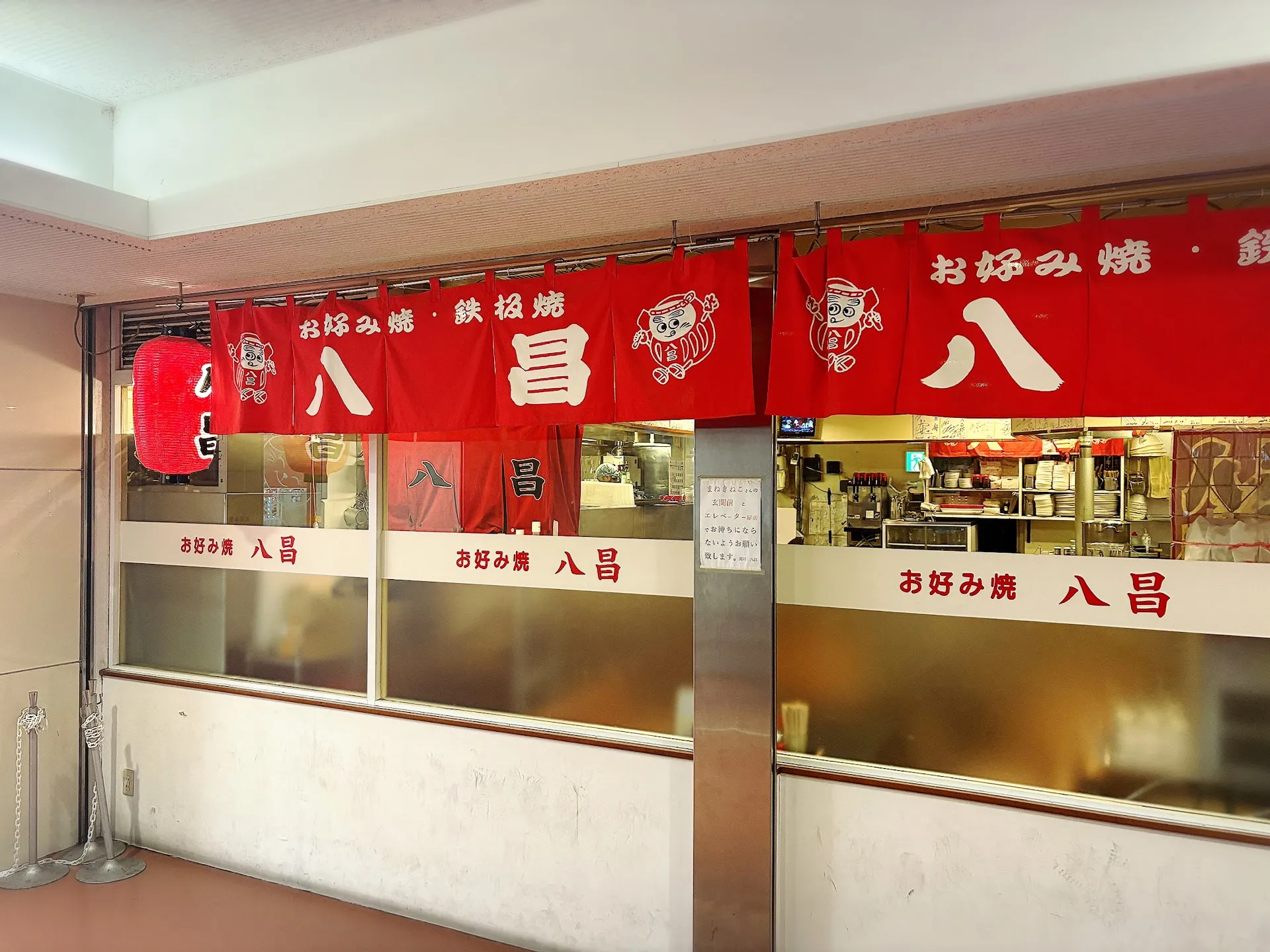
Beyond the park, the center is easy and pleasant. The covered Hondori shopping arcade is the lively heart of the city, full of shops, cafes, and okonomiyaki joints, and a short walk north brings you to reconstructed Hiroshima Castle and the exquisite 1620 Shukkeien Garden. The single most important thing to know about Hiroshima food is that the local okonomiyaki is layered, not mixed, and built around a generous nest of cabbage and a layer of fried noodles. Try it at the multi-stall Okonomimura building or at a neighborhood favorite like Hassē.
Best time to visit
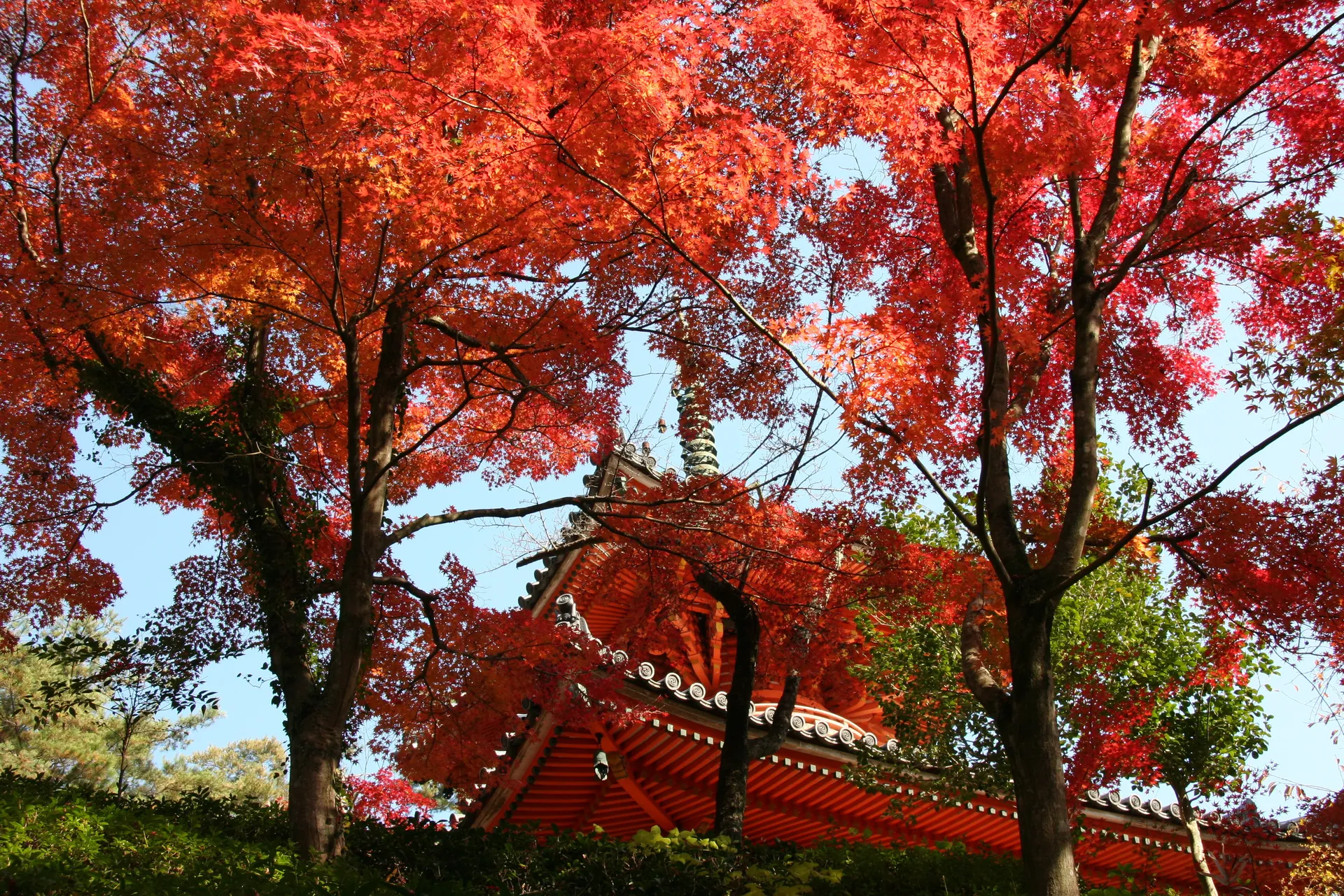
Spring (late March to mid-April) brings cherry blossom to the Peace Park and Hiroshima Castle, and autumn (late October to November) paints Miyajima and Shukkeien Garden in red and gold; both are lovely and busy. May, June (before the late-month rains), and October offer mild, comfortable weather. July and August are hot and humid, and the city is solemn and crowded around the August 6 Peace Memorial Ceremony. Winter is quiet and crisp, and the prime season for Hiroshima's famous oysters (October to March).
Budget
Hiroshima is good value by Japanese standards. The Peace Park is free to walk, the Peace Memorial Museum is just 200 yen, and most temples and gardens charge a few hundred yen. A plate of okonomiyaki runs 800-1,500 yen, and comfortable mid-range hotels are 7,000-15,000 yen per night. Streetcars are a flat, cheap fare and the Miyajima ferry is inexpensive.~$75-140 USD / day
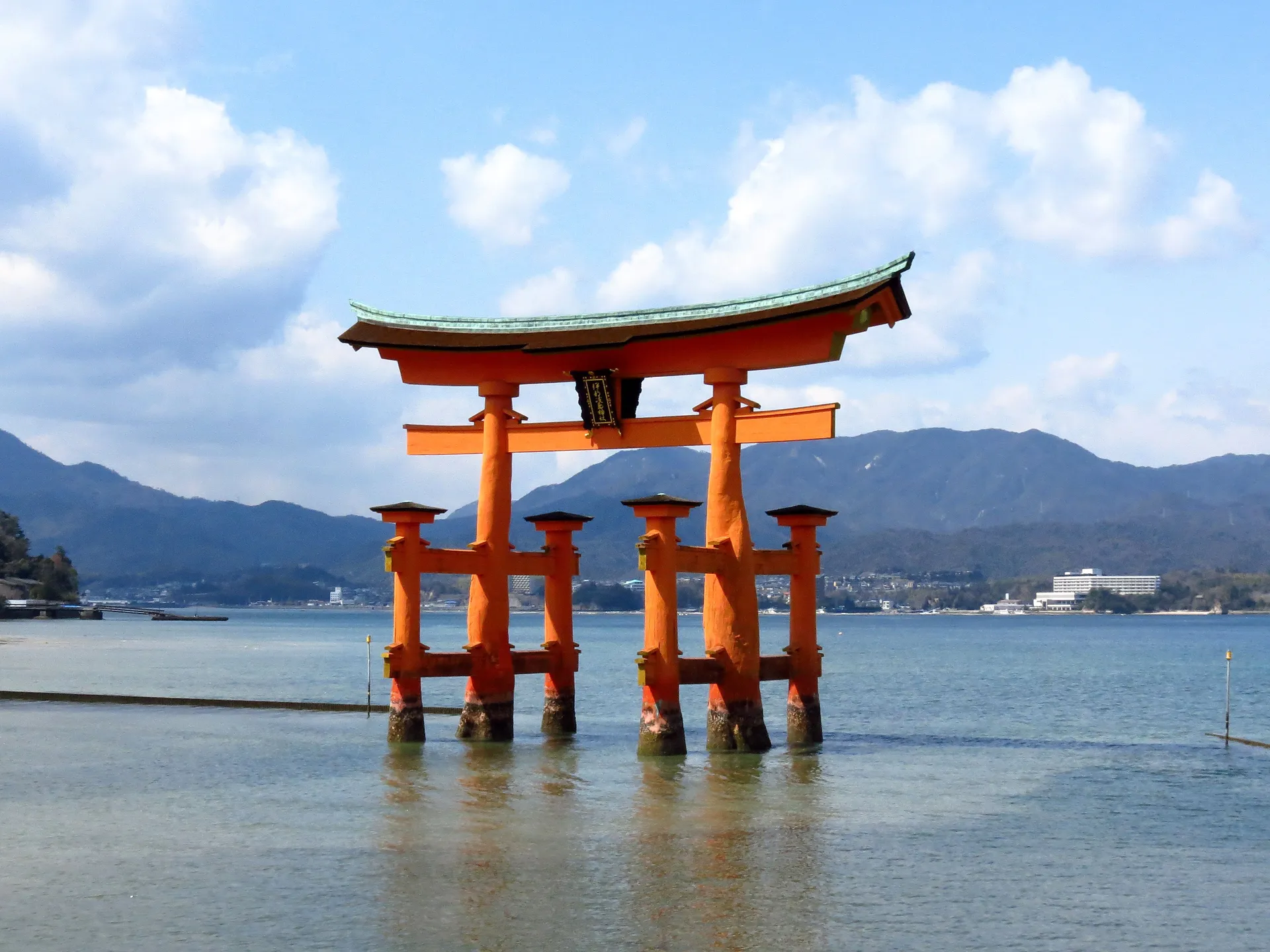
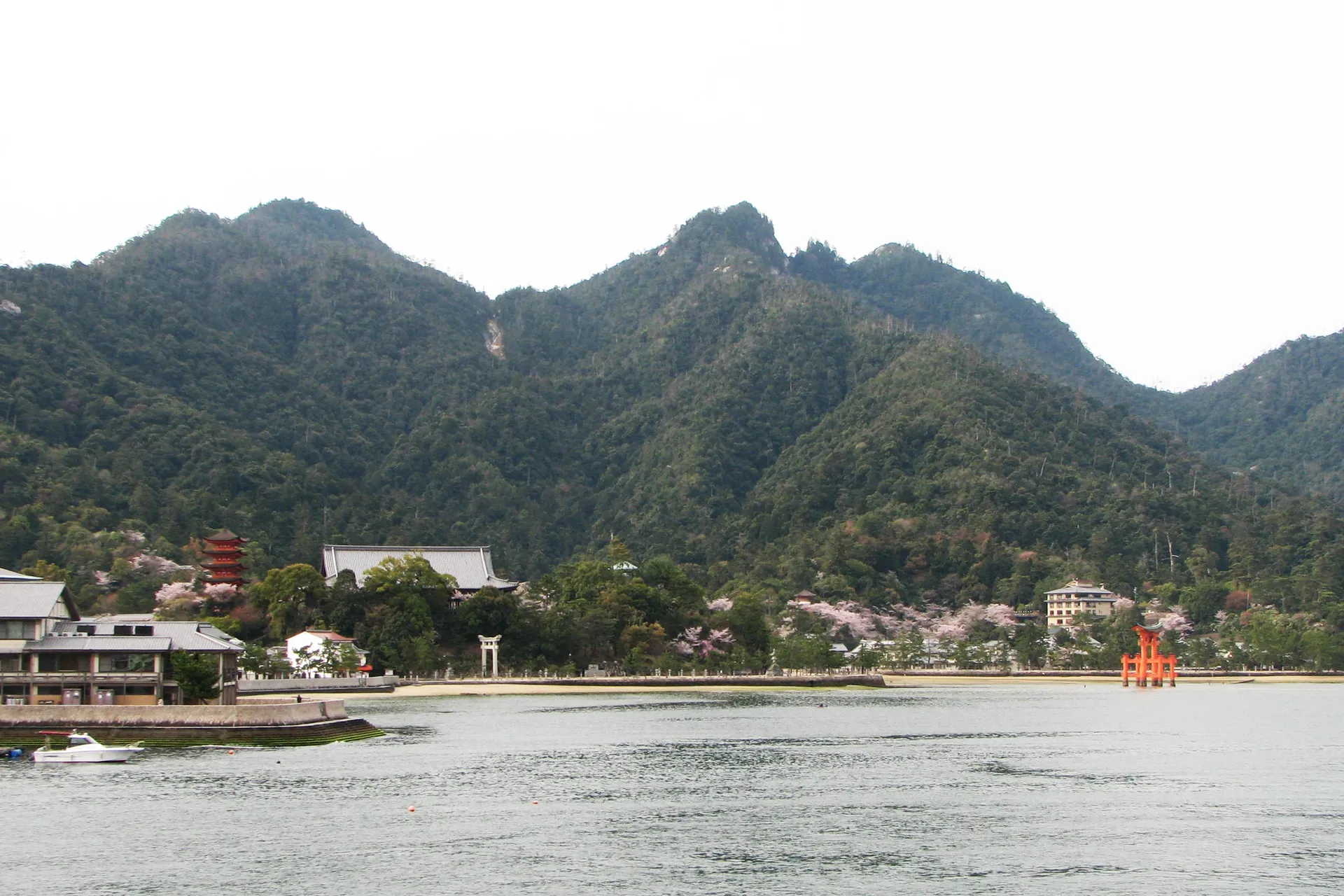
No visit is complete without Miyajima, the sacred island a short ferry ride away where the great vermilion torii gate of Itsukushima Shrine appears to float on the sea at high tide. Tame deer wander the lanes, the food street sizzles with grilled oysters and maple-leaf cakes, and the hike or ropeway up Mount Misen rewards you with a panorama over the Inland Sea. It is the perfect counterpoint to the gravity of the Peace Park, and most people give it a full day.
Getting around is simple. Hiroshima's beloved streetcar network (Hiroden) trundles between the station, the Peace Park, and the Miyajima ferry pier, and a rechargeable IC card covers trams, buses, and trains without fuss. The center is flat and very walkable, and the JR Sanyo Shinkansen puts Osaka, Kyoto, and Fukuoka within easy reach. For most visitors, two days is the sweet spot: one for the city and the Peace Park, one for Miyajima.
Use this guide as a starting point: skim the day-by-day plan, open the things-to-do and where-to-eat lists, then save the places that fit your trip. Everything you save can be dropped straight into a TripBox itinerary with dates, a map, and your travel companions.
The best of Hiroshima
Curated places worth your time — tap a card for details or to save it.
UNESCO World Heritage site. Preserved ruins of the only structure left standing near the atomic bomb's hypocenter. Iconic symbol of peace.
Must visit
Park5.0
Peace Memorial Park
Expansive park dedicated to peace. Includes Peace Memorial, Cenotaph, Children's Peace Monument, Peace Flame, and Peace Bell.
Must visit
Museum5.0
Hiroshima Peace Memorial Museum
Powerful museum documenting the atomic bombing of Hiroshima on August 6, 1945. Personal belongings, survivor testimonies, and historical context. Allow 2-3 hours.
Landmark
Miyajima Floating Torii
Iconic vermilion torii gate standing in the sea at Itsukushima Shrine. At high tide it floats; at low tide you can walk to its base.
Miyajima Island
Castle4.0
Hiroshima Castle
Reconstructed 5-story castle (original destroyed in 1945). Museum inside covering samurai history. Cherry blossoms in spring.
Park4.0
Shukkeien Garden
Historic Japanese garden from 1620. Miniature landscapes, ponds, bridges, tea houses. Reconstructed after atomic bombing.
Must visit
Restaurant5.0
Okonomimura
4-floor building with 25+ okonomiyaki stalls. Each unique. Try Hiroshima-style okonomiyaki (layered, not mixed, with noodles).
Must visit
Restaurant5.0
Hassē (Hassē Okonomiyaki)
Award-winning okonomiyaki near Peace Park. Crispy on outside, soft inside. Popular with locals. Often has queue.
Park4.0
Mitaki-dera Forest
Three waterfalls cascade through a hillside temple forest northwest of the city. Moss-covered stone paths, a vermillion pagoda, and deep forest silence. A local secret.
Tours & experiences
Free walking tours and curated paid experiences — save or book in a tap.
Tour
Peace Memorial Park Walking Tour
A deeply moving walk through the Peace Memorial Park. Visit the A-Bomb Dome, Peace Memorial Museum, Children's Peace Monument, and Cenotaph. Essential and unforgettable.
Peace Memorial Park, Hiroshima2-3 hours
Tour
Miyajima Island Full Day
Ferry to sacred Miyajima Island for the floating torii gate, Itsukushima Shrine, wild deer, and Mount Misen hike. Try momiji manju (maple leaf cakes) fresh off the iron.
Miyajima Island (ferry from Hiroshima)Full day
Weather by month
Average temperature and rainfall, to time your visit.
6°J
7°F
10°M
15°A
20°M
24°J
27°J
29°A
25°S
19°O
13°N
8°D
Useful links
Official resources and quick searches for Hiroshima.
Two days is the sweet spot: one for the city and the Peace Memorial Park, and a full day for Miyajima island. If you only have one day, prioritise the Peace Park in the morning and Miyajima in the afternoon, though it will feel rushed.
Is Hiroshima worth visiting?
Absolutely. The Peace Memorial Park and Museum are among the most moving experiences in Japan, and the sacred island of Miyajima with its floating torii gate is one of the country's most beautiful sights. Add excellent food and an easy, relaxed pace and it earns its place on most itineraries.
What is the best way to get around Hiroshima?
The Hiroden streetcar network connects Hiroshima Station, the Peace Park, and the Miyajima ferry pier, and a rechargeable IC card (ICOCA or Suica) works on trams, buses, and trains. The center is flat and very walkable, so for most sightseeing you will alternate between the streetcar and your feet.
How do you get to Miyajima from Hiroshima?
Take the JR Sanyo Line or the Hiroden streetcar to Miyajimaguchi, then a short ferry across to the island (about 10 minutes). The JR ferry and the Matsudai ferry both run frequently; the JR ferry detours closer to the floating torii at high tide.
Is Hiroshima expensive?
It is moderate and often cheaper than Tokyo or Kyoto. The Peace Park is free, the museum costs only 200 yen, and you can eat very well on okonomiyaki for under 1,500 yen. Accommodation and the occasional day trip are the main variables.
Ready to plan Hiroshima?
Turn this guide into a real trip — itinerary, map, budget and friends, all in one place.