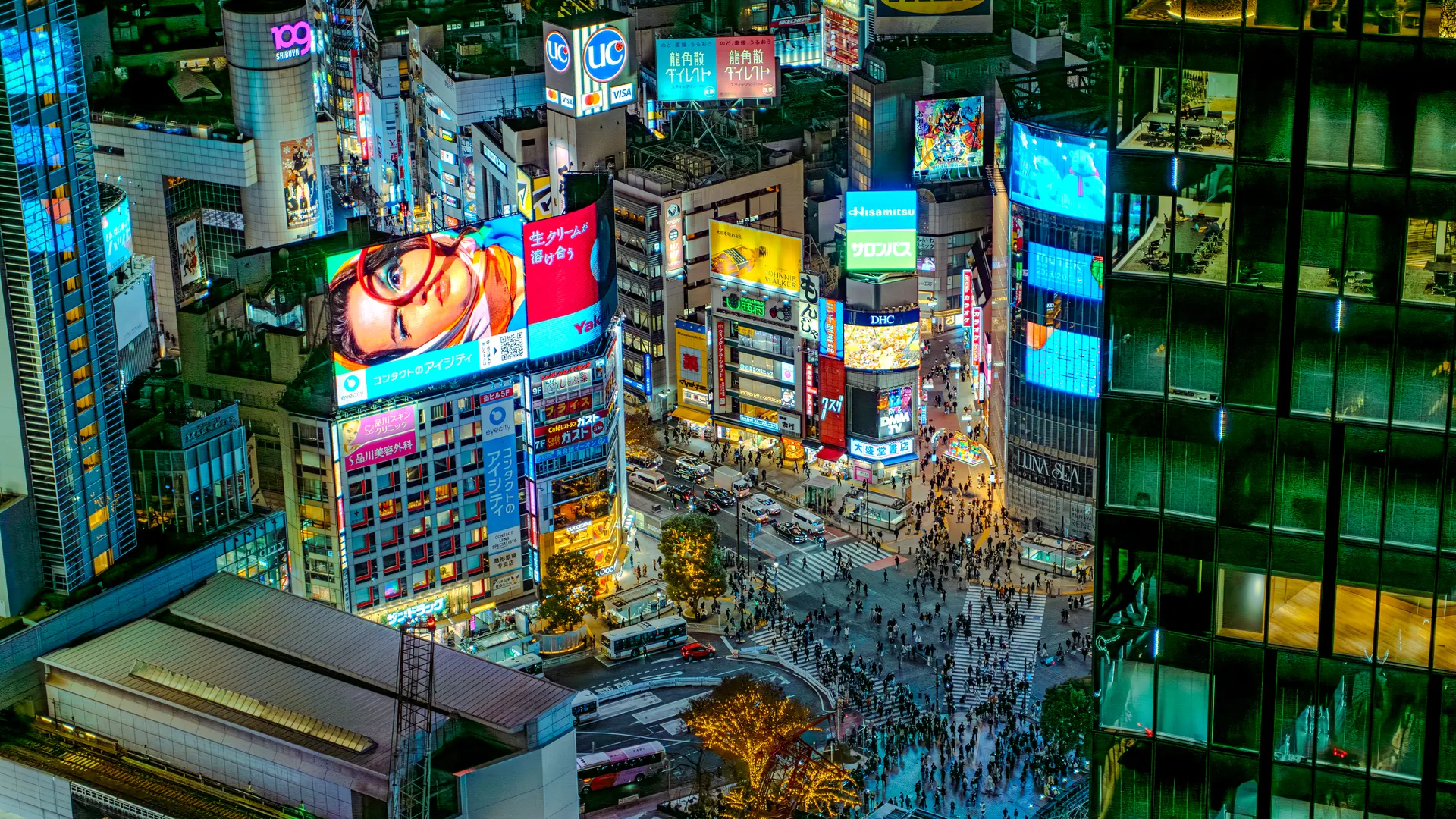
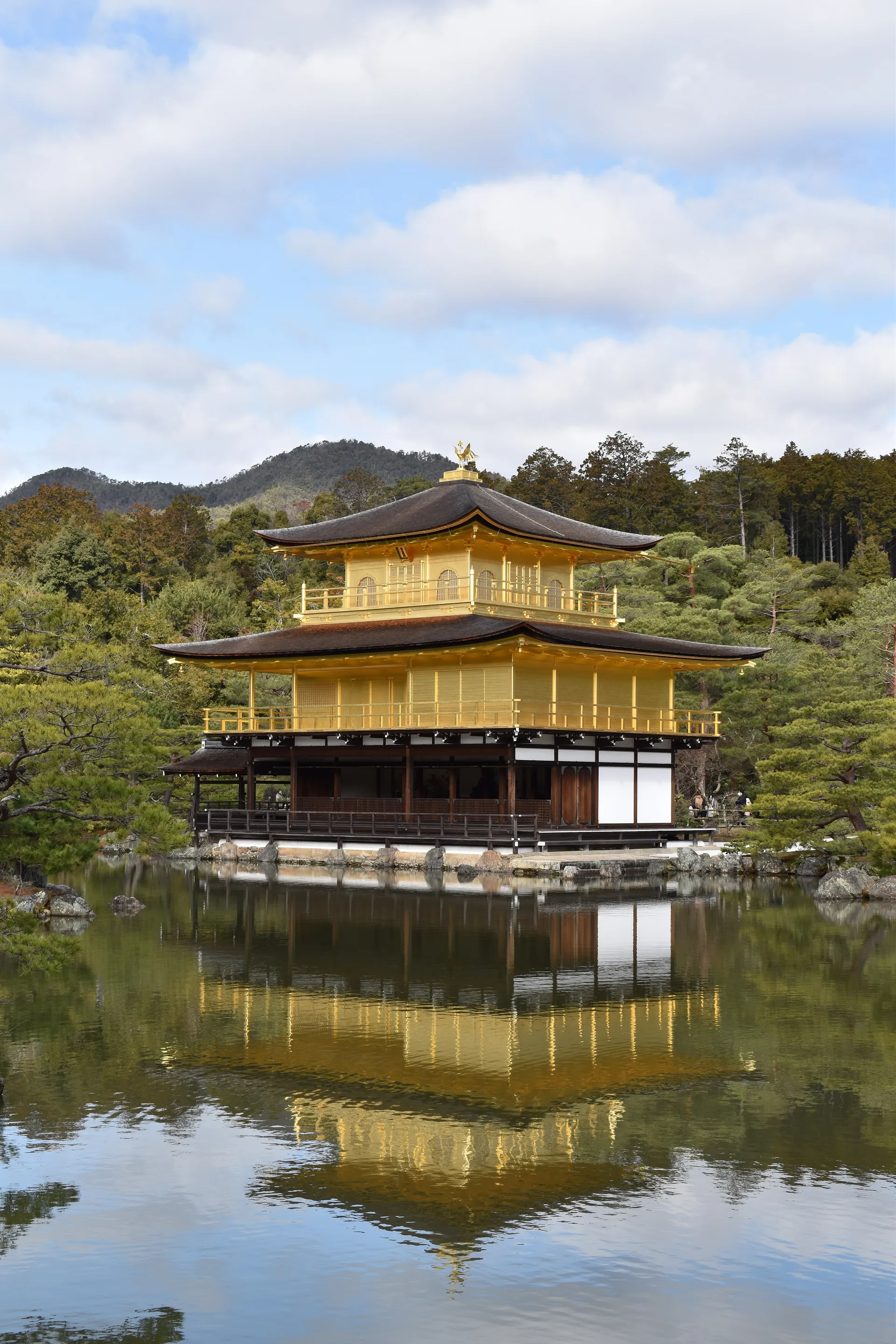
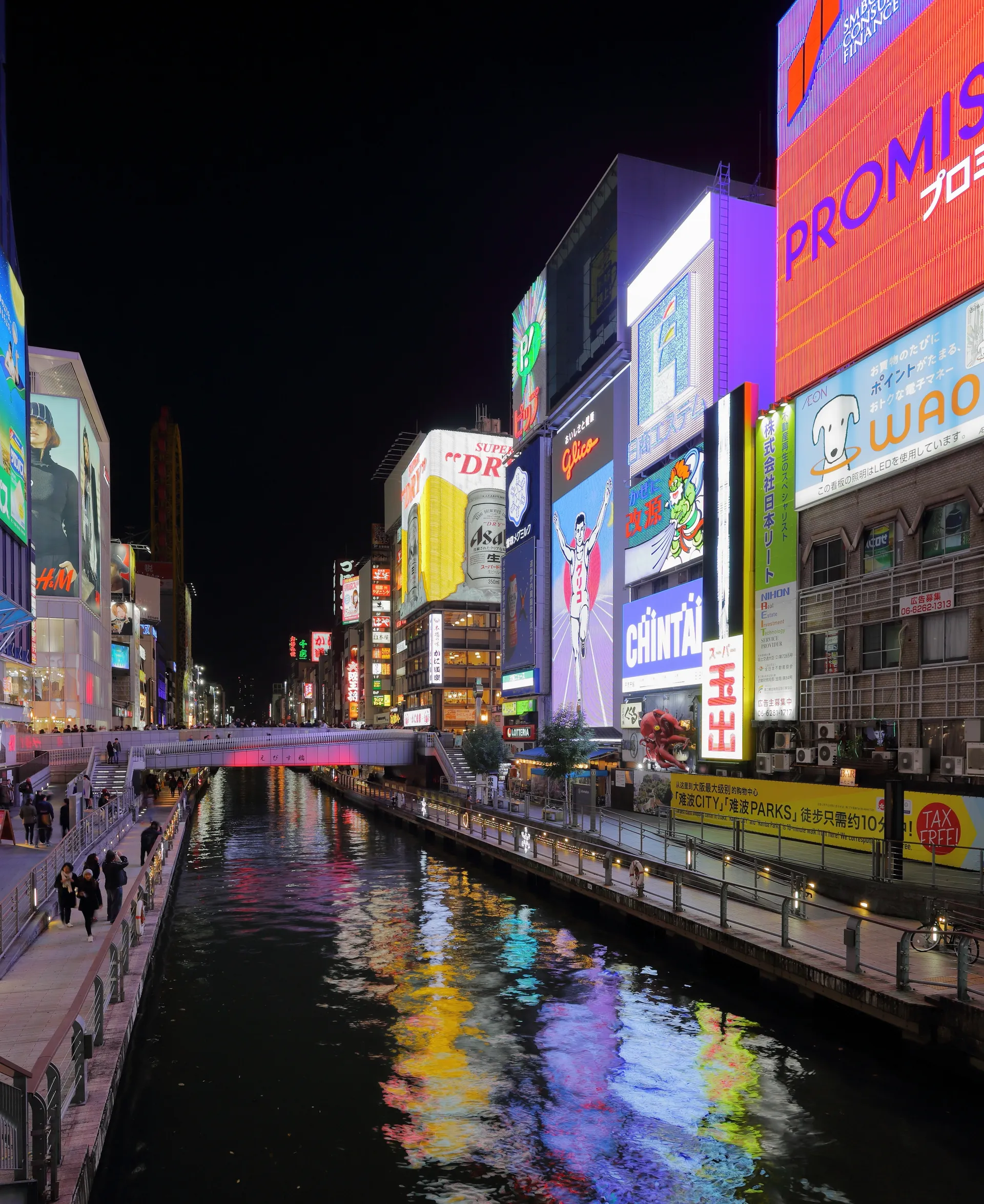
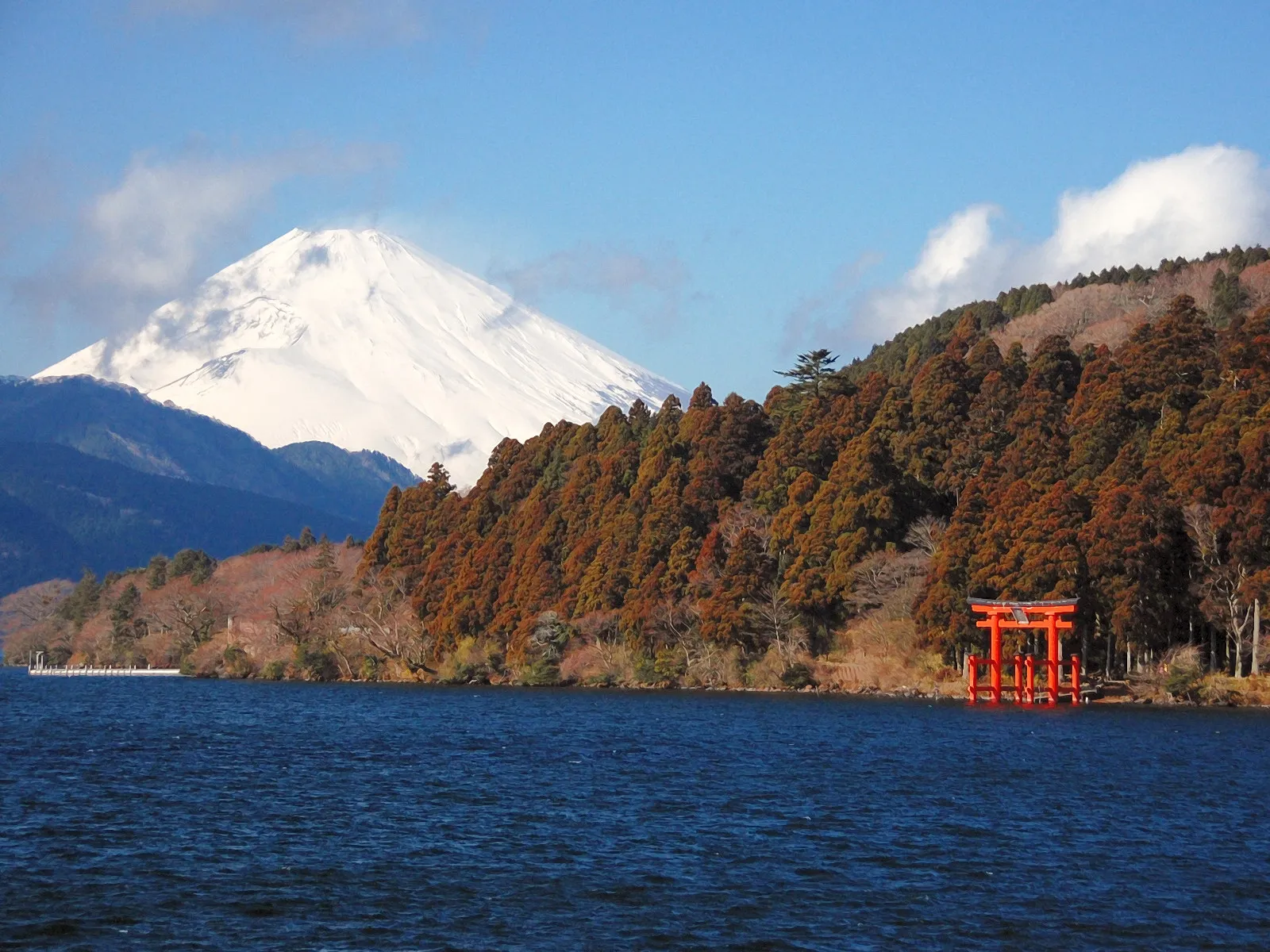
Japan rewards first-timers and return visitors in equal measure. In a single trip you can stand beneath the neon of Tokyo's Shibuya Crossing, walk a thousand-year-old temple path in Kyoto, eat your way through Osaka's street-food alleys, soak in a hot spring within sight of Mount Fuji, and bow to the free-roaming deer of Nara, all stitched together by the fastest, most reliable train network on earth. The country is roughly the size of Germany or California but packs in subtropical islands, snow country, megacities, and quiet mountain shrines, which is exactly why it is so easy to build a varied two-week itinerary without ever renting a car.
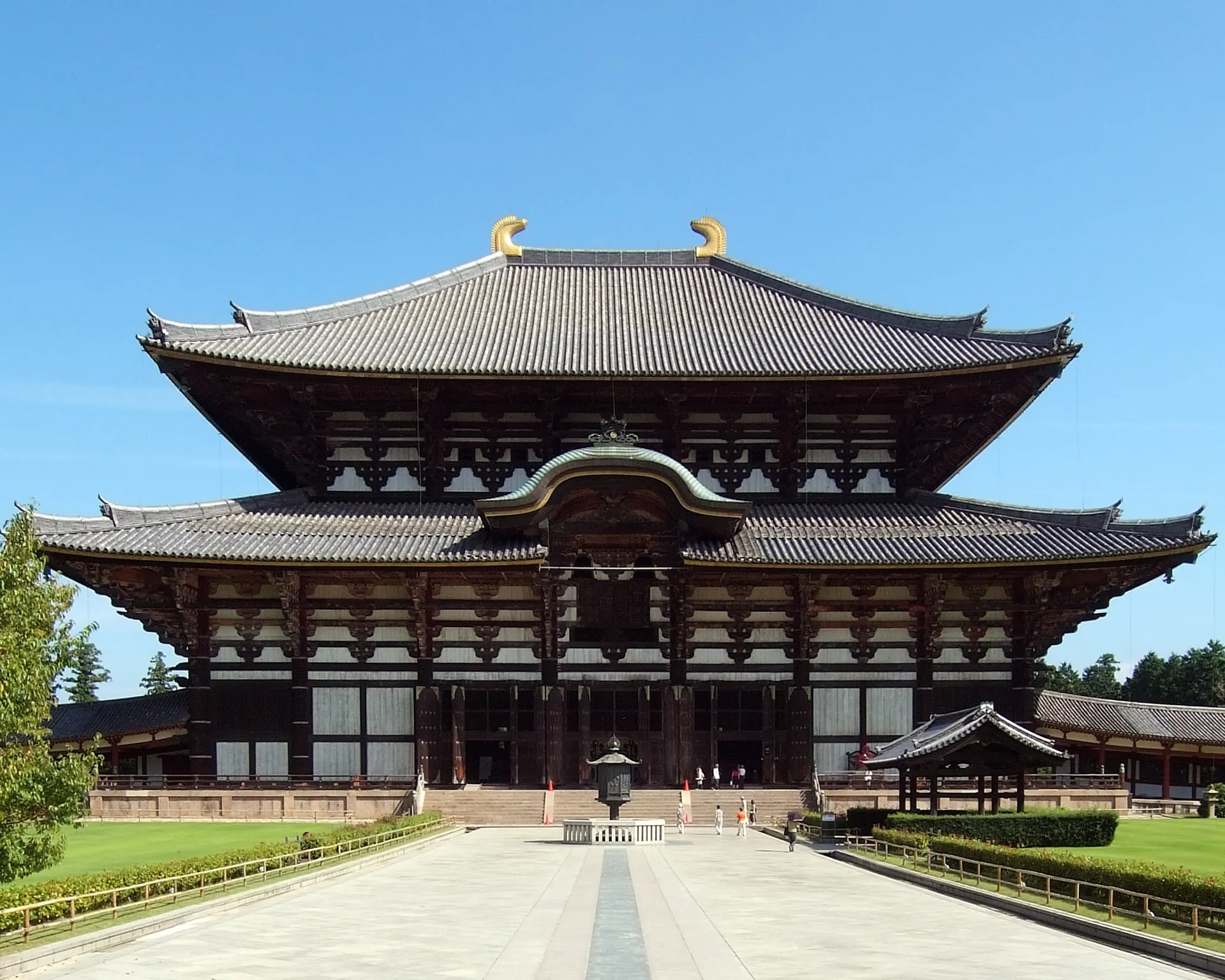
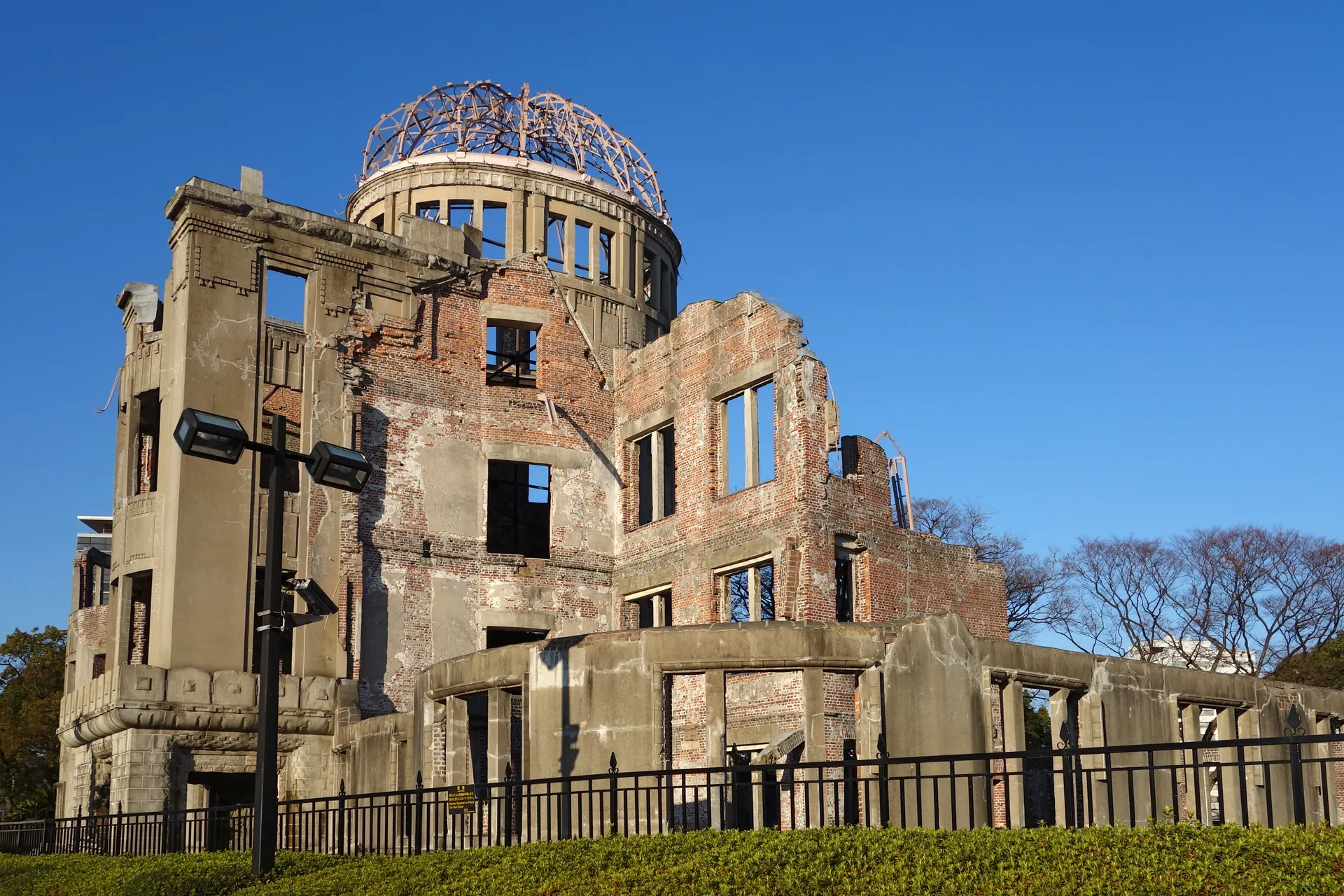
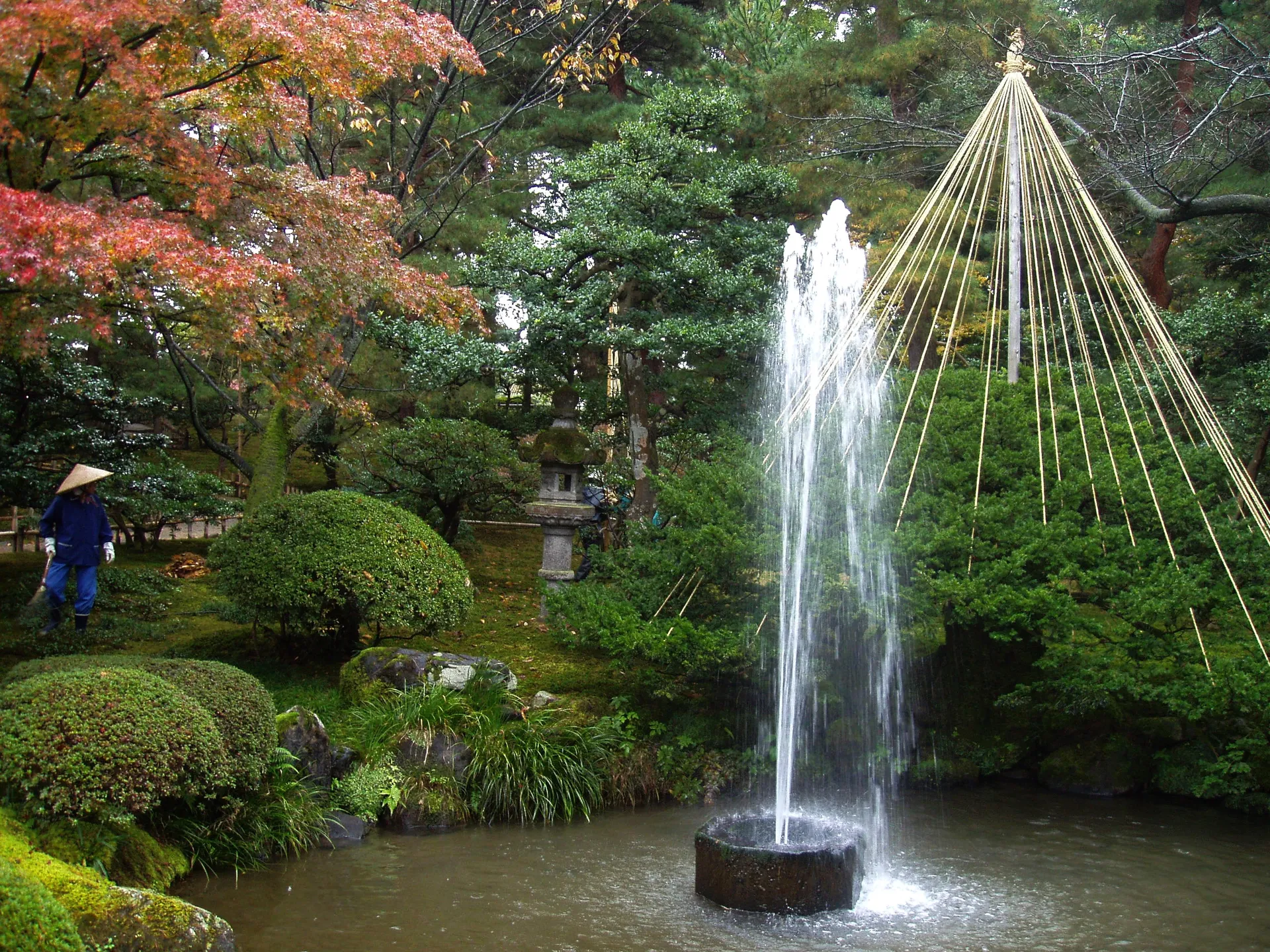
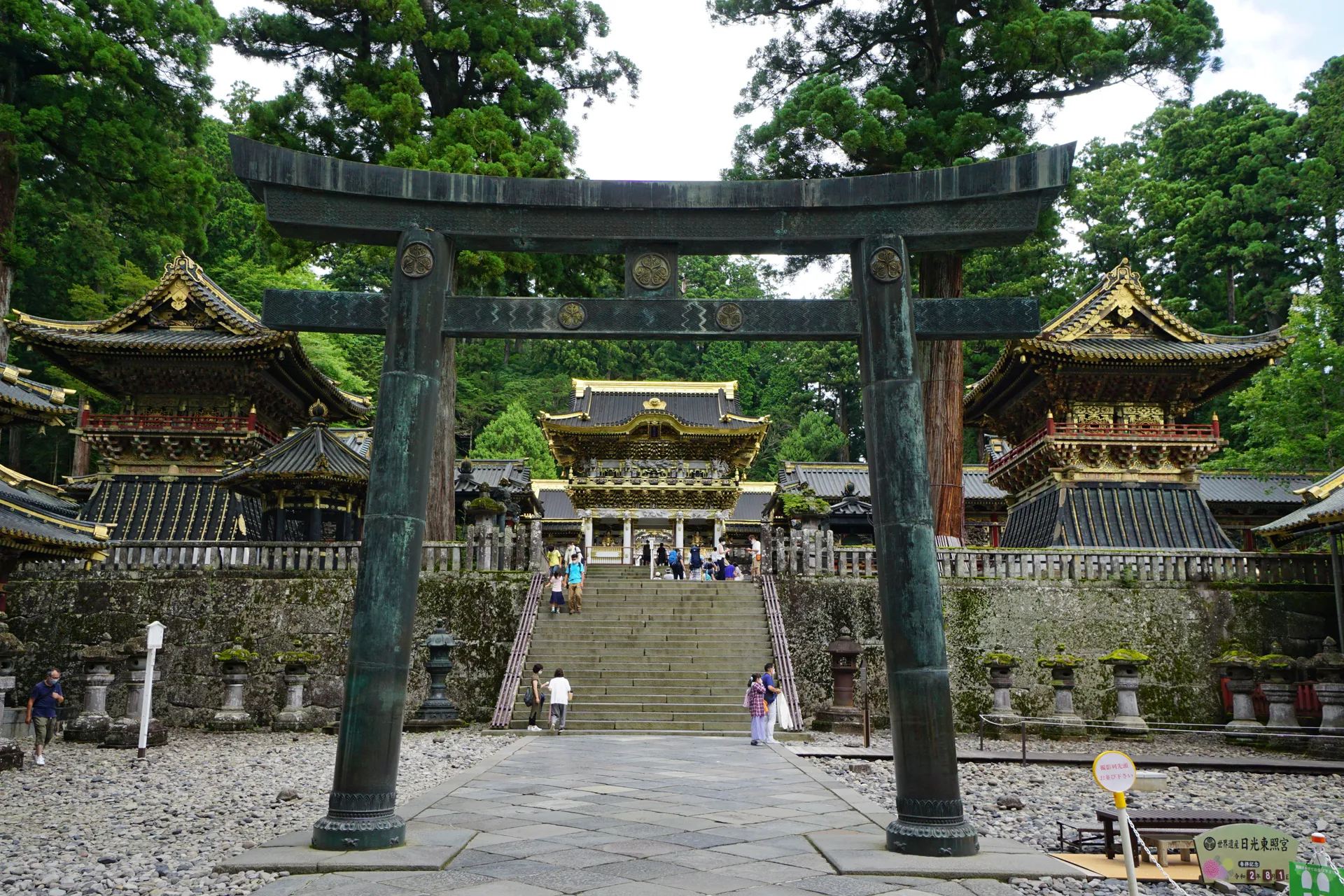
Most trips revolve around the Golden Route between Tokyo and Kyoto/Osaka, with the Tokaido Shinkansen doing the heavy lifting in the middle. Tokyo is the obvious gateway: a city of distinct neighbourhoods, from the youth fashion of Harajuku to the old-Tokyo lanes of Yanaka and the food halls of department-store basements. A short train ride southwest, Hakone offers Fuji views, open-air art, and ryokan hot springs, and to the north, Nikko hides some of Japan's most ornate shrines inside a cedar forest. Two and a half hours west by bullet train, the Kansai region holds the cultural core: Kyoto for temples, geisha districts, and tea culture; Osaka for nightlife, comedy, and the best okonomiyaki and takoyaki in the country; and Nara, the eighth-century capital, for its Great Buddha and tame deer. Push further west into Chugoku for Hiroshima, where the Peace Memorial Park and the floating torii of Miyajima make for one of the most moving day trips in Japan. Inland on the Sea of Japan coast, Kanazawa preserves samurai and geisha quarters and one of the country's three great gardens, a quieter alternative that rewards travellers who want to step off the main line.
What makes Japan unusually easy to plan is how the practical layers fit together. Trains run to the minute, signage and ticket machines have English, and a rechargeable IC card (Suica, ICOCA, or PASMO) taps you through every subway, bus, and convenience store. The Japan Rail Pass can make long-distance hops between regions effectively flat-rate, while within cities you rarely need anything but your IC card and your feet. Cash still matters at small restaurants and shrines, but contactless payment is now widespread. Convenience stores (konbini) are genuinely good for meals, ATMs, and last-minute supplies, and vending machines are everywhere.
Timing shapes the experience more than almost anywhere. Spring (late March to mid-April) brings cherry blossom; autumn (mid-November to early December) brings fiery foliage; both are gorgeous and crowded. Early summer and late autumn offer mild weather with thinner crowds, while winter opens up snow festivals, world-class skiing, and steaming open-air baths. Summer is hot and humid but full of fireworks and festivals (matsuri). Etiquette is simpler than its reputation suggests: be quiet on trains, don't tip, slip your shoes off where indicated, and queue. A few words of Japanese go a long way, but you can travel comfortably with English and a translation app.
Use this hub as your map of the country. Start with the guides on the best time to visit and getting around, compare Tokyo and Kyoto to decide where to base yourself, then open the city pages to build your route. Anything you like can be dropped straight into a TripBox itinerary with dates, a live map, and your travel companions, so the plan in your head becomes a real, shareable trip in minutes.
When to visit
Spring (late March to mid-April) for cherry blossom and autumn (mid-November to early December) for foliage are the most beautiful seasons but also the busiest and priciest. For mild weather with fewer crowds, target May to early June or late September to October. Summer (July-August) is hot, humid, and festival-filled; winter (December-February) is crisp and quiet, ideal for snow festivals, skiing in Hokkaido and Nagano, and open-air hot springs. Avoid the domestic travel peaks of Golden Week (late April to early May), Obon (mid-August), and New Year if you can, when transport and hotels fill up.
Budget
Japan is more affordable than its reputation, especially with a weak yen. Backpackers can manage on hostels, konbini meals, and local trains; mid-range travellers get business hotels, great restaurant meals, and Shinkansen rides comfortably; the top end runs to luxury ryokan and kaiseki. Public transport, convenience-store food, and museum/temple entries are all reasonably priced; accommodation and inter-city bullet trains are the biggest variables.
Getting around
Japan's railways are the backbone of any trip. The Shinkansen (bullet train) links the major regions at up to ~320 km/h: Tokyo to Kyoto in about 2h15m, Tokyo to Hiroshima in around 4 hours, all running to the minute. The nationwide Japan Rail Pass (7-day ordinary class around 50,000 yen as of 2026) can be worthwhile if you cover a lot of ground, e.g. a Tokyo-Kyoto-Hiroshima round trip, though for shorter or single-region trips, point-to-point tickets or regional passes (like the JR Kansai Area Pass) are often cheaper, so run the numbers for your route. Within cities, a rechargeable IC card (Suica, ICOCA, or PASMO) taps you onto every subway, local train, and bus, and is also accepted at convenience stores. Domestic flights make sense for far-flung islands like Hokkaido and Okinawa; long-distance buses are the budget option. You rarely need a car except in rural areas such as parts of Hokkaido or the Japan Alps.
Visa & entry
Citizens of around 70 countries and regions, including the US, UK, Canada, Australia, the EU, and most of Latin America, can enter Japan visa-free for short tourism stays of up to 90 days. You will need a passport valid for the duration of your stay and proof of onward travel. Japan passed a law in 2026 to introduce JESTA, an electronic travel authorization, but it is not yet in force and will roll out no later than March 2029, so it is not required for 2026 travel. Always confirm the current rules for your nationality with an official Japanese government source before booking.
Japan's most populous region, anchored by Tokyo on the Pacific coast. Beyond the capital, Hakone offers Fuji views and hot springs within easy reach, while Nikko's ornate forest shrines make a classic day or overnight trip to the north.
Kansai
The cultural heart of Japan around the old imperial capitals. Kyoto holds the temples, geisha districts, and tea culture; Osaka brings the food, comedy, and nightlife; and Nara, the eighth-century capital, has its Great Buddha and free-roaming deer, all within an hour of each other.
Chubu
Central Japan spanning the Japan Alps and the Sea of Japan coast. Kanazawa preserves intact samurai and geisha quarters and Kenroku-en, one of the country's three great gardens, a refined and less-crowded alternative to the main route.
Chugoku
The western tip of Honshu. Hiroshima pairs the moving Peace Memorial Park with day trips to Miyajima, where the great torii gate of Itsukushima Shrine appears to float at high tide.
Seven to ten days is ideal for a first trip, enough for Tokyo, Kyoto, and one or two side trips like Hakone, Nara, or Osaka along the Golden Route. With two weeks you can add Hiroshima and Miyajima or the Sea of Japan coast at Kanazawa. Even five days works for a focused Tokyo-plus-Kyoto introduction.
Is the Japan Rail Pass worth it in 2026?
It depends on your route. After the price changes, a 7-day ordinary pass costs roughly 50,000 yen, so it pays off if you cover serious distance, for example a Tokyo-Kyoto-Hiroshima round trip. For shorter or single-region itineraries, point-to-point Shinkansen tickets or regional passes such as the JR Kansai Area Pass are usually cheaper. Add up your planned long-distance fares and compare before buying.
Do I need a visa to visit Japan?
Citizens of around 70 countries and regions, including the US, UK, EU, Canada, and Australia, can visit Japan visa-free for up to 90 days for tourism. Japan has legislated a future electronic travel authorization (JESTA), but it is not yet in force for 2026, so no online pre-authorization is required right now. Always confirm the rules for your nationality with an official Japanese source before you travel.
When is the best time to visit Japan?
Cherry-blossom season (late March to mid-April) and autumn foliage (mid-November to early December) are the most spectacular but also the busiest. For mild weather with thinner crowds, aim for May to early June or late September to October. Winter is great for snow festivals and skiing, while summer brings heat, humidity, and festivals.
How much does a trip to Japan cost?
Budget travellers can get by on around 80-100 USD a day with hostels, konbini meals, and local trains. Mid-range travellers should plan for roughly 150-200 USD a day including business hotels, restaurant meals, and Shinkansen rides. Accommodation and inter-city bullet trains are the biggest variables; food, local transport, and temple entries are reasonably priced.
Do I need to speak Japanese to travel in Japan?
No. Major stations, signs, and ticket machines have English, and a translation app covers most gaps. Learning a few basic phrases and politeness customs, such as not tipping, queuing, and removing shoes where indicated, will make the trip smoother and is warmly received.
Ready to plan Japan?
Build your route across Japan — itinerary, map, budget and friends, all in one place.