
This is the trip most first-timers come to Japan to take: the Golden Route, end to end, in ten well-paced days. You start in the neon energy of Tokyo, slow down for an onsen night beneath Mt. Fuji in Hakone, then ride the Shinkansen west into the ancient capital of Kyoto. From there you reach the bowing deer and Great Buddha of Nara, dive into the street-food chaos of Osaka, and finish on a quieter, more reflective note in Hiroshima and its Peace Memorial Park. Every stop is connected by the world's best rail network, so the transport here is researched and saved for you, fares, durations and operators included. Skim the day-by-day plan, save the stops that fit your style, and drop the whole route straight into a TripBox itinerary with dates, a map and your travel companions.
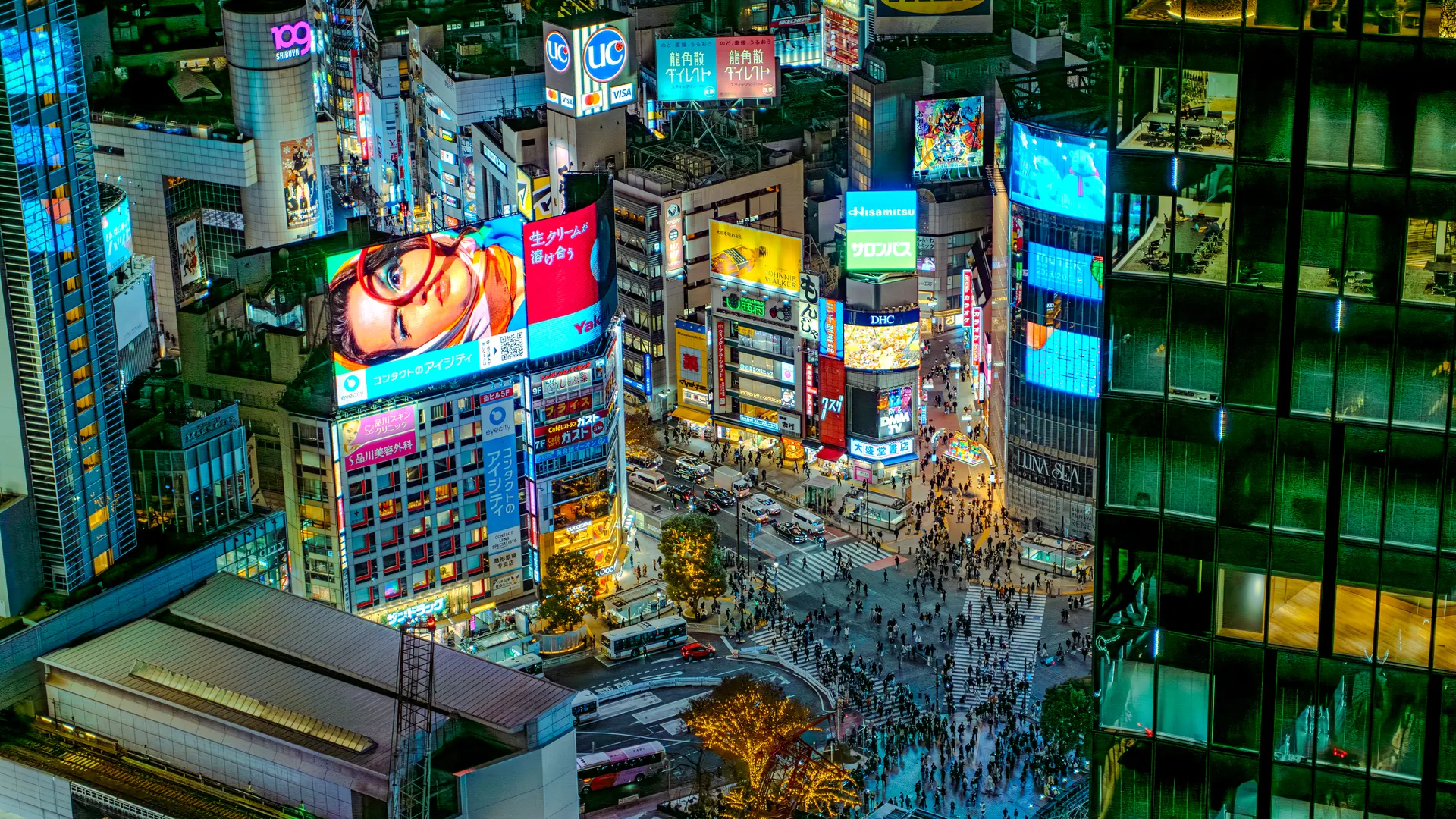
The Japan Golden Route in 10 Days
The route
- Tokyo3n
- Hakone1n
- Kyoto3n
- Osaka2n
- Nara0n
- Hiroshima1n
Everywhere you'll go
Every stop on this itinerary — tap a card for details or to save it.
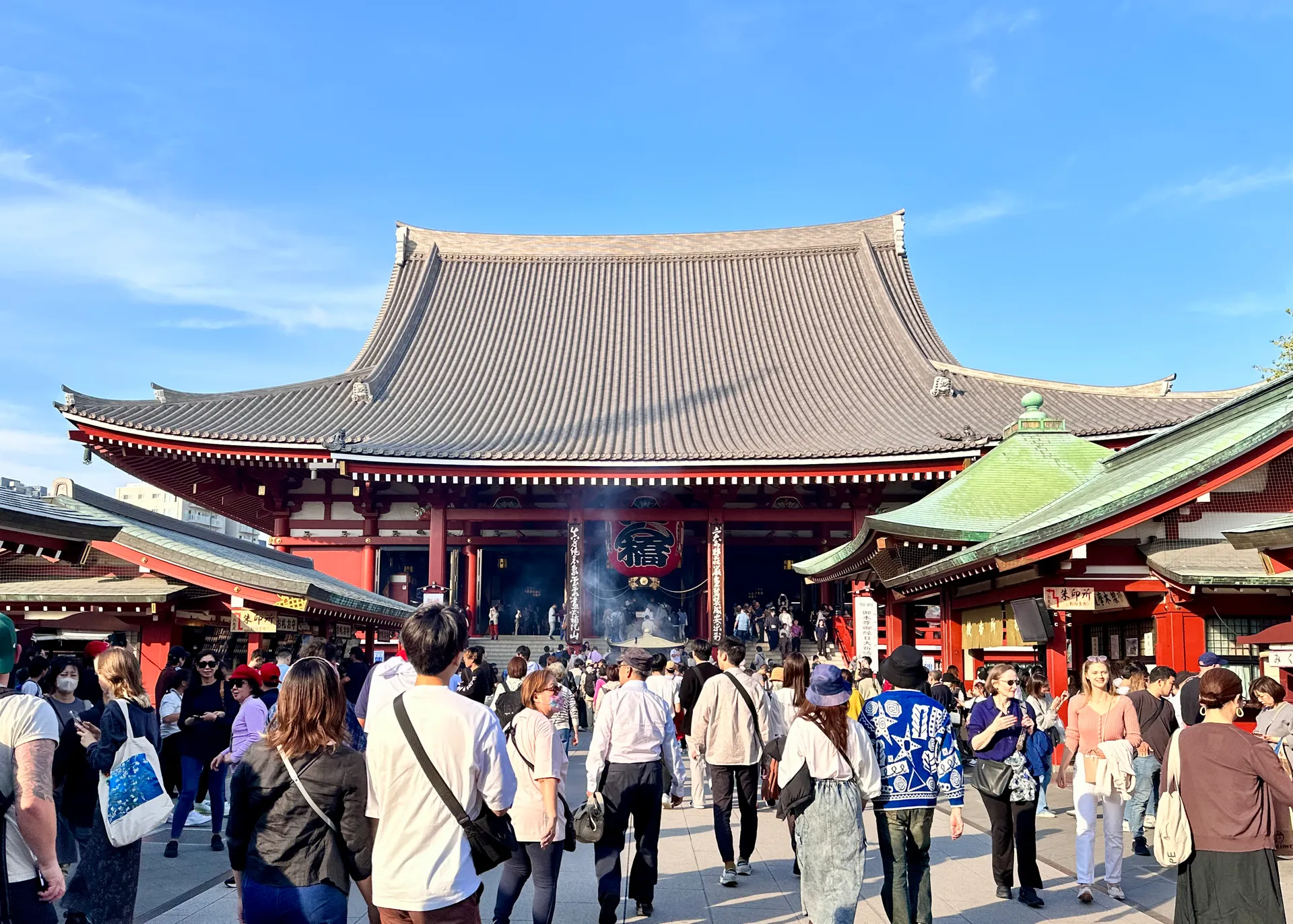
Senso-ji Temple
Tokyo's oldest and most famous Buddhist temple, founded in 645 AD. Iconic Kaminarimon gate, Nakamise shopping street, and stunning pagoda. Free entry.
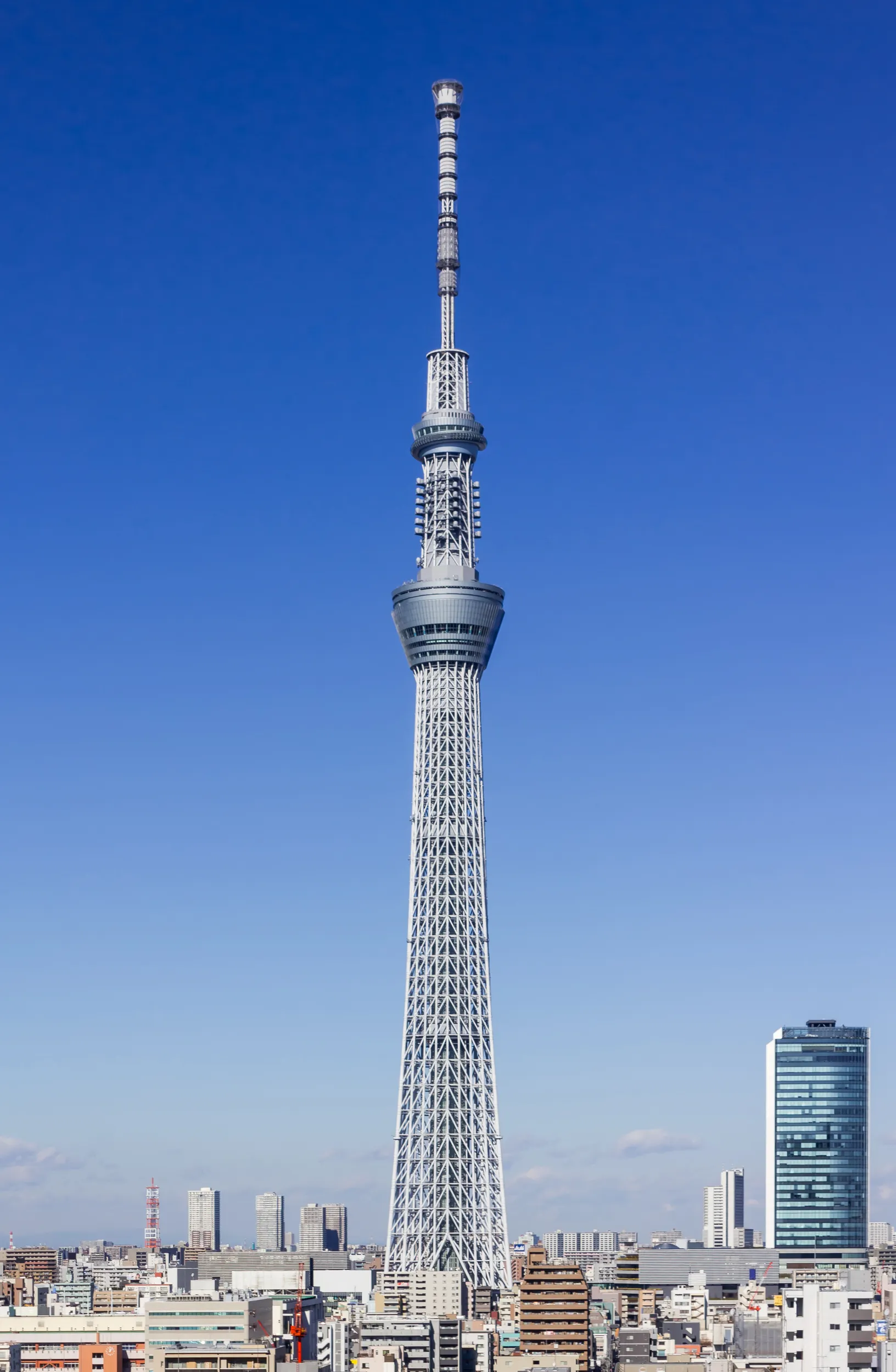
Tokyo Skytree from Sumida River
Best angle of Tokyo Skytree reflected in the Sumida River. Walk along Sumida Park for the classic tower-over-water shot.
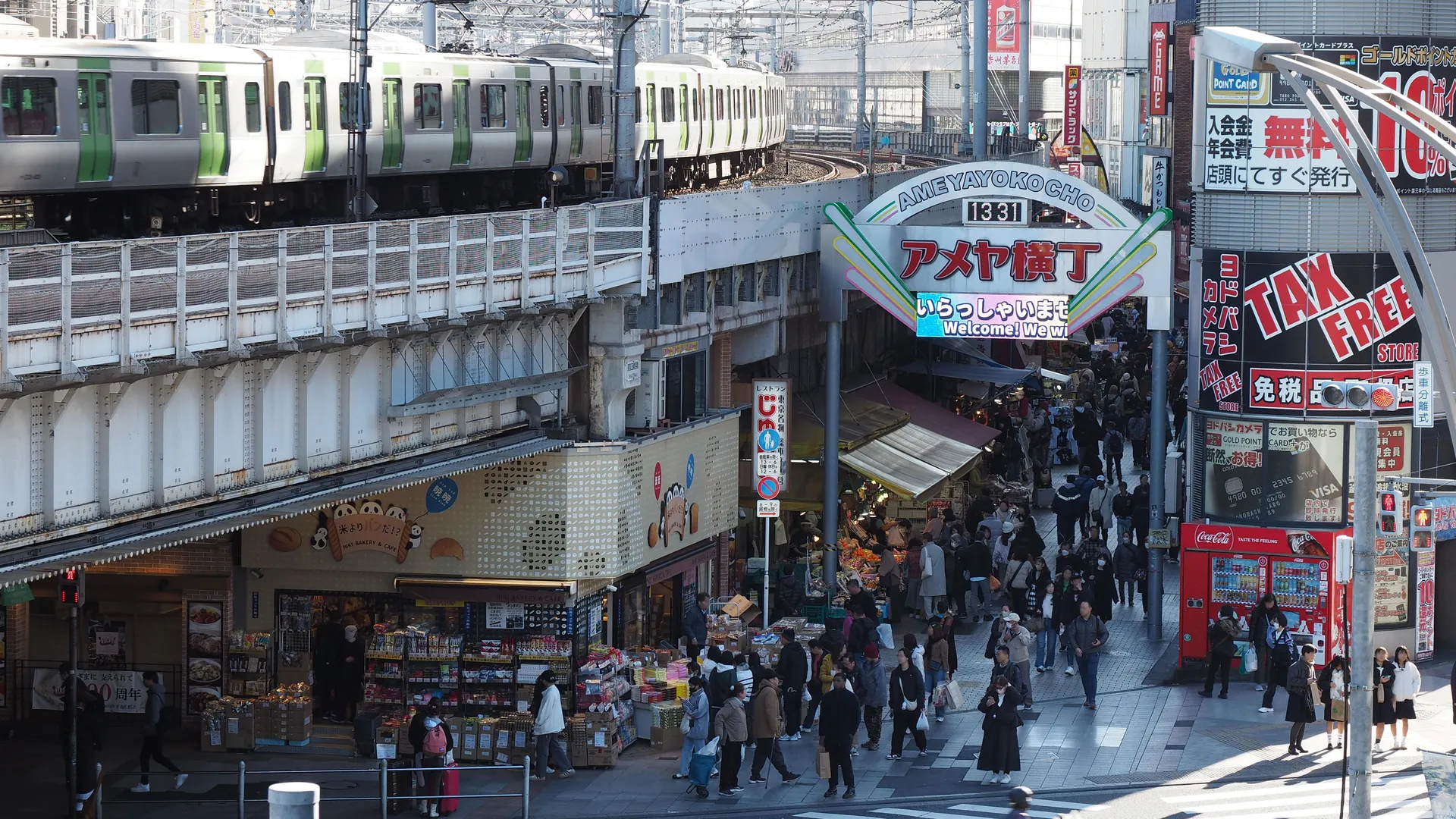
Ameyoko Market
Vibrant open-air market stretching 500m between Ueno and Okachimachi stations. Post-war black market turned bustling bazaar with 500+ stalls selling fresh seafood, street food, spices, and international goods.
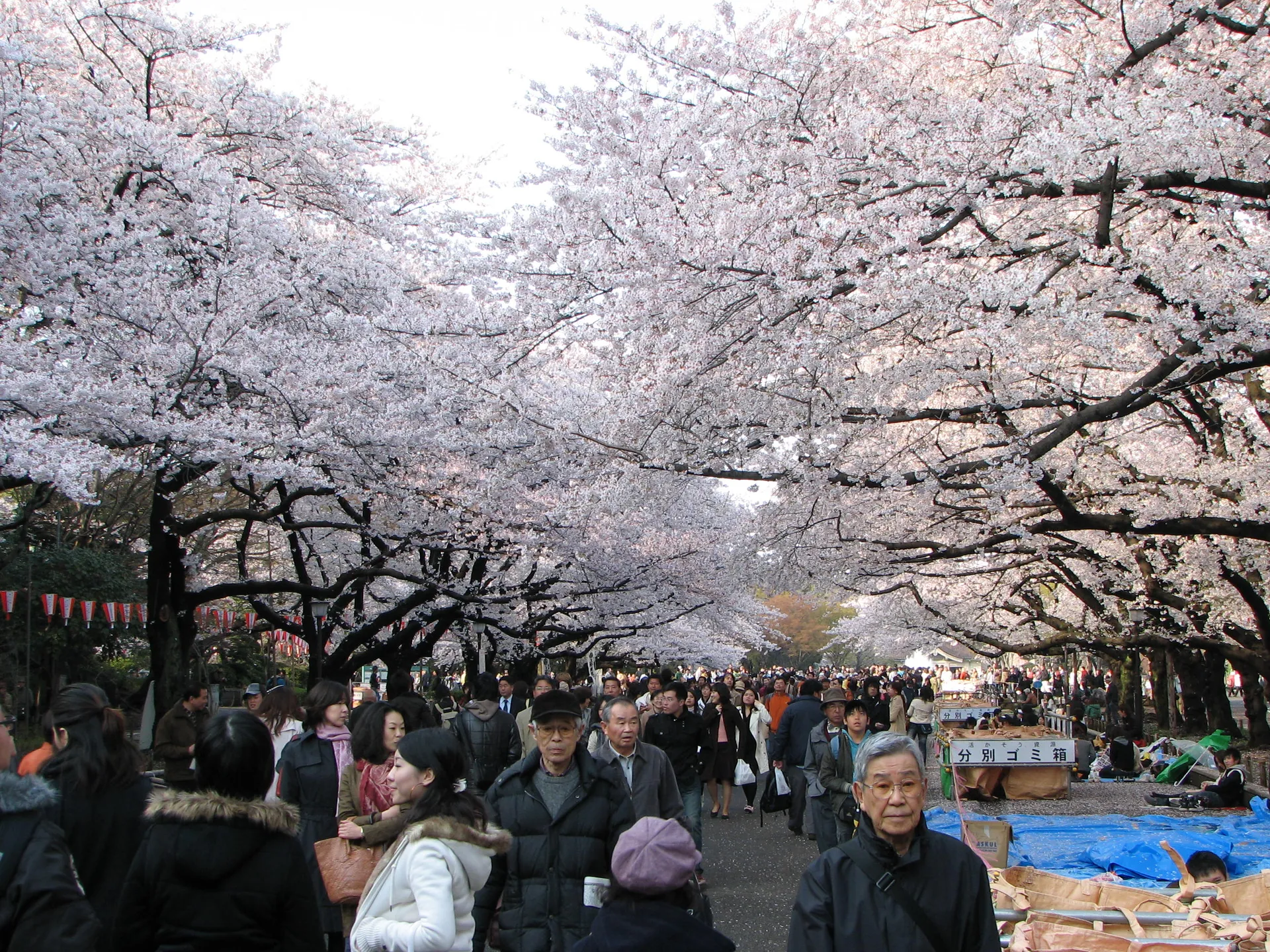
Ueno Park
Tokyo's first public park (1873) with 8 museums, 1,000 cherry trees, Shinobazu Pond, and a zoo. Cultural heart of old Tokyo.
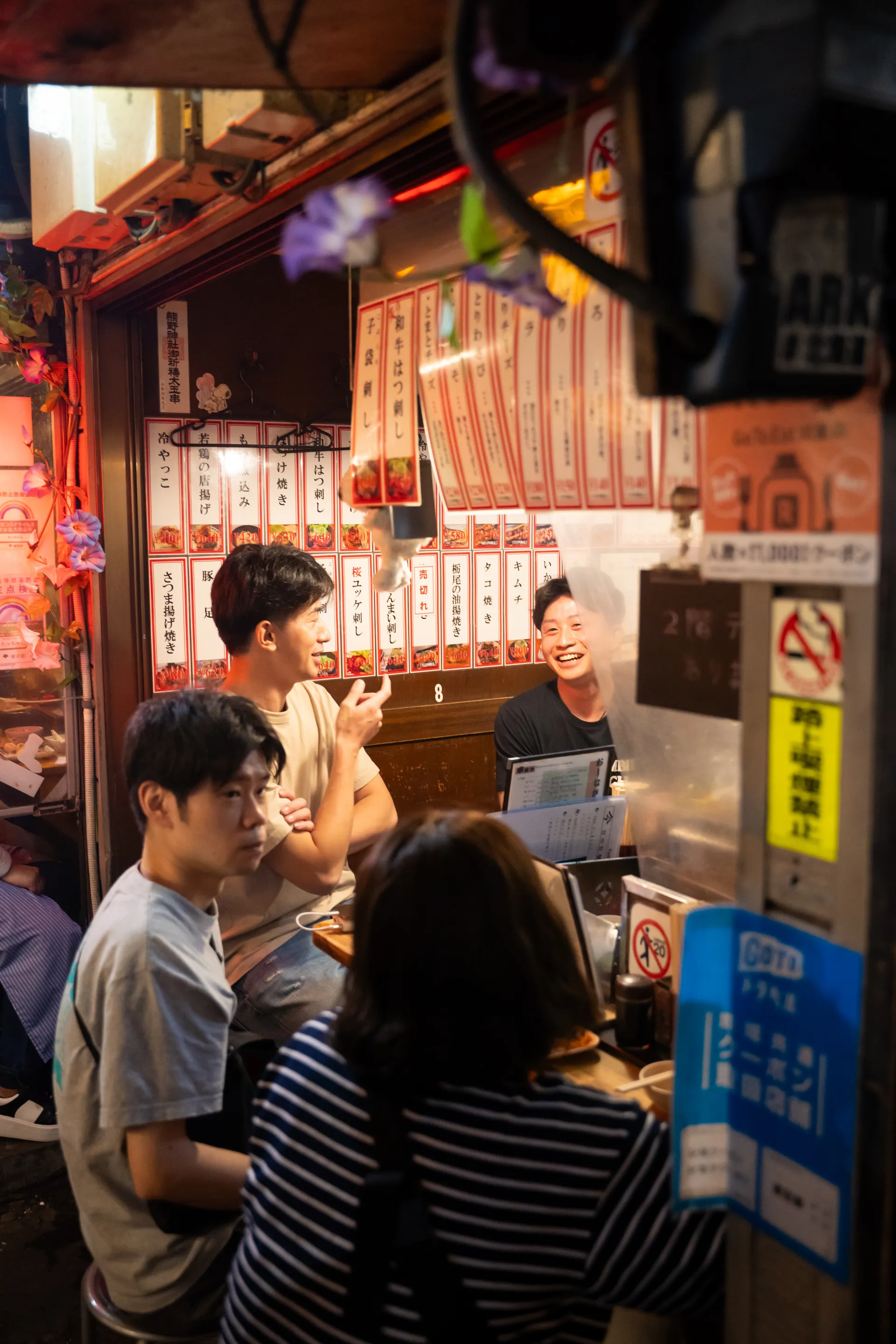
Omoide Yokocho
Tiny eateries, old Tokyo alleyways. Memory Lane atmosphere.
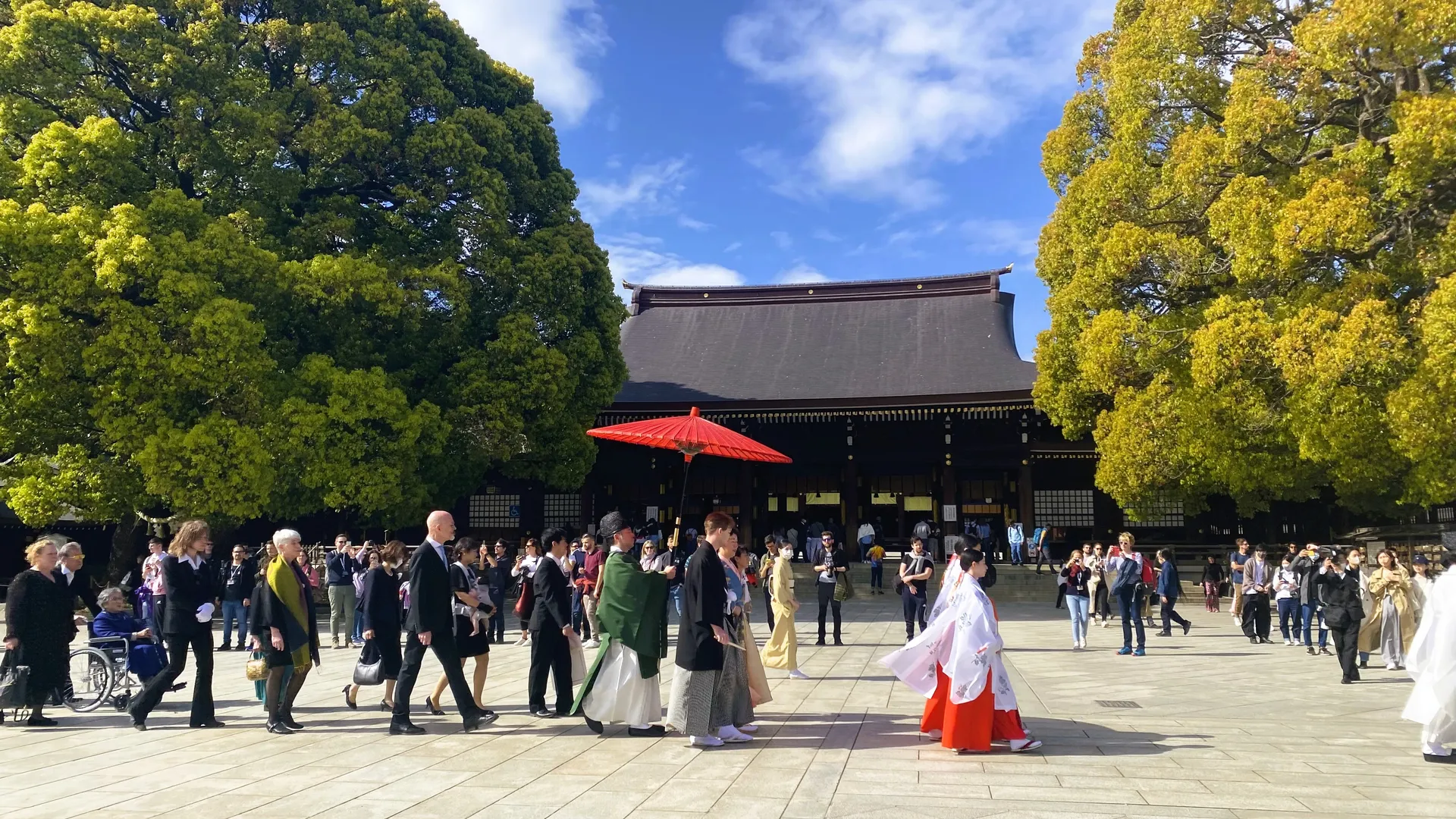
Meiji Shrine
Tokyo's most iconic Shinto shrine, dedicated to Emperor Meiji and Empress Shoken. Serene forested grounds in the heart of the city. Free entry.
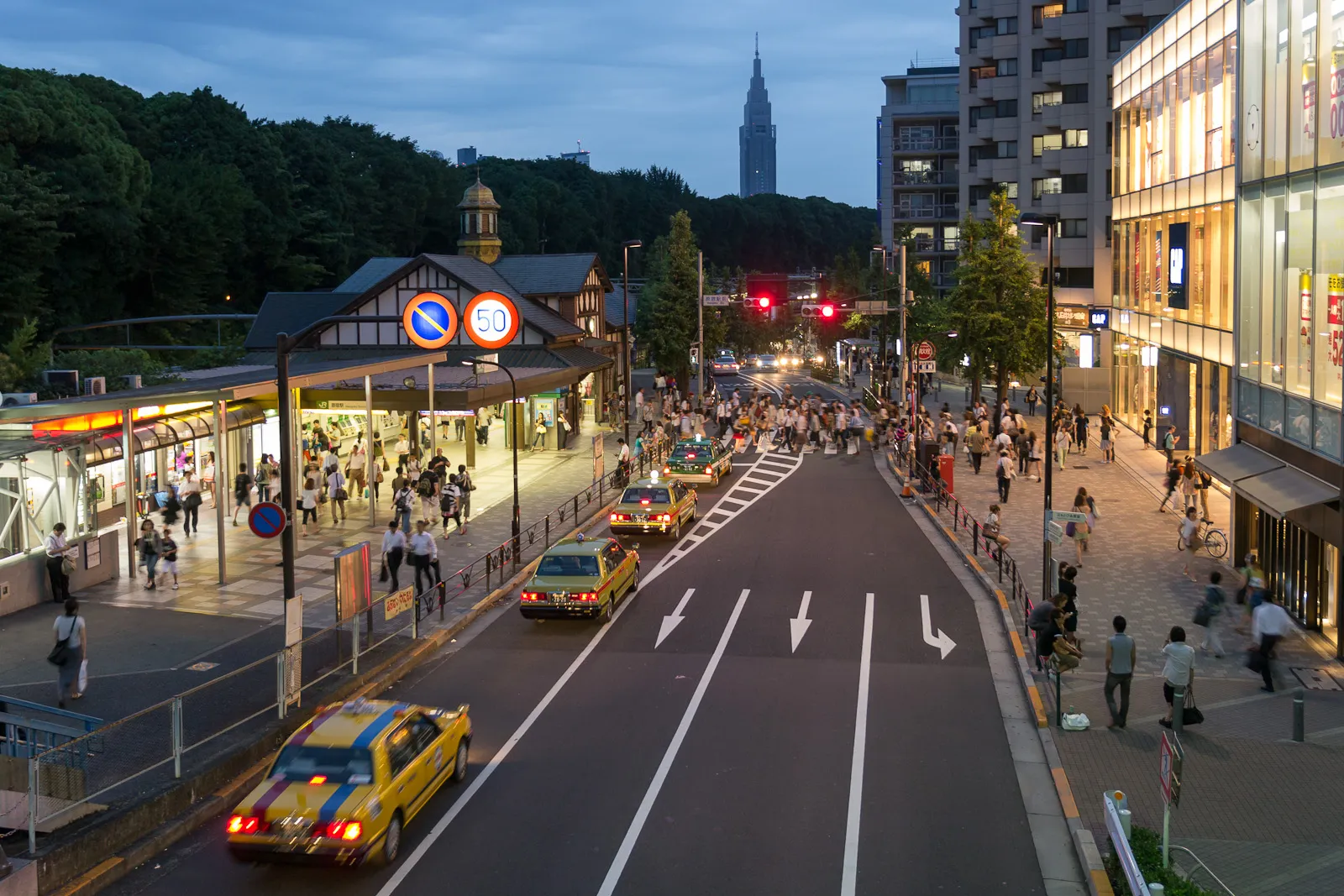
Takeshita Street
Epicenter of youth and kawaii culture. Colorful crepe shops, character goods, cosplay stores, and fashion that exists nowhere else on earth.
Shibuya Crossing
World's busiest pedestrian crossing. Thousands of people cross simultaneously at every light change.
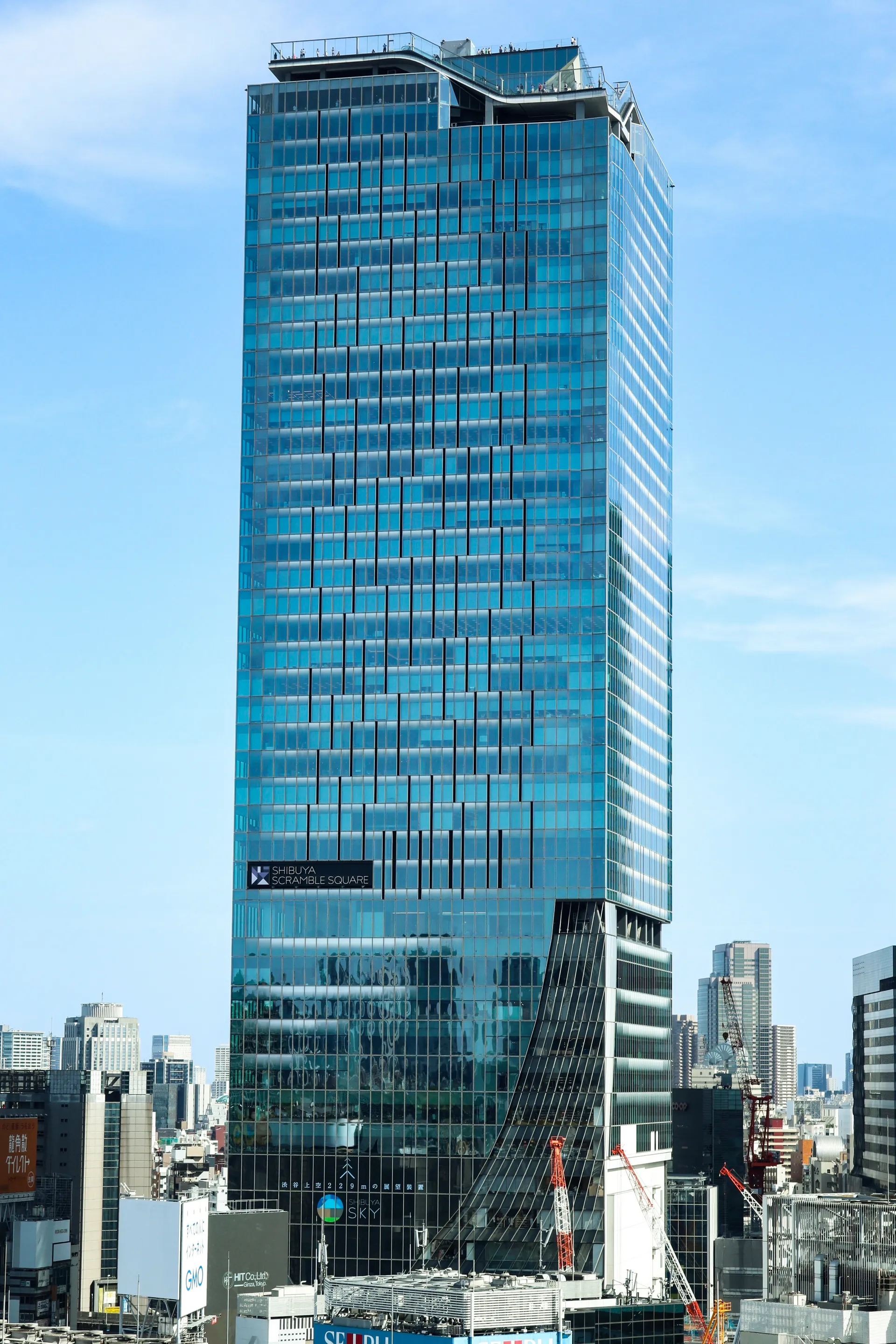
Shibuya Sky
360° city views from Shibuya Scramble Square.
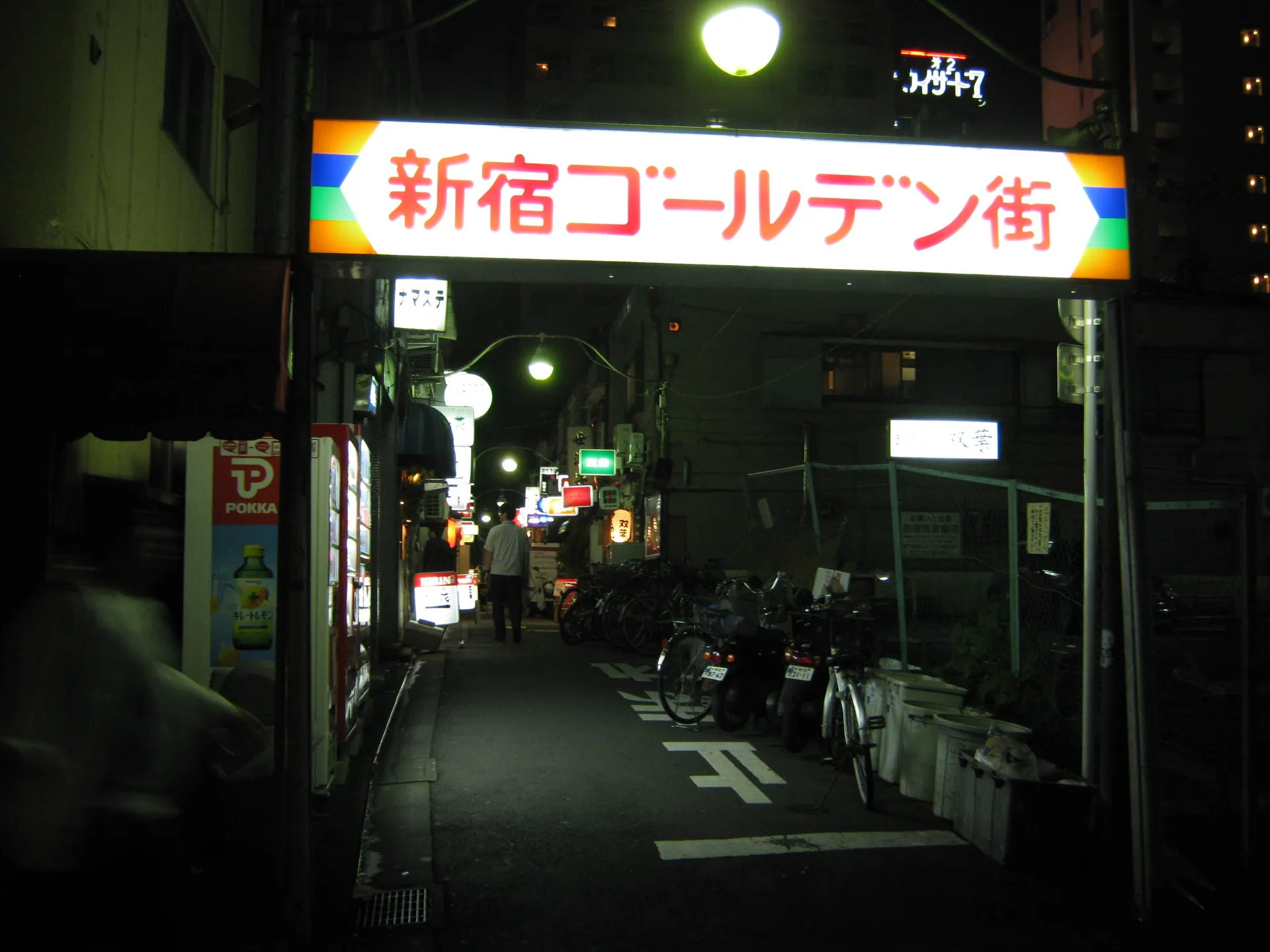
Golden Gai
Over 200 tiny bars packed into 6 narrow alleyways. An intimate, atmospheric nightlife experience.
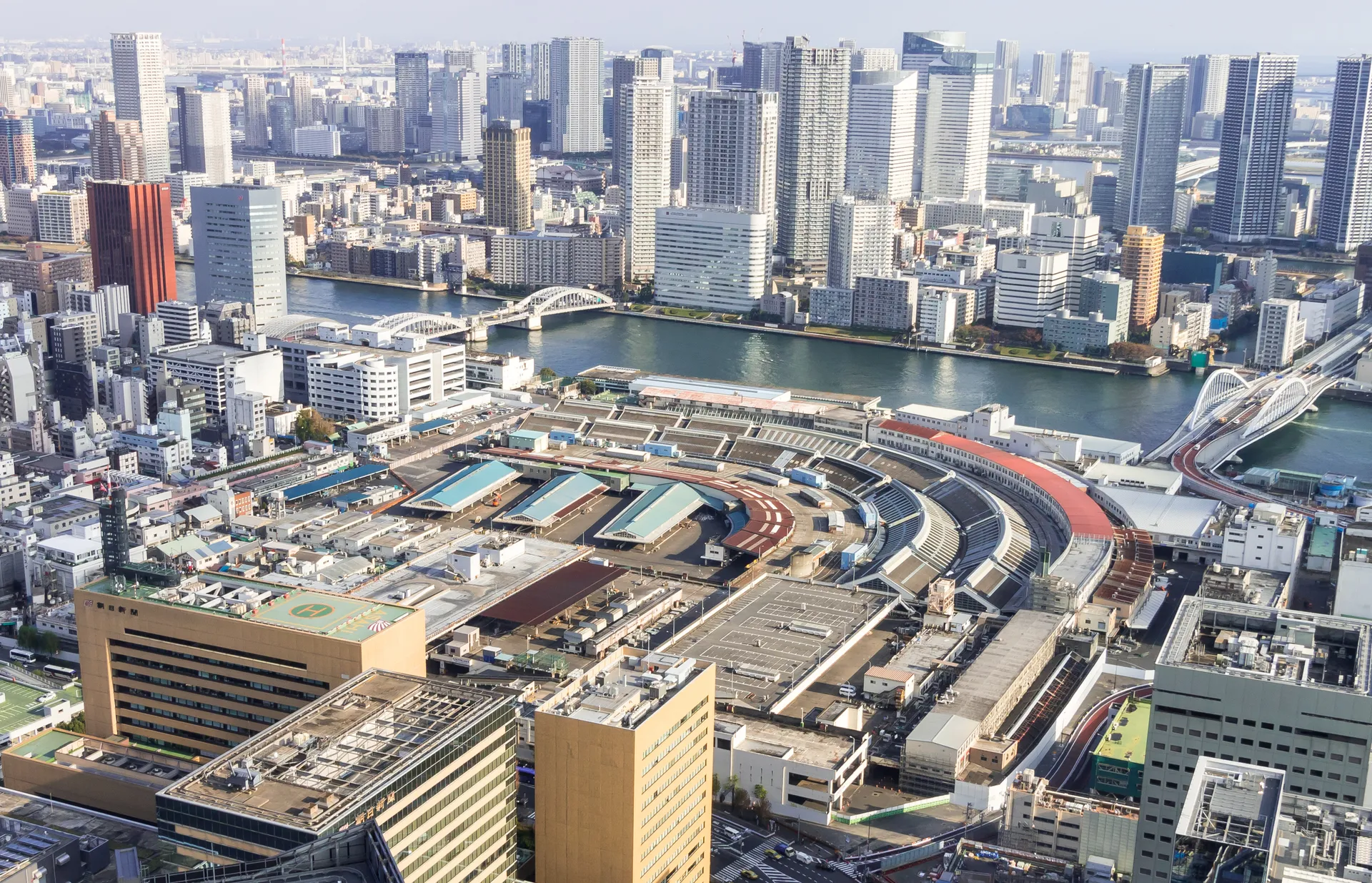
Tsukiji Outer Market
Historic outer market with hundreds of food stalls and small restaurants. Fresh seafood, tamagoyaki, street food, and kitchen supplies.
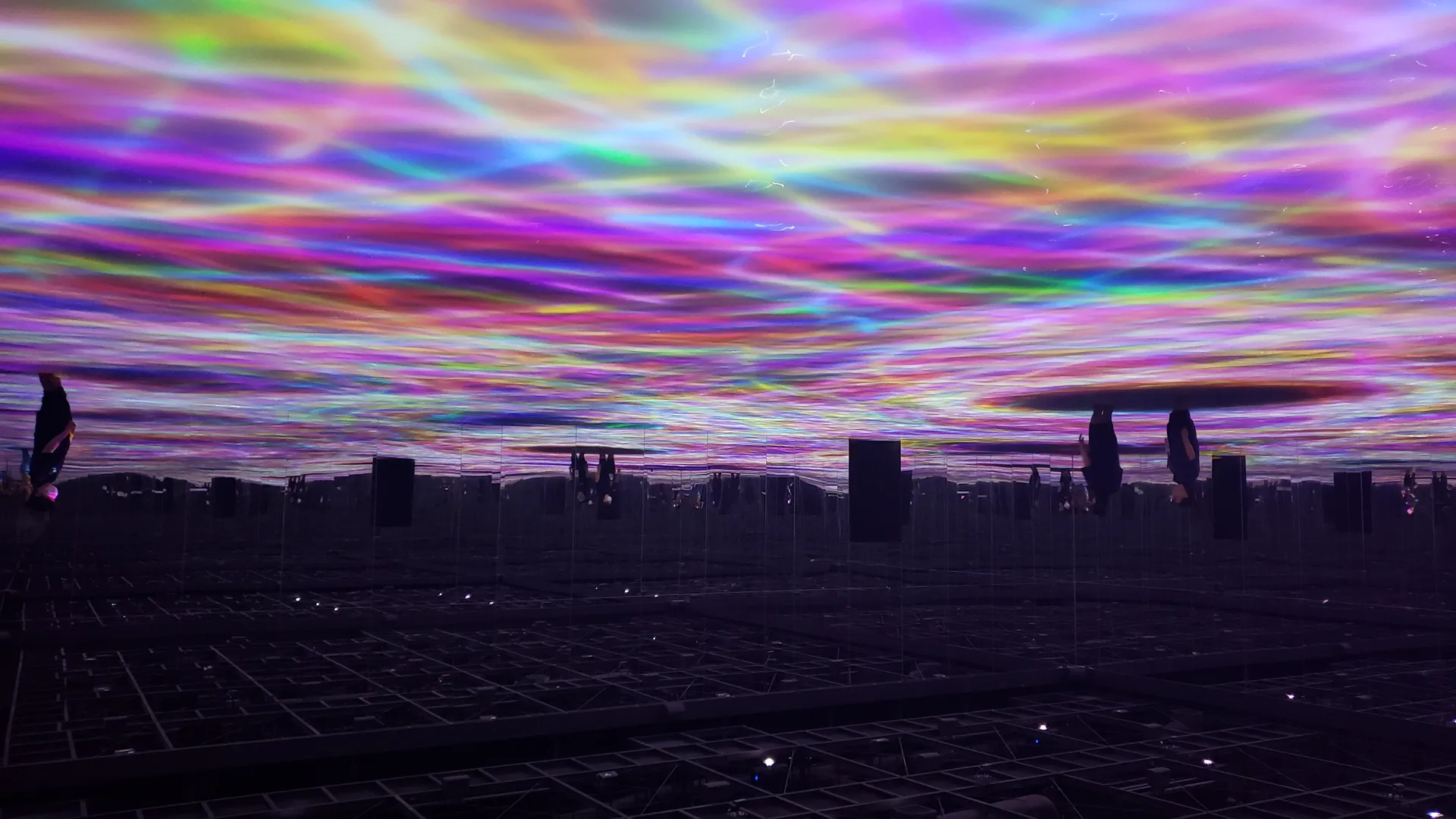
teamLab Planets
Walk barefoot through immersive digital art installations that blur the boundary between artwork and visitor. A must-visit sensory experience in Tokyo.
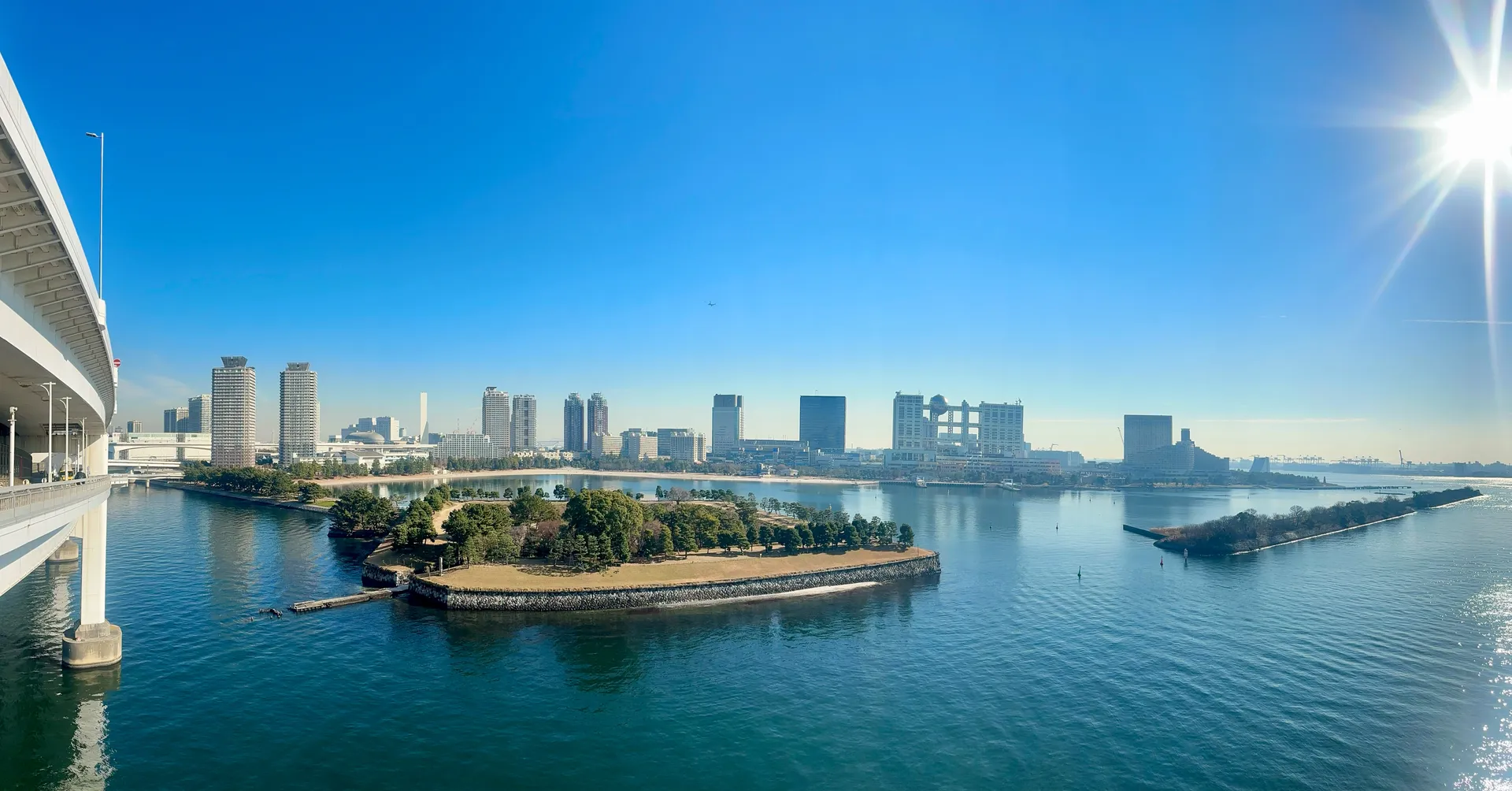
Odaiba Waterfront
Rainbow Bridge reflections. Modern Tokyo waterfront.
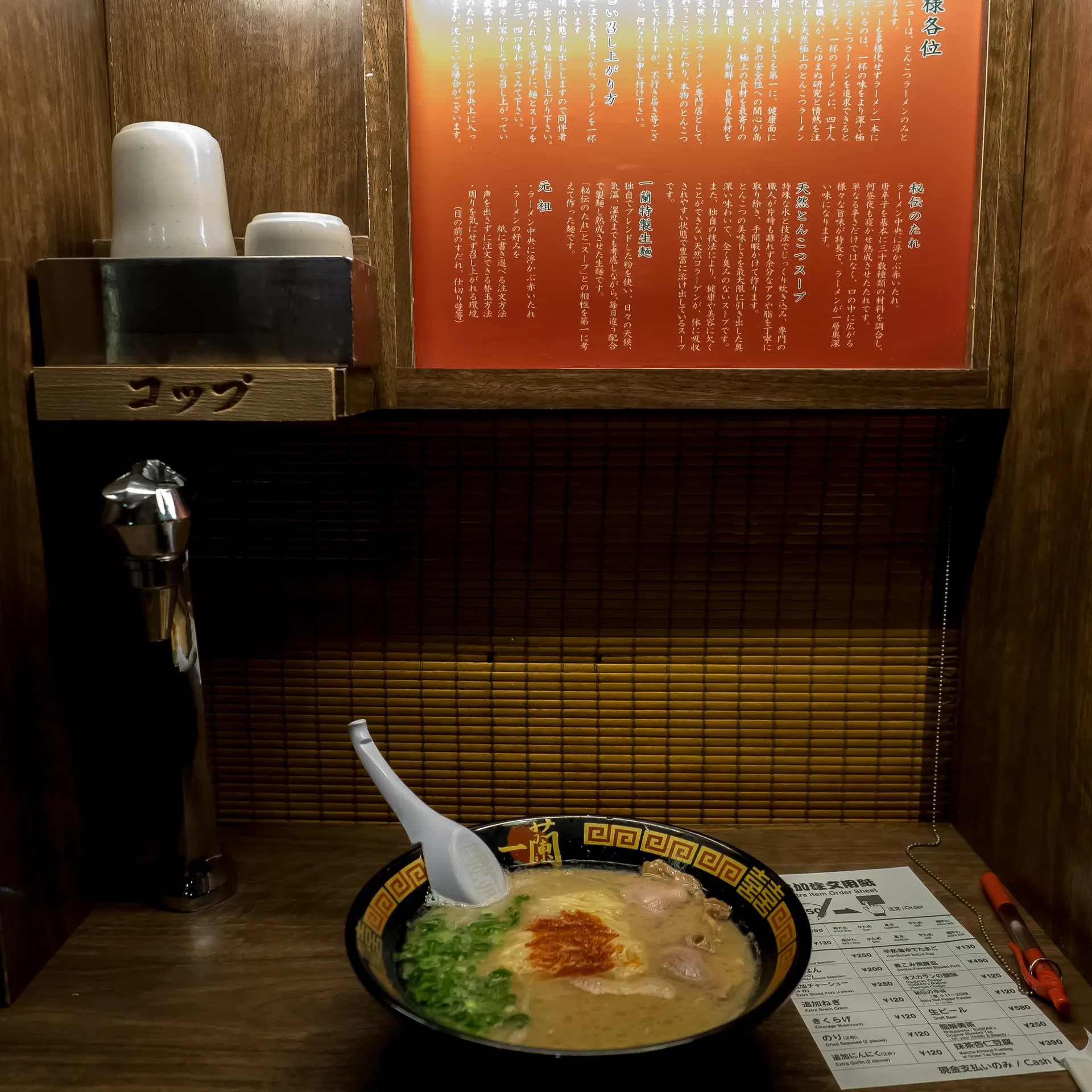
Ichiran Ramen Shibuya
Famous tonkotsu ramen chain with individual booths for focused eating. Customizable spice levels, rich pork broth.
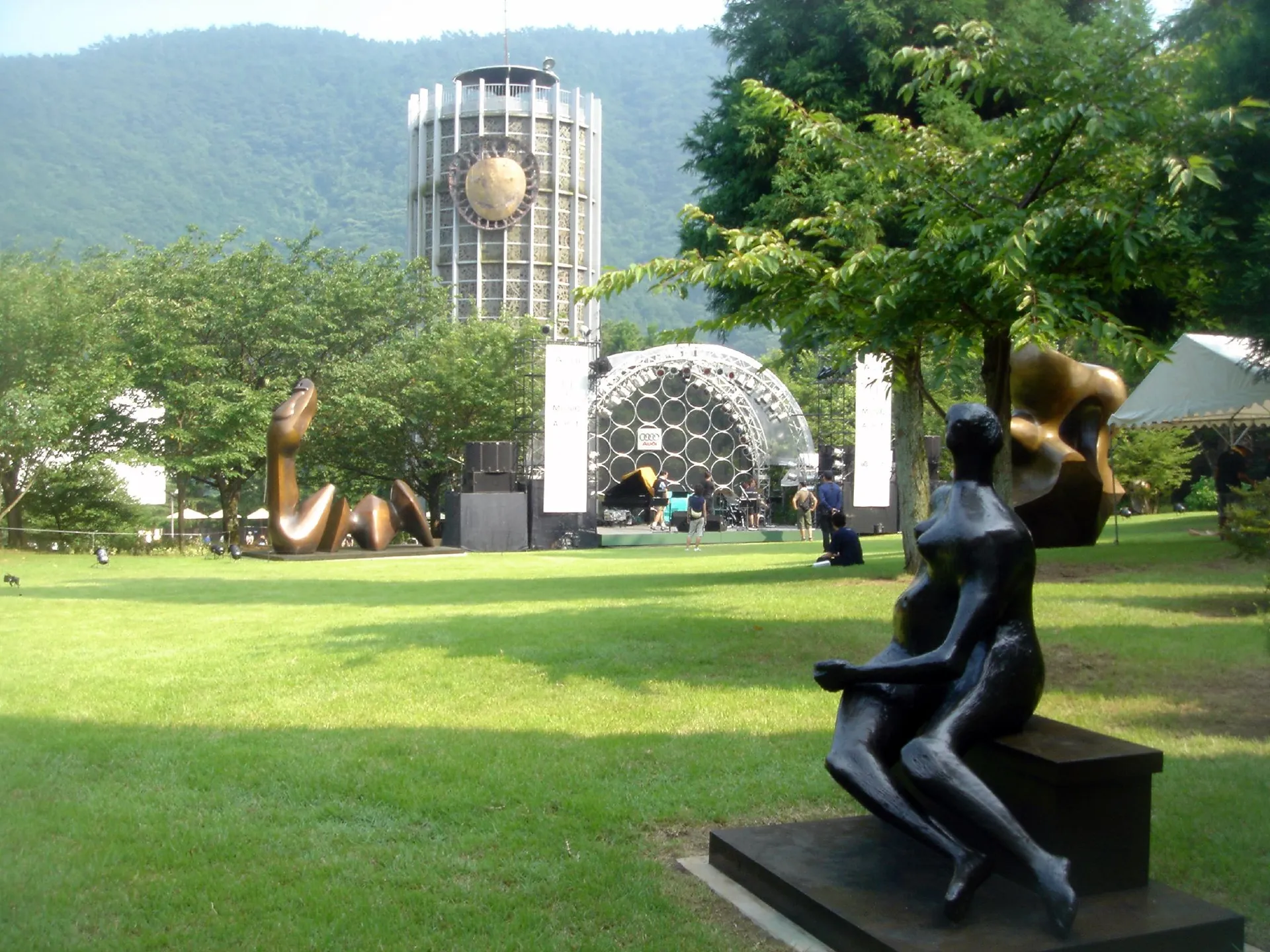
Hakone Open-Air Museum
Japan's first open-air museum (1969). Outdoor sculptures by Picasso, Henry Moore, and others set against mountain backdrop. Picasso Pavilion inside.
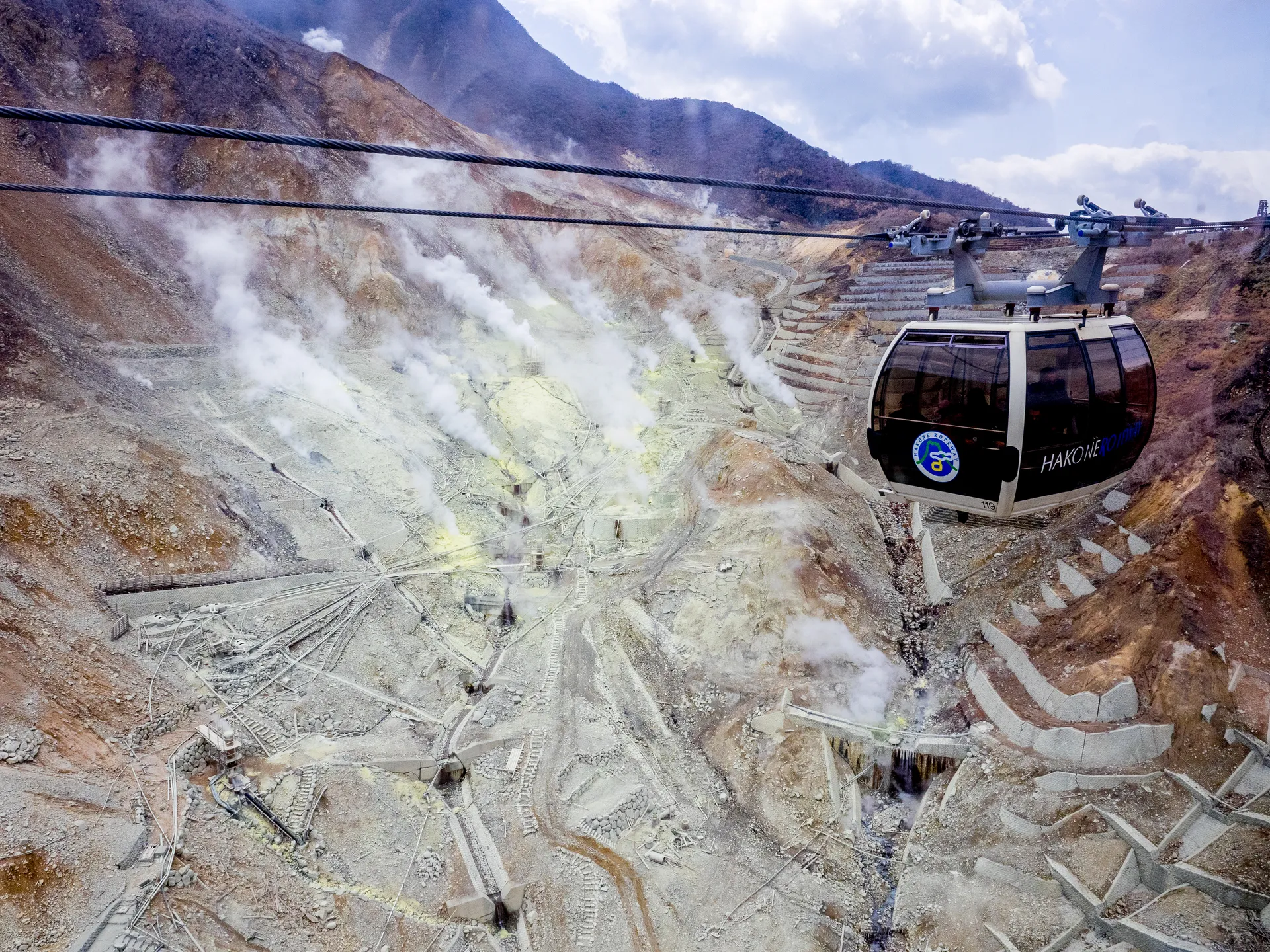
Owakudani Valley
Active volcanic valley with sulfurous fumes and hot springs, famous for black eggs boiled in hot springs
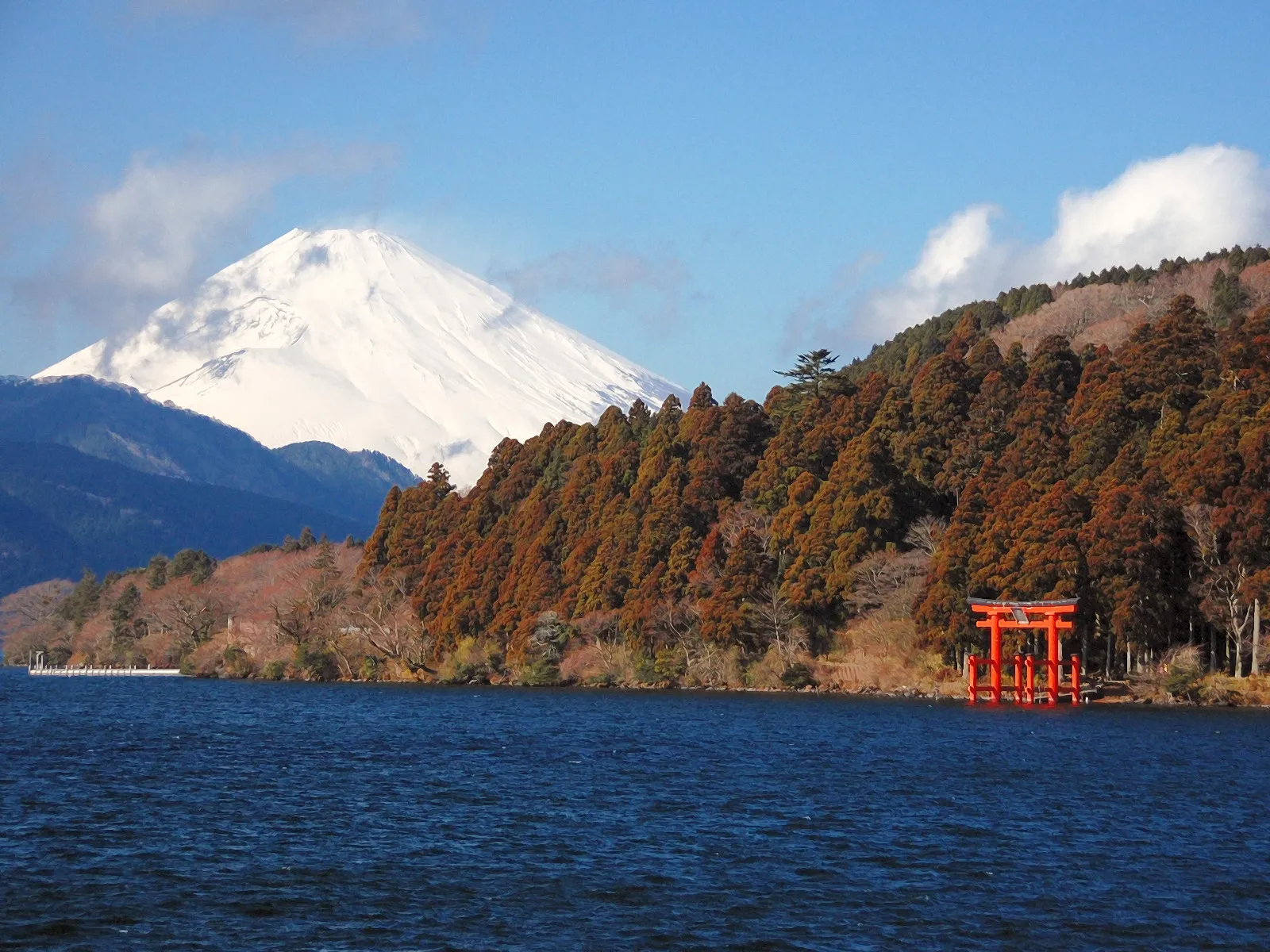
Lake Ashi & Mt. Fuji View
Crater lake with Mt. Fuji rising behind the iconic floating torii. Fuji is visible only ~20% of the year, making clear views unforgettable.
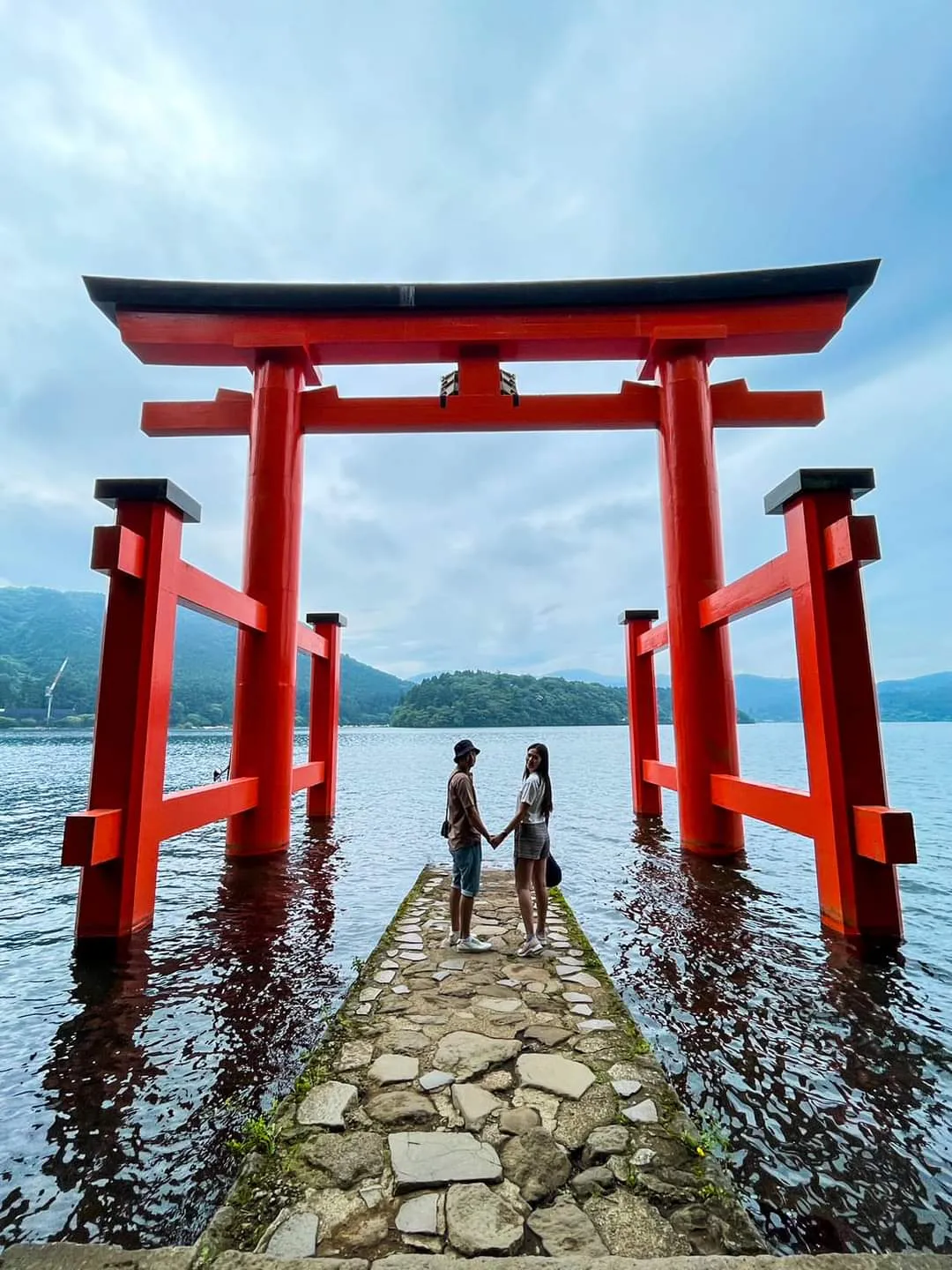
Hakone Shrine Floating Torii
The iconic vermilion torii gate standing in Lake Ashi, with mountains reflected in still morning waters. One of Japan's most photographed spiritual landmarks.
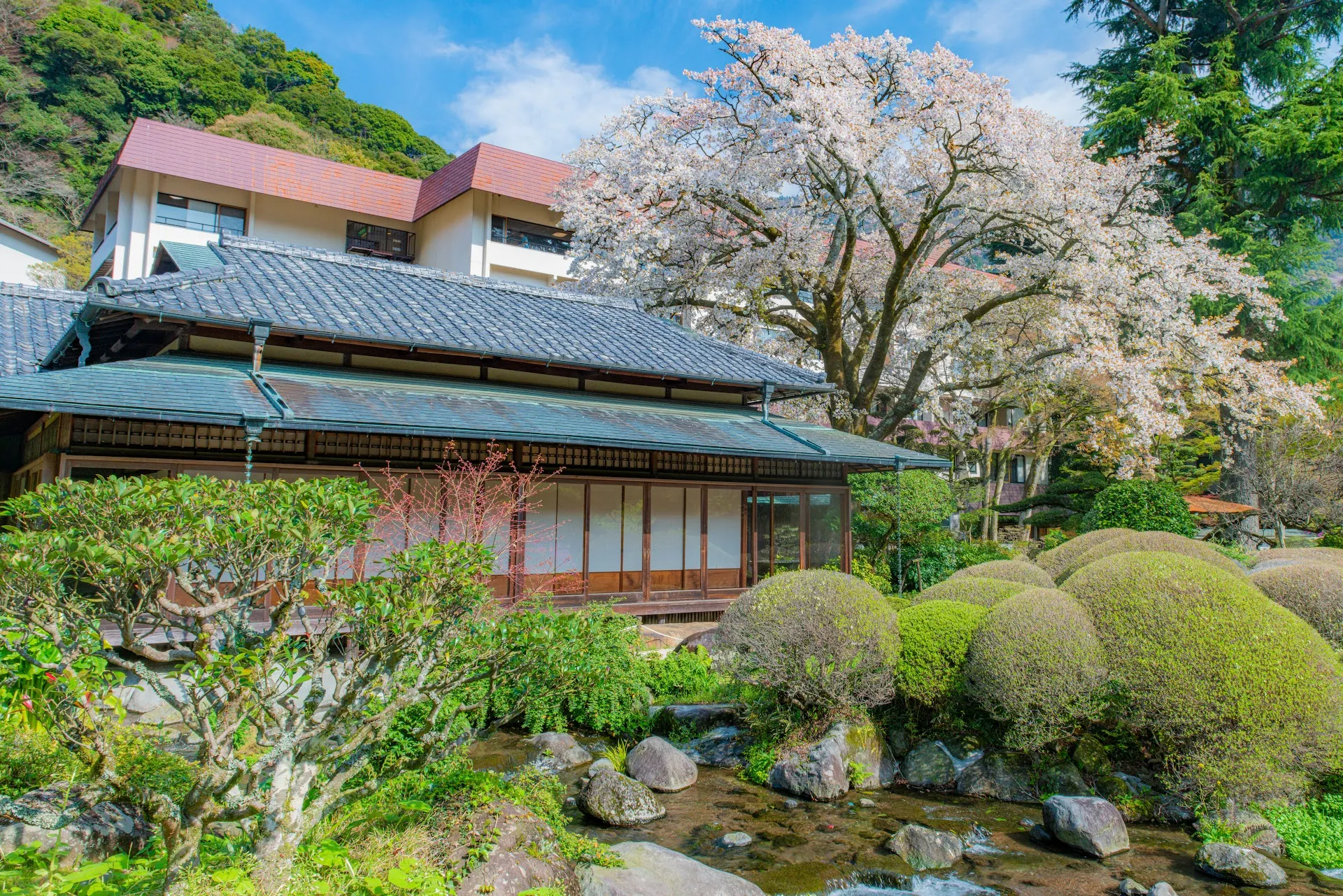
Traditional Ryokan Onsen Experience
Soak in natural hot springs at a traditional ryokan. Many offer day-use onsen packages with indoor and outdoor baths, private baths, and traditional snacks.
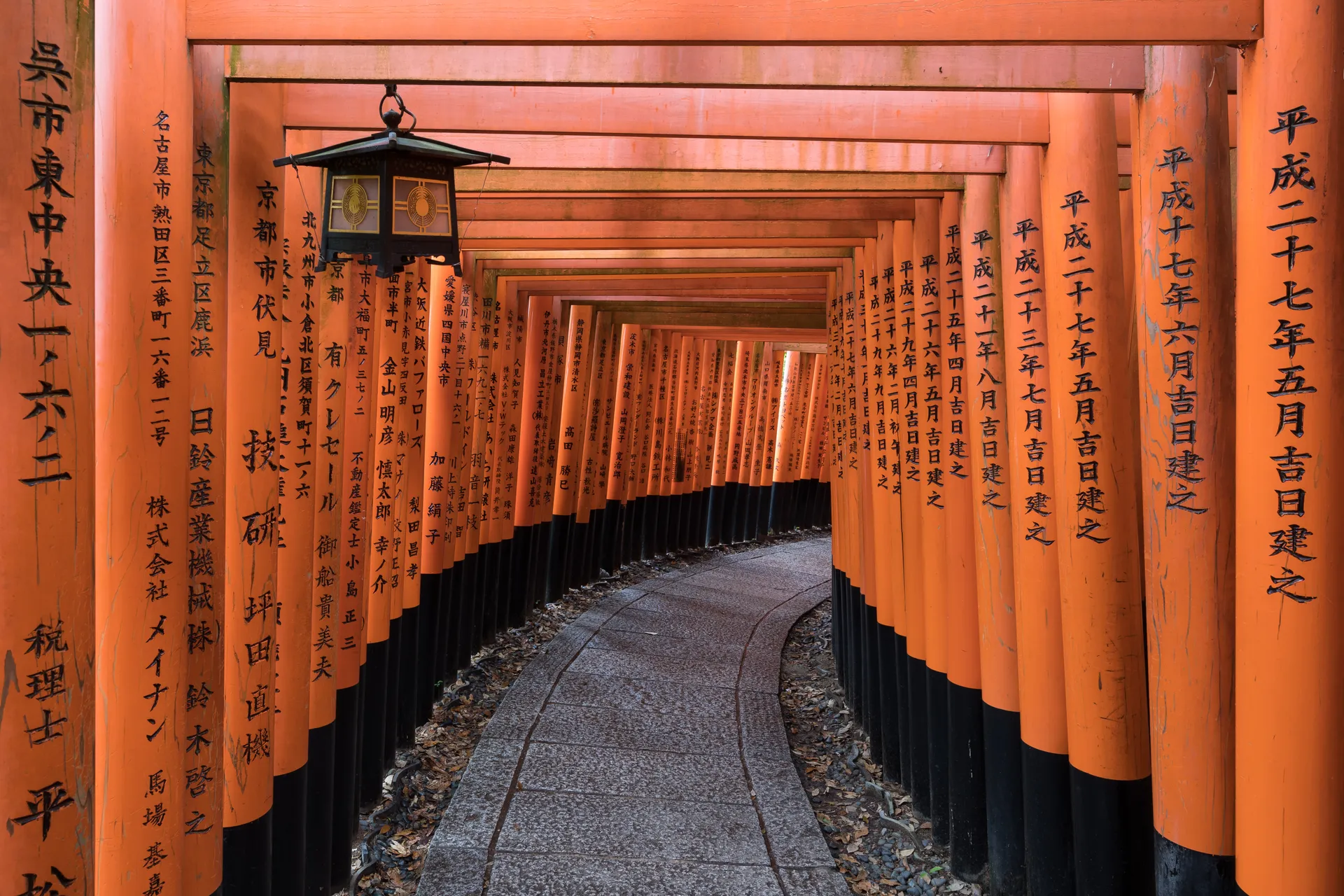
Fushimi Inari Taisha
Iconic shrine famous for its 10,000 vermillion torii gates winding up Mount Inari. One of Kyoto's most visited and photographed sites.
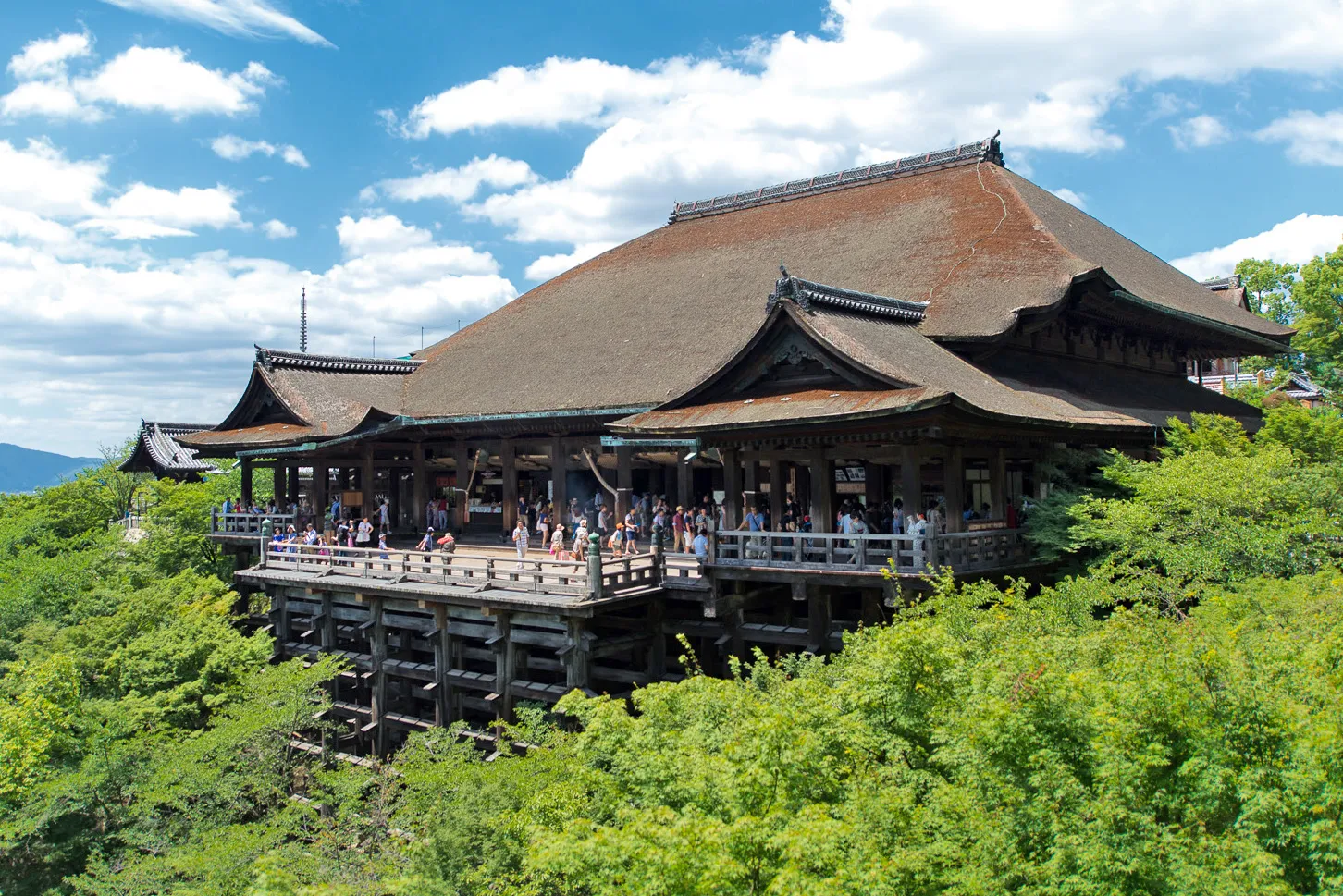
Kiyomizu-dera
Historic Buddhist temple renowned for its wooden stage offering panoramic views of Kyoto. UNESCO World Heritage Site with stunning seasonal beauty.
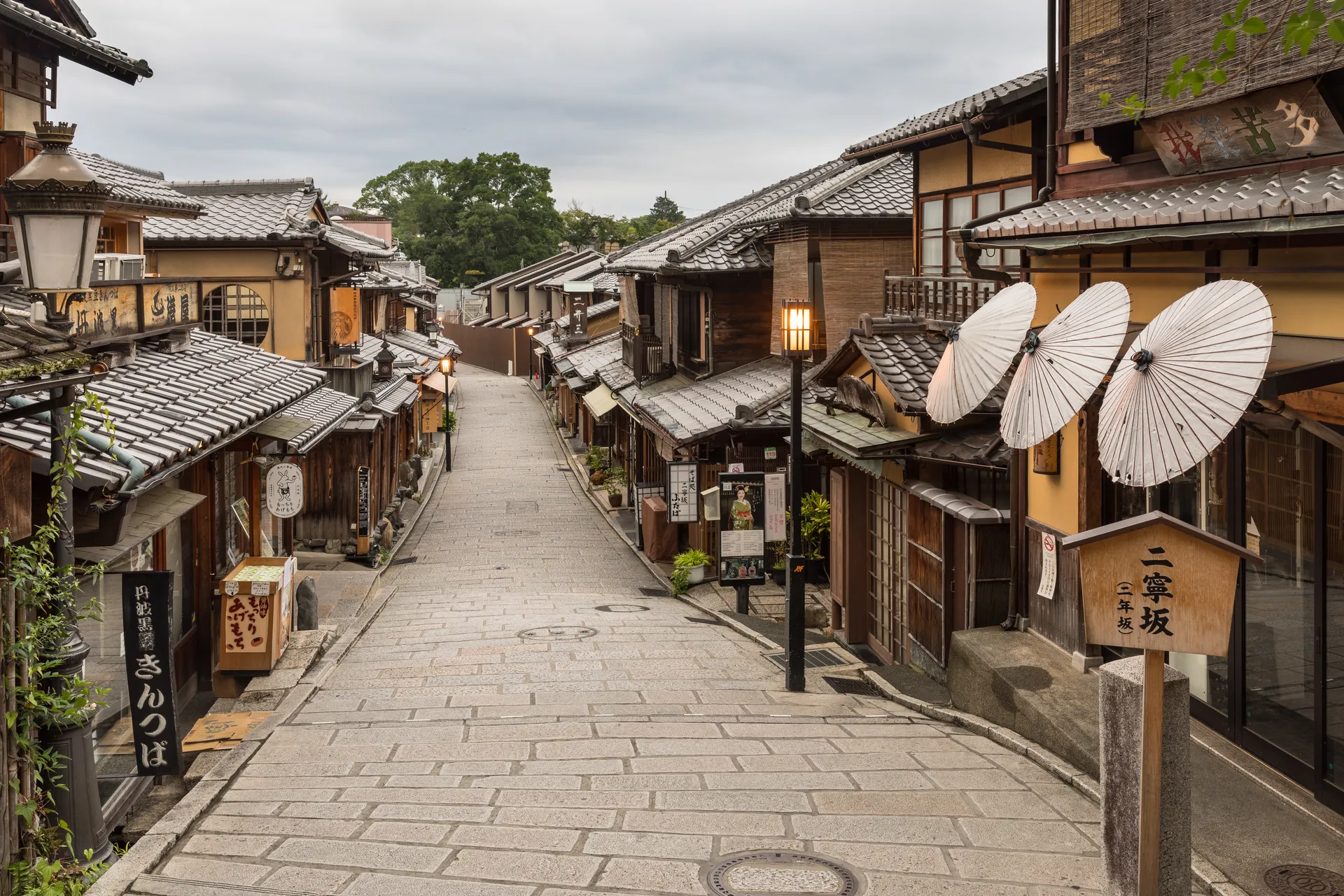
Ninenzaka & Sannenzaka Steps
Preserved Edo-period stone steps lined with wooden machiya shops. Yasaka Pagoda visible from the bend. Quintessential old Kyoto streetscape.
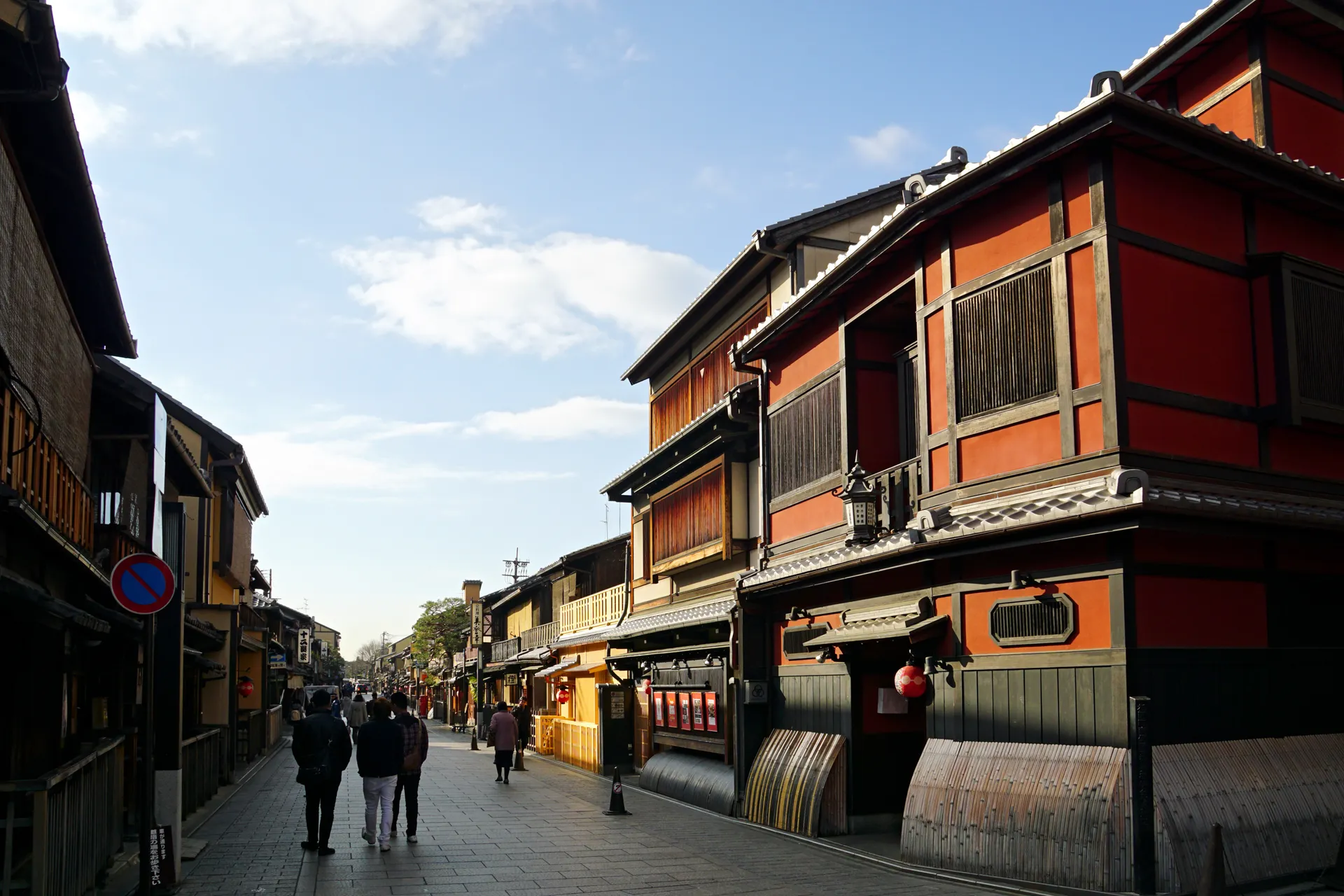
Gion District
Kyoto's most famous geisha district. Traditional wooden machiya townhouses, tea houses, and atmospheric streets where geiko and maiko can be spotted at dusk.
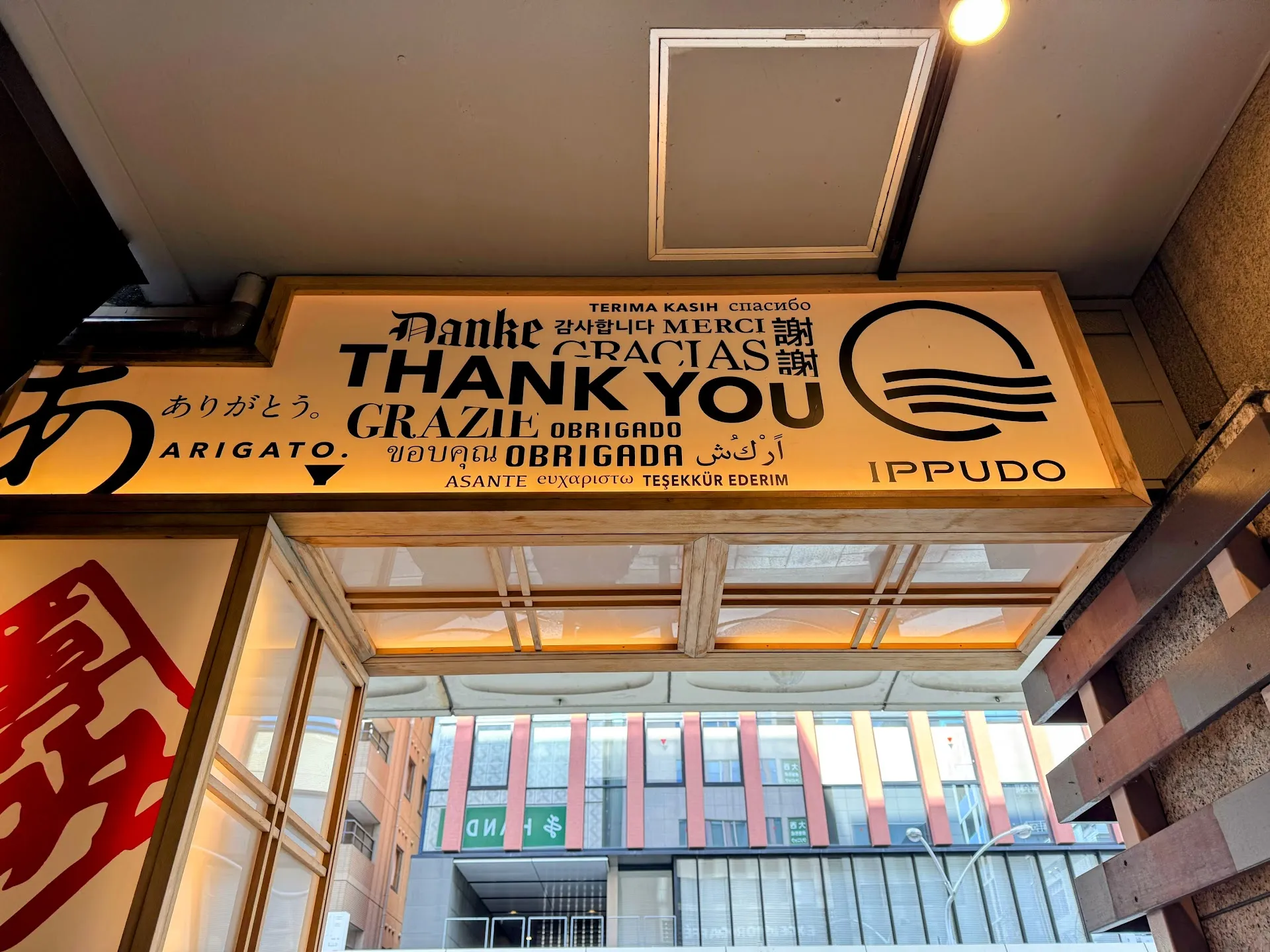
Ippudo Ramen Kyoto
Renowned tonkotsu ramen chain with a dedicated Kyoto outpost. Rich, creamy pork bone broth and perfectly thin noodles.
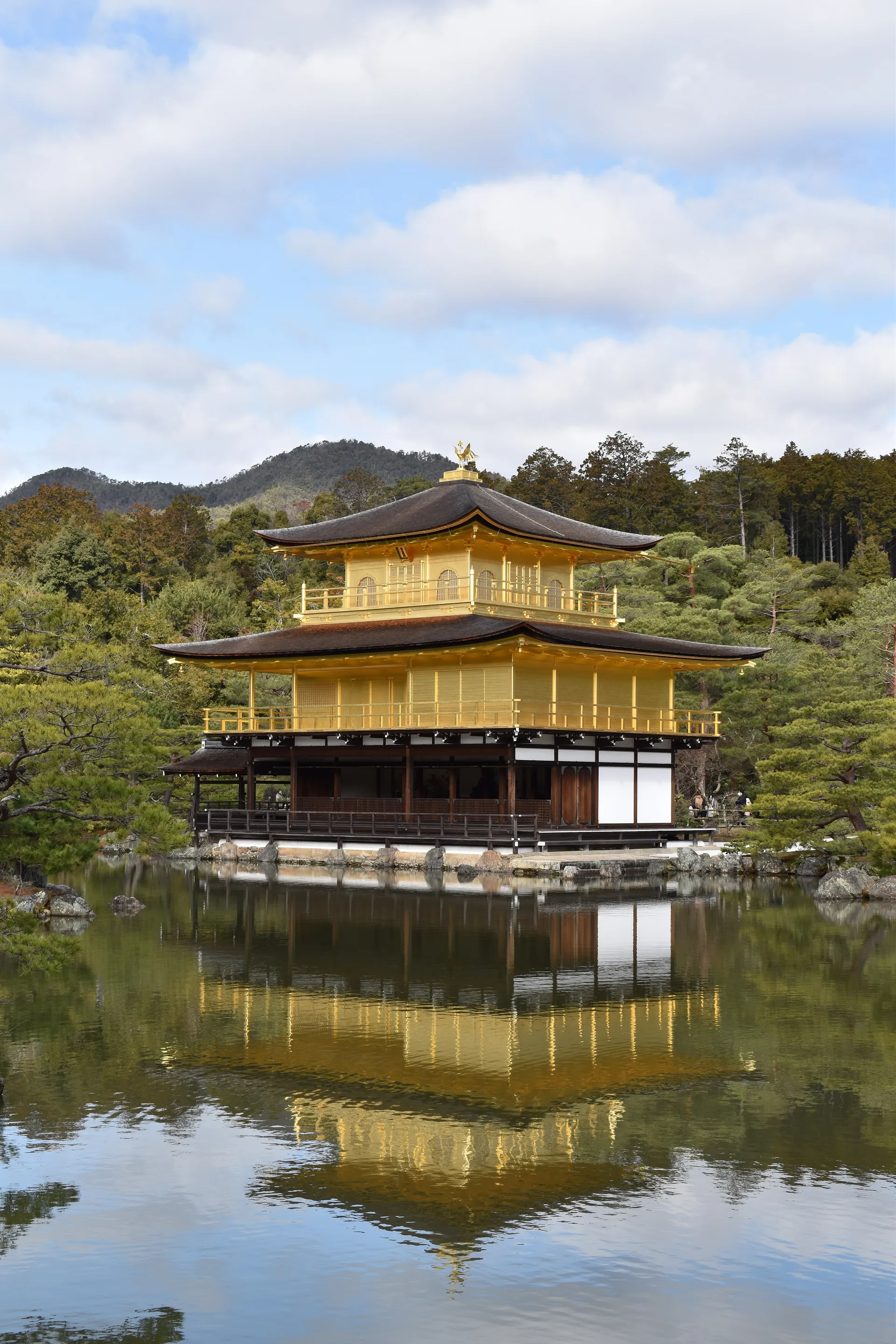
Kinkaku-ji (Golden Pavilion)
Stunning Zen Buddhist temple covered in gold leaf, reflected beautifully in its surrounding mirror pond. UNESCO World Heritage Site.
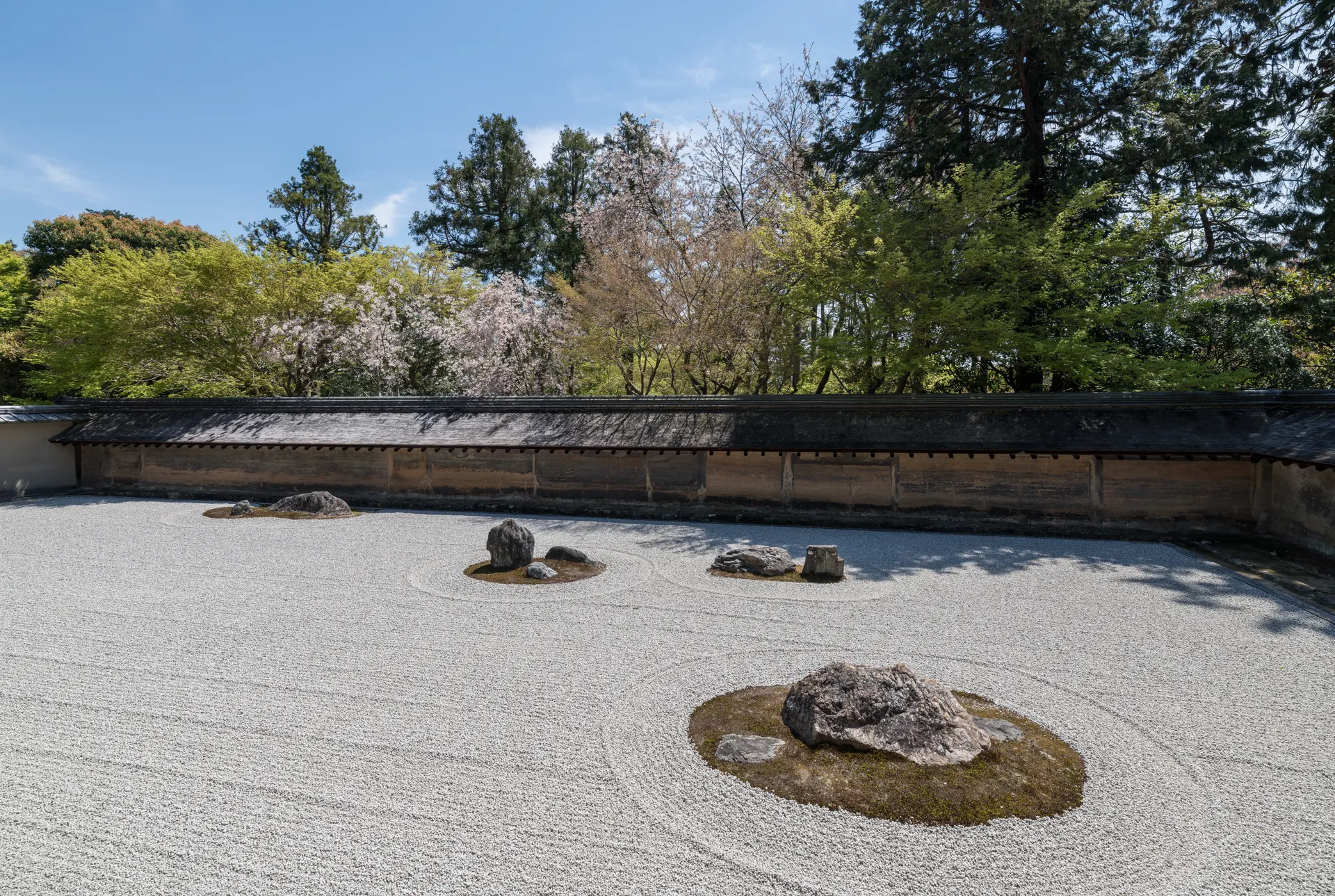
Ryoan-ji
Zen temple home to Japan's most famous rock garden. Fifteen stones arranged on raked white gravel, a masterpiece of meditative design.
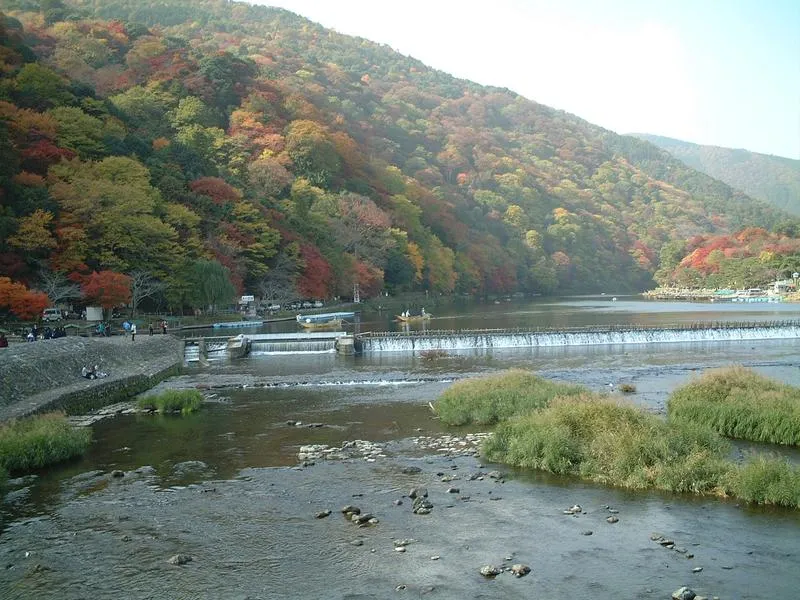
Arashiyama Bamboo Grove
Towering bamboo stalks create an otherworldly tunnel of green. The rustling sound of bamboo in the wind is designated a soundscape of Japan.
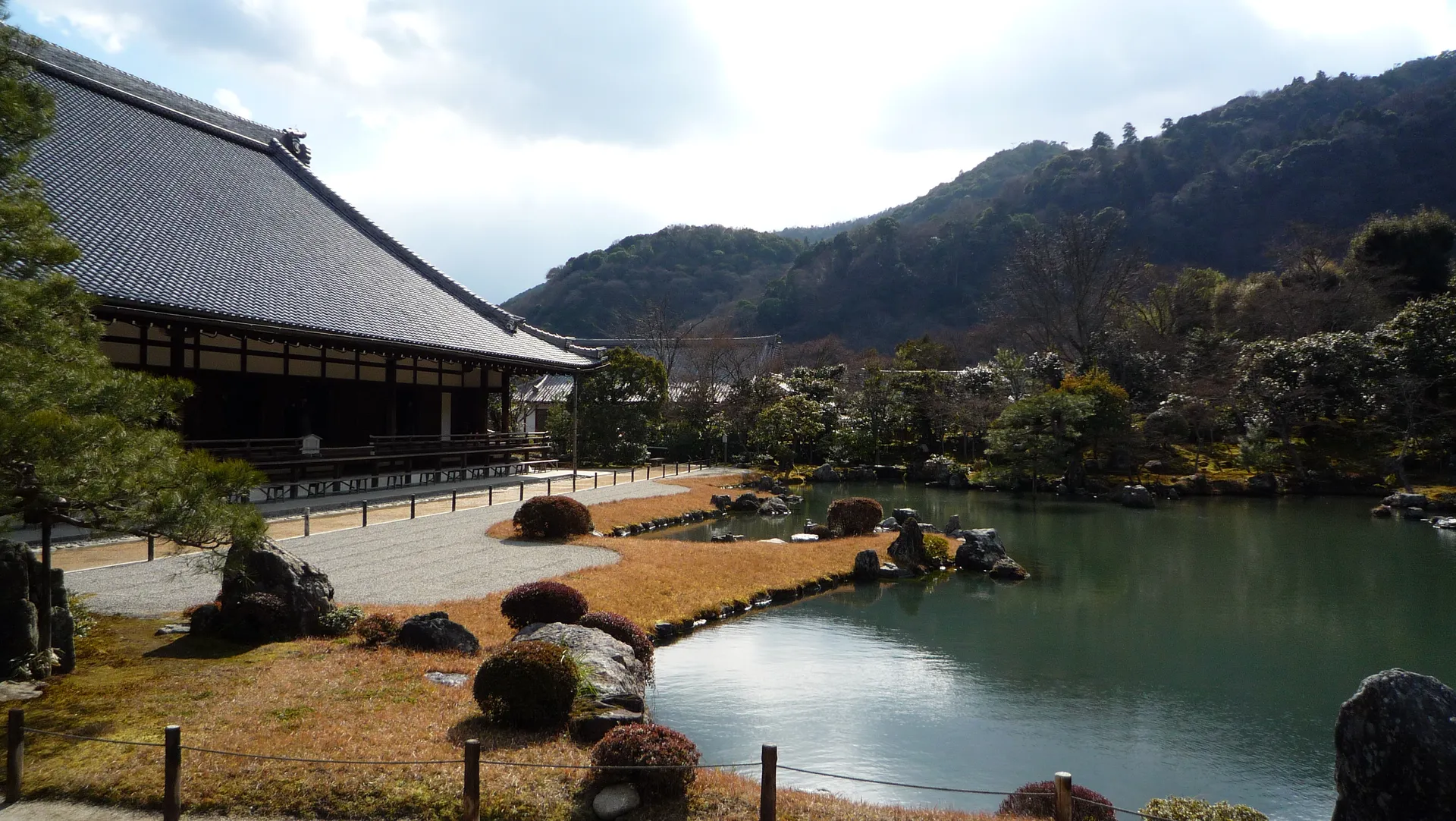
Tenryu-ji Garden
UNESCO World Heritage. 14th-century Sogenchi Pond garden with borrowed scenery (shakkei) from Arashiyama mountains. Japan's first designated Historic Site and Special Place of Scenic Beauty.
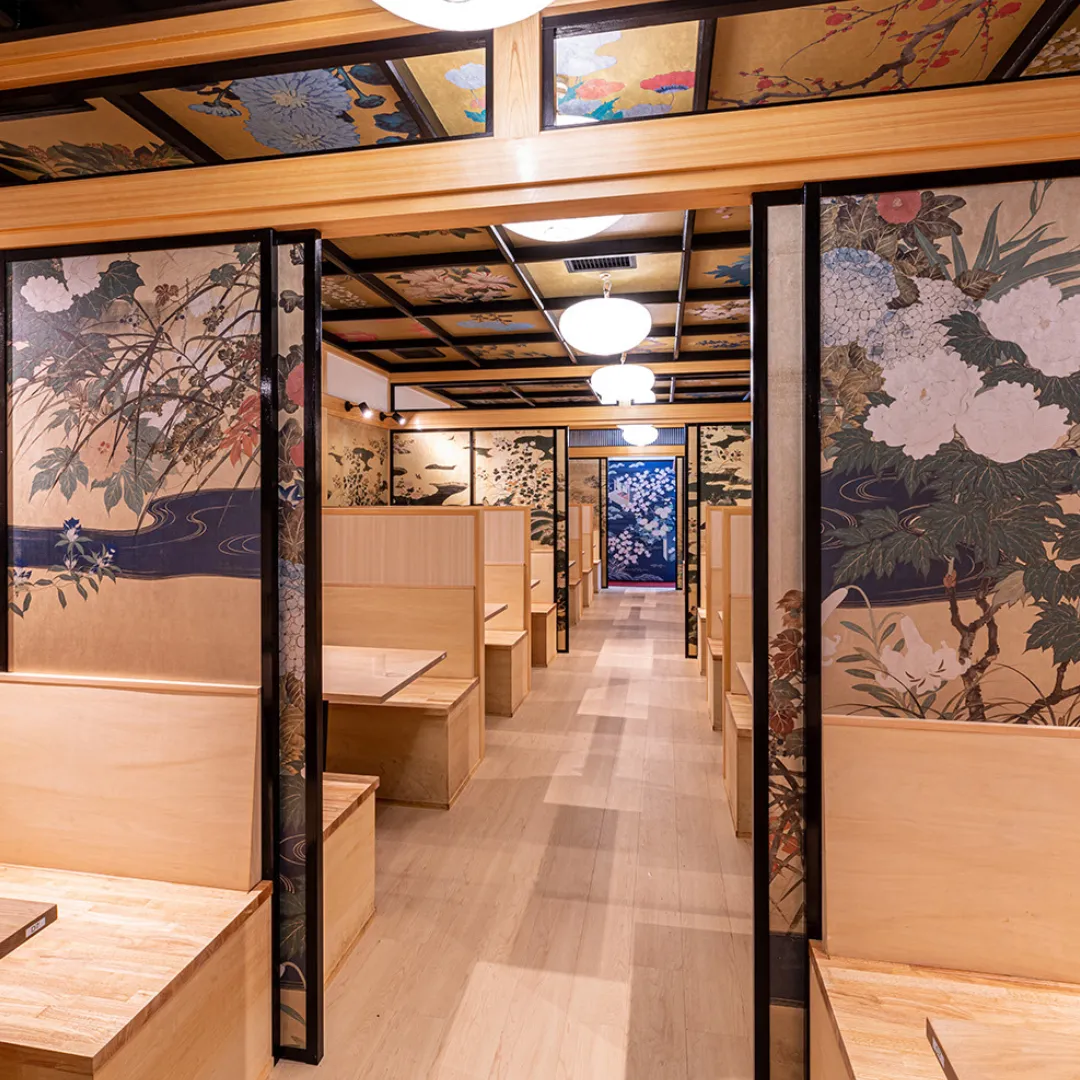
Togetsu-kyo Area Restaurants
Riverside dining near the iconic Togetsu-kyo bridge. Tofu kaiseki, yudofu hot pot, and matcha sweets with mountain views.
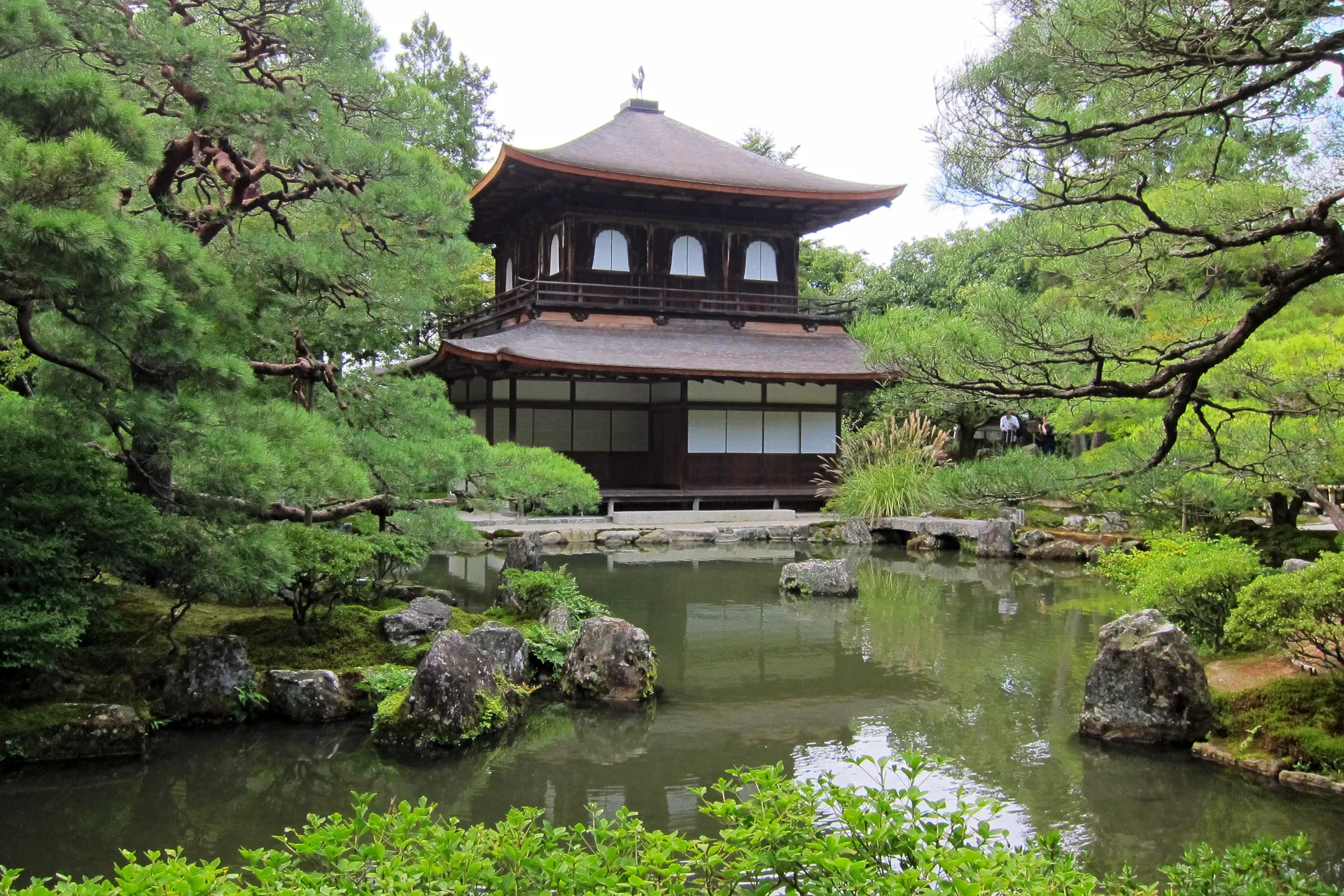
Ginkaku-ji (Silver Pavilion)
Elegant Zen temple known for its sand garden and moss-covered grounds. Despite its name, never actually covered in silver. UNESCO World Heritage Site.
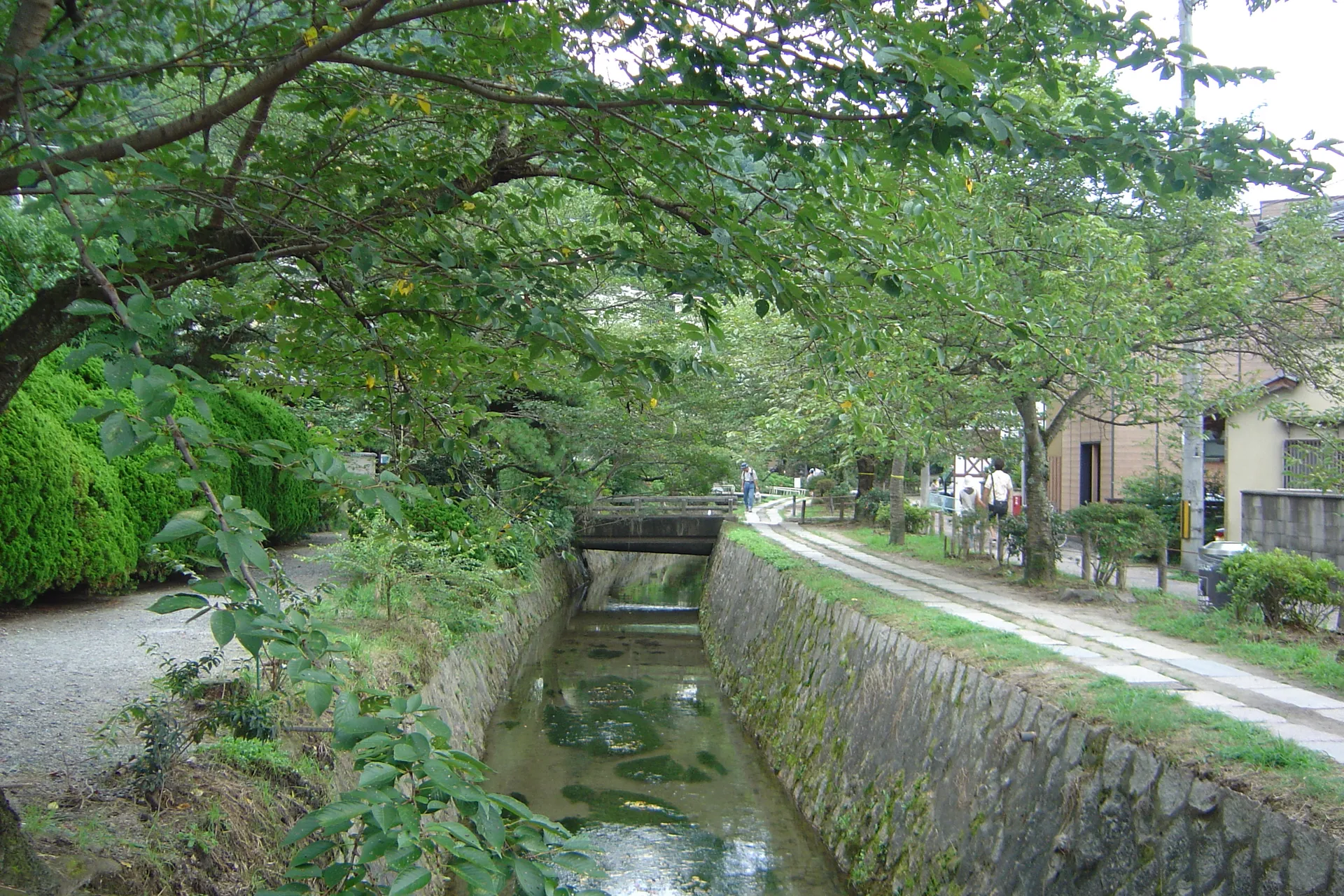
Philosopher's Path
Scenic 2km canal-side stone path lined with hundreds of cherry trees. Named after philosopher Nishida Kitaro who walked it daily in meditation.
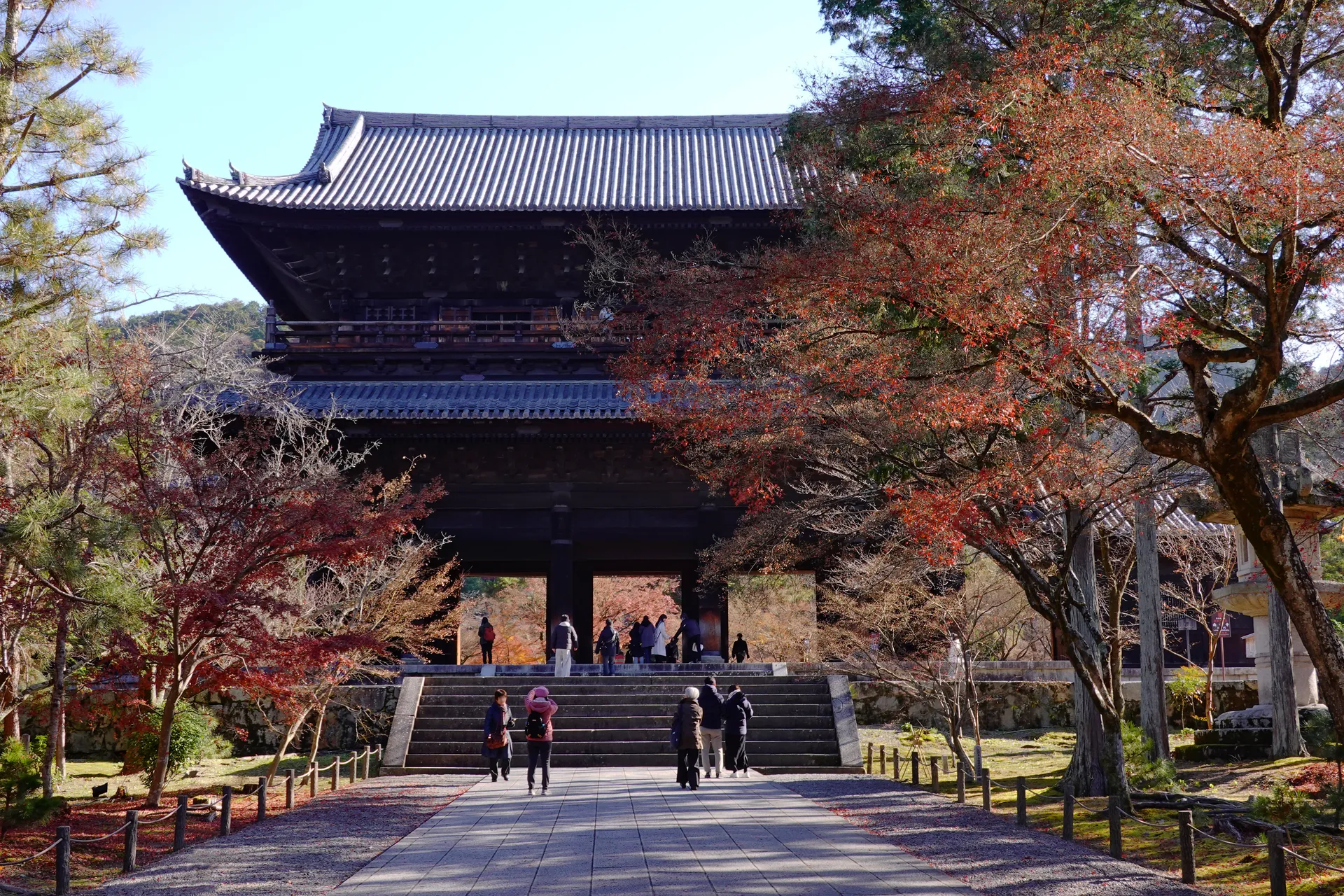
Nanzen-ji
Roman-style brick aqueduct running through a Zen temple compound. One of Kyoto's most photogenic contrasts of old and new.
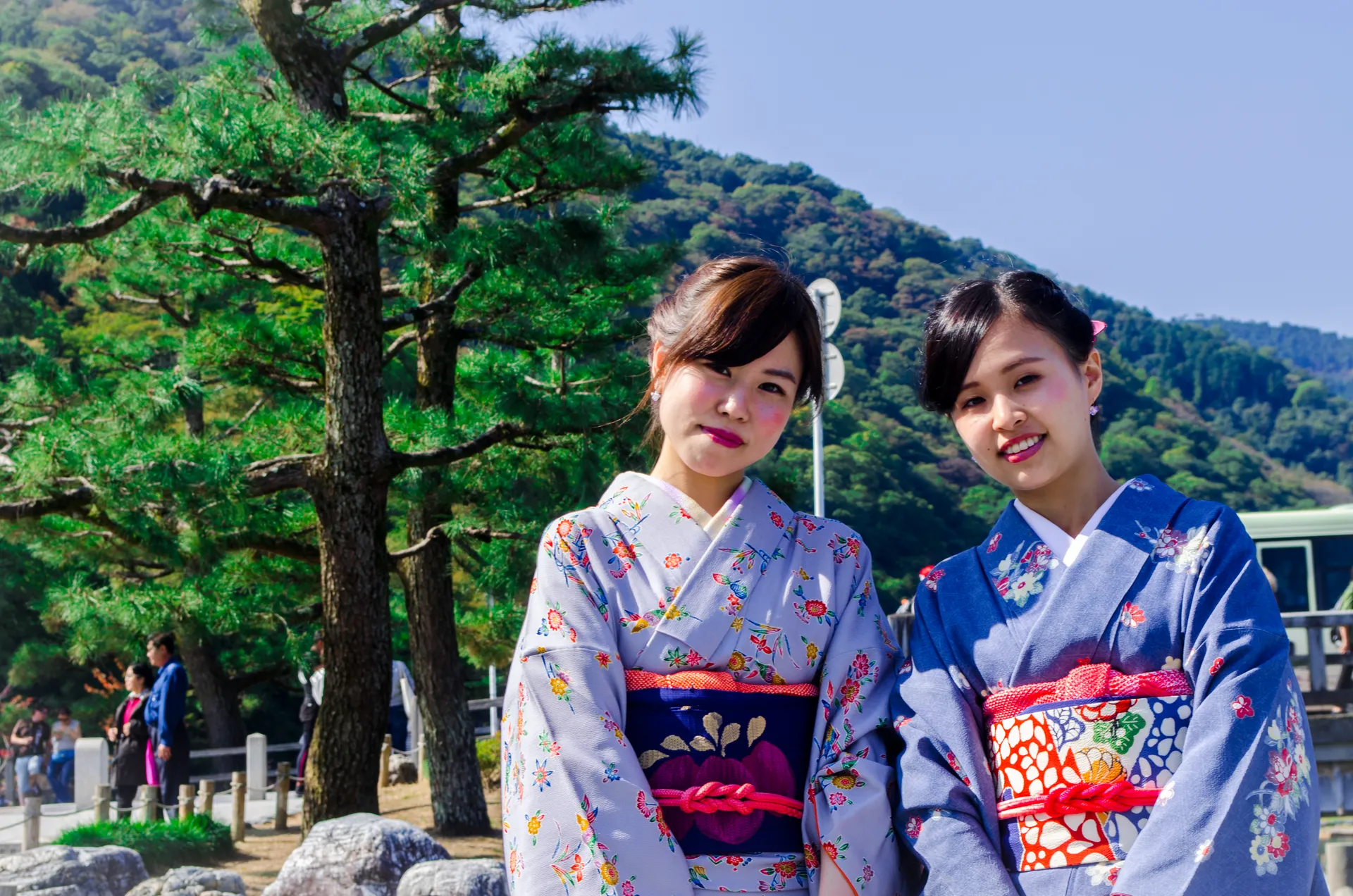
Traditional Tea Ceremony
Experience an authentic Japanese tea ceremony in the historic Gion district, learning the art of matcha preparation and the philosophy of ichi-go ichi-e (one time, one meeting).
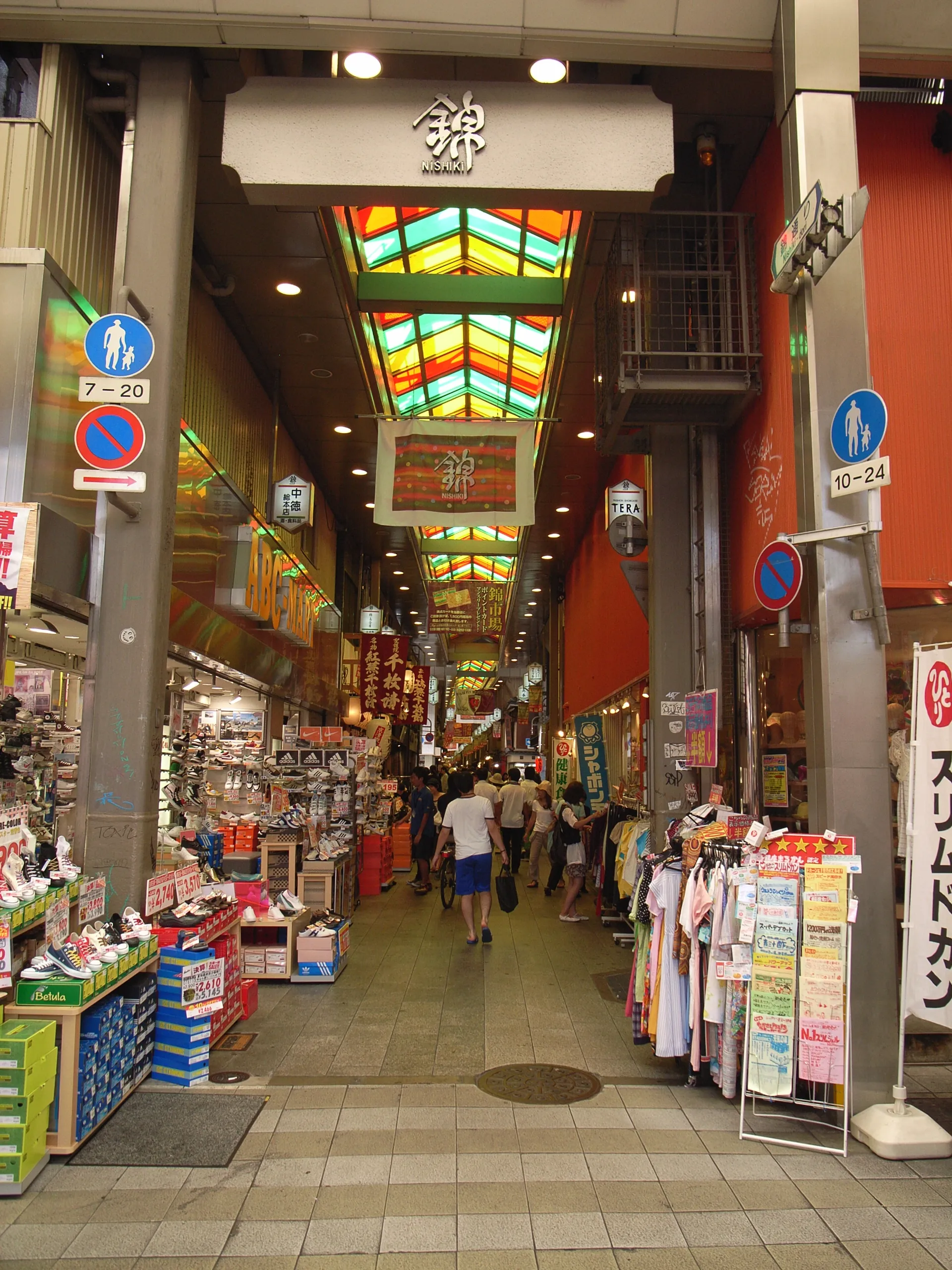
Nishiki Market
Food market, street food. Kyoto's kitchen.
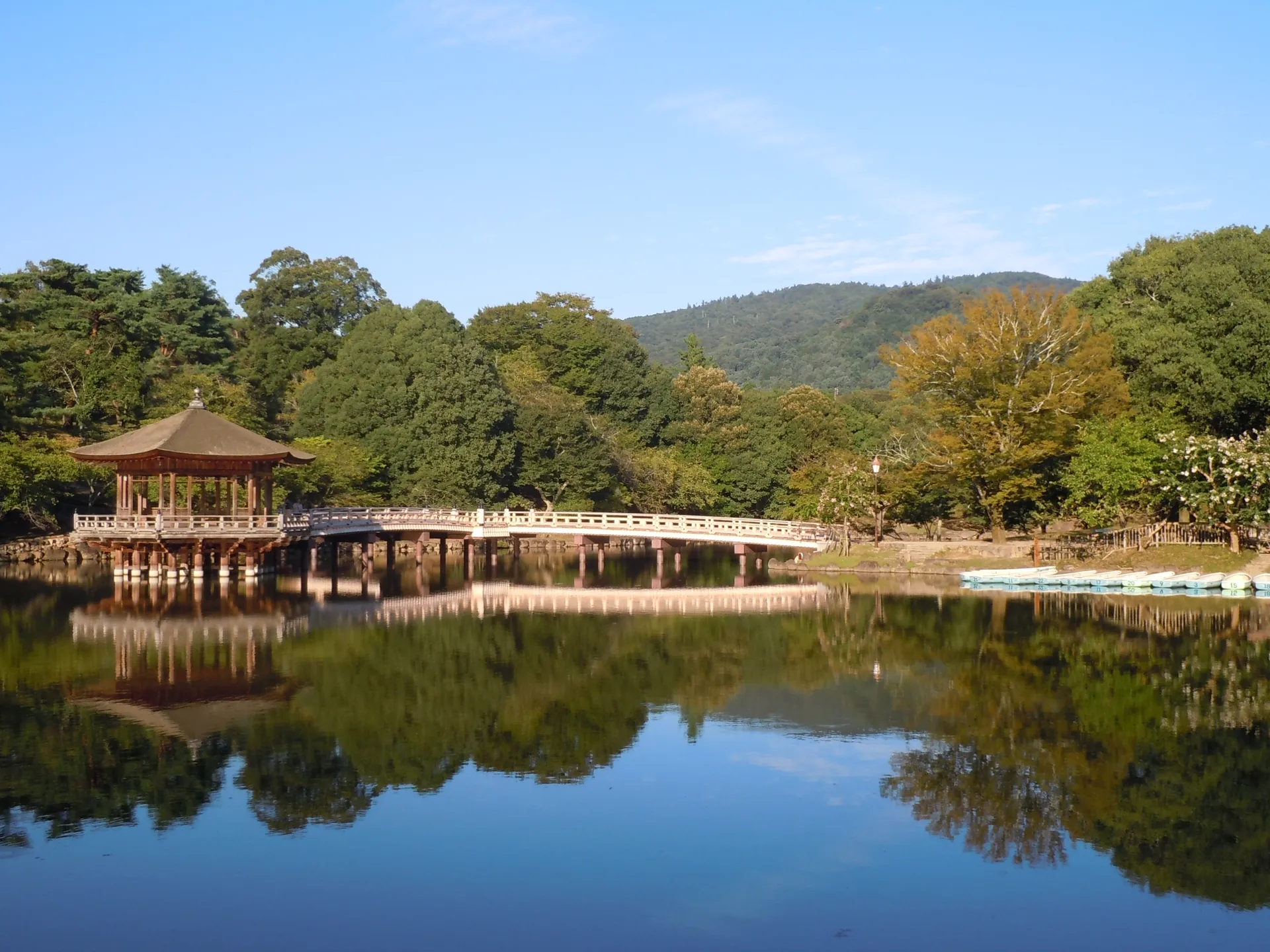
Nara Park
660-hectare park with 1,000+ free-roaming sacred deer. Messengers of Shinto gods. Feed them crackers!
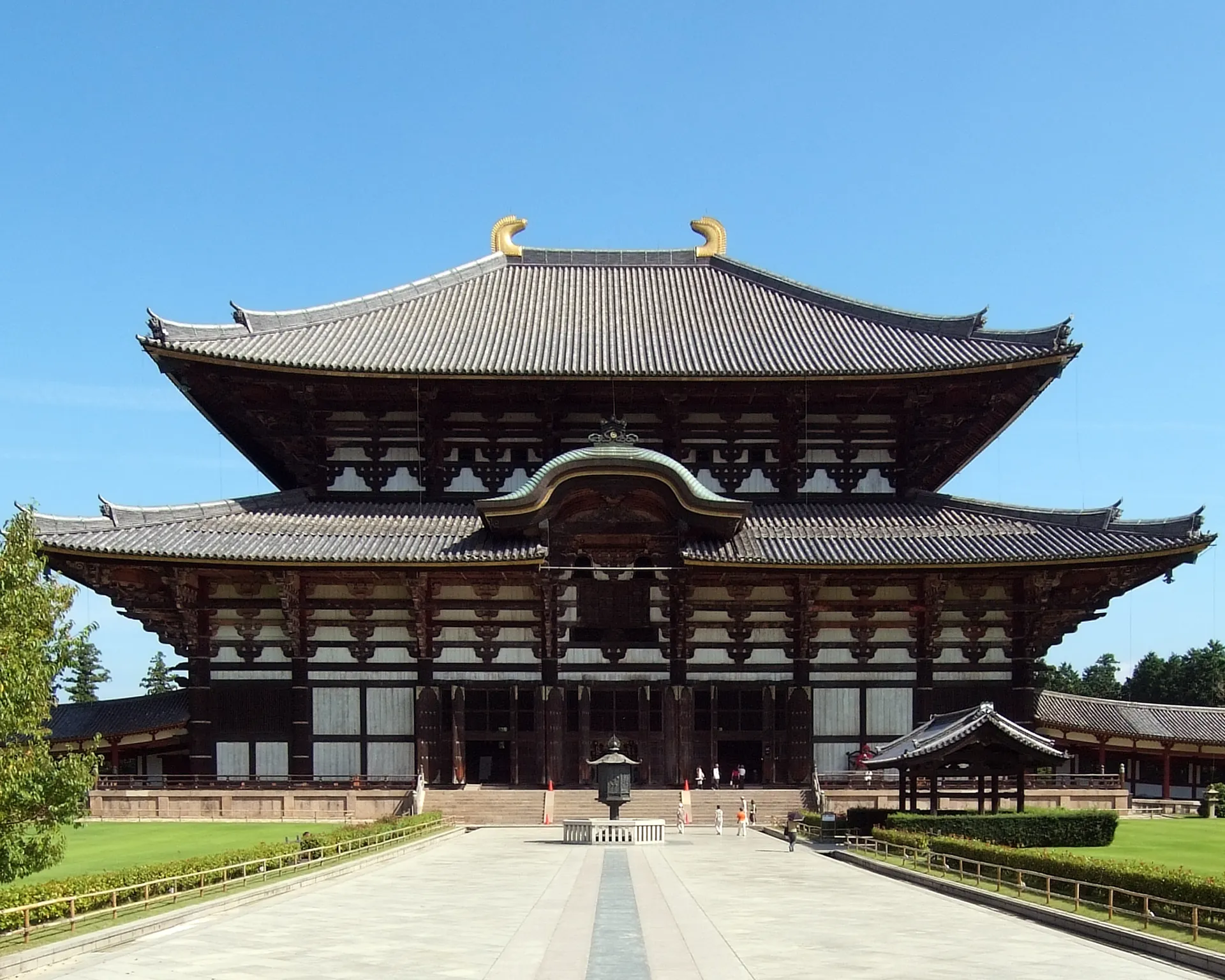
Todai-ji Great Buddha Hall
World's largest wooden building housing a 15-meter bronze Buddha. The scale is awe-inspiring. Sacred deer roam the surrounding grounds.
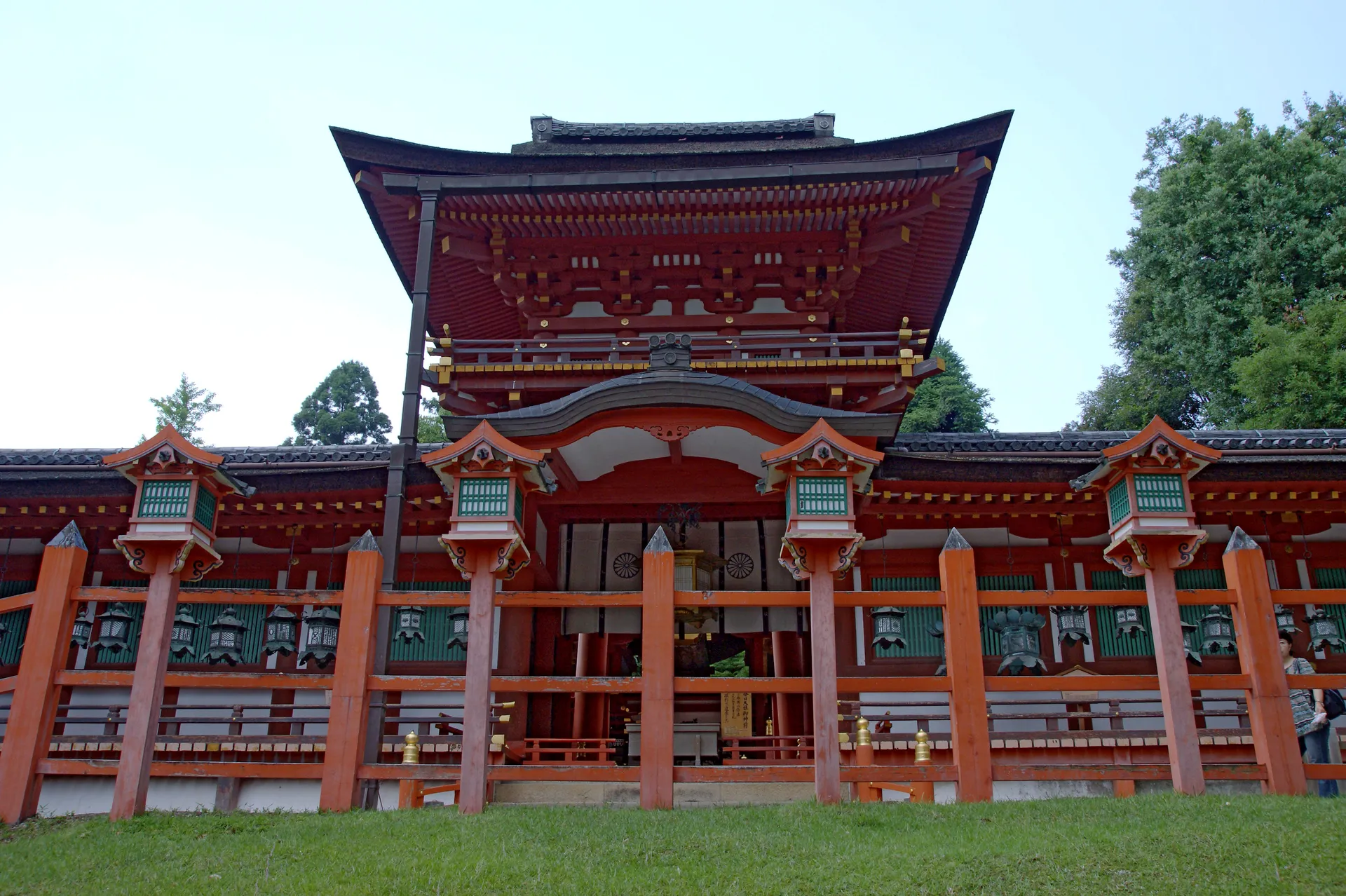
Kasuga Taisha Shrine
UNESCO World Heritage shrine with 3,000 bronze and stone lanterns. Vermilion torii gates. Most celebrated shrine in Nara.
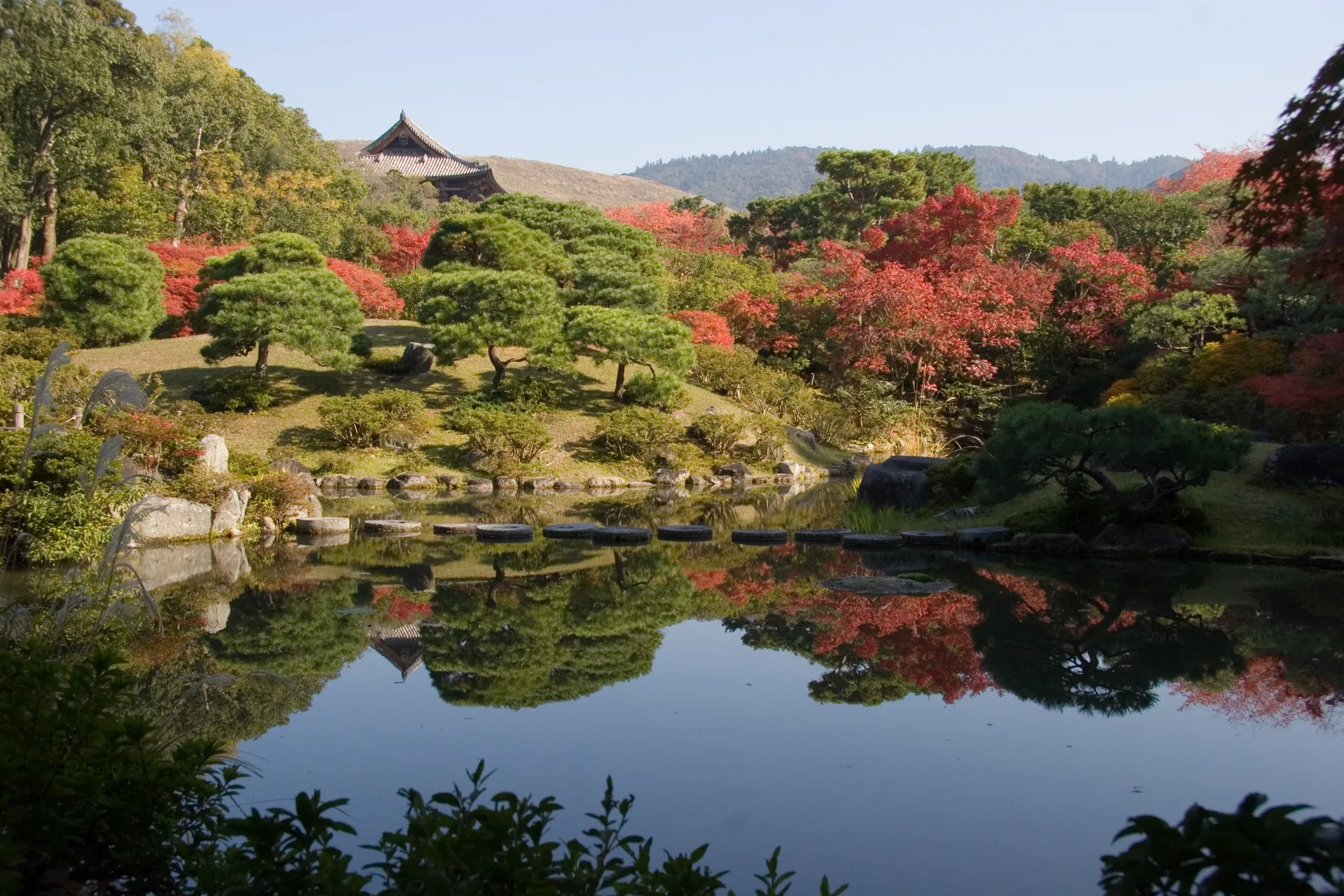
Isuien Garden
Photographer's dream. Two gardens: 17th century front, 1899 rear. Ponds, streams, hills, traditional architecture.
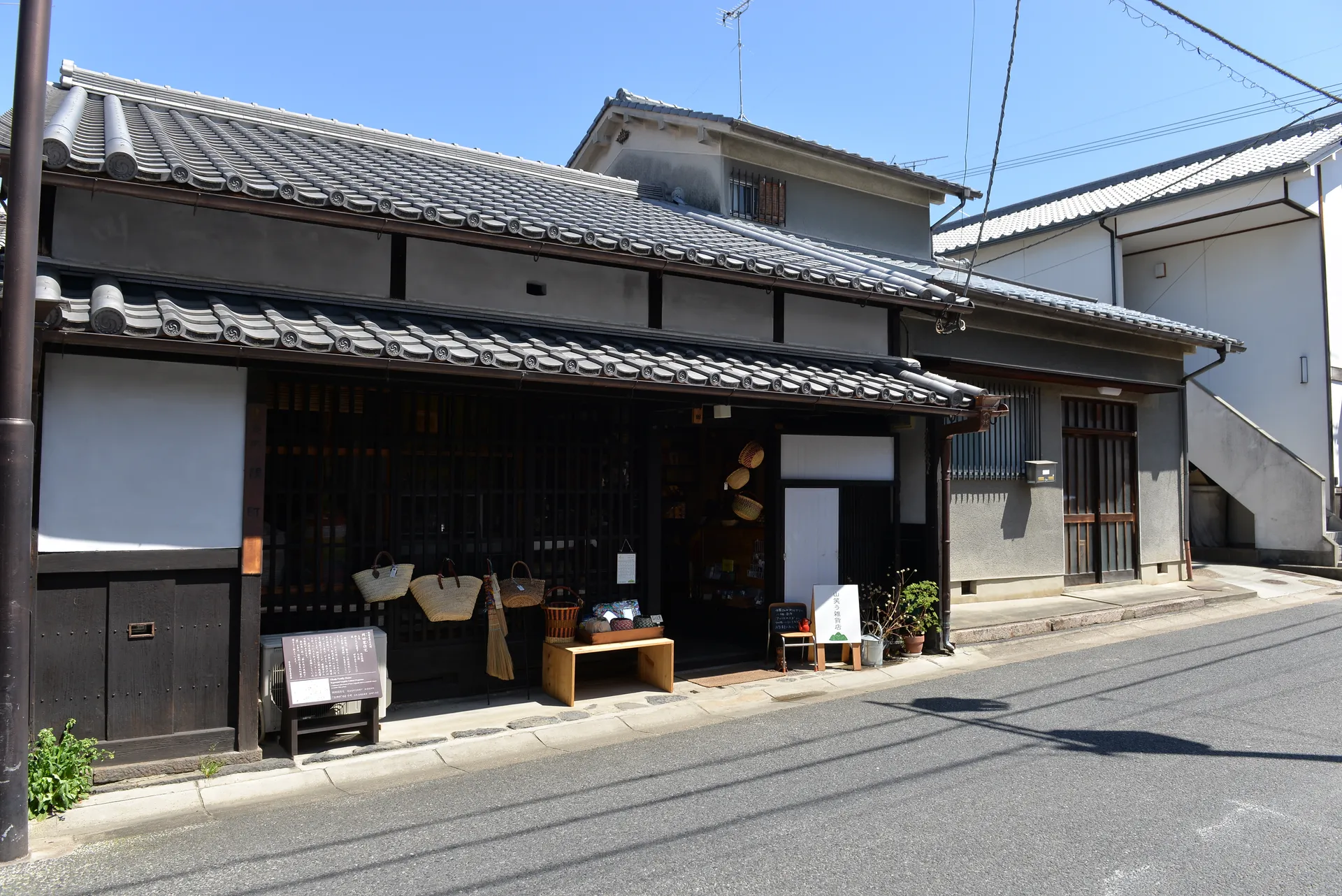
Naramachi District
Old merchant quarter with traditional machiya houses. Craft shops, cafes, galleries, antiques. 8th century origins.
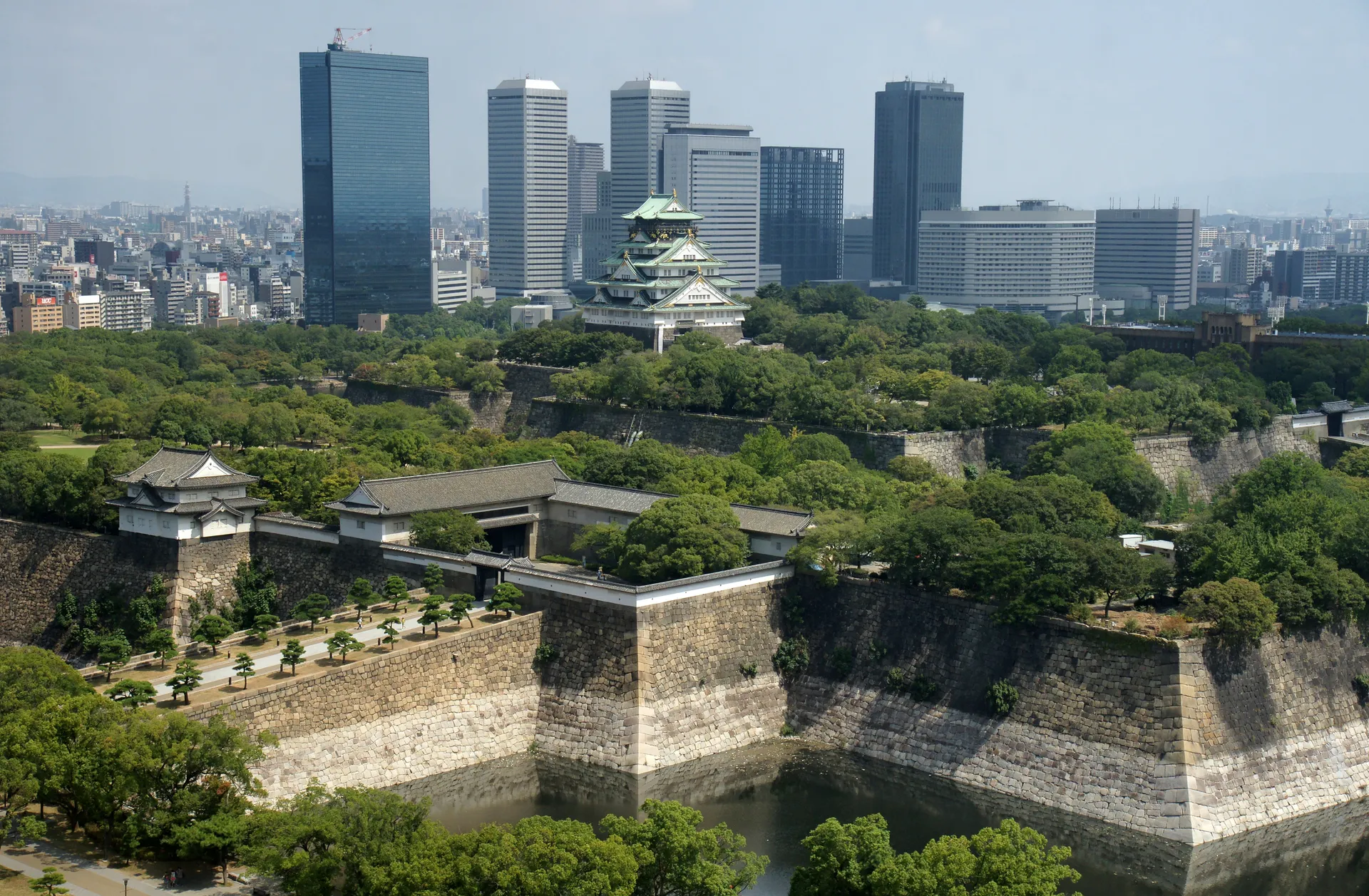
Osaka Castle
Osaka's most iconic landmark. Stunning castle with museum inside, surrounded by expansive parkland and moats. Beautiful during cherry blossom season.
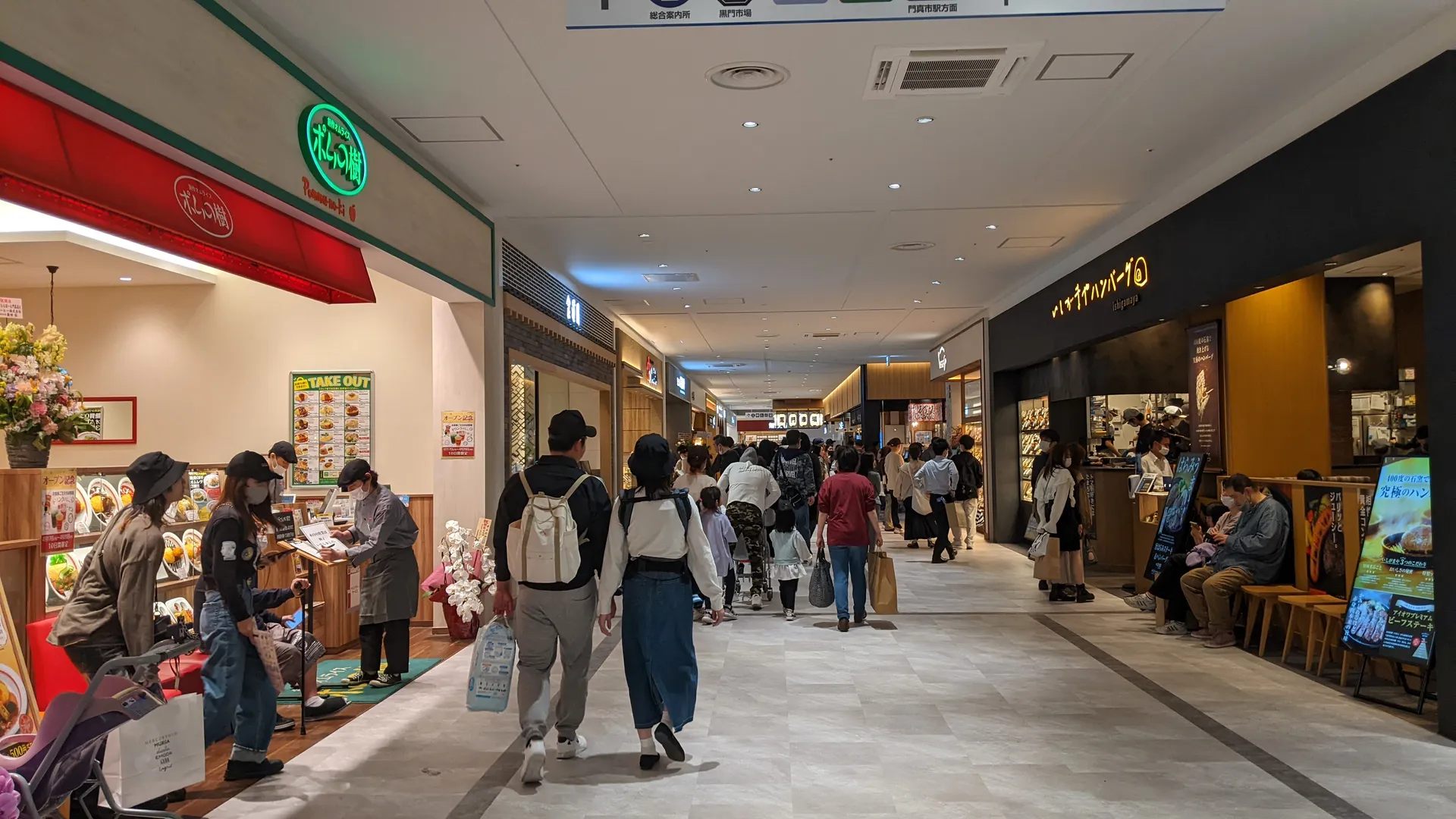
Kuromon Ichiba Market
Osaka's Kitchen. 170+ stalls selling fresh seafood, produce, and street food. Over 190 years of history.
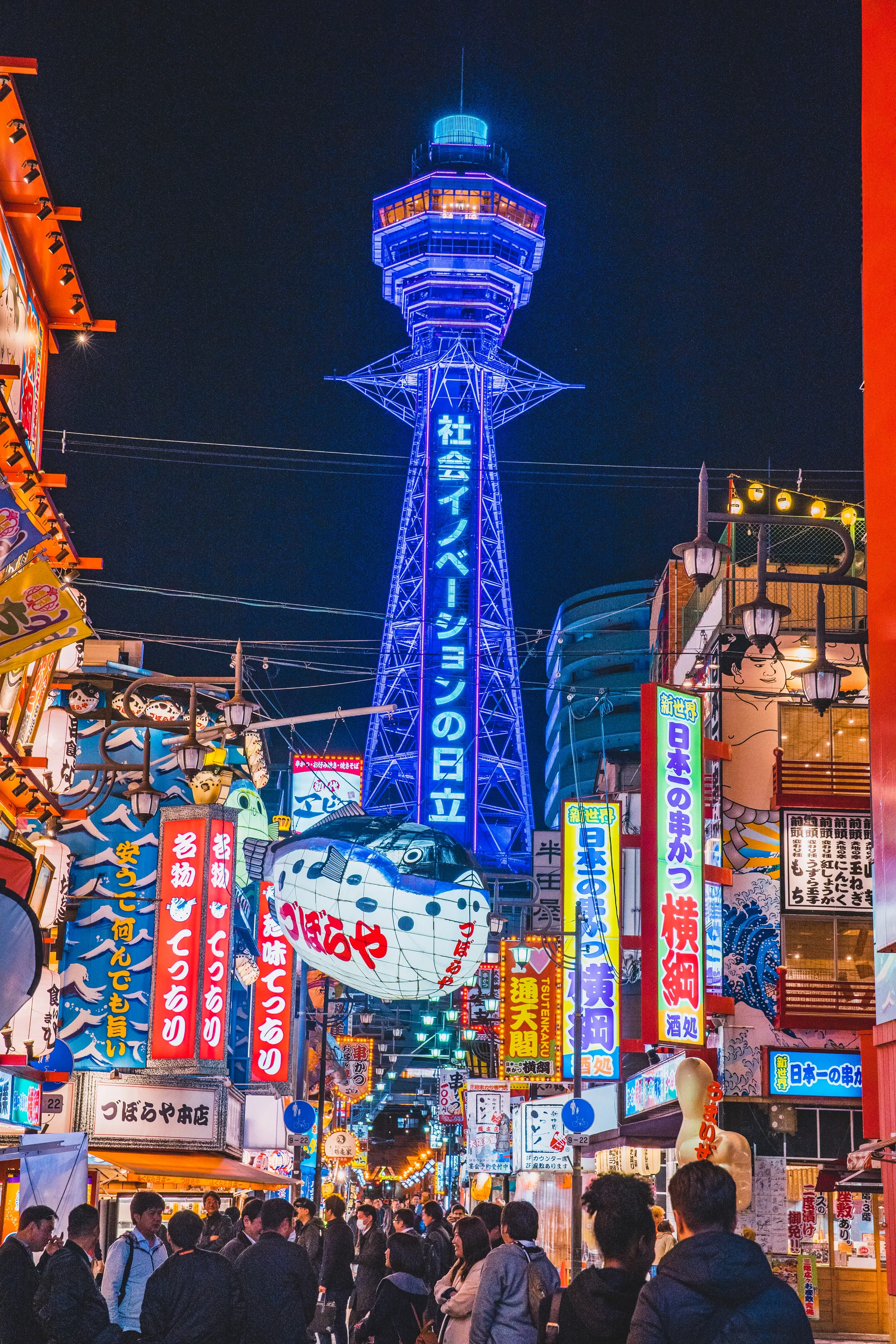
Shinsekai
Retro entertainment district with Tsutenkaku Tower. Neon-lit streets, kushikatsu restaurants, and old-school Osaka charm.
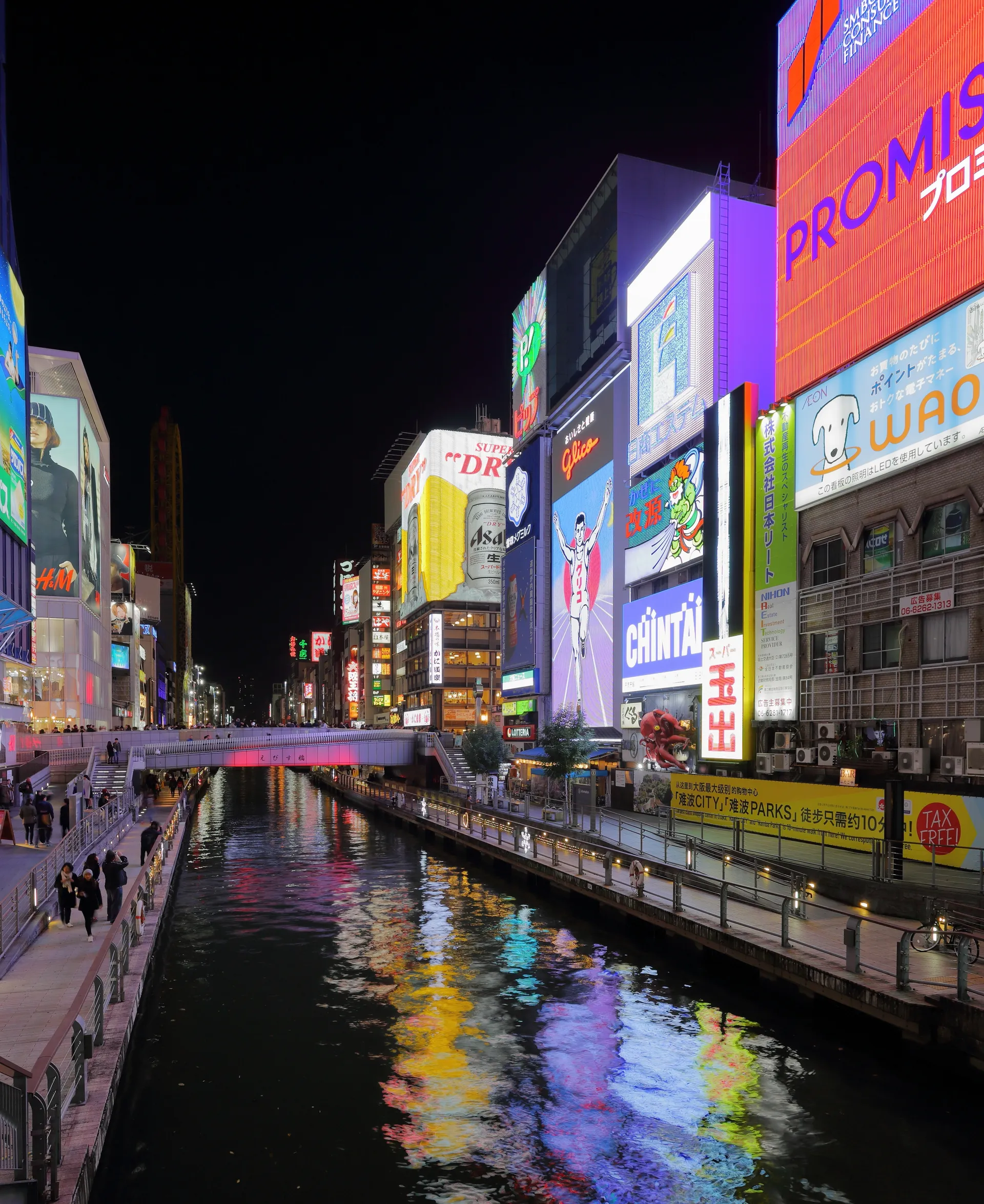
Dotonbori
Iconic food street with the famous Glico Running Man sign. Takoyaki, okonomiyaki, and endless street food stalls along the canal.
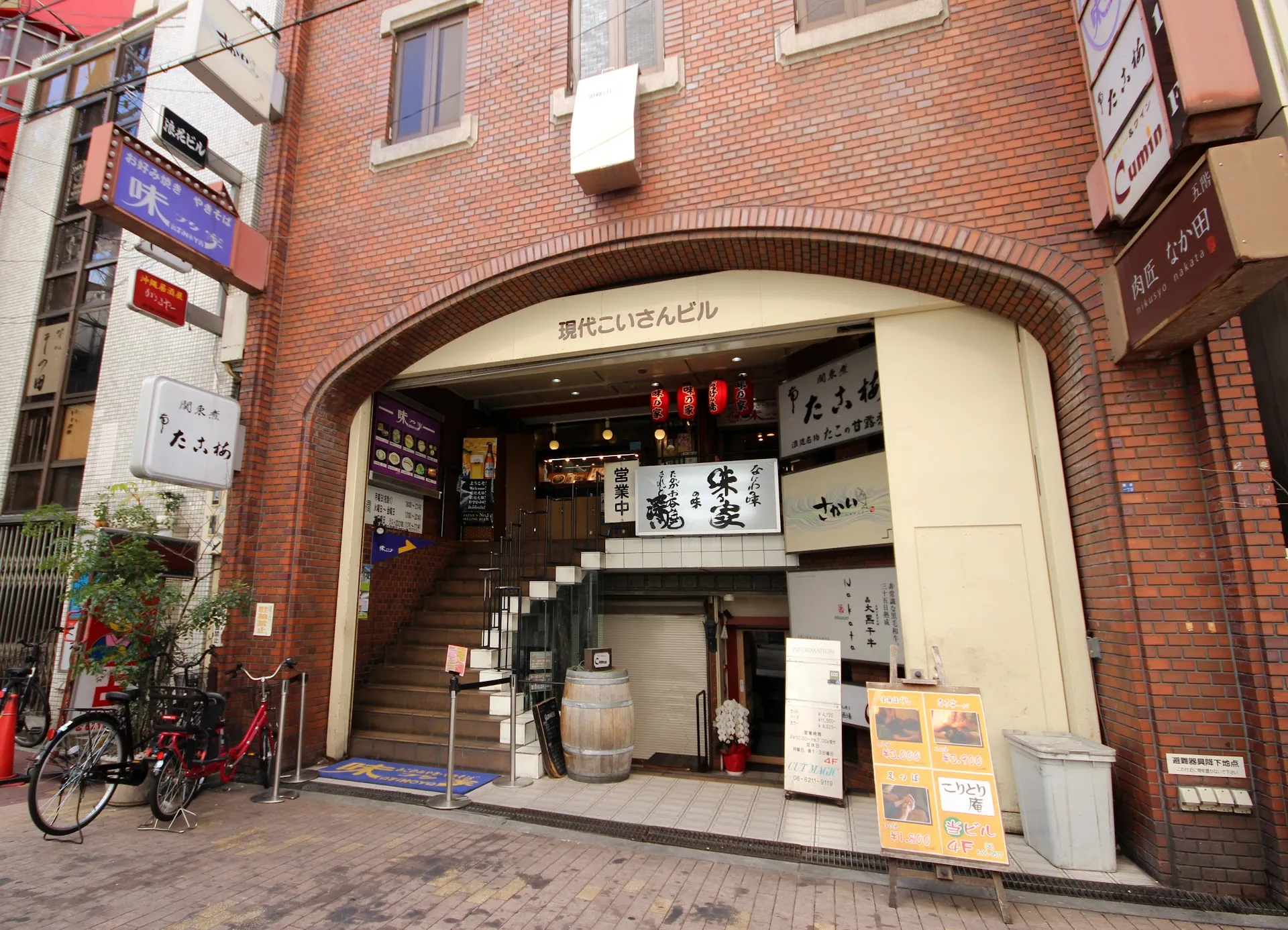
Ajinoya
Iconic okonomiyaki restaurant since 1945. Osaka-style savory pancakes cooked on a griddle right in front of you.
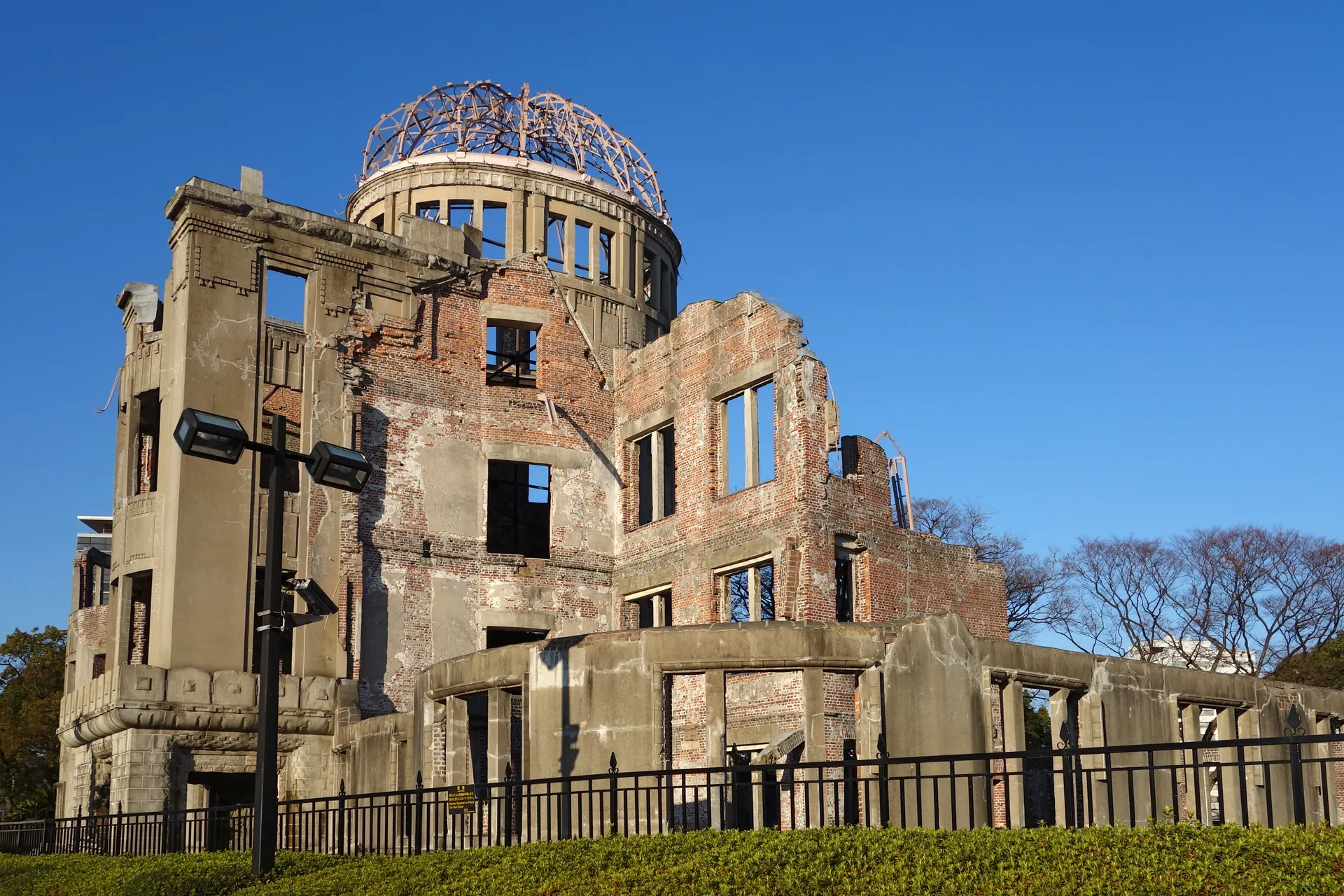
Atomic Bomb Dome (Genbaku Dome)
UNESCO World Heritage site. Preserved ruins of the only structure left standing near the atomic bomb's hypocenter. Iconic symbol of peace.
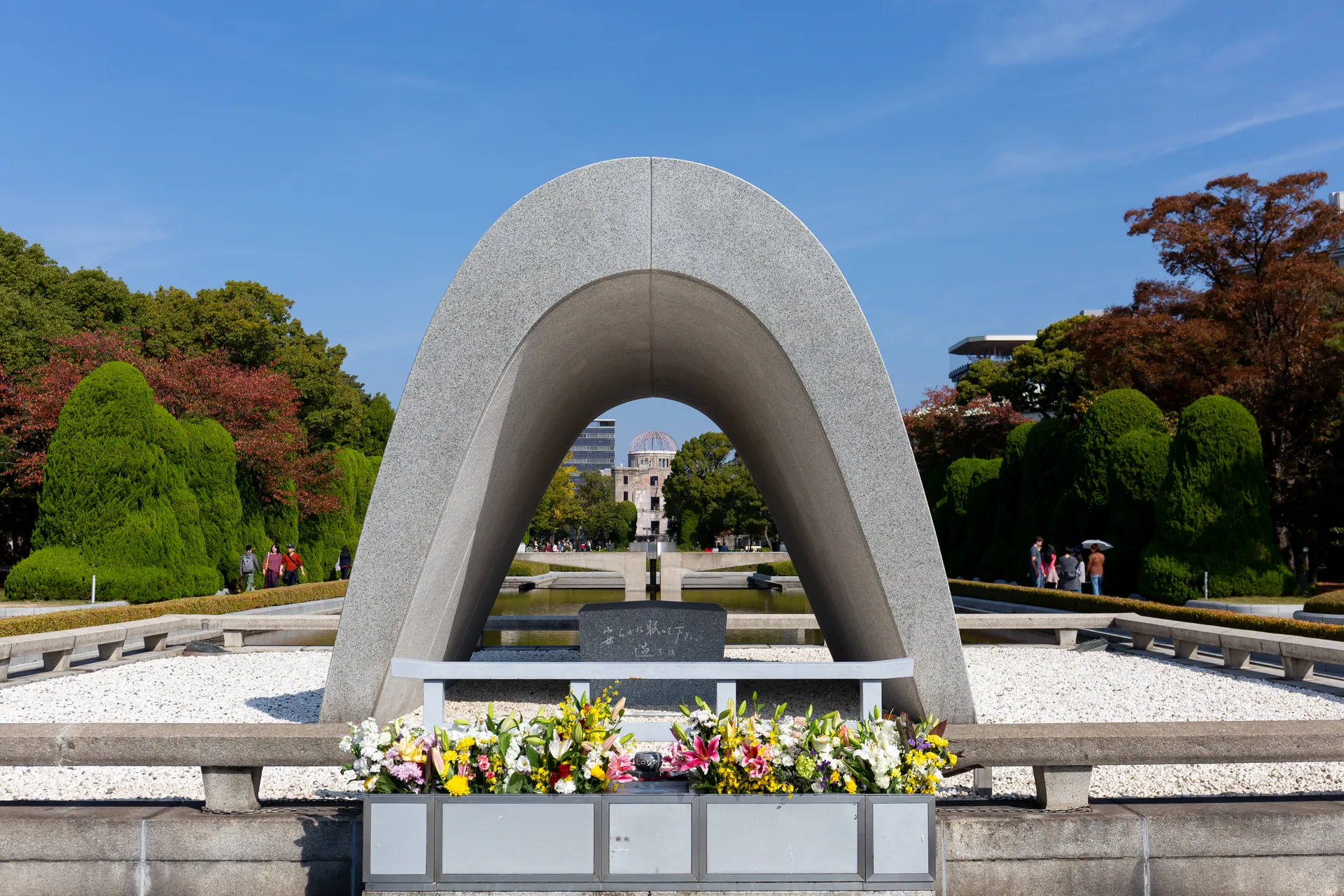
Peace Memorial Park
Expansive park dedicated to peace. Includes Peace Memorial, Cenotaph, Children's Peace Monument, Peace Flame, and Peace Bell.
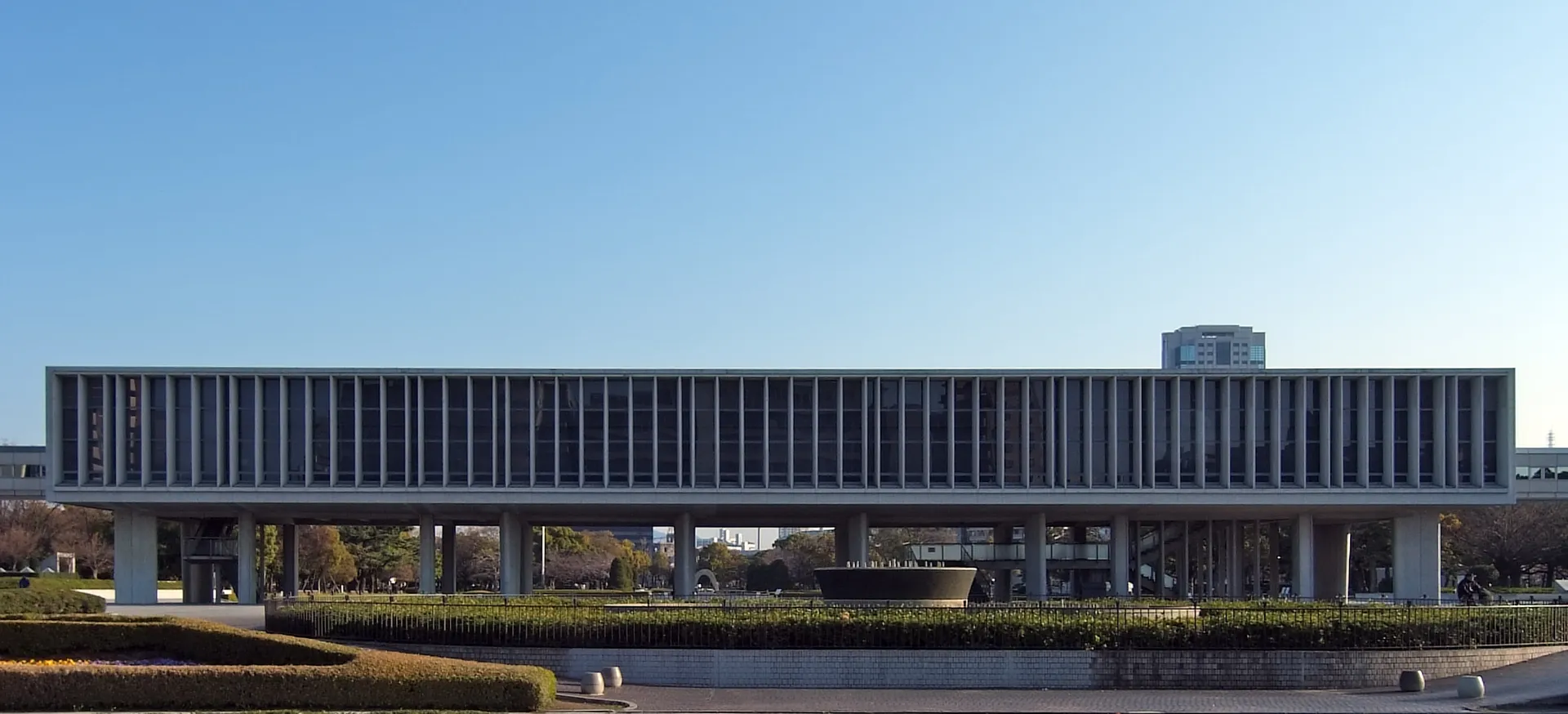
Hiroshima Peace Memorial Museum
Powerful museum documenting the atomic bombing of Hiroshima on August 6, 1945. Personal belongings, survivor testimonies, and historical context. Allow 2-3 hours.
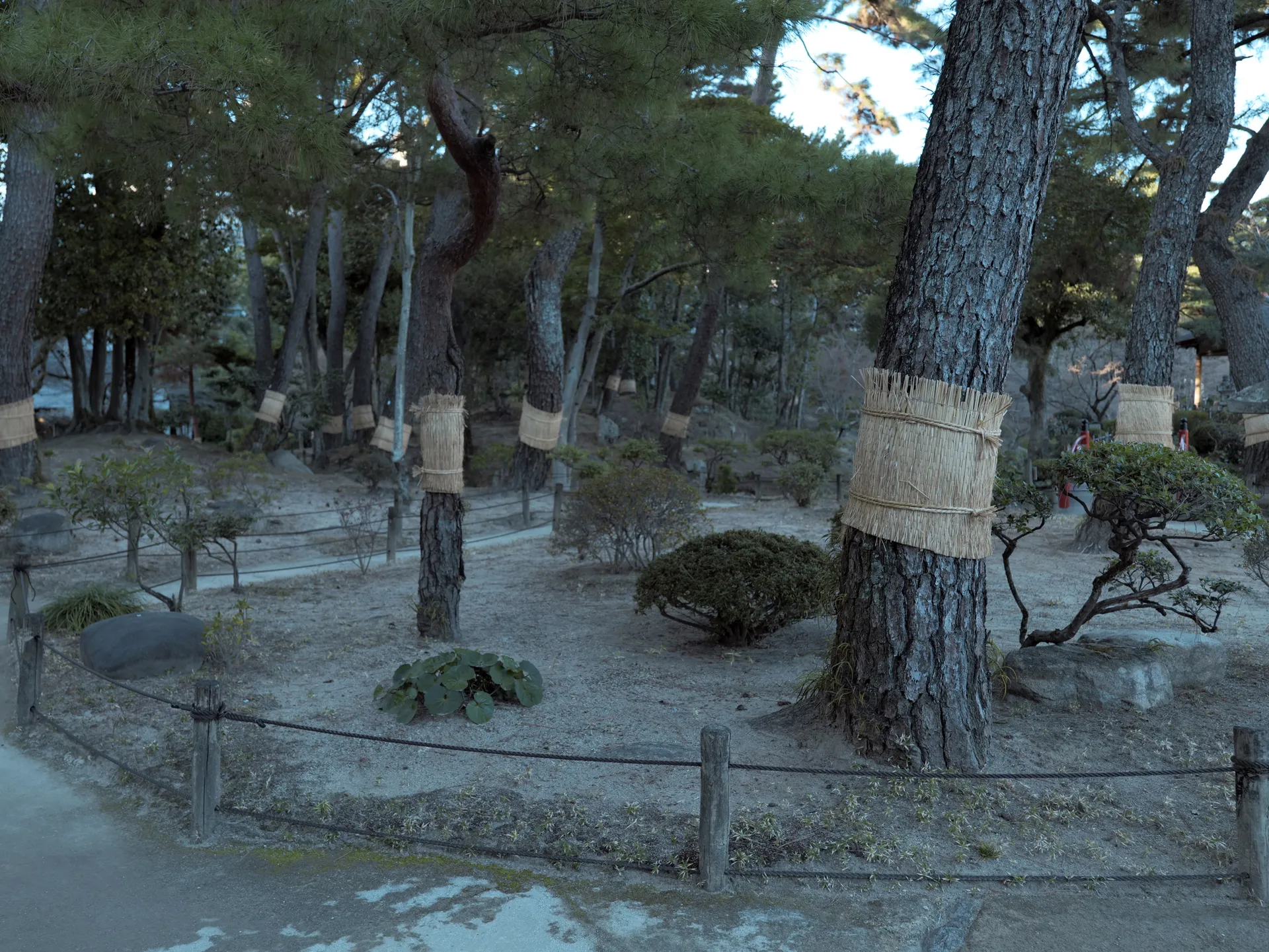
Shukkeien Garden
Historic Japanese garden from 1620. Miniature landscapes, ponds, bridges, tea houses. Reconstructed after atomic bombing.
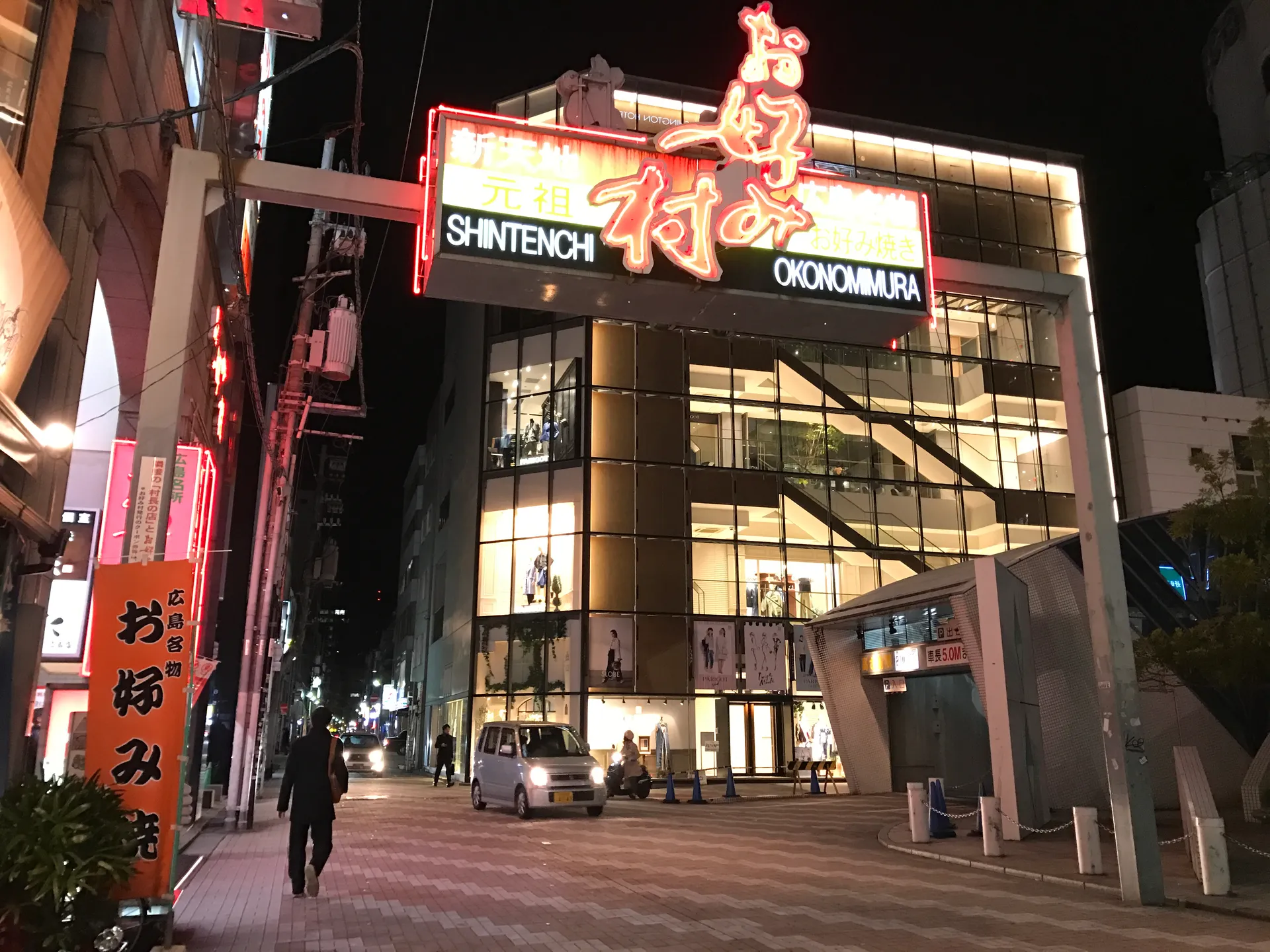
Okonomimura
4-floor building with 25+ okonomiyaki stalls. Each unique. Try Hiroshima-style okonomiyaki (layered, not mixed, with noodles).
Day by day
Old Tokyo: Asakusa & the East
Senso-ji Temple
Begin at Tokyo's oldest temple, approached through the great red Kaminarimon gate and the Nakamise shopping street. Arrive early to walk the precinct before the crowds.
Tip: Free and atmospheric at dawn; grab a melonpan from a Nakamise stall.
11:00Tokyo Skytree from Sumida River
Walk down to the Sumida River for the classic view of the Skytree rising over the water, a short stroll from Asakusa.
Tip: Sumida Park along the riverbank is lovely, especially in cherry-blossom season.
Ameyoko Market
Lunch and a wander through the lively Ameyoko market arcade under the Ueno train tracks, packed with food stalls, snacks and bargains.
Tip: Great for cheap street eats and a noisy slice of old Tokyo.
Ueno Park
Spend the afternoon in Ueno Park, Tokyo's museum quarter, with the option to dip into the Tokyo National Museum.
Tip: If museums appeal, the Tokyo National Museum's Japanese galleries are world-class.
18:30Omoide Yokocho
End the day in Shinjuku's Omoide Yokocho, a warren of tiny smoke-filled yakitori alleys, for skewers and beer elbow-to-elbow with locals.
Tip: Most stalls seat only a handful; expect to share a counter and pay cash.
Shibuya, Harajuku & Shinjuku
Meiji Shrine
Start in the forested calm of Meiji Shrine, a vast Shinto sanctuary hidden inside a man-made forest beside Harajuku.
Tip: Free entry; you may catch a traditional wedding procession on weekends.
Takeshita Street
Plunge into the candy-colored chaos of Takeshita Street in Harajuku, the heart of Tokyo youth fashion and crepe stands.
Tip: Busiest on weekends; the side streets of Cat Street are calmer and more stylish.
14:00Shibuya Crossing
Witness the world's busiest pedestrian scramble at Shibuya Crossing, then explore the surrounding shopping and dining streets.
Tip: The Starbucks overlooking the crossing has the best free vantage point.
15:30Shibuya Sky
Ride up to Shibuya Sky's open-air rooftop deck for a 360-degree panorama of the city sprawling to the horizon.
Tip: Book a timed slot near sunset for the best light over the skyline.
19:00Golden Gai
Finish in Shinjuku's Golden Gai, a tight maze of six tiny lanes packed with over 200 minuscule themed bars, a survivor of postwar Tokyo.
Tip: Some bars have a small cover charge; look for ones with English-friendly signs.
Markets, modern art & the bay
Tsukiji Outer Market
Graze your way through the Tsukiji Outer Market: tamagoyaki, fresh sushi, grilled seafood and knife shops, breakfast the Tokyo way.
Tip: Go hungry and early; many stalls sell out or close by early afternoon.
teamLab Planets
Wade barefoot through teamLab Planets, an immersive digital-art experience of water rooms, mirrored infinity spaces and floating gardens.
Tip: Book timed tickets online well ahead; wear shorts or roll up trousers for the water rooms.
14:00Odaiba Waterfront
Spend the afternoon on the Odaiba waterfront, with bay views back toward the city and the Rainbow Bridge.
Tip: A relaxed contrast to central Tokyo; great for sunset over the water.
18:00Ichiran Ramen Shibuya
Round off your Tokyo run with a focused bowl of tonkotsu ramen at Ichiran, where you customize and slurp in your own solo booth.
Tip: Order via the vending machine; the personalized booths are oddly soothing.
Onsen, Lake Ashi & Mt. Fuji
Hakone Open-Air Museum
Arrive in Hakone and start at the Open-Air Museum, where Henry Moore and Picasso sculptures sit against forested mountains.
Tip: Reachable on the Hakone Tozan mountain railway; allow 90 minutes for the grounds.
13:30Owakudani Valley
Ride the ropeway up to Owakudani, a steaming volcanic valley where sulphur vents hiss and you can eat the famous black eggs cooked in the hot springs.
Tip: Each black egg is said to add seven years to your life; on clear days, Fuji looms behind.
15:30Lake Ashi & Mt. Fuji View
Descend to Lake Ashi and cross it by sightseeing pirate ship, with Mt. Fuji reflected in the water on a clear day.
Tip: The Hakone Free Pass covers the ropeway, ship and mountain railway, well worth it for the loop.
17:00Hakone Shrine Floating Torii
Visit the Hakone Shrine and its iconic vermilion torii gate standing in the lake, one of Japan's most photographed scenes.
Tip: The lakeside torii draws a queue for photos in the late afternoon; arrive before the light fades.
19:00Traditional Ryokan Onsen Experience
Check into a ryokan for the night: a kaiseki dinner, tatami floors and a long soak in a hot-spring bath, the heart of the Hakone experience.
Tip: Book a ryokan with an onsen in advance; many include dinner and breakfast in the rate.
Higashiyama & Gion
Fushimi Inari Taisha
After the Shinkansen to Kyoto, head straight to Fushimi Inari and walk the thousands of vermilion torii gates winding up the sacred mountain.
Tip: Free and open 24 hours; the crowds thicken sharply after 9:30am.
Kiyomizu-dera
Cross town to Kiyomizu-dera, a vast wooden temple on a hillside with a terrace stage and sweeping views over Kyoto.
Tip: The approach streets are half the fun; allow time to browse them.
13:30Ninenzaka & Sannenzaka Steps
Wander down Ninenzaka and Sannenzaka, two preserved stone-stepped lanes of wooden shops, teahouses and craft stores.
Tip: Stop for matcha soft-serve and pick up handmade souvenirs.
Gion District
Explore Gion, Kyoto's historic geisha quarter, as the lanterns come on; you may glimpse a geiko or maiko heading to an appointment.
Tip: Be respectful: photography is restricted on the private side streets.
19:00Ippudo Ramen Kyoto
End with a rich bowl of tonkotsu ramen near the center, an easy, satisfying dinner after a long first day in Kyoto.
Tip: Expect a short queue at peak times; it moves quickly.
Golden North & Arashiyama
Kinkaku-ji (Golden Pavilion)
Start at the Golden Pavilion, sheathed in gold leaf and mirrored in its reflecting pond, Kyoto's most iconic image.
Tip: Morning light on the pond is best; the garden circuit is short and one-way.
10:45Ryoan-ji
A short hop to Ryoan-ji, Japan's most famous Zen rock garden: fifteen stones in raked gravel, designed so you can never see them all at once.
Tip: Sit on the veranda for a few quiet minutes before the groups arrive.
Arashiyama Bamboo Grove
Cross to western Kyoto and walk the towering green corridor of the Arashiyama Bamboo Grove, then explore the riverside town.
Tip: The grove is busiest midday; the paths just off the main route are calmer.
Tenryu-ji Garden
Visit Tenryu-ji, a UNESCO-listed Zen garden whose pond borrows the surrounding mountains as a backdrop. The grove exits near its north gate.
Tip: Garden-only tickets are cheaper if you skip the temple interior.
17:00Togetsu-kyo Area Restaurants
Wind down by the Togetsukyo bridge with an early dinner among the riverside restaurants of Arashiyama.
Tip: Lovely at golden hour with the river and the wooded hills.
Philosopher's Path & the center
09:30Ginkaku-ji (Silver Pavilion)
The understated Silver Pavilion and its moss and sand gardens anchor the northern end of the Philosopher's Path.
Tip: Start here and walk the canal south, not the other way around.
10:45Philosopher's Path
Stroll the canal-side stone path lined with cherry trees, dotted with small temples and cafes, a gentle, contemplative walk.
Tip: Magical in cherry-blossom season; pleasant year-round.
Nanzen-ji
Reach Nanzen-ji, a grand Zen complex with a towering wooden gate and a surprising brick aqueduct running through the grounds.
Tip: Climb the Sanmon gate for a view over the temple roofs.
14:30Traditional Tea Ceremony
Slow down with a traditional tea ceremony, learning the etiquette of whisking and serving matcha, a calming counterpoint to temple-hopping.
Tip: Book ahead; sessions are small and intimate.
Nishiki Market
Finish in Nishiki Market, five covered blocks of pickles, knives, tofu, sweets and street snacks, the best grazing in the city.
Tip: Eat as you go, but step aside to eat; walking and eating is frowned upon.
Day trip: deer, the Great Buddha & Naramachi
Nara Park
Take the short train from Osaka to Nara and start in Nara Park, where over a thousand free-roaming deer bow for crackers.
Tip: Buy shika-senbei (deer crackers) from vendors; bow to a deer and it may bow back.
10:30Todai-ji Great Buddha Hall
Enter Todai-ji's Great Buddha Hall, one of the world's largest wooden buildings, to stand before a 15-meter bronze Buddha.
Tip: Try squeezing through the famous pillar hole said to grant enlightenment.
Kasuga Taisha Shrine
Walk through the forest to Kasuga Taisha, a Shinto shrine famous for its thousands of moss-covered stone and bronze lanterns.
Tip: The lantern-lined approach paths through the woods are the highlight.
Isuien Garden
Pause in the serene Isuien Garden, a classic strolling garden that frames Todai-ji and the hills in its 'borrowed scenery'.
Tip: A peaceful break from the deer crowds; the tea house views are lovely.
Naramachi District
End in Naramachi, the old merchant quarter of narrow lanes, machiya townhouses, craft shops and cafes, before the train back to Osaka.
Tip: A relaxed place to shop for local crafts and grab a late lunch or coffee.
Castle, street food & Dotonbori
Osaka Castle
Begin at Osaka Castle, a reconstructed keep set in a vast moated park, with a museum inside and city views from the top.
Tip: The surrounding park is free and beautiful; cherry trees bloom here in spring.
Kuromon Ichiba Market
Head to Kuromon Ichiba Market, 'Osaka's kitchen', for fresh seafood, grilled scallops, wagyu skewers and fruit, eaten on the spot.
Tip: Many stalls grill and serve to order; go hungry and graze widely.
14:30Shinsekai
Wander the retro Shinsekai district beneath the Tsutenkaku tower, a nostalgic neon throwback and the home of kushikatsu.
Tip: Try kushikatsu (deep-fried skewers) here, but never double-dip the communal sauce.
Dotonbori
Finish your night in Dotonbori, the dazzling canalside strip of giant signs, takoyaki, okonomiyaki and the Glico running man.
Tip: The neon reflections on the canal are the classic Osaka photo after dark.
20:00Ajinoya
Sit down for okonomiyaki, Osaka's savory griddled pancake, cooked on the hotplate in front of you.
Tip: Osaka-style is mixed in one batter; let the staff flip it if you are unsure.
Peace Memorial Park & reflection
Atomic Bomb Dome (Genbaku Dome)
Arrive in Hiroshima and walk first to the Atomic Bomb Dome, the skeletal ruin left standing near the hypocenter, a UNESCO World Heritage site.
Tip: A short tram ride from Hiroshima Station; the dome is moving even from the outside.
Peace Memorial Park
Cross into the Peace Memorial Park, a green expanse of monuments including the Children's Peace Monument and the Flame of Peace.
Tip: Allow time at the Children's Peace Monument, hung with thousands of paper cranes.
Hiroshima Peace Memorial Museum
Spend the late morning in the Peace Memorial Museum, a powerful, sobering account of the 1945 bombing and the case for peace.
Tip: Emotionally heavy but essential; give yourself at least 90 minutes inside.
14:00Shukkeien Garden
Reset in Shukkeien, a beautiful 17th-century landscape garden of miniature mountains, valleys and a central pond.
Tip: A quiet, restorative contrast after the museum; loop the pond at your own pace.
Okonomimura
End your journey with Hiroshima-style okonomiyaki at Okonomimura, a building of stacked stalls layering noodles, cabbage and egg.
Tip: Hiroshima-style is layered (not mixed) and includes yakisoba noodles, distinct from Osaka's.
Getting between stops
What it costs
A mid-range trip runs roughly $130-200 per person per day including a centrally located hotel, three meals, local transit and attractions. The biggest single costs are the inter-city Shinkansen legs (Hakone-Kyoto and Osaka-Hiroshima are the priciest). A 7-day Japan Rail Pass can pay off if you ride multiple long-distance trains, but for this exact route it is often cheaper to buy point-to-point tickets, run the numbers for your dates. Budget travelers using hostels and convenience-store meals can do it for far less; ryokan and kaiseki in Hakone push the splurge end up.~$130-200 USD / day
Frequently asked questions
- Is 10 days enough for the Japan Golden Route?
- Yes. Ten days is the ideal length to do the full Tokyo-Hakone-Kyoto-Nara-Osaka-Hiroshima route at a comfortable pace, with three nights in Tokyo, a ryokan night in Hakone, three nights in Kyoto, two in Osaka (with a Nara day trip) and a final night in Hiroshima. It covers Japan's greatest hits without feeling rushed.
- Should I buy a Japan Rail Pass for this itinerary?
- It depends on your dates. The 7-day JR Pass covers the Tokyo-area JR, the Hikari/Sakura Shinkansen to Kyoto and Hiroshima, and most local trains, but it does not cover the Odakyu Romancecar to Hakone or the fastest Nozomi trains. For this exact route, point-to-point tickets are often cheaper than the pass, so add up your legs first. The pass shines if you add extra long-distance side trips.
- What is the best way to get between cities on the Golden Route?
- The Shinkansen (bullet train) is the backbone: Odawara to Kyoto on the Hikari (about 1h45m), Kyoto to Osaka on a JR Special Rapid (28 min), and Shin-Osaka to Hiroshima on the Sakura or Nozomi (about 1h25m). Tokyo to Hakone is best done on the Odakyu Romancecar from Shinjuku. All legs, with fares and durations, are saved in this itinerary.
- Is Nara worth visiting as a day trip?
- Absolutely. Nara is an easy 35-45 minute train ride from Osaka (or Kyoto) and packs in Japan's giant bronze Great Buddha at Todai-ji, the lantern-lined Kasuga Taisha shrine and the famous bowing deer of Nara Park. Half a day to a full day is plenty, which is why this itinerary treats it as a day trip from your Osaka base.
- When is the best time to do the Golden Route?
- Cherry-blossom season (late March to mid-April) and autumn foliage (mid-November to early December) are the most beautiful but also the most crowded and expensive, book early. For mild weather with thinner crowds, target May, early June or October. Summer is hot and humid; winter is quiet and crisp.
Make this trip yours
Save this itinerary and customize it — dates, stops, budget and friends, all in one place.