
Kansai is the cultural heartland of Japan, and this five-day route covers its three essential cities at a comfortable pace. You start with two nights in Kyoto, working through its headline temples, the Gion geisha quarter, and the Arashiyama bamboo country. Mid-trip you take an easy Nara day trip to meet the free-roaming deer and stand beneath the bronze Great Buddha of Todai-ji. Then you shift base to Osaka for two nights of street food, neon, and the castle, ending on the city's exuberant, food-obsessed energy. Everything is linked by fast, frequent trains, so you spend your time exploring rather than commuting. Save any stop to drop it straight into your own TripBox itinerary with dates, a map, and your travel companions.
5 Days in Kansai: Kyoto, Nara & Osaka
5 days3 stopsFirst-time visitors who want the best of Kansai: temples, deer, and food
The route
- Kyoto2n
- Nara0n
- Osaka2n
Everywhere you'll go
Every stop on this itinerary — tap a card for details or to save it.
Must visit
Shrine5.0
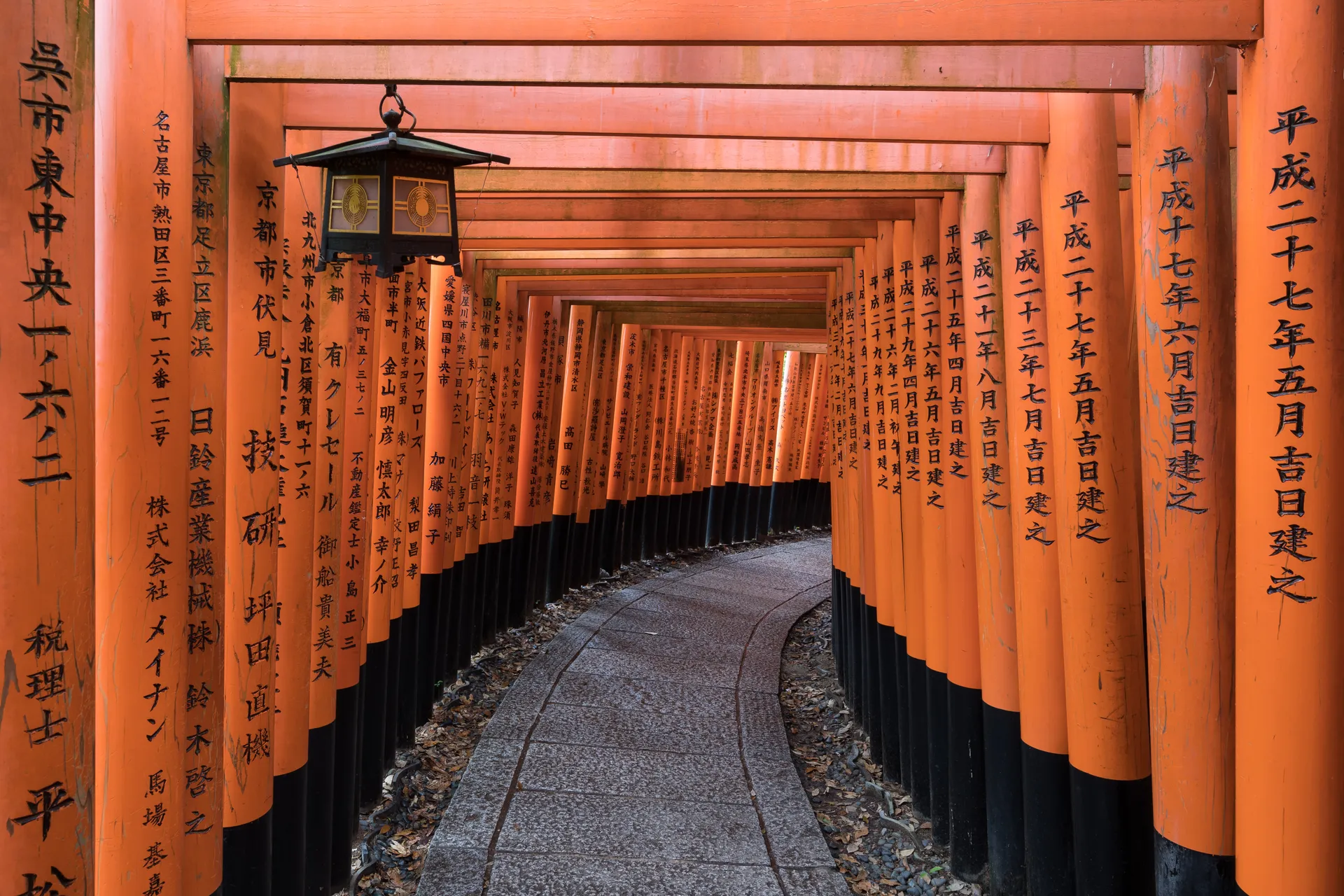
Fushimi Inari Taisha
Iconic shrine famous for its 10,000 vermillion torii gates winding up Mount Inari. One of Kyoto's most visited and photographed sites.
Fushimi
Must visit
Temple5.0
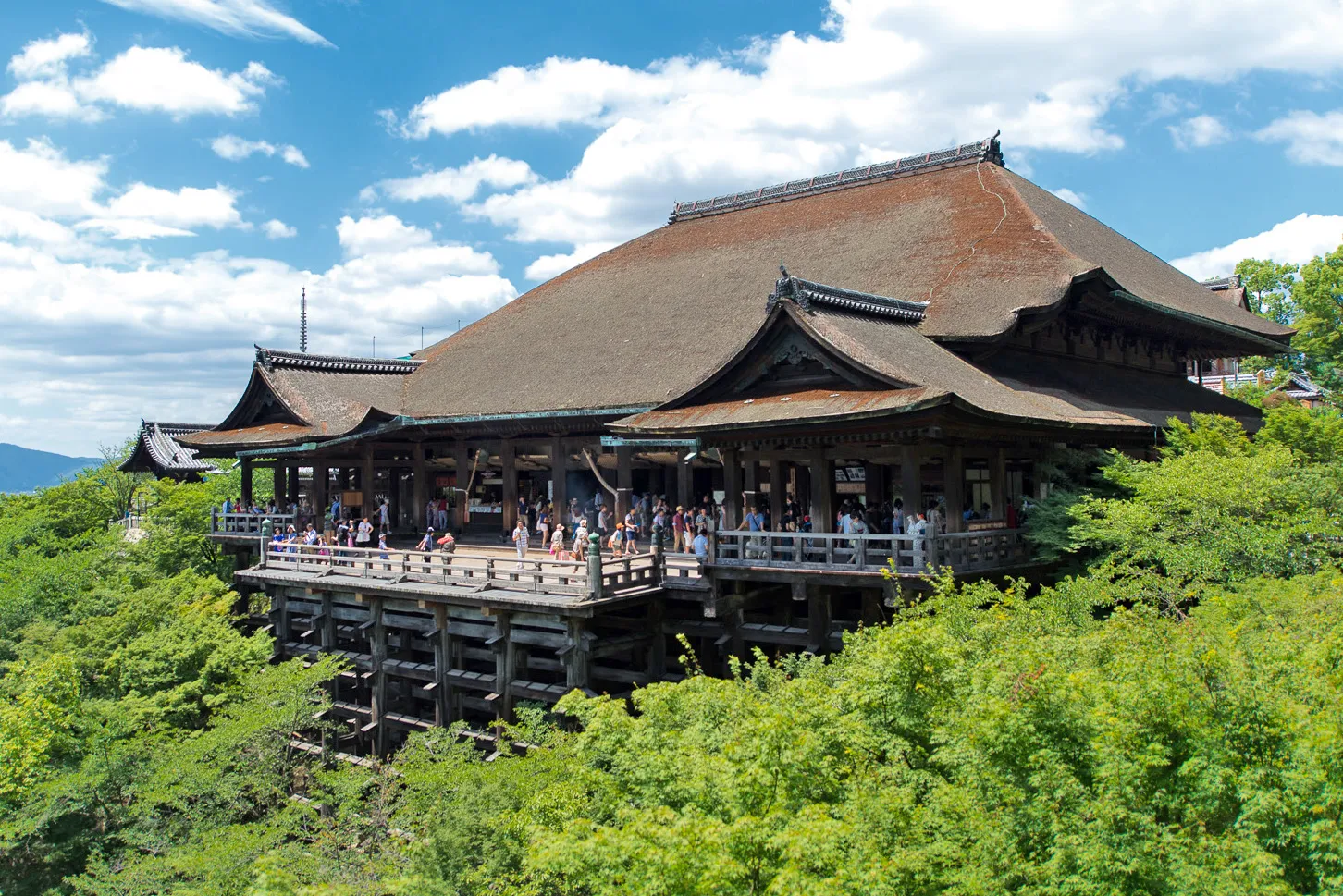
Kiyomizu-dera
Historic Buddhist temple renowned for its wooden stage offering panoramic views of Kyoto. UNESCO World Heritage Site with stunning seasonal beauty.
Higashiyama
Street
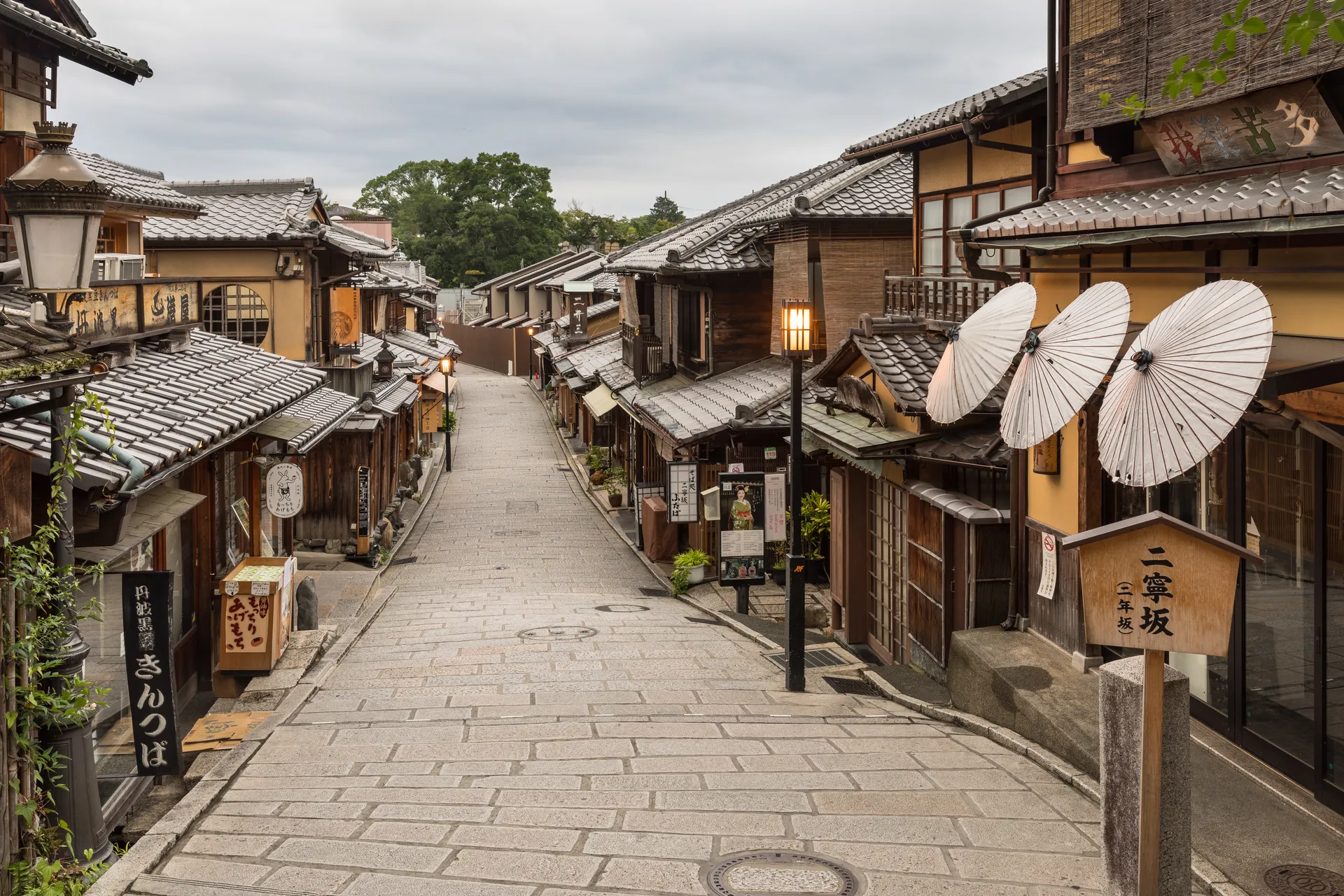
Ninenzaka & Sannenzaka Steps
Preserved Edo-period stone steps lined with wooden machiya shops. Yasaka Pagoda visible from the bend. Quintessential old Kyoto streetscape.
Higashiyama, Kyoto
Must visit
Scenic Spot5.0
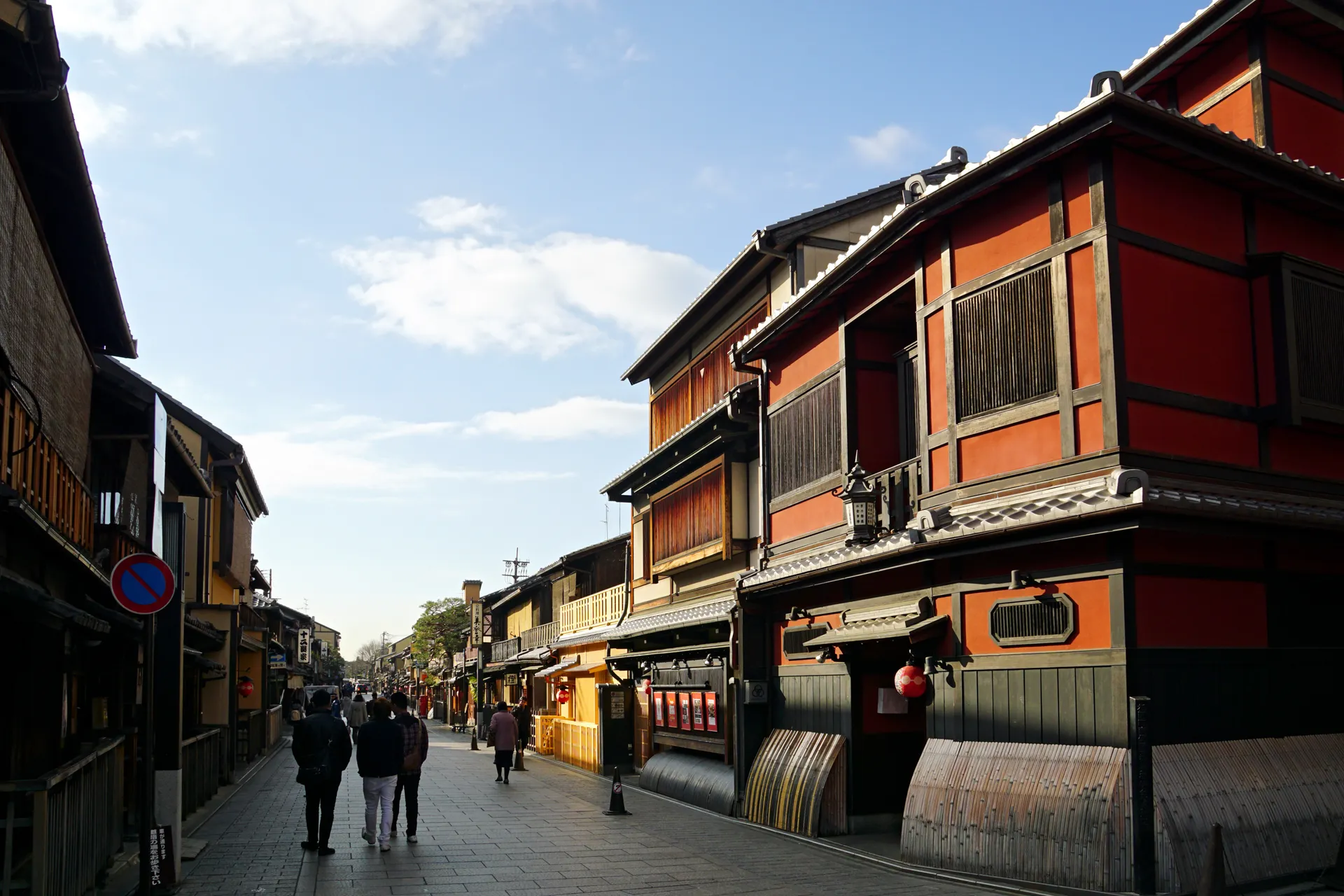
Gion District
Kyoto's most famous geisha district. Traditional wooden machiya townhouses, tea houses, and atmospheric streets where geiko and maiko can be spotted at dusk.
Higashiyama
Ramen4.0
Ippudo Ramen Kyoto
Renowned tonkotsu ramen chain with a dedicated Kyoto outpost. Rich, creamy pork bone broth and perfectly thin noodles.
Nakagyo
Must visit
Temple5.0
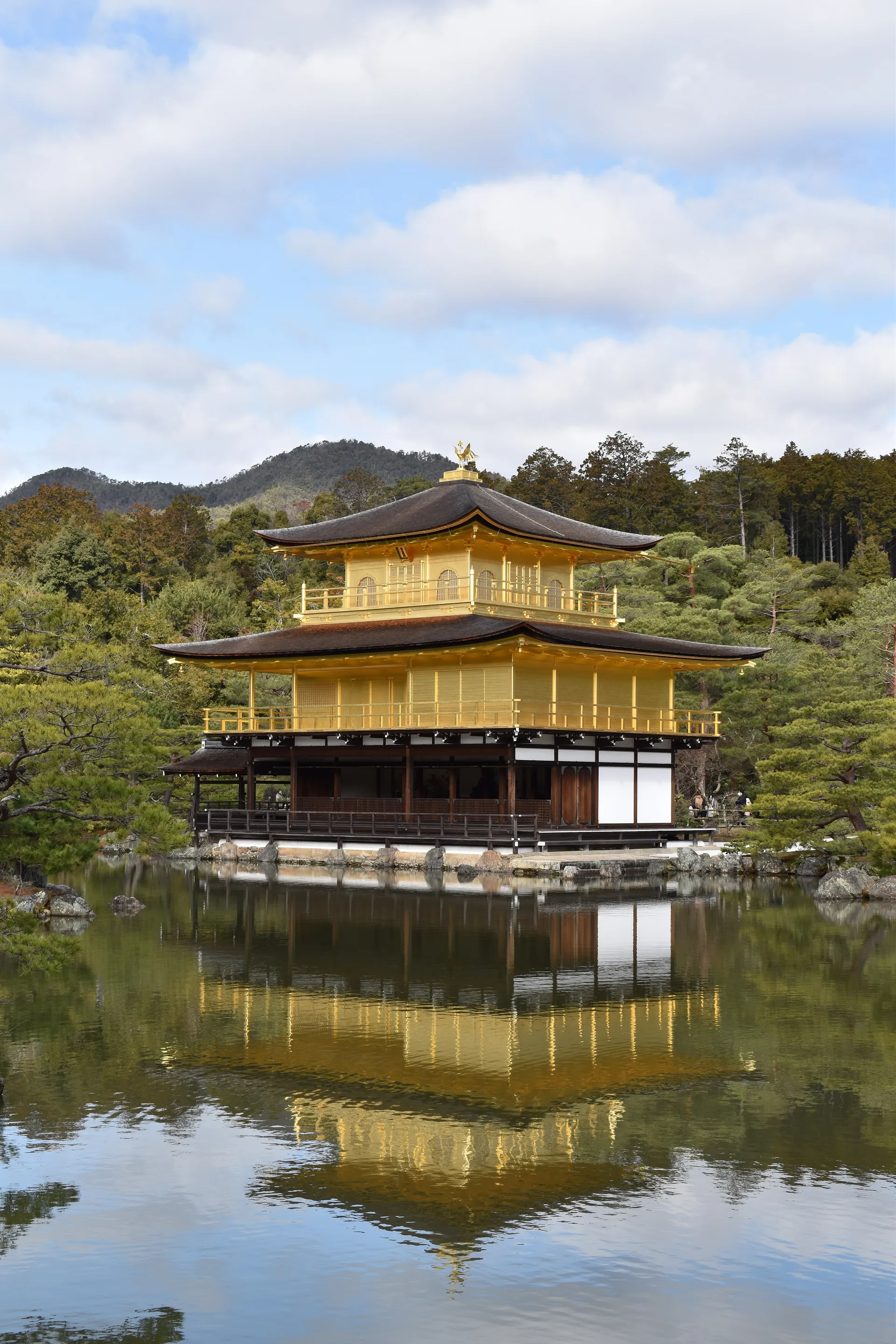
Kinkaku-ji (Golden Pavilion)
Stunning Zen Buddhist temple covered in gold leaf, reflected beautifully in its surrounding mirror pond. UNESCO World Heritage Site.
Kita Ward
Temple5.0
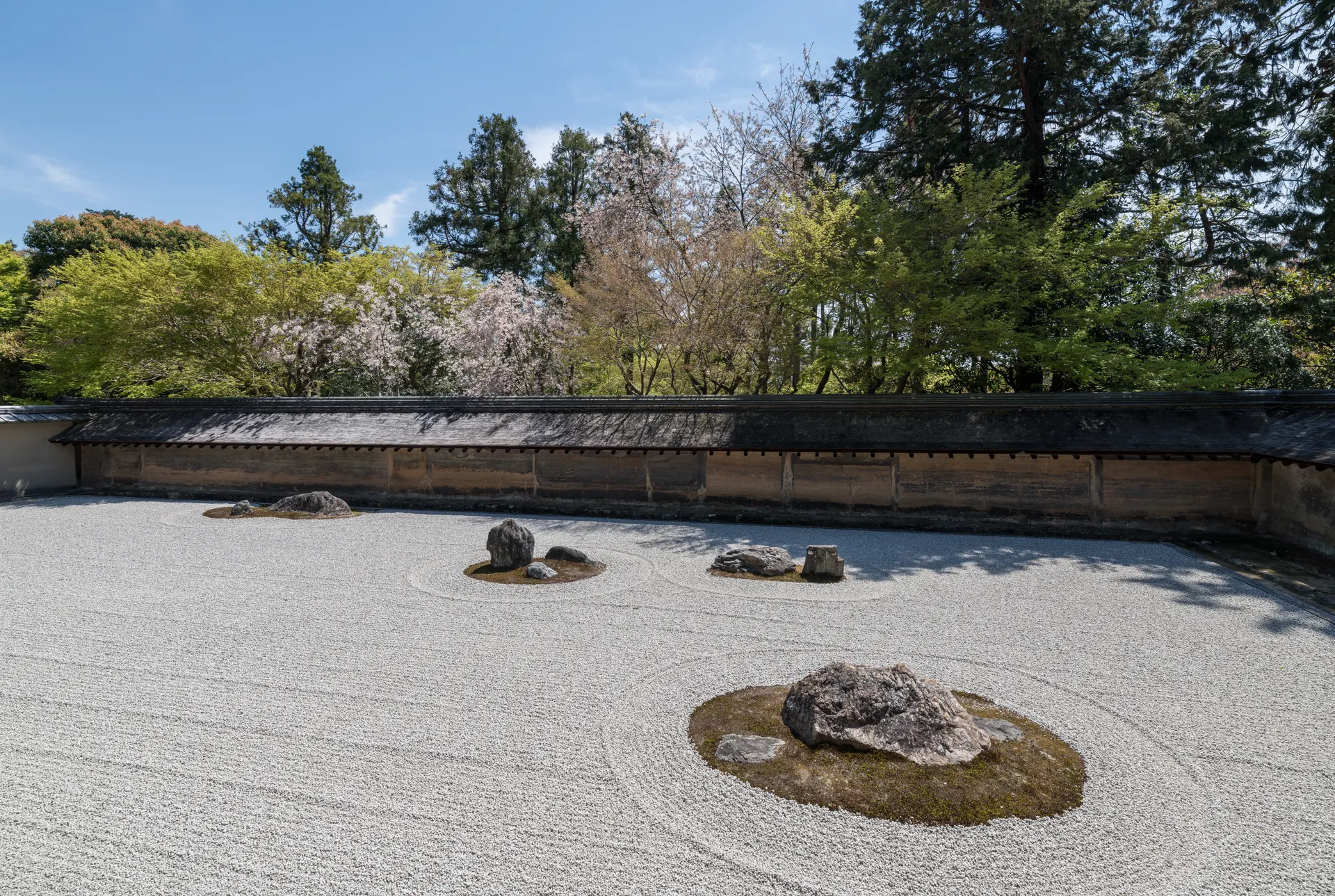
Ryoan-ji
Zen temple home to Japan's most famous rock garden. Fifteen stones arranged on raked white gravel, a masterpiece of meditative design.
Ukyo Ward
Must visit
Park5.0
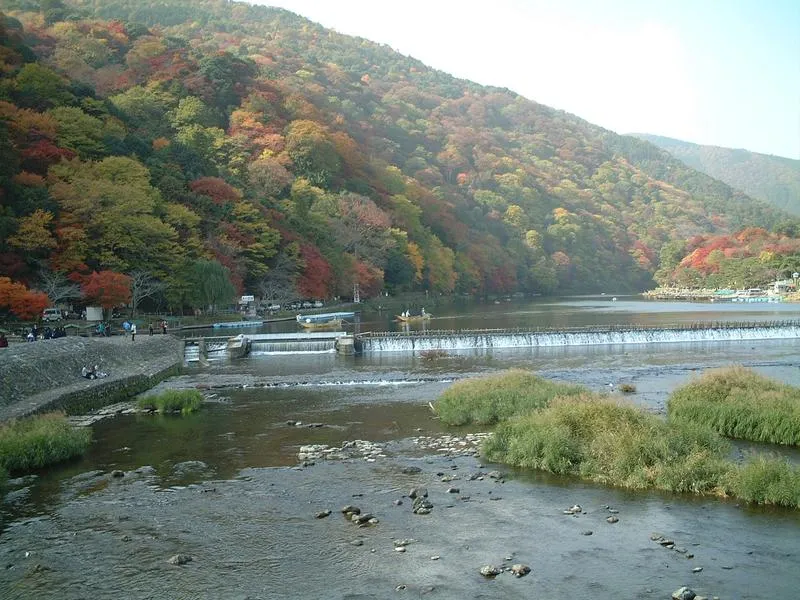
Arashiyama Bamboo Grove
Towering bamboo stalks create an otherworldly tunnel of green. The rustling sound of bamboo in the wind is designated a soundscape of Japan.
Arashiyama
Must visit
Park5.0
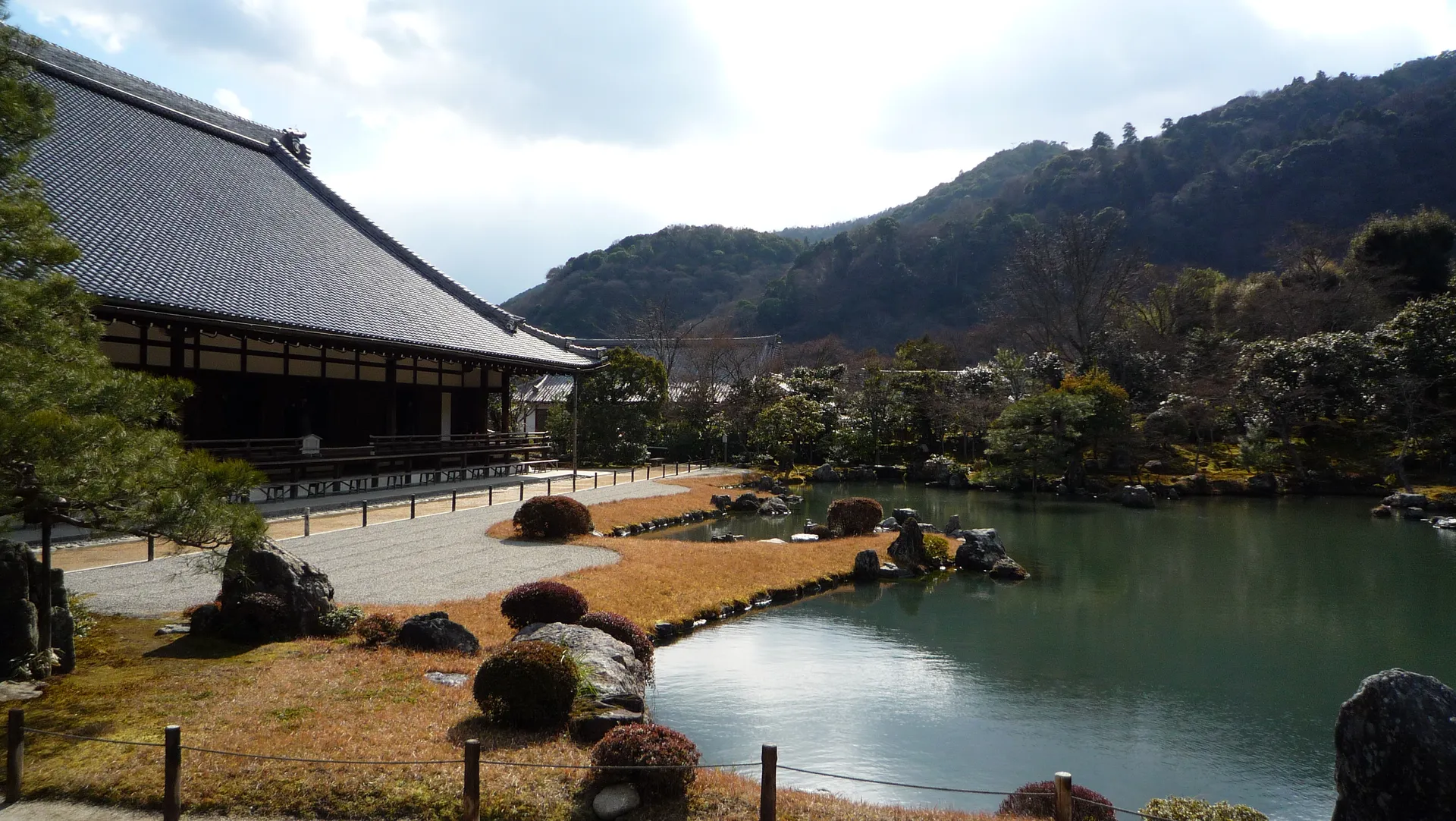
Tenryu-ji Garden
UNESCO World Heritage. 14th-century Sogenchi Pond garden with borrowed scenery (shakkei) from Arashiyama mountains. Japan's first designated Historic Site and Special Place of Scenic Beauty.
Ukyo
Sunset Spot
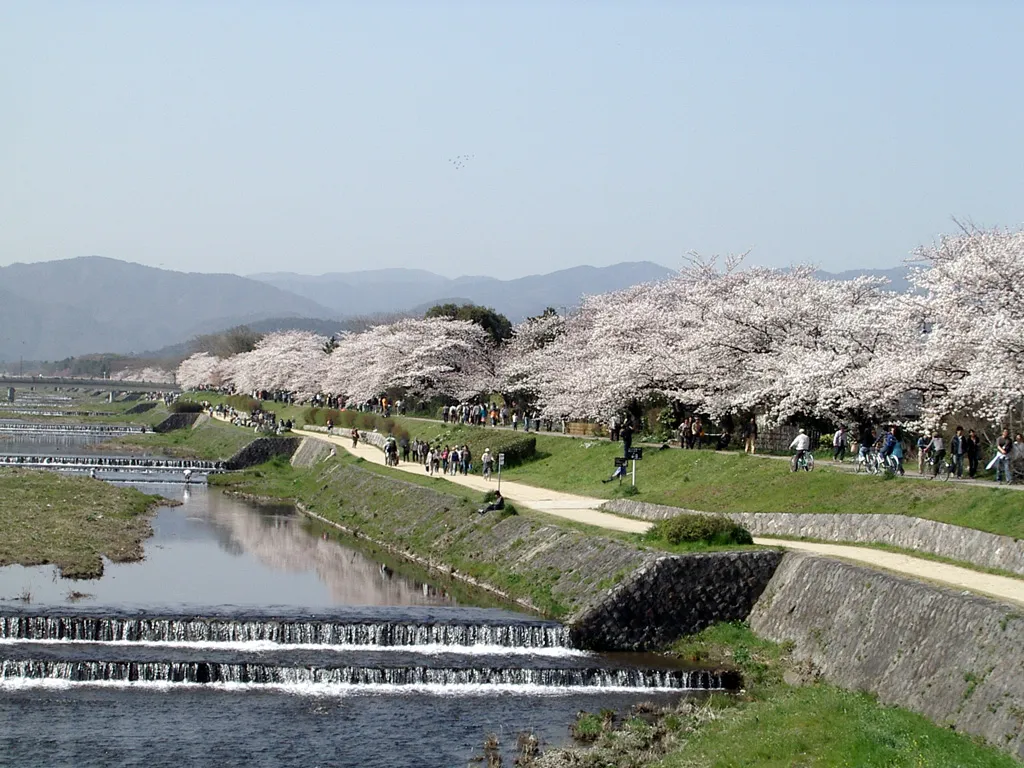
Kamo River Evening
River with traditional buildings lining its banks. Locals gather along the riverbank at sunset.
Kyoto
Must visit
Park5.0
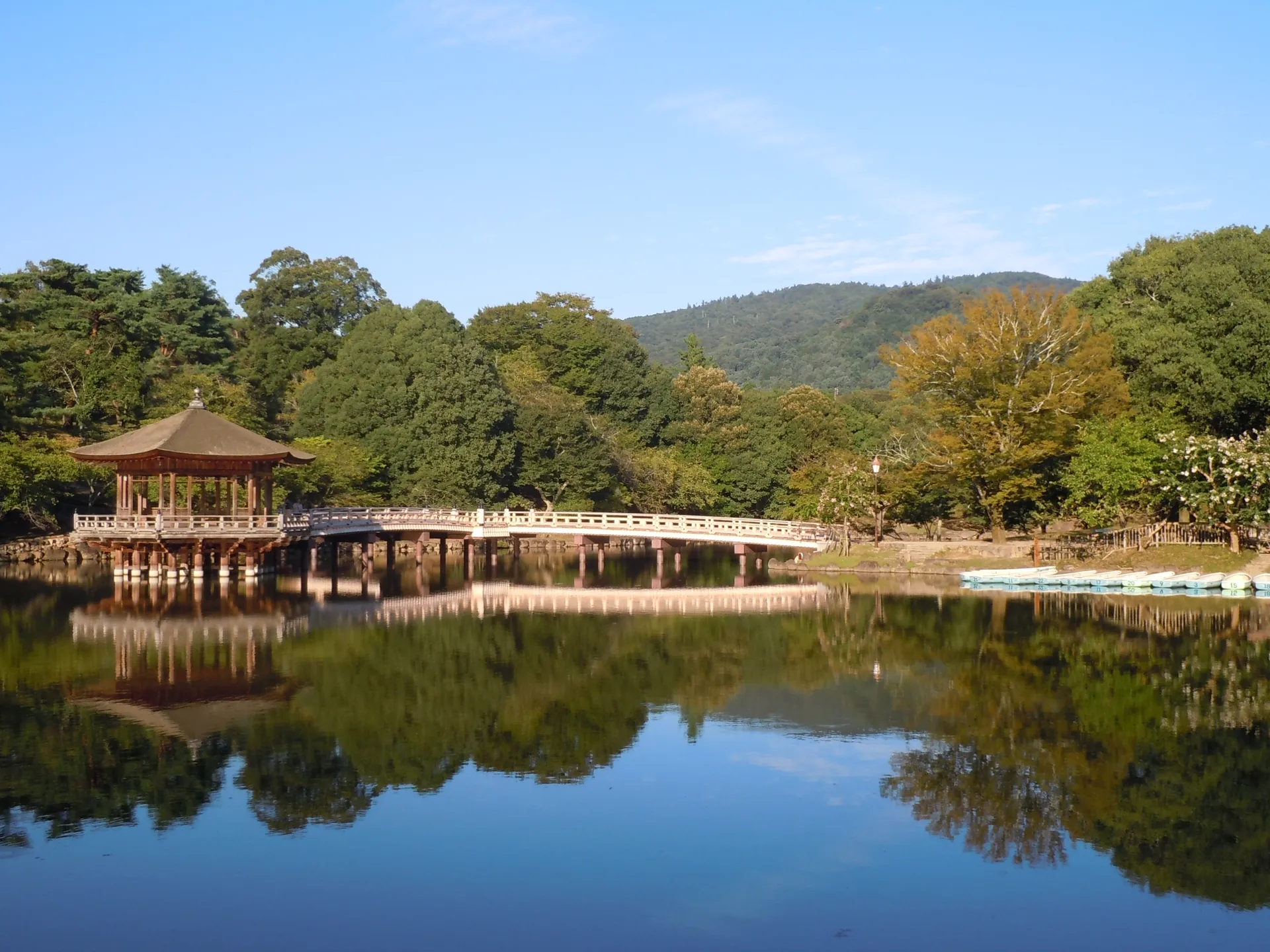
Nara Park
660-hectare park with 1,000+ free-roaming sacred deer. Messengers of Shinto gods. Feed them crackers!
Must visit
Temple5.0
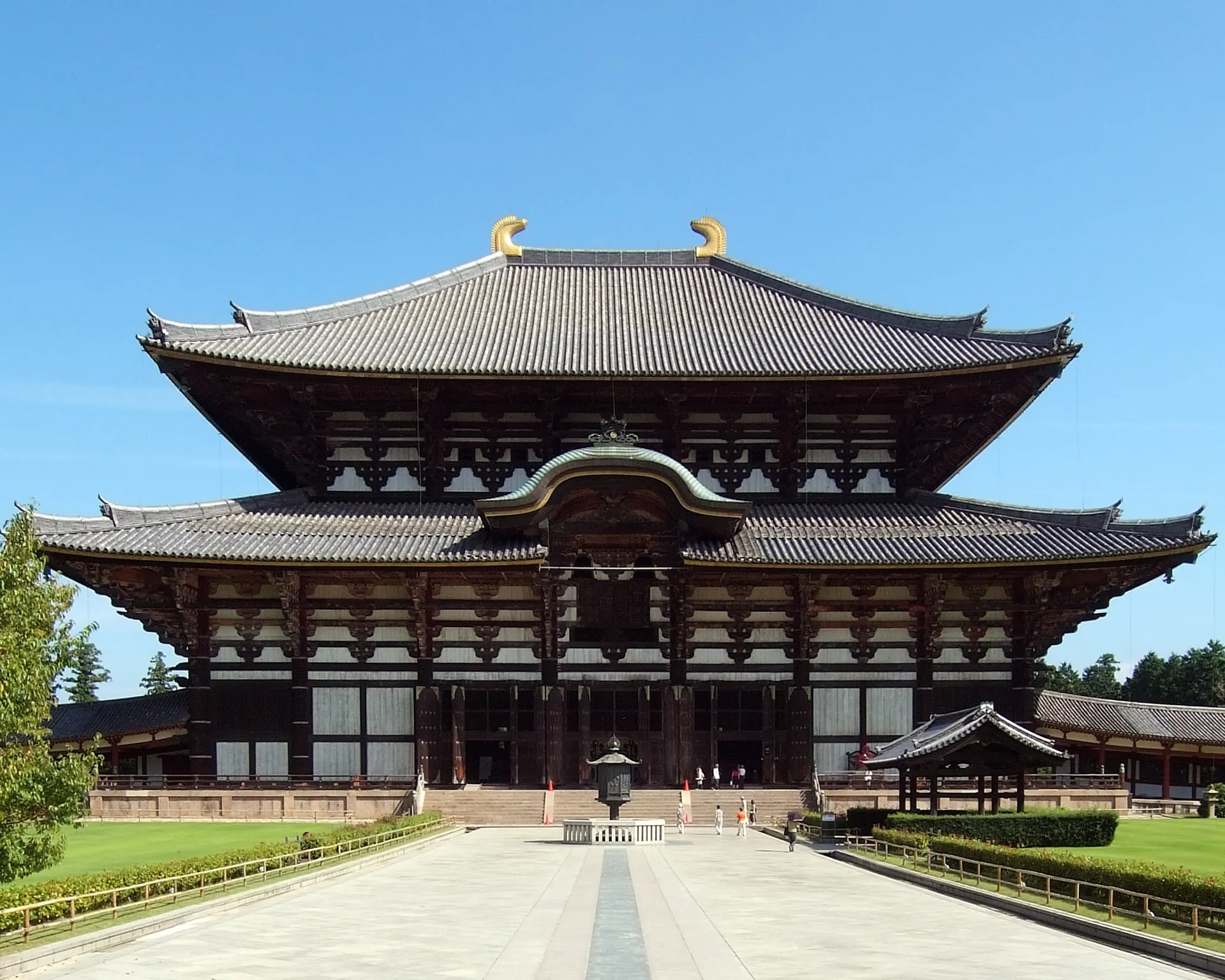
Todai-ji Temple
World's largest wooden building housing the Great Buddha (Daibutsu). 15m tall bronze statue. UNESCO World Heritage site.
Must visit
Shrine5.0
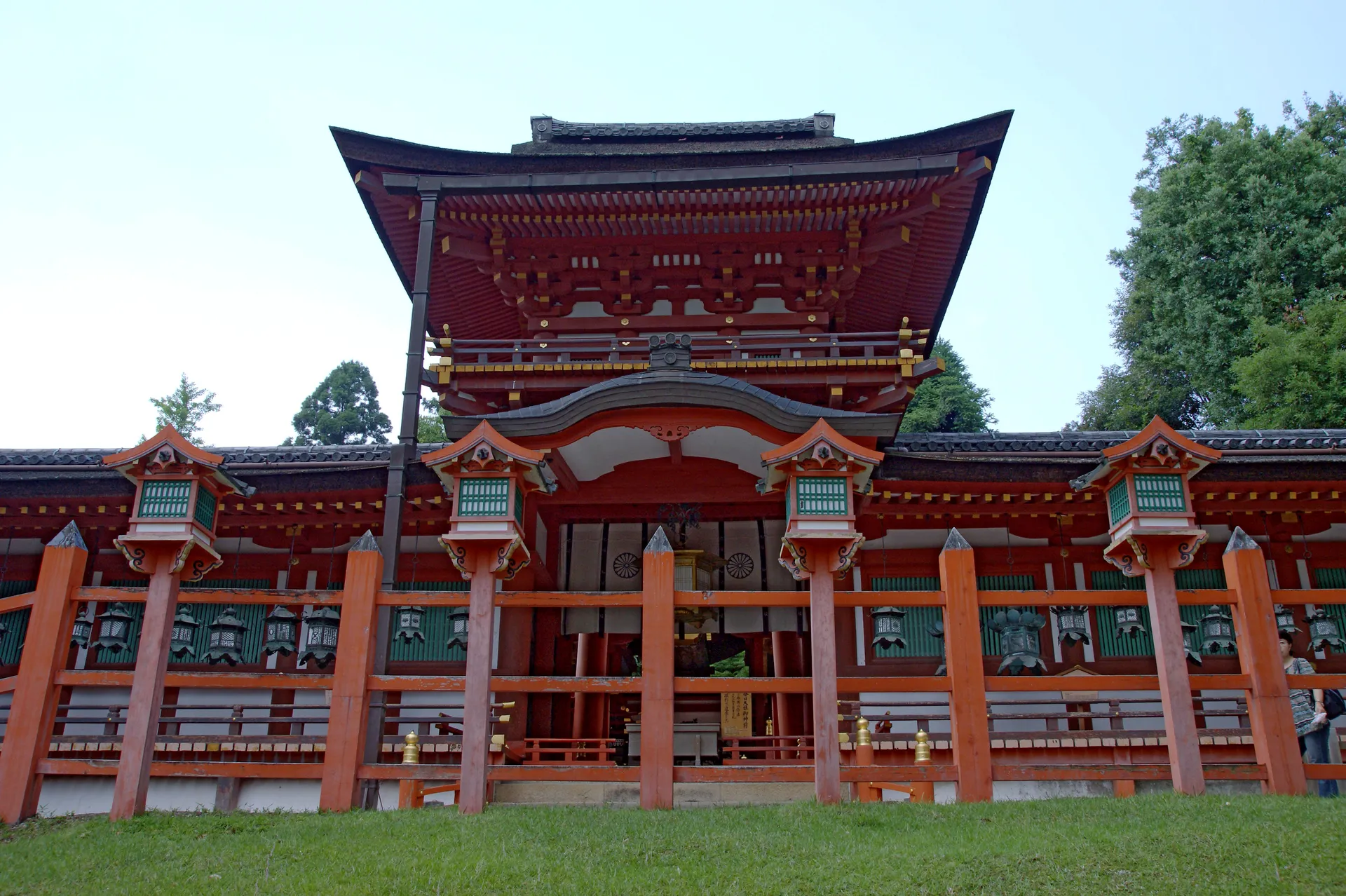
Kasuga Taisha Shrine
UNESCO World Heritage shrine with 3,000 bronze and stone lanterns. Vermilion torii gates. Most celebrated shrine in Nara.
Must visit
Shopping Area5.0
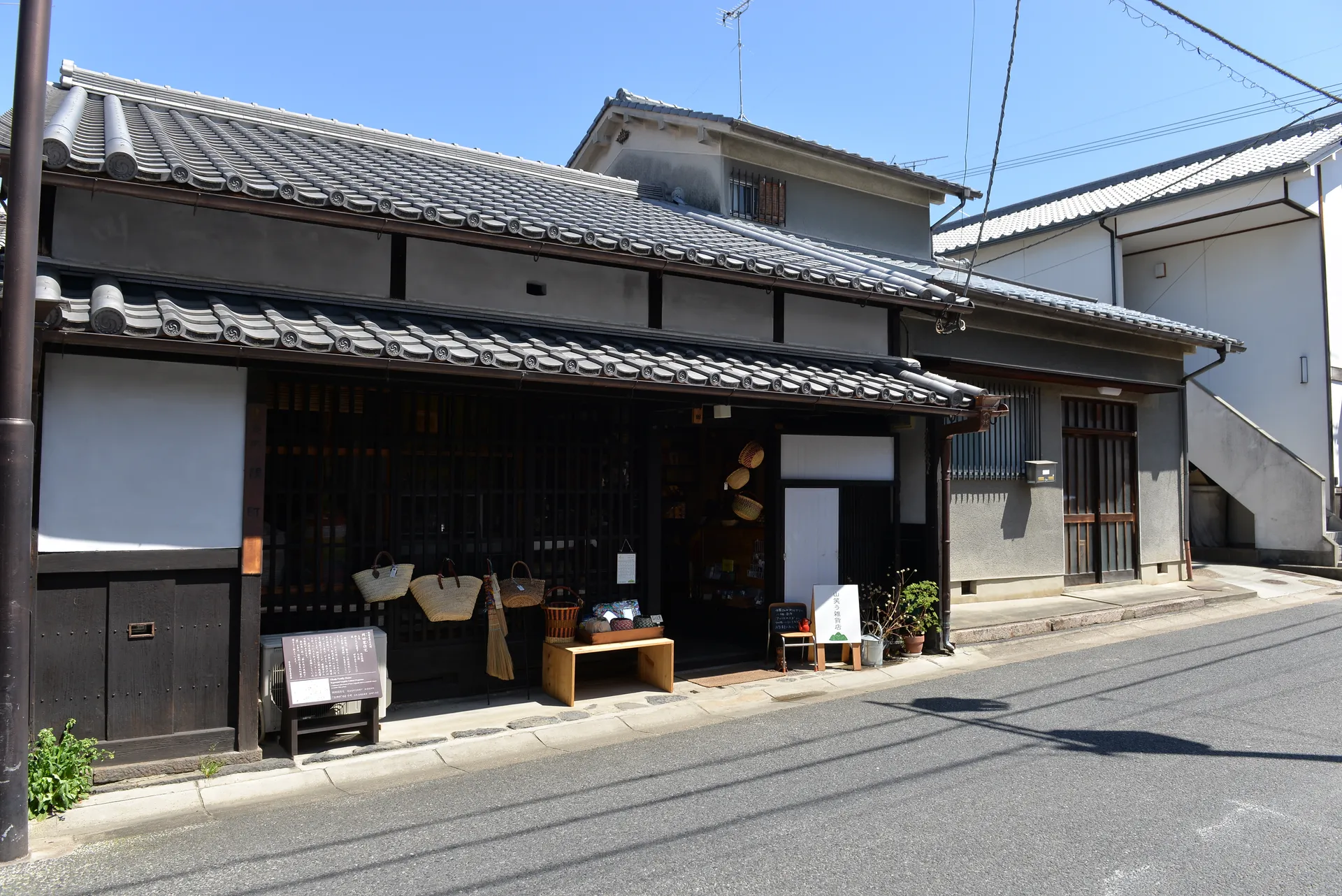
Naramachi District
Old merchant quarter with traditional machiya houses. Craft shops, cafes, galleries, antiques. 8th century origins.
Must visit
Park5.0
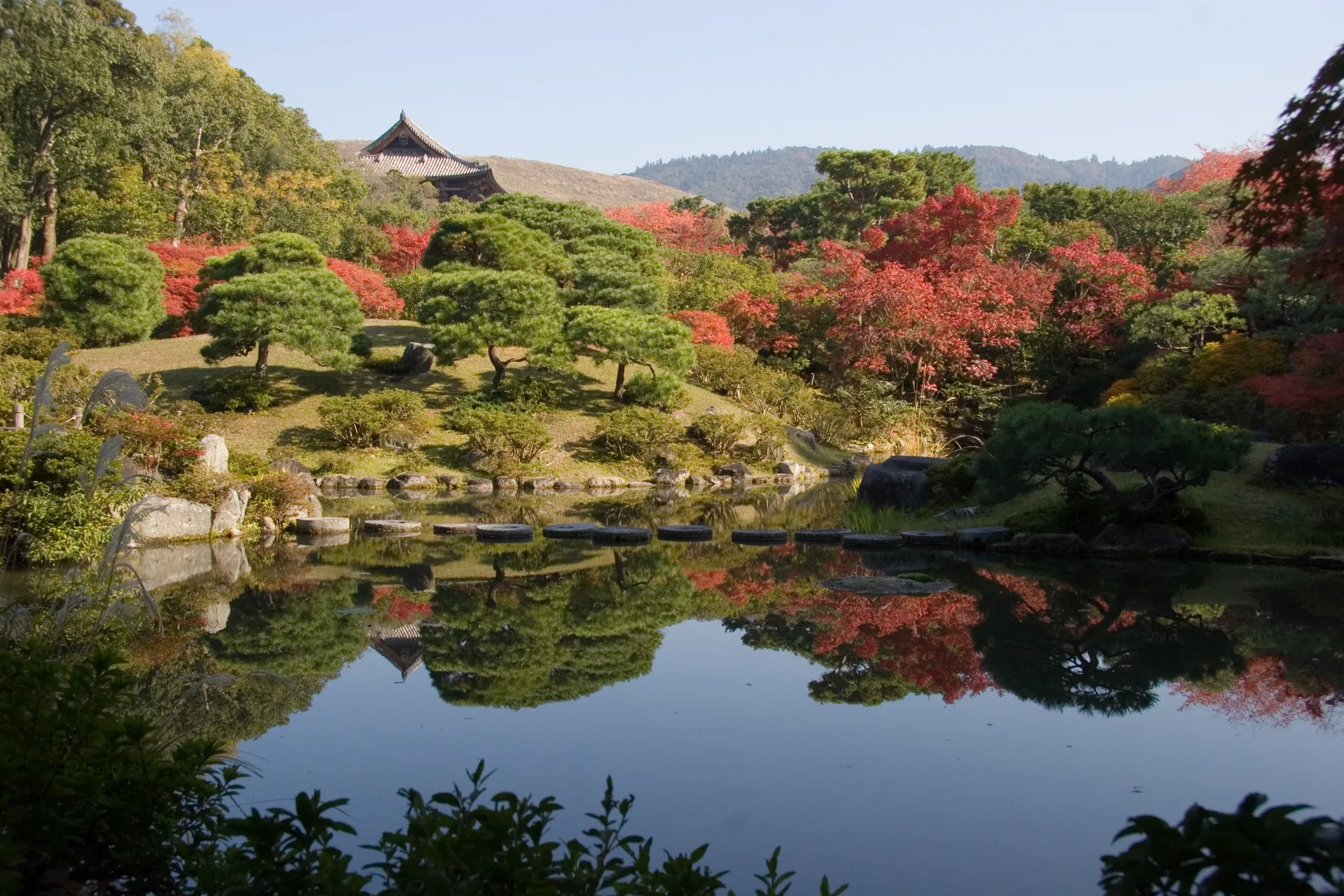
Isuien Garden
Photographer's dream. Two gardens: 17th century front, 1899 rear. Ponds, streams, hills, traditional architecture.
Must visit
Castle5.0
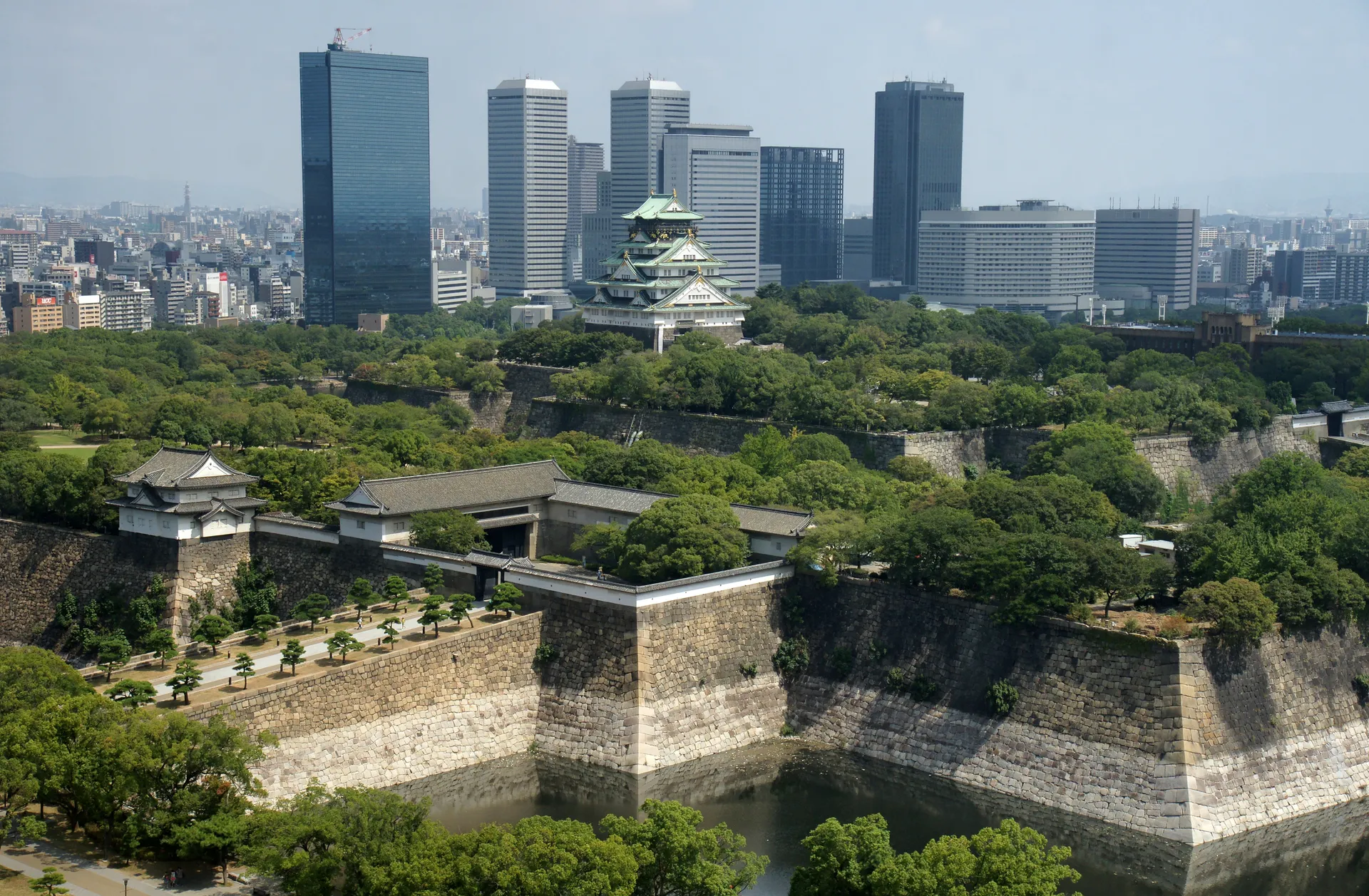
Osaka Castle
Osaka's most iconic landmark. Stunning castle with museum inside, surrounded by expansive parkland and moats. Beautiful during cherry blossom season.
Chuo-ku
Must visit
Market5.0
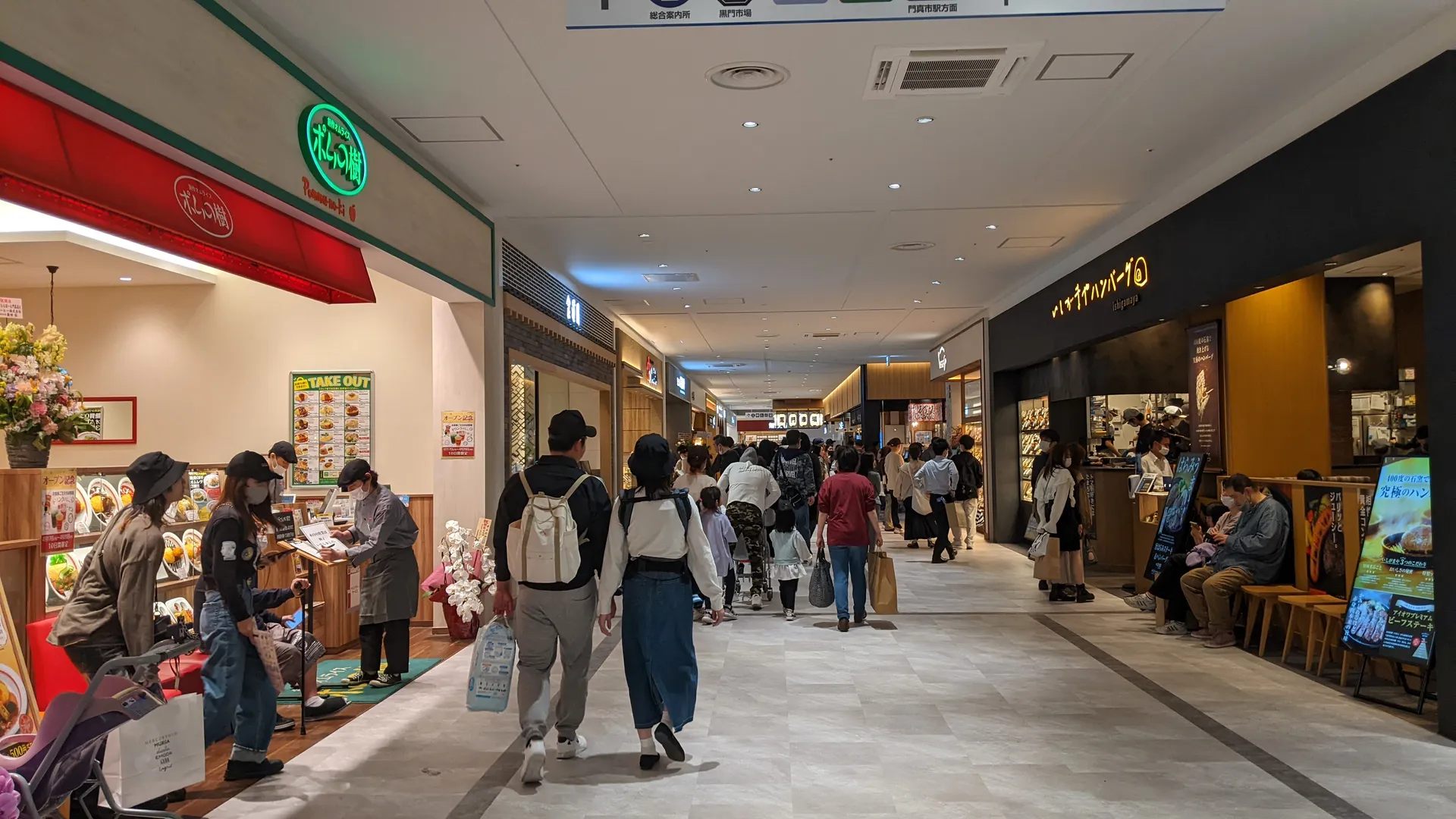
Kuromon Ichiba Market
Osaka's Kitchen. 170+ stalls selling fresh seafood, produce, and street food. Over 190 years of history.
Namba
Scenic Spot4.0
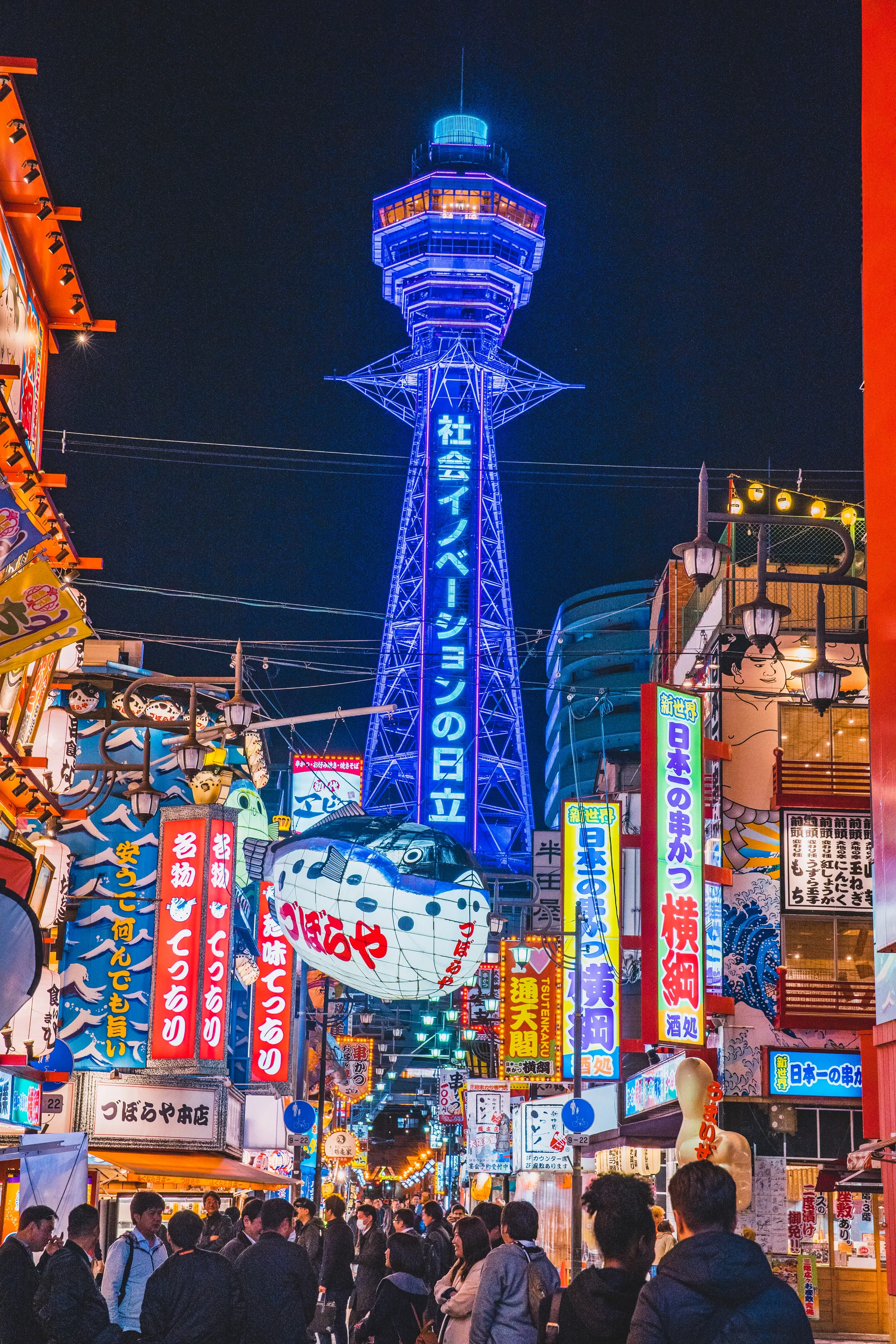
Shinsekai
Retro entertainment district with Tsutenkaku Tower. Neon-lit streets, kushikatsu restaurants, and old-school Osaka charm.
Tennoji
Must visit
Market5.0
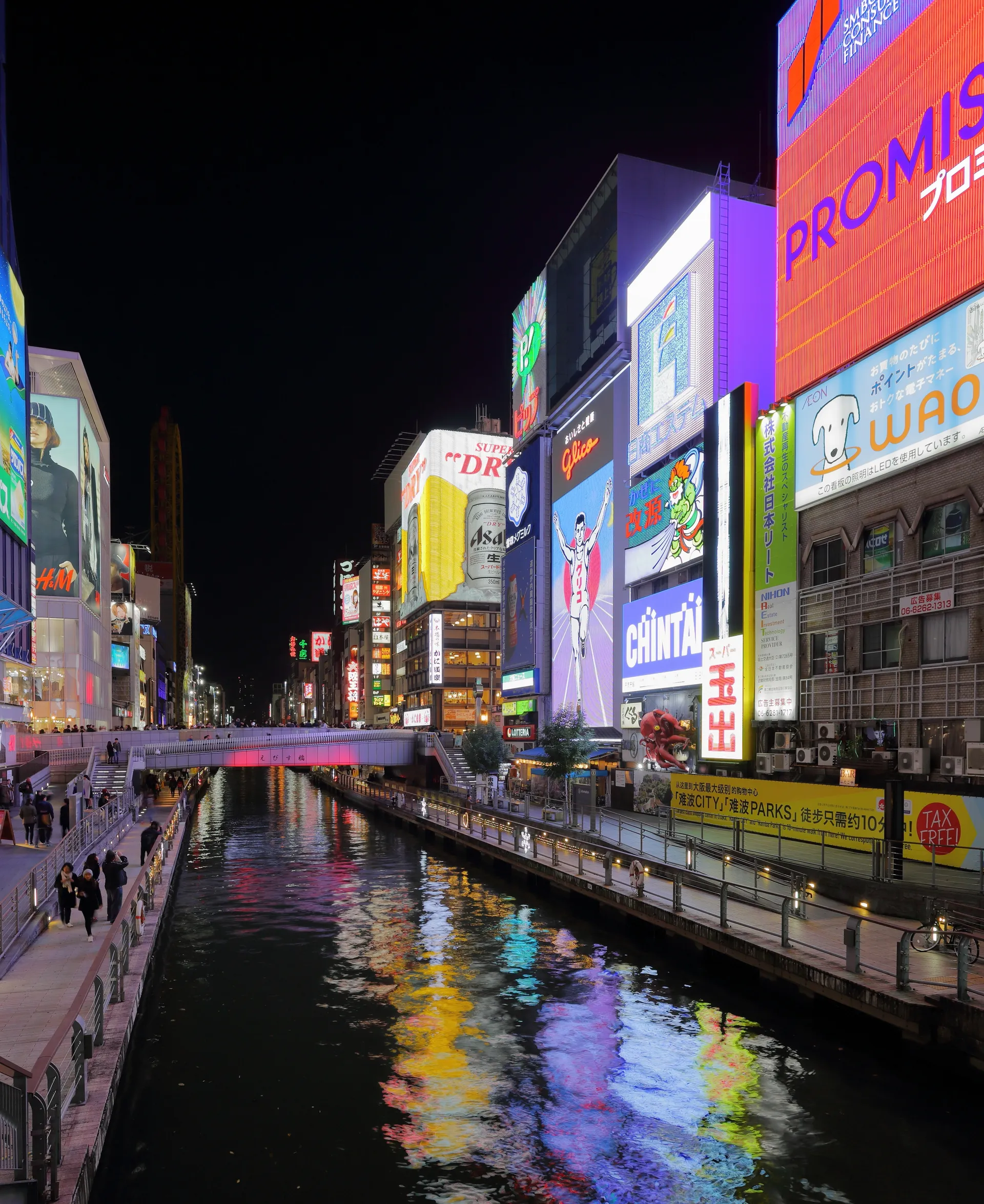
Dotonbori
Iconic food street with the famous Glico Running Man sign. Takoyaki, okonomiyaki, and endless street food stalls along the canal.
Namba
Must visit
Restaurant5.0
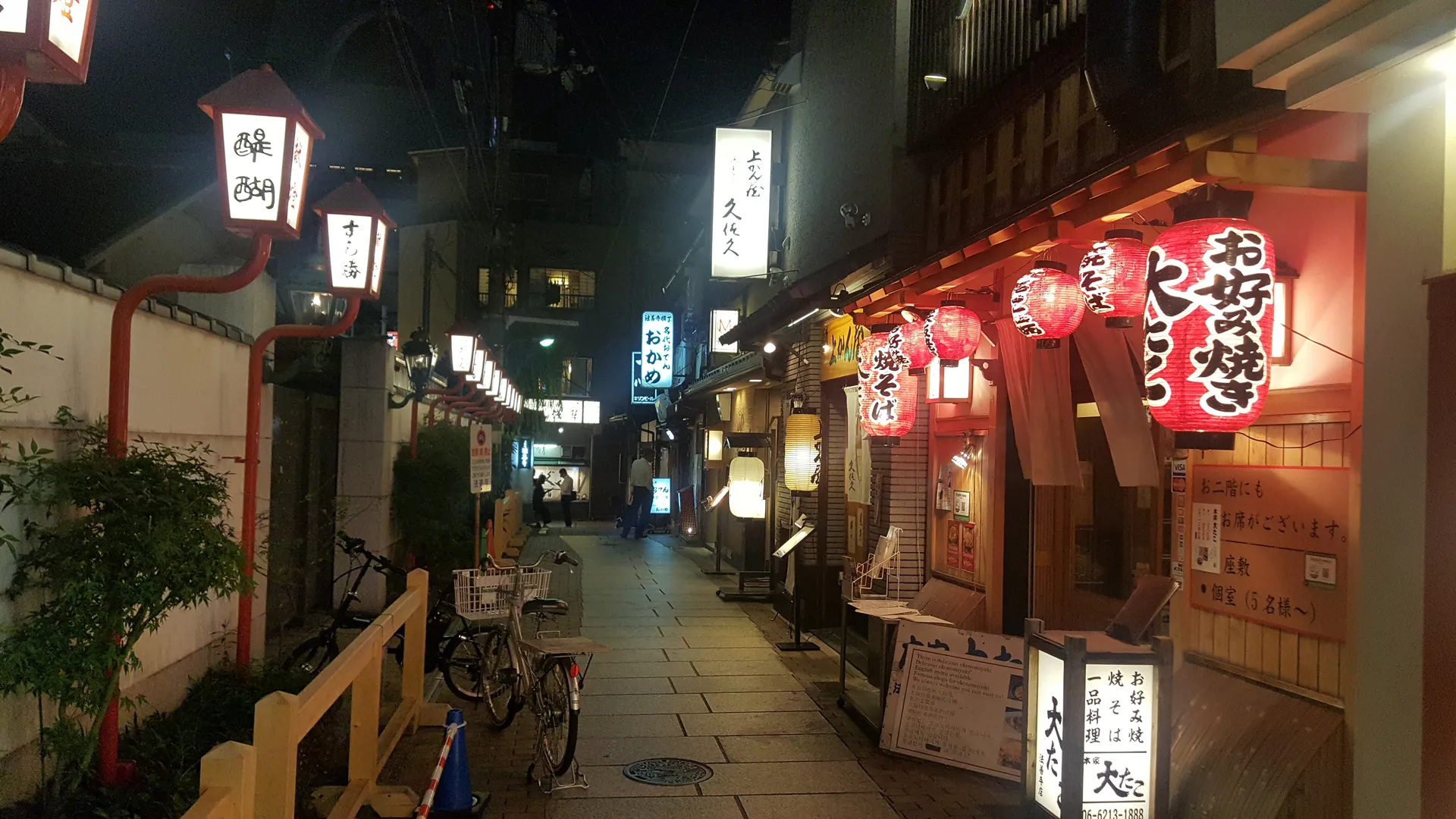
Hozenji Yokocho
Atmospheric stone-paved alley lit by lanterns. Traditional kappo restaurants, an ancient moss-covered Buddha, and old Osaka romance.
Namba
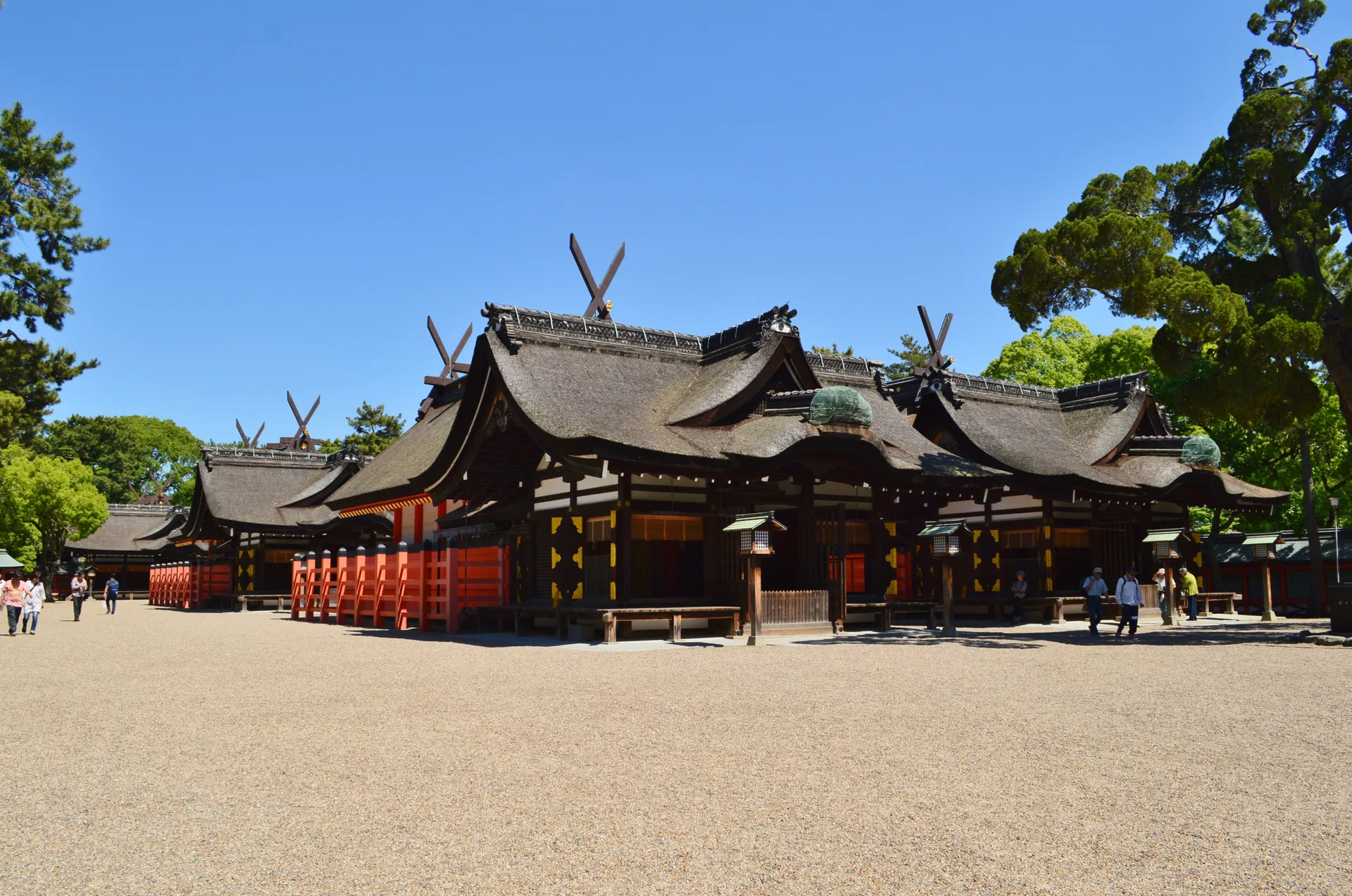
Shrine4.0
Sumiyoshi Taisha
One of Japan's oldest and most important Shinto shrines. Unique Sumiyoshi-zukuri architecture predating Buddhist influence.
Sumiyoshi
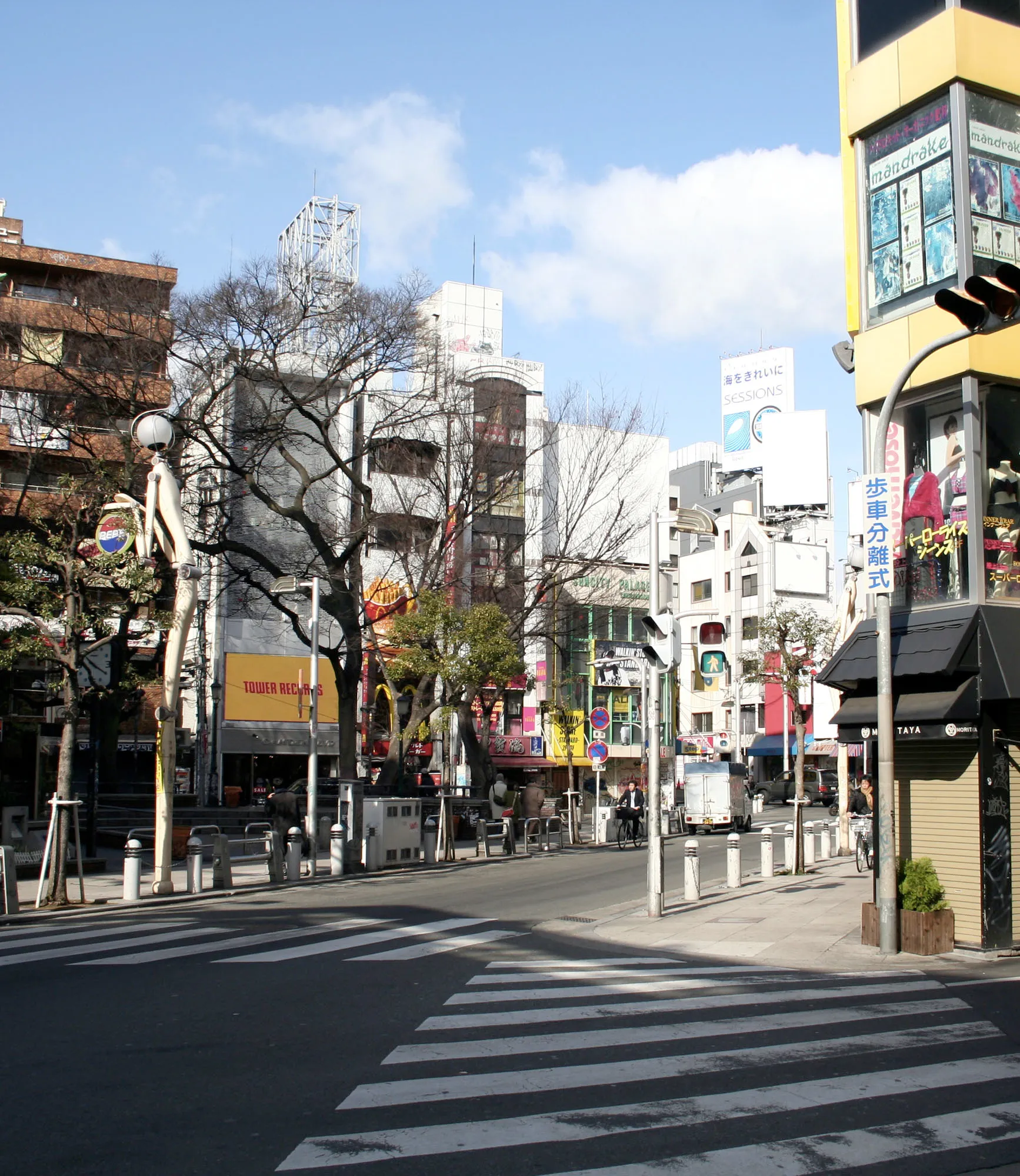
Must visit
Vintage Shop5.0
Amerikamura District
2,500+ vintage and streetwear stores. American-inspired fashion district.
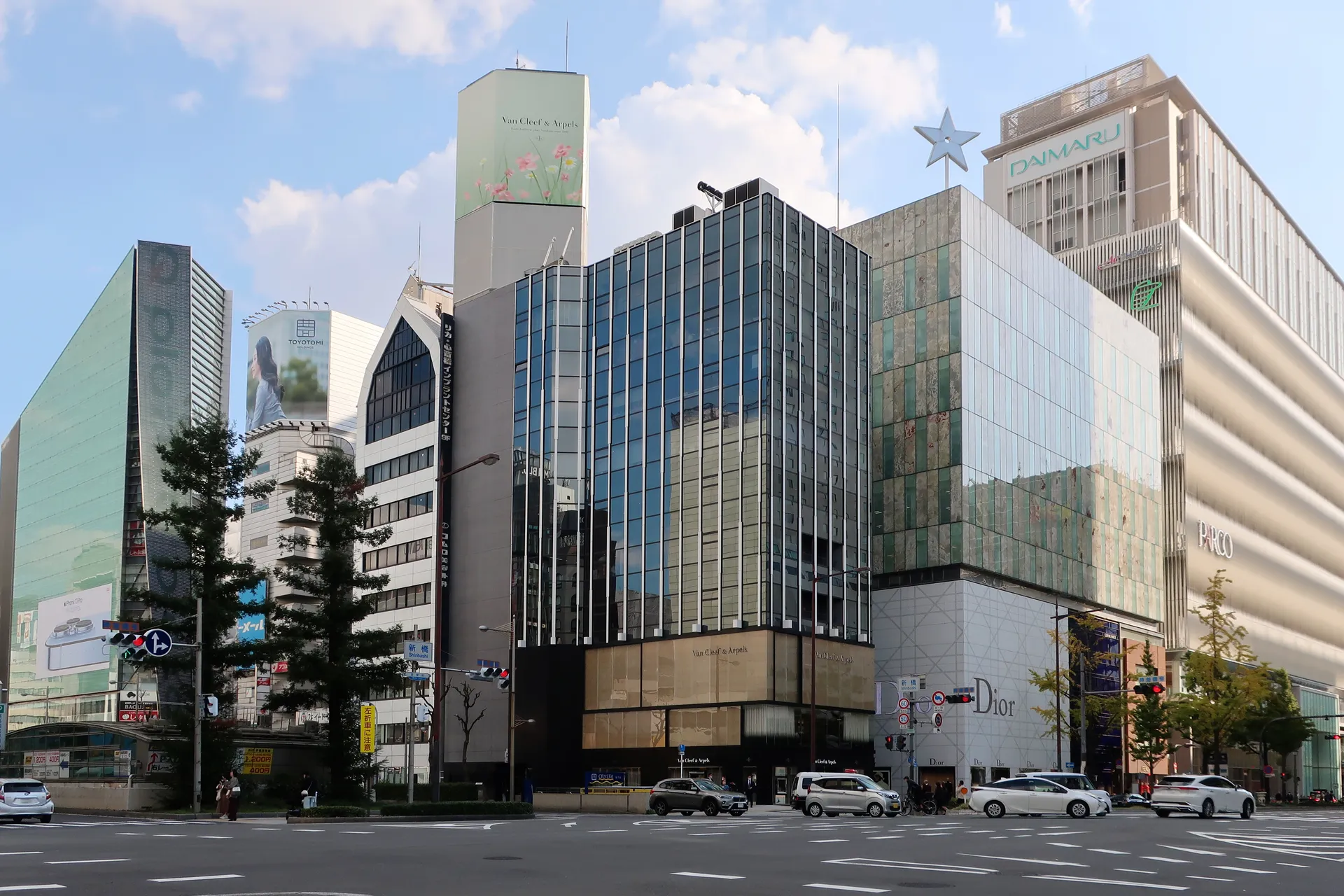
Shopping Area4.0
Shinsaibashi-suji
600-meter covered shopping arcade running through central Osaka. Major brands, boutiques, and drugstores. Osaka's main shopping thoroughfare.
Chuo
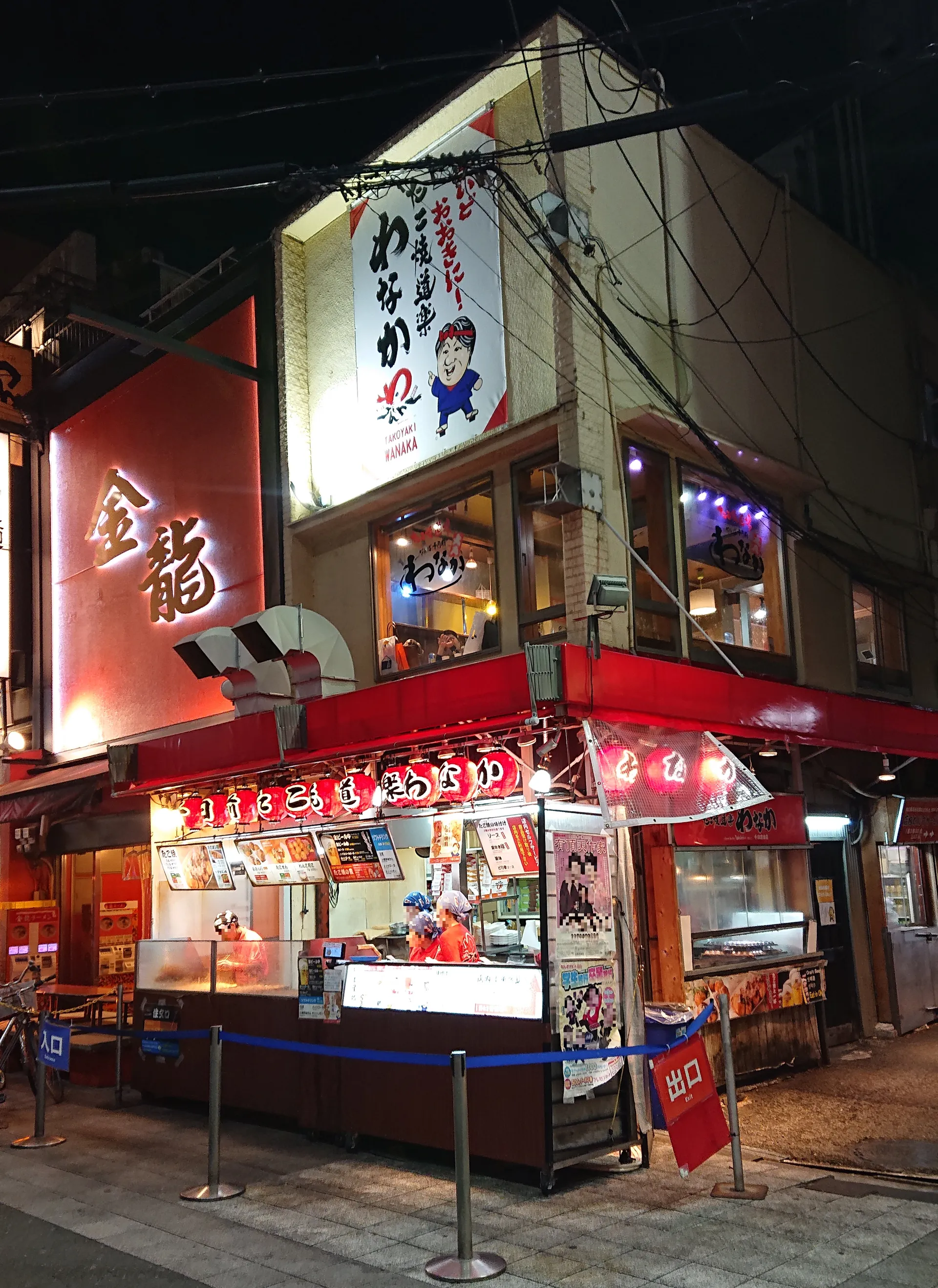
Restaurant4.0
Takoyaki Wanaka
Original takoyaki shop with the famous Ooiri variety box. Try all their sauces and flavors in one go. A Namba institution.
Namba
Must visit
Restaurant5.0
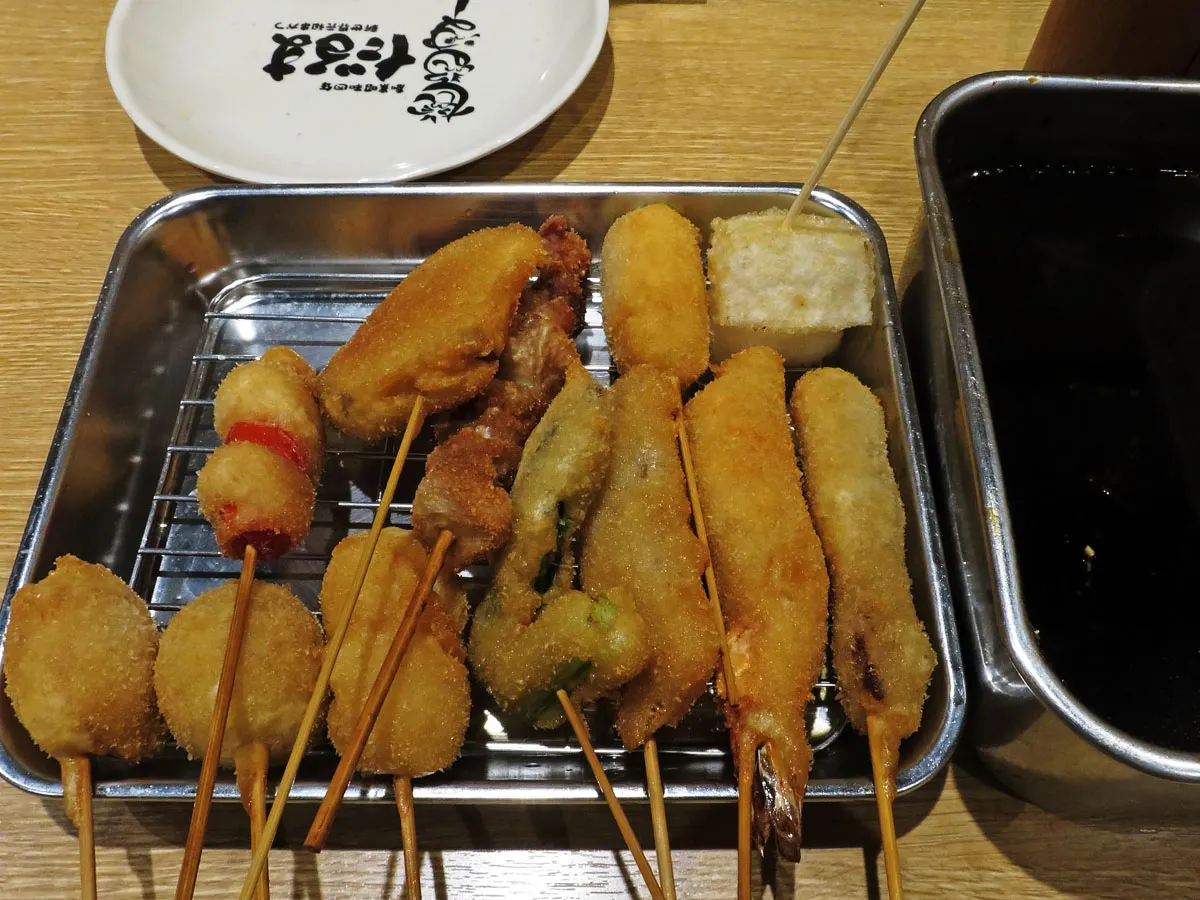
Kushikatsu Daruma
Legendary deep-fried skewer restaurant since 1929. The original kushikatsu experience in Osaka's retro Shinsekai district.
Shinsekai
Day by day
Day 1Kyoto
Higashiyama & Gion
Must visit
08:00Shrine5.0
Fushimi Inari Taisha
Start at the thousands of vermilion torii gates winding up Mount Inari. An early arrival lets you walk the lower tunnels in near silence; a loop to the Yotsutsuji viewpoint takes about 45 minutes.
Fushimi
Tip: It is free and open 24 hours. Crowds thicken sharply after 9:30am, so come first thing.
Must visit
11:00Temple5.0
Kiyomizu-dera
A vast wooden temple on a hillside, famous for its terrace stage with sweeping views over Kyoto. The approach streets are half the fun.
Higashiyama
Tip: Walk down through Ninenzaka and Sannenzaka afterwards rather than backtracking.
13:30Street
Ninenzaka & Sannenzaka Steps
Two preserved stone-stepped lanes of wooden shops, teahouses, and craft stores, the most photogenic stretch in the old city. A good place for a slow lunch.
Higashiyama, Kyoto
Tip: Stop for matcha soft-serve and pick up handmade souvenirs along the way.
Must visit
16:00Scenic Spot5.0
Gion District
Kyoto's historic geisha quarter. Wander Hanamikoji and the lantern-lined side streets as the lights come on; you may glimpse a geiko or maiko heading to an appointment.
Higashiyama
Tip: Be respectful: photography is restricted on the private side streets.
19:00Ramen4.0
Ippudo Ramen Kyoto
End the day with a rich bowl of tonkotsu ramen near the center, an easy and satisfying dinner after a long walking day.
Nakagyo
Tip: Expect a short queue at peak times; it moves quickly.
Day 2Kyoto
Golden North & Arashiyama
Must visit
09:00Temple5.0
Kinkaku-ji (Golden Pavilion)
The Golden Pavilion, sheathed in gold leaf and mirrored in its reflecting pond, is Kyoto's most iconic image. The garden circuit is short and one-way.
Kita Ward
Tip: Morning light on the pond is best; allow about 45 minutes.
10:45Temple5.0
Ryoan-ji
Japan's most famous Zen rock garden: fifteen stones in raked gravel, arranged so you can never see all of them at once. A short bus or taxi from Kinkaku-ji.
Ukyo Ward
Tip: Sit on the veranda for a few quiet minutes before the tour groups arrive.
Must visit
13:30Park5.0
Arashiyama Bamboo Grove
Walk the towering green corridor of the bamboo grove, then explore the riverside town of Arashiyama with its bridges and temples.
Arashiyama
Tip: The grove is busiest midday; the paths just off the main route are calmer.
Must visit
15:00Park5.0
Tenryu-ji Garden
A UNESCO-listed Zen garden whose pond borrows the surrounding mountains as a backdrop. The grove exits conveniently near its north gate.
Ukyo
Tip: Garden-only tickets are cheaper if you skip the temple interior.
17:00Sunset Spot
Kamo River Evening
Head back toward the center and join locals on the Kamo River banks at dusk, with the Pontocho alley and its riverside terraces a few steps away for dinner.
Kyoto
Tip: In summer, book a kawayuka terrace table over the water for the classic Kyoto evening.
Day 3Nara
Nara Day Trip: Deer & the Great Buddha
Must visit
09:00Park5.0
Nara Park
Take the morning train from Kyoto and head straight into Nara Park, where over a thousand semi-wild sika deer roam freely among the lawns and temples. Buy deer crackers from a vendor and watch them bow for a treat.
Tip: The deer are friendly but can be pushy for food; hold crackers high and feed calmly.
Must visit
10:30Temple5.0
Todai-ji Temple
Walk up to Todai-ji, one of the largest wooden buildings in the world, housing the colossal bronze Daibutsu (Great Buddha). The scale of both the hall and the statue is genuinely humbling.
Tip: Look for the pillar with a hole the size of the Buddha's nostril; squeezing through is said to bring good fortune.
Must visit
13:00Shrine5.0
Kasuga Taisha Shrine
Follow the wooded path to Kasuga Taisha, Nara's most celebrated Shinto shrine, famous for the thousands of stone and bronze lanterns lining its approaches.
Tip: The lantern-lit inner hall is atmospheric even by day; the forest walk over is part of the appeal.
Must visit
15:00Shopping Area5.0
Naramachi District
Wind down in Naramachi, the old merchant quarter of lattice-fronted machiya townhouses now filled with cafes, craft shops, and small museums.
Tip: A relaxed place for an afternoon coffee before catching the train back to Kyoto.
Must visit
16:30Park5.0
Isuien Garden
If you have time, slip into Isuien, a refined strolling garden that frames the gate of Todai-ji and Mount Wakakusa as borrowed scenery before you head back.
Tip: Return to Kyoto in the evening, or, if your Osaka hotel is set, continue straight on to Osaka from Nara.
Day 4Osaka
Castle, History & Dotonbori Nights
Must visit
09:30Castle5.0
Osaka Castle
Check out of Kyoto, take the short train to Osaka, and start at its landmark castle. The reconstructed keep sits on massive stone ramparts surrounded by a moat and park, with a history museum inside and city views from the top.
Chuo-ku
Tip: The surrounding Osaka Castle Park is free and lovely for a walk even if you skip the keep interior.
Must visit
12:30Market5.0
Kuromon Ichiba Market
Lunch at Kuromon Ichiba, Osaka's famous covered food market, grazing on fresh sashimi, grilled scallops, wagyu skewers, and fruit. It is nicknamed Osaka's kitchen for good reason.
Namba
Tip: Many stalls will grill or prep your pick on the spot; eat it standing right there.
15:00Scenic Spot4.0
Shinsekai
Wander the retro Shinsekai district beneath the Tsutenkaku Tower, a gloriously kitsch slice of old Osaka built around the kushikatsu (deep-fried skewer) trade.
Tennoji
Tip: Save room: this is the place for an early kushikatsu snack before the evening picks up.
Must visit
18:00Market5.0
Dotonbori
As night falls, head to Dotonbori, the neon canal-side strip that is Osaka at full volume, the giant Glico running man, towering signage, and food stalls in every direction.
Namba
Tip: This is the heart of kuidaore (eat until you drop); pace yourself across several small bites.
Must visit
20:00Restaurant5.0
Hozenji Yokocho
Duck off the main strip into Hozenji Yokocho, a lantern-lit stone alley of tiny old bars and restaurants beside a moss-covered temple statue, for a quieter nightcap.
Namba
Tip: Toss water on the moss-covered Mizukake Fudo statue and make a wish, as locals do.
Day 5Osaka
Markets, Vintage & Street Food Finale
09:30Shrine4.0
Sumiyoshi Taisha
Start with Sumiyoshi Taisha, one of Japan's oldest and most distinctive shrines, known for its steep arched Taiko-bashi drum bridge and unique ancient architecture, a calm contrast to the city's bustle.
Sumiyoshi
Tip: An easy ride south on the Nankai or Hankai tram lines; quiet in the morning.
Must visit
12:00Vintage Shop5.0
Amerikamura District
Head back to the center for Amerikamura (Amemura), Osaka's youth-culture quarter packed with vintage clothing, streetwear, record shops, and graffiti, the city's most creative neighborhood.
Tip: Great for secondhand fashion and a casual lunch among the boutiques.
14:00Shopping Area4.0
Shinsaibashi-suji
Stroll the Shinsaibashi-suji covered arcade next door, a long, busy shopping street that runs from Amemura toward Dotonbori, perfect for last-minute souvenirs.
Chuo
Tip: It connects straight down to Dotonbori, so you can shop your way back toward the canal.
16:00Restaurant4.0
Takoyaki Wanaka
No Osaka trip is complete without takoyaki. Grab a tray of the molten octopus dumplings from Wanaka, one of the city's most beloved stands.
Namba
Tip: Let them cool a moment; the centers are scaldingly hot straight off the griddle.
Must visit
18:00Restaurant5.0
Kushikatsu Daruma
Finish your Kansai trip with a sit-down kushikatsu feast at Daruma, the institution that helped make Osaka's deep-fried skewers famous, a fitting, indulgent send-off.
Shinsekai
Tip: One rule only: no double-dipping in the communal sauce.
Getting between stops
What it costs
Kansai is mid-range by Japanese standards. Inter-city trains are cheap (Kyoto-Osaka is ¥580, the Nara day trip under ¥1,300 each way), temple entries run roughly ¥400-600, a great bowl of ramen or a takoyaki tray is ¥600-1,200, and comfortable mid-range hotels run ¥12,000-25,000 per night. A rechargeable ICOCA IC card covers nearly all local transit. A Japan Rail Pass is rarely worth it for a Kansai-only trip.~$90-160 USD / day
Frequently asked questions
- Is 5 days enough for Kansai?
- Yes. Five days comfortably cover Kyoto's highlights over two days, a full Nara day trip, and two days in Osaka. It is an ideal length for a first Kansai trip; with more time you could add Himeji, Kobe, or Uji.
- Should I base in Kyoto or Osaka?
- This itinerary uses both: two nights in Kyoto, then two in Osaka. Splitting your base saves backtracking and lets you experience both cities' very different evenings, Kyoto's quiet riverside and Osaka's neon nightlife. Nara is best done as a day trip from Kyoto.
- How do I get between Kyoto, Nara, and Osaka?
- All three are linked by fast, frequent trains. Kyoto to Osaka takes about 28 minutes on the JR Special Rapid for ¥580. Kyoto to Nara is about 35 minutes by Kintetsu Limited Express. An ICOCA IC card works on nearly every line, so you just tap on and off.
- Do I need a Japan Rail Pass for this trip?
- No. The JR Pass only pays off for long-distance Shinkansen travel between regions. For a Kansai-only loop the local fares are low, so a rechargeable ICOCA (or Suica) IC card plus pay-as-you-go is cheaper and far simpler.
- When is the best time to do this Kansai itinerary?
- Cherry-blossom season (late March to mid-April) and autumn foliage (mid-November to early December) are the most spectacular but also the most crowded and expensive. For good weather with thinner crowds, aim for May, early June, or late September to October.
Make this trip yours
Save this itinerary and customize it — dates, stops, budget and friends, all in one place.