
This is the classic first-timer route through Japan, built so a single week feels generous rather than rushed. You spend three nights in Tokyo to absorb the megacity, slip away for one night in the Hakone mountains for hot springs and Mount Fuji views, ride the Shinkansen down to Kyoto for two nights of temples and old lanes, then finish with a final night in Osaka eating your way through Dotonbori. Every leg is connected by fast, reliable trains, so you cover huge ground without a rental car. Each day below is time-blocked around real places, with practical tips on when to arrive and what to skip. It is paced for spring or autumn, when the weather is mild and the gardens are at their best.
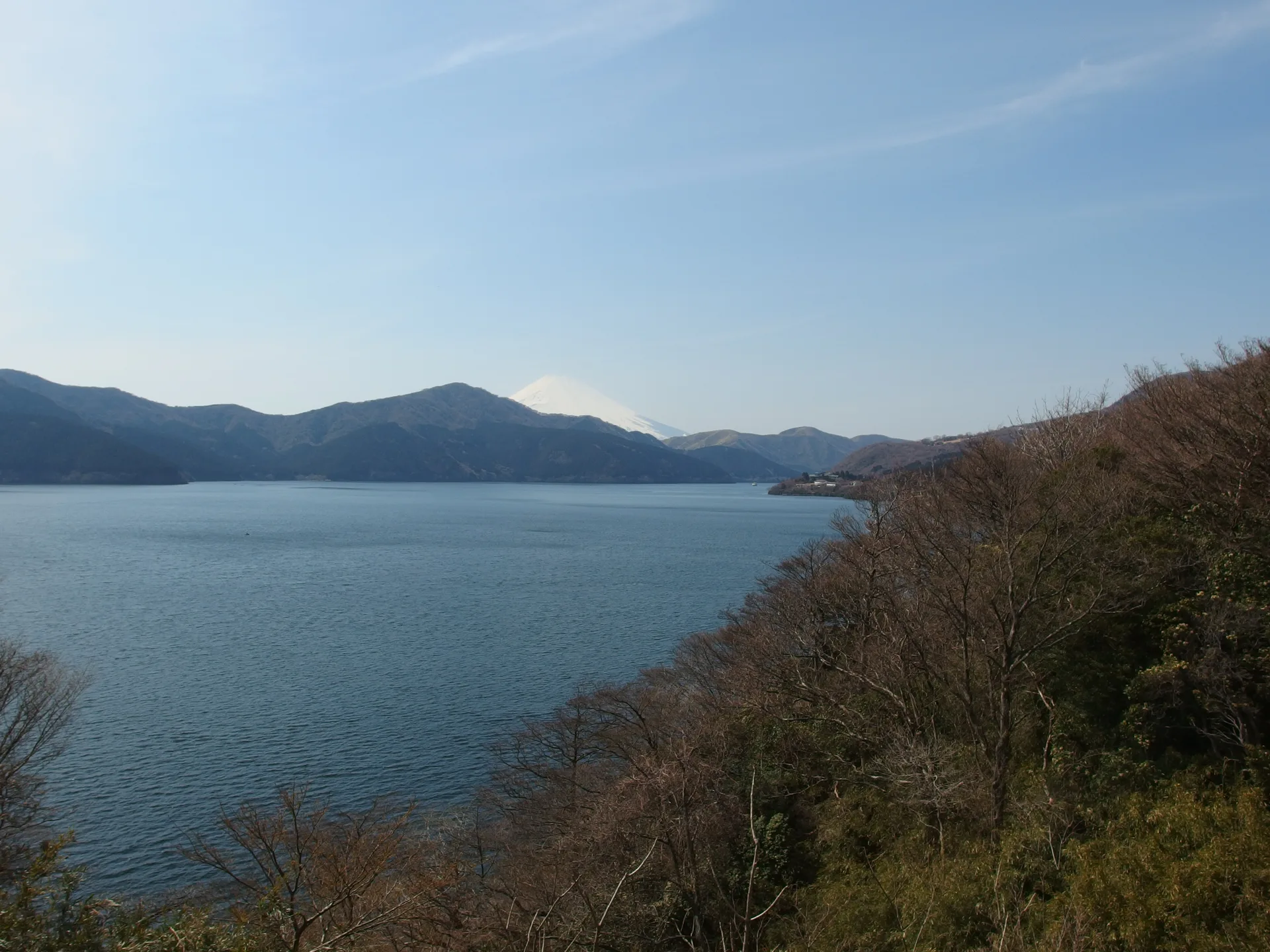
7 Days in Japan: Tokyo, Hakone, Kyoto & Osaka
7 days4 stopsFirst-time visitors who want the iconic highlights in one week
The route
- Tokyo3n
- Hakone1n
- Kyoto2n
- Osaka1n
Everywhere you'll go
Every stop on this itinerary — tap a card for details or to save it.
Must visit
Temple5.0
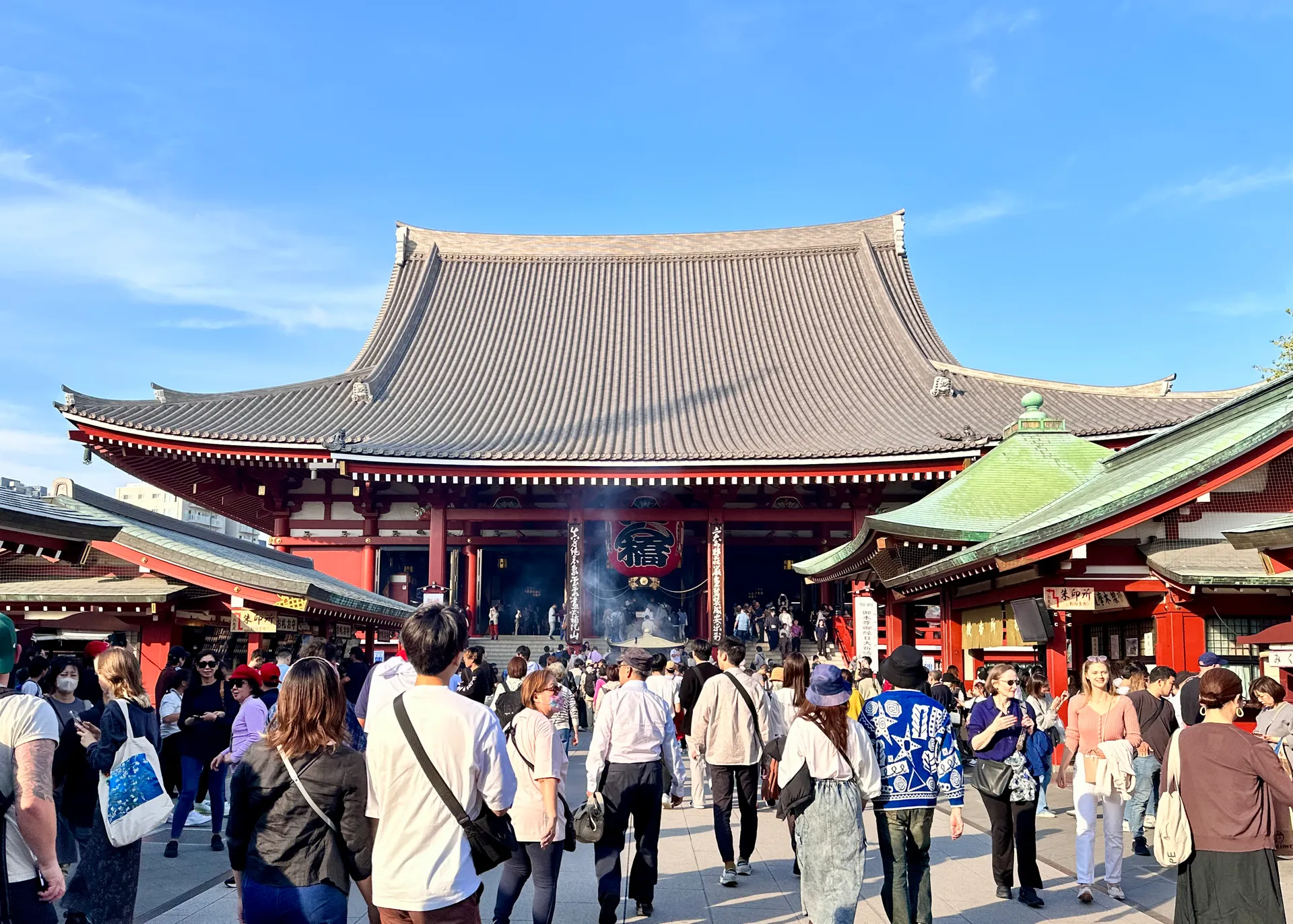
Senso-ji Temple
Tokyo's oldest and most famous Buddhist temple, founded in 645 AD. Iconic Kaminarimon gate, Nakamise shopping street, and stunning pagoda. Free entry.
Asakusa
Must visit
Market5.0
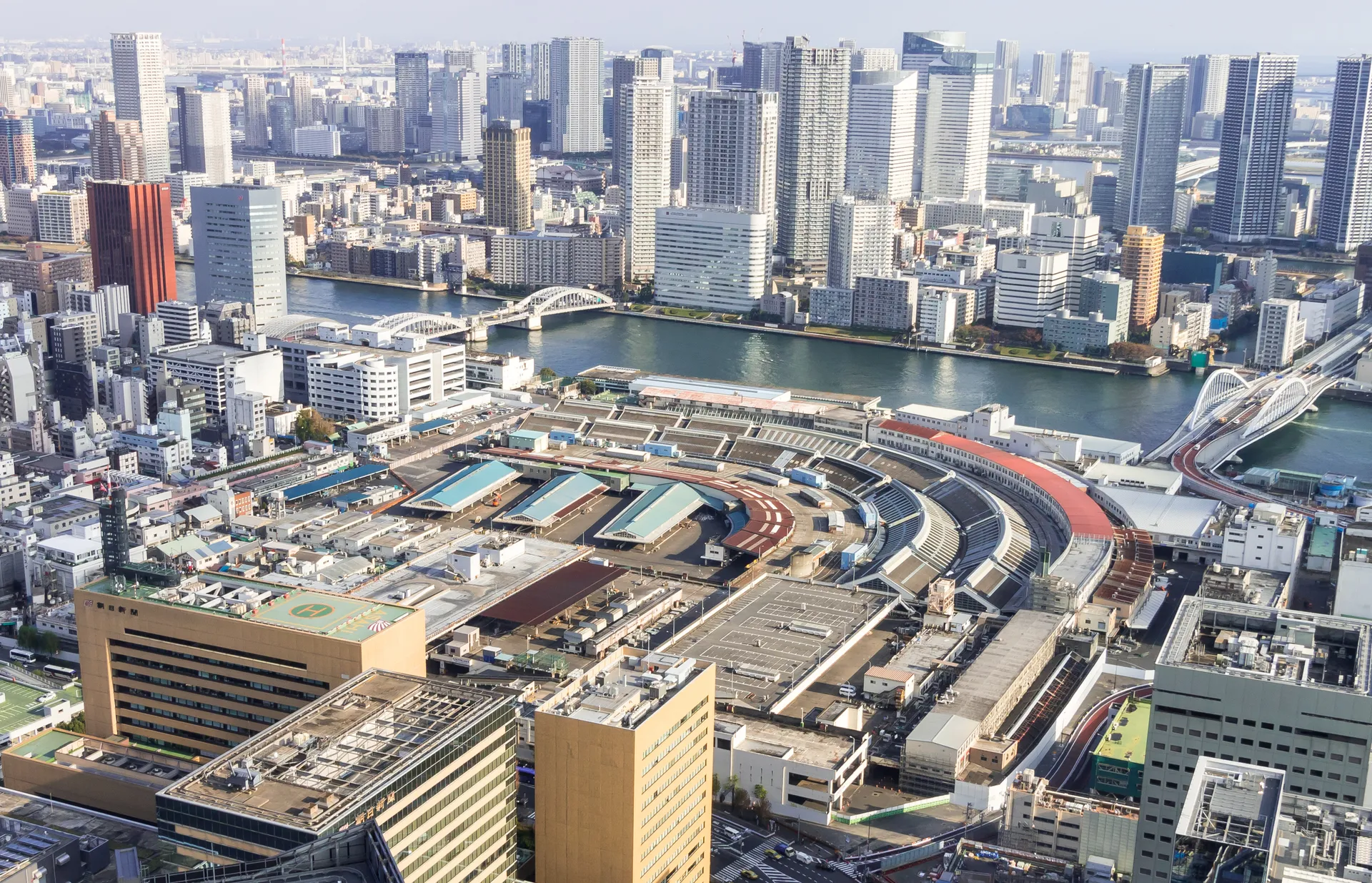
Tsukiji Outer Market
Historic outer market with hundreds of food stalls and small restaurants. Fresh seafood, tamagoyaki, street food, and kitchen supplies.
Tsukiji
Must visit
Park5.0
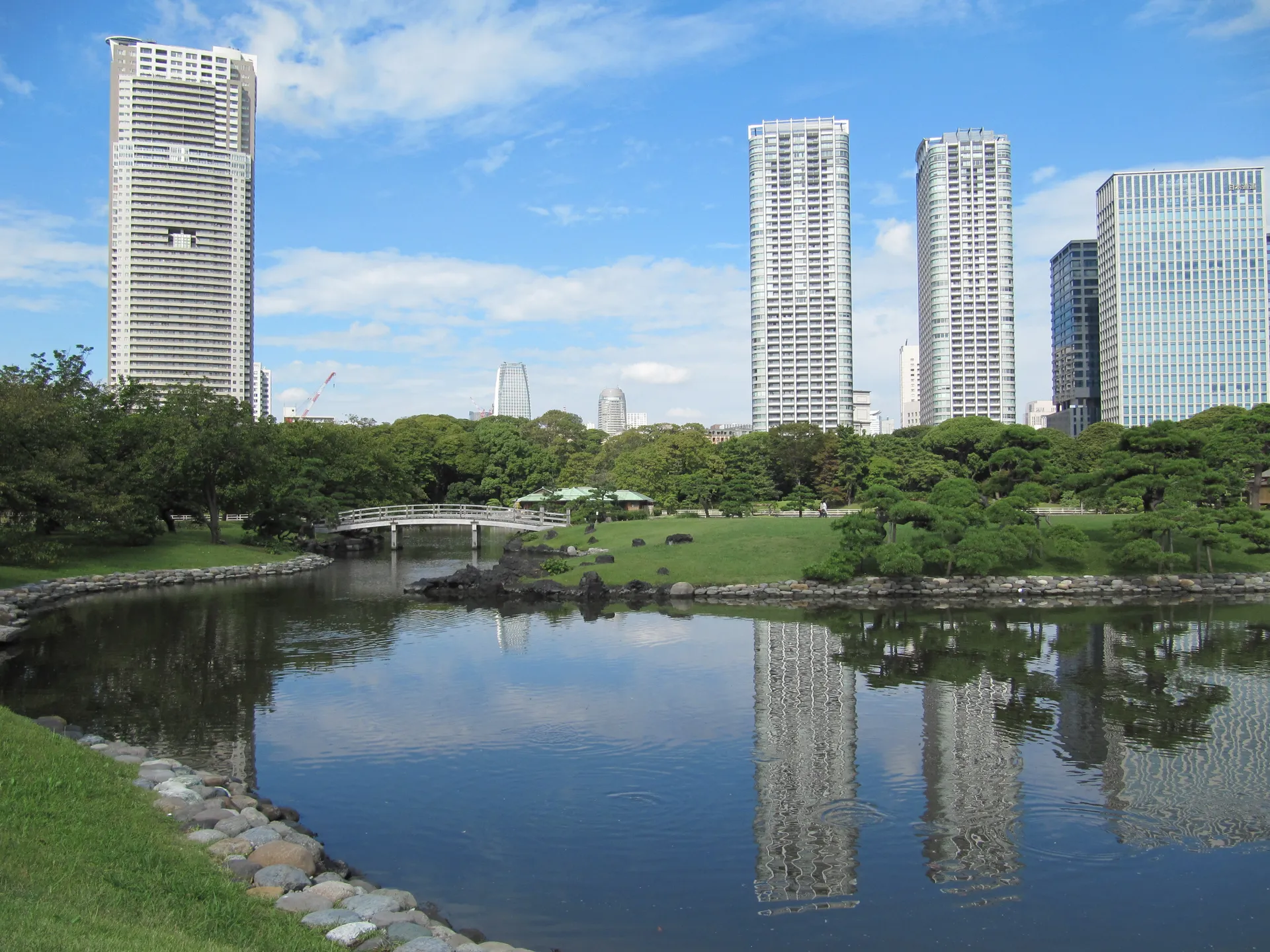
Hamarikyu Gardens
Edo-era garden with a tidal seawater pond, teahouse on the water, and dramatic contrast of greenery against Shiodome skyscrapers. Connected to Sumida River ferry.
Chuo
Must visit
Izakaya5.0
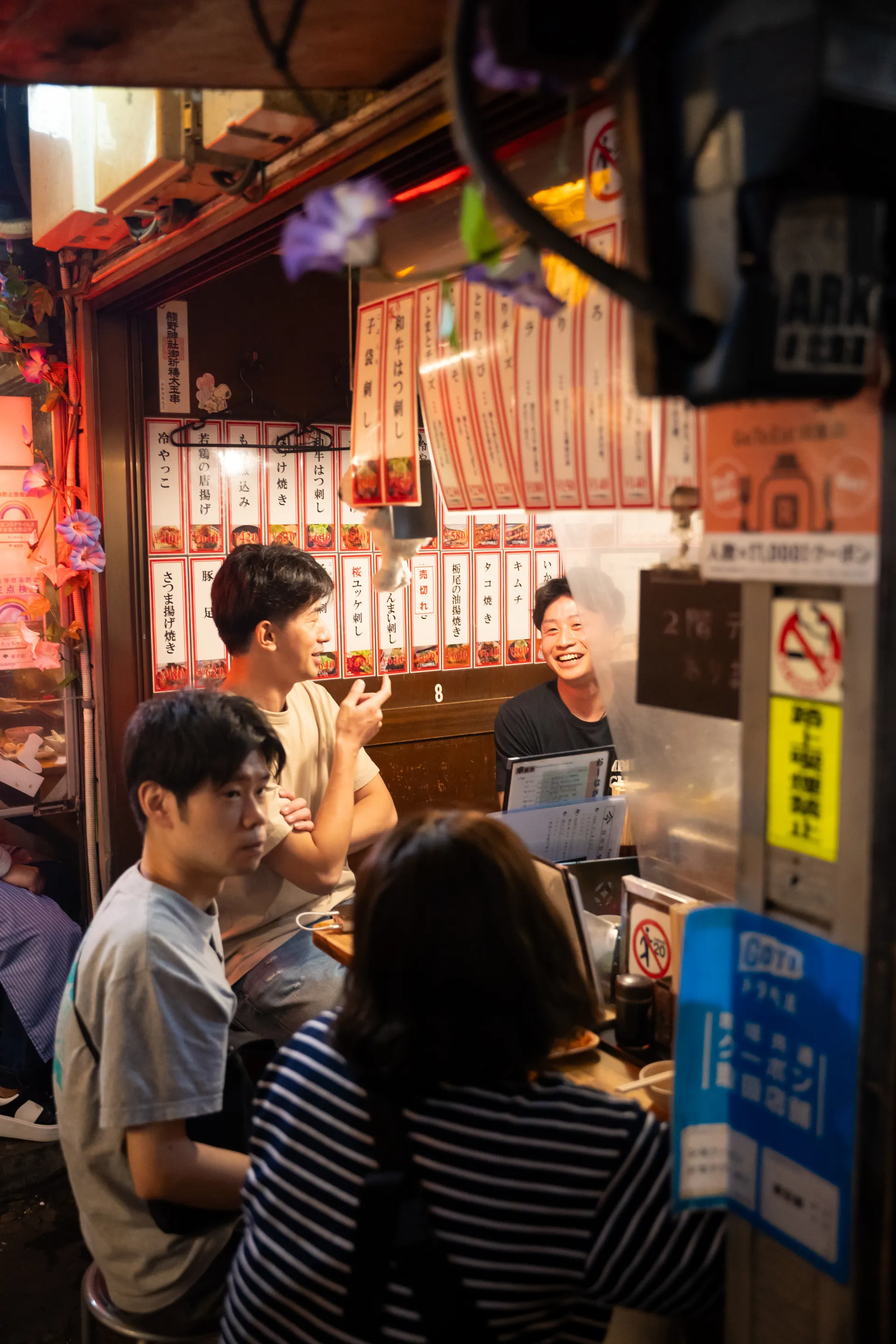
Omoide Yokocho
Atmospheric post-war alley of 60+ tiny yakitori bars and izakayas by Shinjuku Station's west exit. Smoke-filled, lantern-lit nostalgia with charcoal-grilled skewers and cheap beer.
Shinjuku
Must visit
Shrine5.0
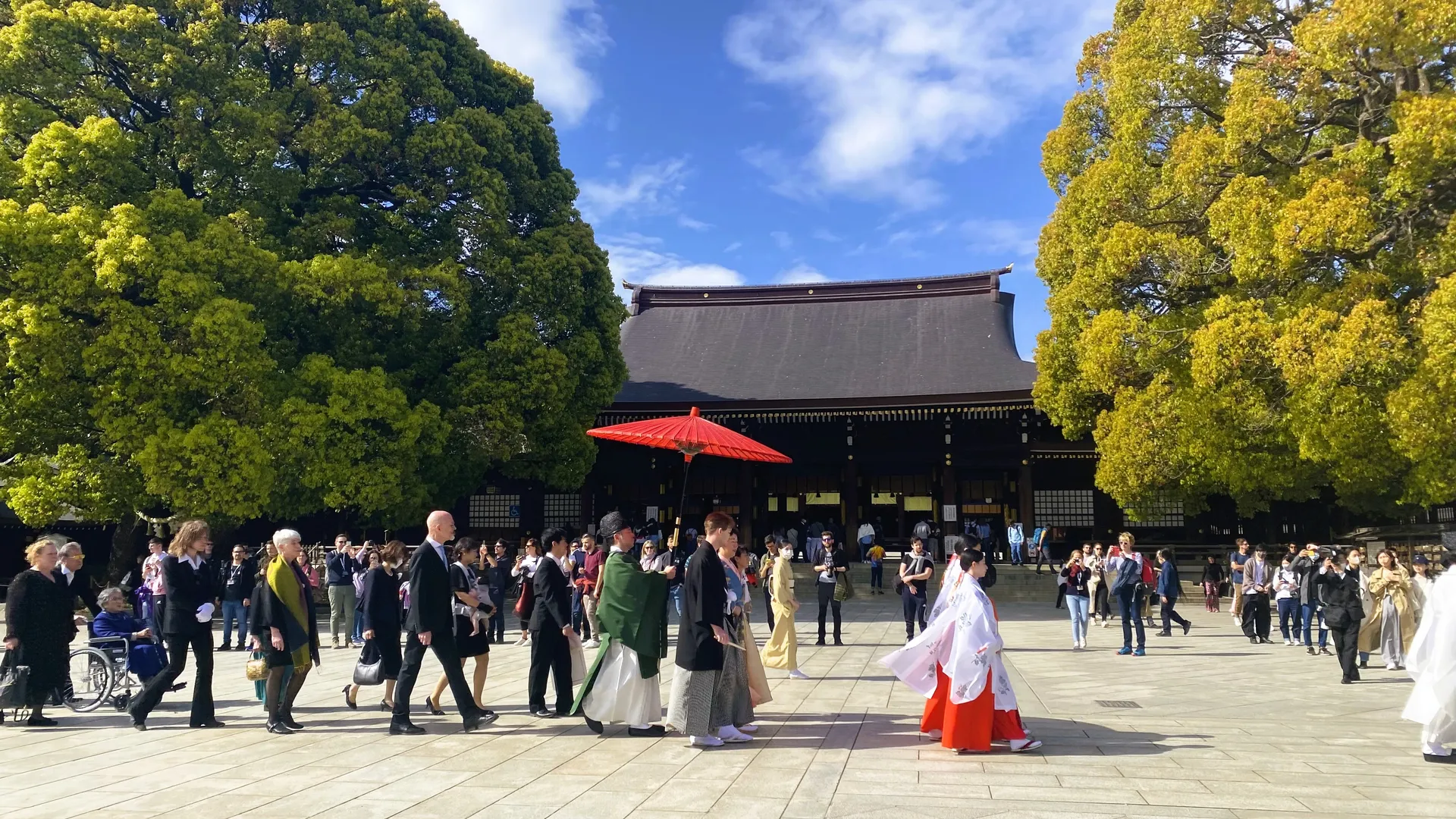
Meiji Shrine
Tokyo's most iconic Shinto shrine, dedicated to Emperor Meiji and Empress Shoken. Serene forested grounds in the heart of the city. Free entry.
Harajuku
Must visit
Shopping Area4.0
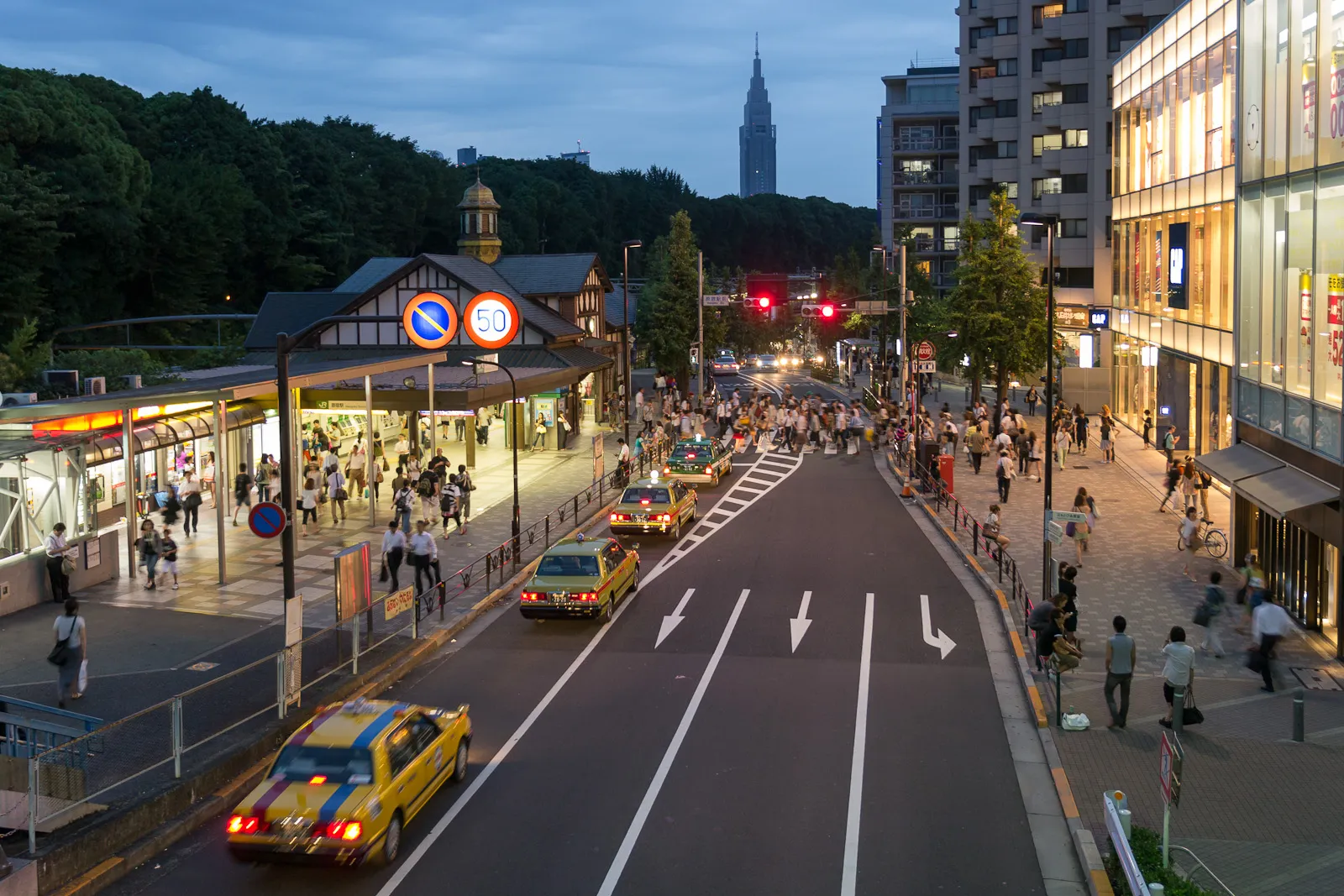
Takeshita Street
Epicenter of youth and kawaii culture. Colorful crepe shops, character goods, cosplay stores, and fashion that exists nowhere else on earth.
Harajuku
Viewpoint
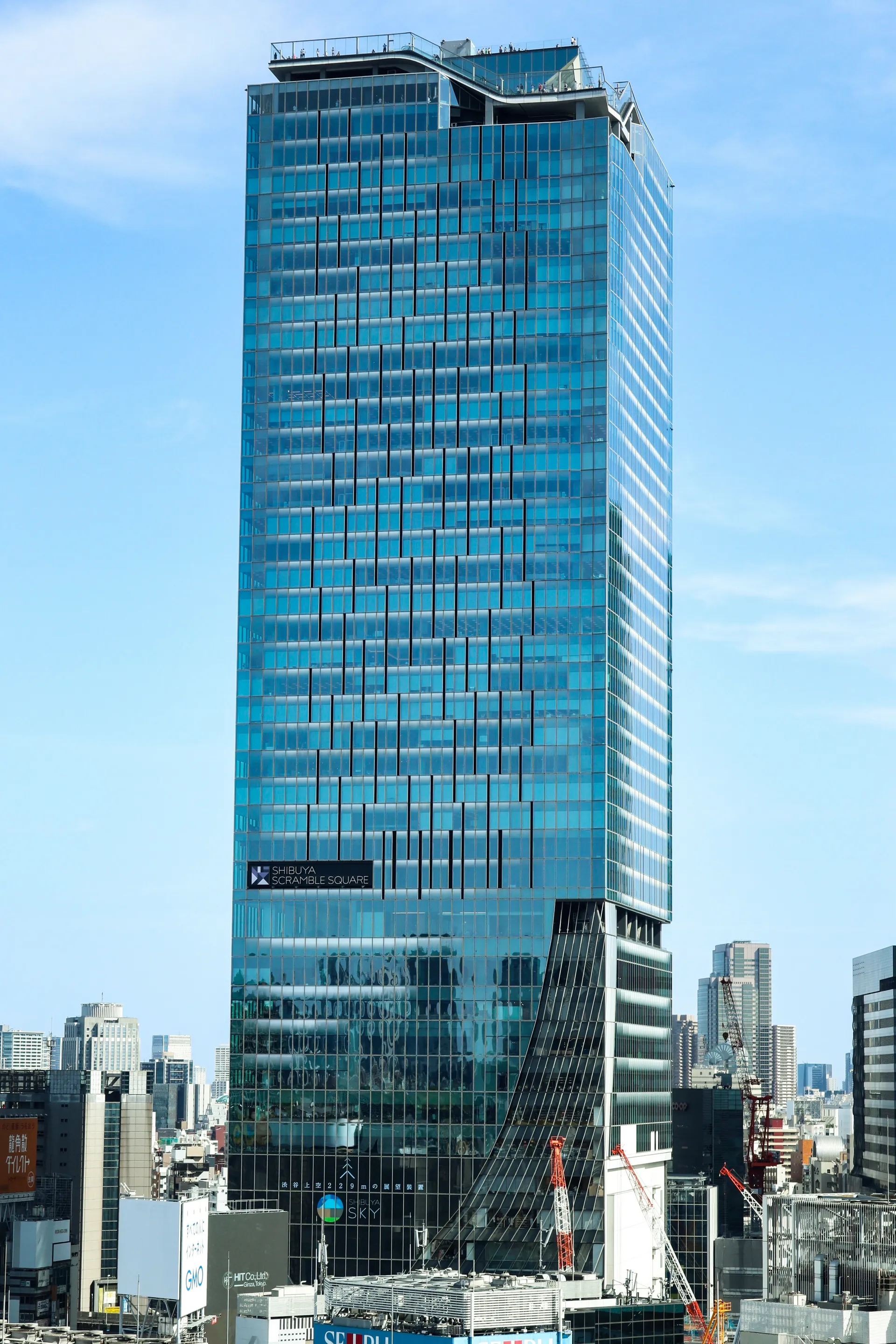
Shibuya Sky
360° city views from Shibuya Scramble Square.
Tokyo
Landmark
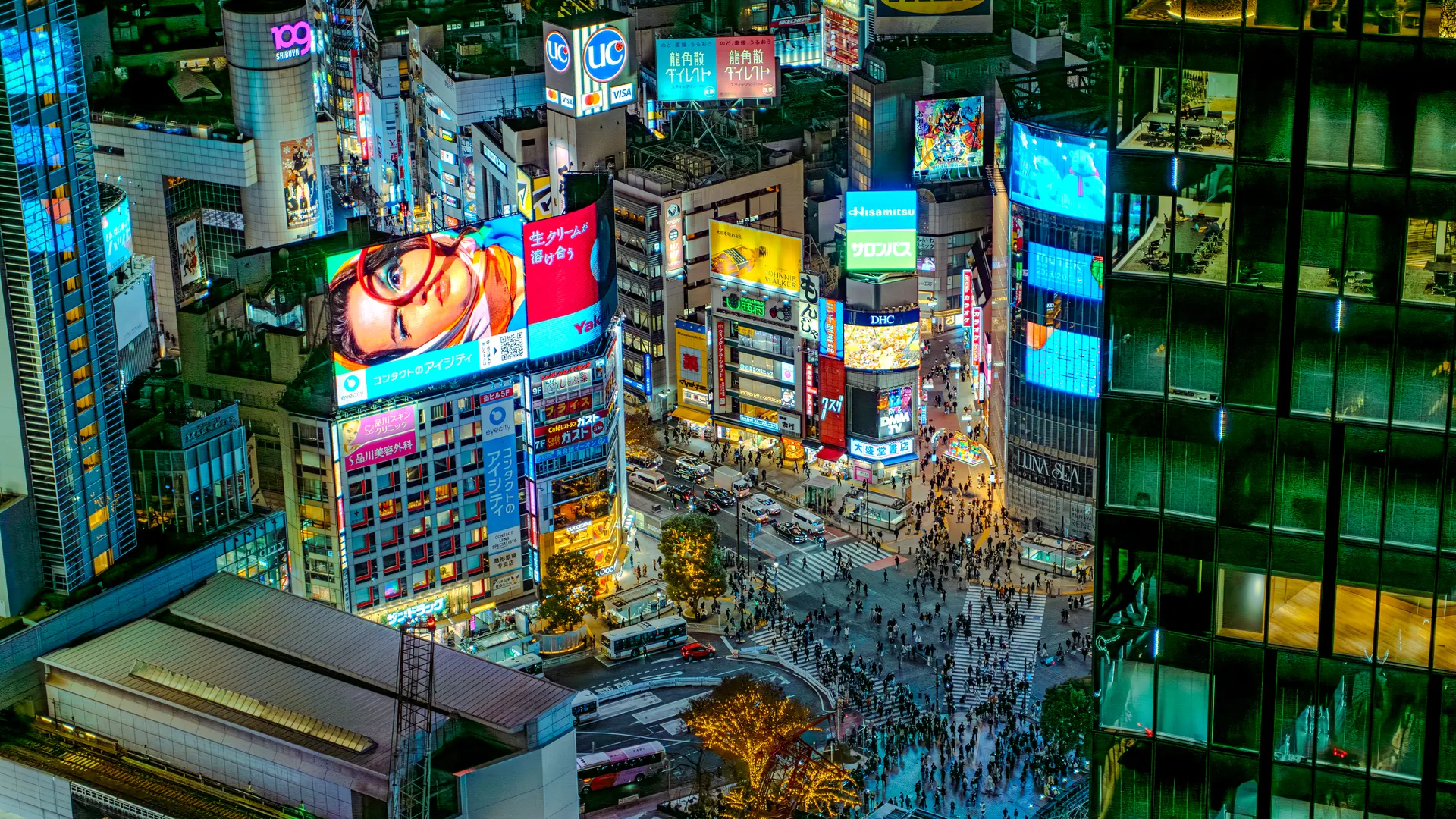
Shibuya Crossing
World's busiest pedestrian crossing. Thousands of people cross simultaneously at every light change.
Tokyo
Must visit
Experience
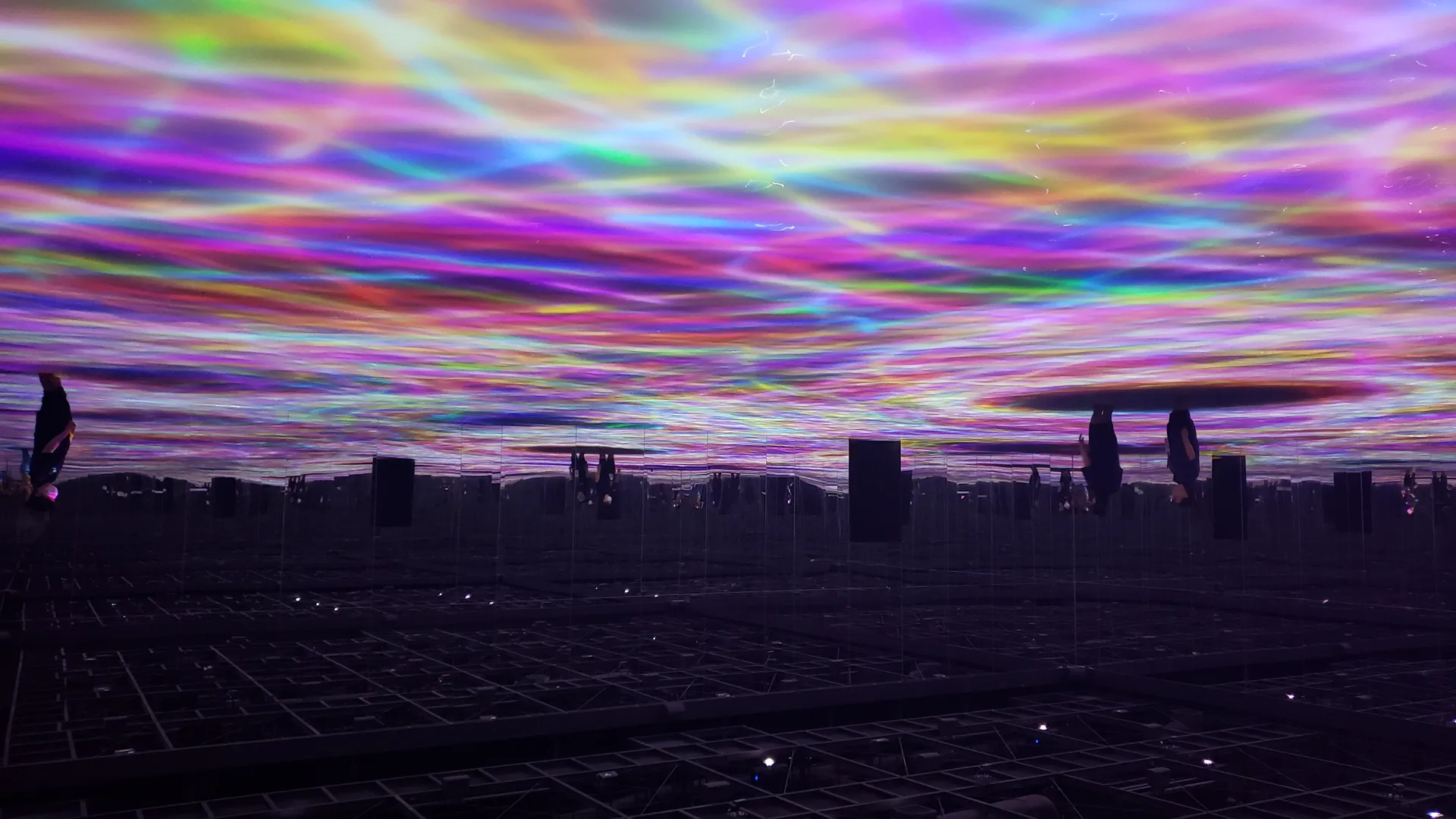
teamLab Planets
Walk barefoot through immersive digital art installations that blur the boundary between artwork and visitor. A must-visit sensory experience in Tokyo.
Toyosu2-3 hours
Museum4.0
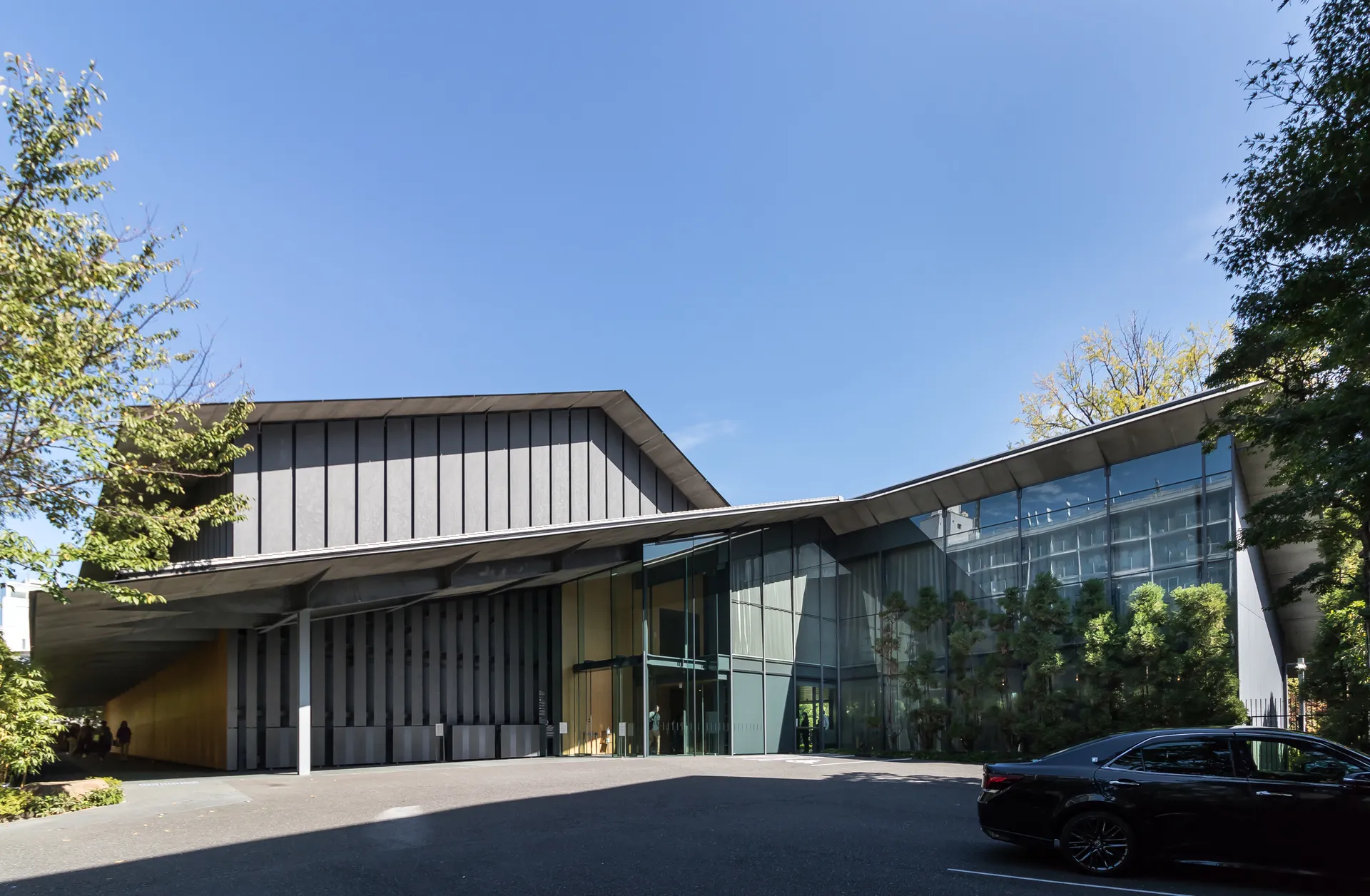
Nezu Museum
Pre-modern Japanese and East Asian art housed in a stunning Kengo Kuma-designed building. Beautiful traditional garden with tea houses.
Minami-Aoyama
Street
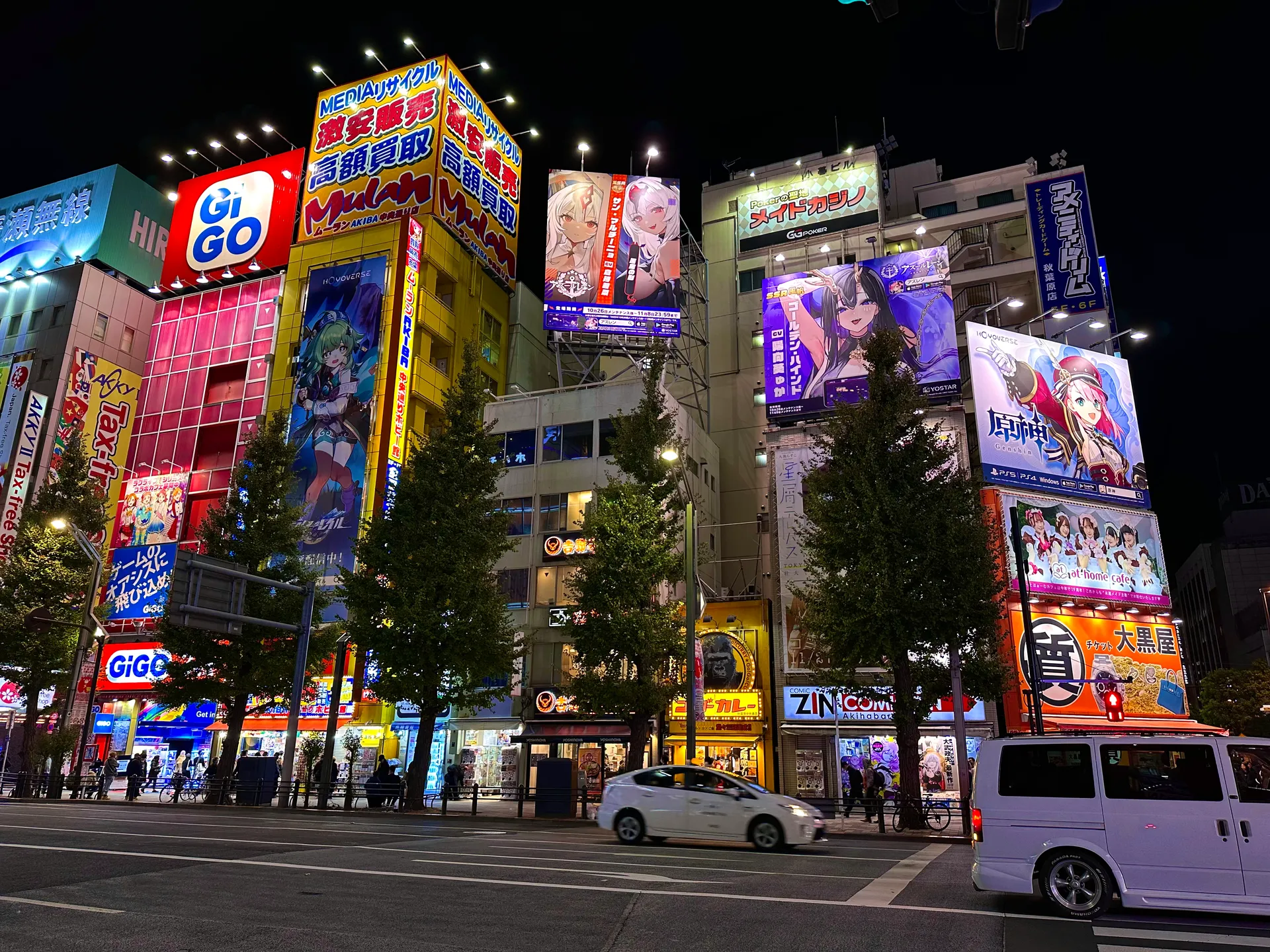
Akihabara Electric Town
Neon signs and anime culture define this electric district. A sensory overload of color and sound.
Tokyo
Street
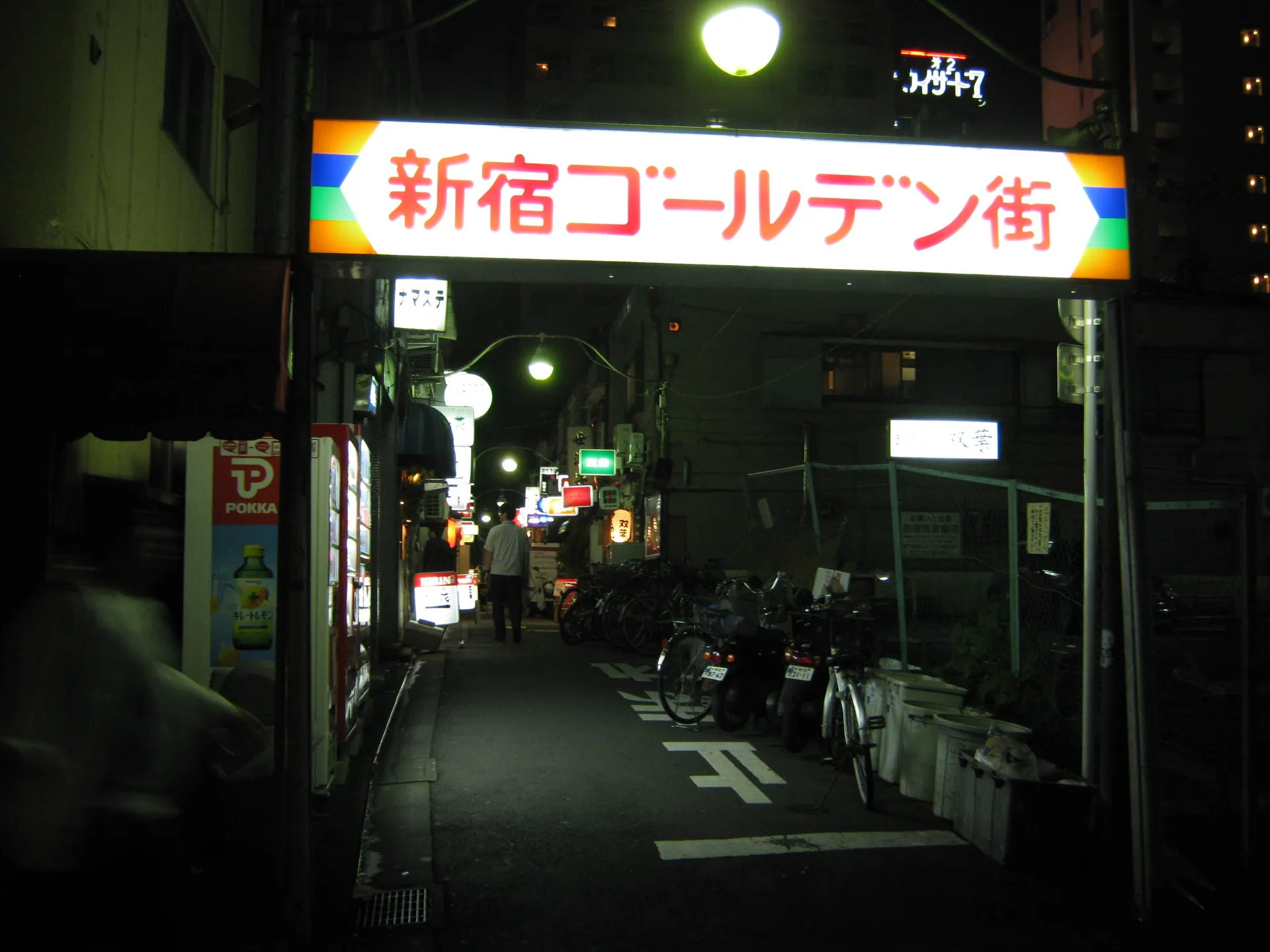
Golden Gai
Over 200 tiny bars packed into 6 narrow alleyways. An intimate, atmospheric nightlife experience.
Tokyo - Shinjuku
Activity
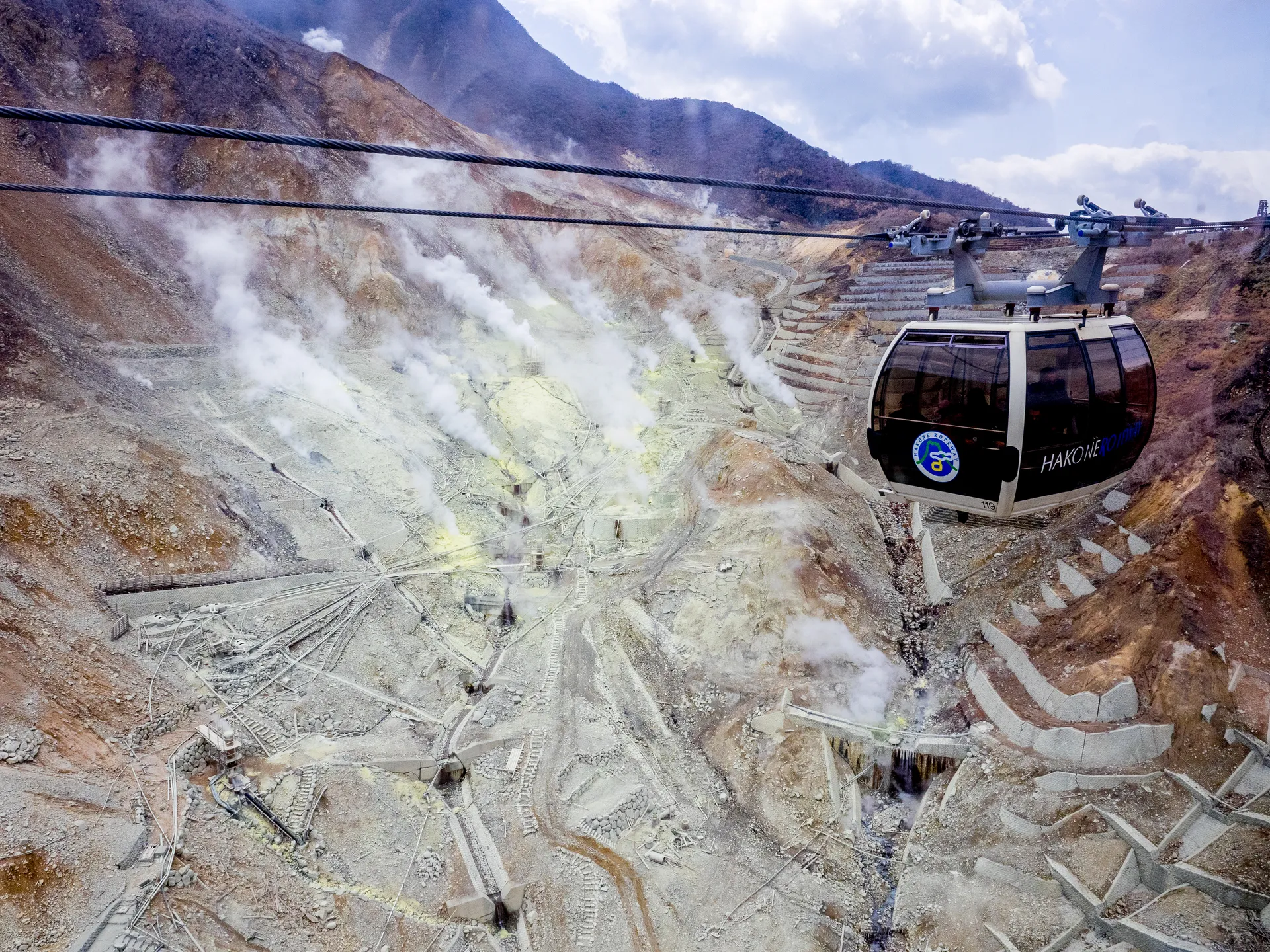
Owakudani Valley
Active volcanic valley with sulfurous fumes and hot springs, famous for black eggs boiled in hot springs
Experience
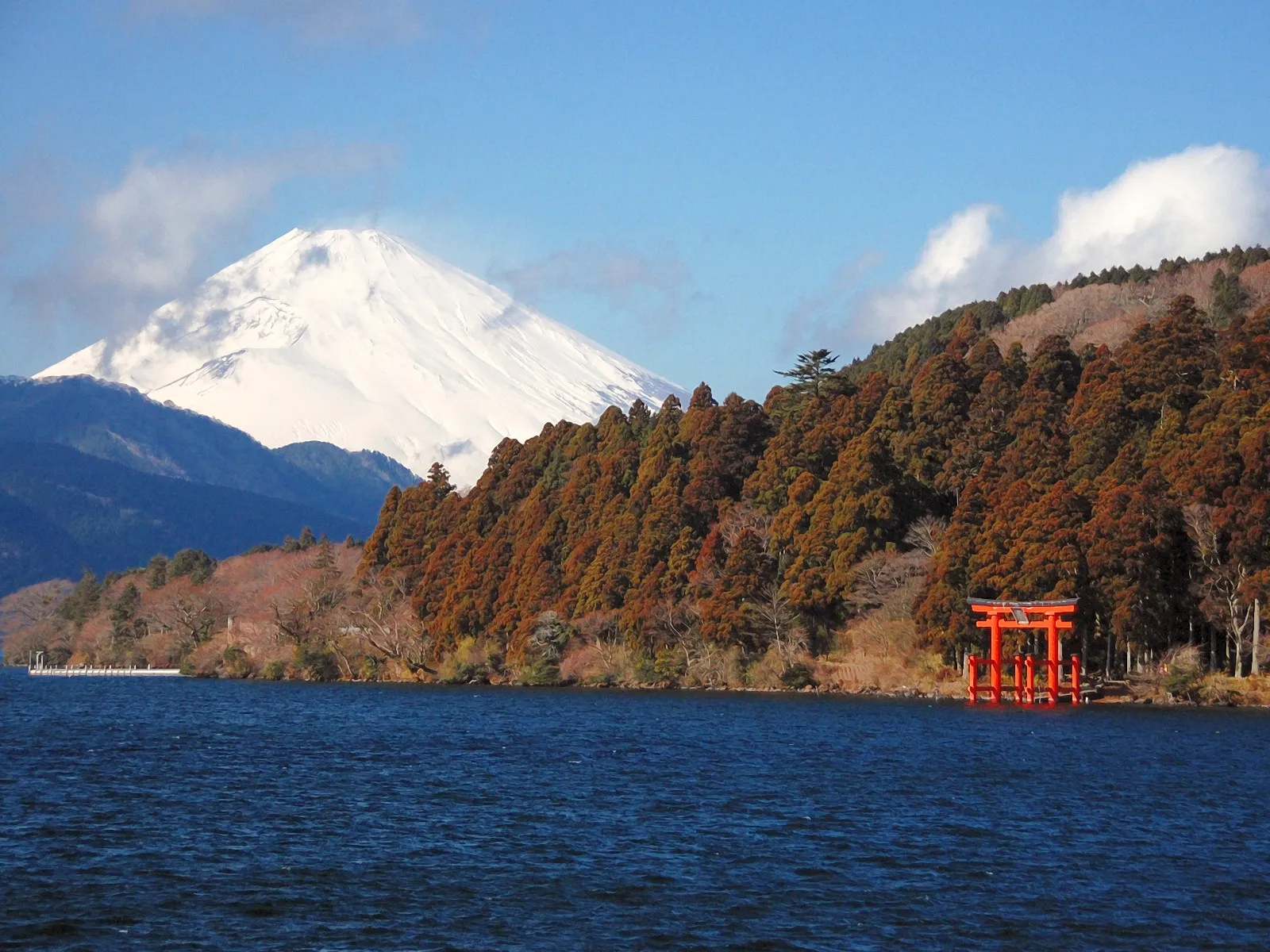
Lake Ashi Pirate Ship Cruise
Sail across volcanic Lake Ashi on a replica pirate ship with Mt. Fuji as the backdrop. Part of the classic Hakone Loop combining ropeway, boat, and bus.
Lake Ashi, Hakone30 min (one way)
Must visit
Shrine
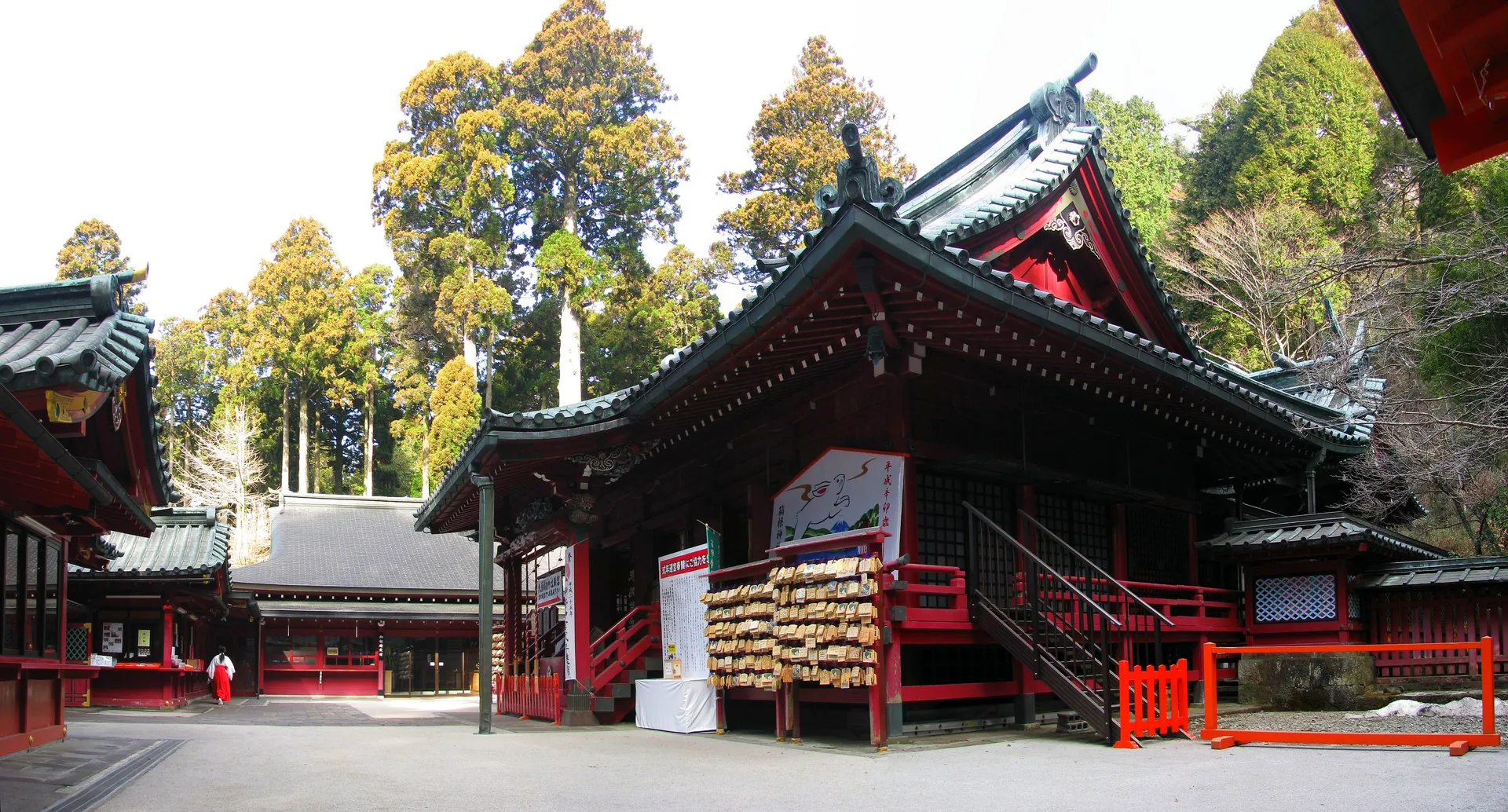
Hakone Shrine
Historic shrine famous for its iconic red torii gate standing in Lake Ashi - perfect photography spot
Experience
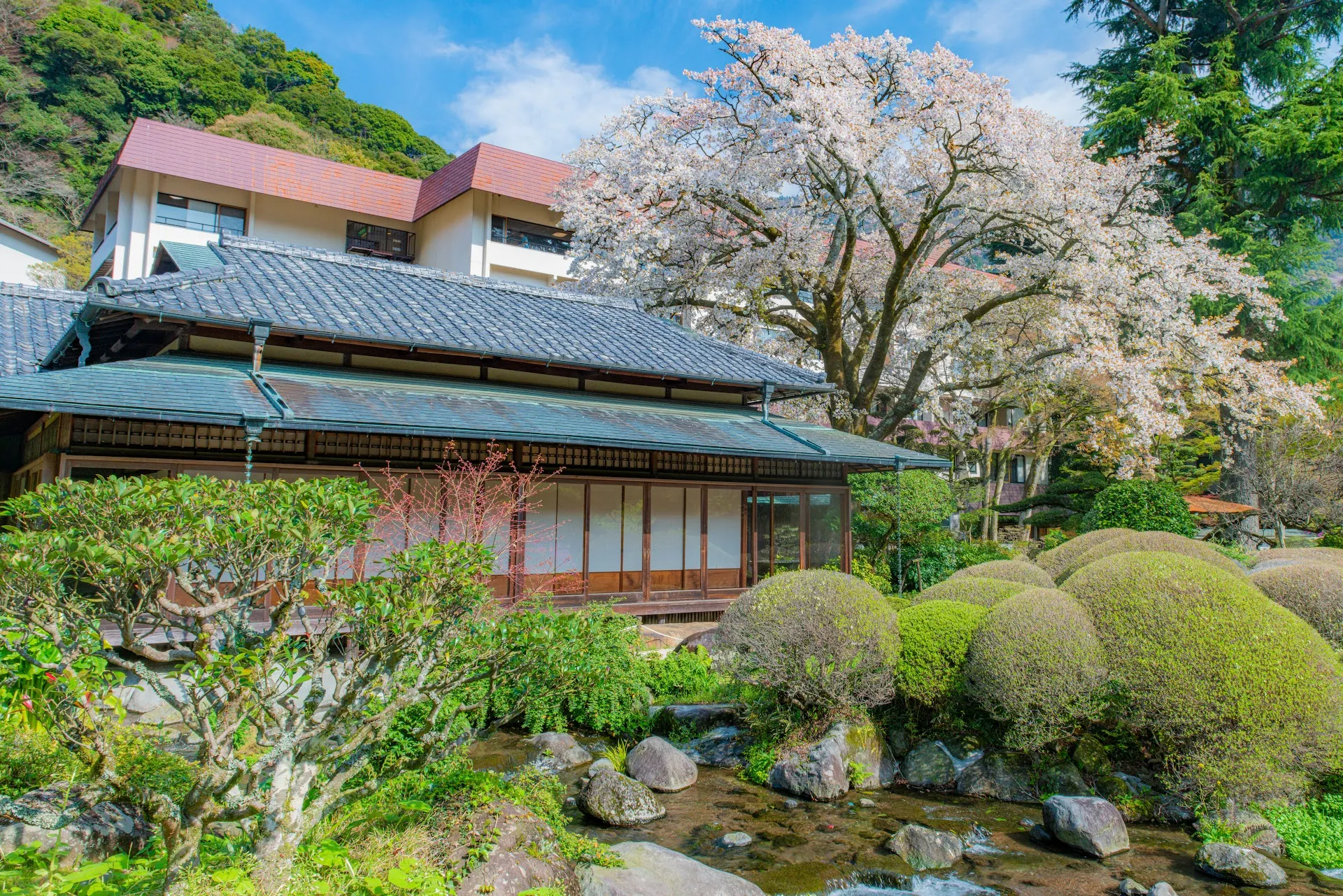
Traditional Ryokan Onsen Experience
Soak in natural hot springs at a traditional ryokan. Many offer day-use onsen packages with indoor and outdoor baths, private baths, and traditional snacks.
Hakone-Yumoto areaOvernight or day visit (2-3 hours)
Must visit
Shrine5.0
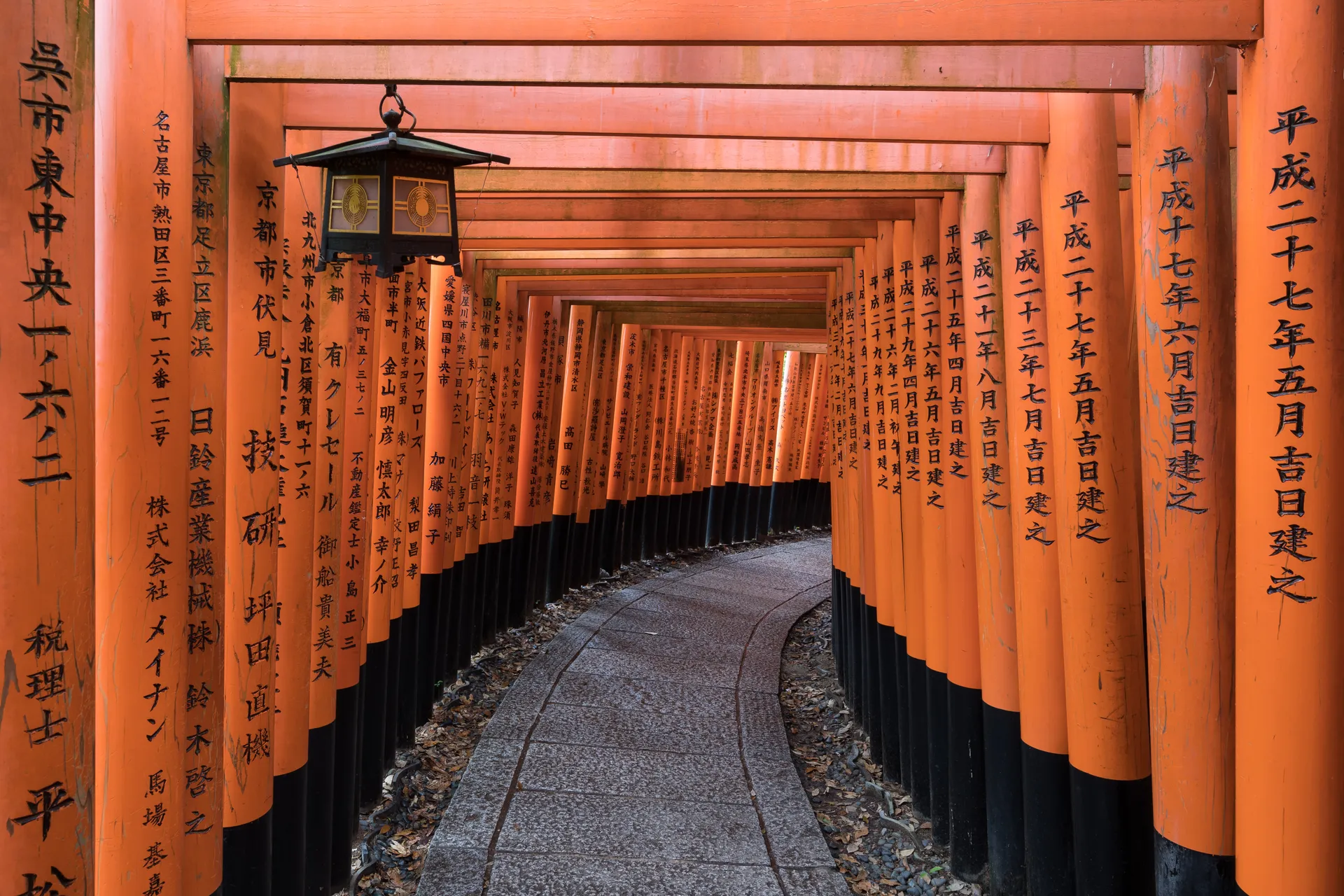
Fushimi Inari Taisha
Iconic shrine famous for its 10,000 vermillion torii gates winding up Mount Inari. One of Kyoto's most visited and photographed sites.
Fushimi
Must visit
Temple5.0
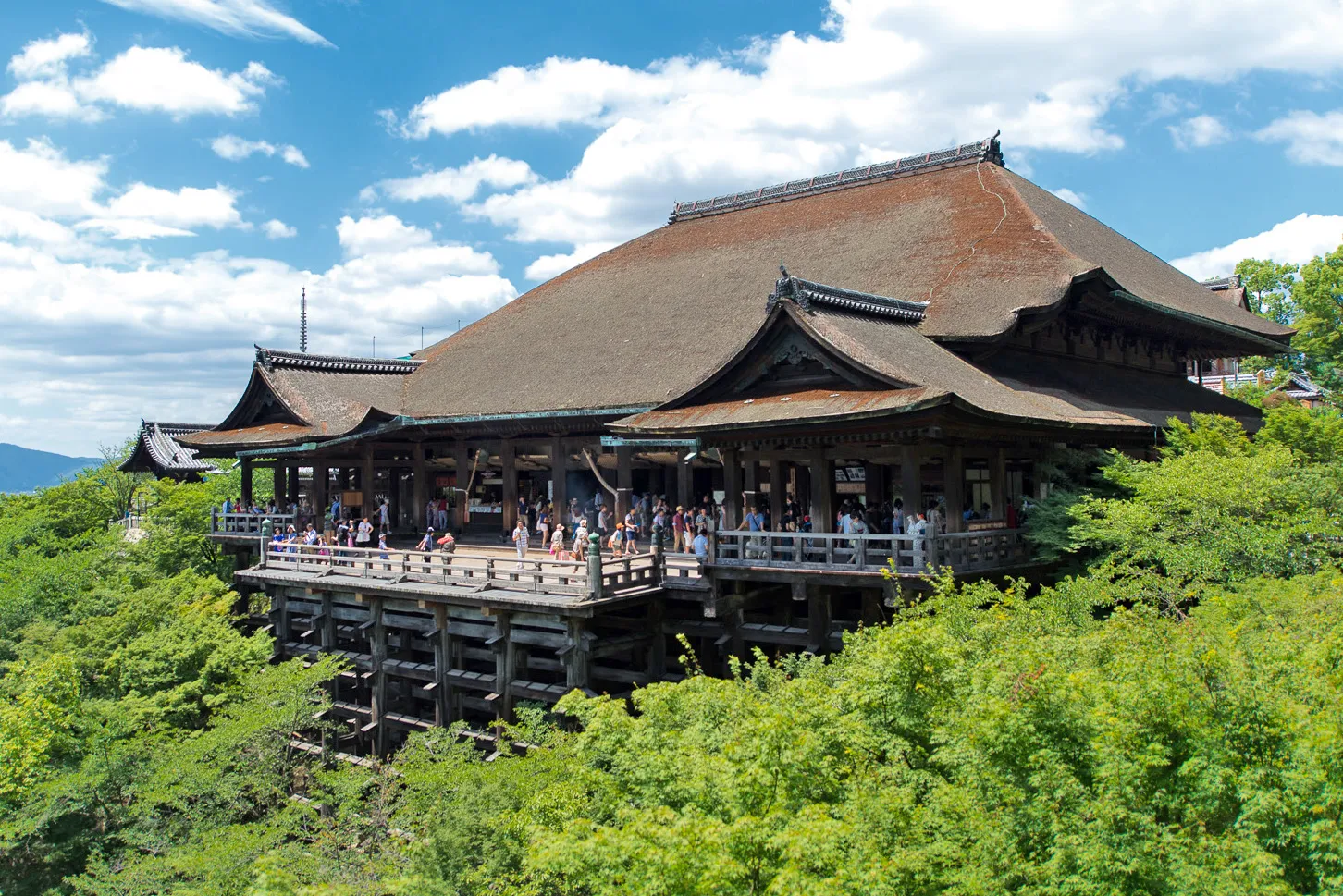
Kiyomizu-dera
Historic Buddhist temple renowned for its wooden stage offering panoramic views of Kyoto. UNESCO World Heritage Site with stunning seasonal beauty.
Higashiyama
Street
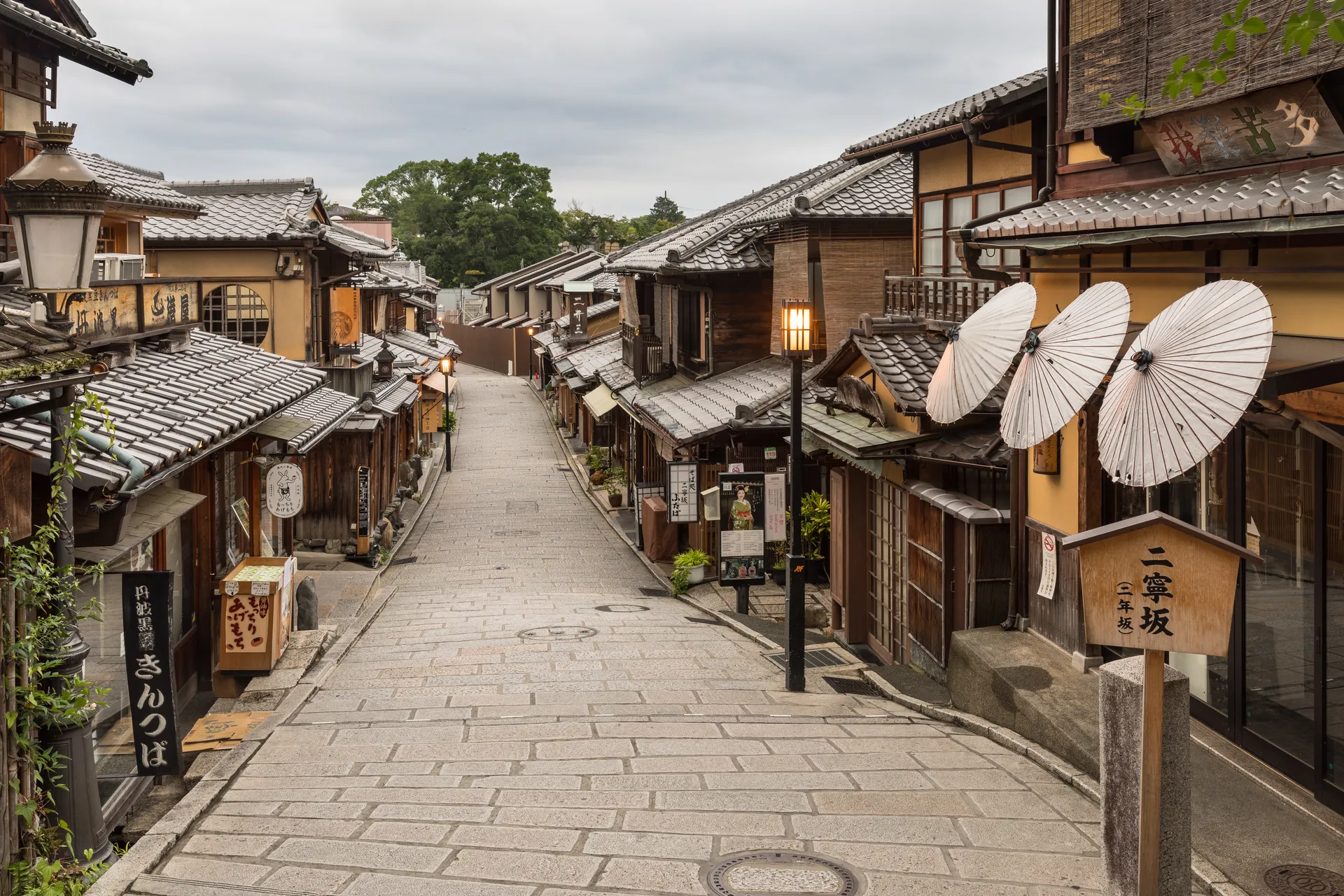
Ninenzaka & Sannenzaka Steps
Preserved Edo-period stone steps lined with wooden machiya shops. Yasaka Pagoda visible from the bend. Quintessential old Kyoto streetscape.
Higashiyama, Kyoto
Must visit
Scenic Spot5.0
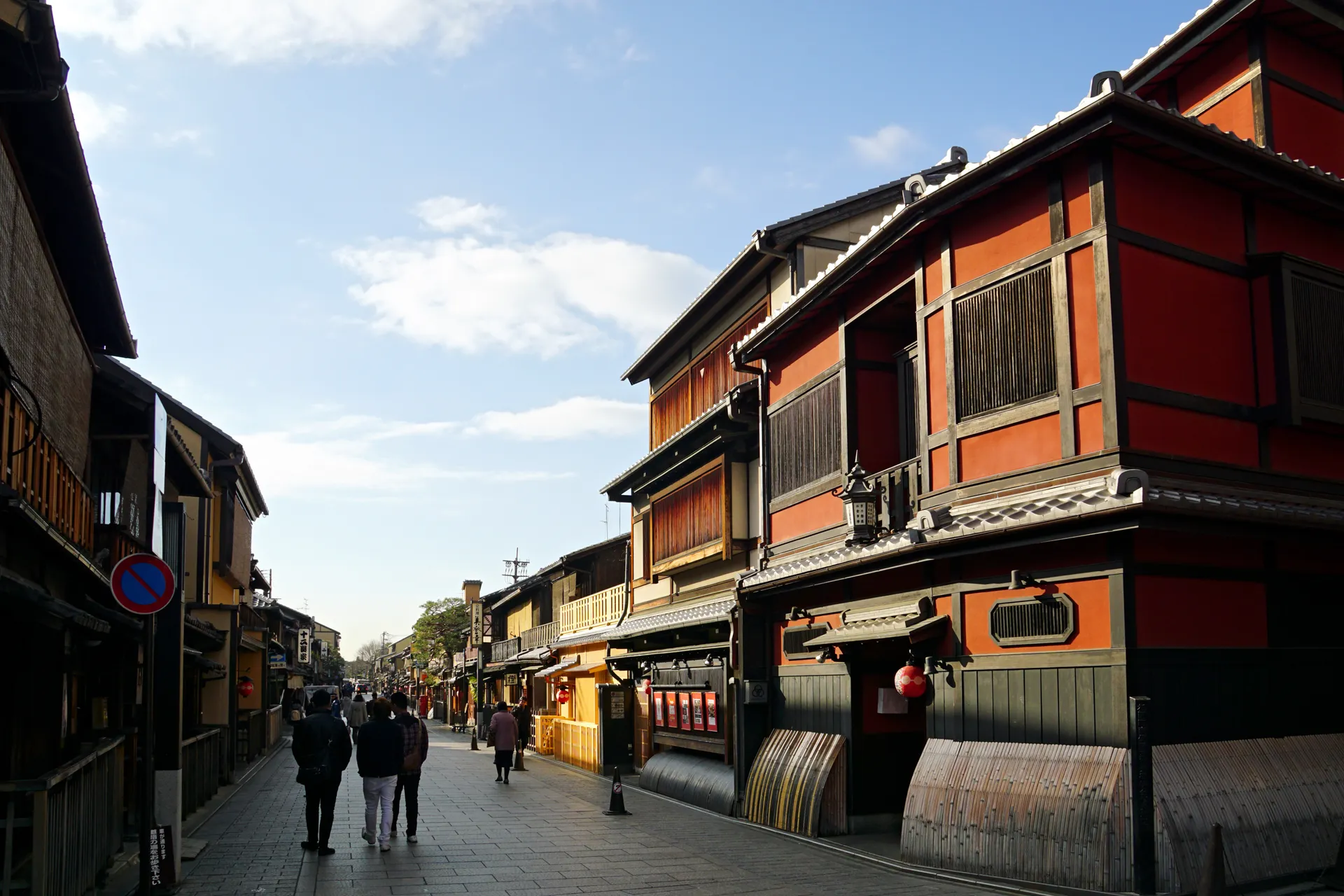
Gion District
Kyoto's most famous geisha district. Traditional wooden machiya townhouses, tea houses, and atmospheric streets where geiko and maiko can be spotted at dusk.
Higashiyama
Must visit
Park5.0
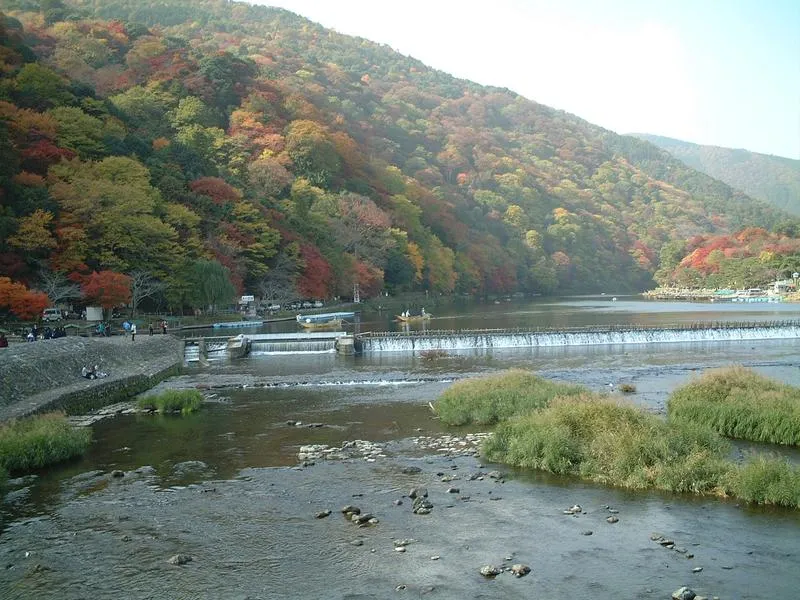
Arashiyama Bamboo Grove
Towering bamboo stalks create an otherworldly tunnel of green. The rustling sound of bamboo in the wind is designated a soundscape of Japan.
Arashiyama
Must visit
Park5.0
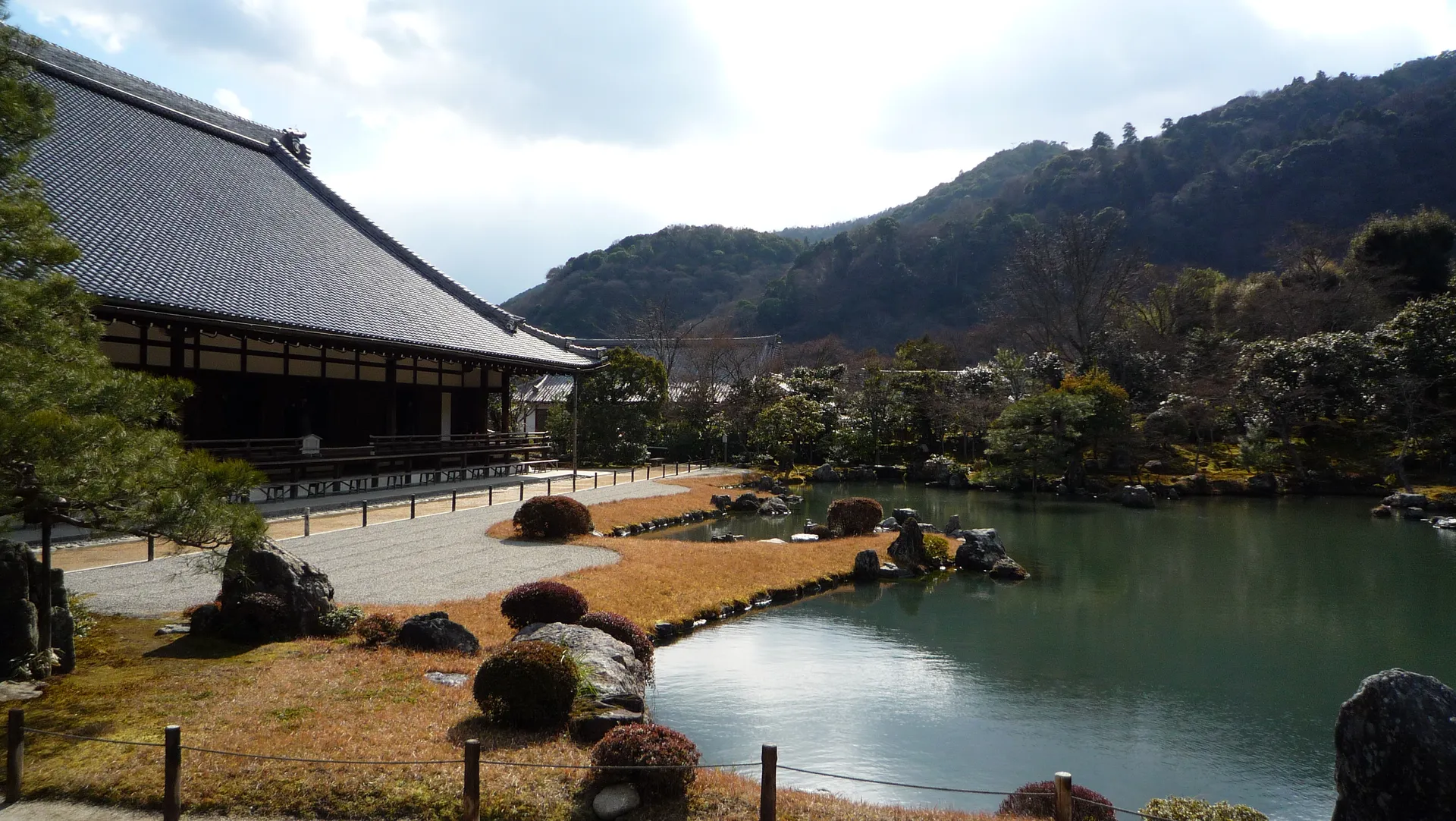
Tenryu-ji Garden
UNESCO World Heritage. 14th-century Sogenchi Pond garden with borrowed scenery (shakkei) from Arashiyama mountains. Japan's first designated Historic Site and Special Place of Scenic Beauty.
Ukyo
Must visit
Temple5.0
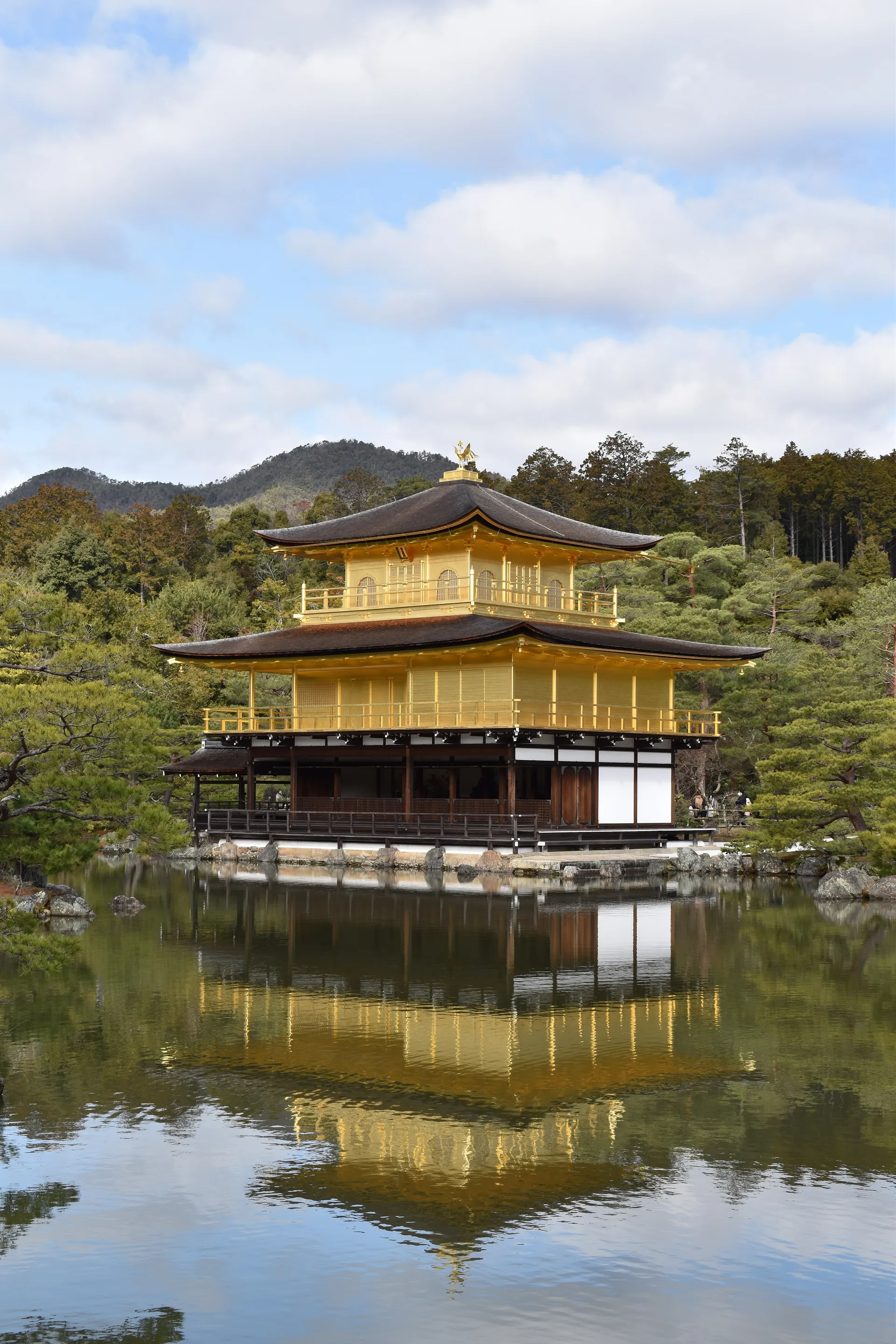
Kinkaku-ji (Golden Pavilion)
Stunning Zen Buddhist temple covered in gold leaf, reflected beautifully in its surrounding mirror pond. UNESCO World Heritage Site.
Kita Ward
Temple5.0
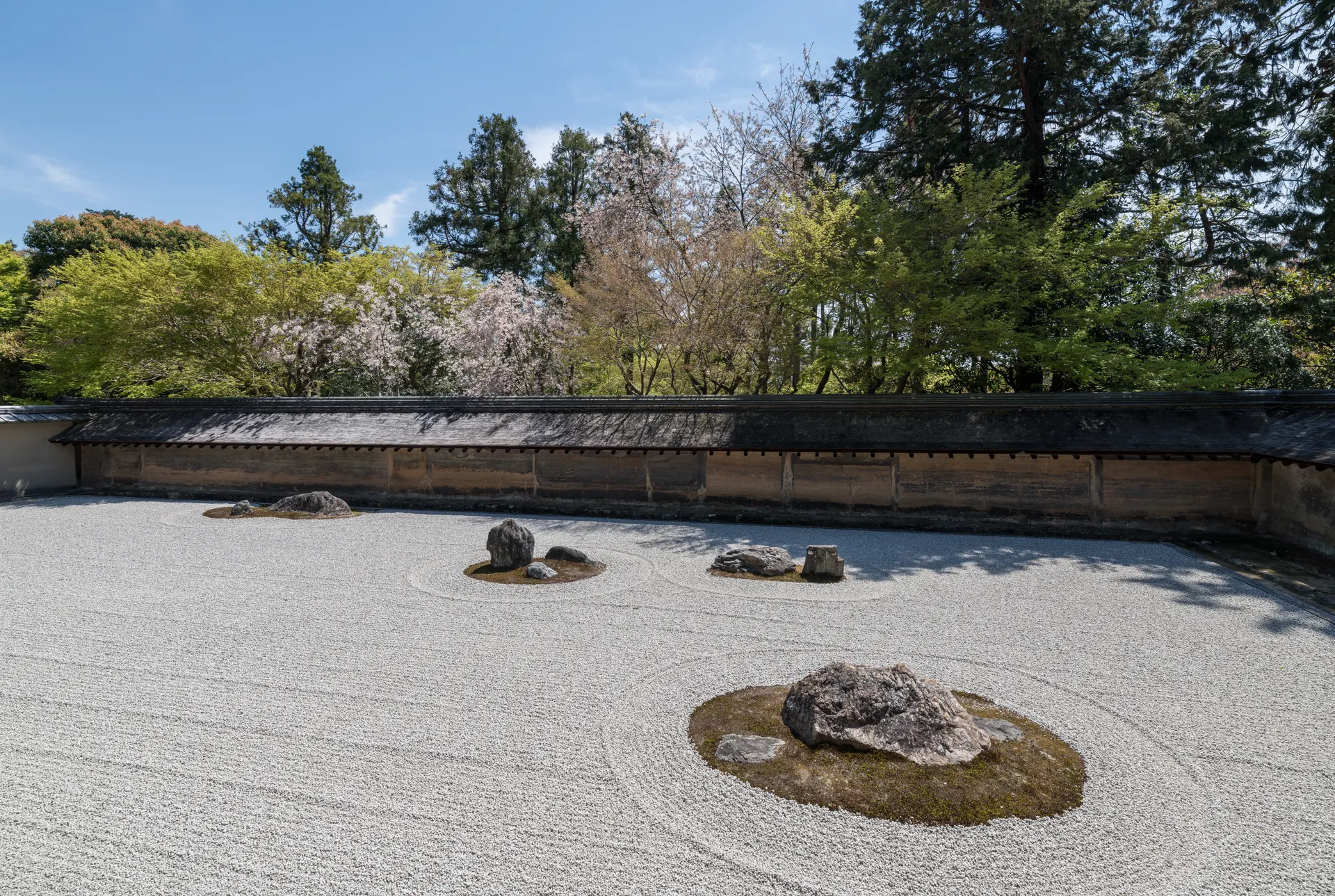
Ryoan-ji
Zen temple home to Japan's most famous rock garden. Fifteen stones arranged on raked white gravel, a masterpiece of meditative design.
Ukyo Ward
Must visit
Castle5.0
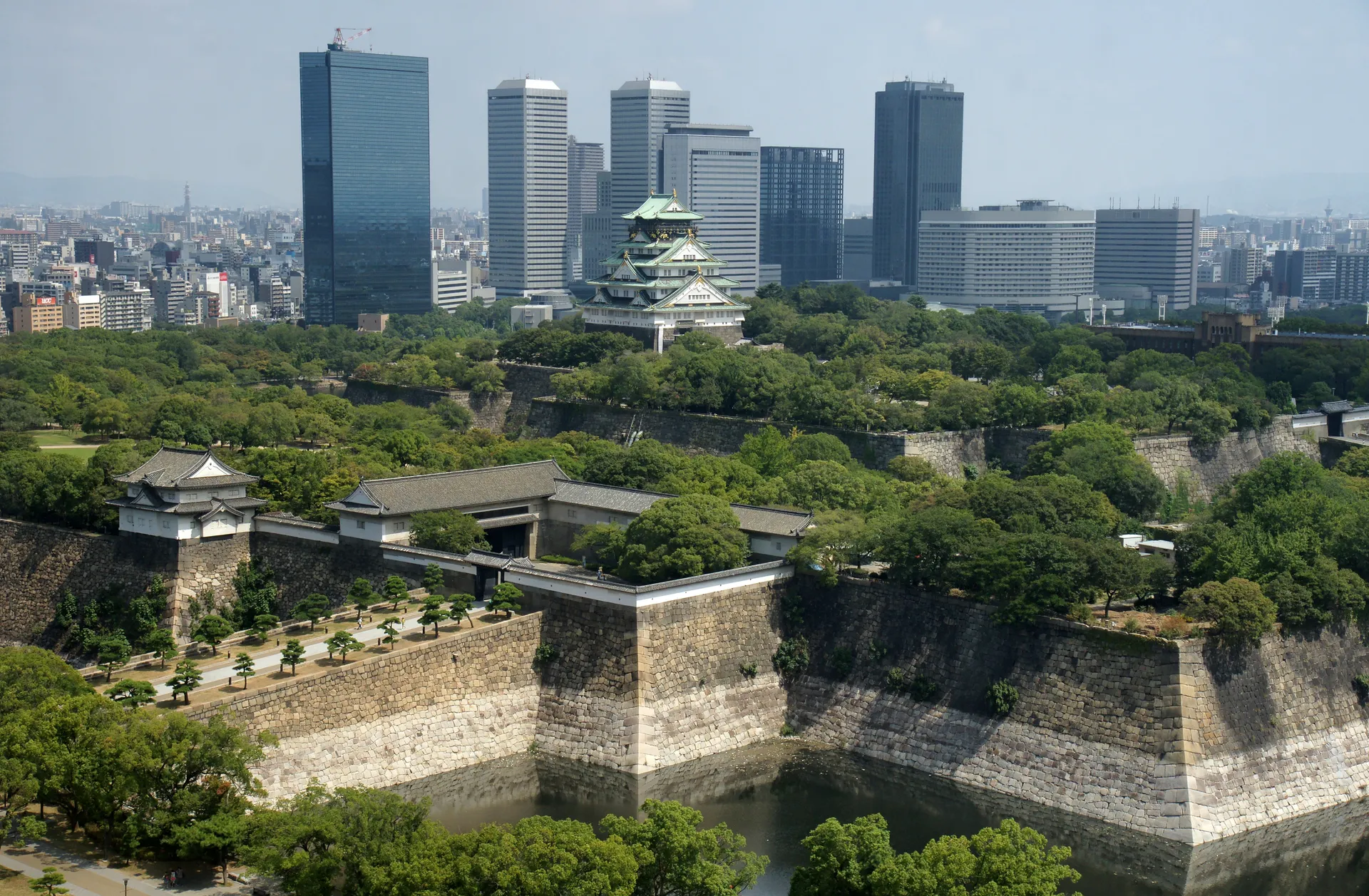
Osaka Castle
Osaka's most iconic landmark. Stunning castle with museum inside, surrounded by expansive parkland and moats. Beautiful during cherry blossom season.
Chuo-ku
Must visit
Market5.0
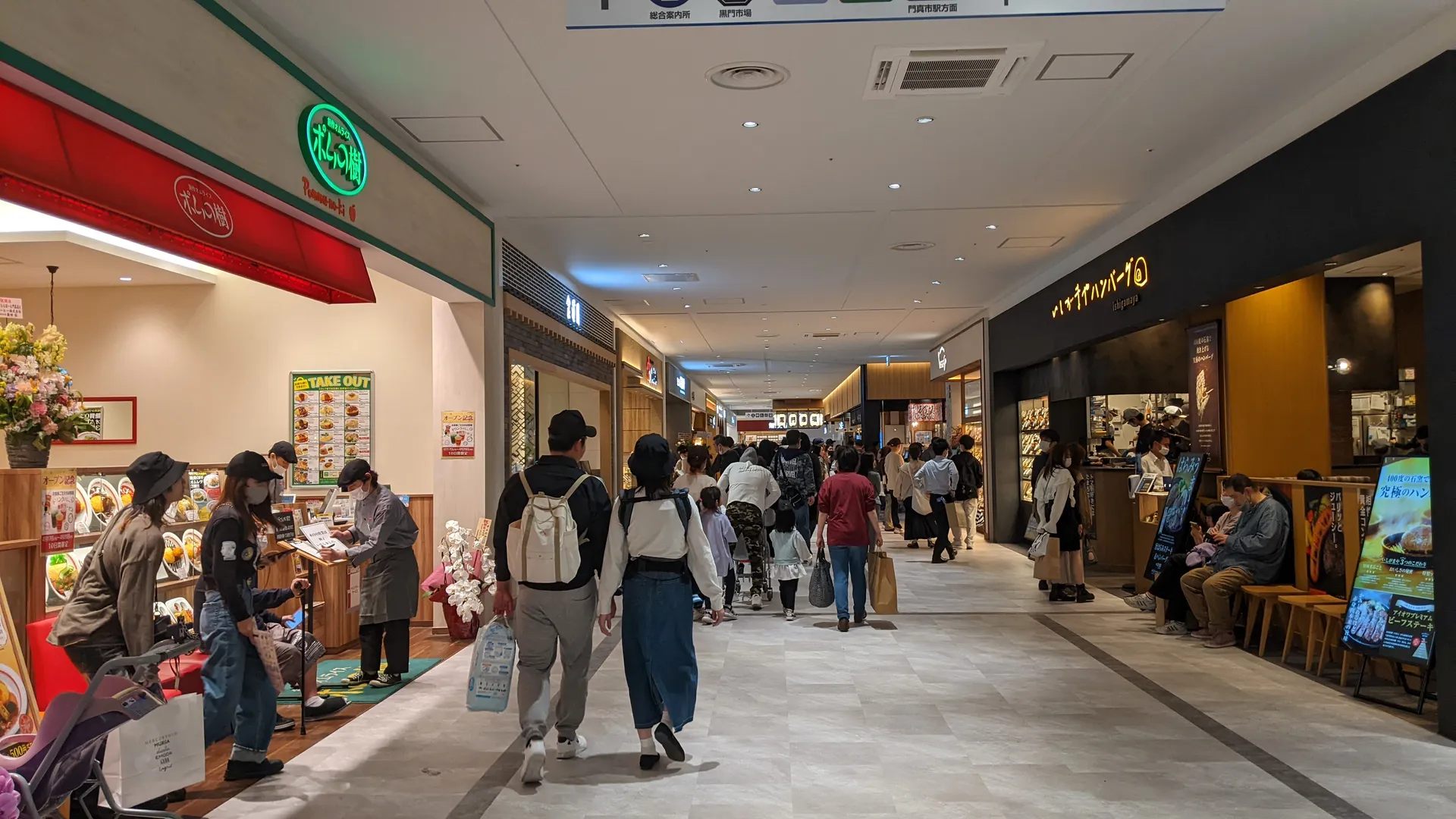
Kuromon Ichiba Market
Osaka's Kitchen. 170+ stalls selling fresh seafood, produce, and street food. Over 190 years of history.
Namba
Scenic Spot4.0
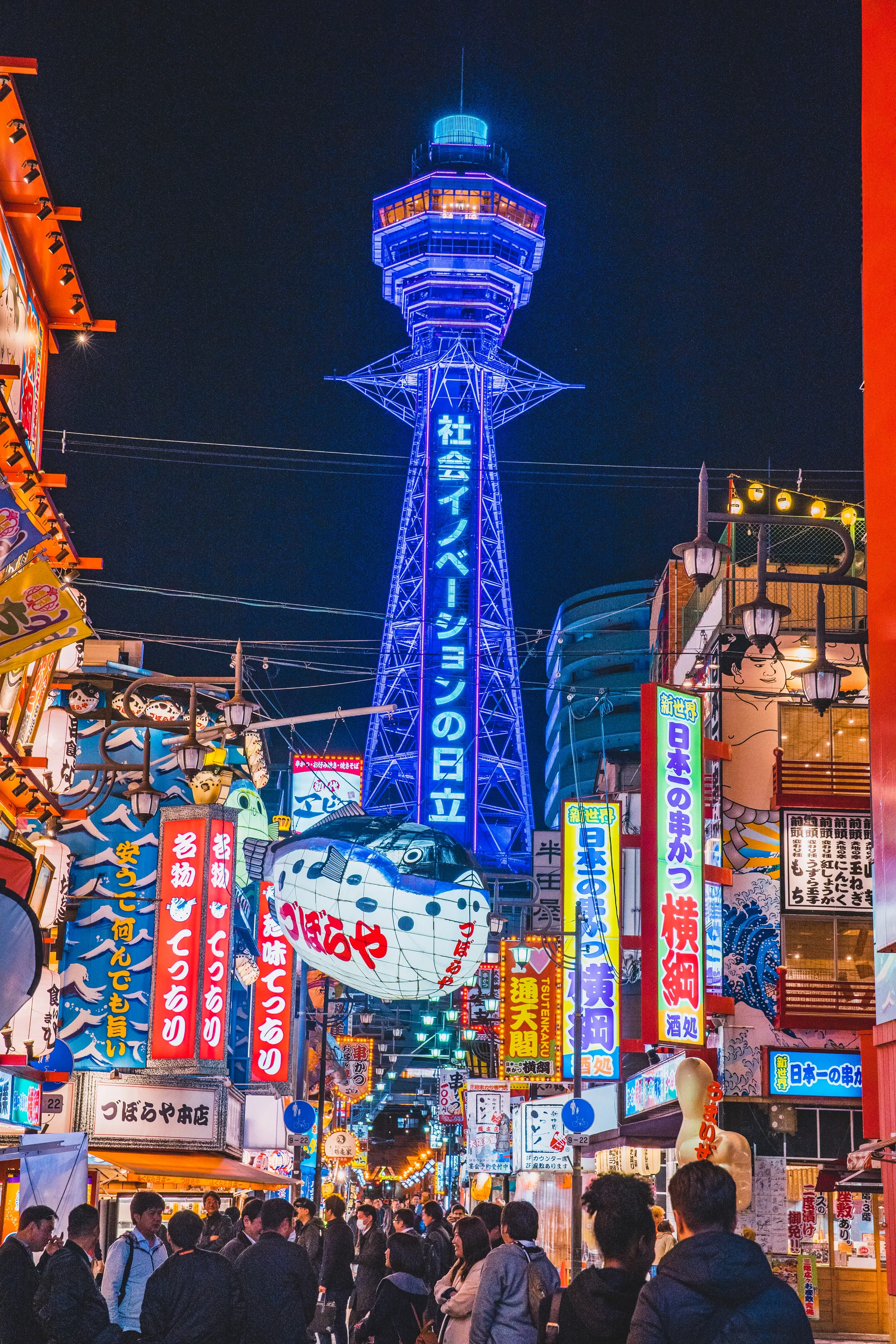
Shinsekai
Retro entertainment district with Tsutenkaku Tower. Neon-lit streets, kushikatsu restaurants, and old-school Osaka charm.
Tennoji
Must visit
Market5.0
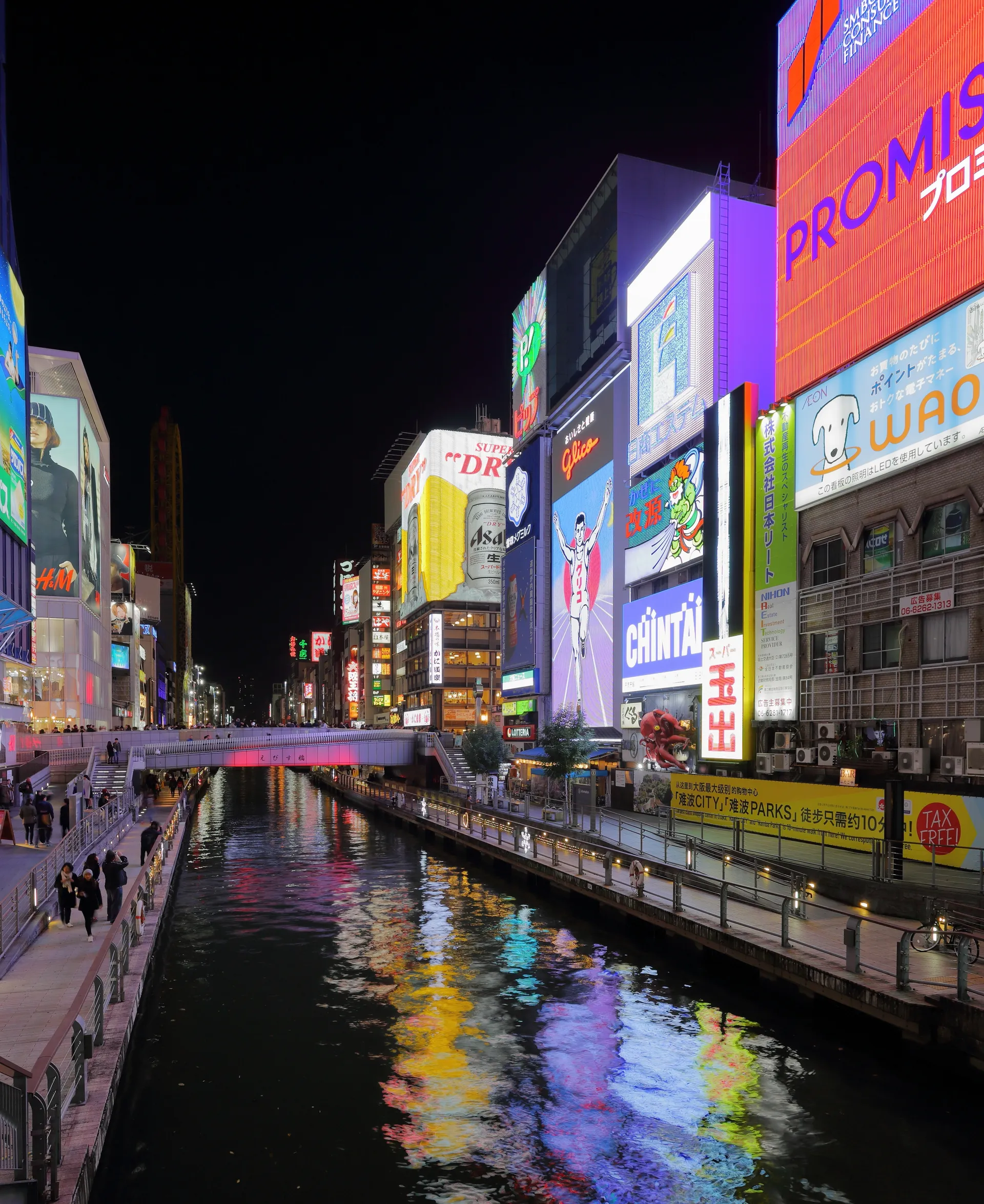
Dotonbori
Iconic food street with the famous Glico Running Man sign. Takoyaki, okonomiyaki, and endless street food stalls along the canal.
Namba
Day by day
Day 1Tokyo
Old Tokyo: Asakusa & the east
Must visit
08:30Temple5.0
Senso-ji Temple
Start at Tokyo's oldest temple before the tour buses arrive. The great Kaminarimon gate and the Nakamise shopping street leading up to the main hall are quieter and far more photogenic early.
Asakusa
Tip: Grounds are free and open around the clock; the souvenir stalls open about 9am.
Must visit
11:00Market5.0
Tsukiji Outer Market
The wholesale market moved to Toyosu, but the outer market remains a dense lane of stalls selling tamagoyaki, fresh sashimi skewers, and knives. Graze your way through for lunch.
Tsukiji
Tip: Go hungry and pay cash; most stalls wind down by mid-afternoon.
Must visit
14:00Park5.0
Hamarikyu Gardens
A former feudal lord's seaside garden surrounded by skyscrapers, with a tidal pond and a teahouse on an island. A calm reset after the crowds.
Chuo
Tip: Stop for matcha and a wagashi sweet at the Nakajima teahouse over the water.
Must visit
18:00Izakaya5.0
Omoide Yokocho
End the day in this lantern-lit warren of tiny yakitori counters under the Shinjuku tracks. Squeeze onto a stool, order skewers, and soak up the smoke and chatter.
Shinjuku
Tip: Many counters seat six or fewer and prefer cash; some add a small cover charge.
Day 2Tokyo
Shibuya, Harajuku & green Tokyo
Must visit
09:00Shrine5.0
Meiji Shrine
A Shinto shrine wrapped in a forest of 100,000 donated trees, steps from the Harajuku madness. The gravel approach beneath towering torii gates is the calmest start to a Tokyo morning.
Harajuku
Tip: Free entry; you may catch a traditional wedding procession on weekends.
Must visit
11:00Shopping Area4.0
Takeshita Street
The neon-bright heart of Harajuku youth culture: crepe stands, costume shops, and rainbow cotton candy. Loud, packed, and worth one slow walk through.
Harajuku
Tip: Then escape one street over to Omotesando for calmer architecture and cafes.
15:00Viewpoint
Shibuya Sky
An open-air rooftop observation deck high above the world's busiest crossing, with 360-degree views that stretch to Mount Fuji on clear days.
Tokyo
Tip: Book a sunset slot in advance online; it sells out and is the best light.
17:30Landmark
Shibuya Crossing
Stand at street level and watch hundreds of people surge across in every direction at once, the defining image of modern Tokyo.
Tokyo
Tip: The Starbucks overlooking the scramble and the station walkway are free vantage points.
Day 3Tokyo
Art, gardens & neon
Must visit
09:30Experience
teamLab Planets
A barefoot, immersive digital-art experience where you wade through water rooms and infinite mirrored gardens of light. Unlike anything else in the city.
Toyosu2-3 hours
Tip: Timed tickets are essential and sell out days ahead; wear shorts or roll up trousers for the knee-deep water rooms.
13:30Museum4.0
Nezu Museum
A serene museum of pre-modern Asian art behind a bamboo-lined entrance, with a hidden strolling garden full of ponds and stone lanterns that few tourists find.
Minami-Aoyama
Tip: The garden alone justifies the ticket; the in-garden cafe is a lovely lunch stop.
16:30Street
Akihabara Electric Town
Tower after tower of electronics, anime, retro games, and arcades stacked into one glowing district. Even non-gamers come for the sheer sensory overload.
Tokyo
Tip: The multi-floor arcades and retro-game shops are the most fun on a casual wander.
19:00Street
Golden Gai
A square block of more than 200 closet-sized bars, each with its own theme and regulars. A time-capsule of postwar Tokyo nightlife.
Tokyo - Shinjuku
Tip: Many bars charge a small seat fee and seat only a handful; look for English-friendly signs if it is your first visit.
Day 4Hakone
Onsen mountains & Mount Fuji
11:00Activity
Owakudani Valley
Arrive in Hakone, drop your bag, and ride up to this active volcanic valley of sulphur vents and steaming hillsides reached by the Hakone Ropeway.
Tip: Try a kuro-tamago, an egg boiled black in the hot springs; local lore says it adds years to your life.
13:30Experience
Lake Ashi Pirate Ship Cruise
Cross caldera Lake Ashi aboard a replica pirate ship, with Mount Fuji rising behind the water on clear days. A relaxed, scenic centerpiece to the Hakone loop.
Lake Ashi, Hakone30 min (one way)
Tip: Covered by the Hakone Freepass; sit on the right-hand side heading toward Motohakone for the Fuji view.
Must visit
15:00Shrine
Hakone Shrine
A forest shrine whose vermilion torii gate stands in the lake, one of Japan's most photographed scenes. The mossy stone steps under cedars feel ancient.
Tip: Expect a queue for the lakeside torii photo; arrive before the afternoon tour rush if you can.
17:30Experience
Traditional Ryokan Onsen Experience
Check into a ryokan and end the day soaking in a hot-spring bath, followed by a multi-course kaiseki dinner served in your room. The reason most people stop in Hakone.
Hakone-Yumoto areaOvernight or day visit (2-3 hours)
Tip: Bathe before dinner in a yukata; rinse fully at the washing stations before entering the communal bath.
Day 5Kyoto
Eastern Kyoto: shrines & temples
Must visit
08:00Shrine5.0
Fushimi Inari Taisha
After the morning Shinkansen down from Hakone, head straight to the thousands of vermilion torii gates winding up Mount Inari. Arrive early to walk the lower tunnels in near silence.
Fushimi
Tip: Free and open 24 hours; crowds thicken sharply after 9:30am, so go first thing.
Must visit
11:30Temple5.0
Kiyomizu-dera
A vast wooden temple on a hillside, famous for its terrace stage with sweeping views over Kyoto. The lantern-lined approach streets are half the fun.
Higashiyama
Tip: Combine it with the walk down through the preserved Ninenzaka and Sannenzaka lanes.
13:30Street
Ninenzaka & Sannenzaka Steps
Two preserved stone-stepped lanes of wooden shops, teahouses, and craft stores leading down from Kiyomizu. The most atmospheric stroll in the old quarter.
Higashiyama, Kyoto
Tip: Stop for a matcha soft-serve and watch for kimono-clad visitors posing at the corners.
Must visit
17:00Scenic Spot5.0
Gion District
Kyoto's geisha quarter of wooden machiya and lantern-lit lanes, best at dusk when the teahouses light up and you might glimpse a geiko hurrying to an appointment.
Higashiyama
Tip: Photography is restricted on some private alleys; stay on the main streets and never block or chase performers.
Day 6Kyoto
Arashiyama, Zen gardens & gold
Must visit
08:30Park5.0
Arashiyama Bamboo Grove
Walk the towering green corridor of the bamboo grove on the city's western edge before the crowds arrive. The light filtering through the stalks is the whole point.
Arashiyama
Tip: It is busiest mid-morning; go at opening, then explore the temples and riverside nearby.
Must visit
11:00Park5.0
Tenryu-ji Garden
A UNESCO-listed Zen temple in Arashiyama whose borrowed-scenery pond garden, designed in the 14th century, frames the surrounding mountains and barely changes with the seasons.
Ukyo
Tip: Enter from the garden-only gate to save time; the rear exit leads straight into the bamboo grove.
Must visit
14:30Temple5.0
Kinkaku-ji (Golden Pavilion)
The Golden Pavilion, a three-story temple sheathed in gold leaf, mirrored in the pond before it. Small but unforgettable, and the city's signature postcard.
Kita Ward
Tip: The route is one-way and brisk; the cleanest reflection shot is from the first viewpoint by the water.
16:30Temple5.0
Ryoan-ji
Japan's most famous Zen rock garden: fifteen stones in raked gravel, arranged so you can never see all of them at once. A short walk from Kinkaku-ji and a meditative close to the day.
Ukyo Ward
Tip: Sit on the veranda and stay a while; the garden rewards quiet rather than a quick photo.
Day 7Osaka
Osaka: castle, street food & farewell
Must visit
09:30Castle5.0
Osaka Castle
Ride the quick train down from Kyoto and start at Osaka's landmark castle, rebuilt with a museum inside and a top-floor observation deck over the moats and surrounding park.
Chuo-ku
Tip: The park and grounds are free; buy the keep ticket only if you want the museum and view.
Must visit
12:30Market5.0
Kuromon Ichiba Market
Osaka's lively covered food market, nicknamed the city's kitchen, where stalls grill scallops, slice tuna, and fry tempura to eat on the spot. The ideal first taste of Osaka.
Namba
Tip: Many stalls cook to order and let you eat standing; bring cash and an appetite.
15:00Scenic Spot4.0
Shinsekai
A retro downtown district under the Tsutenkaku tower, full of neon, old game halls, and the smell of kushikatsu. Gloriously kitschy and very Osaka.
Tennoji
Tip: This is the home of kushikatsu deep-fried skewers; remember the one rule: never double-dip the shared sauce.
Must visit
18:30Market5.0
Dotonbori
Finish your week along the canal under the giant Glico runner and crab signs, eating takoyaki and okonomiyaki amid the brightest lights in Kansai.
Namba
Tip: The Ebisu Bridge is the classic photo spot; the neon reflects best on the water after dark.
Getting between stops
What it costs
A mid-range week runs roughly $1,000-1,500 per person excluding international flights: business hotels and one ryokan night, all-train transport, attraction tickets, and generous street-food eating. Trains are the biggest fixed cost; a 7-day Japan Rail Pass can pay off if you ride the Shinkansen, while regional passes like the Hakone Freepass cover the mountain leg.~$140-210 / day
Frequently asked questions
- Is one week enough to see Tokyo, Hakone, Kyoto, and Osaka?
- Yes, seven days covers the classic Golden Route comfortably if you stick to highlights. You get three days for Tokyo's range, an overnight in Hakone for onsen and Mount Fuji, two days for Kyoto's temples, and a final day in Osaka. Fast trains between each stop mean travel days double as sightseeing days, so very little time is lost in transit.
- Should I buy a Japan Rail Pass for this 7-day route?
- It depends on your exact trains. The 7-day pass roughly breaks even on a Tokyo-Kyoto-Osaka round trip, but this itinerary's Hakone leg uses the private Odakyu and Hakone lines, which the JR Pass does not cover. Many travelers skip the nationwide pass and instead buy individual Shinkansen tickets plus a Hakone Freepass for the mountain section. Price out your specific legs before deciding.
- Why stop in Hakone instead of going straight to Kyoto?
- Hakone breaks up the long Tokyo-to-Kyoto journey with a night in the mountains, a traditional ryokan and onsen experience, and on clear days a classic Mount Fuji view over Lake Ashi. It is the easiest place on the route to slow down, soak in a hot spring, and eat a multi-course kaiseki dinner before the temple-heavy days in Kyoto.
- What is the best time of year to do this trip?
- Spring (late March to April) and autumn (November) are ideal, with mild weather and either cherry blossoms or fall foliage in Kyoto's gardens. Both are also the busiest and priciest seasons. Summer is hot and humid, and winter is cold but quiet and clear, often with the best Mount Fuji visibility from Hakone.
- Can I do this trip without renting a car?
- Absolutely, and you should. Every leg in this itinerary is covered by trains: the Romancecar to Hakone, the Shinkansen to Kyoto, and a 30-minute commuter train to Osaka. Within each city the metro, buses, and walking cover everything. A car would be a liability given urban traffic and parking costs.
Make this trip yours
Save this itinerary and customize it — dates, stops, budget and friends, all in one place.