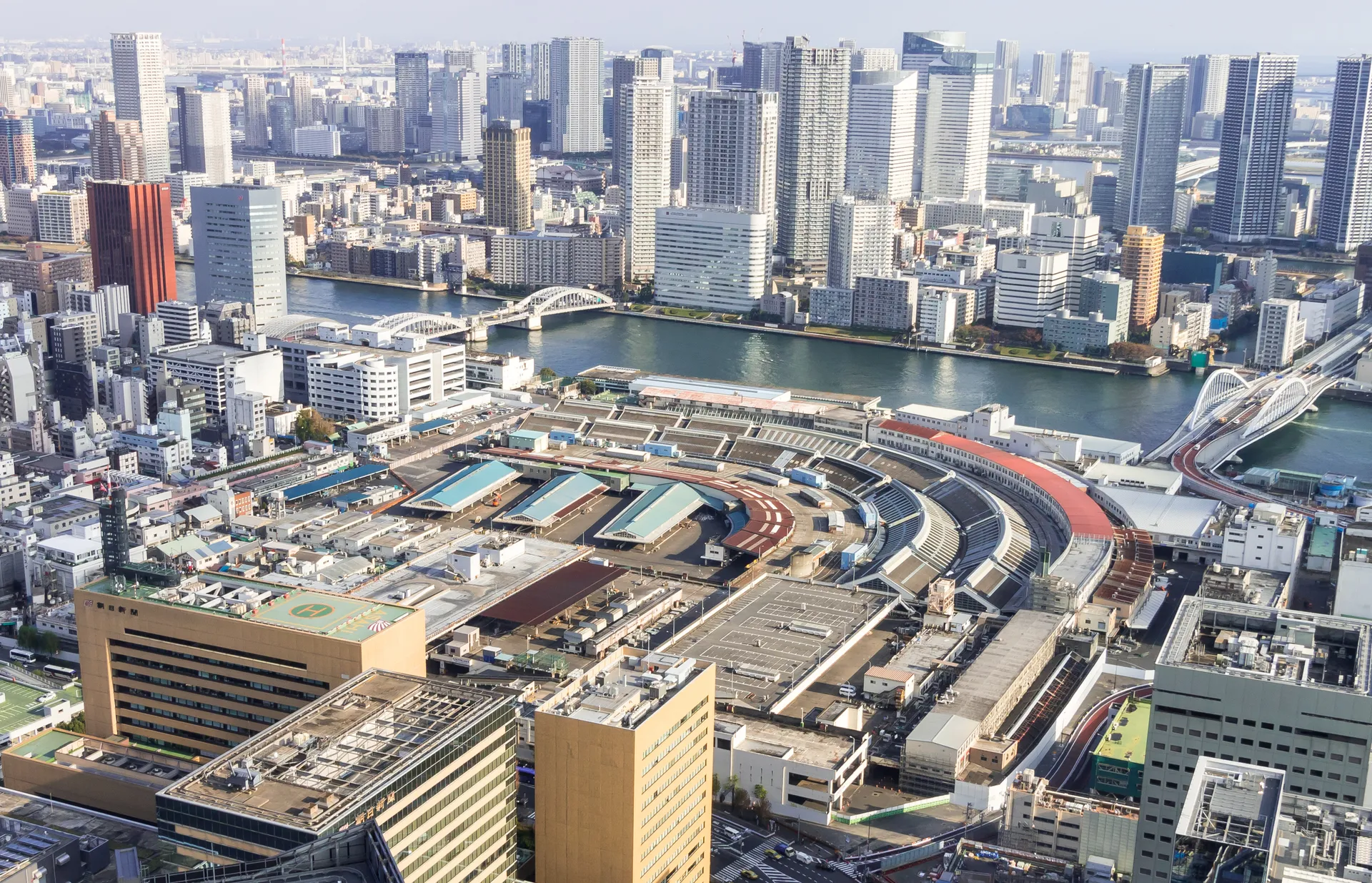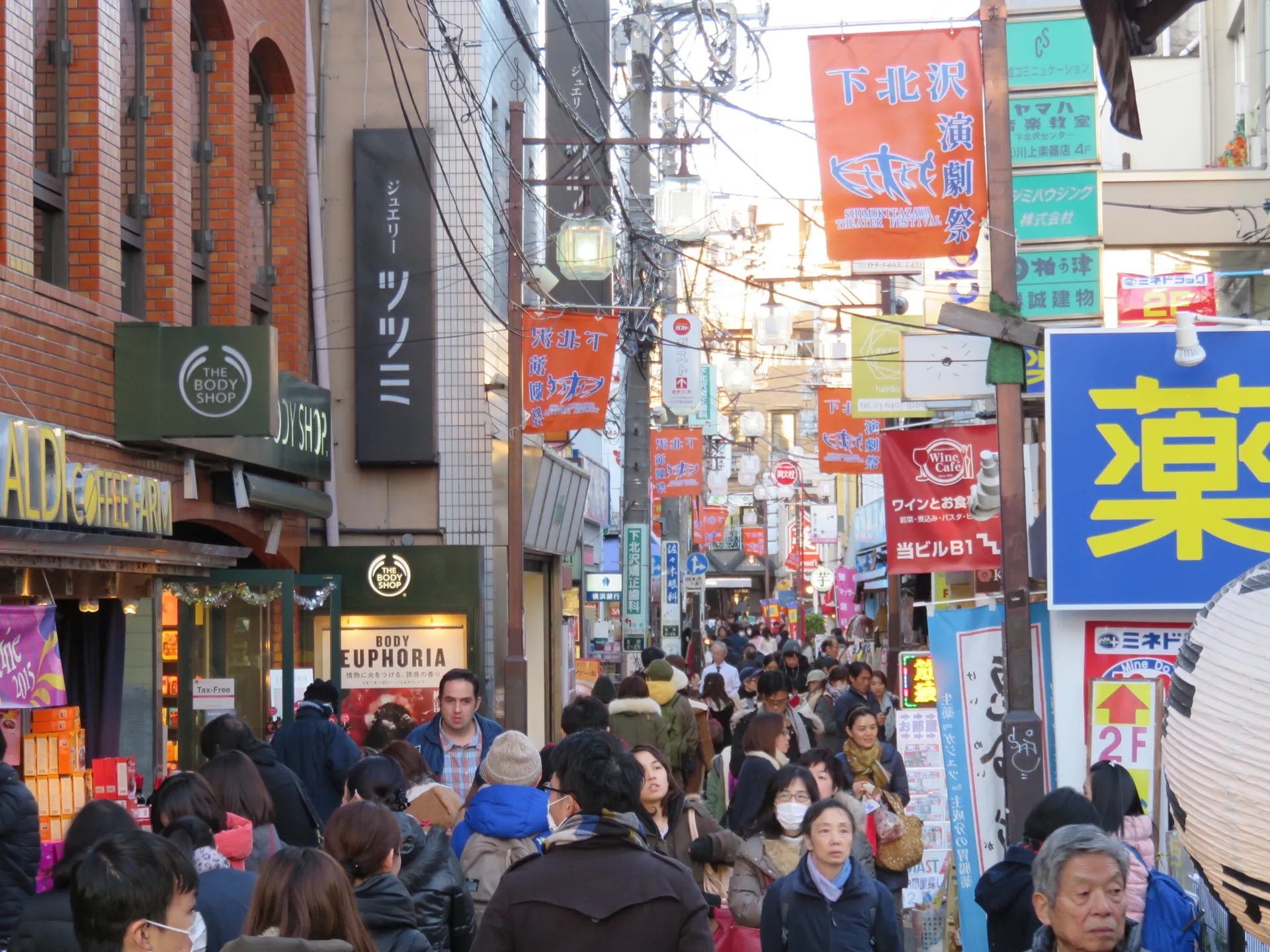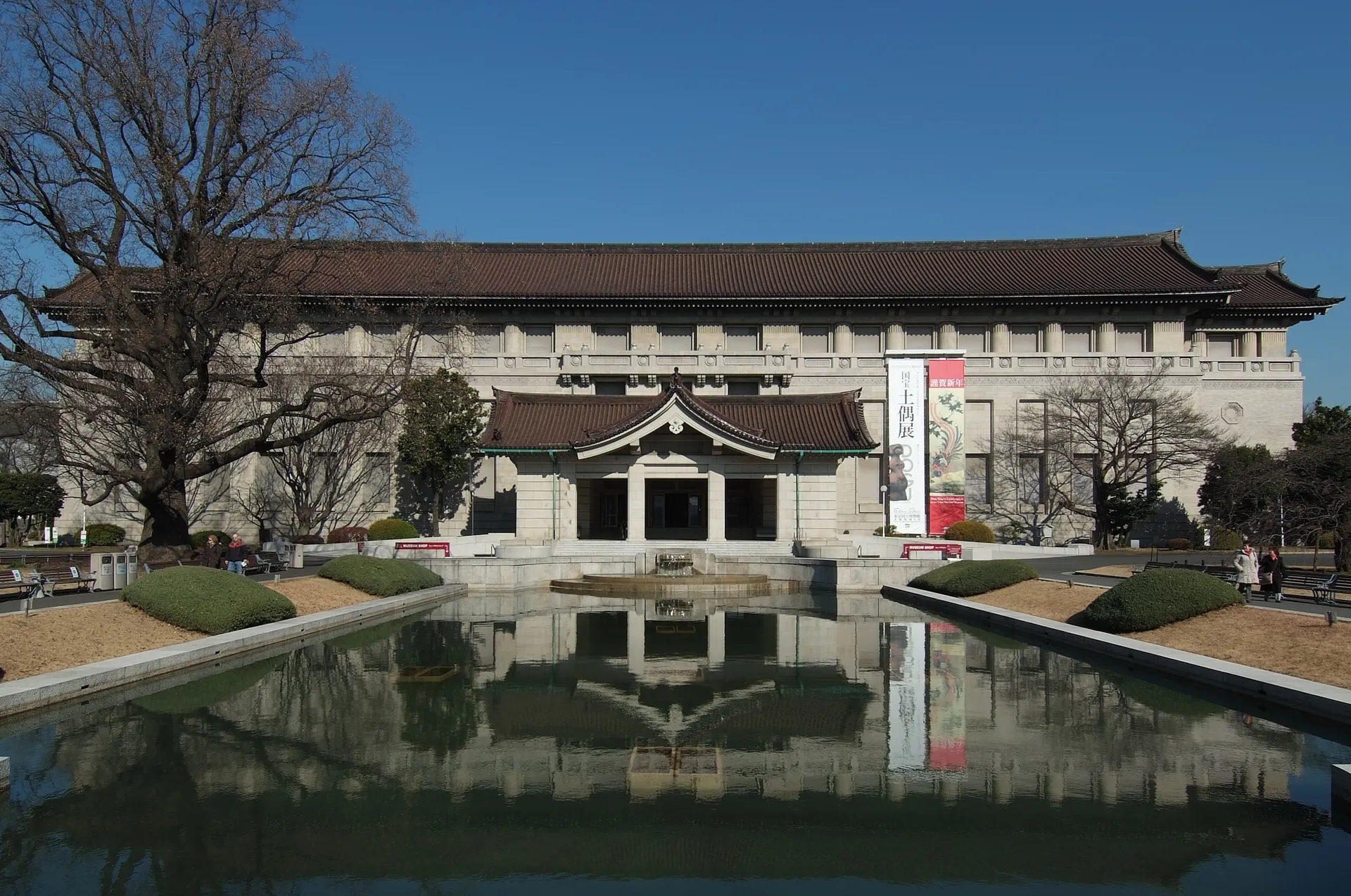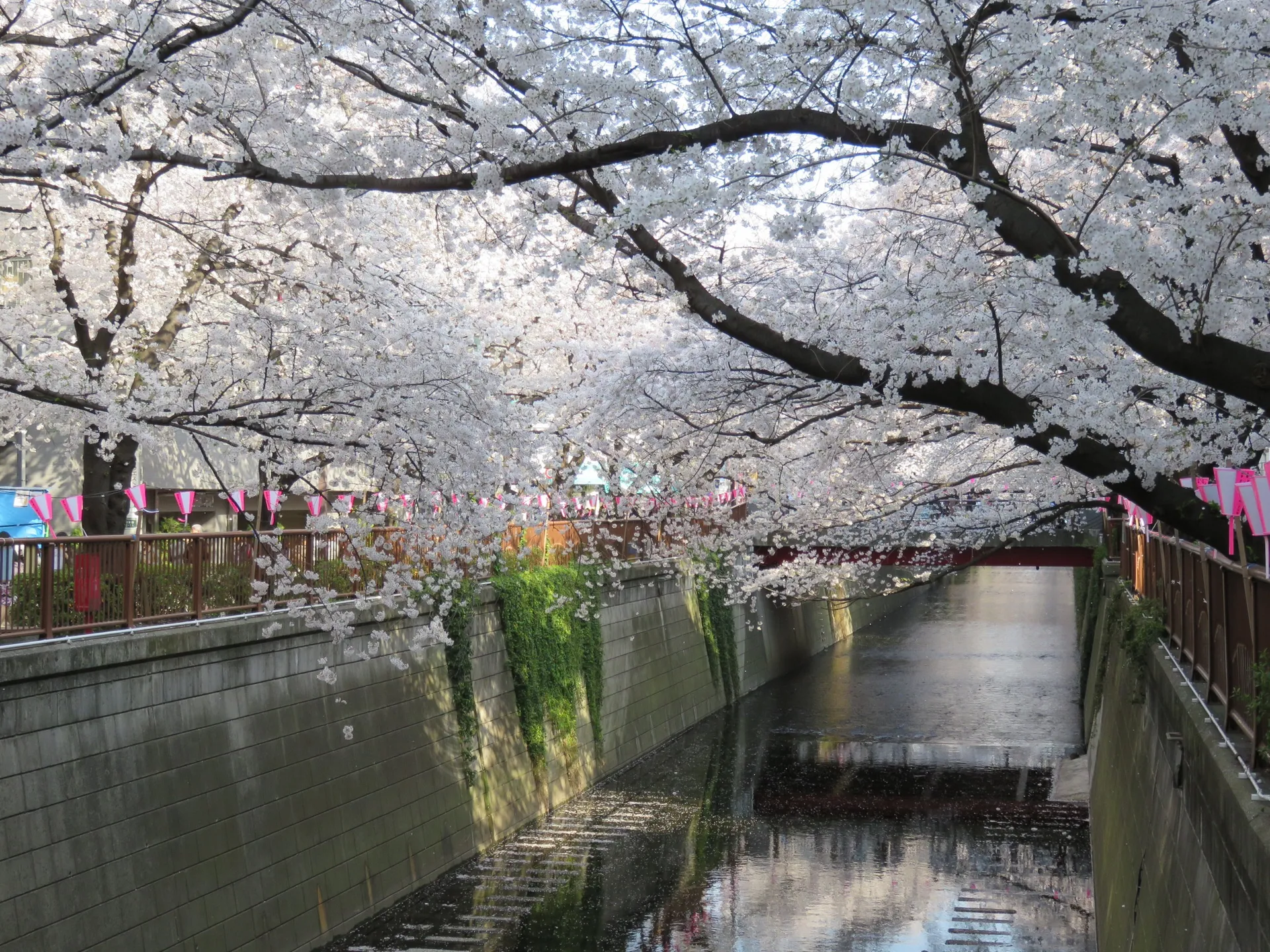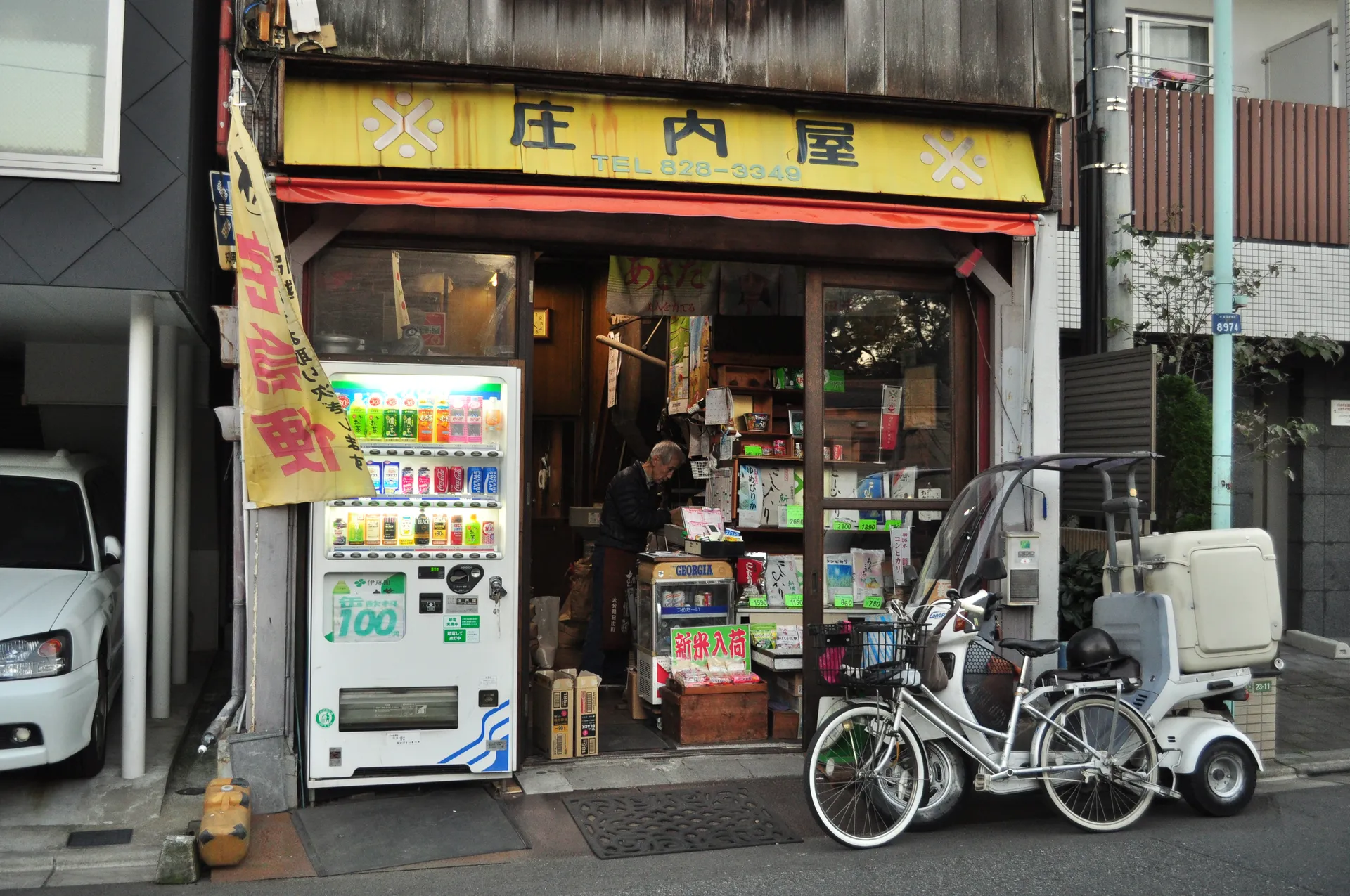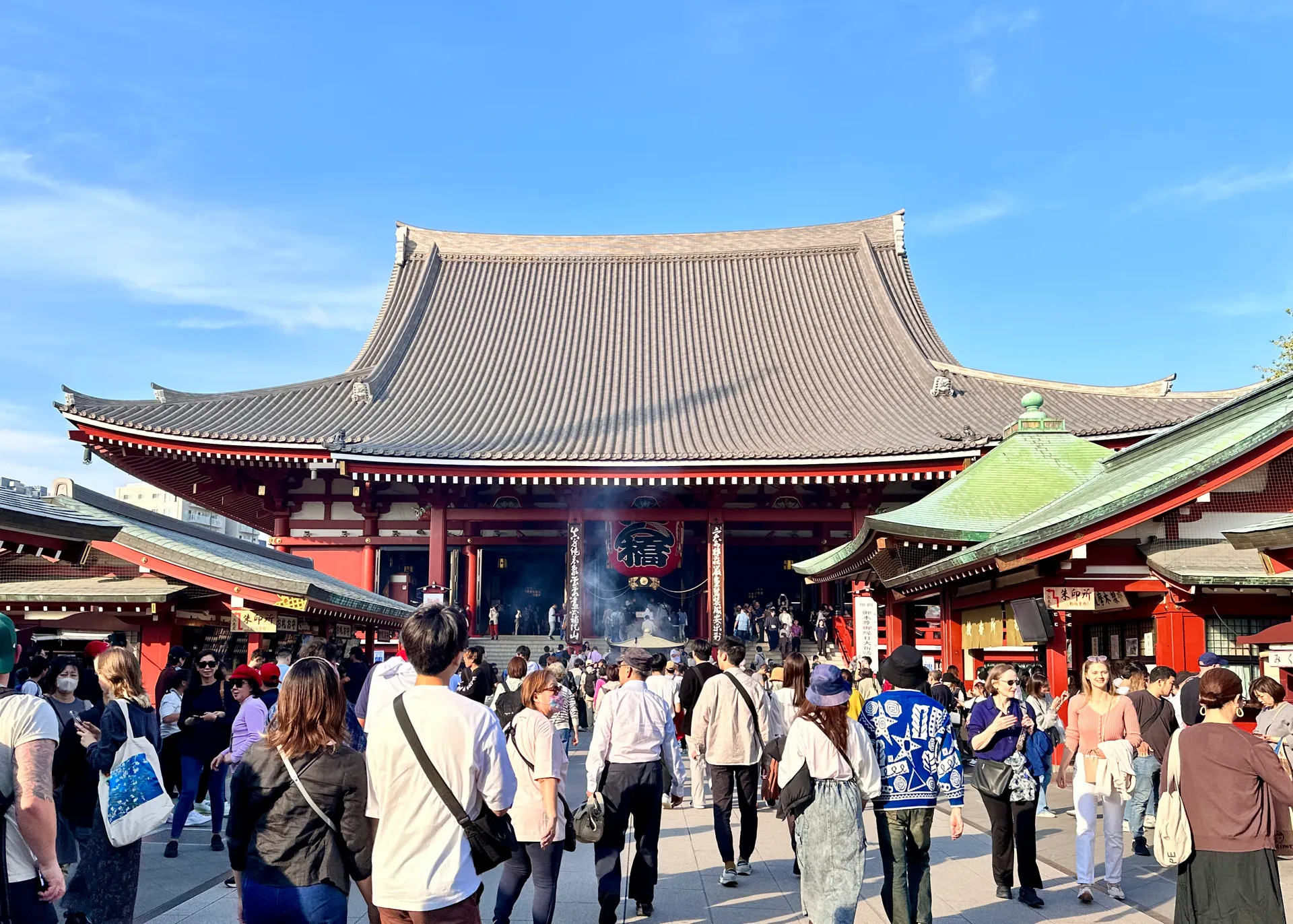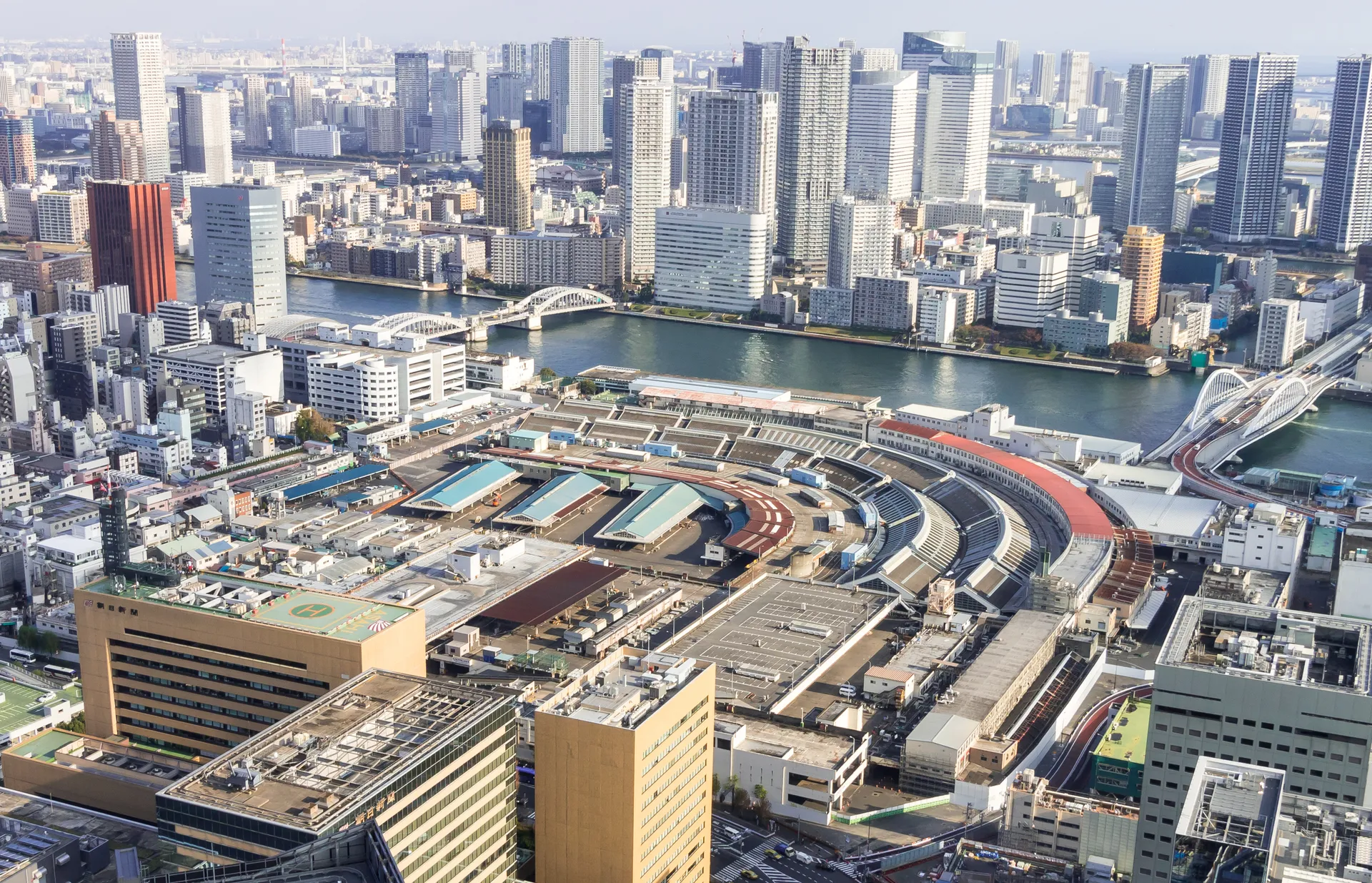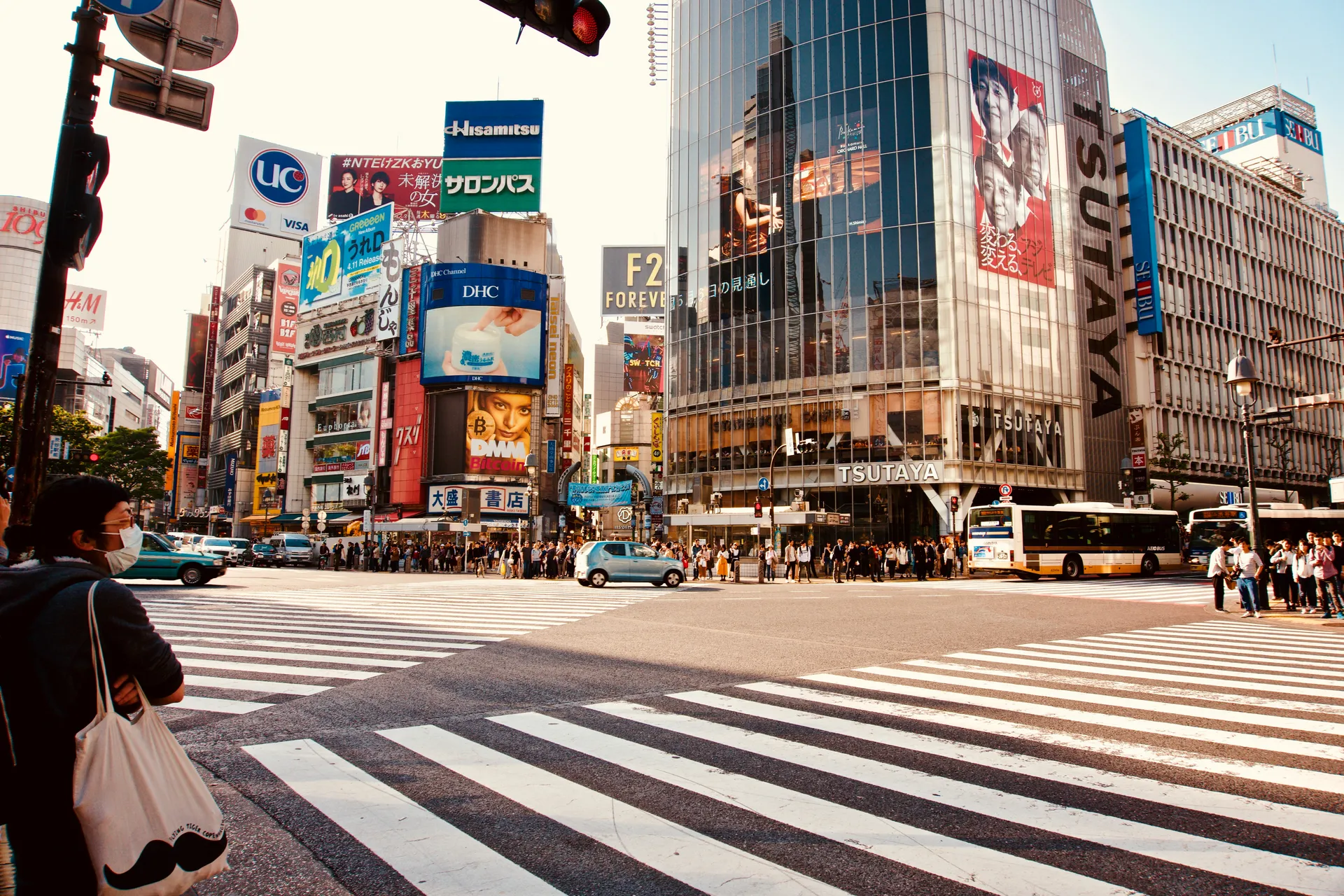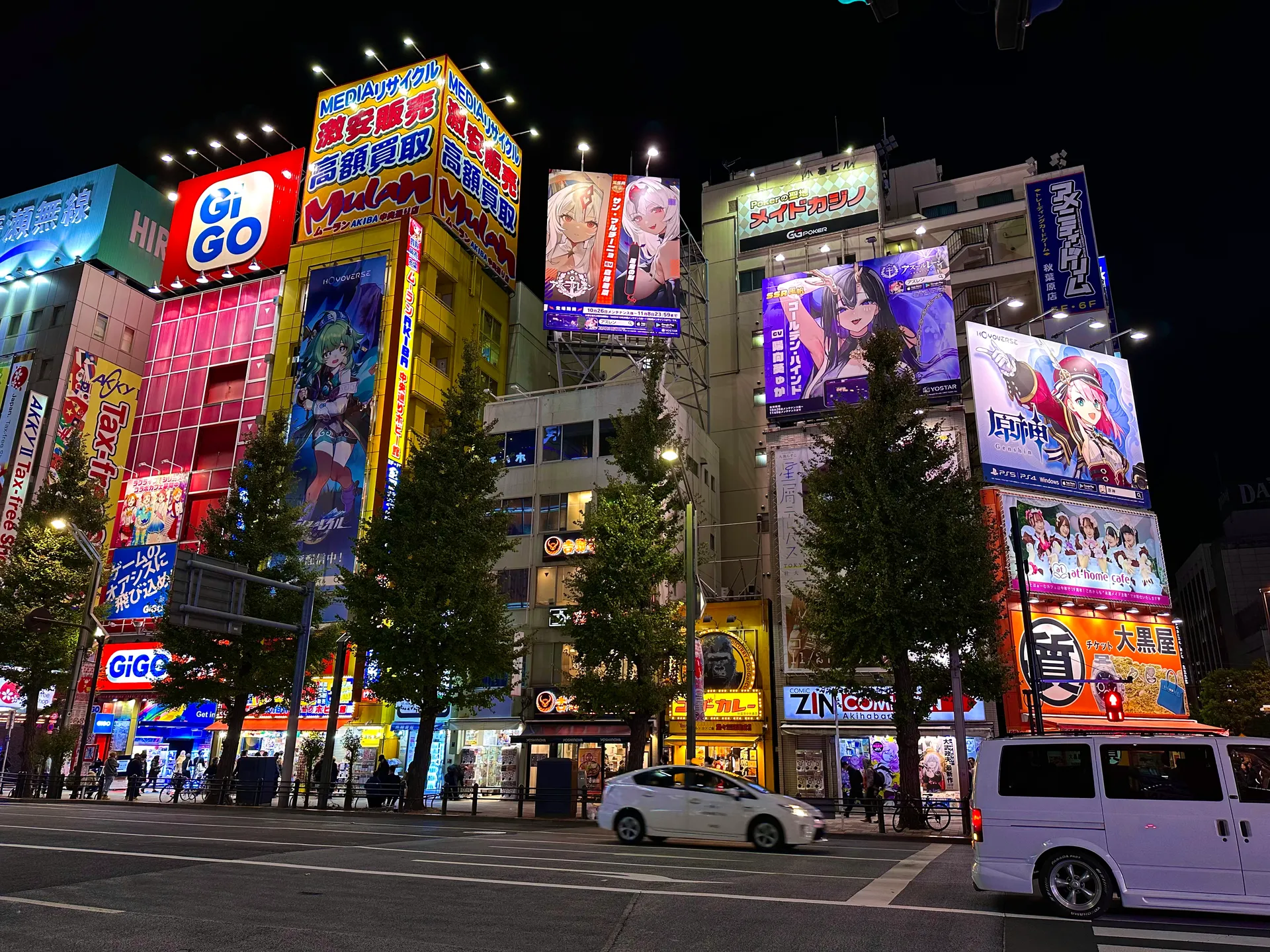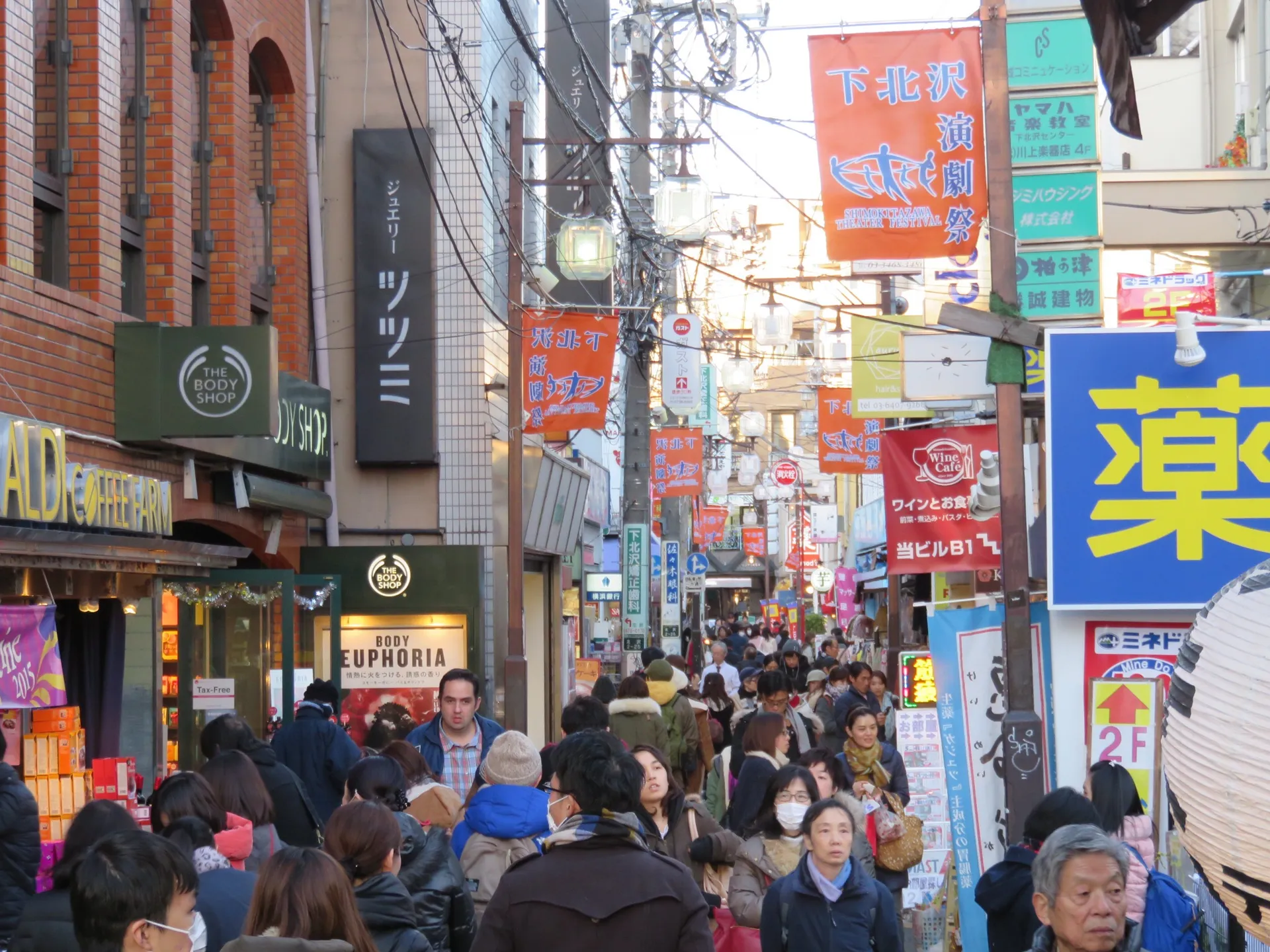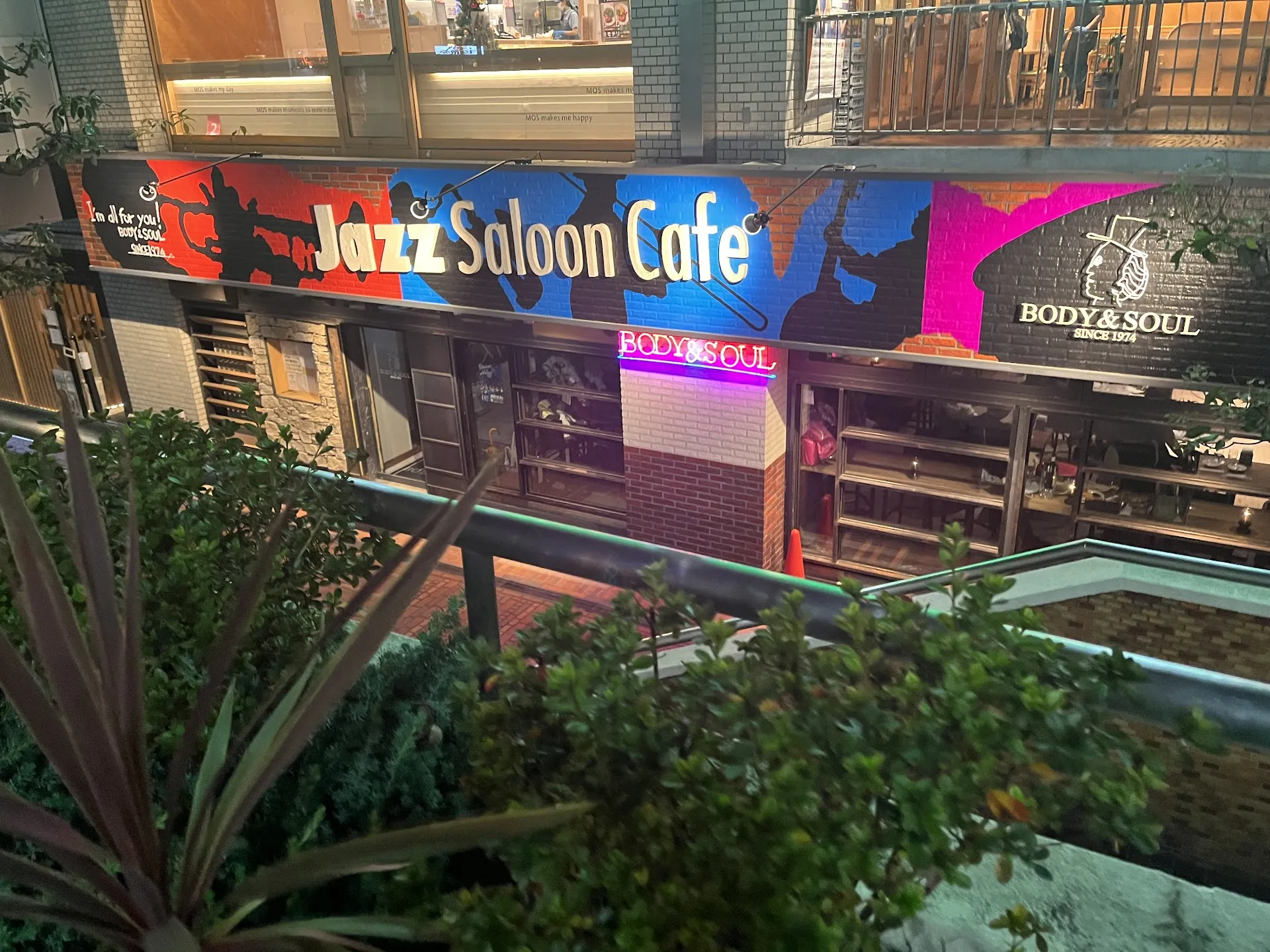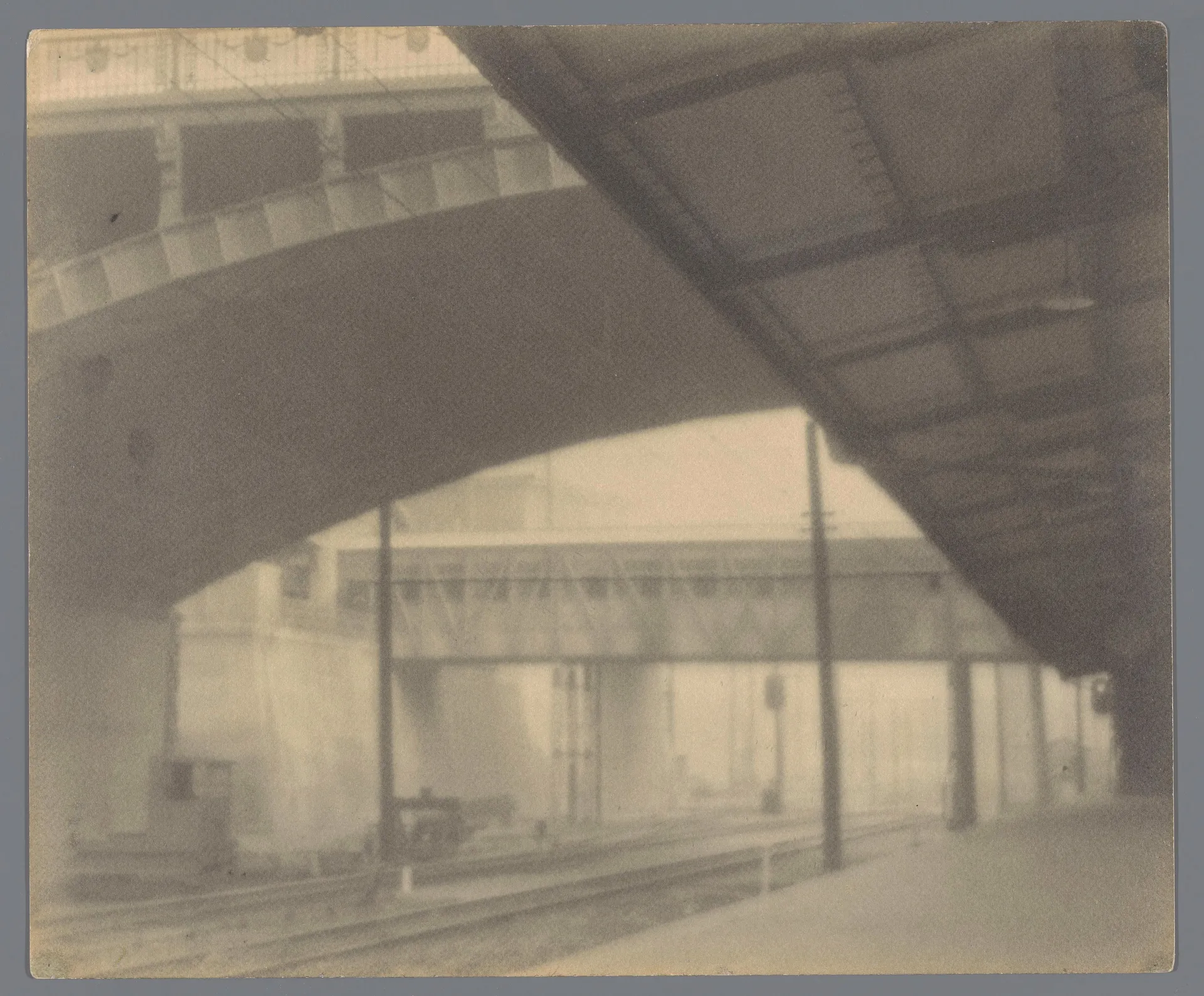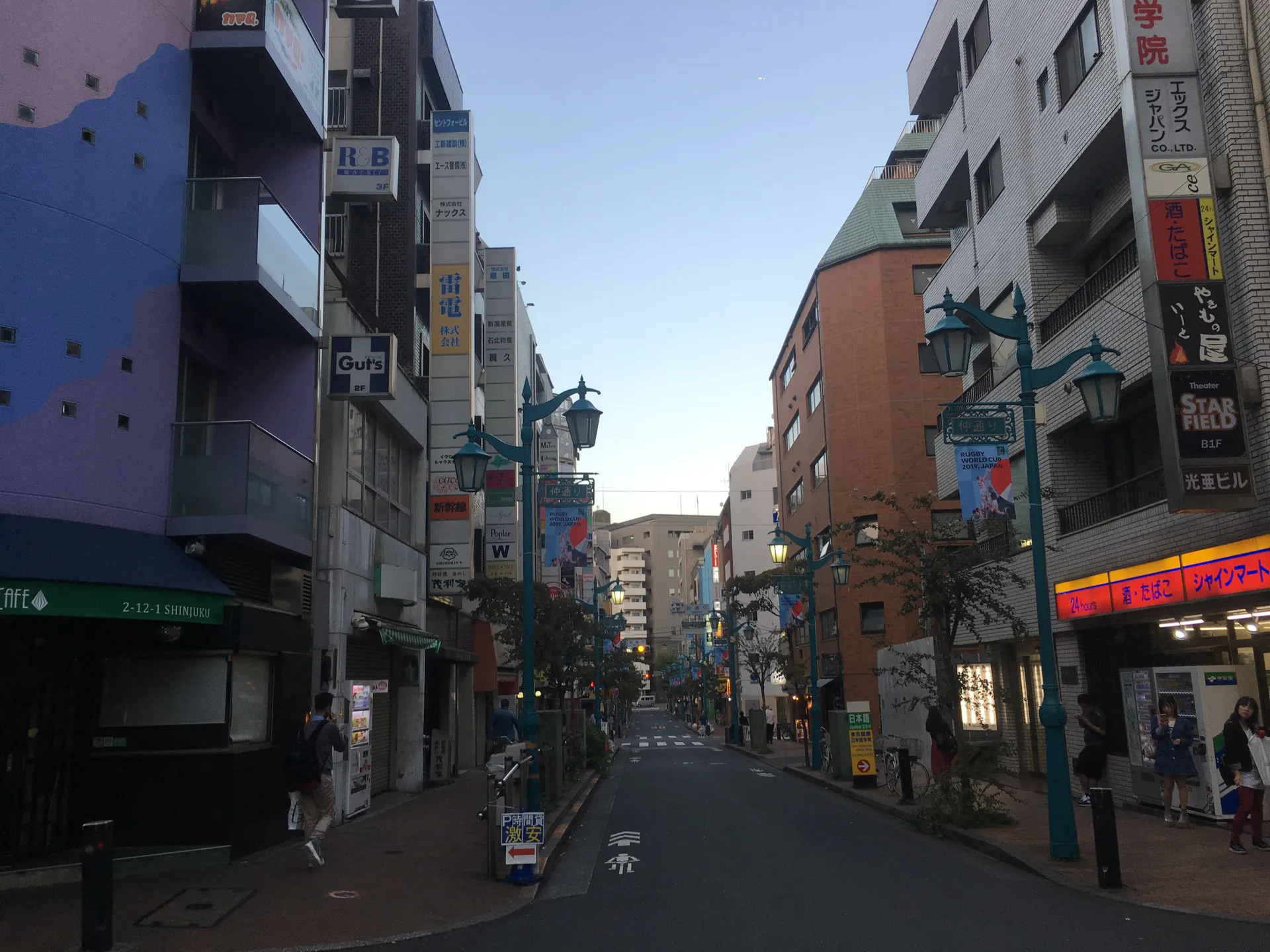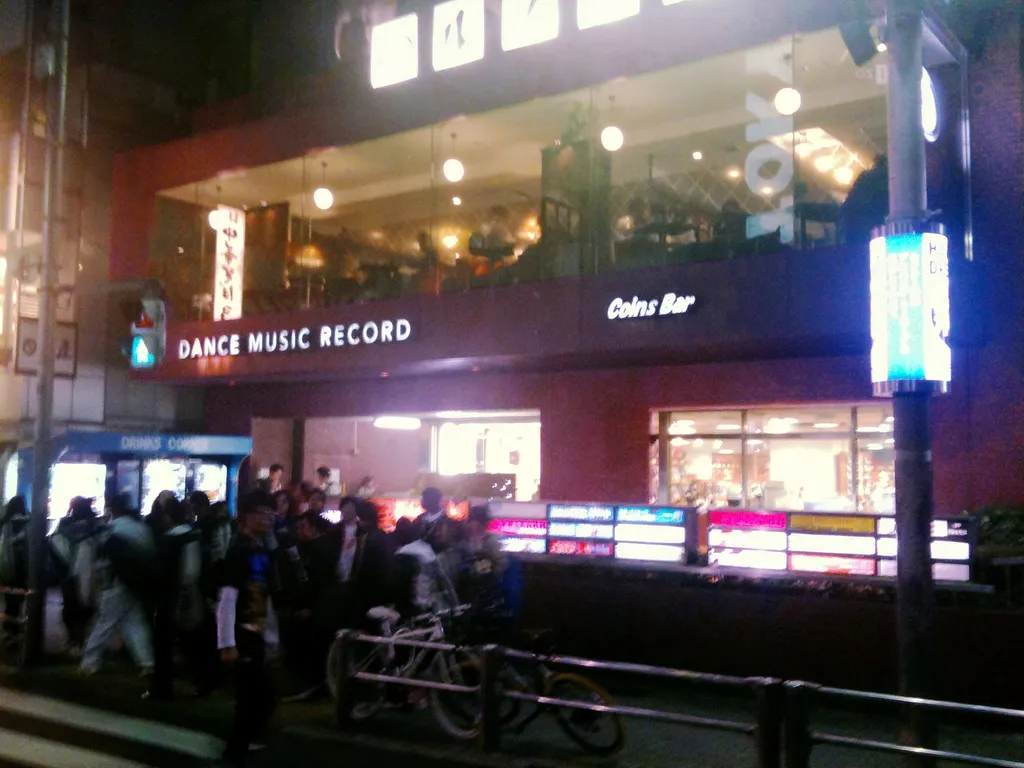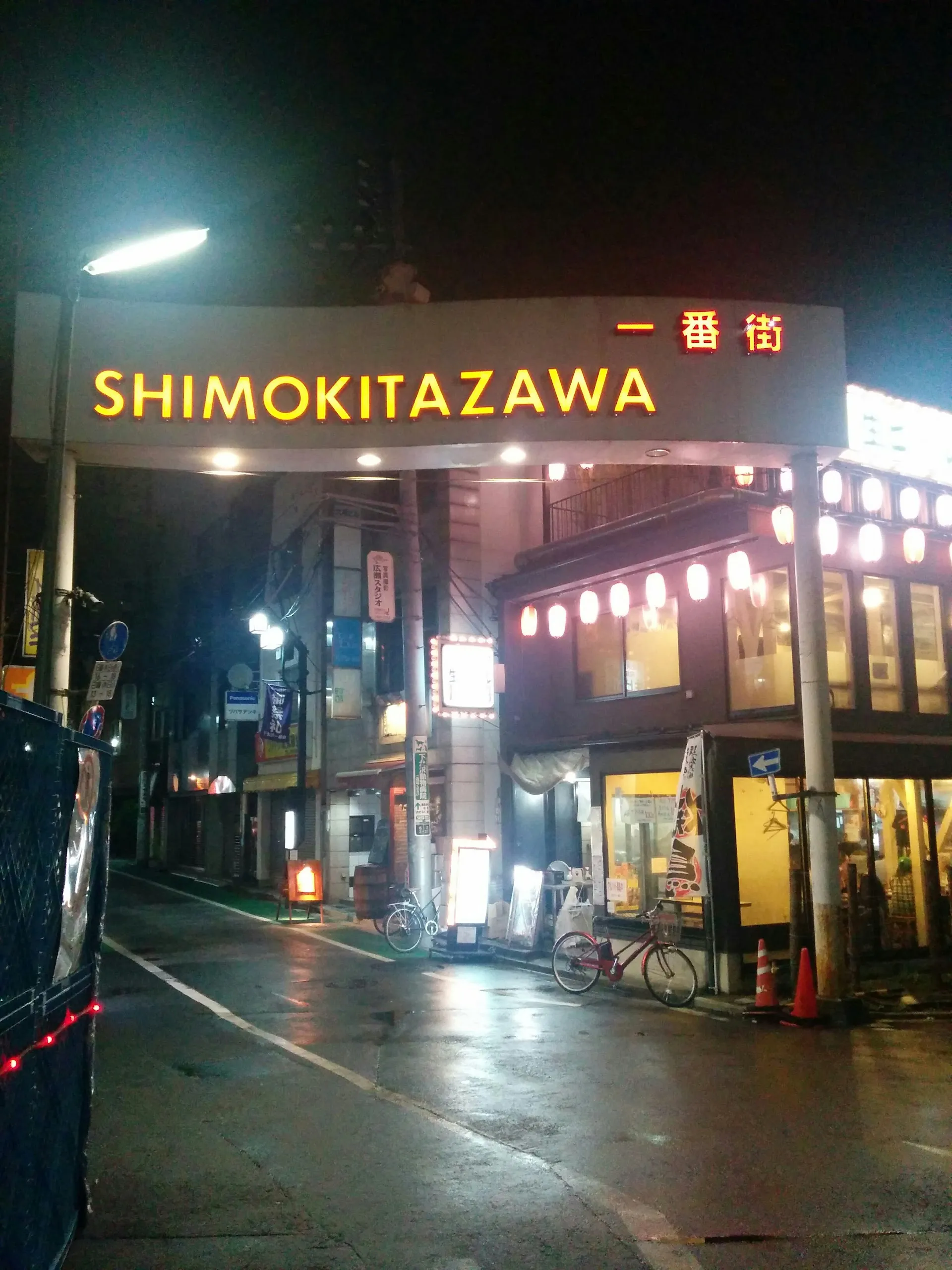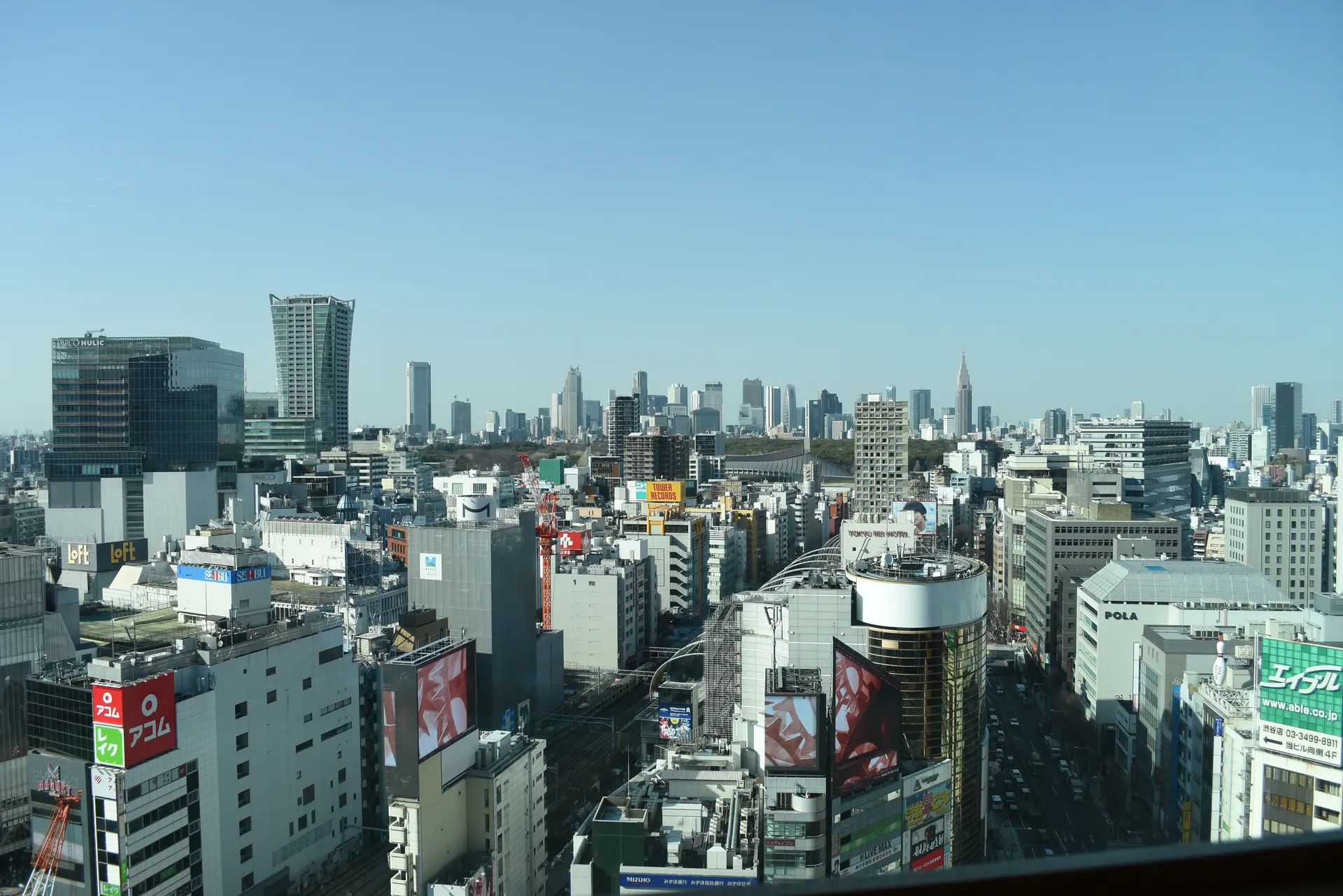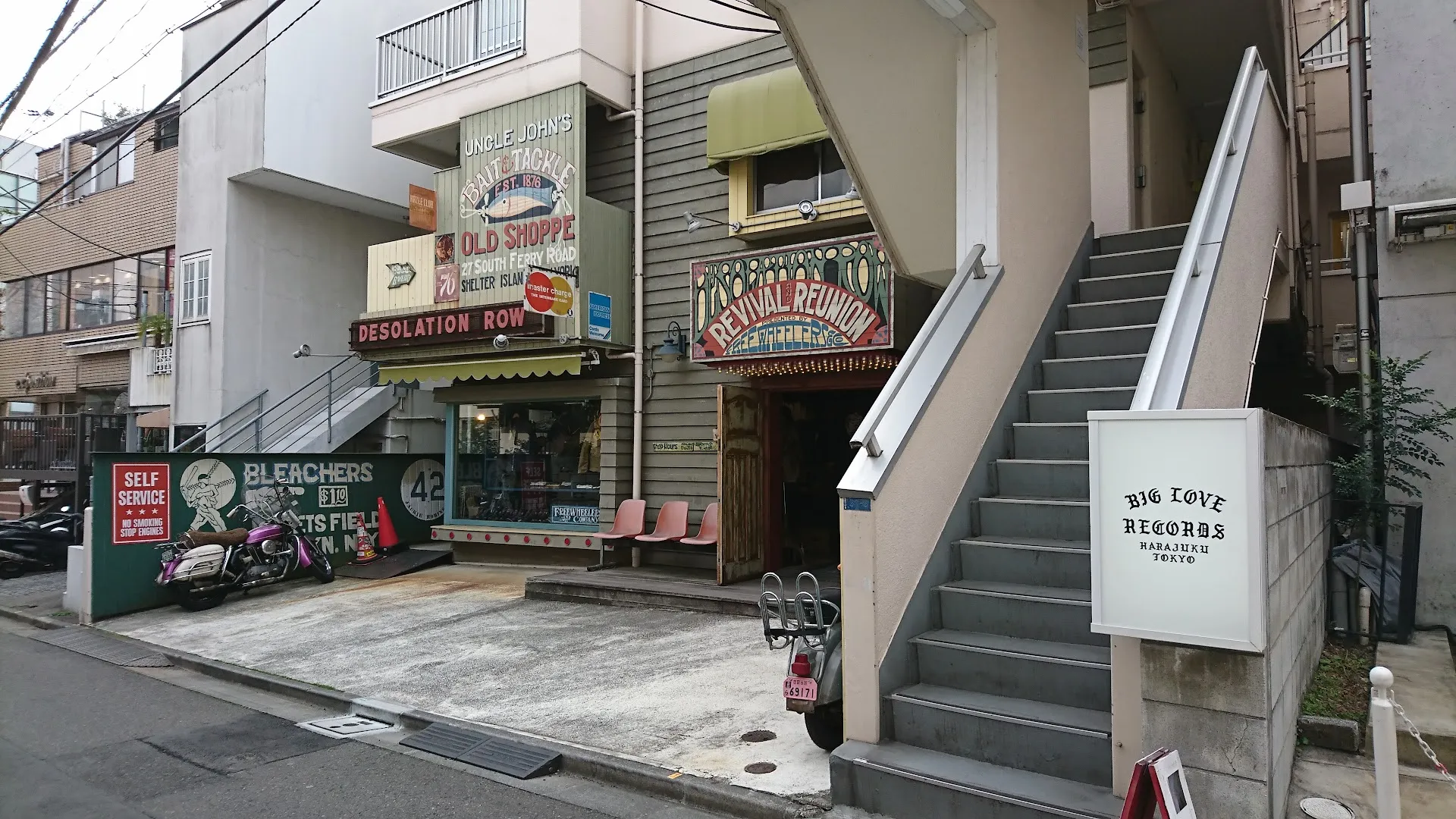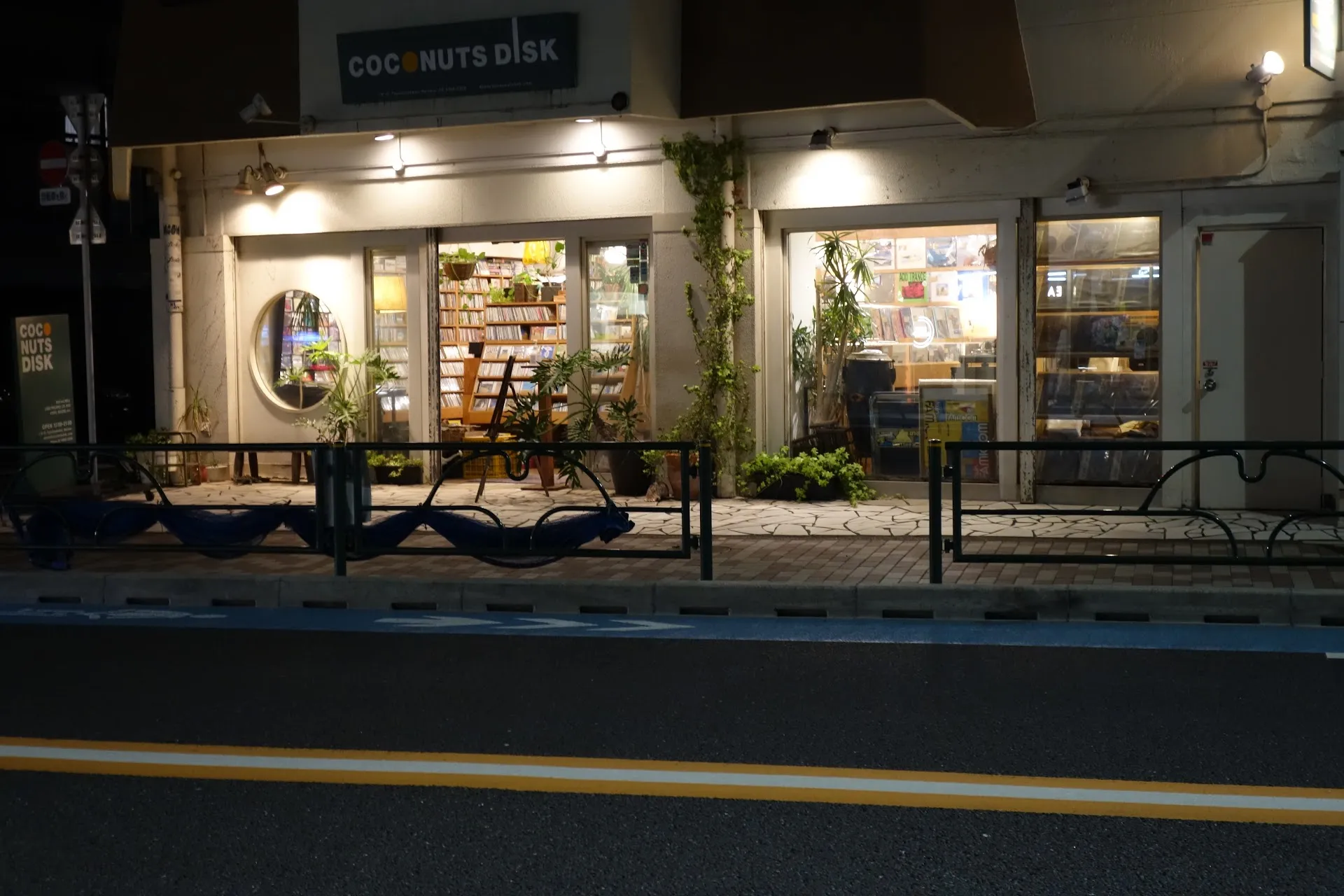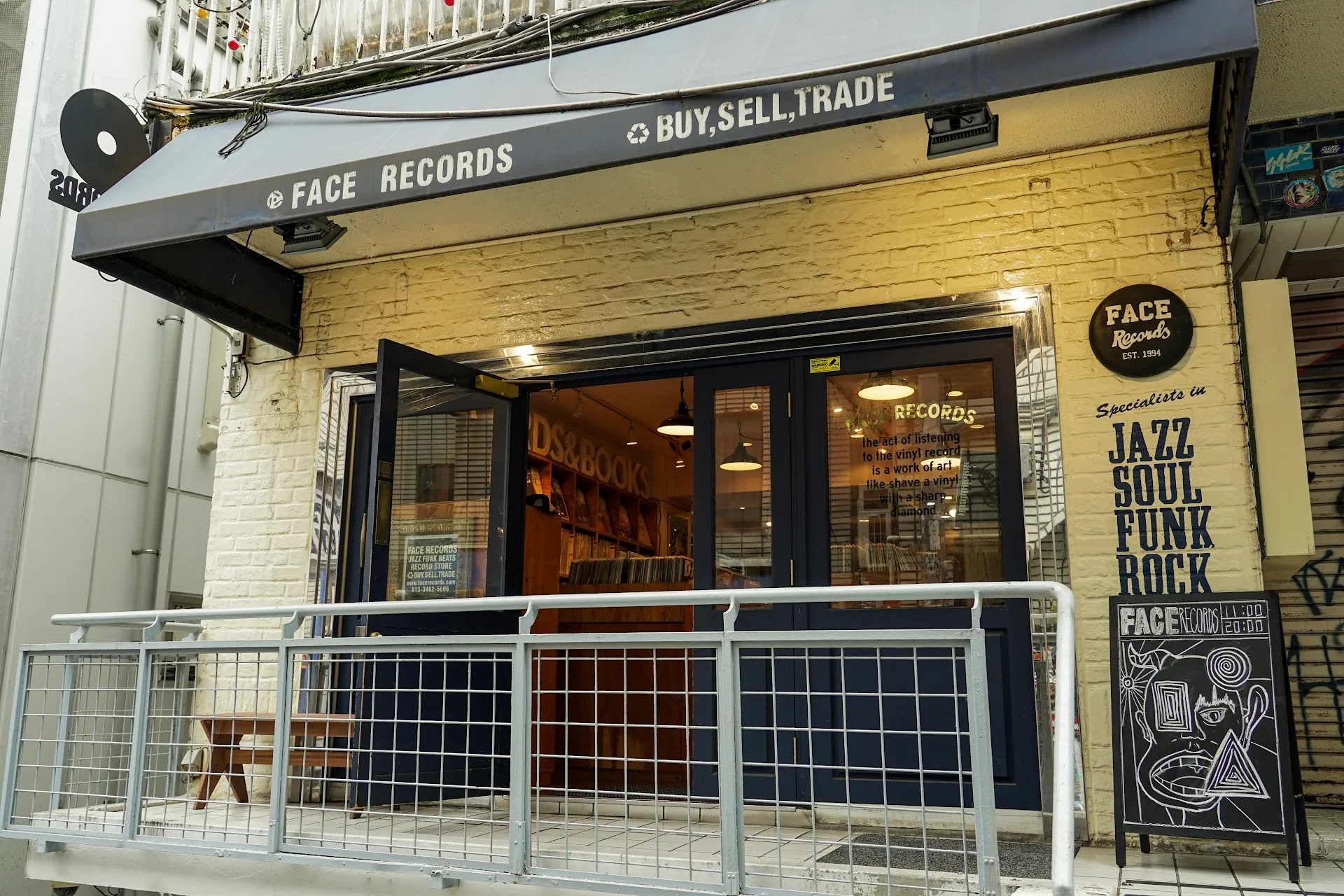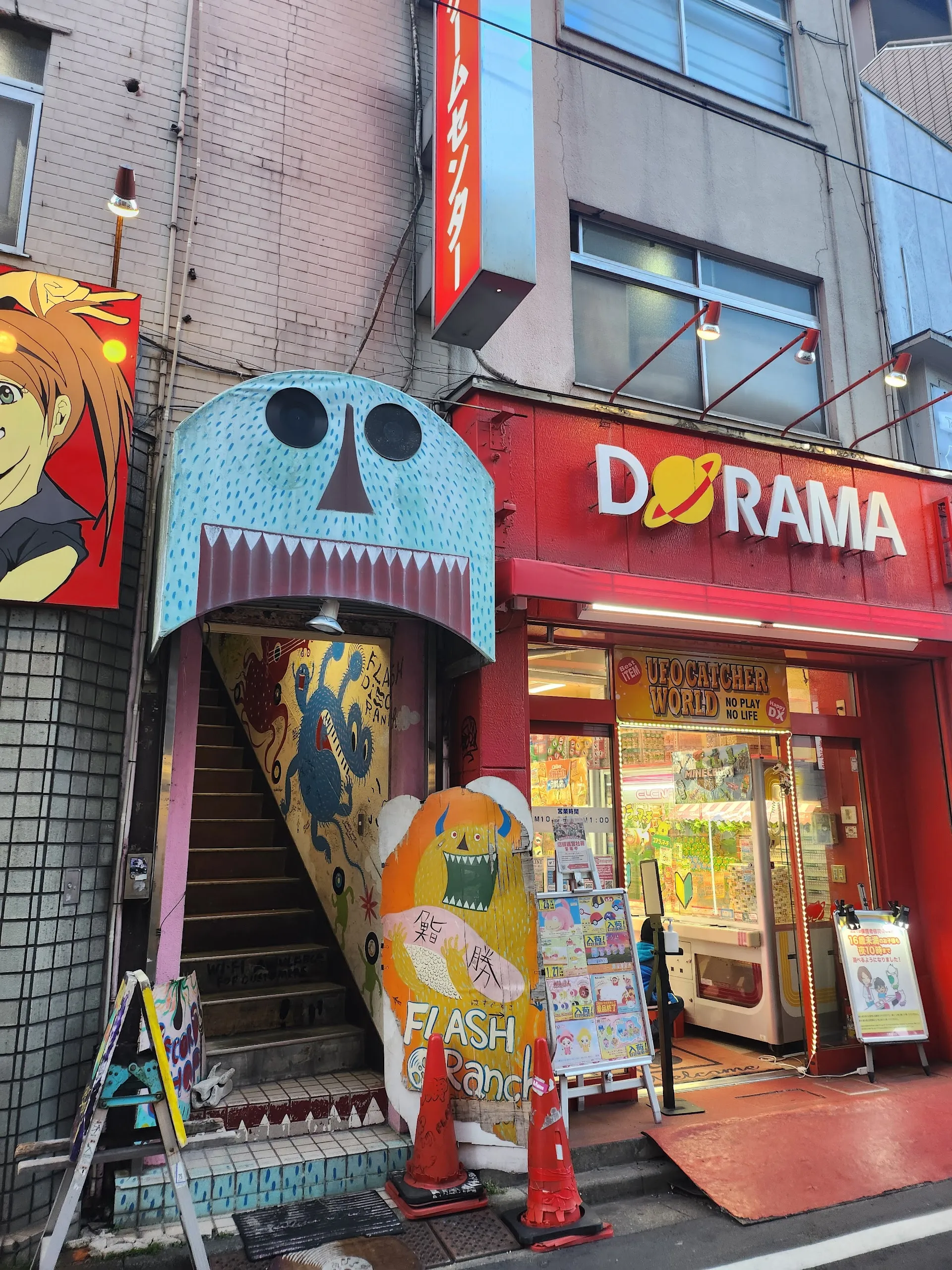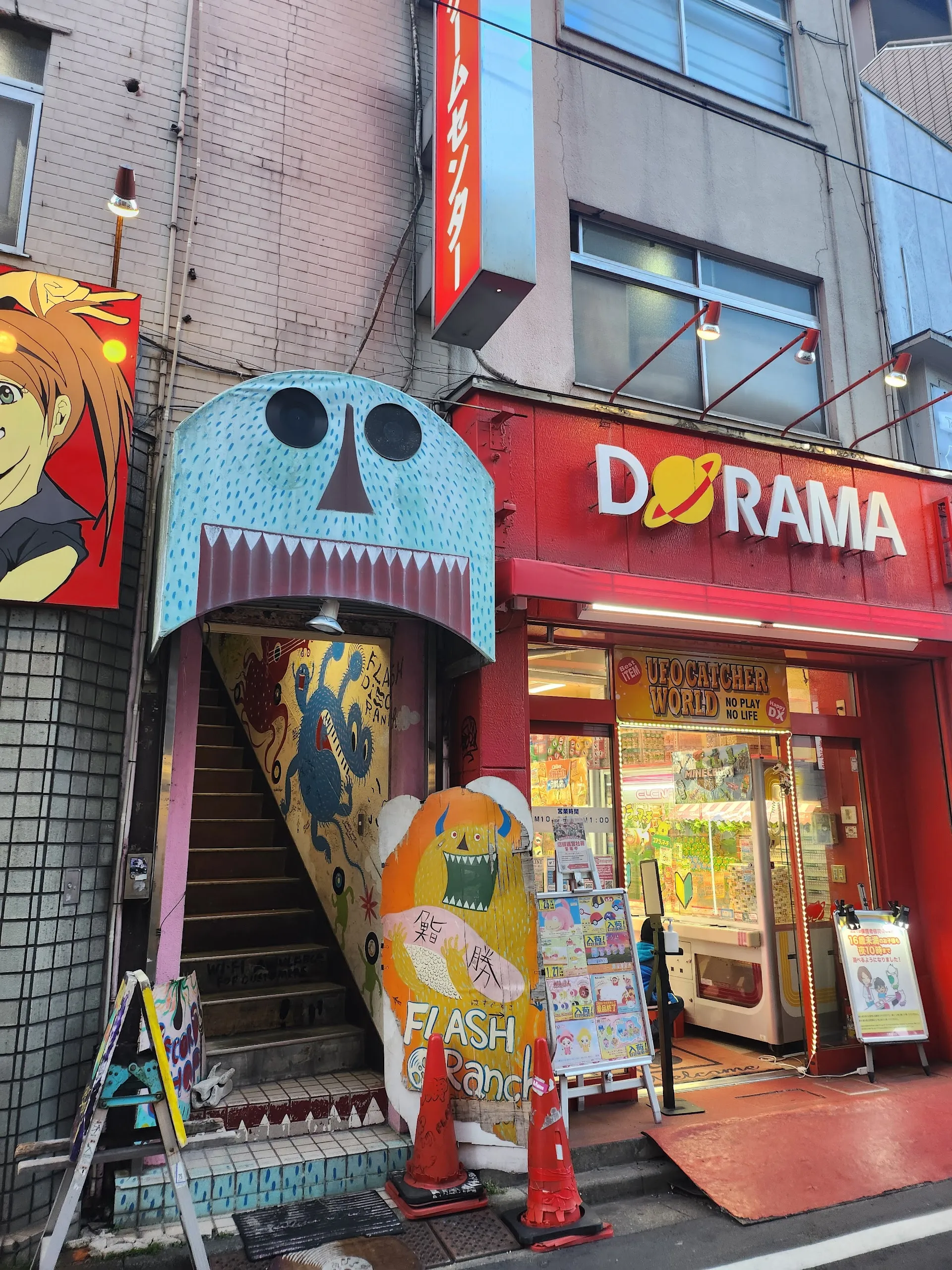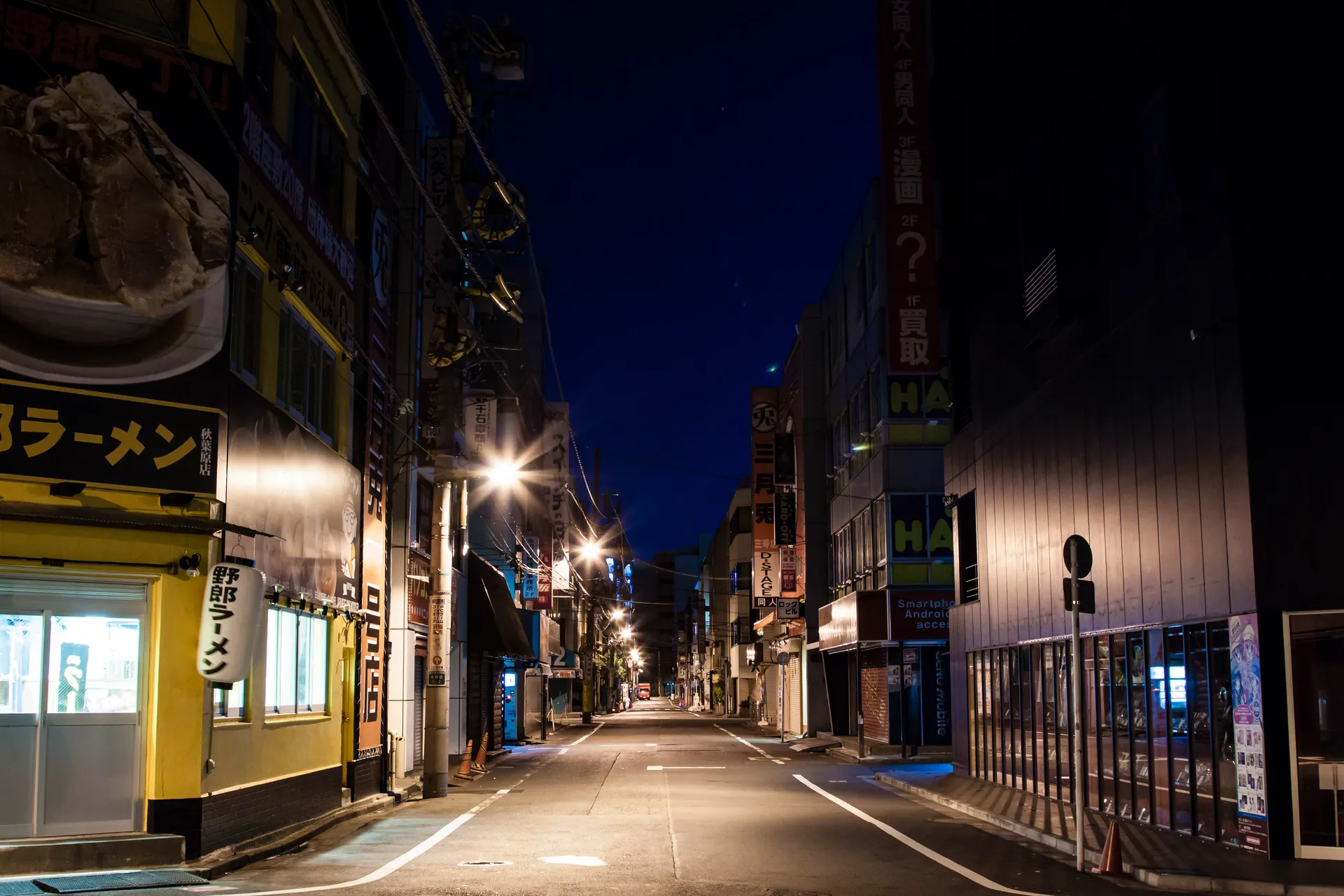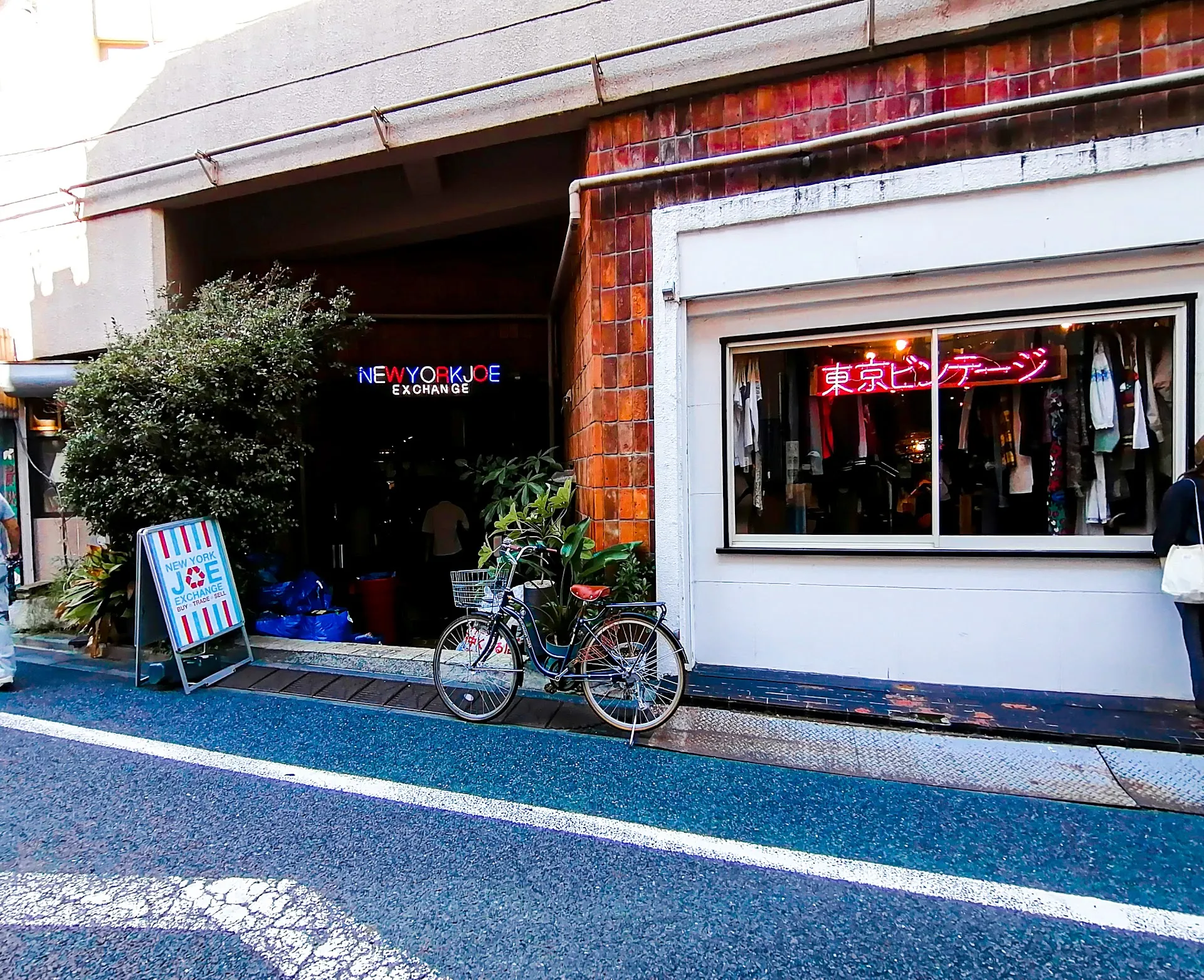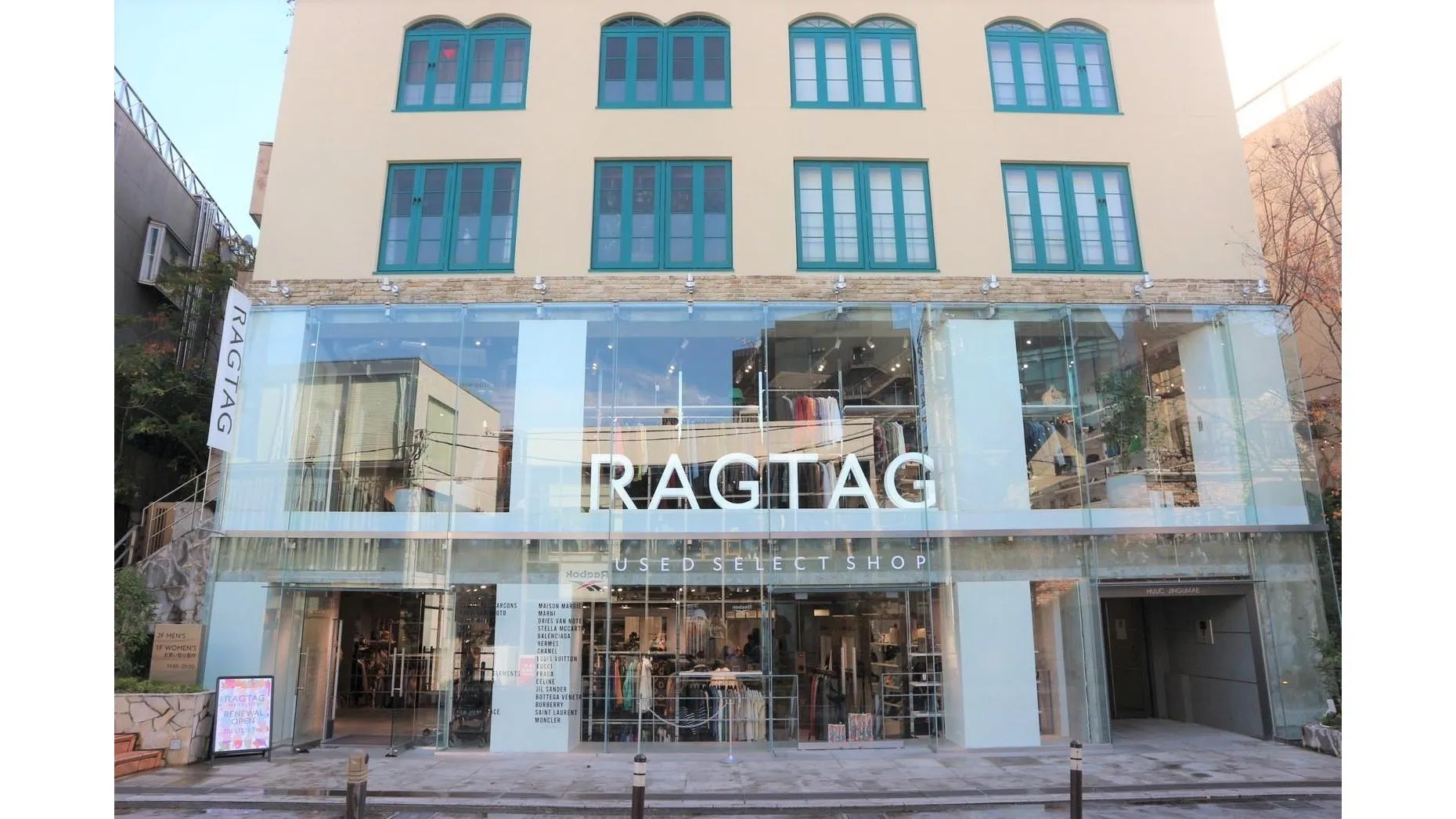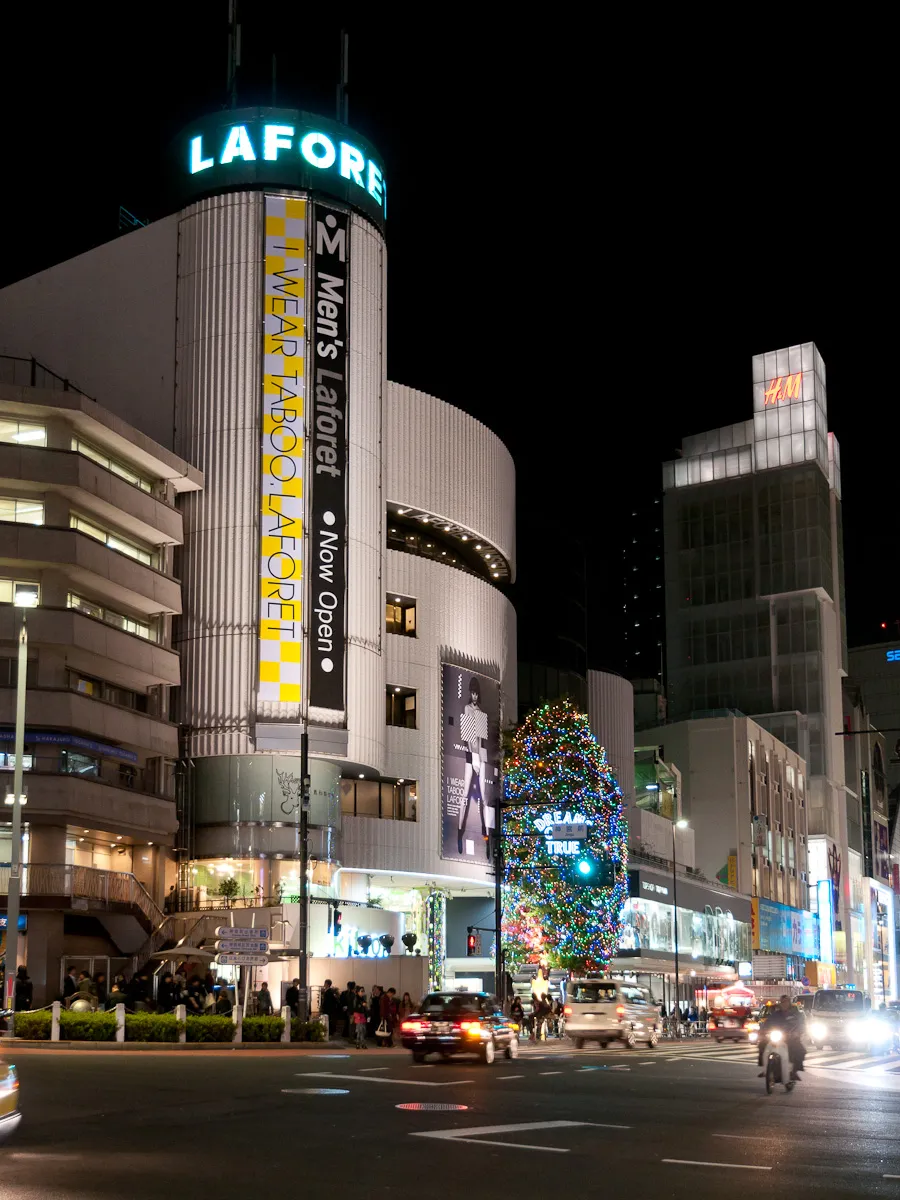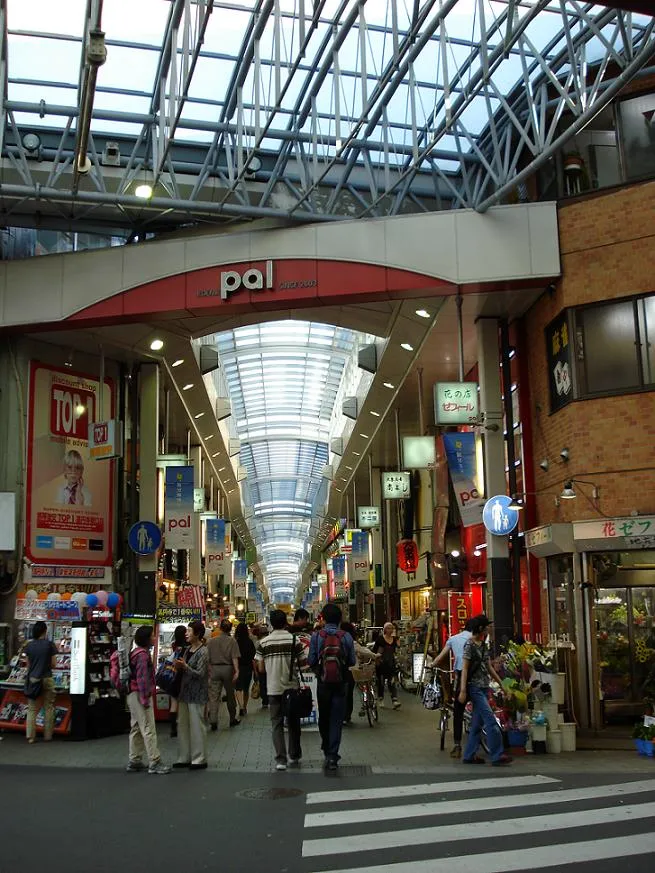
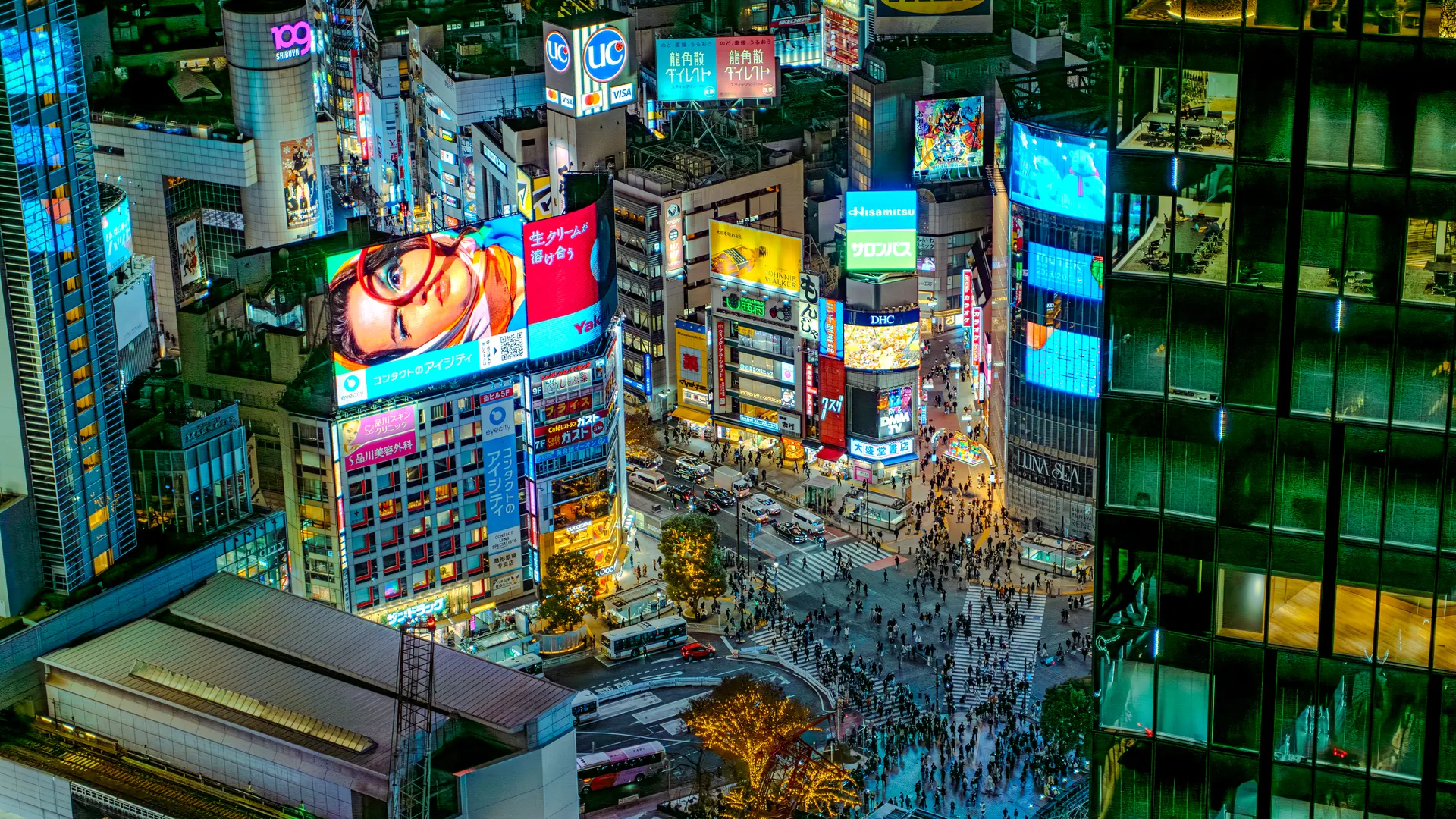
Tokyo is less a single city than a federation of villages stitched together by one of the world's great railway networks. Each neighborhood has its own character, pace, and reason to exist: the youthful chaos of Shibuya and Harajuku, the neon canyons of Shinjuku, the temple-town nostalgia of Asakusa and Yanaka, the luxury polish of Ginza, and the bohemian thrift streets of Shimokitazawa. You could spend a lifetime here and still find a back alley you have never walked.
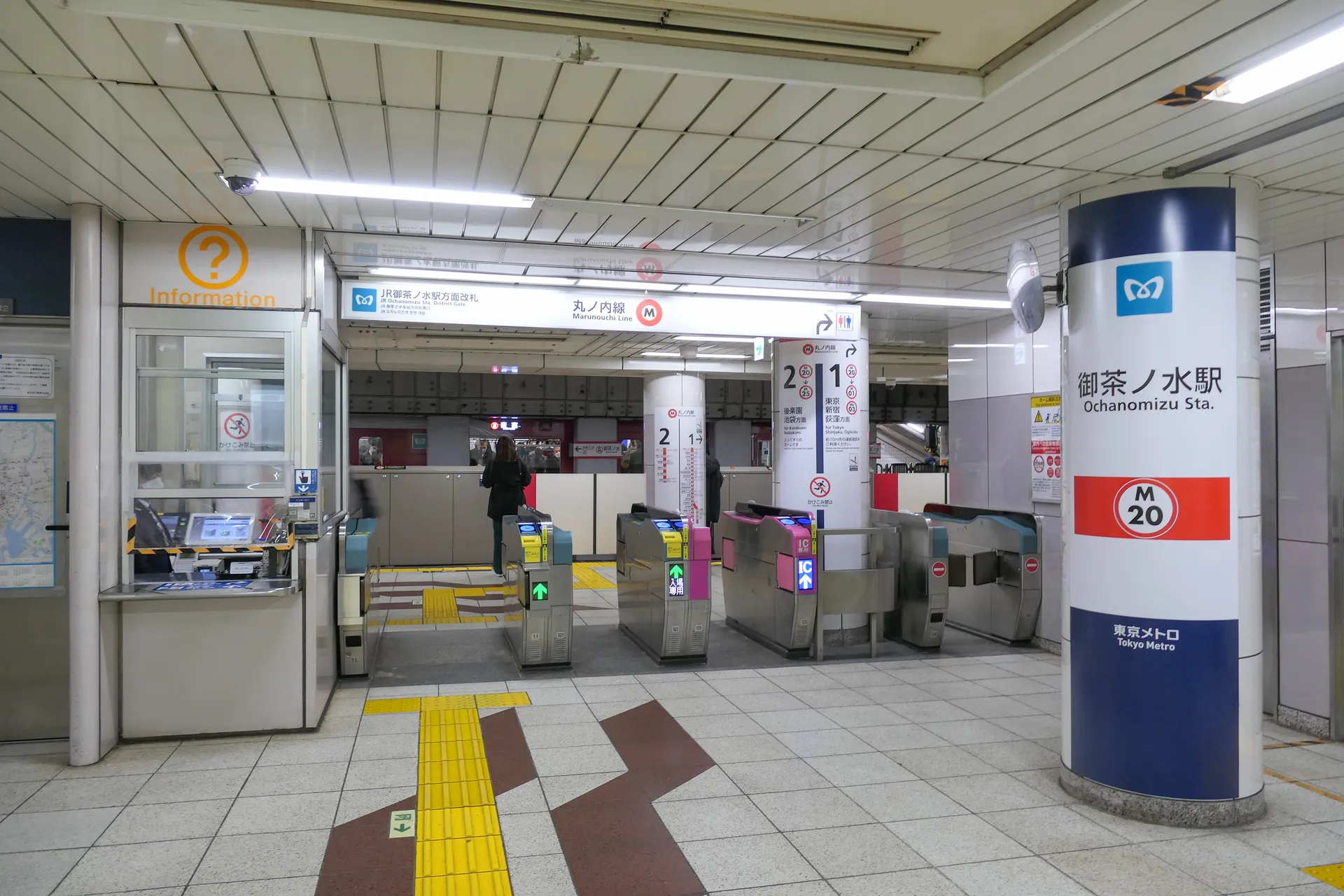
That scale can feel daunting, but Tokyo is one of the easiest big cities in the world to navigate. The green JR Yamanote Line loops around the center and links almost every district you will want to visit, while the Tokyo Metro and Toei subways fill in everything between. Tap in with a Suica or Pasmo IC card and the whole map opens up. Trains are clean, punctual to the minute, and run from roughly 5am to just past midnight. The single best planning habit is to group your days by area, because moving between far-flung neighborhoods eats time you would rather spend exploring.
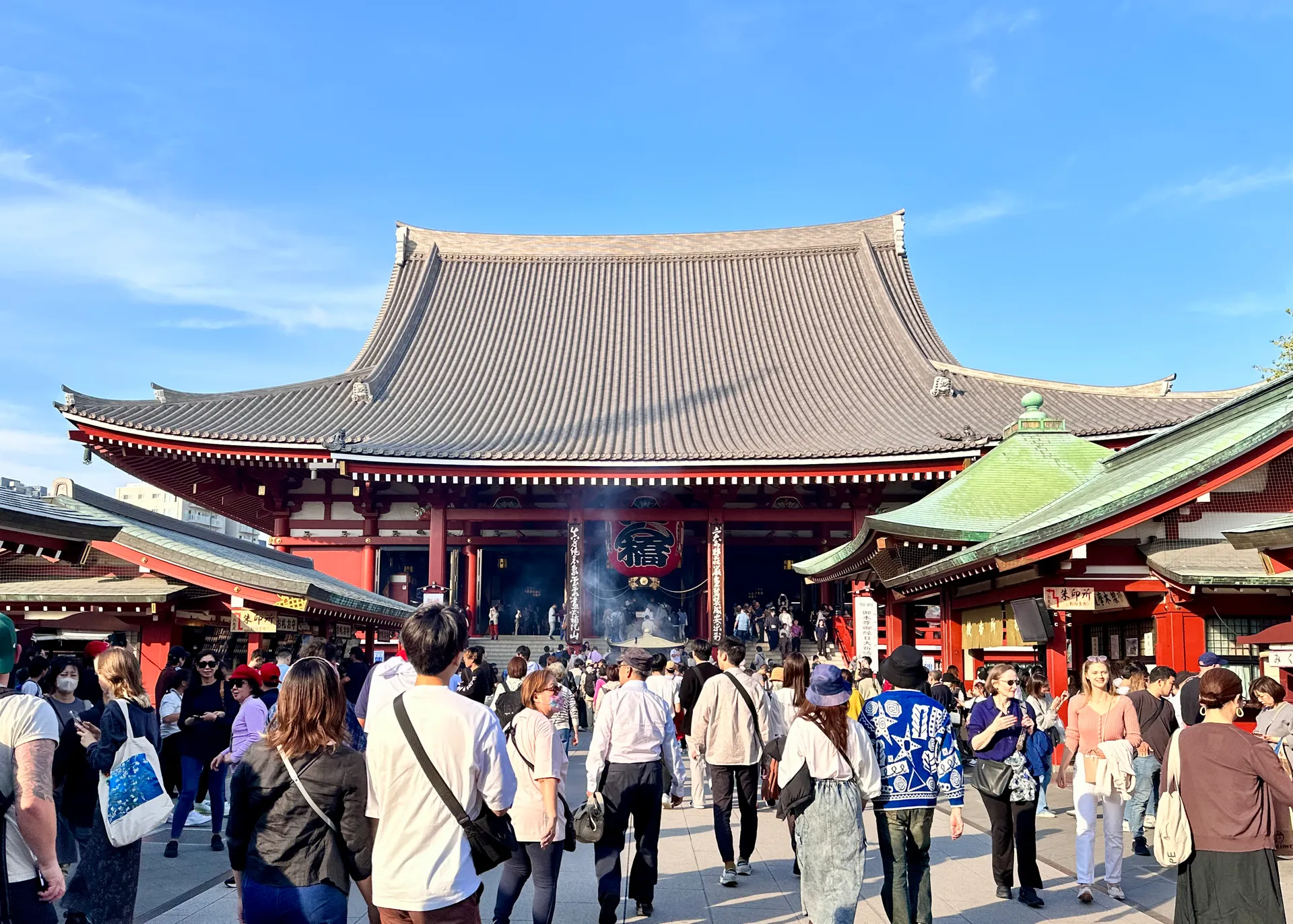
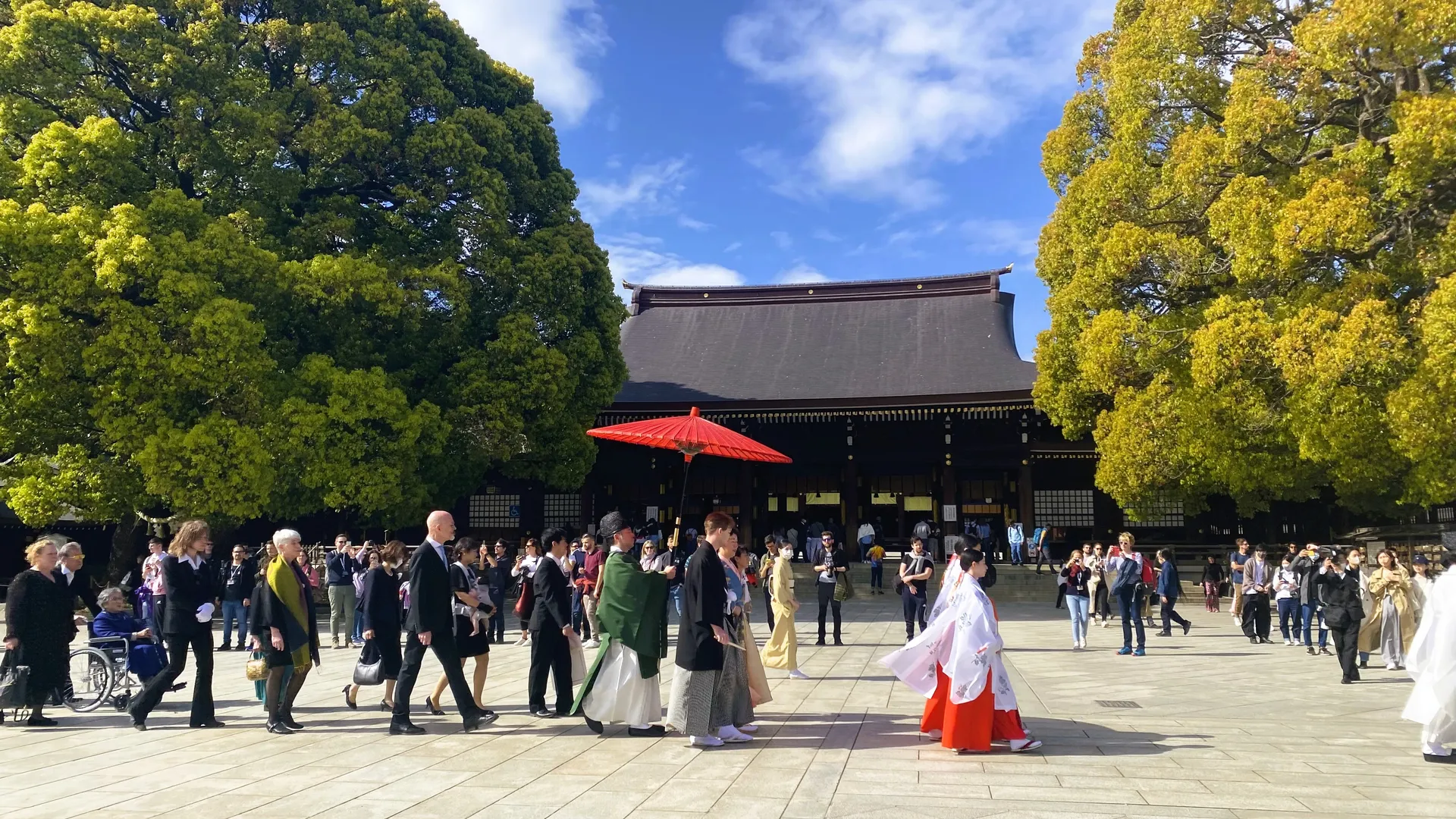
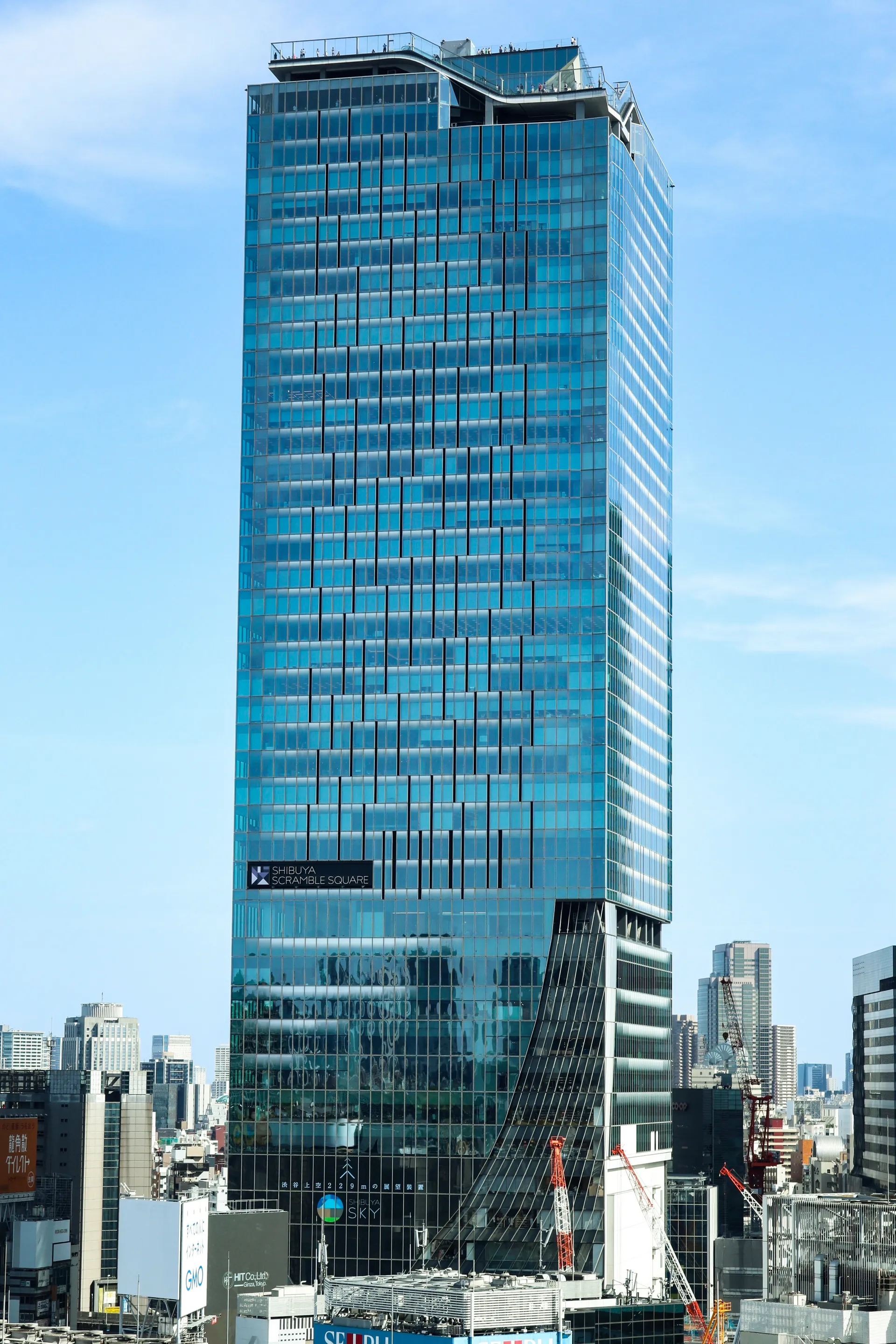
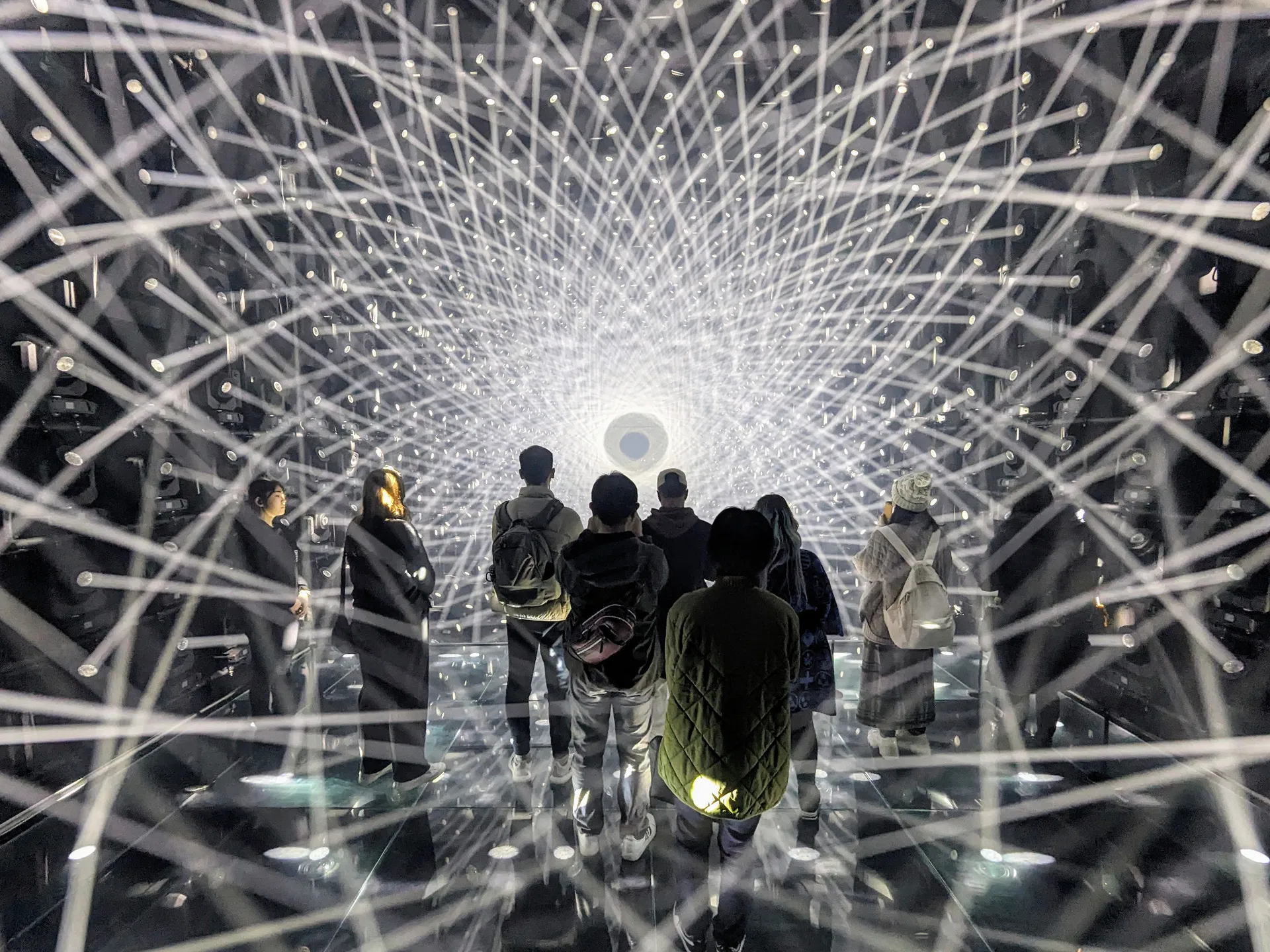
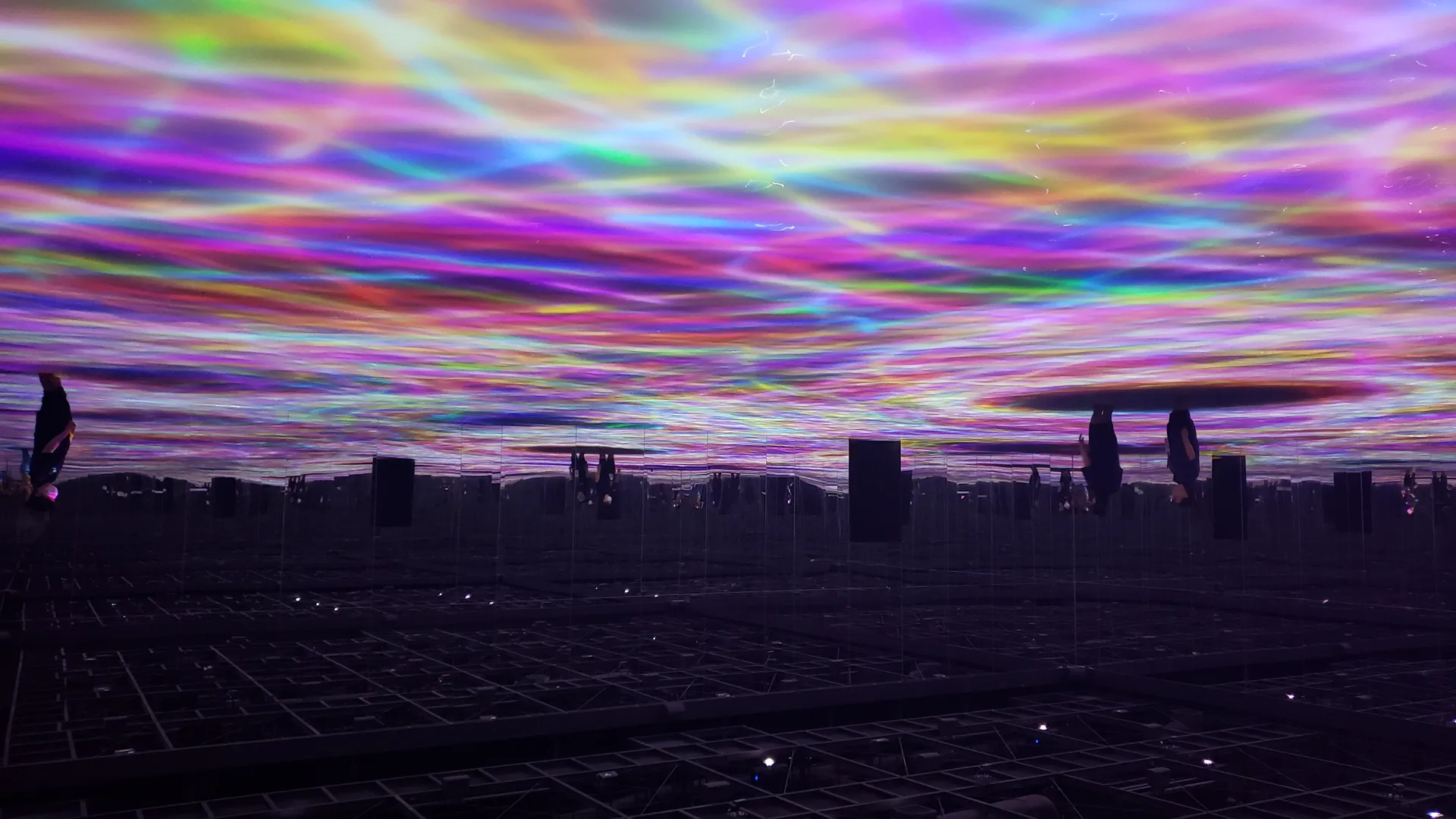
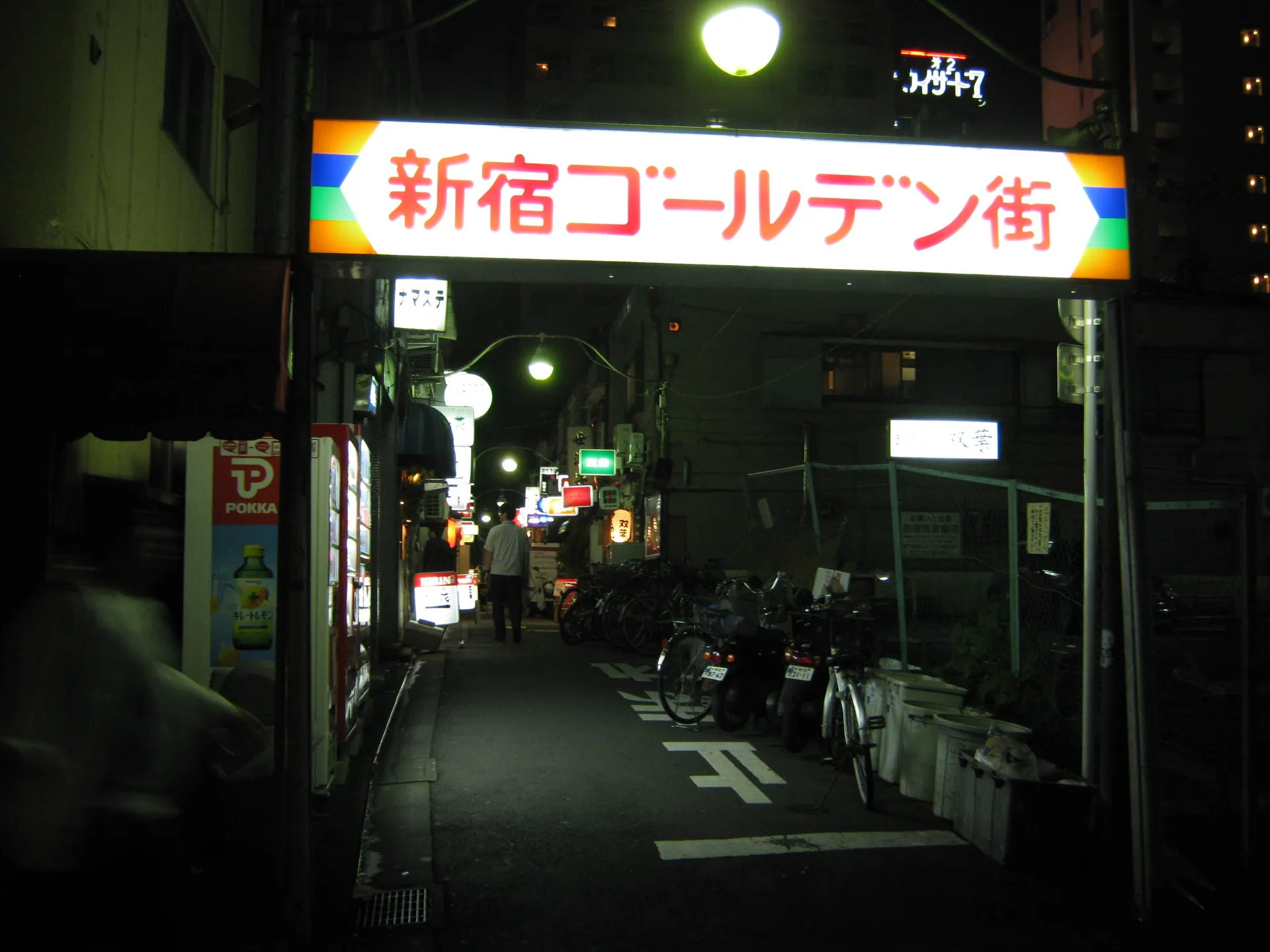
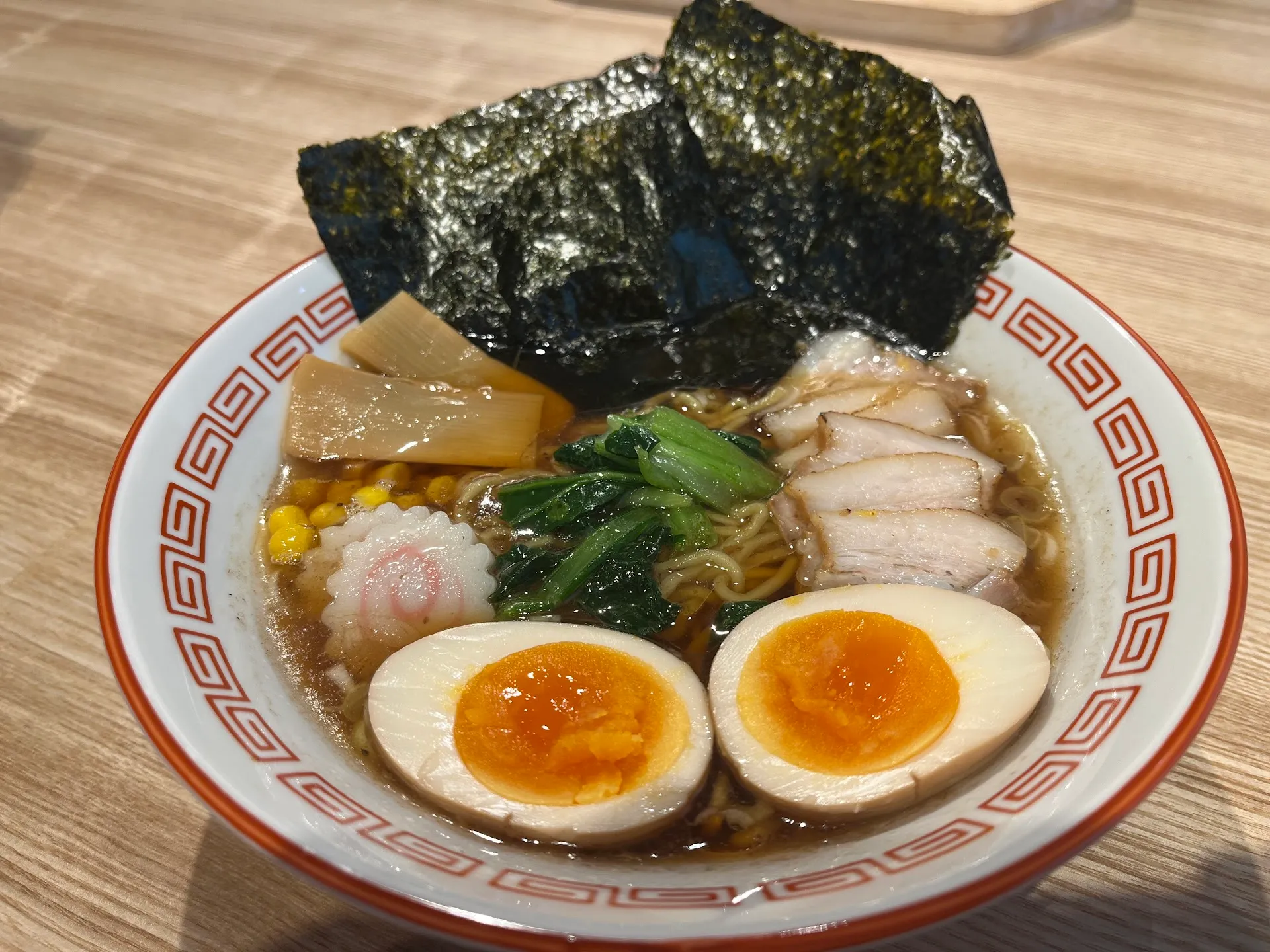
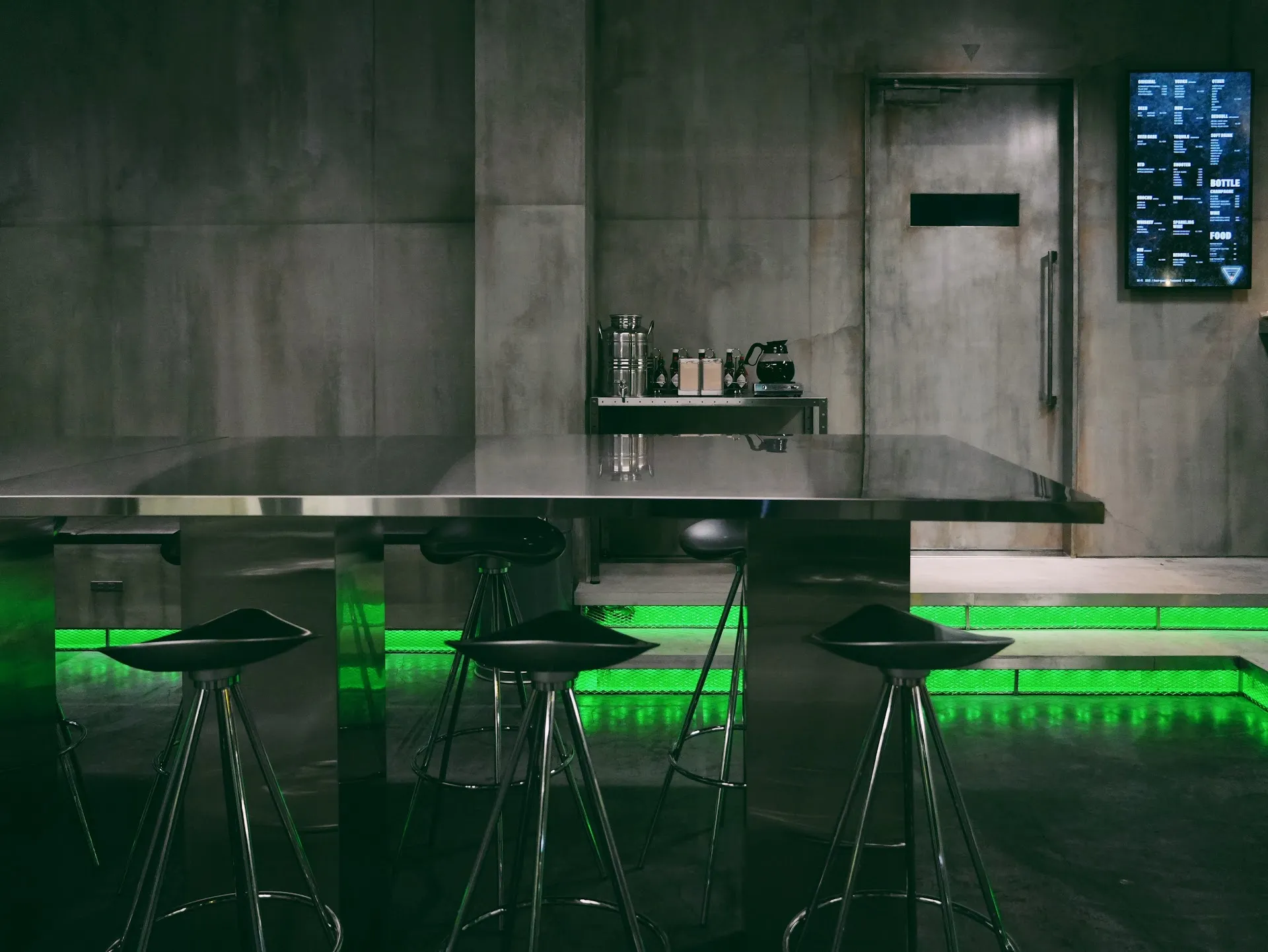
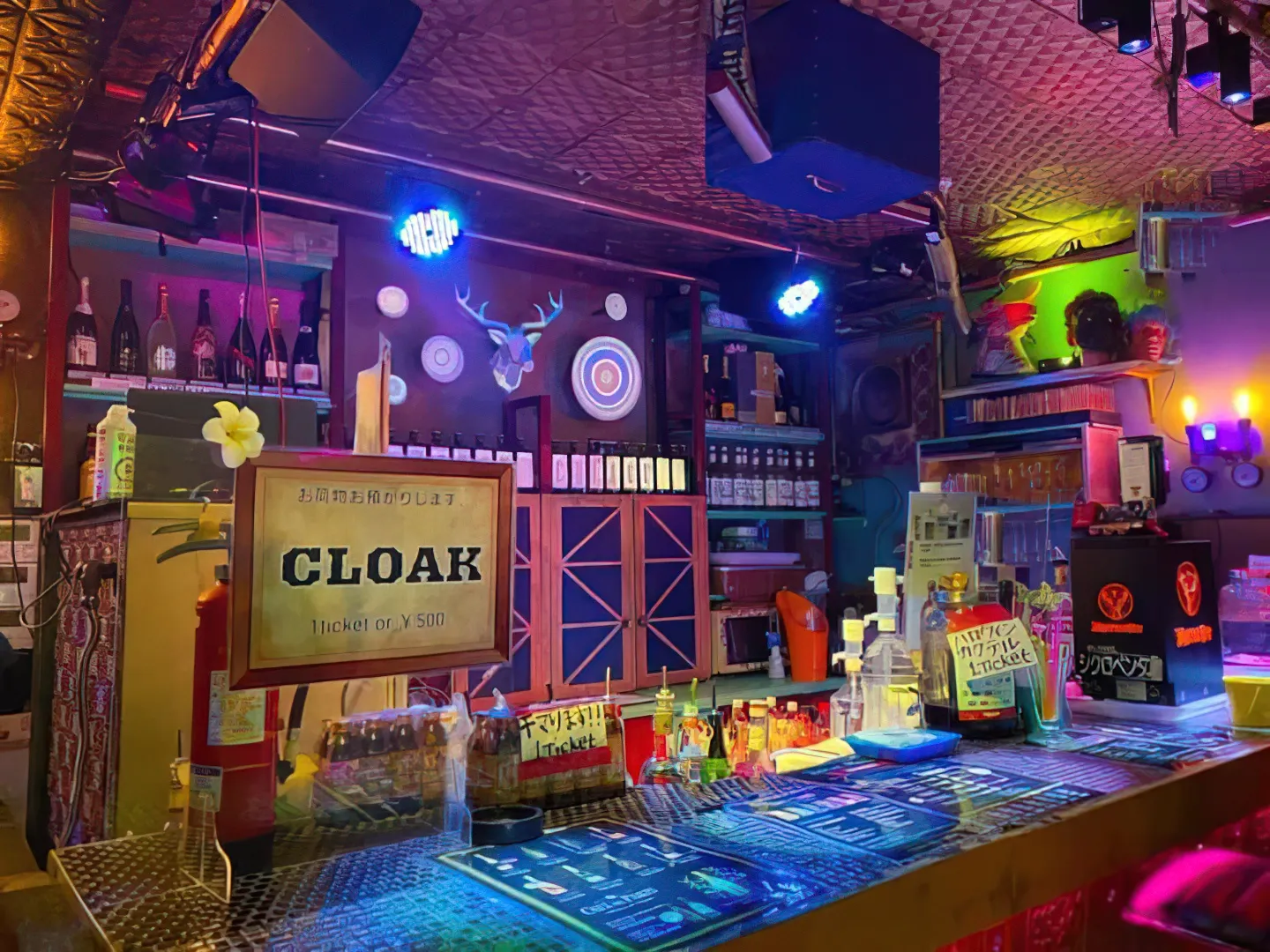
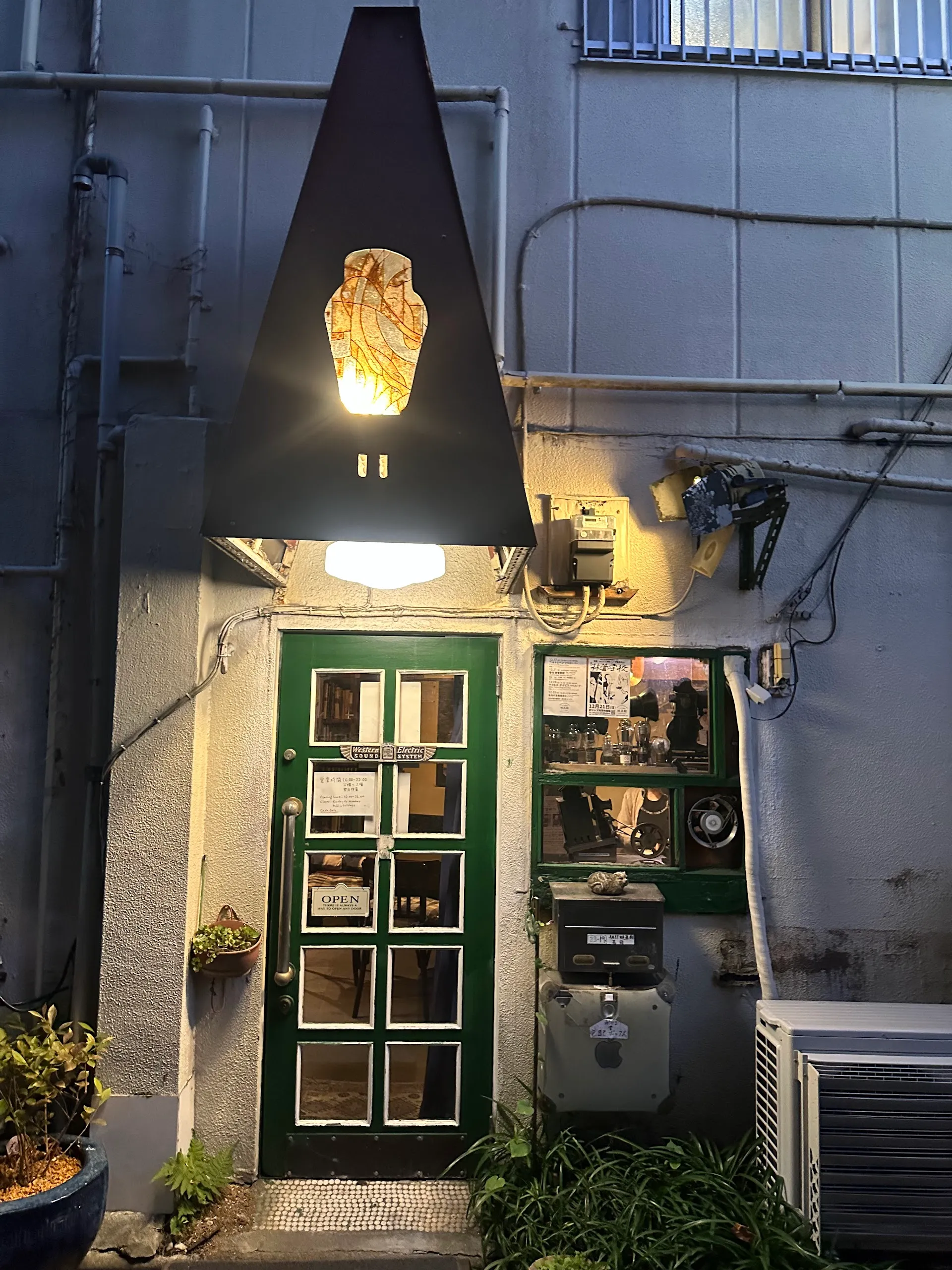
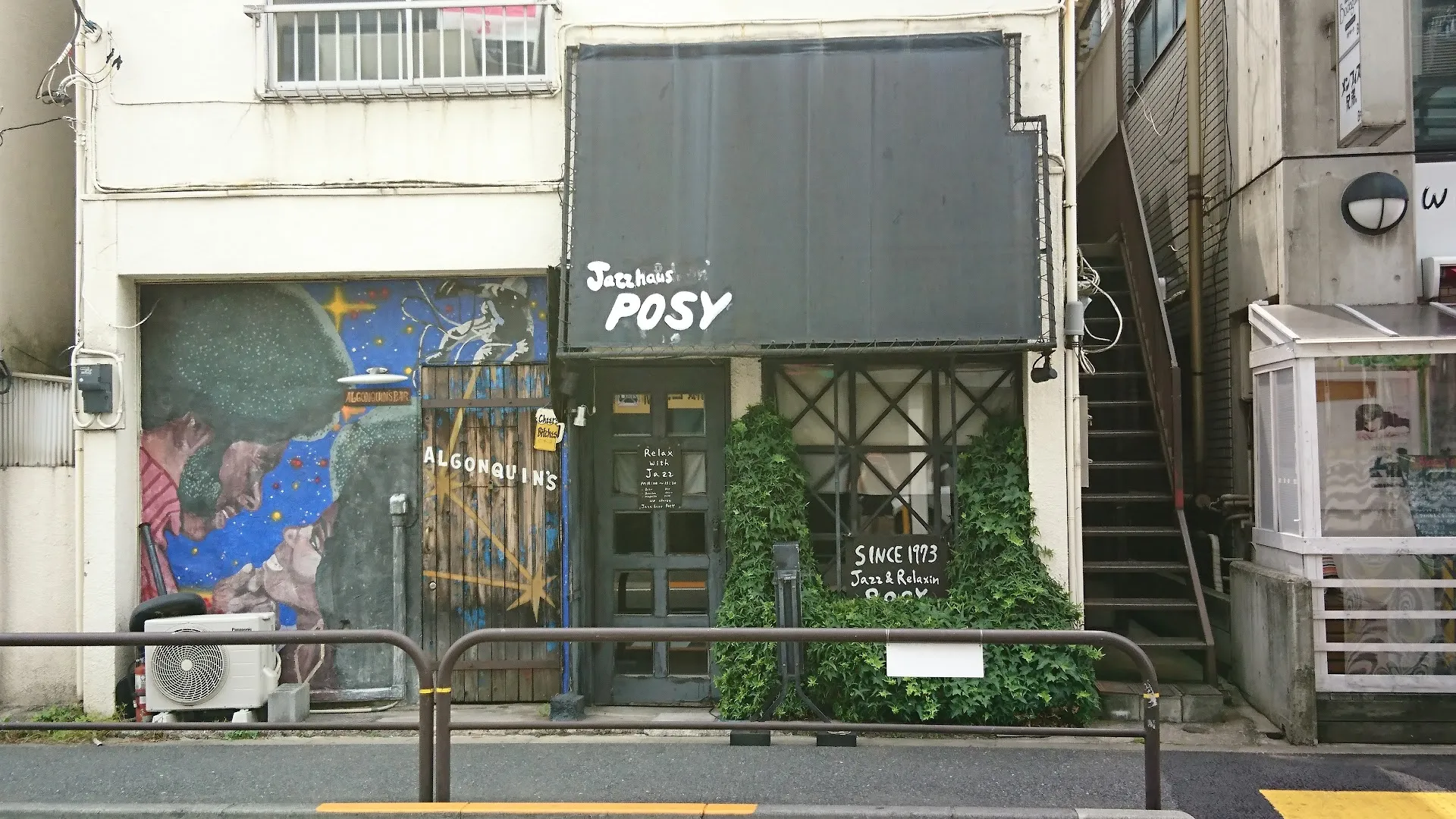
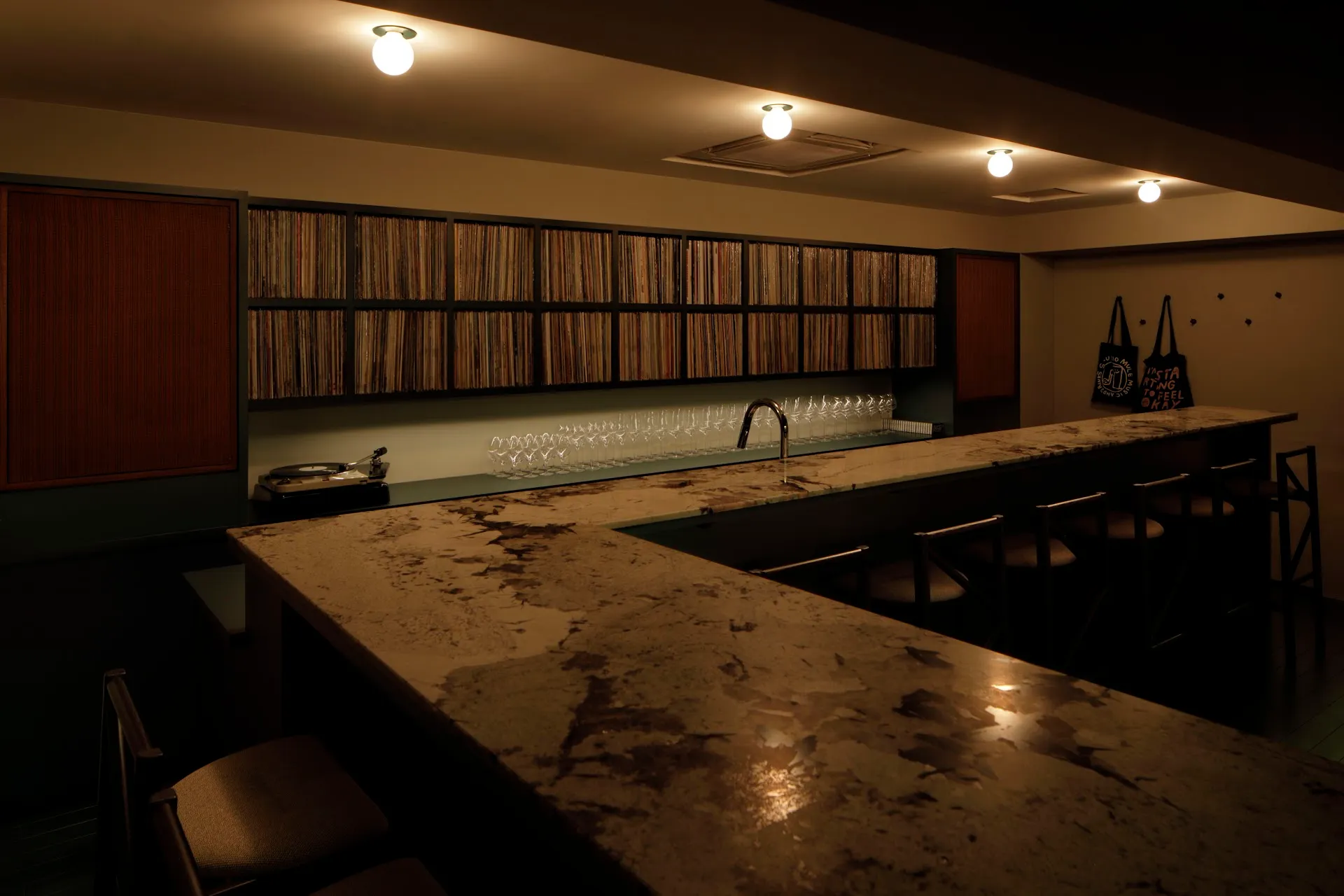
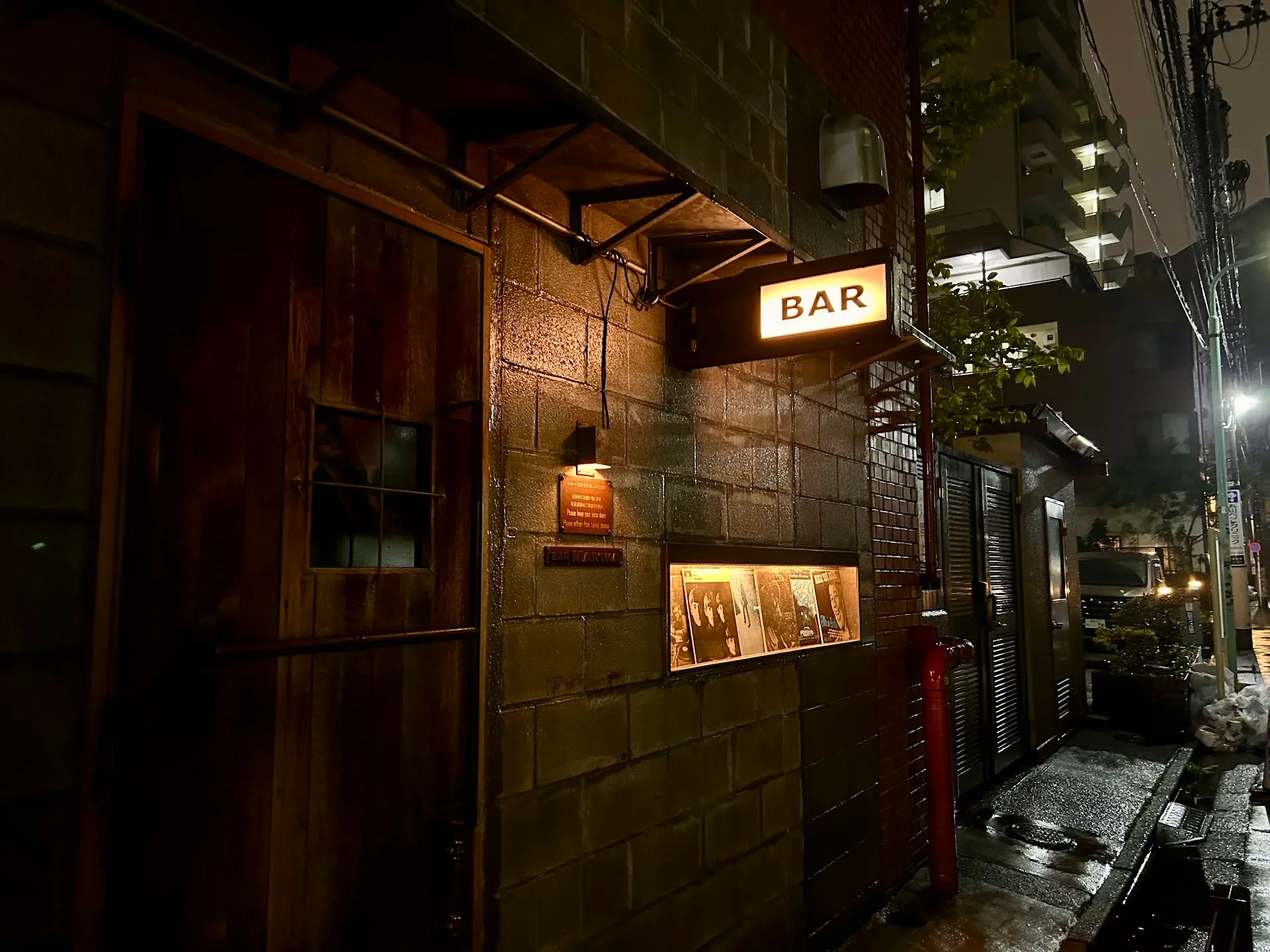
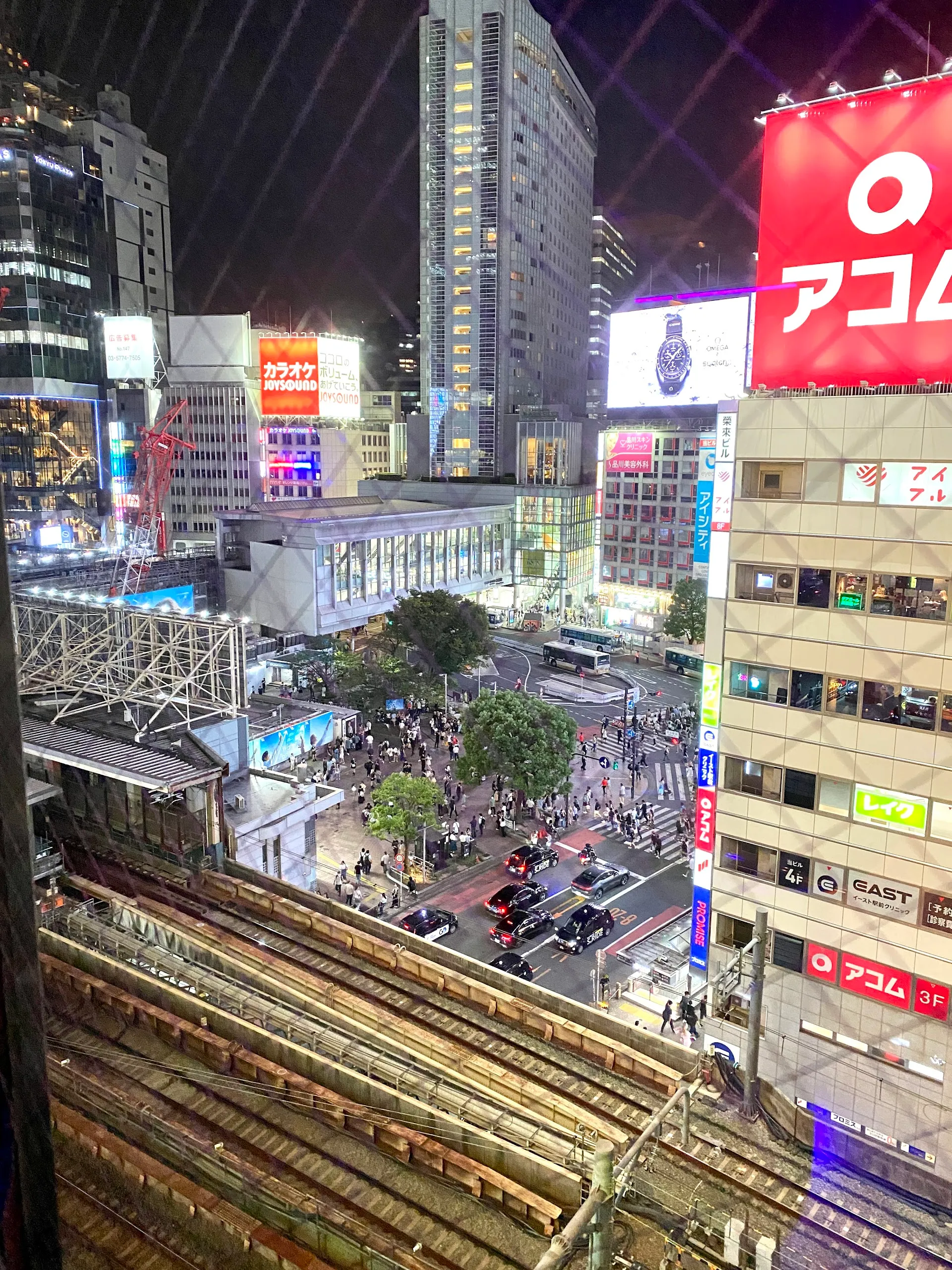
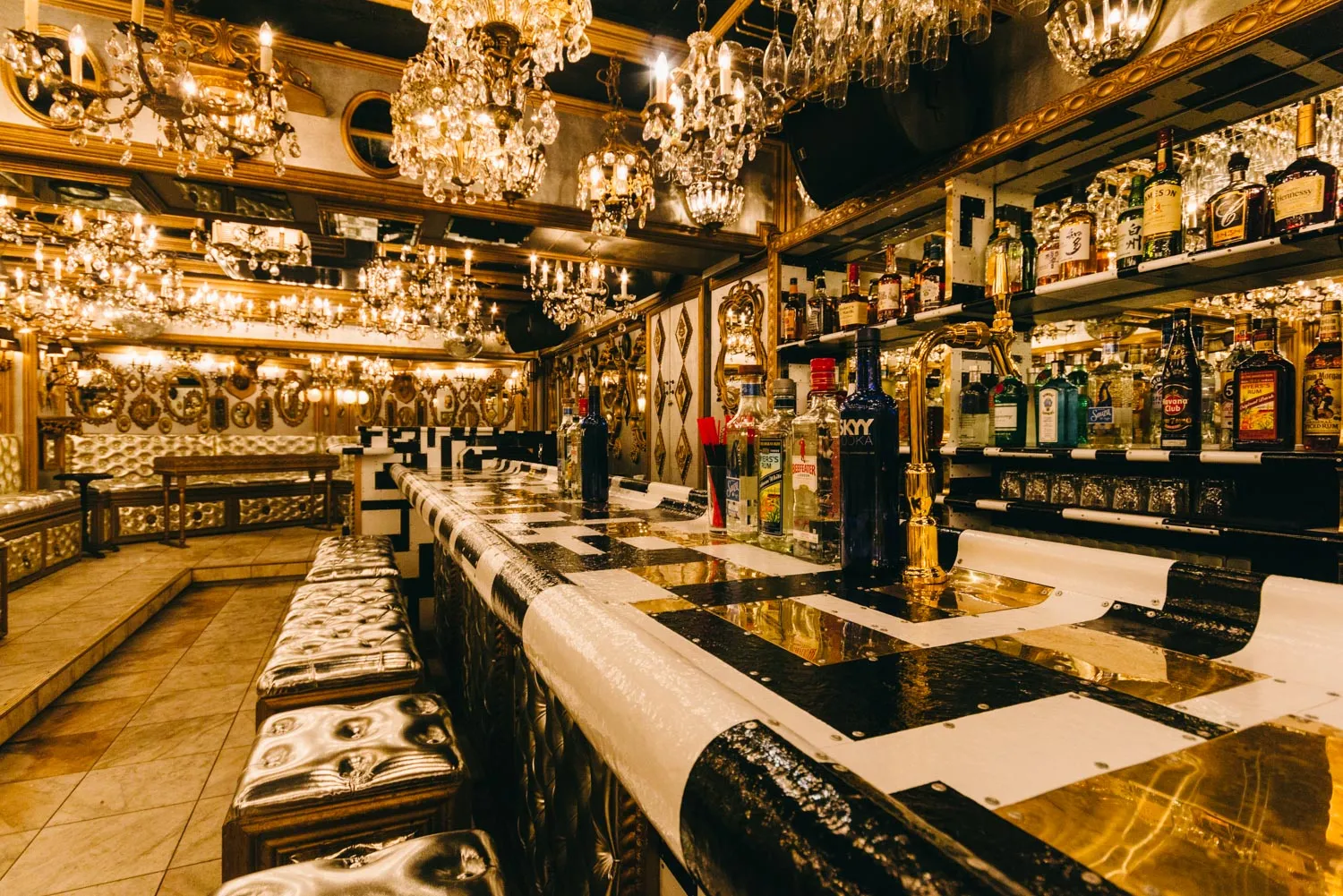
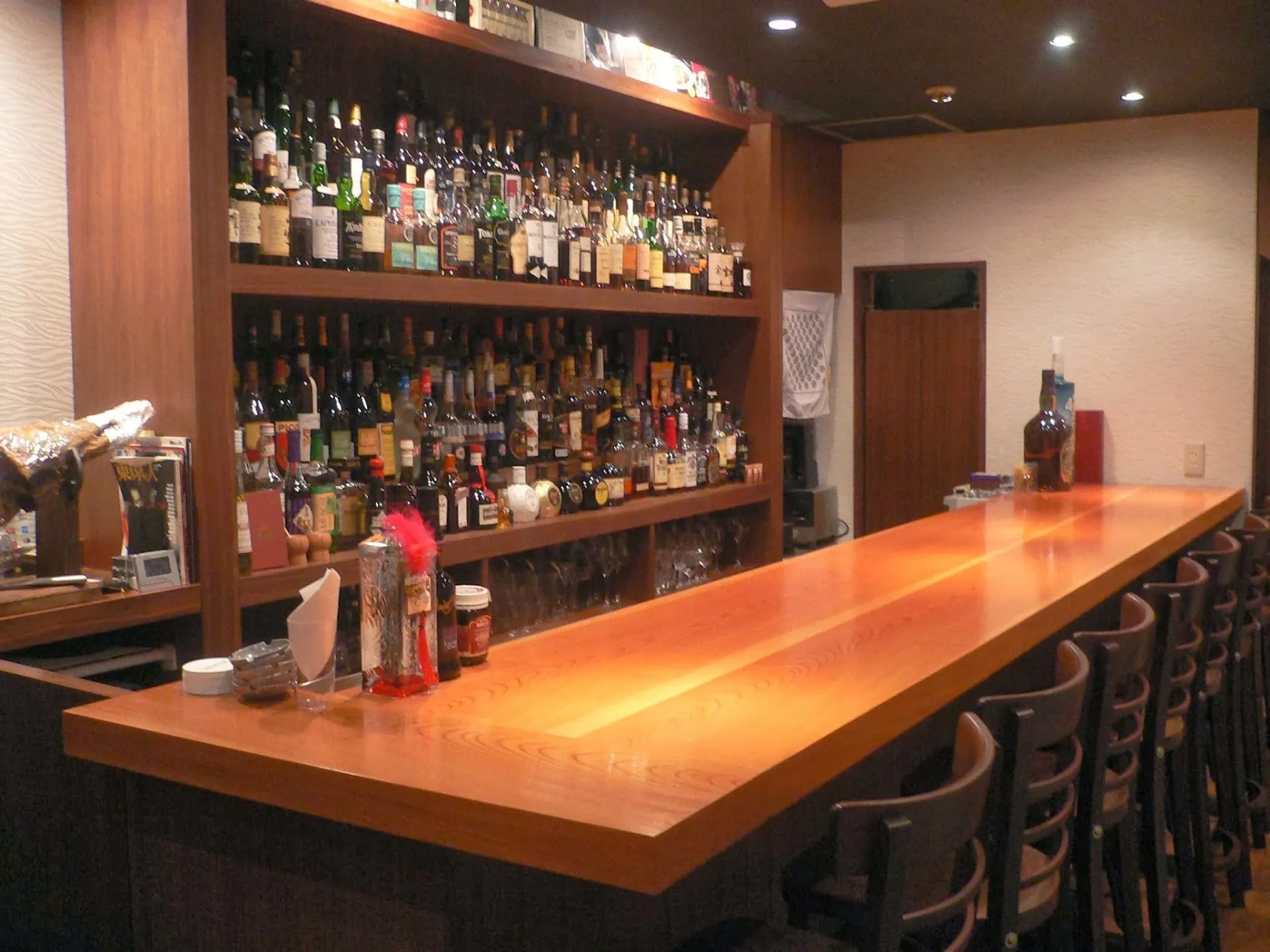
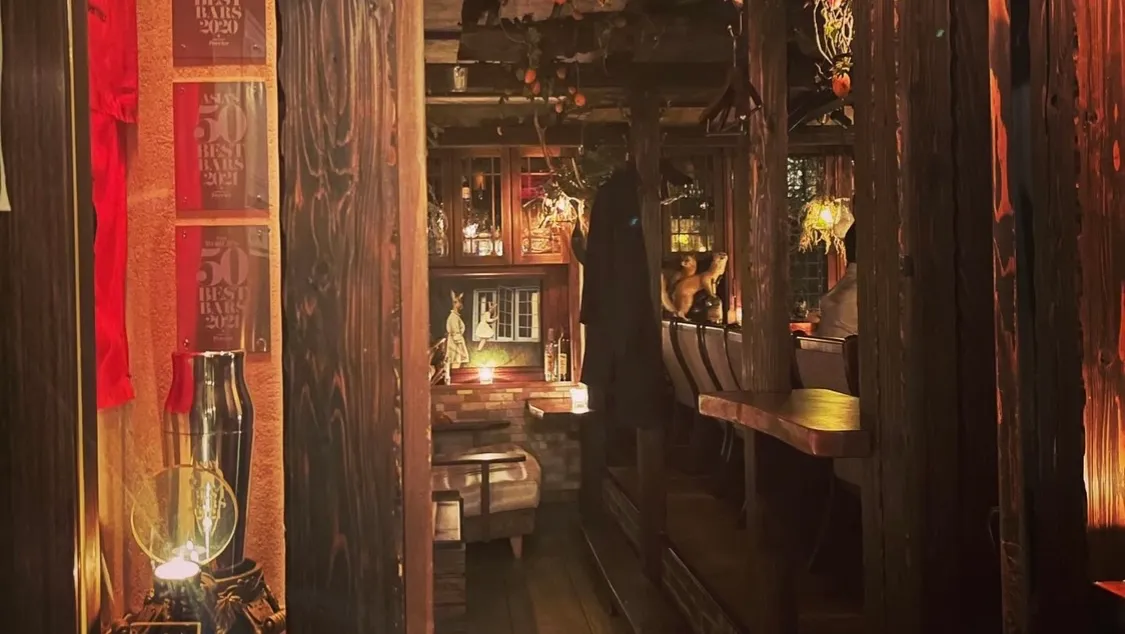
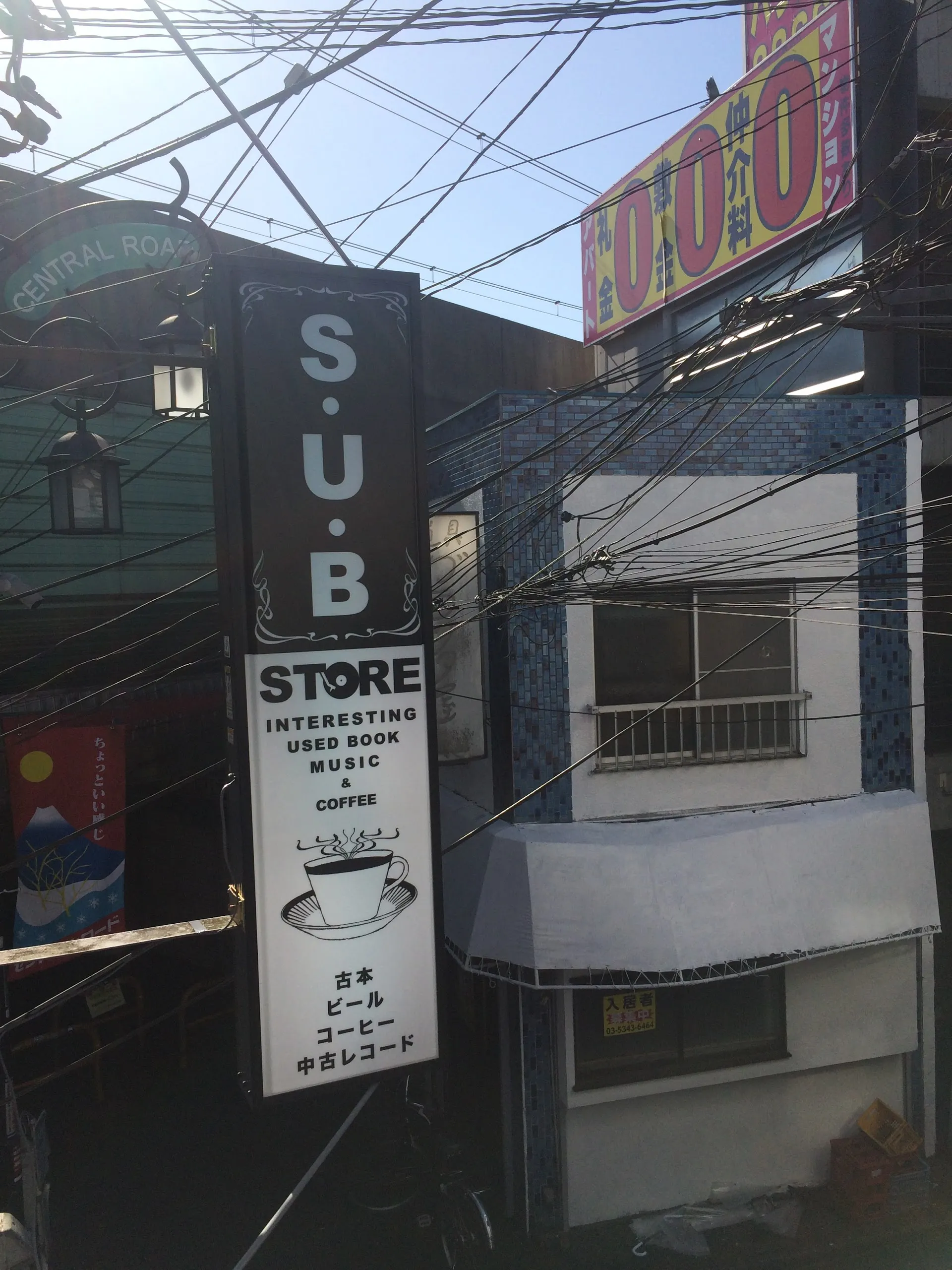
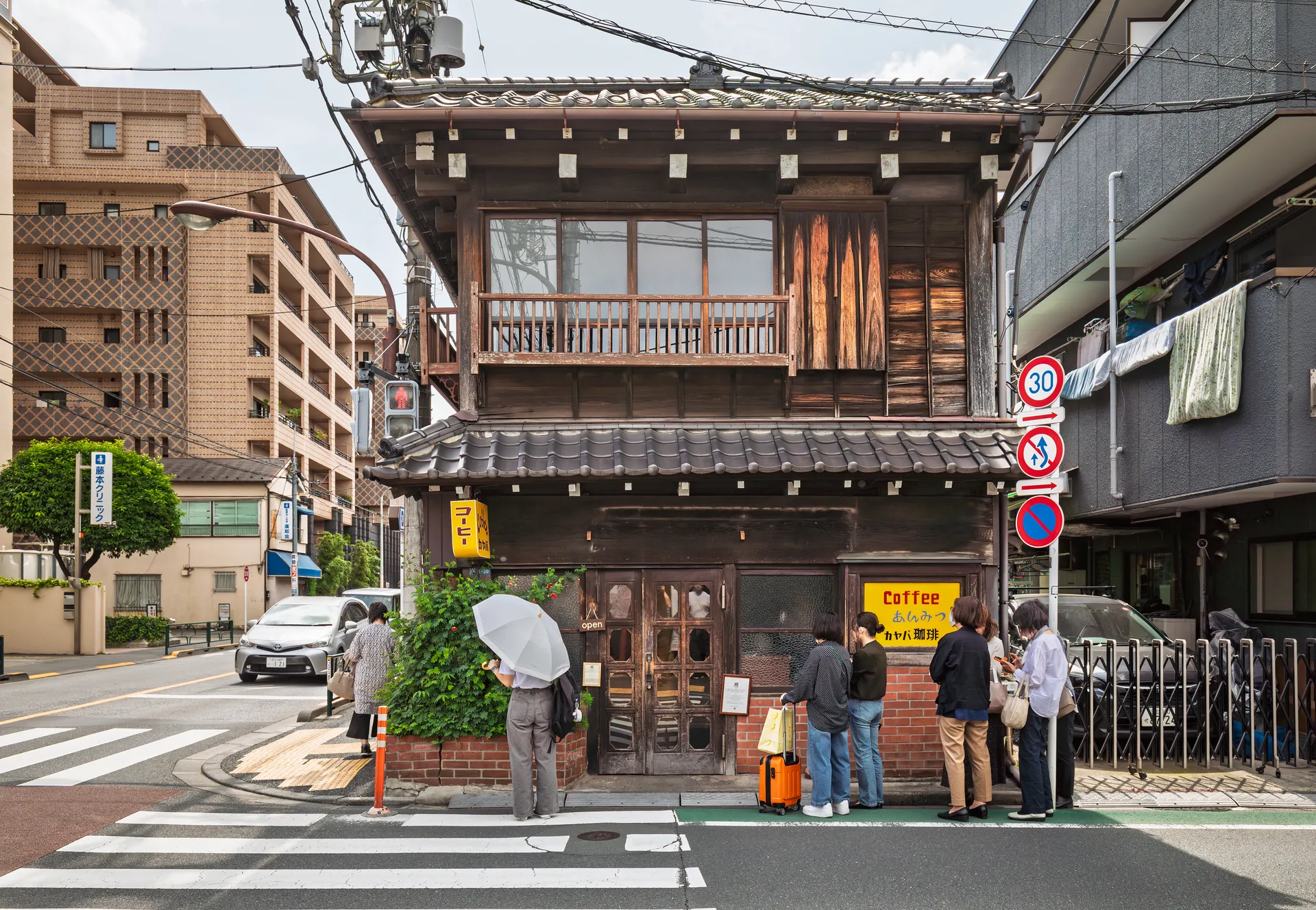
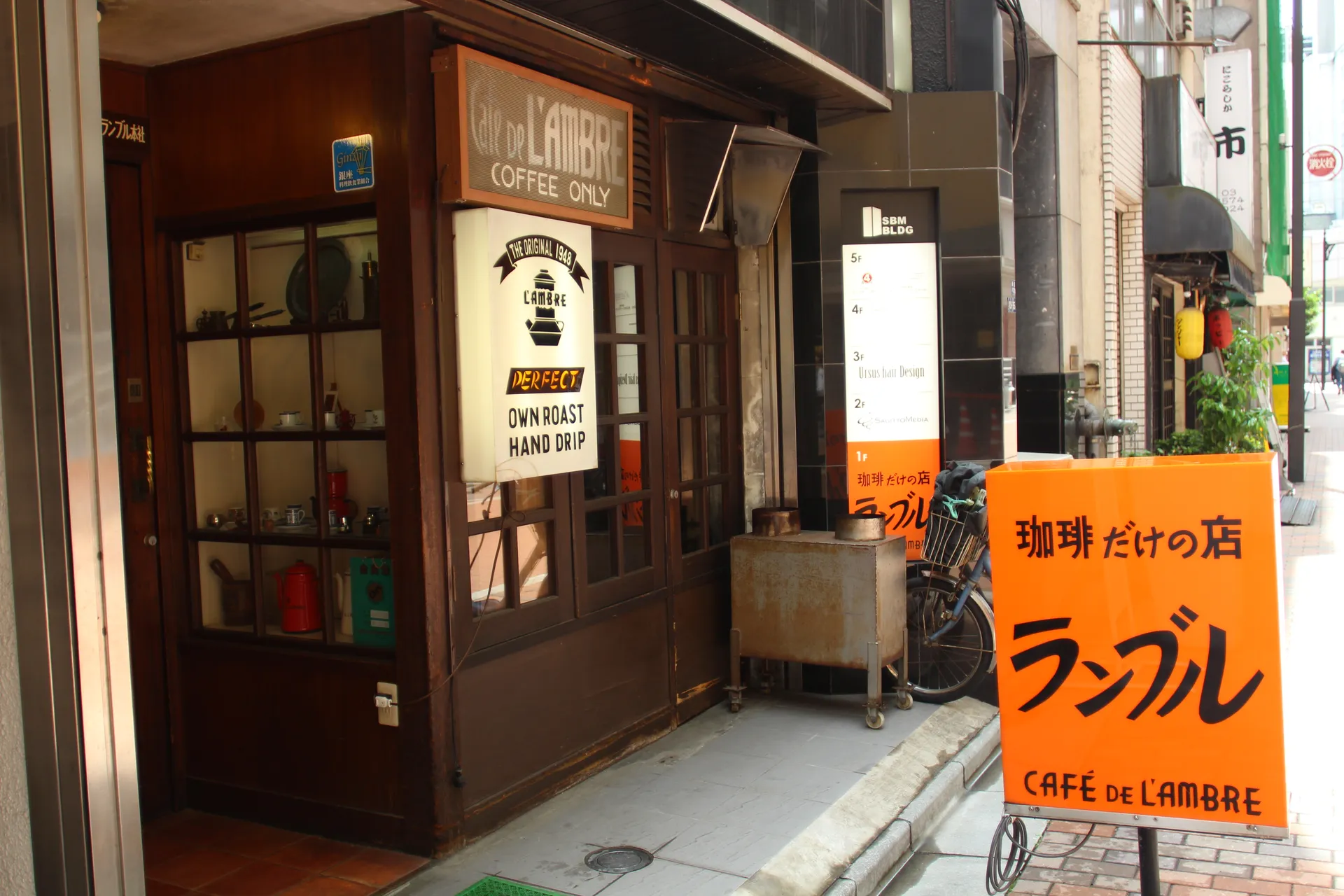
The city rewards both the headline-hunters and the wanderers. On the marquee list sit Senso-ji, the ancient temple in Asakusa; Meiji Shrine, set in a man-made forest beside Harajuku; the world-famous Shibuya Crossing; and immersive digital-art worlds like teamLab Borderless and teamLab Planets. But the deeper pleasure of Tokyo is its texture: a six-seat bar in Golden Gai, a perfect bowl of tsukemen after a long queue, a kissaten where a master pours coffee one cup at a time, a garden hidden behind a wall of skyscrapers.