
This three-day plan is organized by geography so you spend your time exploring rather than riding trains across the city. Day 1 covers the historic east, from Senso-ji in Asakusa down to the Imperial gardens and Ginza. Day 2 tackles the youthful west: Meiji Shrine, Harajuku, Omotesando, and Shibuya, ending high above the famous crossing. Day 3 dives into Shinjuku, a digital-art world, and the lantern-lit alleys after dark. Start each morning early, keep evenings free for food and bars, and save any stop to drop it straight into your own itinerary.
3 Days in Tokyo: A Day-by-Day Itinerary
Day 1
Historic East: Asakusa, Ueno & Ginza
Must visit
08:30Temple5.0
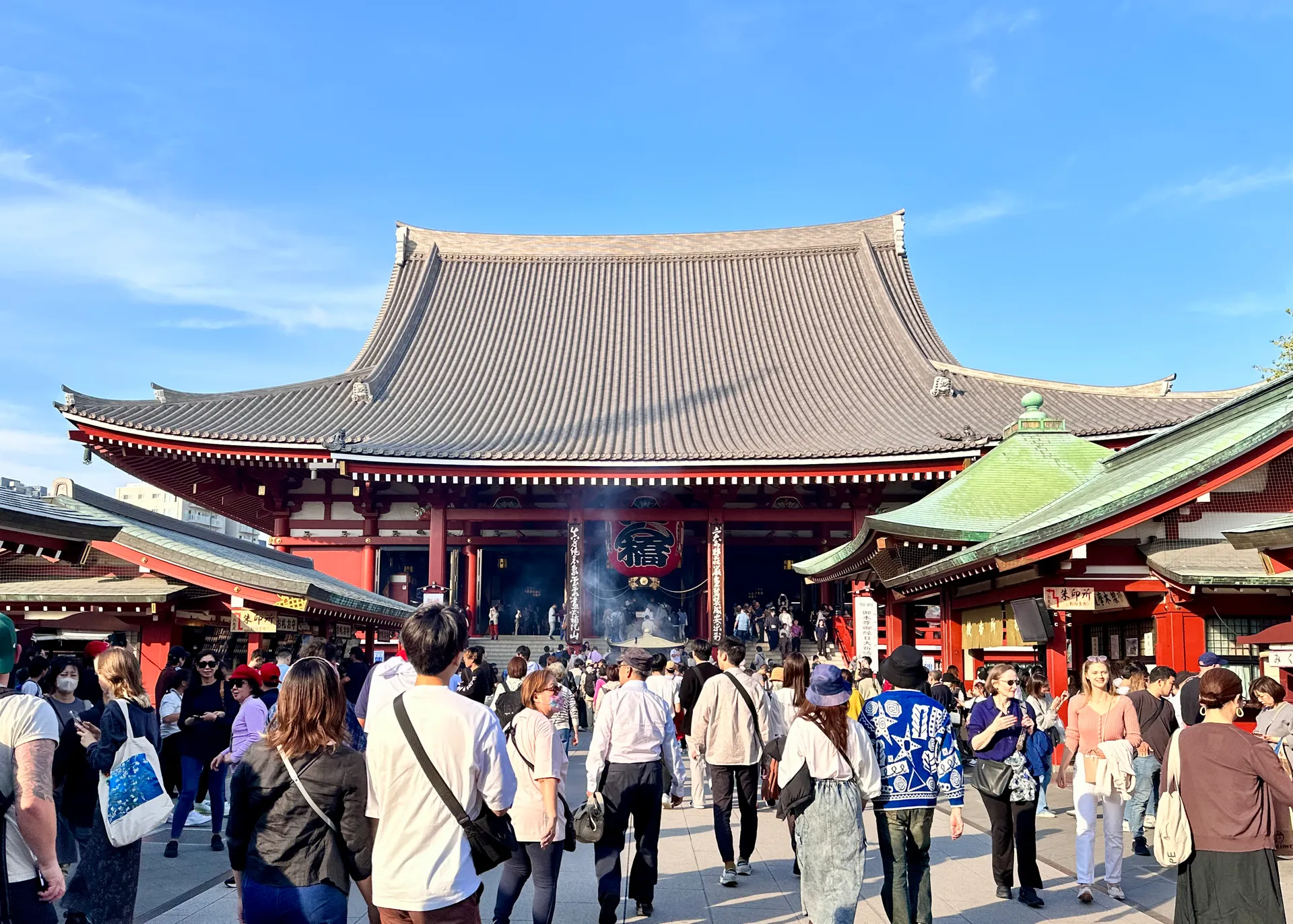
Senso-ji Temple
Begin at Tokyo's oldest temple, founded in 645 AD. Pass through the giant Kaminarimon lantern gate and walk the Nakamise shopping street to the main hall and five-story pagoda before the crowds build.
Asakusa
Tip: The grounds are free and atmospheric early; come by 8:30am to photograph the gate without the tour groups.
Must visit
11:00Museum5.0
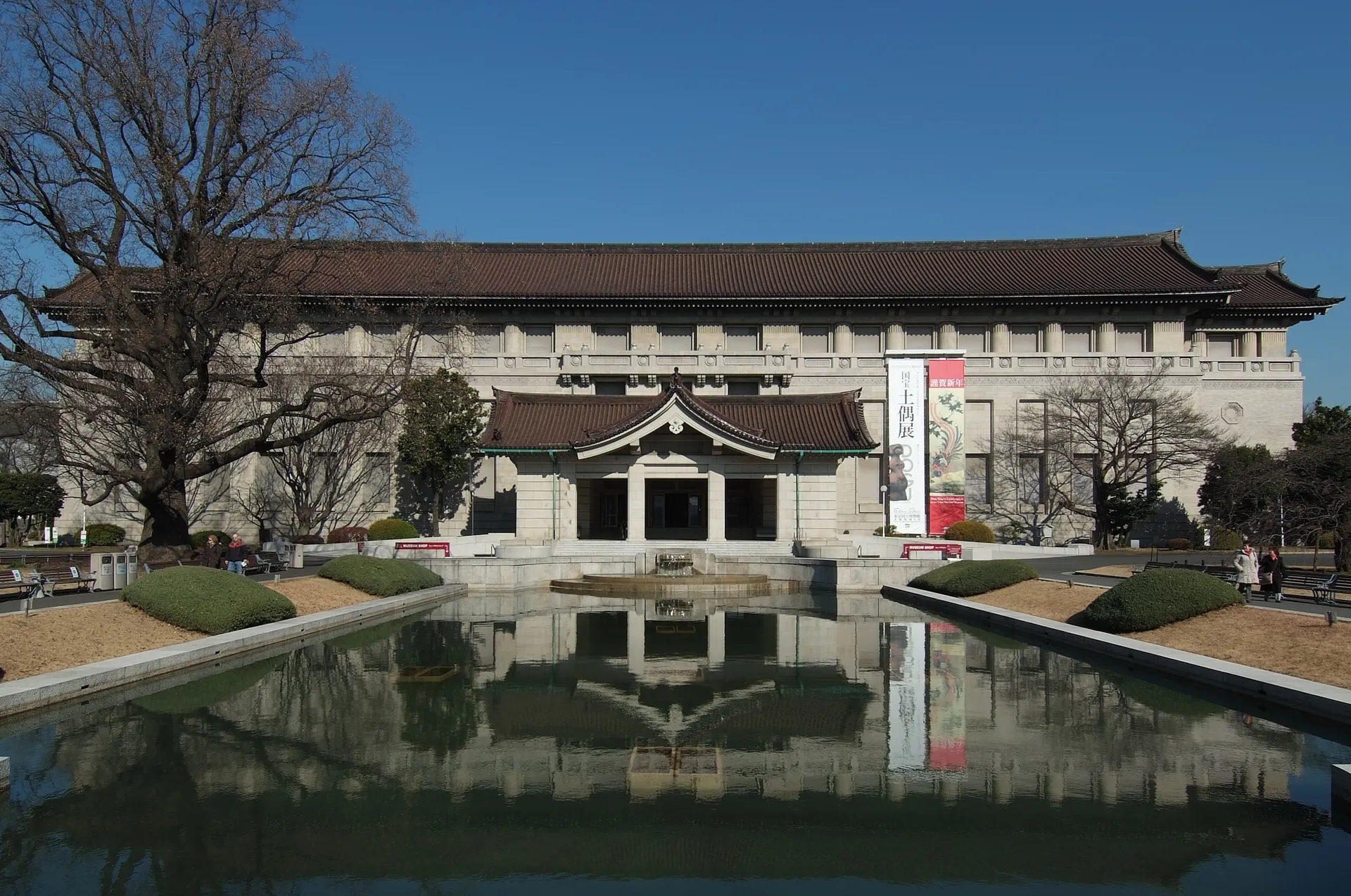
Tokyo National Museum
In Ueno Park, Japan's oldest and largest art museum holds samurai armor, ukiyo-e prints, and national treasures across several galleries. A calm, air-conditioned cultural deep-dive.
Ueno
Tip: If museums are not your thing, simply stroll Ueno Park and the lively Ameyoko market street nearby instead.
Must visit
14:00Park4.0
Imperial Palace East Gardens
The free public gardens on the former site of Edo Castle, with massive stone walls, moats, and seasonal flowers in the geographic heart of the city.
Chiyoda
Tip: Closed Mondays and Fridays. Combine with a look at the iconic Nijubashi bridge view from the plaza.
 17:00
17:00Shopping Area4.0
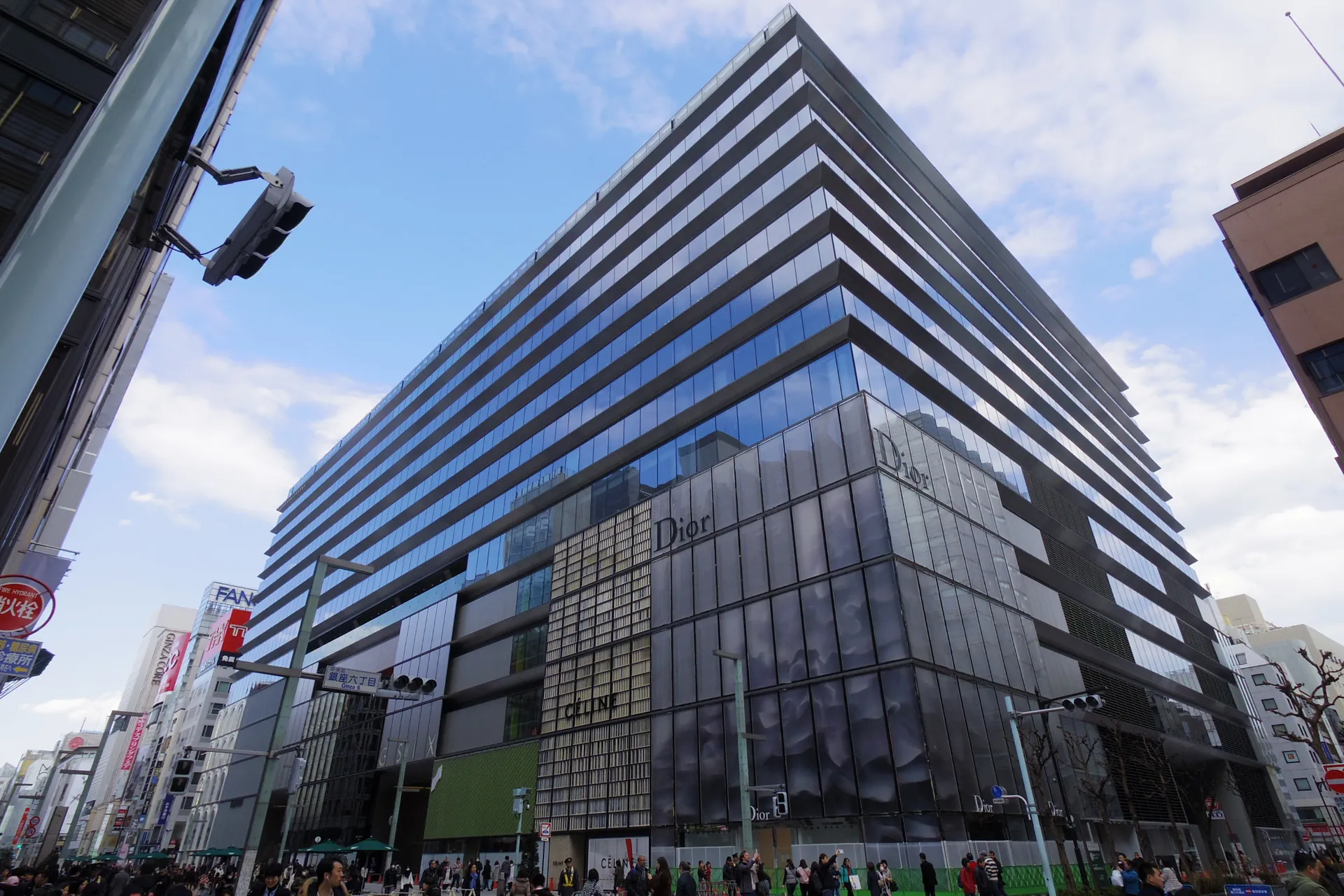
Ginza Six
Glide into Ginza, Tokyo's most polished shopping district. Browse the flagship stores and the rooftop garden, then dip into a depachika food basement for dinner ideas.
Ginza
Tip: Saturday and Sunday afternoons, the main Chuo-dori avenue becomes a pedestrian-only 'walker's paradise'.
Must visit
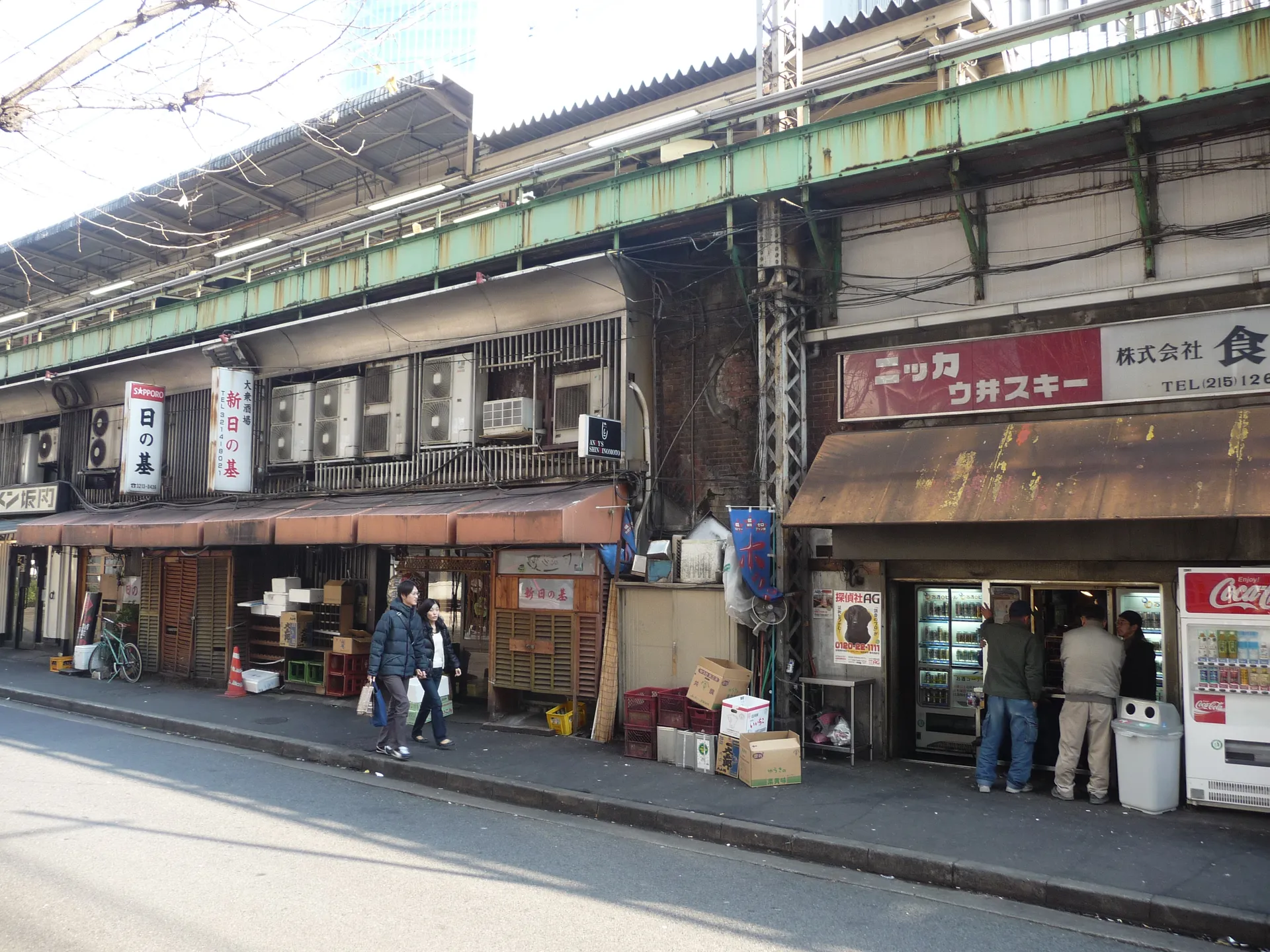
19:00Izakaya5.0
Yurakucho Under-the-Tracks
End under the railway tracks at Yurakucho, where smoky yakitori joints and cheap beer capture old-Tokyo salaryman culture. Order skewers, point at what looks good, and soak up the noise.
Chiyoda
Tip: Cash is handy here, and most stalls fill up fast after 7pm; arrive early for a counter seat.
Day 2
Youthful West: Harajuku, Omotesando & Shibuya
Must visit
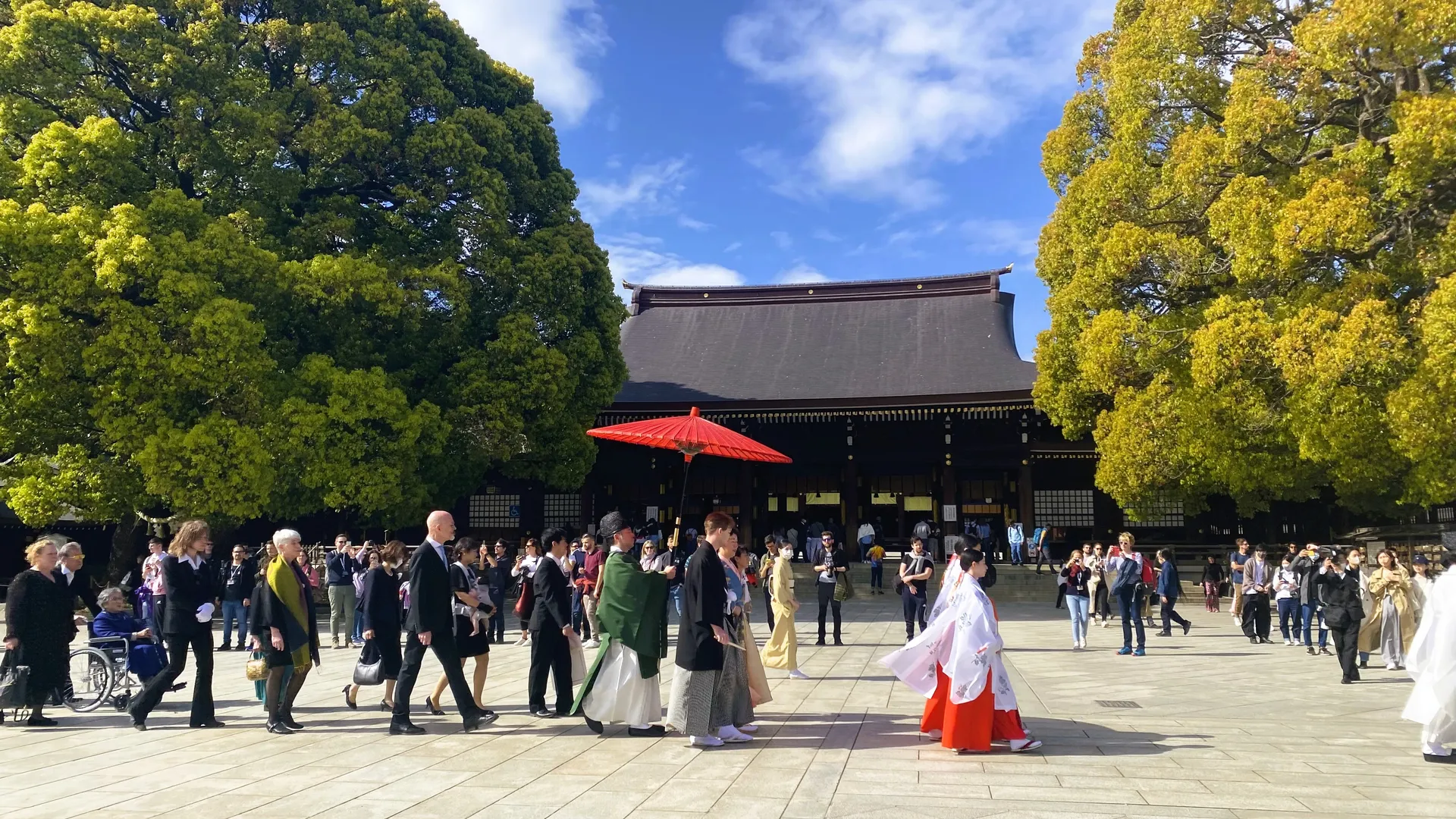
09:00Shrine5.0
Meiji Shrine
Start in the forest. Tokyo's grandest Shinto shrine sits inside a man-made woodland of 100,000 trees, a serene counterpoint to the city outside. Free to enter.
Harajuku
Tip: Arrive early for stillness; you may catch a traditional wedding procession on weekend mornings.
Must visit
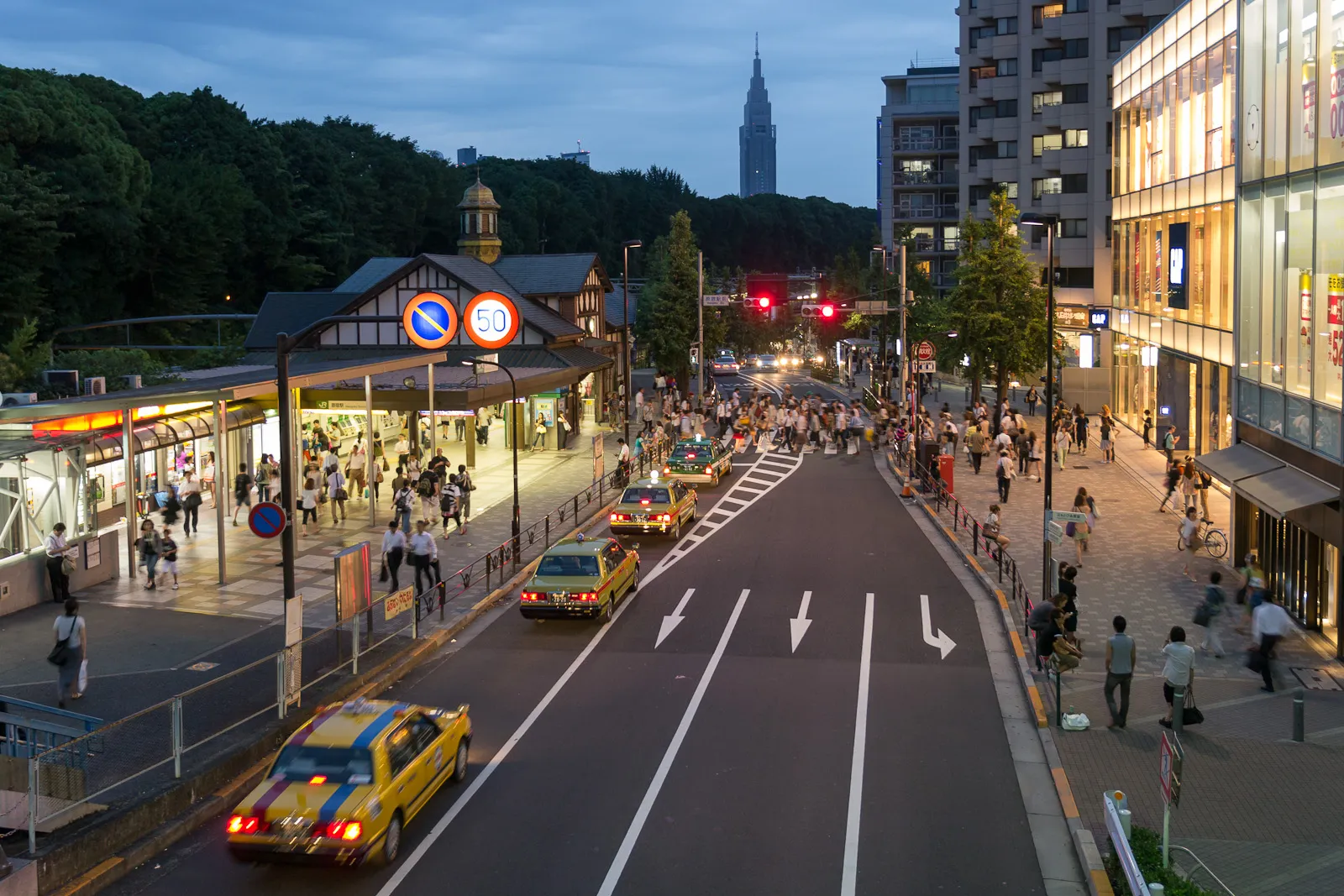
10:30Shopping Area4.0
Takeshita Street
Cross into Harajuku and the kawaii epicenter of Takeshita Street: rainbow crepes, character shops, and youth fashion found nowhere else on earth.
Harajuku
Tip: It gets shoulder-to-shoulder by midday; go early or duck onto the quieter backstreets of Ura-Harajuku.
Must visit
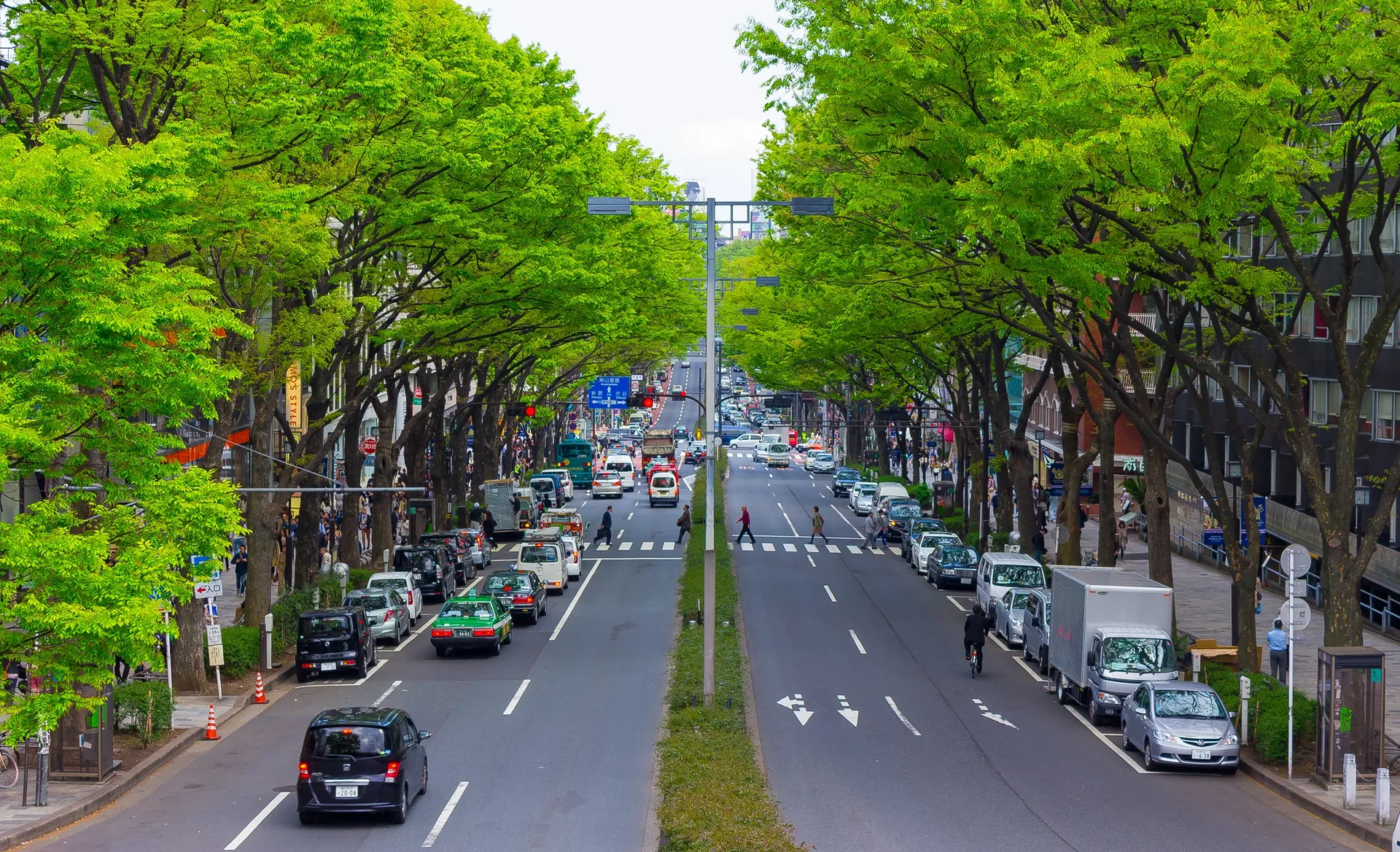
12:30Shopping Area5.0
Omotesando
Stroll Tokyo's tree-lined 'Champs-Elysees', a showcase of architect-designed flagships by Ando, SANAA, and others. Stop for lunch at iconic tonkatsu institution Maisen nearby.
Jingumae
Tip: Maisen occupies a converted 1960s bathhouse a block off the main avenue; expect a short queue at peak times.
 15:30
15:30Landmark
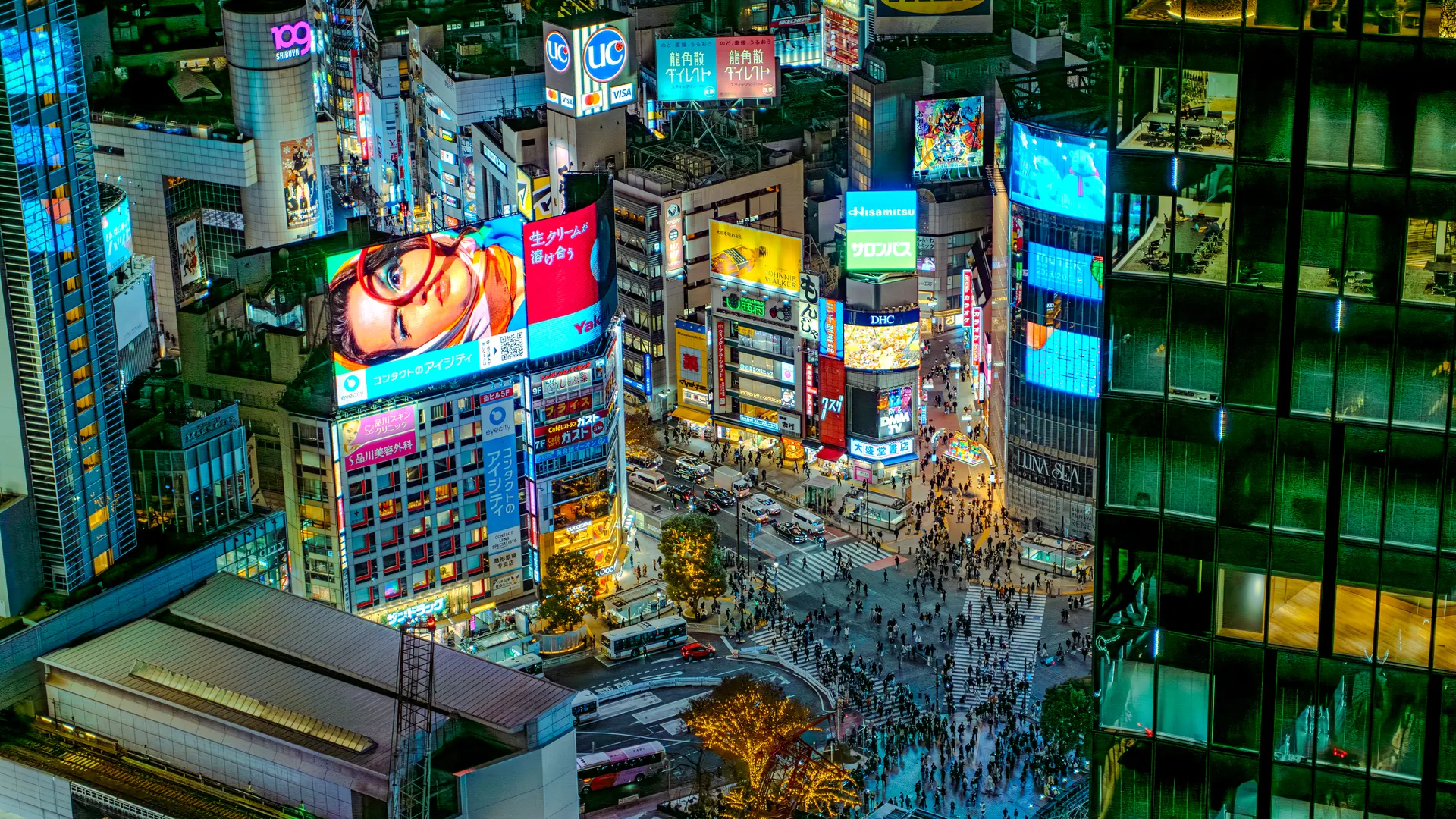
Shibuya Crossing
Descend on Shibuya and the world's busiest pedestrian crossing, where thousands surge across at every light change. Watch from street level, then from the Starbucks window above.
Tokyo
Tip: The crossing is most dramatic during the 5-8pm rush; the statue of loyal dog Hachiko is the classic meeting point.
 17:30
17:30Viewpoint
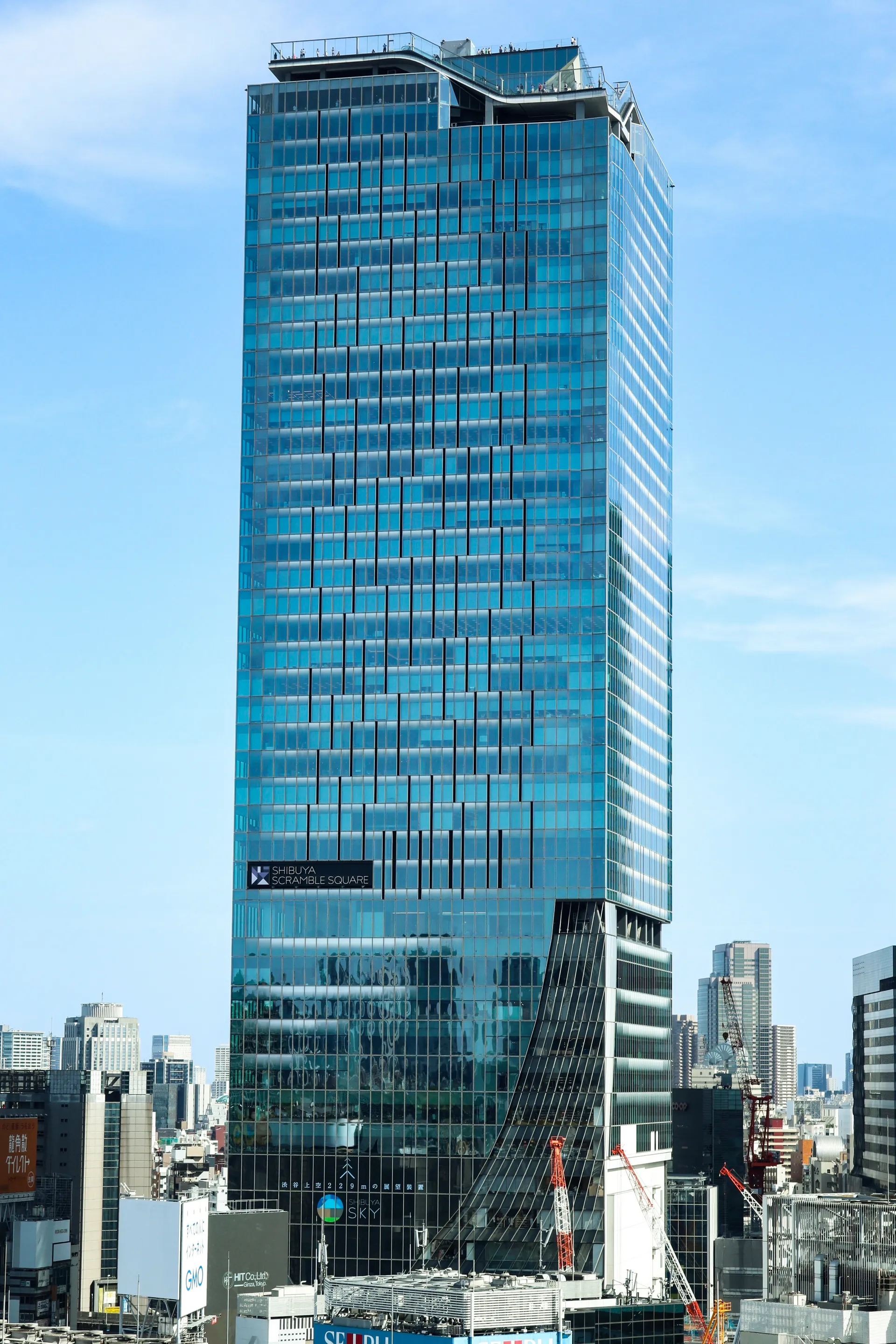
Shibuya Sky
Ride up to the open-air rooftop deck of Shibuya Scramble Square for 360-degree views over the city as the sun sets and the neon flickers on.
Tokyo
Tip: Book a sunset slot online in advance; it is the single most popular timed entry in Shibuya.
Day 3
Shinjuku, Digital Art & Neon Nights
Must visit
09:30Experience
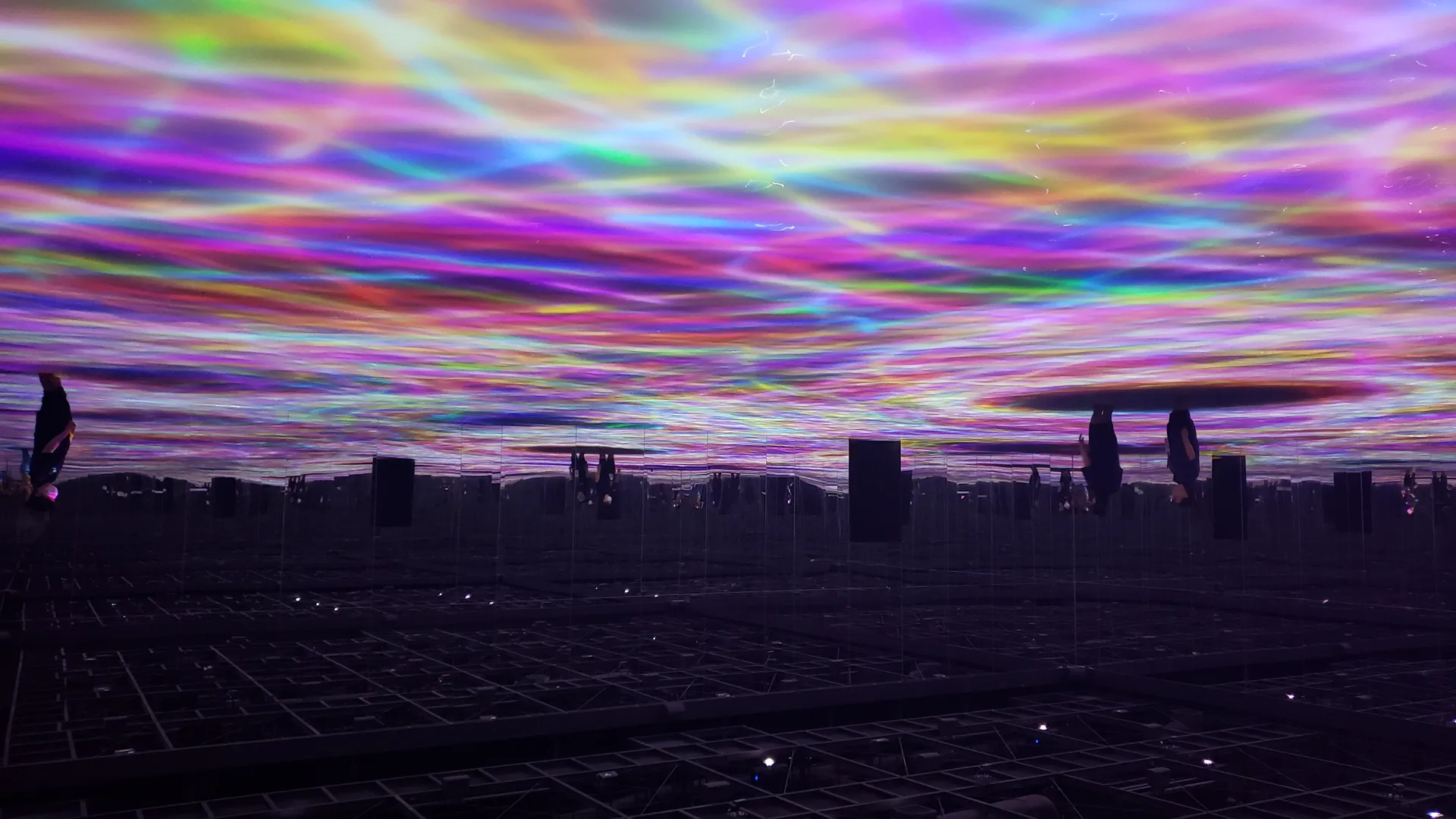
teamLab Planets
Wade barefoot through water rooms and immersive digital universes at teamLab Planets in Toyosu, a full-body art experience unlike any traditional museum.
Toyosu2-3 hours
Tip: Wear clothes you can roll above the knee, and book timed entry online; mornings are the least crowded.
Must visit
13:30Park5.0
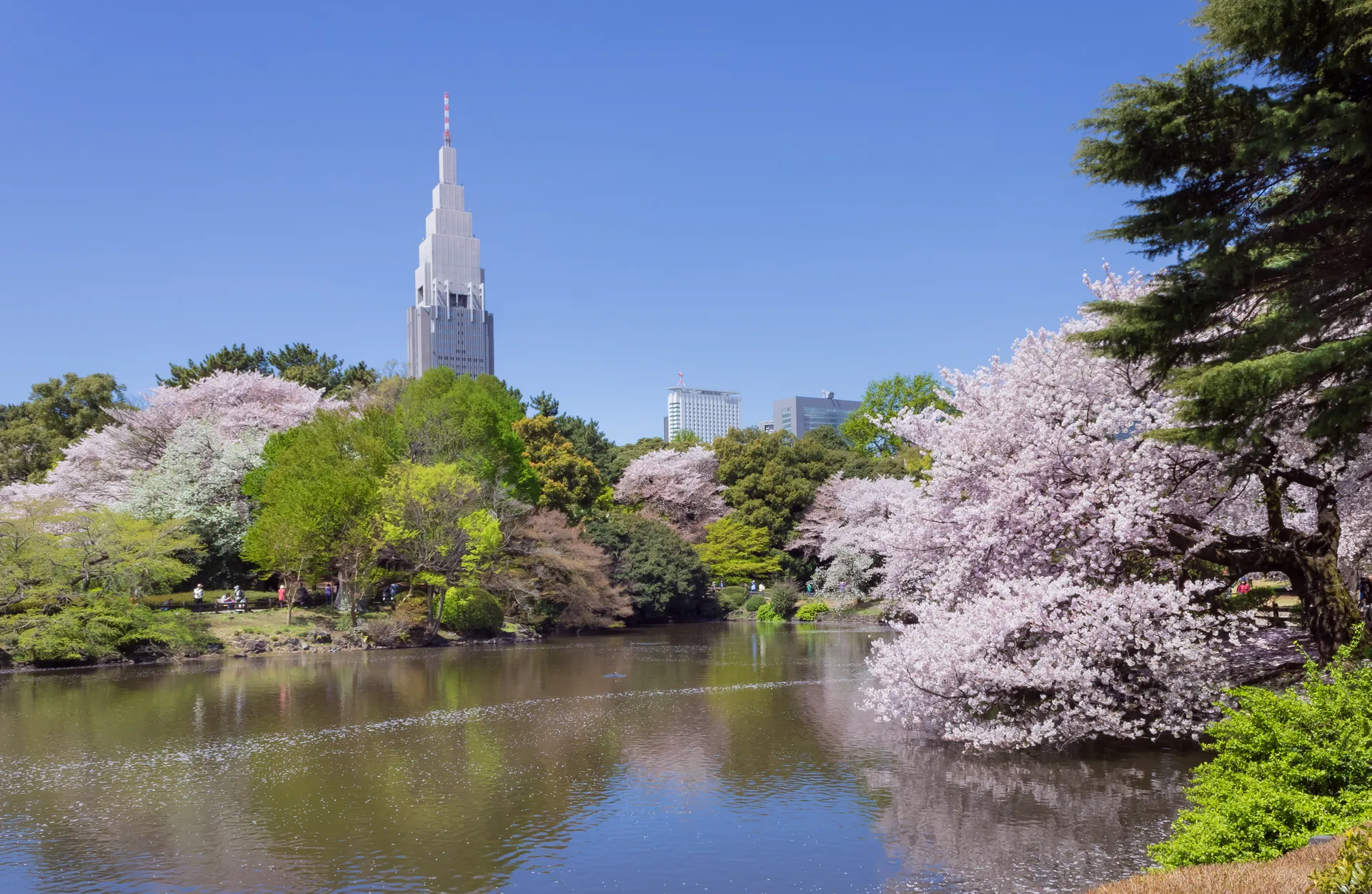
Shinjuku Gyoen
Recharge in Shinjuku Gyoen, a vast national garden blending Japanese, English, and French styles. One of Tokyo's best spots for cherry blossoms and autumn color.
Shinjuku
Tip: A small entry fee applies, and unlike most parks no alcohol is allowed; it is wonderfully calm on weekdays.
 16:00
16:00Street
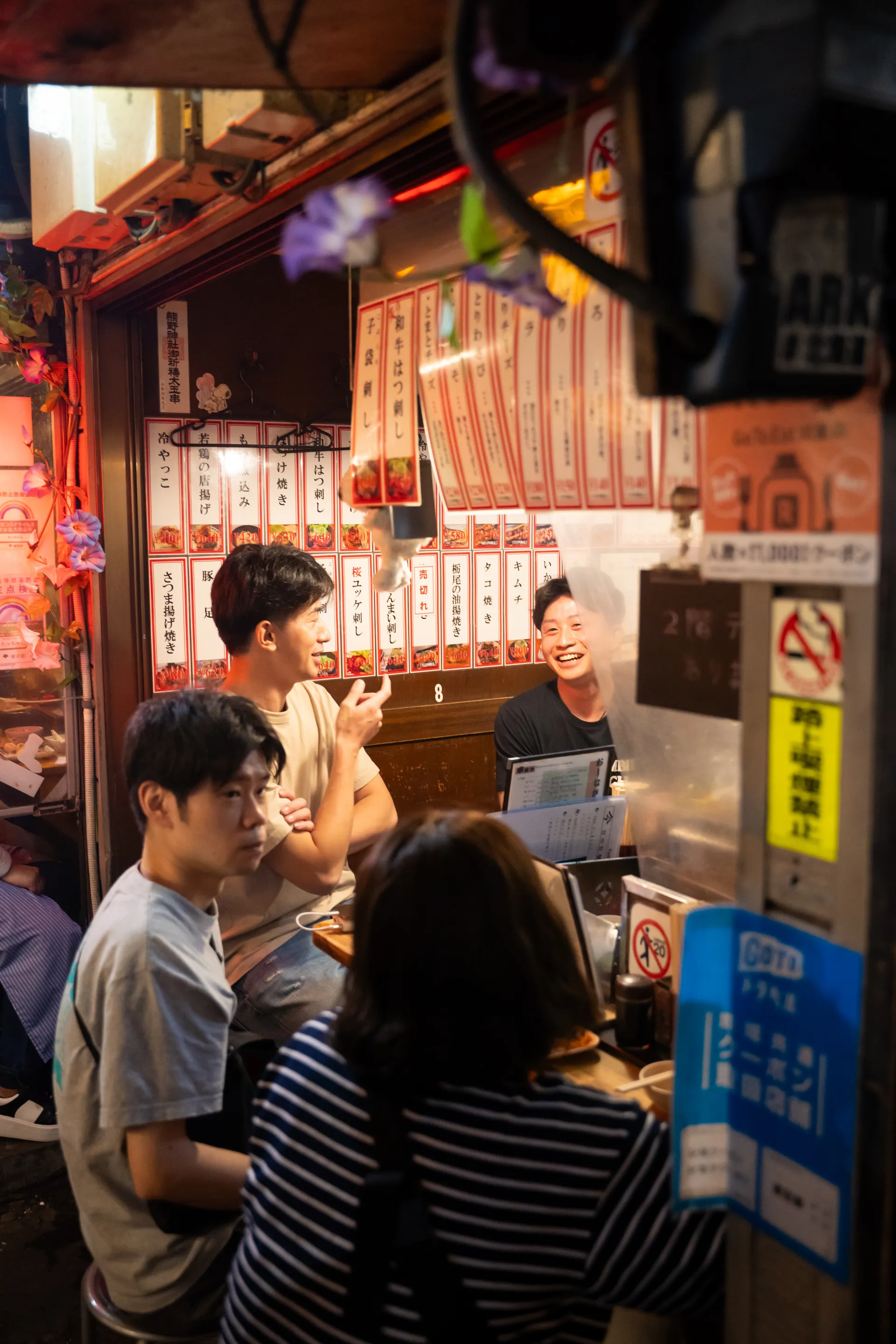
Omoide Yokocho
Slip into 'Memory Lane' by Shinjuku Station's west exit, a warren of tiny post-war eateries thick with charcoal smoke and lantern light. Order skewers and a beer at the counter.
Tokyo - Shinjuku
Tip: Many stalls seat only a handful of people; go before the after-work rush for a seat.
Must visit
18:30Ramen5.0
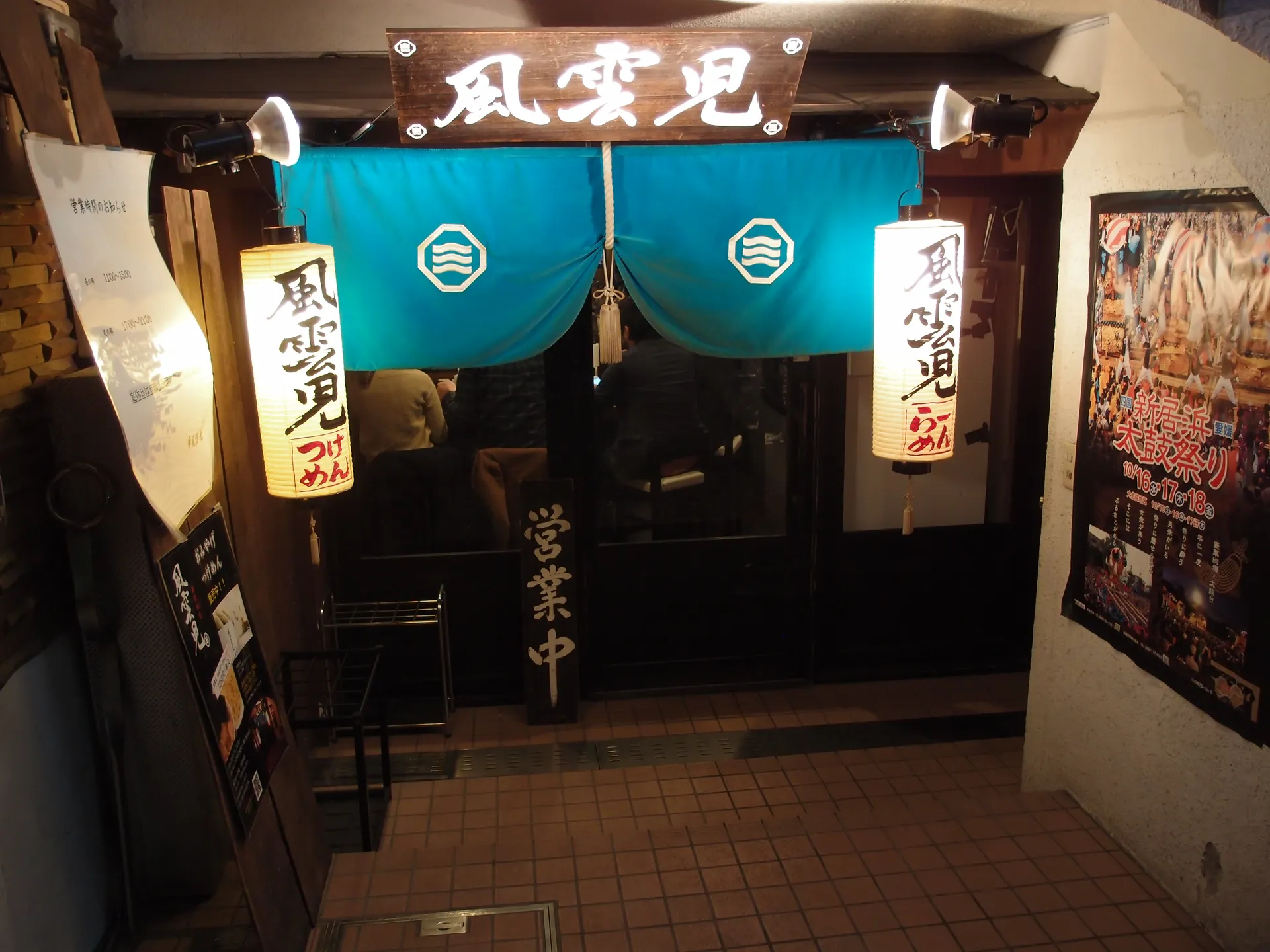
Fuunji
Join the line at Fuunji for Tokyo's most celebrated tsukemen, with a rich, creamy fish-and-pork dipping broth and perfectly chewy noodles. Worth every minute of the queue.
Yoyogi/Shinjuku
Tip: Buy your ticket from the vending machine before queuing; lunch and early-evening lines move steadily.
 20:30
20:30Street
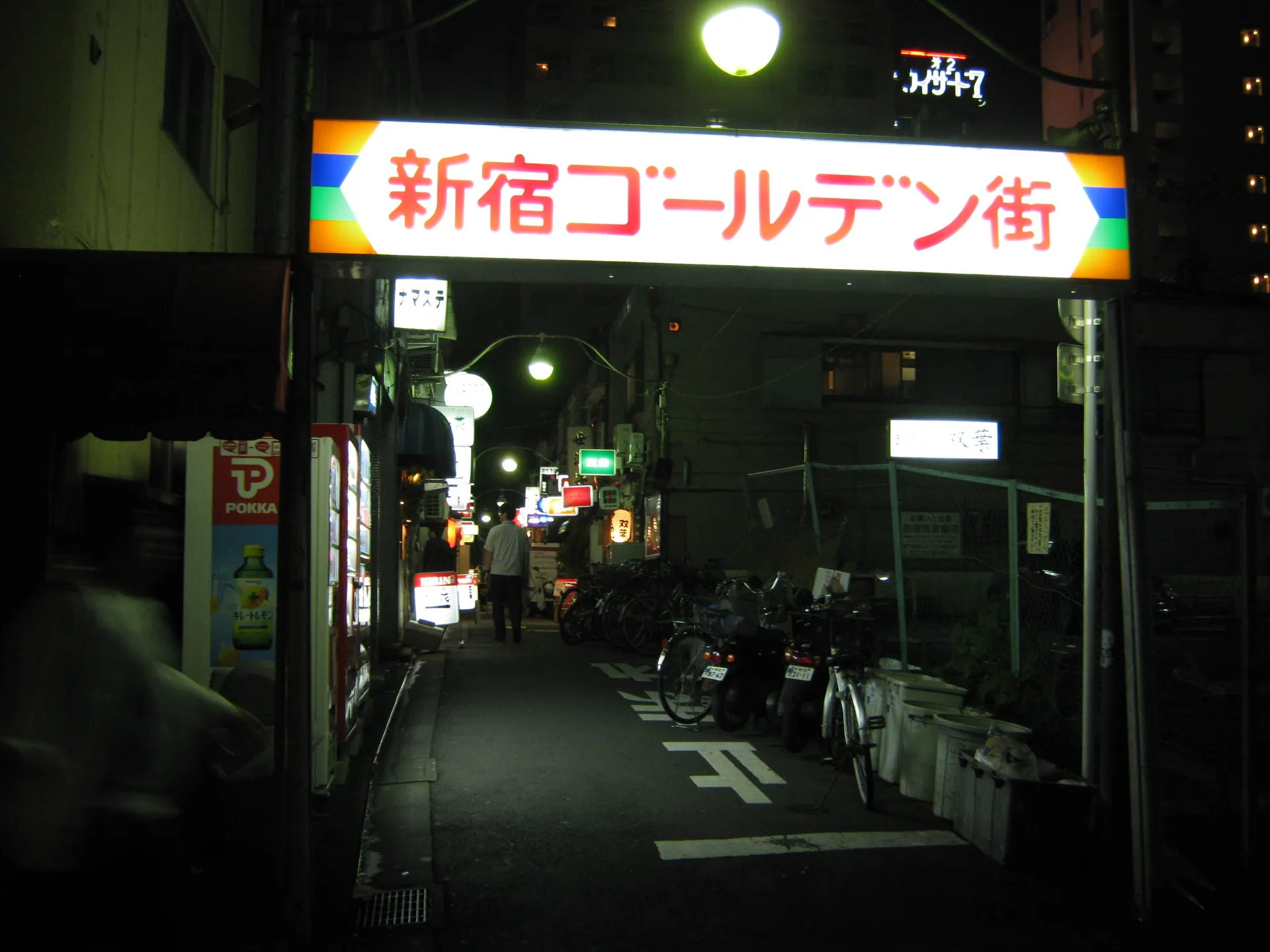
Golden Gai
Cap the trip in Golden Gai, six narrow alleys packed with more than 200 tiny themed bars. Pick a place that looks welcoming, squeeze in, and toast the city.
Tokyo - Shinjuku
Tip: Some bars charge a small seat fee and cater to regulars; look for ones that openly welcome visitors.
FAQ
- Is 3 days enough to see Tokyo?
- Three days is enough to experience the city's main facets: the historic east, the youthful west, and Shinjuku's nightlife, plus one digital-art or museum visit. It will not cover everything, but grouping each day by district lets you see a lot without exhausting yourself or wasting time on long train rides.
- How do I get between the stops on this itinerary?
- Almost everything connects via the JR Yamanote Line and the Tokyo Metro. Tap in with a Suica or Pasmo card and follow Google Maps for platform-level directions. The longest single hop is Asakusa to Ueno or Toyosu, both under 30 minutes.
- Should I do this itinerary in a different order?
- Yes, feel free to reorder by your hotel location and the weather. teamLab Planets and Shibuya Sky depend on your booked time slots, so build the rest of the day around those. If rain is forecast, swap an outdoor garden for an extra museum or department store.
Make it your trip
Save these places and build your own Tokyo itinerary in TripBox.