Hakone is the mountain hot-spring resort that sits between Tokyo and Mount Fuji, and it is the easiest way to swap the city for volcanic scenery, open-air baths, and one of Japan's most famous views. Tucked inside the Fuji-Hakone-Izu National Park about ninety minutes from Shinjuku, it has been a retreat for travellers since the Edo period, when this was a checkpoint on the old Tokaido highway between Kyoto and Tokyo. Today people come for the same reasons: to soak in onsen fed by the area's volcanic springs, to ride a chain of quirky mountain transport, and to catch Mount Fuji rising behind a crater lake.
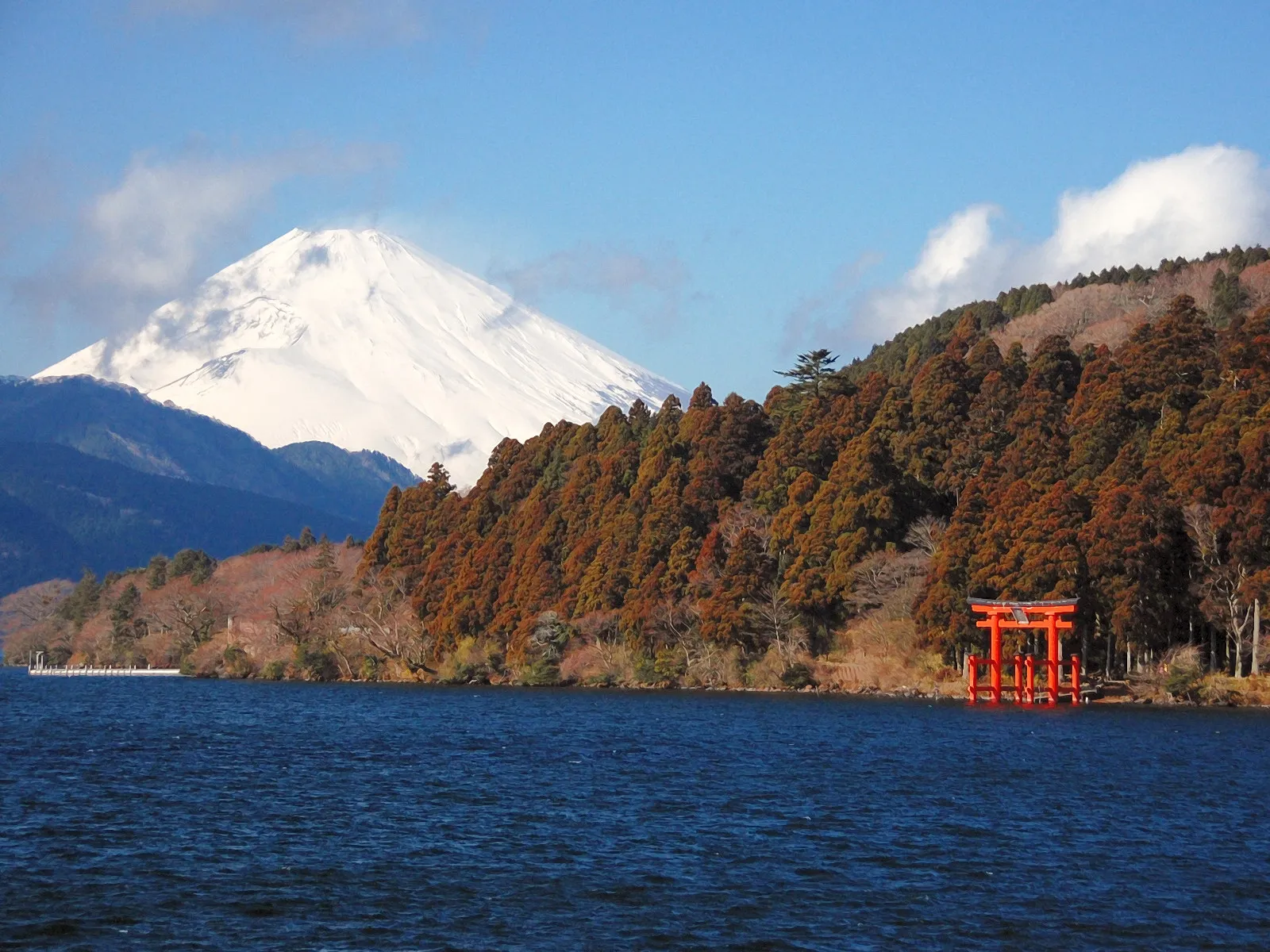
This guide is built around how Hakone actually works, which is as a loop rather than a single town. The classic circuit threads together a switchback mountain railway, a funicular cablecar, an aerial ropeway, a pirate-ship cruise across Lake Ashi, and local buses, with each leg doubling as a sightseeing ride. Most visitors do this anti-clockwise from Hakone-Yumoto, the gateway station, climbing up to Gora, crossing the volcanic valley of Owakudani, dropping down to the lake at Togendai, and finishing at the floating red torii of Hakone Shrine. The single ticket that makes all of this painless is the Hakone Free Pass, which bundles unlimited rides on every leg of the loop plus discounts at many attractions.
Hakone is compact but slow-moving. Distances are short, yet the trains and ropeways set the pace, so a comfortable visit is built around two priorities each day rather than a long checklist. The headline sights cluster naturally: art and gardens around Gora (the Open-Air Museum, Gora Park), volcanic drama at Owakudani with its sulphur vents and longevity-granting black eggs, and the lake itself, ringed by the shrine, former imperial gardens, and the most reliable Fuji viewpoints. Reserve at least one slow afternoon for a bath, whether that is a day-use onsen near Yumoto or an overnight stay in a traditional ryokan.
Best time to visit
Autumn (late October to November) is arguably the finest season, with red-and-gold foliage across the hills, golden pampas-grass plains at Sengokuhara, and crisp air that improves Fuji visibility. Winter (November to February) offers the clearest, most reliable Mount Fuji views and the most rewarding onsen weather, though it is cold. Spring brings fresh greenery and early-summer roses at Gora Park. Summer (July-August) is the rainy and hazy season, when Fuji is most often hidden and crowds peak, though the onsen are pleasant year-round.
Budget
Hakone is mid-range to splurge by Japanese standards, mostly because of transport and ryokan stays. The Hakone Free Pass (around 6,100 yen for 2 days from Shinjuku) covers nearly all the loop transport. A day-use onsen runs 1,100-2,500 yen, the Open-Air Museum is 2,000 yen, and a casual lunch 1,000-1,800 yen. Ryokan with dinner and breakfast push the daily total up sharply.~$110-220 USD / day
The one thing worth managing is expectations about Mount Fuji. The mountain is famously shy, fully visible only around a fifth of the year, and clearest on crisp winter mornings between November and February. Summer often hides it behind cloud. If a perfect Fuji shot is the goal, come in winter, arrive early, and head straight for Lake Ashi or the ropeway before the haze builds. If it stays hidden, the volcanic landscapes, art museums, and steaming baths more than carry the trip.
Many people treat Hakone as a long day trip from Tokyo, and you can see the loop in a day, but it rewards an overnight far more. Staying lets you experience a ryokan dinner and a soak after the day-trippers leave, and catch the lake at dawn. Use this guide to skim the loop itinerary, open the things-to-do and onsen lists, then save the stops that fit your trip. Everything you save drops straight into a TripBox itinerary with dates, a map, and your travel companions.
The best of Hakone
Curated places worth your time — tap a card for details or to save it.
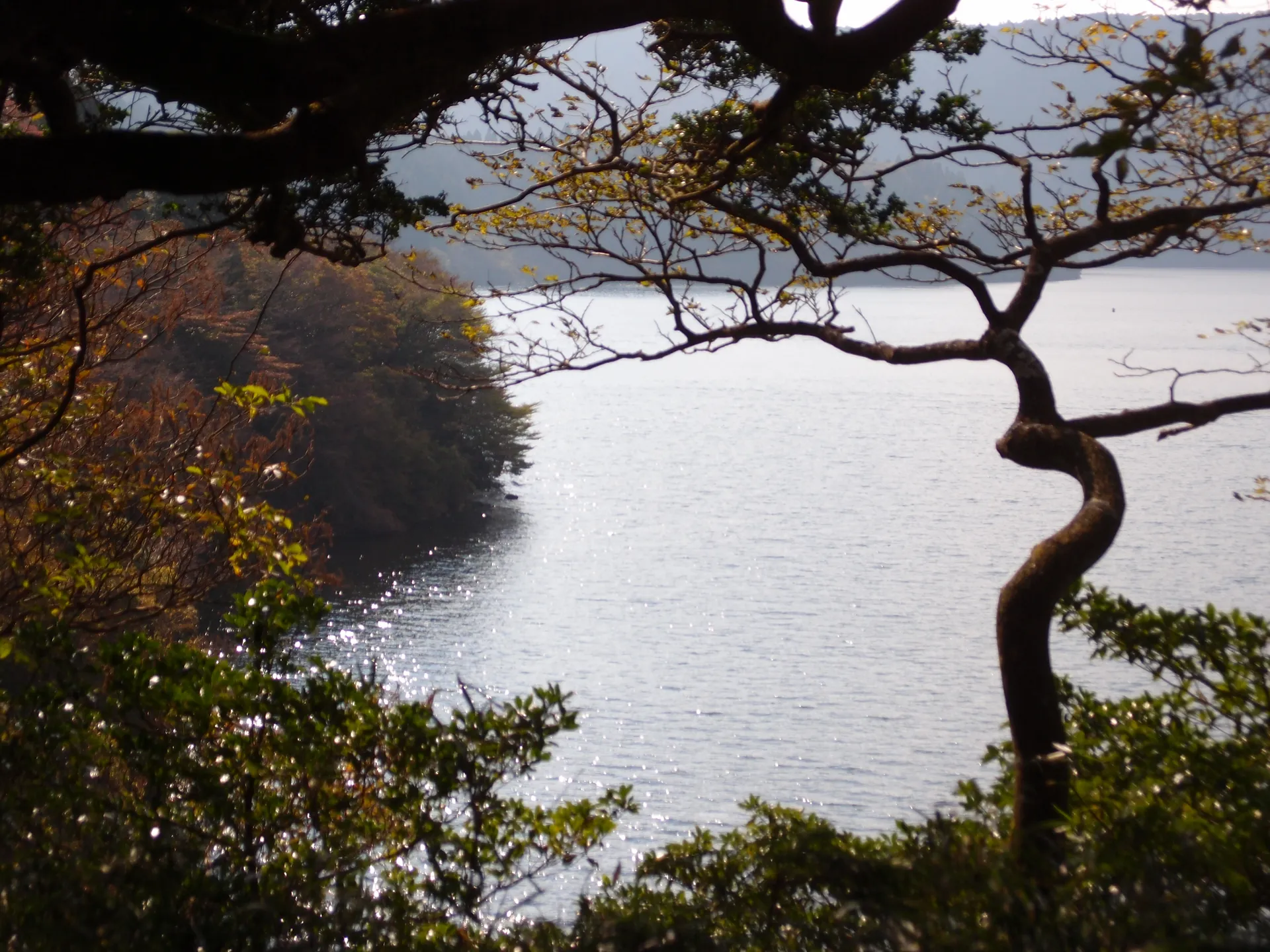
Scenic crater lake with pirate ship cruises offering stunning Mt. Fuji views on clear days
Must visit
Shrine
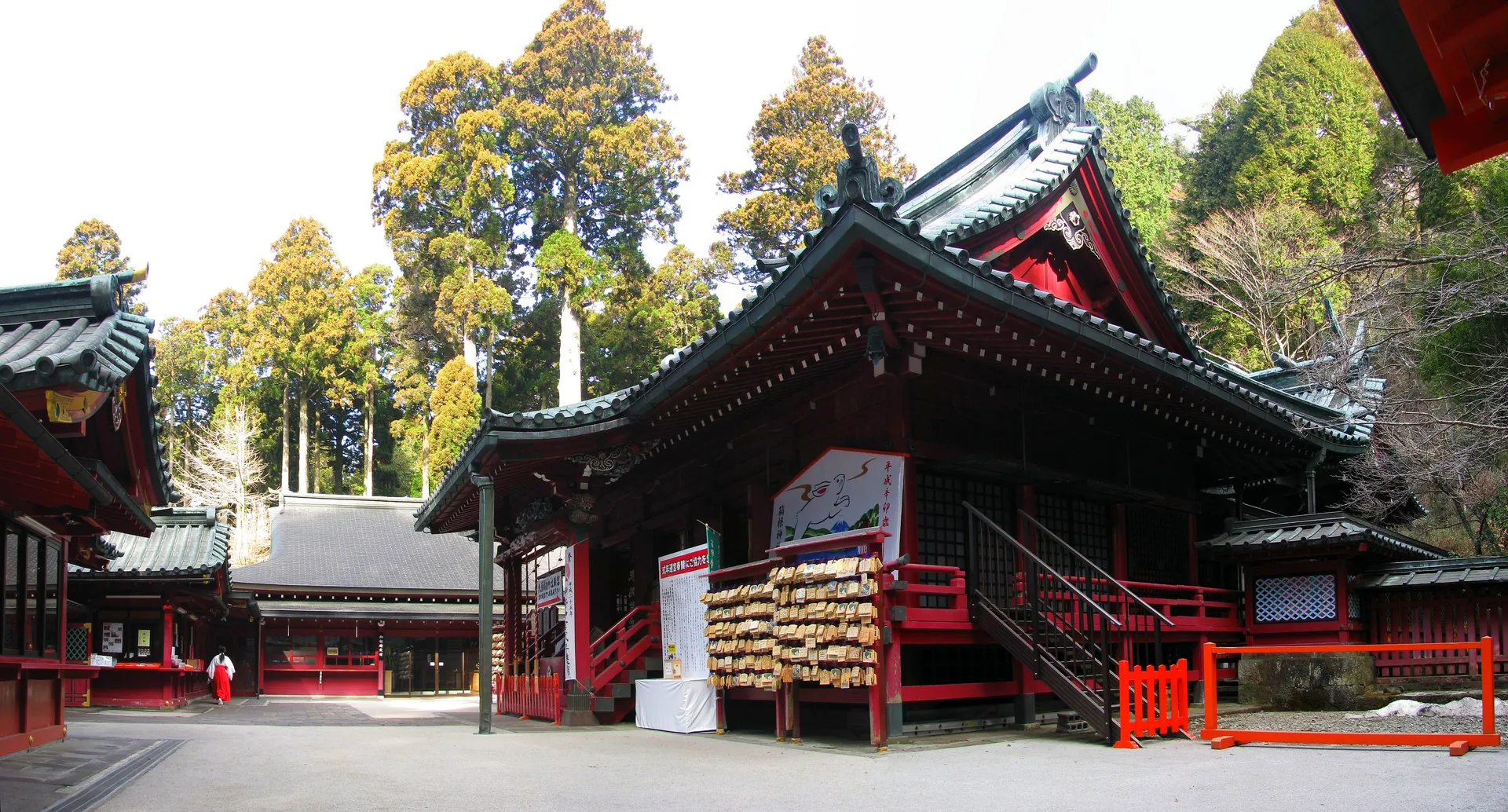
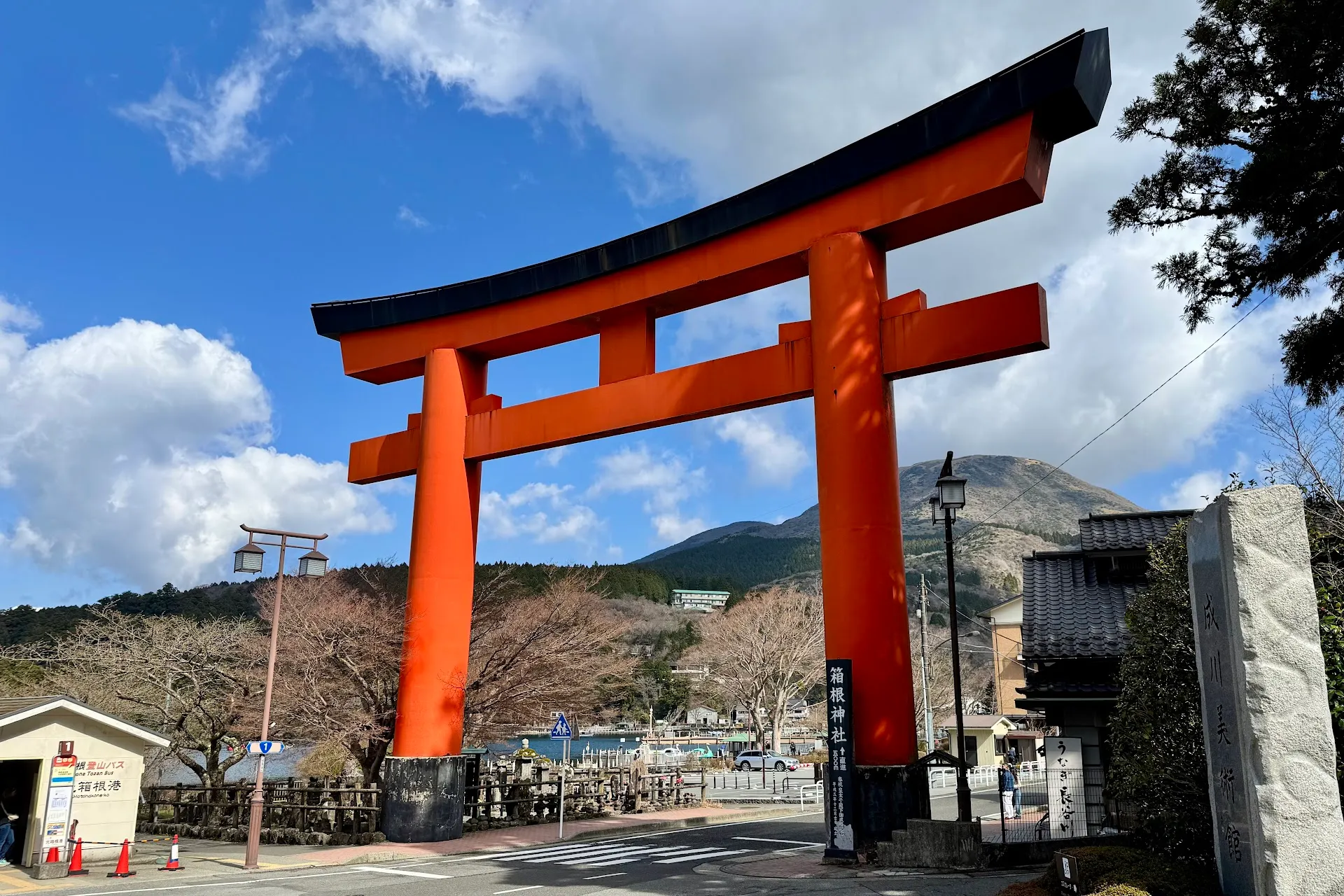
Hakone Shrine
Historic shrine famous for its iconic red torii gate standing in Lake Ashi - perfect photography spot
Activity
Owakudani Valley
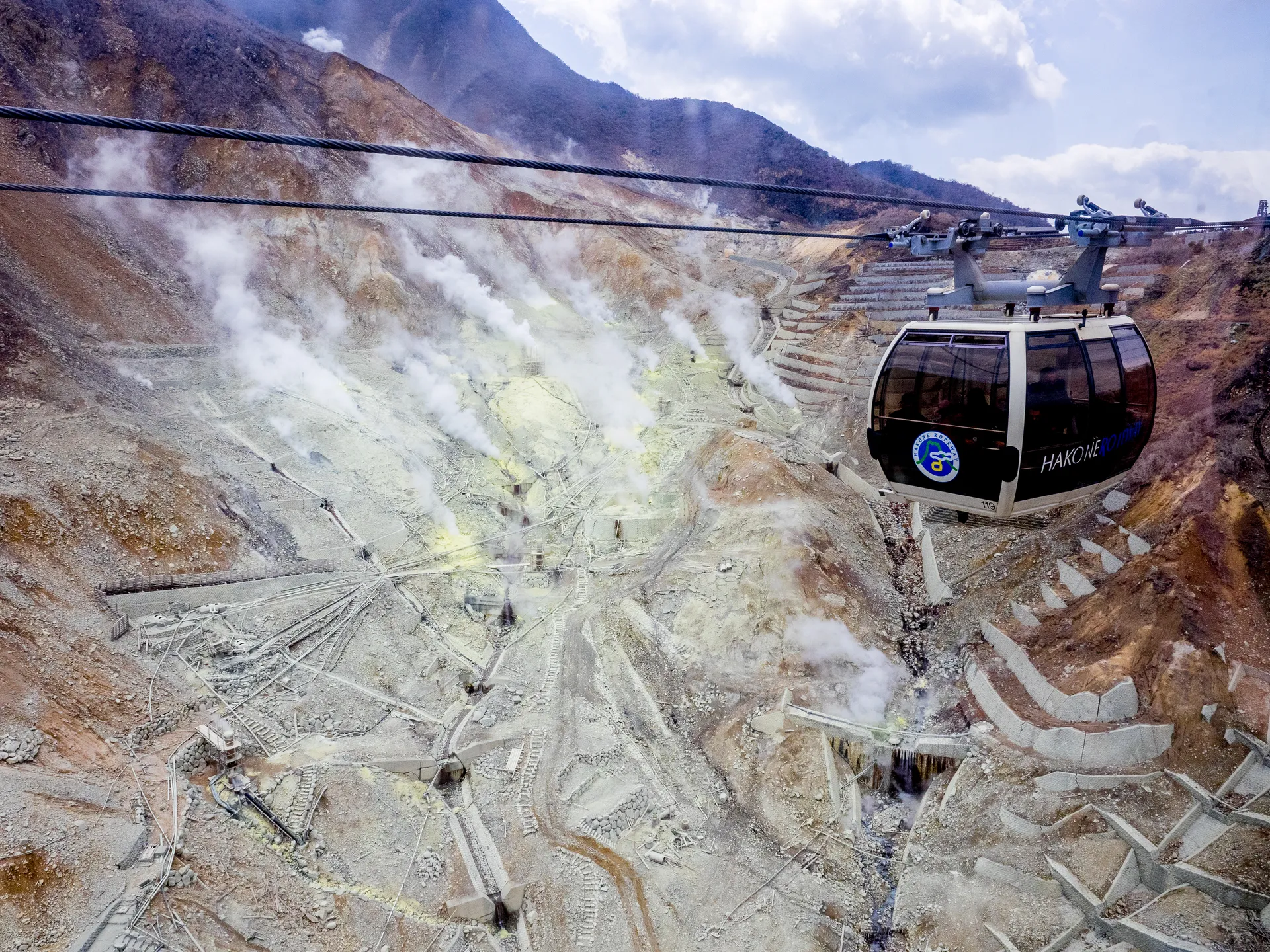
Active volcanic valley with sulfurous fumes and hot springs, famous for black eggs boiled in hot springs
Transport
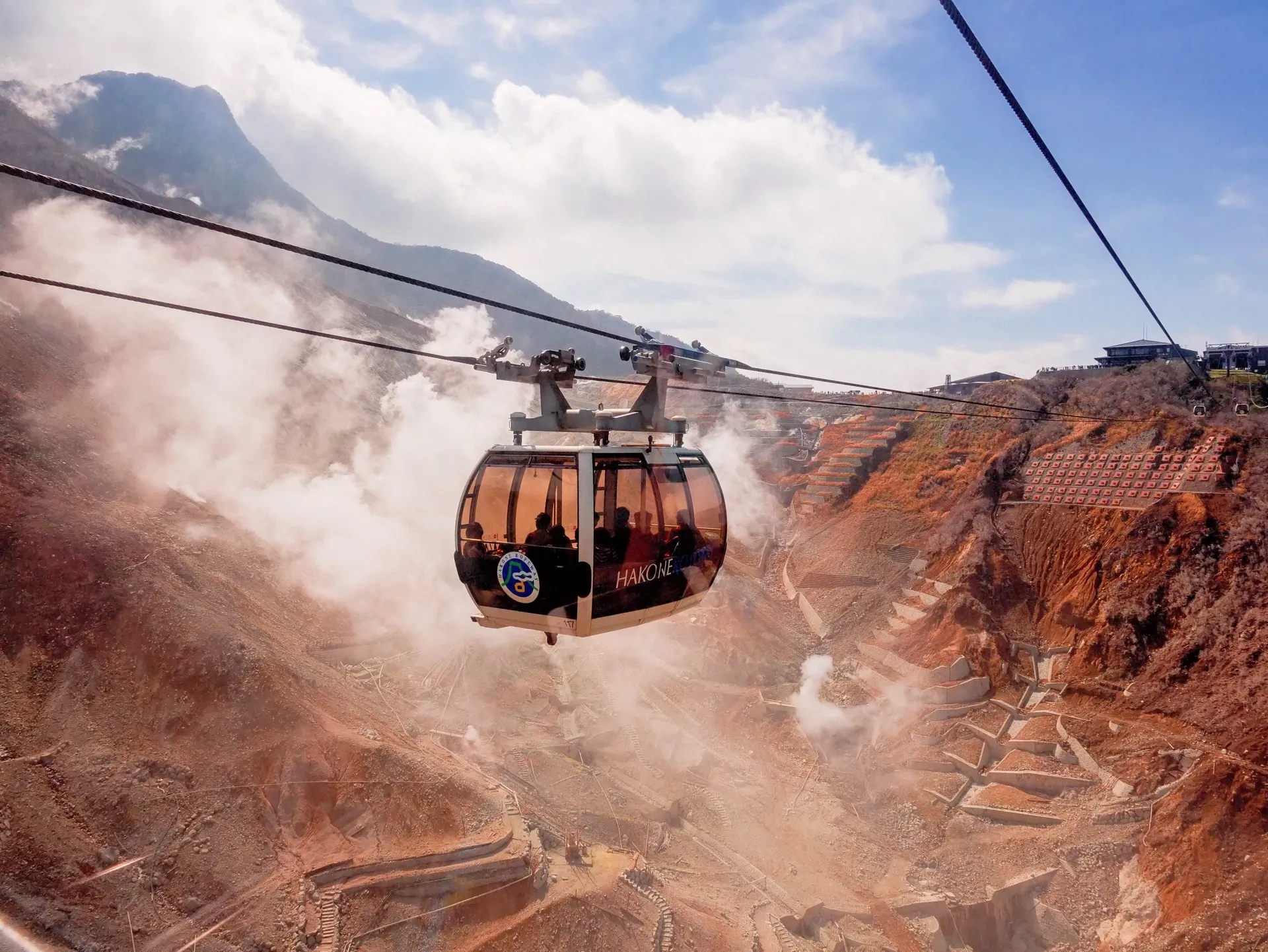
Hakone Ropeway
Scenic aerial cable car offering panoramic views of Mt. Fuji, Lake Ashi, and volcanic valleys
Must visit
Museum5.0
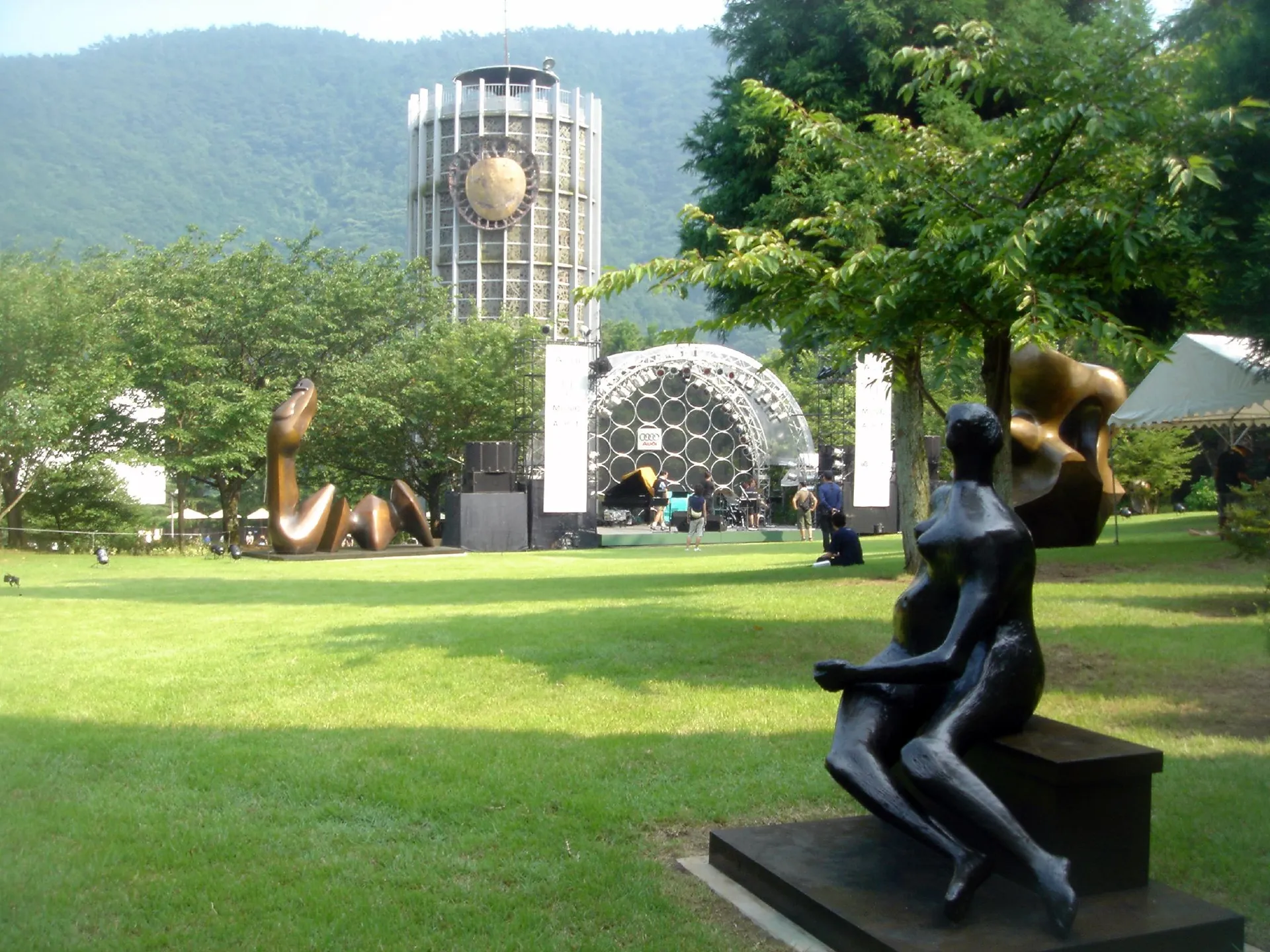
Hakone Open-Air Museum
Japan's first open-air museum (1969). Outdoor sculptures by Picasso, Henry Moore, and others set against mountain backdrop. Picasso Pavilion inside.
Must visit
Onsen
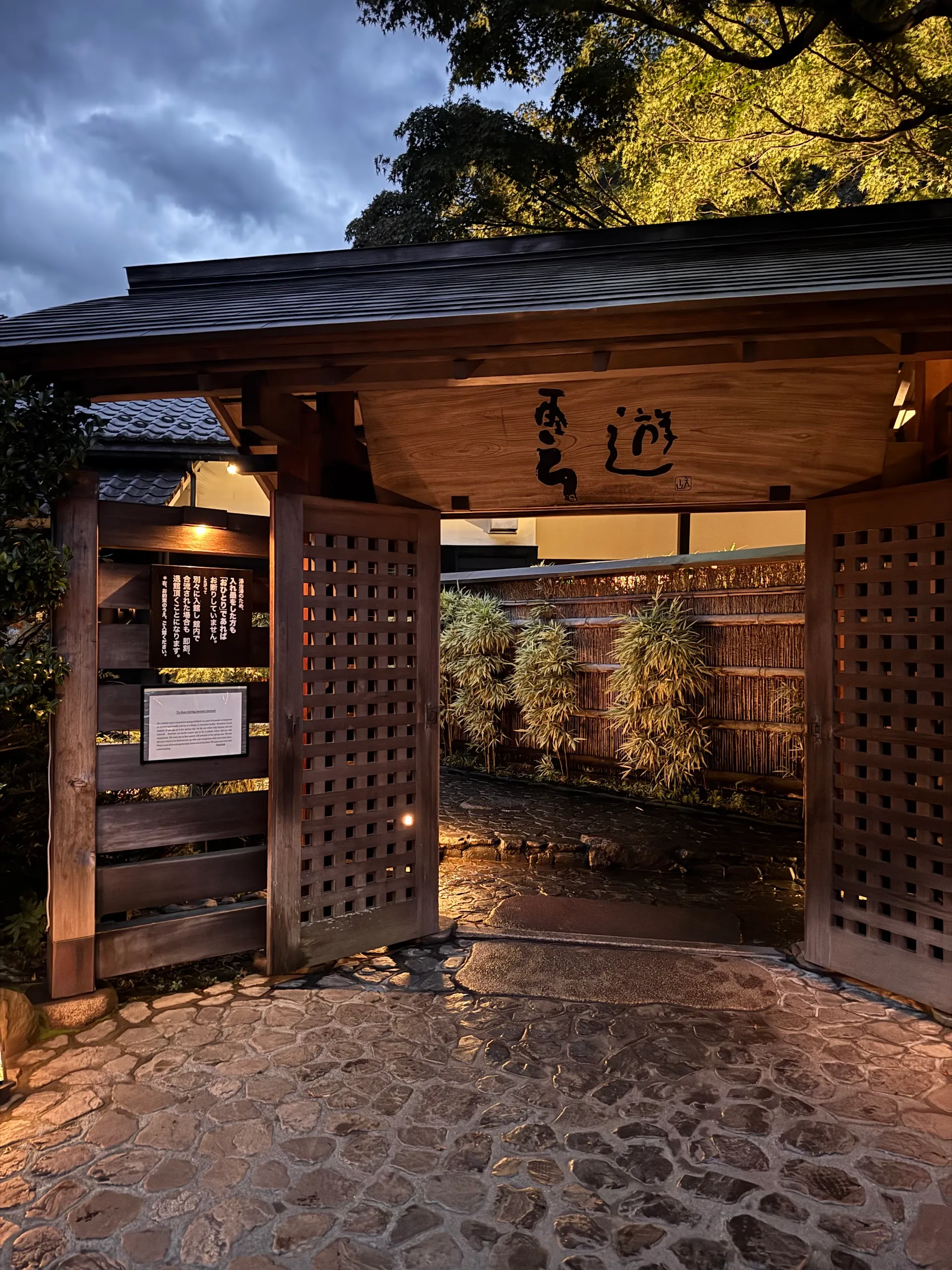
Hakone Onsen (Day Visit)
Traditional hot spring resorts offering day visit packages with indoor and outdoor baths
Park4.0
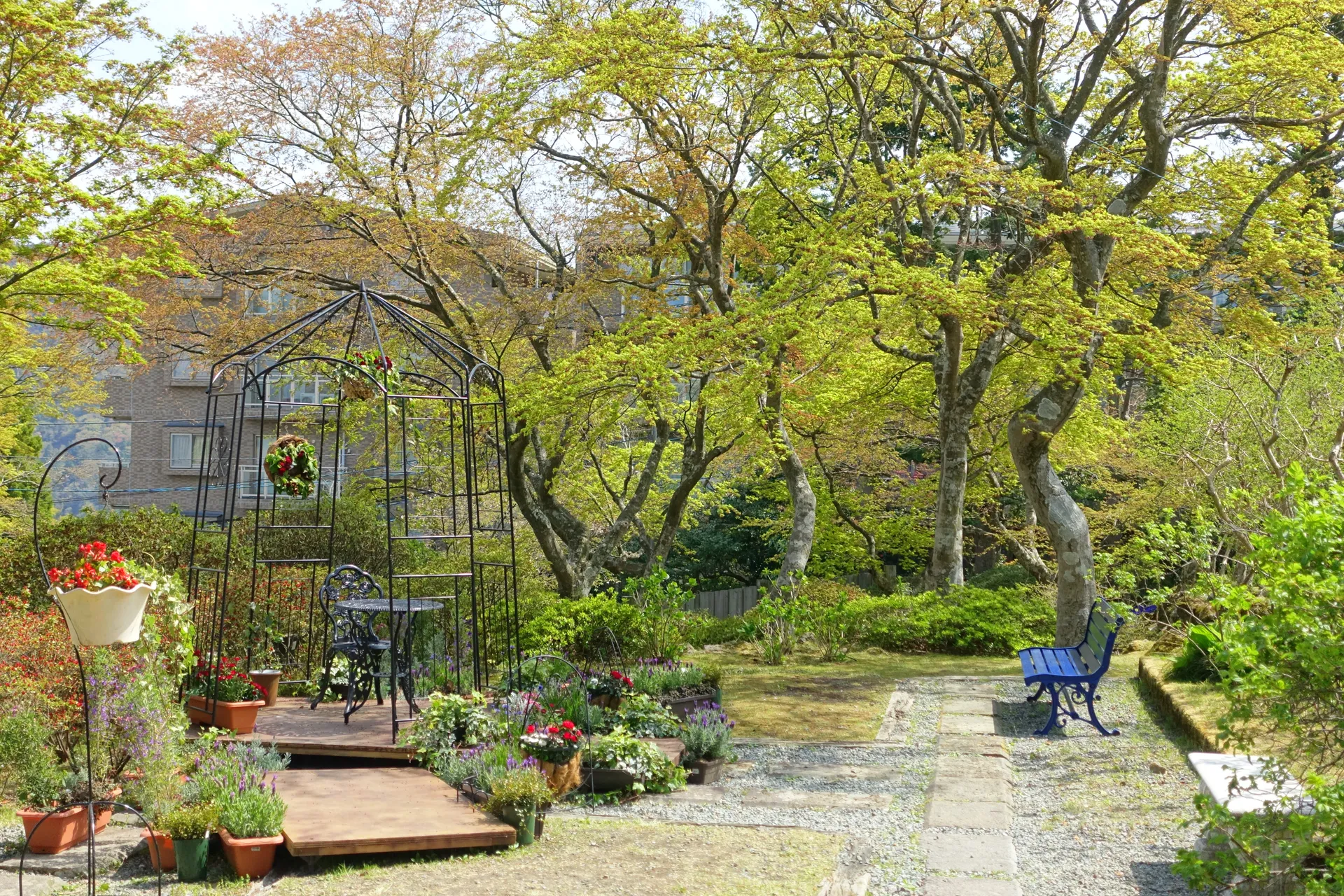
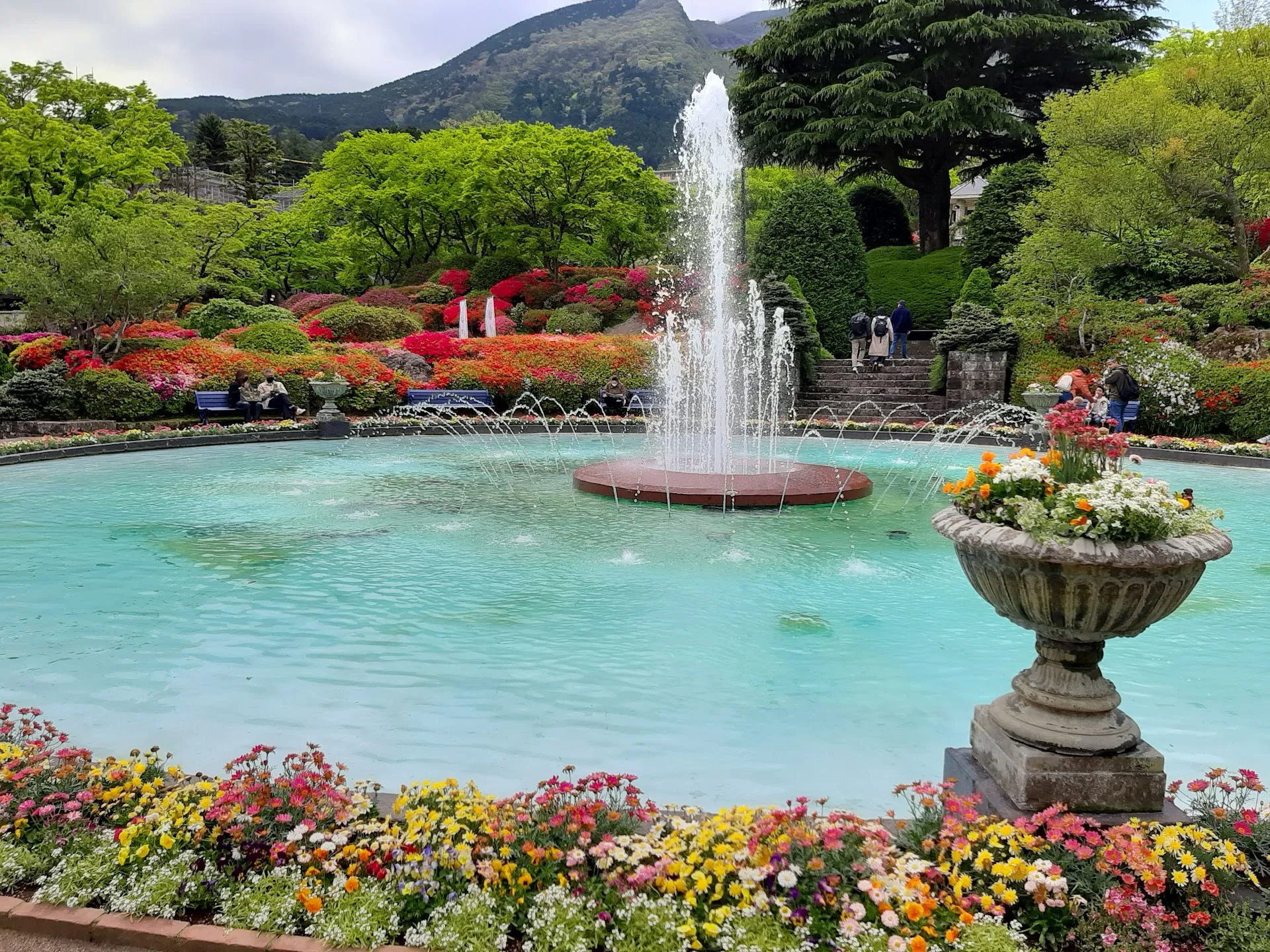
Hakone Gora Park
French-style hilltop park with a rose garden, tropical greenhouse, and a free herbal foot bath. Panoramic mountain views from the upper terrace.
Park4.0
Onshi-Hakone-Koen Park
Former imperial villa grounds on a promontory jutting into Lake Ashi. Stunning views of Mt. Fuji and the lake from manicured gardens.
Restaurant4.0
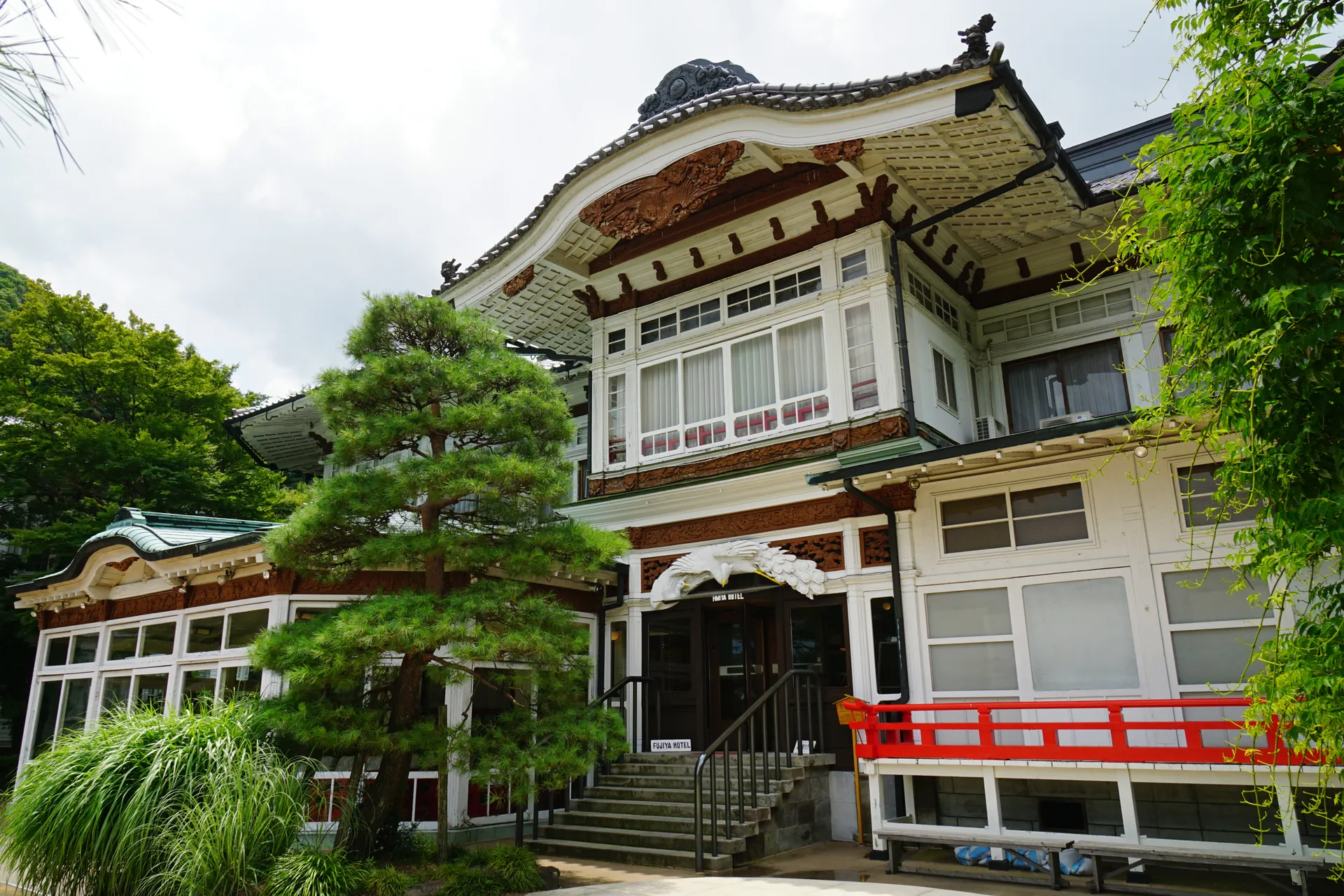
Fujiya Hotel
Japan's oldest Western-style resort hotel (1878). Classic dining room for curry lunch, stunning gardens. Japanese-Western Meiji architecture.
Tours & experiences
Free walking tours and curated paid experiences — save or book in a tap.
Tour
Hakone Shrine & Torii Gate Walk
Walk through ancient cedar forest to the vermilion shrine, then descend to the famous floating torii gate on Lake Ashi. One of Japan's most photographed spots.
Hakone Shrine, Lake Ashi1-1.5 hours
Tour
Hakone Gora Park Garden Walk
Stroll through a French-style hilltop garden with rose gardens, tropical greenhouse, tea ceremony experiences, and a free herbal foot bath. Mountain views from terraces.
Gora Park, Hakone1-1.5 hours
What it costs
Daily budgets and typical prices to plan your spend.
Backpacker
$60/ day
Mid-range
$120/ day
Luxury
$250/ day
Cheap meal
$8.0
Restaurant meal
$25
Coffee
$3.5
Local beer
$4.0
Transit ticket
$5.0
Taxi (1km)
$3.0
Cost index 85 (New York = 100).
When to go
Best time to visit
Apr-Nov
Crowds
Medium
PeakJul, Aug
ShoulderApr, May, Sep, Oct, Nov
QuietDec, Jan, Feb, Mar
Major events
Hakone Ekiden (Collegiate Relay Marathon)Jan
Hakone Autumn Leaves FestivalNov
Weather by month
Average temperature and rainfall, to time your visit.
—J
—F
—M
—A
—M
—J
—J
—A
—S
—O
—N
—D
Good to know
Practical info before you go.
Tipping
Not Expected — Tipping is not customary in Japan and can be considered rude
Tap water
Safe to drink
Power
Type A/B · 100V
Safety
Very High — Very safe destination with low crime rates
Emergency
110
Local culture
Language
Japanese
English
Moderate
Dress code
Casual
Useful phrases
こんにちは (Konnichiwa)
Hello
ありがとう (Arigatou)
Thank you
すみません (Sumimasen)
Excuse me/Sorry
英語を話せますか (Eigo wo hanasemasu ka)
Do you speak English?
トイレはどこですか (Toire wa doko desu ka)
Where is the bathroom?
Local customs
Remove shoes when entering traditional ryokans or homes
One full day is enough to complete the classic loop if you start early, but two days is the sweet spot. An overnight lets you stay in a ryokan, soak in the onsen after the day-trippers leave, and catch Lake Ashi and Mount Fuji at dawn before the haze builds.
Can you see Mount Fuji from Hakone?
Yes, on clear days, especially from Lake Ashi, the Hakone Ropeway, and Onshi-Hakone Park. But Fuji is only fully visible roughly 20 percent of the year and is shyest in summer. Winter mornings between November and February offer the best chance of a clear view.
Is the Hakone Free Pass worth it?
For almost everyone, yes. It bundles the round-trip from Tokyo plus unlimited use of the Hakone Tozan railway, the cablecar, the ropeway, the Lake Ashi cruise, and local buses, the full loop, and adds discounts at many attractions. Paying per leg easily exceeds the pass price.
How do you get to Hakone from Tokyo?
The simplest route is the Odakyu line from Shinjuku to Hakone-Yumoto. The Limited Express Romancecar reaches Yumoto in about 80 minutes with no transfers (a seat reservation supplement applies), while regular Odakyu trains take a little longer with one easy transfer at Odawara.
Is Hakone better as a day trip or overnight?
You can see the loop in a day, but Hakone is built for an overnight. Staying in a ryokan unlocks a multi-course dinner, a private soak, and a quiet morning by the lake, the part of Hakone most day-trippers miss.
Ready to plan Hakone?
Turn this guide into a real trip — itinerary, map, budget and friends, all in one place.