Osaka is Japan's kitchen and its most unbuttoned big city. Where Kyoto is reserved and Tokyo is polished, Osaka is loud, funny, and built around eating: locals sum up their hometown with the word kuidaore, meaning "eat until you drop." This is the home of takoyaki, okonomiyaki, and kushikatsu, of neon-soaked canals and standing bars where strangers strike up conversation. It is also a genuinely easy city to visit, with a fast metro, English-friendly signage, and a compact core you can largely walk.
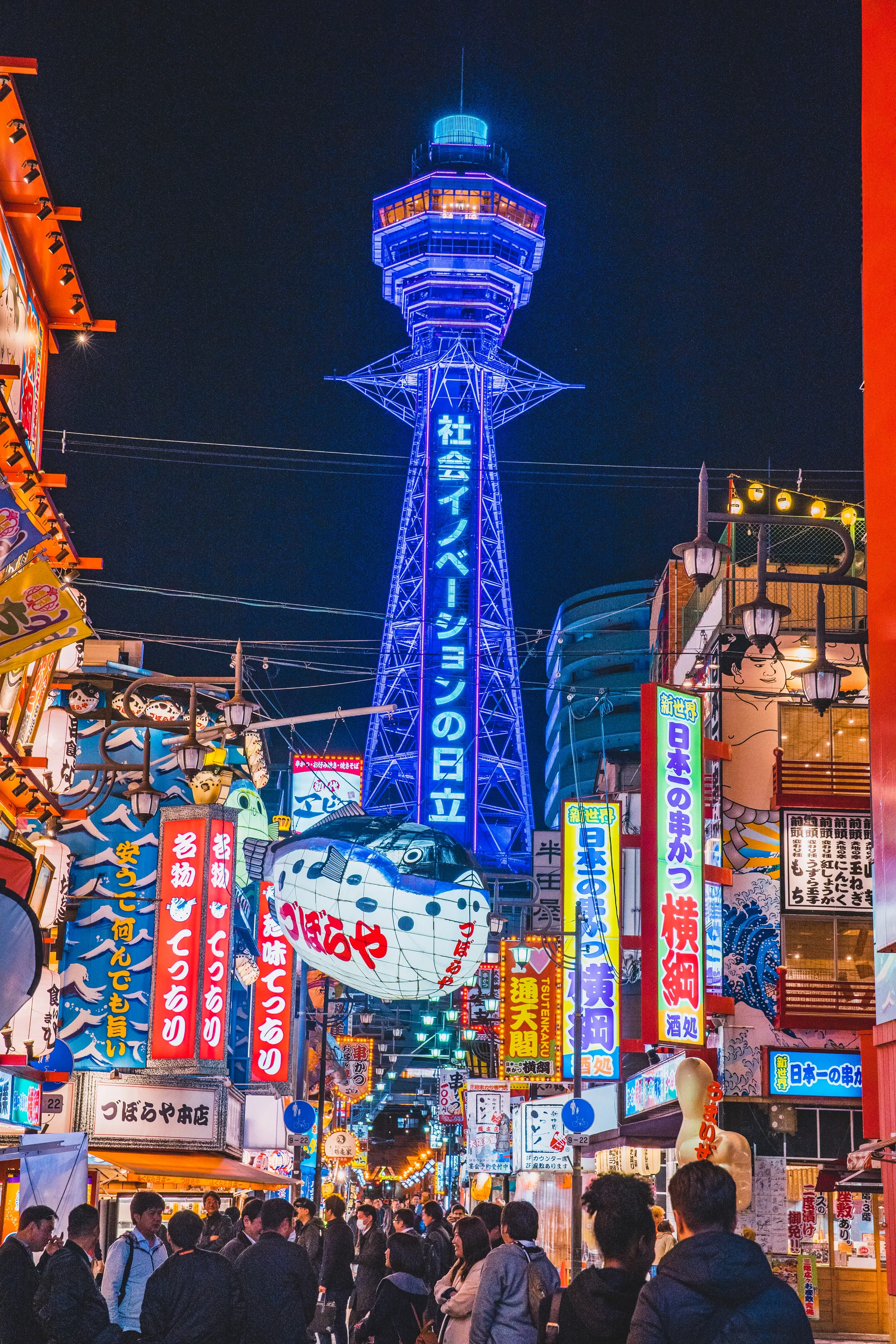
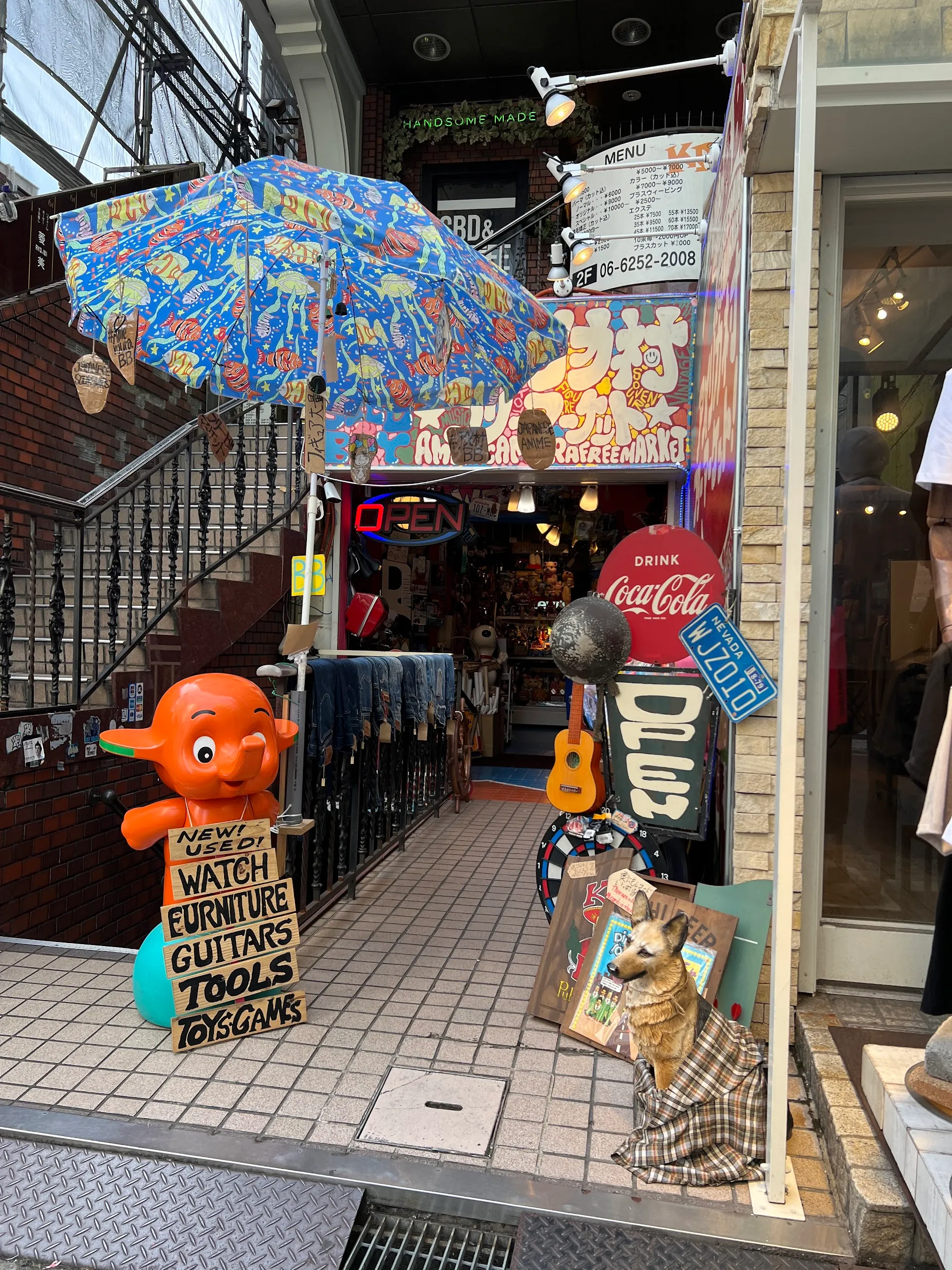
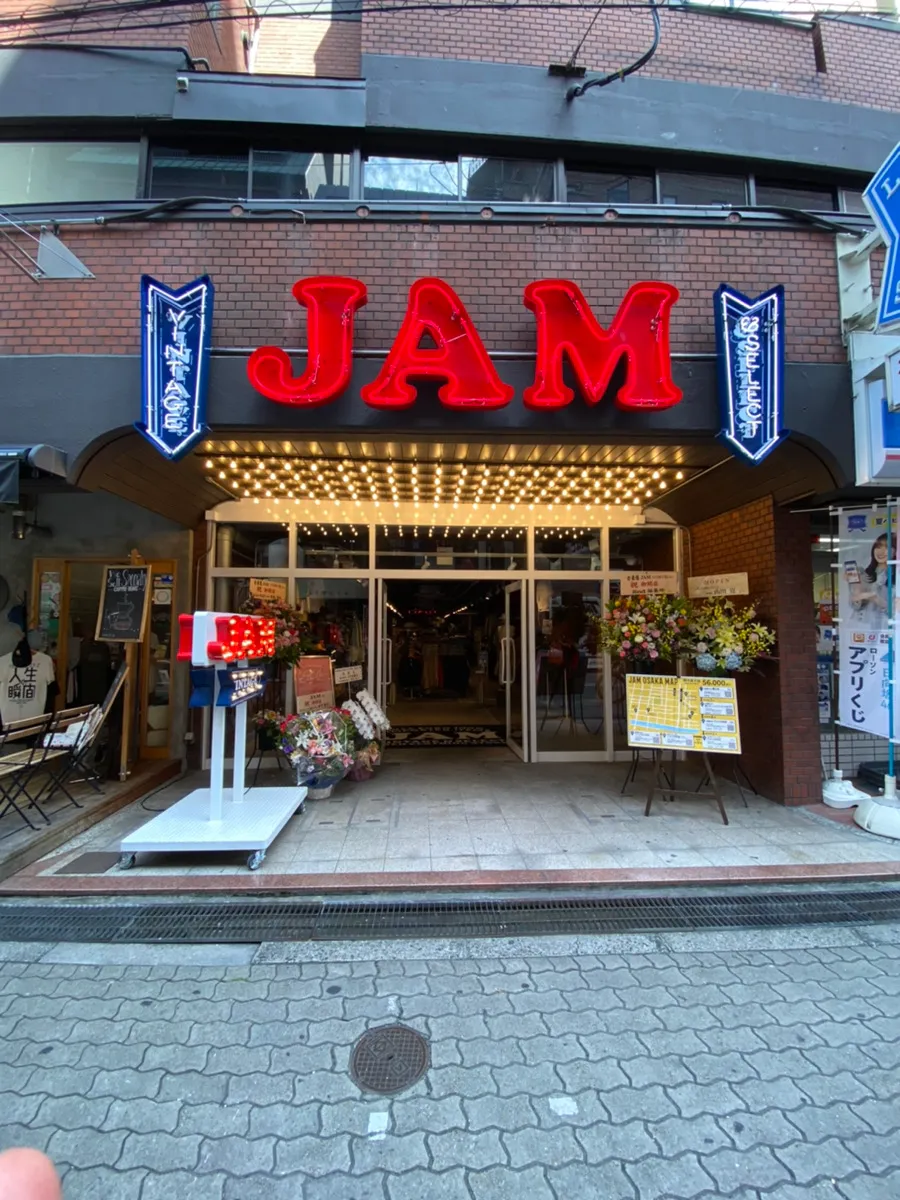
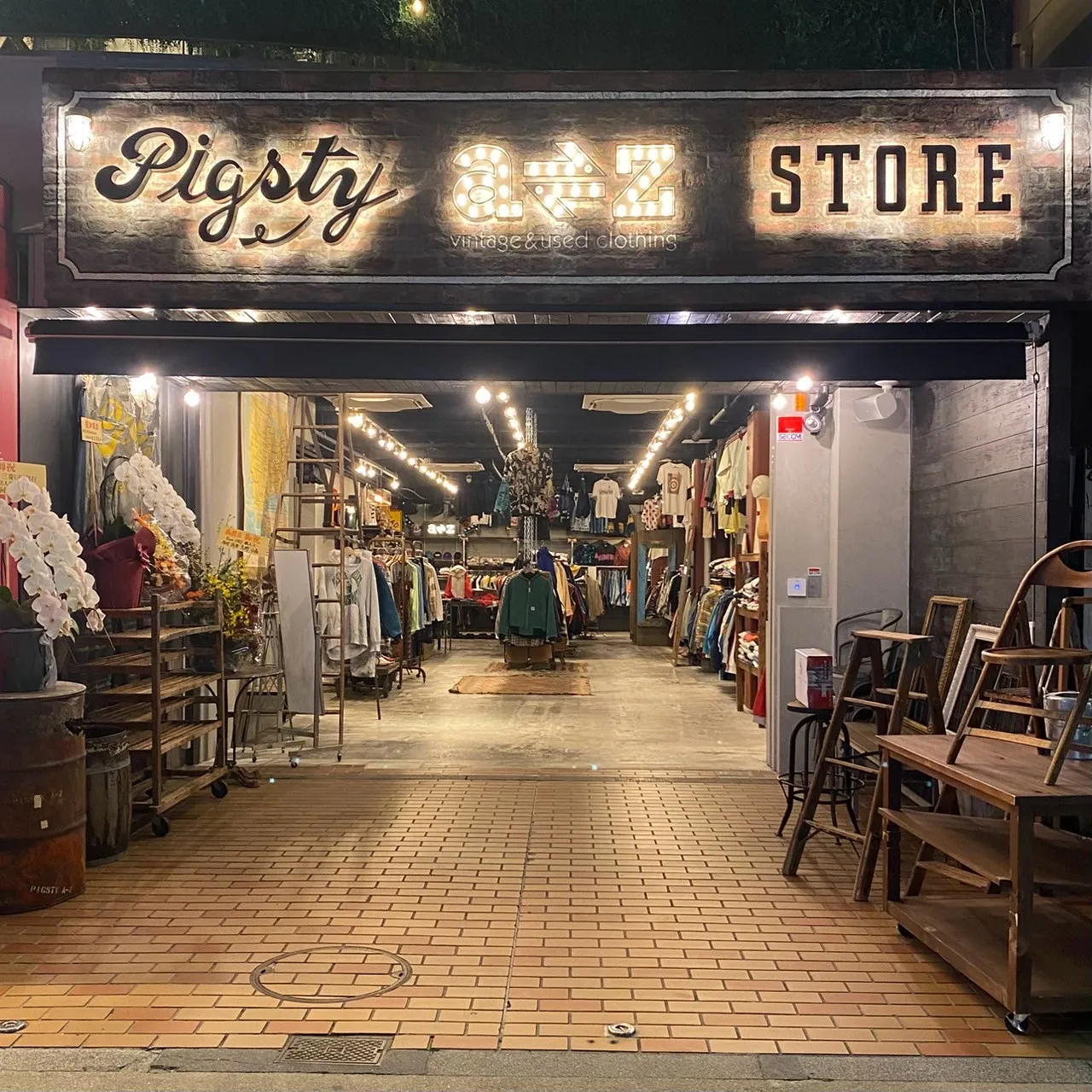
The city splits neatly into two centers. Minami ("south"), around Namba and Shinsaibashi, is the playful heart of Osaka: the neon canal of Dotonbori, the food stalls of Kuromon Market, covered shopping arcades, and the vintage-and-streetwear district of Amerikamura. Kita ("north"), around Umeda and Osaka Station, is the sleeker side, with department stores, sky-high observation decks, and the drinking alleys of Tenma. Between and around them sit the historic landmarks: Osaka Castle in its vast park, the retro neon of Shinsekai beneath Tsutenkaku Tower, and ancient sites like Shitennoji and Sumiyoshi Taisha.
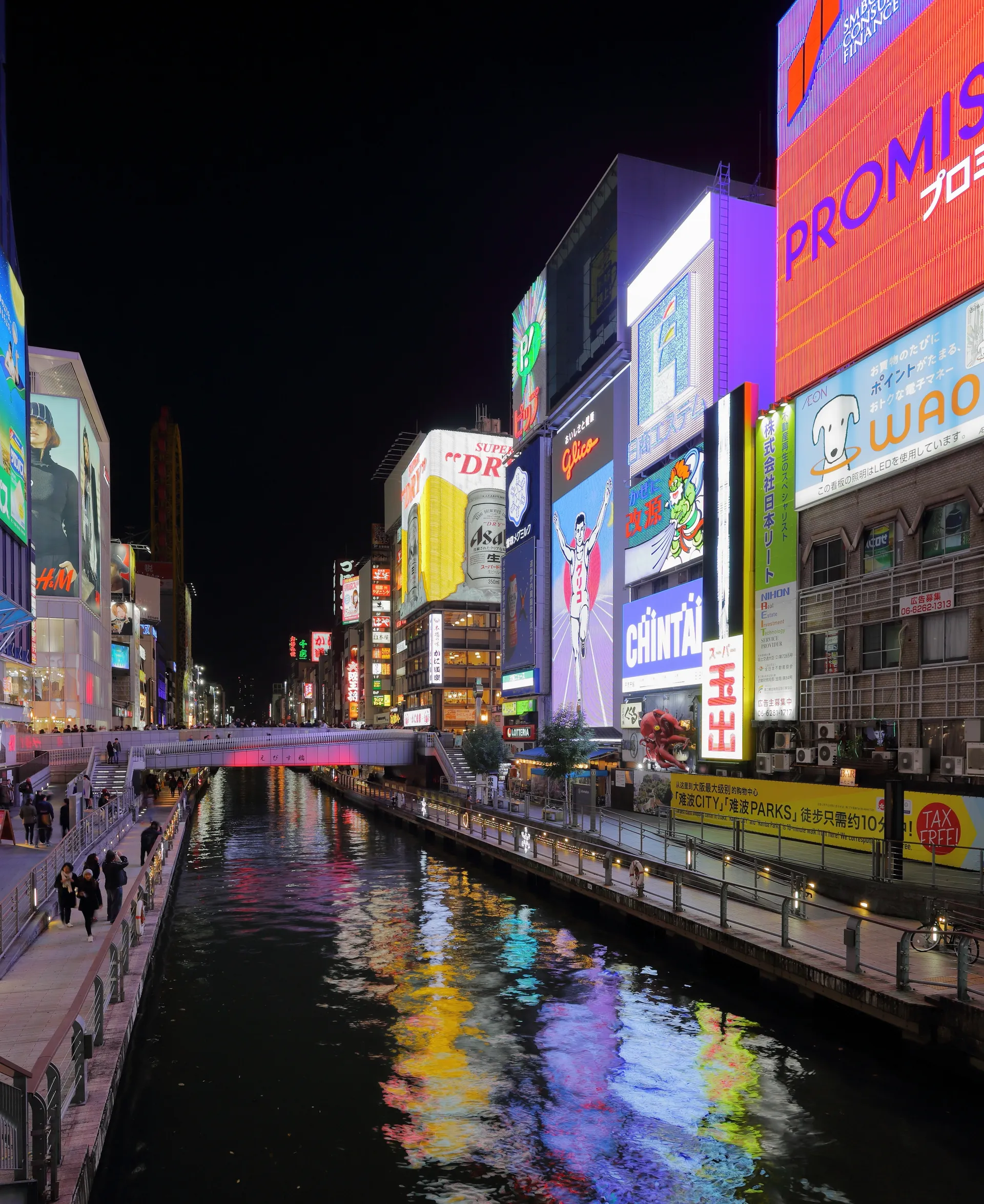
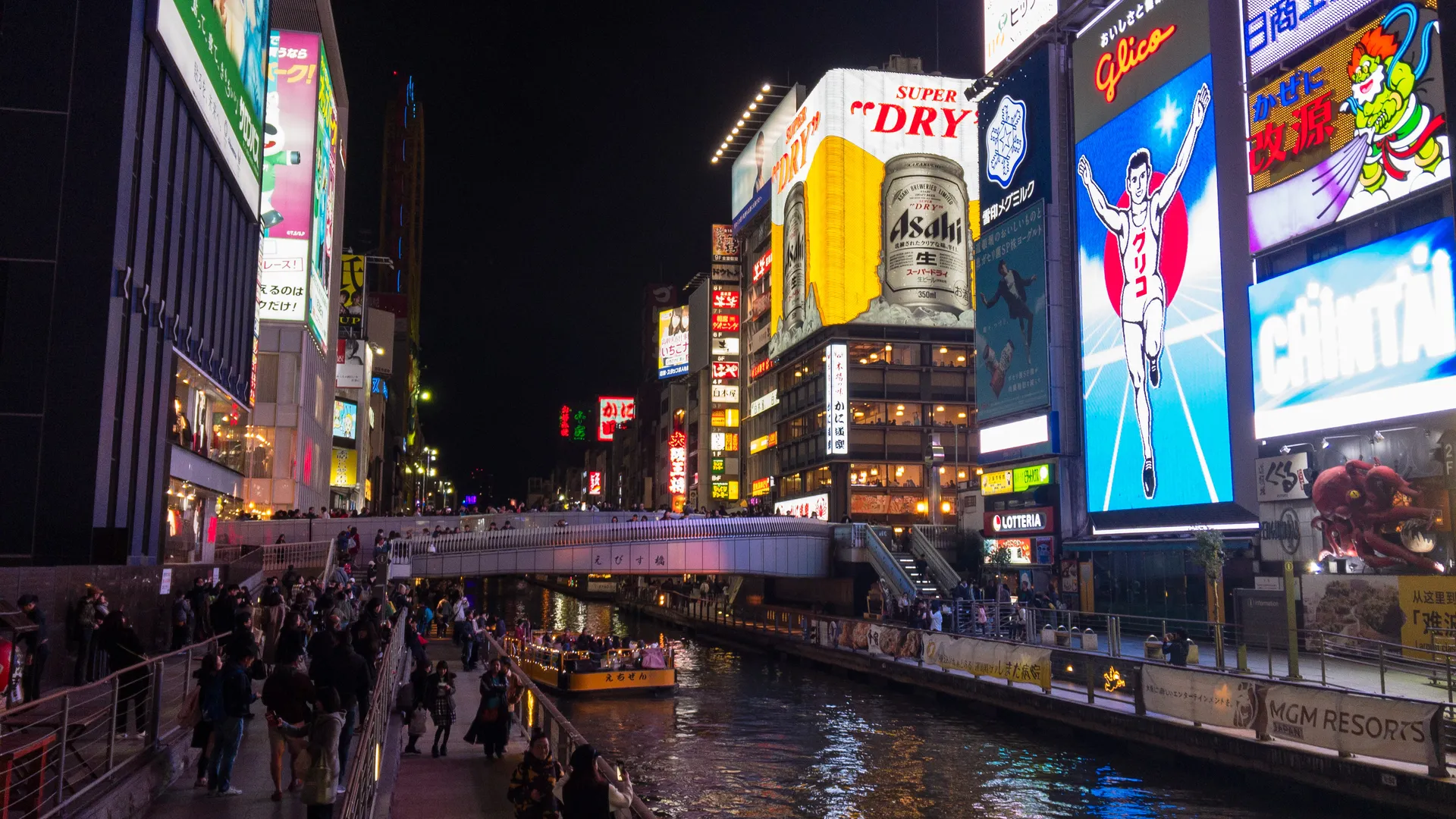
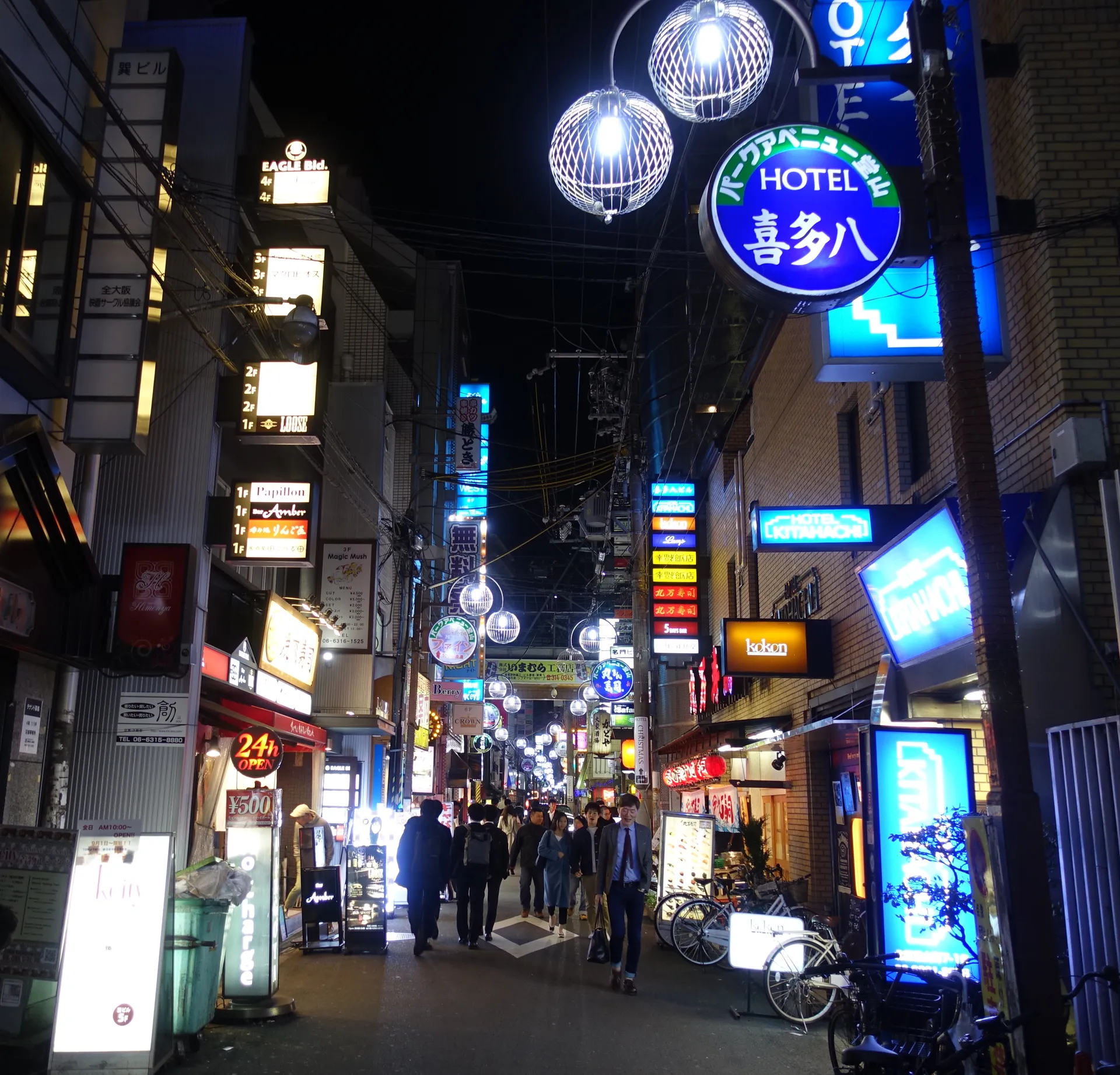
The rhythm of an Osaka trip is simple. Spend the mornings on landmarks and parks while it is cool and quiet, then aim everything else at the city's food and nightlife. Dotonbori is at its best after dark, when the giant crab signs and the Glico running man blaze over the canal. Slip behind the main drag into Ura-Namba or the lantern-lit stone alley of Hozenji Yokocho for a more local, less touristy version of the same thing. In the north, the senbero ("1,000-yen drunk") standing bars of Tenma serve a drink and a snack for pocket change.
Best time to visit
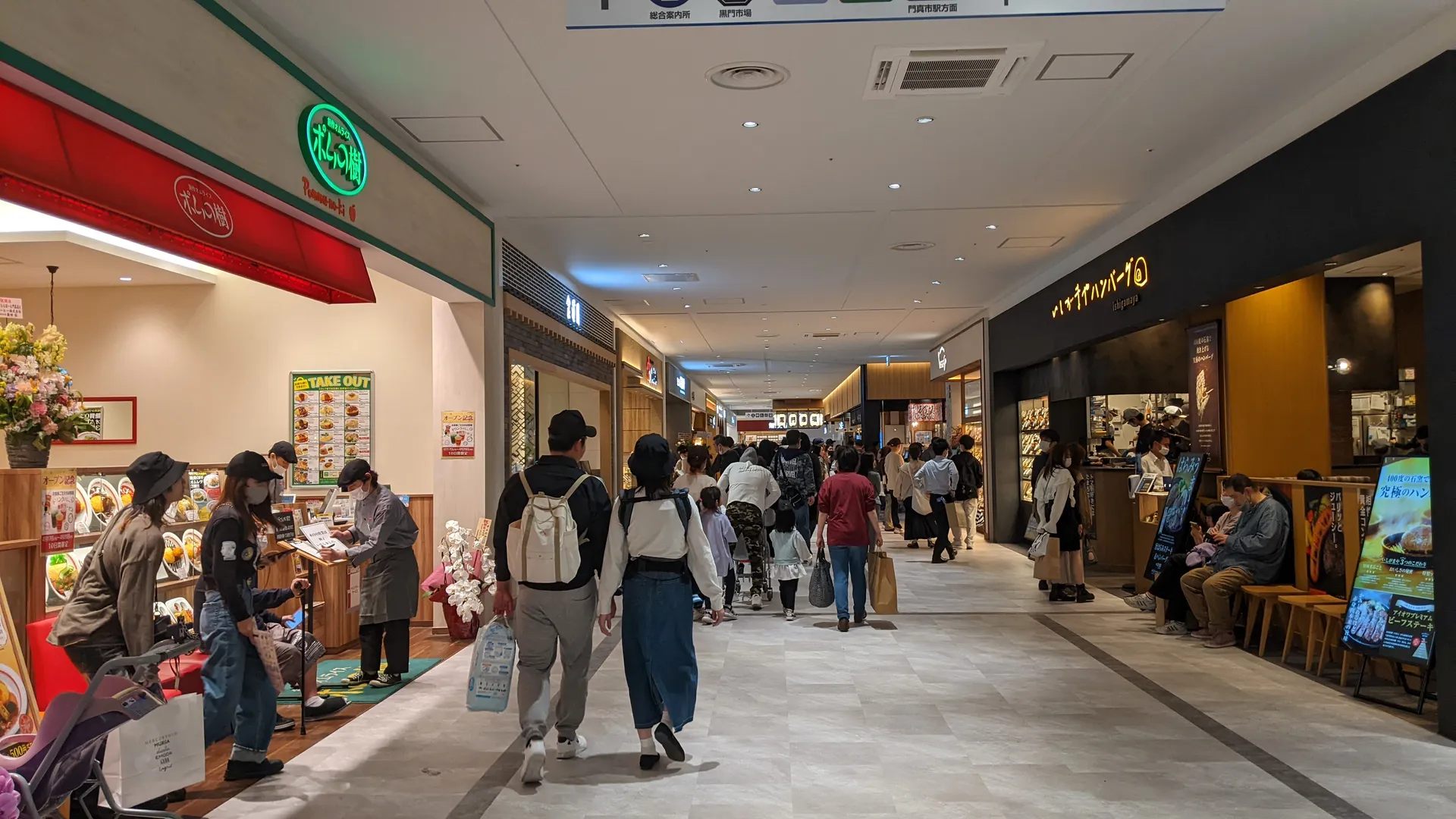
Spring (late March to early April) for cherry blossom and autumn (late October to November) for foliage and mild weather are the sweet spots, with comfortable days and clear skies. May and early June are pleasant before the rainy season; July and August are hot, humid, and lively with summer festivals. Winter is cold but quiet and cheaper, and the city's covered arcades and indoor food halls make it an easy cold-weather destination.
Budget
Osaka is one of Japan's better-value big cities, especially for food. Street-food snacks run 150-600 yen, a hearty bowl of ramen or a plate of kushikatsu 800-1,500 yen, and a senbero standing-bar set (drink plus snack) just 1,000 yen. Metro rides are 190-380 yen, and mid-range hotels around Namba or Umeda are 9,000-22,000 yen per night. Eating like a local keeps daily costs low.~$80-150 USD / day
Getting around is painless. The Osaka Metro has nine lines, runs every few minutes, and labels everything in English; the Midosuji Line is the spine, linking Shin-Osaka, Umeda, Shinsaibashi, Namba, and Tennoji in a single straight run. A rechargeable IC card (ICOCA or Suica) taps you onto the metro, JR loop line, and private railways without a thought. Much of the center is walkable too: Namba to Dotonbori is about ten minutes on foot, and Shinsaibashi flows straight into Amerikamura.
Osaka also makes the perfect base for the Kansai region. Some of Japan's greatest day trips are 15 to 60 minutes away by train: the temples and geisha lanes of Kyoto, the free-roaming deer of Nara, the port city of Kobe with its famous beef, and Himeji, home to Japan's most beautiful original castle. You can build an entire week around Osaka without ever changing hotels.
Use this guide as a starting point: skim the day-by-day plan, open the food and neighborhoods guides, then save the places that fit your trip. Everything you save drops straight into a TripBox itinerary with dates, a map, and your travel companions.
The best of Osaka
Curated places worth your time — tap a card for details or to save it.
Neon-drenched canal strip that defines Osaka's kuidaore (eat till you drop) culture. Giant crab signs, Glico running man, and endless food stalls.
Chuo
Must visit
Castle5.0
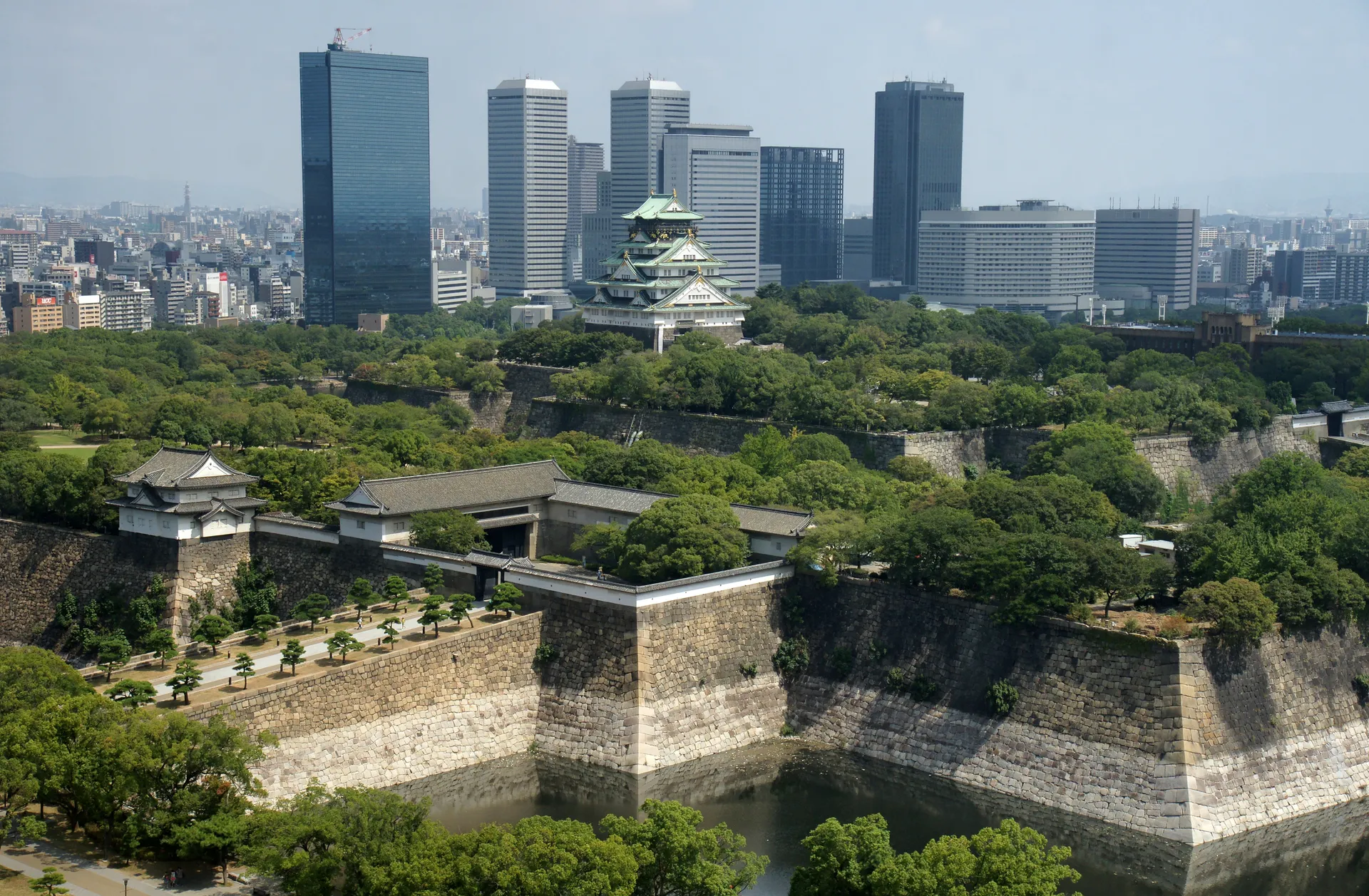
Osaka Castle
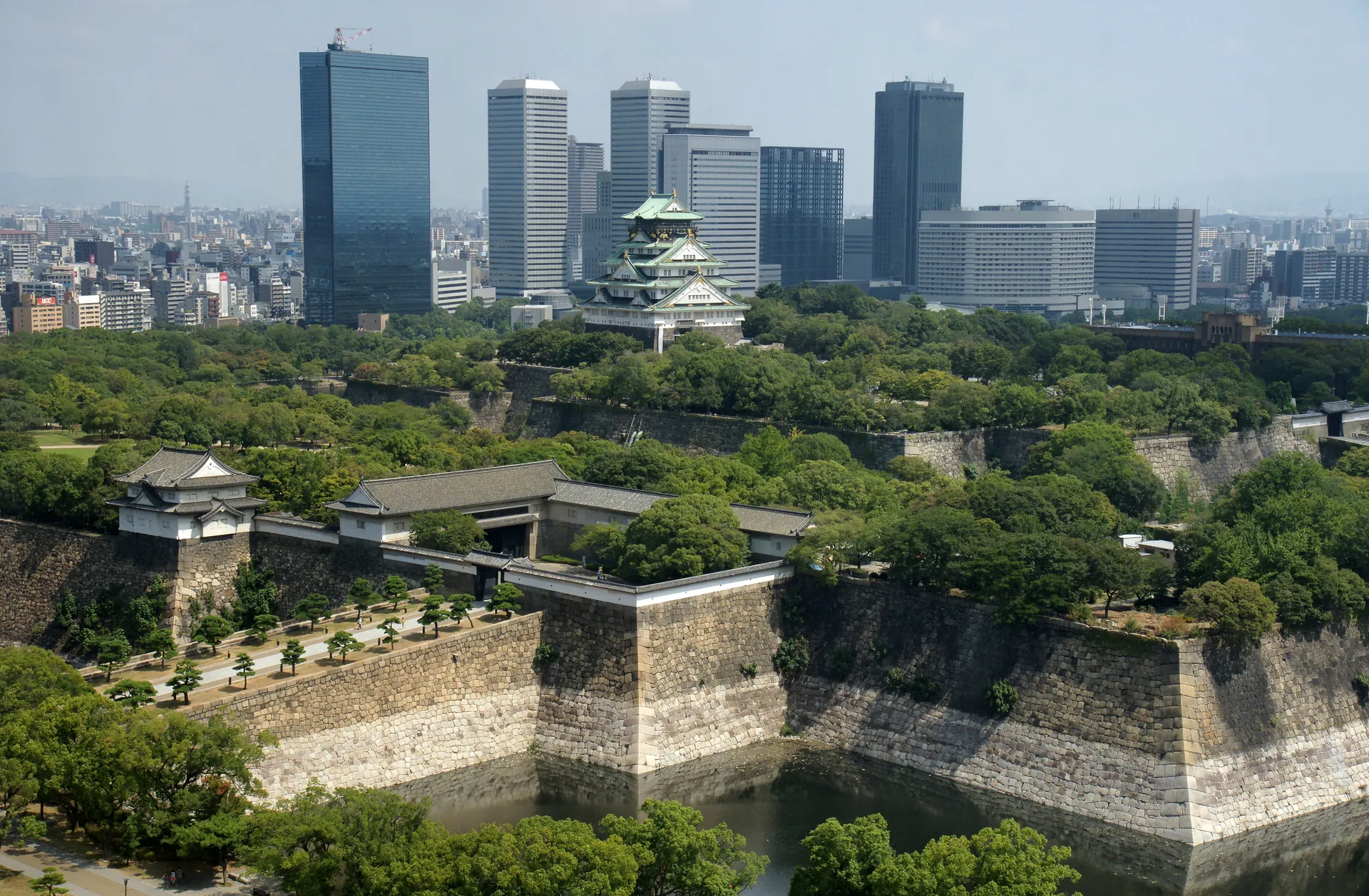
Osaka's most iconic landmark. Stunning castle with museum inside, surrounded by expansive parkland and moats. Beautiful during cherry blossom season.
Chuo-ku
Must visit
Market5.0
Kuromon Ichiba Market
Osaka's Kitchen. 170+ stalls selling fresh seafood, produce, and street food. Over 190 years of history.
Namba
Scenic Spot4.0
Shinsekai
Retro entertainment district with Tsutenkaku Tower. Neon-lit streets, kushikatsu restaurants, and old-school Osaka charm.
Tennoji
Architecture
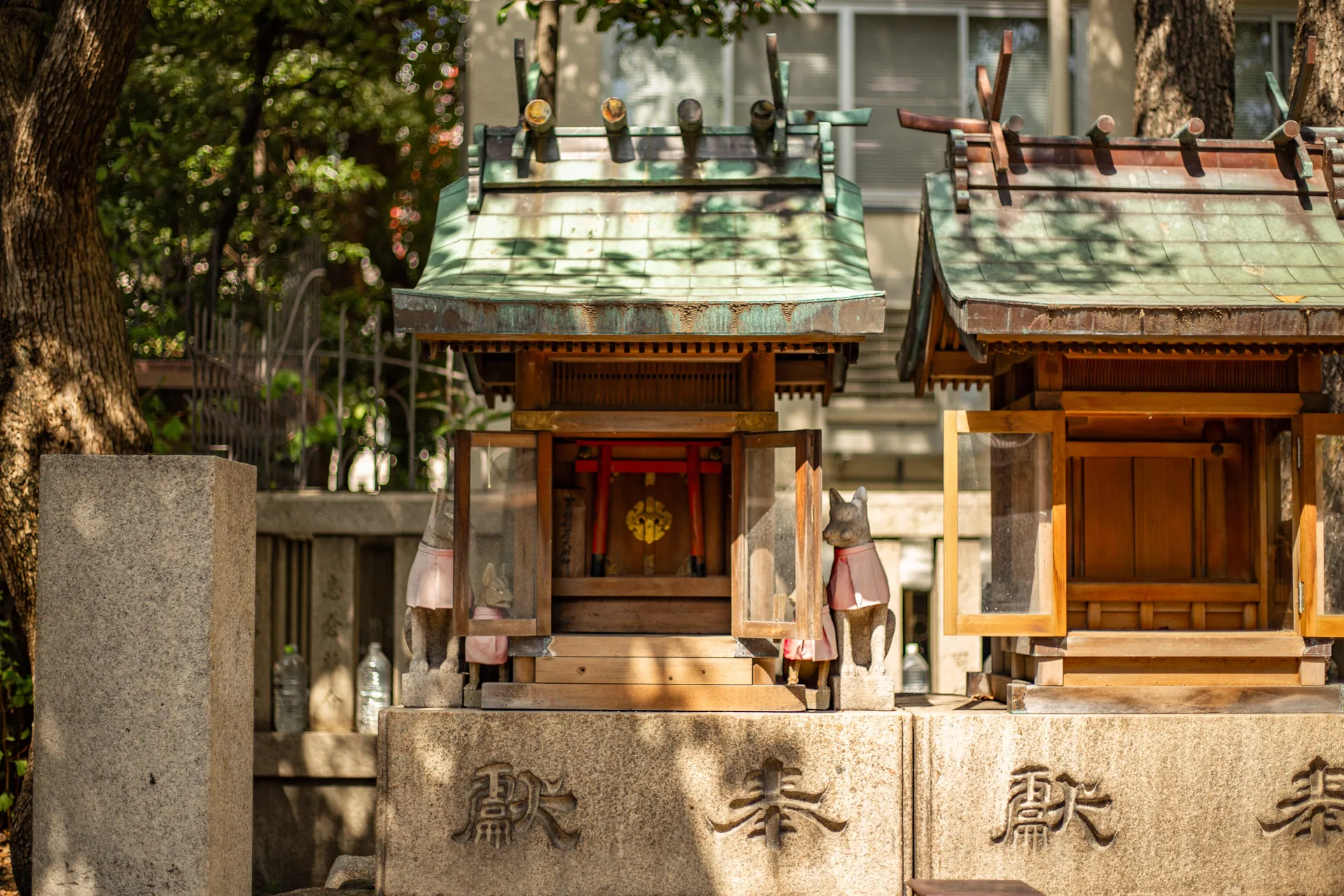
Namba Yasaka Shrine
Striking shrine featuring a giant lion head stage (Ema-den). A unique and dramatic architectural piece.
Viewpoint
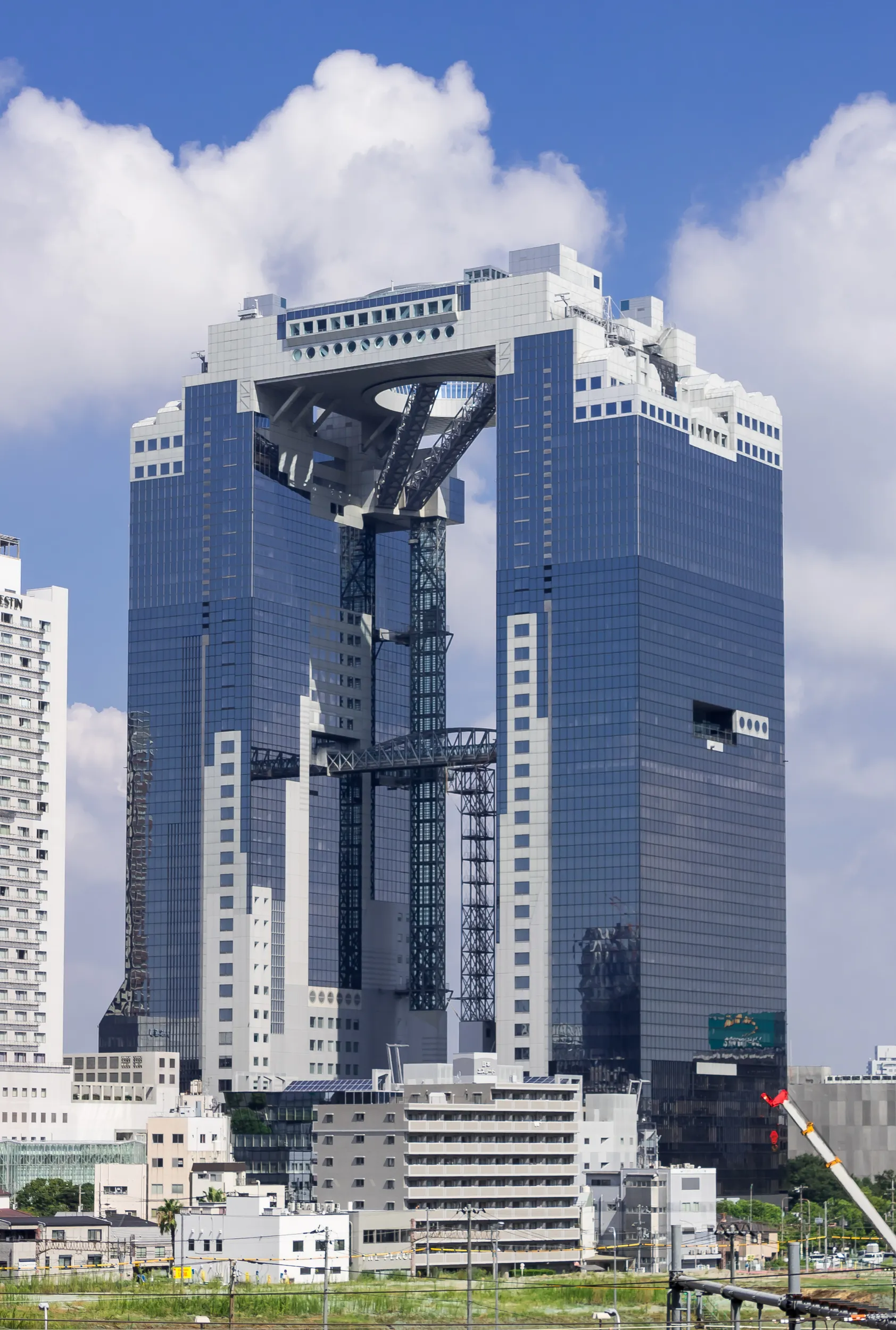
Umeda Sky Building
Floating garden observatory with 360-degree views of the Osaka skyline. Best at sunset.
Must visit
Restaurant5.0
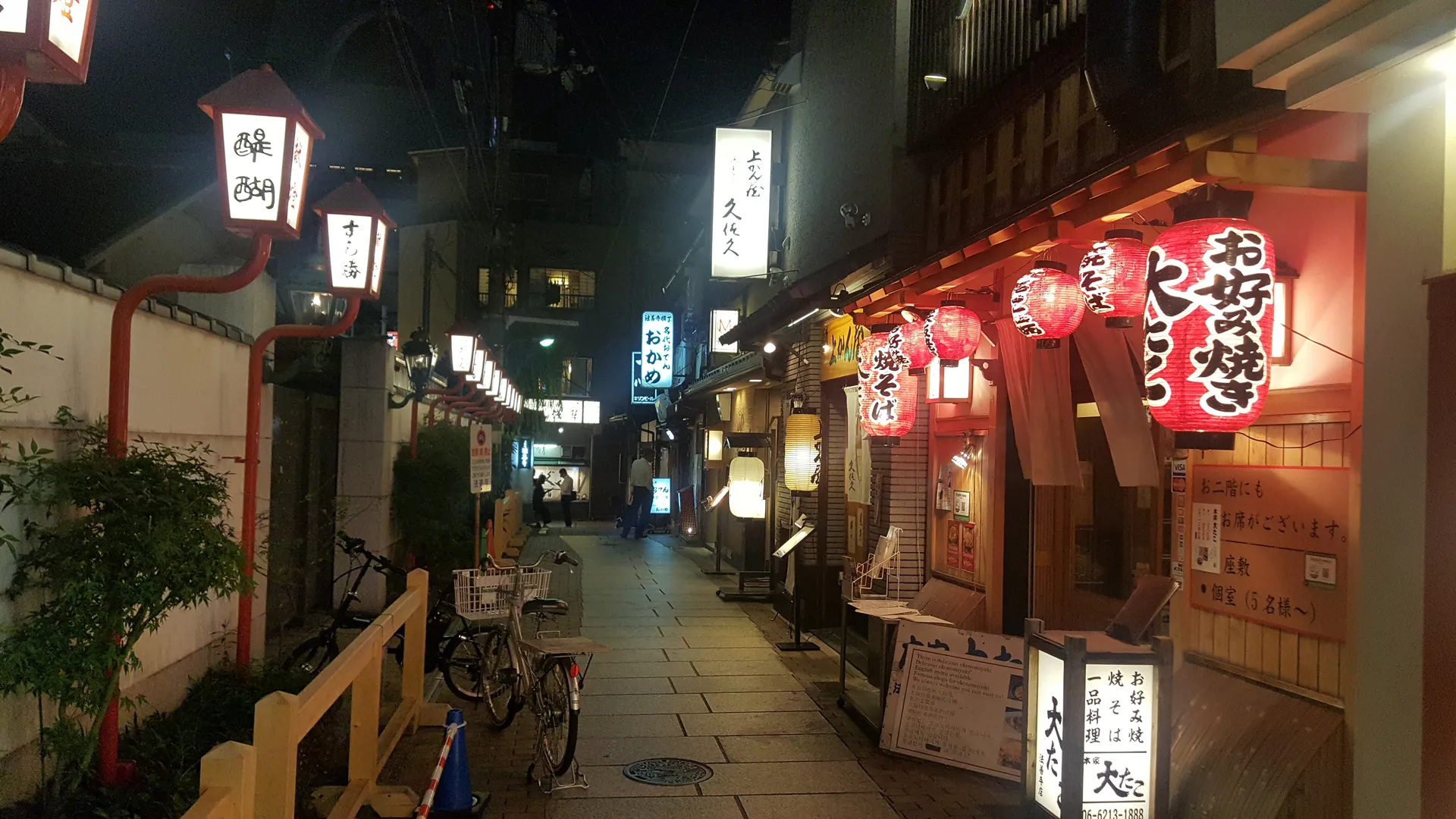
Hozenji Yokocho
Atmospheric stone-paved alley lit by lanterns. Traditional kappo restaurants, an ancient moss-covered Buddha, and old Osaka romance.
Namba
Must visit
Restaurant5.0
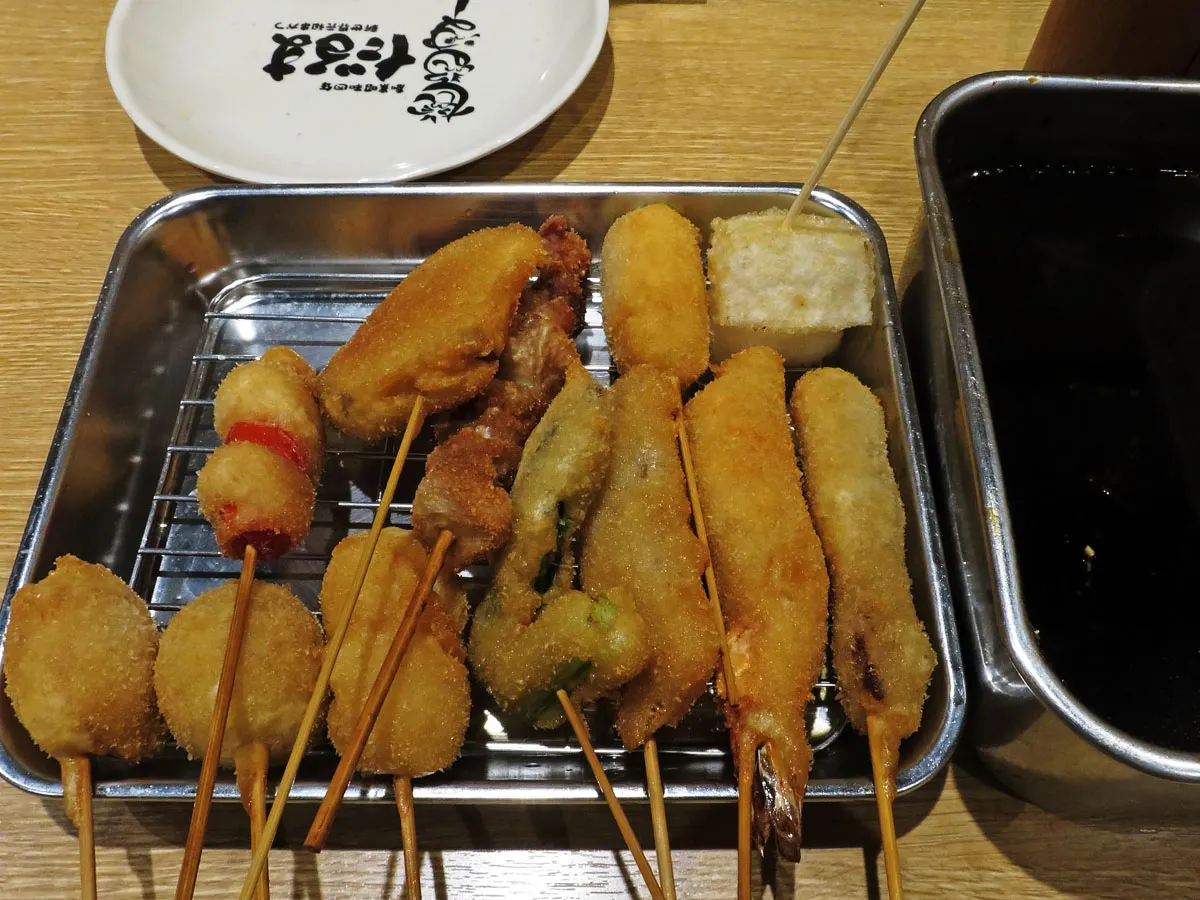
Kushikatsu Daruma
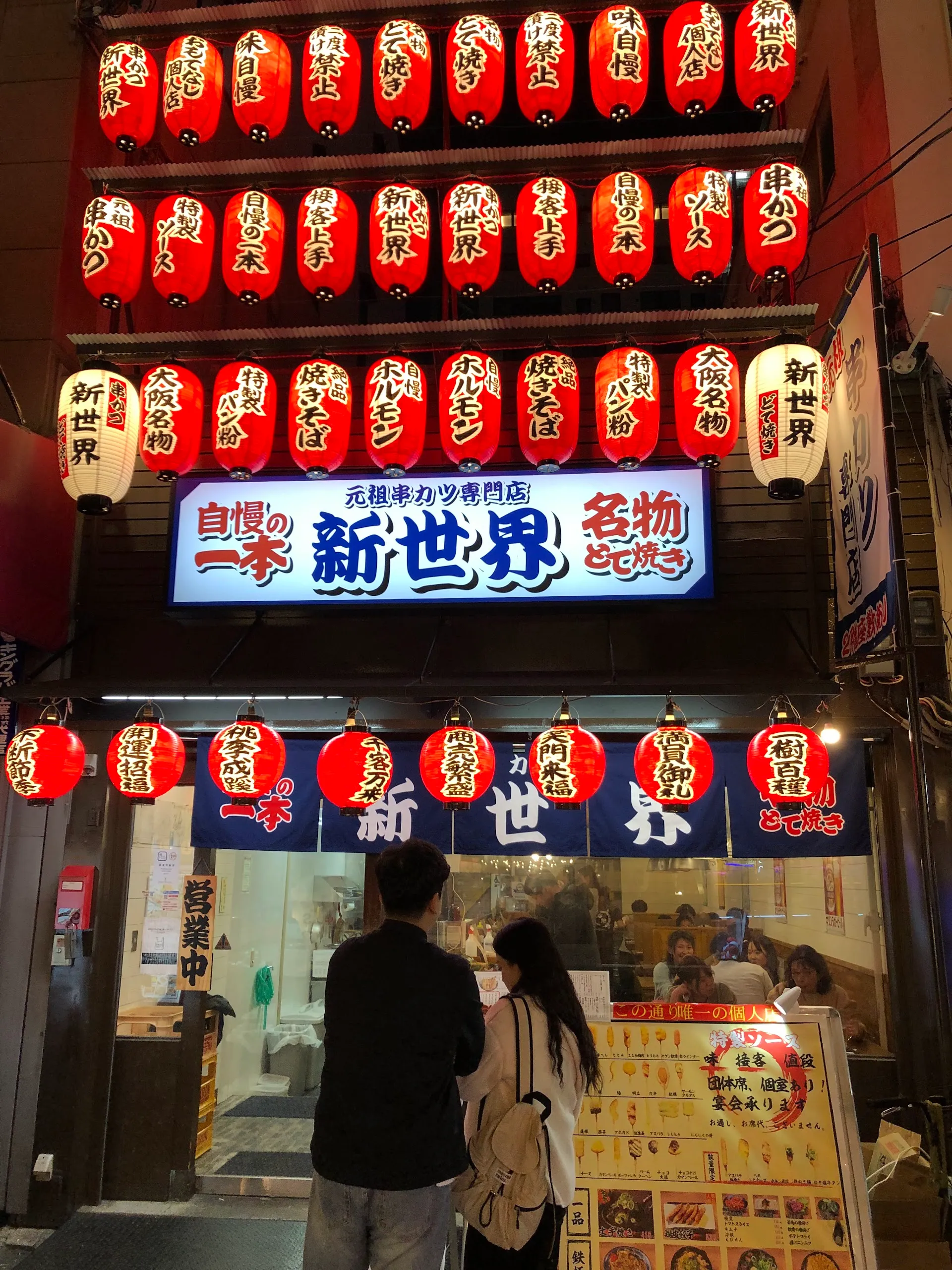
Legendary deep-fried skewer restaurant since 1929. The original kushikatsu experience in Osaka's retro Shinsekai district.
Shinsekai
Must visit
Vintage Shop5.0
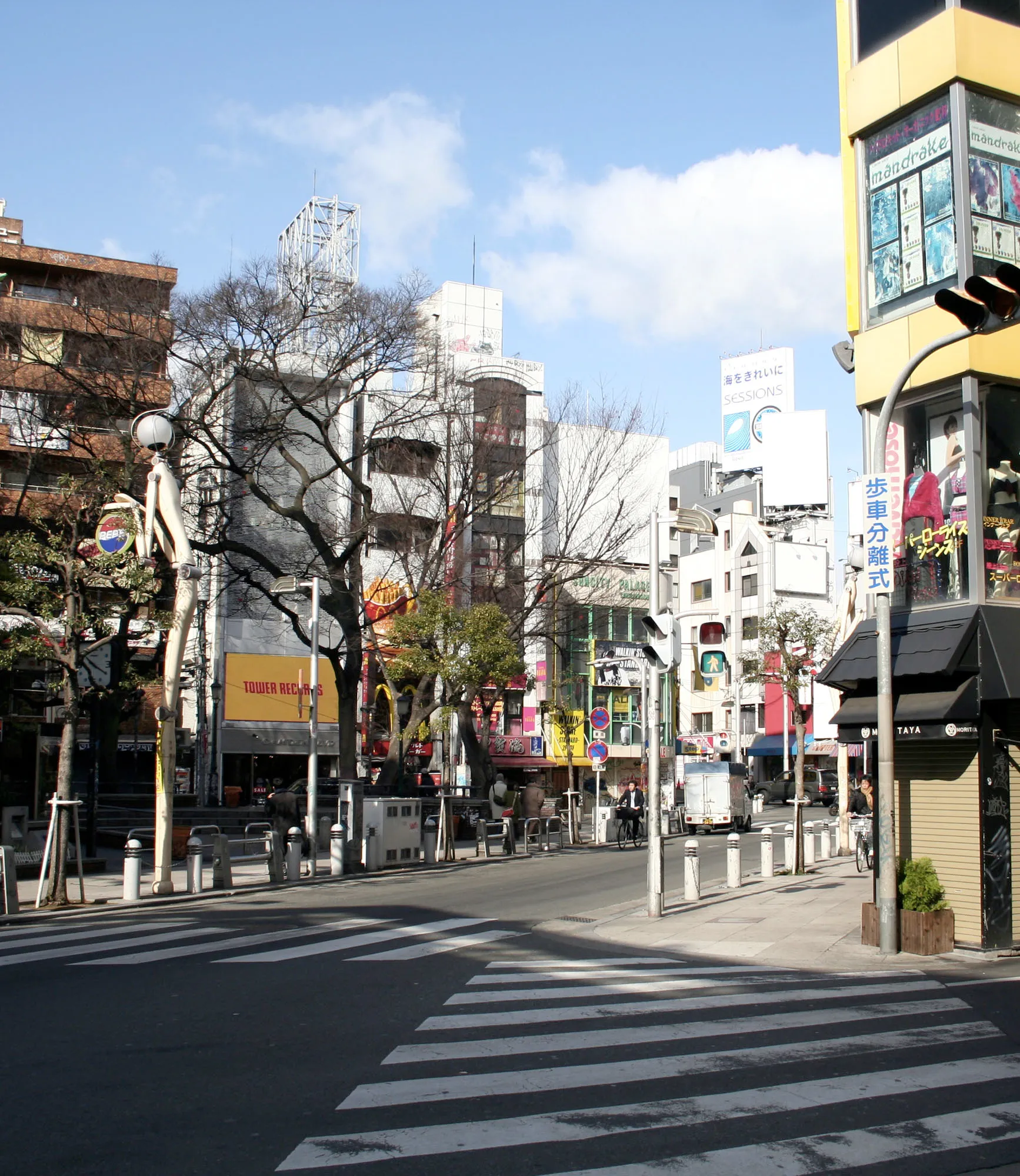
Amerikamura District
2,500+ vintage and streetwear stores. American-inspired fashion district.
Other4.0
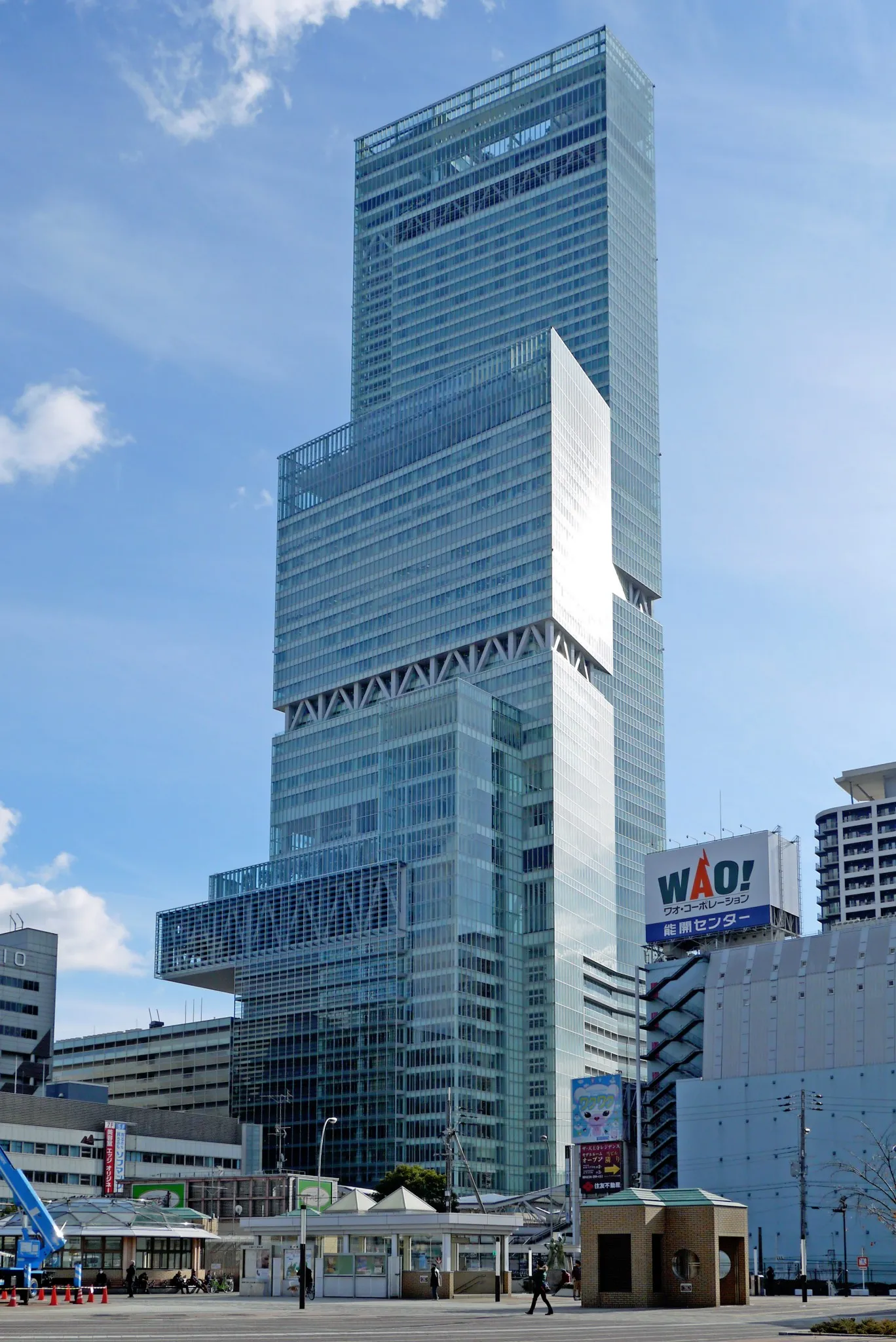
Abeno Harukas
Japan's tallest building (300m). Harukas 300 observation deck offers sweeping views from Kobe to Nara. Art museum and department store below.
Tennoji
Shrine4.0
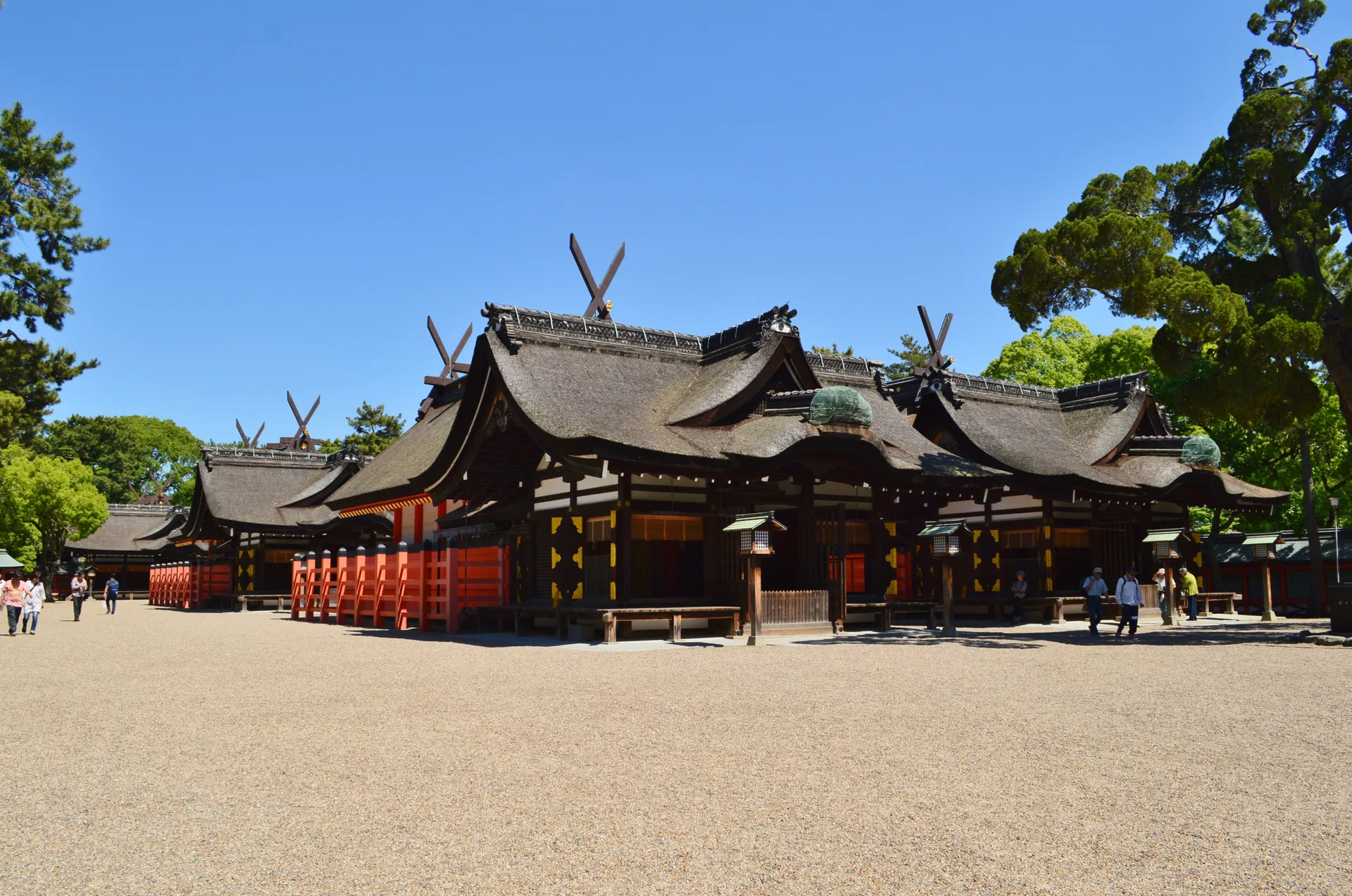
Sumiyoshi Taisha
One of Japan's oldest and most important Shinto shrines. Unique Sumiyoshi-zukuri architecture predating Buddhist influence.
Sumiyoshi
Must visit
Other5.0
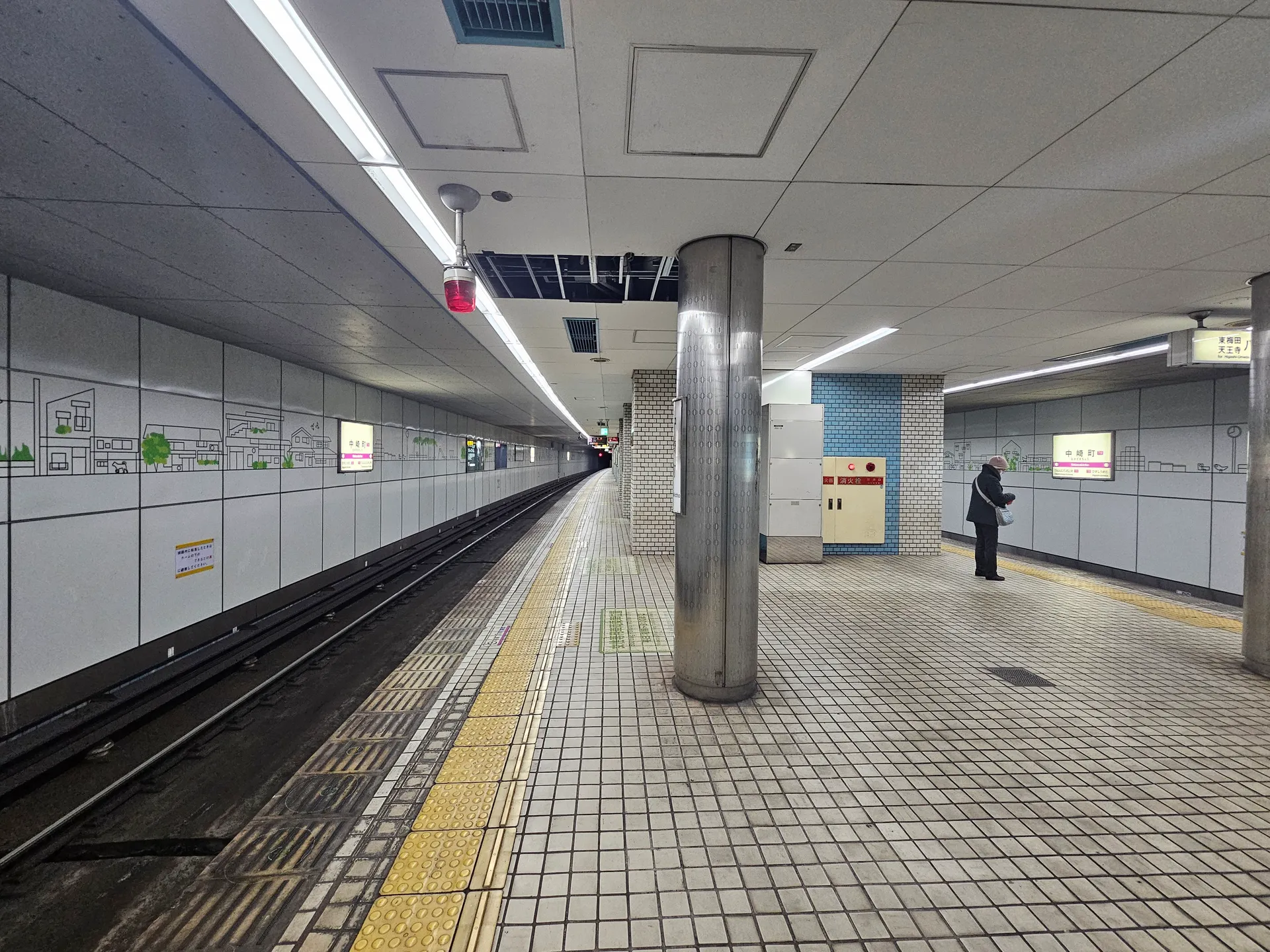
Nakazakicho
Taisho-era (1920s) row houses converted into indie cafes, galleries, vintage shops, and art studios. Osaka's quietest creative neighborhood.
Kita
Tours & experiences
Free walking tours and curated paid experiences — save or book in a tap.
Tour
Dotonbori Walking Tour
Free self-guided walk through Osaka's neon-lit entertainment district. See the famous Glico Running Man, giant crab signs, and canal reflections. Best at night when the signs blaze.
Dotonbori, Namba2-3 hours
Food
Osaka Street Food Tour
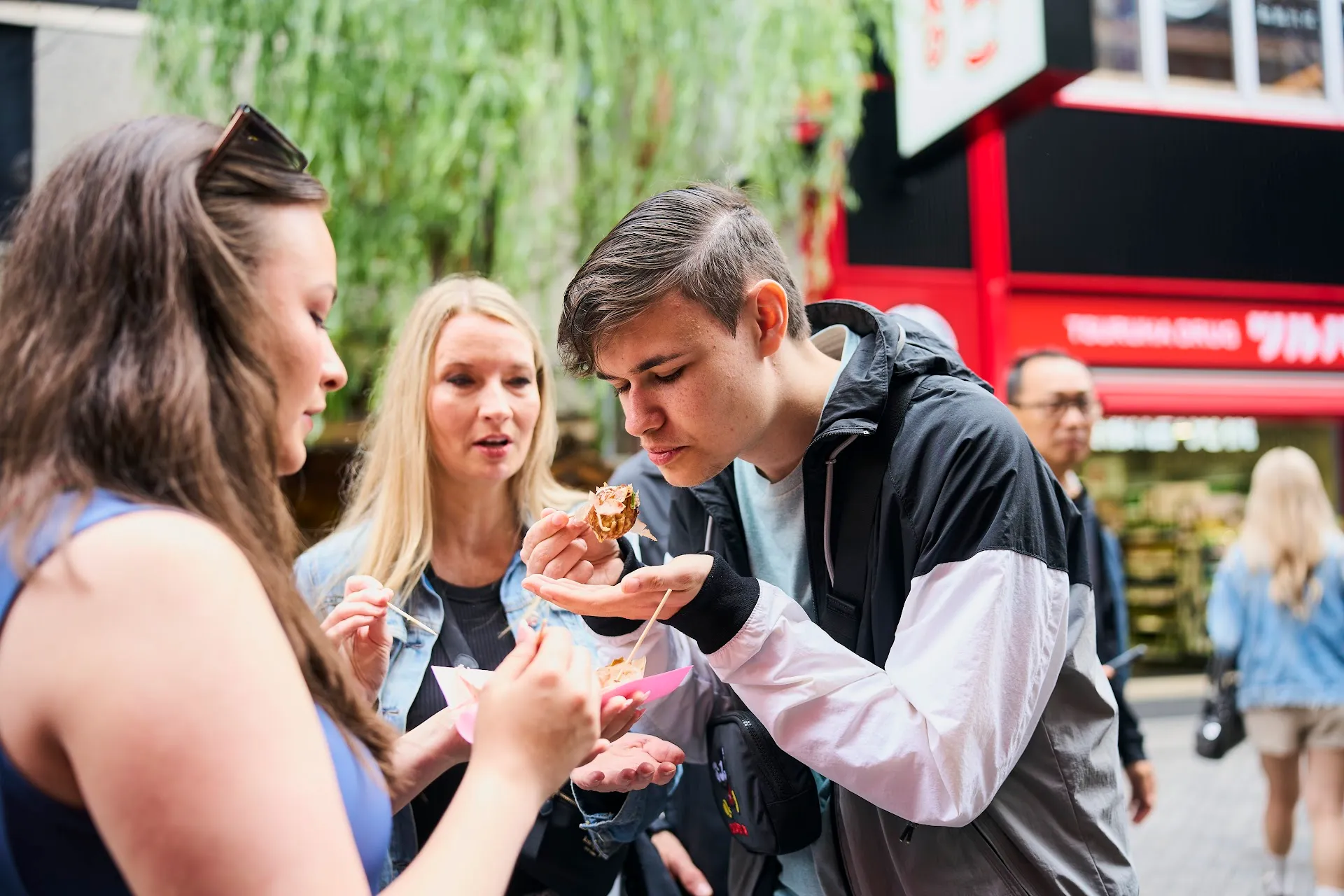
Eat your way through Osaka, Japan's kitchen capital. Sample takoyaki, okonomiyaki, kushikatsu, gyoza, and more across the neon-lit streets of Dotonbori and the retro charm of Shinsekai.
Dotonbori / Shinsekai3-4 hours
Food
Shinsekai Kushikatsu Crawl
Deep-fried skewer bar-hopping through retro Shinsekai. Try kushikatsu at 3-4 different spots, each with unique batters and dipping sauces.
Shinsekai2-3 hours
Cultural
Osaka Castle Historical Tour
Explore the iconic Osaka Castle and its surrounding park. Learn about Toyotomi Hideyoshi's legacy, browse the museum exhibits inside the castle tower, and enjoy panoramic city views from the top floor.
Chuo-ku2-3 hours
Experience
Osaka River Cruise
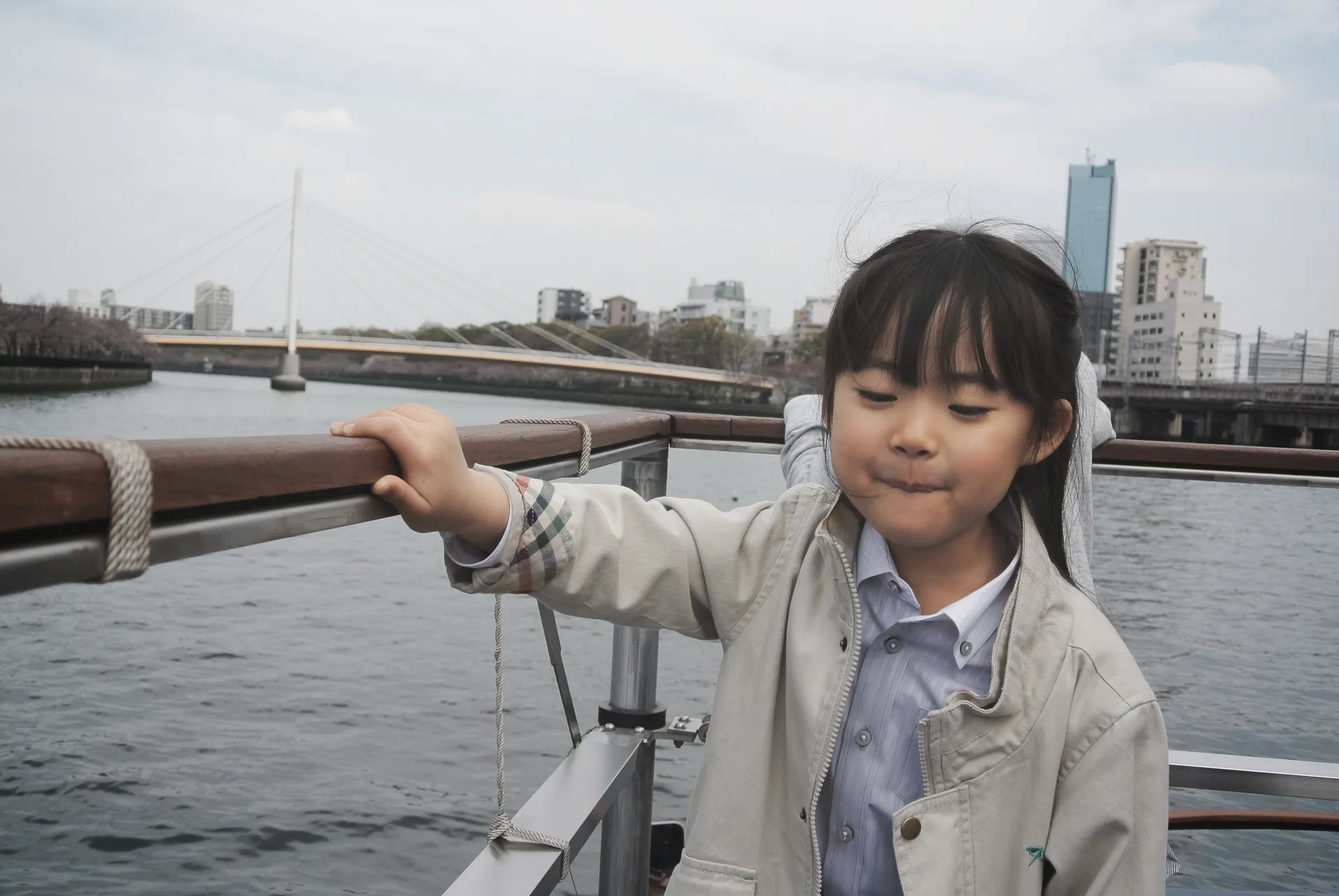
Cruise along the Okawa River and Nakanoshima canals for a unique perspective of Osaka's skyline, historic bridges, and waterfront architecture. Especially magical during cherry blossom season.
Nakanoshima1 hour
Tour
Nakazakicho Art Walk
Self-guided walk through Taisho-era row houses converted to galleries, cafes, and artisan workshops. Quiet creative district off the beaten path.
Nakazakicho, Kita2-3 hours
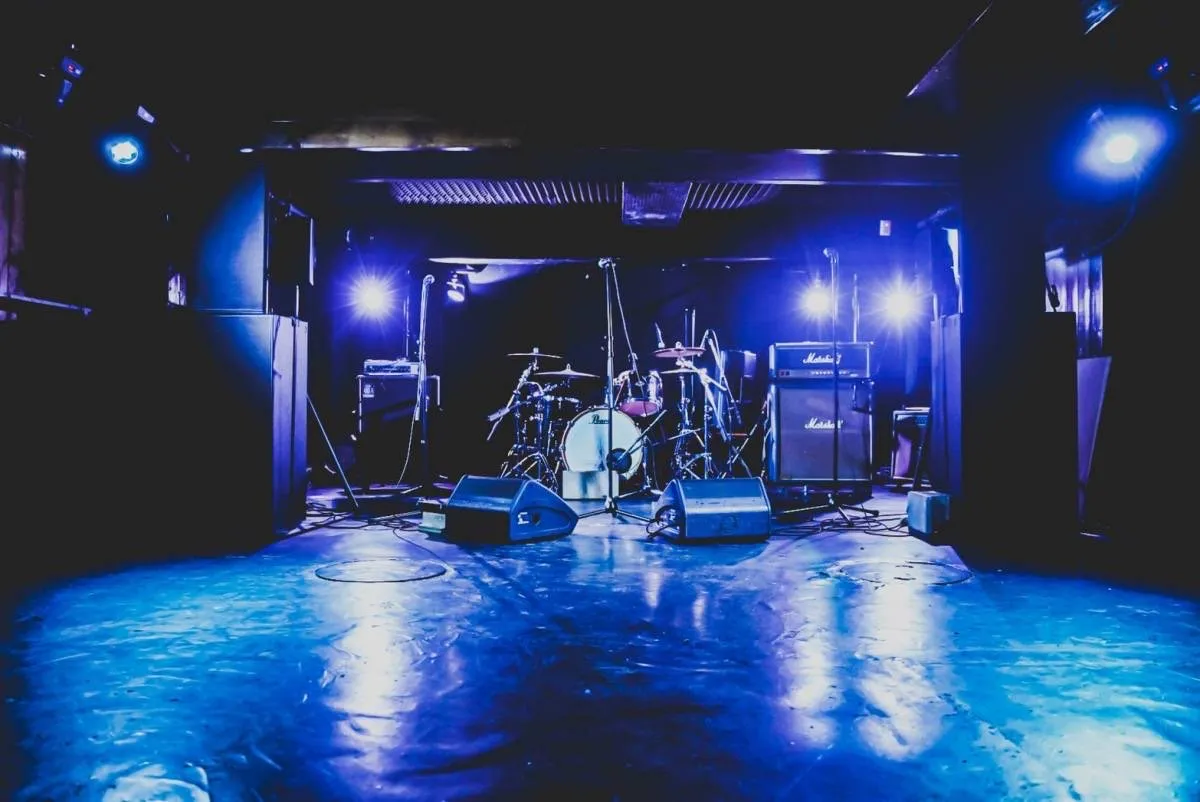
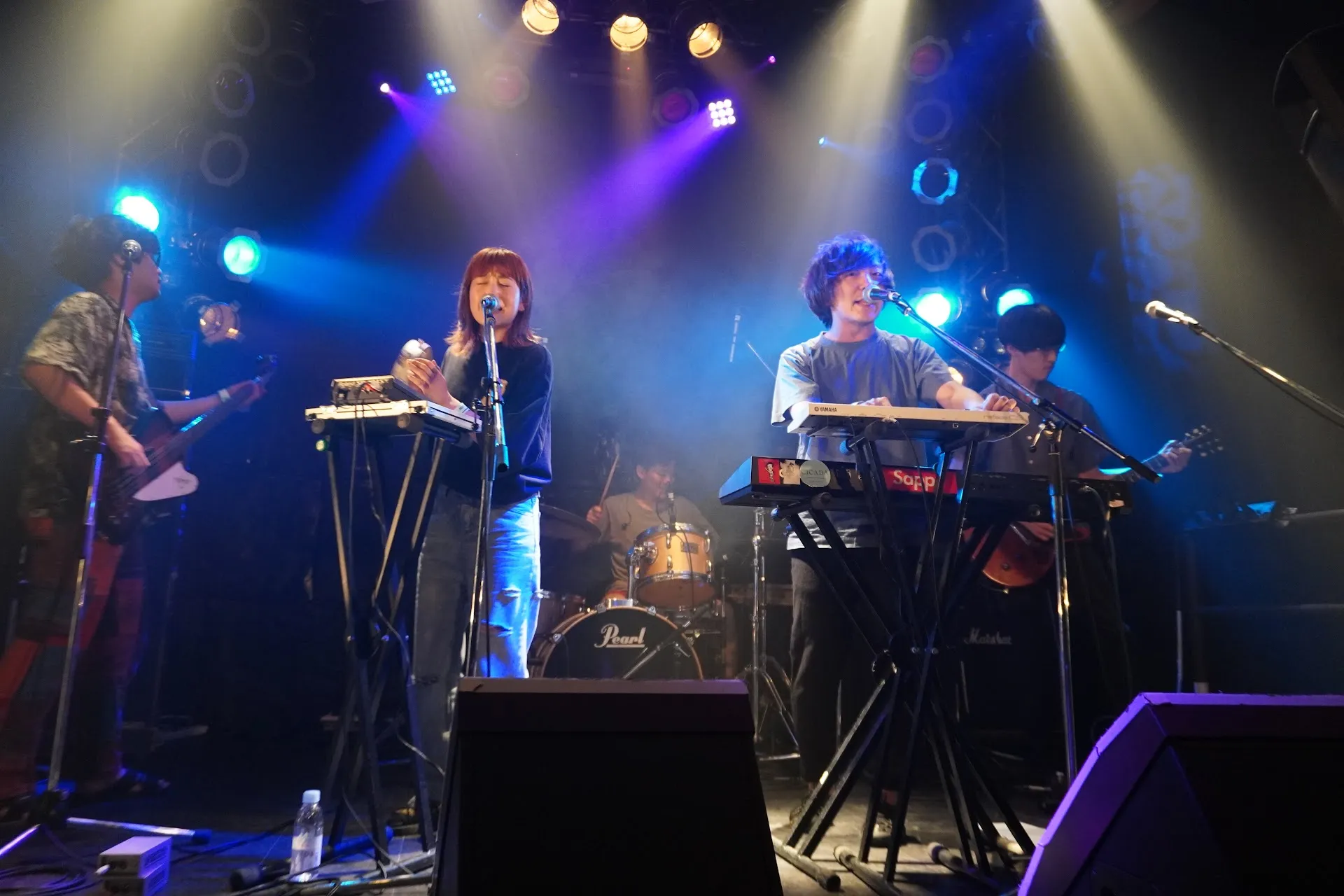
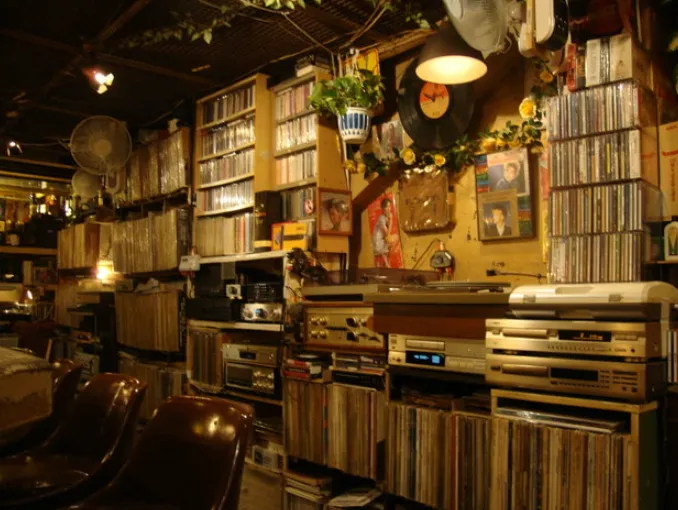
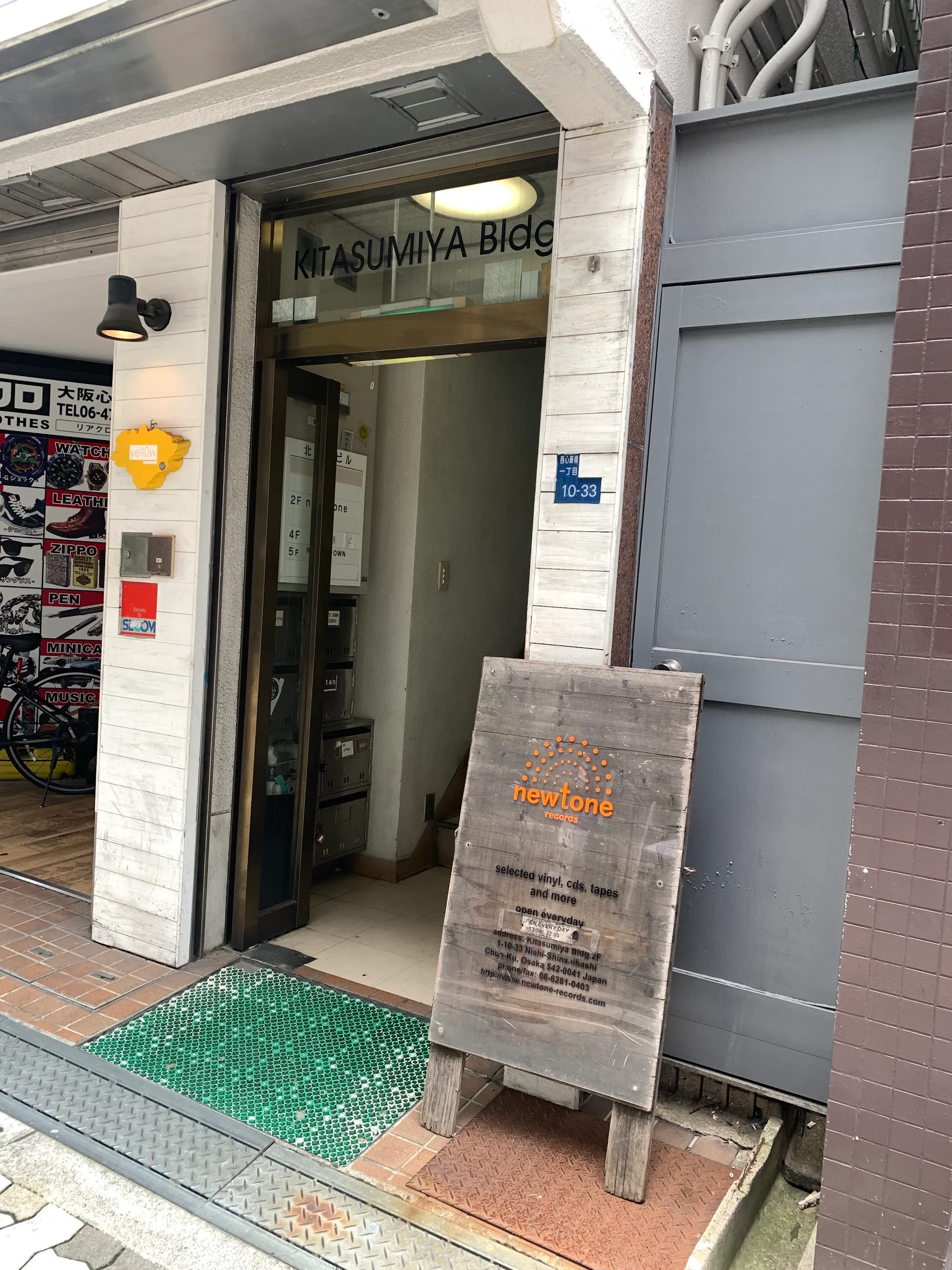
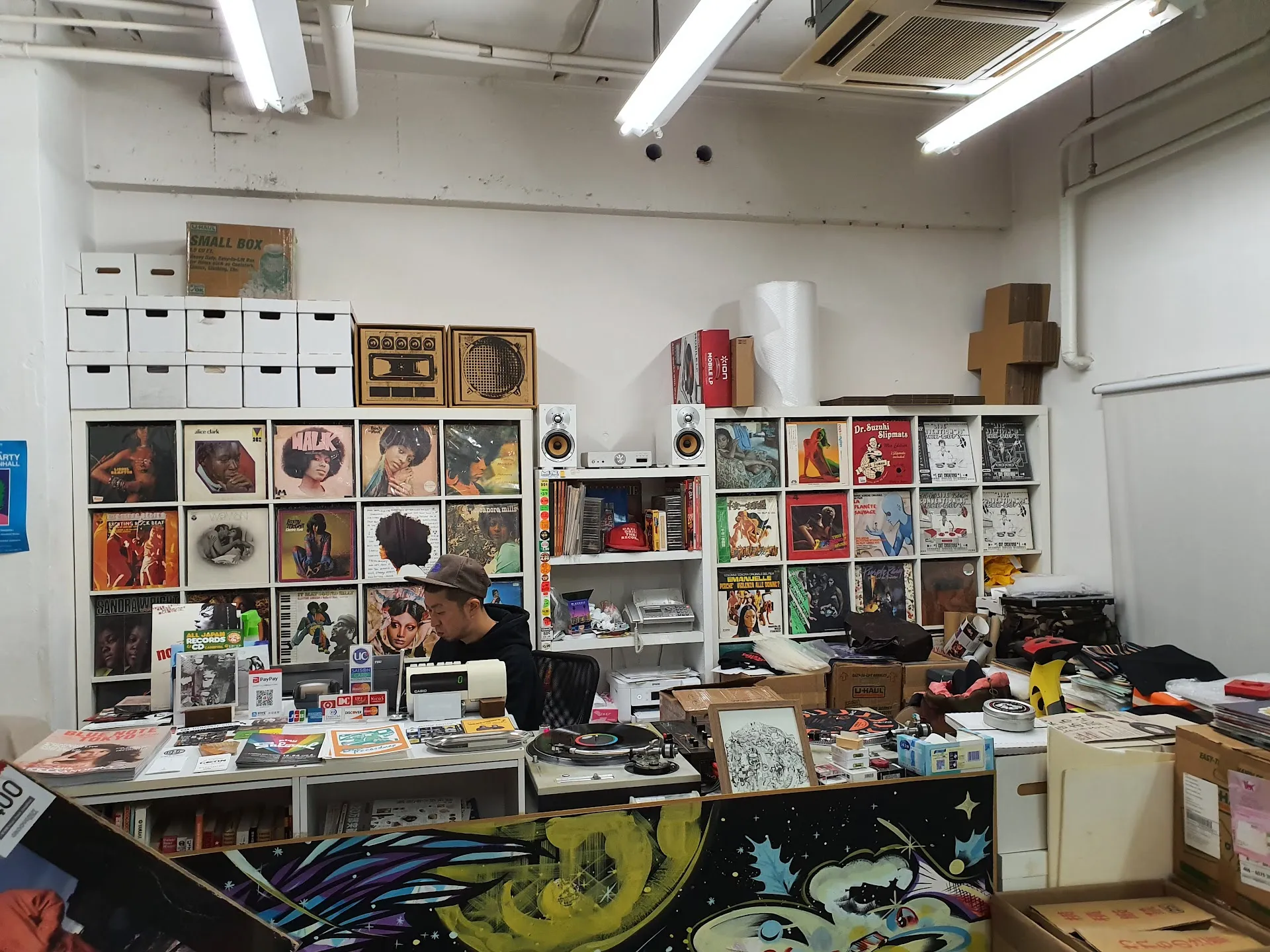
Nightlife & live music in Osaka
Clubs, jazz dens, listening bars and late-night spots worth staying out for.
Two to three days cover the city itself: Dotonbori and the southern food districts, Osaka Castle, Shinsekai, and the Umeda skyline. Add extra days to use Osaka as a base for day trips to Kyoto, Nara, Kobe, or Himeji, all under an hour away by train.
What is the best way to get around Osaka?
The Osaka Metro is fast, frequent, and English-friendly; the Midosuji Line links most major areas in a straight run. A rechargeable IC card (ICOCA or Suica) taps you onto the metro, JR loop line, and private railways. The central districts are also very walkable.
When is the best time to visit Osaka?
Spring (late March to early April) for cherry blossom and autumn (late October to November) for foliage and mild weather are ideal. May and early June are pleasant; July and August are hot and humid but full of festivals; winter is cold, quiet, and budget-friendly.
What food is Osaka famous for?
Osaka is Japan's street-food capital. Its signature dishes are takoyaki (octopus balls), okonomiyaki (savory griddled pancakes), and kushikatsu (deep-fried skewers), best eaten around Dotonbori, Shinsekai, and Kuromon Market.
Is Osaka a good base for day trips?
Yes. Osaka sits at the heart of the Kansai region, with Kyoto 15 minutes away by Shinkansen, Nara about 40 minutes, Kobe around 30 minutes, and Himeji 30 to 60 minutes. You can run a full week of day trips without changing hotels.
Ready to plan Osaka?
Turn this guide into a real trip — itinerary, map, budget and friends, all in one place.