Kanazawa is the cultural capital of Japan's Sea-of-Japan coast, a former castle town that grew rich under three centuries of the powerful Maeda clan and, crucially, escaped the bombing of World War II. The result is one of the best-preserved historic cities in the country: a place often called the "Kyoto of the North" for its geisha teahouses, samurai quarters, and centuries-old craft traditions, but with a fraction of Kyoto's crowds.
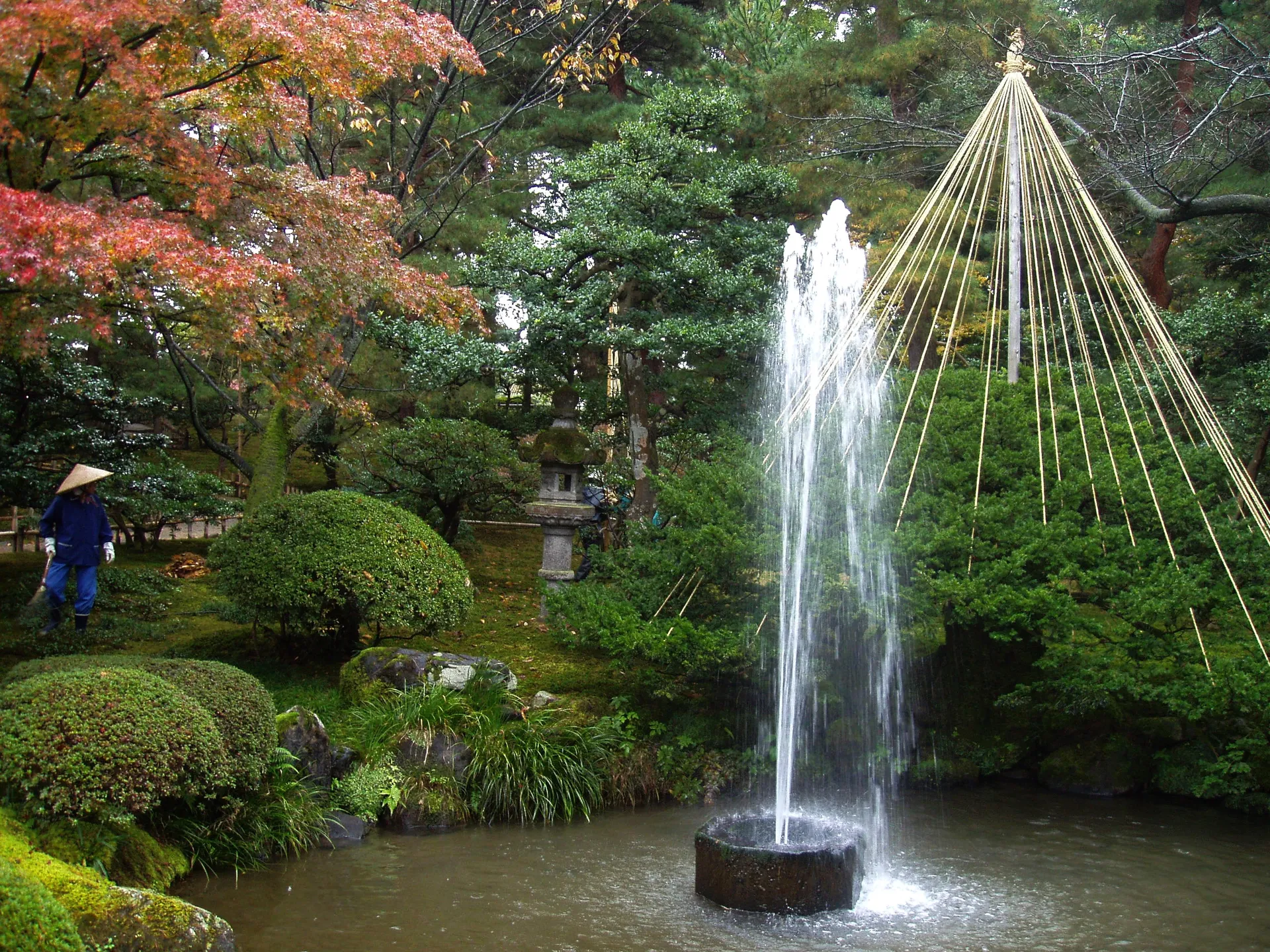
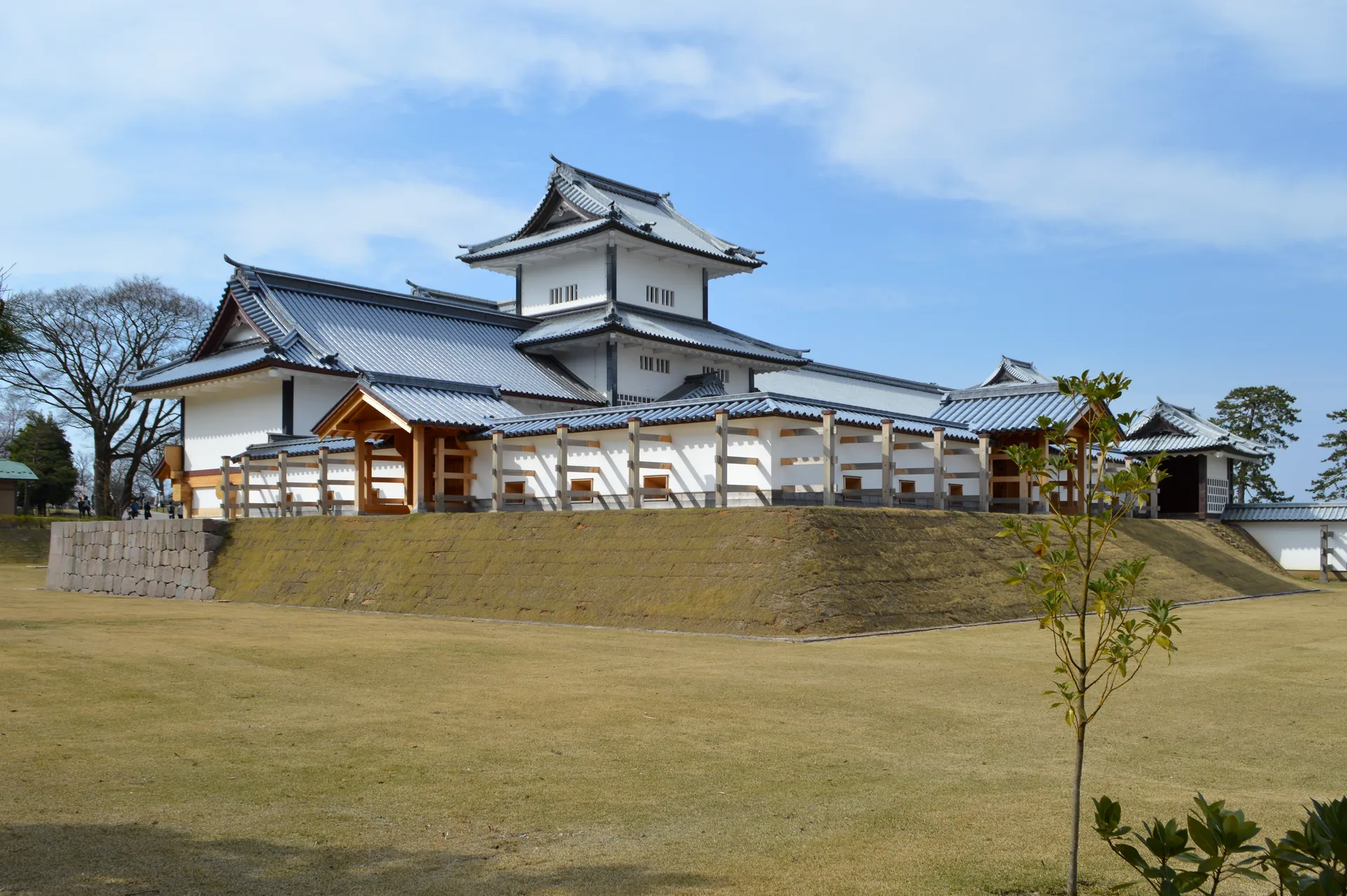
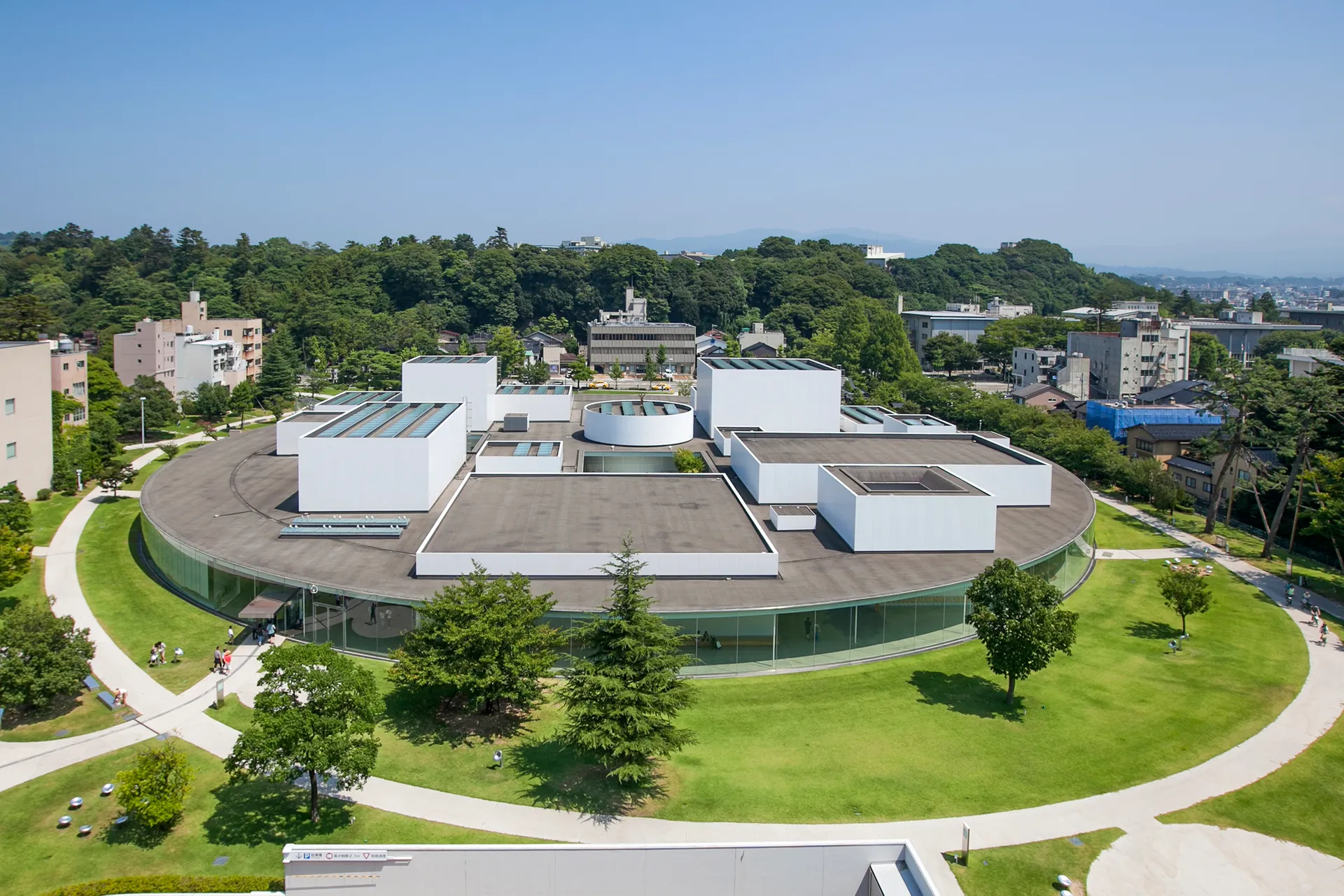
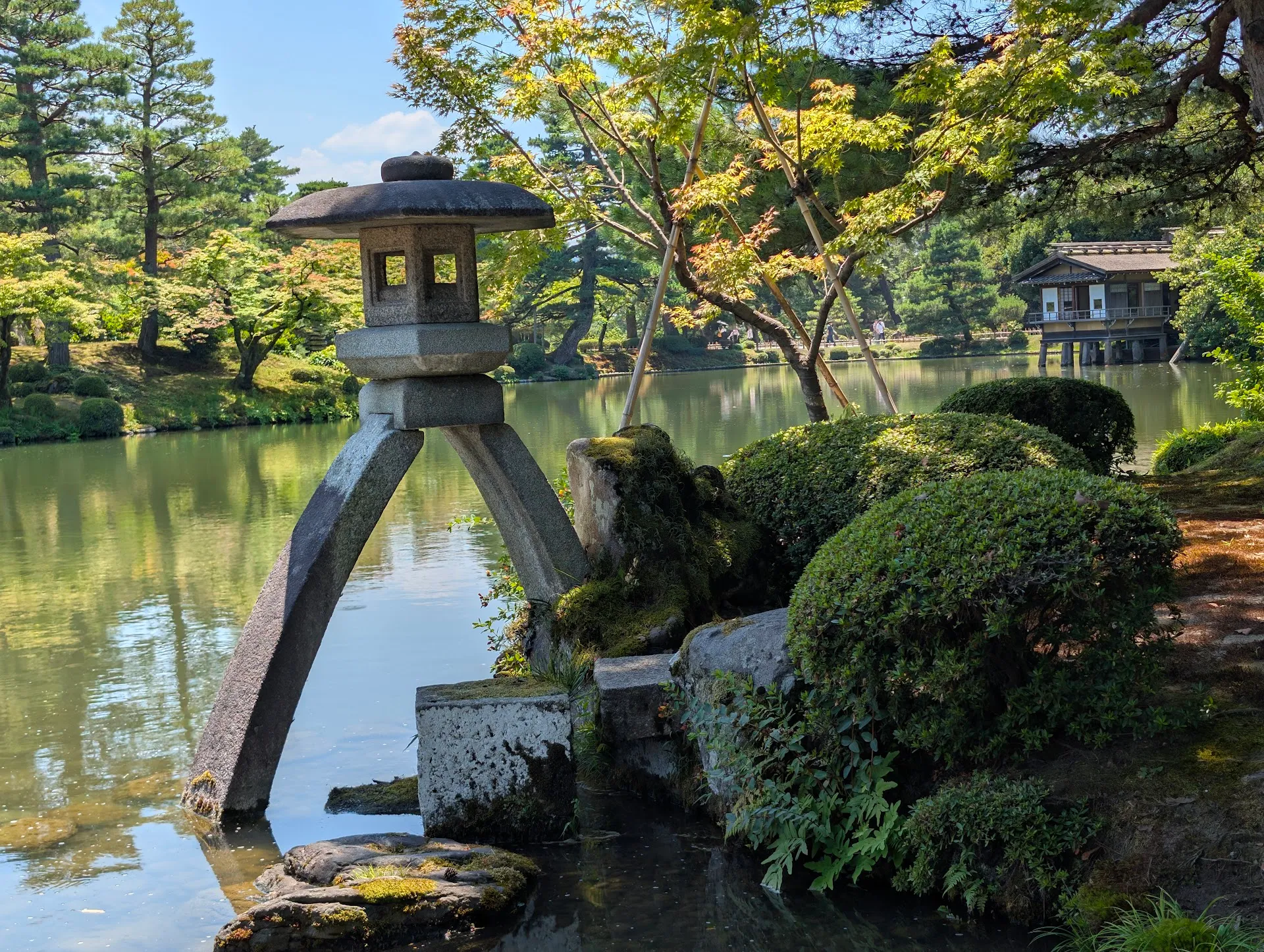
The heart of any visit is Kenrokuen Garden, ranked among the three most beautiful landscape gardens in Japan. Laid out over more than a century by successive lords, it is a masterpiece of ponds, streams, teahouses, and carefully framed views, crowned by the two-legged Kotoji stone lantern that has become the city's symbol. Right beside it sits Kanazawa Castle Park, with its reconstructed gates and turrets, and the strikingly modern, circular 21st Century Museum of Contemporary Art, home to Leandro Erlich's famous Swimming Pool illusion.
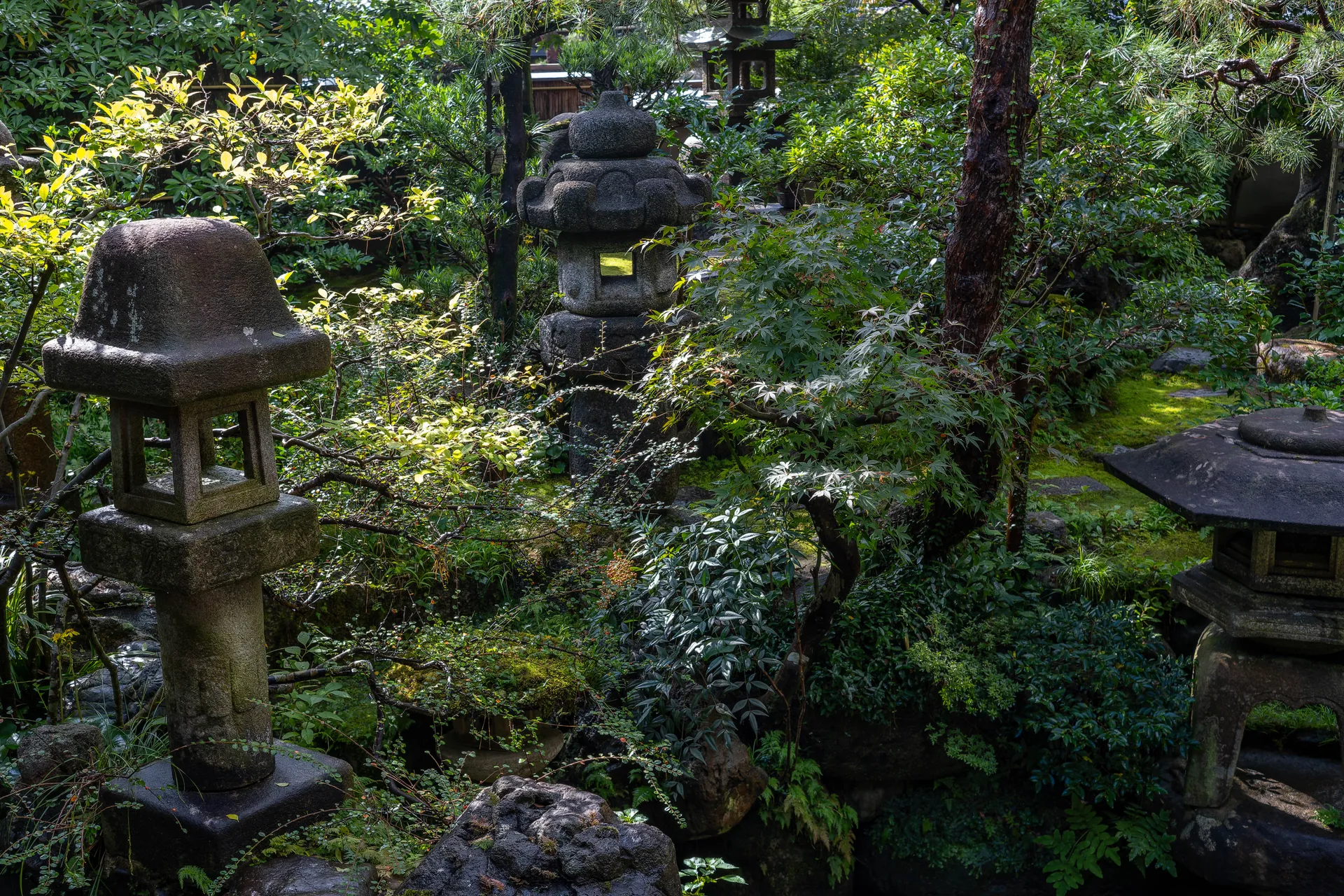
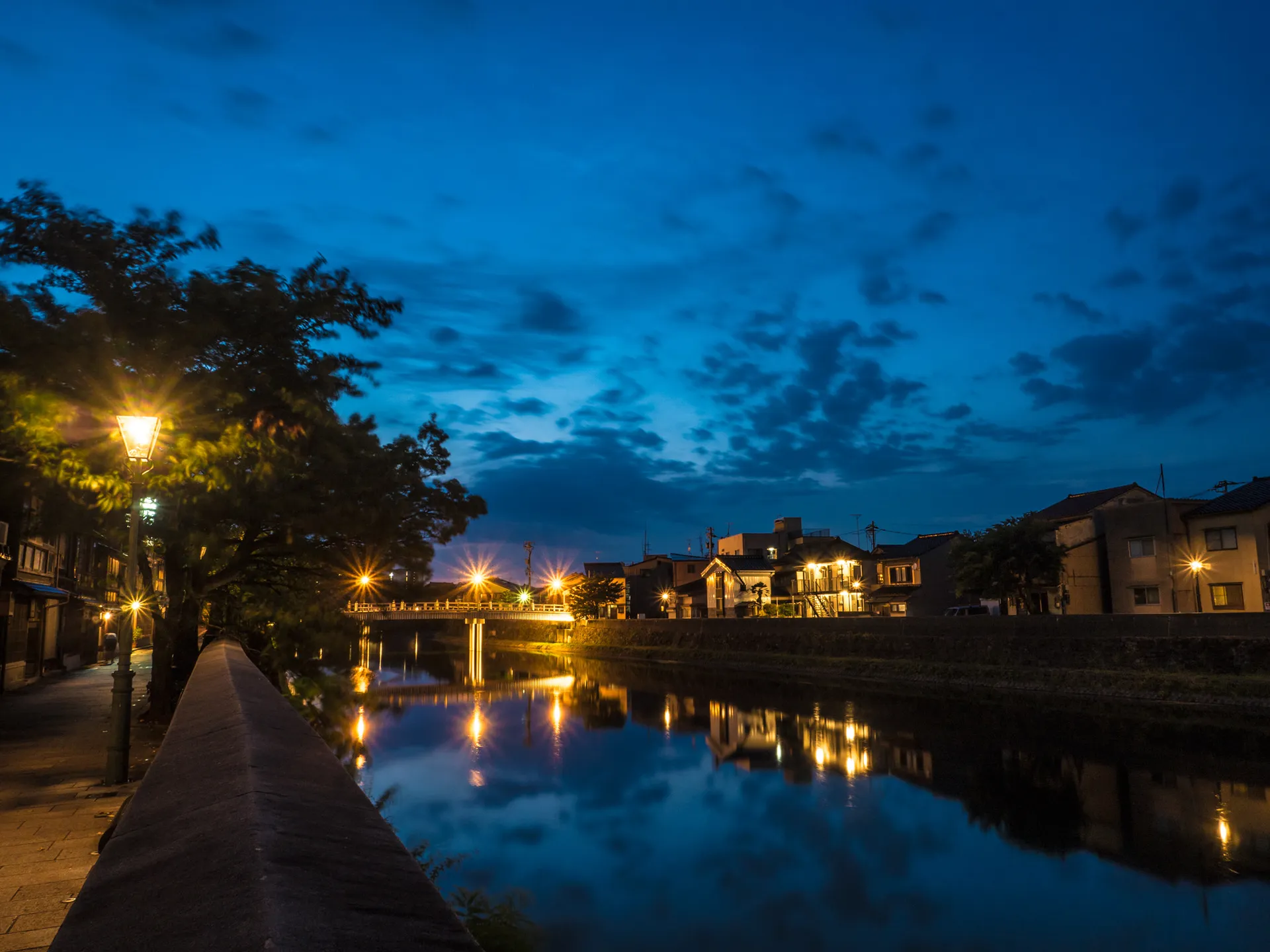
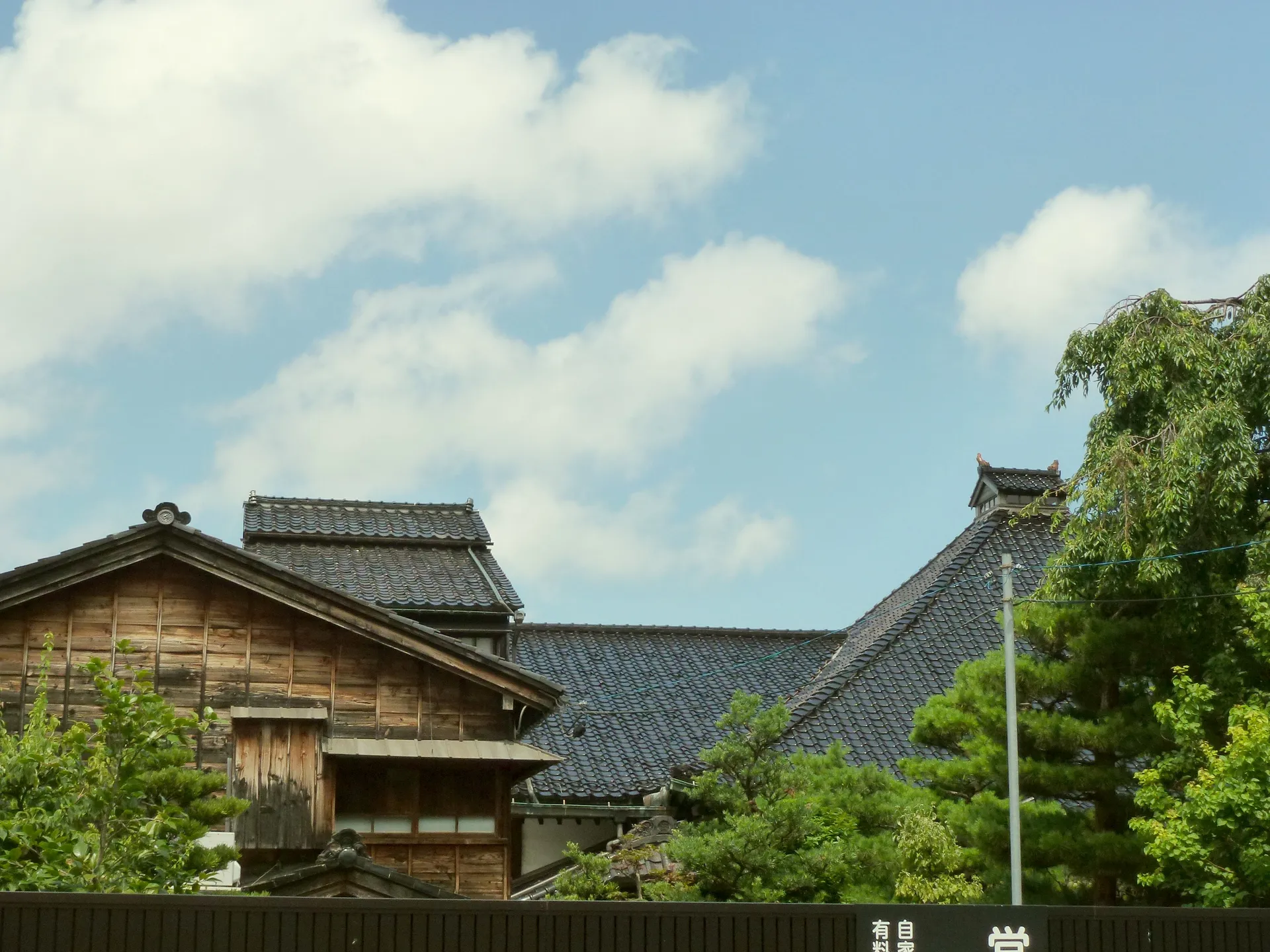
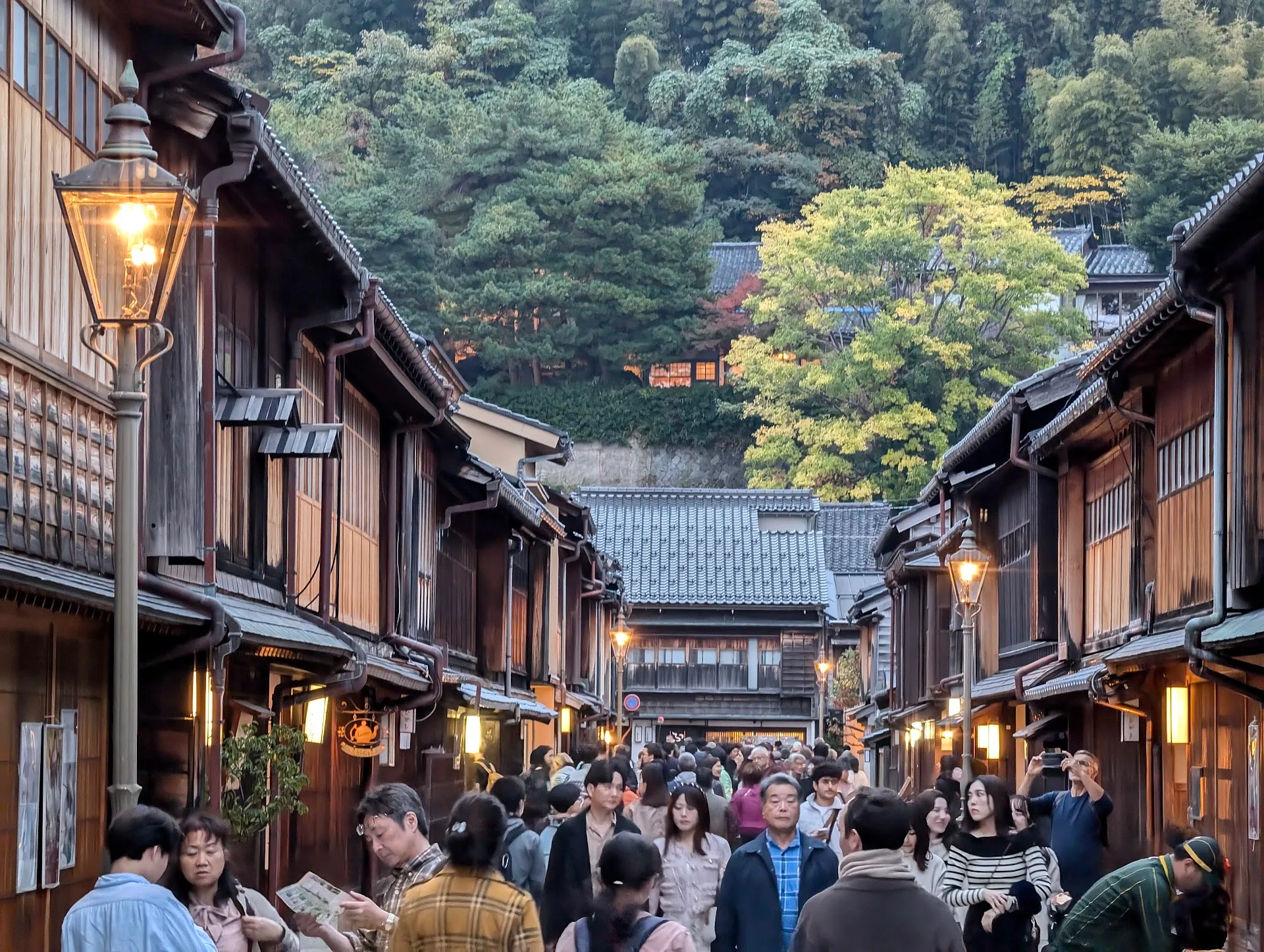
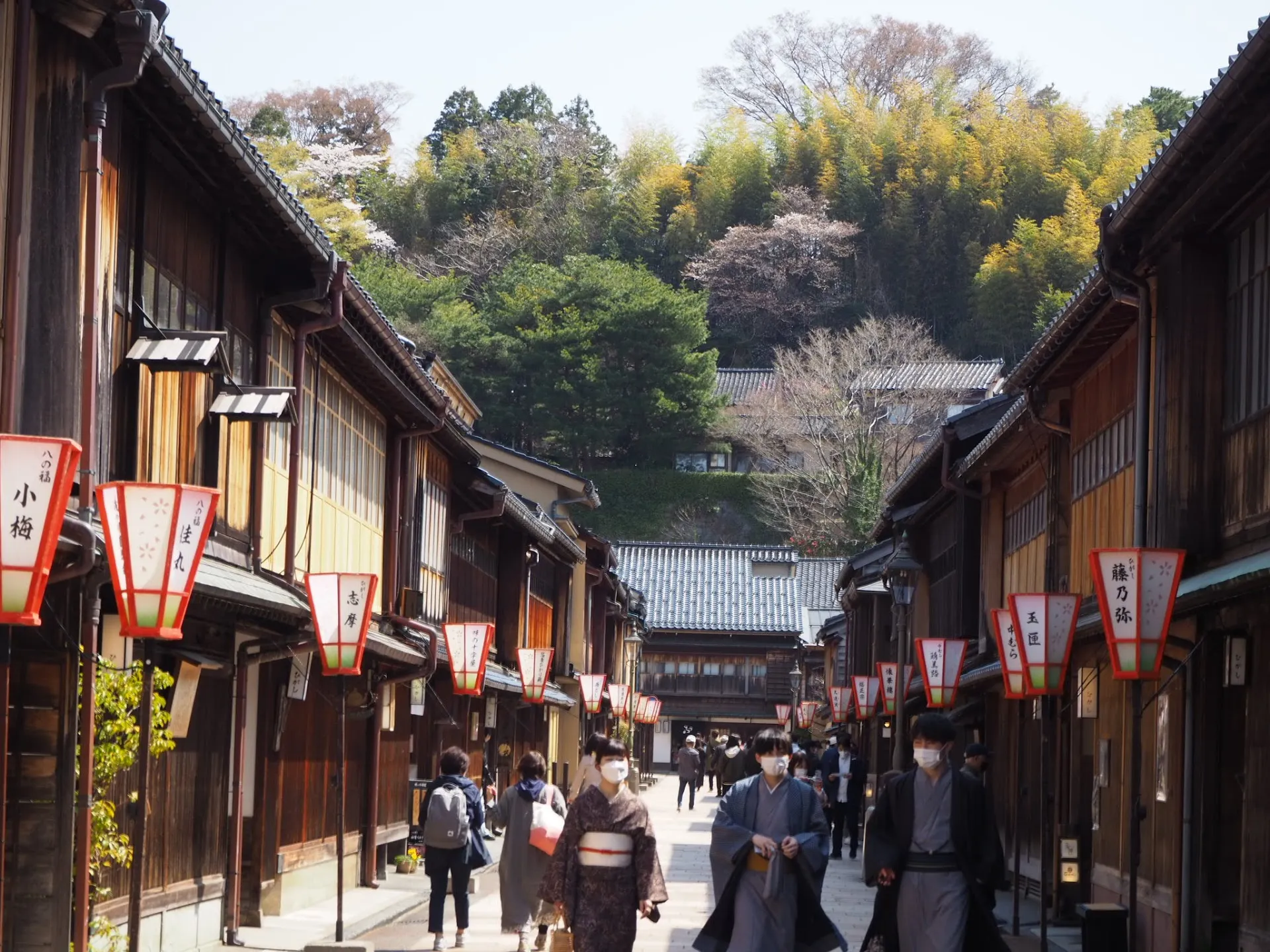
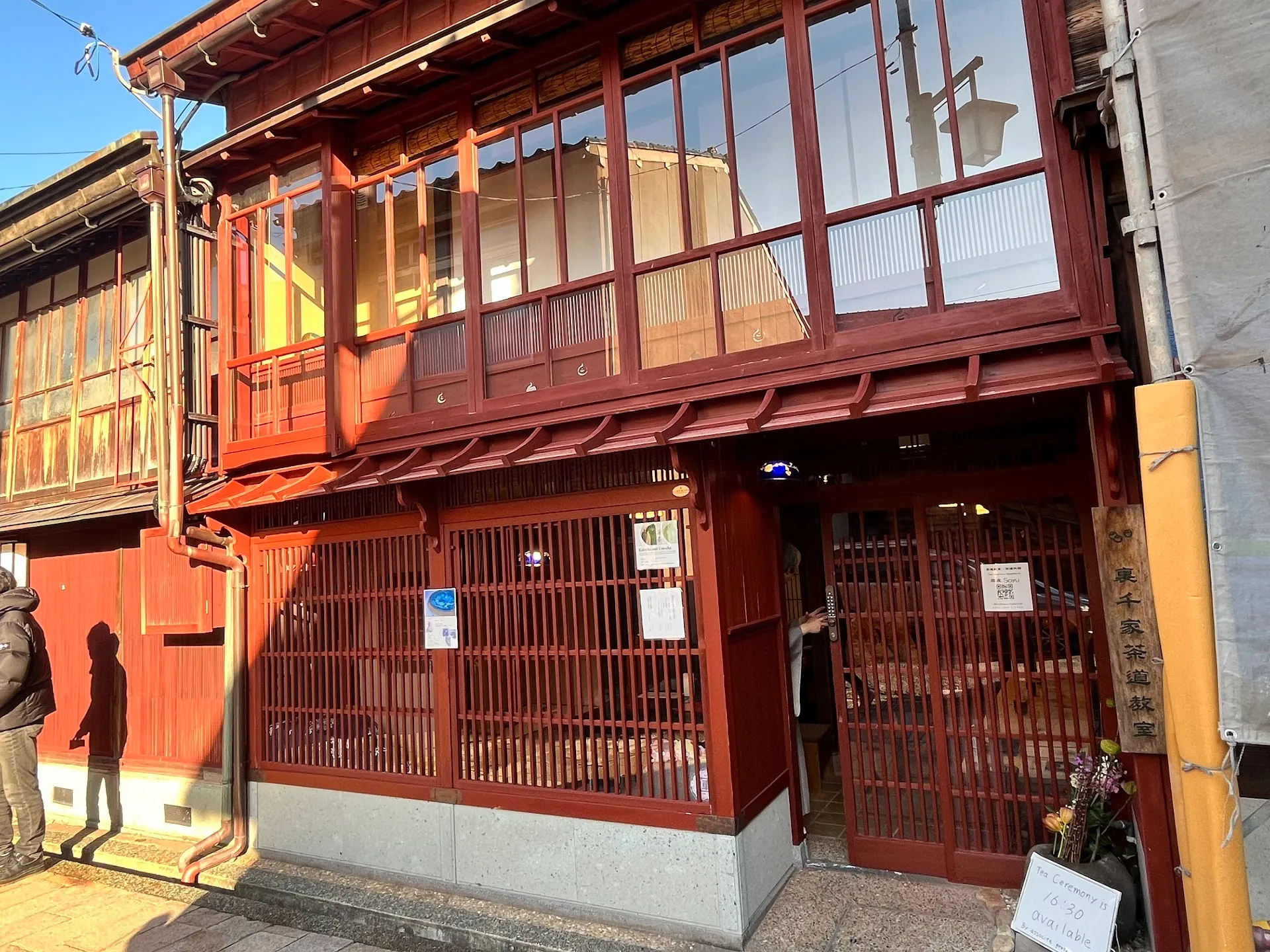
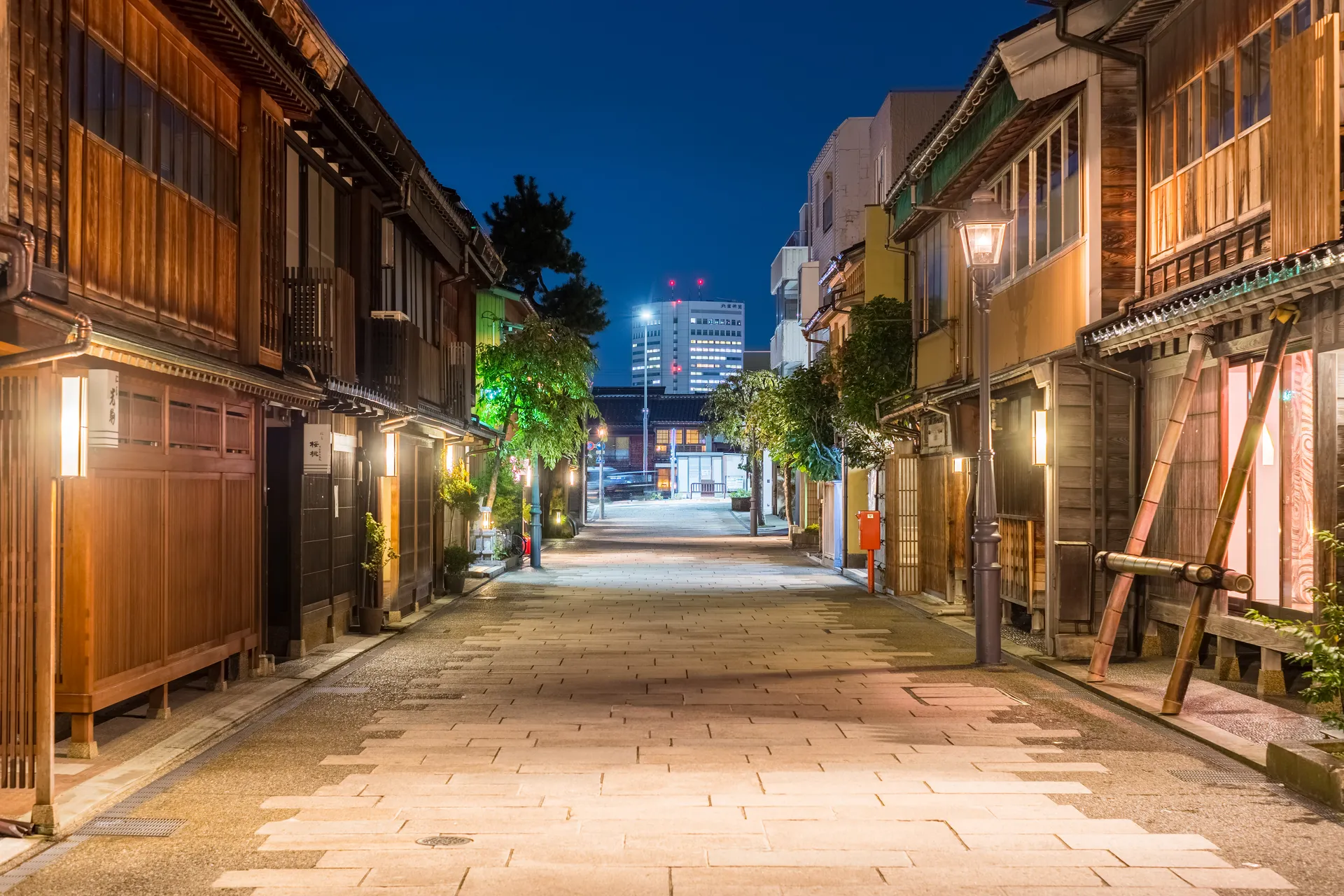
Kanazawa's other great pleasure is its historic districts, all walkable and remarkably intact. The Higashi Chaya District is the largest and most atmospheric of the old geisha quarters, its main street lined with two-story wooden teahouses; quieter Kazuemachi runs along the Asano River, and the smaller Nishi Chaya sits to the west. Across the city, the Nagamachi Samurai District preserves the earthen-walled lanes and flowing canals where the Maeda retainers once lived, with the exquisite garden of the Nomura Samurai House open to visitors.
Best time to visit
Spring (late March to mid-April) brings cherry blossom to the castle and Kenrokuen, while autumn (late October to mid-November) sets the gardens ablaze with color. May, early June, and September offer mild weather and lighter crowds. Winter is cold and snowy but magical: this is snow-crab season, and the garden's yukitsuri rope cones protecting the pines are a famous sight.
Budget
Kanazawa is moderately priced and cheaper than Tokyo or Kyoto. Kenrokuen entry is just 320 yen, most historic districts are free to wander, a great kaisendon runs 2,000-4,000 yen, and comfortable mid-range hotels cost 10,000-20,000 yen per night. Seafood and crab in season are the main splurges.~$80-140 USD / day
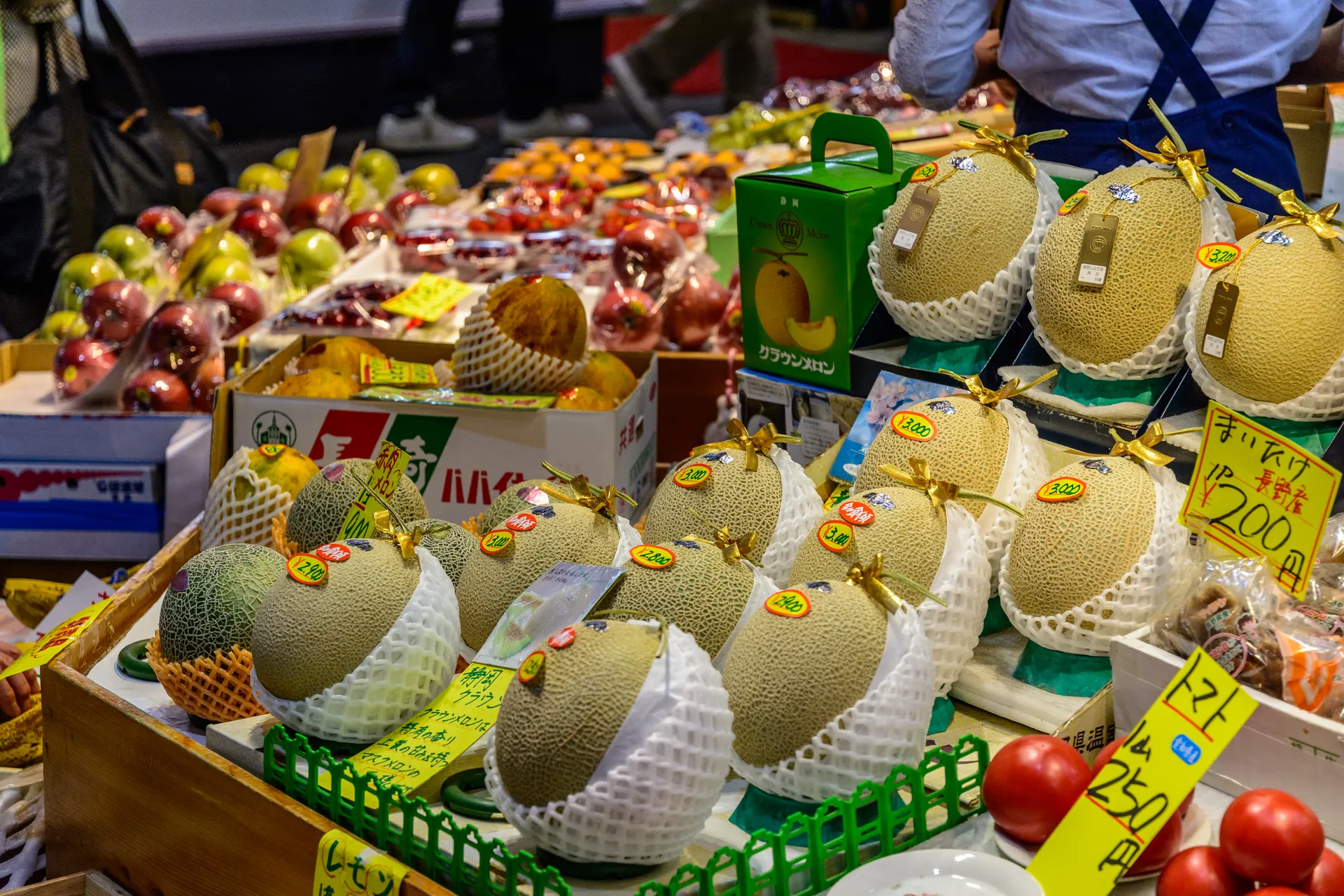
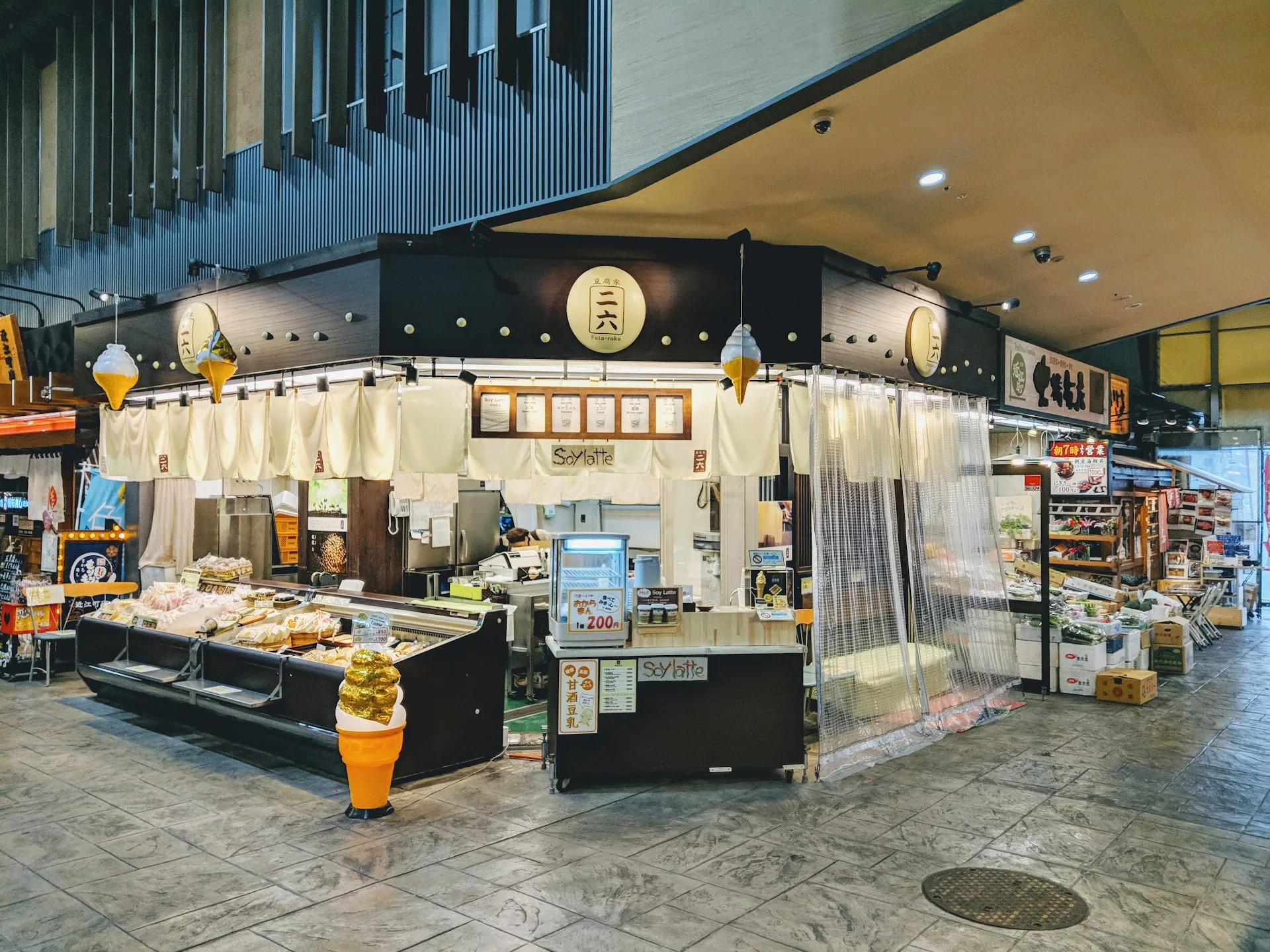
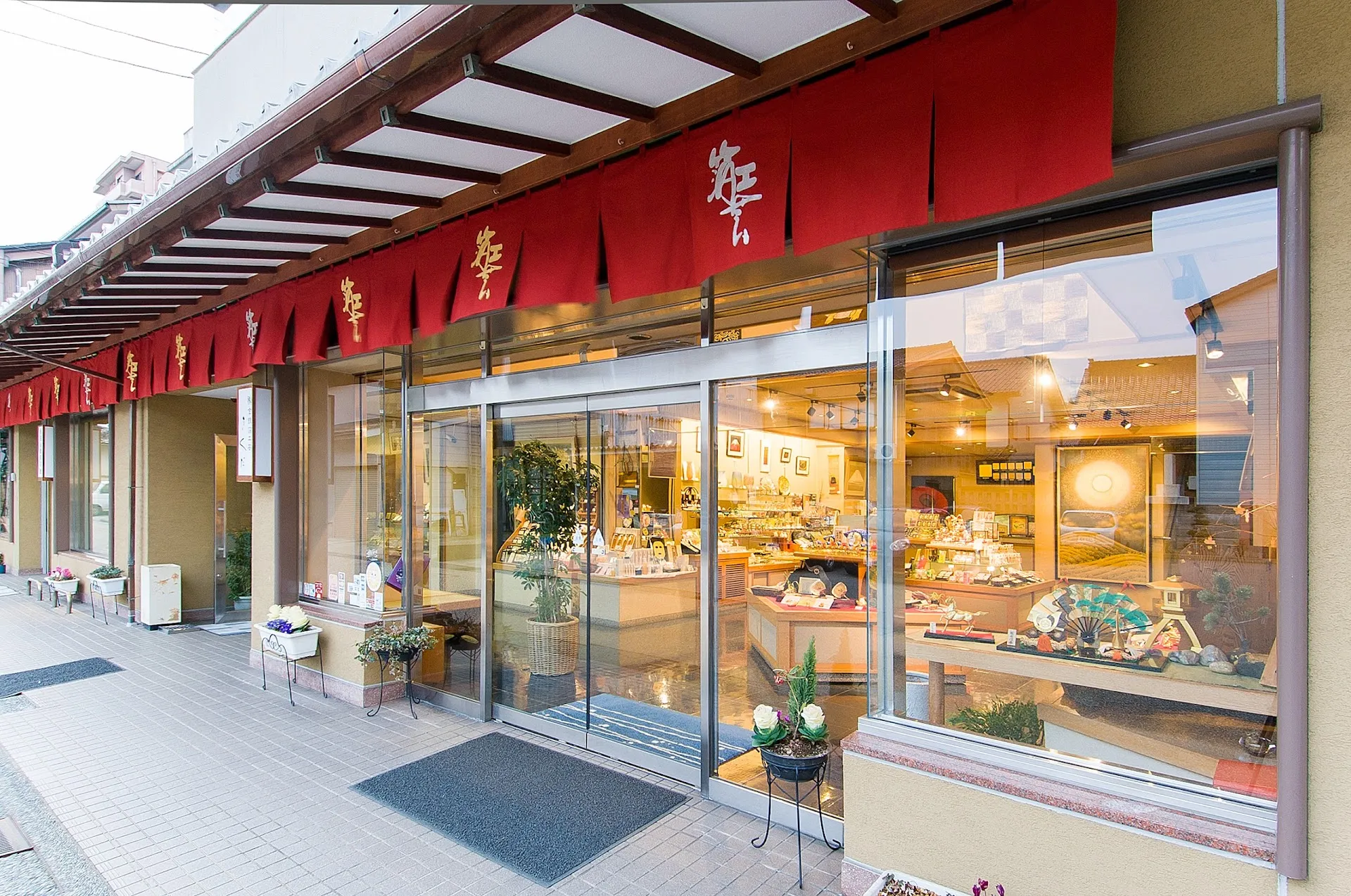
Then there is the food. Facing the Sea of Japan, Kanazawa is a seafood city, and Omicho Market has been its kitchen since 1721, with some 170 stalls heaped with sweet shrimp, sea urchin, yellowtail, and, in winter, prized snow crab. Local specialties include kaisendon (seafood rice bowls), nodoguro (the rich "blackthroat seaperch"), and jibuni, a thick duck stew. The city is also where 99% of Japan's gold leaf is made, so you will find it pressed onto everything from lacquerware to soft-serve ice cream.
Getting here is easy: the Hokuriku Shinkansen reaches Kanazawa from Tokyo in about 2.5 hours, and the Thunderbird express connects it with Kyoto and Osaka. The compact center is best explored on foot, with the well-marked Kanazawa Loop Bus linking the station to the garden, the geisha districts, and the samurai quarter. Most travelers find two full days is the sweet spot, with a third for a day trip to the thatched-roof villages of Shirakawa-go. Use this guide to skim the day-by-day plan, browse the things-to-do list, and save the places that fit your trip straight into a TripBox itinerary.
The best of Kanazawa
Curated places worth your time — tap a card for details or to save it.
One of Japan's three most beautiful gardens. 11-hectare masterpiece with ponds, streams, waterfalls, bridges, and the iconic Kotoji Lantern. Over 180 species of plants.
Must visit
Scenic Spot5.0
Higashi Chaya District
Best preserved geisha district. Edo-period wooden teahouses with latticed facades. Gold leaf shops, traditional cafes, and working geisha houses. Most atmospheric at dusk.
Must visit
Castle4.0
Kanazawa Castle Park
Historic castle grounds of the Maeda clan. Beautifully reconstructed gates and turrets. Connected to Kenrokuen Garden. Cherry blossom hotspot in spring.
Must visit
Museum5.0
21st Century Museum of Contemporary Art
Circular glass building with cutting-edge contemporary art. Famous for Leandro Erlich's 'Swimming Pool' installation where you can walk underwater. Free public zones.
Must visit
Scenic Spot4.0
Nagamachi Samurai District
Preserved samurai residential quarter. Earthen walls, private gates, narrow lanes, and canal waterways. Peaceful neighborhood for slow exploration.
Must visit
Market5.0
Omicho Market
Kanazawa's Kitchen since 1721. Over 170 stalls selling fresh seafood, local produce, and street food. Famous for crab, sweet shrimp, and uni. Best in morning.
Scenic Spot4.0
Kazuemachi Chaya District
Smallest and quietest geisha district along Asanogawa River. Charming willow trees and stone bridges. Less touristy than Higashi Chaya. Lovely evening atmosphere.
Must visit
Museum5.0
Nomura Samurai House
Beautifully preserved samurai residence. Exquisite garden visible from tatami rooms. Original samurai artifacts and armor. One of the finest gardens in Kanazawa.
Must visit
Museum5.0
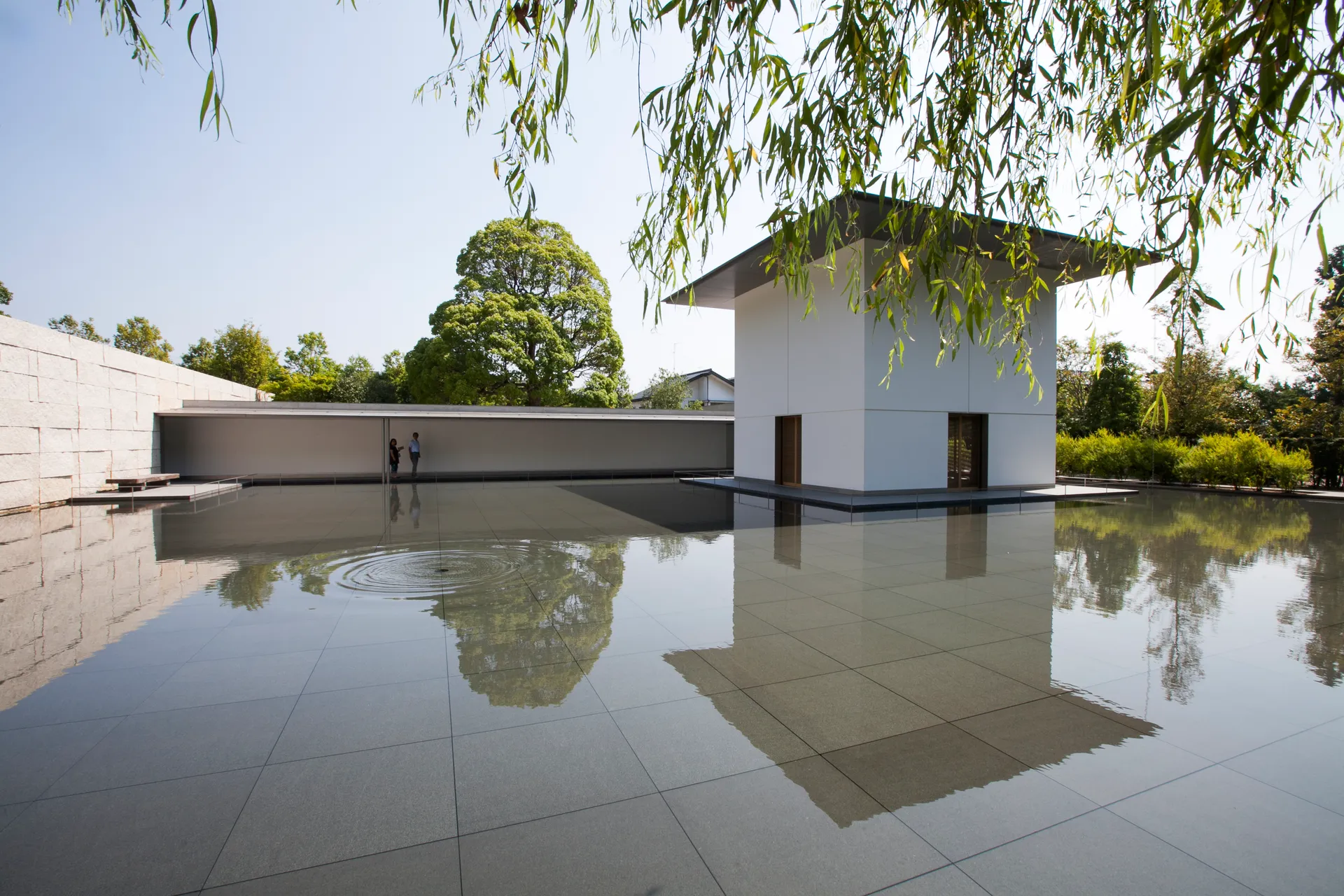
D.T. Suzuki Museum
Minimalist museum dedicated to Zen philosopher. Meditative water garden and contemplation space. Yoshio Taniguchi architecture. Perfect for quiet reflection.
Must visit
Scenic Spot4.0
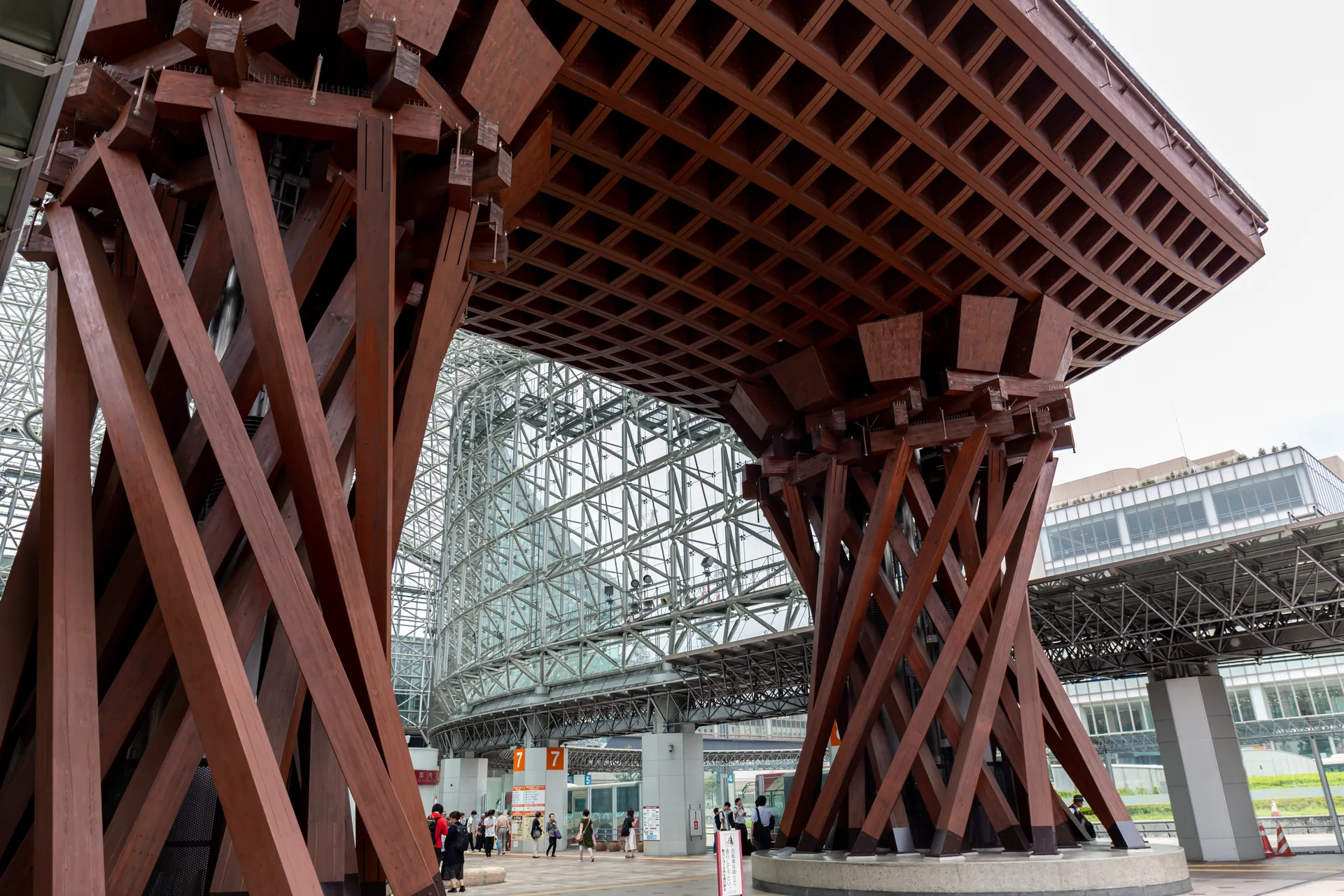
Kanazawa Station
Stunning modern station with Tsuzumi-mon drum gate — one of the world's most beautiful station entrances. Glass Motenashi Dome and fountain clock. Architectural marvel.
Must visit
Temple4.0
Myoryuji (Ninja Temple)
Ingenious temple with hidden doors, trap stairs, and escape routes. Not actually ninja-related but built for defense. Requires advance reservation. Japanese tour only.
Tours & experiences
Free walking tours and curated paid experiences — save or book in a tap.
Tour
Kenrokuen Garden Morning Walk
Experience one of Japan's three great gardens at its most peaceful. Early morning light creates stunning reflections at Kasumigaike Pond. Fewer crowds, better photos.
Kenrokuen Garden1.5-2 hours
Tour
Higashi Chaya & Castle Walking Tour
Walk through Kanazawa's preserved geisha district, cross the Asanogawa River, and continue to Kanazawa Castle grounds. Explore traditional teahouses, gold leaf shops, and Edo-period architecture.
Higashi Chaya District to Kanazawa Castle2-3 hours
Tour
Samurai District Cultural Walk
Explore the preserved samurai residential quarter. Visit Nomura Samurai House for its exquisite garden, walk along earthen walls and canals, and learn about feudal-era life.
Nagamachi Samurai District1-2 hours
Food
Omicho Market Food Tour
Graze through Kanazawa's 300-year-old kitchen. Sample fresh sashimi, grilled crab legs, sweet shrimp, and local specialties. End with kaisendon (seafood rice bowl) at a market restaurant.
Omicho Market2-3 hours
Workshop
Gold Leaf Workshop Experience
Learn the ancient art of kinpaku (gold leaf) application. Create your own gold leaf item — chopsticks, plate, or small box. Kanazawa produces 99% of Japan's gold leaf.
Hakuichi or various workshops in Higashi Chaya1-1.5 hours
Cultural
Traditional Tea Ceremony
Experience matcha in an authentic setting. Kanazawa's strong tea culture stems from the Maeda lords' patronage of the arts. Includes wagashi sweet and seasonal ceremony.
Gyokusen-an or Shiguretei teahouses30-60 minutes
Viewpoints & photo spots in Kanazawa
The skyline views and photogenic corners worth the detour.
Best preserved geisha district. Edo-period wooden teahouses with latticed facades. Gold leaf shops, traditional cafes, and working geisha houses. Most atmospheric at dusk.
Scenic Spot4.0
Kazuemachi Chaya District
Smallest and quietest geisha district along Asanogawa River. Charming willow trees and stone bridges. Less touristy than Higashi Chaya. Lovely evening atmosphere.
Scenic Spot3.0
Nishi Chaya District
Western geisha district, smallest of the three. Authentic neighborhood feel with local residents. Traditional sweet shops and craft stores. Few tourists.
Must visit
Scenic Spot4.0
Kanazawa Station
Stunning modern station with Tsuzumi-mon drum gate — one of the world's most beautiful station entrances. Glass Motenashi Dome and fountain clock. Architectural marvel.
Must visit
Scenic Spot4.0
Nagamachi Samurai District
Preserved samurai residential quarter. Earthen walls, private gates, narrow lanes, and canal waterways. Peaceful neighborhood for slow exploration.
What it costs
Daily budgets and typical prices to plan your spend.
Backpacker
$50/ day
Mid-range
$120/ day
Luxury
$250/ day
Cheap meal
$8.0
Restaurant meal
$20
Coffee
$3.5
Local beer
$5.0
Transit ticket
$2.5
Taxi (1km)
$3.5
Cost index 68 (New York = 100).
When to go
Best time to visit
April-May and October-November for cherry blossoms and pleasant weather
Crowds
Medium
PeakApr, May, Oct, Nov
ShoulderMar, Sep, Dec
QuietJan, Feb, Jun, Jul, Aug
Major events
Kanazawa Hyakumangoku FestivalJun
Kenroku-en Garden Cherry Blossom FestivalApr
Kaga Yuzen Dyeing FestivalJun
Weather by month
Average temperature and rainfall, to time your visit.
4°J
4°F
7°M
13°A
18°M
22°J
26°J
28°A
24°S
18°O
12°N
7°D
Good to know
Practical info before you go.
Tipping
Not Expected — Tipping is not customary in Japan and may be considered rude. Service charges are typically included in bills.
Tap water
Safe to drink
Power
Type A · 100V
Safety
Very High — Kanazawa is one of Japan's safest cities with minimal crime. Earthquakes are possible but infrastructure is well-prepared. Natural disaster preparedness is important.
Emergency
110 (police) or 119 (ambulance/fire)
Local culture
Language
Japanese
English
Moderate
Dress code
Casual
Useful phrases
Arigatou gozaimasu
Thank you very much
Sumimasen
Excuse me / Sorry
Eikogo ga hanasemasu ka?
Do you speak English?
Kore kudasai
I'll have this / This one please
Oishii desu
This is delicious
Ikura desu ka?
How much does it cost?
Local customs
Remove shoes when entering homes, traditional restaurants, and temples
Bow slightly when greeting or thanking someone
Slurp noodles - it's considered polite and shows appreciation for the meal
Don't point chopsticks at people or stick them upright in rice, as this mimics funeral rituals
Watch out for
Overcharging at unmarked restaurants or bars - always confirm prices before ordering
Fake taxi services outside the station - use official taxis or transportation apps
Useful links
Official resources and quick searches for Kanazawa.
Two full days are enough to see Kenrokuen Garden, the castle, the geisha and samurai districts, the contemporary art museum, and Omicho Market at a comfortable pace. Add a third day for a day trip to the thatched-roof villages of Shirakawa-go or the hot springs of Kaga Onsen.
How do you get to Kanazawa?
The Hokuriku Shinkansen runs from Tokyo to Kanazawa in about 2.5 hours, and the Thunderbird limited express connects Kyoto and Osaka in roughly 2 to 2.5 hours. Within the city, the Kanazawa Loop Bus links the station with all the main sights.
Is Kanazawa worth visiting?
Yes. Often called the Kyoto of the North, Kanazawa offers preserved geisha and samurai districts, one of Japan's three great gardens, world-class seafood, and traditional gold-leaf and Kutani-pottery crafts, all with far fewer crowds than Kyoto.
When is the best time to visit Kanazawa?
Spring cherry blossom (late March to mid-April) and autumn foliage (late October to mid-November) are the most beautiful. For mild weather and lighter crowds, aim for May, early June, or September. Winter is cold and snowy but is peak snow-crab season.
What is Kanazawa famous for?
Kenrokuen Garden, well-preserved Edo-period geisha and samurai districts, fresh Sea-of-Japan seafood at Omicho Market, and traditional crafts: it produces 99% of Japan's gold leaf and is a center of colorful Kutani porcelain.
Ready to plan Kanazawa?
Turn this guide into a real trip — itinerary, map, budget and friends, all in one place.