Nikko sits in the forested mountains of Tochigi Prefecture, about two hours north of Tokyo, and packs two very different worlds into one easy trip. At its heart is a cluster of UNESCO World Heritage shrines and temples so lavishly decorated they gave rise to the old saying, "Never say kekko (splendid) until you've seen Nikko." Above the town, the road climbs into Nikko National Park, where waterfalls, a high mountain lake, hot springs, and brilliant autumn colour wait among the cedars.
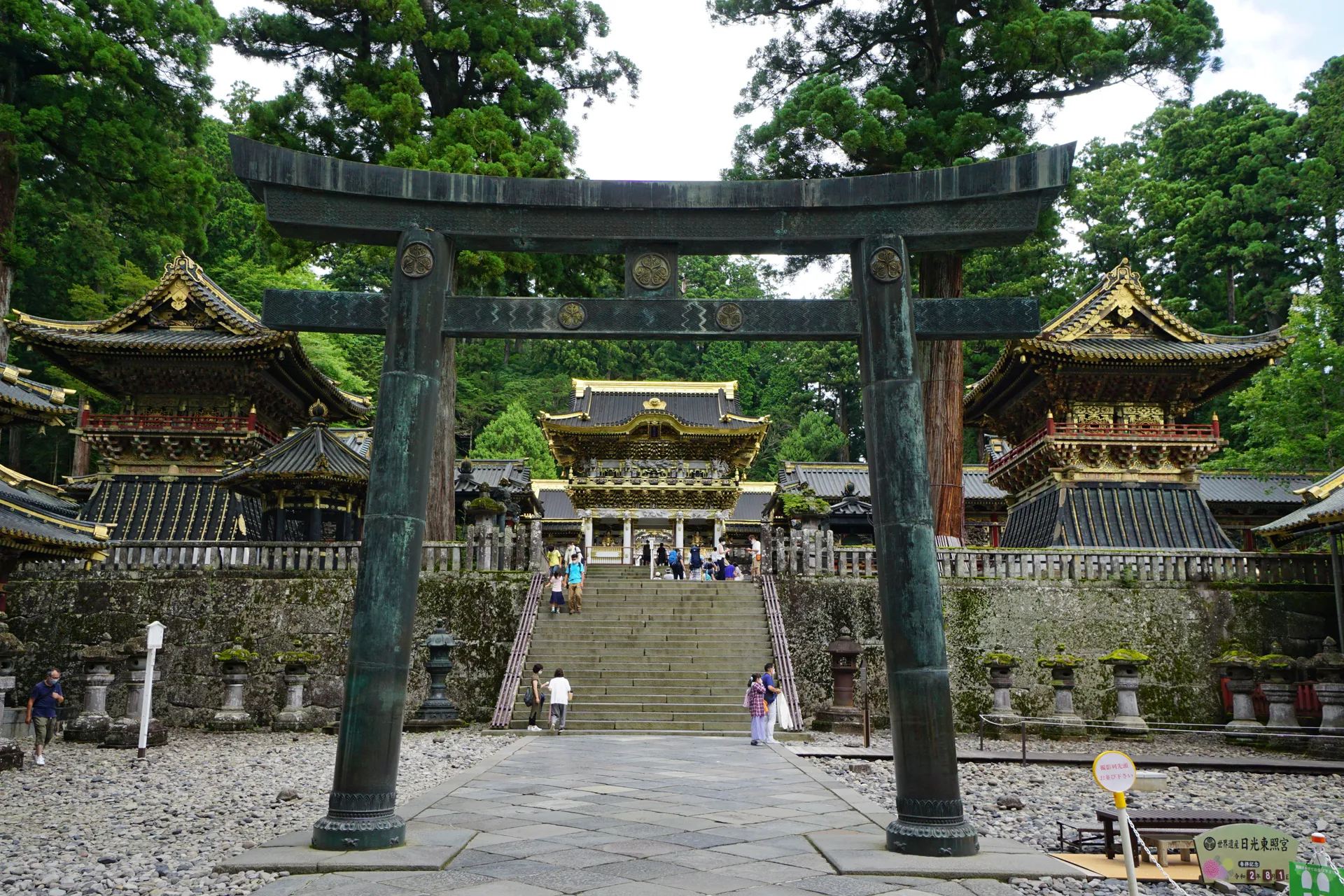
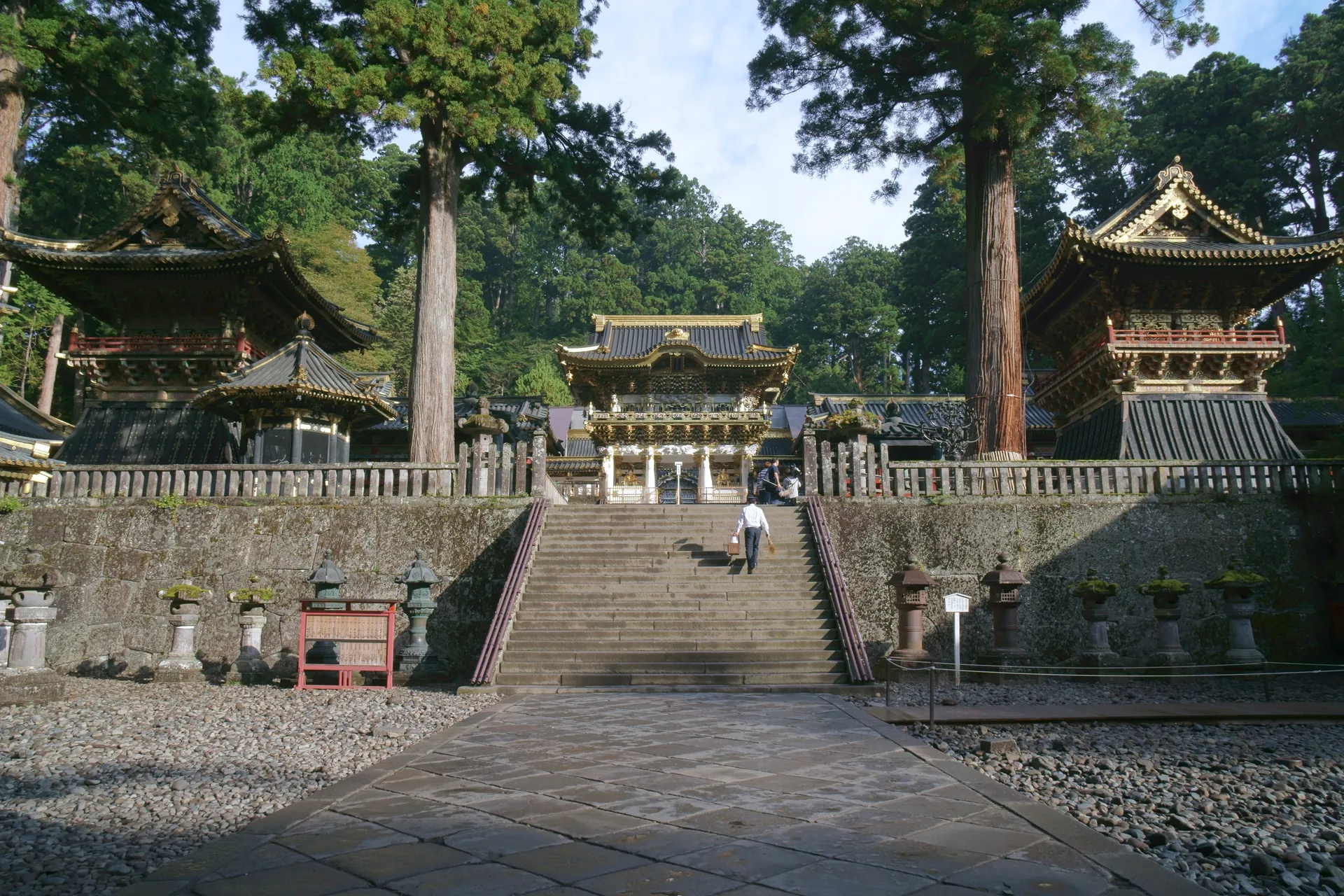
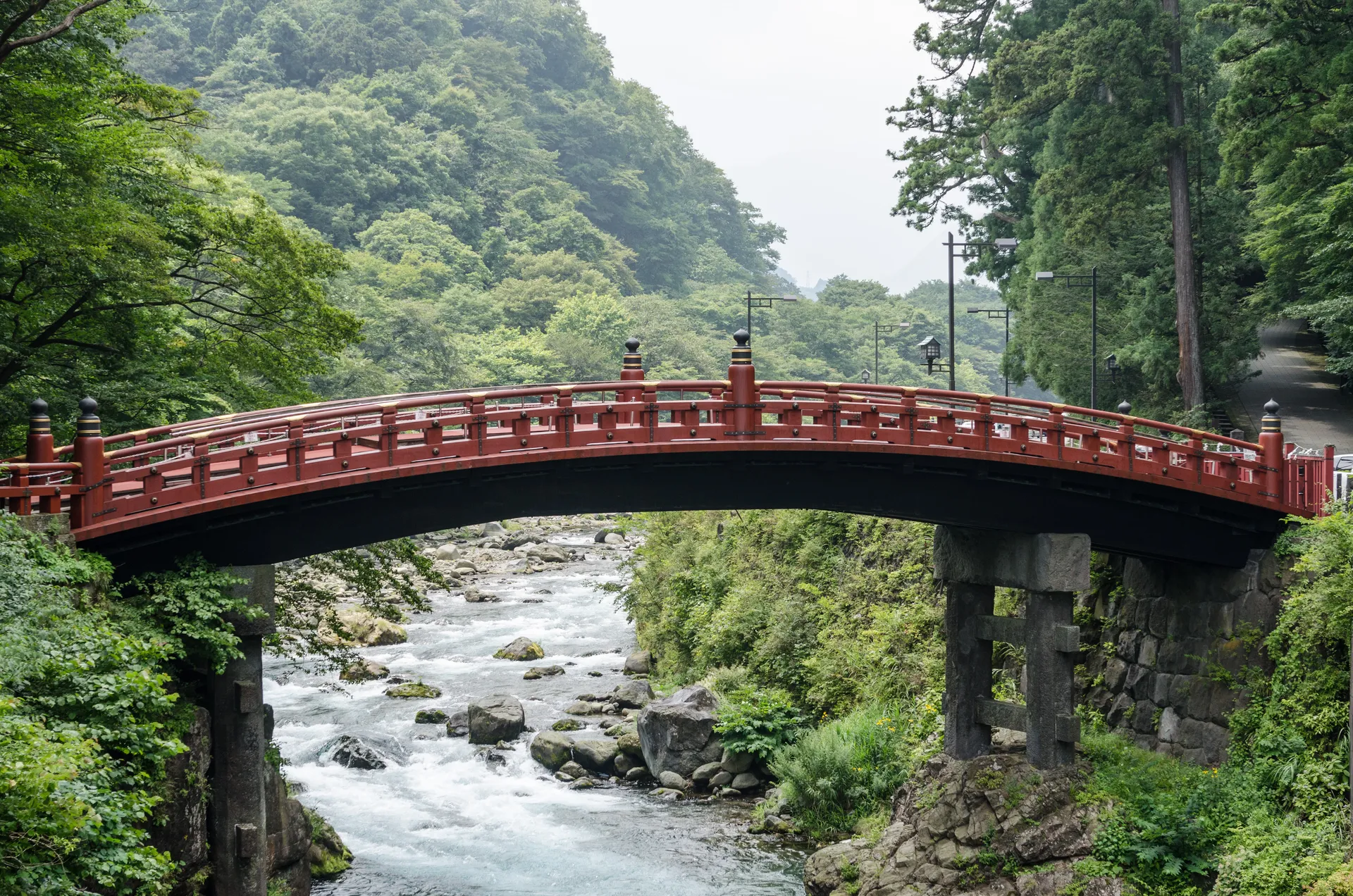
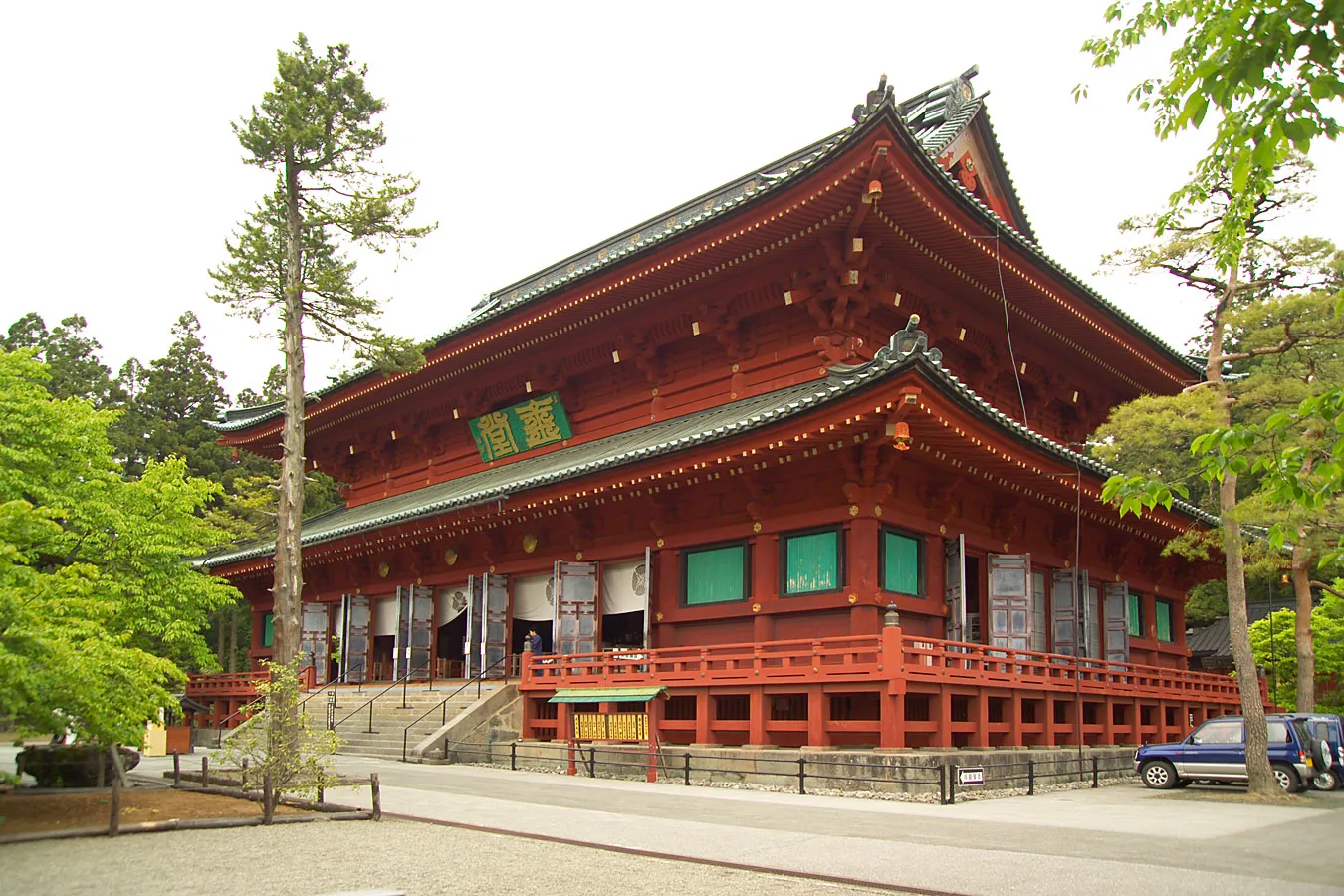
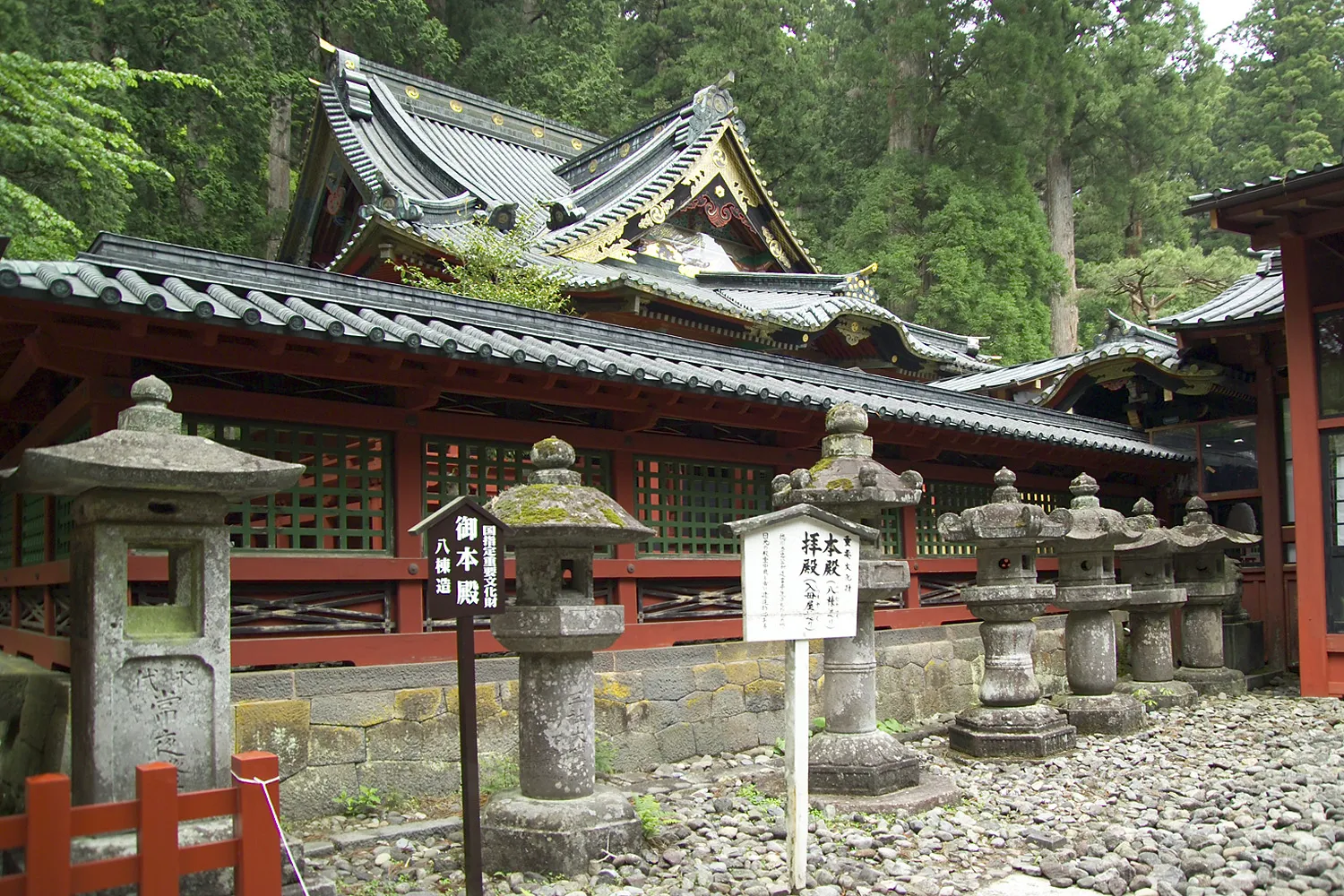
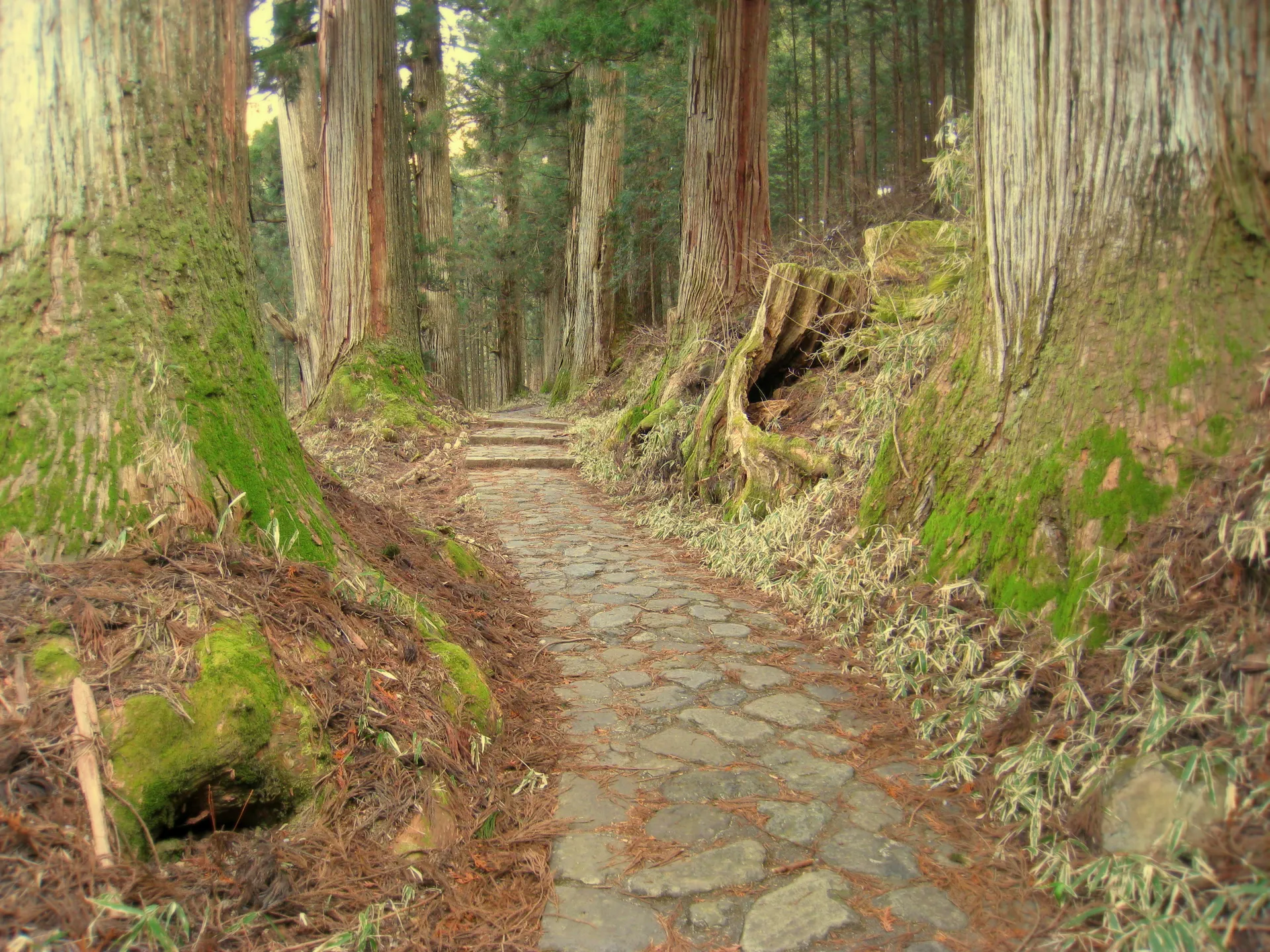
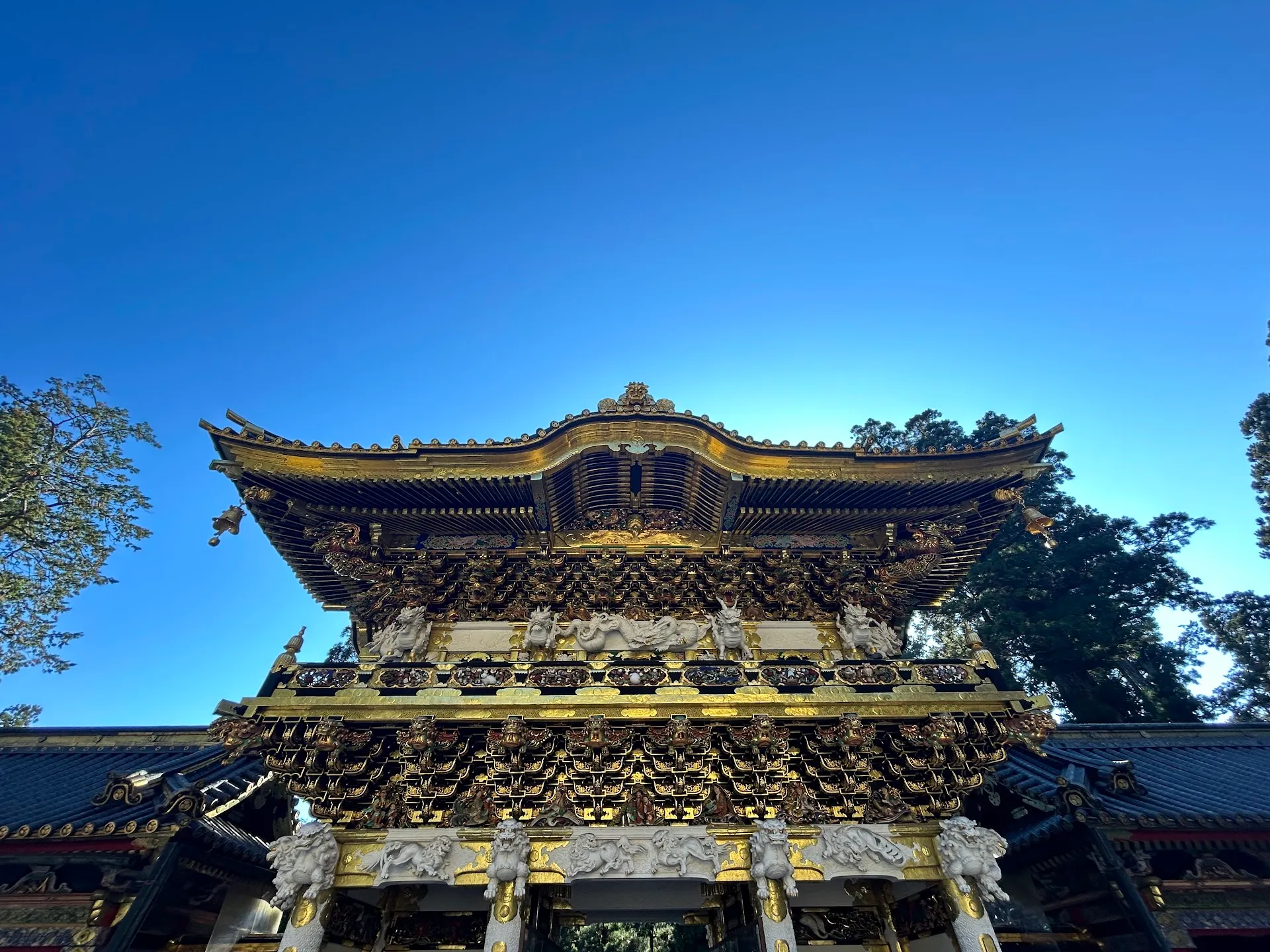
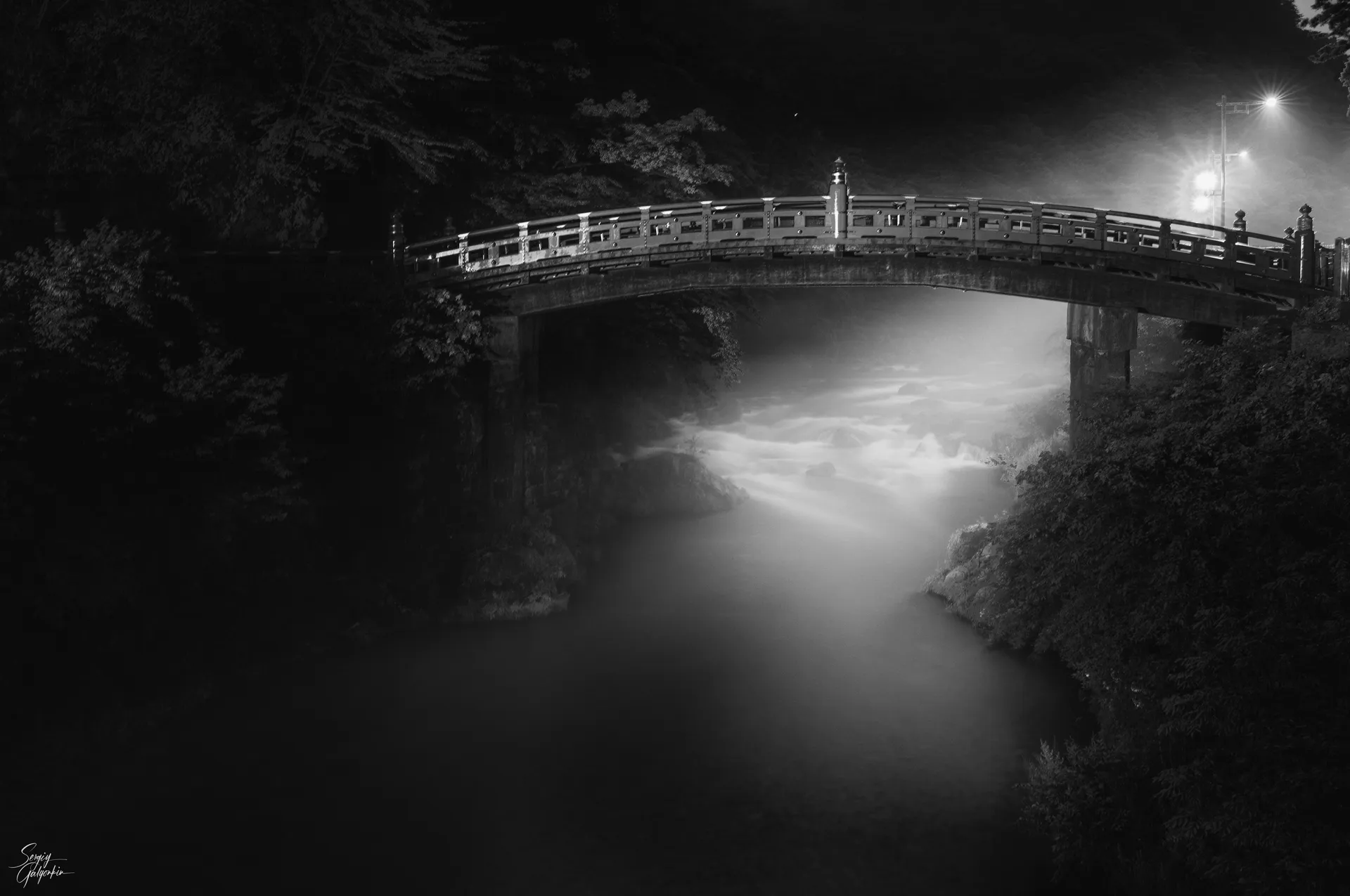
The shrine area is the obvious starting point. Toshogu Shrine is the mausoleum of Tokugawa Ieyasu, the warlord who unified Japan, and it is the most ornate religious complex in the country, decorated by Edo-period master craftsmen in gold leaf and thousands of carvings. Its Yomeimon Gate, a designated National Treasure, carries over 500 carvings of dragons, sages, and mythical beasts, and the shrine is home to the famous "see no evil, hear no evil, speak no evil" monkeys and the Sleeping Cat. Alongside it sit Rinnoji Temple, with its three giant gold-lacquered Buddha statues and the tranquil Shoyo-en garden, and Futarasan Shrine, dedicated to the sacred mountains that ring the town. The whole sacred precinct is reached across the vermilion Shinkyo Bridge, counted among Japan's three finest bridges, and approached through avenues of towering cryptomeria cedars planted in the 1600s.
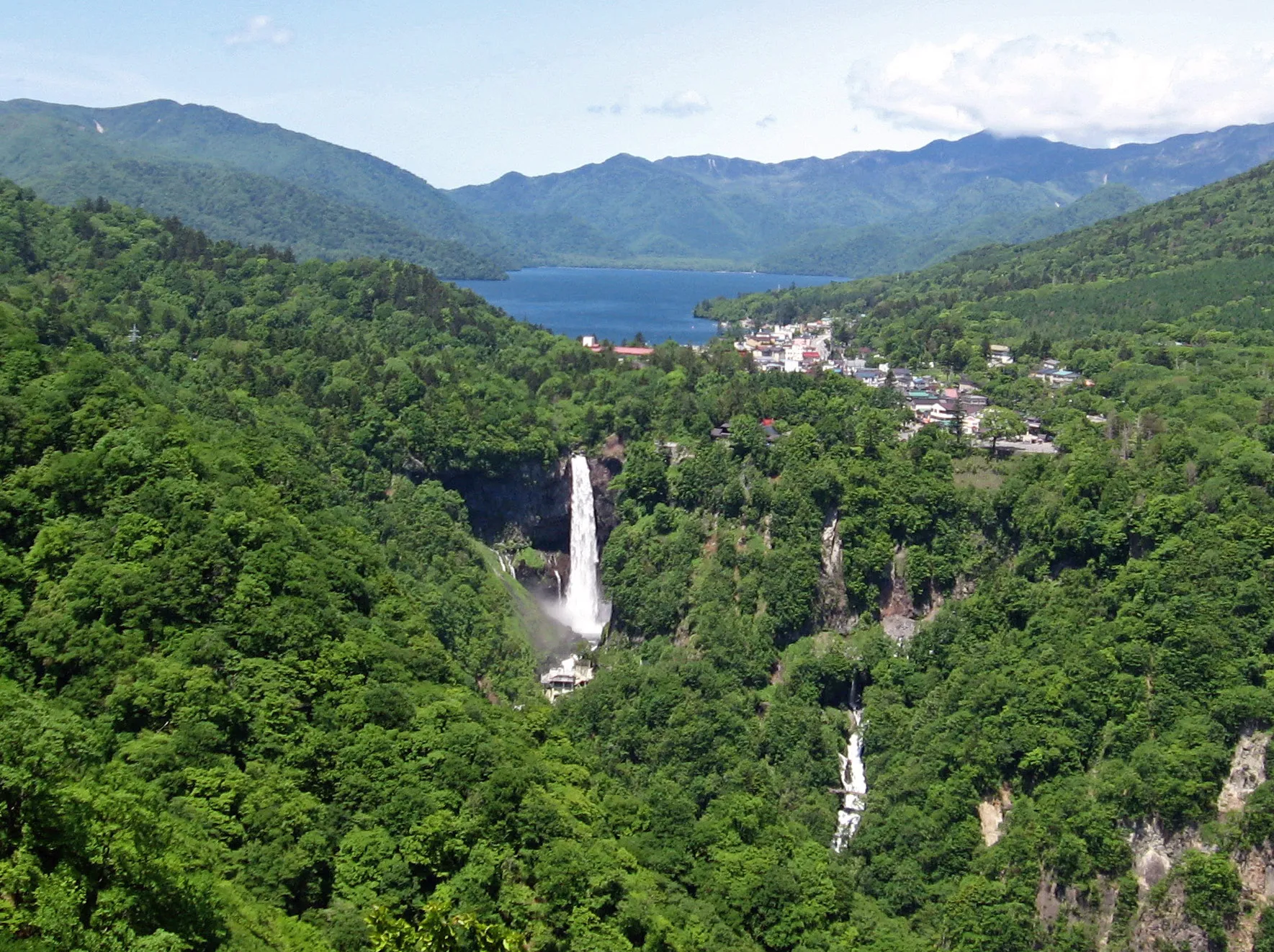
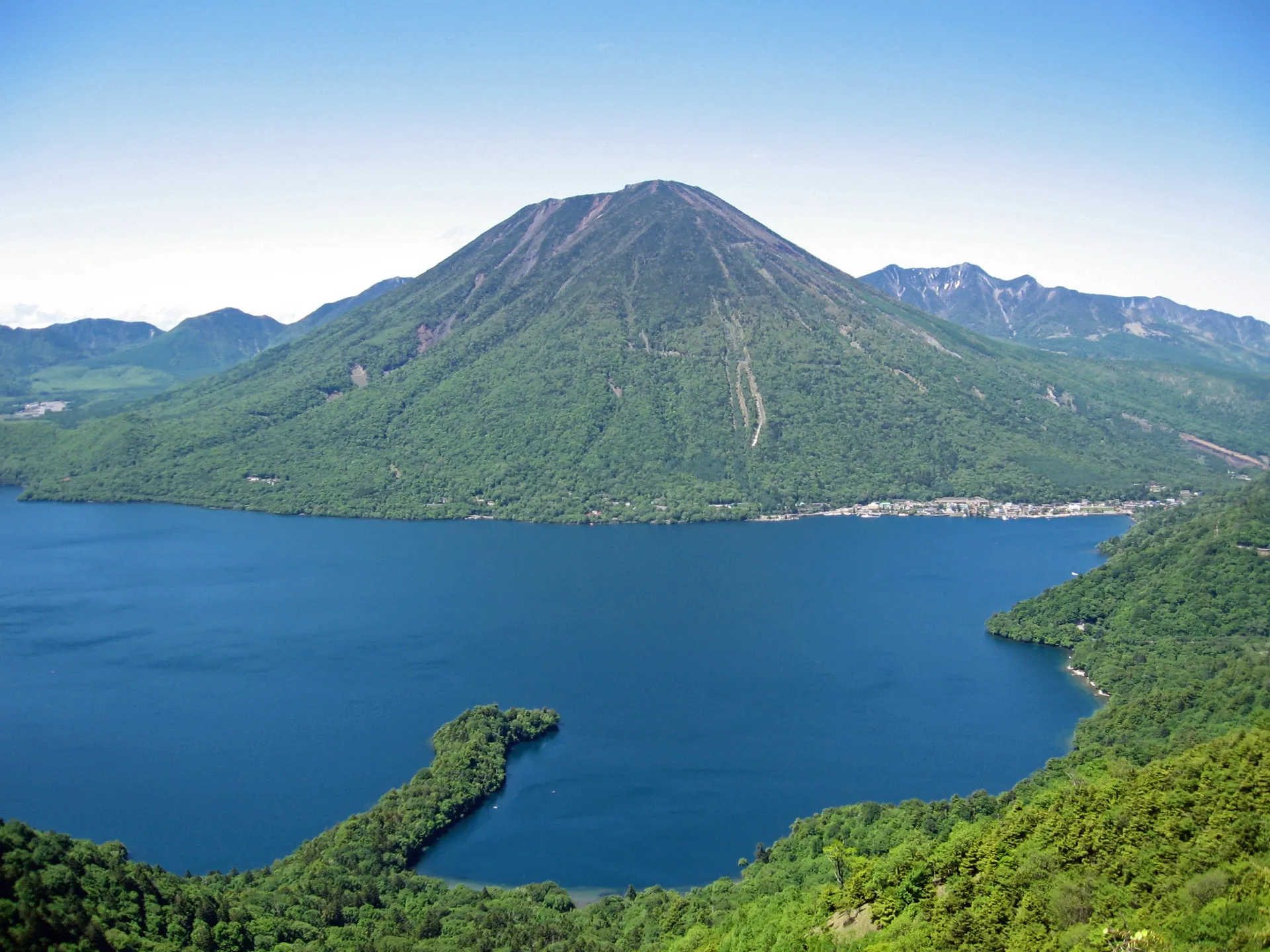
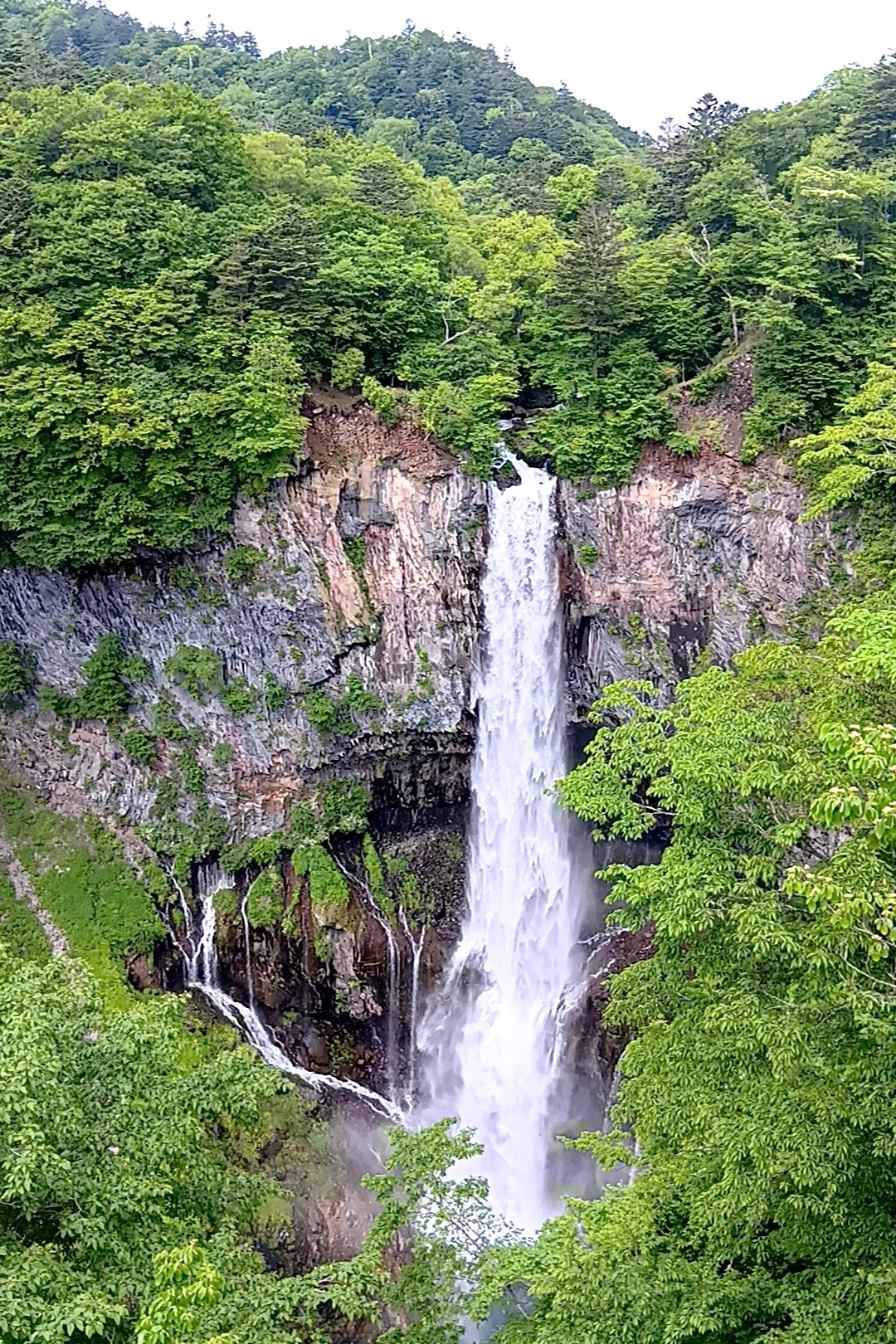
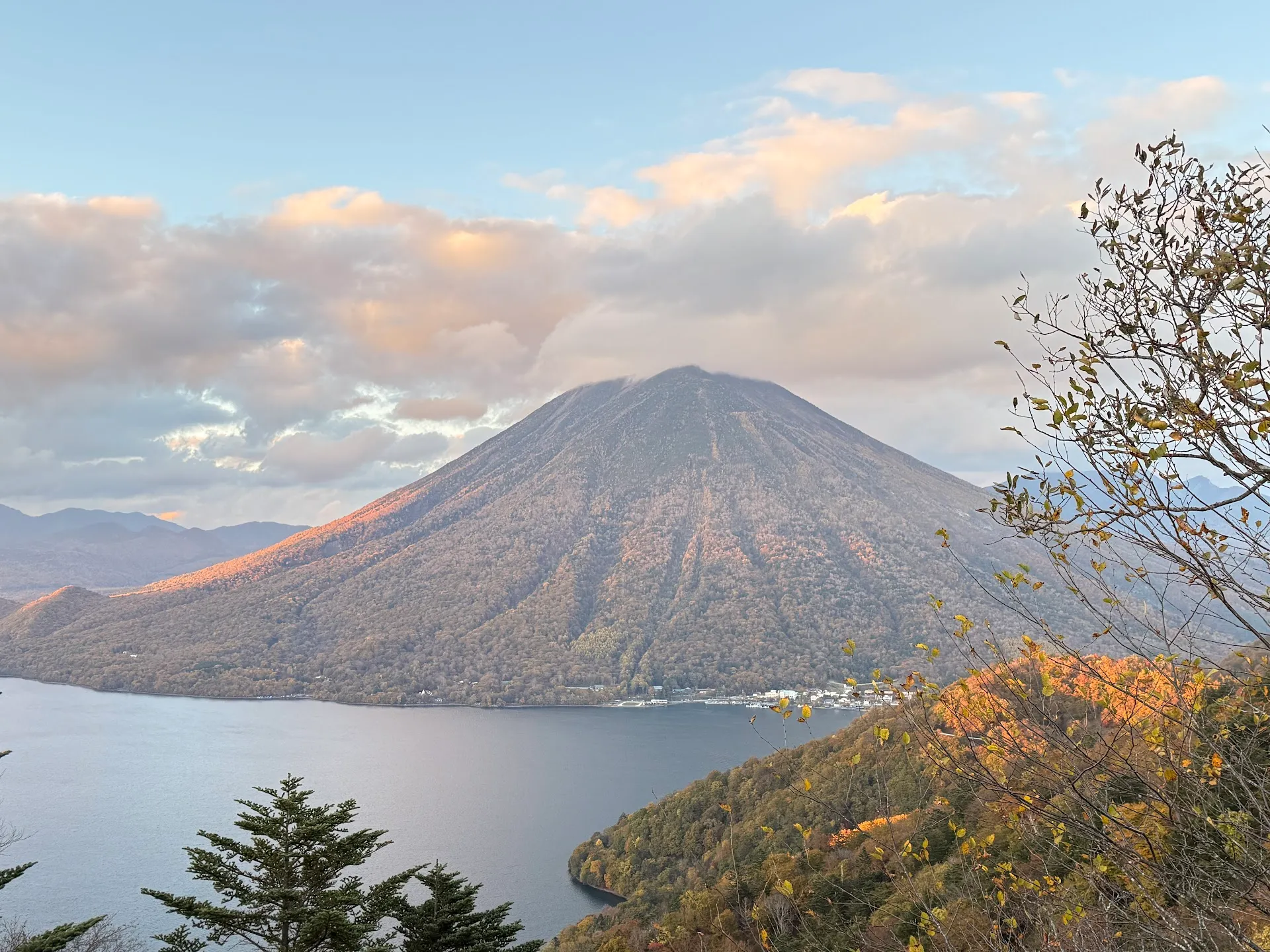
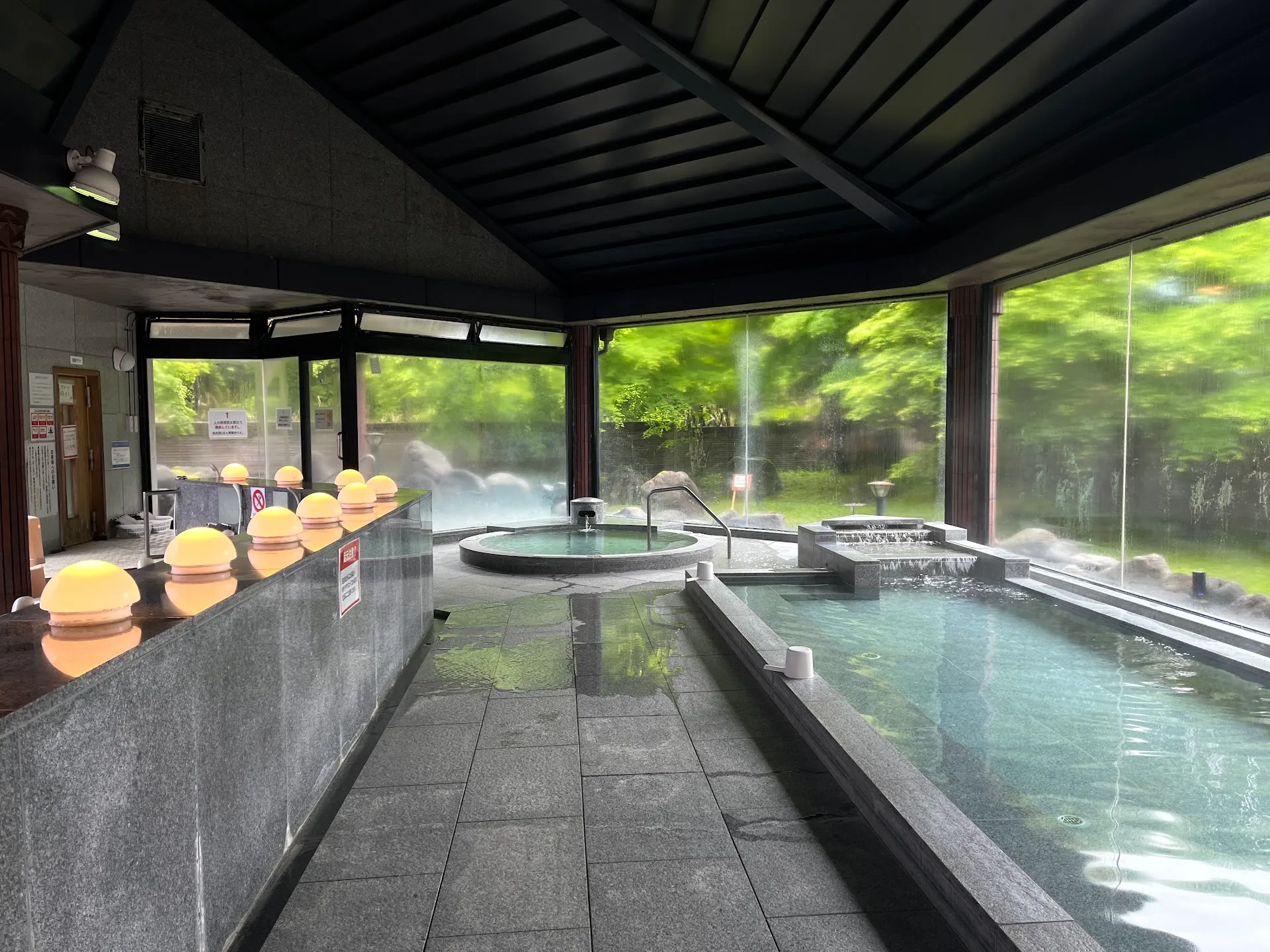
Most visitors do the shrines in a half day, but Nikko rewards anyone who keeps going up the mountain. Beyond the famous hairpin bends of the Irohazaka winding road, you reach the Okunikko highlands: Kegon Falls, a 97-metre cascade ranked among Japan's three most beautiful waterfalls, and Lake Chuzenji, a crystalline crater lake at 1,269 metres formed when Mount Nantai erupted. This upper area is where Nikko's celebrated autumn foliage peaks, usually in mid to late October, before the colour descends to the town in early November. Hot-spring villages at Chuzenji Onsen and Yumoto Onsen invite you to soak after a day outdoors.
Best time to visit
Autumn is Nikko's signature season: colour peaks around Lake Chuzenji and the Irohazaka road in mid to late October and reaches the town in early November, drawing the year's biggest crowds. Late spring brings cherry blossom (late April to early May) and fresh green, while summer is cool and pleasant in the highlands when Tokyo swelters. Winter is quiet and crisp, with Kegon Falls sometimes freezing into ice and snow dusting the shrines, though some mountain bus routes run reduced schedules.
Budget
Nikko is affordable for a Japan trip. Shrine and temple entries run roughly 200-1,300 yen each (a combined ticket covers several), the Kegon Falls elevator is 570 yen, and a yuba lunch is around 1,000-2,000 yen. The main cost is transport: a round-trip from Tokyo is roughly 5,000-6,000 yen, and a 1-2 day local bus pass (about 2,000-3,500 yen) pays off if you go up to the lake.~$70-120 USD / day
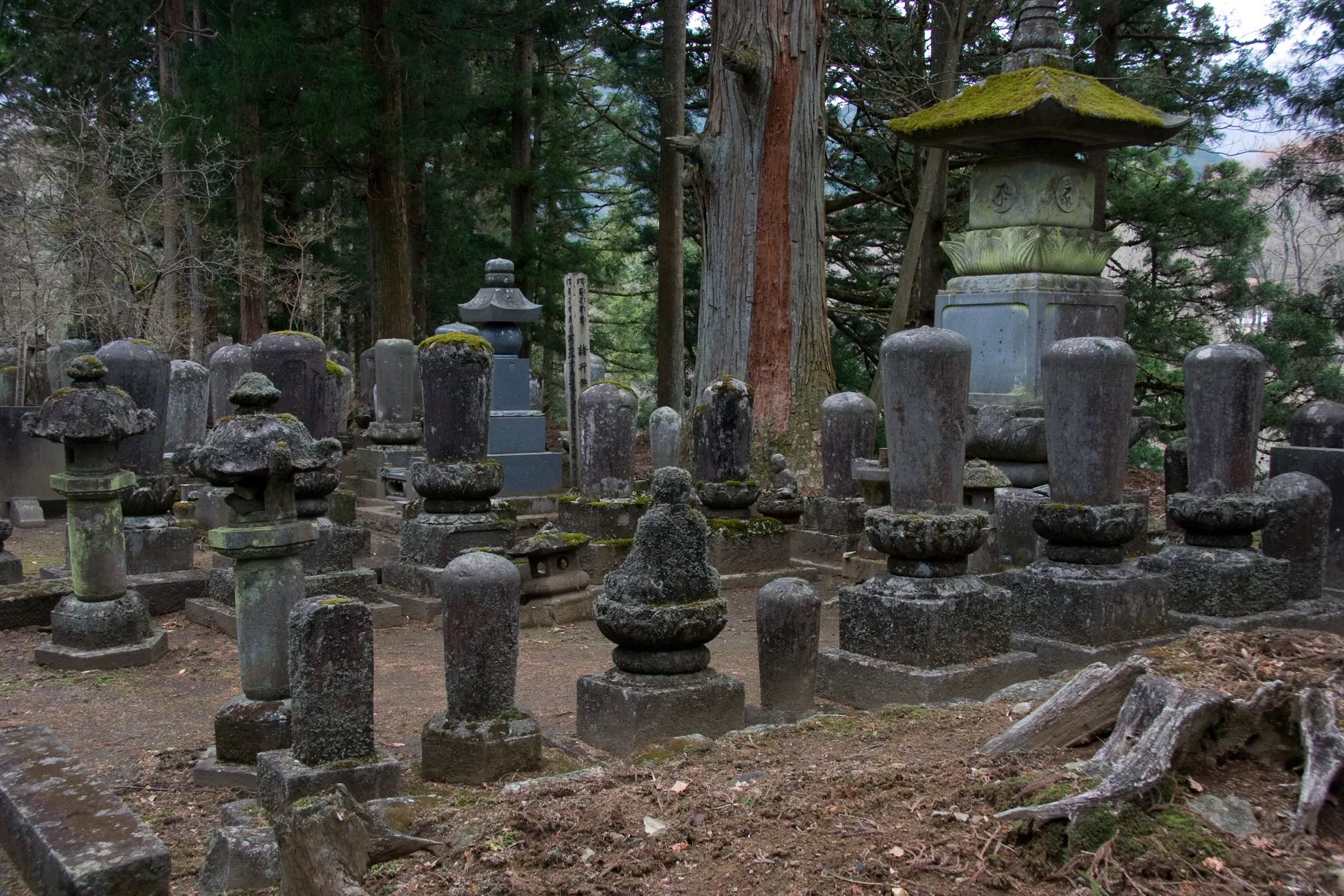
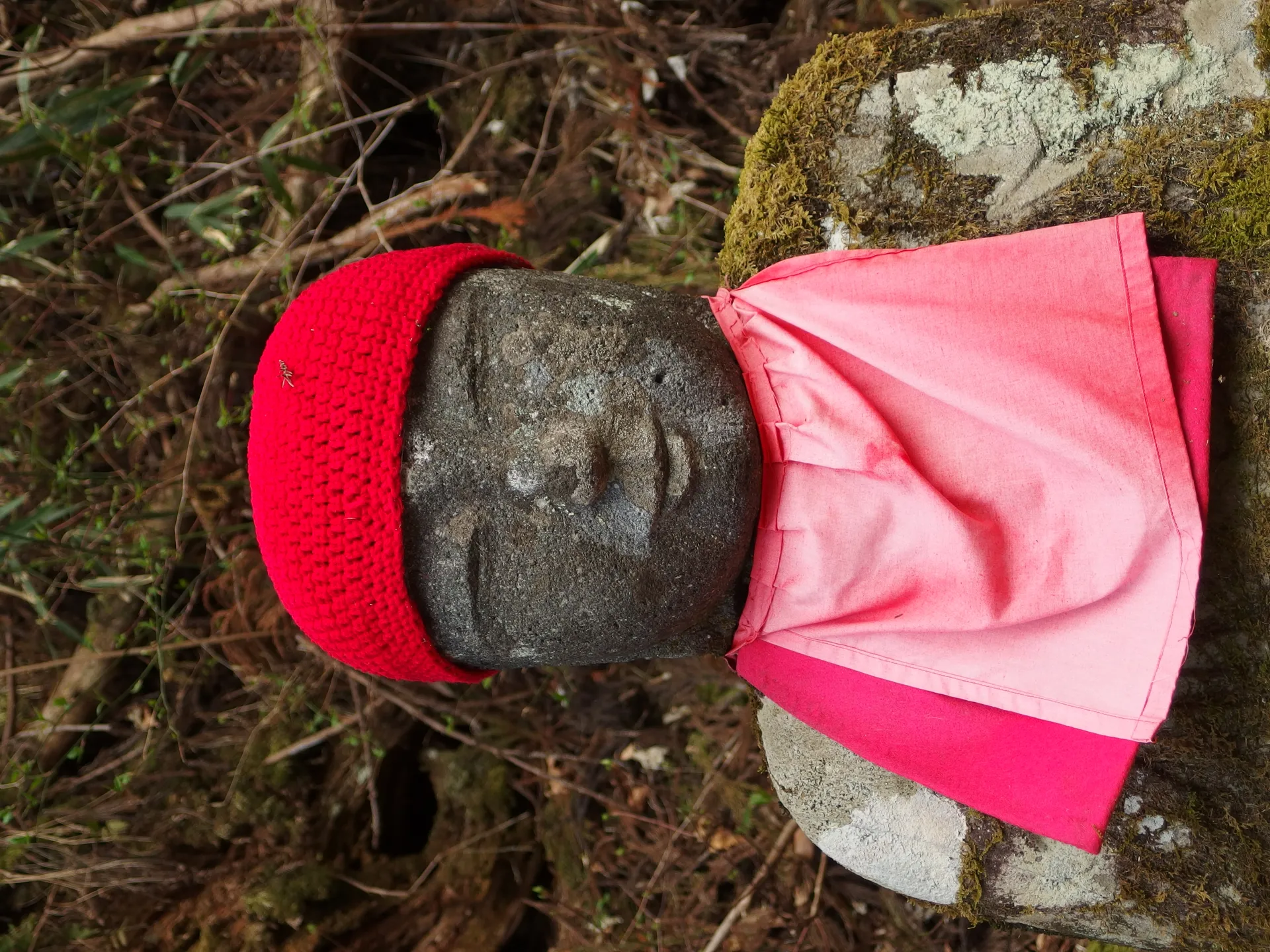
Nikko is built for early starts. The Yomeimon Gate is busiest from late morning, when the Tokyo tour buses arrive, so aim to be at Toshogu by opening time. Just a short walk from the shrines, the Kanmangafuchi Abyss offers a quieter counterpoint: a riverside gorge lined with 70-odd moss-covered Jizo statues, nicknamed the "ghost Jizo" because legend says you can never count the same number twice. Mornings here, when mist hangs over the Daiya River, are some of the most atmospheric in town.
Getting around is straightforward. Tobu and JR trains run from Tokyo to Nikko in about two hours, and frequent local buses connect both stations to the shrines, Lake Chuzenji, and the onsen villages. With one full day you can cover the shrines plus Kegon Falls and the lake; with two days you can slow down, hike the highlands, and soak in a mountain onsen. Use this guide to skim the day plans, browse the top sights, and save what fits, then drop it all straight into a TripBox itinerary with dates, a map, and your travel companions.
The best of Nikko
Curated places worth your time — tap a card for details or to save it.
UNESCO World Heritage. Elaborate Tokugawa mausoleum with stunning gold leaf and intricate carvings. Famous 'See No Evil, Speak No Evil, Hear No Evil' monkeys.
Architecture
Toshogu Yomeimon Gate
The Gate of the Setting Sun — so ornate you could gaze at it all day. Over 500 intricate carvings of flowers, birds, dragons, and sages. The crown jewel of Toshogu and Japanese architecture.
Toshogu Shrine, Nikko
Must visit
Scenic Spot5.0
Shinkyo Bridge (Sacred Bridge)
Iconic vermilion bridge over Daiya River. One of Japan's three finest bridges. Photography spot at entrance to shrines.
Must visit
Temple4.0
Rinnoji Temple
UNESCO World Heritage. Large Buddhist temple complex with three massive gold-lacquered statues. Beautiful Shoyo-en stroll garden.
Must visit
Shrine4.0
Futarasan Shrine
UNESCO World Heritage. One of Nikko's oldest shrines, dedicated to the mountain deities. Beautiful vermilion buildings in forested setting.
Scenic Spot4.0
Kegon Falls
One of Japan's three most beautiful waterfalls. 97m high waterfall near Lake Chuzenji. Best in autumn colors or frozen winter.
Scenic Spot4.0
Lake Chuzenji
Beautiful mountain lake at 1,269m elevation. Scenic boat cruises, lakeside walks. Near Kegon Falls.
Park4.0
Kanmangafuchi Abyss
Scenic gorge formed by lava from Mt. Nantai, lined with 70+ Jizo statues nicknamed 'Bake Jizo' (ghost Jizo) because their count seems to change. Peaceful riverside nature walk.
Nature
Nikko Cedar Avenue
Ancient avenue lined with towering cryptomeria cedars planted in the 1600s. Over 13,000 trees originally lined the approach roads to Nikko. Walking through feels like entering another era.
Approach to Toshogu Shrine
Nature
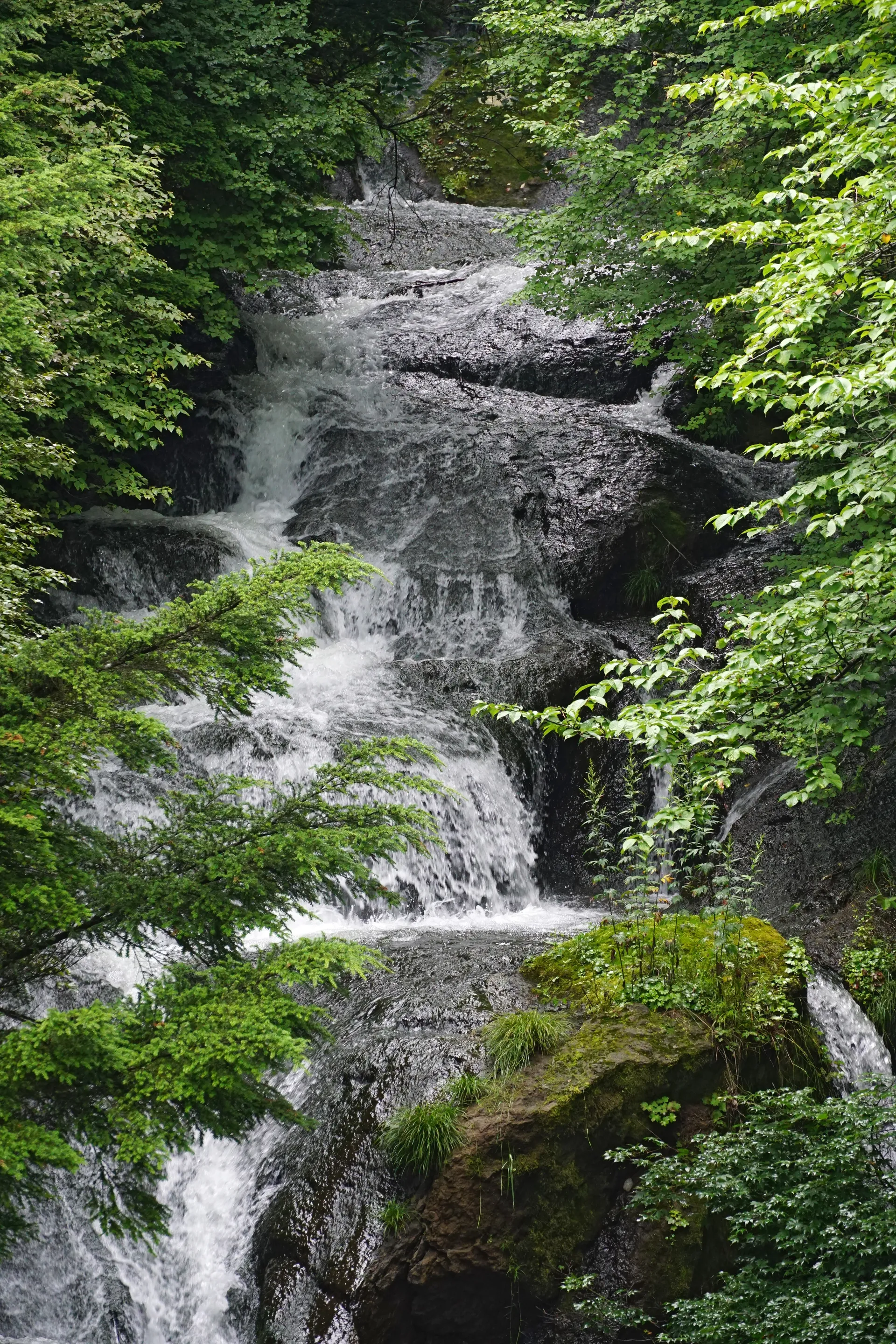
Ryuzu Falls
210-meter cascade splitting around a rock formation like dragon's whiskers (hence the name 'Dragon's Head'). Less famous than Kegon but equally beautiful, especially in autumn.
North of Lake Chuzenji
Tours & experiences
Free walking tours and curated paid experiences — save or book in a tap.
Tour
Nikko Shrines & Temples Walking Tour
Explore the UNESCO-listed sacred sites of Nikko. Visit Toshogu Shrine with its 'See No Evil' monkeys and Yomeimon Gate, Rinnoji Temple, and Futarasan Shrine. Walk through ancient cedar forests connecting the sites.
Nikko UNESCO World Heritage Area3-4 hours
Tour
Shinkyo Bridge Photo Walk
Photograph the iconic vermilion sacred bridge spanning the Daiya River. One of Japan's three most beautiful bridges. Walk across for views of the rapids below, then explore the cedar-lined approach to the shrines.
Shinkyo Bridge, Nikko30 minutes - 1 hour
Tour
Kanmangafuchi Jizo Trail
Atmospheric riverside walk past 70+ moss-covered Jizo statues known as the 'Bake Jizo' (ghost Jizo) — legend says you can never count the same number twice. Peaceful escape from the shrine crowds.
Kanmangafuchi Abyss, Nikko45 minutes - 1 hour
Outdoor
Kegon Falls Observation
Marvel at Japan's most famous waterfall — a 97-meter plunge from Lake Chuzenji. Take the elevator down to the observation platform for dramatic close-up views. Stunning with autumn foliage or frozen in winter.
Lake Chuzenji, Nikko1-1.5 hours
Tour
Lake Chuzenji Scenic Walk
Stroll along the shores of this stunning volcanic lake at 1,269m elevation. Clear blue waters reflect surrounding mountains. Visit Chuzenji Temple and Italian Embassy Villa for lakeside views.
Lake Chuzenji shoreline1-2 hours
Experience
Nikko Natural Hot Spring Experience
Soak in natural hot springs in the mountains. Yumoto Onsen at the northern end of Nikko has sulfurous waters, while Chuzenji Onsen offers lakeside bathing. Many ryokan allow day visitors.
Yumoto Onsen or Chuzenji Onsen area1-2 hours
Viewpoints & photo spots in Nikko
The skyline views and photogenic corners worth the detour.
Absolutely. Nikko is one of the best day trips from Tokyo: about two hours by train each way, with the UNESCO shrines, Kegon Falls, and Lake Chuzenji all reachable in a single packed day. To do both the shrines and the highlands at a relaxed pace, an overnight stay is worth it.
How do I get to Nikko from Tokyo?
The simplest route is the Tobu Railway from Asakusa to Tobu-Nikko (limited express in roughly 2 hours). Alternatively, take the JR shinkansen from Tokyo to Utsunomiya (about 50 minutes), then a local JR line to Nikko (about 45 minutes). Both stations have buses to the shrines and the lake.
How many days do you need in Nikko?
One full day covers the shrines plus a quick trip up to Kegon Falls and Lake Chuzenji. Two days lets you slow down, hike the Okunikko highlands, see Ryuzu Falls, and soak in a mountain onsen at Chuzenji or Yumoto.
When is the best time to visit Nikko?
Autumn is the headline season: foliage peaks around Lake Chuzenji and the Irohazaka road in mid to late October and reaches the town in early November. Late spring brings cherry blossom and fresh green; summer is cool in the highlands; winter is quiet and atmospheric.
Do I need a combined ticket for Nikko's shrines?
Each site charges its own entry (Toshogu is about 1,300 yen, Rinnoji 400 yen, Futarasan 200 yen, and crossing Shinkyo Bridge 300 yen). A combined two-shrine, one-temple ticket can save a little, but most visitors buy Toshogu separately and add the others as they go.
Ready to plan Nikko?
Turn this guide into a real trip — itinerary, map, budget and friends, all in one place.