
This two-day plan splits Nikko into its two natural halves: the UNESCO shrines and town on day one, the mountain highlands of Kegon Falls and Lake Chuzenji on day two. Start each morning early to beat the Tokyo tour buses, and keep an evening free for a hot-spring soak. If you only have a day, do day one and add Kegon Falls in the afternoon. Save any stop to drop it into your own itinerary.
2 Days in Nikko: A Day-by-Day Itinerary
Day 1
The UNESCO Shrines & Old Nikko
Must visit
08:30Scenic Spot5.0
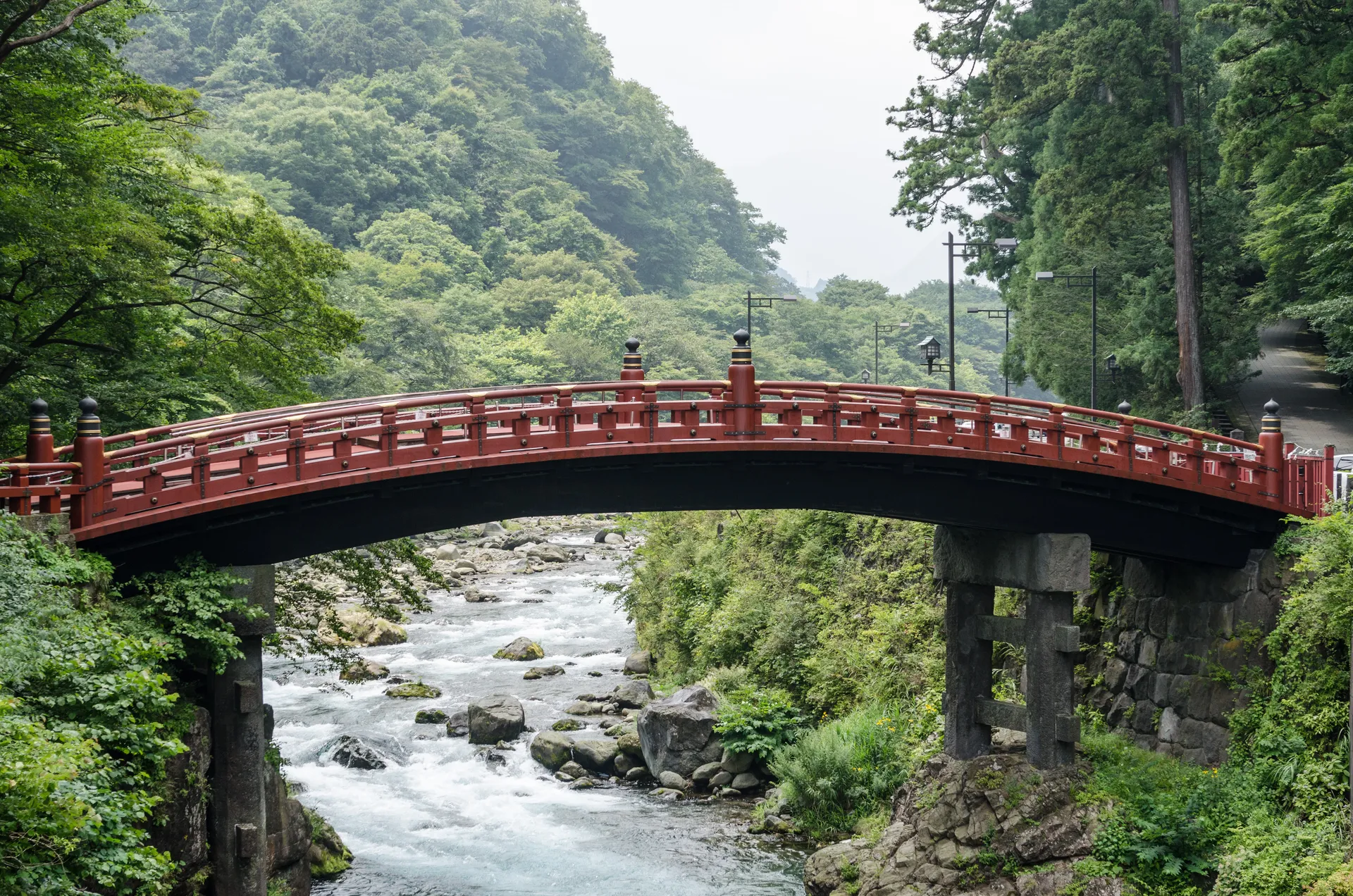
Shinkyo Bridge (Sacred Bridge)
Begin at the vermilion Sacred Bridge over the Daiya River, one of Japan's three finest bridges and the traditional gateway to the shrine precinct. The reflection in the rapids below is the classic Nikko photo.
Tip: View it free from the road, or pay 300 yen to cross for the elevated angle. Best light is early morning.
Must visit
09:00Shrine5.0
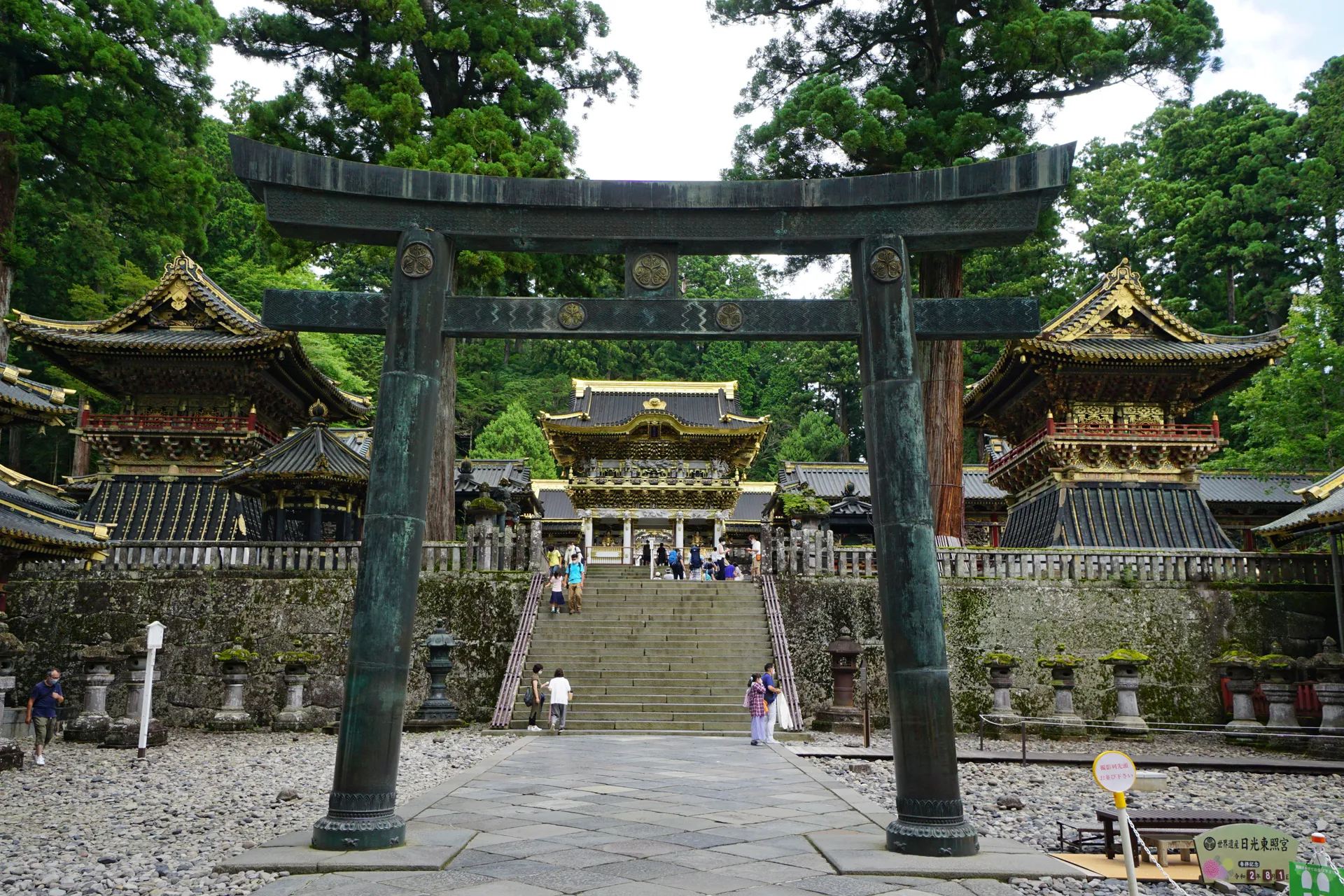
Toshogu Shrine
The lavish mausoleum of Tokugawa Ieyasu and the most ornate shrine in Japan, dripping with gold leaf and carvings. Find the 'see no evil' monkeys and the Sleeping Cat on your way to Ieyasu's hilltop tomb.
Tip: Arrive at opening (8am Apr-Oct, 9am Nov-Mar) before the tour buses fill the Yomeimon Gate from late morning.
 10:00
10:00Architecture
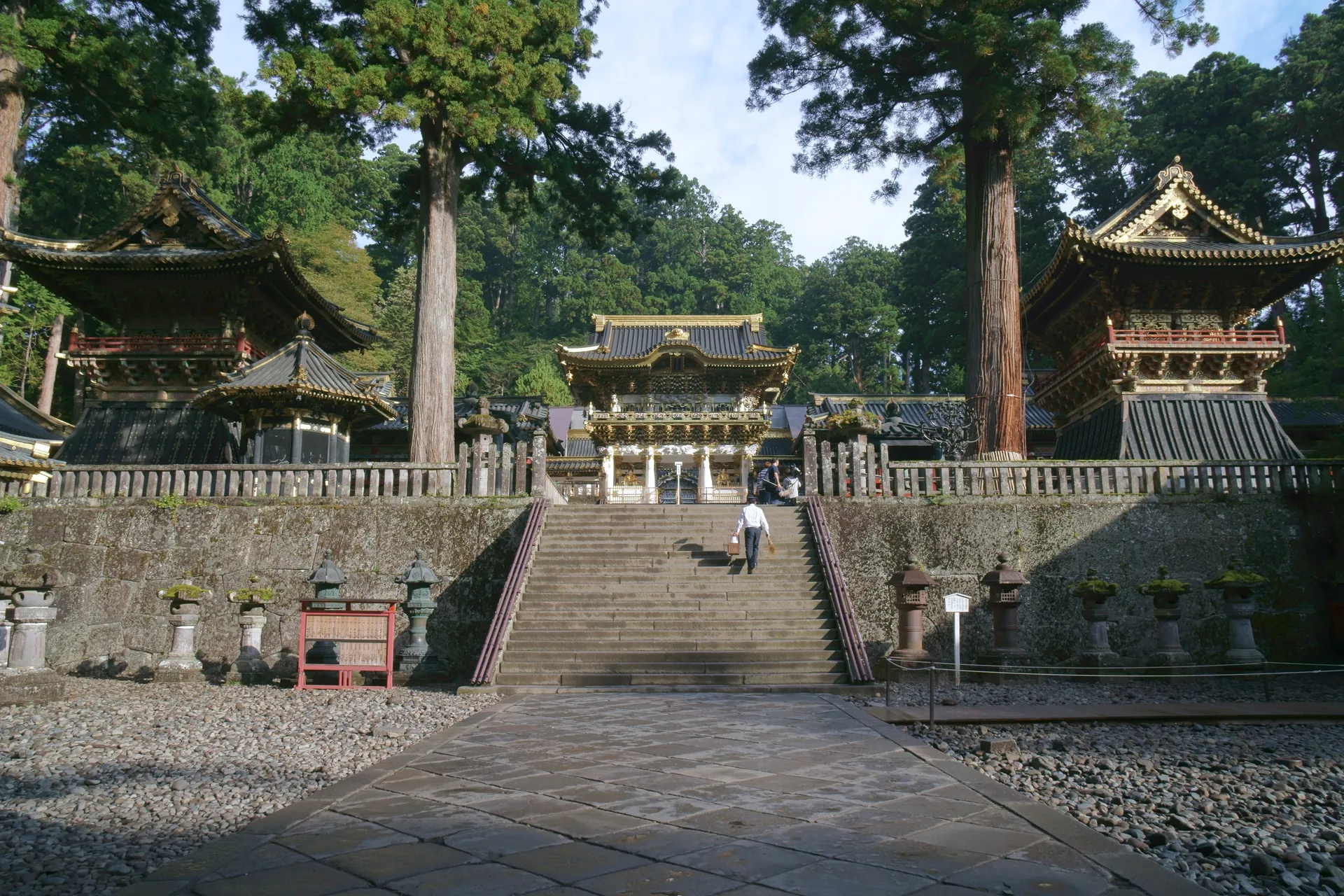
Toshogu Yomeimon Gate
Linger at Toshogu's crown jewel, the Gate of the Setting Sun, a National Treasure carrying more than 500 carvings of dragons, sages, and mythical beasts. Look for the deliberately inverted pillar said to ward off bad luck.
Toshogu Shrine, Nikko
Tip: Photograph it before 9:30am while the morning crowd is still thin.
Must visit
11:00Temple4.0
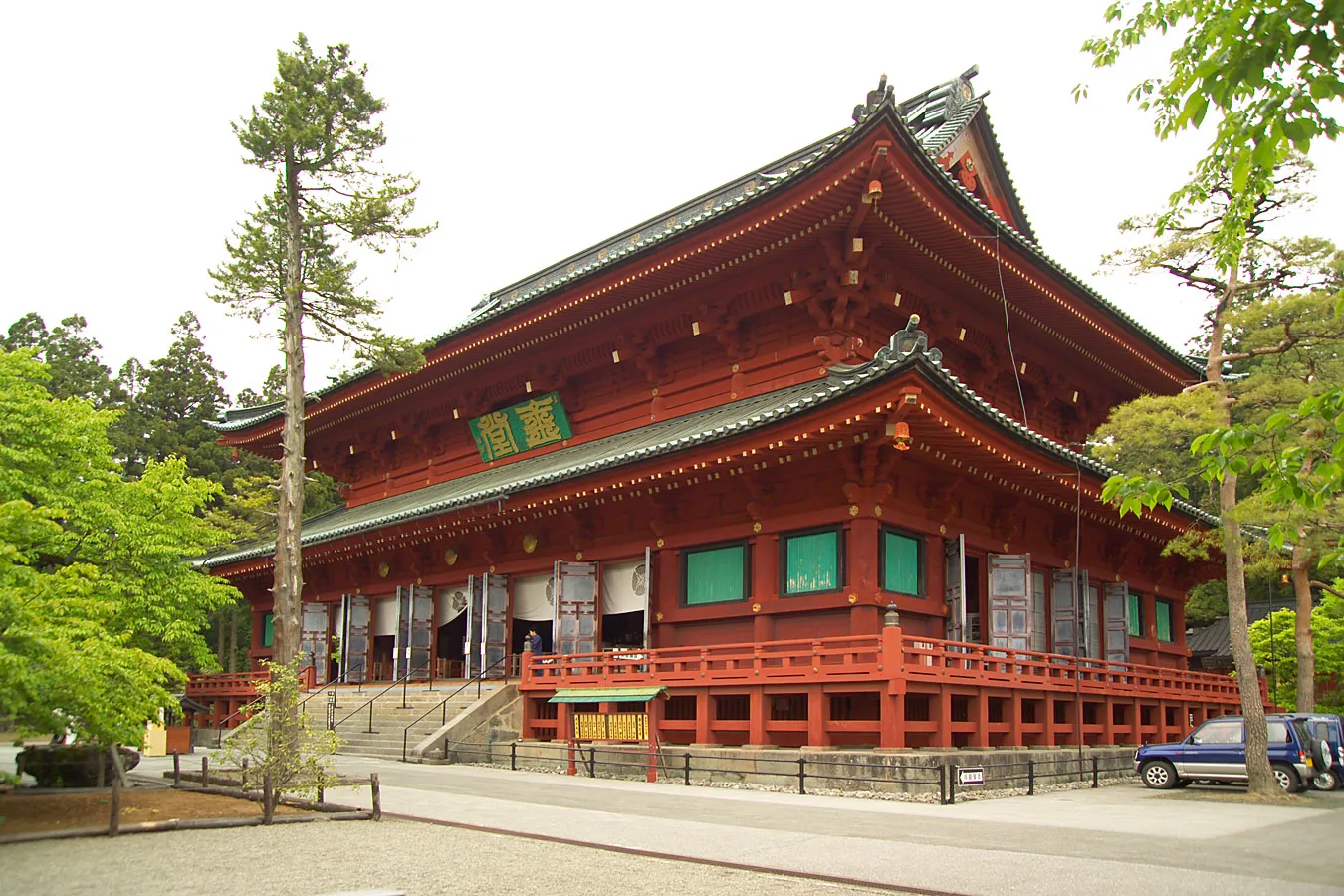
Rinnoji Temple
Nikko's great Buddhist temple, home to three towering gold-lacquered statues in the Sanbutsudo hall and the elegant Shoyo-en stroll garden, lovely in autumn.
Tip: The garden is included in the temple ticket and far quieter than Toshogu.
Must visit
12:30Shrine4.0
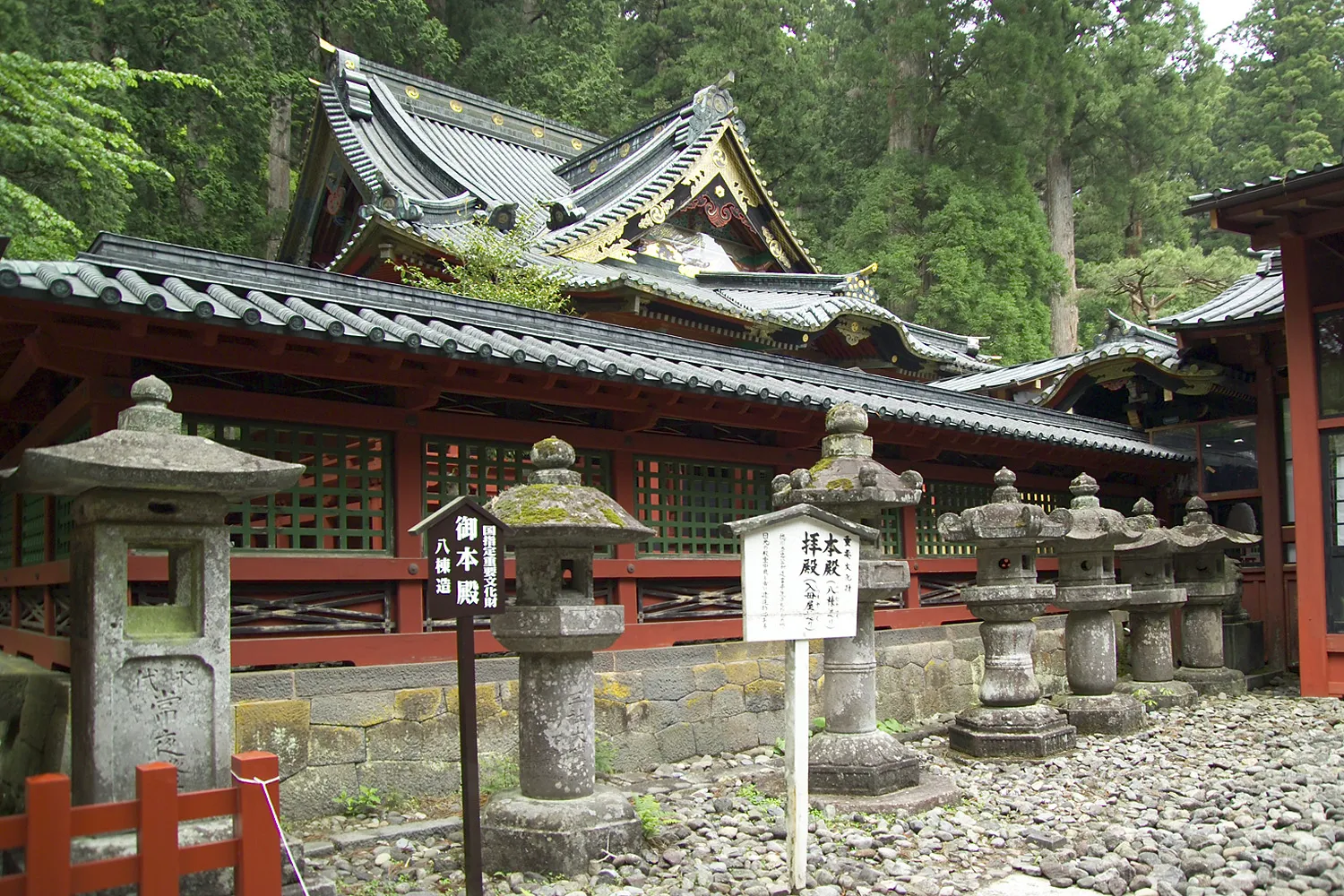
Futarasan Shrine
One of Nikko's oldest shrines, dedicated to the sacred mountains, with vermilion halls in a serene cedar setting. A peaceful, budget-friendly finish to the shrine loop.
Tip: Entry is just 200 yen; the inner garden has a few quirky 'power spot' features.
 14:30
14:30Park4.0
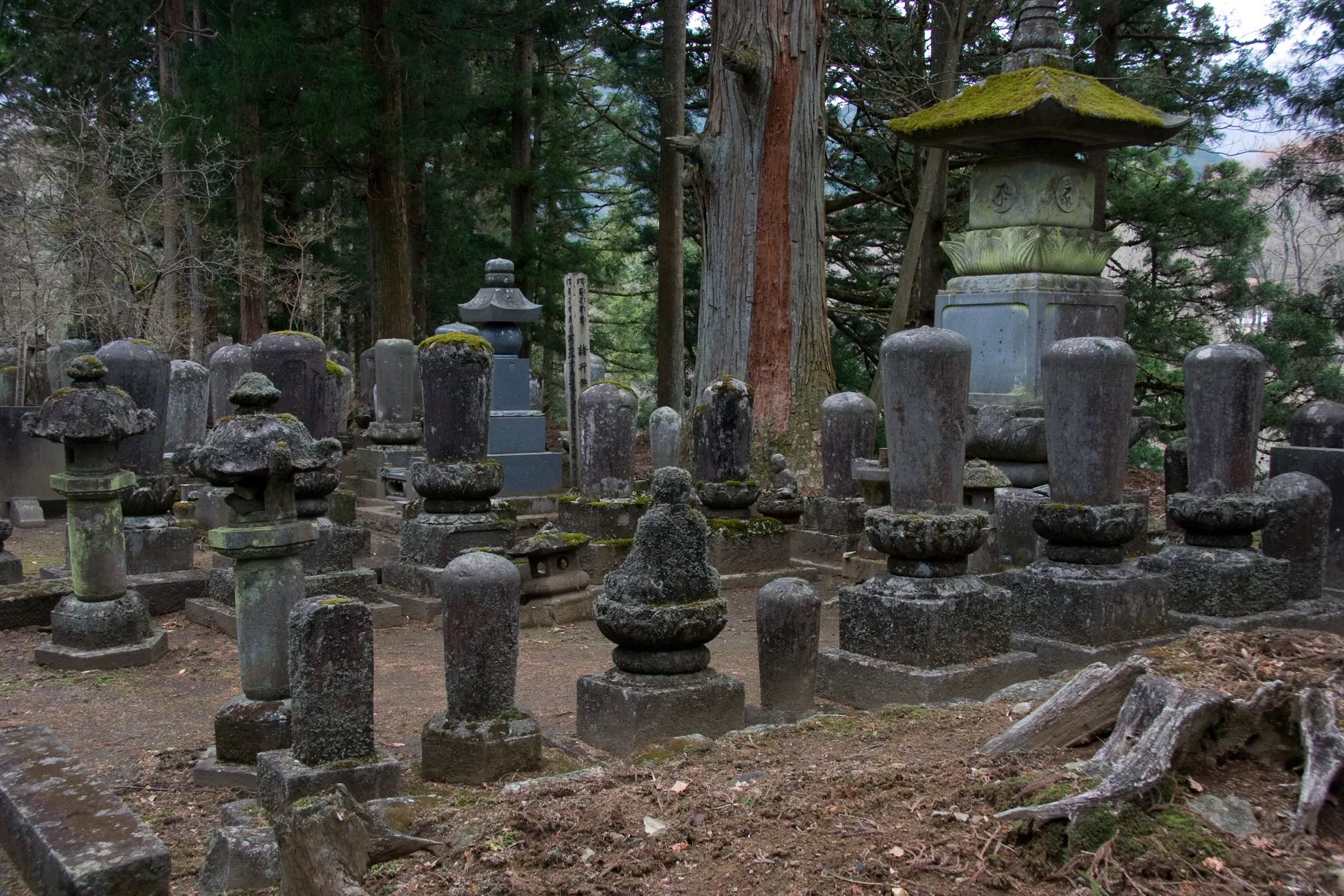
Kanmangafuchi Abyss
A 20-minute walk from the shrines brings you to this lava gorge lined with 70-plus moss-covered Jizo statues, the 'ghost Jizo' you can supposedly never count twice. A quiet, atmospheric riverside walk.
Tip: Free and rarely crowded; most magical in mist or soft afternoon light.
 16:00
16:00Nature
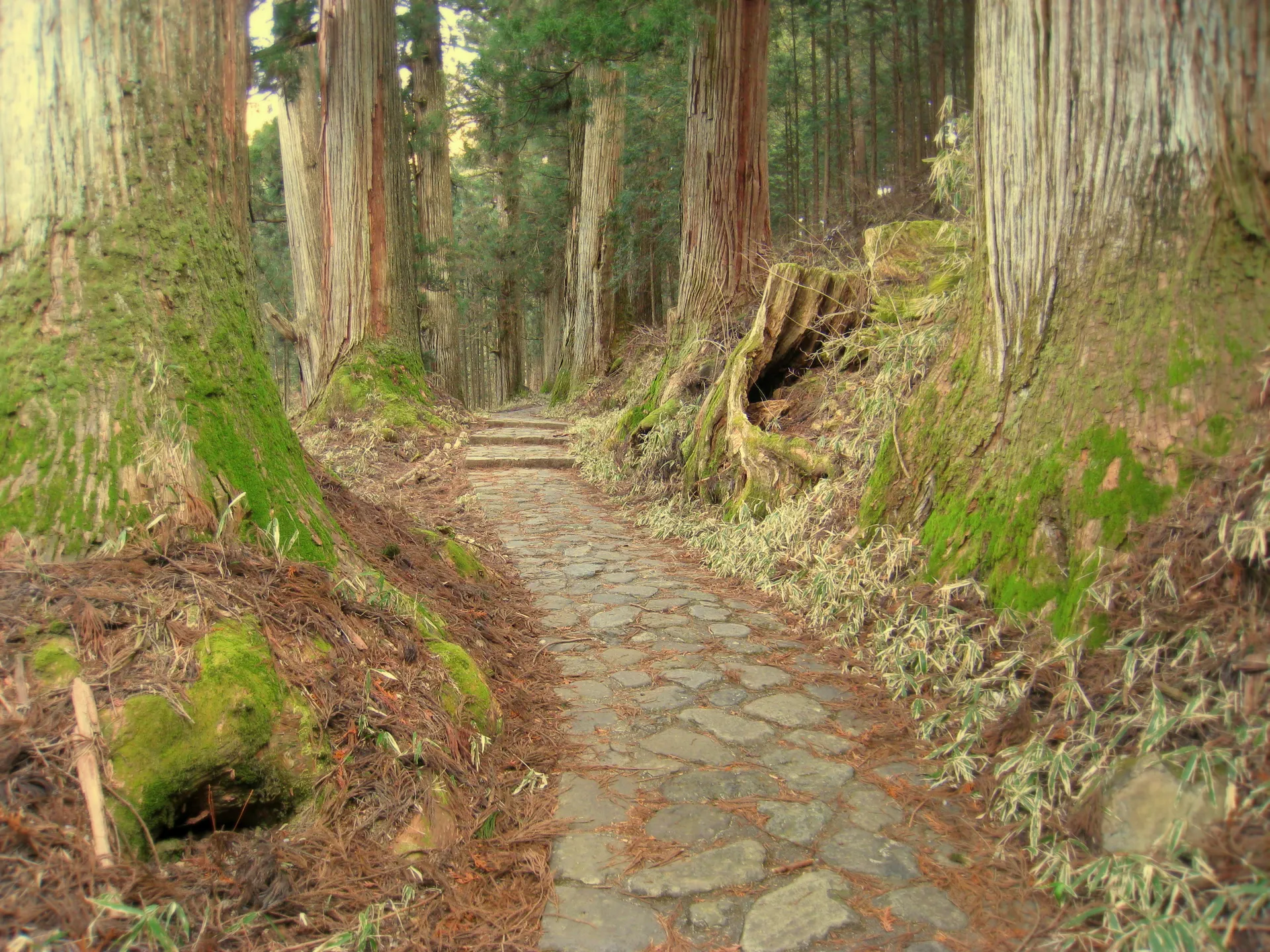
Nikko Cedar Avenue
Walk part of the ancient cryptomeria avenue planted in the 1600s on the approach to the shrines. Over 13,000 towering cedars once lined these roads, and the surviving stretch feels like stepping back in time.
Approach to Toshogu Shrine
Tip: The shrine-approach section is the most photogenic, especially in low afternoon light.
Day 2
The Okunikko Highlands: Falls & Lake
 09:00
09:00Scenic Spot4.0
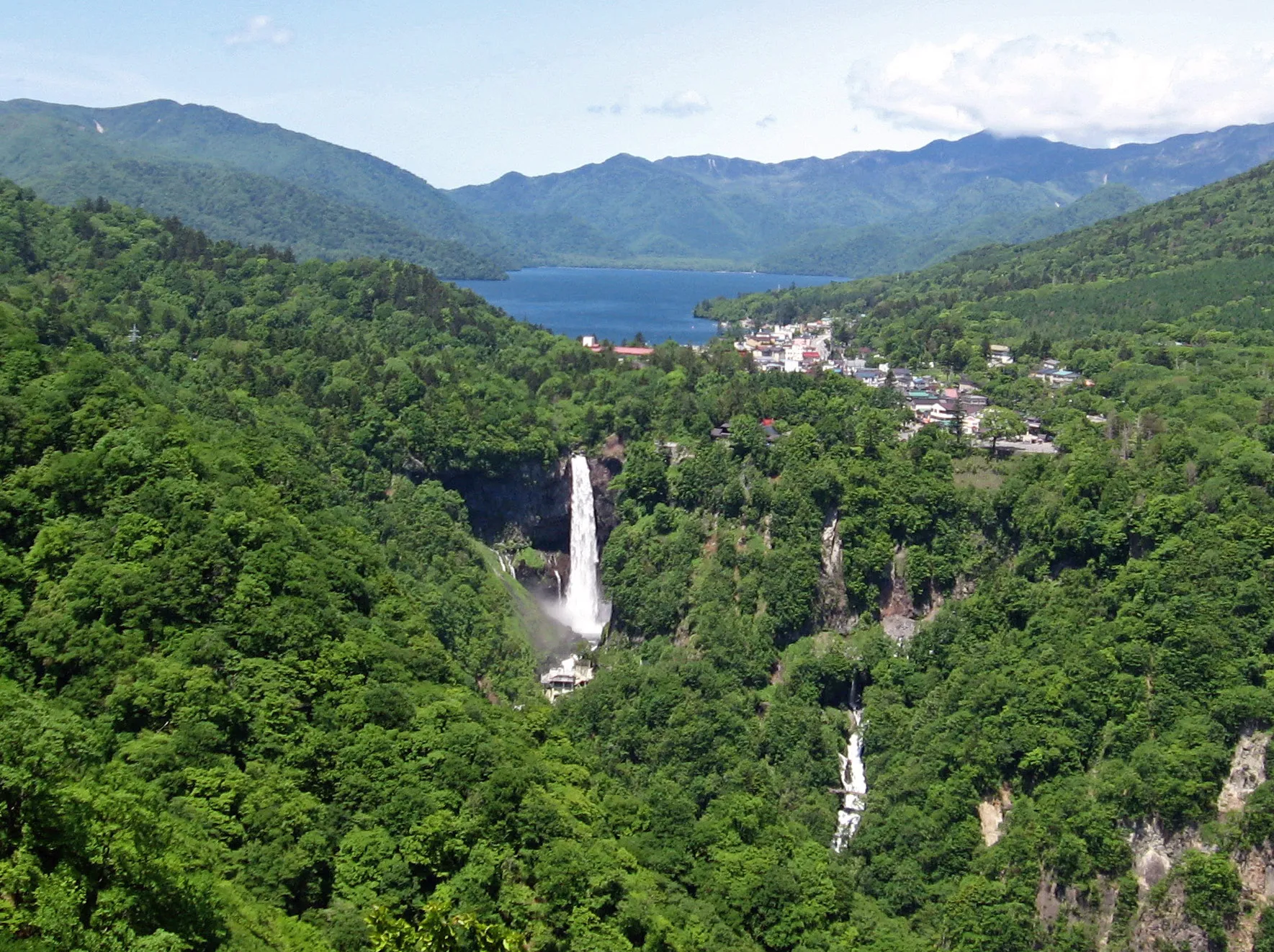
Kegon Falls
Ride the bus up the hairpin Irohazaka road to Japan's most famous waterfall, a 97-metre plunge from Lake Chuzenji. Take the elevator to the lower platform for a thundering close-up.
Tip: Morning light is best on the falls; the elevator is 570 yen and worth it.
 10:30
10:30Scenic Spot4.0
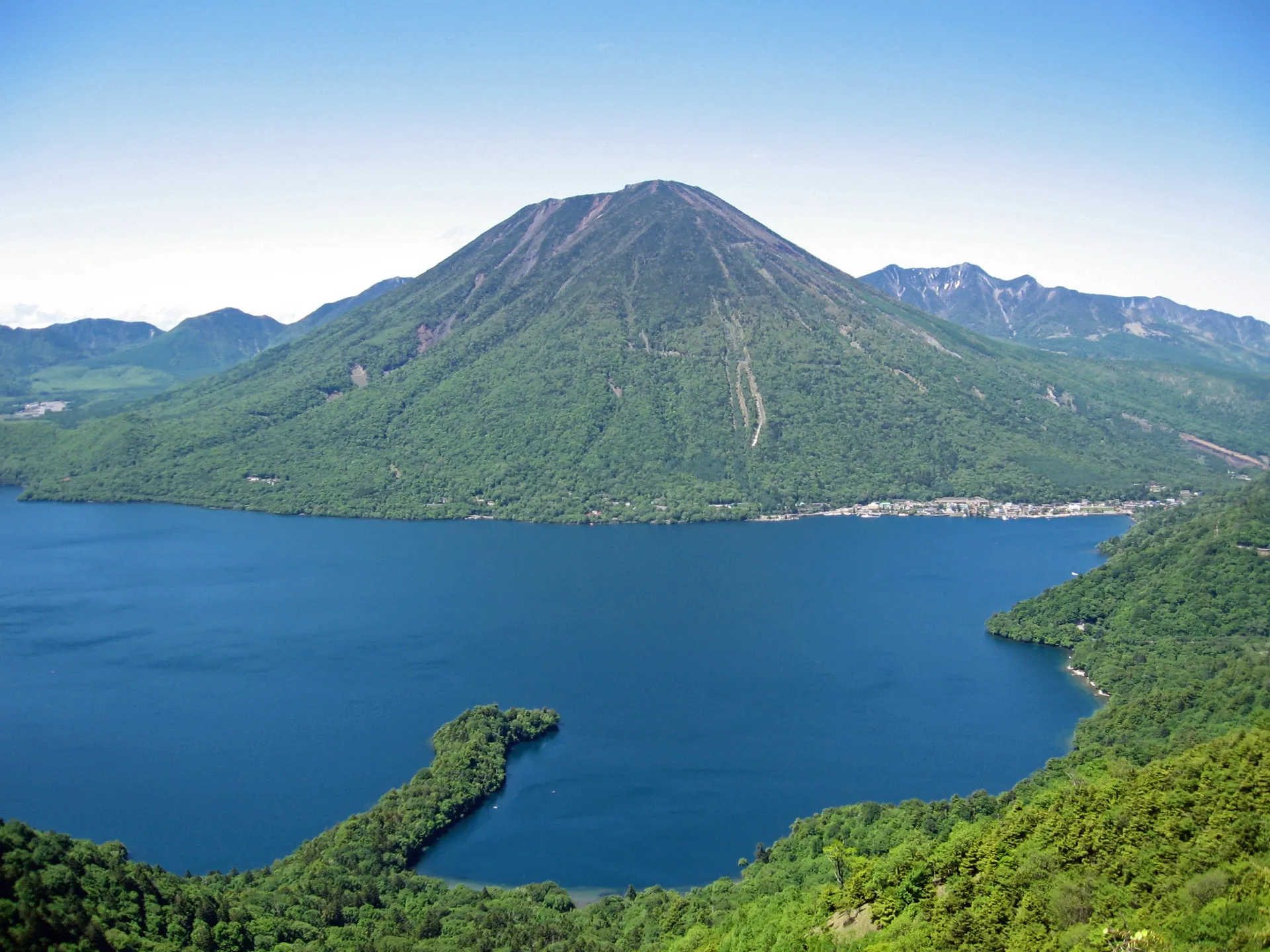
Lake Chuzenji
A short walk from the falls lies this crystalline crater lake at 1,269 metres, formed by an eruption of Mount Nantai. Stroll the shoreline, take a boat cruise, or visit the old foreign-embassy villas.
Tip: Calm mornings give mirror-like reflections; October is peak autumn colour.
 12:30
12:30Viewpoint
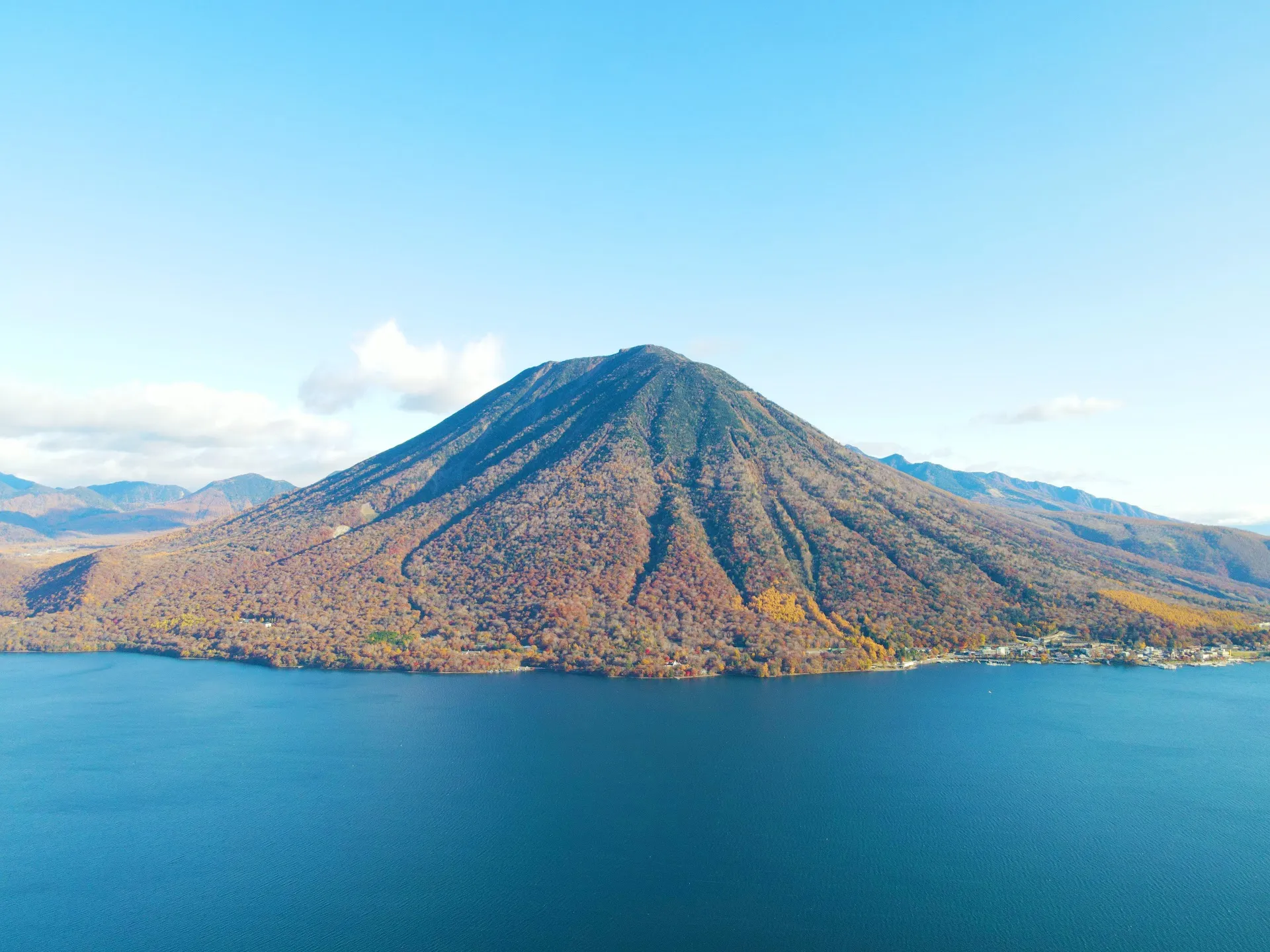
Lake Chuzenji Reflection
Find a quiet stretch of shore for the lake's famous reflections of Mount Nantai and the surrounding peaks. The Italian Embassy Villa Memorial Park has some of the best viewpoints.
Lake Chuzenji shoreline
Tip: Rent a swan boat for views from the water, or picnic with a lakeside lunch.
 14:00
14:00Nature
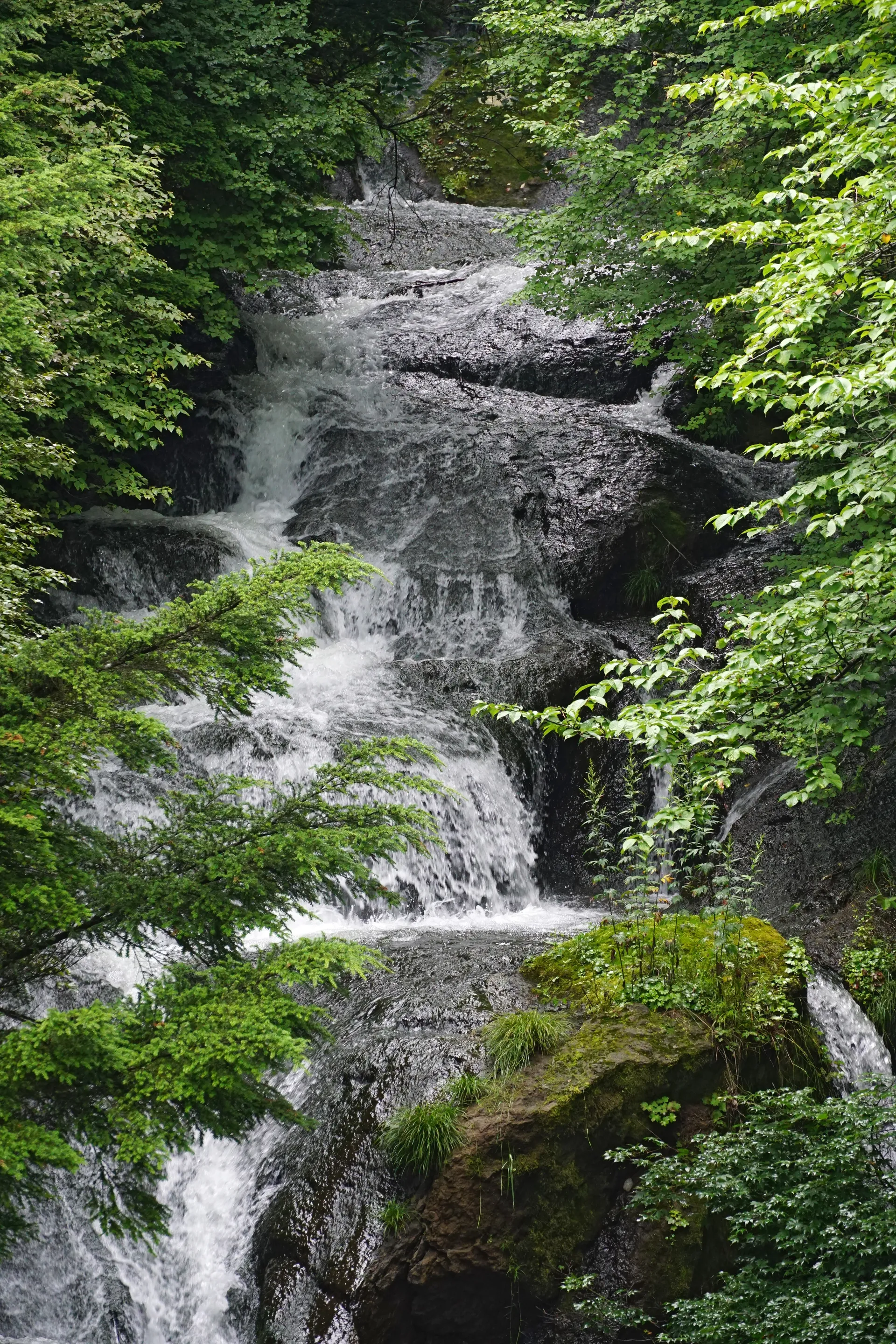
Ryuzu Falls
Continue north of the lake to the 'Dragon's Head' falls, a long cascade that splits around a rock like a dragon's whiskers. Quieter than Kegon and spectacular in autumn.
North of Lake Chuzenji
Tip: The teahouse at the base has falls views; viewing the observation deck is free.
 16:00
16:00Experience
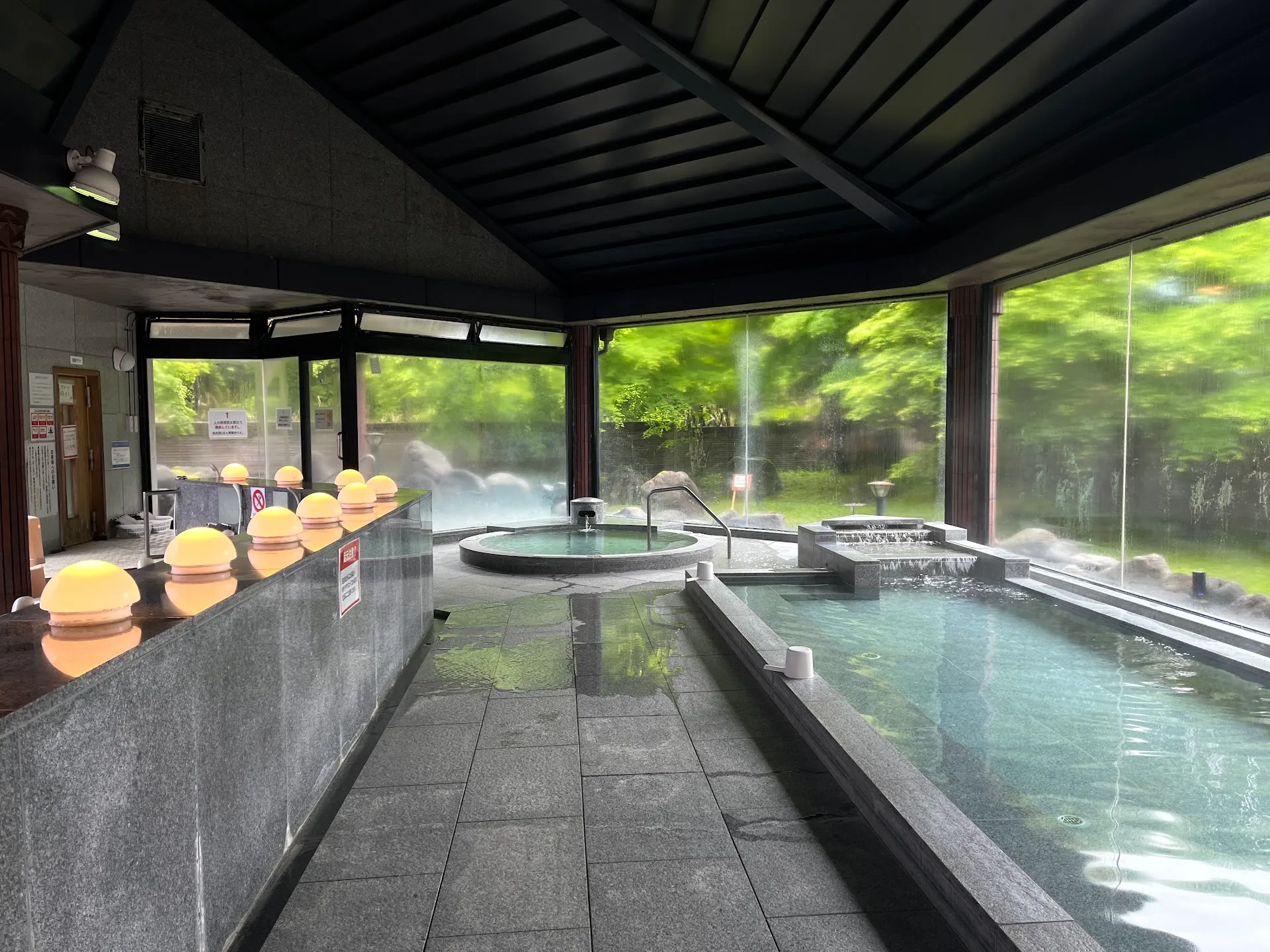
Nikko Natural Hot Spring Experience
End the day with a soak in a natural hot spring. Chuzenji Onsen offers lakeside bathing, while Yumoto Onsen further north has milky, sulphurous waters and the most traditional atmosphere.
Yumoto Onsen or Chuzenji Onsen area1-2 hours
Tip: Many ryokan allow day visitors (tachiyori-yu); bring or rent a towel.
FAQ
- Can I see Nikko's shrines and Kegon Falls in one day?
- Yes, but it is a full day. Do the shrines first thing in the morning, then take a mid-day bus up the Irohazaka road to Kegon Falls and Lake Chuzenji in the afternoon. Splitting it across two days lets you add the highlands hikes and an onsen.
- Is the Kegon Falls elevator worth it?
- Yes. The 570-yen elevator drops you to the lower observation platform for a dramatic close-up of the 97-metre cascade, far more impressive than the free upper viewpoints. It is the highlight of the highlands for most visitors.
Make it your trip
Save these places and build your own Nikko itinerary in TripBox.