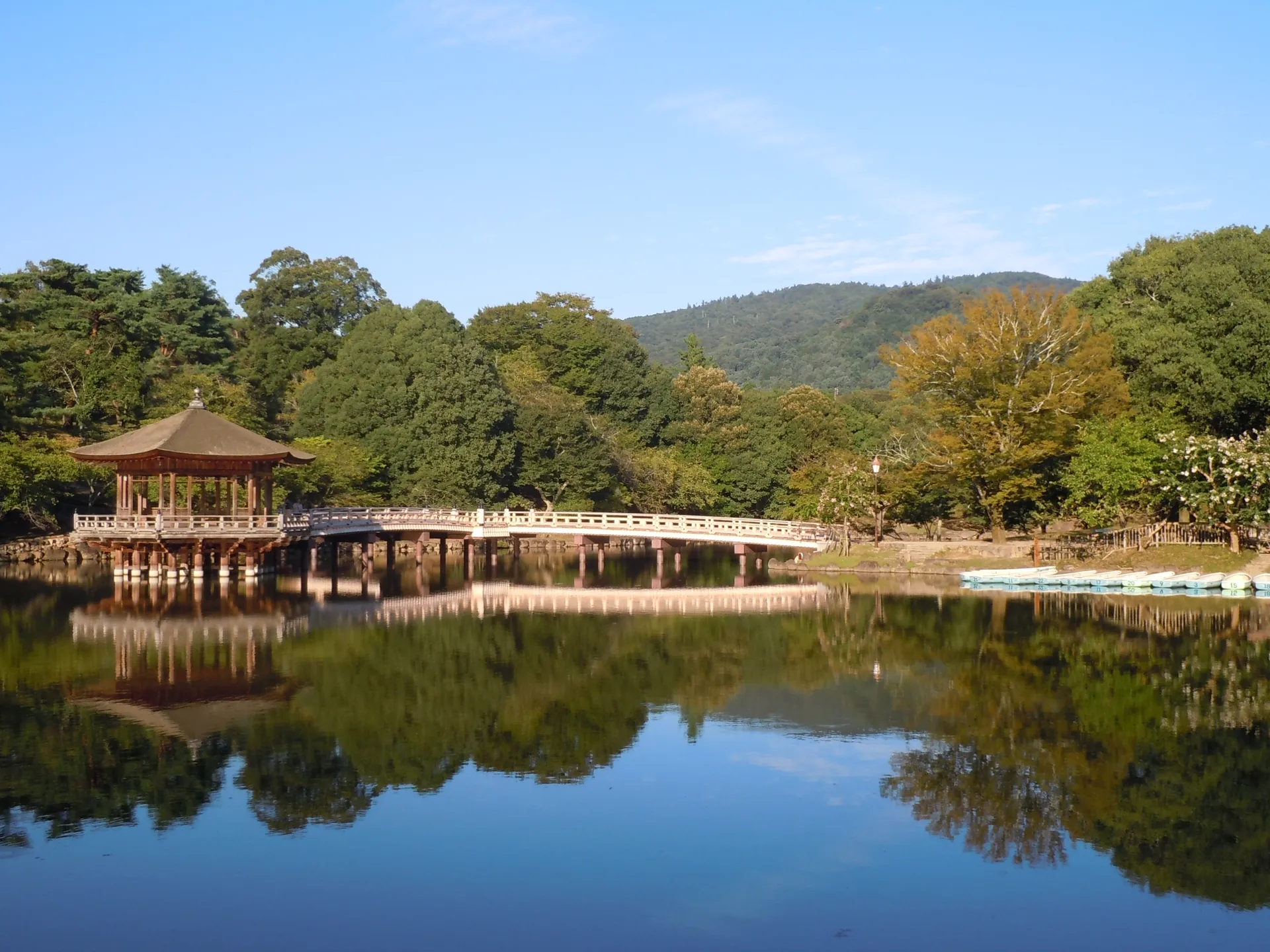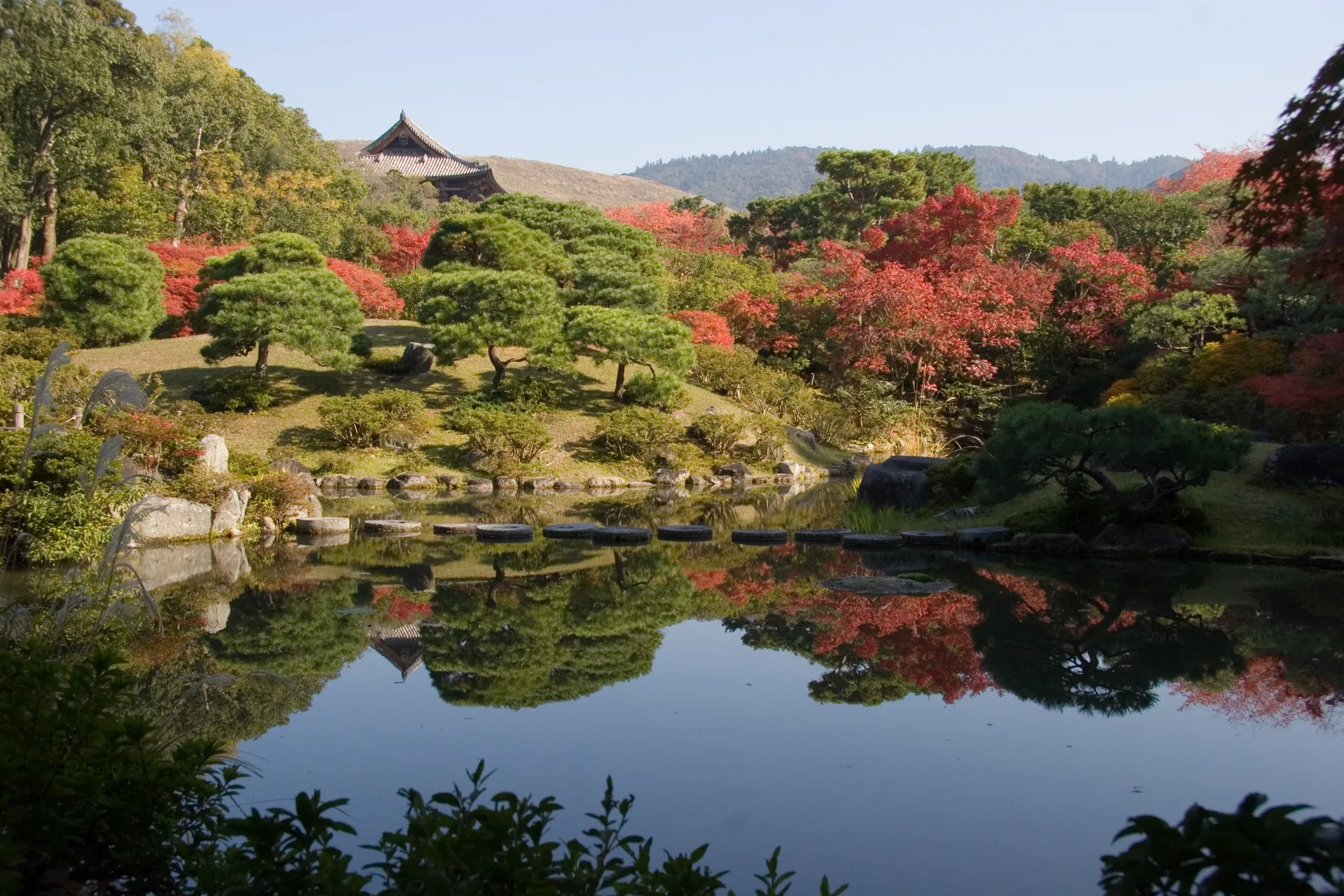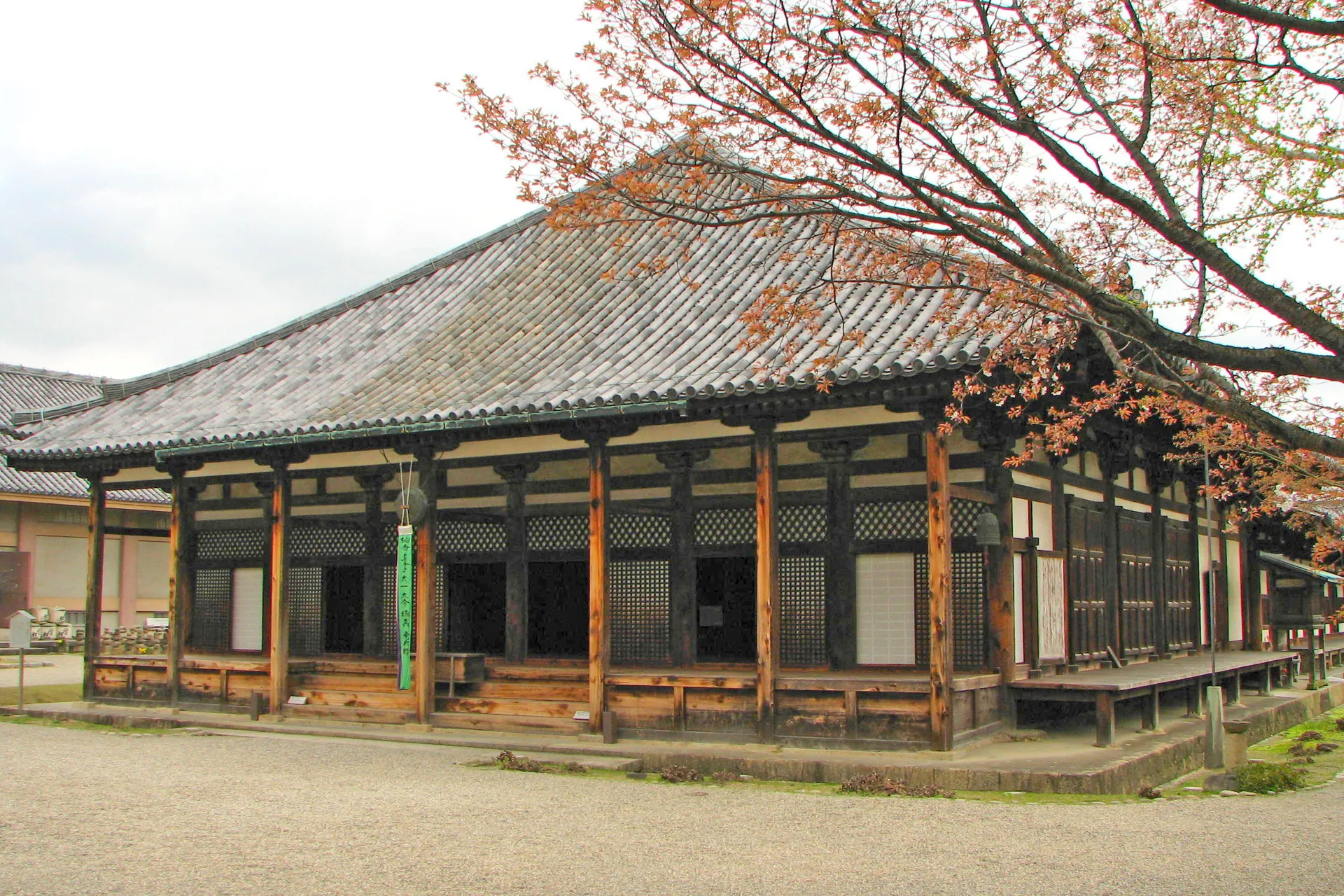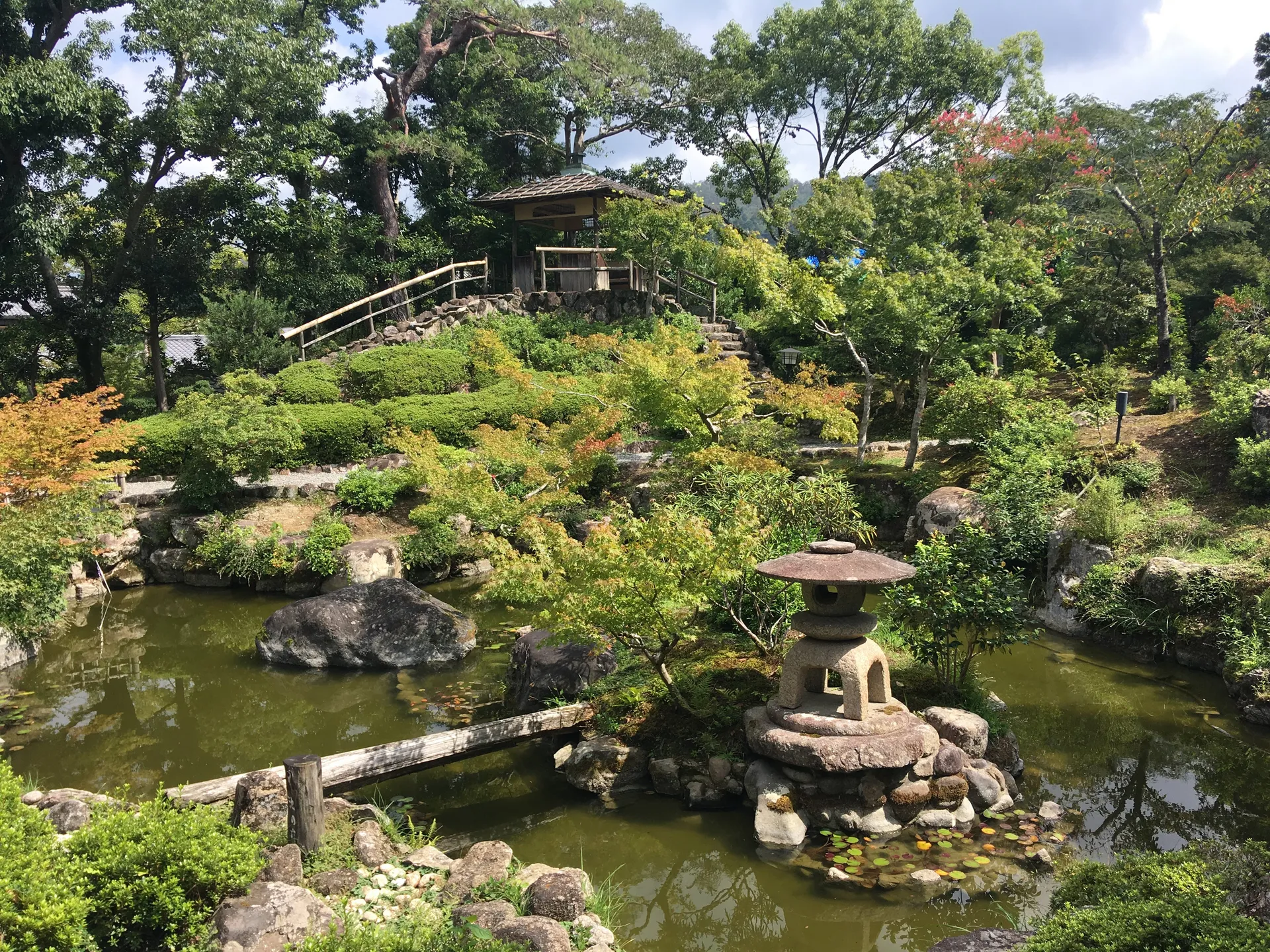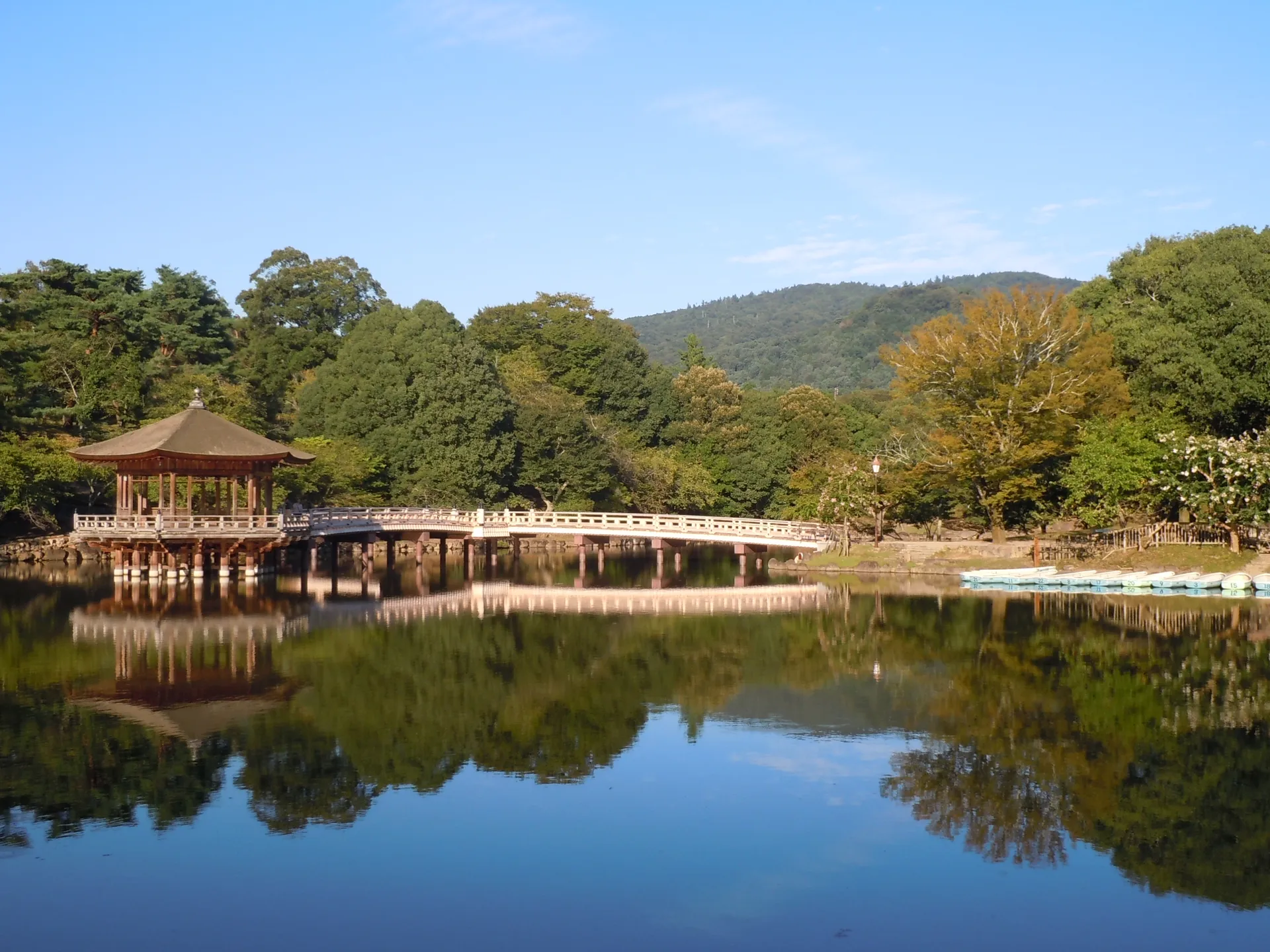
Nara was Japan's first permanent capital, the seat of the imperial court from 710 to 784, and it has guarded that ancient legacy ever since. The city packs an extraordinary concentration of history into a compact, walkable core: eight UNESCO World Heritage sites, the largest bronze Buddha in Japan, and more than a thousand sacred deer that wander the parks and bow for crackers. Where Kyoto can feel sprawling, Nara is calmer and easier, which is exactly why so many travelers fall for it. You can see the headline sights in a single unhurried day, yet the quieter temples, gardens, and the old merchant quarter reward anyone who lingers longer.
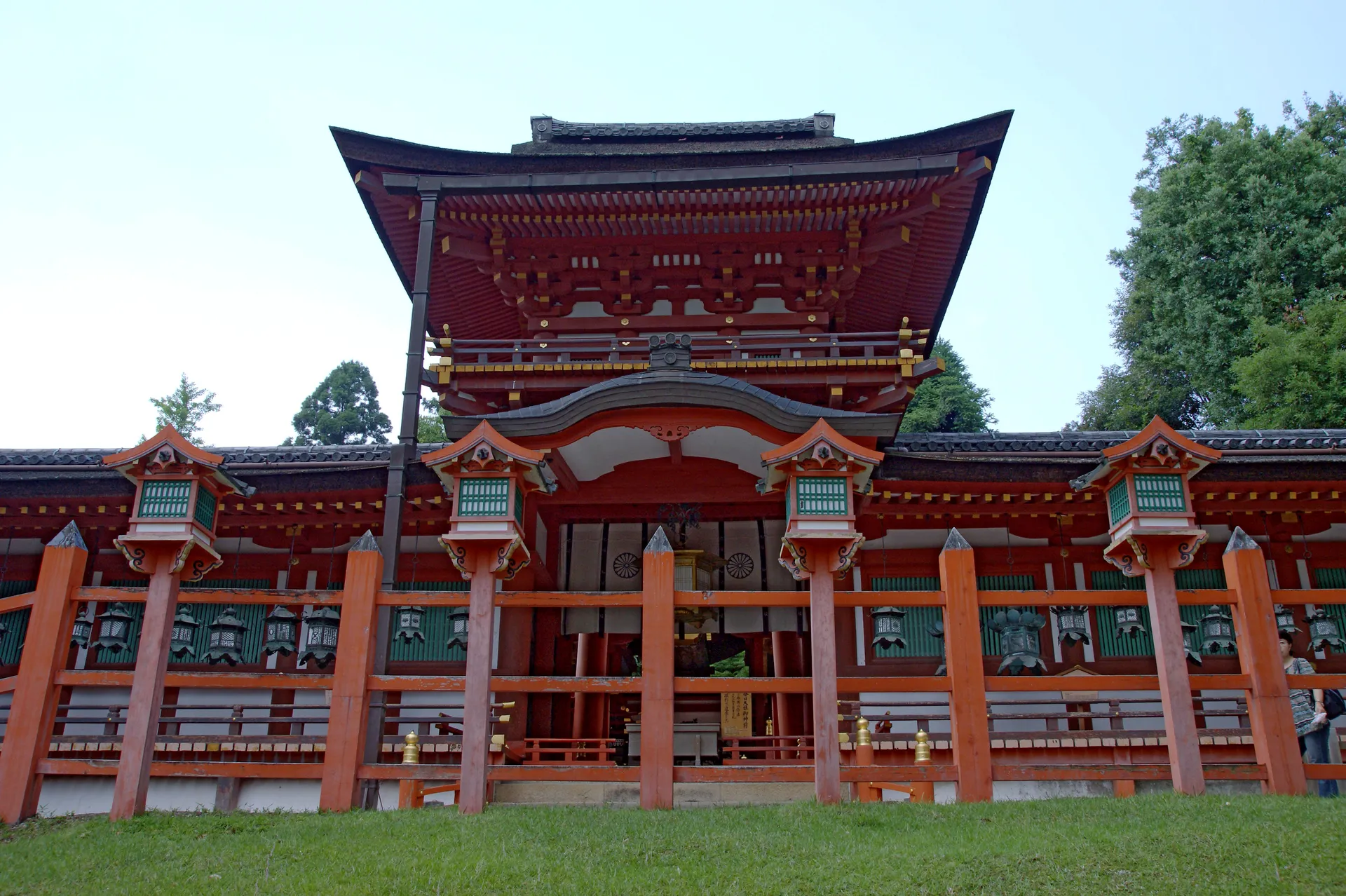
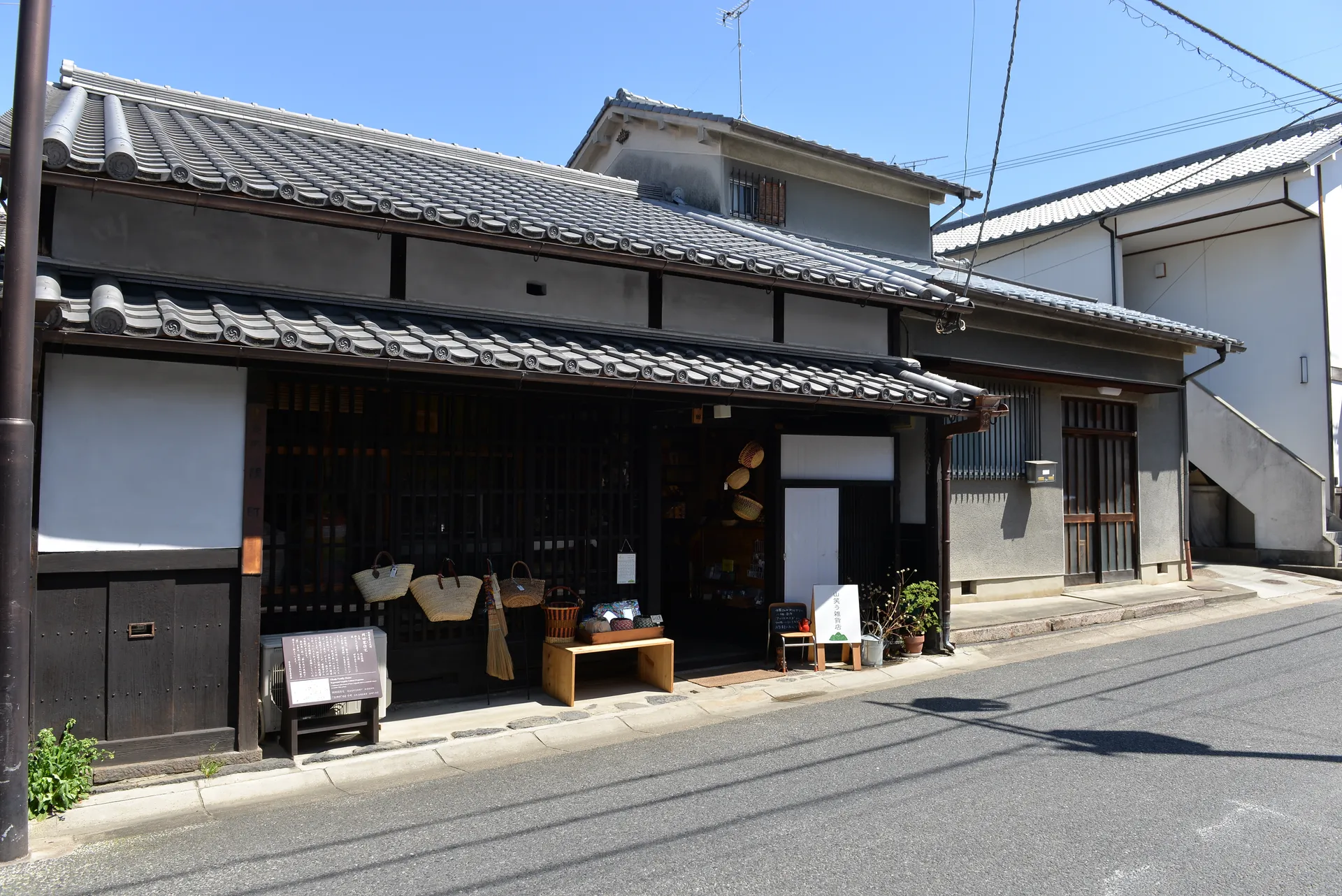
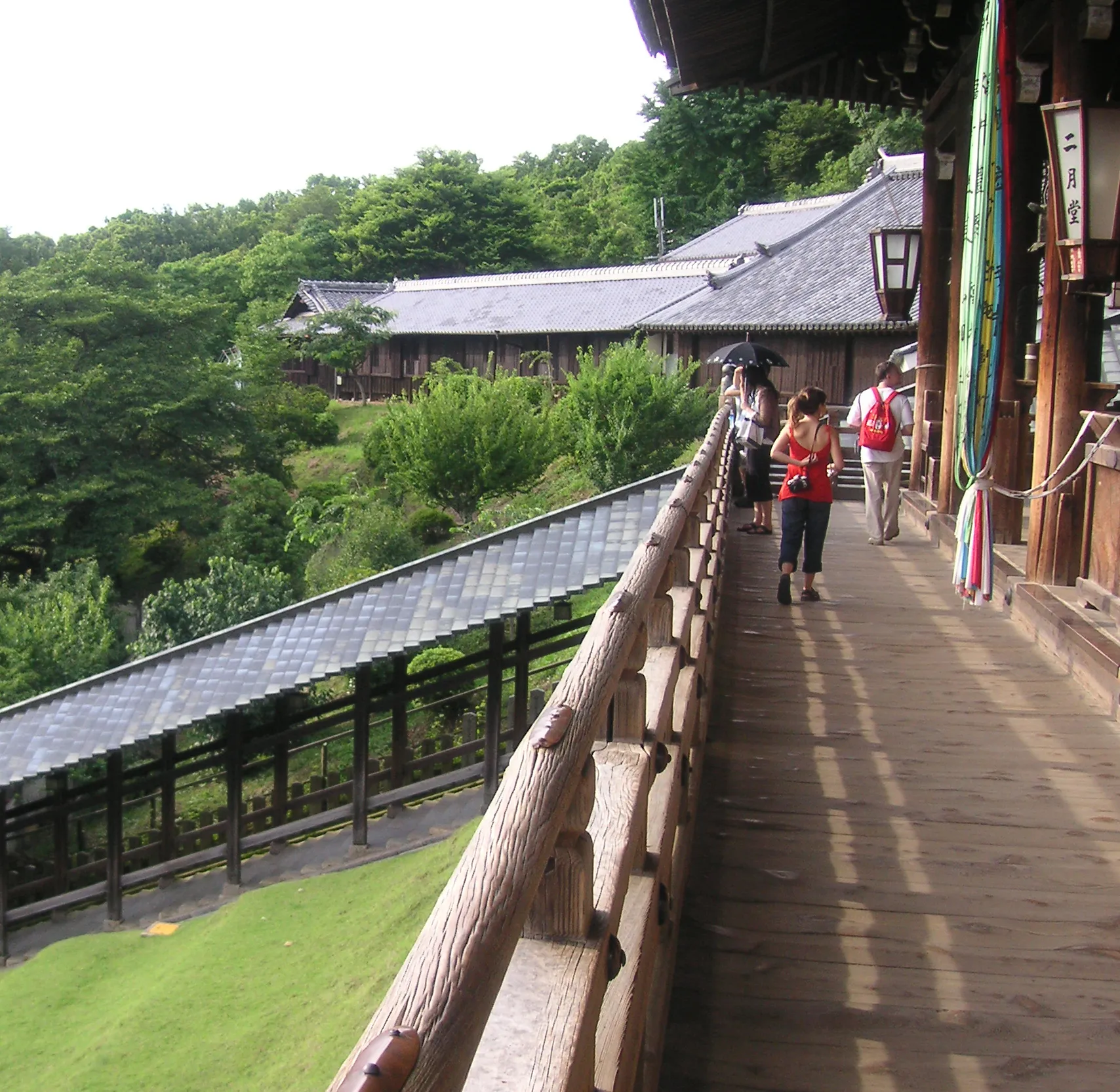
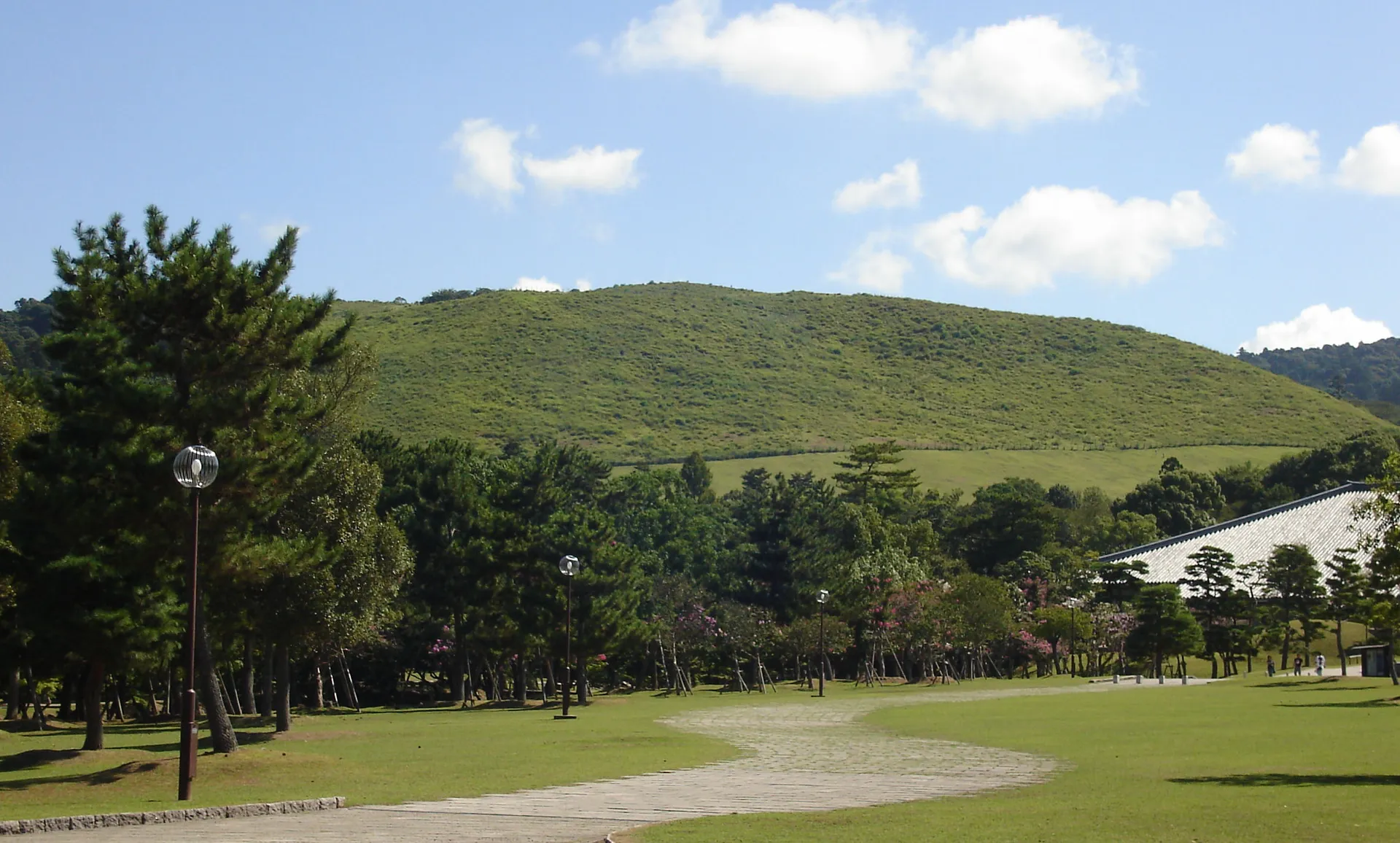
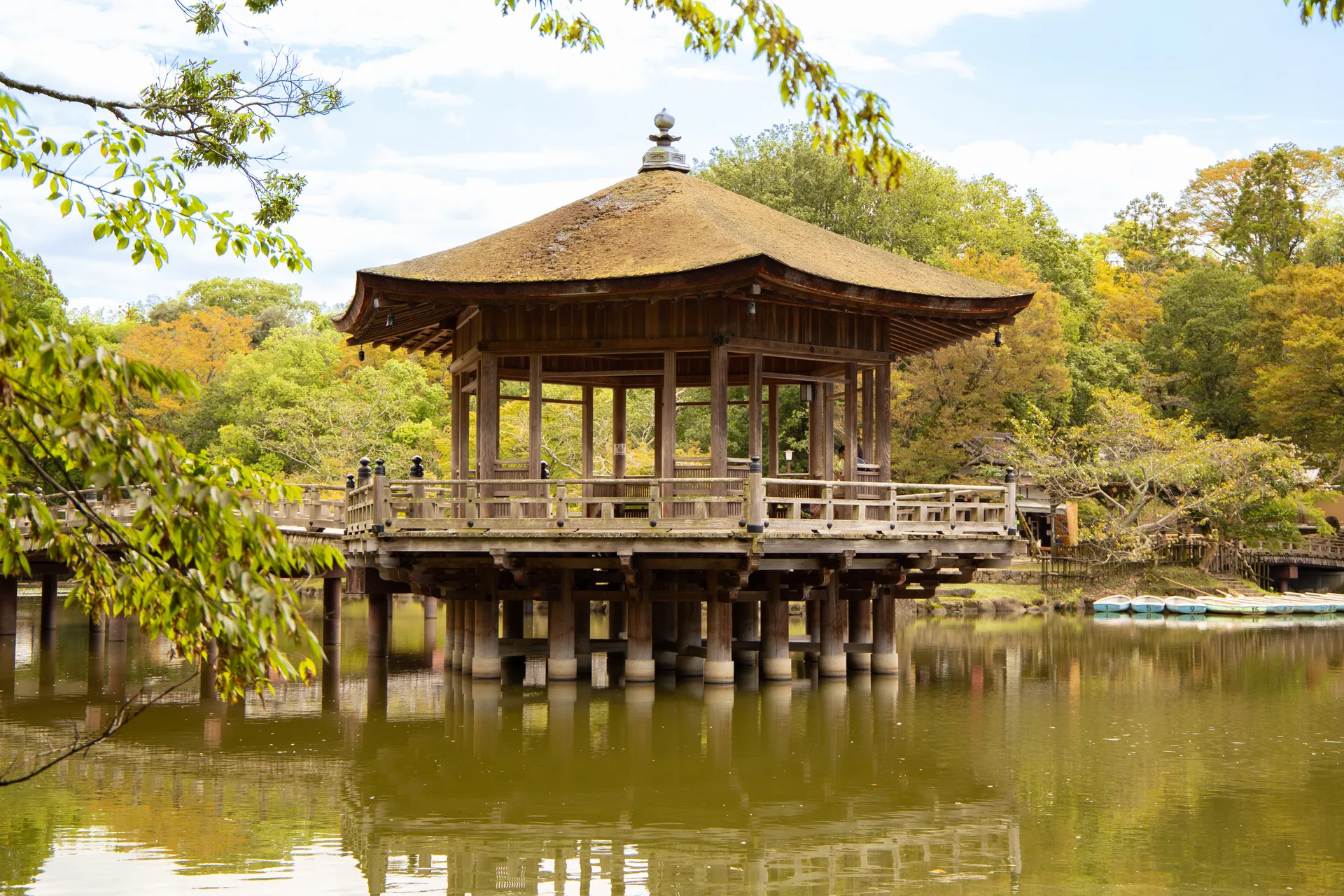
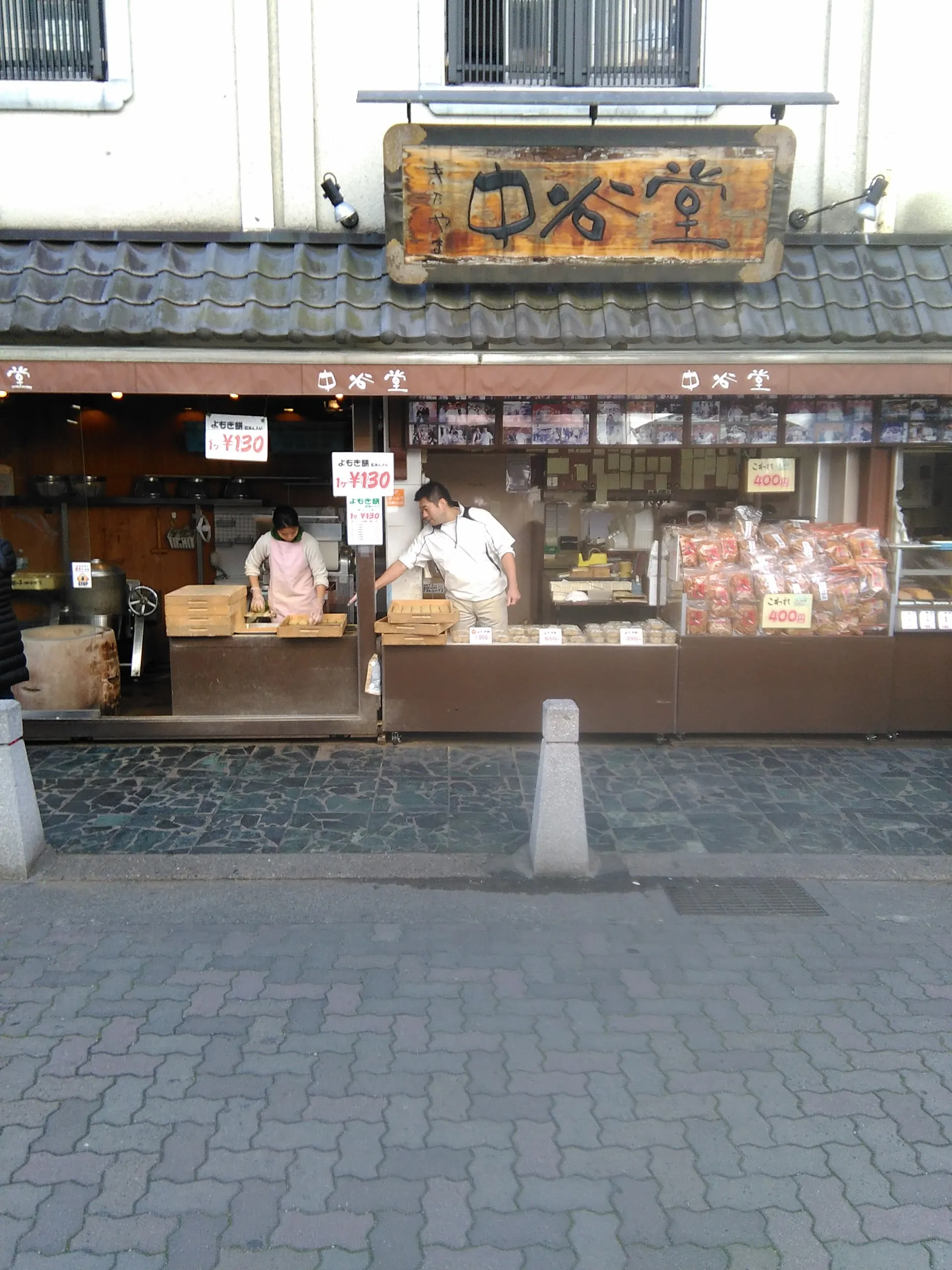
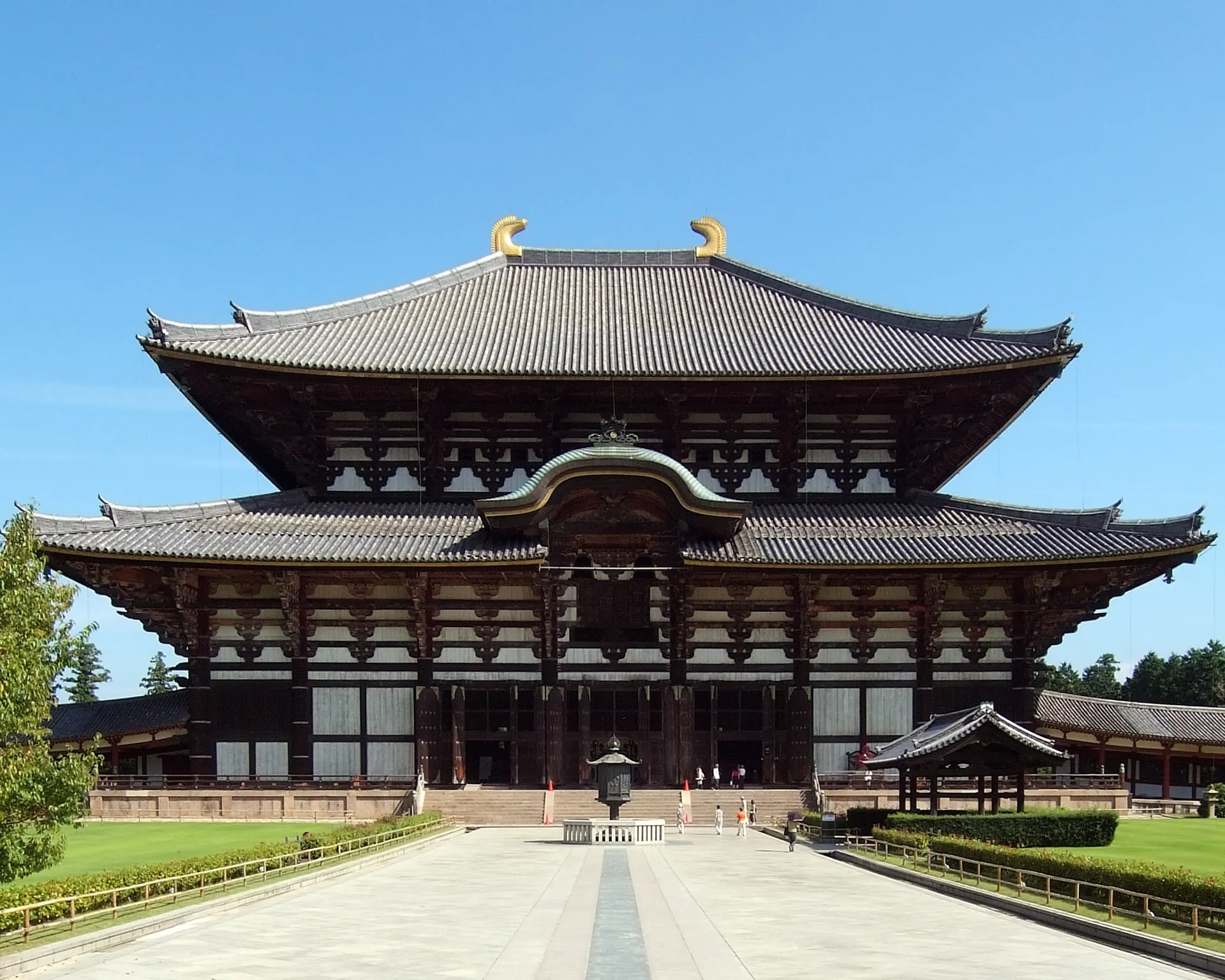
Almost everything you will want to see clusters around one green expanse. Nara Park stretches across roughly 660 hectares at the foot of the eastern hills, and its free-roaming deer, considered messengers of the Shinto gods, are the city's emblem. From the park you walk straight into the must-sees: Todai-ji, whose Great Buddha Hall is one of the world's largest wooden buildings, and Kasuga Taisha, a vermilion shrine famous for its three thousand stone and bronze lanterns lining a forest approach. South of the park, the lattice-fronted machiya houses of the Naramachi old town hold craft shops, galleries, and cafes in buildings that go back to the Edo period.
The single best habit in Nara is the same as in Kyoto: start early. Arrive before nine and you get the misty deer lawns, the Great Buddha Hall, and the lantern paths in relative quiet before the day-trip crowds roll in from Osaka and Kyoto. The deer are tamest and the light is softest in the morning, and you will have walked the marquee sights before lunch.