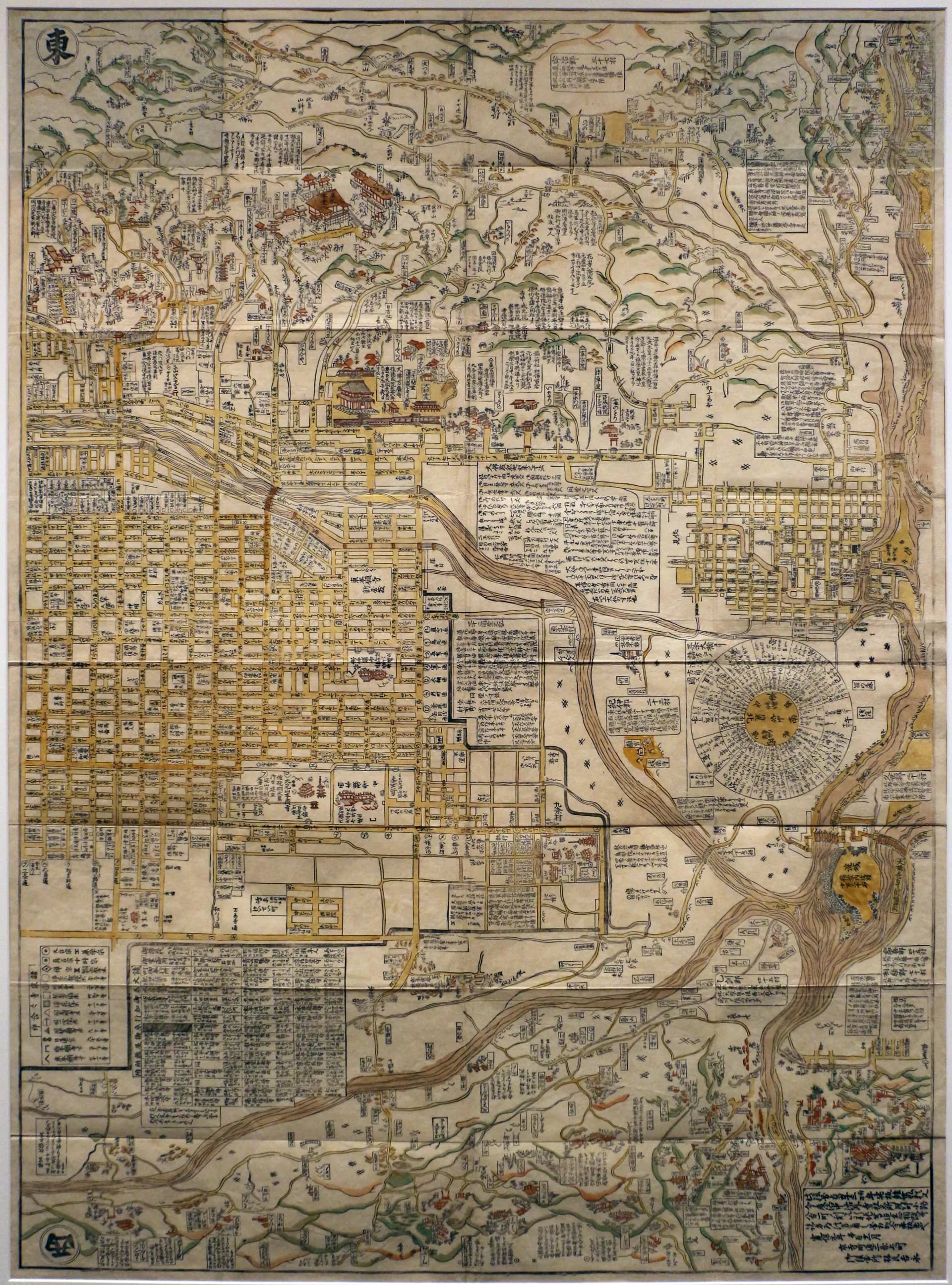
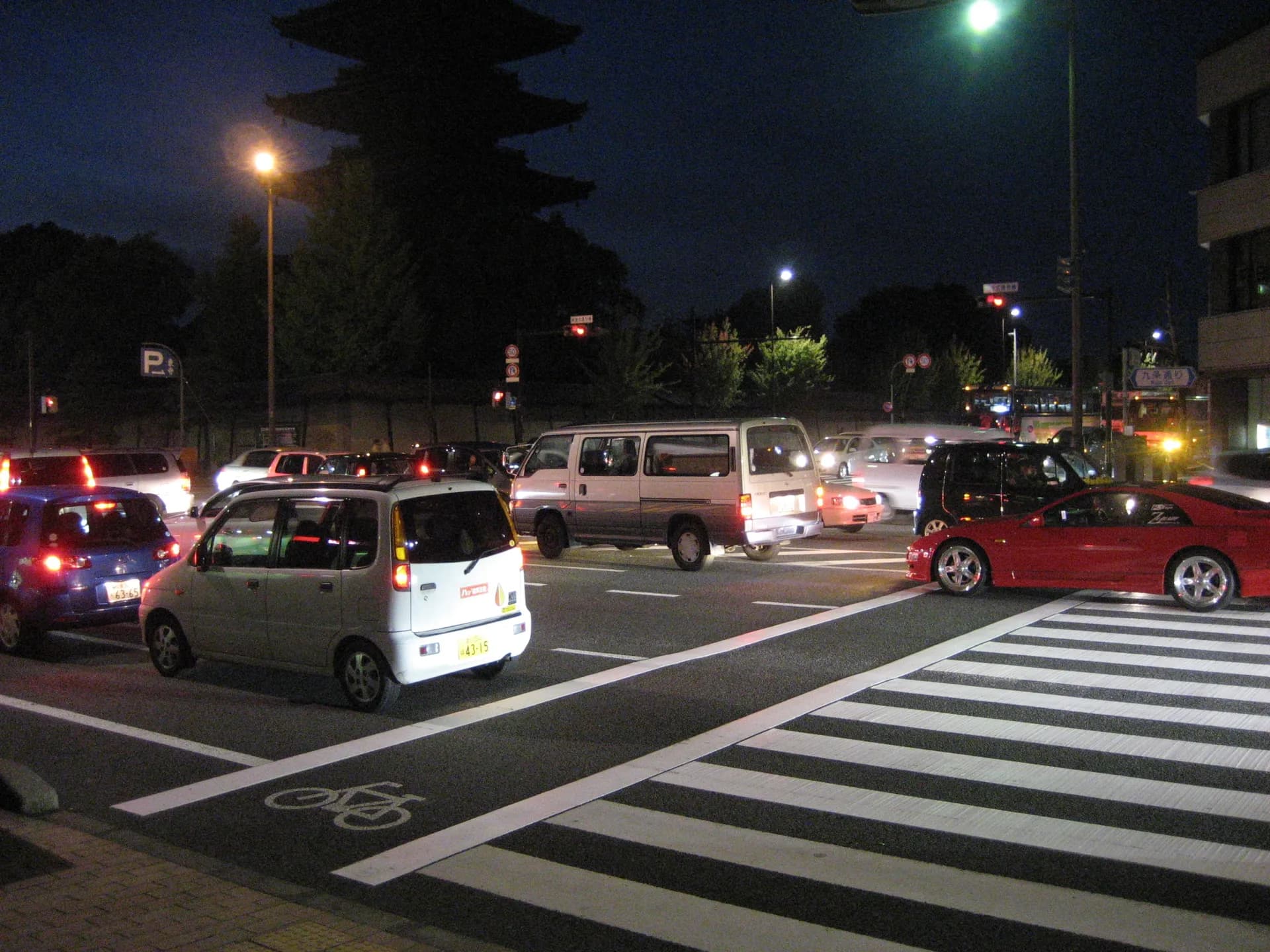
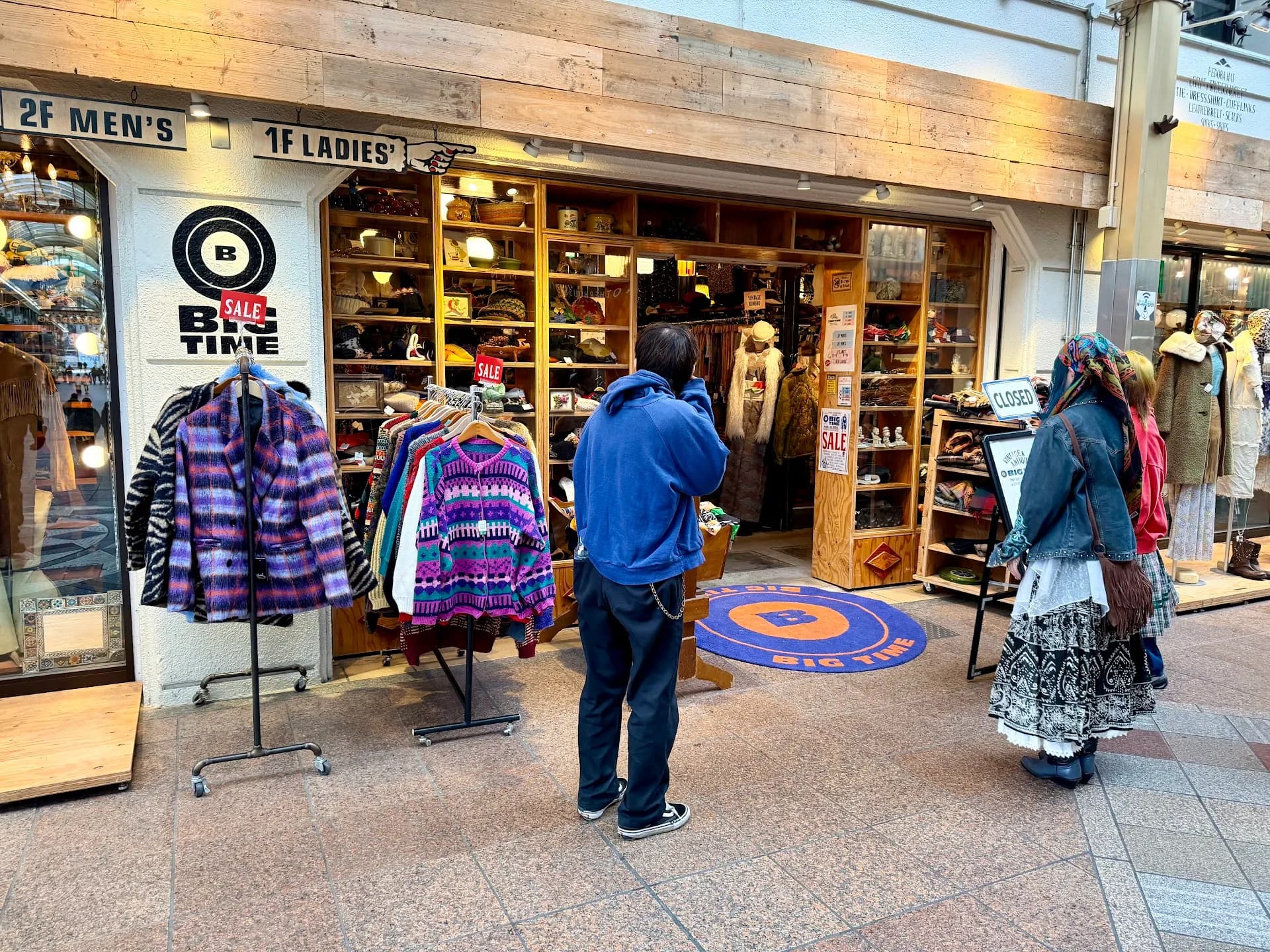
Kyoto was Japan's capital for over a thousand years, and it still feels like the country's cultural heart. More than 1,600 Buddhist temples and 400 Shinto shrines sit between forested hills and the Kamo River, alongside wooden machiya townhouses, tea houses, and some of the best food in Japan. It is compact enough to see the highlights in a few days, yet deep enough to reward a week.
This guide is built around how the city actually works. Kyoto's sights cluster into a handful of walkable districts: Higashiyama in the east (Kiyomizu-dera, Gion, the old stone lanes), the Arashiyama bamboo country in the west, the northern temples (Kinkaku-ji, Ryoan-ji), and the Fushimi hills in the south. Group your days by district and you will spend your time exploring rather than commuting.
The single most useful habit in Kyoto is starting early. Headline sights like Fushimi Inari Taisha and the Arashiyama Bamboo Grove are transformed by an 8am arrival, before the tour buses. Save the late afternoon and evening for Gion, when the lantern-lit lanes are at their most atmospheric, and for the restaurants and standing bars along the river.
Getting around is easy. Buses reach most temples, two subway lines cross the city, and the JR and private railways handle Fushimi, Arashiyama, and day trips to Uji and Nara. For most visitors a rechargeable IC card (Suica/ICOCA) plus the occasional taxi beats juggling day passes. Distances are short and much of the joy is on foot, between sights, through markets like Nishiki, and along the Philosopher's Path.
Use this guide as a starting point: skim the day-by-day plan, open the things-to-do list, then save the places that fit your trip. Everything you save can be dropped straight into a TripBox itinerary with dates, a map, and your travel companions.
Best time to visit
Spring (late March to mid-April) for cherry blossom and autumn (mid-November to early December) for foliage are spectacular but busy. May and early June, and late September to October, offer mild weather with thinner crowds. July and August are hot and humid; winter is quiet, crisp, and atmospheric.
Budget
Kyoto is mid-range by Japanese standards. Temple entries run roughly 400-600 yen, a great bowl of ramen 900-1,200 yen, and comfortable mid-range hotels 12,000-25,000 yen per night. Trains and buses are cheap.~$90-160 USD / day
The best of Kyoto
Curated places worth your time — tap a card for details or to save it.
Iconic shrine famous for its 10,000 vermillion torii gates winding up Mount Inari. One of Kyoto's most visited and photographed sites.
Fushimi
Must visit
Temple5.0
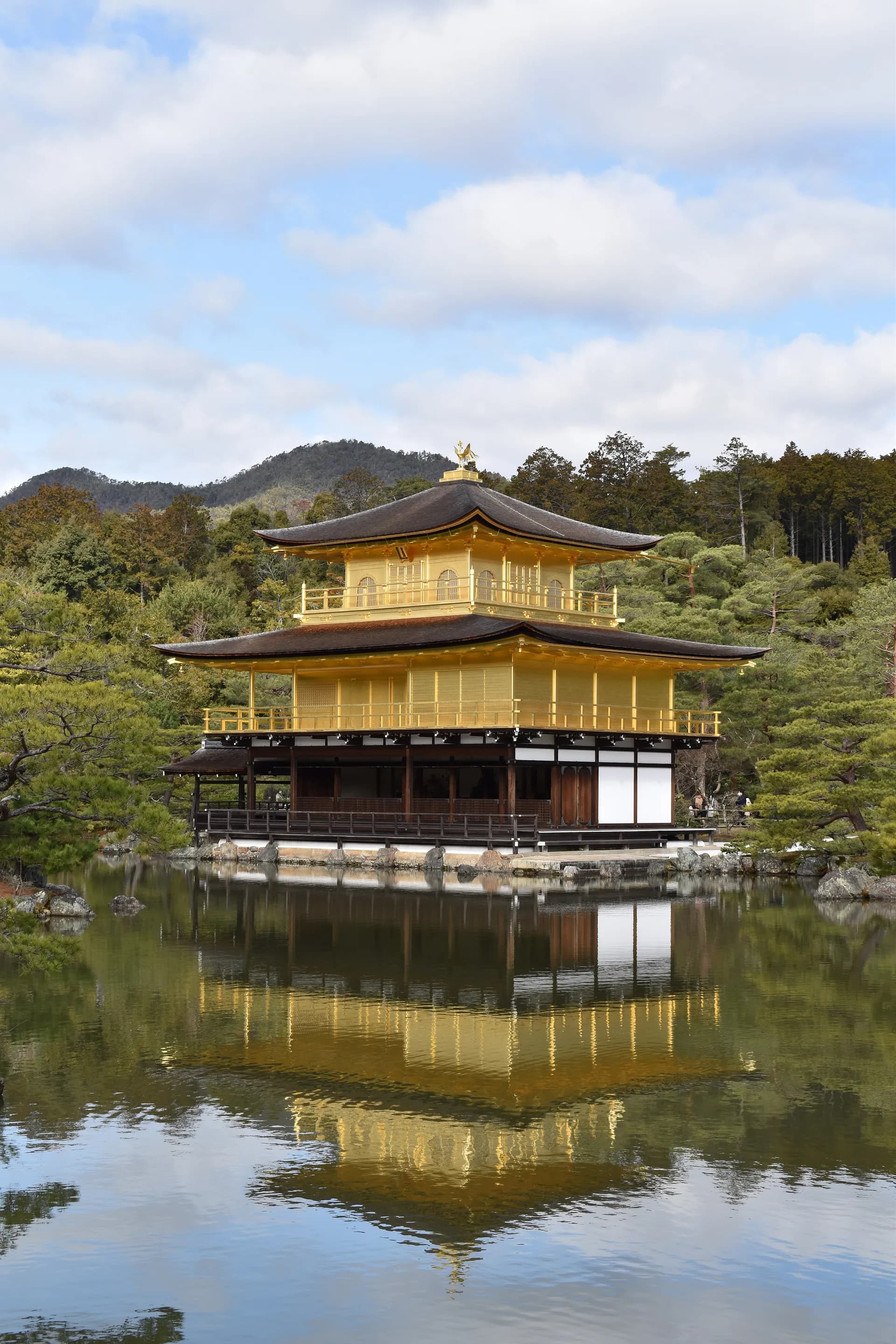
Kinkaku-ji (Golden Pavilion)
Stunning Zen Buddhist temple covered in gold leaf, reflected beautifully in its surrounding mirror pond. UNESCO World Heritage Site.
Kita Ward
Must visit
Temple5.0
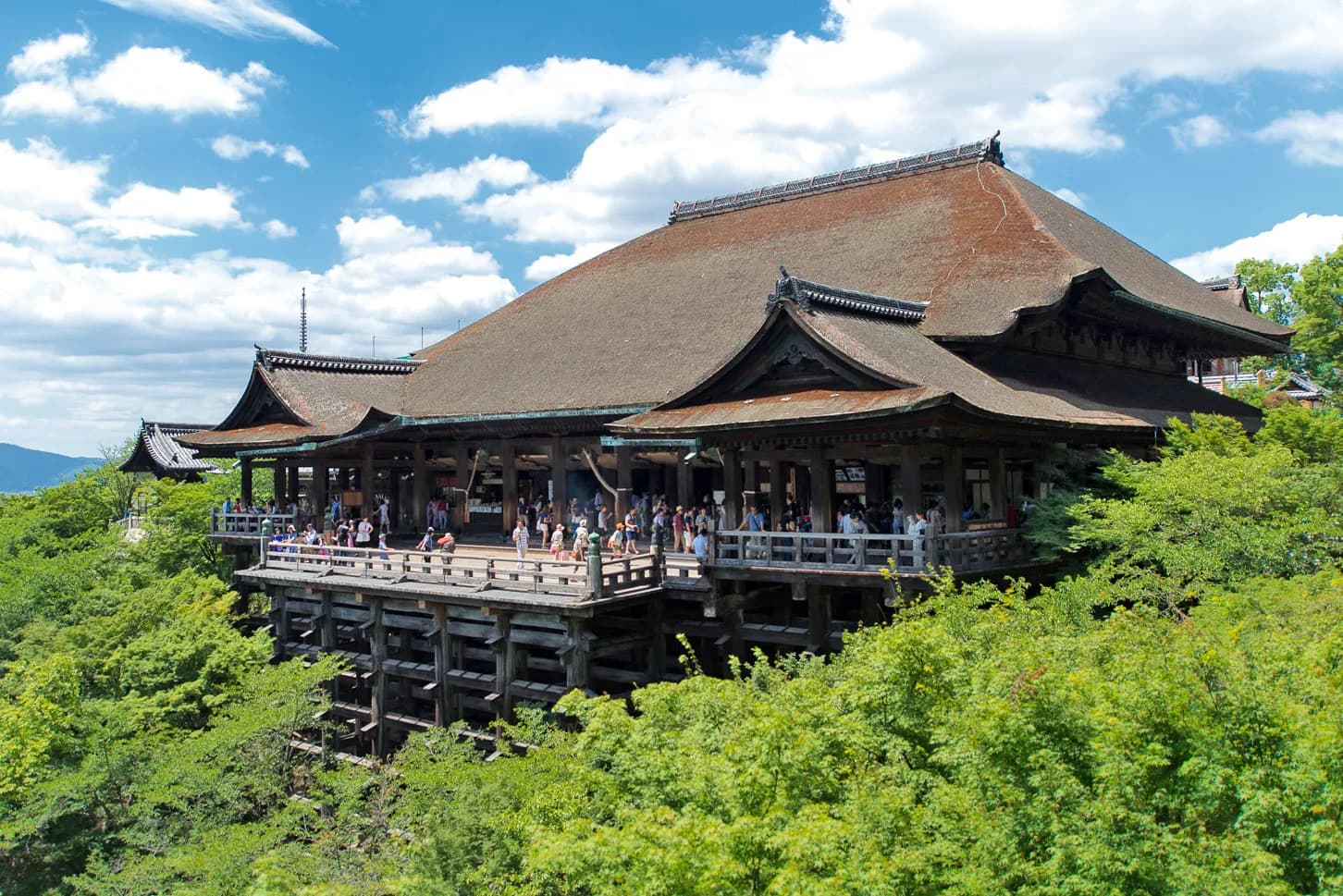
Kiyomizu-dera
Historic Buddhist temple renowned for its wooden stage offering panoramic views of Kyoto. UNESCO World Heritage Site with stunning seasonal beauty.
Higashiyama
Must visit
Park5.0
Arashiyama Bamboo Grove
Towering bamboo stalks create an otherworldly tunnel of green. The rustling sound of bamboo in the wind is designated a soundscape of Japan.
Arashiyama
Must visit
Scenic Spot5.0
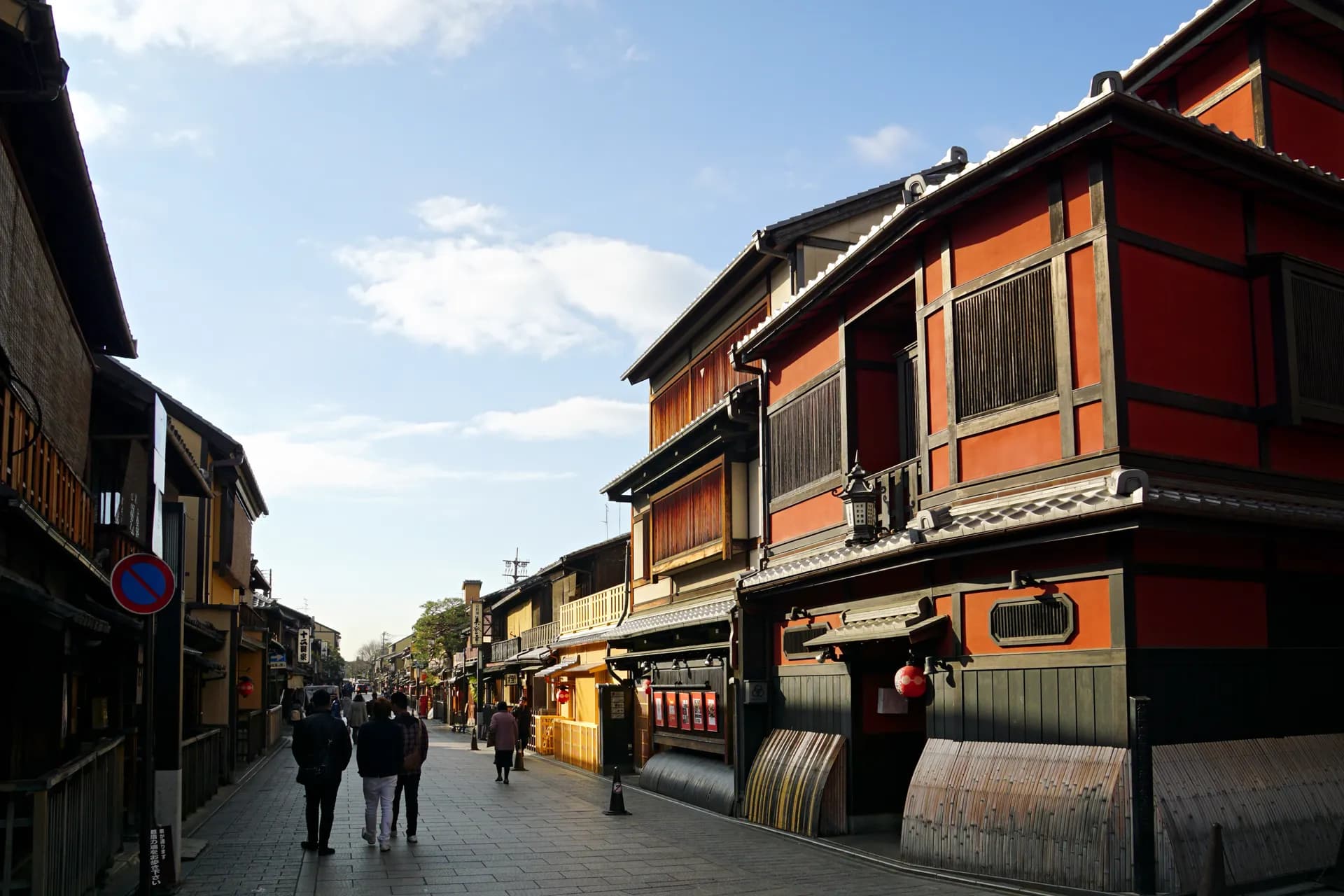
Gion District
Kyoto's most famous geisha district. Traditional wooden machiya townhouses, tea houses, and atmospheric streets where geiko and maiko can be spotted at dusk.
Higashiyama
Temple5.0
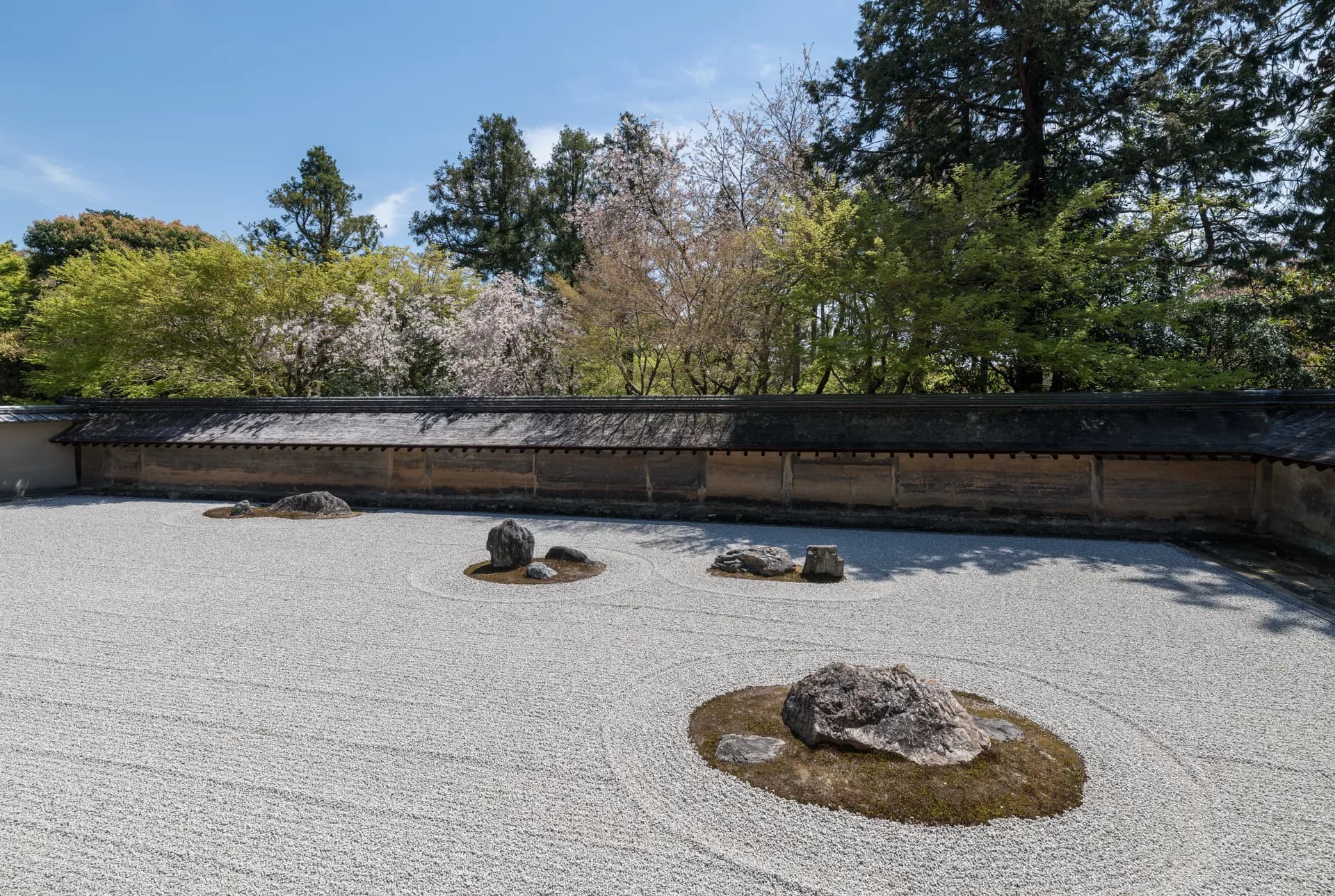
Ryoan-ji
Zen temple home to Japan's most famous rock garden. Fifteen stones arranged on raked white gravel, a masterpiece of meditative design.
Ukyo Ward
Temple4.0
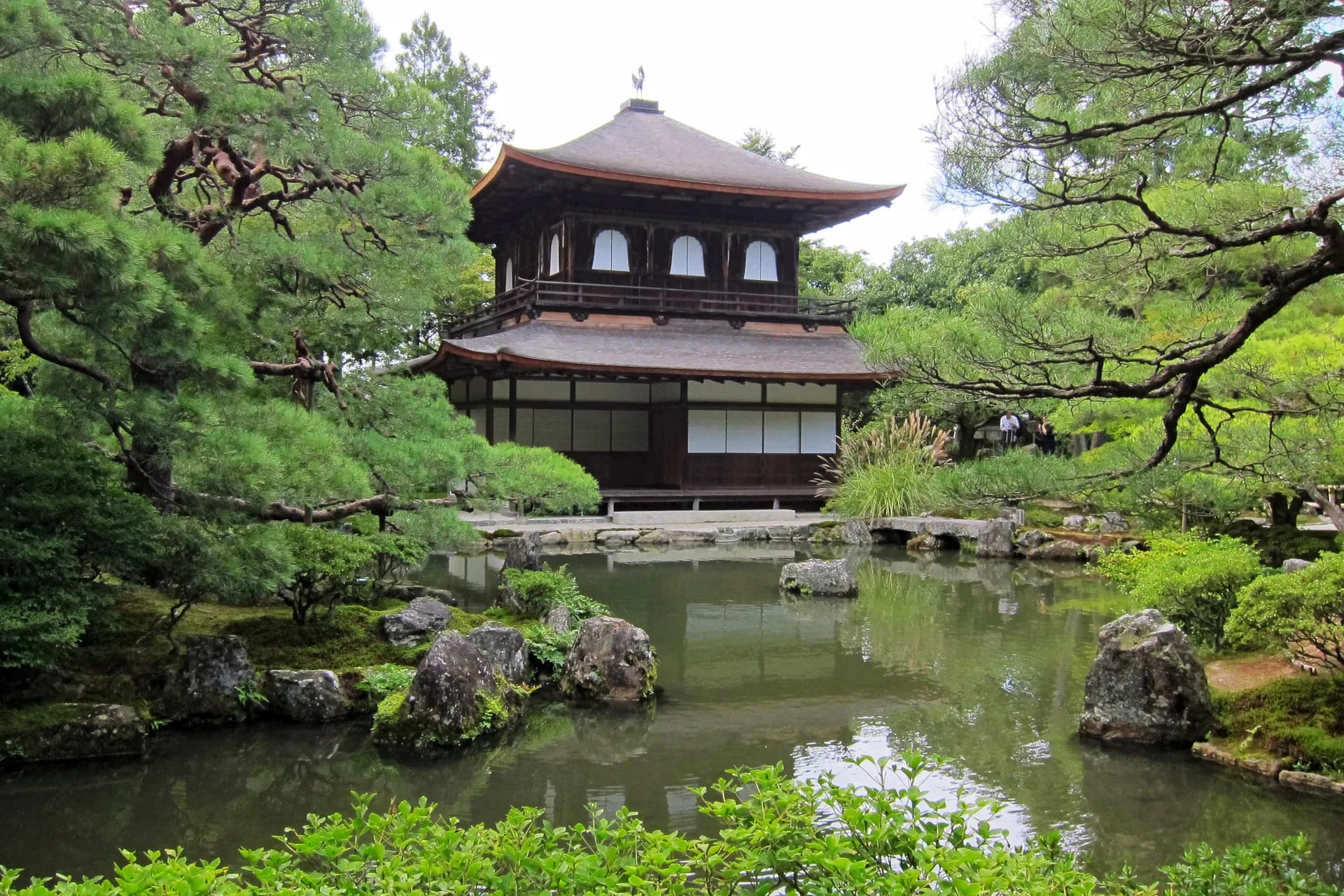
Ginkaku-ji (Silver Pavilion)
Elegant Zen temple known for its sand garden and moss-covered grounds. Despite its name, never actually covered in silver. UNESCO World Heritage Site.
Sakyo Ward
Park5.0
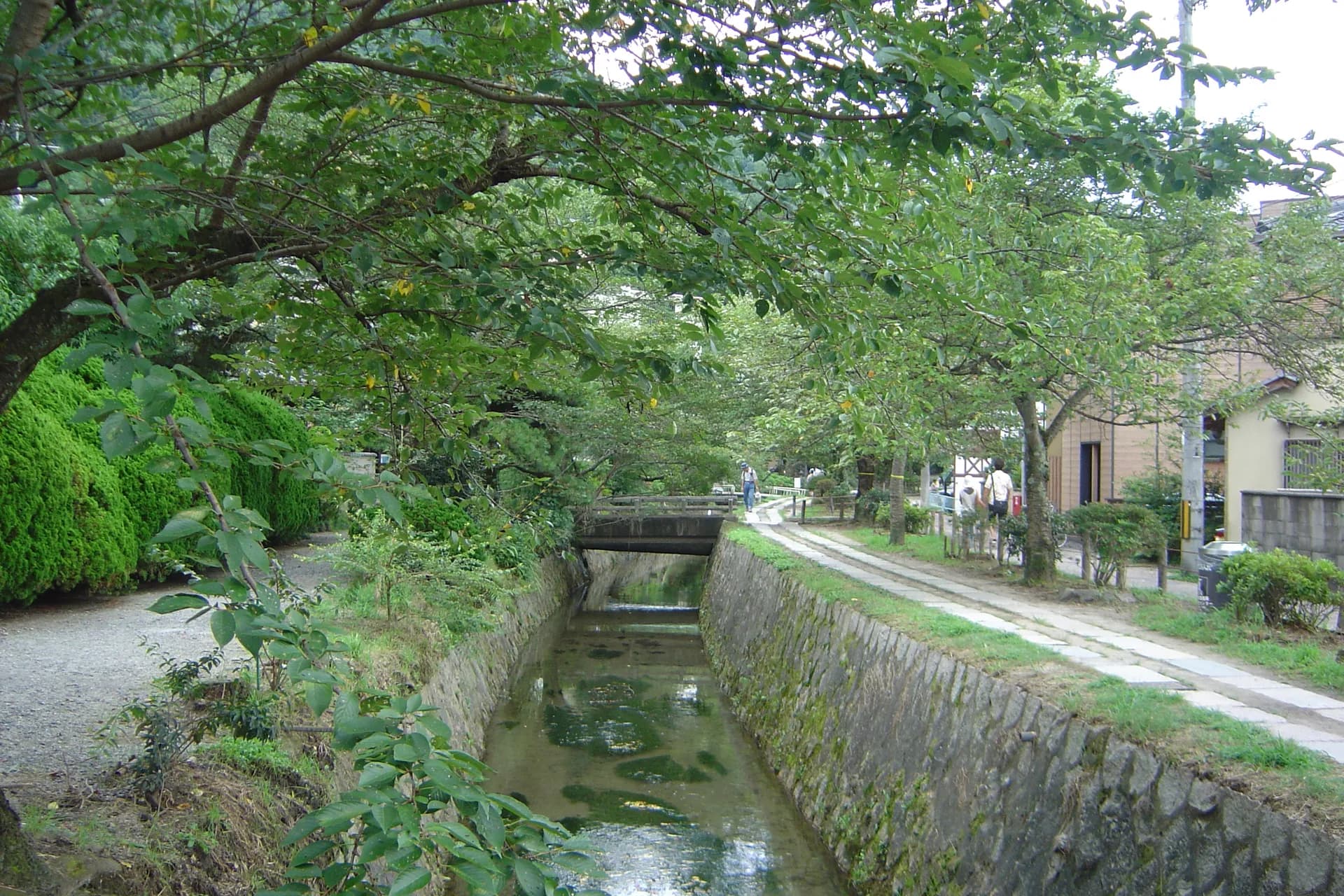
Philosopher's Path
Scenic 2km canal-side stone path lined with hundreds of cherry trees. Named after philosopher Nishida Kitaro who walked it daily in meditation.
Sakyo
Must visit
Market4.0
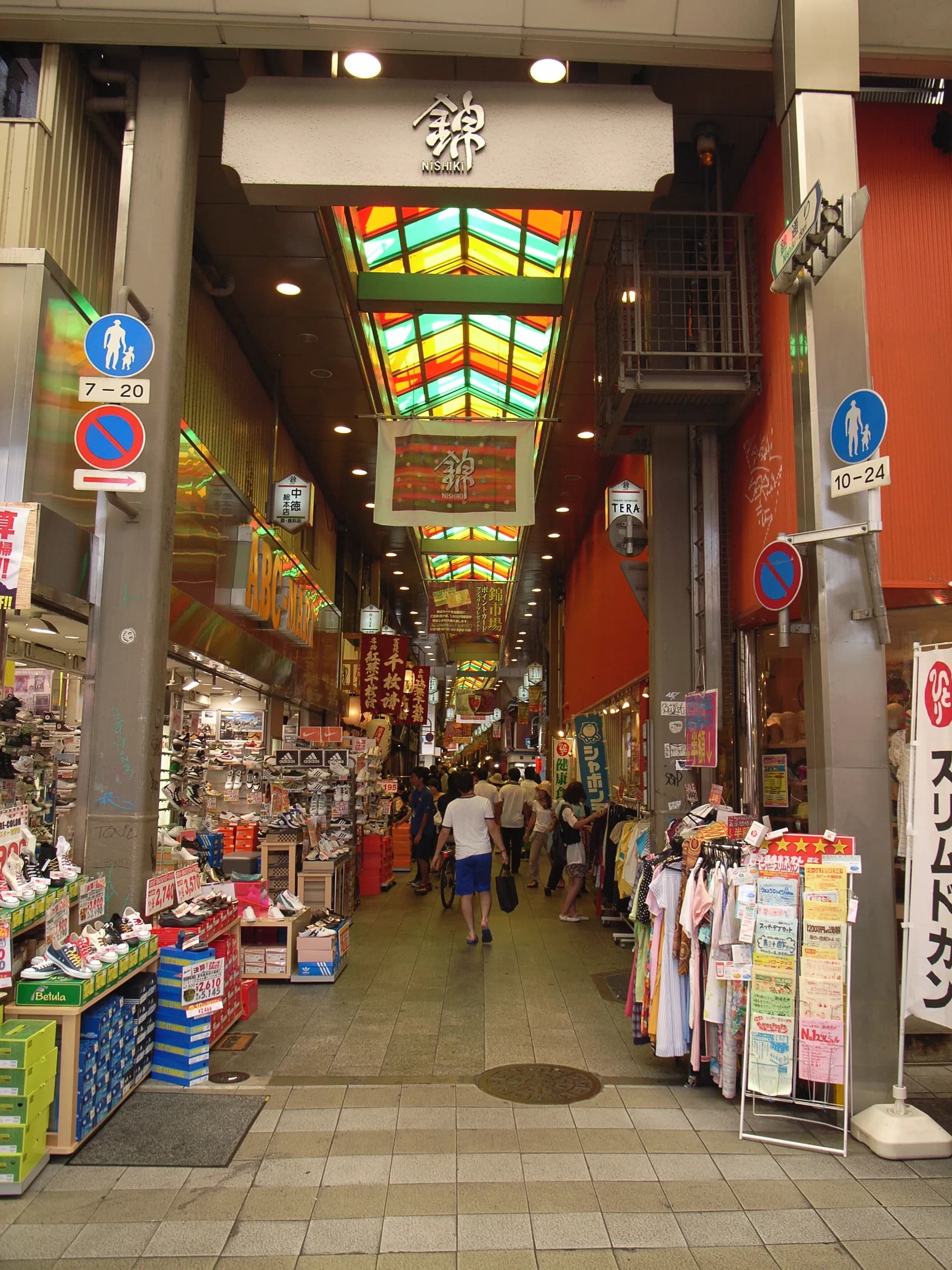
Nishiki Market
Food market, street food. Kyoto's kitchen.
Tours & experiences
Free walking tours and curated paid experiences — save or book in a tap.
A tip-based, local-guide walk through Gion and the Higashiyama lanes - Hanamikoji, Yasaka Shrine, and the stone-stepped Ninenzaka and Sannenzaka - with stories of geiko culture and old Kyoto. Pay the guide what you feel the walk was worth.
A tip-based guided walk up the vermilion torii gates of Fushimi Inari Taisha, with context on the Inari fox deity, the merchant donors whose names line the gates, and the best photo spots before the crowds arrive.
A tip-based stroll through central Kyoto - the covered food arcade of Nishiki Market, the Teramachi and Shinkyogoku shopping streets, and the lantern-lit Pontocho alley beside the Kamo River. A great orientation to the modern city.
A small-group tasting tour through Nishiki Market and the Pontocho nightlife alley, sampling Kyoto specialties - dashi, pickles, yuba, wagyu skewers, matcha sweets and sake - with a local food guide who explains each bite.
A guided rickshaw (jinrikisha) ride with Ebisuya through the Arashiyama bamboo grove and riverside backstreets, reaching quiet corners the tour buses cannot. The athletic pullers double as knowledgeable local guides.
A guided day trip to nearby Nara - Todai-ji's Great Buddha, the free-roaming deer of Nara Park, and the lantern-lined paths of Kasuga Taisha - often combined with Fushimi Inari on the way out. Just a short train ride from Kyoto.
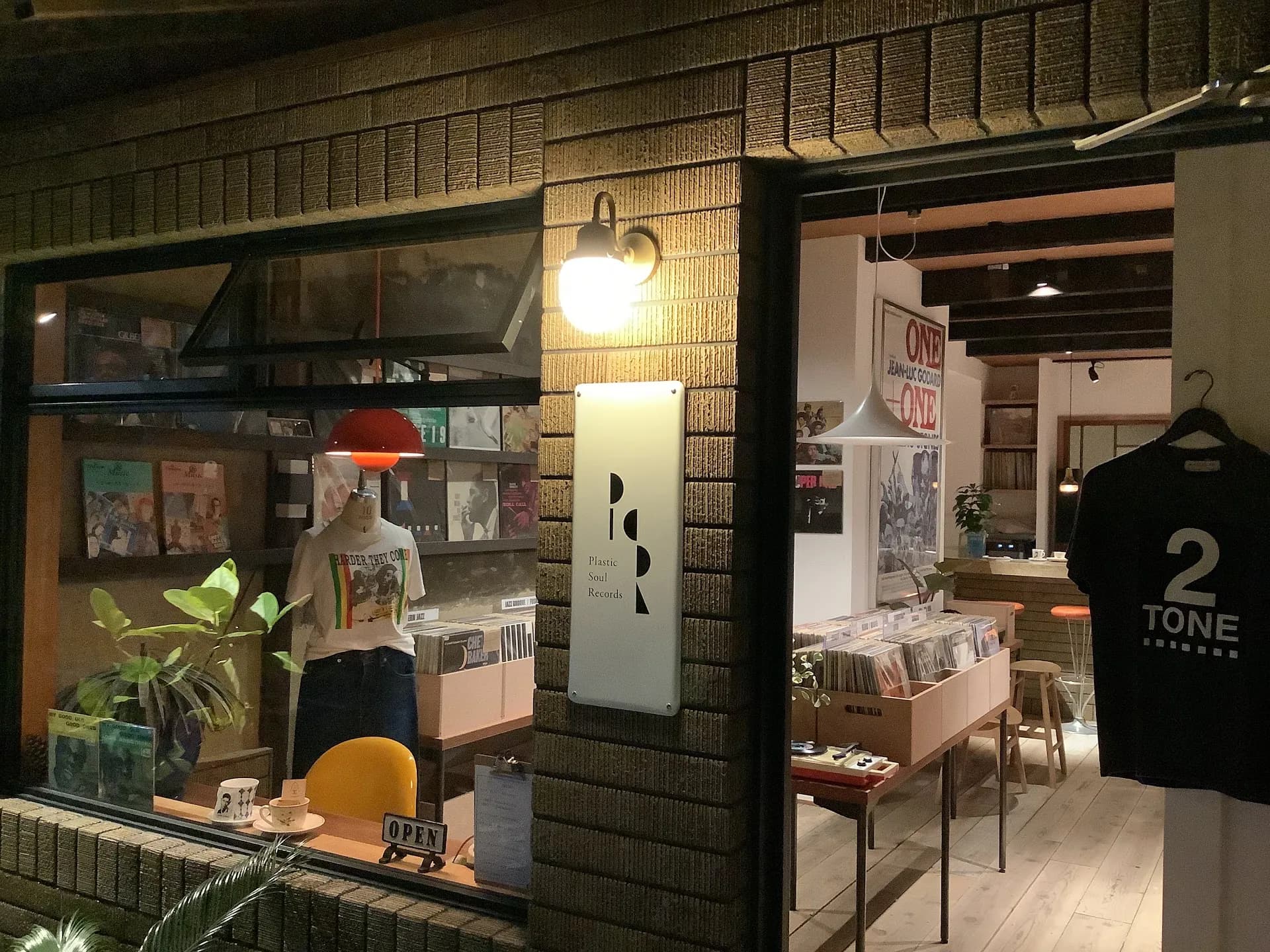
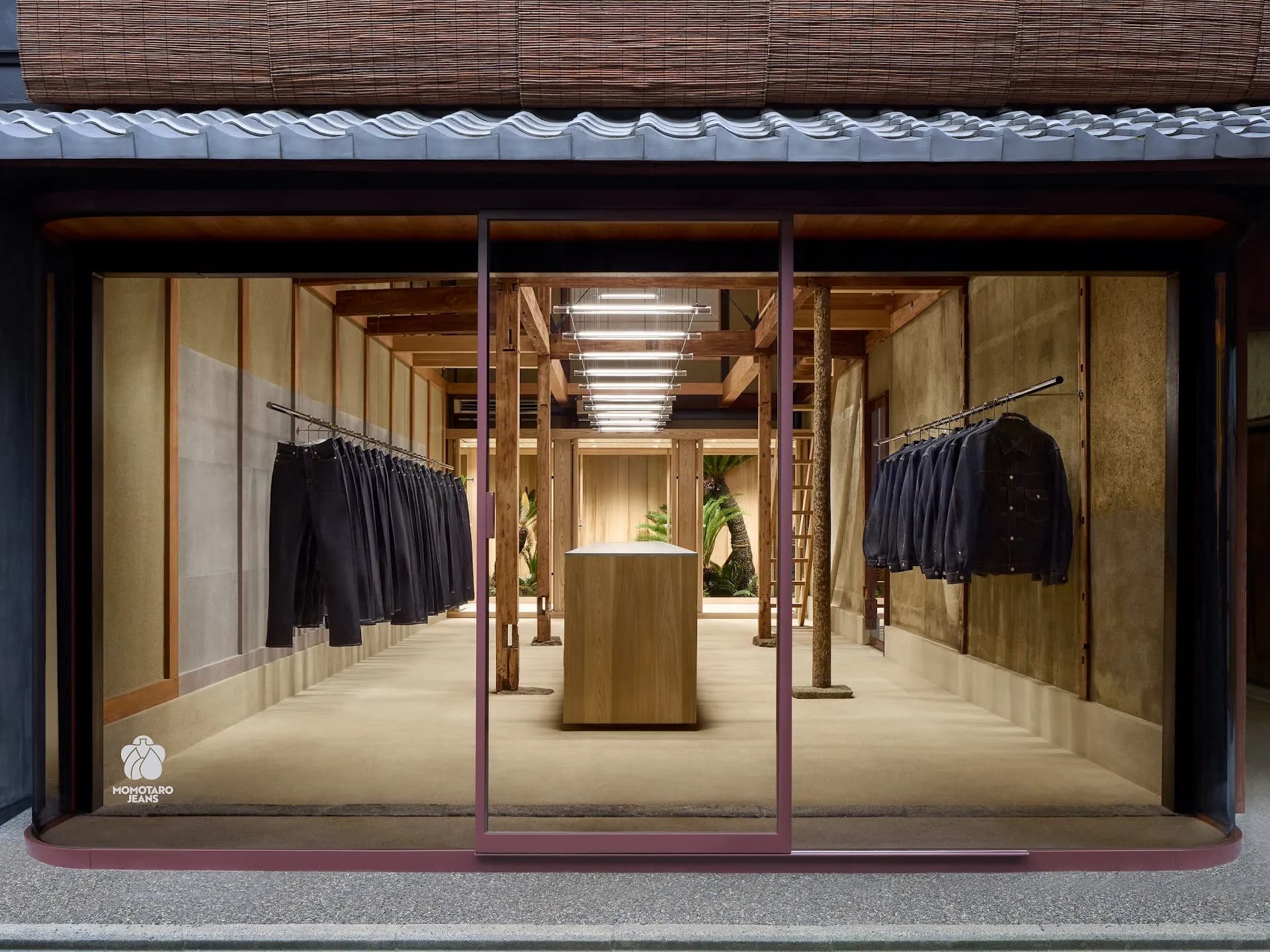
Opened July 2024 in traditional townhouse. Premium Japanese reproduction denim in historic Kyoto setting.
Shinmonzen-dori Street
What it costs
Daily budgets and typical prices to plan your spend.
Backpacker
¥8,000/ day
Mid-range
¥18,000/ day
Luxury
¥45,000/ day
Cheap meal
¥1,000
Restaurant meal
¥3,000
Coffee
¥500
Local beer
¥600
Transit ticket
¥230
Taxi (1km)
¥400
Cost index 83 (New York = 100).
When to go
Best time to visit
Late March to mid-April for cherry blossom and mid-November to early December for autumn colour are the most beautiful but busiest. May and October offer mild weather with thinner crowds.
Crowds
Very High
PeakApril (cherry blossom), November (autumn leaves)
ShoulderMay, June, October
QuietJanuary, February
Major events
Cherry Blossom SeasonApril
Aoi MatsuriMay
Gion MatsuriJuly
Jidai MatsuriOctober
Autumn IlluminationsNovember
Weather by month
Average temperature and rainfall, to time your visit.
6°J
7°F
10°M
15°A
21°M
24°J
28°J
30°A
26°S
20°O
14°N
8°D
Good to know
Practical info before you go.
Tipping
Not Expected — Tipping is not customary in Japan and can cause confusion; excellent service is the standard and is included.
Tap water
Safe to drink
Power
Type A/B · 100V
Safety
Very High — Kyoto is extremely safe with very low crime; normal big-city precautions are more than enough.
Emergency
110 police / 119 fire & ambulance
Visa-free for
United States, Canada, United Kingdom, European Union, Australia, New Zealand
Local culture
Language
Japanese
English
Moderate
Dress code
Casual
Useful phrases
Konnichiwa
Hello
Arigatou gozaimasu
Thank you
Sumimasen
Excuse me / sorry
Eigo o hanasemasu ka?
Do you speak English?
Oishii
Delicious
Ikura desu ka?
How much is it?
Local customs
Avoid eating or drinking while walking, especially inside Nishiki Market
Keep quiet on trains and buses; do not take phone calls
Do not photograph geiko or maiko without permission in Gion's private lanes
Carry cash - many small shops, temples, and buses are cash-only or coin-only
A small bow is the normal greeting and way to say thank you
Watch out for
Very few scams; occasionally unofficial 'guides' approach tourists near major sights
Some bars in the Kiyamachi nightlife strip add cover charges - confirm prices before sitting down
Three days is the sweet spot to see the major temples, Gion, Arashiyama, and Fushimi Inari without rushing. With four or five days you can add day trips to Uji or Nara and slow down for tea ceremonies and quieter temples.
What is the best way to get around Kyoto?
A rechargeable IC card (ICOCA or Suica) works on buses, subways, and most trains. Buses reach the majority of temples; the JR and Keihan lines serve Fushimi and Arashiyama. Walking is often the best option in Higashiyama and along the Philosopher's Path.
When is the best time to visit Kyoto?
Cherry-blossom season (late March to mid-April) and autumn foliage (mid-November to early December) are the most beautiful but also the busiest. For fewer crowds with good weather, aim for May, early June, or late September to October.
Do I need to book temples in advance?
Most temples accept walk-ins and simply charge a small entry fee at the gate. A few special experiences, like tea ceremonies, kimono rentals, and the Sagano Scenic Railway, are worth reserving ahead, especially in peak season.
Is Kyoto expensive?
It is moderate. Temple fees are small, public transport is cheap, and you can eat very well for under 1,500 yen. Accommodation is the main variable, ranging from budget guesthouses to high-end ryokan.
Ready to plan Kyoto?
Turn this guide into a real trip — itinerary, map, budget and friends, all in one place.