
Three days is the sweet spot for a first visit to Rome: long enough to see the icons without sprinting, short enough to stay focused. This itinerary is built neighborhood by neighborhood so you walk in tight loops instead of crisscrossing the city. Day one is ancient Rome around the Colosseum and the Forum, ending in the centro storico. Day two crosses the Tiber to the Vatican, then loops the historic center past the Pantheon and Piazza Navona. Day three slows down on the Aventine, drifts through Trastevere, and climbs to Villa Borghese for sunset. Almost everything is walkable, with the metro reserved for the longer hops, and every stop below is timed so you arrive before the crowds and eat where Romans actually eat.
Rome in 3 Days: A Neighborhood-by-Neighborhood Itinerary
3 days1 stopsFirst-time visitors who want the icons plus real neighborhoods, on foot
The route
- Rome3n
Everywhere you'll go
Every stop on this itinerary — tap a card for details or to save it.
Must visit
Memorial4.8
Colosseum
The iconic 2,000-year-old amphitheatre that once hosted gladiatorial combat. Book timed entry tickets well in advance for underground and upper tier access.
Centro Storico
Memorial4.7
Roman Forum
Sprawling ruins of ancient Rome's political and social center. Triumphal arches, temples, and basilicas spanning 1,000 years of history.
Centro Storico
Restaurant4.5
Armando al Pantheon
Family-run trattoria steps from the Pantheon serving refined Roman cuisine since 1961. Consistently excellent despite the tourist-heavy location.
Centro Storico
Memorial4.9
Pantheon
Perfectly preserved 2,000-year-old Roman temple with the world's largest unreinforced concrete dome. The oculus floods the interior with light.
Centro Storico
Photography
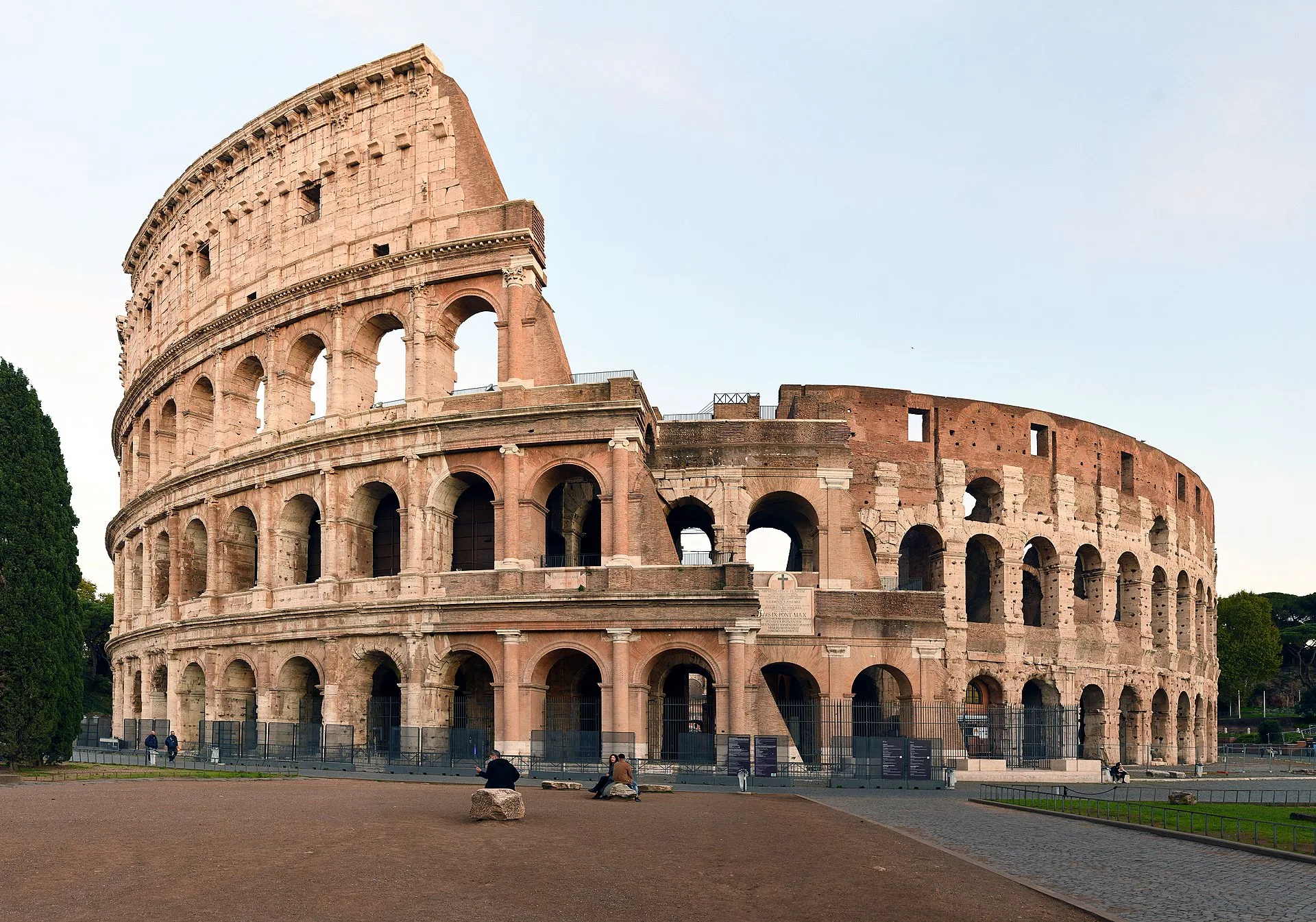
Colosseum at Golden Hour
The Flavian Amphitheatre needs no introduction but deserves intentional timing. At golden hour the travertine limestone glows warm amber and the arched facade casts deep shadows that reveal its three-dimensional depth. The play of light through the 80 arches creates a rhythm of light and shadow unique to low-angle sun.
Centro Storico, Rome
Museum4.7
Vatican Museums
One of the world's greatest art collections culminating in Michelangelo's Sistine Chapel ceiling. Book skip-the-line tickets.
Vatican City
Must visit
Restaurant4.7
Pizzarium
Gabriele Bonci's famous pizza al taglio shop near the Vatican. Crispy, airy crust with creative seasonal toppings. Worth the queue.
Prati
Scenic Spot4.5
Piazza Navona
Baroque masterpiece of a piazza built on the footprint of a Roman stadium. Bernini's Fountain of the Four Rivers anchors the center.
Centro Storico
Market4.3
Campo de' Fiori
Lively morning market selling fresh produce, flowers, and spices by day; vibrant bar scene by night. Giordano Bruno statue presides over it all.
Centro Storico
Must visit
Restaurant4.7
Roscioli
Legendary deli-restaurant with an extraordinary wine cellar. Handmade pasta, aged cheeses, and cured meats in a convivial setting. Reservations essential.
Centro Storico
Hidden Gem
Aventine Keyhole
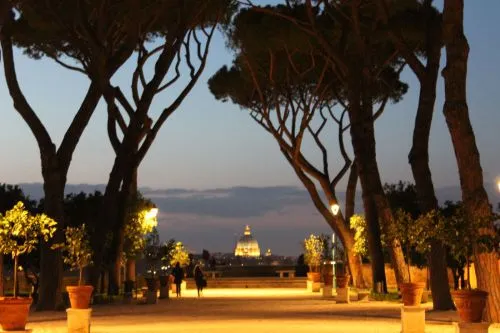
A small bronze keyhole in the green door of the Priory of the Knights of Malta on Piazza dei Cavalieri di Malta. Peering through reveals a perfectly framed perspective down a manicured hedge-lined garden path with St. Peter's dome centered at the end. A miniature and magical view of the Vatican through a keyhole - one of Rome's most delightful secrets.
Aventine Hill, Rome
Viewpoint
Orange Garden (Giardino degli Aranci)
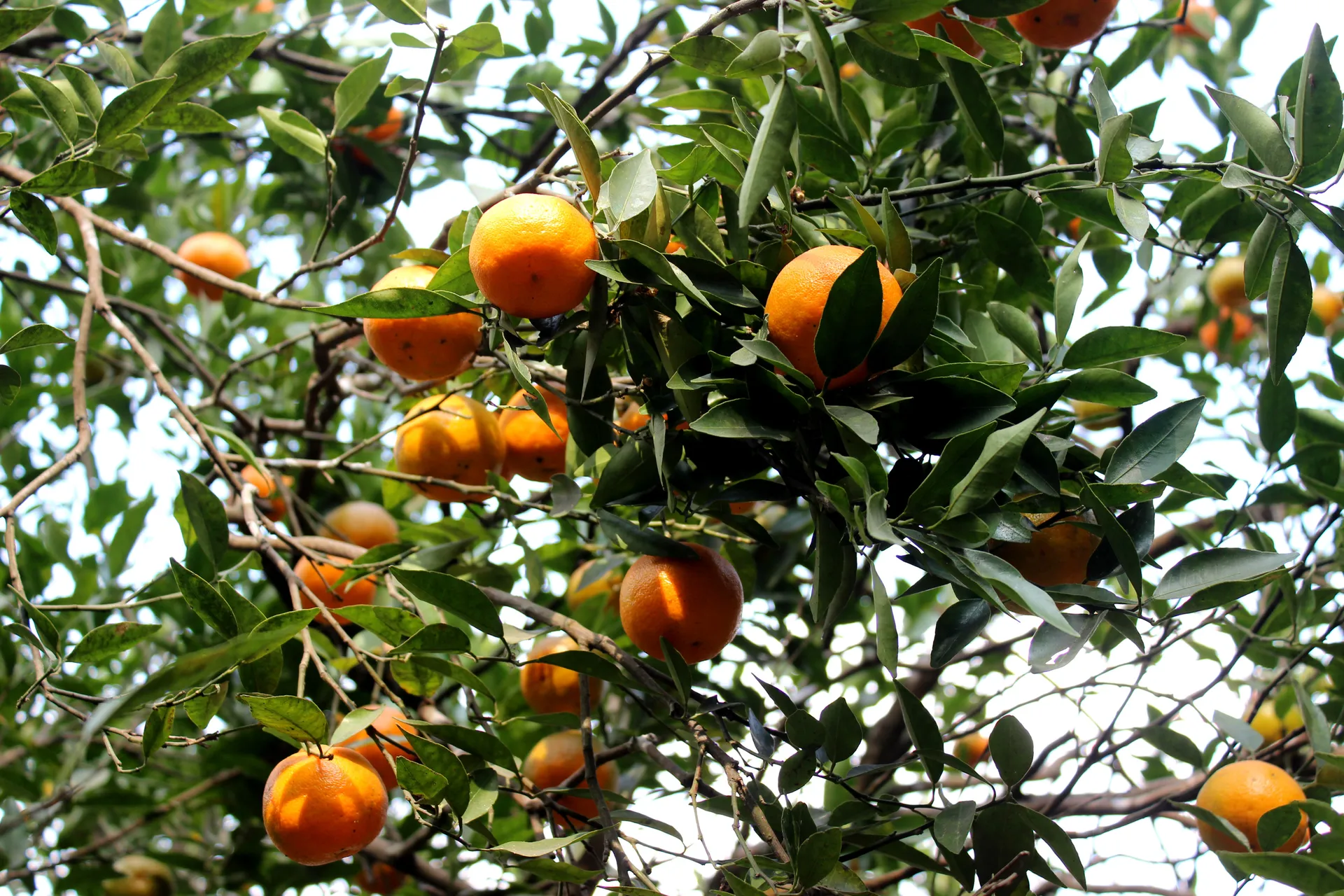
A tranquil walled garden on the Aventine Hill planted with bitter orange trees. A wide terrace at the end frames a postcard panorama of Rome: the Tiber river, Trastevere rooftops, and St. Peter's dome centered perfectly in the gap between trees. Fewer tourists than other viewpoints and a more intimate atmosphere.
Aventine Hill, Rome
Street
Trastevere Cobblestone Streets
Rome's most photogenic neighborhood with narrow cobblestone lanes, ivy-covered ochre walls, laundry strung between buildings, and tiny piazzas with fountains. Trastevere retains a village feel despite being minutes from the historic center. Morning light filtering through the narrow streets creates dramatic shafts and shadows.
Trastevere, Rome
Must visit
Restaurant4.6
Da Enzo al 29
Quintessential Trastevere trattoria serving textbook Roman classics: cacio e pepe, carbonara, and amatriciana. Arrive early — no reservations.
Trastevere
Museum4.8
Borghese Gallery
Intimate museum housing Bernini sculptures, Caravaggio paintings, and Raphael works. Timed 2-hour slots; book weeks ahead.
Villa Borghese
Sunset Spot
Pincio Terrace Sunset
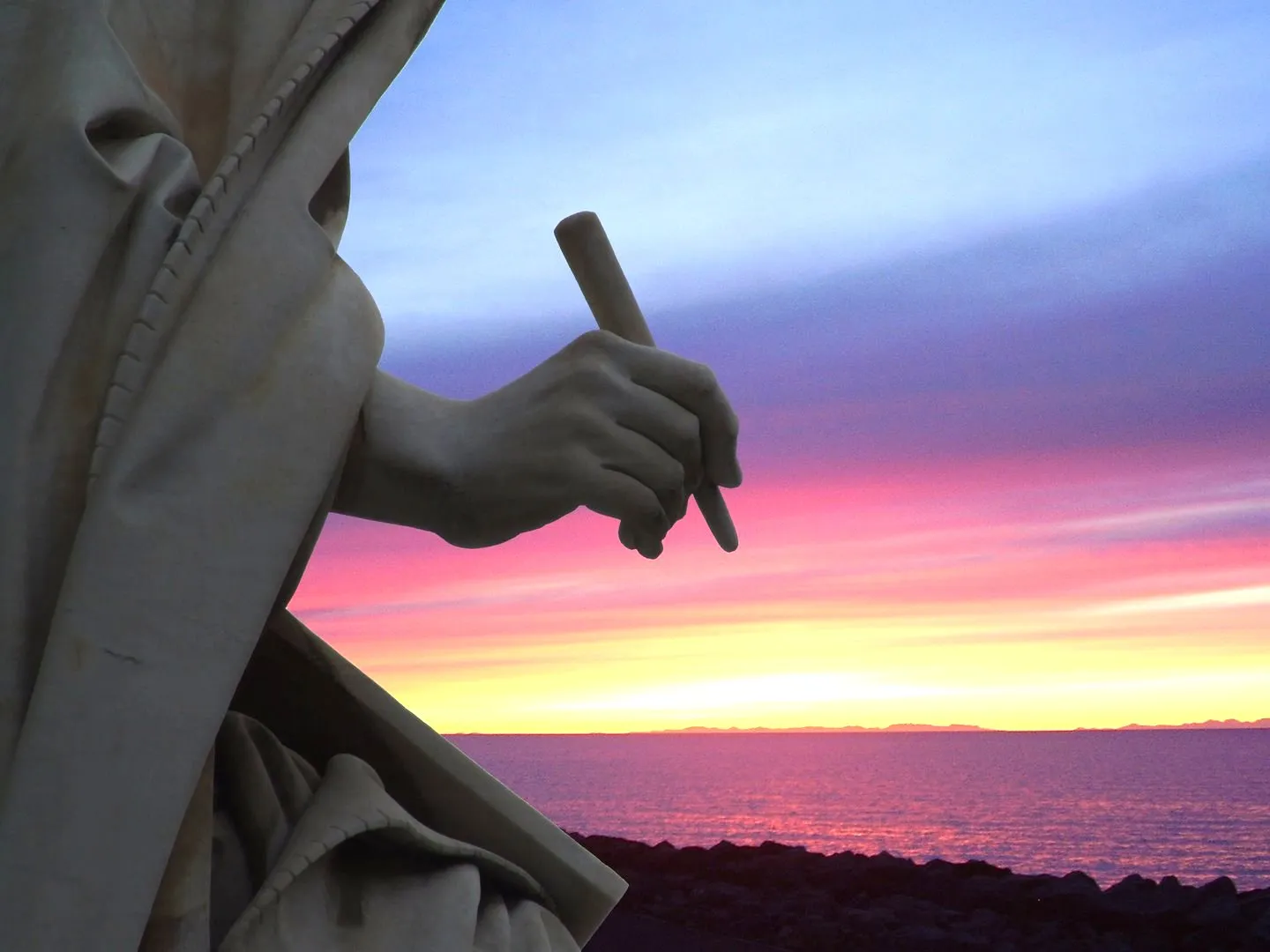
An elevated terrace at the edge of Villa Borghese gardens offering a sweeping westward panorama over Piazza del Popolo to St. Peter's dome and the Janiculum Hill. One of Rome's most beloved sunset viewpoints. The terrace is framed by balustrades, statues, and umbrella pines that create classic Roman foreground elements.
Villa Borghese, Rome
Day by day
Day 1Rome
Ancient Rome: Colosseum, the Forum & the centro storico
Must visit
08:30Memorial4.8
Colosseum
Begin where Rome began. The 2,000-year-old amphitheatre is best at opening, before the heat and the tour groups build, with the morning sun warming the travertine arches. Reserve the underground and arena-floor add-on for the most vivid sense of how the games were staged.
Centro Storico
Tip: Timed entry sells out — book on the official ticket site two to three weeks ahead. The same ticket covers the Forum and Palatine Hill for two consecutive days.
10:30
Memorial4.7
Roman Forum
Walk straight from the Colosseum into the sprawling ruins of the city's ancient heart: triumphal arches, toppled temples, and the Via Sacra where emperors paraded. It rewards a slow wander as much as a guided one.
Centro Storico
Tip: Entry is included with your Colosseum ticket. Climb up to Palatine Hill afterward for the best overview of the whole archaeological zone.
13:00
Restaurant4.5
Armando al Pantheon
Drift north into the centro storico and have a proper Roman lunch at this family-run trattoria steps from the Pantheon, serving refined classics since 1961. It holds its own despite the central, tourist-heavy address.
Centro Storico
Tip: Book ahead even for lunch — the small dining room fills fast. Order the carbonara or the saltimbocca.
15:00
Memorial4.9
Pantheon
Step inside the best-preserved building of ancient Rome, crowned by the largest unreinforced concrete dome ever built. The oculus drops a single shaft of daylight that moves across the marble through the afternoon.
Centro Storico
Tip: Entry now needs a timed ticket (about 5 EUR); book on the official site. The light through the oculus is most dramatic on a bright day.
17:30
Photography
Colosseum at Golden Hour
Loop back toward the Colosseum for golden hour, when low sun turns the limestone warm amber and the 80 arches throw long, sculptural shadows. The viewpoint from Colle Oppio park gives a quieter angle than the main piazza.
Centro Storico, Rome
Tip: The Via dei Fori Imperiali side catches the east-facing facade; a longer lens isolates individual arches and their shadows.
Day 2Rome
Vatican City & the historic center
08:30
Museum4.7
Vatican Museums
Cross the Tiber to one of the world's greatest art collections, a march of galleries and tapestries that builds to Michelangelo's Sistine Chapel ceiling. Arriving at the first morning slot buys you a precious half hour in the chapel before it turns shoulder-to-shoulder.
Vatican City
Tip: Book skip-the-line tickets — the standby queue can top three hours. Closed Sundays except the free last Sunday of the month, when crowds are punishing. Dress modestly: no bare shoulders or knees.
Must visit
12:30Restaurant4.7
Pizzarium
A short walk from the Vatican walls, Gabriele Bonci's legendary pizza al taglio counter serves airy, blistered slabs of pizza by weight with inventive seasonal toppings. The ideal stand-up lunch after the museums.
Prati
Tip: Point at what looks best and order by the slice; there is little seating, so eat on the street like the locals.
15:00
Scenic Spot4.5
Piazza Navona
Head back into the centro storico to this baroque showpiece, laid out on the footprint of a Roman stadium and anchored by Bernini's Fountain of the Four Rivers. Free, open, and made for a slow loop with a gelato.
Centro Storico
Tip: The cafe terraces are pricey for what they are — admire the fountains, then drink somewhere a street or two back.
16:30
Market4.3
Campo de' Fiori
A few minutes south, this square trades its morning produce market for an evening bar scene, all under the brooding statue of Giordano Bruno. A good place to feel the city shift gears toward aperitivo.
Centro Storico
Tip: If you want the market, come before 2pm; for the buzz, arrive at golden hour as the bars set out tables.
Must visit
20:00Restaurant4.7
Roscioli
End the day at this legendary deli-restaurant with an extraordinary wine cellar, where handmade pasta, aged cheeses, and cured meats are served in a convivial crush. One of Rome's great food experiences.
Centro Storico
Tip: Reservations are essential and go fast — book the moment you lock in your dates. The cacio e pepe and carbonara are benchmarks.
Day 3Rome
Aventine views, Trastevere & a Villa Borghese sunset
09:00Hidden Gem
Aventine Keyhole
Start on the quiet Aventine Hill at the bronze keyhole in the Knights of Malta's green door. Peer through and St. Peter's dome appears perfectly framed at the end of a hedge-lined garden path — one of Rome's most delightful secrets.
Aventine Hill, Rome
Tip: The queue forms but moves in seconds; come early. A phone camera held to the keyhole captures the view surprisingly well.
09:30Viewpoint
Orange Garden (Giardino degli Aranci)
Two minutes away, this walled garden of bitter orange trees ends in a wide terrace that frames the Tiber, Trastevere's rooftops, and St. Peter's dome. Fewer tourists and a more intimate panorama than the famous viewpoints.
Aventine Hill, Rome
Tip: Walk to the far end for the classic dome view. Free entry from 7am; spring brings the orange blossom.
11:30
Street
Trastevere Cobblestone Streets
Descend the hill and cross into Trastevere, Rome's most photogenic quarter: narrow cobblestone lanes, ivy-draped ochre walls, laundry overhead, and tiny fountained piazzas. Wander without a plan around Piazza di Santa Maria.
Trastevere, Rome
Tip: Cross the Tiber via the pedestrian Ponte Sisto for the prettiest approach from the centro storico.
Must visit
13:00Restaurant4.6
Da Enzo al 29
Lunch at this tiny Trastevere trattoria that serves textbook Roman classics — cacio e pepe, carbonara, amatriciana — to a perpetual line of devotees. The kind of unfussy meal you came to Rome for.
Trastevere
Tip: No reservations, so arrive right at opening or expect to wait. Cash is king and portions are generous.
16:30
Museum4.8
Borghese Gallery
Cross town to this jewel-box museum inside Villa Borghese, packed with Bernini sculptures, Caravaggio paintings, and Raphael masterworks in just a few rooms. Timed two-hour slots keep it calm and unhurried.
Villa Borghese
Tip: Reservations are mandatory and sell out weeks ahead — book before anything else on day three.
18:30Sunset Spot
Pincio Terrace Sunset
Close your three days at the edge of Villa Borghese, where the Pincio terrace opens onto a sweeping westward view over Piazza del Popolo to St. Peter's dome. As classic a Roman sunset as exists.
Villa Borghese, Rome
Tip: Arrive 30 to 45 minutes before sunset to claim a spot at the railing; the dome is perfectly placed for silhouettes. Free, no ticket needed.
What it costs
A comfortable mid-range three days runs roughly 350-550 EUR per person excluding accommodation: timed tickets for the Colosseum/Forum, Vatican Museums, and Borghese Gallery are the biggest fixed costs, plus two sit-down dinners, casual lunches, and gelato. Rome is intensely walkable, so transport is minimal — a few metro rides or a Tap & Go contactless cap of 8.50 EUR a day covers everything. Book the three major attractions in advance to avoid both queues and inflated skip-the-line resellers.~120-180 EUR / day
Frequently asked questions
- Is three days enough to see Rome?
- Three days is enough to cover Rome's icons comfortably without rushing. You get ancient Rome (the Colosseum and Forum) on day one, the Vatican and the historic center on day two, and Trastevere, the Aventine viewpoints, and Villa Borghese on day three. Because the city is so walkable and this plan moves neighborhood by neighborhood, you lose very little time in transit and can still linger over long lunches.
- Which Rome attractions do I need to book in advance?
- Three sites on this itinerary require advance timed tickets and regularly sell out: the Colosseum (book on the official site two to three weeks ahead; the ticket also covers the Roman Forum and Palatine Hill for two days), the Vatican Museums and Sistine Chapel (book skip-the-line, as the standby queue can exceed three hours), and the Borghese Gallery (mandatory two-hour timed slots, often gone weeks out). The Pantheon now also needs an inexpensive timed ticket. Everything else is walk-up or free.
- How do I get around Rome in three days?
- Mostly on foot. Rome's historic center is compact and the most atmospheric stretches — Trastevere, the centro storico, the area around the Pantheon — are best walked. Use the metro (lines A, B, and C, 1.50 EUR per ride, valid 100 minutes) for the longer hops, such as out to Villa Borghese. ATAC buses, trams, and the metro all accept Tap & Go contactless payment with a daily cap of 8.50 EUR, so you never pay more than a day pass.
- Where should I stay for this Rome itinerary?
- For a first visit, base yourself in the historic center near the Pantheon, Piazza Navona, or Campo de' Fiori, which puts you within walking distance of most of days one and two. Monti, just behind the Forum, is a chic and central alternative close to ancient Rome. Trastevere is the most charming, local-feeling option if you do not mind crossing the river for the major sights, and it puts day three's wandering on your doorstep.
- How do I get from Fiumicino Airport into the city?
- The fastest option is the Leonardo Express, a non-stop train from Fiumicino (FCO) to Roma Termini in about 32 minutes (around 14 EUR, every 30 minutes). A cheaper alternative is the FL1 regional train (about 8 EUR), which stops at Trastevere and Tiburtina but not Termini, so it suits you if you are staying near those stops. From Ciampino (CIA), dedicated buses run to Termini, or budget travelers can connect via the metro and a city bus.
Make this trip yours
Save this itinerary and customize it — dates, stops, budget and friends, all in one place.