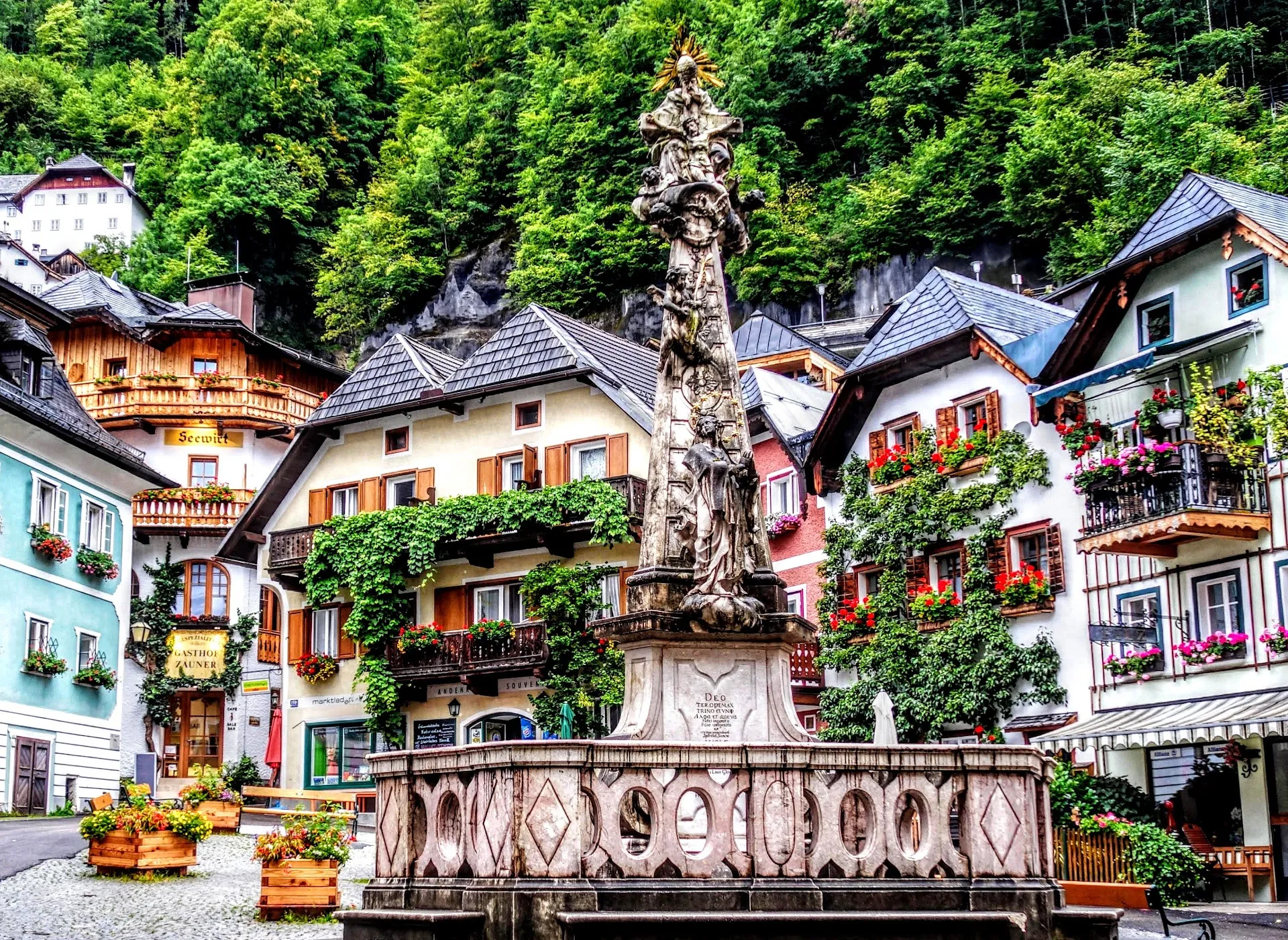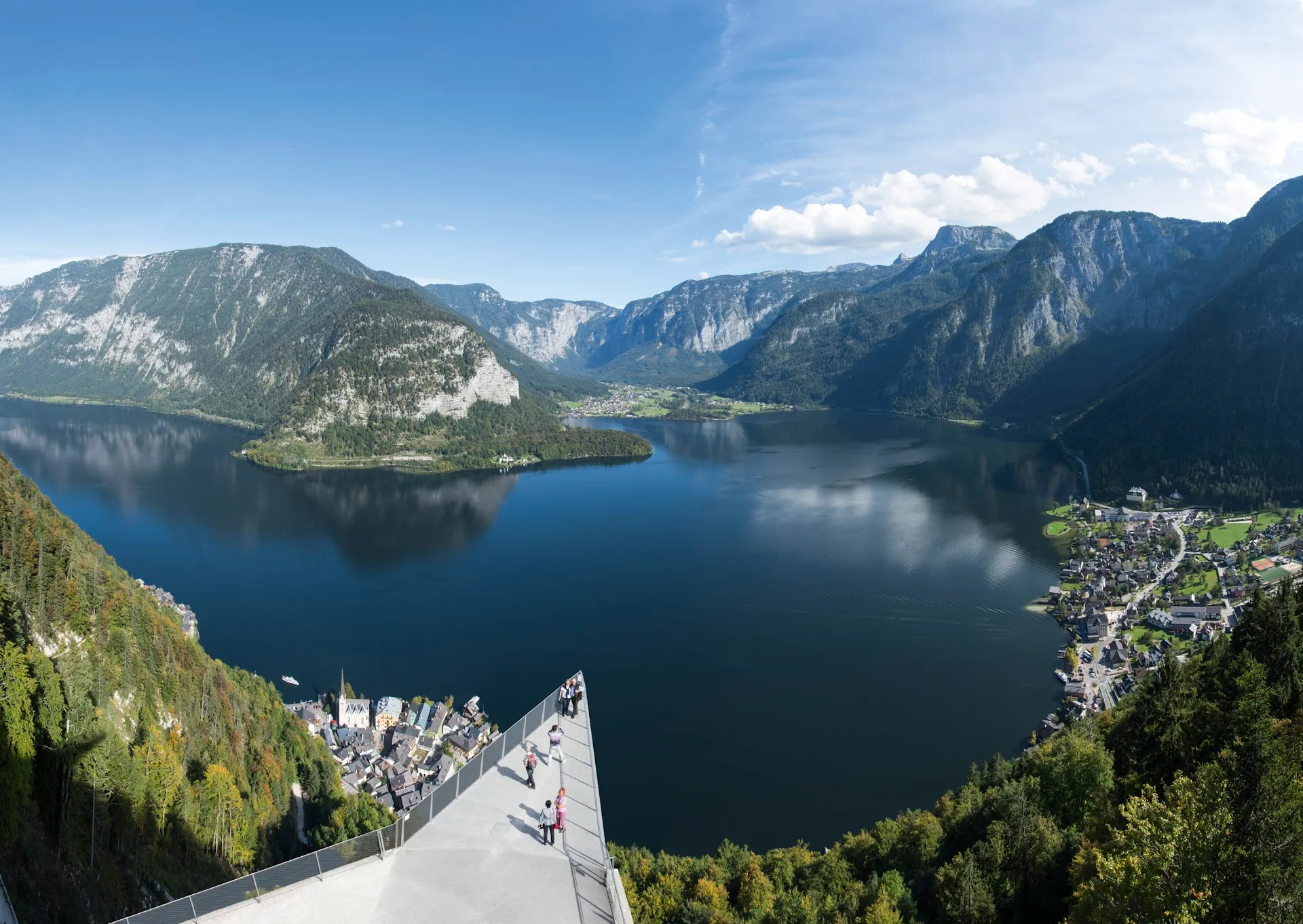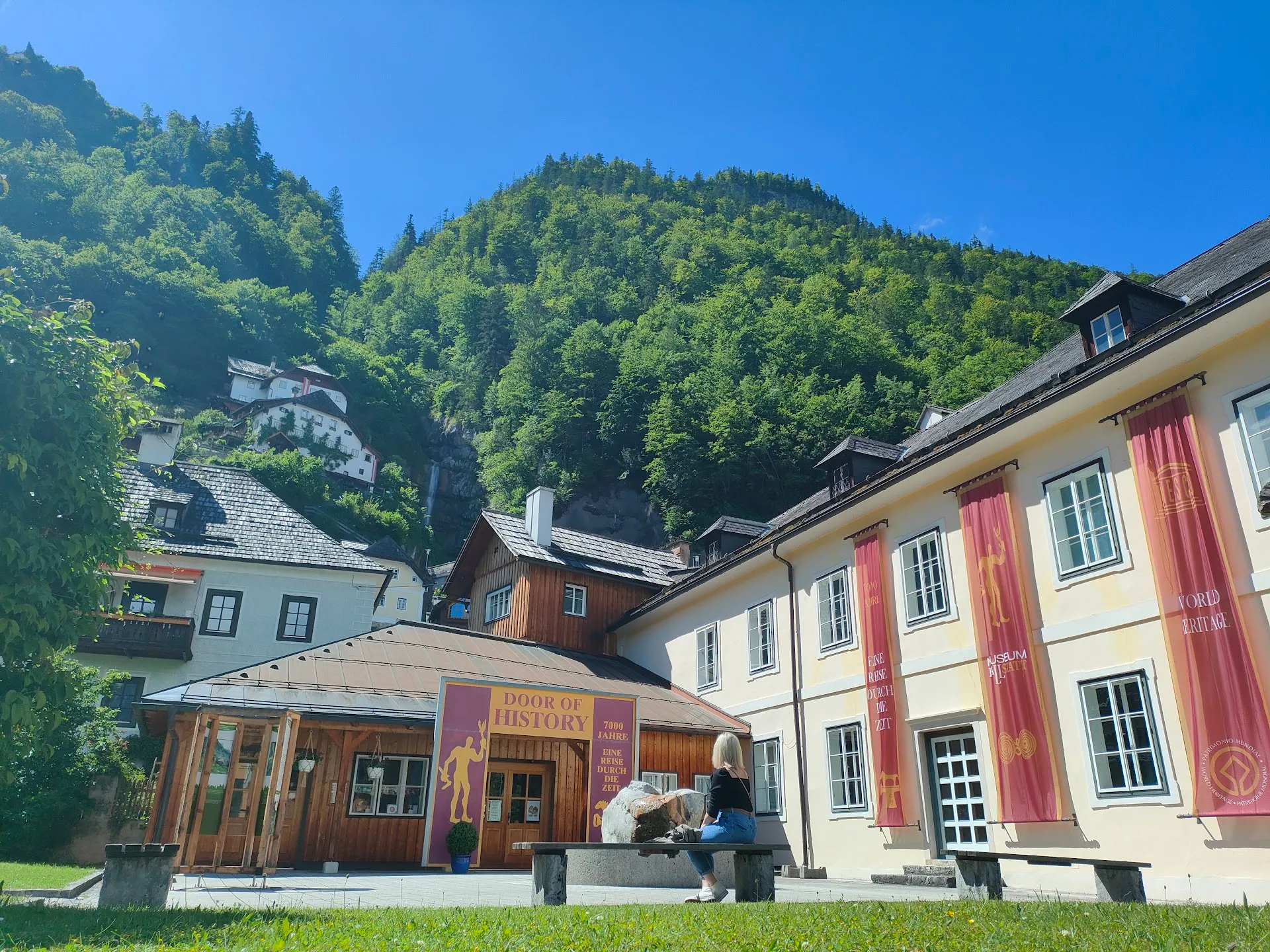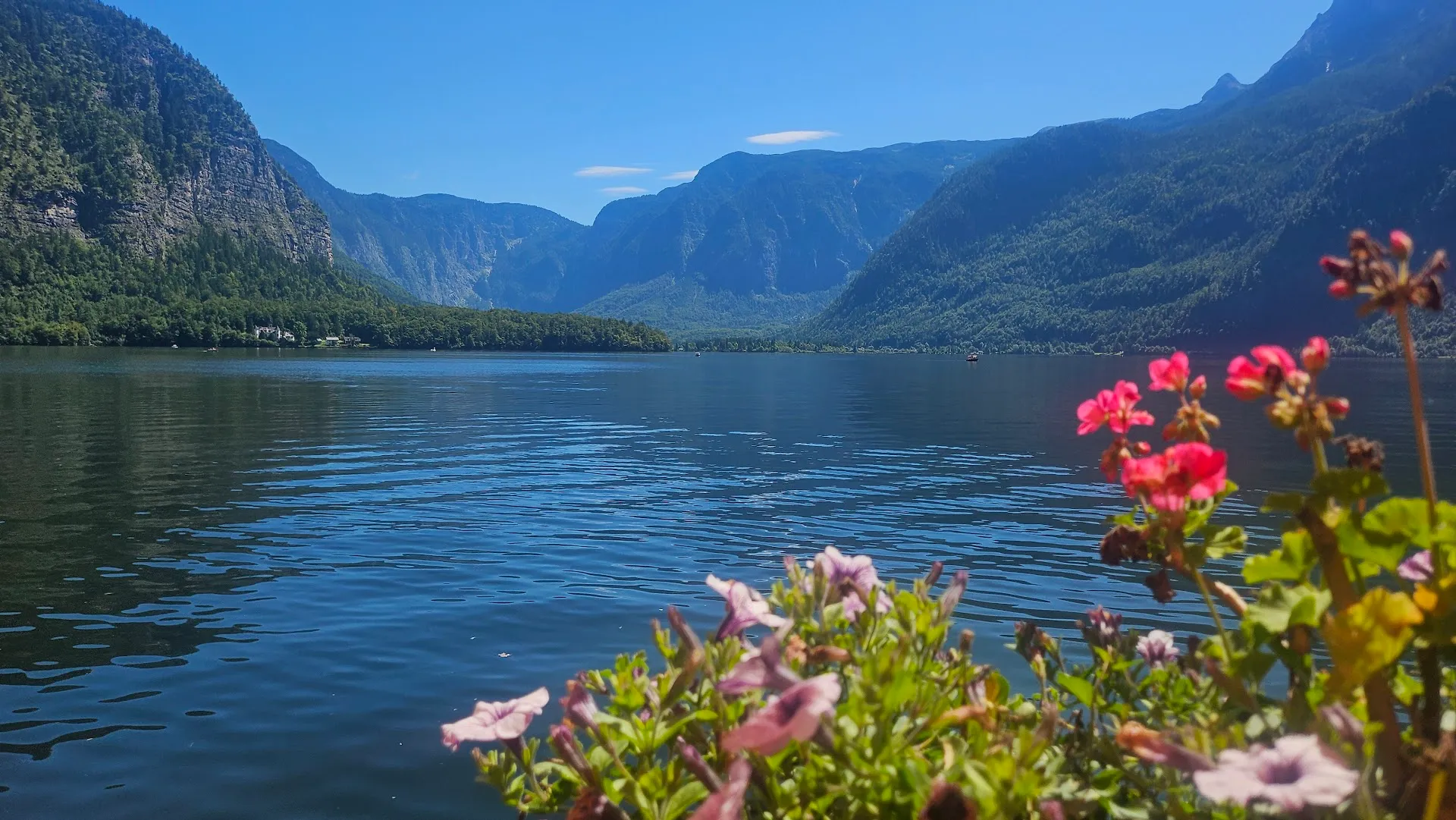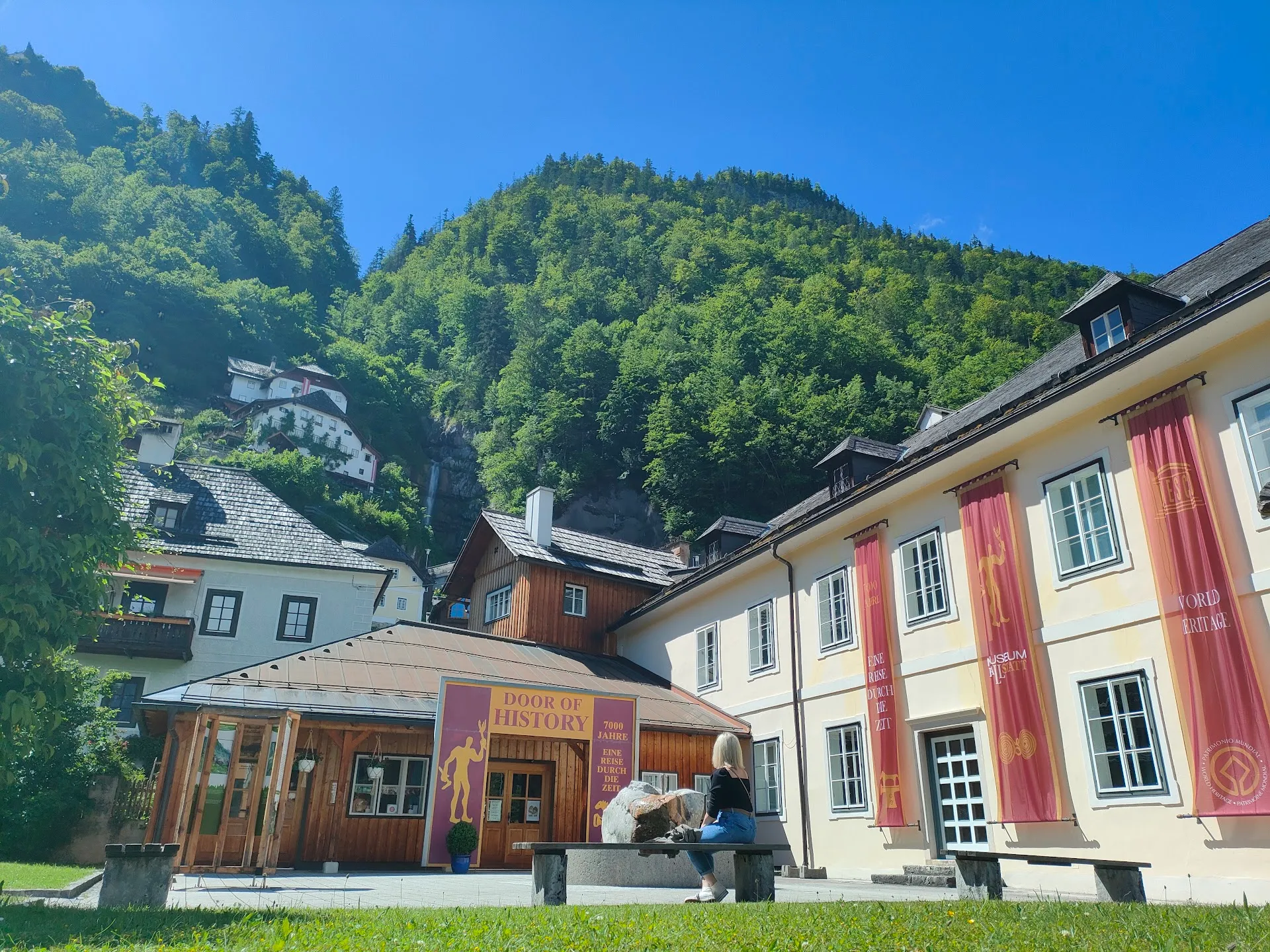
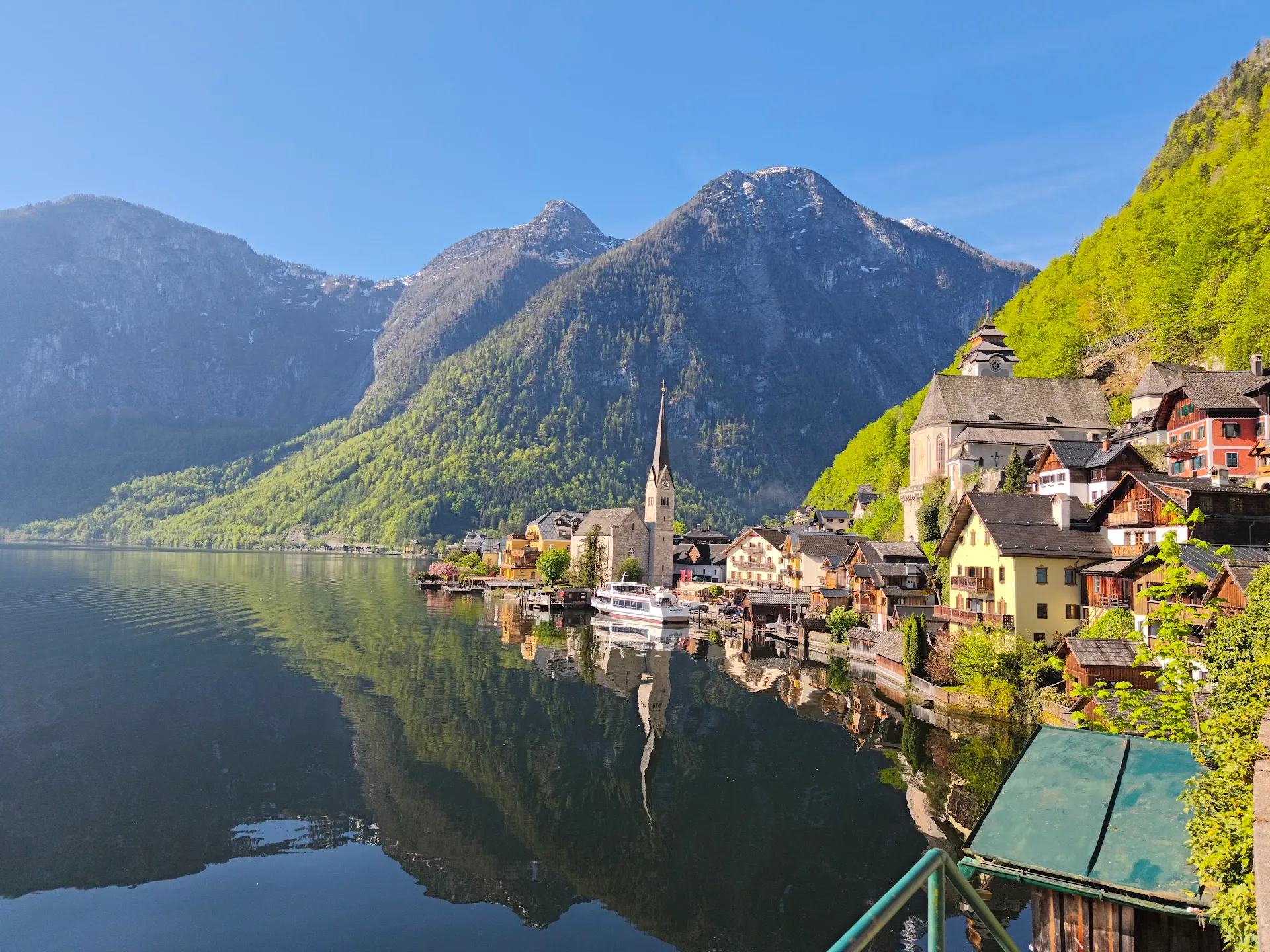
Hallstatt is barely more than a single street wide, a village of around 800 people pressed between a steep wooded mountain and the deep green Hallstattersee. Yet its stacked pastel houses, slender church spire and mirror-still lake add up to what many call the most beautiful village in Austria, and one of the most photographed in the world - so closely tied to storybook Europe that a full-scale replica was built in China. The setting is the draw, but there is real substance beneath the scenery: 7,000 years of salt mining, a UNESCO World Heritage landscape, and an entire prehistoric era named after this one small place.
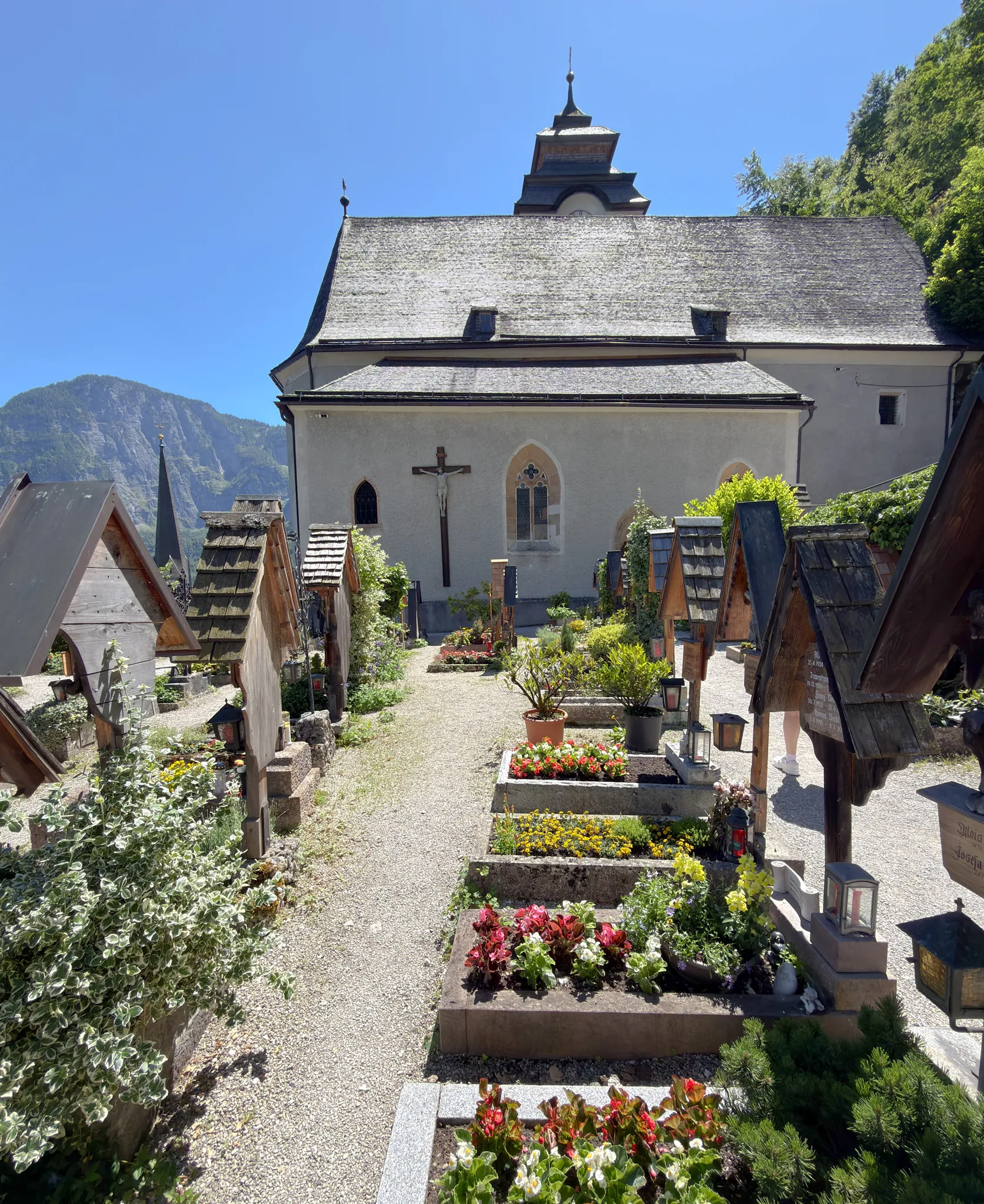
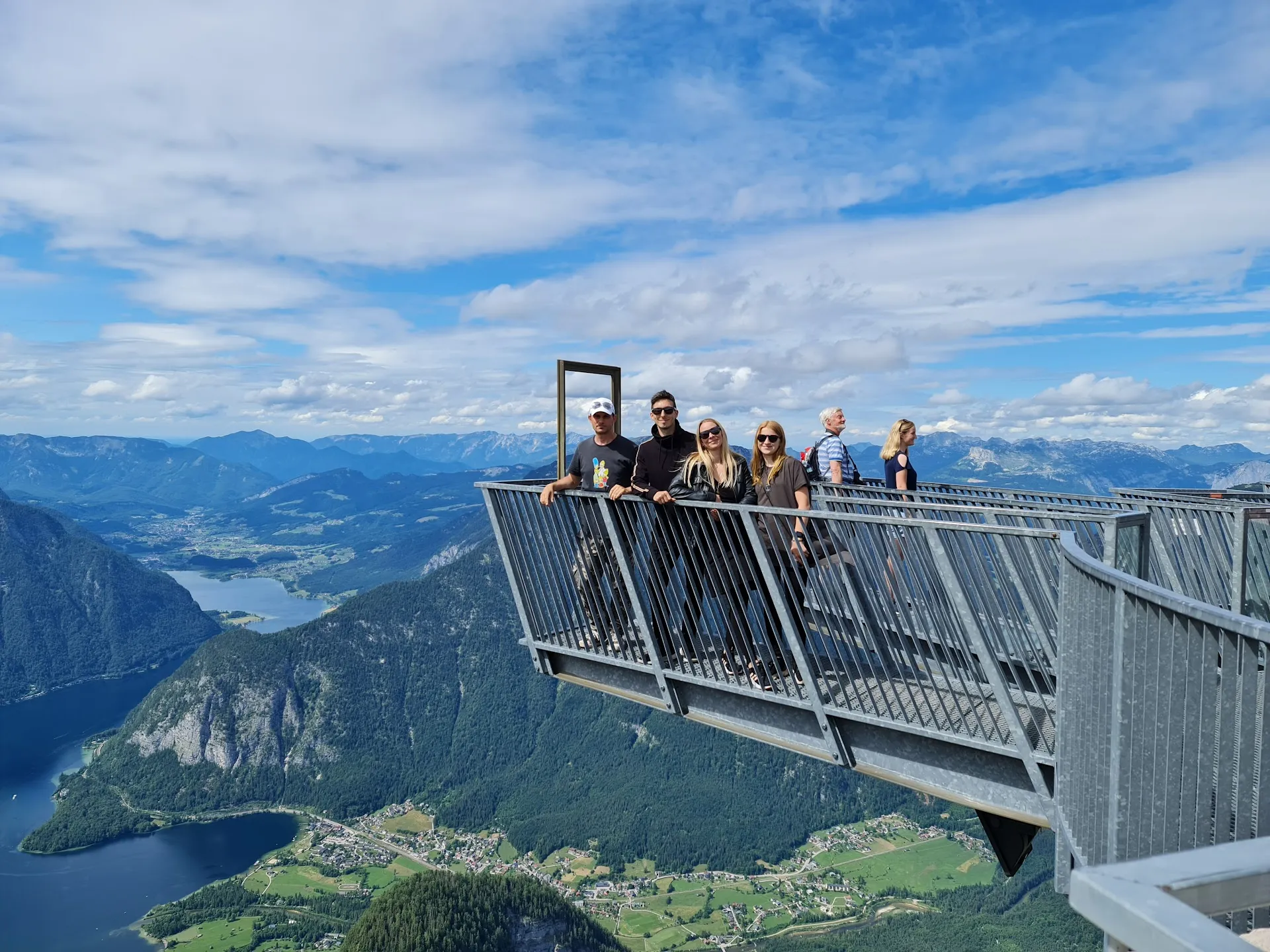
The village is tiny and almost entirely walkable. Everything of interest sits within a ten-minute stroll of the central market square: the lakeshore promenade, the Lutheran church on the water, the steep climb to the Catholic church and its remarkable Charnel House, and the lanes leading up toward the Muhlbach waterfall. Above the rooftops, reached by a funicular, lie the salt mine and the Skywalk viewing platform; across the lake rises the Dachstein massif, with its ice caves and the 5fingers platform. The classic postcard viewpoint, at the quiet northern end of the village, is the one image everyone comes for.
The single most useful piece of advice in Hallstatt is about timing, not sights. By late morning the narrow lanes fill with day-trippers and tour groups, and the small viewpoints can be uncomfortably crowded; by late afternoon they empty again. Stay overnight, or arrive at first light, and you get the village many visitors never see - silent lanes, soft light, and the lake to yourself. This is a living community, not an open-air museum, so the kindest and most rewarding way to visit is quietly and respectfully.