Austria packs an outsized variety into a compact, easy-to-travel country: imperial cities, baroque old towns, storybook lake villages and some of the most accessible mountains in Europe — all stitched together by one of the continent's best railway networks. You can stand in a Habsburg palace in the morning, watch the Danube slide past vineyards at lunch, and be riding a cable car into the Alps by the next afternoon.
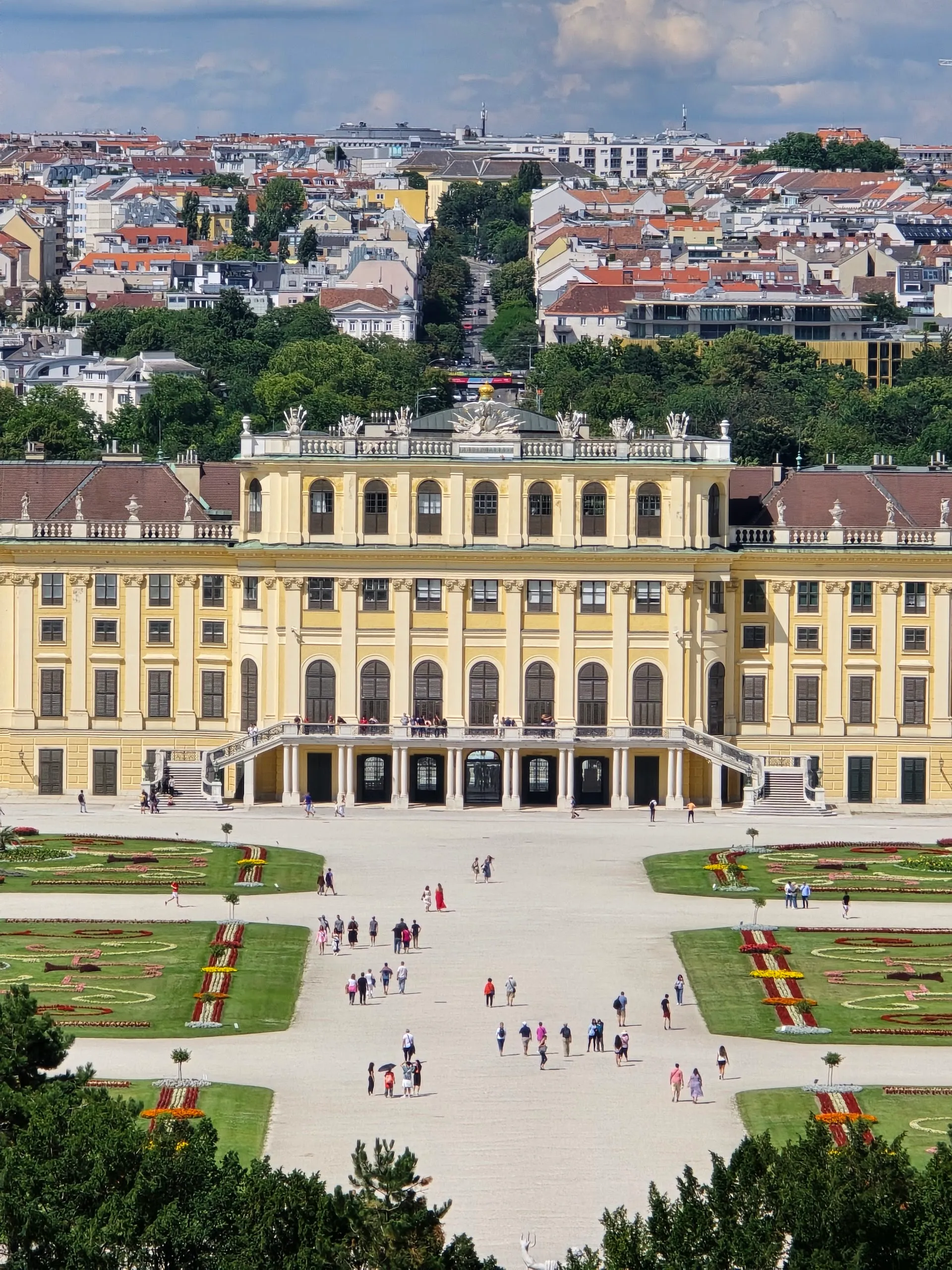
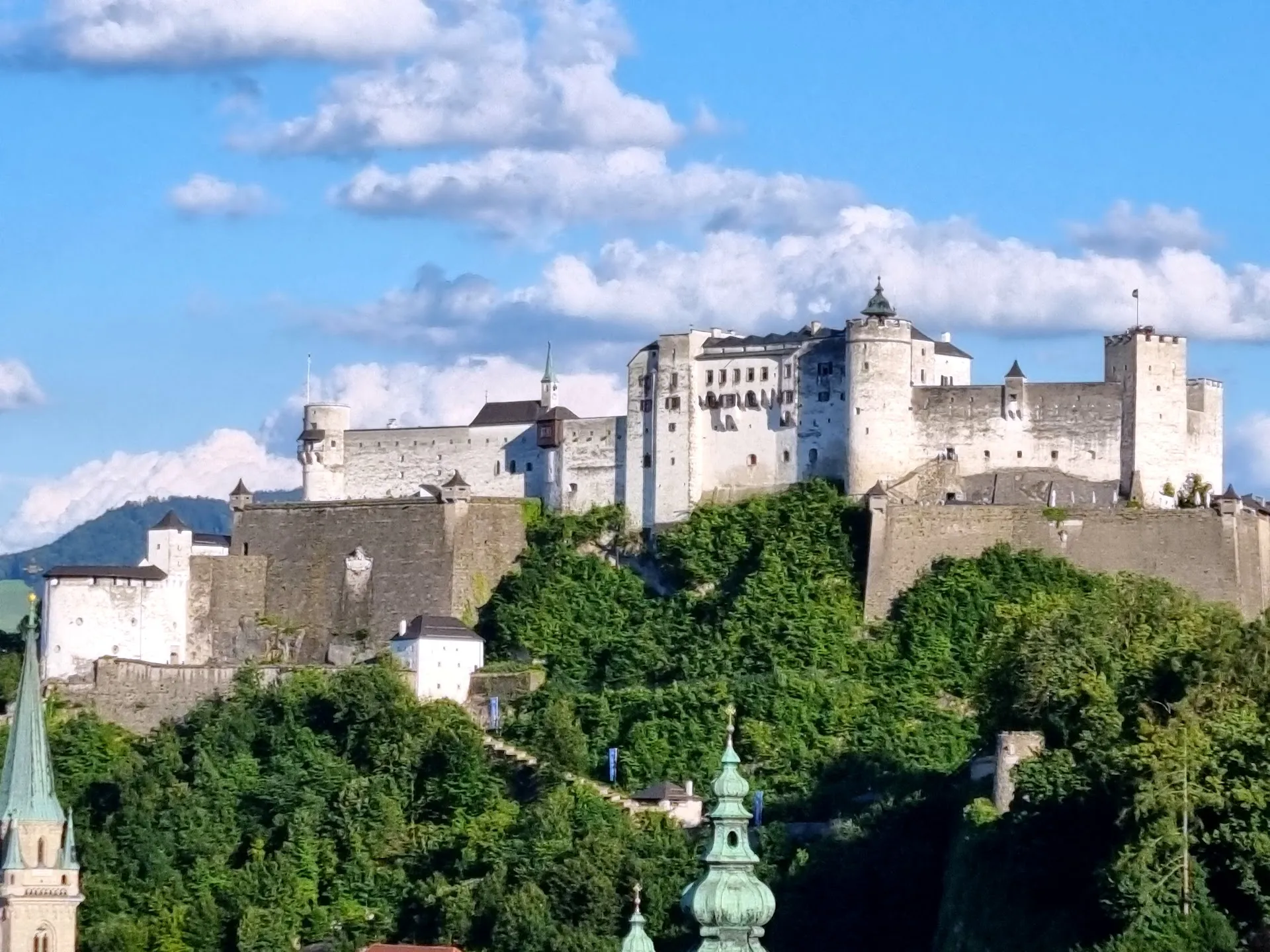
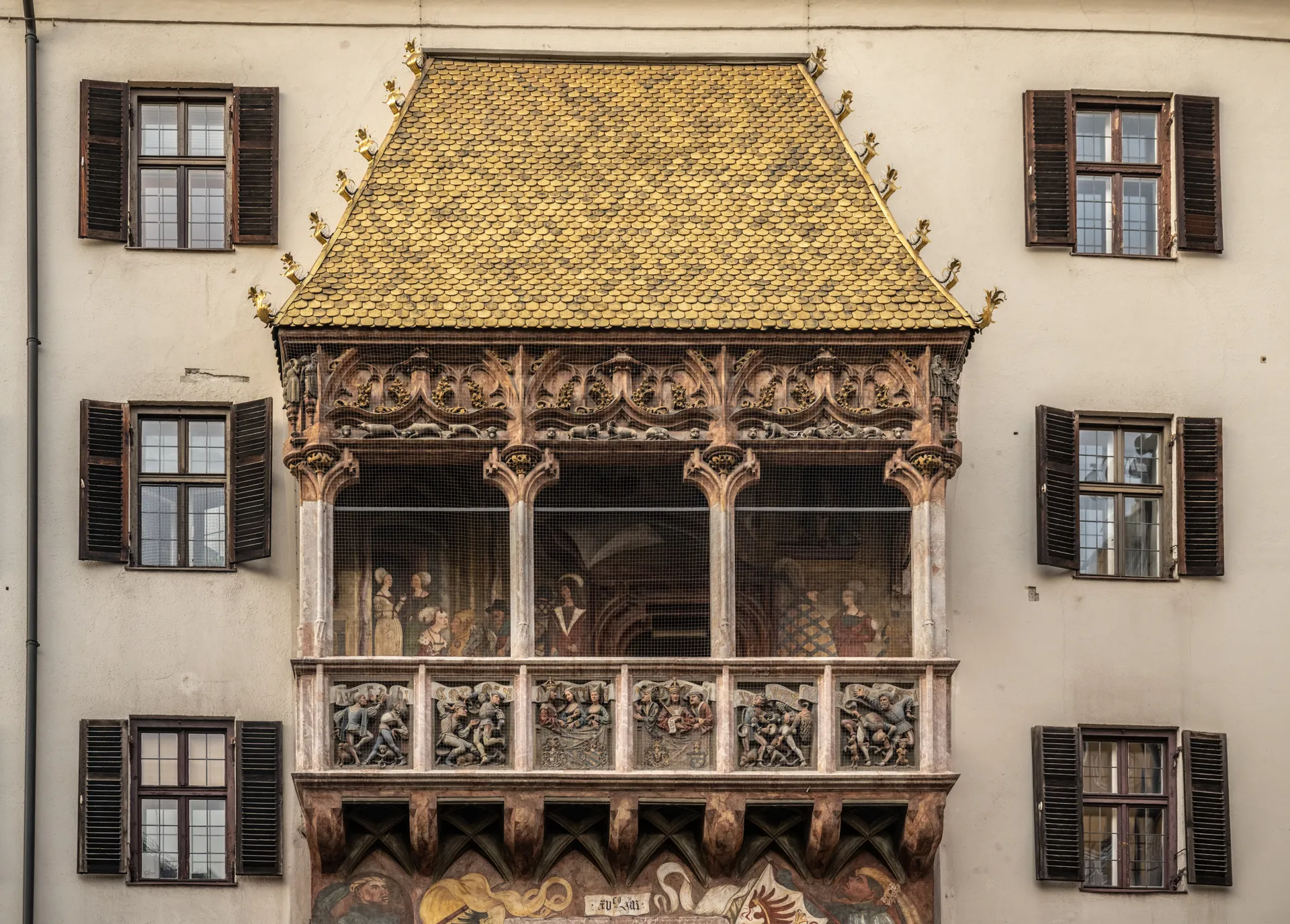
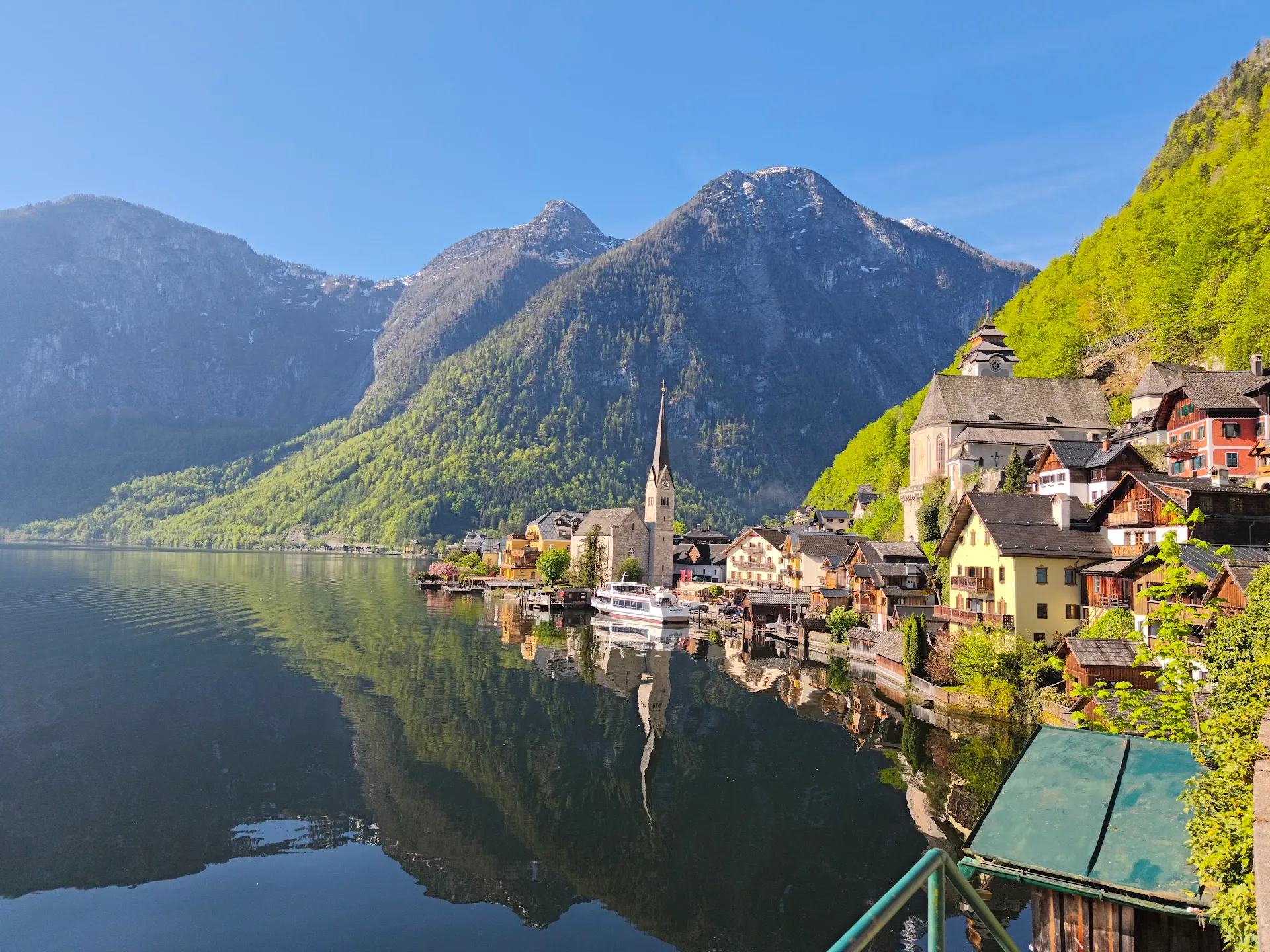
The natural anchor is Vienna, the former heart of an empire, where grand boulevards, world-class museums, coffee houses and the Schönbrunn and Hofburg palaces reward two or three days on their own. To the west, Salzburg wraps a UNESCO-listed baroque old town beneath a clifftop fortress — Mozart's birthplace and the backdrop to The Sound of Music — and opens straight onto the lakes and peaks of the Salzkammergut. There, tiny Hallstatt clings to a mountain lake in a scene so perfect it has become one of Europe's most photographed villages. Further west again, Innsbruck sits hemmed in by 2,000-metre walls of rock, the capital of the Tyrol and the easiest city anywhere from which to reach the high Alps — a cable car climbs from its medieval centre to an alpine ridge in twenty minutes.
Between the headline cities lie the experiences that make an Austrian trip feel complete: a boat or bike along the Wachau stretch of the Danube, with its terraced Riesling vineyards and the golden abbey of Melk; the lake resorts of the Salzkammergut; and the glaciers and ski areas of the Tyrol and Salzburgerland. Distances are short and the scenery between stops is part of the journey, especially by train.
Austria is also a comfortable, well-organised place to travel. It is safe, clean and efficient; tap water from the Alps is excellent; and German is the language, though English is widely spoken in tourist areas. The food is hearty and satisfying — schnitzel, Tafelspitz, dumplings, fresh lake fish, and a pastry-and-coffee culture that is a destination in itself. It uses the euro, sits inside the Schengen area, and runs like clockwork on trains that are punctual, fast and scenic.
Most first-time visitors combine Vienna and Salzburg with at least one alpine or lake stop. A week covers the two cities with a day trip; ten to twelve days let you add Innsbruck and the Salzkammergut at a relaxed pace; two weeks is ideal if you want to slow down in the mountains and ride the country's most beautiful rail routes. This guide breaks down when to go, how to get around, the best cities and a classic route so you can build the trip that fits you.
When to visit
May to September is the prime window for cities, lakes and mountains, with warm days and every cable car and boat running. December brings Austria's famous Christmas markets and the start of ski season, which runs through March in the Alps. The shoulder weeks of spring (April-May) and autumn (September-October) bring mild weather, thinner crowds and accommodation that can run roughly 30% cheaper than the summer peak.
Budget
Austria is a mid-priced western European destination — pricier than Central Europe, cheaper than Switzerland. Budget travellers using hostels and self-catering can manage on roughly €50-90 a day; a comfortable mid-range trip with private rooms and restaurant meals runs about €120-220 per person per day. Trains, museum passes (Vienna Pass, Salzburg Card, Innsbruck Card) and self-catering from markets are the easiest ways to control costs.
Getting around
Trains are the best way to see Austria. The national operator ÖBB runs fast, punctual Railjet services linking Vienna, Salzburg and Innsbruck with free Wi-Fi and scenic windows; advance 'Sparschiene' fares are far cheaper than walk-up tickets, so book online or in the ÖBB app early. Vienna to Salzburg takes about 2.5 hours, Salzburg to Innsbruck under 2 hours. Lake and village stops like Hallstatt are reached by connecting regional trains, buses and ferries. A car adds flexibility for the Salzkammergut and alpine valleys but isn't needed for the main cities — and if you drive the motorways, you must buy a 'Vignette' toll sticker.
Visa & entry
Austria is part of the Schengen Area, so visa-free visitors (including US, UK, Canadian, Australian and New Zealand passport holders) can stay up to 90 days within any 180-day period; EU/EEA citizens have no limit. From 2026 visa-exempt travellers will need an ETIAS authorisation (around €7, valid three years) — apply online before you travel. Always check the latest requirements for your nationality before booking.
A week covers Vienna and Salzburg with a day trip. Ten to twelve days let you add Innsbruck and the Salzkammergut lakes at a relaxed pace, and two weeks is ideal if you want time in the mountains and on the scenic train routes.
Is Austria expensive?
It's mid-priced for western Europe — cheaper than Switzerland, dearer than Central Europe. Budget travellers can manage on €50-90 a day; a comfortable mid-range trip runs about €120-220 per person per day.
What is the best way to travel around Austria?
By train. ÖBB's Railjet network links the main cities quickly and scenically, with cheap advance 'Sparschiene' fares. A car only helps for the lakes and alpine valleys, where you'll also need a motorway Vignette.
Do I need a visa to visit Austria?
Austria is in the Schengen Area, so many nationalities (US, UK, Canada, Australia, NZ) can visit visa-free for up to 90 days in 180. From 2026, visa-exempt travellers will need an inexpensive ETIAS authorisation, applied for online before travel.
When is the best time to visit Austria?
May to September for cities, lakes and hiking; December to March for Christmas markets and skiing. Spring and autumn are quieter and cheaper, with pleasant weather for sightseeing.
Ready to plan Austria?
Build your route across Austria — itinerary, map, budget and friends, all in one place.