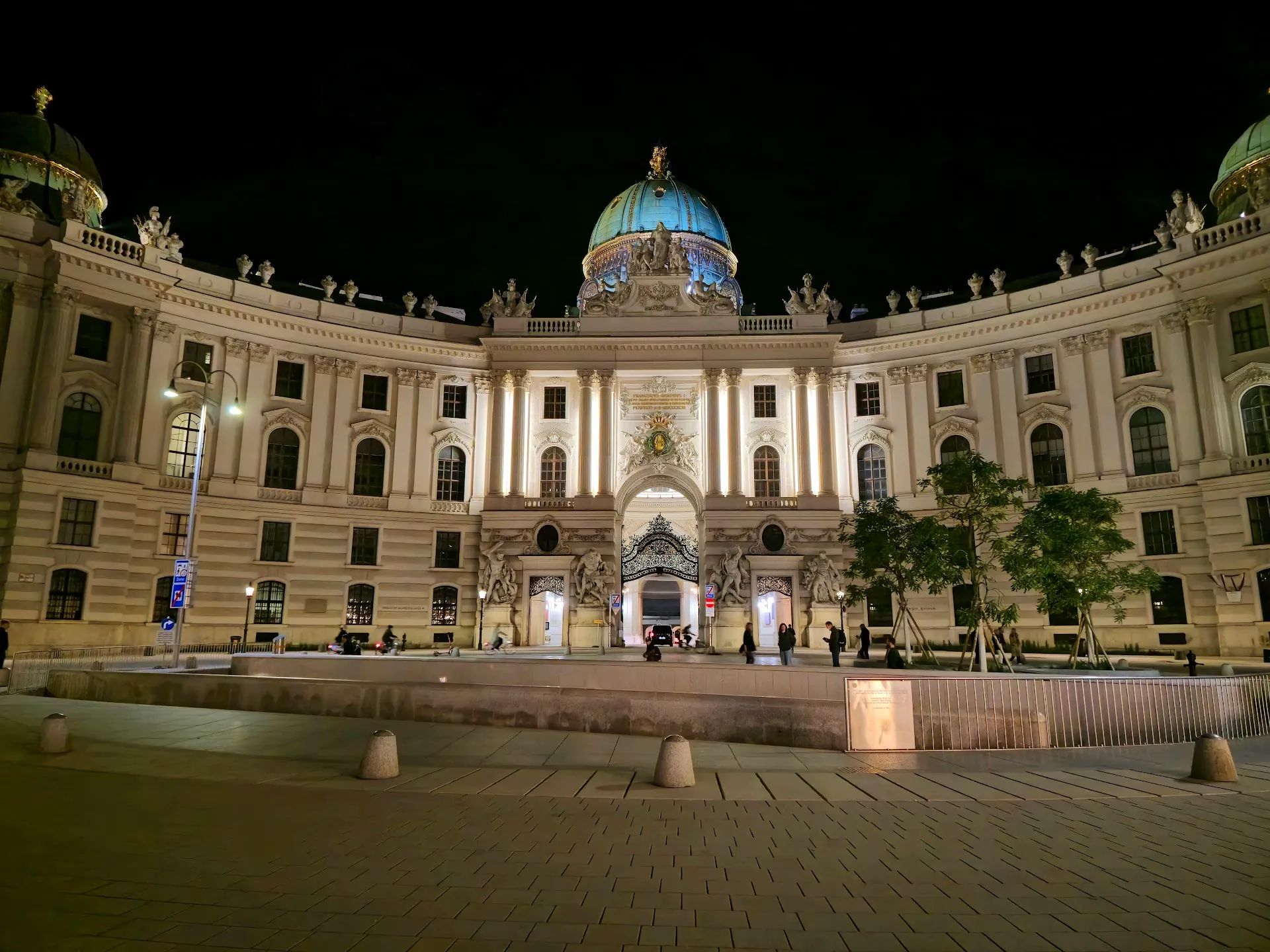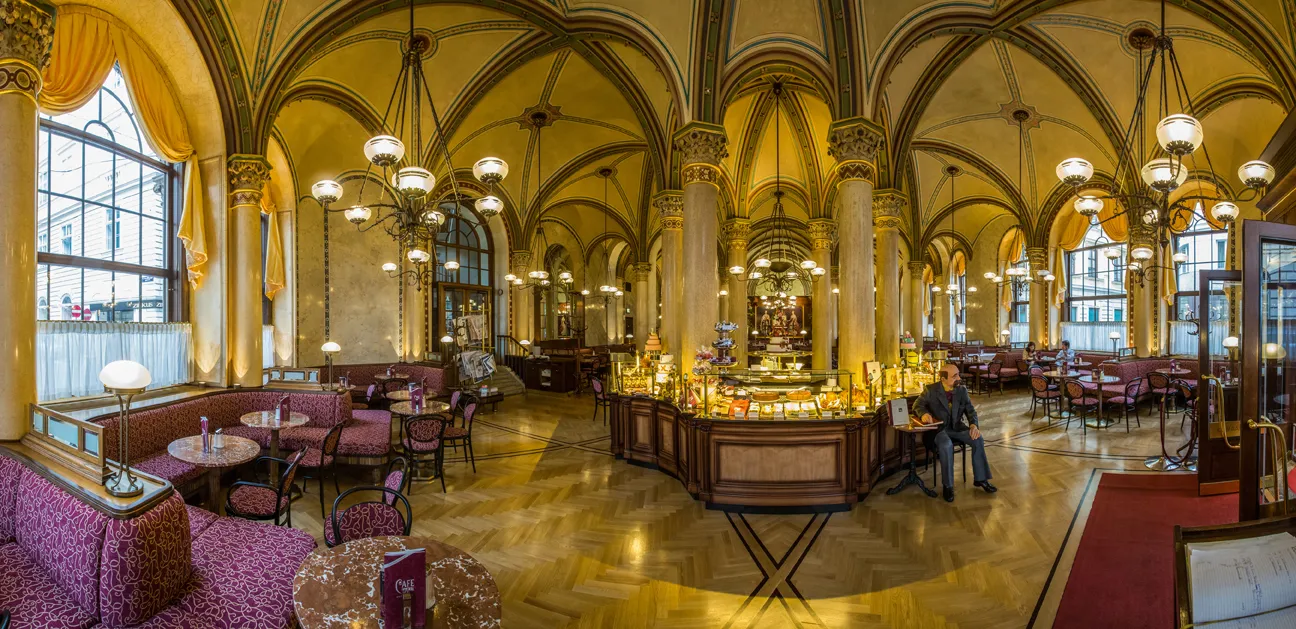
Vienna spent six centuries as the capital of the Habsburg Empire, and it still carries itself that way. The Austrian capital is a city of monumental palaces, gold-framed paintings, and concert halls where the music of Mozart, Beethoven, Brahms, and Mahler was first heard, yet it is also relaxed, green, and astonishingly easy to navigate. For visitors it offers one of Europe's richest concentrations of art, architecture, and cafe culture inside a compact, walkable core, and it regularly tops global rankings for quality of life.
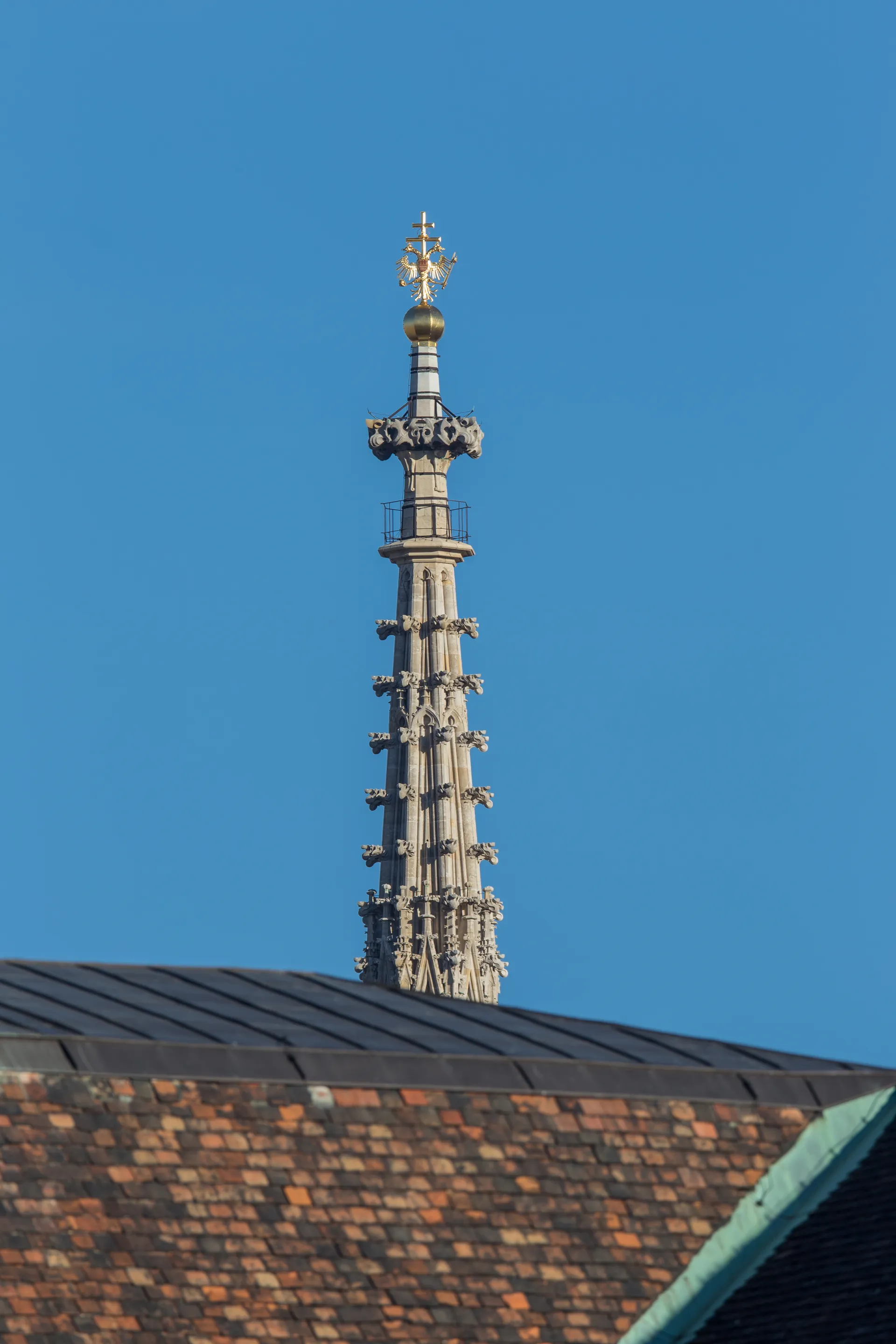
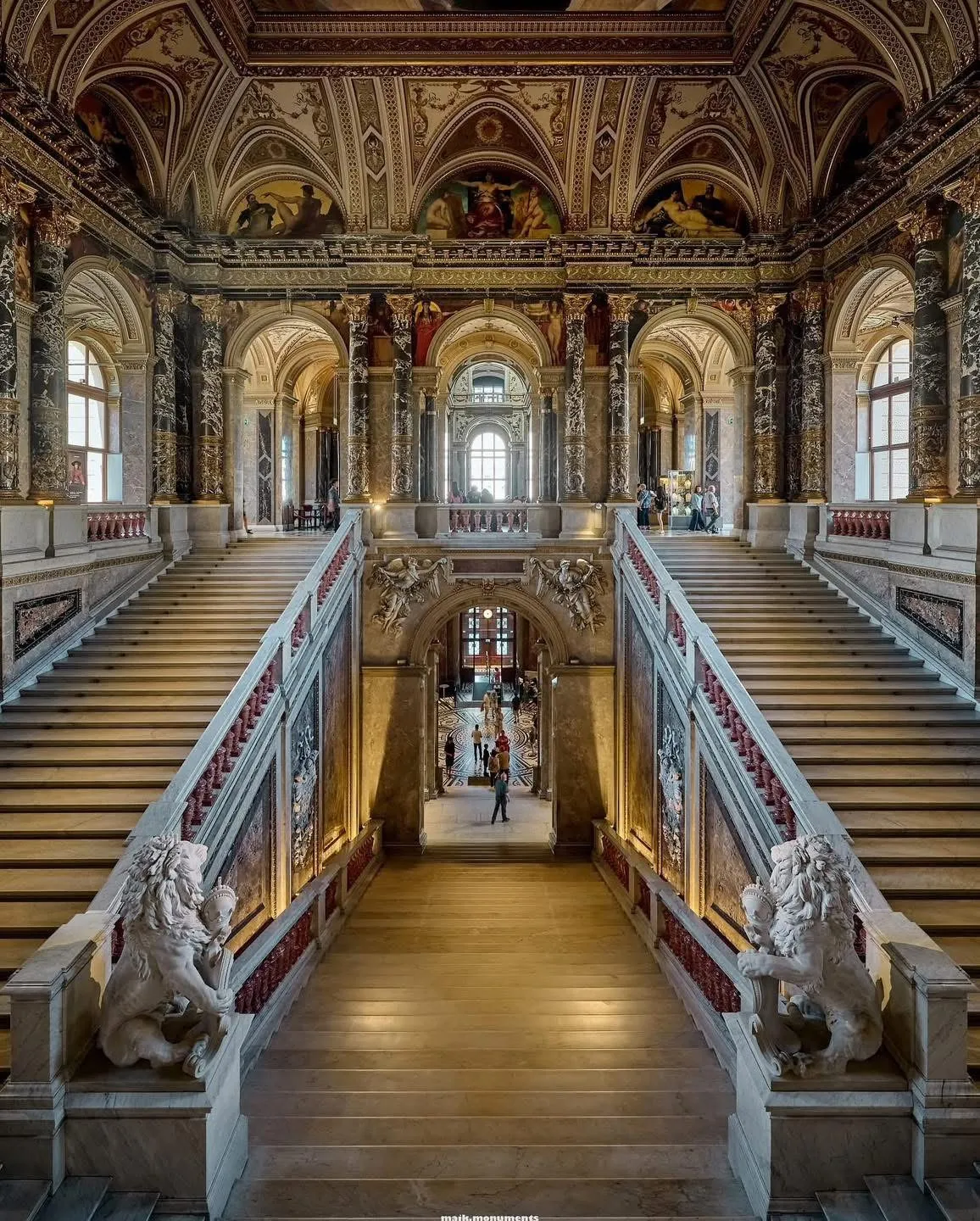
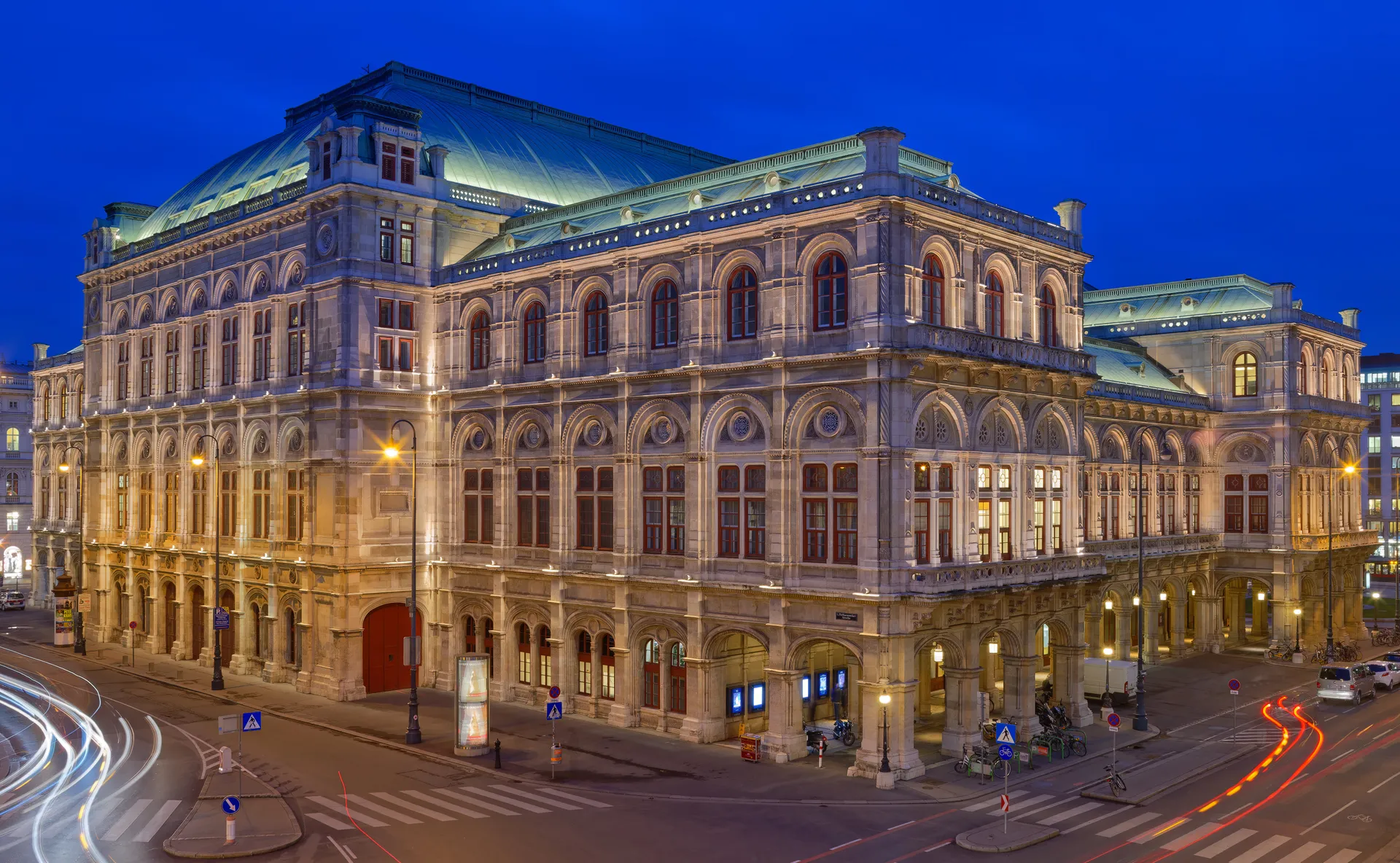
Most of what you have come to see sits inside or just beyond the Ringstrasse, the grand boulevard that replaced the old city walls in the 1860s and now strings together the Opera, Parliament, City Hall, the Burgtheater, and the twin imperial museums. Within the ring lies the Innere Stadt (the 1st district), Vienna's medieval and baroque heart, crowned by the spire of St. Stephen's Cathedral and laced with the coffee houses, palaces, and pastry shops that define the city. Group your sightseeing by district and you will spend your days exploring rather than commuting.
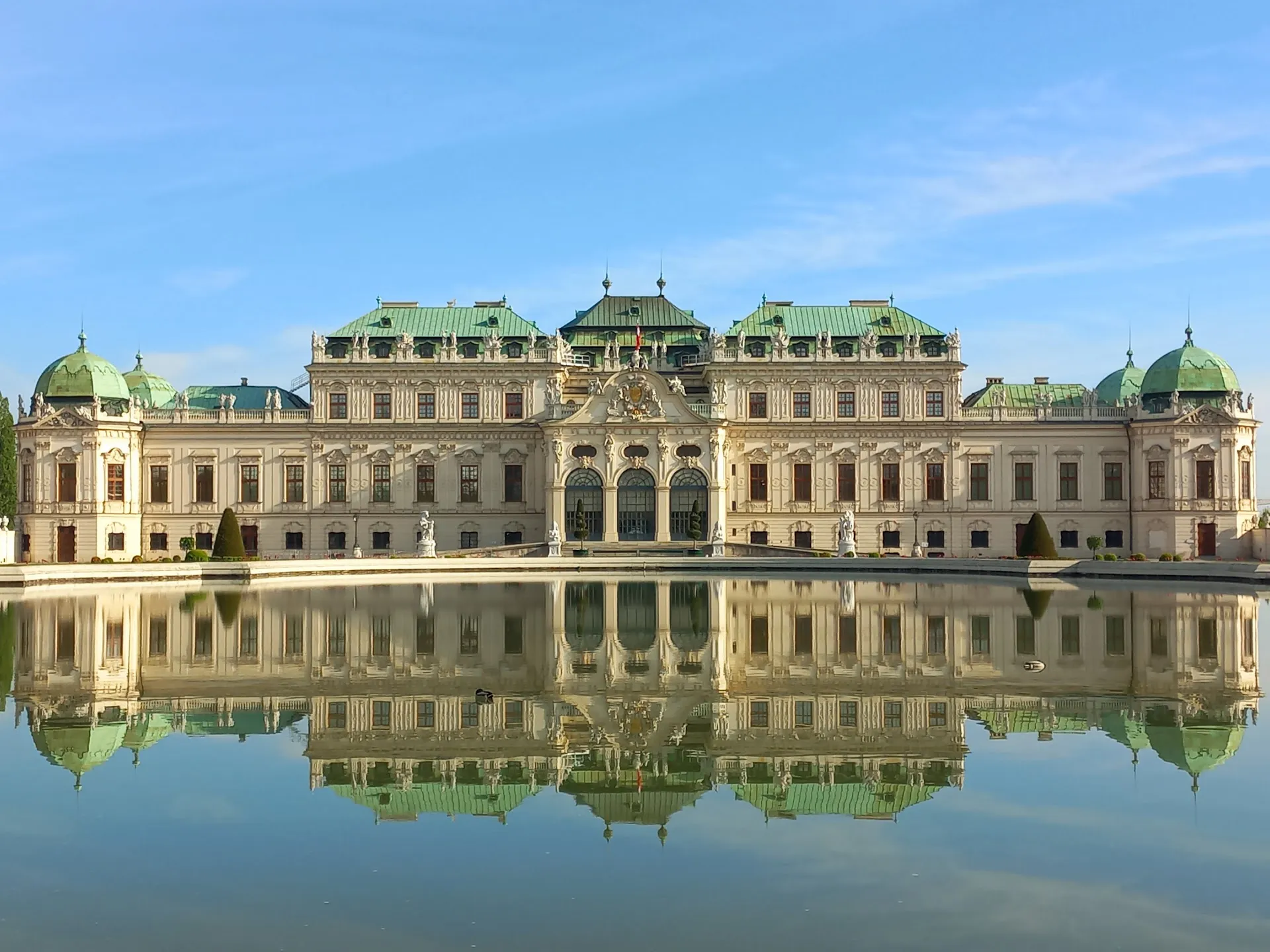
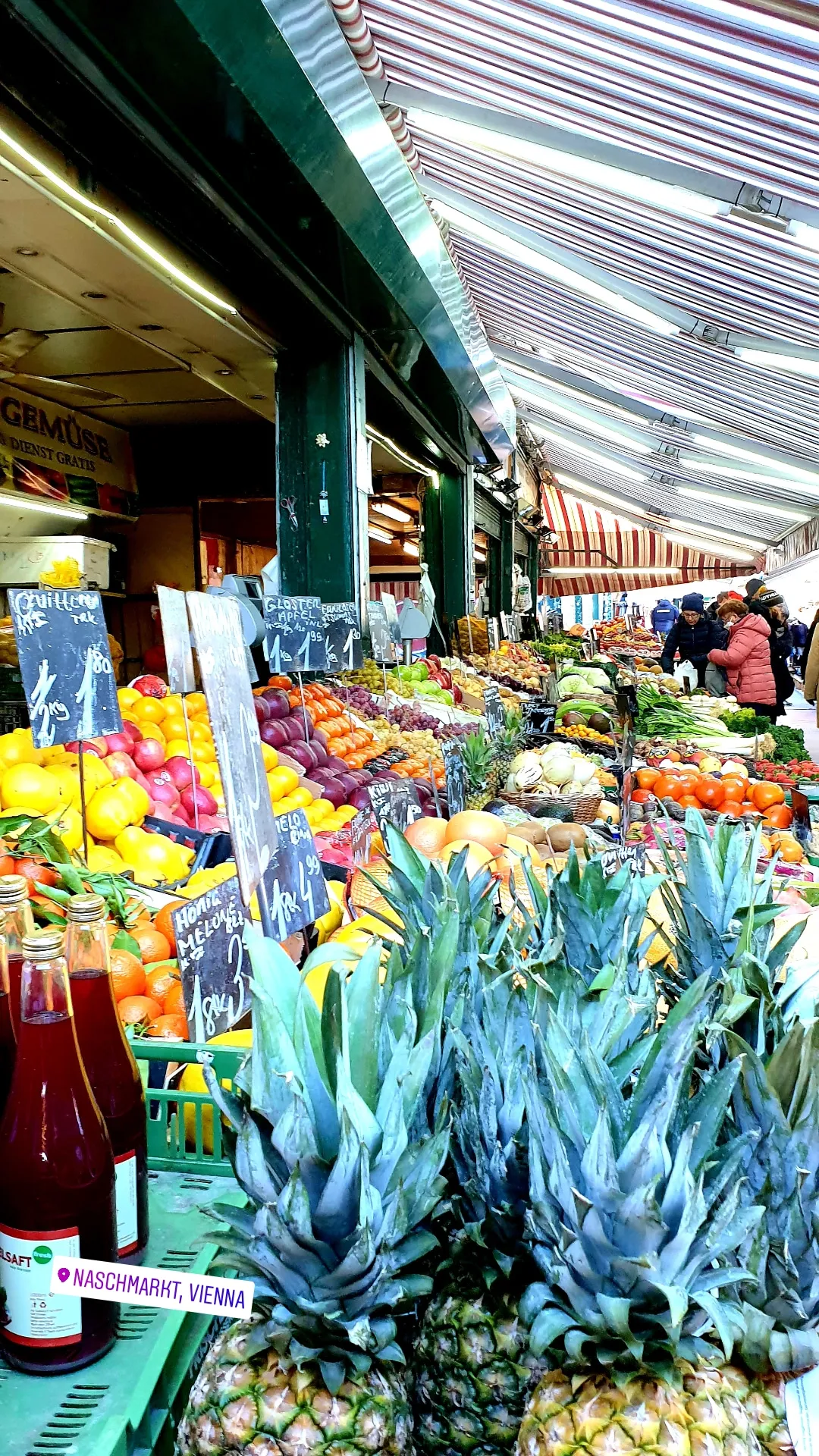
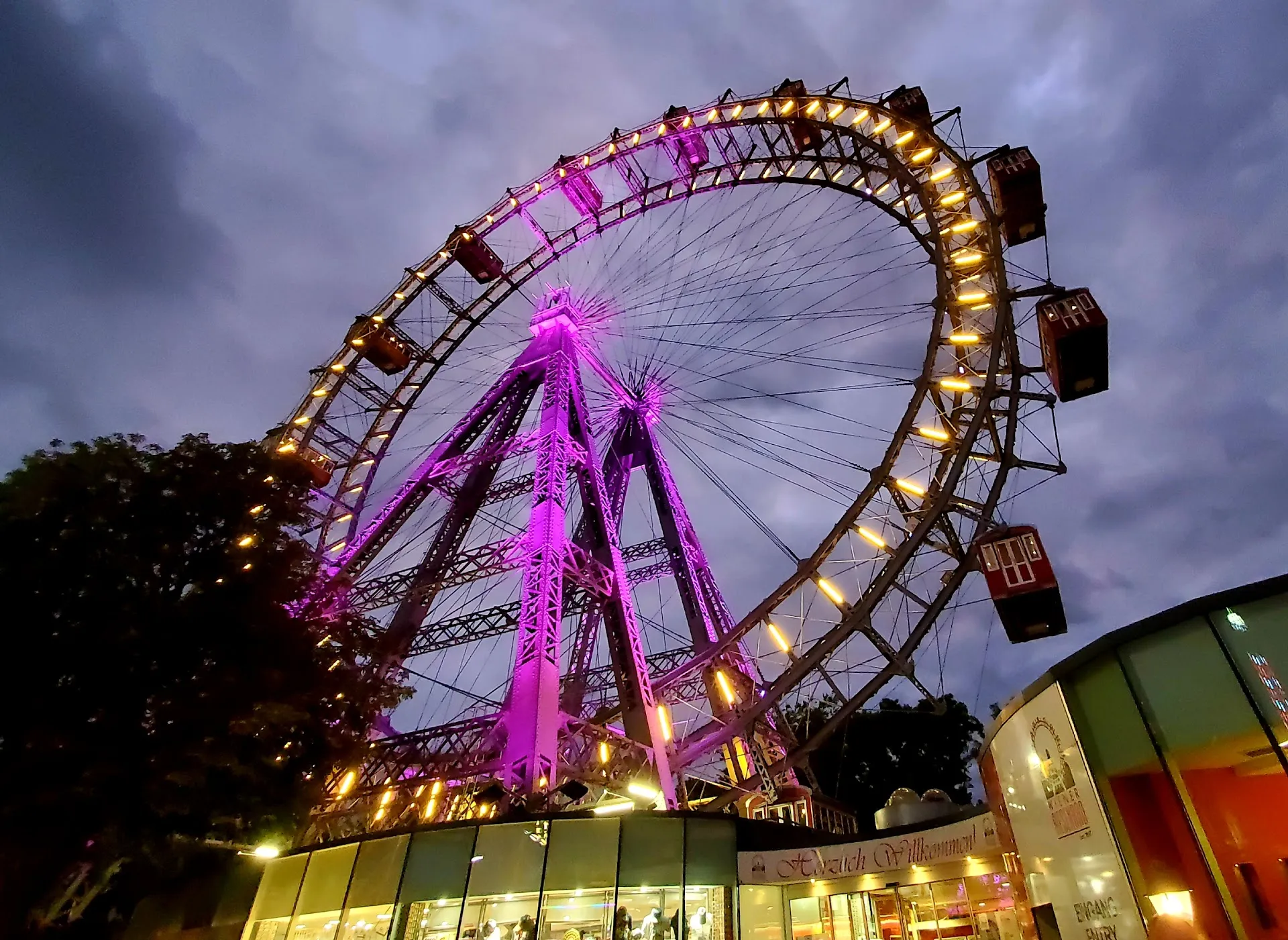
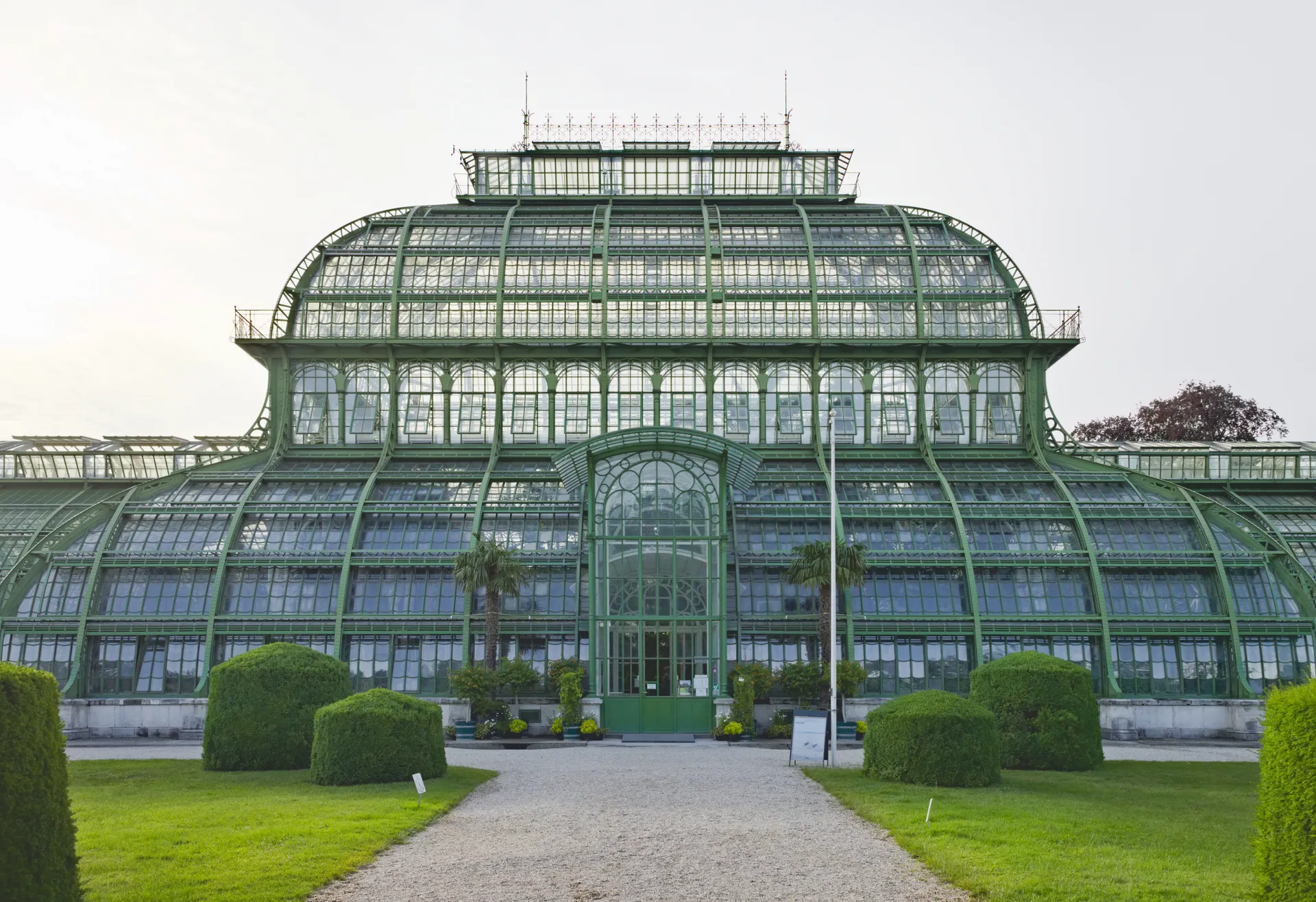
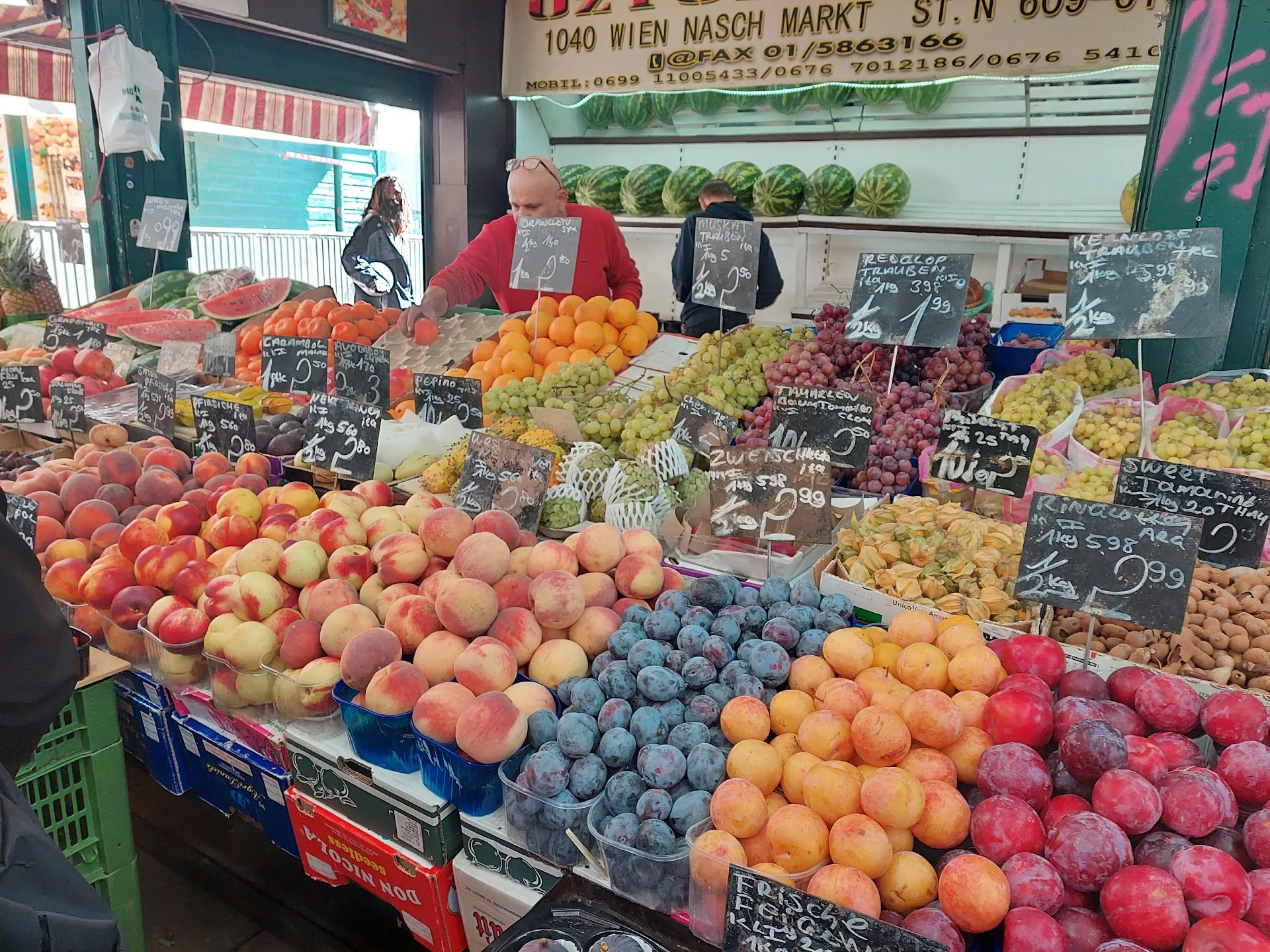
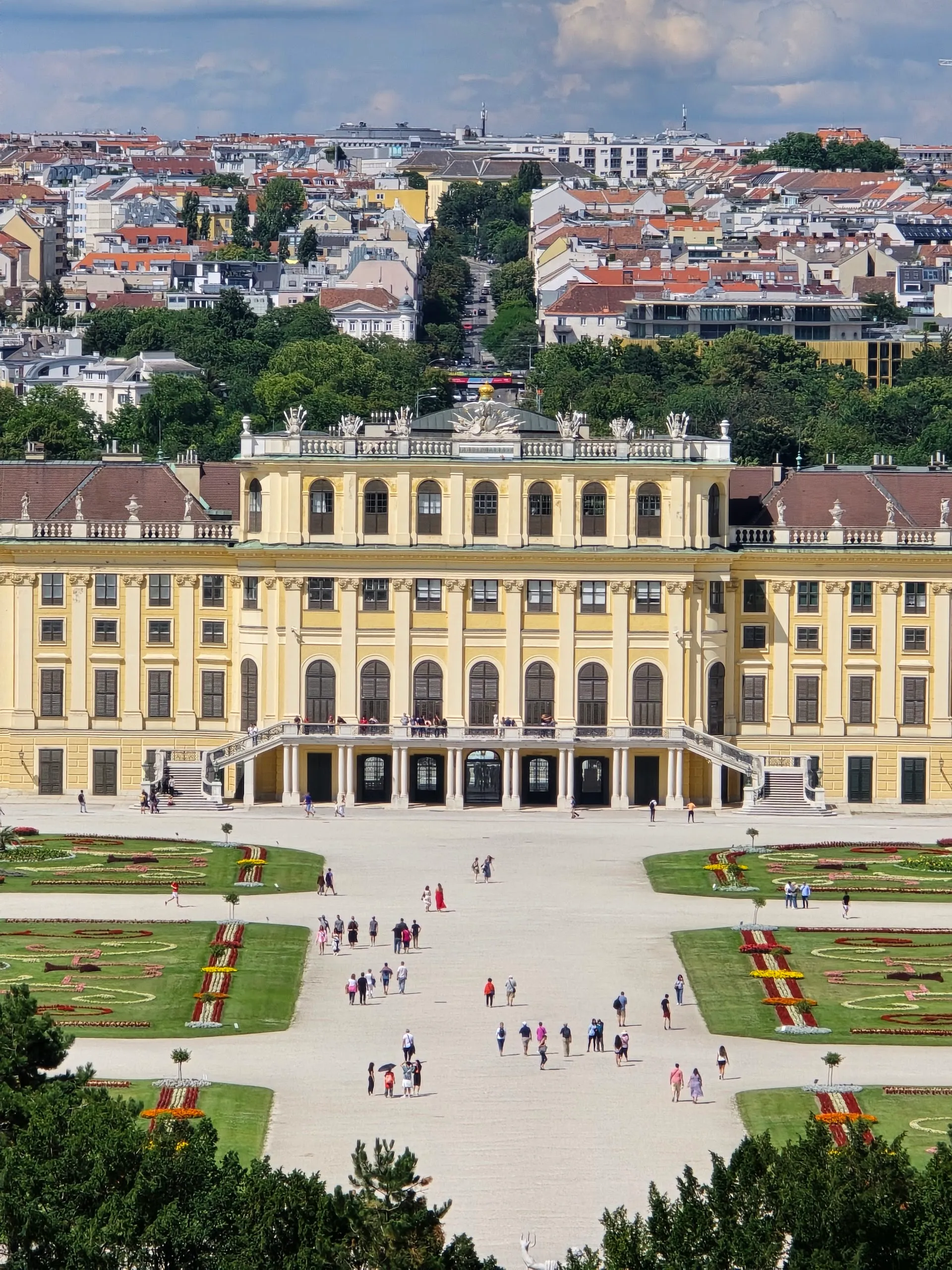
Beyond the center, the neighborhoods each have a distinct character. Leopoldstadt, across the Danube Canal, holds the green sprawl of the Prater and its iconic Ferris wheel. Wieden and Mariahilf flank the buzzing Naschmarkt food market. Neubau is the creative quarter around the MuseumsQuartier, full of independent shops and bars. To the south and east, Landstrasse gathers the Belvedere palace and the playful Hundertwasserhaus, while Schoenbrunn, the Habsburgs' vast summer palace, sits to the west.