The Czech Republic — Czechia for short — sits at the geographic heart of Europe and travels like a country two or three times its size: a thousand-year tapestry of Gothic spires and Baroque domes, fairy-tale castles on wooded crags, golden-stone spa colonnades, and some of the best, cheapest beer on the planet, all packed into an area smaller than Ireland. You can wander a UNESCO-listed medieval core in the morning, tour a hilltop chateau after lunch, and be nursing a half-litre of Pilsner in a vaulted cellar pub by nightfall, rarely travelling more than a couple of hours between them.
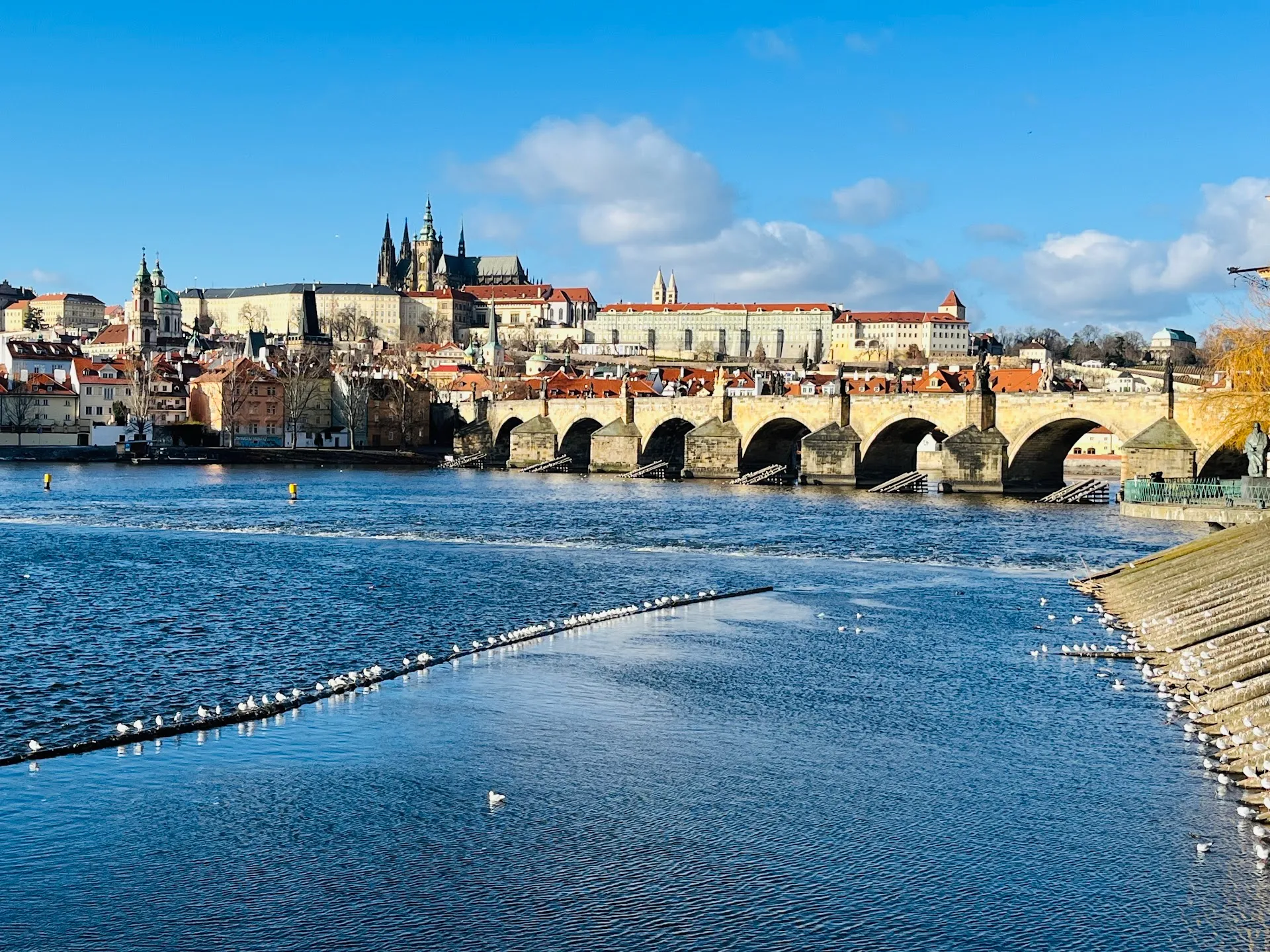
The natural anchor is Prague, one of Europe's great capitals and among the few large cities to come through the 20th century with its historic skyline intact. The seat of the 14th-century Holy Roman Emperor Charles IV, it strings the largest ancient castle complex in the world above a tangle of cobbled lanes, the statue-lined Charles Bridge, the astronomical clock of the Old Town Square, and the whole golden sweep of the Vltava embankment. Two or three days barely scratch it, and it remains the gateway through which almost every trip begins.
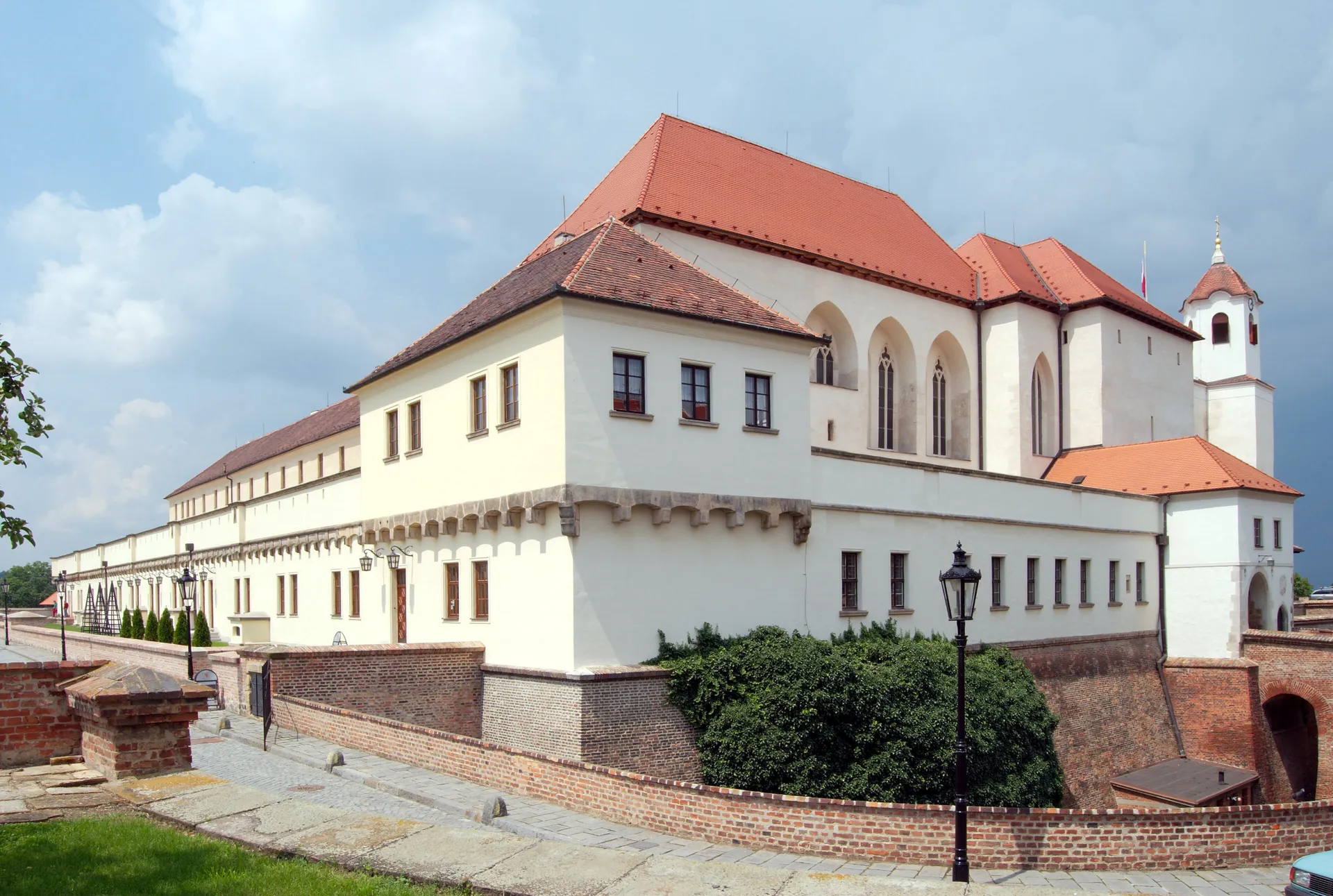
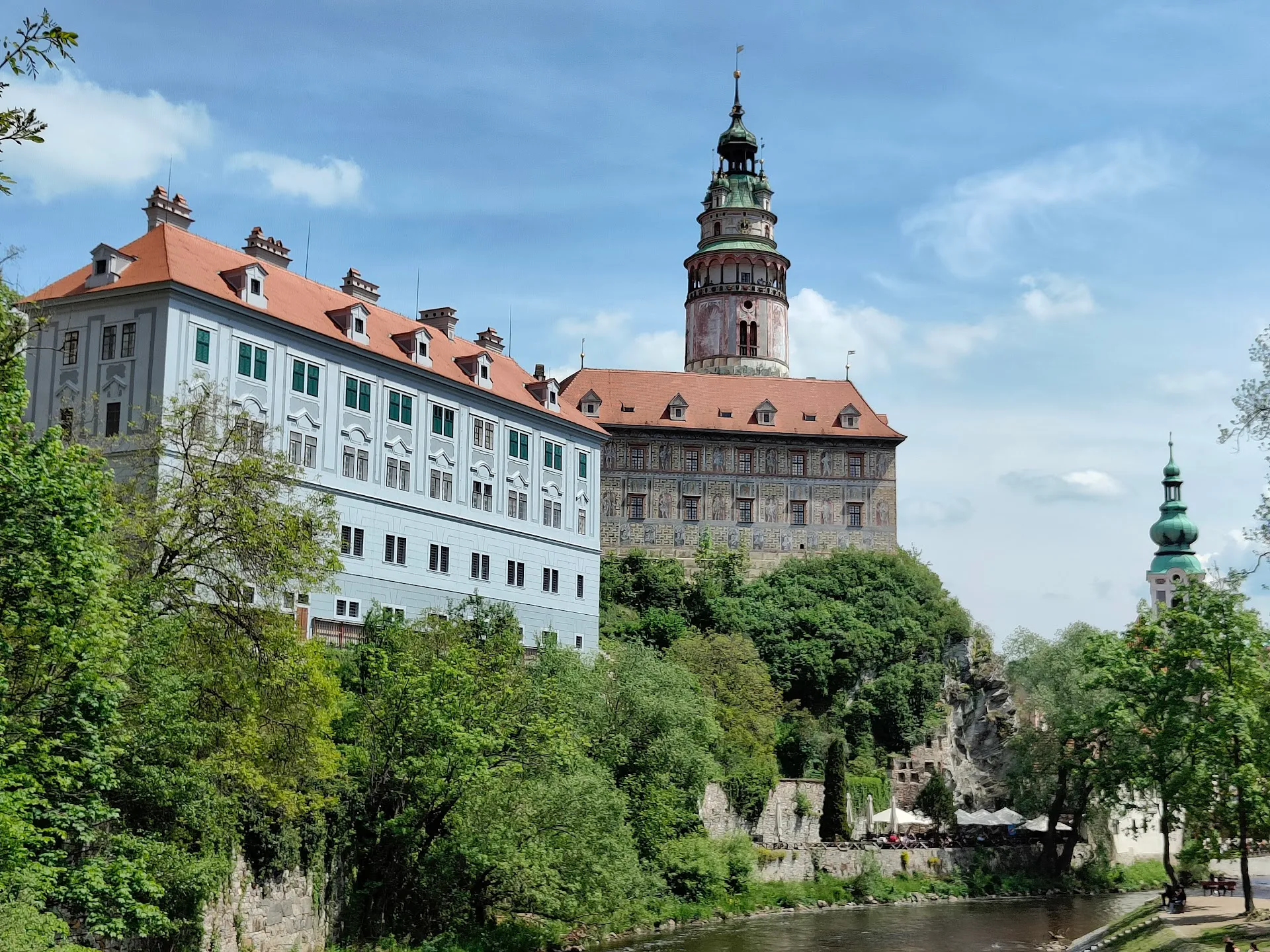
But Prague is only the opening chapter. The country divides into two ancient lands: Bohemia in the west, rolling and castle-strewn around the capital, and Moravia in the east, gentler and greener, its capital Brno a young, design-minded university city with a modernist masterpiece (Villa Tugendhat) and the vineyards of South Moravia at its back. Between and beyond them lie the set-pieces that make a Czech itinerary feel inexhaustible: Cesky Krumlov, a tiny medieval town folded into an S-bend of the Vltava beneath a vast Renaissance castle; the silver-mining town of Kutna Hora with its bone chapel and soaring cathedral; and a roll-call of UNESCO World Heritage sites — more than a dozen, among the densest concentrations in Europe.
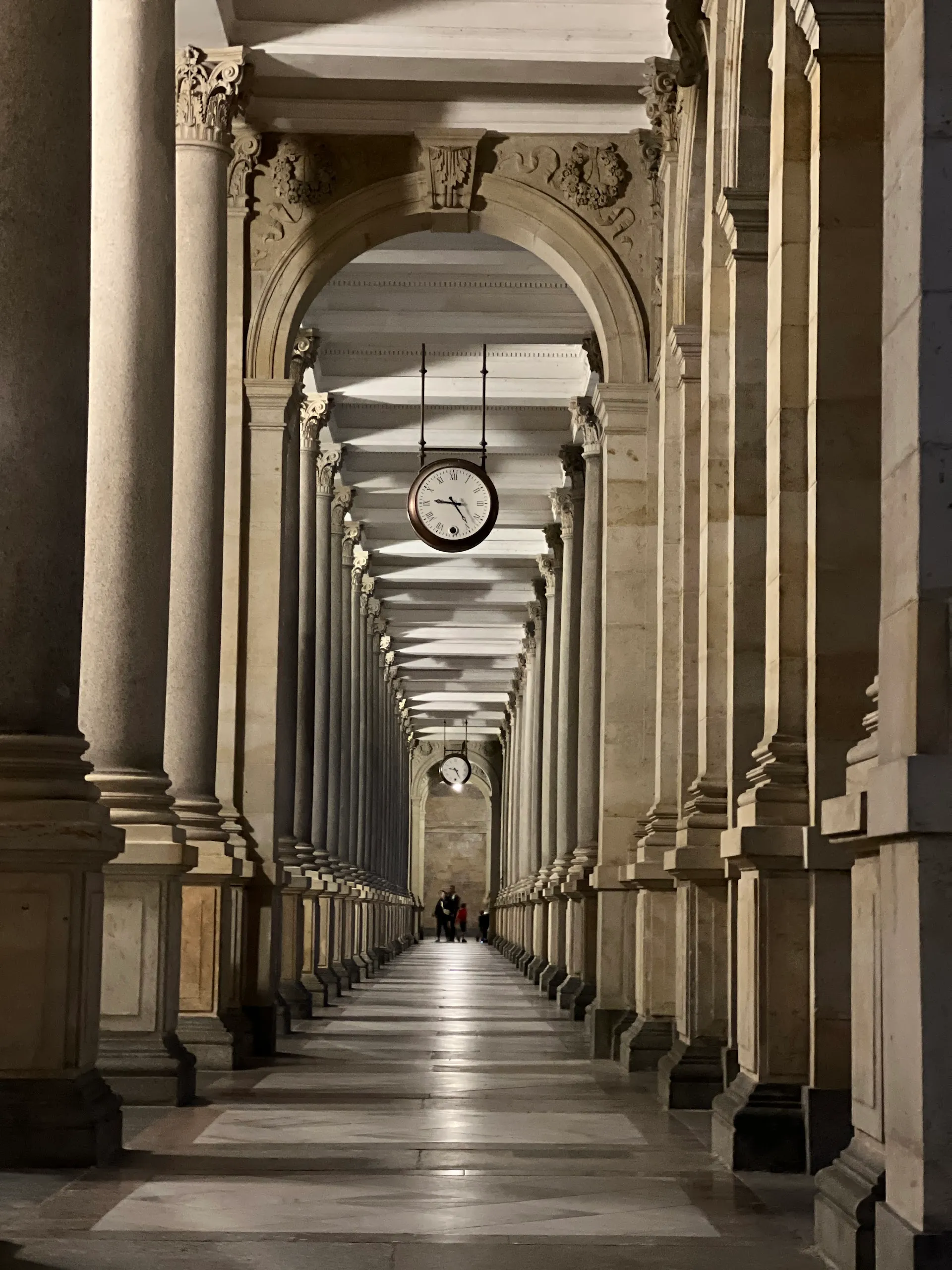
In the far west, the West Bohemian spa triangle — Karlovy Vary (Carlsbad), Marianske Lazne and Frantiskovy Lazne — preserves a belle-epoque world of pastel facades, hot mineral springs and grand colonnades where you sip the cure from a porcelain spout; all three are now inscribed by UNESCO as part of the Great Spa Towns of Europe. Czechia also claims one of the highest densities of castles and chateaux anywhere — well over two thousand — from clifftop Karlstejn to riverside Hluboka.
Then there is the beer. Czechs drink more of it per head than anyone on earth, and with reason: the modern pale lager was invented in Plzen (Pilsen) in 1842, and the Czech pub — the hospoda — is a national institution, where a freshly tapped half-litre often costs less than bottled water. Pair it with hearty plates of roast pork, dumplings and goulash and you have a food-and-drink culture that is a destination in itself.
Practically, Czechia is easy and forgiving. It is safe, central and superbly connected by train and bus; it joined the EU in 2004 and the Schengen area in 2007, though it keeps its own currency, the Czech koruna, which makes it noticeably better value than neighbouring Germany or Austria. Most first trips pair Prague with one or two smaller gems over four to seven days; ten days or more let you loop through Bohemia and Moravia at a relaxed pace. This guide covers when to go, how to get around, the best cities, and the beer-and-food culture so you can build the trip that fits you.
When to visit
May to September is the prime window, with warm days, long light, open-air beer gardens and every castle, colonnade and boat trip running; Prague is busiest in July and August, so book ahead. May-June and September-October are the sweet spot — mild weather, golden foliage and thinner crowds, with room rates well below the summer and Christmas peaks. December brings Prague's celebrated Christmas markets and a fairy-tale dusting of snow, though days are short and cold. Deep winter (January-February) is the quietest and cheapest time, but many rural castles and chateaux close or drop to weekend-only hours from November to March, so a winter trip is best kept to the cities.
Budget
The Czech Republic is one of the best-value destinations in the EU — cheaper than neighbouring Germany or Austria, helped by keeping its own currency, the Czech koruna (CZK), rather than the euro. Budget travellers using hostels, transit and pub meals can manage on roughly 1,200-1,900 CZK (about USD 55-85) a day; a comfortable mid-range trip with private rooms and restaurant dinners runs about 2,500-4,500 CZK (USD 110-200) per person per day. Beer is famously cheap — often 45-80 CZK (USD 2-3.50) a half-litre in a pub — and trains, buses and the excellent Prague transit network keep transport costs low.
Getting around
The Czech Republic is compact and superbly connected, so most itineraries run on trains and buses without a car. The national rail operator Ceske drahy (CD) covers the country, while private companies RegioJet and Leo Express run fast, comfortable trains with cheap advance fares and free refreshments on the busy Prague-Brno-Ostrava and Prague-Olomouc lines; Prague to Brno takes about 2.5 hours. For places the fast trains miss, intercity coaches are often quicker and cheaper — RegioJet, Leo Express and FlixBus link Prague with Karlovy Vary in around 2 hours 15 and with Cesky Krumlov (which has no fast direct train) in about 3 hours. Book online in advance for the lowest prices. In Prague, the integrated public transport run by DPP — three metro lines plus a dense tram system, including night trams — is fast, frequent and inexpensive on a single PID ticket. A rental car only really pays off for touring the castles, chateaux and South Moravian wine country; if you drive the motorways you must buy a digital vignette (dalnicni znamka) online before setting off.
Visa & entry
The Czech Republic is part of the EU and the Schengen Area, so visa-free visitors (including US, UK, Canadian, Australian and New Zealand passport holders) can stay up to 90 days within any 180-day period; EU/EEA citizens have full freedom of movement with no limit. From 2026, visa-exempt travellers will need an ETIAS travel authorisation (around EUR 7, valid three years) — apply online before you go. Note that although Czechia is in the EU and Schengen, it has not adopted the euro: the currency is the Czech koruna. Always check the latest requirements for your nationality before booking.
The western heart of the country: Prague and the castle-dotted countryside around it, from clifftop Karlstejn to the bone-chapel town of Kutna Hora.
South Bohemia
Rolling lakes, fishponds and Renaissance towns south of the capital, crowned by the UNESCO-listed riverside gem of Cesky Krumlov.
Moravia
The country's gentler, greener eastern land — second city Brno, its modernist villa and dragon legend, the wine villages of the south and the Baroque gardens of Kromeriz.
The West Bohemian Spa Triangle
Belle-epoque spa towns near the German border — Karlovy Vary, Marianske Lazne and Frantiskovy Lazne — with mineral springs and grand colonnades, and the home of Pilsner beer nearby in Plzen.
Three or four days cover Prague itself. A week lets you add one or two gems like Cesky Krumlov or Karlovy Vary, and ten days or more let you loop through both Bohemia and Moravia — Prague, Brno, the spa towns and the southern castles — at a relaxed pace.
Is the Czech Republic expensive?
No — it's one of the best-value countries in the EU, cheaper than Germany or Austria, partly because it keeps the Czech koruna rather than the euro. Budget travellers manage on about 1,200-1,900 CZK (USD 55-85) a day; a comfortable mid-range trip runs roughly 2,500-4,500 CZK (USD 110-200) per person per day, and pub beer is famously inexpensive.
What is the best way to travel around the Czech Republic?
Trains and buses. CD, RegioJet and Leo Express link the main cities quickly and cheaply (Prague to Brno is about 2.5 hours), and coaches reach spots the fast trains miss, like Cesky Krumlov and Karlovy Vary. Inside Prague, the metro-and-tram network is excellent. A car only helps for touring castles and the South Moravian wine country.
Do I need a visa to visit the Czech Republic?
Czechia is in the EU and the Schengen Area, so many nationalities (US, UK, Canada, Australia, NZ) can visit visa-free for up to 90 days in any 180. From 2026, visa-exempt travellers will need an inexpensive ETIAS authorisation, applied for online before travel. EU/EEA citizens have no limit.
Does the Czech Republic use the euro?
No. Although it is an EU and Schengen member, the Czech Republic keeps its own currency, the Czech koruna (CZK or Kc). Some tourist businesses in Prague accept euros at poor rates, so it's best to pay in koruna by card or with cash from an ATM.
Ready to plan Czech Republic?
Build your route across Czech Republic — itinerary, map, budget and friends, all in one place.