Florence is the birthplace of the Renaissance and, for many travellers, the most concentrated dose of art and beauty in Europe. In a historic centre small enough to cross on foot in twenty minutes, you find Michelangelo's David, Botticelli's Birth of Venus, Brunelleschi's revolutionary dome, and Ghiberti's gilded baptistery doors, all within a few hundred metres of one another. The whole centro storico is a UNESCO World Heritage Site, and it can feel less like a city than an open-air museum that people happen to live in.
This guide is built around how Florence actually works on the ground. The sights cluster tightly. The Centro Storico holds the Duomo, the Baptistery, Piazza della Signoria, and the Uffizi. San Lorenzo to the north has the Medici church and chapels and the central market. Santa Croce to the east is the leather district and home to the basilica where Michelangelo and Galileo are buried. Cross the Ponte Vecchio to the Oltrarno, the artisan-filled left bank with Palazzo Pitti, the Boboli Gardens, and the city's most authentic neighbourhood life. Group your visits by district and you spend your time looking at art rather than backtracking across town.
The single most useful habit in Florence is booking the big sights in advance and arriving early. The Uffizi, the Galleria dell'Accademia (for David), and the climb up Brunelleschi's dome all use timed-entry tickets that sell out in high season, and the queues for walk-ups can swallow half a morning. Reserve the earliest slots, see the headline museums before the tour groups arrive, and save the late afternoon for the markets, the Oltrarno workshops, and a sunset on the hill.
Best time to visit
The shoulder seasons are best: April to May for spring warmth and blossoming gardens, and September to October for the gentlest weather, harvest-season Tuscany, and thinner crowds. Note that mid-spring brings Easter and Italian public holidays (25 April, 1 May) plus school groups, which crowd the museums. Summer (June-August) is hot and packed, with 2-3 hour museum queues, though locals leave the city in August. Winter (November-February) is quiet, mild for Europe, and the cheapest time to come, with the shortest lines of the year.
Budget
Florence is mid-range for Italy. Major museum tickets run roughly EUR 16-25 (Uffizi, Accademia, the Duomo dome combo), a lampredotto or panino is EUR 5-7, a sit-down trattoria meal EUR 20-35, and a tram or bus ticket EUR 1.70. Accommodation is the main variable, from budget guesthouses to design hotels near the Arno. Many churches and the open-air sculpture of Piazza della Signoria are free.~$110-200 USD / day
Florence is also a city to eat in. This is Tuscan cooking at its source: the towering, rare bistecca alla fiorentina, the slow-simmered tripe sandwich lampredotto from a street cart, hearty ribollita bread soup, and olive-oil-soaked schiacciata sandwiches piled high at hole-in-the-wall paninoteche. Eat at communal-table trattorie, graze the Mercato Centrale food hall, and pause for a third-wave espresso between galleries.
Getting around is delightfully simple because you barely need to. The centre is overwhelmingly pedestrian, and almost every major sight is a short, scenic walk from the next. A modern tram (the T2 line) links the airport to the edge of the centre, regional trains from Santa Maria Novella station fan out to Pisa, Lucca, Siena, and the Cinque Terre, and the Chianti wine country begins just half an hour to the south. For most visitors, comfortable shoes do more than any transit pass.
Use this guide as your starting point: skim the day-by-day itinerary, open the things-to-do and where-to-eat lists, then save the places that fit your trip. Everything you save drops straight into a TripBox itinerary with dates, a map, and your travel companions.
The best of Florence
Curated places worth your time — tap a card for details or to save it.
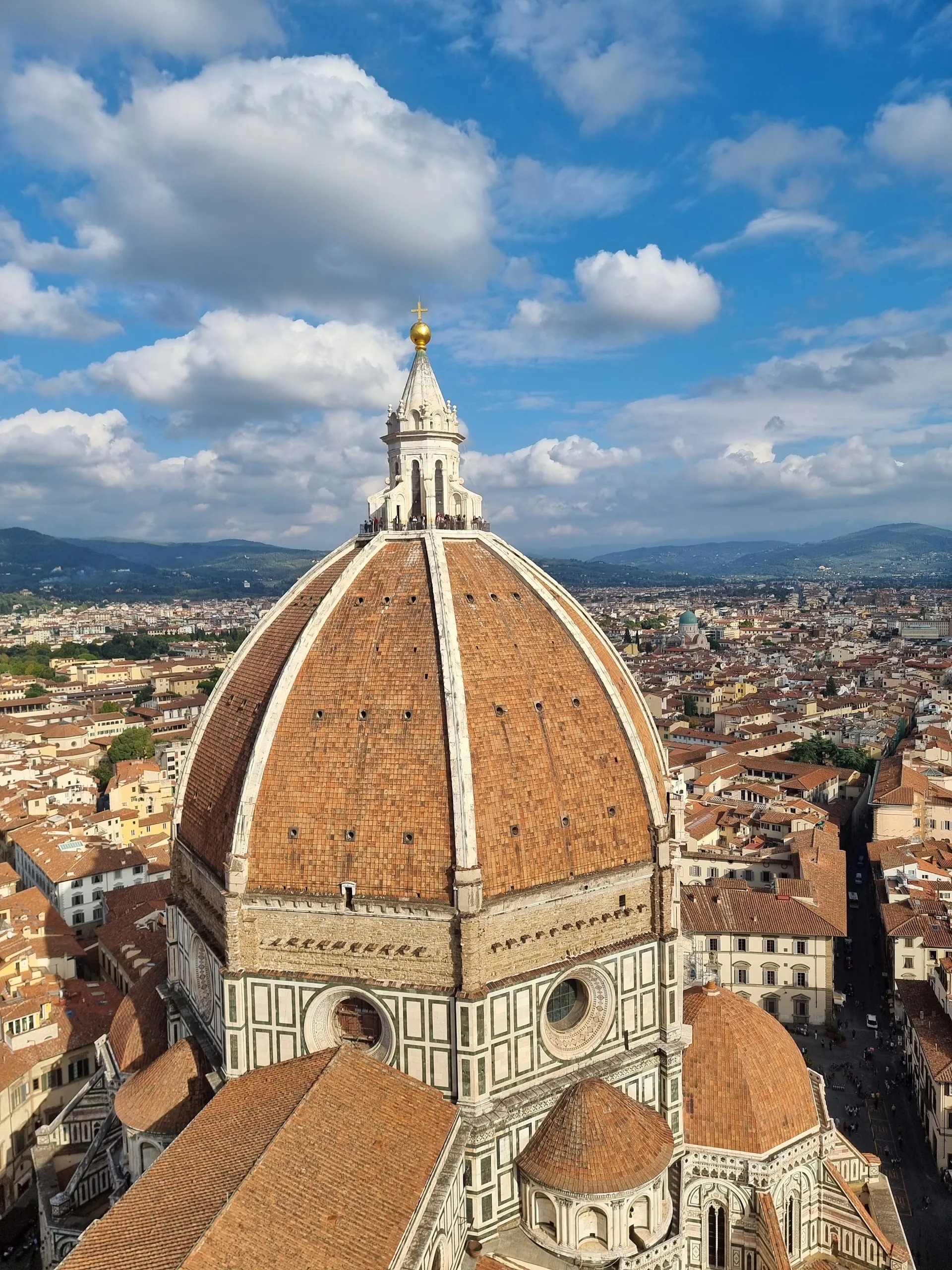
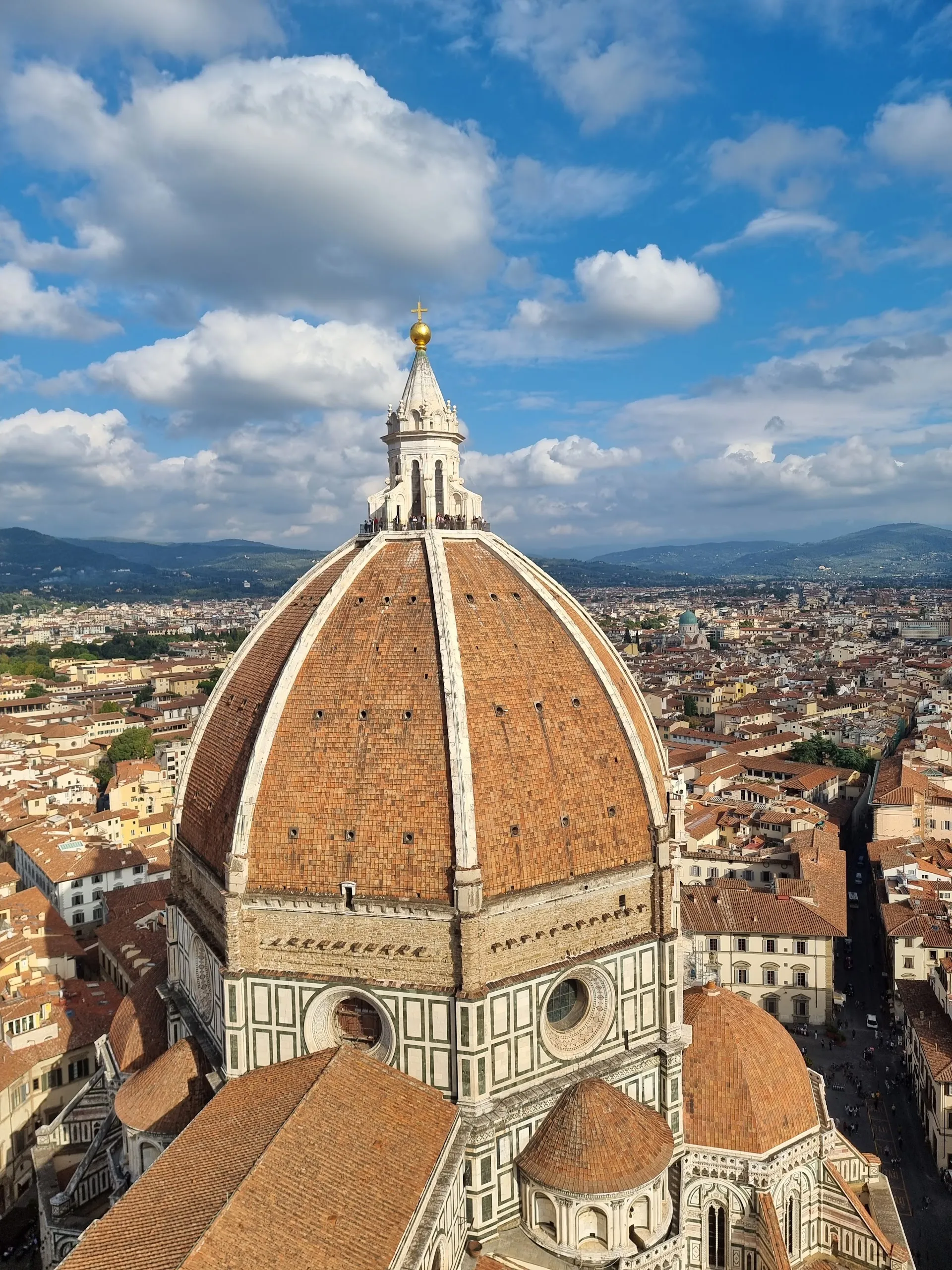
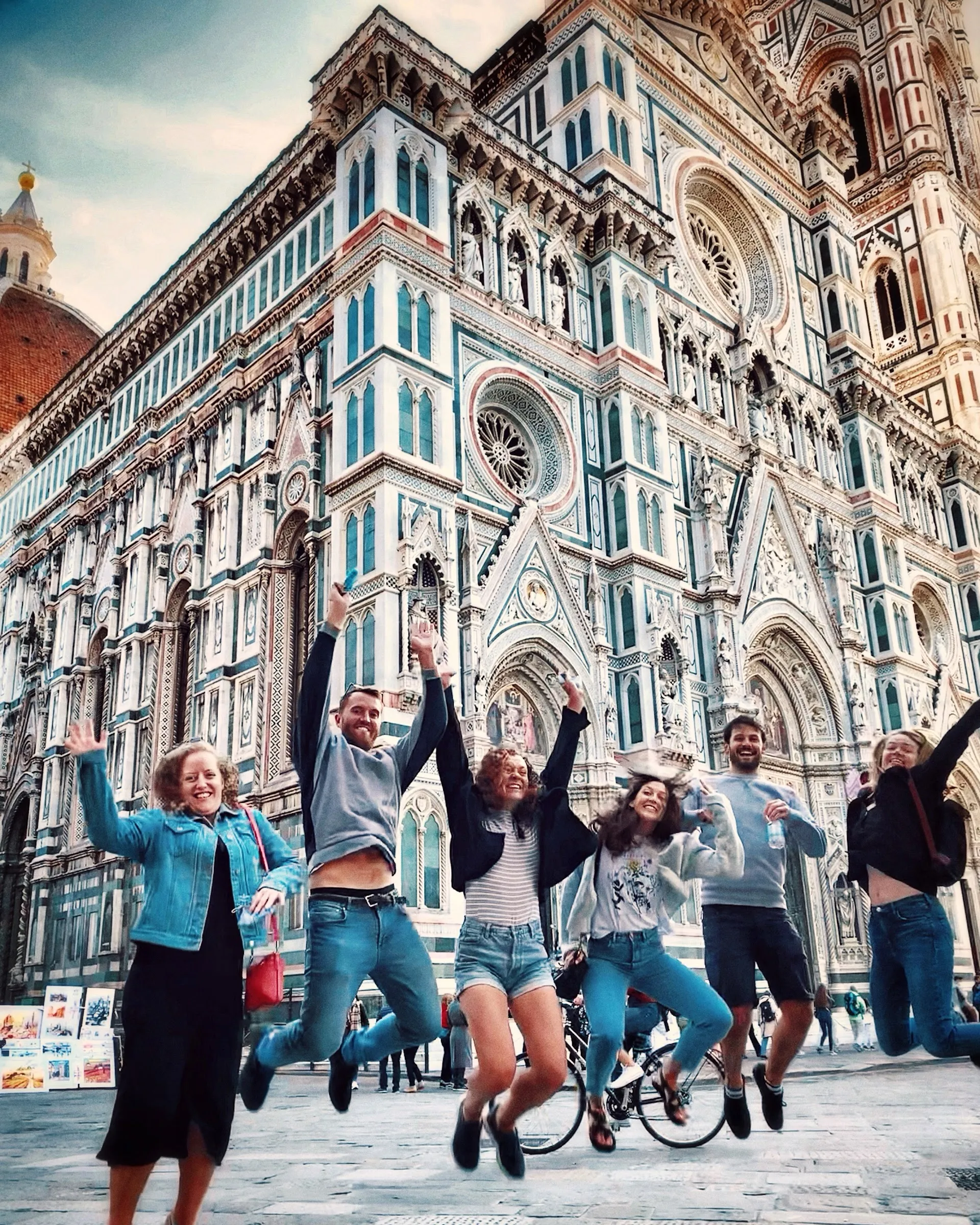
Florence's iconic cathedral crowned by Brunelleschi's engineering marvel — the largest masonry dome ever built. Climb 463 steps between the inner and outer shells for breathtaking city views.
Centro Storico
Must visit
Museum4.8
Uffizi Gallery
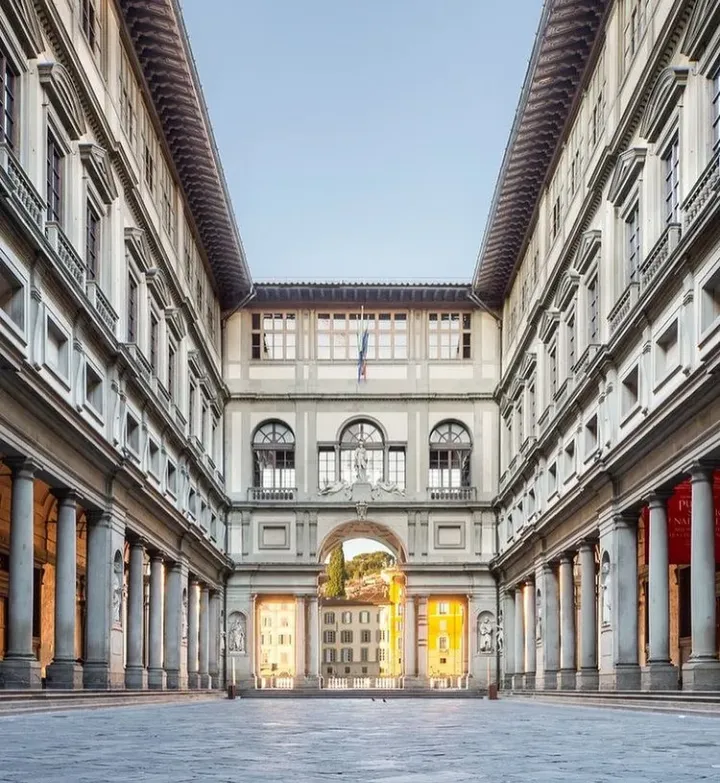
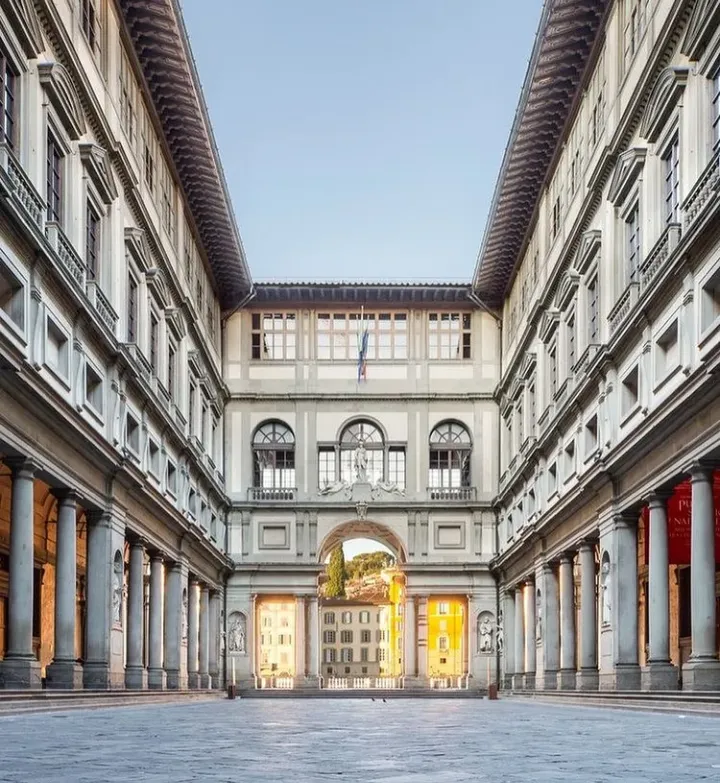
One of the world's greatest art museums, housing Botticelli's Birth of Venus and Primavera, works by Leonardo, Raphael, and Caravaggio in a Vasari-designed palazzo overlooking the Arno.
Centro Storico
Must visit
Museum4.7
Galleria dell'Accademia
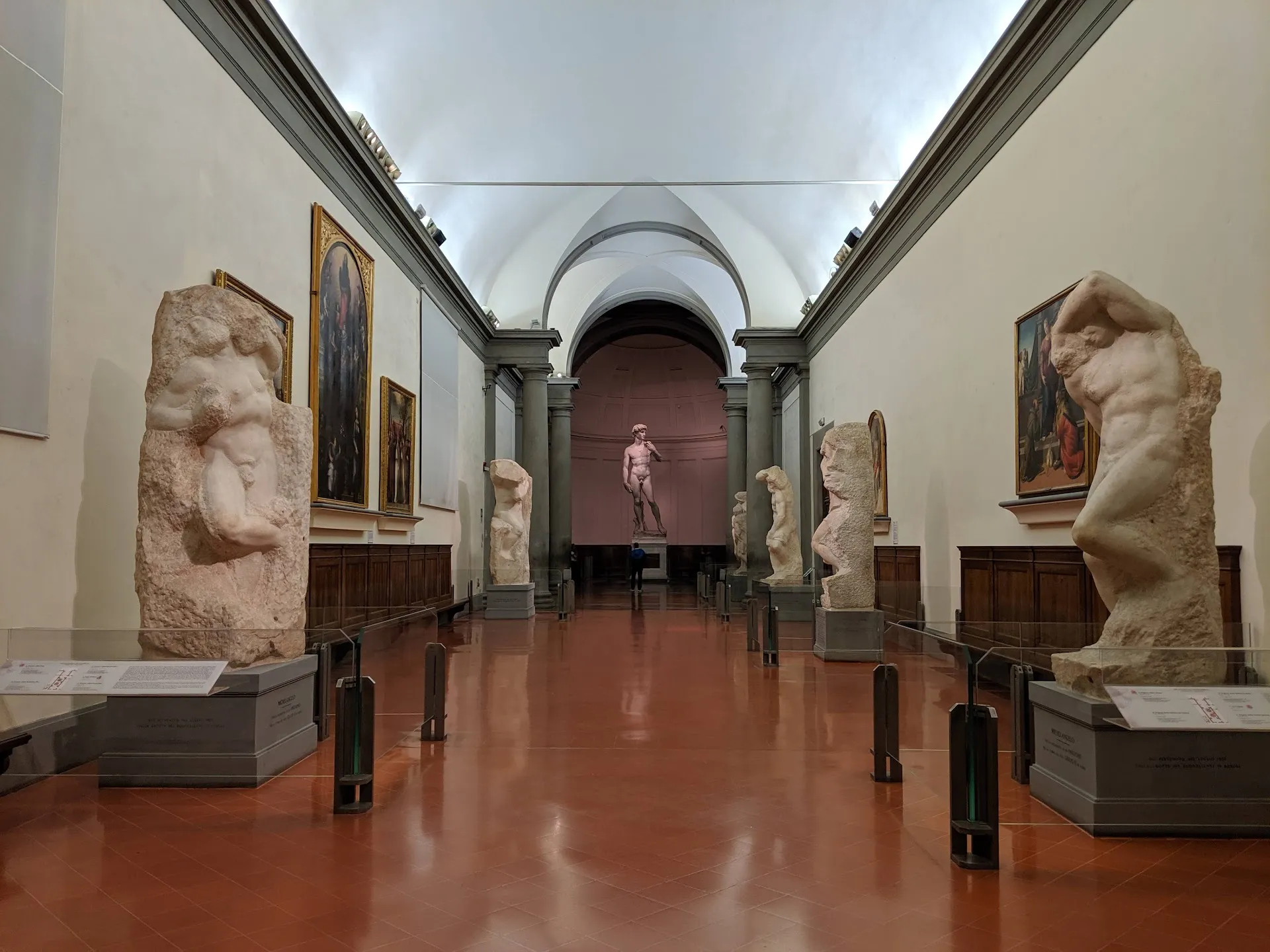
Home to Michelangelo's David — a 5-meter marble masterpiece that must be seen in person to comprehend. The museum also houses his unfinished Prisoners emerging hauntingly from raw stone.
San Marco
Photography
Ponte Vecchio at Golden Hour
Florence's medieval bridge of goldsmiths, lined with overhanging shops since the 14th century, transforms at golden hour into a warm-toned jewel suspended over the Arno. Shoot from Ponte Santa Trinita for the classic frontal composition, or from the Lungarno embankment for reflections in the water. The Vasari Corridor running above the shops adds a distinctive silhouette.
Ponte Santa Trinita or Lungarno embankment
Must visit
Scenic Spot5.0
Piazza della Signoria Open-Air Gallery
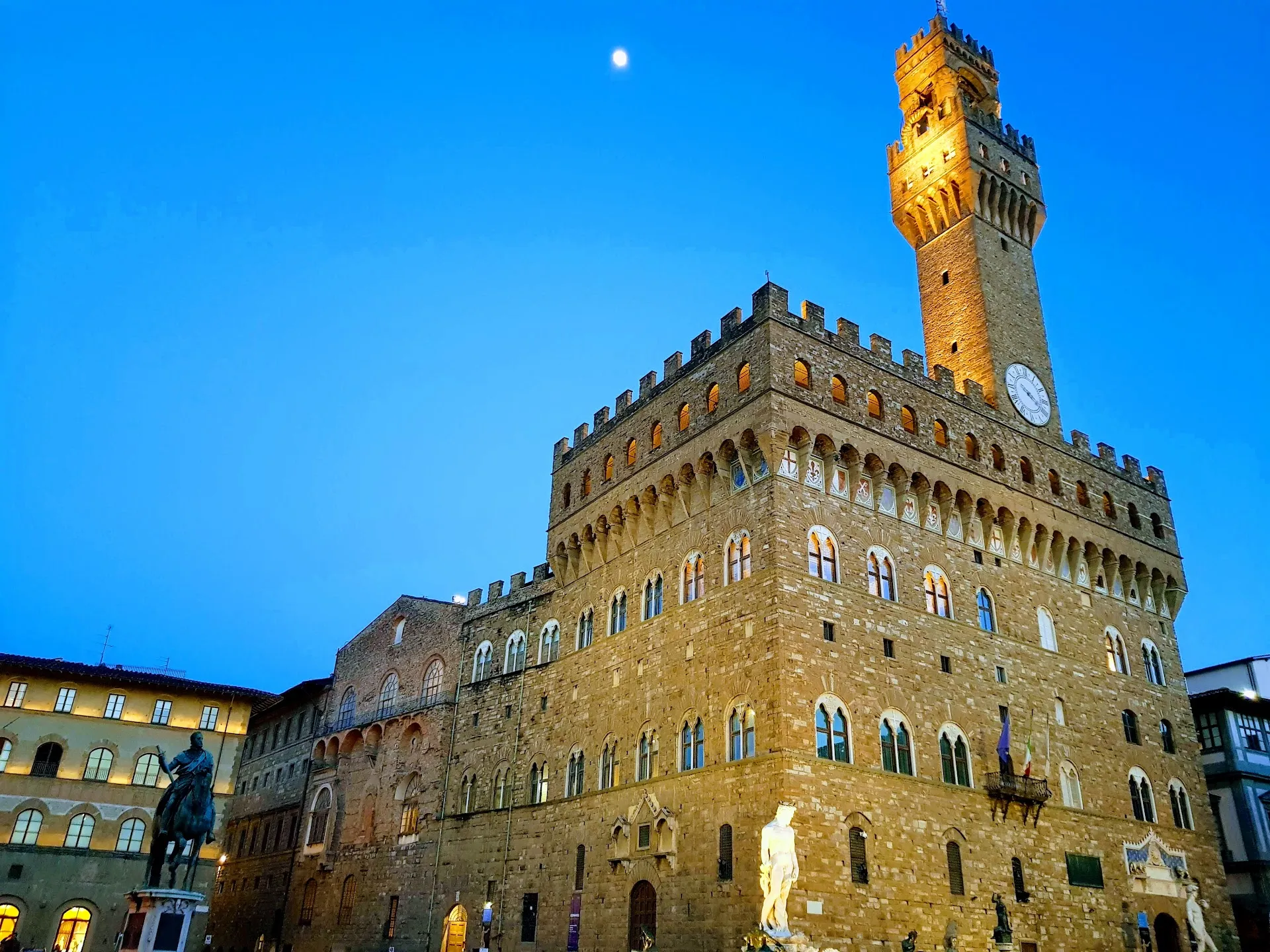
Florence's political heart and an open-air sculpture museum that rivals any indoor gallery. The L-shaped piazza is anchored by the crenellated Palazzo Vecchio and the Loggia dei Lanzi, a 14th-century arcade sheltering masterpieces including Cellini's bronze Perseus and Giambologna's Rape of the Sabines. A replica of Michelangelo's David stands where the original once guarded the entrance to the palazzo. Neptune's Fountain and the Marzocco lion complete the sculptural ensemble.
Centro Storico
Museum4.5
Palazzo Pitti
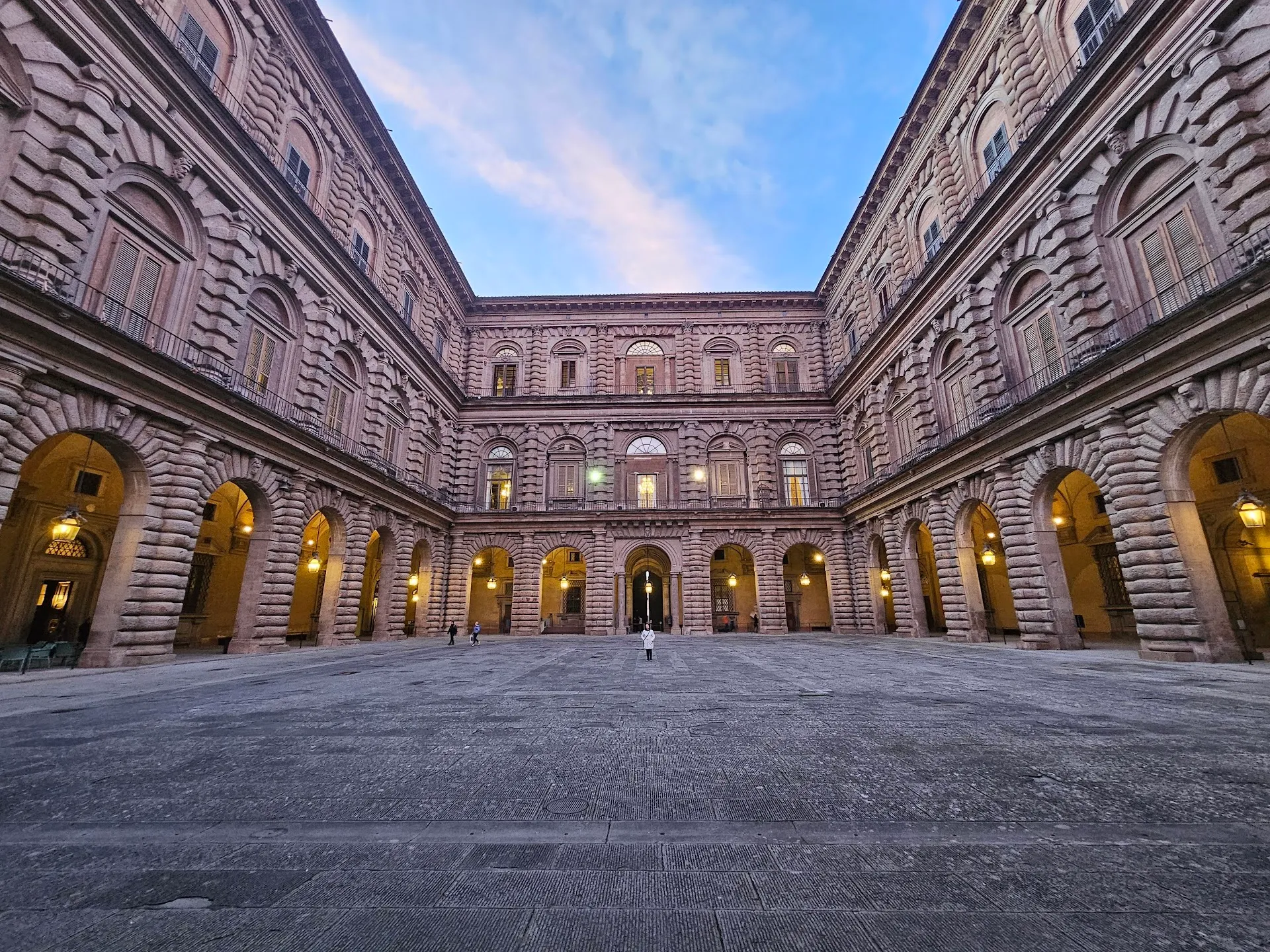
Massive Renaissance palace housing multiple museums including the Palatine Gallery with works by Raphael and Titian. The opulent state rooms rival Versailles in their lavish decoration.
Oltrarno
Park4.4
Boboli Gardens
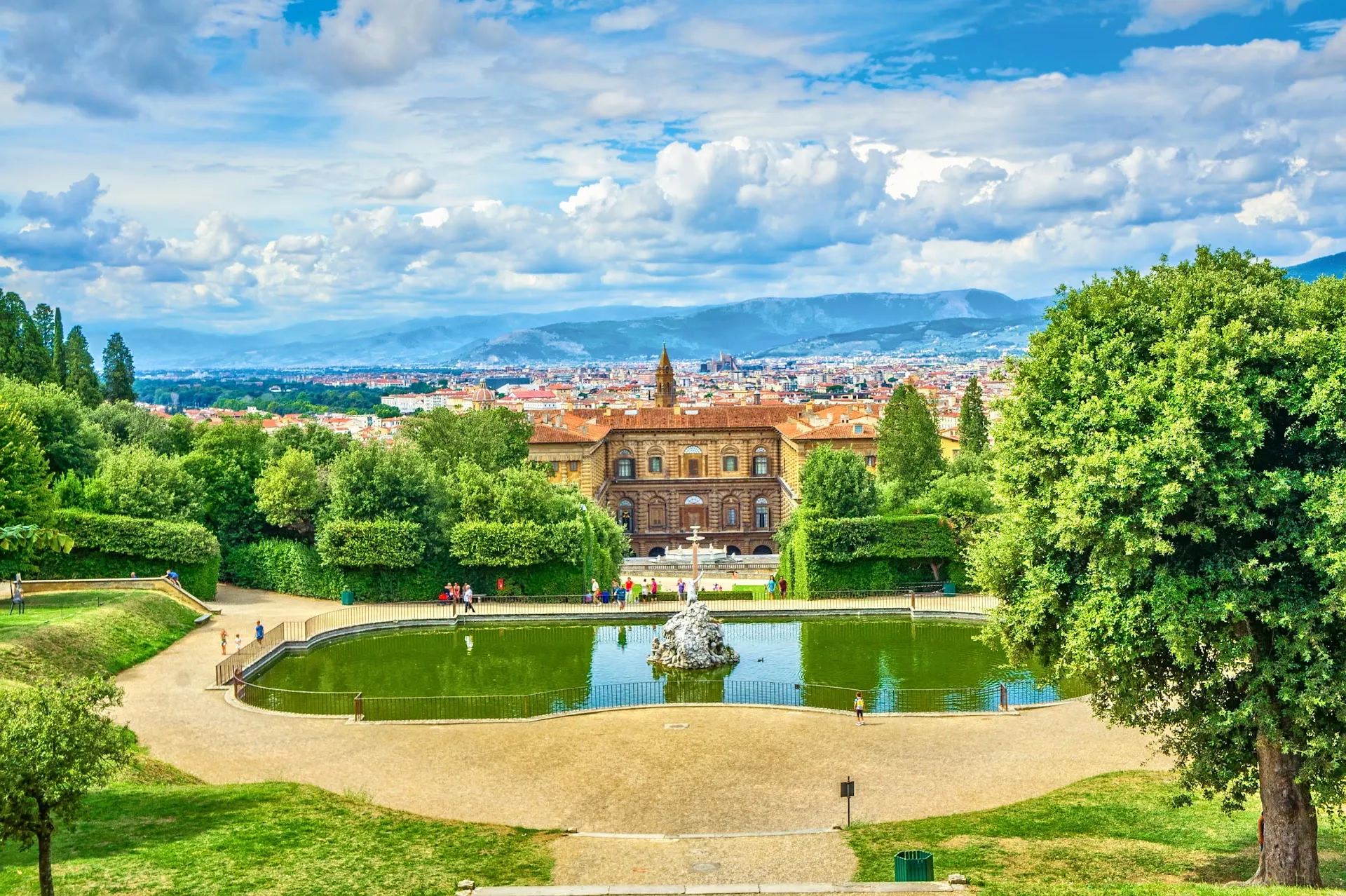
Expansive 16th-century Medici gardens rising behind Palazzo Pitti with grottoes, fountains, sculptures, and terraced hillside paths offering panoramic views over Florence's terracotta roofscape.
Oltrarno
Museum4.6
Basilica di Santa Croce
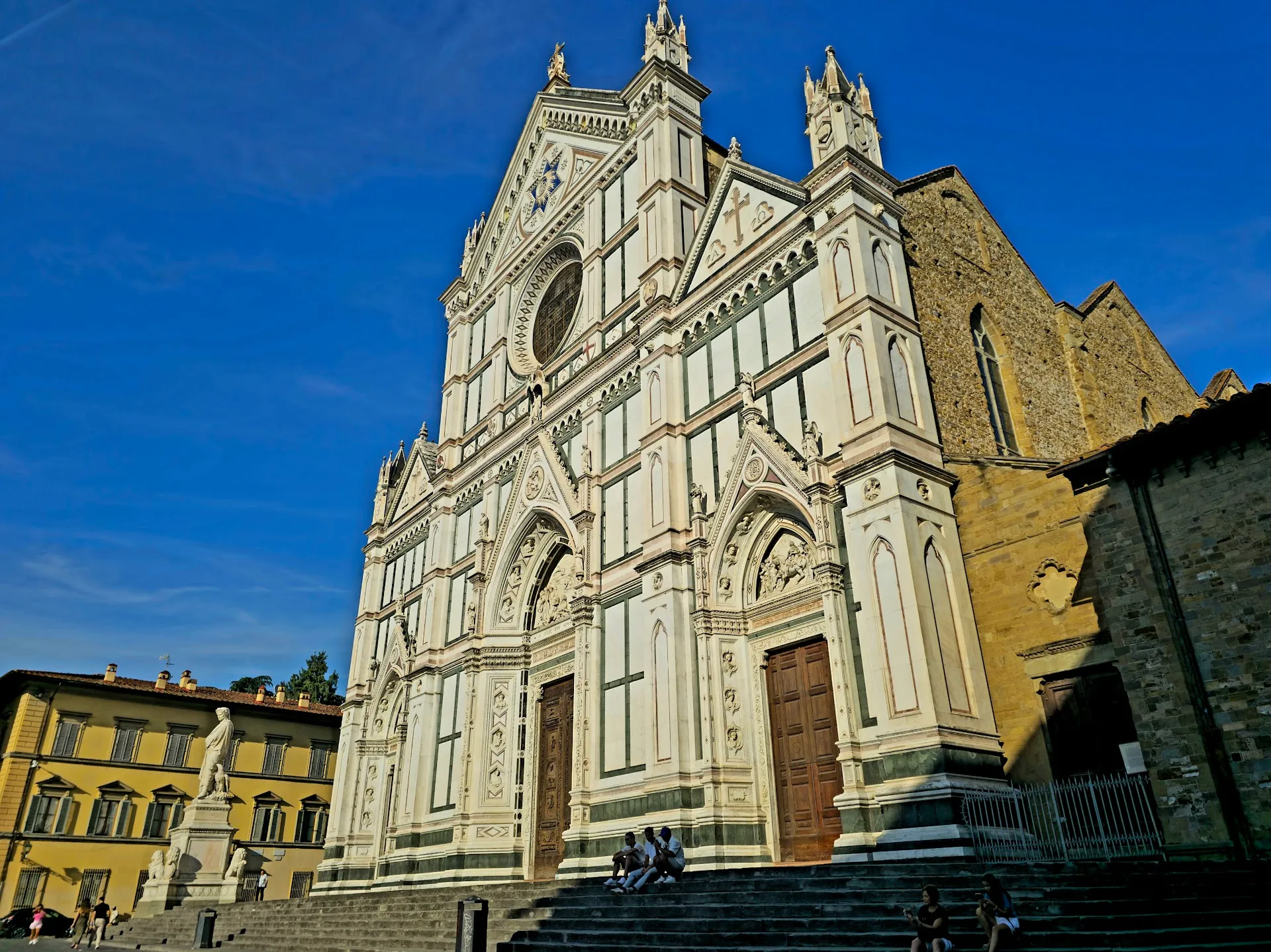
Gothic basilica serving as the final resting place of Michelangelo, Galileo, and Machiavelli. Giotto's frescoes in the Bardi and Peruzzi chapels are among the most important in Western art.
Santa Croce
Must visit
Temple5.0
Baptistery of St. John
One of Florence's oldest buildings, this Romanesque octagonal baptistery dates to at least the 11th century and features a dazzling golden mosaic ceiling depicting the Last Judgment. Its three sets of bronze doors are among the greatest achievements of Renaissance sculpture, with Ghiberti's east doors famously dubbed the 'Gates of Paradise' by Michelangelo.
Centro Storico
Sunset Spot
Piazzale Michelangelo Sunset Panorama
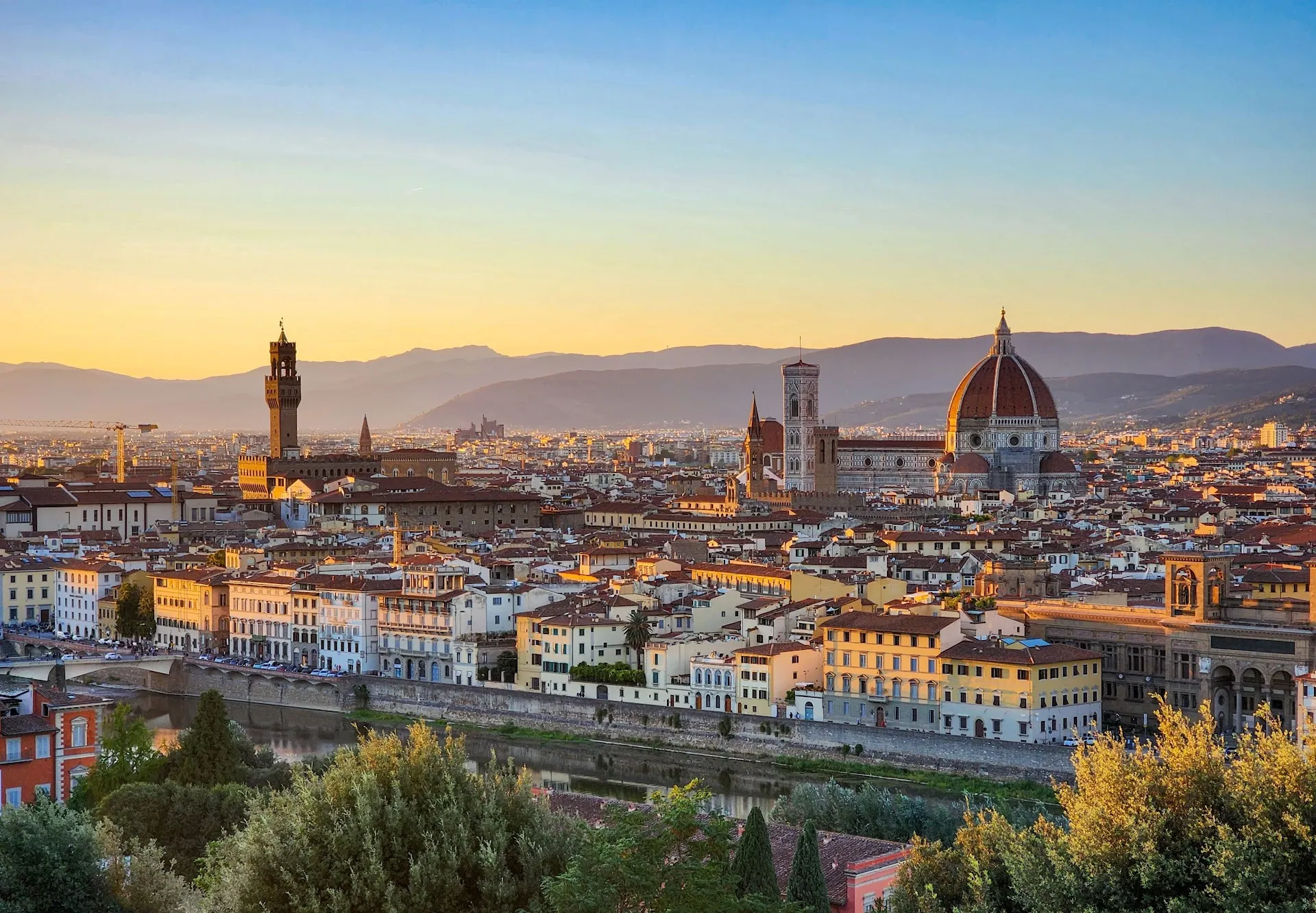
The quintessential Florence viewpoint — an elevated terrace on the south bank hillside delivering a sweeping panorama from the Duomo and Palazzo Vecchio to Ponte Vecchio and the distant Apuan Alps. At sunset the entire city glows in warm terracotta tones as the Arno reflects the fading sky. A bronze replica of David watches over the scene.
Piazzale Michelangelo, south bank hillside
Restaurant4.3
Mercato Centrale Food Hall
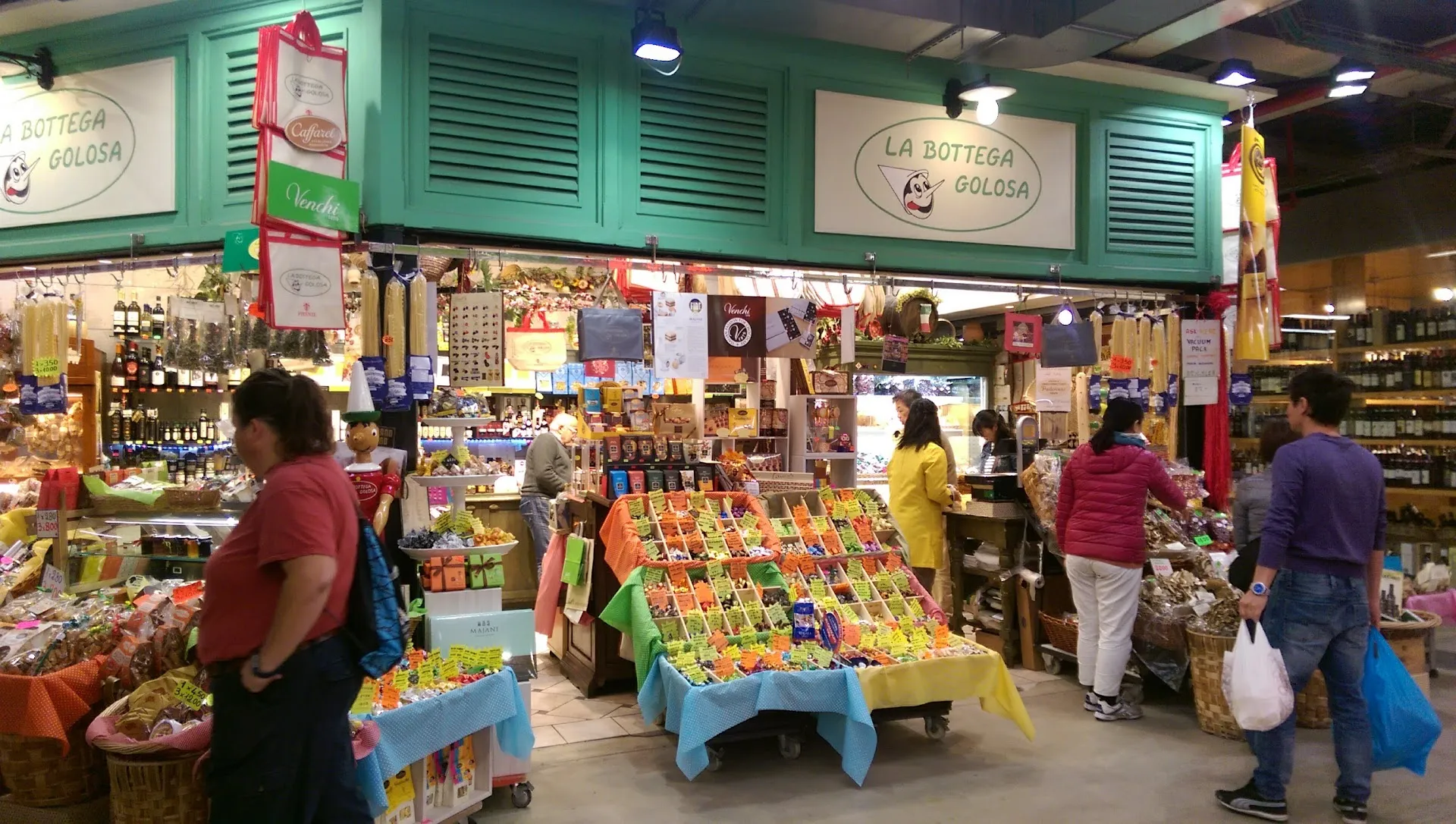
Upstairs food hall in the historic San Lorenzo market building with artisan stalls serving lampredotto, fresh pasta, Chianina beef, and gelato under a stunning 19th-century iron-and-glass roof.
San Lorenzo
Street
Oltrarno Backstreets
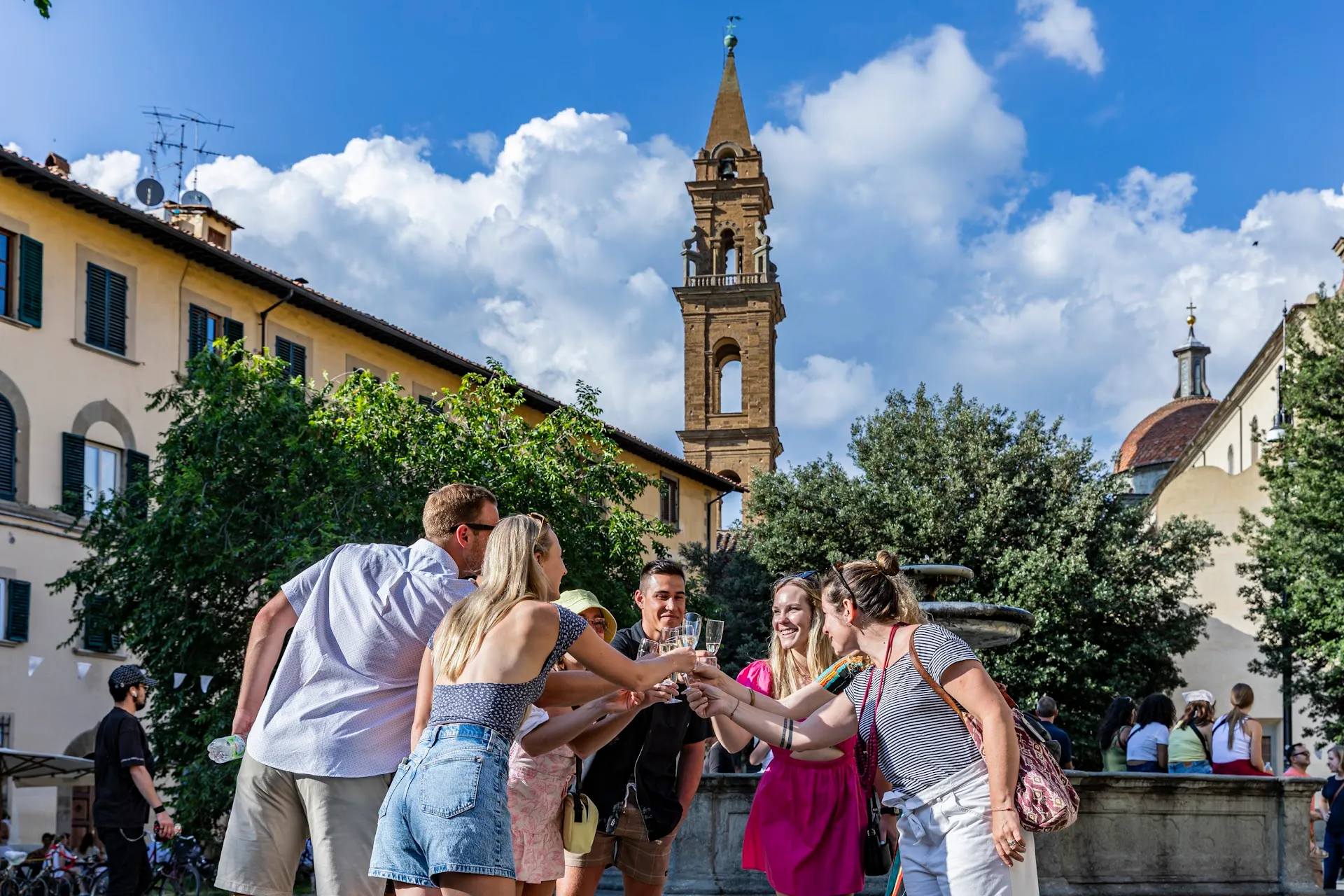
The left bank of the Arno retains the character of old Florence that mass tourism erased from the centro. Artisan workshops spill onto narrow streets, palazzo courtyards reveal hidden gardens, and Piazza Santo Spirito hosts a morning market and evening aperitivo scene. The patina of working-class authenticity mixed with creative energy makes Oltrarno the city's most photogenic and liveable quarter.
Oltrarno district (Borgo San Frediano, Via Maggio, Santo Spirito)
Tours & experiences
Free walking tours and curated paid experiences — save or book in a tap.
Tour
Uffizi Gallery Guided Tour
Navigate the Uffizi's extraordinary Renaissance collection with an expert guide who illuminates the stories behind Botticelli's Birth of Venus, Leonardo's Annunciation, and Caravaggio's Medusa. A guided tour transforms overwhelming abundance into a coherent journey through art history.
Uffizi Gallery, Centro Storico2-3 hours
Cultural
Brunelleschi's Dome Climb
Ascend 463 narrow steps between the inner and outer shells of the largest masonry dome ever constructed. Halfway up you walk along the interior gallery with Vasari's Last Judgment fresco at arm's reach before emerging onto the lantern for a 360-degree panorama of Florence and the Tuscan hills.
Cattedrale di Santa Maria del Fiore, Centro Storico1-1.5 hours
Food
Florentine Food Tour
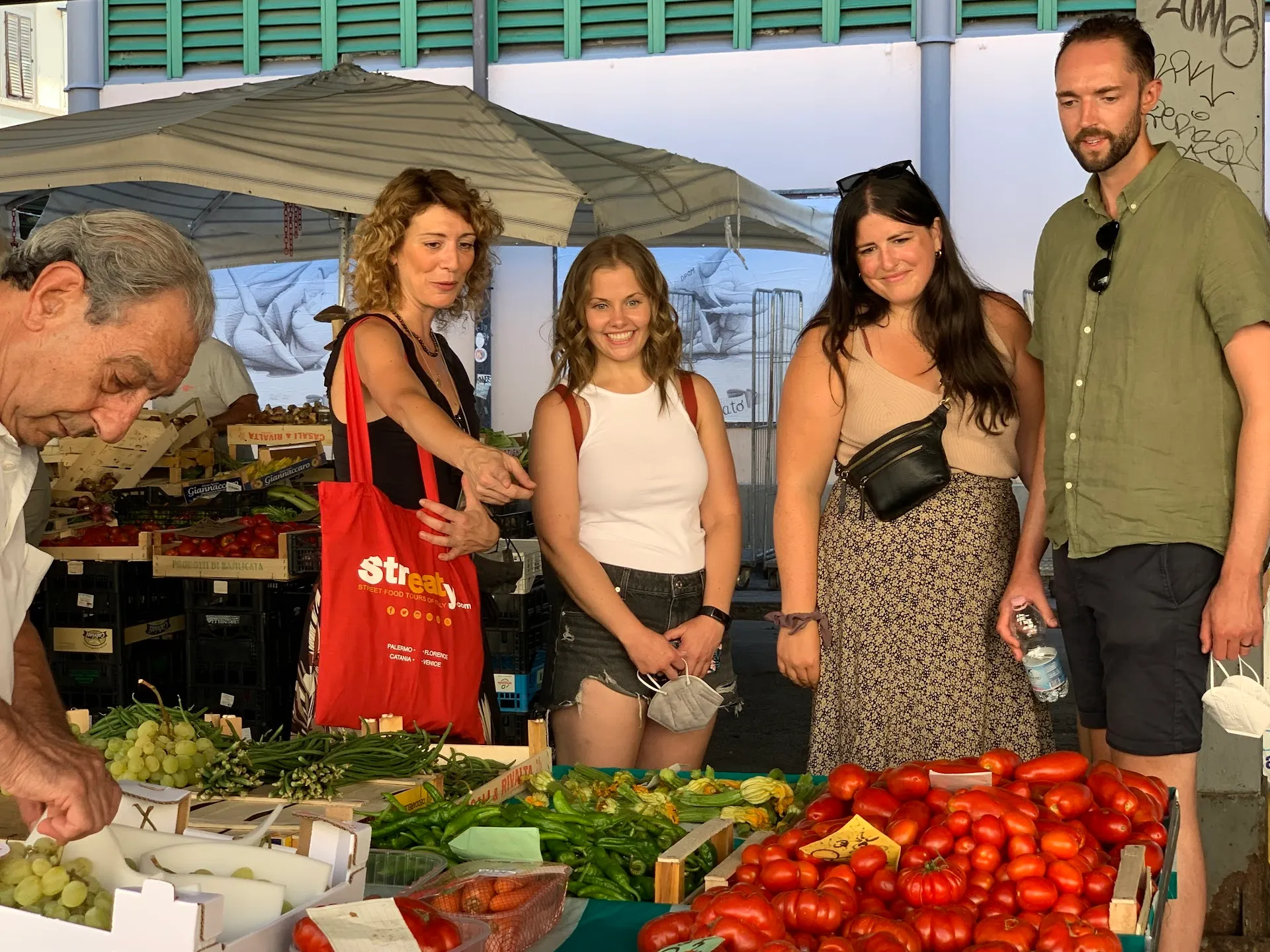
Eat your way through Florence's culinary soul: lampredotto from a street cart, ribollita at a market trattoria, bistecca alla fiorentina sliced thick, and schiacciata dripping with olive oil. A food tour here is a crash course in Tuscan simplicity and ingredient worship.
San Lorenzo & Centro Storico3-4 hours
Tour
Renaissance Architecture Walking Tour
Trace the birth of Renaissance architecture from Brunelleschi's revolutionary dome and the geometric harmony of San Lorenzo to Alberti's facade of Santa Maria Novella and Michelangelo's Laurentian Library staircase. The tour connects the key buildings where the classical principles of proportion, perspective, and symmetry were rediscovered and reinvented in stone.
Centro Storico, starting at the Duomo3-4 hours
Cultural
Oltrarno Artisan Workshop Walk
Wander the Oltrarno's backstreets where traditional artisans still practice crafts unchanged for centuries. Peer into open workshops of gilders, bookbinders, mosaic artists, and furniture restorers — the living heritage of Florentine craftsmanship.
Oltrarno district (south of Arno)2-3 hours
Food
Chianti Wine Tasting Day Trip
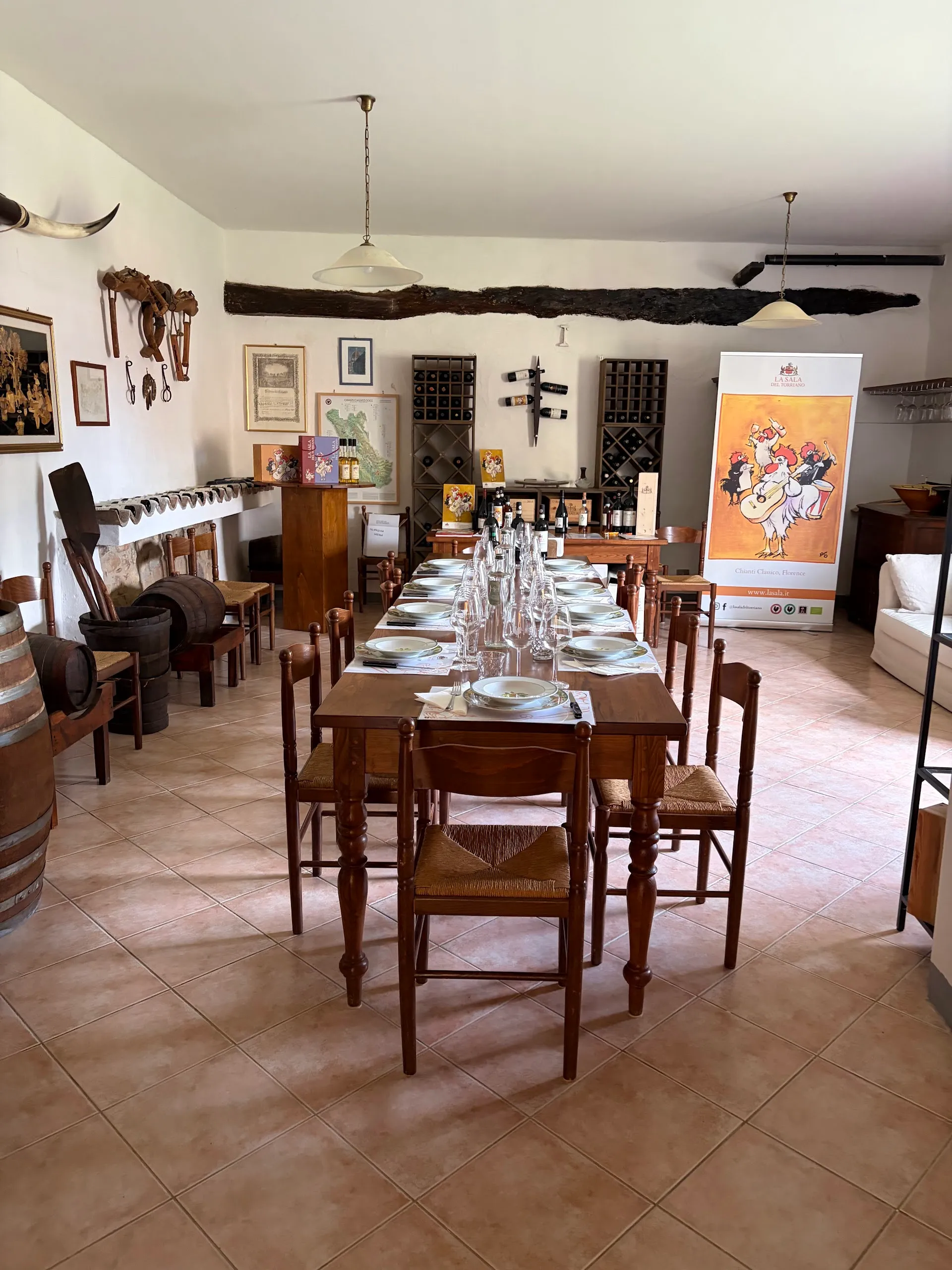
Escape into the rolling Chianti hills to visit family-run vineyards producing Chianti Classico and Super Tuscans. Taste wines paired with local pecorino, salumi, and bruschetta drizzled in estate olive oil while overlooking cypress-lined valleys.
Chianti region, 30-60 min south of Florence6-8 hours
Nightlife & live music in Florence
Clubs, jazz dens, listening bars and late-night spots worth staying out for.
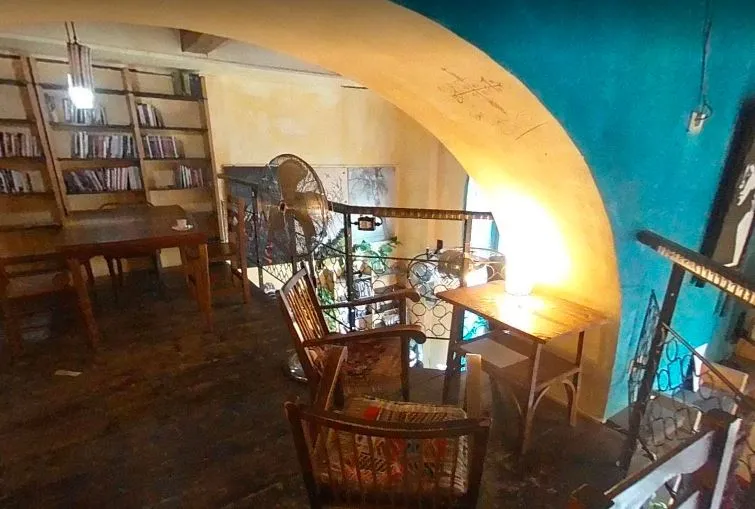
Bookshop, cafe, and bar hybrid in the bohemian Oltrarno district. Live jazz, readings, and a laid-back crowd of creatives make it feel more like a cultural living room than a venue.
Oltrarno
Bar4.5
Mad Souls & Spirits
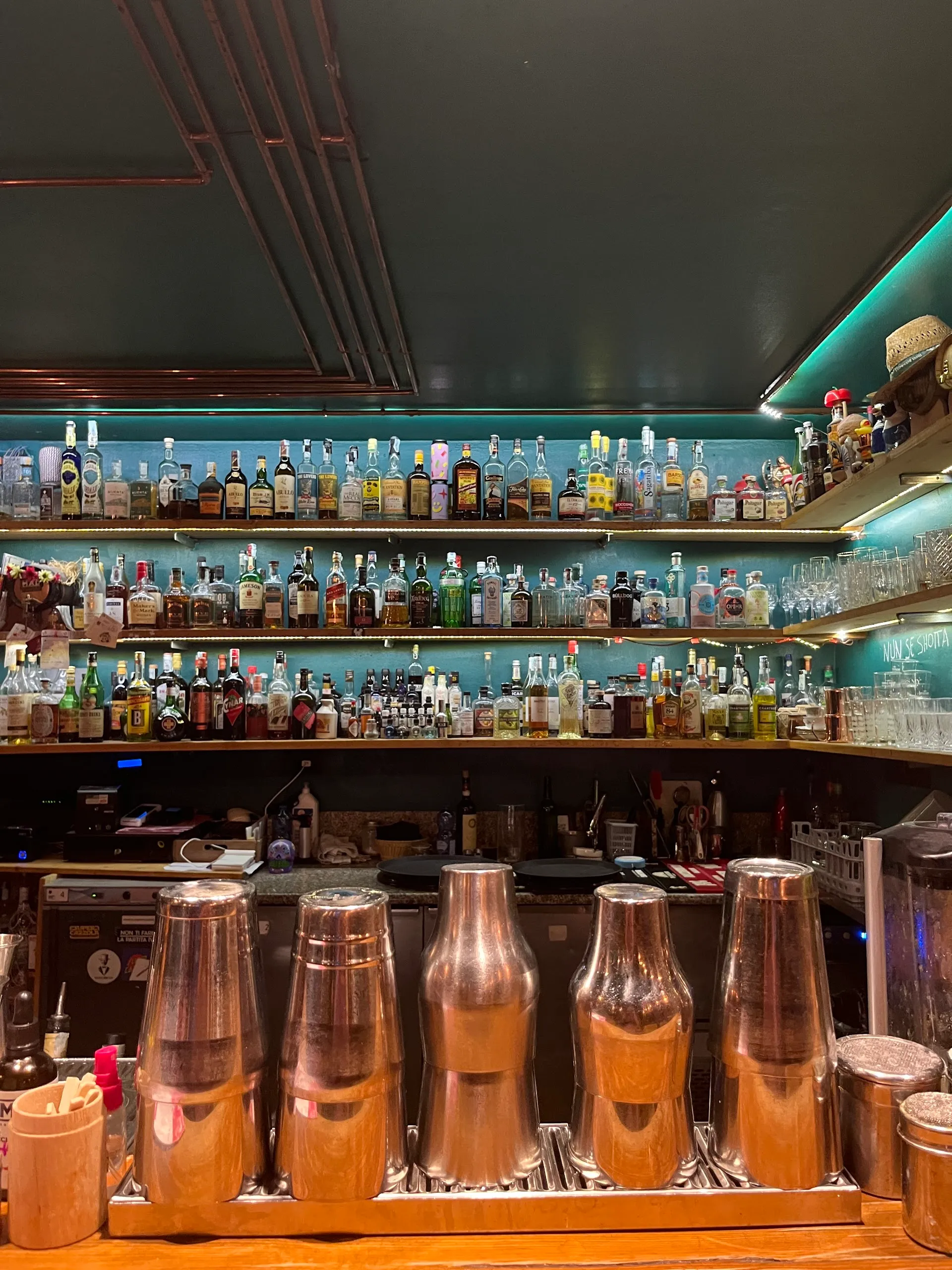
Inventive cocktail bar with a playful menu that changes seasonally. Expert mixologists craft drinks with house-made infusions and unusual Italian botanicals in a moody, intimate setting.
Centro Storico
Bar4.4
Todo Modo
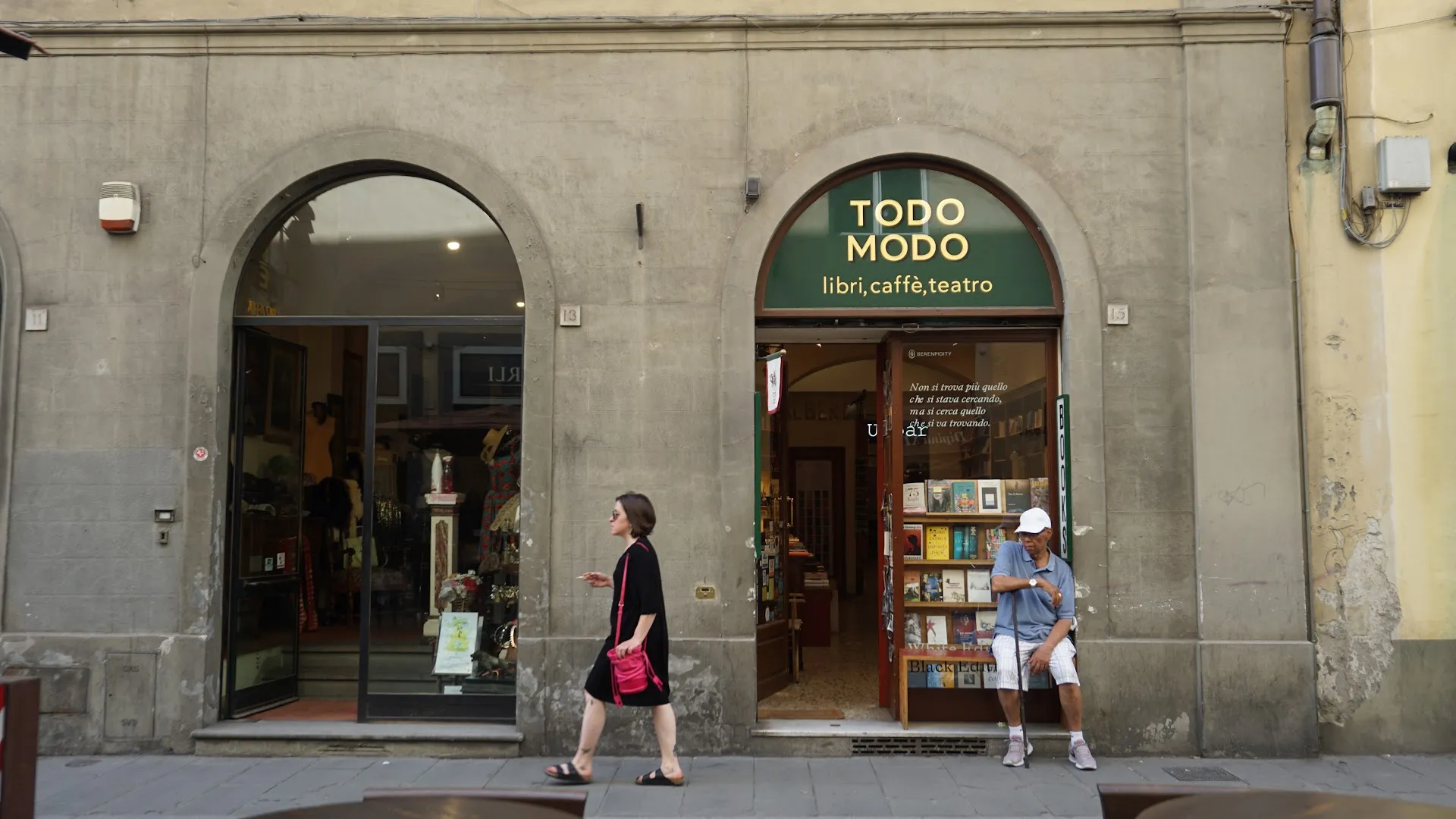
Independent bookshop with an atmospheric wine bar in the basement. Curated natural wines, literary events, and shelves packed floor-to-ceiling make it the intellectual heart of Florence.
Centro Storico
Walking routes in Florence
Ready-made routes, ordered stop by stop with a map — open in Google Maps or add the whole thing to a trip in one tap.
Three days is ideal to see the Duomo and dome, the Uffizi, Michelangelo's David at the Accademia, the Oltrarno, and a sunset at Piazzale Michelangelo without rushing. With a fourth or fifth day you can add a day trip to Siena, Pisa and Lucca, or the Chianti wine country.
Do I need to book Florence museums in advance?
Yes, for the big three. The Uffizi, the Galleria dell'Accademia (for David), and the climb up Brunelleschi's dome all use timed-entry tickets that frequently sell out and have long walk-up queues. Reserve these online before you arrive, especially from April to October.
When is the best time to visit Florence?
April-May and September-October offer the best balance of pleasant weather and manageable crowds. Summer is hot and very busy; winter is quiet and cheapest with the shortest museum lines. Tuesday to Thursday tend to be the calmest visiting days in any season.
Is Florence walkable?
Extremely. The historic centre is largely pedestrian and almost every major sight is within a 15-20 minute walk of the next. You rarely need public transport inside the centro; comfortable shoes matter more than any transit pass.
Is Florence expensive?
It is moderate by Western European standards. Museum tickets are EUR 16-25, street food is EUR 5-7, and a trattoria meal EUR 20-35. Accommodation is the biggest cost. Many churches and the open-air sculptures of Piazza della Signoria cost nothing.
Ready to plan Florence?
Turn this guide into a real trip — itinerary, map, budget and friends, all in one place.